[All Art Has Been Contemporary]

Art

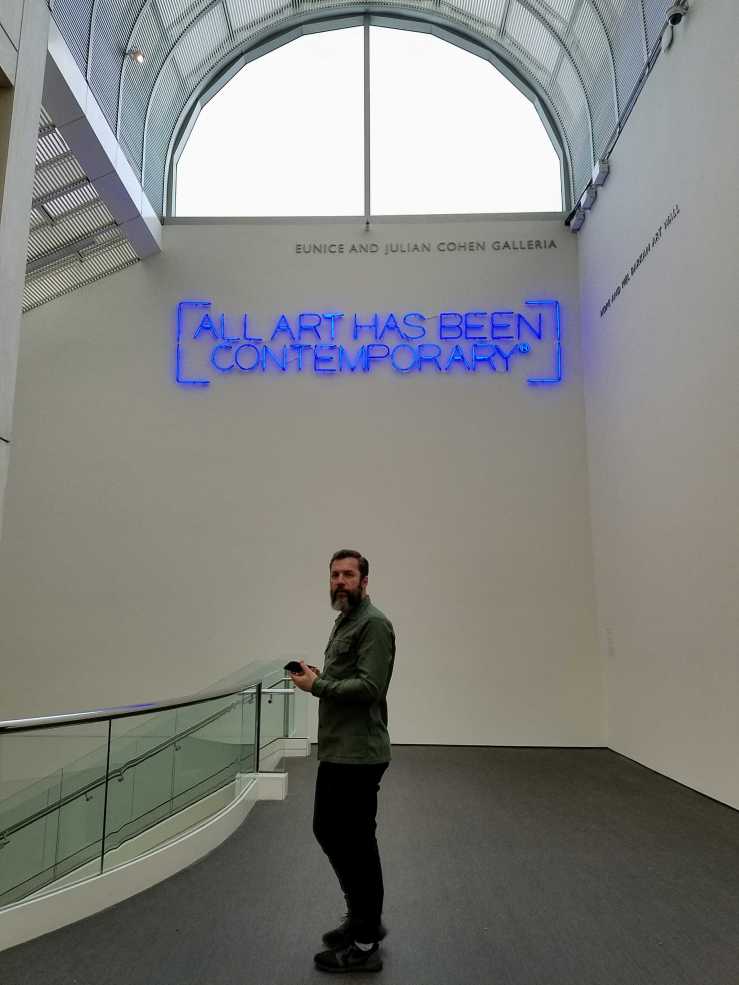
All Art Has Been Contemporary
Neon, transformer, clips; 1999, fabricated in 2011
Maurizio Nannucci

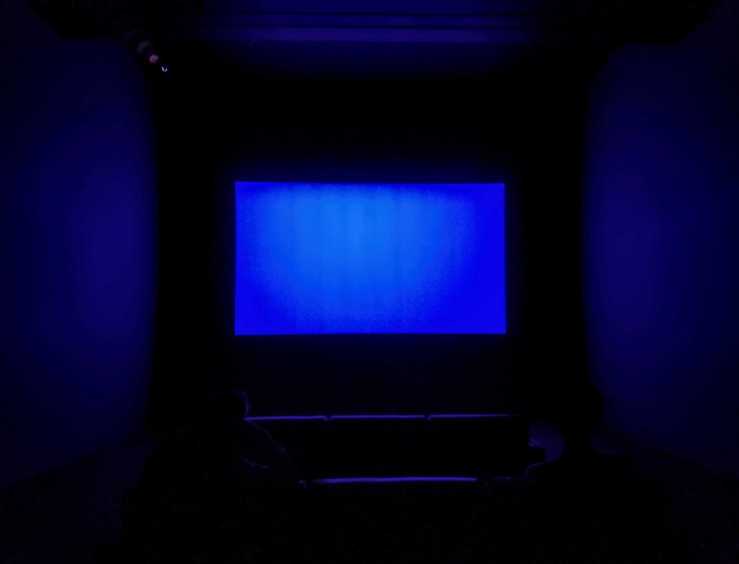
Darkness Made Visible, featuring:

Blue (1993), film
Derek Jarman

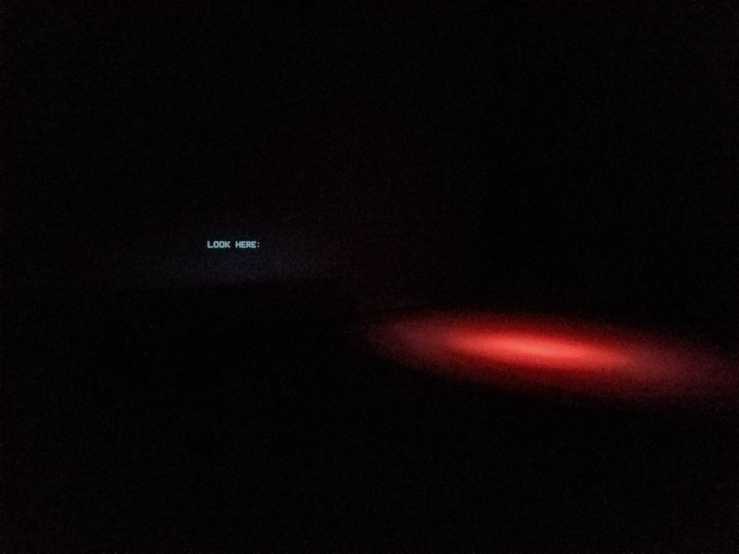
Spiderman (2015), video installation
Mark Bradford

The exhibition pairs Derek Jarman’s final feature-length film Blue (1993) with Mark Bradford’s video installation Spiderman (2015)—both riveting first-person accounts of the AIDS crisis that are distinctly subjective, lyrical, humorous, and dark. Through imageless projection and bold voiceovers, they both expose and defy the forces that have marginalized queer bodies since the 1980s.

Visual and emotional stimulation at the Linde Family Wing for Contemporary Art
Museum of Fine Arts, Boston

May 2nd, 2017

Imogen and Twinka

Judy Dater
Imogen and Twinka, 1974
Gelatin silver print

Judy Dater is one of a younger generation of female photographers who credited Cunningham with having had a major impact on their work and on them as individuals. In this image, Dater’s most famous portrait, we see a sprightly Imogen, wearing her usual long dark dress and peace signs on her camera straps, with her favourite model, Twinka. Each appraises the other across a massive tree trunk in Yosemite – one young and the other old, one clothed and the other nude, a study in contrasts with a generous dose of humour mixed in.

Museum of Fine Arts, Boston

May 2nd, 2017

The art of having your head in the clouds

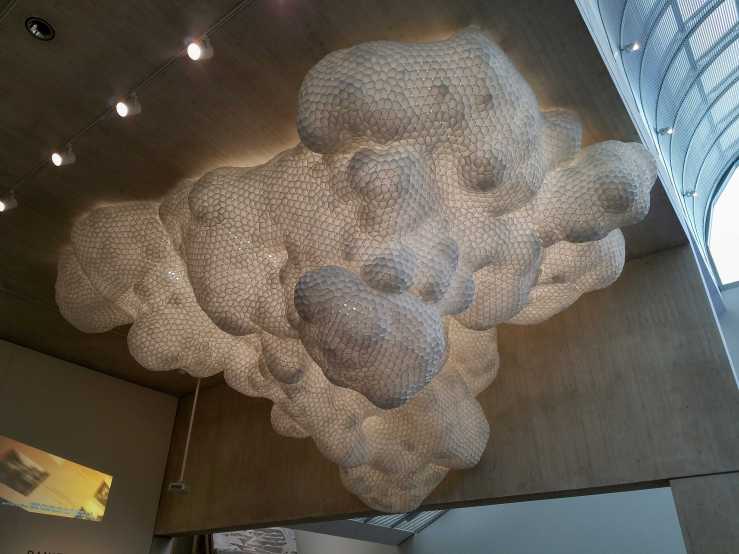
Walking into the galleries of the Linde Family Wing for Contemporary Art, I could hardly believe we were still in the same Museum.  Tara Donovan
Untitled, 2003
Styrofoam cups, hot glue

This undulating lattice of styrofoam drinking cups with glowing hollows and pliable rims was made to expand into the architecture of this particular space. To discover how they react to light and space in transcendent ways, Donovan experiments with huge volumes of manufactured materials. Clustered with an almost viral repetition, the cups above assume forms that both evoke natural systems and seem to defy the laws of nature. ”My work is mimicking the ways of nature, not necessarily mimicking nature” she notes. Here, it might suggest cellular growth or even the density of molecules in rolling clouds. 


Jonathan Borofsky
I Dreamed I Could Fly, 2000
Acrylic on fiberglass and incandescent lamp

Borofsky’s work is driven by the ideals of equality and harmony. Made especially for the wide open spaces of the Linde Family Wing, these flying figures ”are able to rise up and look down upon the whole planet… [they] see and feel that human beings are all connected together and that we are all one – no divisions and no walls.” 


Always a pleasure to discover a work by Borofsky; you can see two more works we came across in earlier trips, in Philadelphia and Baltimore.

Museum of Fine Arts, Boston
May 2nd, 2017

Museum of Fine Arts (MFA) Boston || Botticelli

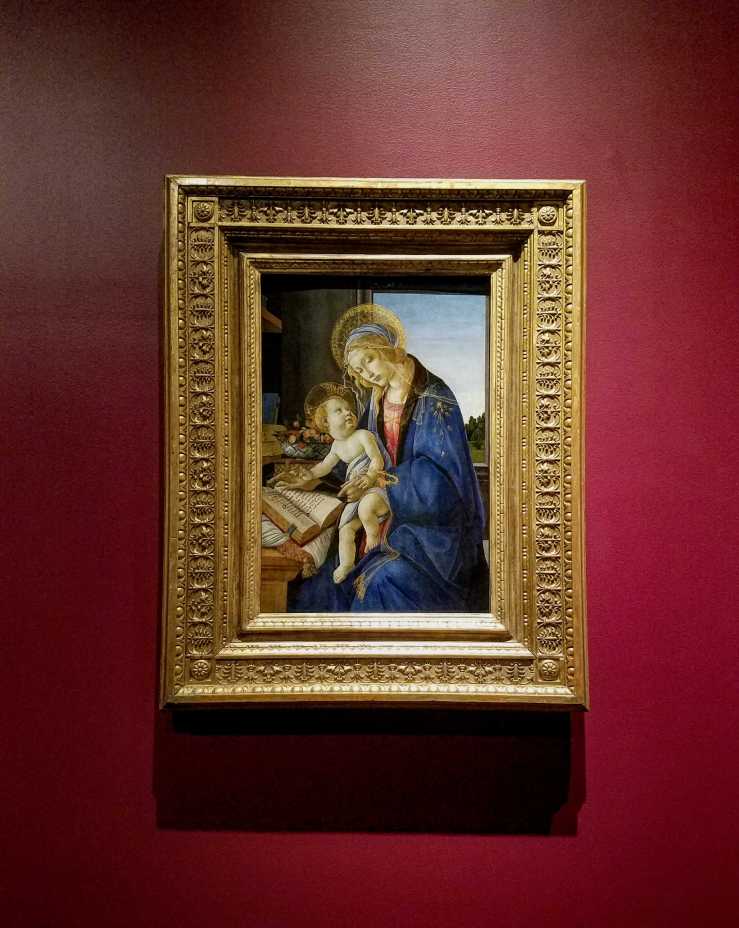
Botticelli and the Search for the Divine” was MFA’s main exhibition during our visit, and the ”largest, most important display of Botticelli’s works in the US” at that. While Botticelli’s subject matter, i.e. religious (Christian) imagery, leaves me unaffected, I can’t but admire his artistic dexterity, no doubt cultivated and enhanced by the support of his patrons, the wealthy Medici family, headed by Lorenzo the Magnificent. And, while his patrons largely dictated what the artist would create, they also provided the means for some of his most emblematic works. For instance, on Virgin and Child (Madonna of the Book), the artist used rare, expensive materials: green pigment from the mineral malachite; pure gold; and, most valuable of all, pulverized lapis lazuli, imported from Afghanistan, for the deep ultramarine of the Virgin’s robe. Materials that the majority of artists could very rarely afford – if at all.

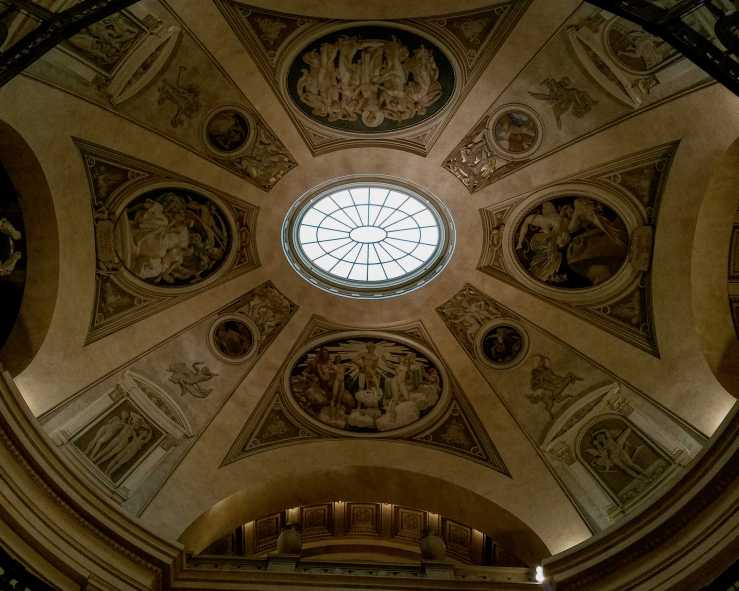
But first, in order to reach the exhibition, one had to walk through the Museum’s Rotunda – in itself a work of art, decorated as it is with John Singer Sargent’s murals.

”In 1916, the MFA’s Trustees invited Sargent to decorate three lunettes in the Rotunda. Sargent offered a counter-proposal, suggesting that the Rotunda’s coffered ceiling be redesigned to allow space for a program of sculptural reliefs representing various classical gods and heroes. Using a scale model, Sargent ultimately decided that the limited daylight coming through the oculus would compromise the reliefs’ visibility from the floor. He did integrate some reliefs into his overall program for the Rotunda, but Sargent instead embarked upon a series of paintings for the space, which was unveiled to great fanfare in 1921, along with his designs for the surrounding balustrades and the casts of Venus and Minerva seen in the niches above.”
Sandro Botticelli, Virgin and Child (Madonna of the Book), ca. 1478–80
Tempera and gold on panel
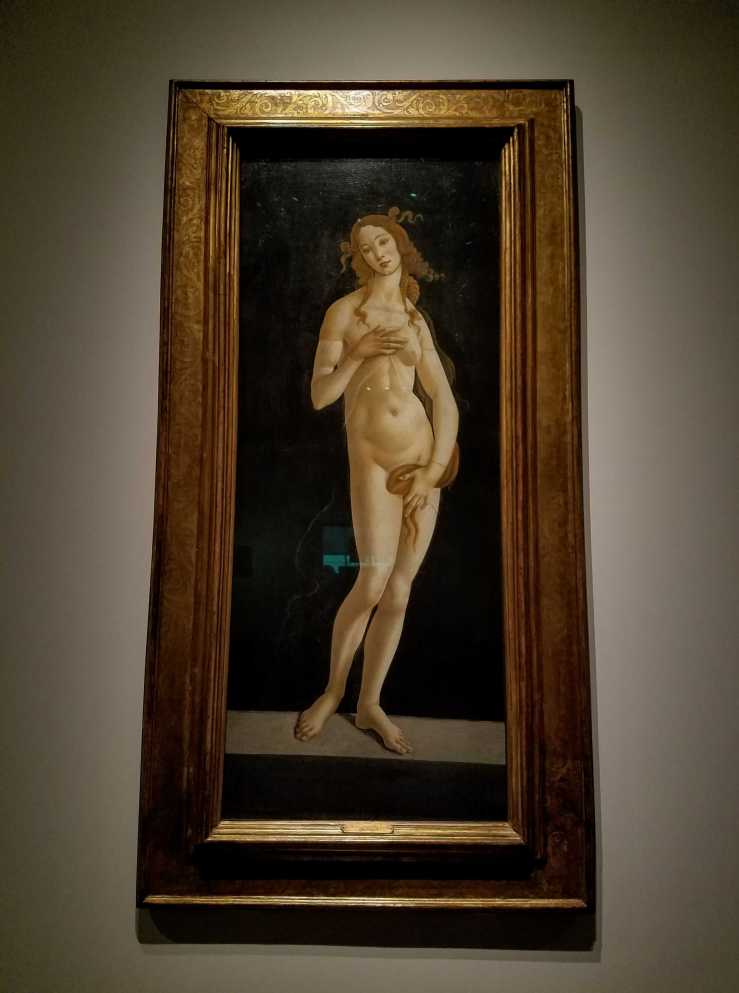

Sandro Botticelli and workshop, Venus, ca. 1484-90. Oil on canvas, transferred from panel.
While this particular Venus (and another, now in Berlin) have been attributed directly to Botticelli in the past, some experts today regard them as painted under the master’s supervision by assistants.


Sandro Botticelli, Minerva and the Centaur, ca. 1482
Tempera on canvas


Sandro Botticelli, Saint Augustine in his Study, ca. 1480
Detached fresco


May 2nd, 2017
A touch of Gotham (in case you missed New York)

The first two images are from the former Mount Vernon Church, designed by architect Charles Howard Walker and built ca. 1892 on the corner of Beacon Street and Massachusetts Avenue, in Back Bay. It functioned as a congregational church until 1970 when it was closed; it was destroyed by fire in 1978.

In 1983 the remains were imaginatively restored by architect Graham Gund who decided to keep the existing church structure – tower included – and combine it with a modern building. The result was today’s Church Court Condominiums, one of the most interesting residential buildings in Boston. I wonder whether the tower has been converted into a loft – just imagine the views!

The next three images are details from an office building, located at 60 Massachusetts Ave. 

Details about the building’s course from Church to luxury condos can be found on Back Bay Houses.

May 1st, 2017

Charles River Esplanade

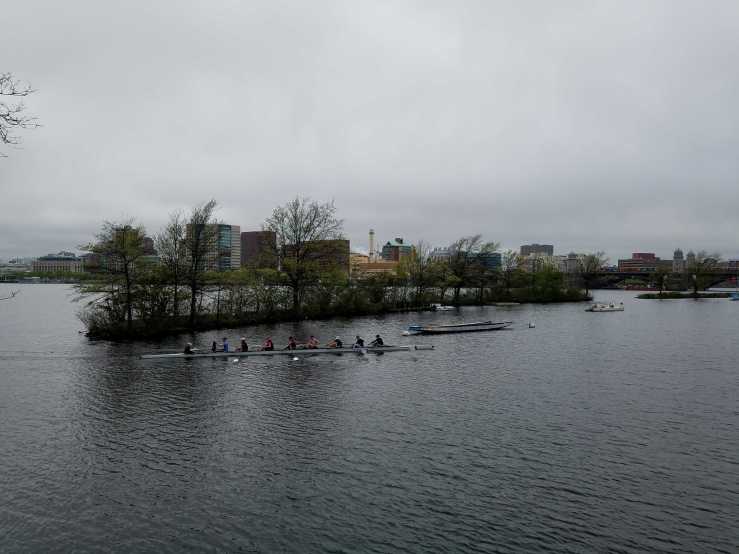
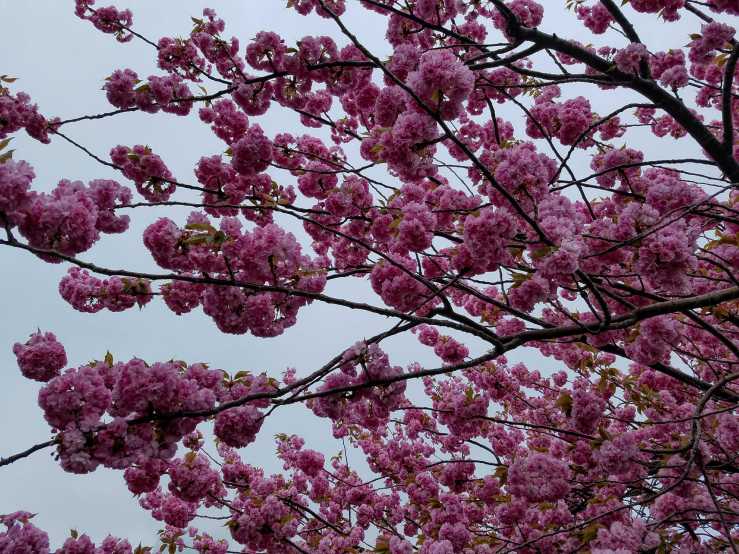
There is so much going on, on the Charles River Esplanade – but that’s only my guess, quiet as it was on that cloudy May Day. On warmer days, the Hatch Cell becomes alive with concerts and plays. There are many sports and playgrounds alongside, and paddling on the river. People are walking and jogging, others play on the lawn. Families and friends share picnics. There is music and laughter and basking in the sun. But, for now, let us enjoy a precious moment of peace, as transient and fragile as those pink cherry blossoms.  

May 1st, 2017