”Botticelli and the Search for the Divine” was MFA’s main exhibition during our visit, and the ”largest, most important display of Botticelli’s works in the US” at that. While Botticelli’s subject matter, i.e. religious (Christian) imagery, leaves me unaffected, I can’t but admire his artistic dexterity, no doubt cultivated and enhanced by the support of his patrons, the wealthy Medici family, headed by Lorenzo the Magnificent. And, while his patrons largely dictated what the artist would create, they also provided the means for some of his most emblematic works. For instance, on Virgin and Child (Madonna of the Book), the artist used rare, expensive materials: green pigment from the mineral malachite; pure gold; and, most valuable of all, pulverized lapis lazuli, imported from Afghanistan, for the deep ultramarine of the Virgin’s robe. Materials that the majority of artists could very rarely afford – if at all.
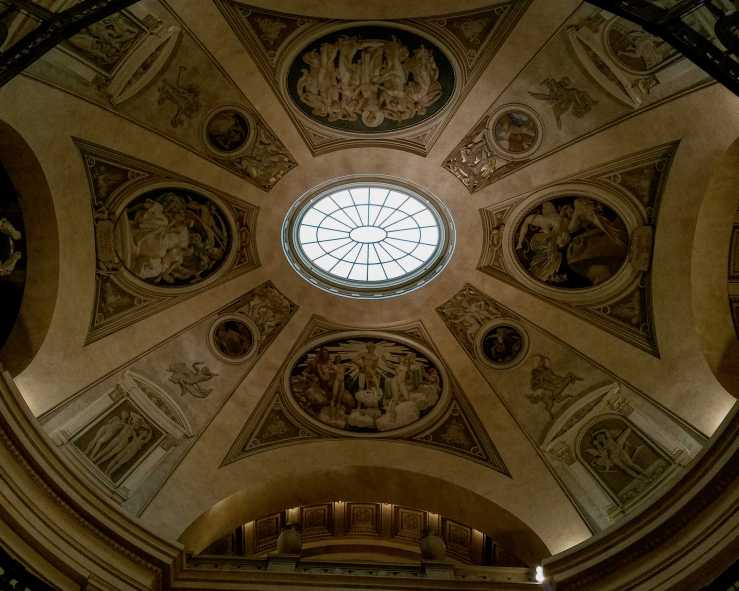
But first, in order to reach the exhibition, one had to walk through the Museum’s Rotunda – in itself a work of art, decorated as it is with John Singer Sargent’s murals.
”In 1916, the MFA’s Trustees invited Sargent to decorate three lunettes in the Rotunda. Sargent offered a counter-proposal, suggesting that the Rotunda’s coffered ceiling be redesigned to allow space for a program of sculptural reliefs representing various classical gods and heroes. Using a scale model, Sargent ultimately decided that the limited daylight coming through the oculus would compromise the reliefs’ visibility from the floor. He did integrate some reliefs into his overall program for the Rotunda, but Sargent instead embarked upon a series of paintings for the space, which was unveiled to great fanfare in 1921, along with his designs for the surrounding balustrades and the casts of Venus and Minerva seen in the niches above.”

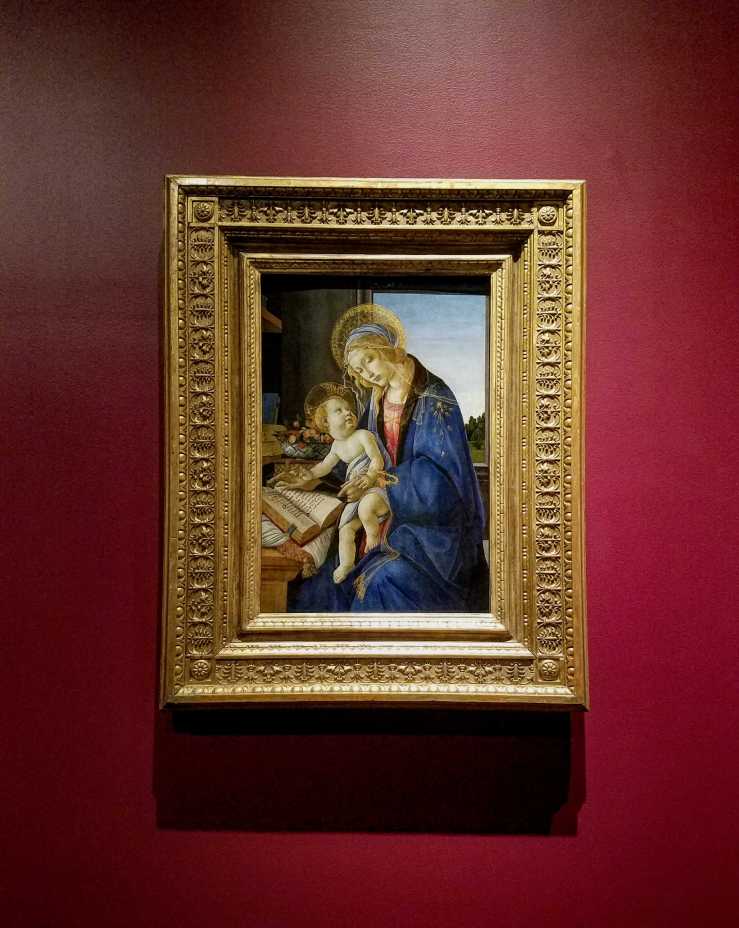 Sandro Botticelli, Virgin and Child (Madonna of the Book), ca. 1478–80
Tempera and gold on panel
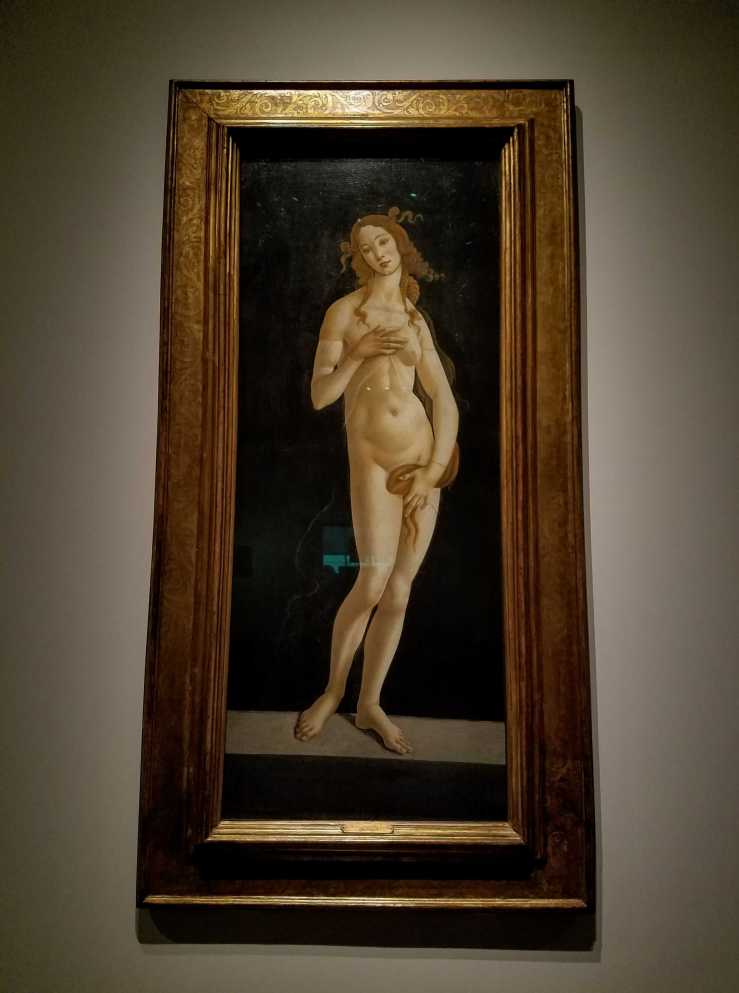 Sandro Botticelli and workshop, Venus, ca. 1484-90. Oil on canvas, transferred from panel.
While this particular Venus (and another, now in Berlin) have been attributed directly to Botticelli in the past, some experts today regard them as painted under the master’s supervision by assistants.
 Sandro Botticelli, Minerva and the Centaur, ca. 1482
Tempera on canvas
 Sandro Botticelli, Saint Augustine in his Study, ca. 1480
Detached fresco

May 2nd, 2017

 There is a bunny hiding in this picture; an adorable little troublemaker, disrupting the peace.








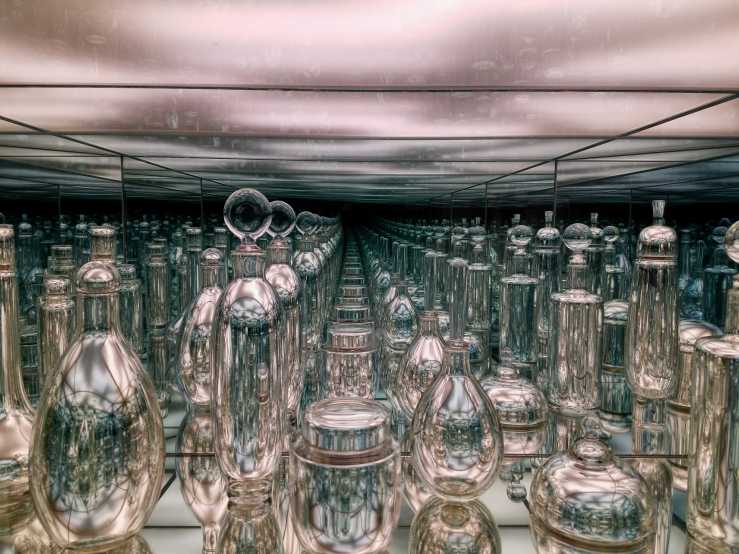


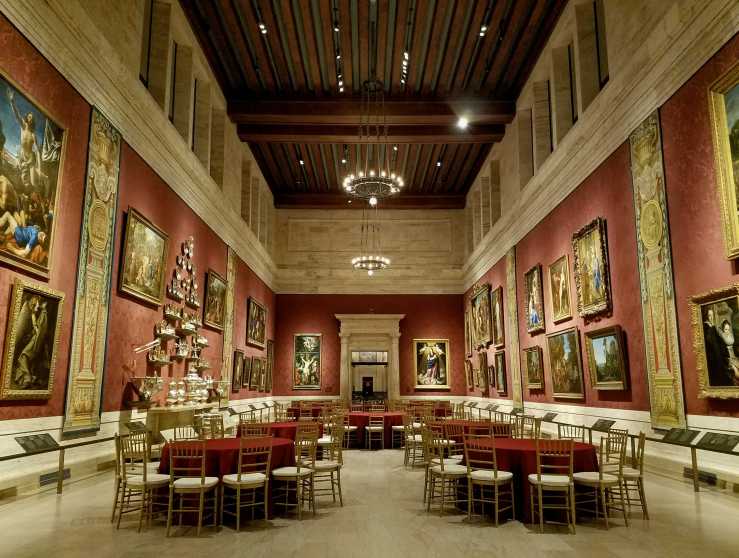 … it leads to the Monet gallery. The MFA boasts one of the largest collections of Claude Monet’s work outside France, with a whole gallery dedicated to the artist! Below, just two of the works I particularly enjoy – the first, for its virtuosity and splendid kimono and the second, for its hazy, dreamy mood:
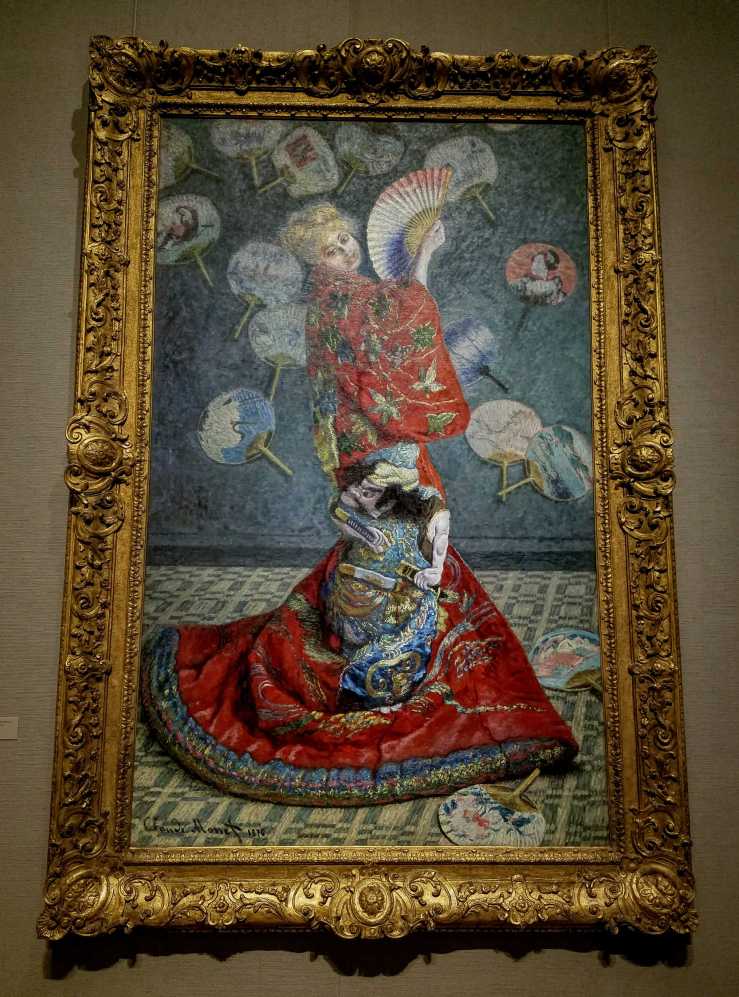 Claude Monet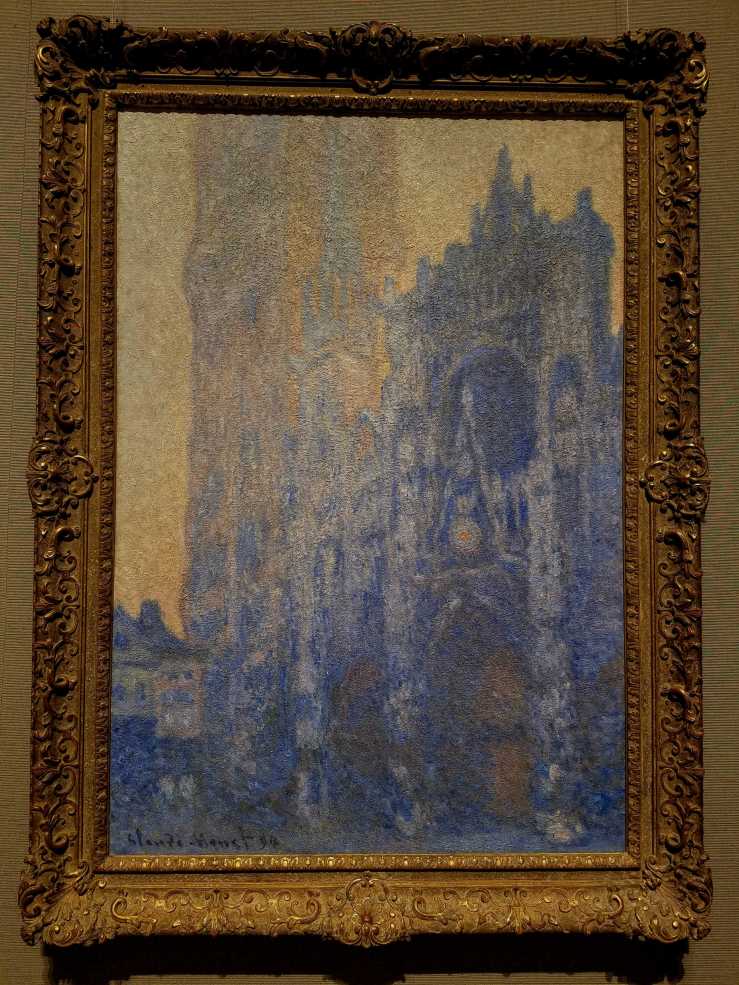





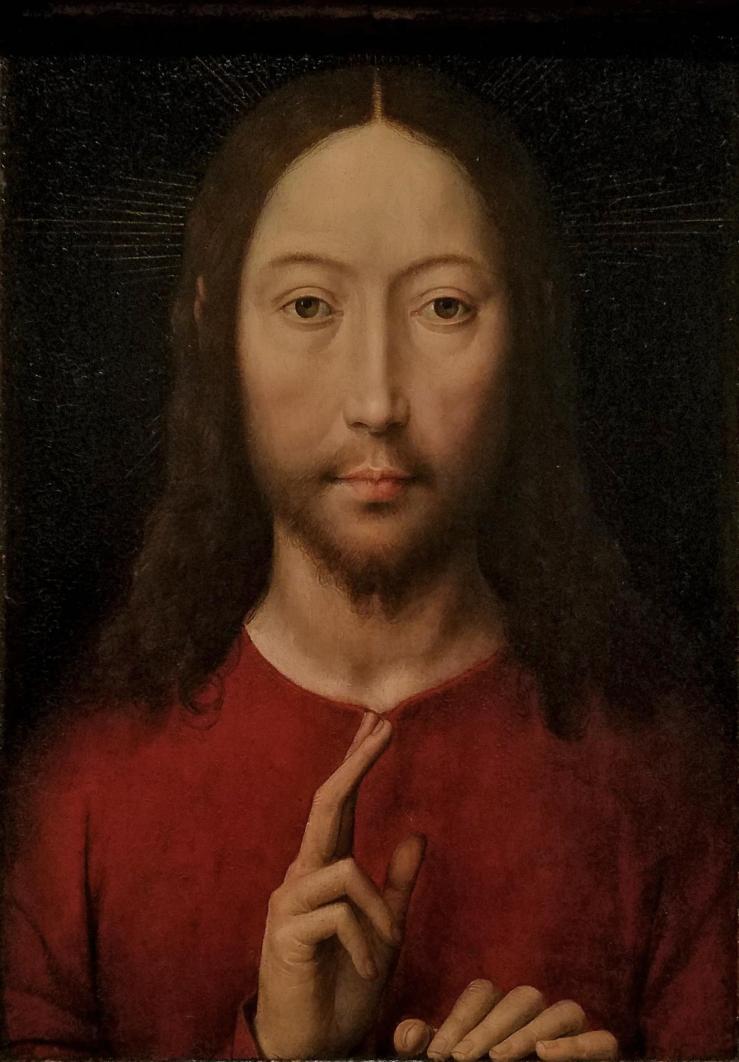 Hans Memling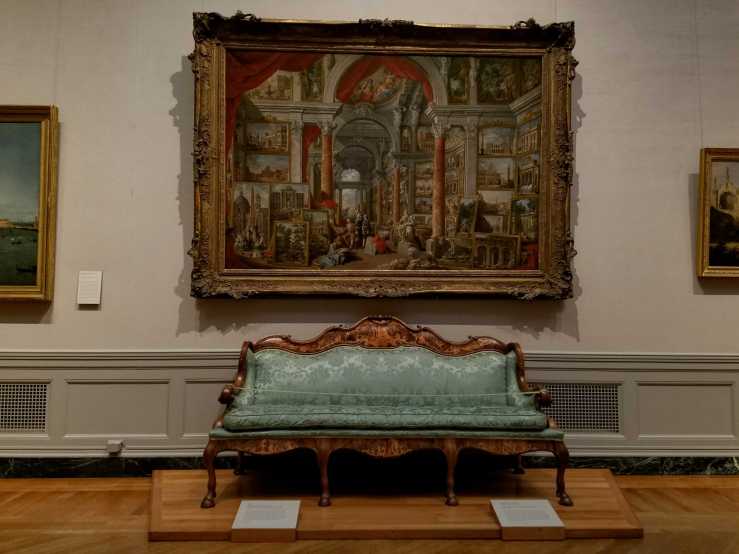

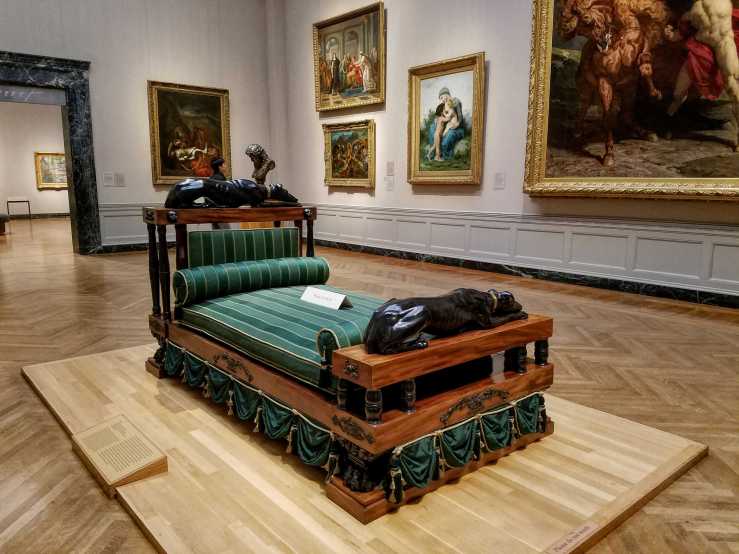 Bed
Bed  This bed is among the most original pieces of English Regency furniture. Dominant in English interiors from about 1800 to 1830, the Regency style perpetuated the classical taste of the late 18th century but was more academic and archaeologically correct. This bed closely resembles furnishings designed by Thomas Hope – collector, connoisseur and a pivotal figure in the classical revival of Regency England- for one of his residences. Its architectural form and bronze mounts derive from ancient and Renaissance models. The greyhounds, however, are inspired by medieval tomb sculpture and exemplify the more romantic interpretation of historical sources characteristic of Hope’s influential furniture designs. The bed may have been used for resting – a day bed – or for sleeping.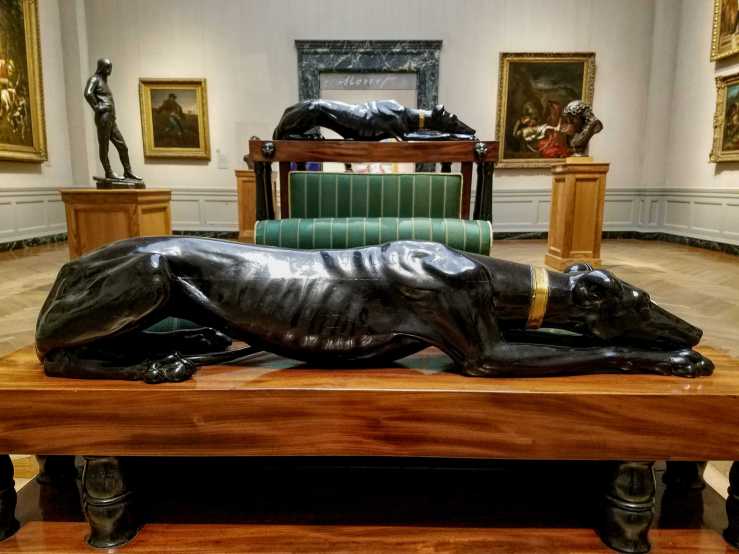










 Judy Dater
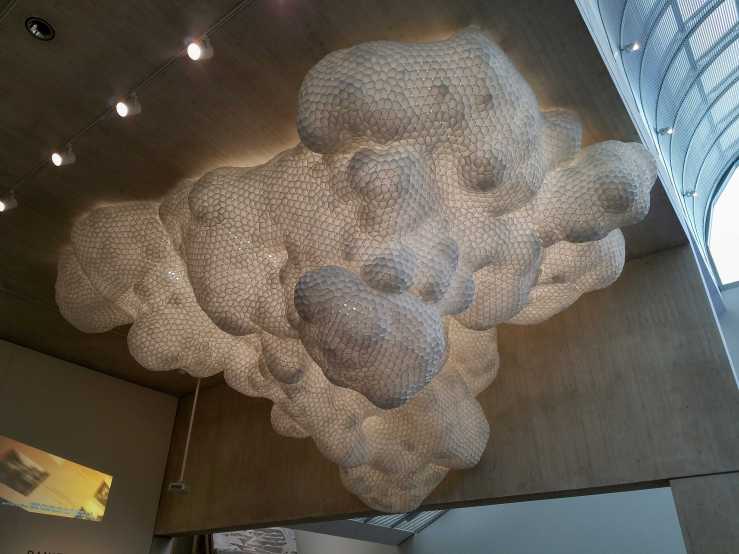 Tara Donovan
 Jonathan Borofsky
 The Humble Fabulist