Philadelphia – Museum of Art

Vast in size, rich in collections with major works from European, American and Asian artists, from paintings and prints to decorative items and furniture, it will require at least three hours for a ”quick” overview – and that includes the main building only. For the museum manages several annexes such as the Rodin Museum and the Perelman Building across the street, which is why your ticket will be valid for two consecutive days – in case you have the stamina to visit them all (which we didn’t).

The images below show a very brief part of what you can expect to see in the museum; I skipped most of the paintings in favour of objects and furniture that got my attention.

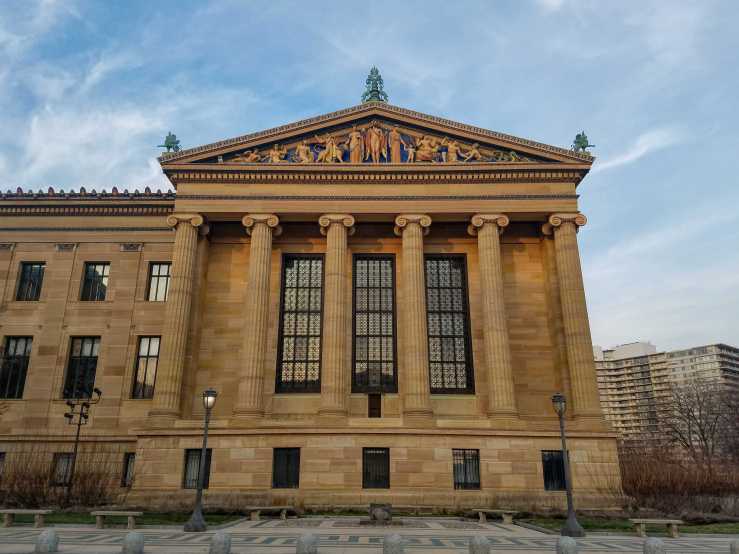
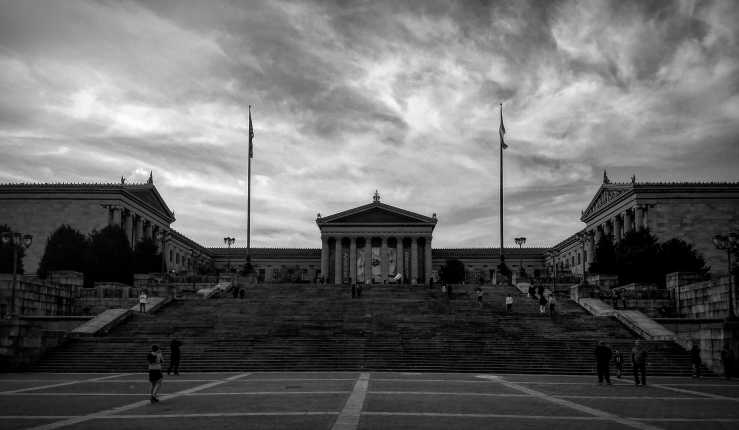
The Greek Revival facade.
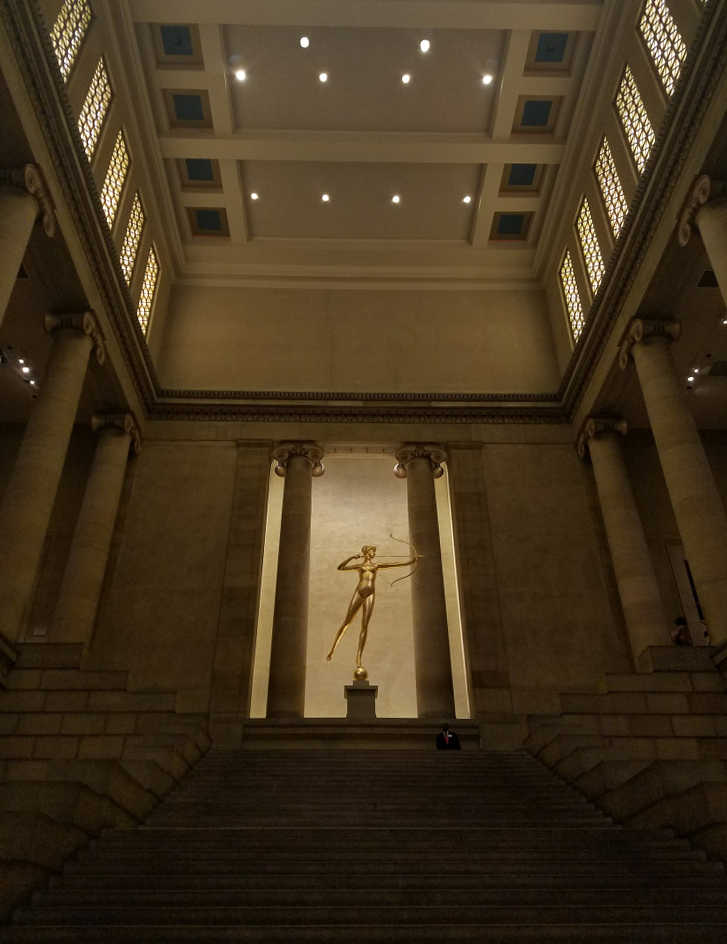
Diana, 1892-1893, in gilded copper sheets by Augustus Saint-Gaudens. Diana is arguably the best-known work of Augustus Saint-Gaudens, who was recognized at the turn of the century as the country’s finest sculptor. When installed in 1893 on the tower of New York’s Madison Square Garden to serve as a weather vane, Diana ruled the highest point in Manhattan. The sculpture’s gilded form caught the sun during the day and was illuminated at night by the city’s first electric floodlights. Madison Square Garden was demolished in 1925 and the Philadelphia Museum of Art adopted the sculpture in 1932. Diana has reigned as the goddess of the Museum’s Great Stair Hall ever since.
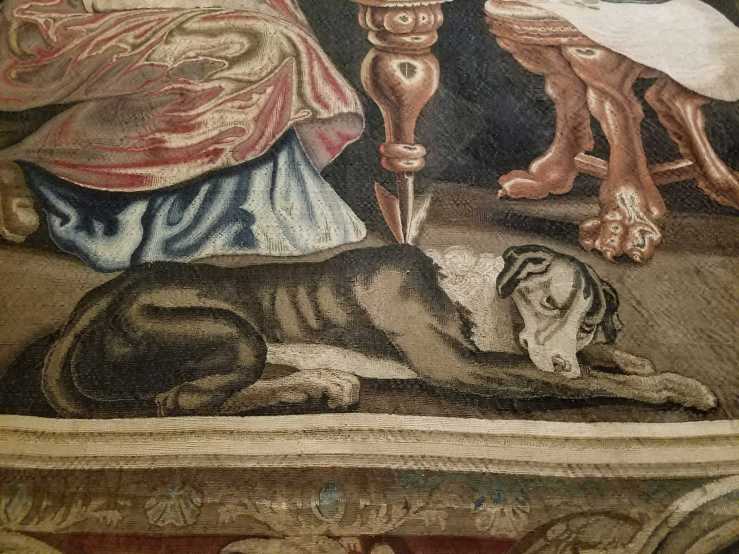
From a Tapestry showing Constantine Directing the Building of Constantinople, 1623-25. A composition designed by Peter Paul Rubens. Detail showing that some things never change.
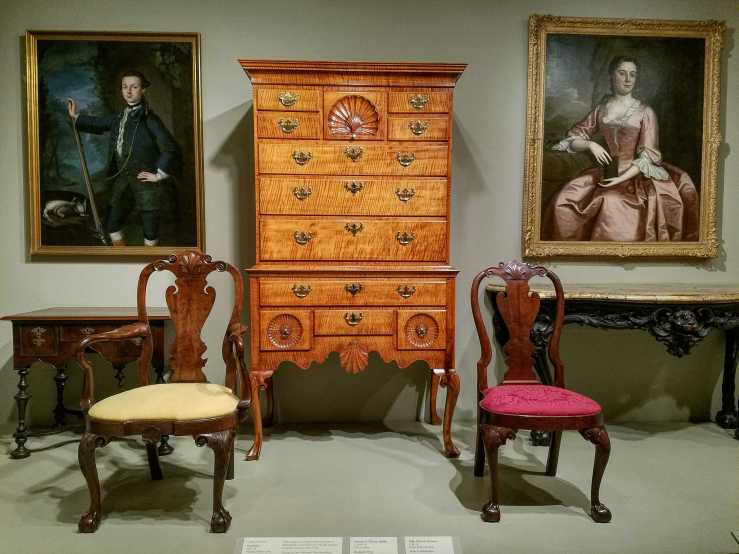
High Chest of Drawers, 1740-50. Curly maple, red pine. Armchair, 1745-55. Walnut. All made in Philadelphia.
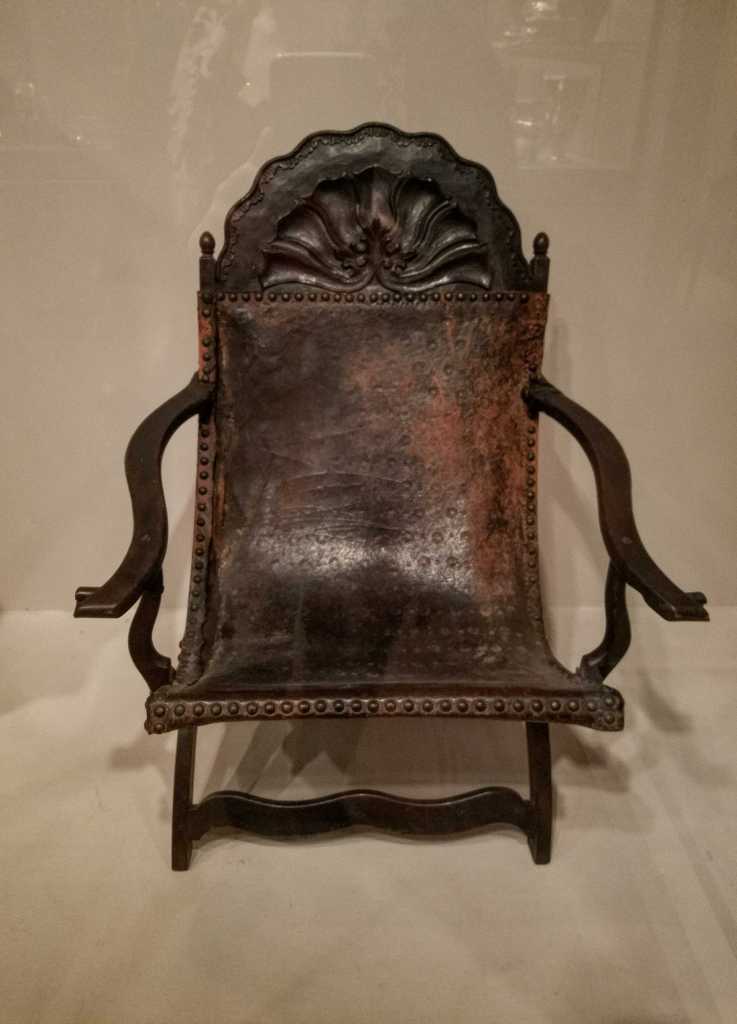
Butaca Chair, 1730-70. Mahogany, original leather upholstery and brass. Probably made in Mexico.
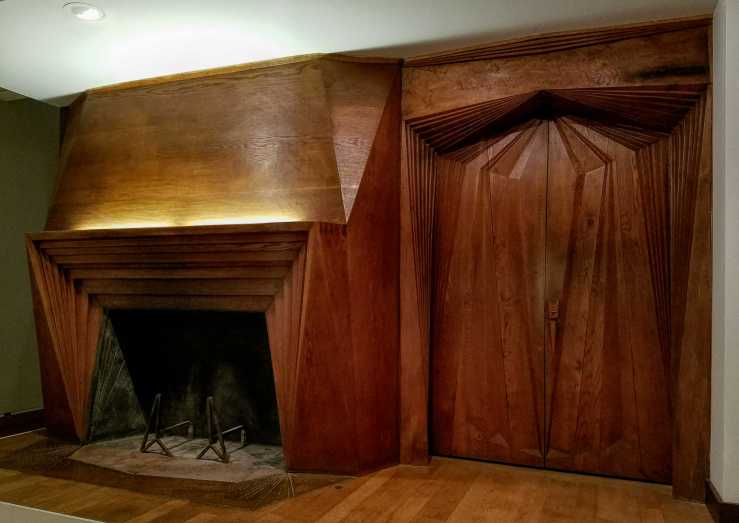
Fireplace, Doorway and Pair of Andirons, ca. 1936-37. Carved oak, stone, copper hearth, iron. Made by Wharton Esherick, American 1887-1970, in Pennsylvania.
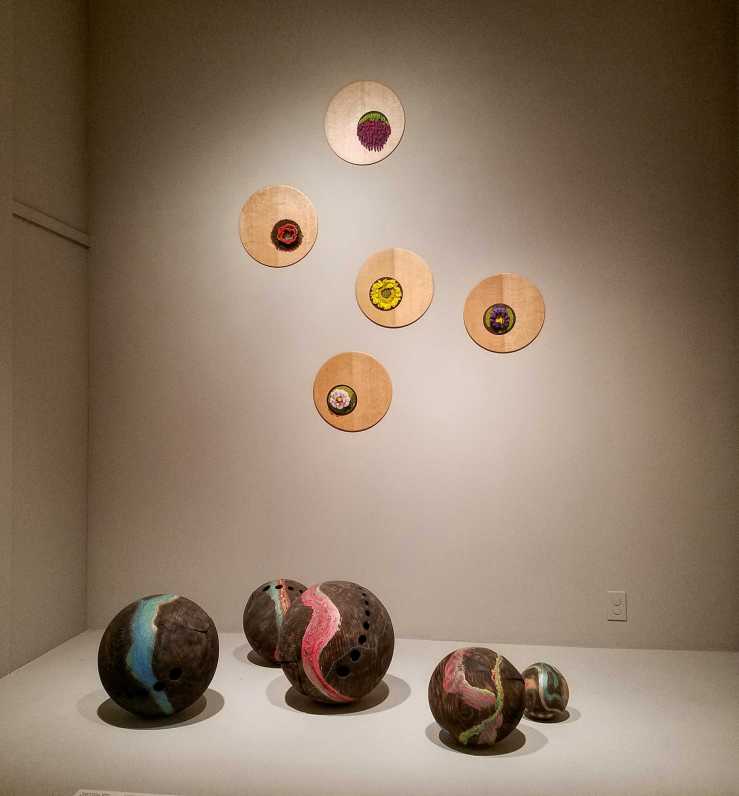
White oak and seed beads from the Mandala Series (on the wall), 2013 and 2016. A collaboration between David Ellsworth and his wife, Wendy Ellsworth, a seed bead artist. Burned and pained ash spheres (on the floor), symbolizing form in motion, from the Solstice Series, 1990-91. David Ellsworth. All made in Pennsylvania (Quakertown).
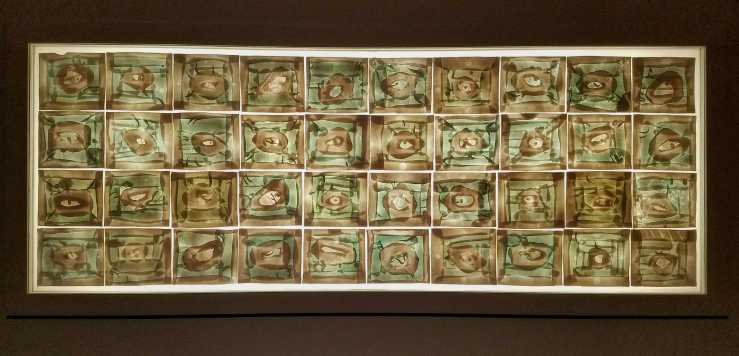
Window. Created for Magee Rehabilitation Hospital, installed 1983. Forty porcelain tiles washed with copper salts, each handcrafted and applied to frosted glass; wood frame. Made in Philadelphia by Rudolf Staffel.
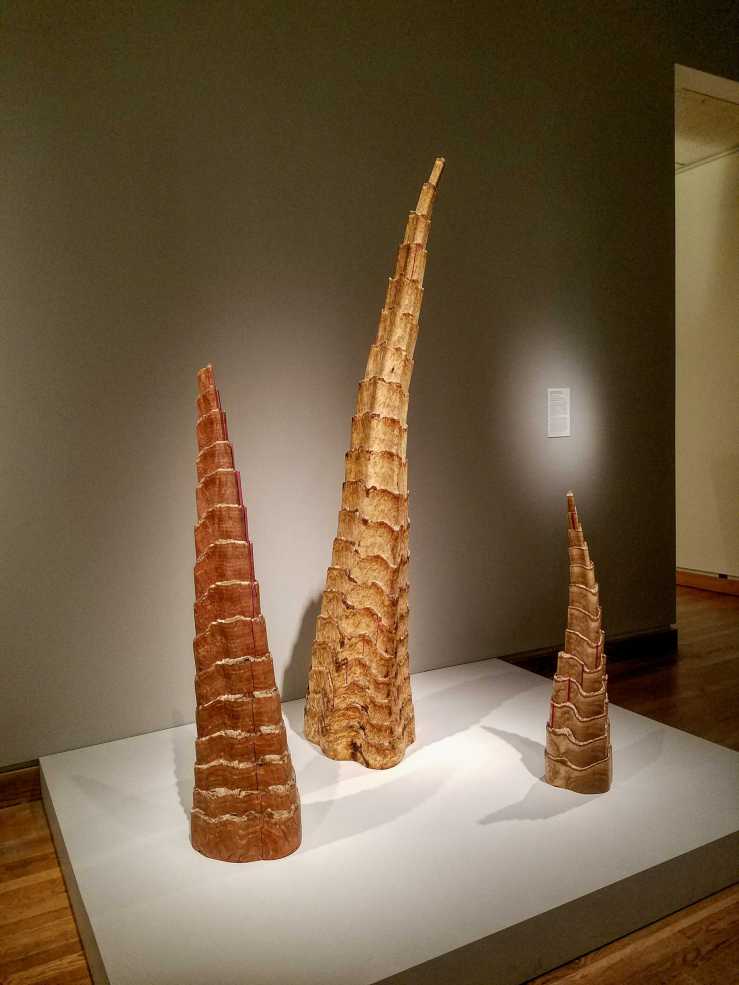
Line Ascending #5, #10, #11, from the Emergence Series 2013-15. Oak burl, black ash burl. Made by David Ellsworth in Pennsylvania (Quakertown).
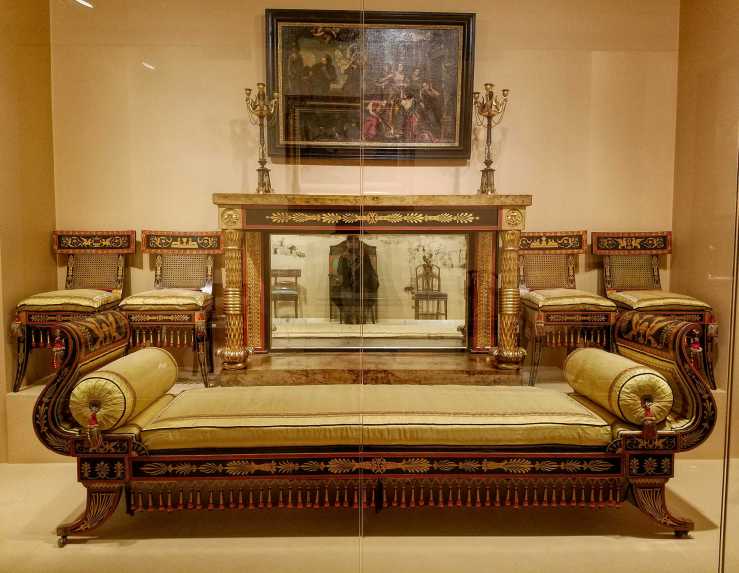
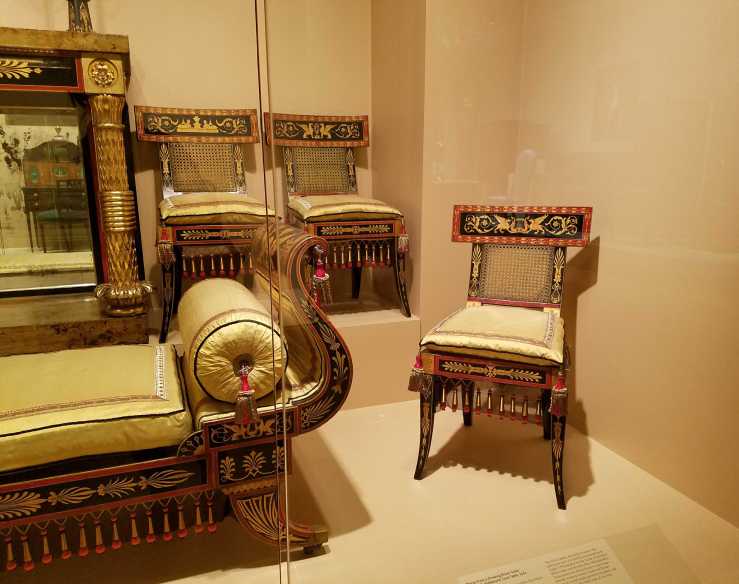
Furniture, part of a lavishly ornamented suite made in Philadelphia for the house of merchant William Waln and his wife, Mary Wilcocks Waln. Imitating ancient Greek and Roman furniture, sumptuously painted, gilded and upholstered in the latest style of the time. Designed in 1808 by Benjamin Henry Latrobe and made by John Aitken.
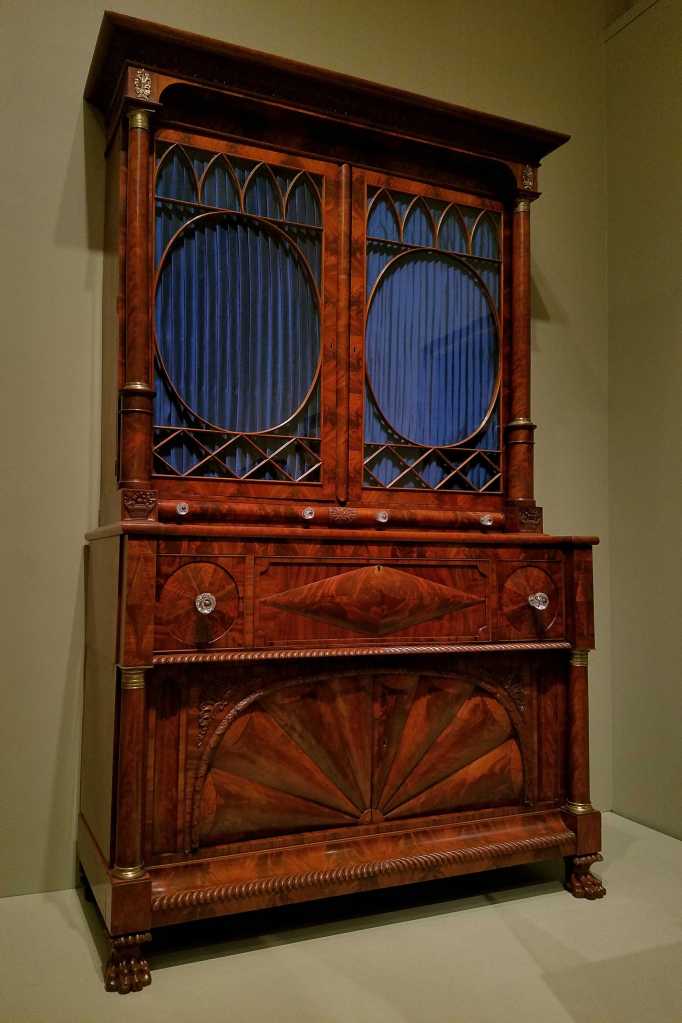
Secretary Bookcase, 1827. Mahogany, mahogany veneer, stained burl ash, white pine cedrela, red cedar, yellow poplar, dark wood stringing, brass, gilt decoration; glass doors and pulls; brass lock. Made in Philadelphia by Anthony G. Quervelle.
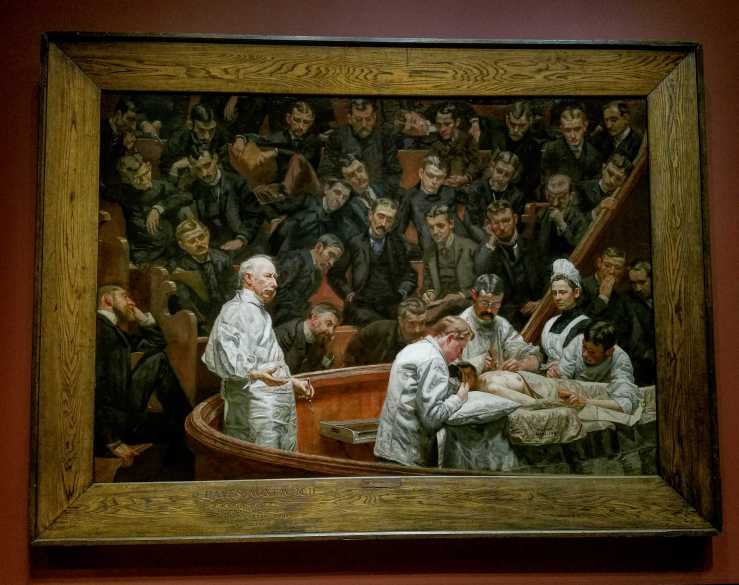
The Clinic of Dr. Agnew, 1889. Oil on canvas, by Philadelphia’s very own, Thomas Eakins.
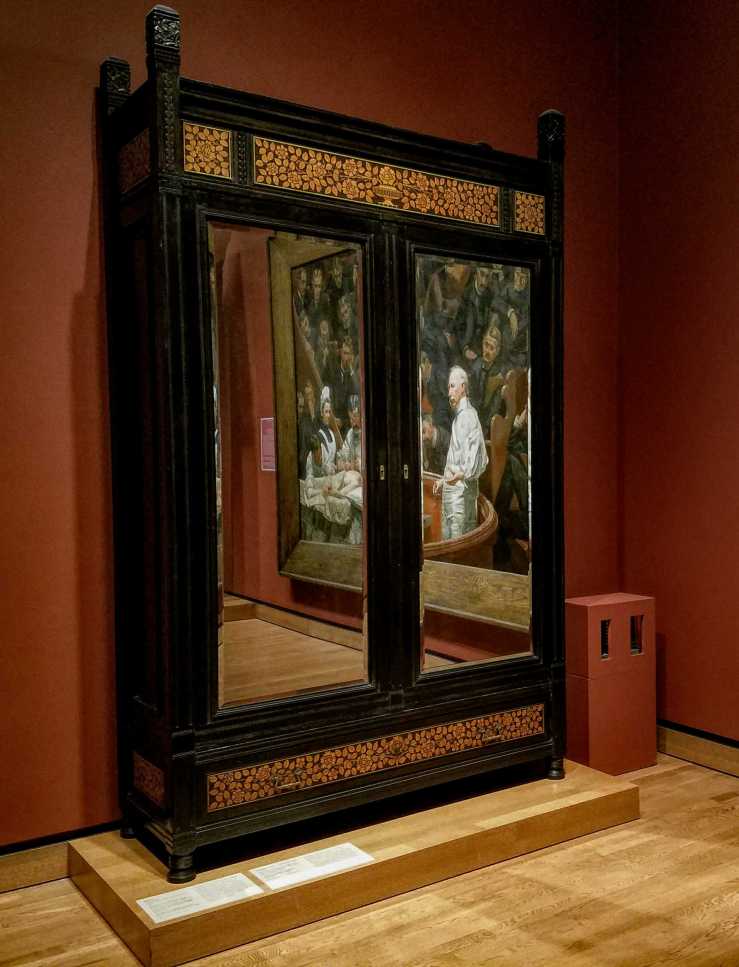
The Japanese Aesthetic was introduced to Americans following Japan’s opening to international trade in 1854. Favouring asymmetry, flat patterns and unfamiliar materials and colour harmonies, it presented a refreshing alternative to that of the West. Here, the reflection of Eakins’ Clinic of Dr. Agnew is a harmonious bridge connecting the two aesthetics.
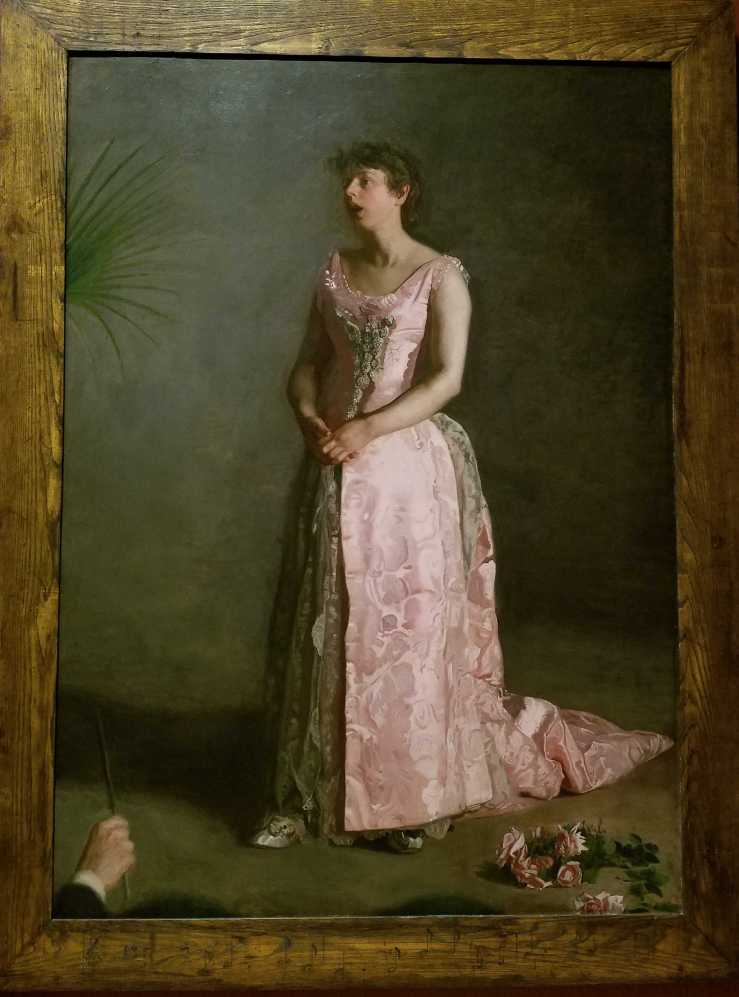
The Concert Signer, 1890-92. Oil on canvas by Thomas Eakins. Determined to suggest the sound of her voice and the emotions it invoked, Eakins asked his friend, soprano Weda Cook, to pose for hours while repeatedly singing the same few notes from ”O Rest in the Lord” by Felix Mendelssohn. Upon the painting’s completion, Eakins had these notes carved into its fame.
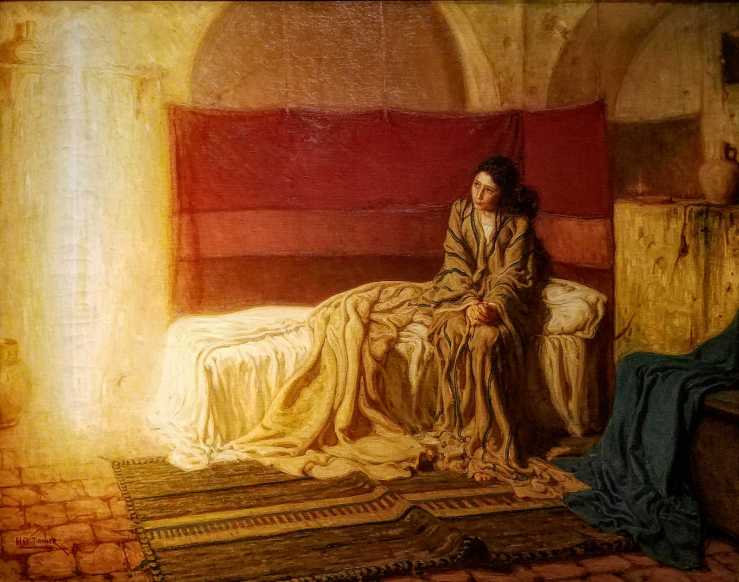
The Annunciation, 1898. Oil on canvas by Henry Ossawa Tanner.
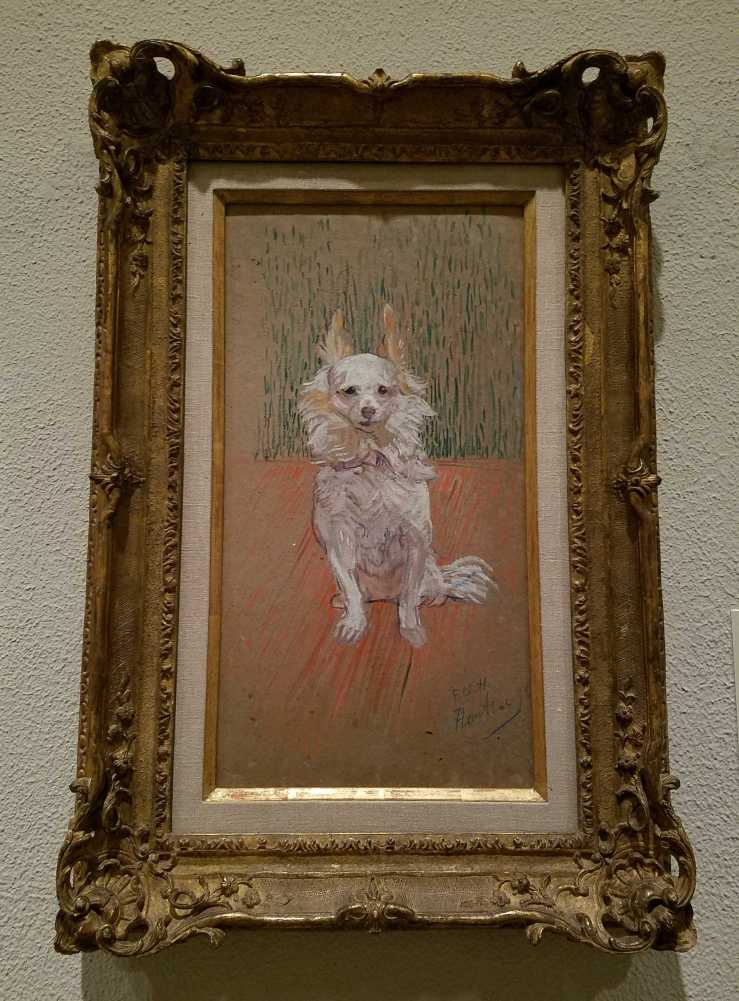
Follette, 1890. Oil on cardboard by Henri de Toulouse-Lautrec.
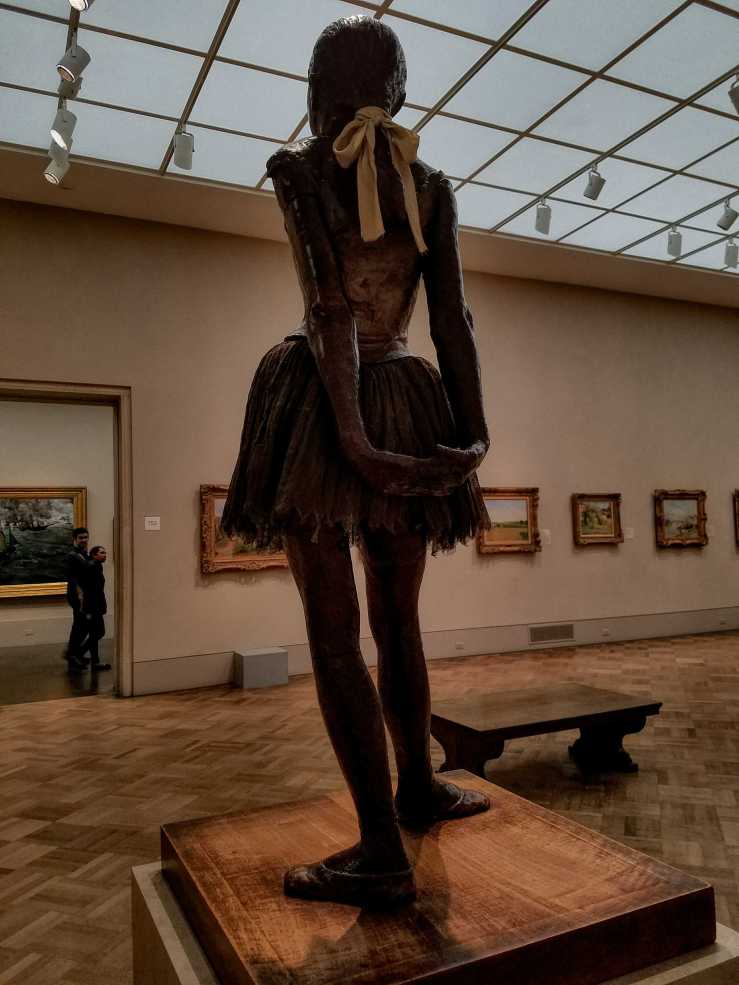
Oh, look!… another Fourteen-Year-Old Little Dancer, by Edgar Degas. If I don’t see one in a major museum, I will begin to worry.
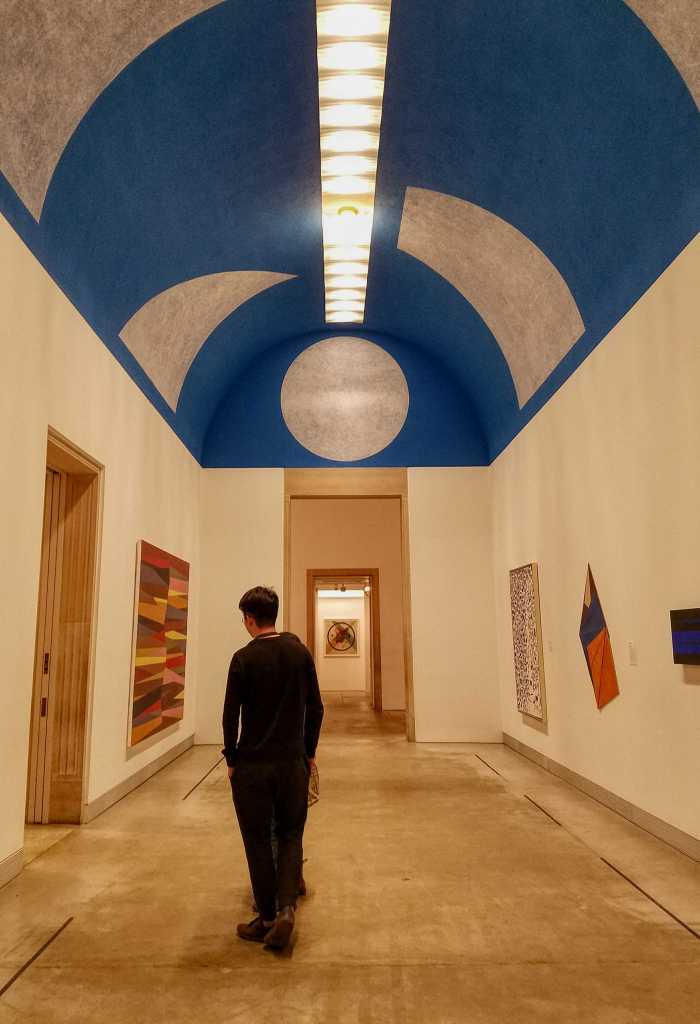
When the room becomes the canvas.
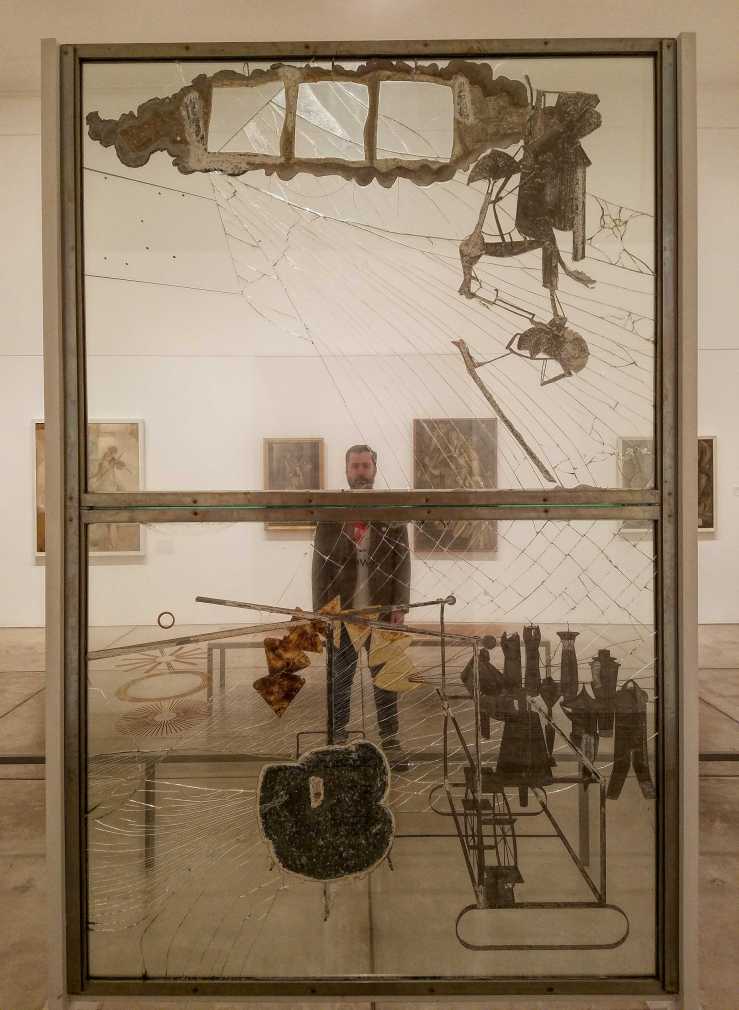
The Bride Stripped Bare by Her Bachelors, Even (The Large Glass) by Marcel Duchamp. A work of art to be looked both at and through, prompts the Museum of Art Handbook – and I made sure to follow the instructions. Duchamp started working on it in 1915 and stopped in 1923 stating that it was ”definitely unfinished”. A few years later, while in transit from an exhibition at the Brooklyn Museum in 1926-27, the two panels were shattered. Ten years would pass before Duchamp repaired the glass. Satisfied with the result and appearance of the eerily symmetrical cracks in the upper and lower sections, he declared the work finished!
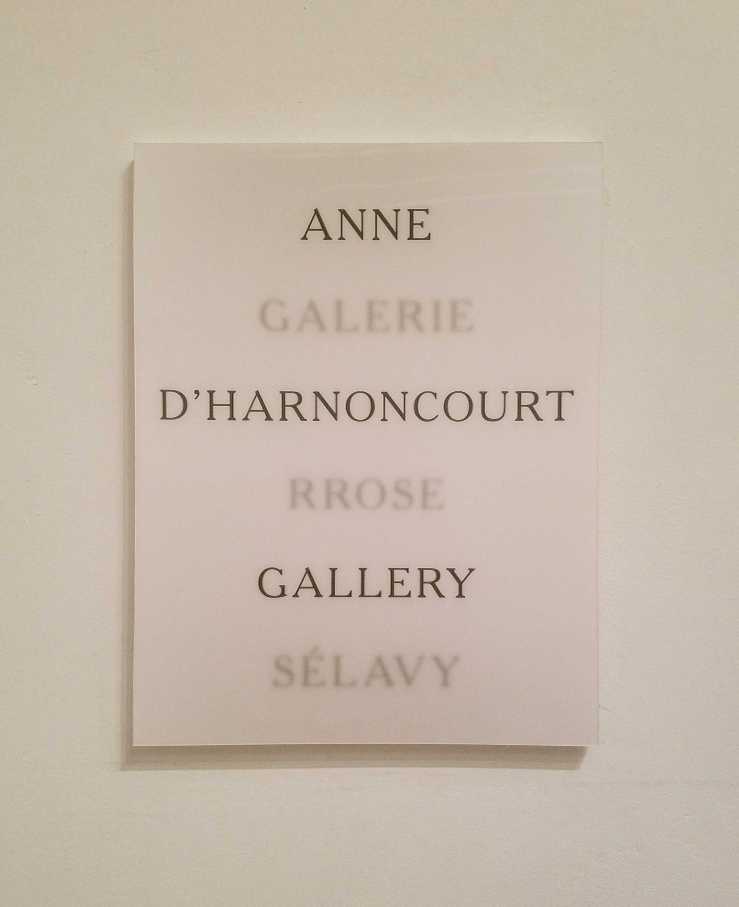
Marcel Duchamp’s alter ego.
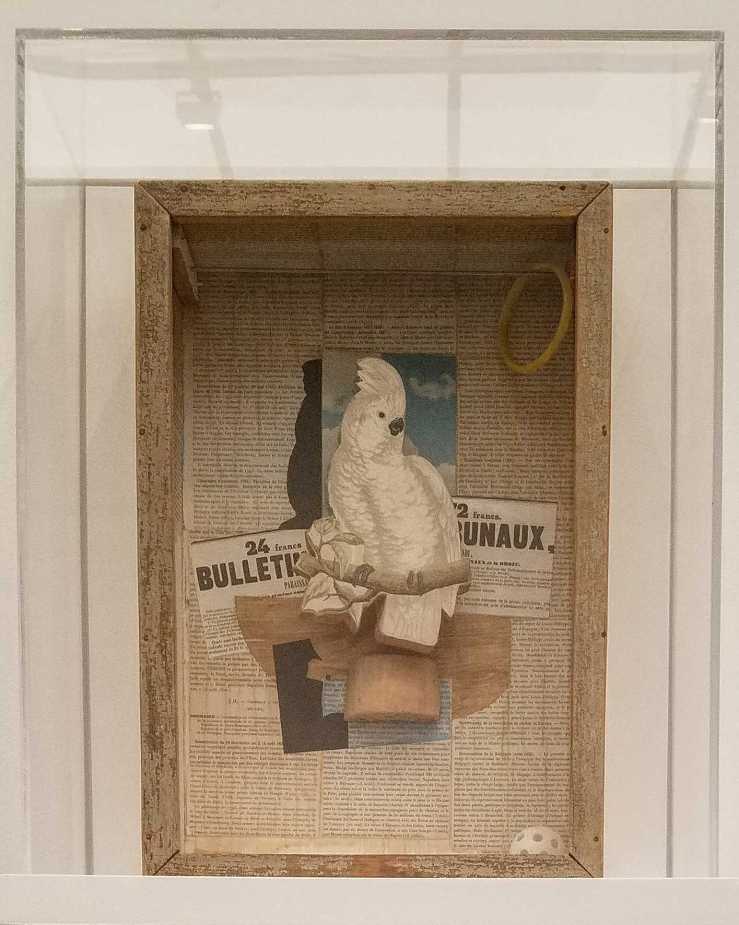
Homage to Juan Gris, 1953-54. A box construction by one of America’s most intriguing artists, Joseph Cornell.

***

I hope you enjoyed this very brief and – admittedly- subjective tour of the Philadelphia Museum of Art. Coming up next, two angry faces.

Philadelphia
February 22nd, 2017

Philadelphia – The Steps, The Men, The Tune

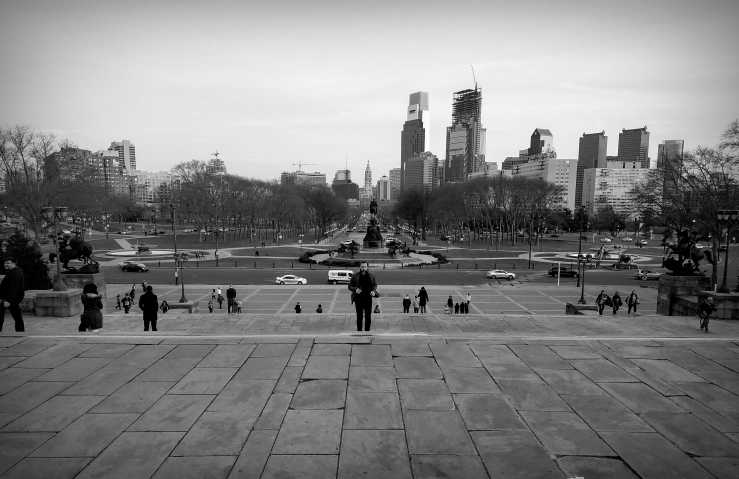
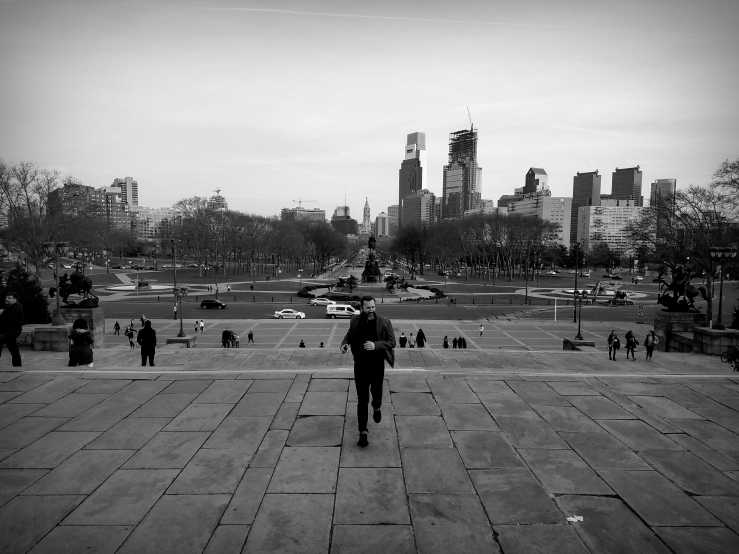
How many times I heard the tune, I couldn’t possibly tell – I lost count halfway to the Philadelphia Museum of Art. It had been in my head all along and seemingly everyone – myself included – got in synch as soon as The Steps appeared on the far end of the long stretch between Logan Square and The Oval.

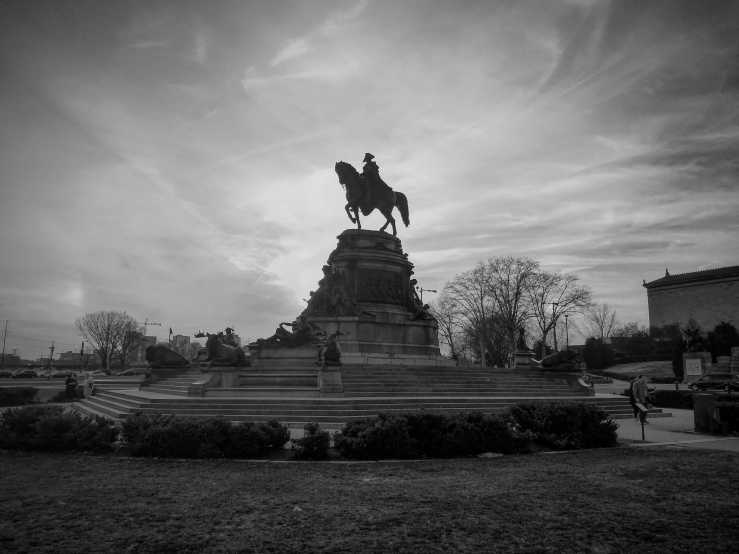
Everyone, except Washington that is, seeing how he faces away, his back turned to the steps.

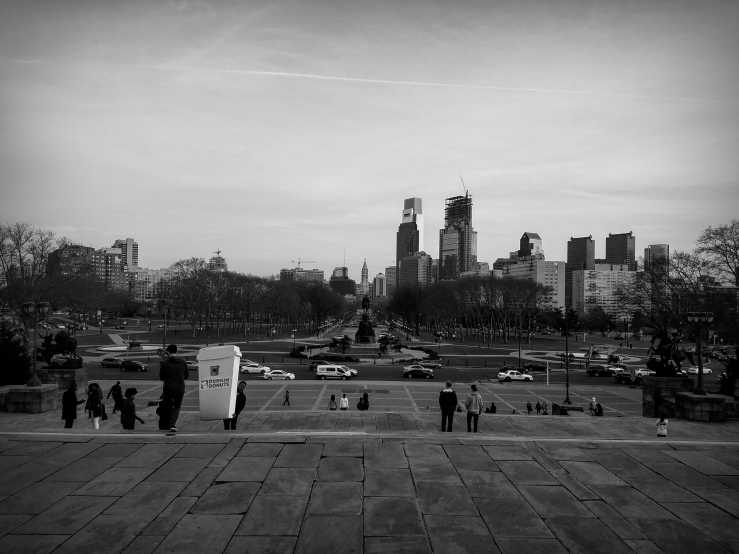
The rest of the world goes the Rocky wayLike this Donut Man
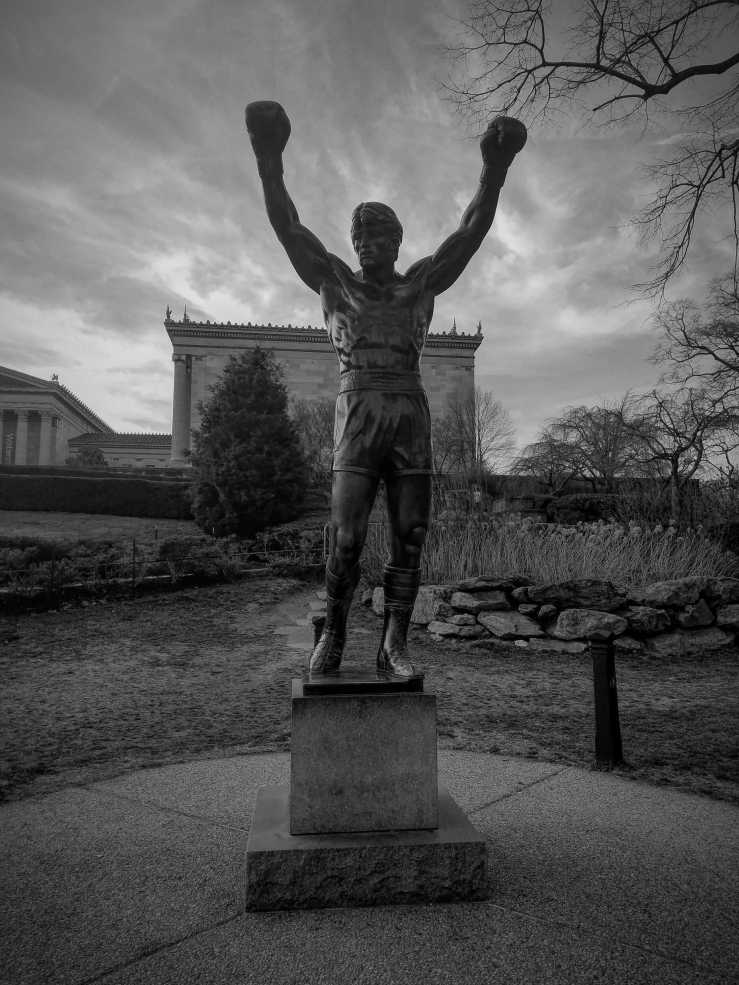
Or this Reenactor Or the Man himself

And, finally, The Tune:

The Rocky Steps, Philadelphia
February 22nd, 2017

Philadelphia – The Skywalkers

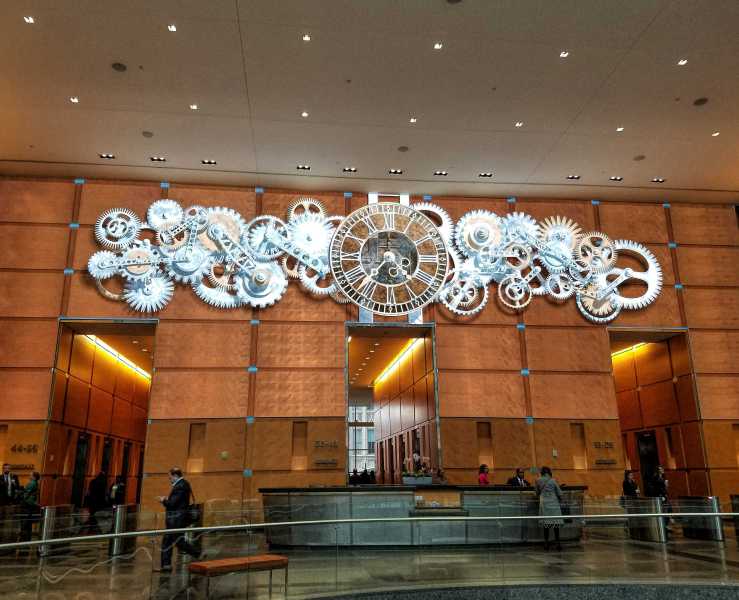
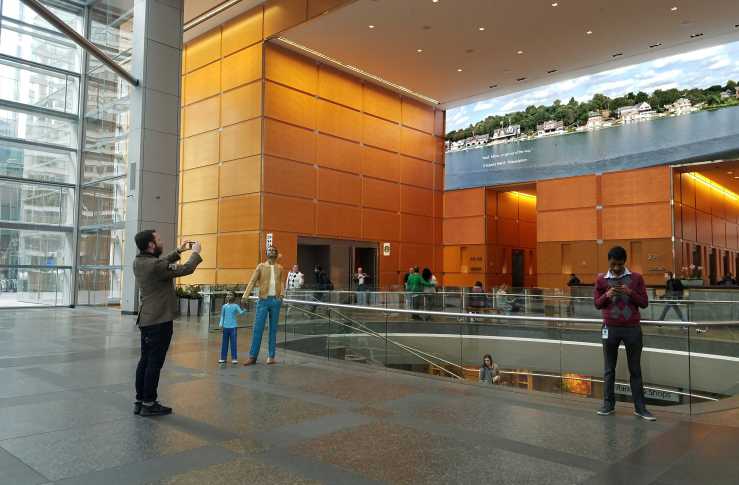
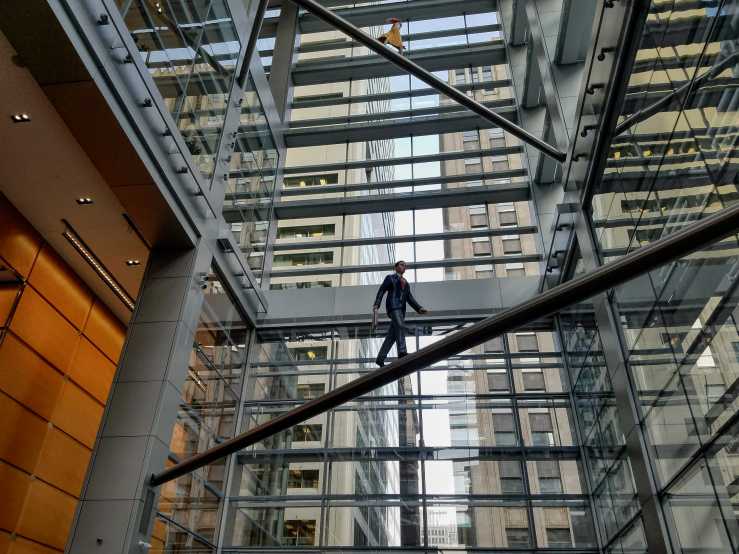
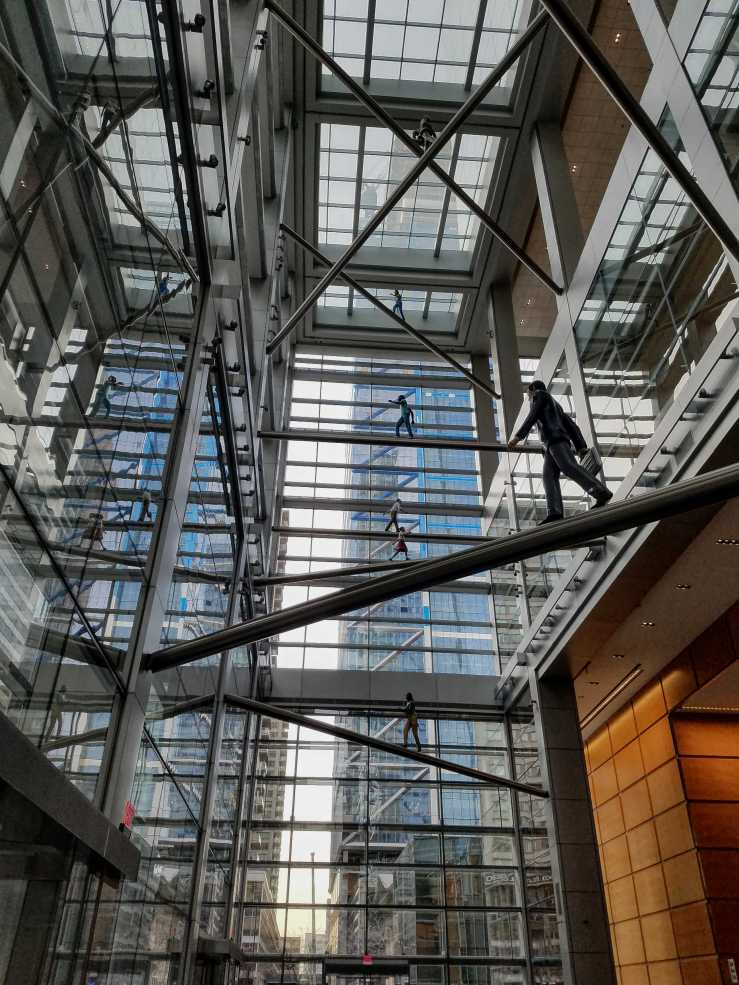
Inside the ”Winter Garden” aka main lobby of the Comcast Center. Two show-stopping public art installations.

The Comcast Experience, a 25.4ft tall, 83.3 feet, 2,000sf high-definition LED screen with incredibly clear, almost 3-D moving images, ranging from the clock wheels pictured here, to monumental natural landscapes to Betty Boop dancing.

And the permanent installation ”Humanity in Motion” by Jonathan Borofsky – 12 realistically painted life-size figures of stainless steel, walking on horizontal poles and two figures standing at ground level. Guess which ones?

Philadelphia,
February 22nd, 2017

Philadelphia – another short walk

Through Thomas Paine Plaza, the city’s urban garden across from the City Hall.

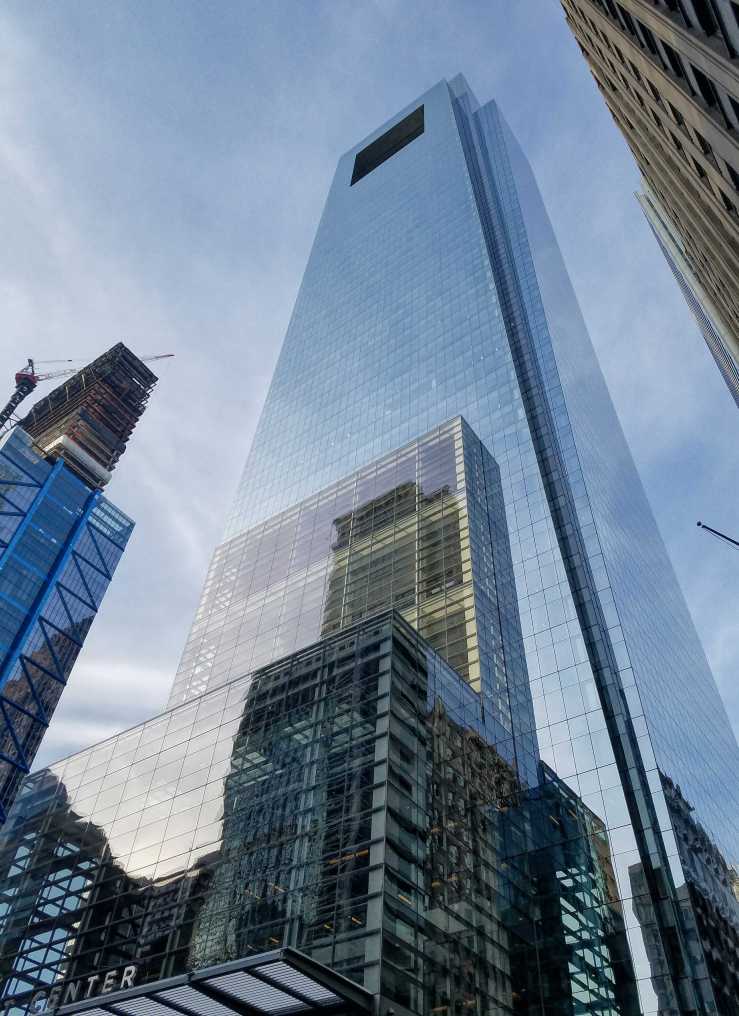
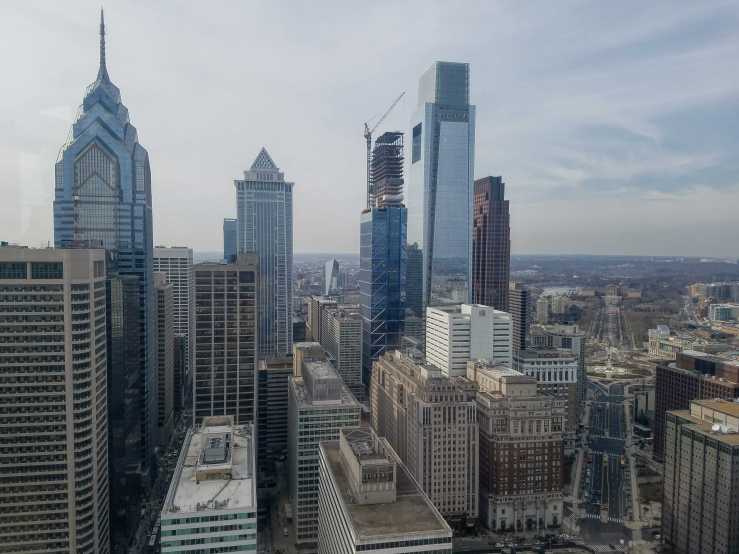
Finding the Comcast Center Building, the tallest one in the city – at least until the other Comcast highrise, the one you see coming up on the left side, is complete. The Comcast Technology Center’s ambition is to become one of the tallest buildings in the U.S. Getting some New York vibes of steel and glass verticality? 

There’s something going on here but I’m not sure I want to find out exactly what! 

Philadelphia
February 22nd, 2017

Philadelphia – The Market

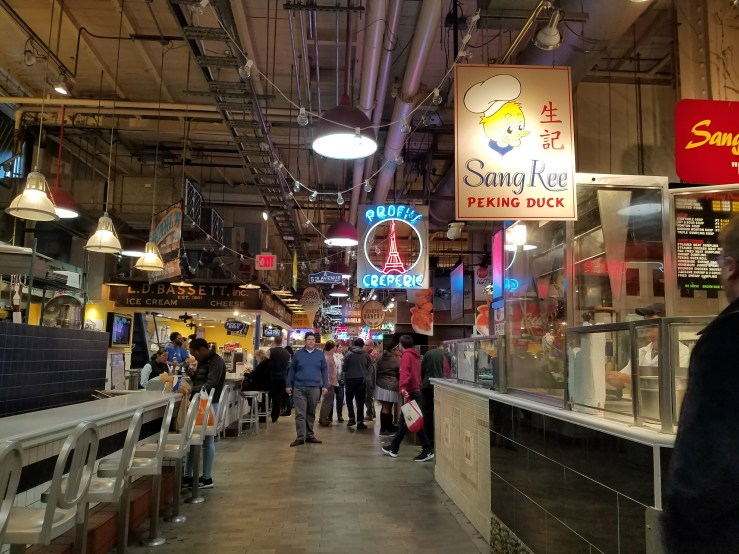
Reading Terminal Market.

Another historic feature and an integral part of the city that survived economic declines and national crises, depression years and wars and is bustling today, guaranteed to tingle your taste buds at home or on the spot. Just a few steps from the City Hall, it is an excellent remedy for those after-tour cravings.

Philadelphia
February 22nd, 2017

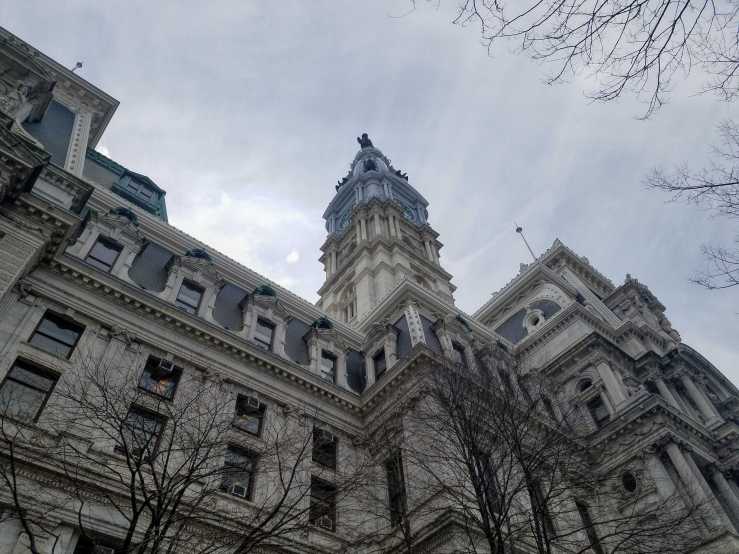
Philadelphia City Hall – The Building

Philadelphians are proud of their history and heritage, and one way to show it is by signing up as volunteer guides. Go to any site of historical or cultural interest and you can be sure to find a tour lead by a ranger or a knowledgeable docent.

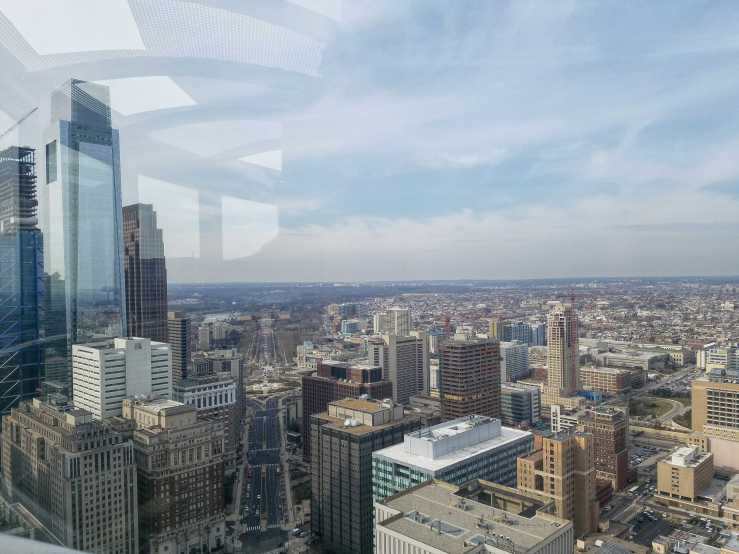
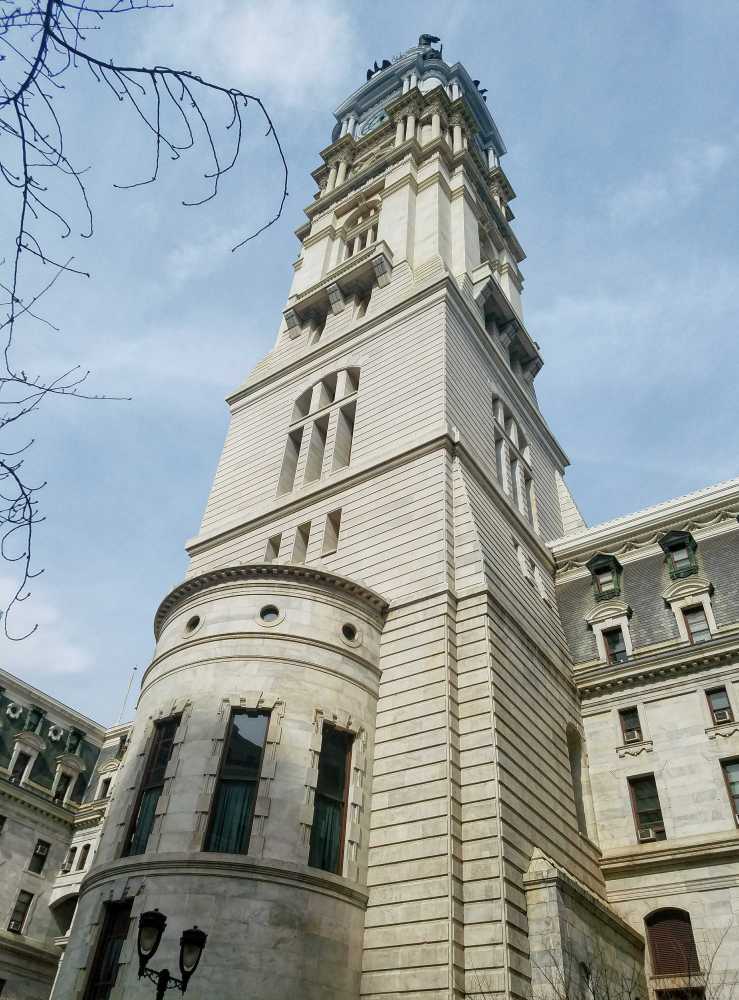
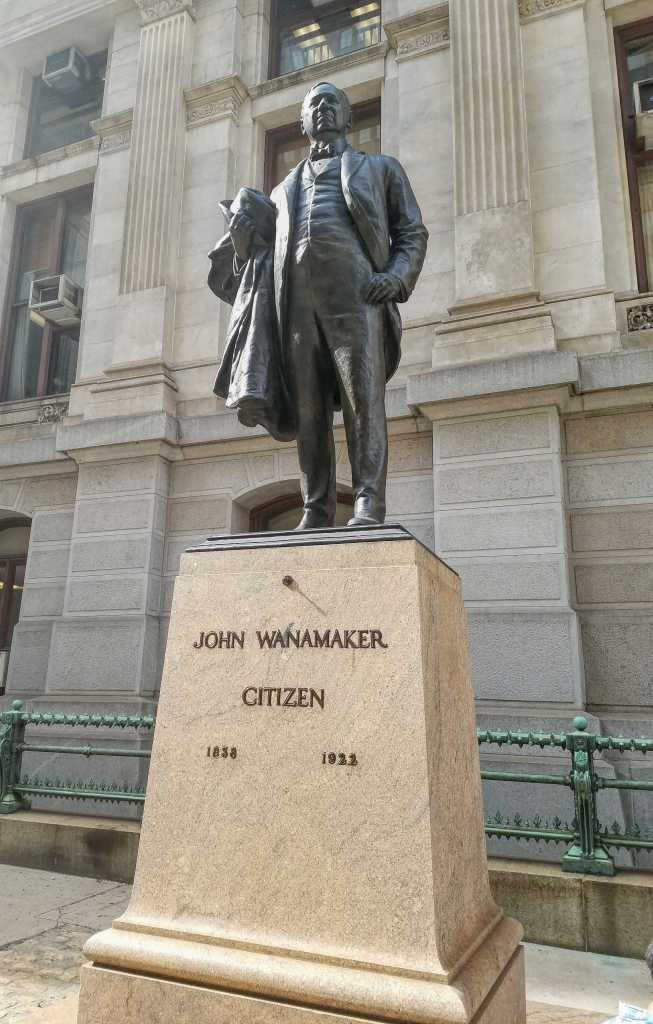
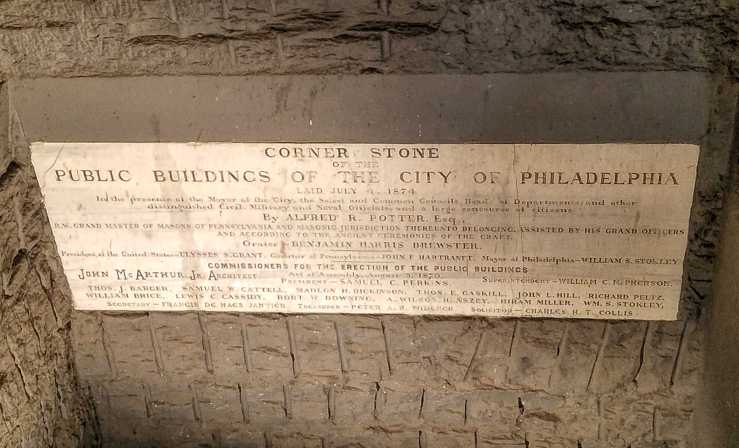
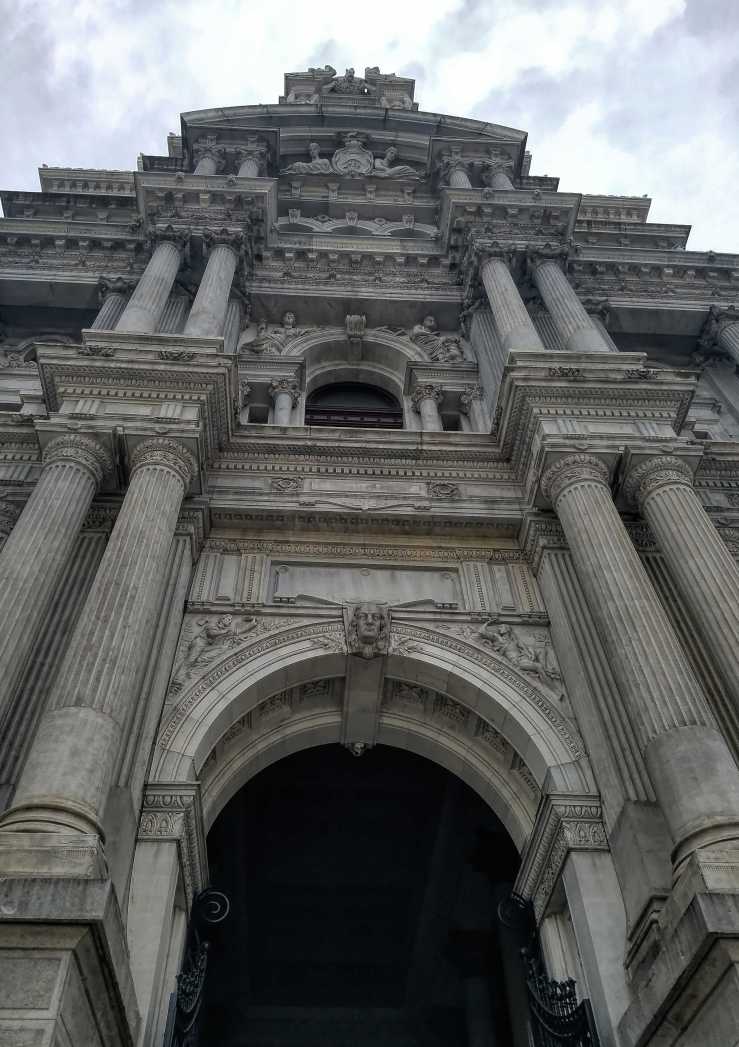
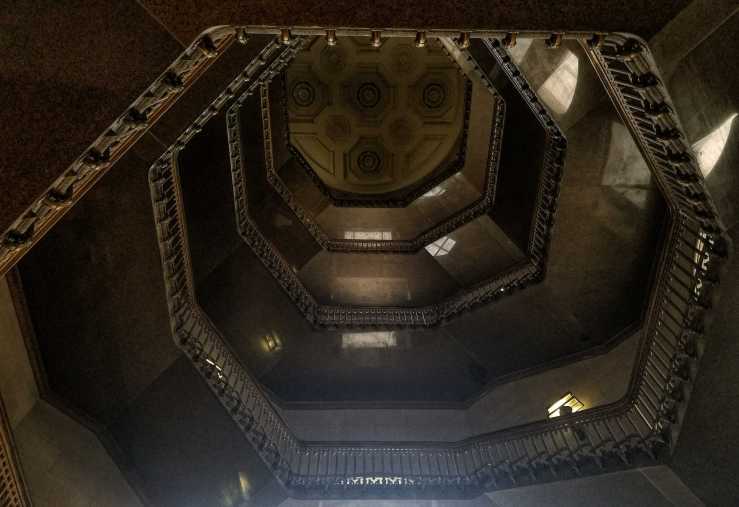
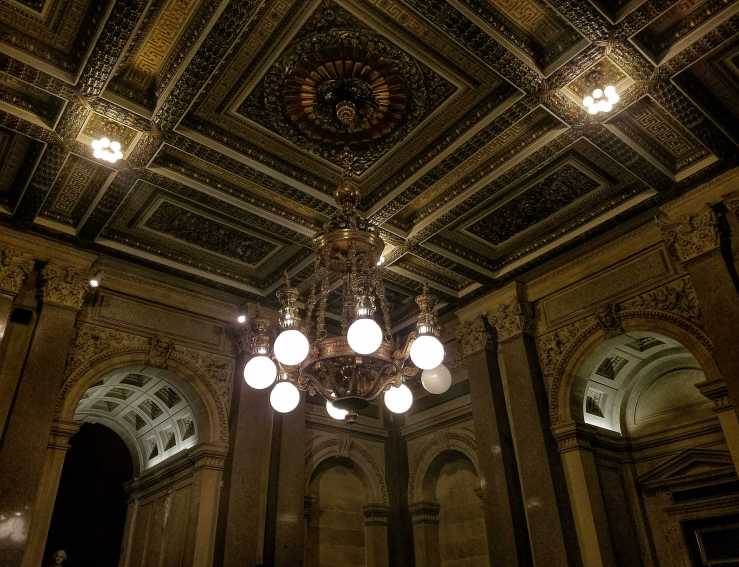
Like the City Hall Interior tour we took, which includes a visit to the Tower for a panoramic view of the city. Actually, the tour starts outside, across from the Wanamaker Building, where John Wanamaker’s bronze statue commemorates him simply as ”Citizen”; then on to the inner courtyard before entering the vast City Hall – the largest municipal building in the world – and its seemingly endless corridors and offices.

See that small feature on top of the tower? This is a 27-ton, 37ft bronze statue of the city’s founder, William Penn. Created by Alexander Milne Calder, it is the tallest statue atop any building in the world.

Biggest, oldest, tallest… superlatives seem to characterize Philadelphia – and very suitably so, I might add.

Philadelphia
February 22nd, 2017

Macy’s Philadelphia – not just a department store

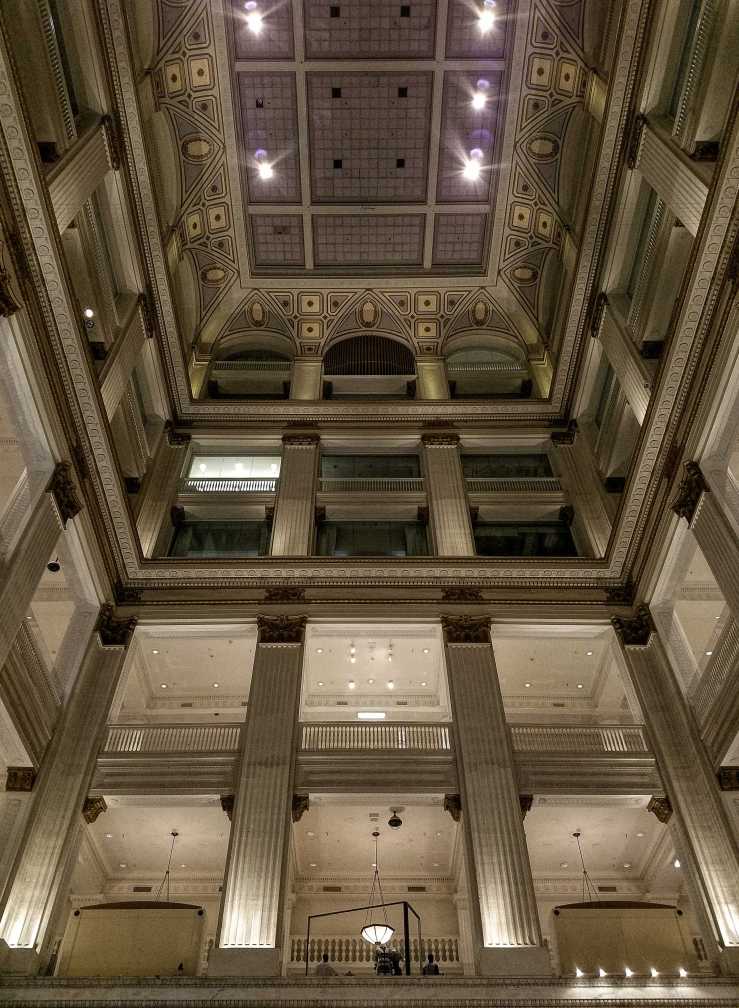
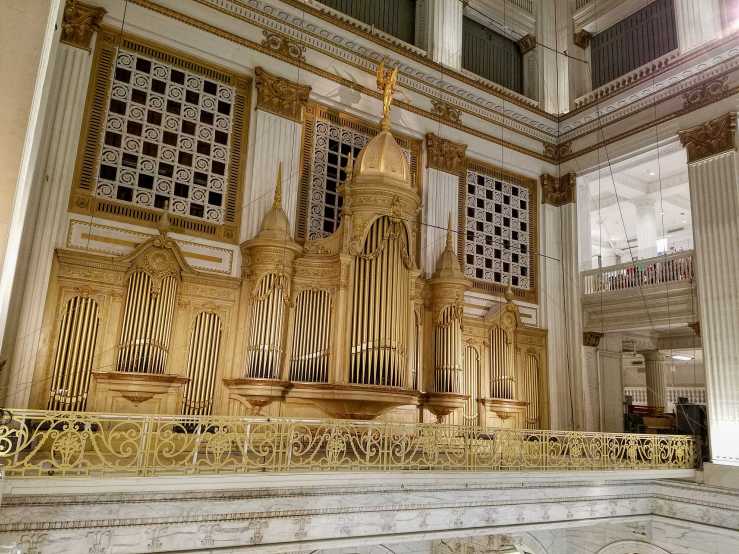
Even without a guided tour, Macy’s Philadelphia is a wonderful mix of fashion, architecture and history. And pipe organ music.

Housed in John Wanamaker’s flagship store, the first of its kind in Philadelphia, a national historic landmark since 1978.

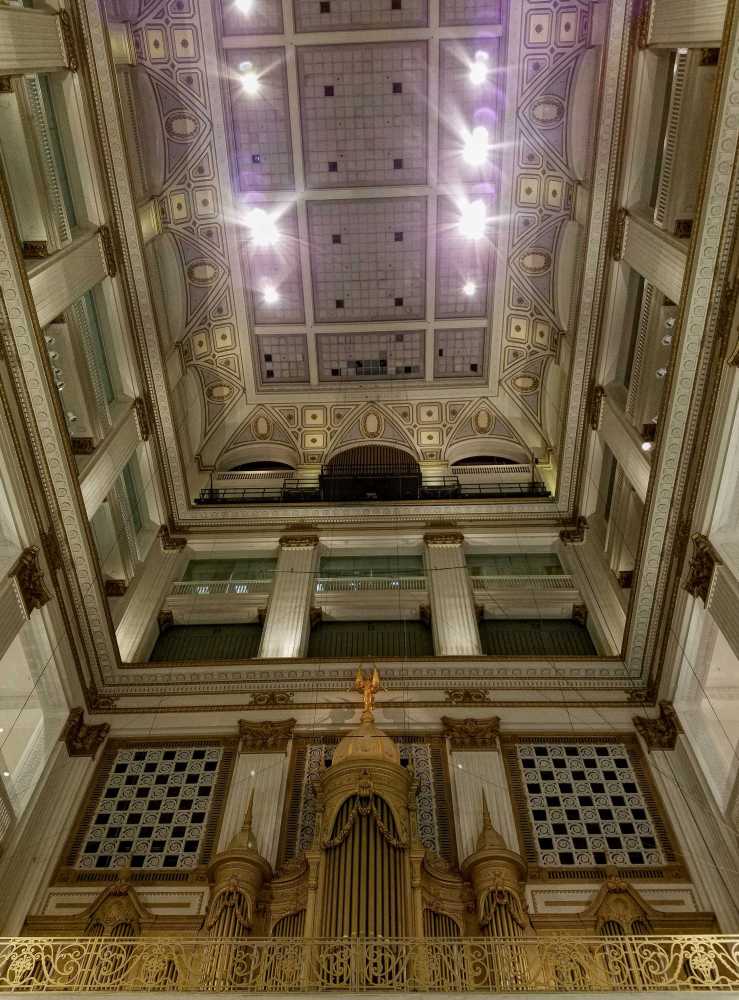
Wanamaker Building was completed in 1911 on the site of an abandoned railroad station. Built in the Florentine style with granite walls by Chicago architect Daniel H. Burnham, it had 12 floors, just enough to accommodate the pipe organ John Wanamaker bought from the St. Louis World’s Fair in 1909. With more than 10.000 pipes, the organ was so big, they needed 13 train cars to transport it and two years to install it.  

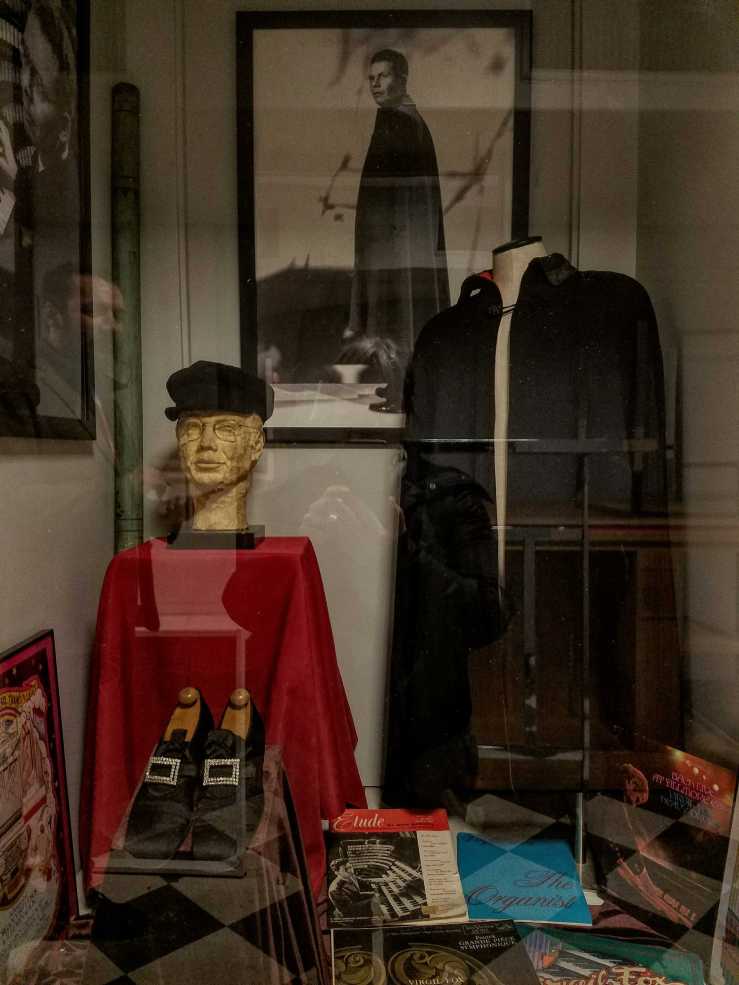
It is, by some accounts, the largest playable organ in the world and it is delighting visitors twice daily, at noon and in the afternoon Monday through Saturday. For schedule and other interesting historical and musical facts, please visit the website of The Friends of the Wanamaker Organ.

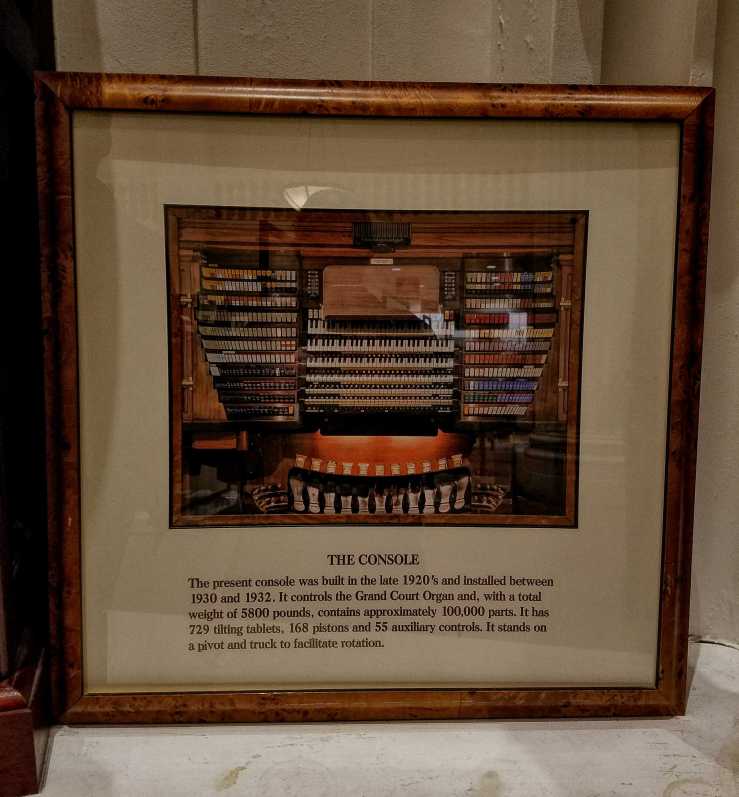
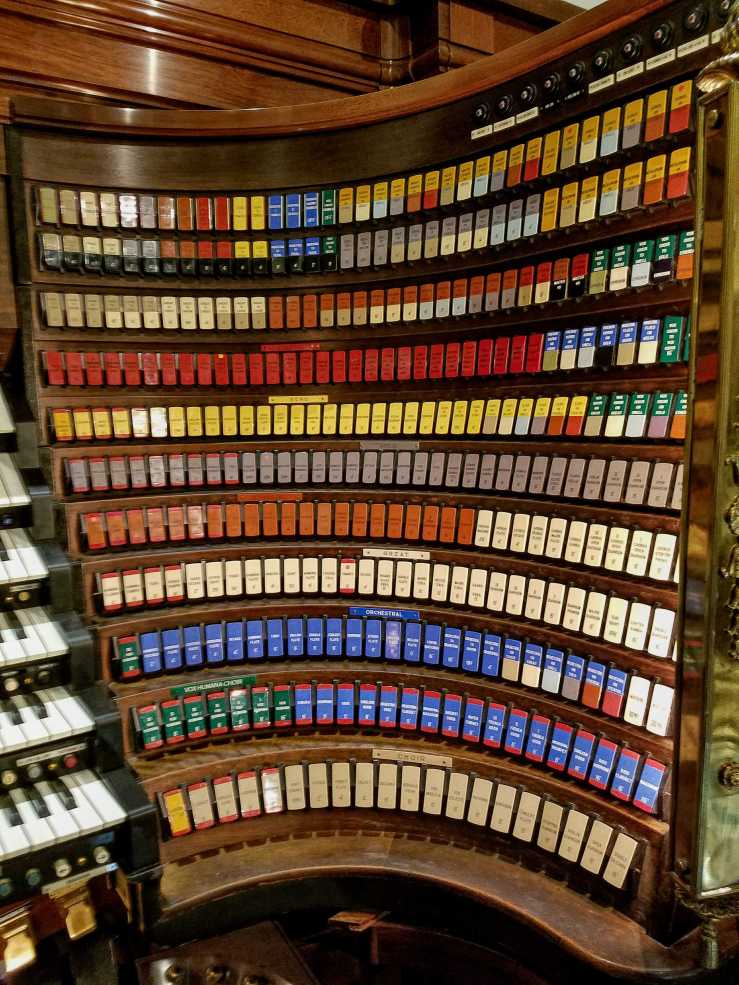
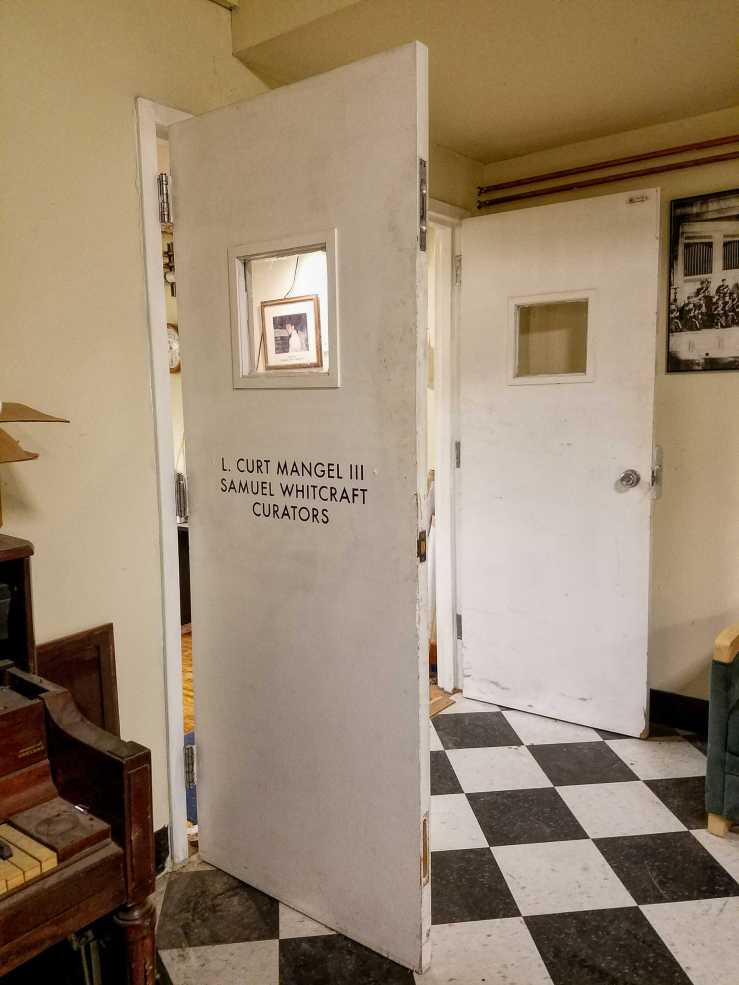
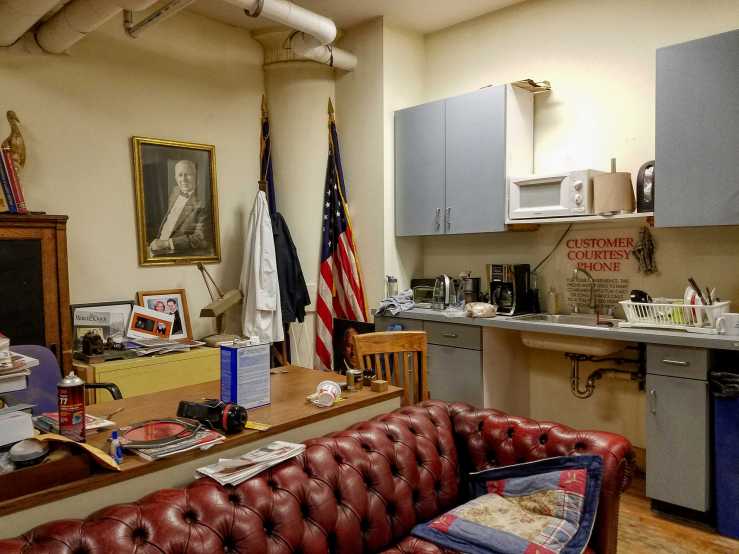
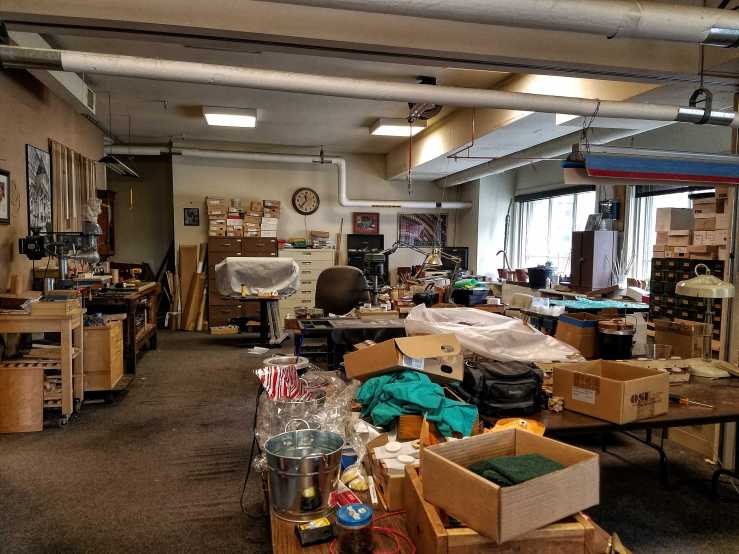
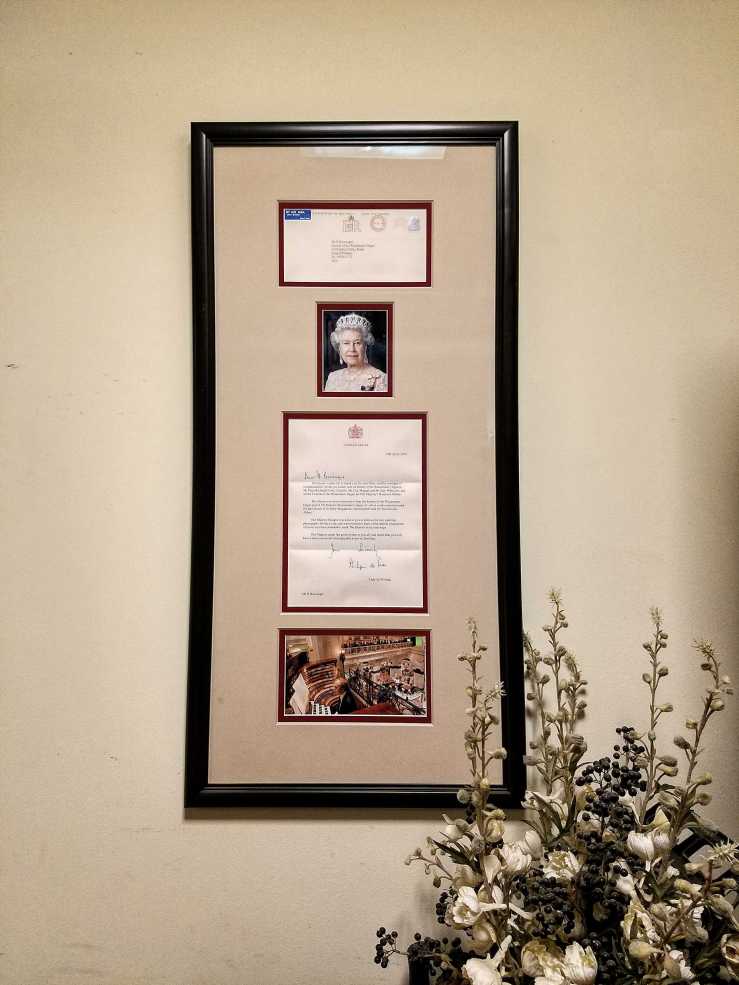
But meanwhile, enjoy a photographic behind-the-scenes historic tour of this magnificent building, which we joined by pure chance when a guide and his small group of two found us peering at the console and kindly invited us to follow them.

It was one of the highlights of our trip.
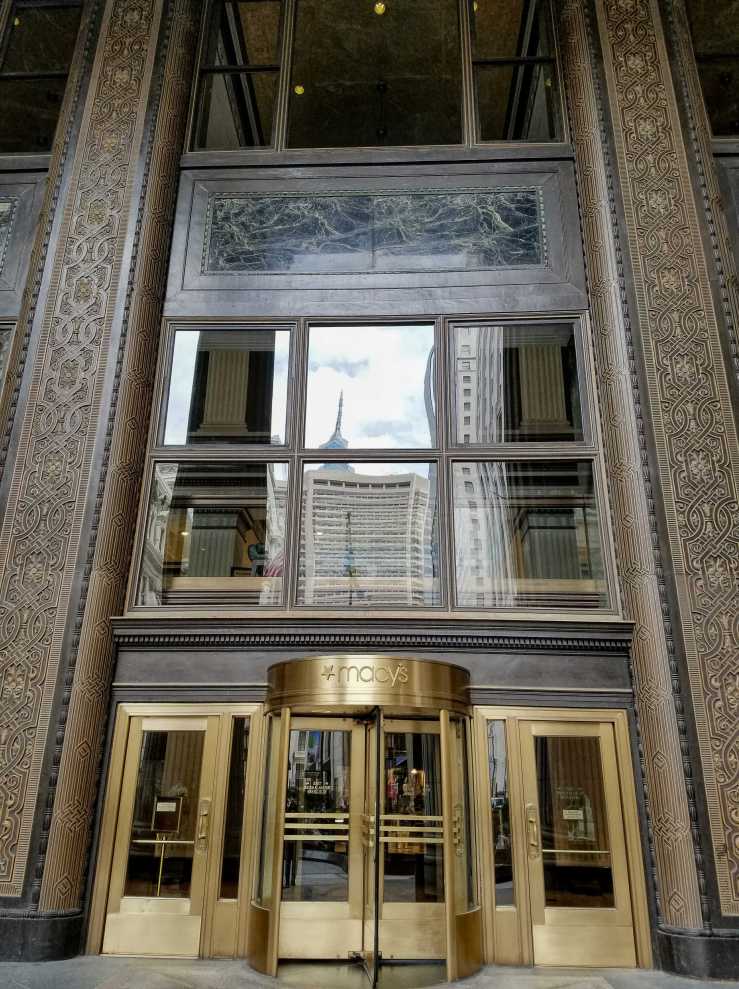
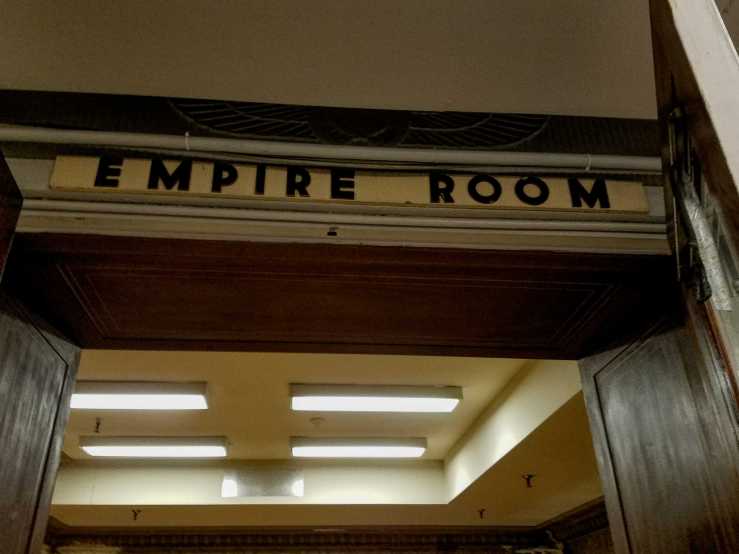
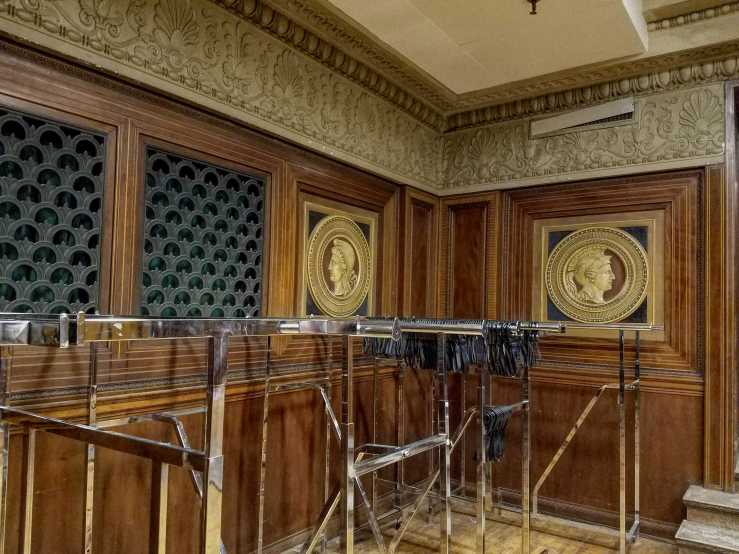
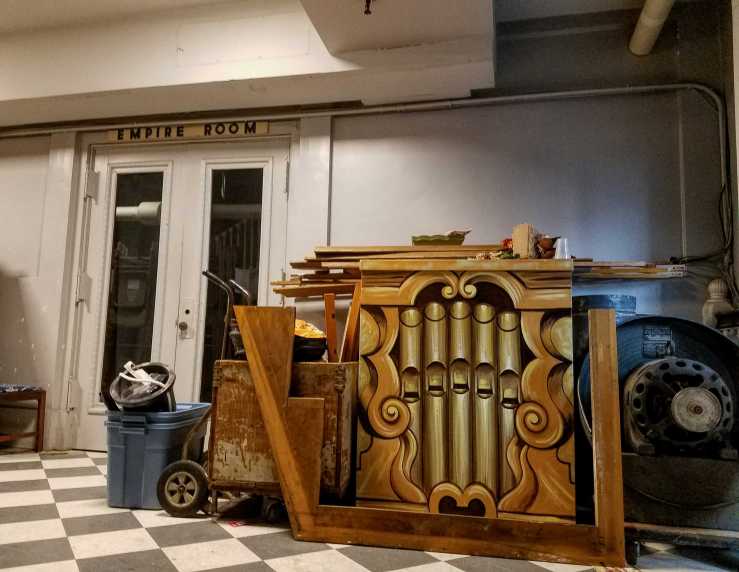
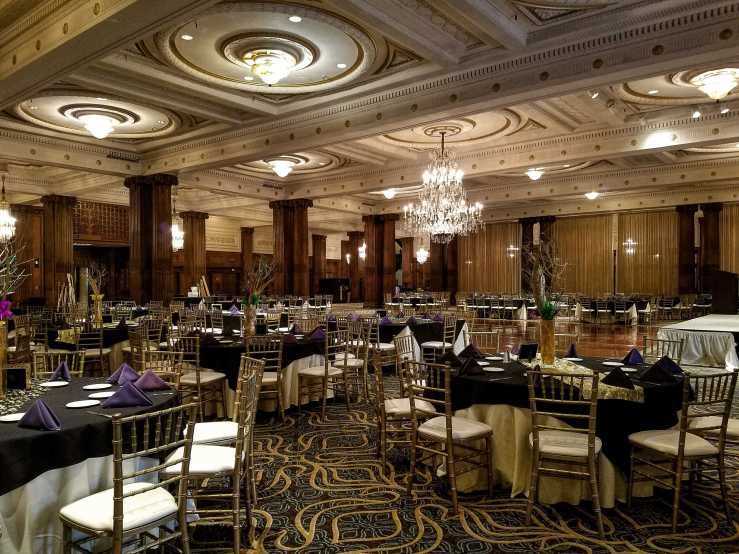
The tour includes unused spaces restricted from public view, such as this room adorned with wood and these magnificent Tiffany stained glass panels; it takes a look at the Egyptian Hall and Greek Hall auditoria, hidden behind the shop’s executive offices; walks through the organ workshop where repairs and restoration take place to this day; and, finally, to the grand Crystal Tea Room where – as expected – preparations for a wedding reception were underway.
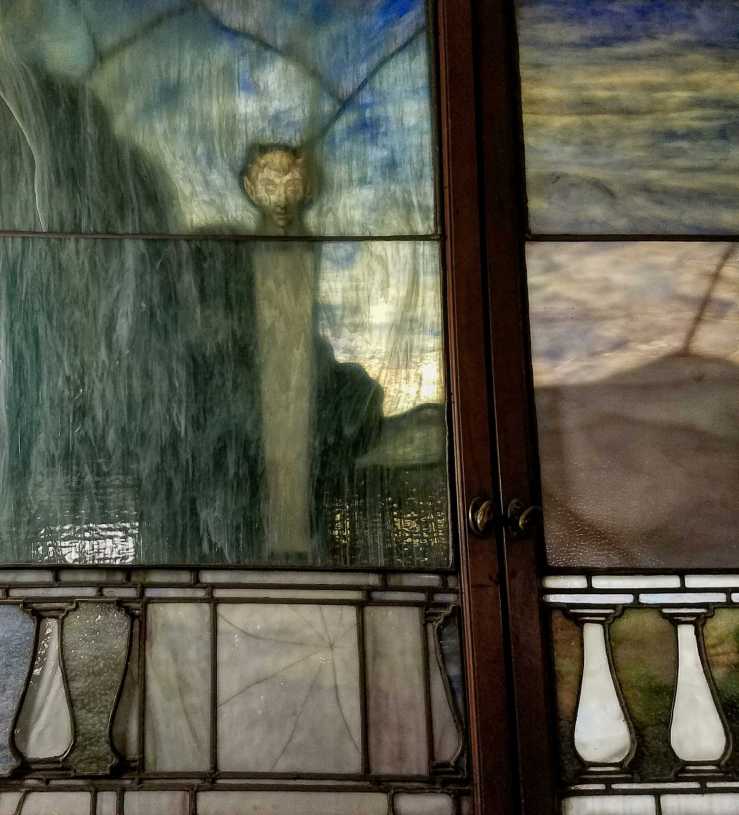
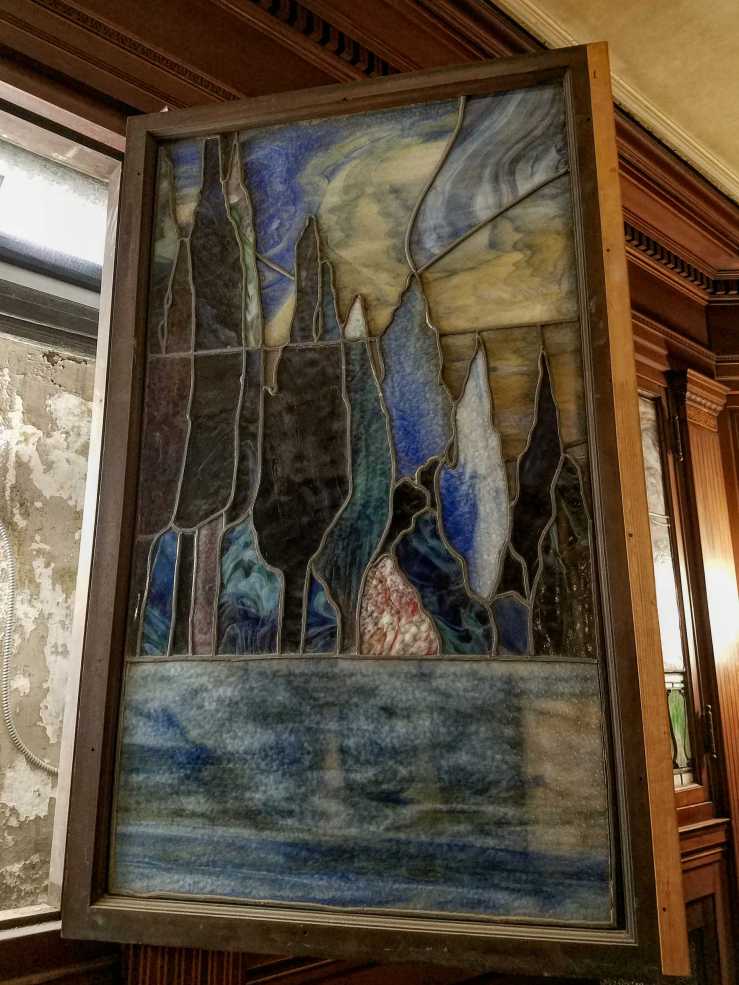
Tours last approximately 45 minutes. For more info please check with the Visitor Center at Macy’s.

Philadelphia
February 22nd, 2017