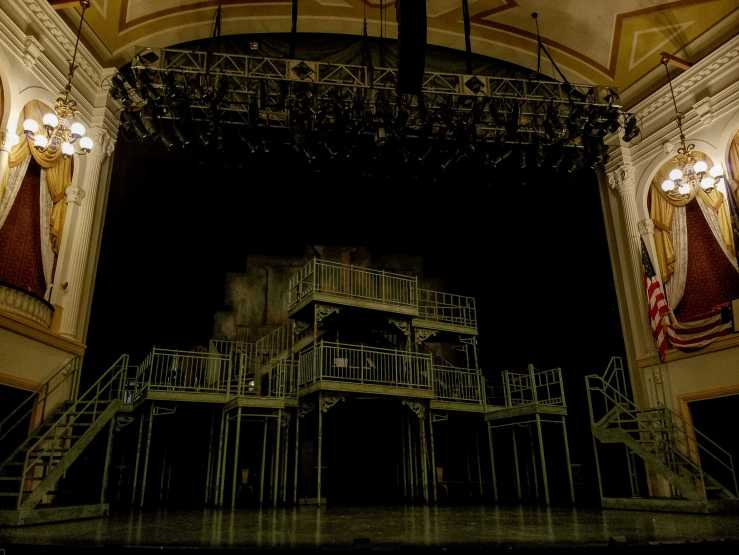
Taking refuge from the rain, letting the experience at Ford’s Theatre sink in. Next stop, the wonders of the American Art Museum. We arrived late in the day, two hours before closing, and instantly knew we were coming back for more. Perfect for rainy days – here is a first look: 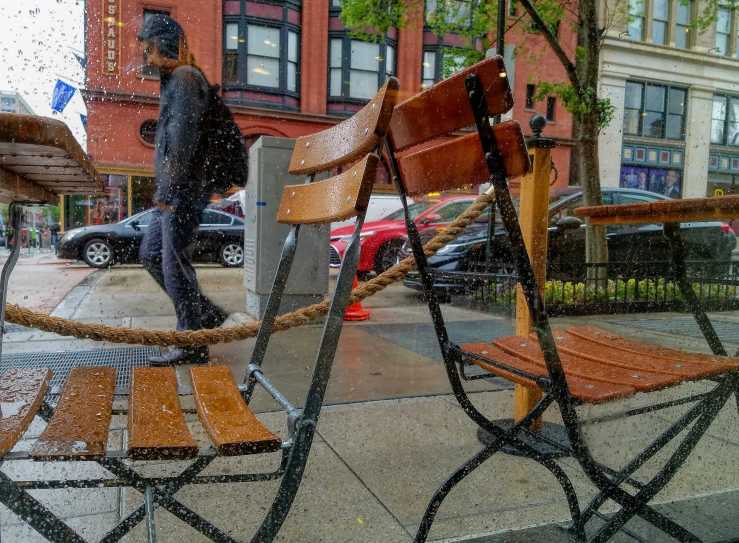
 Peacocks and Peonies, 1882, Stained glass – John La Farge (1835-1910)
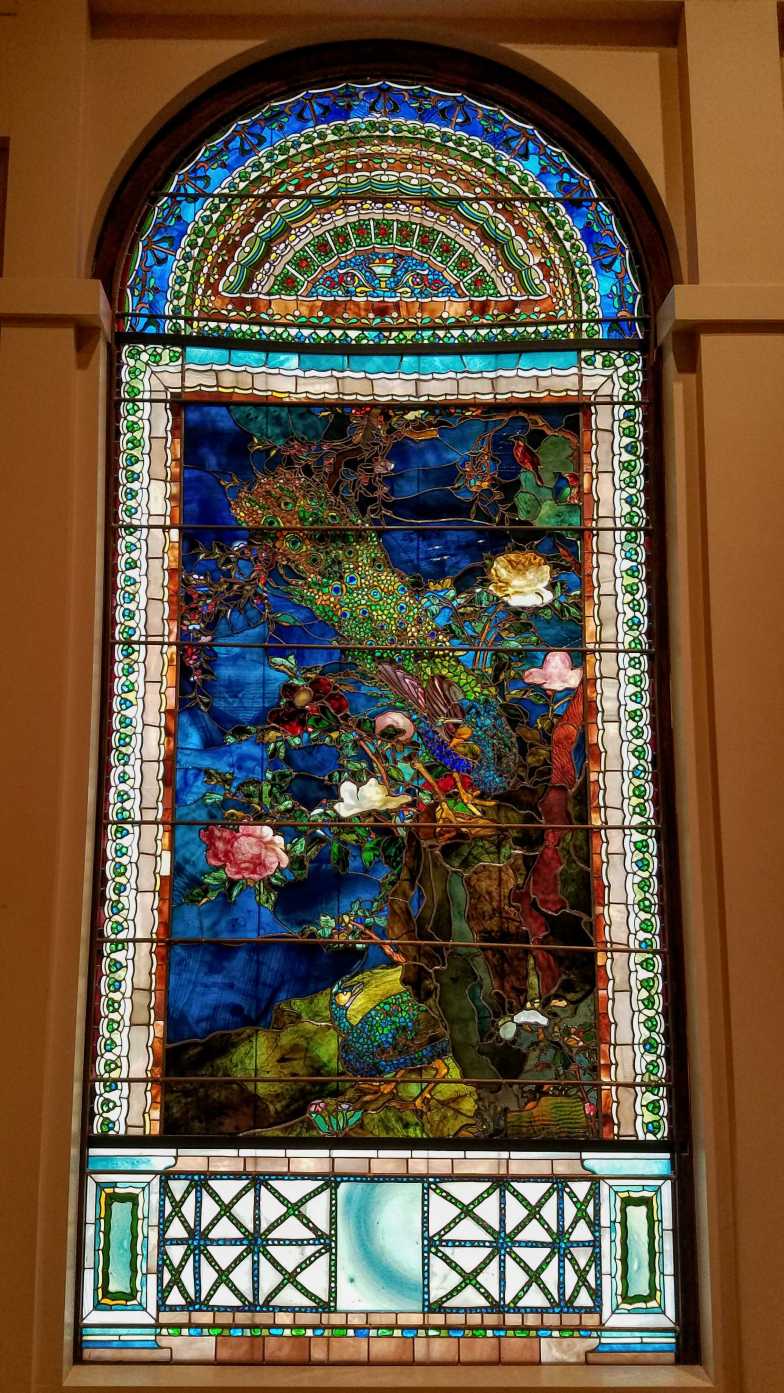 John La Farge’s stained glass windows reflect the Gilded Age fascination with medieval art and craftsmanship. The tail feathers of the peacocks are made of bits of glass in the ”broken jewel” technique; each peony blossom is a single piece of glass molded to catch the light differently through the day. La Farge layered his coloured glass as a painter would build glazes of colours to achieve the right shade. For the composition, he borrowed from many cultures: the central panels with the bird and flower motif evoke Chinese and Japanese screens; the lower panels emulate Pompeiian architecture; and the transoms recall the curved arch above the door to a Romanesque cathedral.
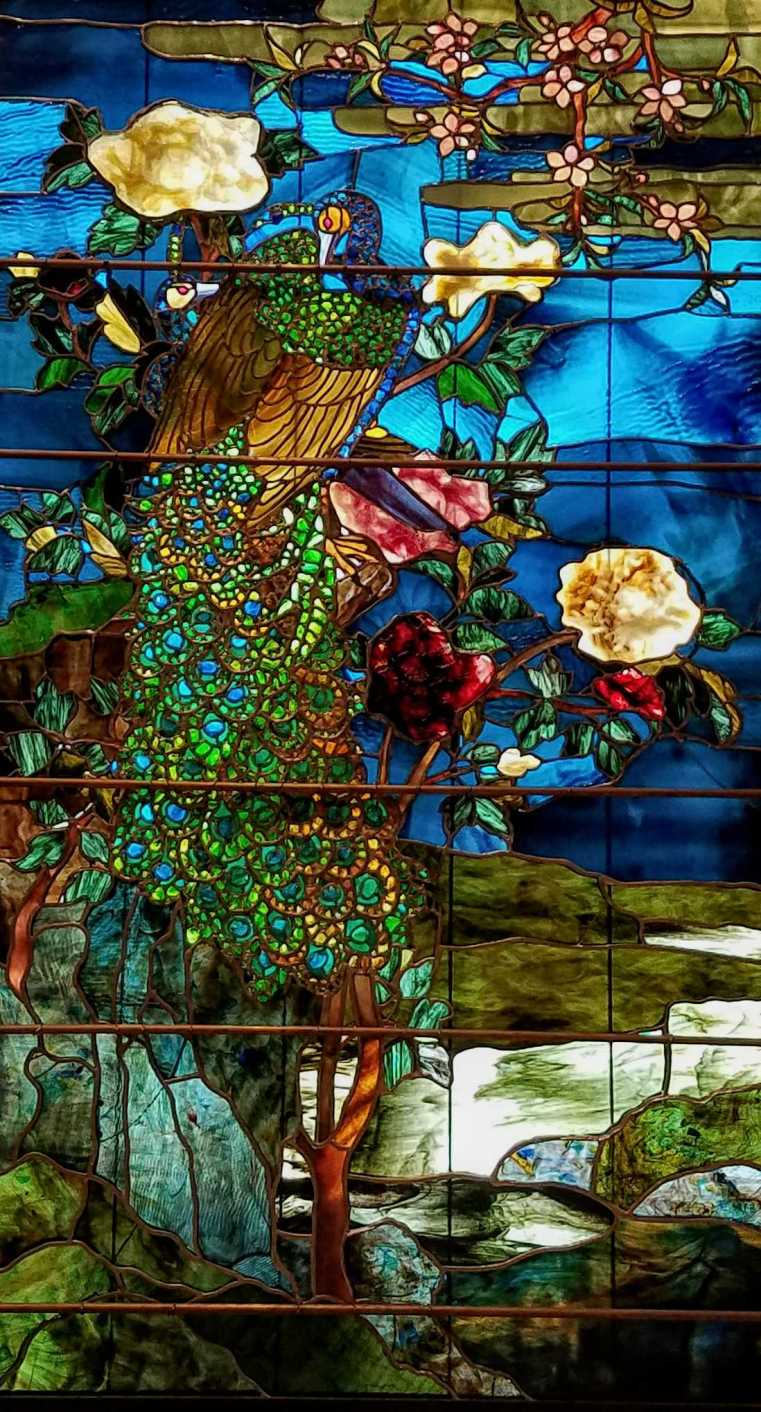 The Industrial Revolution had made inexpensive, mass-produced glass available to anyone, but art glass remained a prized emblem of wealth and good taste. These windows were commissioned by Frederick Lothrop Ames, a railroad magnate, who had them installed in a vast, baronial hall of his Boston house.

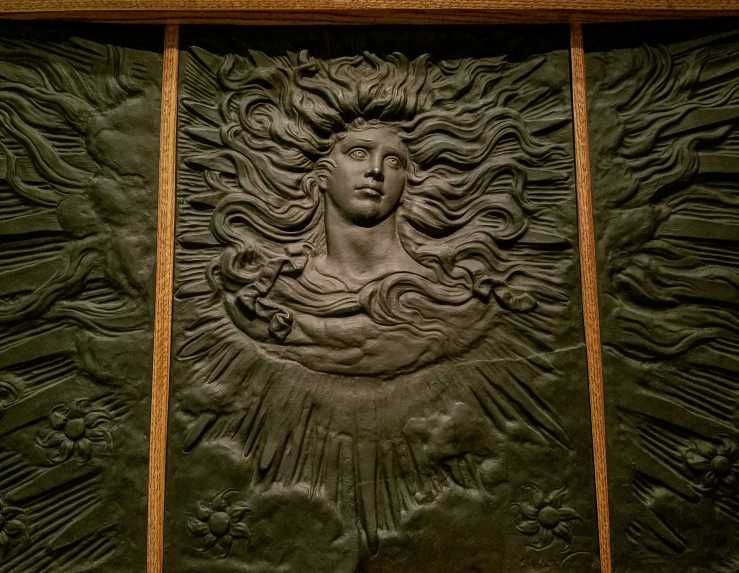 The Sun God, modeled 1882, cast iron – Elihu Vedder (1836-1923)
Between 1881 and 1885, Elihu Vedder undertook a number of commercial projects, including book illustrations and the design of firebacks and decorative tiles. A fireback was a metal insert placed against the back wall of a fireplace to protect the masonry and radiate heat forward into the room. Vedder decorated this example with the head of a sun god; the rays surrounding this face are a visual play on the warmth usually associated with the hearth.
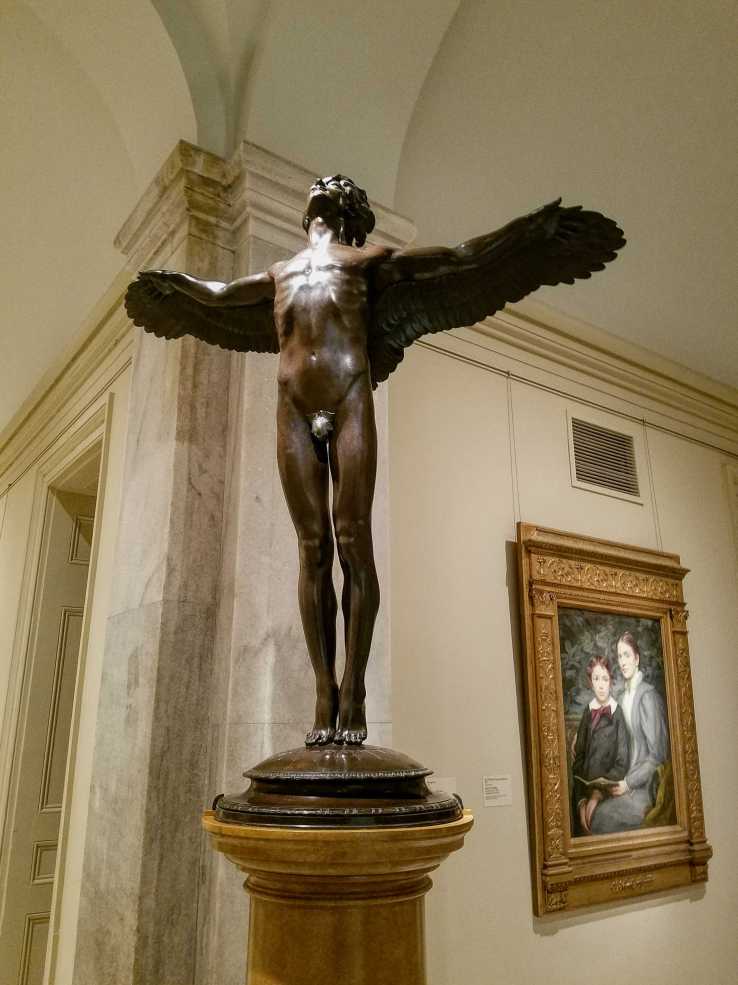
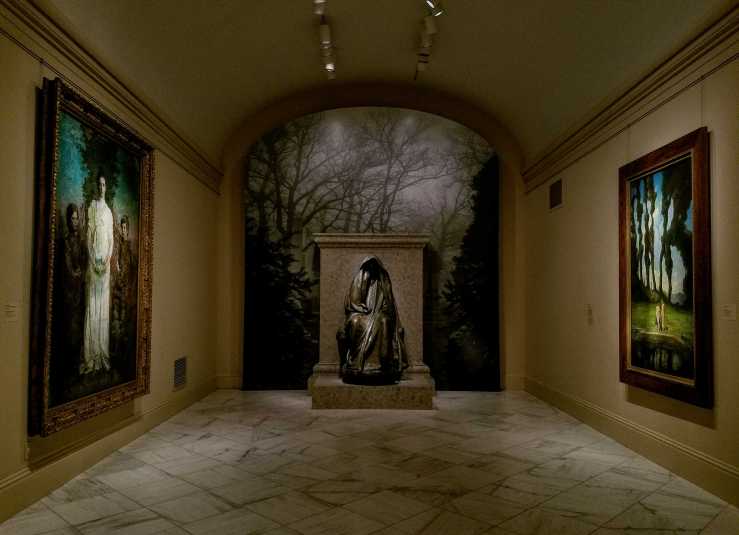 Adams Memorial, modeled 1886-91, cast 1969, bronze – Augustus Saint-Gaudens (1848-1907)
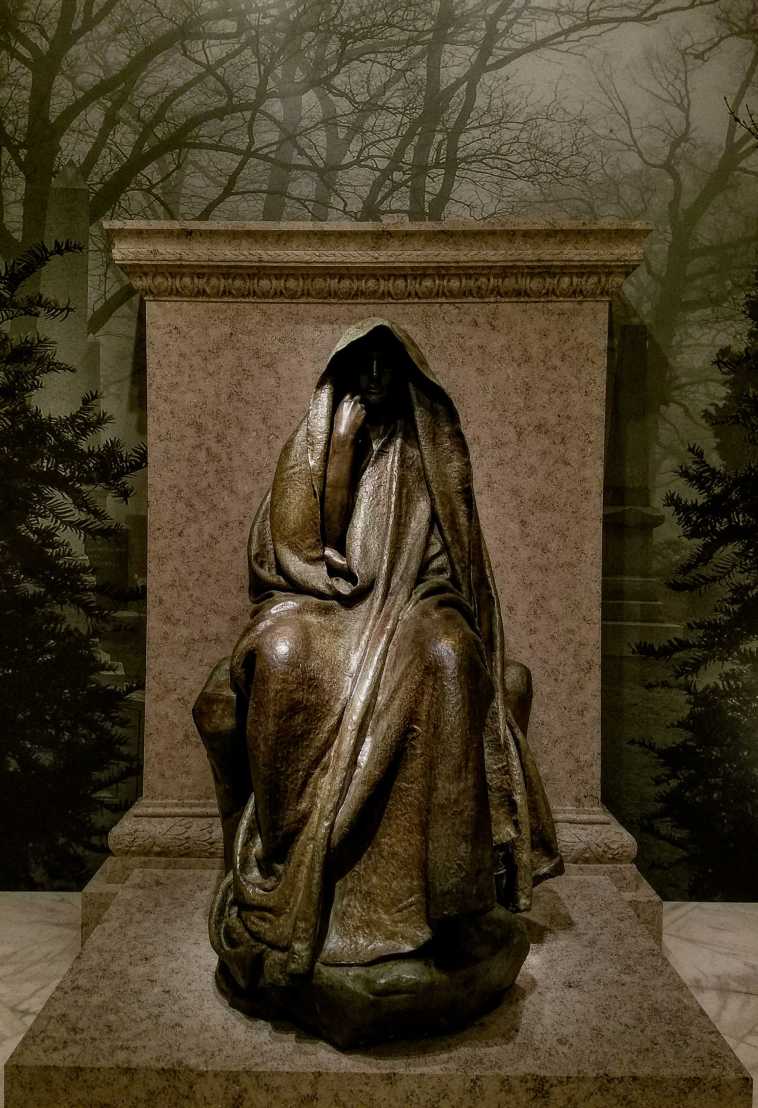
 Marian ”Clover” Hooper Adams, wife of writer Henry Adams, committed suicide in 1885 by drinking chemicals used to develop photographs [Clover was a skilled autodidact photographer]. Her grieving husband commissioned sculptor Augustus Saint-Gaudens to create a memorial that would express the Buddhist idea of nirvana, a state of being beyond joy and sorrow. In Adams’ circle of artists and writers, the old Christian certainties seemed inadequate after the violence of the Civil War, the industrialization of America, and Darwin’s theories of evolution.
Saint-Gaudens’ ambiguous figure reflects the search for new insights into the mysteries of life and death. The shrouded being is neither male nor female, neither triumphant nor downcast. Its message is inscrutable. Clover’s gravesite in Rock Creek Cemetery in Washington D.C., quickly became a tourist attraction, but Adams resisted all attempts to sentimentalize the memorial as a symbol of grief. He acknowledged the power of Saint-Gaudens’ sculpture, however, and allowed reproductions to be made and sold to a chosen few.
 Diana, 1889, bronze – Augustus Saint-Gaudens (1848-1907)
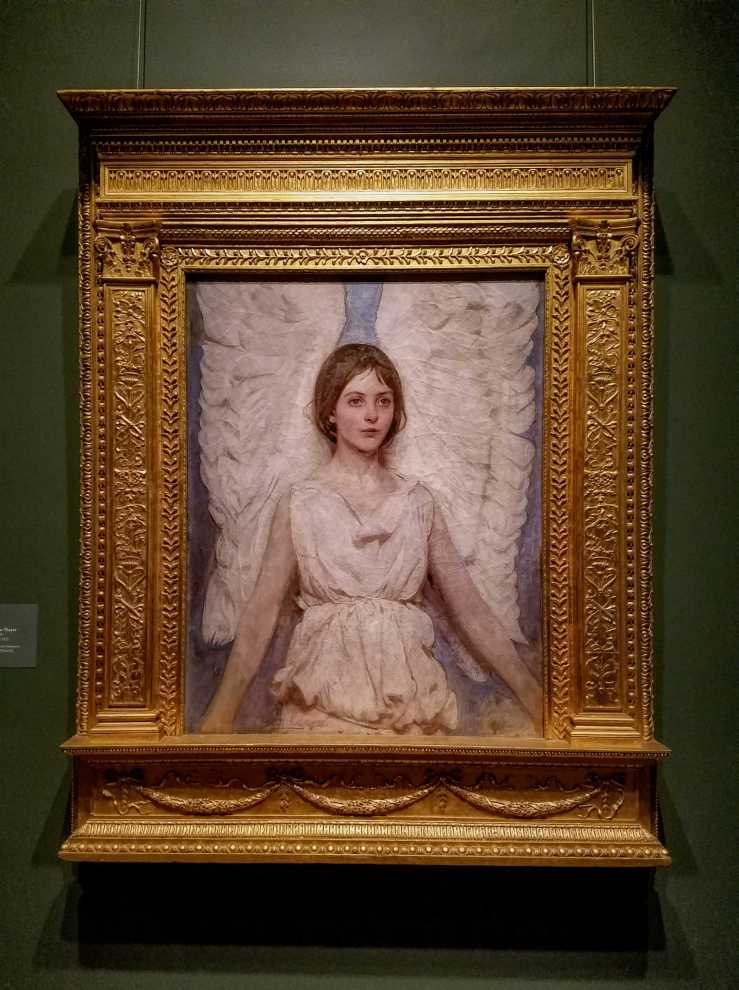
 Angel, 1887, oil on canvas – Abbott Handerson Thayer (1849-1921)
 Adoration of St. Joan of Arc, 1896, fire etched wood relief – J. William Fosdick (1858-1937)

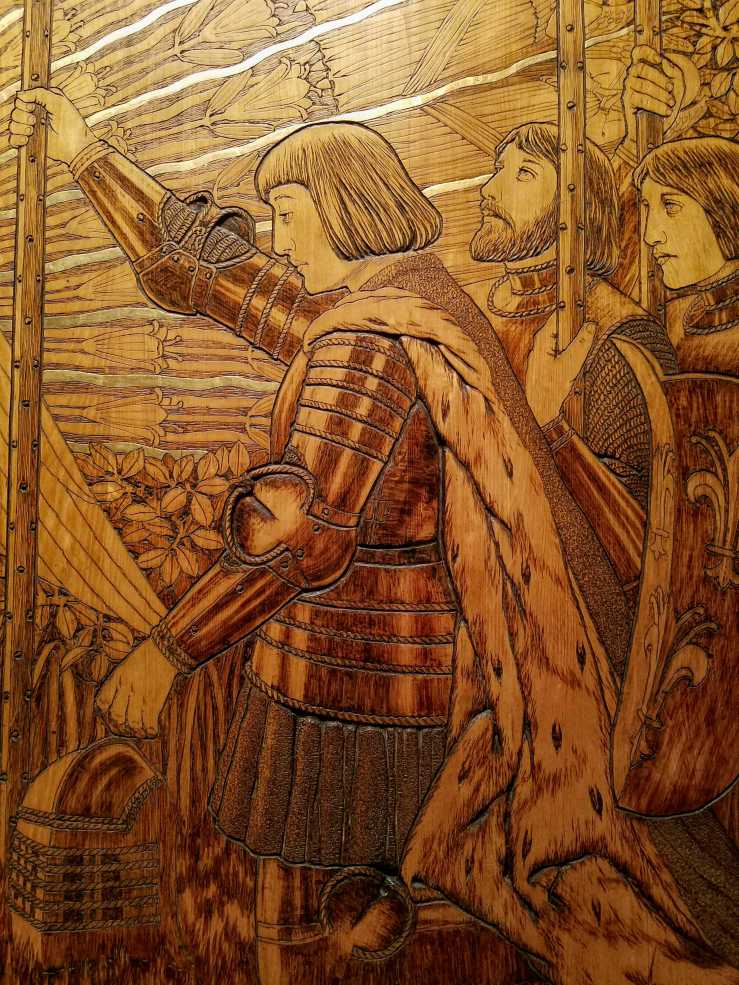 J. William Fosdick made this relief to appeal to wealthy industrialists who favoured richly designed interiors and uplifting art. He tapped into the fantasy of a more spiritual past, and when the screen was exhibited, it was praised for craftsmanship that rivaled a medieval masterwork.
At the turn of the twentieth century, Joan of Arc was a popular symbol in American culture. Mark Twain wrote about her in 1896, Anna Hyatt Huntington created a sculpture of the martyr for Riverside Drive in New York and George Bernard Shaw’s famous play about her was first produced on Broadway in 1923. She could be a figure from the romantic past and an emblem of the ”New Woman” in the modern world. Joan may have died for king and country – as the legend at the bottom of the screen records – but her symbolic power as a woman who took history into her hands also resonated among women fighting for the right to vote.
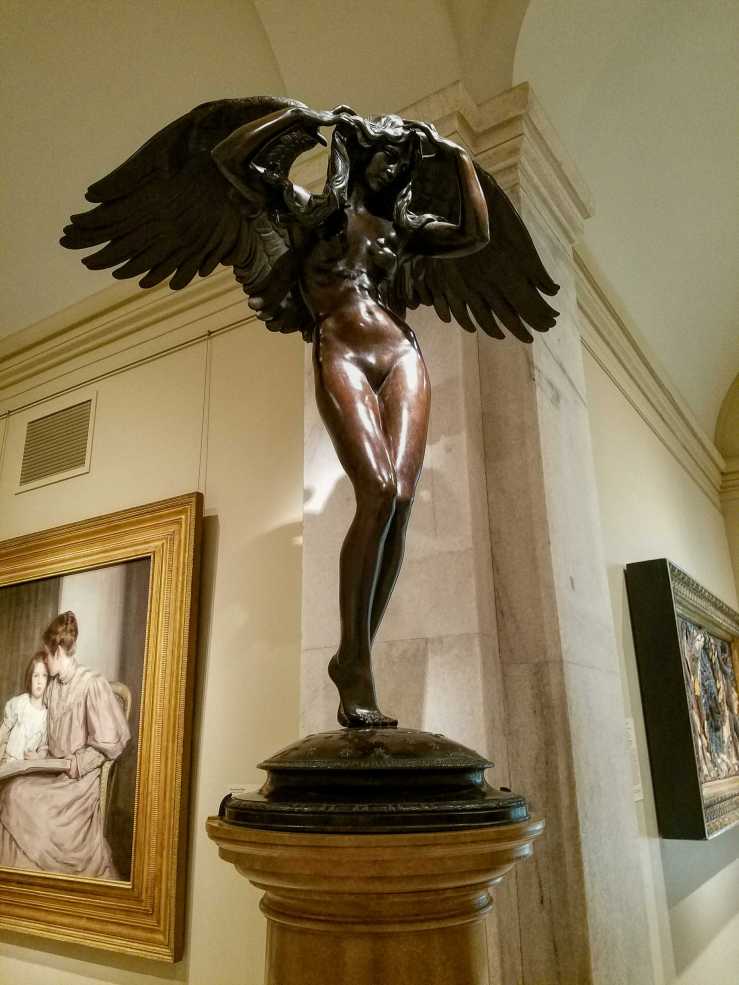 Rising Sun, 1914, bronze – Adolph A. Weinman (1870-1952)
 Girl Skating, 1907, bronze – Abastenia St. Léger Eberle (1878-1942)
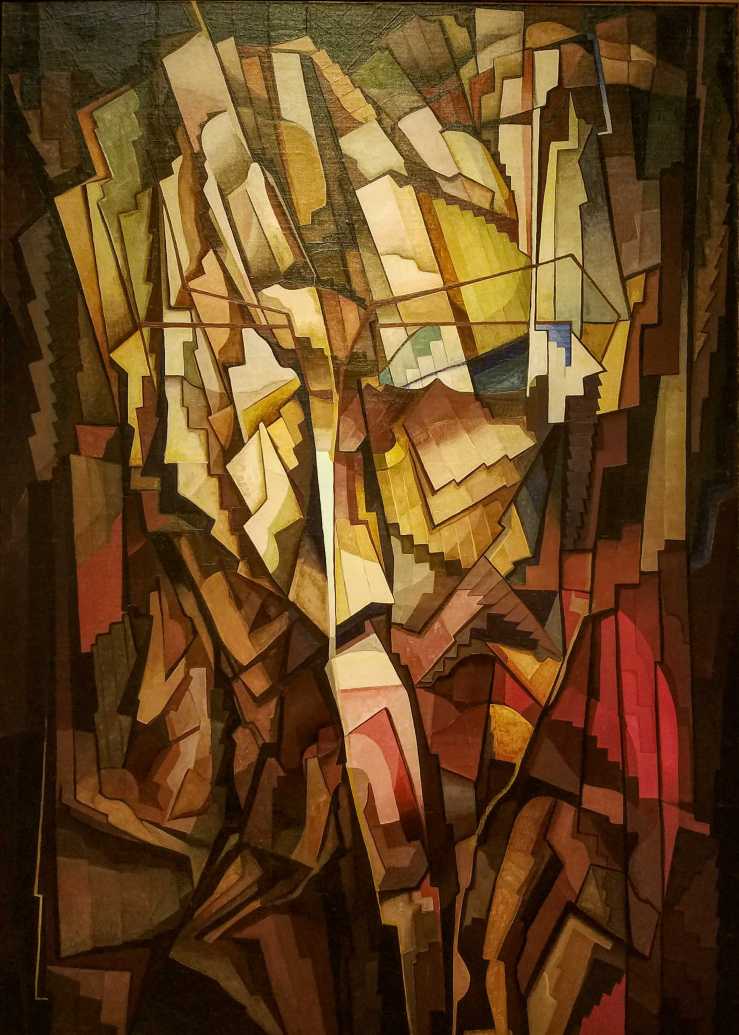 Synthetic Arrangement, 1922, oil on canvas – Morris Kantor (1896-1974)
 People in the Sun, 1960, oil on canvas – Edward Hopper (1882-1967)
 Night in Bologna, 1958, egg tempera on fiberboard – Paul Cadmus (1904-1999)

 Night in Bologna is a dark comedy of sexual tensions played out on a stage of shadowy arcades. In the foreground, a soldier on leave throws off a visible heat that suffuses the air around him with a red glow. He casts an appraising look at a worldly woman nearby, who gauges the interest of a man seated at a café table. The gawky tourist is unaware of her attentions, and looks longingly at the man in uniform. Paul Cadmus noted that he used red, green and yellow to denote the characters’ vices – lust, envy and greed – but left the outcome unclear; he was more interested in the tangle of human instincts than in tidy resolutions. He once said that he would always rather paint a novel than a short story.
Smithsonian American Art Museum
April 24th, 2017
 The tour starts across the street, in the gift shop, until it’s time to join the line outside the theatre. The line forms
  There is some free time in the museum, where one can learn more about the plot, see the gun used in Lincoln’s assassination and look at family photos, including those of Lincoln’s son William, who passed away when he was just 11 years old, ill with typhoid.

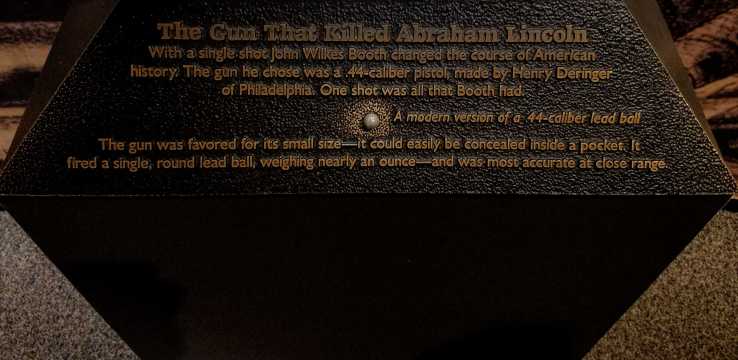


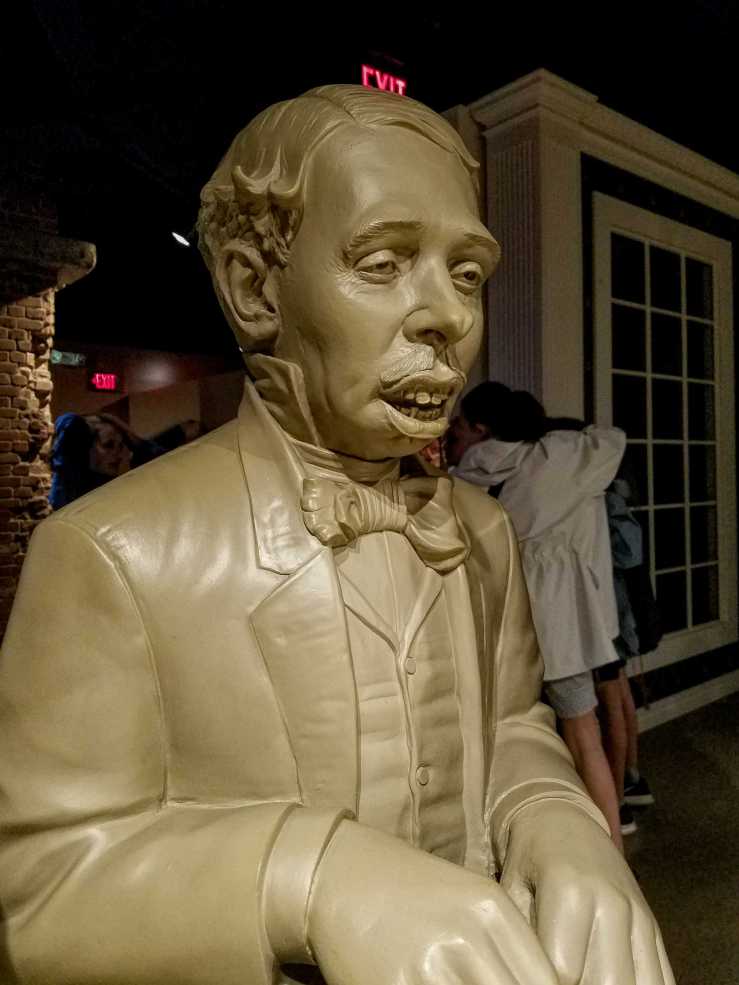
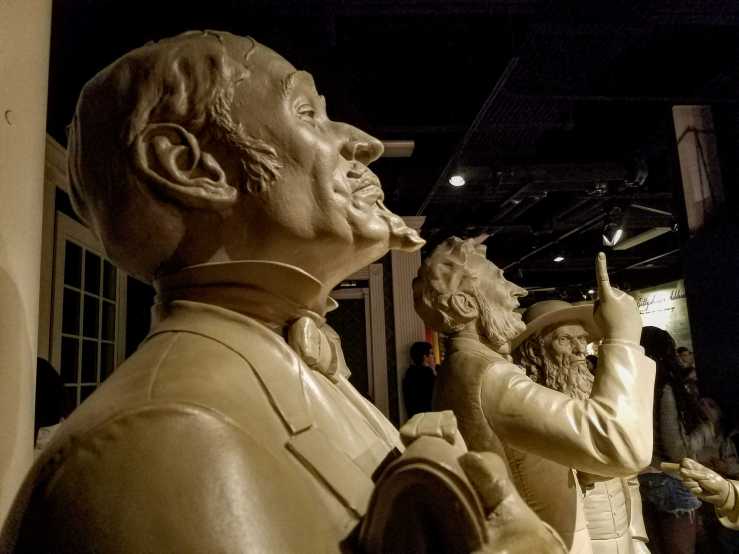

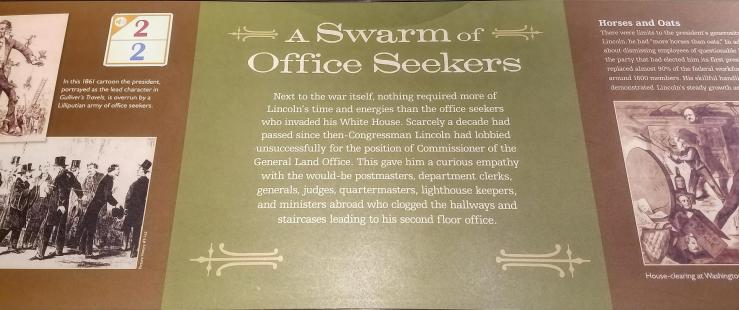
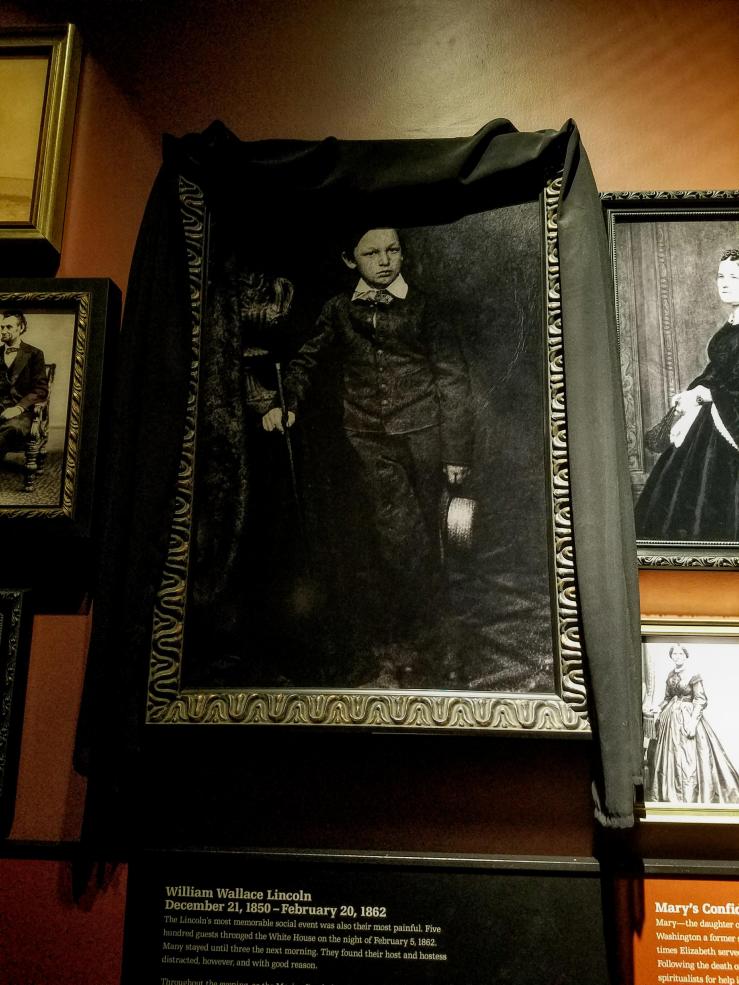
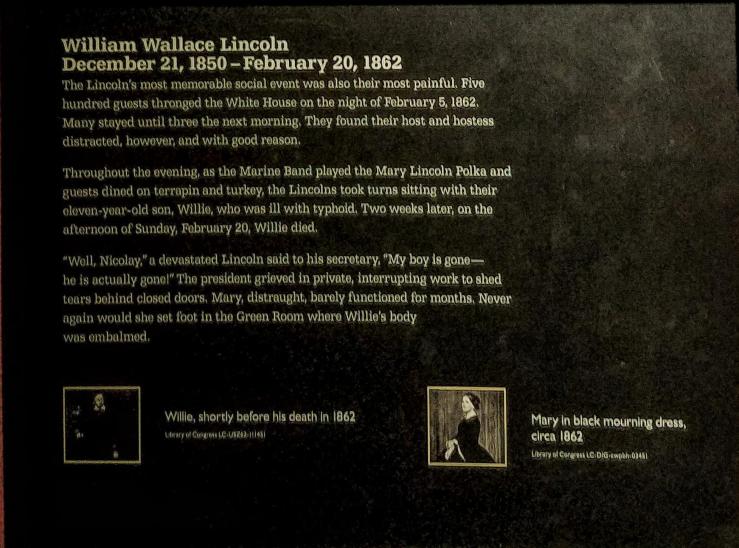
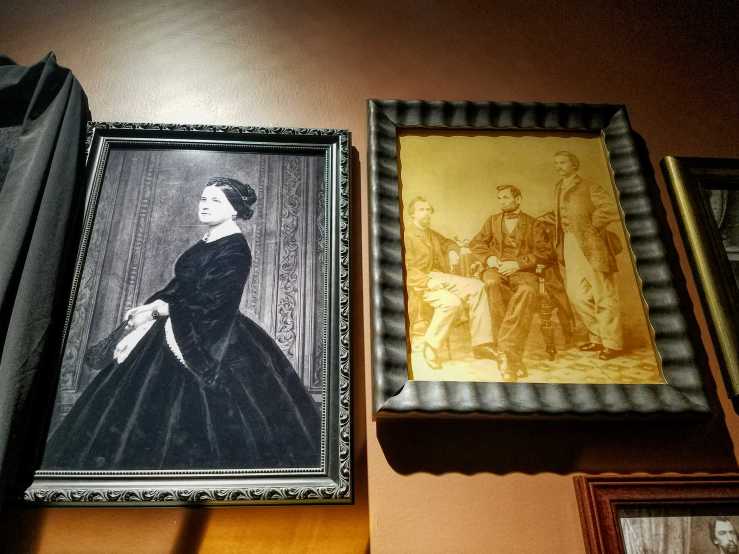
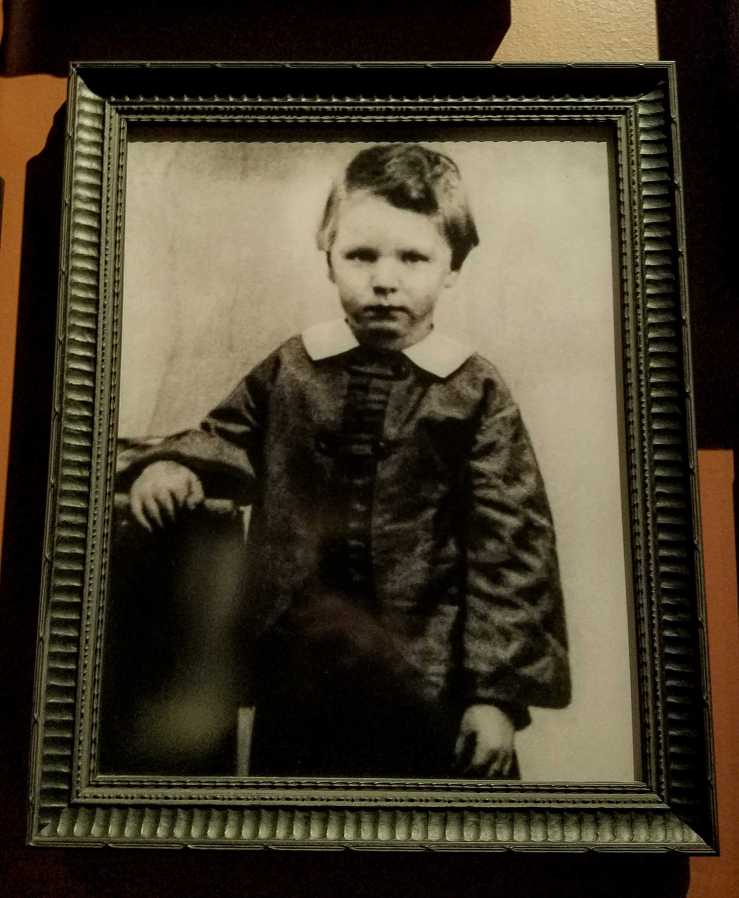


 Ford’s Theatre photographed by Mathew Brady between 1862 and 1975.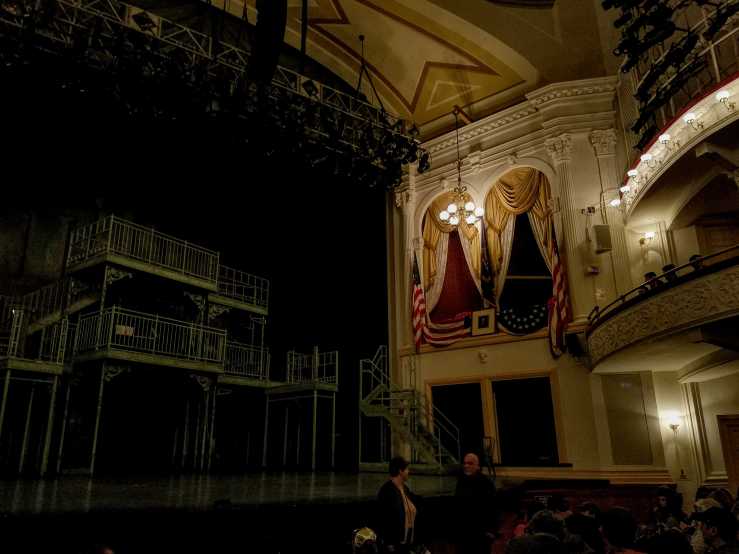










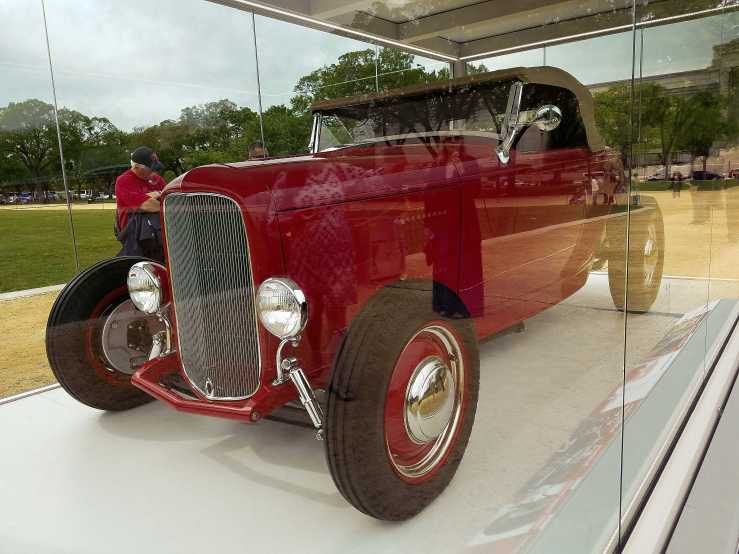 The McGee Roadster, the 16th vehicle to be documented as national heritage by the HVA for the National Historic Vehicle Register and U.S. Dept. of the Interior, Historic American Engineering Record.
 Robert Indiana, AMOR, conceived 1998, executed 2006.
 Mark di Suvero, Aurora, 1992–93.
 Louise Bourgeois, Spider, 1996/1997.
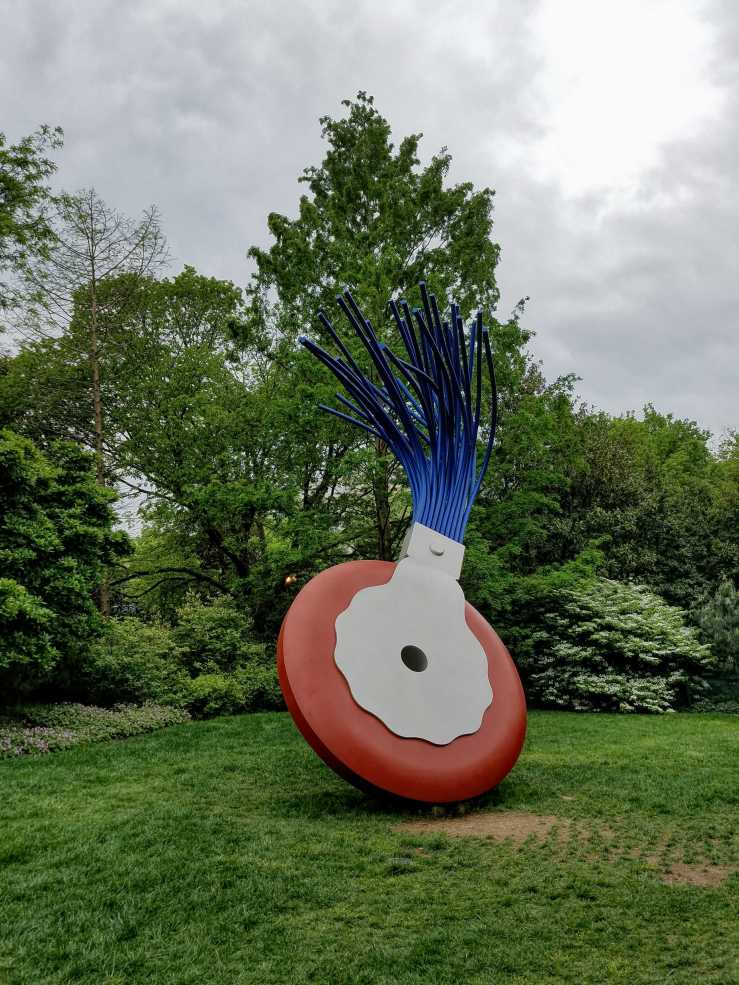 Claes Oldenburg; Coosje van Bruggen, Typewriter Eraser, Scale X, 1999.
 Roxy Paine, Graft, 2008–2009.
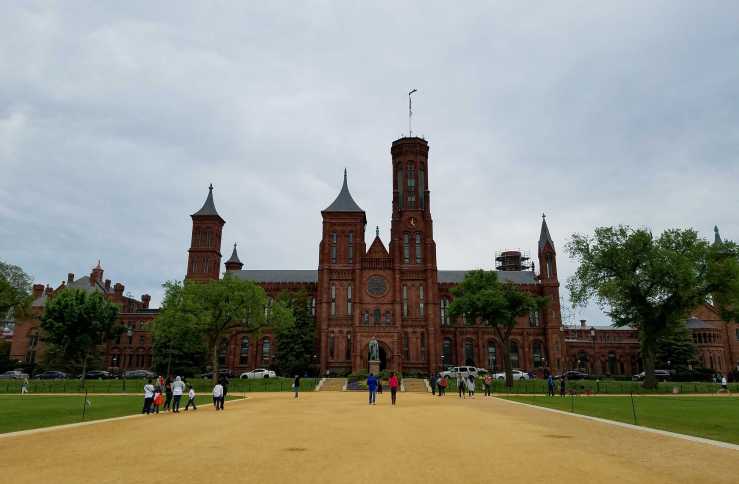 The Smithsonian Castle.
 National Museum of African American History & Culture.
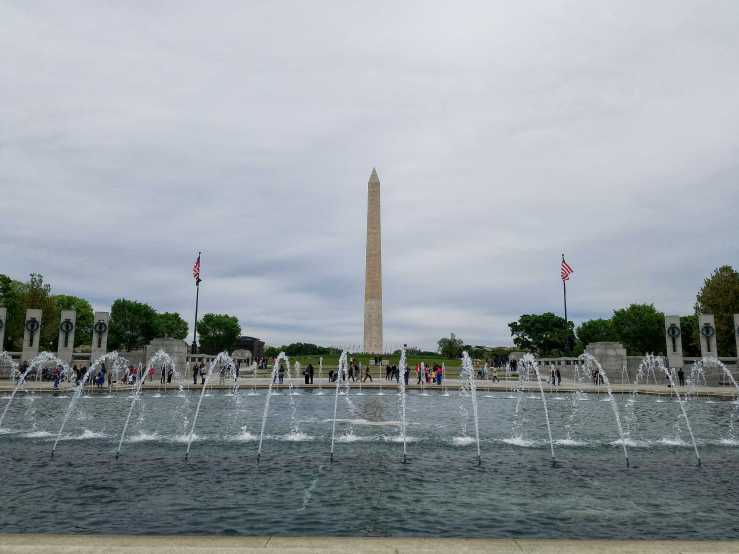
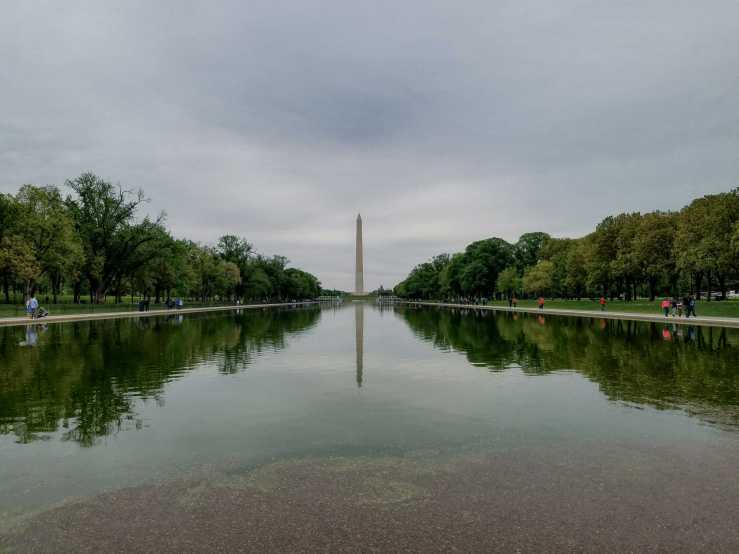
 And, finally, the iconic obelisk in honour of George Washington.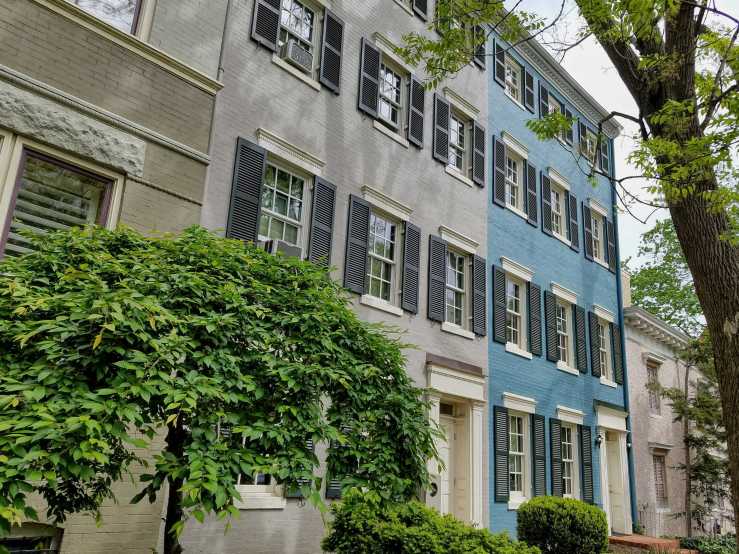




























 The Humble Fabulist