Philadelphia – The Market

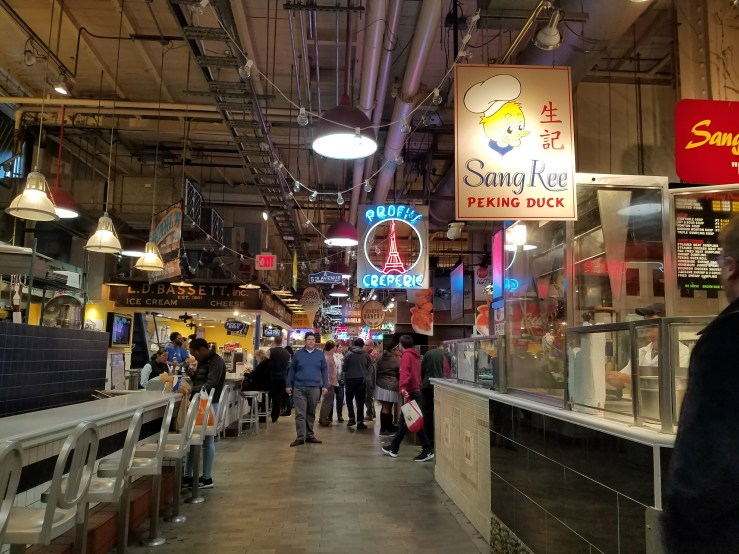
Reading Terminal Market.

Another historic feature and an integral part of the city that survived economic declines and national crises, depression years and wars and is bustling today, guaranteed to tingle your taste buds at home or on the spot. Just a few steps from the City Hall, it is an excellent remedy for those after-tour cravings.

Philadelphia
February 22nd, 2017

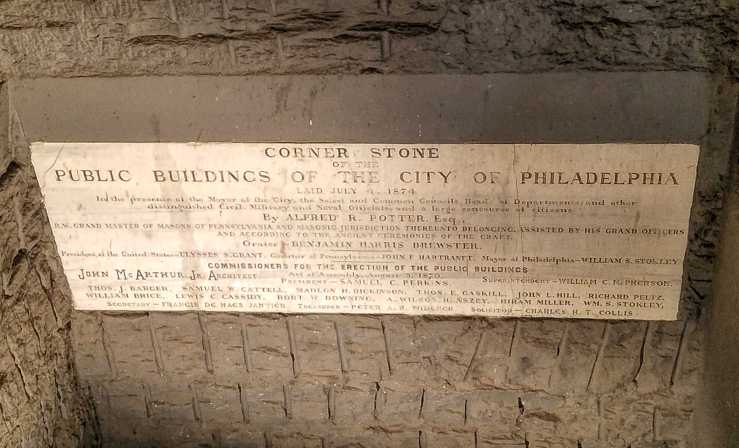
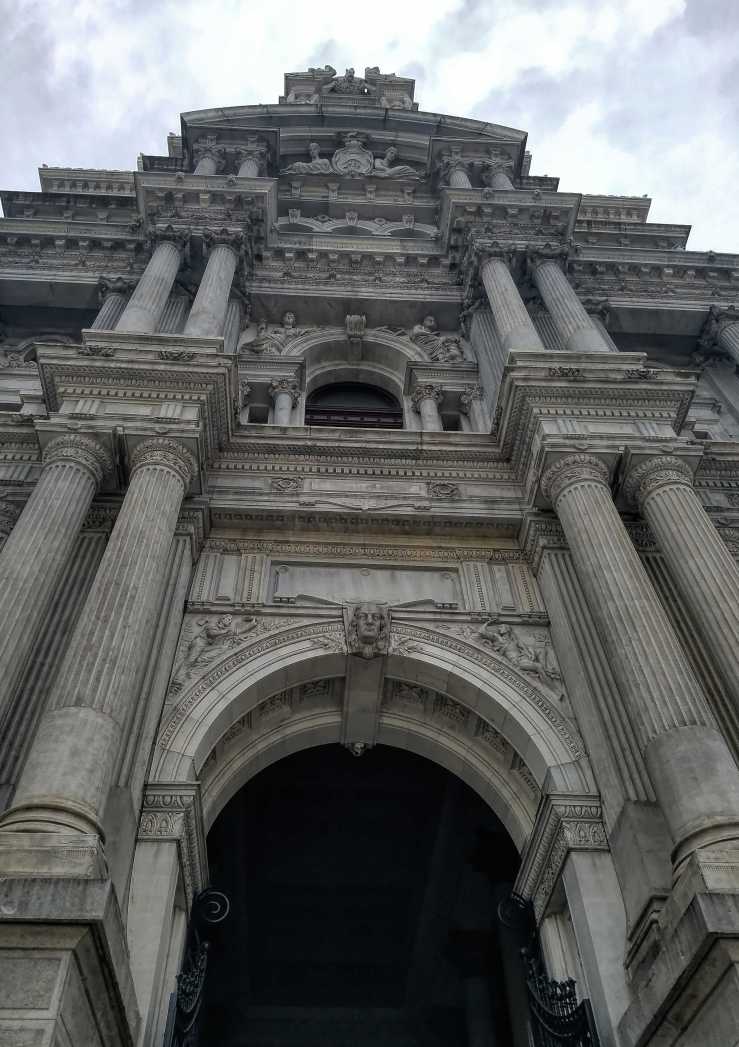
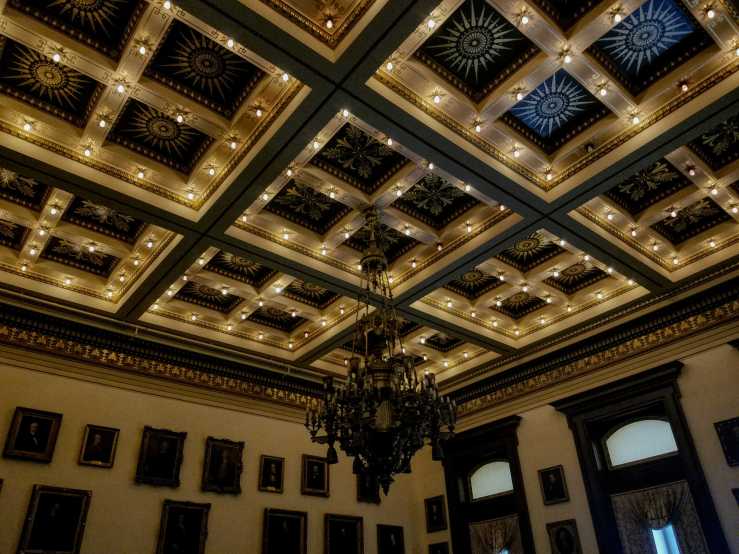
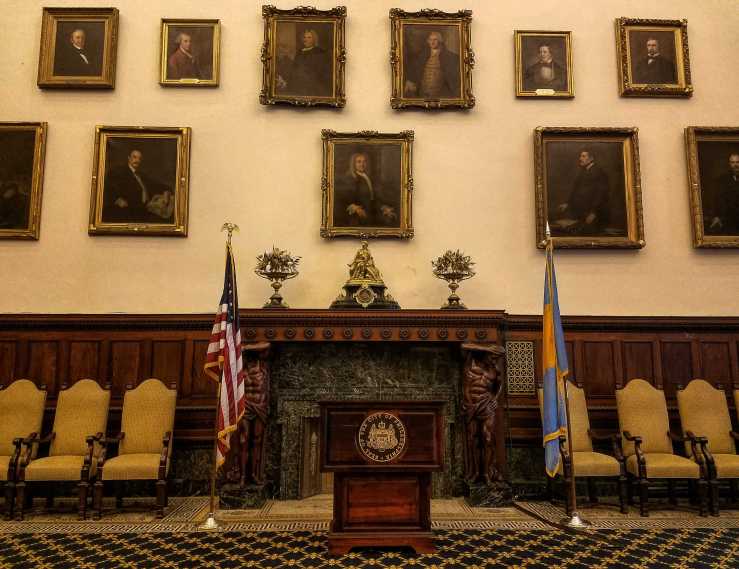
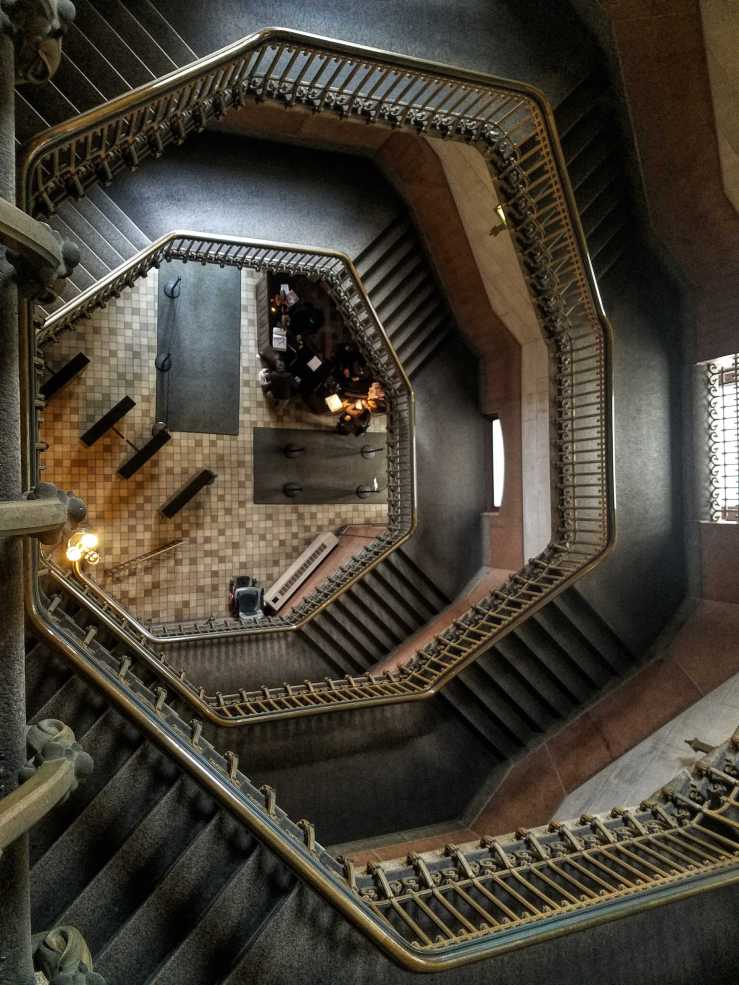
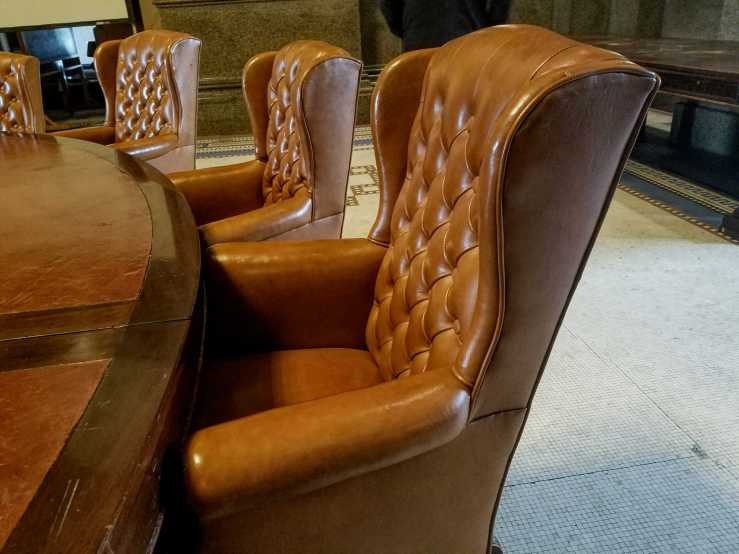
Philadelphia City Hall – The Building

Philadelphians are proud of their history and heritage, and one way to show it is by signing up as volunteer guides. Go to any site of historical or cultural interest and you can be sure to find a tour lead by a ranger or a knowledgeable docent.

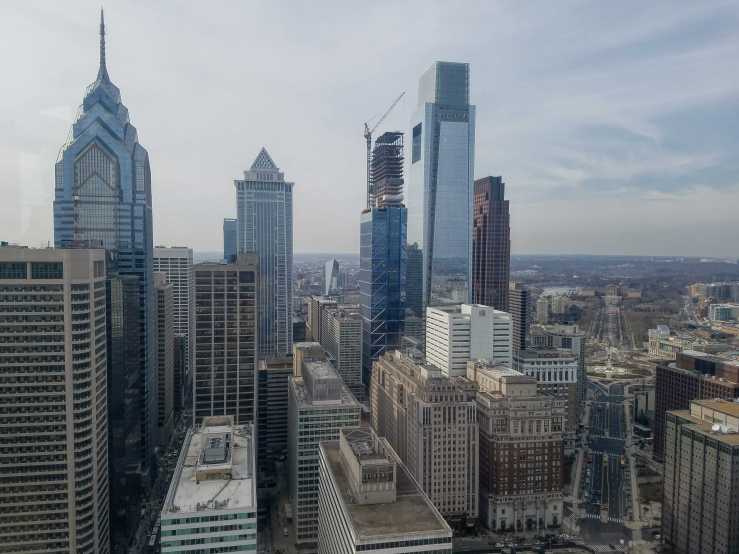
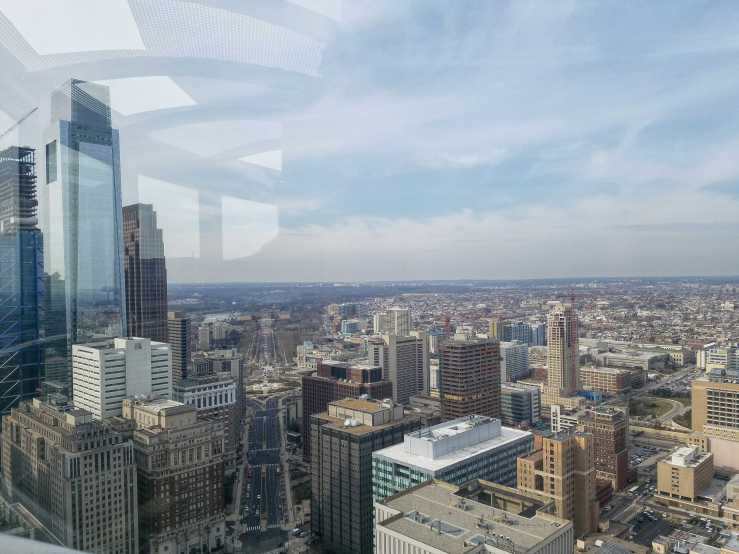
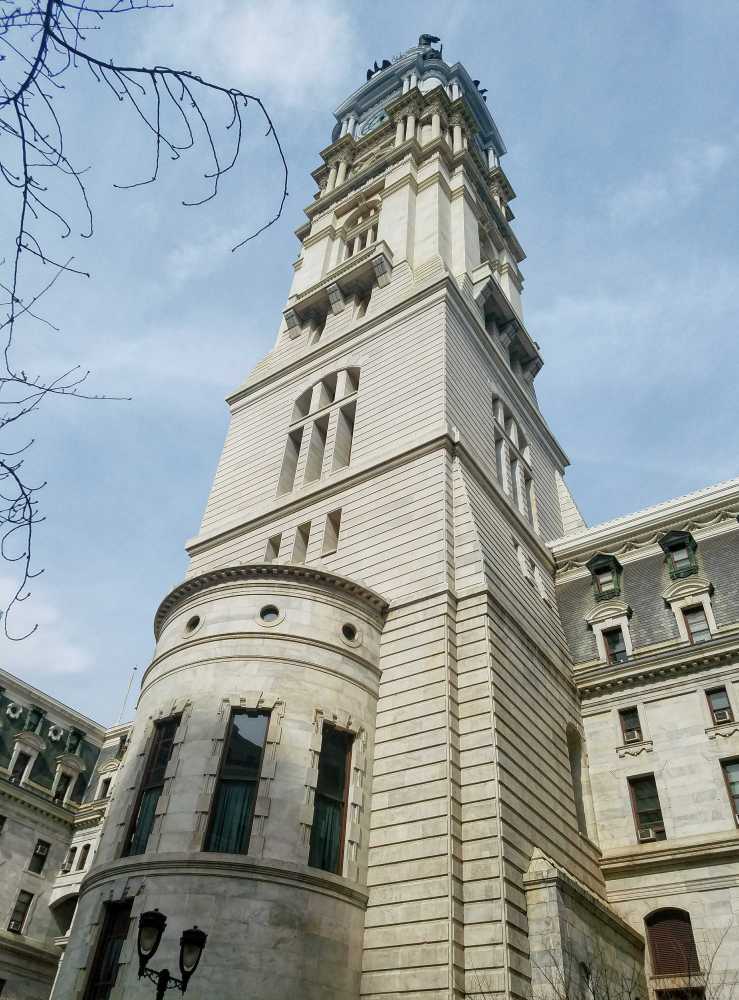
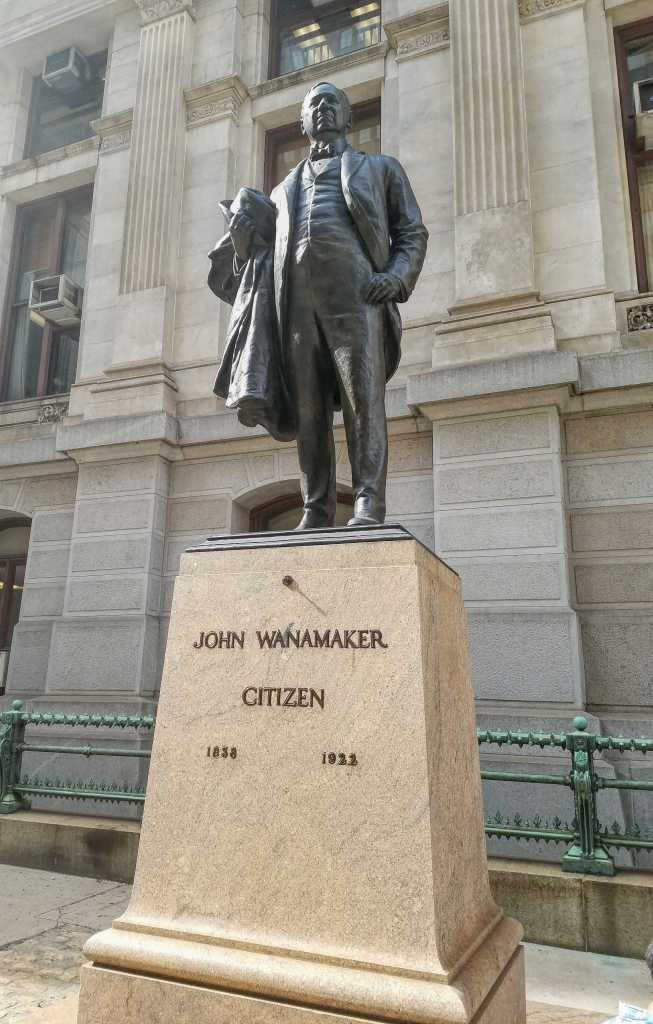
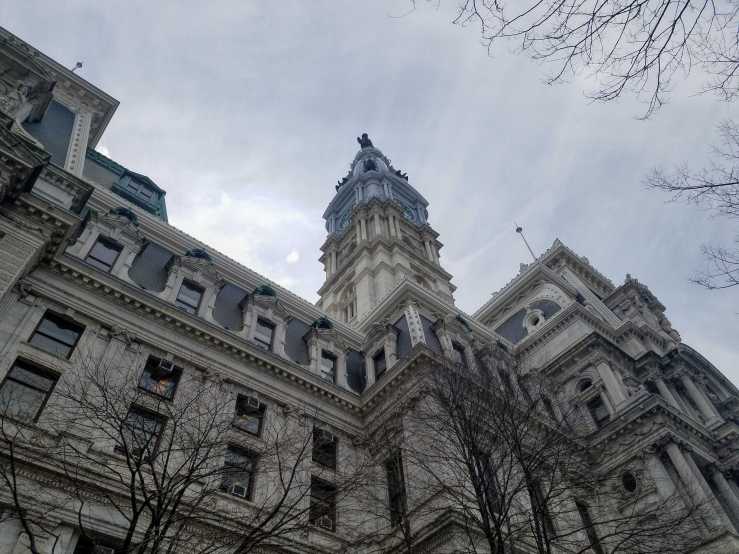
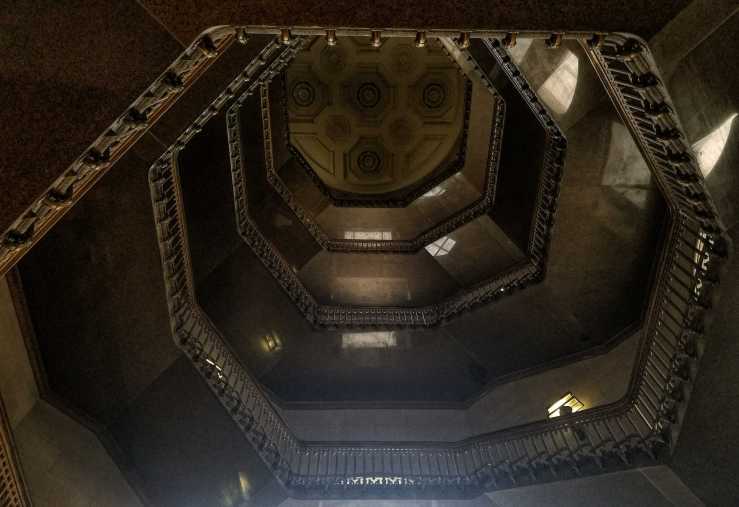
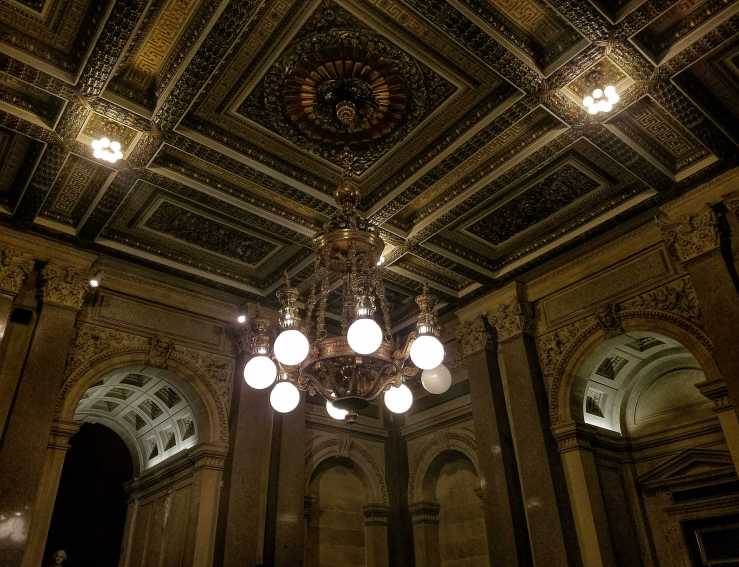
Like the City Hall Interior tour we took, which includes a visit to the Tower for a panoramic view of the city. Actually, the tour starts outside, across from the Wanamaker Building, where John Wanamaker’s bronze statue commemorates him simply as ”Citizen”; then on to the inner courtyard before entering the vast City Hall – the largest municipal building in the world – and its seemingly endless corridors and offices.

See that small feature on top of the tower? This is a 27-ton, 37ft bronze statue of the city’s founder, William Penn. Created by Alexander Milne Calder, it is the tallest statue atop any building in the world.

Biggest, oldest, tallest… superlatives seem to characterize Philadelphia – and very suitably so, I might add.

Philadelphia
February 22nd, 2017

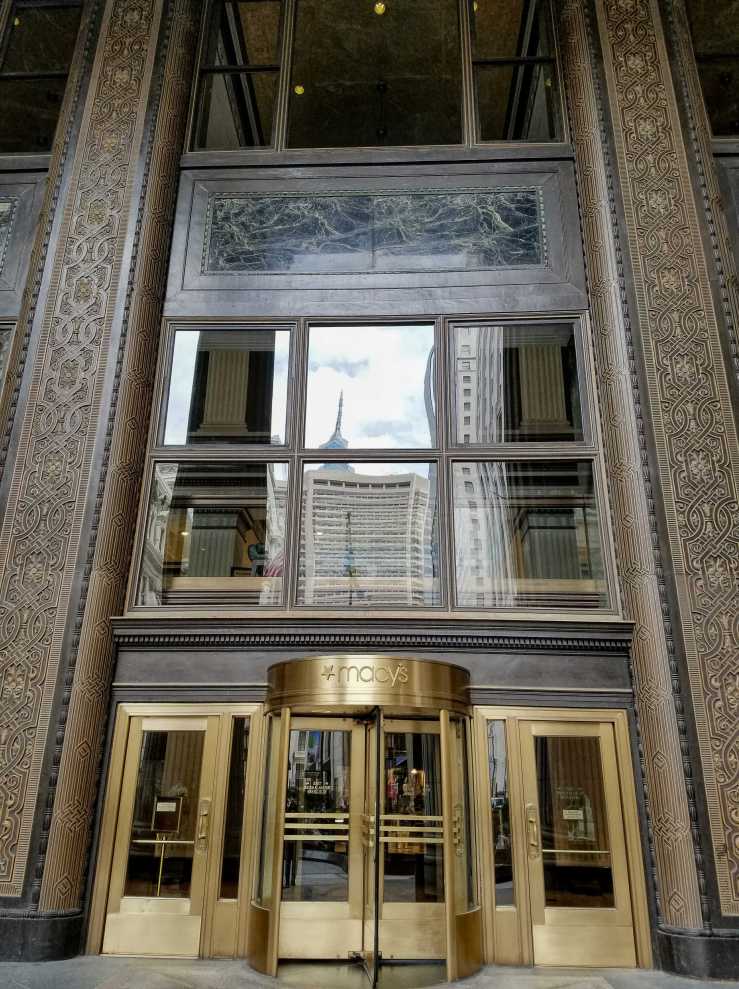
Macy’s Philadelphia – not just a department store

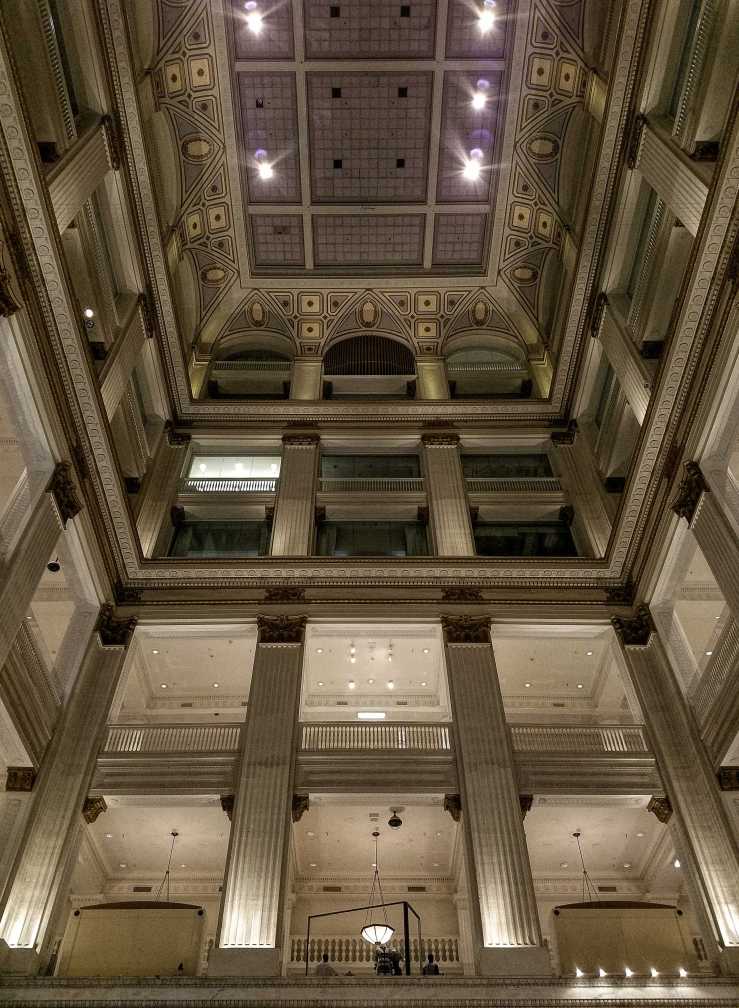
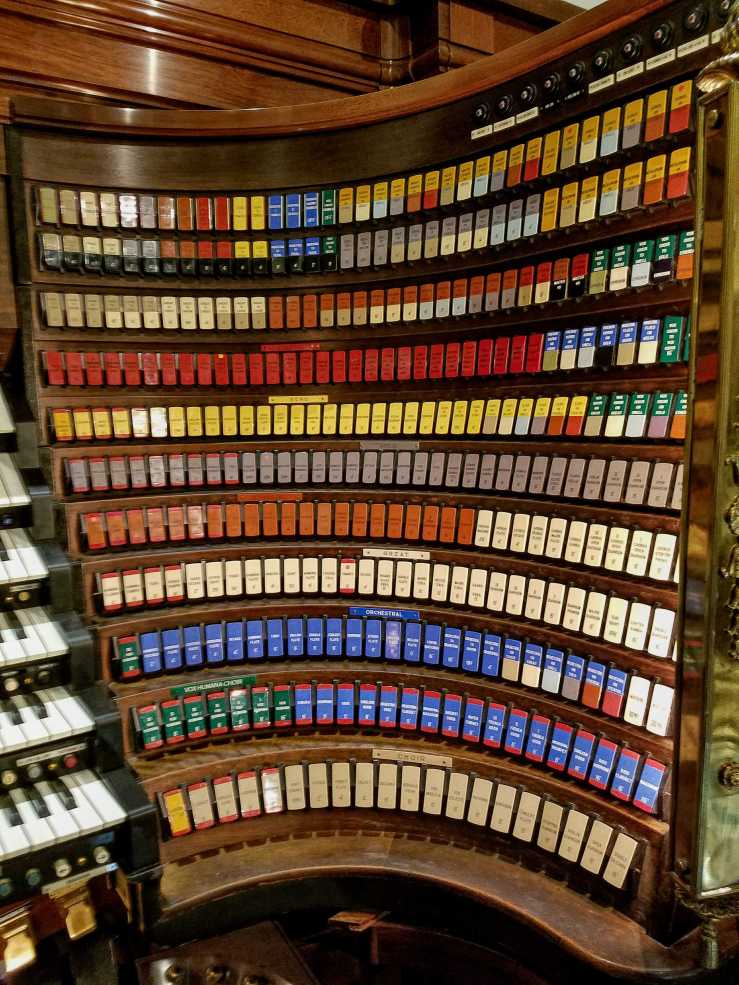
Even without a guided tour, Macy’s Philadelphia is a wonderful mix of fashion, architecture and history. And pipe organ music.

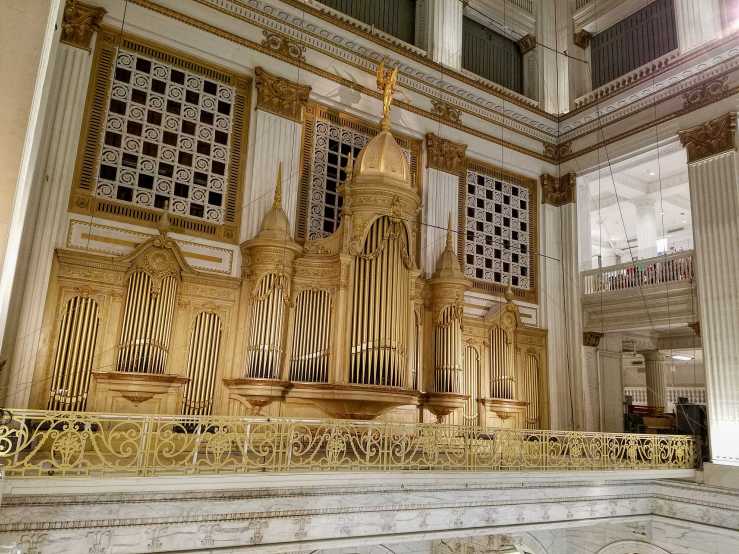
Housed in John Wanamaker’s flagship store, the first of its kind in Philadelphia, a national historic landmark since 1978.

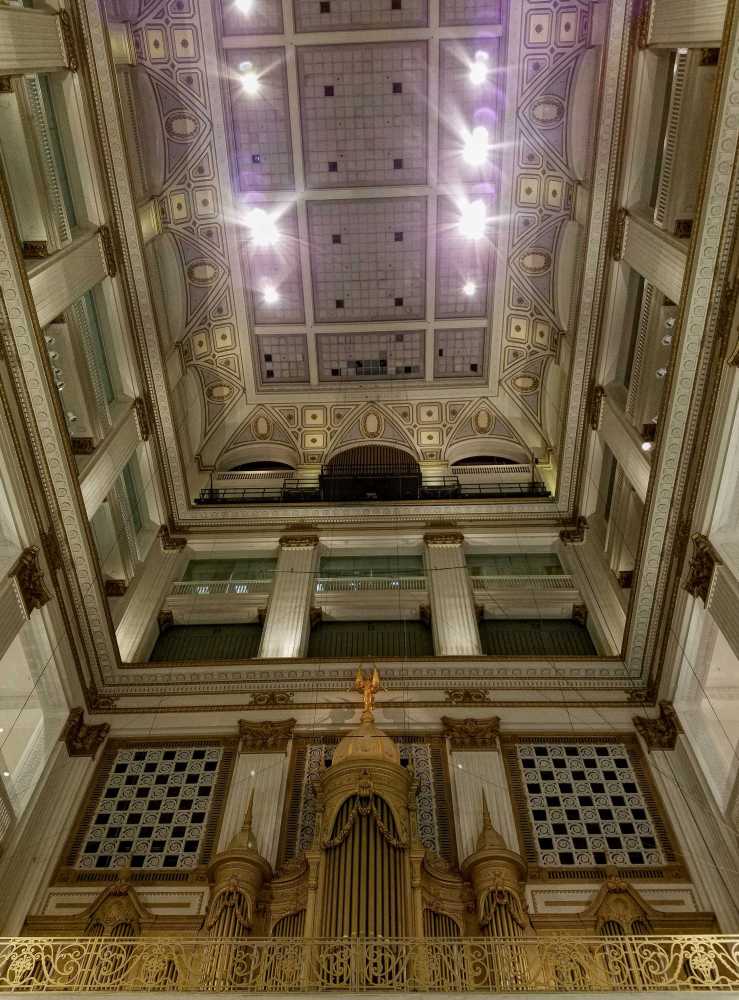
Wanamaker Building was completed in 1911 on the site of an abandoned railroad station. Built in the Florentine style with granite walls by Chicago architect Daniel H. Burnham, it had 12 floors, just enough to accommodate the pipe organ John Wanamaker bought from the St. Louis World’s Fair in 1909. With more than 10.000 pipes, the organ was so big, they needed 13 train cars to transport it and two years to install it.  

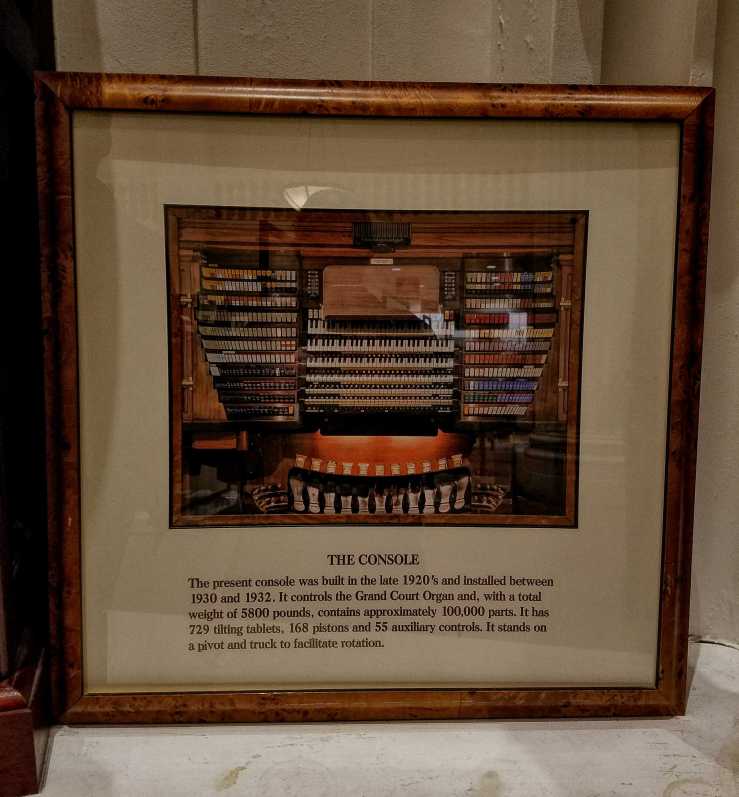
It is, by some accounts, the largest playable organ in the world and it is delighting visitors twice daily, at noon and in the afternoon Monday through Saturday. For schedule and other interesting historical and musical facts, please visit the website of The Friends of the Wanamaker Organ.

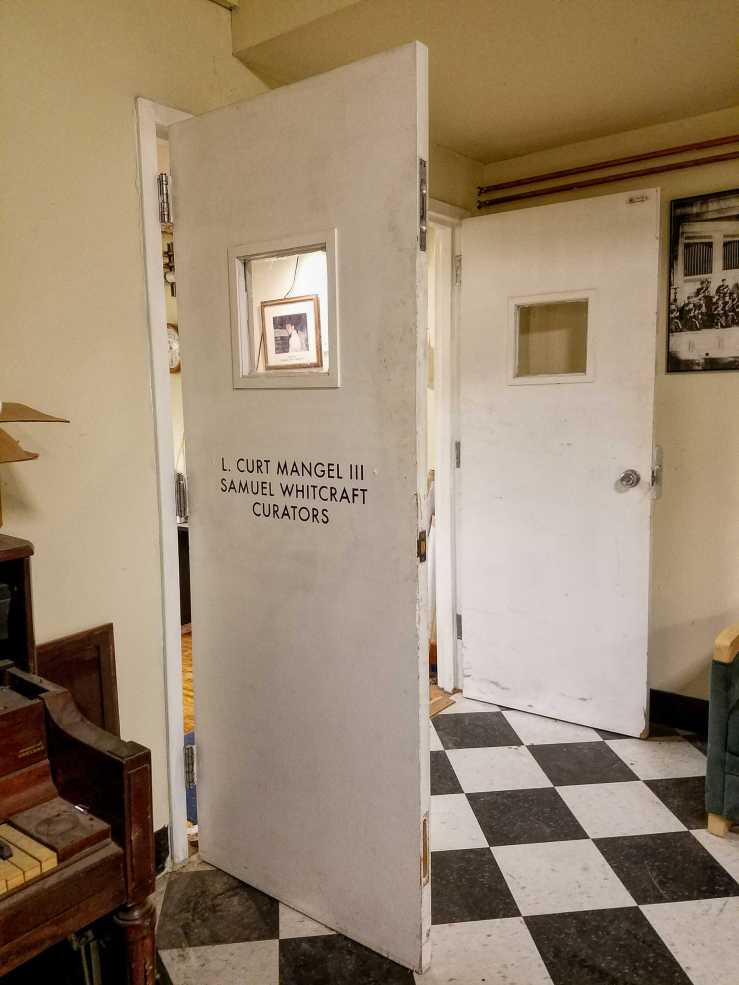
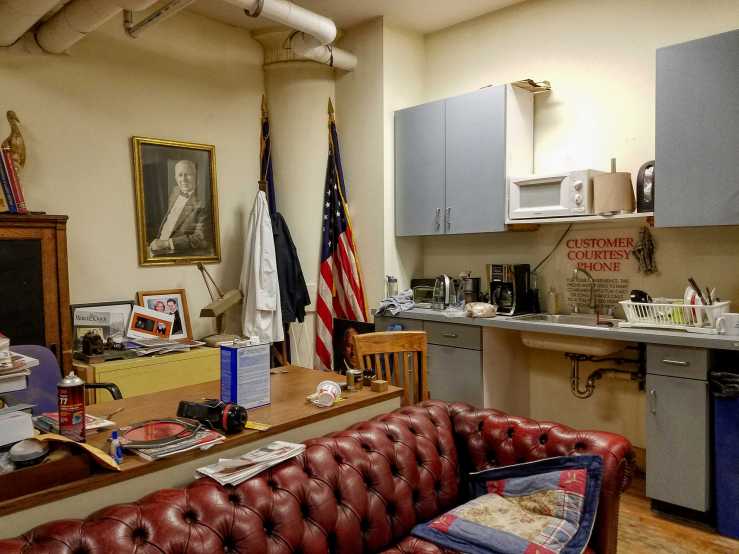
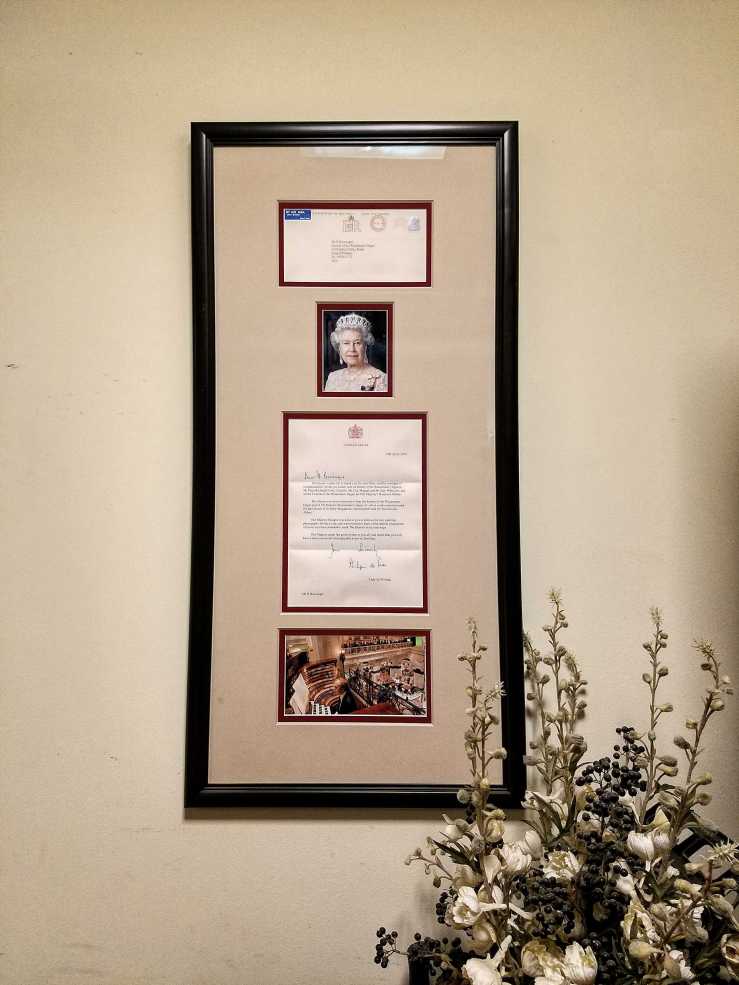
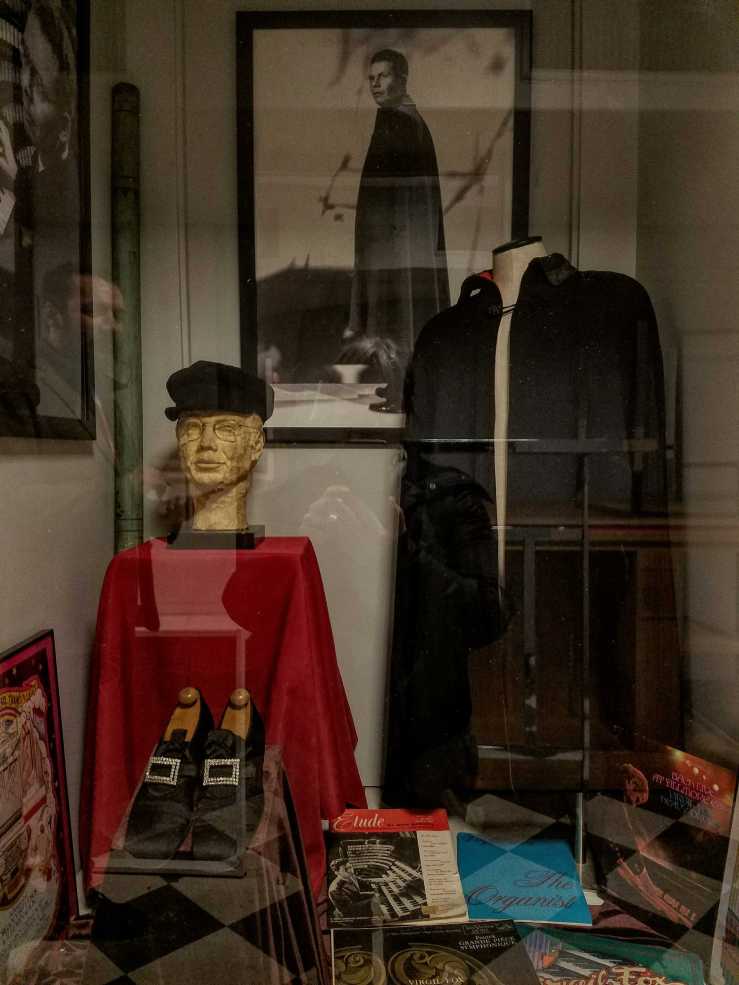
But meanwhile, enjoy a photographic behind-the-scenes historic tour of this magnificent building, which we joined by pure chance when a guide and his small group of two found us peering at the console and kindly invited us to follow them.

It was one of the highlights of our trip.

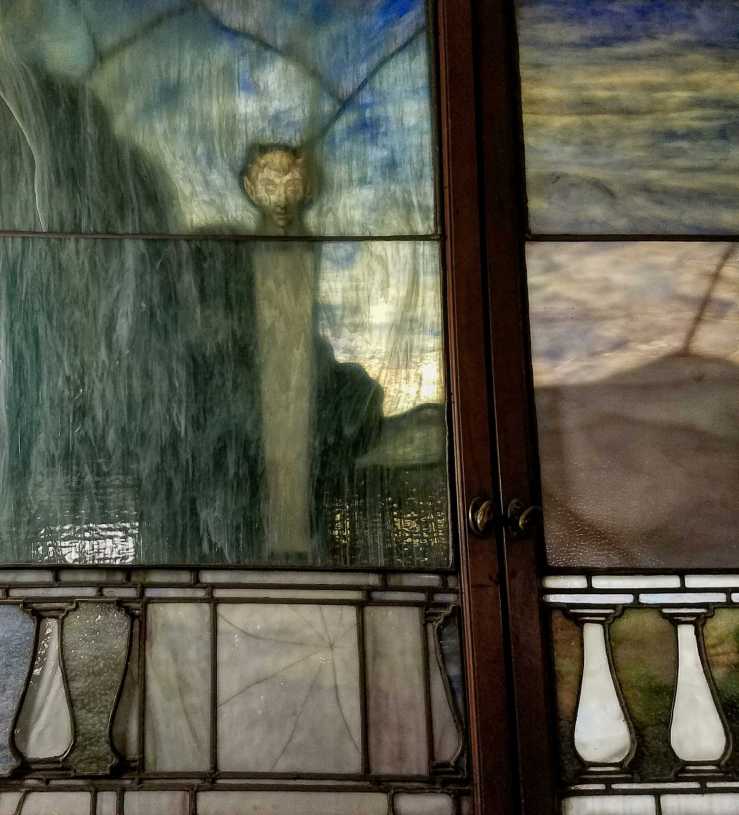
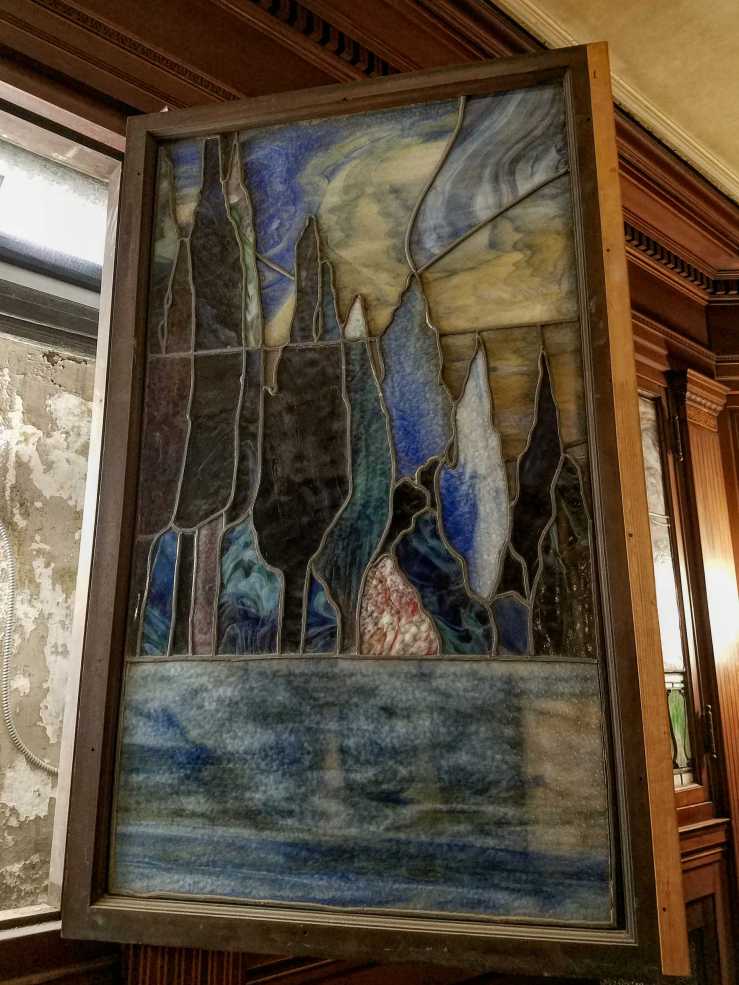
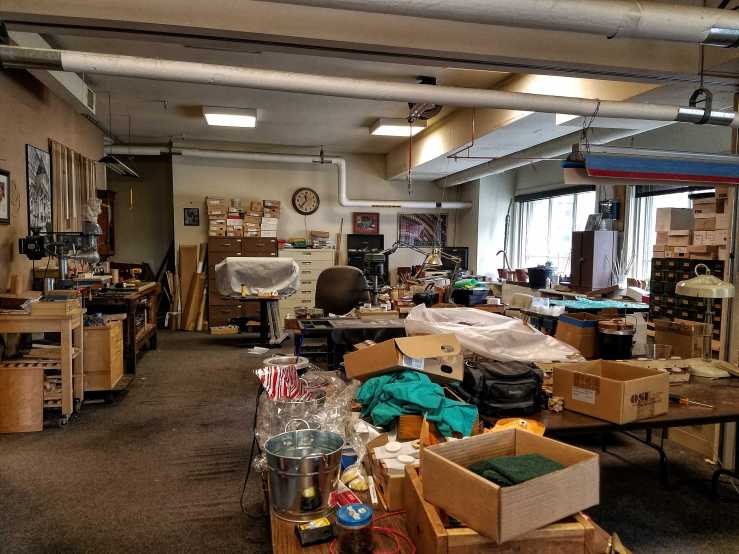
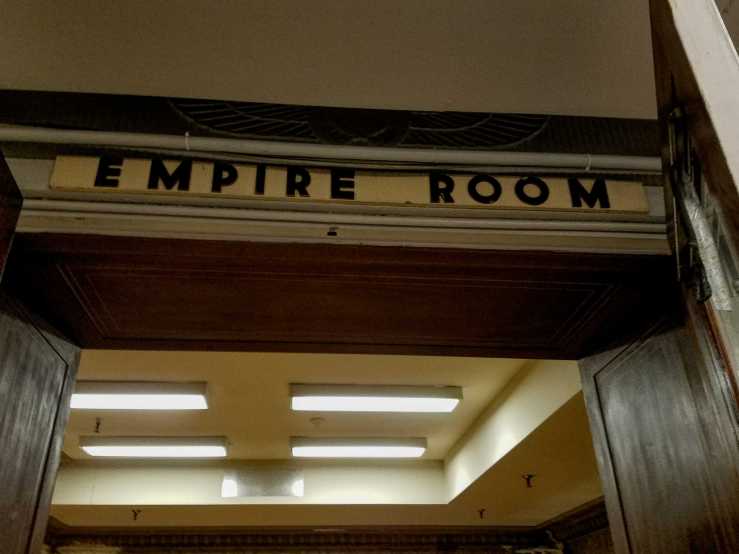
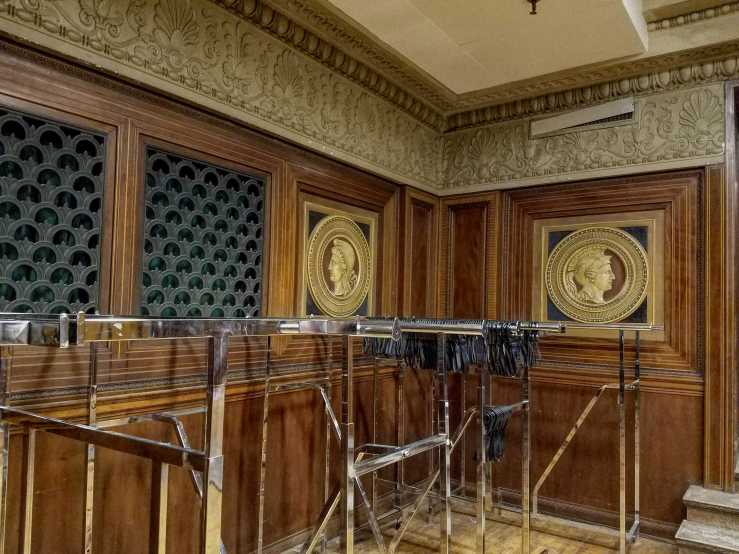
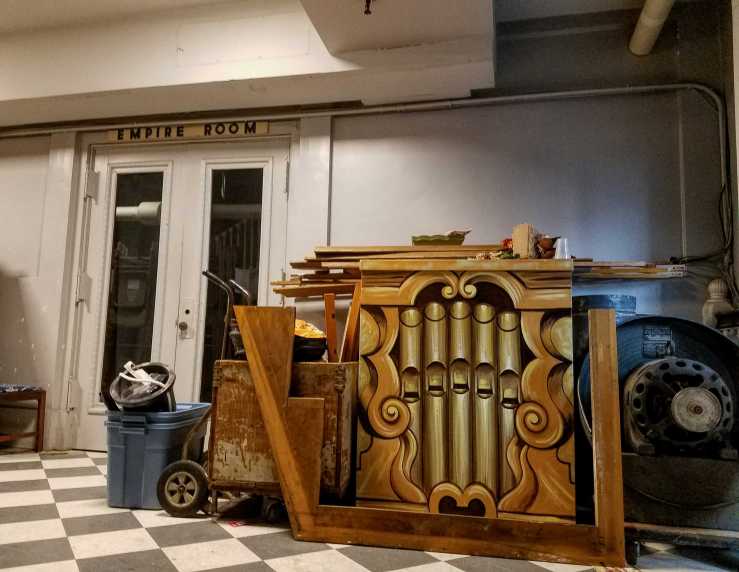
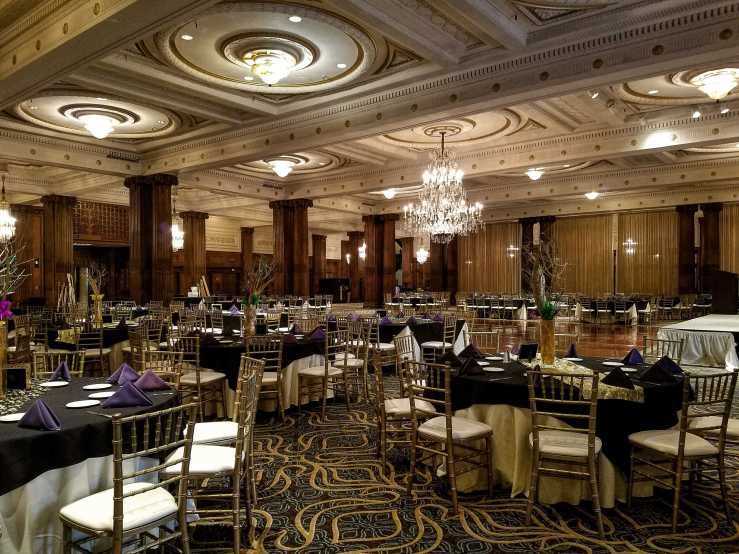
The tour includes unused spaces restricted from public view, such as this room adorned with wood and these magnificent Tiffany stained glass panels; it takes a look at the Egyptian Hall and Greek Hall auditoria, hidden behind the shop’s executive offices; walks through the organ workshop where repairs and restoration take place to this day; and, finally, to the grand Crystal Tea Room where – as expected – preparations for a wedding reception were underway.

Tours last approximately 45 minutes. For more info please check with the Visitor Center at Macy’s.

Philadelphia
February 22nd, 2017

Philadelphia – Where it all began

Starting with the Congress Hall, home to the U.S. Congress from 1790 to 1800, when Philadelphia served as the temporary capital of the United States.  Presidents Washington (his second term) and Adams were both inaugurated here.

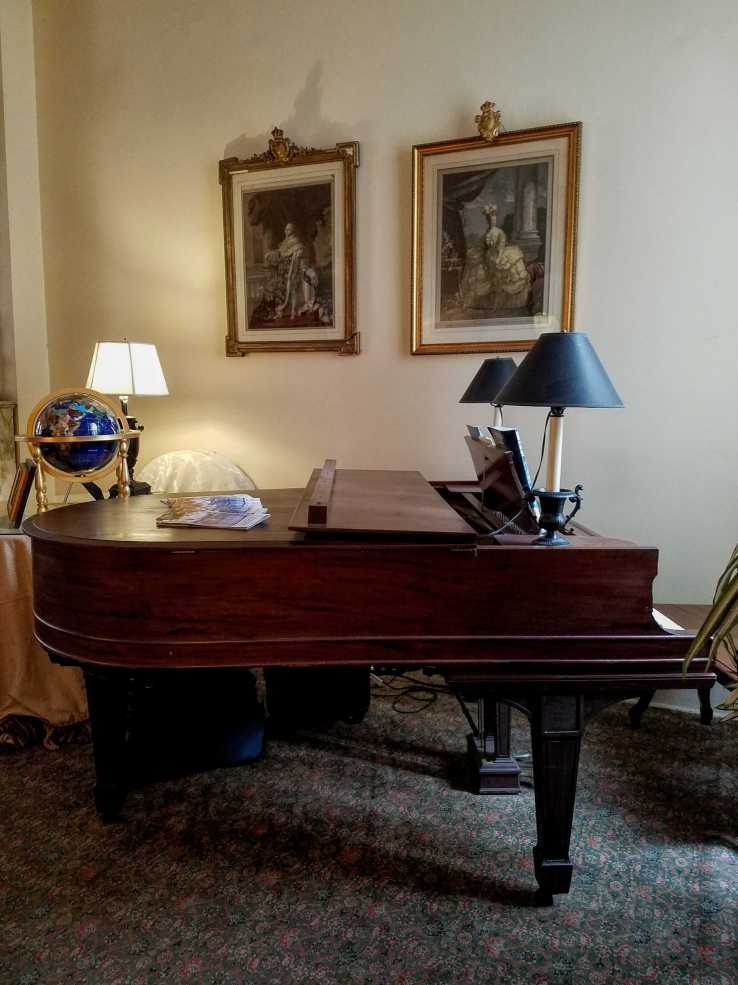
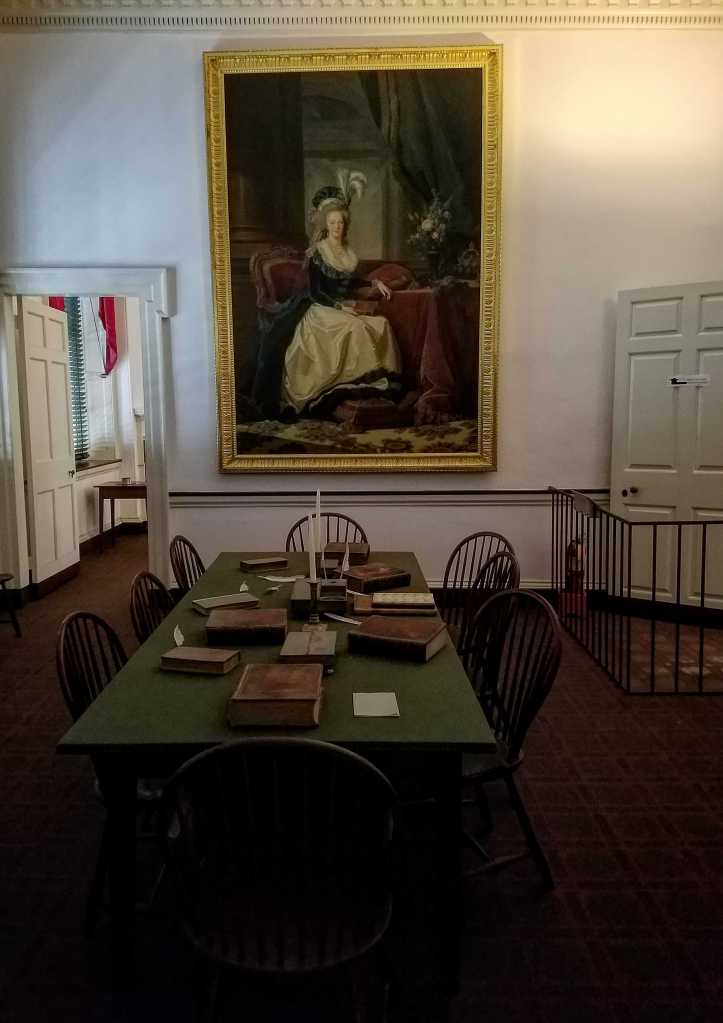
The Senate chamber was adorned with heavy red drapes. Today all the rooms are restored to their original appearance. While most of the furniture is new, 28 of the desks at Congress Hall are original. Portraits of Louis XVI and Marie Antoinette (pictured here) were gifts from France following the American Revolution. They can be seen in the adjoining committee rooms. 

A fresco of an American bald eagle on the ceiling holding an olive branch symbolizes peace. 

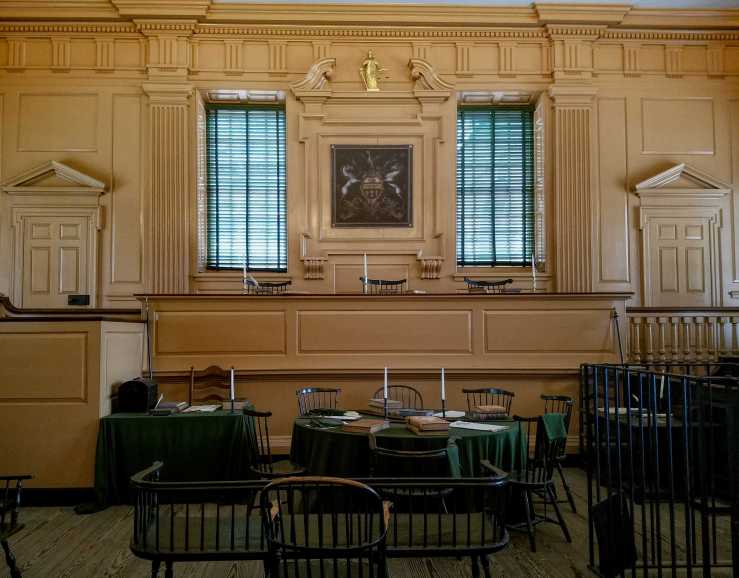
The Supreme Court of Pennsylvania sat in this room in the 1700s.

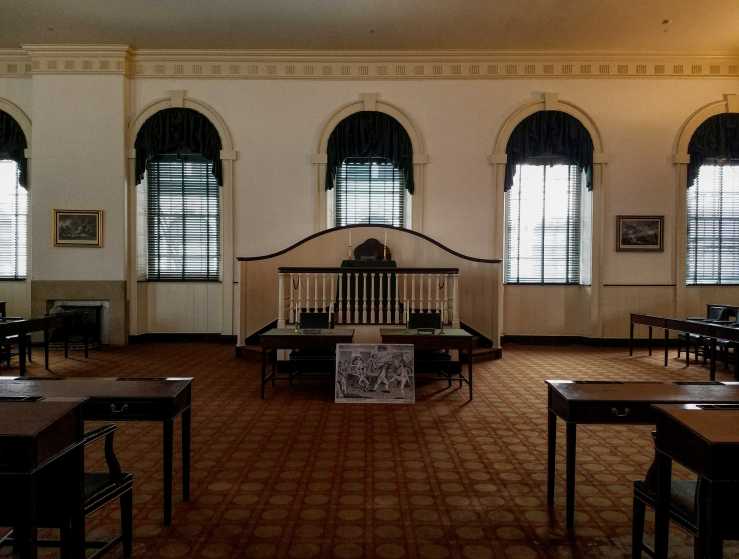
And, finally, to the beginning: the Assembly Room, where both the Declaration of Independence and U.S. Constitution were signed – although the date of the former is debatable as, apparently, some signers were not present at the time and did not sign the Declaration of Independence until more than a month later when news of the agreement finally reached them, as explained by our lively ranger.

Up next: a chance encounter

Independence Hall tour
Philadelphia

February 21st, 2017

Philadelphia – The Liberty Bell

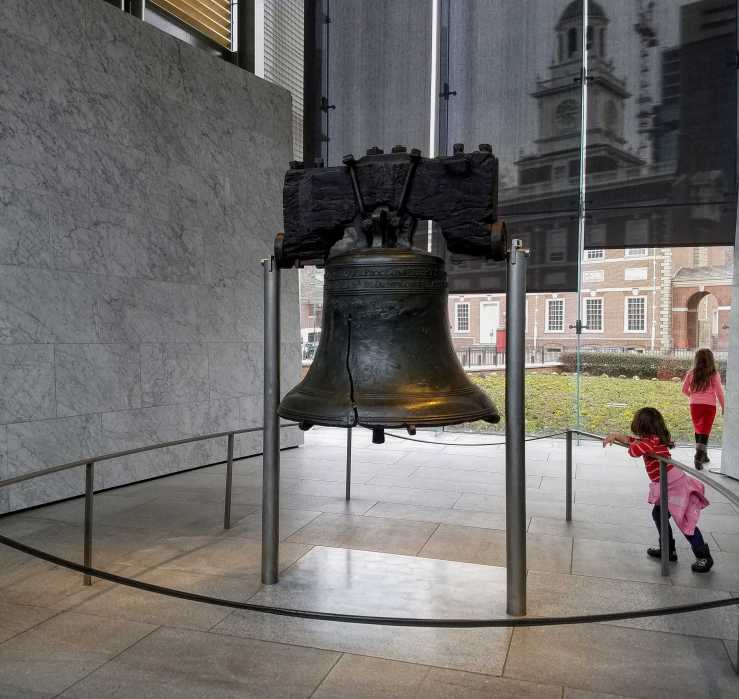
It could also be referred to as ”The Cracked Bell” after its wide, vertical crack which is actually the result of repair work; or ”The Silent Bell” for it has not rung in over 170 years – at least according to The Philadelphia Public Ledger‘s February 26, 1846 publication that records:

The old Independence Bell rang its last clear note on Monday last in honor of the birthday of Washington and now hangs in the great city steeple irreparably cracked and dumb. It had been cracked before but was set in order of that day by having the edges of the fracture filed so as not to vibrate against each other … It gave out clear notes and loud, and appeared to be in excellent condition until noon, when it received a sort of compound fracture in a zig-zag direction through one of its sides which put it completely out of tune and left it a mere wreck of what it was.

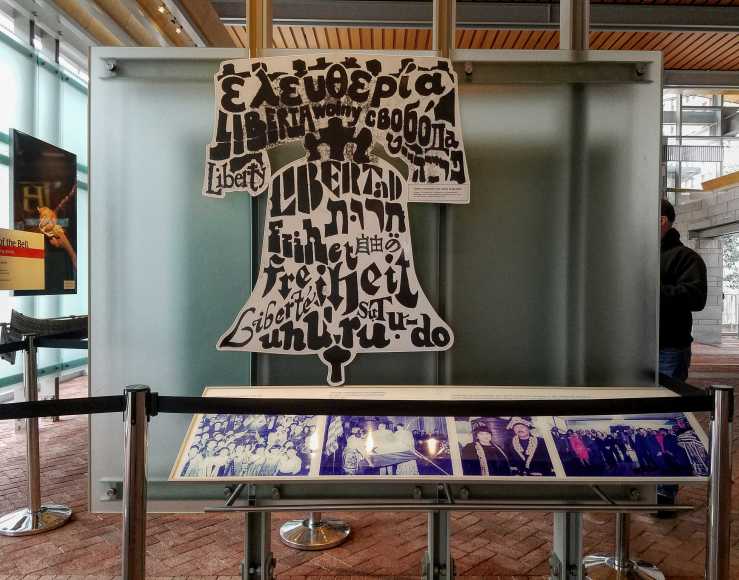
The ”mere wreck” has since become a national symbol of democracy, freedom and independence. Its inscription from the Old Testament (Leviticus 25:10) “Proclaim Liberty Throughout All the Land Unto All the Inhabitants thereof” has inspired civil rights movements such as suffragists who commissioned a replica and called it the Justice Bell,  and abolitionists who gave it its current name – the Liberty Bell.

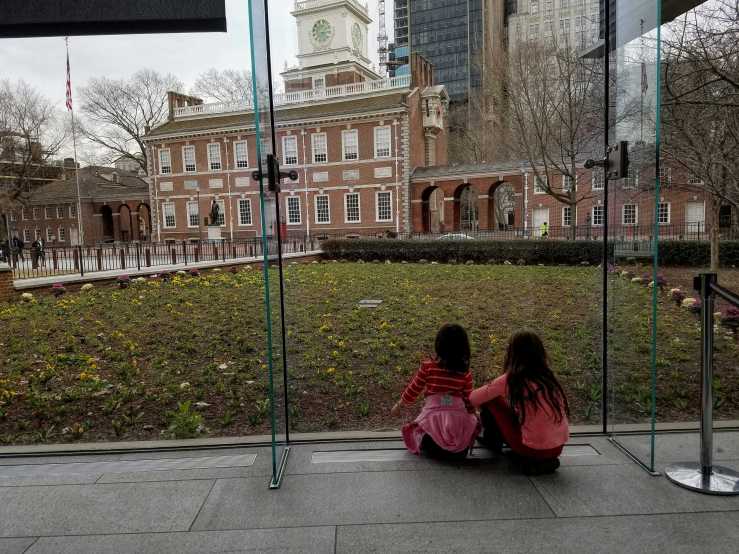
Removed from the bell tower of the building we know today as Independence Hall, it is on view in the Liberty Bell Center in Independence National Historical Park.

Next stop: Congress Hall & Independence Hall

Philadelphia
February 21st, 2017

Philadelphia – First impressions

Philadelphia. A 1,5 hours train ride from Penn Station, it was its proximity to the City that made it an ideal getaway – the first one since we’d landed in New York more than six months earlier.

Also, I found leaving from Pennsylvania Station in New York City, which sits between 31st  & 33rd Streets, and arriving at 30th Street Station in Philadelphia Pennsylvania, utterly amusing; there couldn’t have been a better link connecting the two cities.

First impressions on arrival at the 30th Street Station and out on Market Street:

a) where is everybody…? Car traffic flowing, a few people on pavements, human walking speed, average noise level. That’s what living in New York City for longer periods of time does to you, I’d been warned about this: you forget there is another world out there, less tall, less noisy, slow-paced, taking things easy.

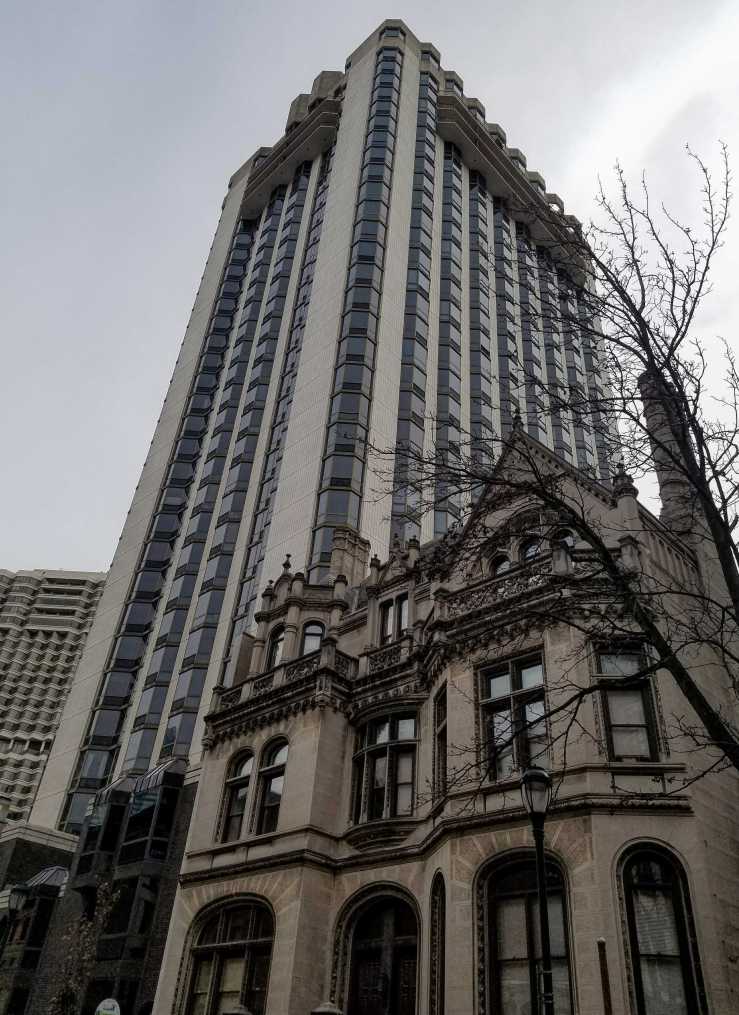
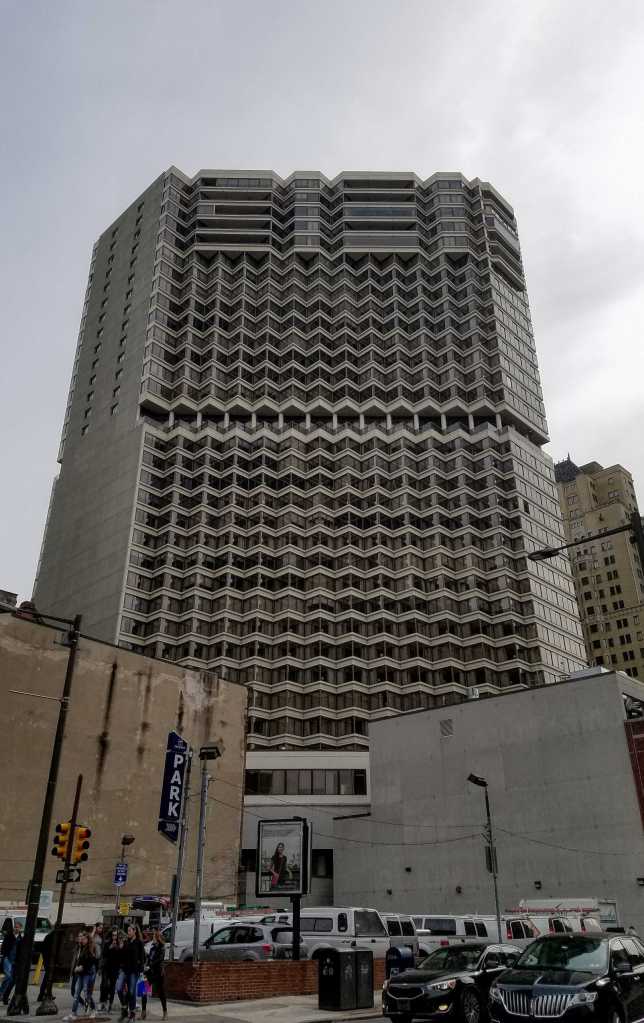
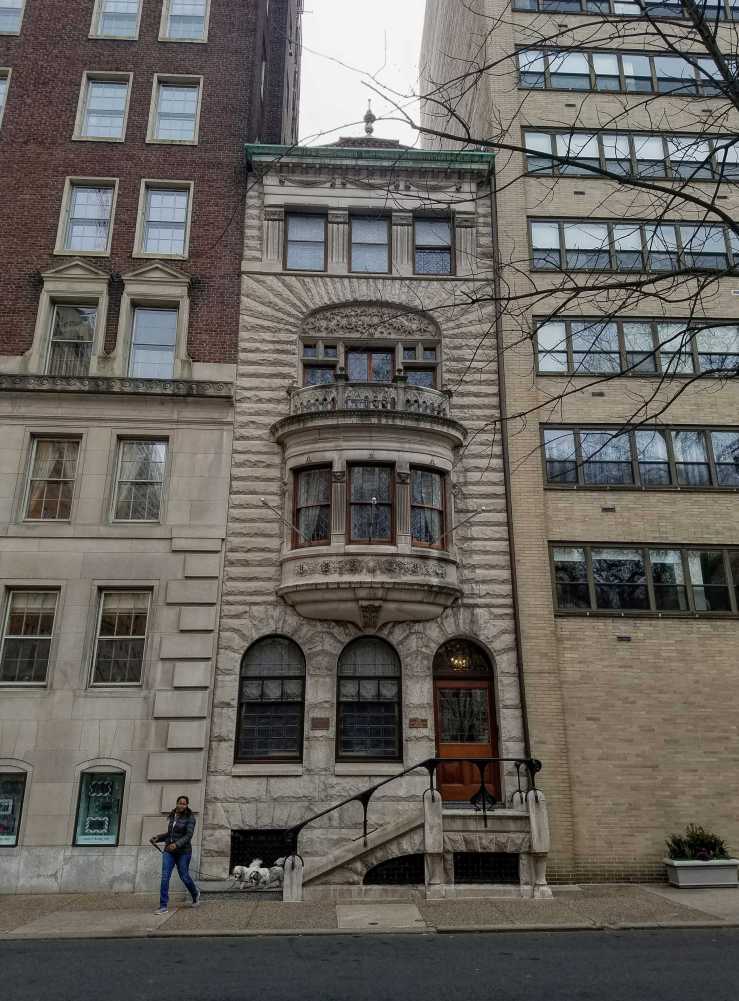
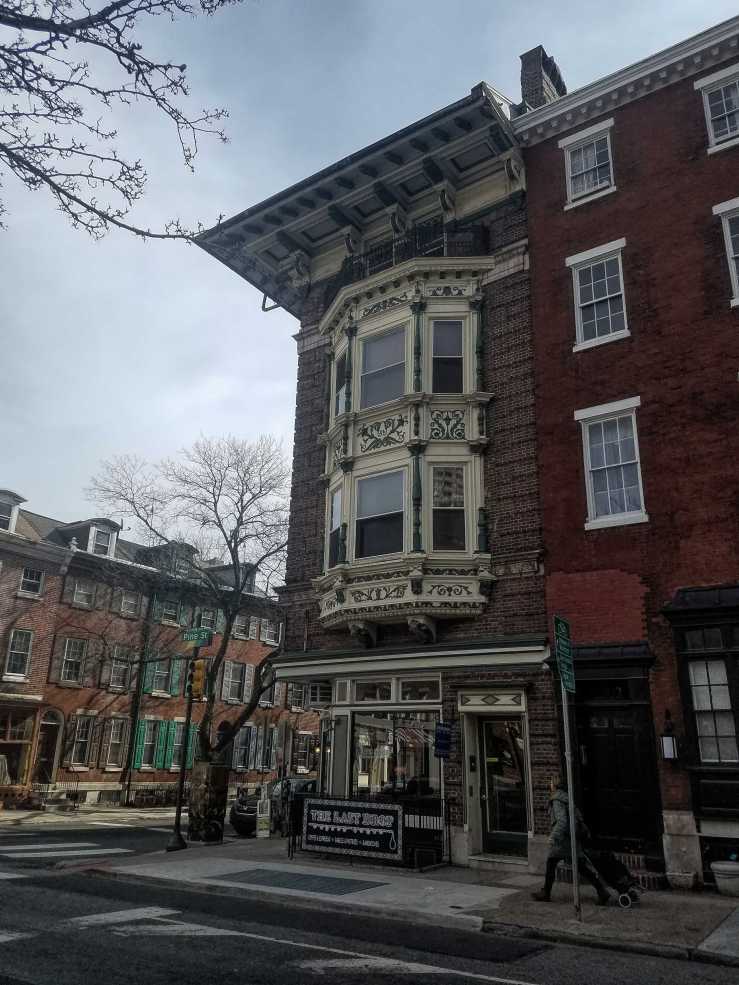
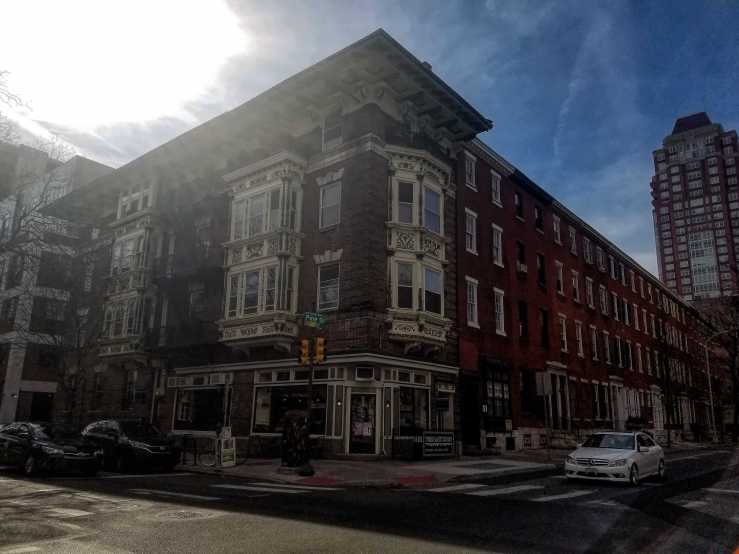
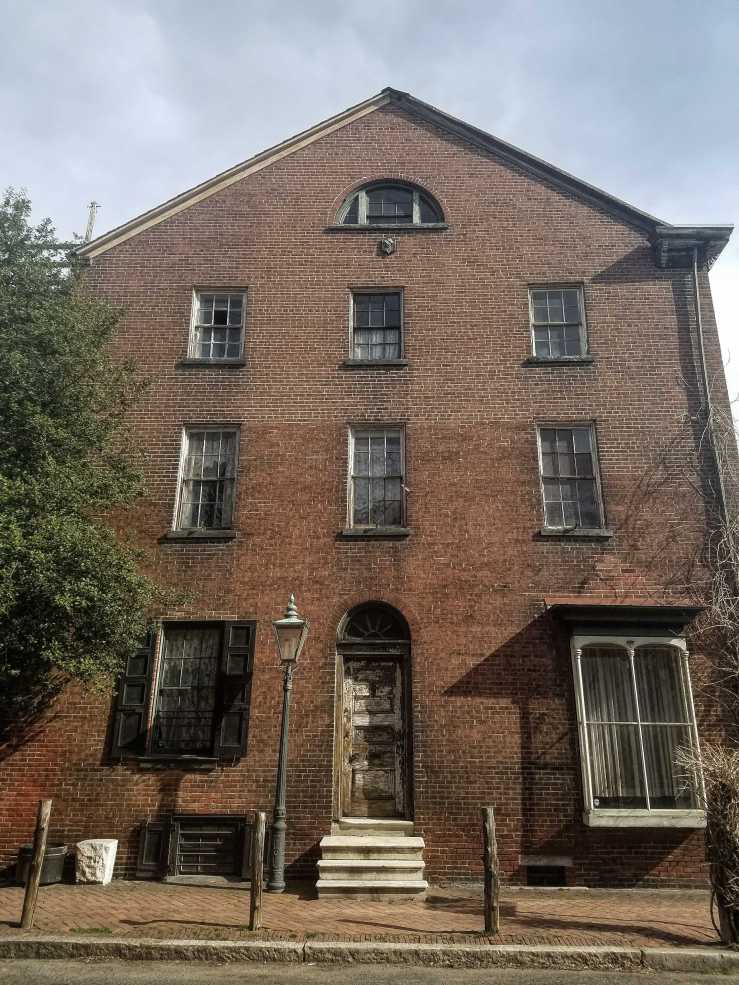
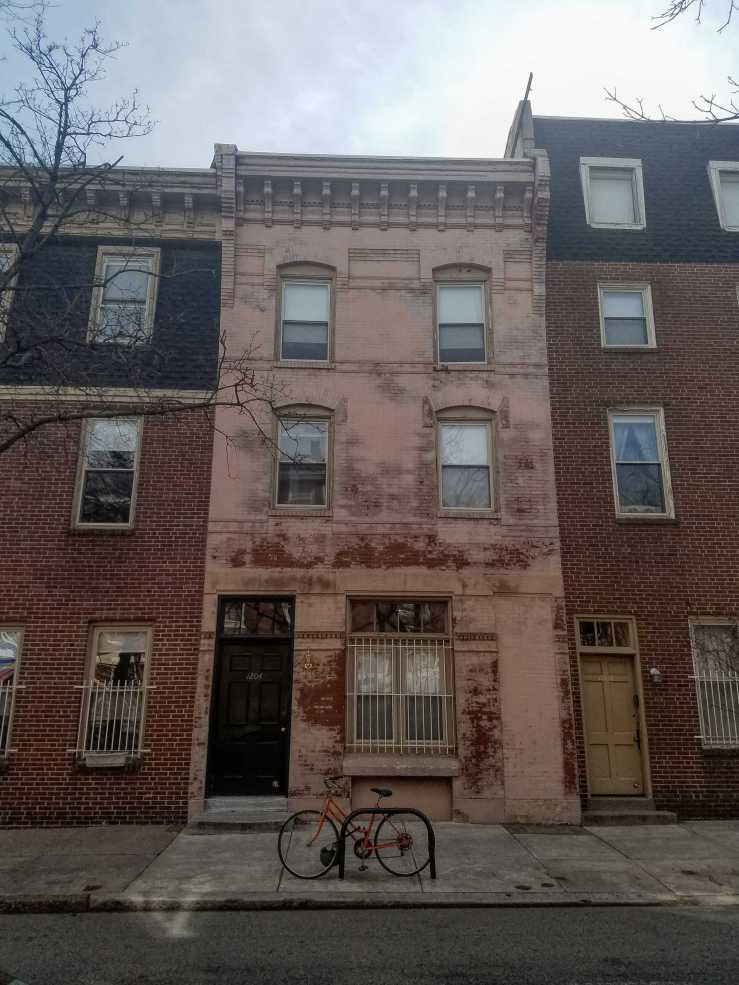
b) eclectic architecture: Victorian, Greek Revival, Rennaisance, live together with red brick townhouses and glass/concrete skyscrapers.

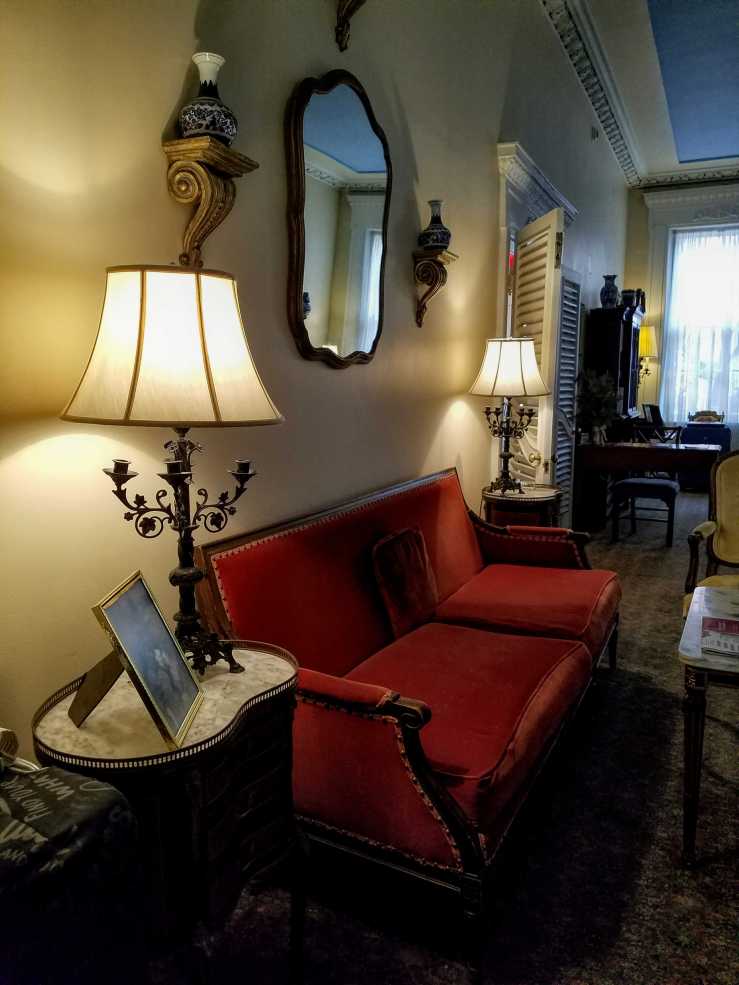
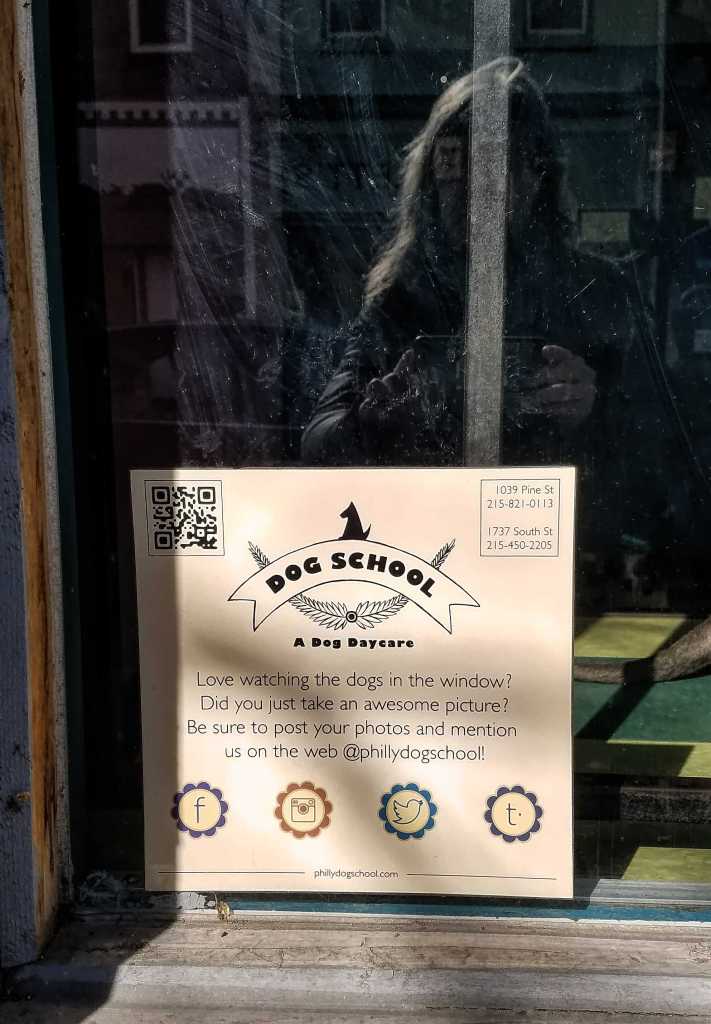
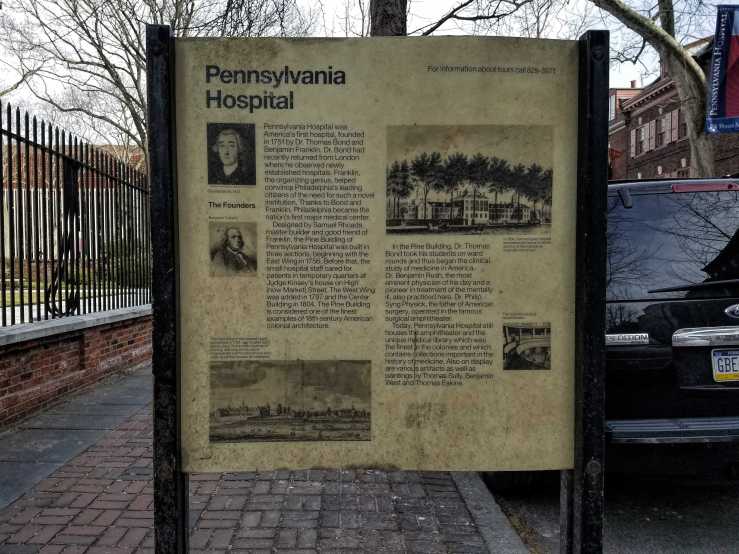
First walk: Market St. to 19th St., across Rittenhouse Square to Pine St., upscale with an artistic touch, renovated townhouses, small boutiques, antique shops, a lovely dog school and the first hospital in the U.S., still very much in use.

It was only a short five-day trip but such a rich experience – so much so that Philadelphia will monopolize these pages for the next thirty days or so.

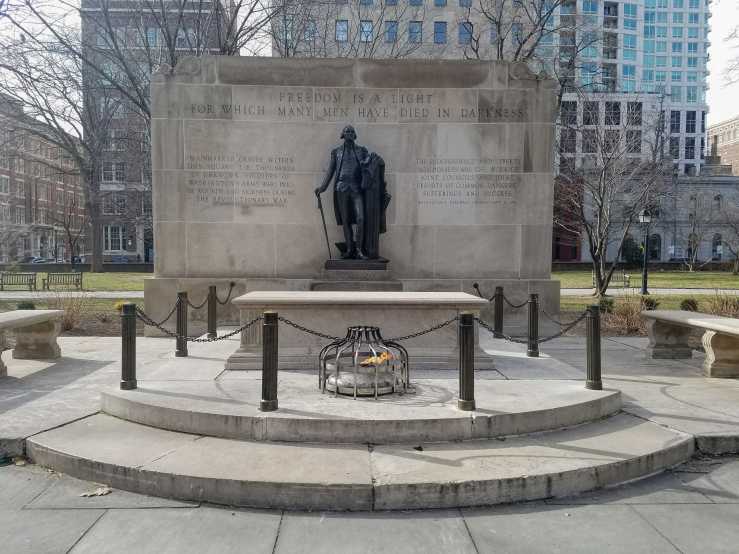
Next stop: Washington Square, Liberty Bell and Independence Hall

Philadelphia
February 21st, 2017