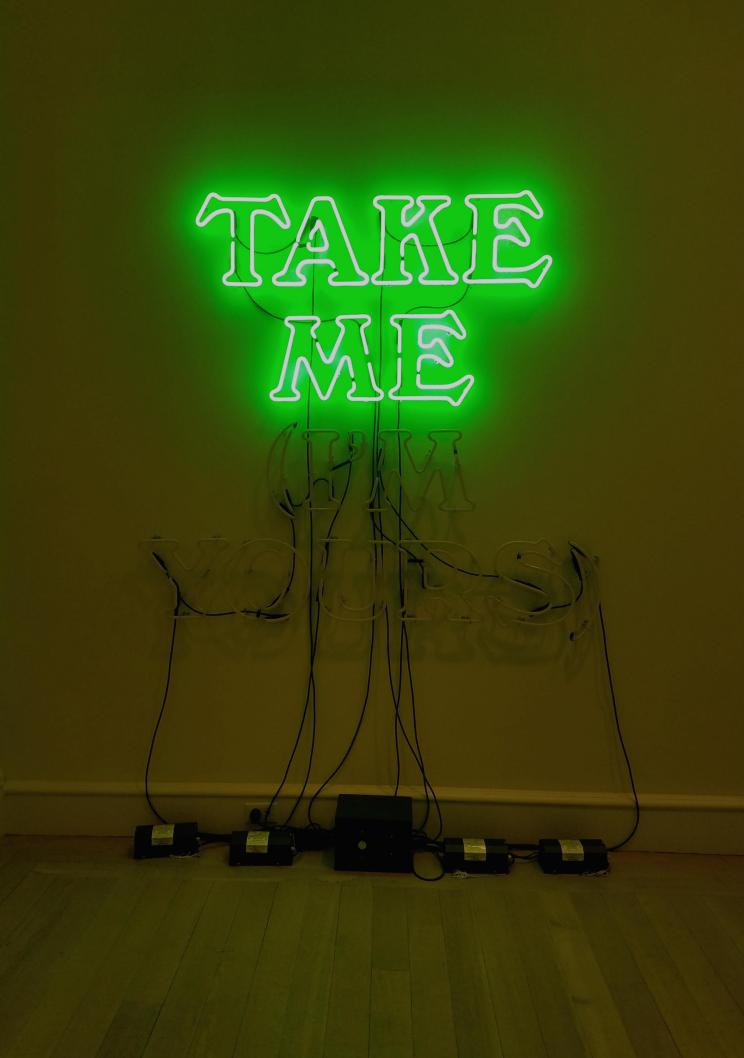
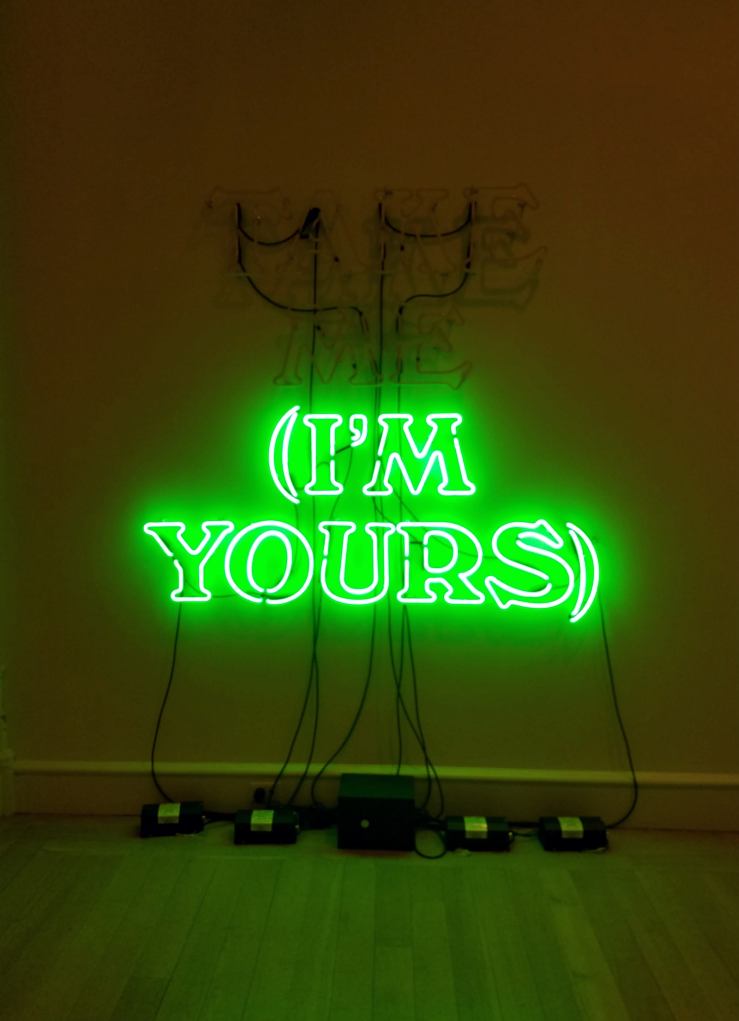
The Jewish Museum
January 8th, 2017
The Jewish Museum
January 8th, 2017

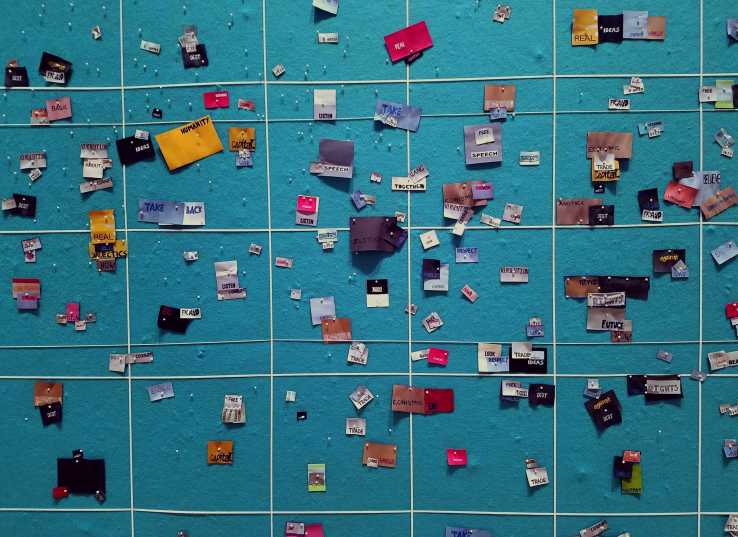
Rivane Neuenschwander (1967)
Watchword, 2012
For this work the artist, who was born in Belo Horizonte but lives and works in London, has embroidered words borrowed from the language of protest – take, back, justice, trade, war, corrupt, revolution, system, democracy, over – onto fabric tags similar to those used for clothing labels. Visitors were encouraged to take a tag, either to sew onto their clothes or to pin to the board. In both cases the migrating and accumulating words formed a poetic, global map of resistance.
I pinned ”Public” on top of ”Justice” on the board – my contribution to the resistance.
The Jewish Museum
January 8th, 2017

At The Jewish Museum
January 8th, 2017

Elsie Meyer (1885-1954), seen as a child in Sargent’s group portrait, became a fashionable young woman. In a 1903 letter to her brother Frank, her mother* described her ”insatiable appetite for society”, her gowns from Worth and Doucet in Paris, and the lavish preparations for her society debut. A few years later, Sargent depicted her in a simple cotton blouse.
*Lady Meyer demonstrated excellence in social skills herself: a society hostess known for her exuberant soirées, enchanting voice and support of the arts, but also a socially concerned philanthropist supporting working class women, underprivileged families, and women’s suffrage.
(Notes from The Jewish Museum’s website)
January 8th, 2017
Recently, the Jewish Museum presented the first U.S. exhibition on the work of French designer and architect Pierre Chareau (1883–1950). On show were mainly furniture and lighting fixtures, as well as designs for Maison de Verre, the glass house completed in Paris in 1932, in collaboration with Dutch architect Bernard Bijvoet (1889-1979) and craftsman metalworker Louis Dalbet.
Chareau’s designs were complemented by pieces from his personal art collection, since both he and his wife Dollie were active collectors.
But I only had eyes for these sleek, stylish pieces of furniture and fixtures created in the 1920s, yet so modern they could have come right out of a Manhattan penthouse overlooking Central Park.
Take your pick:


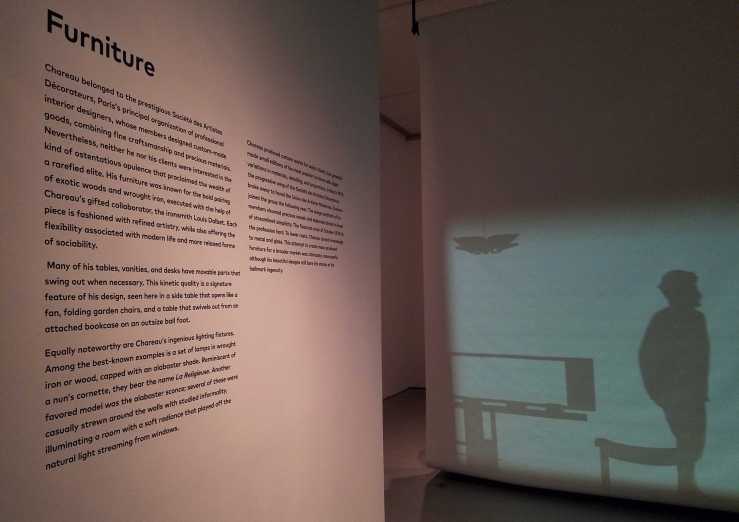
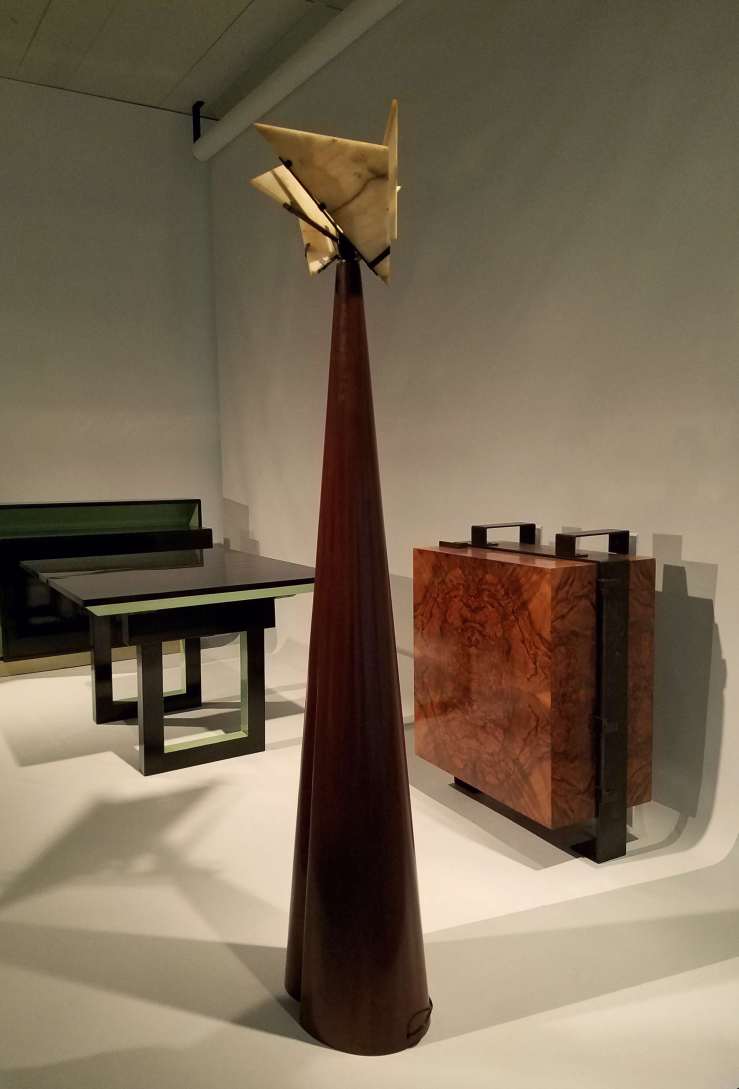
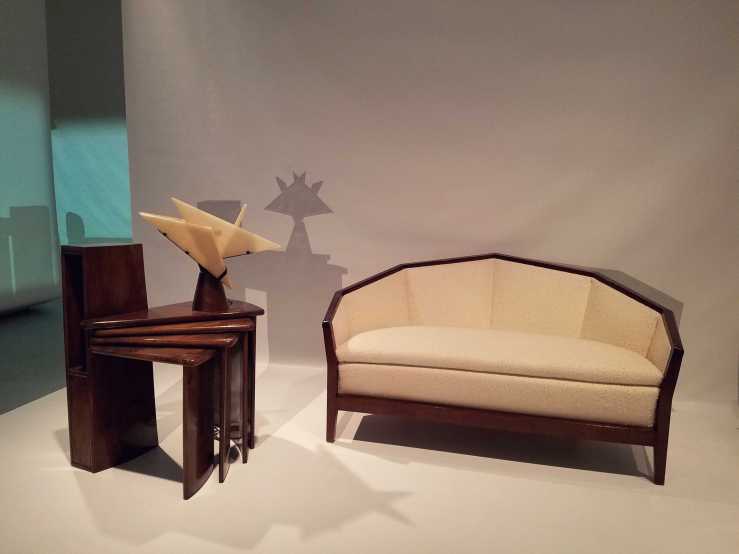
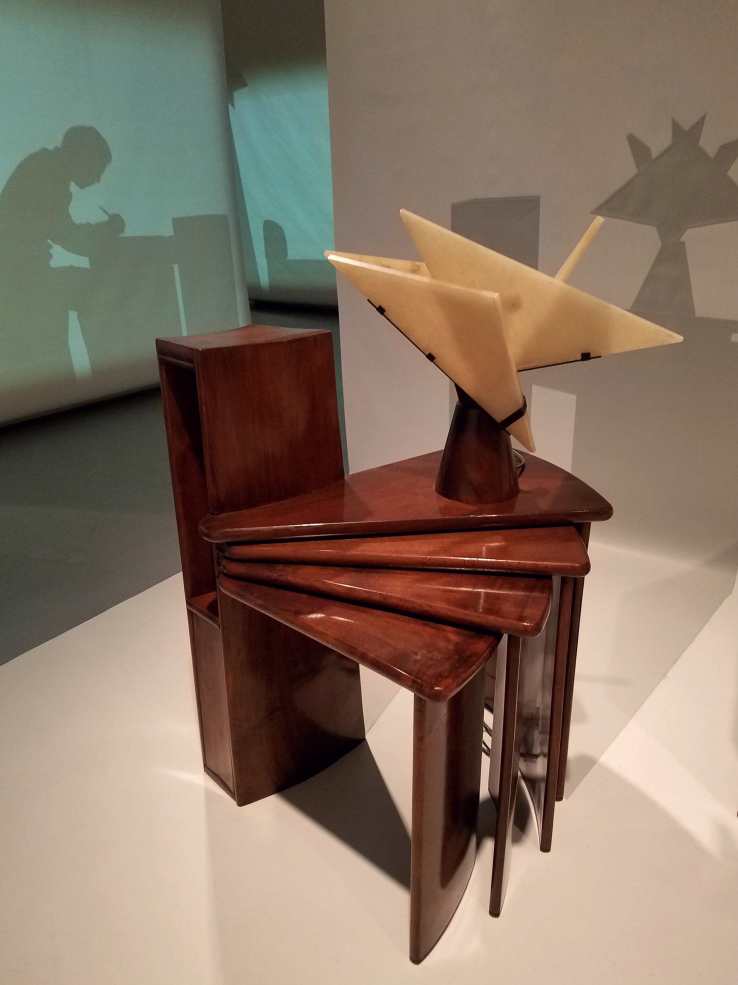


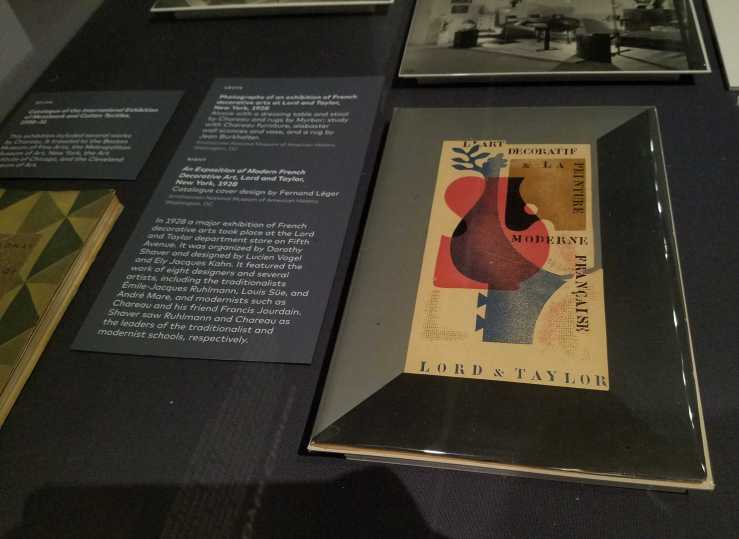

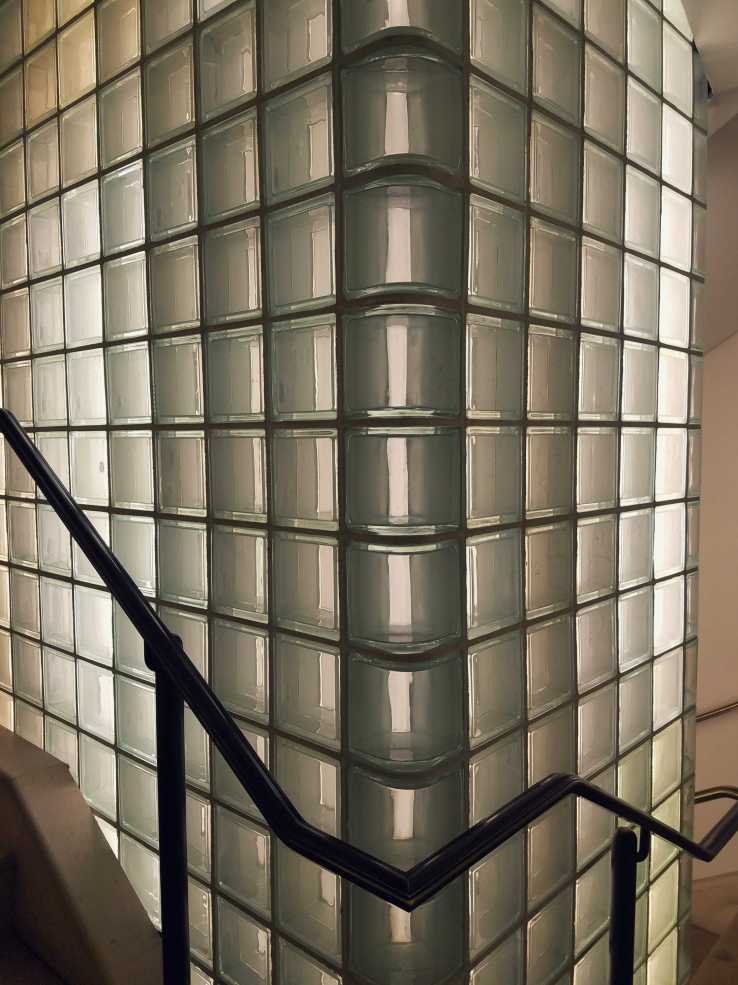
Pierre Chareau: Modern Architecture and Design exhibition ran between November 2016 – March 2017. You can read and browse through more photos on The Jewish Museum website.
January 8th, 2017
An elegant addition to the City’s skyline by Foster + Partners; an architecture and design practice responsible for a number of innovative and groundbreaking structures around the world, such as the Gherkin and the Millennium Bridge in London or the marvelous Reichstag Dome in Berlin – not to mention Spaceport America in New Mexico or the Lunar Habitation on The Moon (albeit in a 3D printed version only; for now)! 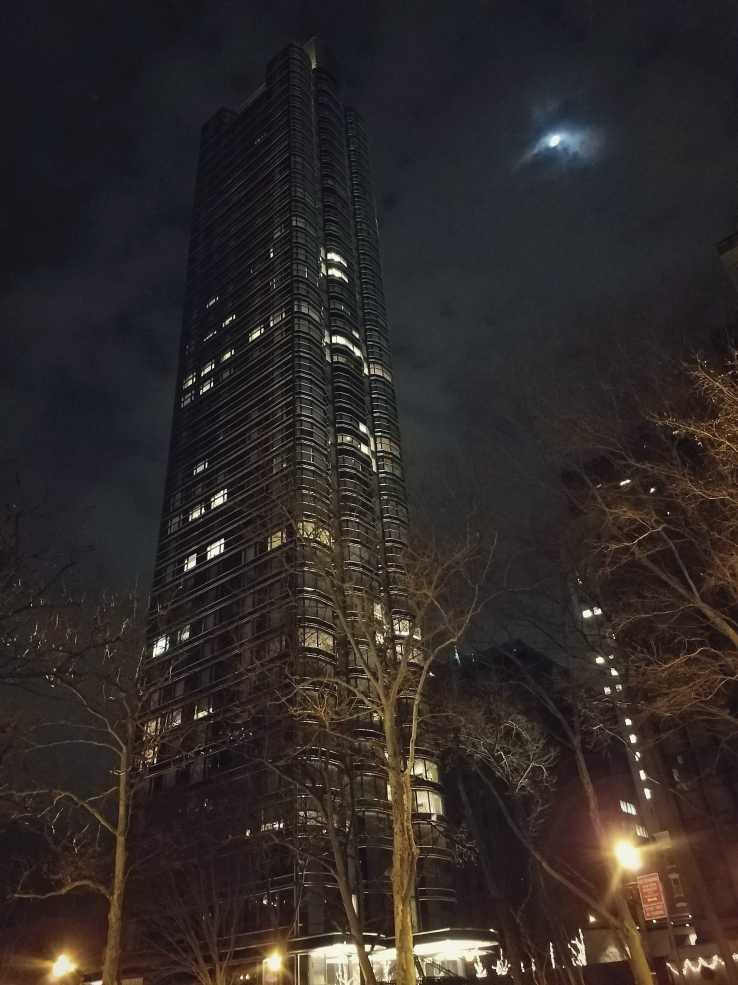
January 6th, 2017
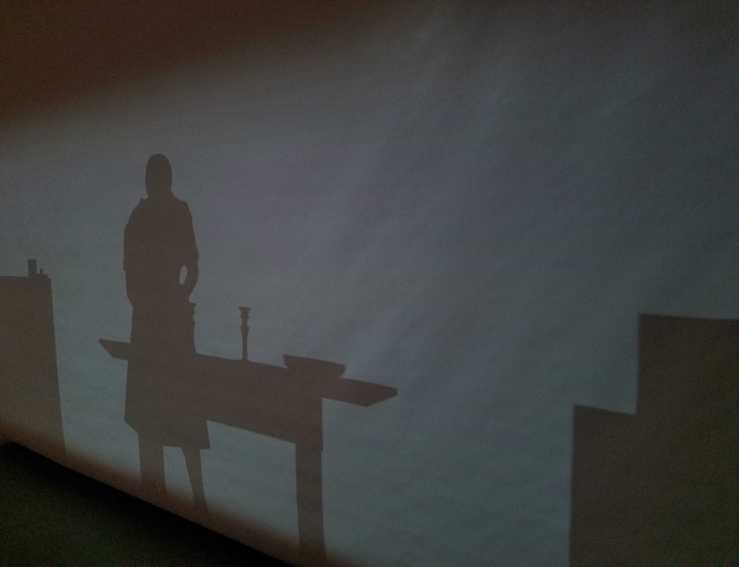
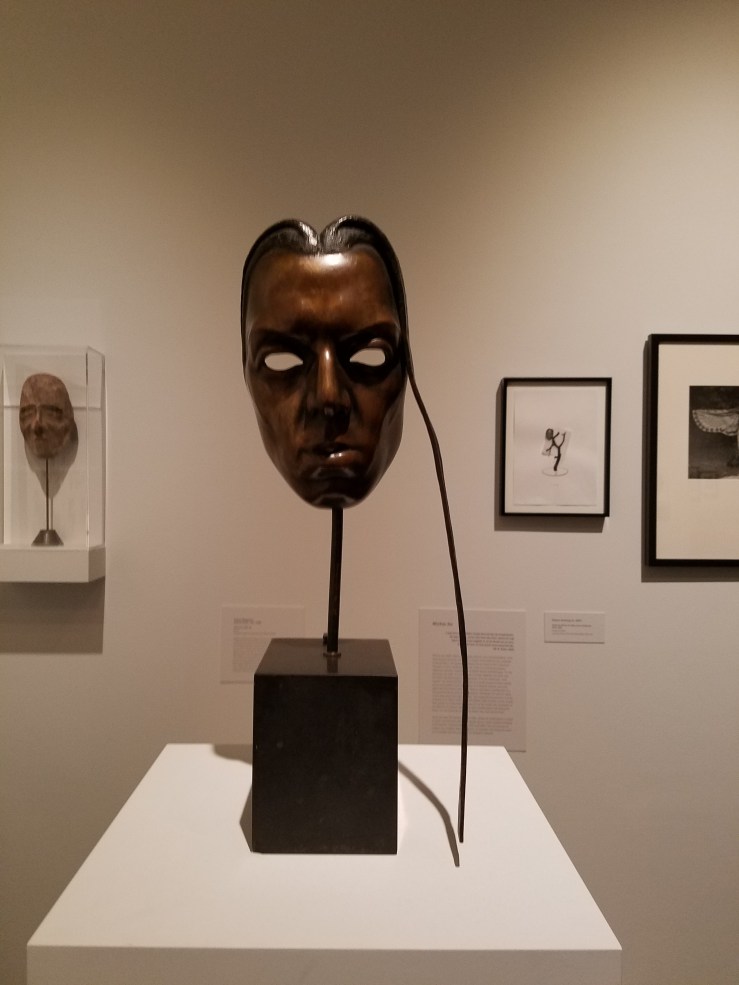
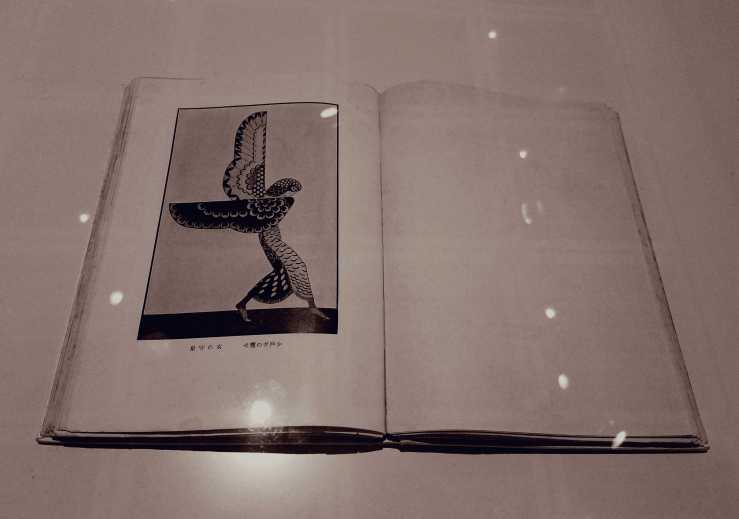
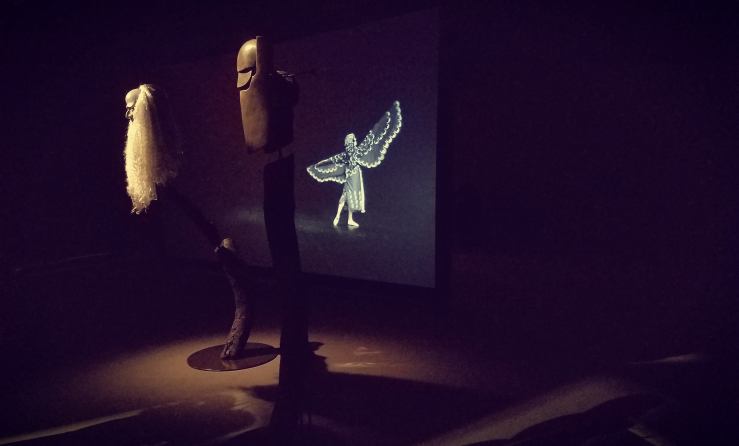
Simon Starling: At Twilight (After W. B. Yeats’ Noh Reincarnation), is a multimedia project in which the artist explores the influence of Noh on Western Modernism. It was displayed in the Japan Society’s galleries starting with a dimly lit room where a modern interpretation of At the Hawk’s Well, W.B. Yeats’ one-act dance play was showing alongside masks created by Noh Mask maker, Yasuo Miichi. The play was inspired by Yeats’ close collaborator and friend, the poet Ezra Pound who at the time, was translating Japanese Noh plays.
The installation continued in the ”mirror room”, a place Noh performers would traditionally use to change into their characters and, finally, concluded with an exhibit of photographs, prints, masks and other archival material – all related to Mr Starling’s project.
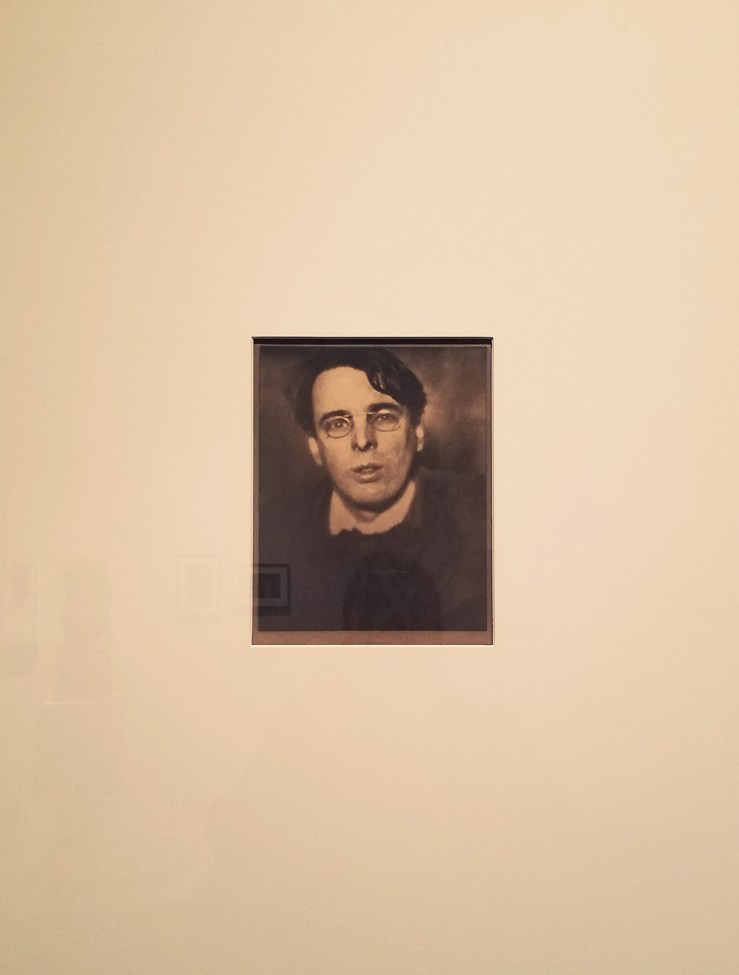



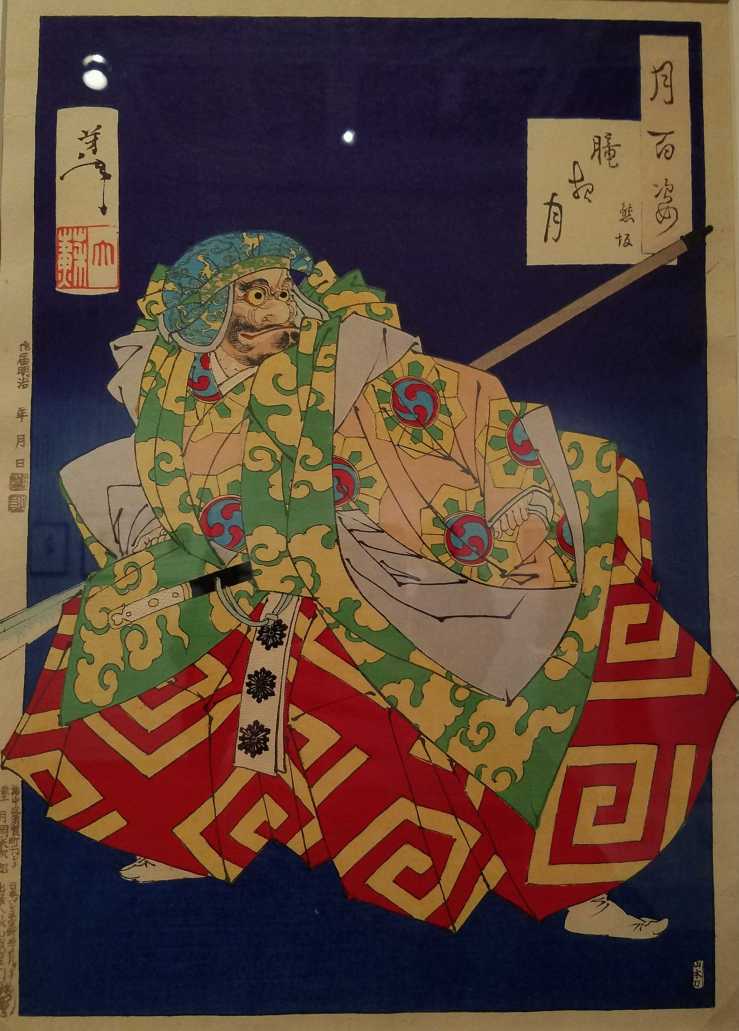

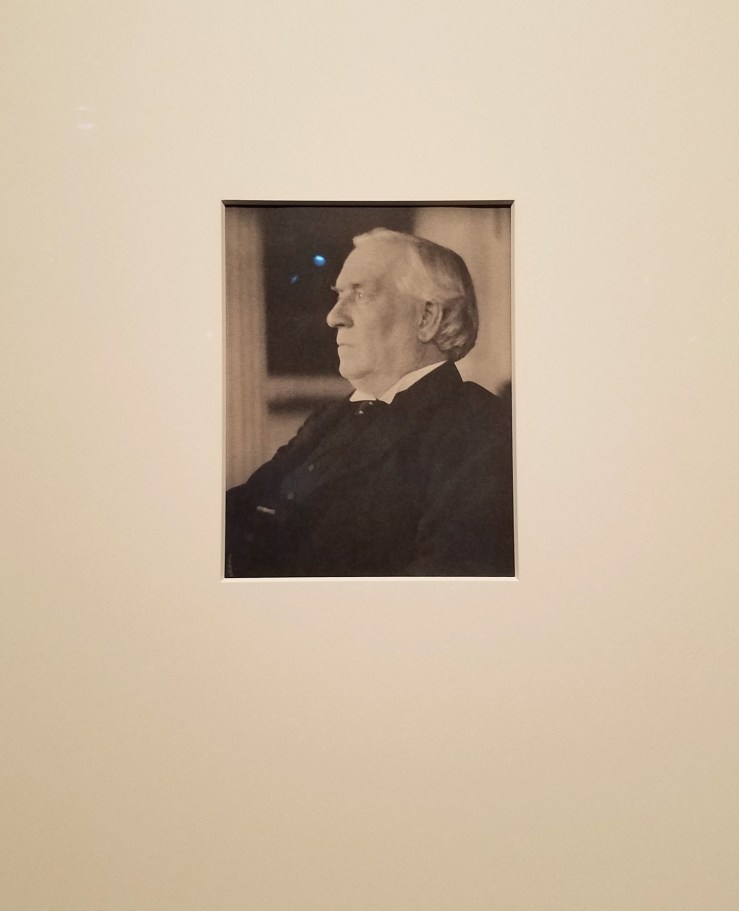
Ito later recalled: At supper, Lady Cunard, a refined, white-haired gentleman and I, all sat at a table together. The old man tried to carry on a conversation with me. However, it was in English, so I didn’t follow very well… I began to get frustrated, and interjected in halting English: ”If you allow me to speak in German I can answer a little more intelligently.” Hearing this, the old man let out a hearty laugh: ”I am an Englishman and can’t speak Japanese. You are Japanese and can’t speak English. If German mediates between us, then by all means let’s speak in German…” The person I had spoken to in German – the language of his enemy – had been the Prime Minister of England.”

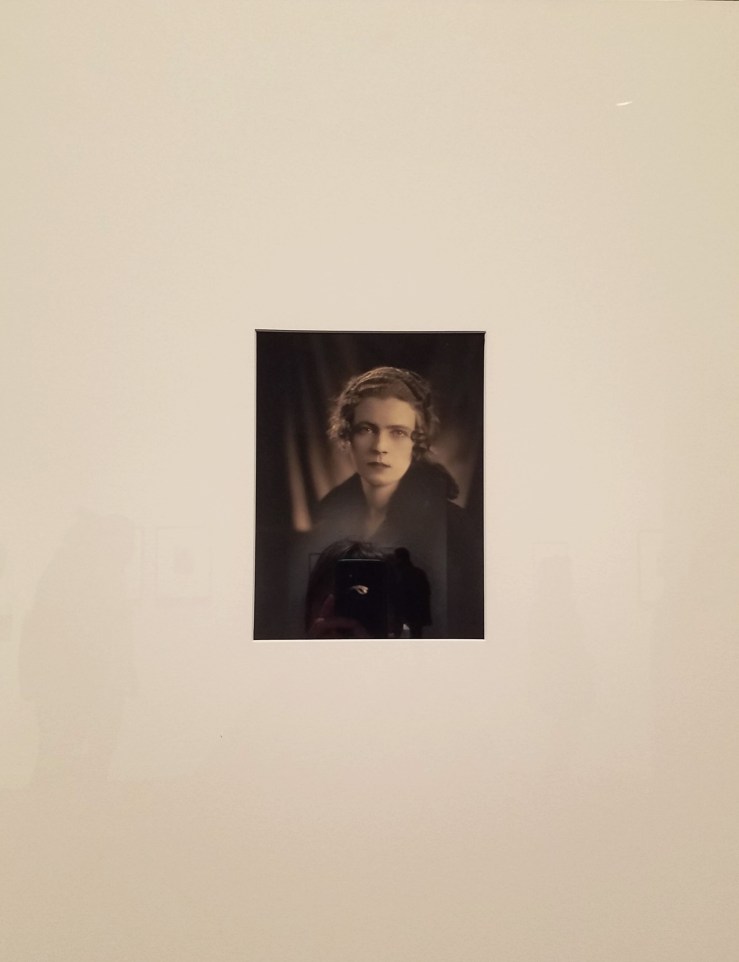
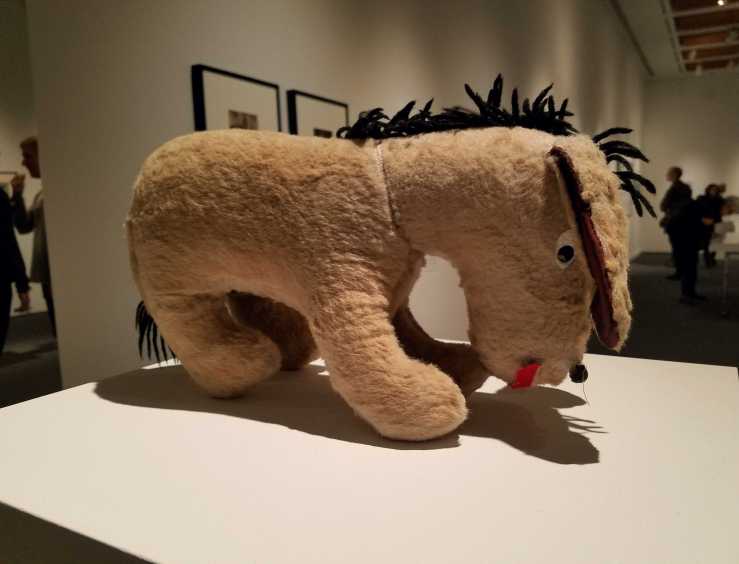
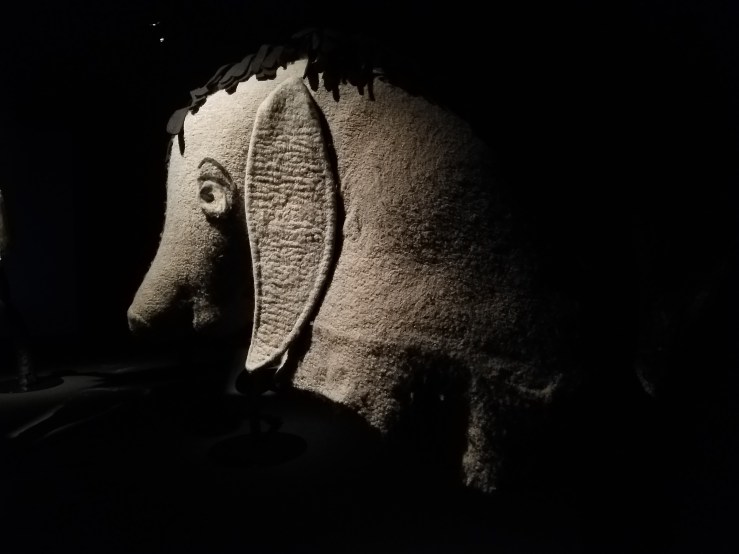
Pessimistic, downward facing Eeyore concludes the three-part series about Simon Starling’s project shown at the Japan Society. For more inspirational views connecting the pieces, please click here and here.
January 6th, 2017
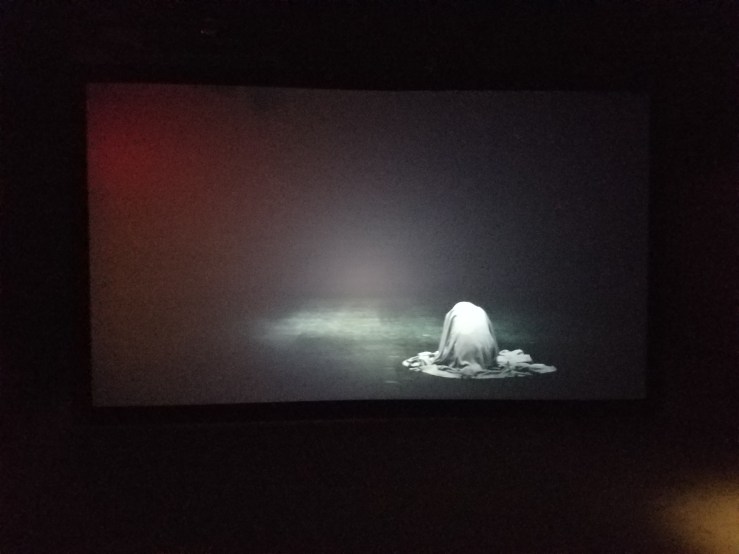

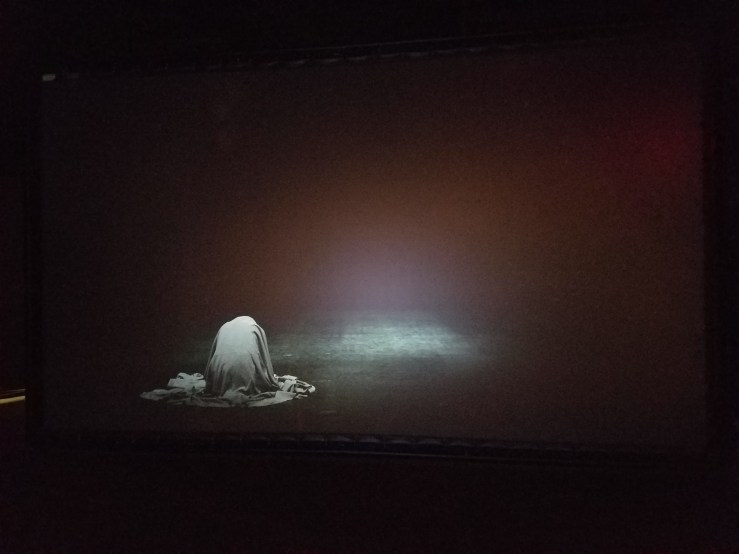
Simon Starling: At Twilight
(After W.B. Yeats’ Noh Reincarnation)
A multimedia installation by Simon Starling to mark the centennial of W.B. Yeats’ staging of the Noh-inspired dance play ”At the Hawk’s Well”, in 1916. The project aimed to illustrate the influence of Noh on Western Modernism by pairing newly created masks, costumes and a video (from which the above stills) with Modernist works and archival material connected to Yeats and his circle.
It was on show at the Japan Society until mid January 2017.
*Title from Kino no Tabi – the Beautiful World anime series (2003)
January 6th, 2017
(Nothing) much can be said in a short time if one chooses one’s words carefully.

January 6th, 2017
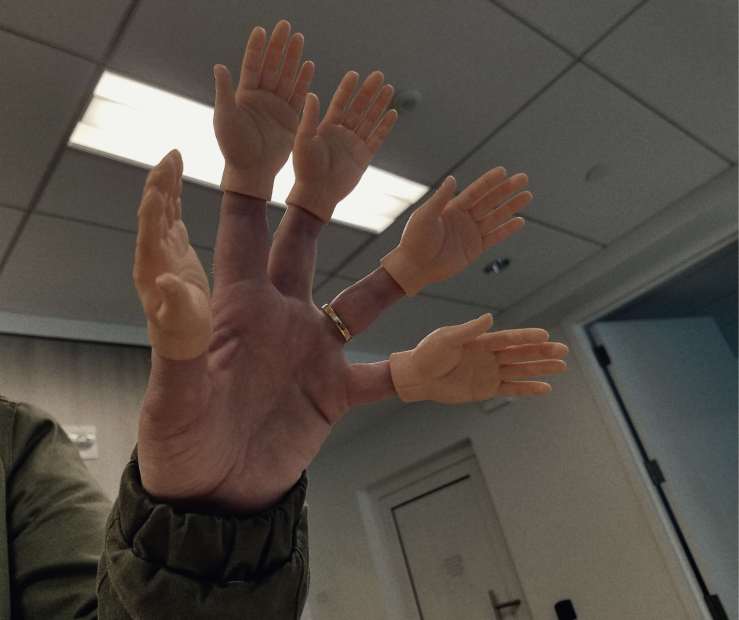
Multitasking (Personal) Assistant
January 6th, 2017
subjective worldview
Actor, writer, cook and author
Travel experiences & Strasbourg city guide
Writer
joy, happiness, travel, adventure, gratitude
"Rêve onirique & Bulle d'évasion"
makes pretty things on paper
This WordPress.com site is Pacific War era information
Welcome to my curious world of words....
Photographs, music and writing about daily life. Contact: elcheo@swcp.com
Free listening and free download (mp3) chill and down tempo music (album compilation ep single) for free (usually name your price). Full merged styles: trip-hop electro chill-hop instrumental hip-hop ambient lo-fi boombap beatmaking turntablism indie psy dub step d'n'b reggae wave sainte-pop rock alternative cinematic organic classical world jazz soul groove funk balkan .... Discover lots of underground and emerging artists from around the world.
A 365 analogue photography project
Barcelona's Multiverse | Art | Culture | Science
Een digitaal atelier aan de (zee)slag.
‘Doodling Ambiguity’s in Ink.’
Miscellaneous photography
Glimpses along the way on a journey of discovery into symmetry...
 The Humble Fabulist