 Belle Greene, Librarian
In 1905 Pierpont Morgan hired twenty-six-year-old Belle da Costa Greene (1879-1950) to manage his library. She added to his collections with legendary discernment and went on to become a leading figure in the rare book world. She served as the Morgan’s first director until her retirement in 1948.
This brief tag accompanies Ms. Greene’s photo at The Lower Level. Nowhere else in the museum, was there anything to be found about this formidable woman and her work. Yet without her, there would be no Morgan Library Collection as we know and enjoy it today.
Greene was a young librarian at Princeton University, when her colleague Junius Morgan, who happened to be J. Pierpont Morgan’s nephew, introduced her to his wealthy uncle, who was looking for someone to catalogue his collection.
Child of two African-American parents of mixed ancestry, identified as ”colored” in her birth certificate, Belle knew that she would not be able to reach her dream of becoming a librarian had she been open about her family background. So she hid it and invented a relative in Portugal (the ”da Costa” part of her name) that would explain her darker complexion. She also shortened her real name from Greener to Green, to distance herself from her father, Richard Greener, the first coloured librarian and professor at the University of South Carolina.
Smart, witty, outspoken and sensual with a great sense of style and an extensive designer wardrobe (”Just because I’m a librarian”, she has been known to exclaim, ”doesn’t mean I have to dress like one!”) Belle was equally at ease among the Bohemian crowd as well as the scholarly elite.
Trusted for her expertise and excellent bargaining skills, Green would handle considerable amounts of money buying and selling rare manuscripts, books and art for Mr. Morgan. She went on doing that for forty-three years, first as librarian, then as the first director of the Morgan Library, when it became a public institution.
Belle Green retired in 1948 and died two years later.
***
More about this amazing woman and her life & work can be found in her biography ”An Illuminated Life: Belle da Costa Greene’s Journey from Prejudice to Privilege” by Heidi Ardizzone.
The Morgan Library & Museum
May 7th, 2017


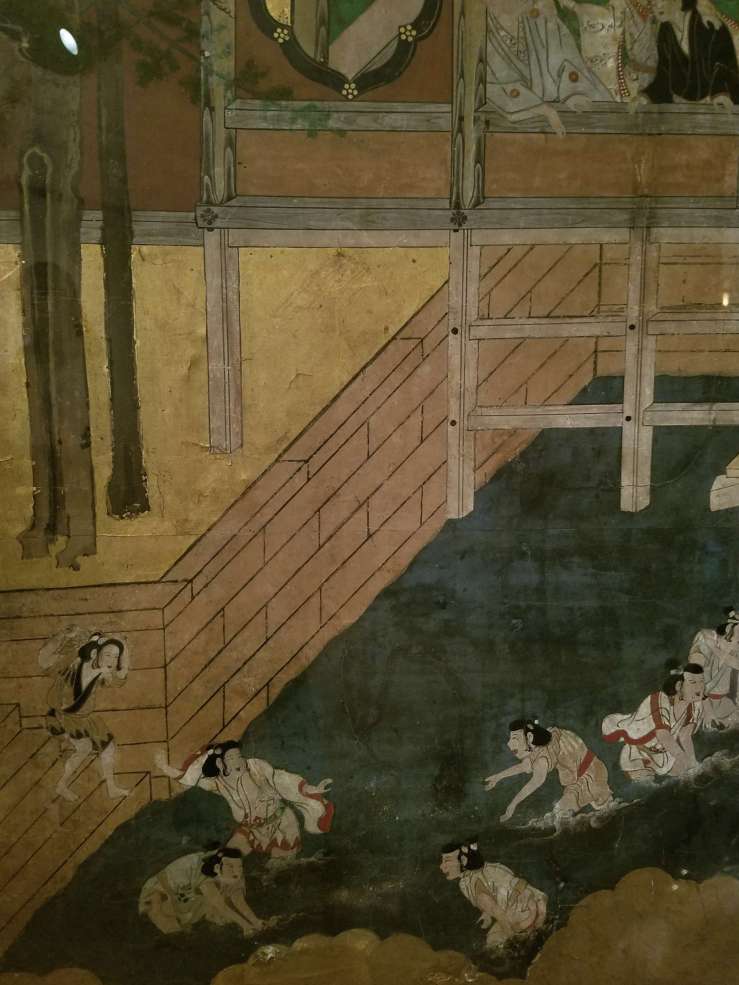
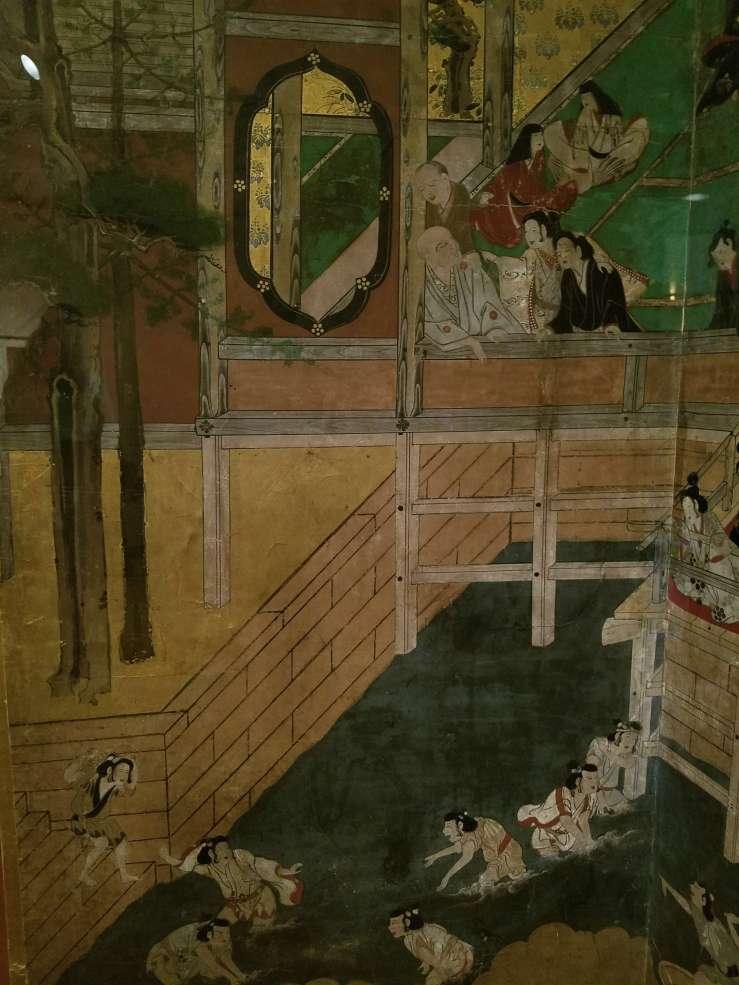
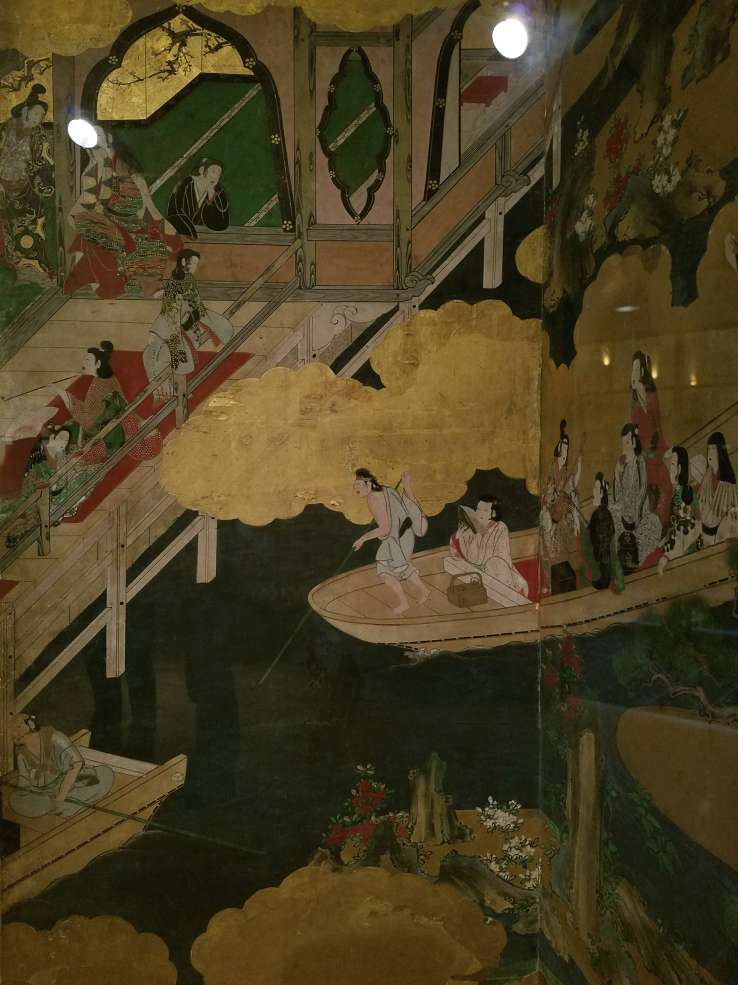
 Six-fold screen, gold and pigment on paper (detail)







 Benjamin Morris, plan for a new Met, 1928
 Benjamin Morris, plan for Metropolitan Square, 1928





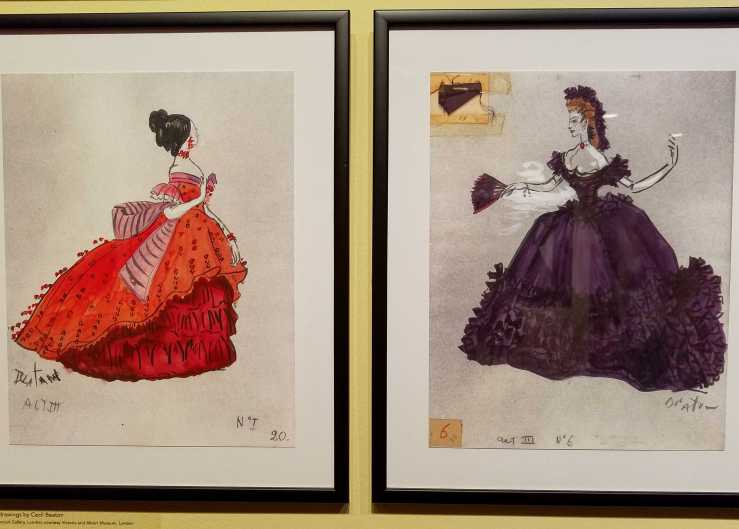
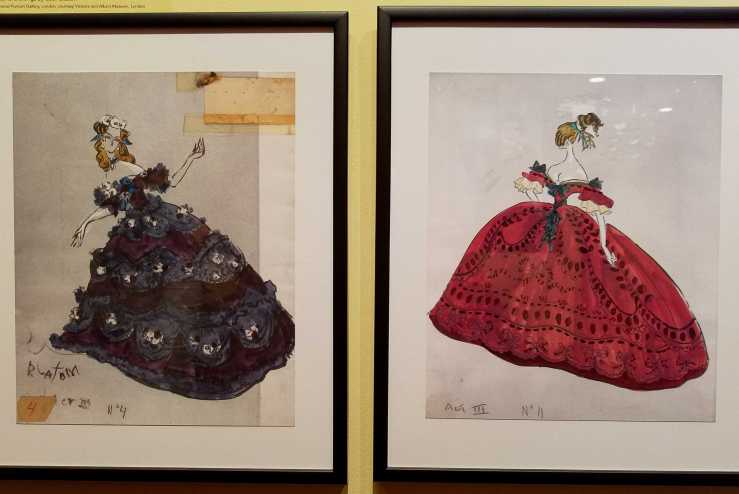


 Cecil Beaton photographed his La Traviata costume designs for the September 15, 1966 issue of Vogue magazine.


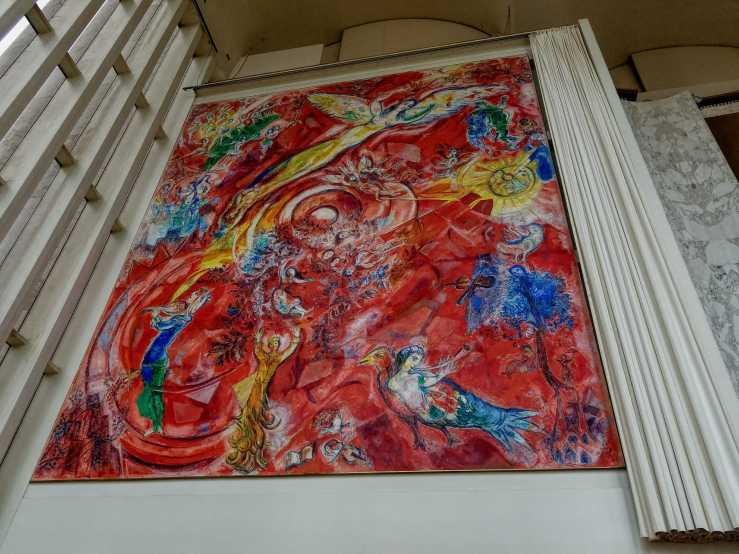
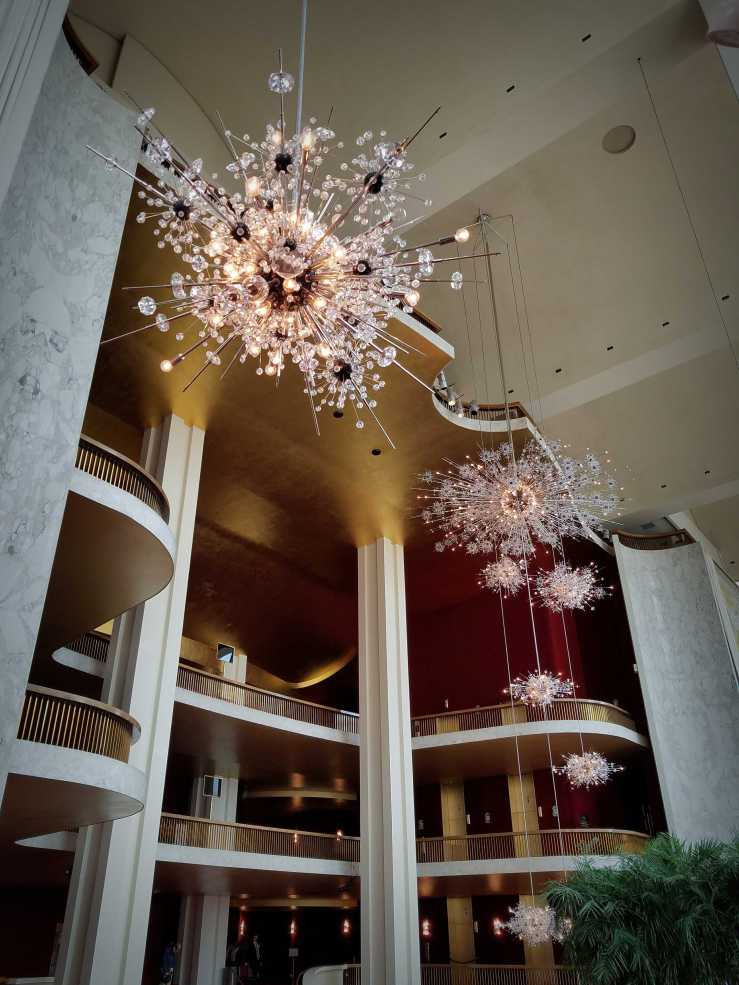






 The Humble Fabulist