A Curious Hand: The Prints of Henri-Charles Guérard (1846-1897)

These and a lot more from ”the engraver of curiosity par excellence” can be viewed at the Stephen A. Schwarzman Building until February 26th, 2017.

Don’t go in a rush, the exhibition is more extensive than one might expect; although this was supposed to be an added bonus to my visit, it quickly became apparent that it merits a lot more attention than a mere skimming through.
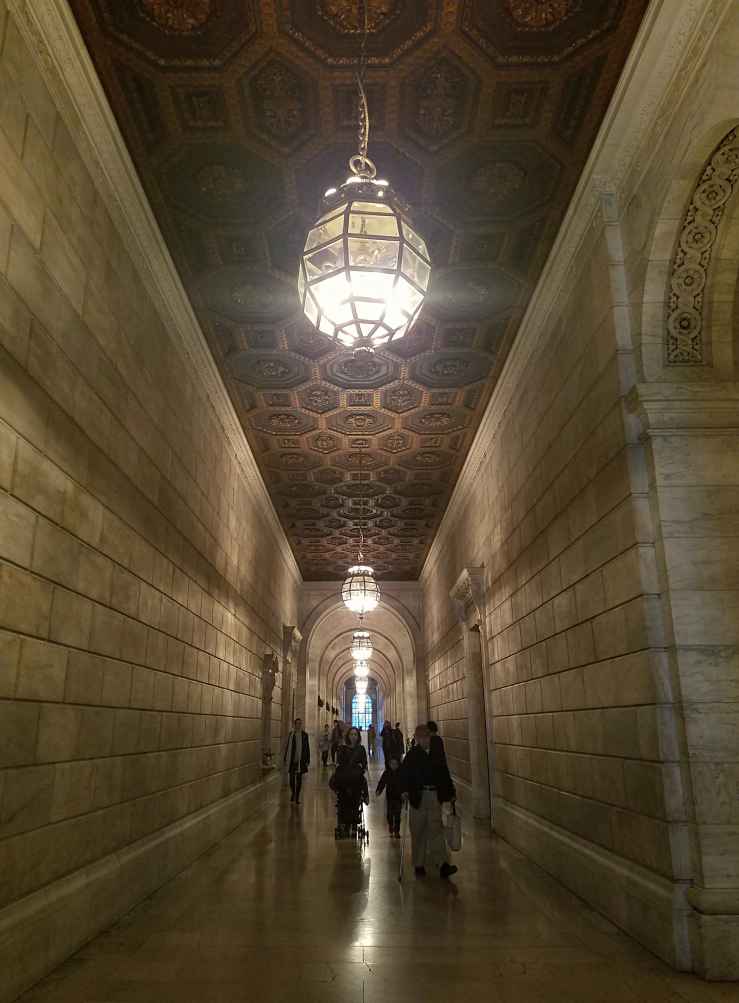
wp20161127_152632

wp20161127_153403
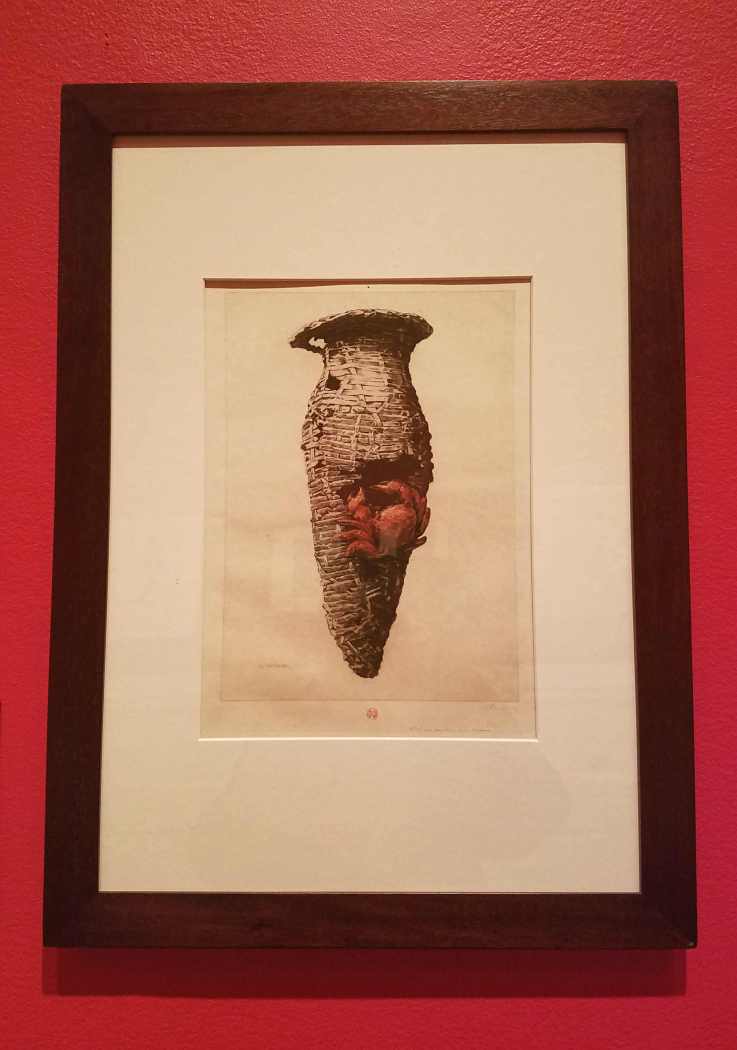
Henri-Charles Guérard, Porte-bouquet et crabe (Vase and Crab), 1882, Colour etching

wp20161127_152743

wp20161127_153600
Henri-Charles Guérard, After Diego Velásquez. Portrait du cardinal infant Don Fernando (Portrait of Cardinal Infante Don Fernando as a Hunter), 1888, Etching

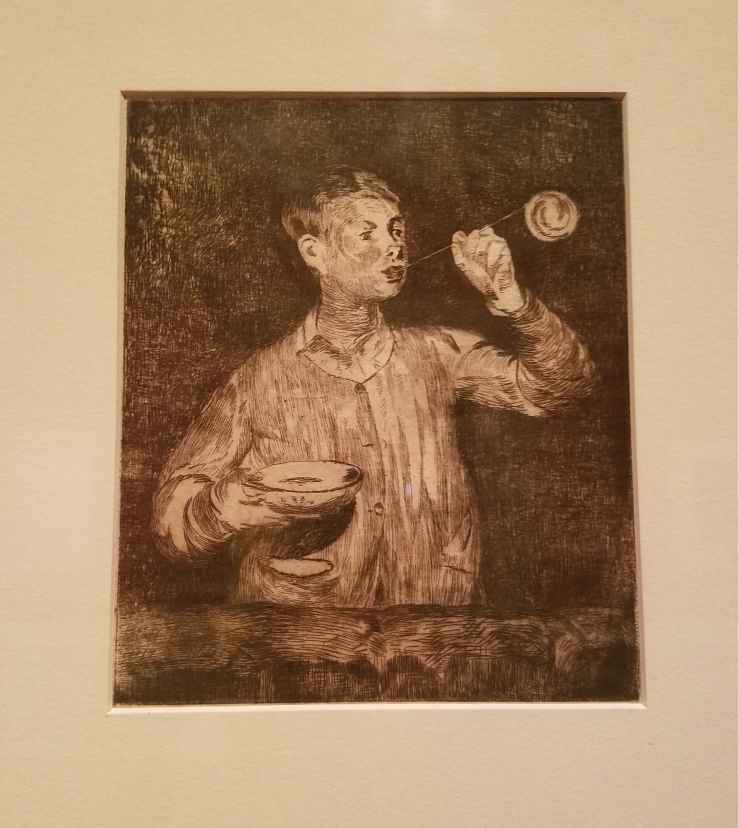
[Beginning in the 1870s, Guérard assisted Édouard Manet with biting and pulling his prints, and their working relationship eventually blossomed into a friendship. In 1879, Guérard married Eva Gonzalès, Manet’s favourite pupil, who died in childbirth in 1883 shortly after Manet’s own death. Manet was not only a friend and colleague of Guérard’s but also an important source of inspiration.]
wp20161127_153710
Eduard Manet, Printed by Henri-Charles Guérard. The Boy with Soap Bubbles, 1868-69, Etching
wp20161127_153837
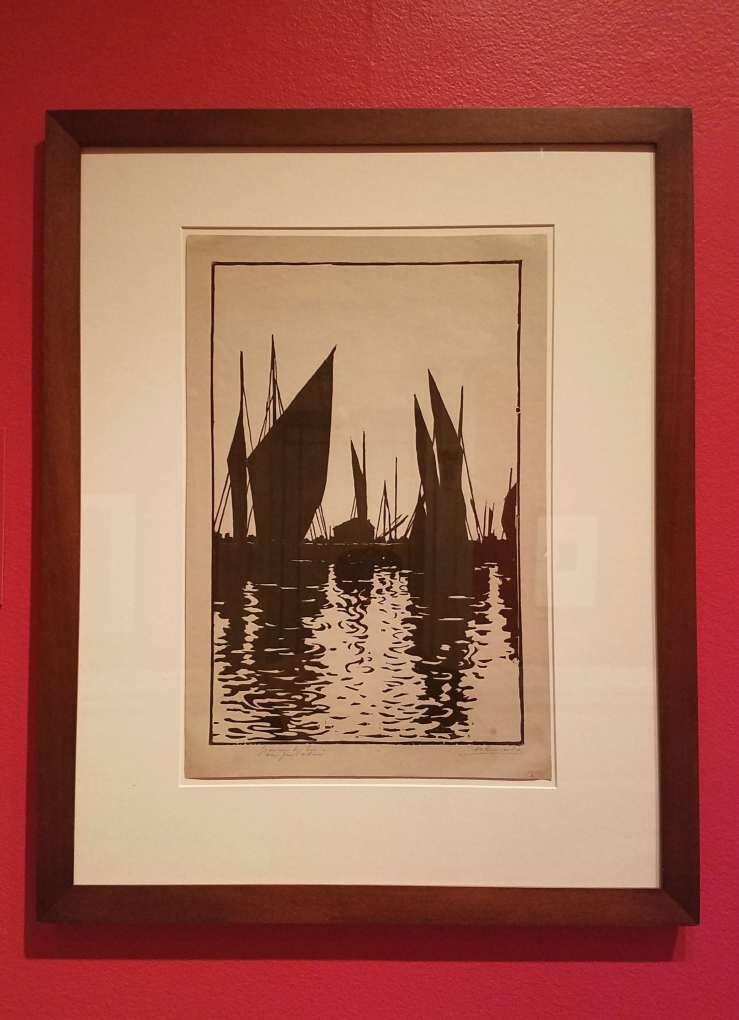
Henri-Charles Guérard, Soleil couchant (Setting Sun), 1895-96, Woodcut

[The image, which shows a troop of tiny Japanese men climbing energetically over a woman’s shoe of Western style, captures the droll and occasionally baffling behaviour of the figures in Hokusai manga. Women’s feet and, especially, their shoes have long been fetishized in both the West and the East, and the conduct of the ”assailants”, which includes a figure clambering on the slipper’s ruffled pompom, is suggestive. The impression shown here reveal Guérard experimenting with jaunty colours, one hot pink, the other bright yellow.]

wp20161127_162418
Henri-Charles Guérard, L’Assaut du soulier (The Assault of the Shoe), ca. 1888. Etching, drypoint and aquatint with roulette in pink and yellow

wp20161127_162425

wp20161127_153915 wp20161127_154310 wp20161127_162947

wp20161127_163010

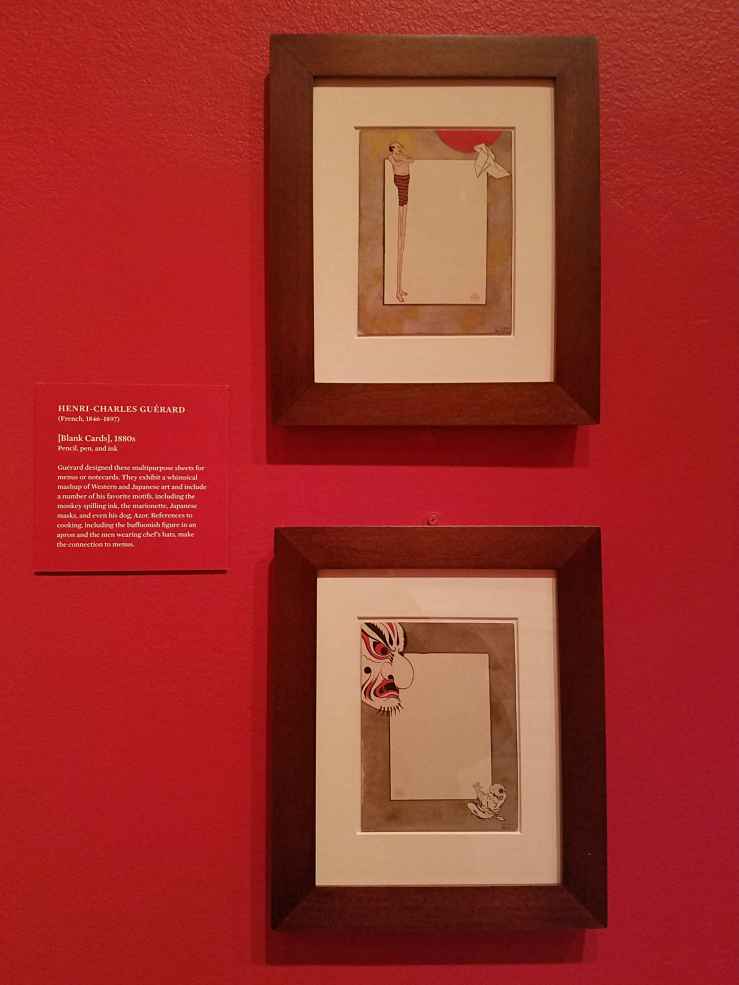
[Guérard designed these multipurpose sheets for menus or notecards. They exhibit a whimsical mashup of Western and Japanese art and include a number of his favourite motifs, including the monkey spilling ink, the marionette, Japanese masks, and even his dog, Azor. References to cooking, including the buffoonish figure in an apron and the men wearing chef’s hats, make the connection to menus.]

All notes are from the accompanying captions and brochure (available also on-line).

New York Public Library
Stephen A. Schwarzman Building
476 Fifth Avenue (42nd St and Fifth Ave)

New York, NY, 10018

November 27th, 2016
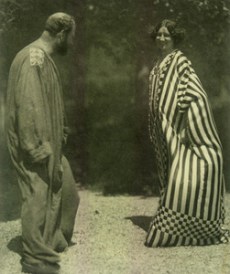
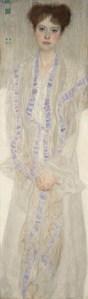
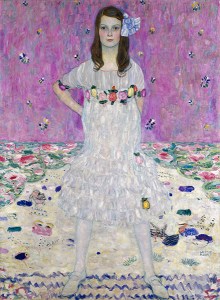
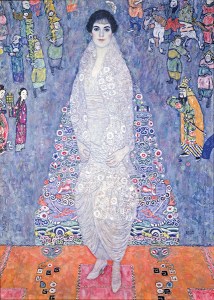
Klimt and the Women of Vienna’s Golden Age, 1900–1918

It was a very cold day with breathtaking, eye blurring strong wind gusts, the first after an unusually long and mild autumn and it caught me unprepared. Then, there was a queue outside the Neue Galerie which, considering it was a weekday, also caught me unprepared. It was my second visit at the premises but the first one to the galleries, the last being a coffee break at the Vienna-inspired Café Sabarsky – for which there is a separate queue given its popularity which competes with that of the Galerie itself.

A staircase (or elevator) brings the visitor to the high-ceilinged reception rooms with their wood floors and wall panels, where Gustav Klimt’s Ladies await to welcome guests into their fin-de-siècle golden world of art nouveau, showing off their costumes, accessories, decorative objects and furniture. All this tends to feel a little cramped – this is a private mansion after all and the guests are eager and plenty – but it’s only a small inconvenience quickly brushed off once guests are made to feel at home by the charming Ladies.

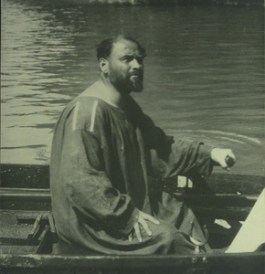
Consisting of 12 paintings, 40 drawings, 40 works of decorative art, and vintage photographs of Klimt the exhibition is of a smaller scale compared to what we’re becoming used to in The City and certainly far smaller than the extensive collections I had the chance to experience in Vienna.

Having said that, I’m always surprised – with mixed feelings – when I finally get to see a work of art, like the Portrait of Adele Bloch-Bauer I for example, in the gallery that actually owns it and learn about its long trip home; a home sometimes to be found in the most unexpected places.

2002-02 2002-06 2002-04 adele_retouch_1-jpg-crop_display adelebloch-bauerii1912-jpg-crop_display gertrud_loew_2-jpg-crop_display mada_primavesi_1912-jpg-crop_display-jpg-crop_display portraitelisabethledererretouch-jpg-crop_display

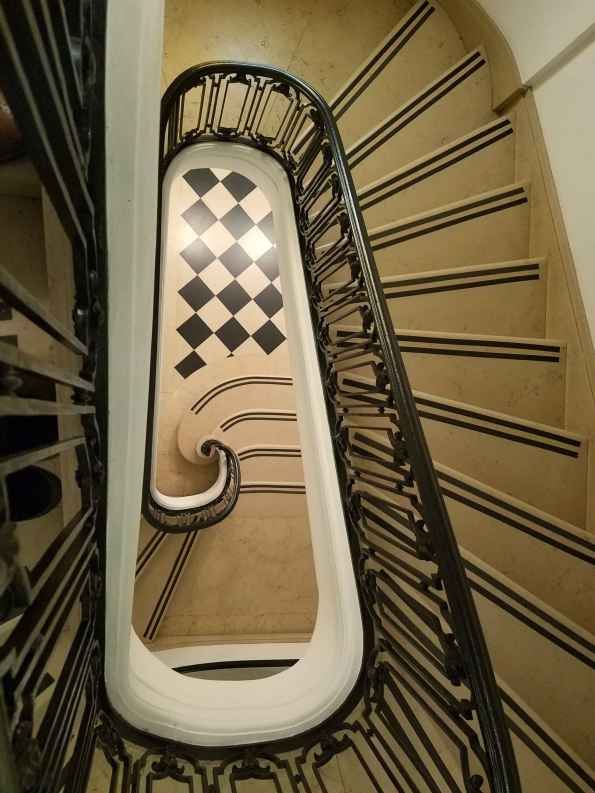
Photography is strictly not allowed in the galleries and hallways but here is a photo of the elegant black-and-white staircase, the only place I could take one away from the accusing eyes of the guards.

wp20161121_144453

Klimt and the Women of Vienna’s Golden Age, 1900–1918 runs through January 16th, 2017 and while, as already mentioned, small and in no way representative of Klimt’s work it will certainly be an hour – or two – spent in good company. After all, we can all use some Golden Age glamour this holiday season, cant we all?

November 21st, 2016

The Ugly Giant

wpt20161118_183200

Arrived in December 2015 to rival the Gehry skyscraper – in height but not in beauty. 432 Park Avenue is seen by many as an eyesore; its super tall, super thin square shape appears like rising out of nowhere and bears no relation to neighouring buildings. When the weather is low the top floors are lost in the clouds giving literal meaning to the tallest residential building in the world.

Here in b&w because even eyesores look good in it.

November 18th, 2016