Enjoying an extended and-of-year break in New York City!
- Extra days off from work – check.
- Elbowing way through to Fifth Avenue Christmas windows – check.
- Putting newfound navigating skills on ultra-packed streets to test – check.
- Baking Greek Christmas cookies – check.
- Go see the Rockettes – uh, maybe not this year. This type of variety show still has to grow on me.
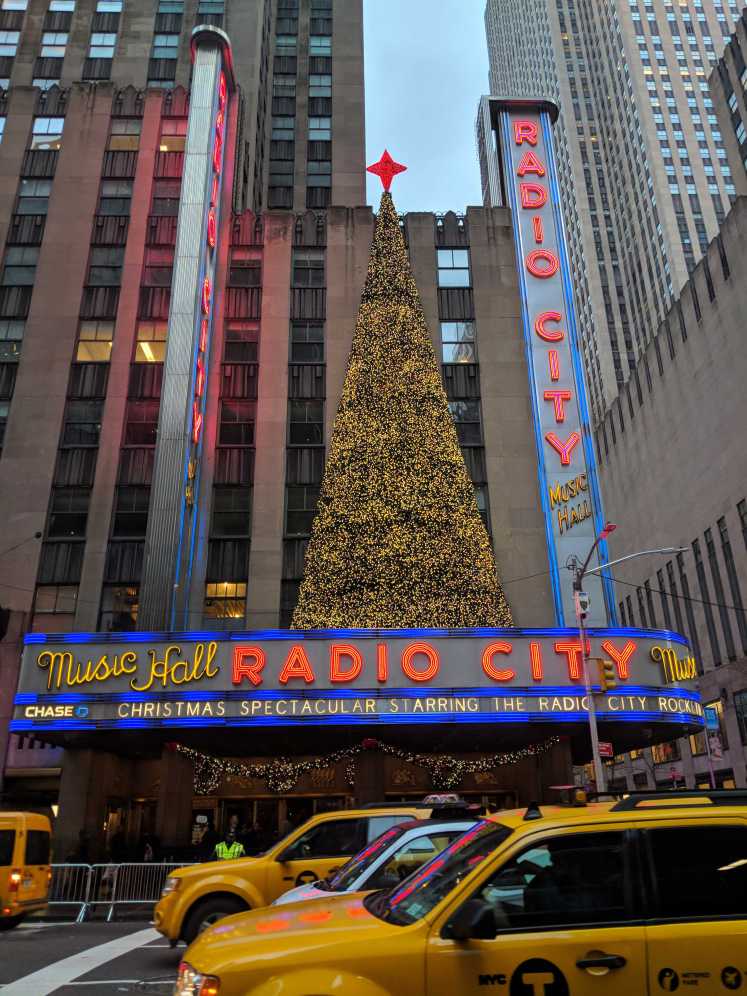
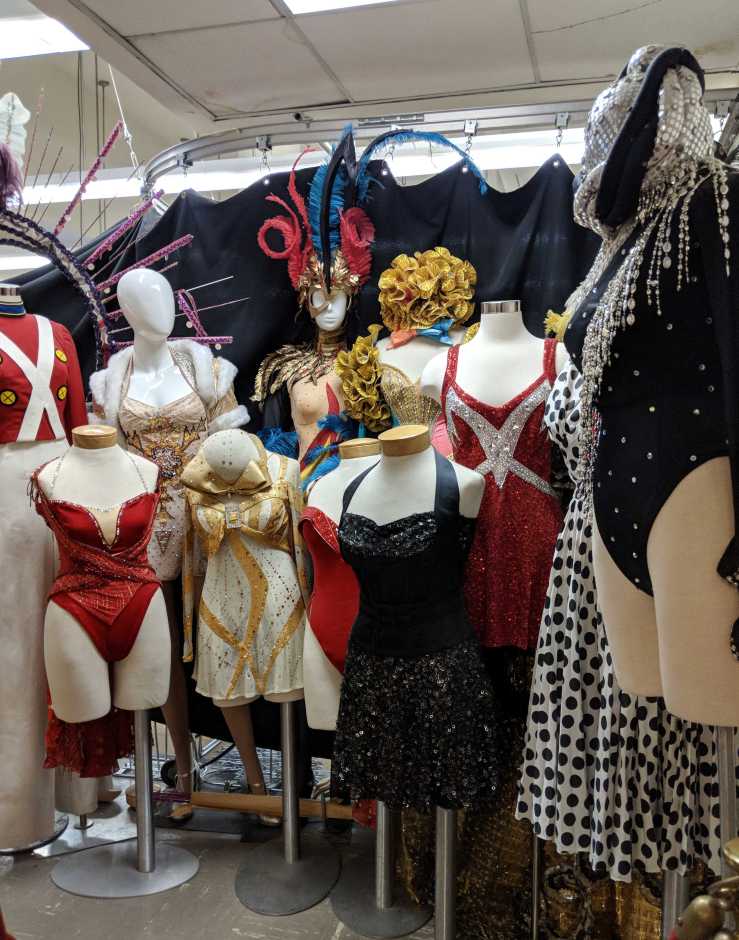
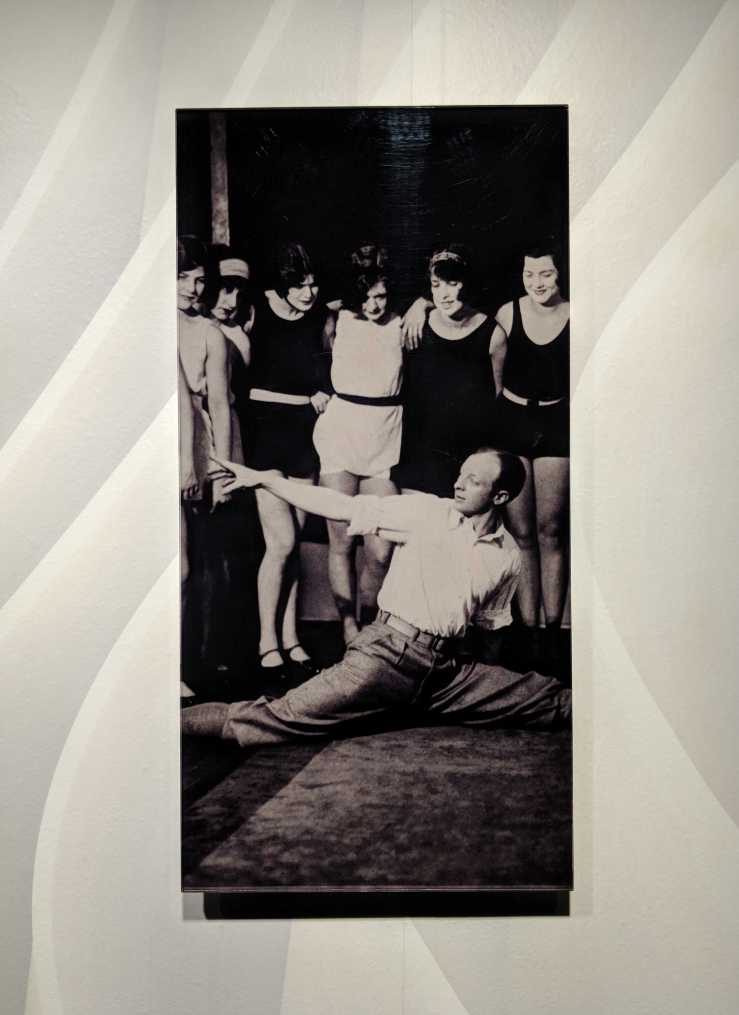
A Radio City Stage Door Tour for an insider’s look at the Art Deco details, a walk into the – otherwise off-limits – Roxy Suite, a photo with a Rockette, cheesy as this may sound – check, check!
 Starting point, a view over the Grand Foyer.
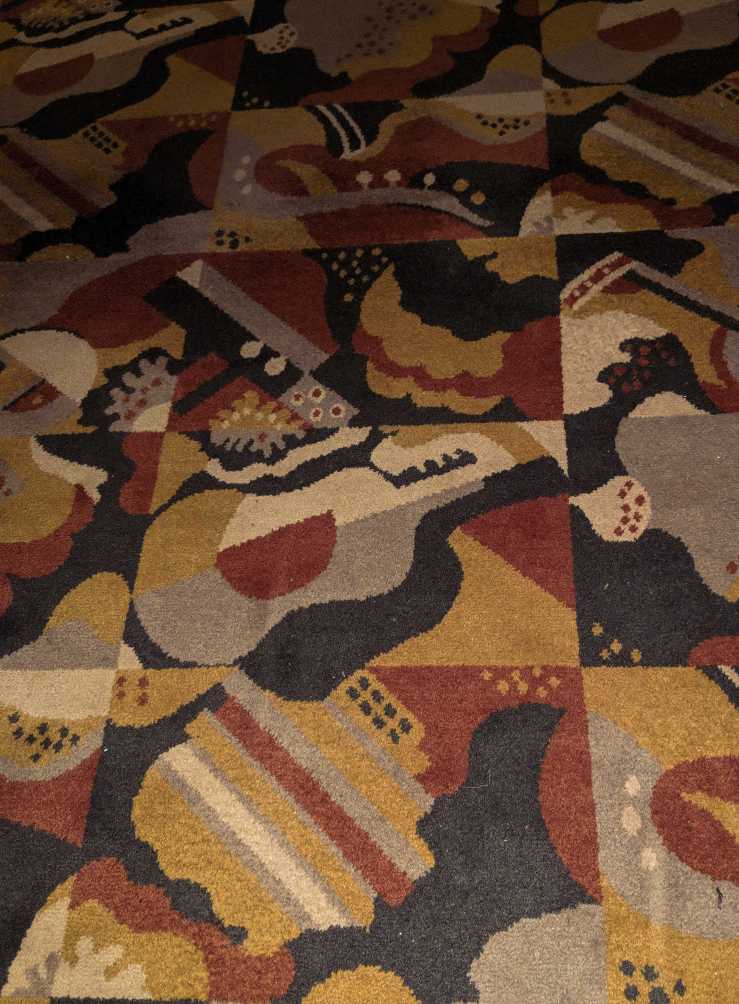
 Art Deco elements are omnipresent, floor to ceiling: the carpet we are walking on was designed by Ruth Reeves in 1932 to form a tile collage, each tile an abstract depiction of a musical instrument. Reeves had studied with French painter Fernand Léger in Paris in the early 1920s. Léger’s influence is evident in Reeves’ innovative design – so innovative that it looks every bit as modern today as at the time it was conceived, 85 years ago.
 Radio City’s interior designers Edward Durell Stone and Donald Deskey spared no expense nor effort to make the place as grand and stylish as possible. That is evident everywhere and restrooms are no exception. Here we are at the Ladies’ lounge, adjacent to the restroom on the third level, with a ”Panther” Mural of 1932, by Jenry Billings at its centre. Stylistically leaning towards Surrealism, still very much in place in an Art Deco environment.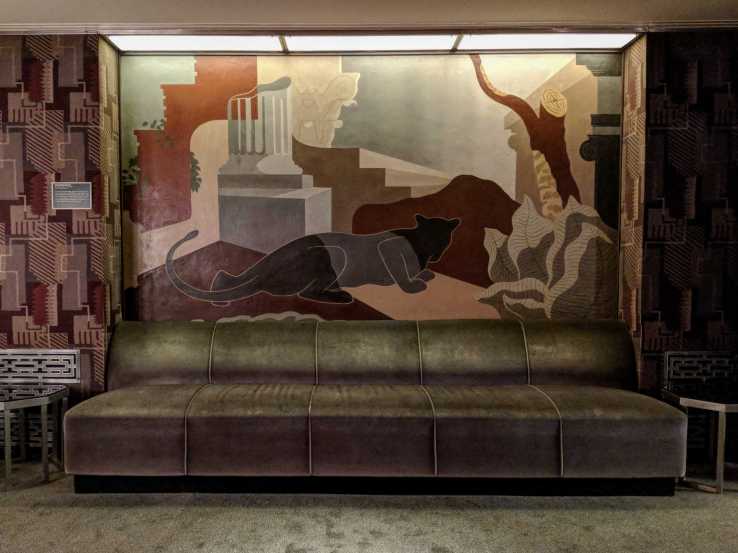
 A ”Wild West” Mural, by Edward Buk Ulreich graces the Gentlemen’s lounge.
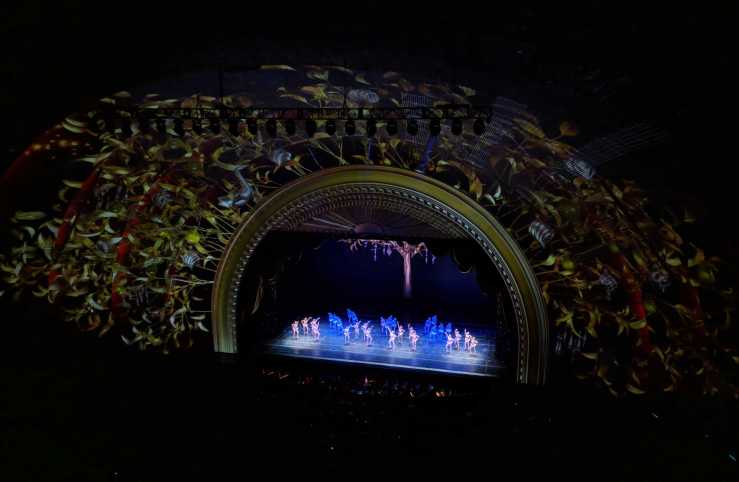
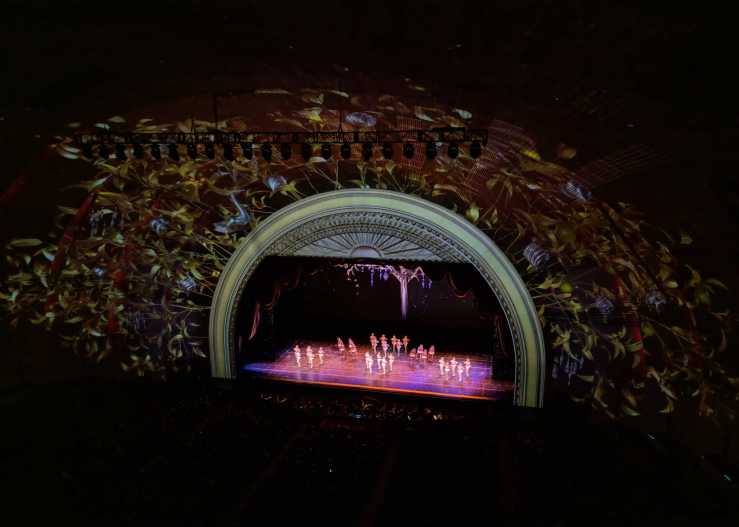
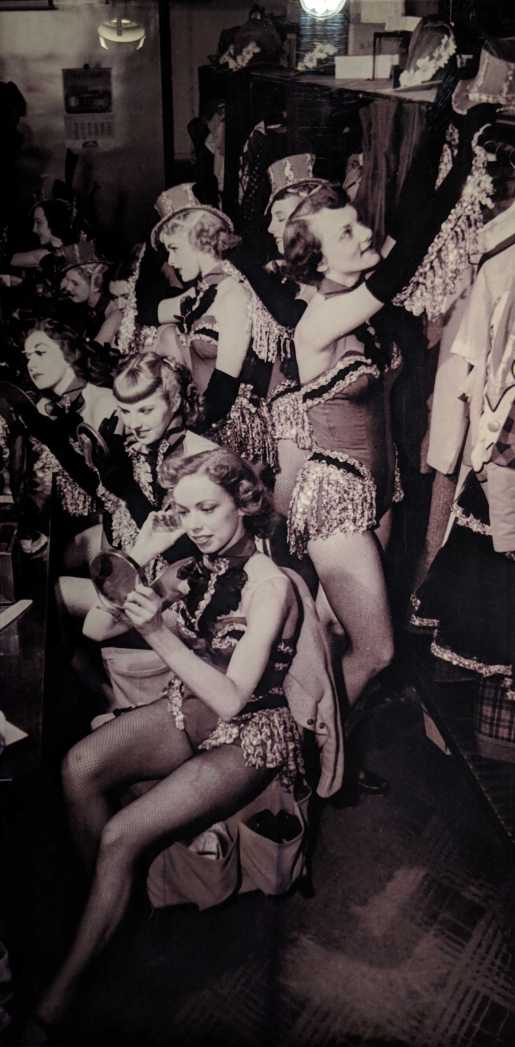
 The period leading to Christmas and New Year is the high season for the Rockettes who regularly go through their grueling routine of high kicks and tapping up to seven times a day and still do it with precision, impeccable style and – most difficult of all – a radiant smile (albeit a teary one at the end of the day). Here, we steal glimpses of one of their routines from the balcony.
Marveling at the vast, 6000-seat auditorium, where there are no pillars to obstruct the view, our guide informs us that, actually, it is what goes on under the stage that’s most impressive – the stage elevator system. This feat of engineering allows Radio City’s massive stage to be moved as necessary, in three parts, at the push of a button. Now, if that didn’t impress you just consider that, when assessed during the building’s massive renovation of 1999, the inspectors established that it was in such excellent condition, the elevator system was more or less the only feature that could be left untouched. It was built in 1932!
Interestingly, it attracted the Navy’s interest and the same principle was used in their aircraft carrier systems during World War II. It was thus that the stage elevator system of the Radio City Hall, became a national secret and even had its own government security agent guarding it throughout the War.

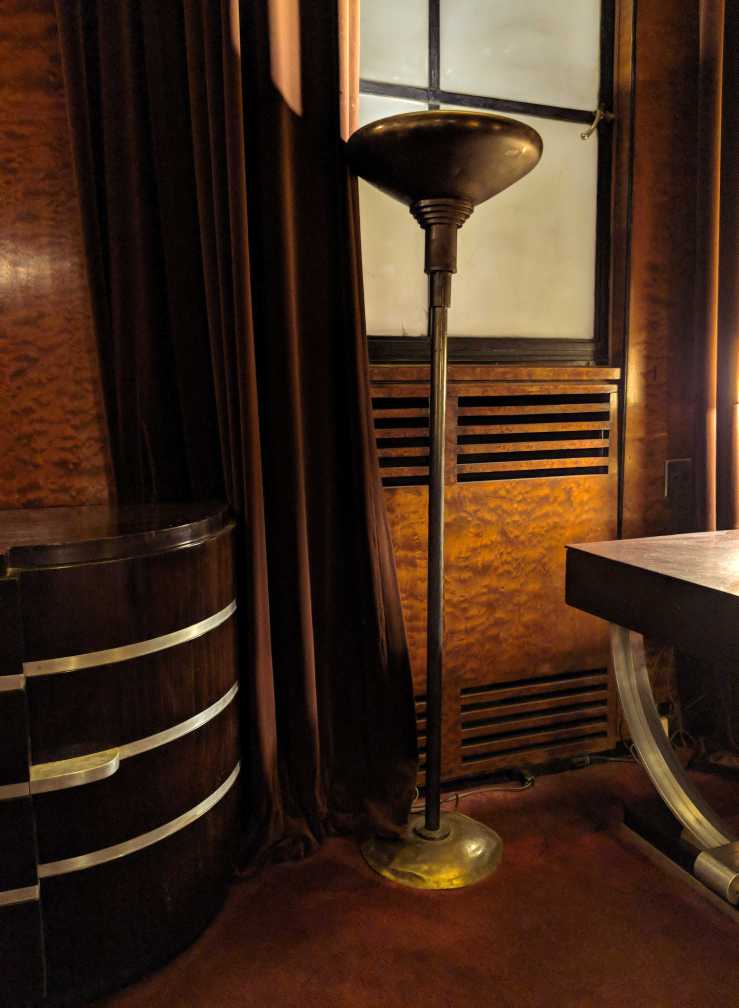
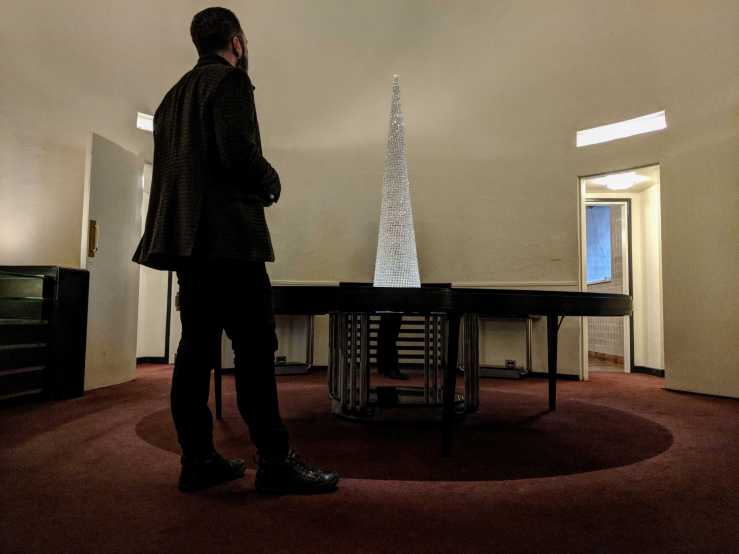
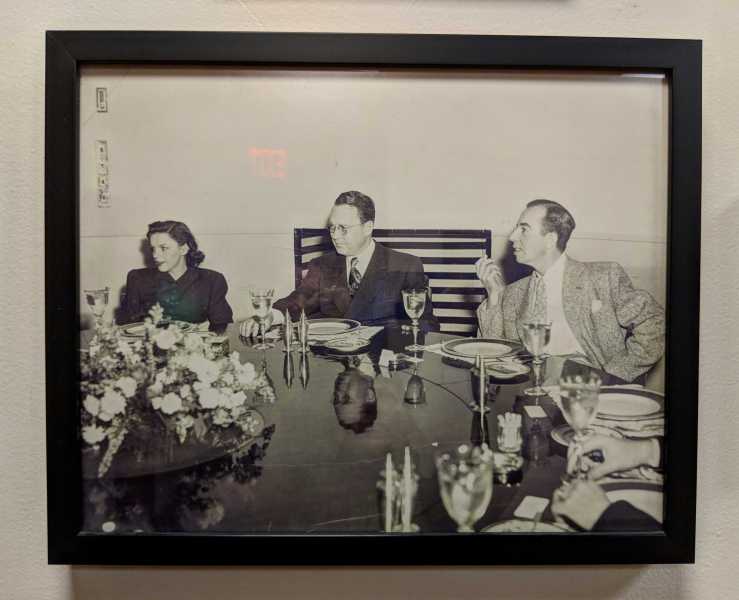
 That staircase leads to Roxy’s Suite, where impresario Samuel “Roxy” Rothafel, the man who opened the venue and commissioned most of the features we enjoy today in Radio City Music Hall, used to receive his glamorous guests. Today, it is available to hire as a reception space.










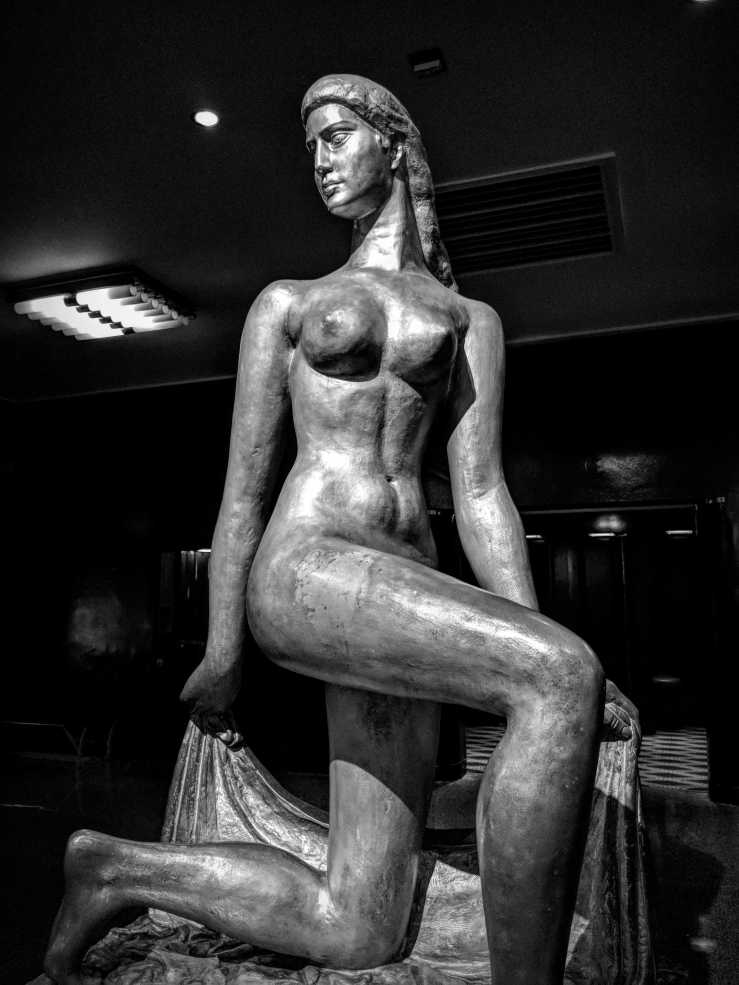
 The Spirit of Dance, Aluminium Sculpture, 1932 – by William Zorach. This was one of three statues removed from the Music Hall just before its opening, because they were considered risqué. They were later reinstalled after several months, following strong criticism.
 The Phantasmagoria of the Theater by Louis Bouche, at the main lounge of Radio City Music Hall.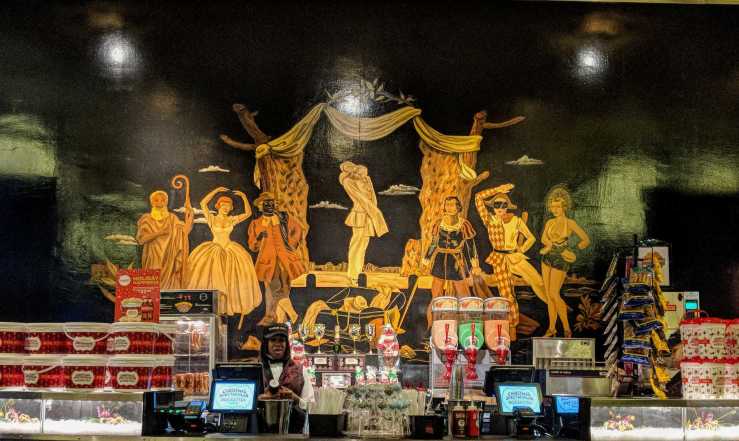
 The crystal Christmas Tree stealing the limelight from the chandeliers and Ezra A. Winter’s epic mural that overlooks the grand foyer. ”The Fountain of Youth”, 1932, is one of the first commissions for the Music Hall and depicts a legend from the Oregon Indians about the beginning of time.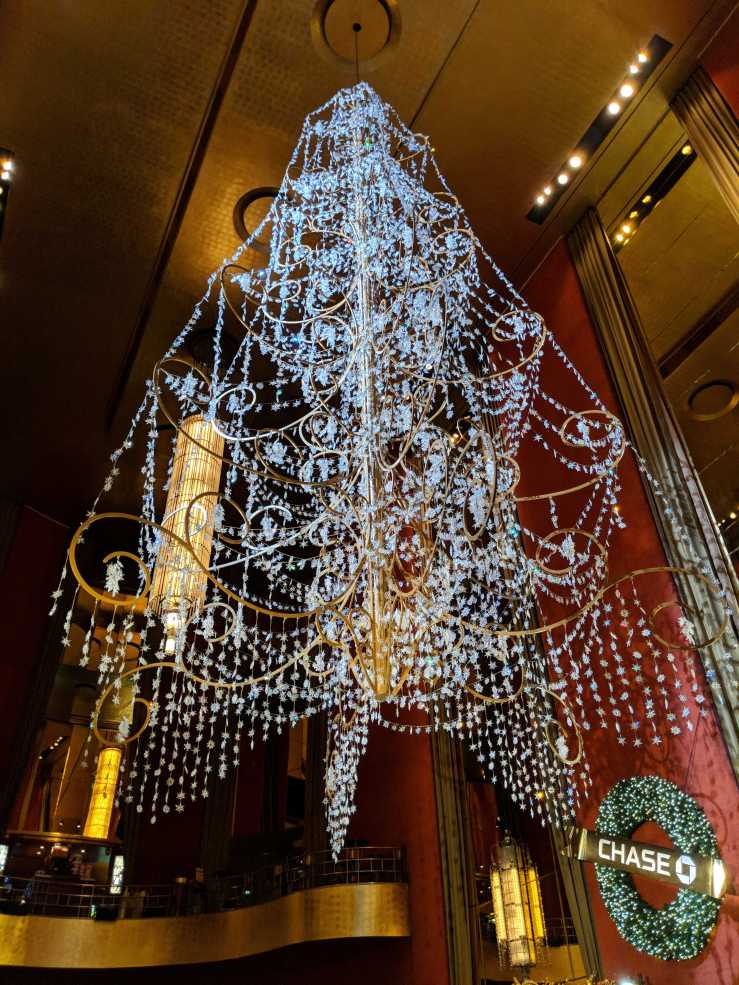


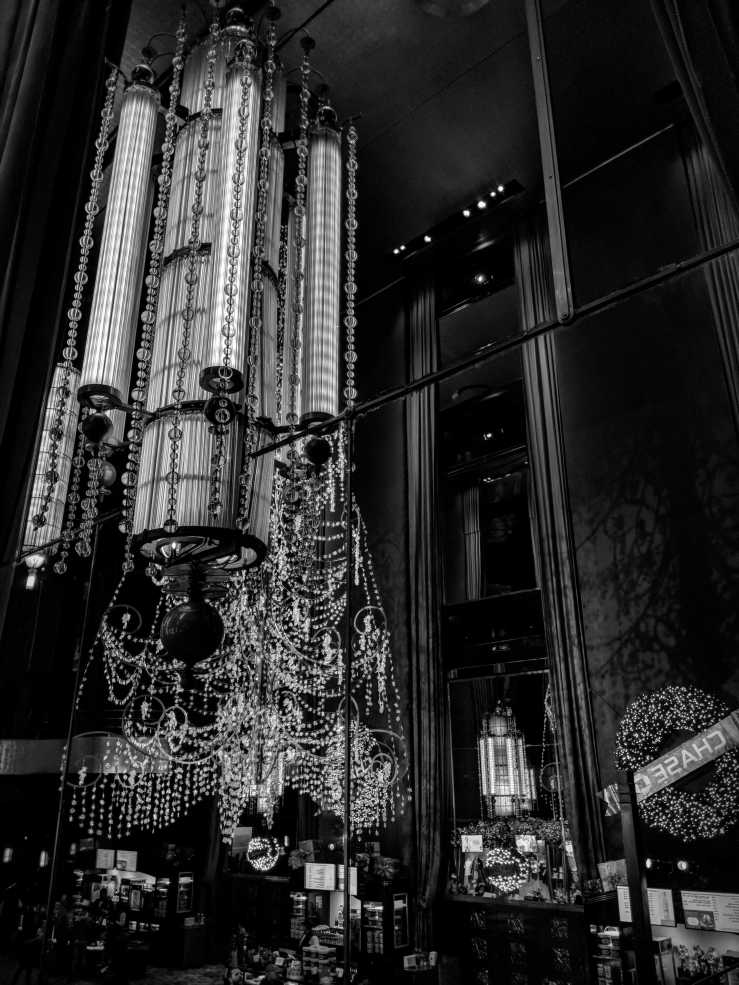
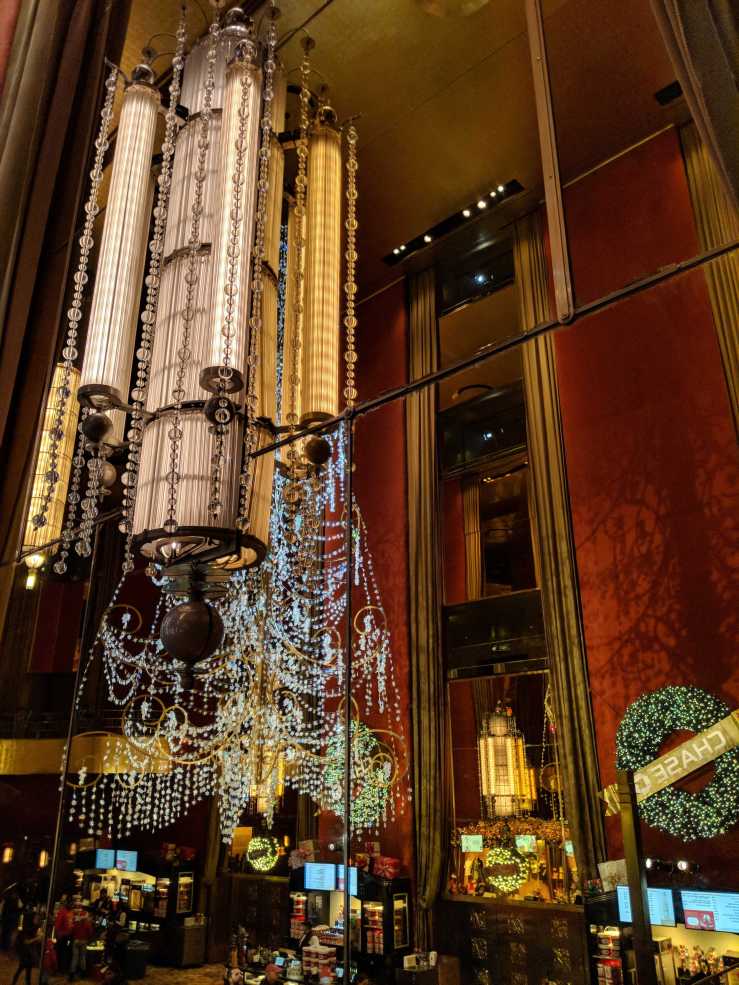

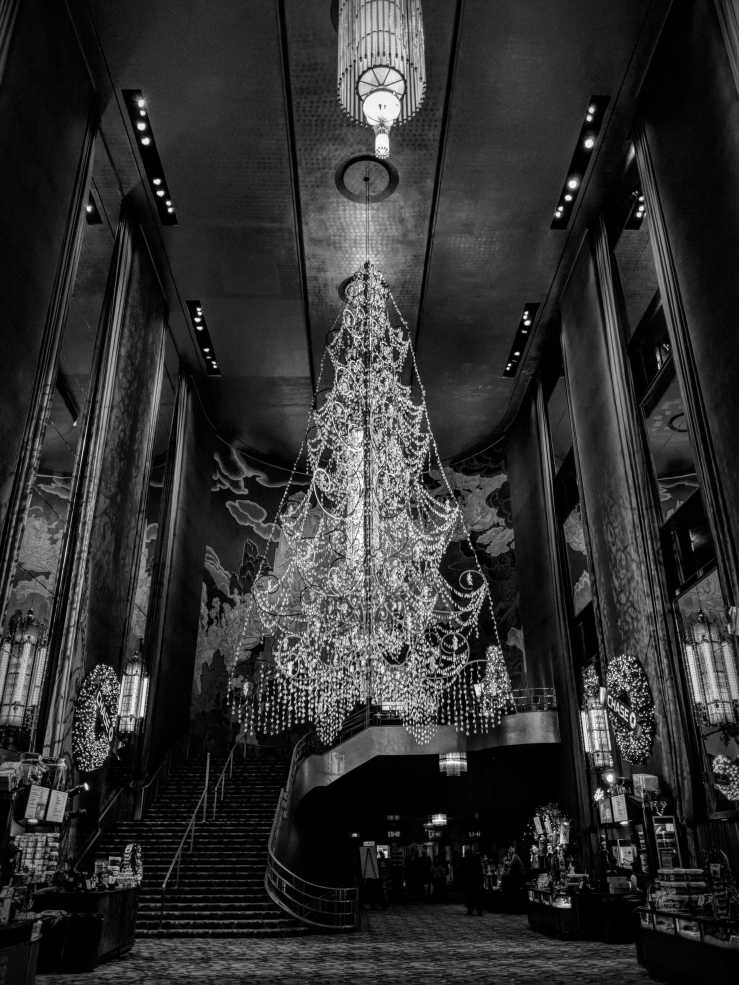
From the Radio City Music Hall, Happy Holidays to one and all!
Tour on November 26th, 2017






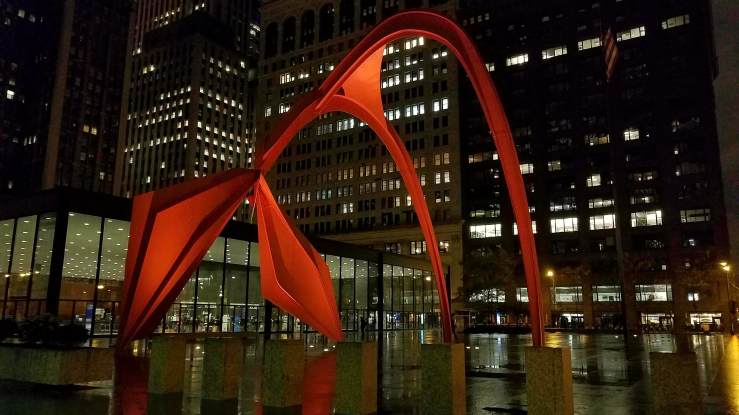 Flamingo – by Alexander Calder in the Federal Plaza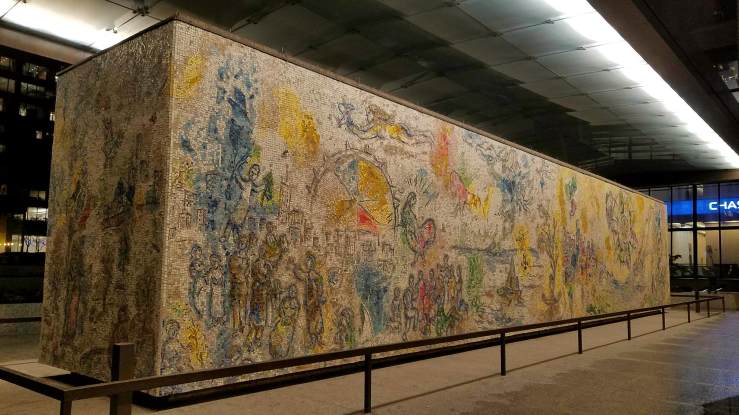
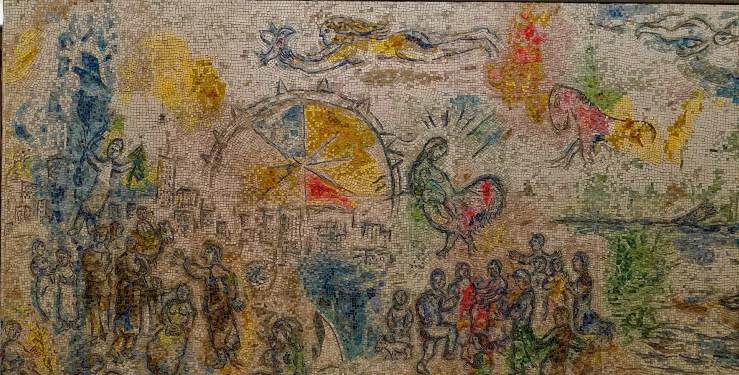
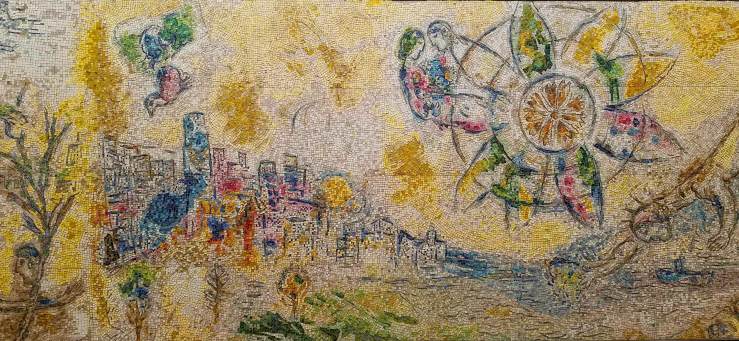
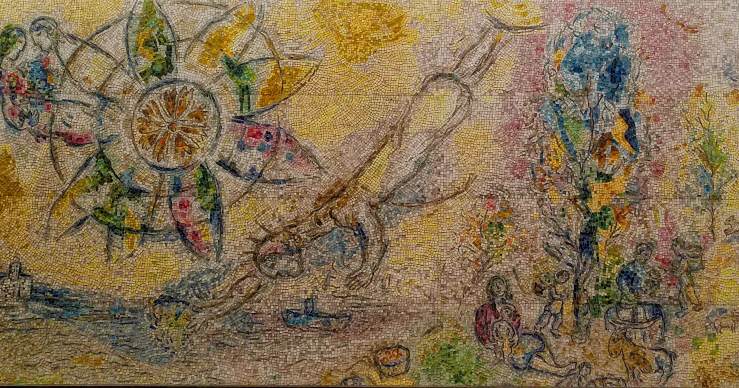 Chagall’s Four Seasons mosaic in the Exelon Plaza
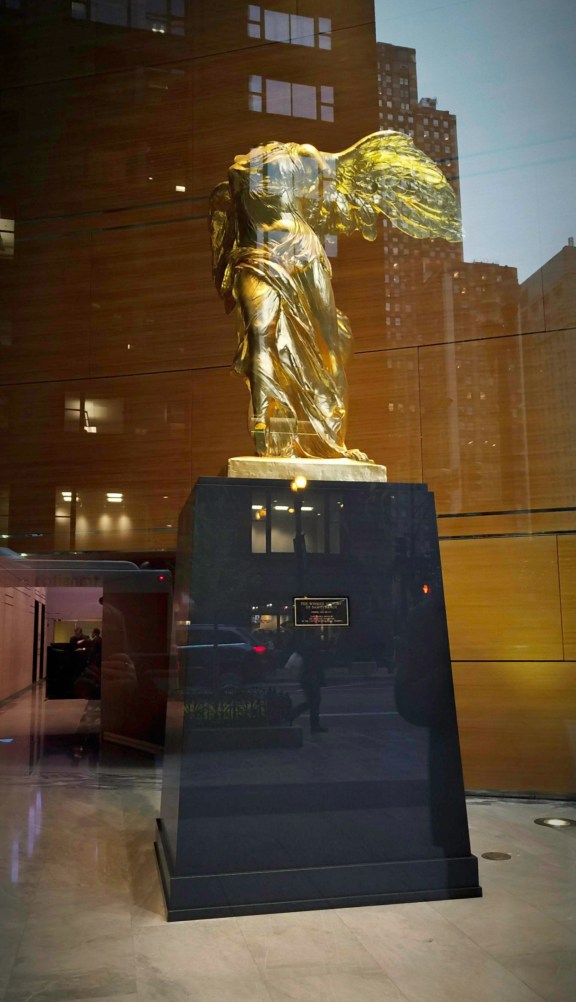 The Winged Victory of Samothrace, cast from a mold from the original sculpture in the Louvre Museum, Paris – (but why make it gold at all…? marble would have been equally stunning)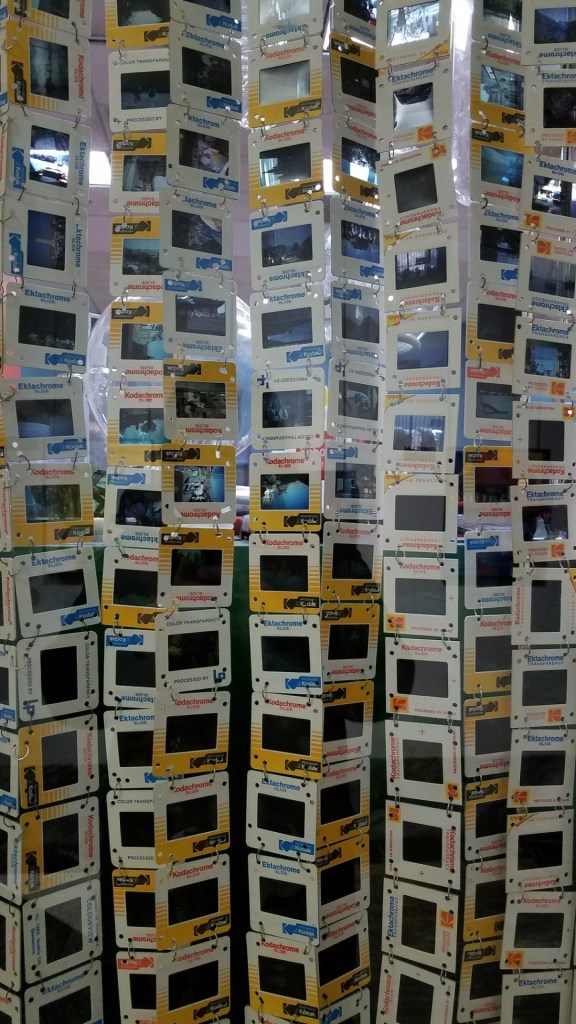
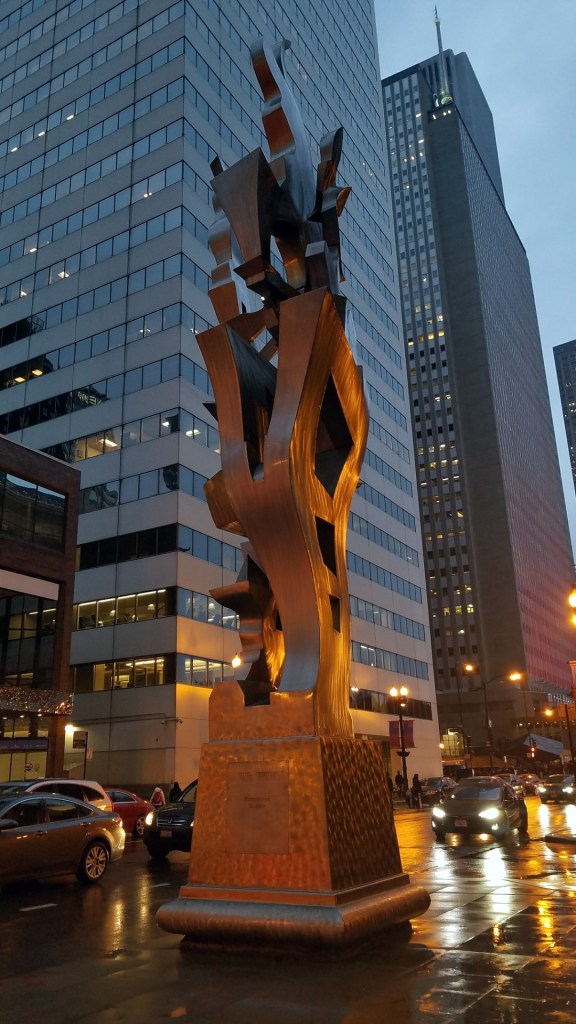 We Will, a welded stainless steel sculpture by Richard Hunt








 The Humble Fabulist