I woke up at 5 am.
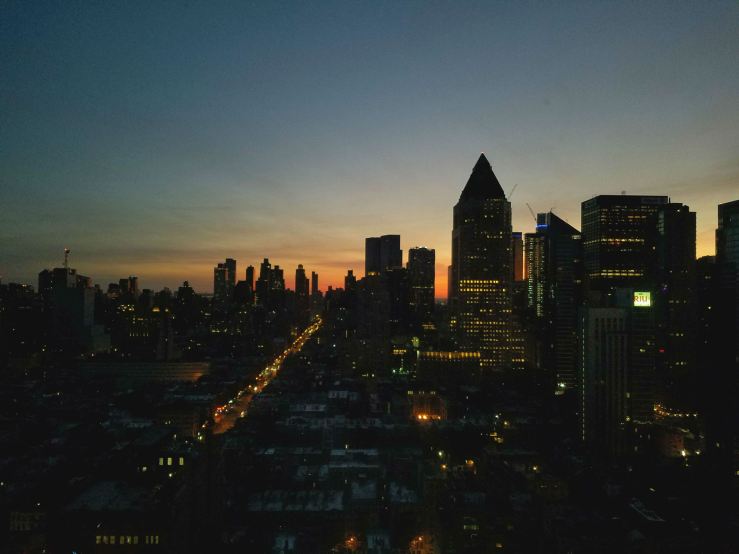
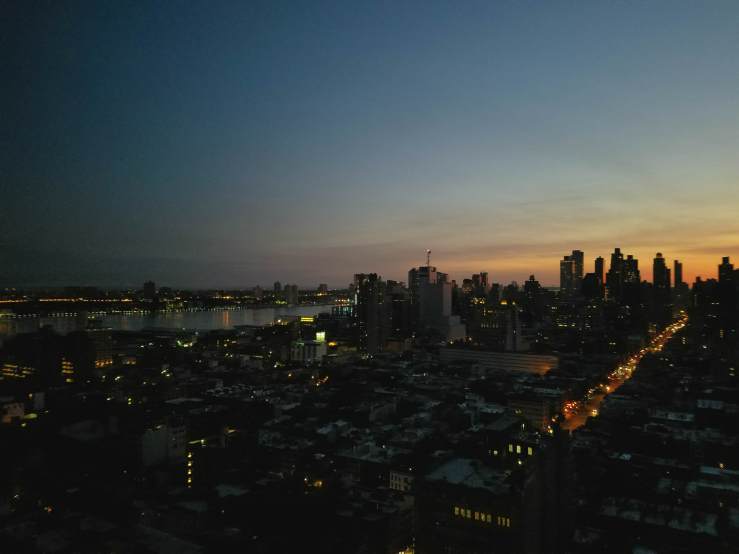
Spectacular dawn over Hell’s Kitchen.
May 21st, 2017
I woke up at 5 am.
Spectacular dawn over Hell’s Kitchen.
May 21st, 2017
in Lincoln Center.
With music and drinks, followed by more music in an evening tagged as ”born of ice and fire”.
With the New York Premiers of Finnish composer Esa-Pekka Salonen’s Wing on Wing, written for and featuring soprano sisters Anu and Piia Komsi, and Icelandic composer Anna Thorvaldsdottir’s etherial Aeriality (ice) –
and a superb performance by the New York Philharmonic’s Artist-in-Residence for 2016-2017, renowned violinist Leonidas Kavakos, who played Brahms’ Violin Concerto (fire).
After the concert, we were joined by some of the Philharmonic musicians who, following the ”obligatory” Q&A session, simply mingled with the guests for some more music and drinks.
No, Mr. Kavakos was not among them.

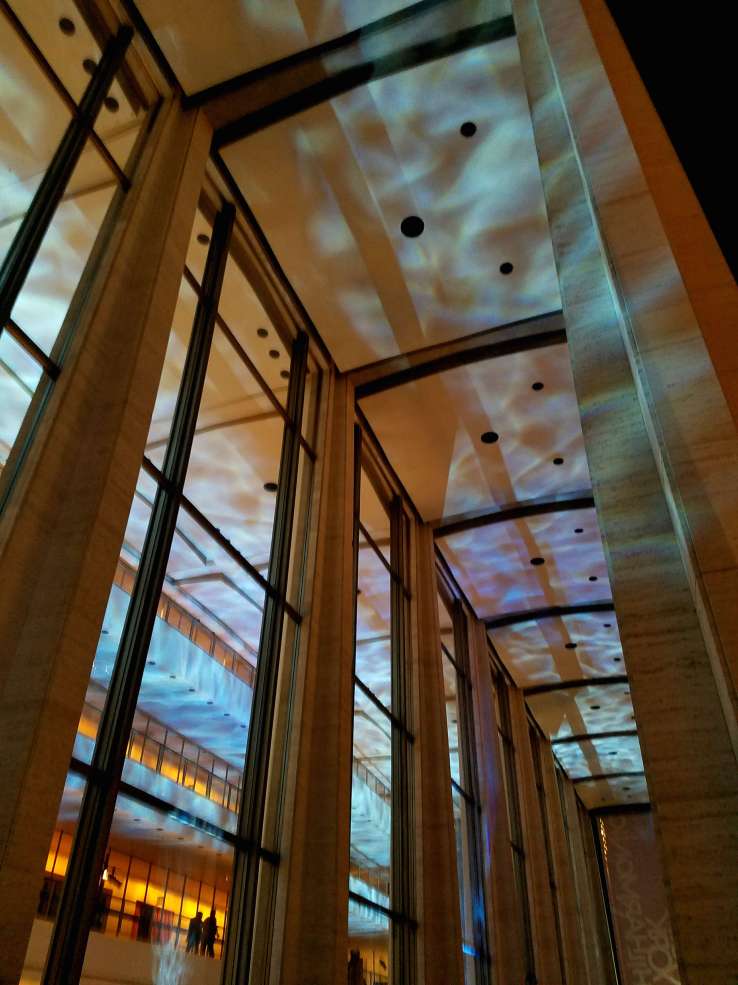

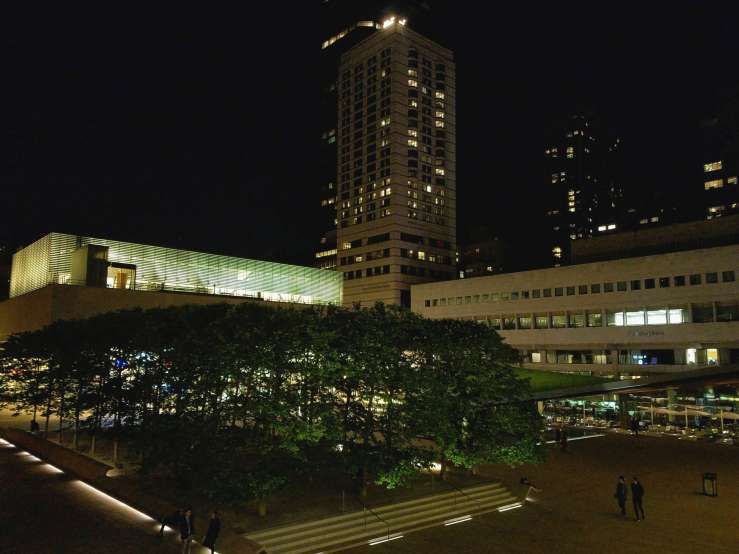

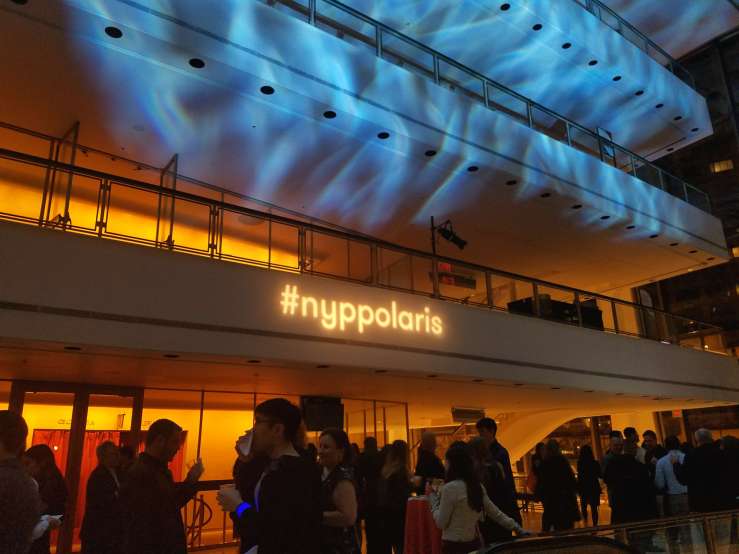


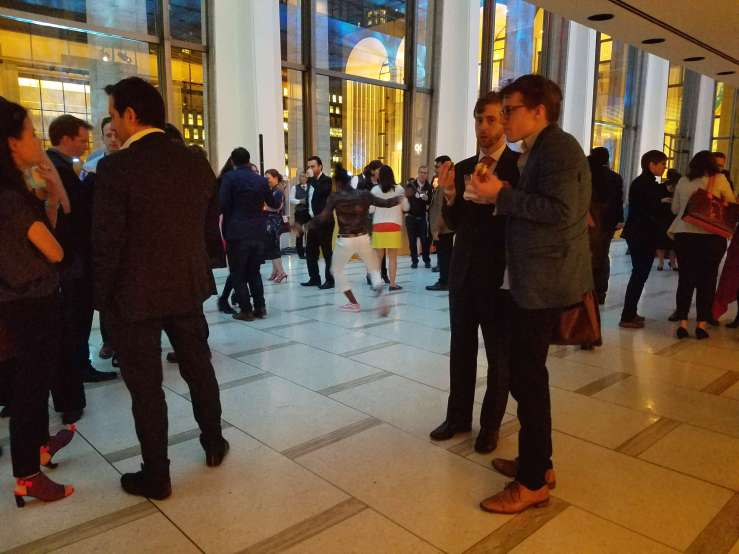
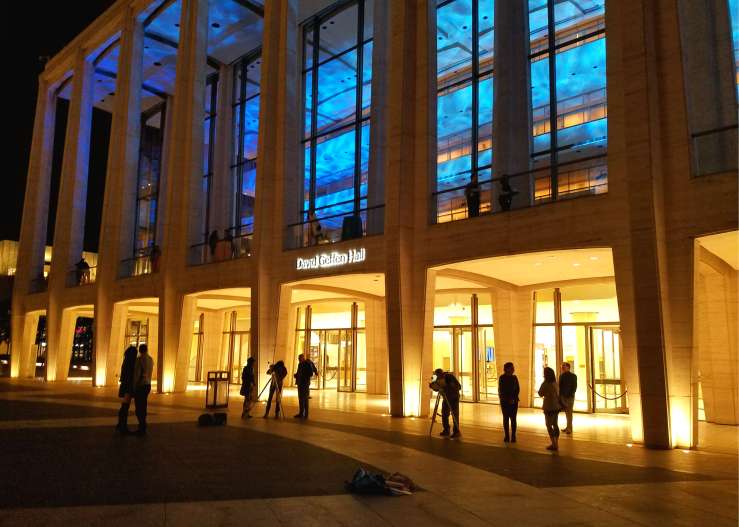


#nyppolaris
May 20th, 2017
“This Section Contains Explicit Material. Young visitors should be accompanied by an adult.” A sign, elegantly placed at the entrance of the gallery, warning visitors that they were about to step into Japan’s most intimate world. 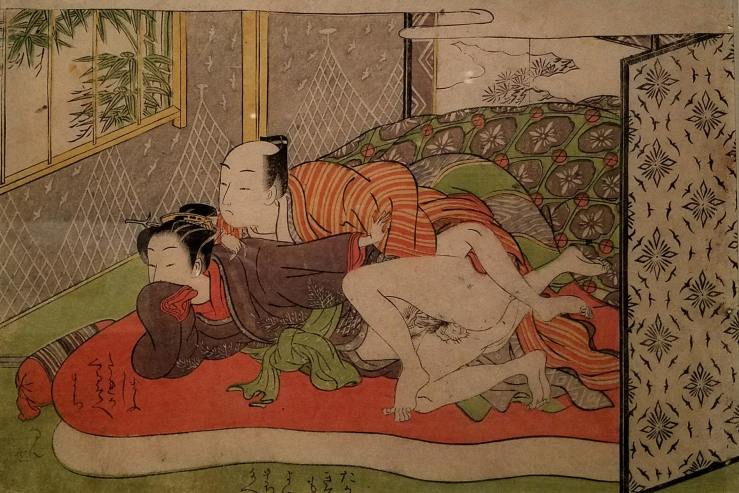
 Ukiyo-e (pictures of the floating world), flourished as an artistic genre during the Edo period. Catering to a clientele drawn from the rising middle classes, ukiyo-e artists focused on subjects closely associated with the fashionable, worldly pleasures of Edo itself, rather than the prescribed themes of Japan’s classical painting schools, traditional patronized by the nobility and samurai elite. The woodblock print, more affordable than paintings and easily reproducible, proliferated in concert with the rise of the ukiyo-e genre. Beauties, wrestlers, actors were typical subjects of ukiyo-e prints, as were erotic scenes known as shunga.
Most master printmakers designed shunga. Varying in style and explicitness, these prints were appreciated privately rather than being displayed on walls.
The examples on view here, by the artist Koryūsai, portray a variety of sexual pairings.
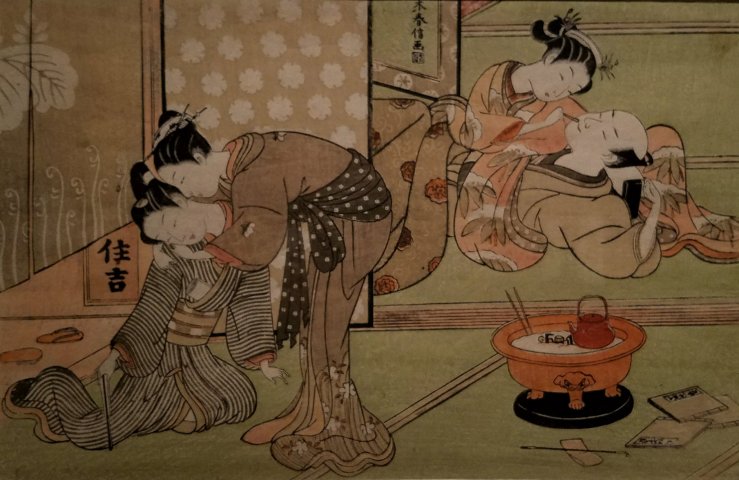 Suzuki Harunobu (1725-1770)
Two Couples in a Brothel, 1769-70
Two separate encounters in a brothel are staggered across this skillfully composed print by Harunobu. In the background, an adult man with a fully shaved pate is having his moustache tweezed by a female prostitute, an act of intimacy. In the foreground, a slightly more mature prostitute attempts to woo a coy young wakashu who fiddles with a folded fan and diffidently resists her embrace.
 Attributed to the Utamaro School
Woman and Wakashu, ca. 1790s
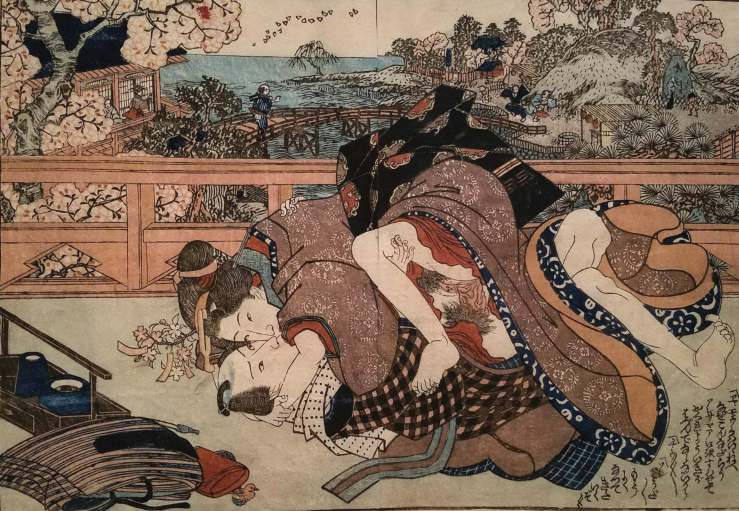 Pages from an unidentified Utagawa-school erotic book, ca. 1850s
Two half-sheets glued together from a printed book with colour illustrations
In this illustration, a prostitute sporting the shaved sot and forelocks of a wakashu takes charge with a male client. Her display of aggressiveness – conventionally gender-coded as a male prerogative – would have been typical of female sex workers, like haori-geisha, who sported the wakashu hairstyle.
 Attributed to Nishikawa Sukenobu (1671-1750)
A Prostitute with a Man, late 17th century
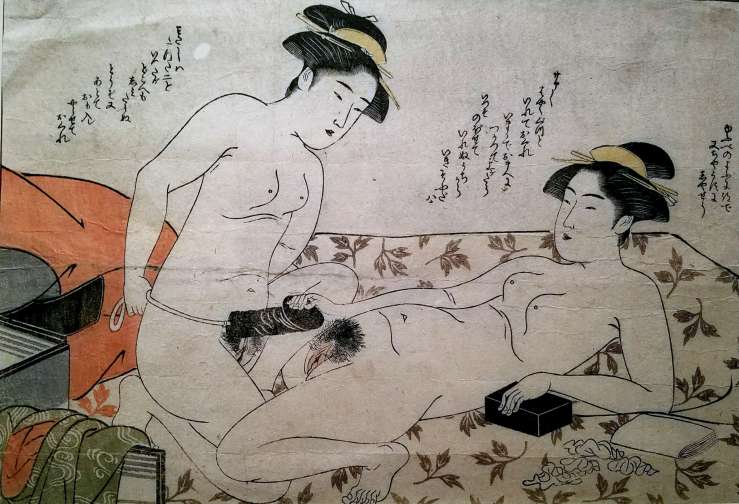 Women Using a Dildo, ca. early 1800s
The two women in this print appear to be ladies-in-waiting of a daimyō’s (feudal lord’s) household. Sequestered in inner chambers where men were not allowed, such women were required to be abstinent but encouraged to engage in self- and mutual-pleasuring for their health.
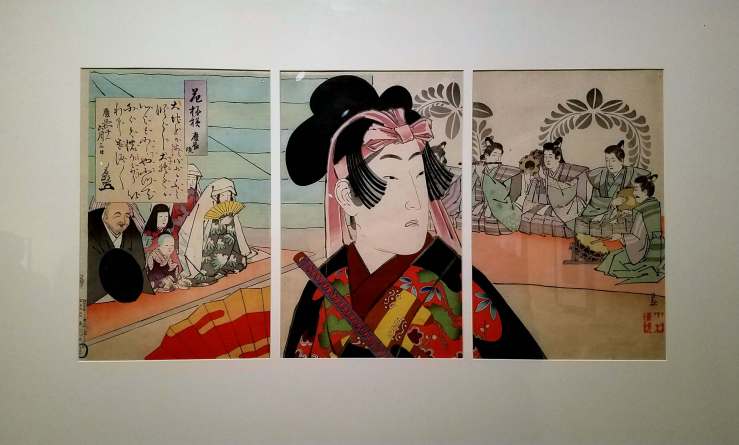


”A Third Gender: Beautiful Youths in Japanese Prints”, has been an enlightening exhibition and a very interesting look into the erotic life of the Edo-period Japan. Multilayered, complicated and, in many ways, much more progressive than one would have thought.
Japan Society, May 19th 2017
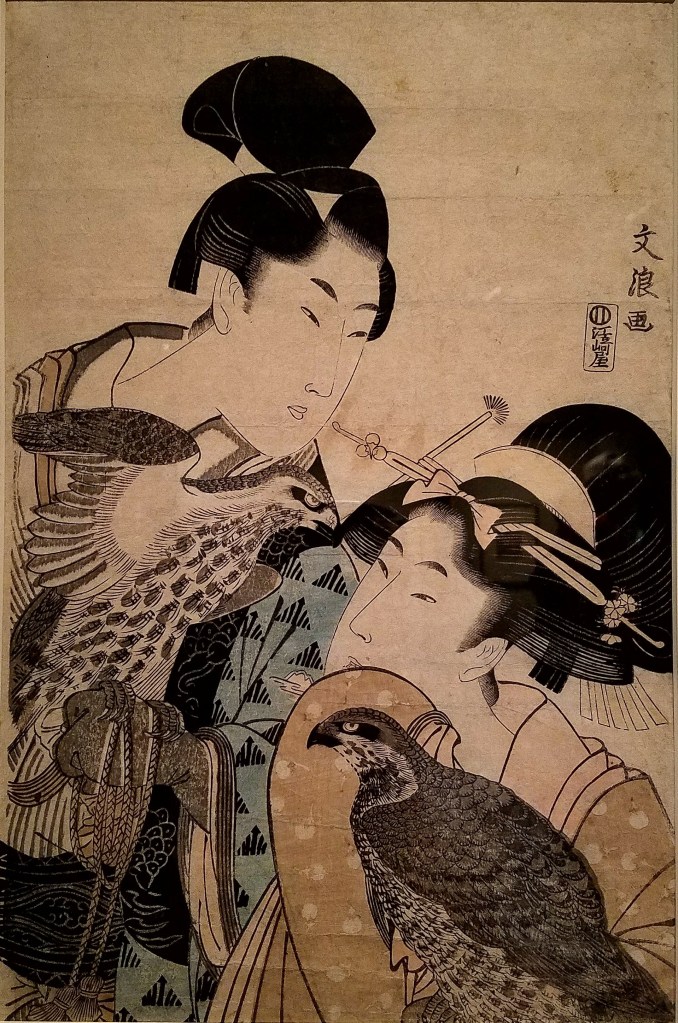
Bunrō (active 1801-1804)
A Wakashu and a Young Woman with Hawks, ca. 1803
The only way I could distinguish between the two was to read the accompanying tag. The Wakashu is wearing a kimono with Mount Fuji motifs.
From”A Third Gender: Beautiful Youths in Japanese Prints”, an exhibition that ran on Japan Society until June 2017.
May 19th, 2017


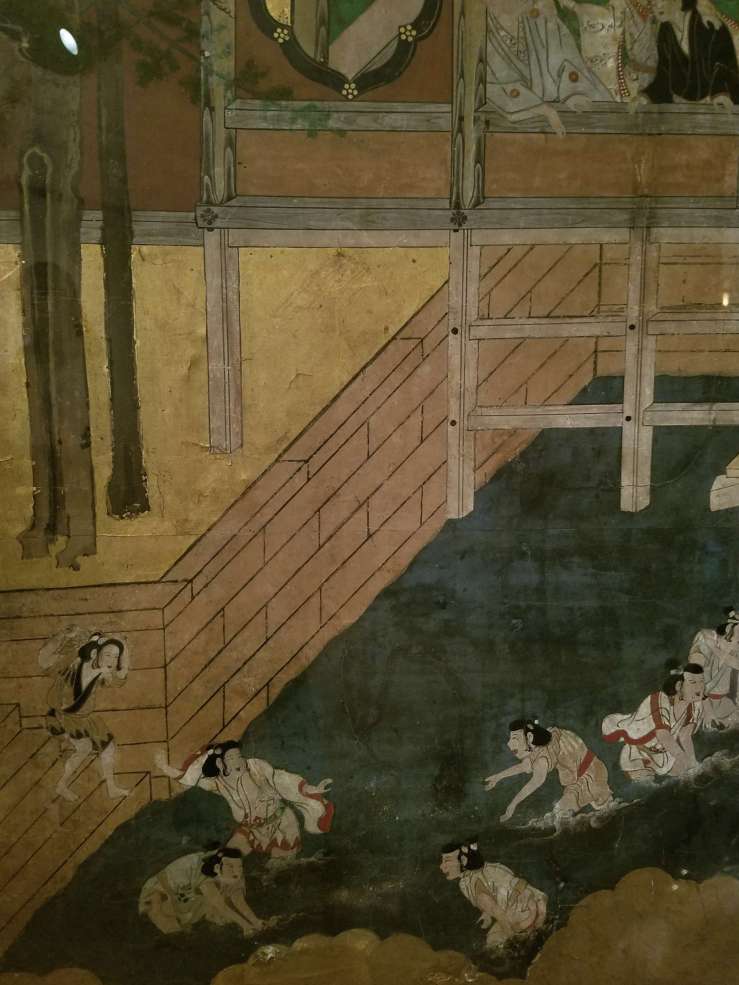
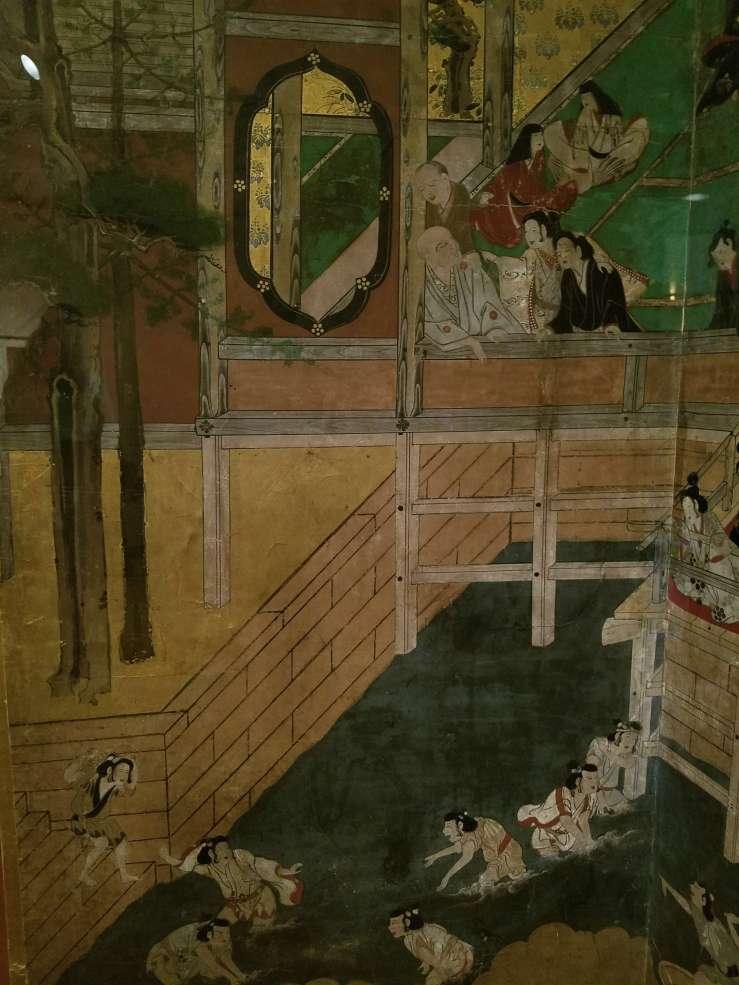
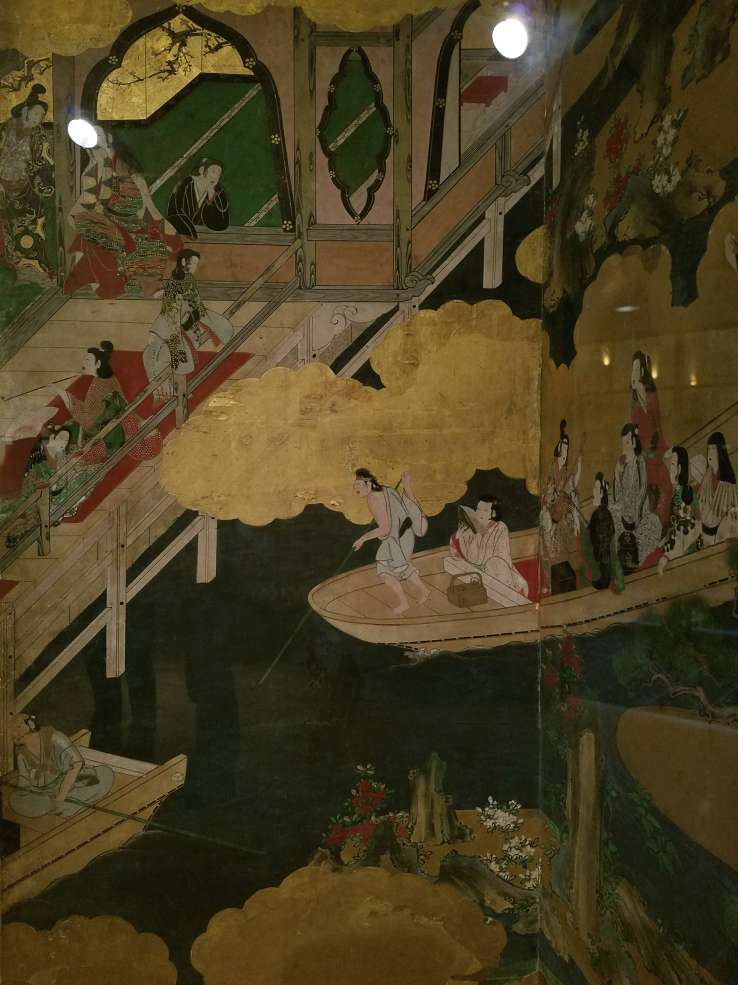
 Six-fold screen, gold and pigment on paper (detail)
Attributed to the Kan-ei Era (1624-1644)
“In this pansexual wonderworld, many beautiful women and wakashu are in the service of only a few men. The boat rowing in from the right carries one such man, who drinks sake while both a wakashu and a woman serenade him on shamisen. A group of wakashu frolic in the water, observed from above by other youths and some female prostitutes. On the gilded expanse to the left, a prostitute and her girl-servant (kamuro) chat up two wakashu while the multistoried pavilion above buzzes with music, drink and conversation between female prostitutes, wakashu and some men. To the right, a Buddhist monk topples over as a group of wakashu playfully hold down his hands and feet and ply him with wine; during the Edo period, monks were supposed to abstain from sex, even though nanshoku – sex between men and wakashu – was considered less karmically precarious than sex with women.”
From ”A Third Gender: Beautiful Youths in Japanese Prints” the first exhibition in North America devoted to the portrayal of wakashu, or beautiful youths—a “third gender” occupying a distinct position in the social and sexual hierarchy of Japan during the Edo period (1603-1868).
May 19th, 2017
Well, French Horn actually…
This tiny handbag had me look twice. A sales attendant helpfully informed me of its unique features – handcrafted and handpainted by local artisans in the Philippines, carved from acacia trees, produced in limited numbers – that would explain its hefty price tag. Still, I thought it looked better on the shelf than in my hands, too tiny to hold the essentials, let alone my opera binoculars. By the way, production doesn’t seem to be very limited – one year later, the purse is still available in the shop and online.
Shop @ the Metropolitan Opera House
May 14th, 2017
A little girl’s dream.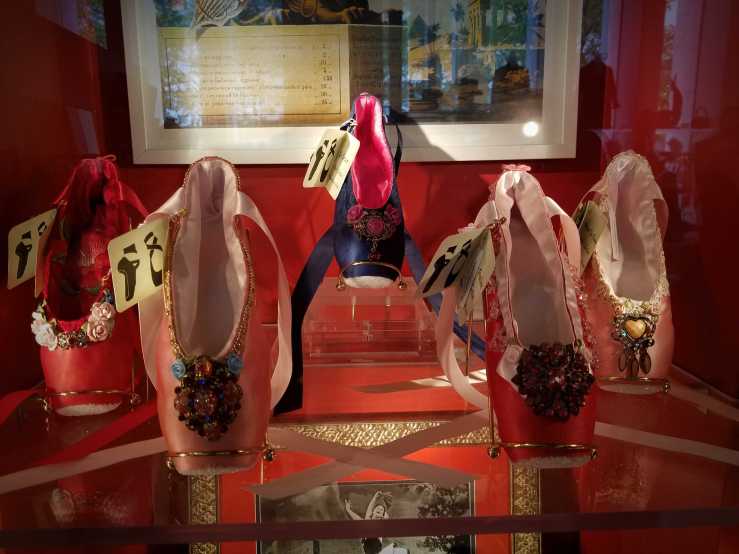


Shop @ the Metropolitan Opera House
May 14th, 2017
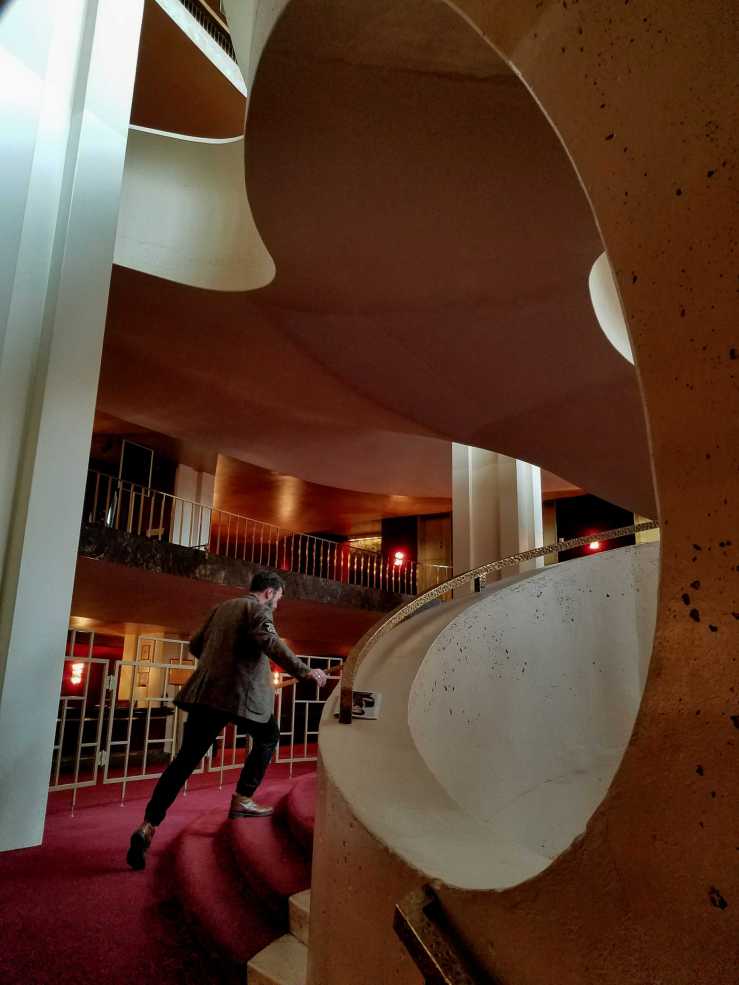
Metropolitan Opera House
May 14th, 2017
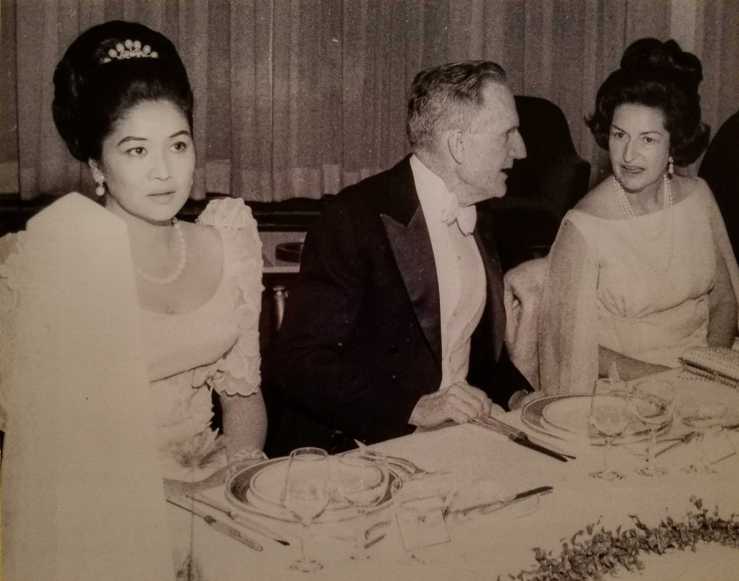
Those were the days…!

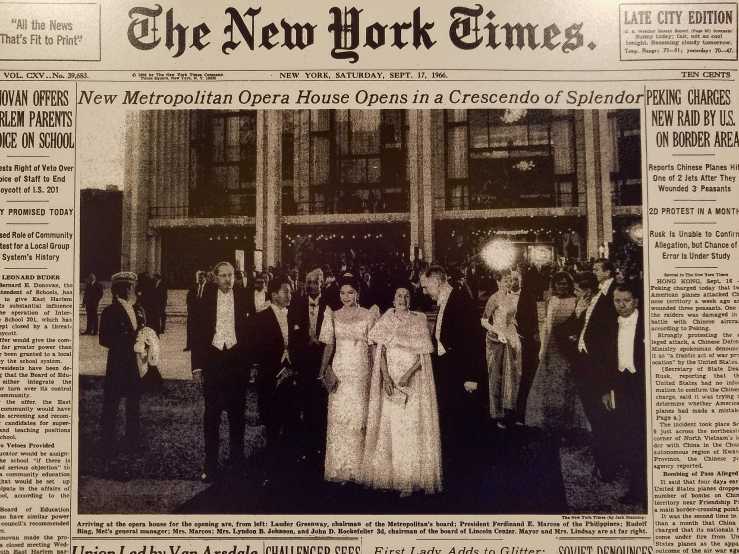
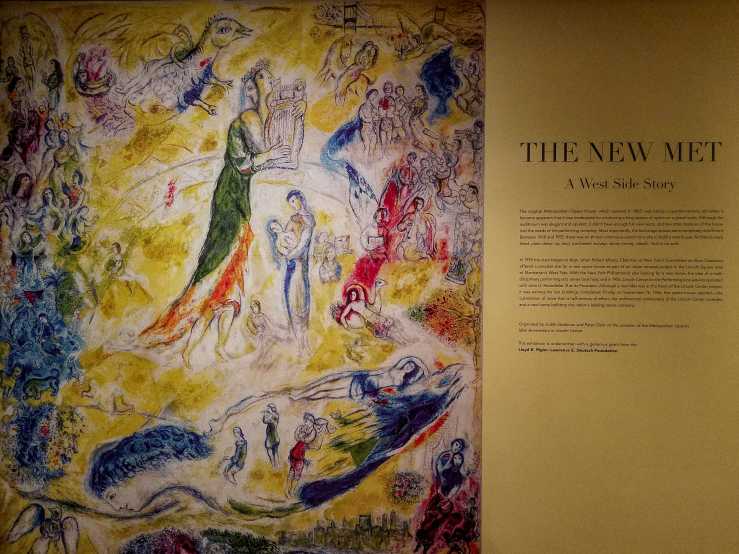
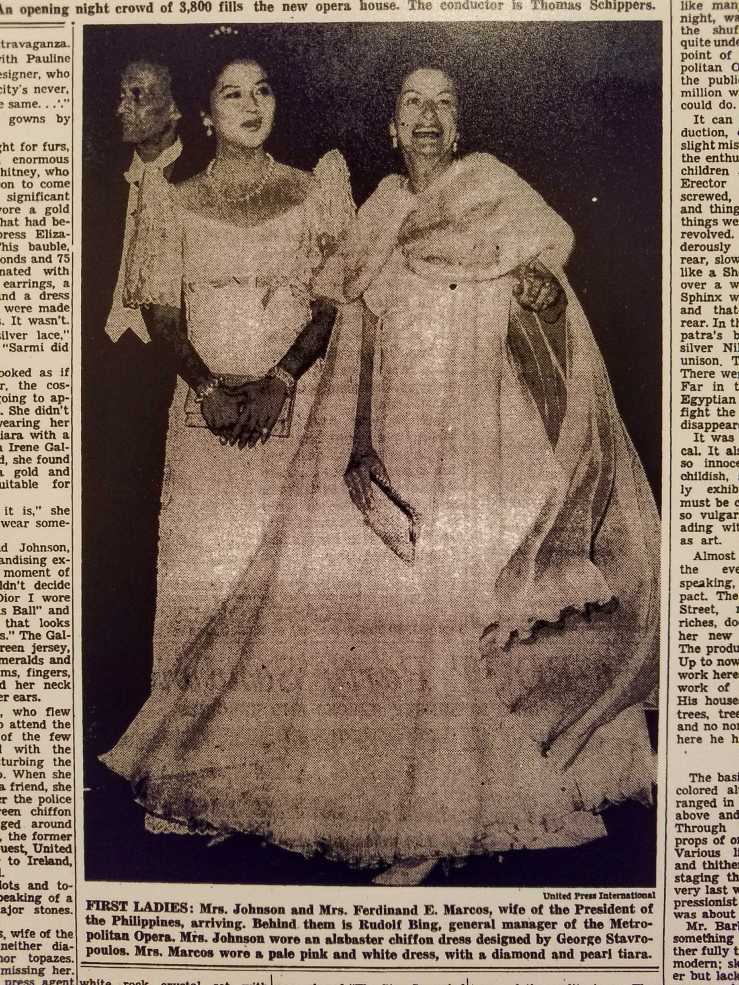
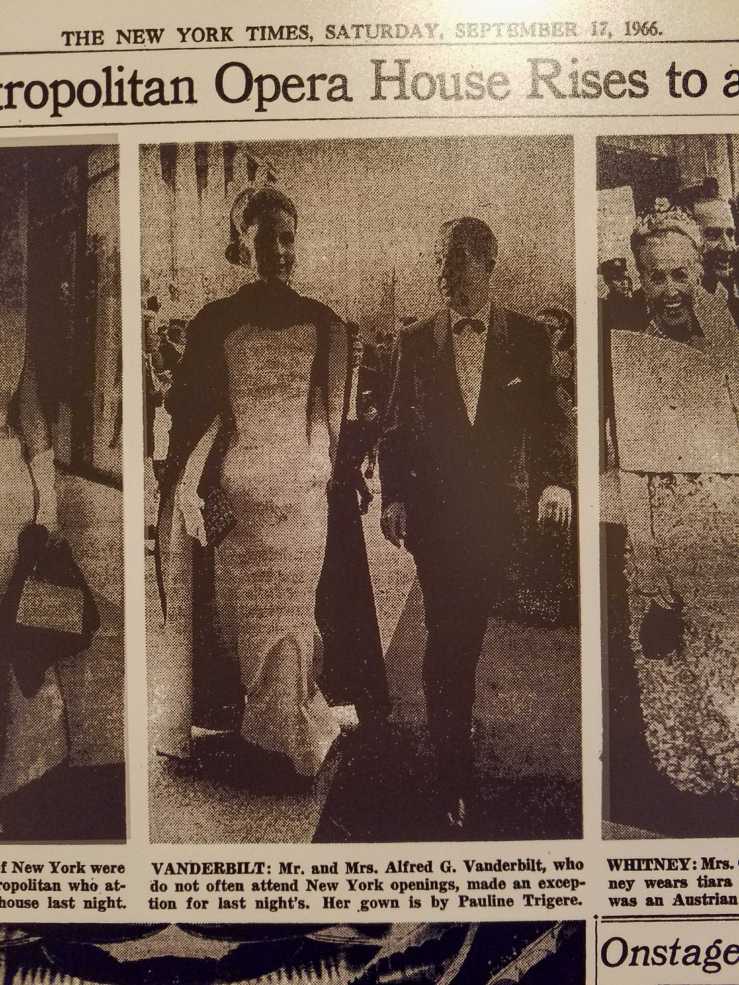

 Benjamin Morris, plan for a new Met, 1928
Architect Benjamin Morris, who had also proposed plans for the West 57th Street opera house, continued to work with the Met board’s New Site Committee. In May 1928, Morris presented a plan for the land now occupied by Rockefeller Center. His proposal for an opera house facing a plaza, surrounded by commercial towers, was the origin of what would later become the Center.  Benjamin Morris, plan for Metropolitan Square, 1928

Metropolitan Opera House
May 14th, 2017
subjective worldview
Actor, writer, cook and author
Travel experiences & Strasbourg city guide
Writer
joy, happiness, travel, adventure, gratitude
"Rêve onirique & Bulle d'évasion"
makes pretty things on paper
This WordPress.com site is Pacific War era information
Welcome to my curious world of words....
Photographs, music and writing about daily life. Contact: elcheo@swcp.com
Free listening and free download (mp3) chill and down tempo music (album compilation ep single) for free (usually name your price). Full merged styles: trip-hop electro chill-hop instrumental hip-hop ambient lo-fi boombap beatmaking turntablism indie psy dub step d'n'b reggae wave sainte-pop rock alternative cinematic organic classical world jazz soul groove funk balkan .... Discover lots of underground and emerging artists from around the world.
A 365 analogue photography project
Barcelona's Multiverse | Art | Culture | Science
Een digitaal atelier aan de (zee)slag.
‘Doodling Ambiguity’s in Ink.’
Miscellaneous photography
Glimpses along the way on a journey of discovery into symmetry...


 The Humble Fabulist