Organized between 1924 and 1925 by André Citroën, the Croisière Noire was primarily an ambitions anthropological and technological mission. Traveling through Algeria, Mali and the Congo aboard vehicles (such as the Gold Scarab and Silver Crescent half-track) developed especially for this excursion, the crossing was marked by physical and technical achievements, as well as scientific, ethnographic and geographic accomplishments. The House of Louis Vuitton accompanied the expedition at the request of Mr. Citroën. Special orders [for photos, see first post of this series] were made so as to offer trunks that were suited to climate, modes of transport and the practicalities of daily life for the explorers (tea sets, toiletry kits, etc.). The second expedition organized by André Citroën, the Croisière Jaune, took place a few weeks before the official opening of the Colonial Exposition of 1931, with the objective of crossing the legendary Silk Road through Asia.
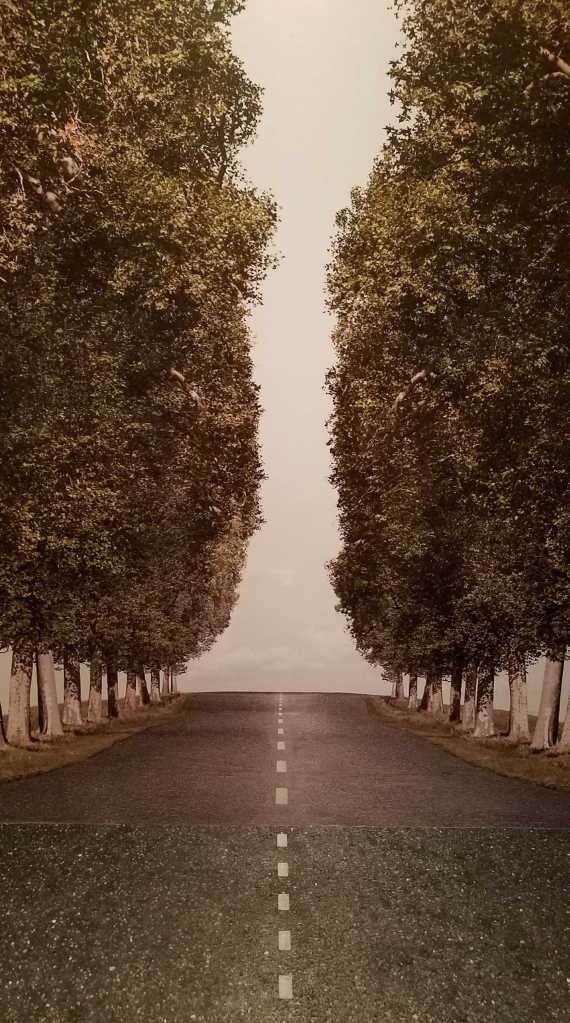
 Chauffeur’s kit in vuittonite canvas, 1910
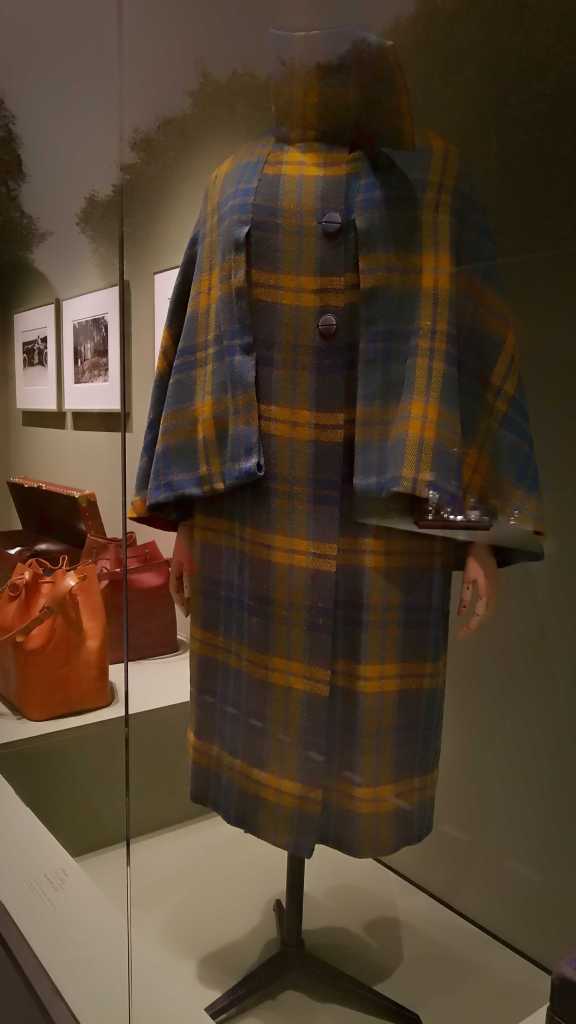 Dornac, 100 à l’heure travelling coat in Scottish wool twill, ca. 1923
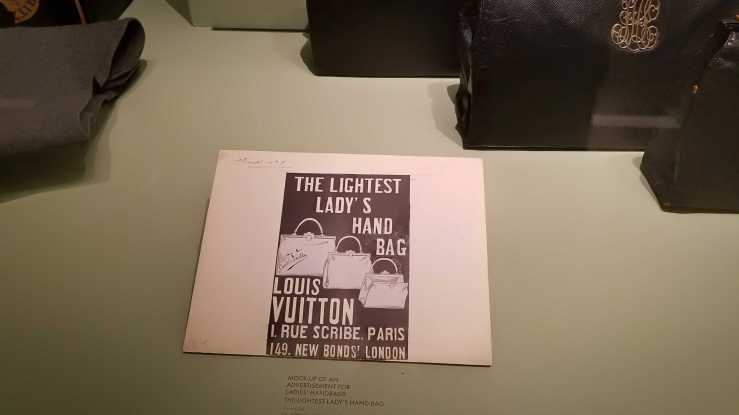
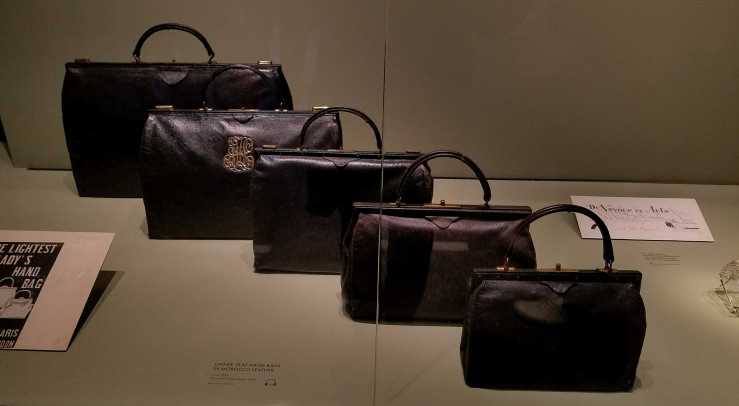 Ladies’ flat hand bags in Morocco leather, ca. 1910
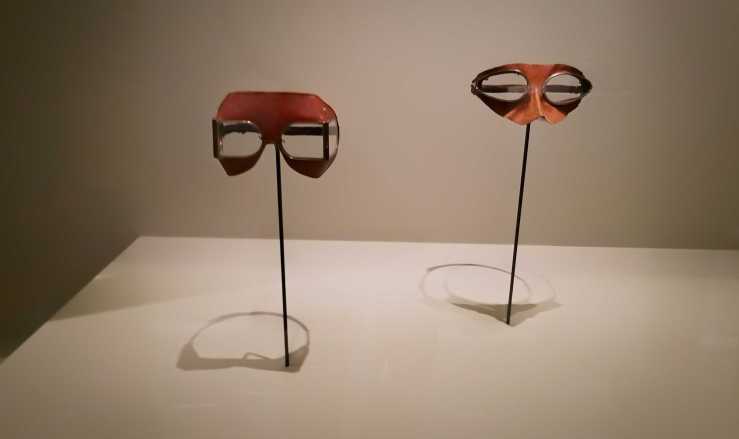 Driving googles, ca. 1900
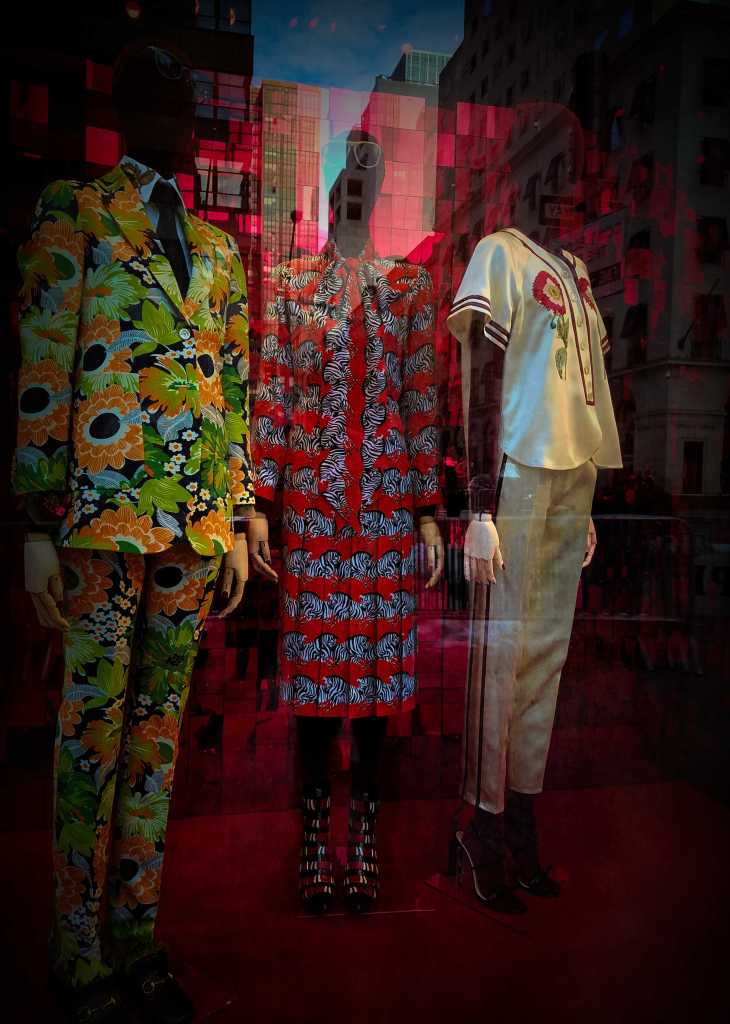
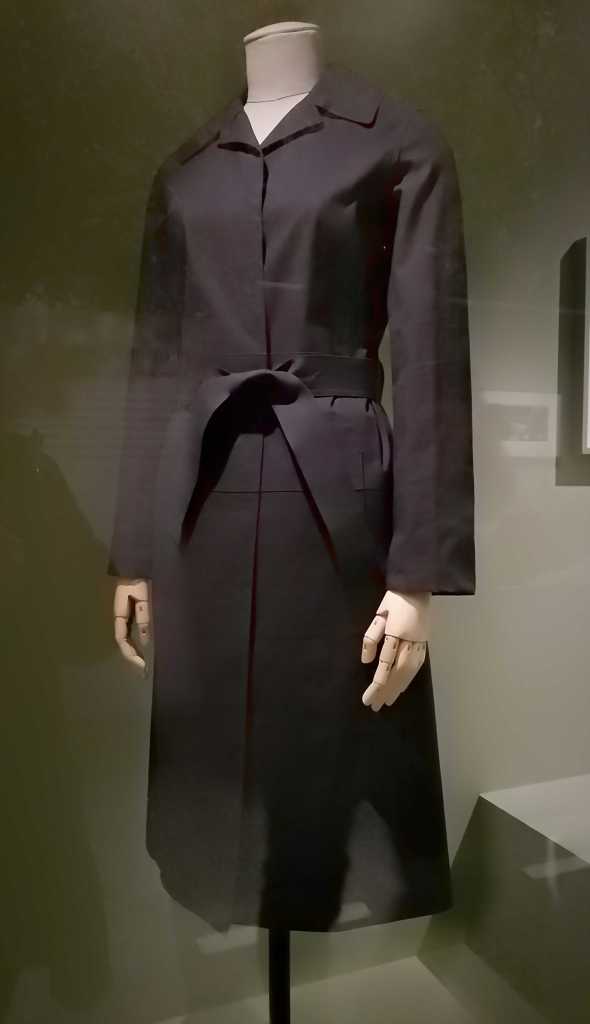 Louis Vuitton by Marc Jacobs coated cotton coat, F/W 1998-99
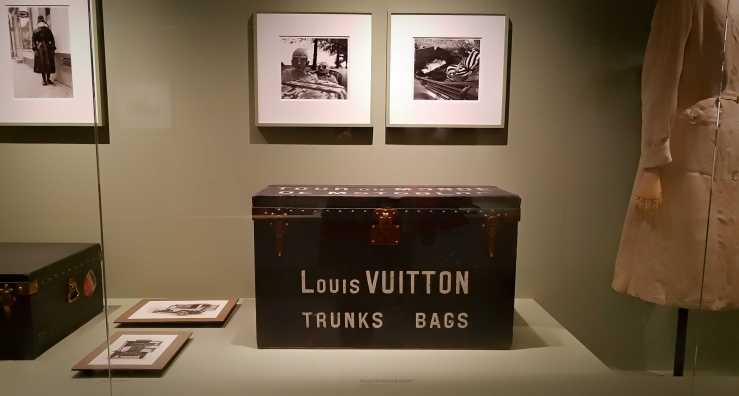 Special car trunk for motobloc vehicles in vuittonite canvas, ca. 1908
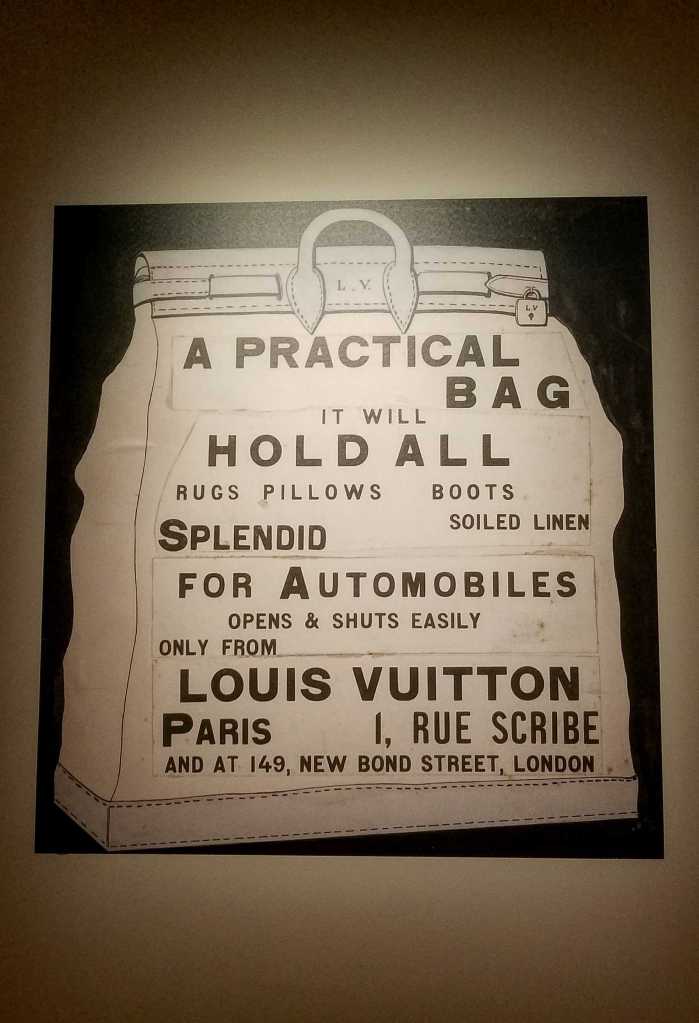
at the American Stock Exchange Building, through January 7th, 2018.
Admission is free
November 12th, 2017
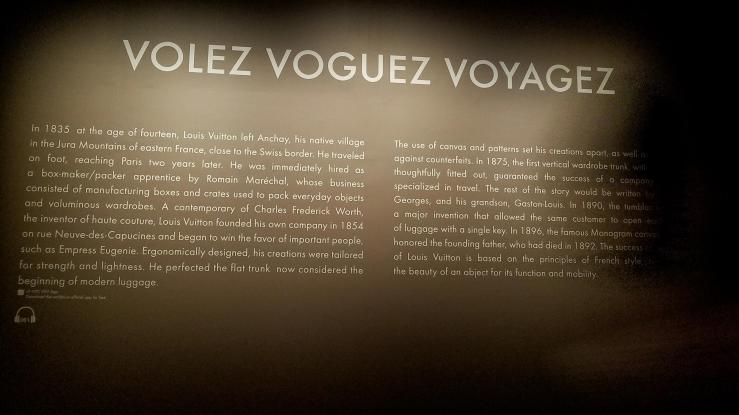
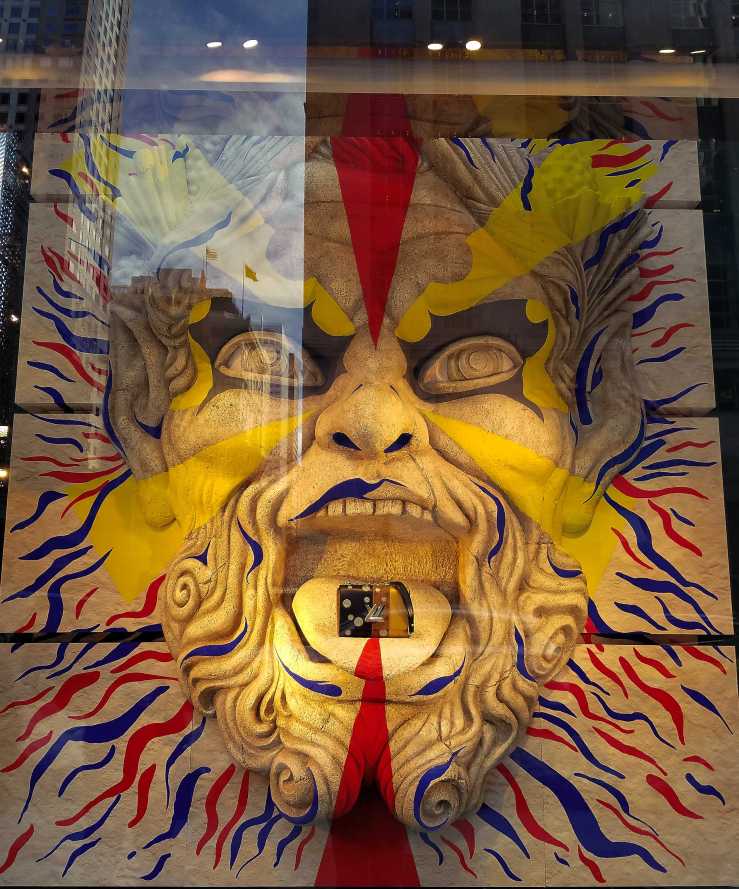
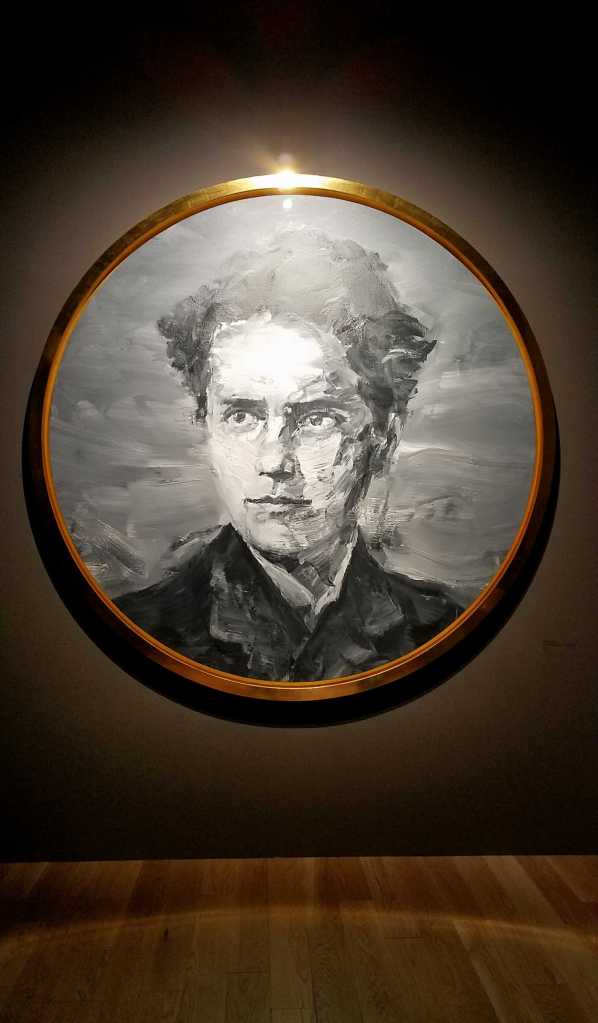 Yan Pei-Ming
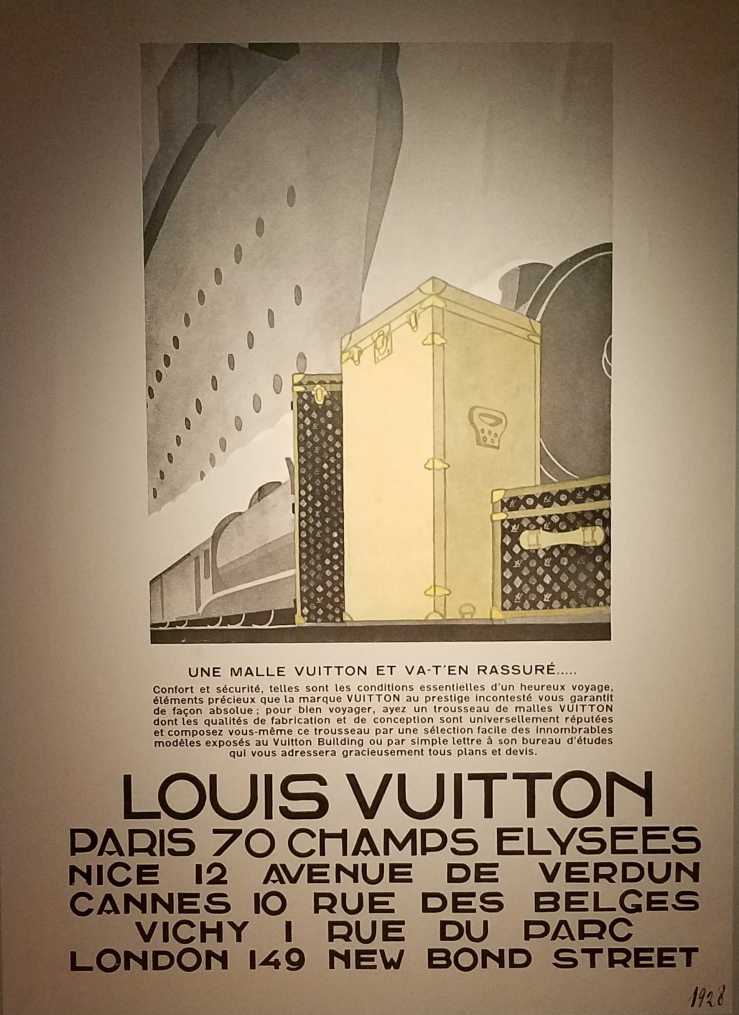
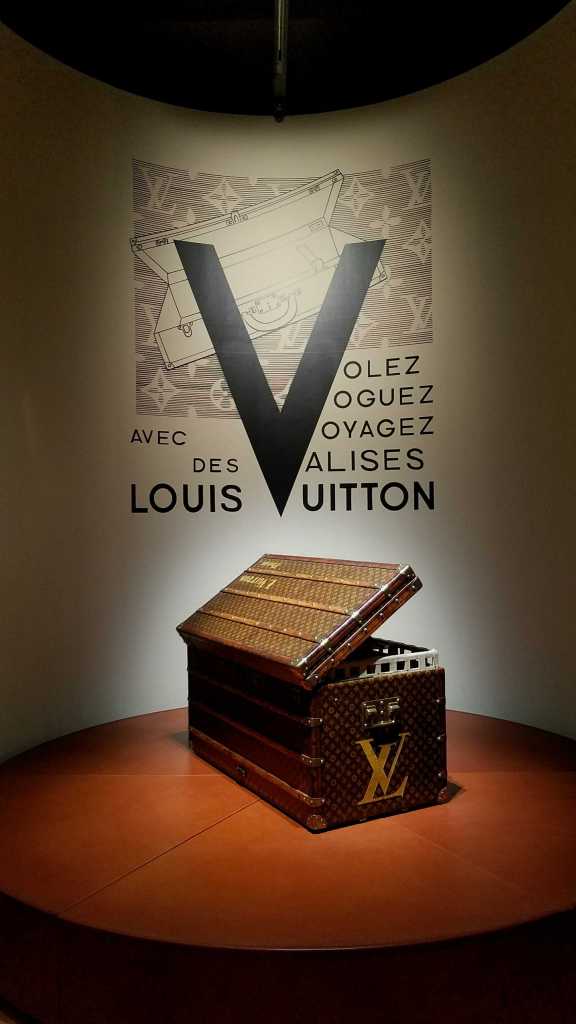 In 1906, a reference catalogue precisely inventoried items and luggage from Louis Vuitton. The trunks that would make the House a success were already there.
 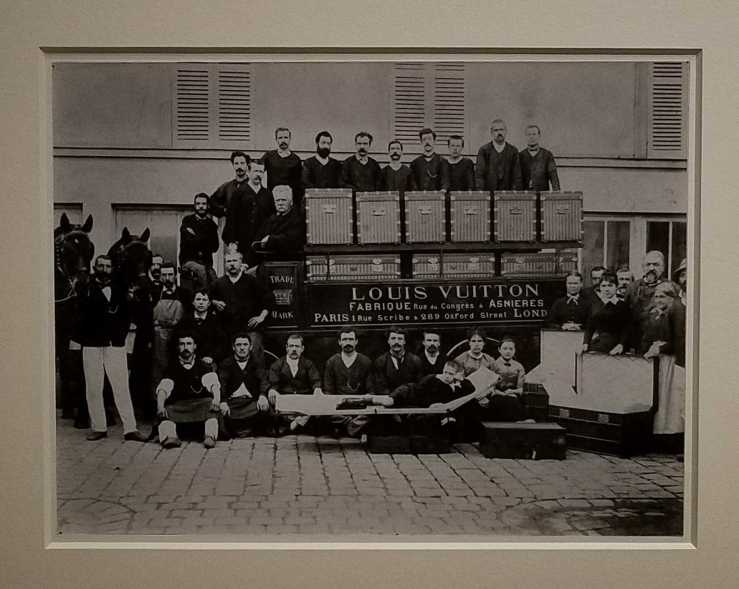 Louis, Georges and Gaston-Louis Vuitton posing with craftsmen in the courtyard of the Asnières-sur-Seine workshops, ca. 1888
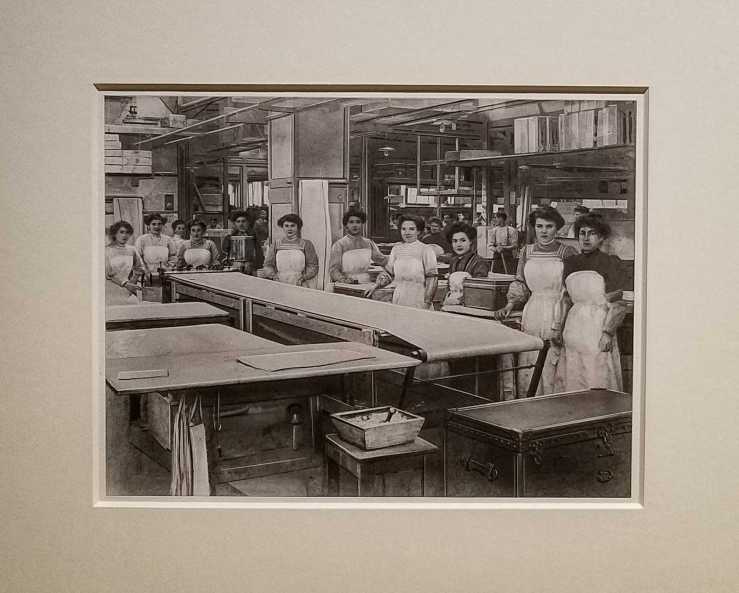 Collage workshop at Asnières-sur-Seine, ca. 1903
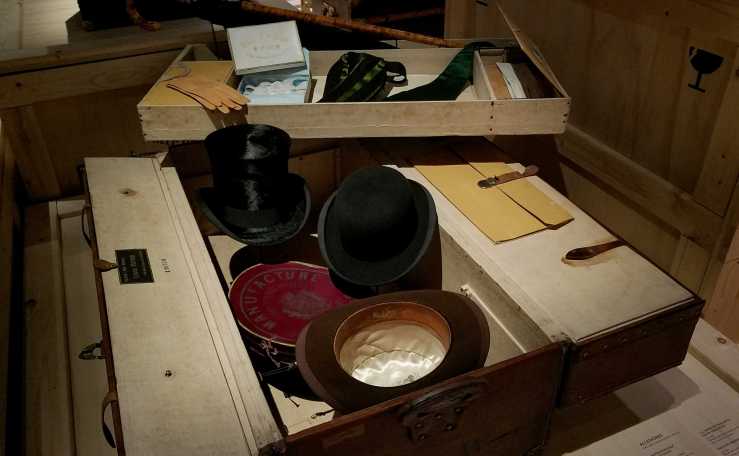 Ideale trunk in natural cowhide, ca. 1903 with accessories from the 1900s
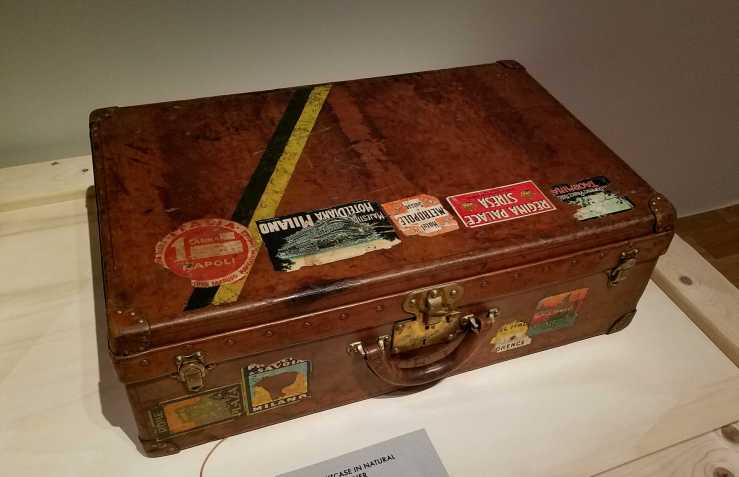 Paris suitcase in natural cowhide leather, 1914
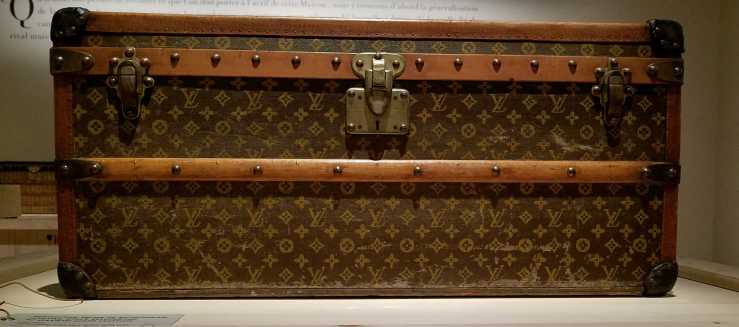 Restrictive trunk in monogram canvas, once belonging to Gaston-Louis Vuitton, ca. 1925
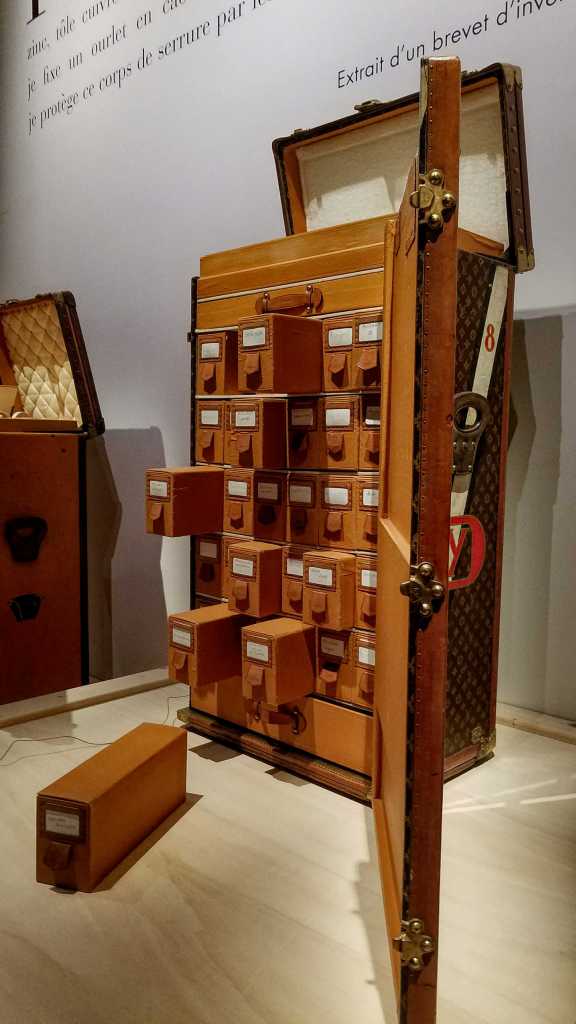 Shoe trunk for thirty pairs of shoes in monogram canvas, once belonging to Yvonne Printemps, 1926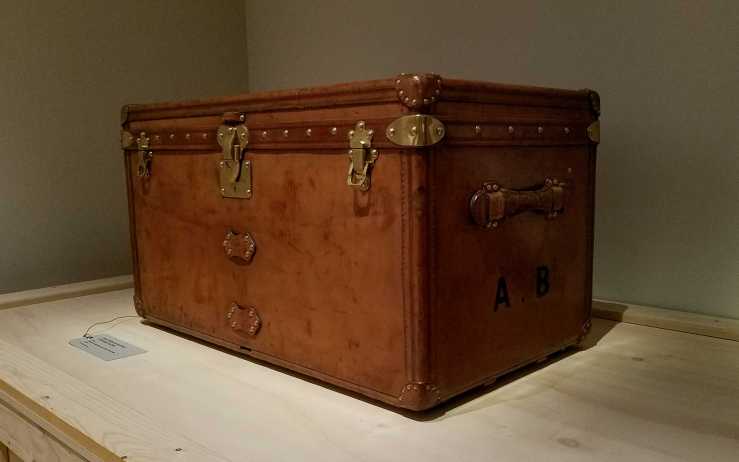
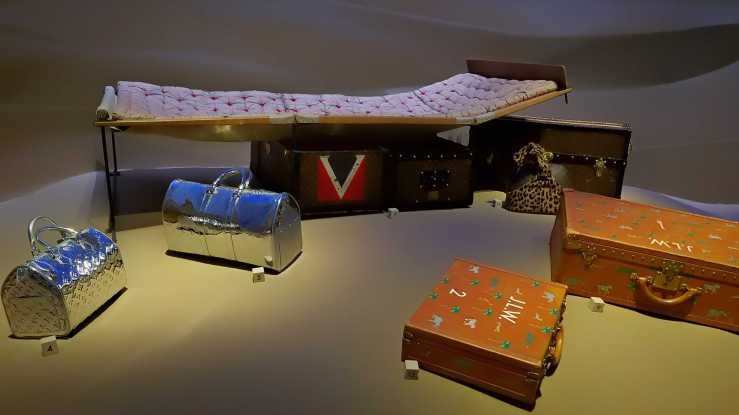 Bed trunk in damier canvas once belonging to Gaston-Louis Vuitton, 1892
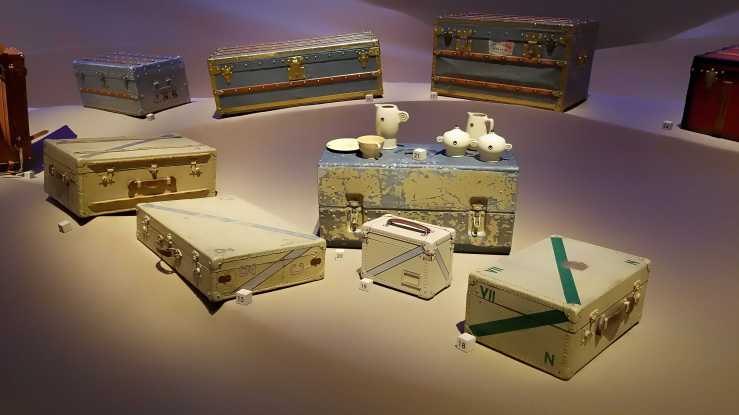 Back to front:
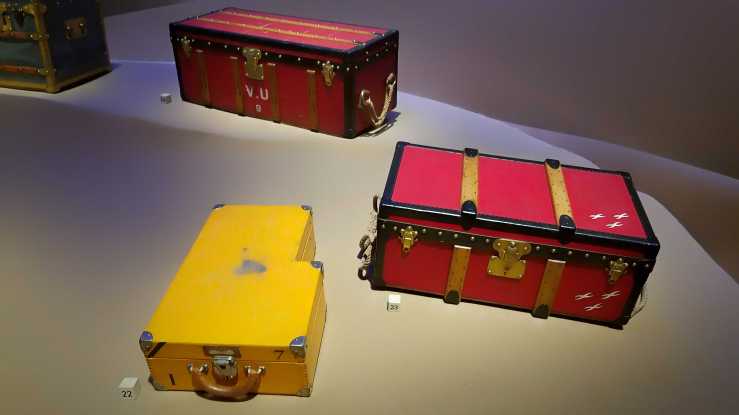 Special car trunk in coated canvas, custom-made for the Black Journey, 1924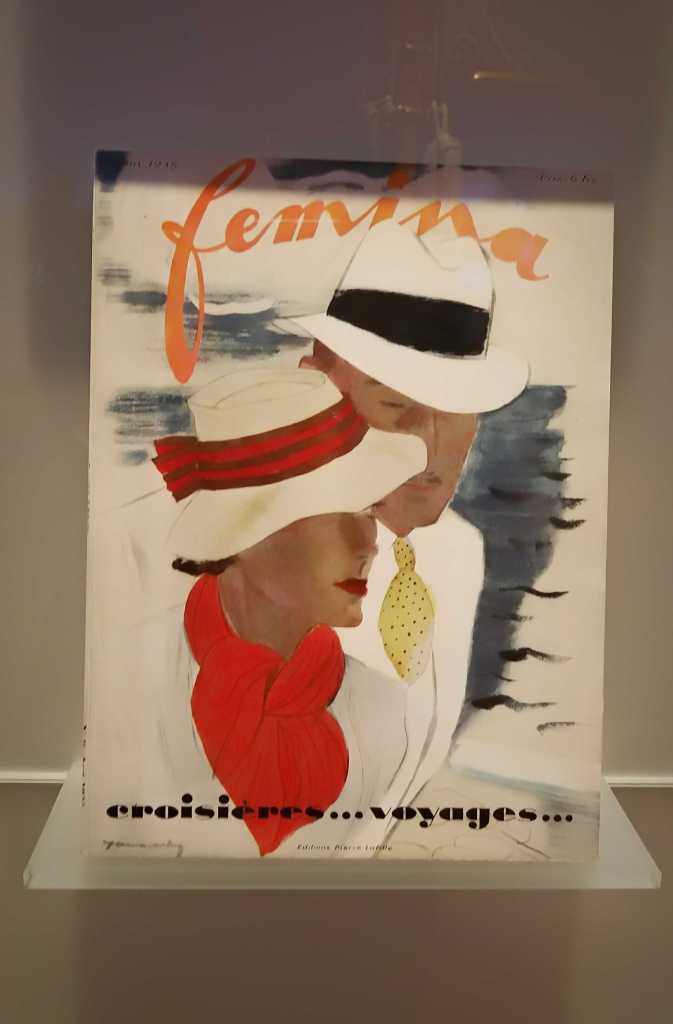
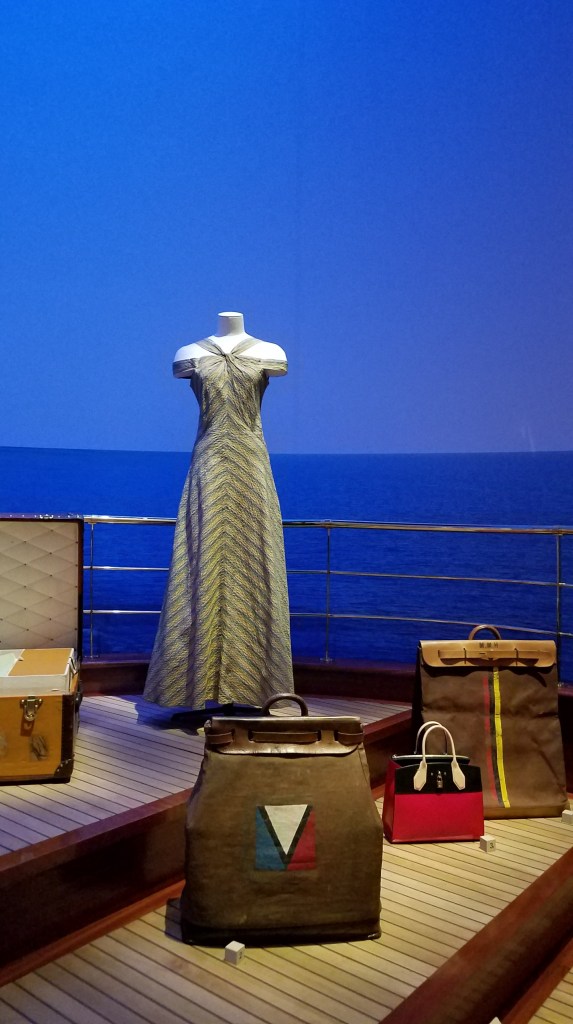 Steamer bag in cotton canvas once belonging to Gaston-Louis Vuitton, ca. 1901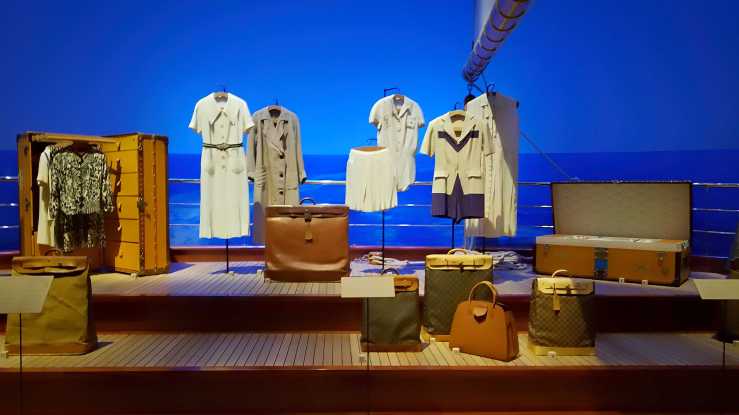
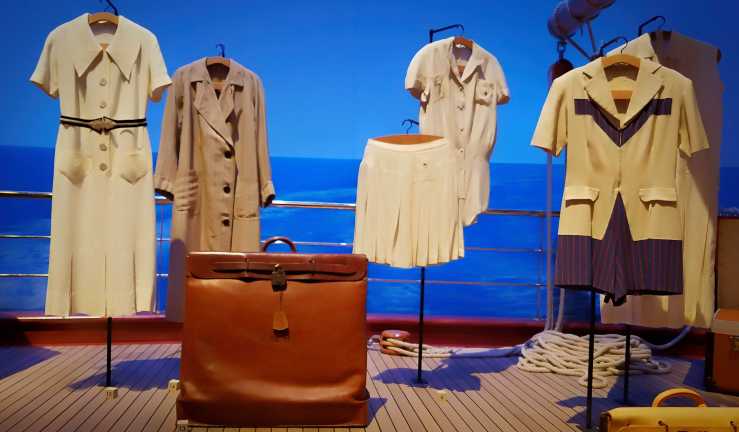 Tennis shorts once-piece, ca. 1930
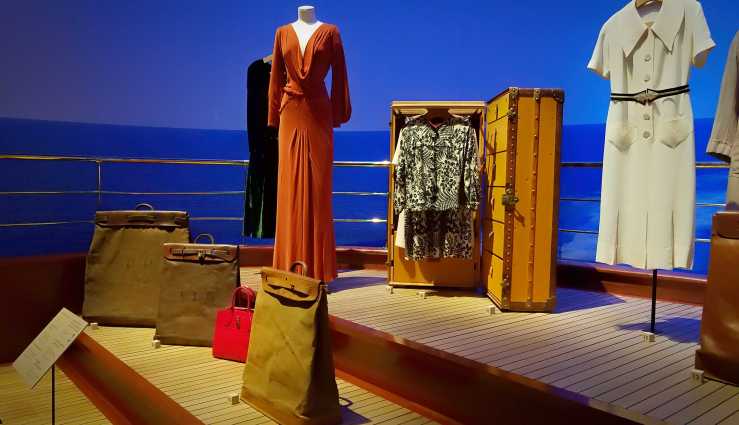 Ensemble in crêpe de chine with a black and ivory pattern, ca. 1935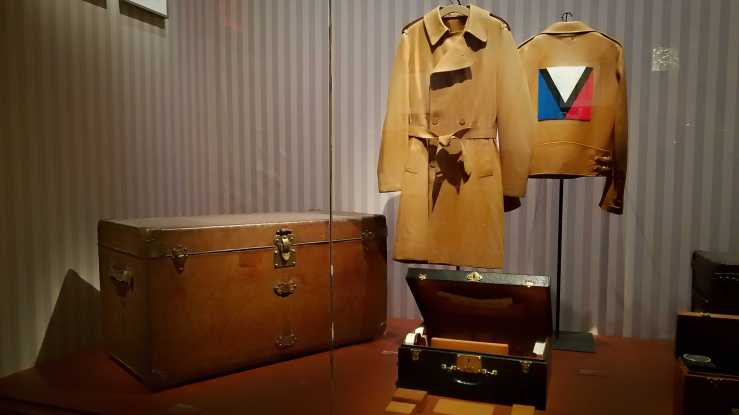

 March 30th, 2017

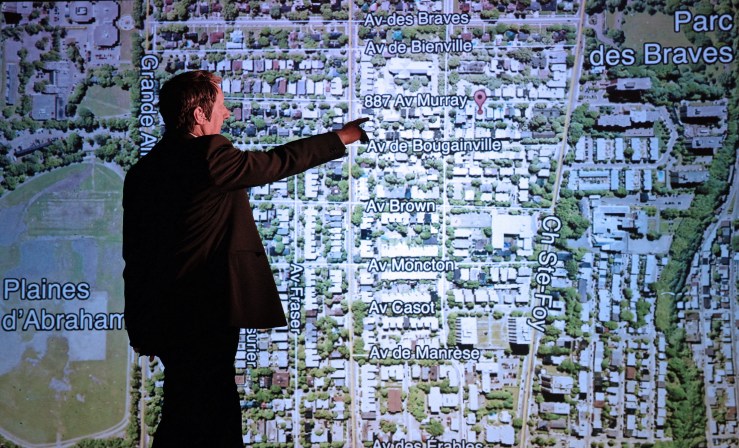 The apartment block where the play’s main – and only – character actually grew up becomes alive, with the help of an incredible off-stage crew, in the form of a giant dollhouse.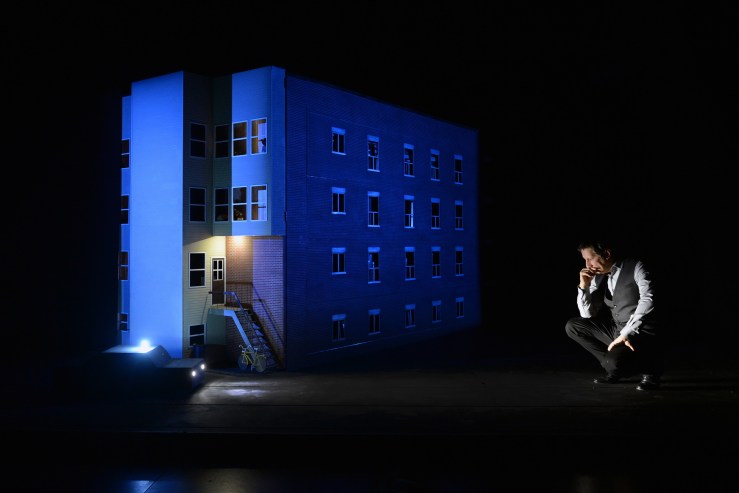
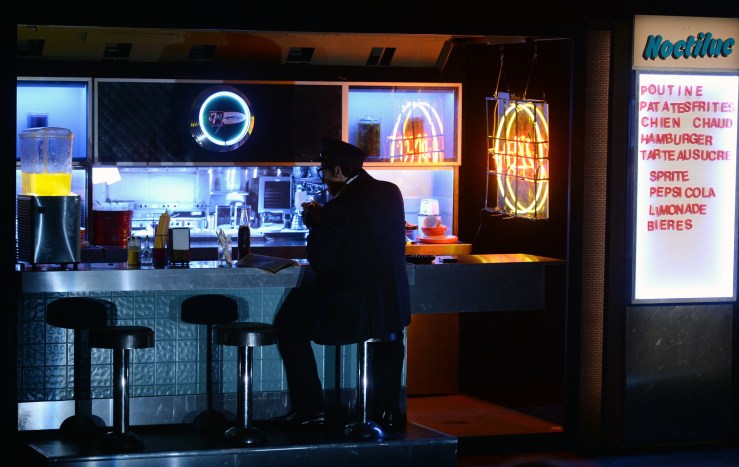
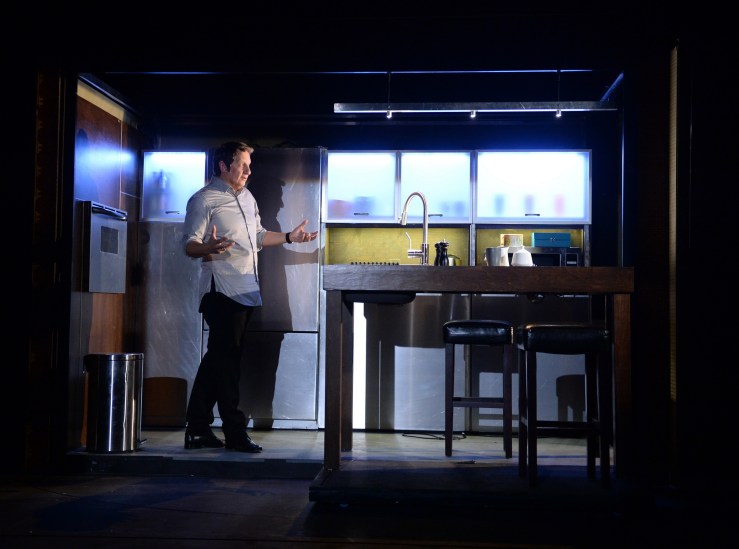 Robert Lepage, who also wrote and directed this deeply personal, autobiographical play, invites us to join him on a journey into the realm of memory. On the way, he revisits his childhood home; shares anecdotes about his friends and family; commemorates names of parks, streets and monuments – places often forgotten or no longer noticed; recalls Charles De Gaulle’s call for a Free Quebec, the time he famously ended his
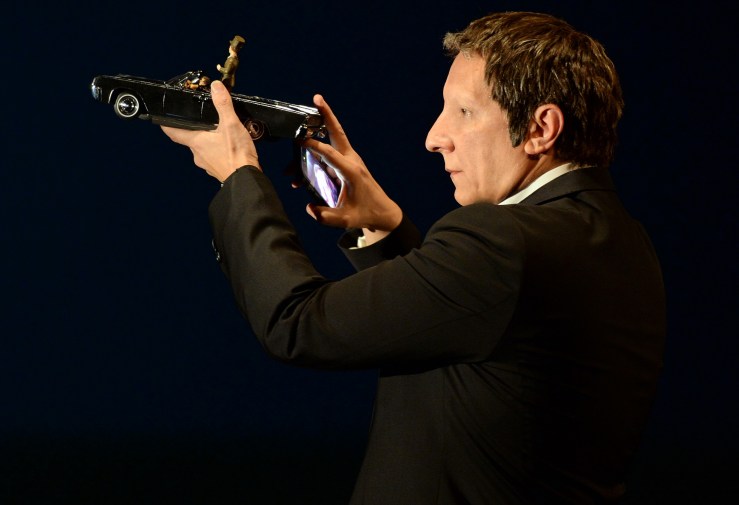
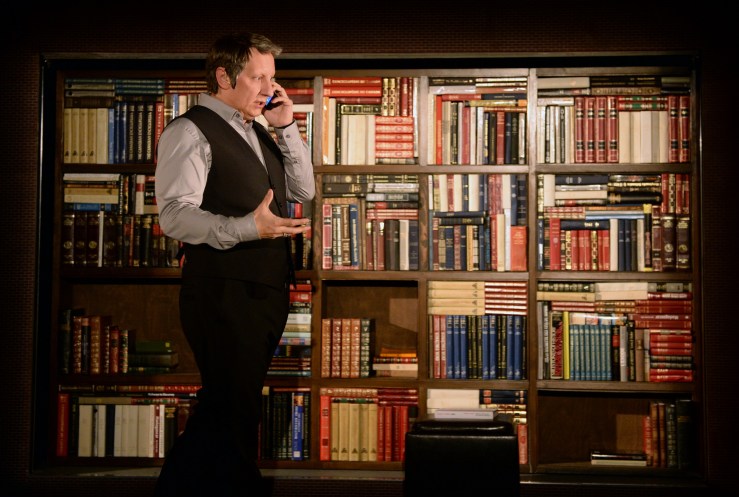 The trip starts with a struggle: Lepage is invited to recite ”Speak White”, a poem b
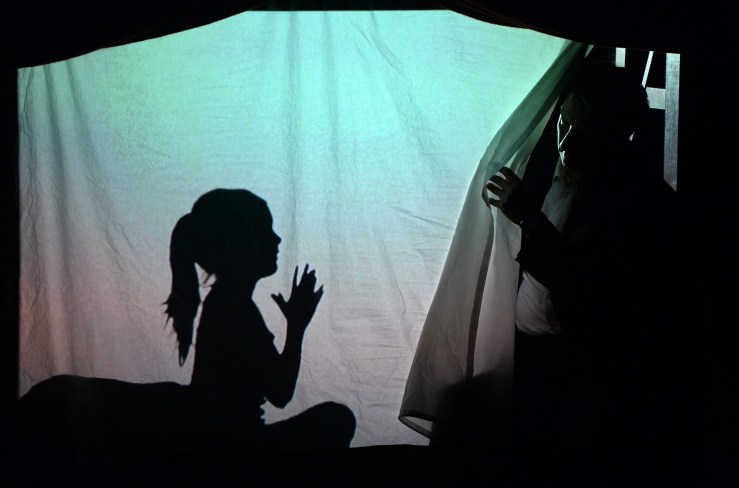 The ”palace room” method worked; in the end, Lepage did recite the poem and it was powerful, emotional – flawless. Ironically, the most compelling performance we’d seen thus far in New York was by a francophone Canadian, translated into English.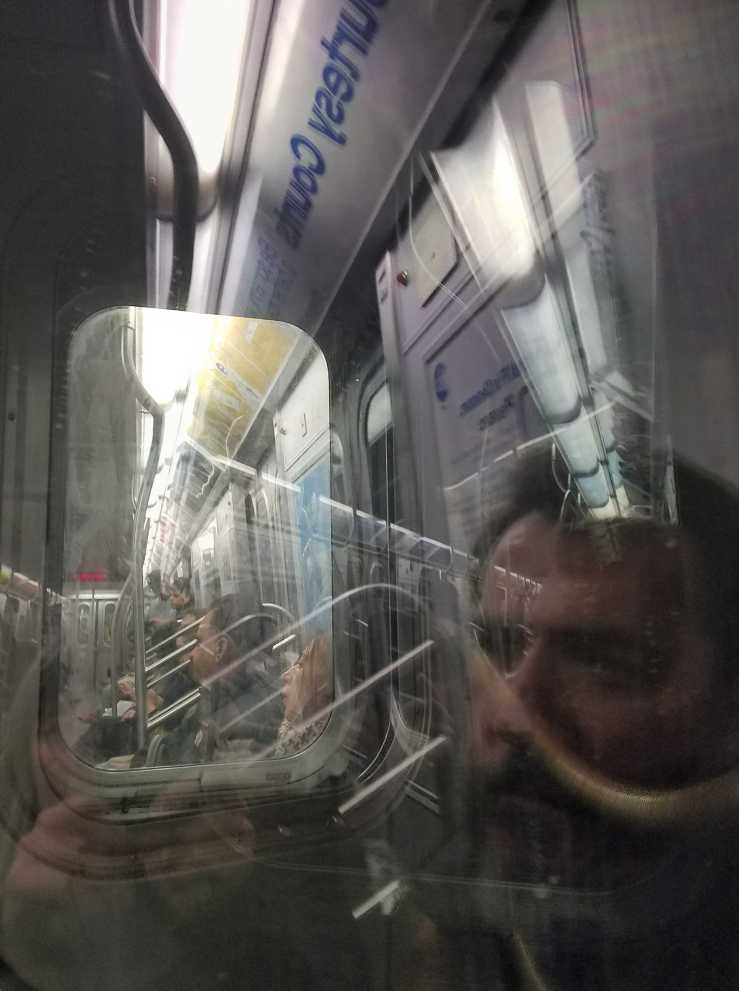
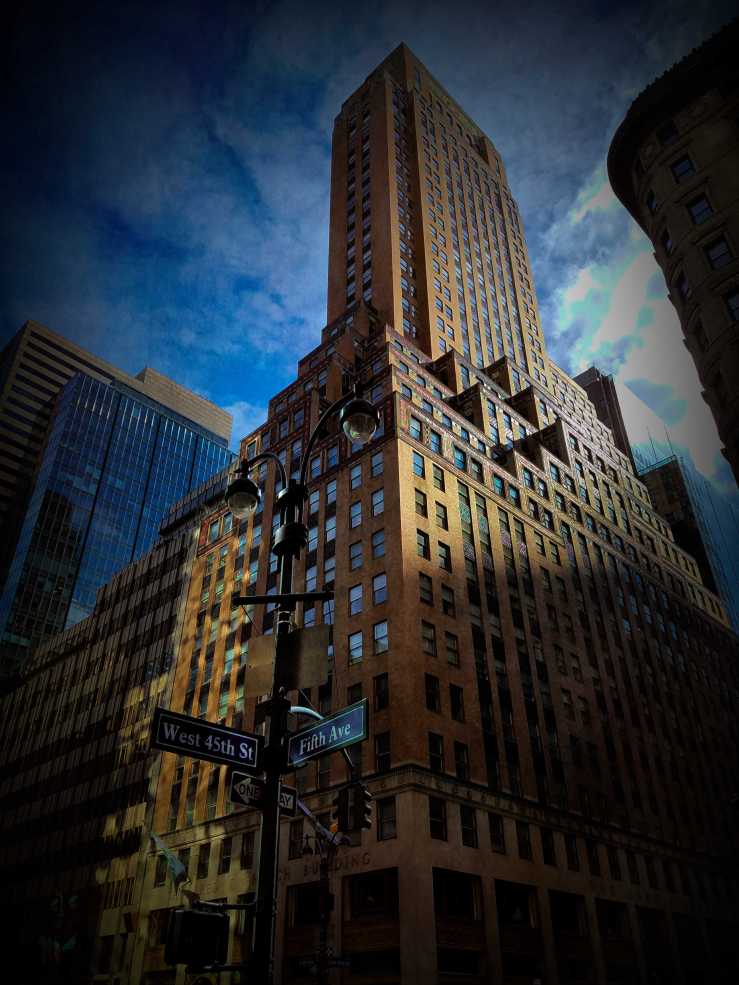
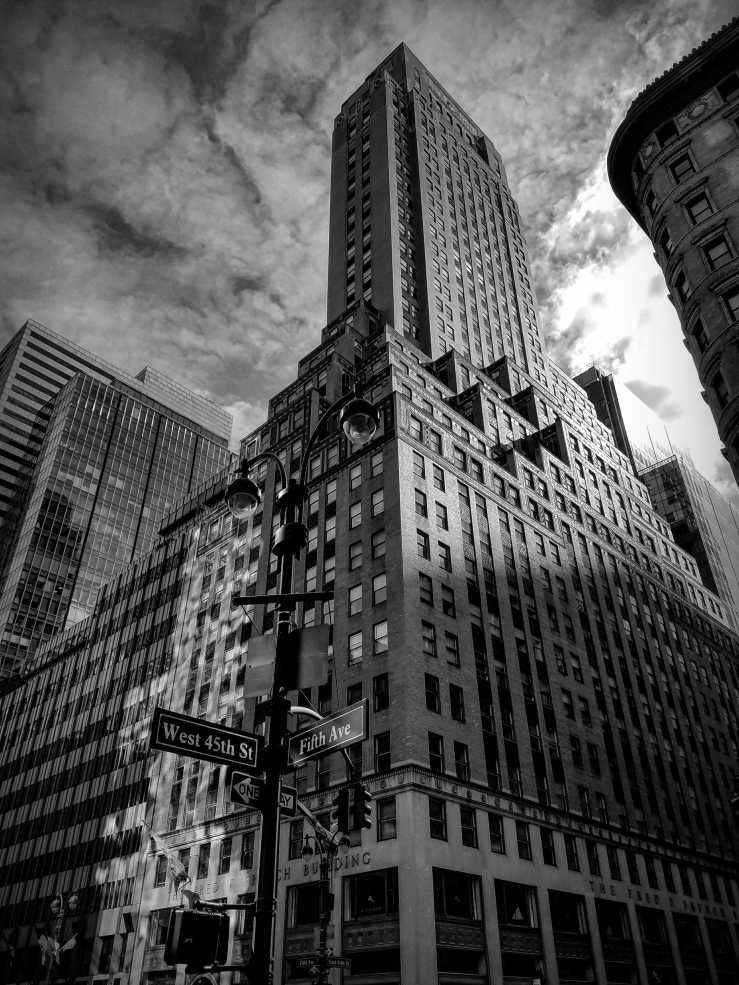
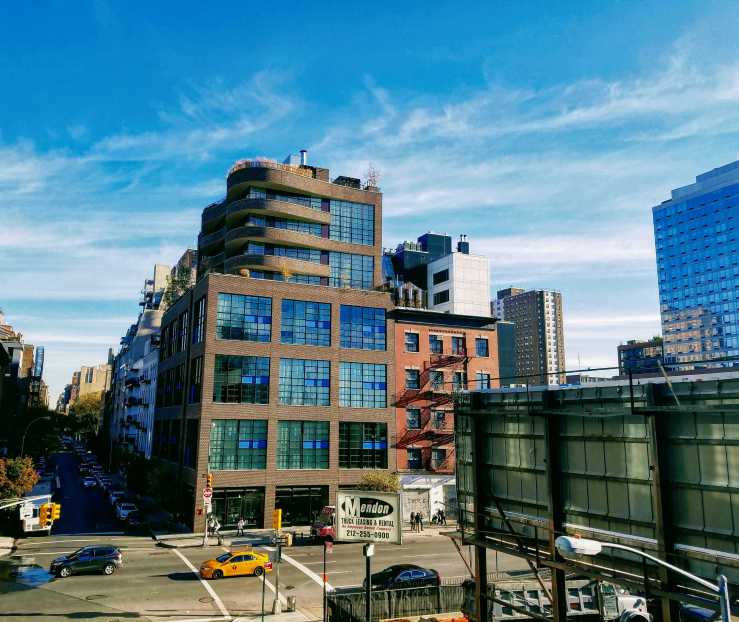 From the High Line, 19th St.
 The Humble Fabulist