Biosphere 2

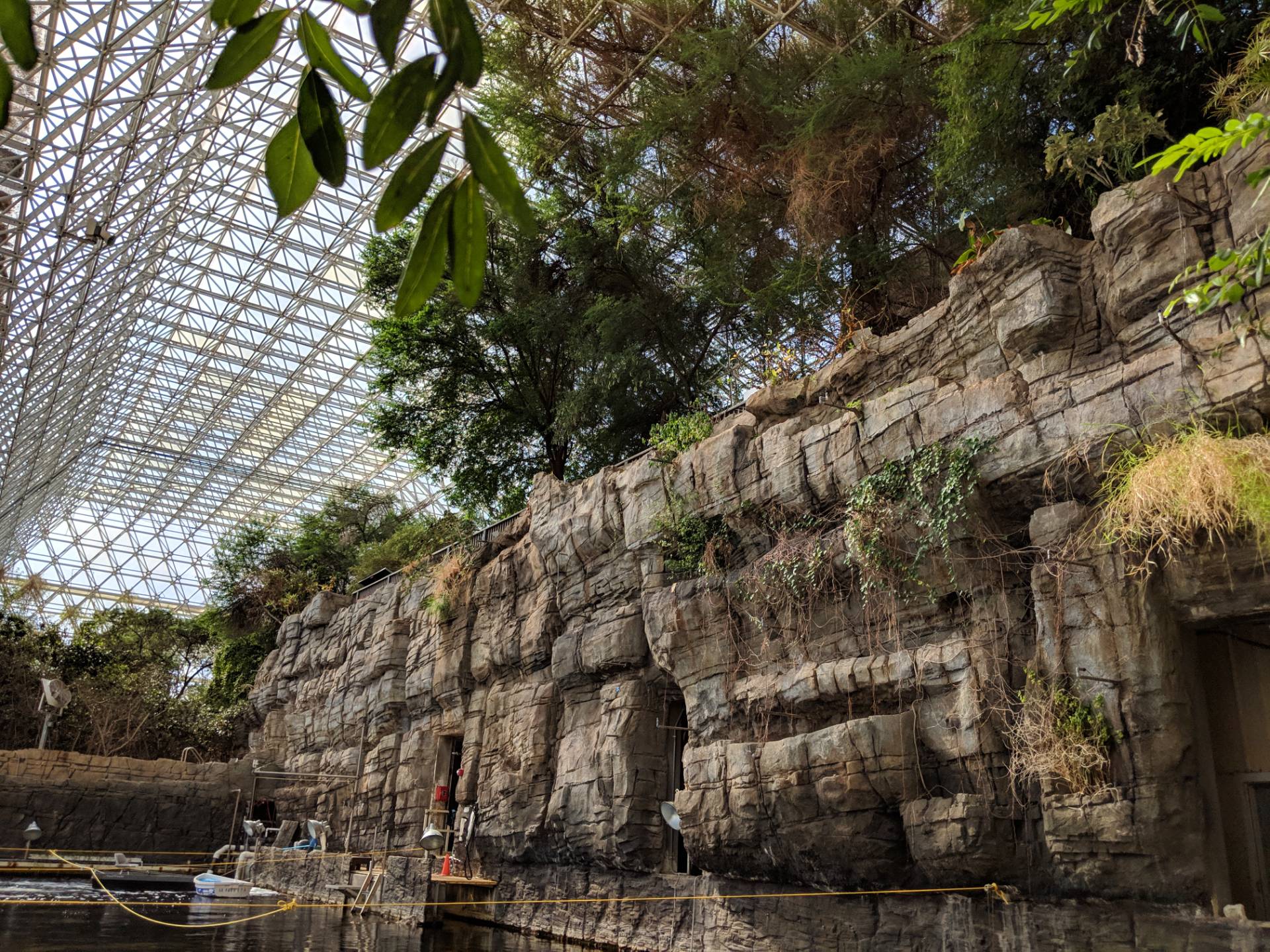
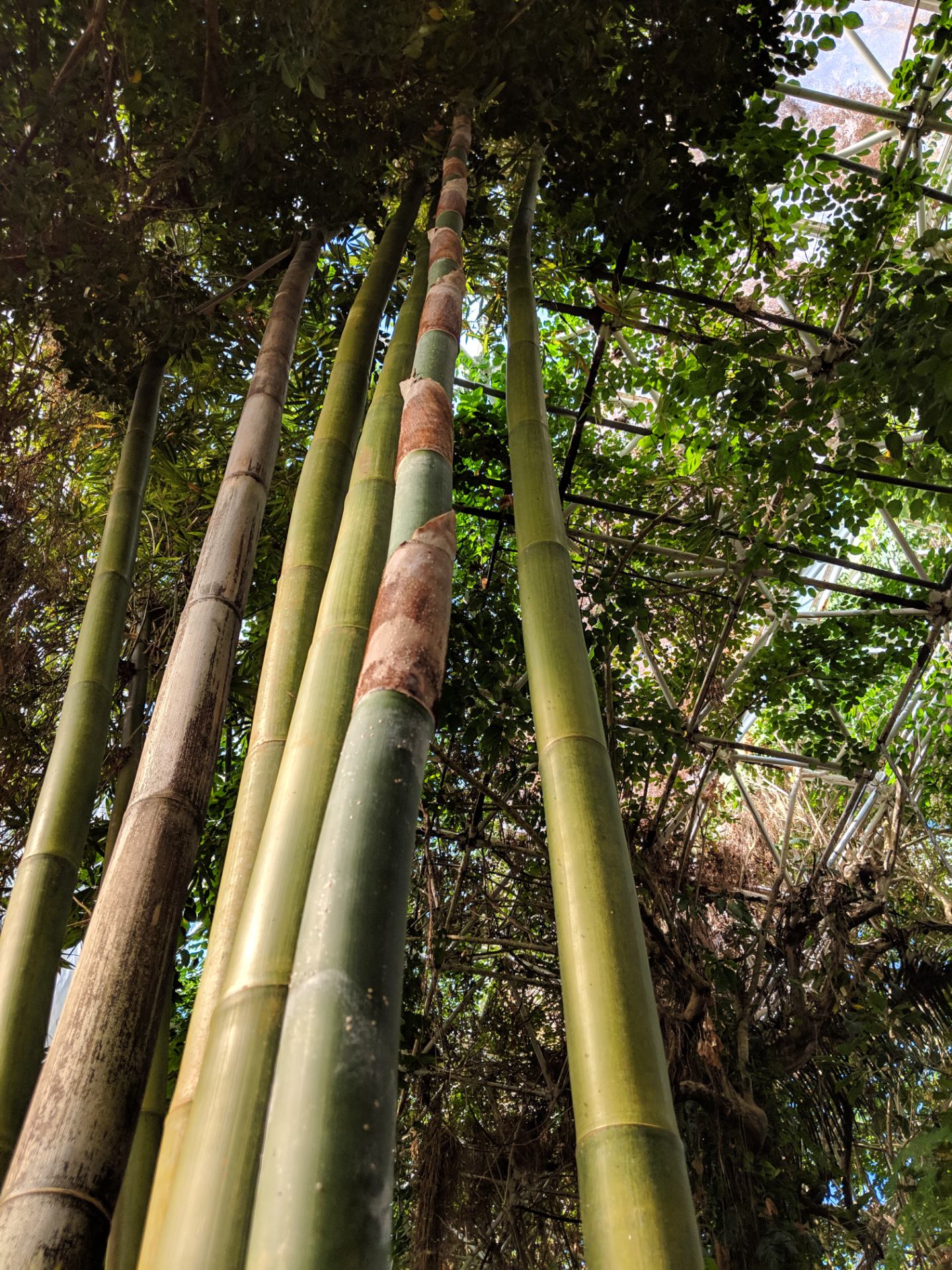
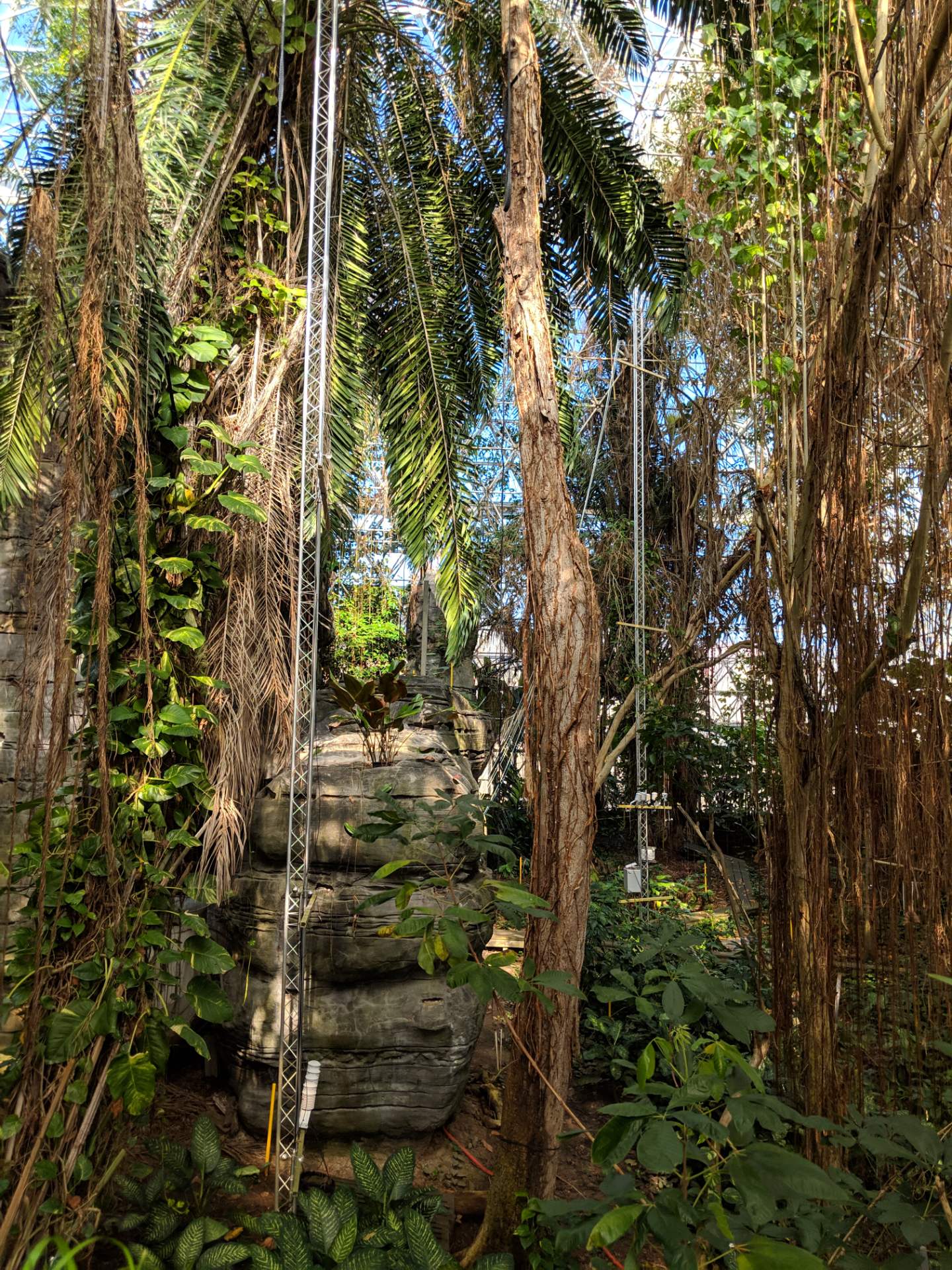
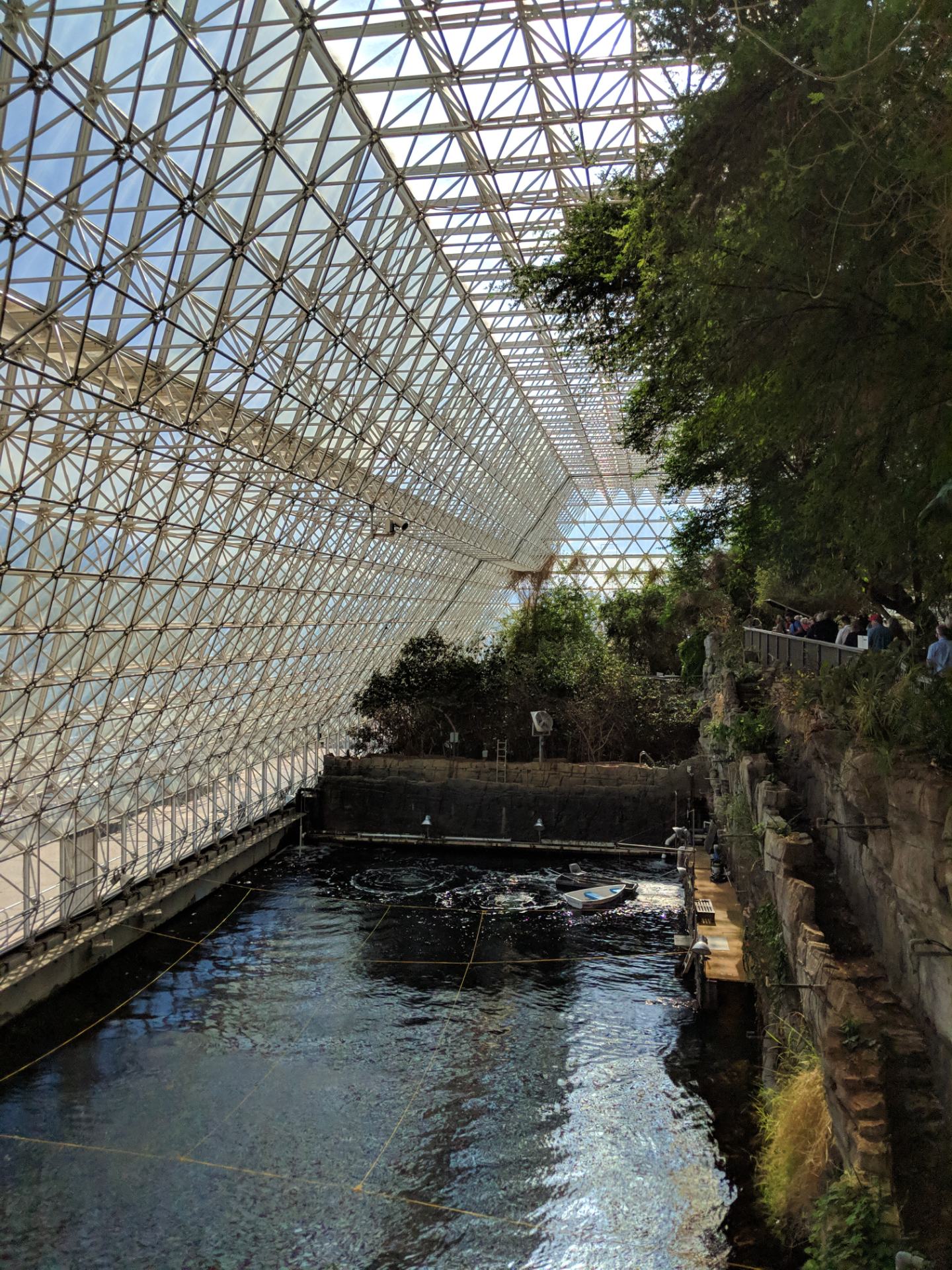
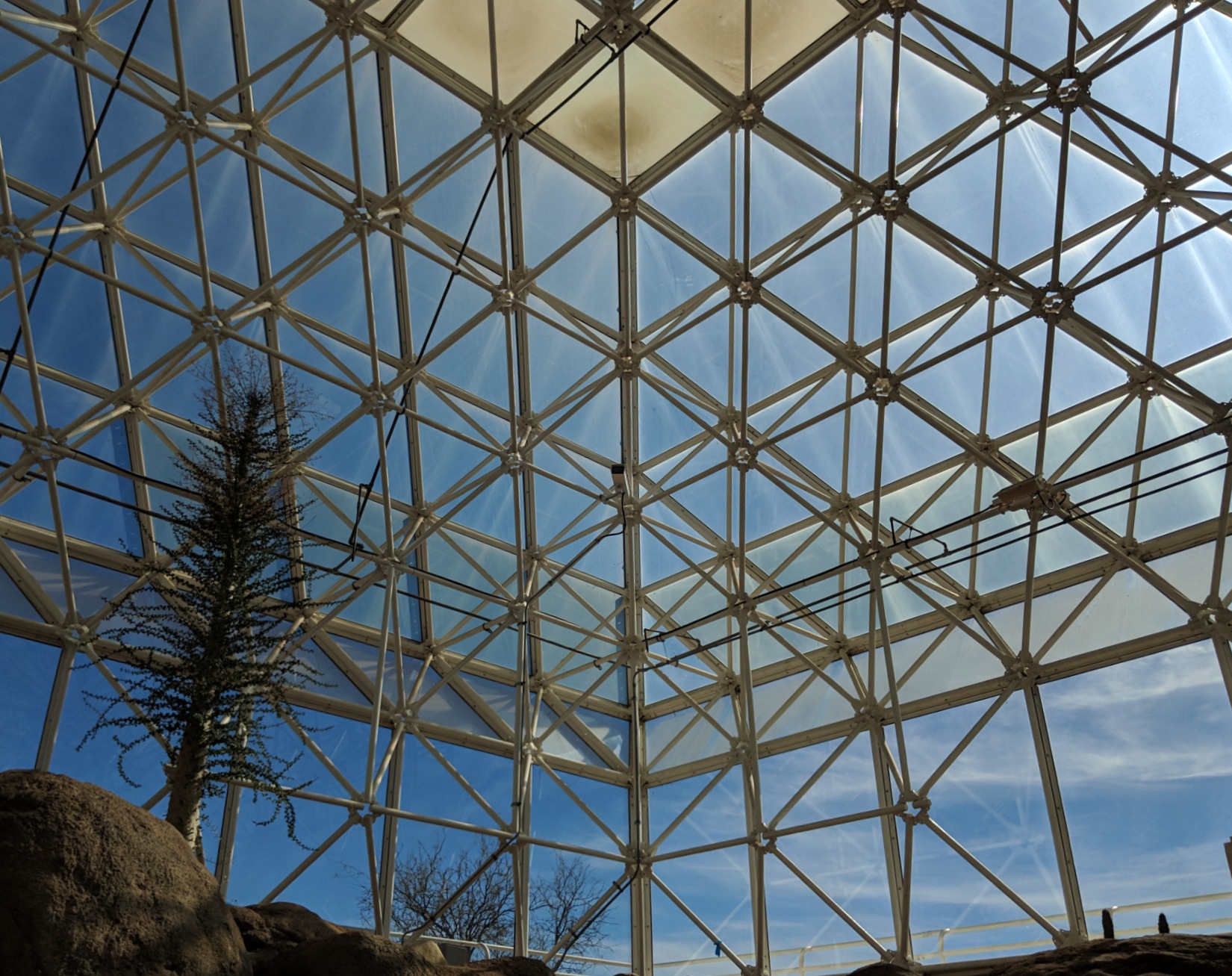
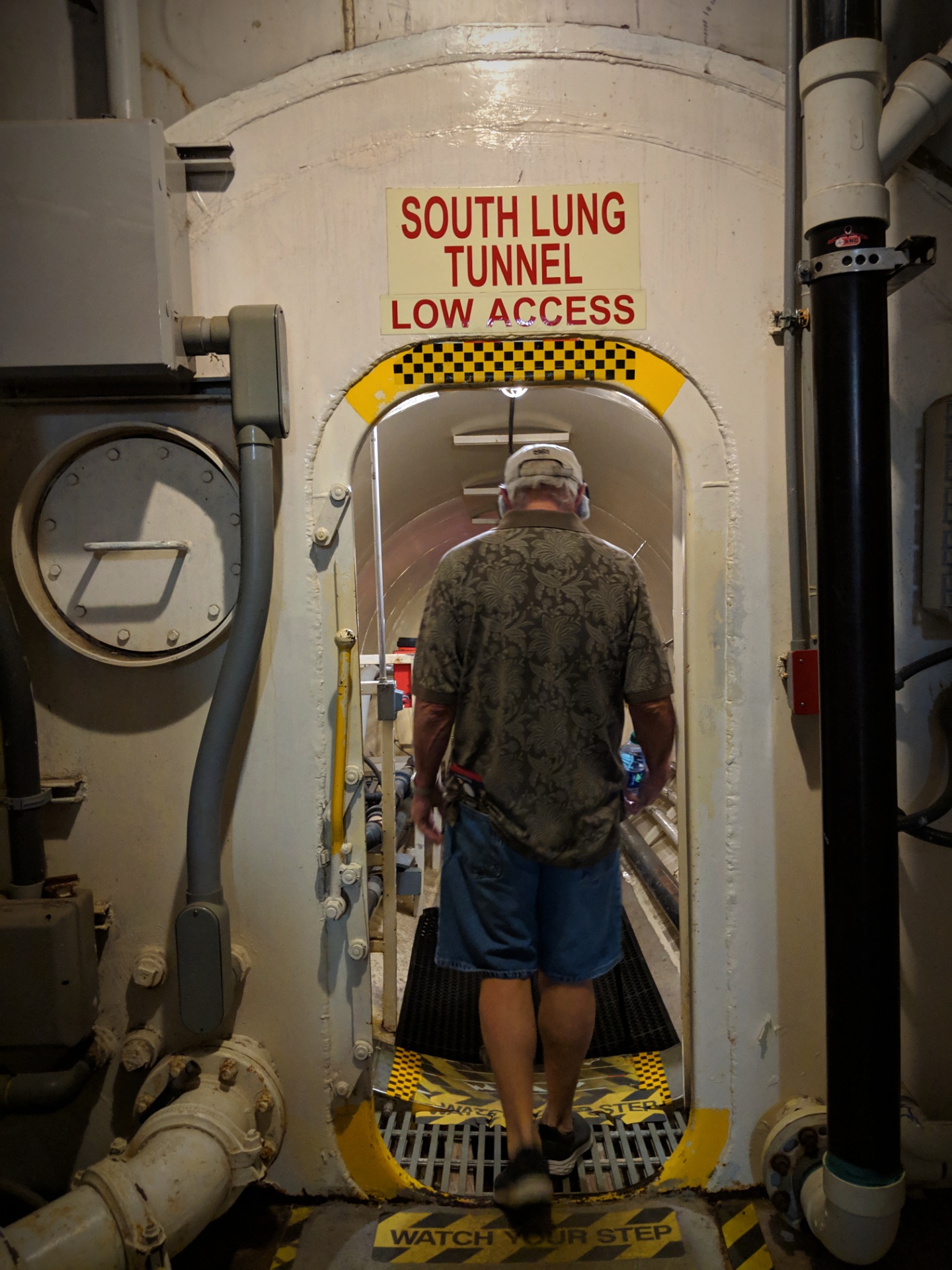
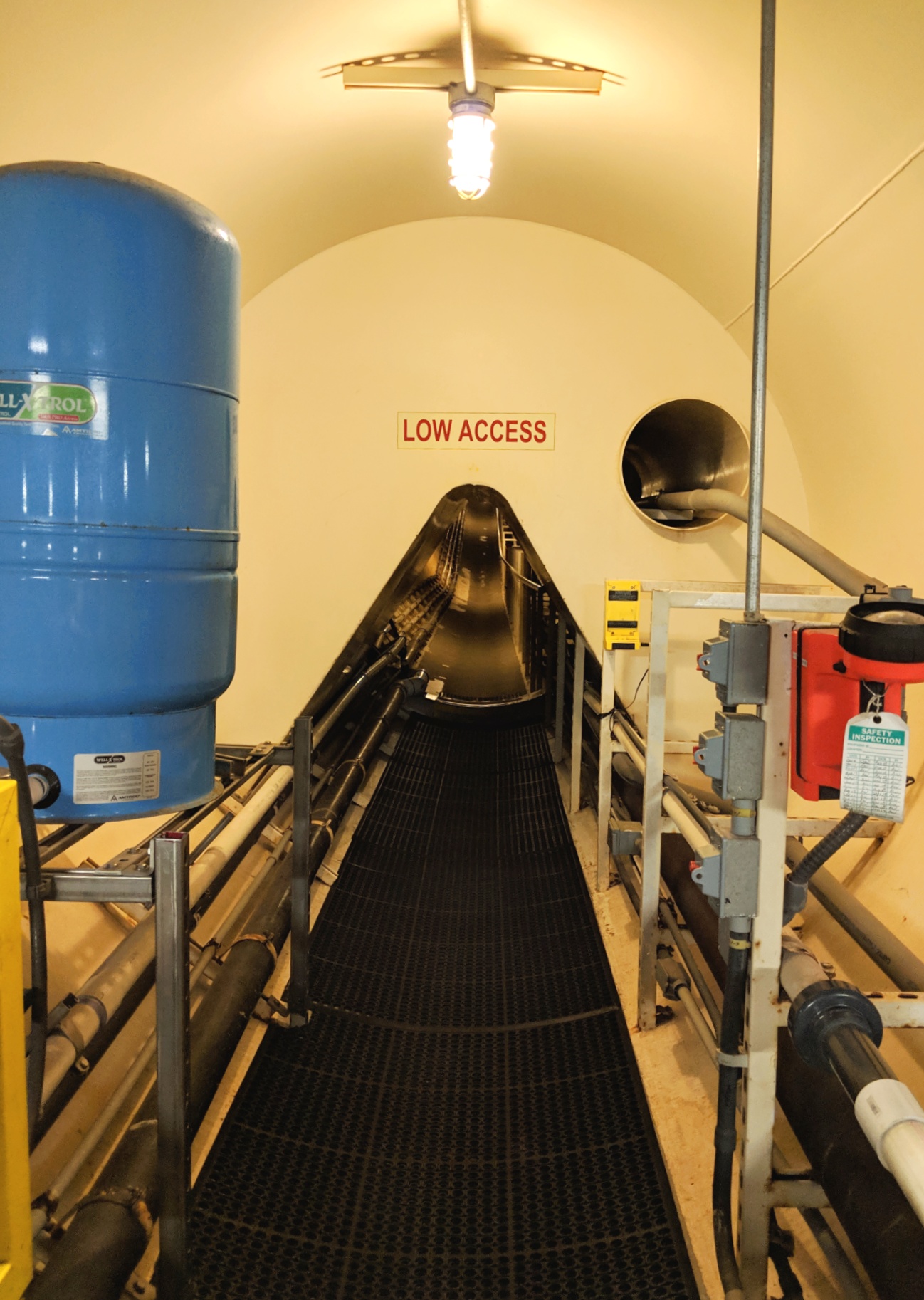
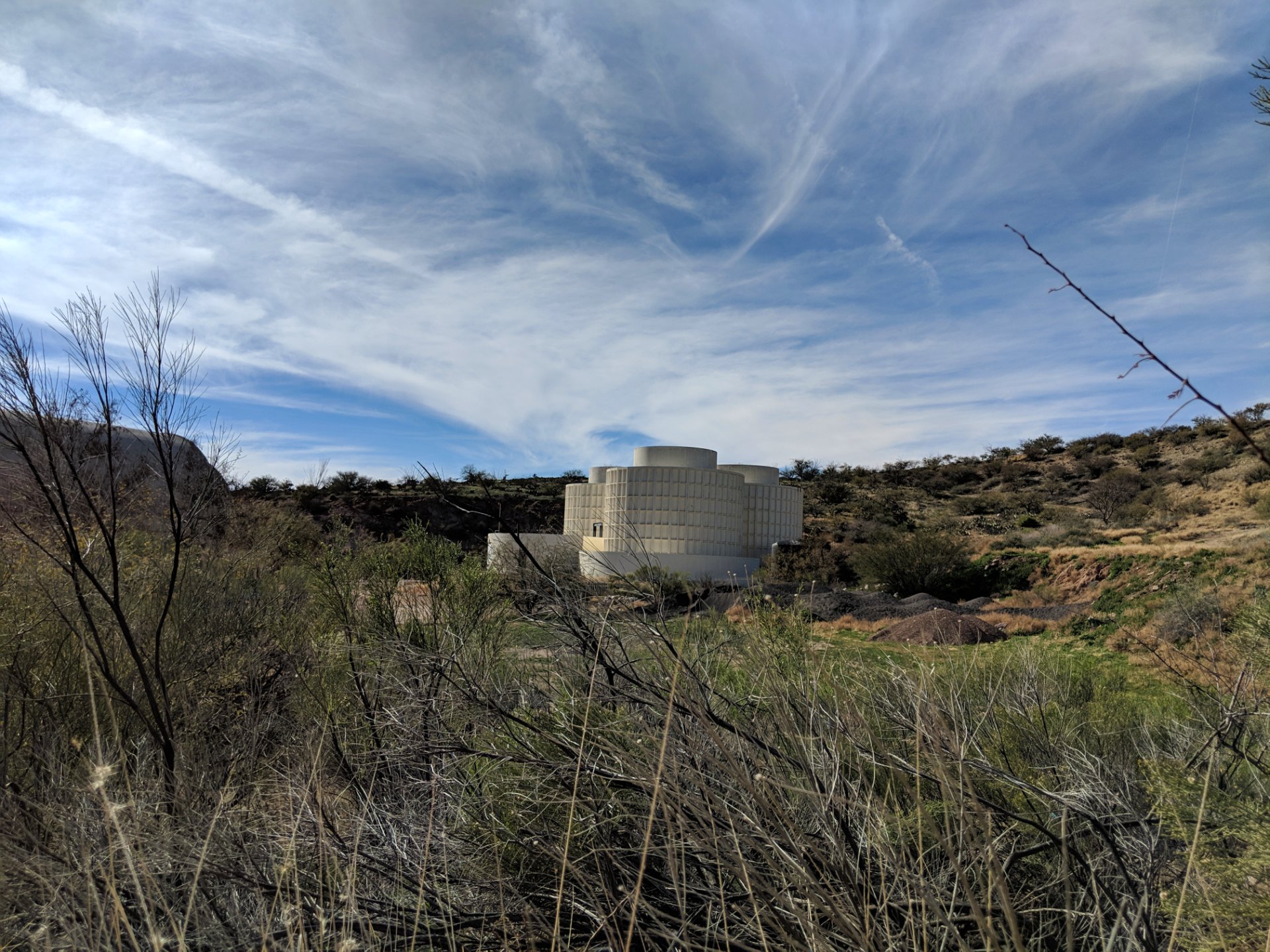
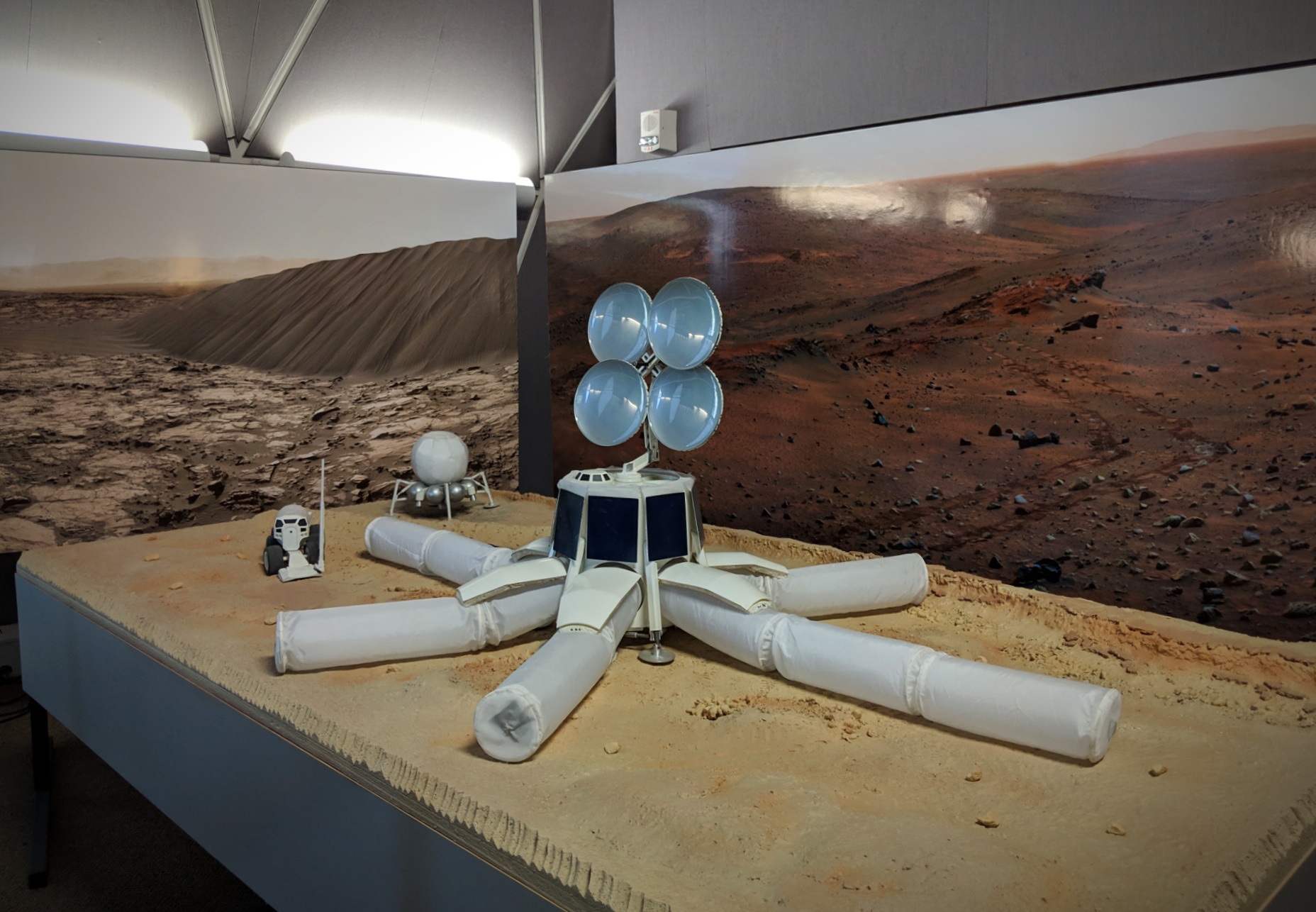
In 1991, a group of four men and four women researchers entered the sealed mini-world of Biosphere 2,  an ecosystem complete with wilderness areas, a farm, a rain forest, a desert, wetlands, and even a coral reef in a 25-foot-deep, 150-foot-long ocean. They would live, work and study inside this bubble for two years.

Biosphere 2, was then ”the greatest experiment ever conducted in ecological self-organization, revolutionized the field of experimental ecology”. It has not been repeated on this scale, since.

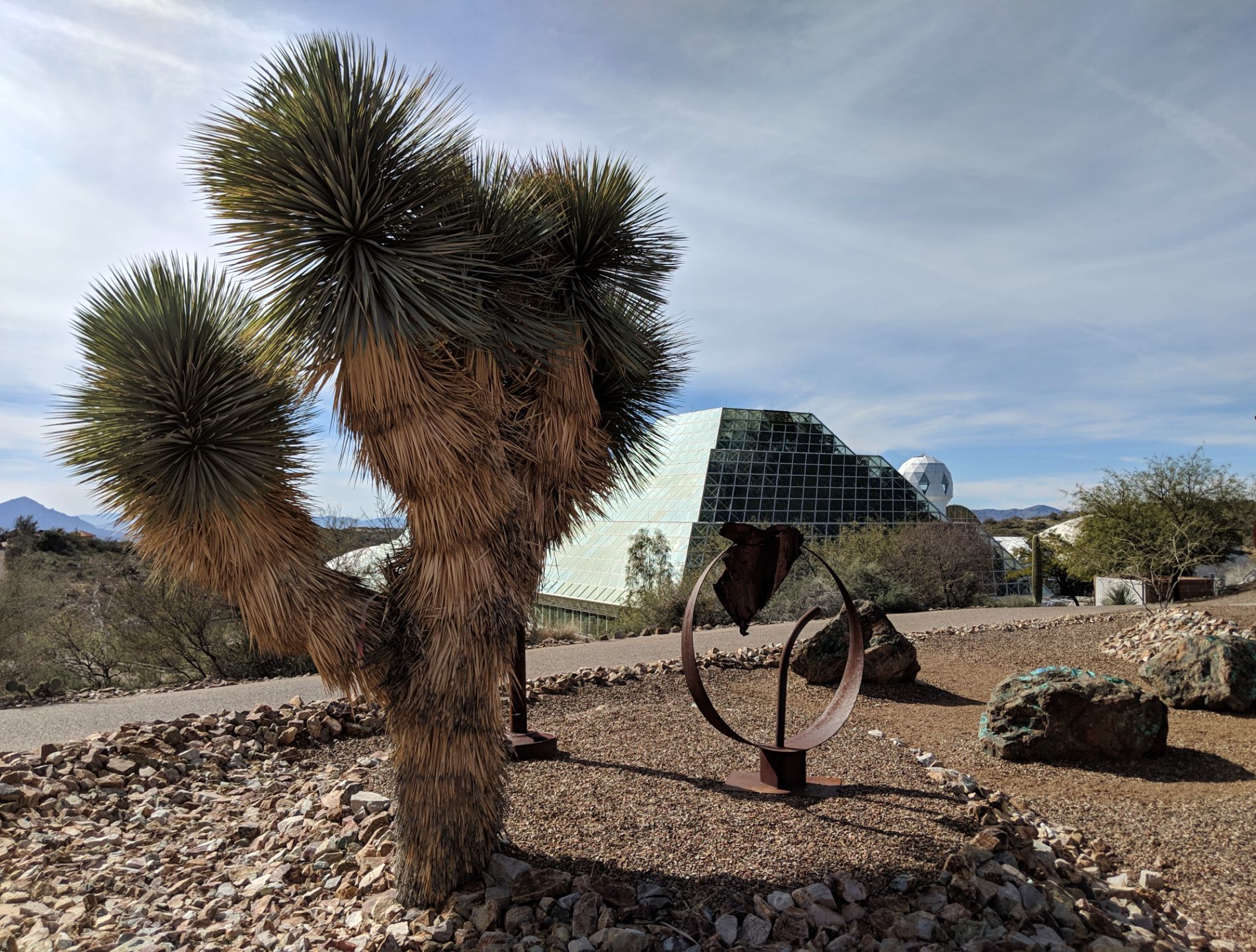
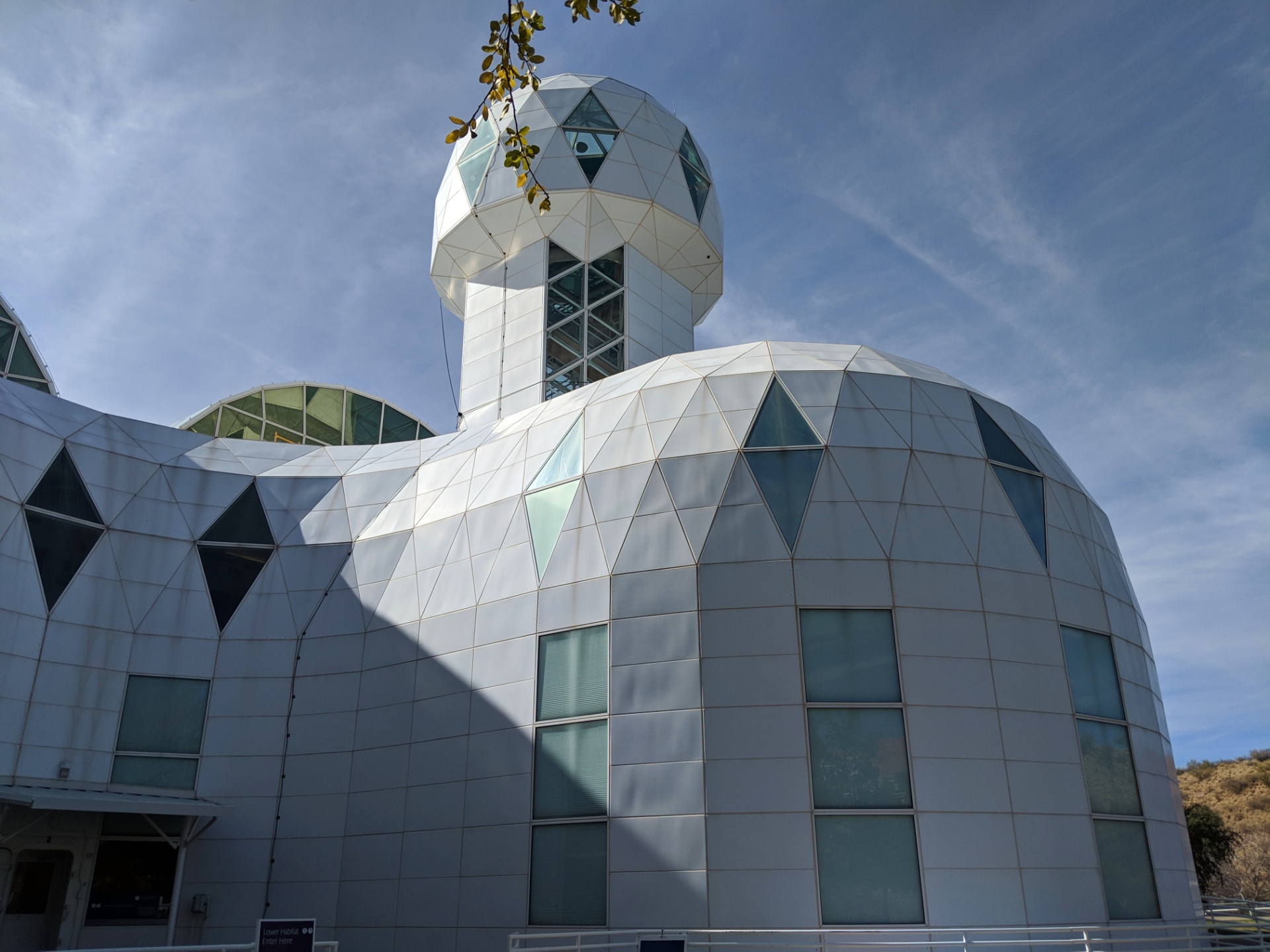
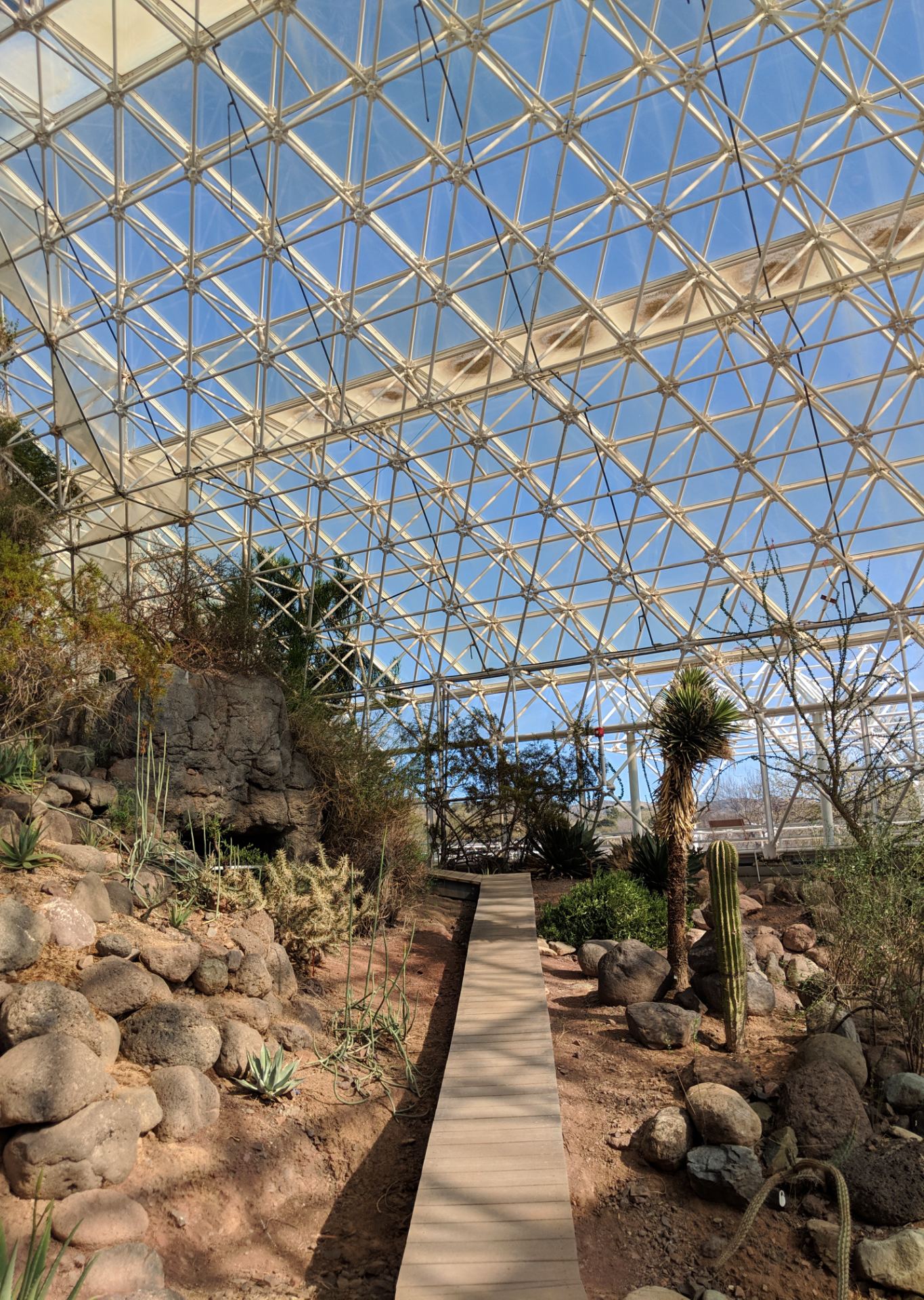
Today, Biosphere 2 forms part of the University of Arizona and consists of seven model ecosystems, a team of multidisciplinary scientists, a broad science education and public outreach program, and a modern conference center. The seven model ecosystems are: 1) a mature rain forest with over 90 tropical tree species, 2) a 2600 m3 ocean, 3) forested swamps dominated by mangrove trees, 4) a tropical savanna grassland, 5) a 1400 m2 coastal fog desert, 6) three desert hillslope grass-shrubland landscapes, and 7) Biosphere 2, its campus, and associated buildings and facilities serve as a 162,000 m2 model city and urban ecosystem. Its mission is to serve as a centre for research, outreach, teaching and life-long learning about Biosphere 1 – our planet, its living systems, and its place in the universe.

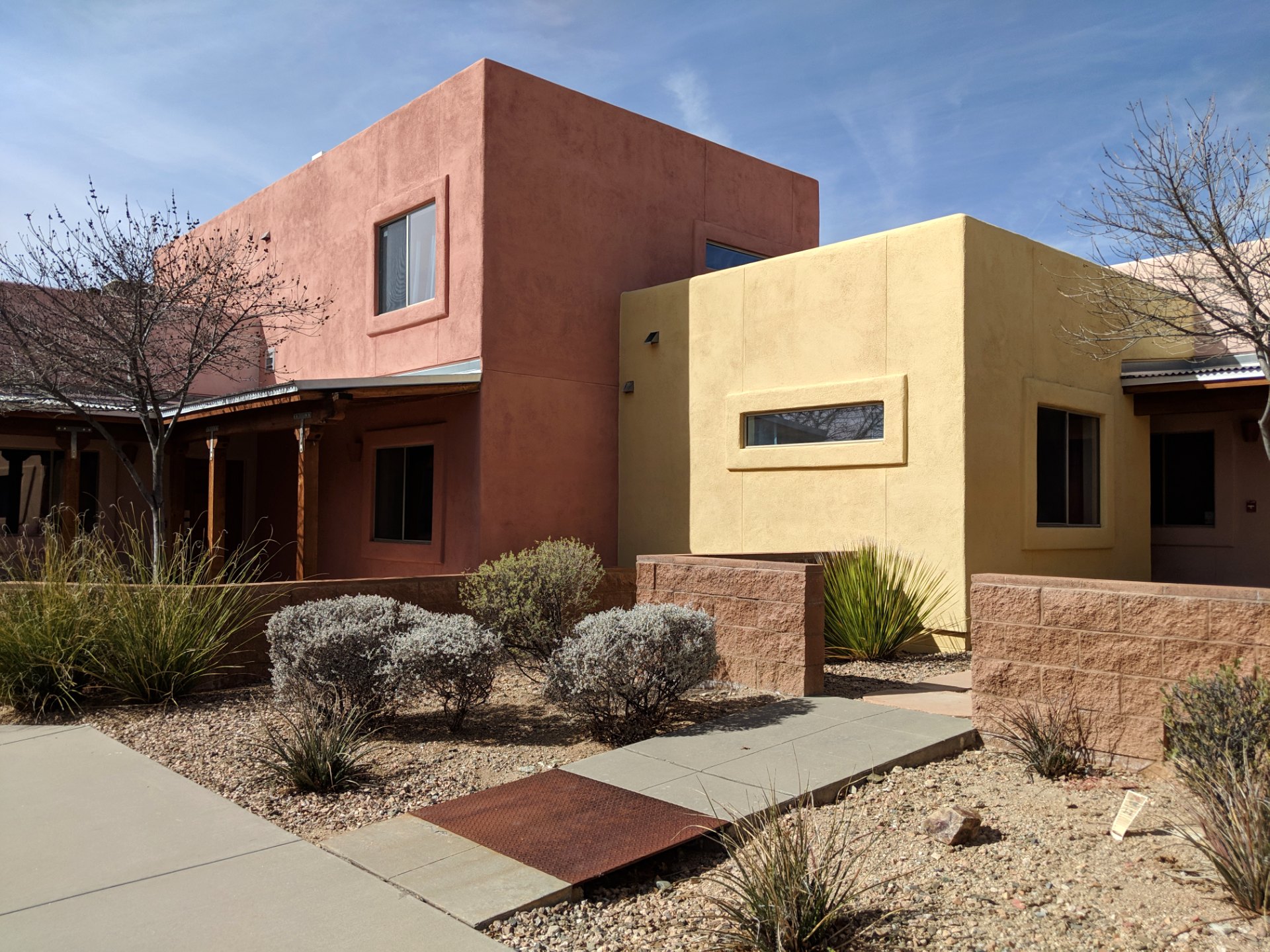
You can find out more about this unique, fascinating-turned-controversial project on the Biosphere 2 website, an article on Space.com and a feature by a member of the original team on Dartmouth Alumni Magazine.

Oracle, AZ

January 28th, 2019
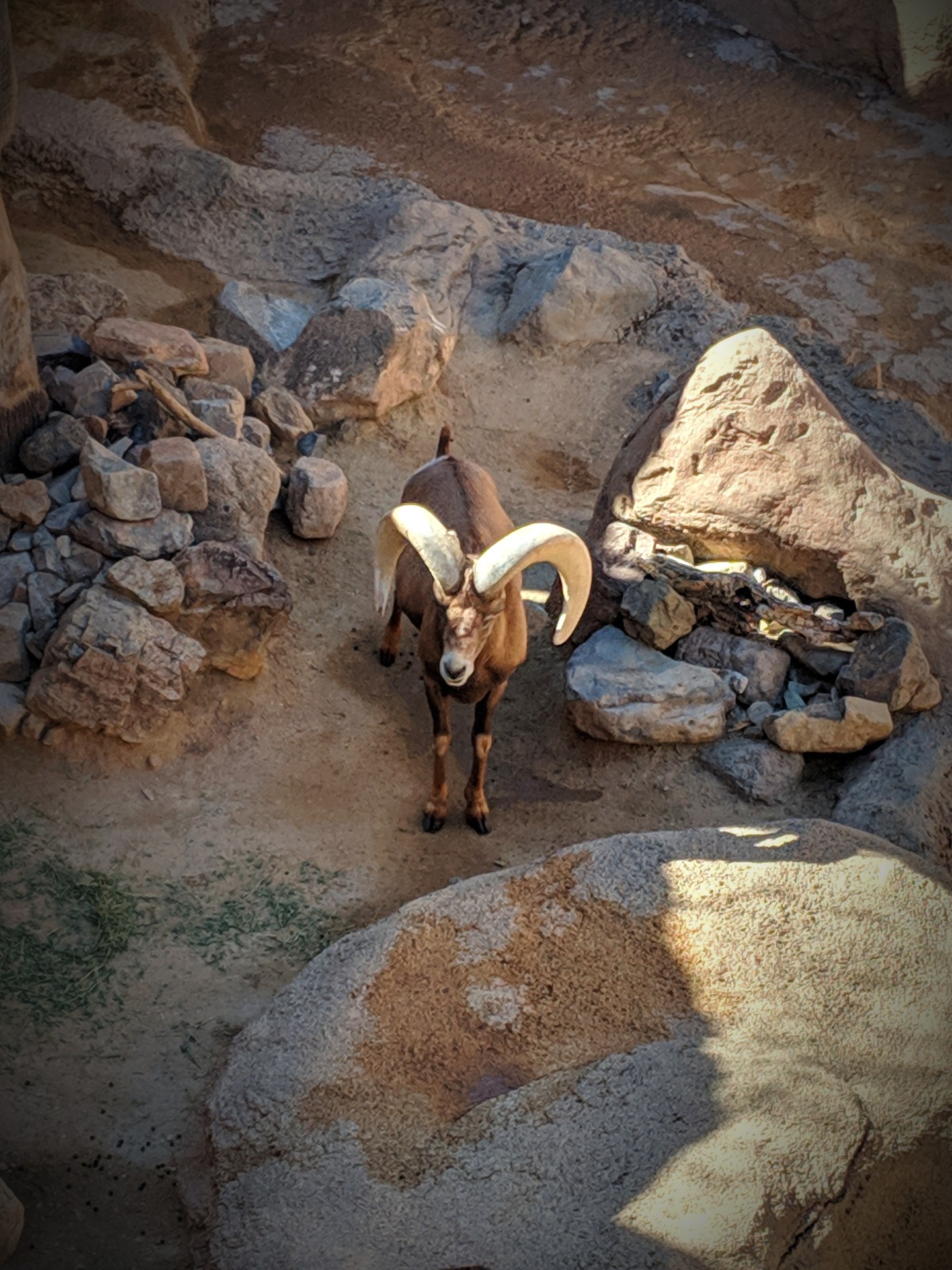
Arizona-Sonora Desert Museum

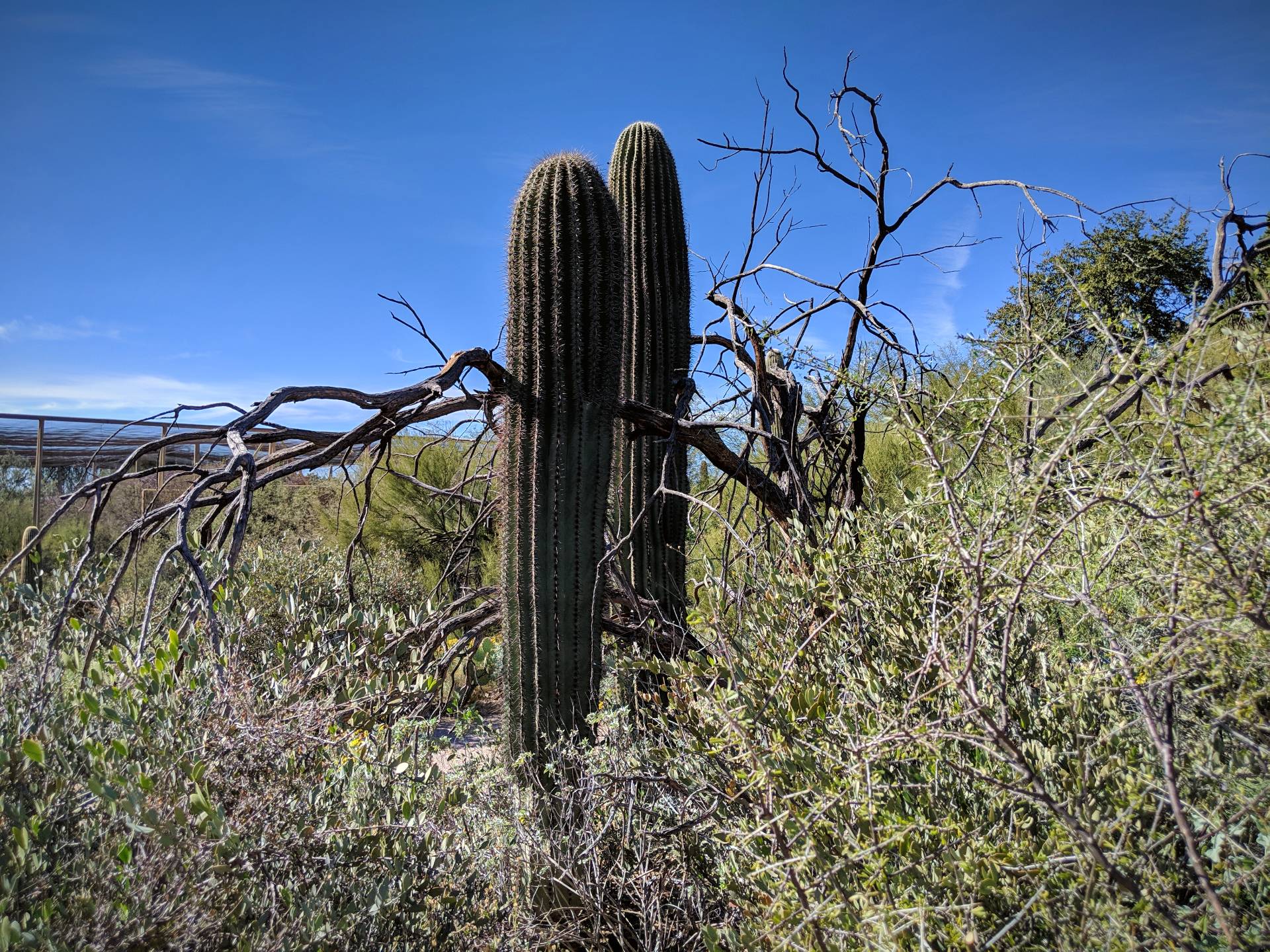
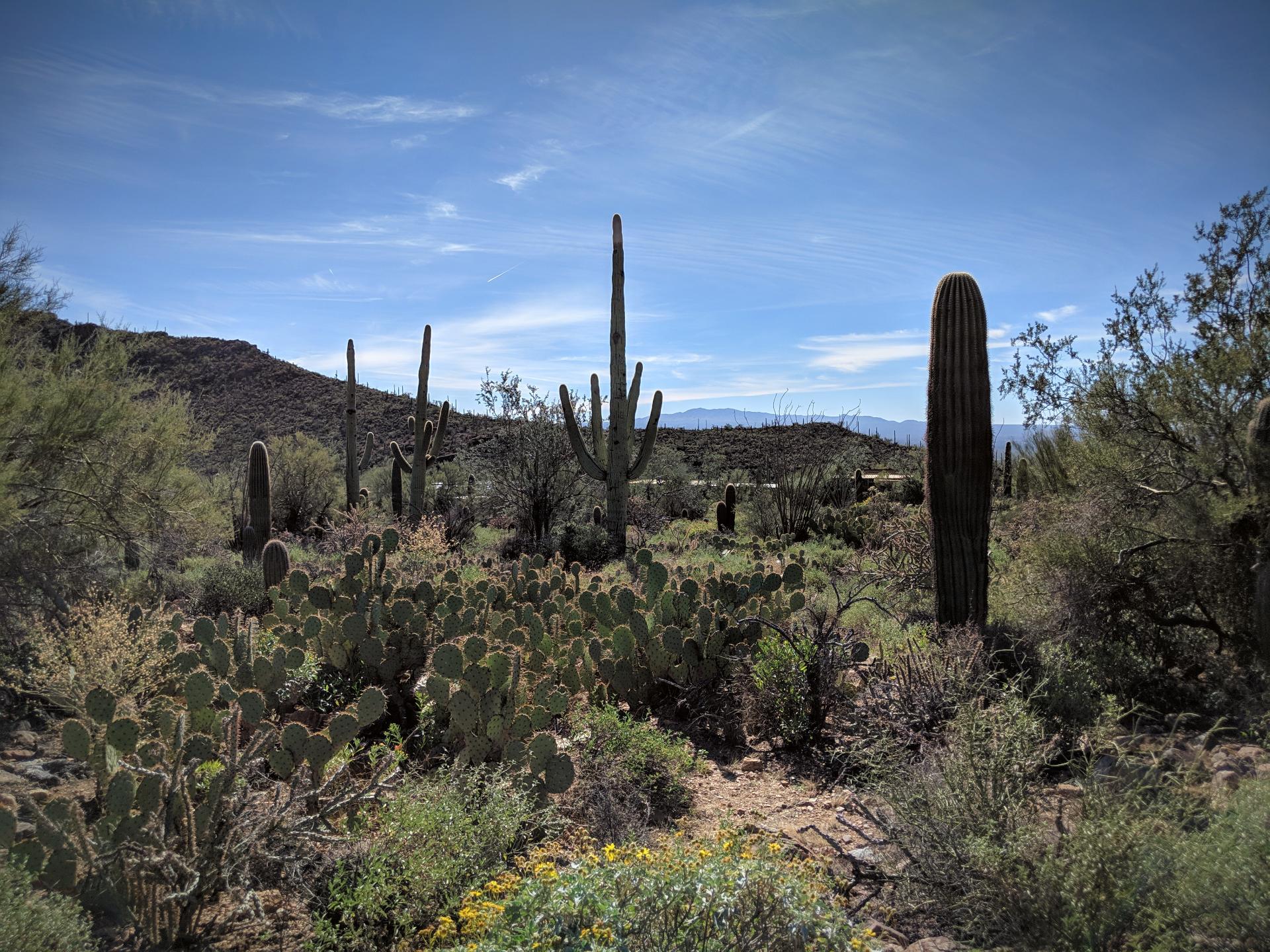
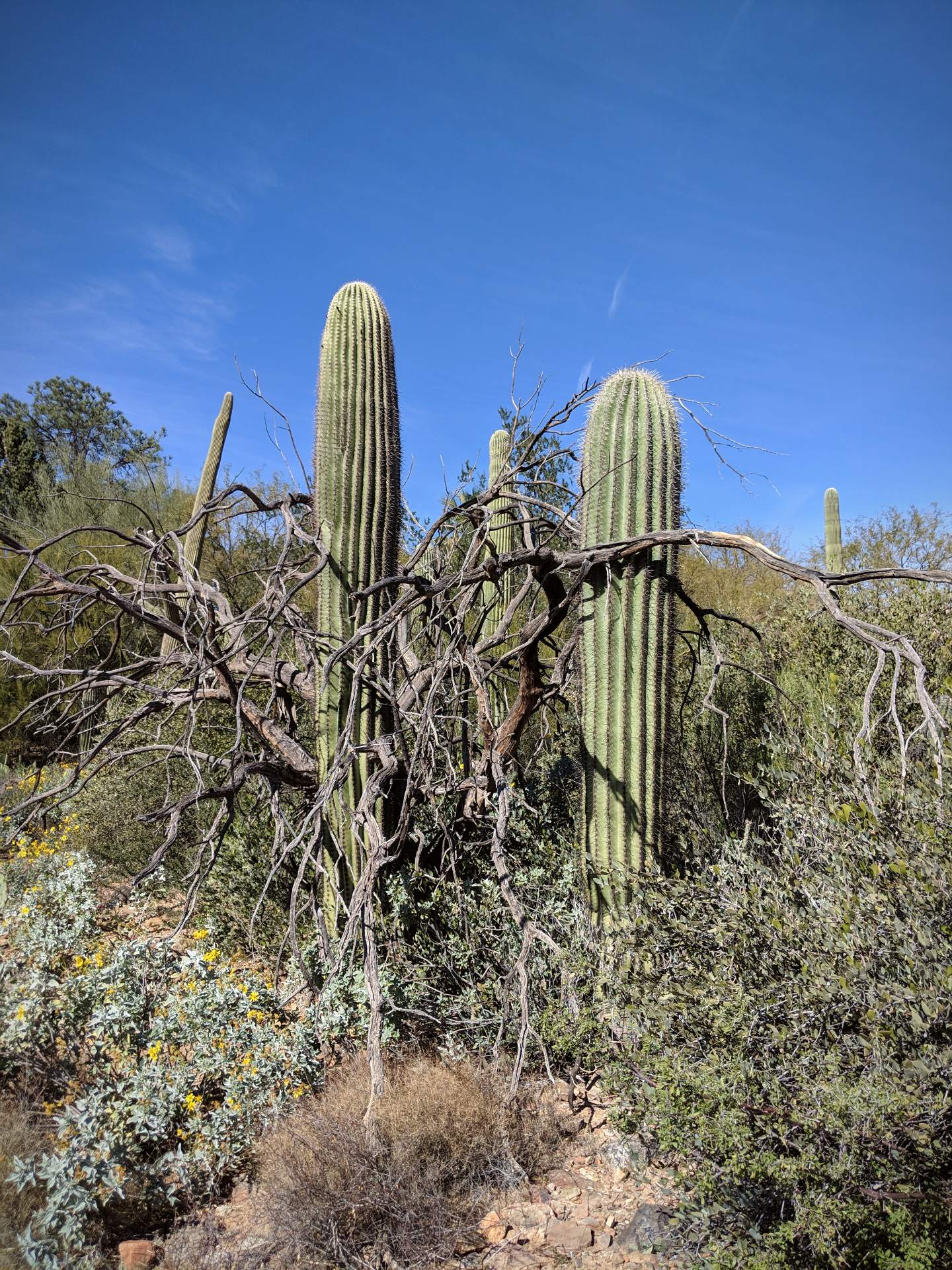
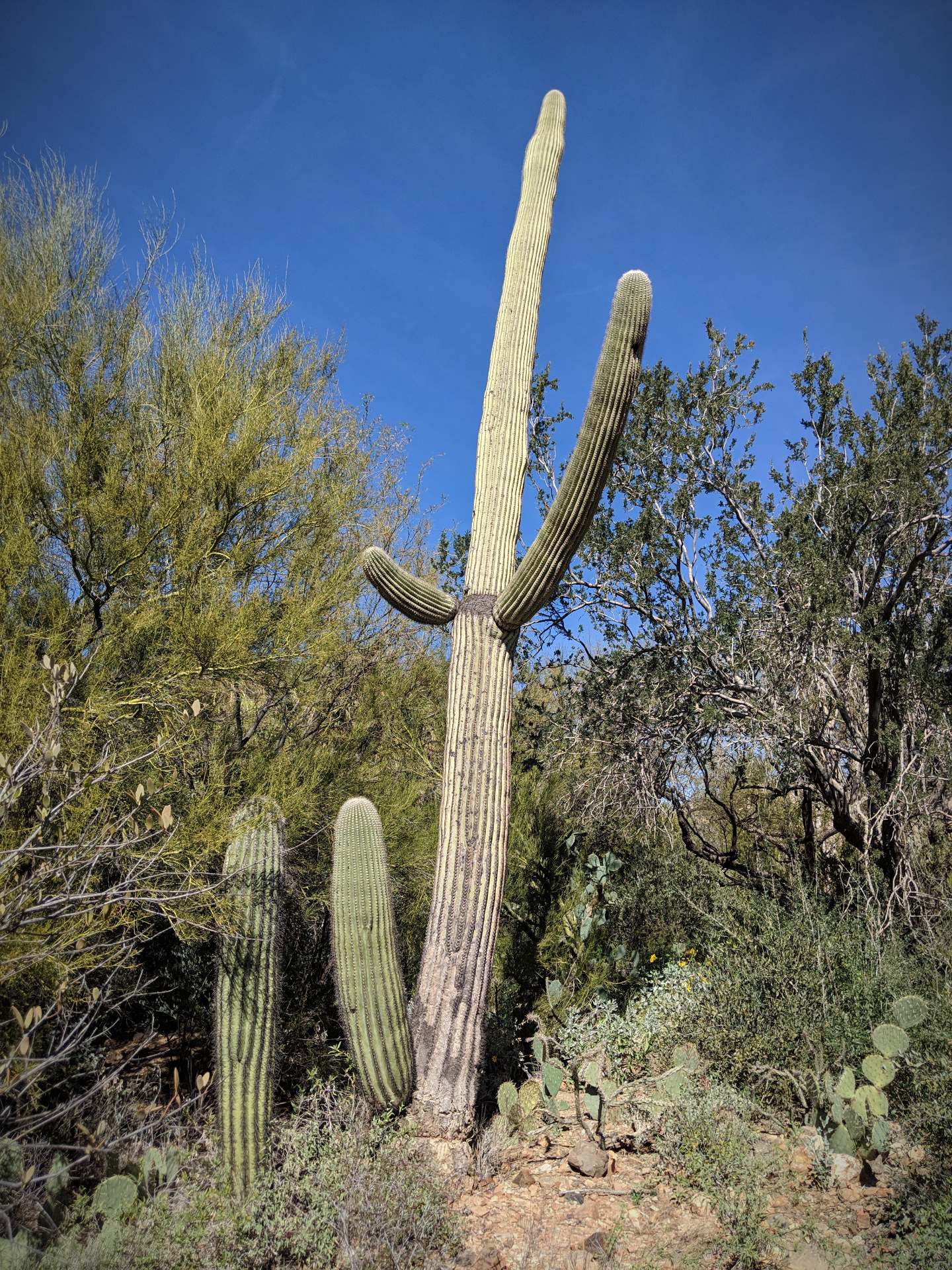
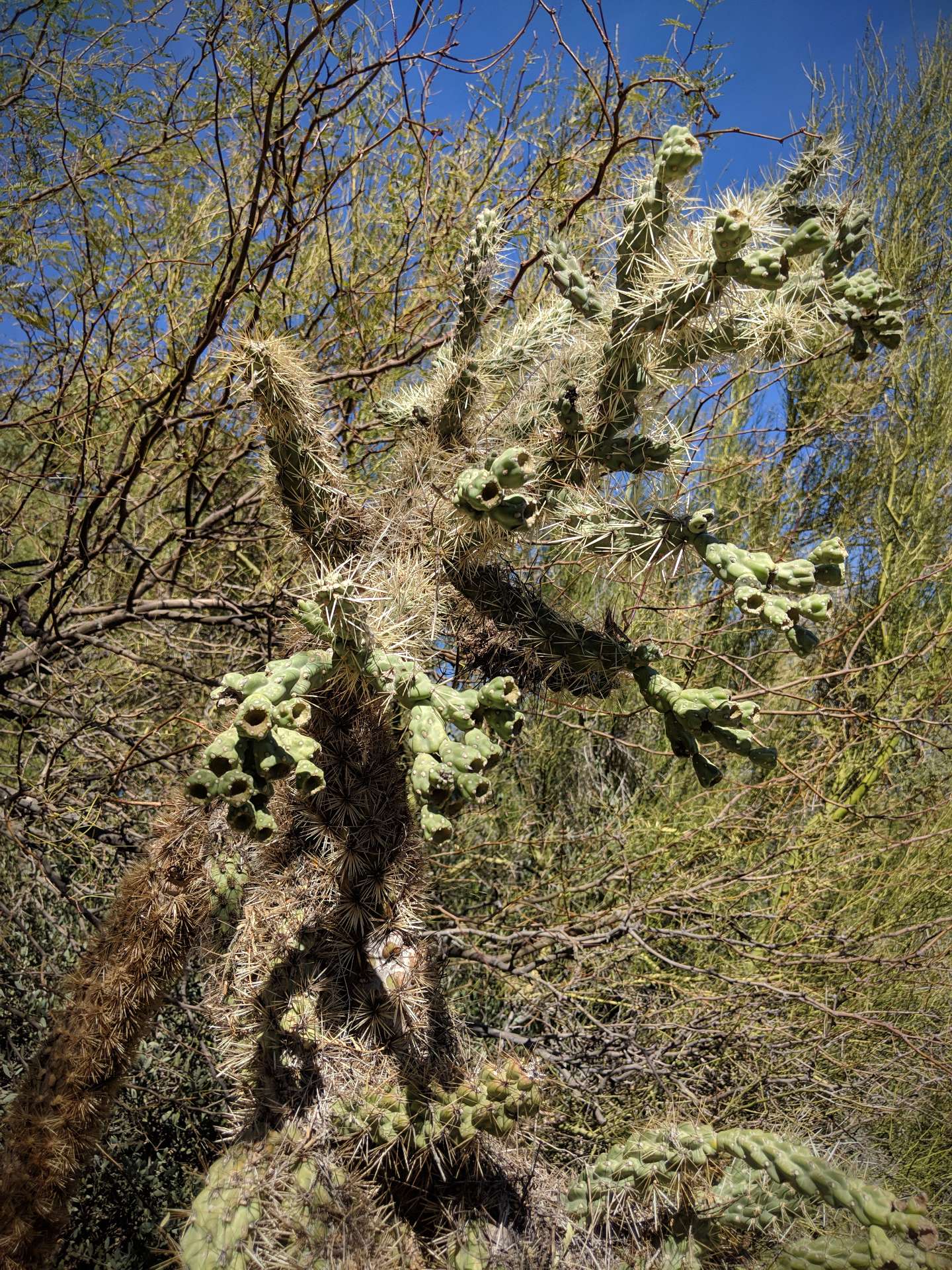
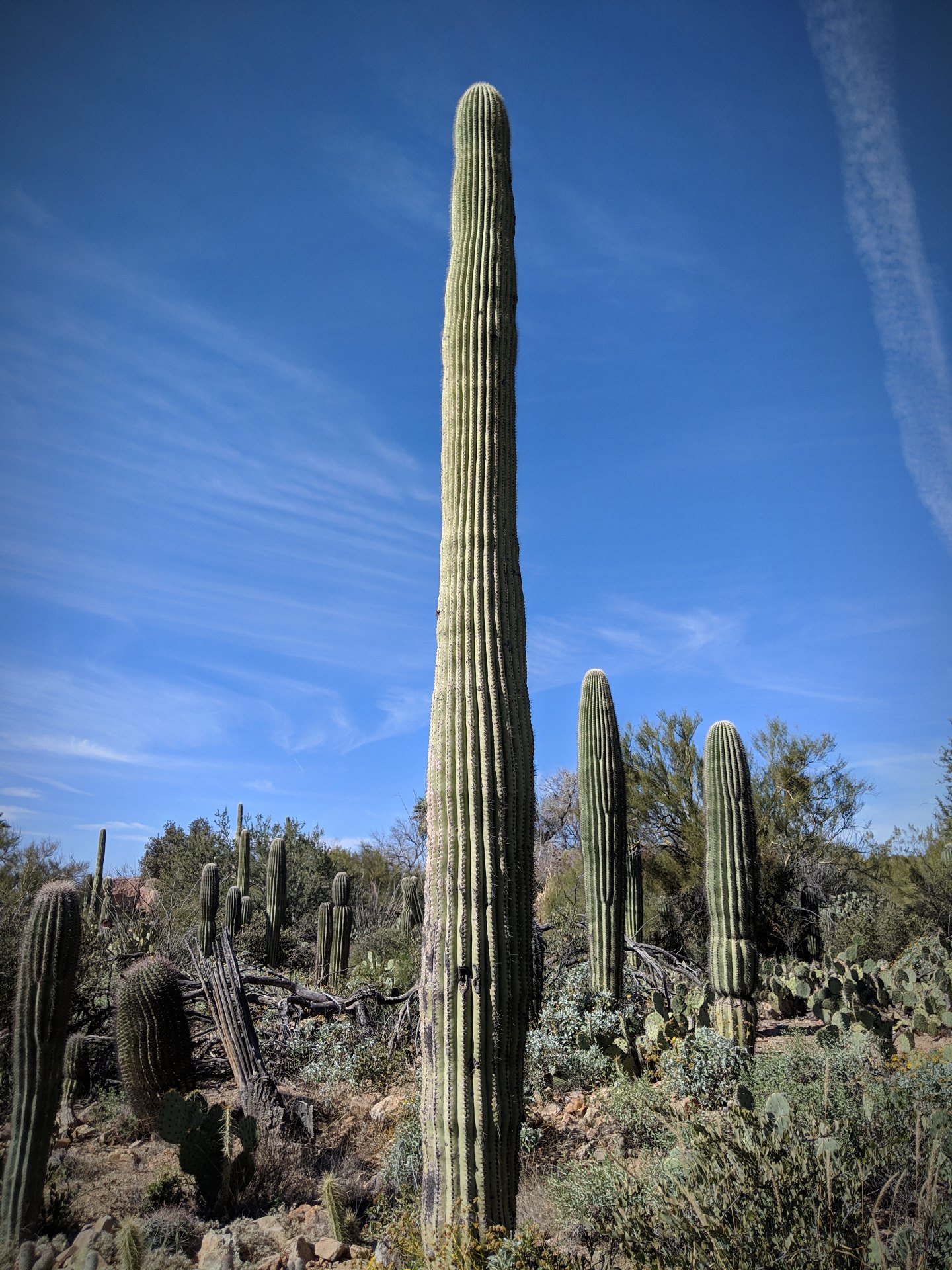
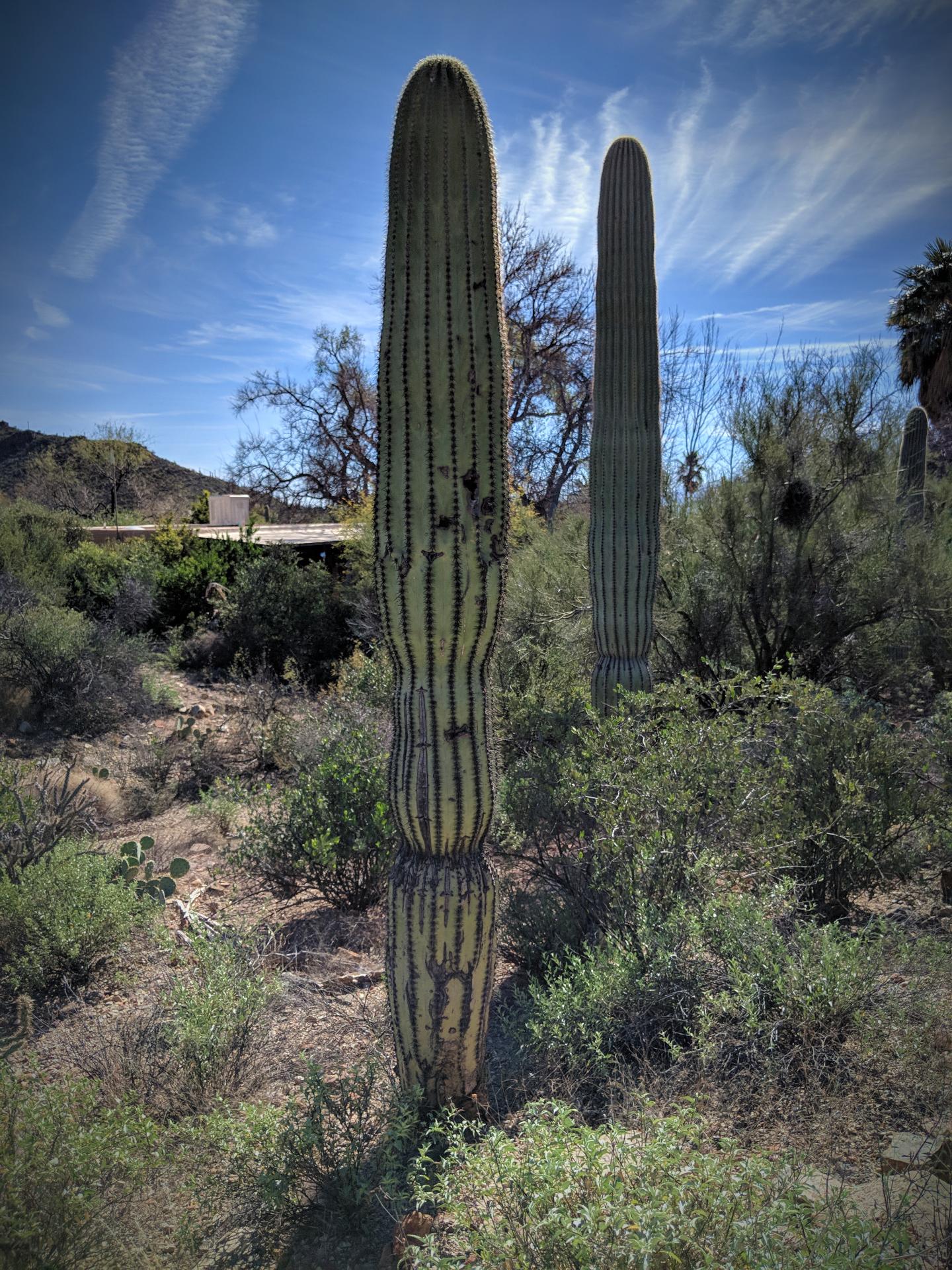
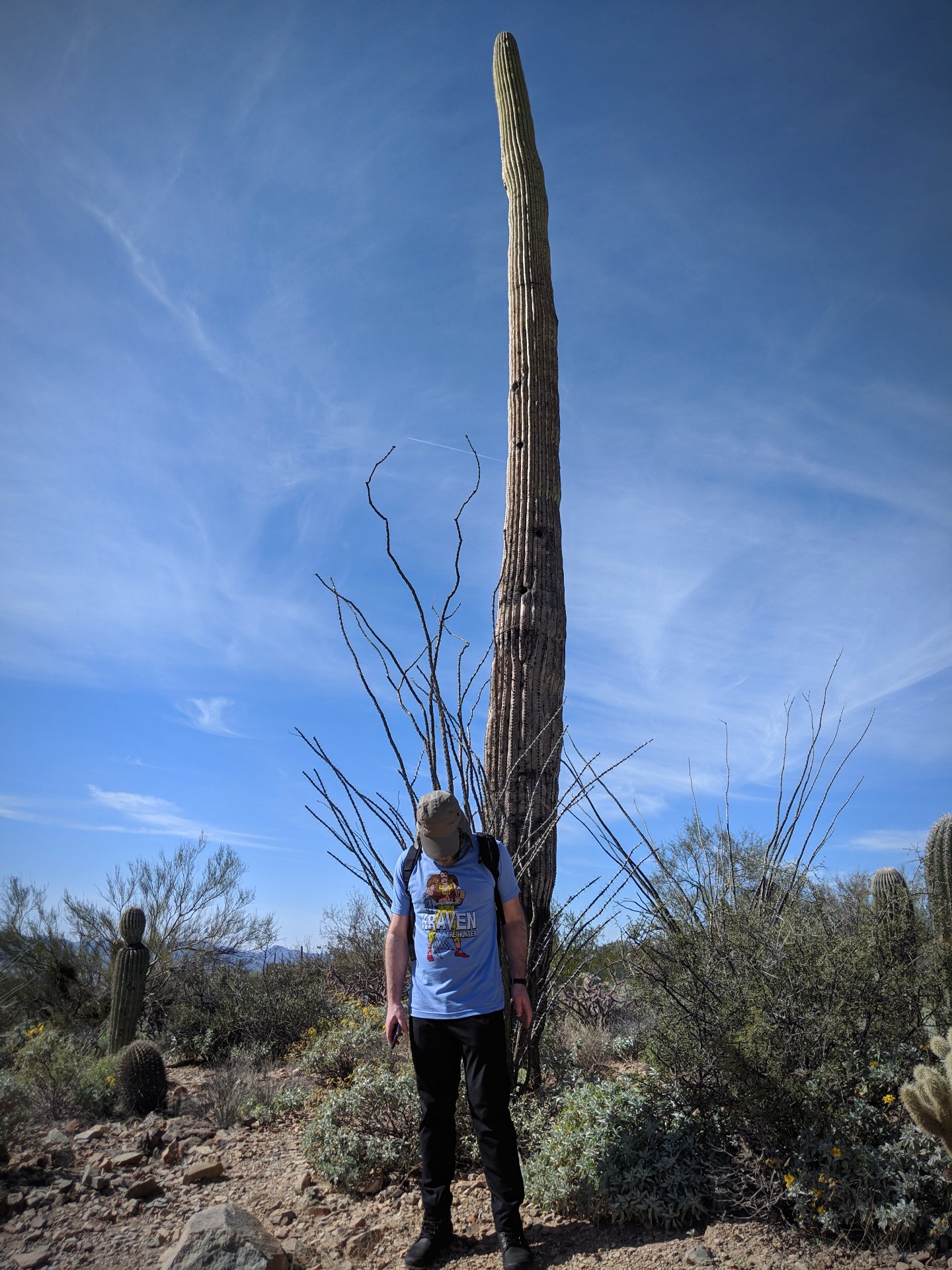
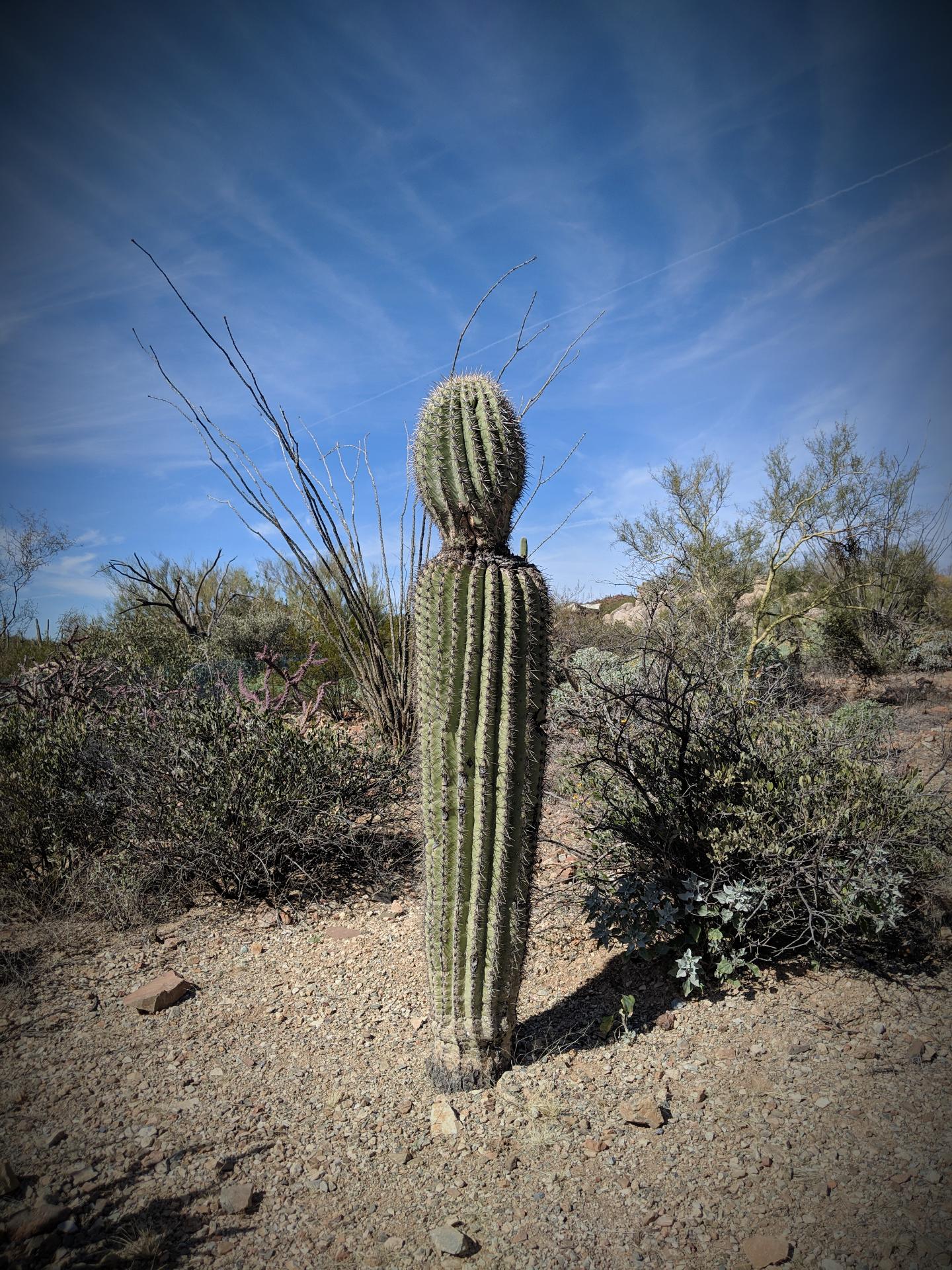
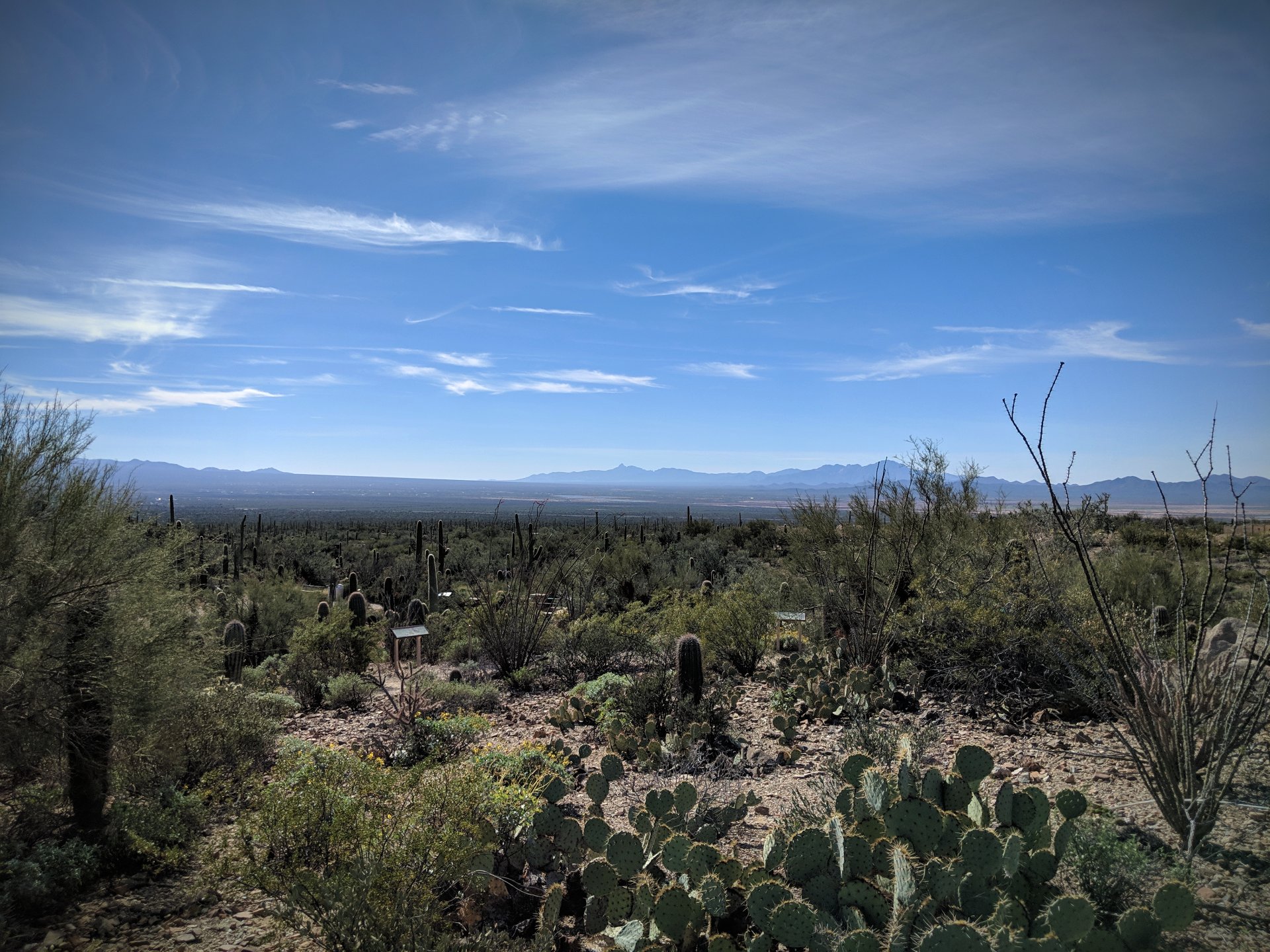
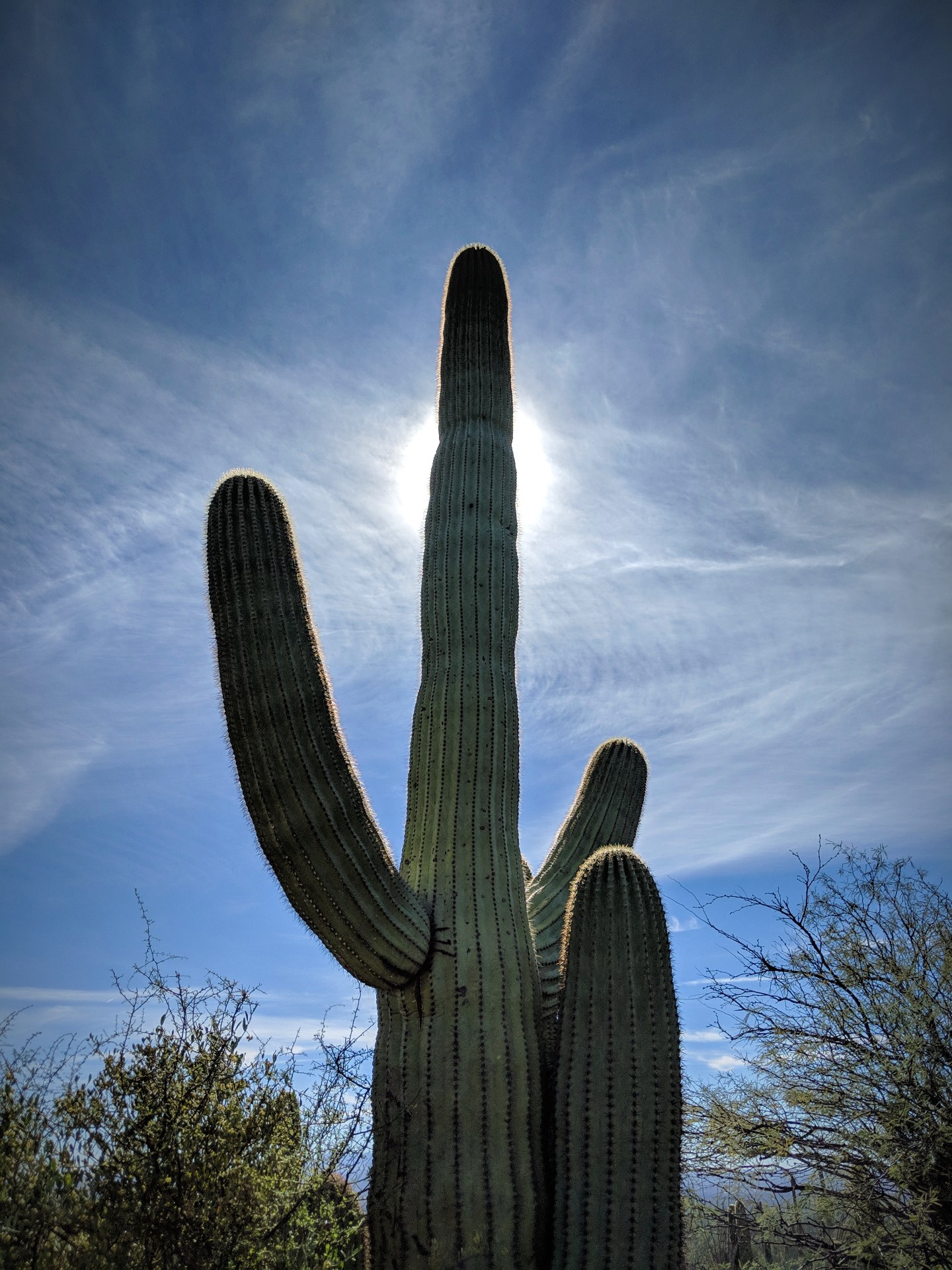
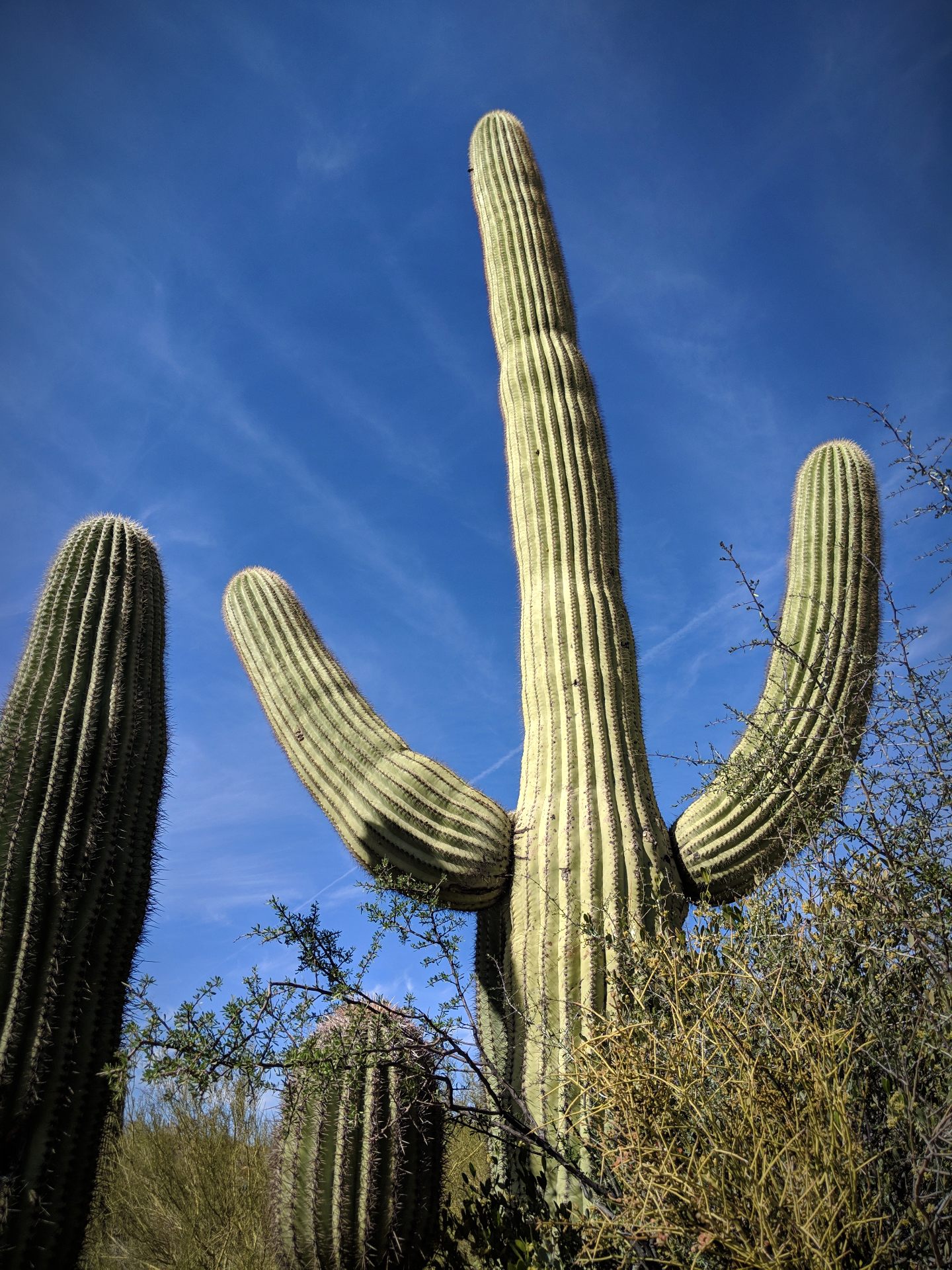
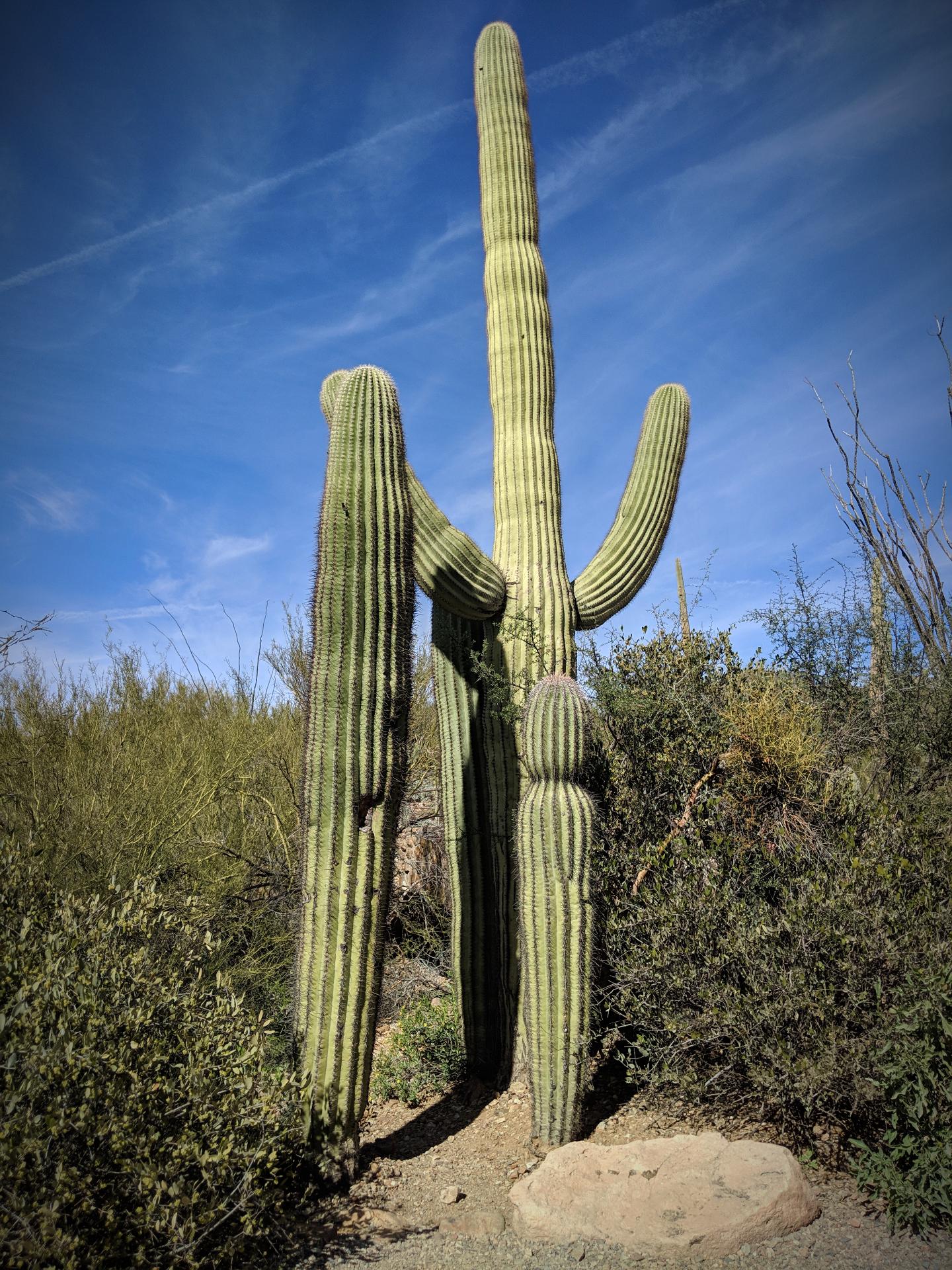
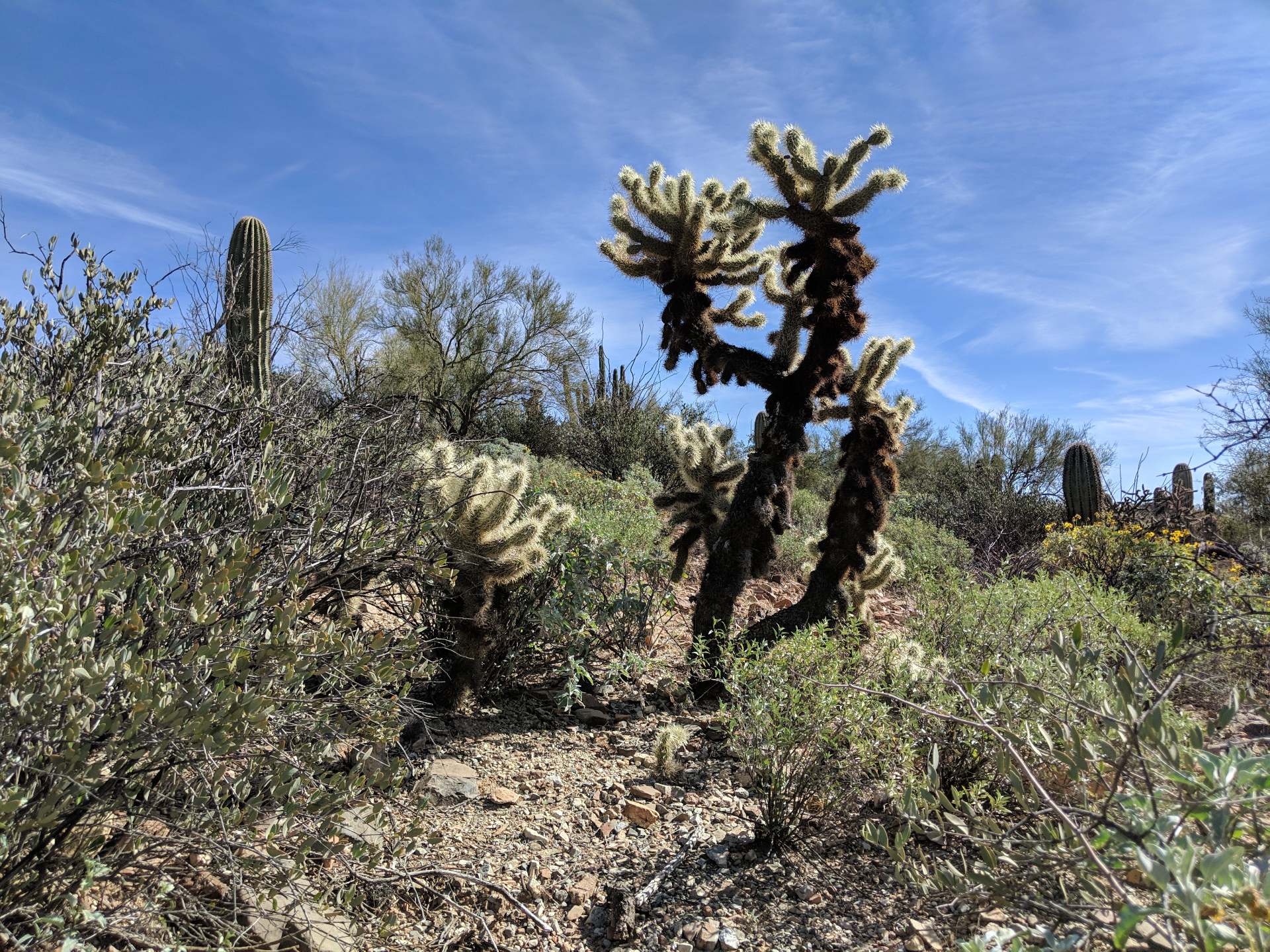
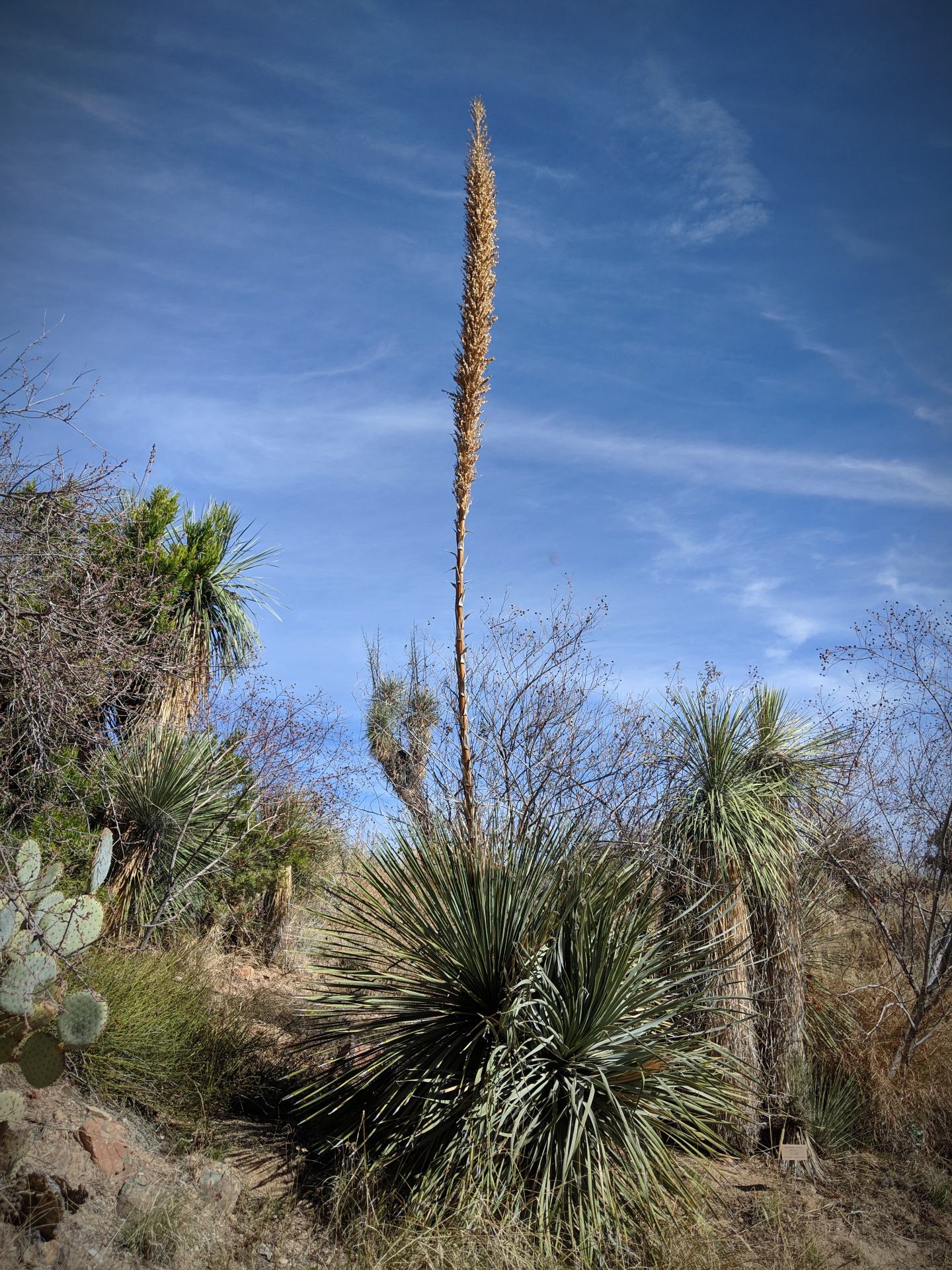
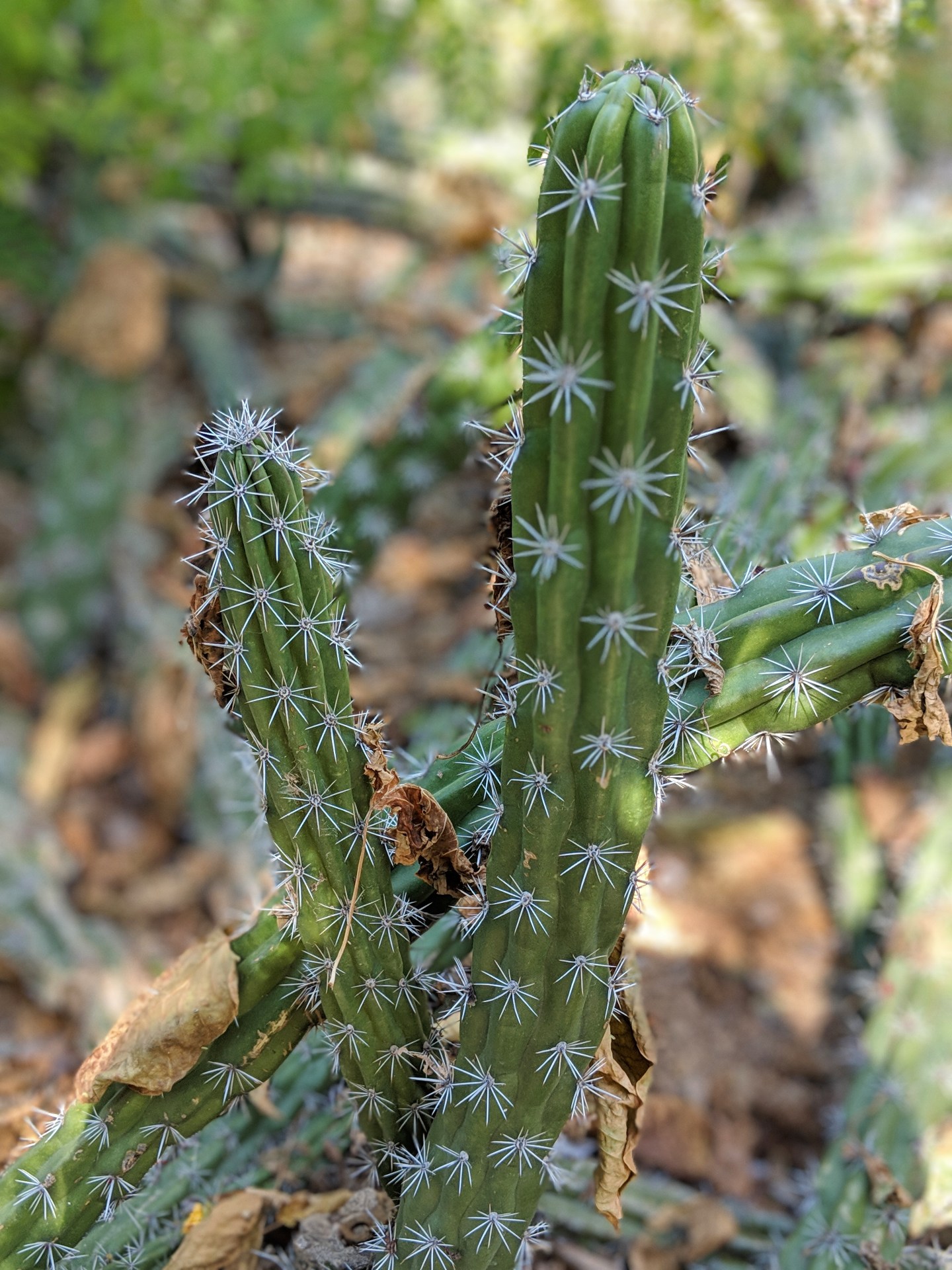
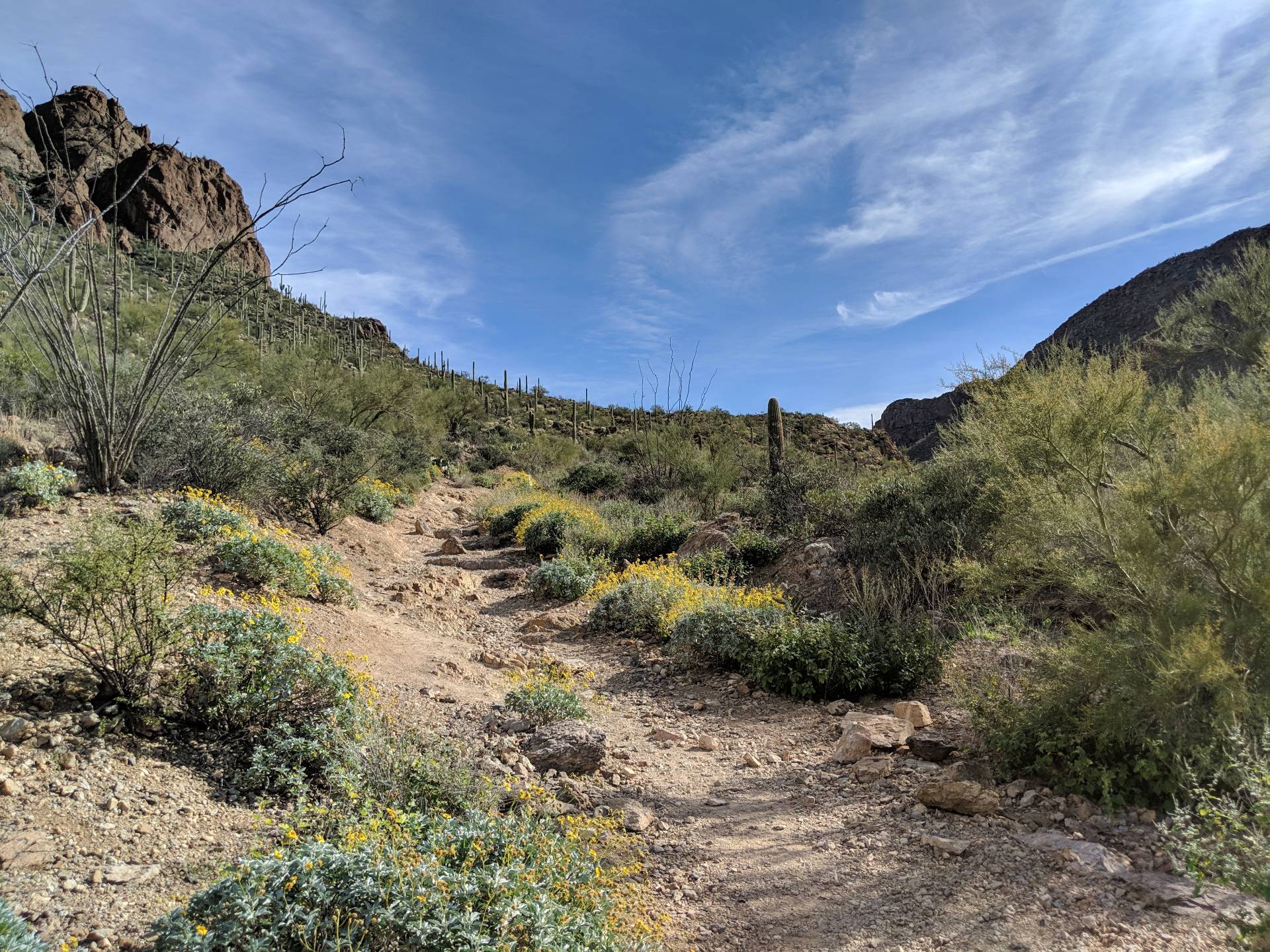
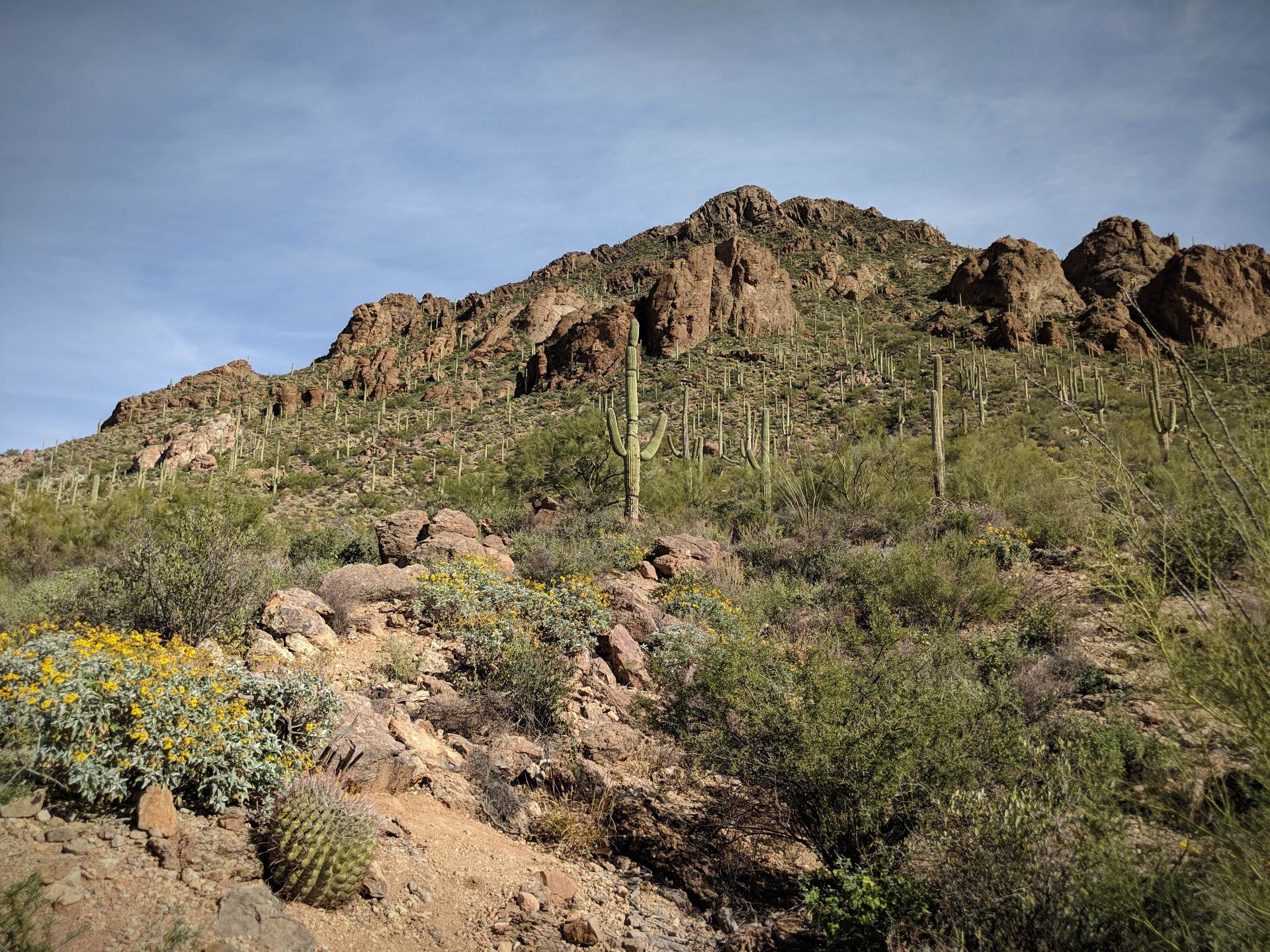
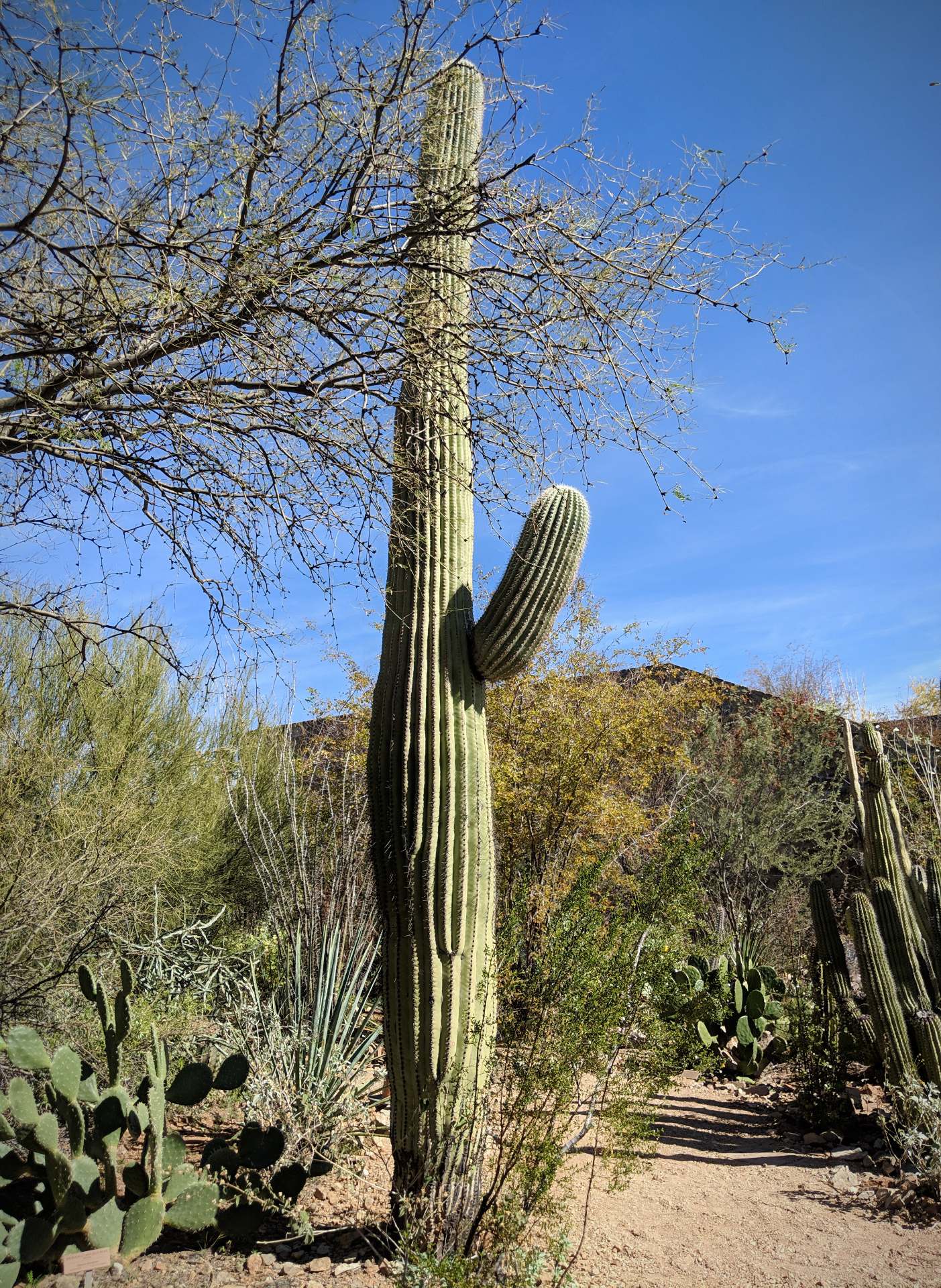
I love cacti. The way they grow to enormous heights in harsh environments where other plants simply dry up and die; the way they preserve water and keep the desert alive; and the way they bloom, producing some of the most beautiful flowers on the planet.

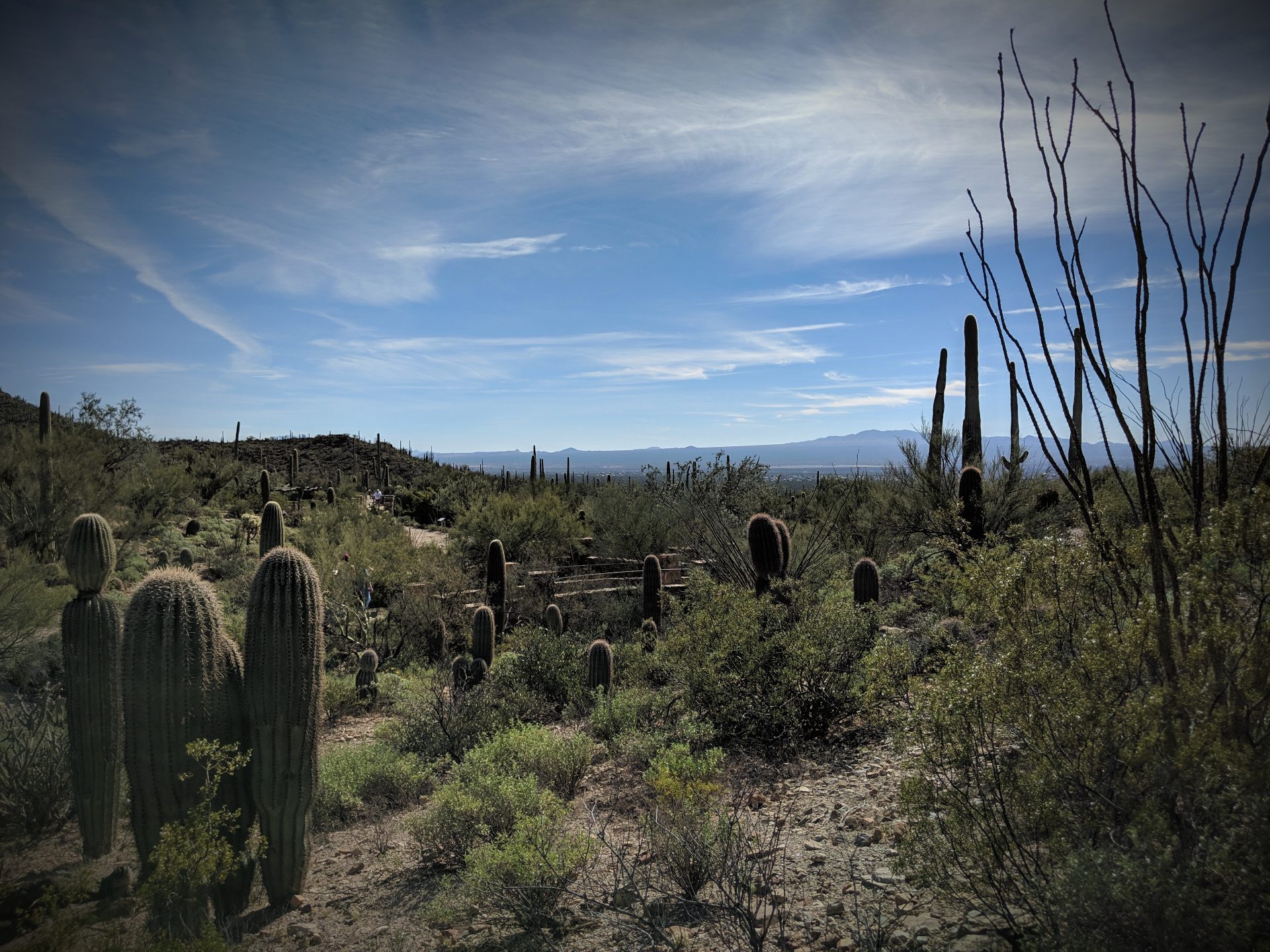
Whether in a ”controlled” habitat like the Arizona-Sonora Desert Museum or in the wild, cacti command respect and admiration in equal parts – and, come to think of it, they can also teach us a thing or two about the virtues of social distancing.

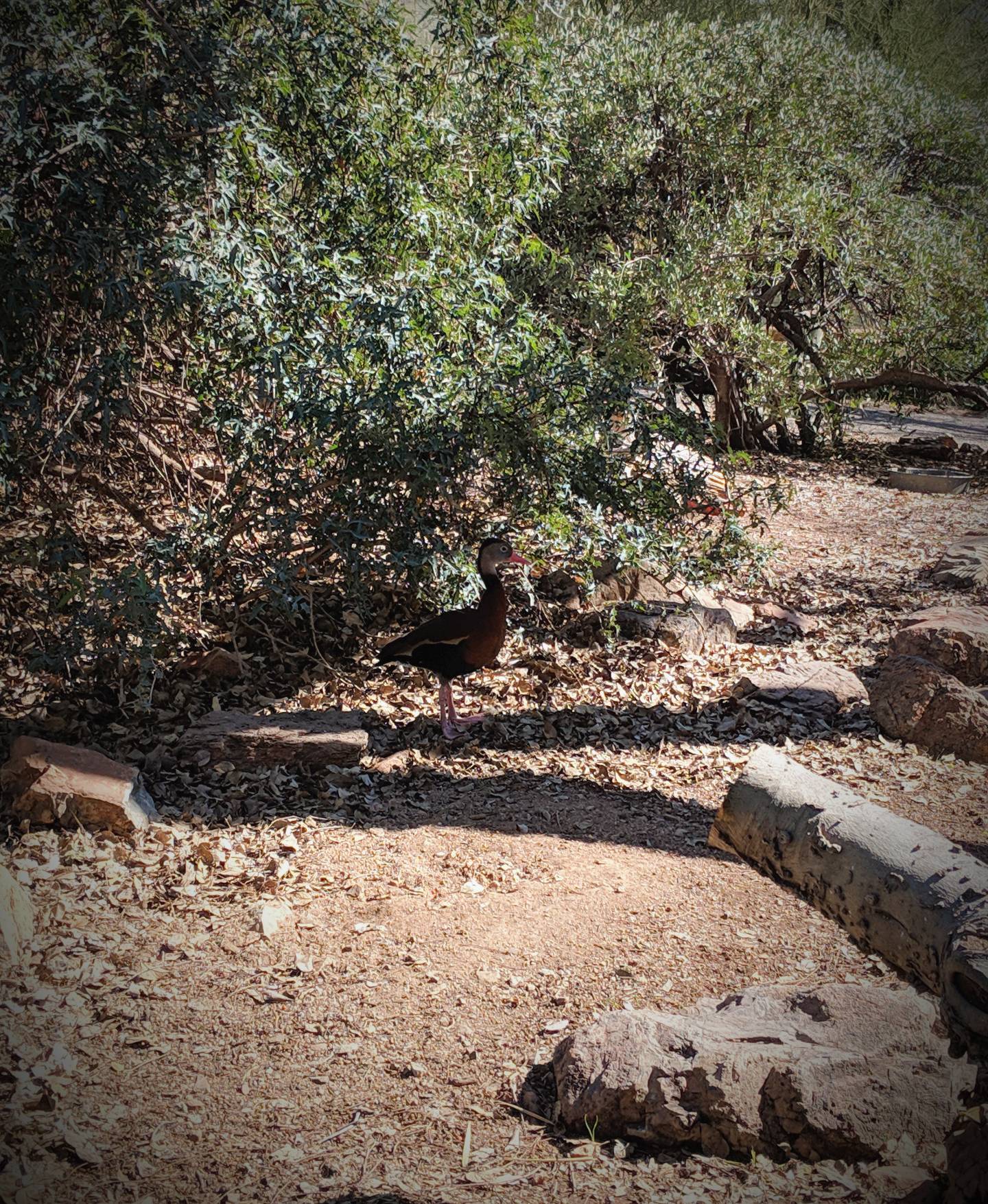
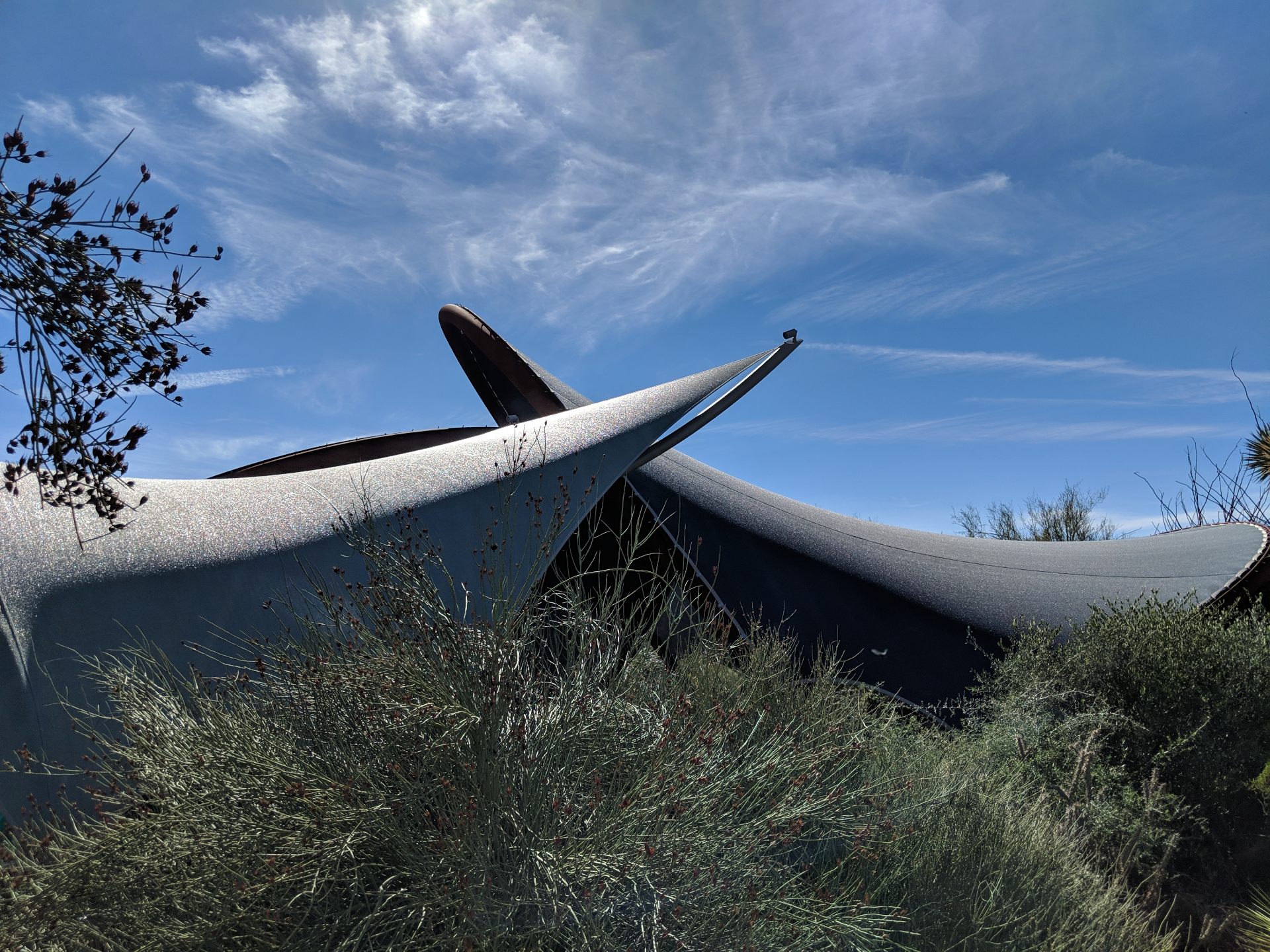
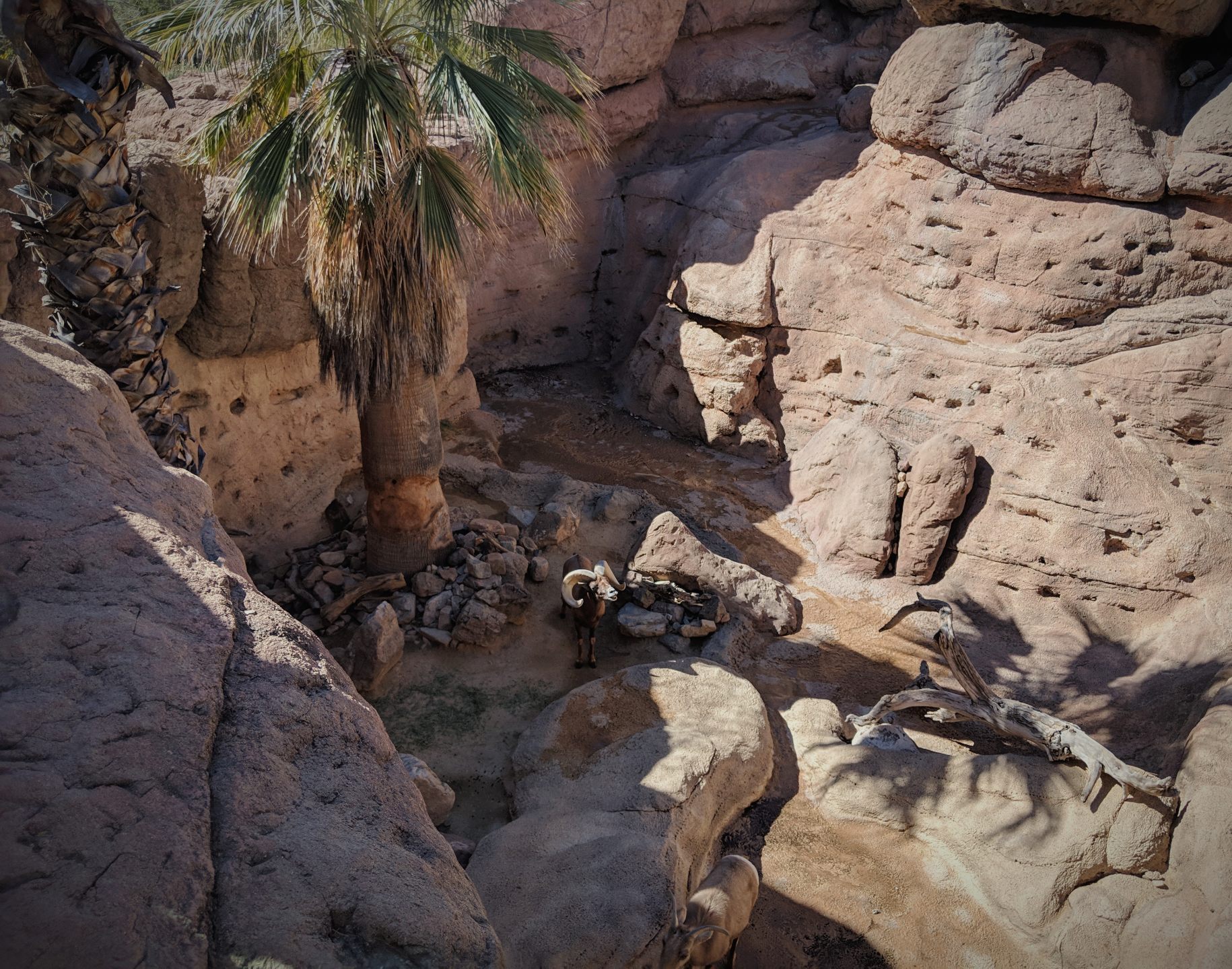
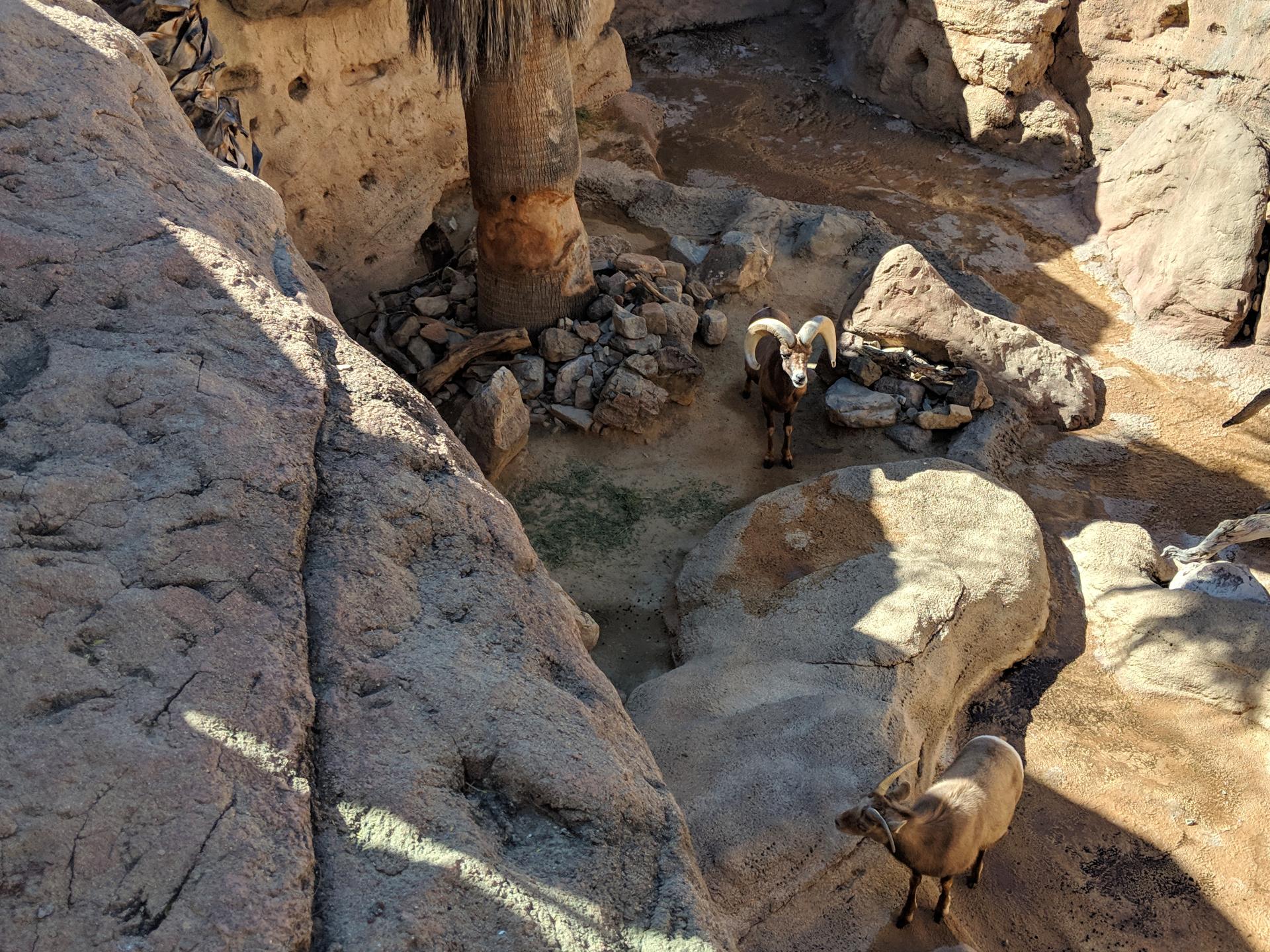
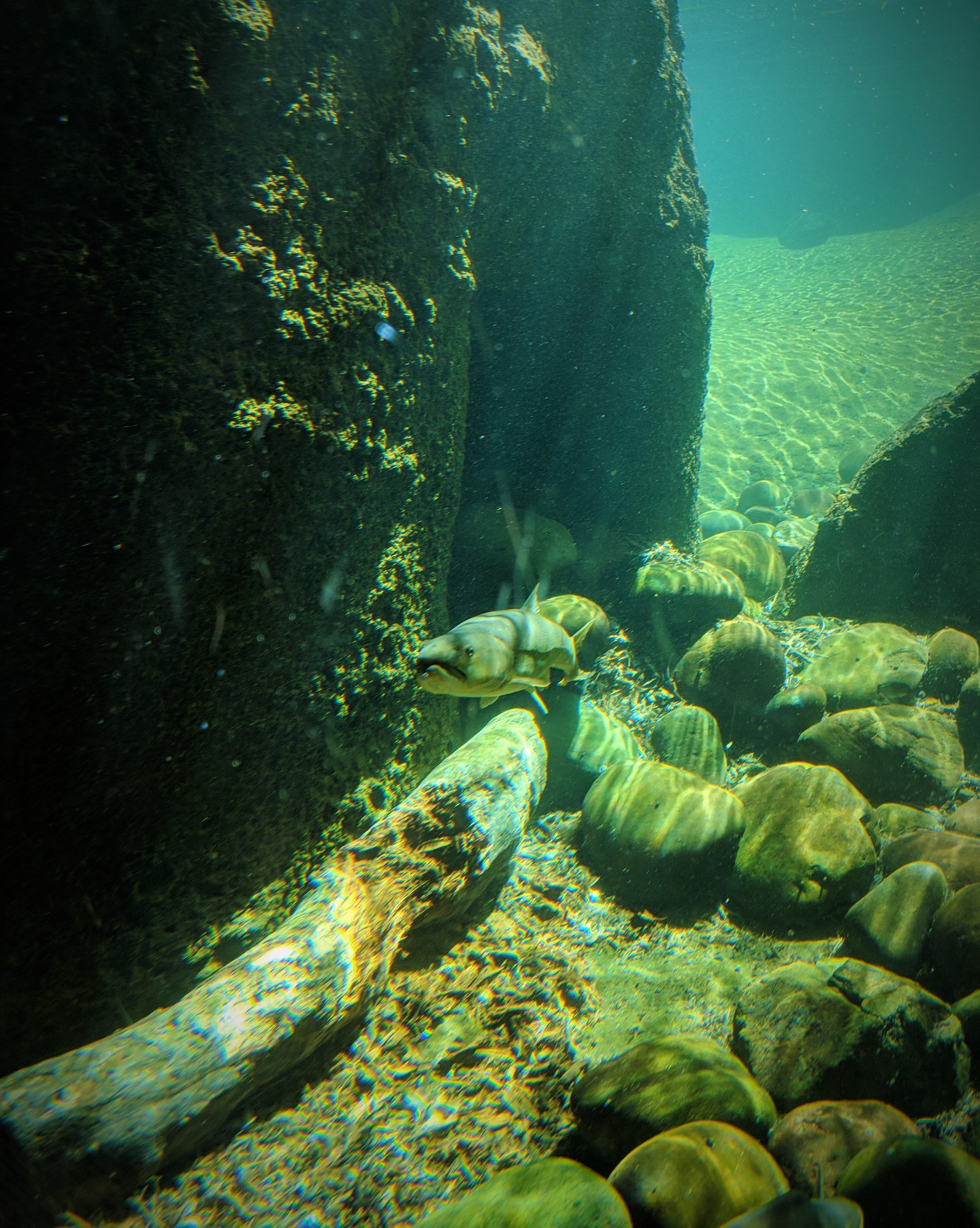
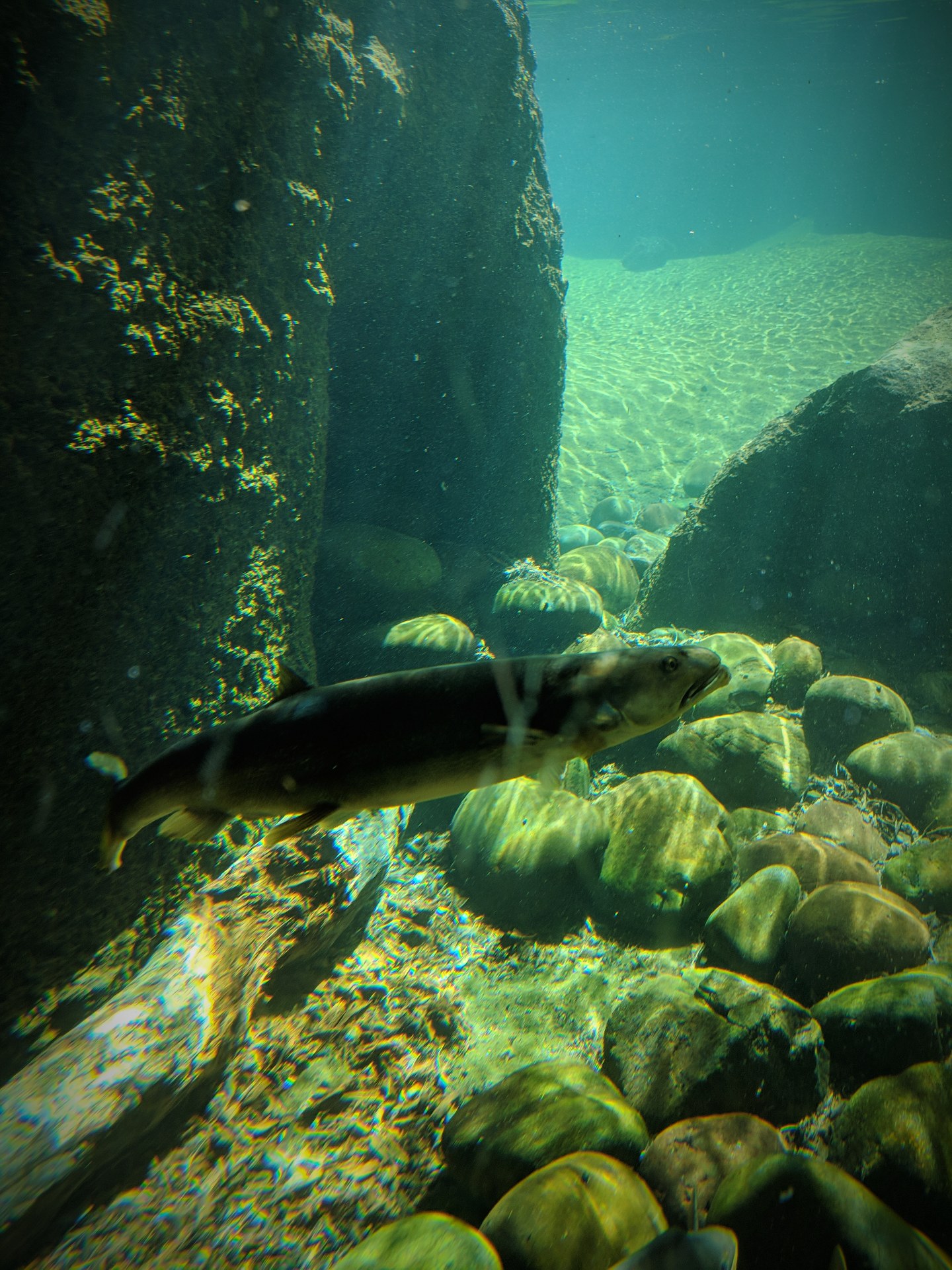
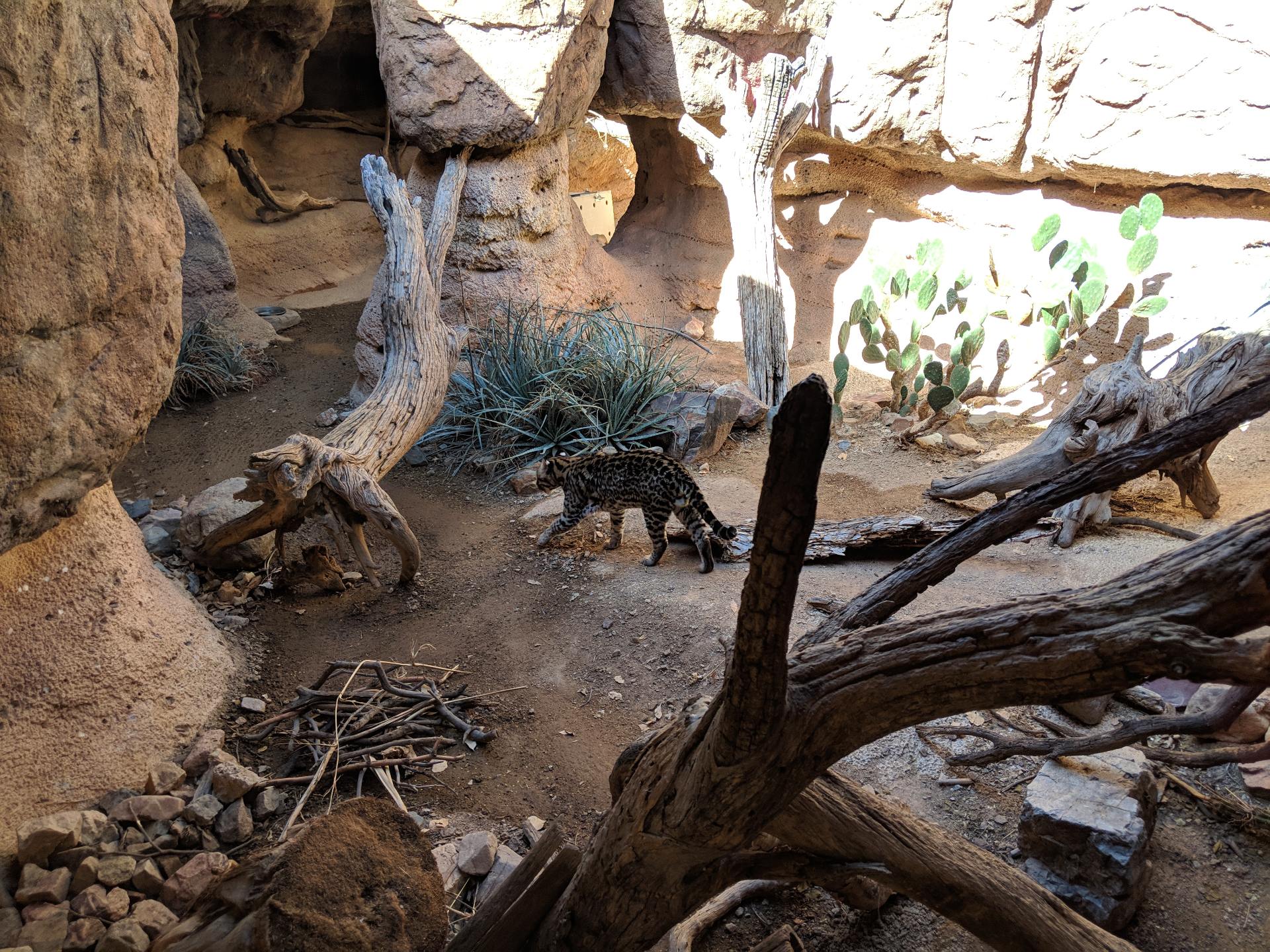
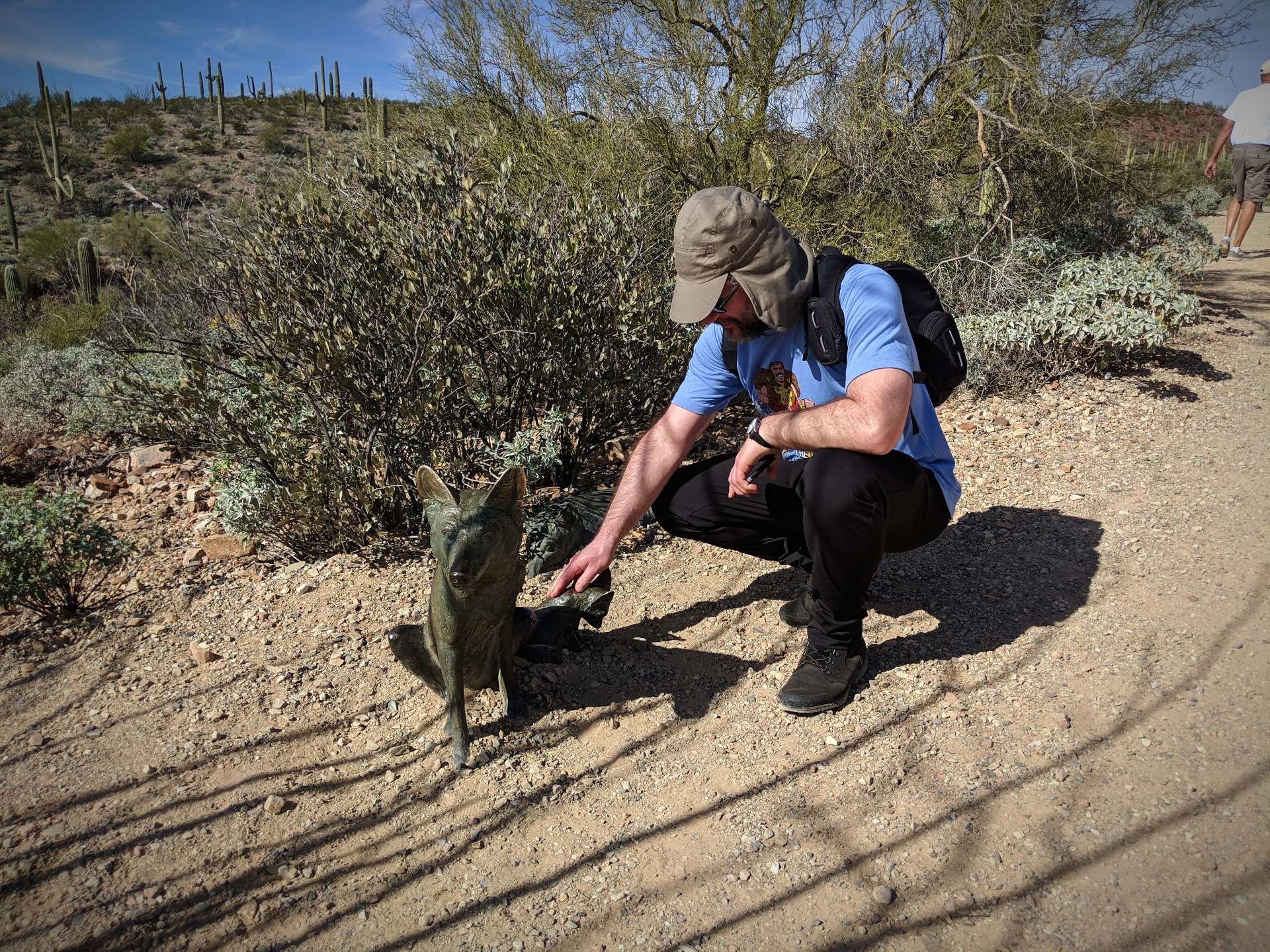
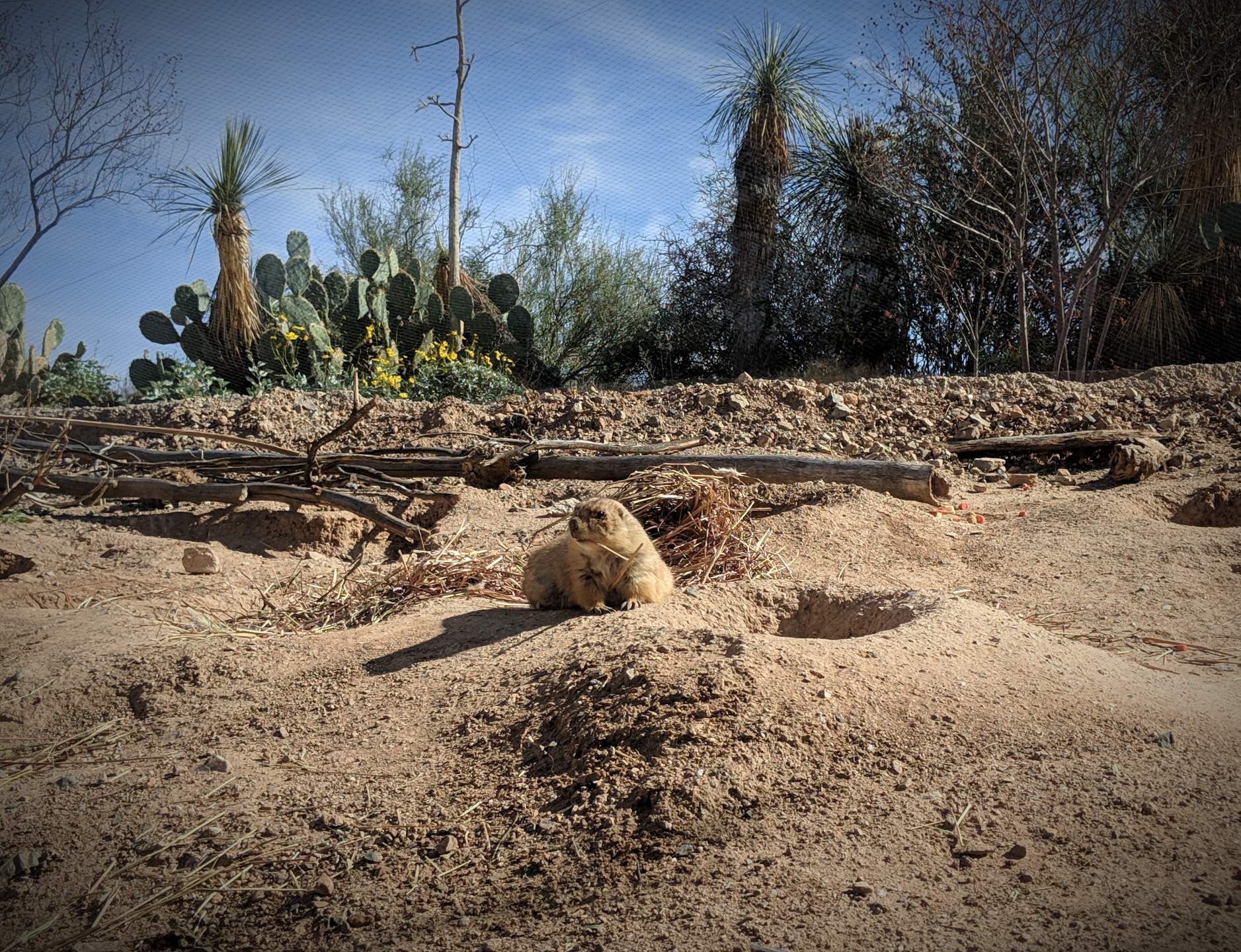
The Arizona-Sonora Desert Museum is a zoo, botanical garden, art gallery & classes, natural history museum, and aquarium all at once, dedicated to the education, protection and conservation of nature in the Sonoran Desert Region.

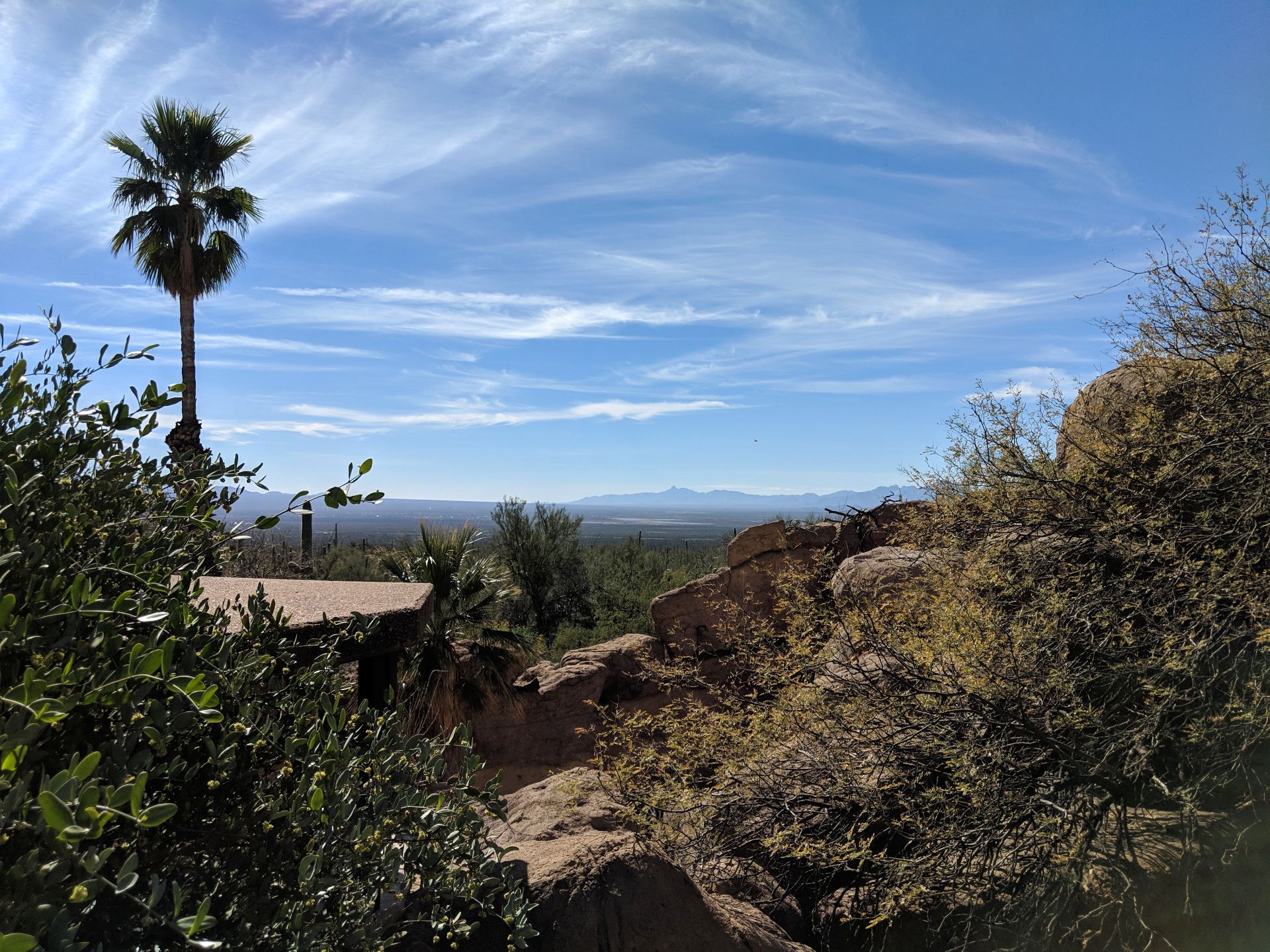
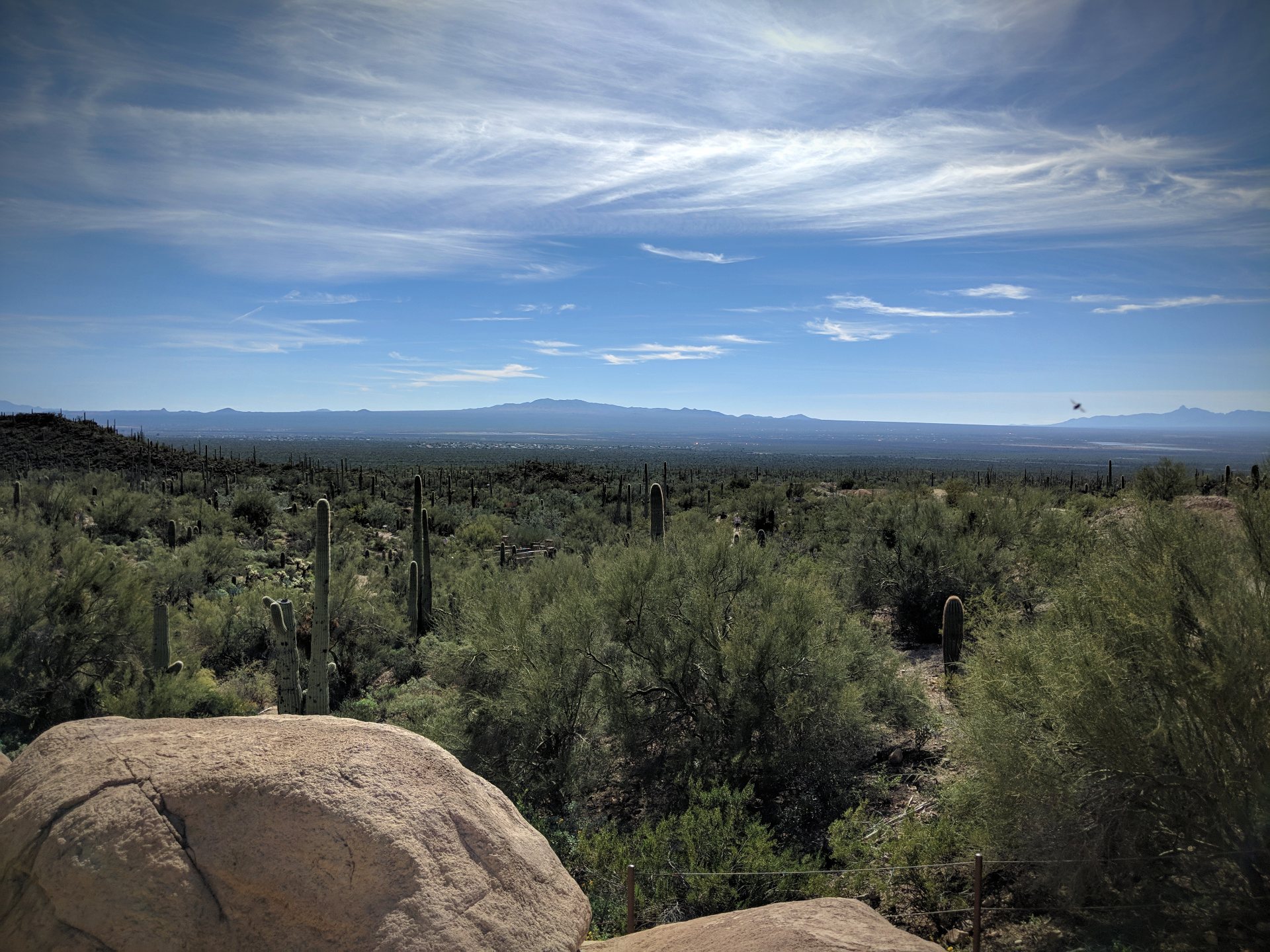
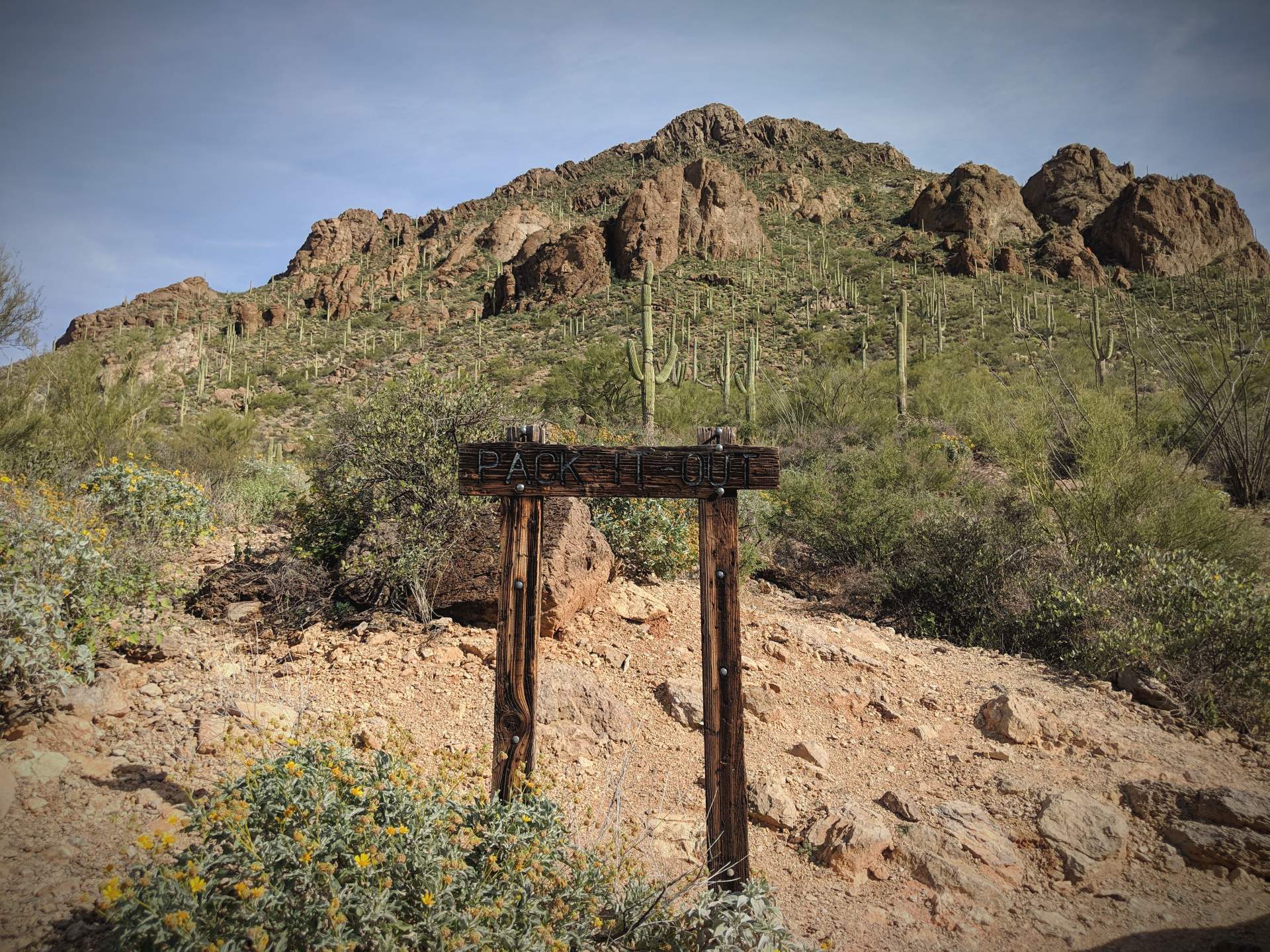
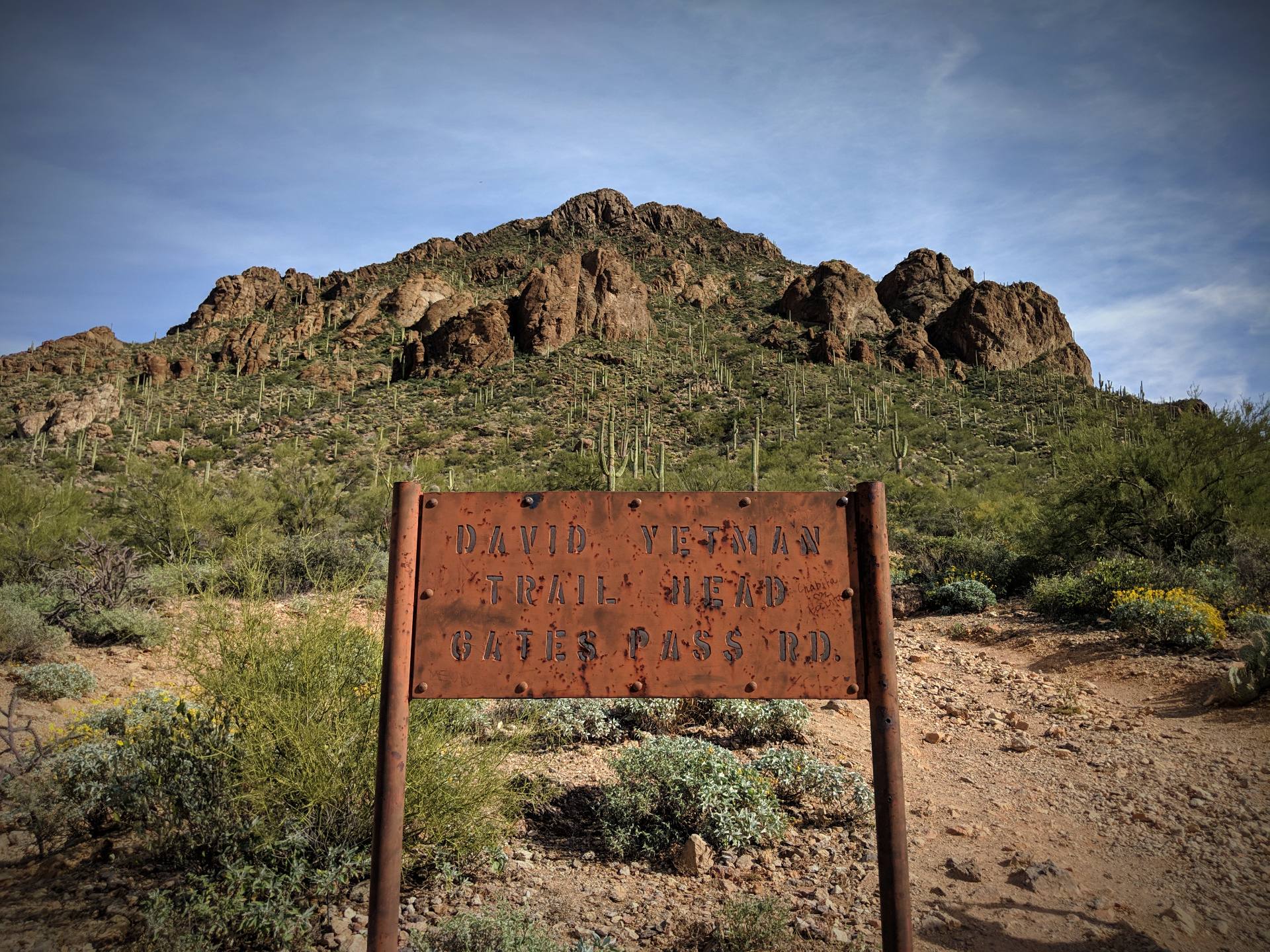
The David Yetman West Trailhead leads to a 3,9 loop trail of moderate difficulty, with sweeping views of the desert – that is, if you start early enough to beat the heat.

January 27th, 2019
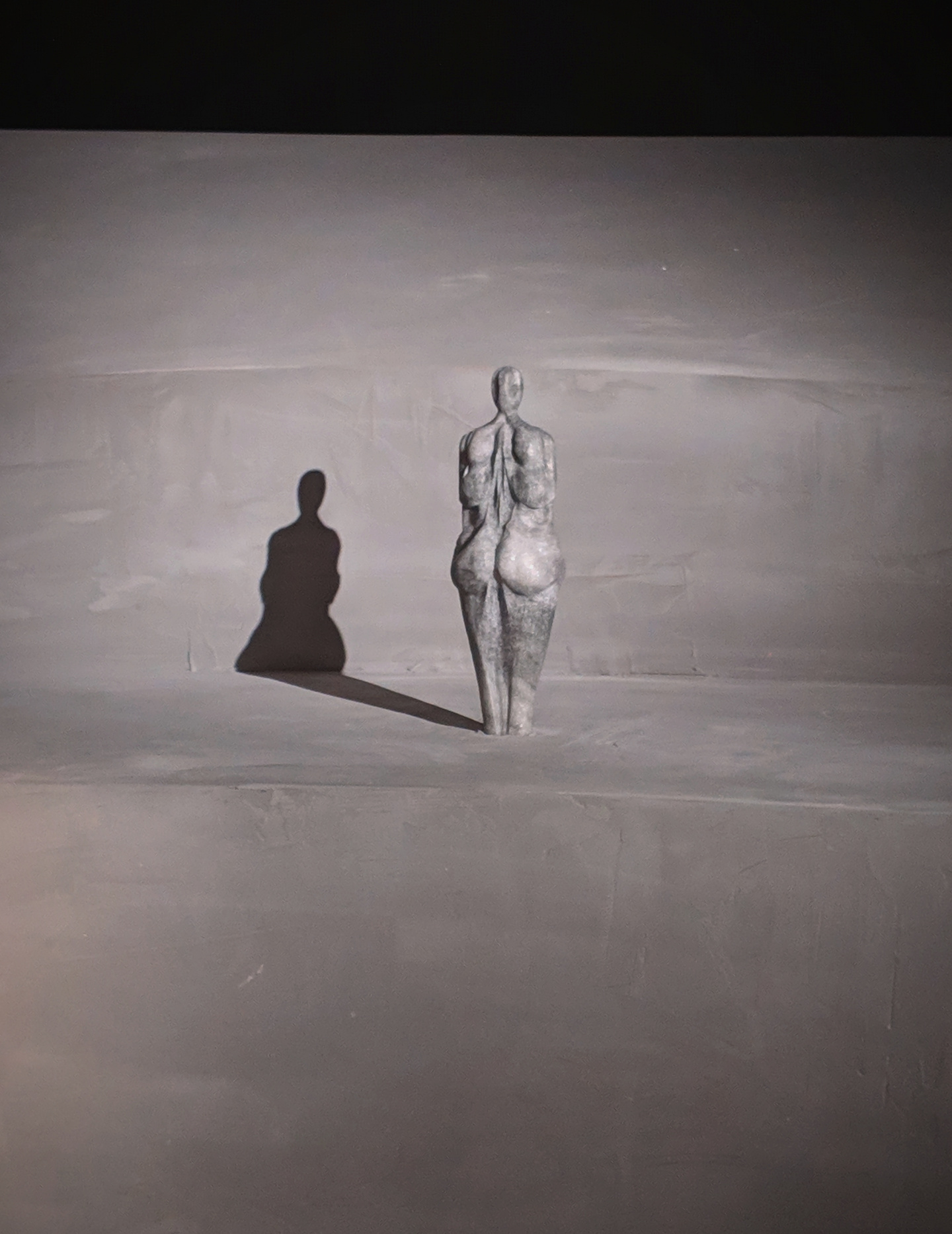
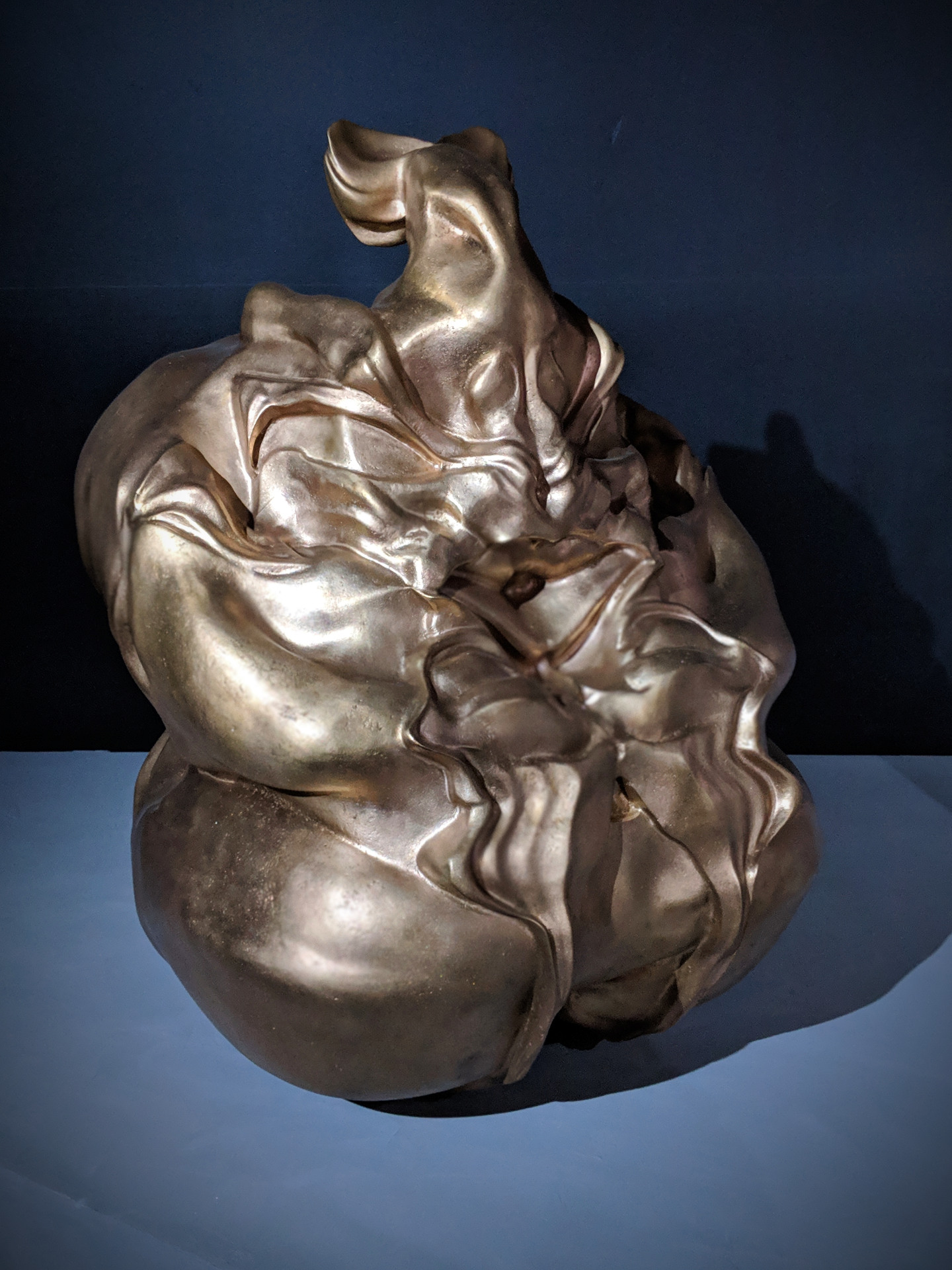
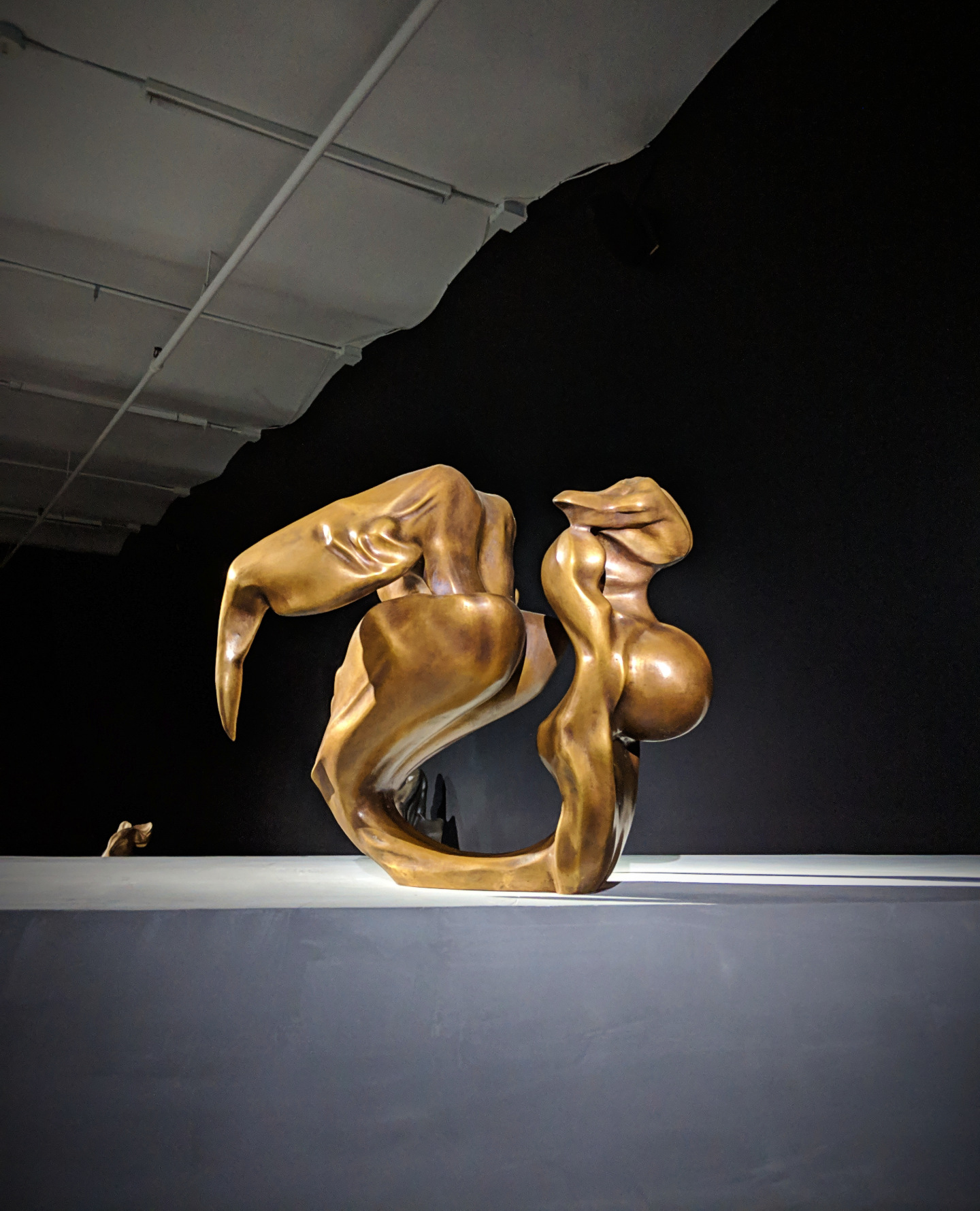
Marguerite Humeau: Birth Canal

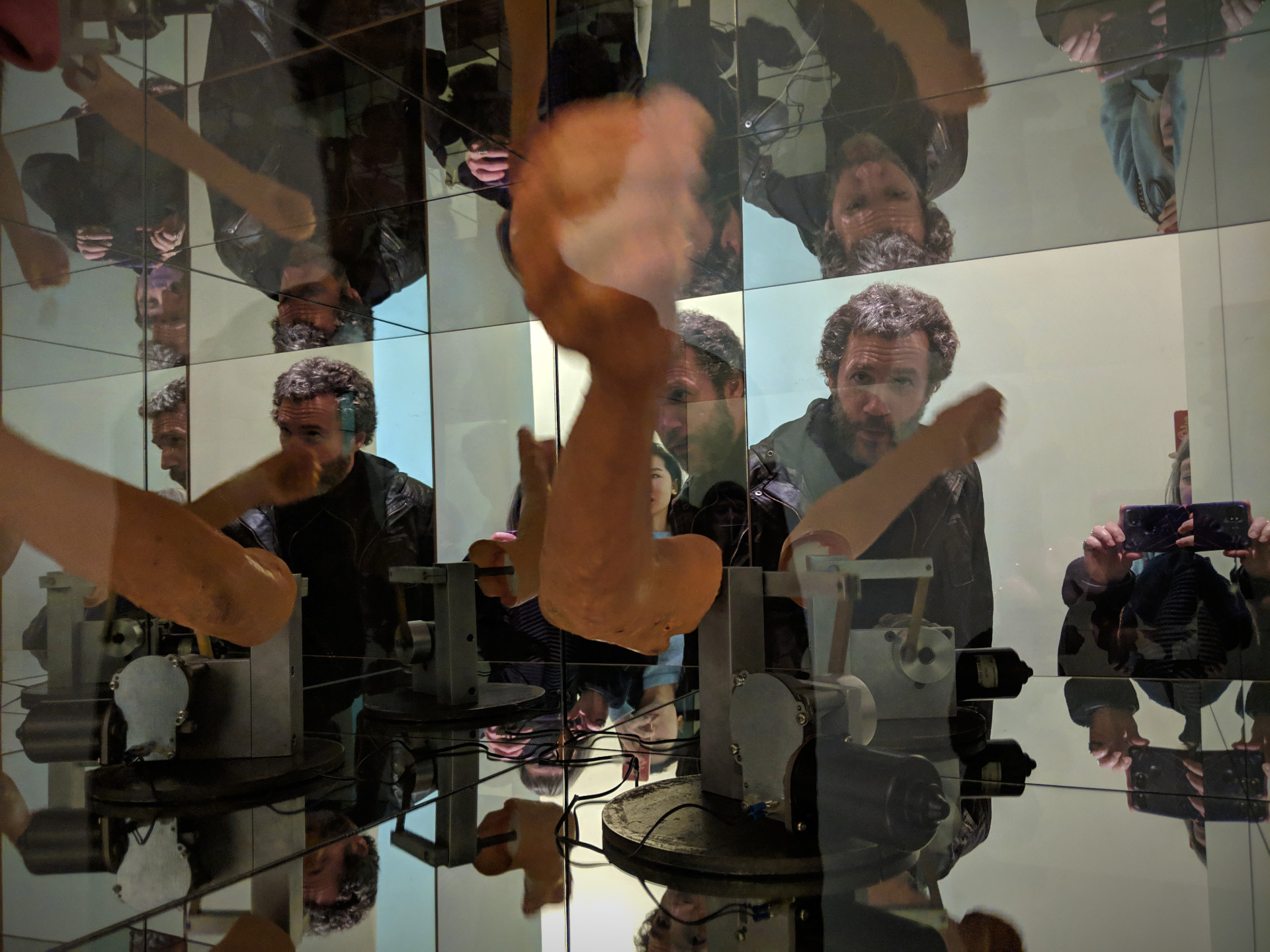
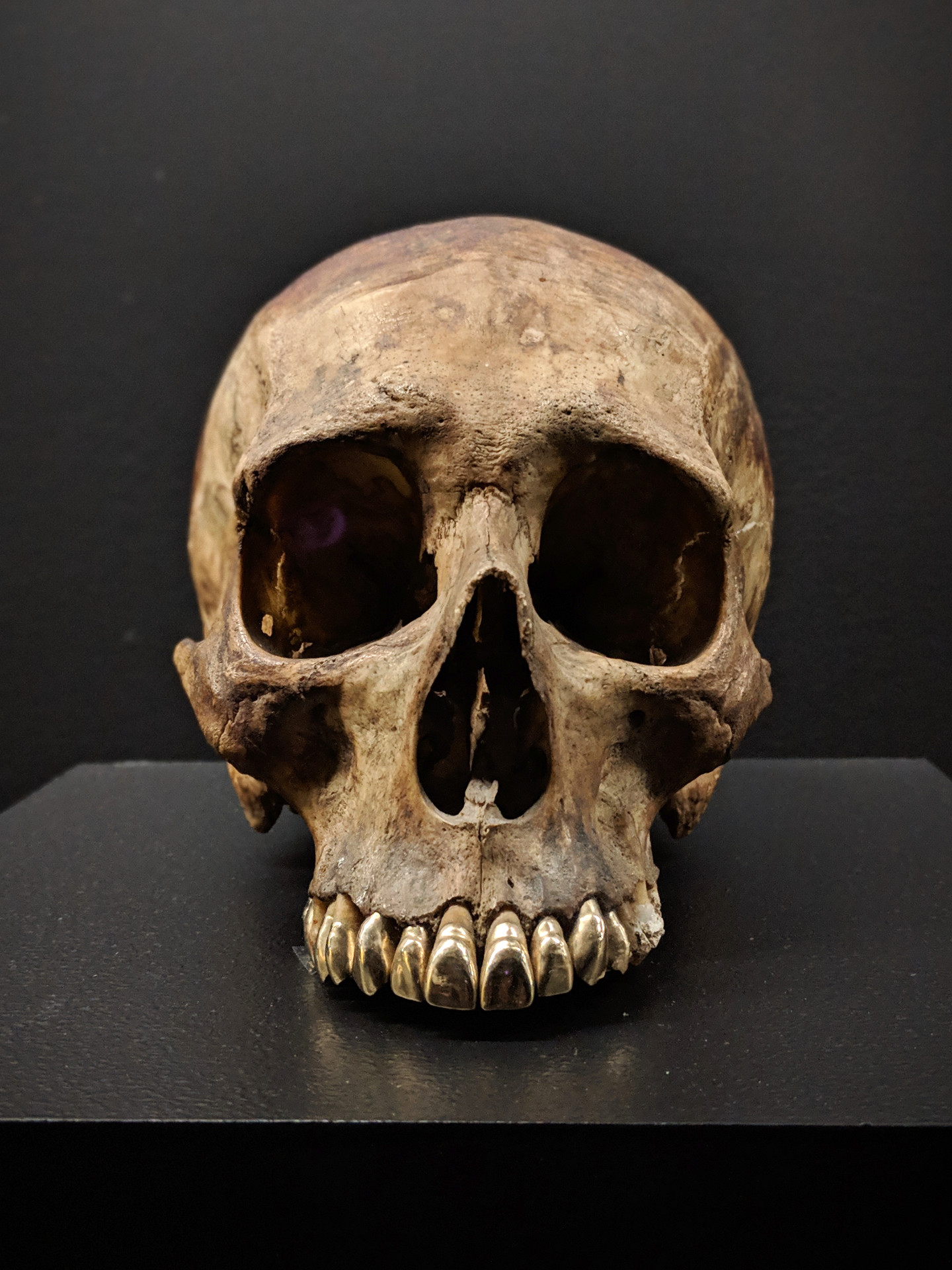
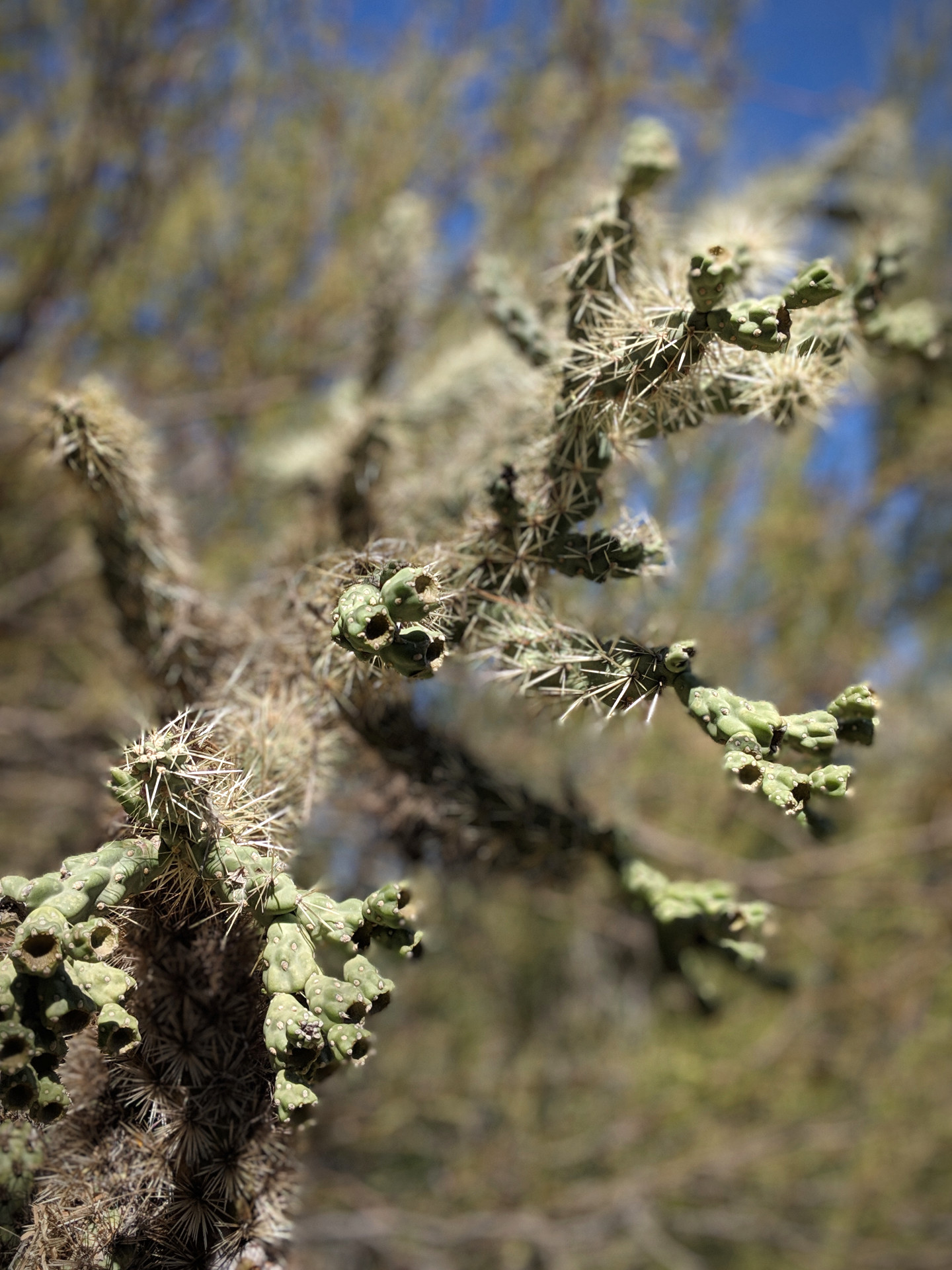
“Birth Canal,” the first US solo museum exhibition by Marguerite Humeau (b. 1986, Cholet, France), debuts a new body of sculpture within an installation of light, sound, and scent. Humeau’s work centers on the origins of humankind and related histories of language, love, spirituality, and war. She prefaces each project with a period of intense investigation in which she engages diverse authorities on her chosen subject, including historians, anthropologists, paleontologists, zoologists, explorers, linguists, and engineers. Through her interdisciplinary, speculative inquiry, Humeau enriches her own thinking as an artist and researcher, and refashions historical quests in ways that reflect the technological age in which we live. – New Museum

New Museum, 235 Bowery, New York

January 6th, 2019
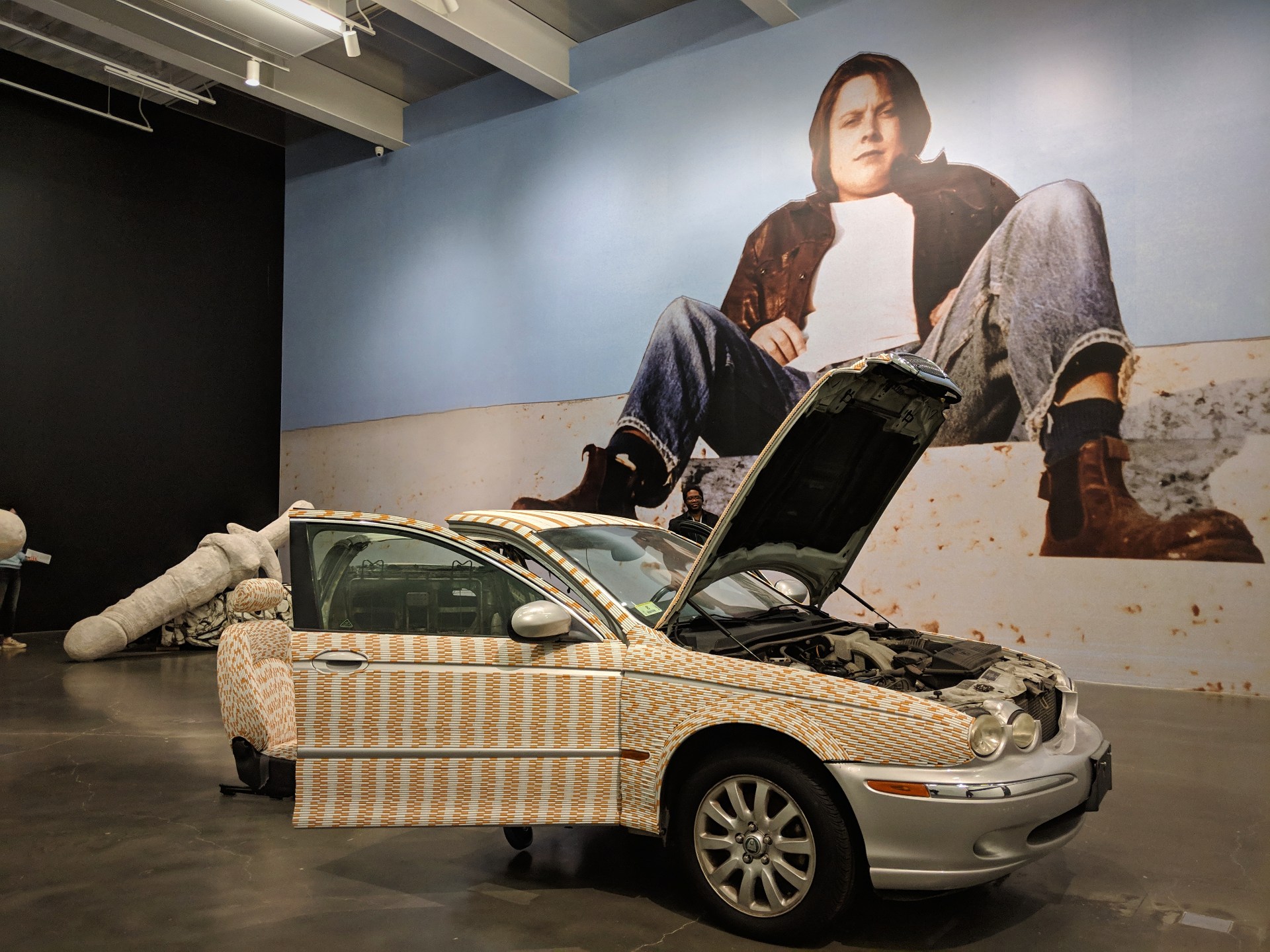
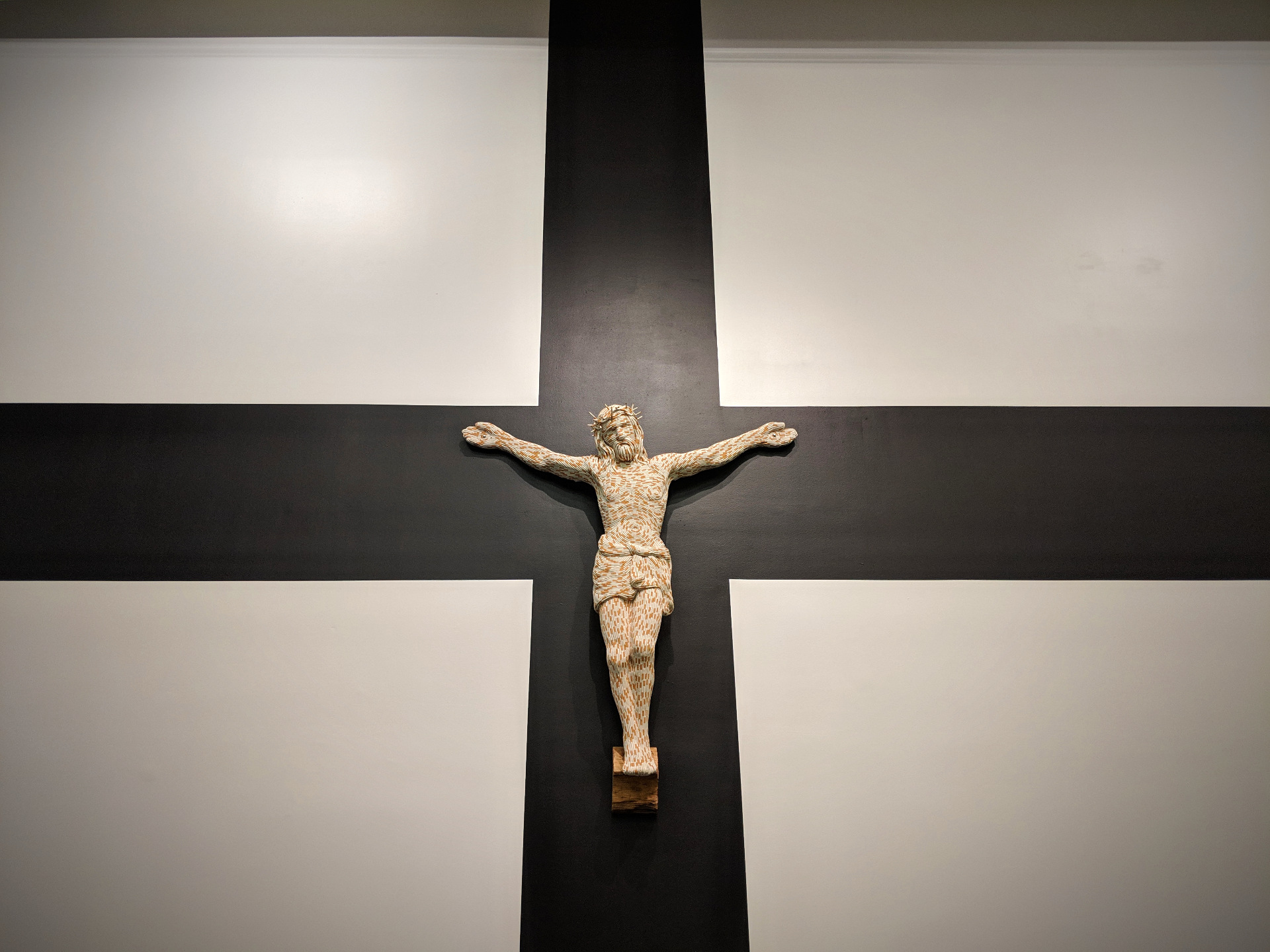
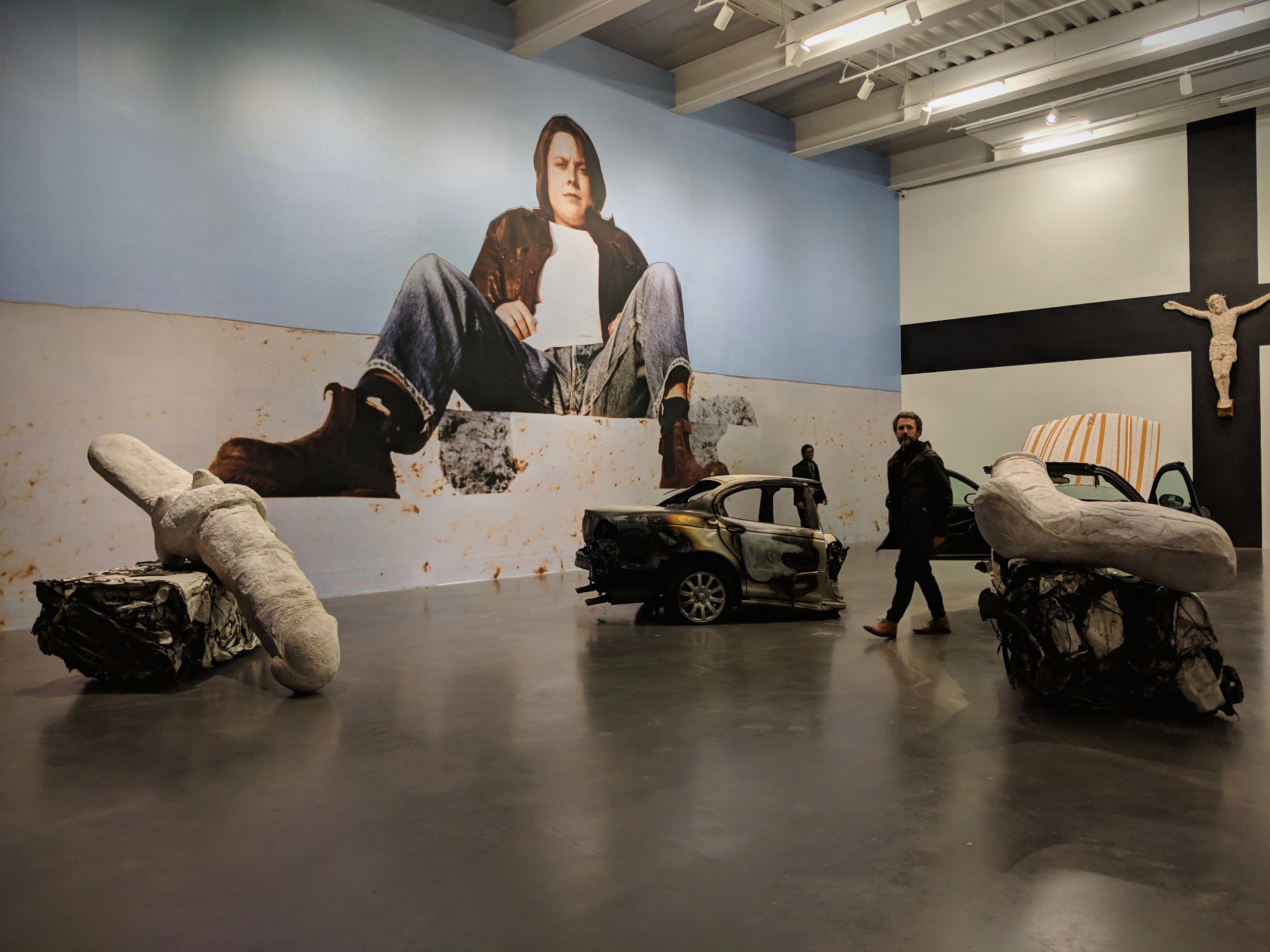
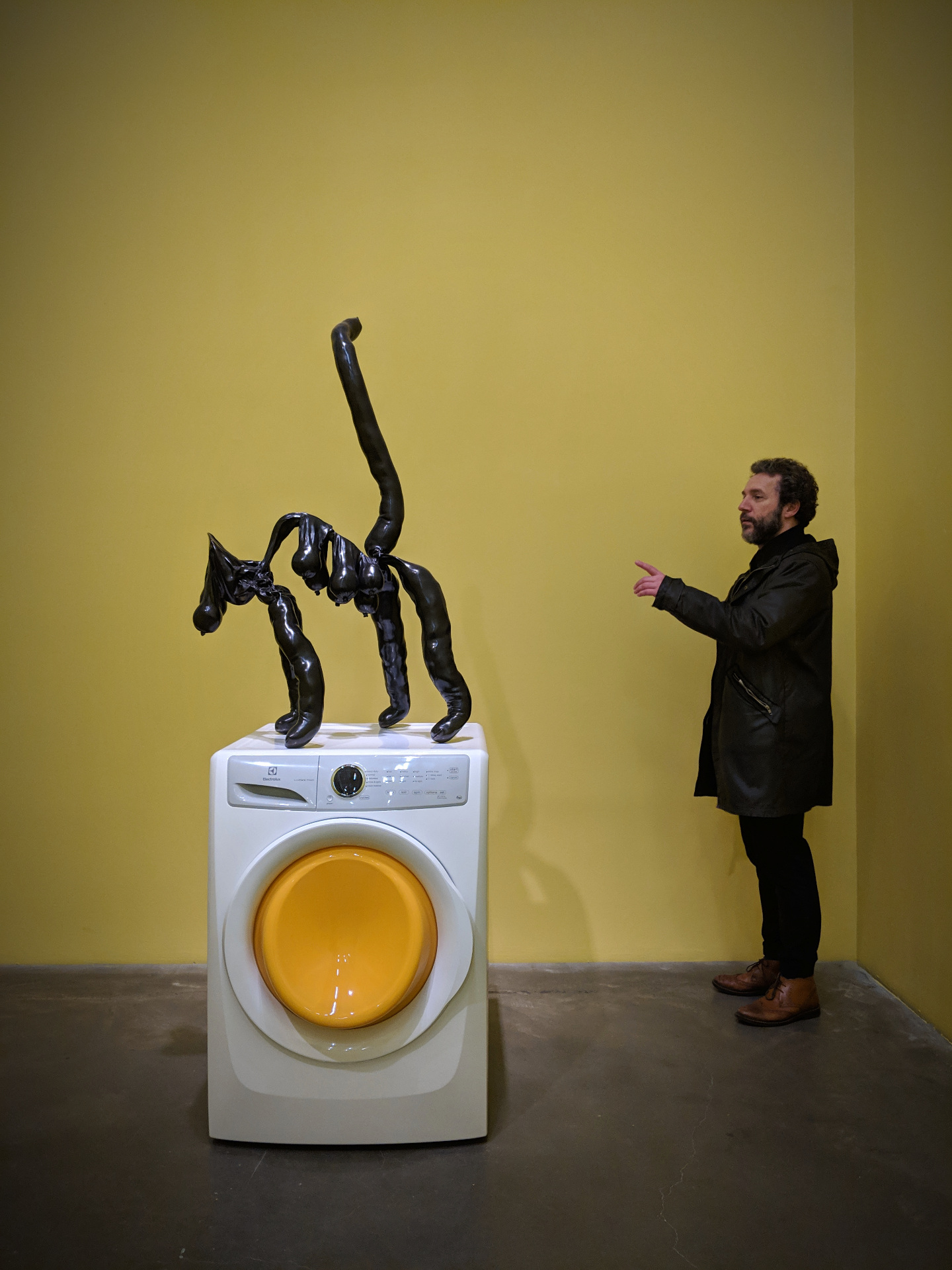
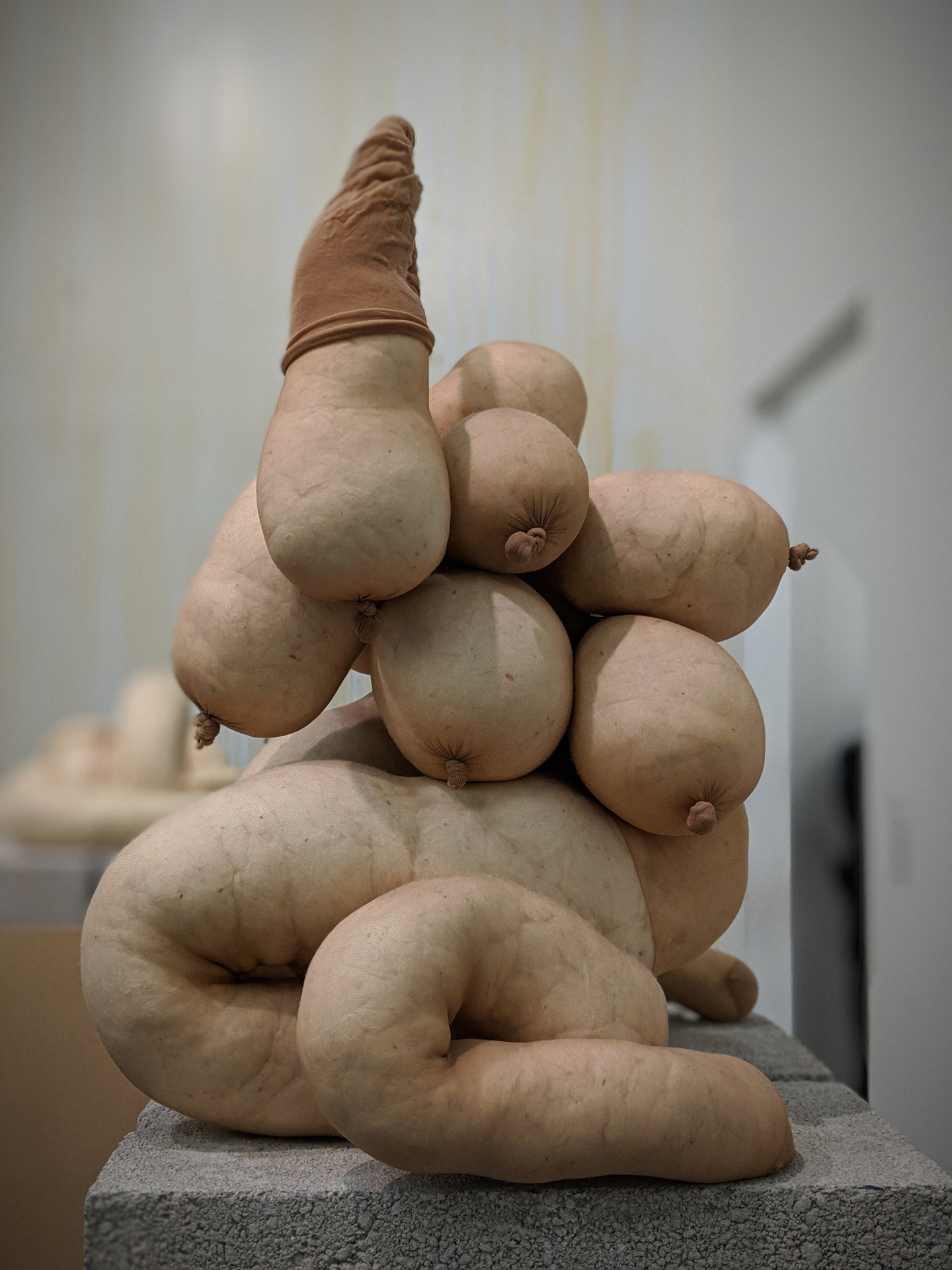
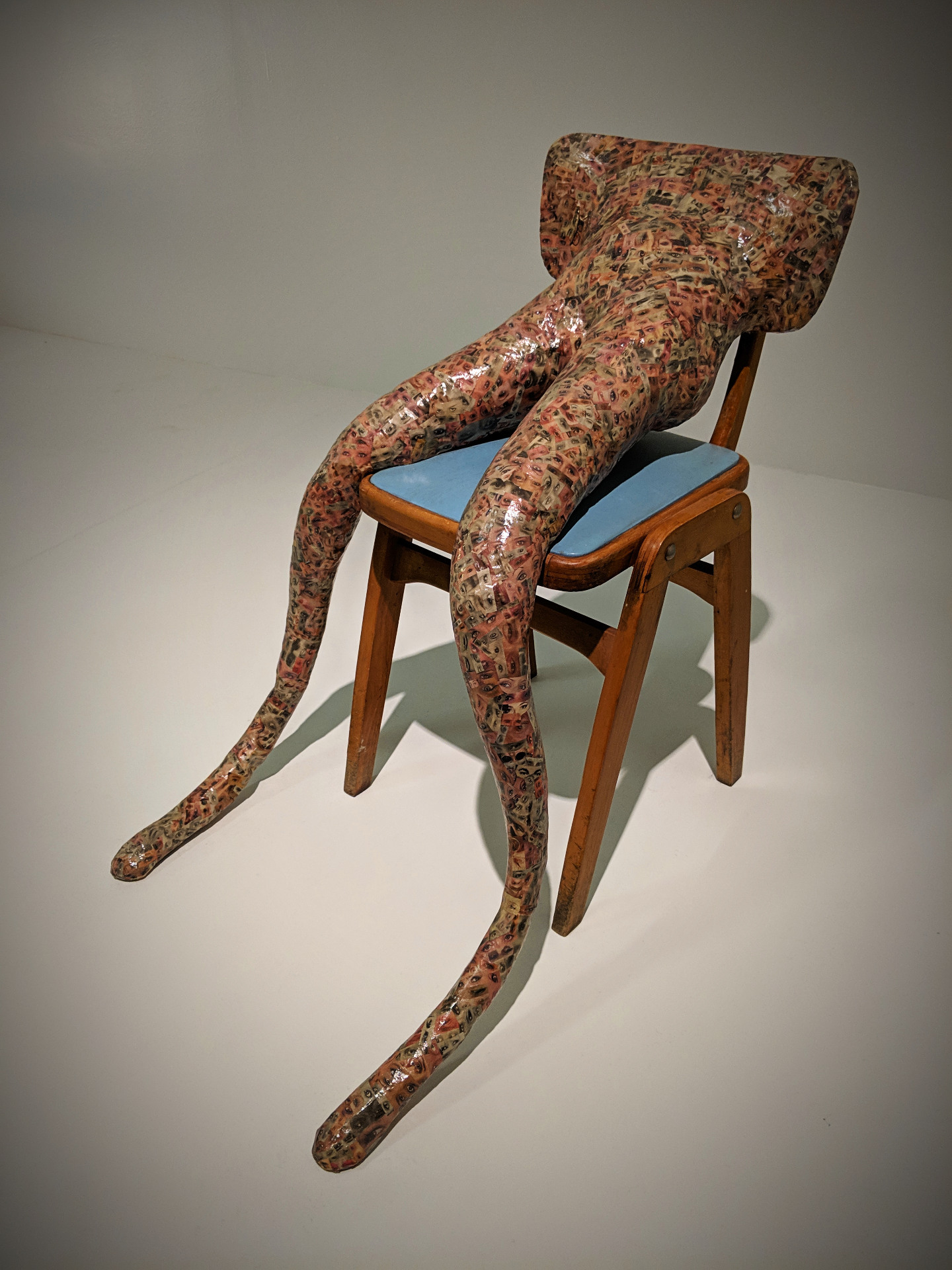
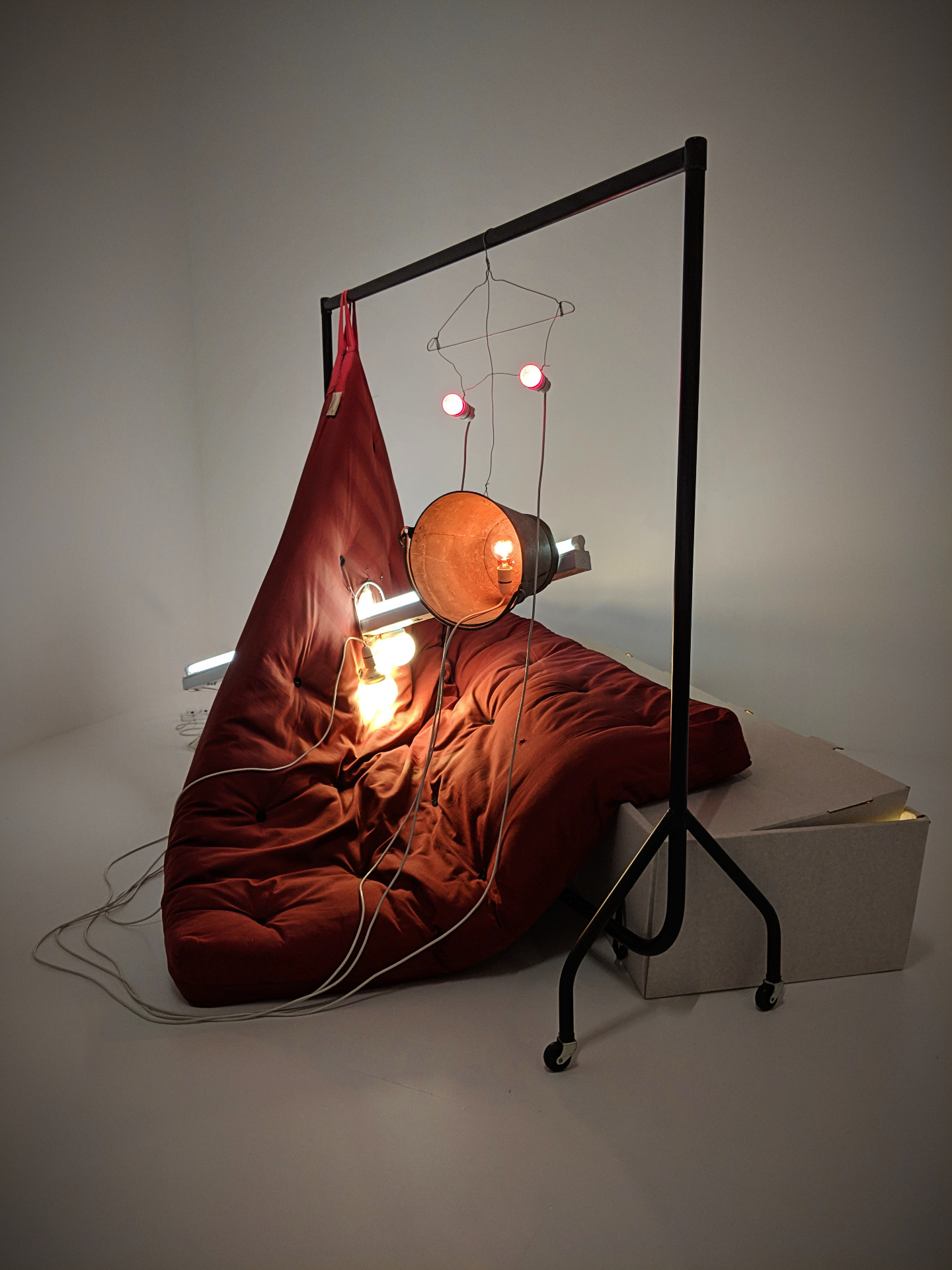
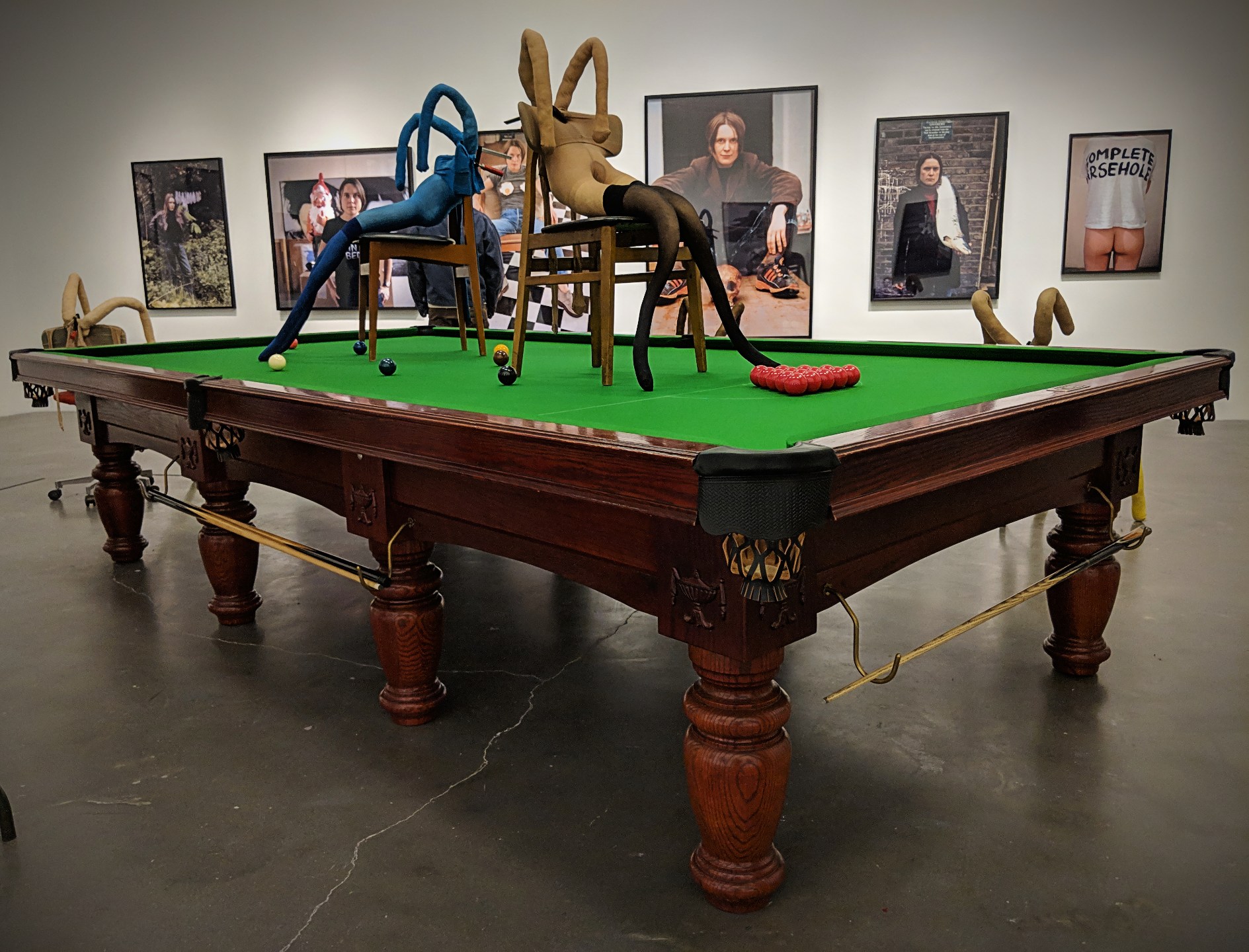
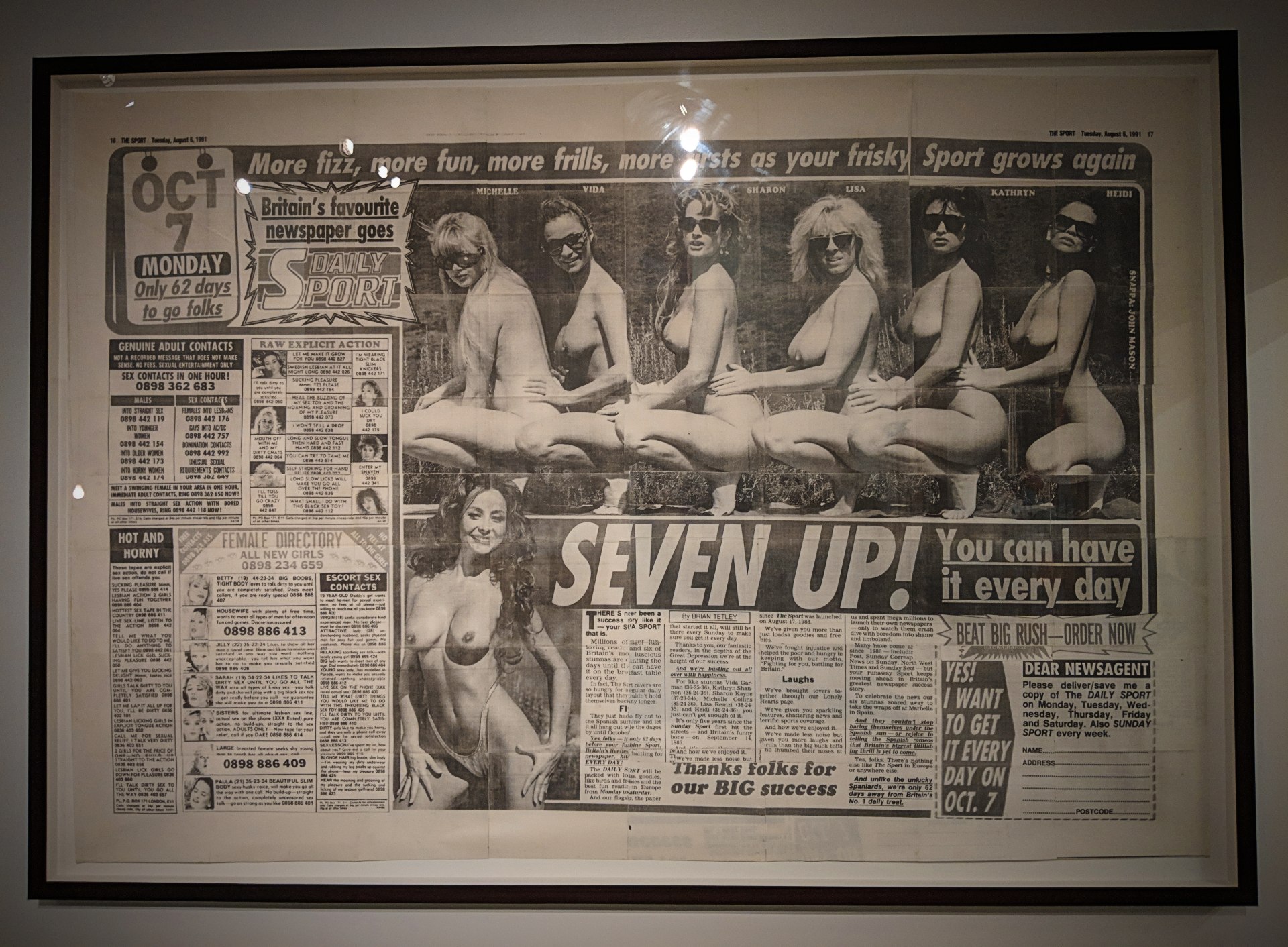
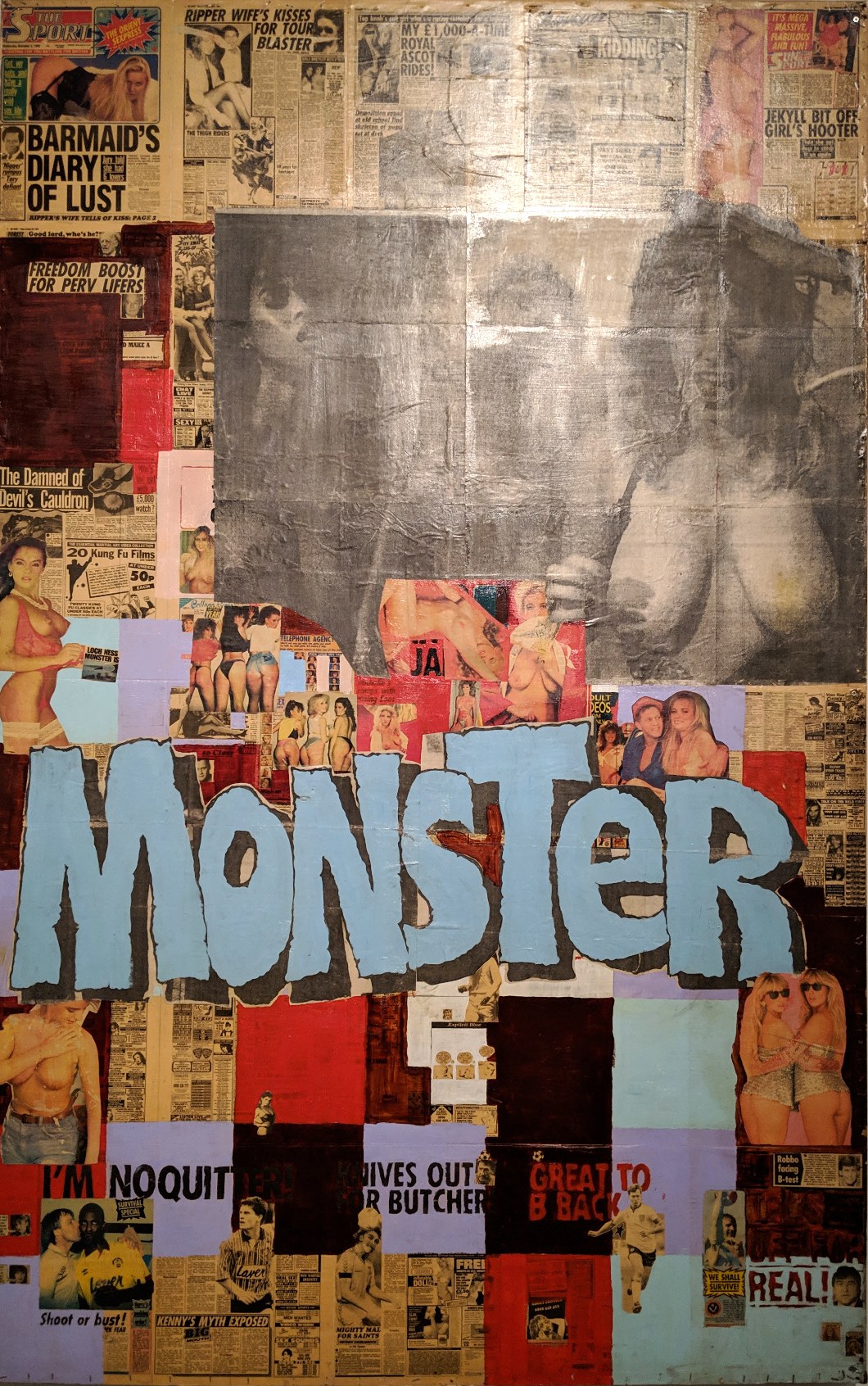
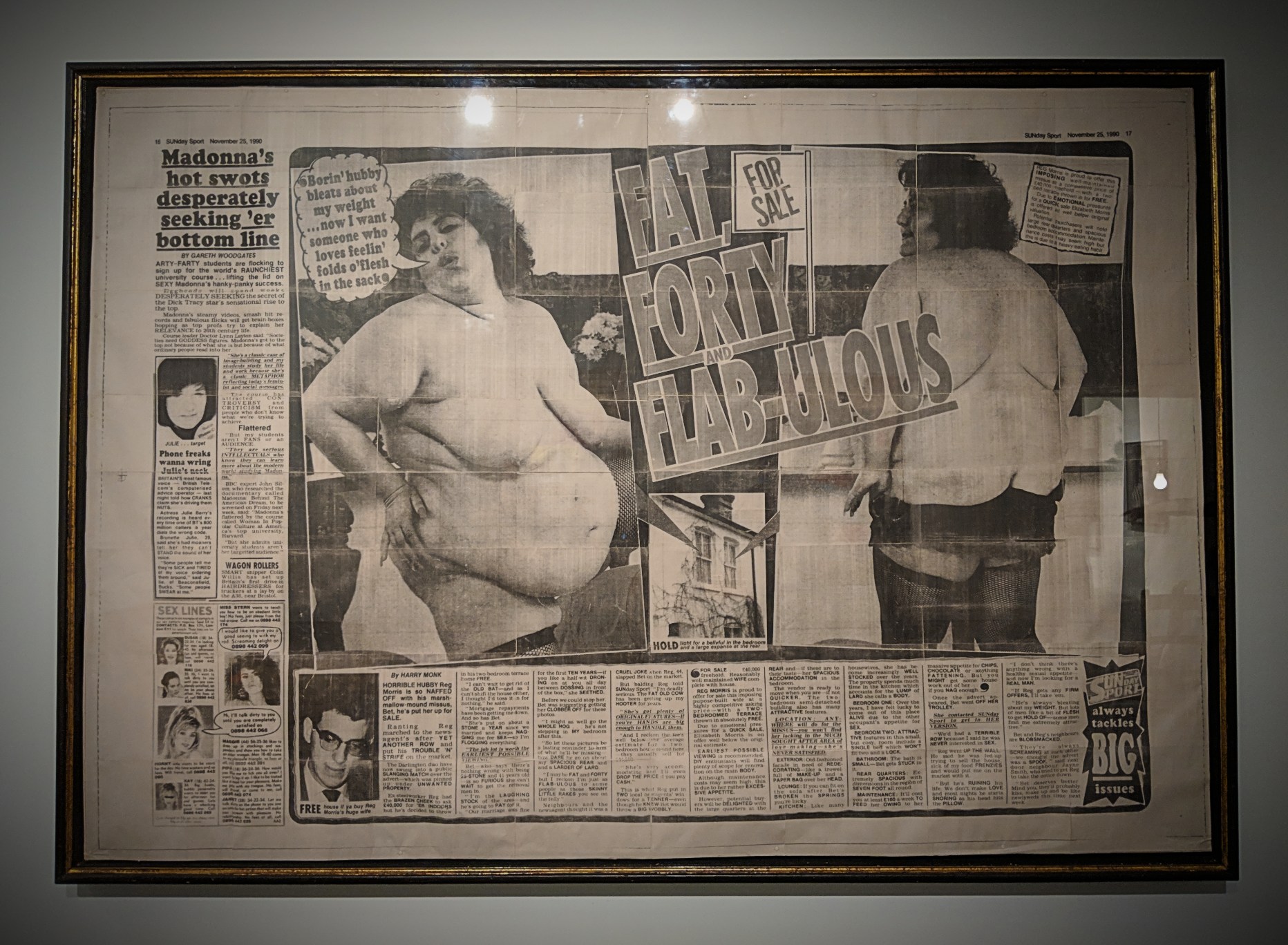
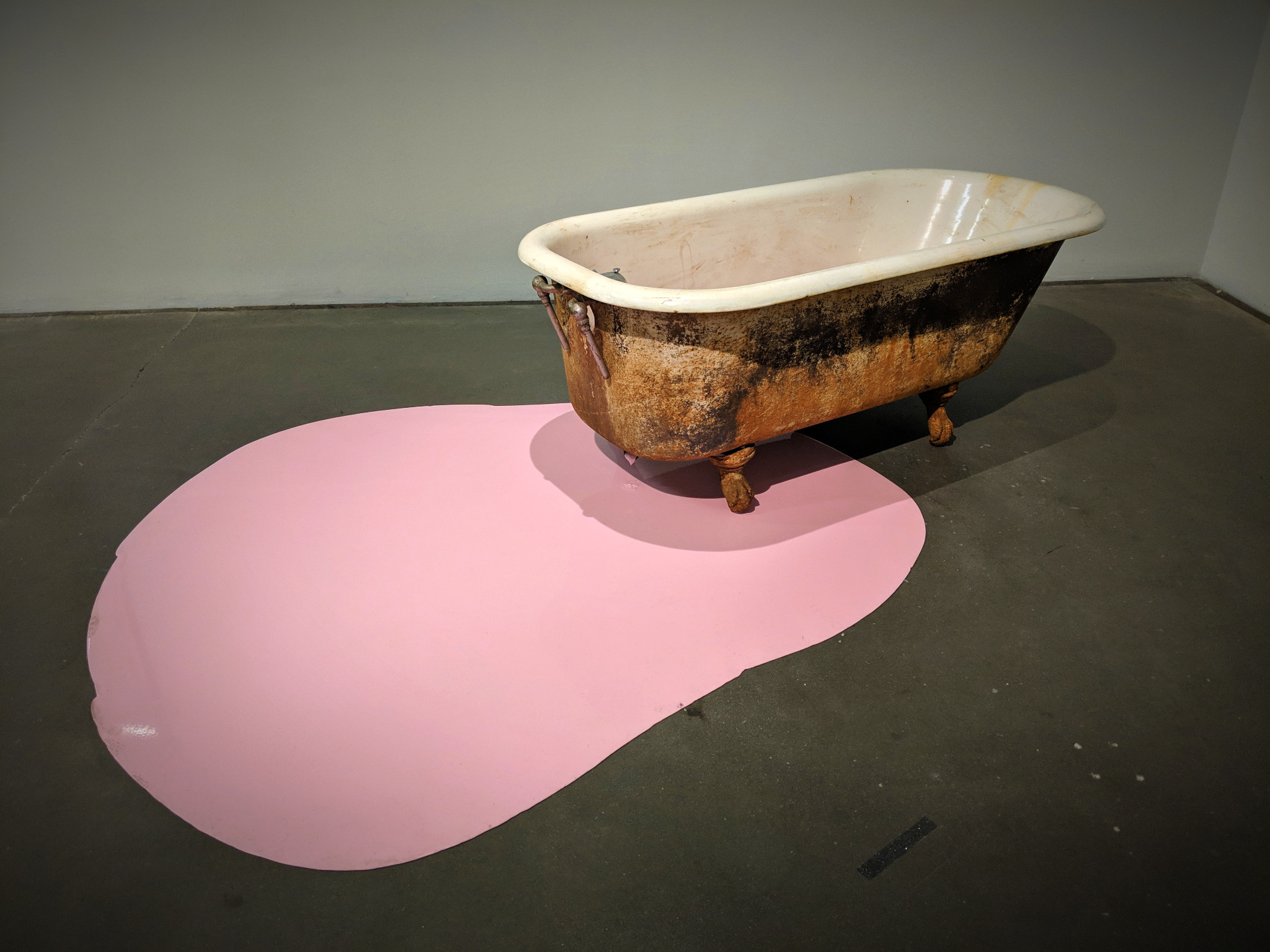
Sarah Lucas : Au Naturel

A love-it-or-hate-it situation

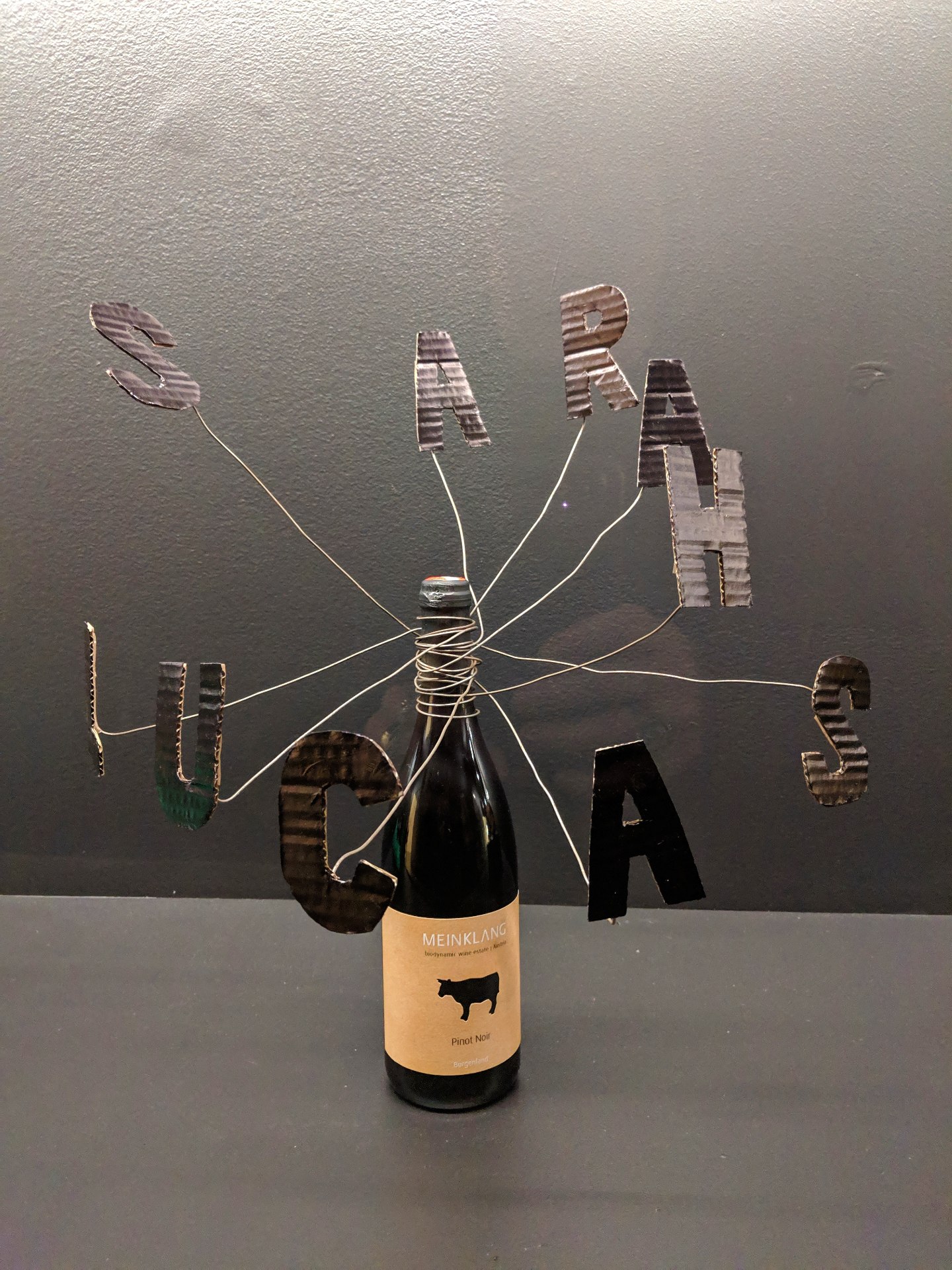
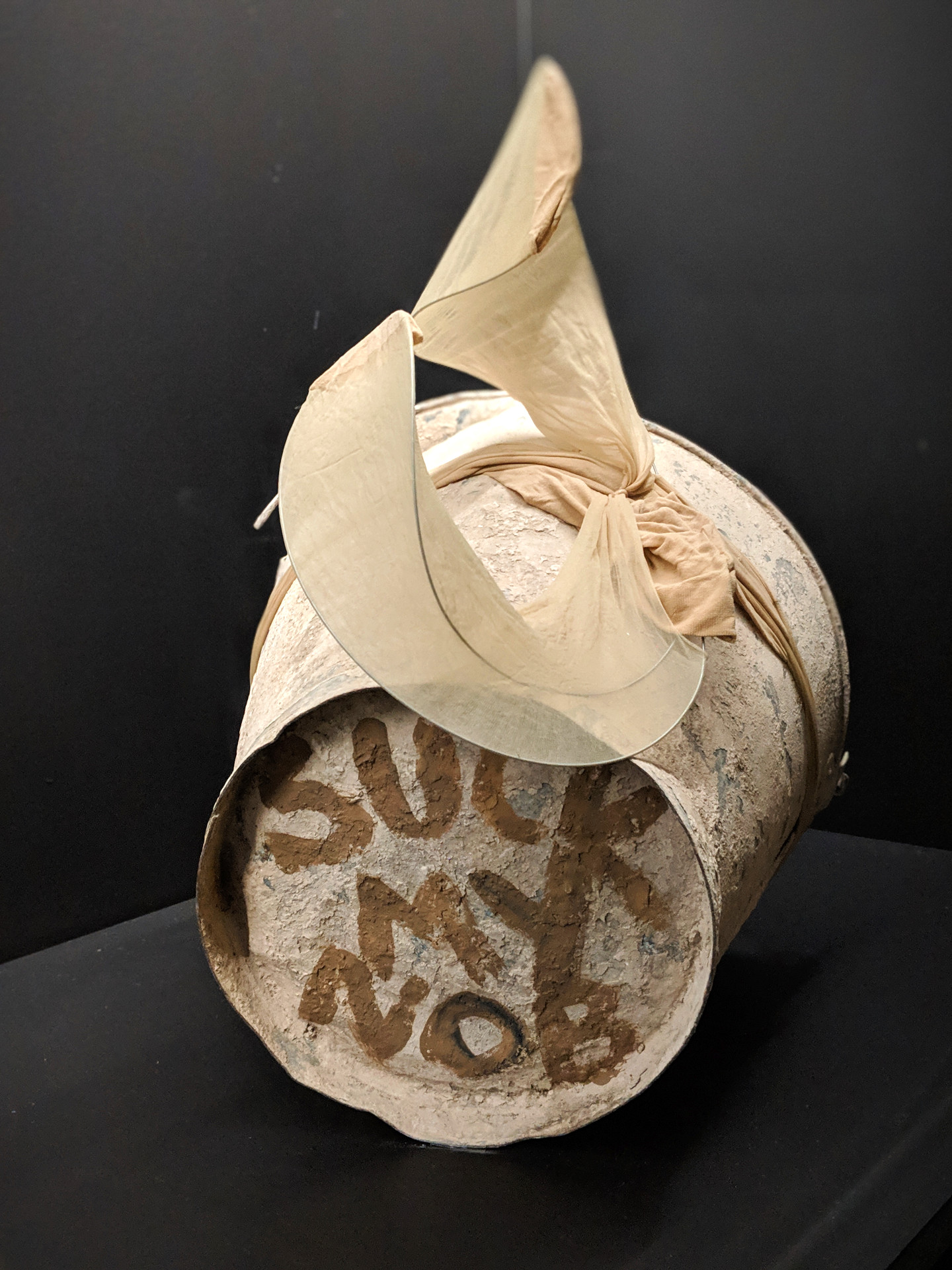
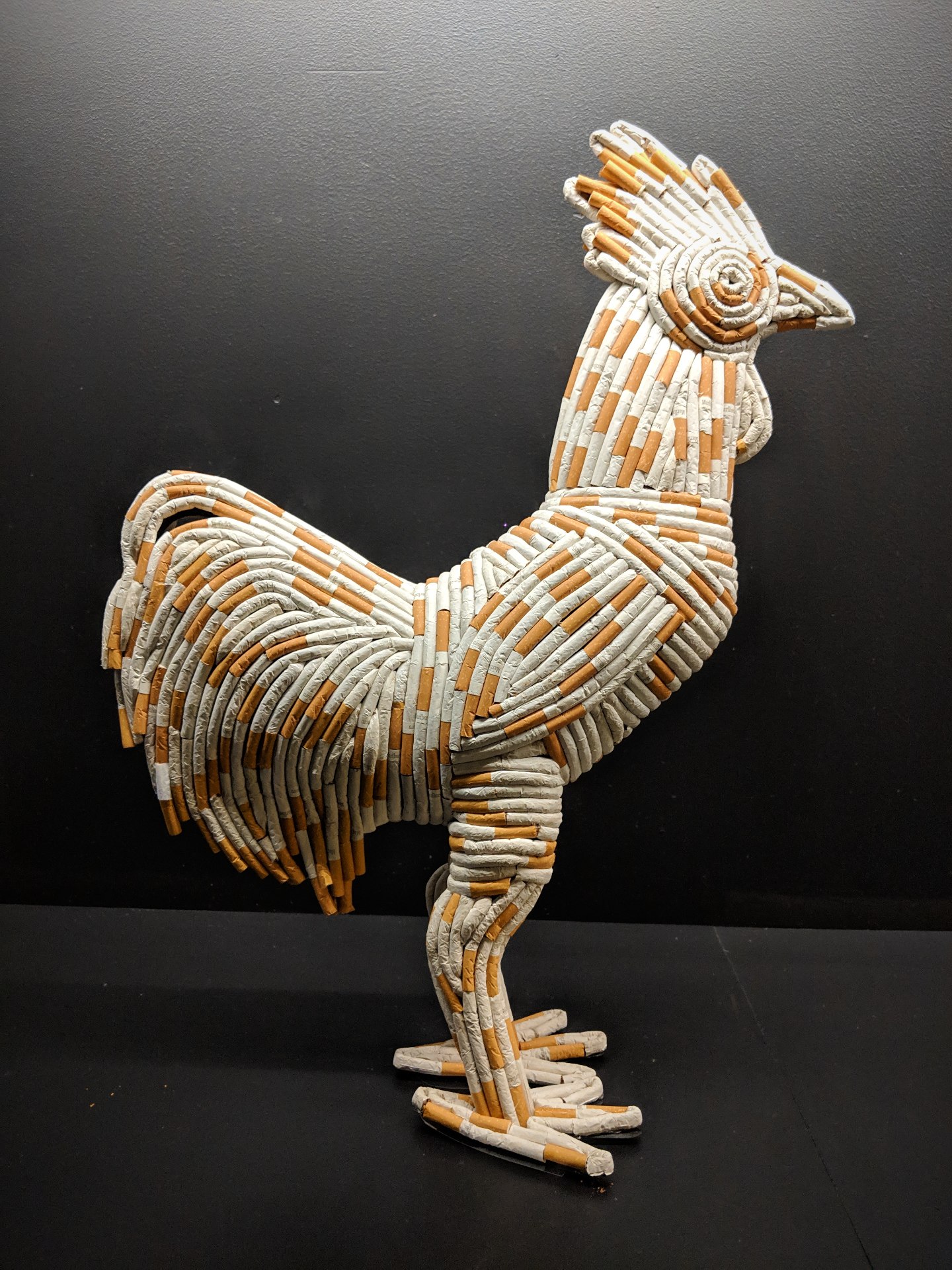
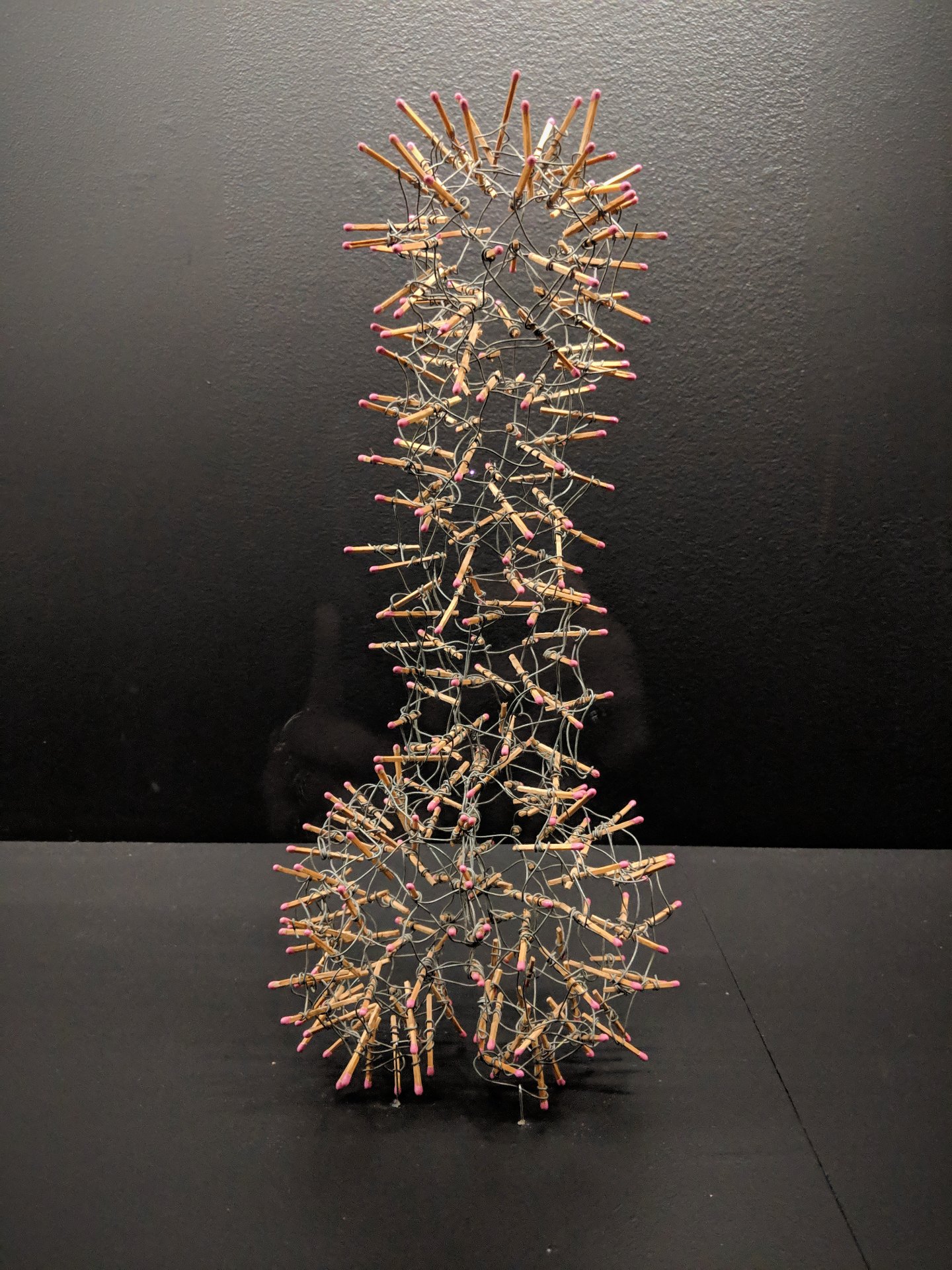
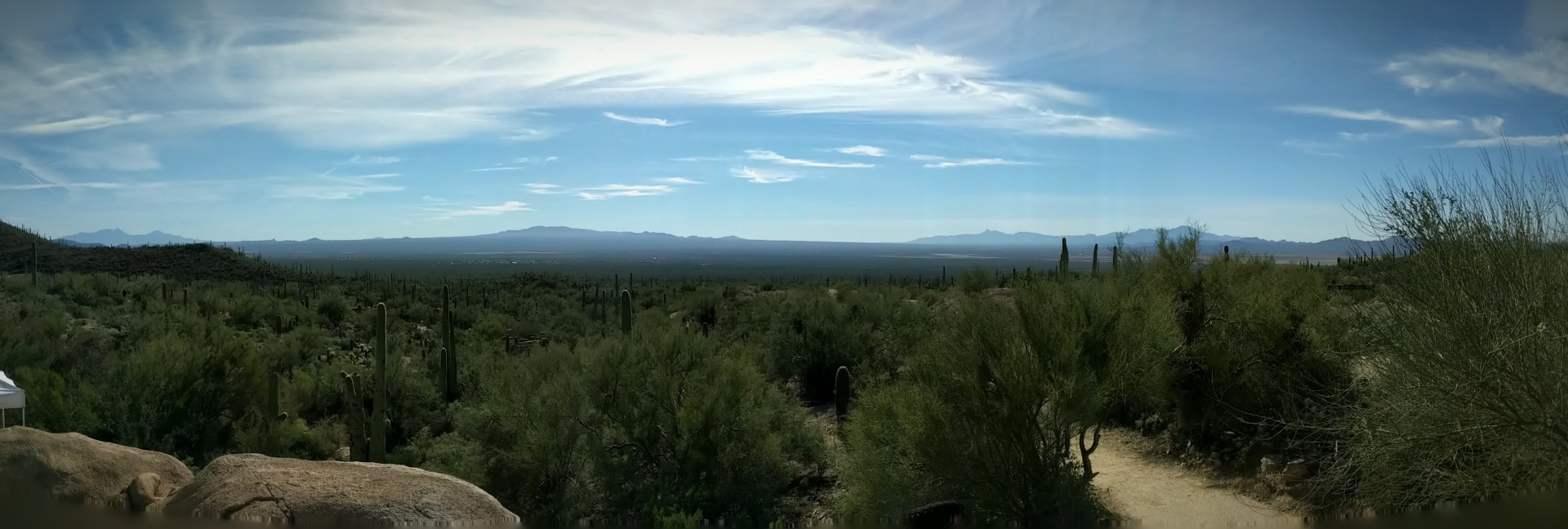
Over the past thirty years, Lucas has created a distinctive and provocative body of work that subverts traditional notions of gender, sexuality, and identity. Since the late 1980s, she has transformed found objects and everyday materials such as cigarettes, vegetables, and stockings into disorienting, confrontational tableaux that boldly challenge social norms. The human body and anthropomorphic forms recur throughout Lucas’s works, often appearing erotic, humorous, fragmented, or reconfigured into fantastical anatomies of desire. – New Museum

The exhibition was on view between September 2018 – January 2019.

New Museum, 235 Bowery, New York

January 6th, 2019
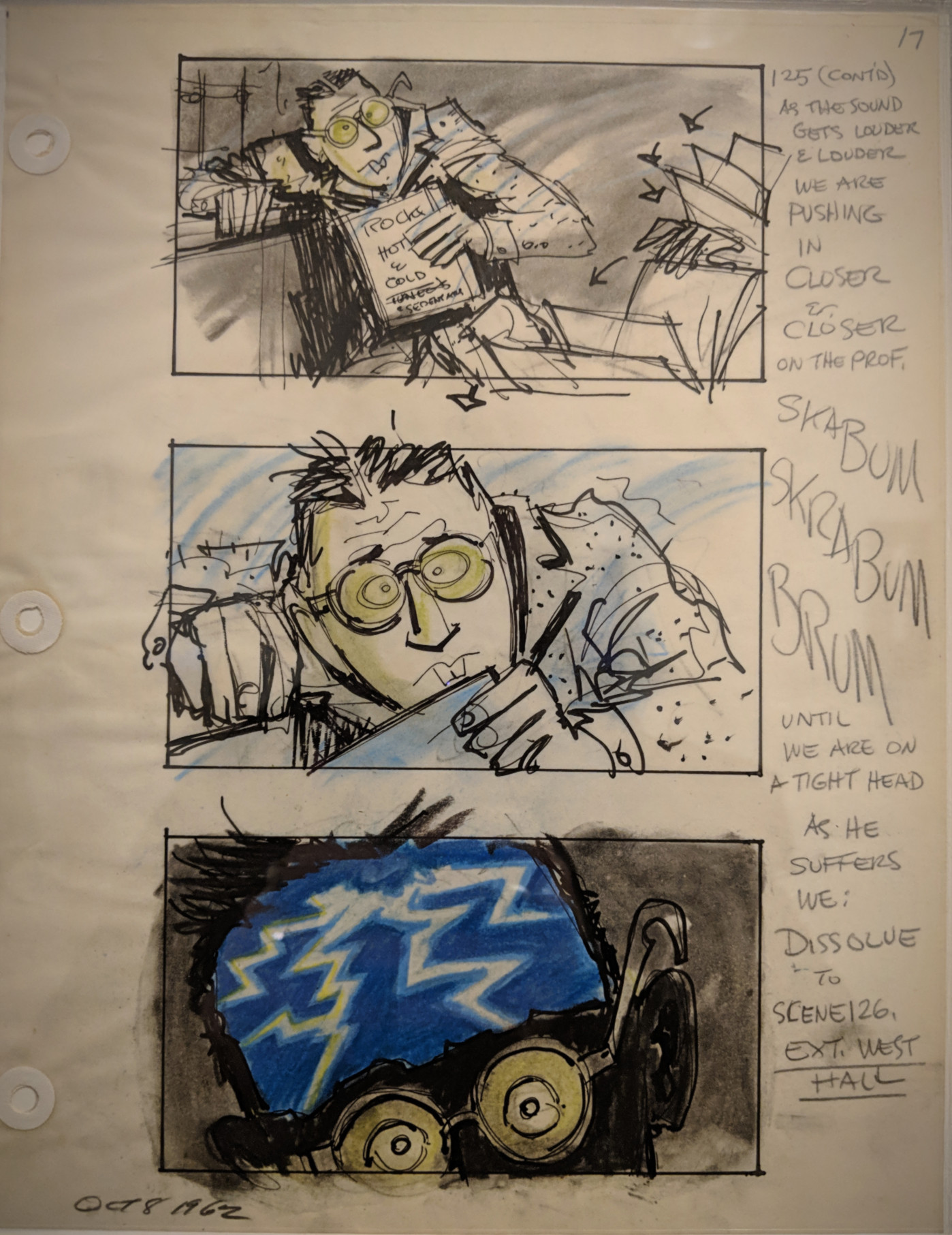
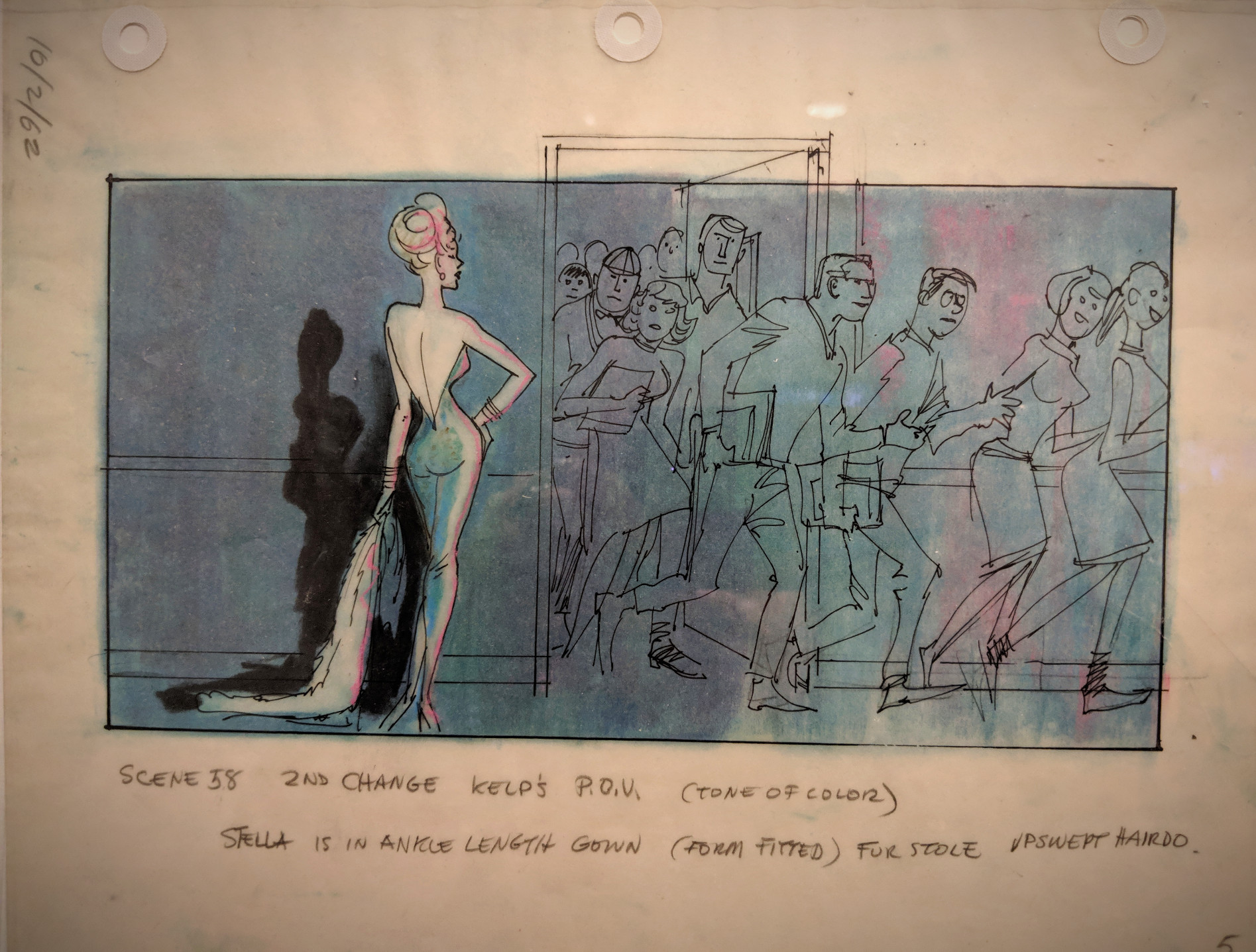
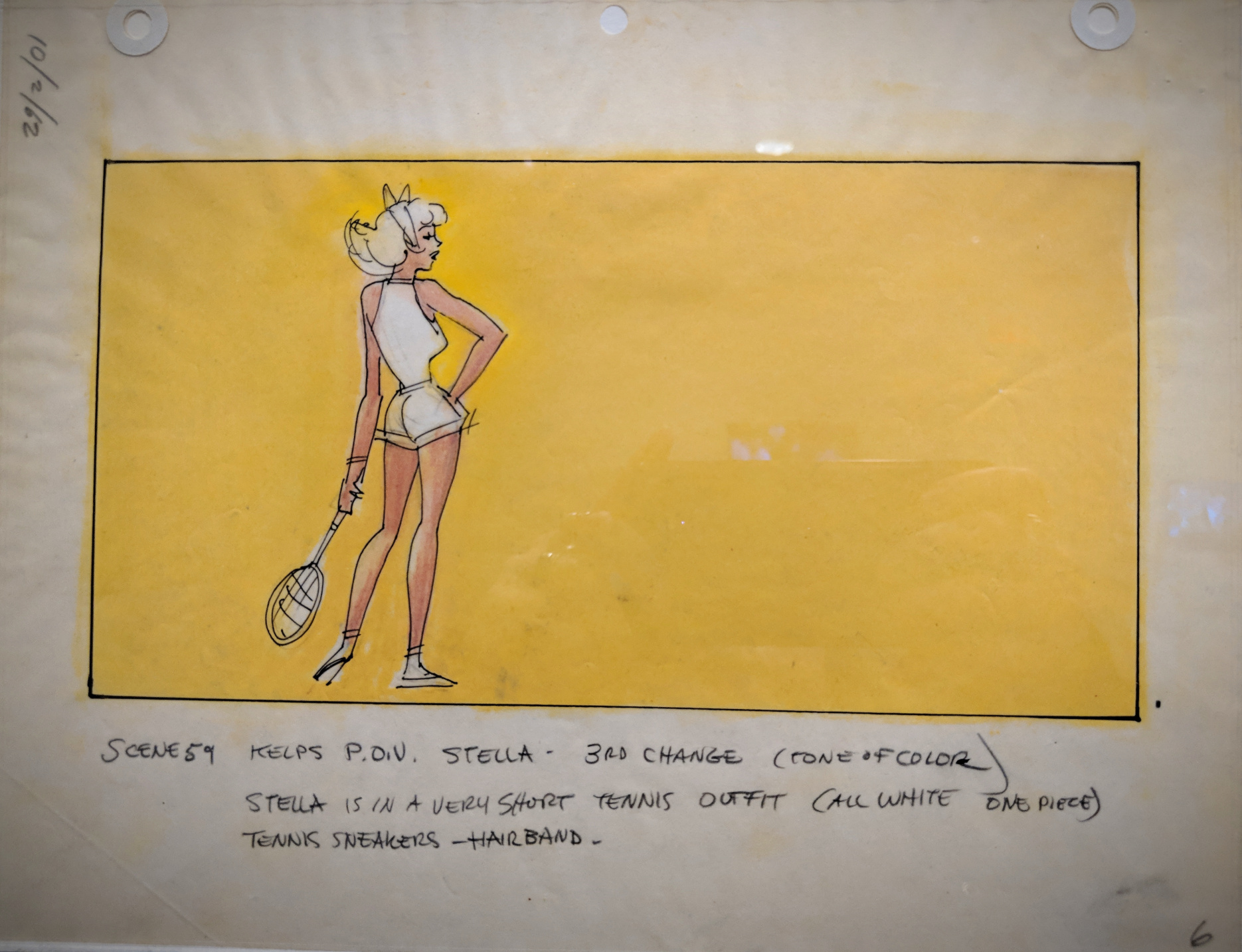
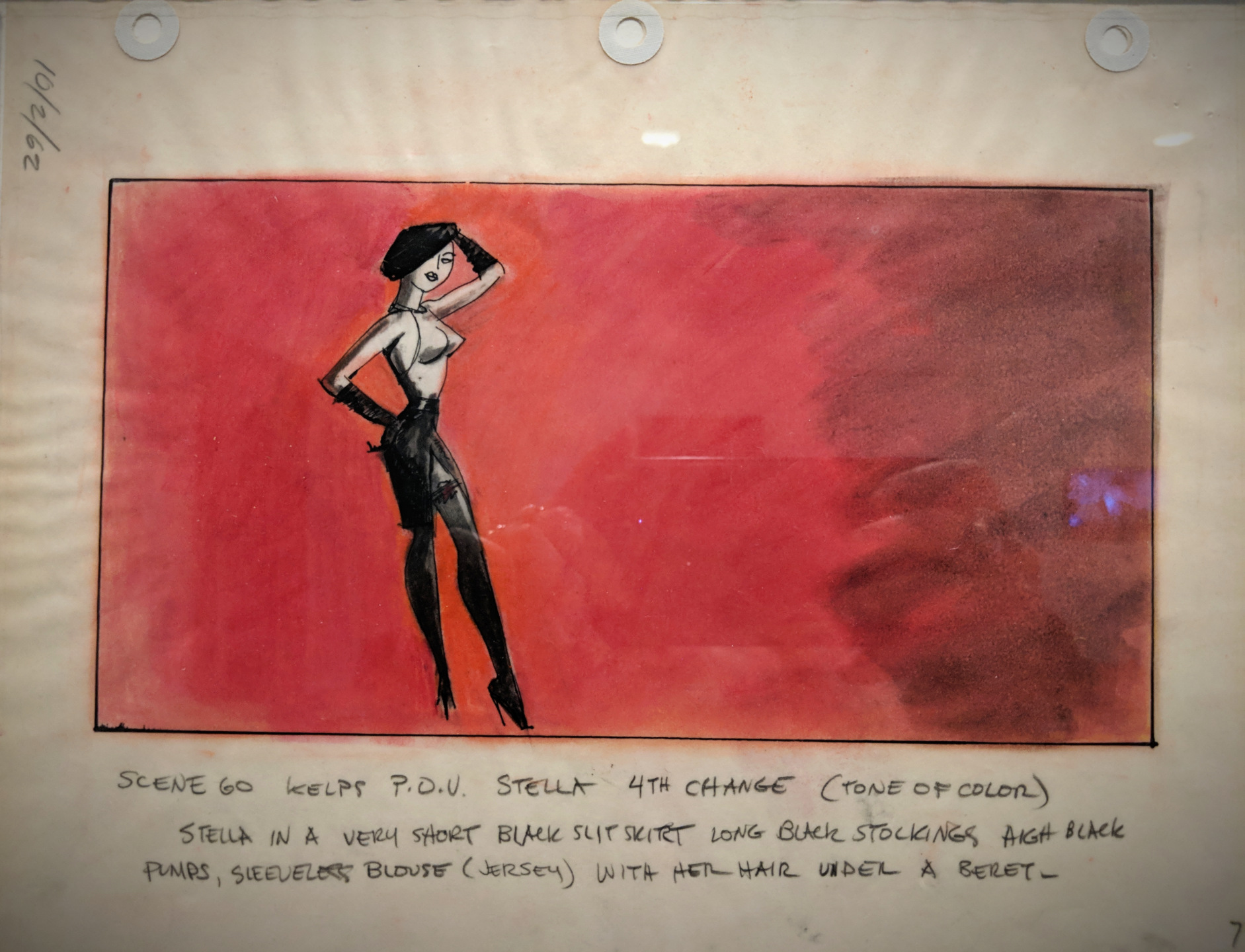
Looking at Jerry Lewis || The Nutty Professor Storyboards

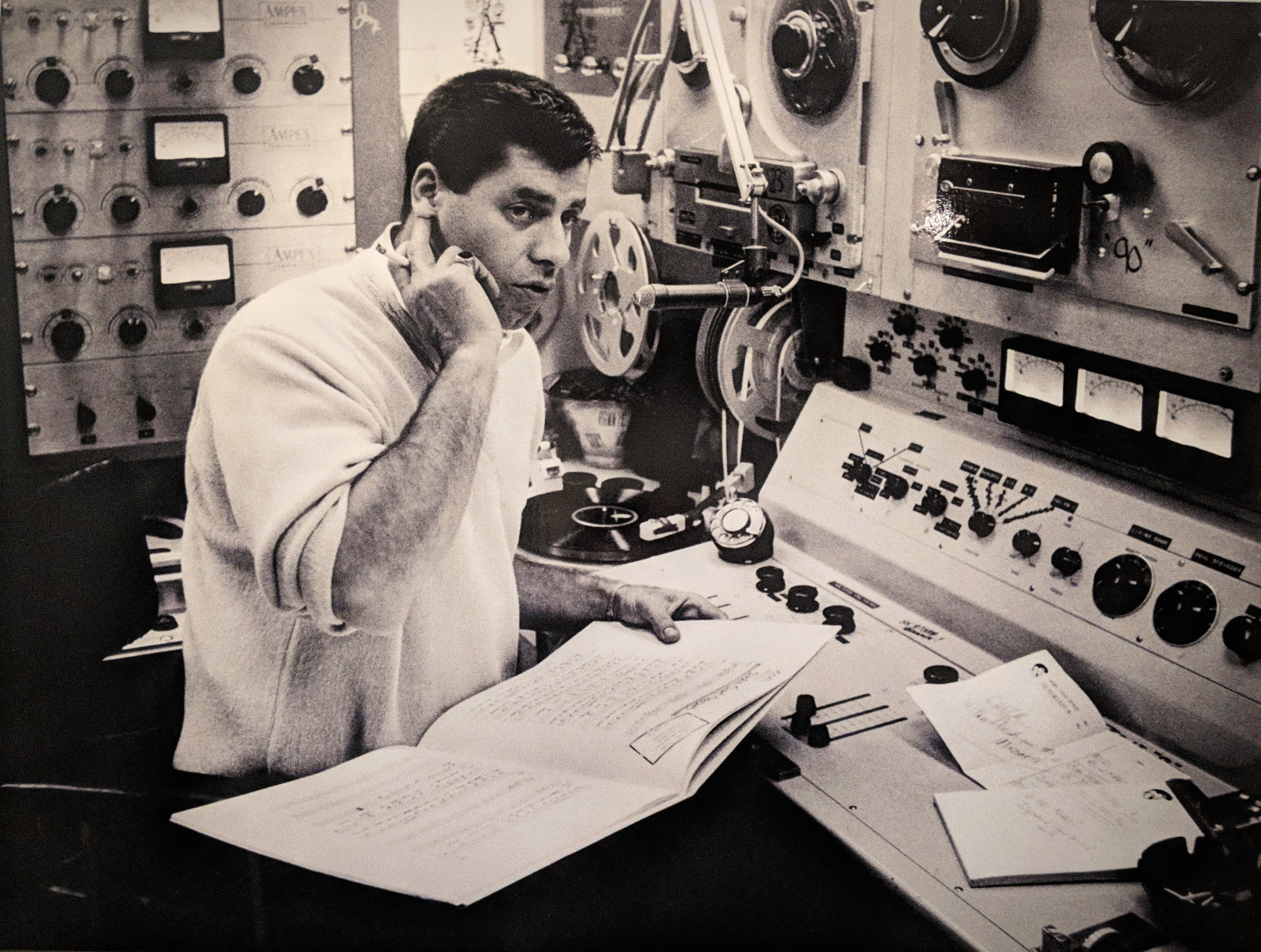
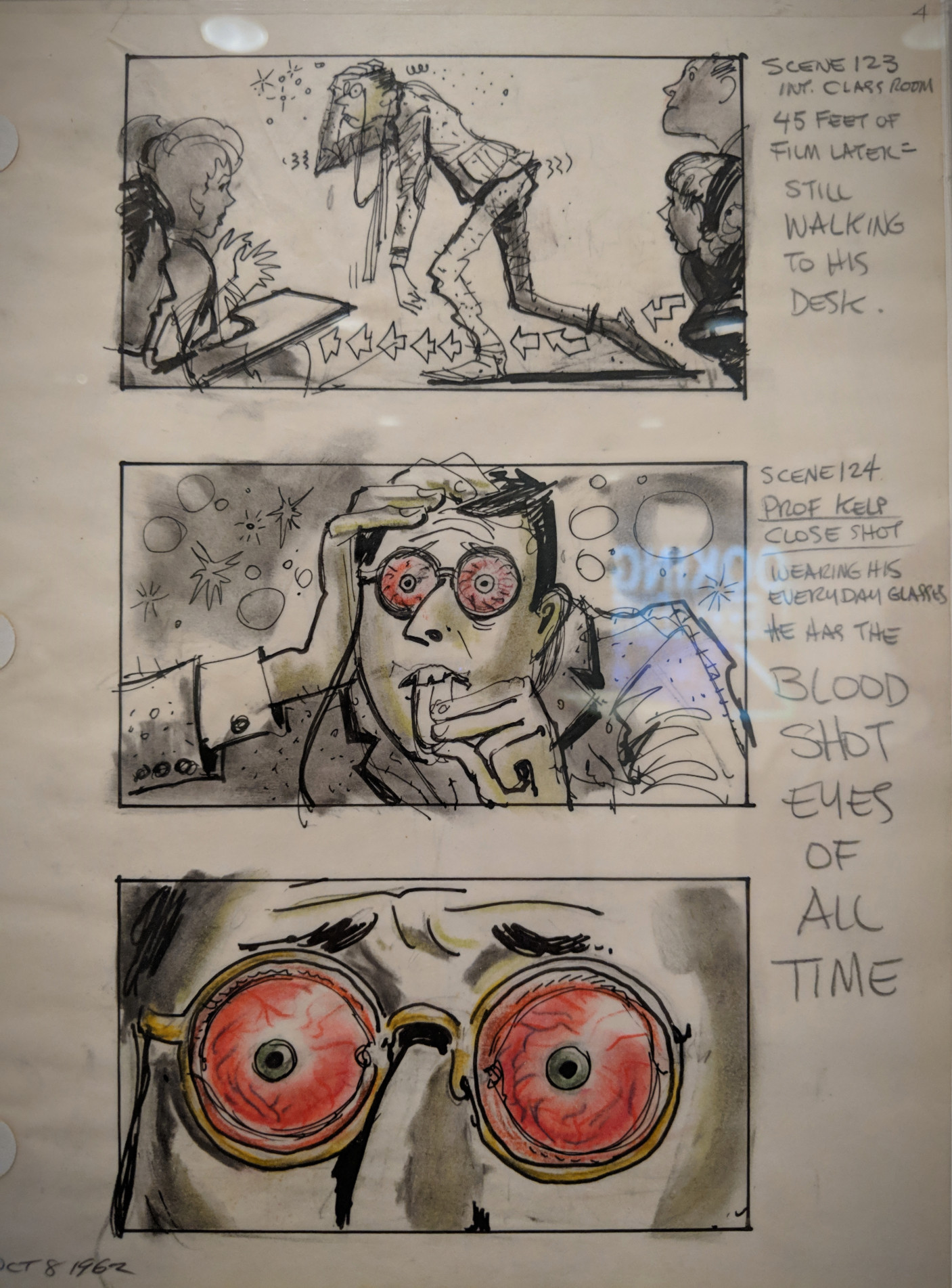
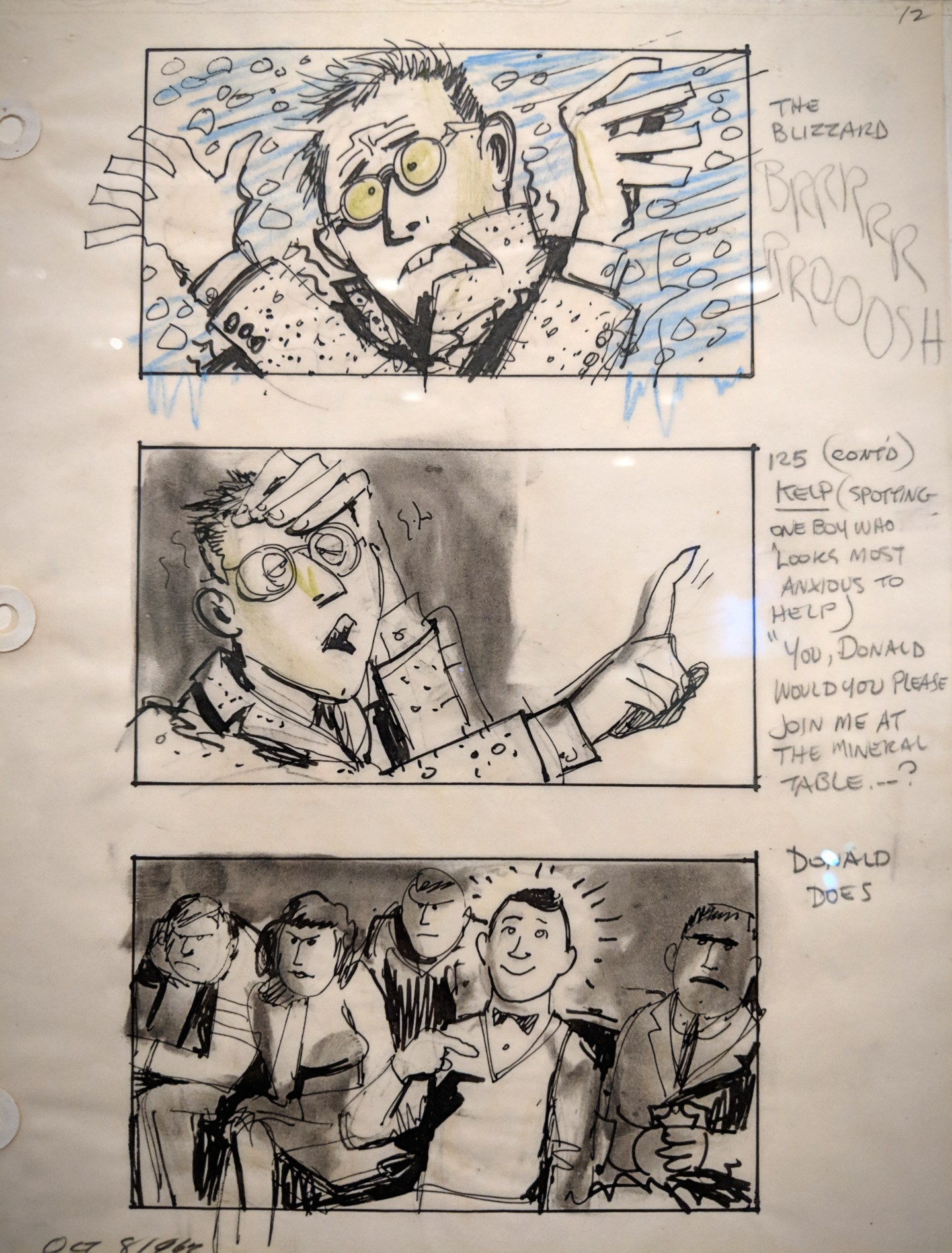
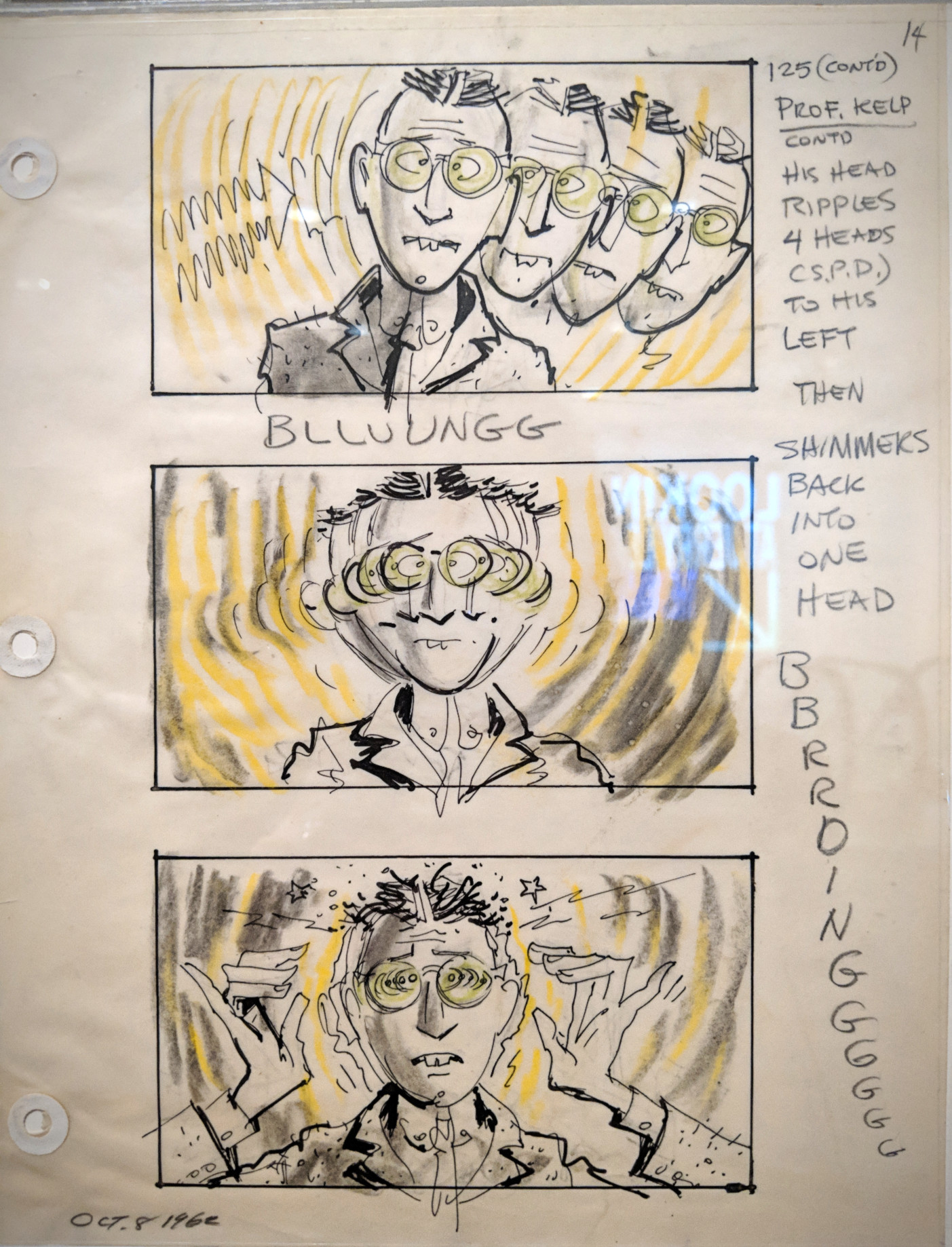
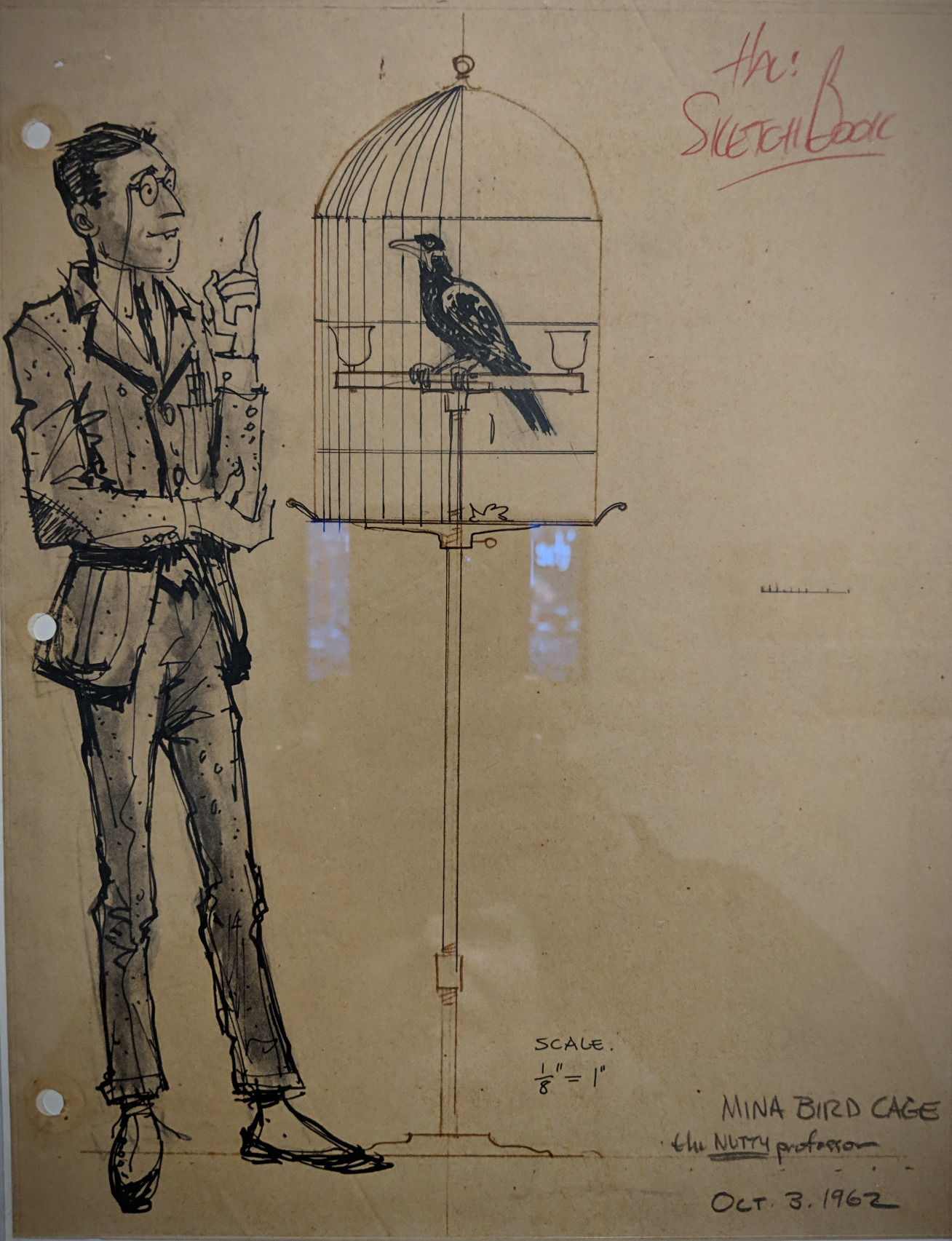
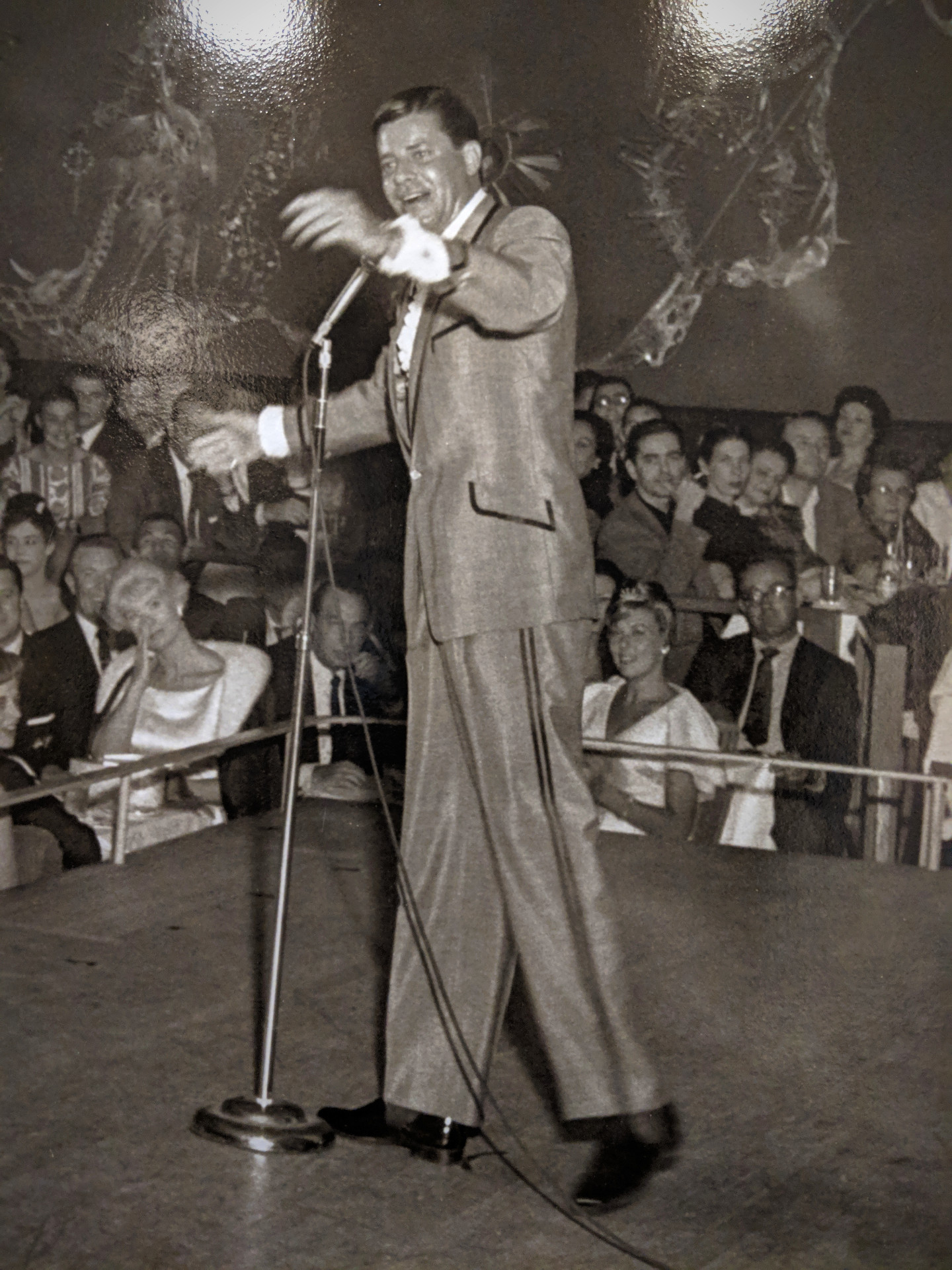
Of all the stars who worked in the golden age of the Hollywood studio system, few valued the acts of looking and being looked at more than Jerry Lewis. Lewis had years of stage experience behind him by the time he emerged as a major screen actor and director, and acknowledging the audience became an essential aspect of the ”comedy of looks” that characterized his work. In no other Lewis film is the experience of being seen so central a theme as it is in The Nutty Professor (1963), in which he treats his audience as a main character. In this adaptation of the Dr. Jekyll and Mr. Hyde story, his masterly dual performance as the self-effacing Professor Kelp and the narcissistic Buddy Love represents different sides of the Lewis persona, while on-screen students and night-club audiences who witness his character’s behaviour represent the critical gaze of the movie-going public.
[source: MoMA] Bill Avery
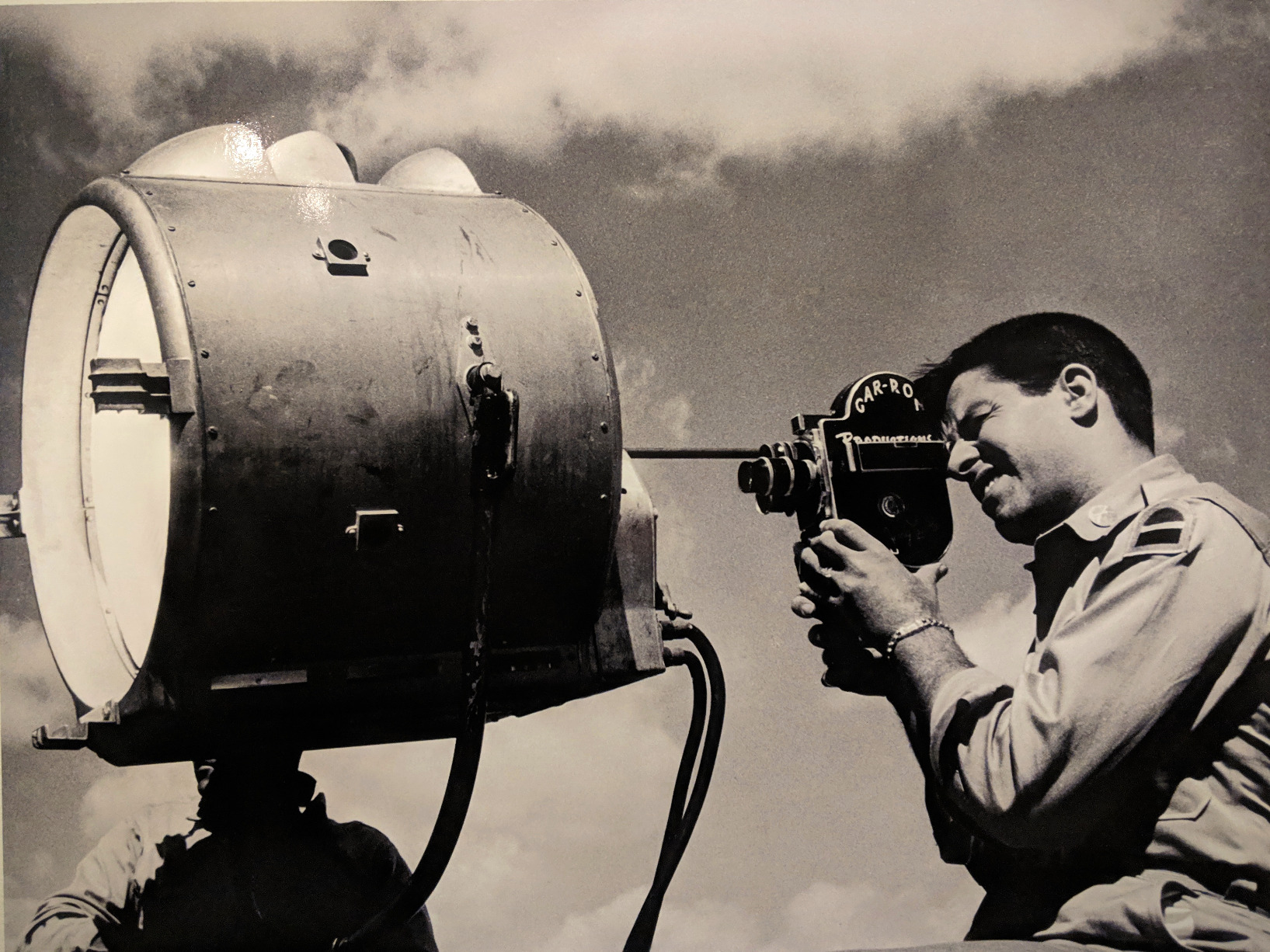
Jerry Lewis shooting a home movie, 1953


Bill Crespinel
Jerry Lewis mixing music at this home, 1961


John Jensen (American, 1924-2003)
Scenes from the Hangover sequence, 1962
Black and coloured pencil on vellum paper John Jensen (American, 1924-2003)
Scenes from the Stella fantasy sequence, 1962
Black and coloured pencil and pastel on vellum paper John Jensen (American, 1924-2003)
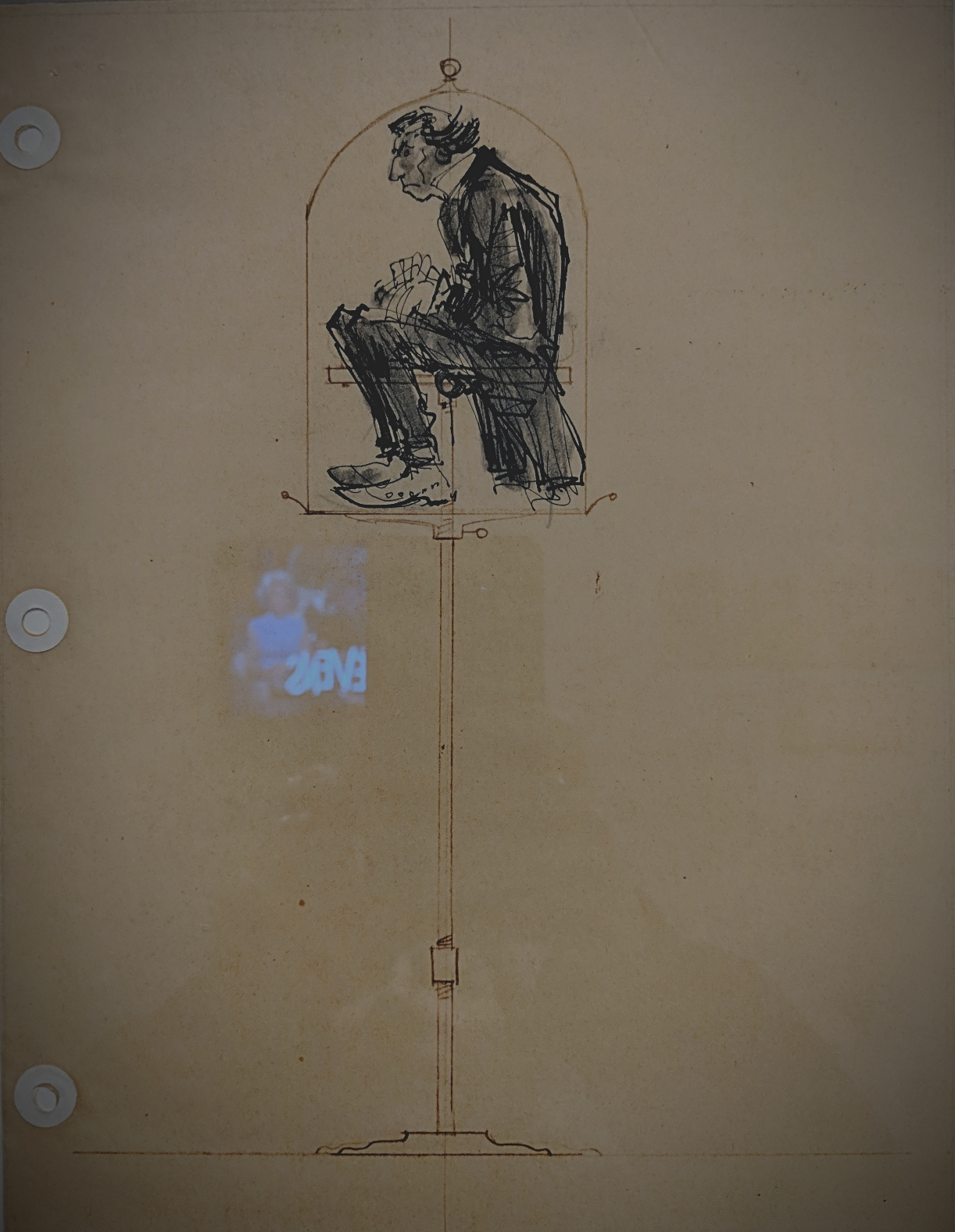
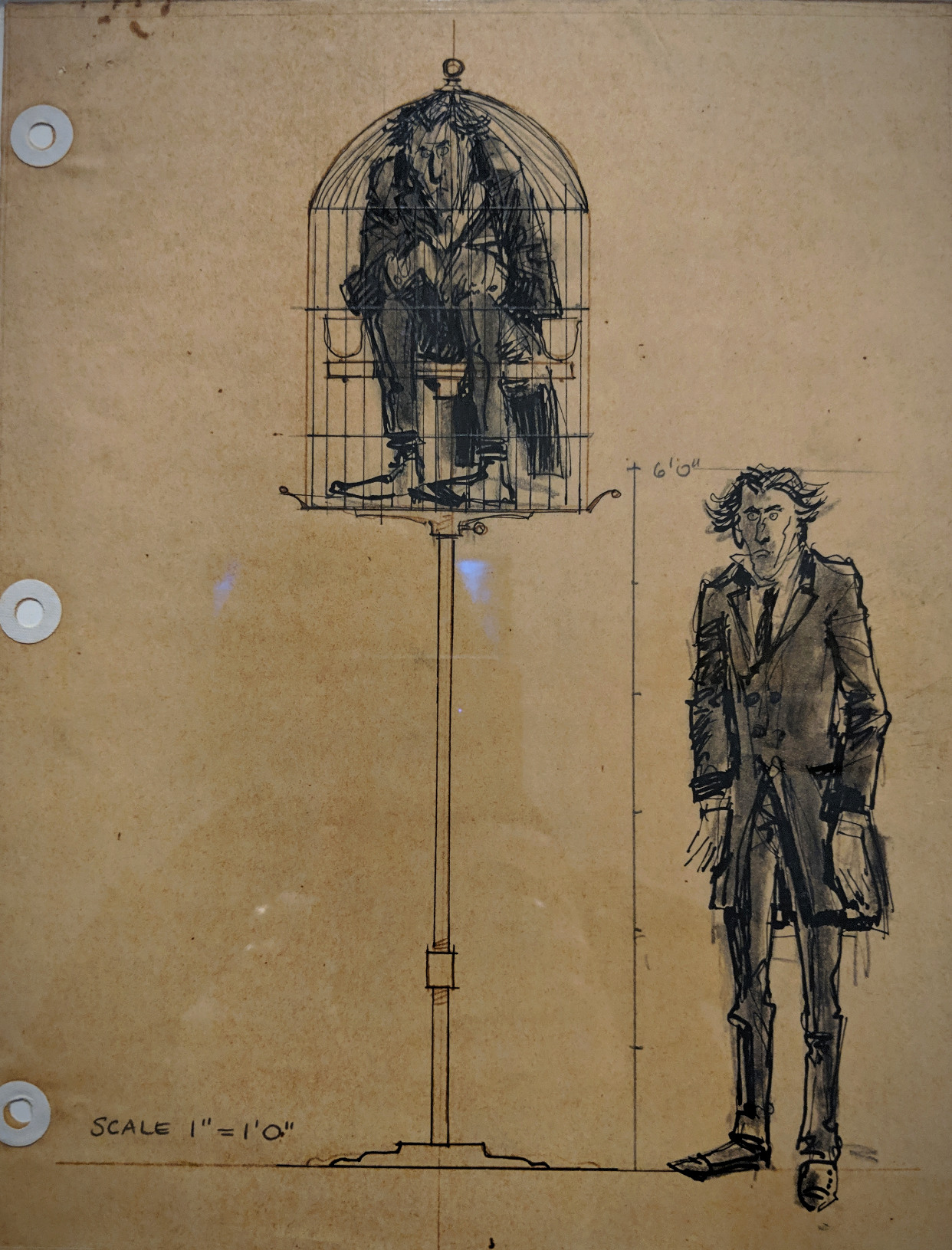
Mina bird cage sketches, 1962
Pencil on paper John Lauris Jensen’s storyboards for The Nutty Professor were on display between October 2018 – March 2019; they were a recent gift to the Museum of Modern Art.

January 5th, 2019