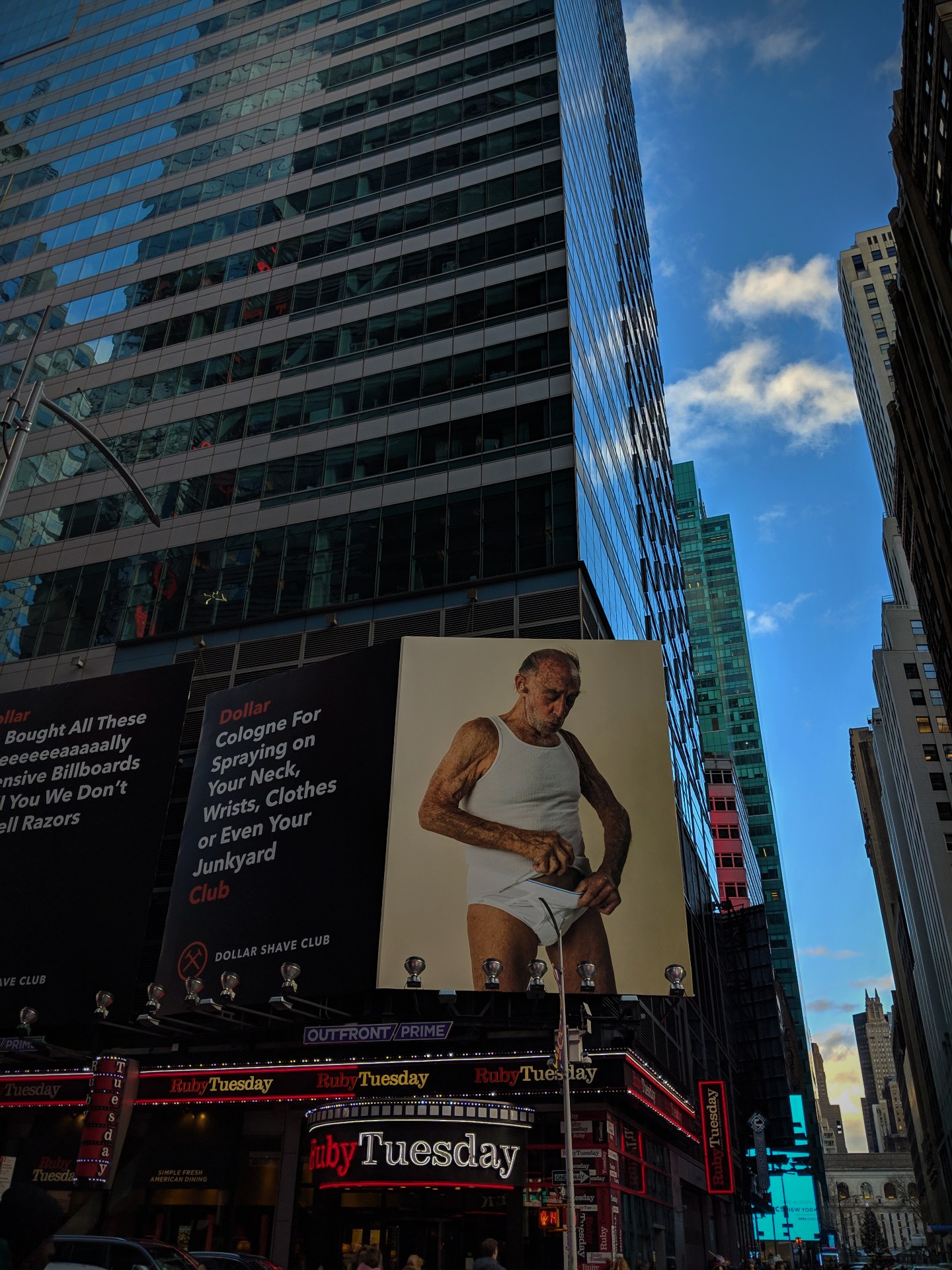

 Manhattan, N.Y.
January 5th, 2019
Manhattan, N.Y.
January 5th, 2019
Jan Karski sitting in front of the Polish Consulate in Manhattan.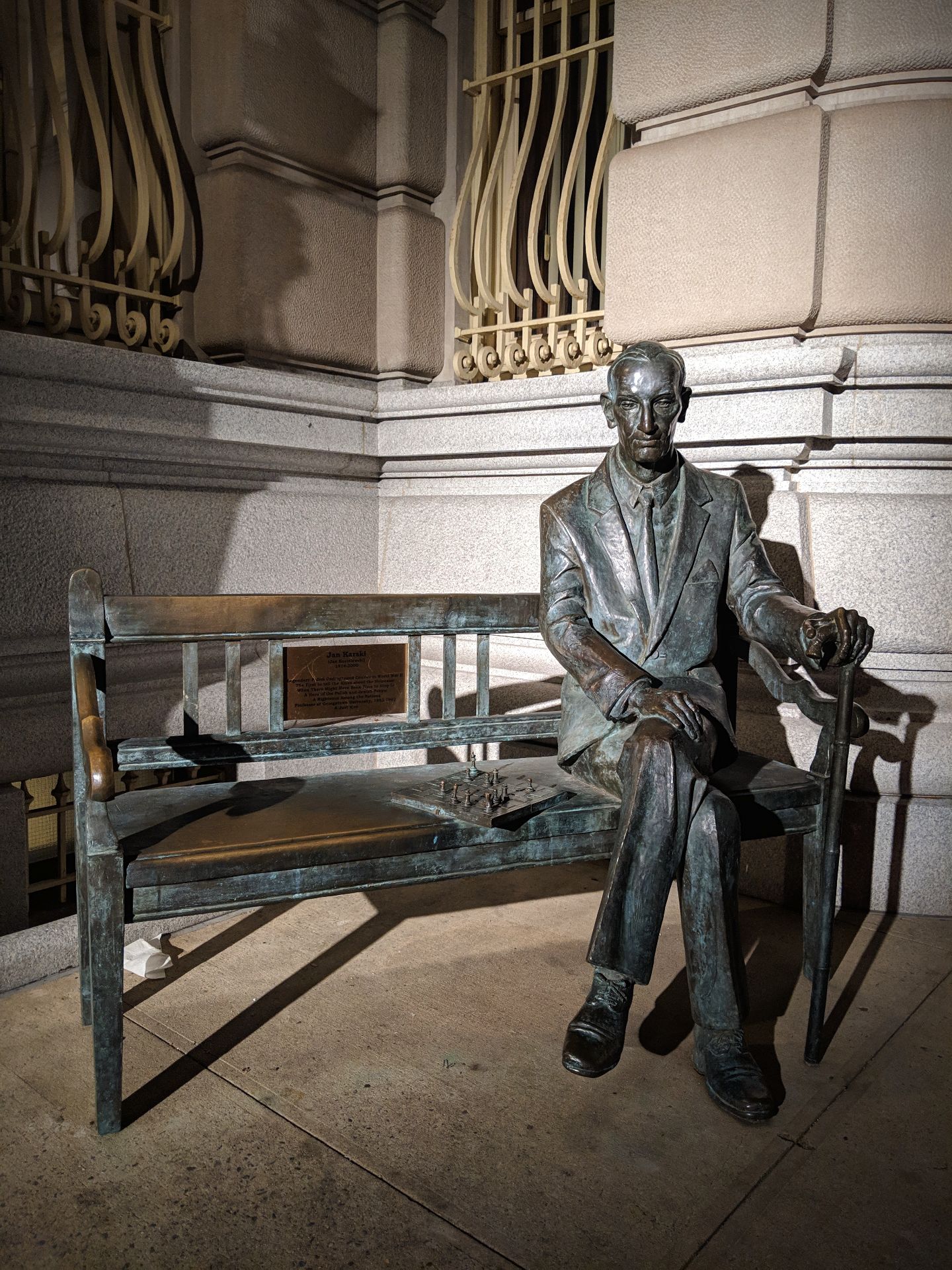
 “All freedom-seeking people around the world should know Karski’s story.”
– Bill Clinton
January 4th, 2019
To commemorate the two hundredth anniversary of Mary Shelley’s masterpiece, Frankenstein – originally published on 1 January 1818, the Morgan curated an art exhibition with movie memorabilia, film posters, comic books, publicity stills, aiming to explain how Frankenstein caught the popular imagination in the course of two hundred years.
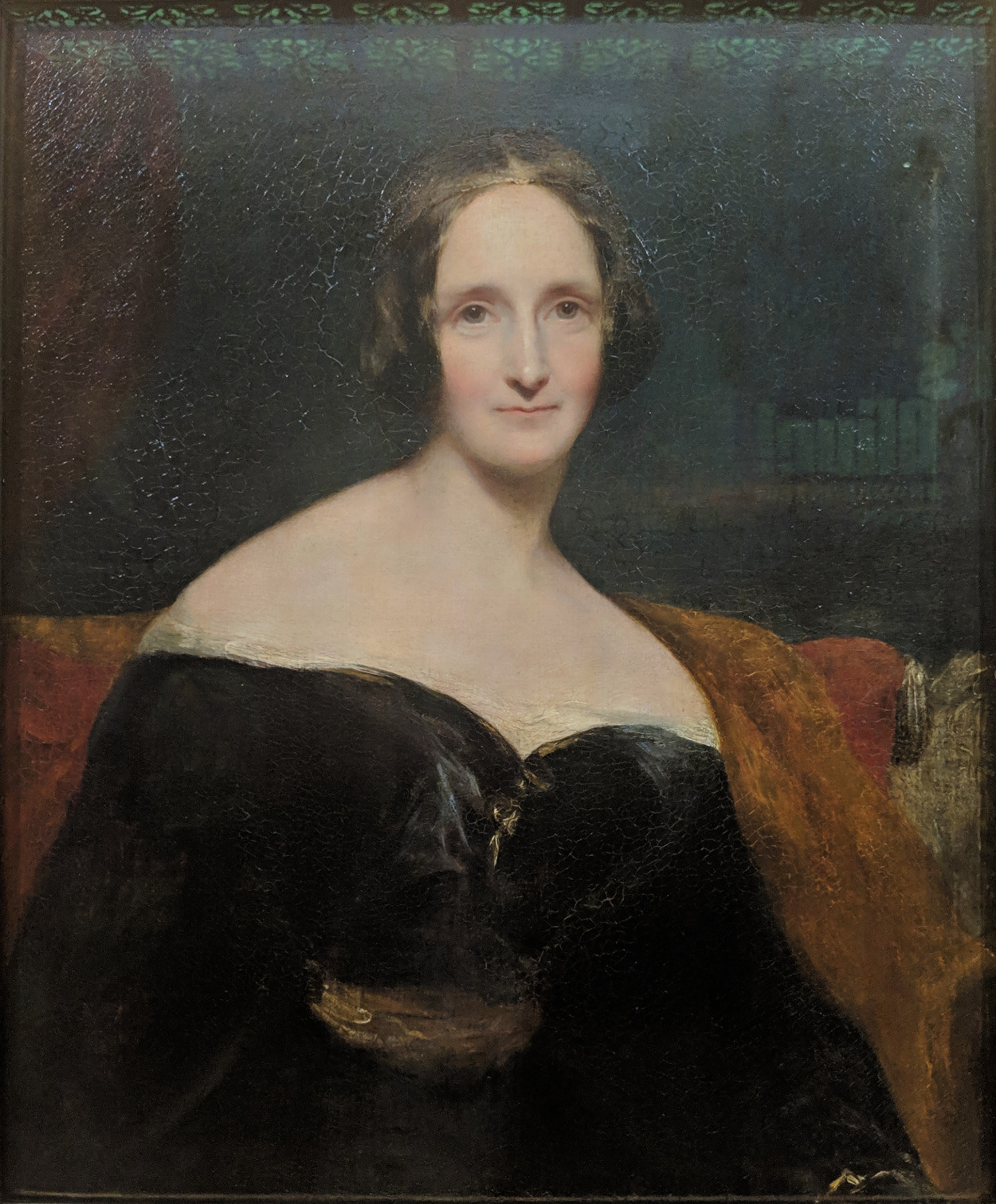 Richard Rothwell (1800-1868)
Mary Wollstonecraft Shelley, 1831
Oil on canvas
This is how the world remembers Mary Shelley: a handsome widow at the height of her fame. Percy Bysshe Shelley had drowned in 1822 when a sudden storm overturned his boat, and she returned penniless to London with their only surviving child. P.B. Shelley’s income had died with him, and his father, Sir Timothy, loathed his son and daughter-in-law and forbade her to publish under the Shelley name. Nonetheless she wrote, productively, as ”the author of Frankenstein.” Eventually she returned to society, giving modest parties where the Irish painter Richard Rothwell, the painter of this portrait, was a guest.


 The pressbook for the Bride of Frankenstein, a collection of photographs and promotional materials sent to journalists, depicts an imperious Mary Shelley whose glance projects power and knowledge. It also reflects her novel, in which the monster does demand a mate. In James Whale’s film, however, the idea of a bride originates with a new character, Dr. Septimus Pretorius, Henry Frankenstein’s former university teacher and a paragon of evil. He has come to induce Frankenstein to collaborate with him, in the scene ending with Pretorius’ toast on gin, ”my only weakness,” to ”a new world of gods and monsters!”
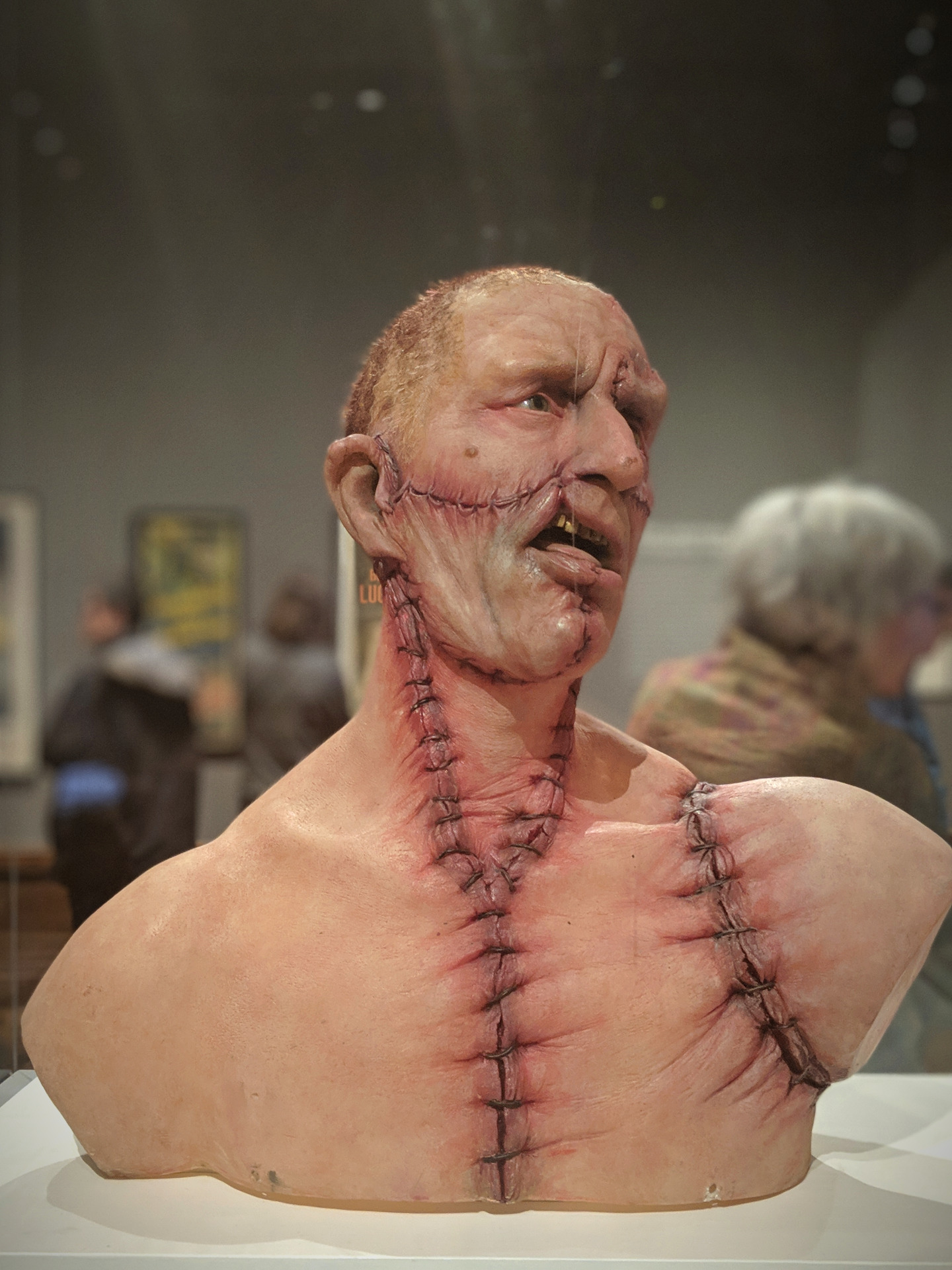 The model for Robert De Niro’s makeup is twisted in pain that might make one turn away. It was fabricated by Daniel Parker, who earned an Academy Award nomination for this makeup concept
Frankenstein (1994), directed by Kenneth Branagh
Starring Robert De Niro, Kenneth Branagh, Helena Bonham Carter
 Colour offset lithograph poster for the ”Bride of the Monster”, 1956
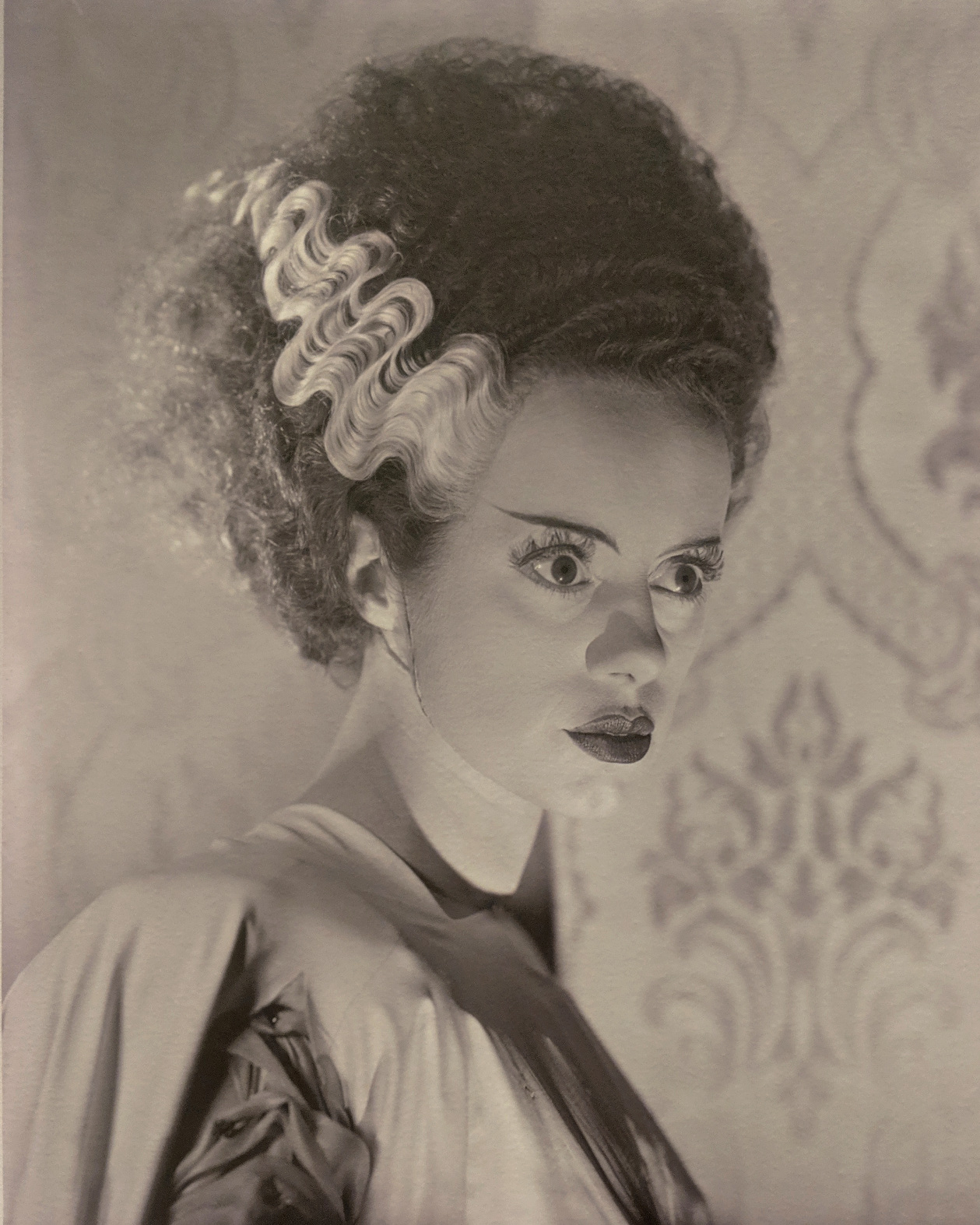 Roman Freulich (1898-1974)
Elsa Lanchester in The Bride of Frankenstein, 1935
In the novel, Victor Frankenstein destroys the bride before she is vivified. In the 1935 sequel to Frankenstein, she is given little screen time. She is brought out just long enough to be introduced, to spurn the other monster – screaming so hard at him that Lanchester’s vocal cords were damaged for months – and to be returned to death when the monster brings down the tower.
 Roman Freulich (1898-1974)
Jack Pierce devising makeup for Boris Karloff
in The Bride of Frankenstein, 1935
Boris Karloff, born William Henry Pratt, was a handsome man. Here, Pierce is at work making him ugly. The creature’s forehead is clamped where his transplanted brain has been popped in. Karloff’s head was built up with layers of collodion and cheesecloth. This was covered with blue-green greasepaint, which photographed a deathly gray. Boris Karloff removed a bridge from the side of his mouth and sucked his cheek in. Finally, because his eyes were to lively, Karloff said, ”too understanding where dumb bewilderment was so essential,” Pierce added wax to his eyelids, making them ”heavy, half-seeing”.
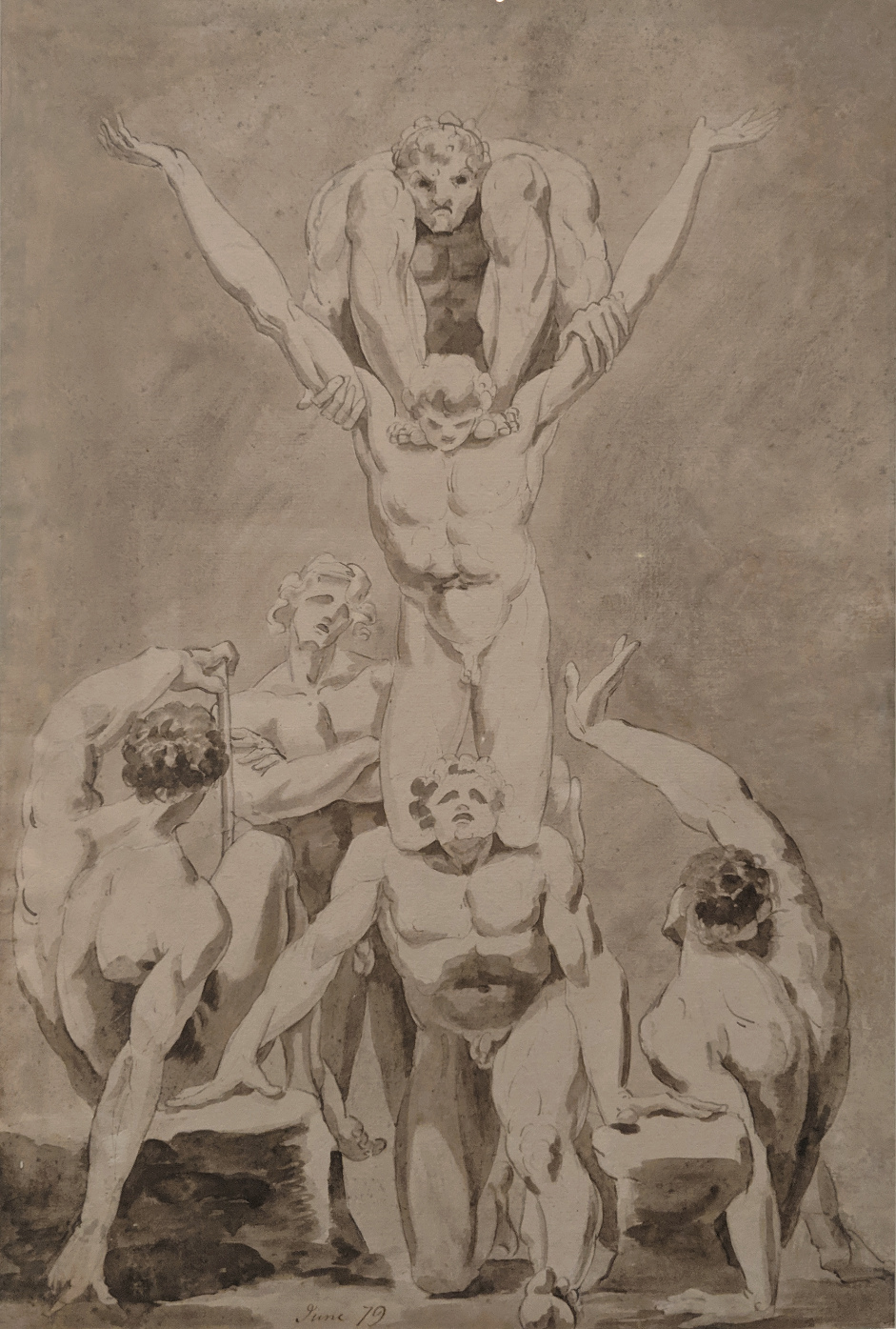 Prince Hoare (1755-1834)
Acrobats, 1779
Pen and ink, brown ink and wash over pen and black ink on laid paper
Prince Hoare may have sketched this lively group of acrobats when he was studying art in Rome with Fuseli and James Northcote. His career was unsuccessful, and he stopped exhibiting in 1785, remaking himself as a playwright. Hoare was a longtime friend of Mary Shelley’s father, William Godwin, whom Northcote painted.
 Henry Fuseli (1741-1825)
The Nigthmare, 1781
Oil on canvas
In this, the most famous of Gothic paintings, a sleeping woman is beset by a nightmare – defined by Samuel Johnson as ”a morbid oppression in the night, resembling thee pressure of weight upon the breast” – here embodied as a goblin with cat’s eyes. The mare at the window is both comical and frightening. The Swiss immigrant artist Fuseli was the first many Mary Shelley’s mother, the writer Mary Wollstonecraft, loved, and both mother and daughter would have known this painting.
 Henry Fuseli (1741-1825)
The Three Witches (or The Weird Sisters), ca. 1782
Oil on canvas
Fuseli was not above humour in his paintings. Here, the second of the three witches from Macbeth is the likeness of Fuseli’s old friend and painting master, John Jakob Bodmer. Hugely ambitious, Fuseli was celebrated not just for his visionary paintings but for his work in the lucrative market for literary scenes, and he became known as ”Shakespeare’s painter”. This is the earliest of three versions of this work, depicting the witches at the moment of their conversation with Banquo.
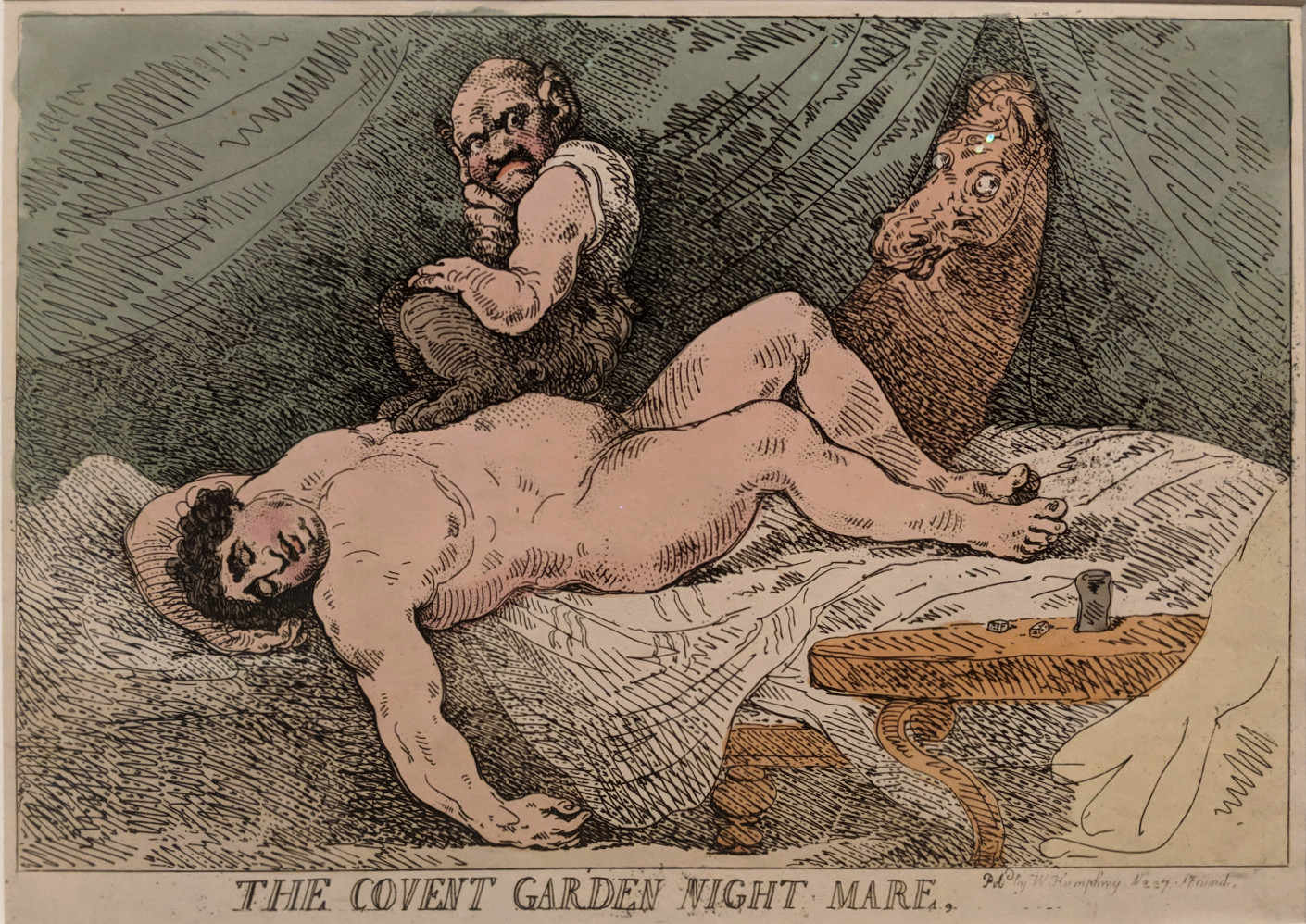 Thomas Rowlandson (1756-1827)
The Covent Garden Night Mare
Etching on wove paper, hand-coloured
The late eighteenth century was the great era of the satiric print in Britain; audiences loved the savage pleasures of their political attacks. Here, Rowlandson coopted Fuseli’s Nightmare, swapping the lissome sleeping woman for the roly-poly leader of the Whig opposition, Charles James Fox, who had just lost power in the 1784 election.
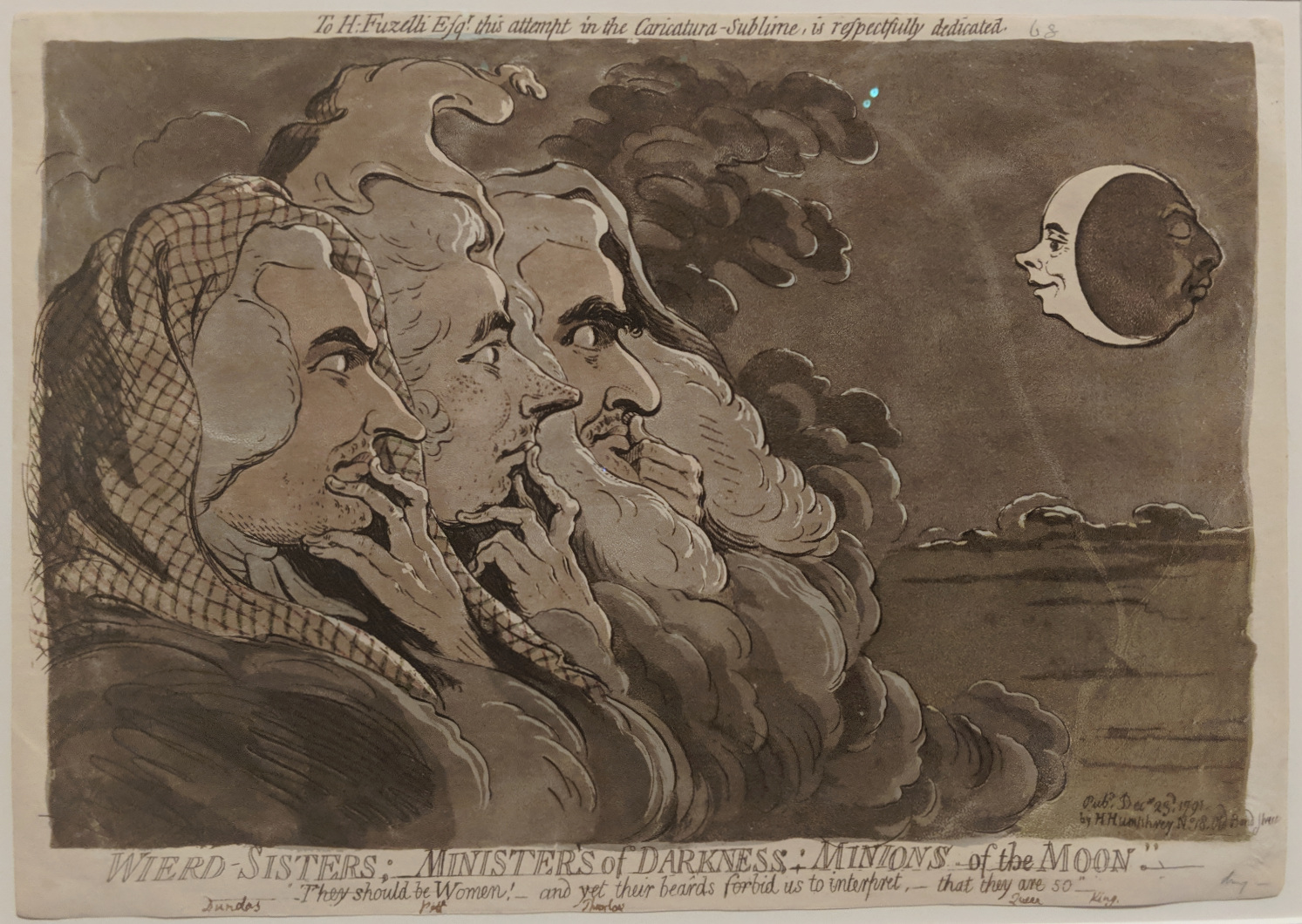 James Gillray (1756-1815)
Wierd-Sisters, Ministers of Darkness, Minions of the Moon
Etching and aquatint, hand-coloured
Gillray turned to Fuseli’s Shakespeare paintings as models six times. Wierd-Sisters, an ”attempt in the caricatura-sublime” modeled on Fuseli’s Three Witches, was seen as Gillray’s masterpiece. (Wierd is a contemporary alternative spelling).
Three witches are the three most powerful politicians at the time – William Pitt, Lord Thurlow and Lord Dundas – who were joined in an unstable government.
January 04th, 2019
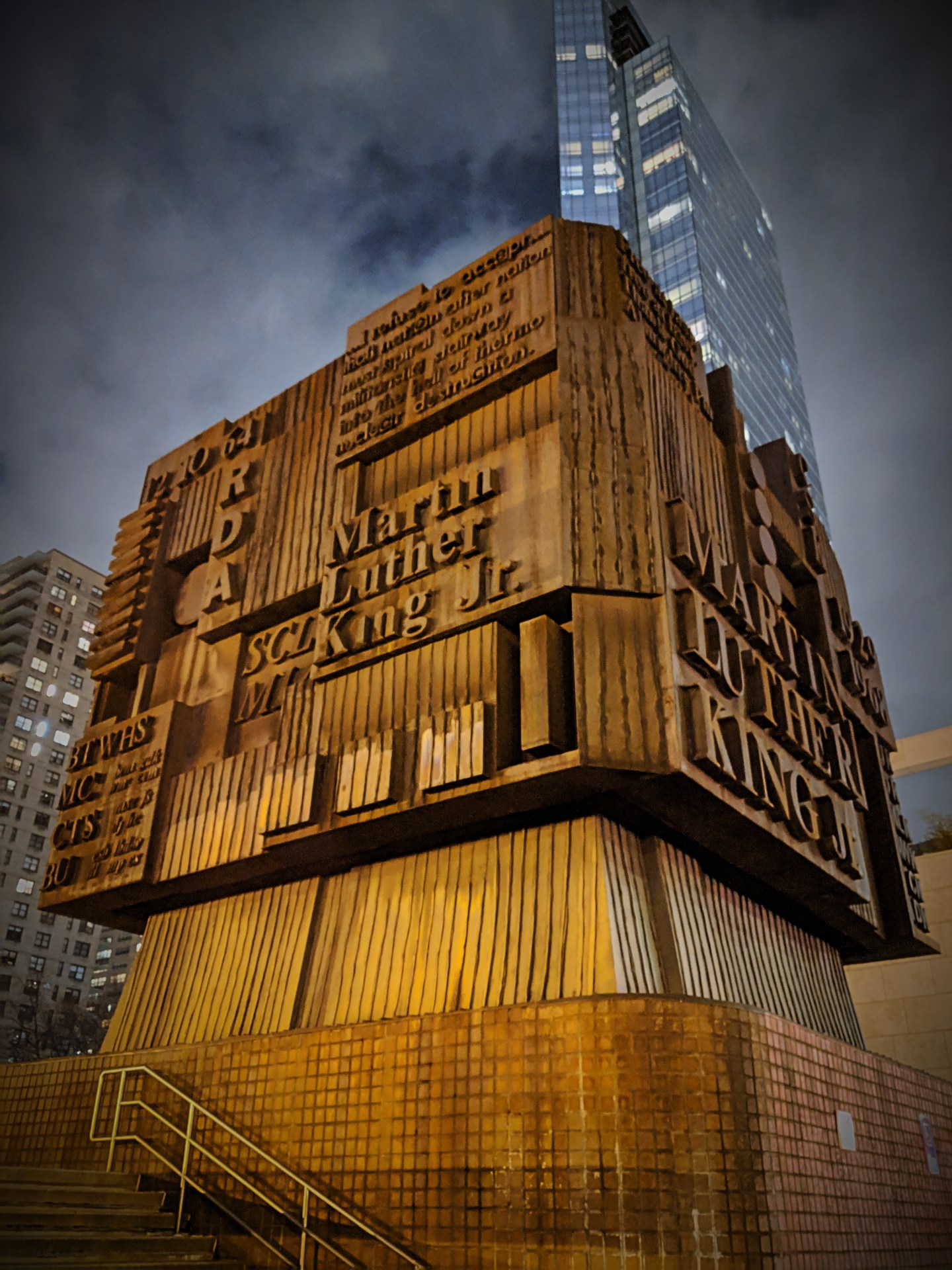 Steel sculpture by William Tarr
Dr. Martin Luther King Jr. Memorial, 1985, in front of the Martin Luther King Jr. Educational Campus
122 Amsterdam, between 65th and 66th Street, Lincoln Square, Manhattan West
December 30th, 2018
@Lincoln Center
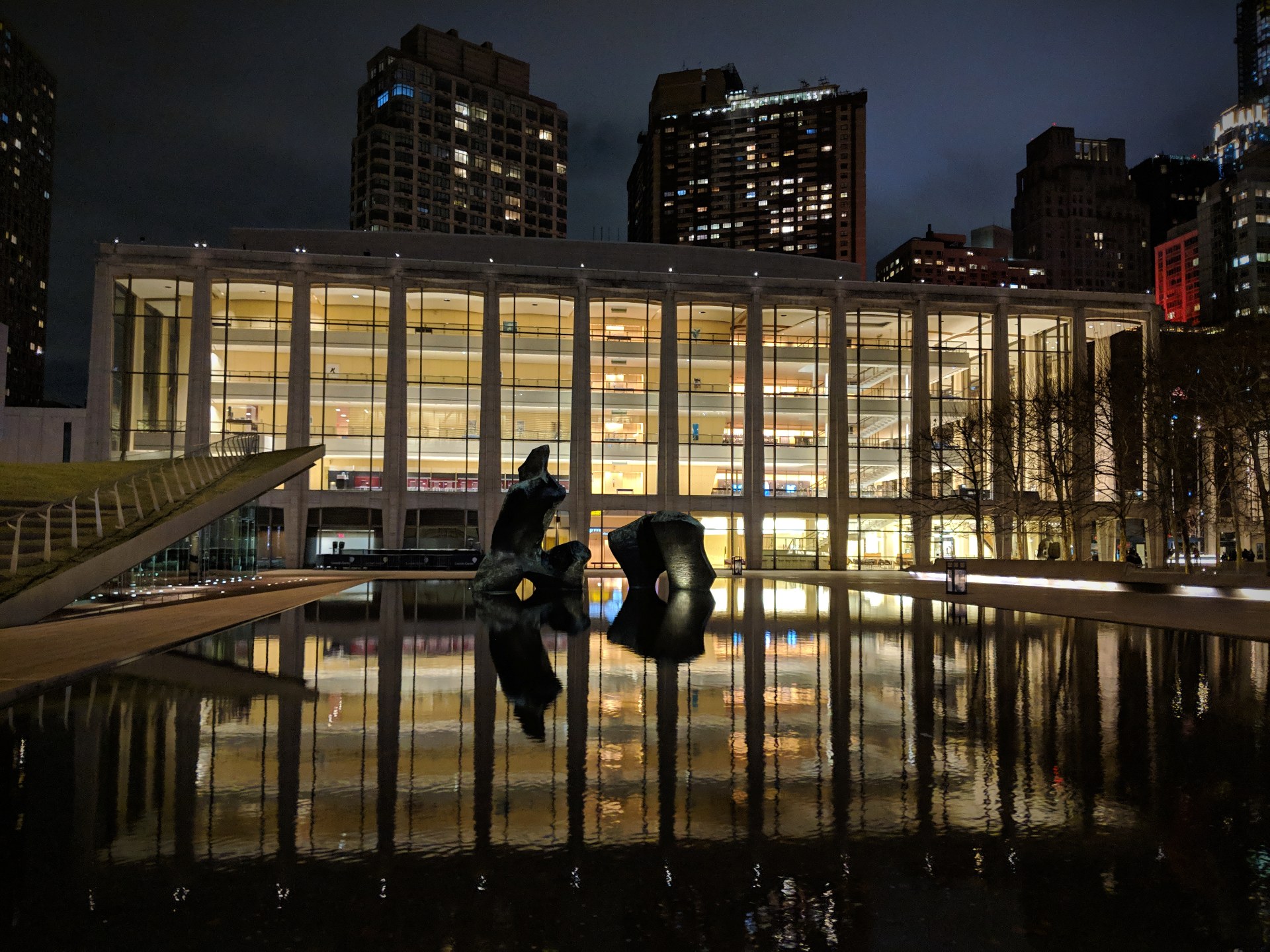
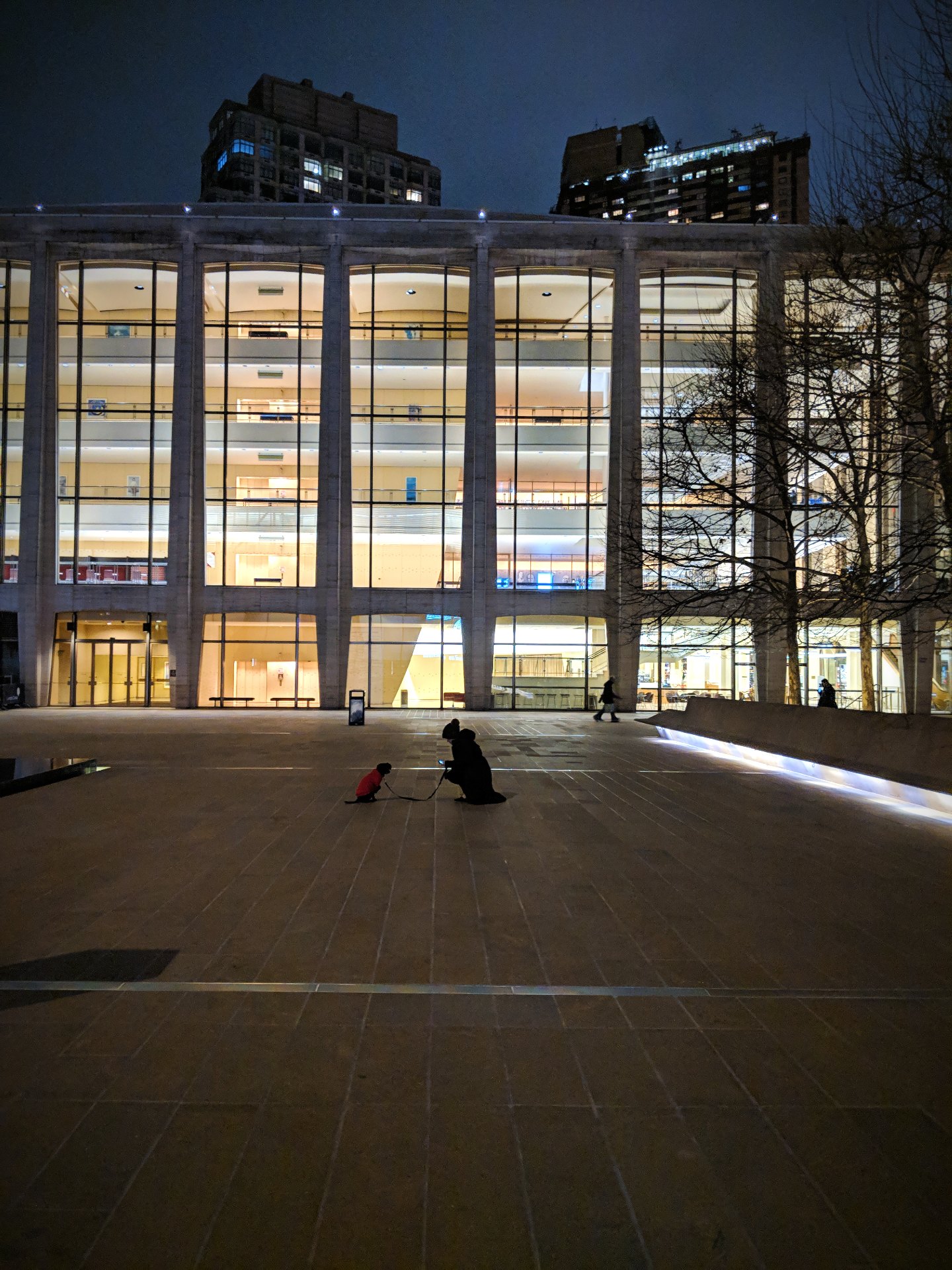
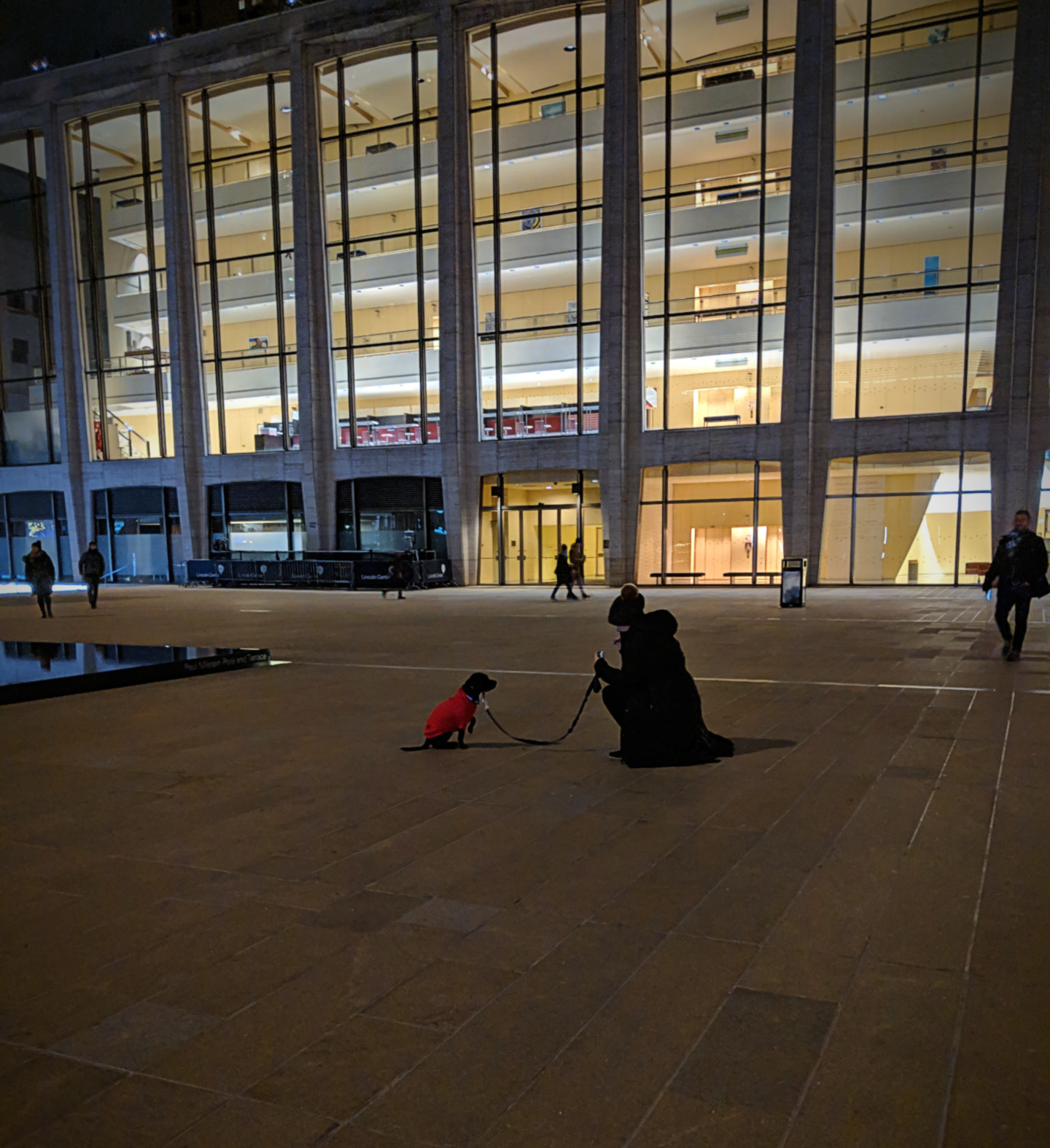
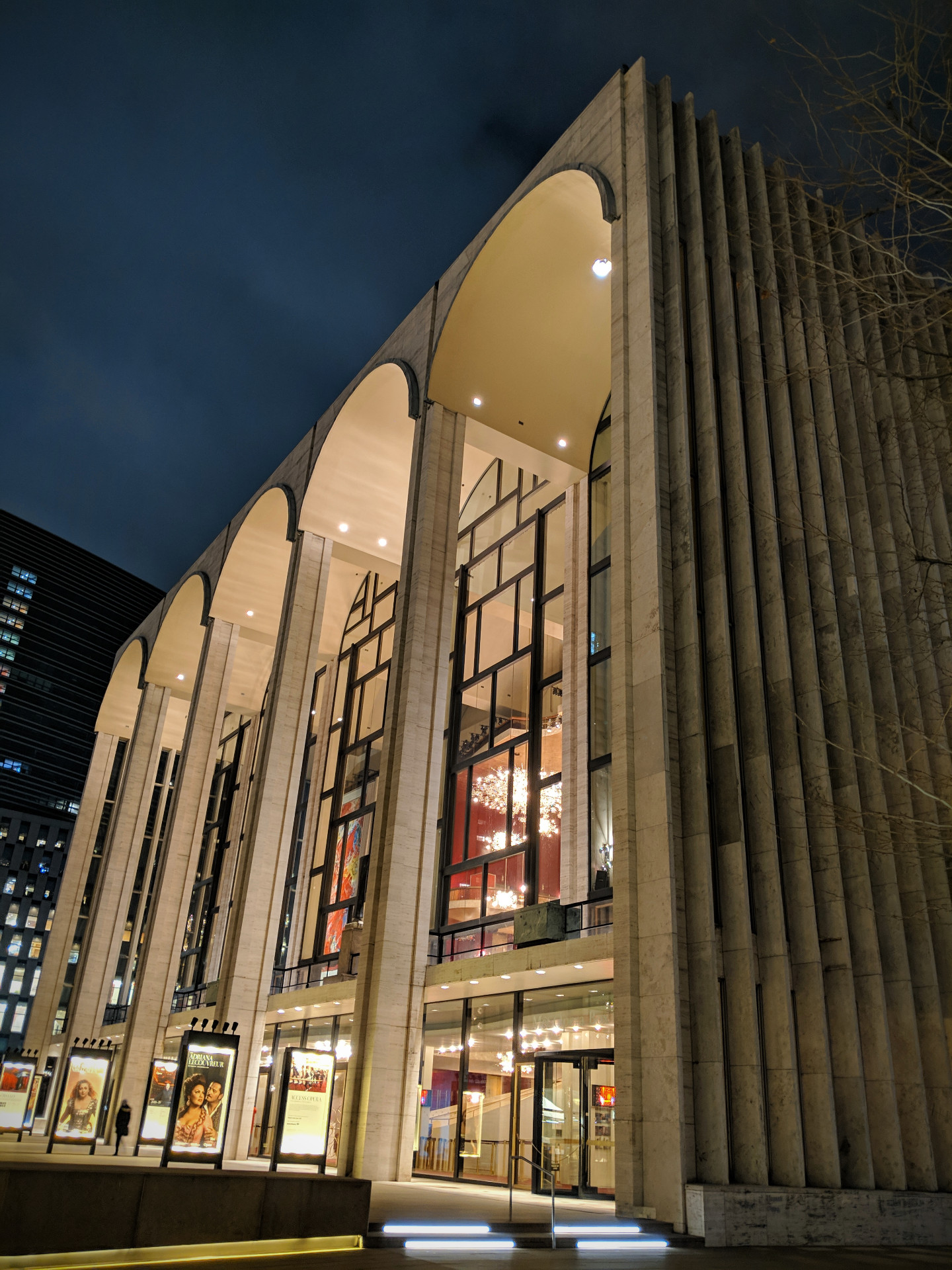
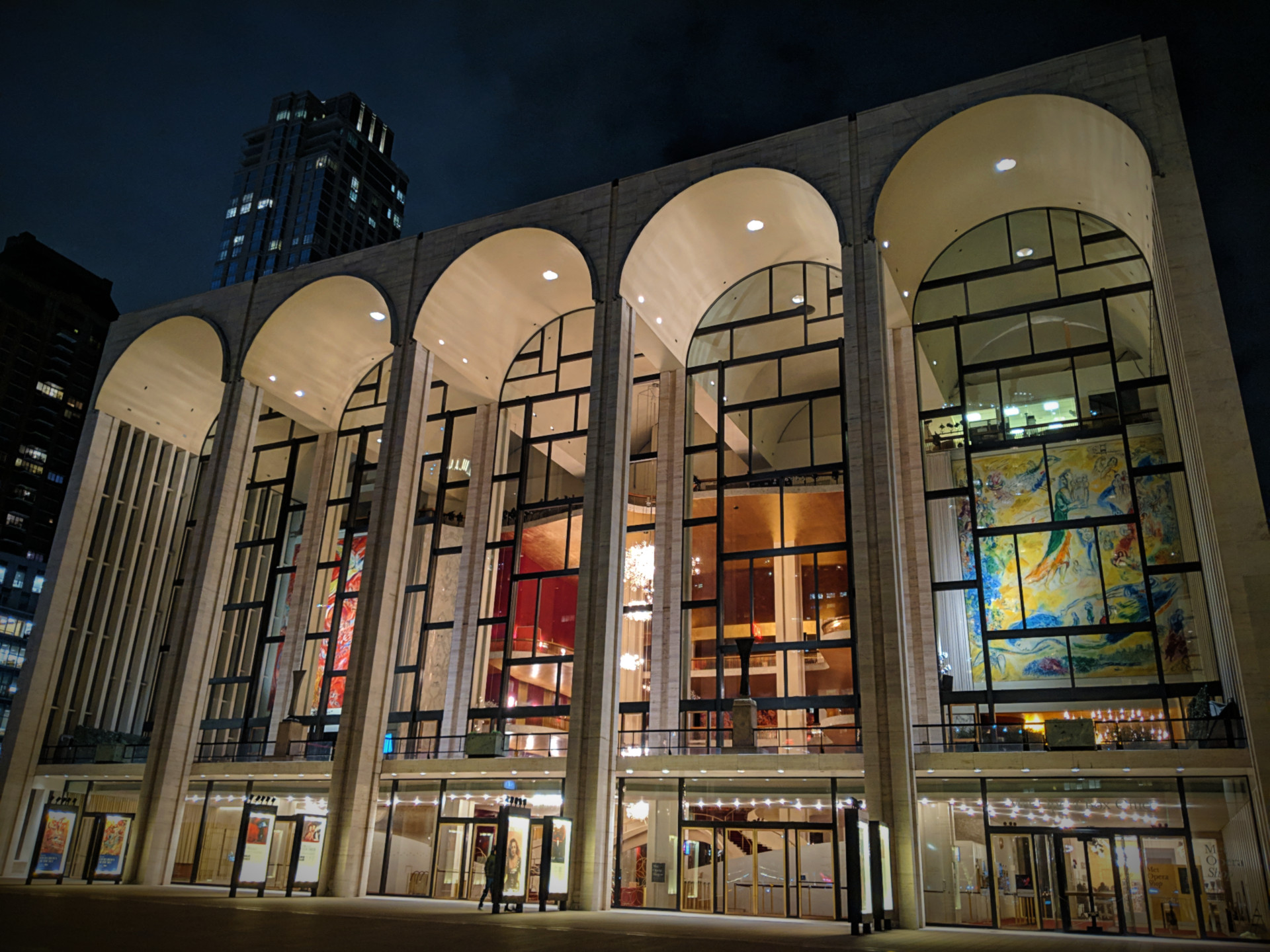
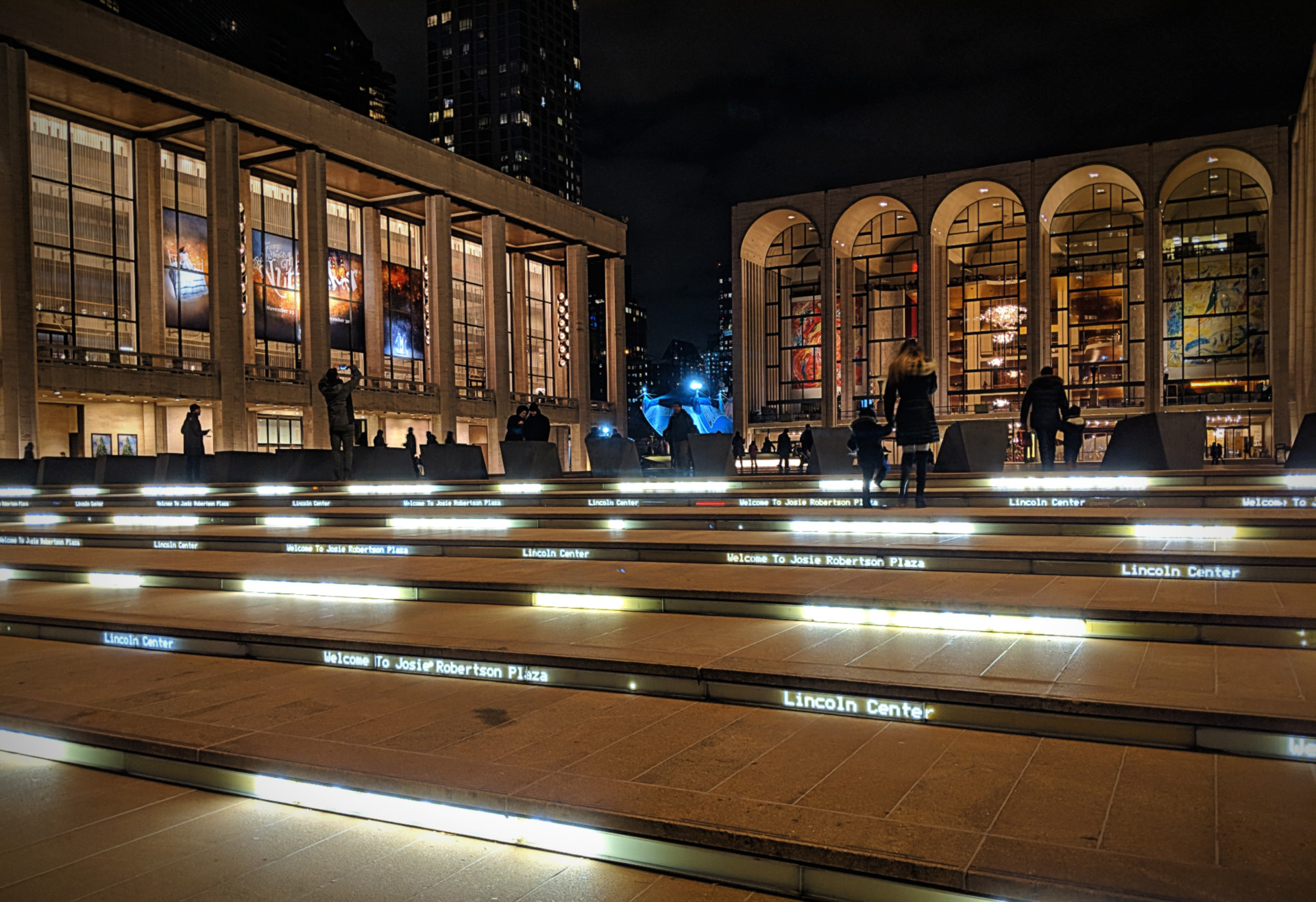
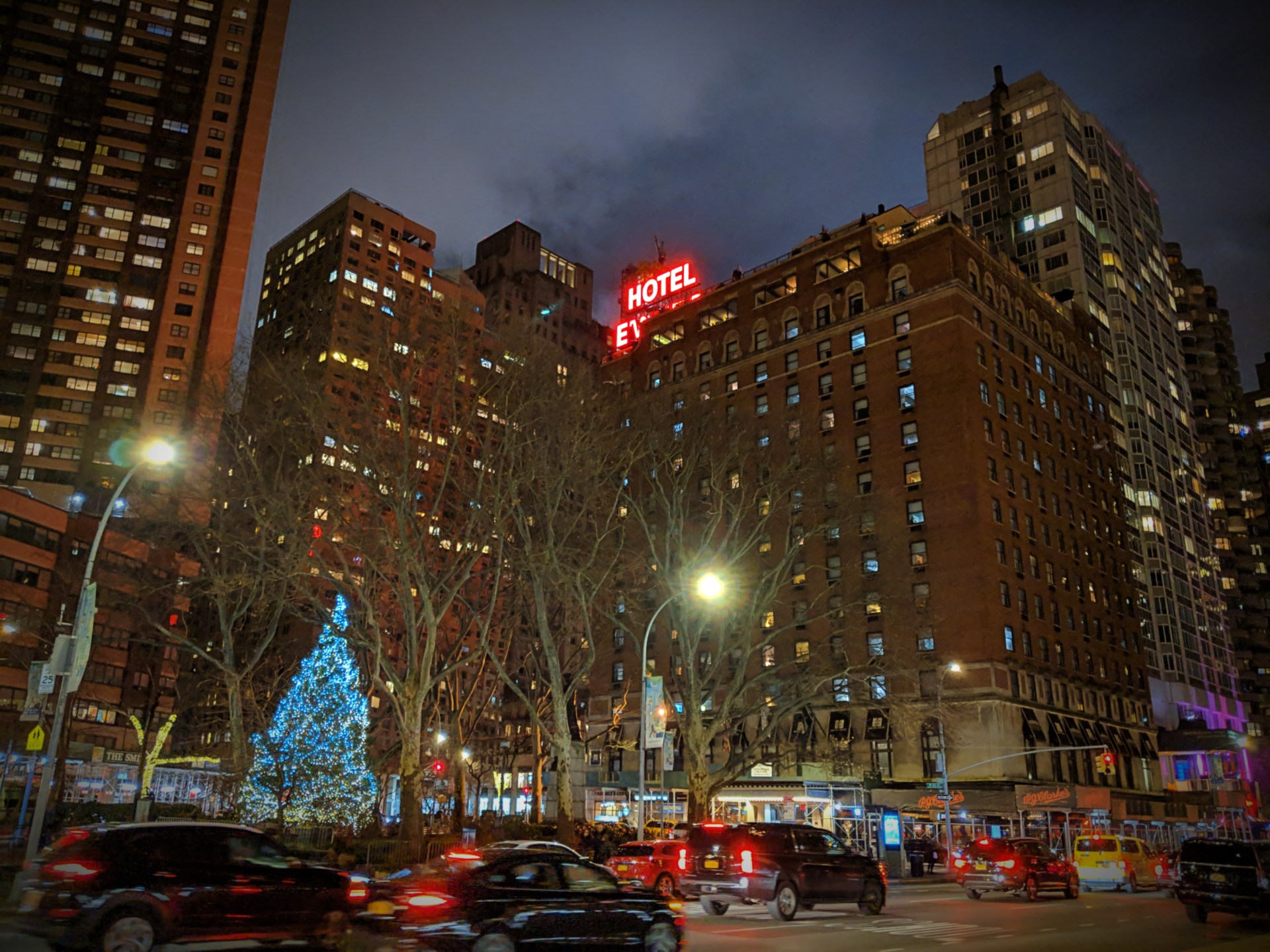
Manhattan, NYC
December 30th, 2018
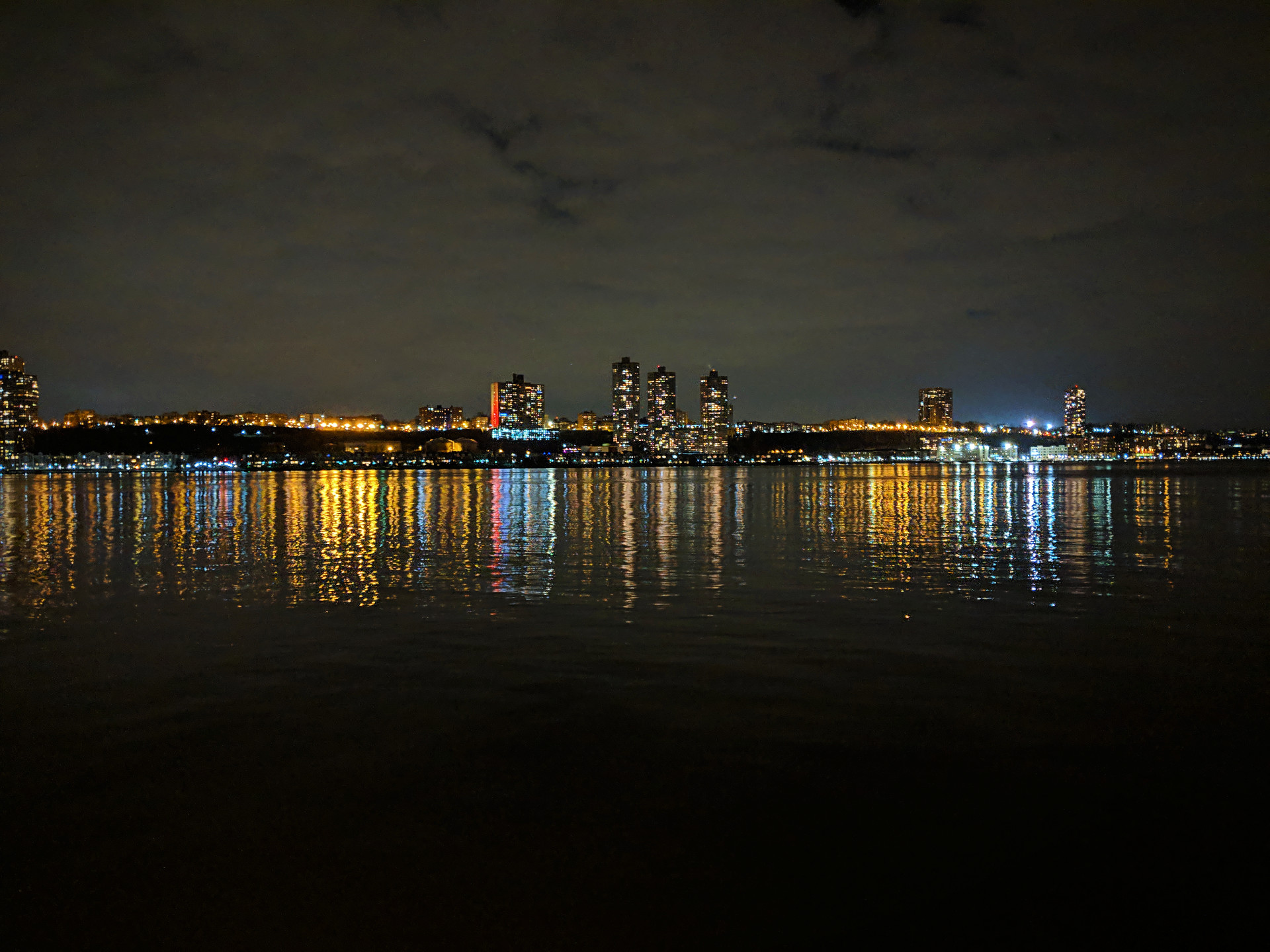
It was December 30th, 2018 and we were getting ready to welcome another year in the City.
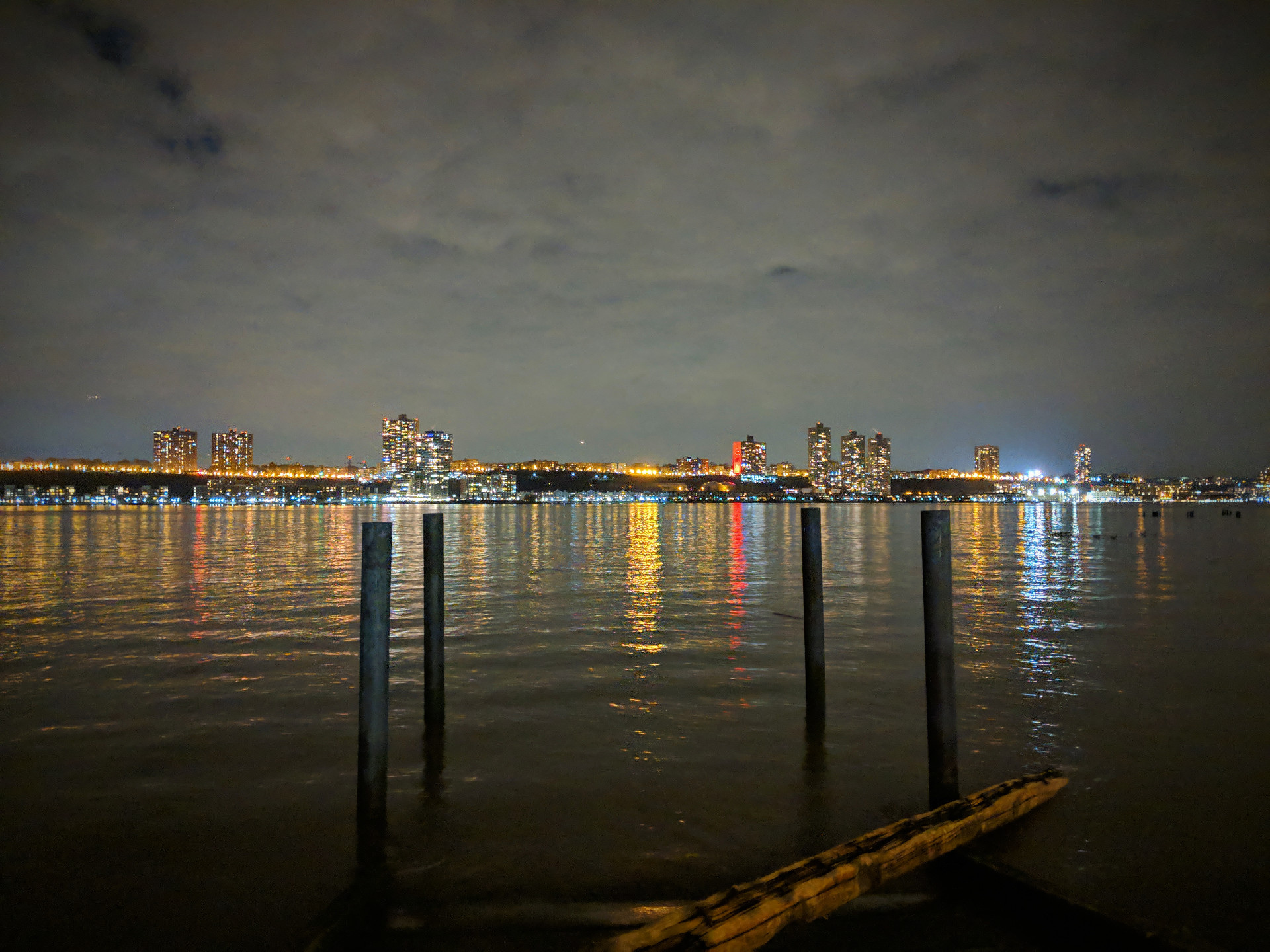
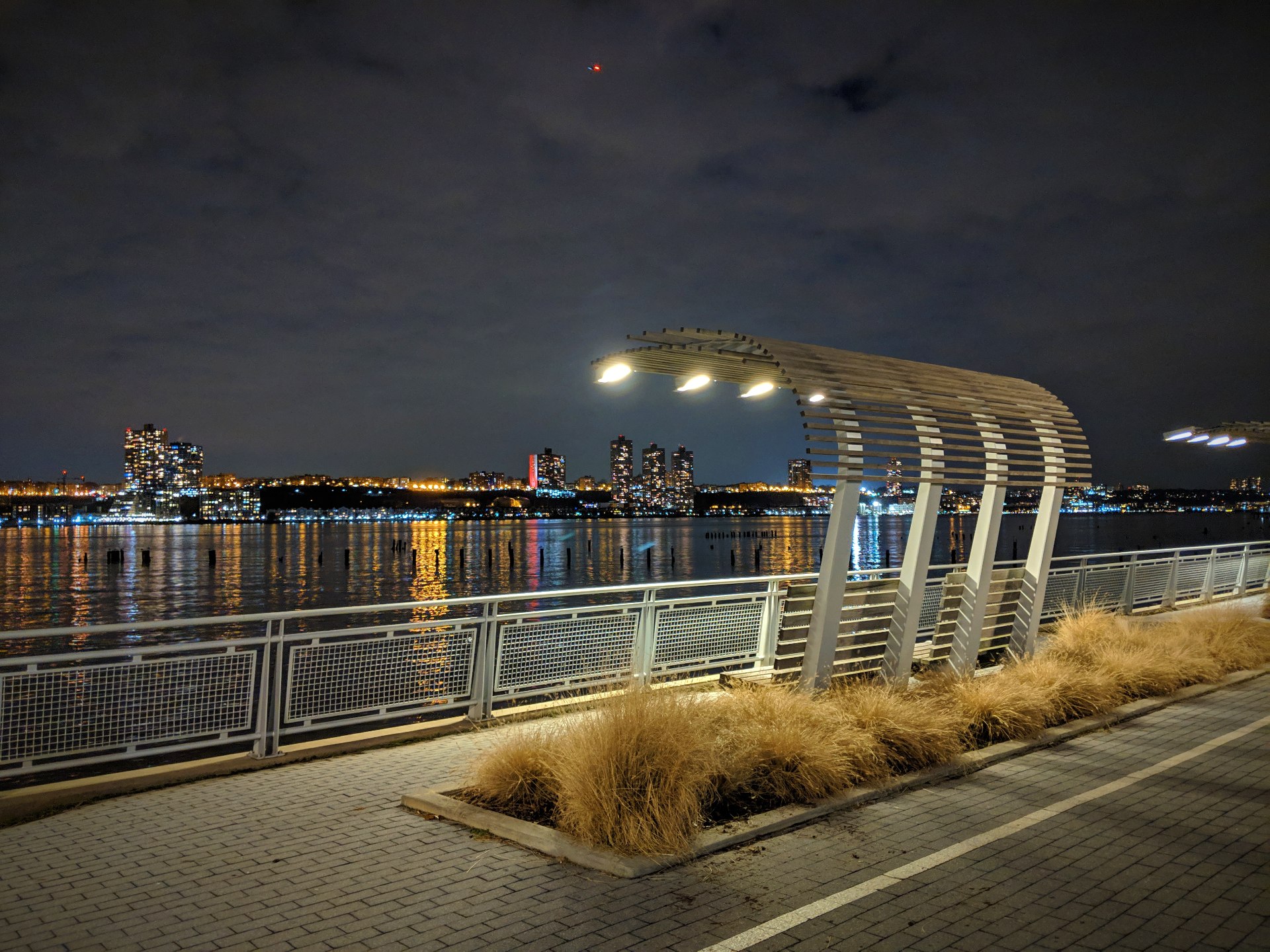
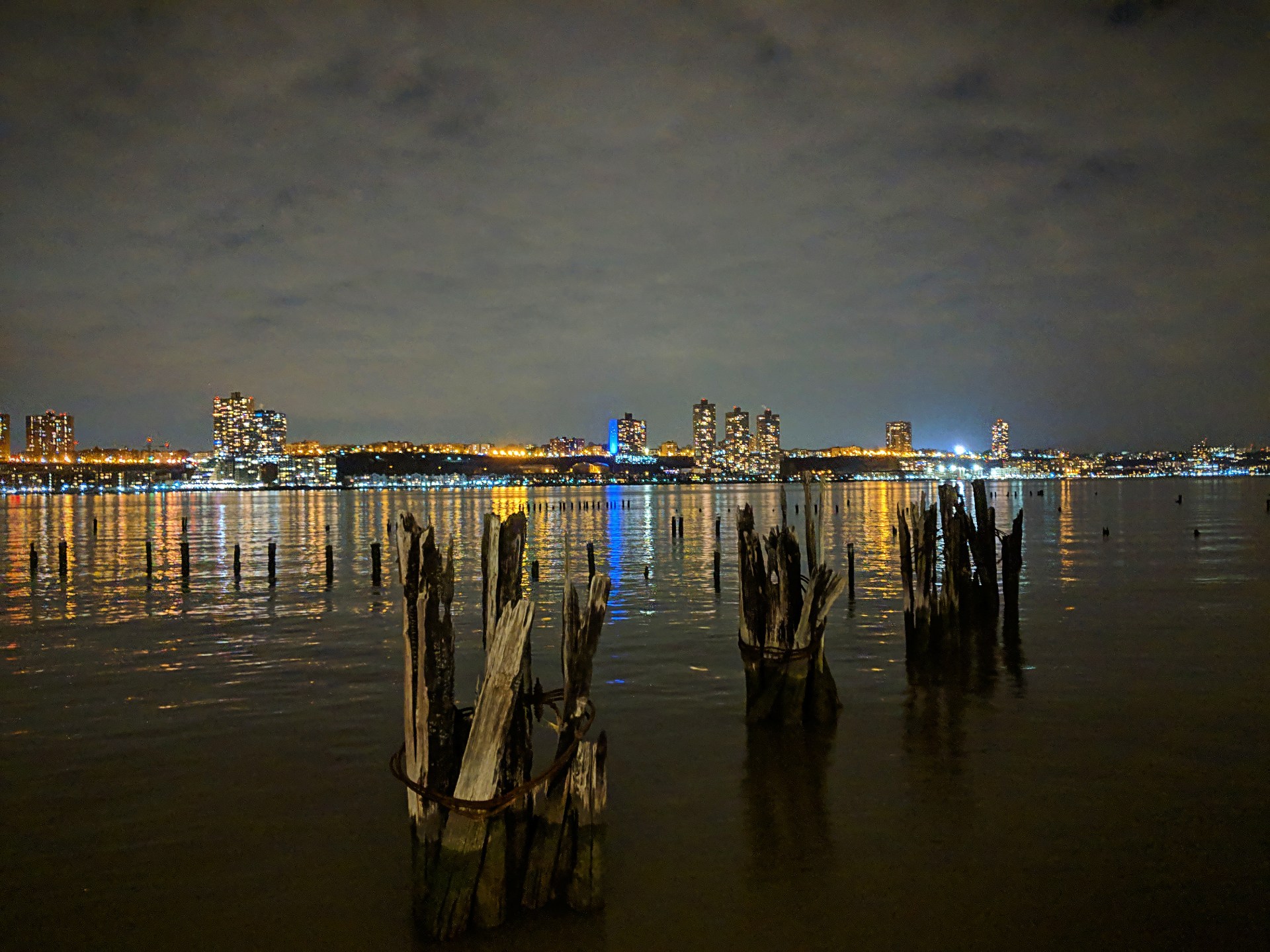
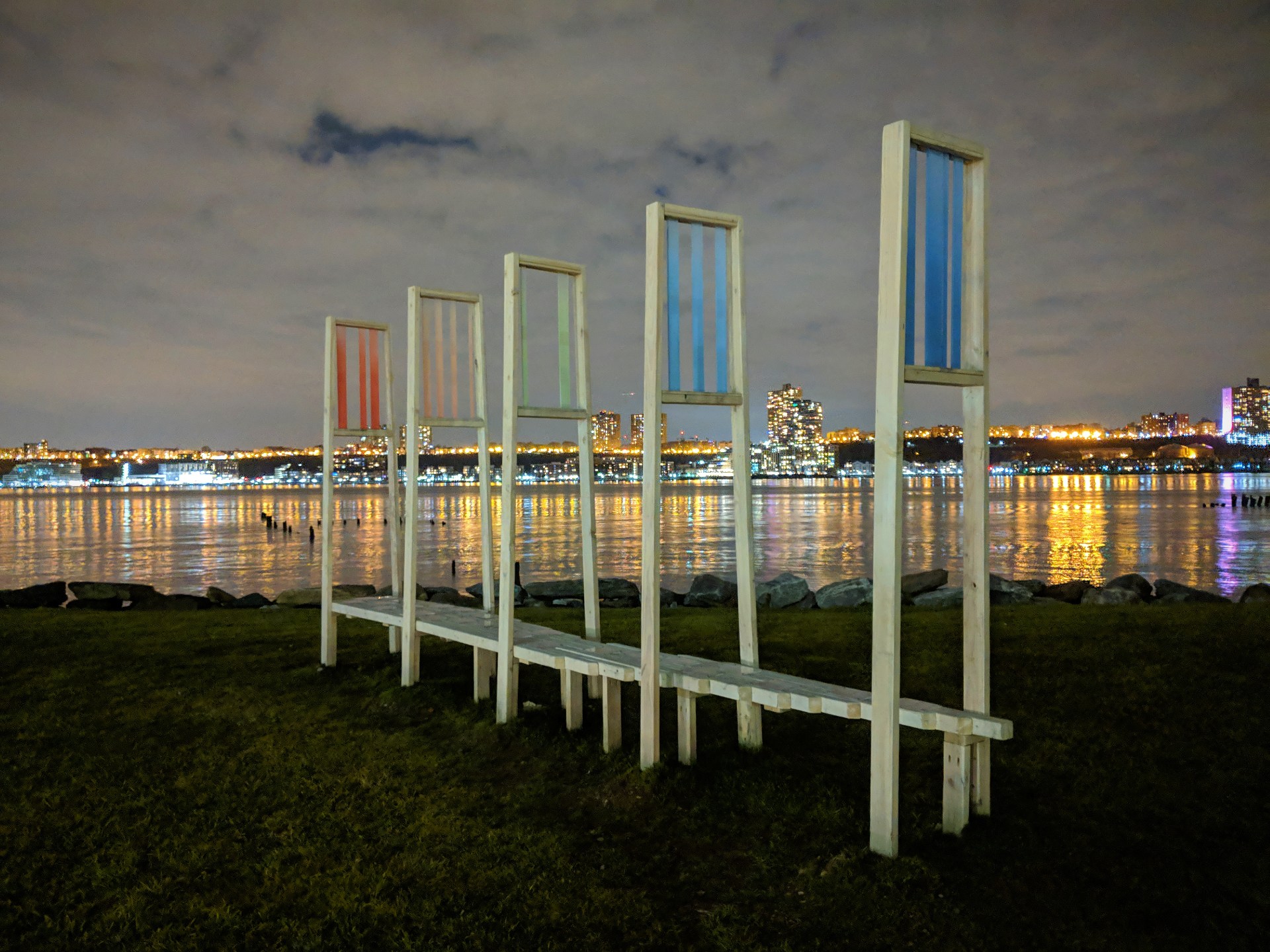
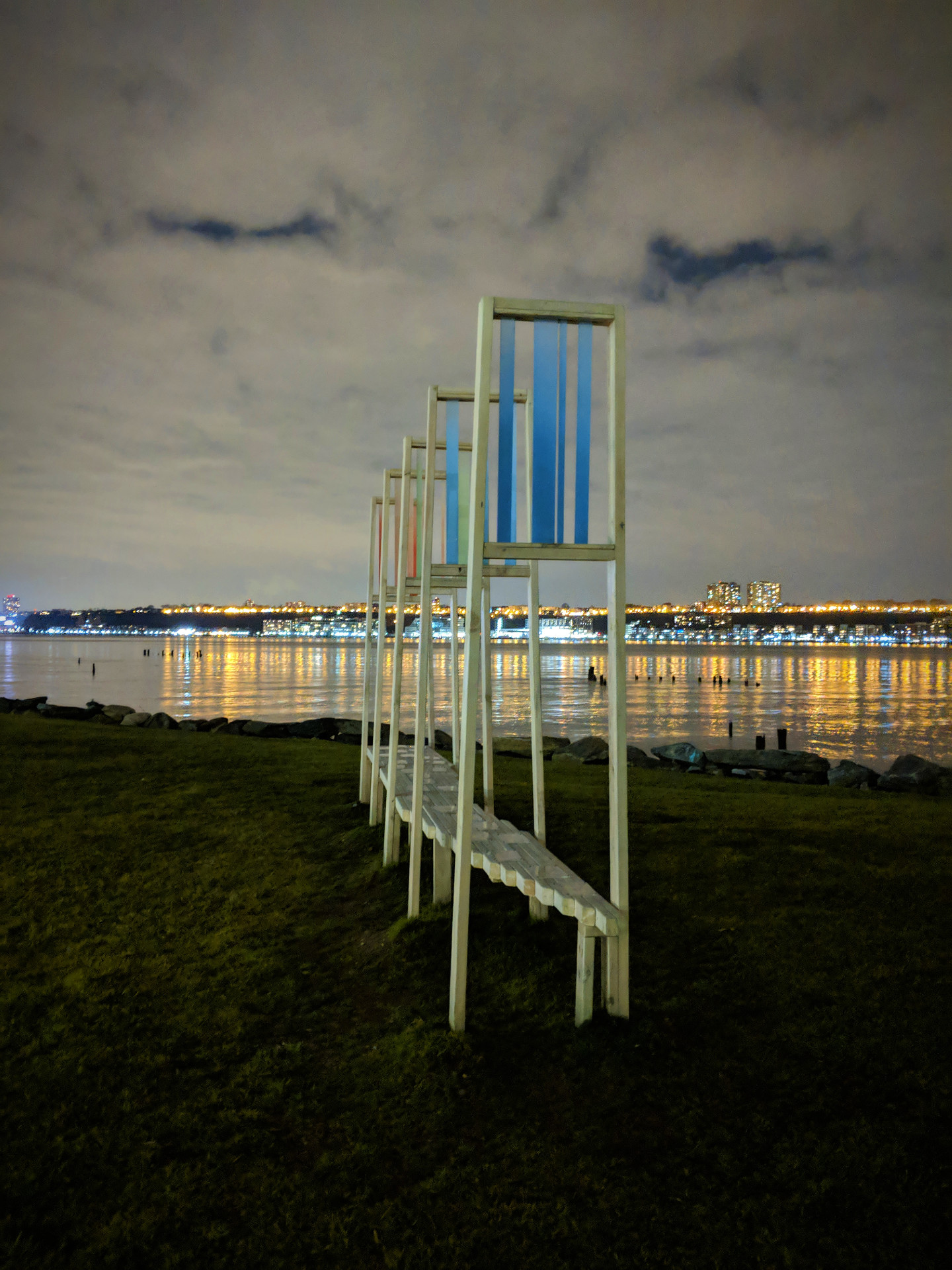
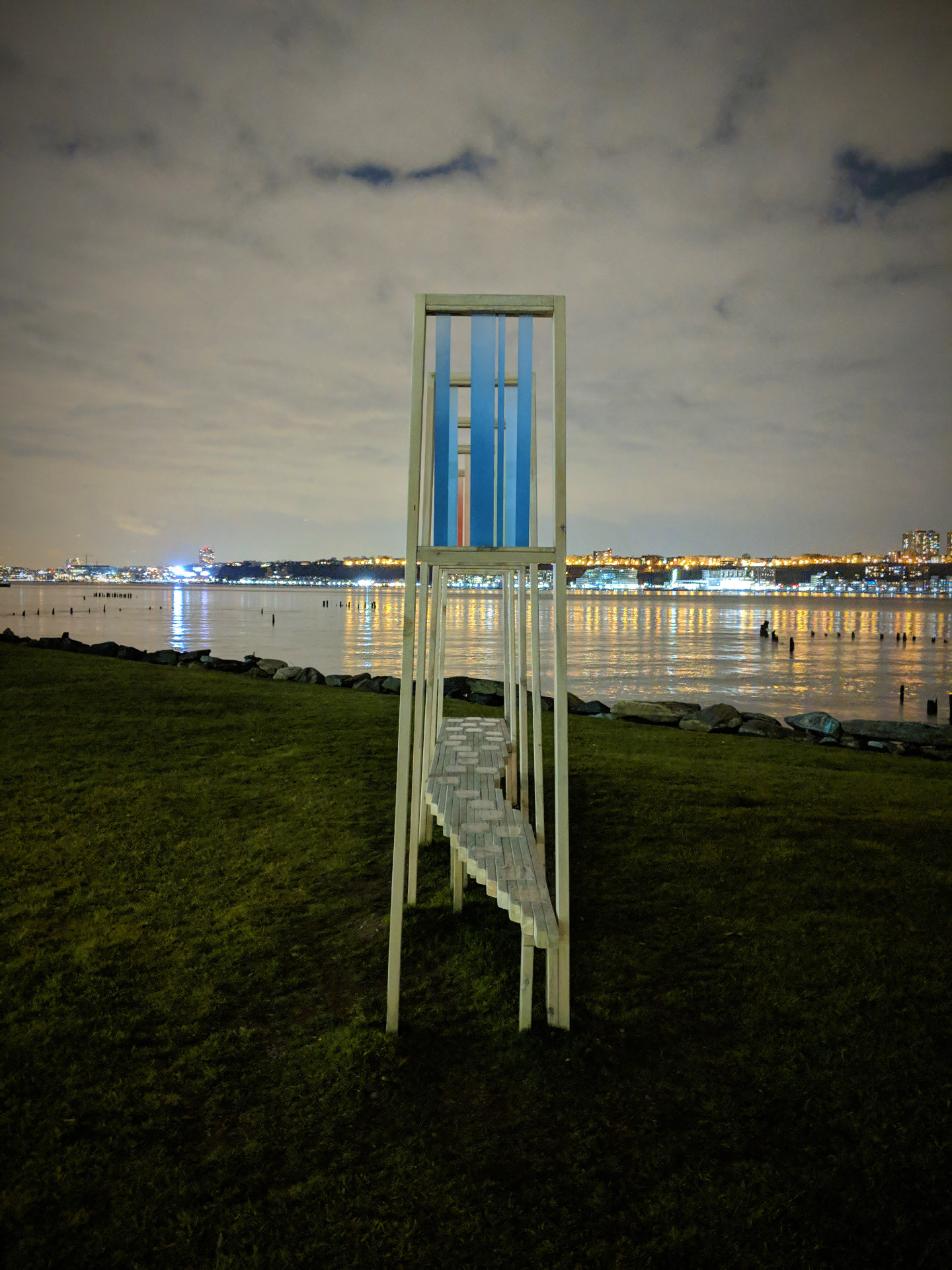
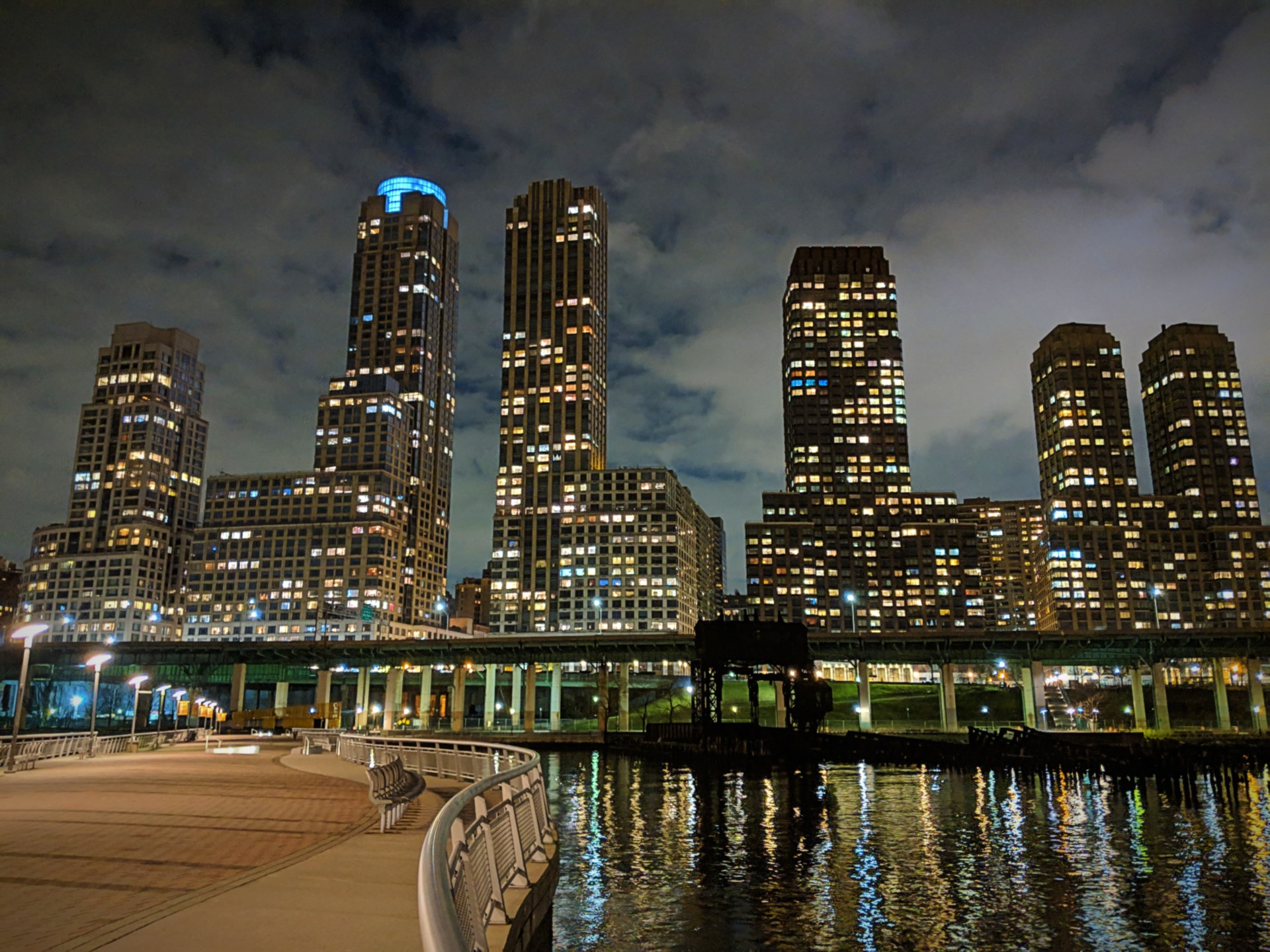
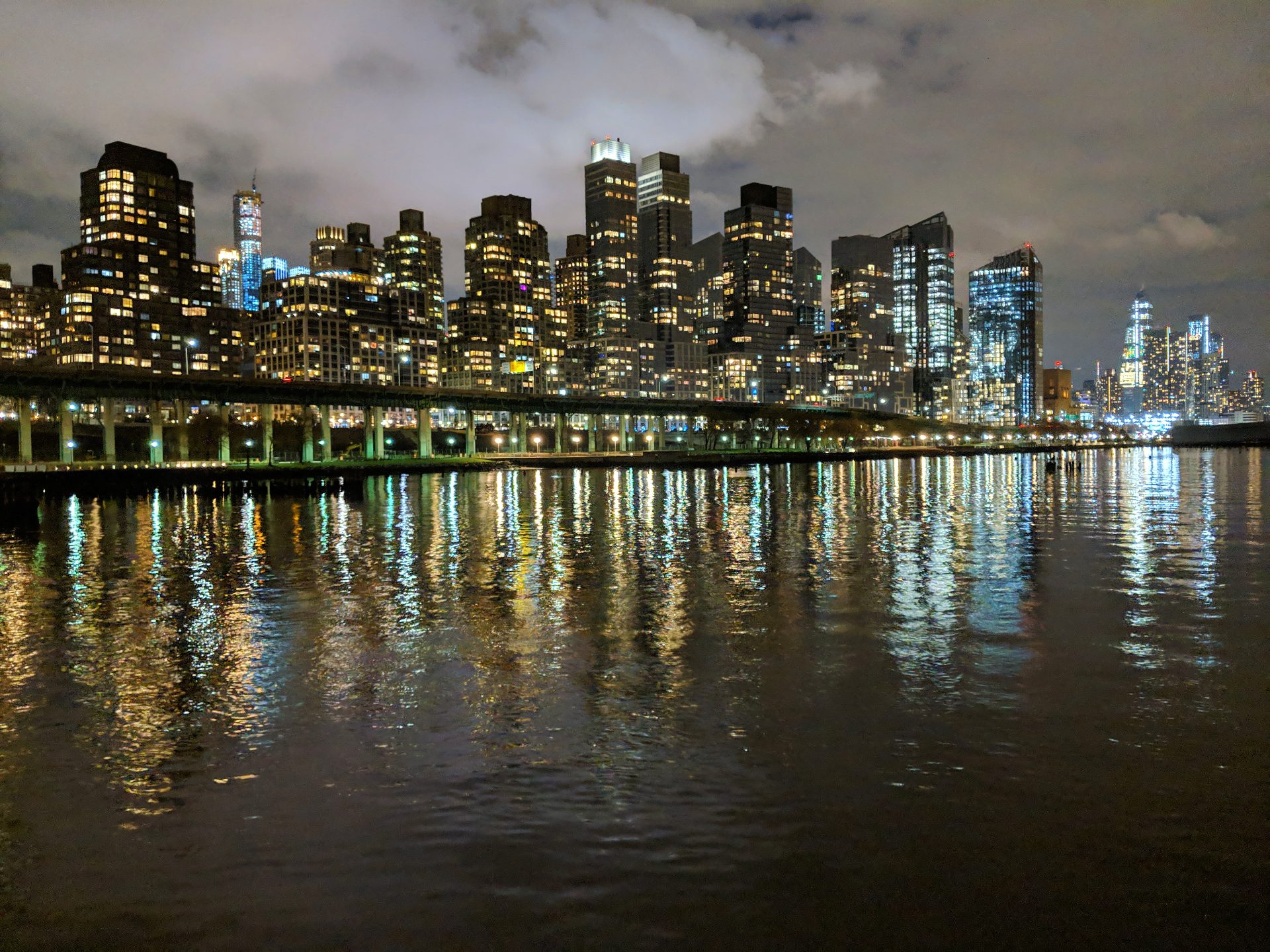
Artwork by Sarah E. Brook
Viewfinding, 2018
New and recycled wood, cast acrylic, paint, poetry
Hudson River Greenway
December 30th, 2018
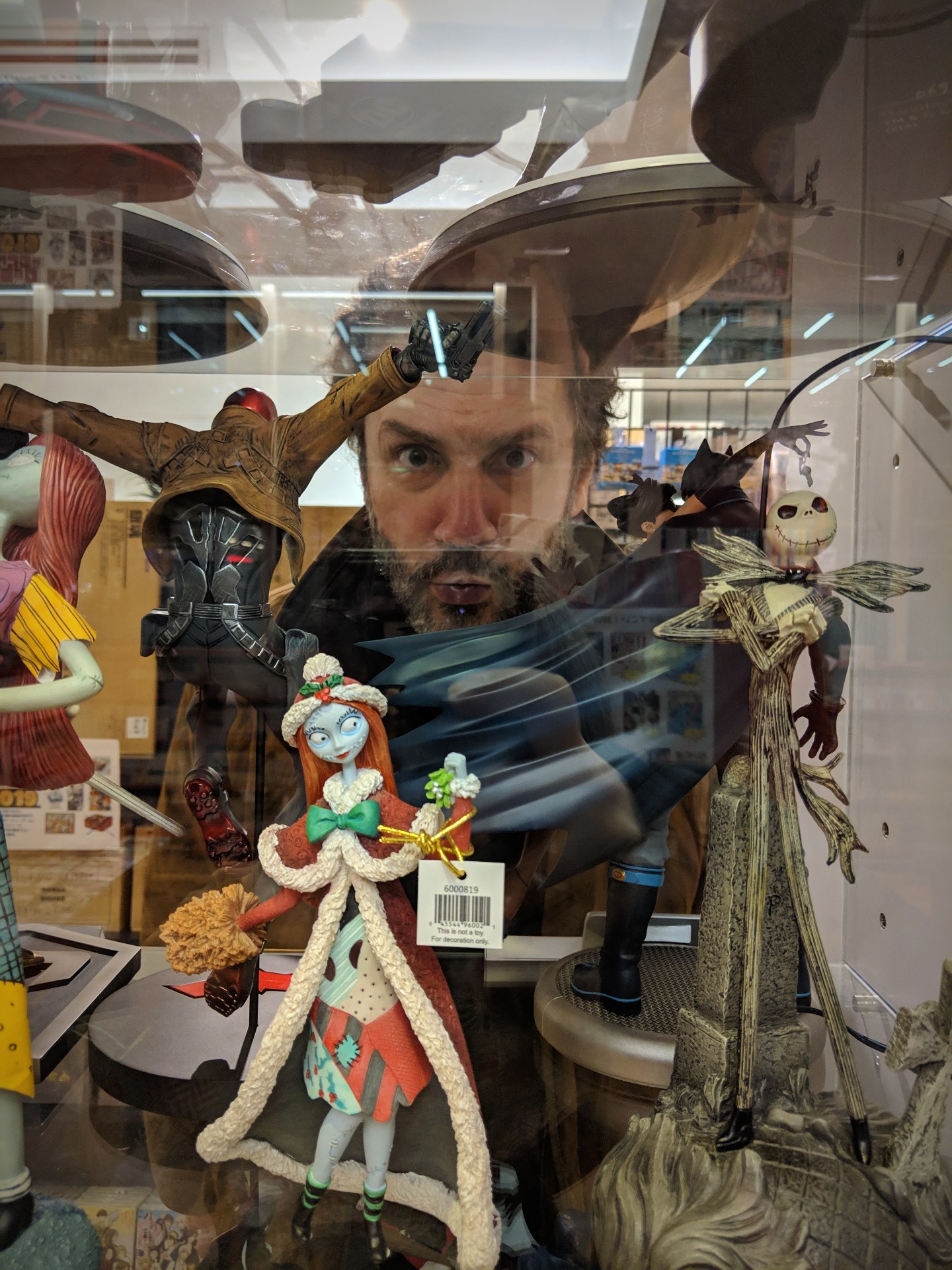
 Manhattan, NYC
December 17th, 2018
 Manhattan, NYC
December 16th, 2018
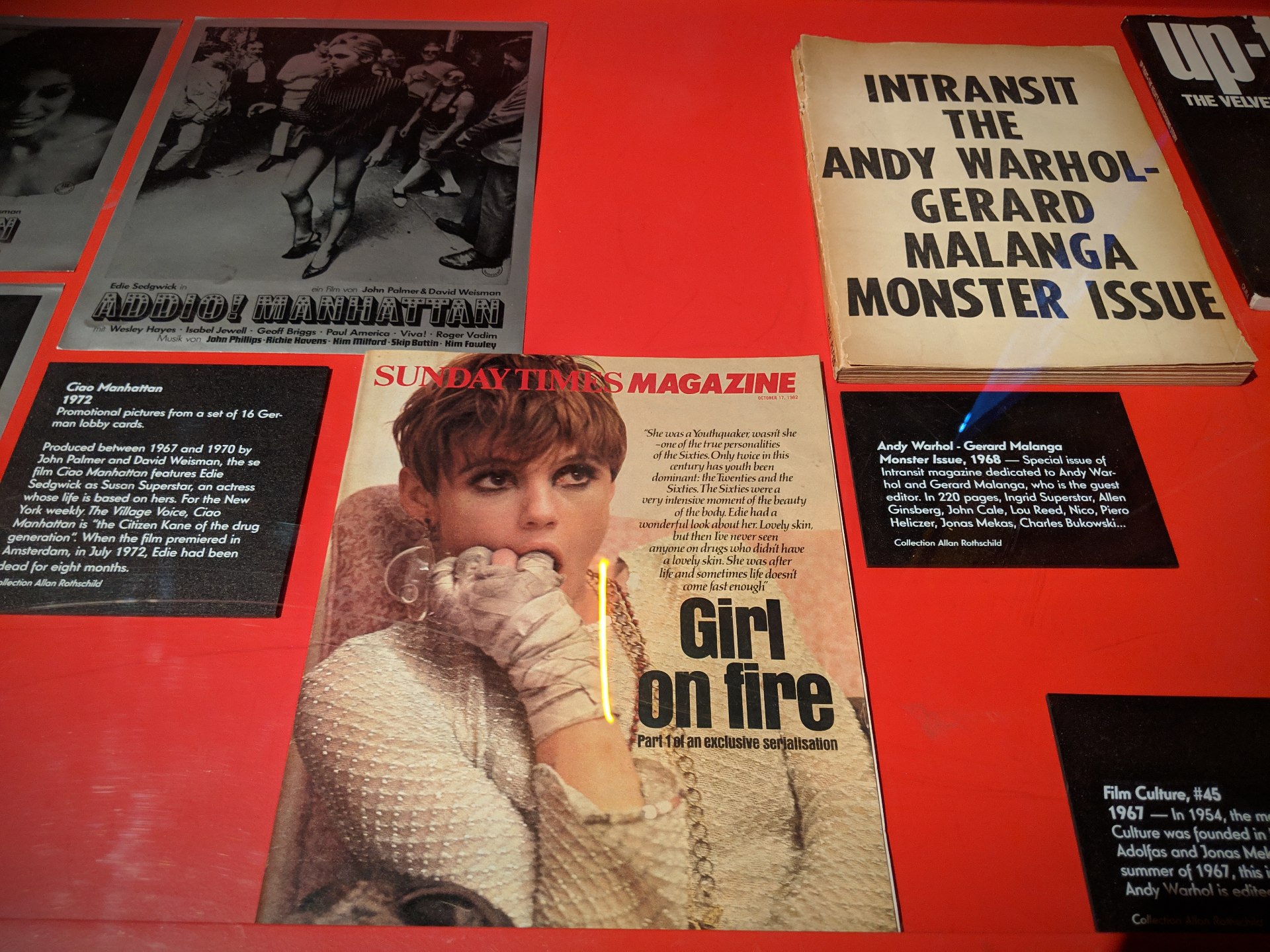
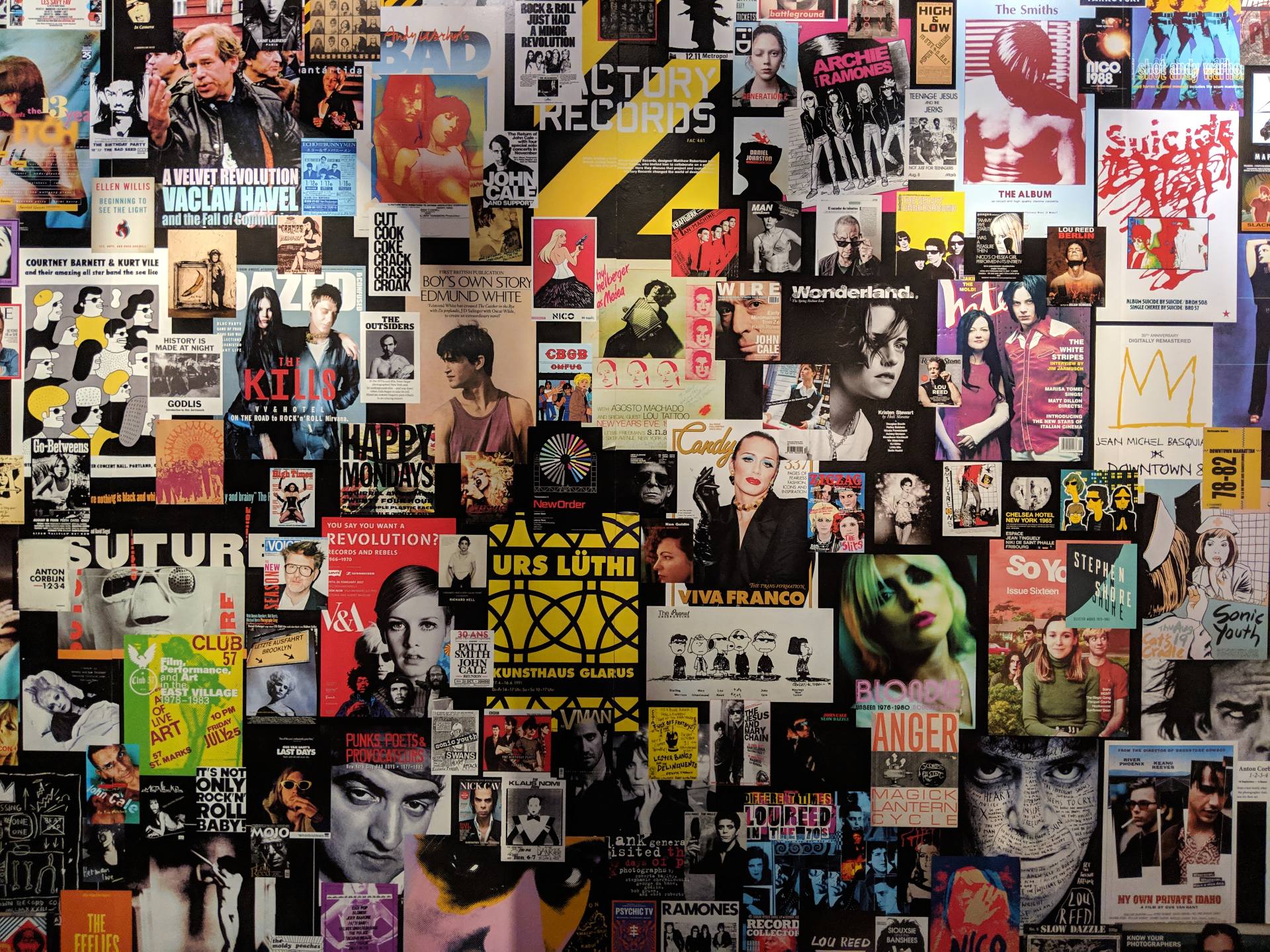
An alternative title could have been ”The Andy Warhol Clan”.
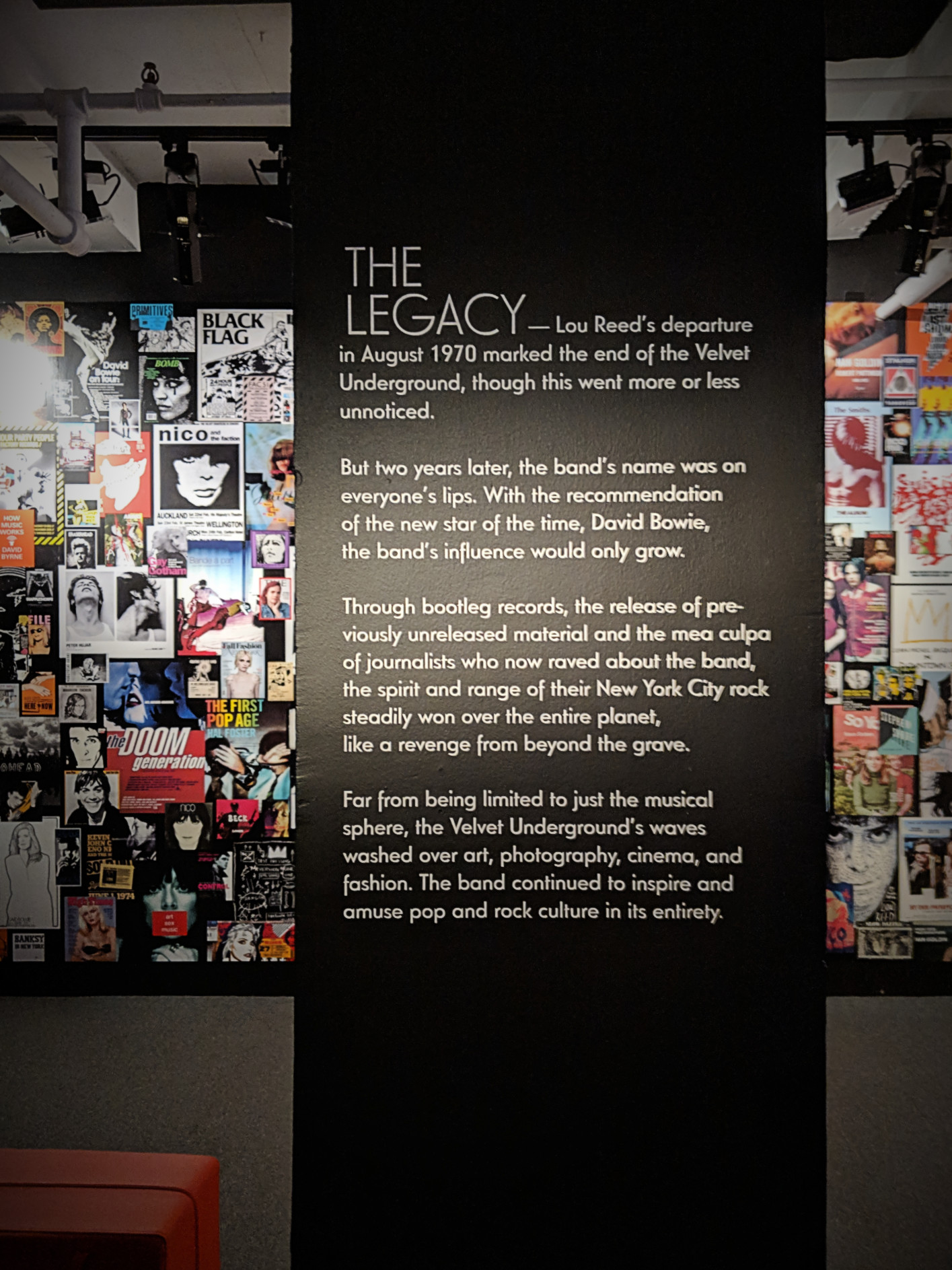
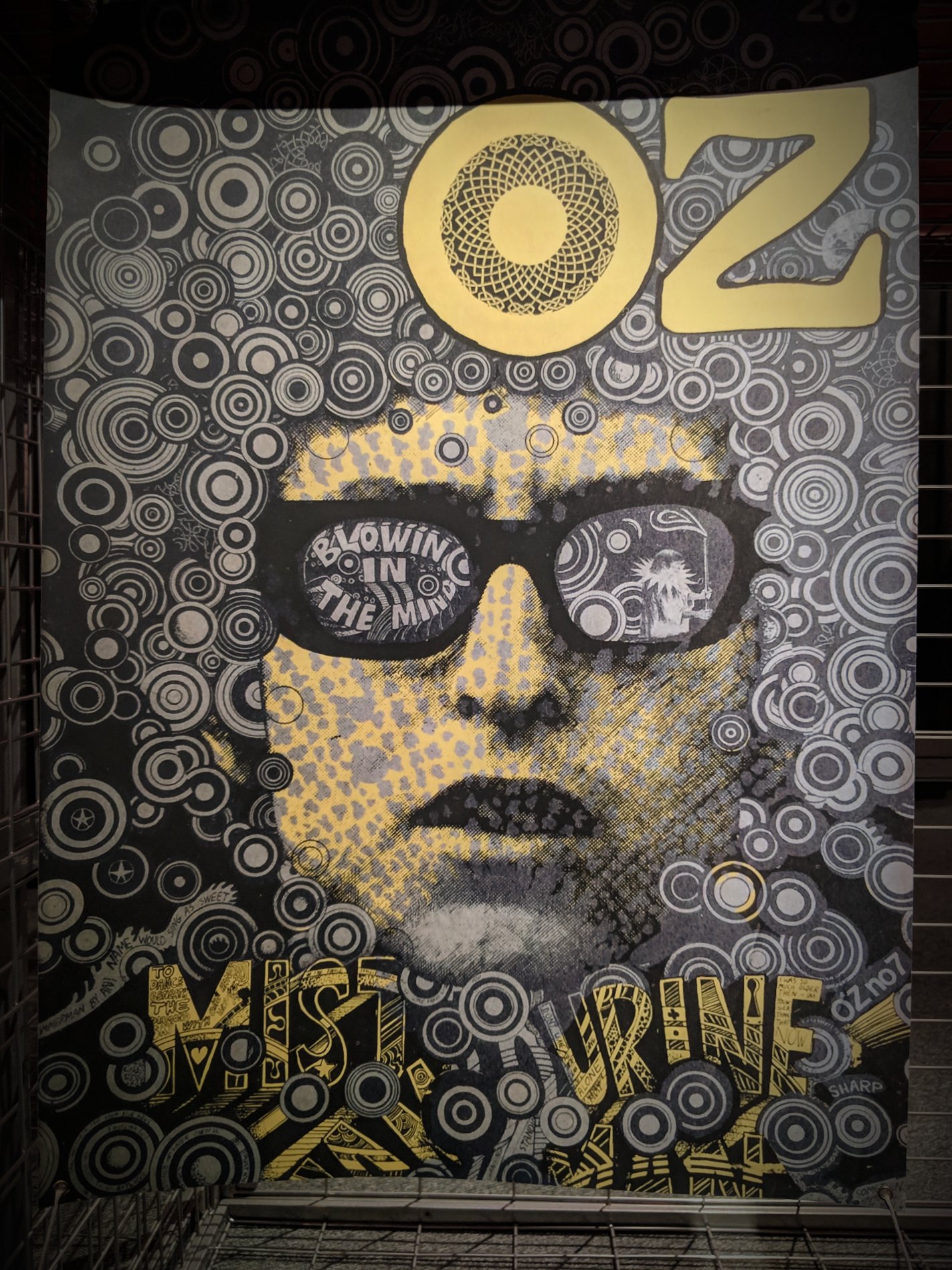
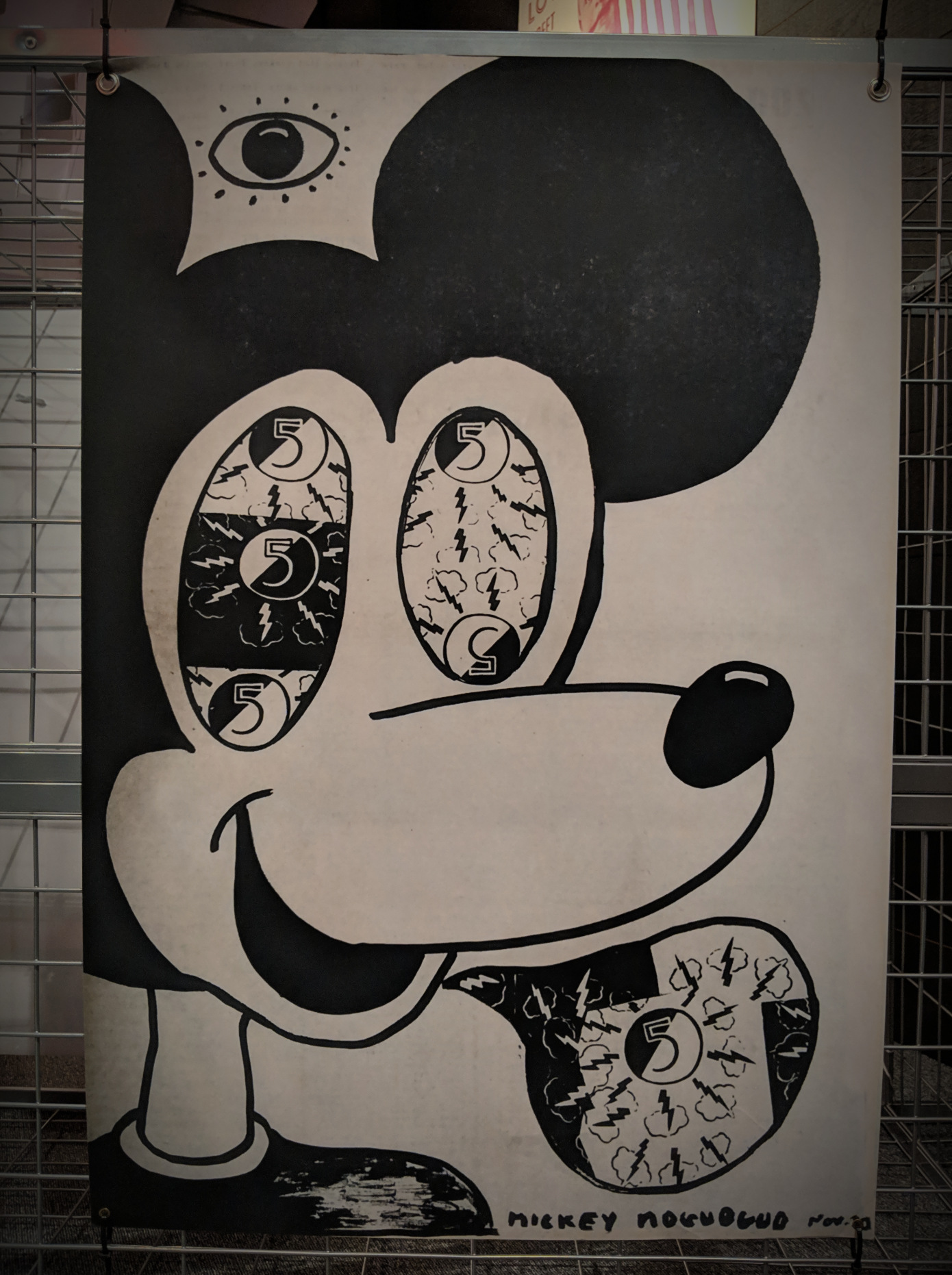
The exhibition was set to explore how The Velvet Underground influenced modern music, fashion, art, and popular culture in Lou Reed’s native city. Yet, so many were the references to Andy Warhol, he might as well have been part of the band. One couldn’t take two steps in The City’s artistic sphere without stumbling upon Warhol. The man who created ”superstars” would become a superstar himself.

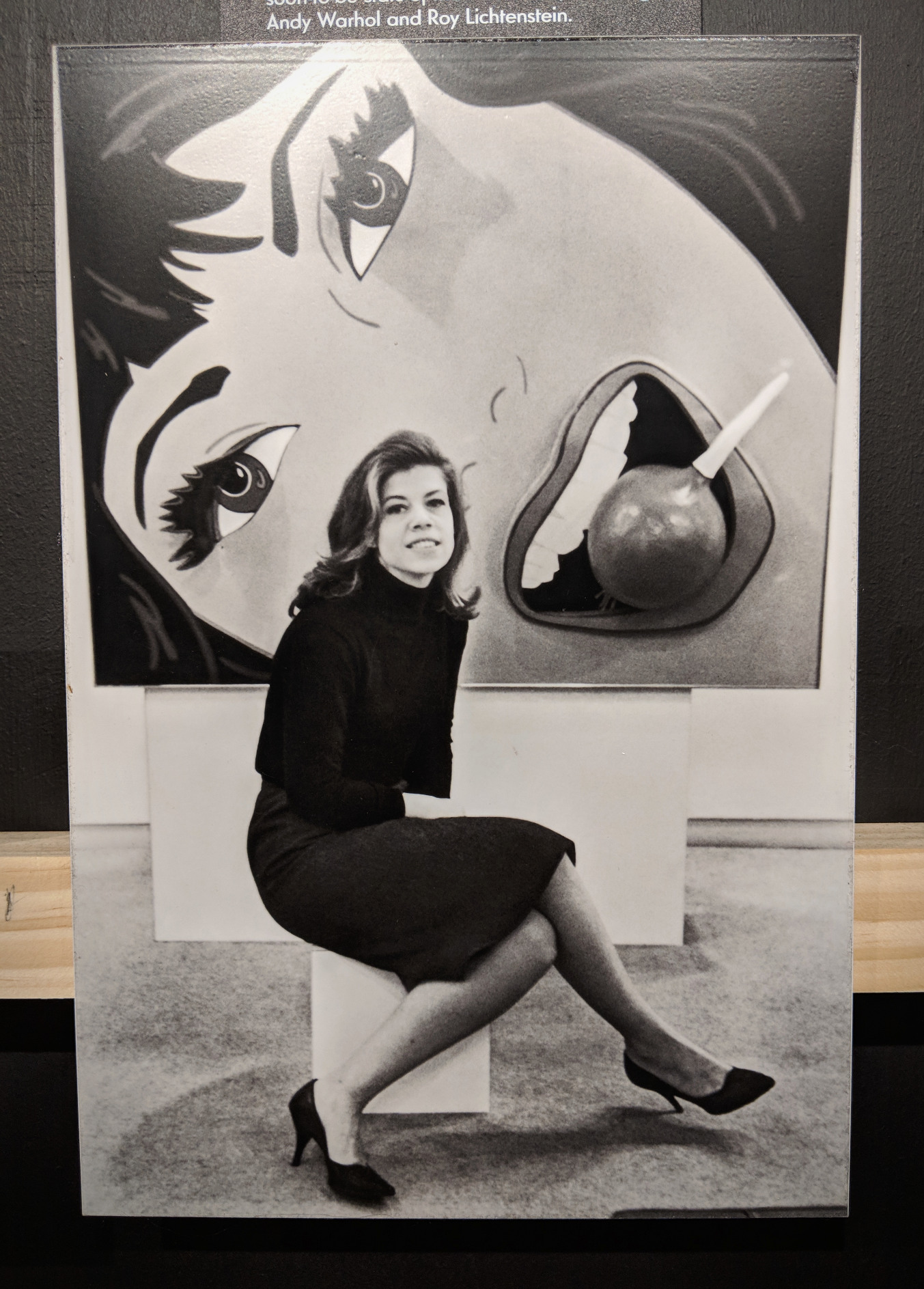 Marjorie Strider in front of Girl with Radish, 1965
This painting was the icon of the 1964 exhibition ”First International Girlie Show” at the Pace Gallery, where Strider exposed along with several soon-to-be stars of the movement, including Andy Warhol and Roy Lichtenstein
 Nathan’s Famous, 1965
Gathering in front of a restaurant in Lou Reed’s favourite seaside resort, Coney Island. In May 1969, the Velvet Underground recorded a song called Coney Island Steeplechase. In 1975, Lou Reed’s fifth solo album was entitled Coney Island Baby.
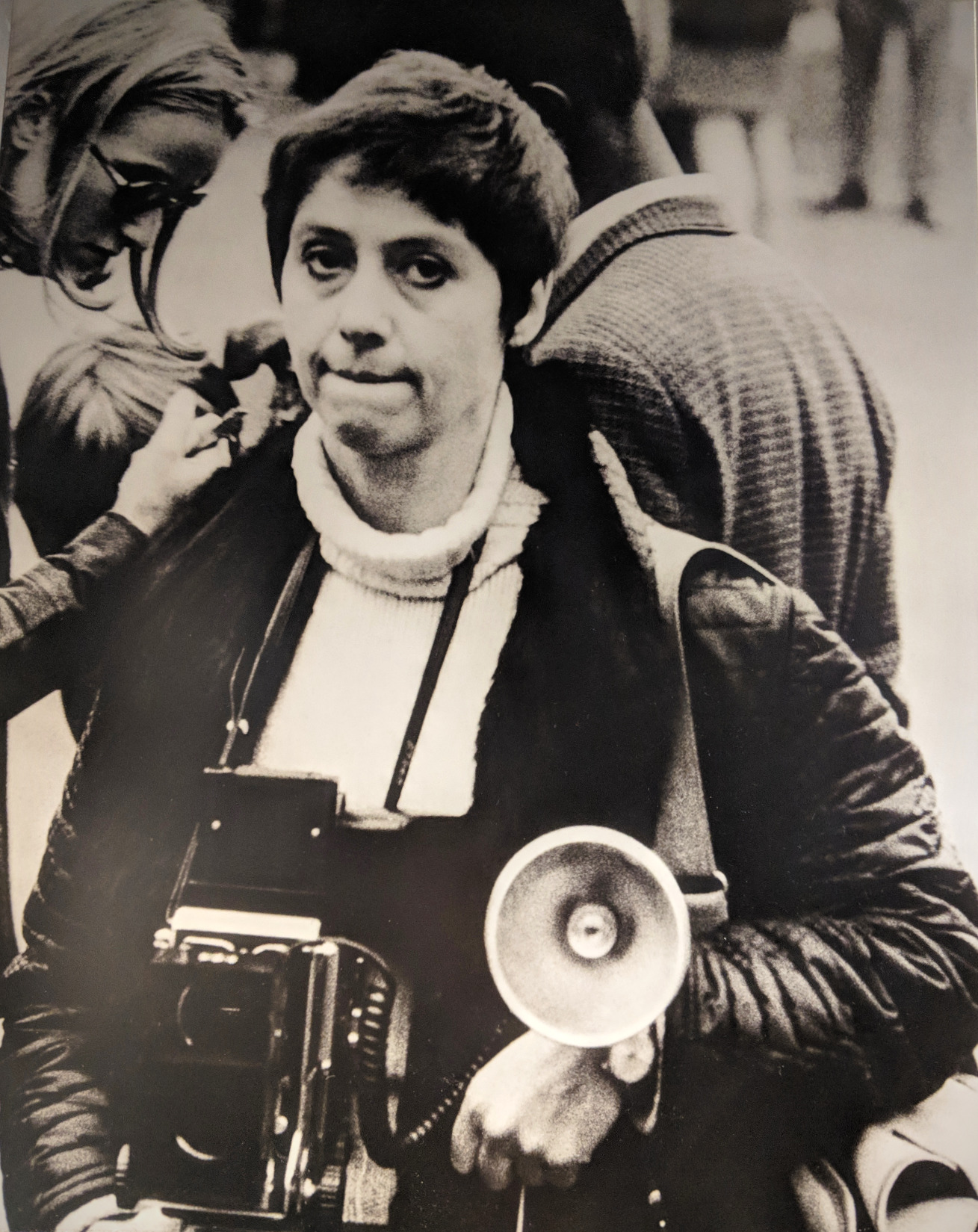 Diane Arbus, 1967
The photographer participates in a pacifist and psychedelic gathering organized by New York students
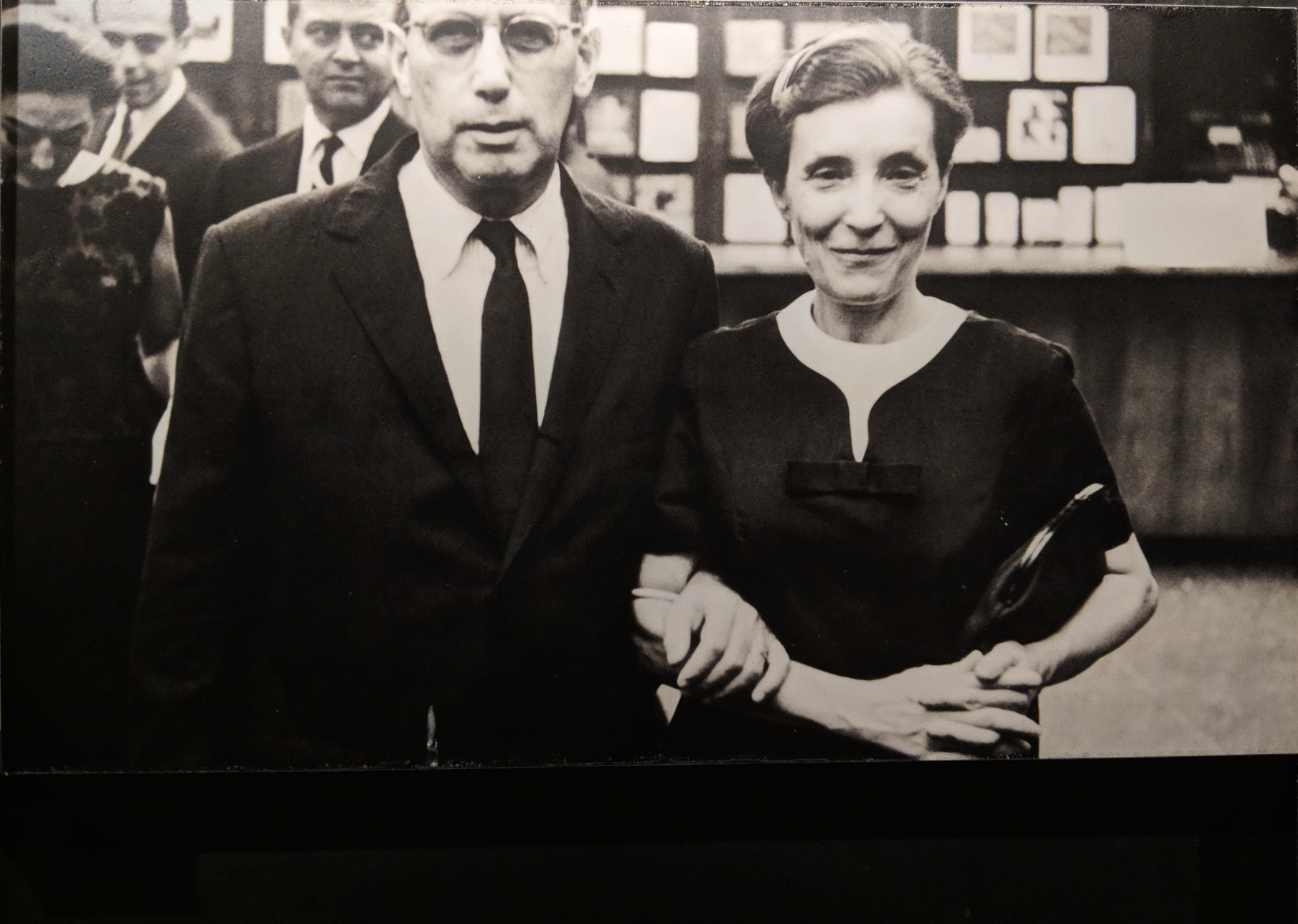 Louise Bourgeois and Robert Goldwater, 1963
The French sculptor, a New Yorker by adoption, and the art historian Robert Goldwater, her husband, at the Museum of Modern Art in New York
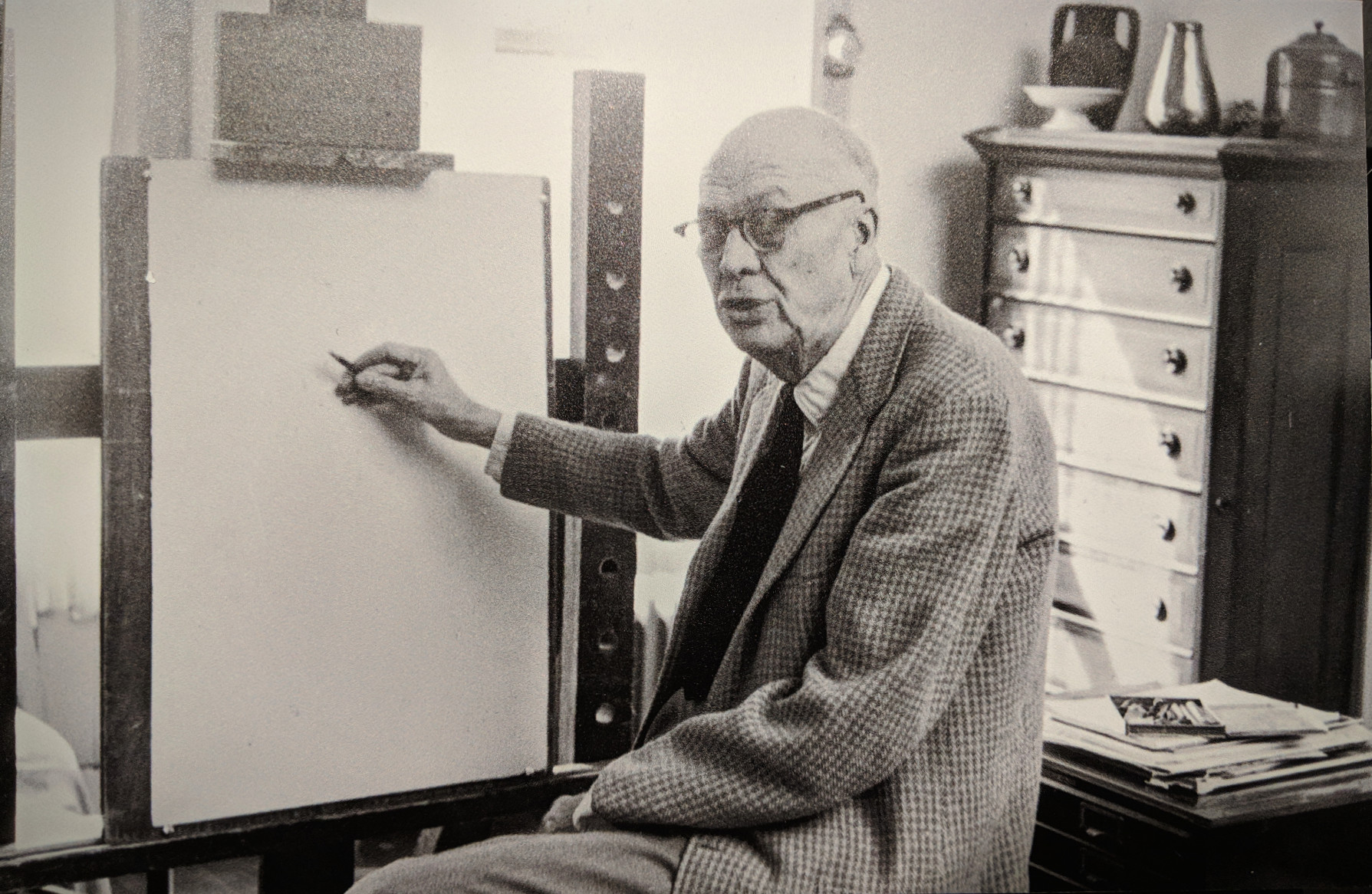 Edward Hopper, 1965
The painter of urban loneliness, facing his easel. Is it possible that Edward Hopper had an impact on Lou Reed? The first song of The Velvet Underground & Nico, Sunday Morning, is a troubling reference to the atmosphere of Hopper’s 1930 painting, Early Sunday Morning
 Death to the Highway!, 1962
Protest against the upcoming construction of an urban highway, the Lower Manhattan Expressway, which would have resulted in the expropriation of thousands of Greenwich Village residents. As a result of the mobilization, the project was abandoned

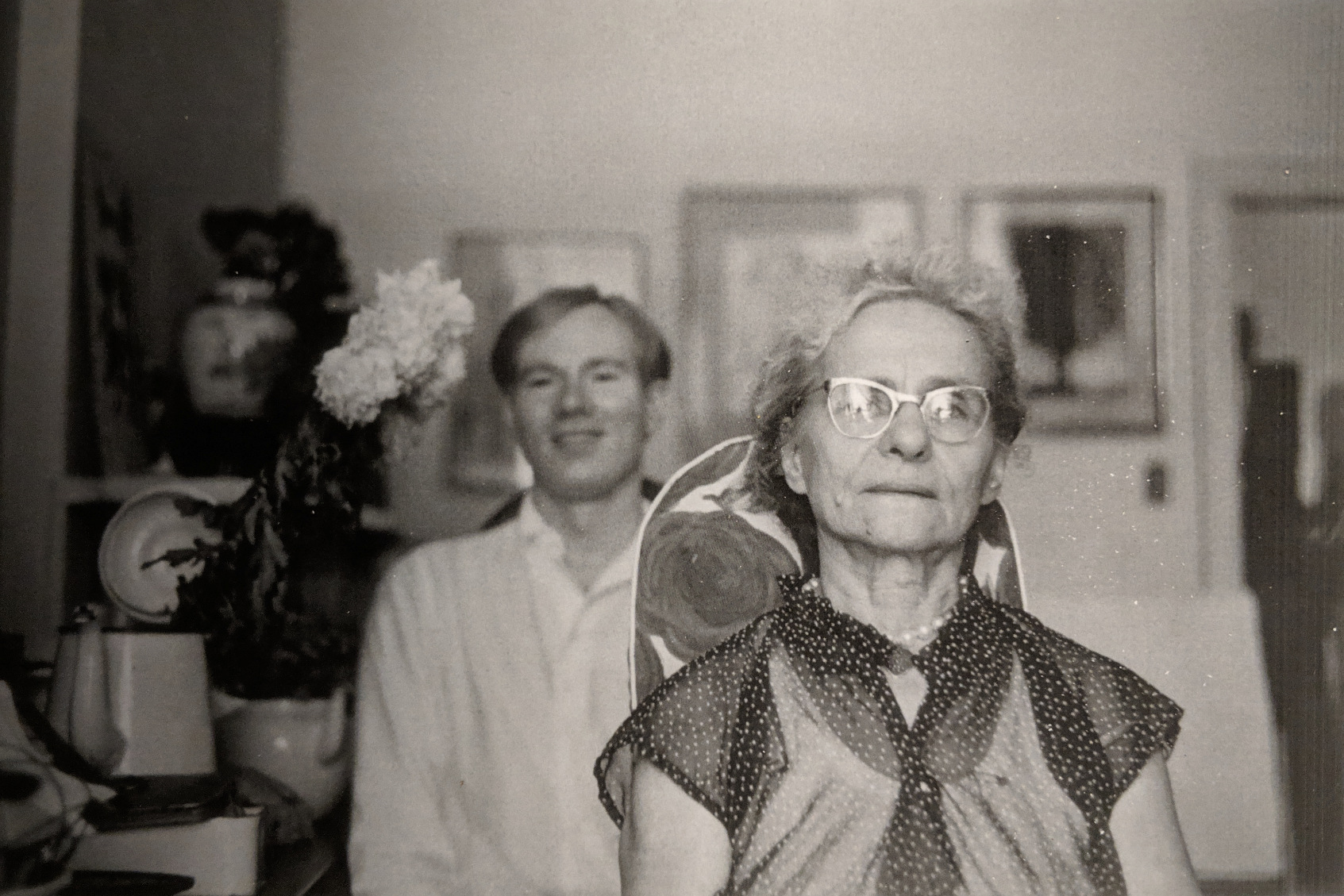 Andy Warhol and Julia Warhola


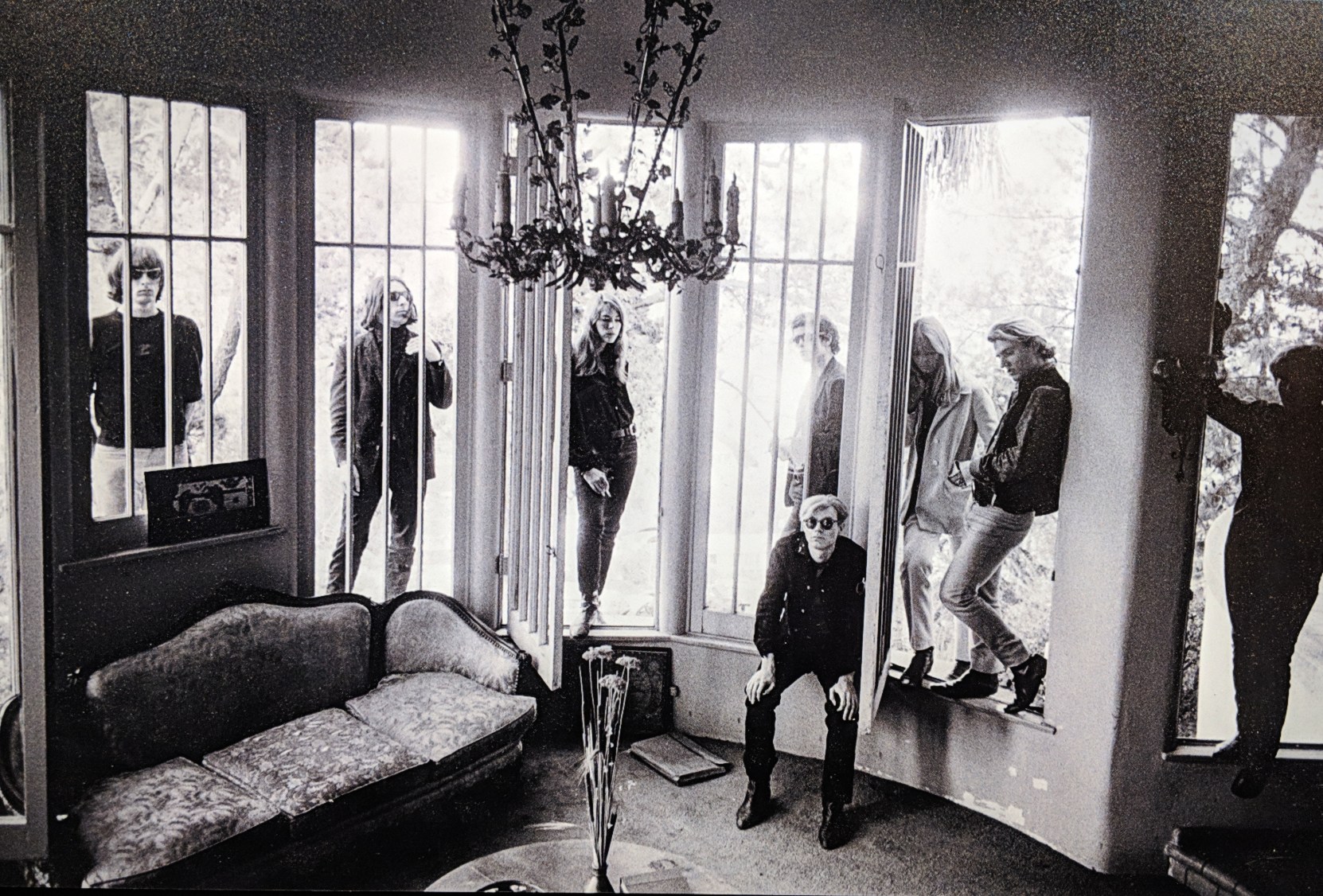

 John Cale, Lou Reed and Andy Warhol at the Ocean Club, NYC
July 1976 – Photography by Bob Gruen

 New York City
December 16th, 2018

 @NYC Subway
December 15th, 2018
subjective worldview
Actor, writer, cook and author
Travel experiences & Strasbourg city guide
Writer
joy, happiness, travel, adventure, gratitude
"Rêve onirique & Bulle d'évasion"
makes pretty things on paper
This WordPress.com site is Pacific War era information
Welcome to my curious world of words....
Photographs, music and writing about daily life. Contact: elcheo@swcp.com
Free listening and free download (mp3) chill and down tempo music (album compilation ep single) for free (usually name your price). Full merged styles: trip-hop electro chill-hop instrumental hip-hop ambient lo-fi boombap beatmaking turntablism indie psy dub step d'n'b reggae wave sainte-pop rock alternative cinematic organic classical world jazz soul groove funk balkan .... Discover lots of underground and emerging artists from around the world.
A 365 analogue photography project
Barcelona's Multiverse | Art | Culture | Science
Een digitaal atelier aan de (zee)slag.
‘Doodling Ambiguity’s in Ink.’
Miscellaneous photography
Glimpses along the way on a journey of discovery into symmetry...

 The Humble Fabulist