Moving Image || Tools of the Trade – part II

Advanced technologies may have rendered them museum pieces, but these marvels of engineering were made to last.
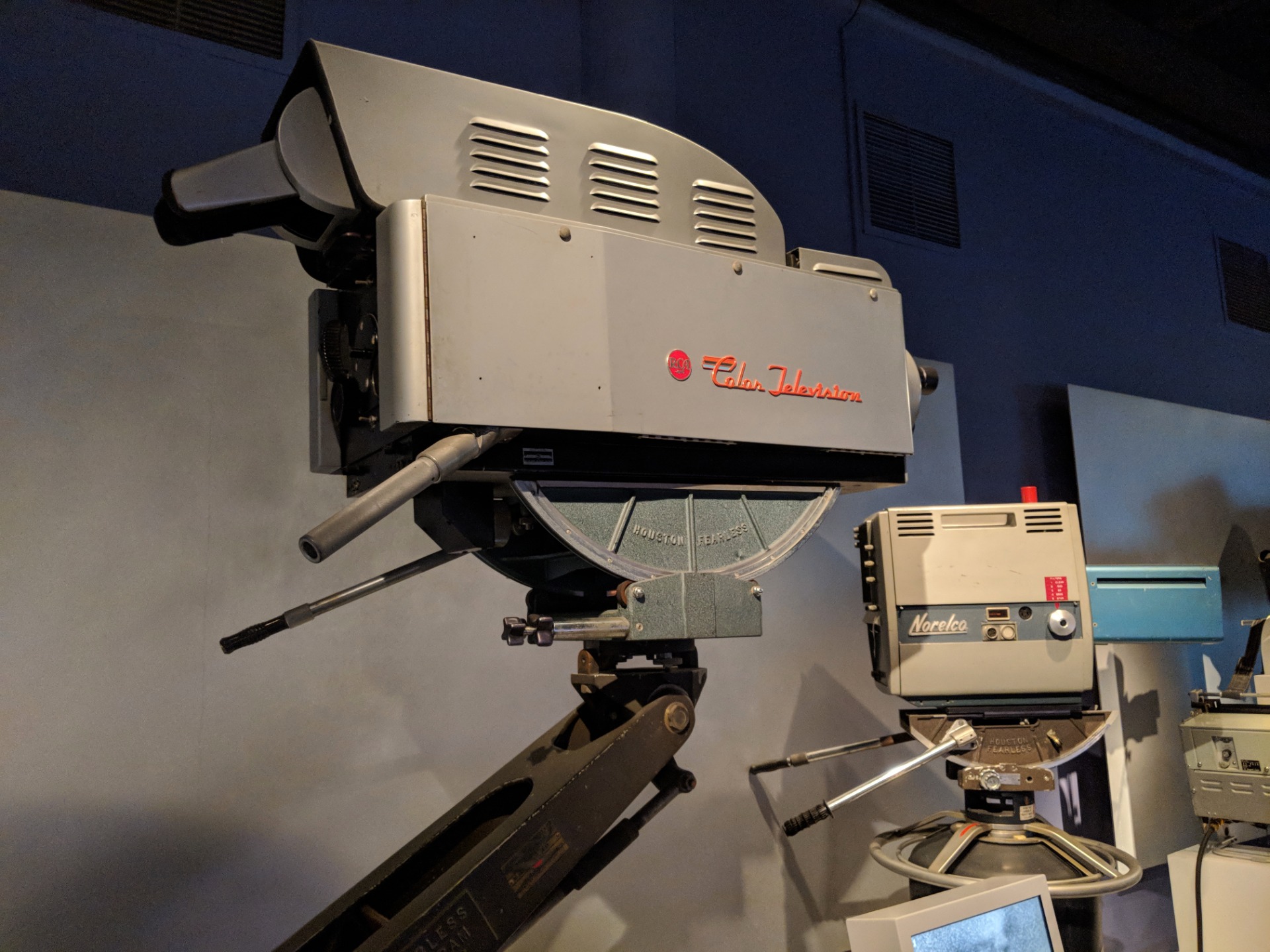
RCA Colour Broadcast Camera, Model TK-41C, 1954

Fearless Camera Company Panoram Dolly, c. 1940, with Houston-Fearless Cradle Head, date unknown

This camera was the first commercially produced for colour television; it was the industry standard for fifteen years. A beam-splitting prism directed the red, green and blue elements of the picture to their own three-inch-diametre image orthicon camera tubes. At 310 pounds, the weight of the camera head and viewfinder severely limited the camera’s mobility.
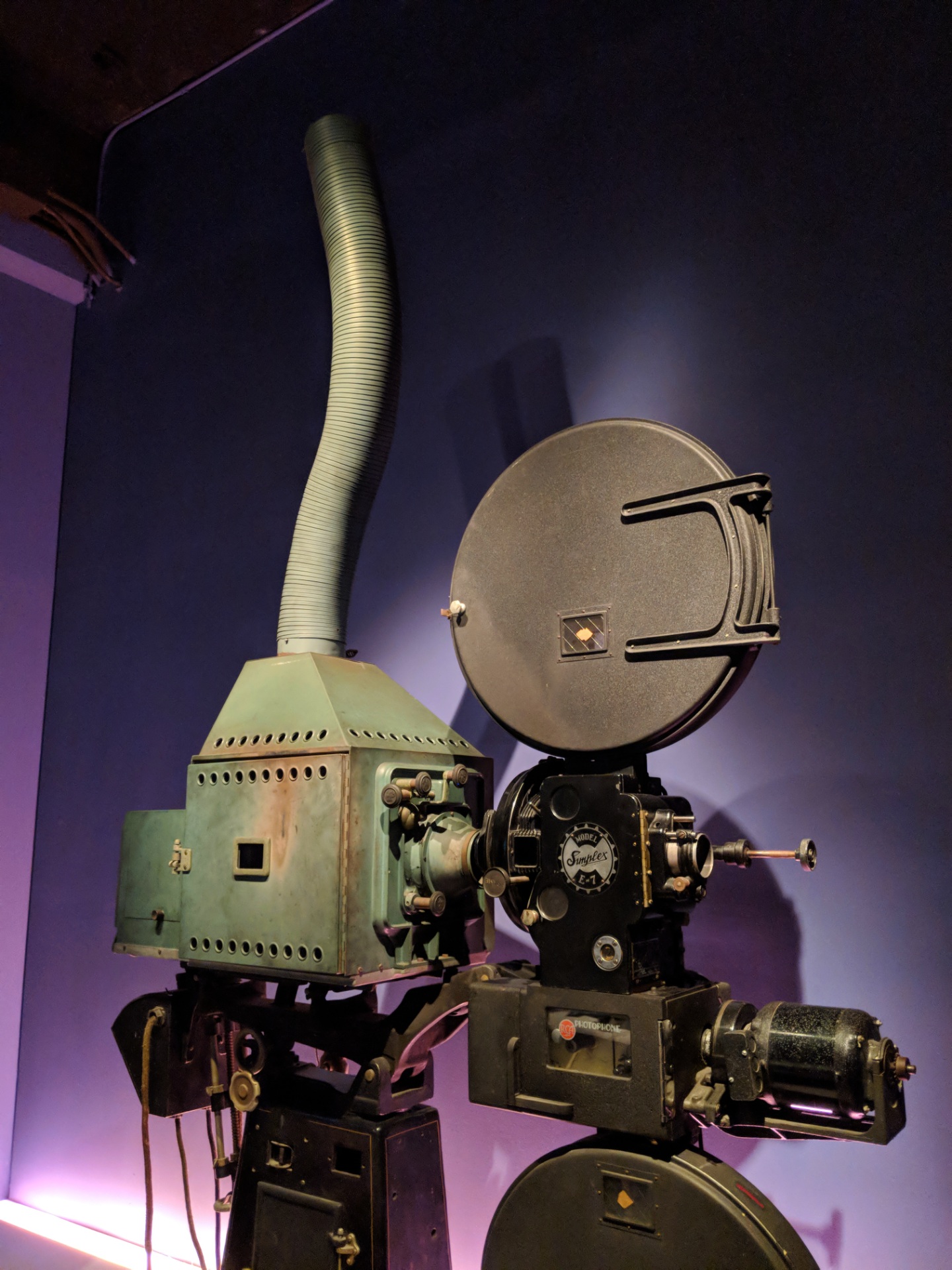

International Projector Corporation 35mm Simplex E-7, 1938, with RCA Photophone Soundhead, MI-9054A and Hall and Connolly Lamp, dates unknown


Western Electric Vitaphone System 35mm Universal Base Projector, 1927, with Vitaphone Soundtrack Disc for The Desert Song (1929)

The projector exhibited here was originally used at the Aldine Theatre in Philadelphia, and is one of the only surviving Vitaphone projectors that is still operational. It has both a phonograph player for soundtrack discs and an optical sound head built into the projector. The projector is set up as if it were going to screen a film using a soundtrack disc. The record player and projector as powered by the same motor, which makes it possible for the sound and image to play in synchronicity.
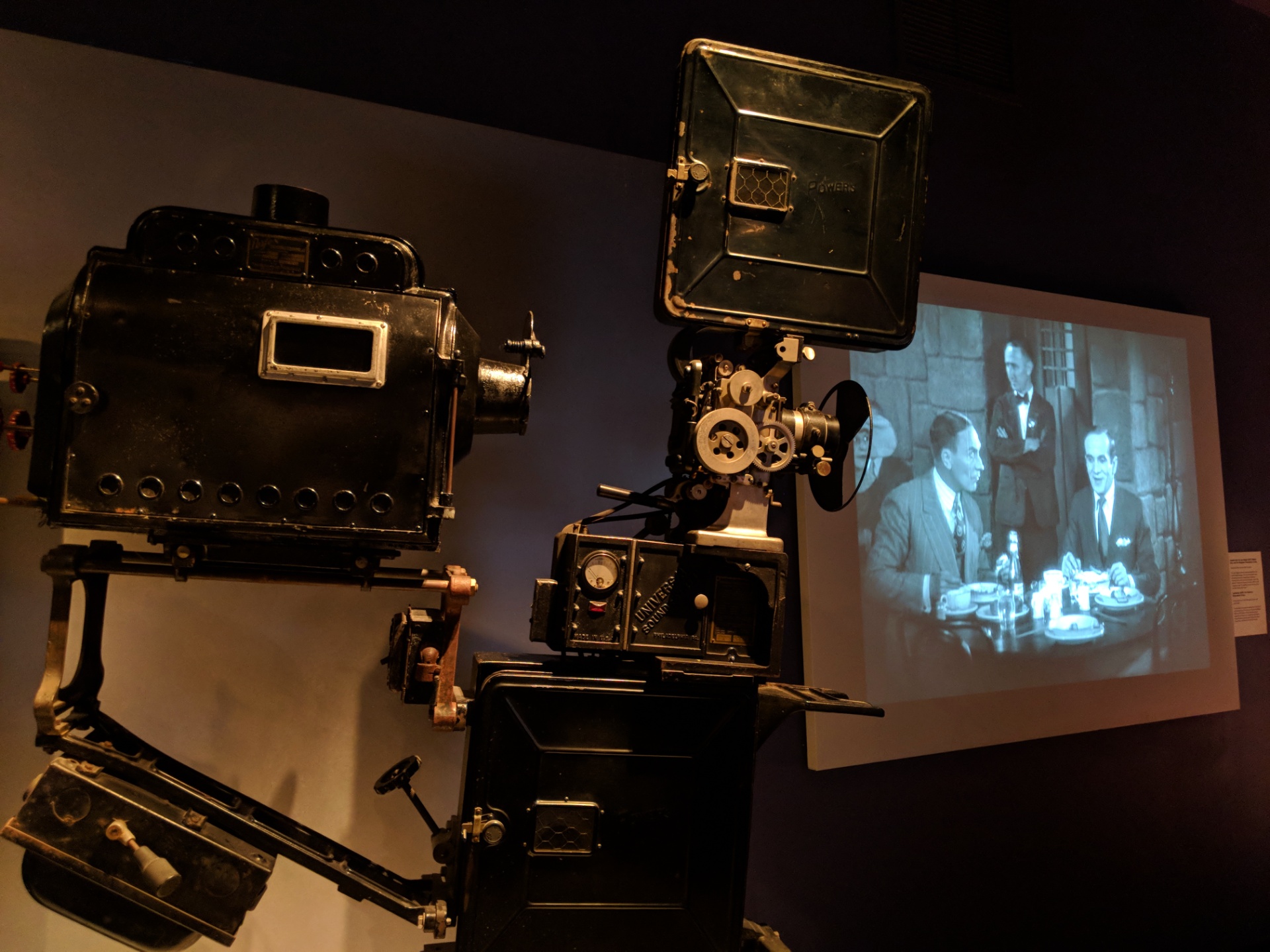

Nicholas Power Company 35mm Cameragraph No. 6B, with Universal Model a Soundhead, c. 1928

When talkies arrived, optical soundheads were added to existing silent film projectors, such as the Nicholas Power Company’s No. 6B. Shown here is the Model A Universal soundhead, which made licensed use of technology patented by the Jenkins and De Forest television companies.


Duplex Motion Picture Industries 35mm Step Printer, c. 1920

Manufactured in Long Island City, this step printer was an industry standard for many years. Print density could be controlled automatically.


Museum of the Moving Image, Astoria, New York

May 13th, 2018

Design is Everything

It will always find its place in a museum collection, even if it wasn’t enough to help up the sales at the time.

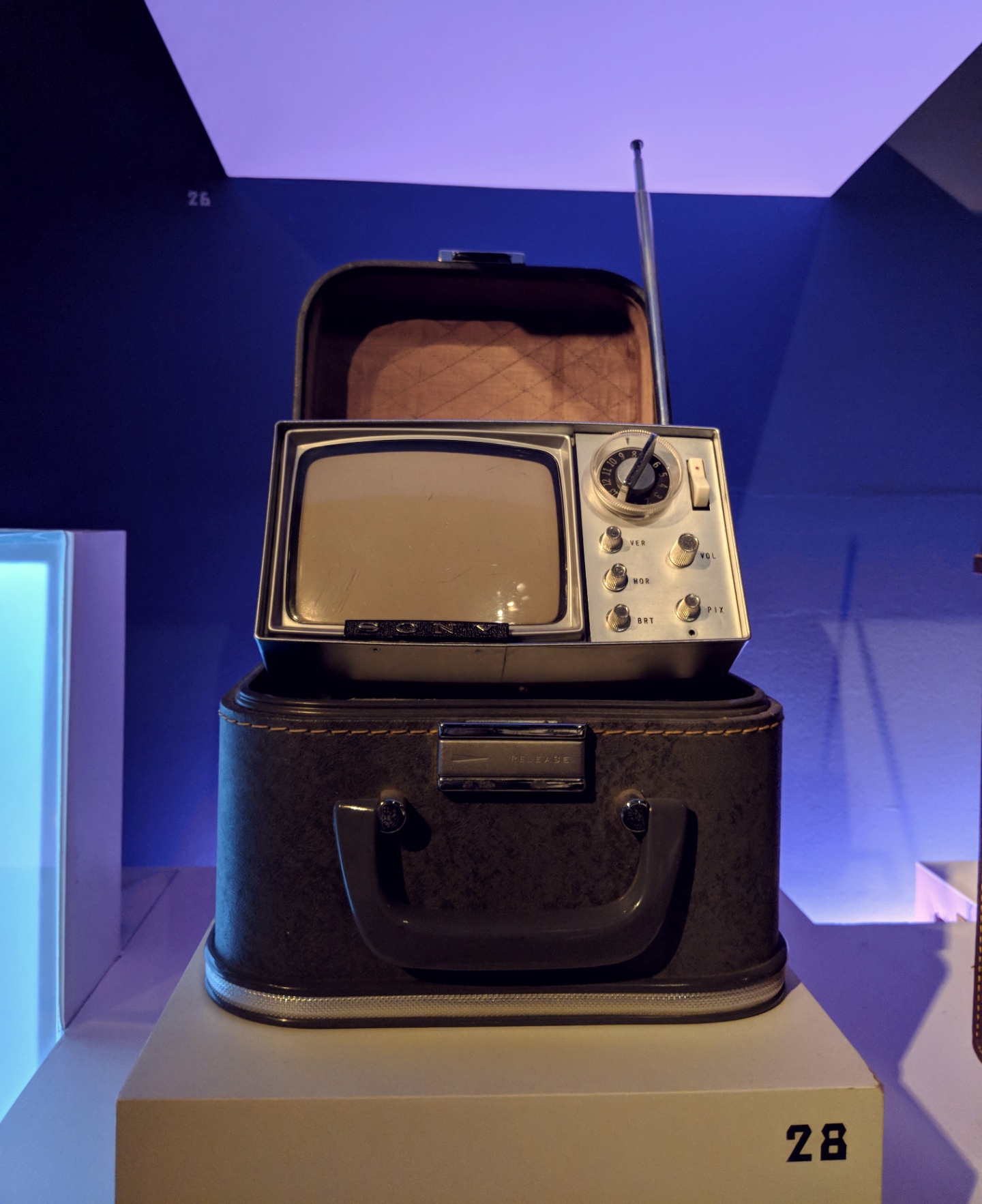
Sony Miniature, Model 5-303W, with carrying case, 1962


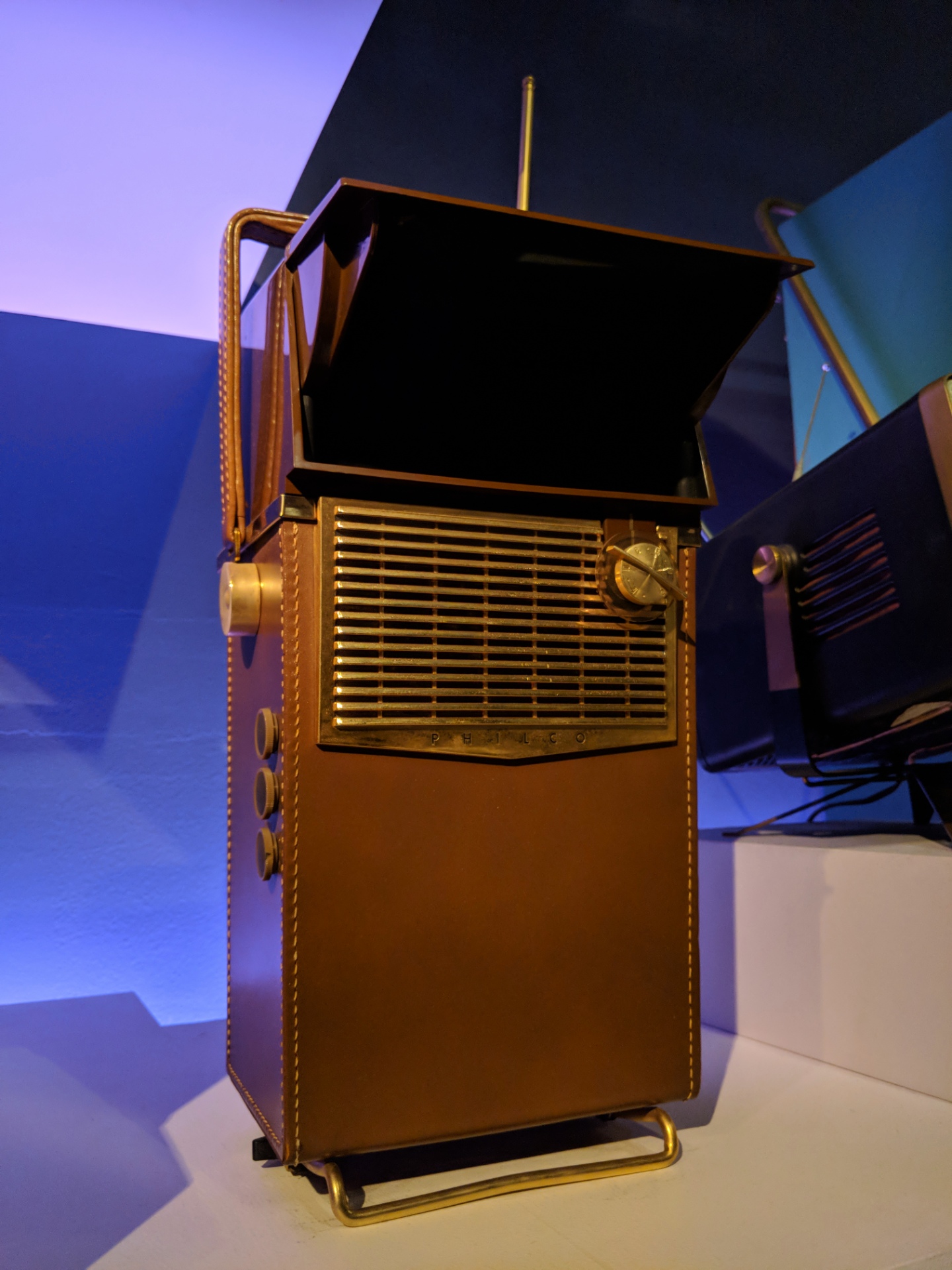
Philco ”Safari” Model H-2010, 1959

This television set was the first to make use of the new transistor technology that had already revolutionized the portable radio. Powered by a 7.5-volt rechargeable battery with a four-hour operating capacity, it employed an optical projection system that magnified the small cathode ray tube image to create and eighty-square-inch virtual image.


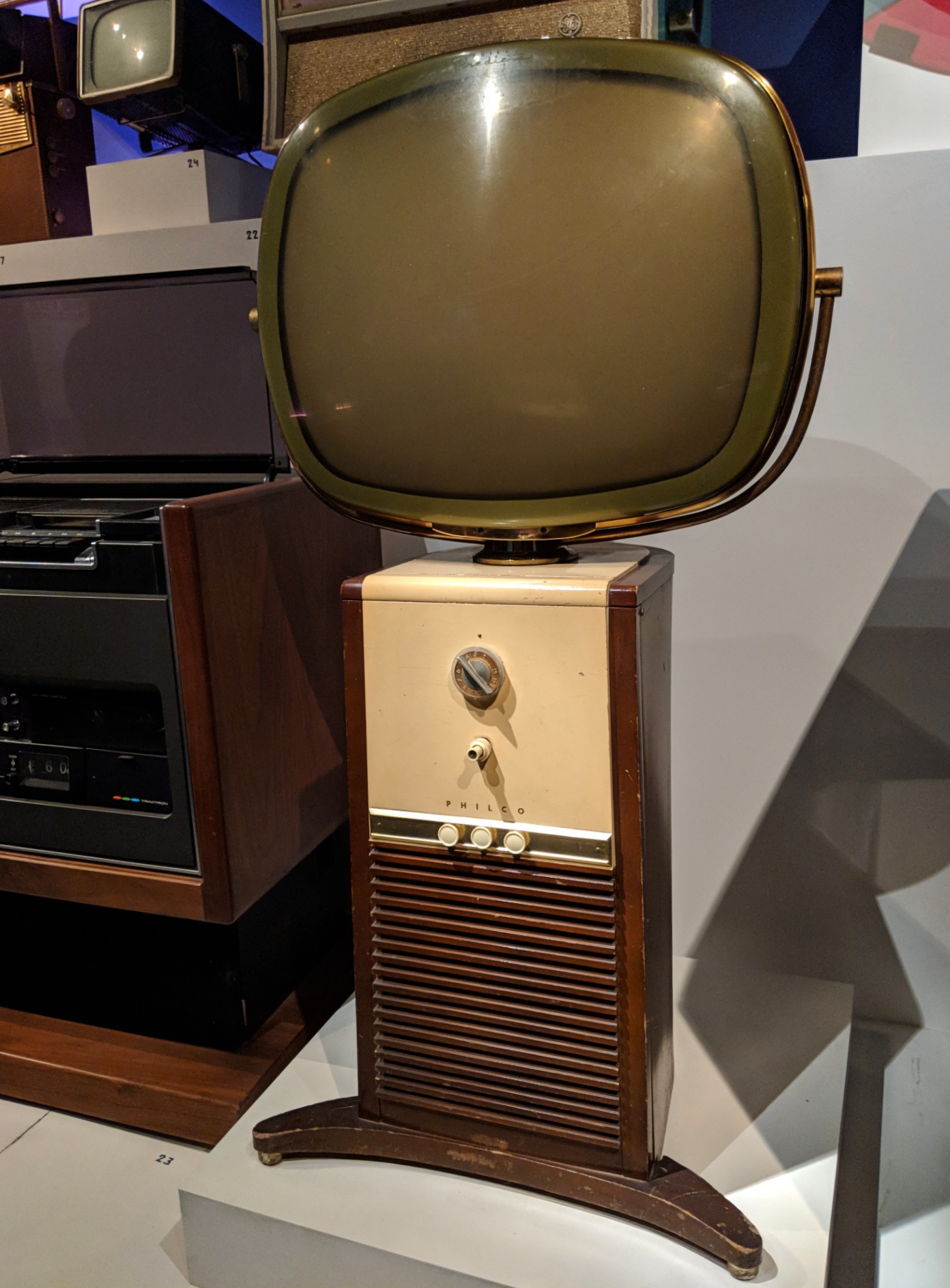
Philco Predicta Model 4654 ”Barber Pole”, Television, 1959

In an effort to combat the industry-wide decline in television sales that began in the mid-1950s, Philco decided to exploit recent developments in picture tube and transistor technology. The Predicta line was the most revolutionary of several models introduced at the time. Designed by Catherine Winkler and Richard Whipple, the Predicta treated the screen surface as a ”semi-flat” element largely detached from the body of the set. Because the new tube was unreliable, sales were poor.

Museum of the Moving Image, Astoria, New York

May 13th, 2018

Busted

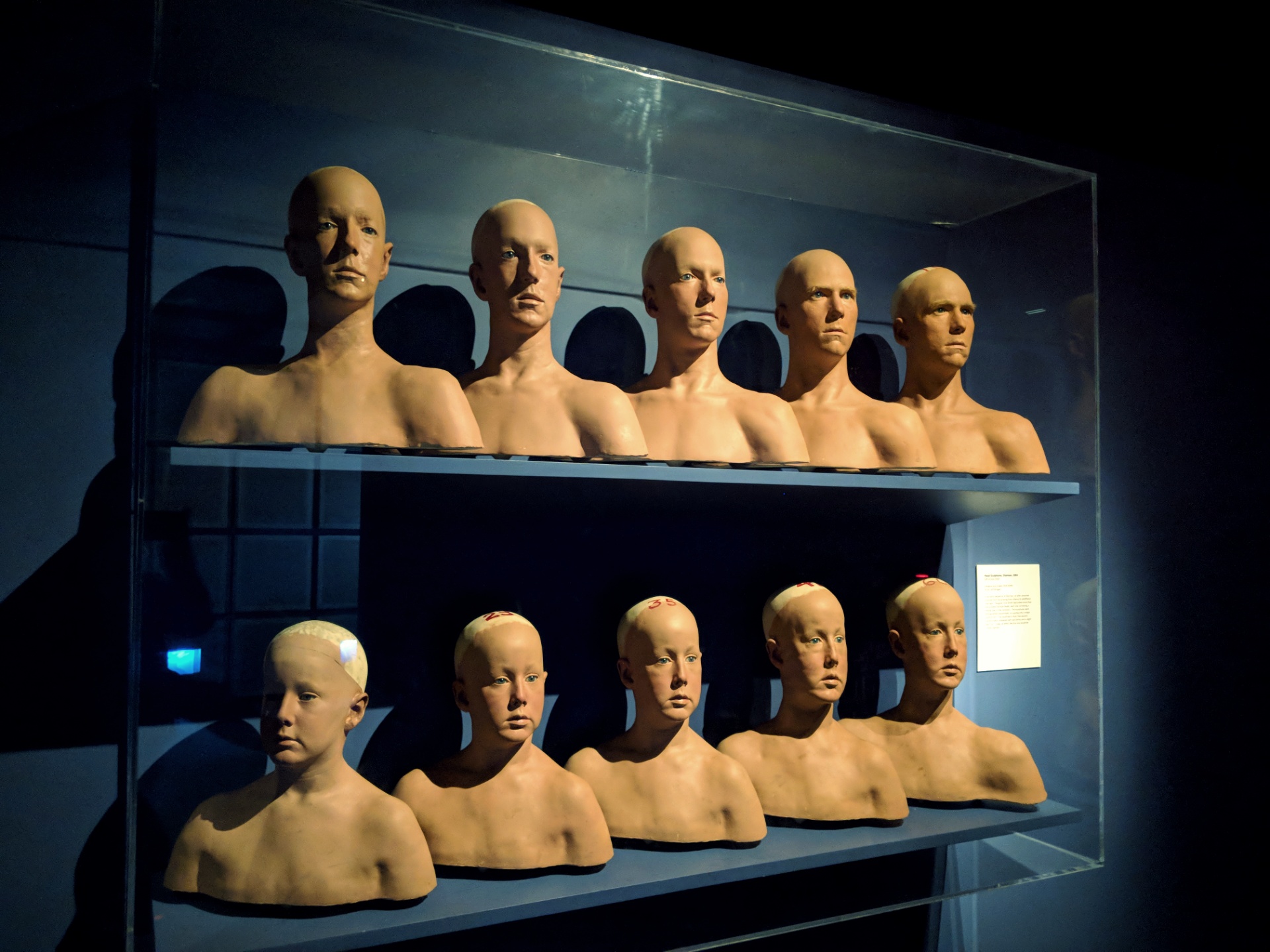
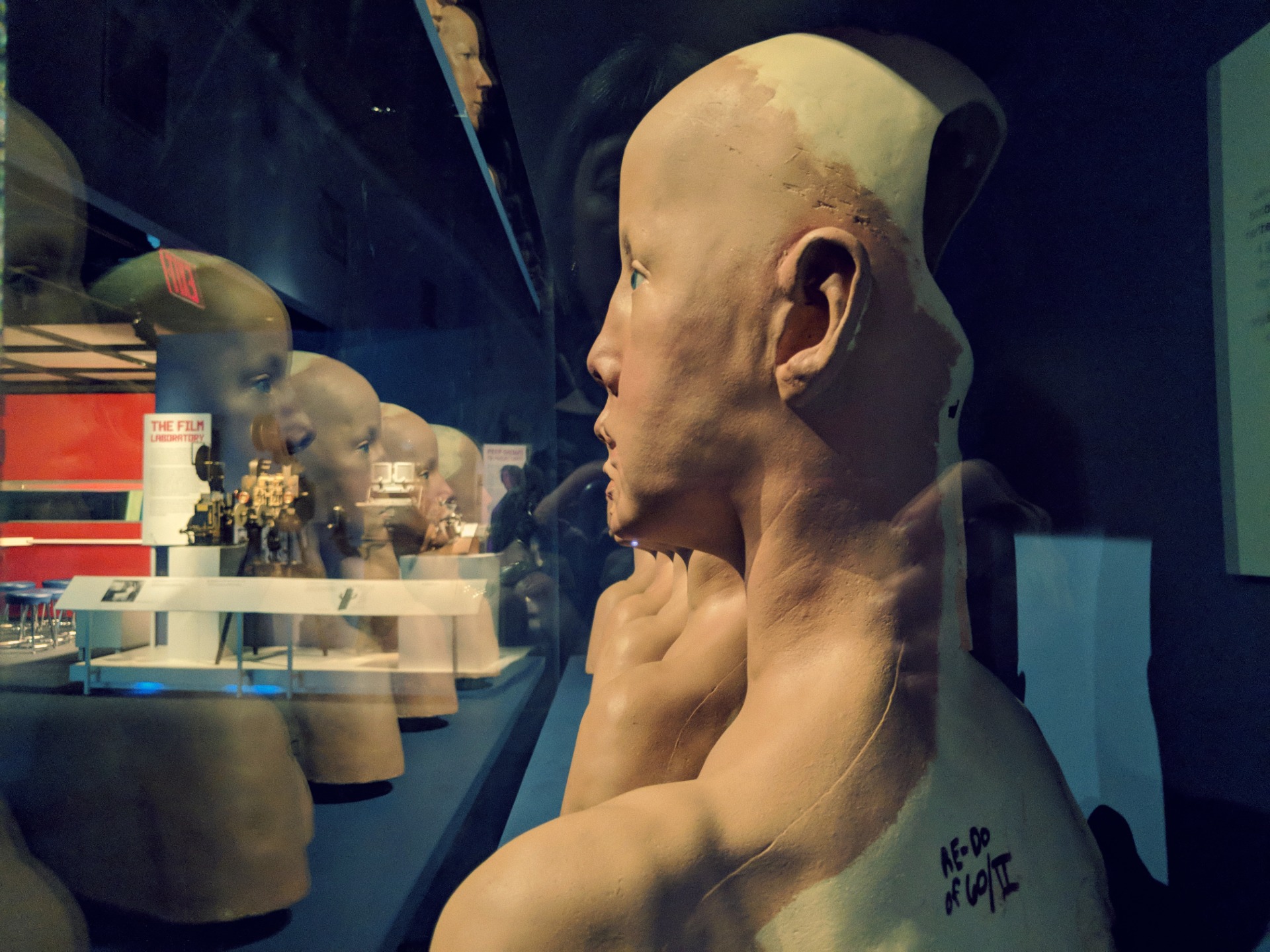
Head Sculptures, Starman, 1984
Designer and maker, Dick Smith
Actor, Jeff Bridges

In an early sequence of Starman, an alien assumes a human form by growing from infancy to adulthood overnight. Designer Dick Smith fabricated more than one hundred full-size heads, each one conveying a minute step in the transition. The sculptures were photographed sequentially, occupying only a single frame of film. The result was a fluid, five-second transformation enlivened with eye blinks and a slight head turn. Today, an effect like this one would be created digitally.

Museum of the Moving Image, Astoria, New York

May 13th, 2018
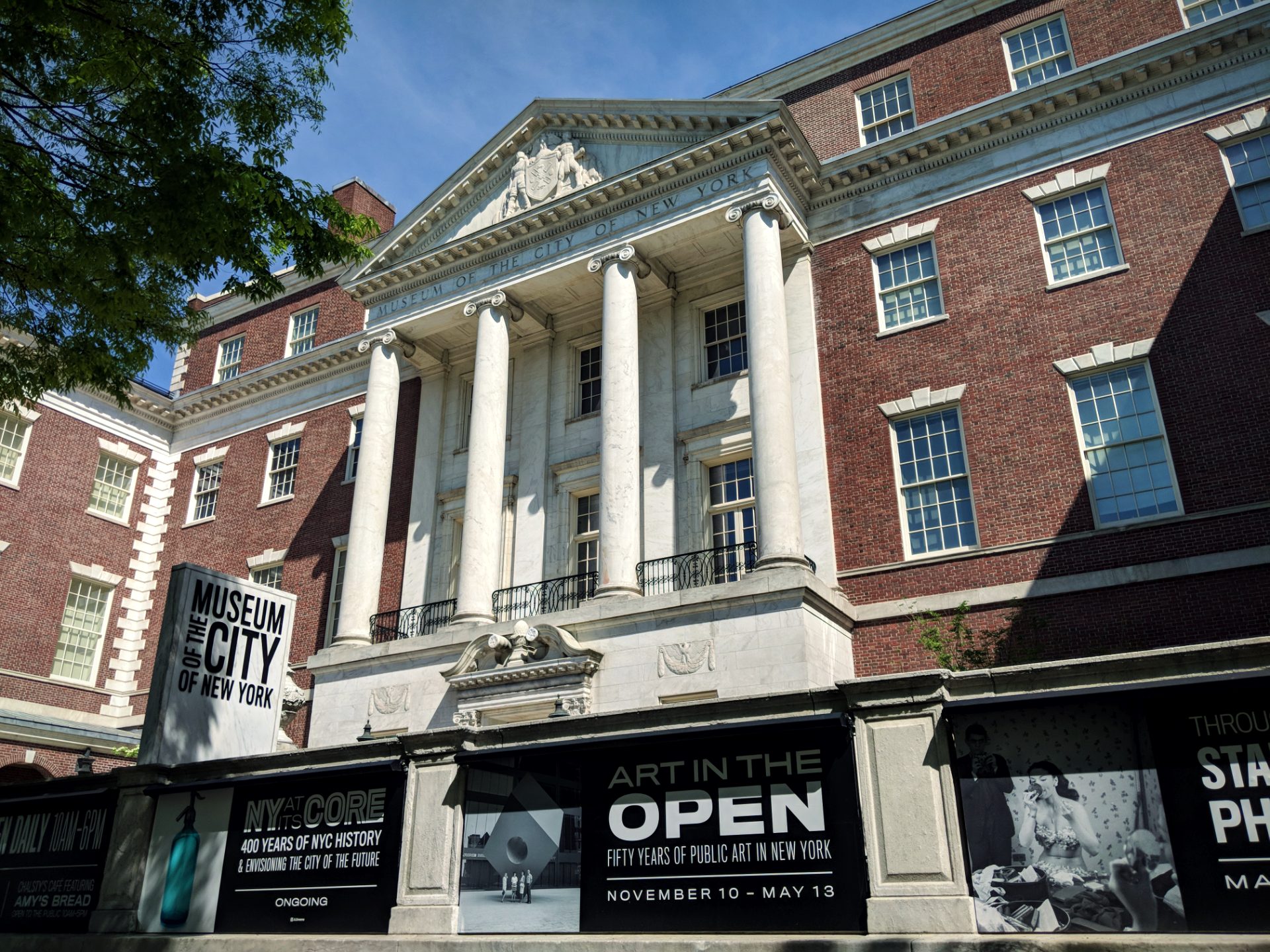
Museum of the City of New York

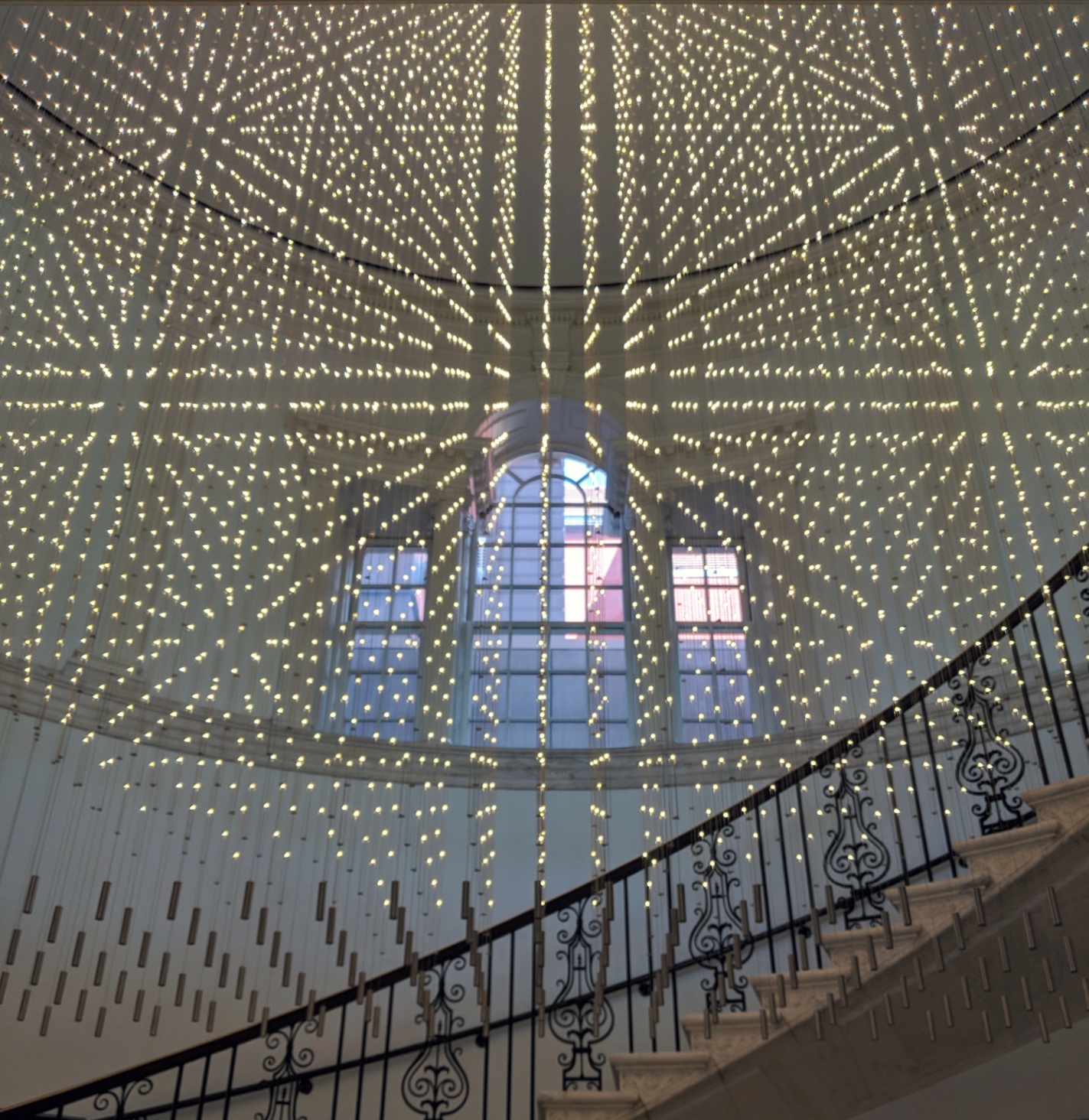
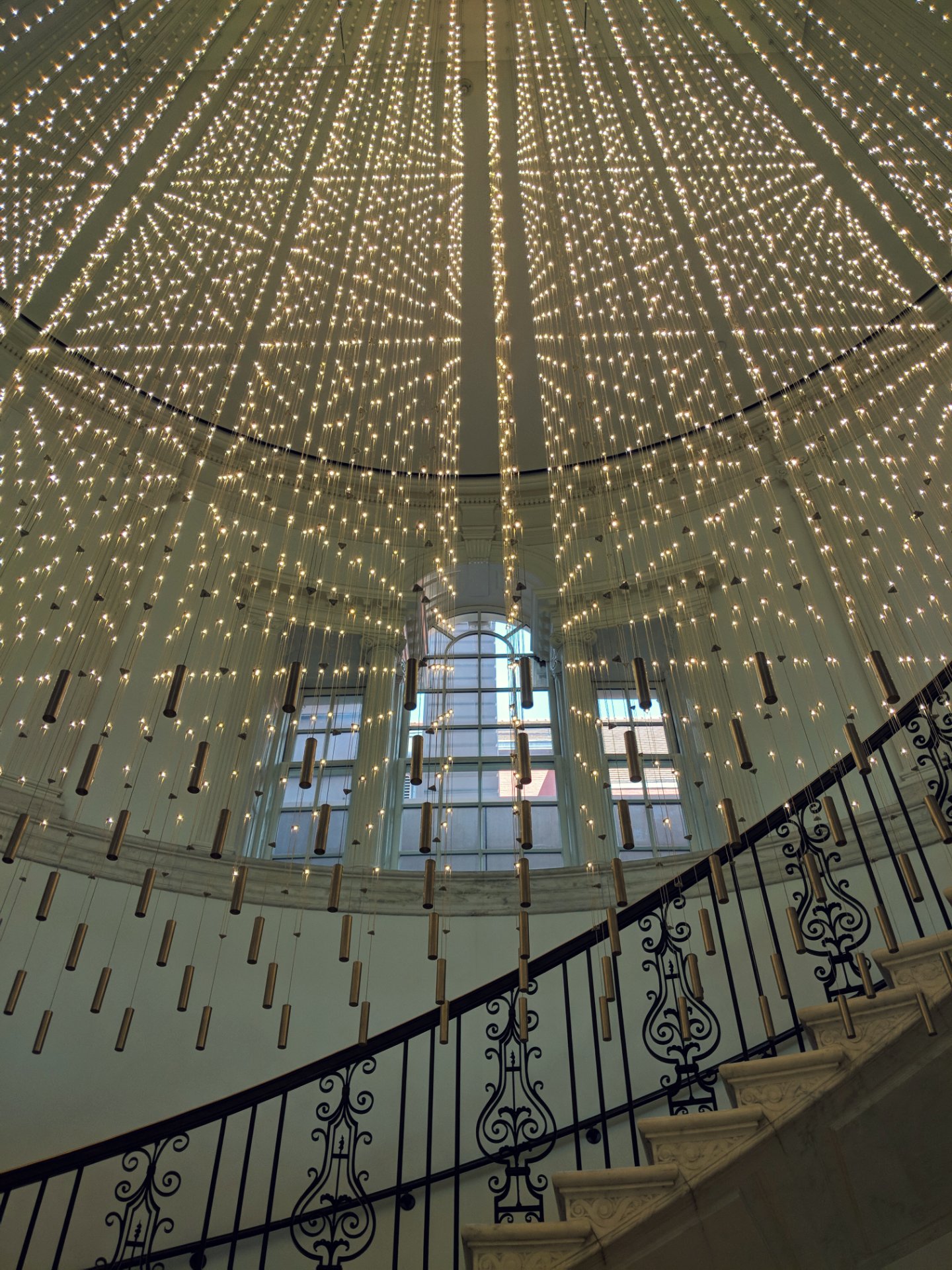
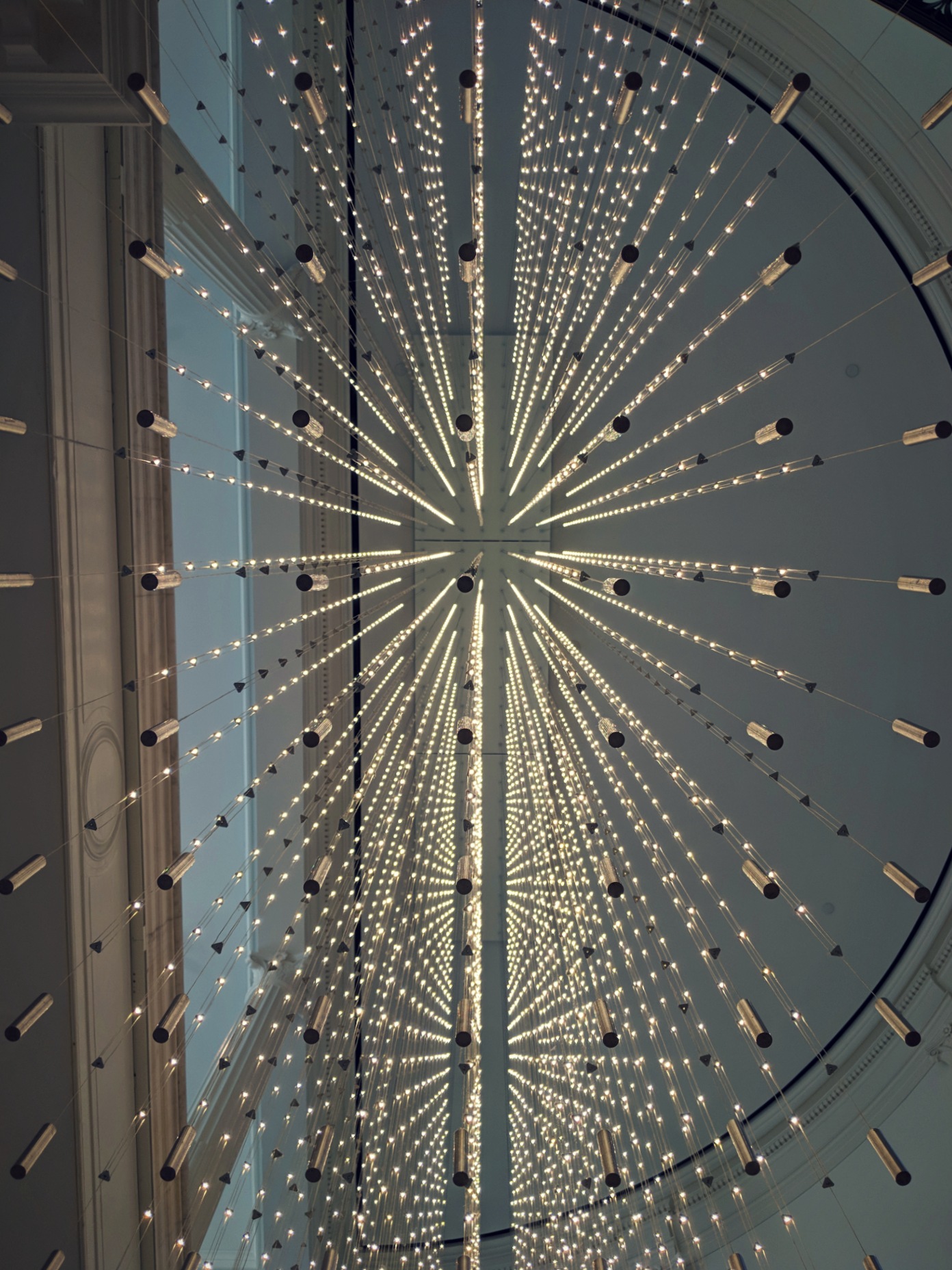
Kubrick or no Kubrick, learning about New York City’s past, present and future in a dedicated Museum, is fun. As is capturing Starlight, the brilliant light fixture by Cooper Joseph Studio which dominates its entrance and lights up the circular staircase.

Images:

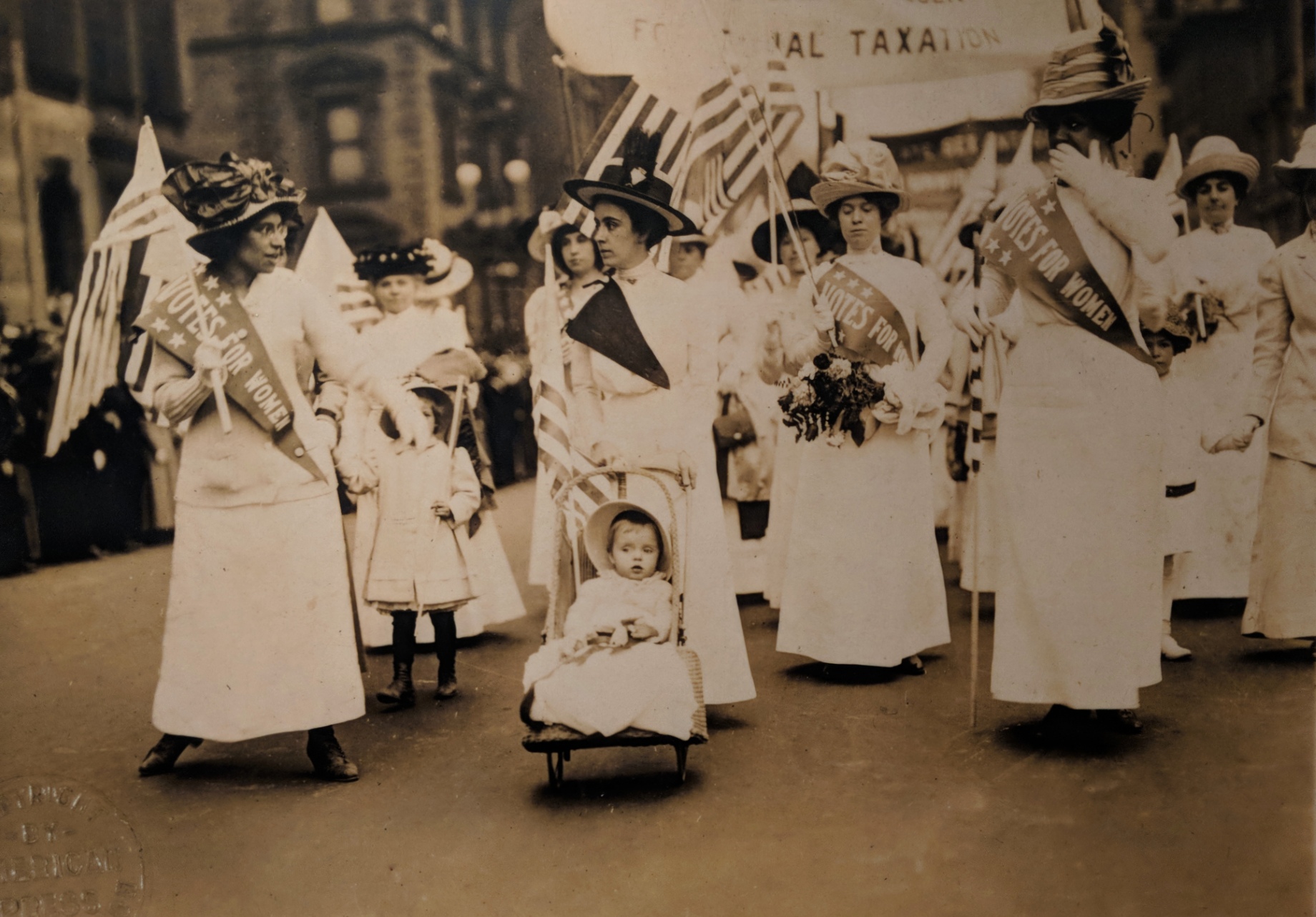
Poster detail from the Suffrage parade through Madison Square, 1915. The ladies were dressed in white, emblem of purity, which was a way for more moderate suffragists to show their support for the vote.

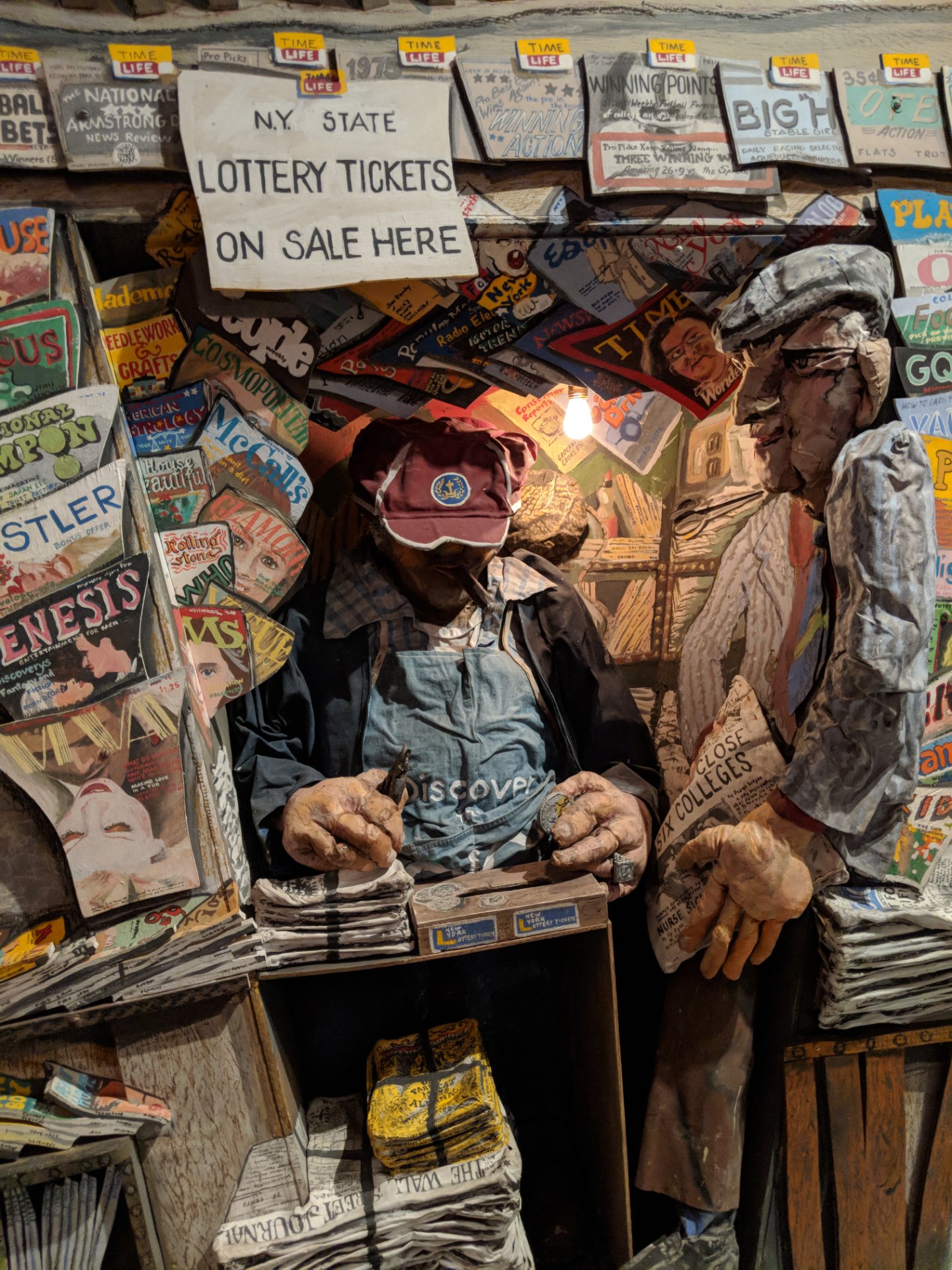
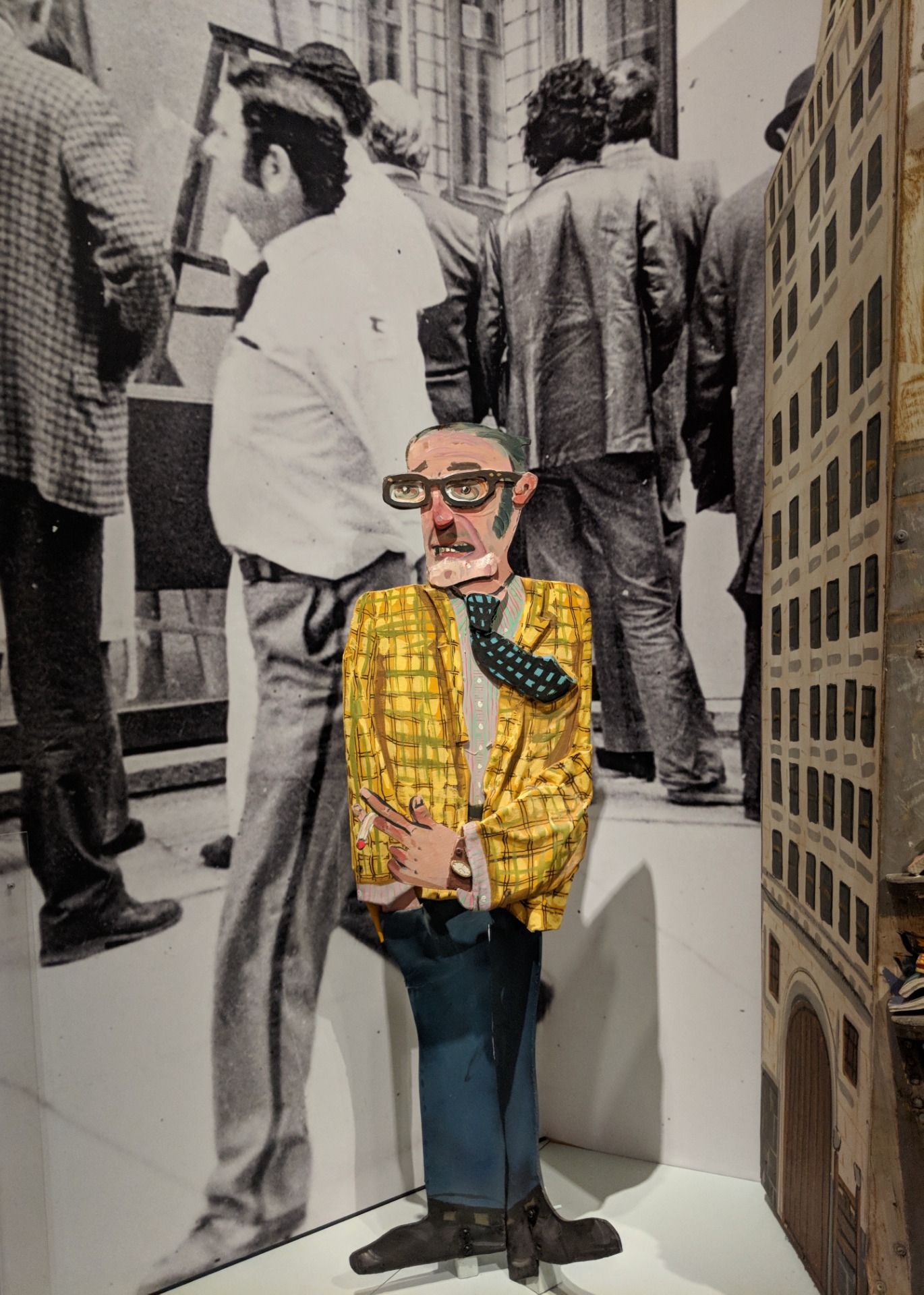
Detail from ”Ruckus Manhattan: Wall Street-Newsstand and Lamppost, 1976
Papier-mâché, wood, plastic, fiberglass and vinyl by Red Grooms, Mimi Gross and Ruckus Construction Company

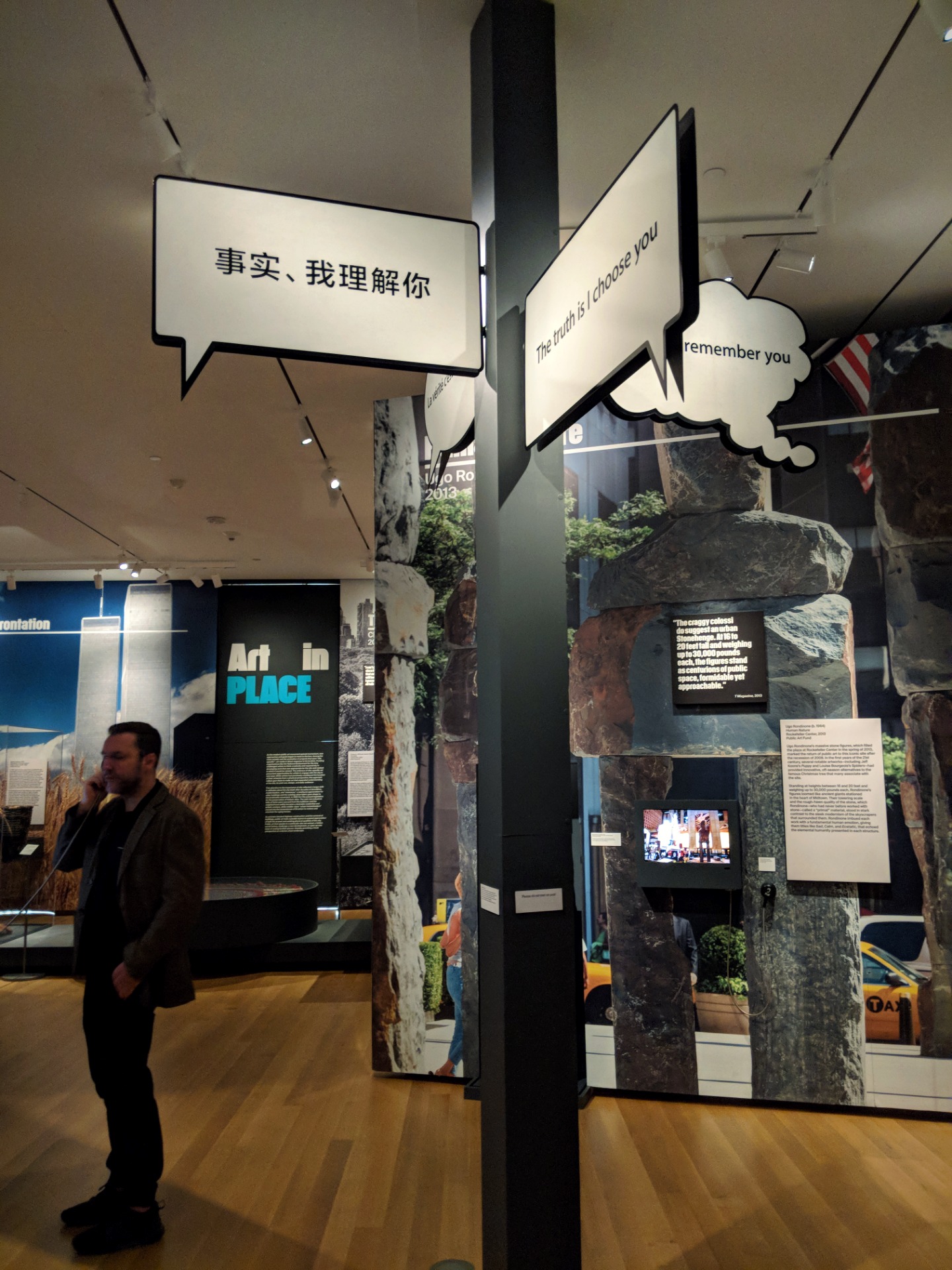
”The Truth Is… I See You”, speech bubbles by Hank Willis Thomas (b. 1976)
MetroTech Commons, 2015

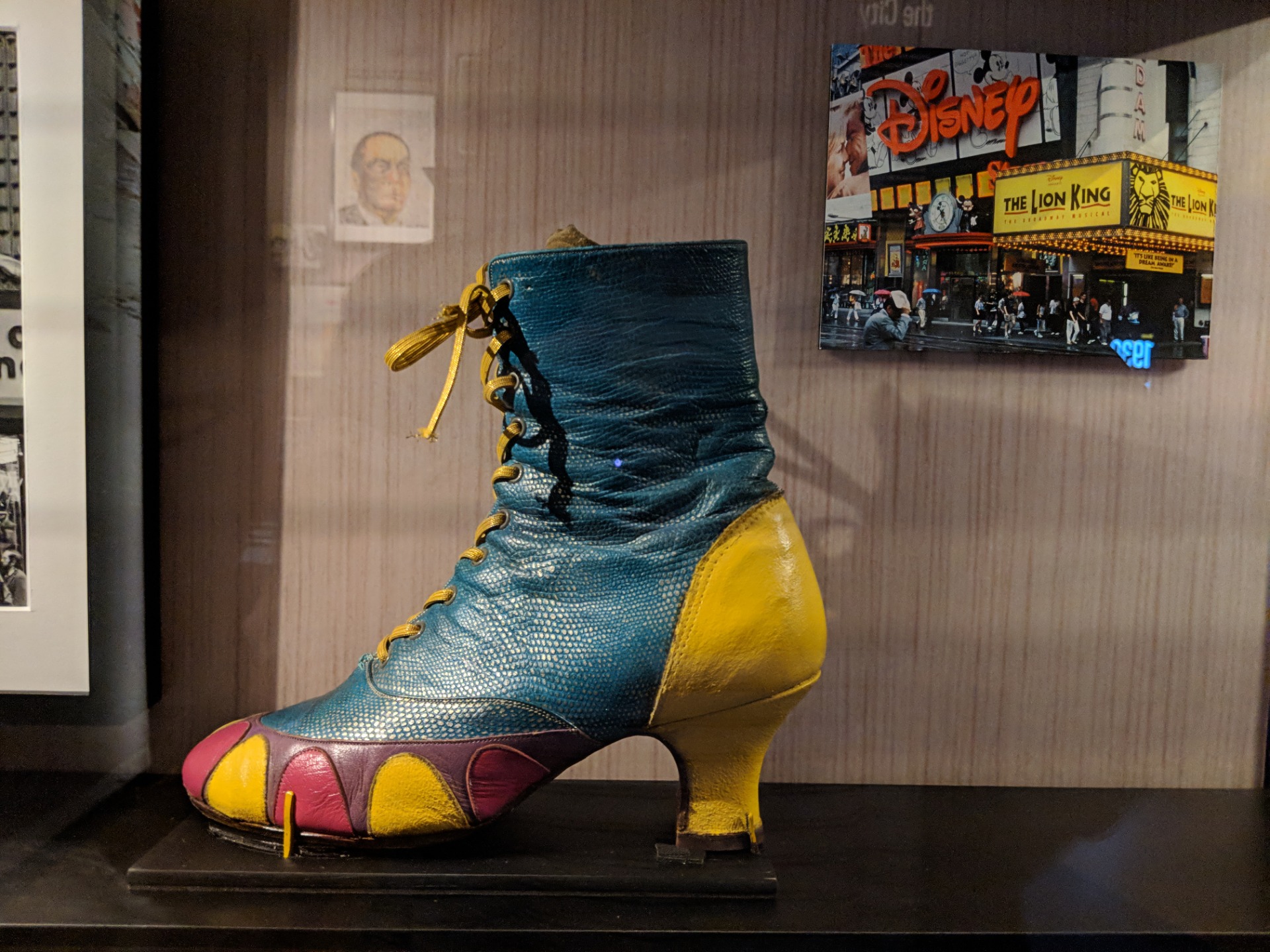
A boot, worn by ”Mrs. Potts” in Beauty and the Beast, 1993-94

Museum of the City of New York, East Harlem, Manhattan

May 9th, 2018

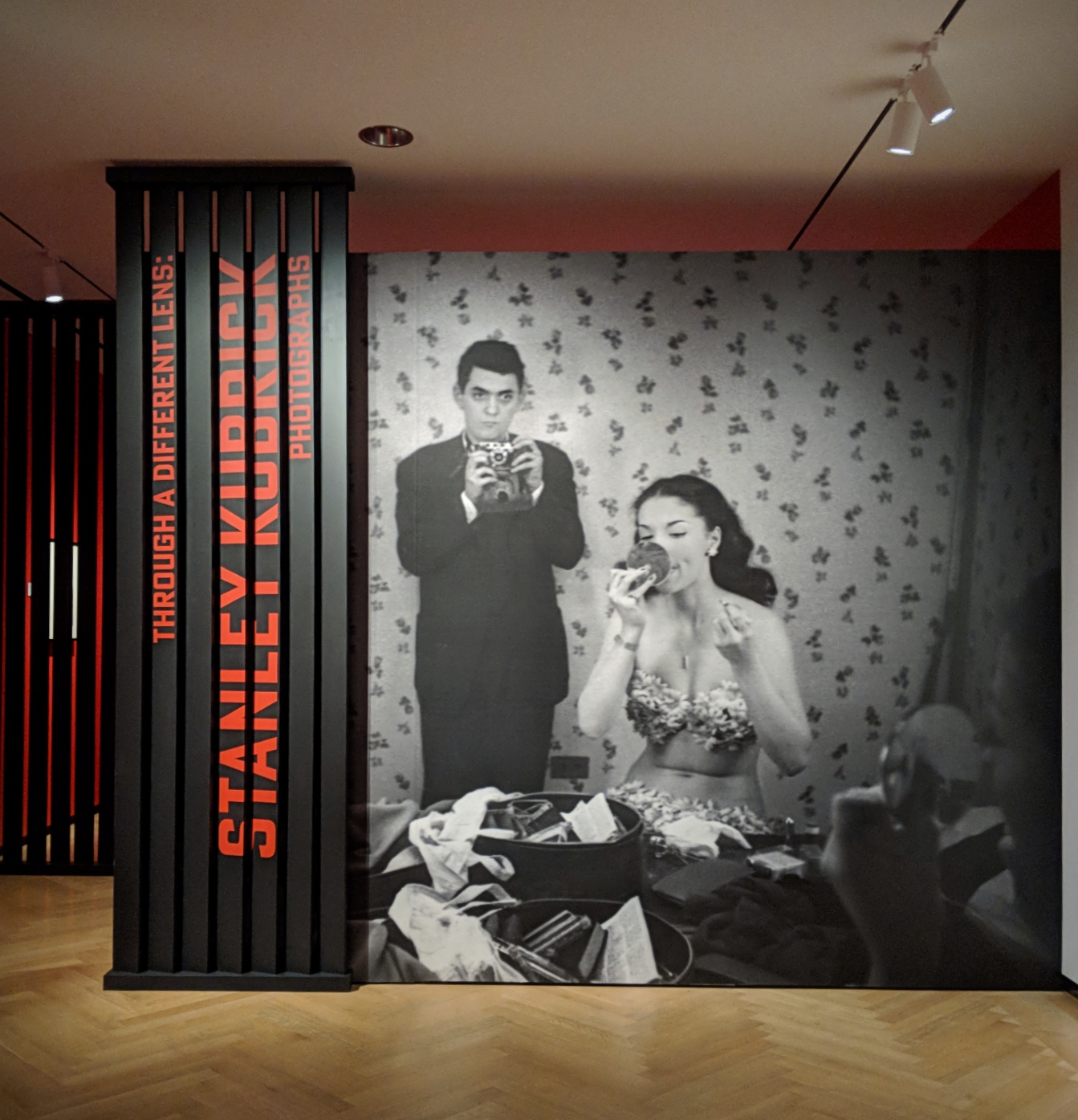
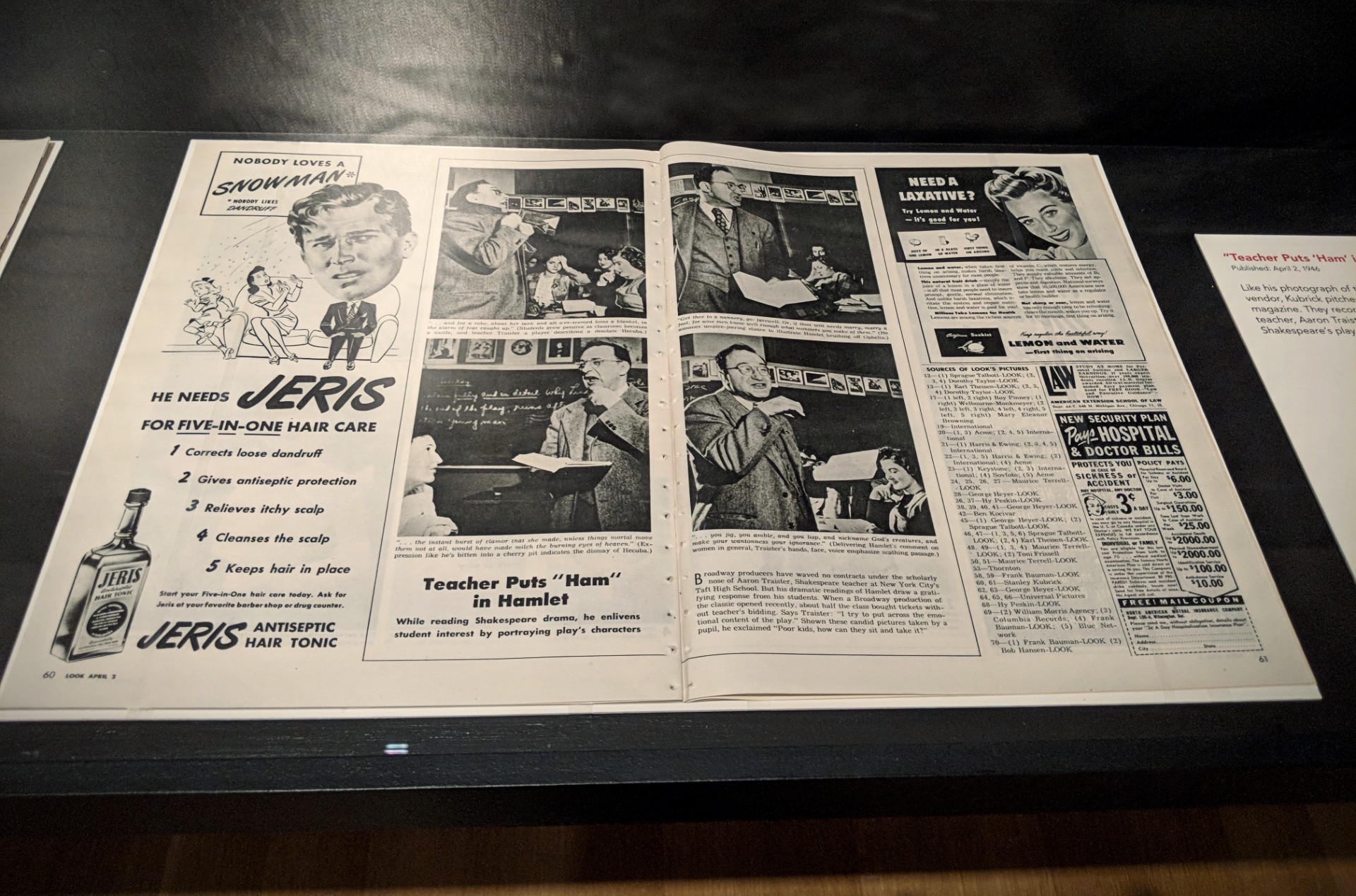
Through a Different Lens: Stanley Kubrick Photographs

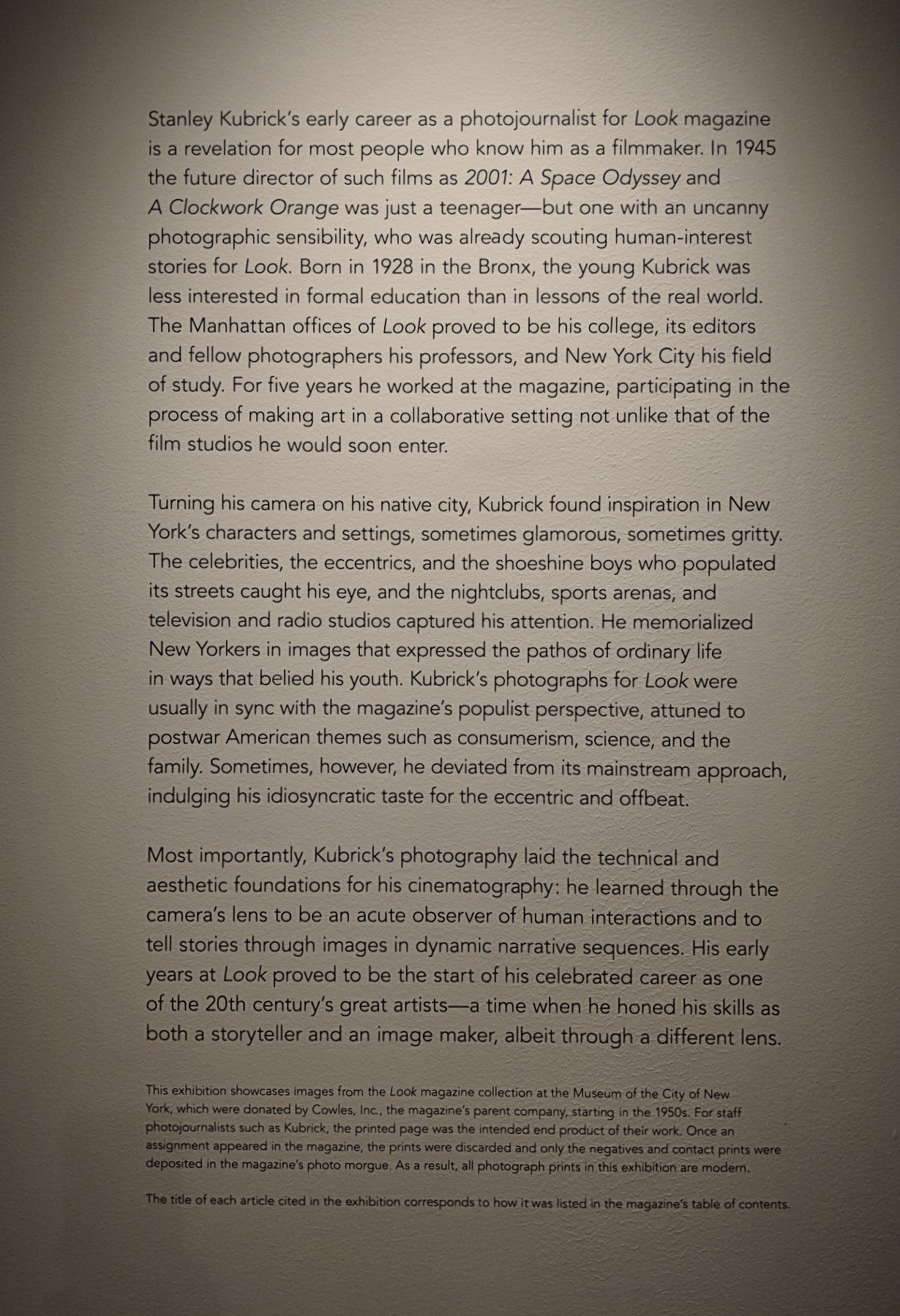
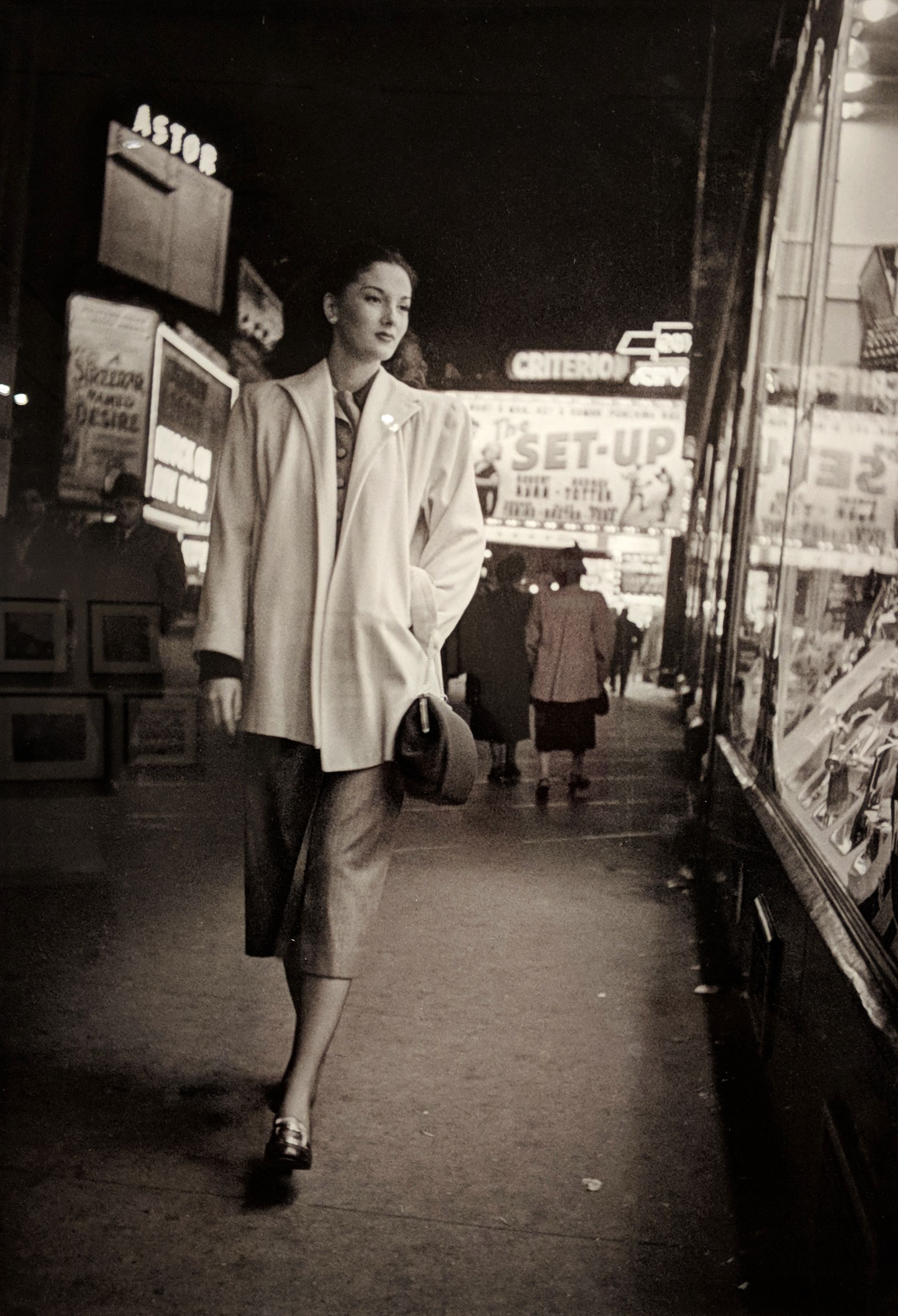
Stanley Kubrick was just 17 when he sold his first photograph to the pictorial magazine Look in 1945. In his photographs, many unpublished, Manhattan-born and Bronx-raised Kubrick trained the camera on his native city, drawing inspiration from the nightclubs, street scenes, and sporting events that made up his first assignments, and capturing the pathos of ordinary life with a sophistication that belied his young age.

Through a Different Lens: Stanley Kubrick Photographs features more than 120 photographs by Kubrick from the Look Magazine archive of the Museum of the City of New York, an unparalleled collection that includes 129 photography assignments and more than 12,000 negatives from his five years as a staff photographer.

The exhibition was on show in the Museum of the City of New York through October 2018, a tribute to the great cinematographer-to-be, capturing life in his City. It is now traveling and on show in Skirball Cultural Center, Los Angeles through March 8, 2020.

Park Benches: Love is Everywhere
Unpublished, filed: May 1, 1946

This series of photographs captured New Yorkers, many unaware of Kubrick’s camera, in romantic situations on park benches, fire escapes and other locations. Several images were probably taken with infrared film and flash, which allowed Kubrick to photograph in the dark. Kubrick likely learned of this technology, rare among magazine photographers at the time, from the celebrated tabloid photographer Weegee, who used the technique in the early 1940s to photograph seemingly unaware patrons at movie theatres.


Dentist’s Office: Americans Are Dutiful but Nervous Dental Patients
Published: October 1, 1946


While Mama Shops: Kids are Bored, Get into Mischief While Mom’s Away
Published: March 18, 1947


Advertising Sign Painters at Work
Unpublished, Filed: September 3, 1947

Kubrick shared this unpublished assignment with two other photographers, Frank Bauman and Tom Weber. The photographers documented a publicity stunt performed by sign painters and a live female model as they created a billboard for a Peter Pan bra advertisement high above the corner of Fifth Avenue and 42nd Street.


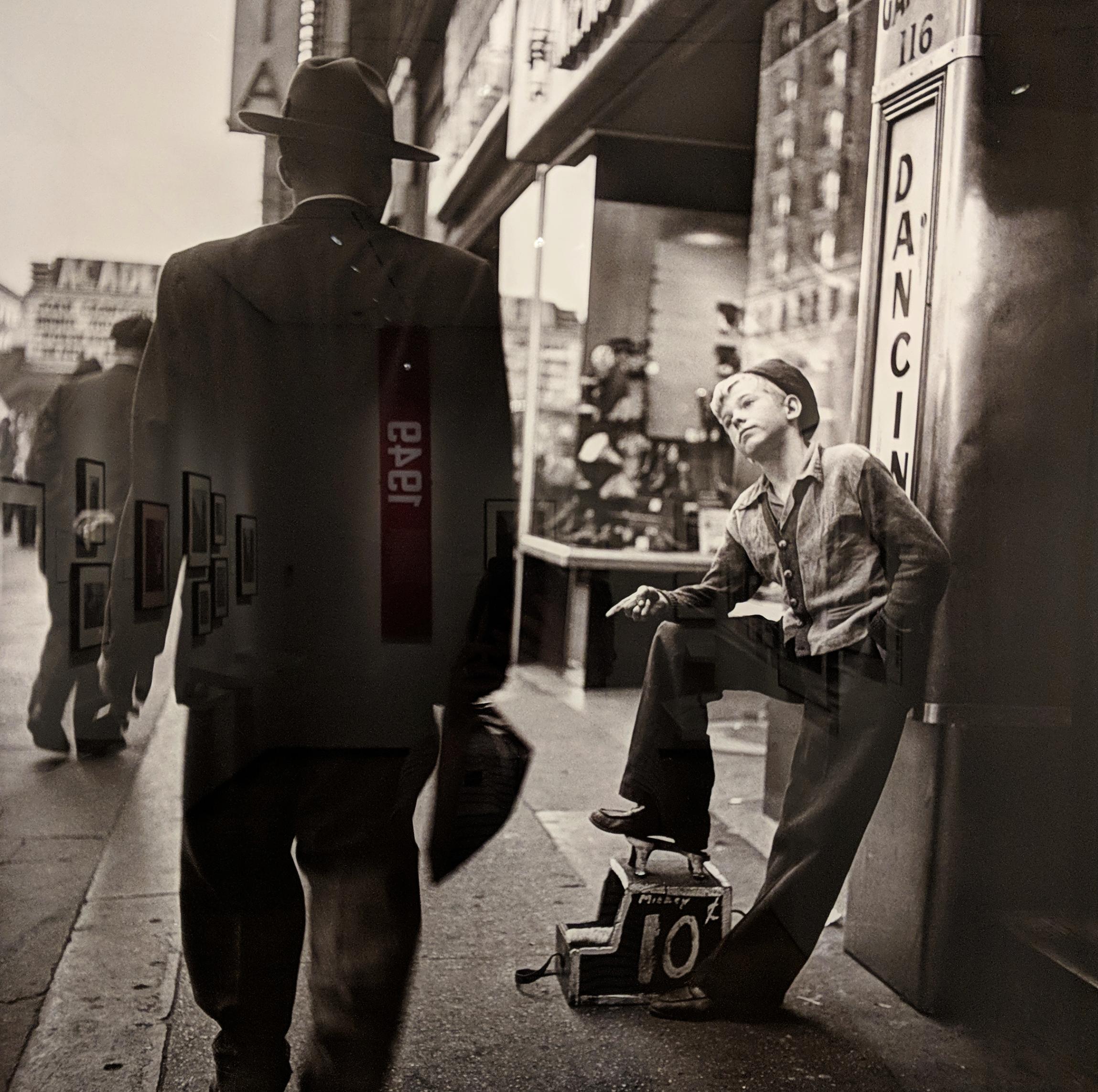
Shoeshine Boy
Unpublished, Filed: October 6th, 1947

One of the earliest narrative assignments Kubrick created for Look was a series of photographs of Mickey, an adolescent shoeshine boy. Kubrick shot more than 250 photographs that closely followed Mickey through the course of his day.


Columbia University
Author: Don Wharton, Published: May 11, 1948


Wash Day: Look visits a Greenwich Village Self-Service Laundry
Published: April 27, 1948


Midsummer Nights in New York
Author: Patricia Coffin, Published: July 19, 1949


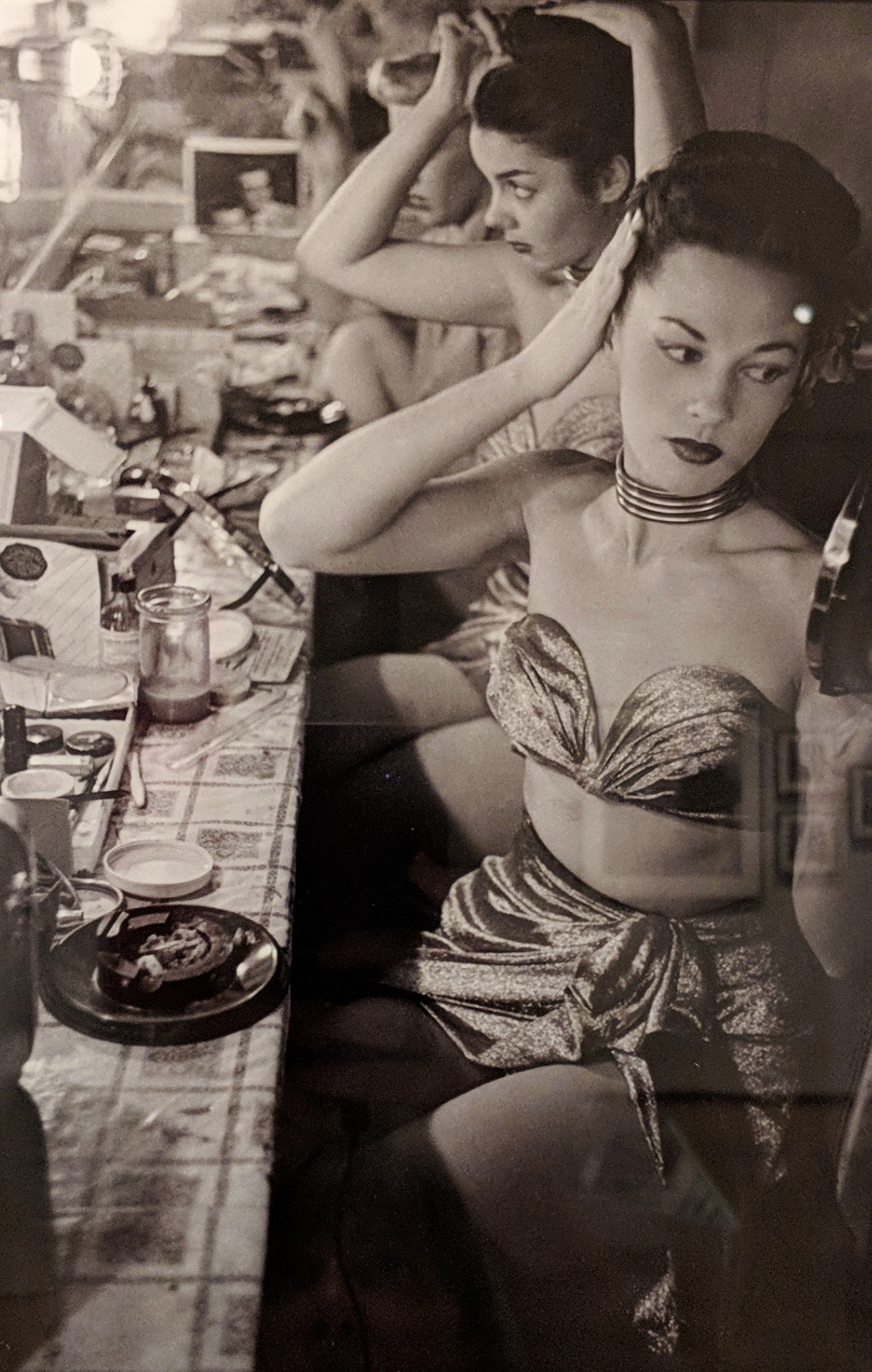
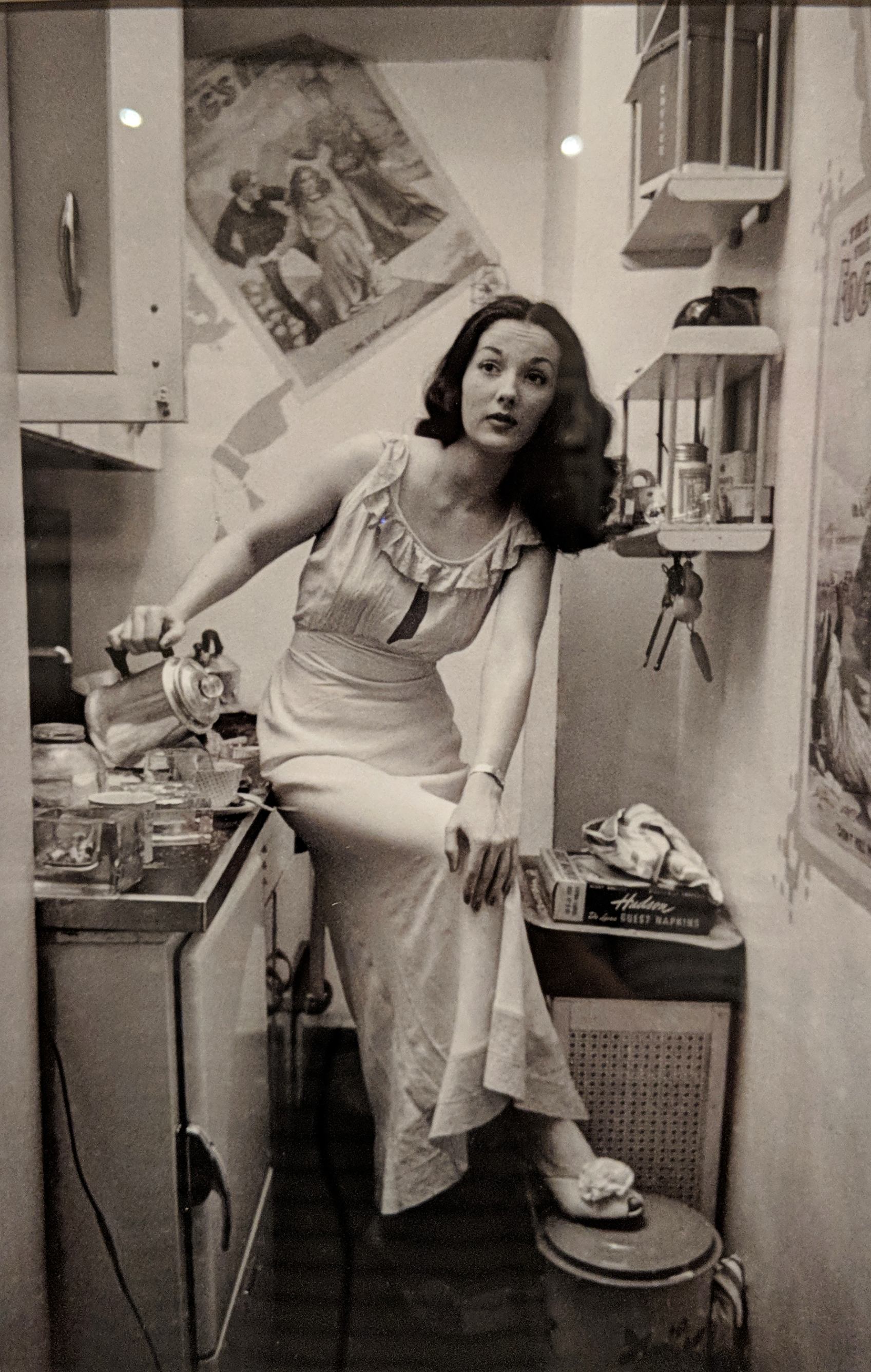
Rosemary Williams: Showgirl
Unpublished. Filed: March 1949

One of Kubrick’s largest unpublished profiles, approximately 700 images of aspiring model and actress Rosemary Williams, was likely created for a proposed day-in-the-life piece contrasting her onstage persona and her backstage real life.


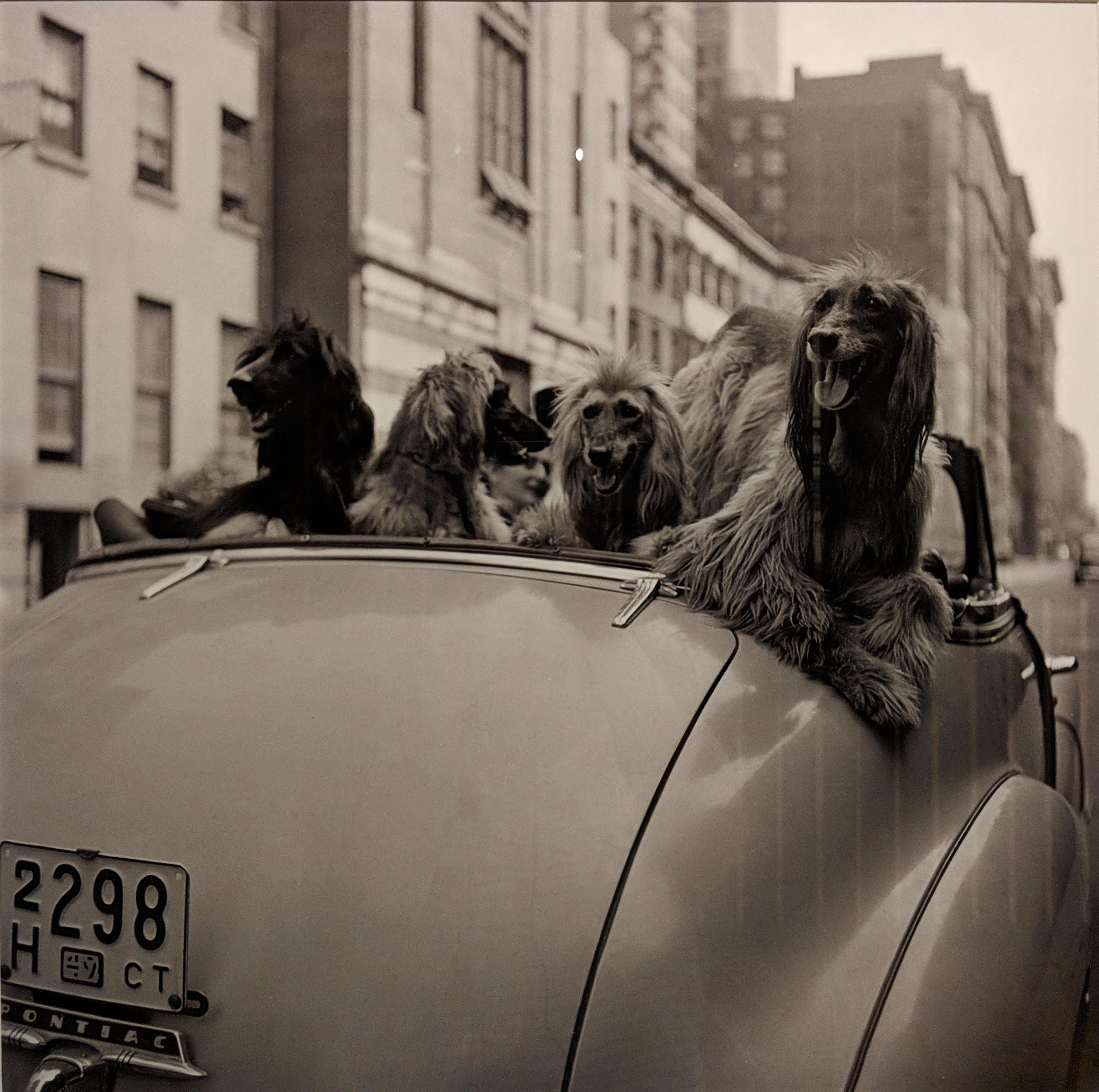
A Dog’s Life in the Big City
Author: Isabella Taves
Published: November 8, 1949

Exploring the lives of New York’s 291,018 licensed dogs, this story extolled an ”only in New York” quirkiness that Look often promoted in its coverage of the city.


What Teenagers Should Know About Love
Author: Evelyn Millis Duvall
Published: October 10, 1950


Museum of the City of New York, East Harlem, Manhattan

May 9th, 2018