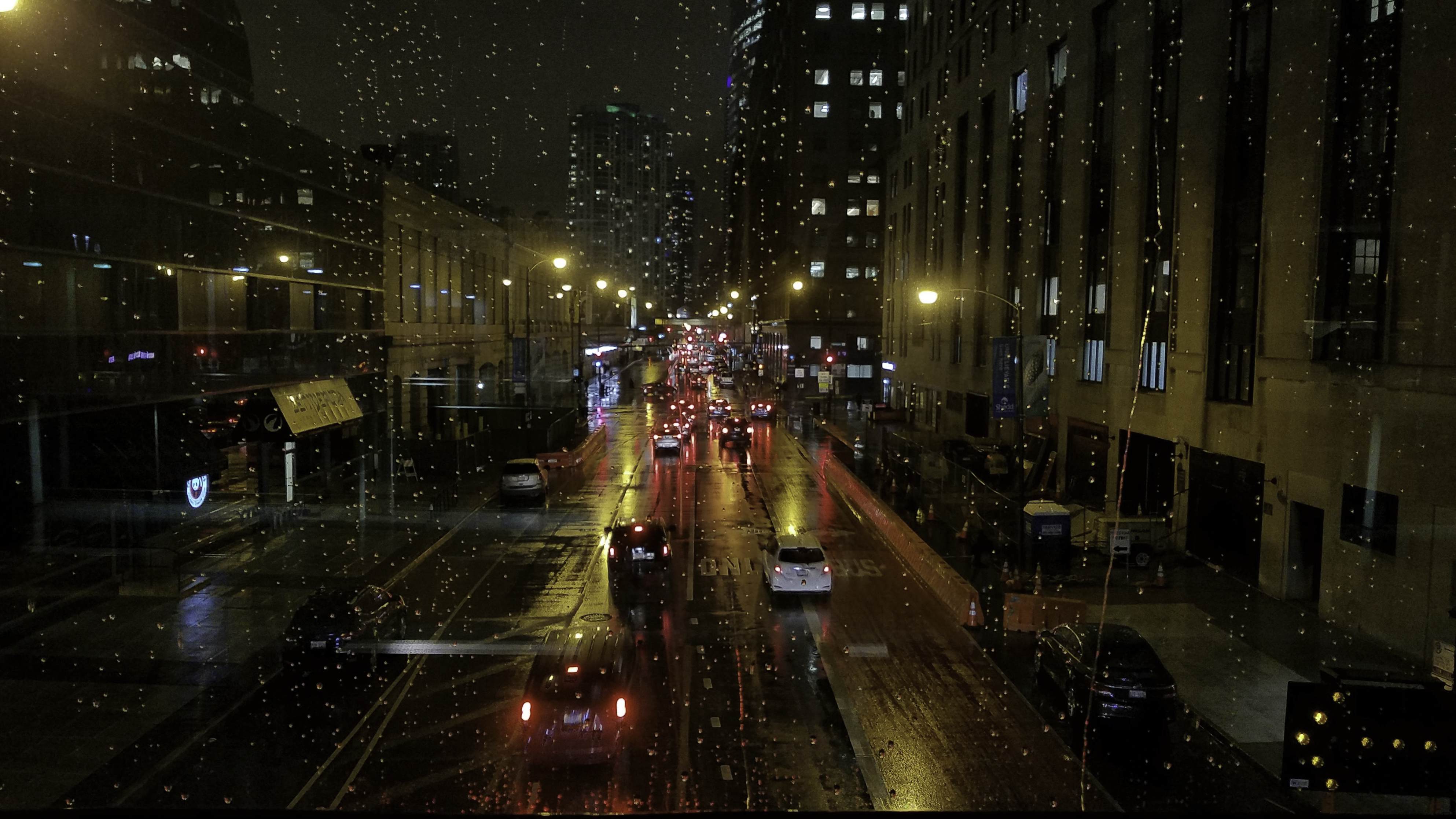
The Art Institute of Chicago

After two full days absorbing as much as possible of the city’s stunning art deco architecture, it was now high time for some art. Enter the Art Institute of Chicago, one of the largest museums in the United States, one that is home to some of my favourite paintings and the one museum you should never leave Chicago without visiting.

And once inside, the danger is, you will never want to leave.
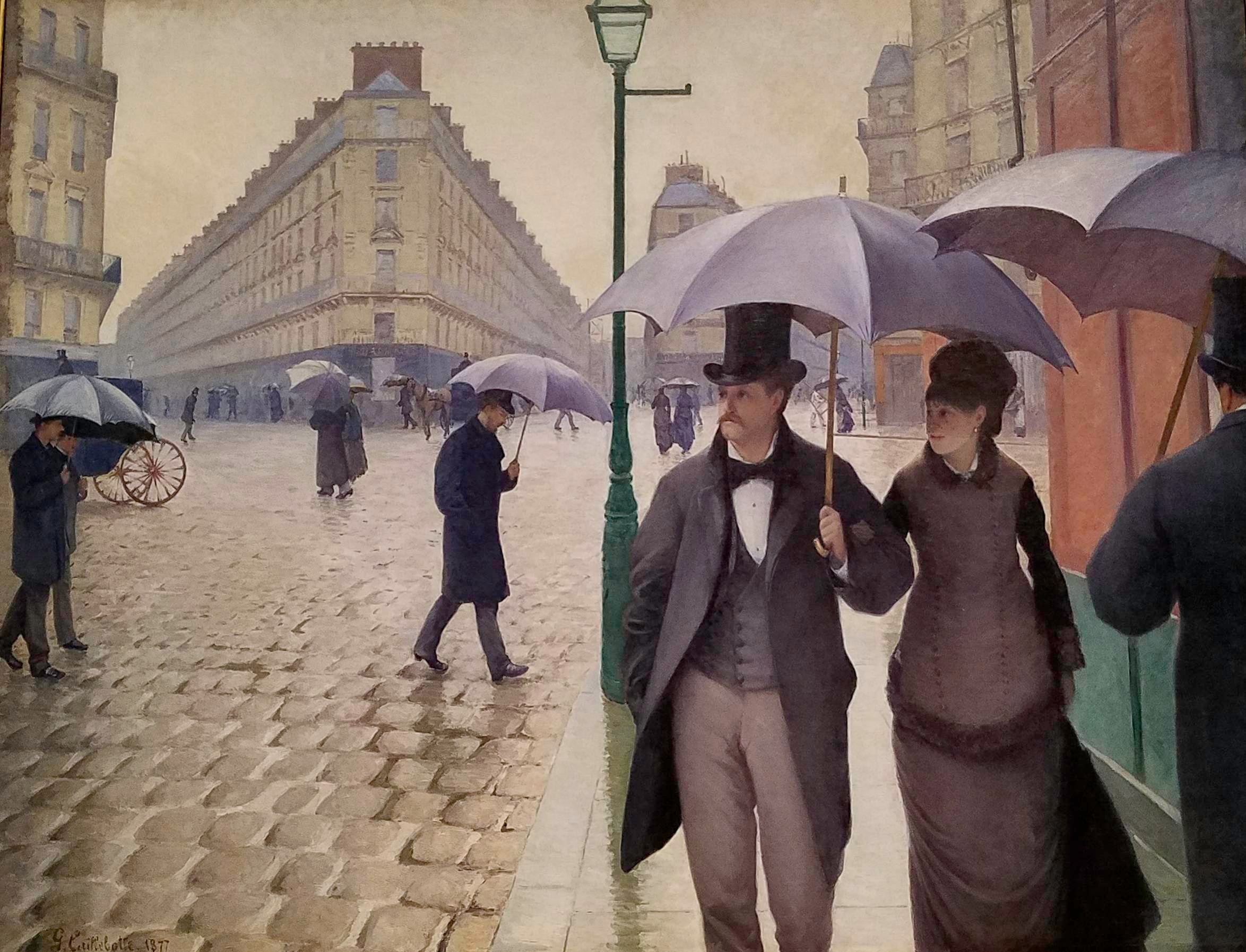
Gustave Caillebotte (1848-1894)
Paris Street; Rainy Day, 1877, oil on canvas


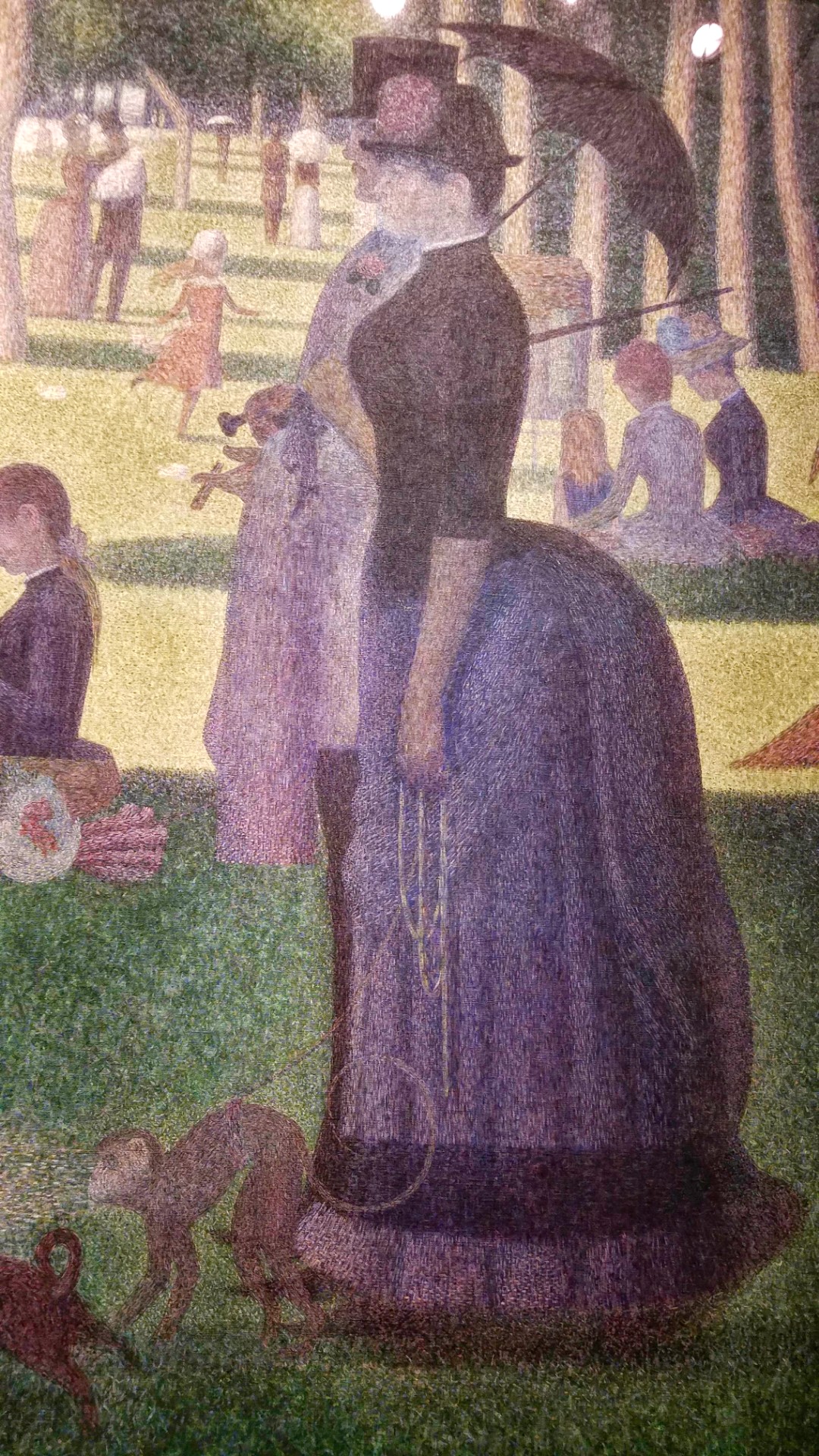
Georges Seurat (1859-1891)
A Sunday on La Grande Jatte – 1884 (1884-86), oil on canvas


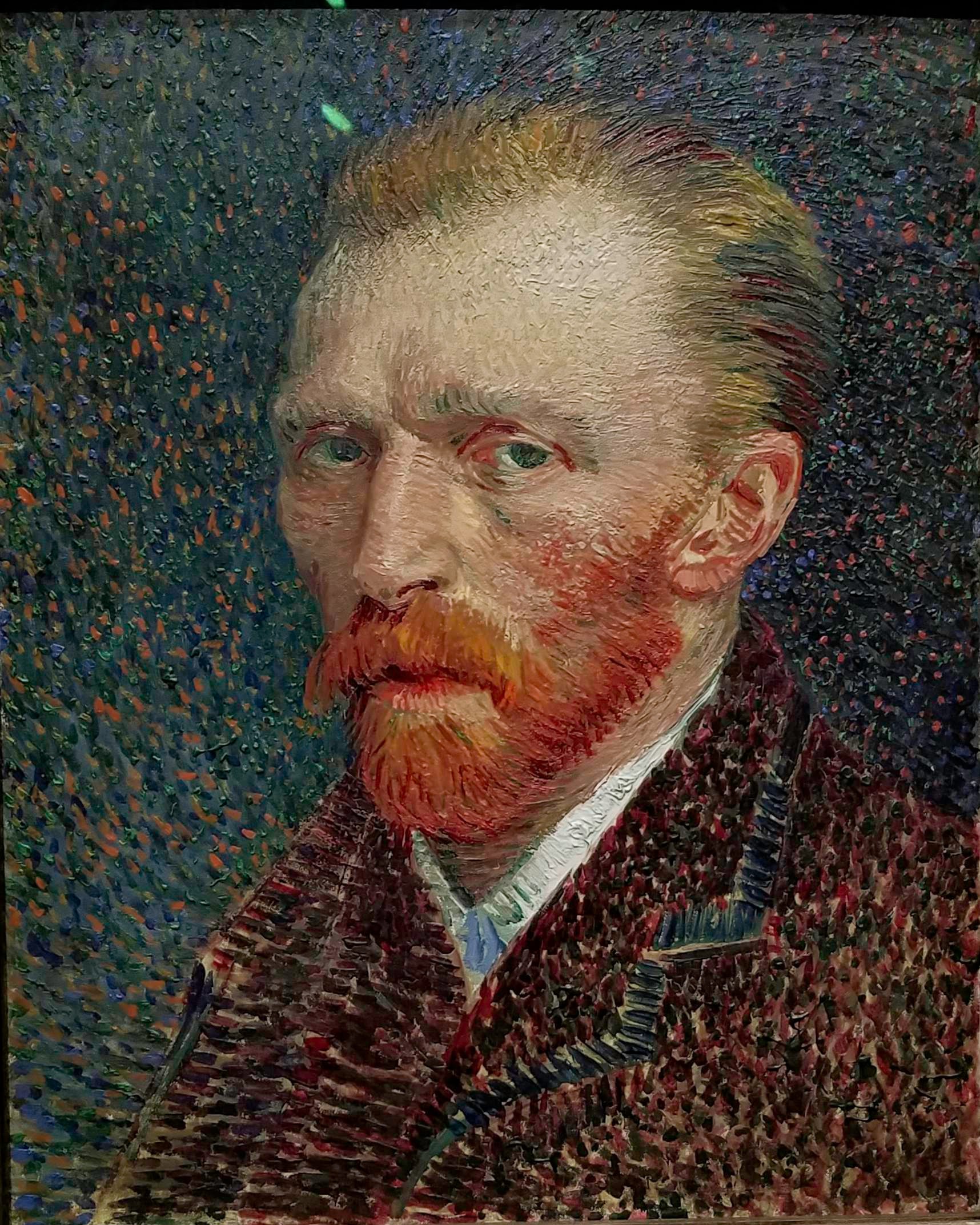
Vincent van Gogh (1853-1890)
Self-Portrait, 1887, oil on artist’s board, mounted on cradled panel
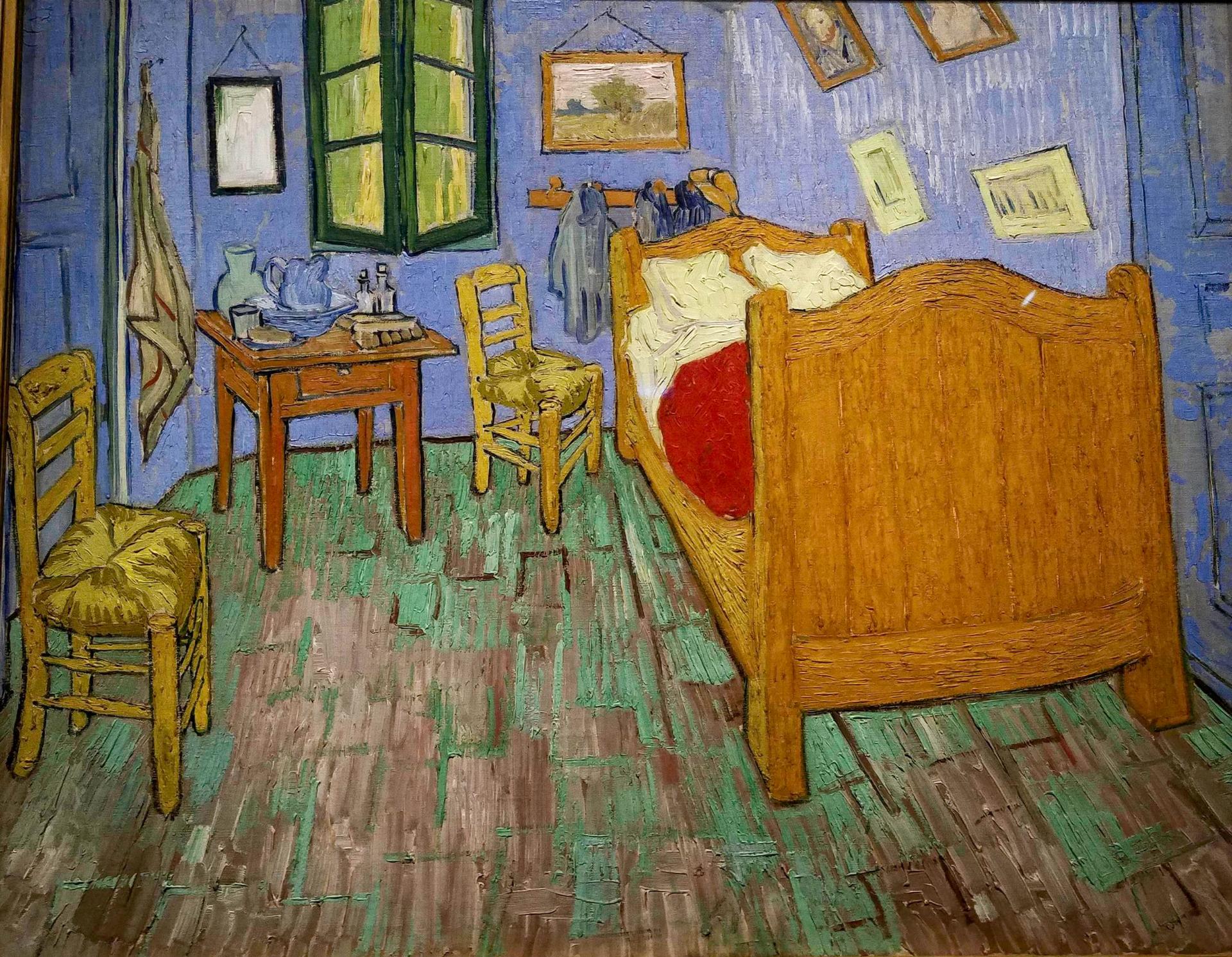

Vincent van Gogh (1853-1890)
The Bedroom, 1889, oil on canvas
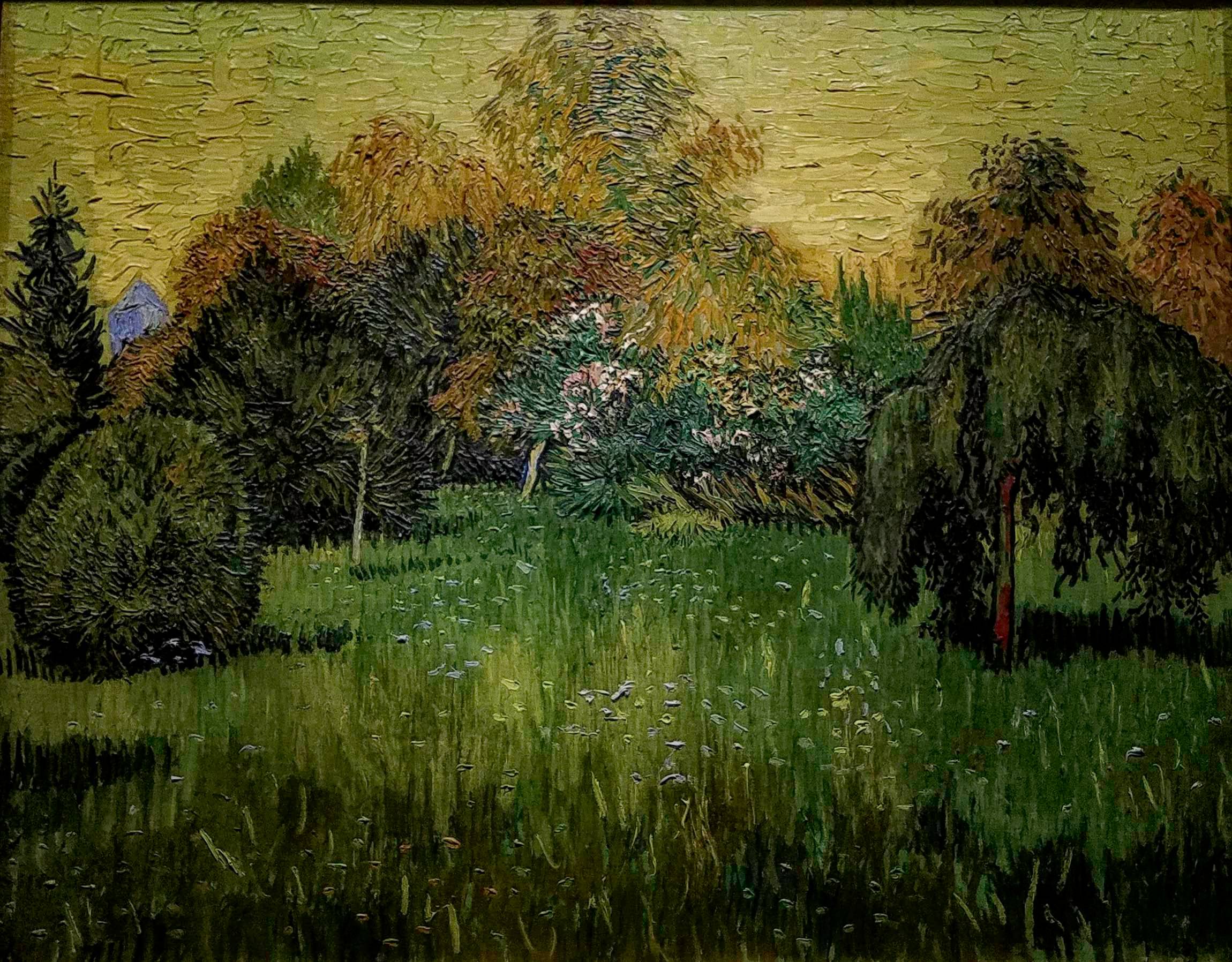

Vincent van Gogh (1853-1890)
The Poet’s Garden, 1888, oil on canvas
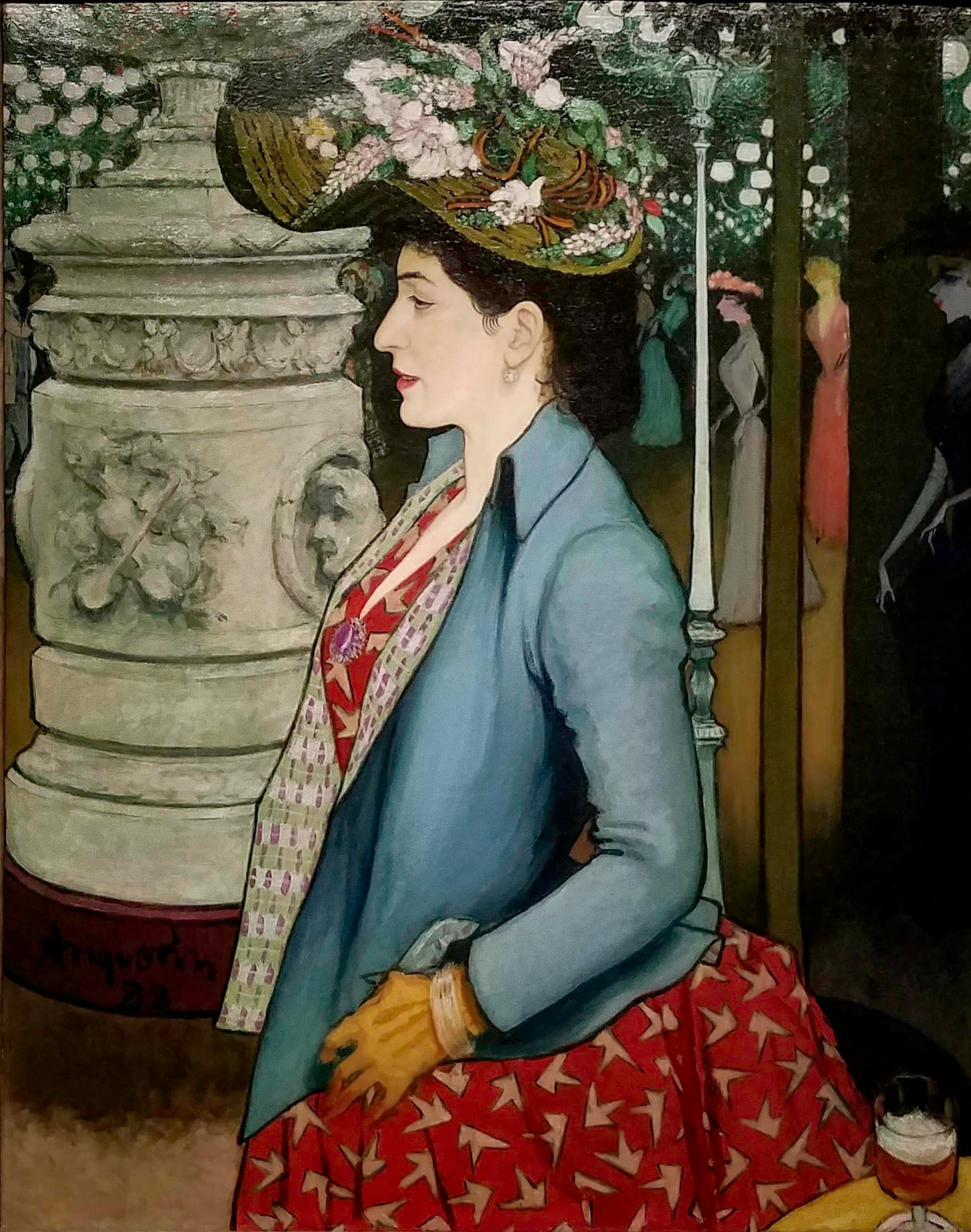

Louis Anquetin (1861-1932)
An Elegant Woman at the Élysée Montmartre, 1888, oil on canvas
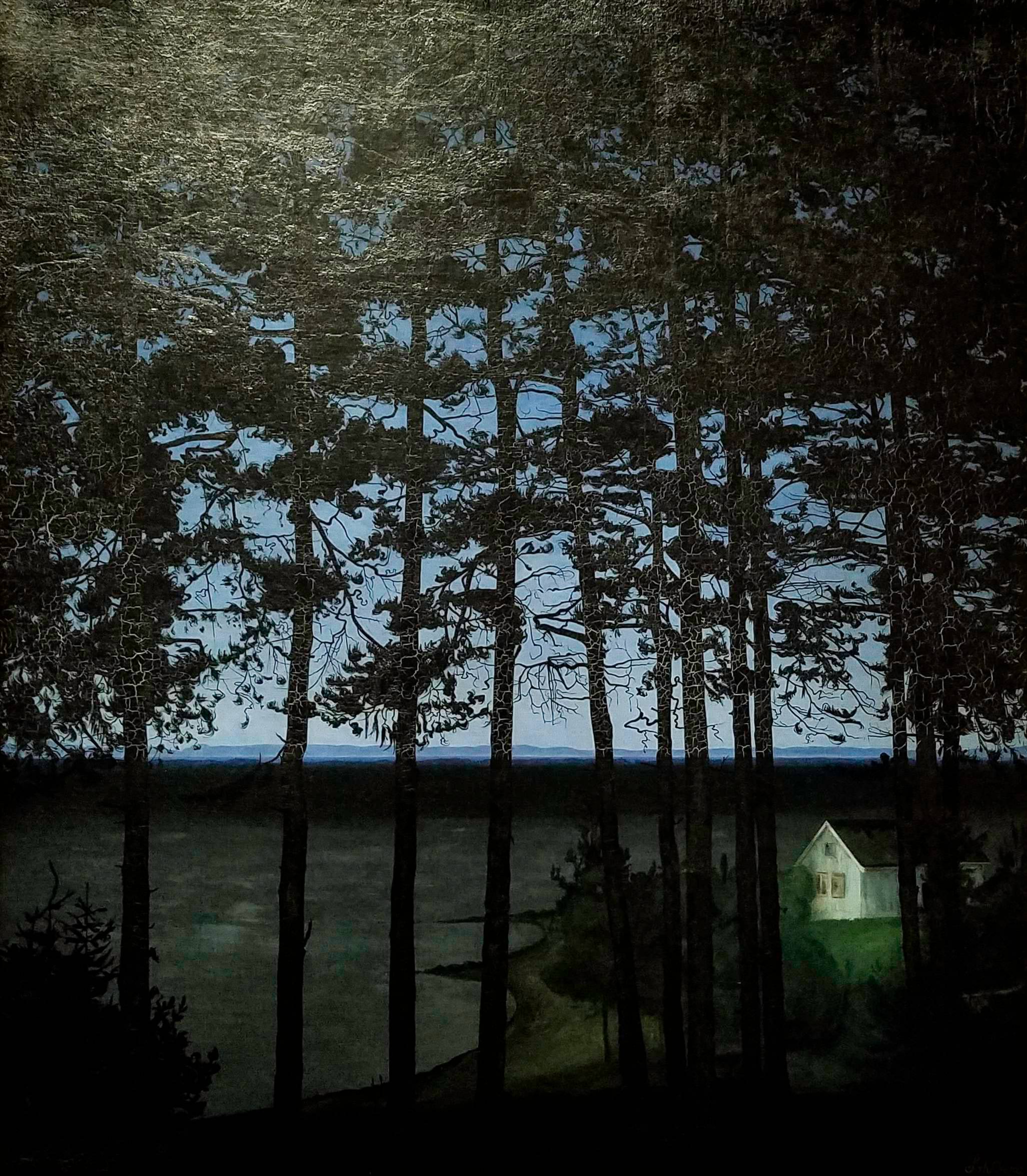

Harald Sohlberg (1869-1935)
Fisherman’s Cottage, 1906, oil on canvas


Pierre-Auguste Renoir (1841-1919)
Lucie Berard (Child in White), 1883, oil on canvas


Emil Nolde (1867-1956)
Red-Haired Girl, 1919, oil on canvas


The Art Institute of Chicago

November 4th, 2017

Chicago || At the end of the day [two]

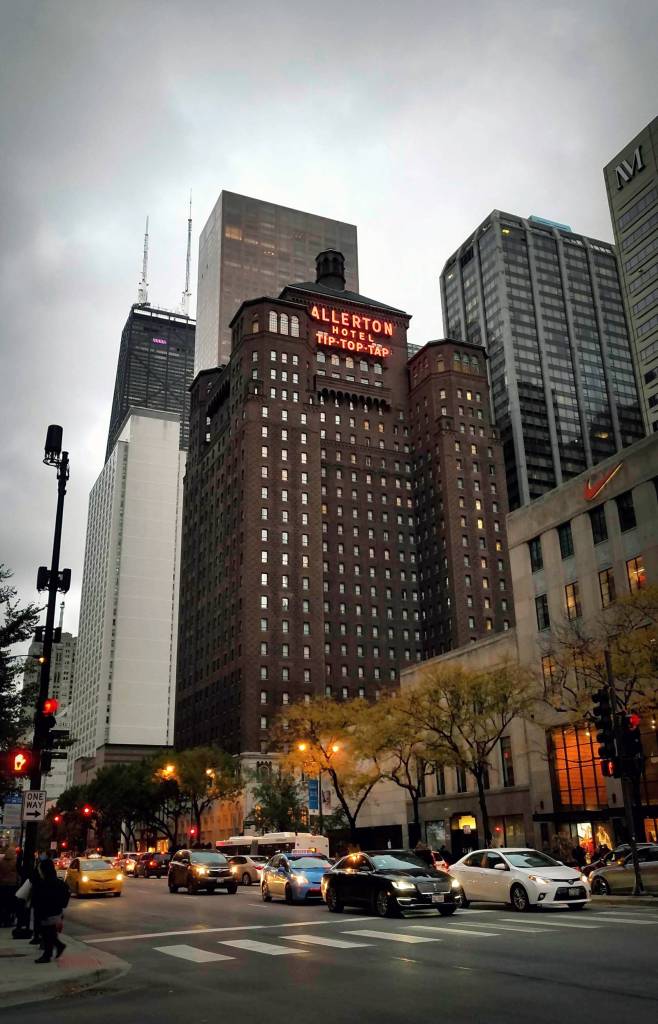
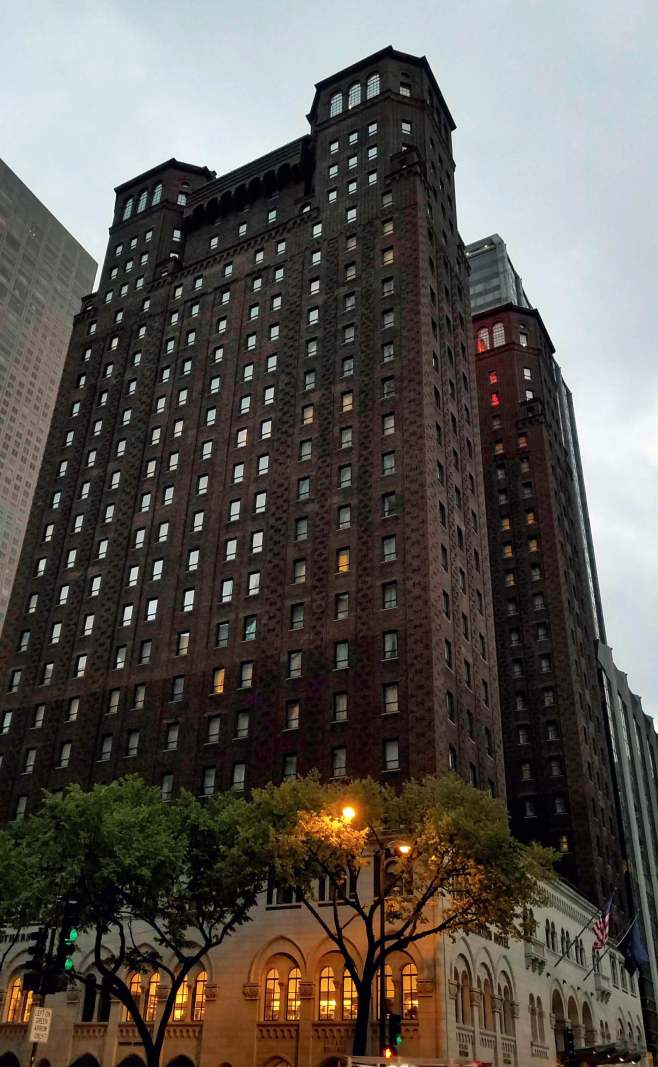
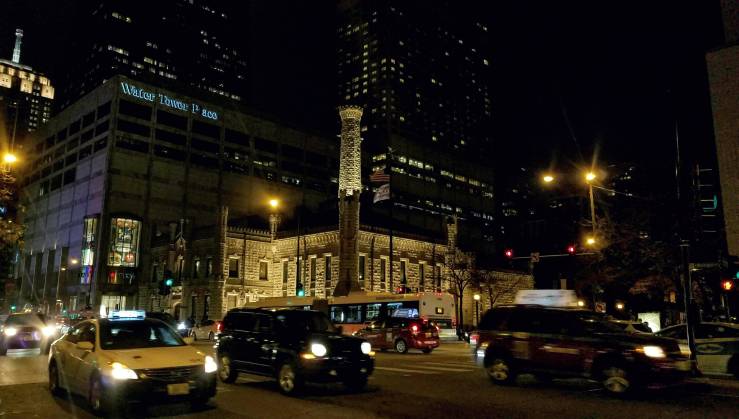
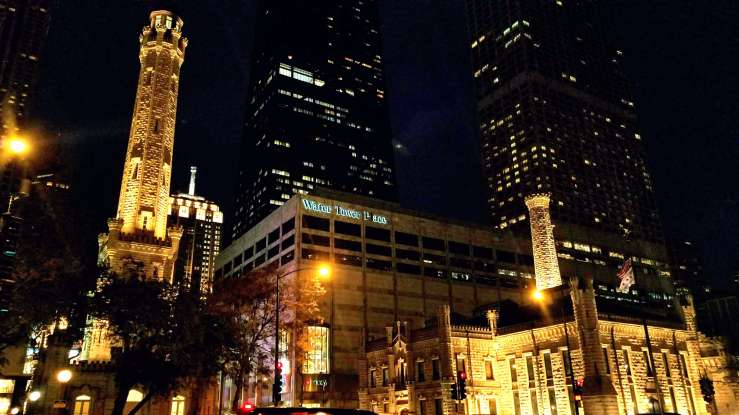
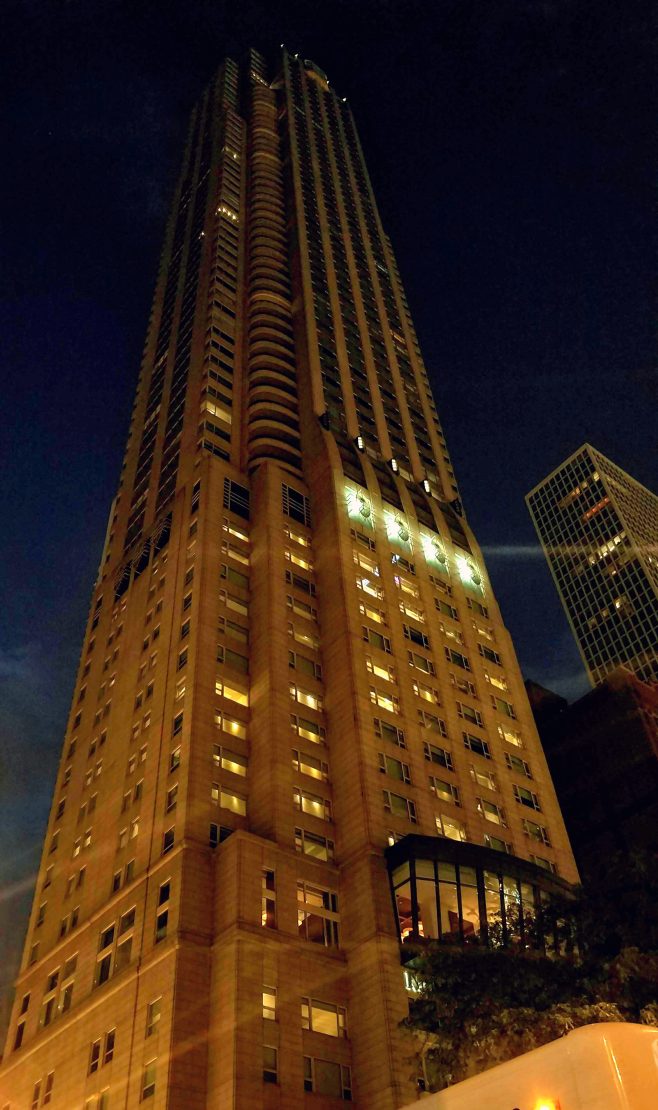
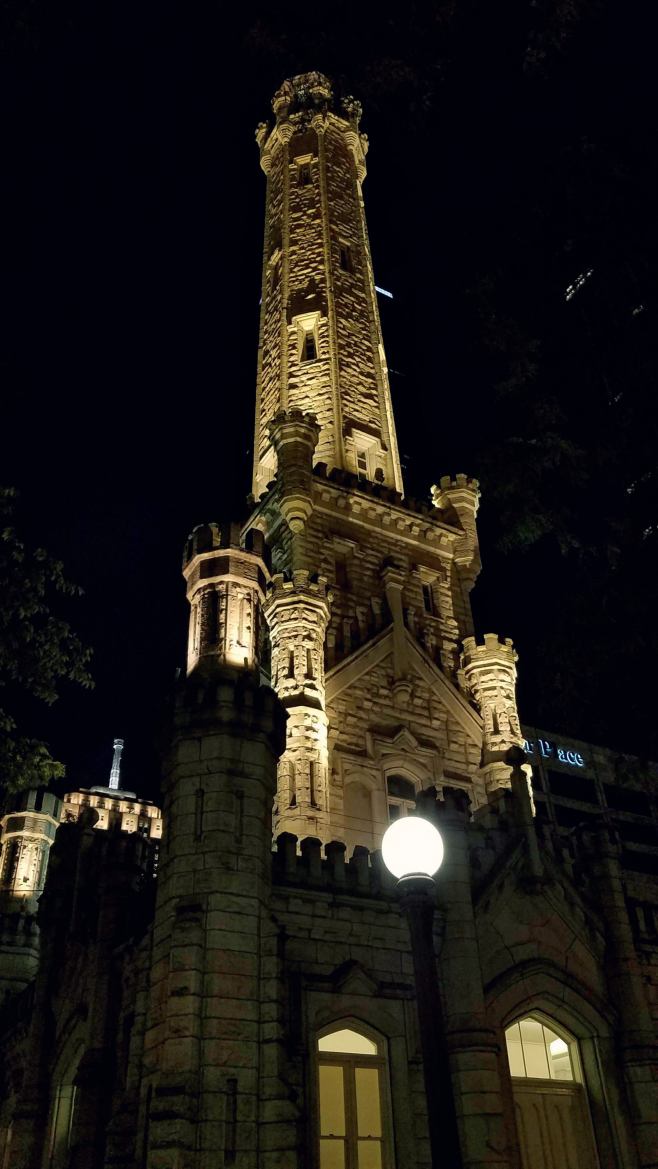
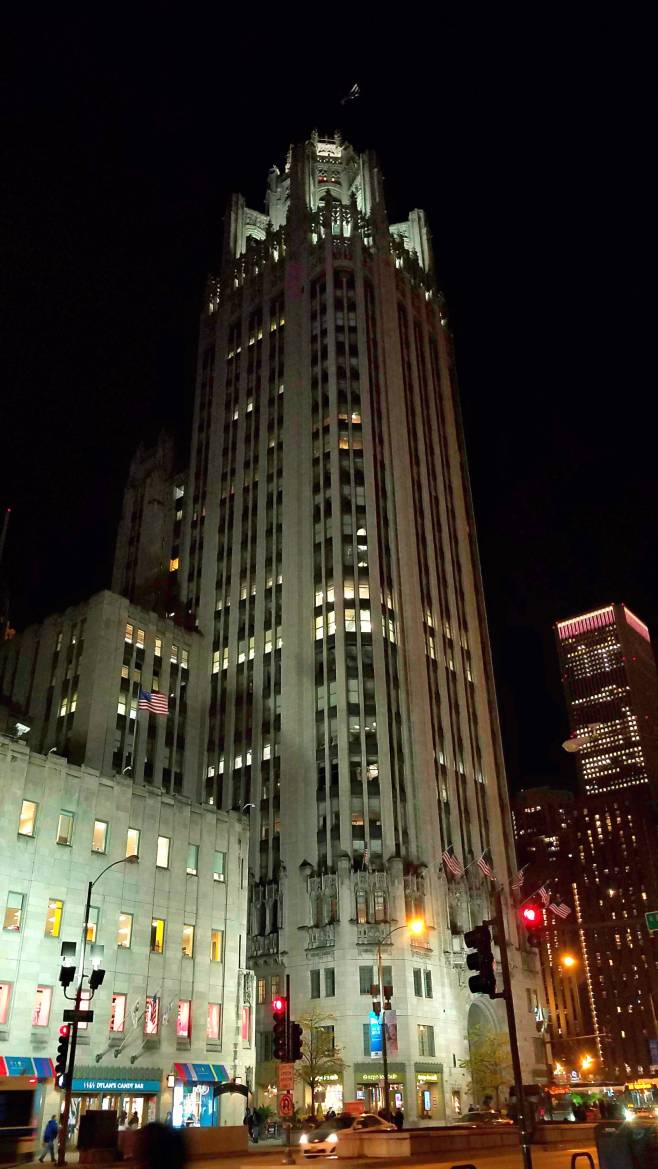
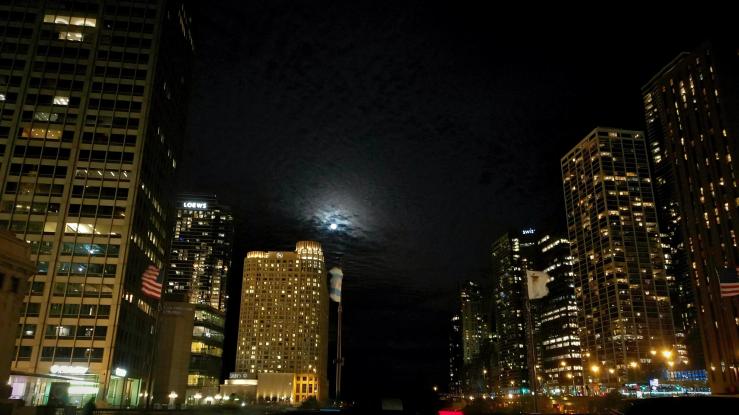
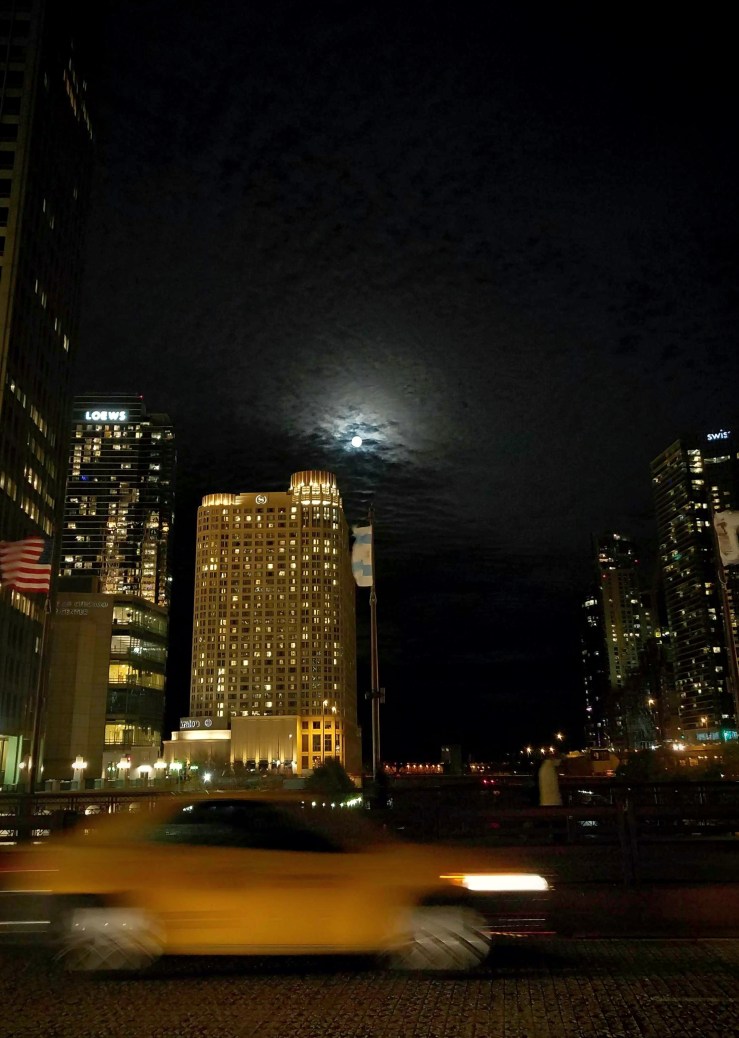
After a day of braving the elements (because, my friends, Chicago is not called ”the windy city” for nothing) all you need is a walk along the Magnificent Mile, a Tip-Top-Tap to the Water Tower, a hot soup, a gorgeous full moon and a good night’s sleep.

Magnificent Mile, Chicago

November 3rd, 2017
When in Chicago…

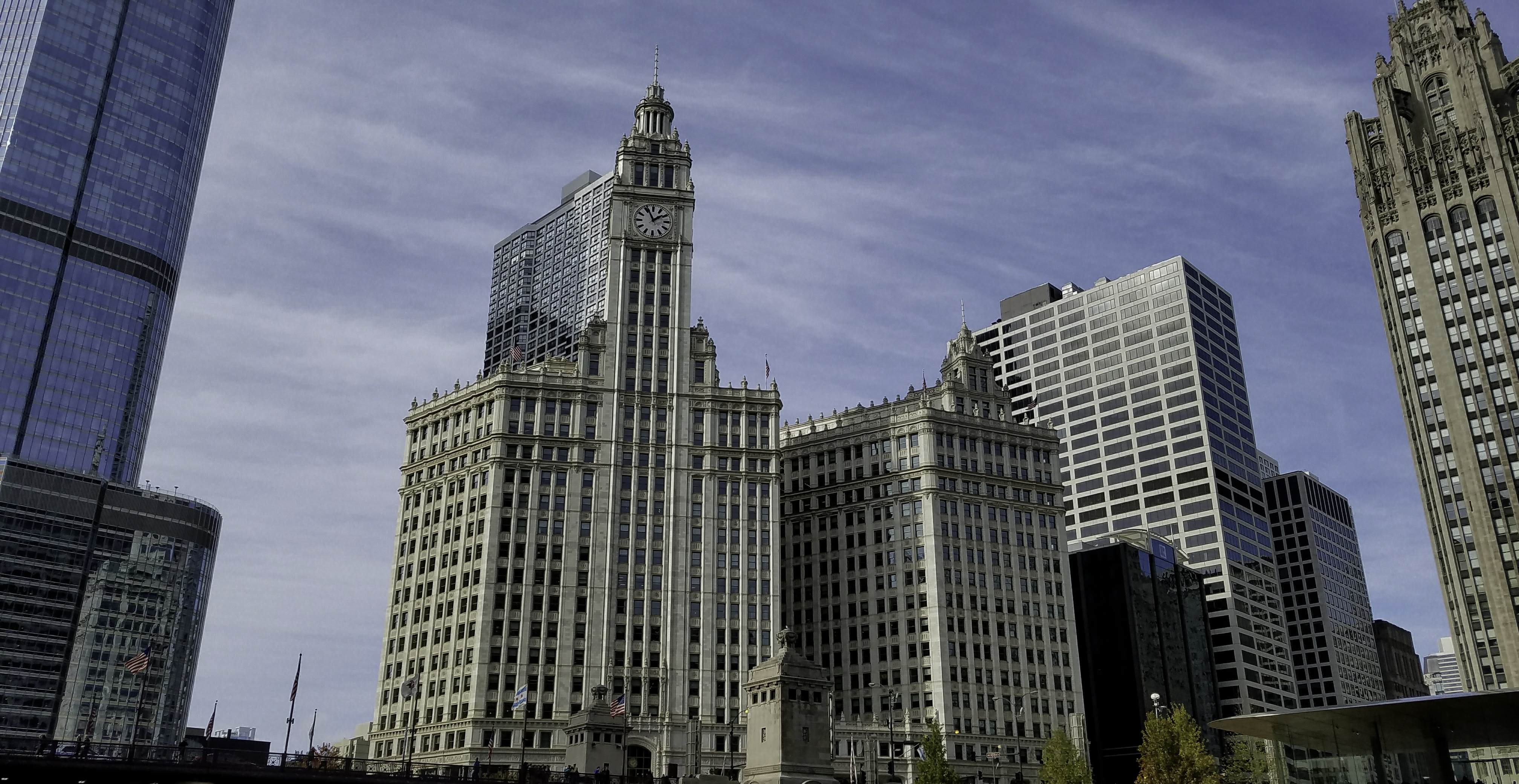
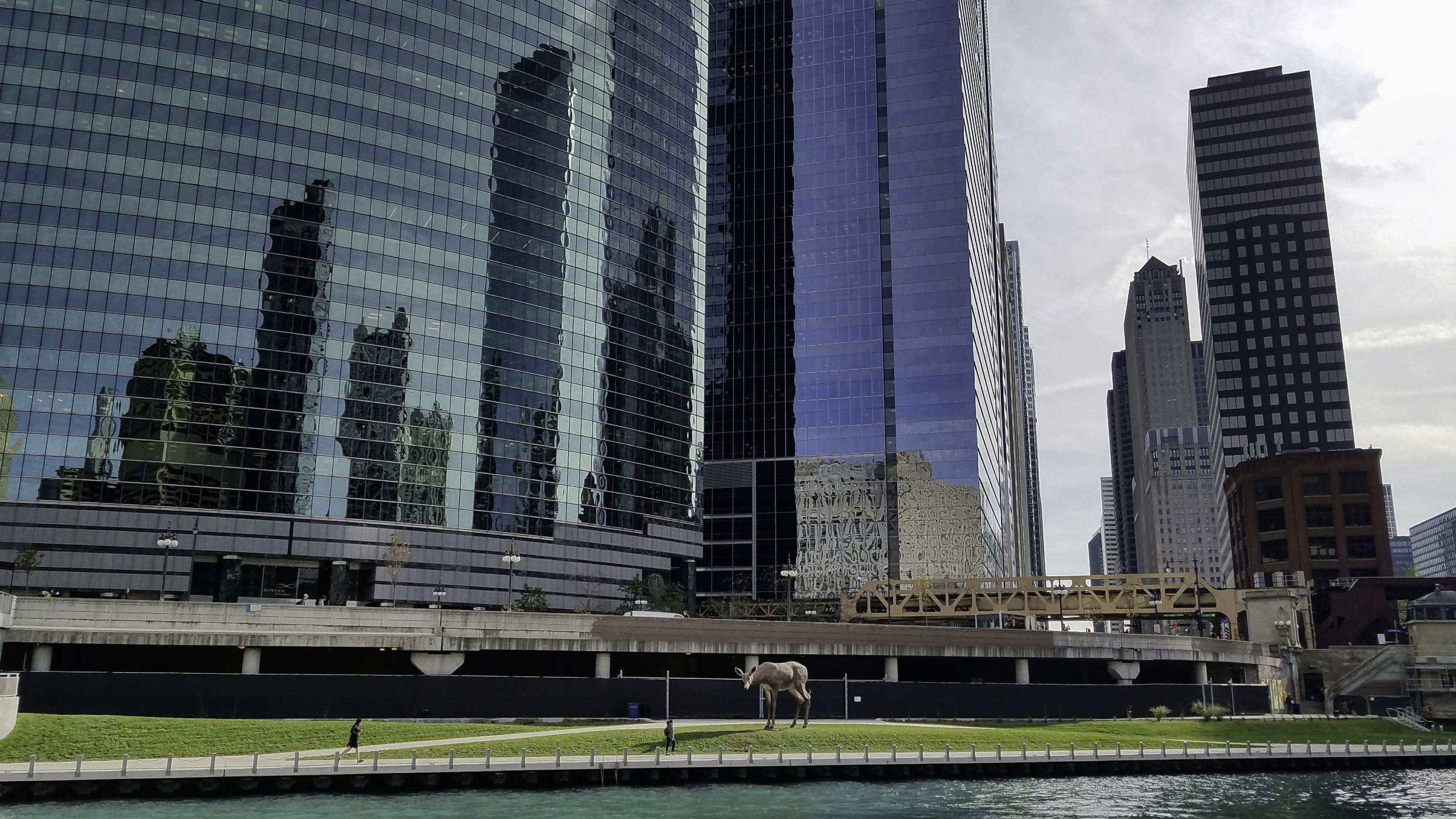
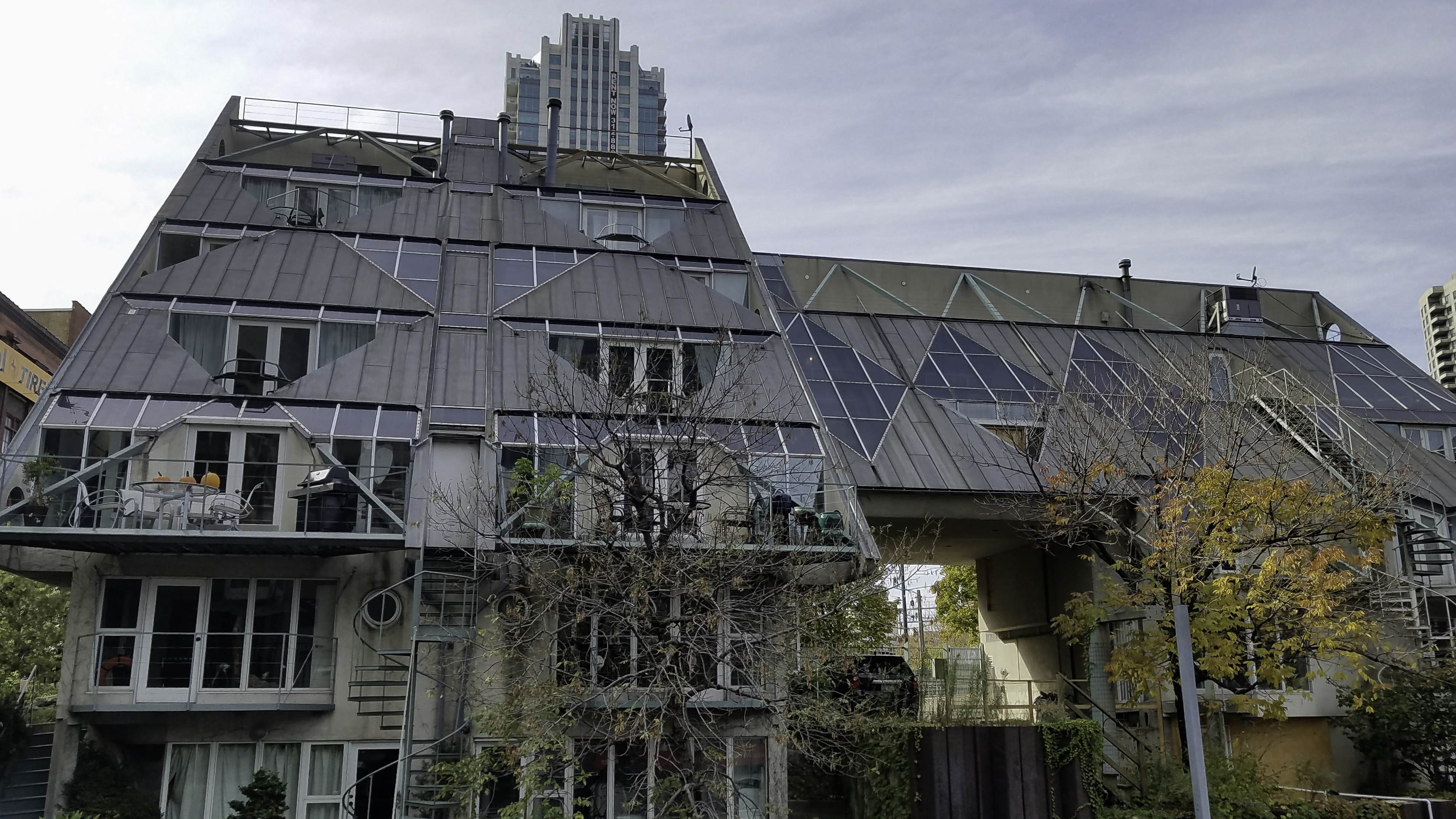
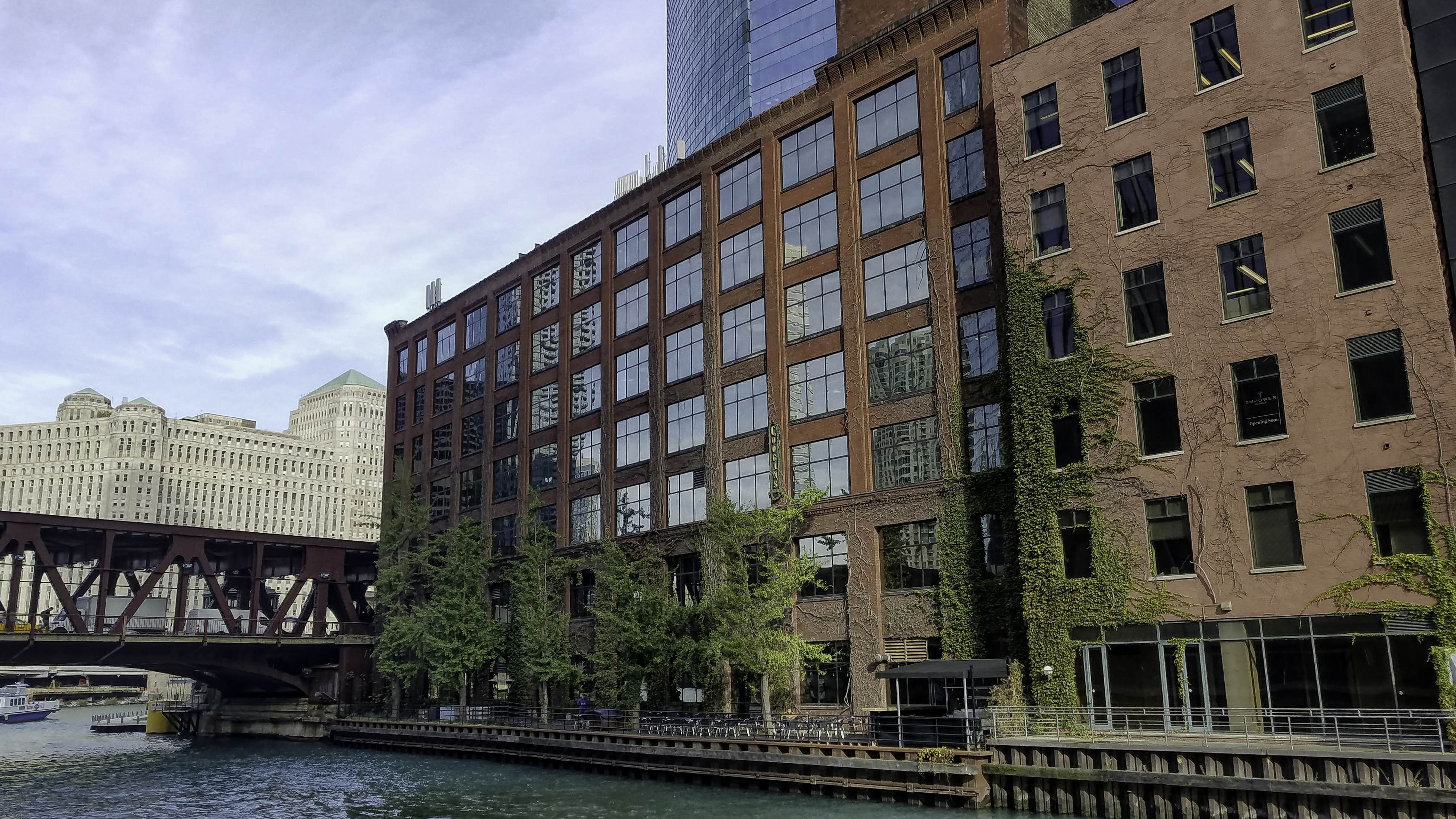
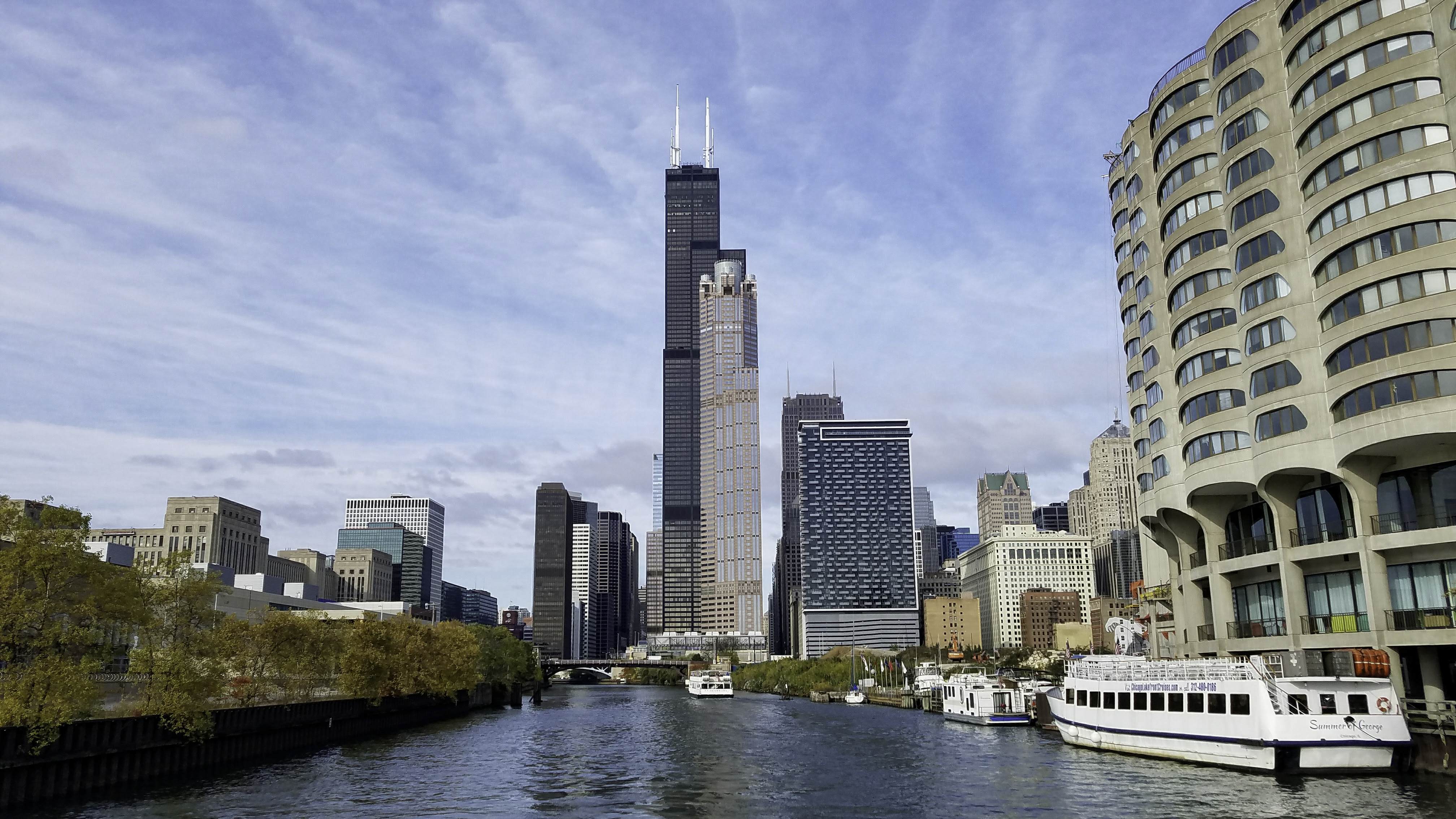
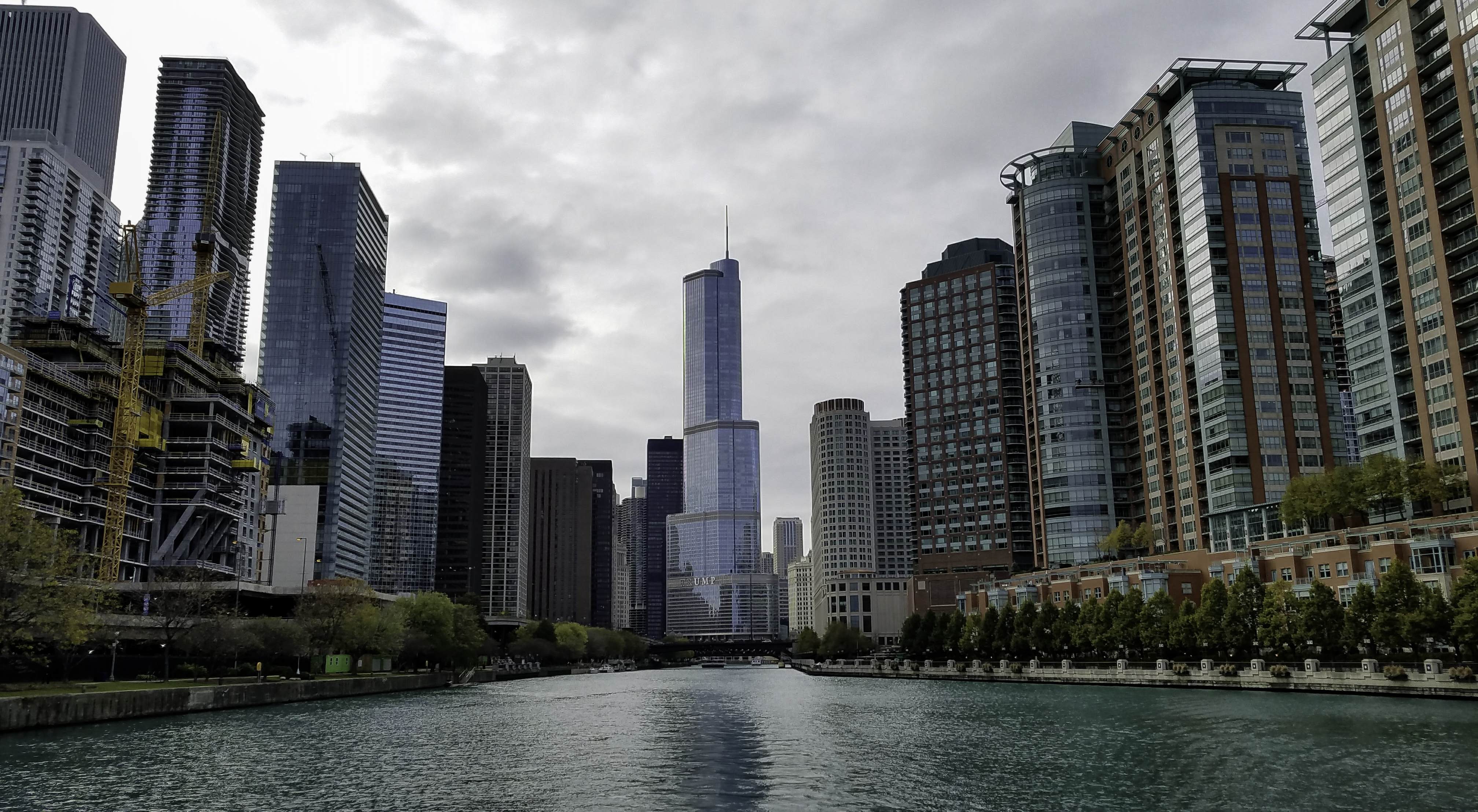
… weather permitting, go on an Architecture Foundation River Cruise on board Chicago’s First Lady. You will see some of the city’s most interesting buildings from a unique viewpoint and hear some of the stories behind them. You will learn how, in an effort to prevent their sewage waste flow into Lake Michigan – the city’s clean water source – Chicagoans reversed the flow of the very river you are touring, so that sewage would flow to Illinois and Michigan Canal,  and ultimately to the Mississippi River instead; a no mean engineering feat, admirable even today, let alone in 1900 when it was completed. Last, but not least, you will have some hot apple cider – spiked if necessary for that extra warmth.

You will take hundreds of photos.
You won’t regret it.

November 3rd, 2017
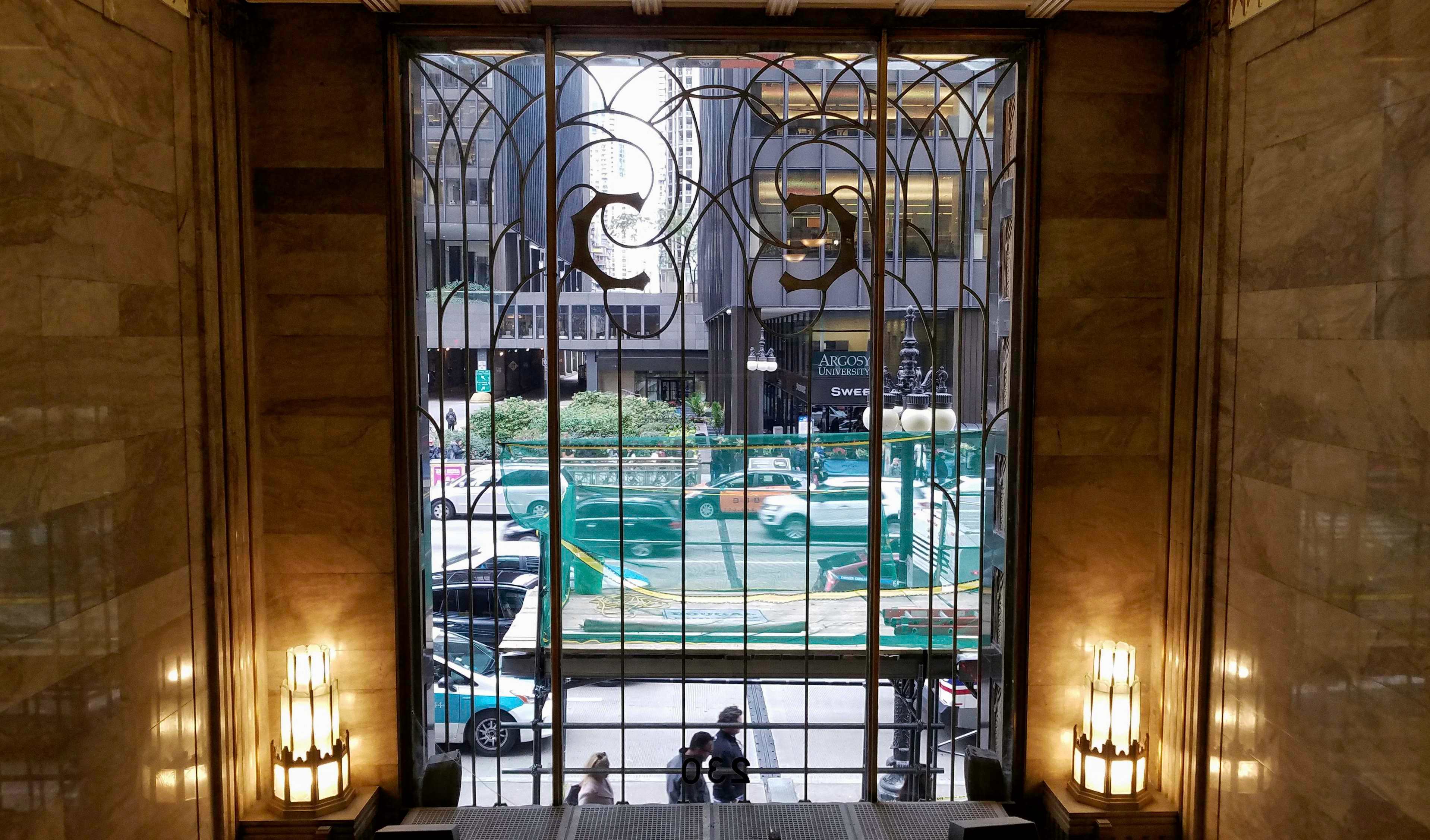
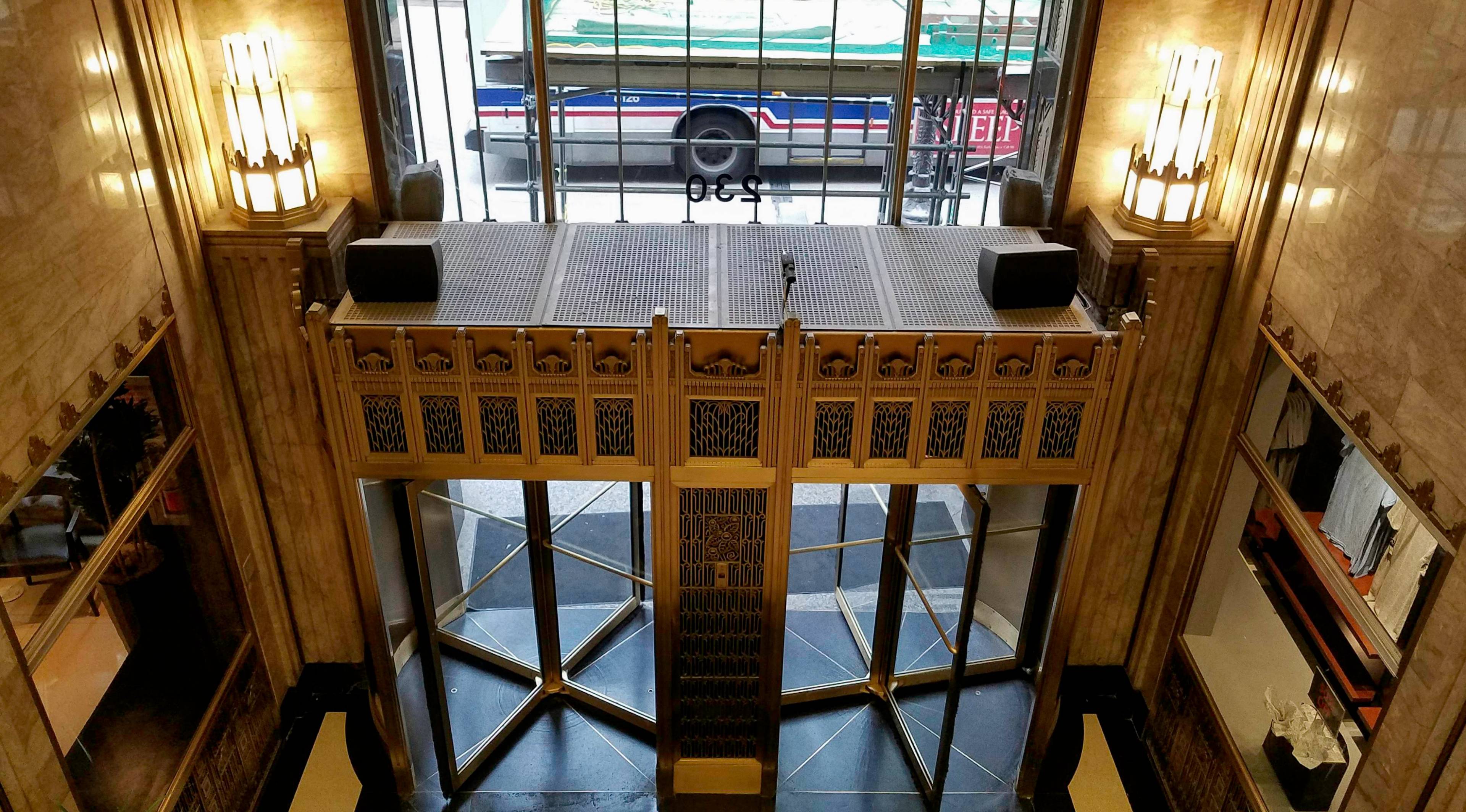
Chicago || The Carbide and Carbon Building

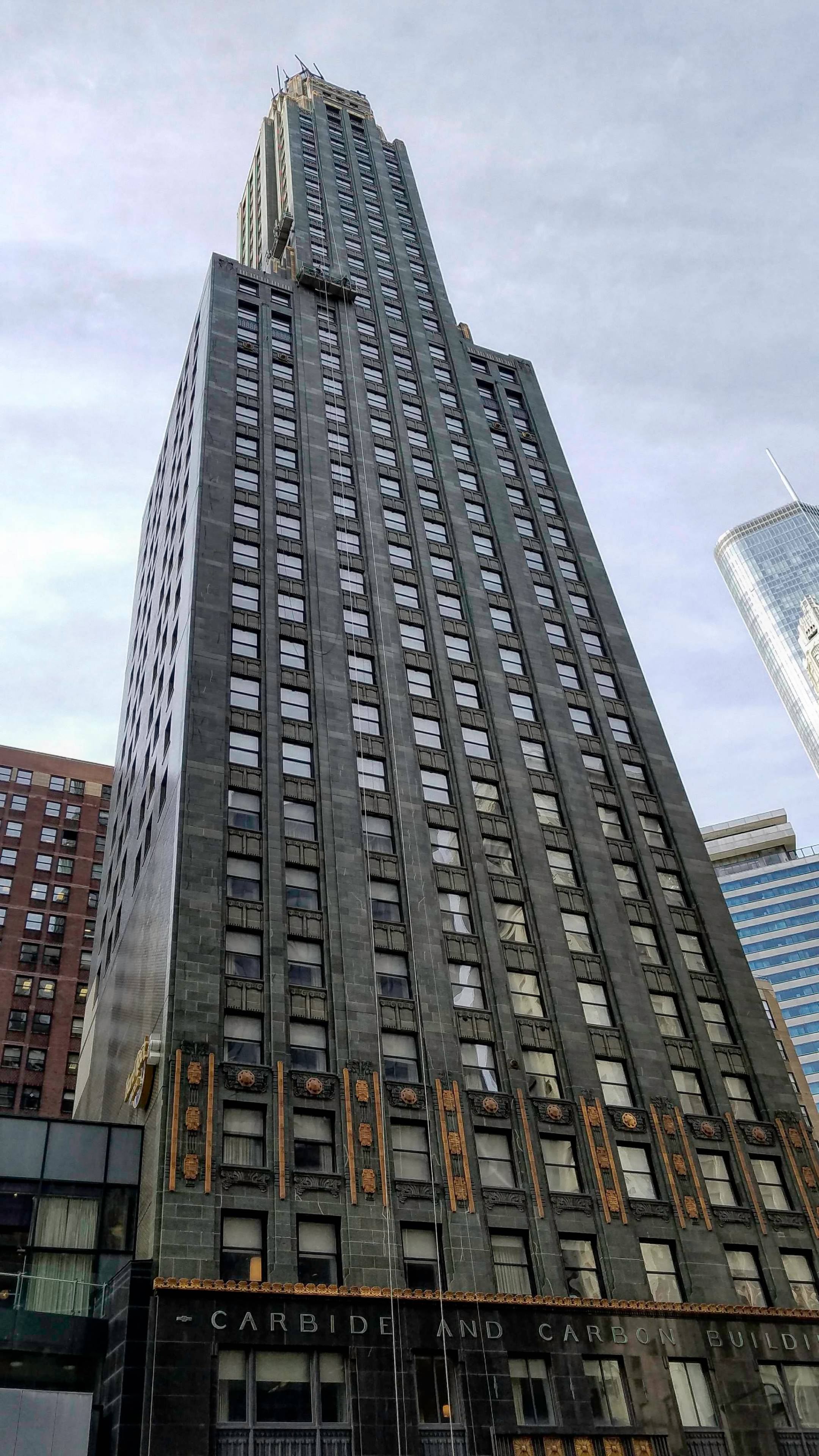
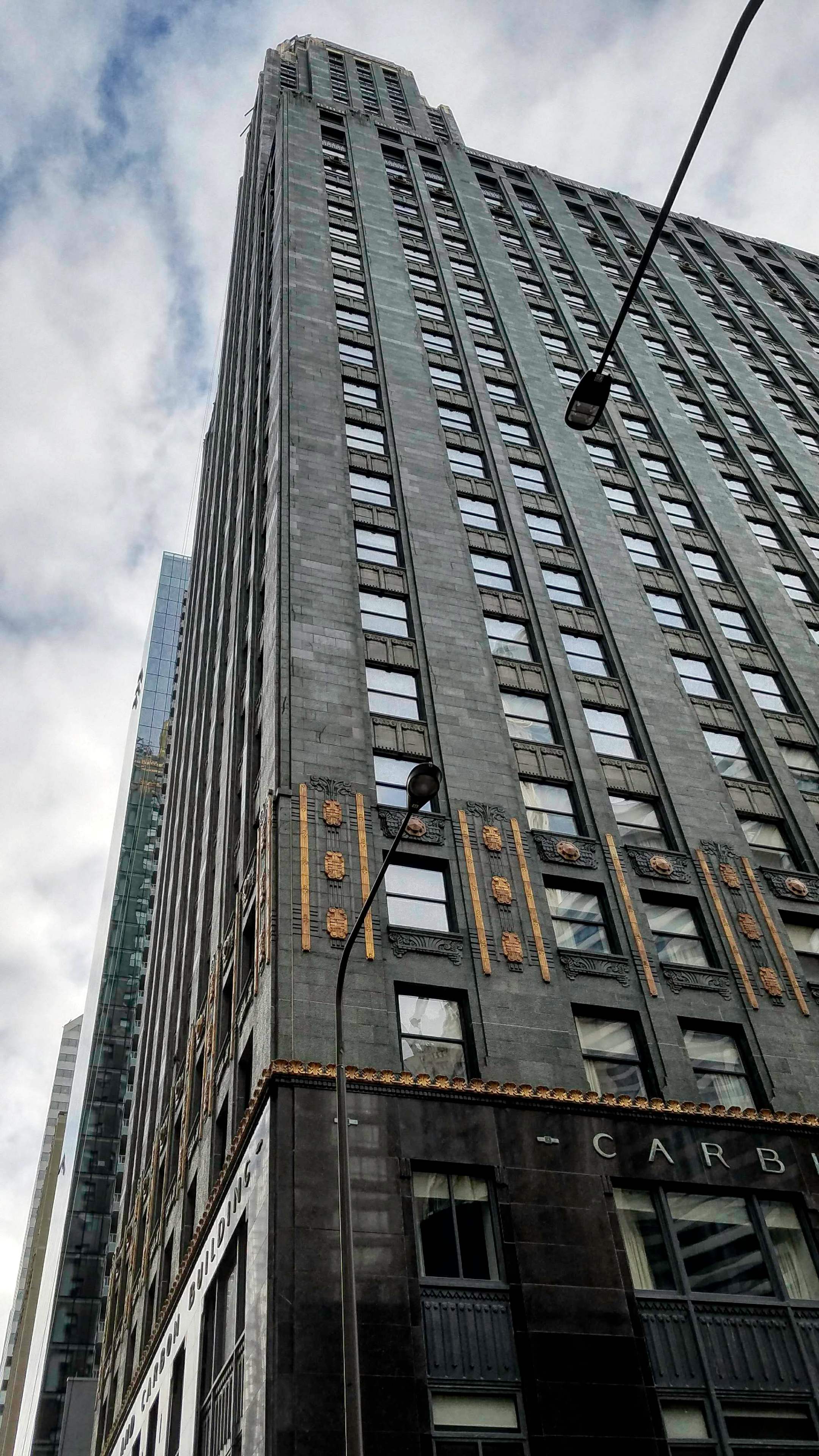
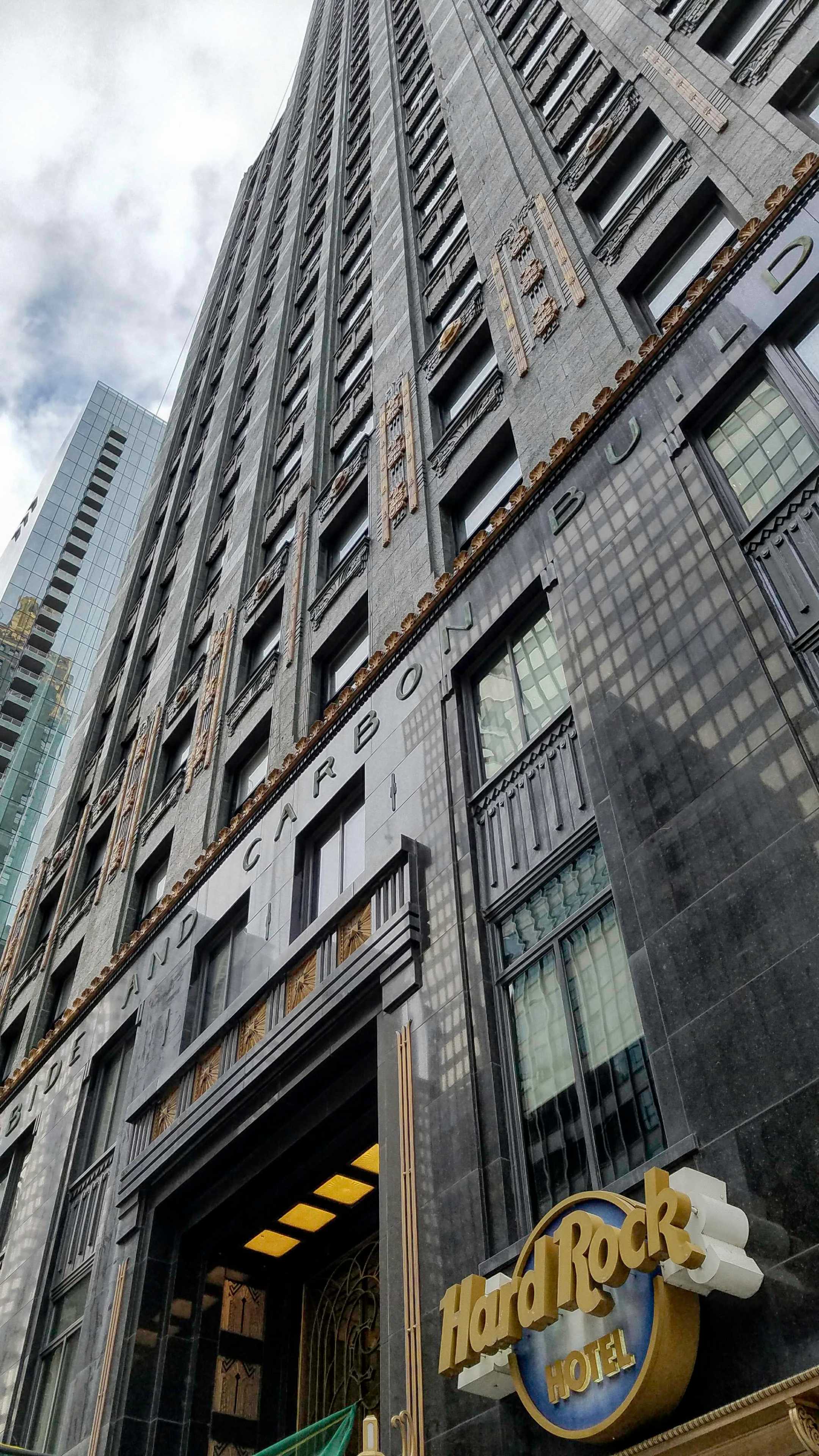
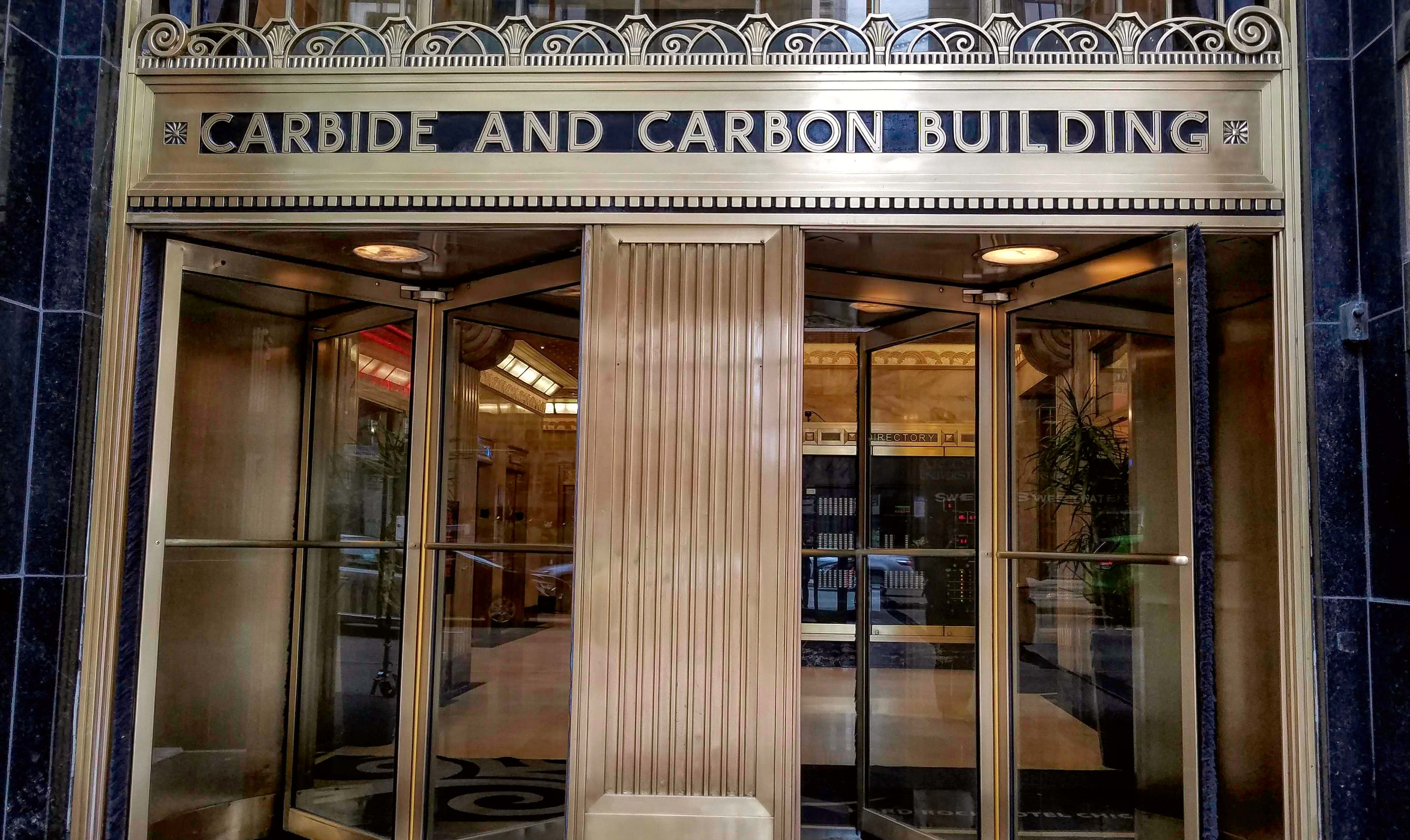
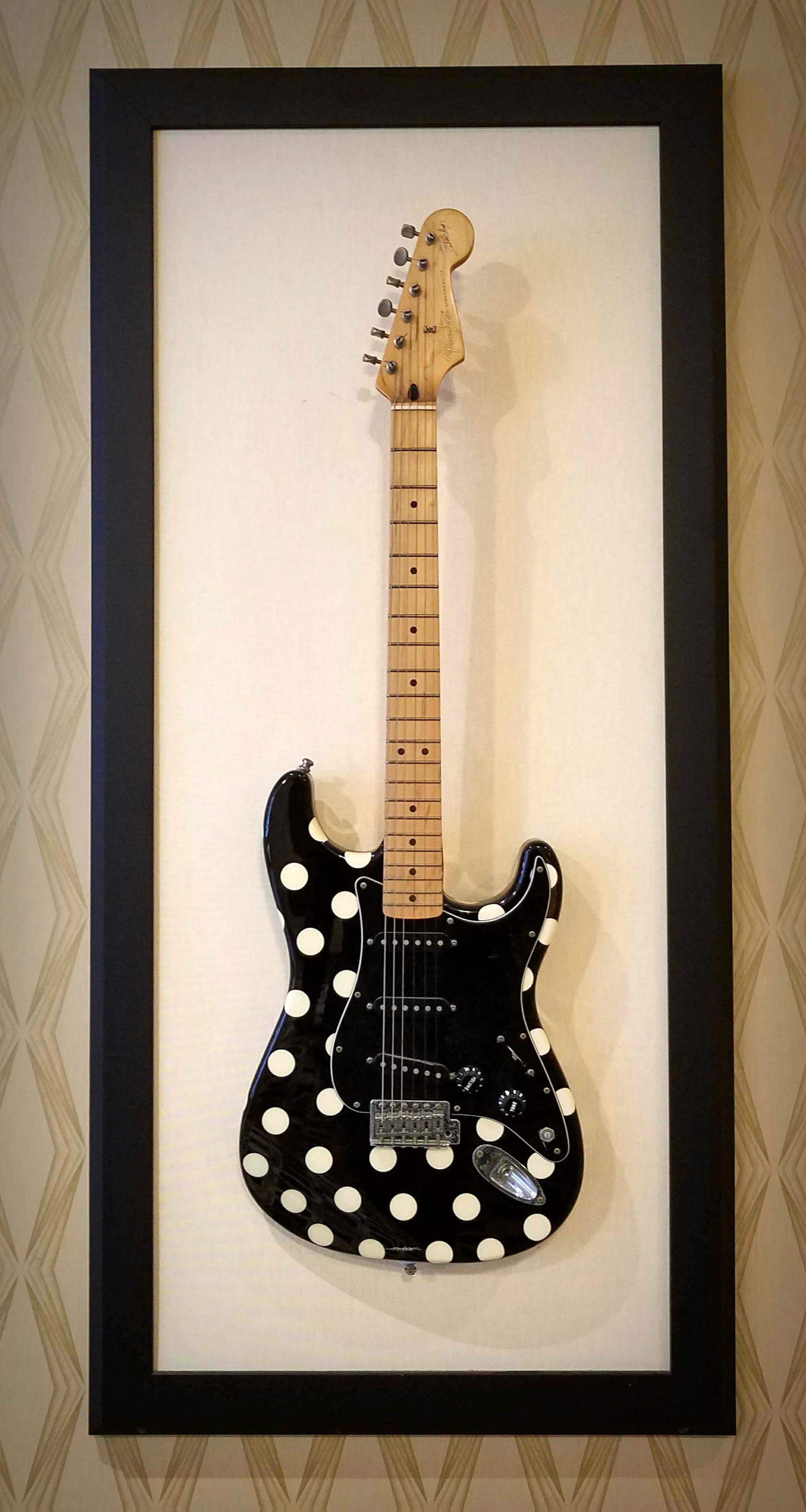
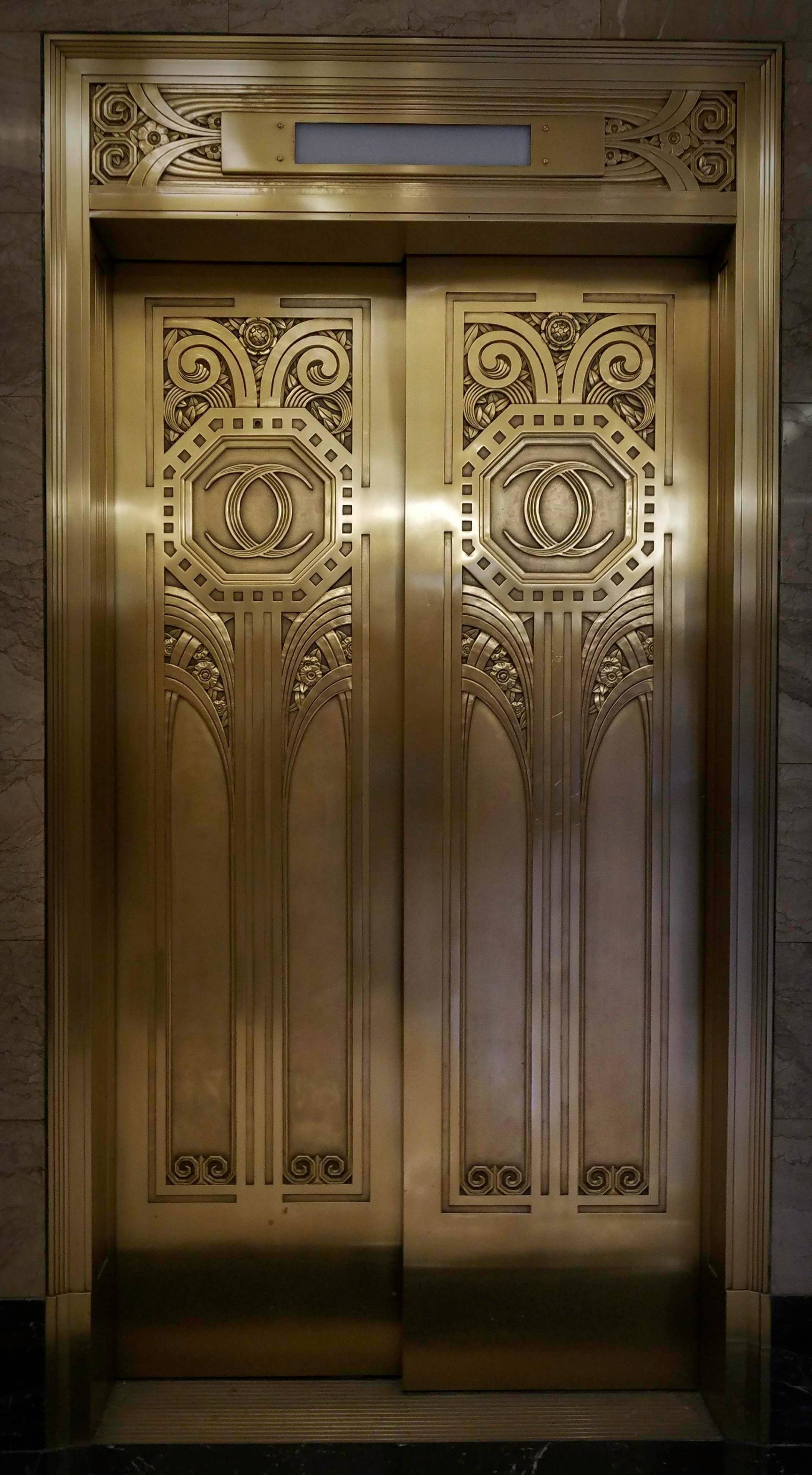
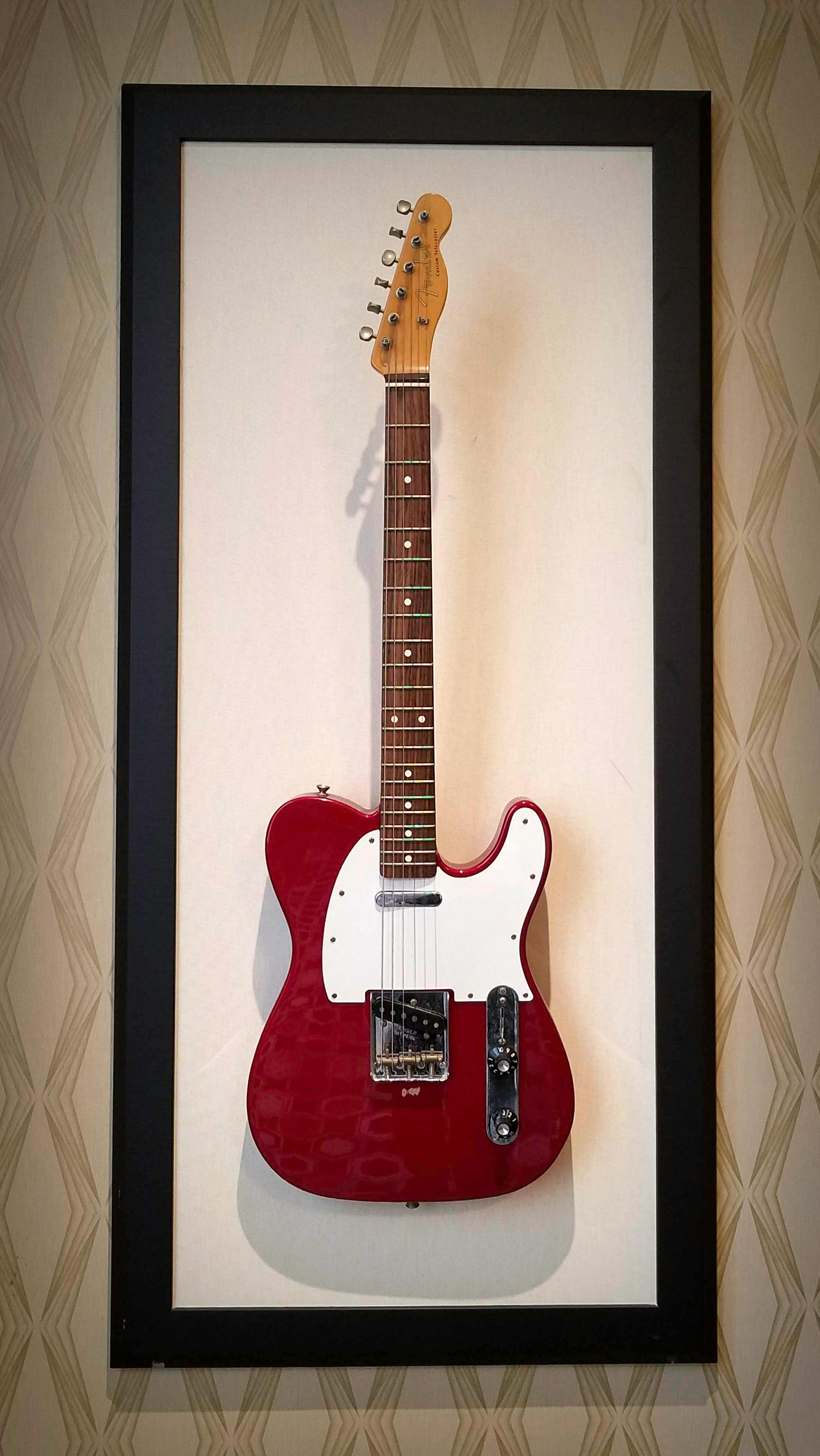
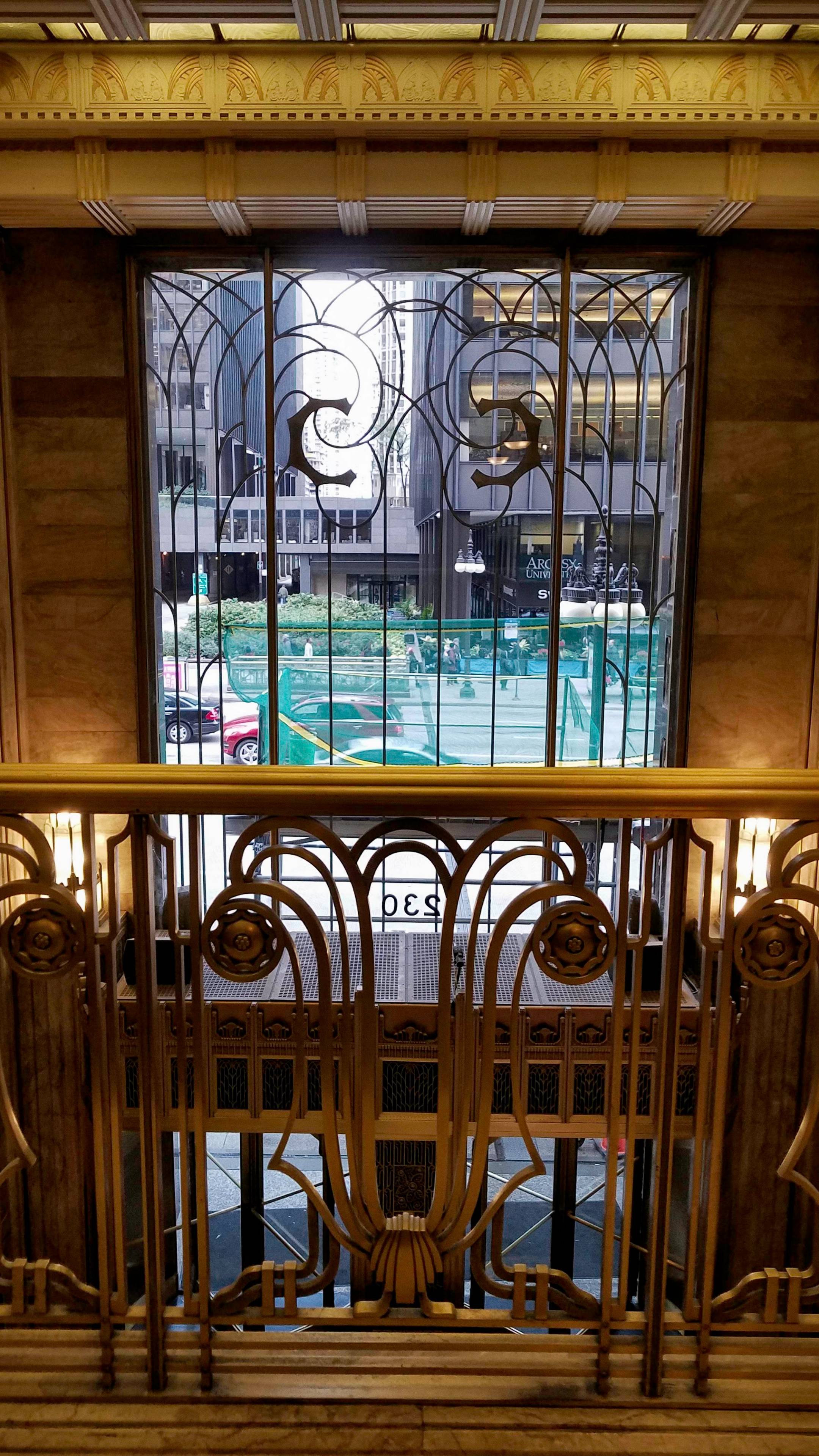
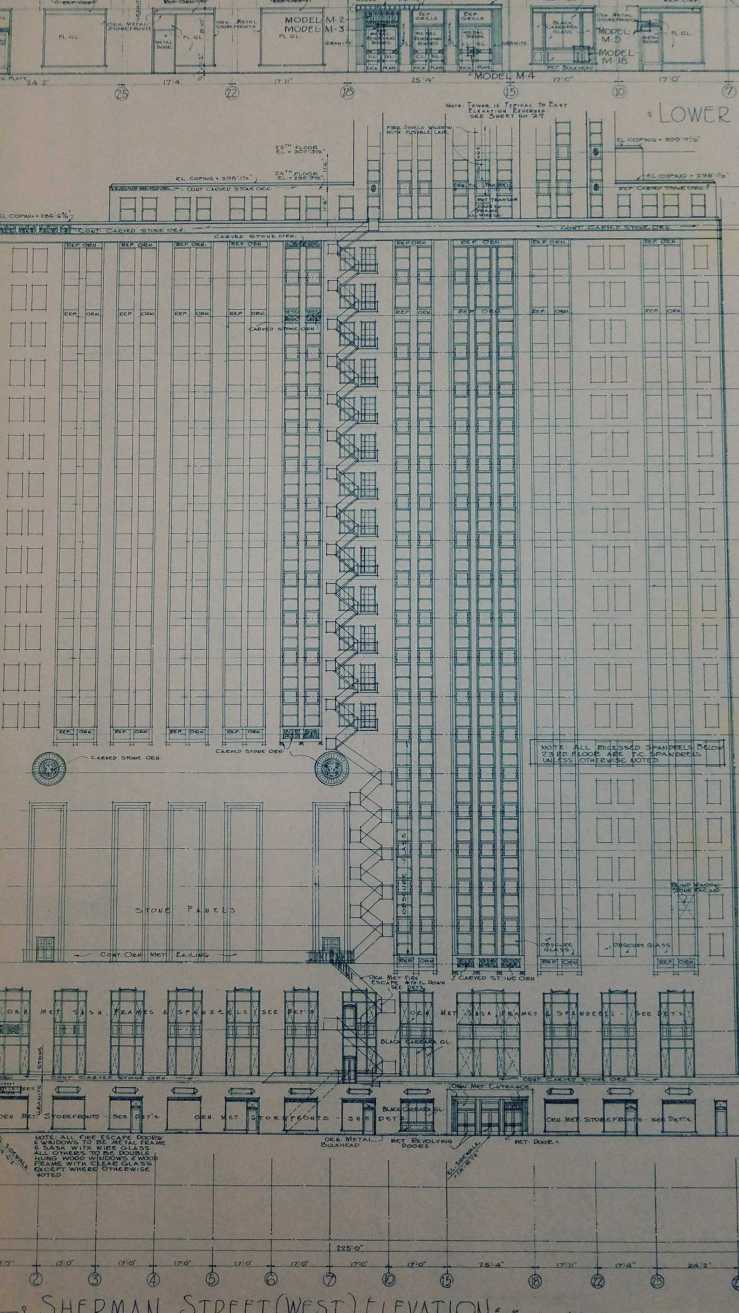
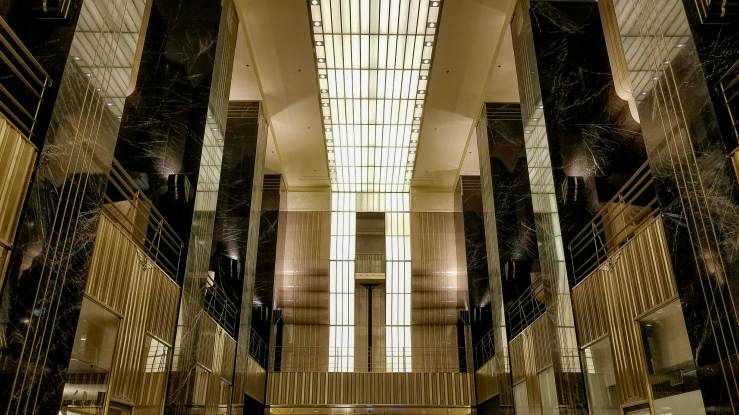
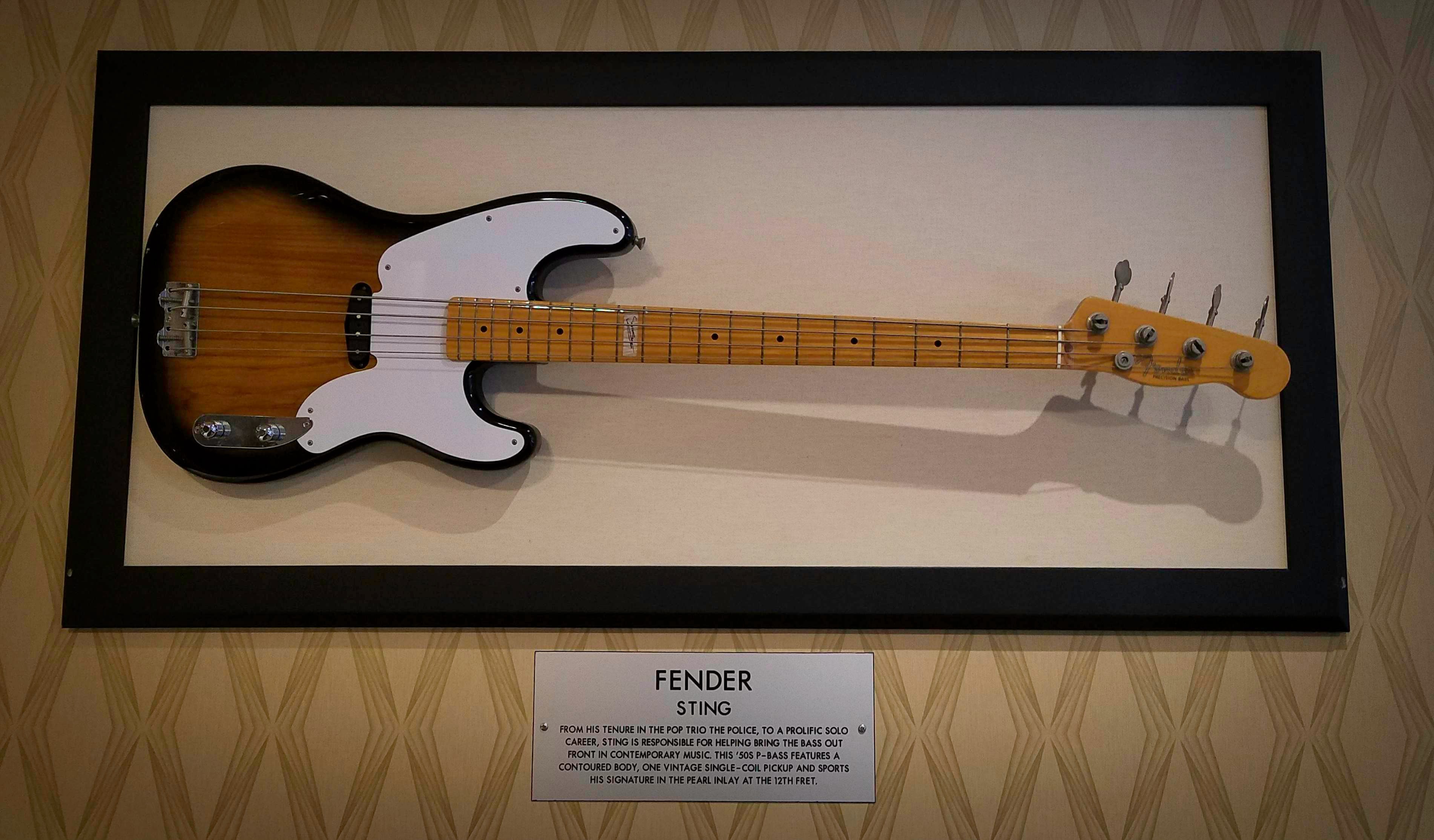
Aka The Hard Rock Hotel – although that was about to change. We didn’t know it at the time, but a month later, the hotel would close for renovation; it now operates under a new brand, as the St. Jane Chicago. But the exterior, covered in polished black granite, topped by a tower dressed in dark green terracotta with gold leaf ornaments, must surely remain as impressive as it has always been, since the day of its completion in 1929.

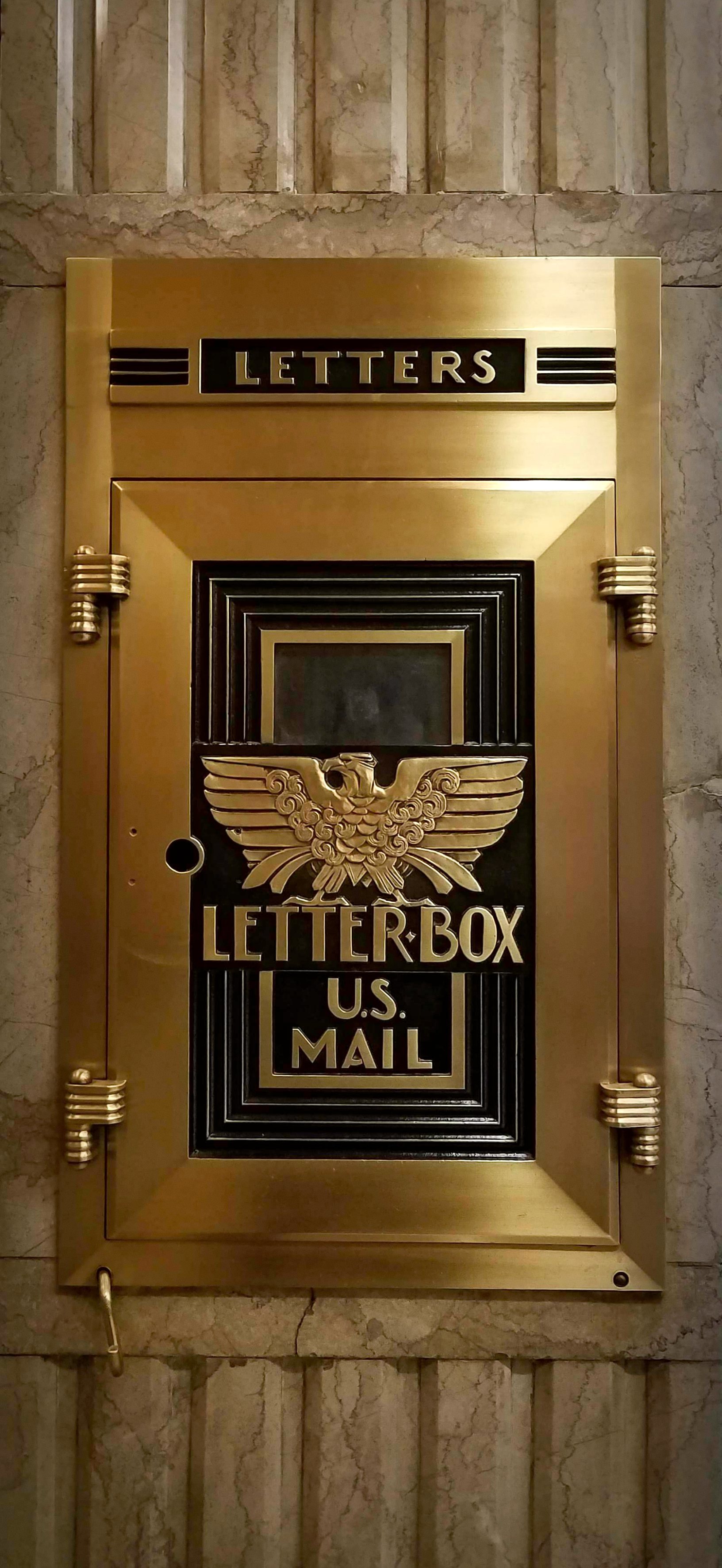
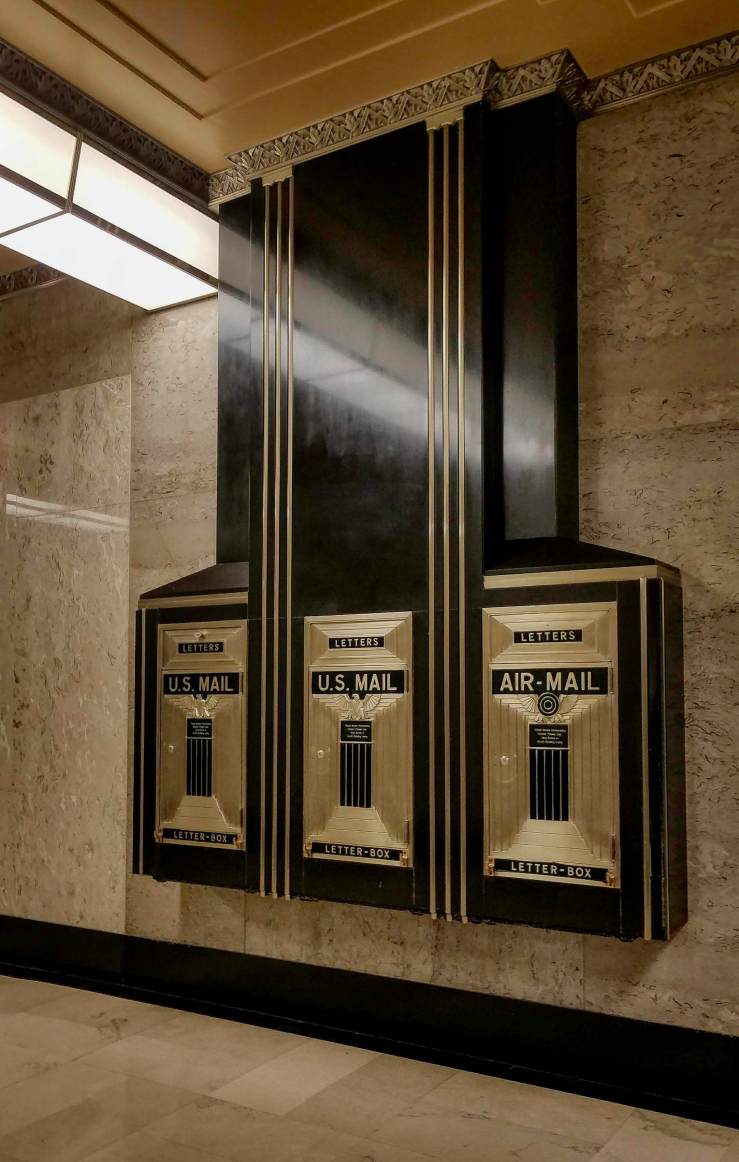
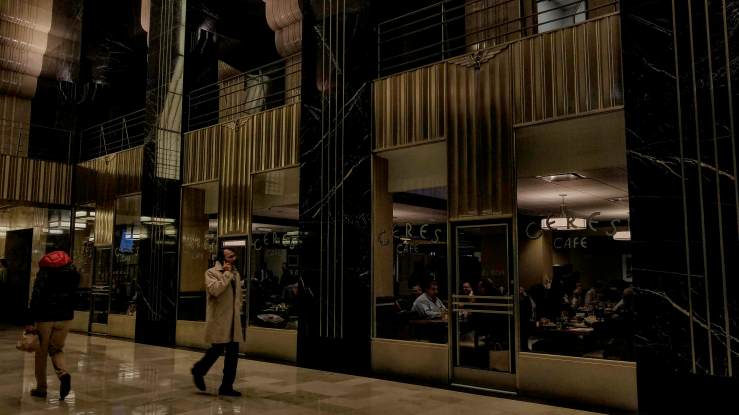
Then, there is the dazzling lobby, all bronze and dark Belgian marble and Art Deco features – minus, I guess, the guitars which will have probably found a new wall to grace.

The building was designed by the Burnham Brothers, a commission by the Carbide and Carbon Company to house their regional headquarters.

November 3rd, 2017
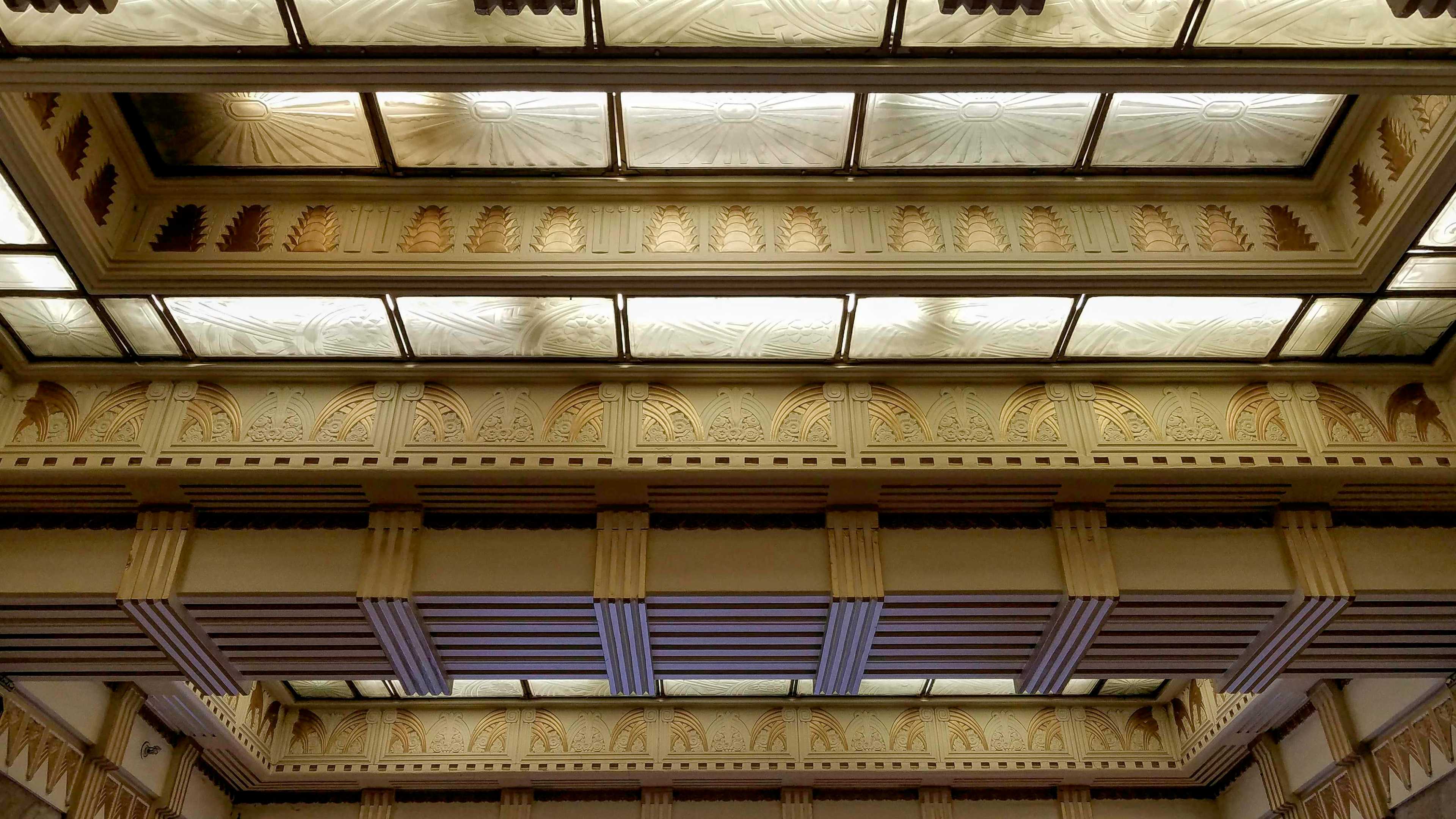
Chicago || At the end of the day [one]

After a full day of intense lobbying – in the most literal sense of the word, it was time to sit back and (re)collect all the stunning places, experiences and photos we took: the tour at the Rookery, the marvelous art deco details of the Board of Trade and the Field Building, the gorgeous Tiffany mosaics at the Marquette, the very atmospheric Monadnock.

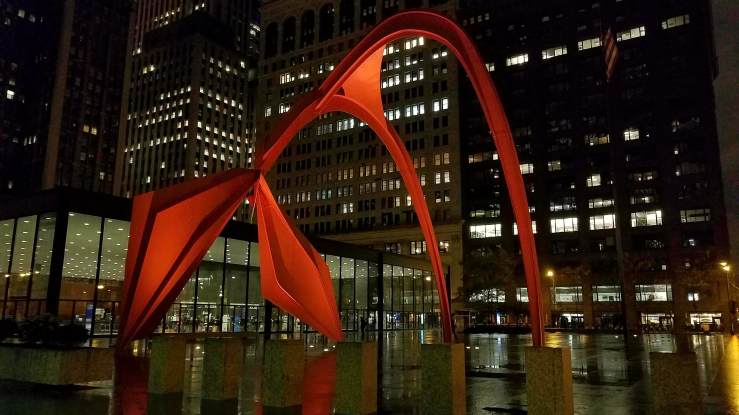
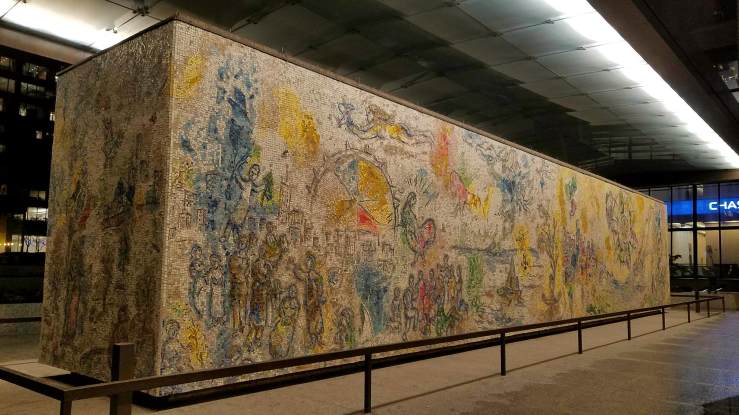
And to top it all off, some serious public art adorning the streets of Chicago.

Flamingo – by Alexander Calder in the Federal Plaza


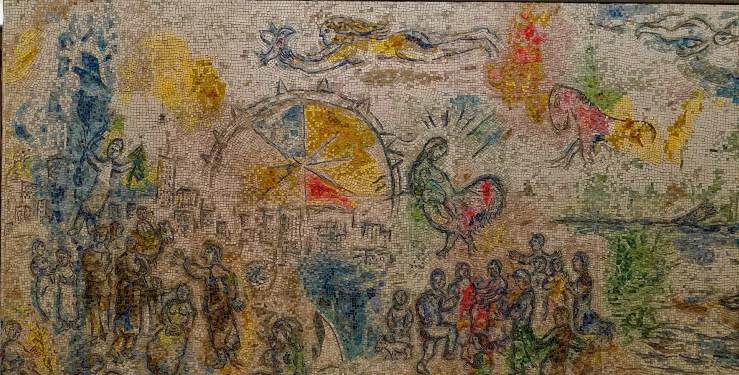
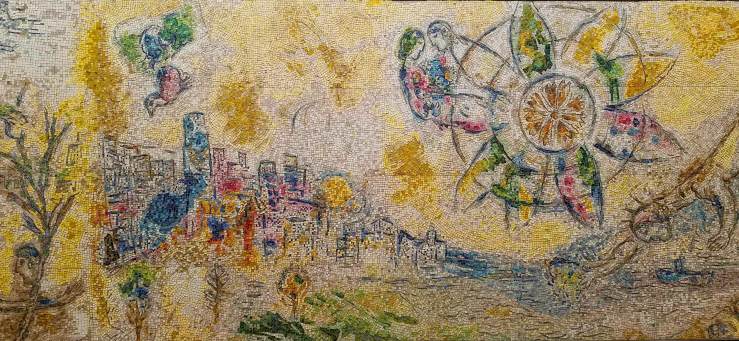
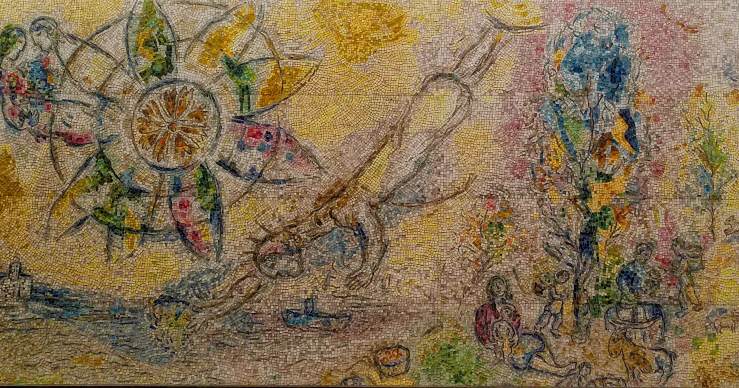
Chagall’s Four Seasons mosaic in the Exelon Plaza


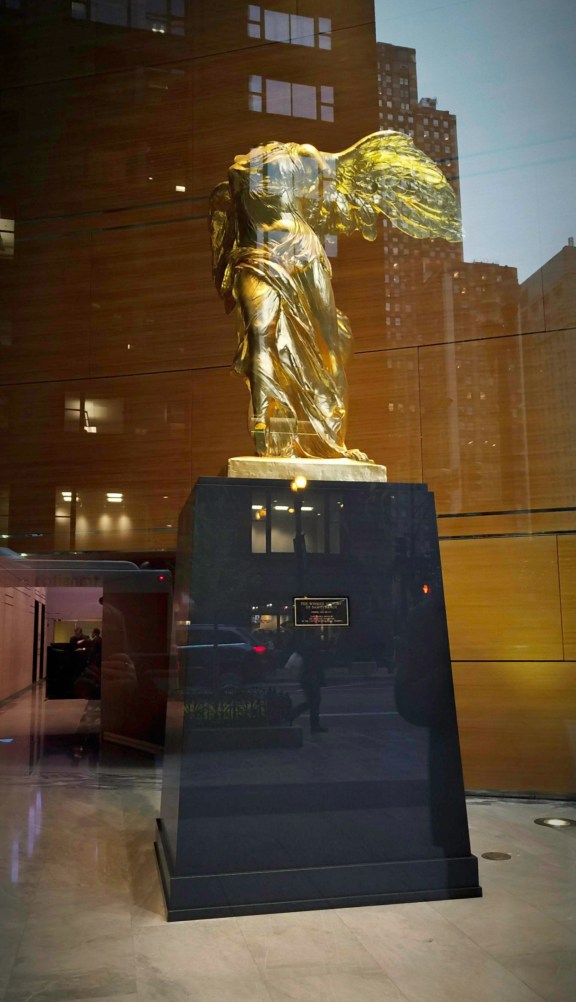
The Winged Victory of Samothrace, cast from a mold from the original sculpture in the Louvre Museum, Paris – (but why make it gold at all…? marble would have been equally stunning)


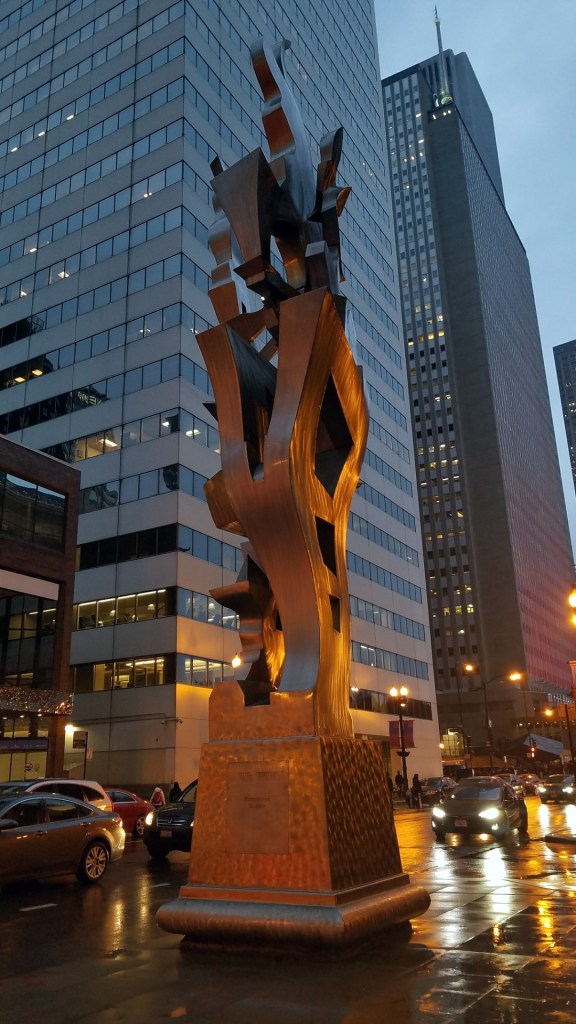
We Will, a welded stainless steel sculpture by Richard Hunt


November 2nd, 2017
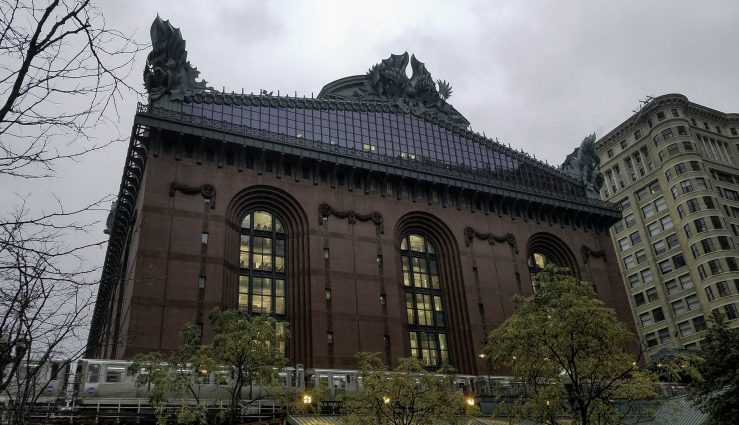
Chicago || The Monadnock

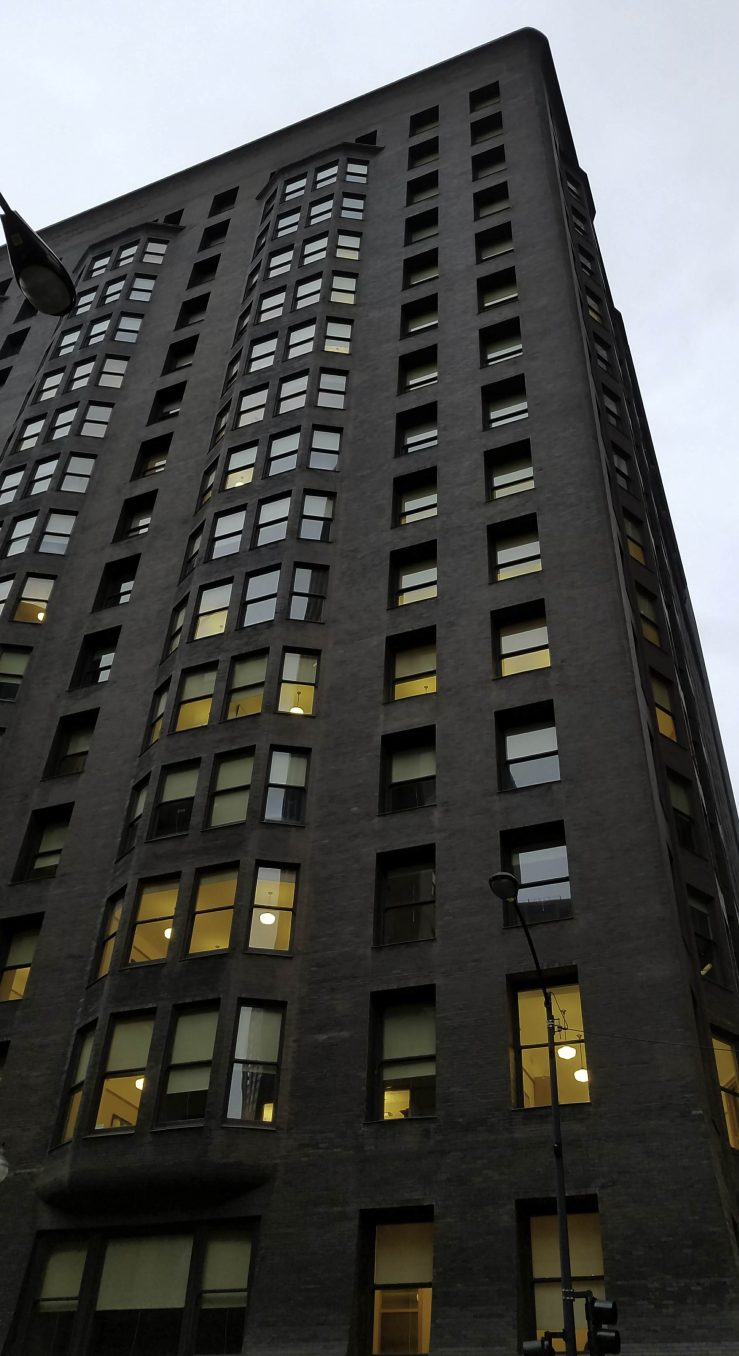
The Monadnock was conceived primarily as a business centre; in fact, upon its completion, it was the world’s largest office building. Architects Burnham & Root designed the north half (built 1891); Holabird & Roche designed the south half (built 1893). Names that are becoming strangely familiar, by now.

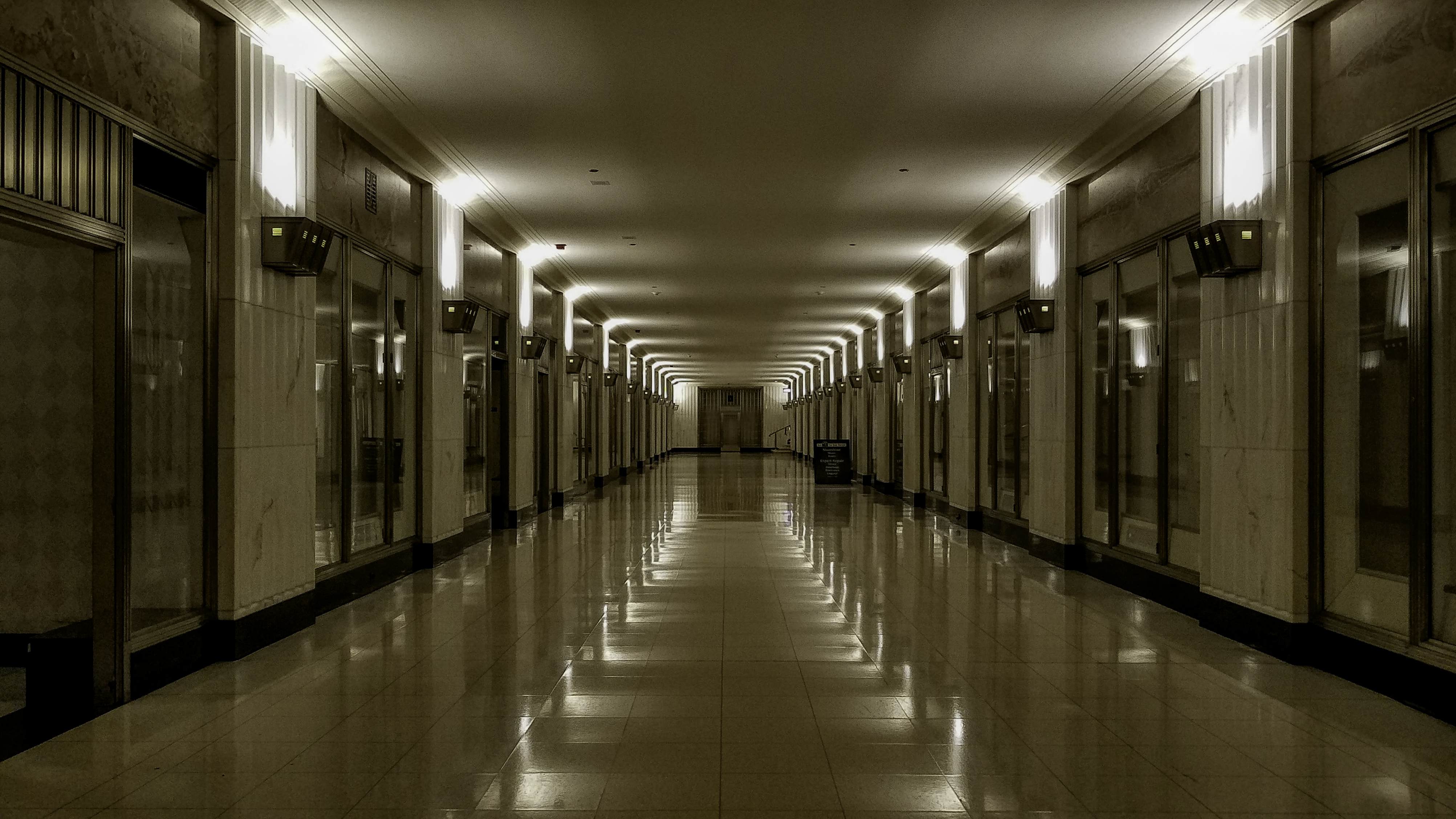
The ground floor is purely commercial; a café, a restaurant, various retail shops, a ”shoe hospital”, every single one of them oozing old-school elegance. I am sure their interior design, unique yet totally coordinated, is a prerequisite and constitutes a lengthy clause in their leasing contract.

Whatever the cause, the result is the most atmospheric commercial gallery I have ever encountered.

November 2nd, 2017
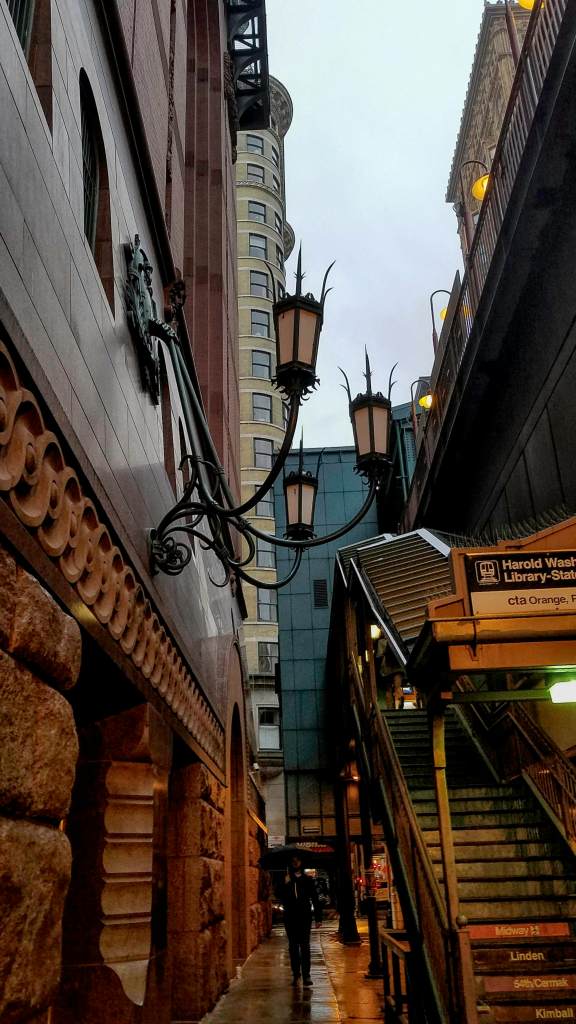
Chicago || The Art Deco City

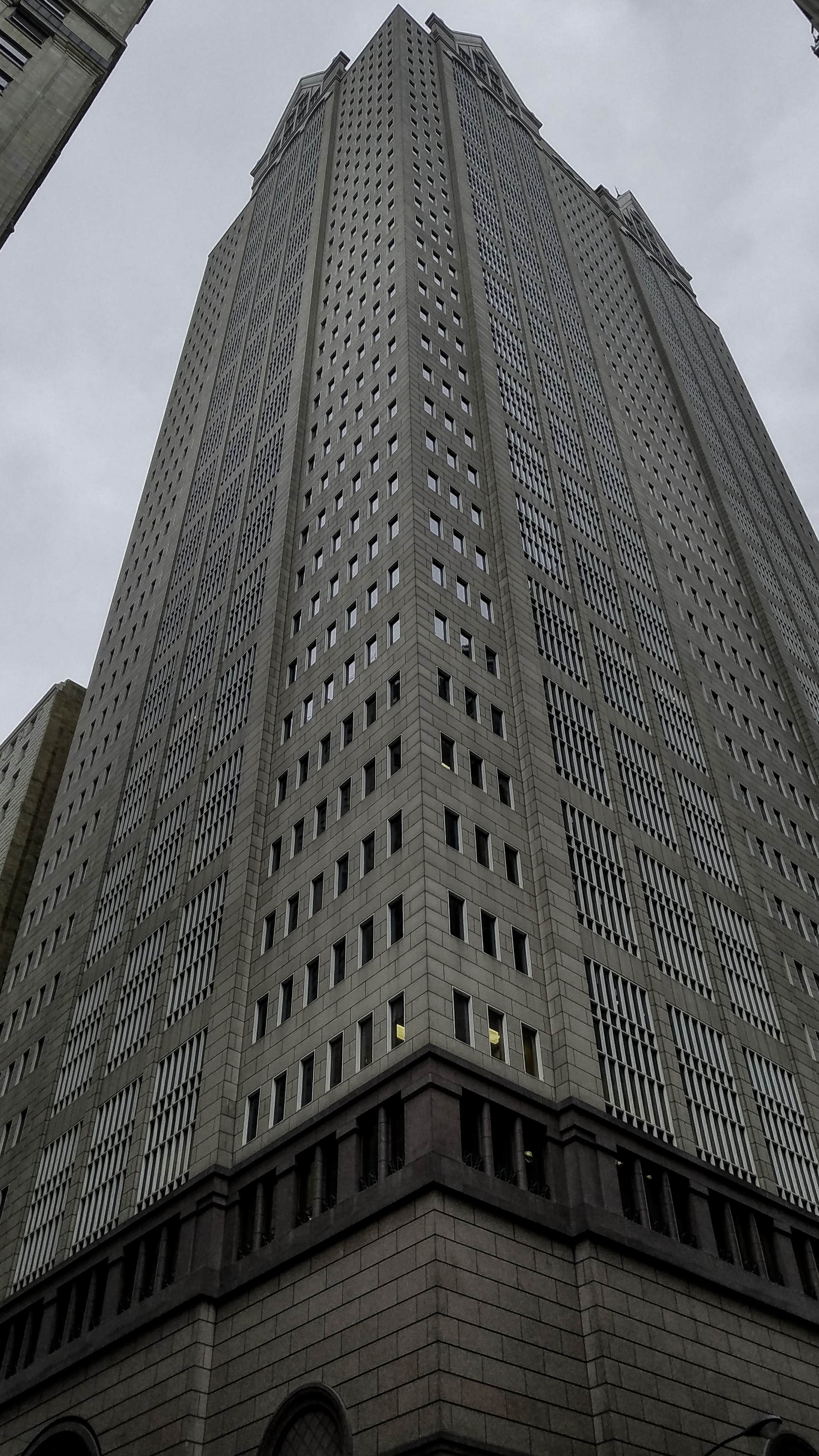
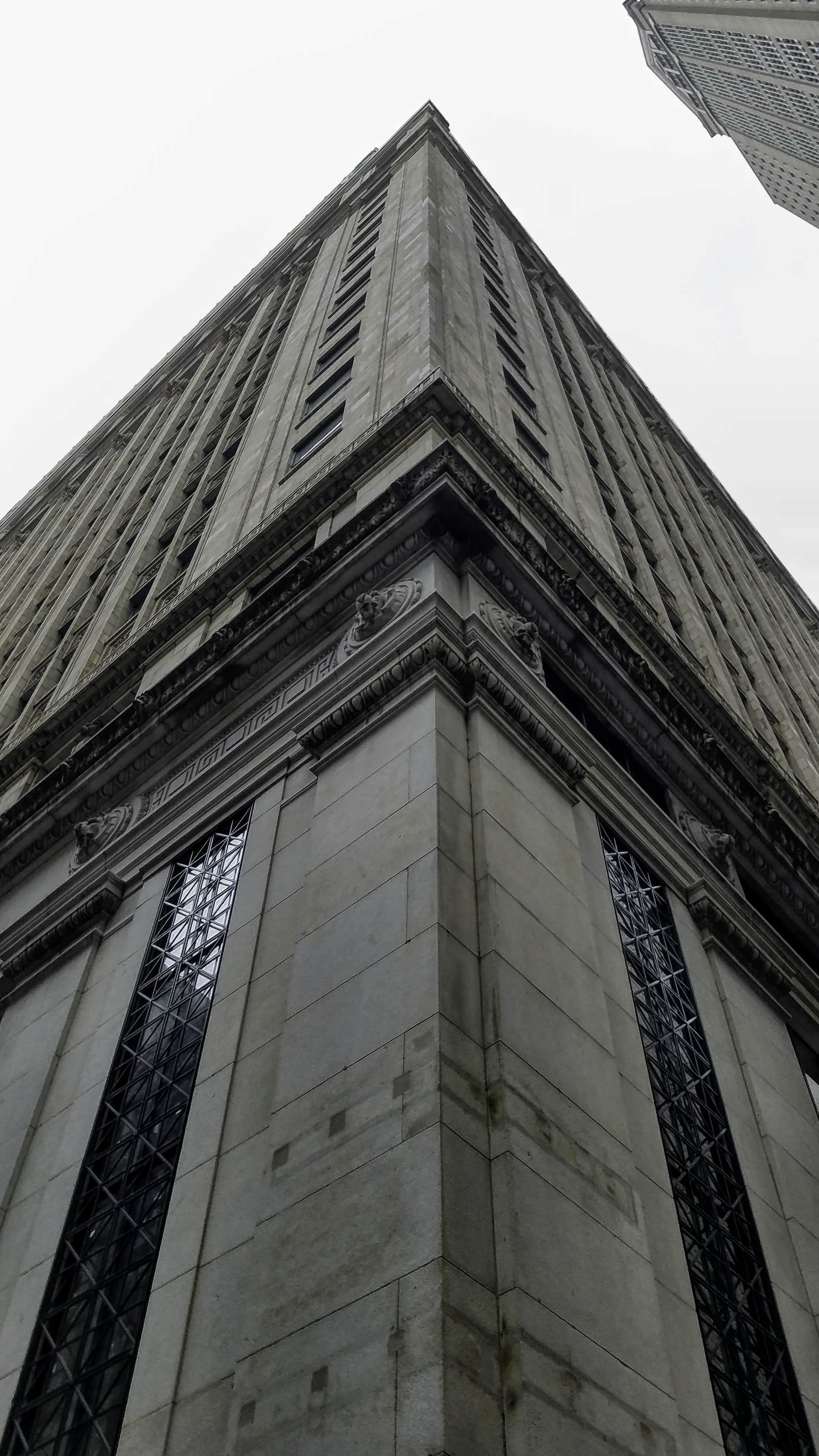
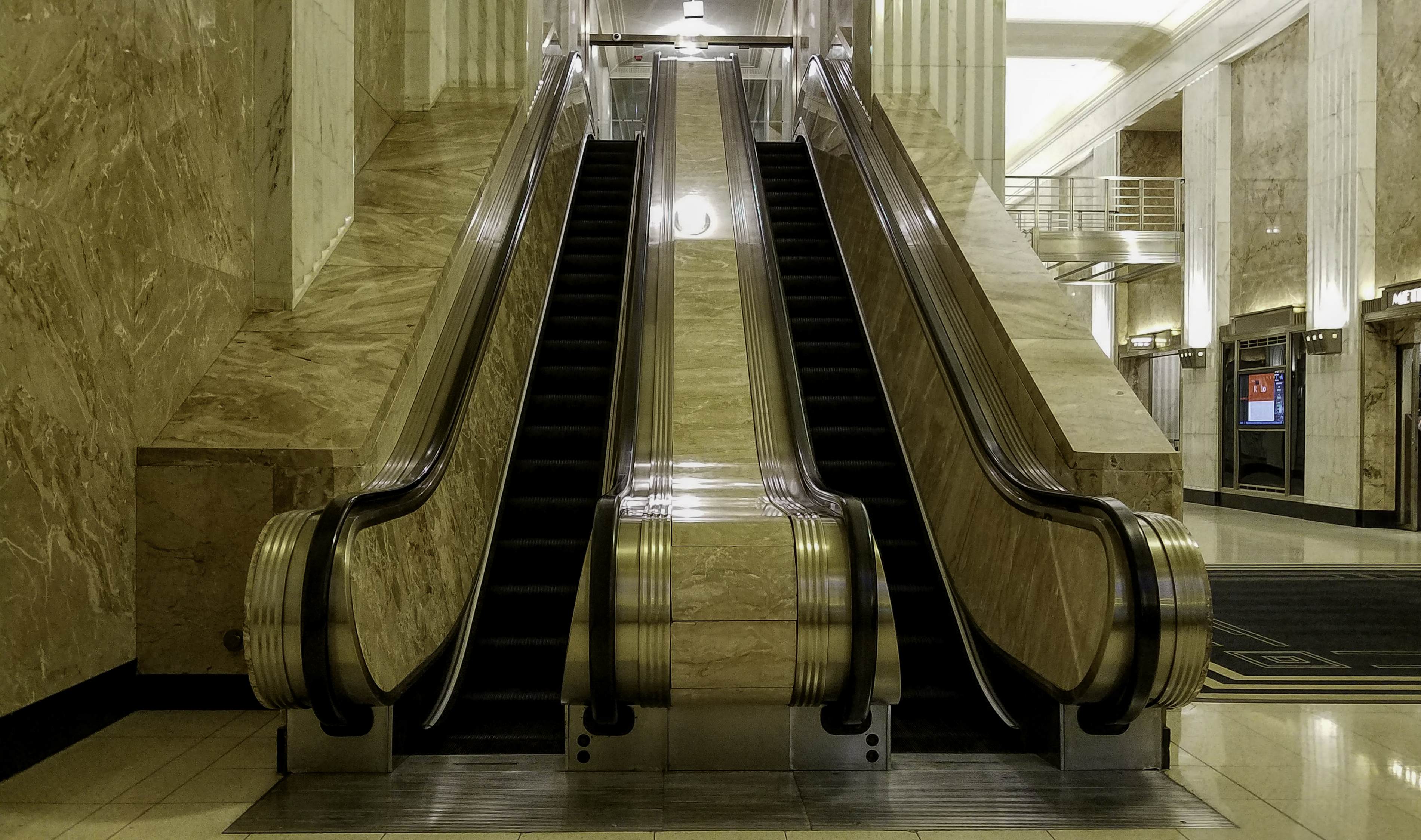
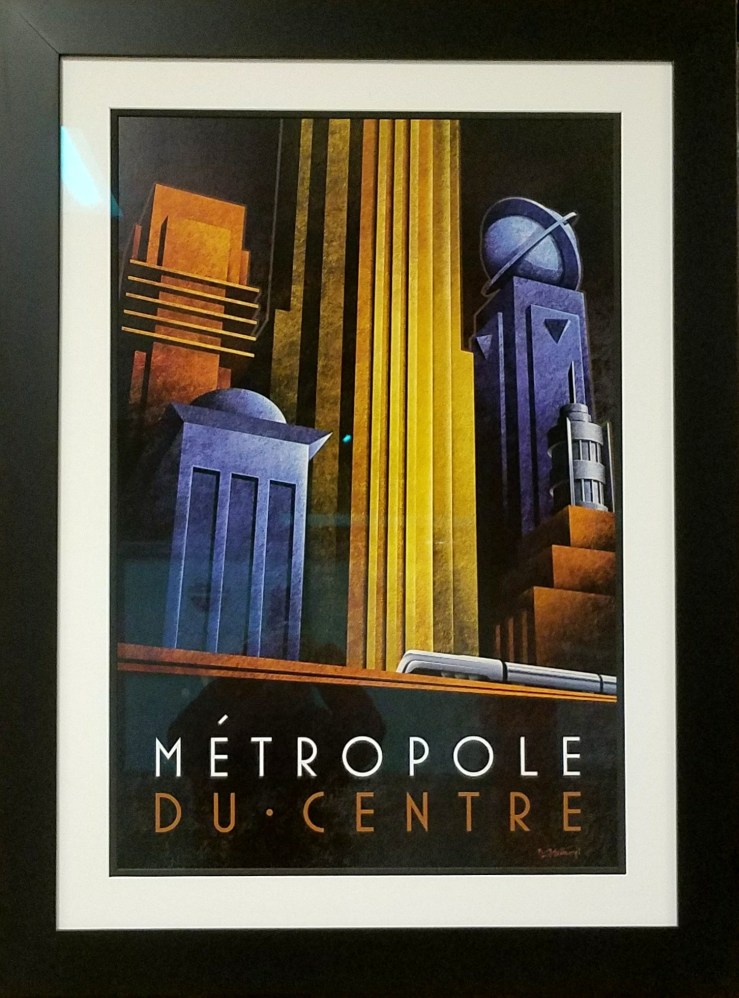
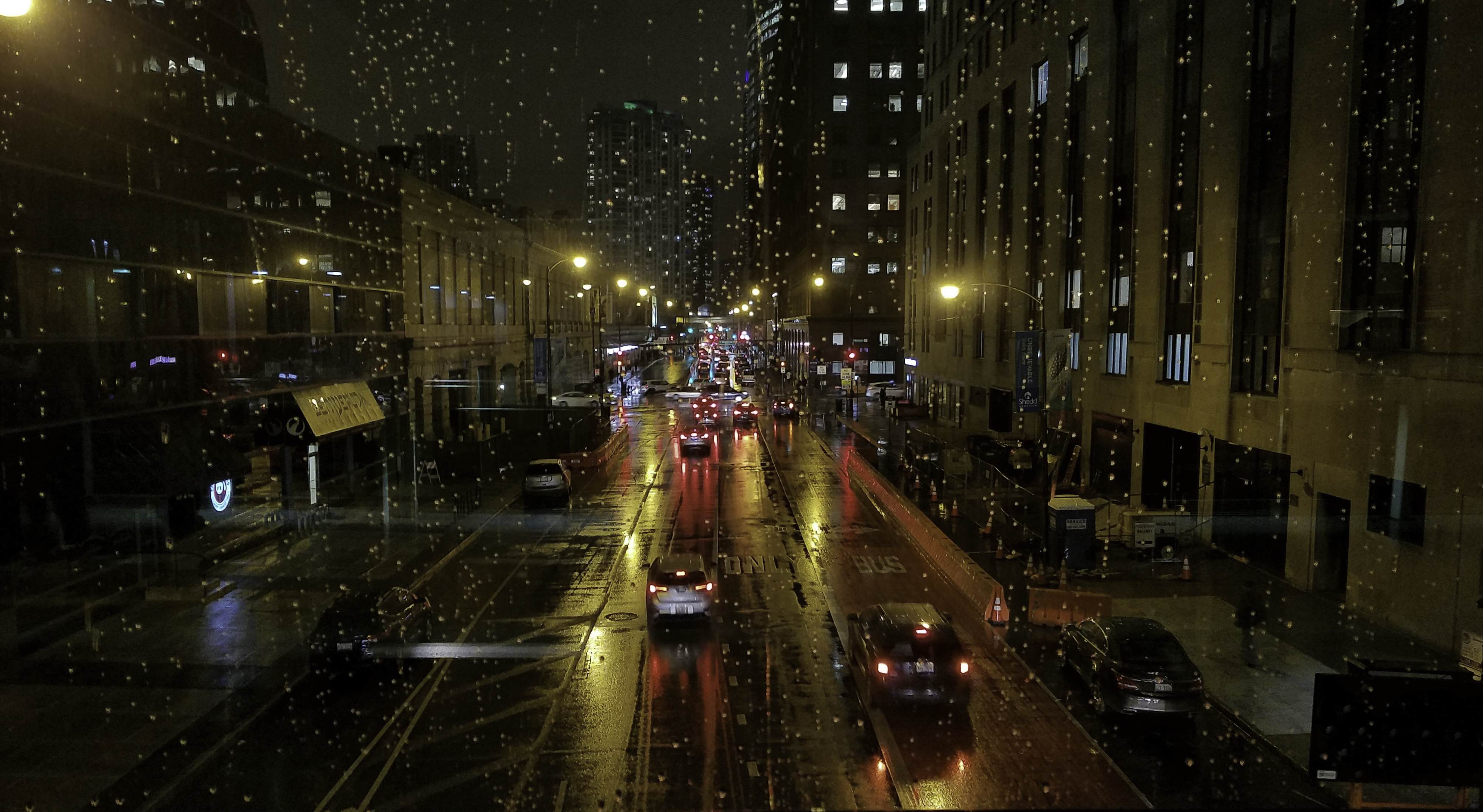
There are so many buildings of architectural interest in the Financial District of Chicago, you’d probably need to join a guided tour to visit them all and learn about their history. But if you are a casual visitor – and a first-time one at that, just walk around, spot an interesting-looking building and then step inside its lobby. You’ll soon find out that these lobbies are not simply entrances to commercial or office spaces; they are, in reality, stunningly beautiful Art Deco treasure troves; and they provide excellent shelter from the rain, too.

Walk, for instance, inside the Field Building, built in 1934 by Graham, Anderson, Probst & White; another wonderful example of the Art Deco style:

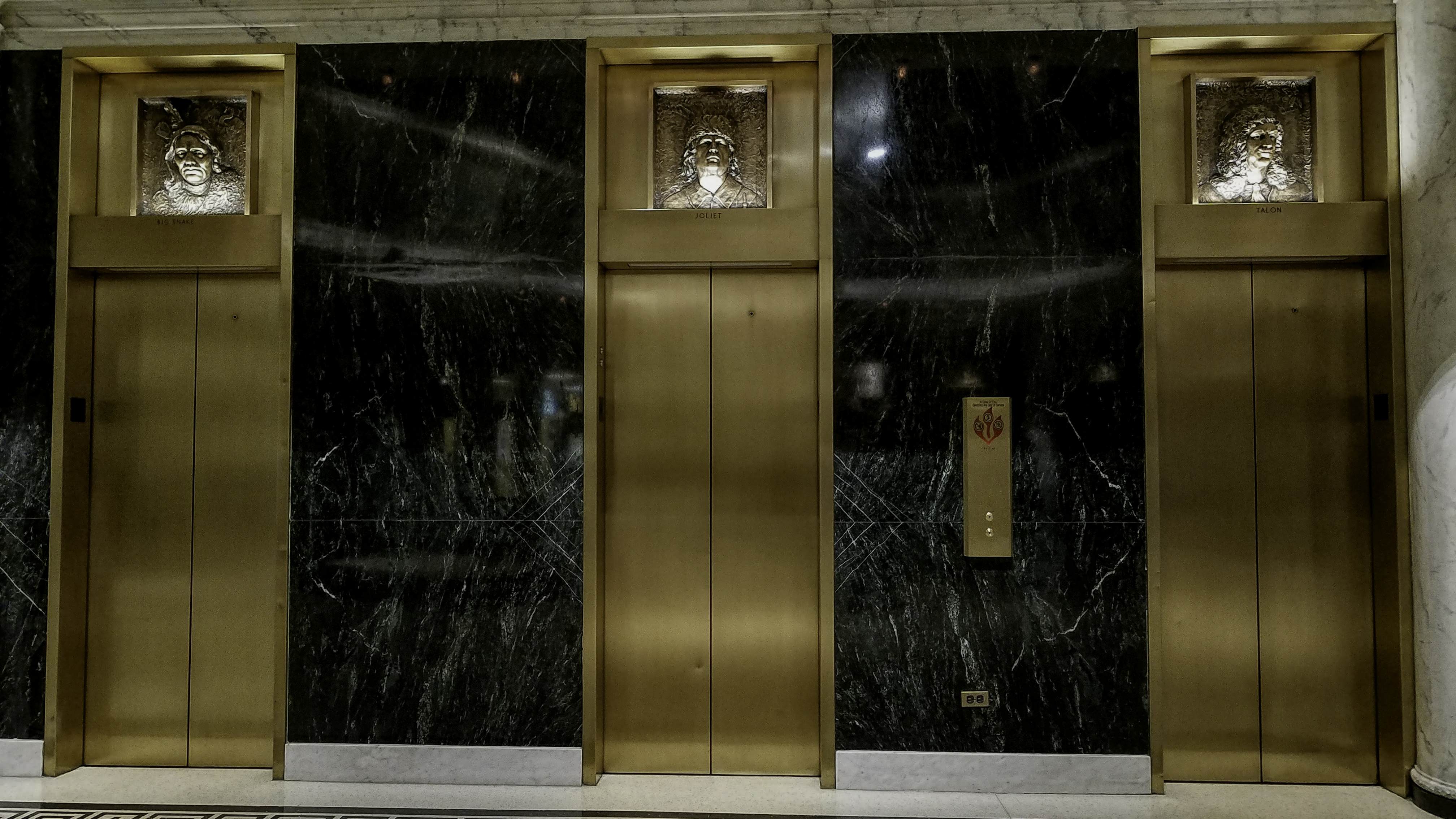
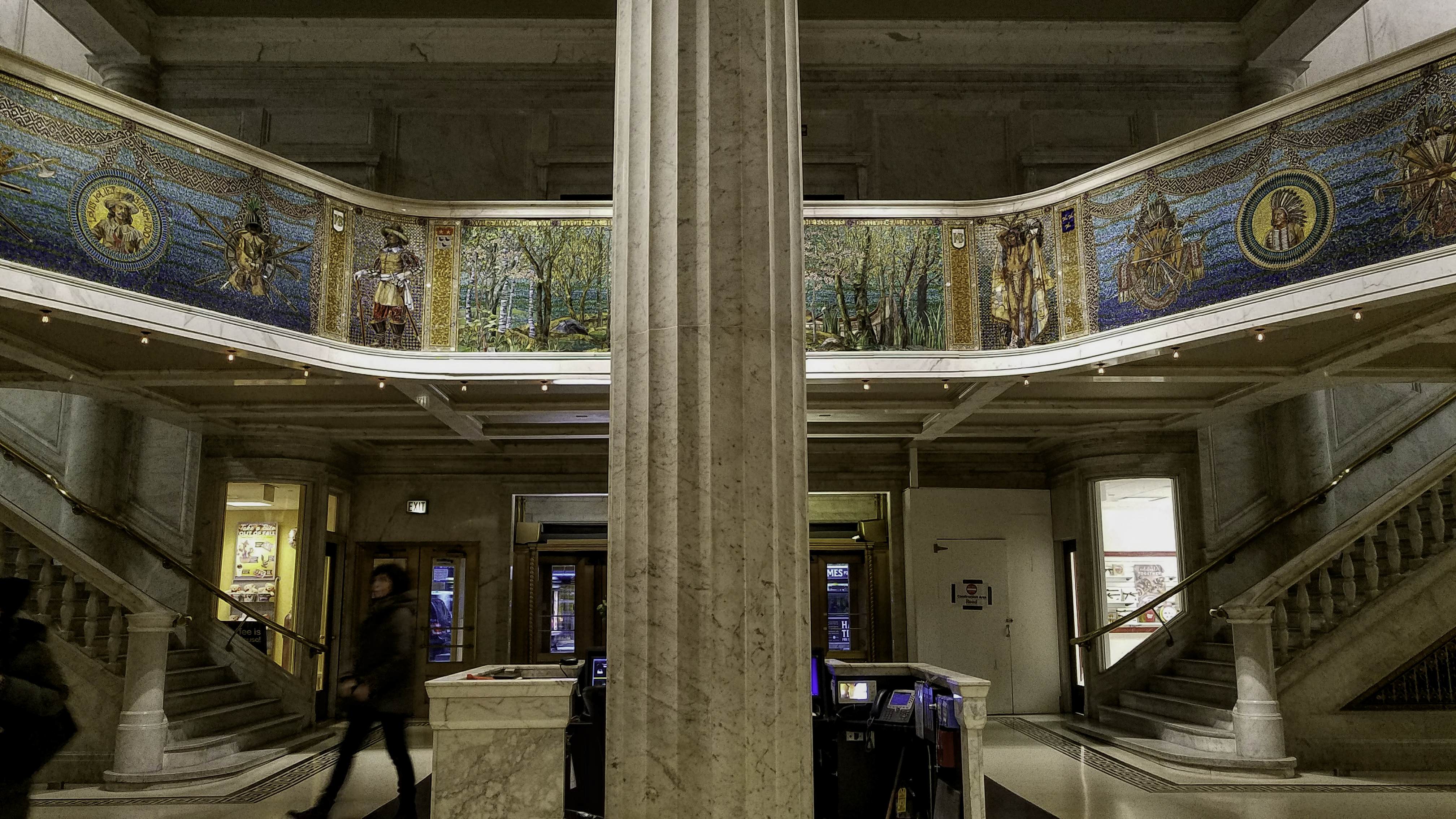
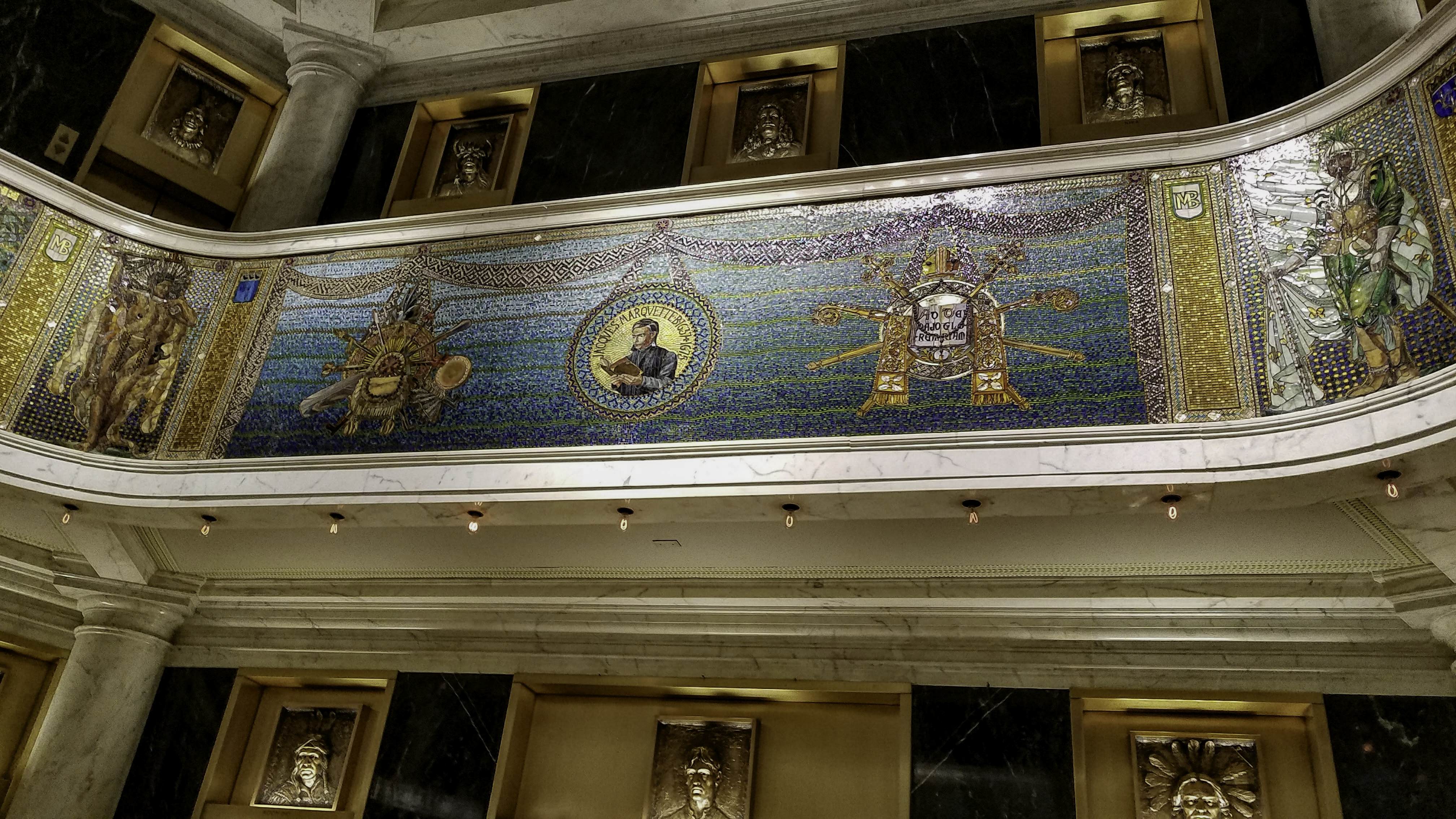
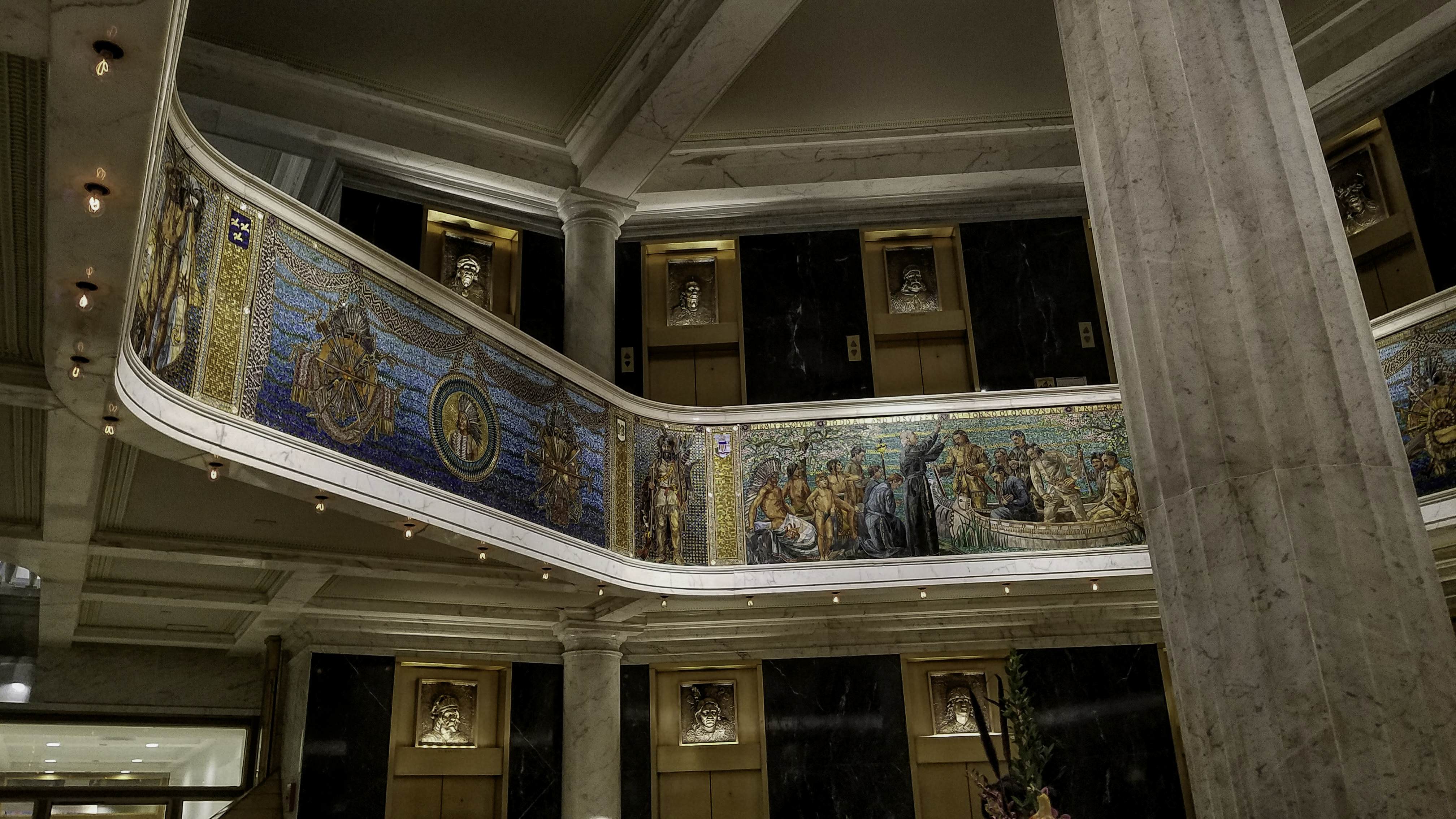
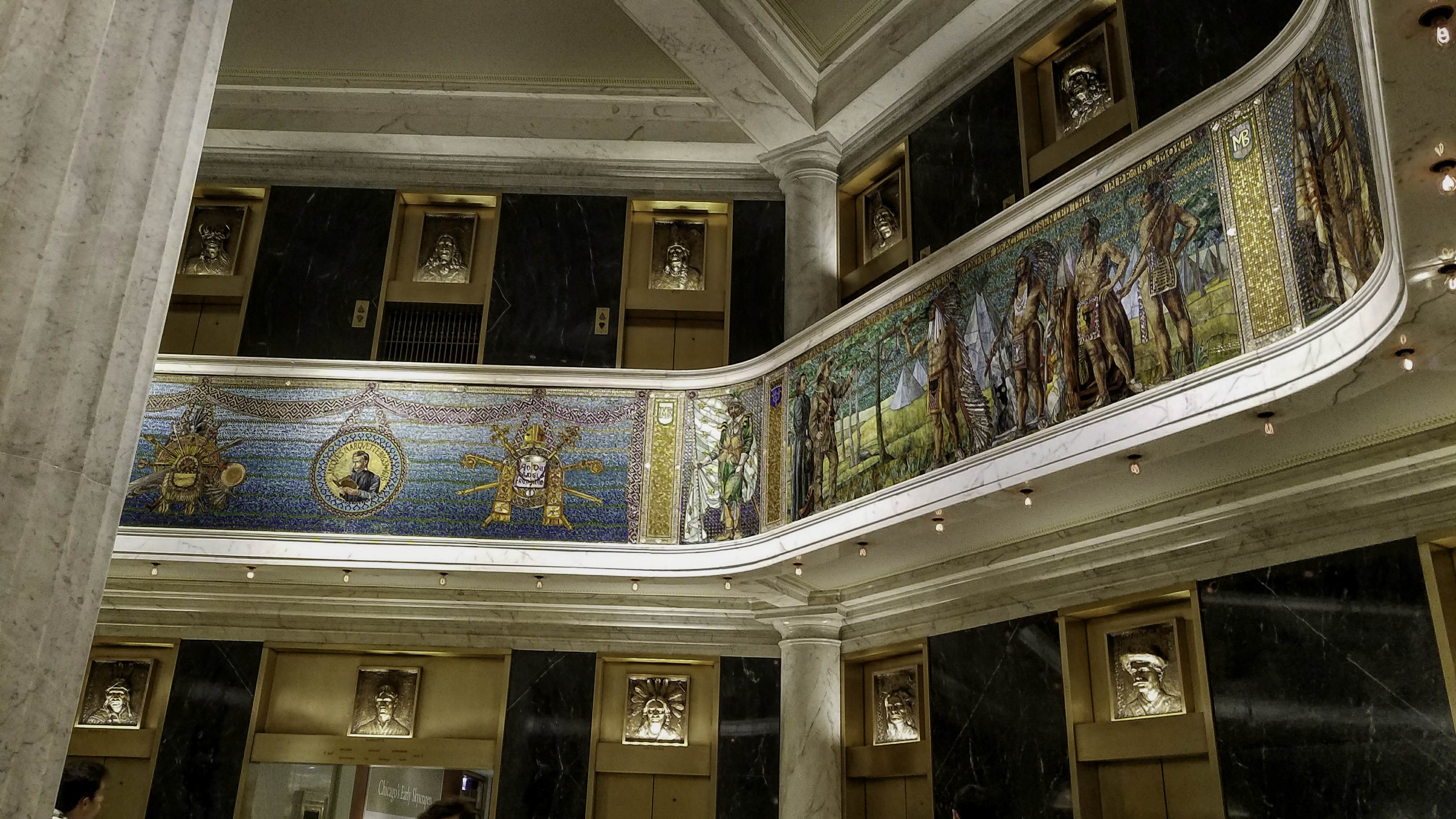
Or enter the Marquette Building’s hexagonal lobby and be captivated by the exquisite mosaic panels depicting the journey of Father Marquette, a French missionary and explorer, first settler in the area we know today as Chicago,  in whose honour the building has been named.

The mosaics are designed by Louis Tiffany, son of Charles Tiffany, the famous jeweler; and Jacob Adolph Holzer, a Swiss artist who worked for Tiffany as their chief designer and art director.

November 2nd, 2017
Chicago || Board of Trade Building

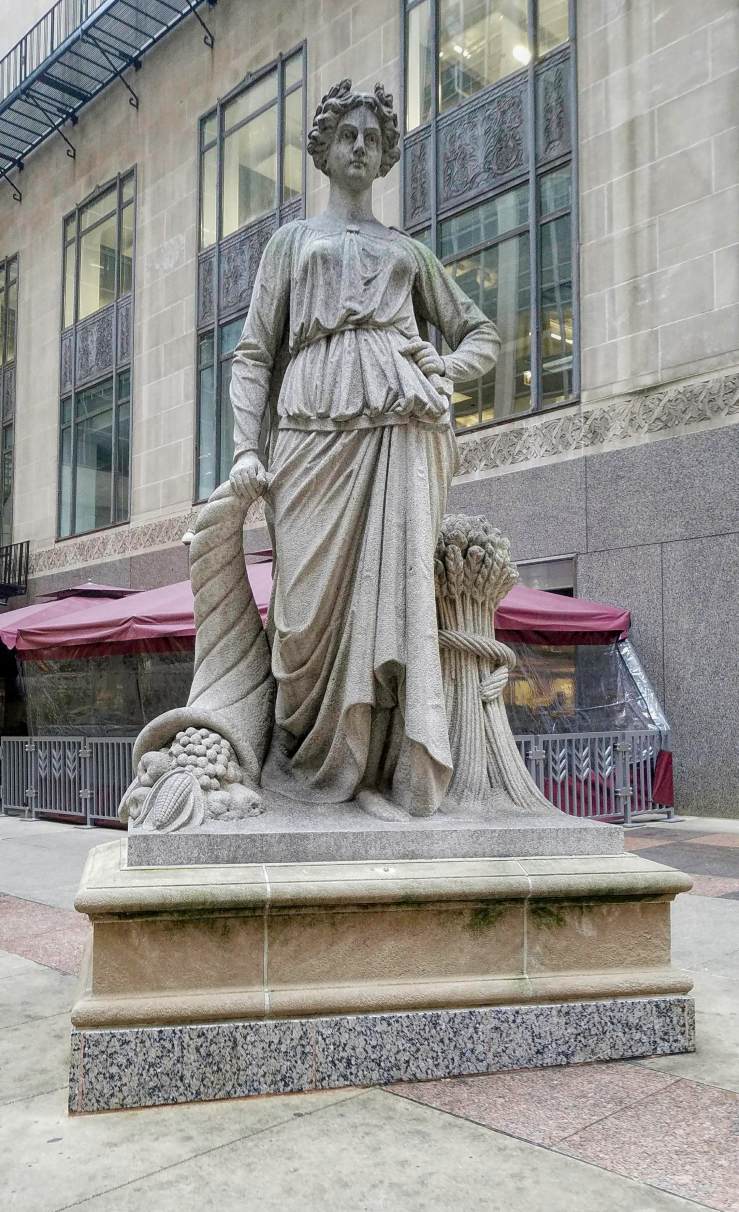
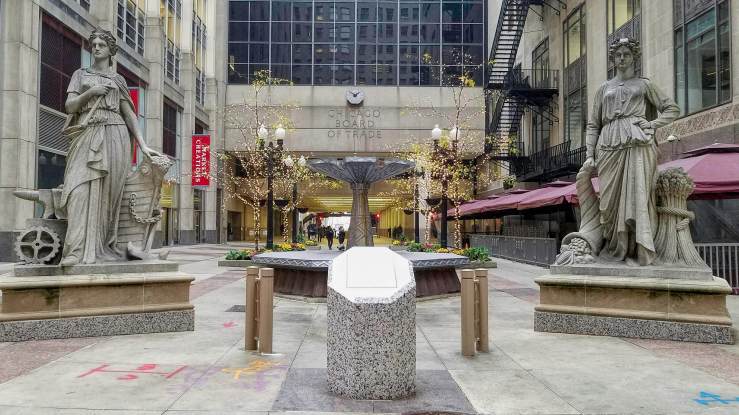
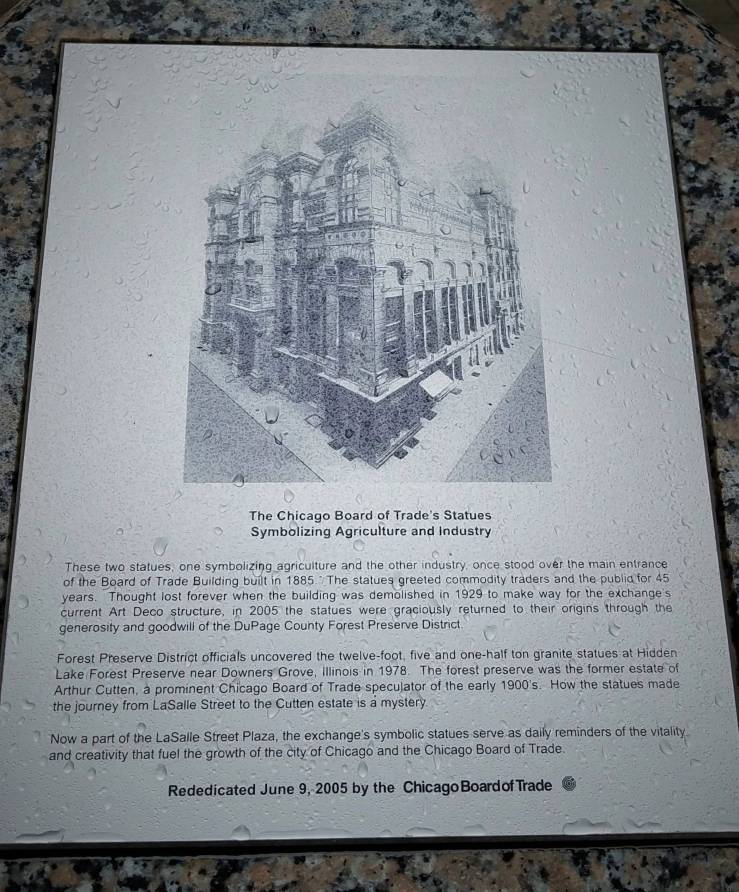
Built in 1930 by John A. Holabird and John Wellborn Root Jr. (son of John Root Sr., one of the architects of the Rookery), to become home to the world’s oldest futures and options exchange, the Chicago Board of Trade, which had already been established in 1848 – year that the first railroads arrived in Chicago.

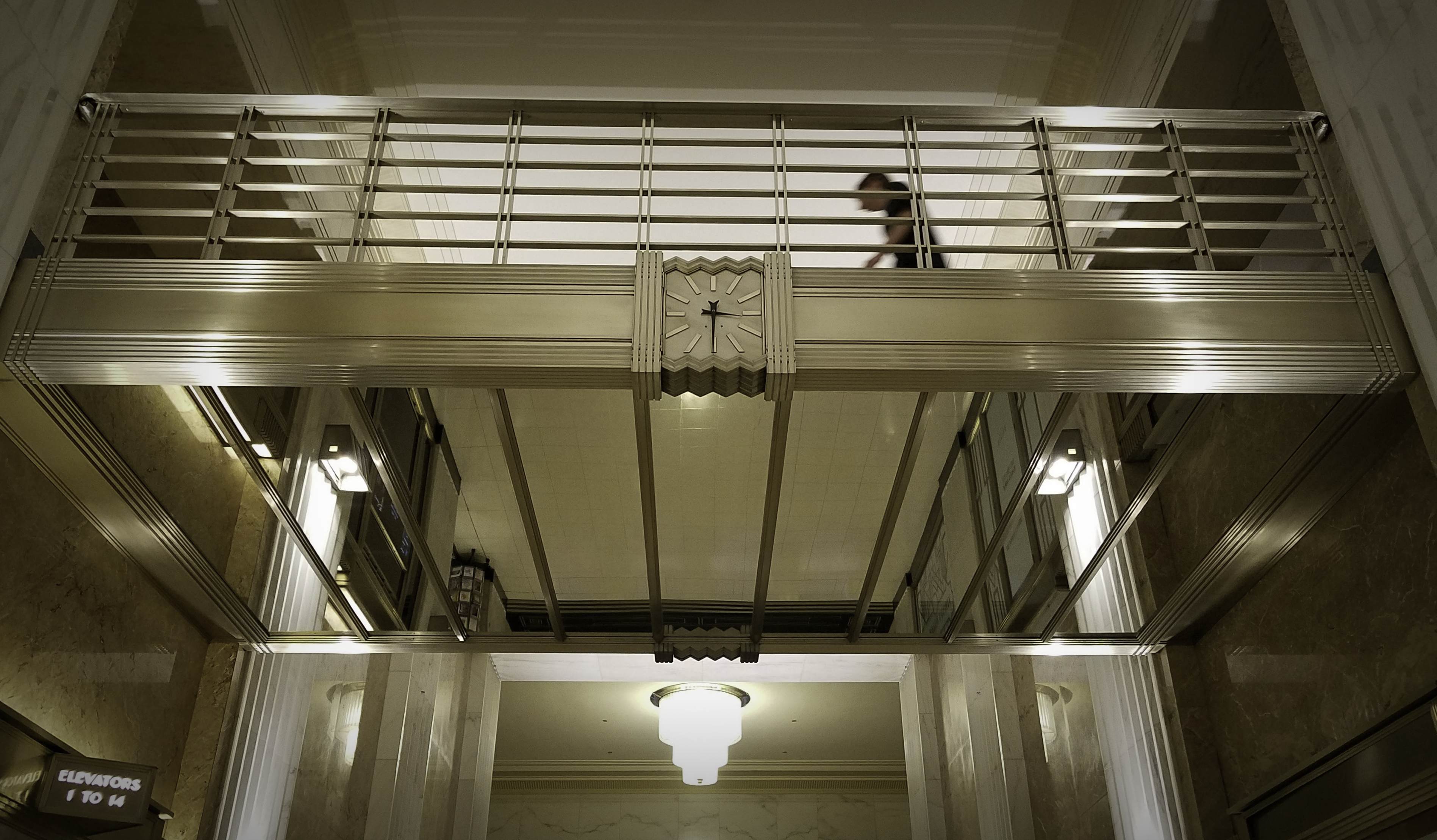
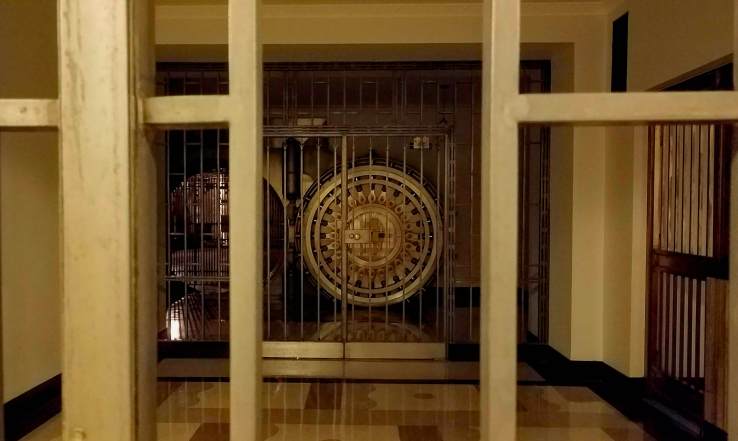
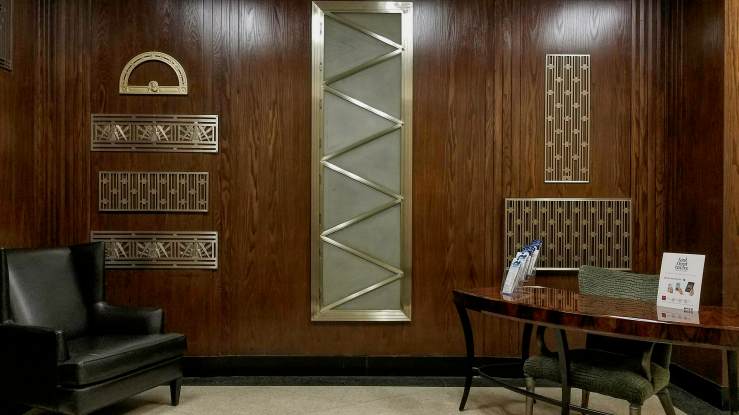
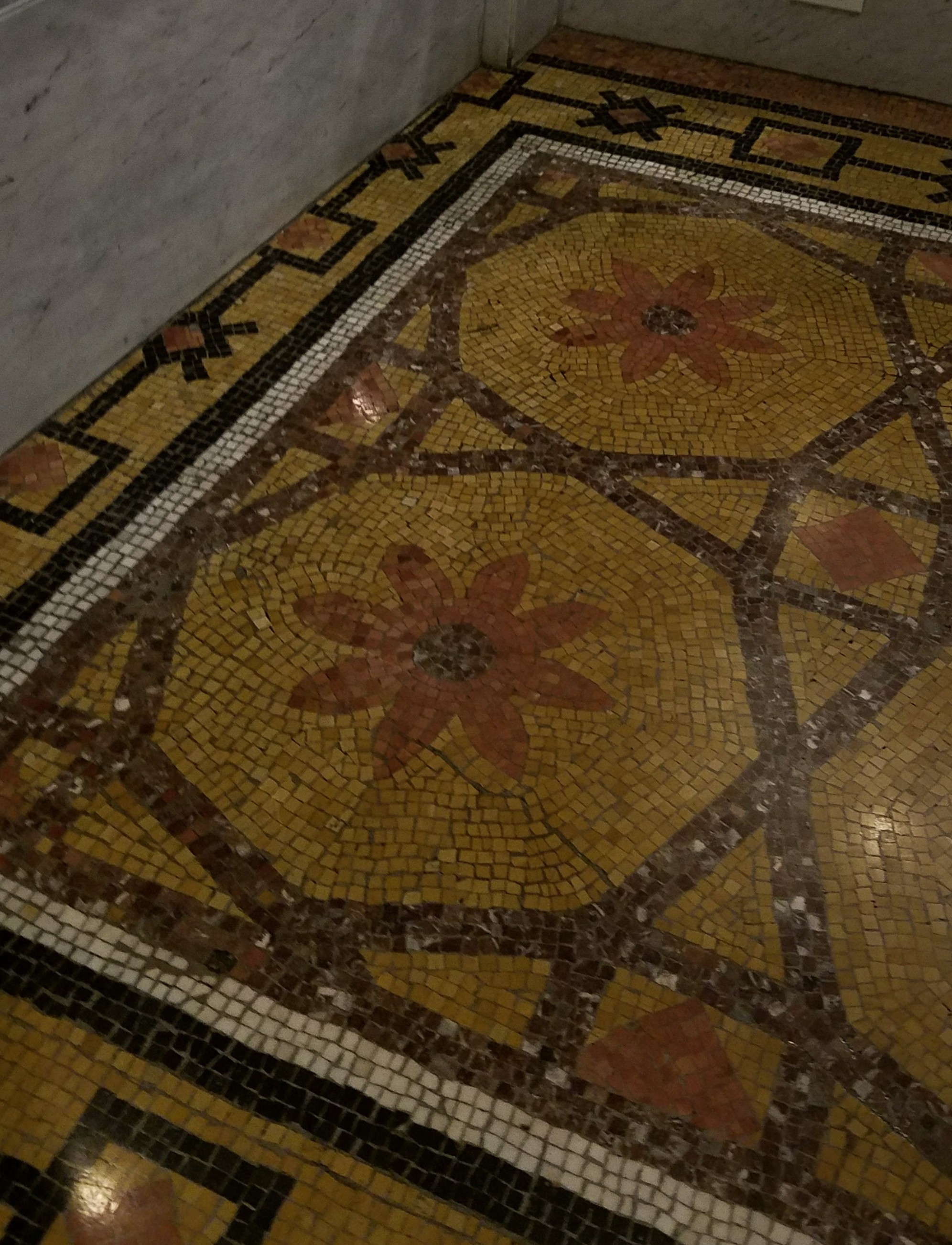
From John Storrs’ faceless statue of Ceres, Roman goddess of Agriculture, presiding over Chicago’s financial district from its prominent position at the rooftop, down to its lobby  with the sleek brass elements contrasting blindingly against the darker surfaces, and even further down to its subterranean vault, the Board of Trade Building is one of the finest – and best preserved – examples of the Art Deco style, popular in Chicago in the early 20th century.
November 2nd, 2017

Chicago || The Rookery & the Frank Lloyd Wright effect

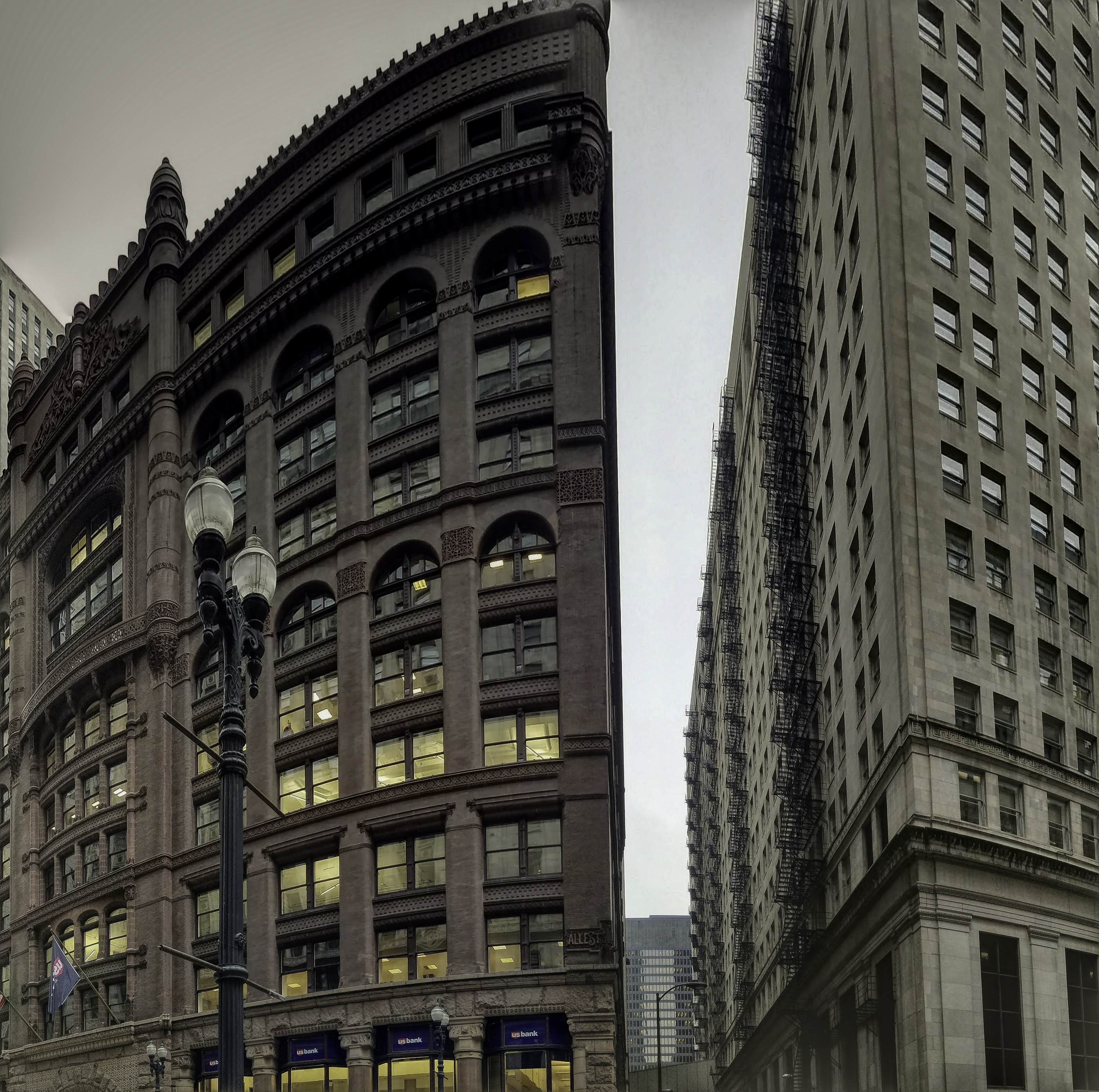
The Rookery was designed by Daniel Burnham and John Root, heads of one of Chicago’s most famous architectural companies of the 19th century and, like most of Chicago’s early skyscrapers, it was built to last.

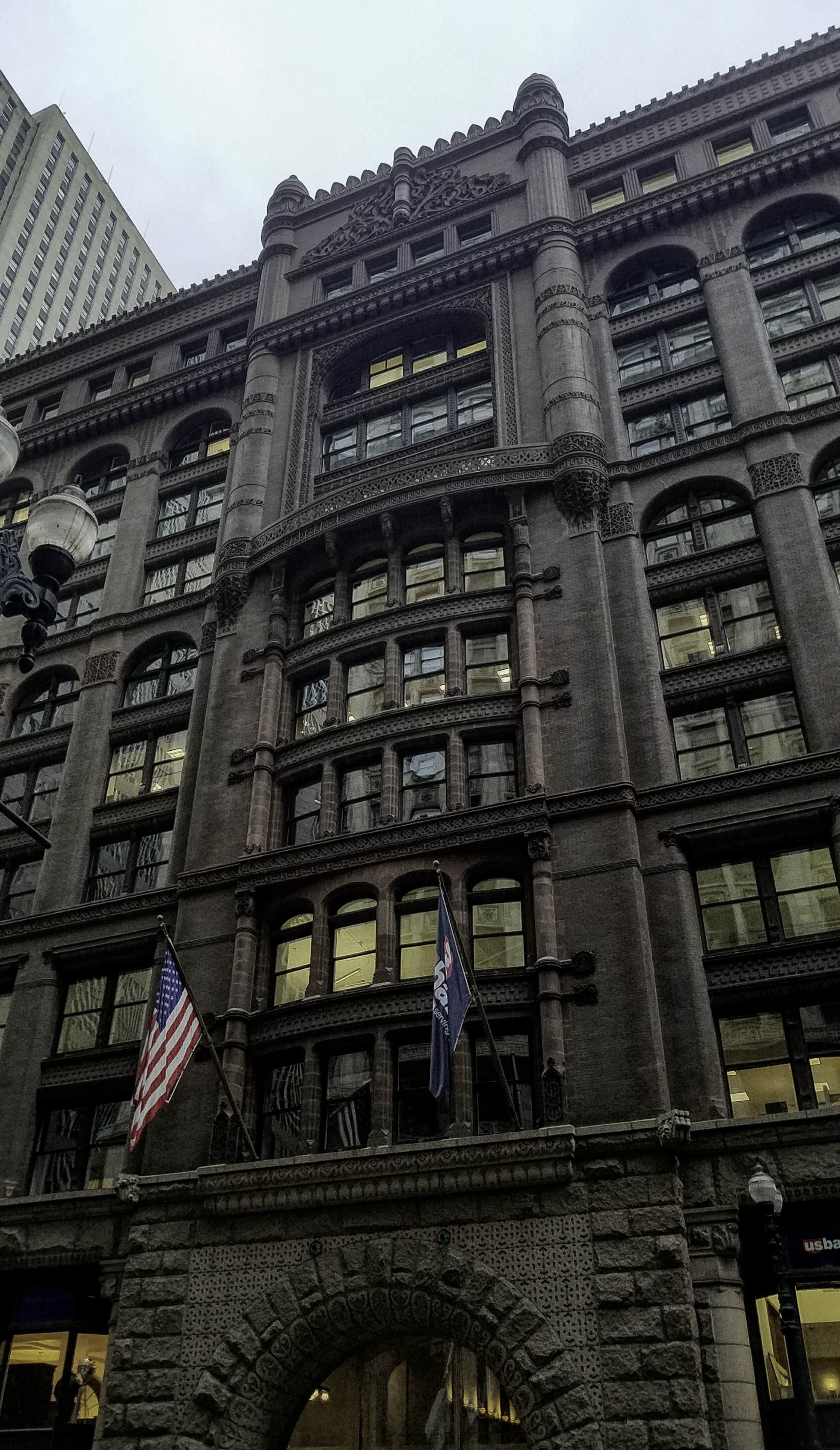
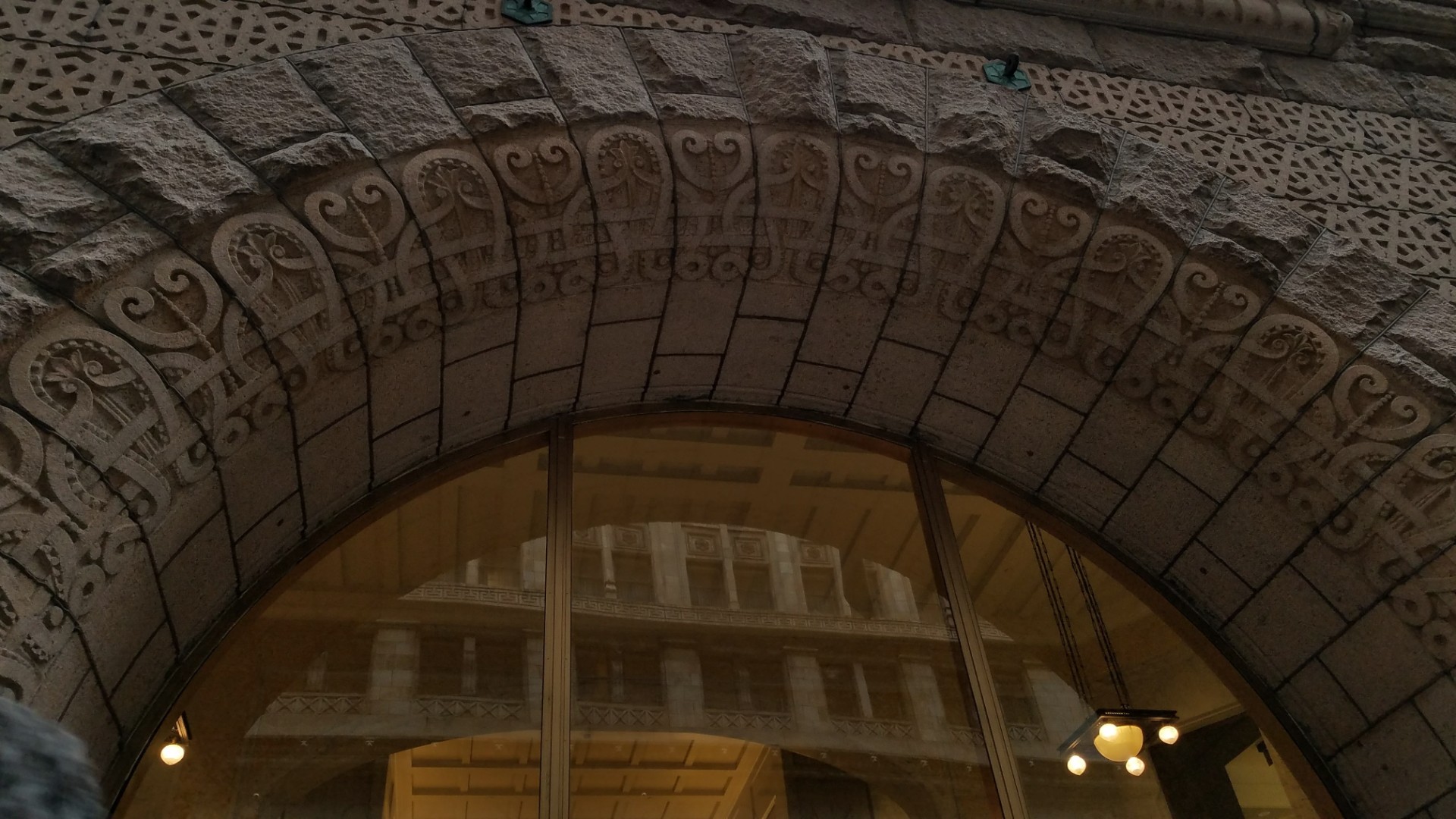
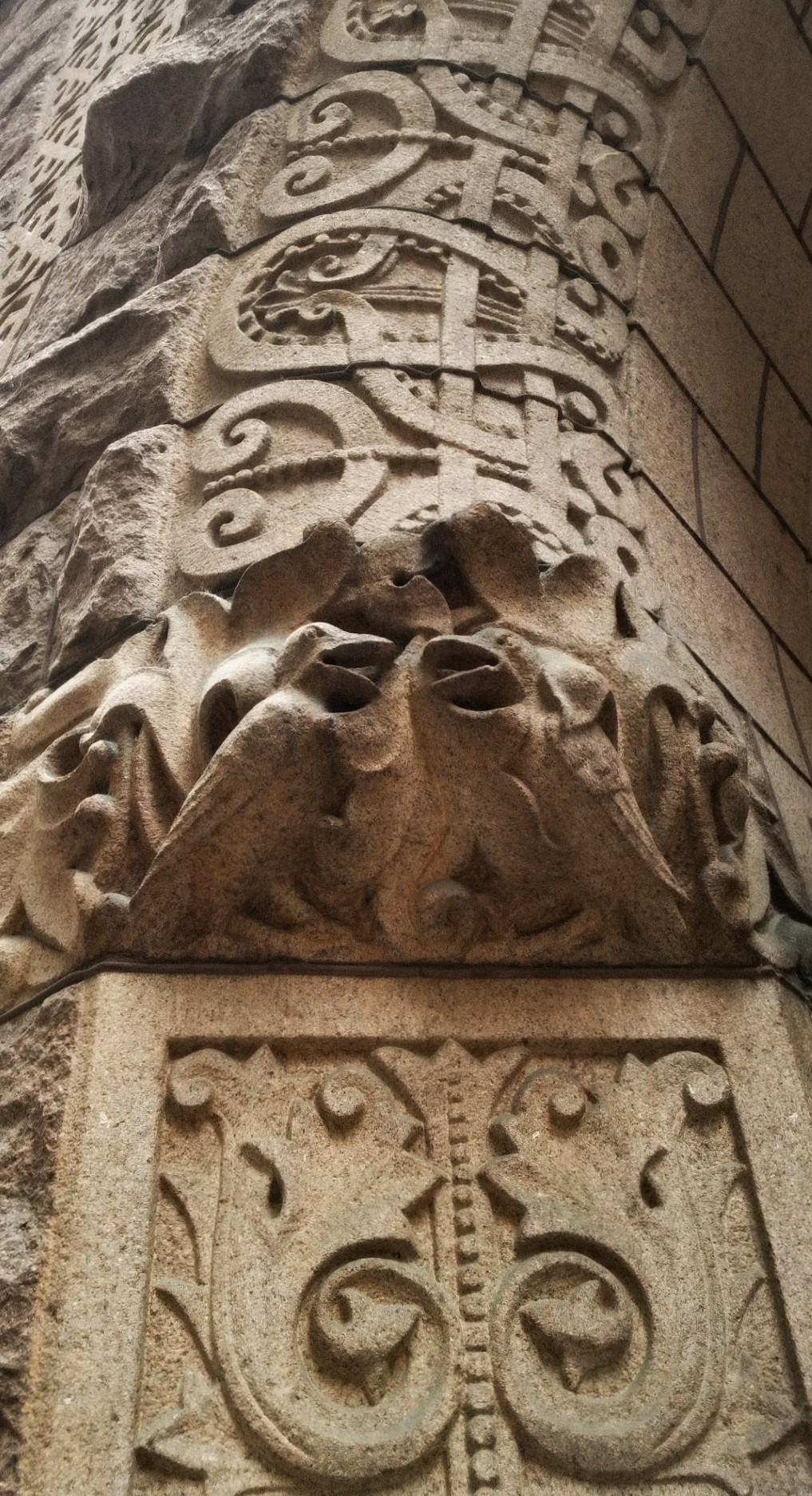
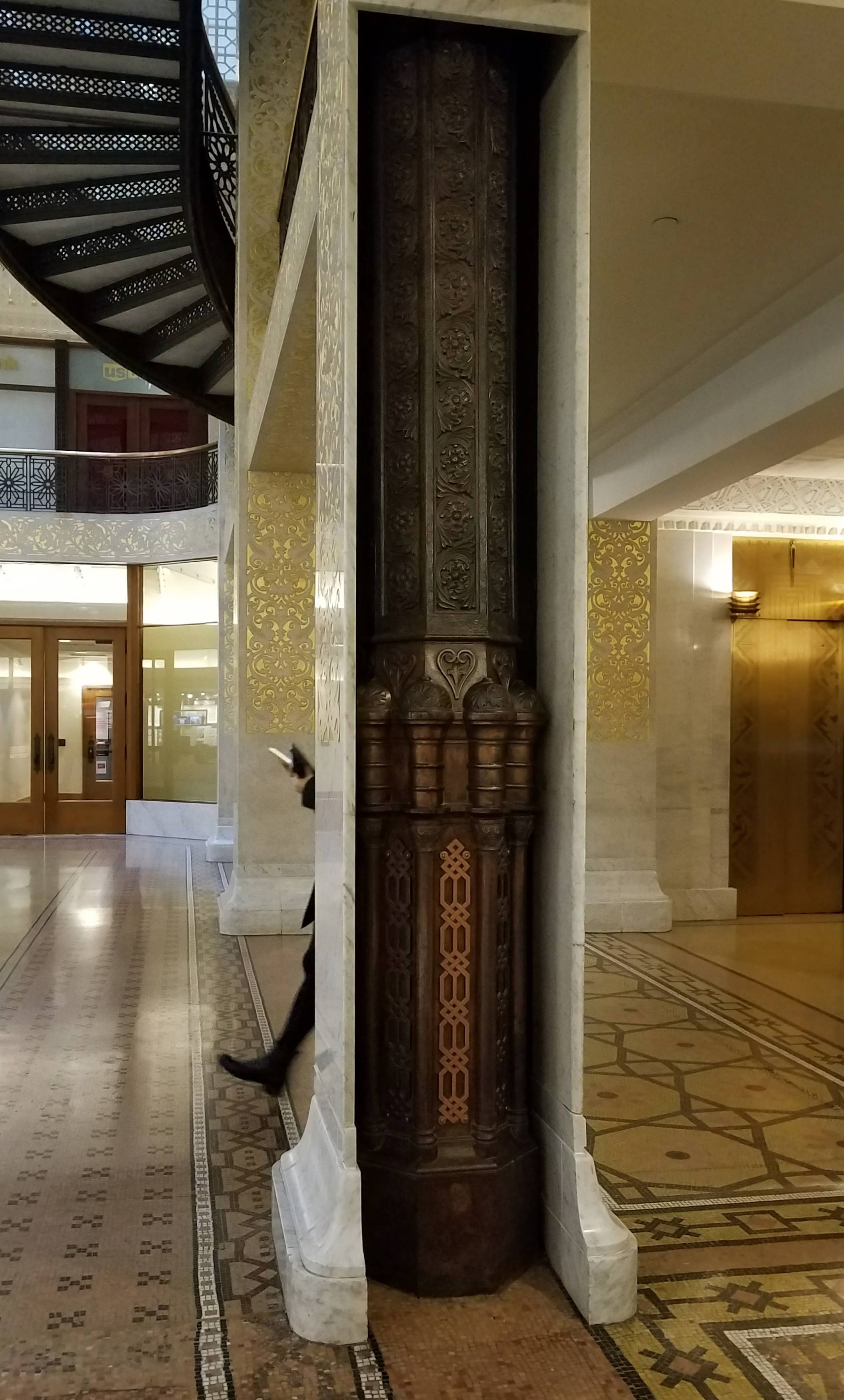
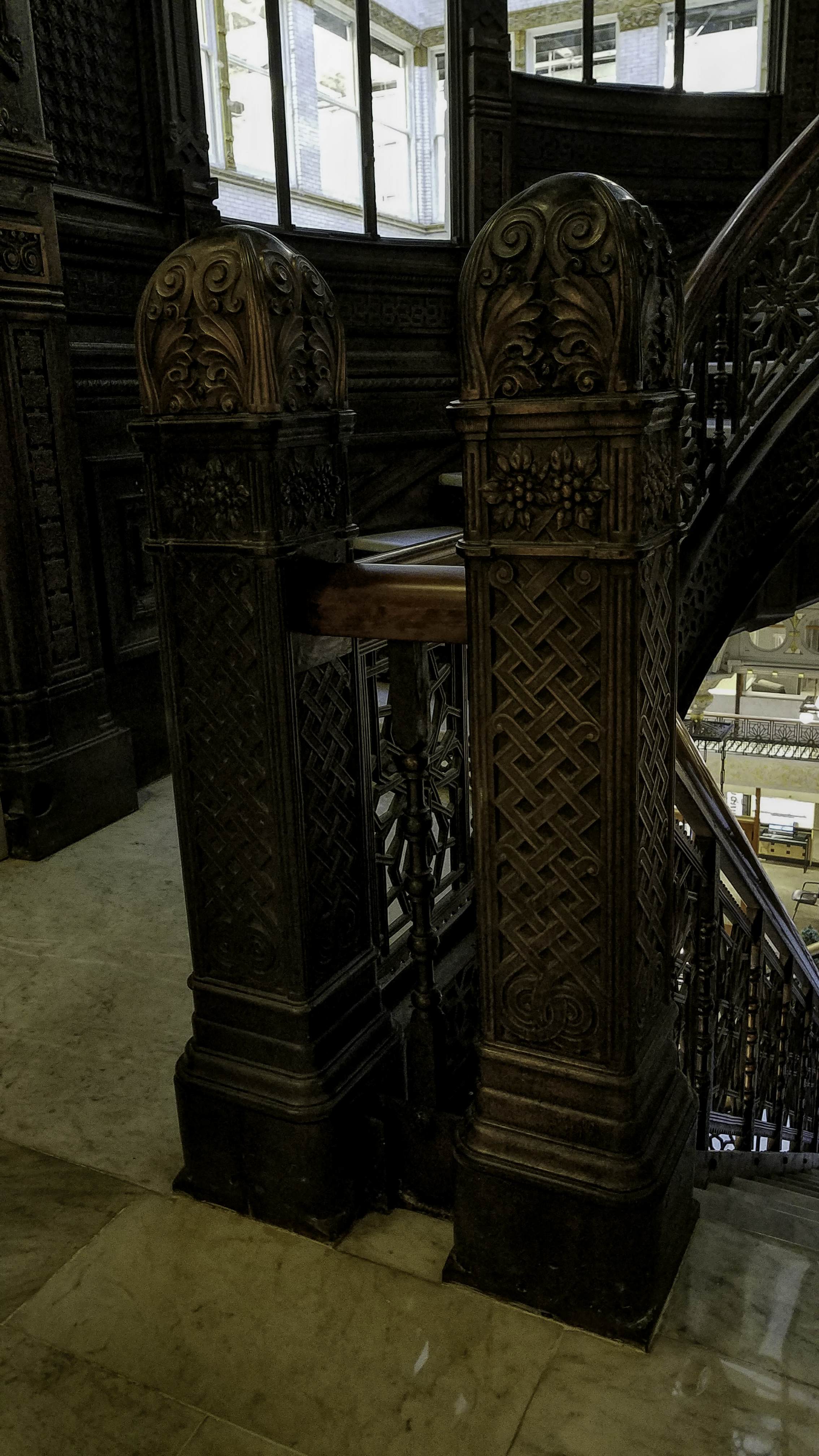
A sturdy structure with a red brick facade, elaborately adorned with elements reminiscent of Moorish architecture and Mr. Root’s open-mouthed crows (or rooks) to which – no, the building does not owe its name*, cast-iron columns and mosaics, upon its completion in 1888 it was considered Burnham and Root’s masterpiece; today, it is the oldest standing high-rise and one of the most recognisable buildings in Chicago.

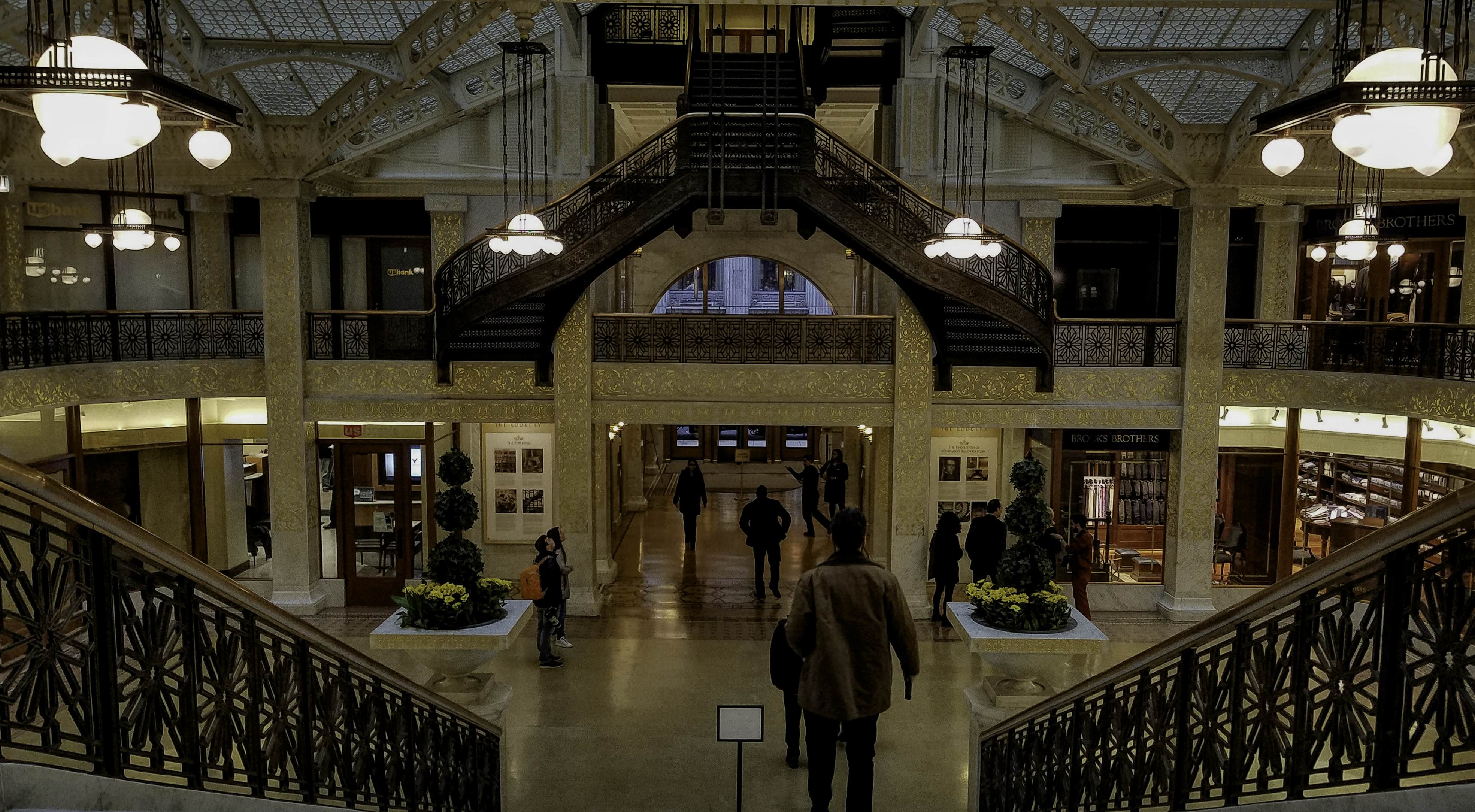
But it wasn’t the famous rooks, nor the cast-iron columns and mosaics, original parts of which were uncovered during renovation and were left open for comparison that had brought us here; it was what lay inside that we eager to see.

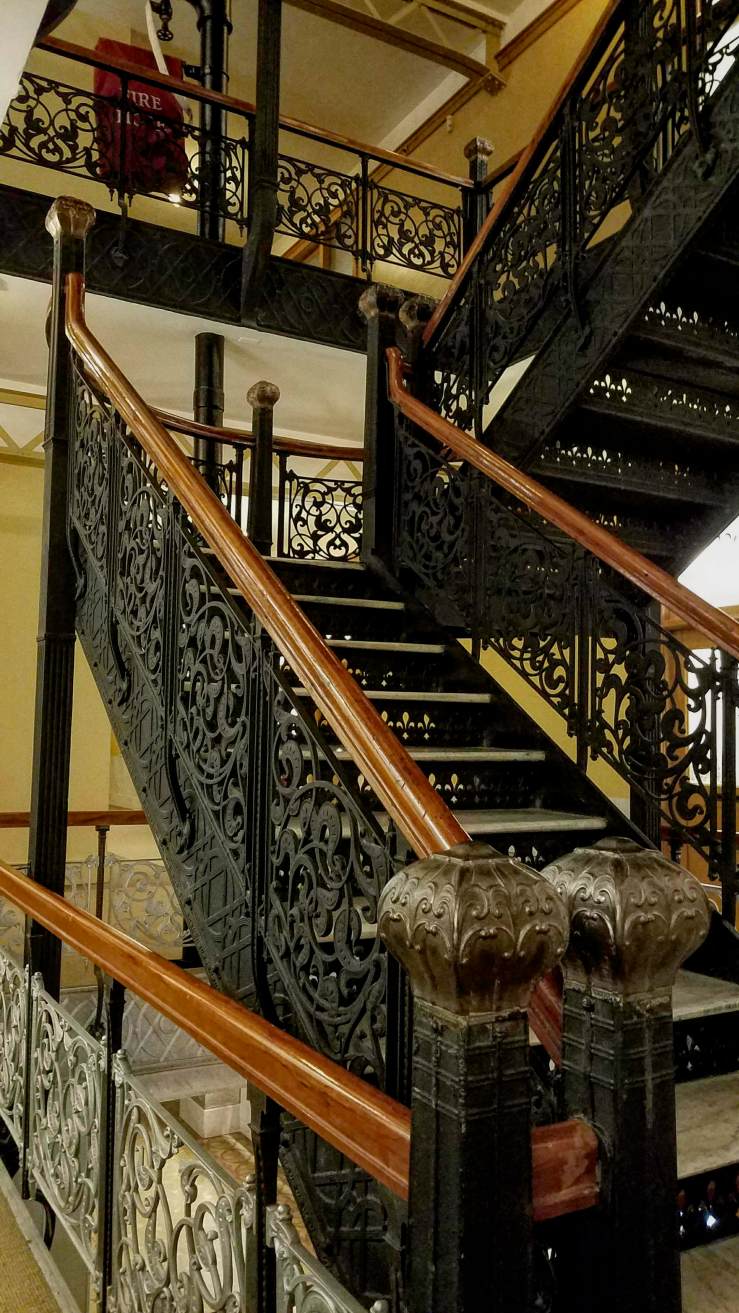
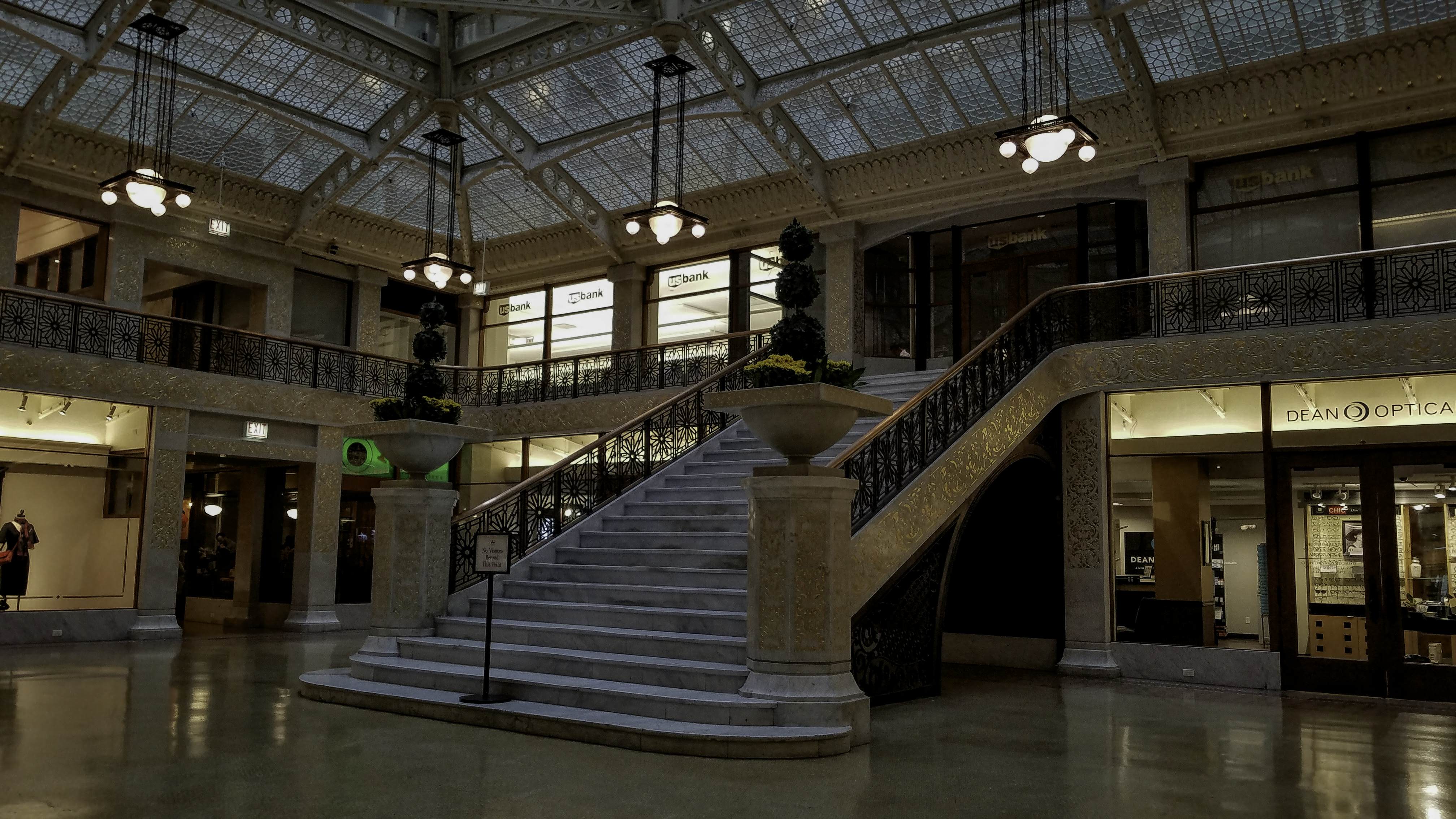
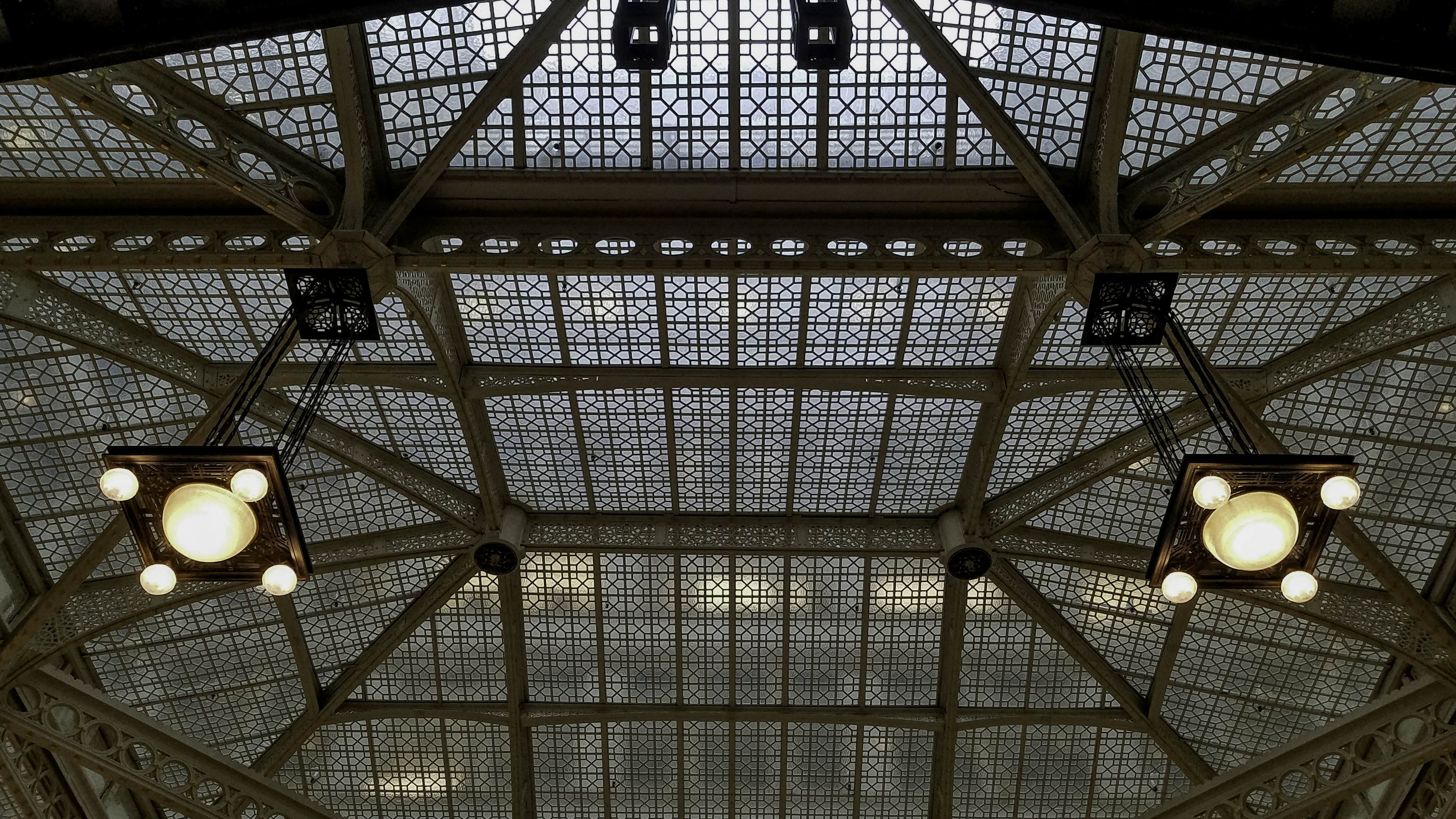
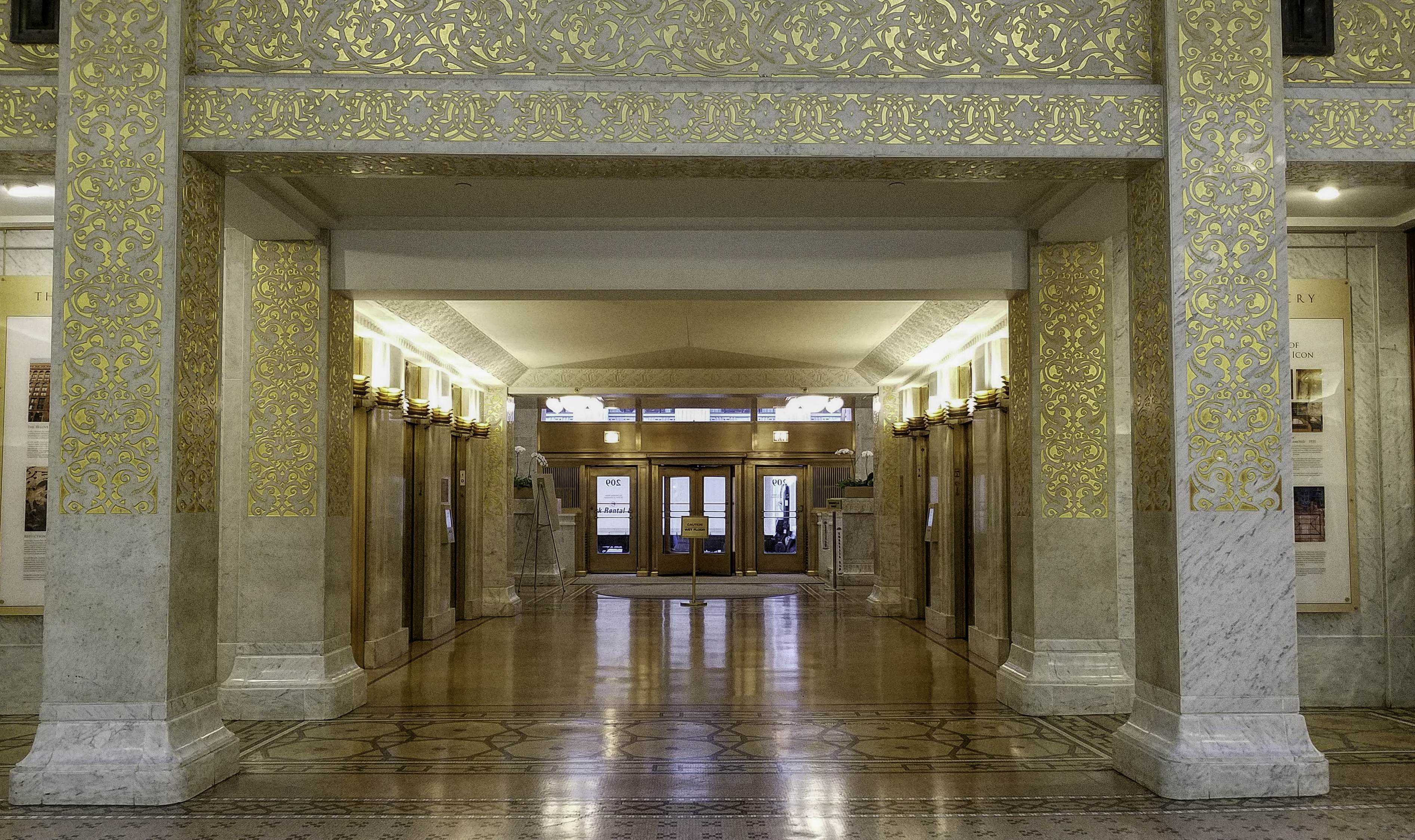
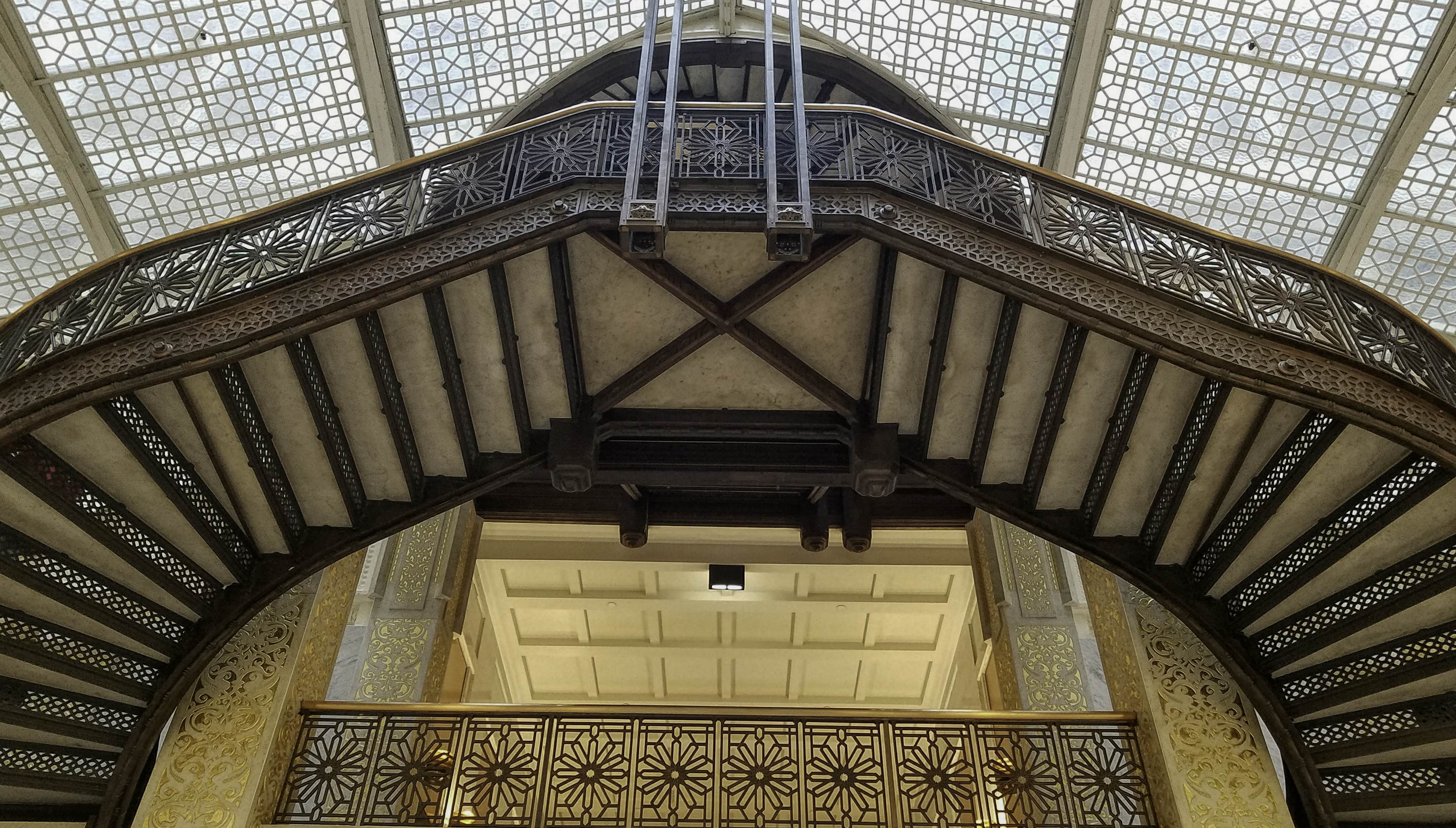
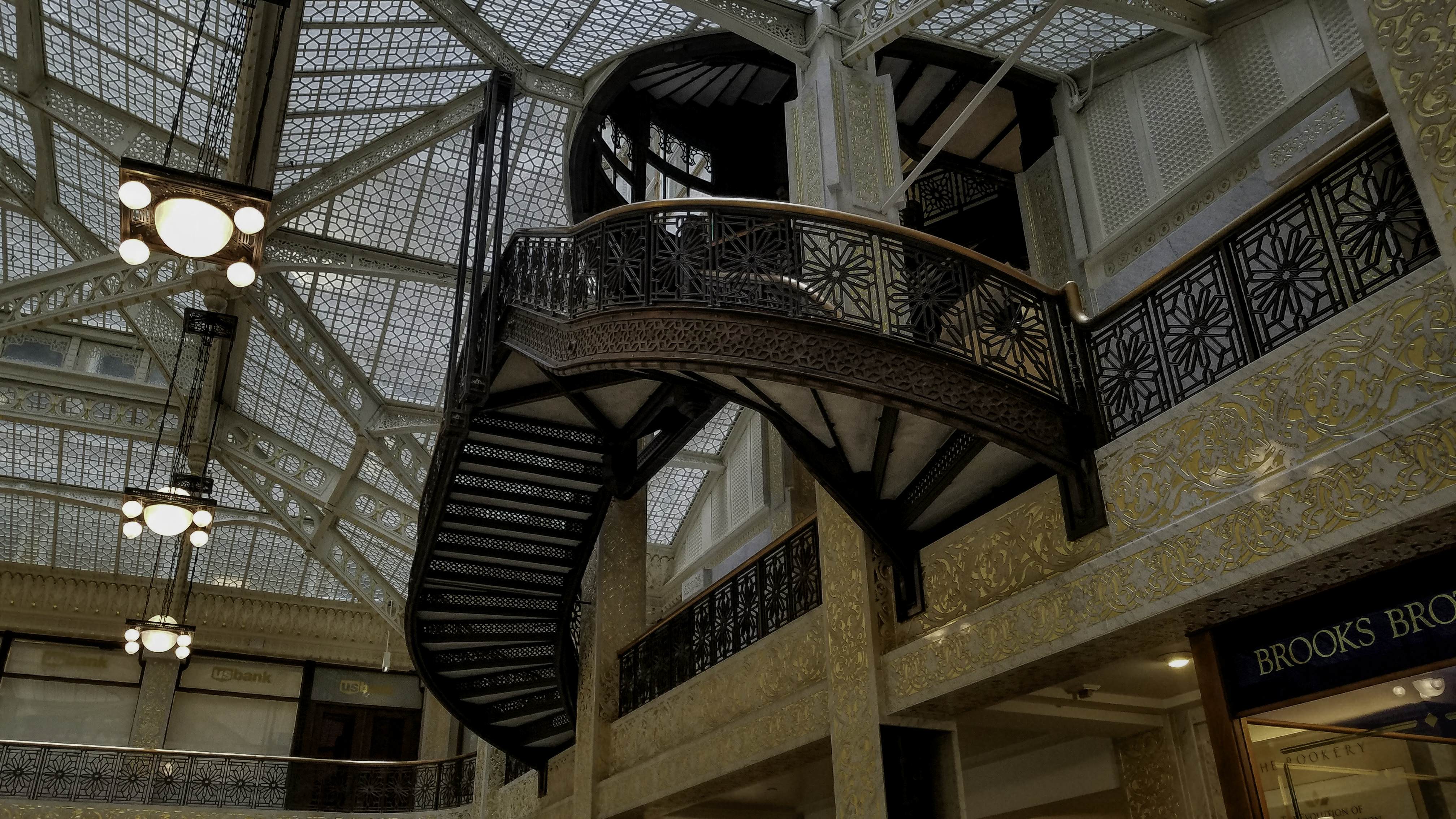
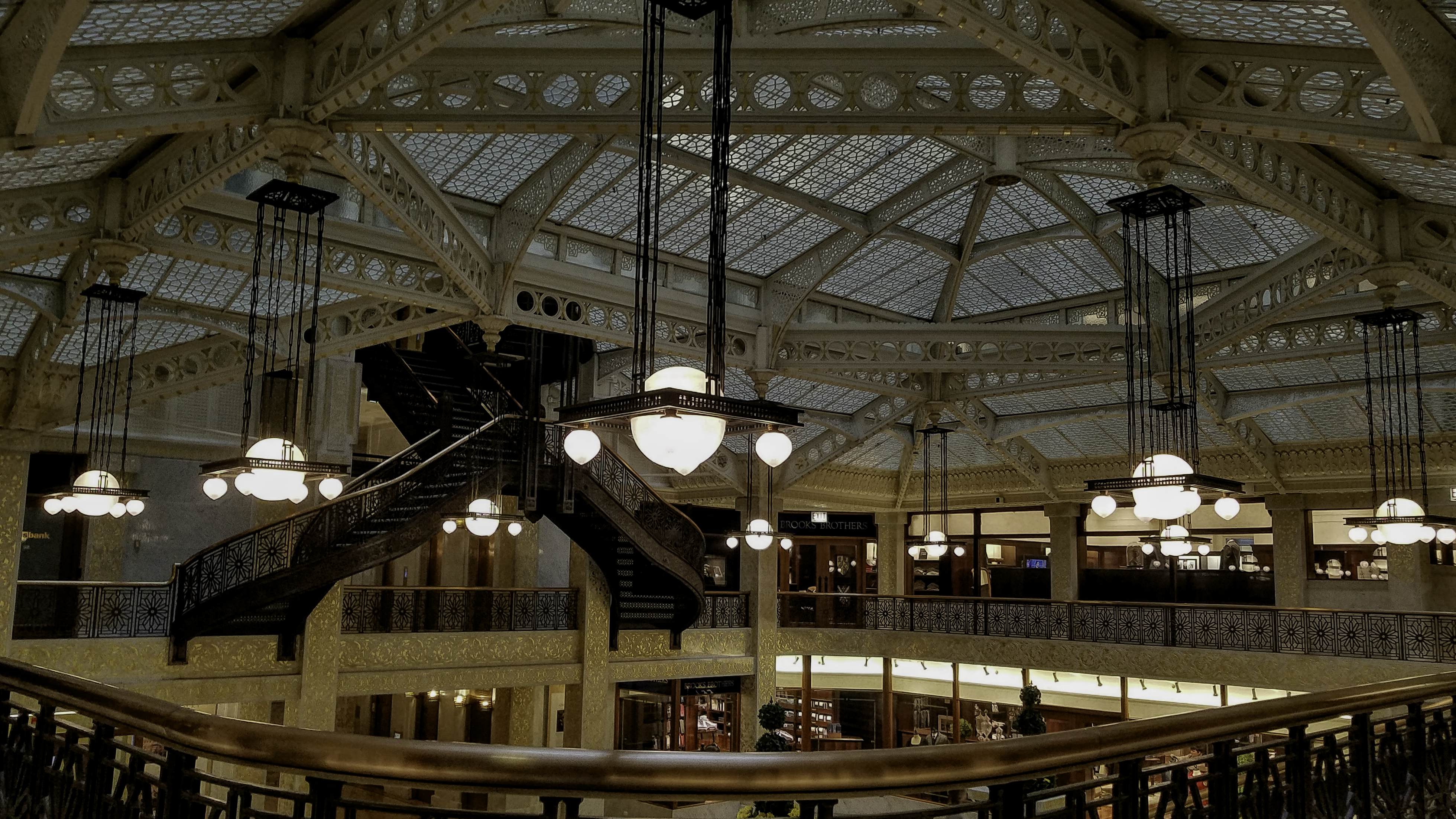
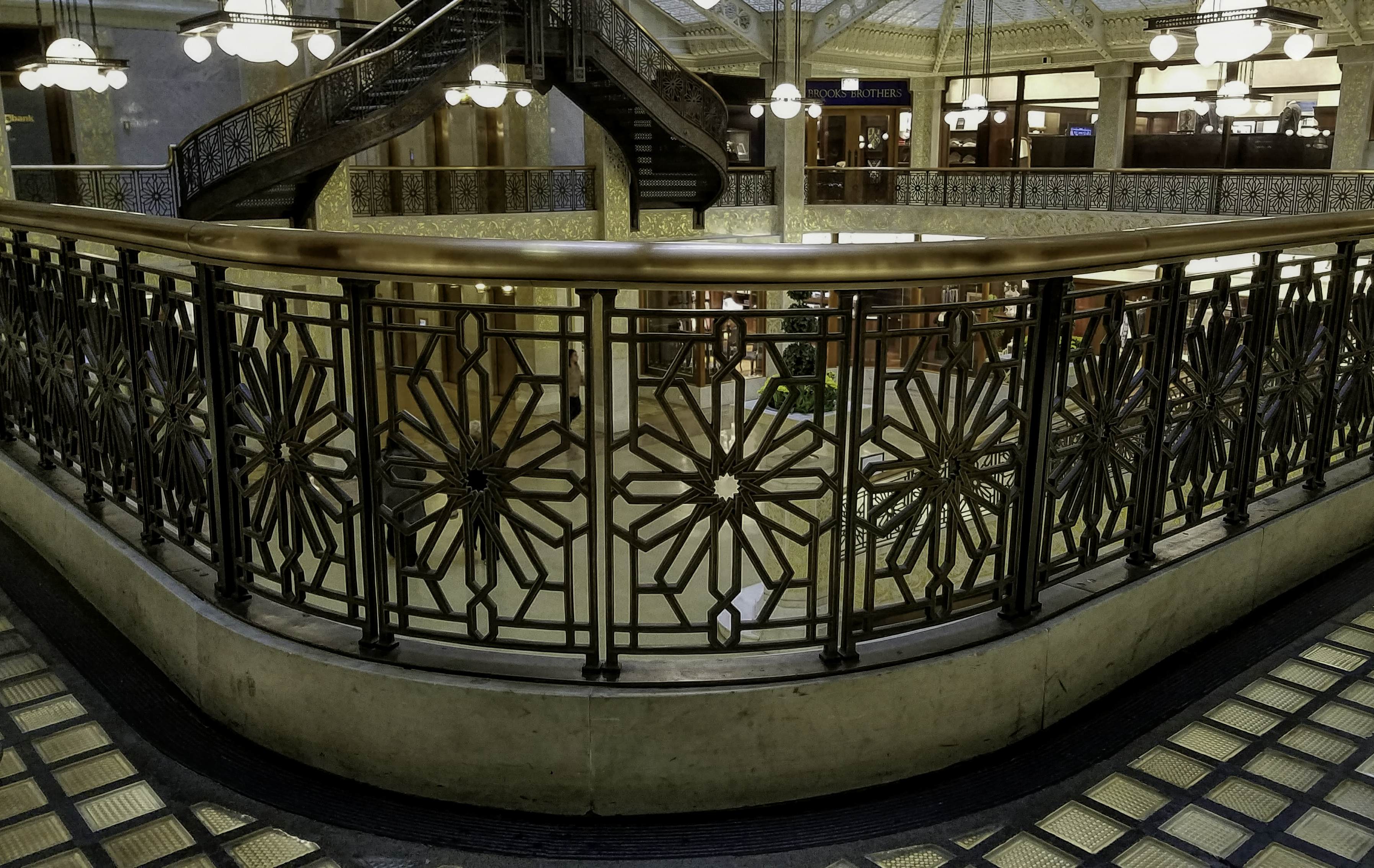
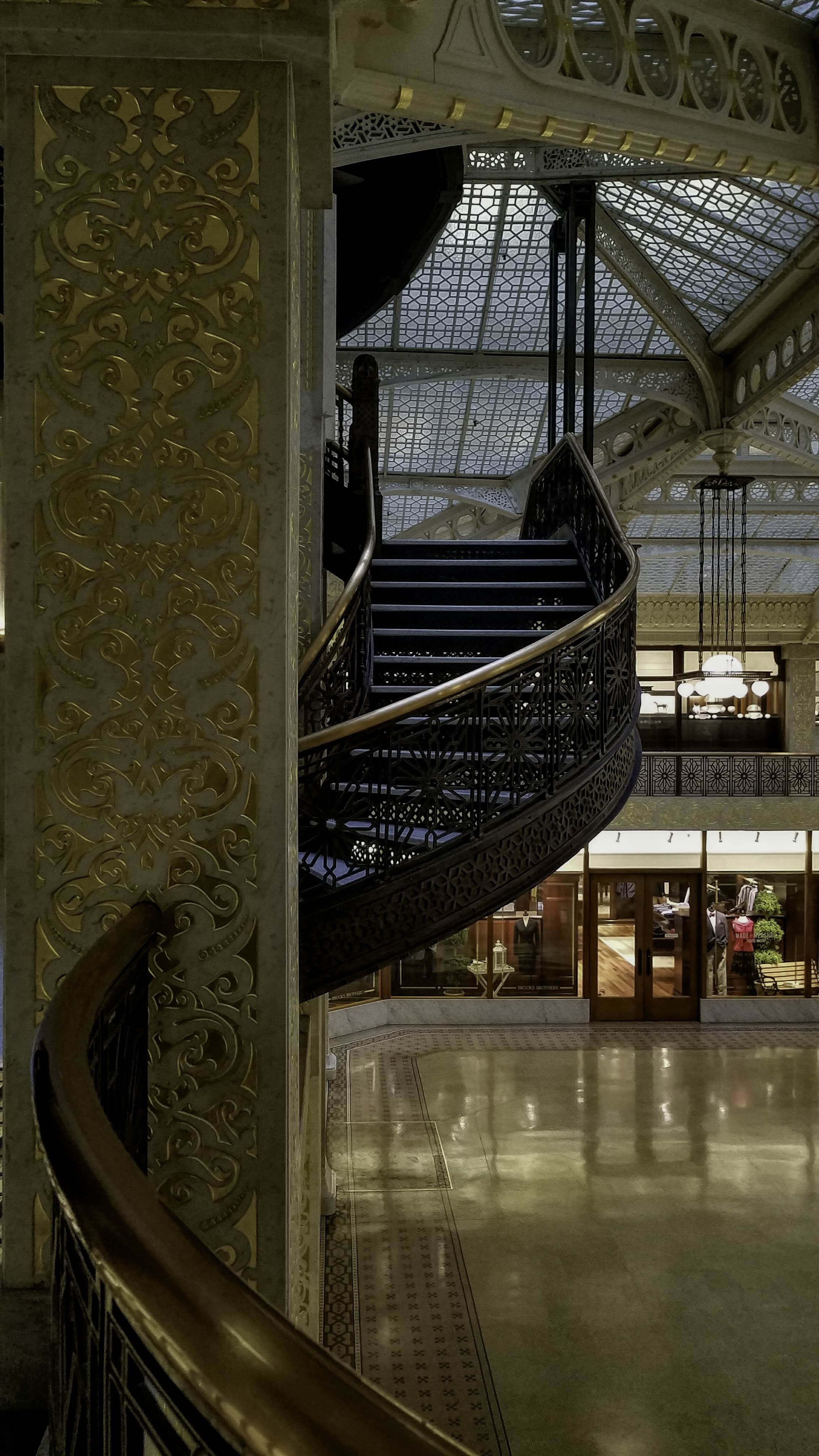
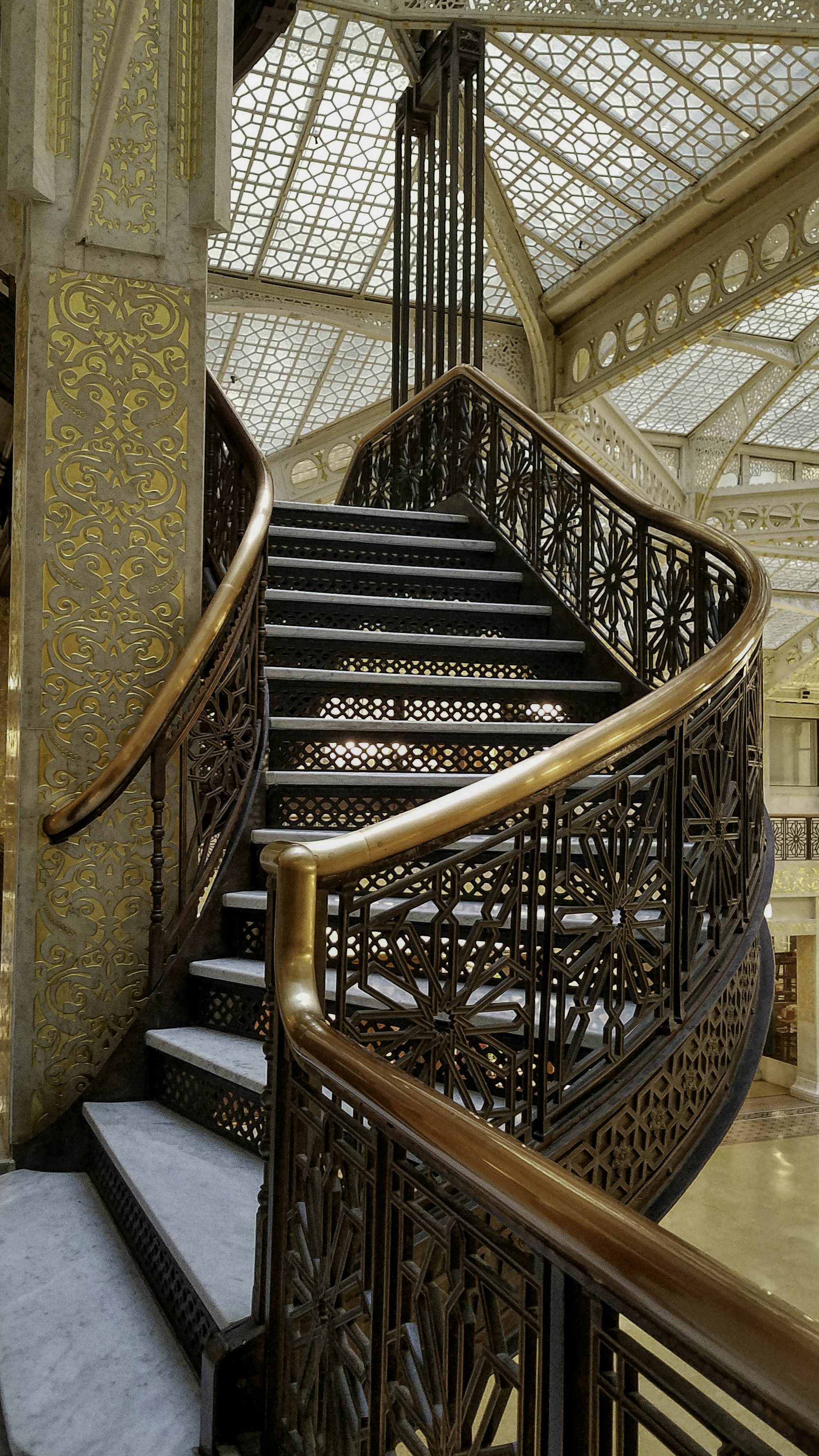
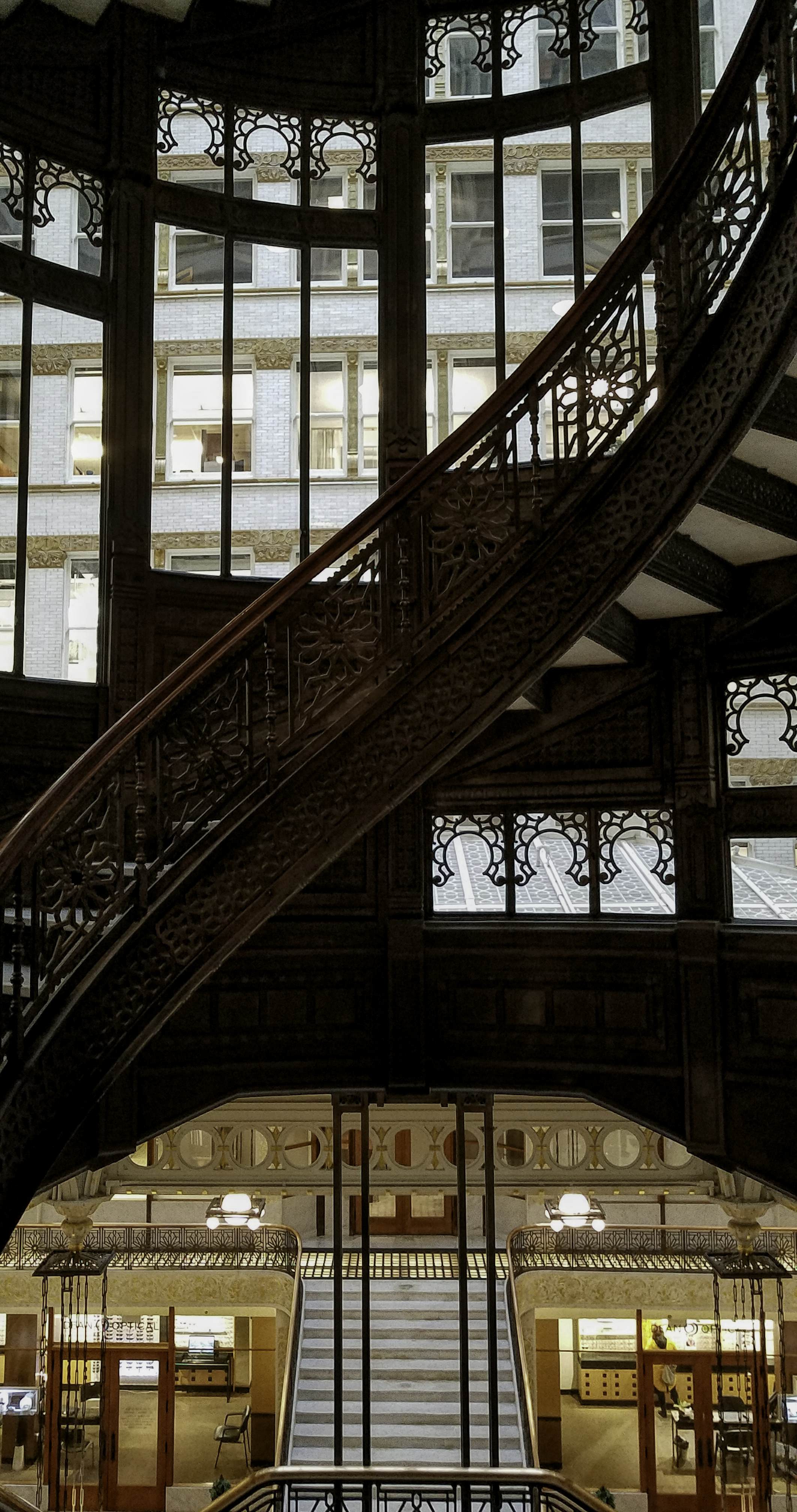
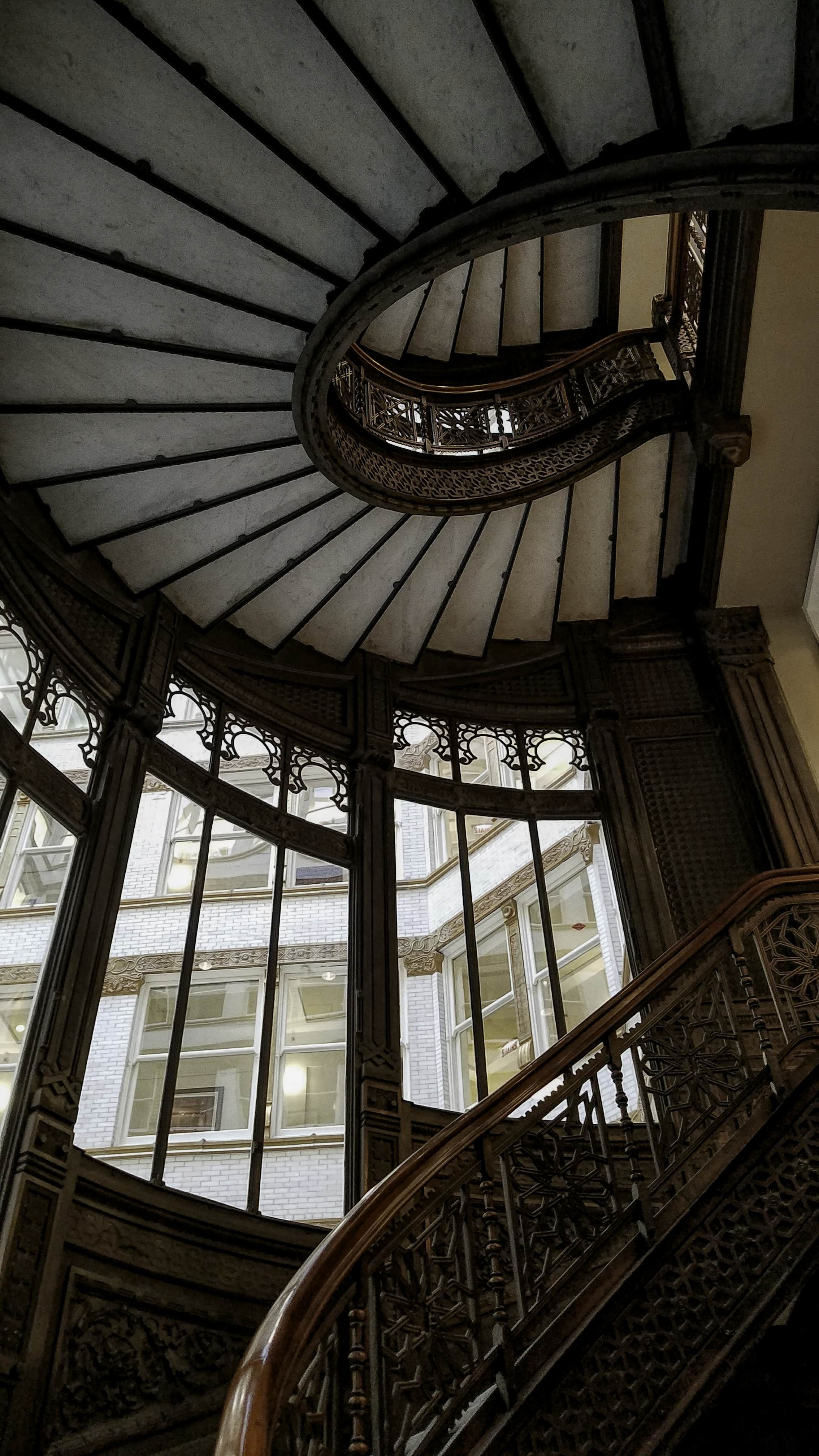
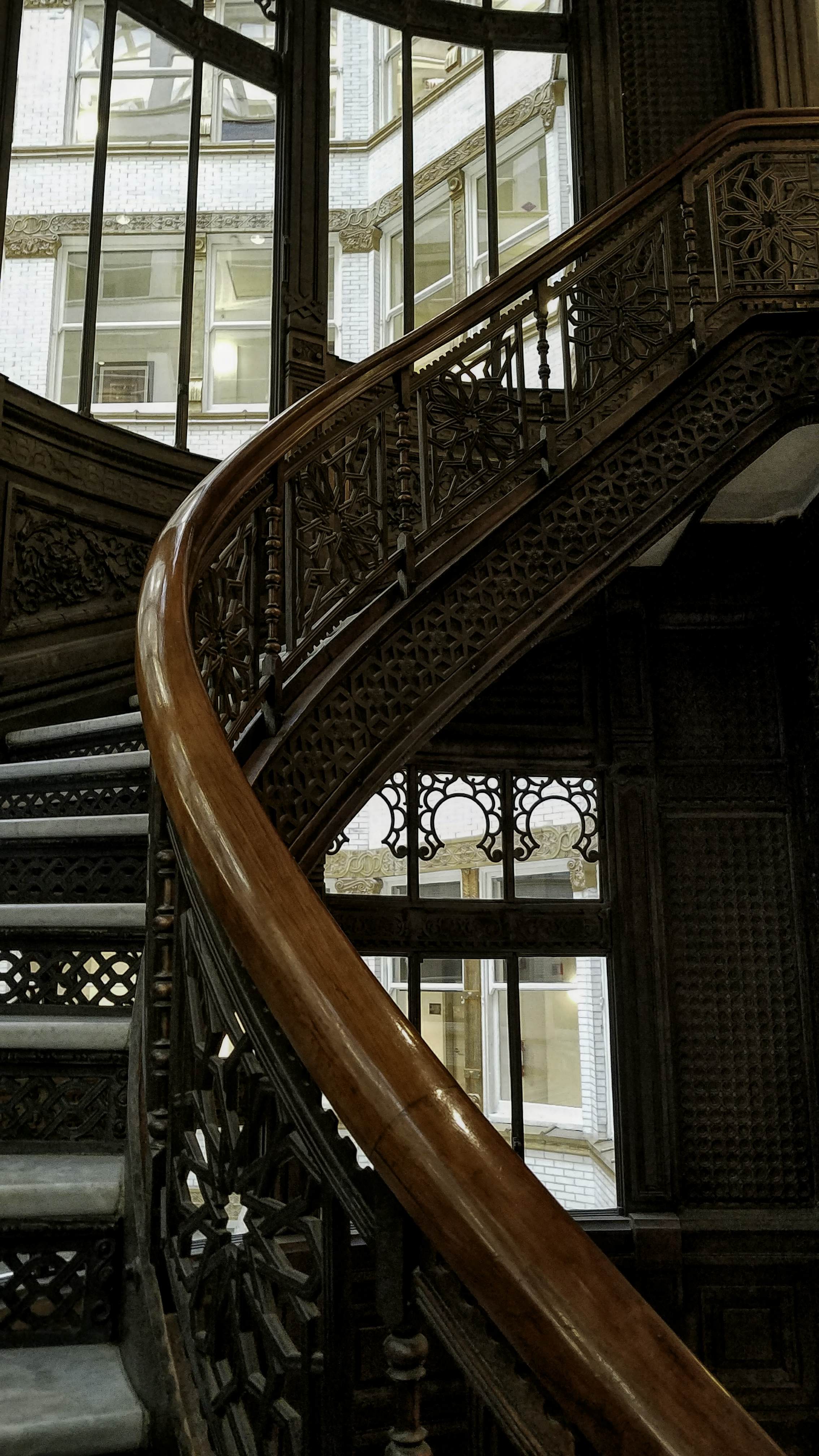
I mean, of course, the central light court with its glass ceiling, two-storey lobby, magnificent spiral staircase, and the unmistakable touch of Mr Frank Lloyd Wright, the architect in charge of the building’s first major renovation in 1905-1907. Although Mr. Wright made some very important changes like, for instance, dressing the original copper-plated ironwork in white marble with gold patterns, he generally respected the original design. The result is an airy, modern interior that breathes, so much different from the heavy art-deco lobbies of other historical buildings in Chicago.

And it is absolutely stunning.

*The Rookery was built on the site of an initial Water Tower later turned into the City Hall. It seems that the building has been called a “rookery” due to the nickname of the former City Hall that had crows on its walls and crooked politicians inside it (according to our guide).

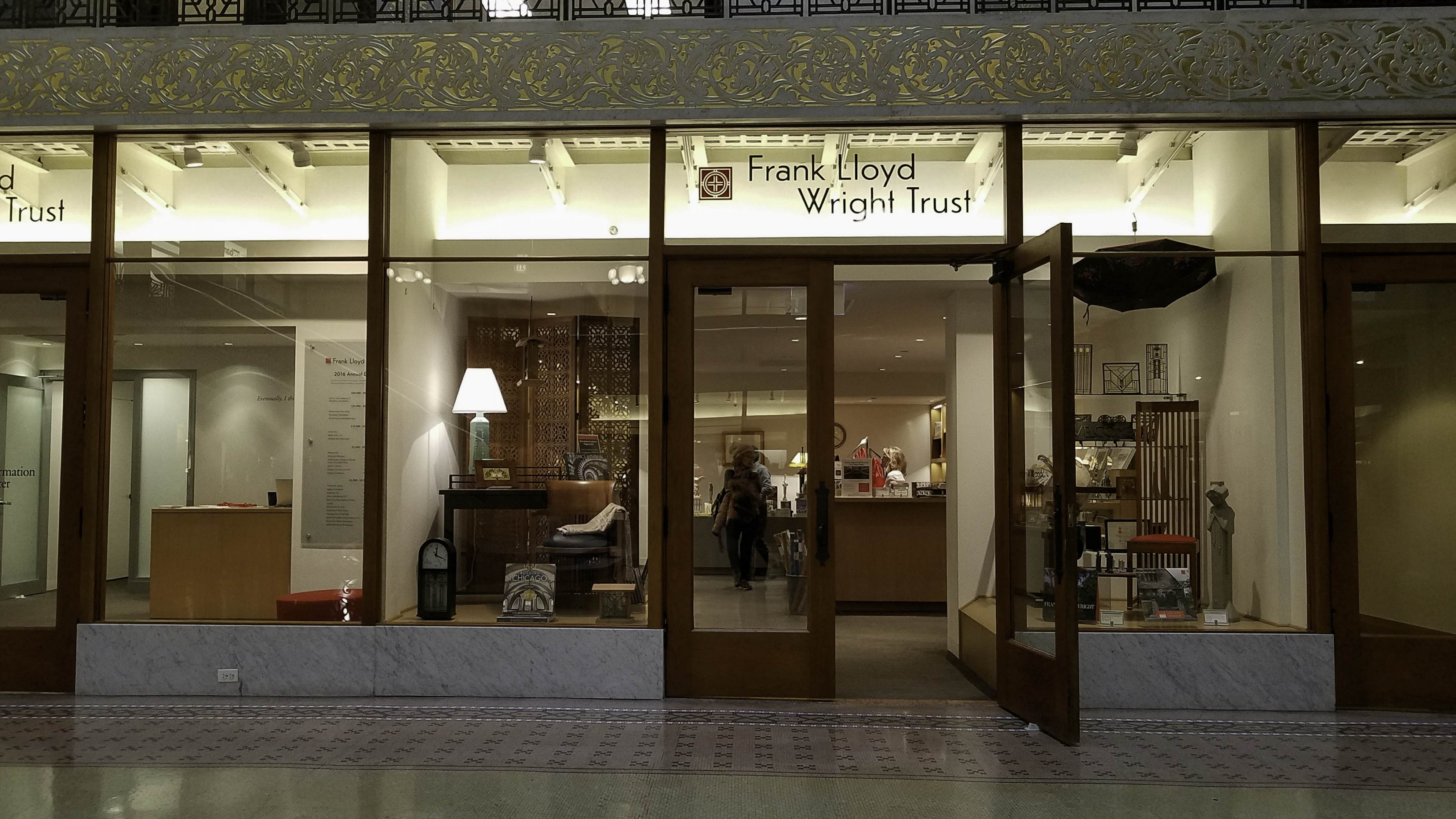
While you can wander about the ground floor freely, the upper level is only open to guided tours. Check for info on the Frank Lloyd Wright Trust website, or in their brick and mortar office/shop, on-site.

November 2nd, 2017