What is Good Design?

Elevating the functional to a timeless work of art.
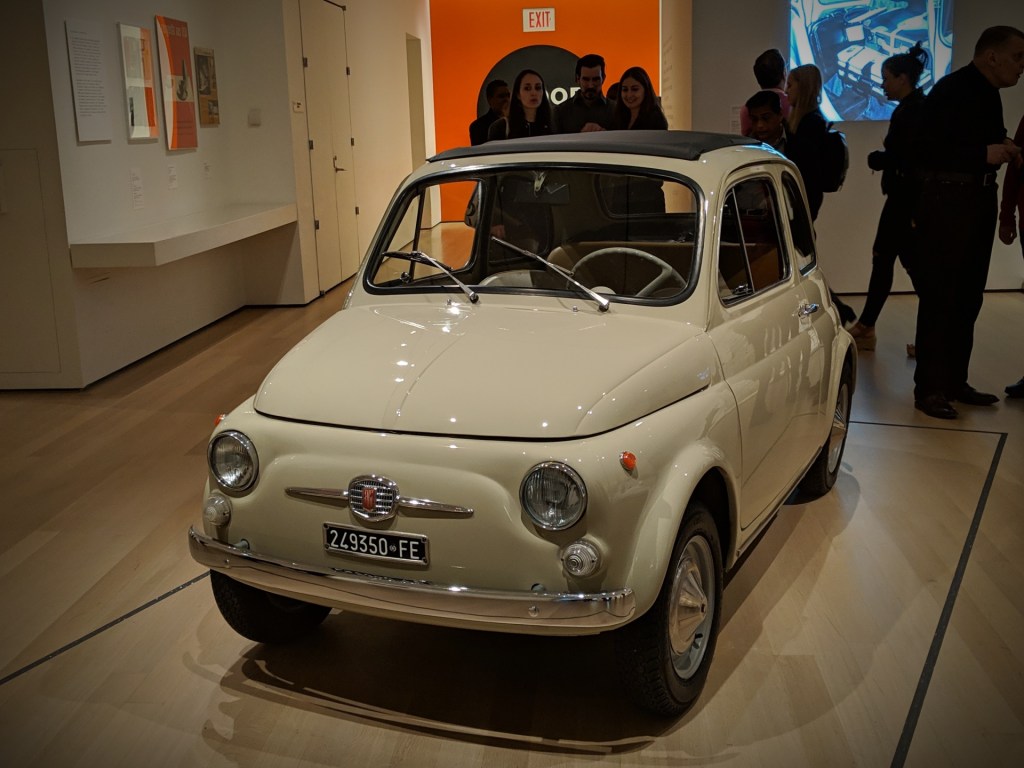
Fiat 500f Berlina – 1968. The bestselling version of the Cinquecento, it remained in production until 1973
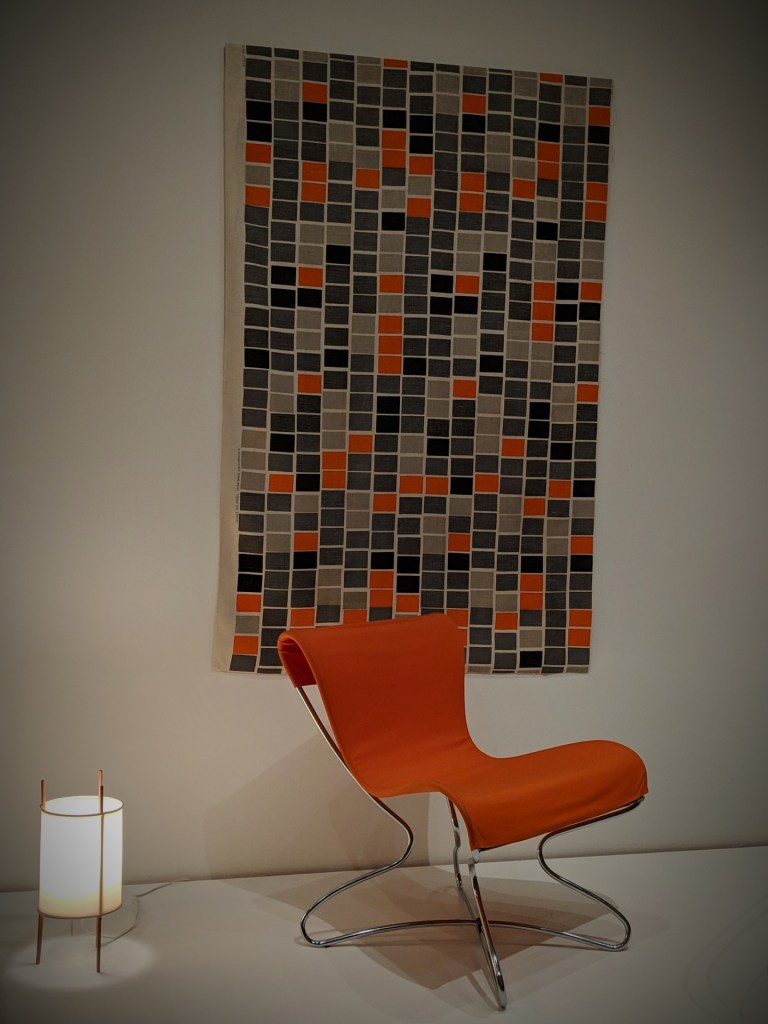
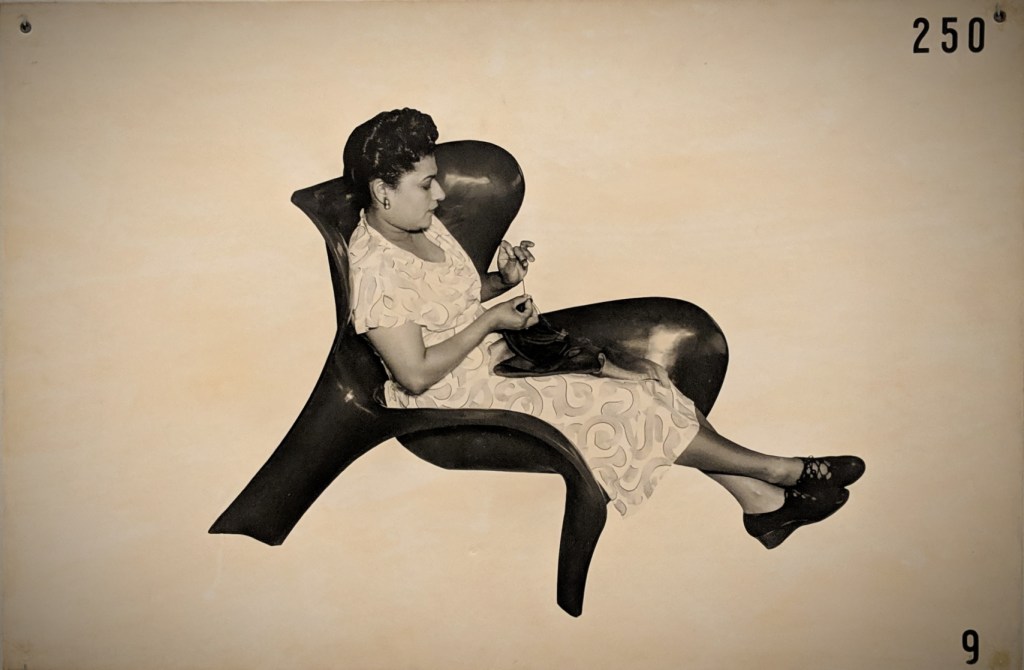
Resilient Chair, 1948-49 by Eva Zeisel || Stone on Stone fabric, c. 1950 by Vera Neumann
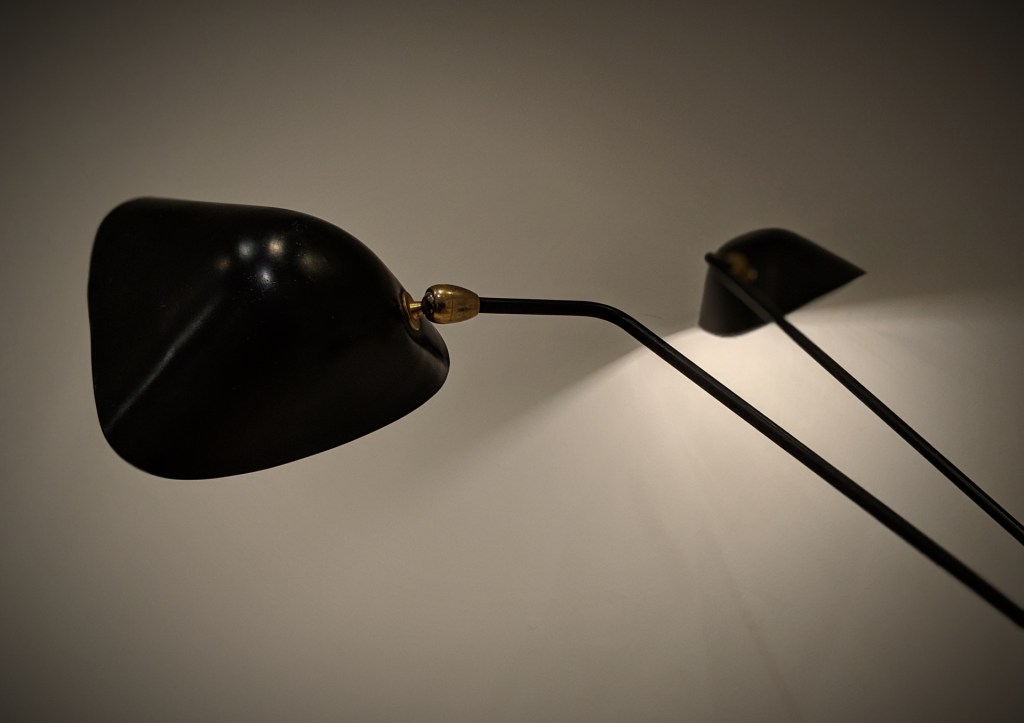
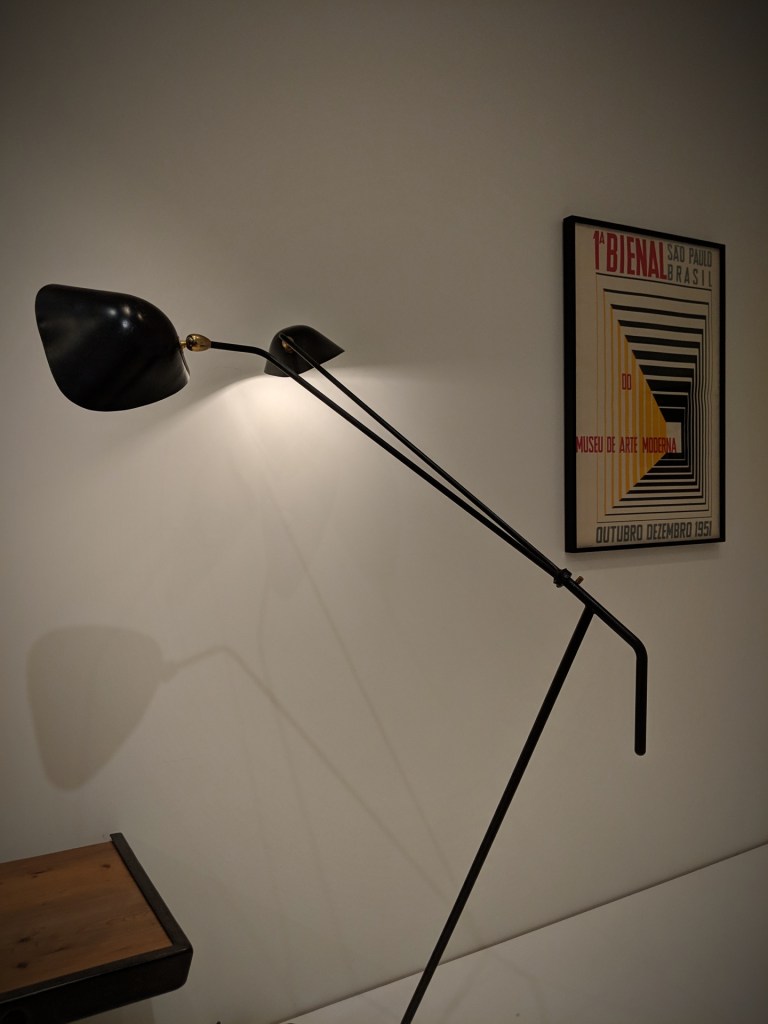
Floor lamp, c. 1950 by Serge Mouille
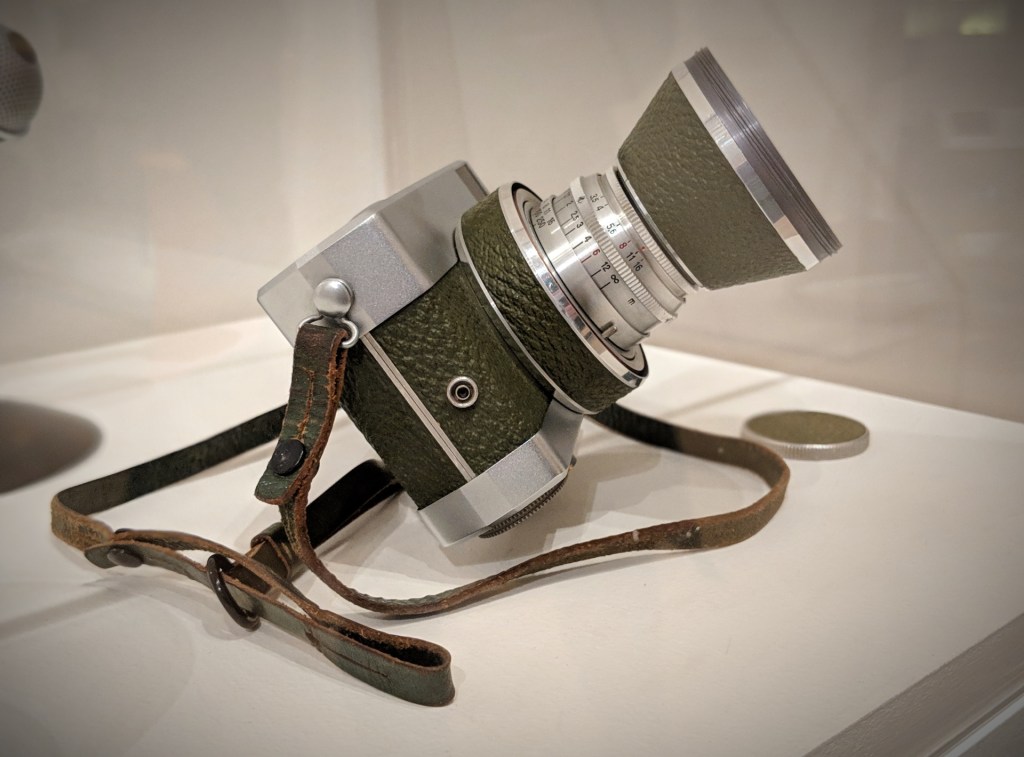
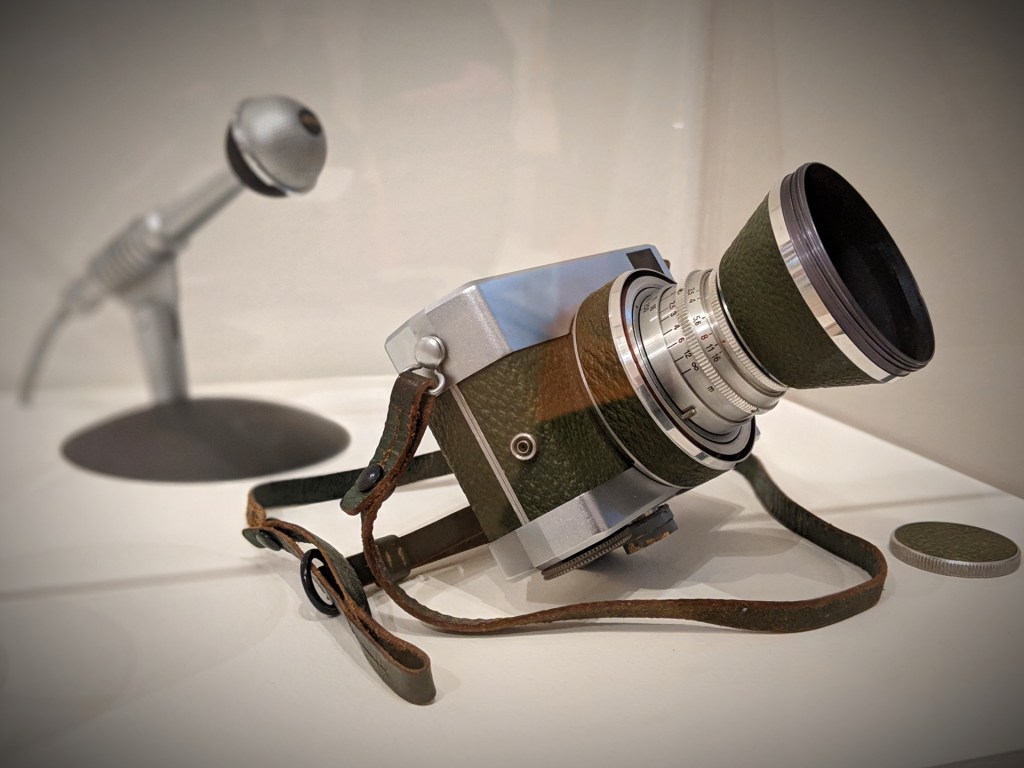
Werra 135mm film camera, c. 1955-1960. Manufactured by Zeiss-Werk, Jena, East Germany (DDR) || Microphone (model MD8-C), 1962 by Marko Turk. Manufactured by Elektroakusticni Laboratorij, Ljubljana, Yugoslavia
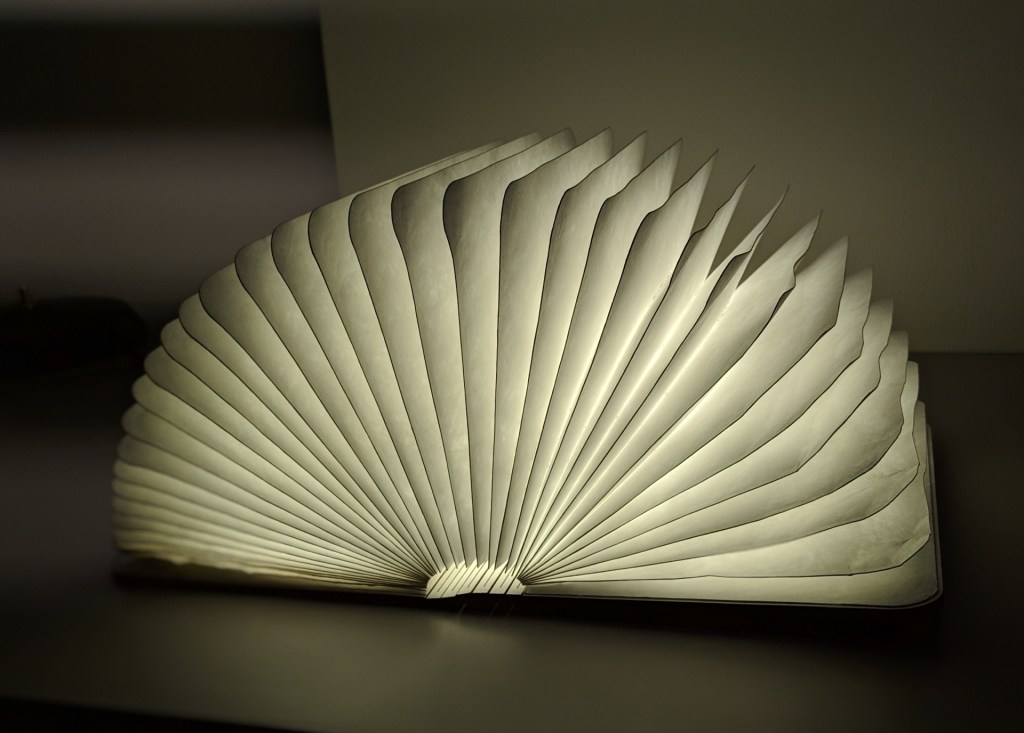
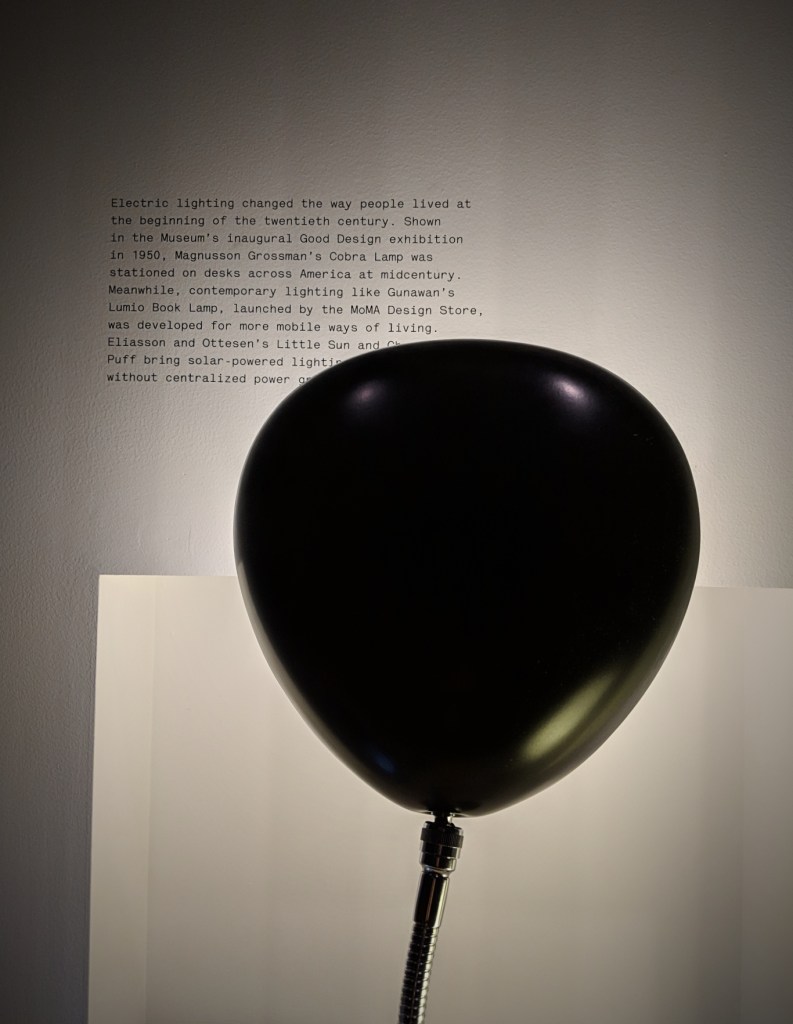
Lumio Book Lamp, 2013 by Max Gunawan
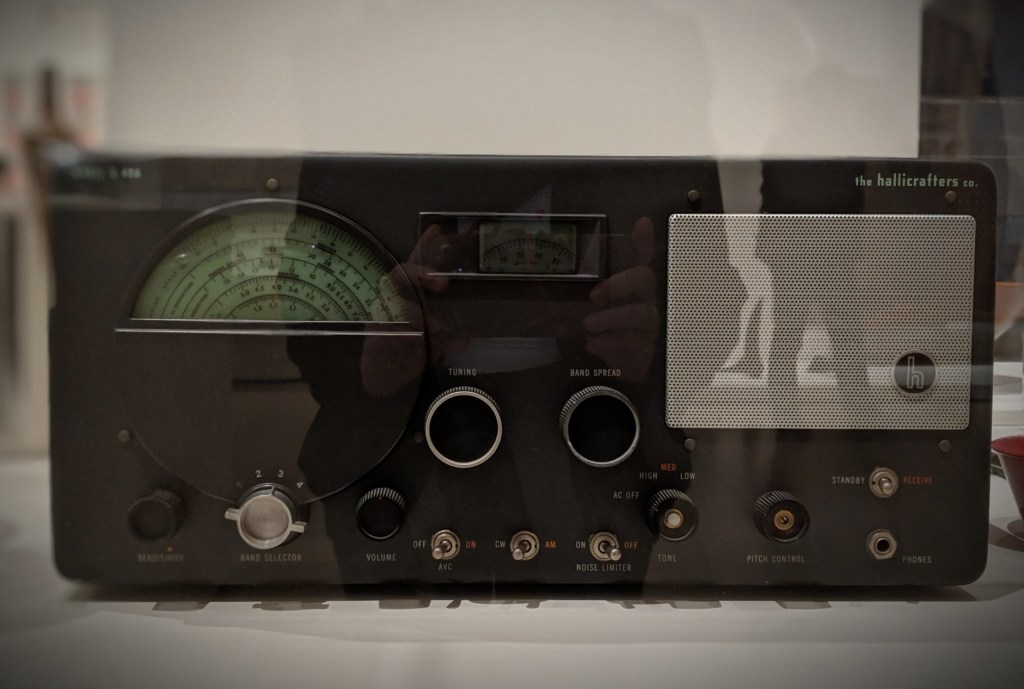
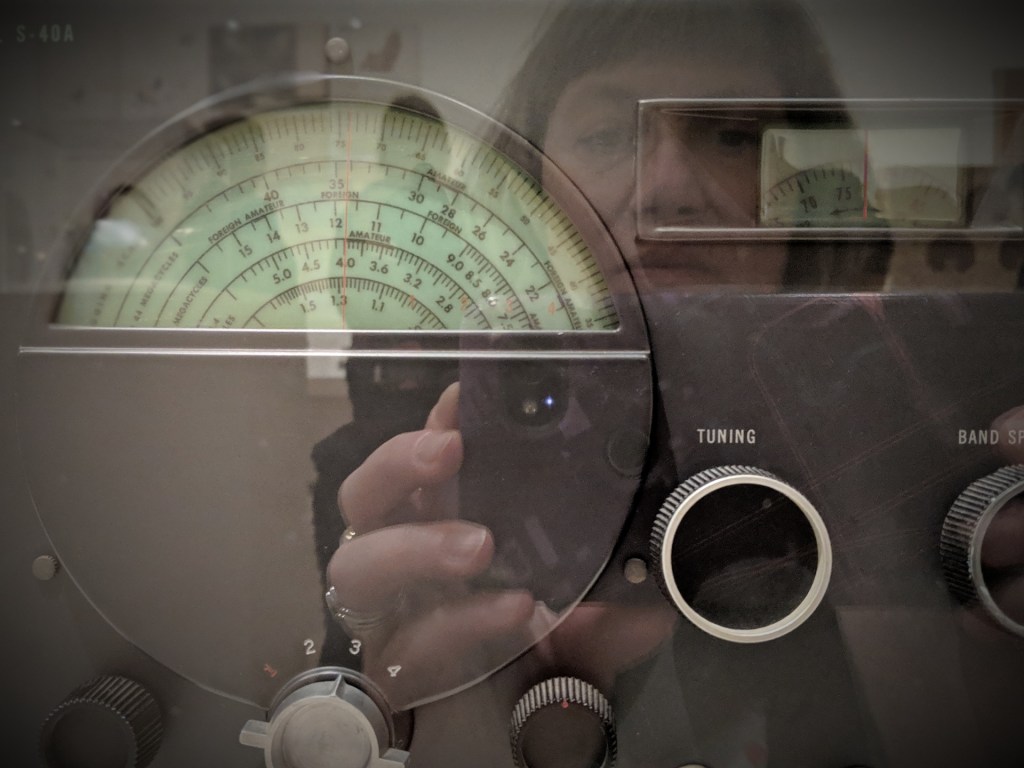
Communications receiver (model S-40A), 1947 by Raymond Loewy Associates

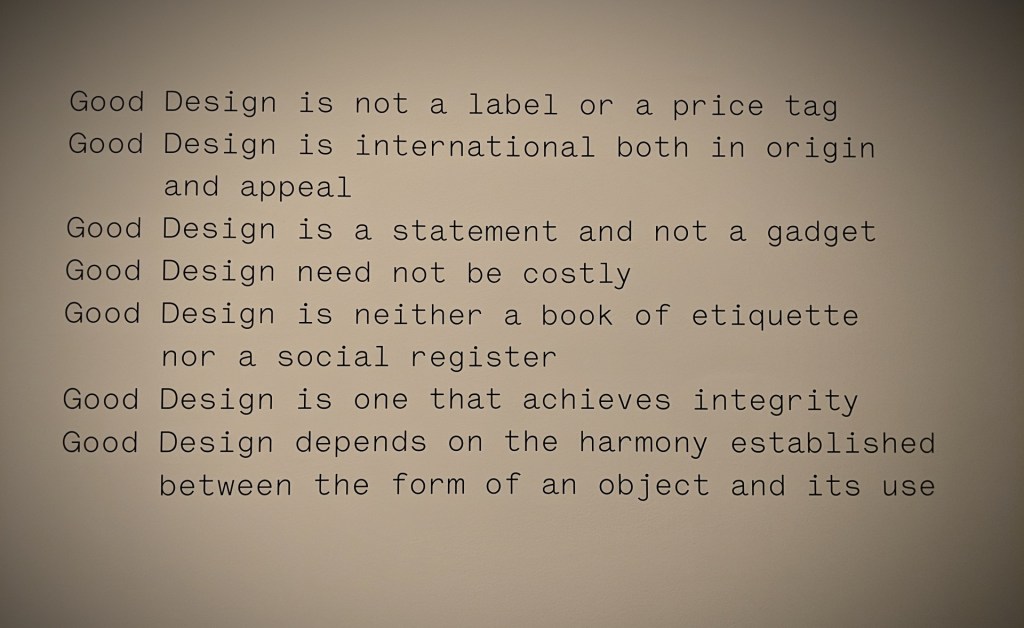
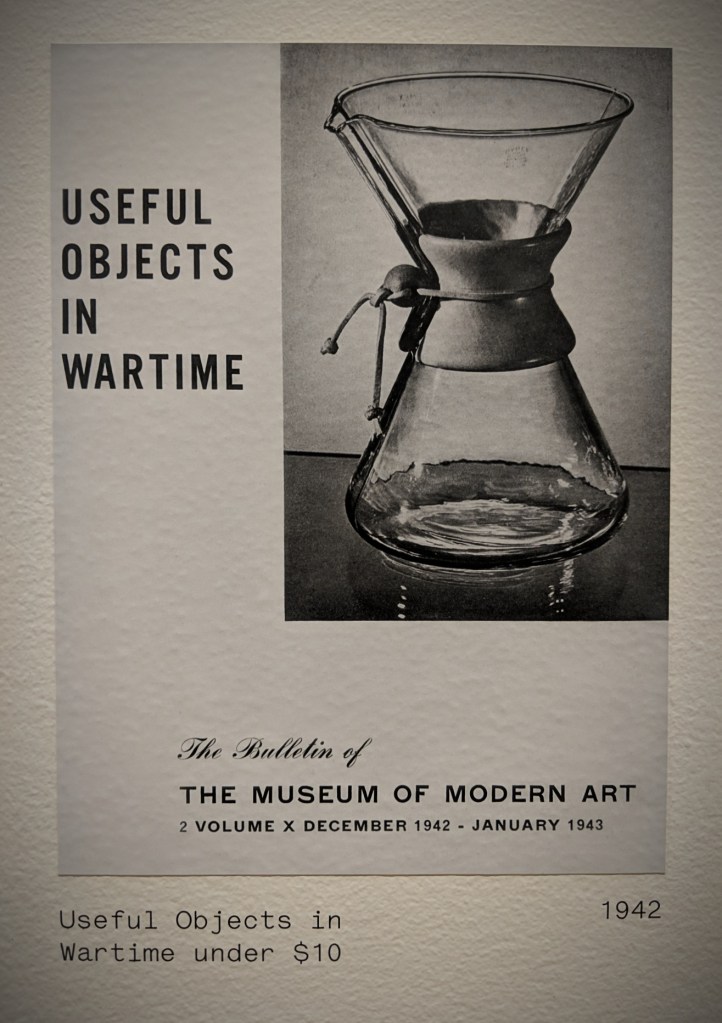
“Is there art in a broomstick? Yes, says Manhattan’s Museum of Modern Art, if it is designed both for usefulness and good looks.” This quote, from a 1953 Time magazine review of one of MoMA’s mid-century Good Design exhibitions, gets to the heart of a question the Museum has been asking since its inception: What is good design and how can it enhance everyday life?

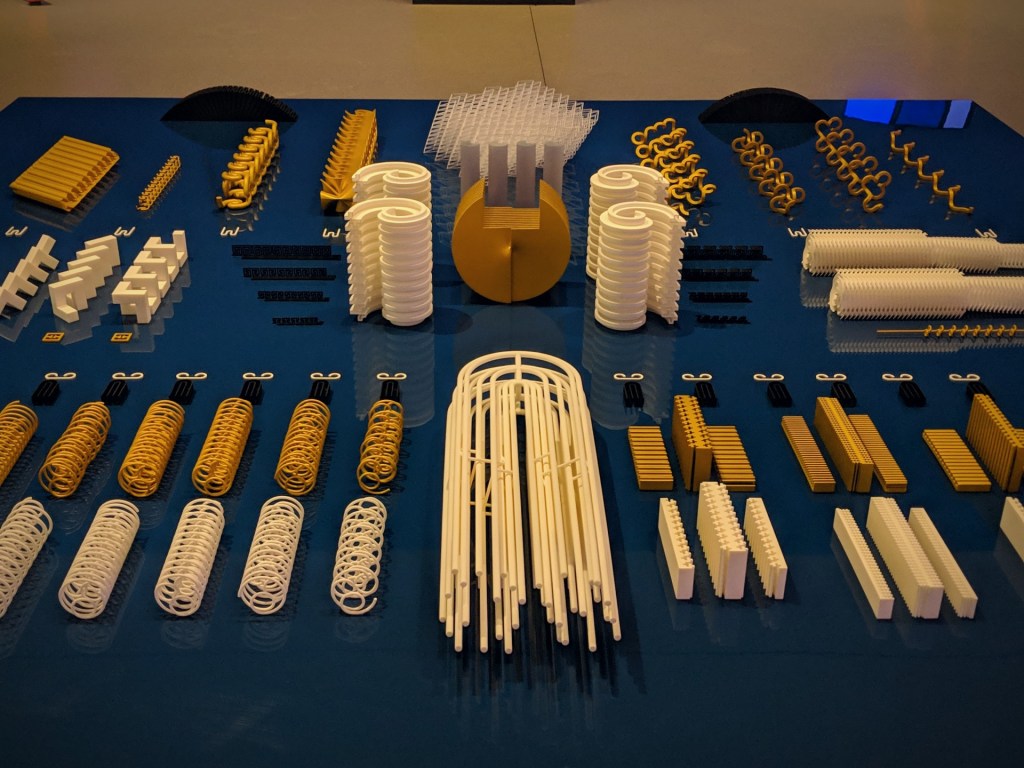
Featuring objects from domestic furnishings and appliances to ceramics, glass, electronics, transport design, sporting goods, toys, and graphics, The Value of Good Design explored the democratizing potential of design, beginning with MoMA’s Good Design initiatives from the late 1930s through the 1950s, which championed well-designed, affordable contemporary products. [source: MoMA]

The Value of Good Design
Feb 10–Jun 15, 2019
MoMA

April 4th, 2019
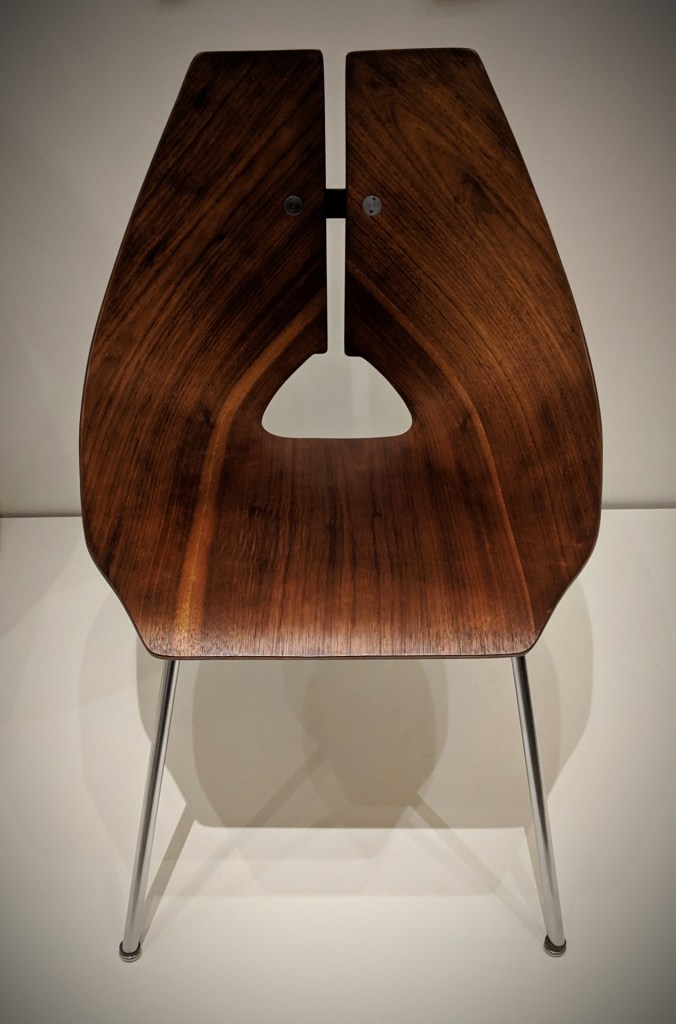
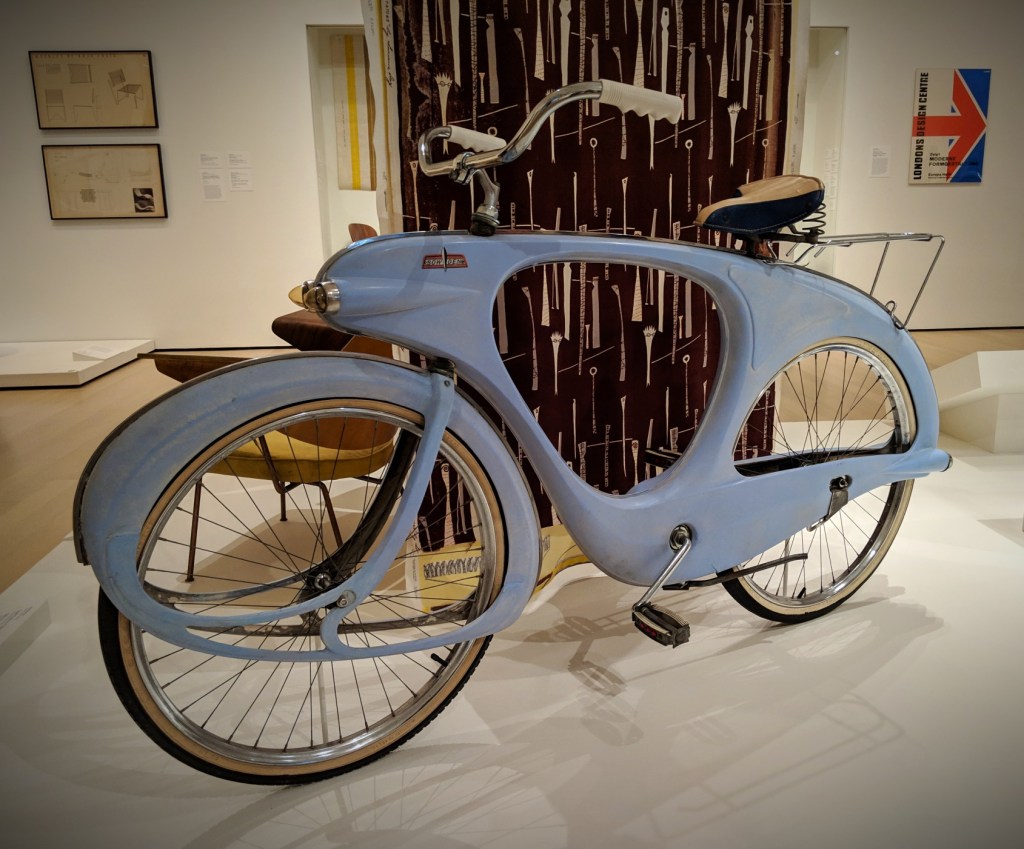
Bicycle with a Vision

Eyes on the future

Benjamin Bowden
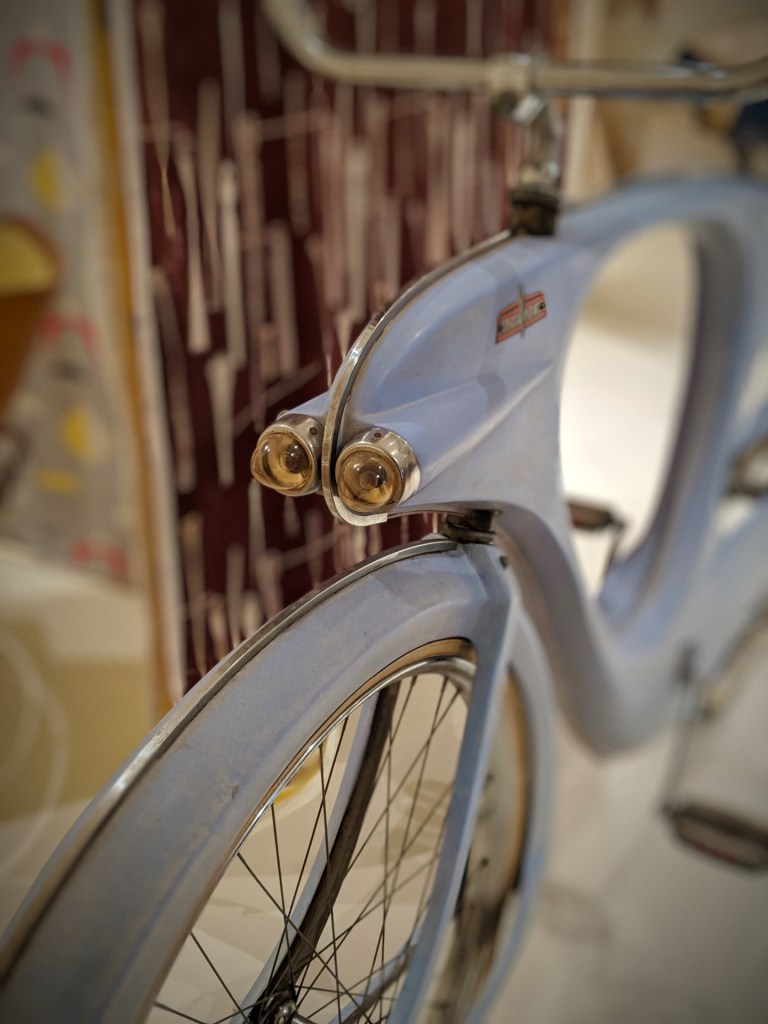
Spacelander bicycle 1946
Fiberglass, chrome-plated steel, leather, and rubber

Launched at the Britain Can Make It exhibition organized by the Council of Industrial design in 1946, this curvaceous product hinted at a future of consumerist affluence, and the glamour associated with the utopian worlds of science-fiction films. It was one of many prototypes for new, industrially produced goods that over 1.4 million people queued to see. While it could be admired, the bicycle could not be bought at the time of the exhibition, owing to continued shortages of materials and labour after World War II. ”Britain Can’t Have It” became the show’s popular nickname.

From The Value of Good Design, an exhibition at MoMA in Feb 10-Jun 15, 2019.

April 4th, 2019

Emissary Forks At Perfection

Ian Cheng
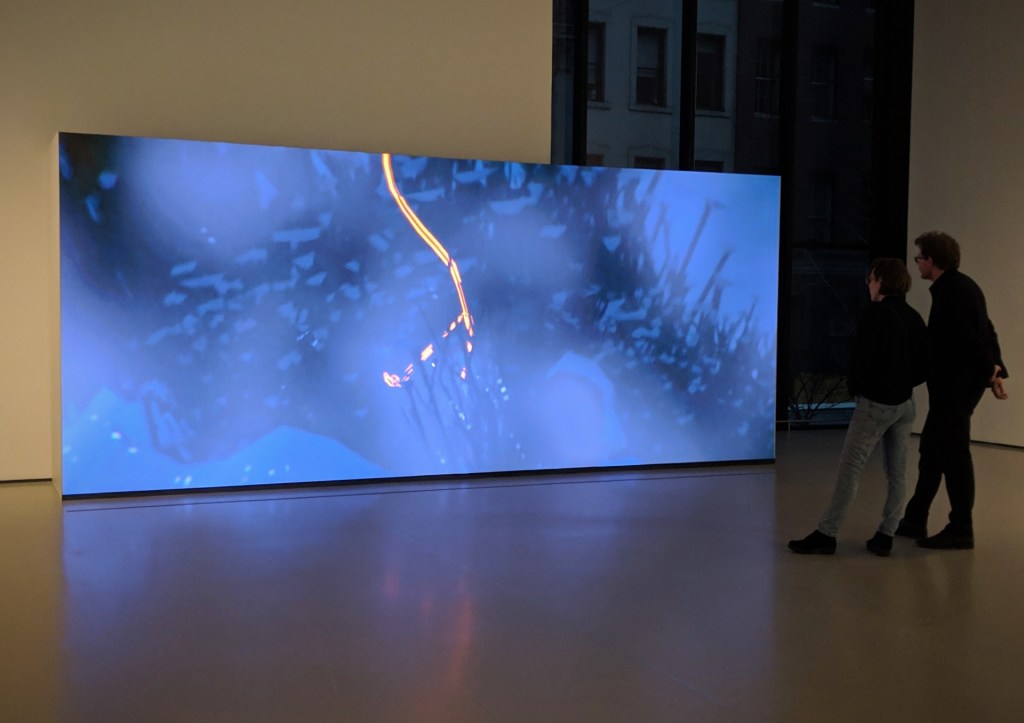
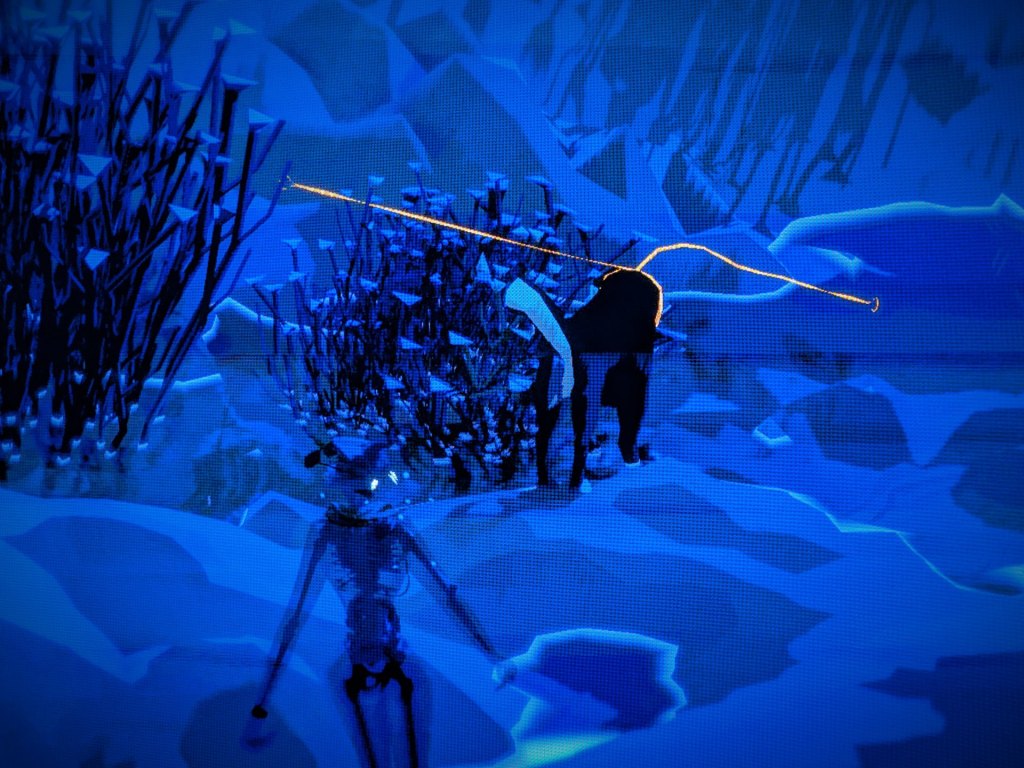
Emissary Forks At Perfection 2015-16
Live simulation and story (colour, sound). Infinite duration

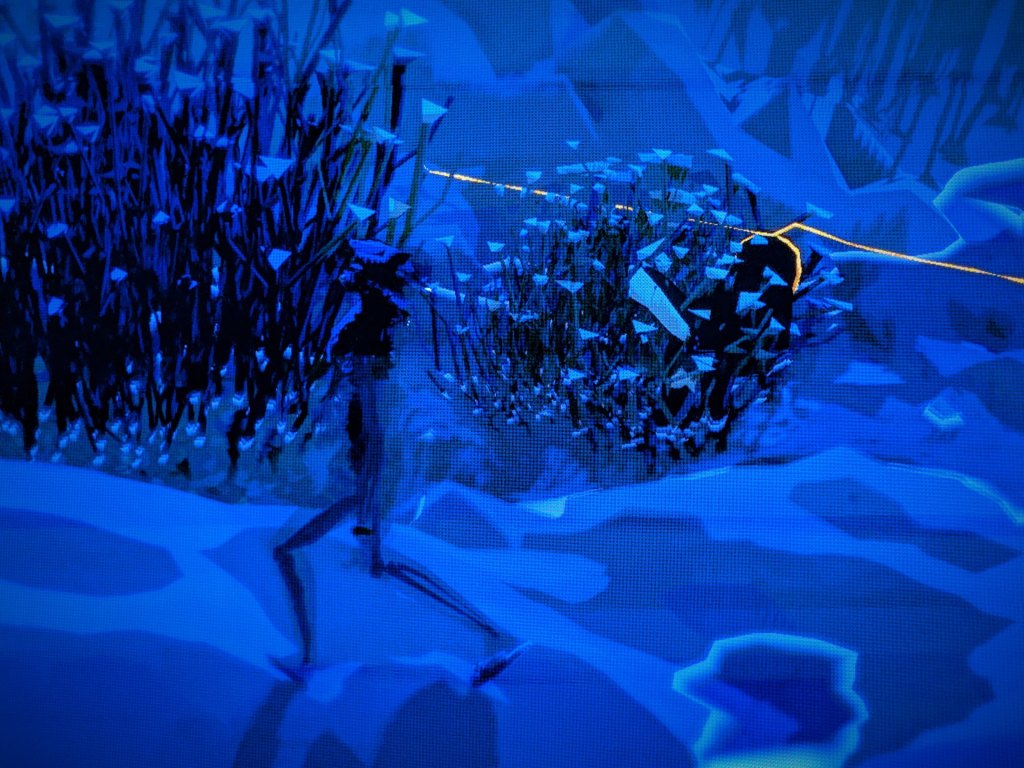
”A video game that plays itself,” as Cheng describes it, this digital simulation is generated in real time with no fixed beginning or end. Created using the Unity engine, a popular software tool for developing 3-D video games and AI models, the animation takes place far in the future. It tells the story of Talus Twenty Nine, an artificial intelligence that oversees a lush terrain in which new plants and animals constantly evolve in a Darwinian setting. The AI resurrects an ancient cadaver from the twenty-first century, and summons a pet dog to guide the undead through his posthuman world. Every time the program is run, a new scenario unfolds. The result is an endlessly changing, fantastical model of biological evolution and machine learning in the absence of human life. [source: MoMA]

Emissaries is a trilogy of simulations about cognitive evolution, past and future, and the ecological conditions that shape it. It is composed of three interconnected episodes, each centered on the life of an emissary who is caught between unraveling old realities and emerging weird ones. [source: Ian Cheng]

Emissary in the Squat of Gods
Emissary Forks At Perfection
Emissary Sunsets The Self

MoMA

April 4th, 2019
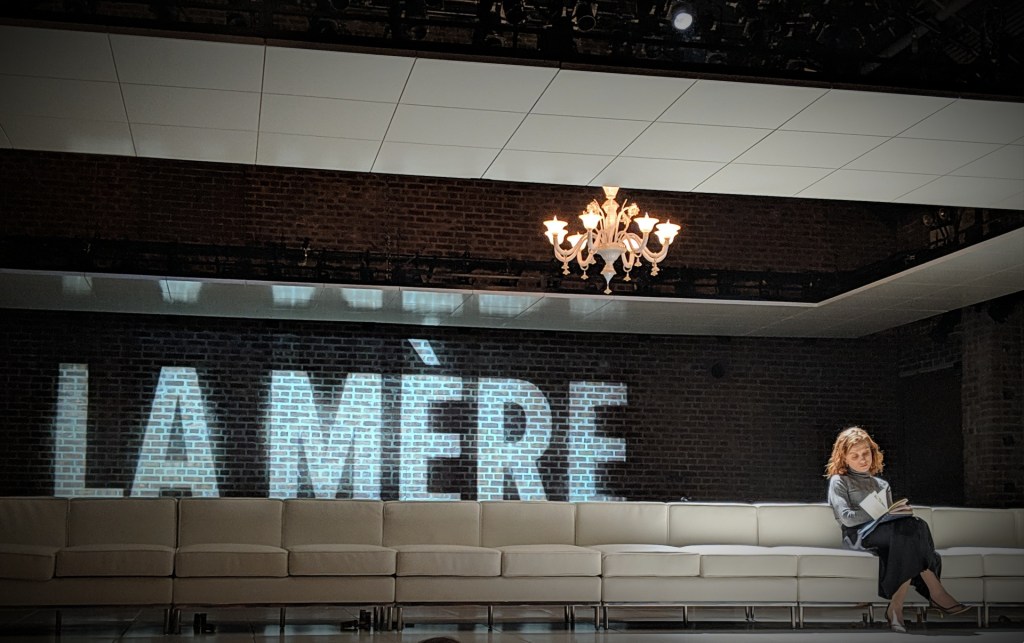
The Mother

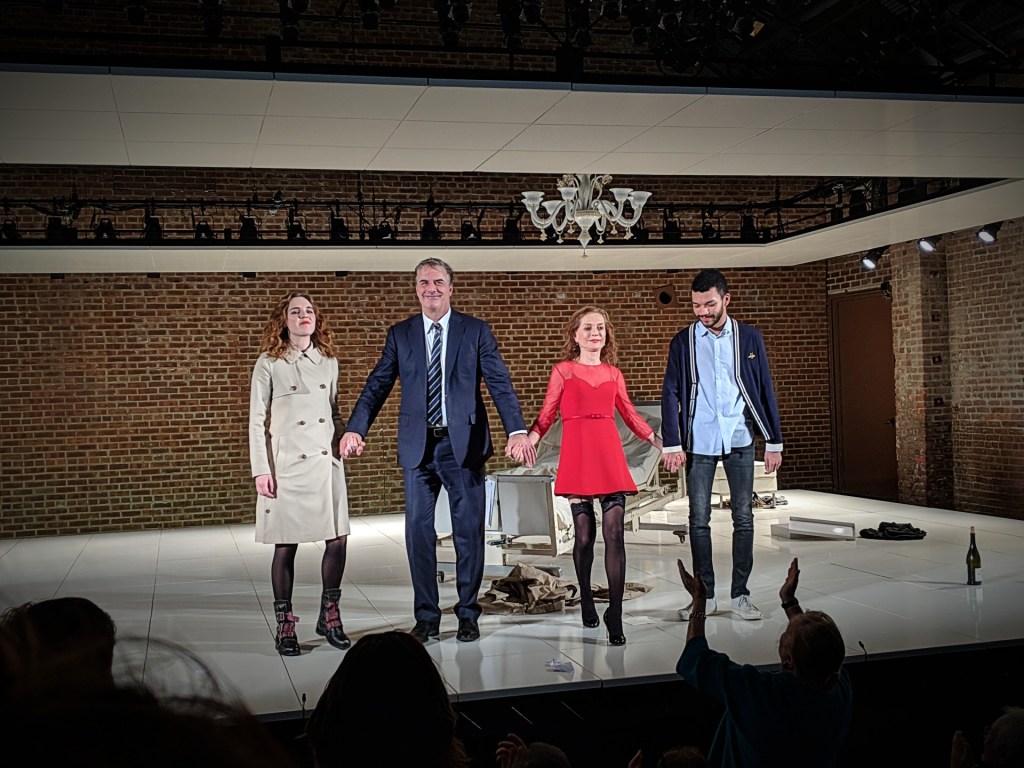
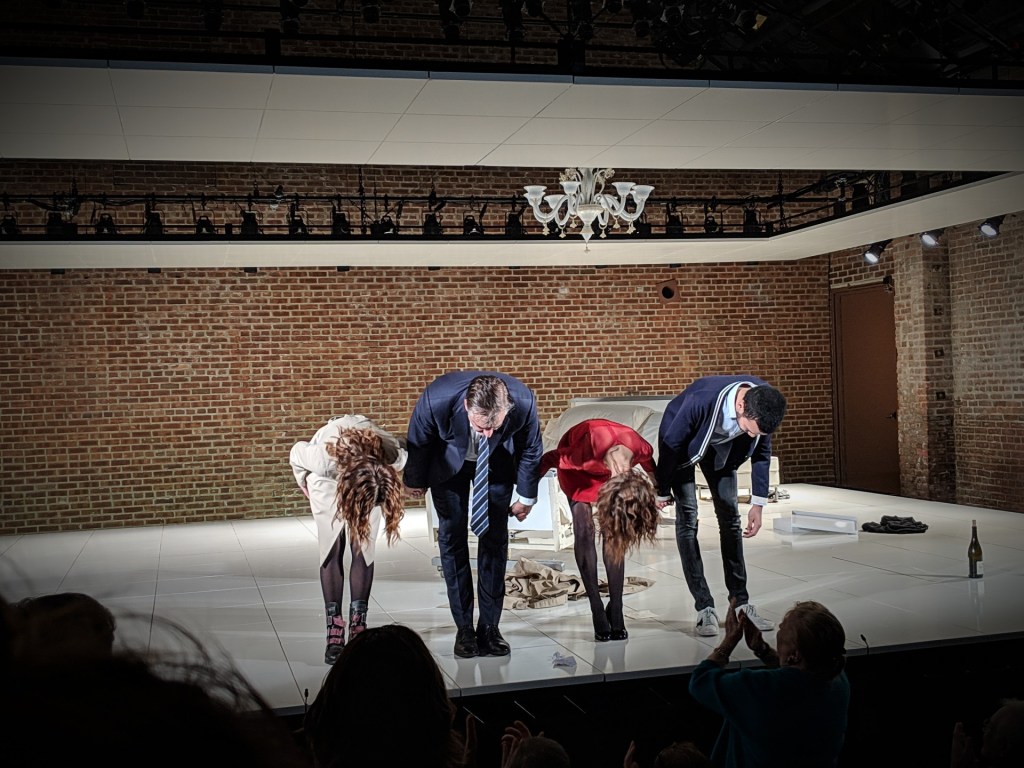
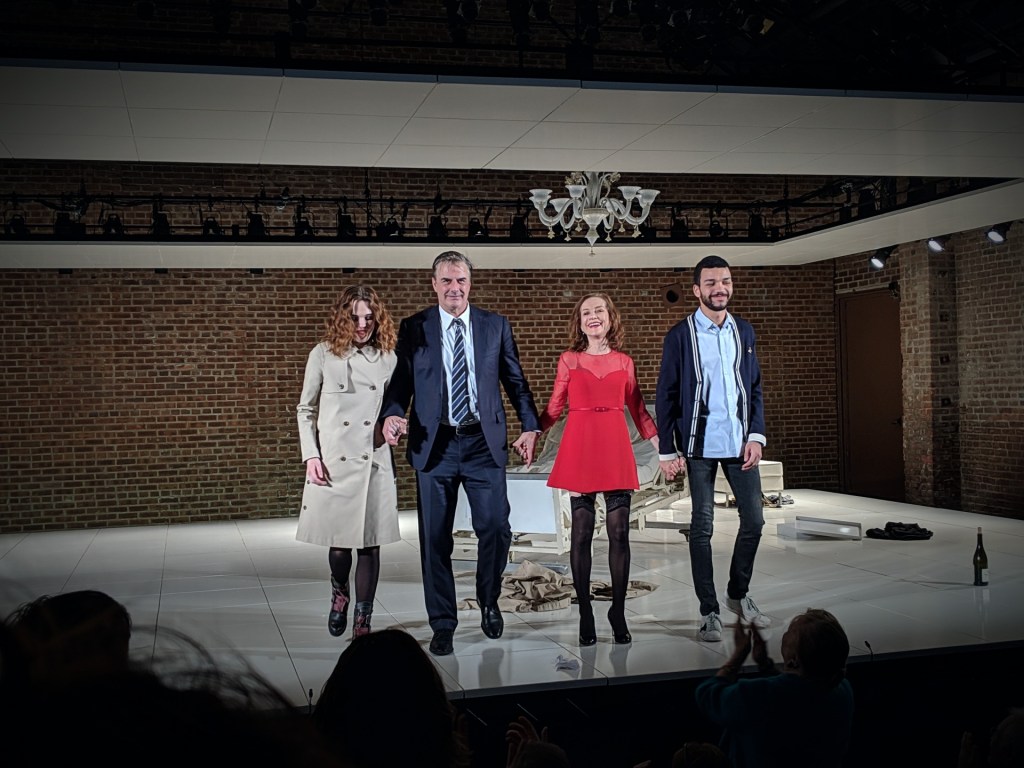
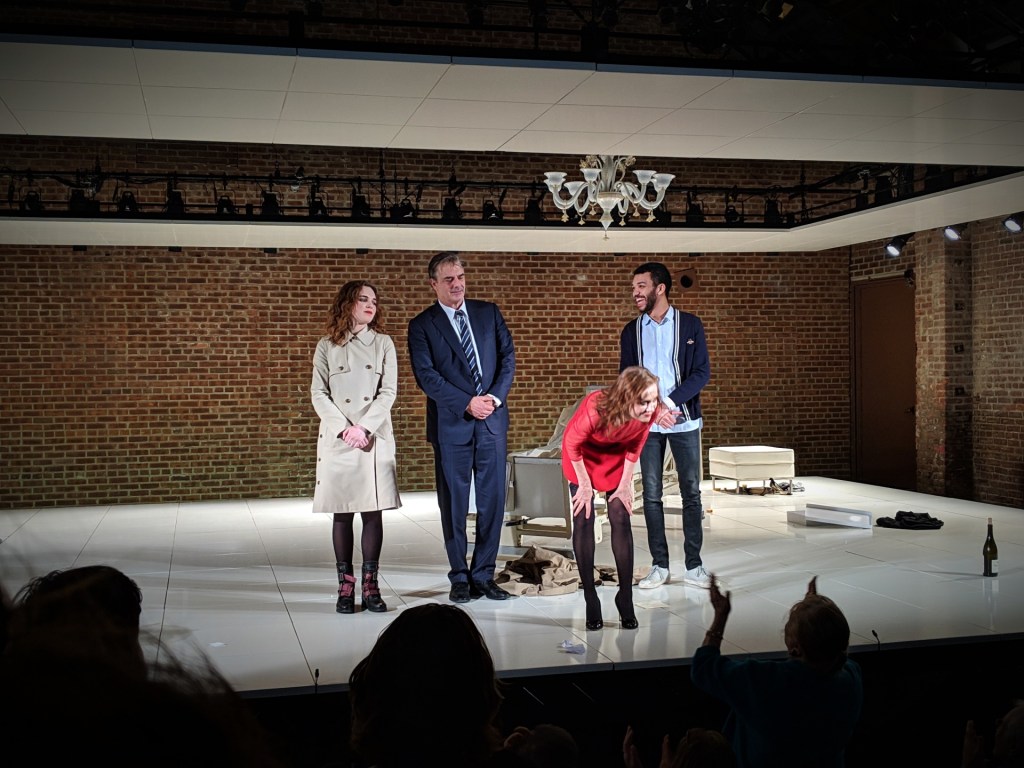
A sleek, Newyork-lofty adaptation of Florian Zeller’s play, translated into English by Christopher Hampton. Yes, it was funny and dark and drunkenly depressed to the point of self-destruction, but all I remember is Hupper’s magnetic performance – and that slutty red mini dress. I remember thinking how is it possible for this tiny slender figure to exude such fierce energy. Even those who don’t particularly care about her style, would have no choice than simply bow to her charisma.

Isabelle Huppert. The Mother
Chris Noth. The Father
Justice Smith. The Son
Odessa Young. The Girl

Atlantic Theater Company

March 30th, 2019
Double Hat

Big enough for two

Palapa, 2017 by Tanya Aguiñiga
Powder-coated steel and synthetic hair

Named for the open-sided thatched huts that pepper the beaches of Mexico. These distinctive shelters are woven by Mexicans but used mostly by tourists. Aguiñiga’s mysterious, surreal interpretation of these everyday structures is symbolic of her own ambiguous identity, as someone who navigates the dual worlds of palapa maker and user, of and outside both cultures.

Smithsonian American Art Museum
Renwick Gallery

Washington, D.C.

March 22nd, 2019

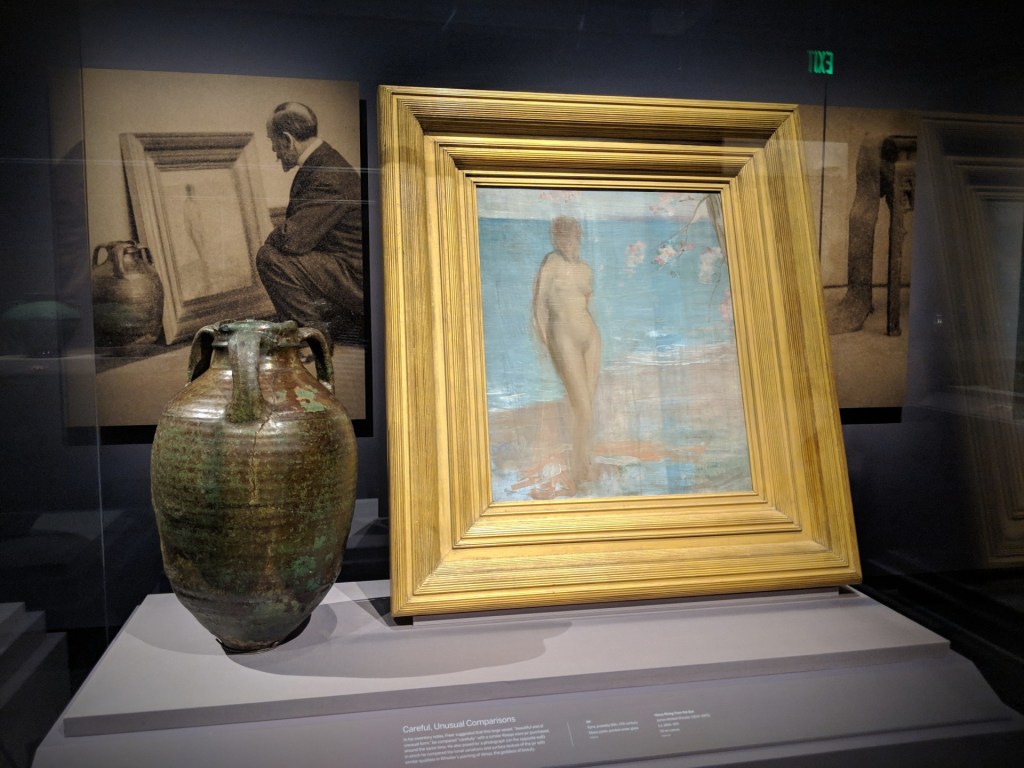
Bowing to Art

Jar || Syria, probably 16th-17th century,
paired with
Venus Rising from the Sea || James McNeill Whistler (1834-1903) || ca. 1866-870

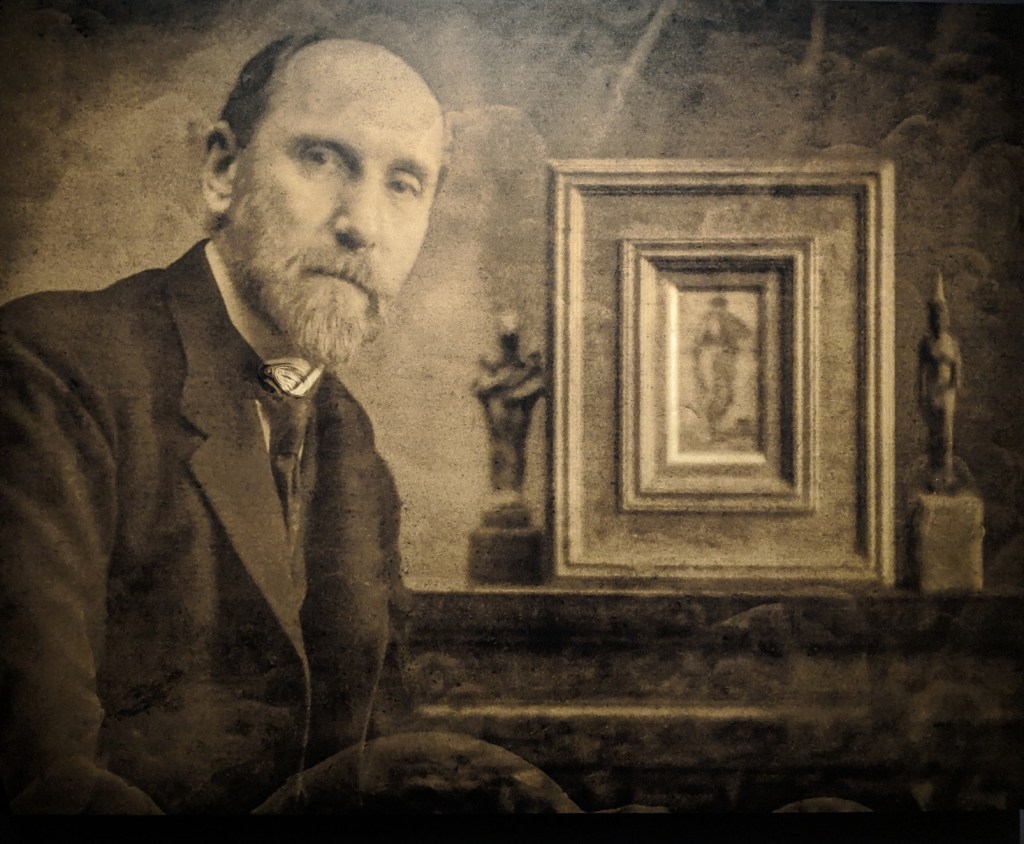
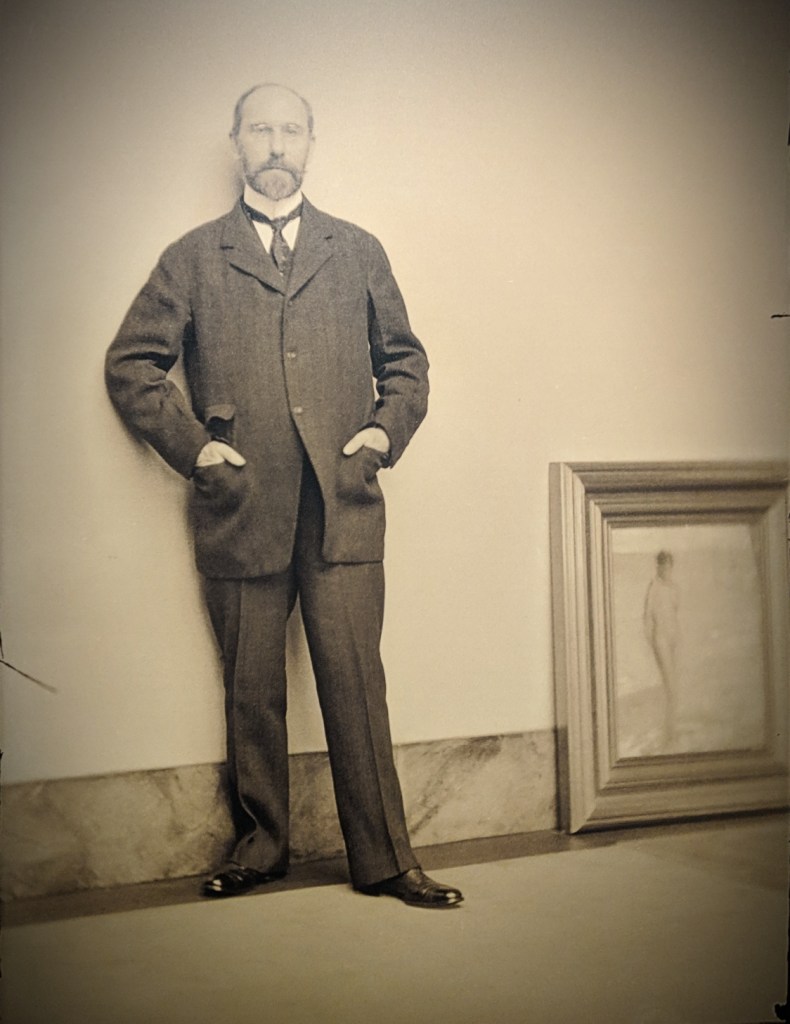
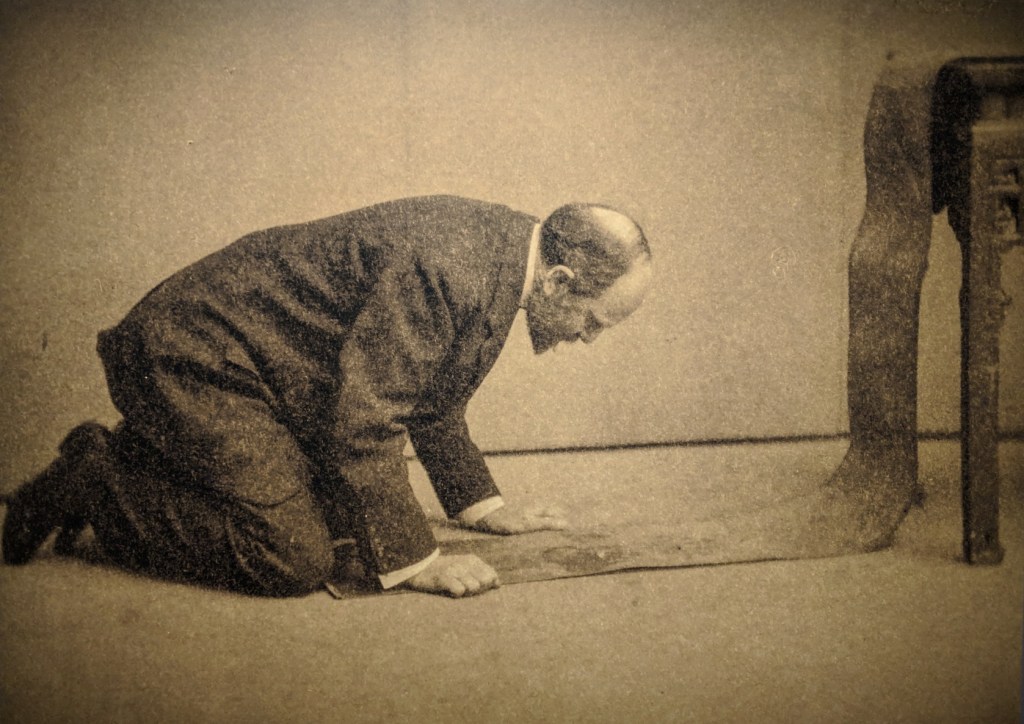
Though he was famously suspicious of photographic reproductions of works of art, Freer felt an immediate affinity with Alvin Langdon Coburn, who came recommended as ”a young man of taste” who shared his host’s enthusiasm for the art of Whistler. Like Freer, Coburn believed that Whistler was preeminent among contemporary painters. Many of Coburn’s pictorialist photographs were indebted to both Japanese prints and Whistler’s tonal landscapes and urban views.

At Freer’s house, Coburn worked from six in the morning until ten at night to photograph the collection. During those long hours, Freer became comfortable enough with Coburn to pose for a series of portraits. Never intended for public display, these images document Freer’s intimate relation ship with his collection. Though it took ”heaps of hard work” to capture the ”elusive” qualities of the art, Freer enjoyed the photography project. He admitted to a friend, ”You will understand what fun we are having”. [source: Freer Gallery of Art]

Photographs of Freer with works from the collection, 1909, by Alvin Langdon Coburn

Freer Gallery of Art, Washington D.C.

March 21st, 2019