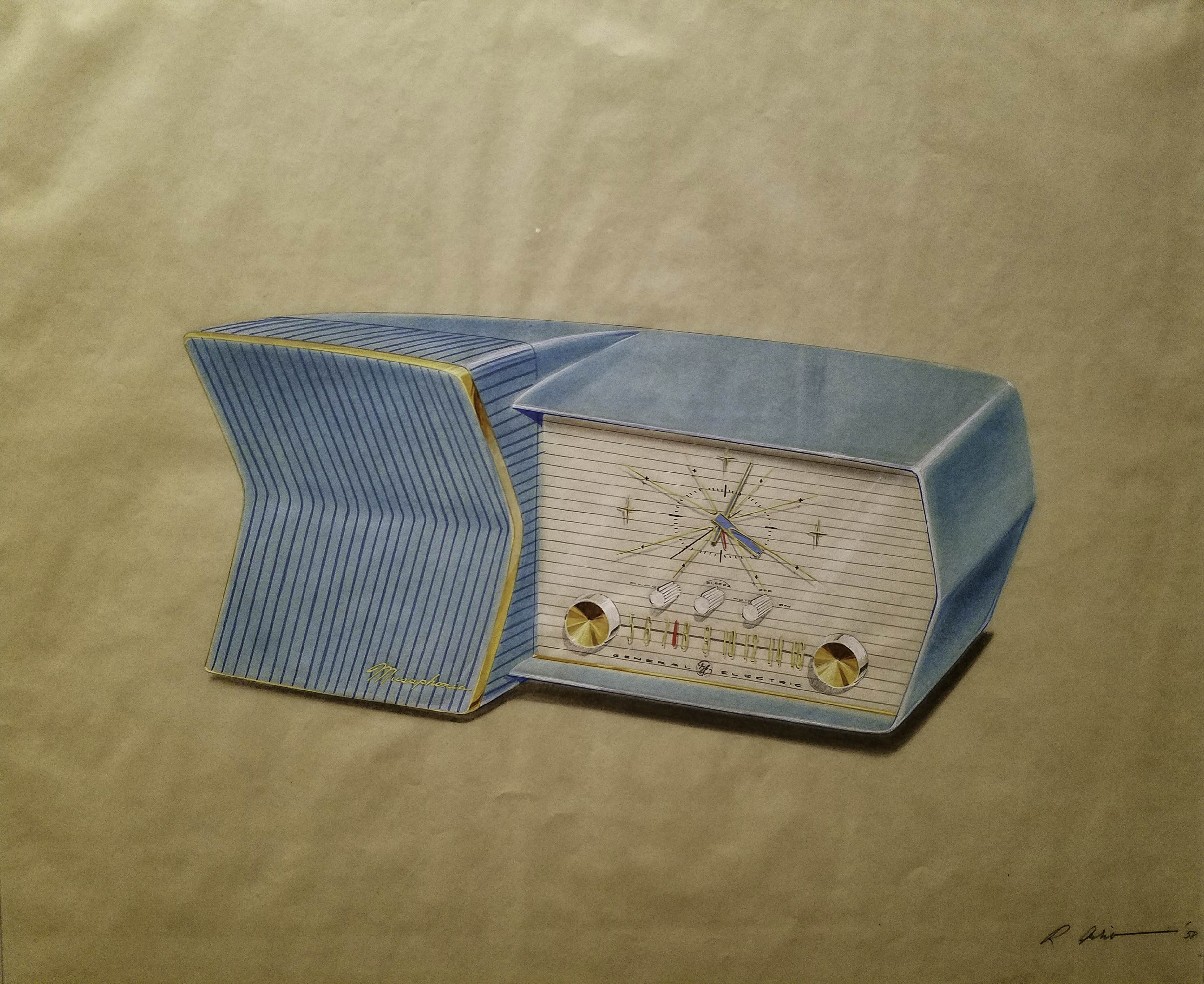
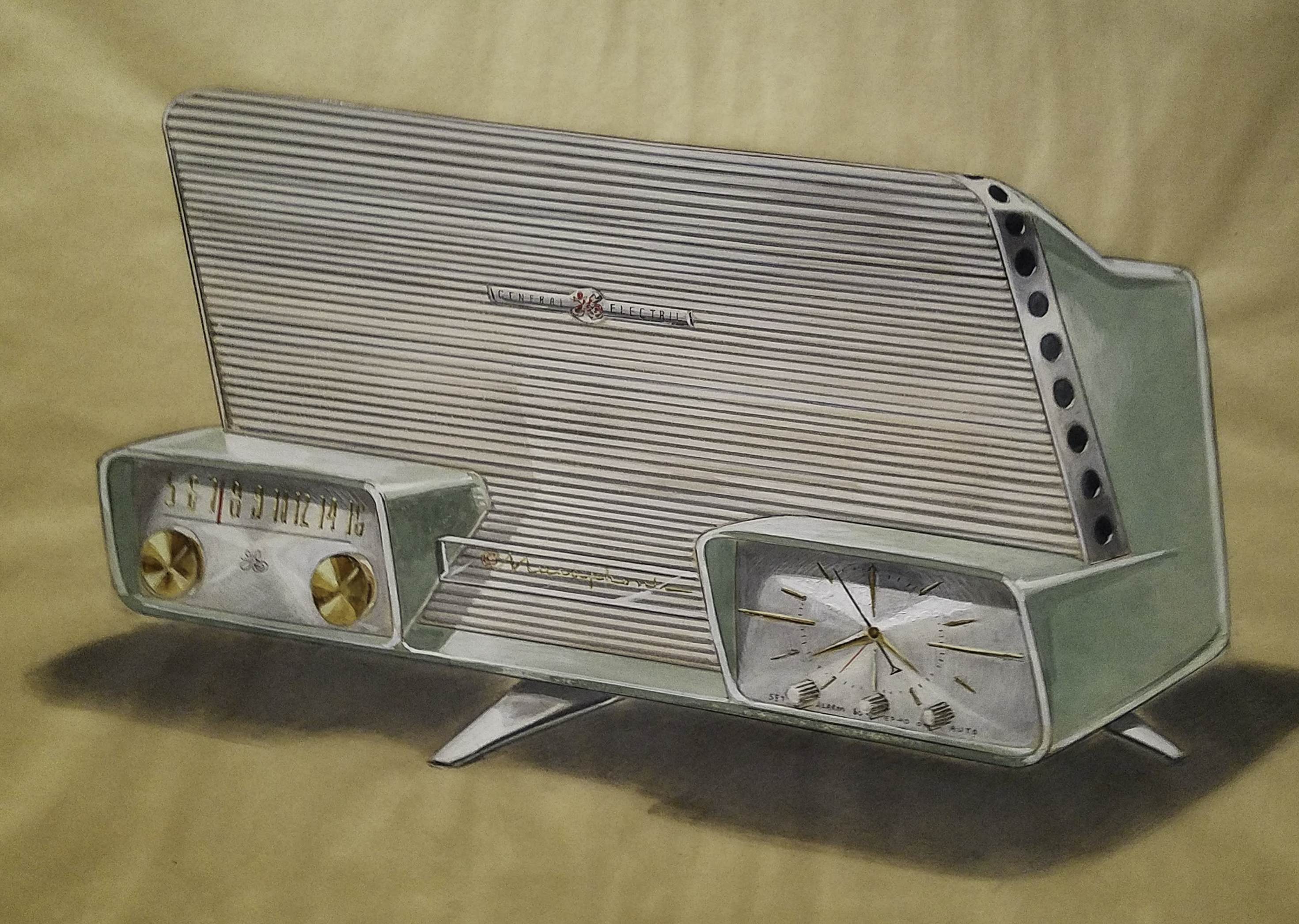
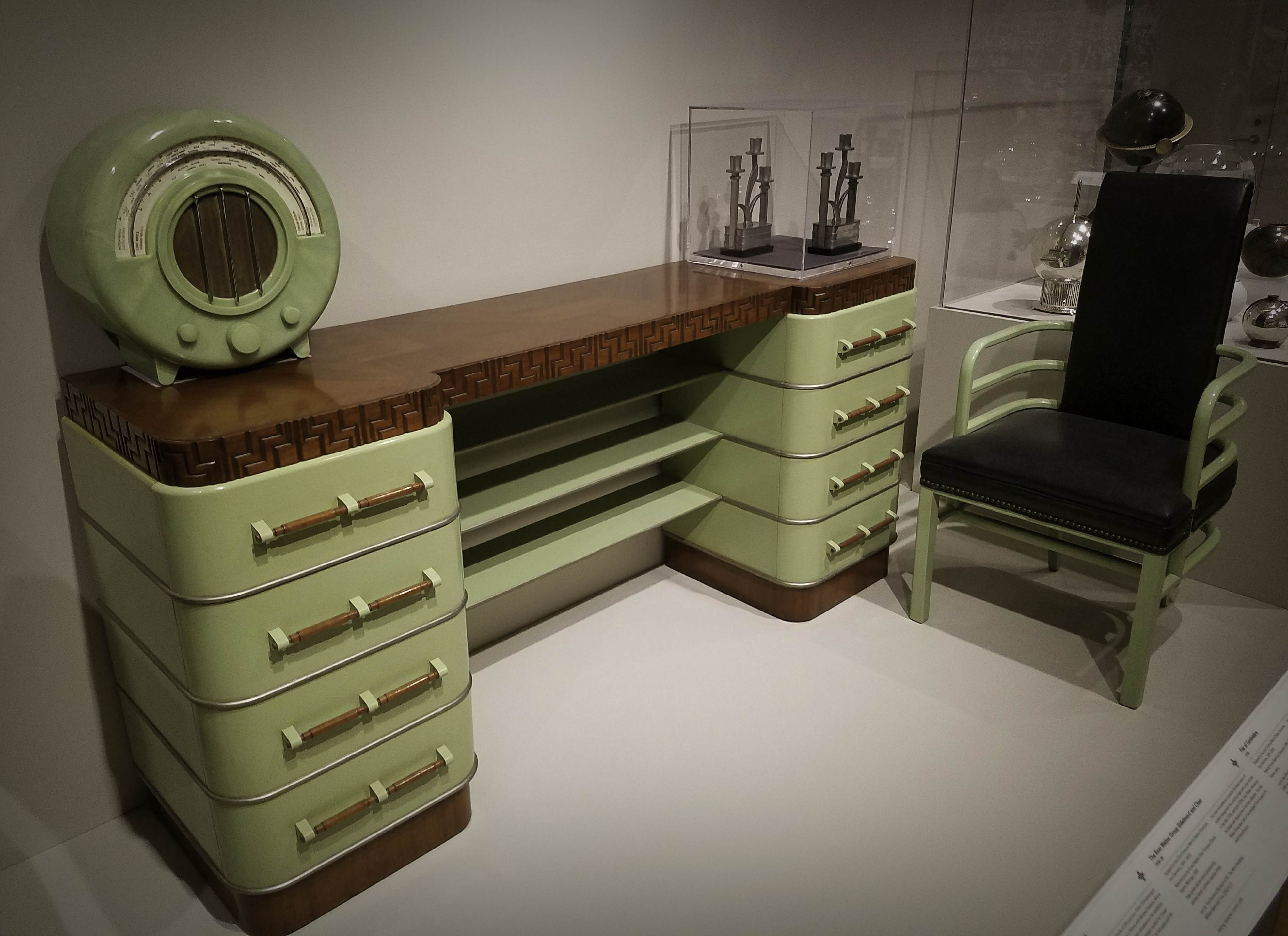
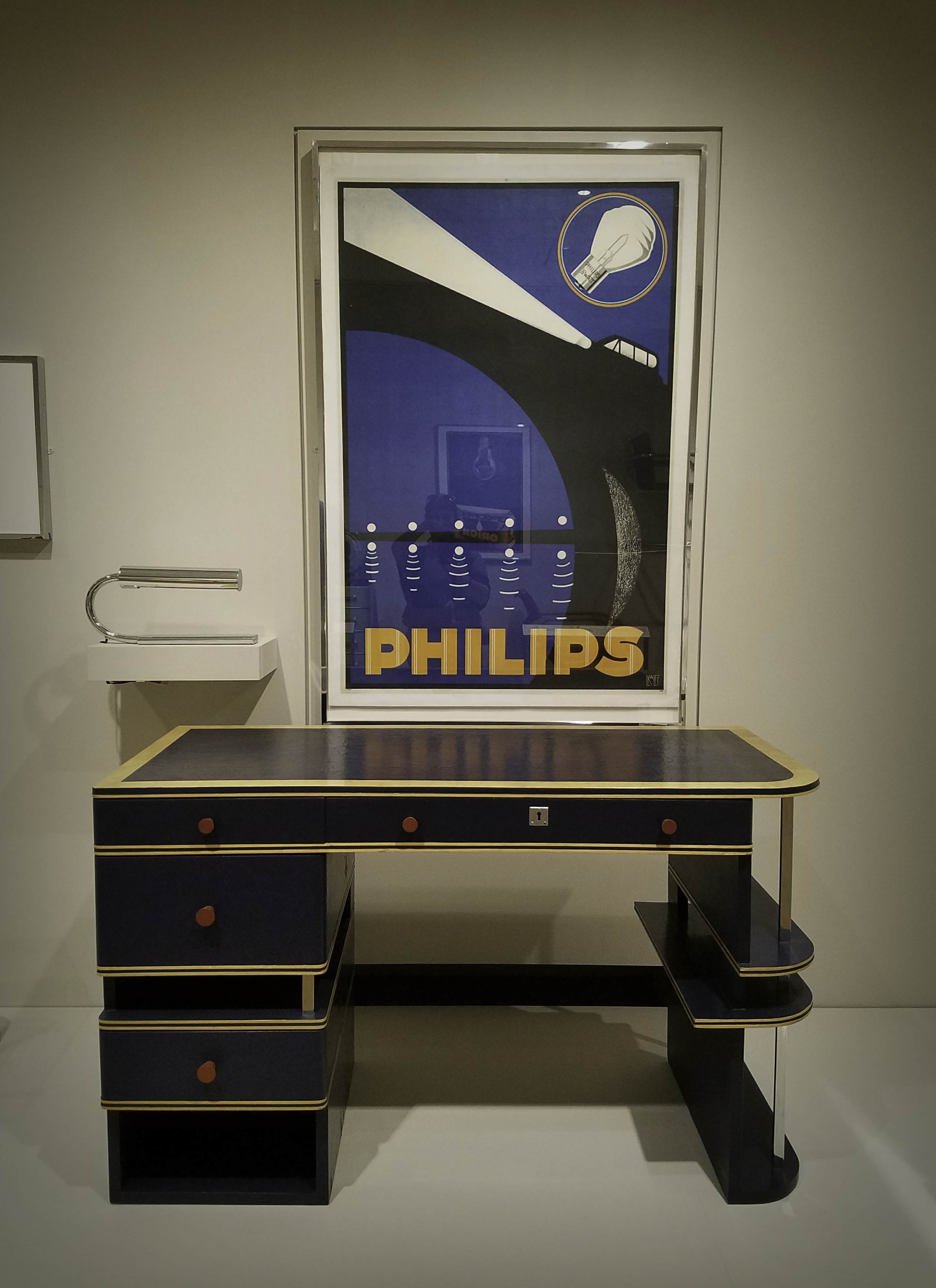
From The Jazz Age: American Style in the 1920s, an exhibition at the Cooper Hewitt, April through August 2017
July 30th, 2017
From The Jazz Age: American Style in the 1920s, an exhibition at the Cooper Hewitt, April through August 2017
July 30th, 2017
Actual Pace vs Real Feel
July 29th, 2017
*Big City Tunes*
I’m a poor lonesome cowboy
I’m a long long way from home
And this poor lonesome cowboy
Has got a long long way to roam
Over mountains over prairies
From dawn till day is done
Into the setting sun
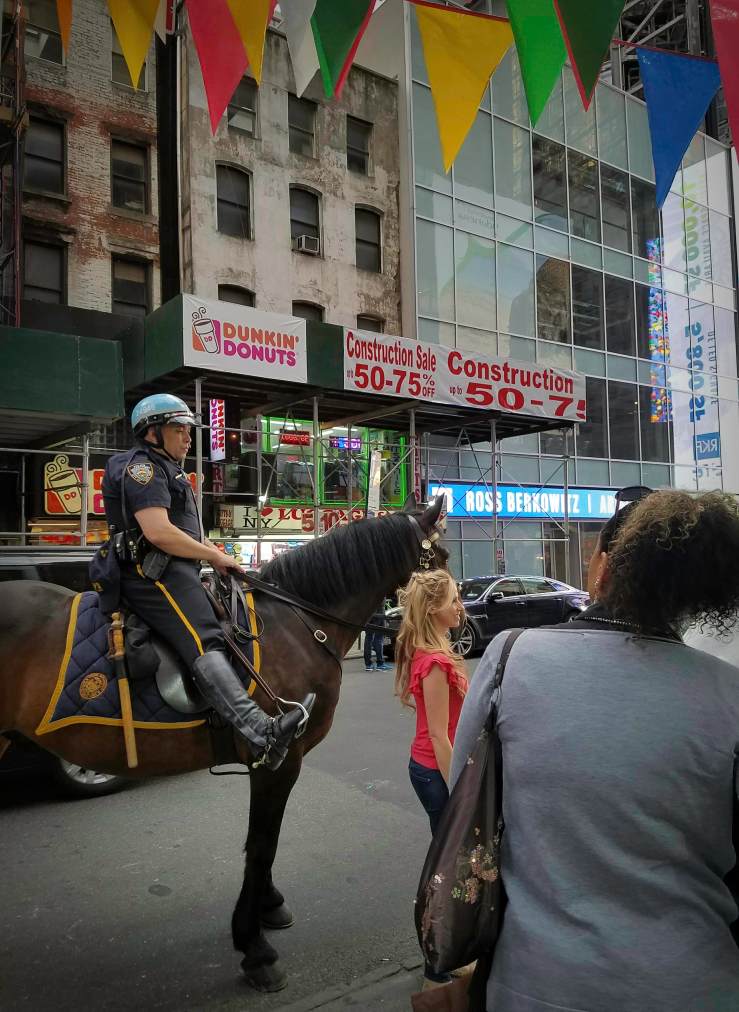
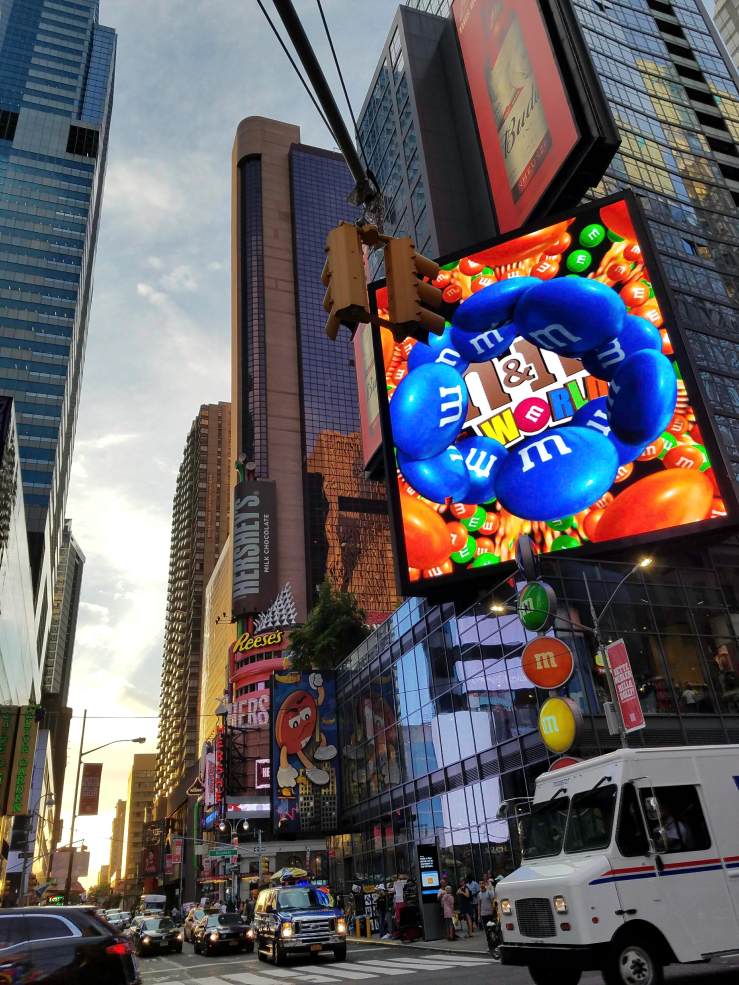
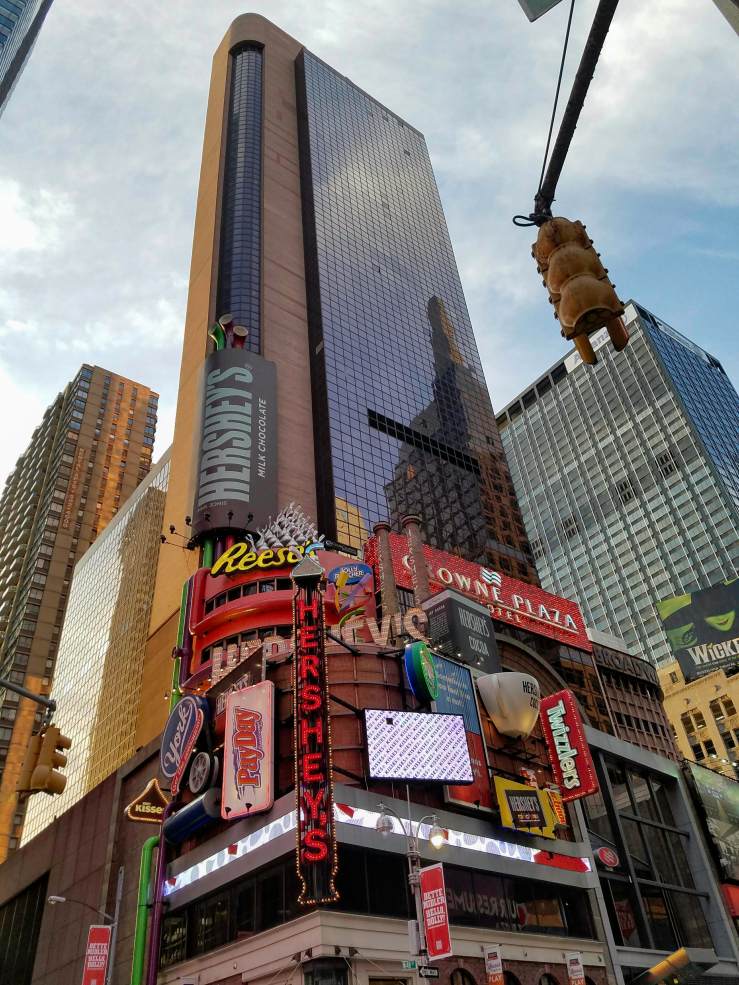
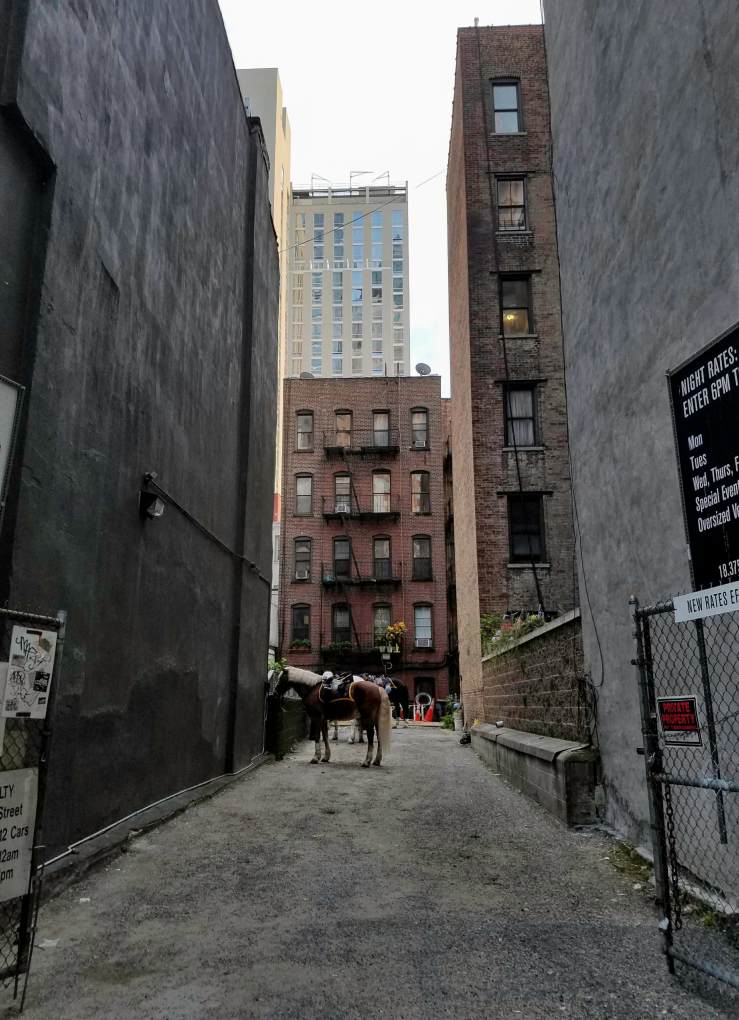
To roam
July 26th, 2017
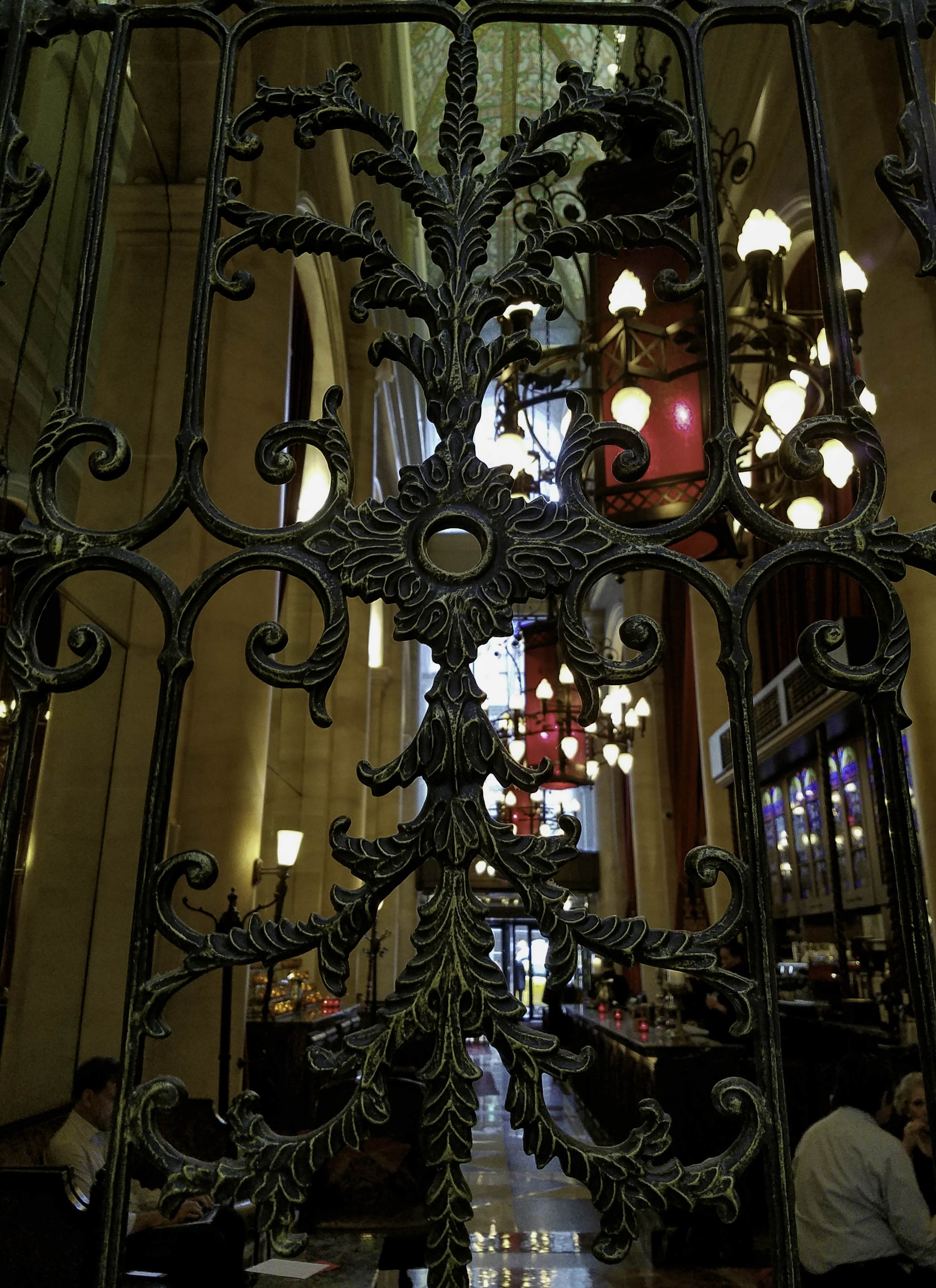
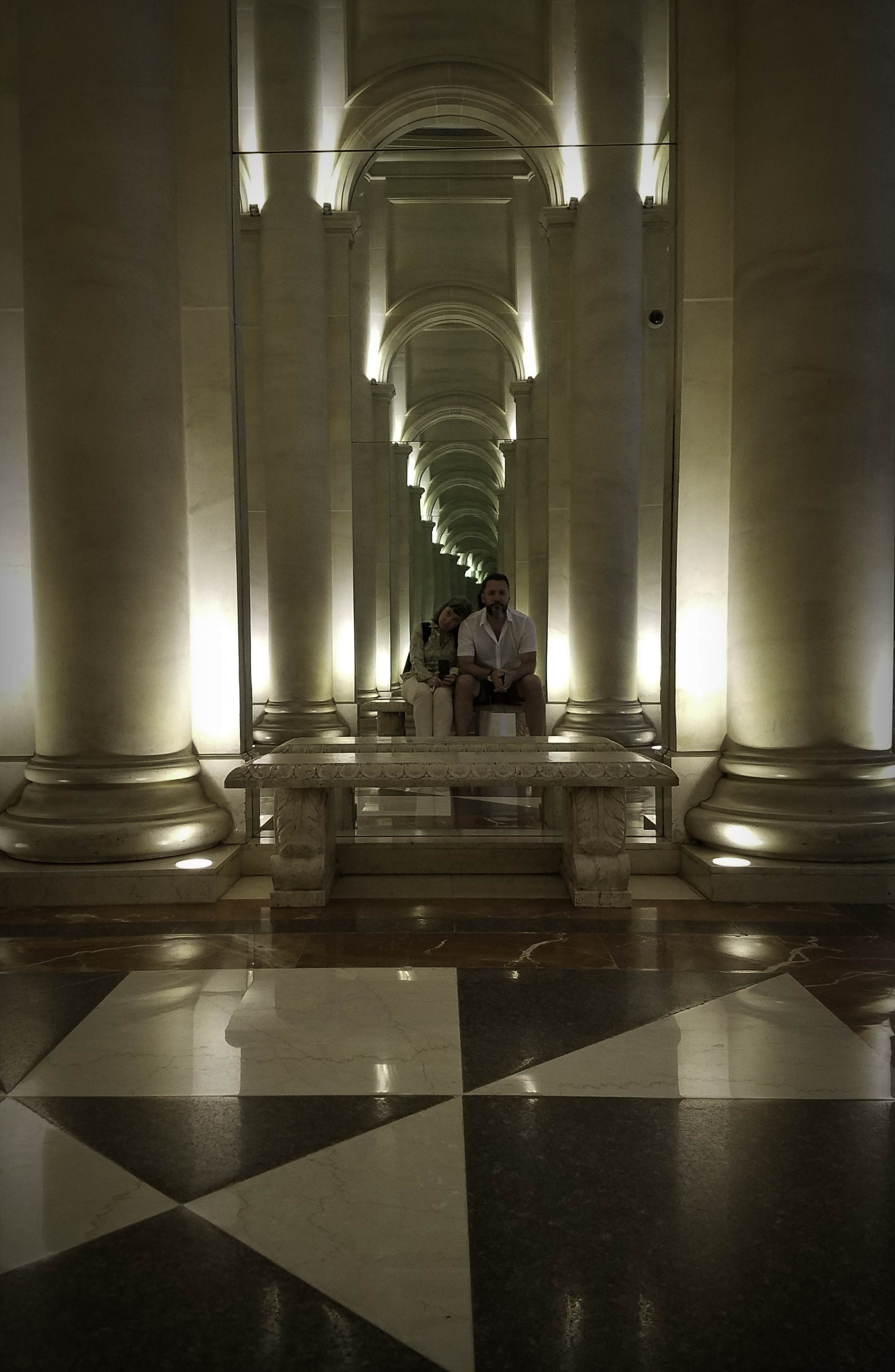
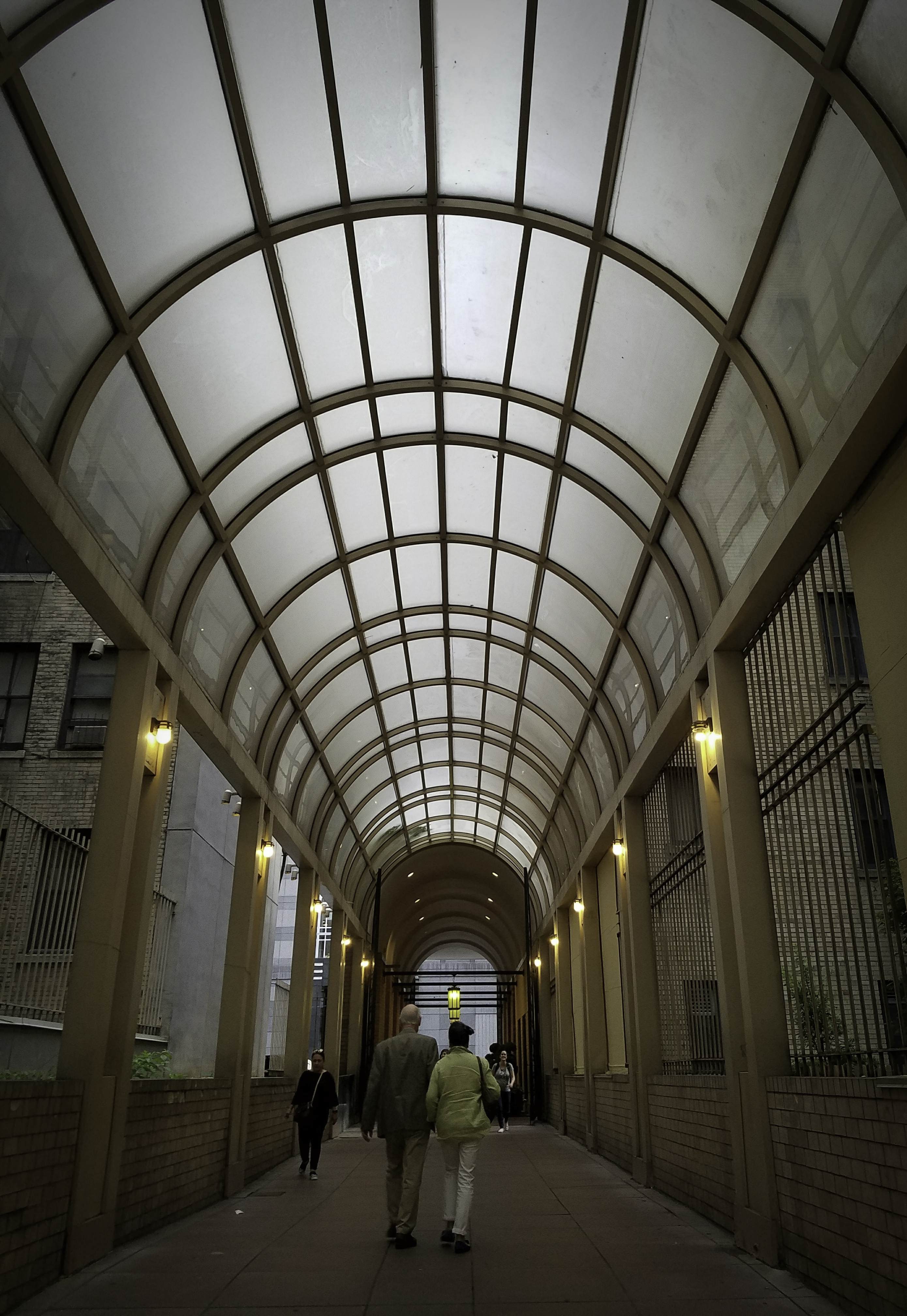
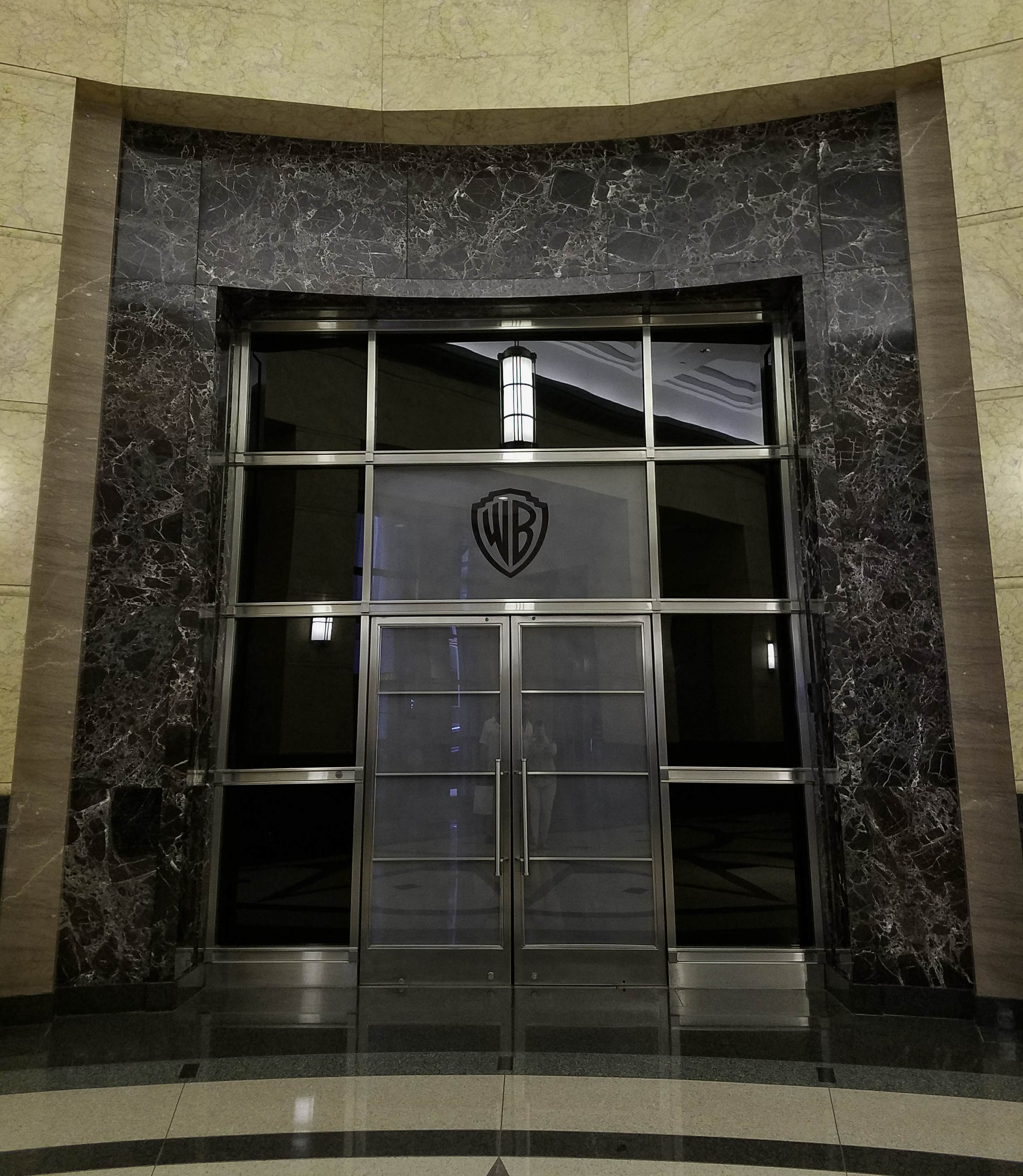
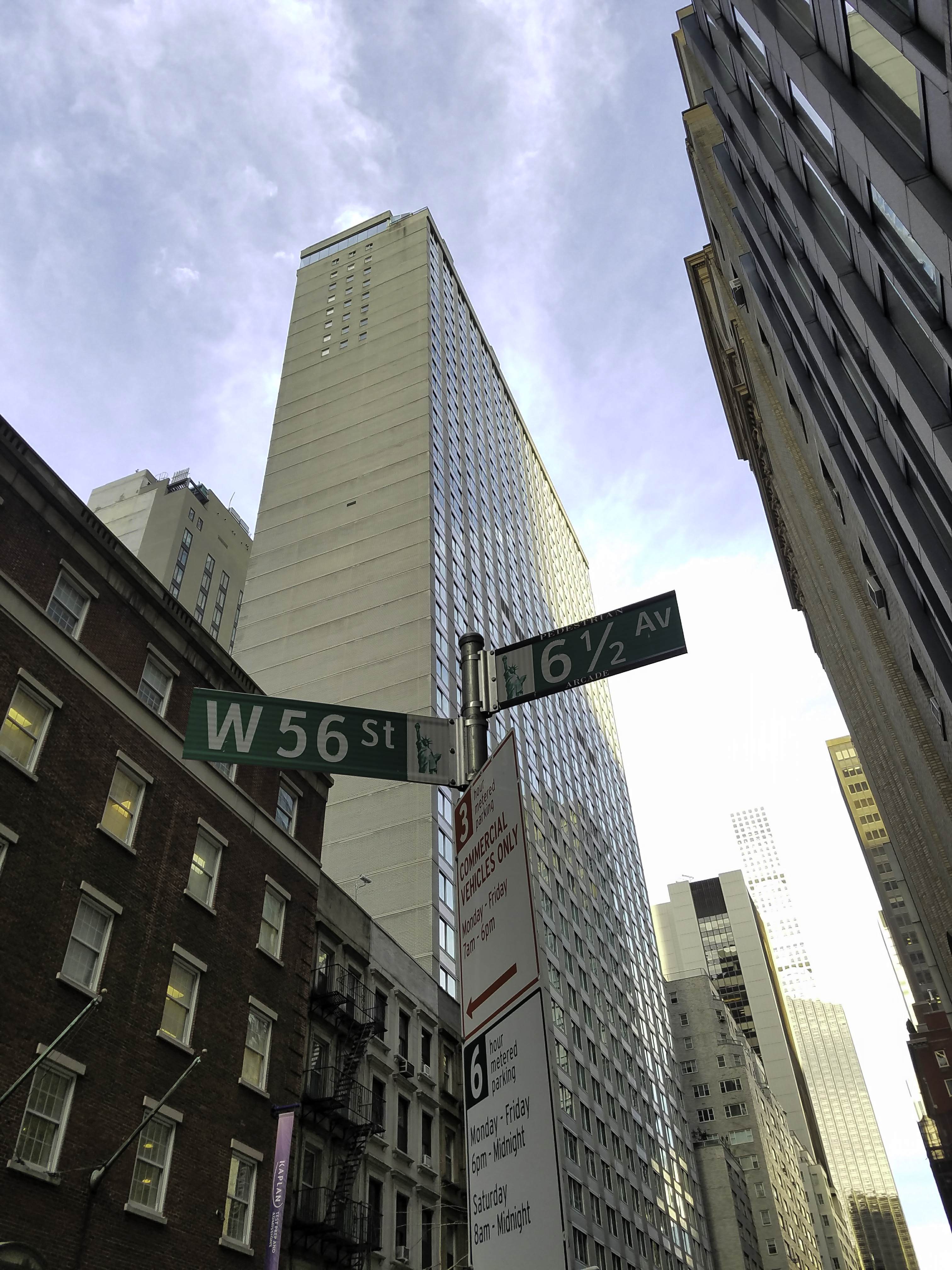
Times Fifty Sixth, equals the magic number that unlocks the mysteries of the Avenue That Does Not Exist.
You too can uncover its mysteries; but tread gently or you might upset the kind denizens of this strange, parallel world.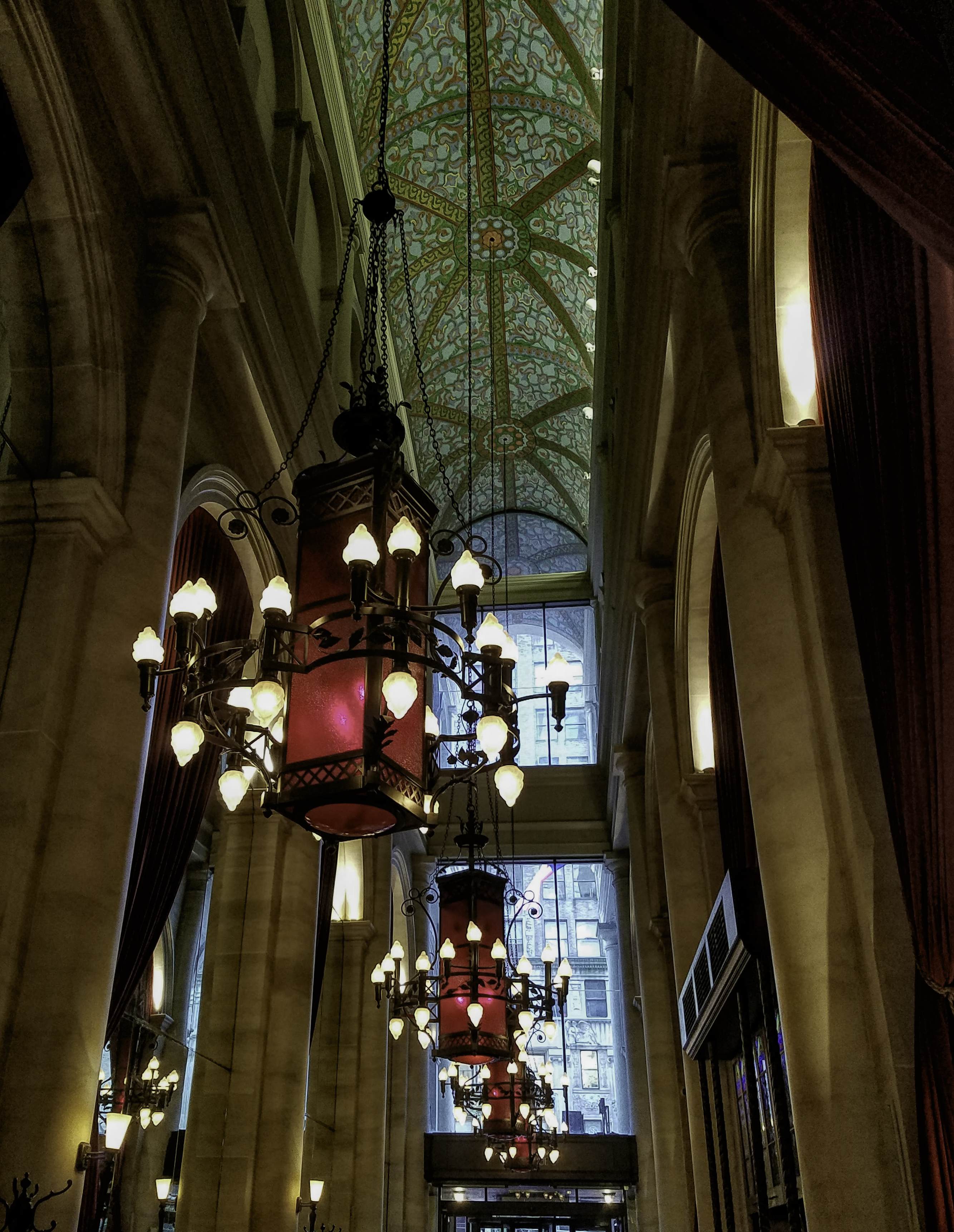
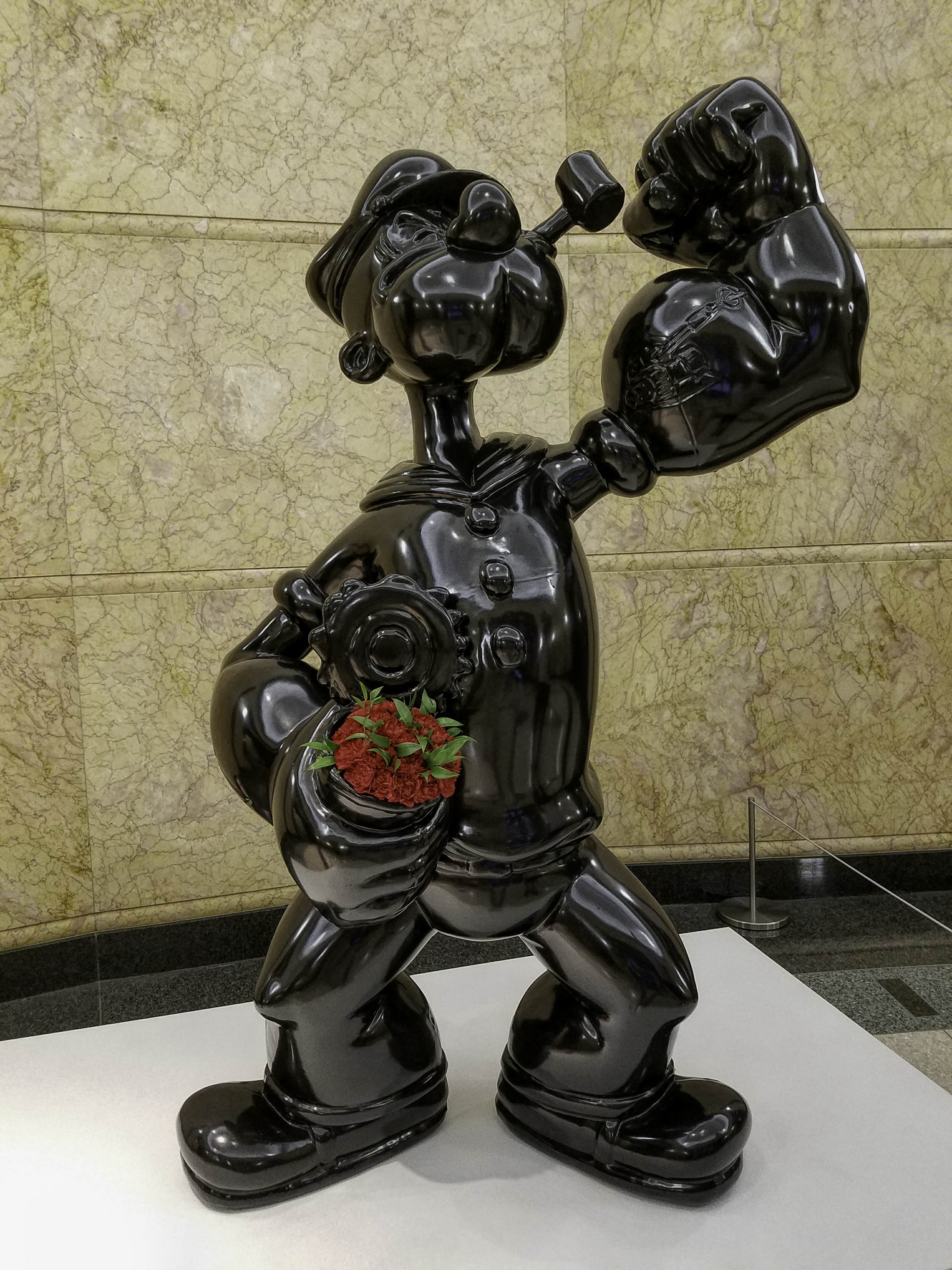
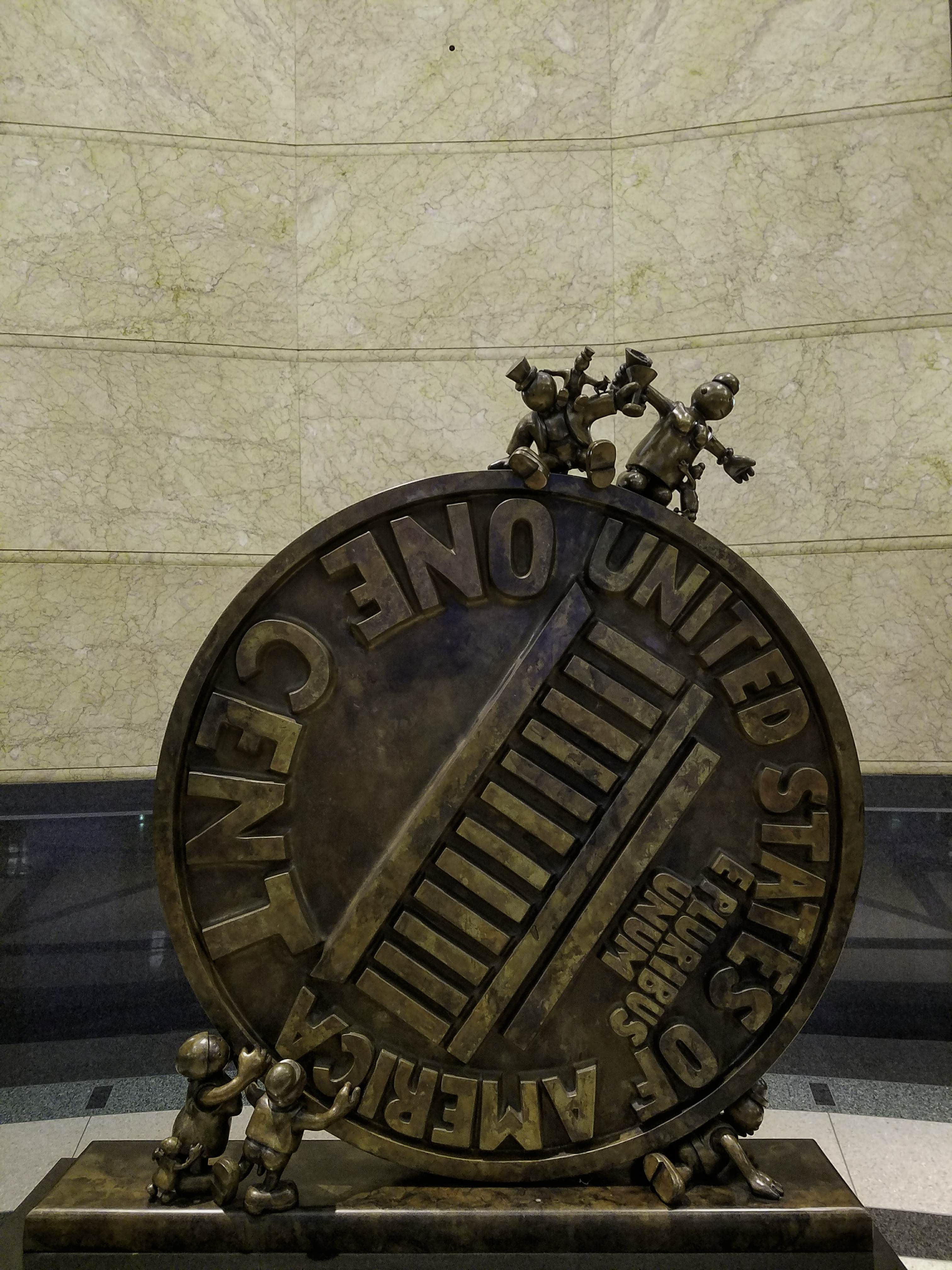
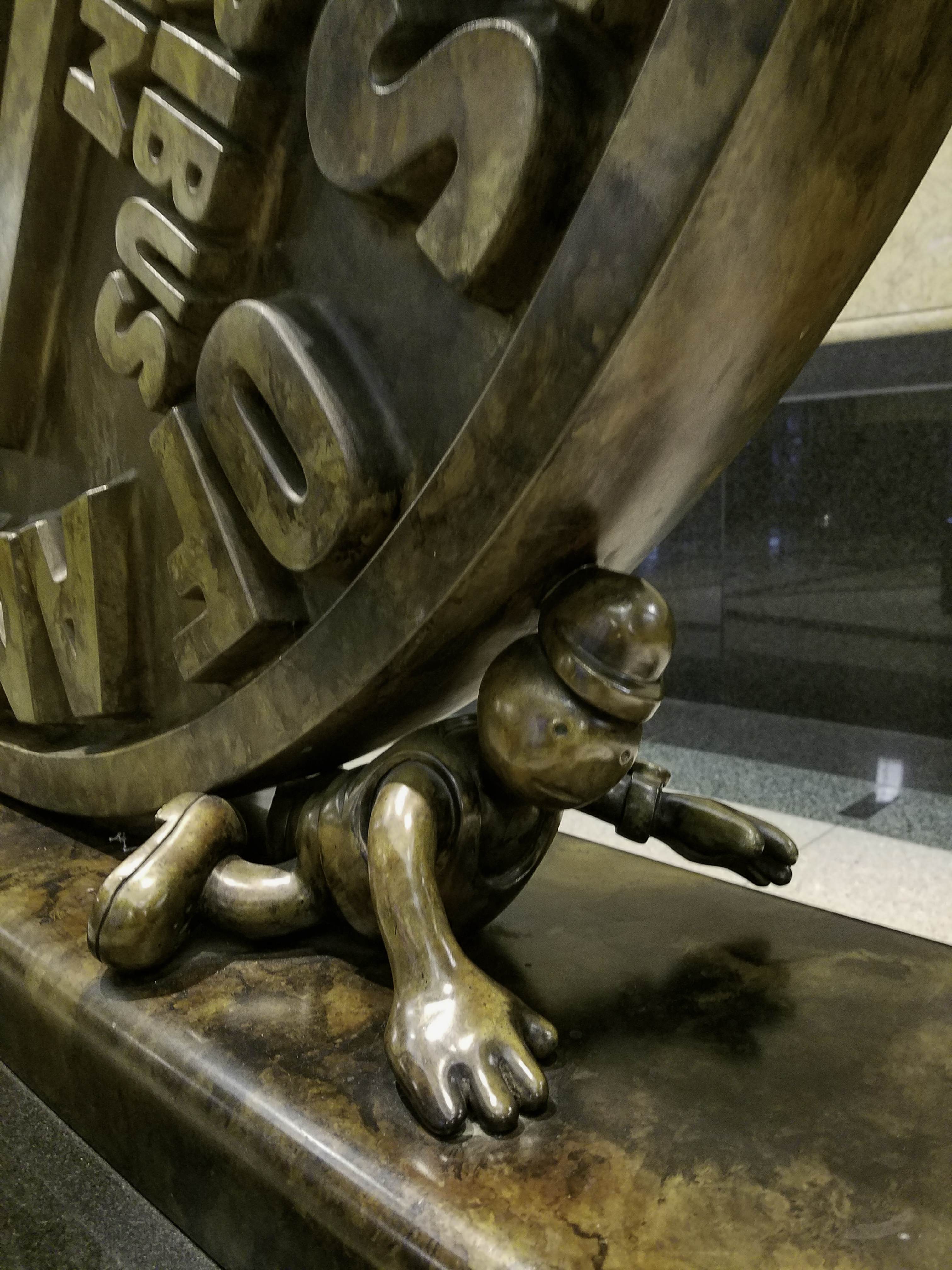
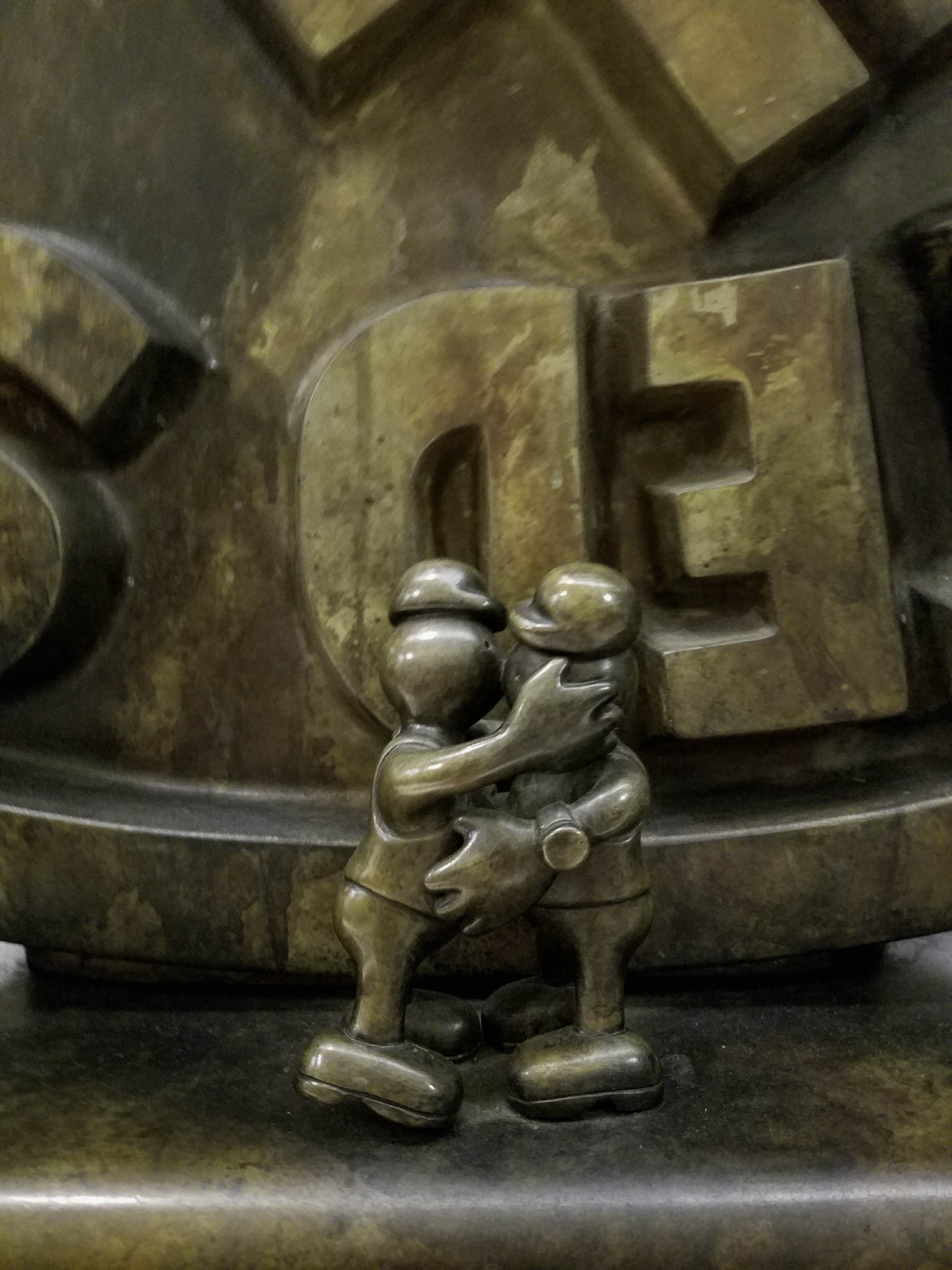
Popeye by Jeff Koons, 2009-2012
Granite and live flowers
Big, big Penny by Tom Otterness, 1993
Bronze
July 26th, 2017
348 v 350
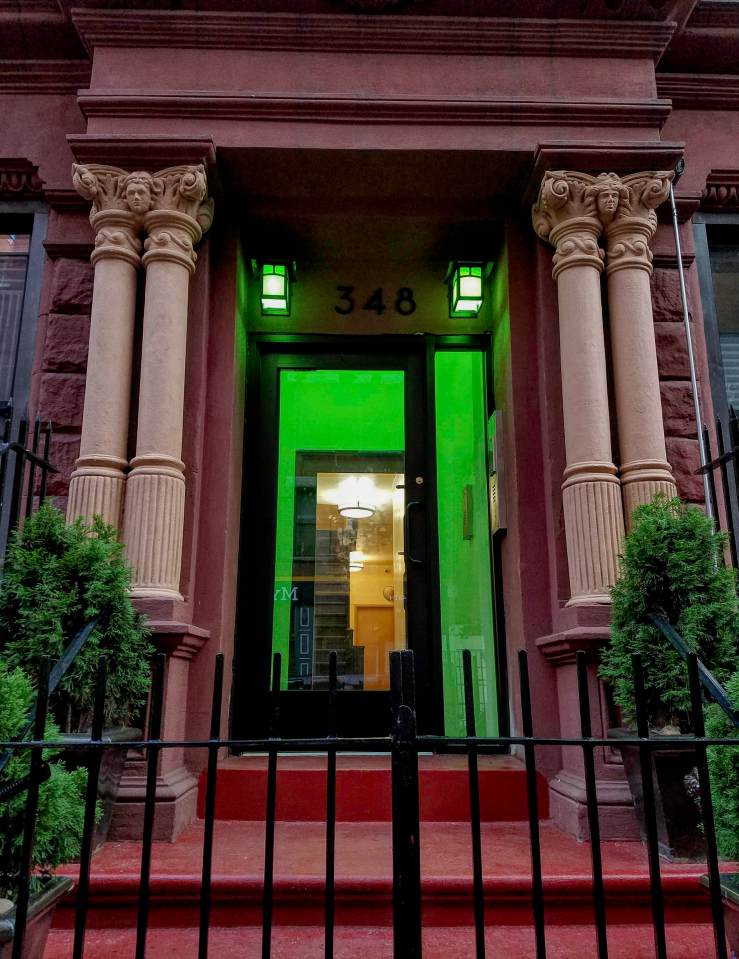
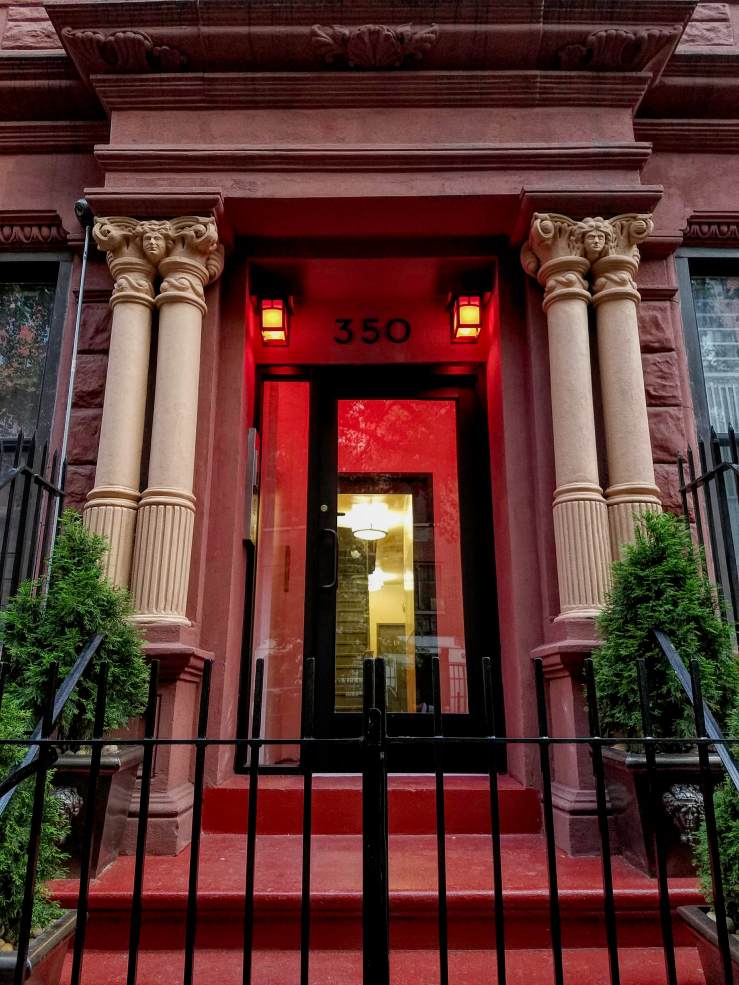
Doors of New York
July 26th, 2017
Some are still standing. Others may already be gone. Such is the fast changing fashion in New York City – here today, gone tomorrow. So fast, it makes you wonder: were they ever really there? 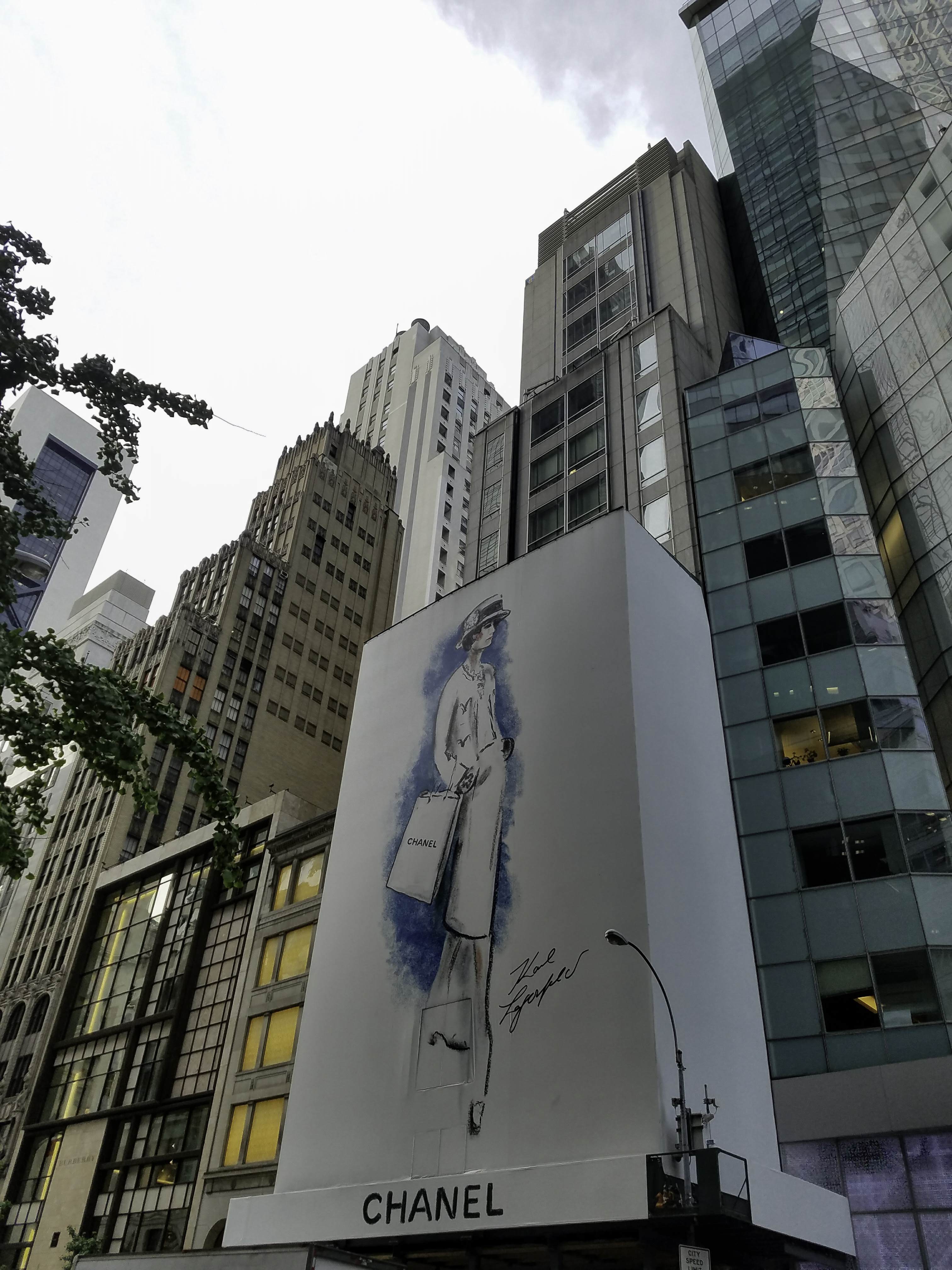
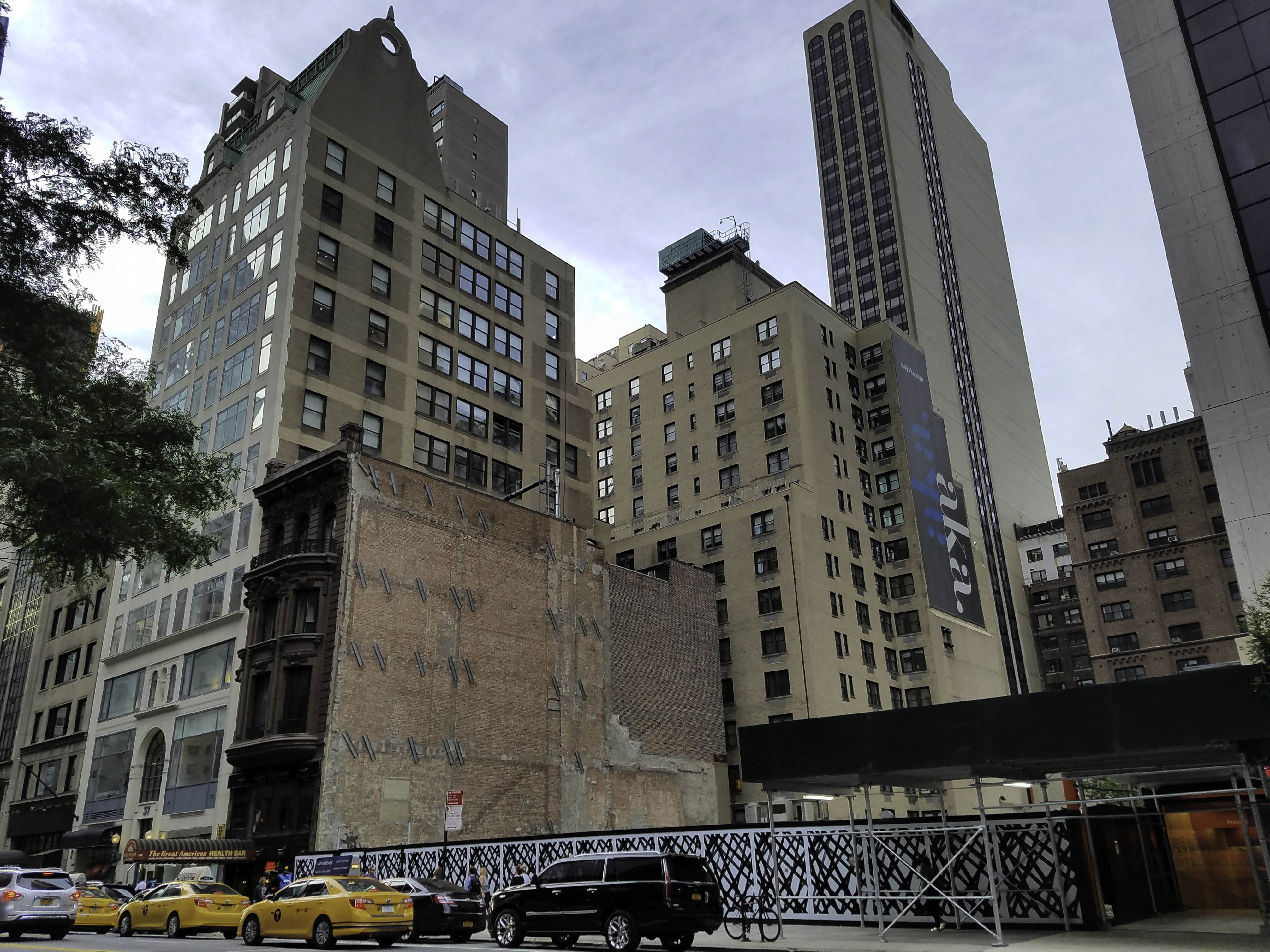
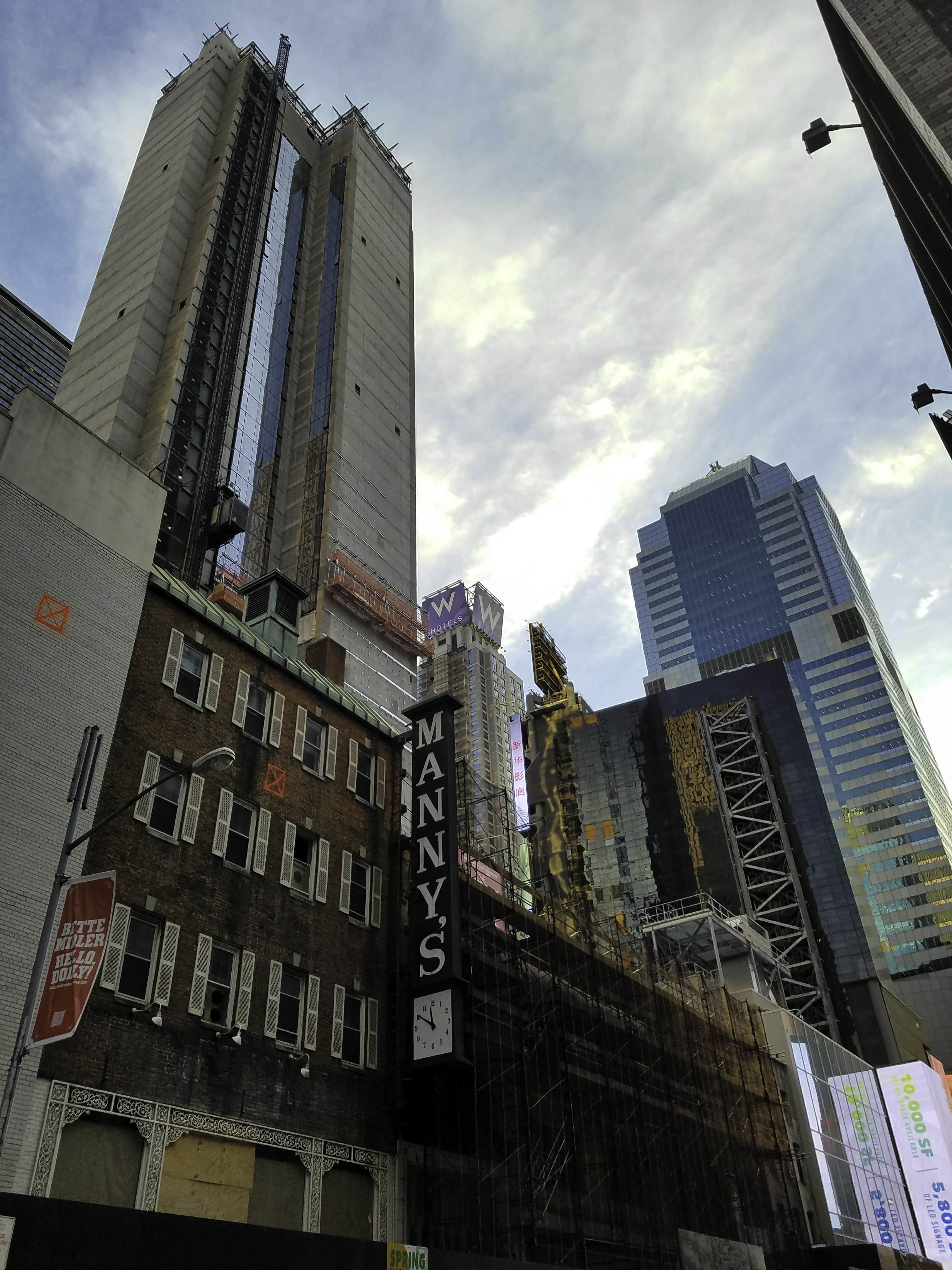
July 26th, 2017
Early afternoon on Third Avenue. If you can’t go to a Broadway performance catch a free special, courtesy of the lively streets of New York. 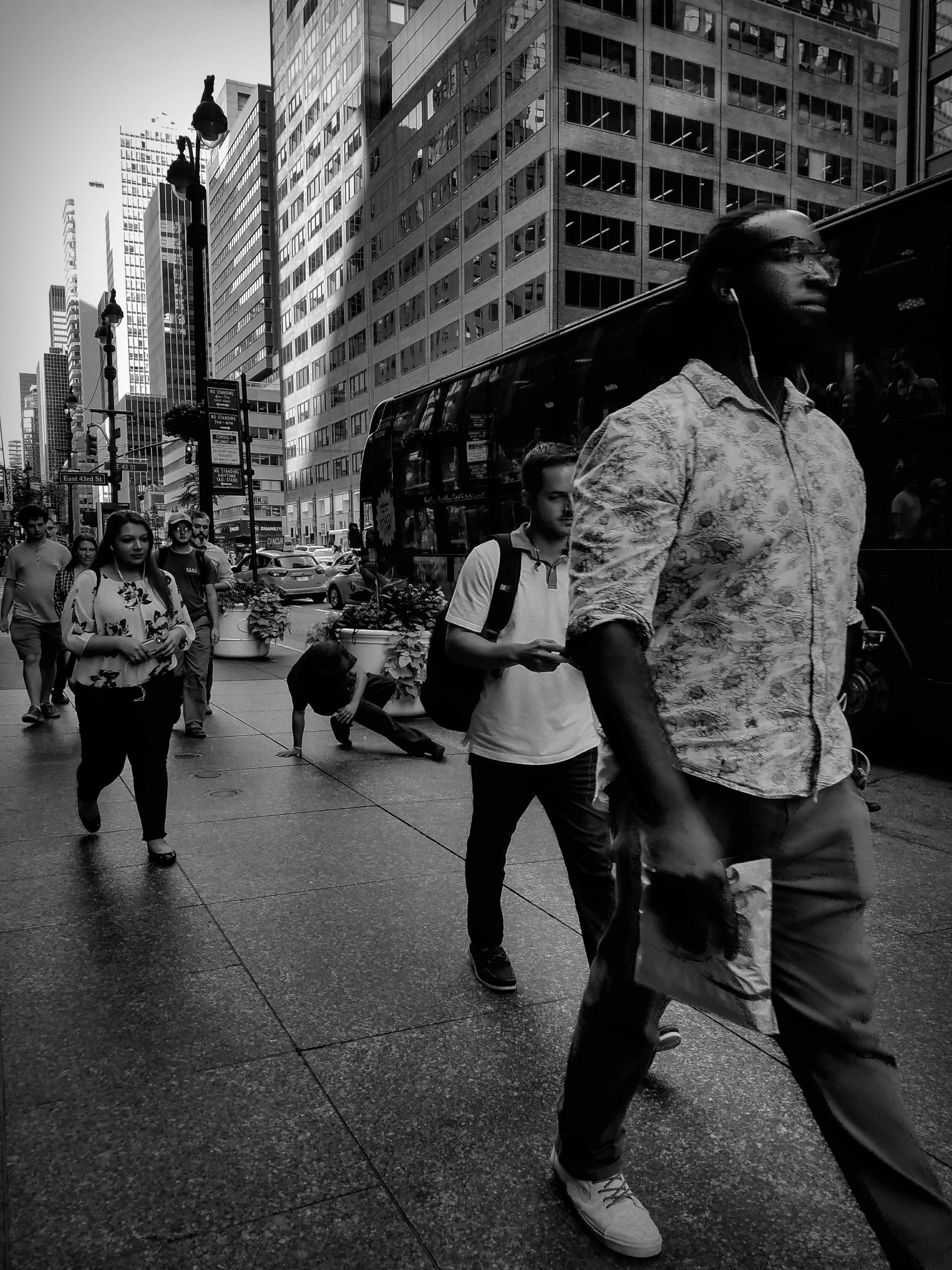
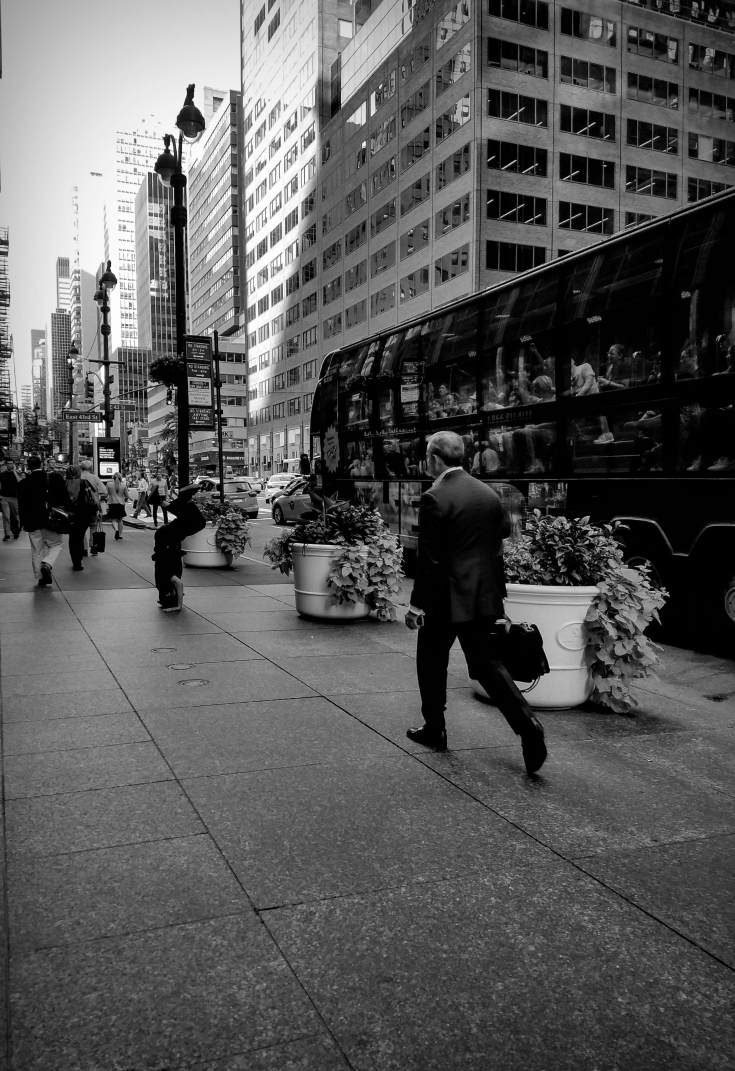
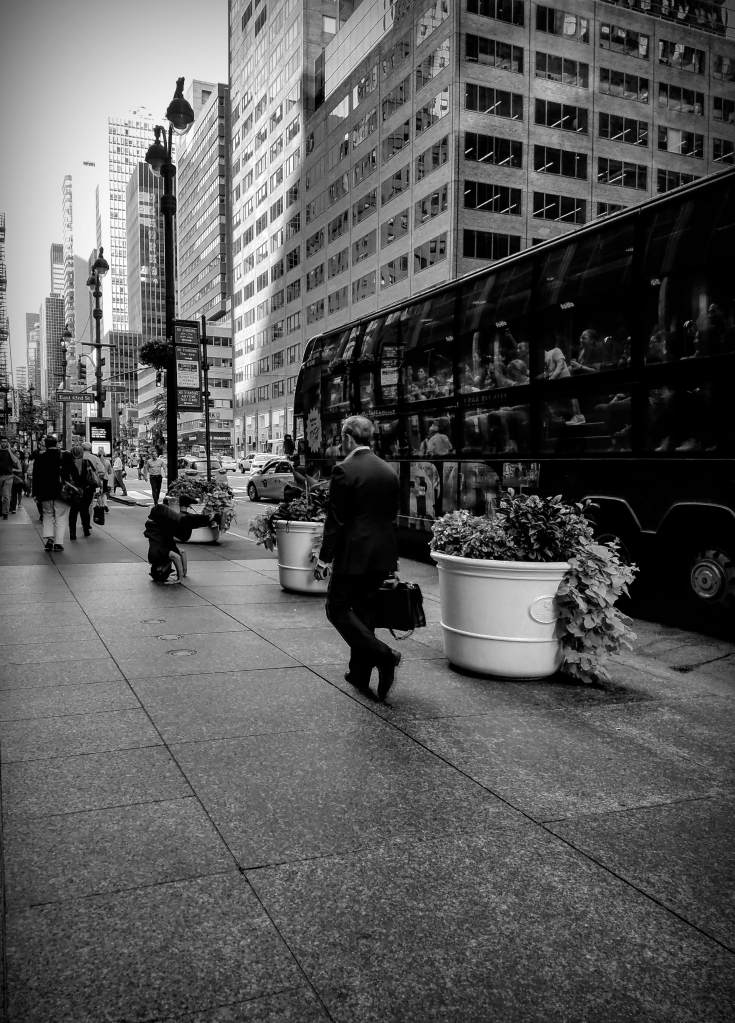
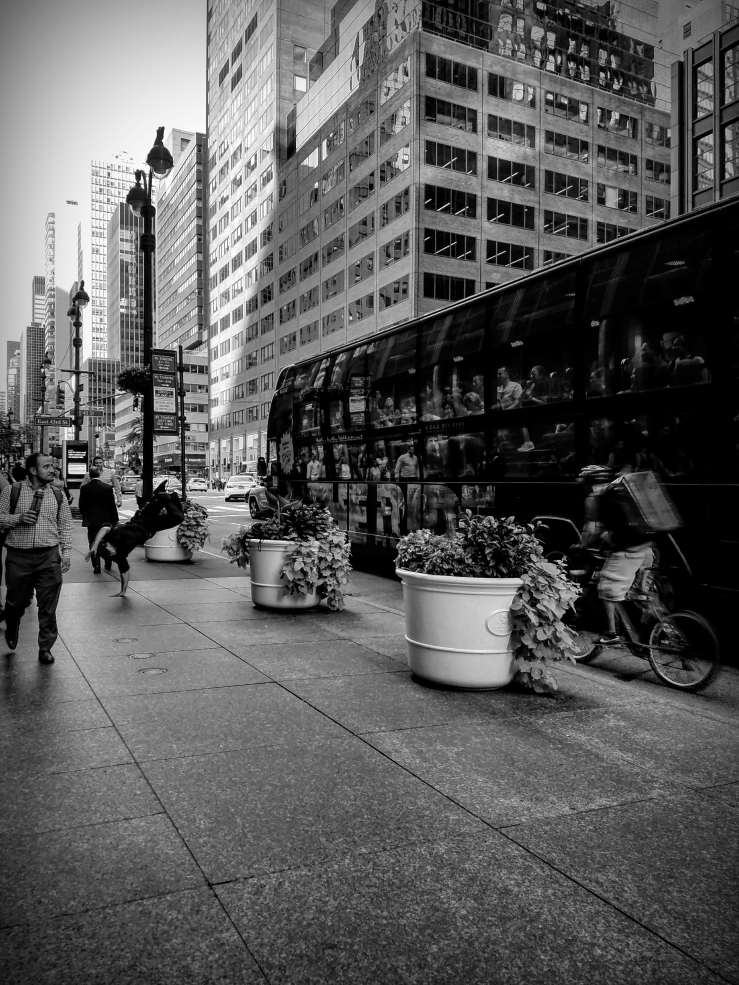
July 26th, 2017
Playing with my mobile camera settings.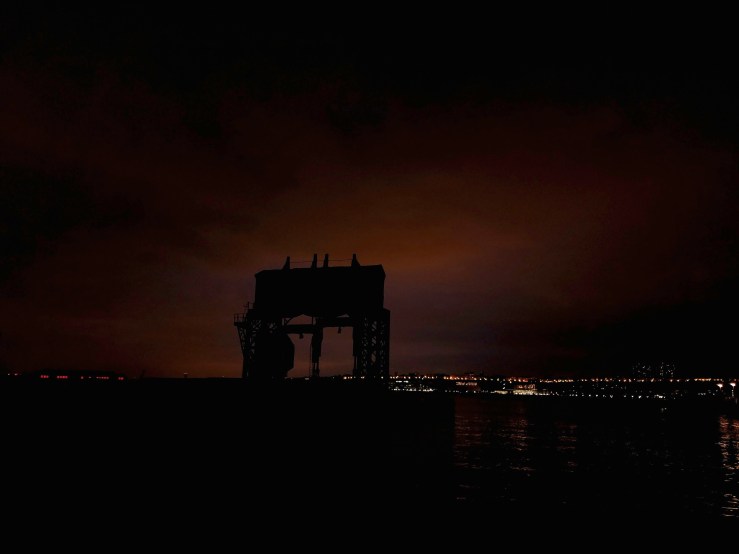
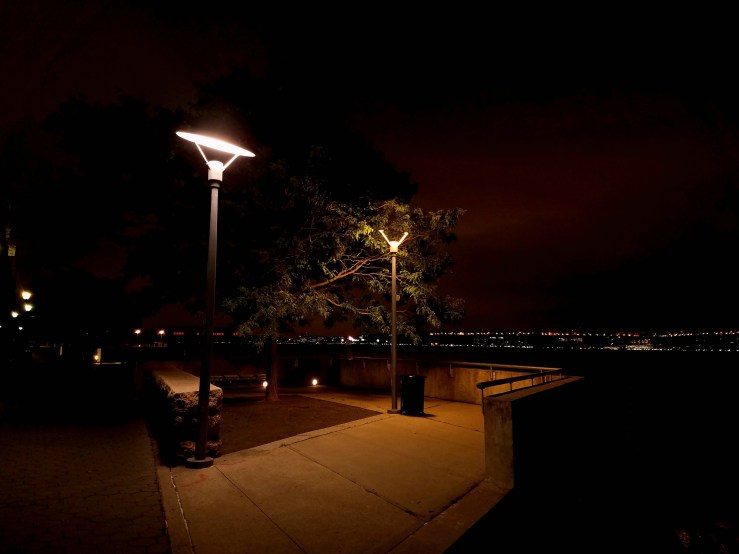
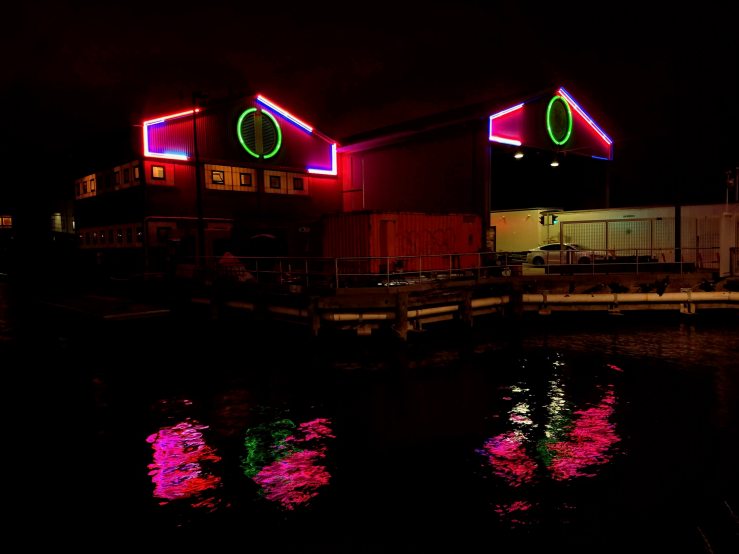
Hudson River Greenway, 9:00pm
July 25th, 2017
Museums come in all shapes and sizes, integral parts of our society and pivotal in preserving, studying and expanding knowledge about the culture, heritage and nature of our world. And in an ethnically diverse metropolis of the magnitude of New York City, Museums come in every conceivable type: from the matchbox Mmuseumm to the jewel box Frick Collection, the Ambassador of Modernism that is the MoMA to the National Museum of the American Indian, advocate of Native American heritage, there are weird museums, pop up museums, museums of gigantic proportions like The Met; there is something for every interest, taste and even physical condition.
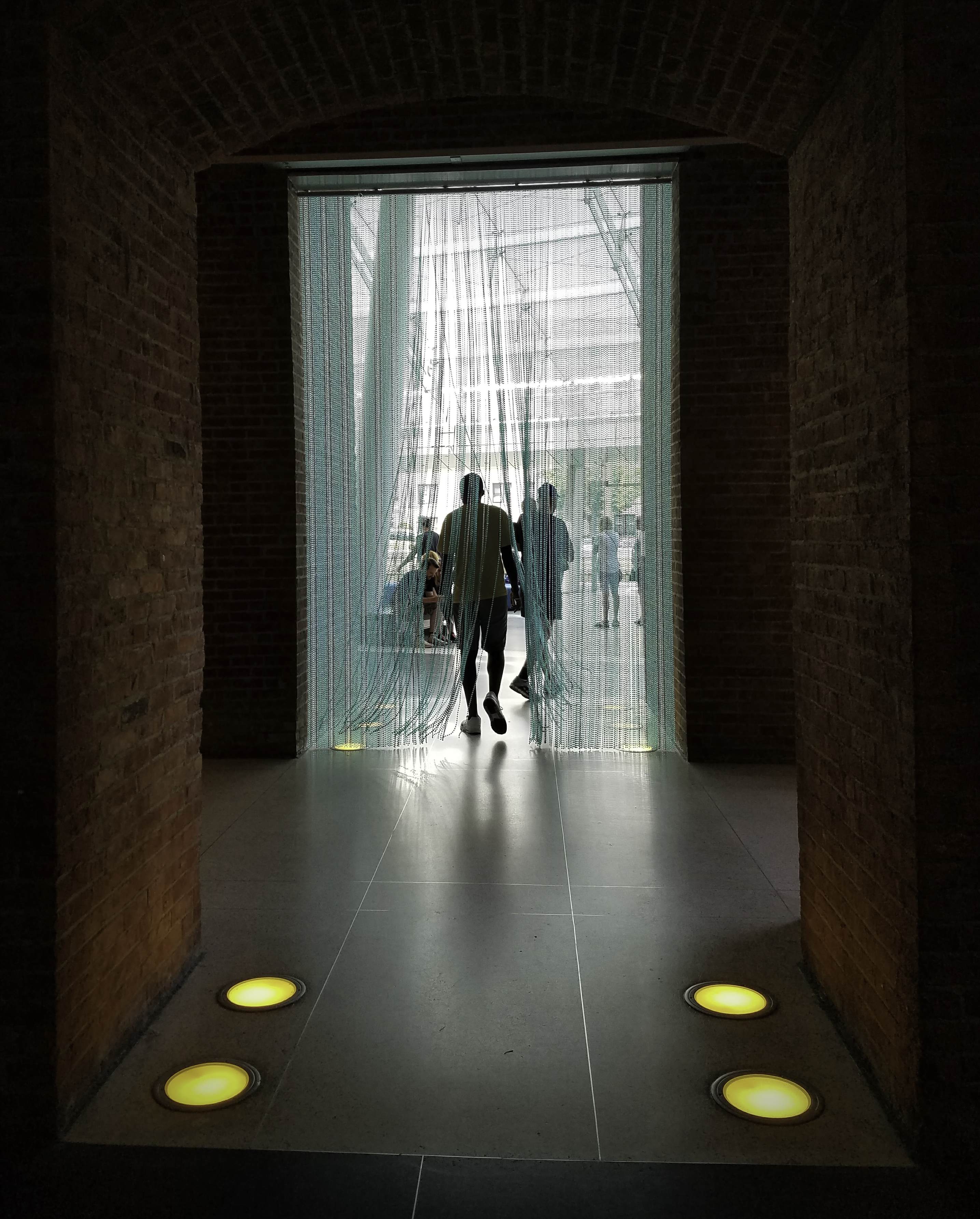 The Brooklyn Museum falls under the category of those Tardis-like structures that are surprisingly ”bigger on the inside”. How else can I explain the seemingly endless space when, after going through the galleries hosting the extensive Georgia O’Keeffe exhibition occupying -what we thought was- the largest part of the Museum, we found ourselves walking through corridors and galleries, monumental installations and even reconstructed period rooms, only to end up in this vast open space, its glass-tile floor reflecting the natural light coming from a skylight as large as the ceiling, enhanced by a huge chandelier?
It was only afterwards I looked it up and realised we had just visited the third largest Museum in New York City! 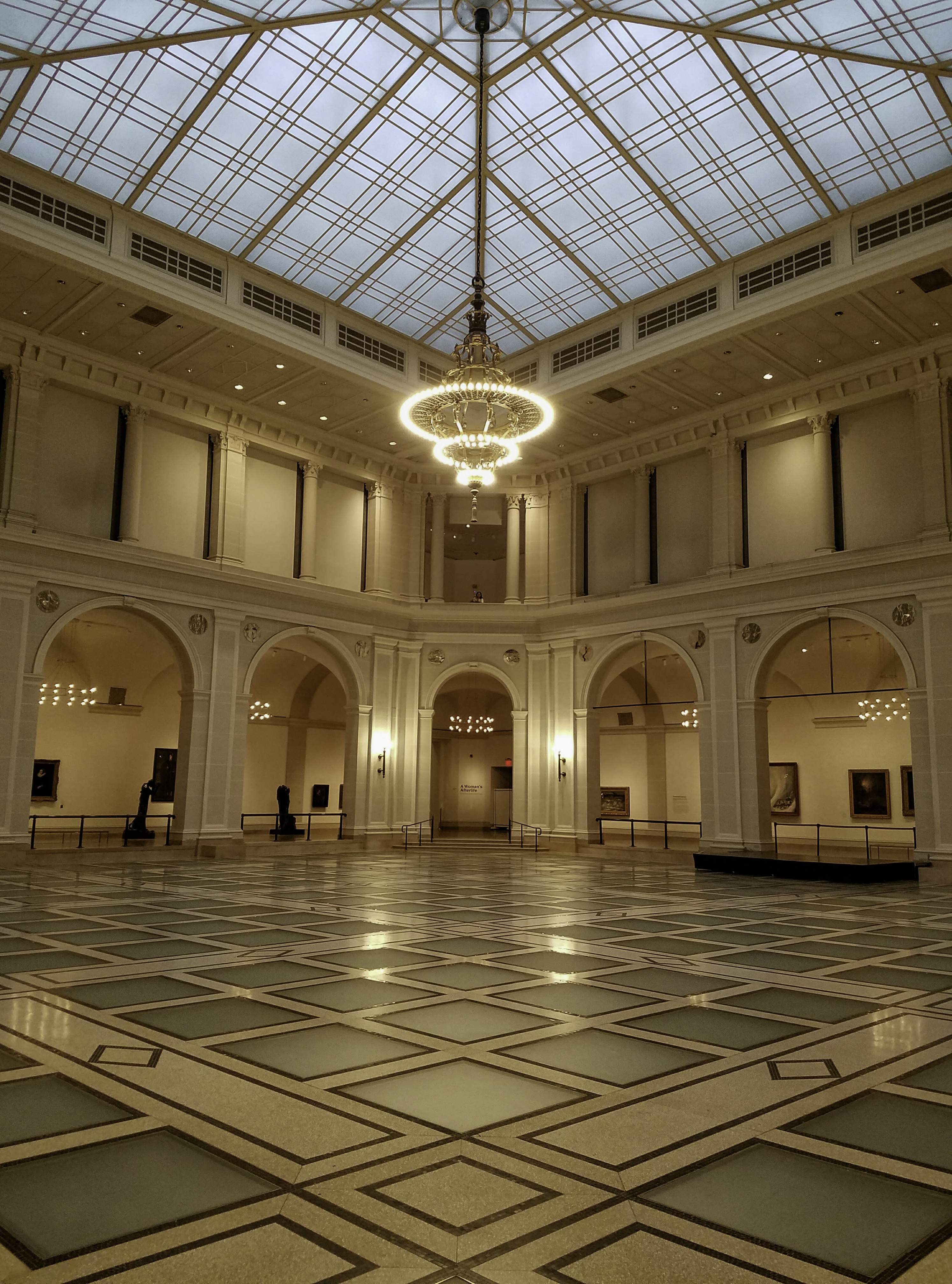
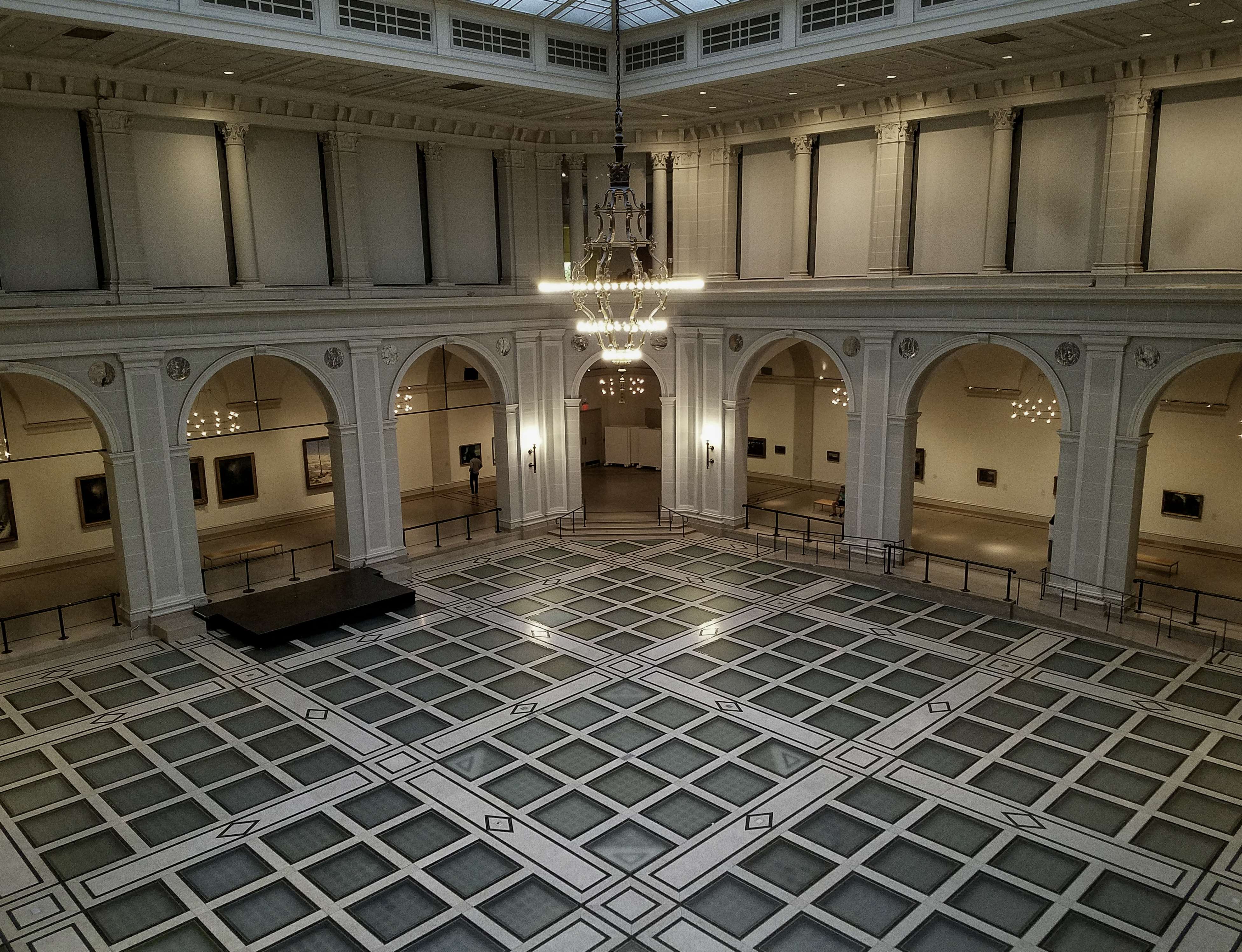
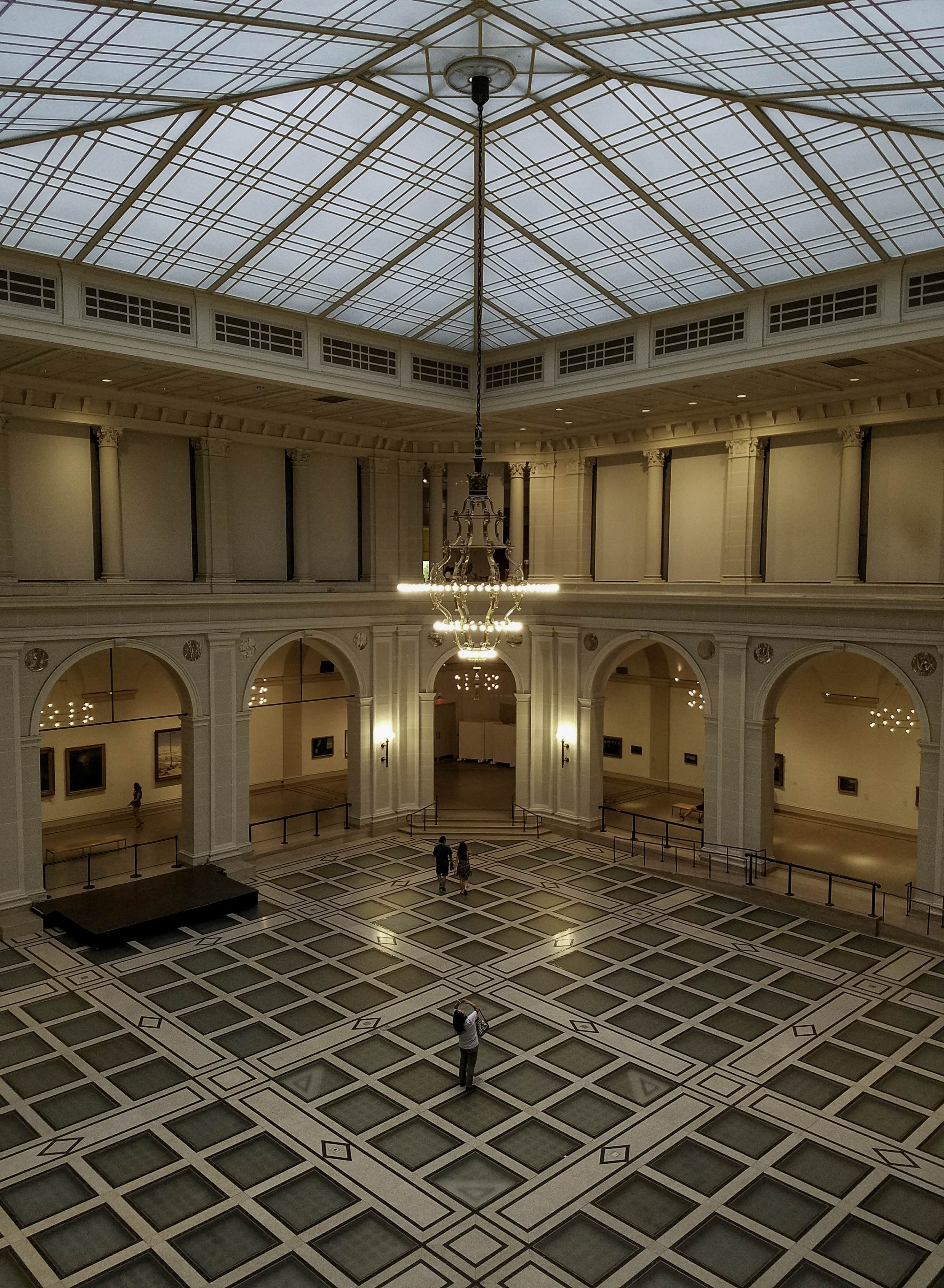 This is the ”Beaux-Arts Court”, where the portraits of Washington A. Roebling and his wife, Emily Warren Roebling, fittingly hang side-by-side. Mr. Roebling was the chief engineer during the construction of Brooklyn Bridge, visible through the window in his portrait. When he fell ill, it was his wife who stepped in and oversaw its completion. Mrs. Roebling was the first person to cross the bridge, carrying a rooster for good luck.
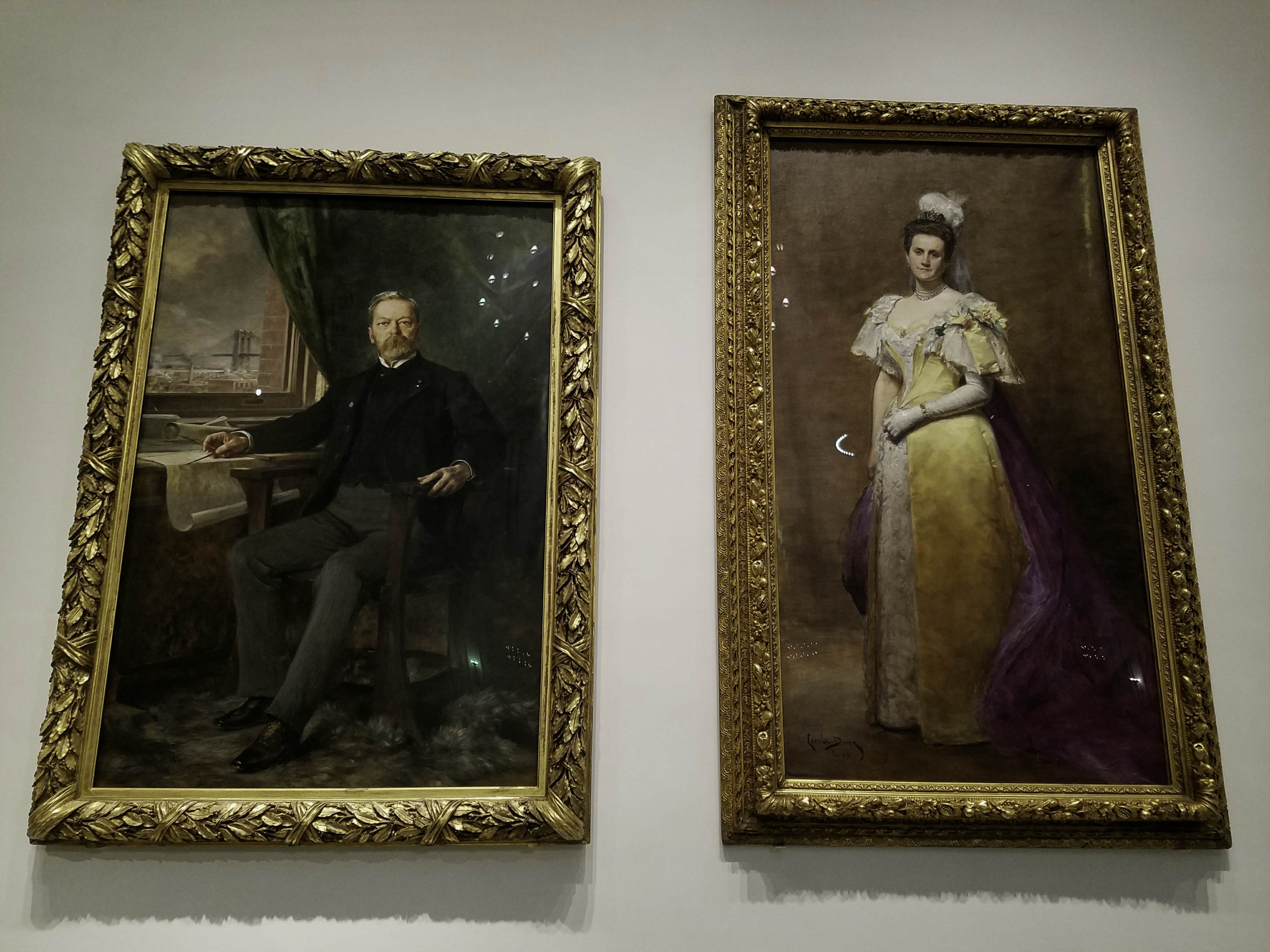 Portrait of Washington A. Roebling, 1899 by Théobald Chartran
Portrait of Emily Warren Roebling, 1896, by Charles-Émile-Auguste Carolus-Duran
Brooklyn Museum
July 22nd, 2017
By benign spirits.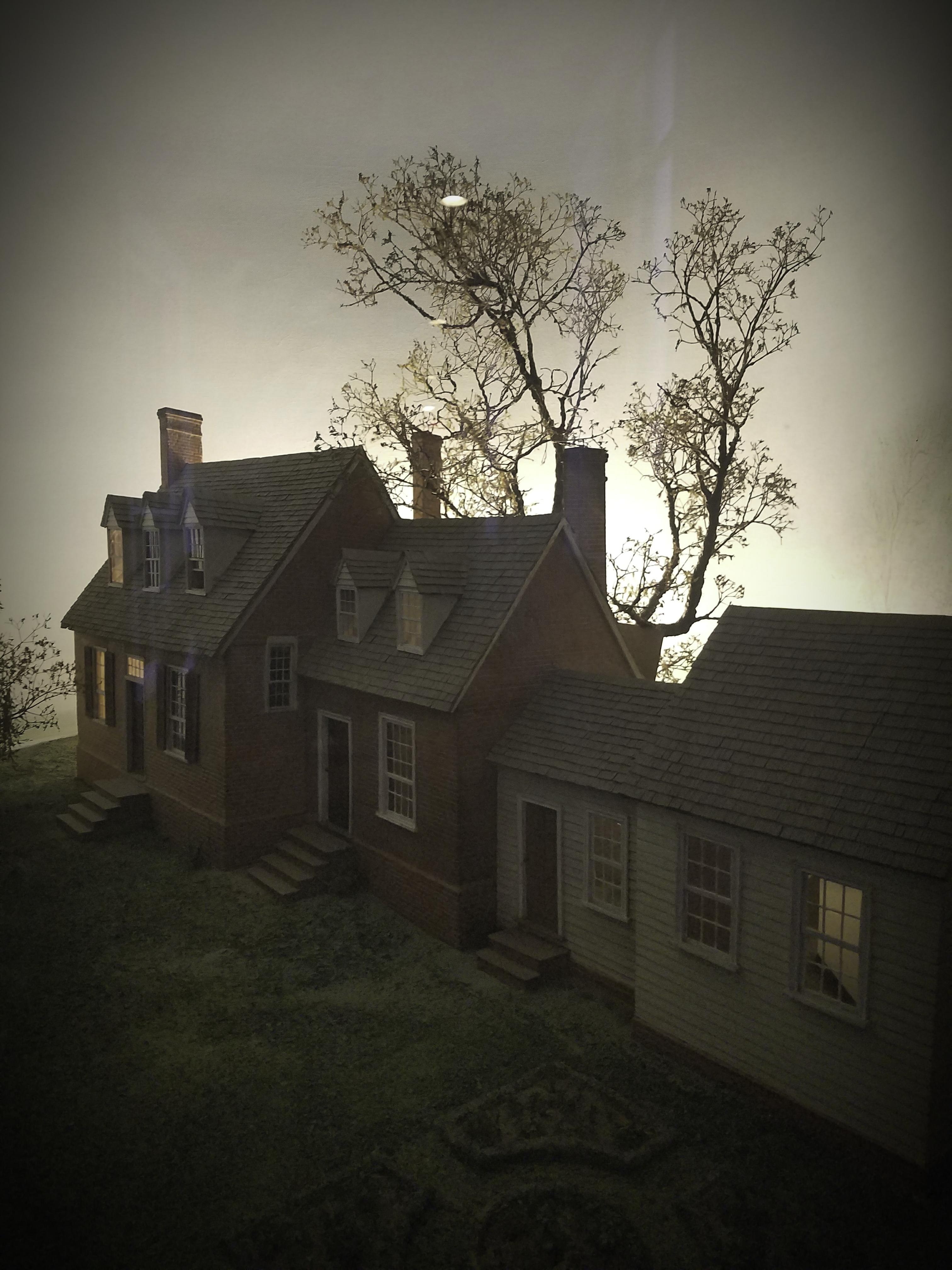
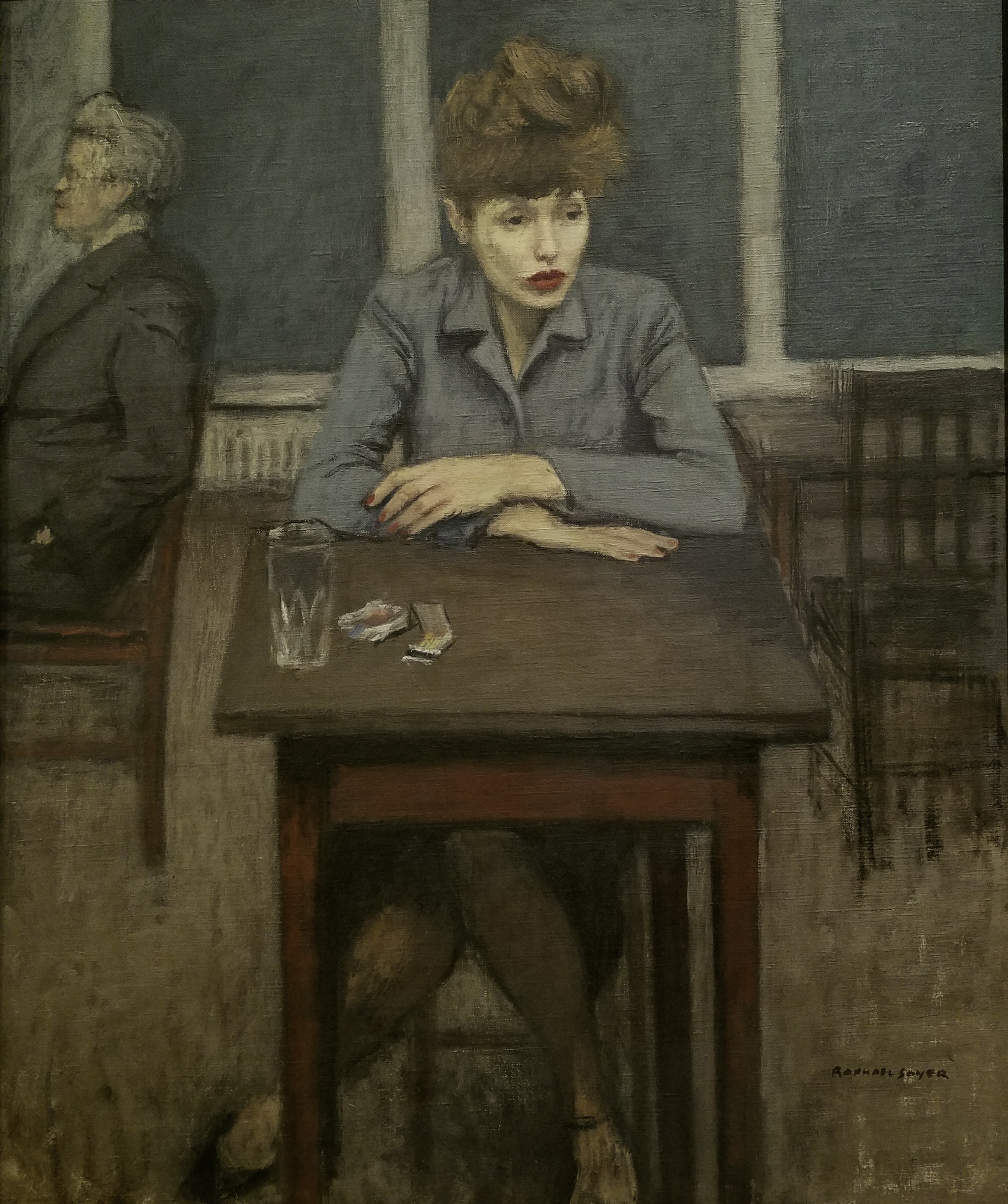
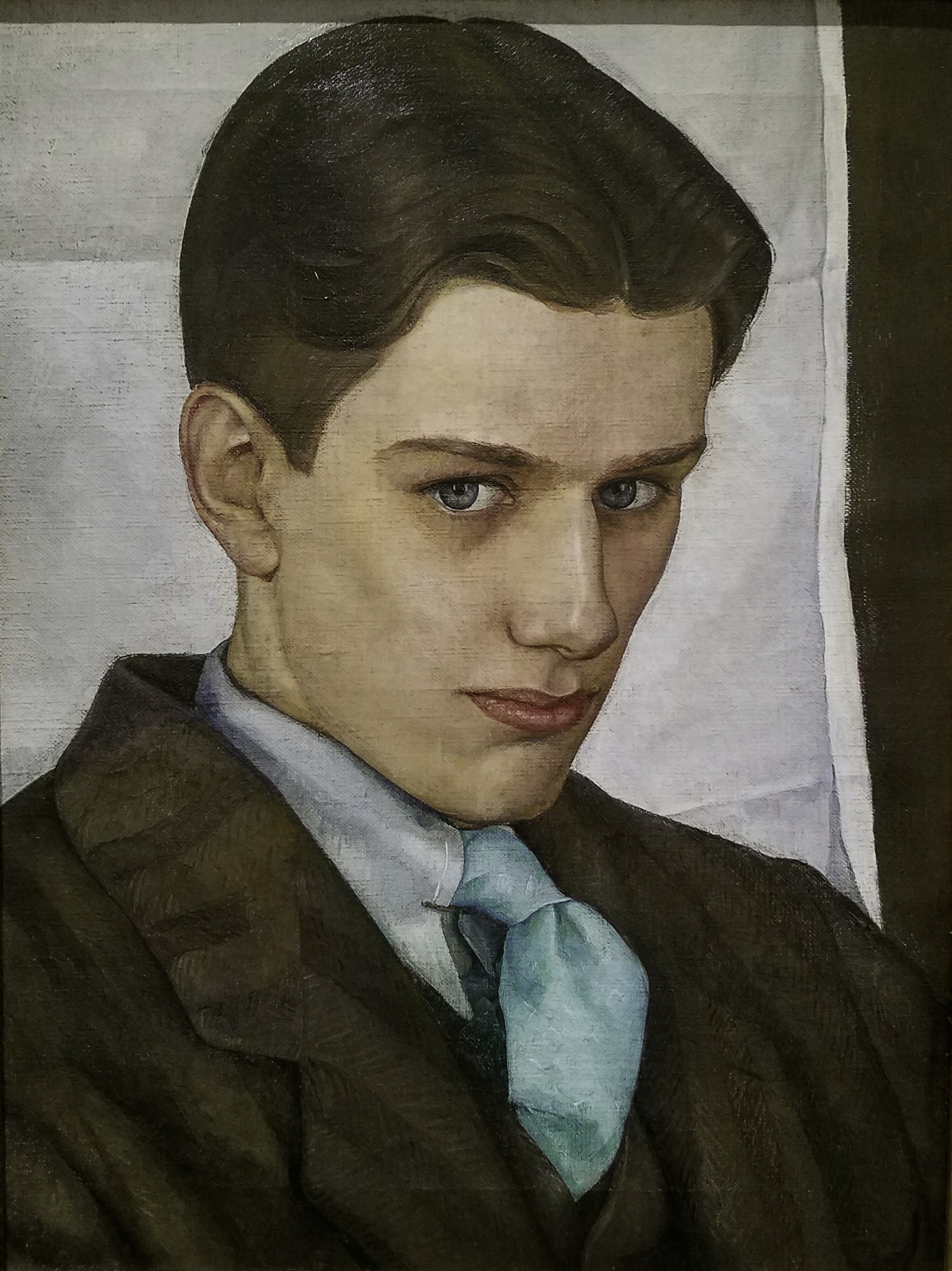
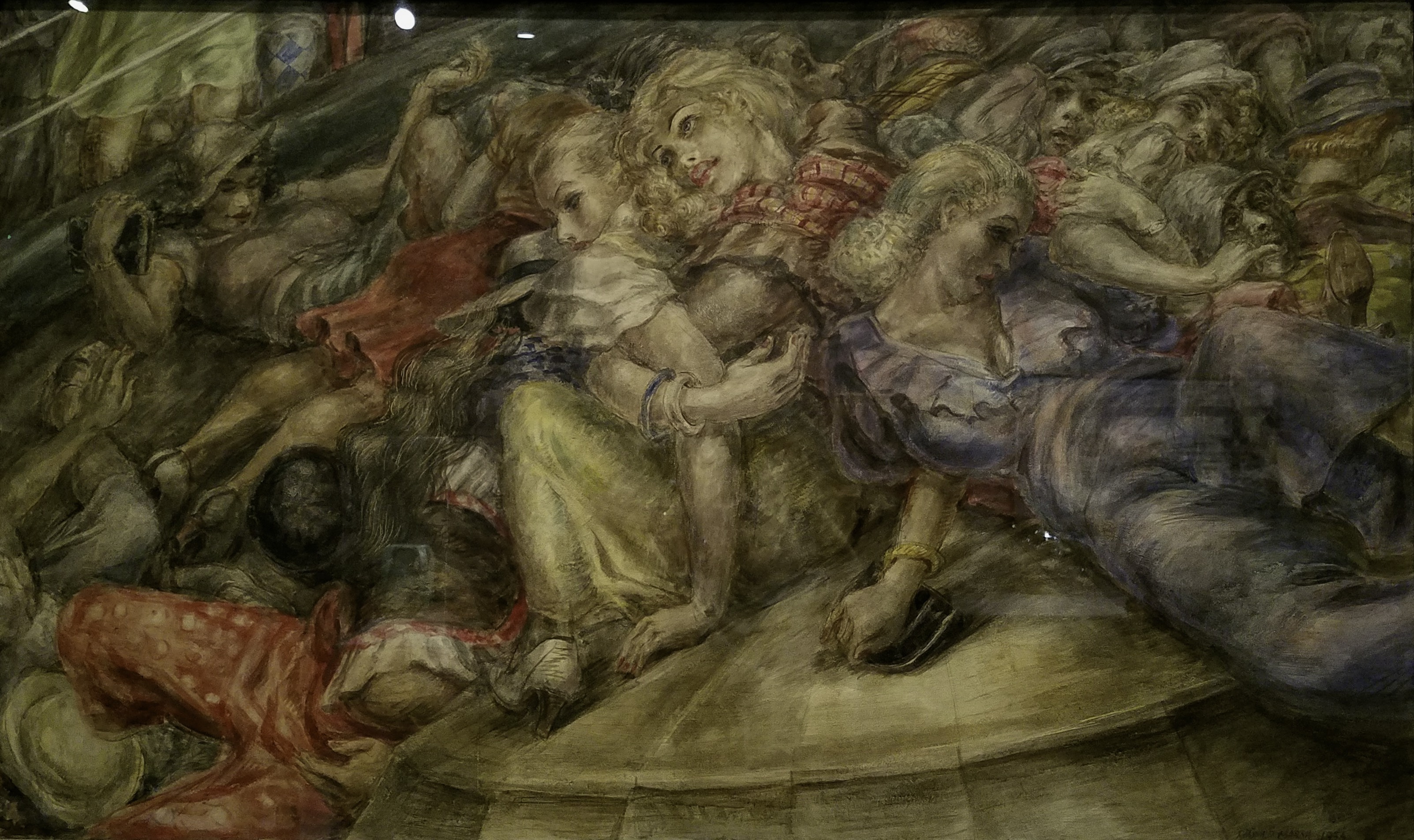
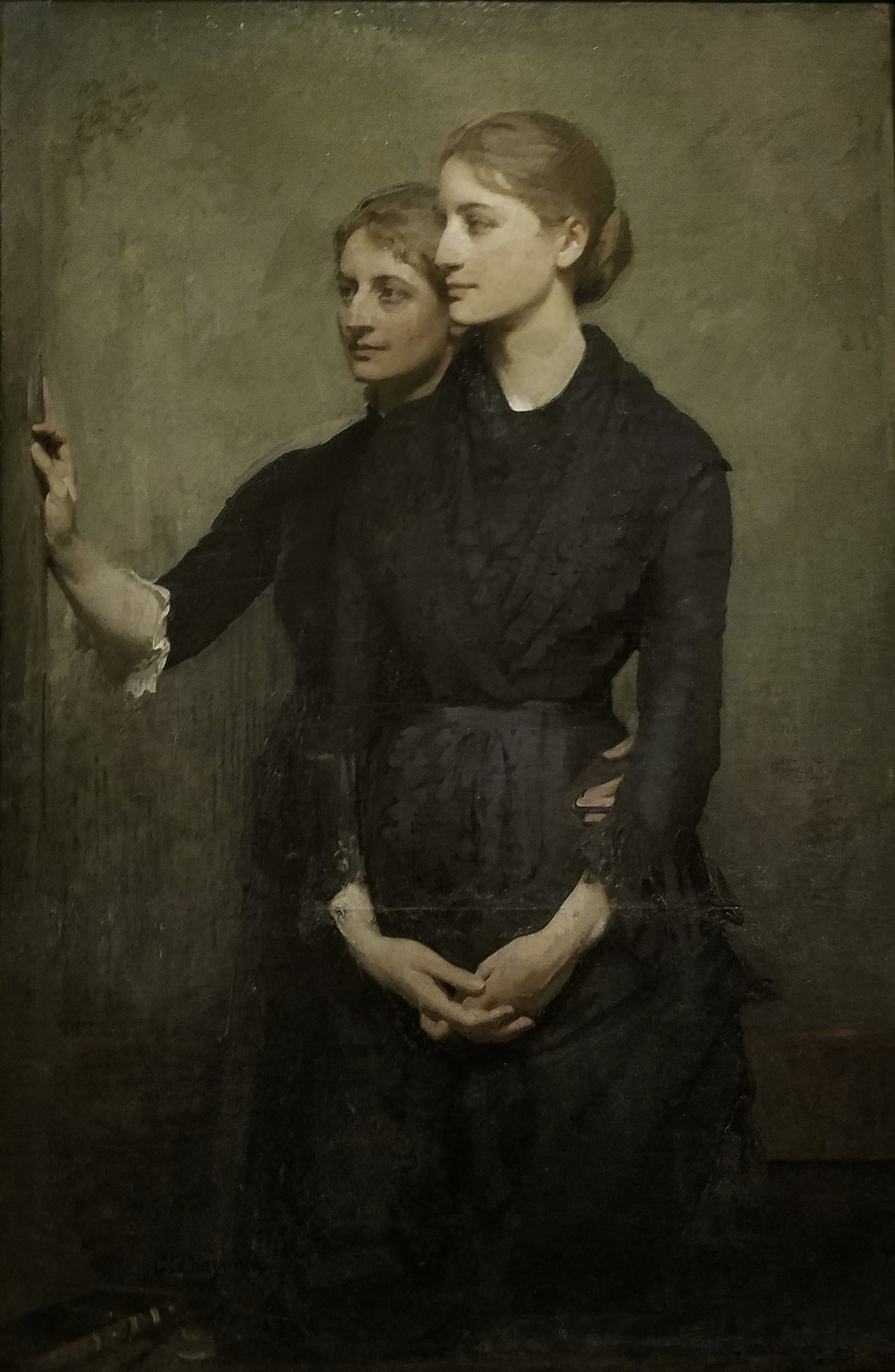
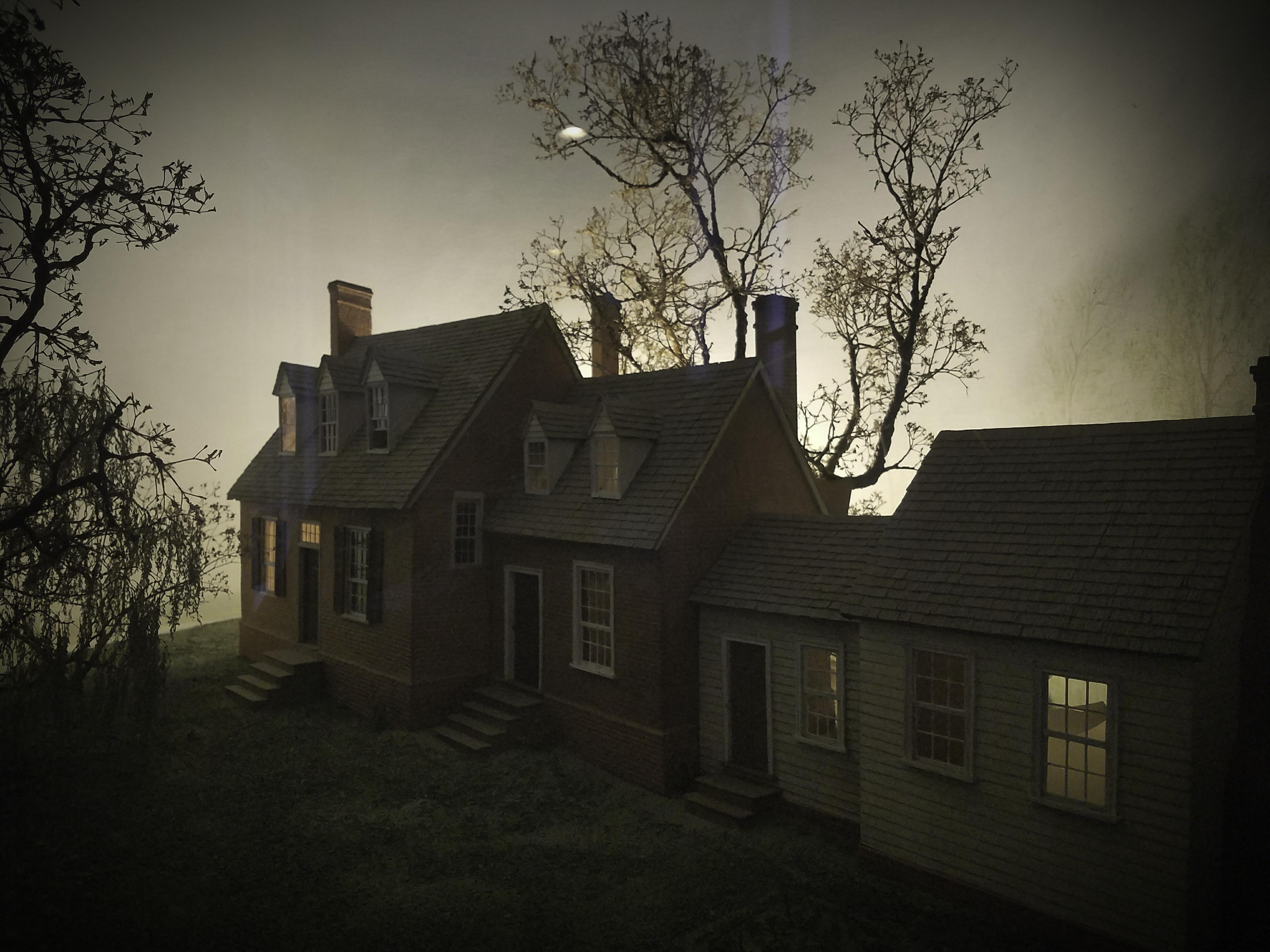
1/Henry Trippe House; Secretary, Maryland; c. 1730
Major Henry Trippe, a gentleman landowner and planter of English origin, built this one-and-a-half story brick home he called ”Carthagena” between 1724 and 1731 on land he head inherited from his father. The house faced the head of Secretary Creek on the eastern shore of Maryland. This orientation indicates the importance of water access before the development of good roads.
Greatly altered, the house still stands on its original site. A model and its living room can be viewed at the Brooklyn Museum, one of the twenty-three American period rooms installed as part of the Museum’s decorative arts collection.
2/Raphael Soyer (American, born Russia, 1899-1987); Café Scene, ca. 1940; oil on canvas
Raphael Soyer had a lifelong interest in the daily lives of working-class New Yorkers. His paintings of lone women in the early 1940s suggest the absence of husbands or sweethearts who had been called up to serve in WWII.
3/Luigi Lucioni (American, born Italy, 1900-1988); Paul Cadmus, 1928; oil on canvas
Luigi Lucioni and Paul Cadmus probably met as students, and they doubtless shared acquaintances within New York’s circles of gay artists and writers.
4/Reginald Marsh (American, 1898-1954); The Bowl, 1933; egg tempera on pressed wood panel
In this vivid Depression-era painting of one of the wild “bowl” rides at Coney Island, friends and strangers alike are thrown into contact by the overpowering centrifugal force. Reginald Marsh described the chaotic tangle of female bodies with the sensual physicality for which his work was best known.
5/Abbott H. Thayer (American, 1849-1921); The Sisters, 1884; oil on canvas
The women in this portrait were Bessie (left) and Clara Stillman, the sisters of the powerful financier James Stillman.
Abbott Handerson Thayer’s biographer, Nelson C. White, recorded an anecdote about his own experience of viewing this painting at an exhibition in 1922: “I was looking at the picture when two elderly women came and stood before it. As I glanced from the canvas to their faces I suddenly realized that they were the subjects of the portrait. Thayer had rendered their character in their youth with such insight and feeling that the likenesses survived the modulations of age and easily identified them.”
Brooklyn Museum
July 22nd, 2017
subjective worldview
Actor, writer, cook and author
Travel experiences & Strasbourg city guide
Writer
joy, happiness, travel, adventure, gratitude
"Rêve onirique & Bulle d'évasion"
makes pretty things on paper
This WordPress.com site is Pacific War era information
Welcome to my curious world of words....
Photographs, music and writing about daily life. Contact: elcheo@swcp.com
Free listening and free download (mp3) chill and down tempo music (album compilation ep single) for free (usually name your price). Full merged styles: trip-hop electro chill-hop instrumental hip-hop ambient lo-fi boombap beatmaking turntablism indie psy dub step d'n'b reggae wave sainte-pop rock alternative cinematic organic classical world jazz soul groove funk balkan .... Discover lots of underground and emerging artists from around the world.
A 365 analogue photography project
Barcelona's Multiverse | Art | Culture | Science
Een digitaal atelier aan de (zee)slag.
‘Doodling Ambiguity’s in Ink.’
Miscellaneous photography
Glimpses along the way on a journey of discovery into symmetry...

