All that Jazz

Delectable, capricious and very very Stylish. American taste with a strong European touch. Flapperdom reigning supreme.

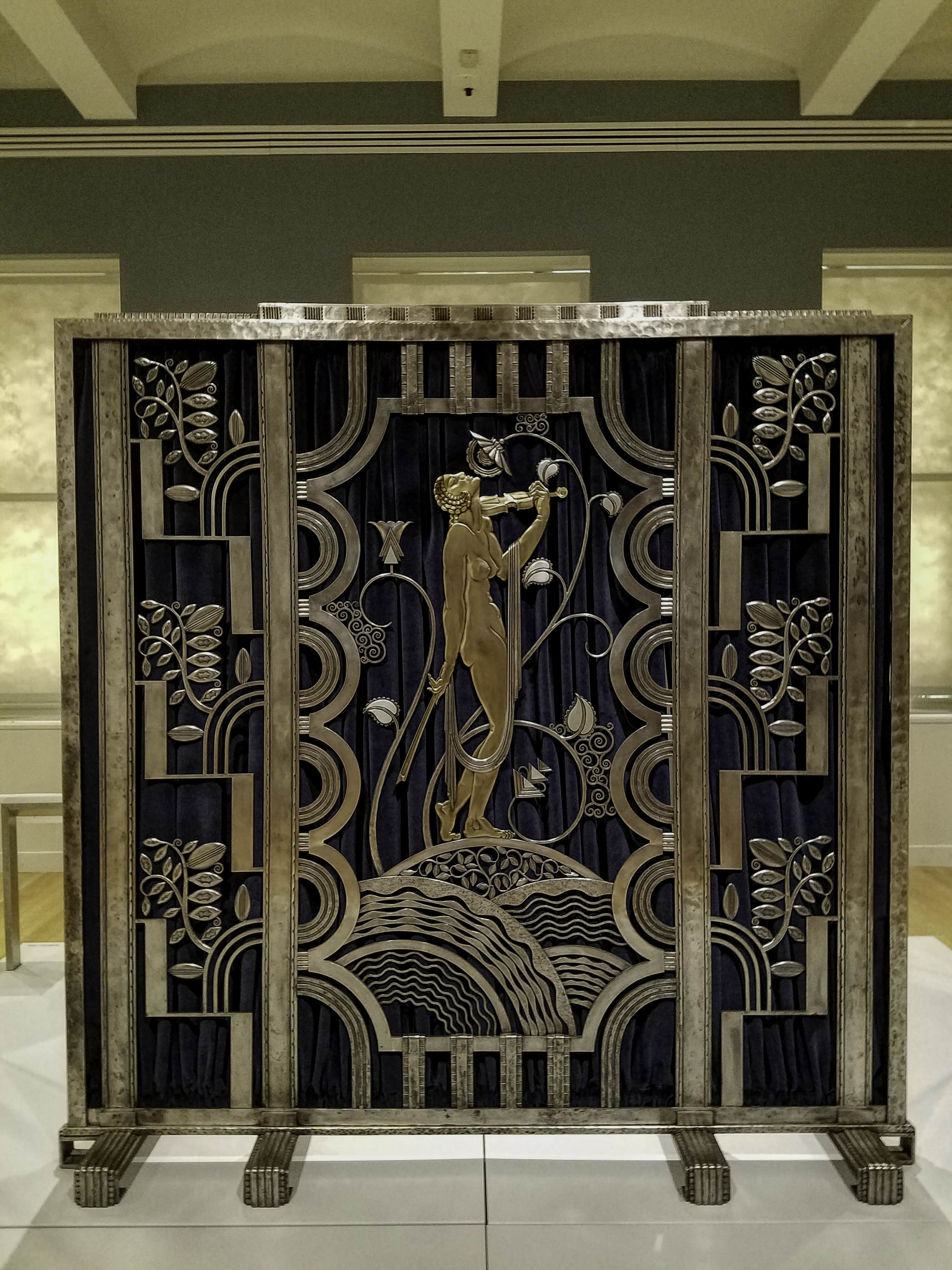
Muse With Violin Screen, 1930. Designed by Paul Fehér. Manufactured by Rose Iron Works Collections, LLC. Wrought iron, brass; silver and gold plating, featuring a stylized figure of entertainer Josephine Baker
_
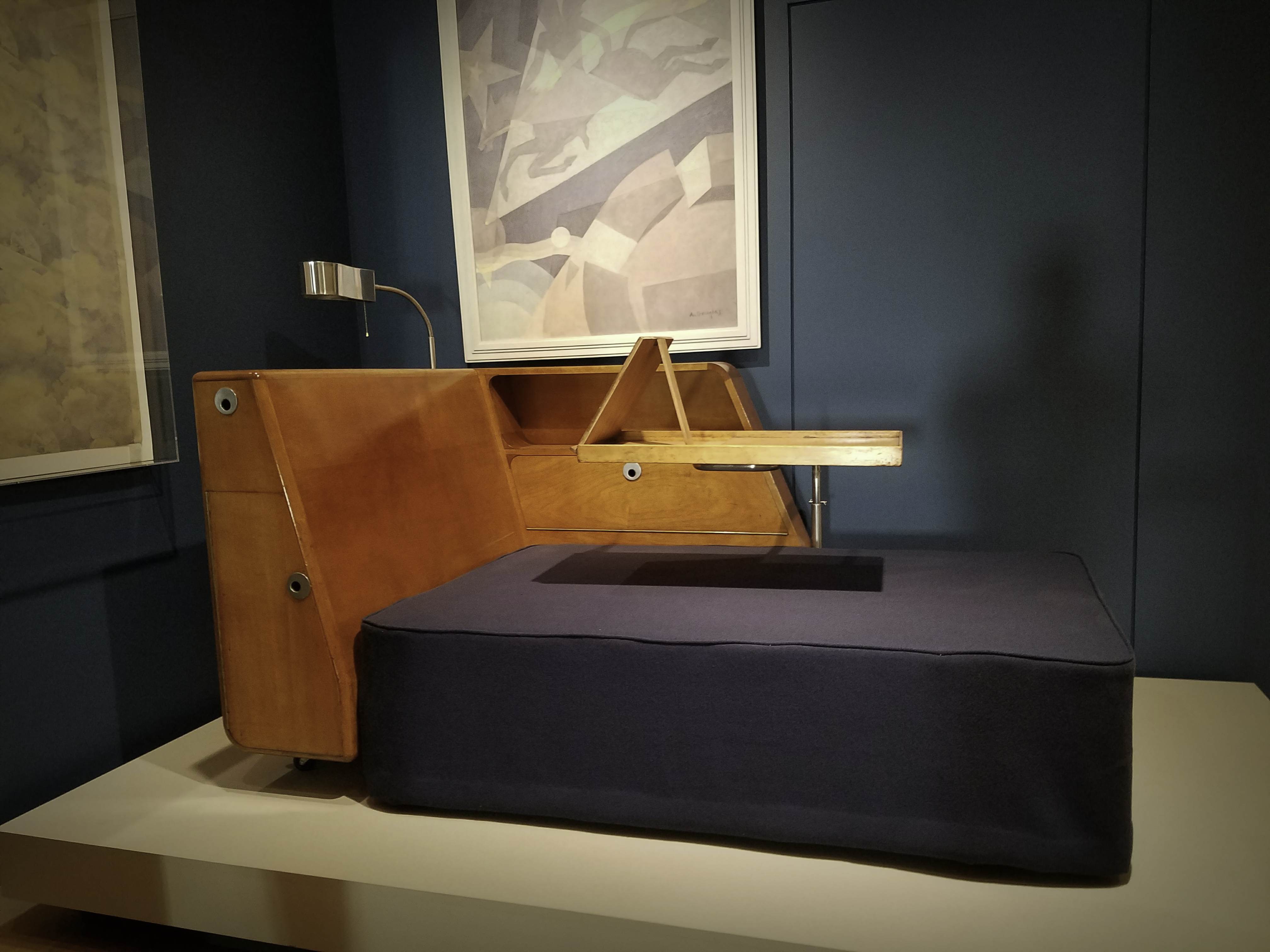
Daybed (USA), 1933–1935. Designed by Frederick Kiesler, commissioned for a domestic interior by textile designer Marguerita Mergentime. Birch-faced plywood, tulip poplar, nickel-plated steel
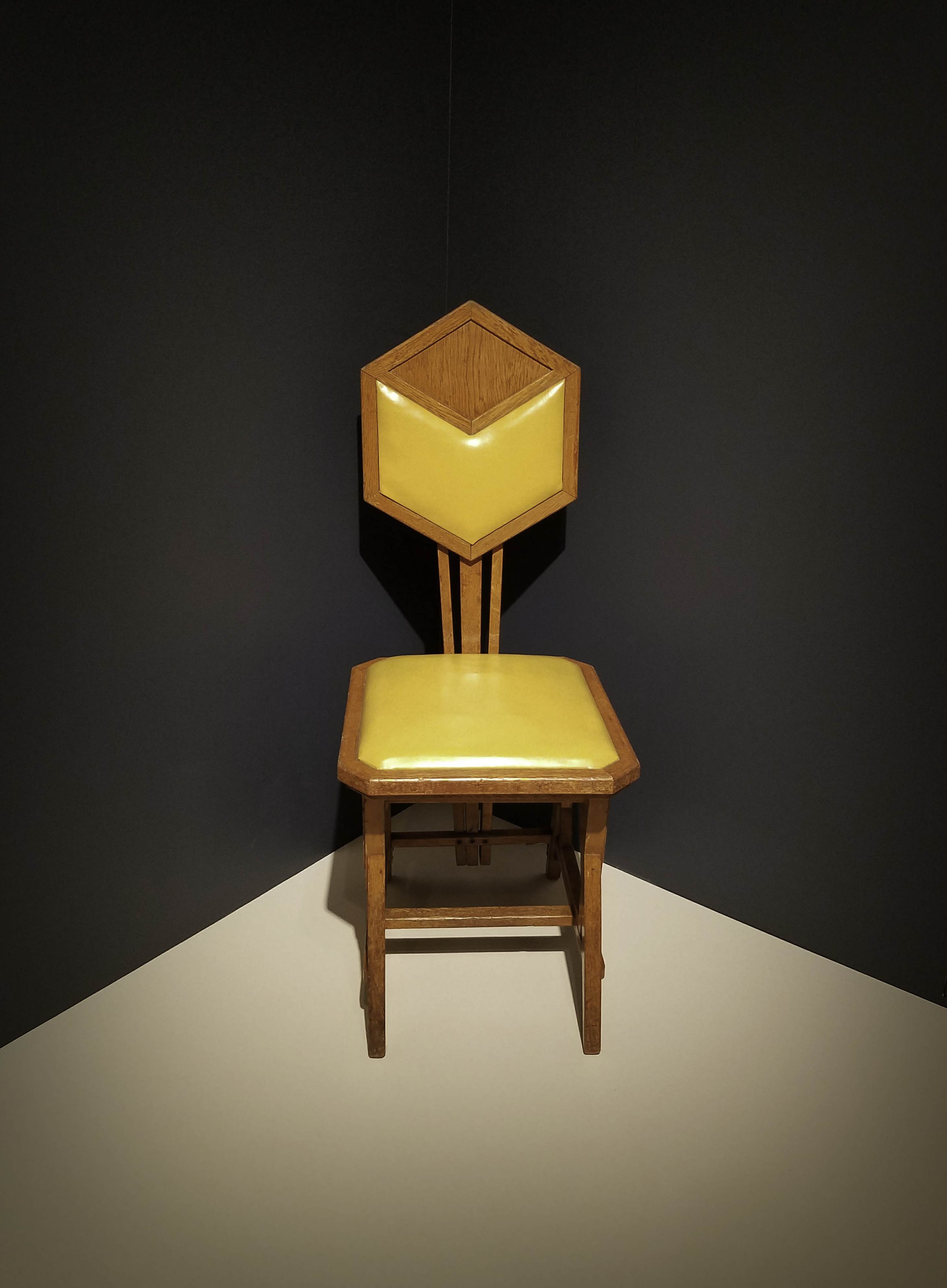
Peacock Side Chair, 1921–22. Designed by Frank Lloyd Wright for The Imperial Hotel in Tokyo. Oak, leatherette upholstery
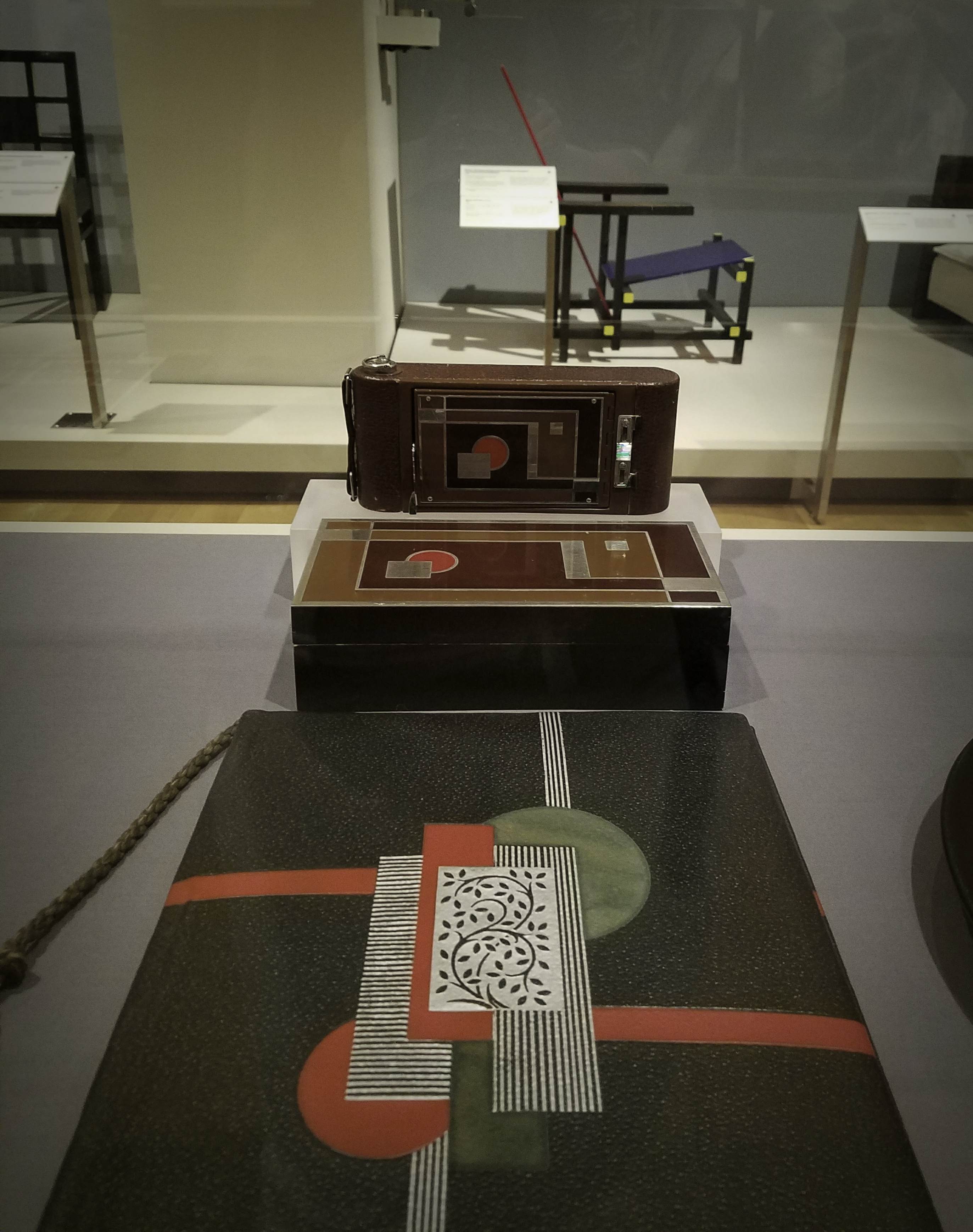
Gift Kodak Camera And Box. Designed by Walter Dorwin Teague. Manufactured by Eastman Kodak Company. Leather-covered metal, chrome-plated and enameled metal, glass (camera); lacquered cedar, chrome-plated and enameled metal (case)
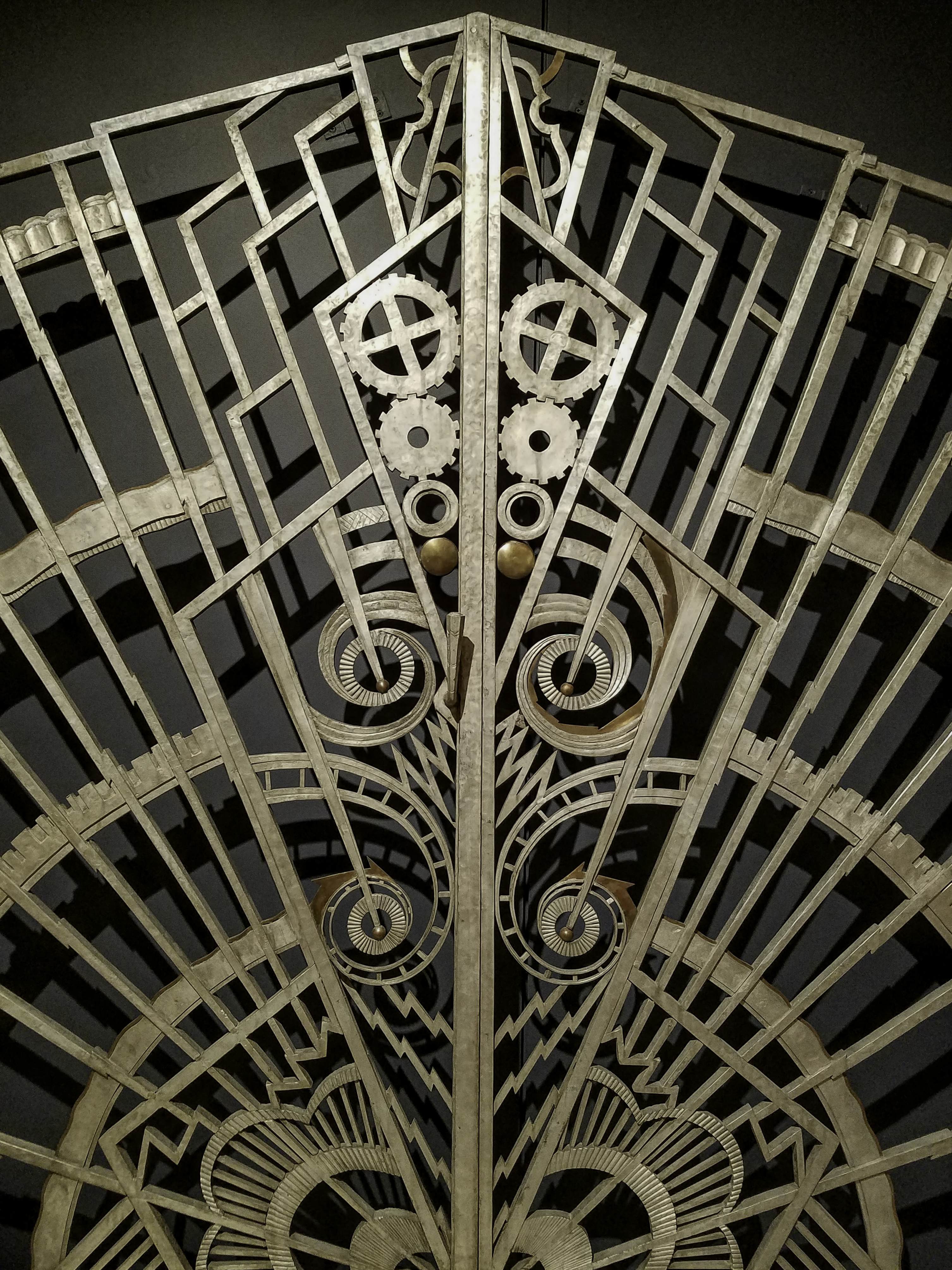
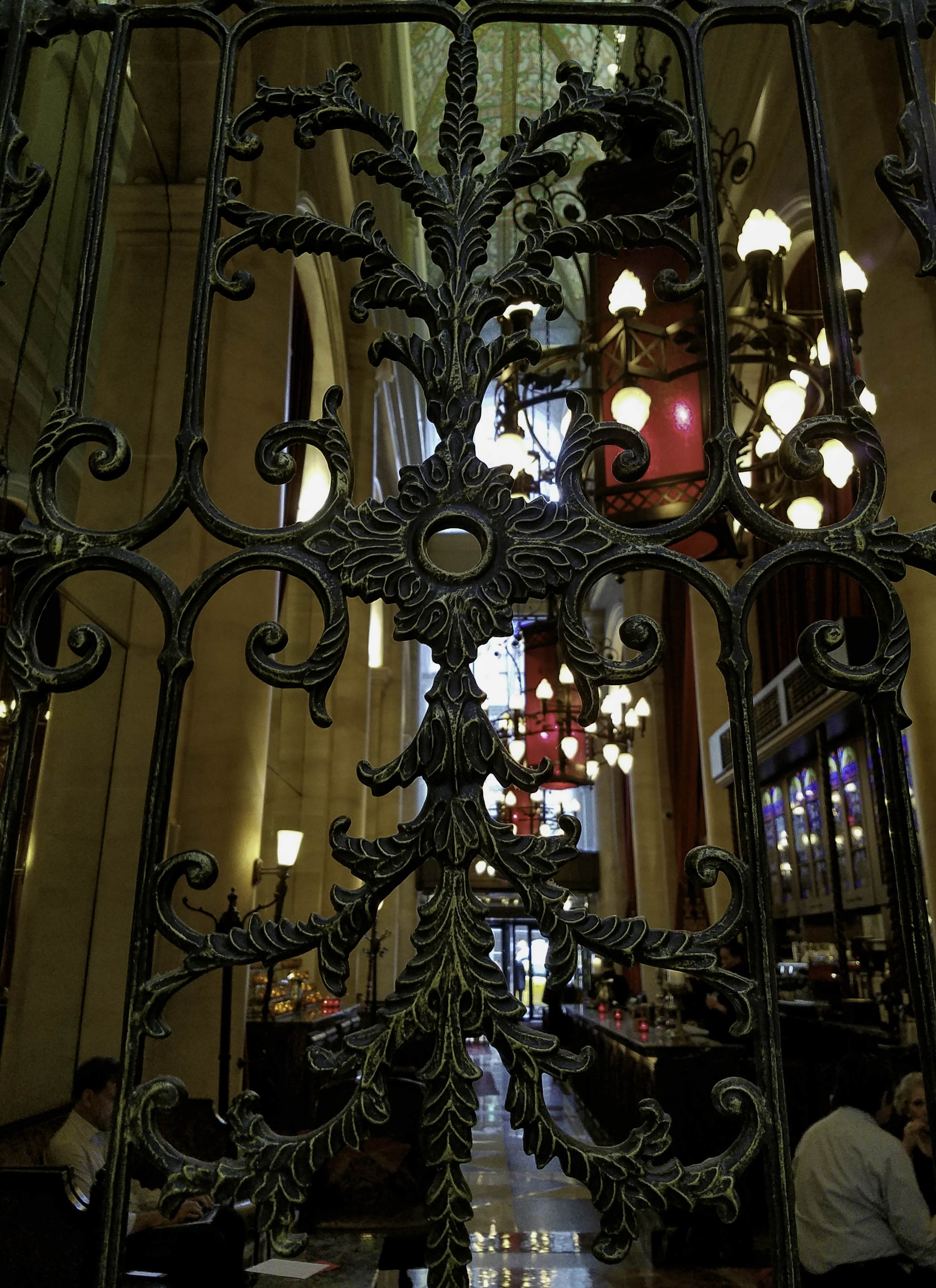
Chanin Building Pair Of Gates (detail). Designed by René Paul Chambellan. Wrought iron, bronze
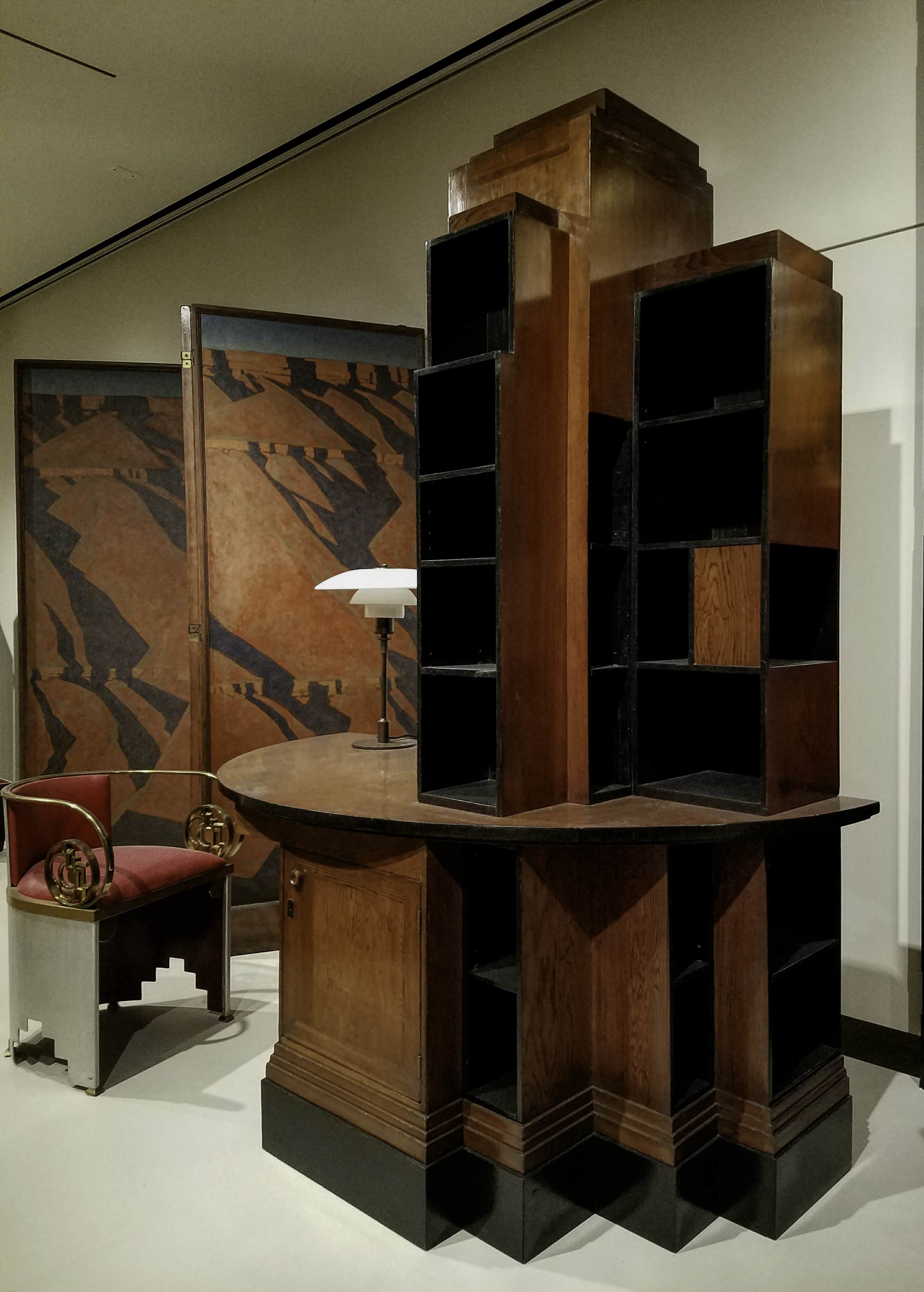
Skyscraper Bookcase Desk, ca. 1928. Designed by Paul T. Frankl. California redwood and black laquer || Armchair from the International Exposition of Art and Industry 1928. Designed by Walter von Nessen. Aluminium, brass, leather
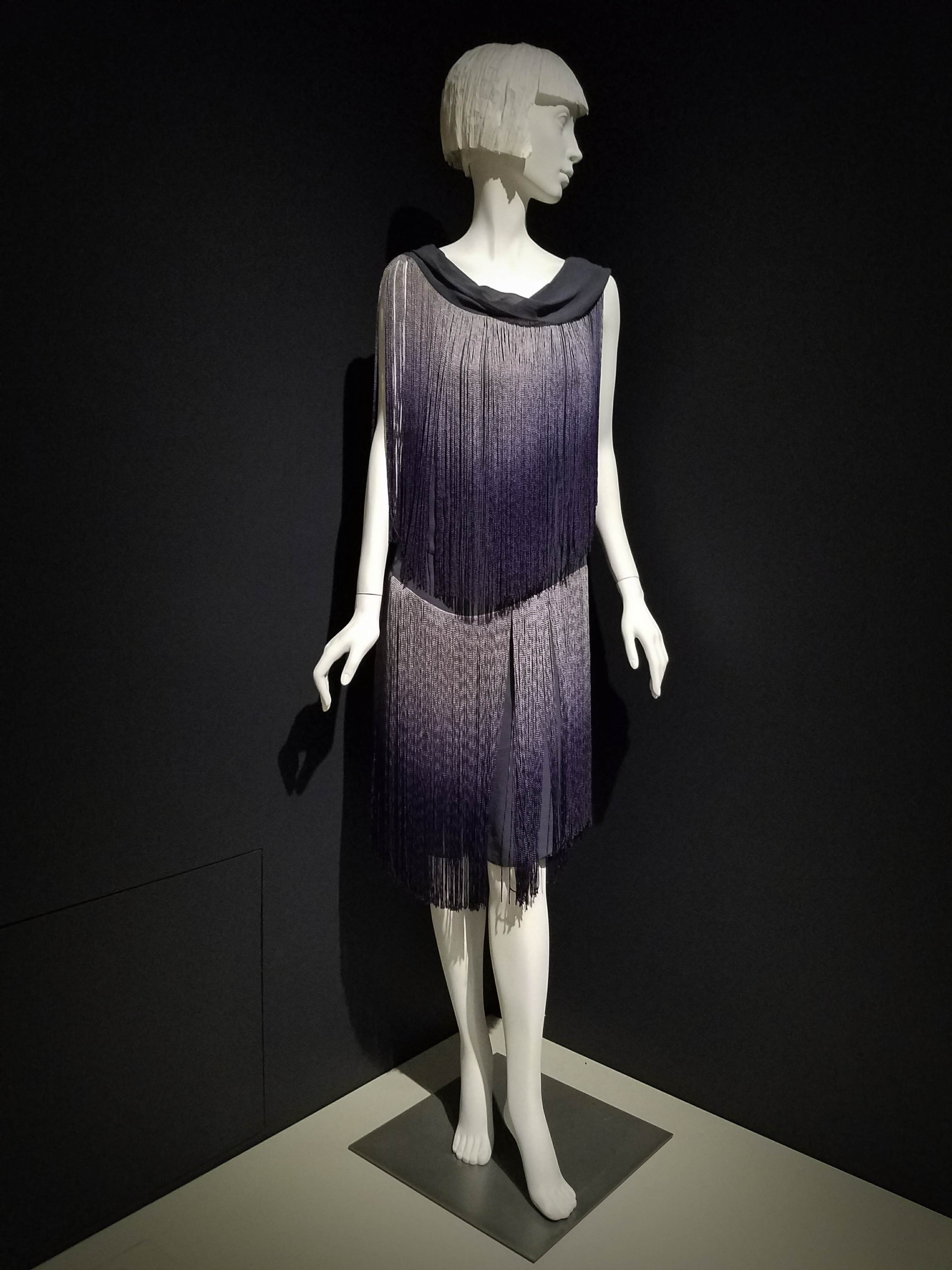
Evening Dress And Underslip, 1926. Designed by Gabrielle “Coco” Chanel. Blue silk chiffon with applied blue ombré silk fringe
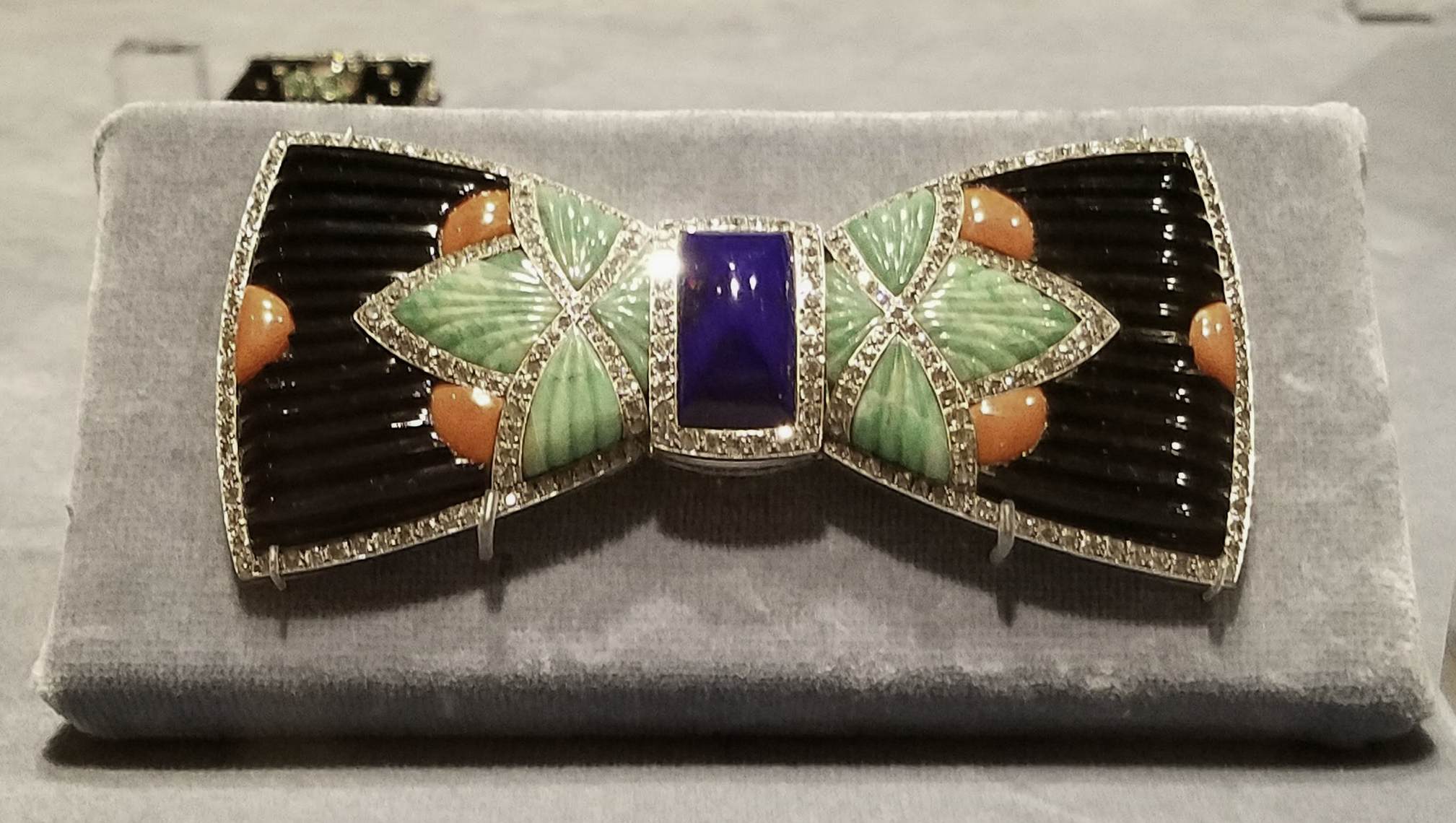
Boucheron Brooch, 1925. Diamonds, platinum, carved lapis, onyx, coral, jade
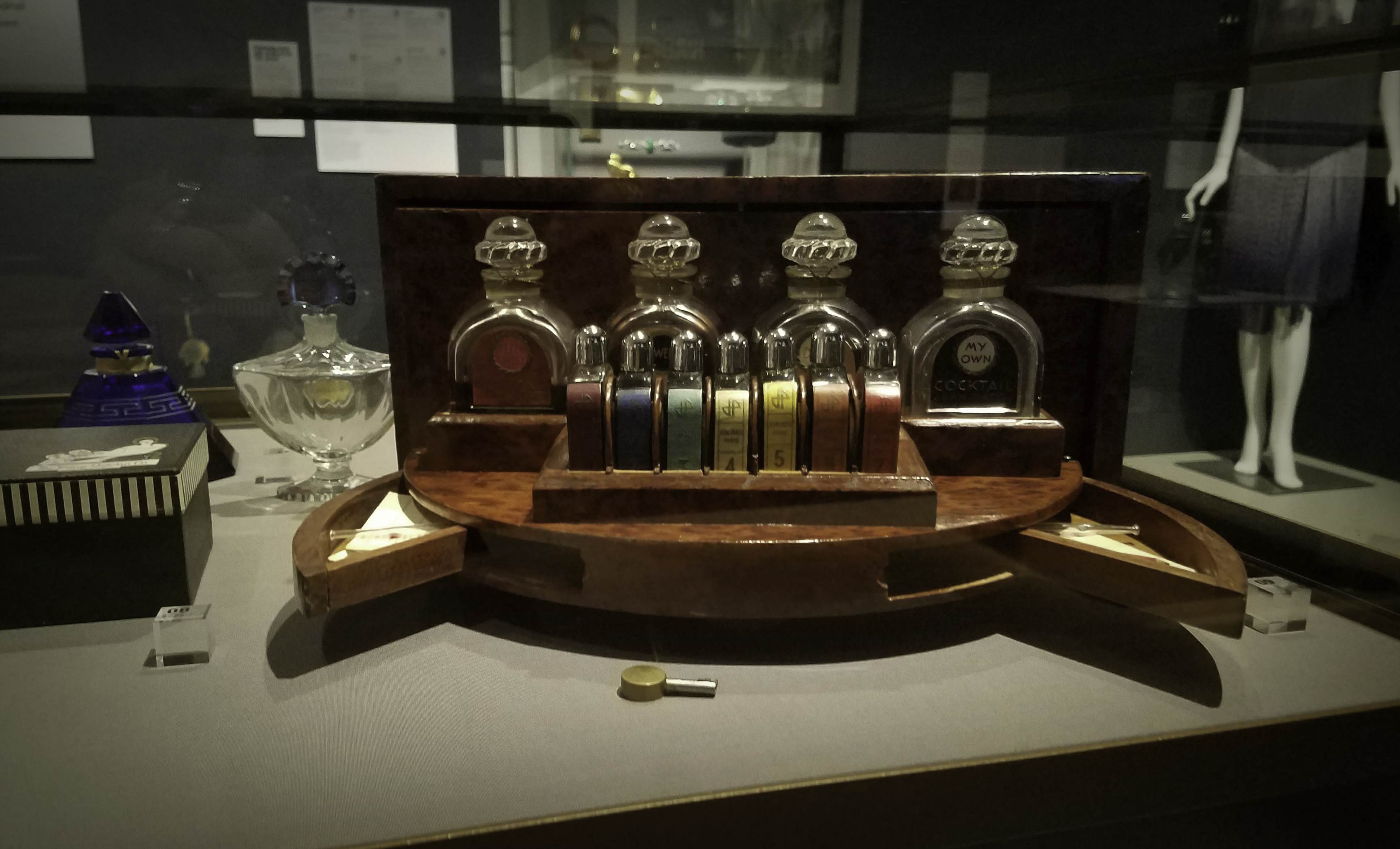
Cocktail Bar Perfume Presentation. Designed by Jean Patou. Manufactured by Brosse Glassworks. Presentation case: burlwood; four larger flacons: molded glass; seven smaller flacons: molded glass, metal.  This bar-form set held a selection of liquor bottle–like perfume bottles entitled “Bittersweet,” “Sweet,” “Dry” and “Angostura no. 1” through “Angostura no. 7” that equated the sensuality of perfume with drinking in a not-so-subtle reference to the illicit cocktail culture during American prohibition. The empty bottle entitled “My Own” was provided to encourage the owner to mix and match her own scent. In 1928 Patou installed a women-only cocktail bar in his Paris boutique for clients, many American, to enjoy while making final decisions on garments and waiting for fittings and alterations.
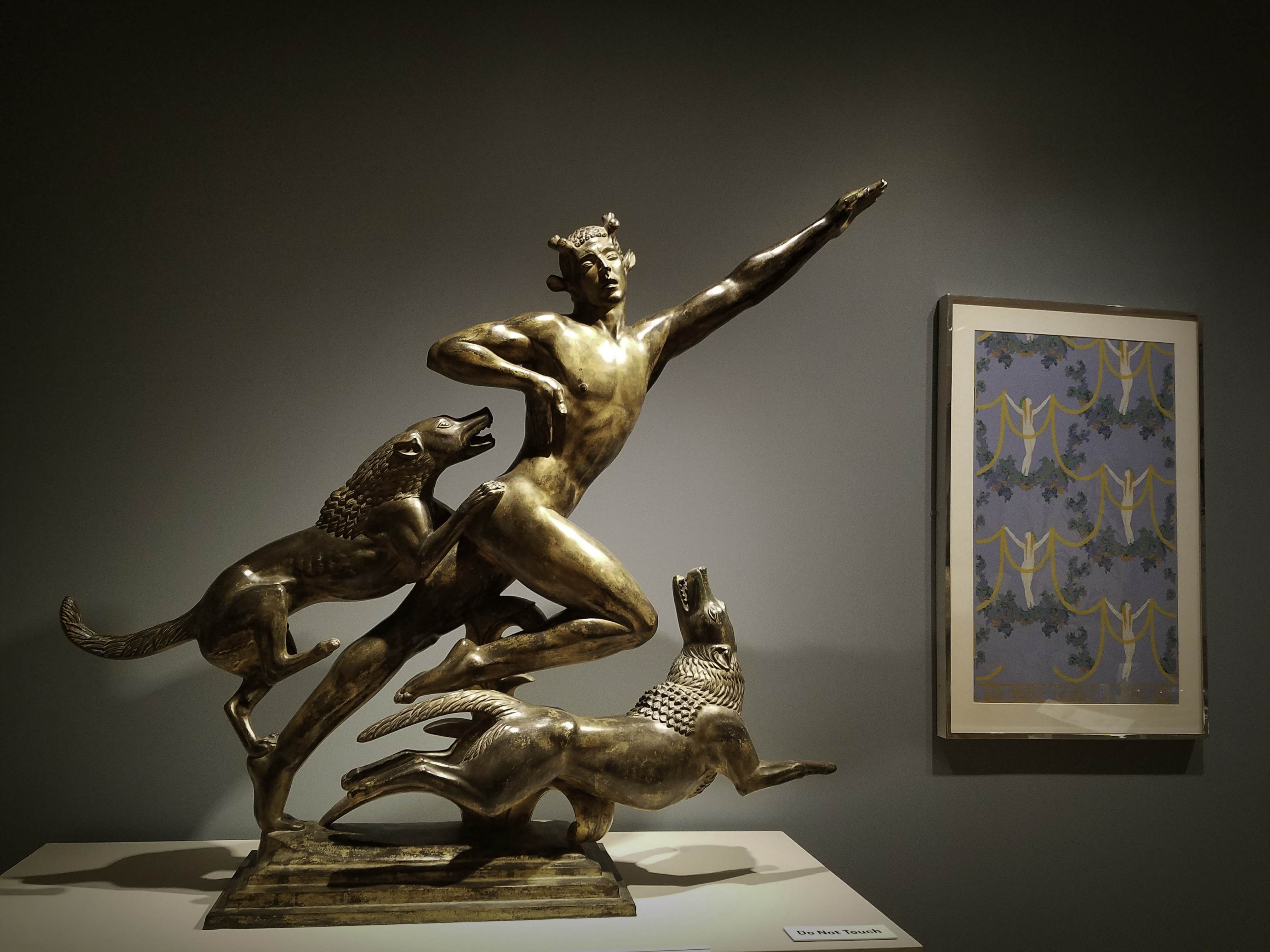
Actaeon, 1925. Designed by Paul Manship. Gilt bronze. This work captures a climactic moment of transformation, as Actaeon has just been hit by Diana’s arrow, which is turning him into a stag.
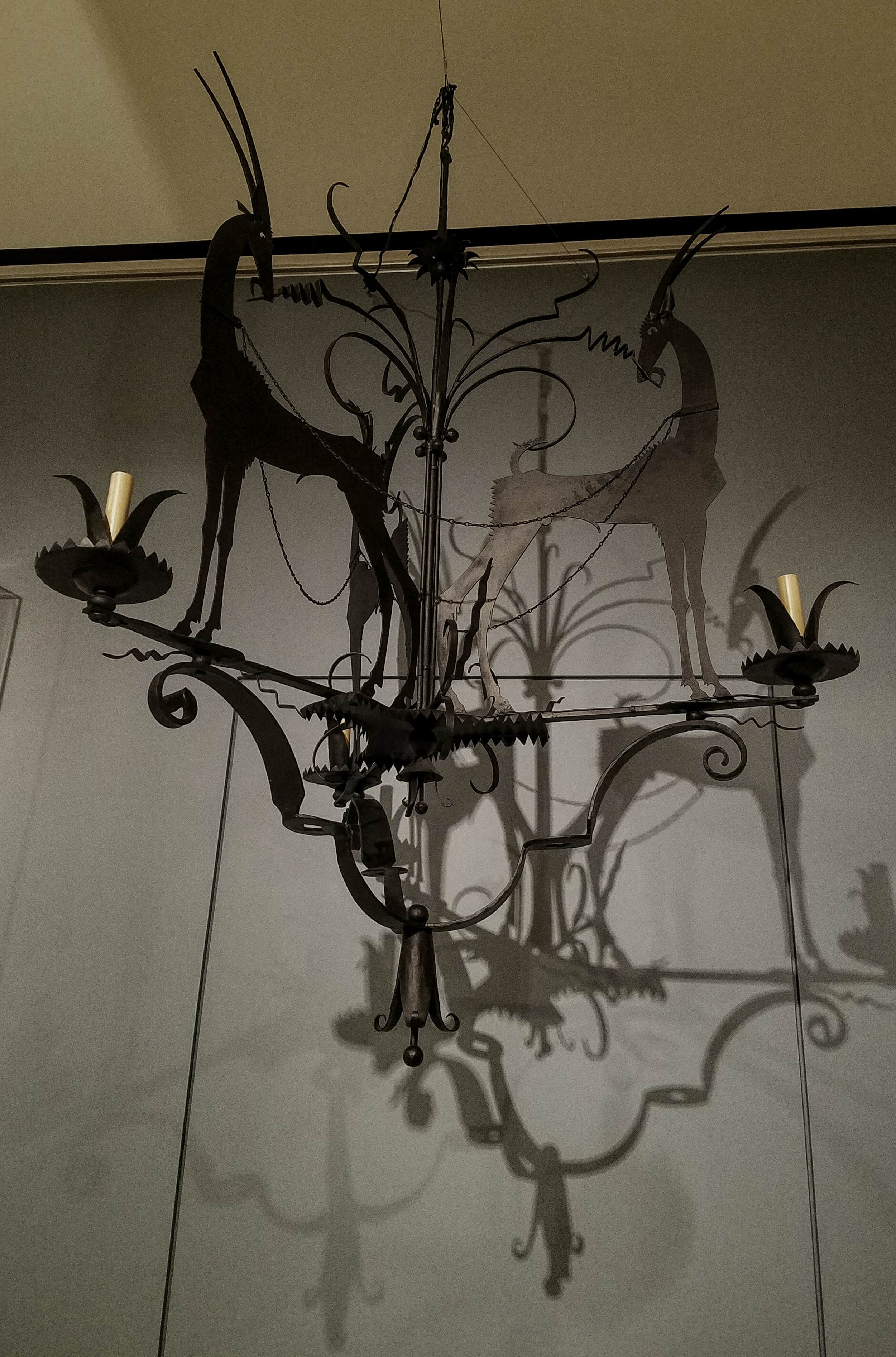
Chandelier, ca. 1925. Designed by William Hunt Diederich. Cut steel and wrought iron

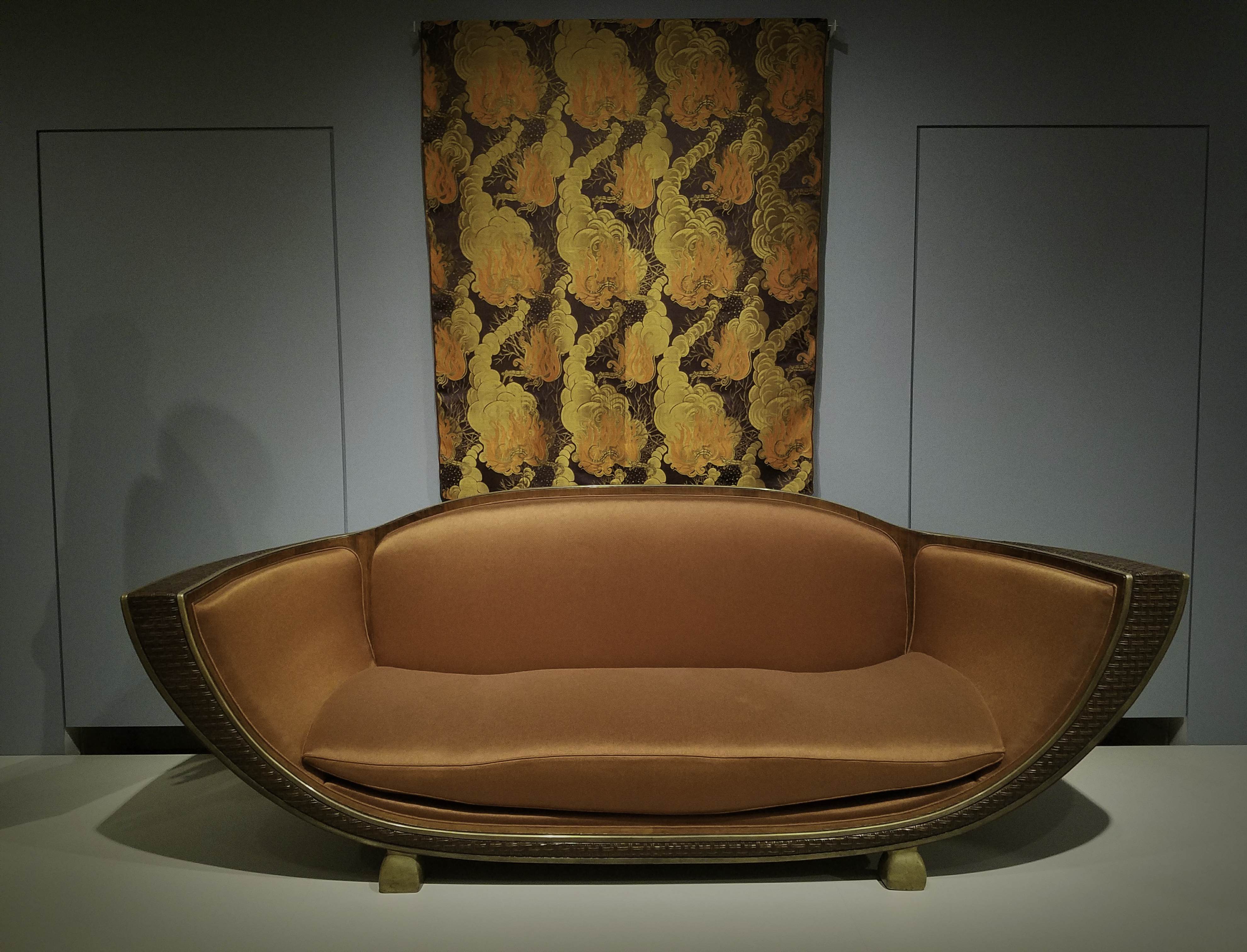
Canapé Gondole, ca. 1925. Designed by Marcel Coard. Carved indian rosewood, indian rosewood-veneered wood, brass, and linen velvet
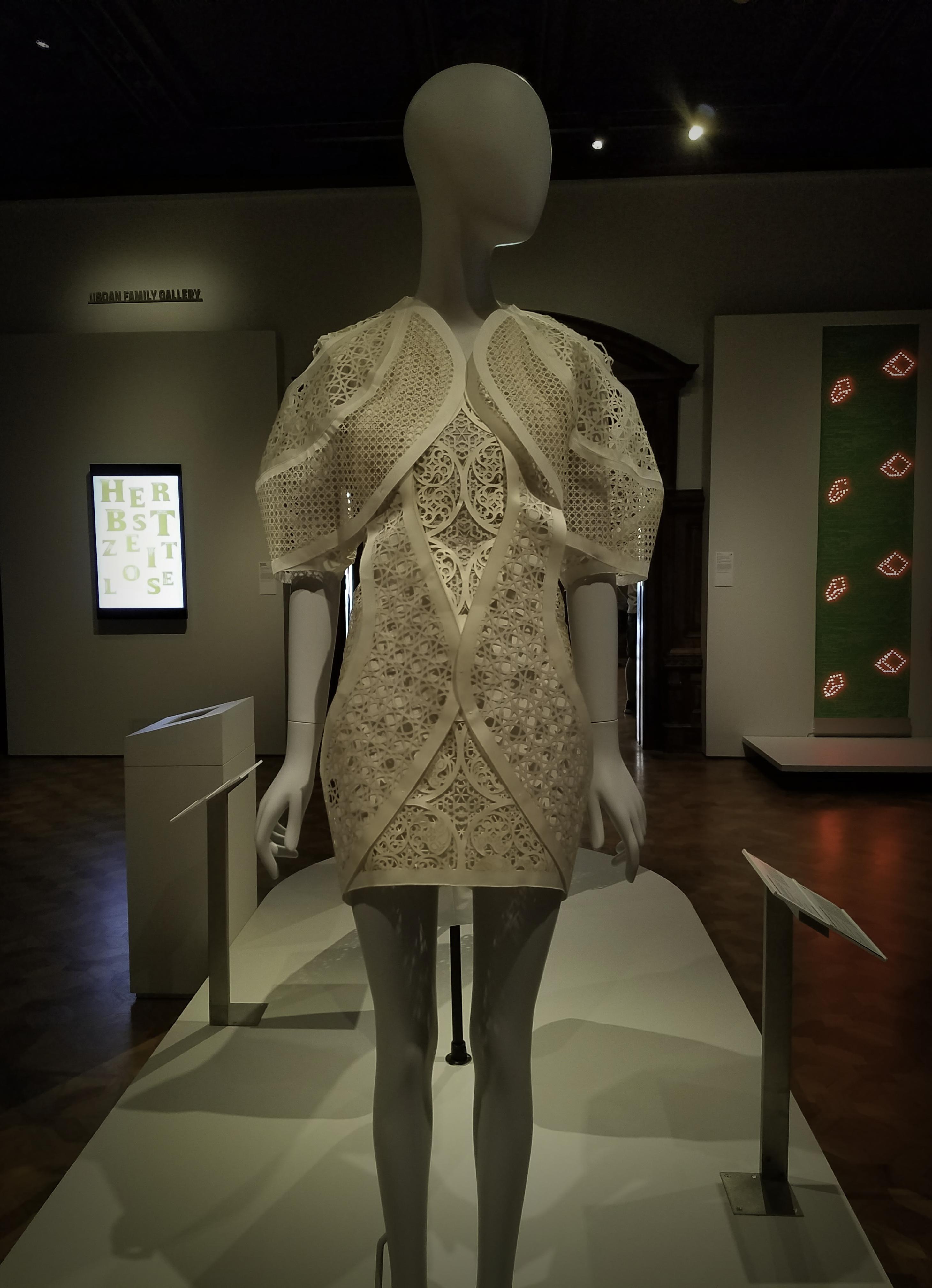
Temple Dress, Mer Ka Ba Collection, 2013. Designed by threeASFOUR in collaboration with Bradley Rothenberg. Laser-cut bonded silk organza, nylon power mesh underdress
_
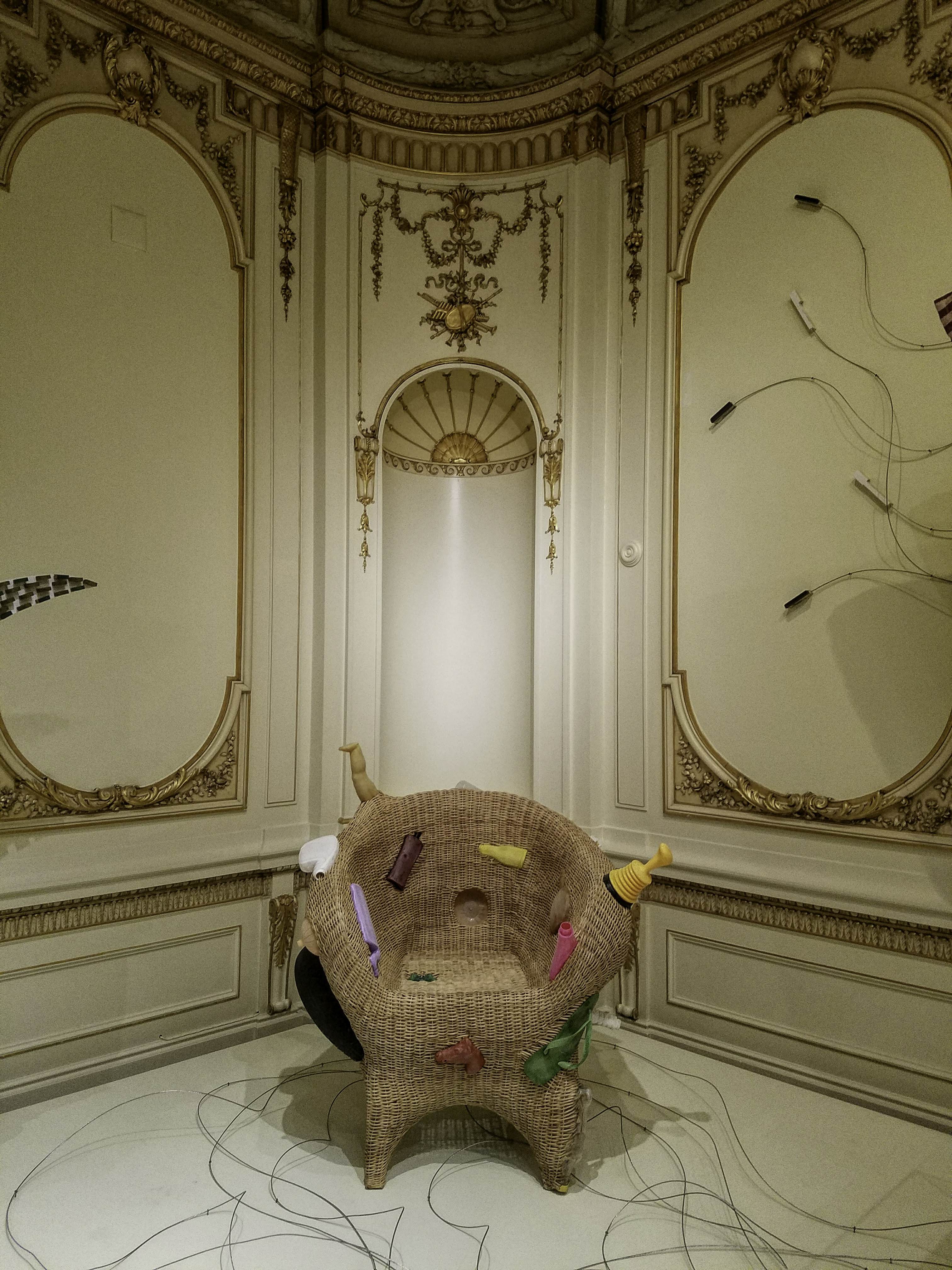
Trans… Armchair, 2007. Designed by Fernando Campana. Wicker, iron, found objects (plastic, rubber) Commissioned from the designers by Cooper-Hewitt, National Design Museum The designers created this chair from a collection of discarded objects
_

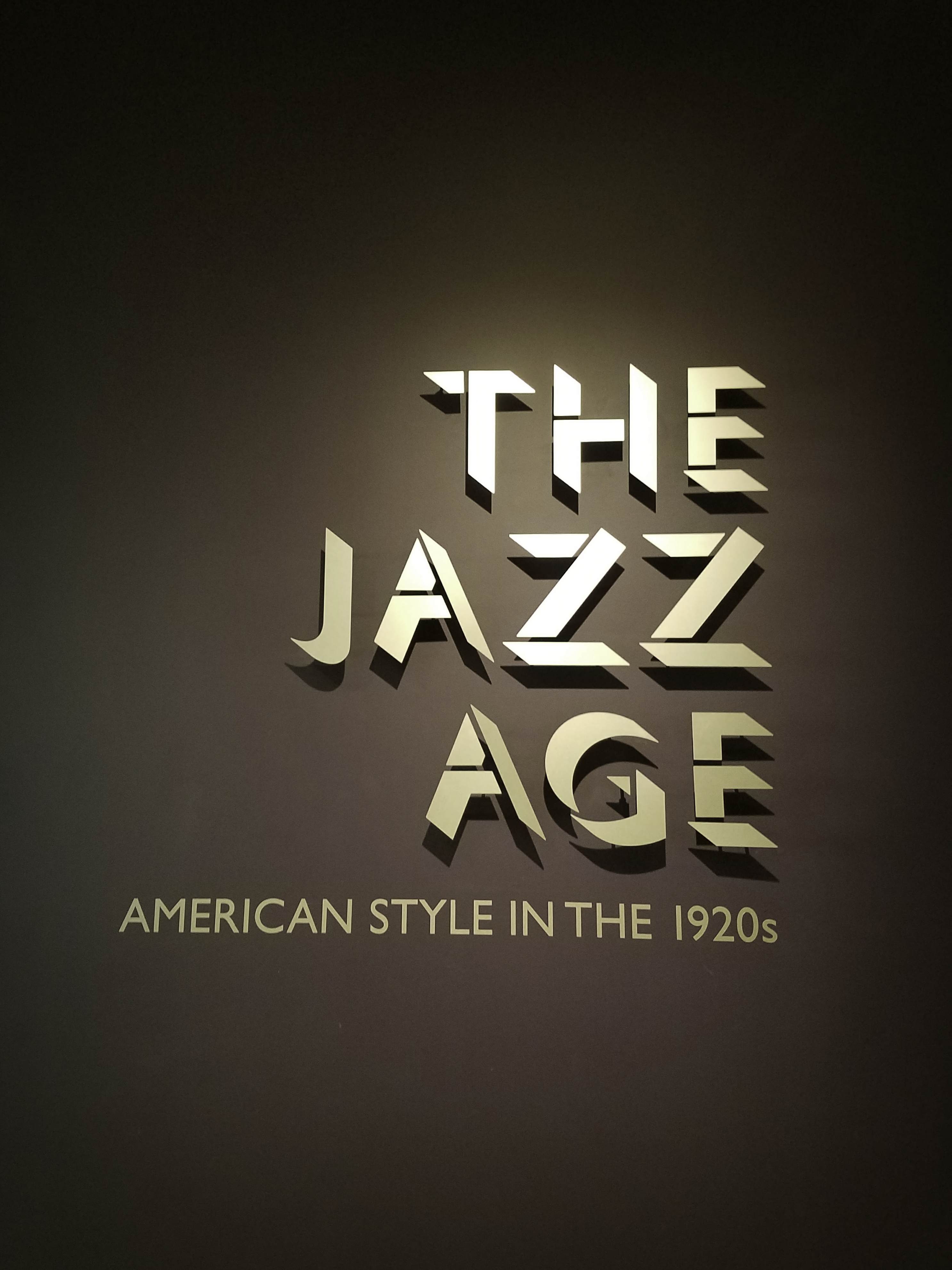
From  The Jazz Age: American Style in the 1920s, an exhibition at the Cooper Hewitt, April through August 2017.

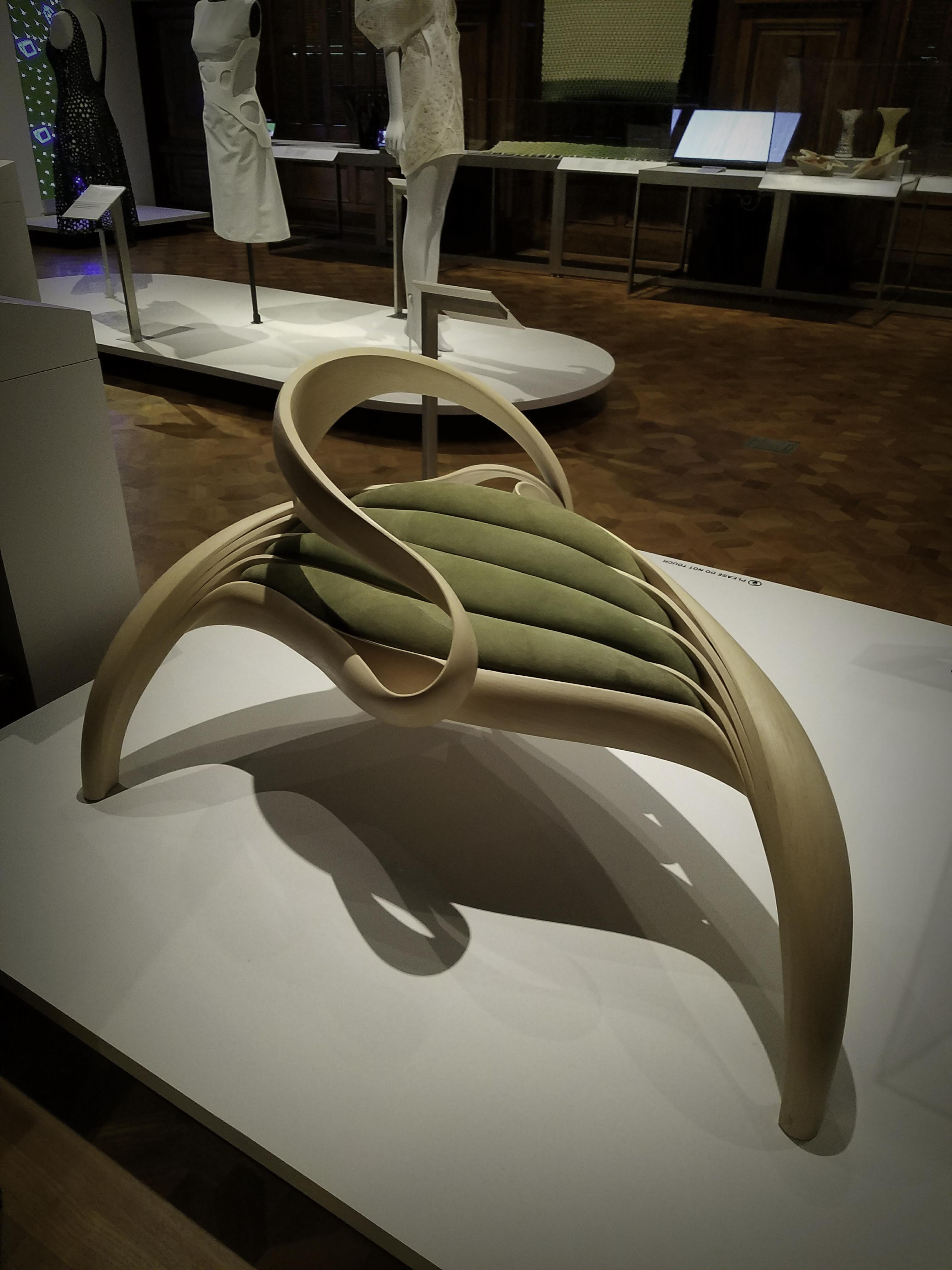
Paired with contemporary objects of laser-cut technology: modern, streamlined and still very stylish. I just wish we had a little bit more of that Jazz in our lives.

July 30th, 2017

Stop. Study Time!

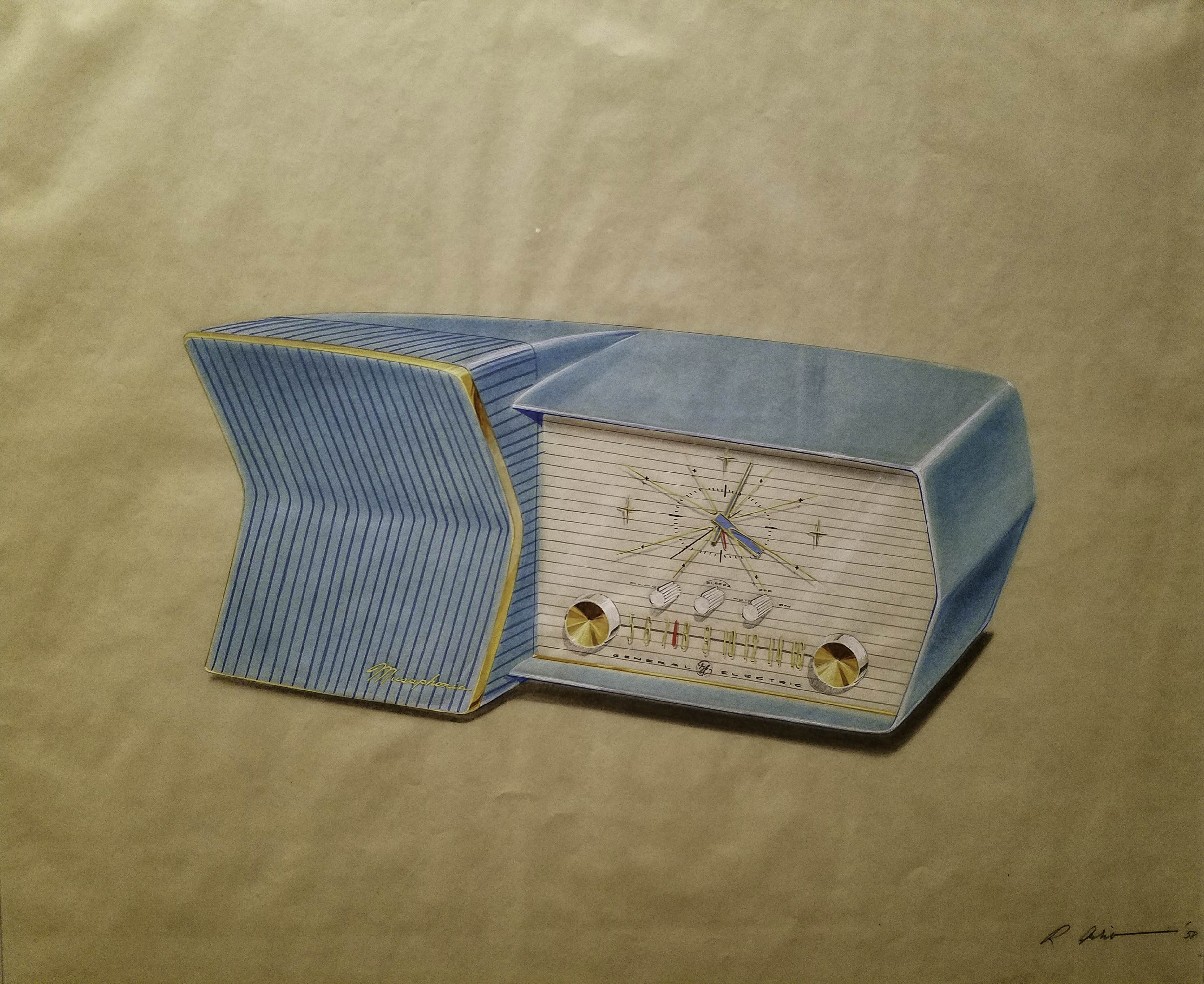
Drawing, Design for Musaphonic Clock Radio in Blue, 1958. Richard Arbib (1917-1995) for General Electric Company (Schenectady, New York)
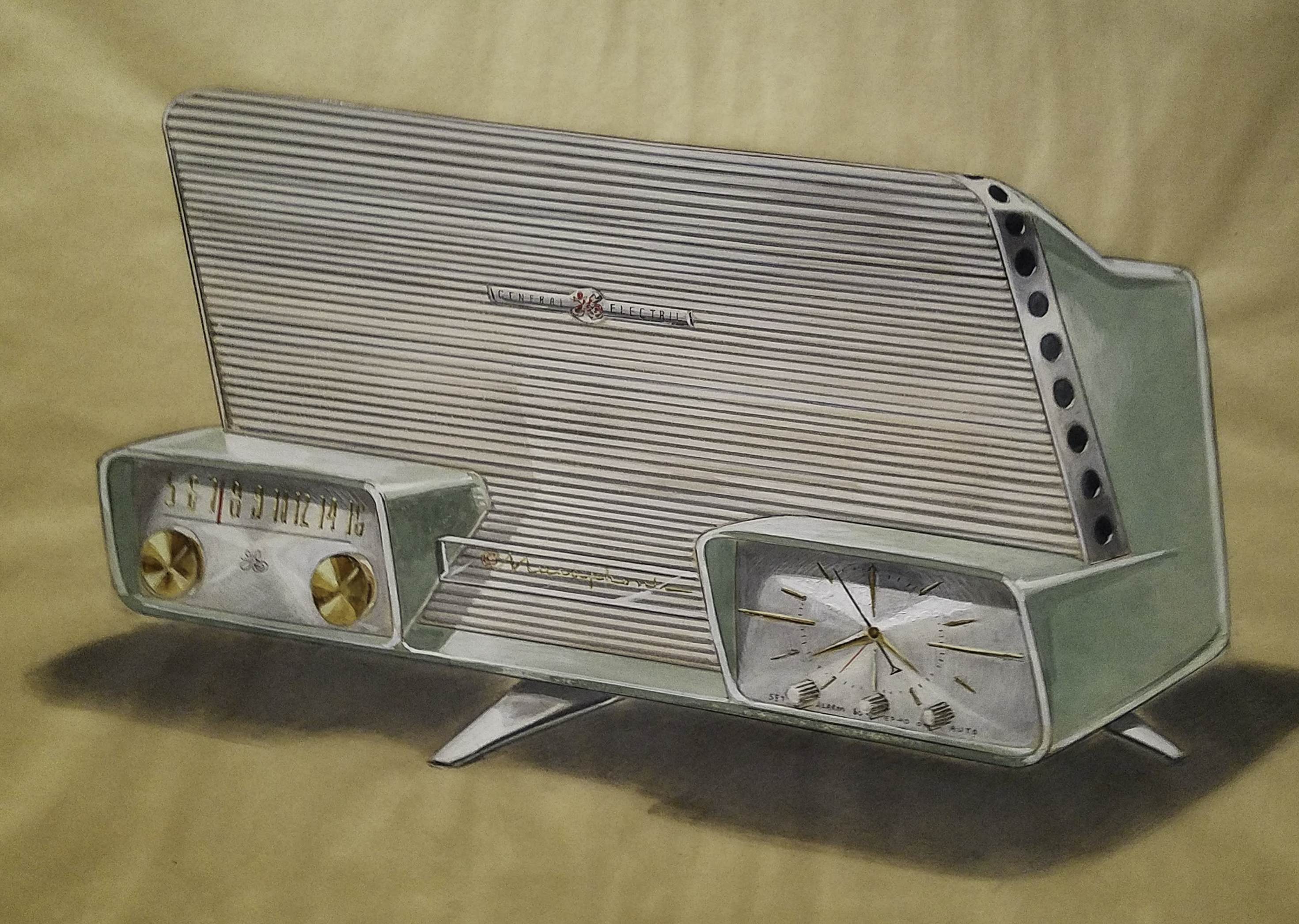
Drawing, Design for Musaphonic Clock Radio on Legs in Green, 1958. Richard Arbib (1917-1995) for General Electric Company (Schenectady, New York)
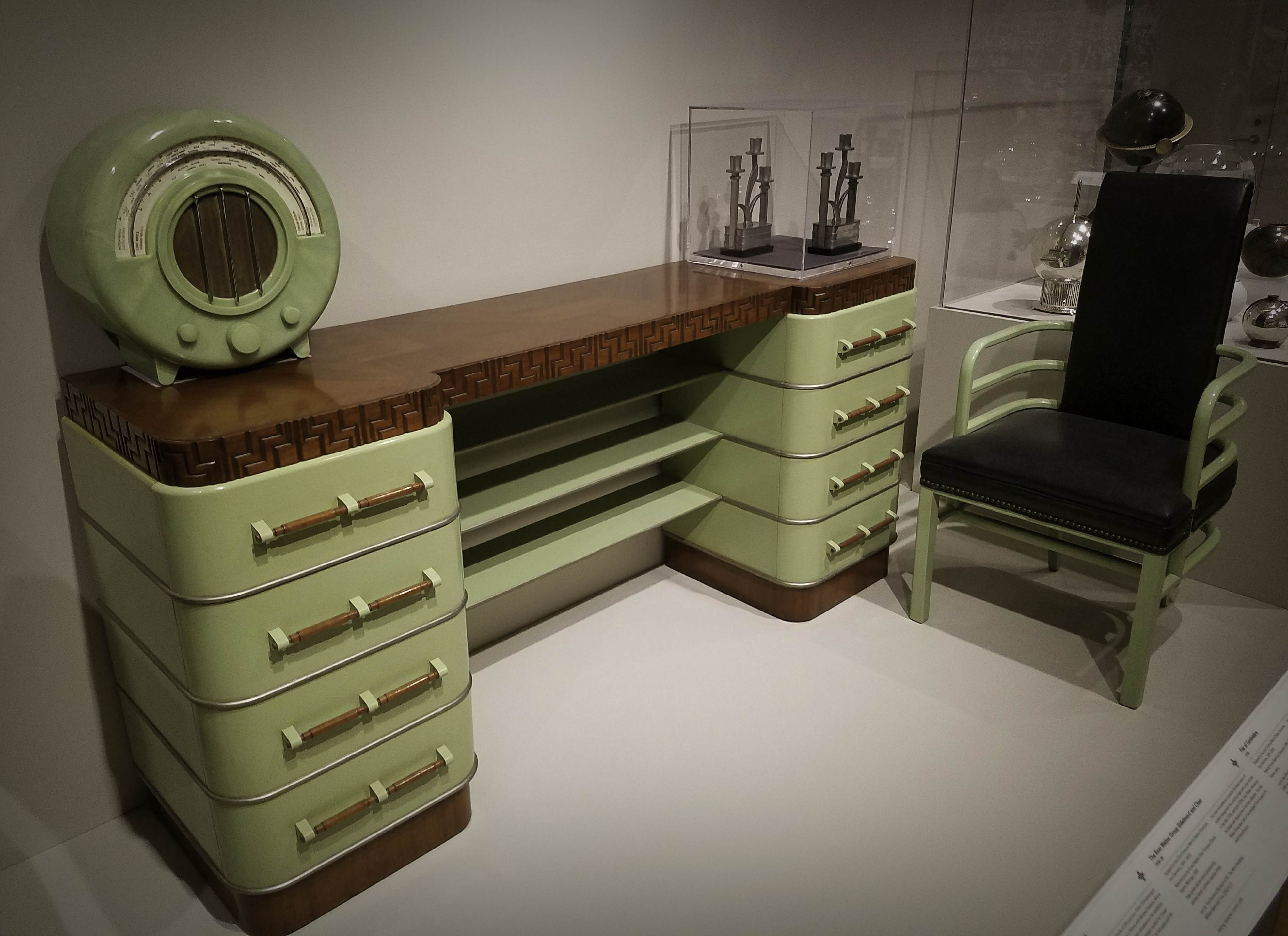
The Kem (Karl Emanuel Martin) Weber Group Sideboard and Chair, 1928-29. Sage green painted wood (sideboard); painted wood, synthetic leather (chair). AD-65 Radio designed 1932 by Wells Wintemute Coates , manufactured 1934 by E.K. Cole Ltd.
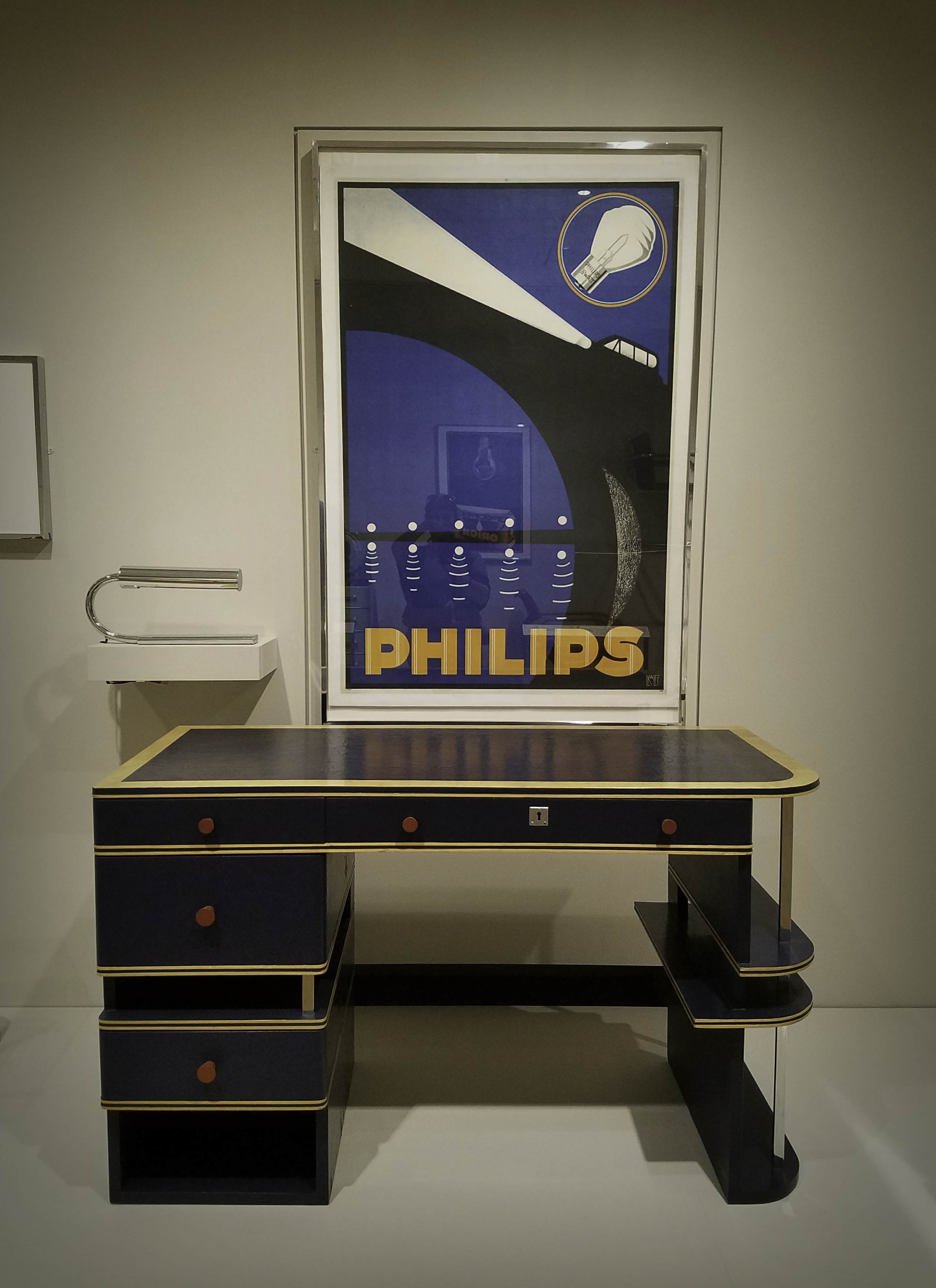
Desk, ca. 1933. Designed by Paul T. Frankl. Table Lamp, 1933. Designed by Gilbert Rohde. Poster, Philips, ca. 1928. Designed by Louis Christiaan Kalff for Philips


From  The Jazz Age: American Style in the 1920s, an exhibition at the Cooper Hewitt, April through August 2017

July 30th, 2017

Poor Lonesome Cowboy

*Big City Tunes*

I’m a poor lonesome cowboy
I’m a long long way from home
And this poor lonesome cowboy
Has got a long long way to roam
Over mountains over prairies
From dawn till day is done
Into the setting sun

Lonesome cowboy, lonesome cowboy,
You’re a long long way from home
Lonesome cowboy, lonesome cowboy,
You’ve a long long way to roam
There are guys who just figure
Have a problem with a gun
And a finger on a trigger
Can be dangerous, hurt someone
But problems solve much better
By keeping calm and true
My horse and me keep riding
I ain’t nobody’s fool

I’m a poor lonesome cowboy
But it doesn’t bother me
‘Cause this poor lonesome cowboy
Prefers a horse for company
Got nothing against women
But I wave them all goodbye
My horse and me keep riding
We don’t like being tied
Lonesome cowboy, lonesome cowboy,
You’re a long long way from home
Lonesome cowboy, lonesome cowboy,
You’ve a long long way to roam

To roam

July 26th, 2017

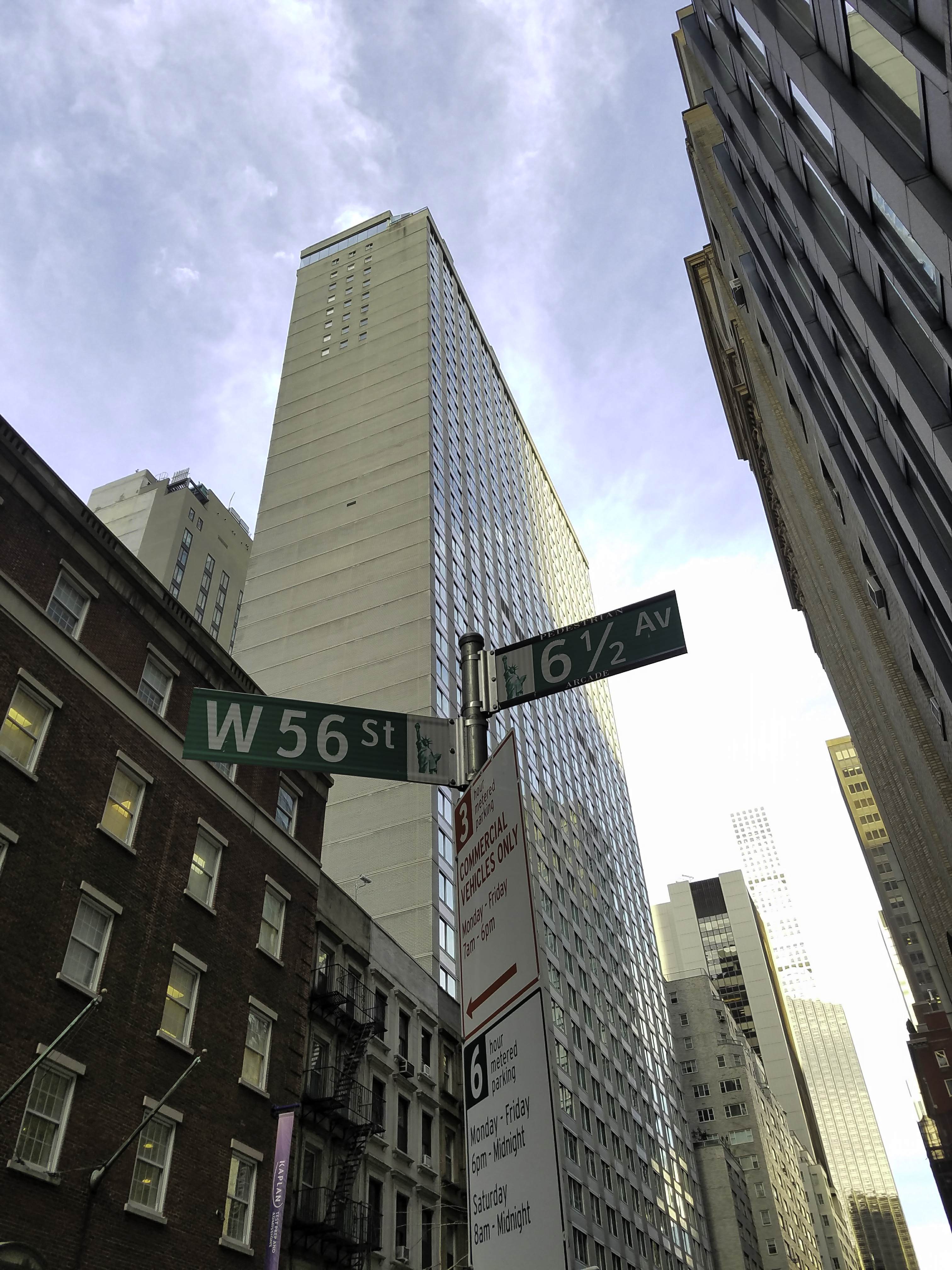
Sixth and a Half

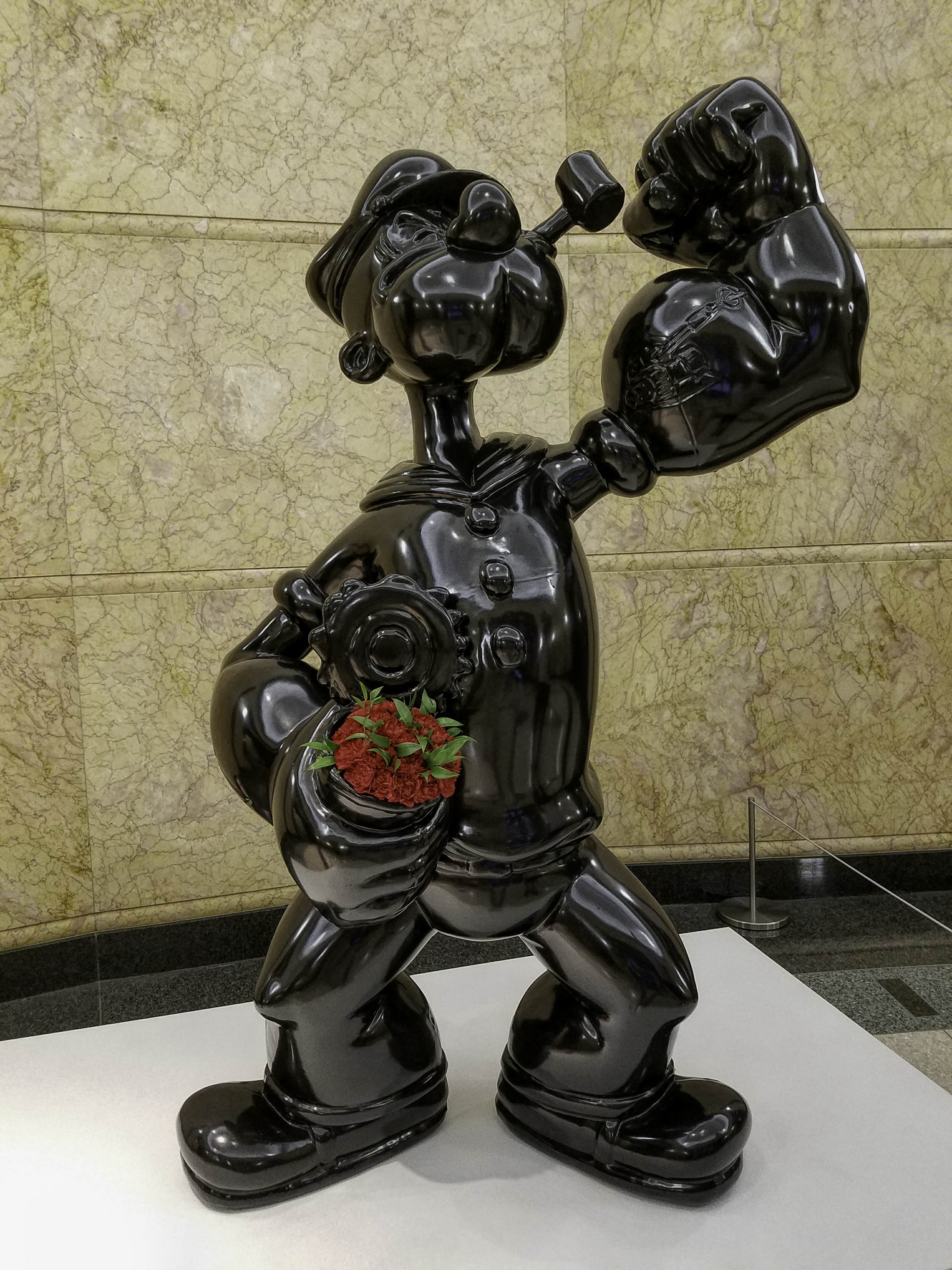
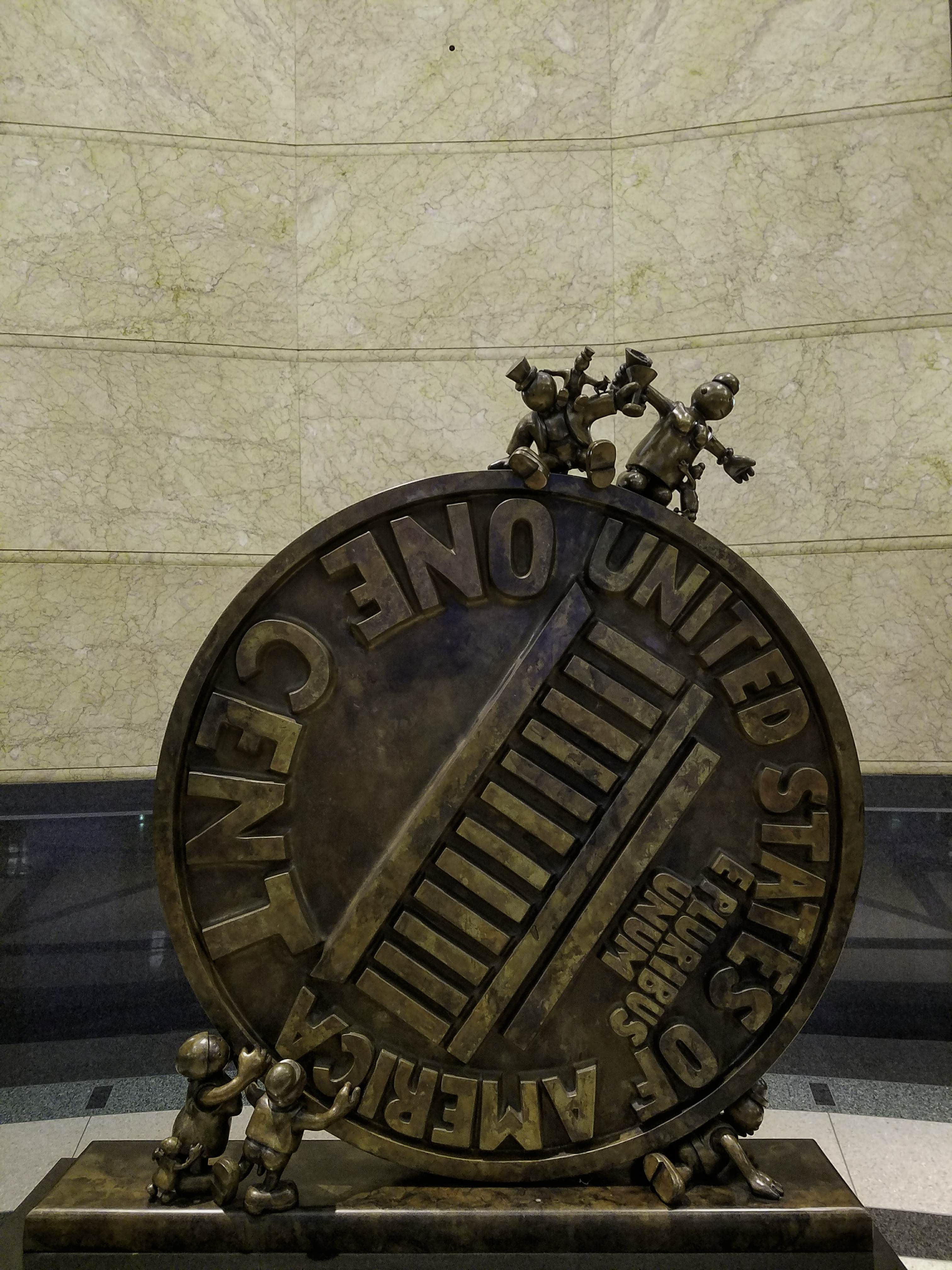
Times Fifty Sixth, equals the magic number that unlocks the mysteries of the Avenue That Does Not Exist.

You too can uncover its mysteries; but tread gently or you might upset the kind denizens of this strange, parallel world.

Popeye by Jeff Koons, 2009-2012
Granite and live flowers

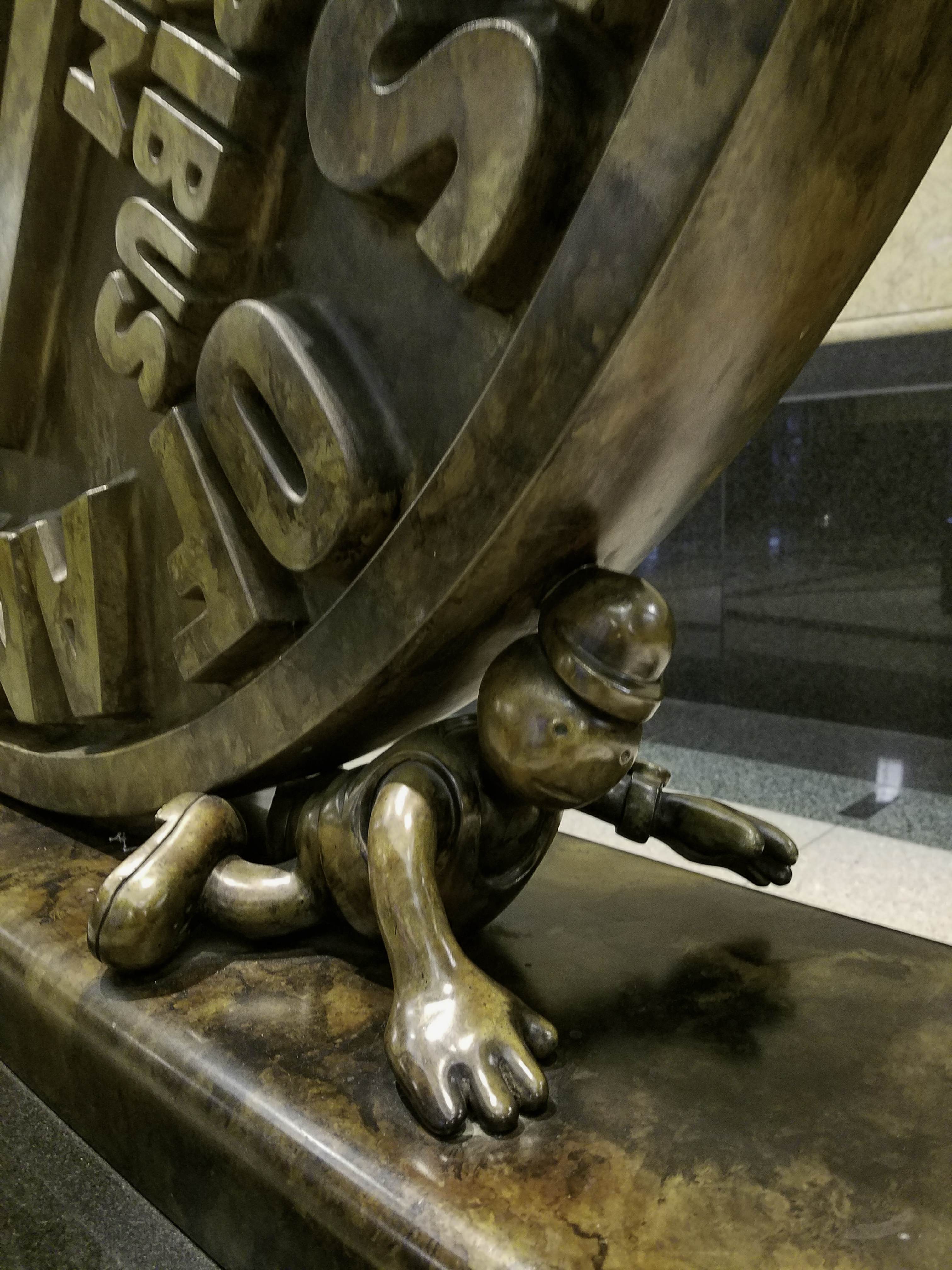
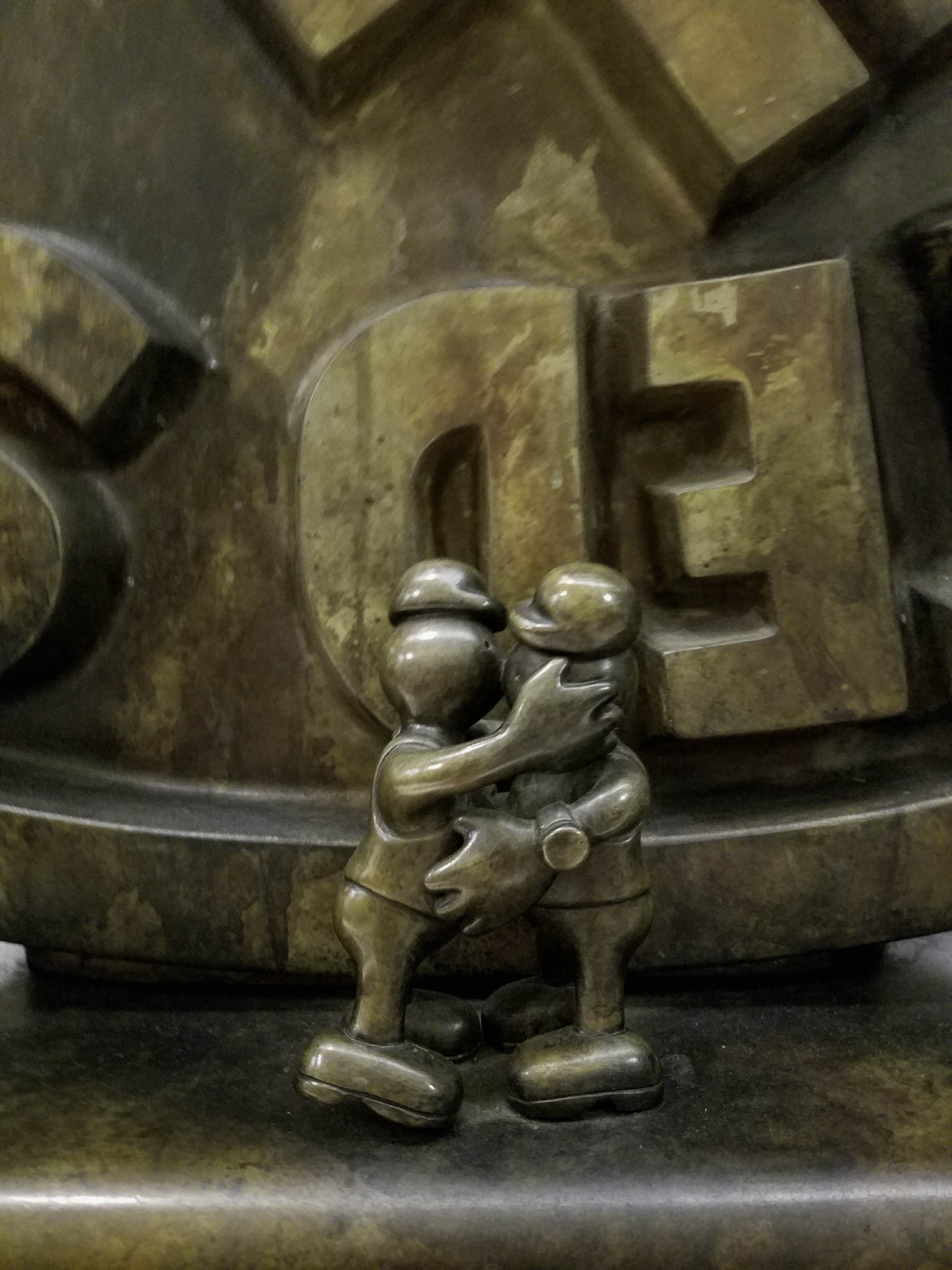
Big, big Penny by Tom Otterness, 1993
Bronze

July 26th, 2017

They come in all sizes

Museums come in all shapes and sizes, integral parts of our society and pivotal in preserving, studying and expanding knowledge about the culture, heritage and nature of our world. And in an ethnically diverse metropolis of the magnitude of New York City, Museums come in every conceivable type: from the matchbox Mmuseumm to the jewel box Frick Collection, the Ambassador of Modernism that is the MoMA to the National Museum of the American Indian, advocate of Native American heritage, there are weird museums, pop up museums, museums of gigantic proportions like The Met; there is something for every interest, taste and even physical condition.
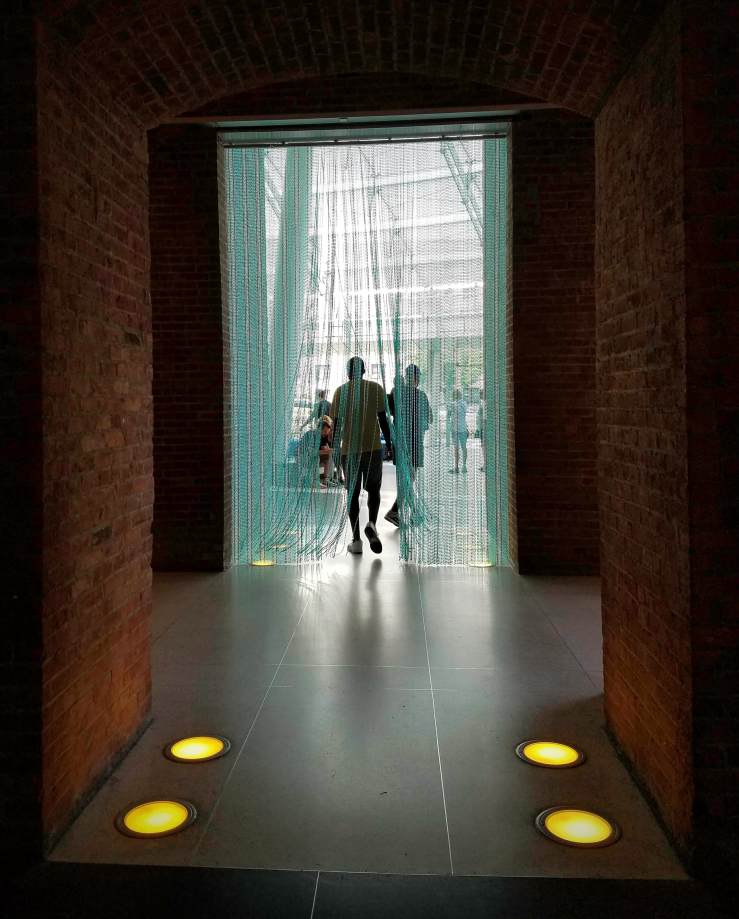
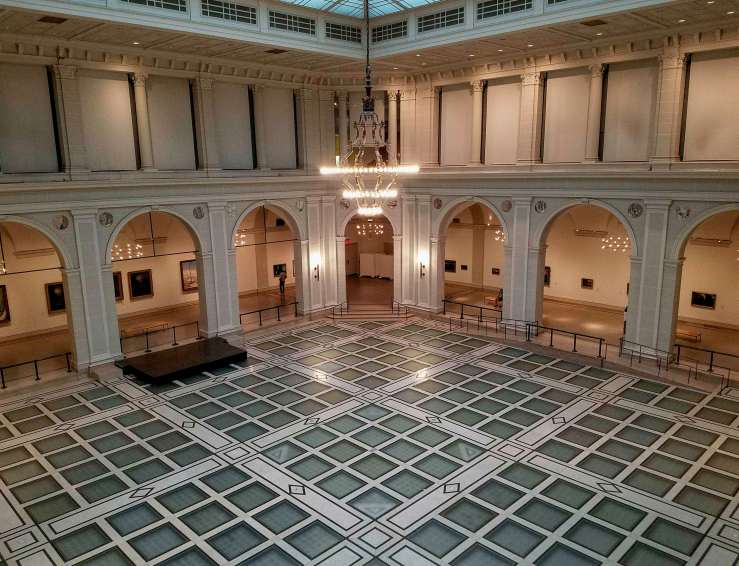
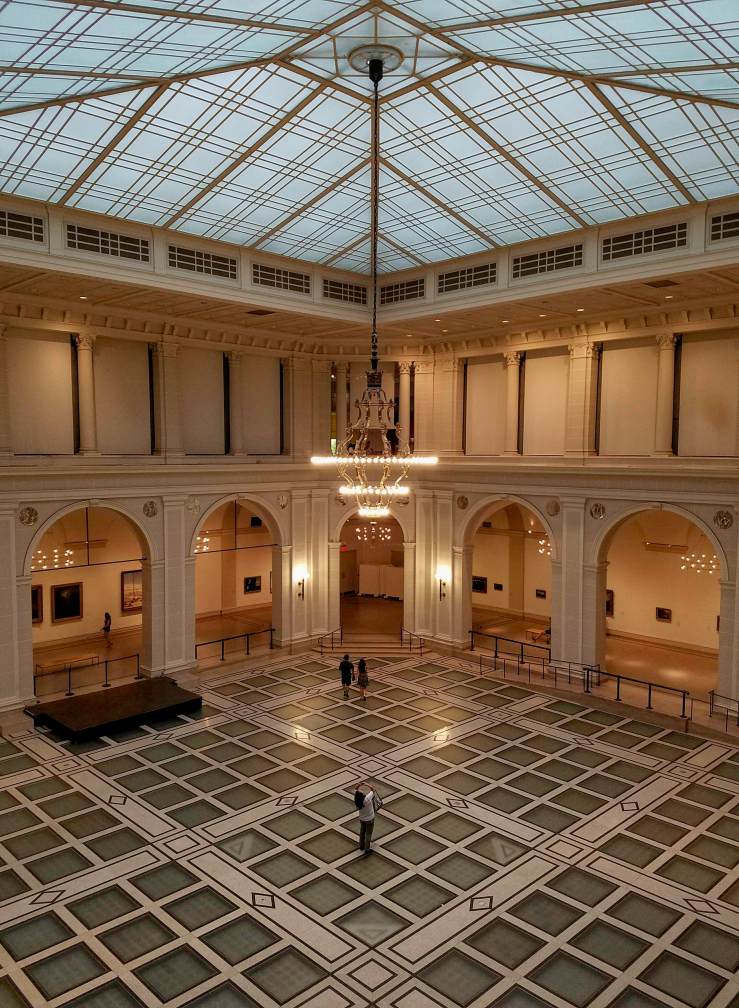
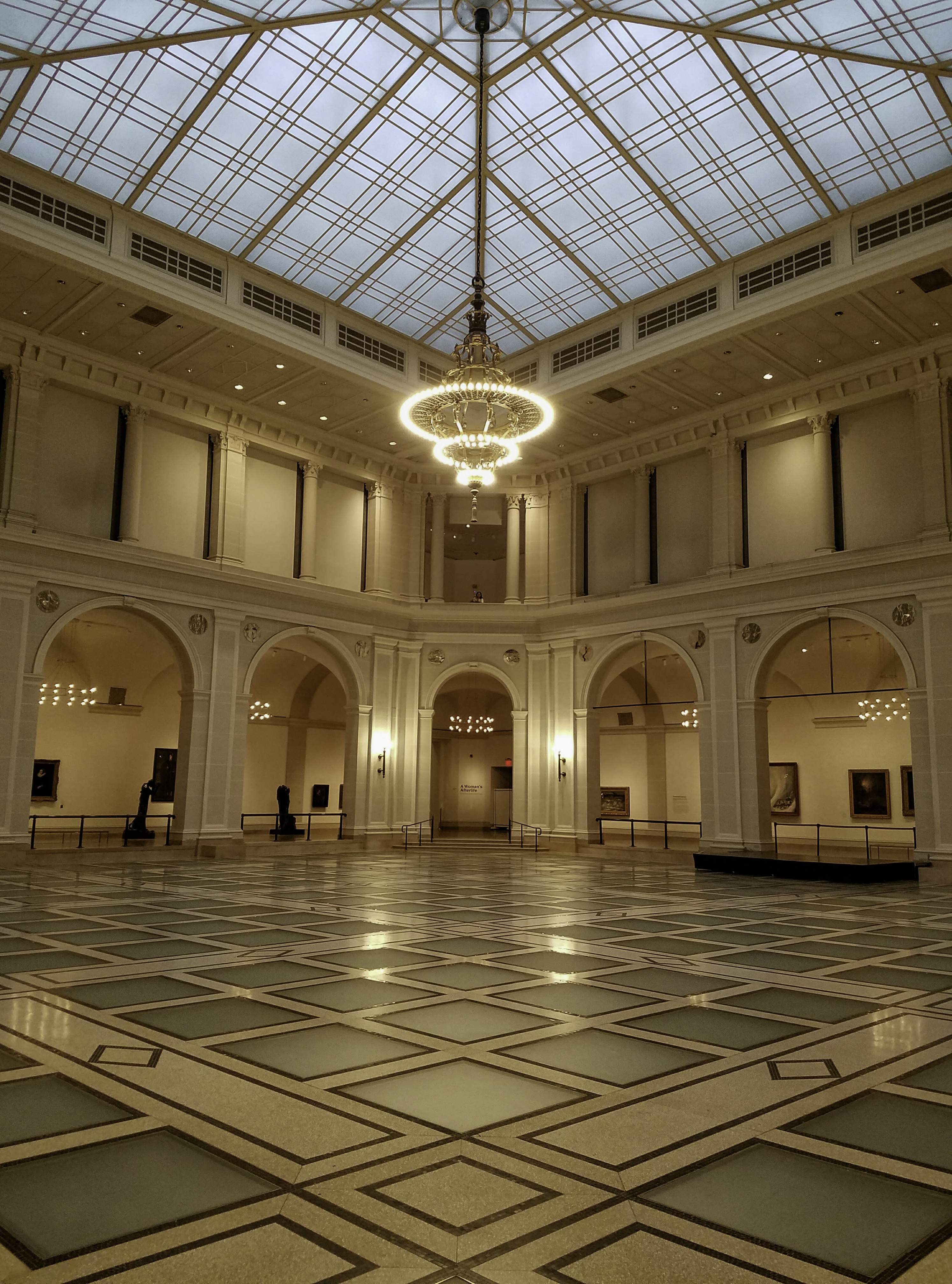
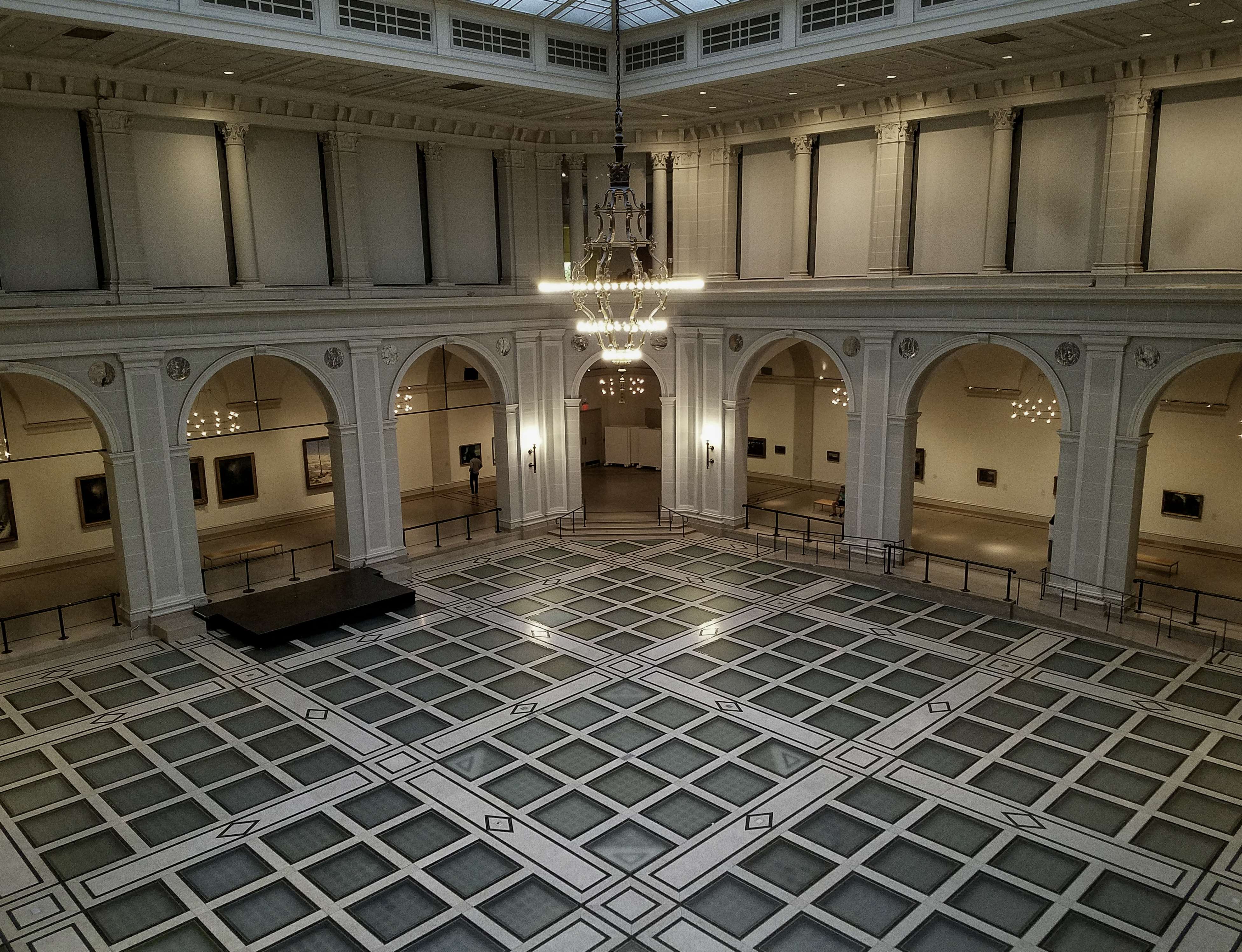
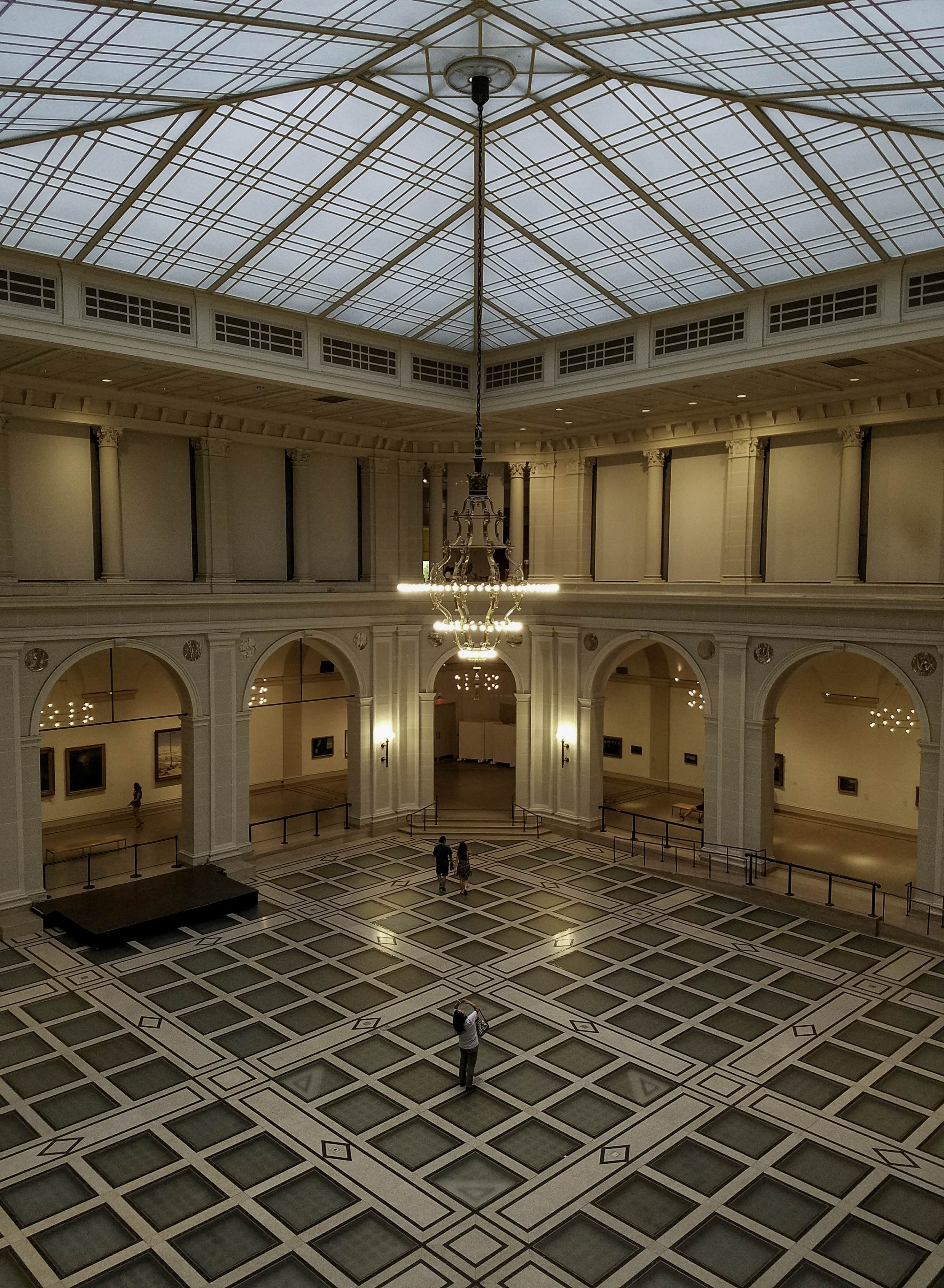
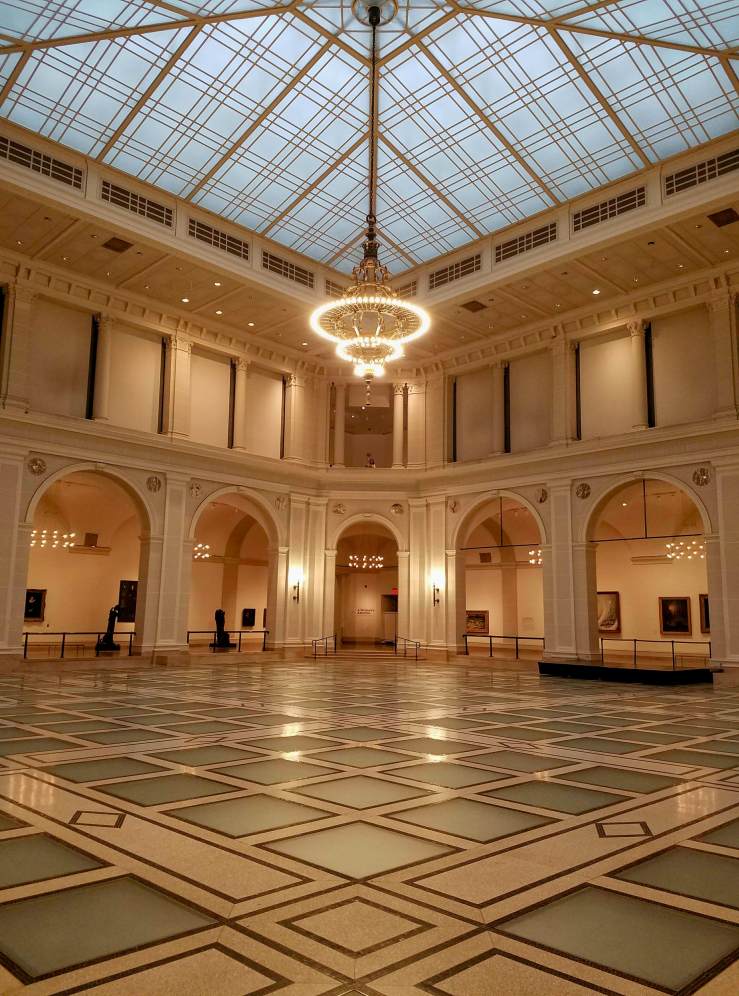
The Brooklyn Museum falls under the category of those Tardis-like structures that are surprisingly ”bigger on the inside”. How else can I explain the seemingly endless space when, after going through the galleries hosting the extensive Georgia O’Keeffe exhibition occupying -what we thought was- the largest part of the Museum, we found ourselves walking through corridors and galleries, monumental installations and even reconstructed period rooms, only to end up in this vast open space, its glass-tile floor reflecting the natural light coming from a skylight as large as the ceiling, enhanced by a huge chandelier?

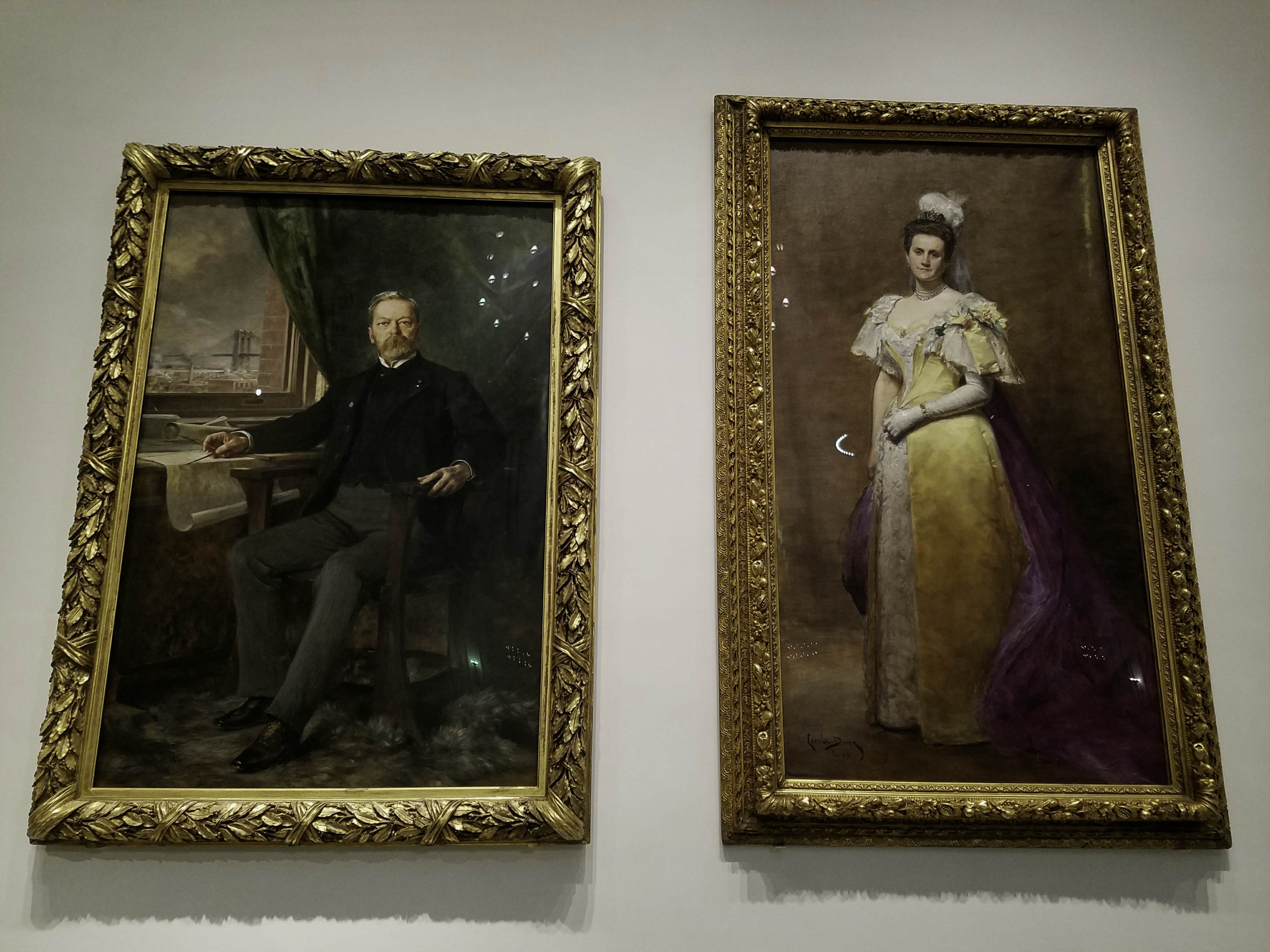
It was only afterwards I looked it up and realised we had just visited the third largest Museum in New York City! This is the ”Beaux-Arts Court”, where the portraits of Washington A. Roebling and his wife, Emily Warren Roebling, fittingly hang side-by-side. Mr. Roebling was the chief engineer during the construction of Brooklyn Bridge, visible through the window in his portrait. When he fell ill, it was his wife who stepped in and oversaw its completion. Mrs. Roebling was the first person to cross the bridge, carrying a rooster for good luck.Portrait of Washington A. Roebling, 1899 by Théobald Chartran
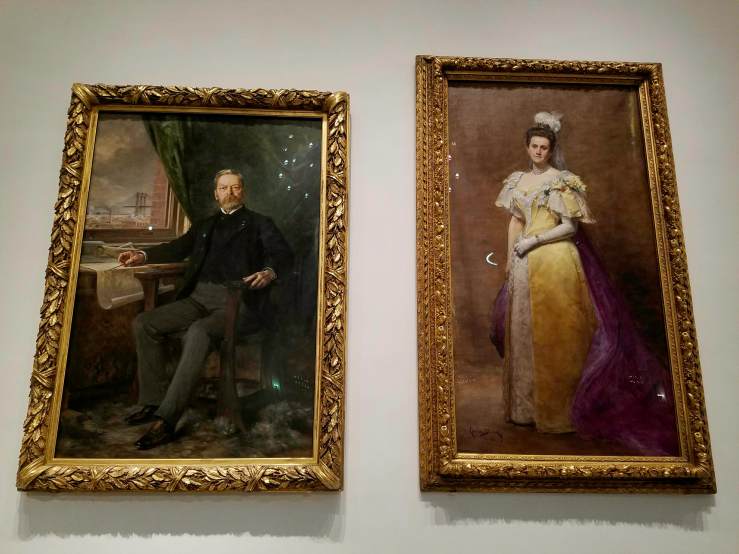
Portrait of Emily Warren Roebling, 1896, by 
Charles-Émile-Auguste Carolus-Duran

Brooklyn Museum

July 22nd, 2017