Truth_be_told
July 18th, 2017
Truth_be_told
July 18th, 2017
Upon realizing it was time to leave L.A. My Californication had been an utter success – so much so, I was already plotting my way back. 


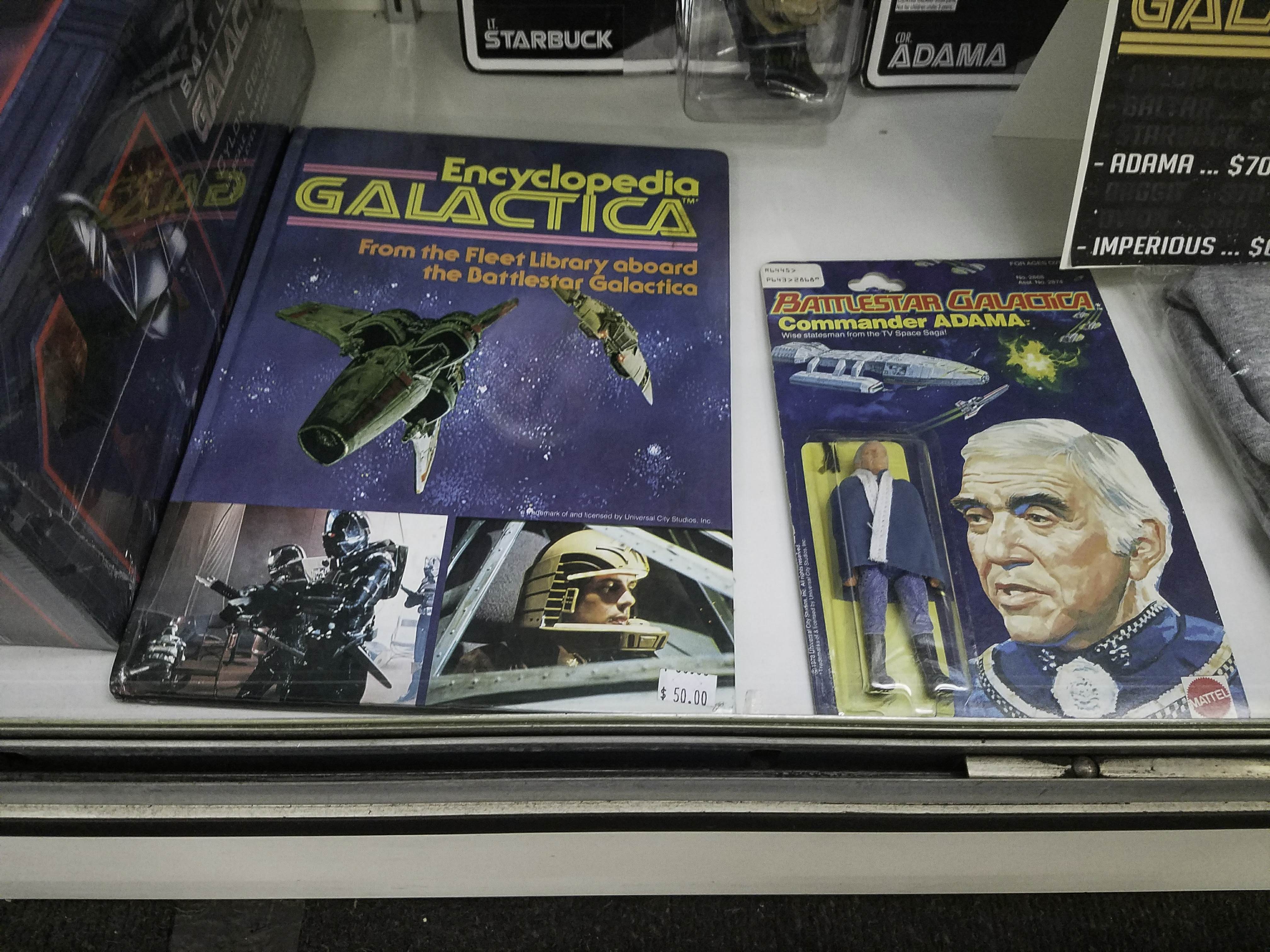
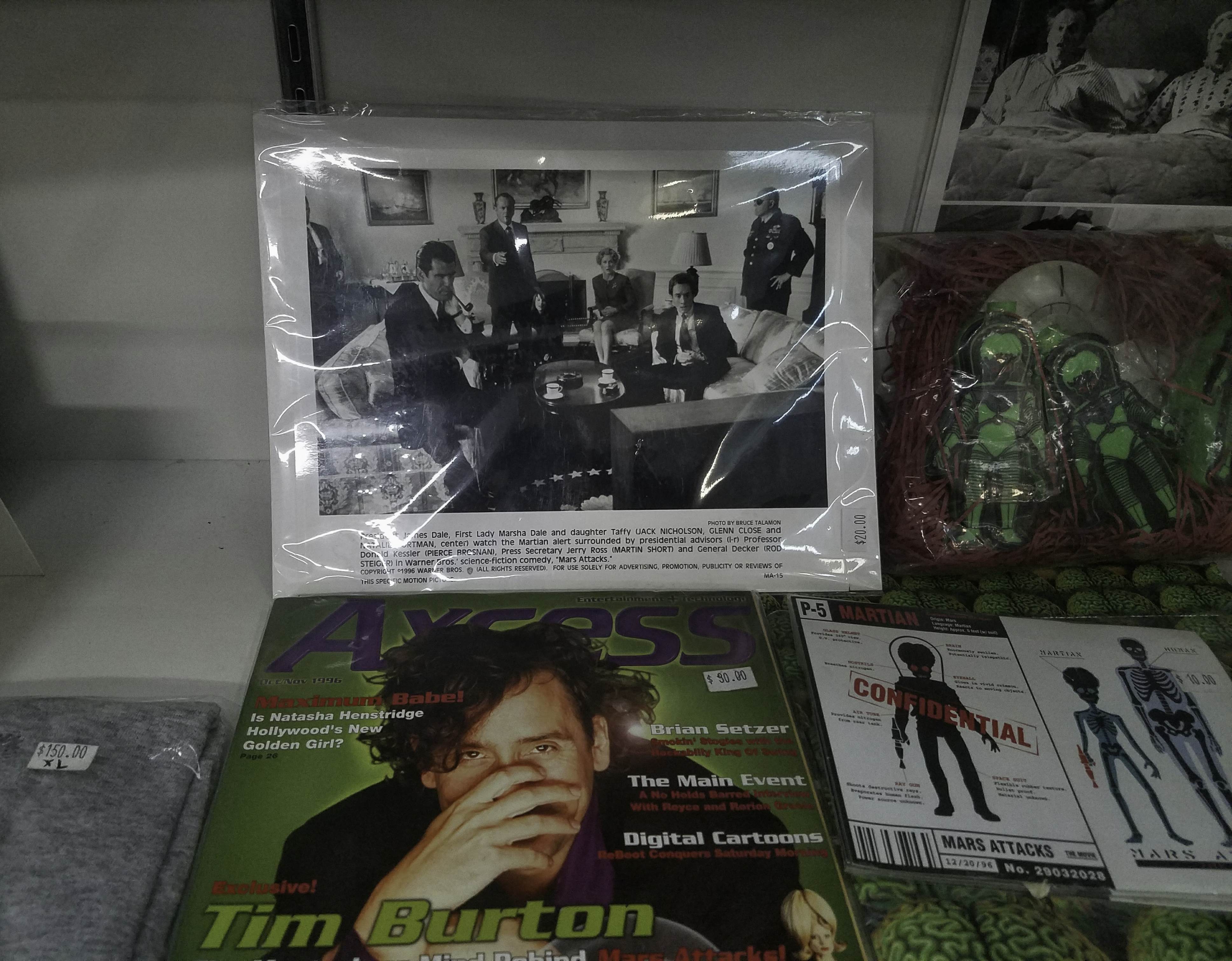


Seriously though, I had a mini-crisis upon learning that Meltdown Comics, an L.A. landmark for the past 25 years, would close its doors forever on April 1st, 2018. What a chance to have made it there just in time!
July 18th, 2017
Day after Thanksgiving.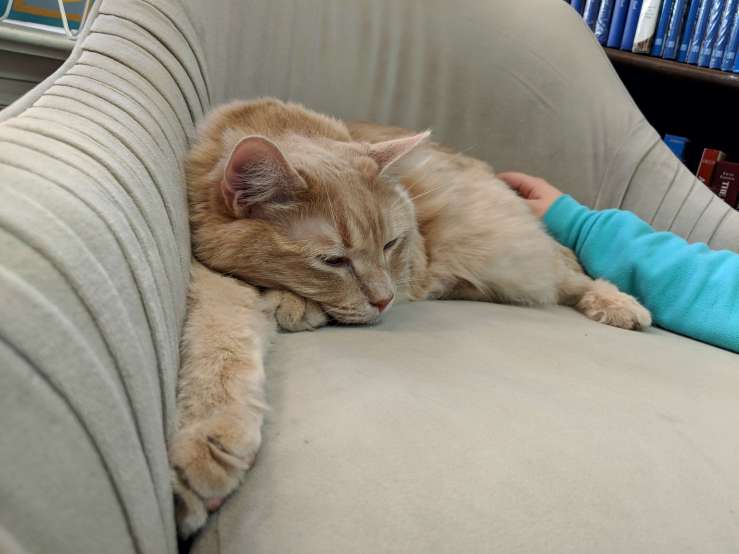

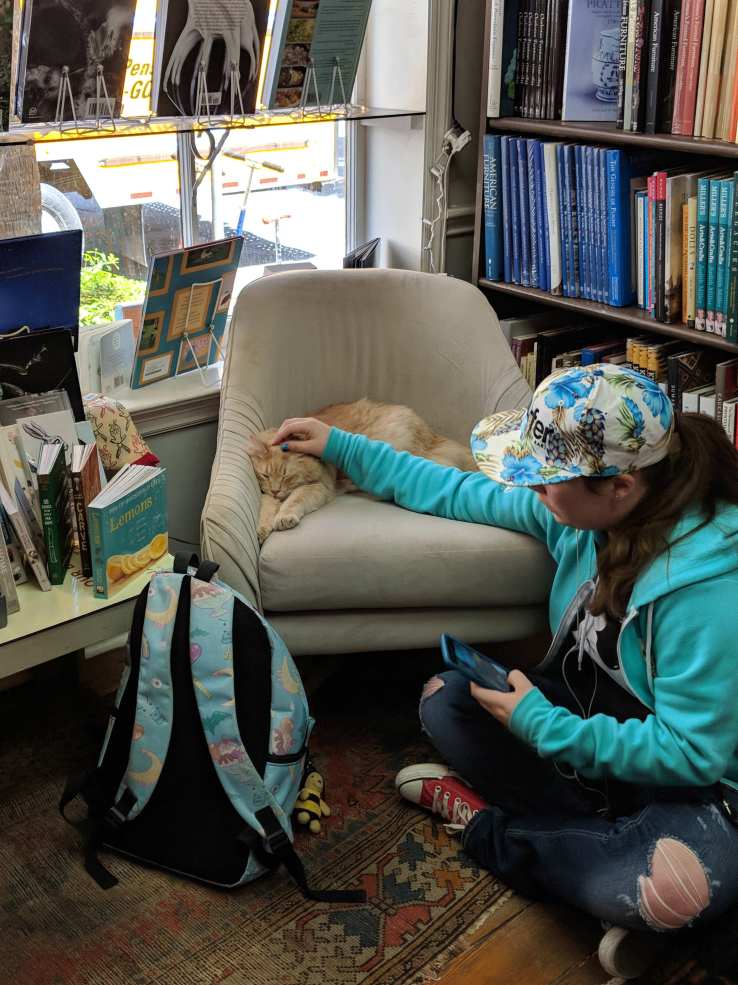
Savannah, GA
April 5th, 2018
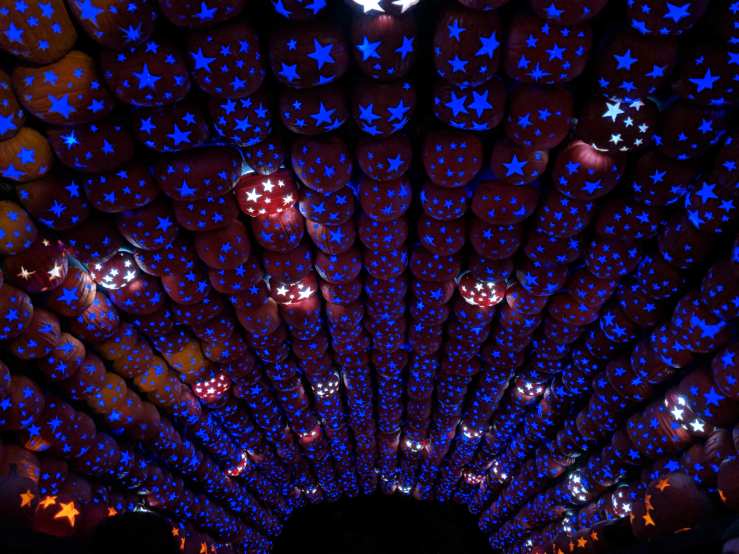
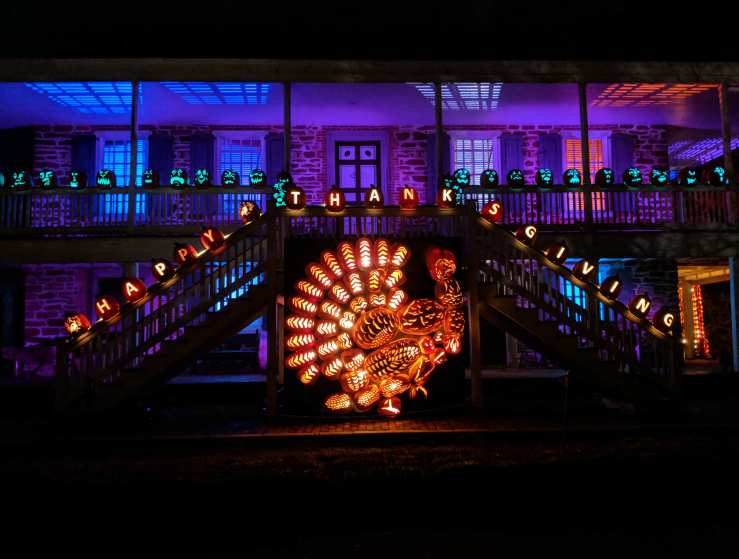

With a spooky twist and a pumpkin turkey, from Van Cortlandt Manor and the Great Jack O’Lantern Blaze.
November 24th, 2017
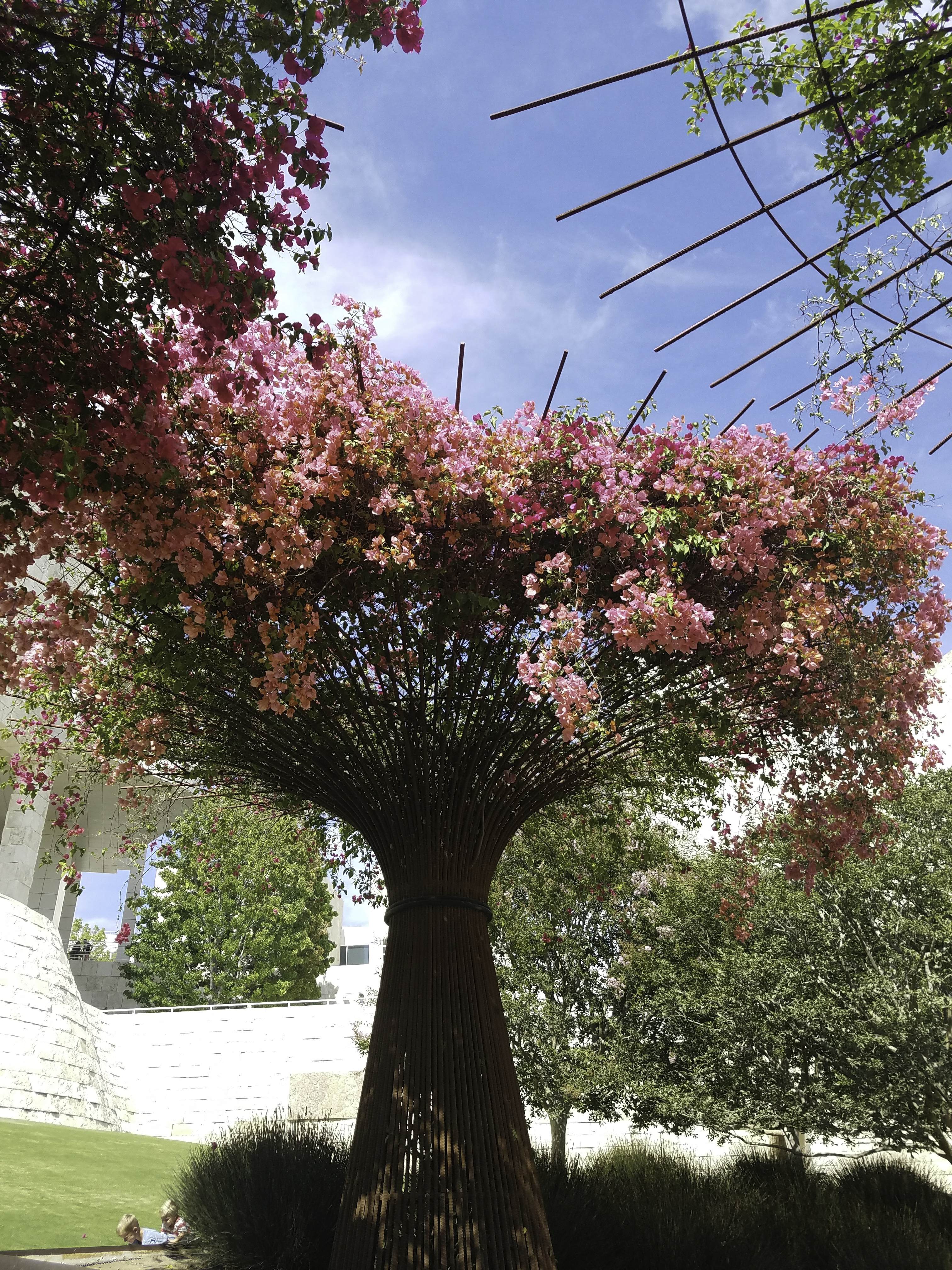
Before we leave – reluctantly and, to be honest, not without a grain of regret that our trip to the West Coast is slowly coming to an end – how about savouring a few more views of the stunning architectural gem that is The Getty Center.



July 18th, 2017
At night, L.A. transforms into a giant mirror, reflecting all the stars of the galaxy.


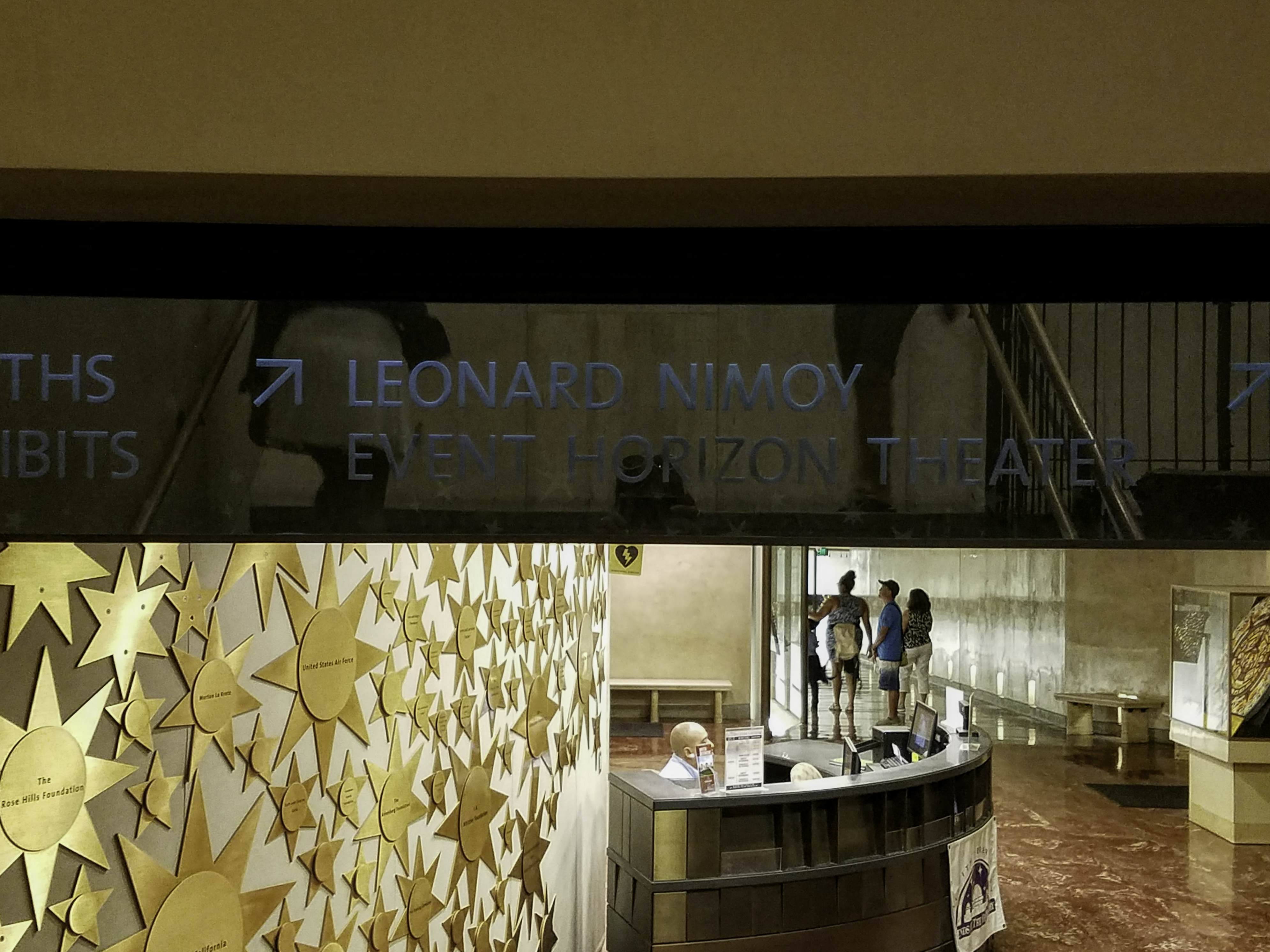

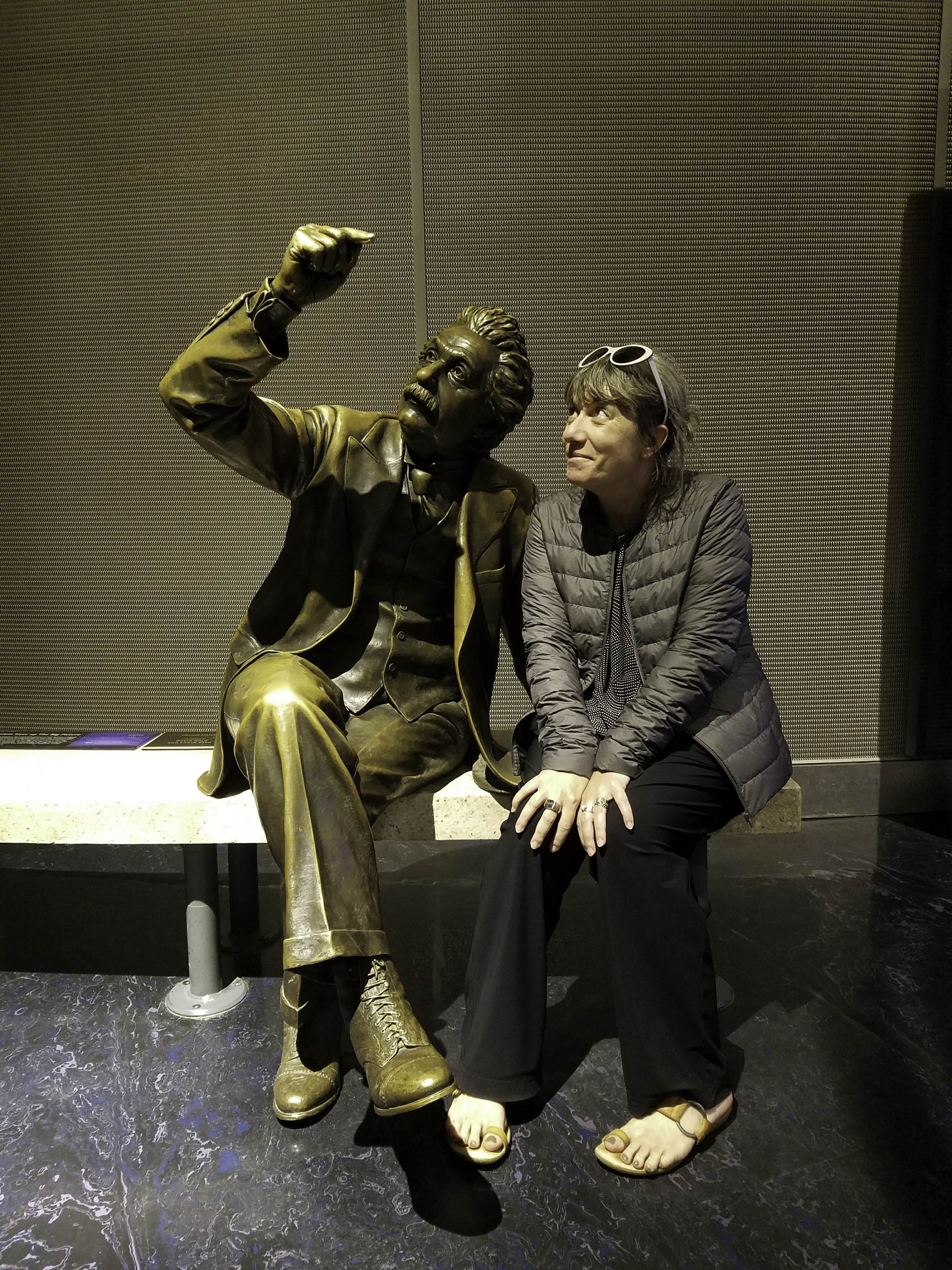
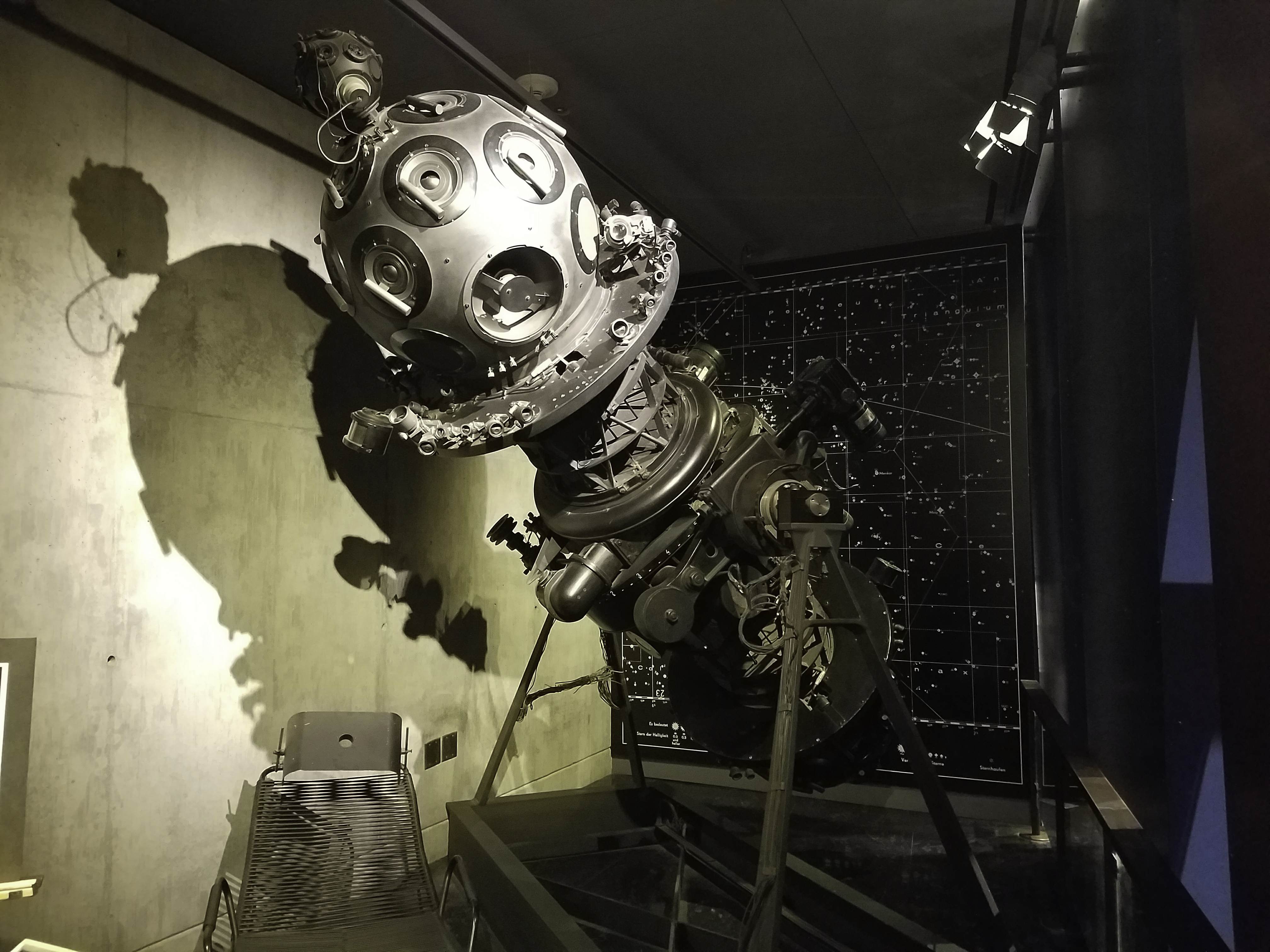
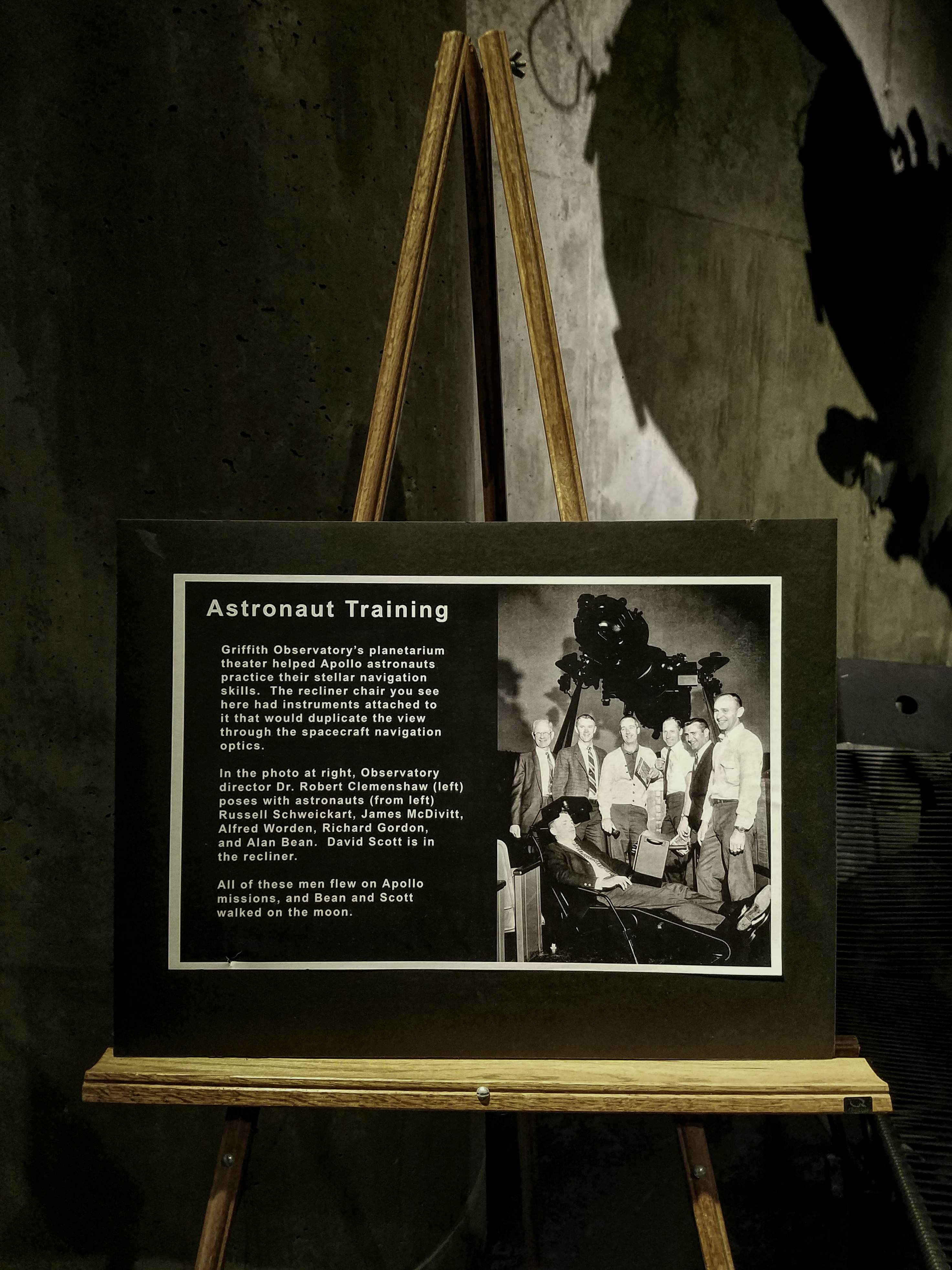


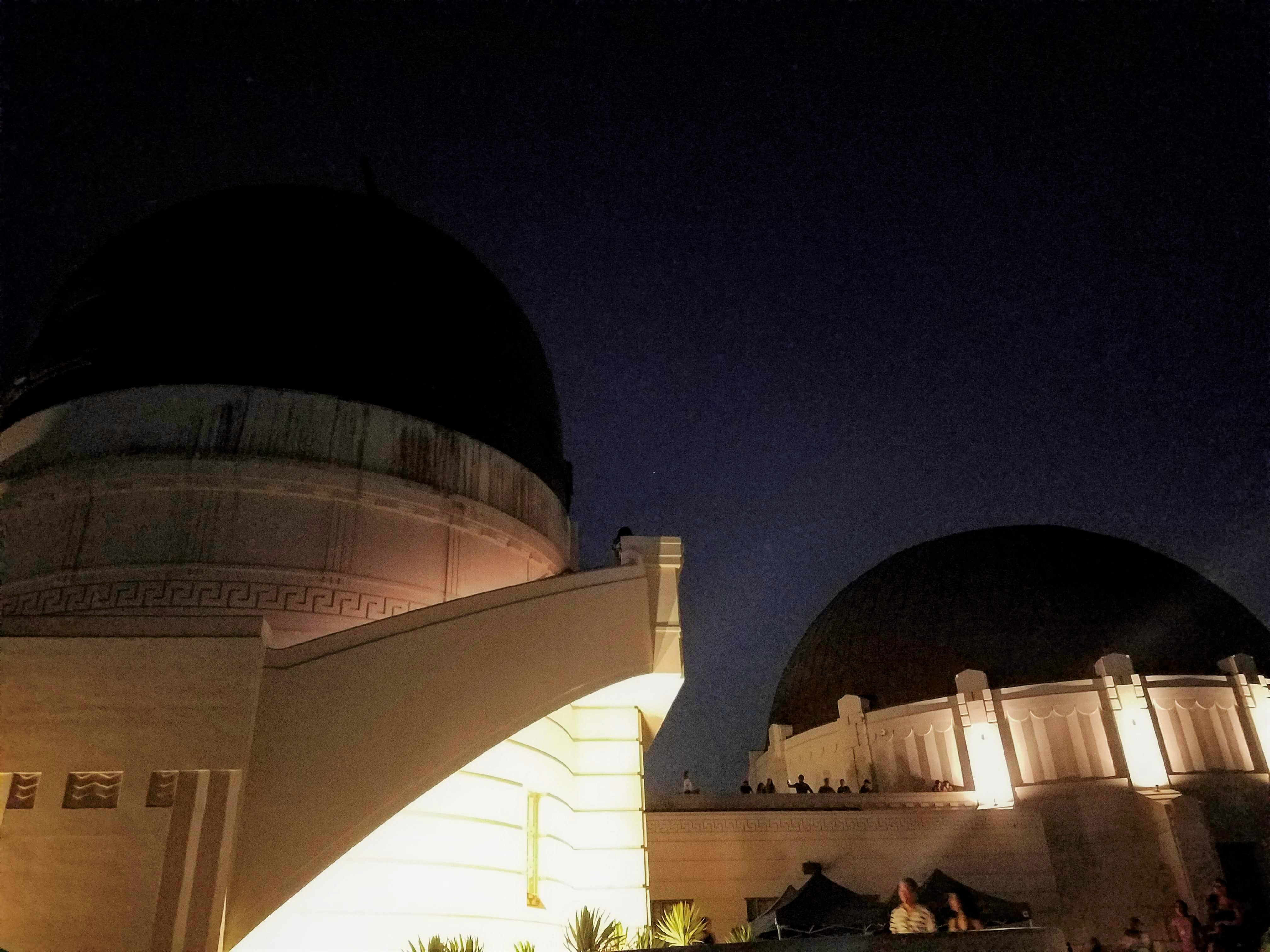


Griffith Observatory
July 18th, 2017
Fortunately, his legendary stinginess did not extend to his art collection. Which is, by all means, extraordinary. 

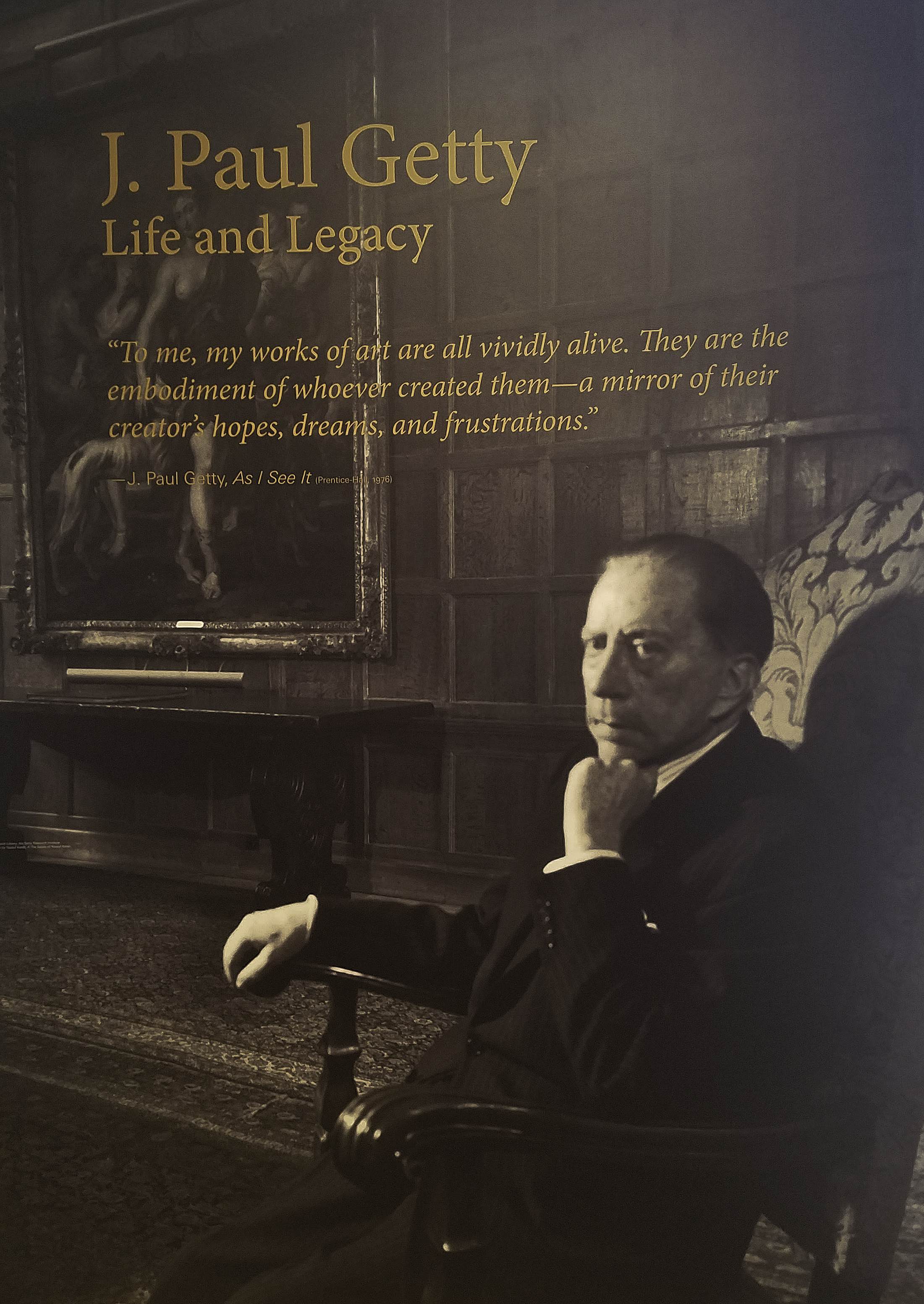


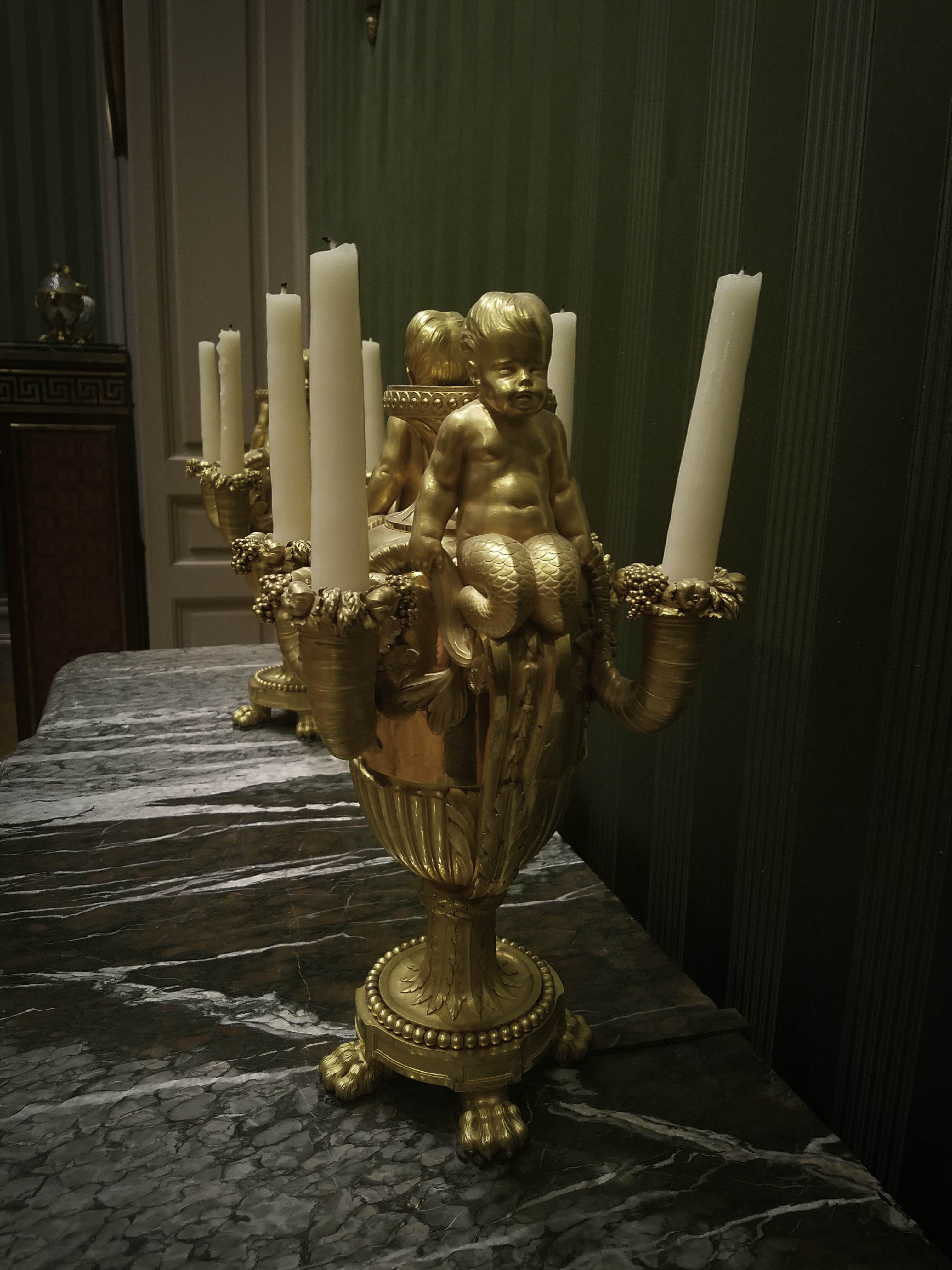


1/
Cabinet on stand, Paris ca. 1675-80
Attributed to André-Charles Boulle (1642-1732
Probably made for Louis XIV or as a royal gift.
2/
Planisphere Clock, Paris ca. 1745-49
3/
The host
4/
Wall clock, Chantilly & Paris, ca. 1740
5/
Pair of Vases & Decorative Figures, China, Kangxi reign, 1662-1722
6/
”Turkish Bed”, Paris, ca. 1750-60
This bed would have been placed against the wall, with a canopy above. The body of the bed may be pulled out on wheels, leaving the back attached to the wall. This separation allowed the bed to be made up more easily by servants.
7/
Secrétaire, Paris ca. 1770-75
Philippe-Claude Montigny (1734-1800)
8/
Candelabra, Paris, ca. 1775
9/
Bed, Paris ca. 1775-80
A grand bed such as this was meant to stand in a deep niche in the most important bedroom of a private residence, where visitors were frequently received.
10, 11/
Paneled Room (salon de compagnie). Painted doors (detail)
Jean-Pierre Ledoux (French, active 1753 – 1761)
The painted doors and panels and the gilt plaster relief sculptures in the overdoors in this room come from the main reception room of a house built for Jean-Baptiste Hosten. Hosten, a wealthy planter from Santo Domingo, commissioned the celebrated architect Claude-Nicolas Ledoux to build his Paris residence, the Maison Hosten, starting around 1790.
12/
Ideal Female Heads, 1769-70
Augustin Pajou (1730-1809)
July 18th, 2017
The rare instance of being a voracious womanizer who “could hardly ever say ‘no’ to a woman, or ‘yes’ to a man”, could momentarily be overlooked.
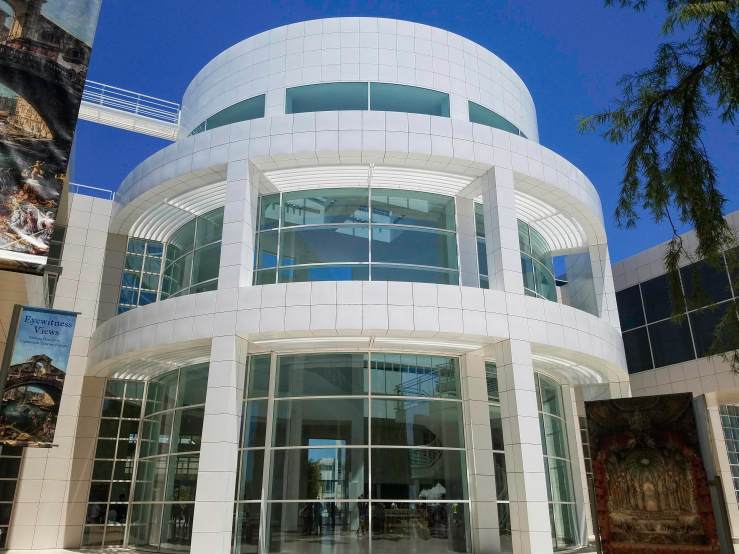
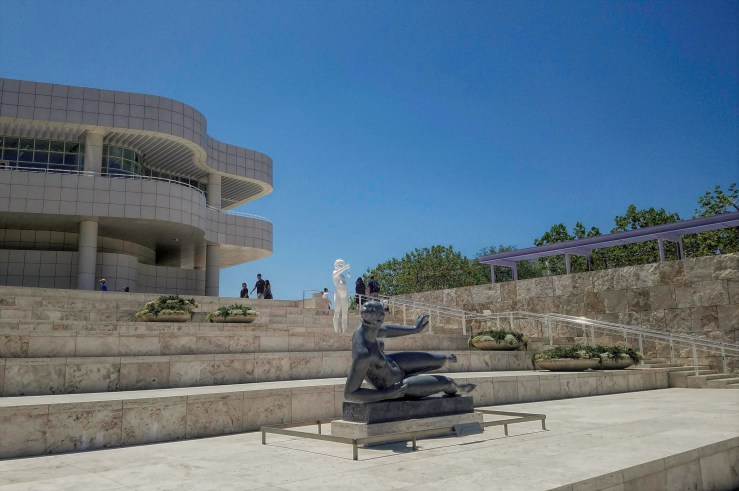
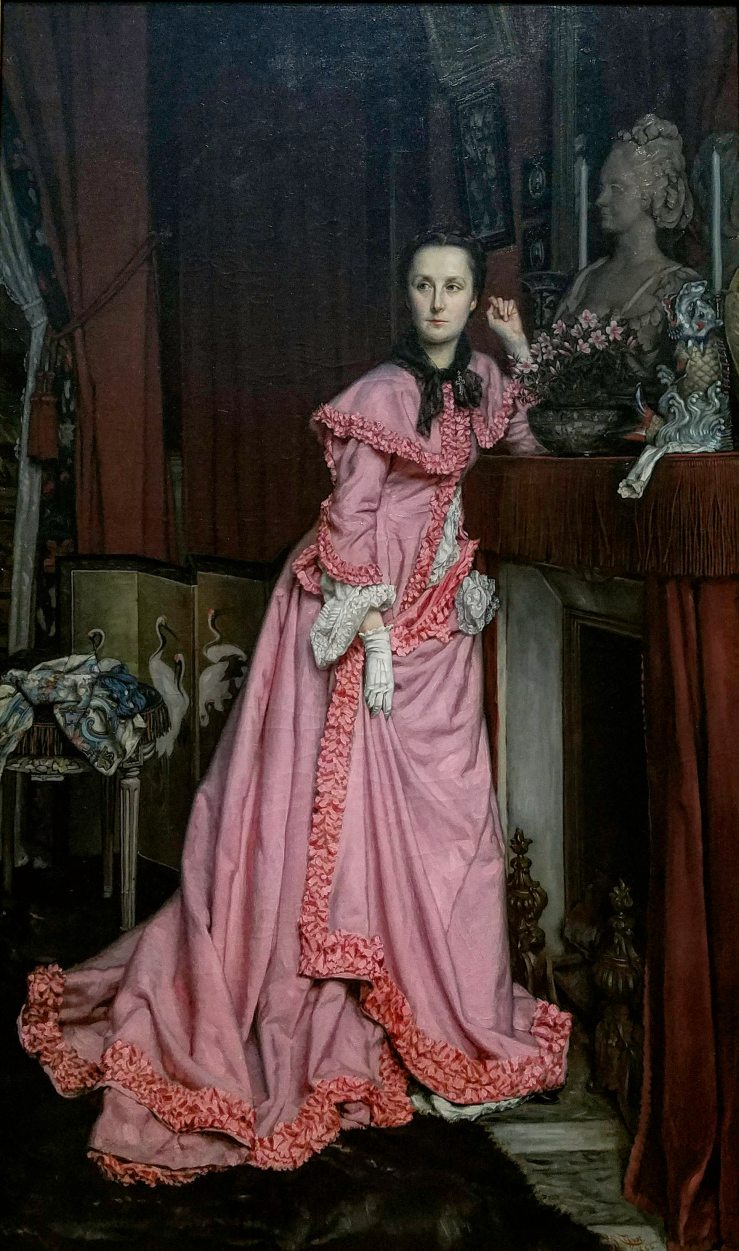


3/
Portrait of the Marquise de Miramon, née Thérèse Feuillant, 1866
James Tissot (1836-1902)
Oil on canvas
4/
Jeanne (Spring), 1881
Édouard Manet (1832-1883)
Oil on canvas
Depicting young actress Jeanne Demarsy as the fashionable embodiment of spring, this portrait was part of an unfinished series of the seasons that Manet undertook at the end of his life.
5/
Portrait of Jeanne Kéfer, 1885
Fernand Khnopff (1858-1921)
Oil on canvas
6/
Portrait of Princess Leonilla of Sayn-Wittgenstein-Sayn, 1843
Franz Xaver Winterhalter (1805-1873)
Oil on canvas
7/
Mischief and Repose (1895)
John William Godward (1861-1922)
Oil on canvas
July 18th, 2017
Celebrating the human body (but the artist’s daughters seem less than impressed).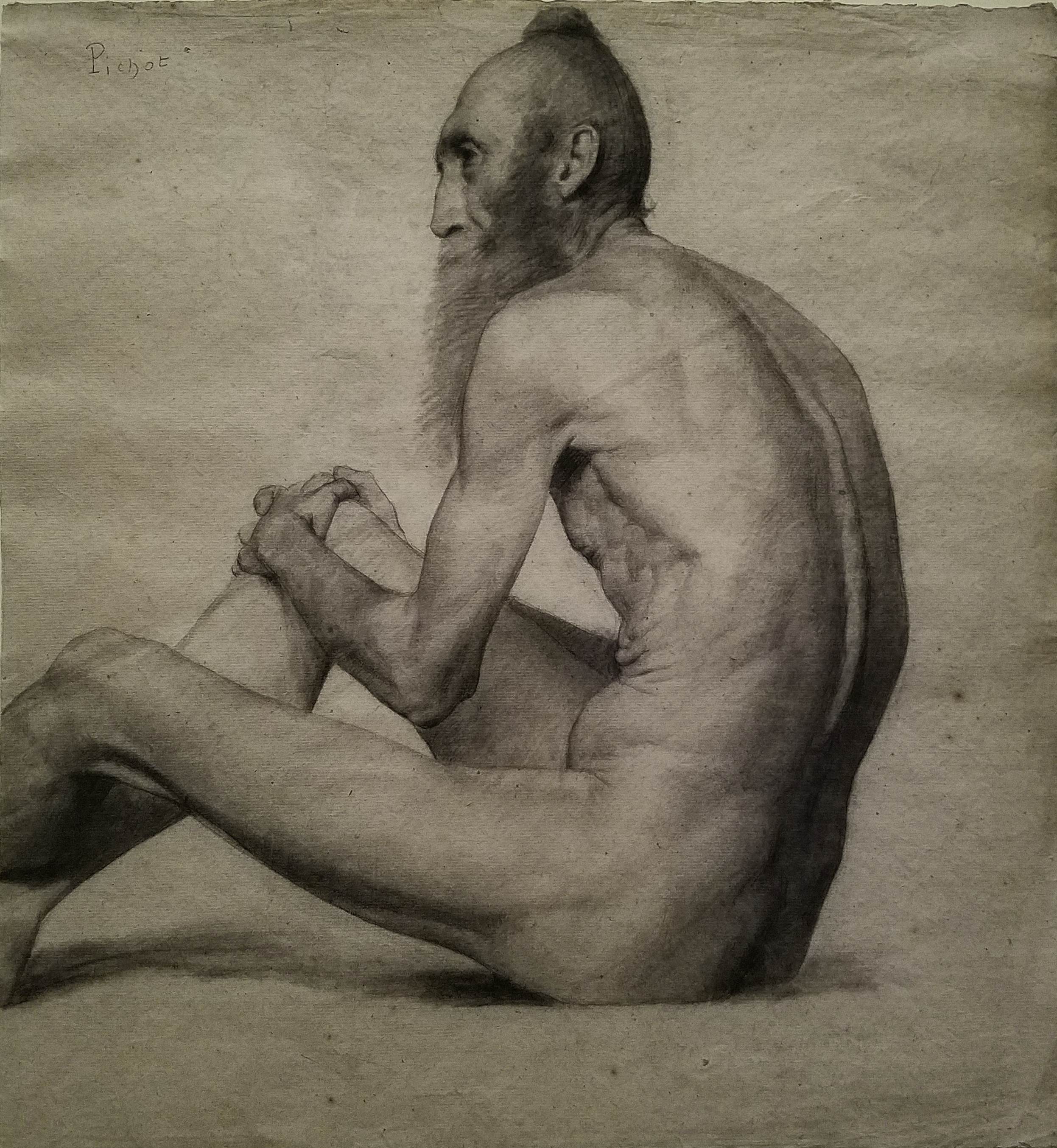
1/
Nude Study of an Indian Man, about 1878-79
Émile-Jules Pichot (1857-1936)
Charcoal and powdered vine charcoal with stumping and lifting
Little is known of Pichot, to whose talents as a draftsman this sheet attests. The drawing’s date, however, can be determined with some precision, for the same gaunt, bearded model (possibly a Hindu ascetic or a Sikh) appears in a drawing by Georges Seurat, a contemporary of Pichot and destined for greatness.
2/
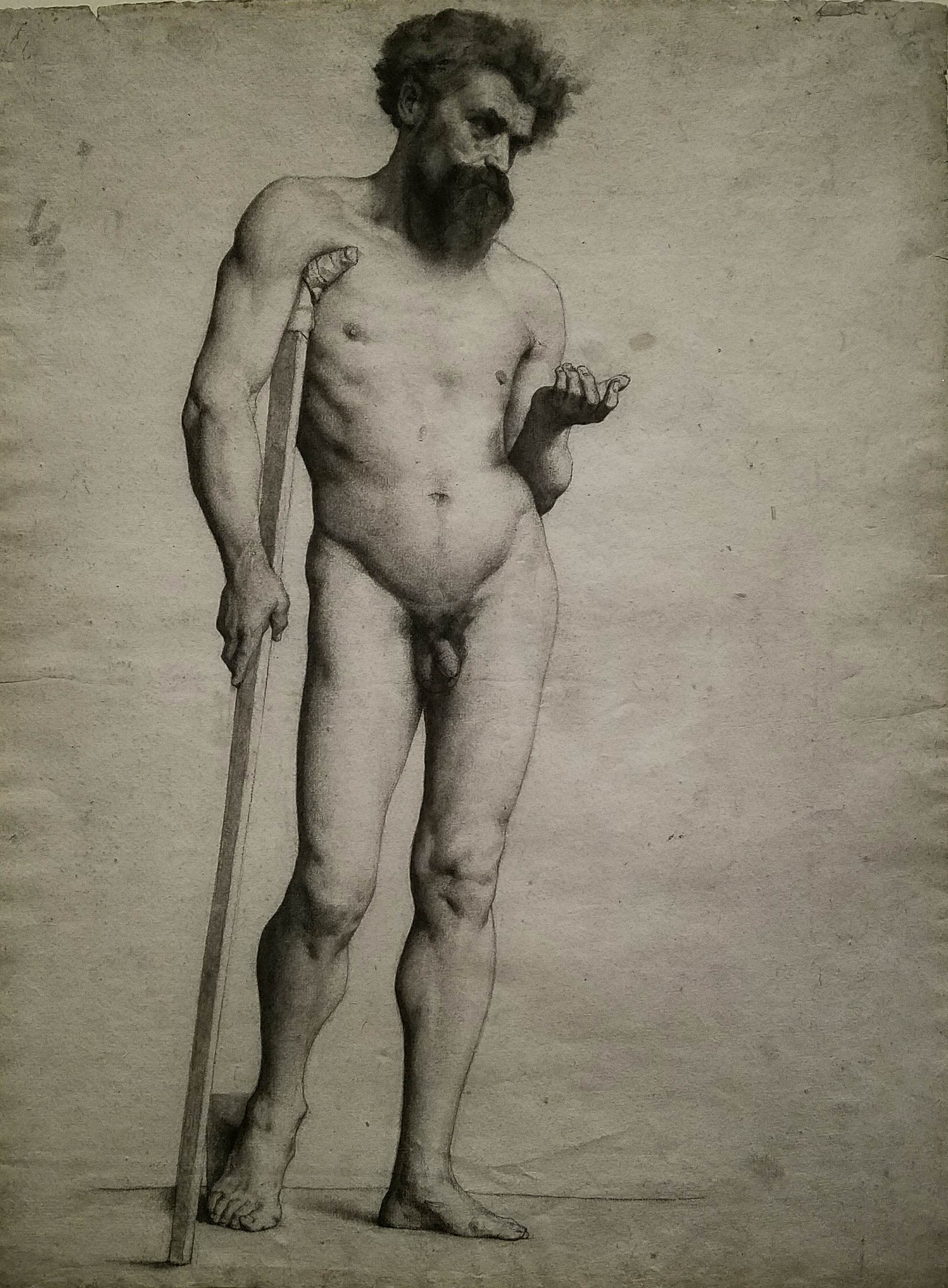
Standing Male Nude, 1866
Gabriel Ferrier (1847-1914)
Charcoal with black chalk
This accomplished nude study executed when the artist was nineteen years old, predicted a bright future for Ferrier in the official art world. Largely forgotten today, he won the French Academy’s prestigious Rome Prize in 1872 and later received prominent commissions, including decorations for the Gare d’Orsay train station (today the Musée d”Orsay).
3/
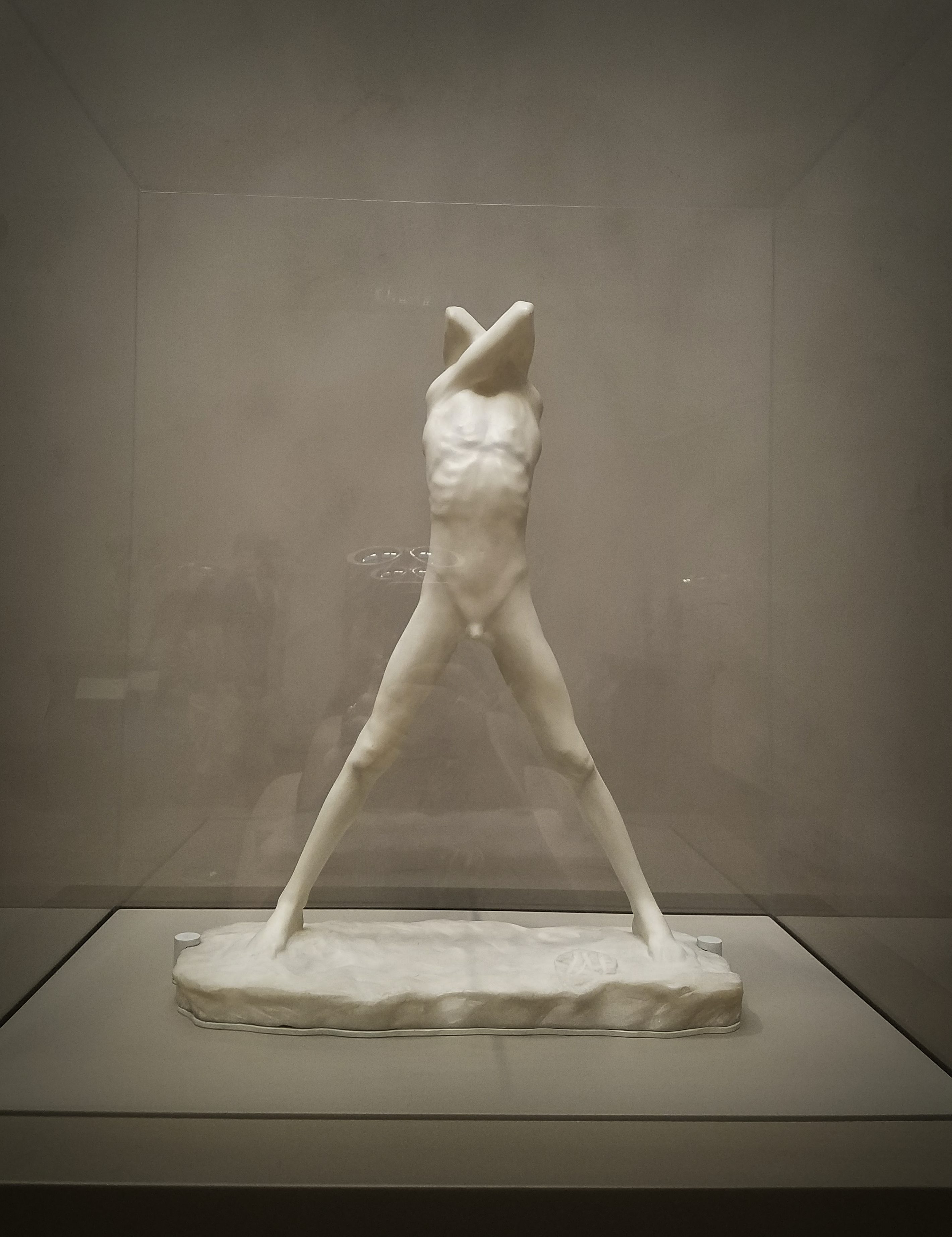
Adolescent I, about 1891
George Minne (1866-1941)
Marble
This nude, emaciated youth defiantly exposes his body while simultaneously crossing his arms in a protective embrace, indicating shame and anguish. Minne was one of the major representatives of a circle of Symbolist artists and writers based in Ghent, Belgium.
4/
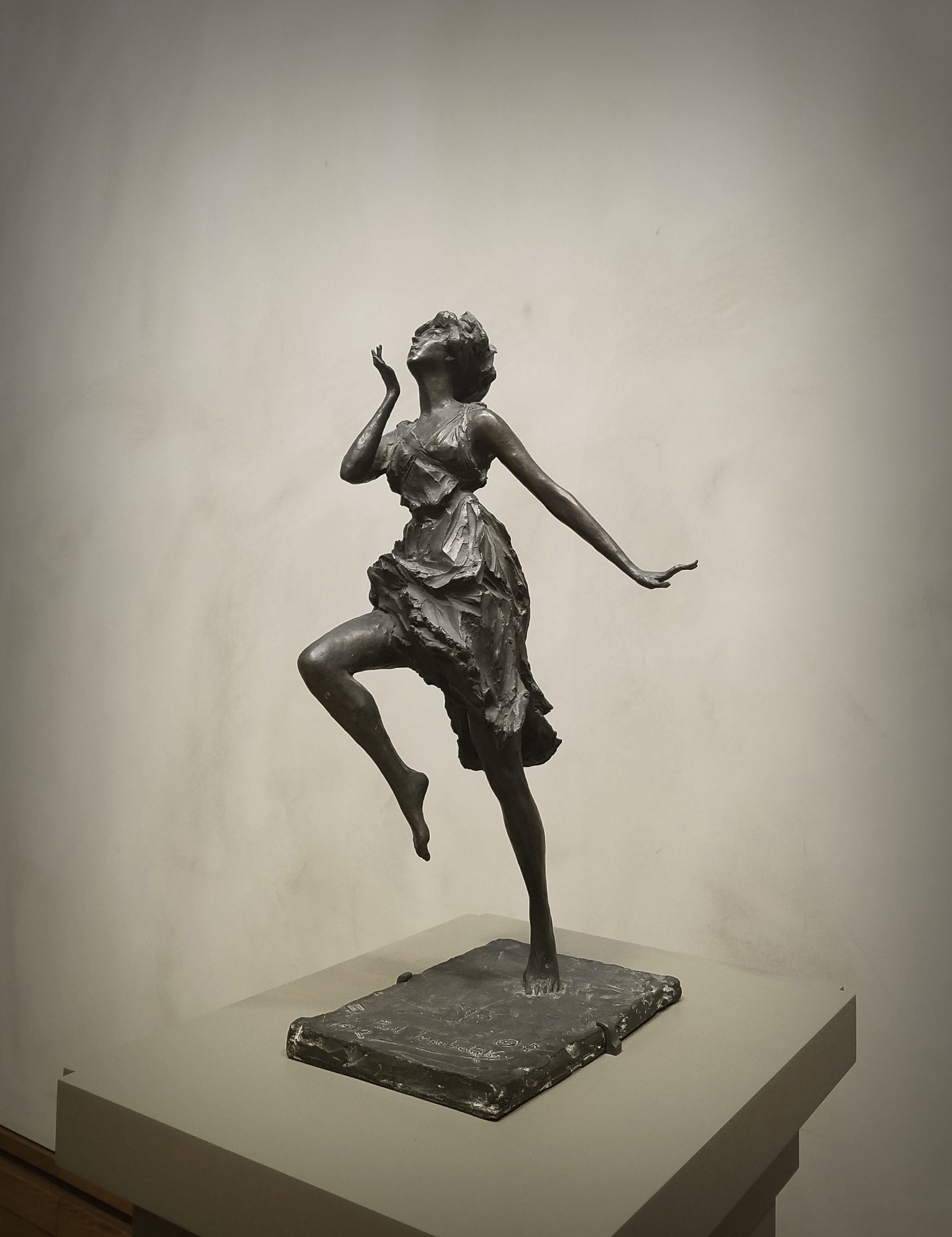
Dancer, 1912
Paolo Troubetzkoy (1866-1938)
Bronze
Countess Thamara Swirskaya (Saint Petersburg, 1890-Los Angeles, 1961), the famous Russian pianist and dancer depicted here, performed throughout Europe and the United States. J. Paul Getty, who purchased this piece in 1933, may have attended one of her shows in the U.S. She posed for this lively composition in 1909 in Paris, where Troubetzkoy, the son of a Russian prince and American mother, lived between 1905 and 1914.
5/
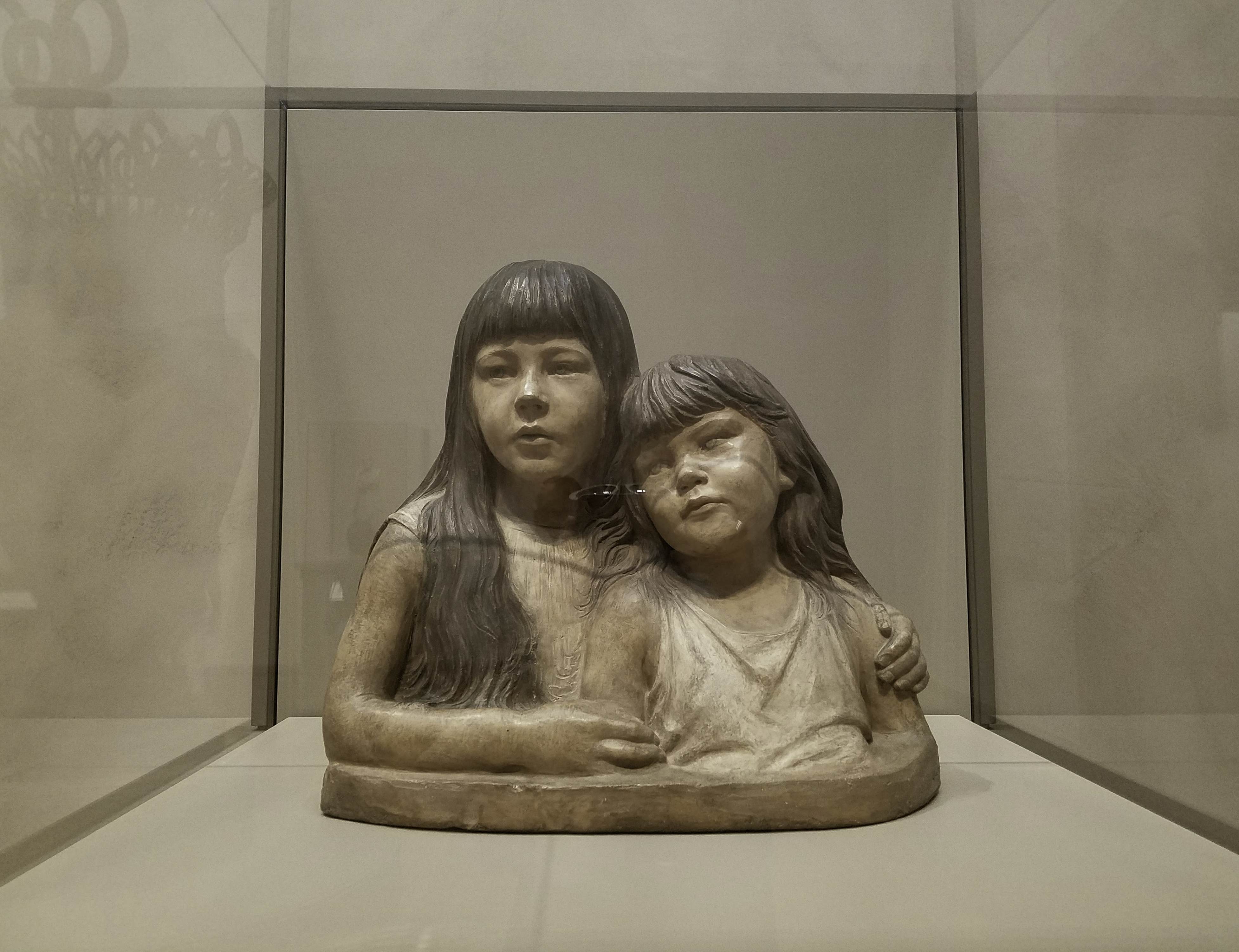
Double Portrait of the Artist’s Daughters, 1889
Adolf von Hildebrand (1847-1921)
Polychrome terracotta
Freestanding double-portrait busts are rare in European sculpture, and this is one of the few known examples. Hildebrand’s termination of the figures above the waist and his use of subtle colours are based on Italian Renaissance portraiture. This sensitive portrayal of the artist’s daughters, Silvia and Bertel, is remarkable among the sculptor’s normally restrained official portraits and monuments.
July 18th, 2017
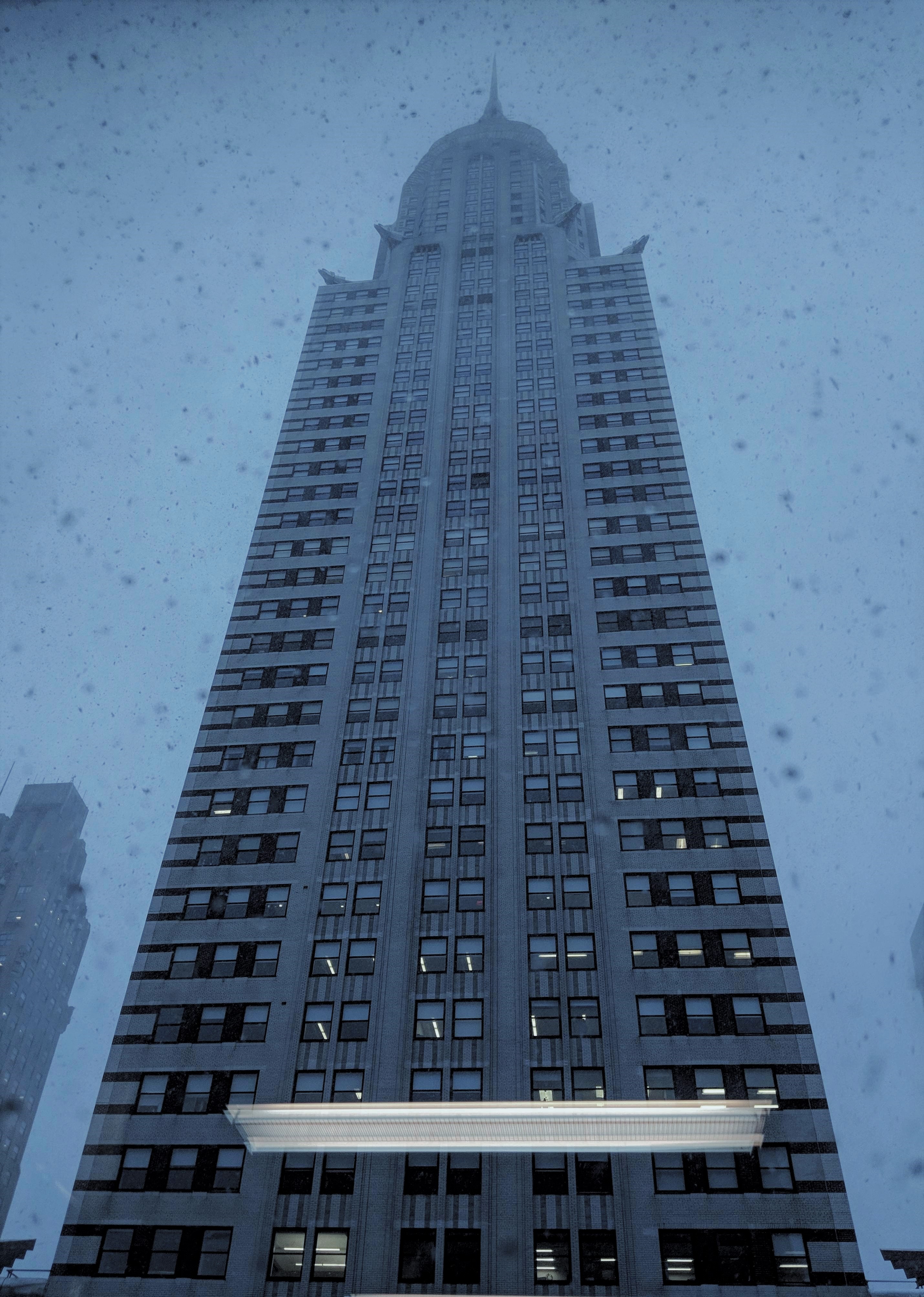
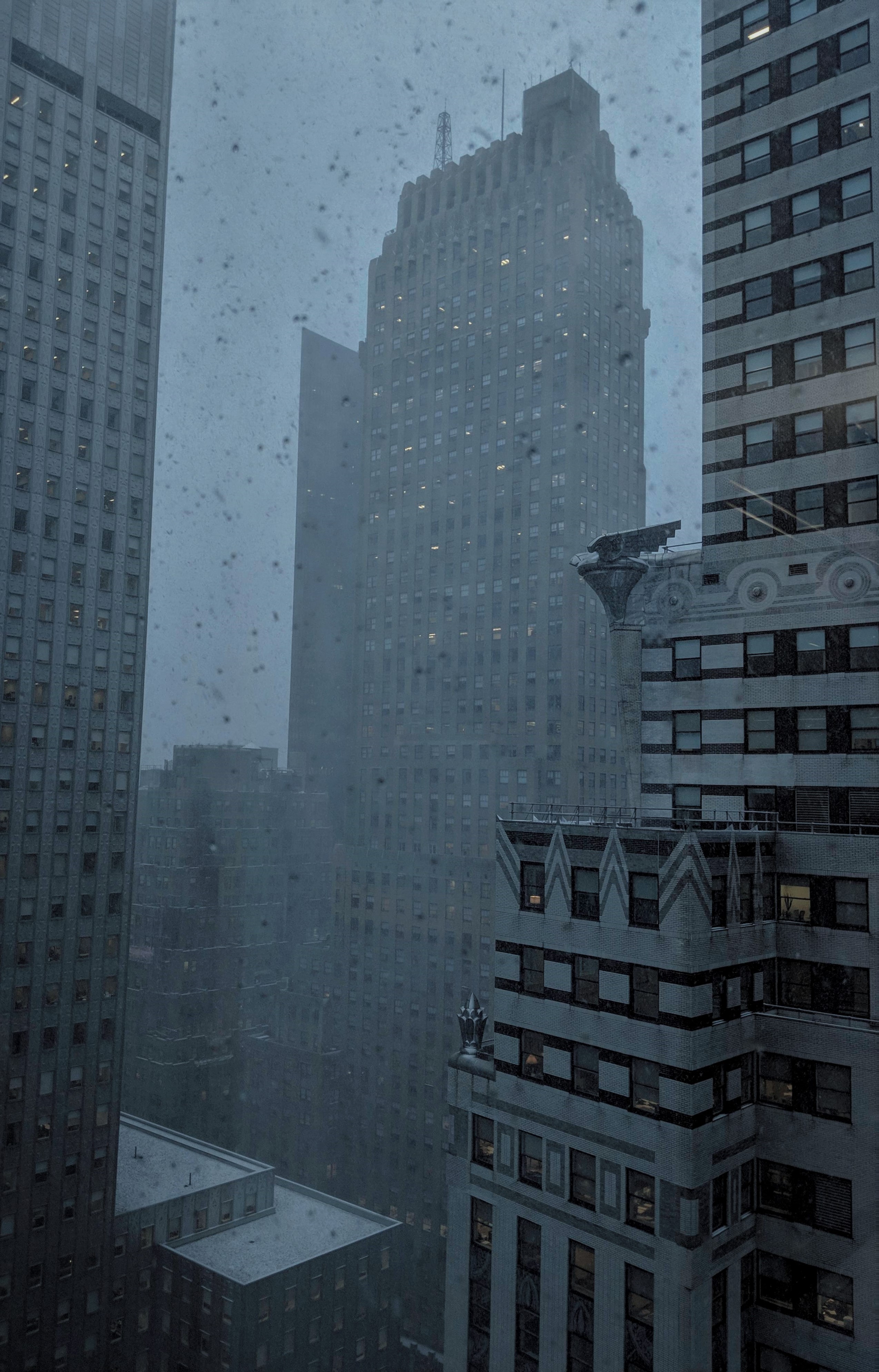
A quick jump to the present, because yesterday we had our first Fall Snow. It snowed for most of the afternoon well into early evening, when the snow turned into sleet. But a few hours of powder were enough to bring the City on the brink of chaos. Why? Because not a single grain of salt was to be seen anywhere on the streets. Result? Multiple crashes, road closures, Washington Bridge shut down, train delays, sirens, emergency vehicles blocked, congestion, people slaloming on slippery pavements trying to keep upright. And the snow wasn’t even unexpected – the weather forecast had been accurate for once!
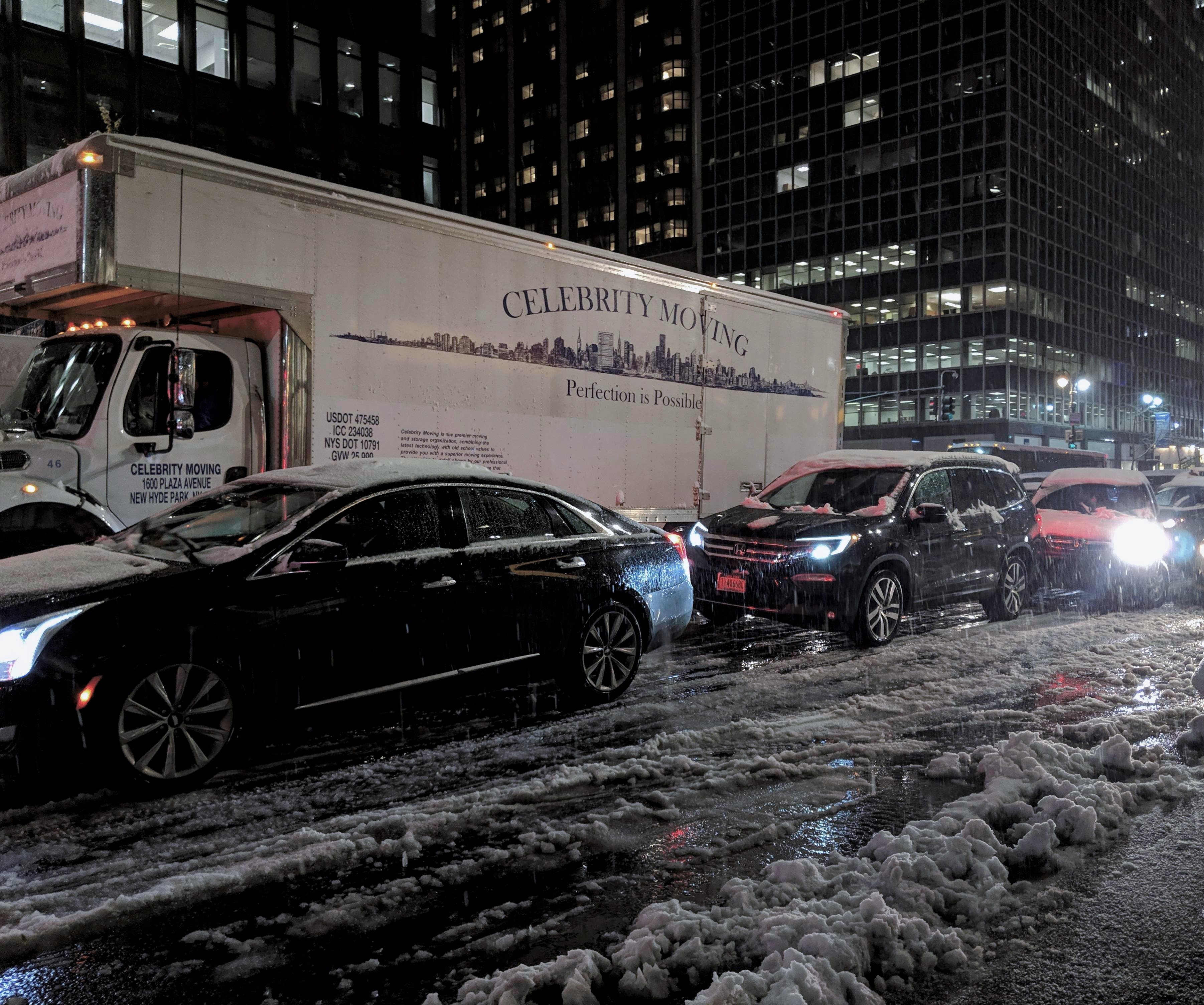 Celebrity moving – not going anywhere
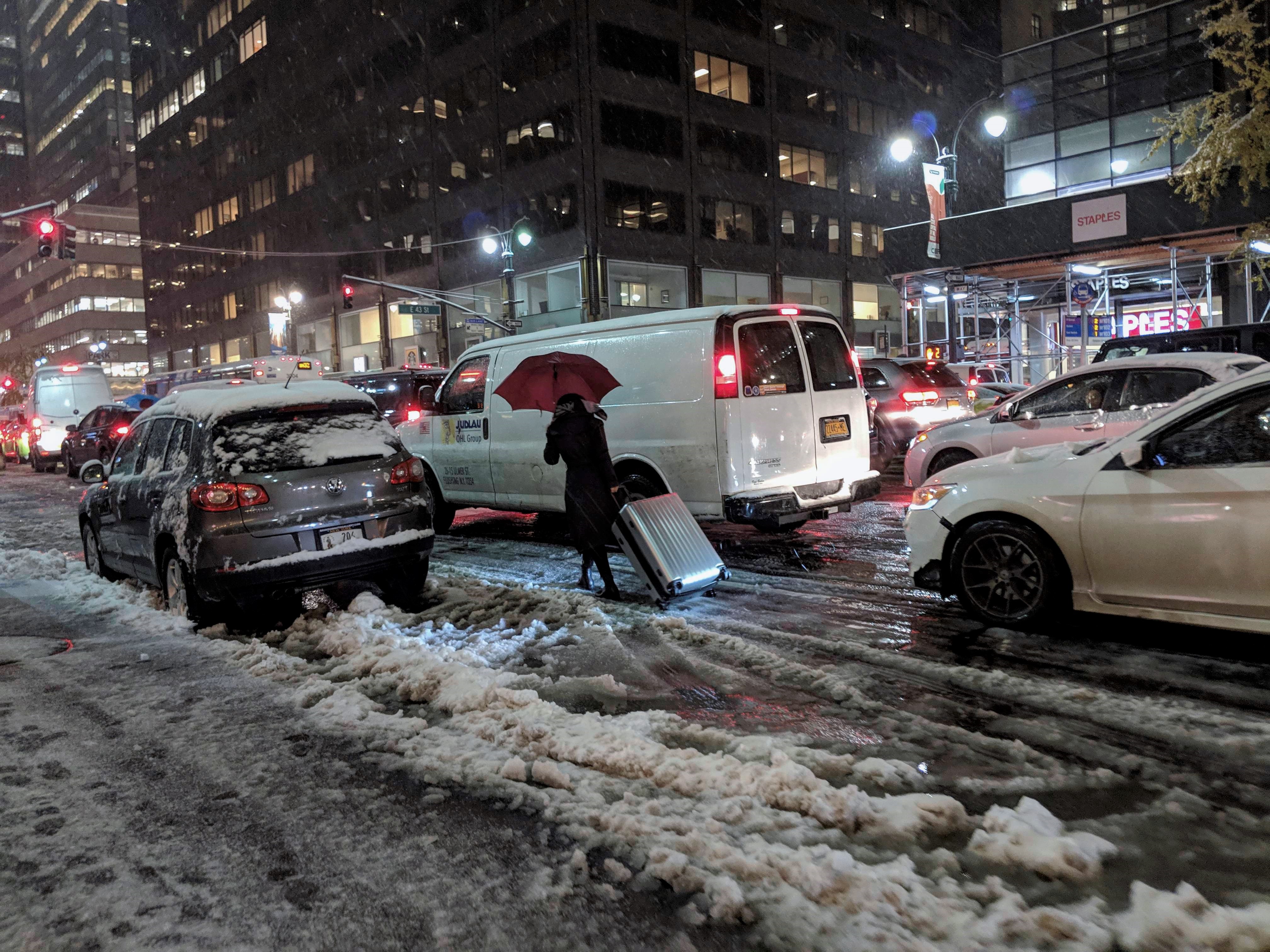 The fastest way to reach home is on foot
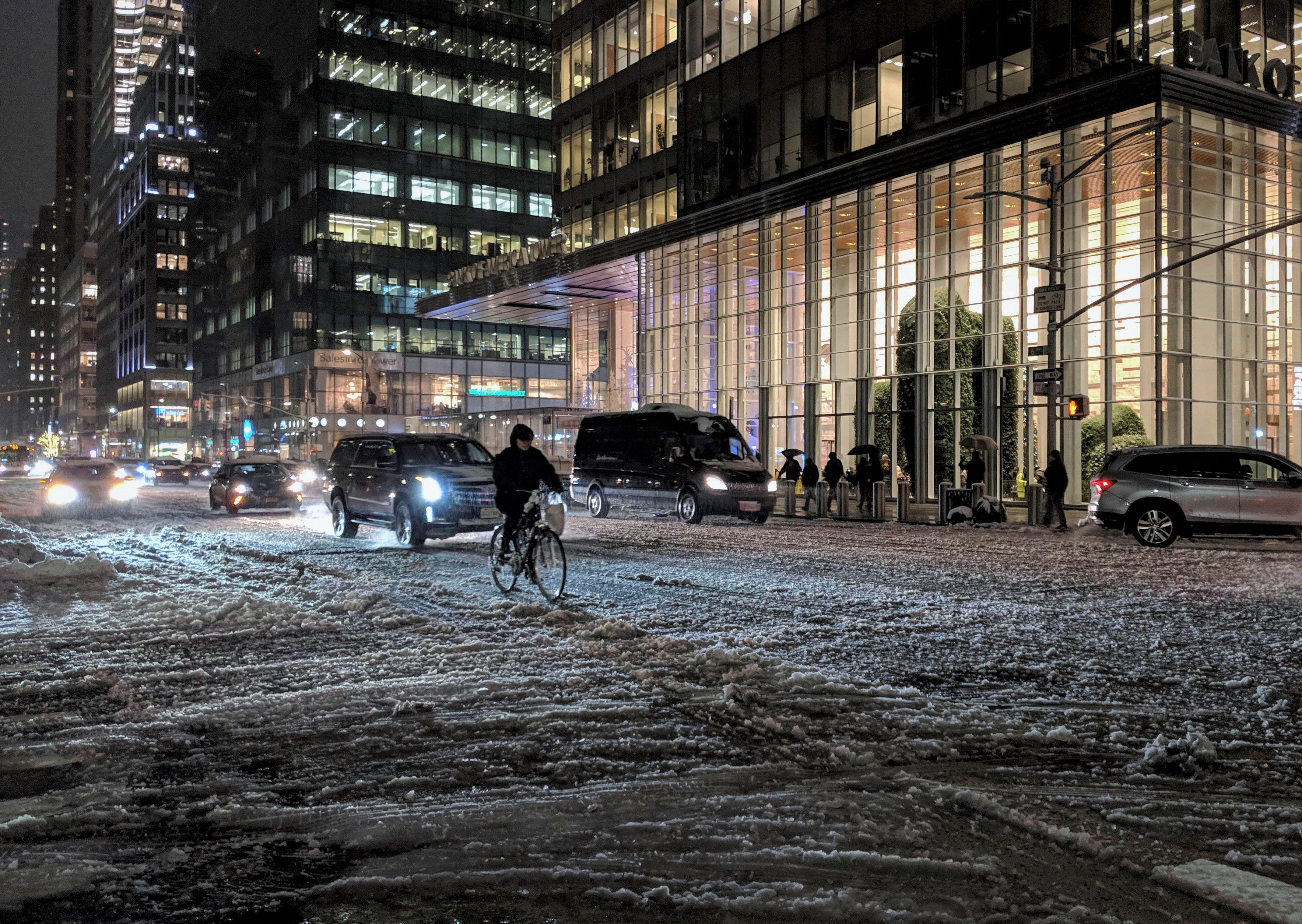 Or by bike (both cases involving senior level of acrobatic skills)
Fall snow in New York City.
November 15th, 2018
subjective worldview
Actor, writer, cook and author
Travel experiences & Strasbourg city guide
Writer
joy, happiness, travel, adventure, gratitude
"Rêve onirique & Bulle d'évasion"
makes pretty things on paper
This WordPress.com site is Pacific War era information
Welcome to my curious world of words....
Photographs, music and writing about daily life. Contact: elcheo@swcp.com
Free listening and free download (mp3) chill and down tempo music (album compilation ep single) for free (usually name your price). Full merged styles: trip-hop electro chill-hop instrumental hip-hop ambient lo-fi boombap beatmaking turntablism indie psy dub step d'n'b reggae wave sainte-pop rock alternative cinematic organic classical world jazz soul groove funk balkan .... Discover lots of underground and emerging artists from around the world.
A 365 analogue photography project
Barcelona's Multiverse | Art | Culture | Science
Een digitaal atelier aan de (zee)slag.
‘Doodling Ambiguity’s in Ink.’
Miscellaneous photography
Glimpses along the way on a journey of discovery into symmetry...
 The Humble Fabulist