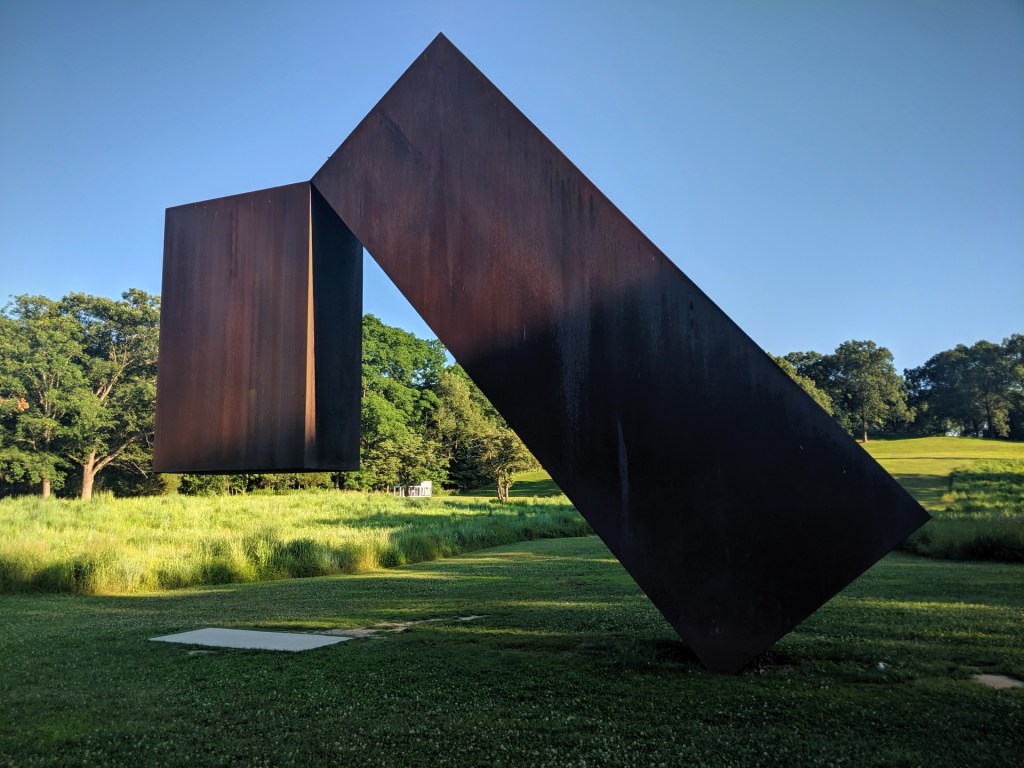
Menashe Kadishman
Suspended, 1997
Weathering steel
Storm King Art Center, New Windsor, NY
July 13th, 2019
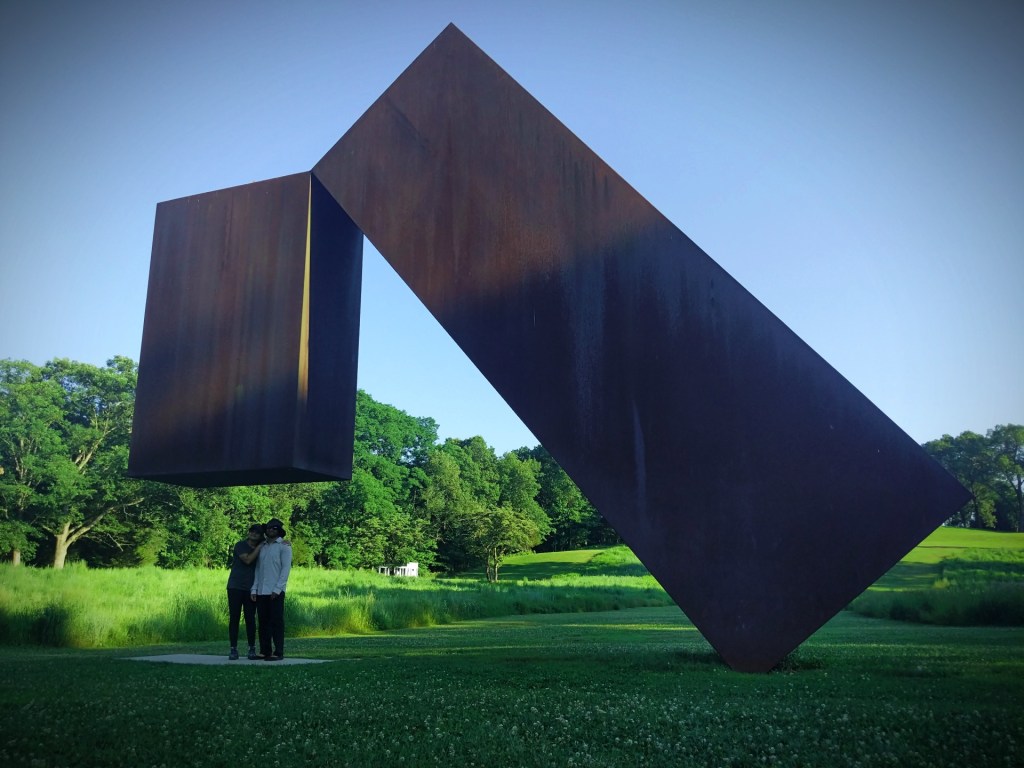
Menashe Kadishman
Suspended, 1997
Weathering steel
Storm King Art Center, New Windsor, NY
July 13th, 2019
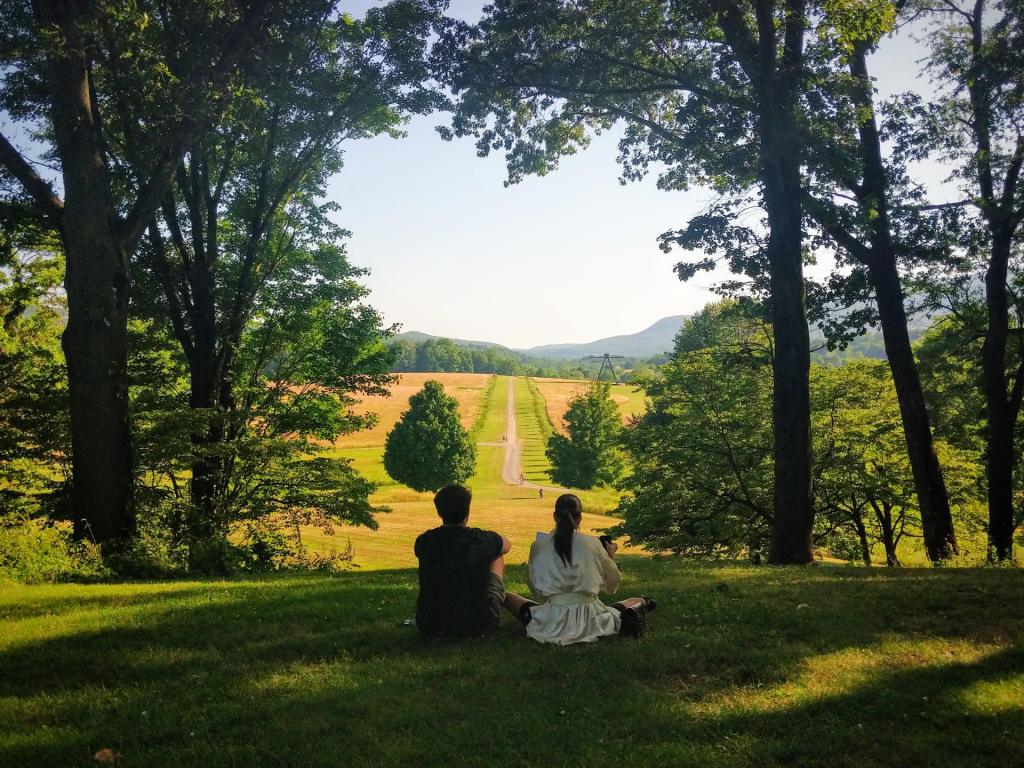
Storm King Art Center, New Windsor, NY
July 13th, 2019
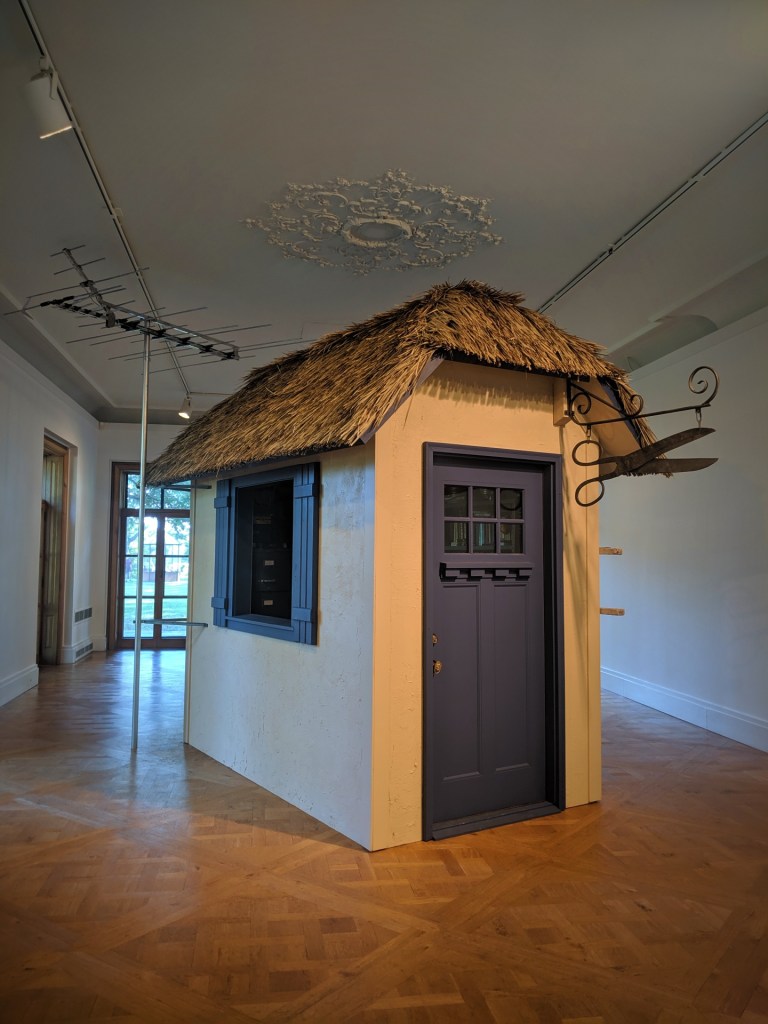

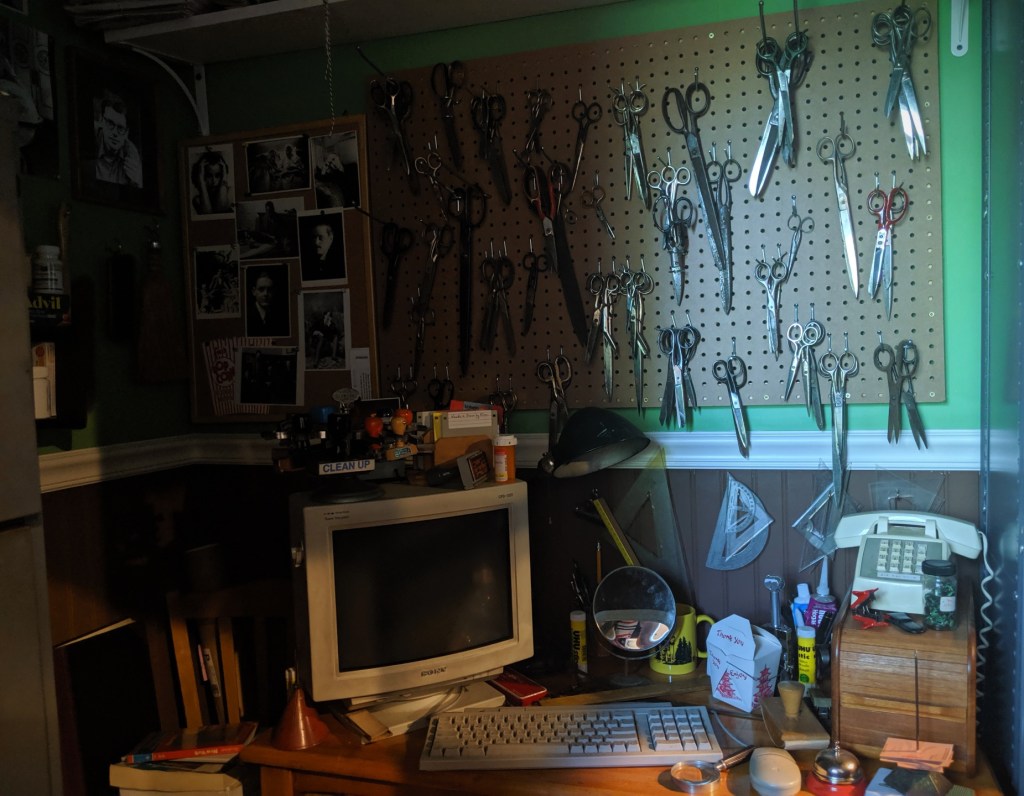
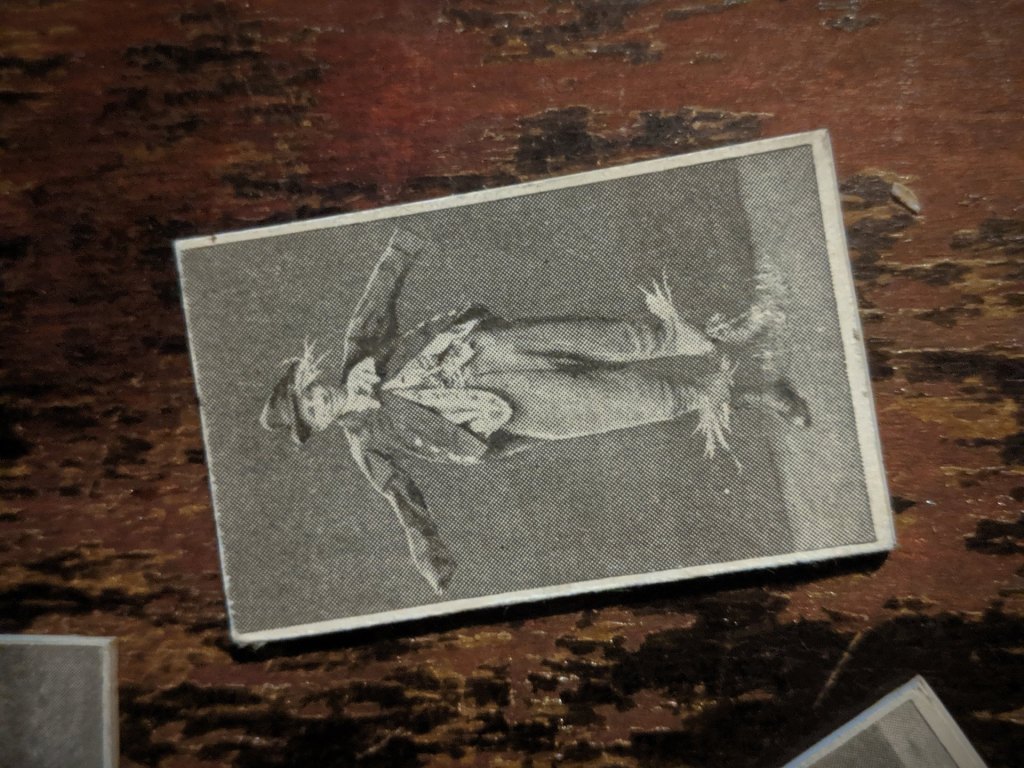
Mark Dion
Bureau of Censorship, 1996/2019
Mixed media installation
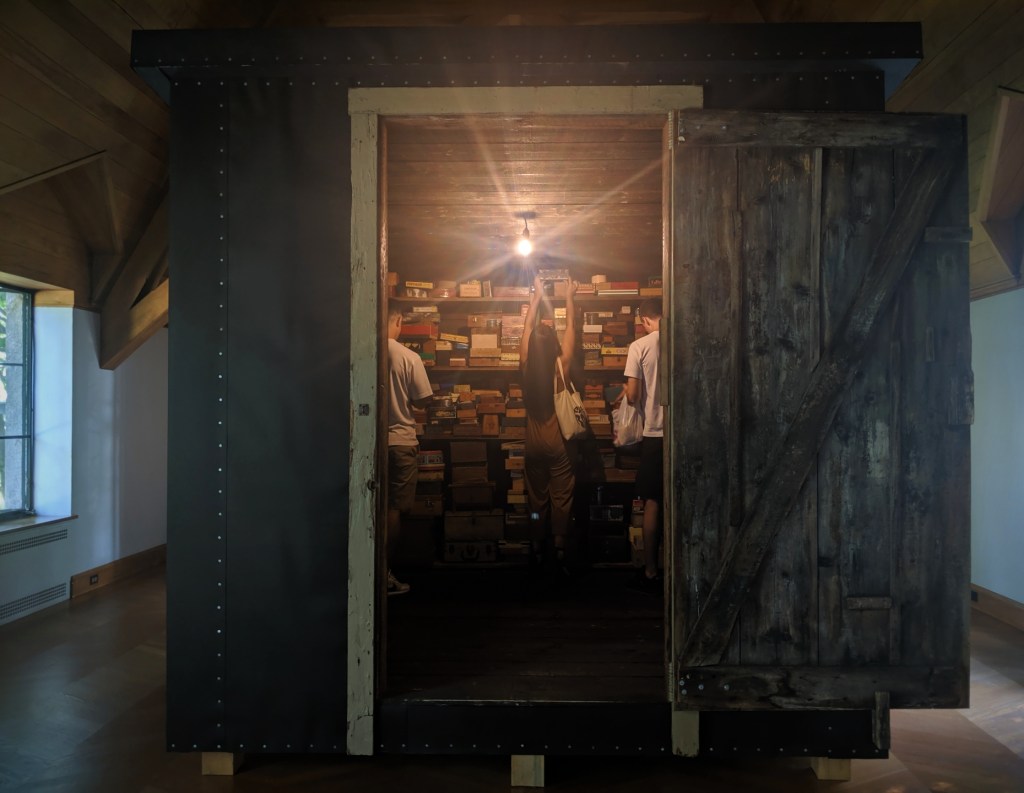


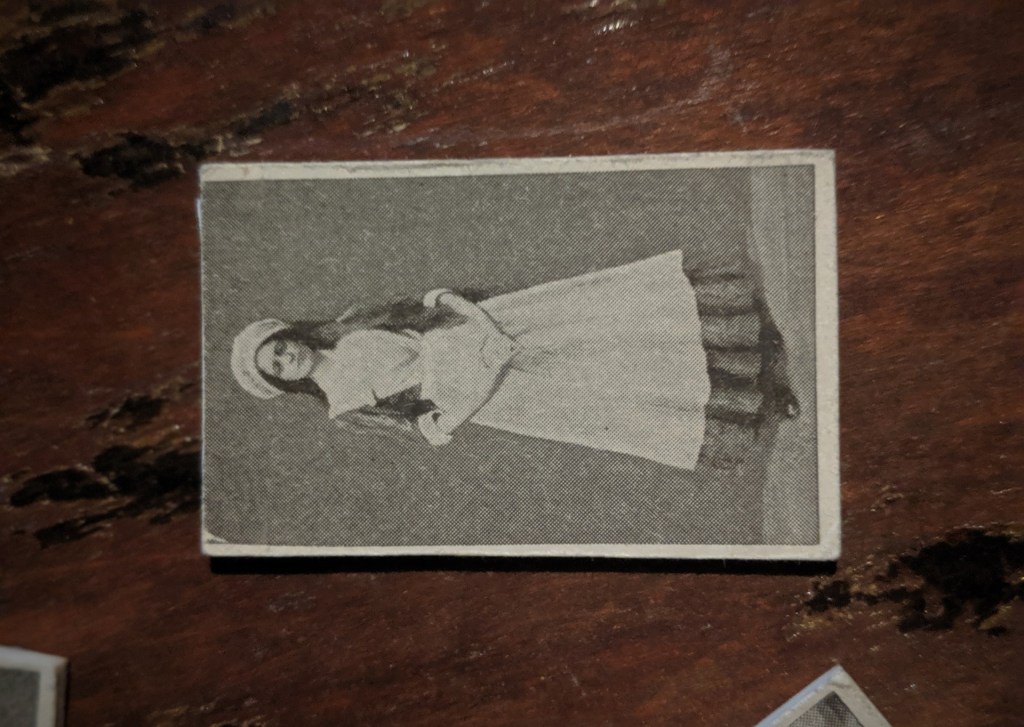
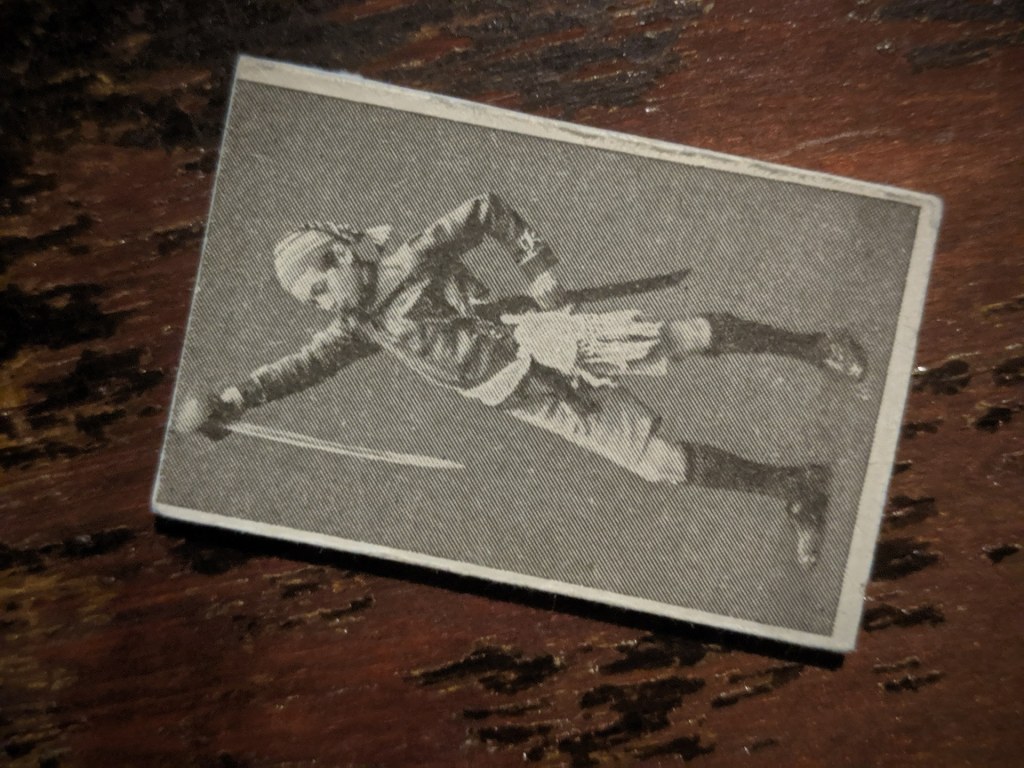
Mark Dion
The Memory Box, 2016
Mixed media installation
Inside this shed are many little boxes, which visitors are invited to take off the shelf and open in order to discover the objects inside. ”I want to provoke a childlike curiosity and the anxiety of looking through your mother and father’s chest of drawers when they’re not home,” Dion has said, reflecting on the work.
Storm King Art Center, New Windsor, NY
July 13th, 2019
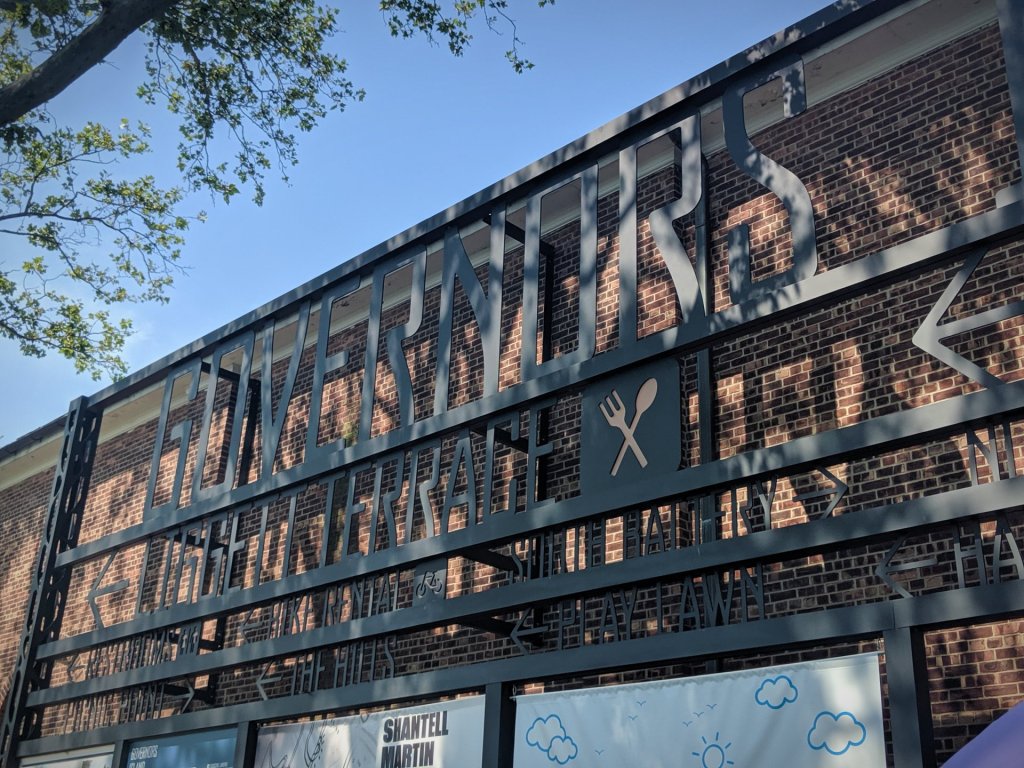
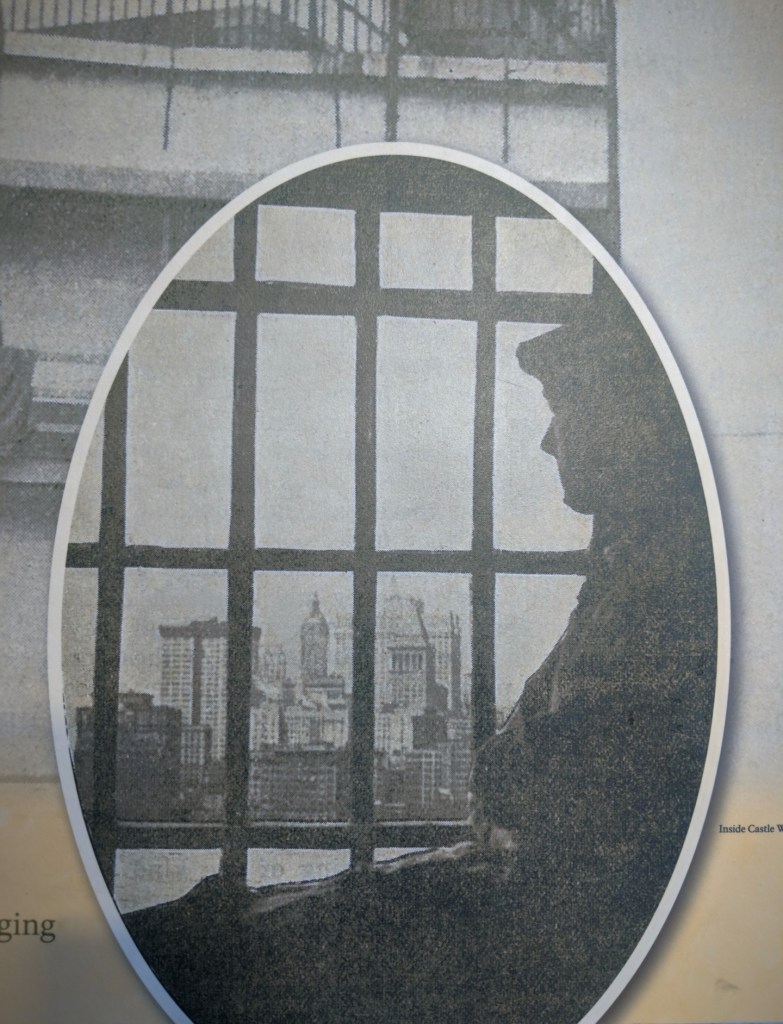
In Castle Williams, which was built in the early 19th century to protect New York Harbour, then used as a prison during the Civil War, following which the US Army improved the facilities by adding insulation, heating, running water, and, eventually, electricity, and used it as a US Army Prison. In 1915, it was made a branch of the Fort Leavenworth Disciplinary Barracks, of which the prison facility at Alcatraz in San Francisco was also a branch.
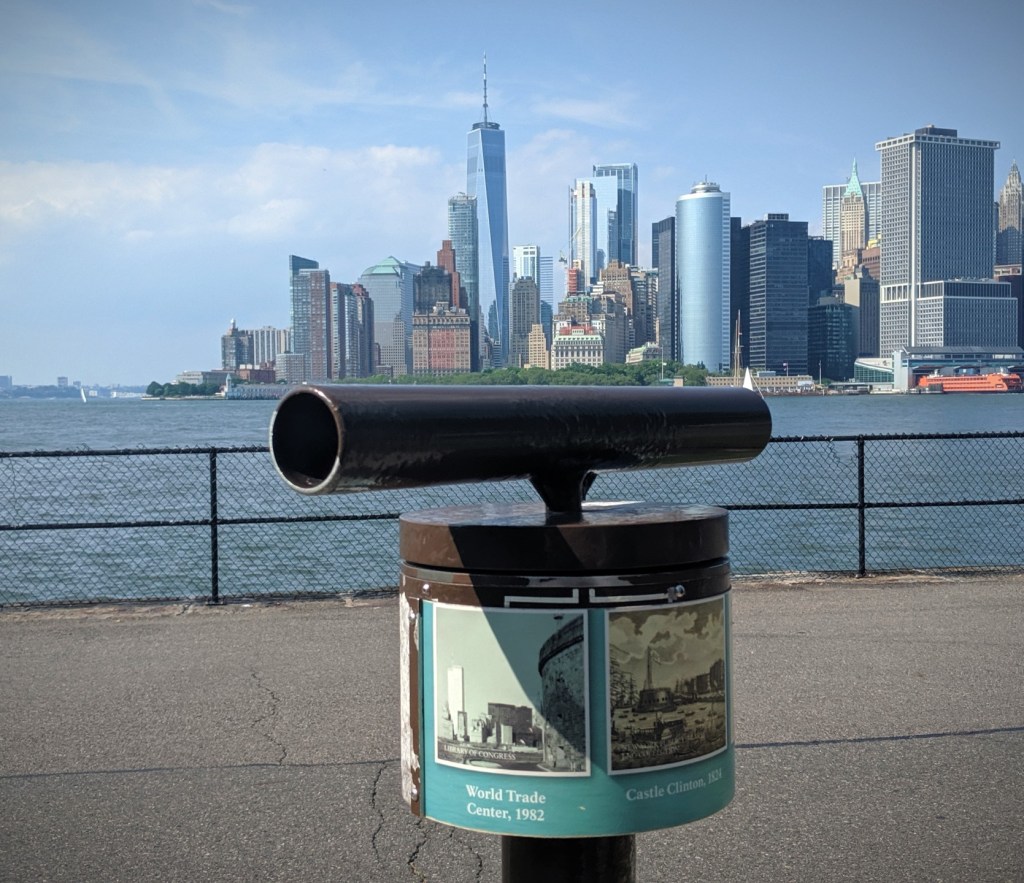
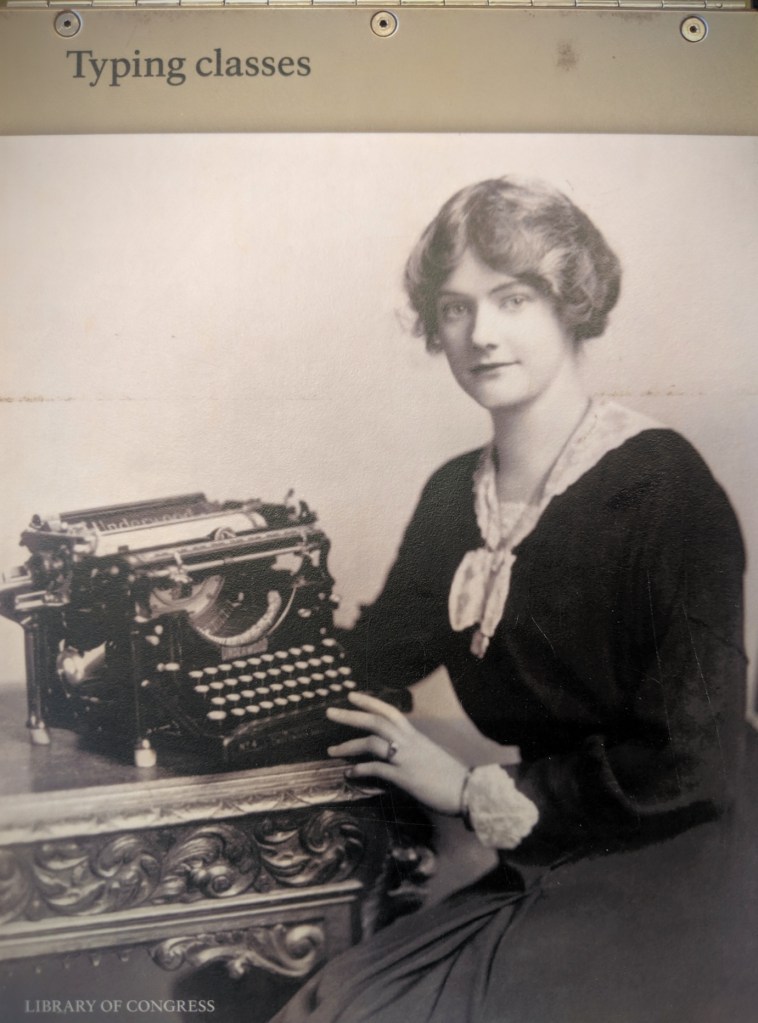
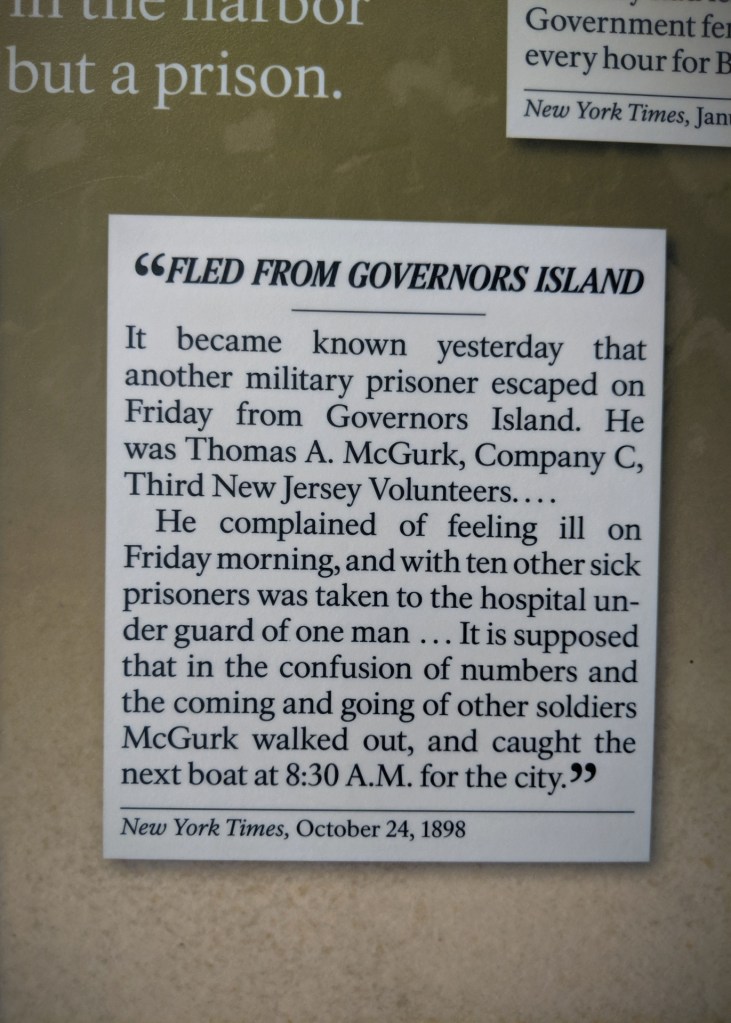
When they weren’t admiring the view to Manhattan and New York Harbour, inmates were listening to music from a Victrola (record player) they had purchased with money they had made taking in laundry, or took typing and steno lessons, offered through the Y.M.C.A., likely taught by female volunteers. And, while in Alcatraz, the prisoners had the backbreaking task of building their own cells out of heavy stones, ”hard labour” at Governors Island meant mowing the lawns. There were those that tried to escape, of course, but it was not an uncommon to see soldiers who had gone AWOL surrender themselves outside of the Battery Maritime Building, hoping to be imprisoned at Castle Williams.
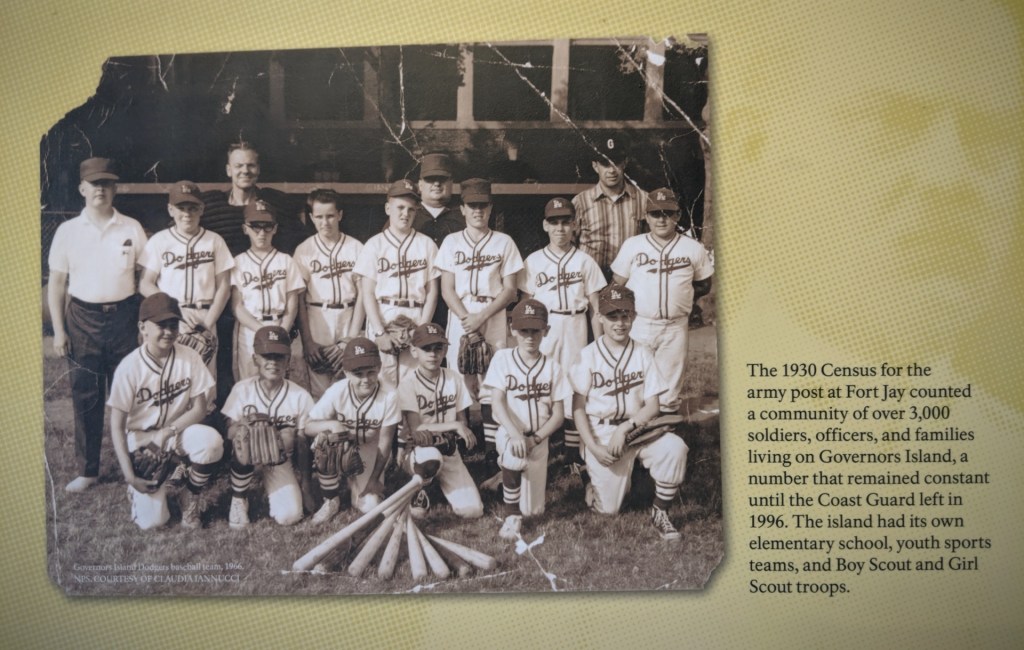
Anyway, “Castle Bill”, as it was lovingly called by its residents, remained a branch of the US Army Disciplinary Barracks until Governors Island’s closure as an Army base in 1966. The Coast Guard did not maintain a prison in Castle Williams but readapted it for their own needs by using it as a community center featuring arts and crafts classrooms, a ballet studio, meeting rooms for the Boy Scouts and Girl Scouts, a daycare room, and a teen club.
And when, in 1996 all Military and Coast Guard operations seized, the enlisted men, women and their families that lived on the island year-round departed, living behind them a small town. Since then, the facilities – the island itself, are slowly being converted into a public park.
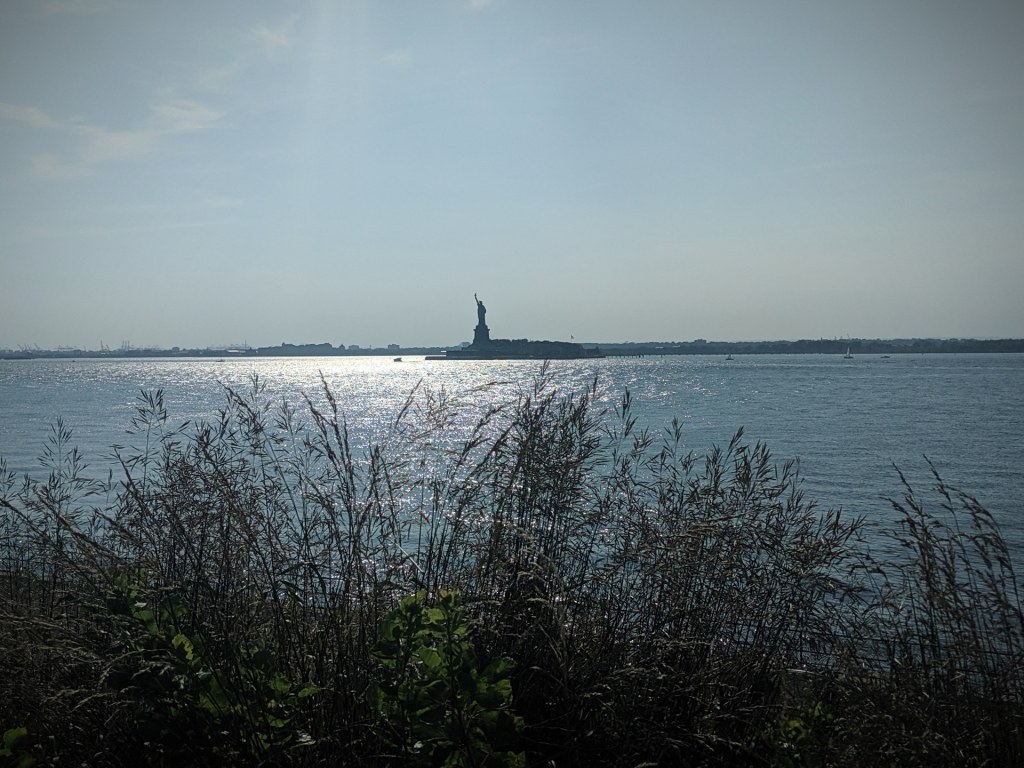
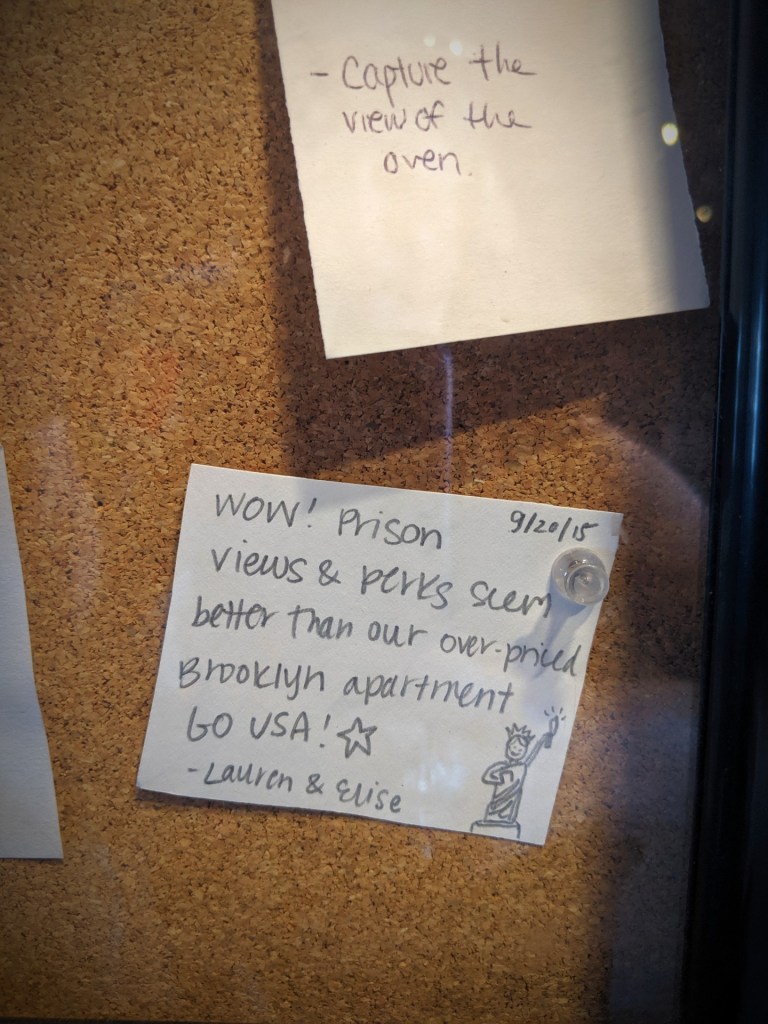
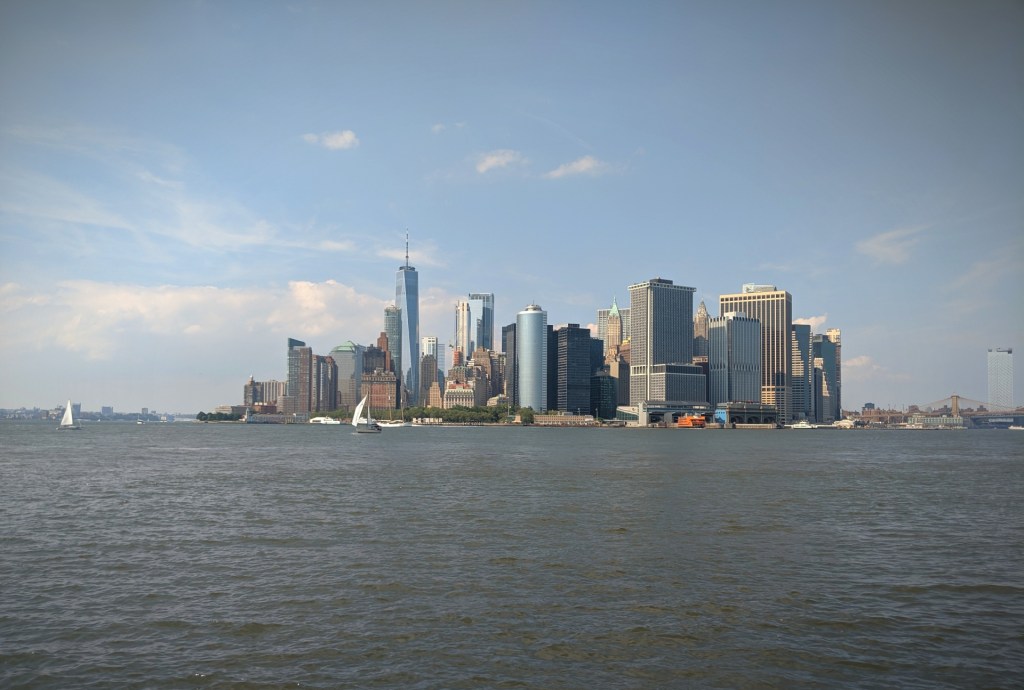
It still has the best views to Manhattan and New York Harbour.


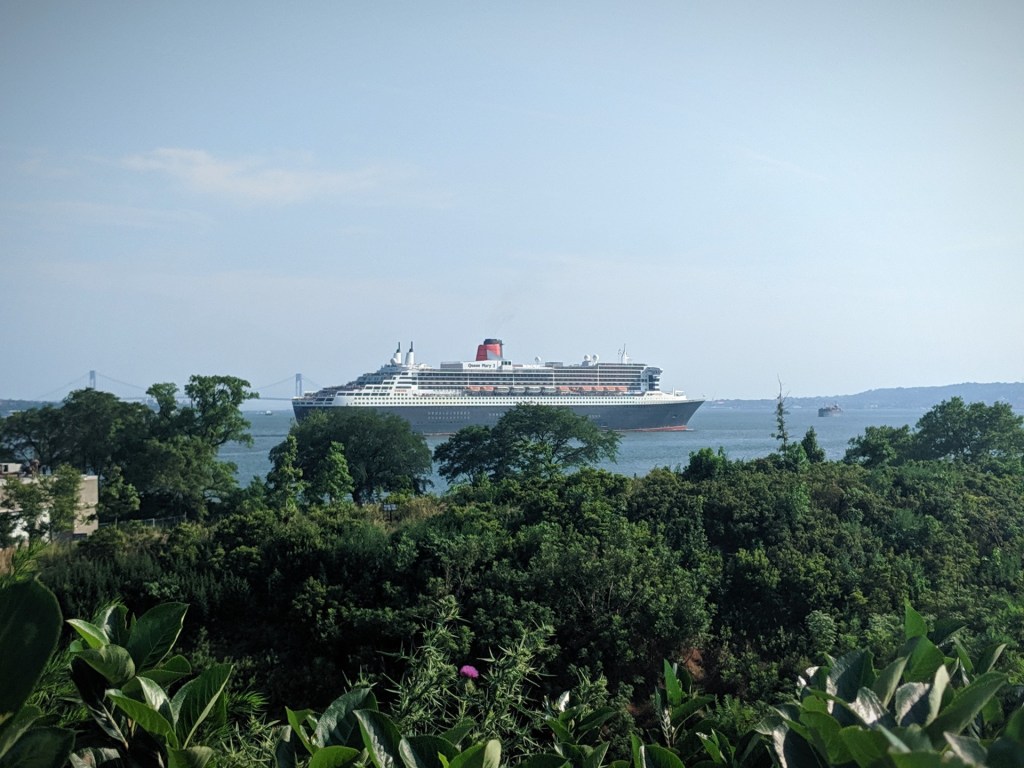
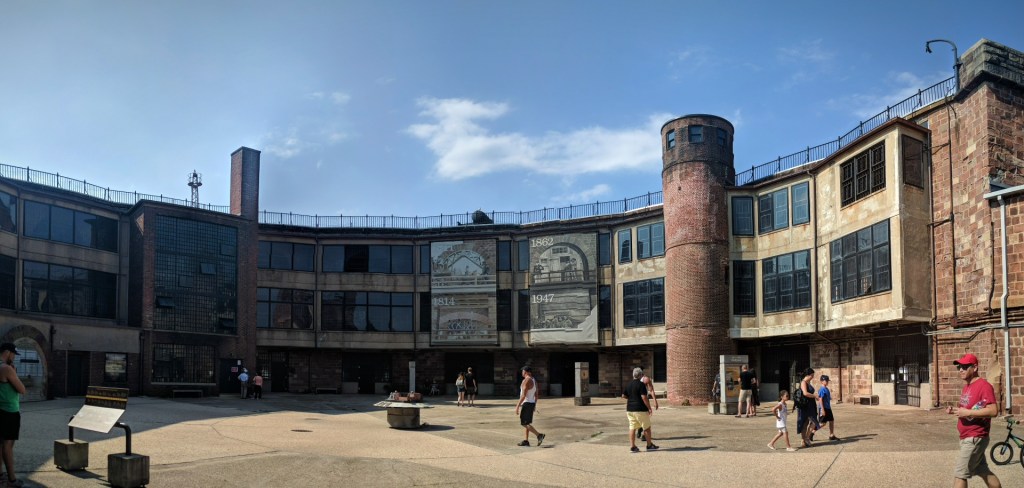
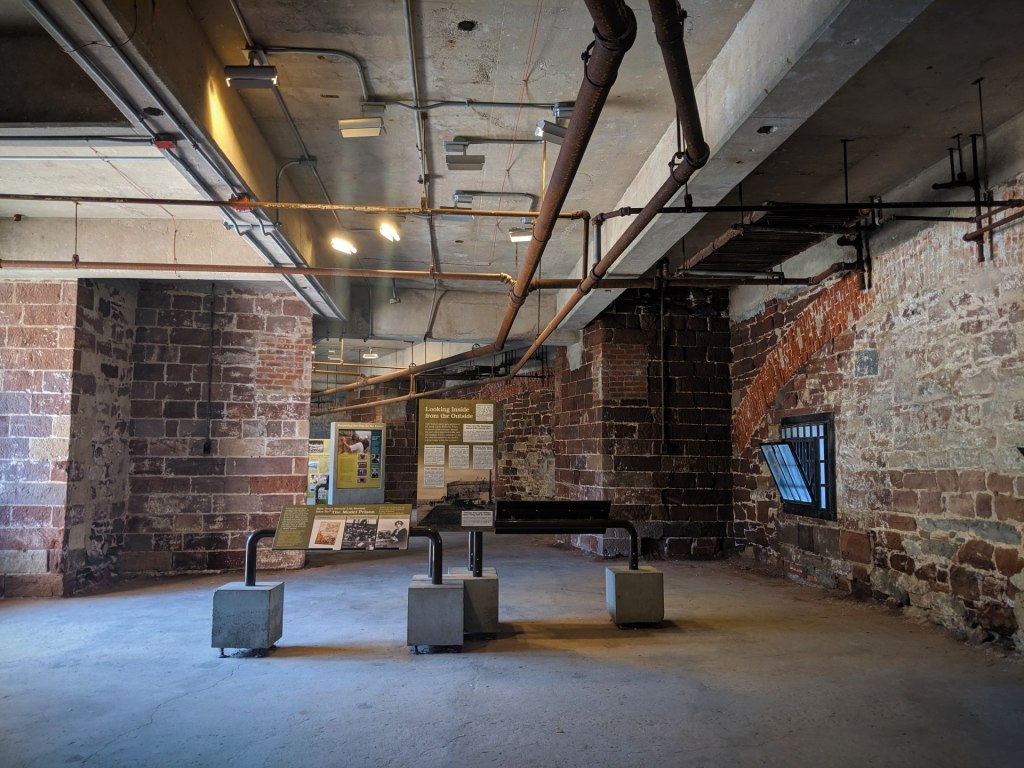
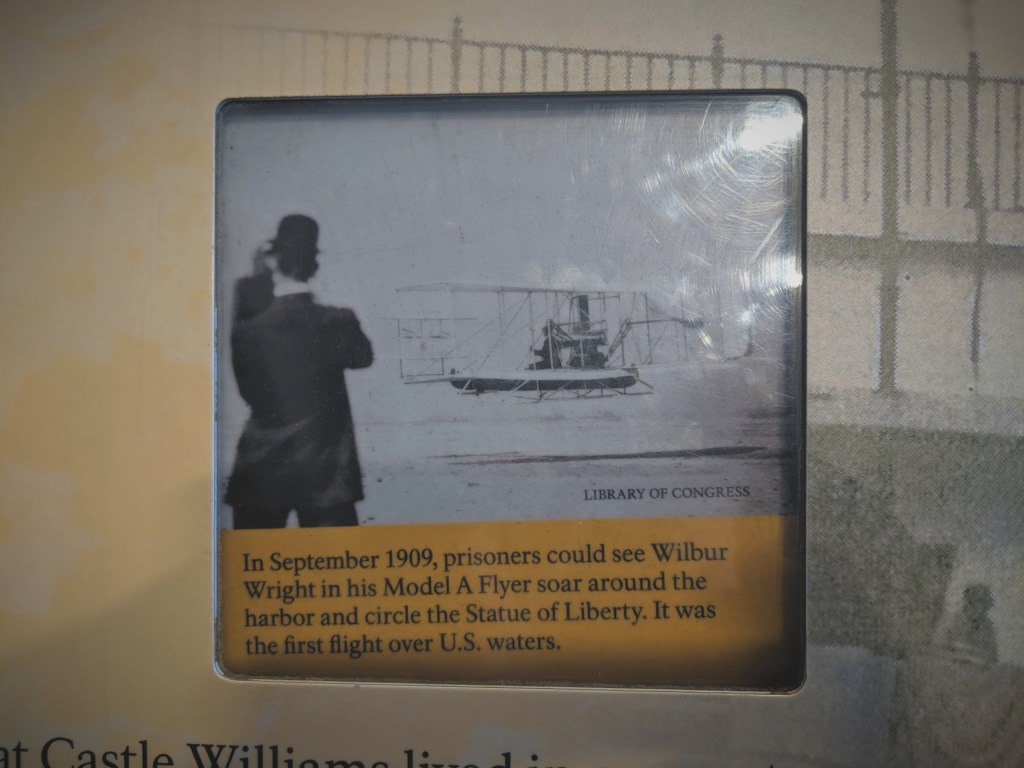

Info source: nps.gov & govisland.com
Governors Island
July 7th, 2019
Long before it made headlines
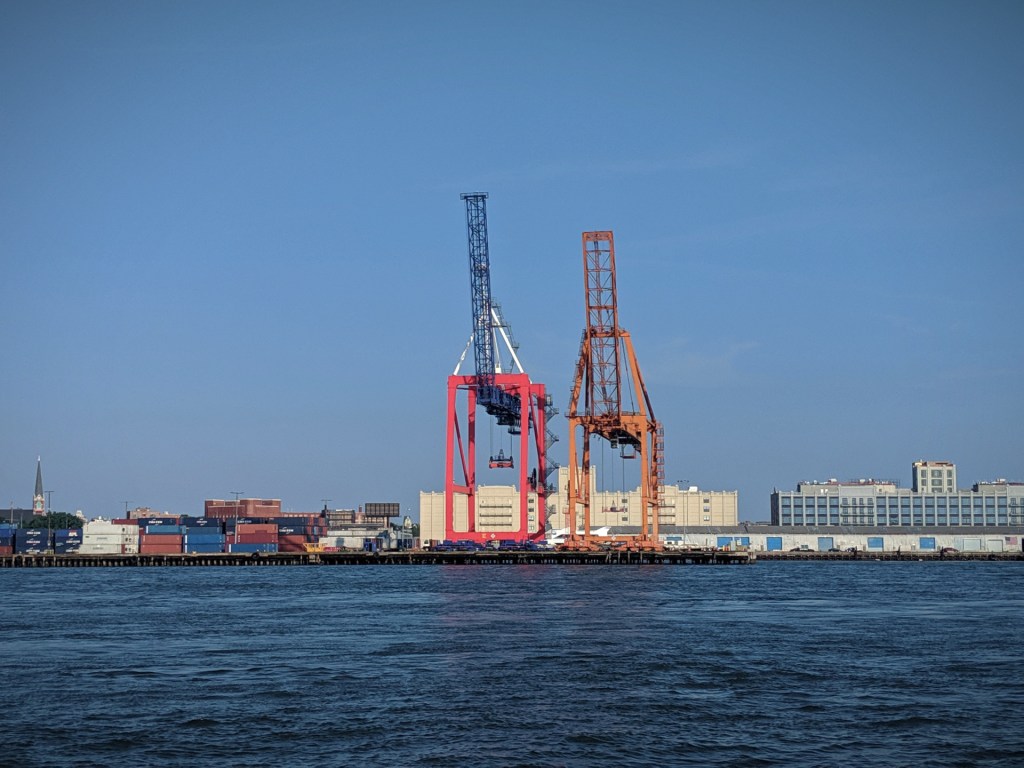

Brooklyn, N.Y.
July 7th, 2019
After the fireworks
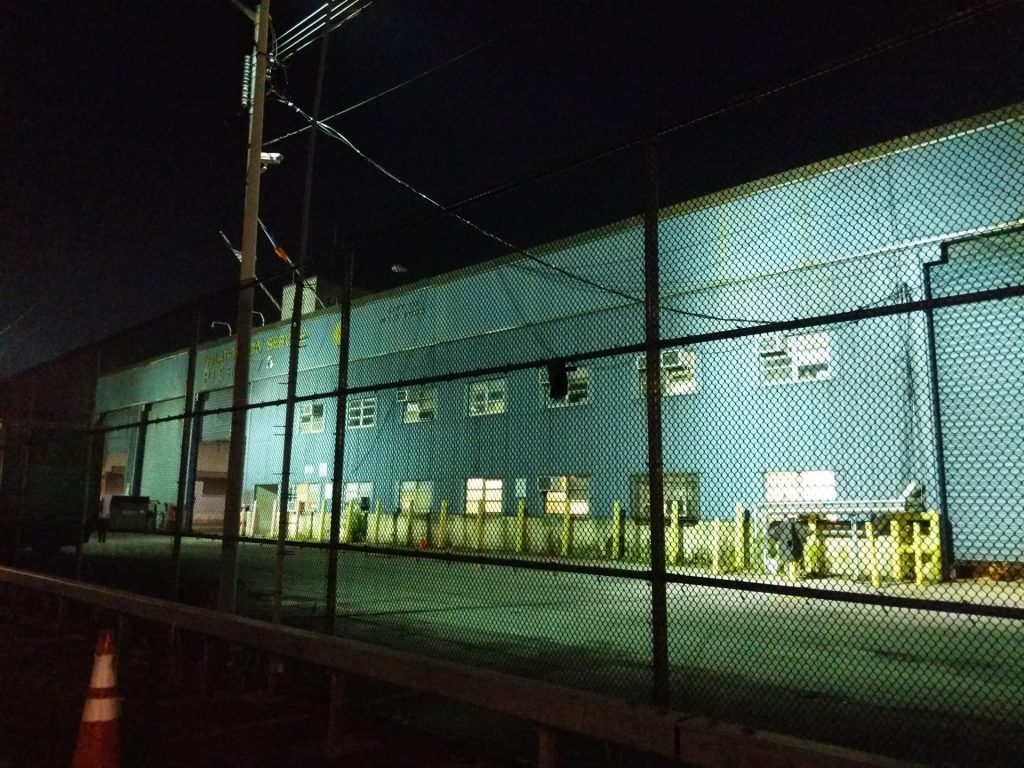
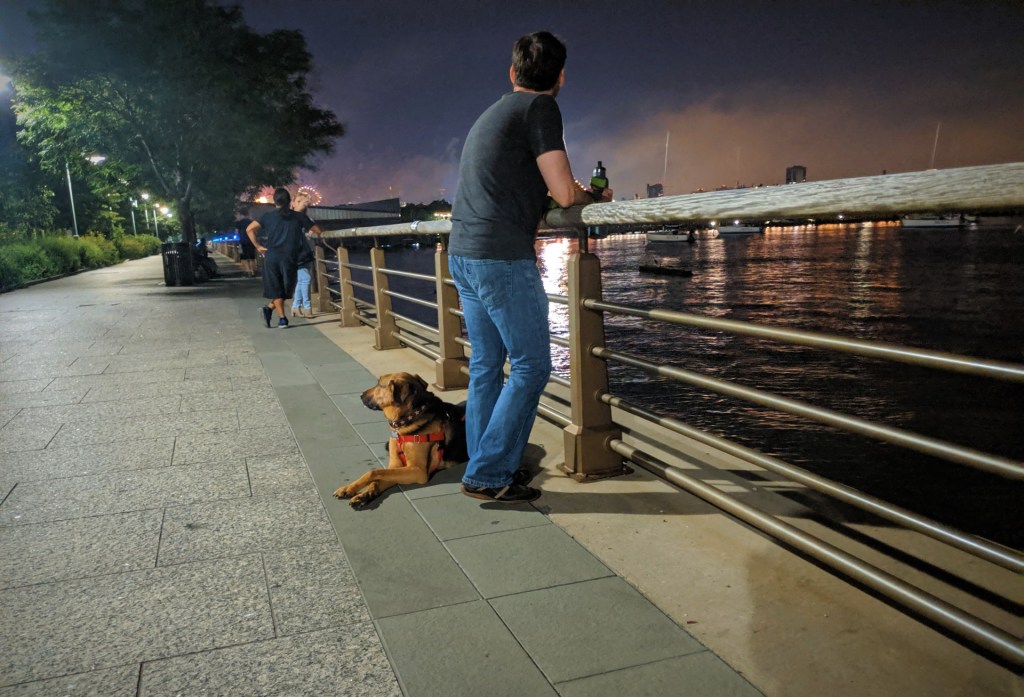
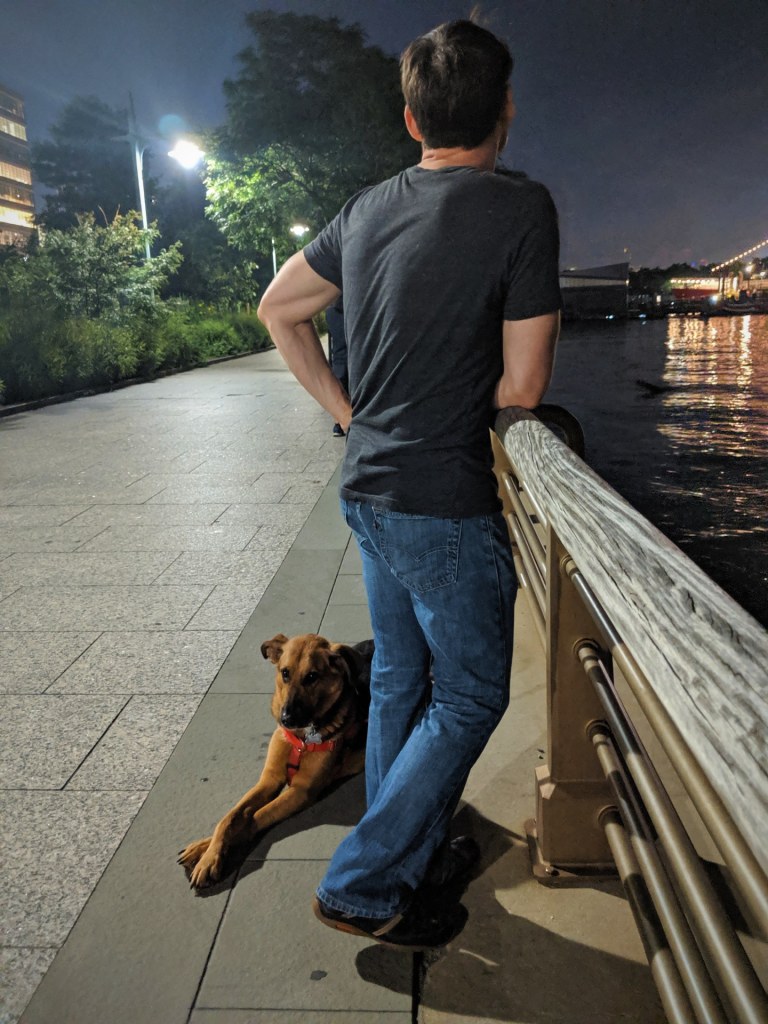
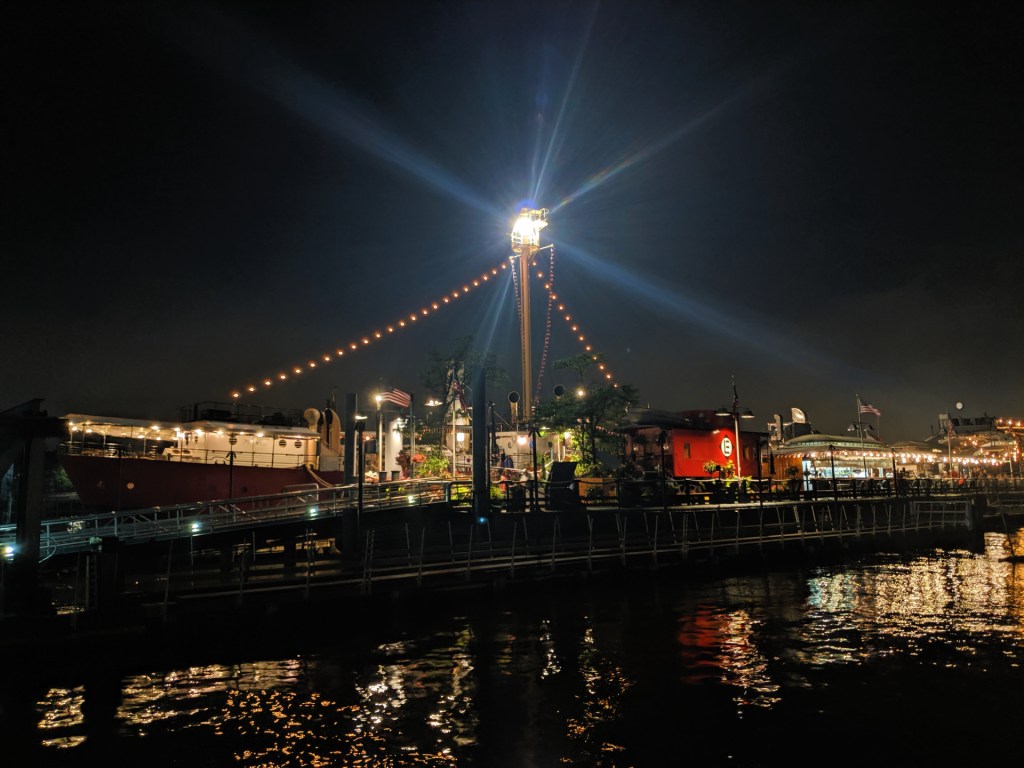
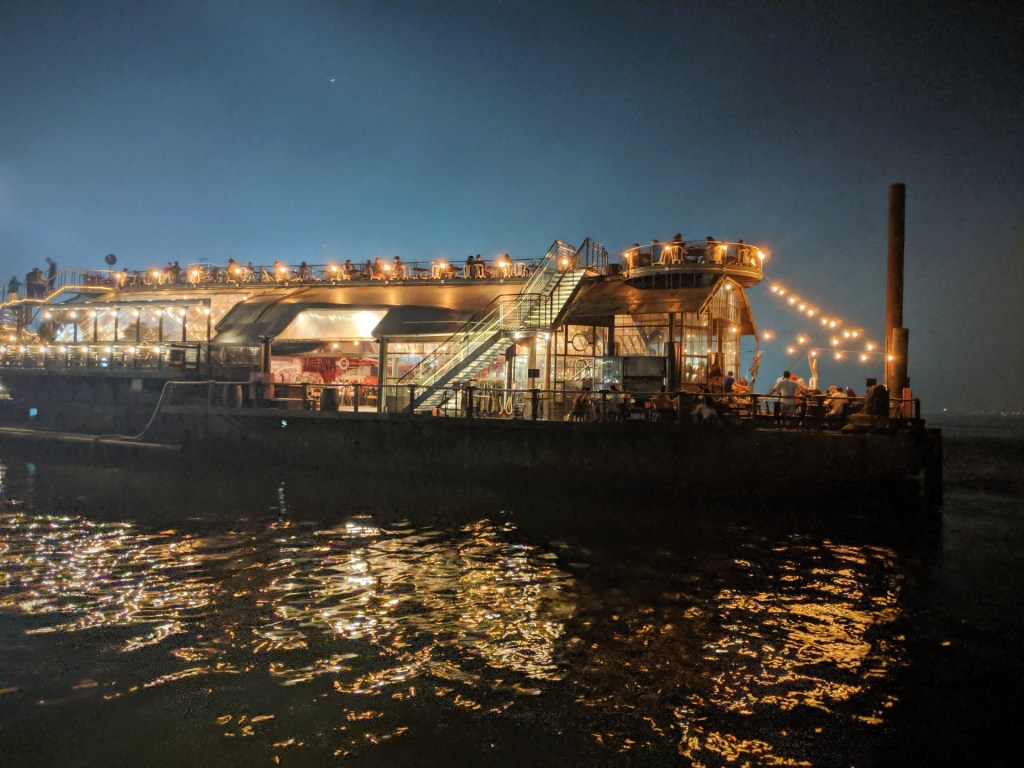
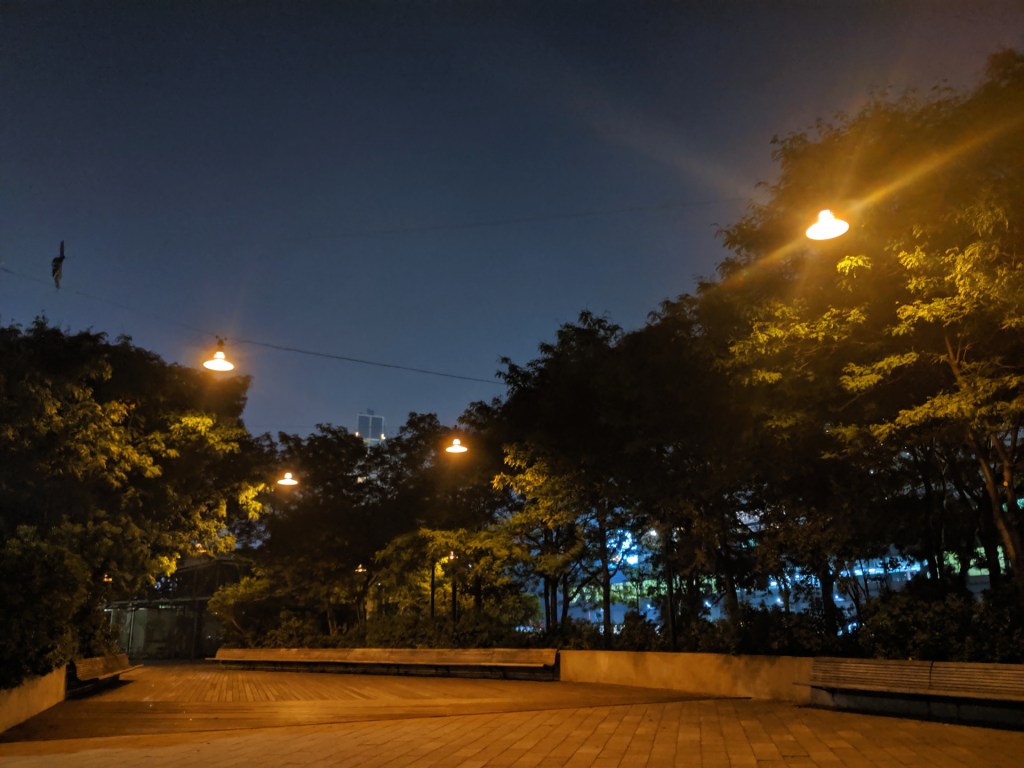
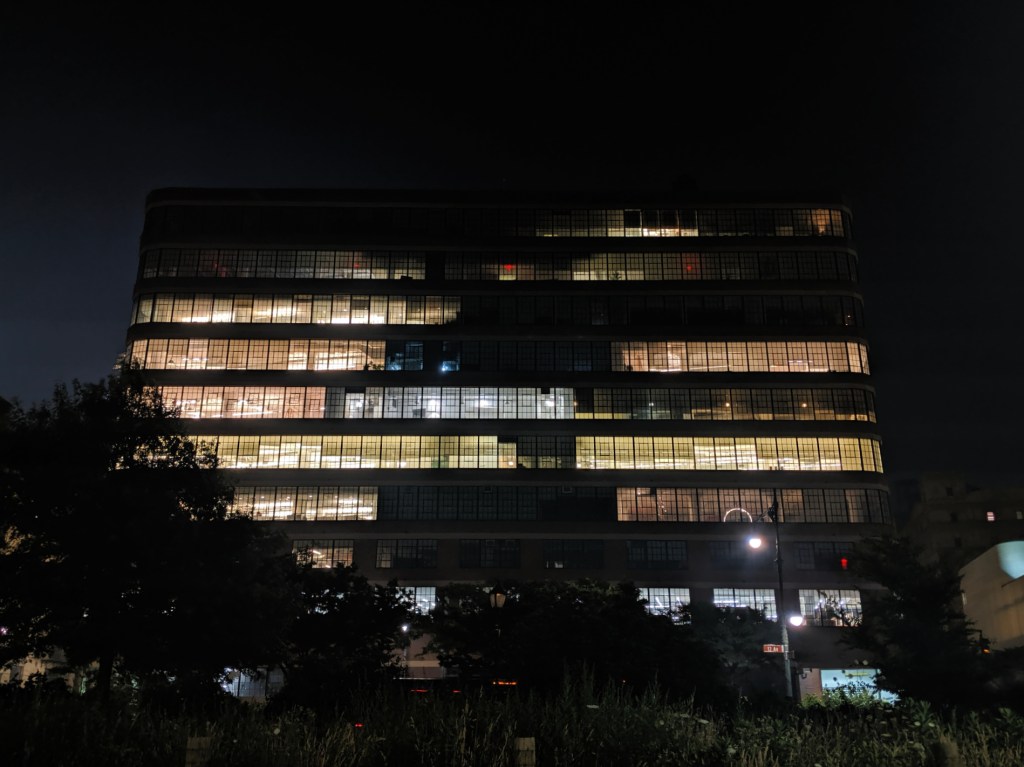
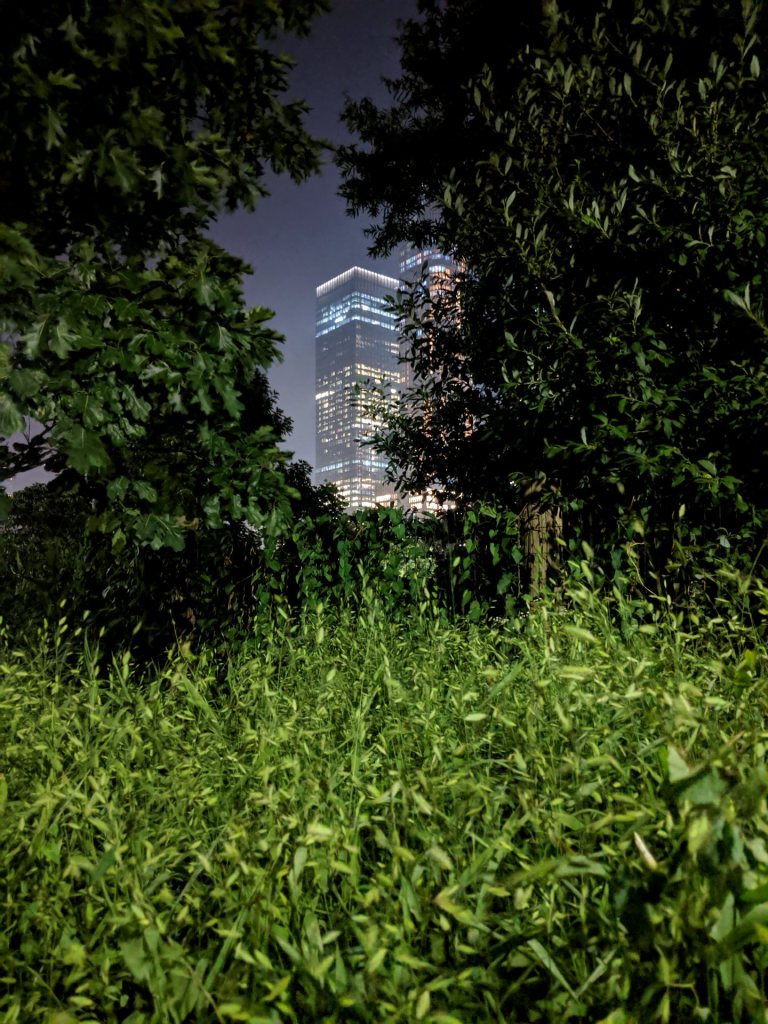
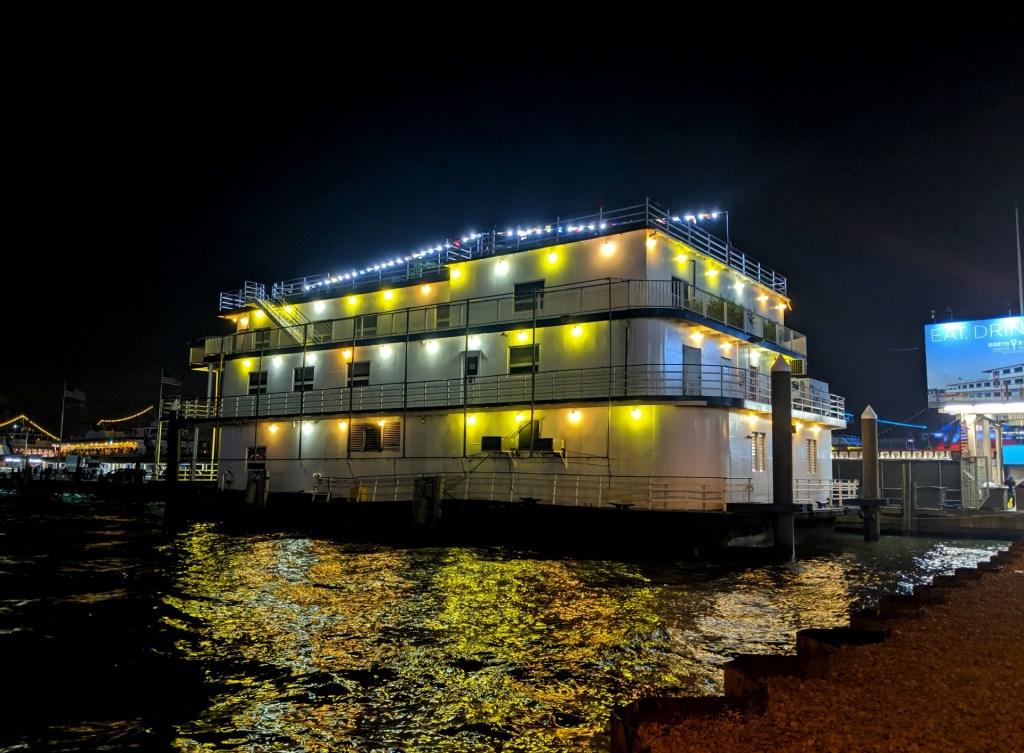
Along the Hudson River Park
July 4th, 2019
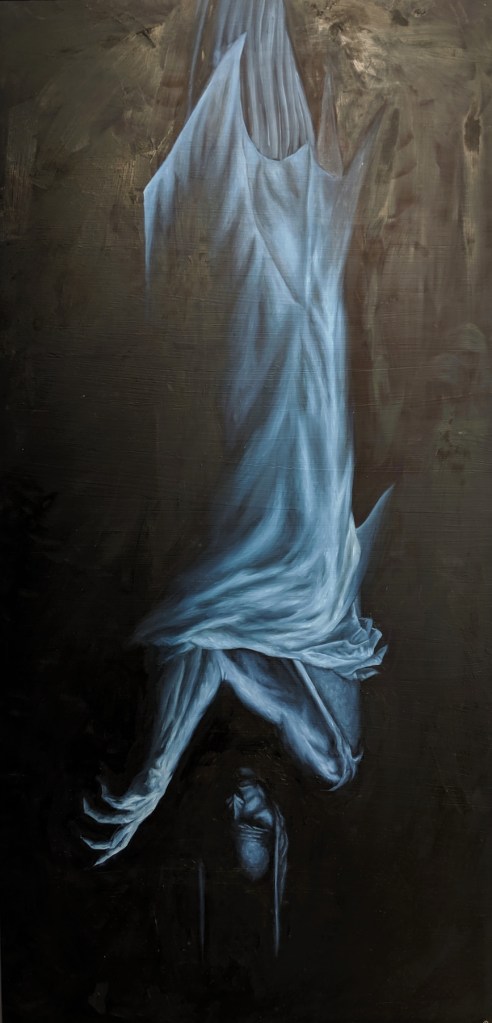
Colton Worley
Batman
Illustrating Batman: Eighty Years of Comics and Pop Culture
Society of Illustrators, 2019
June 29th, 2019
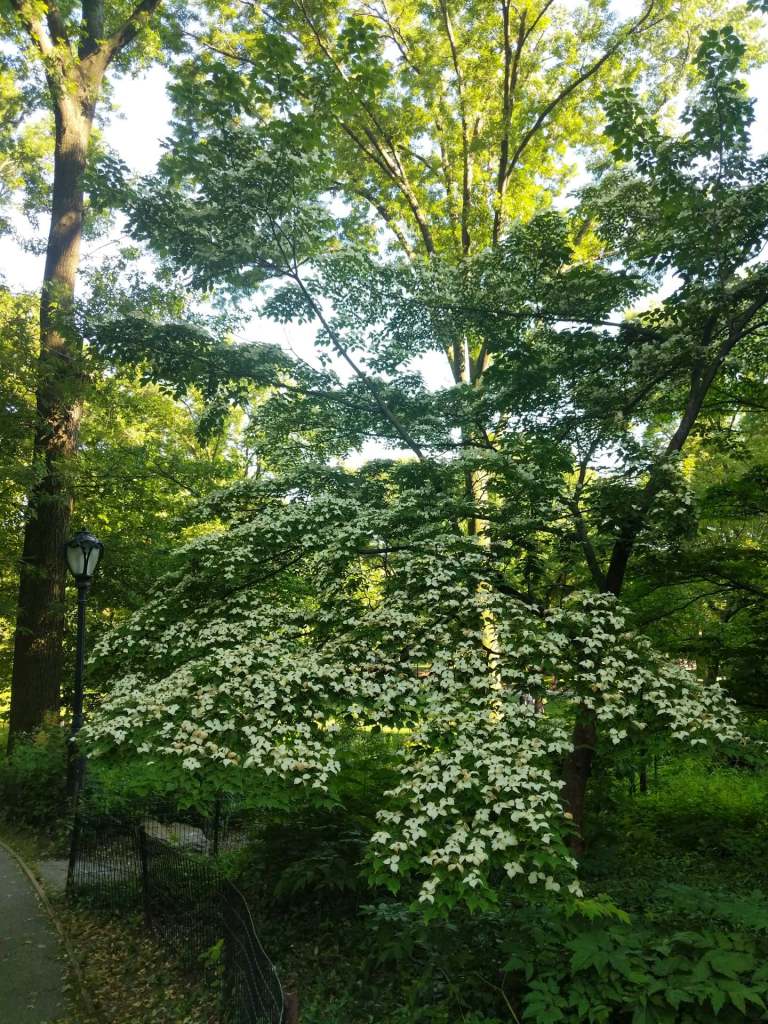
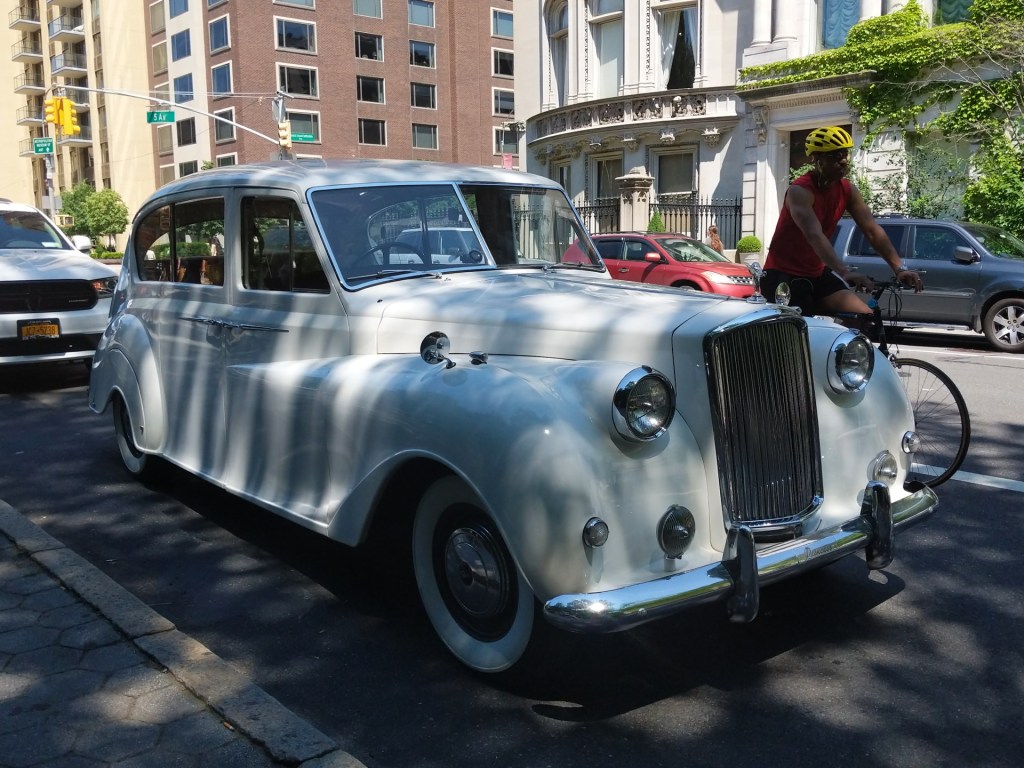
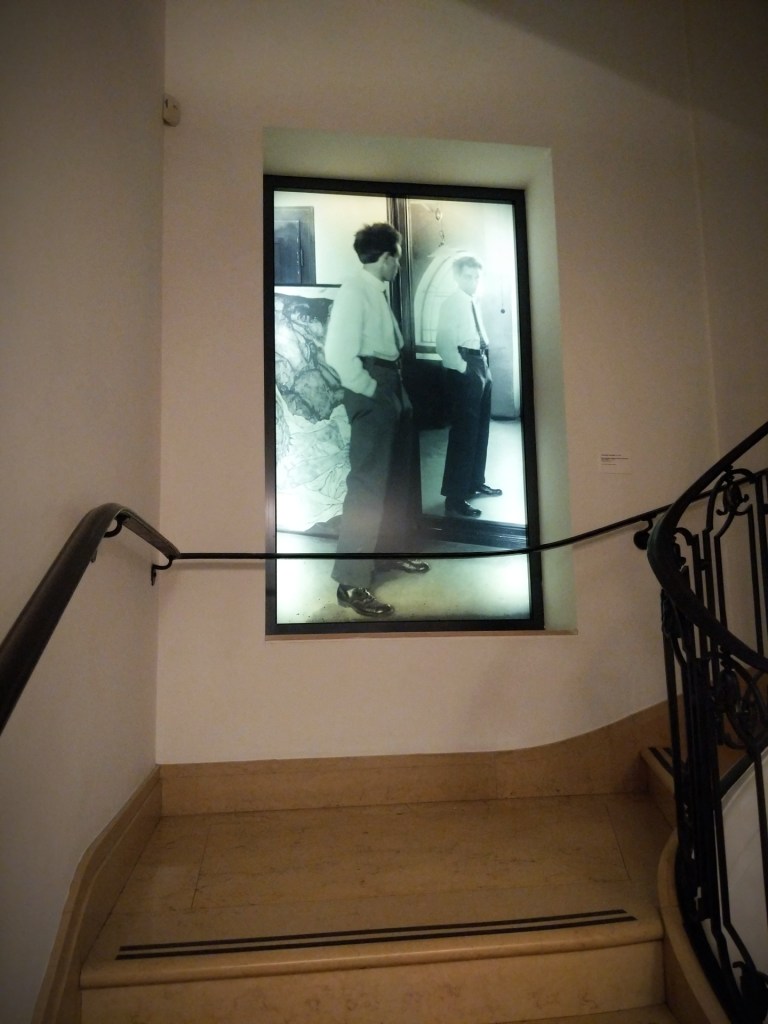
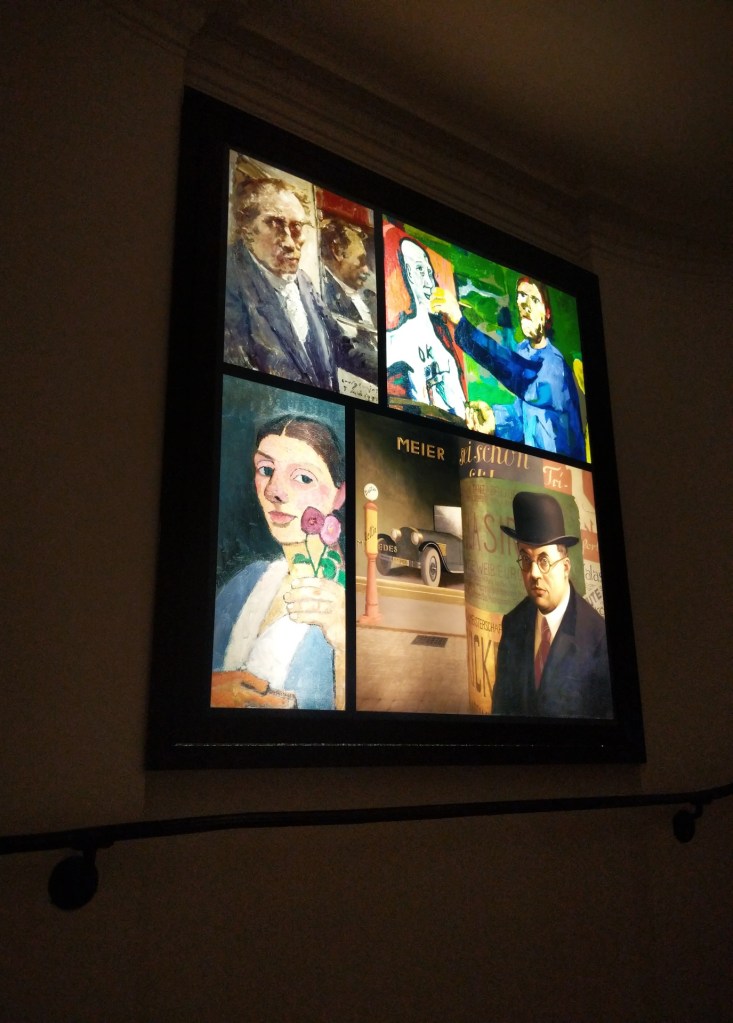
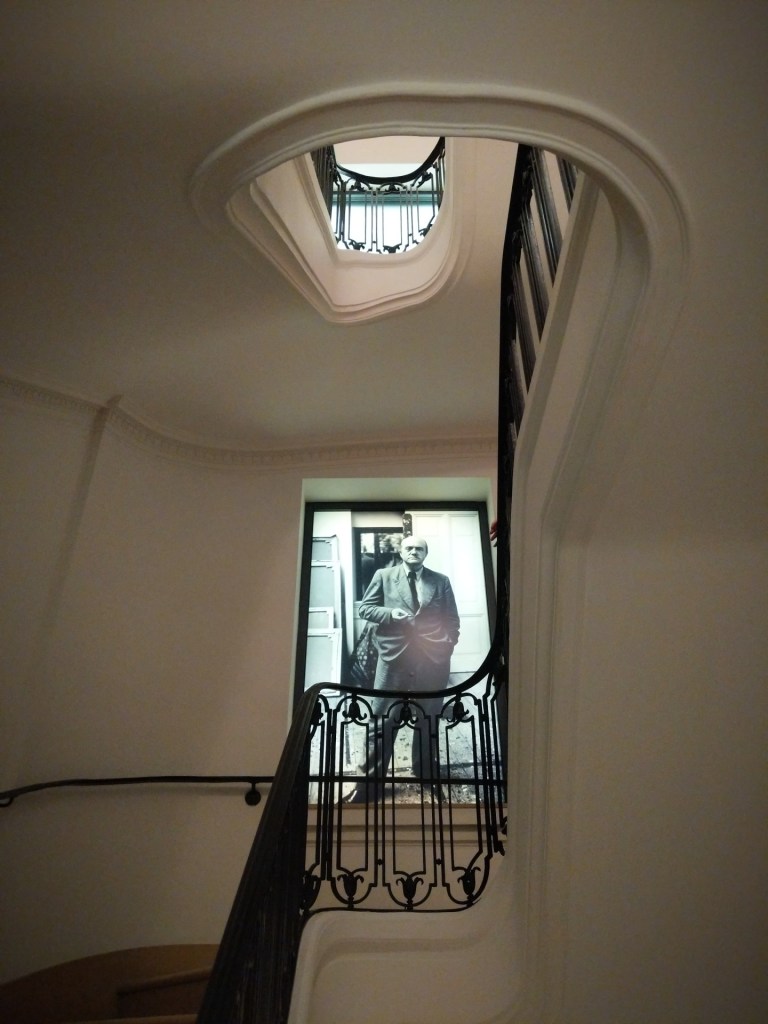
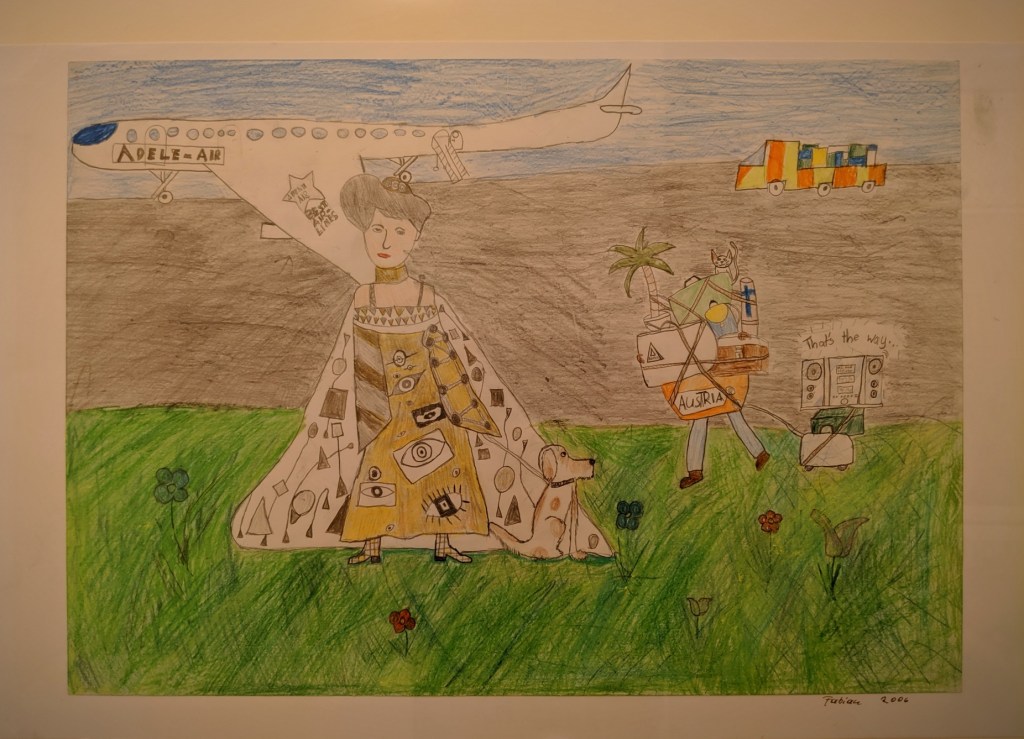
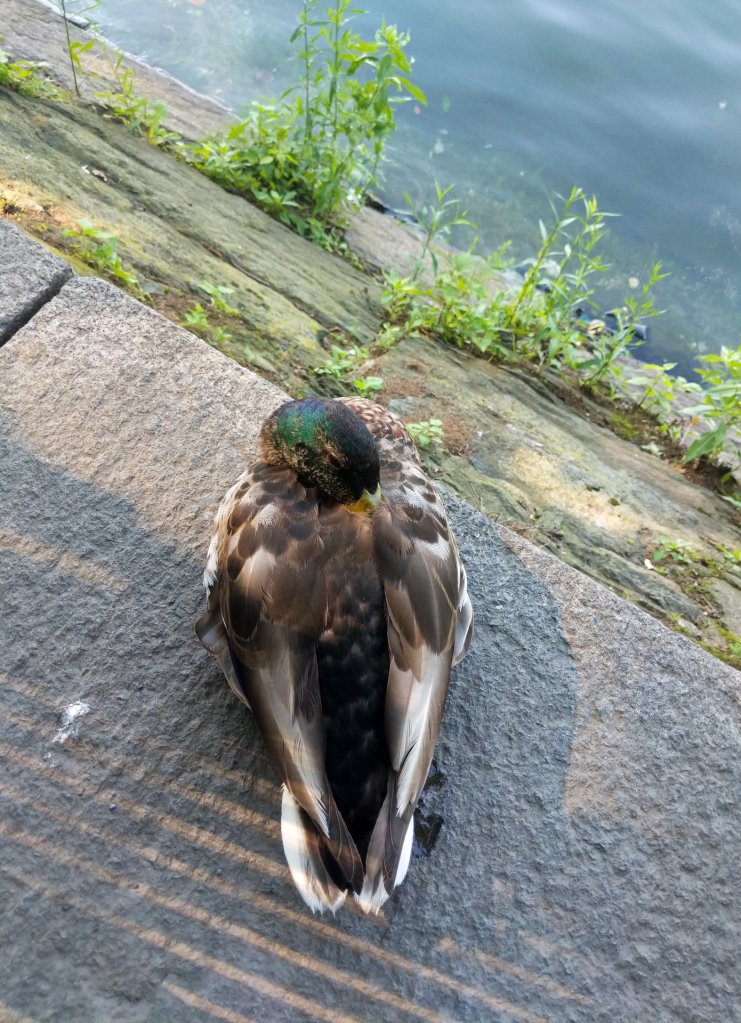
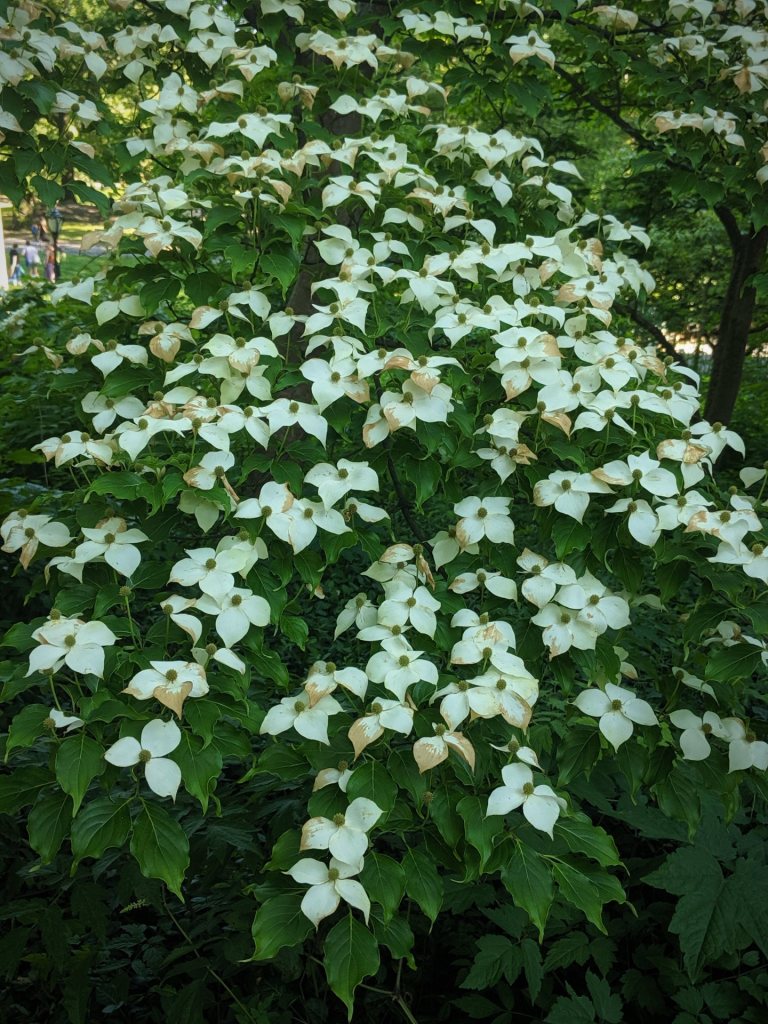
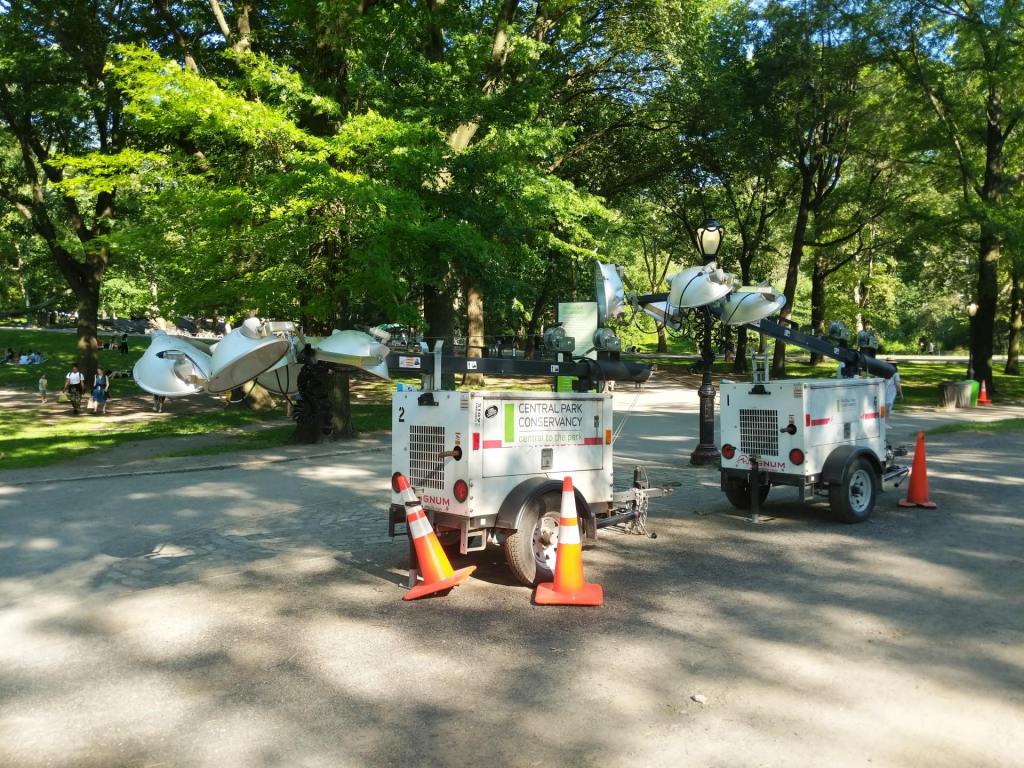
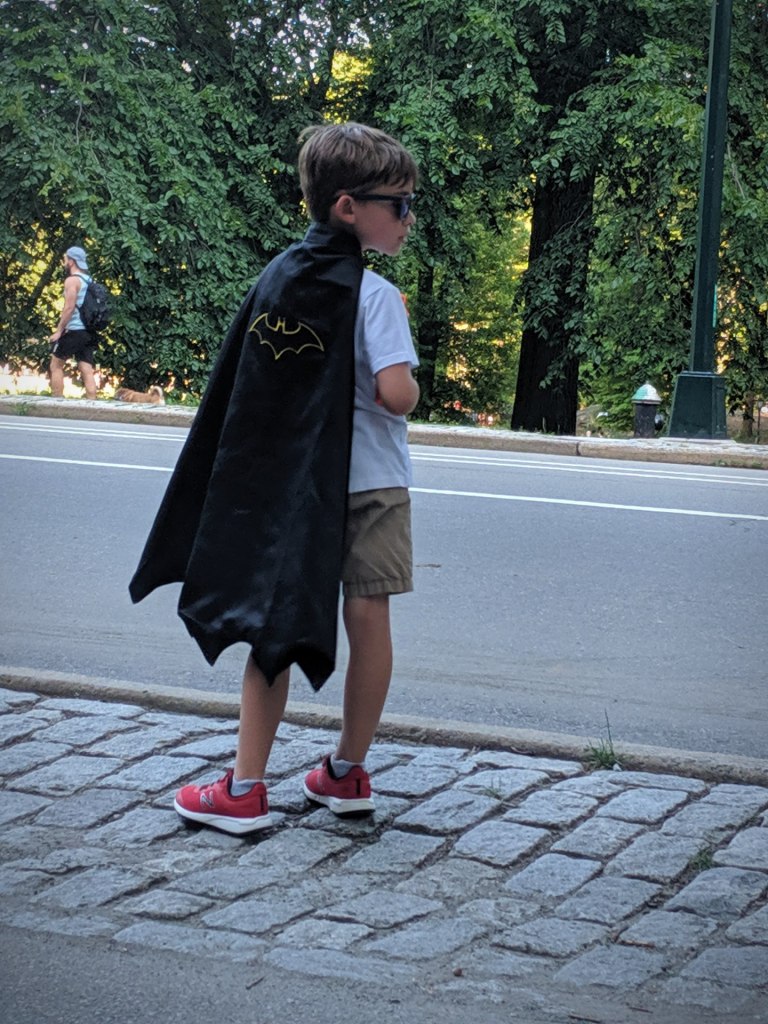
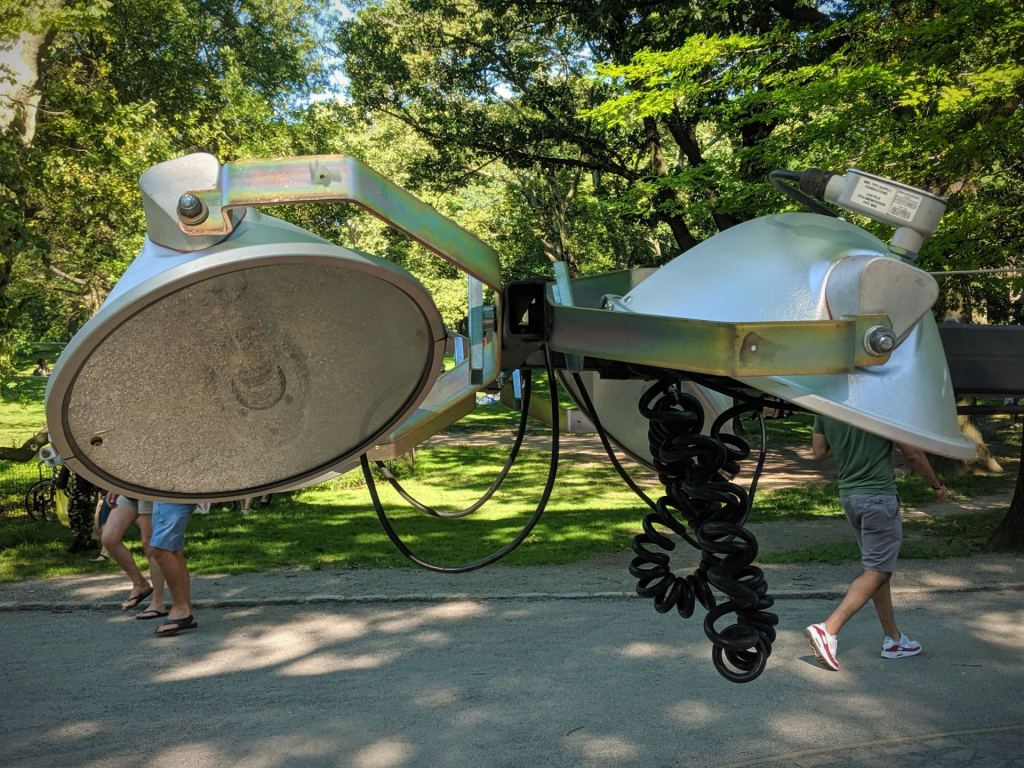
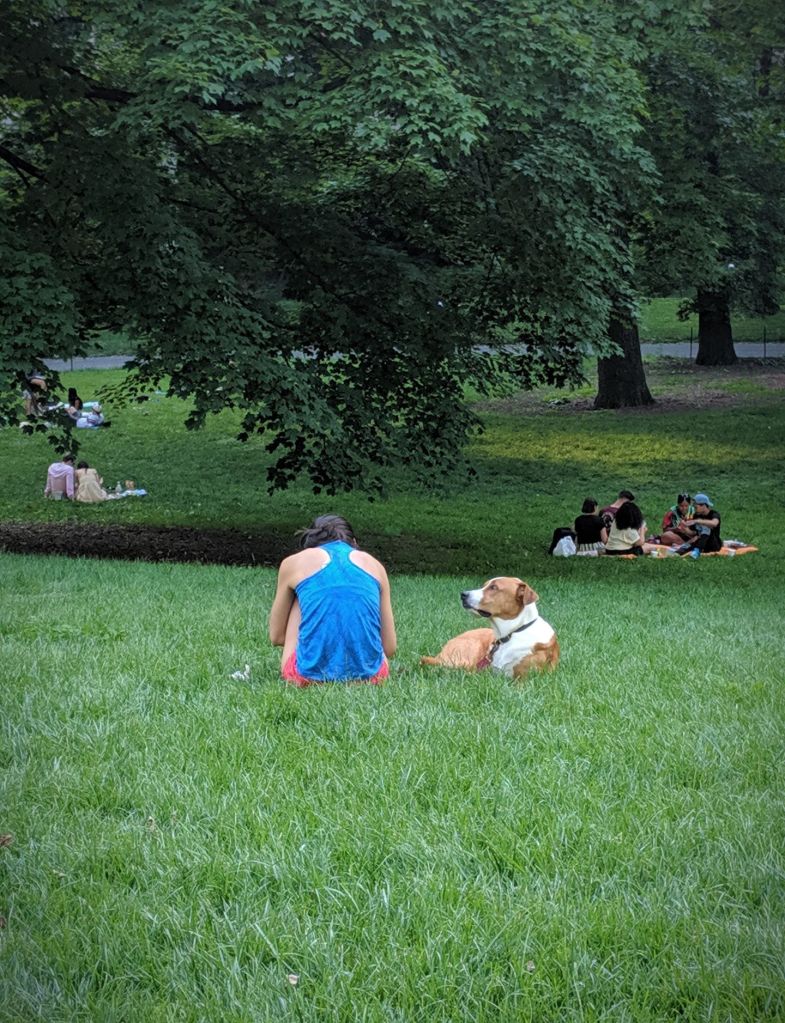
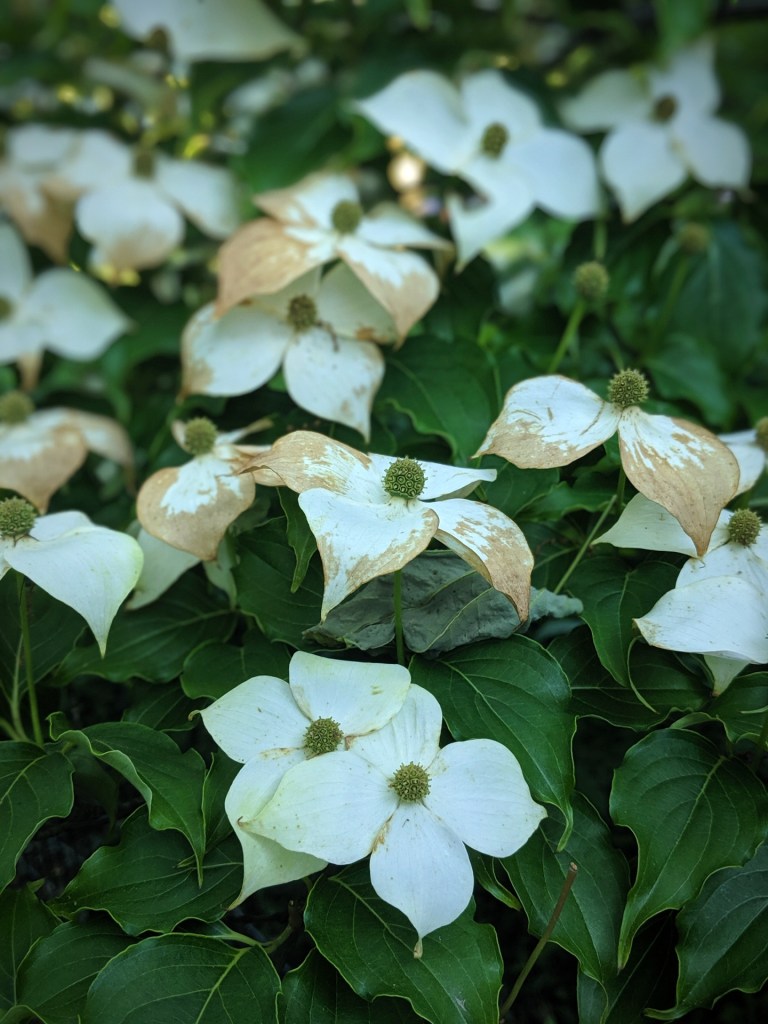
Last day to catch “The Self-Portrait, from Schiele to Beckmann” at the Neue Galerie, a great exhibition of works from Austria and Germany made between 1900 and 1945, photography – as always – not permitted, stole some pics from the staircase, at least we can always go back to their website to remember. Walking back home through Central Park was just as great, it always is.
June 23rd, 2019
You just have to wonder: which part in this painting is responsible for the lions’ bewildered expressions? Is it the shock of the nude? The shrill tone of the flute? Am I, the spectator, that scary?
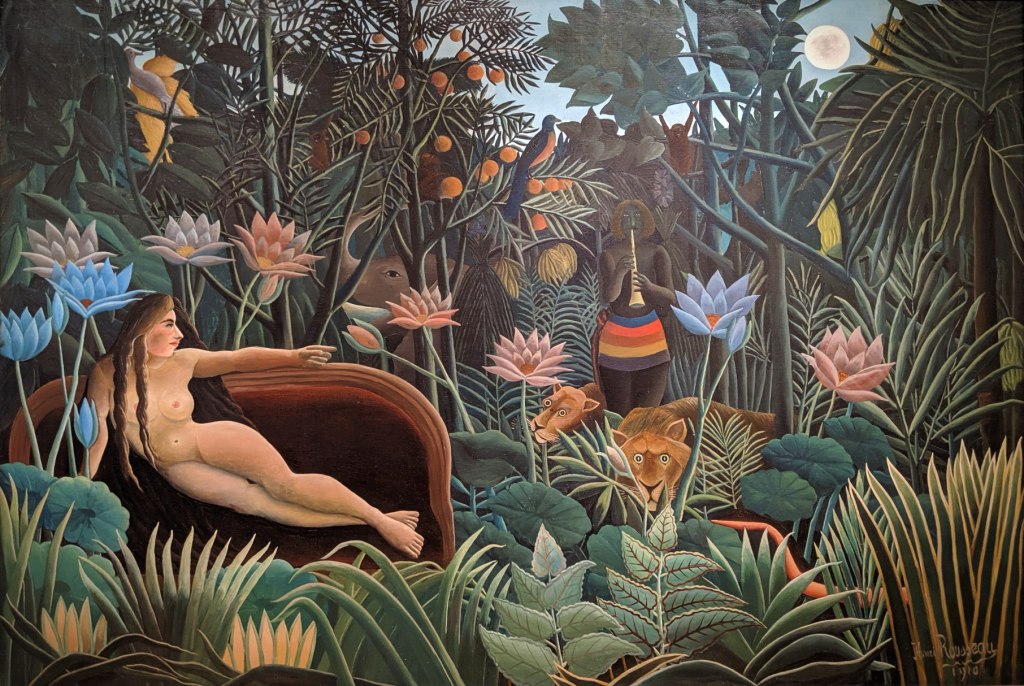
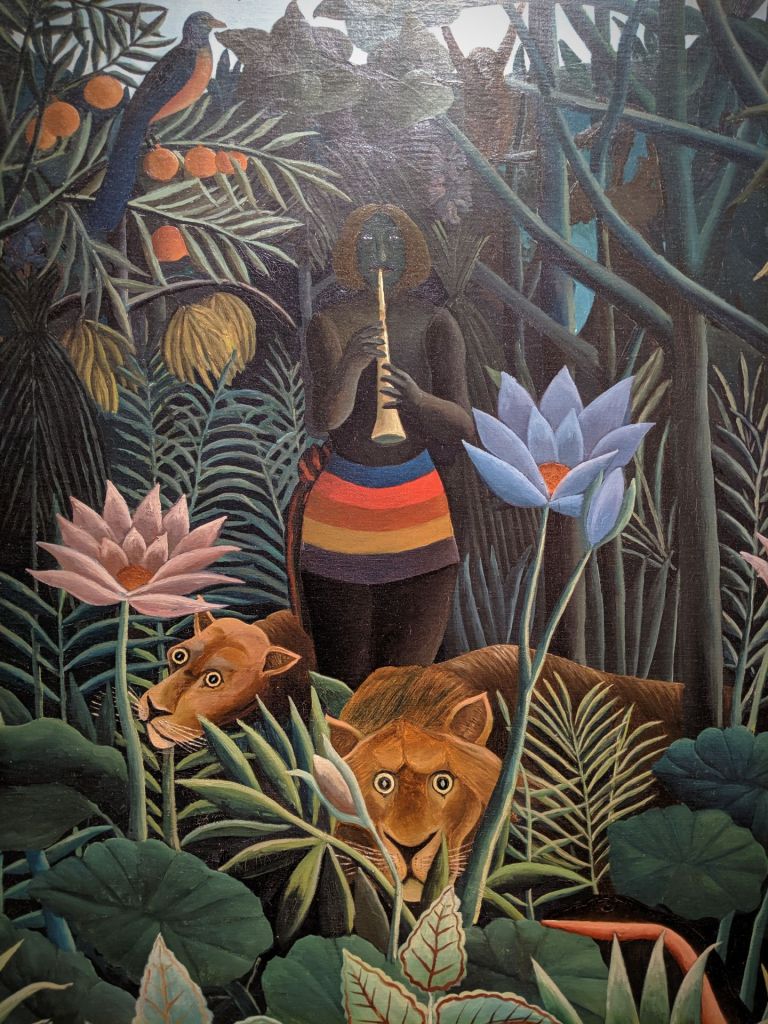
The Dream, 1910 || Henri Rousseau || Oil on canvas
“Entirely self-taught, Henri Rousseau worked a day job as a customs inspector until, around 1885, he retired on a tiny pension to pursue a career as an artist. Without leaving his native France, he made numerous paintings of fantastical jungle landscapes, like the one that fills The Dream.
Living in Paris, he had ready access to images of faraway people and places through popular literature, world expositions, museums, and the Paris Zoo. His visits to the city’s natural history museum and to Jardin des plantes (a combined zoo and botanical garden) inspired the lush jungle, wild animals, and mysterious horn player featured in The Dream. “When I am in these hothouses and see the strange plants from exotic lands, it seems to me that I am entering a dream,” he once said.
The nude woman reclining on a sofa seems to have been lifted from a Paris living room and grafted into this moonlit jungle scene. Her incongruous presence heightens its dreamlike quality and suggests that perhaps the jungle is a projection of her mind, much as it is a projection of Rousseau’s imagination.” [source: MoMA]
June 16th, 2019
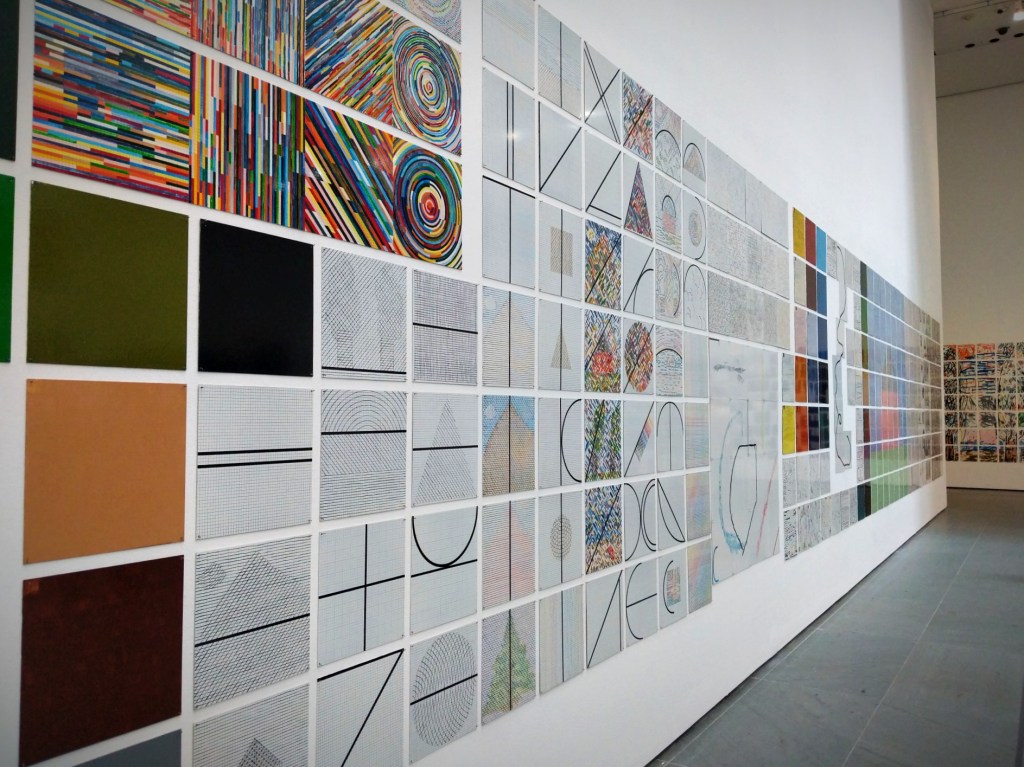
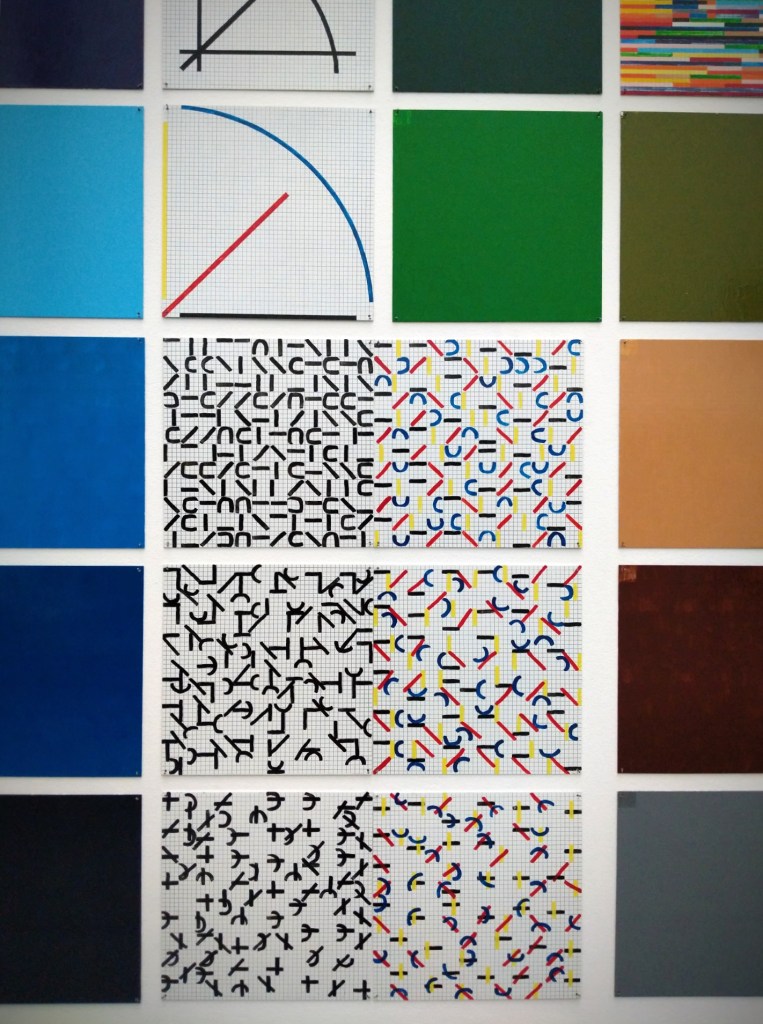
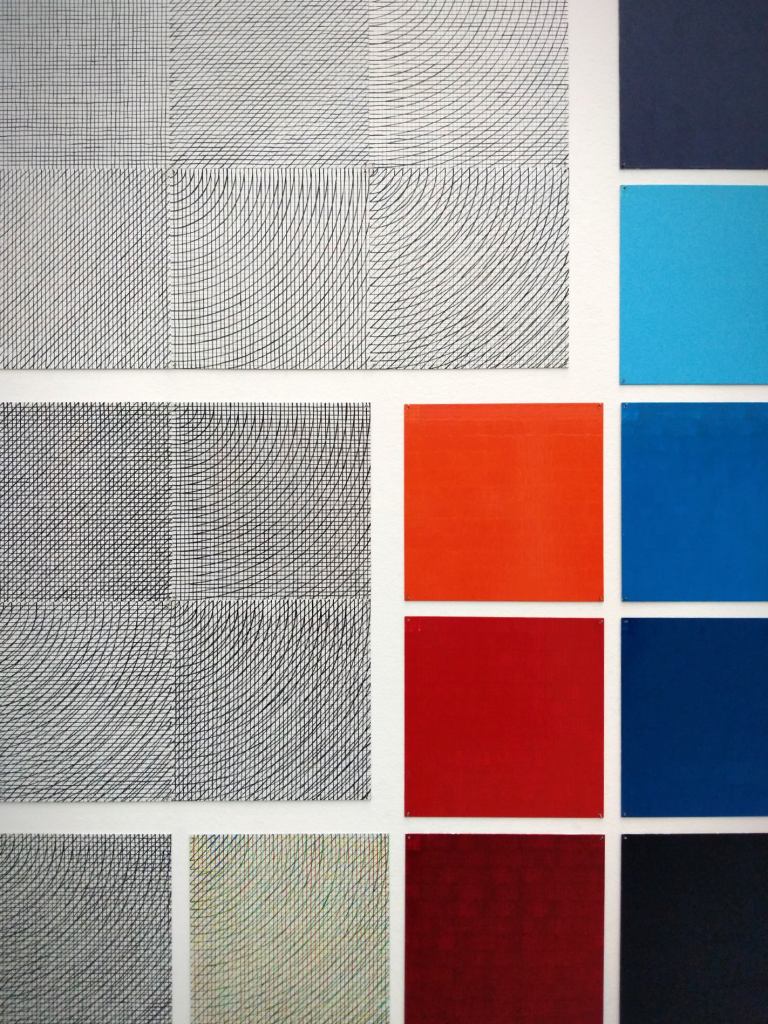
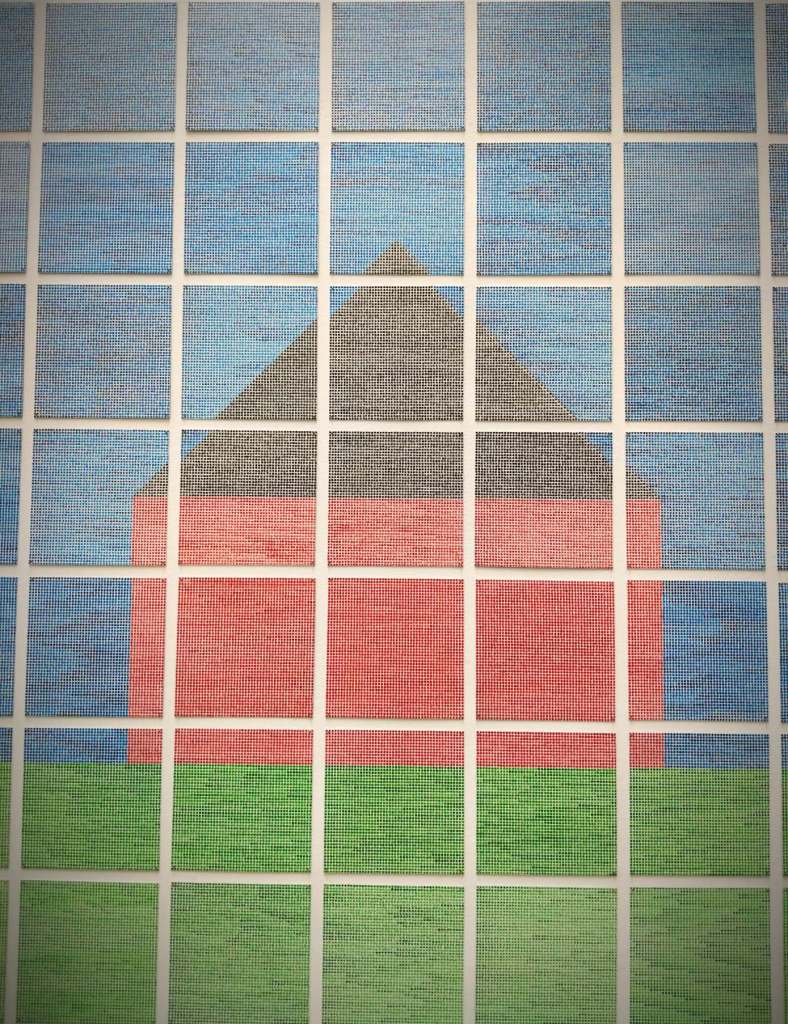
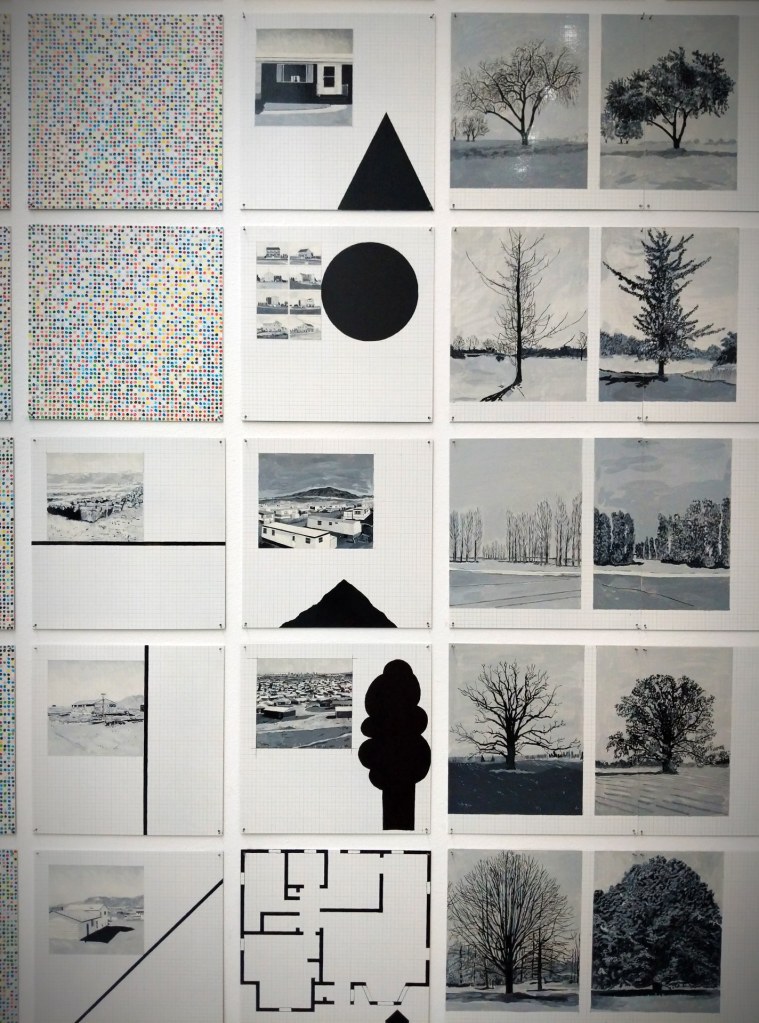
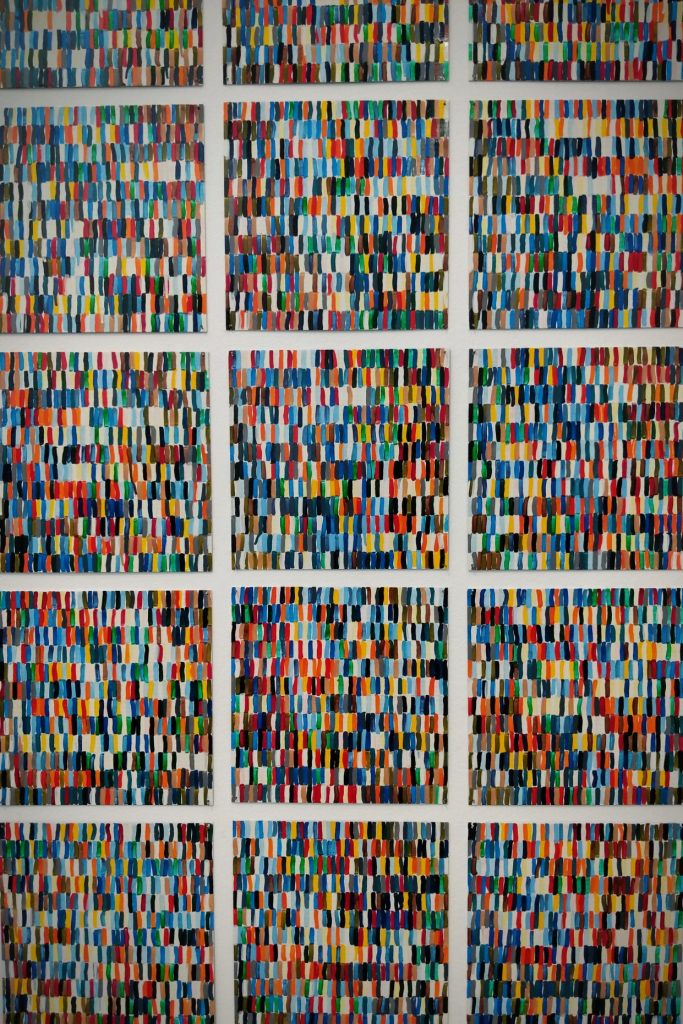
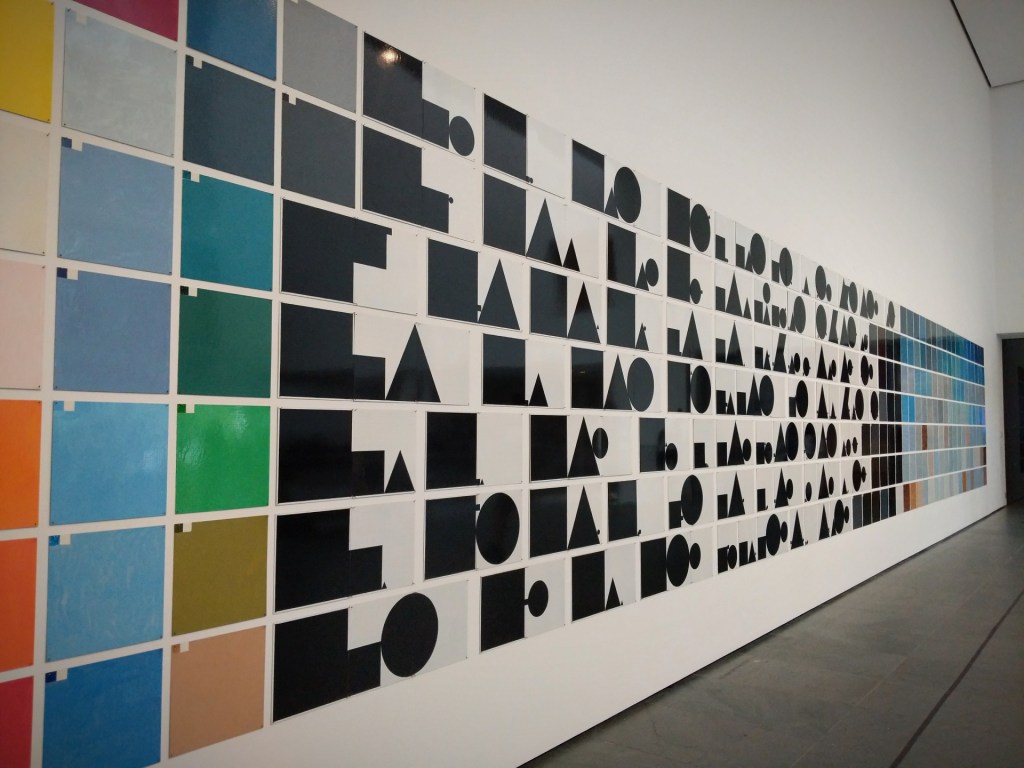
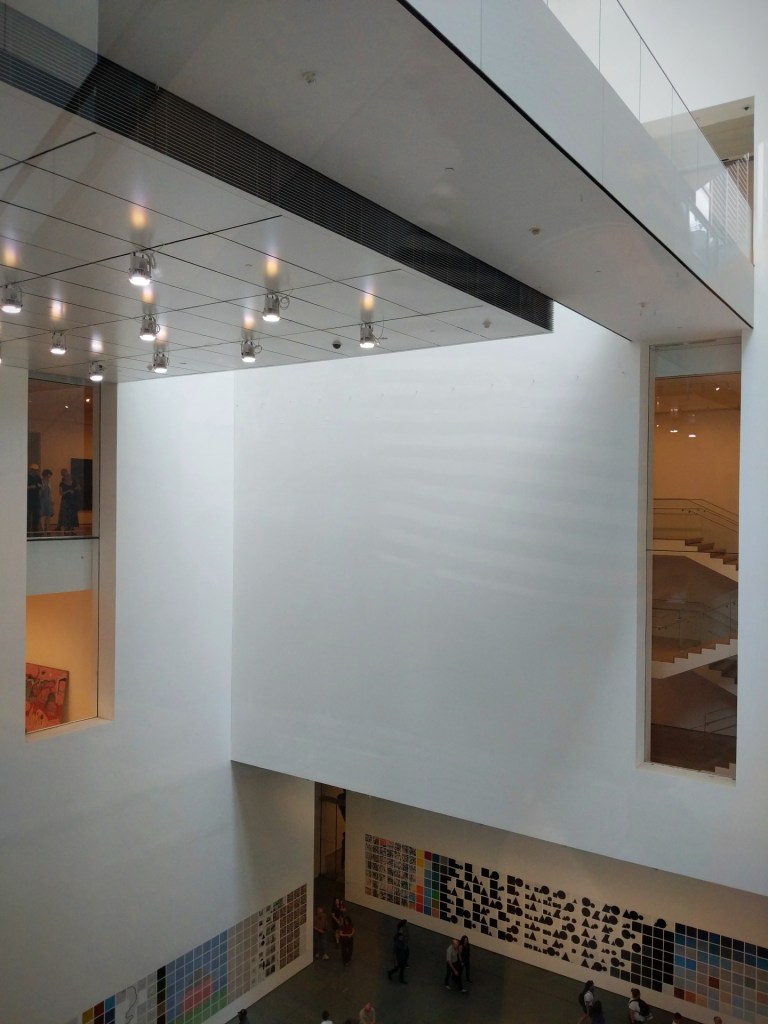
Jennifer Bartlett
Rhapsody, 1975-76
When Rhapsody was first shown, in 1976, it occupied the entirety of the art dealer Paula Cooper’s Manhattan gallery space. Consisting of 987 one-foot-square steel panels covering an expanse of more than 150 feet, the work has an overall monumentality, but its small panels invite intimate interaction. Together they represent Bartlett’s attempt to create a painting “that had everything in it,” she has said.
Each of Rhapsody’s steel panels was baked with white enamel, silkscreened, and then painted. Its range of imagery—from photographic images to abstract shapes—presents a variety that undermines any sense of stylistic unity. “It was supposed to be like a conversation,” the artist has explained, “in which people digress from one thing and maybe come back to the subject, then do the same with the next thing.” Looking at Rhapsody is like listening in on this conversation. A viewer can step back and see the ebbs and flows, or come in close and engage deeply with a single topic, sentence, or line. [Source: MoMA]
June 16th, 2019
subjective worldview
Actor, writer, cook and author
Travel experiences & Strasbourg city guide
Writer
joy, happiness, travel, adventure, gratitude
"Rêve onirique & Bulle d'évasion"
makes pretty things on paper
This WordPress.com site is Pacific War era information
Welcome to my curious world of words....
Photographs, music and writing about daily life. Contact: elcheo@swcp.com
Free listening and free download (mp3) chill and down tempo music (album compilation ep single) for free (usually name your price). Full merged styles: trip-hop electro chill-hop instrumental hip-hop ambient lo-fi boombap beatmaking turntablism indie psy dub step d'n'b reggae wave sainte-pop rock alternative cinematic organic classical world jazz soul groove funk balkan .... Discover lots of underground and emerging artists from around the world.
A 365 analogue photography project
Barcelona's Multiverse | Art | Culture | Science
Een digitaal atelier aan de (zee)slag.
‘Doodling Ambiguity’s in Ink.’
Miscellaneous photography
Glimpses along the way on a journey of discovery into symmetry...
 The Humble Fabulist