Landing at South Street Seaport

Things you were likely to see:

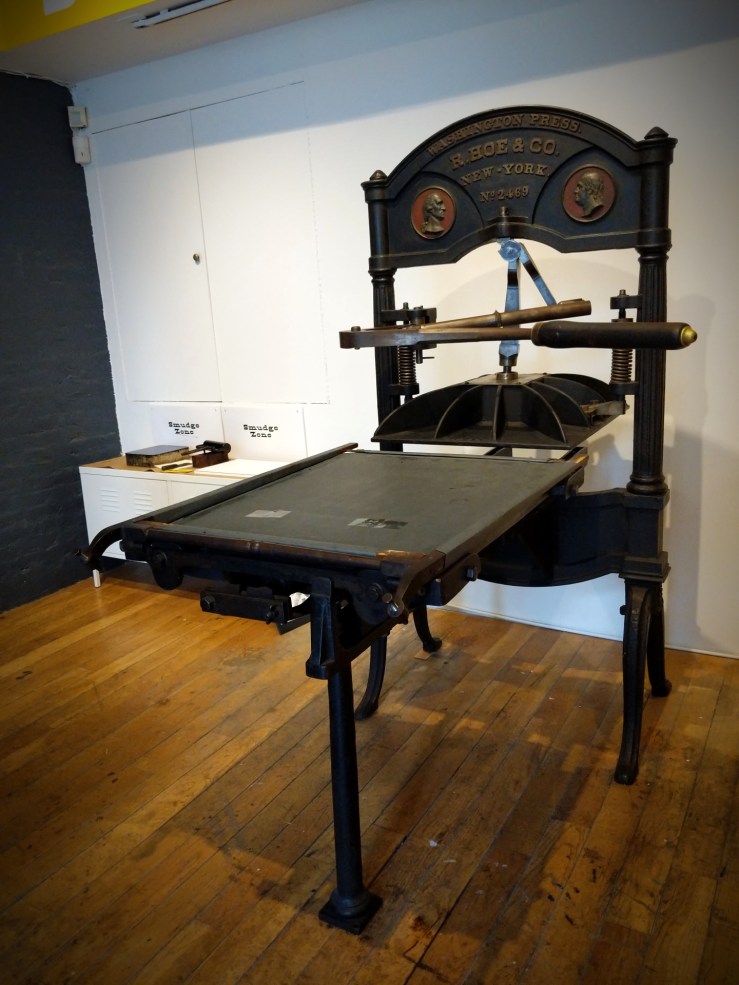
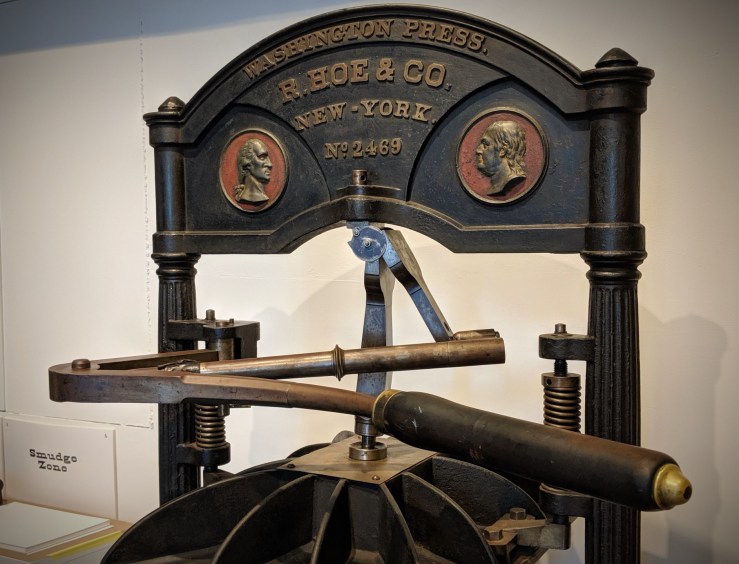
A very old, very angry-looking printing press at the Bowne & Co., Printing Office, which was established by Robert Bowne in 1775 and is New York’s oldest operating business under the same name. Incredibly, the press is still operational, printing wedding invitations and the like.

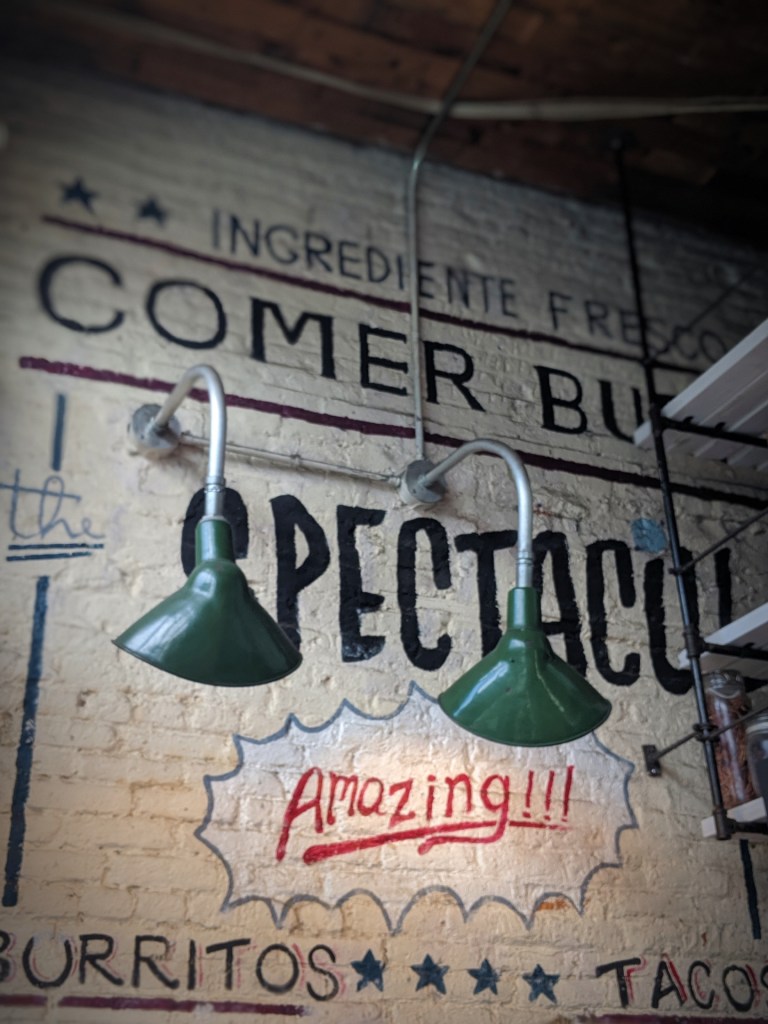
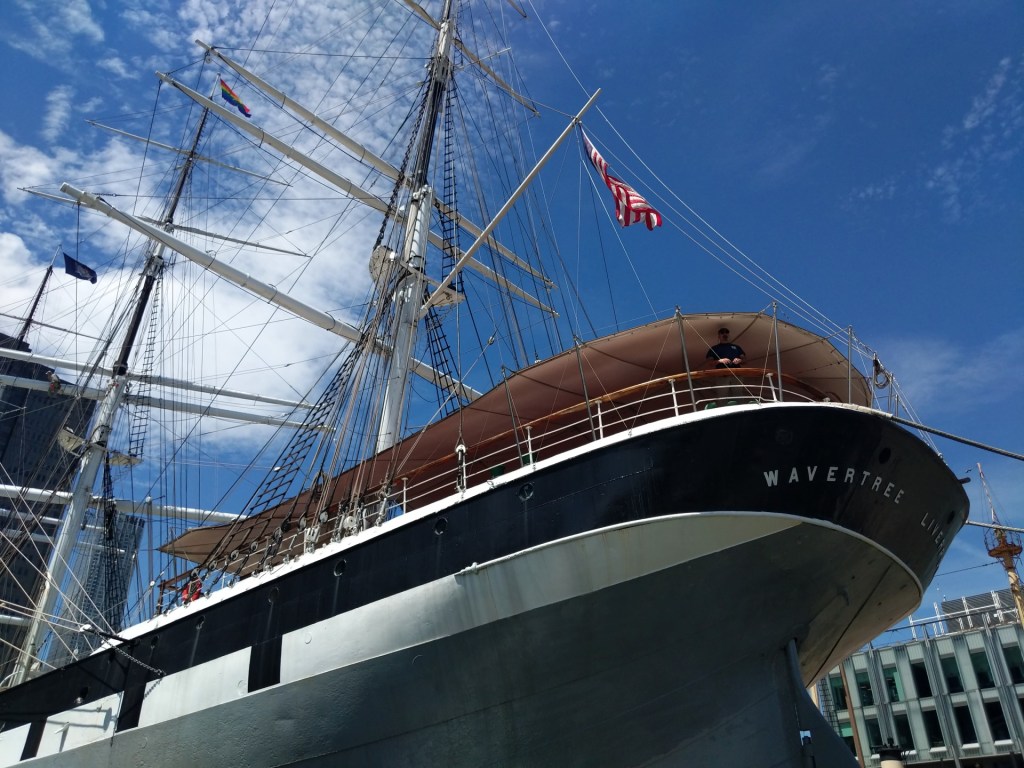
Great burritos with great views, just across from the Wavertree.

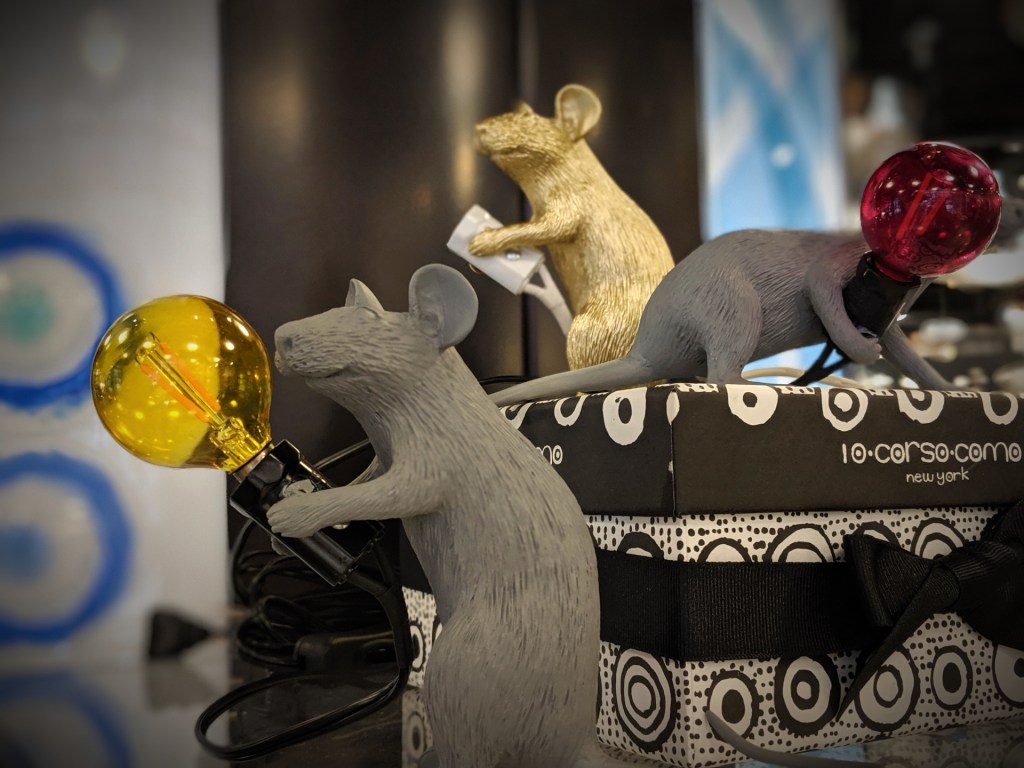
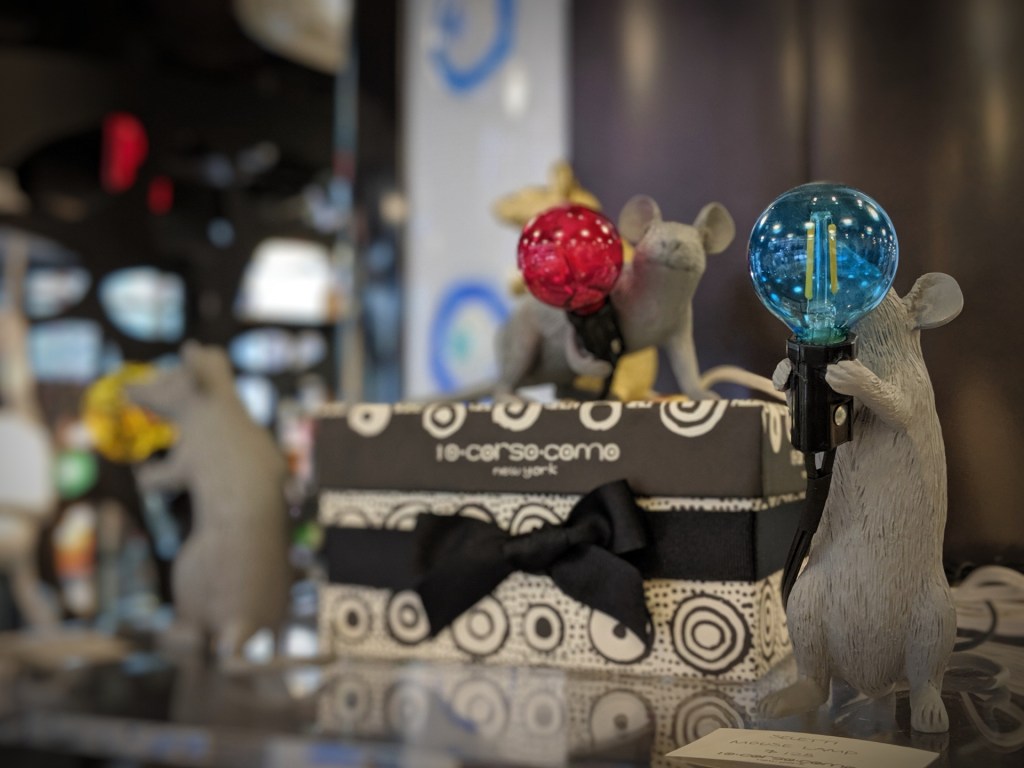
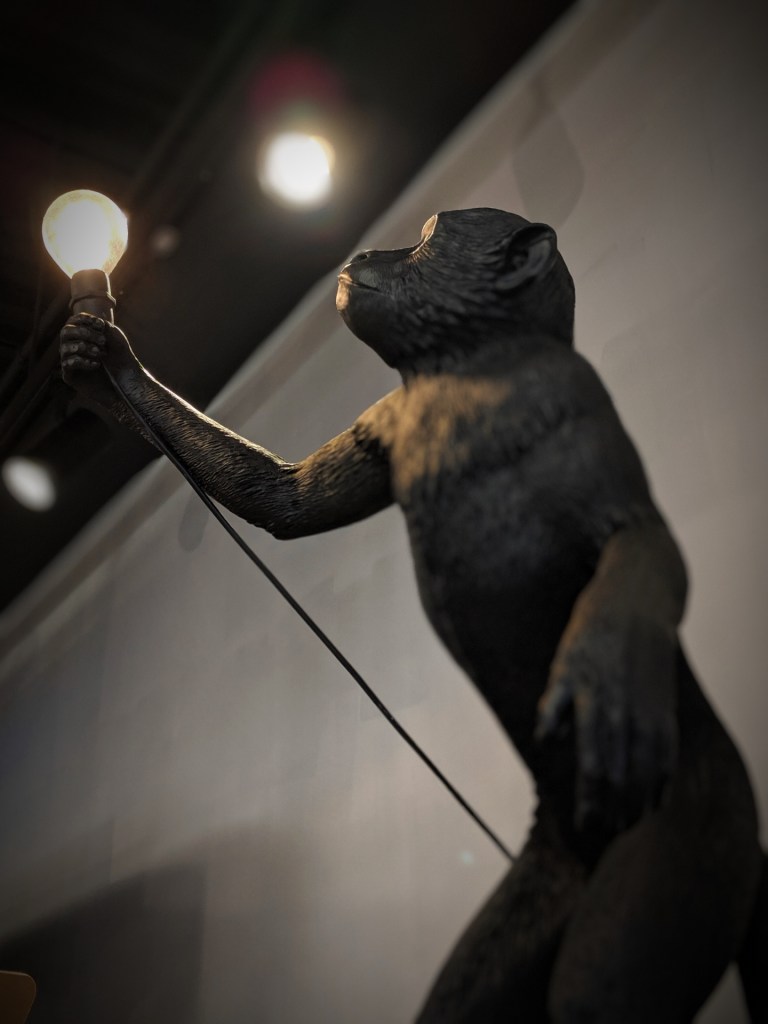
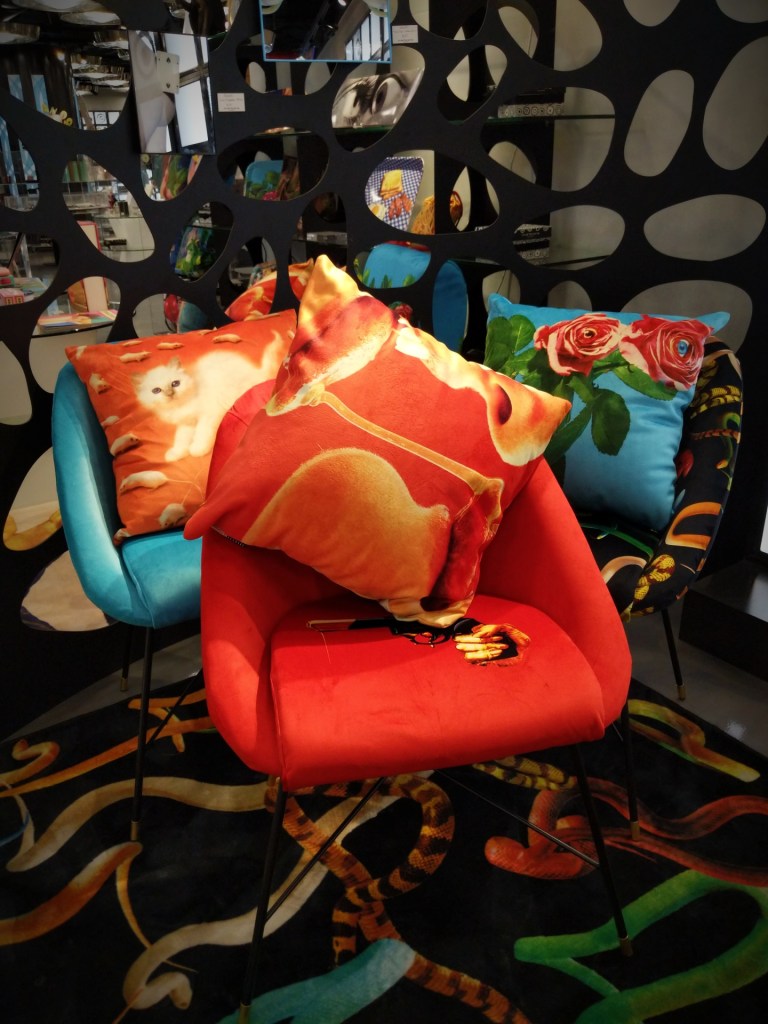
Curious stuff in an upscale shop, now permanently closed.

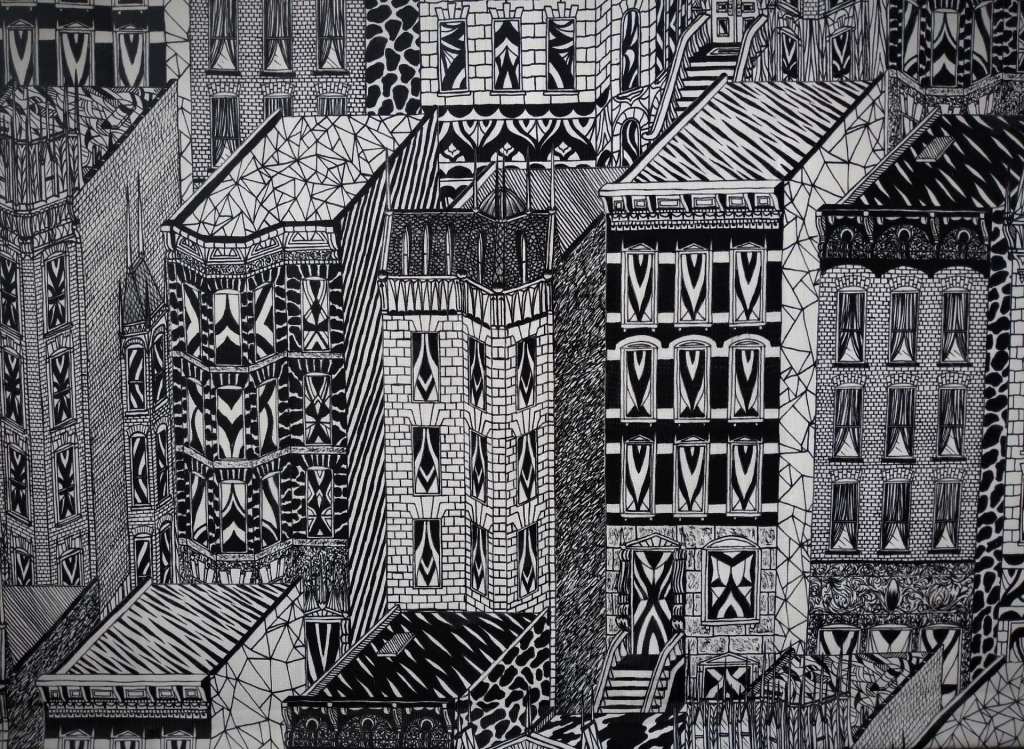
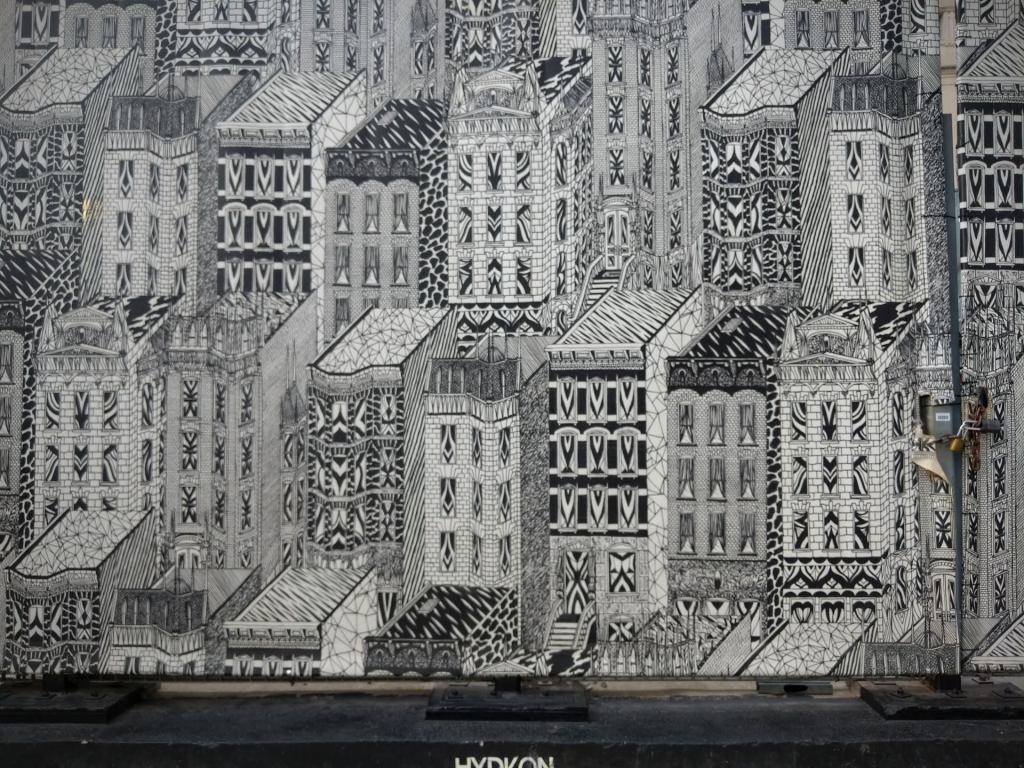
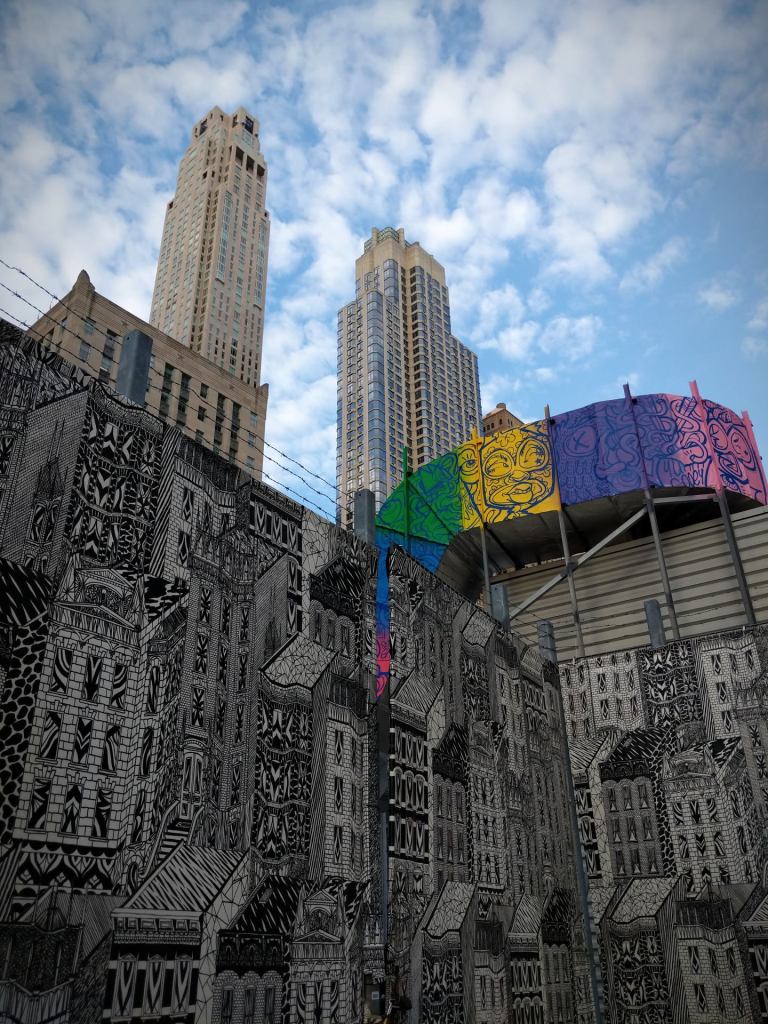
Crossing town to catch the subway, a city within a city WTC mural, by Hydeon.

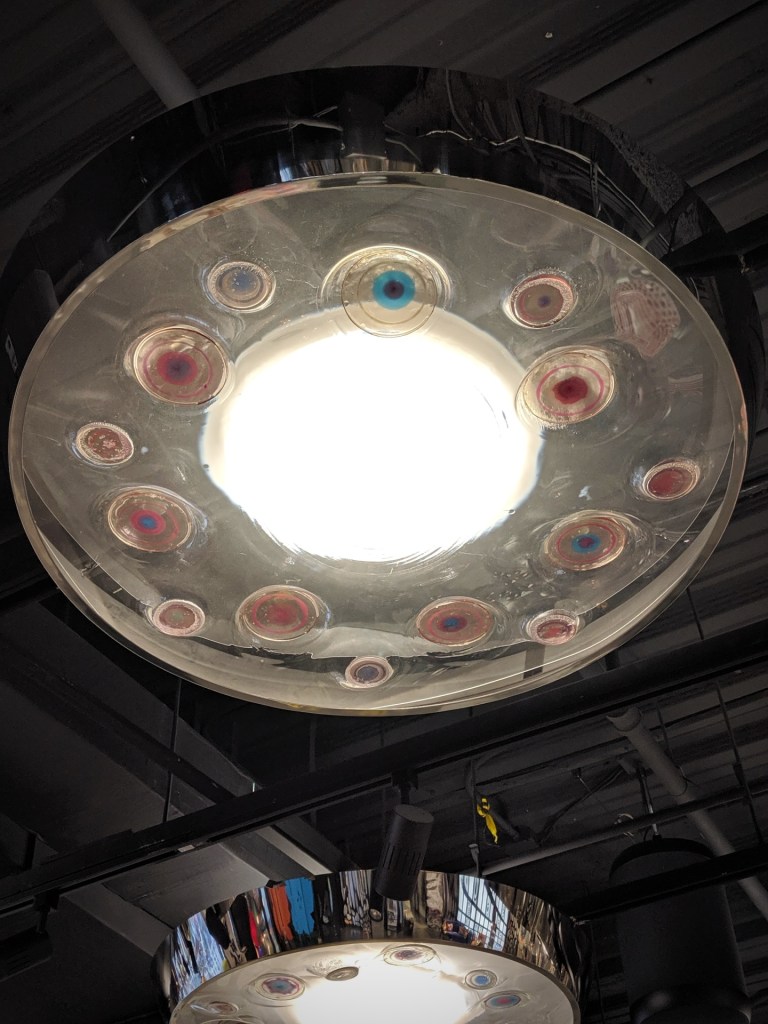
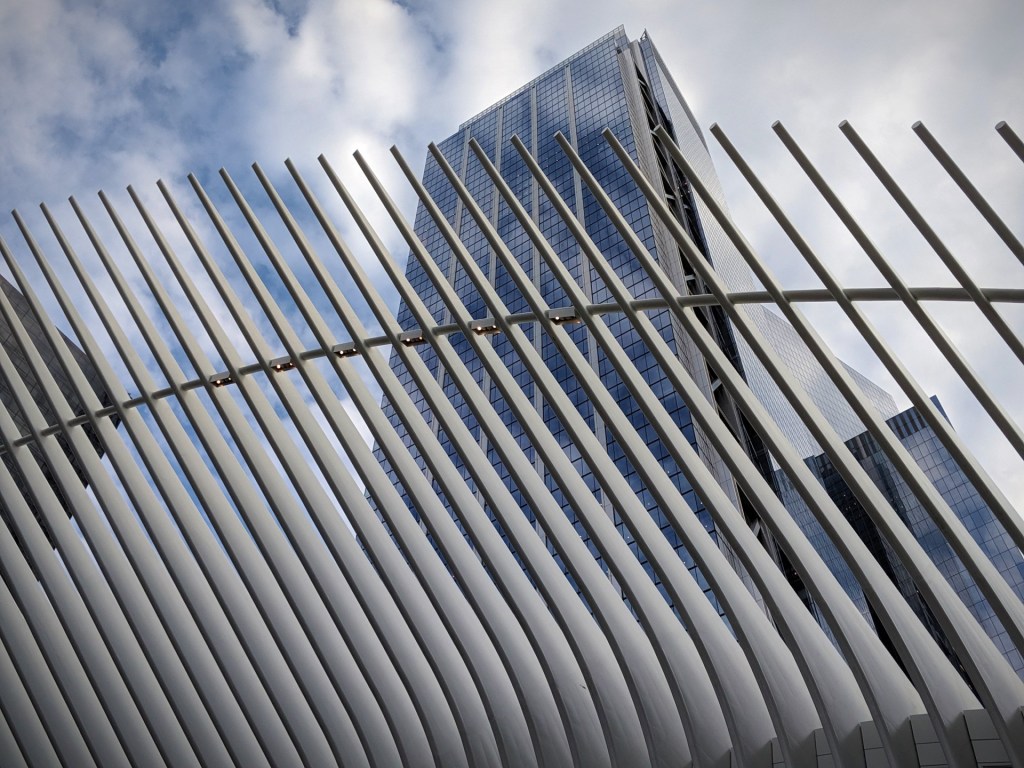
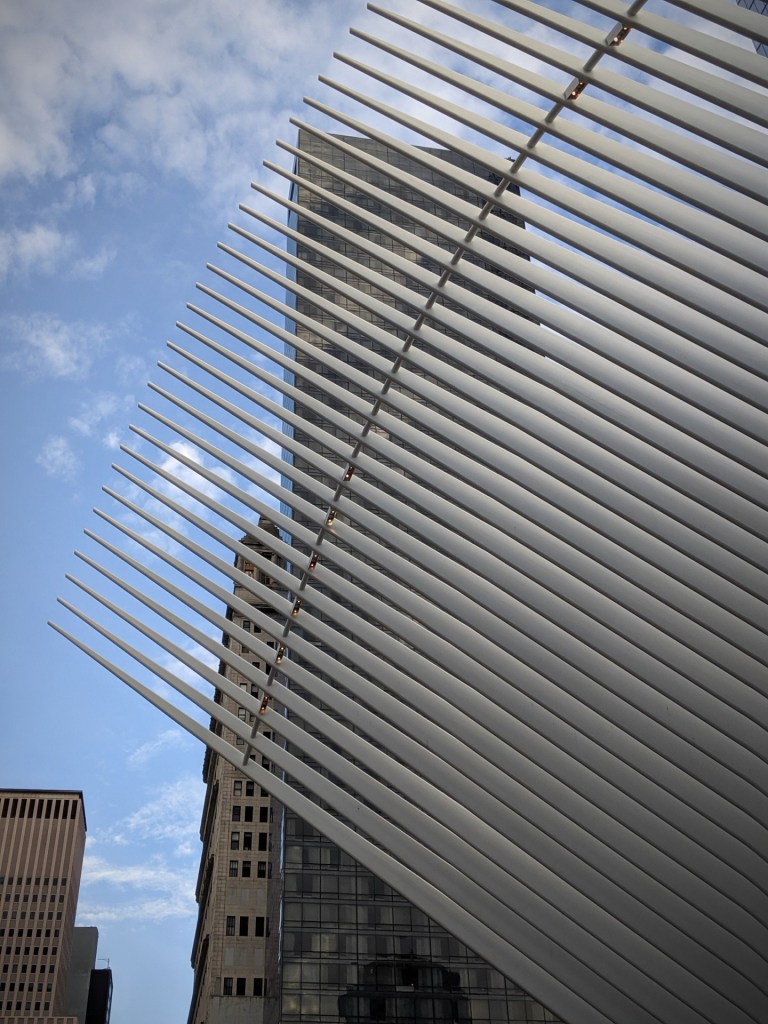
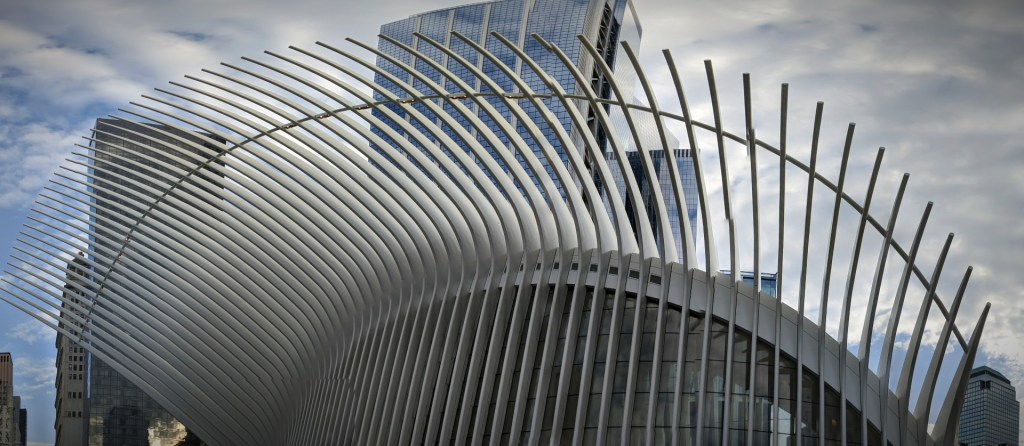
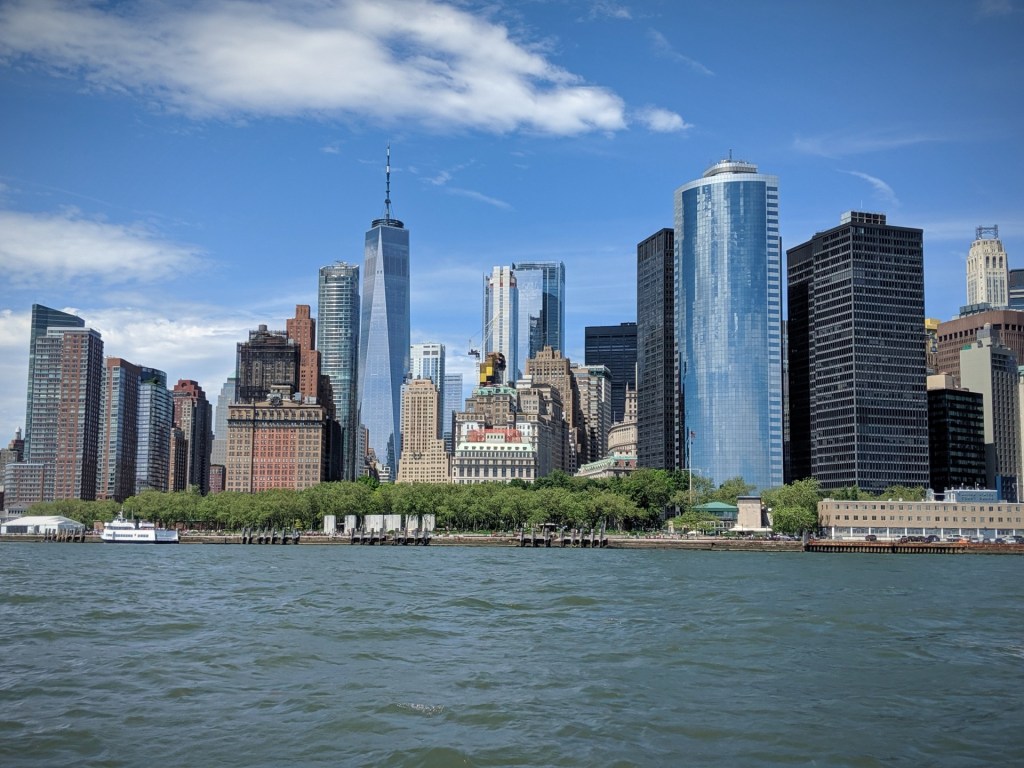
A $4 billion giant fish skeleton aka Santiago Calatrava’s Oculus. If they charged a cent for every photo or social media post, they would break even before long.
Walking from South Street Seaport to Oculus

June 15th, 2019
Dismasted

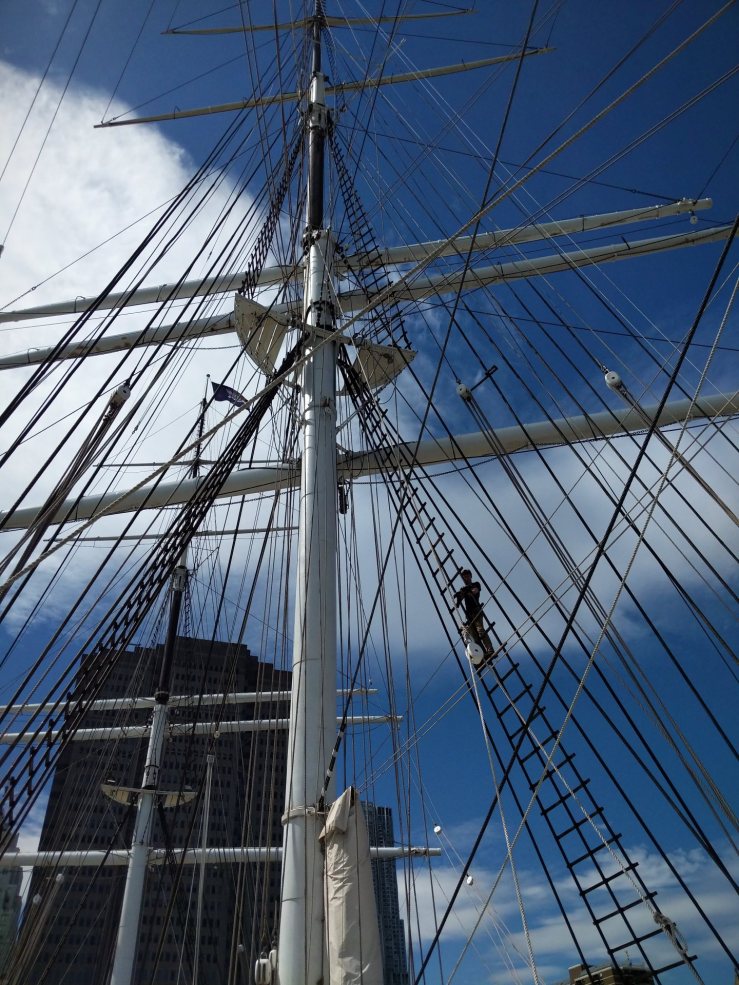
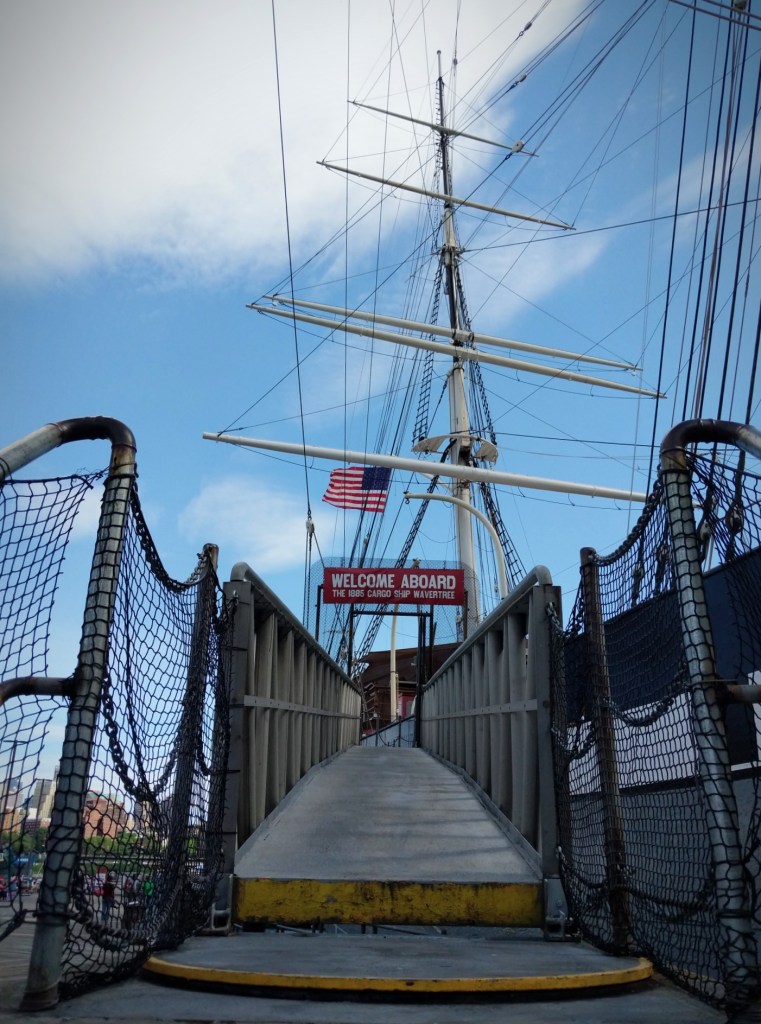
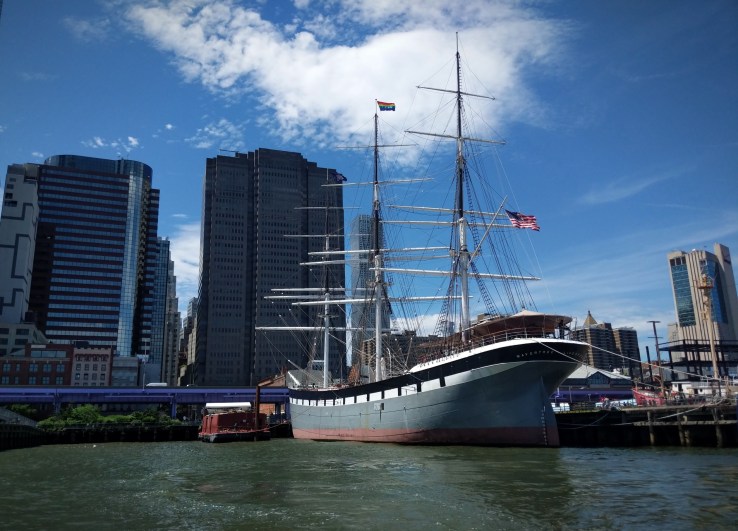
Wavertree was built in Southampton, England in 1885

In 1910, on a second attempt to round Cape Horn in extremely violent conditions, Wavertree was dismasted. The mainmast broke above the deck, carrying with it the bulk of the upper fore and mizzen rigging. Tons and tons of iron, steel, cable, and canvas came crashing to the deck, crushing the compass platform destroying deck machinery, and rendering the ship unable to sail. Remarkably, no one was killed or even badly injured. But it was the end of her career as a sailing ship.

Interestingly, this tragedy is what allowed Wavertree’s survival to today. Instead of being sailed aggressively by her owners and ending up as a hulk on a reef, broken up for scrap, or being lost at sea, she was converted, first to a floating warehouse and then to a sand barge. When she was no longer useful to her owners in those capacities and was doomed to become scrap, she was discovered and bought for the Seaport Museum. In 1970 she was towed into New York Harbor and has been cared for by the museum’s staff and volunteers ever since.

South Street Seaport Museum

June 15th, 2019
Life at Sea

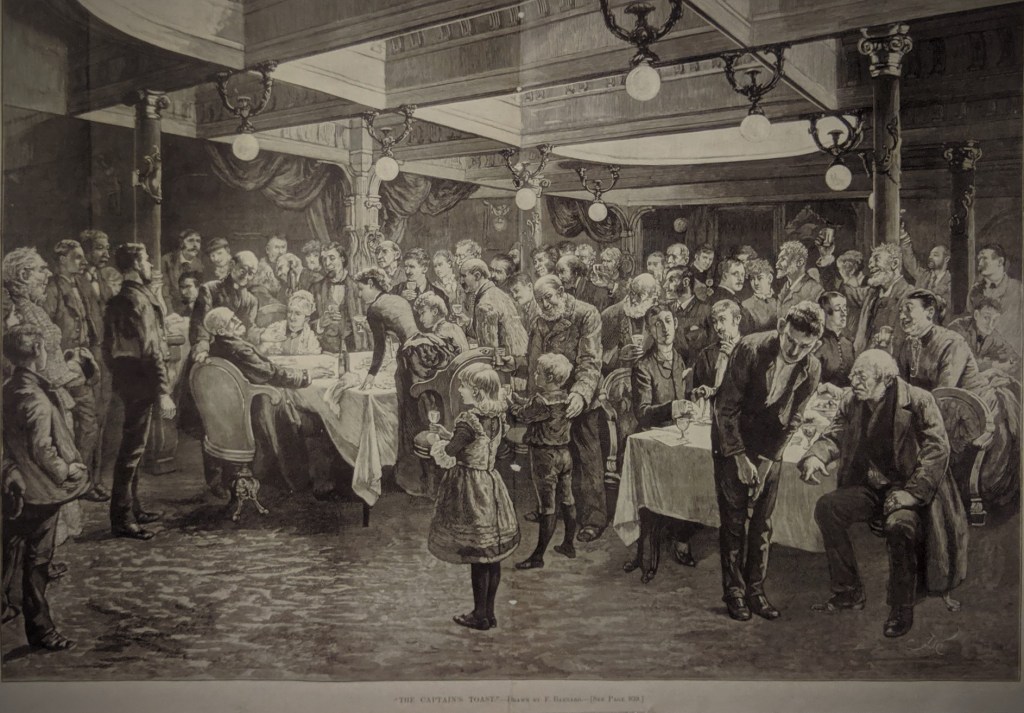
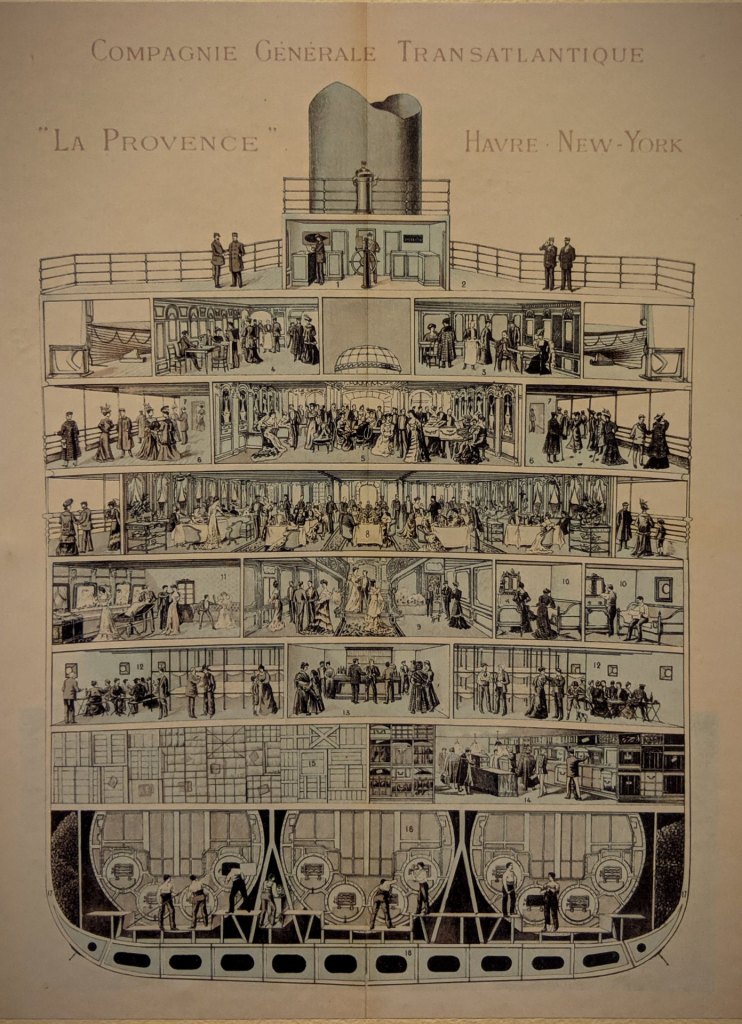
SS La Provence, 1905 || Charles Verne (active ca. 1890-1910) || paper, ink


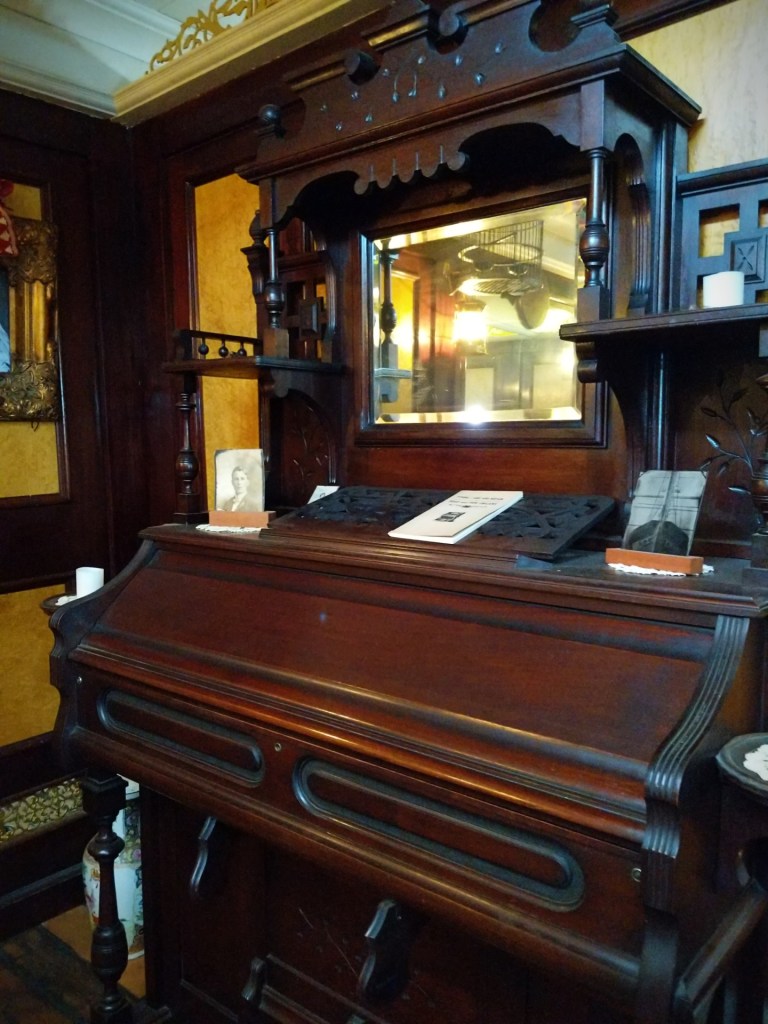
Family life at sea: it was not uncommon for the ship’s Master to bring his family aboard. With many voyages lasting months or years, the only way to keep the family together was to bring them on the journey. The captain’s family lived aft, in the cabins off the saloon, and dined with the captain. Children were occasionally born at sea and, in these cases, often spent their formative years away from land.

While captains’ wives typically had on official duties, there are a number of examples of women aboard ships learning navigation, and in one case even taking command of the ship when the captain fell ill.


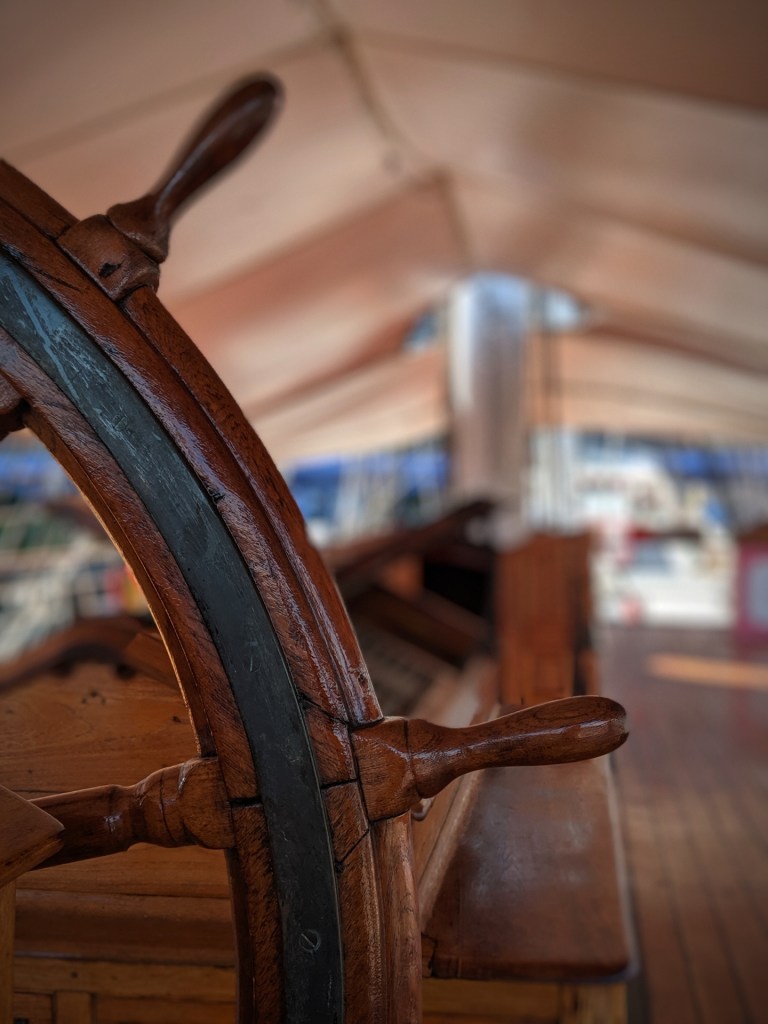
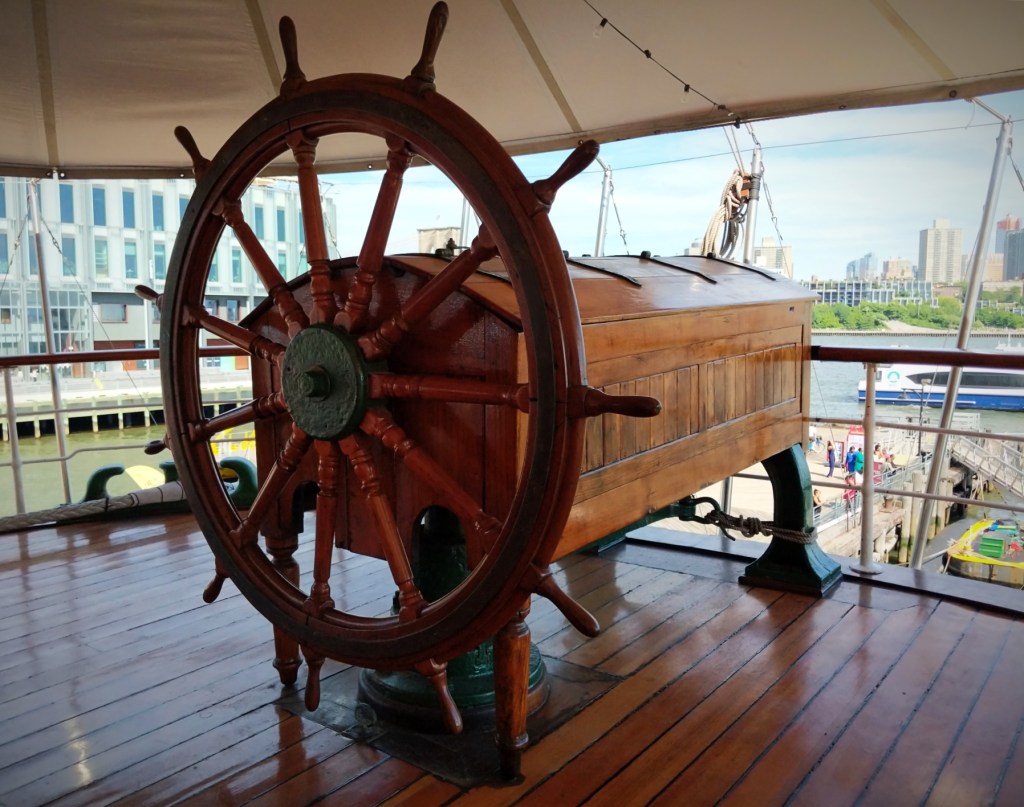
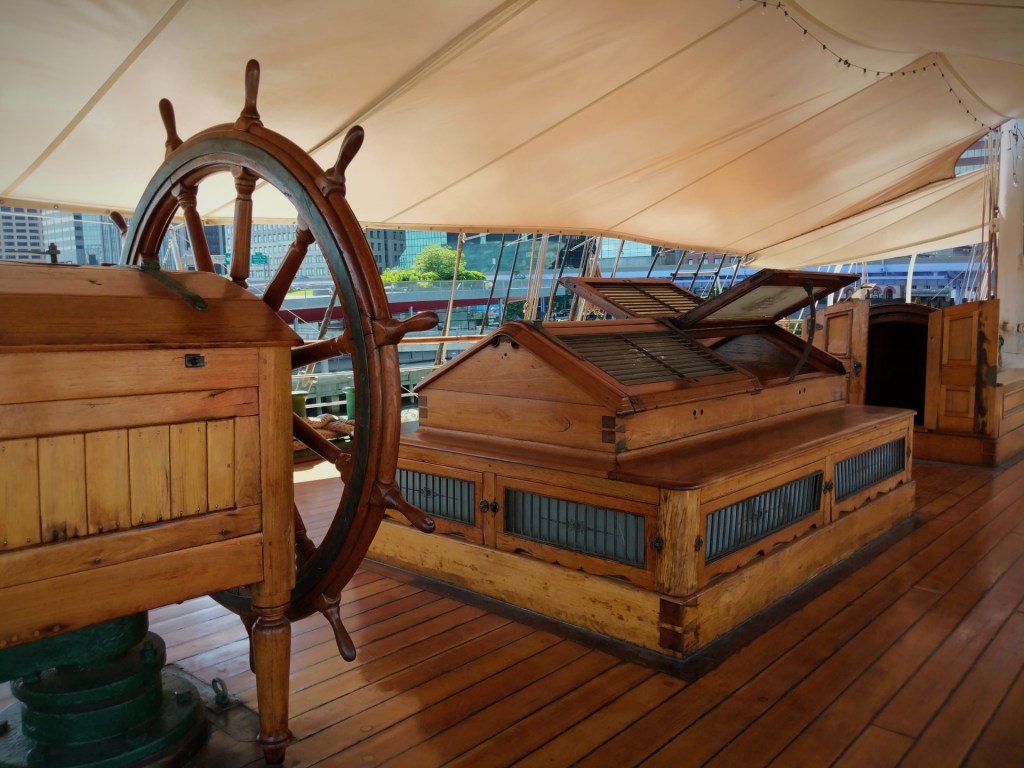
The ship’s wheel is located here so as to be mechanically close to the rudder, which is directly underneath the gear box. The gear box contains the worm gear and mechanisms that connect the wheel to the rudder. This wheel, which is original to Wavertree, is unusual for its odd number of spokes.


The poop deck, also called the quarterdeck, is the raised deck in the stern of the ship. The term ”poop deck” has its roots in the French word for the stern, la poupe – and not in what you thought (I did too)…


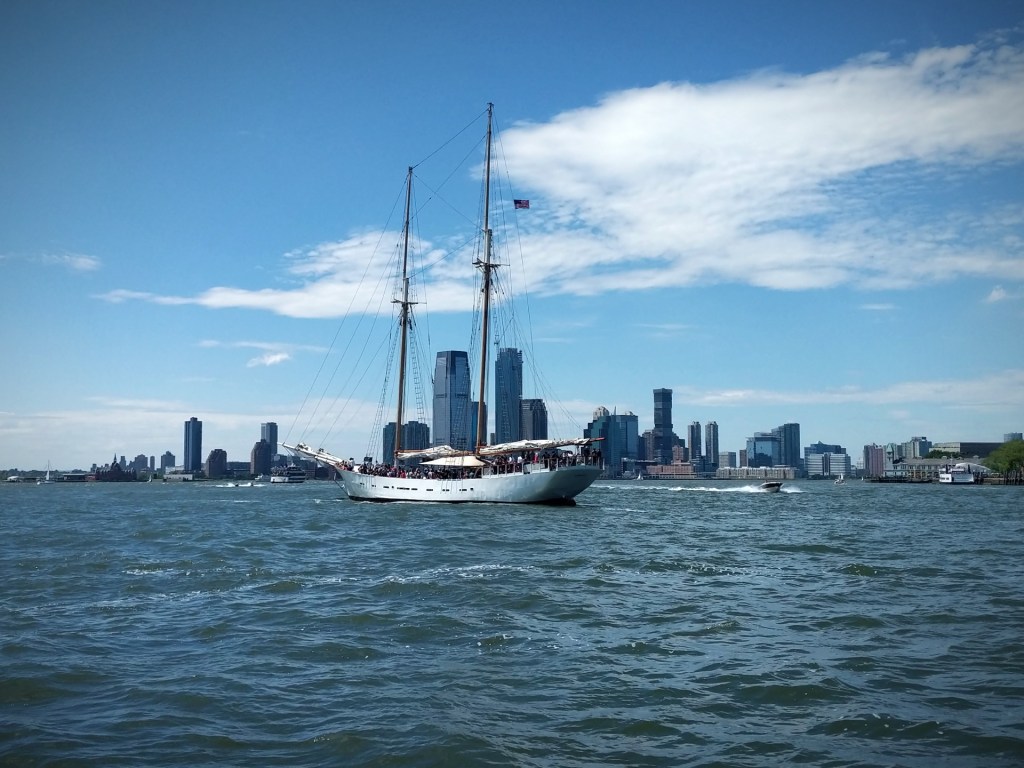
Touring the 1885 tall ship Wavertree, flagship of the Seaport Museum fleet.

South Street Seaport Museum

June 15th, 2019
Everything That Happened and Would Happen

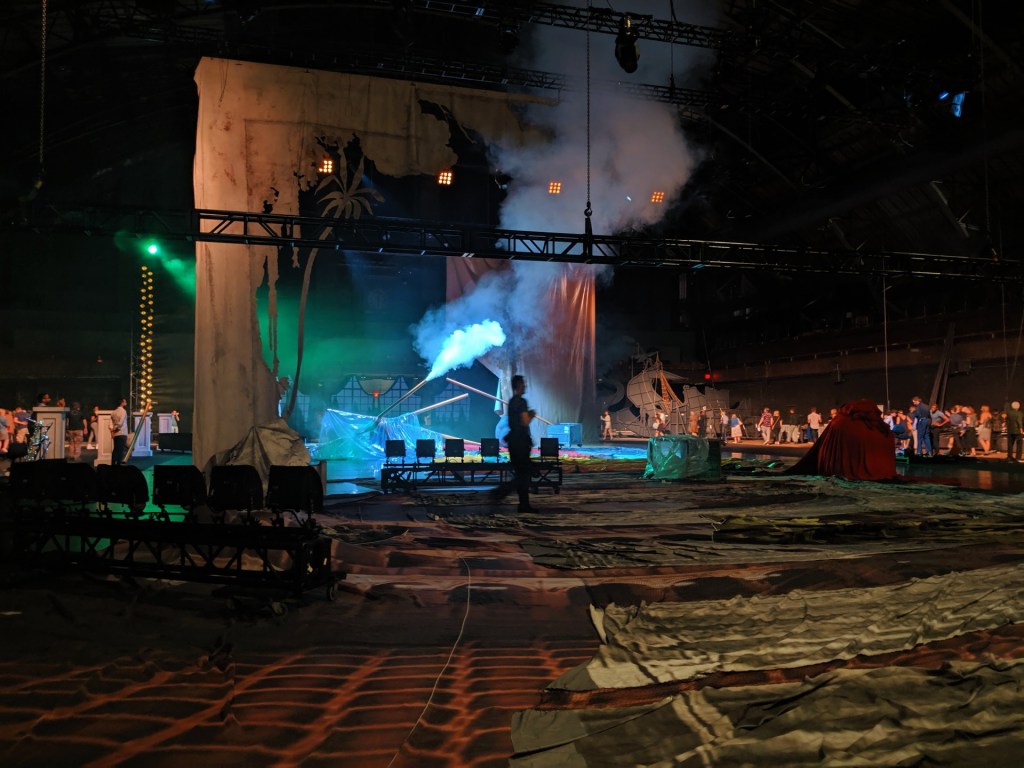
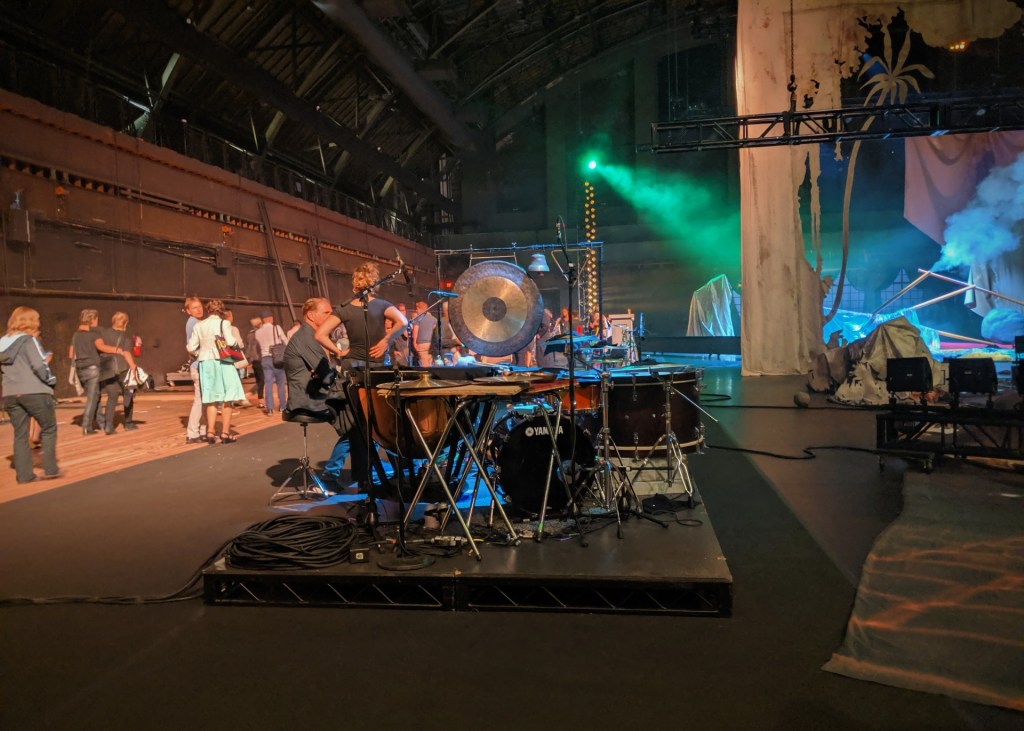
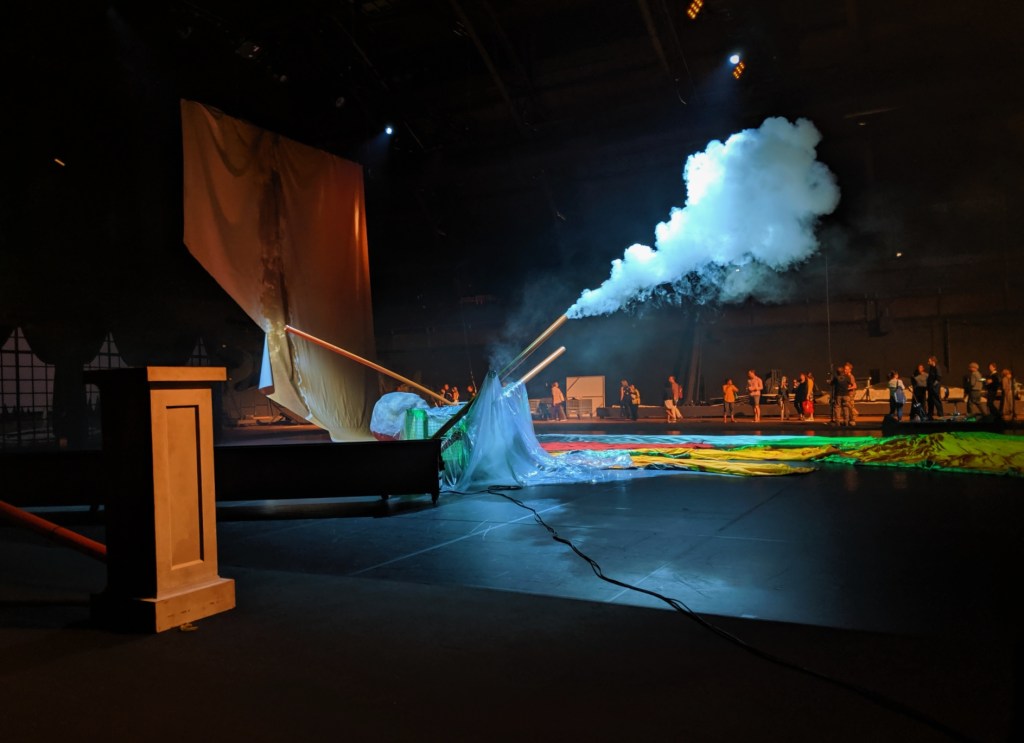
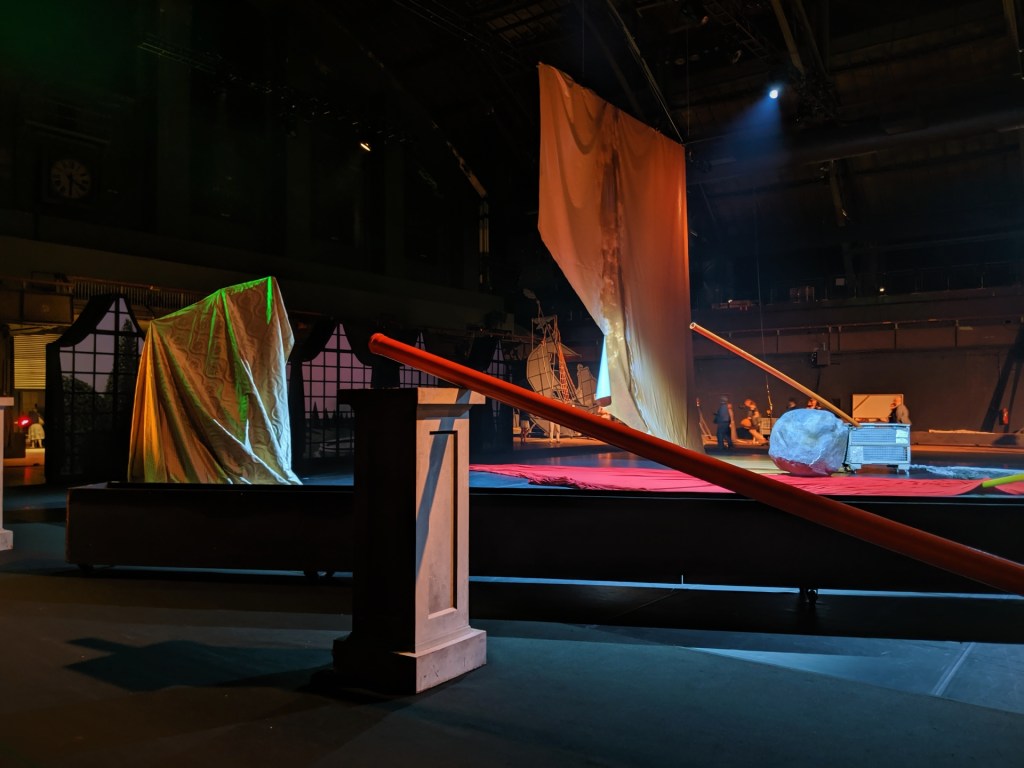
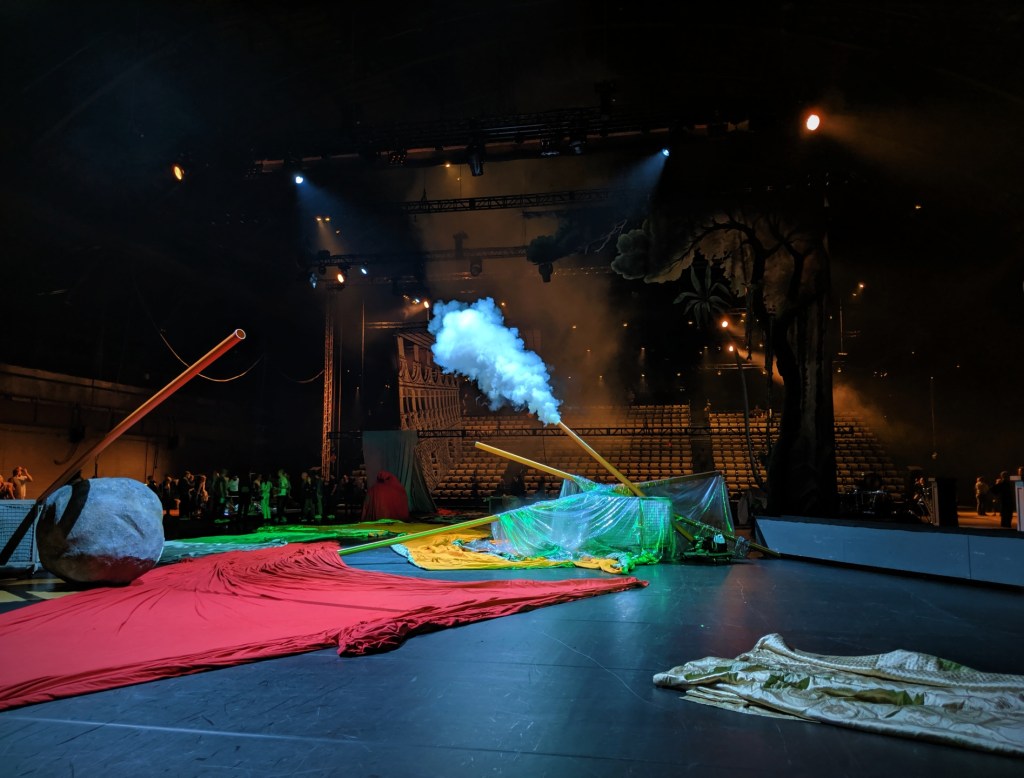
Post-performance chaos, after the North American premiere of the epic production by artist and composer Heiner Goebbels, which poetically explored the re-enactment of history through performance, sound, movement, and moving image, a work commissioned by the Park Avenue Armory. Binding the pieces together were snippets from Patrik Ouředník’s 2001 Europeana: A Brief History of the Twentieth Century, read by the actors in different languages throughout the play (the book has been published in more than 30 languages). I was surprised to hear Greek being read, particularly because I couldn’t find a Greek name among the cast.

Everything That Happened and Would Happen

Park Avenue Armory

June 7th, 2019

Orlando @Aperture

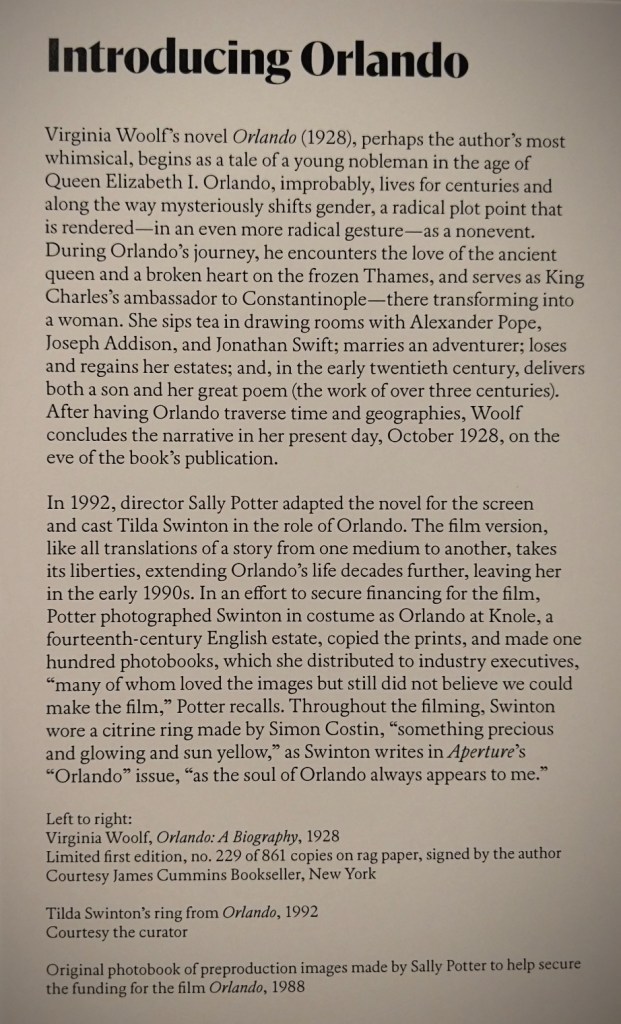
Twenty-seven years after starring in Orlando, a film adaptation of Virginia Woolf’s 1928 novel, Tilda Swinton became a guest-editor in the Aperture 235 – Summer 2019 issue, and curator of an accompanying exhibition around the theme of the gender fluid, extraordinary character that is Orlando.

Some days ago we saw Tilda Swinton in conversation with B. Ruby Rich. Today, time for the exhibition.

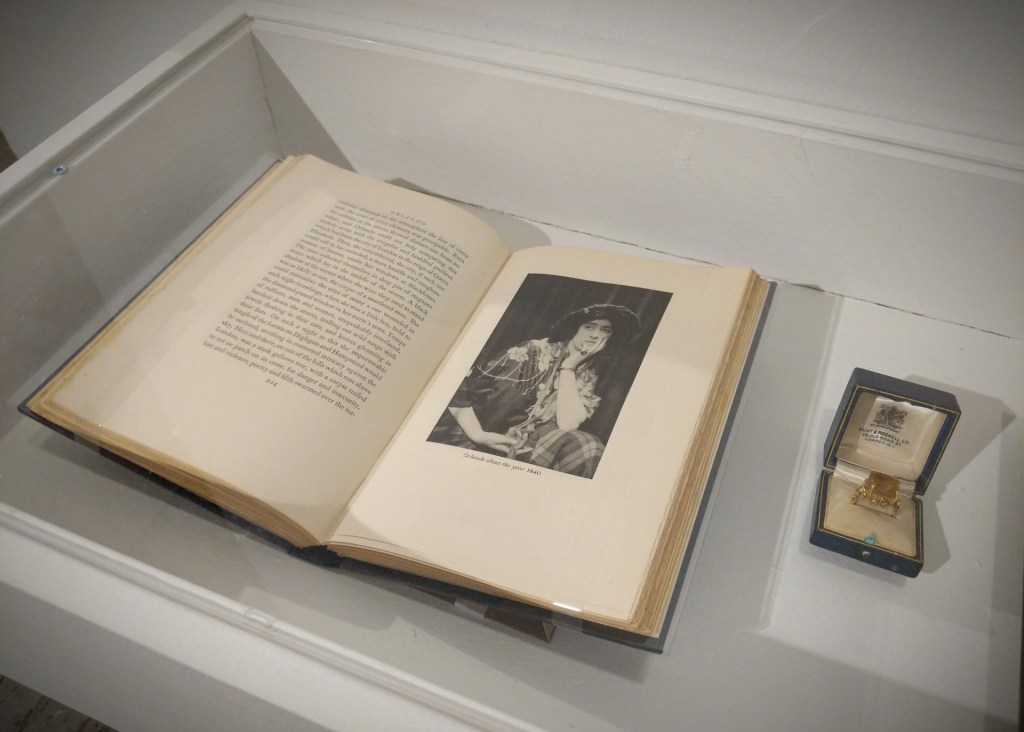
Virginia Woolf, Orlando: A Biography, 1928 & Tilda Swinton’s ring from Orlando, 1992
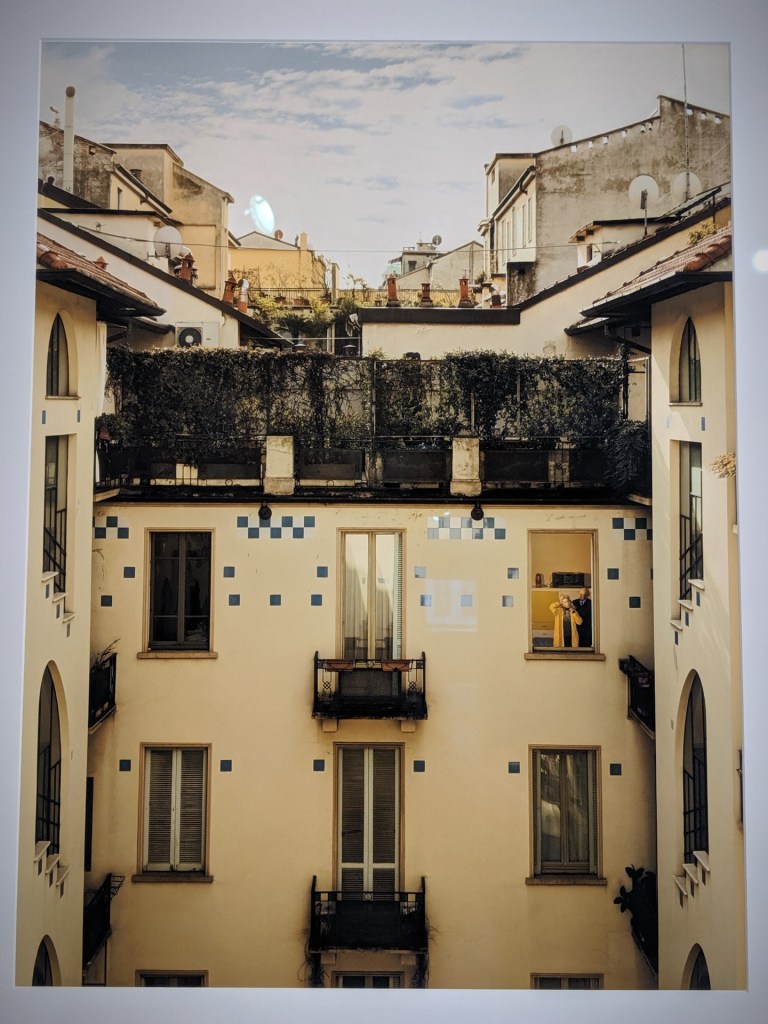
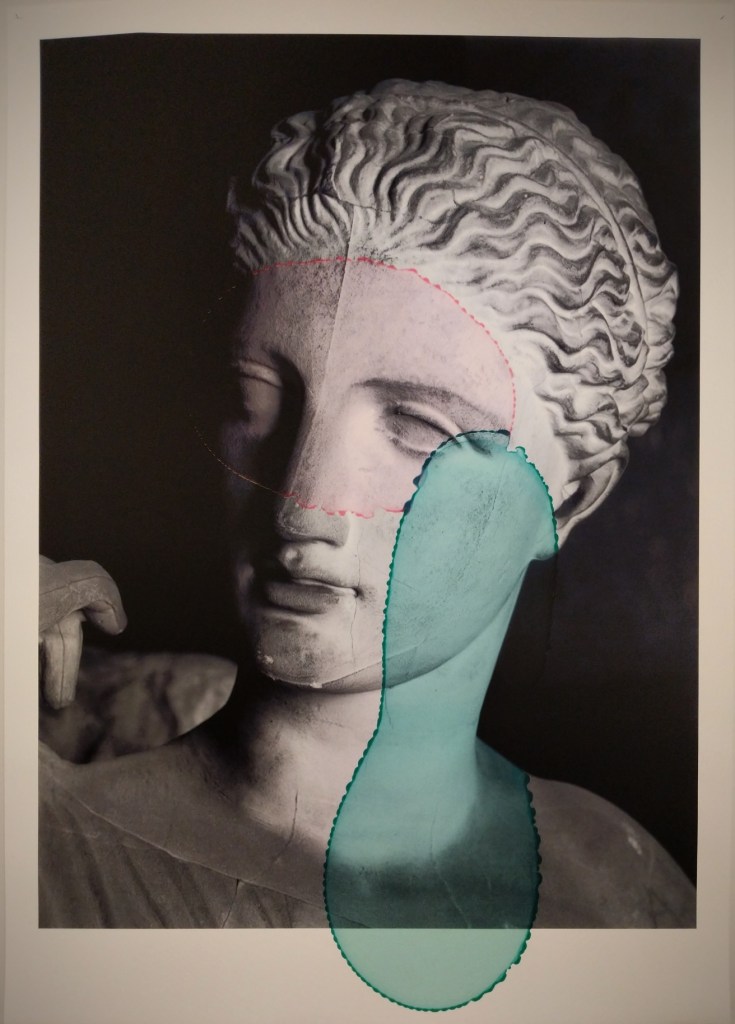
Gail Albert Halaban || Necklace, Via Pietro Maestri, Milan, February 2017
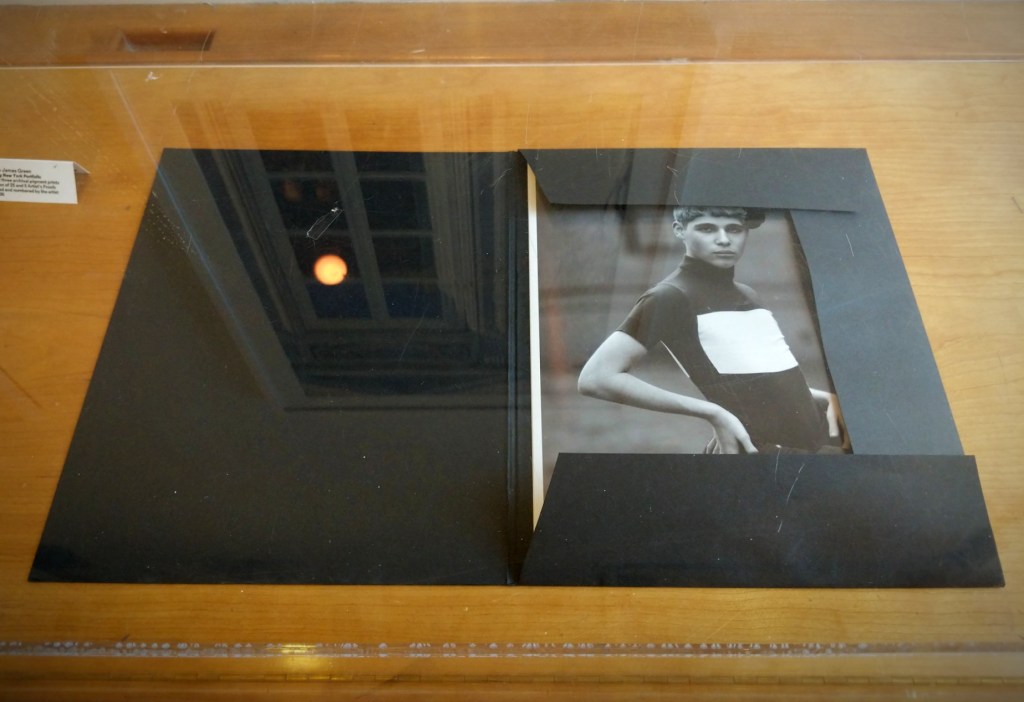
Ethan James Green || Young New York Portfolio
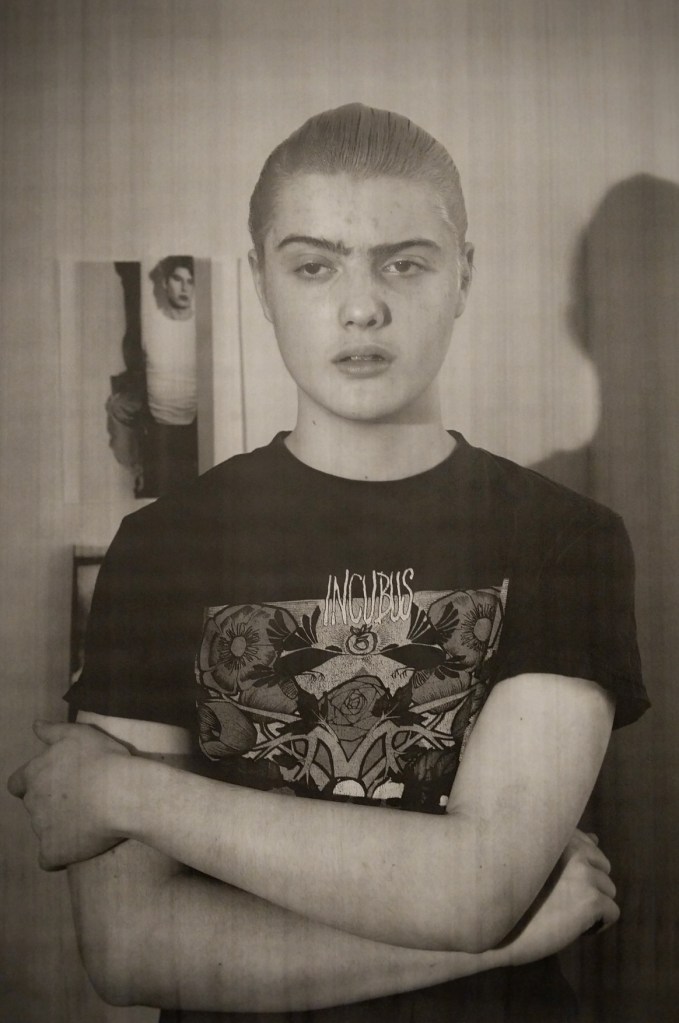
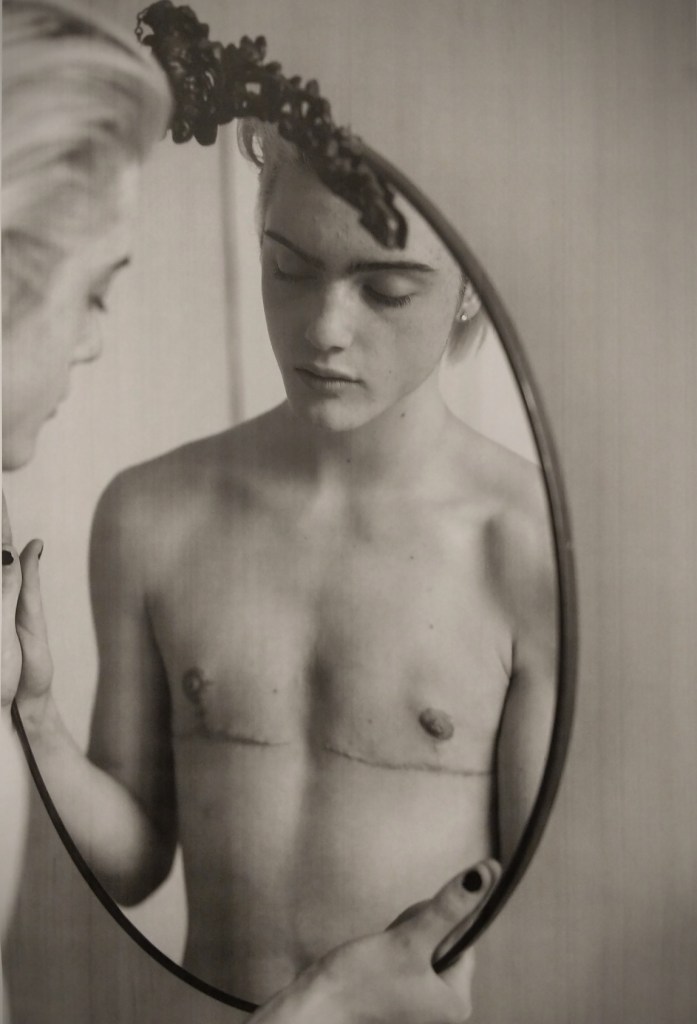
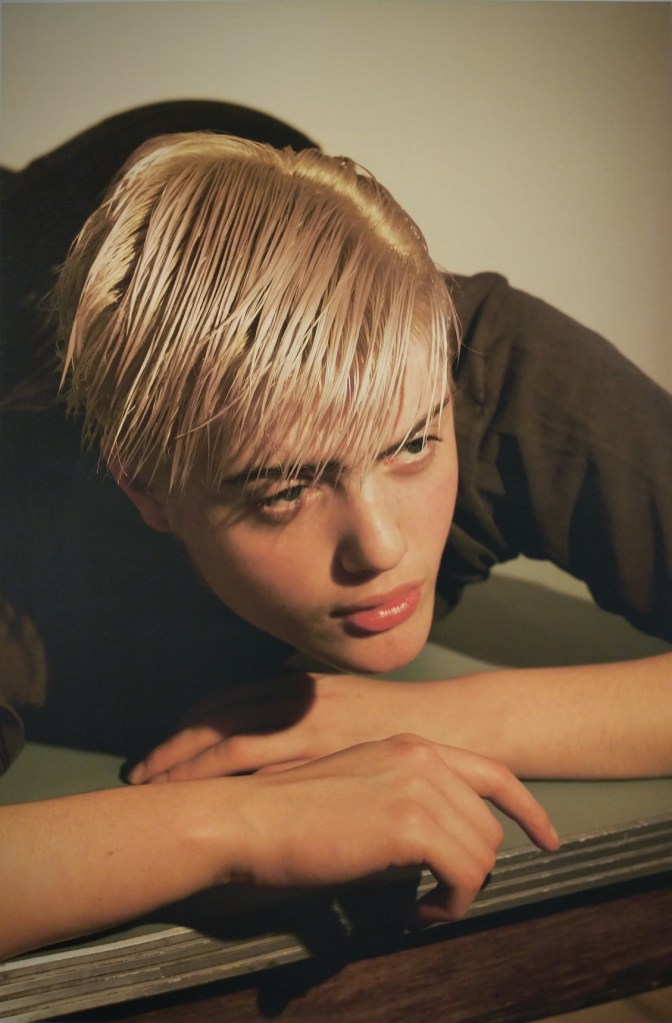
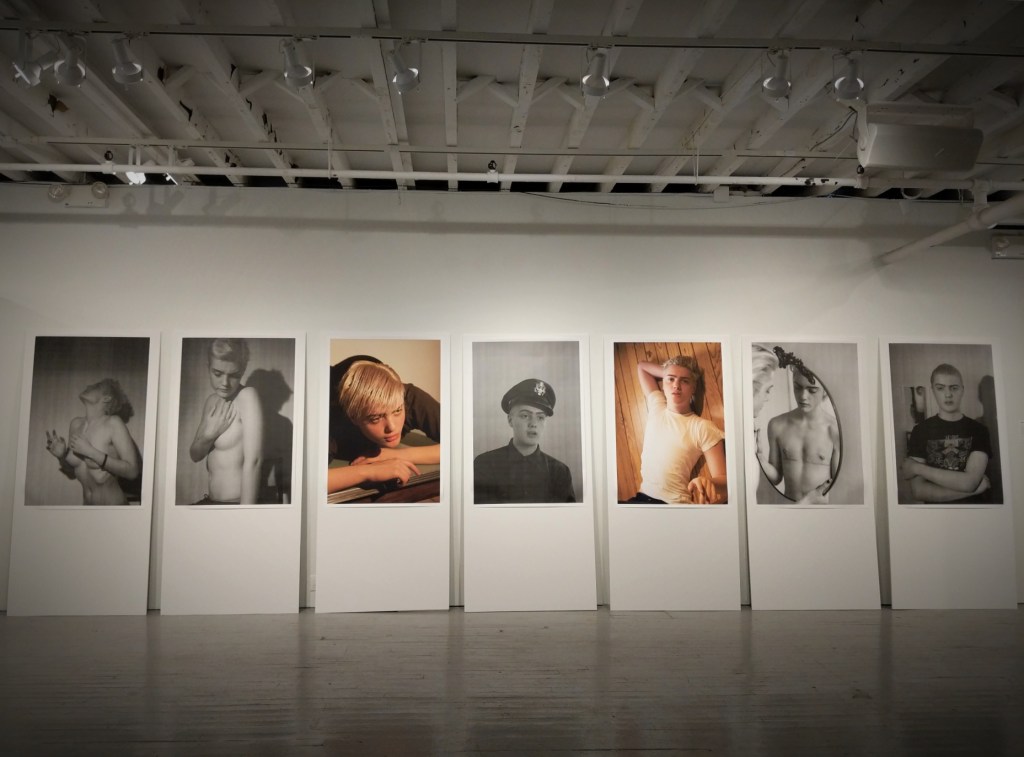
Collier Schorr || Untitled (Casil), 2015-18

Collier Schorr has long been interested in how a body changes. For several years, she followed a model named Casil McArthur, who transitions over the course of Schorr’s project Untitled (Casil) from boyish girl to girlish boy, from artist’s muse to Bowie-like chameleon. Schorr remembers meeting Casil just as Casil had begun to start modeling as a young man rather than as a young woman. When Casil first began to transition, he worried about his future as a model. But the partnership with Schorr was perfectly legible within the fashion world, with fashions moving away from his/her clothing and toward the concept of they/them. Schorr explains that Casil’s fantasmatic appeal may have changed as he transitioned, but the mystery and the enigmatic quality that a model must project remained constant.

Viviane Sassen || Penicilline, 2019 || From Venus & Mercury series, 2019
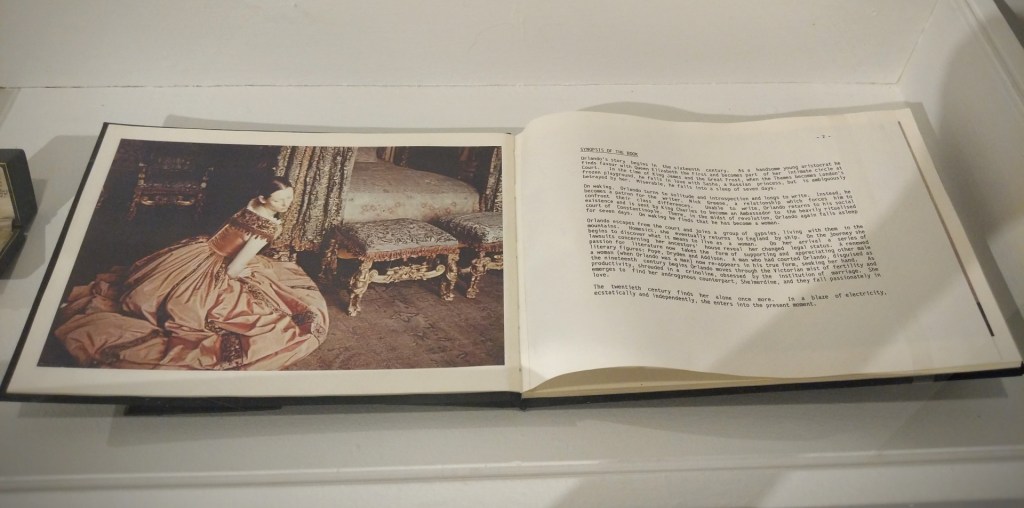
Original photobook of preproduction images made by Sally Potter to help secure the funding for the film Orlando, 1988

Aperture, New York

June 5th, 2019