Dramatic, Powerful, Emotional, Entertaining, Moving. These were some of the sentiments most likely shared by the museum’s visitors as they walked through the galleries, in pursuit of truth.
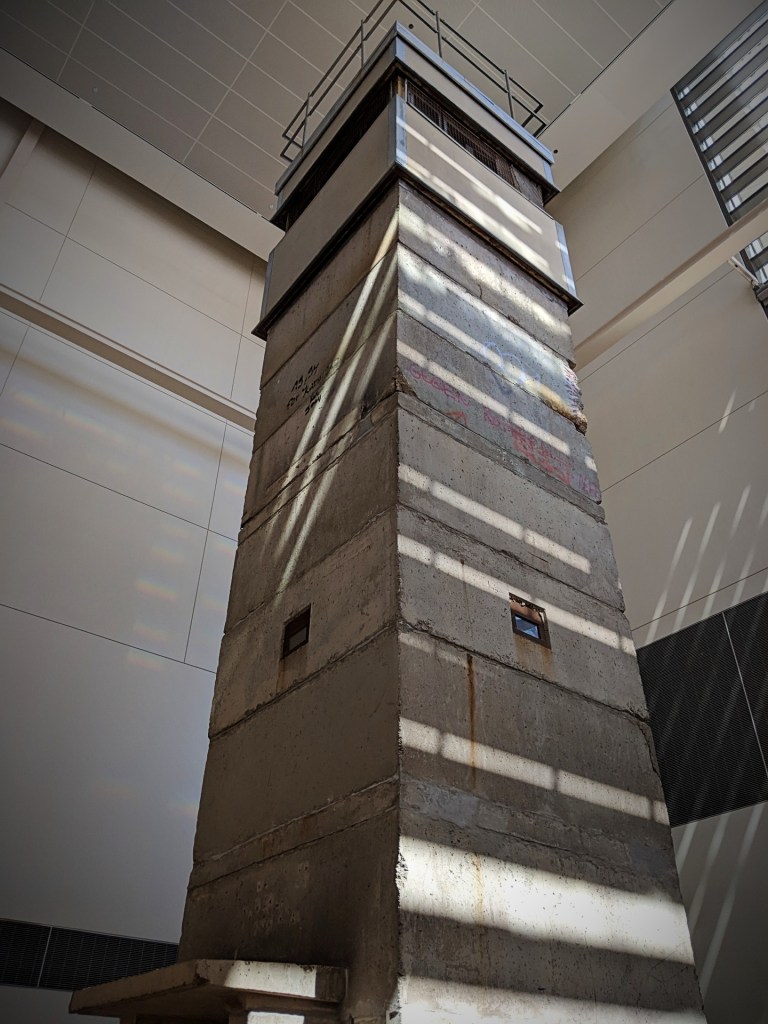
Death Tower
The environs of the Berlin Wall bristled with lethal restraints – bunkers, anti-tank trenches, razor wire an, most ominous of all, three-storey towers to house armed guards and searchlights. About 300 towers were built in East Berlin along its border with democratic West B erlin. This one stood at Stallschreiberstrasse, less than a mile from Checkpoint Charlie, Berlin’s best-known East-West crossing.
The guard tower was a gift in 1994 of the Checkpoint Charlie Museum in Berlin. Its transfer to the Newseum was facilitated by Rainer Hildebrandt, the museum’s director and founder. He feared the towers would be lost to commercial development. He was correct. Today only a few towers survive. This is the only one in the United States.
What’s So Funny?
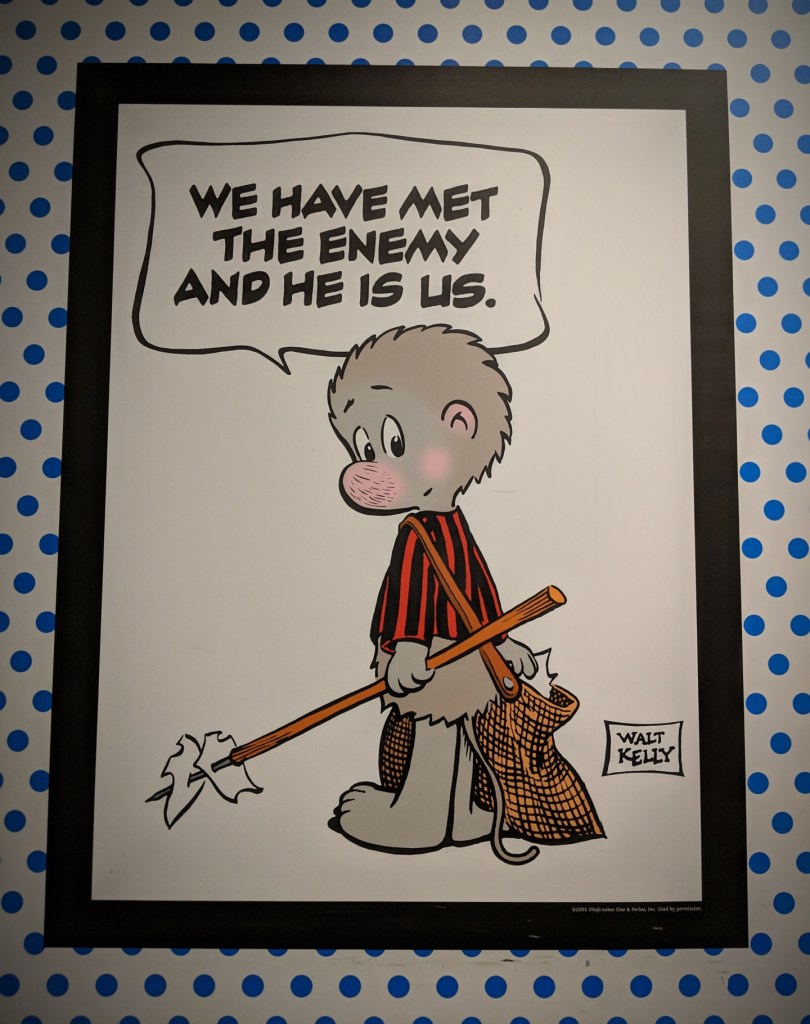
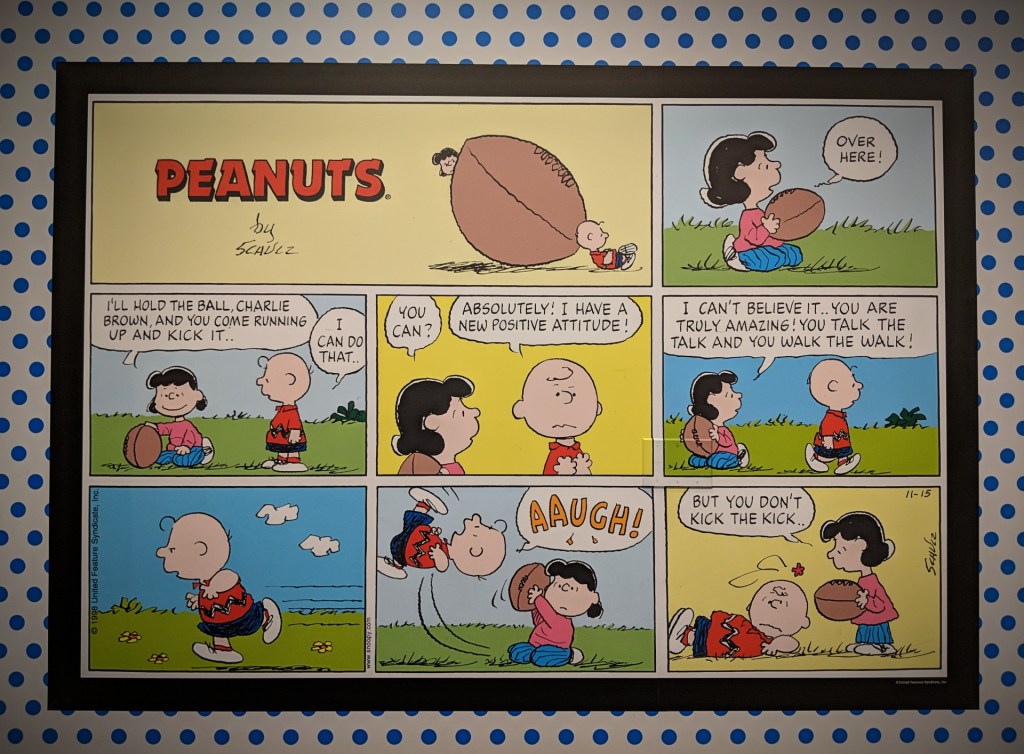
These familiar faces are but a few of the newspaper comic-strip characters that have made us laugh out loud or otherwise captivated us for more than a century. More than just ”the funnies”, comic strips document our cultural history, offer social and political commentary, stir controversy, and provide a daily dose of humour, adventure or drama.
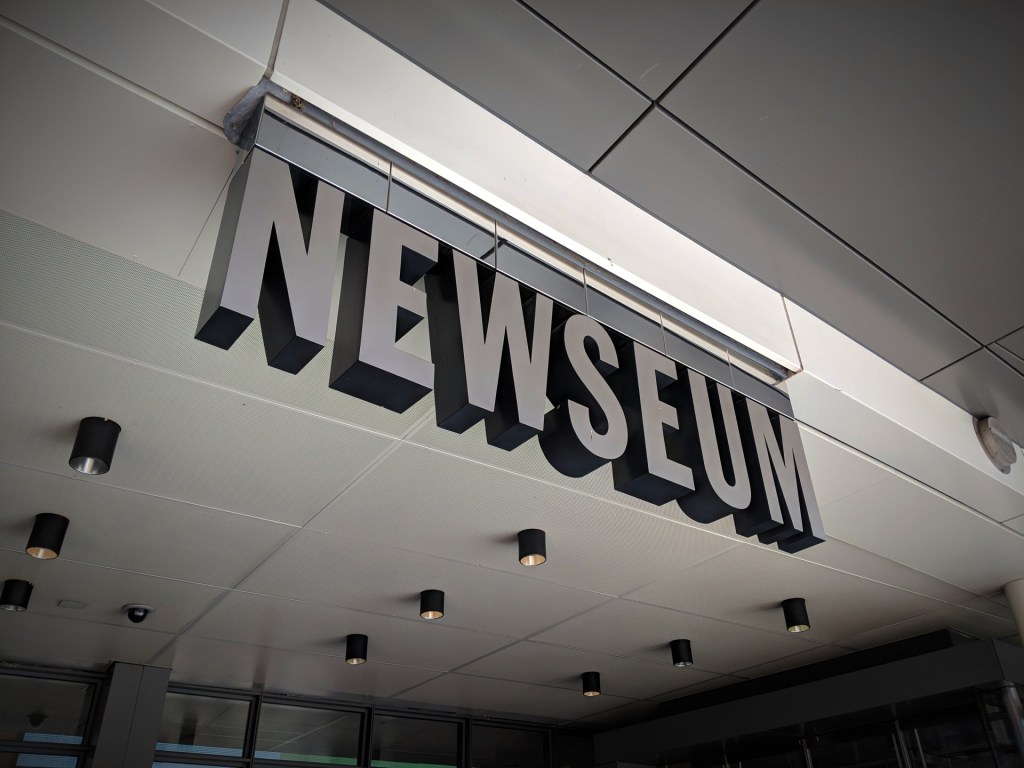
For 22 years, the Freedom Forum educated people about the five freedoms of the First Amendment and the importance of a free and fair press through an innovative interactive museum called the Newseum.
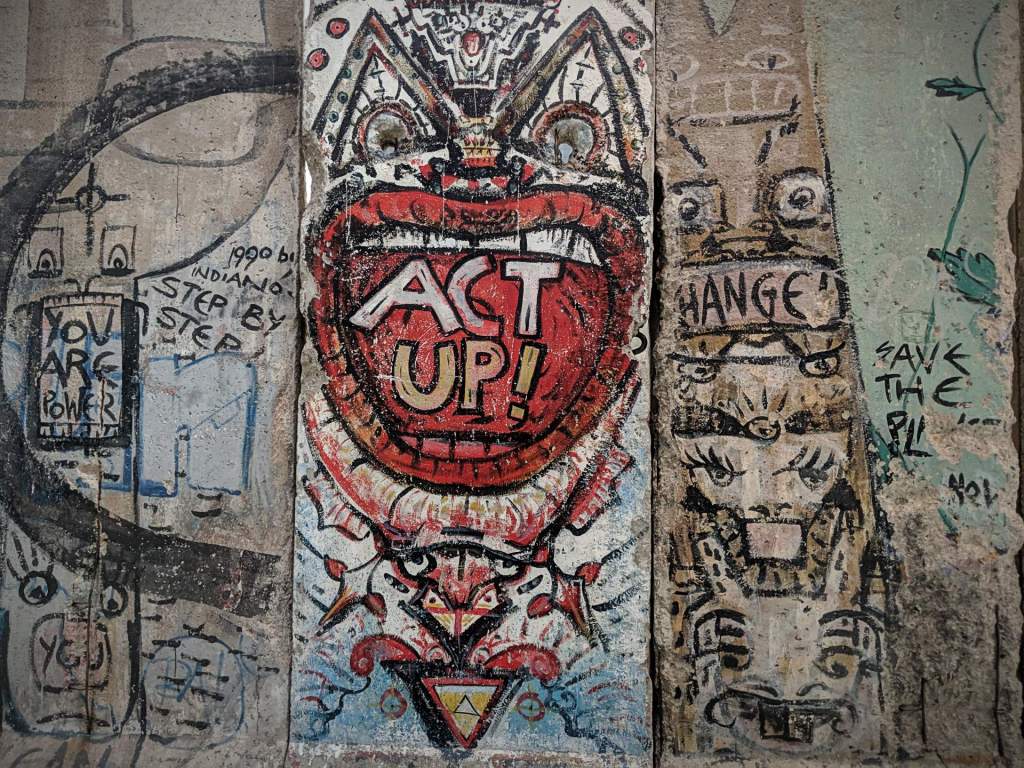
The brainchild of Freedom Forum and USA TODAY founder Al Neuharth, the first Newseum was located in Rosslyn, Va., just outside Washington, D.C., from 1997-2002. It featured eight sections of the Berlin Wall, a gallery of Pulitzer Prize-winning photographs and the News History Gallery, displaying 500 years of print news history. Interactive exhibits invited visitors to weigh in on ethical debates journalists face, and play TV anchor in the Be a TV Reporter experience.
At the Newseum, visitors experienced the story of news, the role of a free press in major events in history, and how the core freedoms of the First Amendment — religion, speech, press, assembly and petition — apply to their lives.
After five successful years in Rosslyn, the Freedom Forum purchased a prominent location on historic Pennsylvania Avenue in Washington, D.C., enlisting award-winning architect James Stewart Polshek to design a building, with exhibits by Ralph Appelbaum.
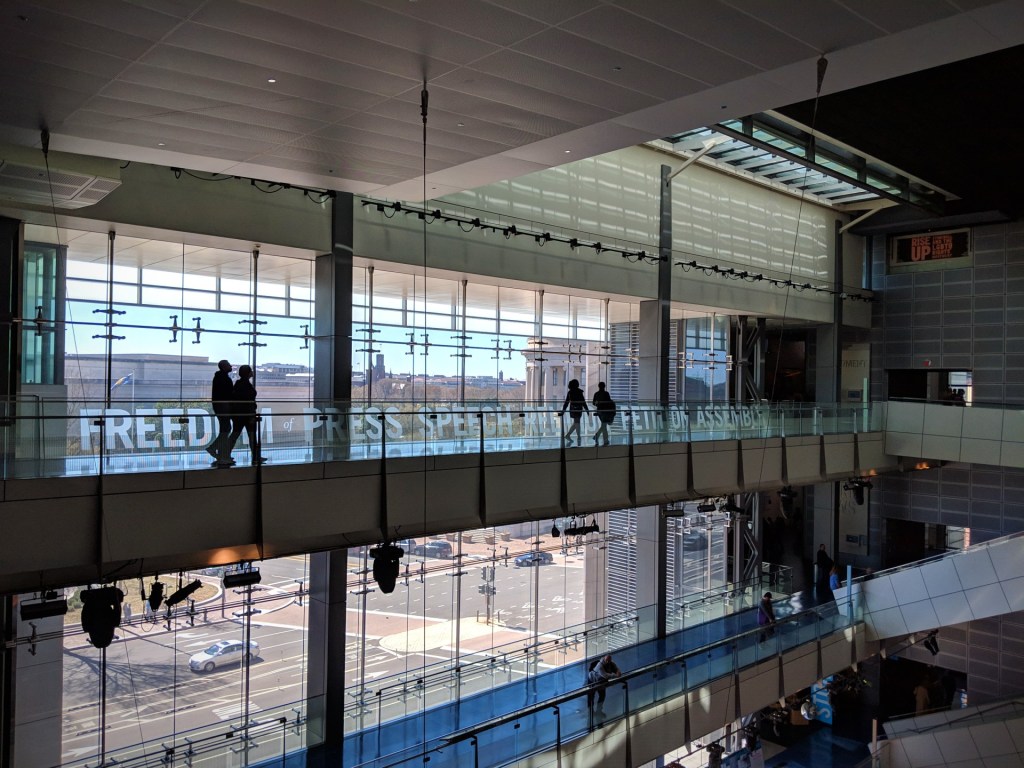
Located halfway between the White House and the U.S. Capitol, the building made a powerful statement, the 45 words of the First Amendment etched into a 75-foot tall tablet of Tennessee marble facing Pennsylvania Avenue. With 15 galleries and 15 theaters, the Newseum opened April 11, 2008, to great fanfare. It had two state-of-the-art television studios and was a sought-after spot for conferences, weddings, movie premieres and other special events.
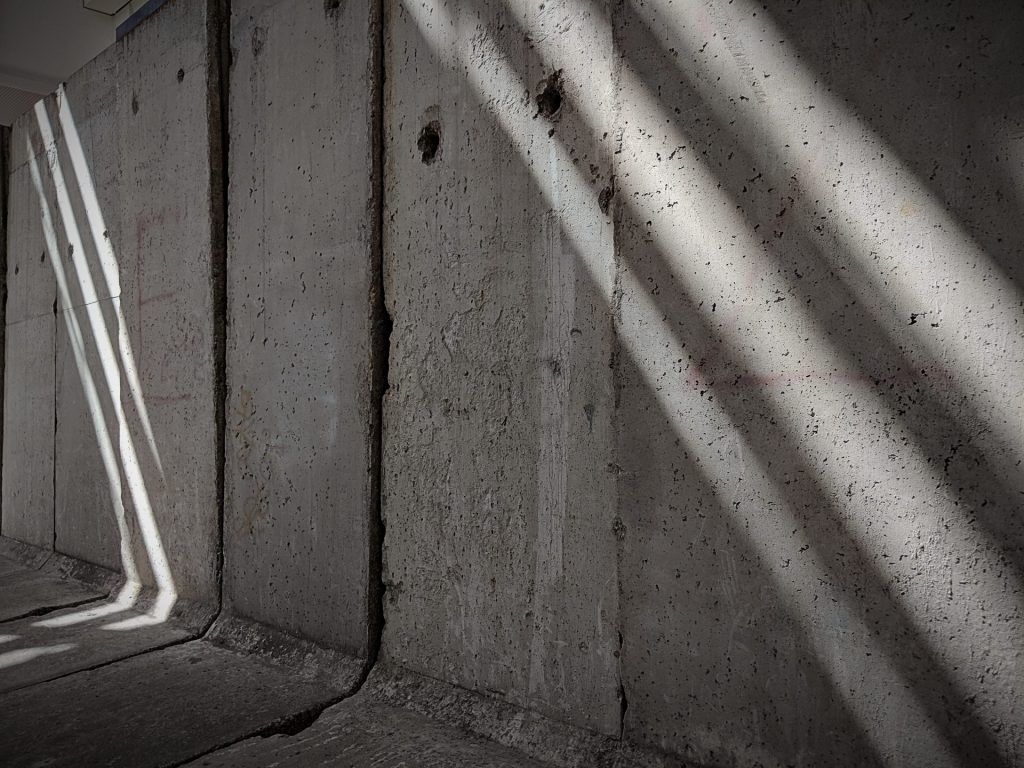
Visitors, who embraced the Newseum experience, enjoyed exhibits including the 9/11 Gallery Sponsored by Comcast, which displayed the broadcast antennae from the top of the World Trade Center; the Berlin Wall Gallery, whose eight concrete sections are one of the largest displays of the original wall outside Germany; and the Pulitzer Prize Photographs Gallery, which features photographs from every Pulitzer Prize–winning entry dating back to 1942.
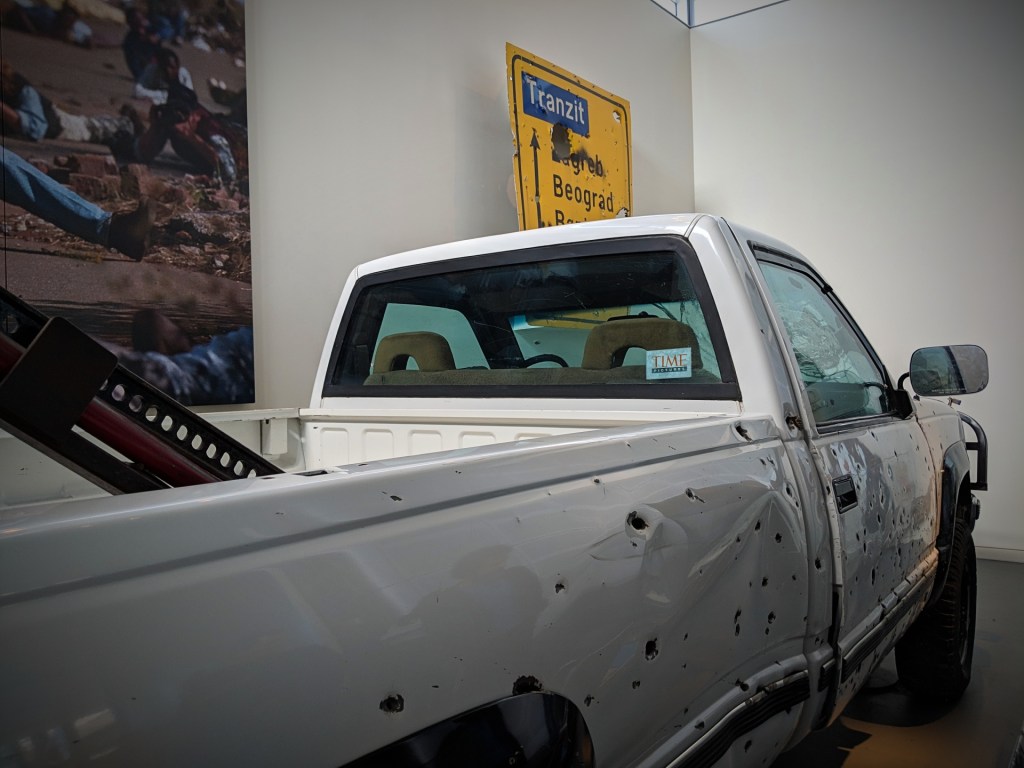
More than 60 changing exhibits explored such topics as the FBI and the press; news coverage of Hurricane Katrina; the hunt for the assassin of President Abraham Lincoln; early photographs of presidential candidate John F. Kennedy and press coverage of his 1963 assassination; major moments in the civil rights movement from 1963 to 1968; Stonewall and the rise of the LGBTQ rights movement; as well as a several exhibits featuring the winners of the prestigious worldwide Pictures of the Year competition. Exhibits focusing on popular culture and the news media included “Anchorman: The Exhibit,” based on the comedy film about women entering TV newsrooms in the 1970s, and “Seriously Funny: From the Desk of ‘The Daily Show with Jon Stewart.’”
In 2019, Time magazine named the Newseum one of the “world’s greatest places.”
But the financial obligations associated with operating the Newseum on Pennsylvania Avenue were burdensome, and in January 2019 the Freedom Forum entered into an agreement to sell the building to Johns Hopkins University. After 11 years and 11 million visitors, the Newseum closed its doors on Pennsylvania Avenue on Dec. 31, 2019. The Freedom Forum hopes to find a suitable location to serve as the Newseum’s next home but that process will take time.
The Freedom Forum will move to temporary offices in downtown Washington, D.C. in 2020, where the organization will continue to carry out its mission to foster First Amendment freedoms for all. Today, the Newseum hosts traveling exhibits that have been displayed in galleries around the globe. [source]
555 Pennsylvania Avenue, Washington, D.C.
March 23rd, 2019





 The Humble Fabulist