Then going about ”browning the white cube”.
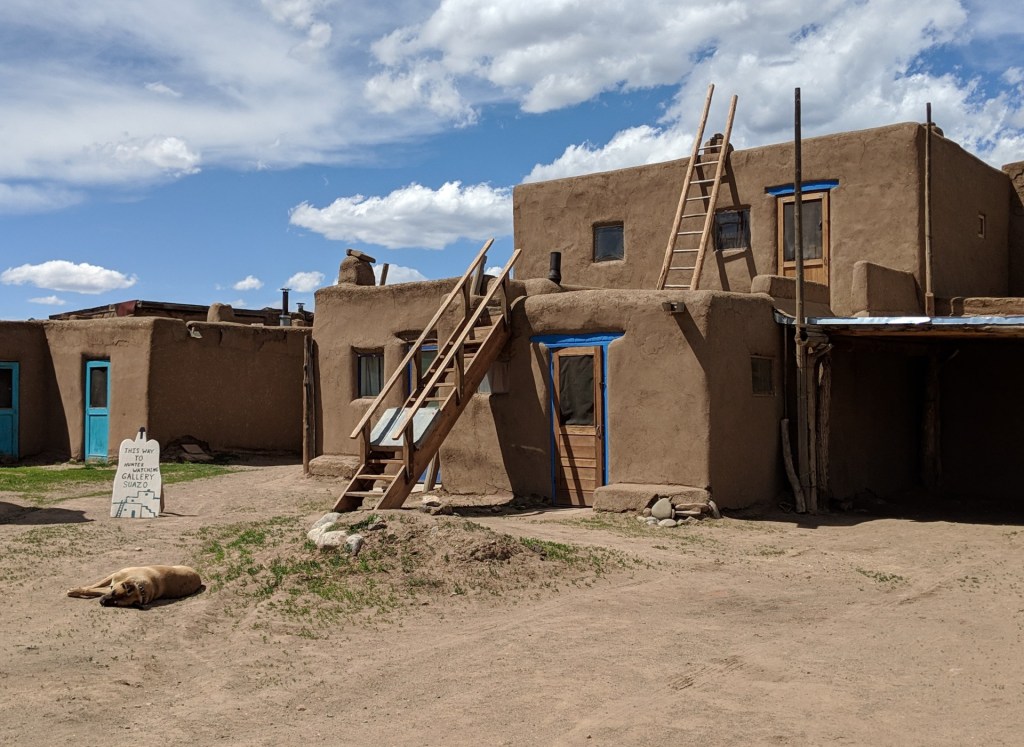
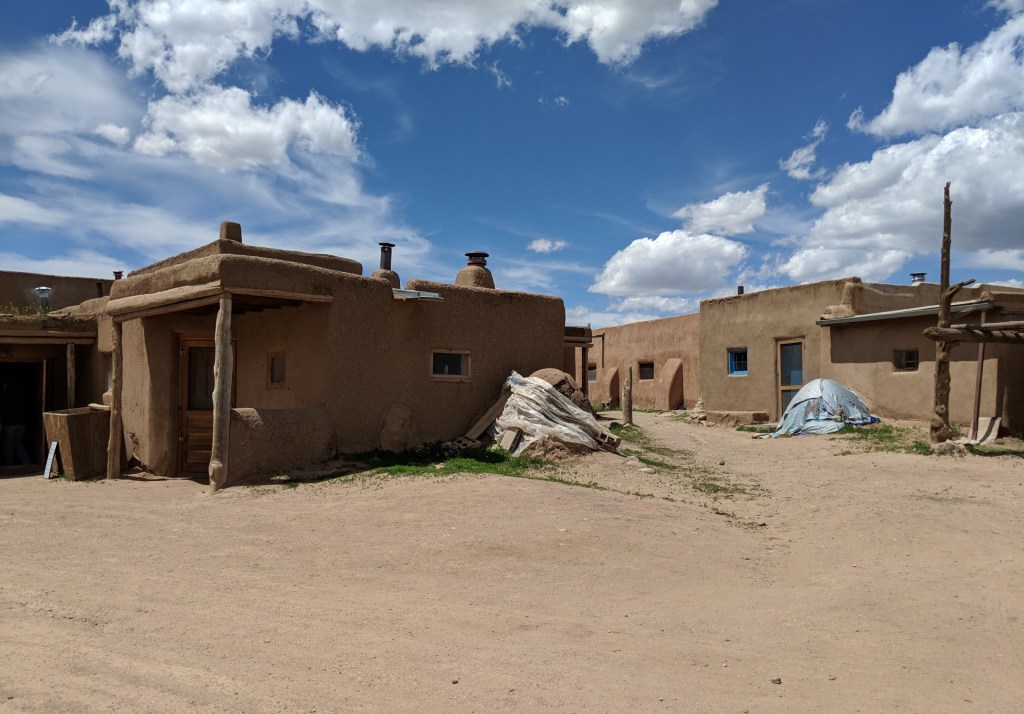
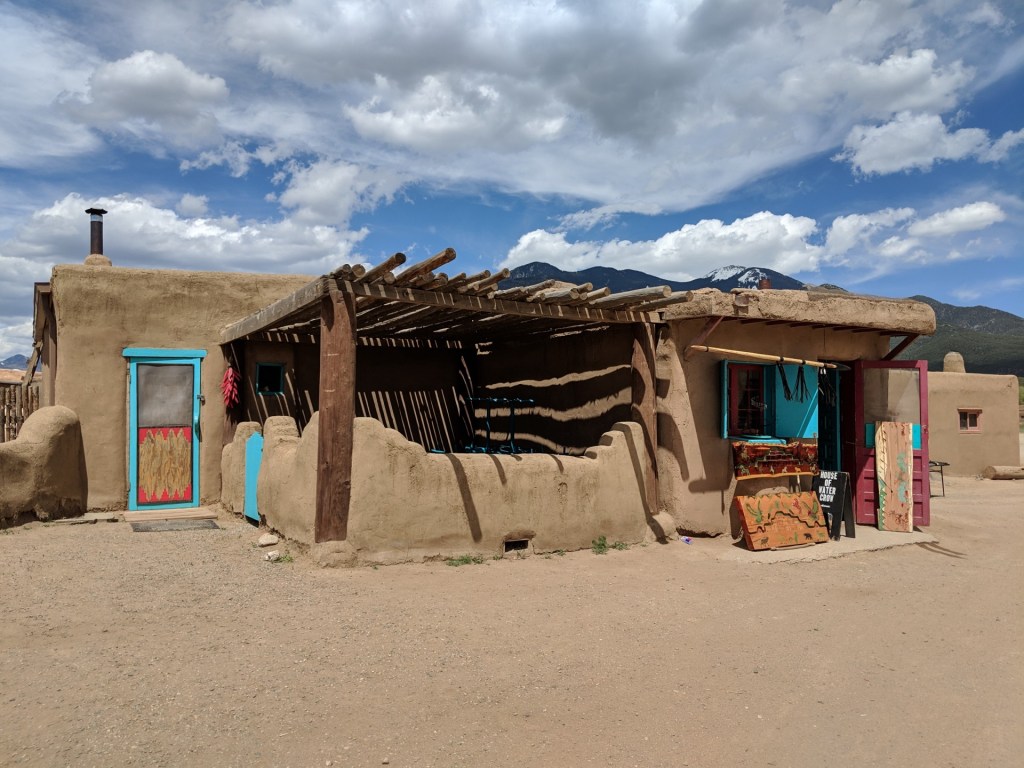
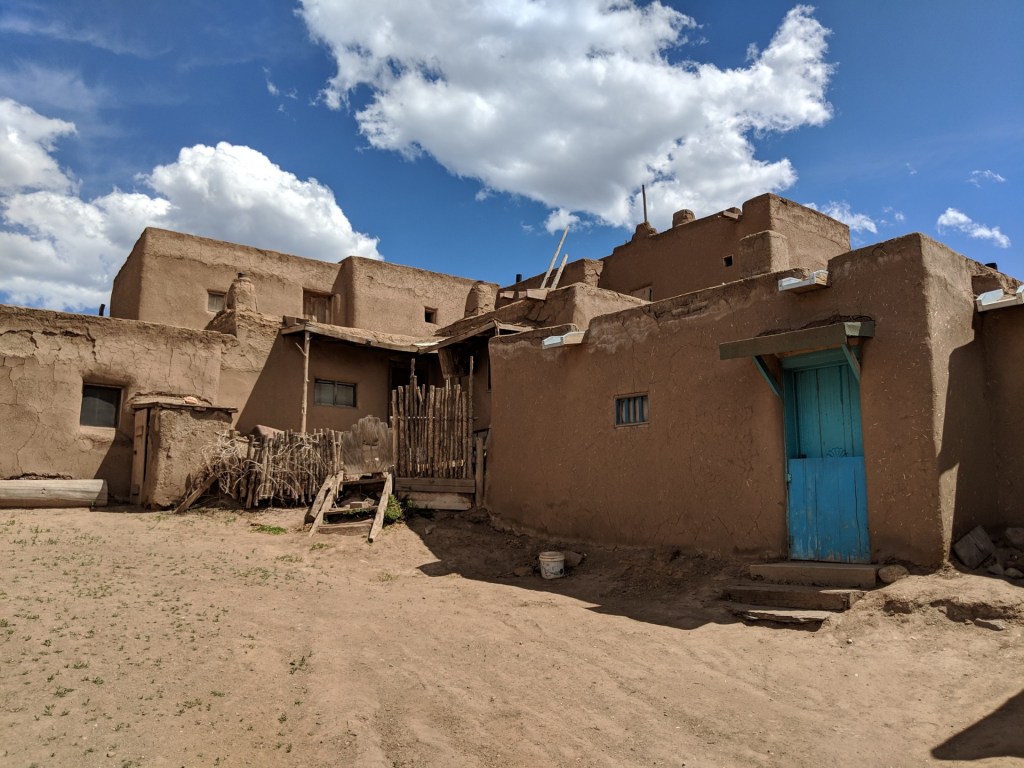
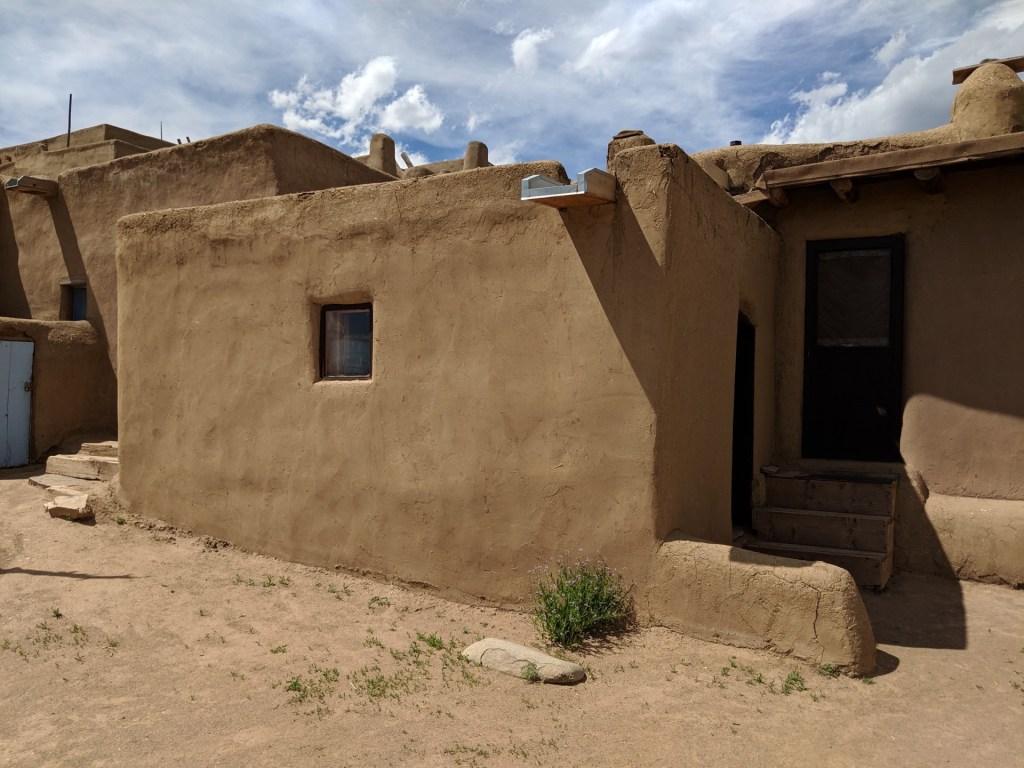
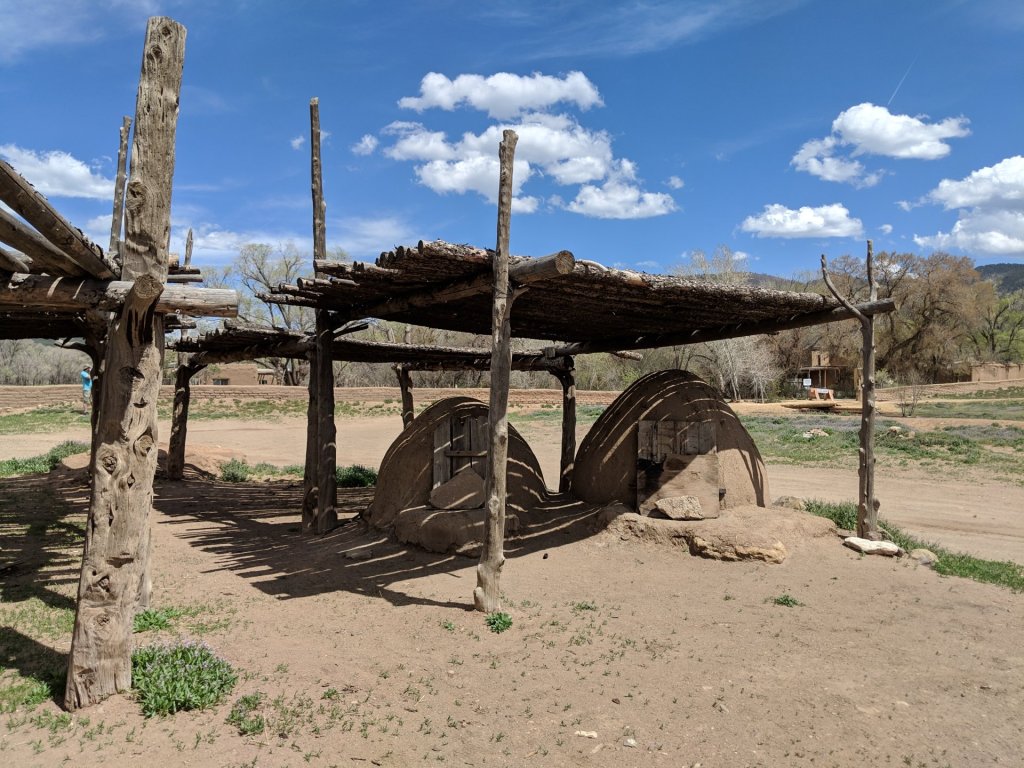
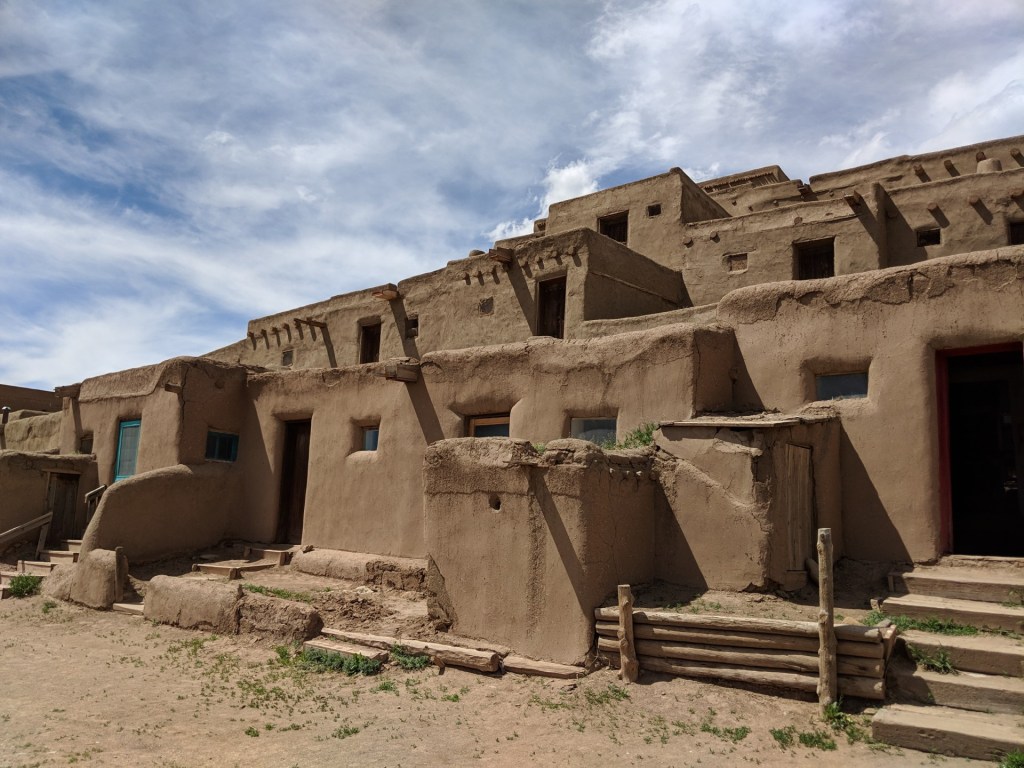
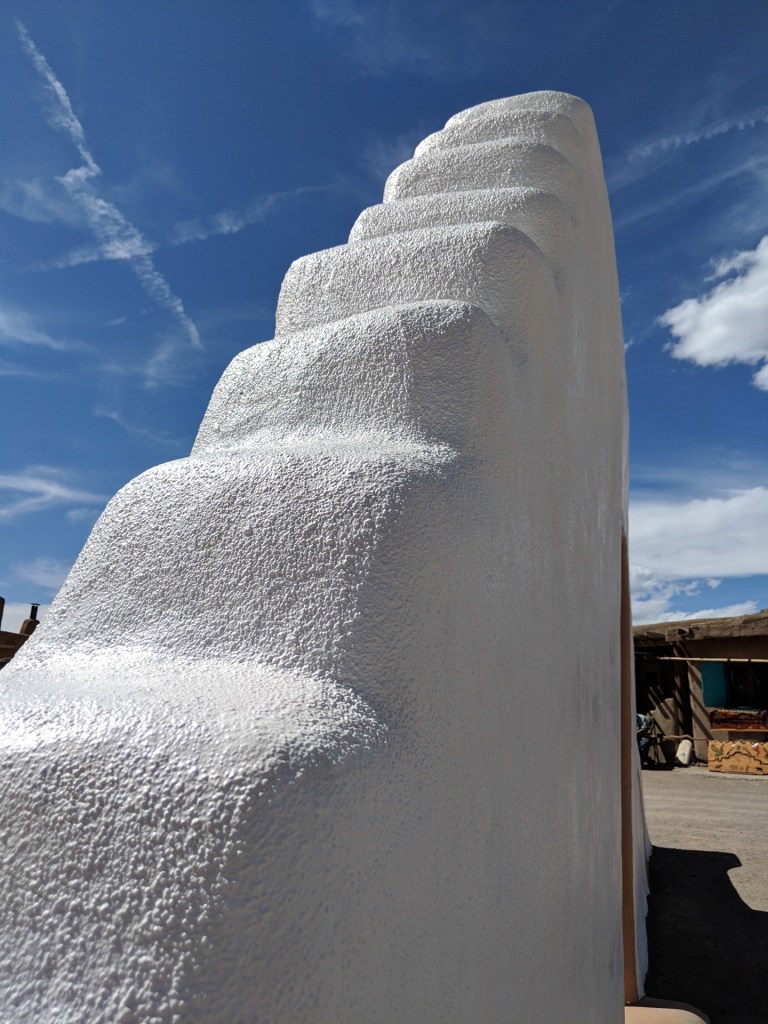
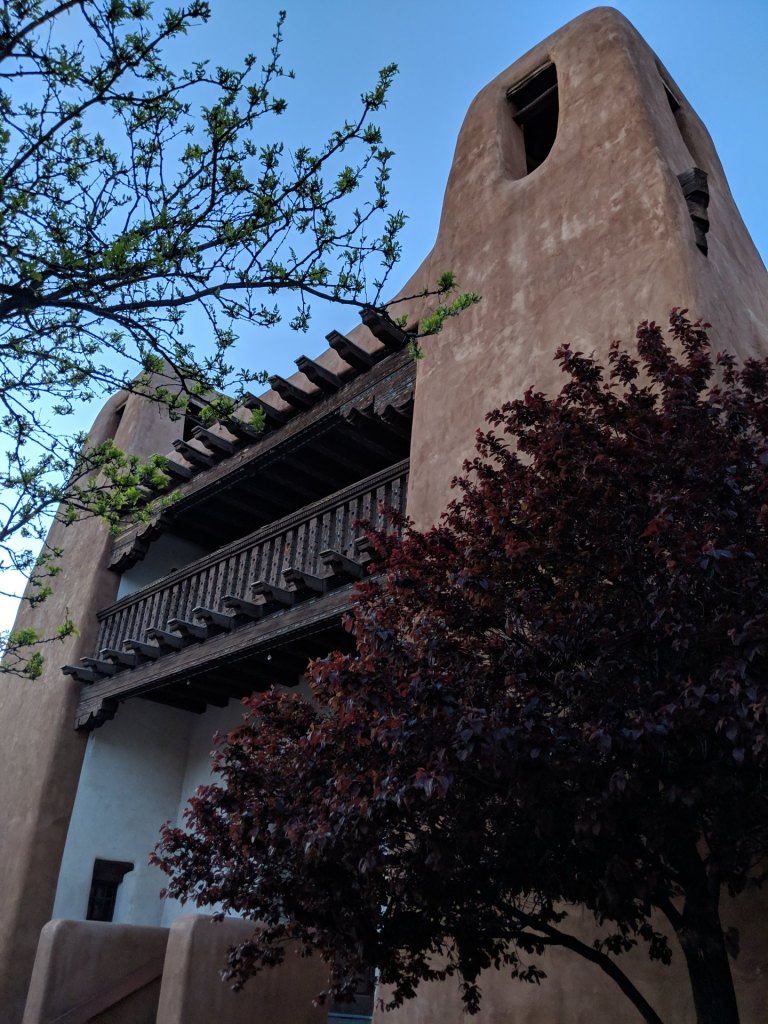
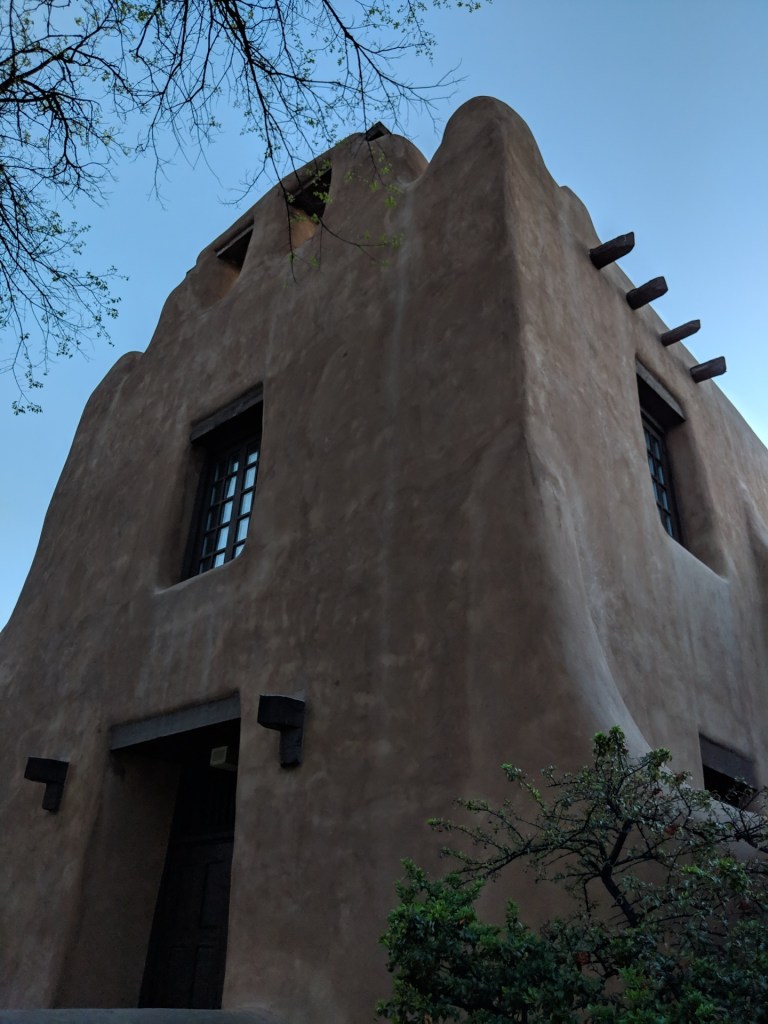
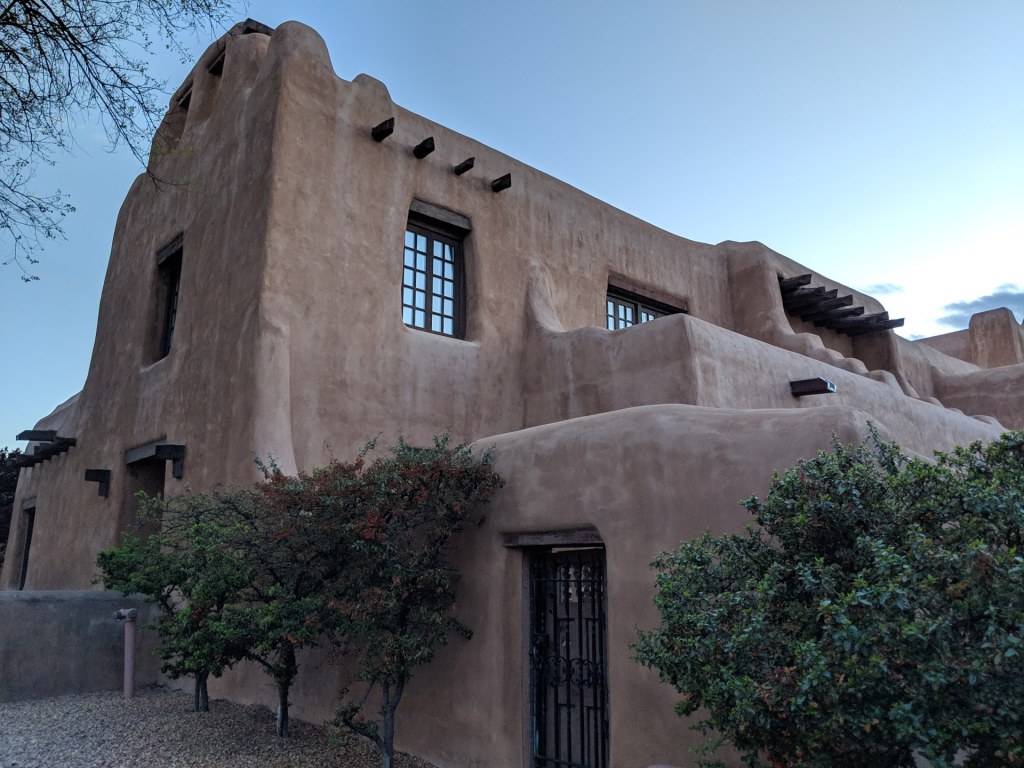
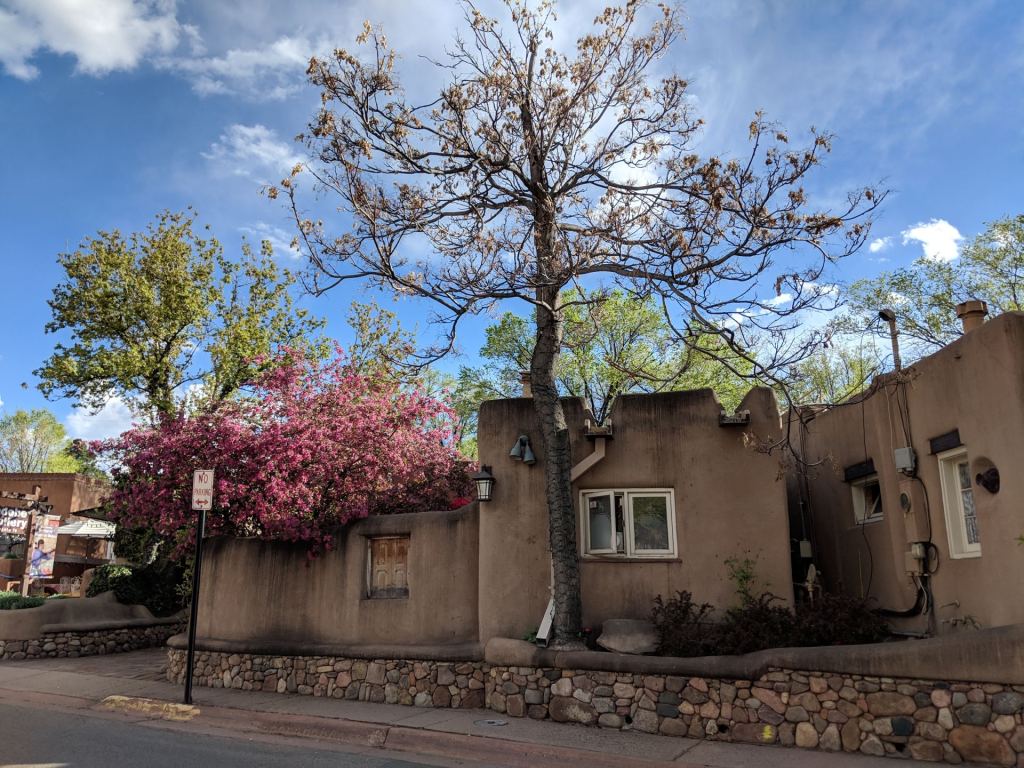
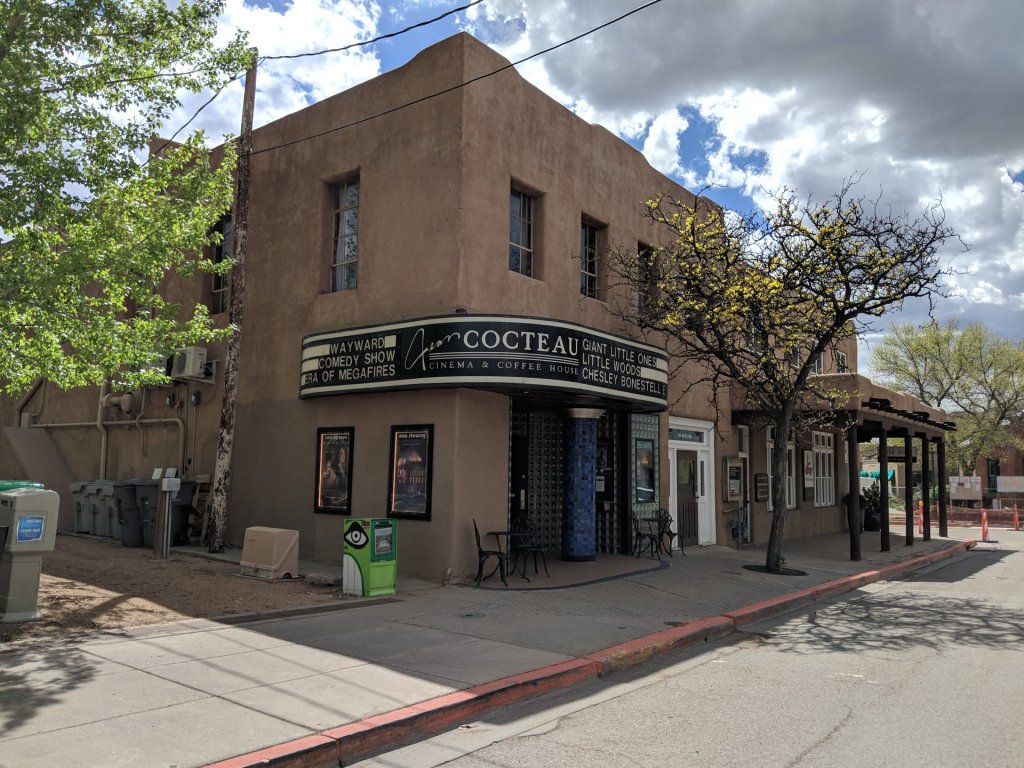
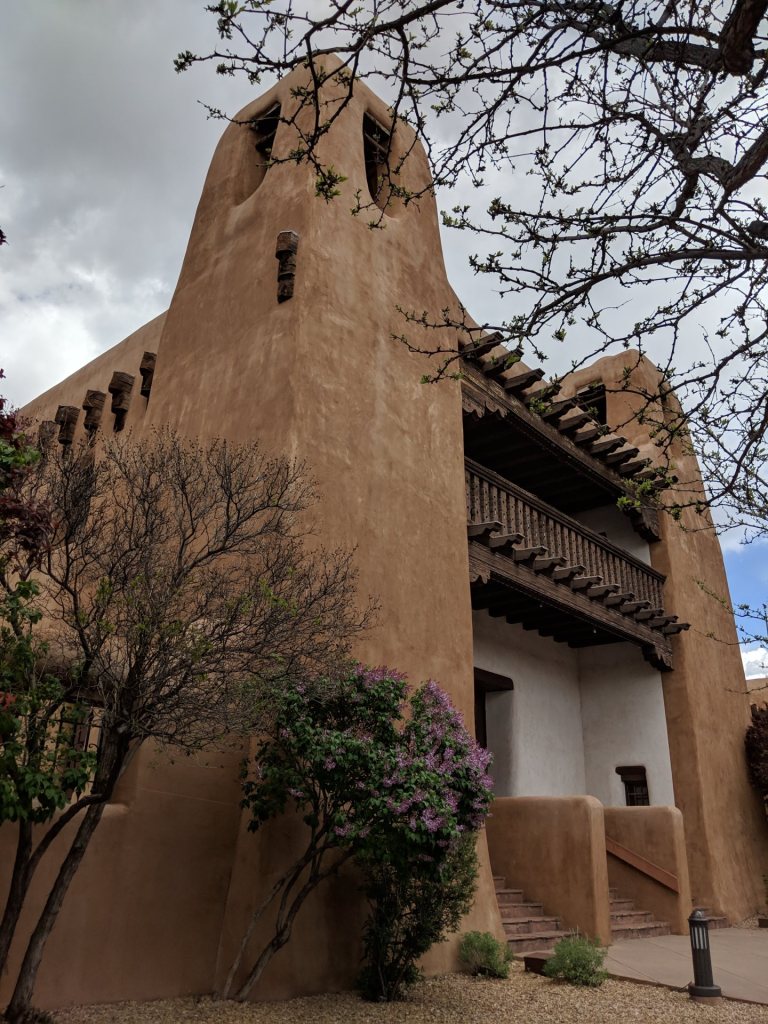
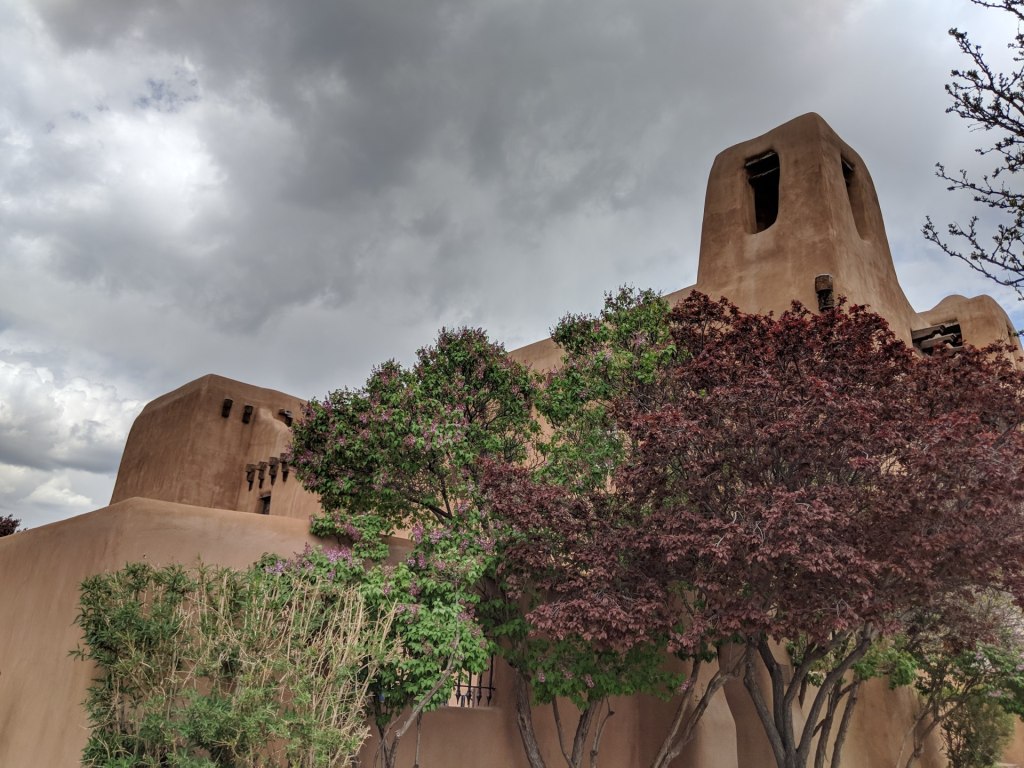
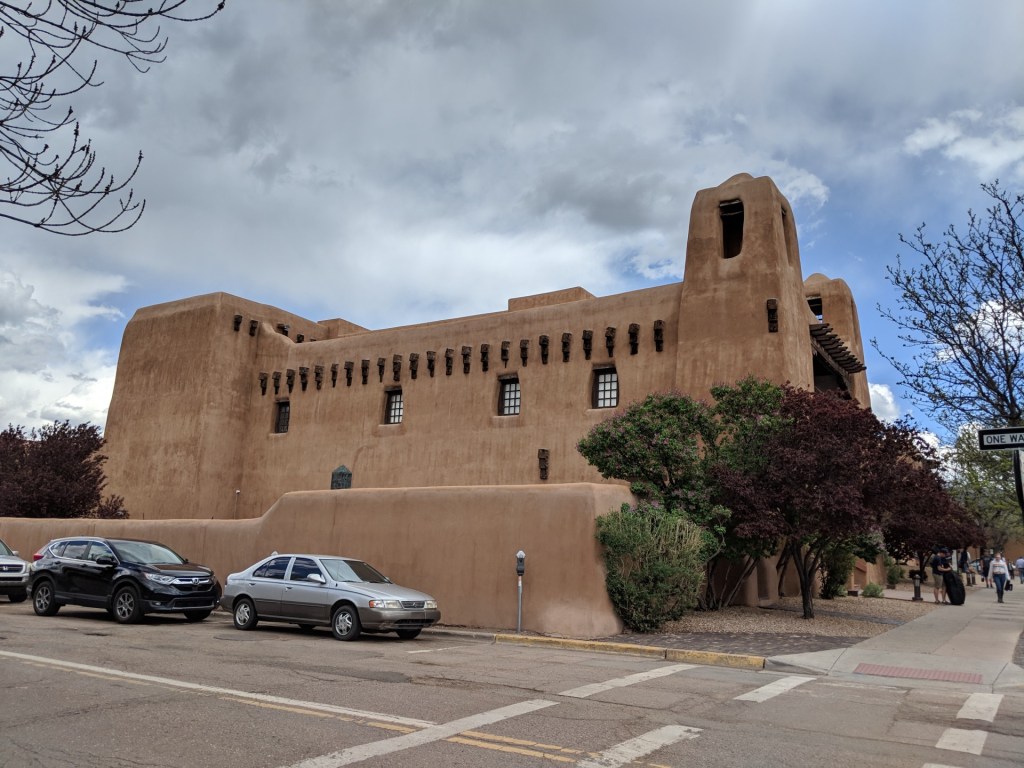
”Traditionally made by hand with dirt and other organic material such as clay, horse dung, hay, and water, adobe is among the earliest of human building materials. Due to their remarkable strength, sundried structures were extremely durable and functioned as some of the earliest architectural foundations for indigenous communities across the Americas. Adobe construction is still prevalent across the Southwest, a source of both strong and readily available building materials and income for the skilled laborers who use it.
Esparza explores adobe as both material and politics, creating what he has termed “brown architecture:” “My interest in browning the white cube — by building with adobe bricks, making brown bodies present — is a response to entering traditional art spaces and not seeing myself reflected. This has been the case not just physically, in terms of the whiteness of those spaces, but also in terms of the histories of art they uphold” (“Rafa Esparza,” ArtForum, November 21, 2017).”


…we are the mountain, 2019 
Border Wash: Mexican immigrant labourers sprayed with DDT at processing centre in Hidalgo, Texas – after Leonard Nadel, 1956, 2019 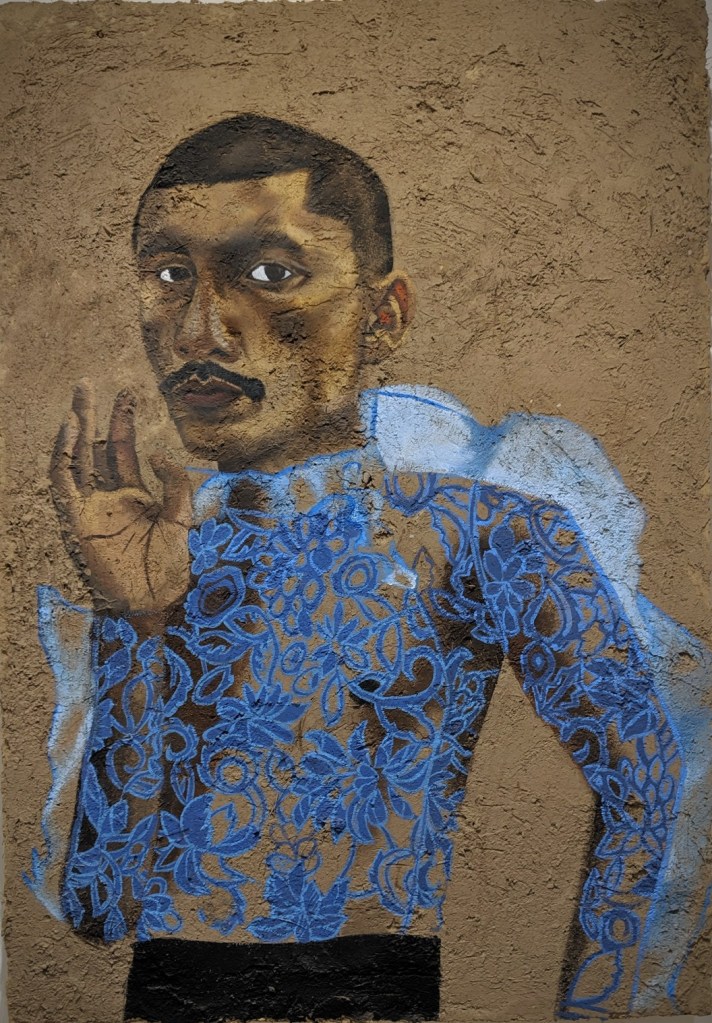
Sebastian as Chalchiuhtlicue, 2019 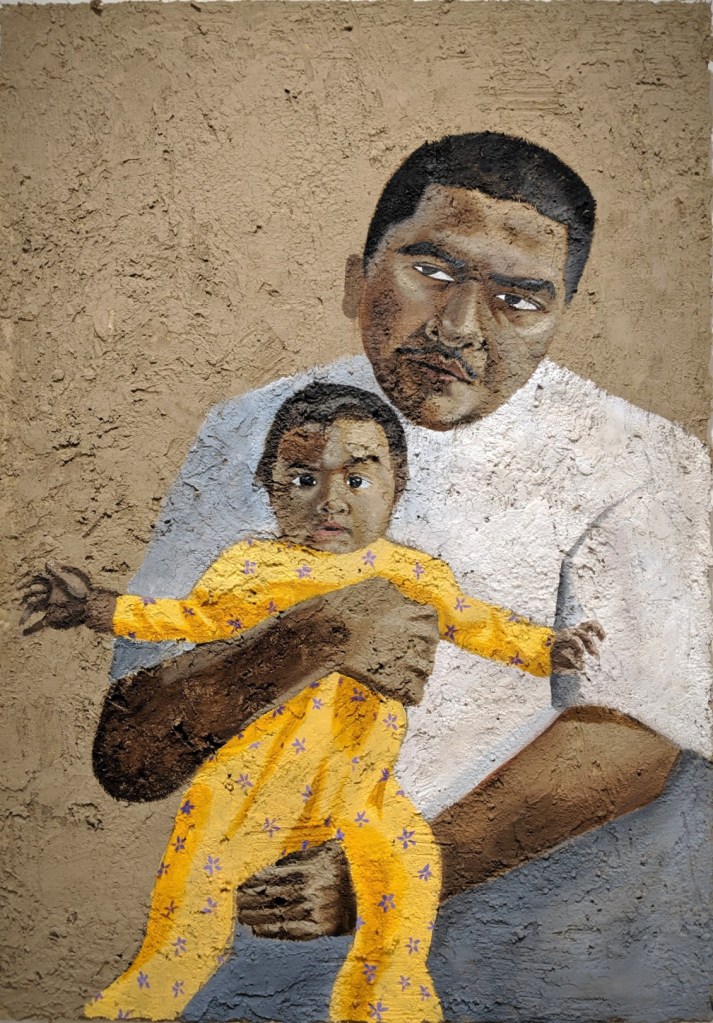
Baby Boy: Beto with daughter Alexa (An epitaph for La Familia), 2019
Art by Rafa Esparza @MASS MoCA
Acrylic on adobe panel (local dirt, horse dung, hay, Hoosic River water, chain-link fence, plywood)
North Adams, MA
September 1st, 2019













 The Humble Fabulist