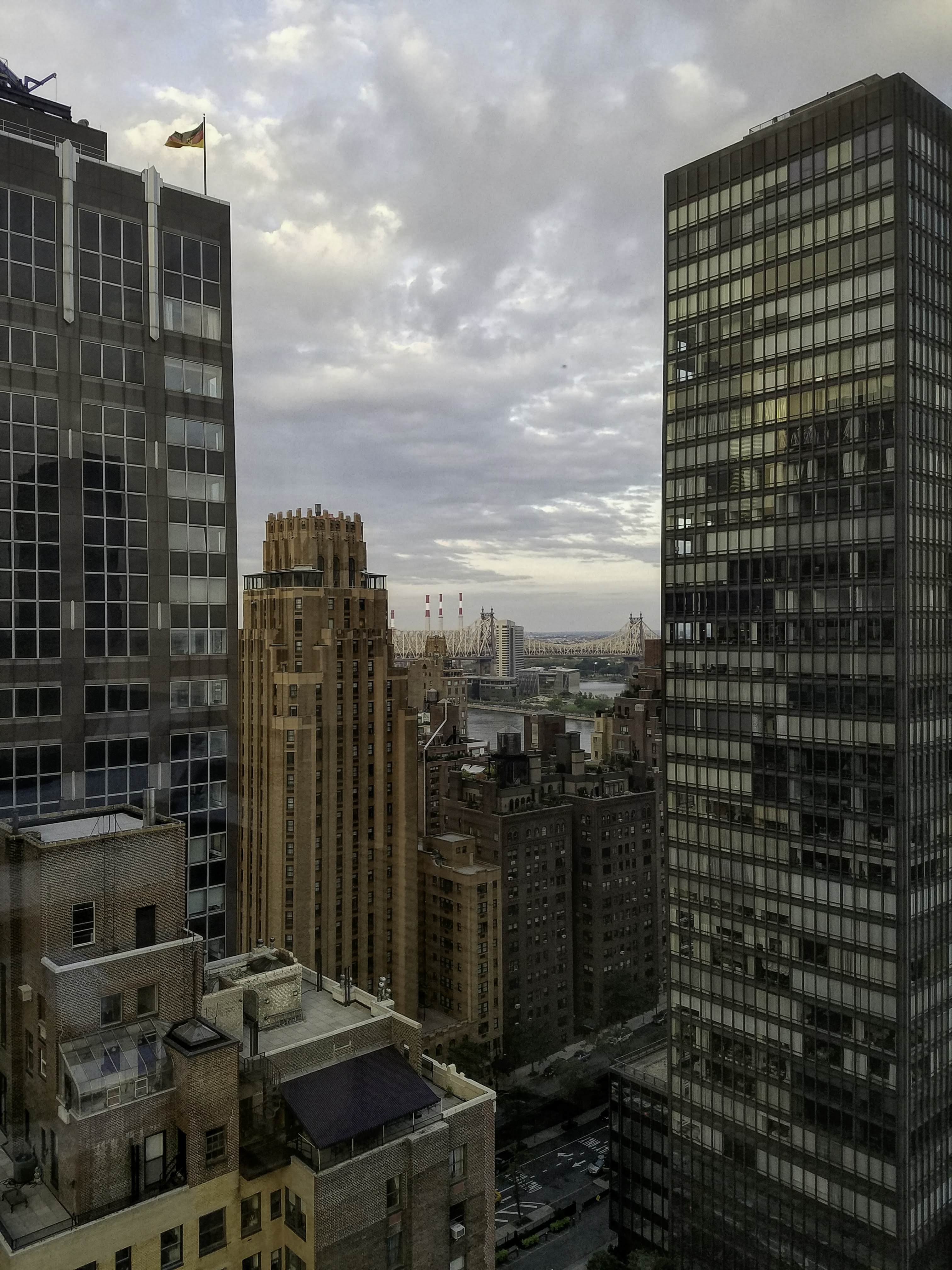
September 15th, 2017
September 15th, 2017
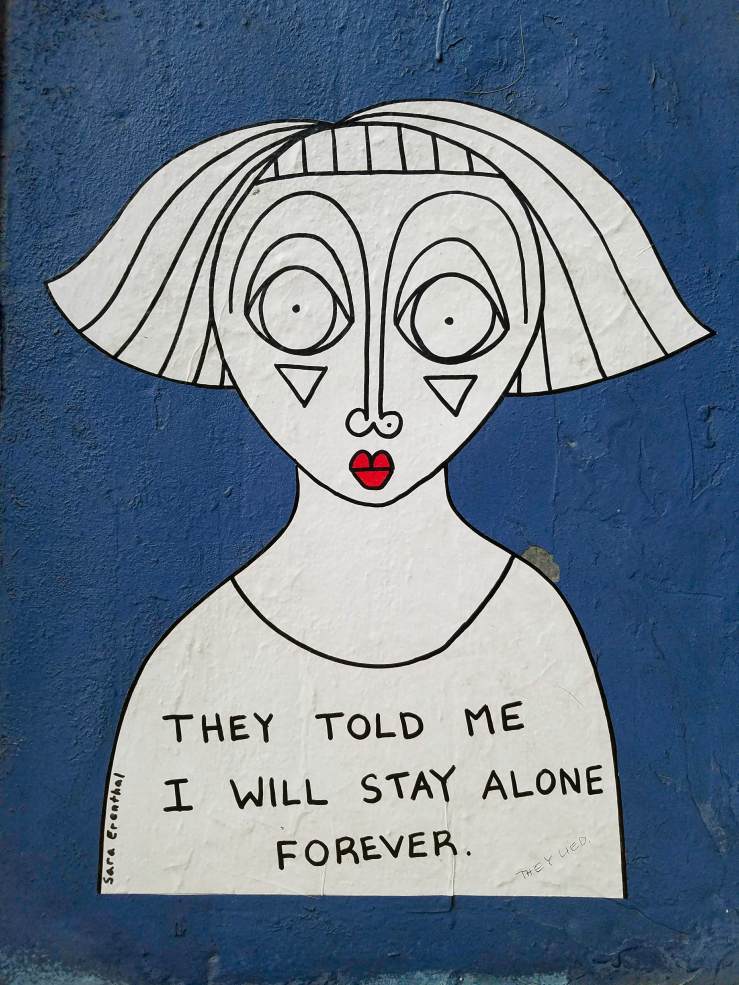
Chelsea, an Oscar Wilde quote on a random wall.
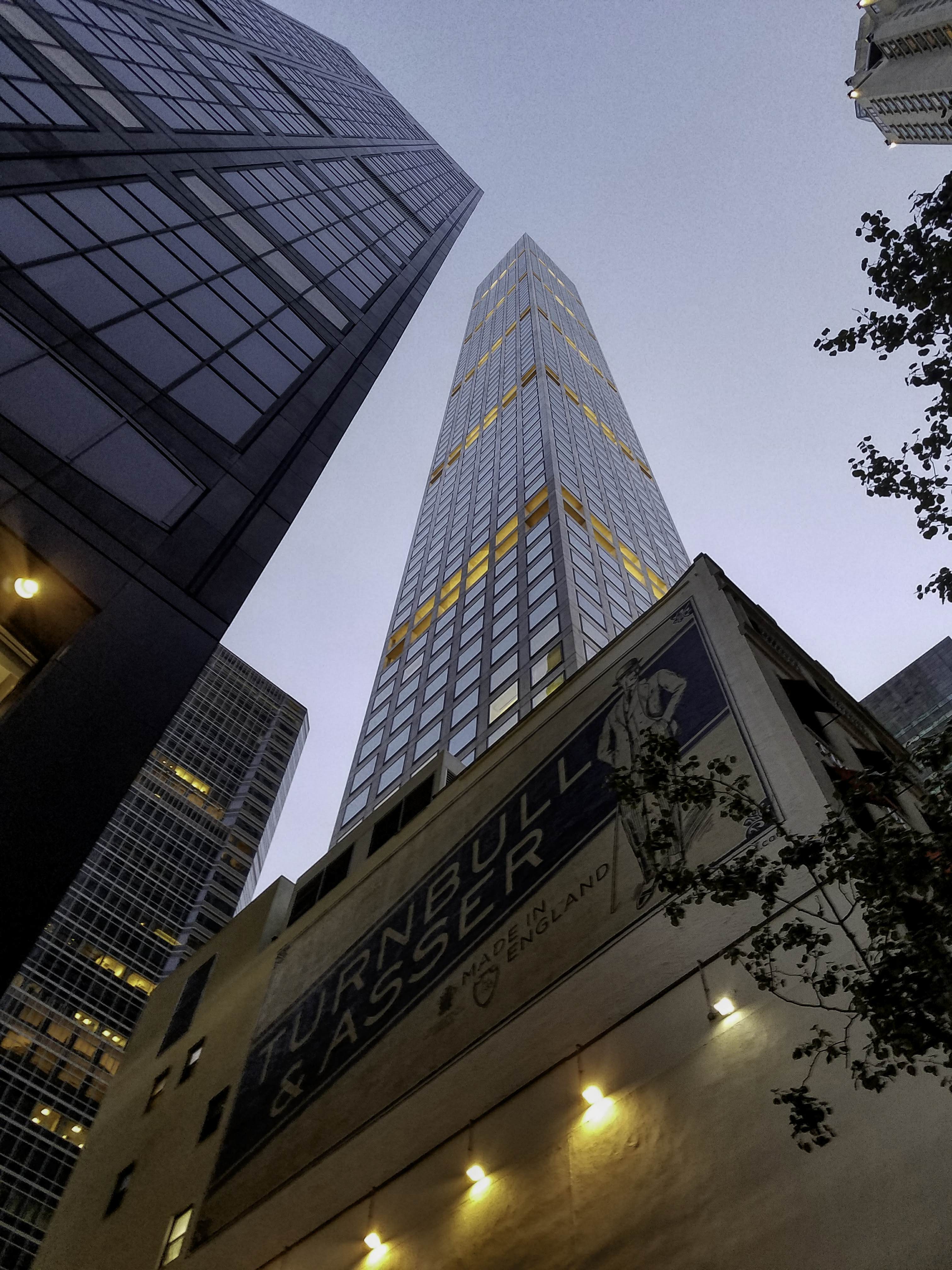
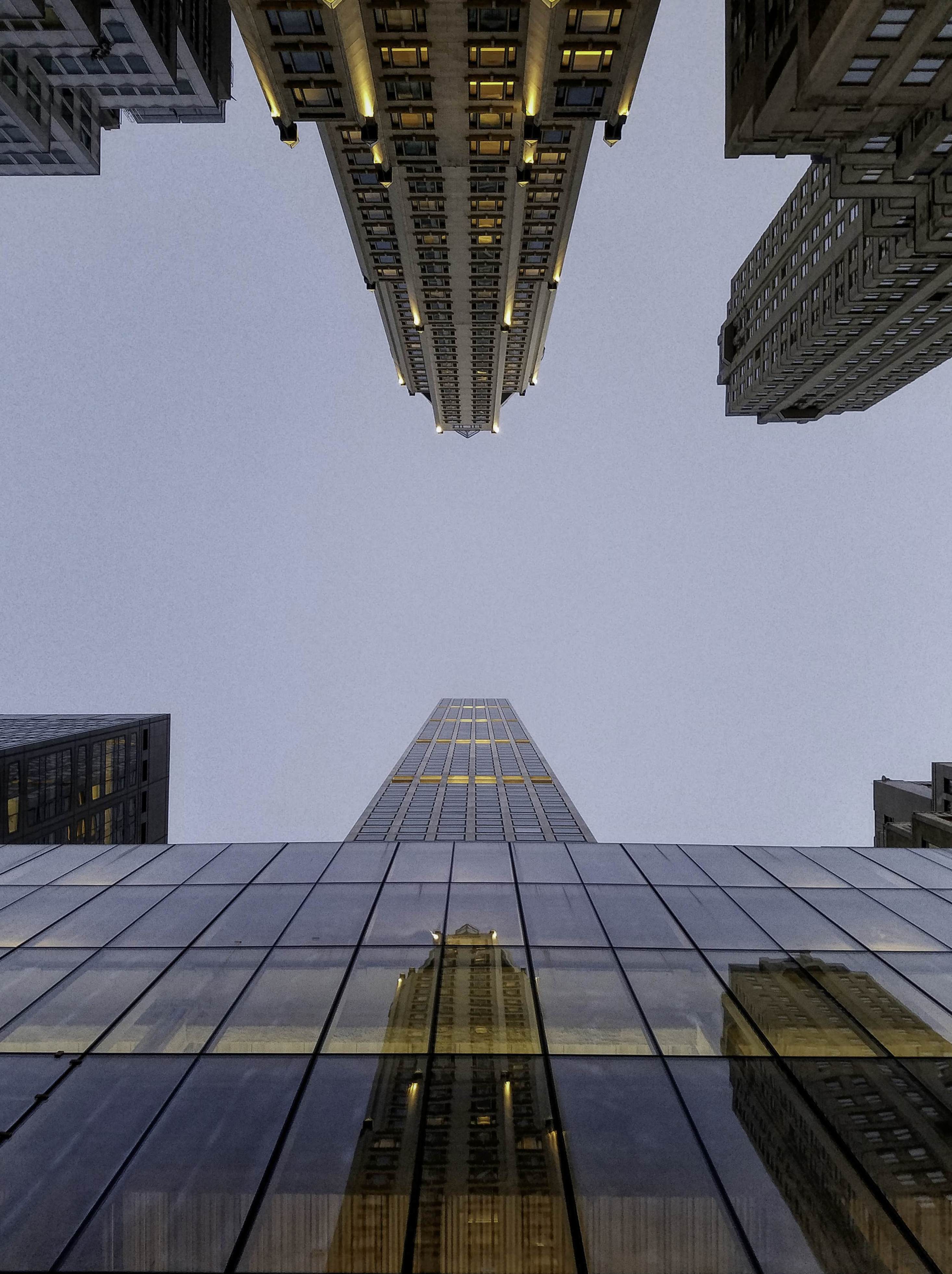
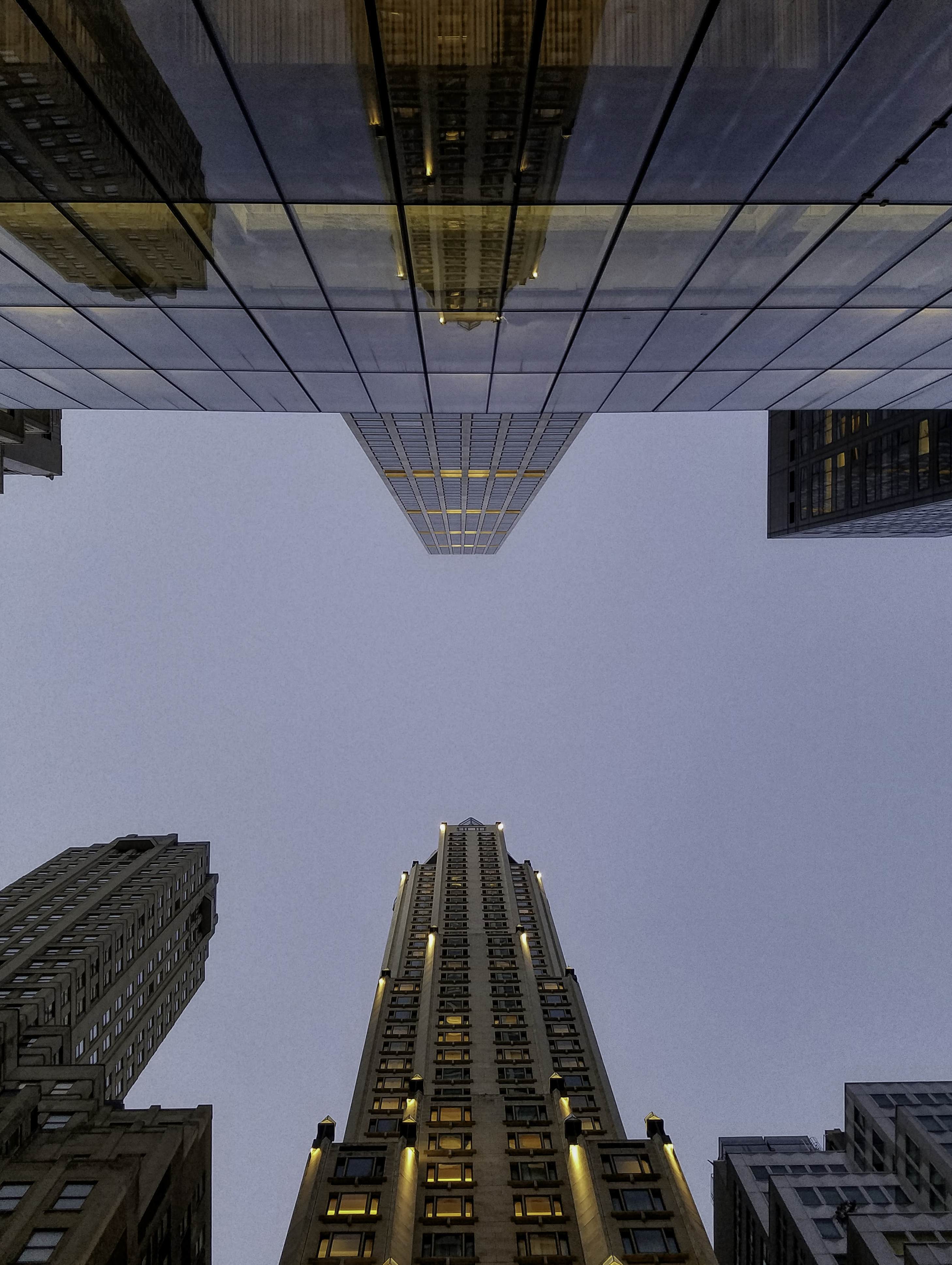
International Style, Industrial, Modernism.
Street Art, Sara Erenthal.
You are not alone, Sara. 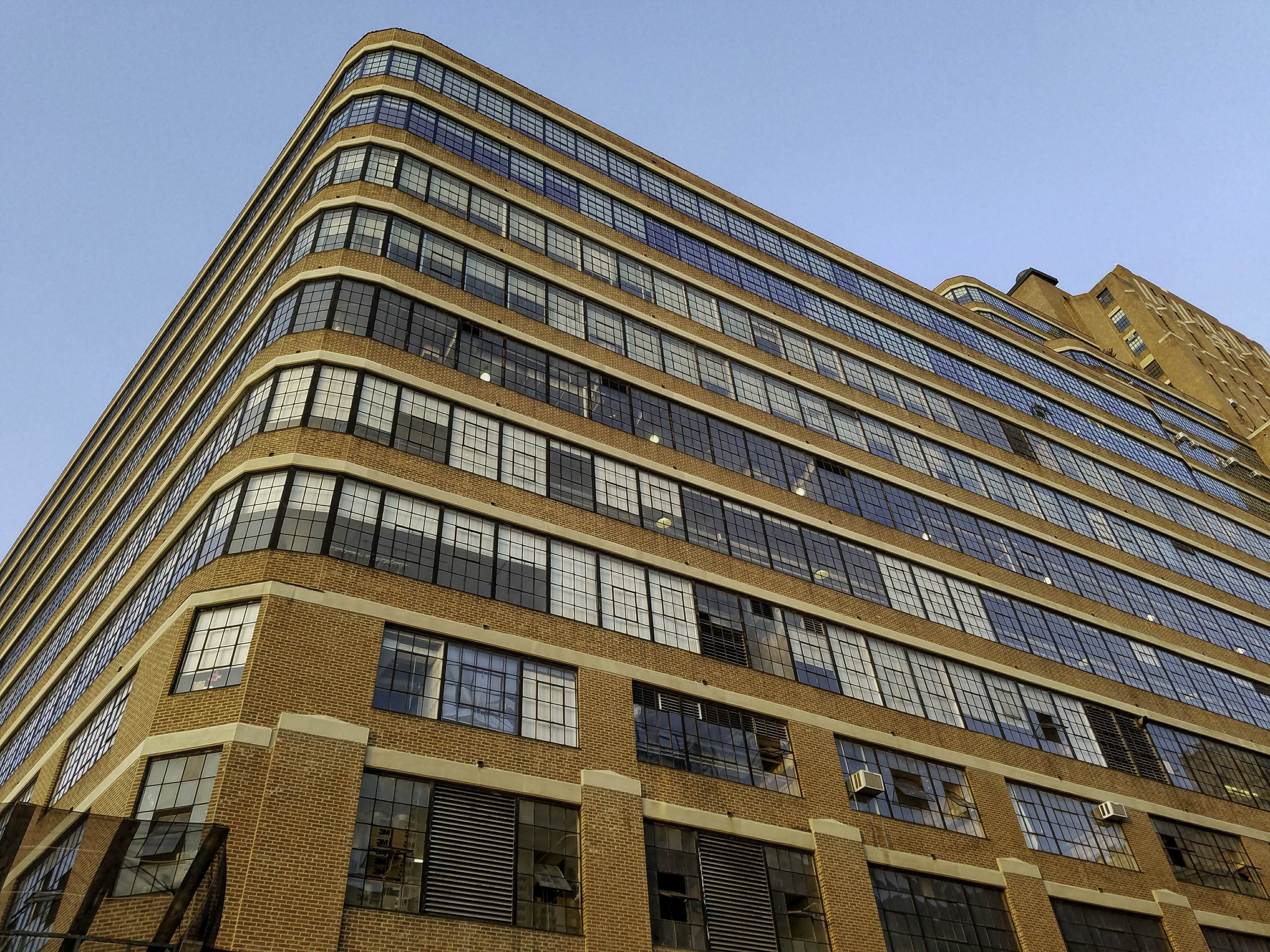
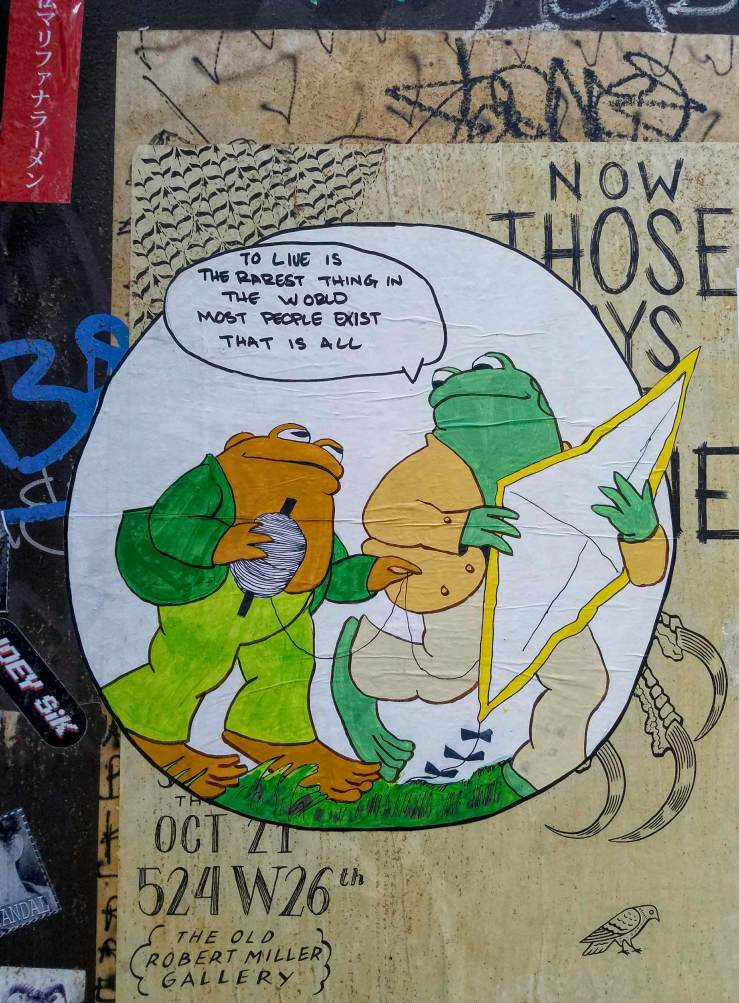
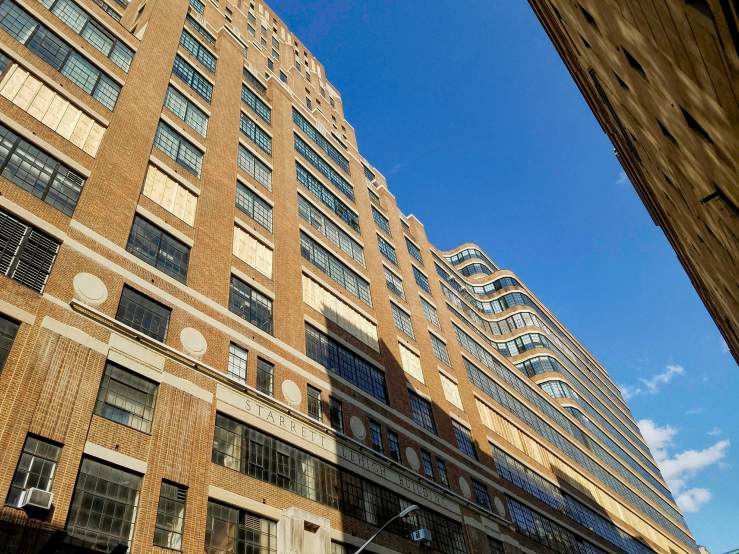
 The Starrett-Lehigh Building
September 10th, 2017
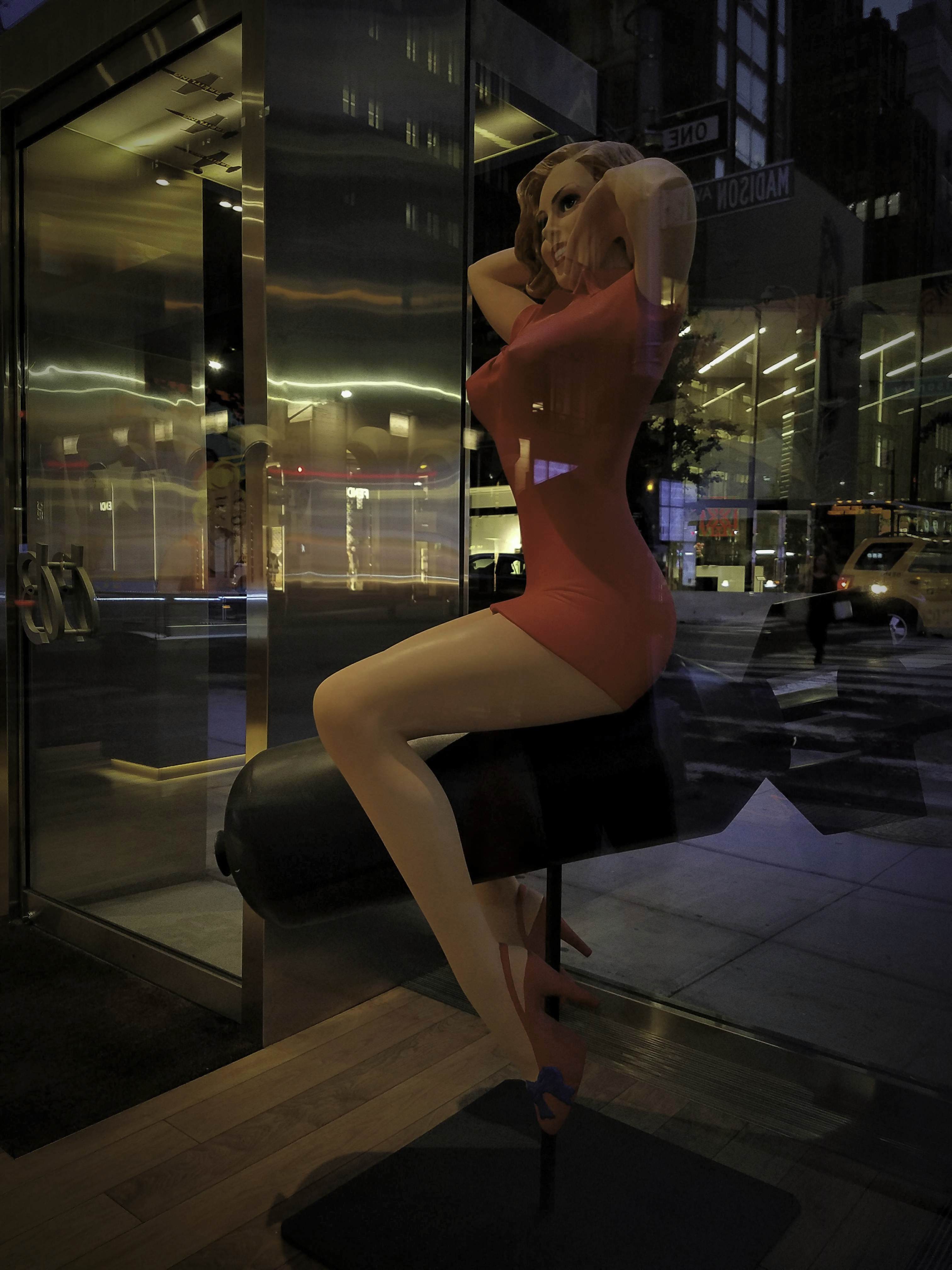
August 26th, 2017
So, if you are going to make an entrance, make it a grand one.
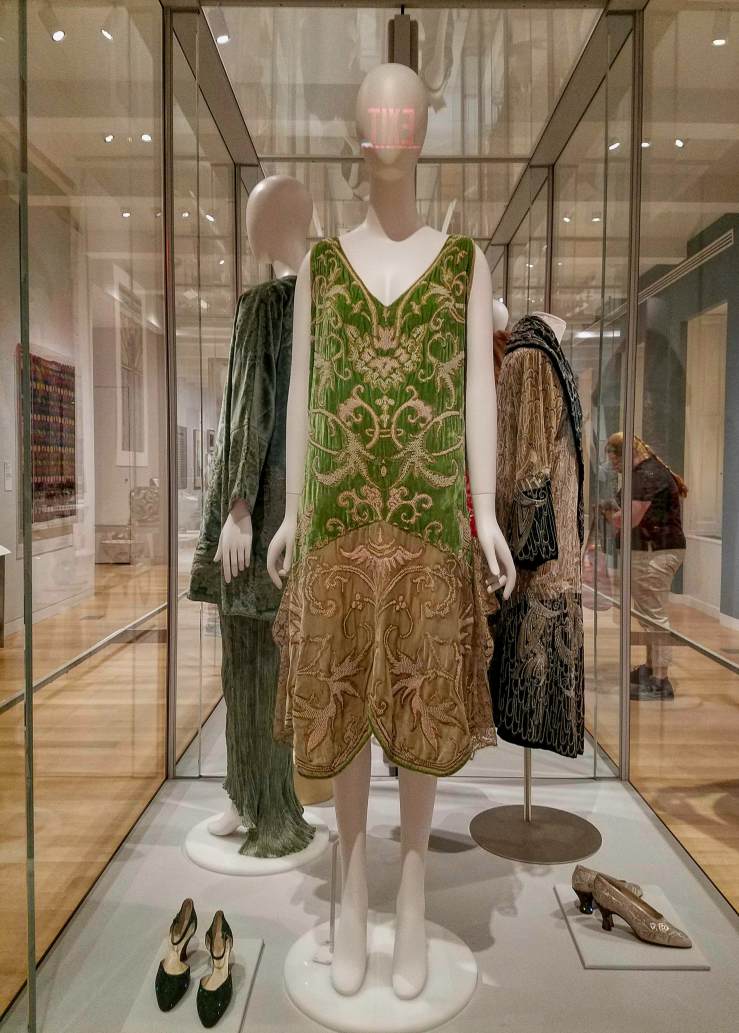
1/
Evening dress by Callot Soeurs of Paris, 1923-26. Perl, floss, metallic thread, silk, velvet
On loan from Museum of the City of New York for the Jazz Age exhibition
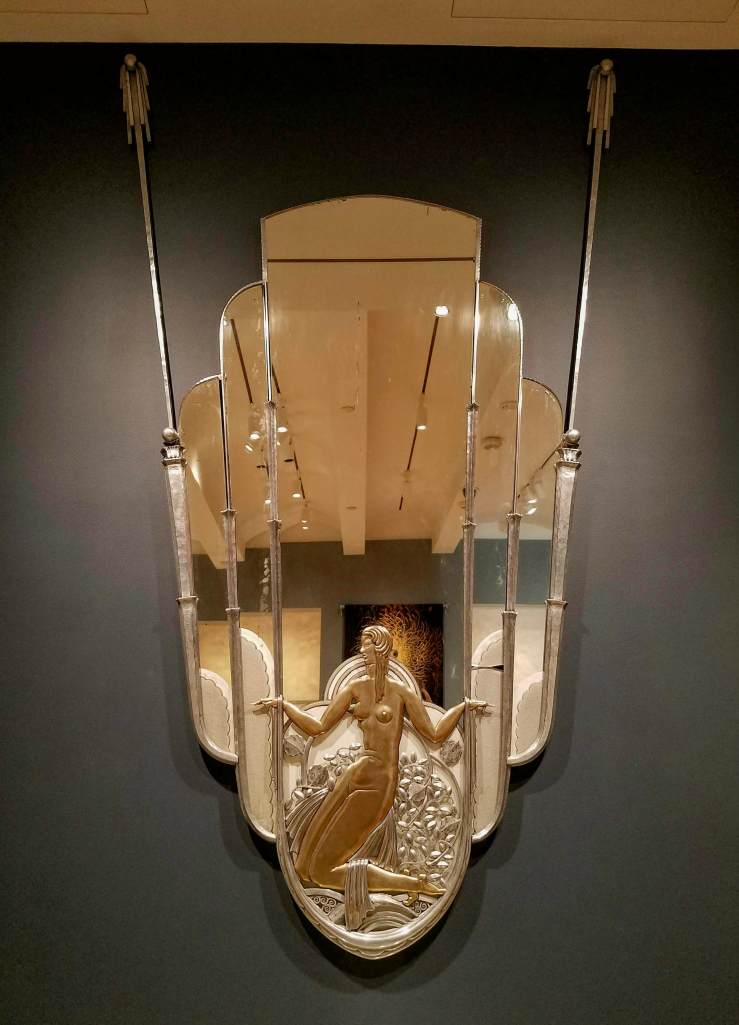
2/
Mirror, ca. 1930, designed by Paul Fehér. Wrought iron, brass, silver, gold plating, glass
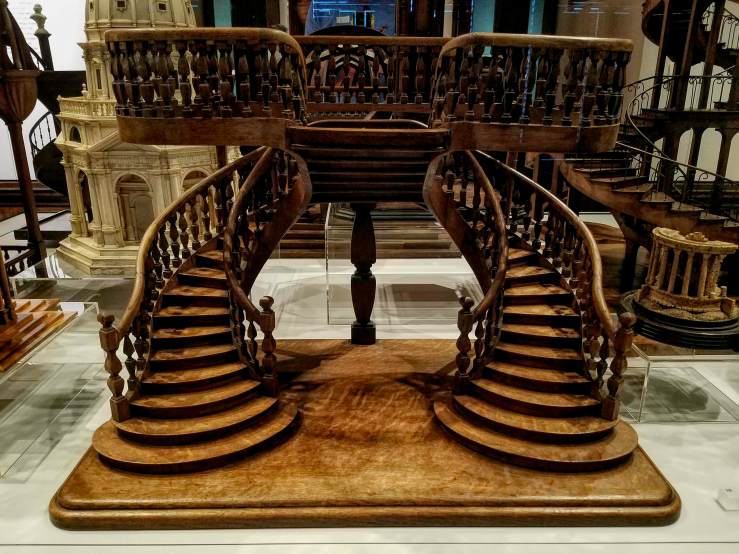
3/
Staircase model, France, mid-late 19th century
Carved, joined, turned, bent and planed oak
4/
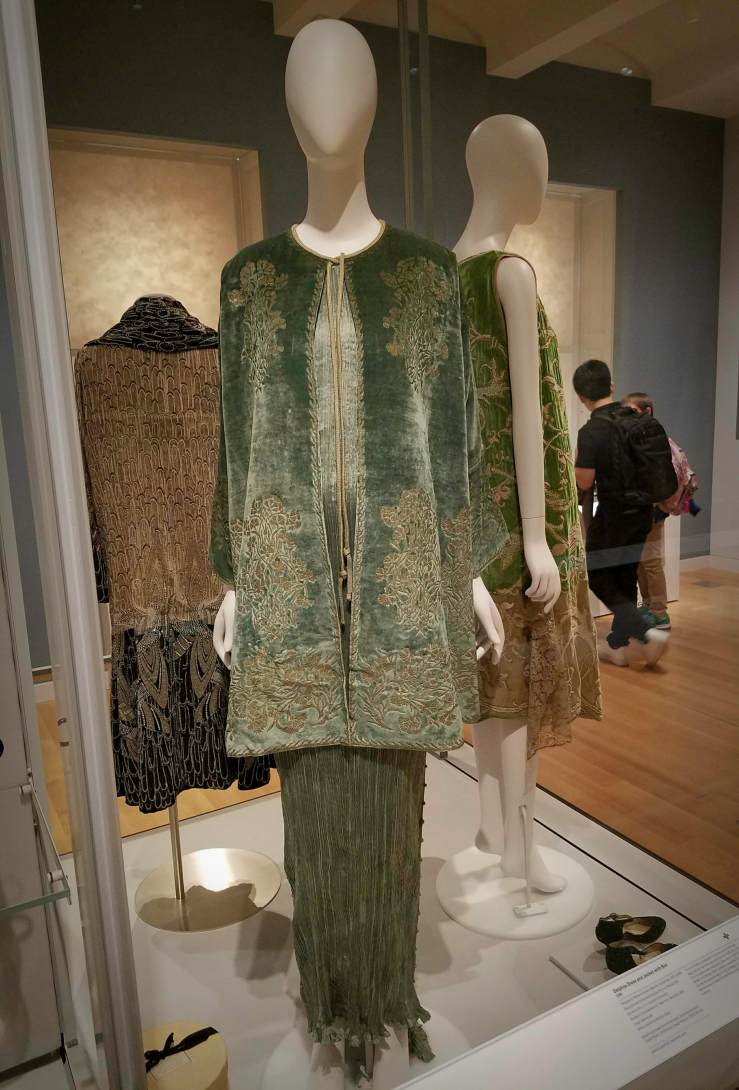
Dress and Jacket with box and lid, Delphos
Designed by Mariano Fortuny with his inimitable pleating technique and natural dyeing process, this particular example of the iconic Delphos dress is in its original box, which has both the name of the buyer, Mrs. J.H. Lorentzen of Pasadena California, and the seller, Elsie McNeil. This provides a key into the importance of the American market in Fortuny’s success. The first photograph of a Delphos dress is by Alfred Steiglitz—a portrait of his sister taken in 1907. By 1912, Fortuny’s gowns were being sold in New York. Because they hug the body and were designed to be worn without a corset, in Europe the Delphos was considered a tea gown—suitable only for at-home entertaining. But American actresses and dancers like Lillian Gish and Isadora Duncan wore them in public as evening gowns. In 1927 Elsie McNeil, an American interior designer, became so enamored of Fortuny’s fabrics that she went to Italy and persuaded him to give her the exclusive rights to sell his products in the US. She became his close friend, protégé, and guardian angel—she helped him through some very difficult financial times in the 1930s and after WWII, and purchased the company after his death.
5/
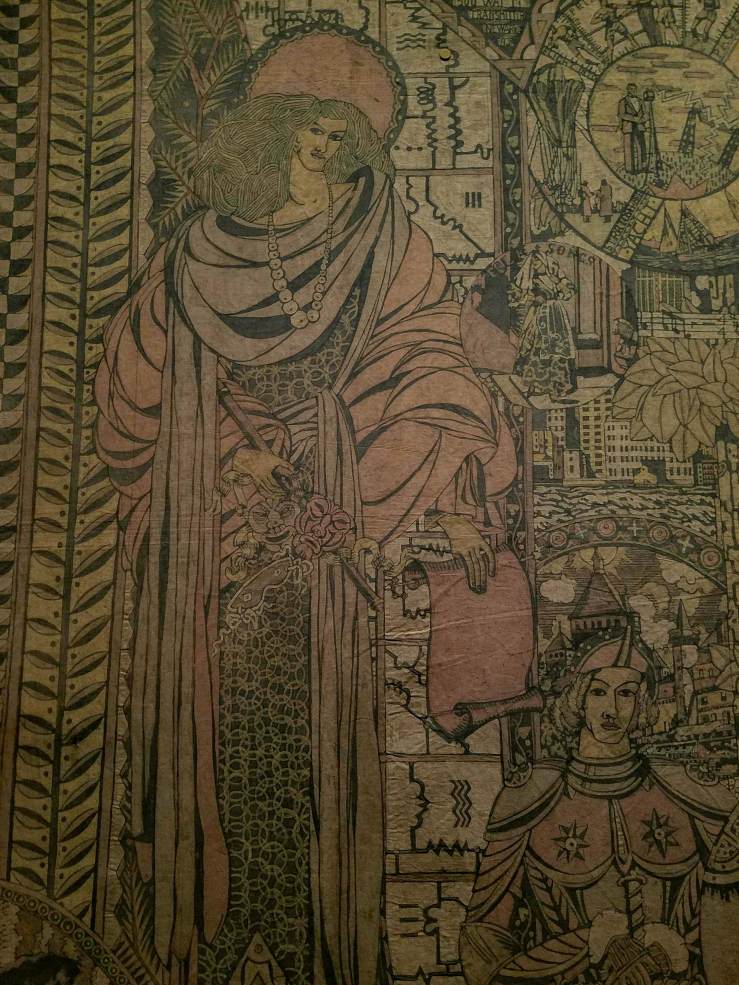
Mural (detail), The World of Radio, 1934
Designed by Arthur Gordon Smith, for Nadea Dragonette Loftus and Jessica Dragonette
Cotton batik
6/
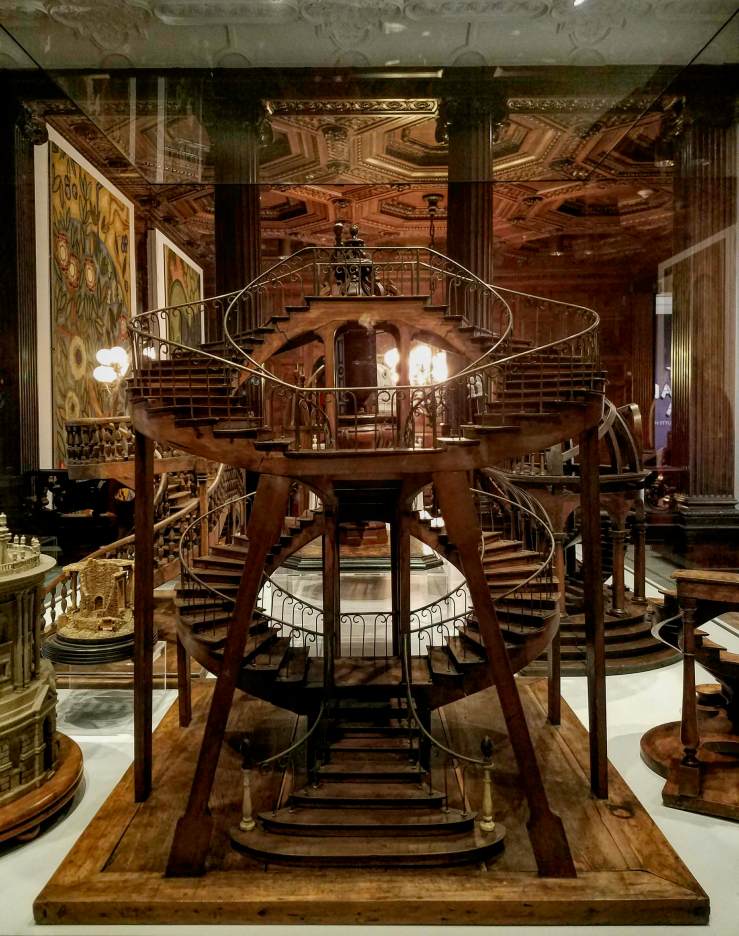
Staircase model, France, late 18th century
Carved, joined, bent, planed and carved pear, wrought brass wire, turned bone
This fine triple-height staircase model is similar to one designed by Robert Adam for 20 Portman Place in London.
7/
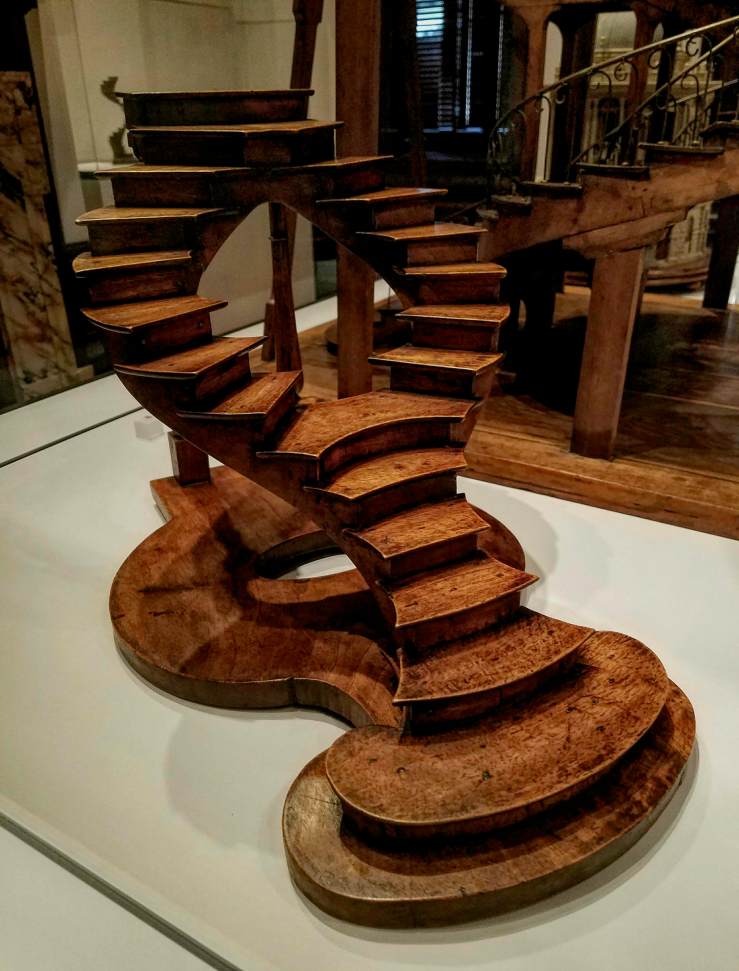
Curved staircase model in the French style, ca. 1850
Carved, planed, turned and veneered walnut
From The Jazz Age: American Style in the 1920s, an exhibition at the Cooper Hewitt, April through August 2017
July 30th, 2017
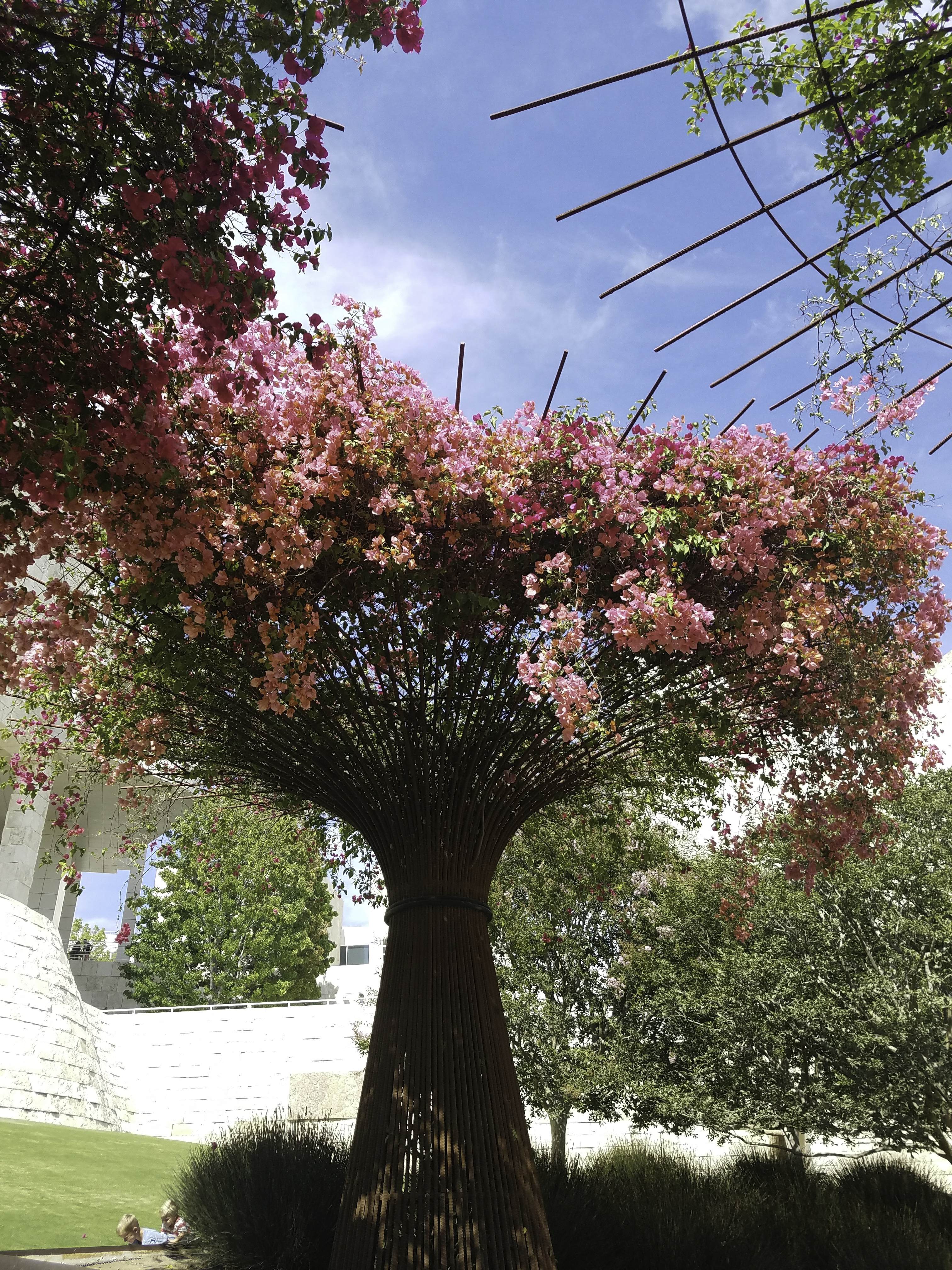
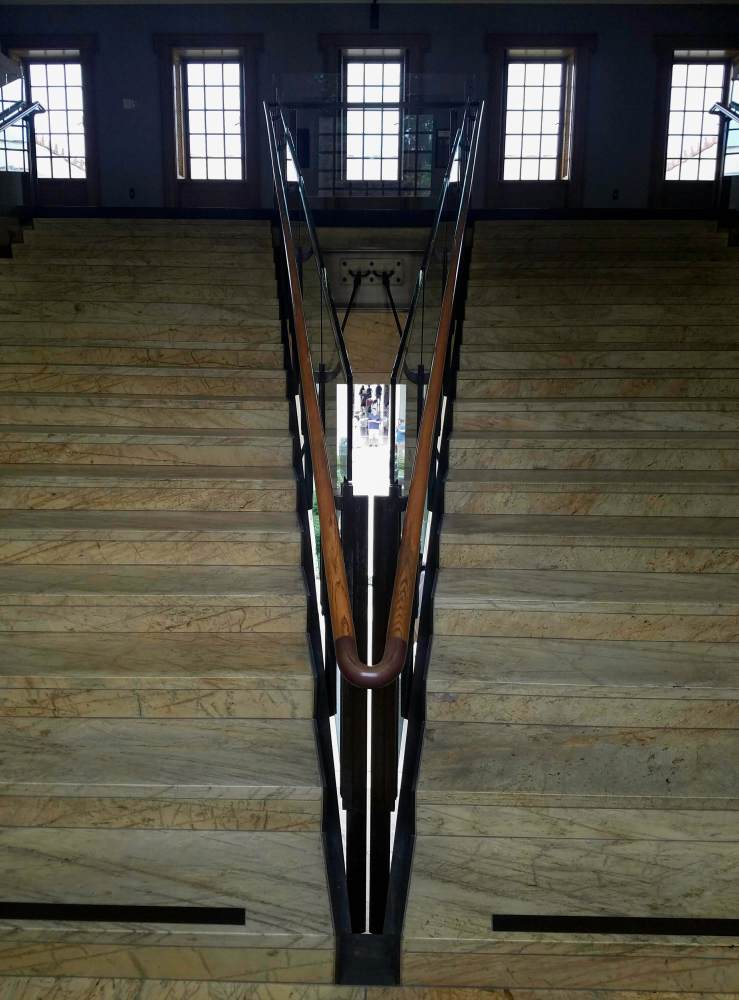
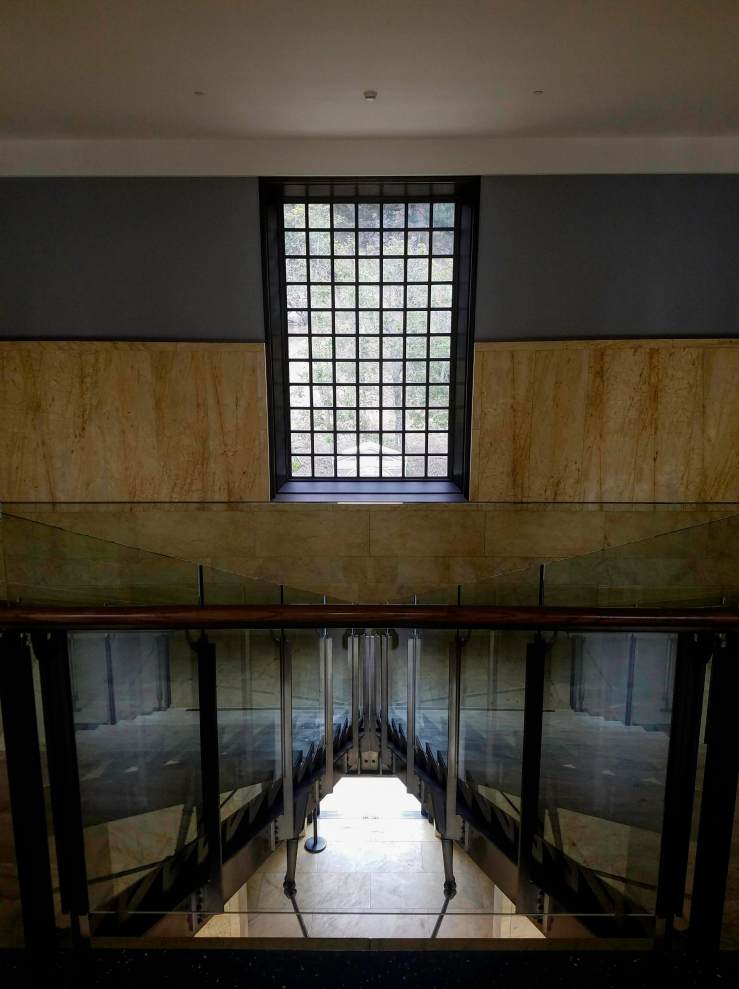
Before we leave – reluctantly and, to be honest, not without a grain of regret that our trip to the West Coast is slowly coming to an end – how about savouring a few more views of the stunning architectural gem that is The Getty Center.



July 18th, 2017
The J. Paul Getty Museum’s collection of over one hundred thousand images is among the most comprehensive holdings of rare and important photographs in the world. It ranges from daguerreotypes to work by contemporary photographers.
For conservation purposes and, may I add, due to their sheer number, photographs cannot be kept on permanent display, but go on view during rotating exhibitions. The images below are from ”Now Then: Chris Killip and the Making of In Flagrante” , ‘‘the most important photobook to document the devastating impact of deindustrialization on working-class communities in northern England in the 1970s and 1980s”.
Paired here with an image from the Cactus Garden and a detail from one of the exterior walls showcasing just a few of the 1.2 million square feet of travertine stone used to cover many surfaces of the Getty Center.


2/
Bever Skinningrove (1987) by Chris Killip
Gelatin silver print
July 18th, 2017
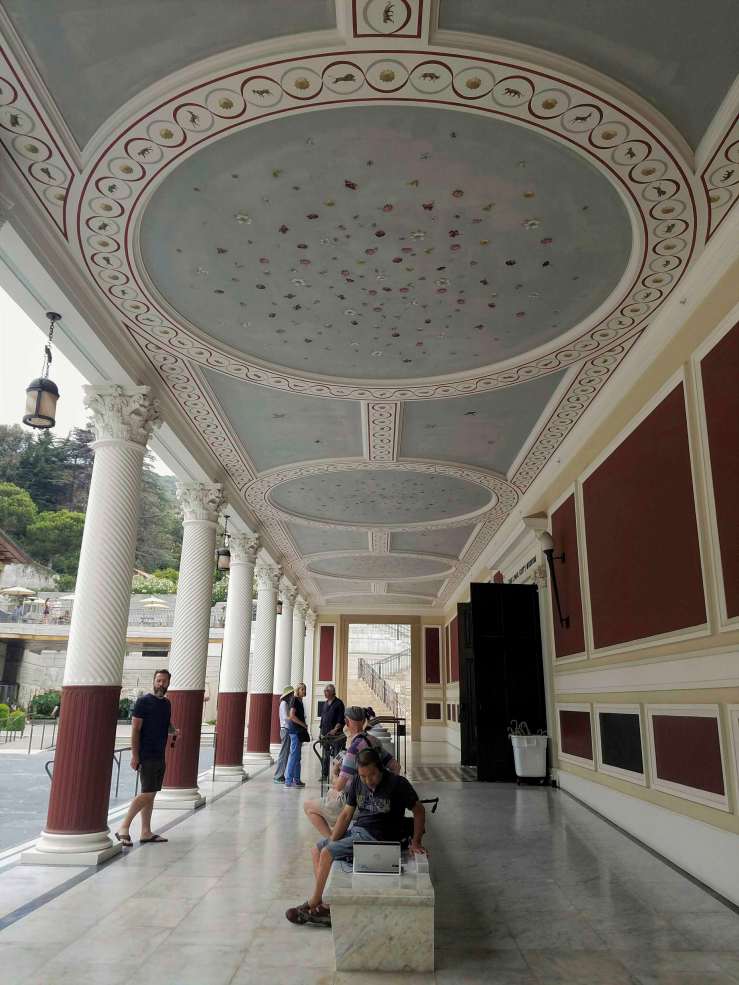
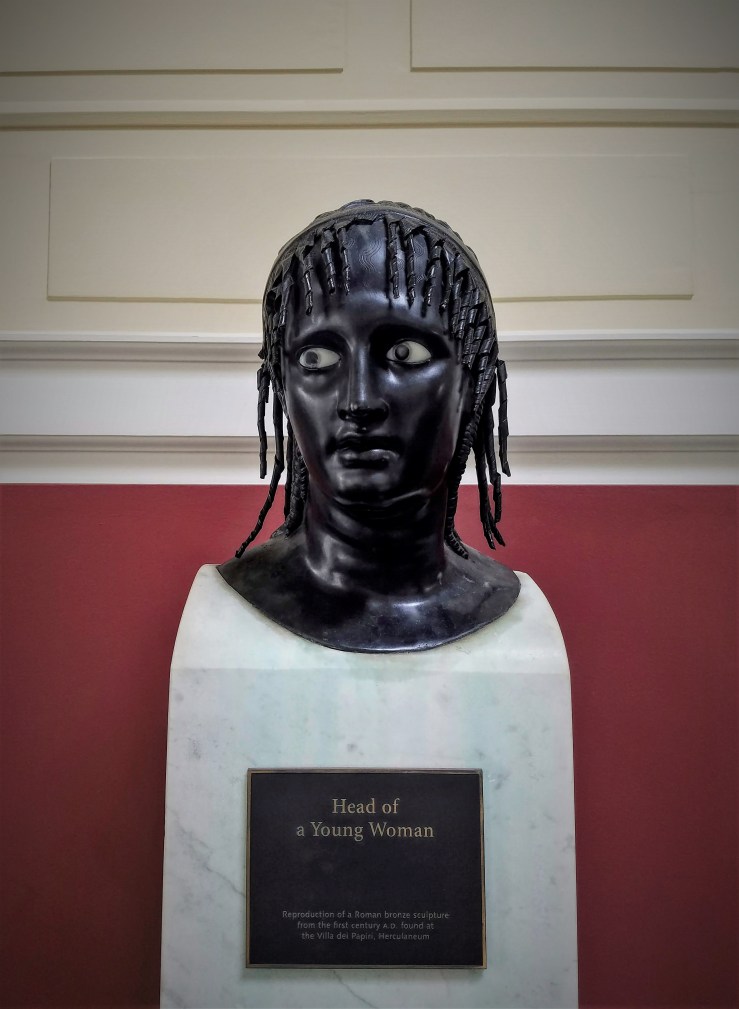
J. Paul Getty purchased his first work of ancient art in 1939 – a small terracotta sculpture. Almost thirty years later, inspired by his growing collection of antiquities of Greek, Roman, and Etruscan art, he announced he would build a museum worthy of such treasures: a recreation of the Villa dei Papiri, a luxurious Roman residence in Herculaneum, Italy that had been buried by the eruption of Mount Vesuvius in 79 A.D.
The Villa dei Papiri (“Villa of the Papyruses”) was rediscovered in the 1750s. The excavation recovered bronze and marble sculptures, wall paintings, colorful stone pavements, and over a thousand papyrus scrolls – hence the name. The Getty villa is a near replica of it, in scale and appearance; even some of the materials used were taken from the Villa dei Papiri. (source)
In other words, the Getty Villa should be seen as a work of art in itself and feature high on your list of ”must-see” museums next time you plan a trip to Southern California.
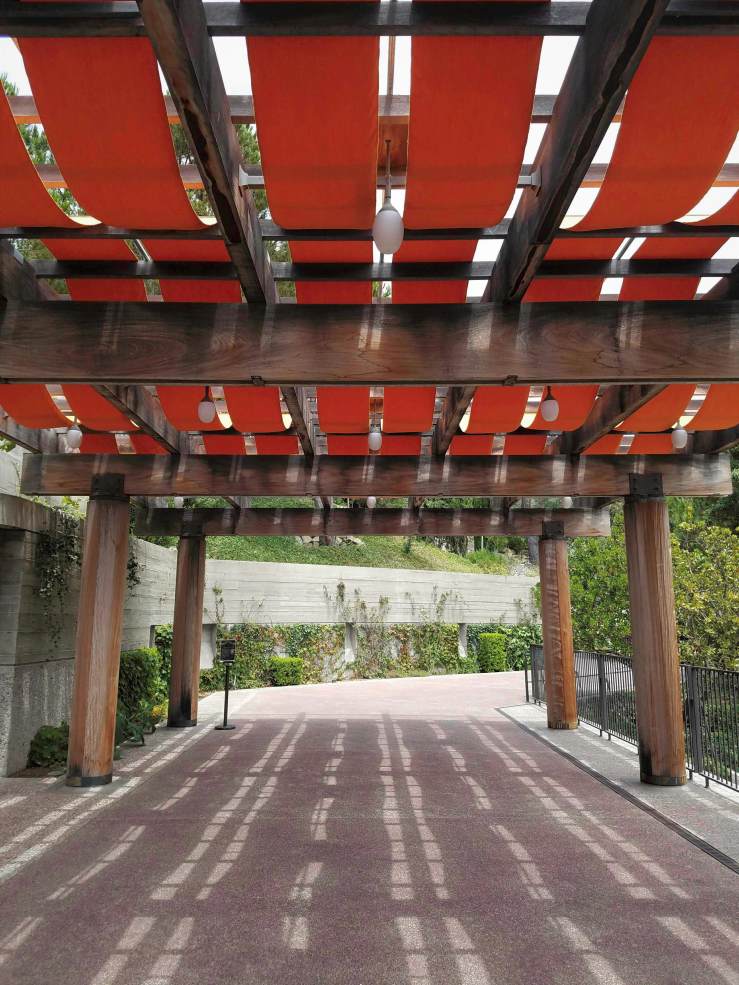 In antiquity, as today, awnings served both a ceremonial and practical purpose. Roman hosts invited guests to dine on outdoor couches protected from the sun by colourful fabric. Tends and awnings throughout towns and cities marked festivals and holidays and provided shade for the audience in open-air arenas and theatres.

 Pair of Altars with Aphrodite and Adonis
Greek, made in Taras, South Italy, 400-375 B.C.
 Mixing Vessel with Adonis, Aphrodite and Persephone
Greek, made in Athens, 390-380 B.C.
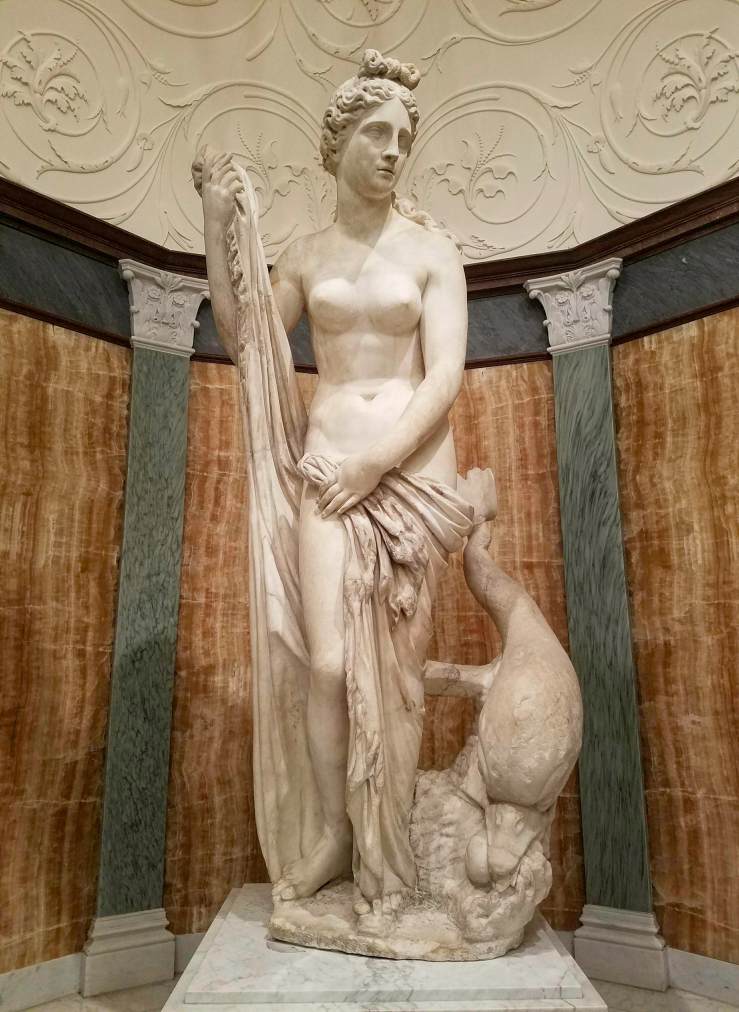 Venus
Venus
Roman, A.D. 100-200; found in Rome
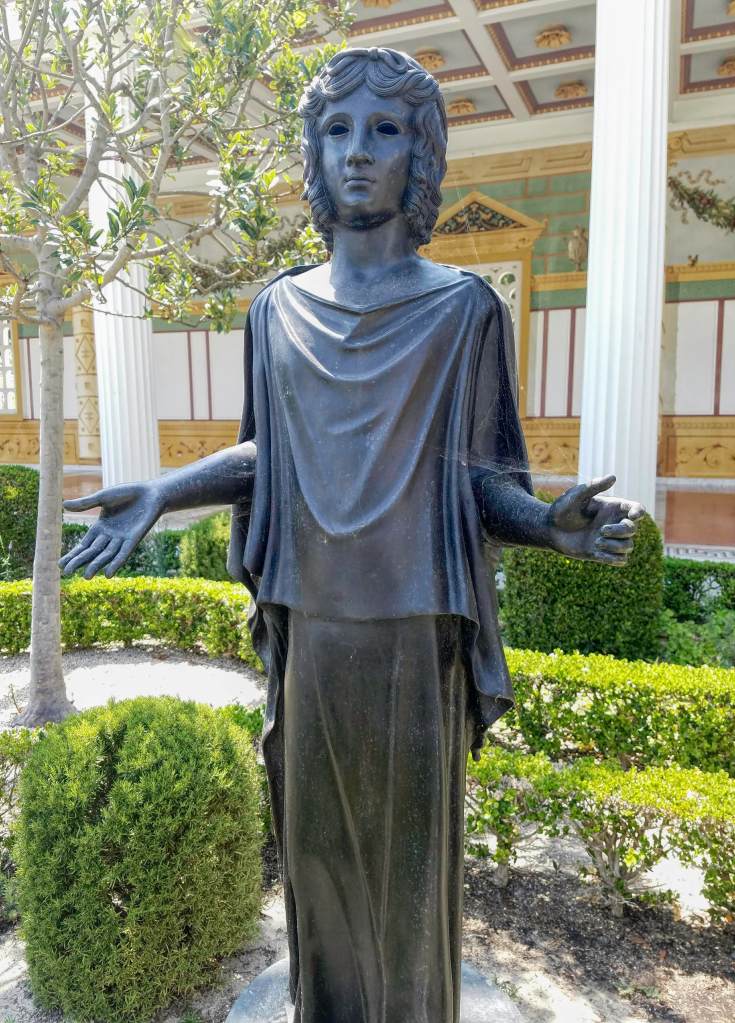
 Muse
Muse
Roman, about A.D. 200
 Storage Jar with Medusa
Greek, made in Athens, 530-520 B.C.

 The Lansdowne Herakles
Roman, about A.D. 125
This sculpture was one of J. Paul Getty’s most prized possessions and inspired him to build this Museum in the style of an ancient Roman villa. The statue, representing the Greek hero Herakles with his lionskin and club, was discovered in 1790 near the villa of the Roman emperor Hadrian at Tivoli, Italy.
 Poet as Orpheus with Two Sirens
Greek, made in Taras, South Italy, 350-300 B.C.
 Pair of Peacocks
Roman, from Syria, possibly Emesa (present-day Homs), A.D. 400-600





Sadly – and alarmingly – the Getty Villa will remain closed all weekend – Saturday and Sunday, November 10 and 11, 2018 – due to the ongoing wildfires in order to help firefighting efforts by alleviating traffic on the Pacific Coast Highway. The Villa itself is not threatened by the fires.
Here’s hoping to see the end of this destruction, soon.
Stalking the Gehry Residence, that unique structure that looks like it sprung out of a cubist painting, which Frank Gehry designed himself and built around an existing suburban Dutch Colonial house.
I only wish I could have seen the interior but then I wouldn’t have been a stalker, I would have been an acquaintance or a friend of the family. Wouldn’t that be something!

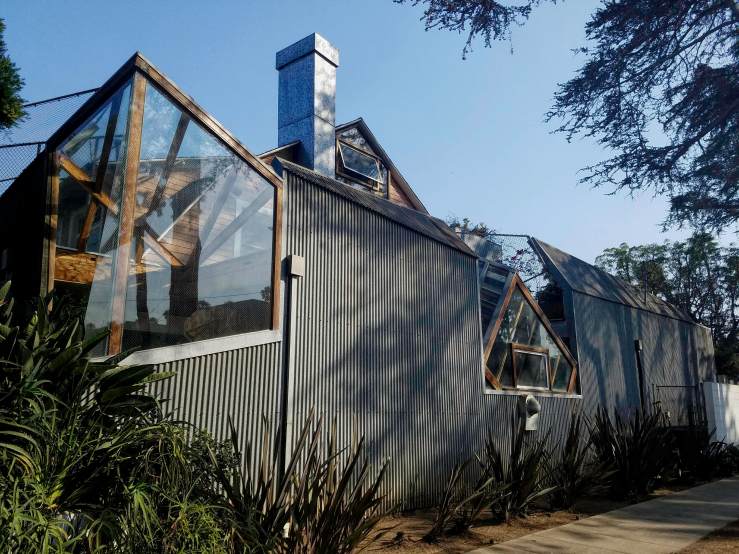
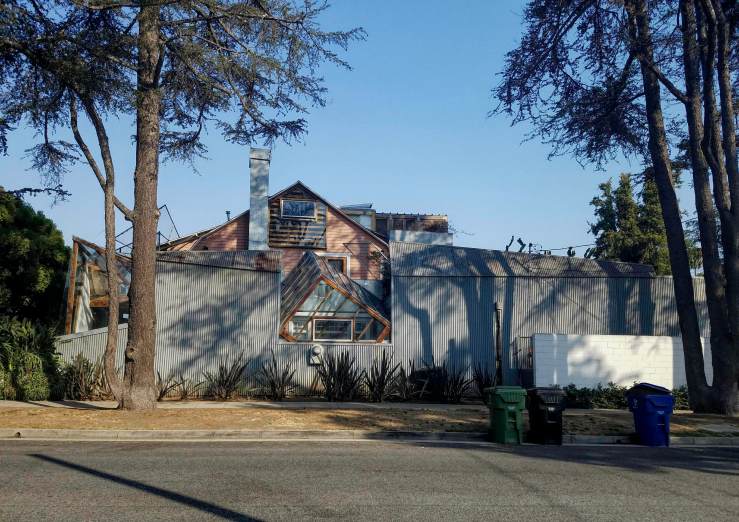
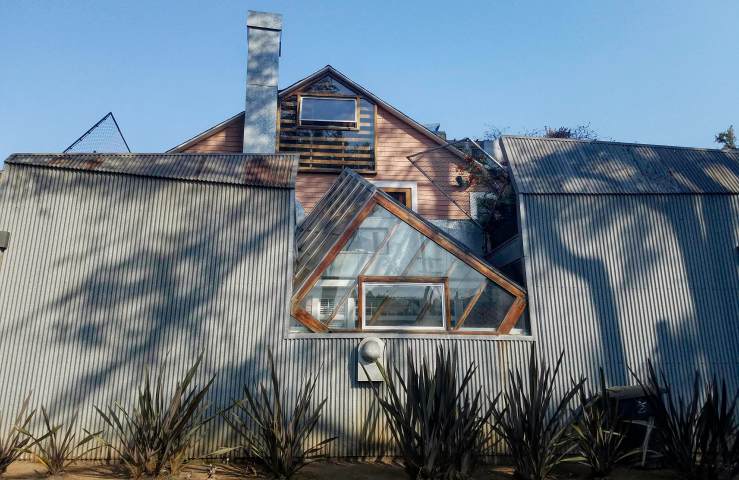
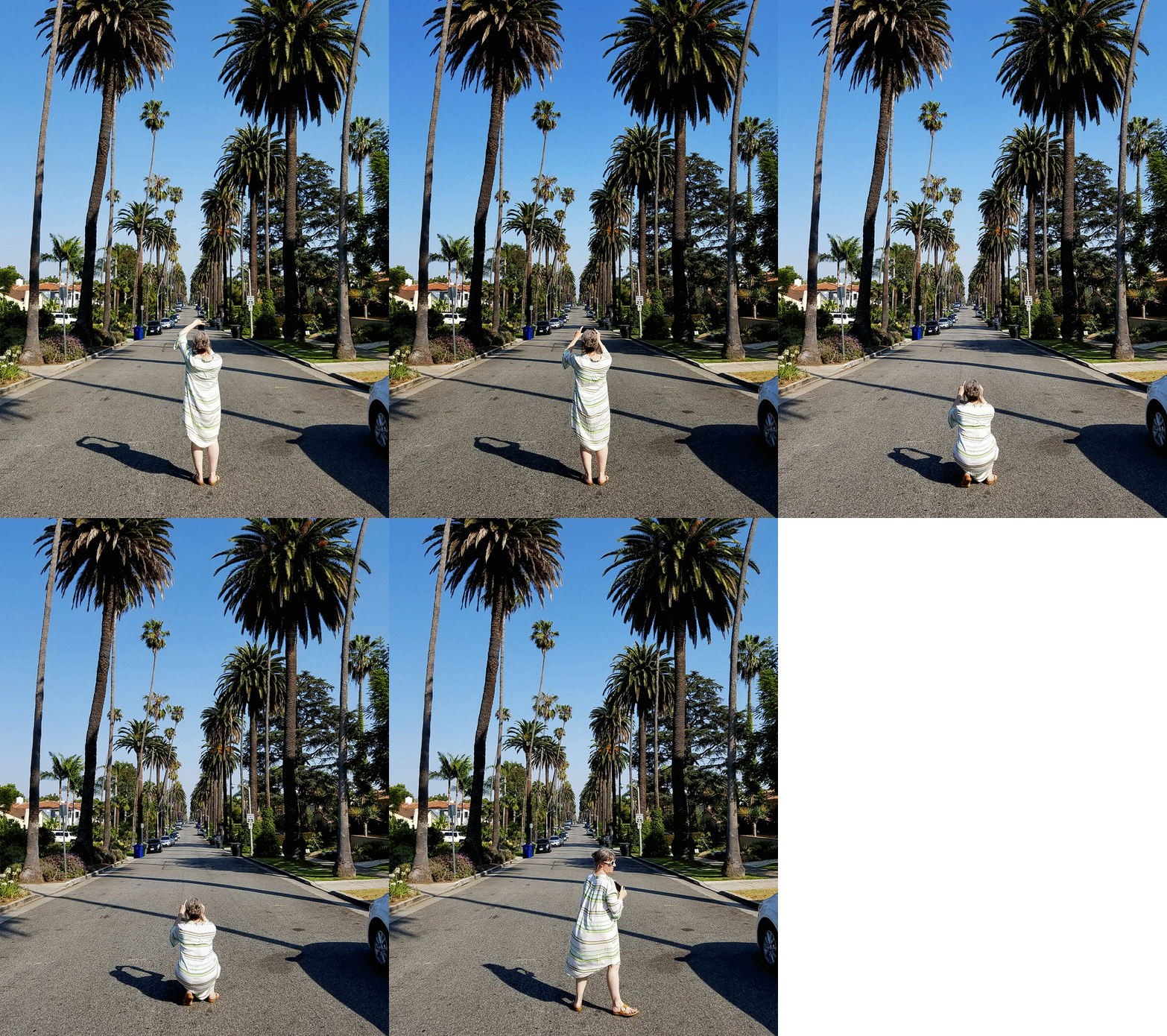
The Gehry Residence, Santa Monica
July 17, 2017
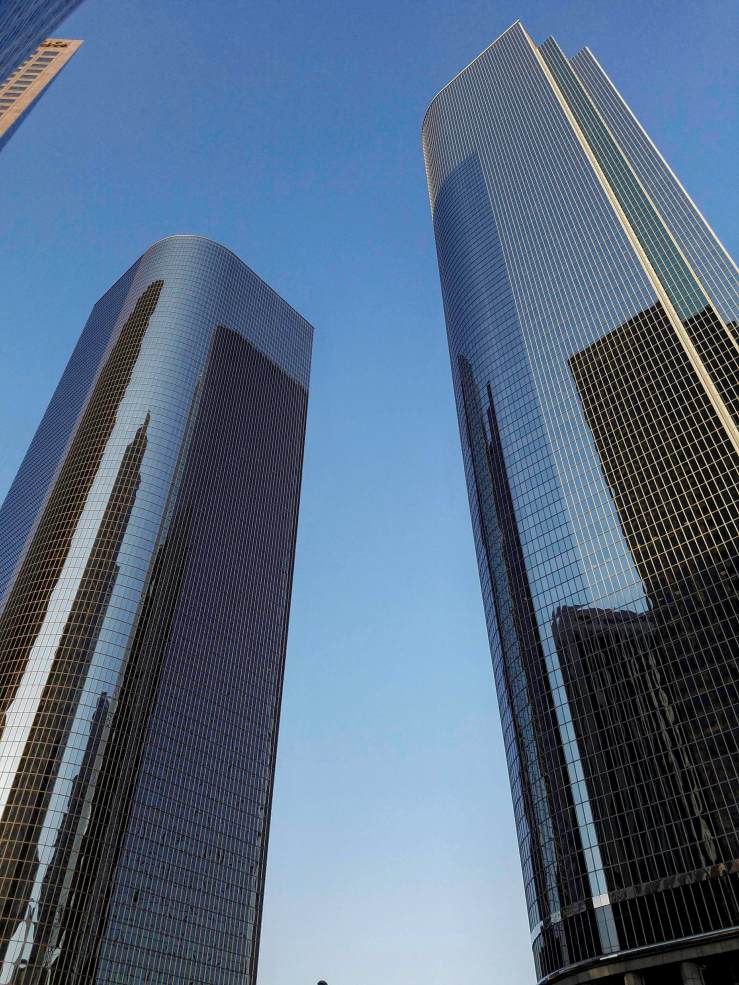
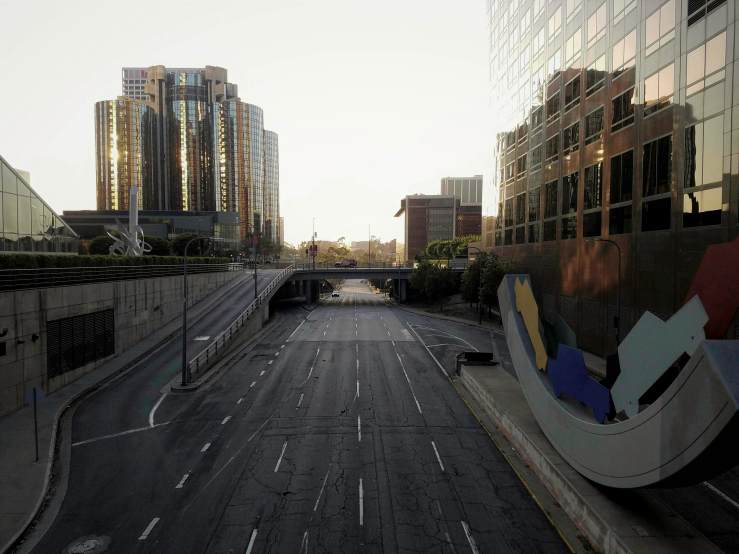
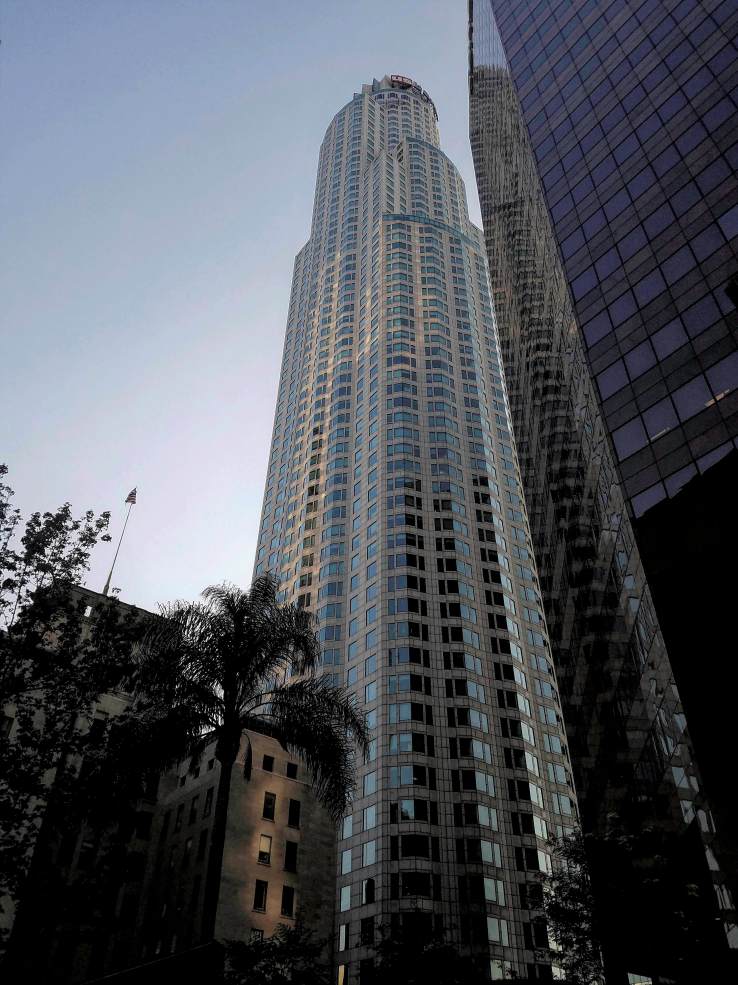
Downtown L.A. on a Sunday.


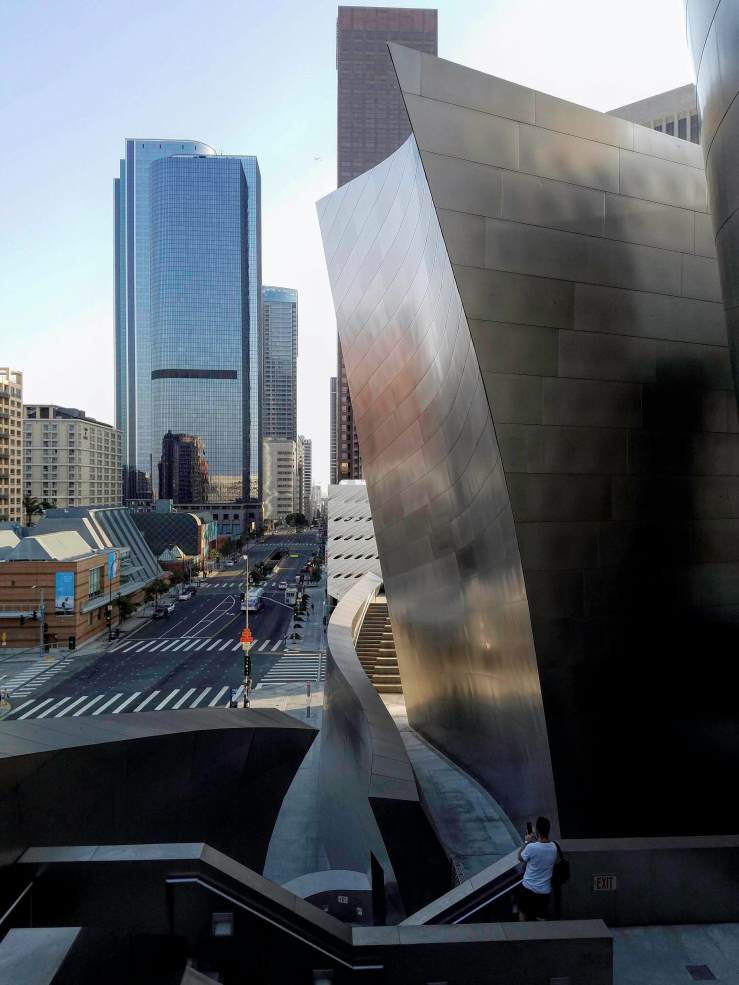



July 16th, 2017
subjective worldview
Actor, writer, cook and author
Travel experiences & Strasbourg city guide
Writer
joy, happiness, travel, adventure, gratitude
"Rêve onirique & Bulle d'évasion"
makes pretty things on paper
This WordPress.com site is Pacific War era information
Welcome to my curious world of words....
Photographs, music and writing about daily life. Contact: elcheo@swcp.com
Free listening and free download (mp3) chill and down tempo music (album compilation ep single) for free (usually name your price). Full merged styles: trip-hop electro chill-hop instrumental hip-hop ambient lo-fi boombap beatmaking turntablism indie psy dub step d'n'b reggae wave sainte-pop rock alternative cinematic organic classical world jazz soul groove funk balkan .... Discover lots of underground and emerging artists from around the world.
A 365 analogue photography project
Barcelona's Multiverse | Art | Culture | Science
Een digitaal atelier aan de (zee)slag.
‘Doodling Ambiguity’s in Ink.’
Miscellaneous photography
Glimpses along the way on a journey of discovery into symmetry...
 The Humble Fabulist