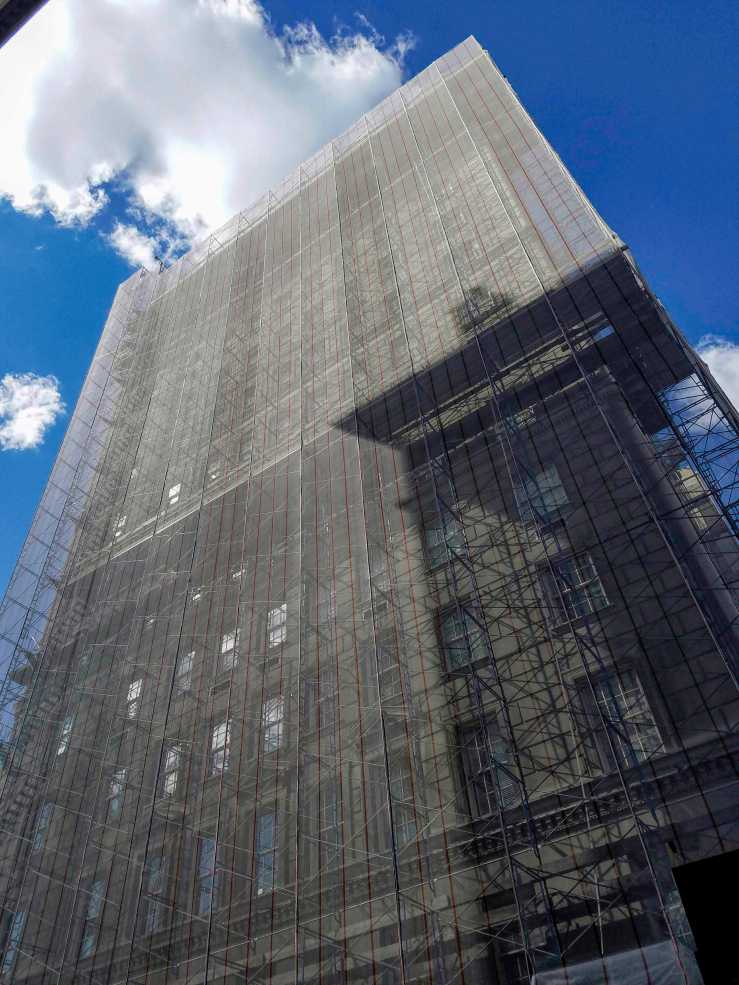
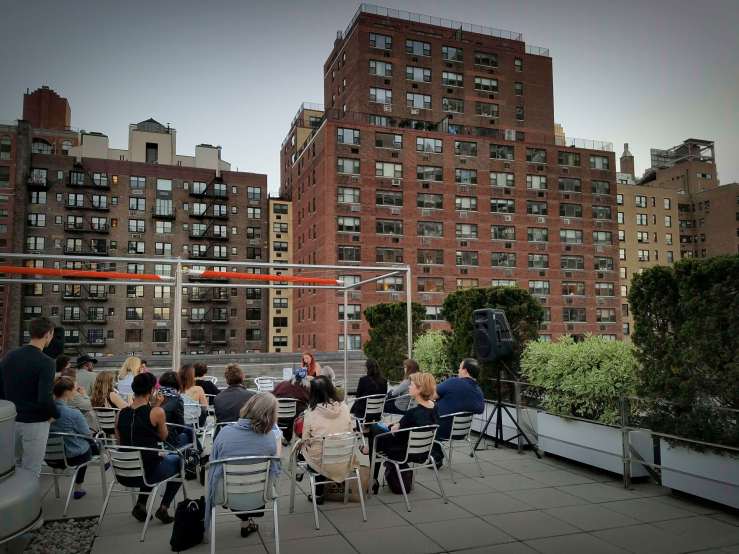
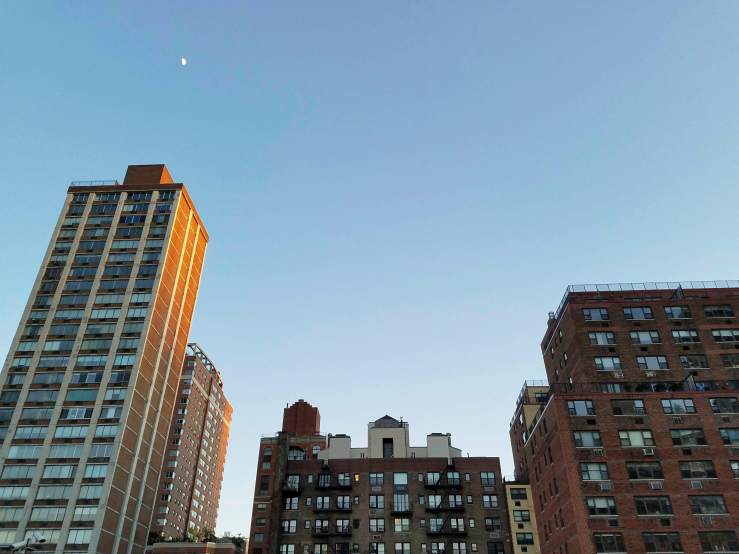
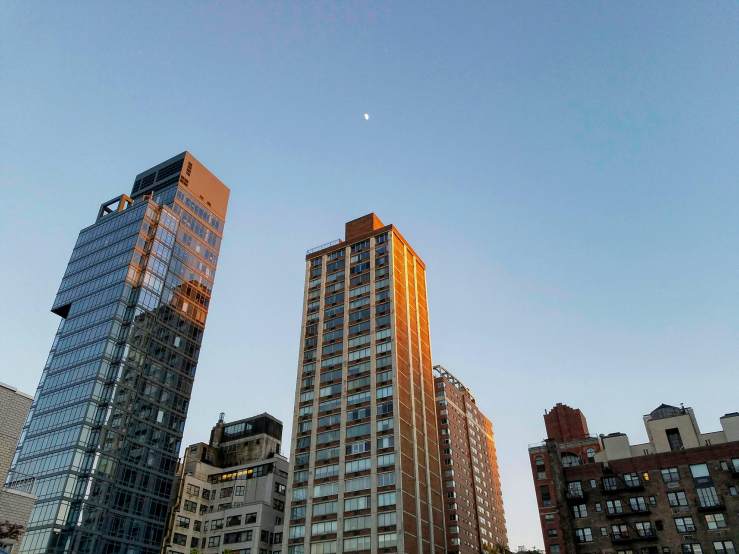
Scribner’s at Golden Hour

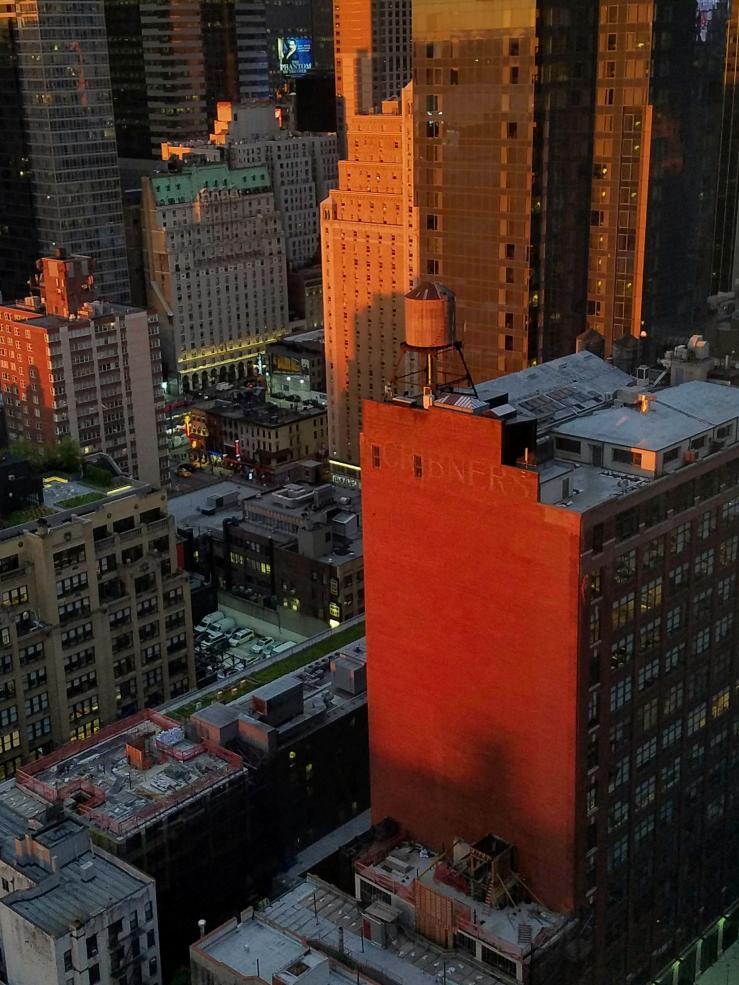
The red brick of Charles Scribner’s Sons building is bathed in a warm blood orange colour.

Formerly a printing plant and corporate HQ of the historic printing house which produced works from such legends as F. Scott Fitzgerald, Ernest Hemingway, Edith Wharton, Thomas Wolfe, Marjorie Kinnan Rawlings, and Ring Lardner.

Now renovated and transformed into a modern office space.

Scribner’s on 43rd Street, Hell’s Kitchen.

June 8th, 2017

Crossing the river to Hoboken

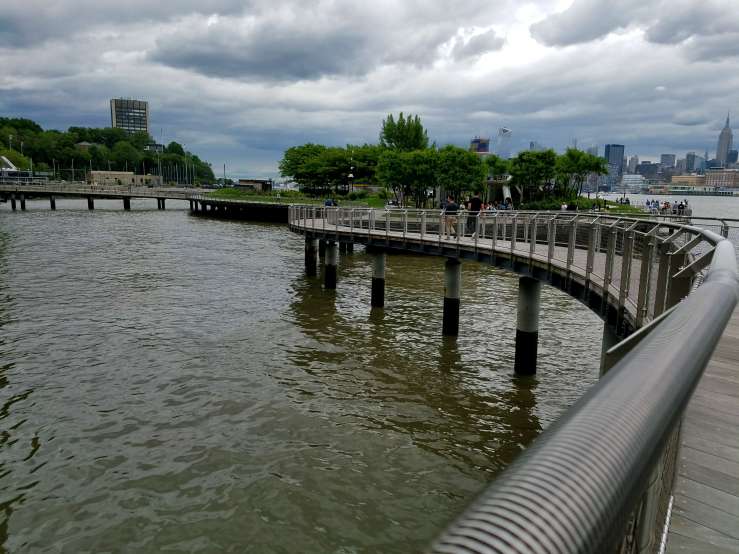
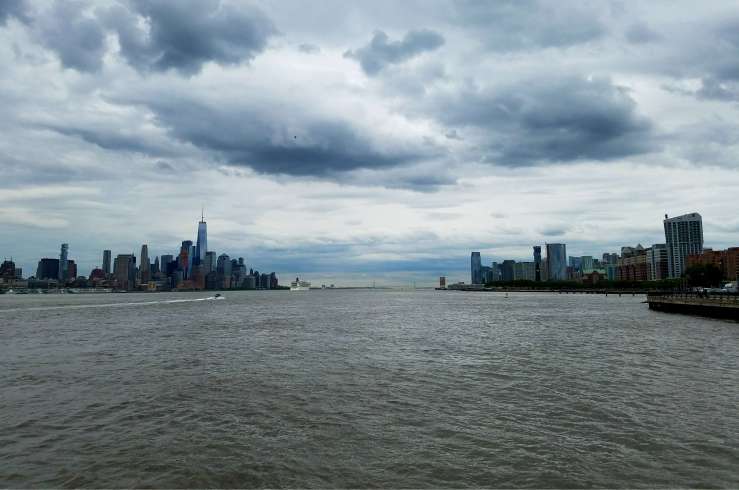
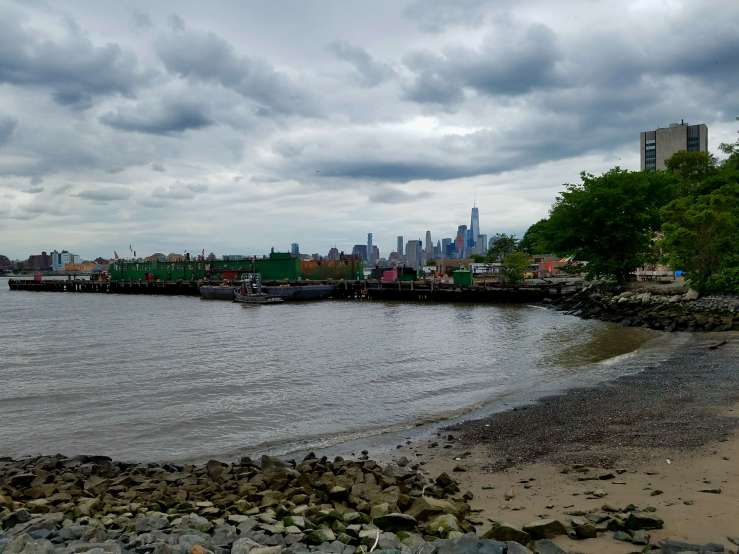
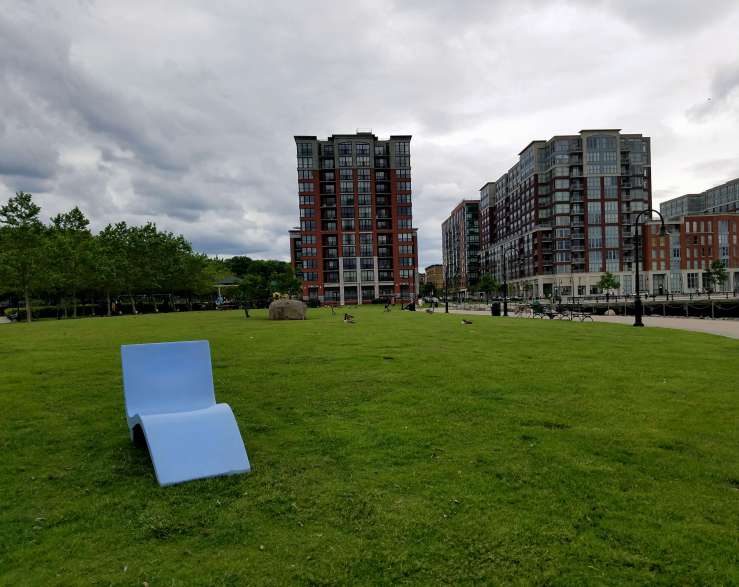
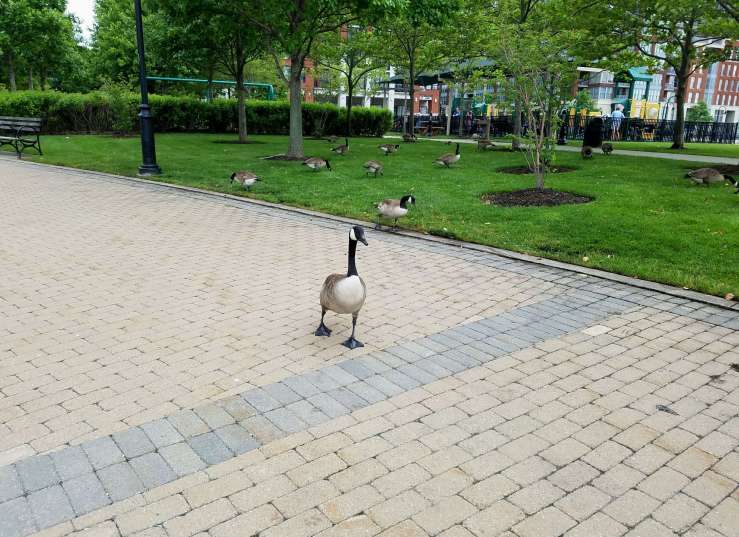
Believe it or not, there is a whole other world out there, beyond Manhattan and the City. Like Hoboken, for example. This town on the Hudson Waterfront, which an outsider might mistake for an extension of New York, is actually sitting in New Jersey. Easily accessible by car, train or ferry, it is a great alternative for walks alongside the river.

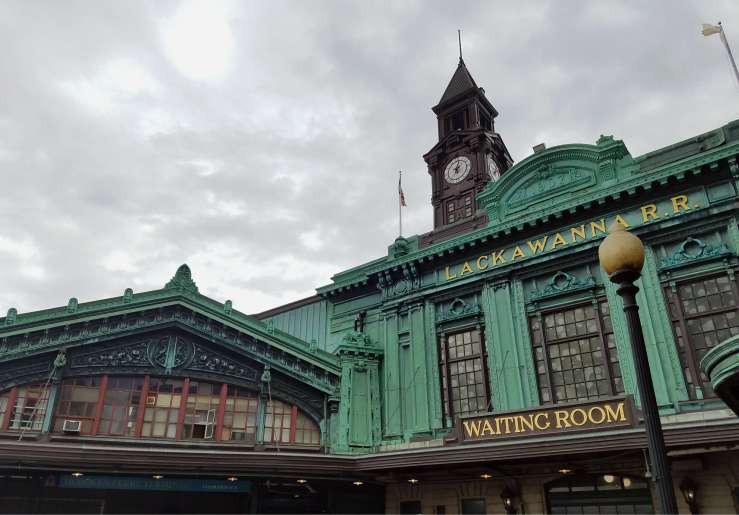
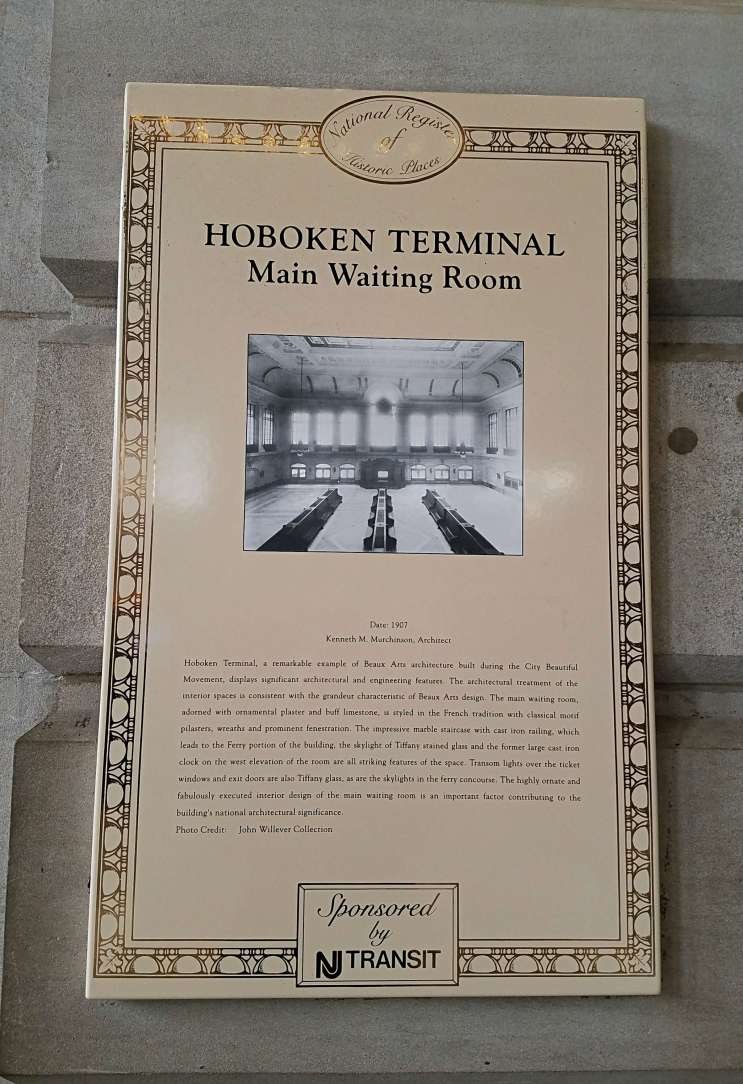
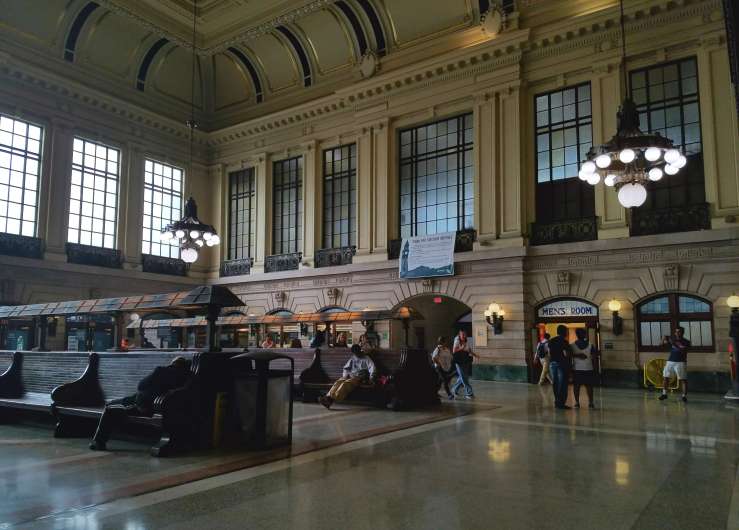
Starting with Hoboken Terminal, the main transportation hub and a magnificent example of Beaux Arts architecture. Just look at the exterior with a steampunk industrial feel and this incredible waiting room, bathed in natural light coming from its Tiffany stained glass skylight!

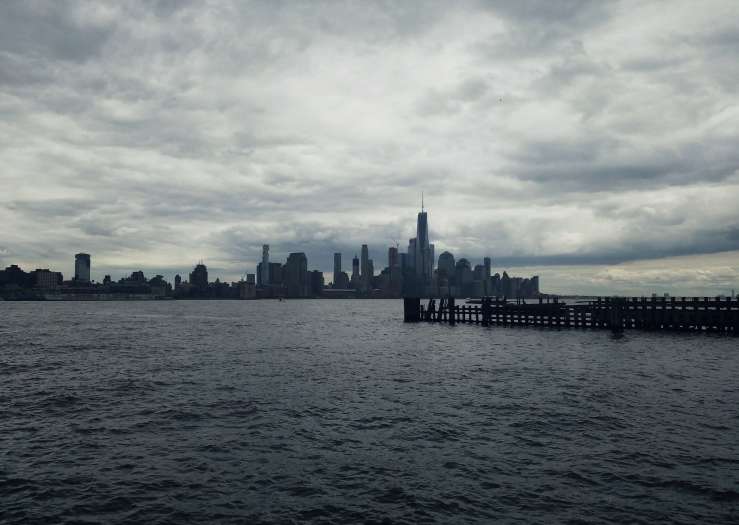
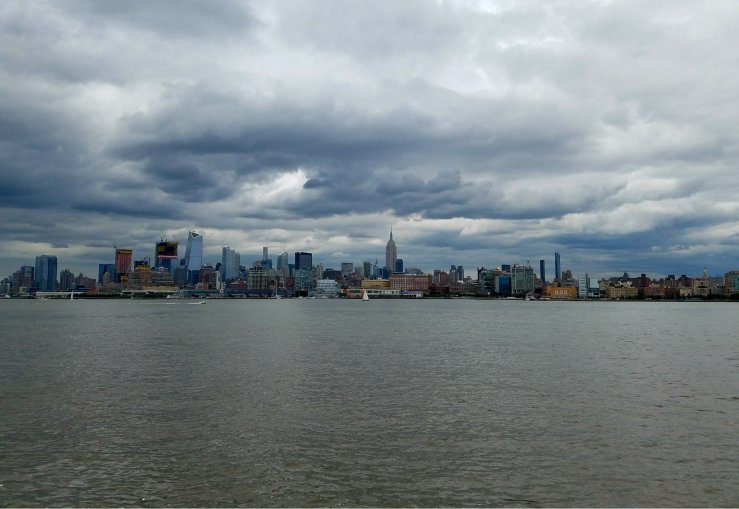
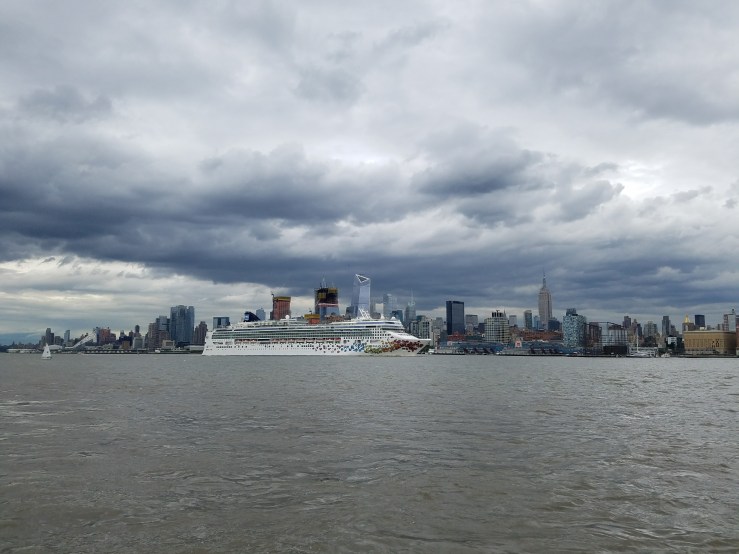
But the main attraction is, of course, a walk on the waterfront offering some of the best, unobstructed views of West Manhattan, all the way down to its lower tip.

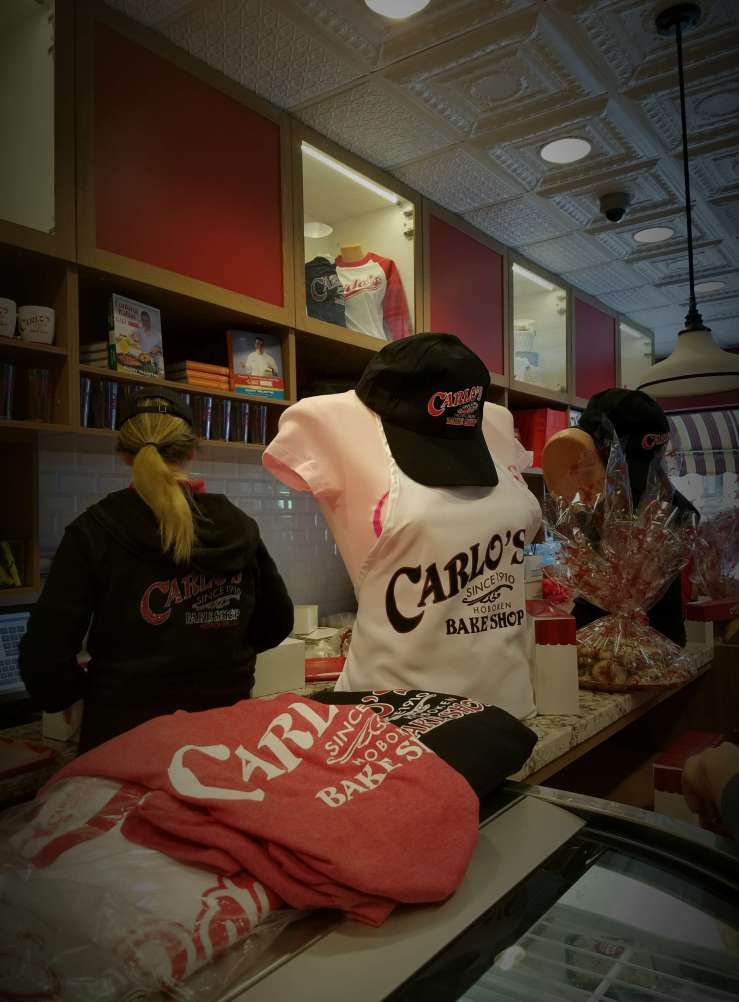
Not forgetting the famous lobster tails, freshly baked directly at the source: Carlo’s Bakery.

For our first visit to Hoboken, we took the PATH from 33rd Street (smooth transit, no delays, no crowds – but it was Saturday…). Next time, which will hopefully be soon, we’ll try the ferry, which is always much more fun than travelling through a dark tunnel, underwater.

May 27th, 2017

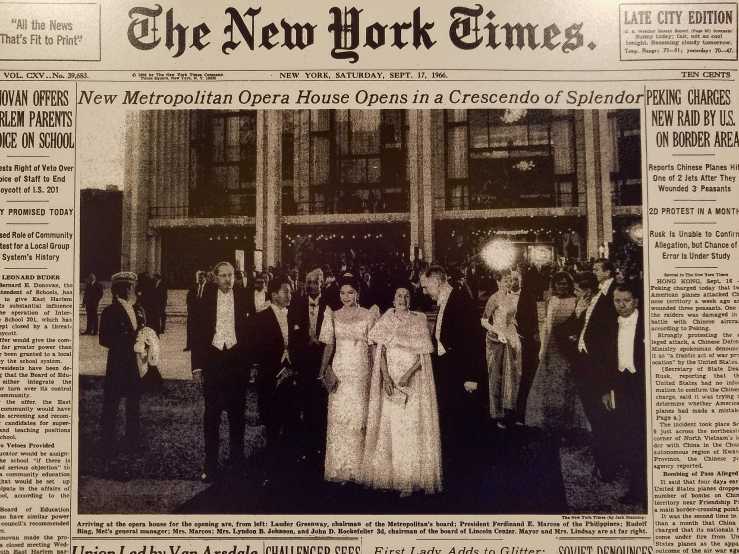
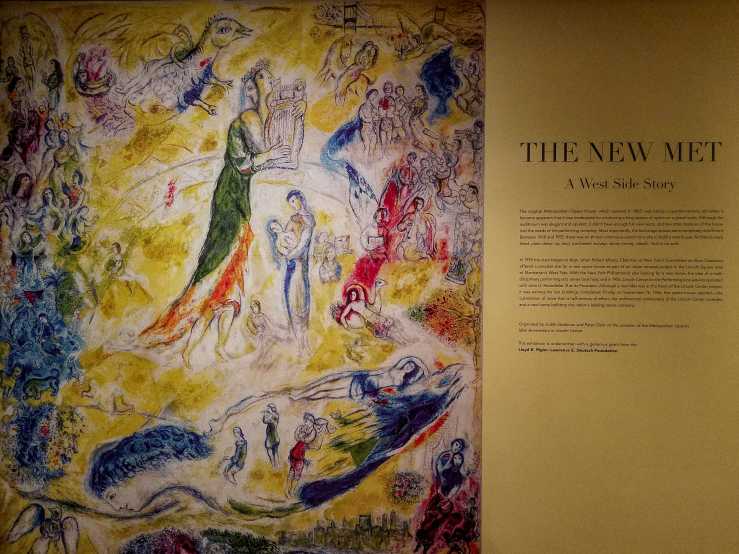
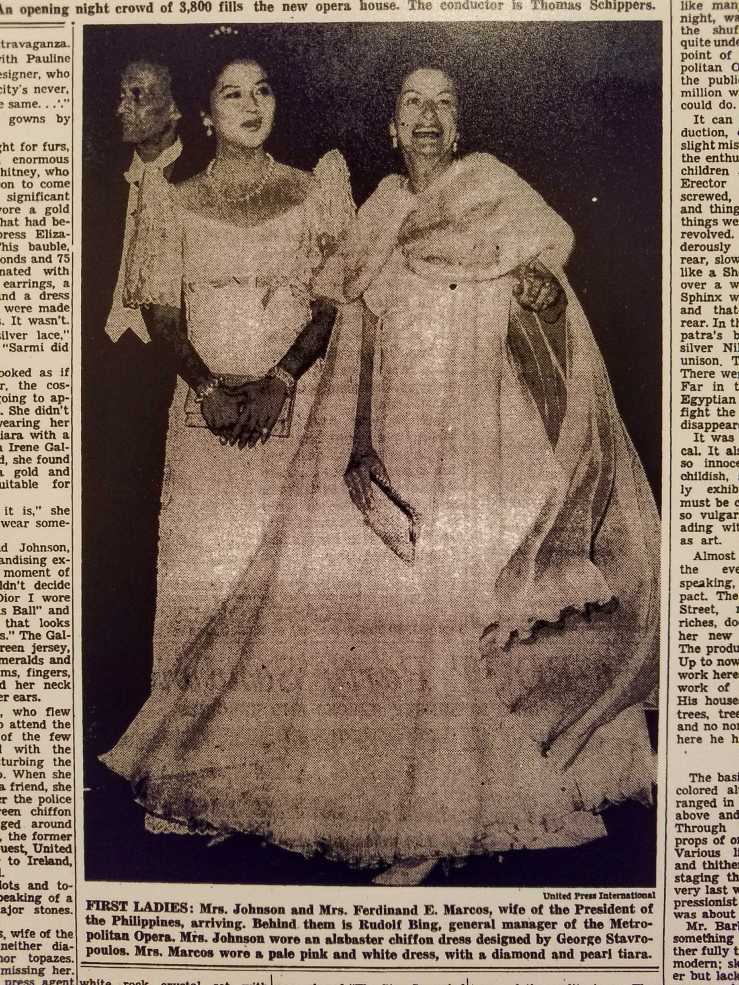
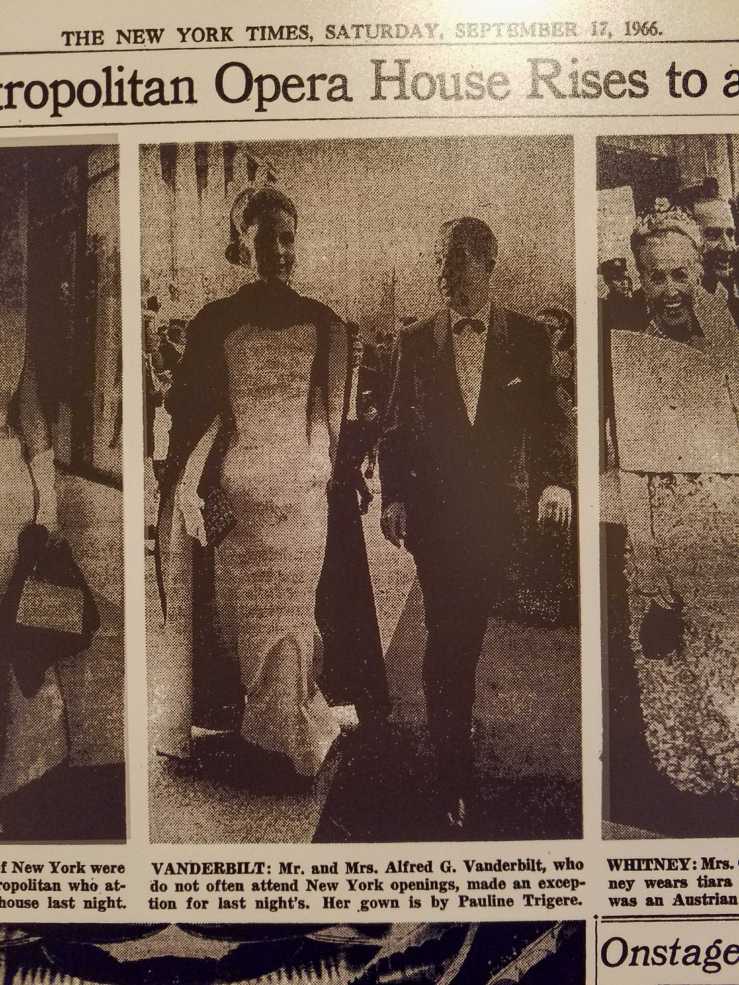
The Wall of Fame – part II

Those were the days…! Benjamin Morris, plan for a new Met, 1928
Architect Benjamin Morris, who had also proposed plans for the West 57th Street opera house, continued to work with the Met board’s New Site Committee. In May 1928, Morris presented a plan for the land now occupied by Rockefeller Center. His proposal for an opera house facing a plaza, surrounded by commercial towers, was the origin of what would later become the Center.  Benjamin Morris, plan for Metropolitan Square, 1928

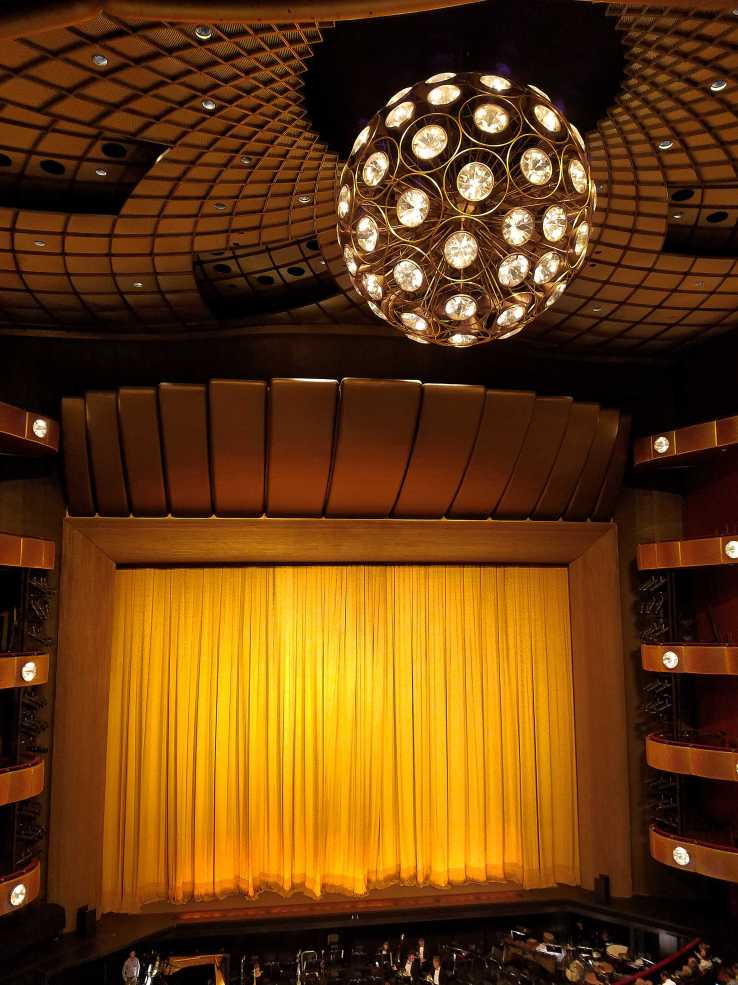
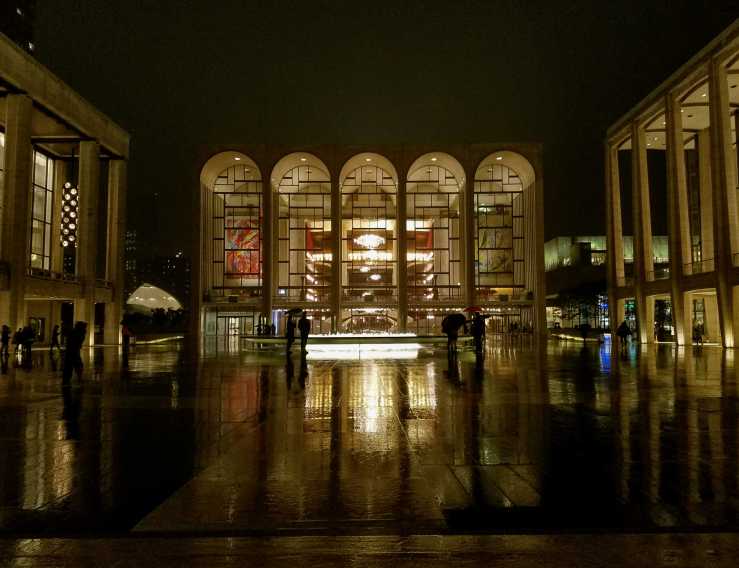
Metropolitan Opera House

May 14th, 2017

The East Room || The Rotunda

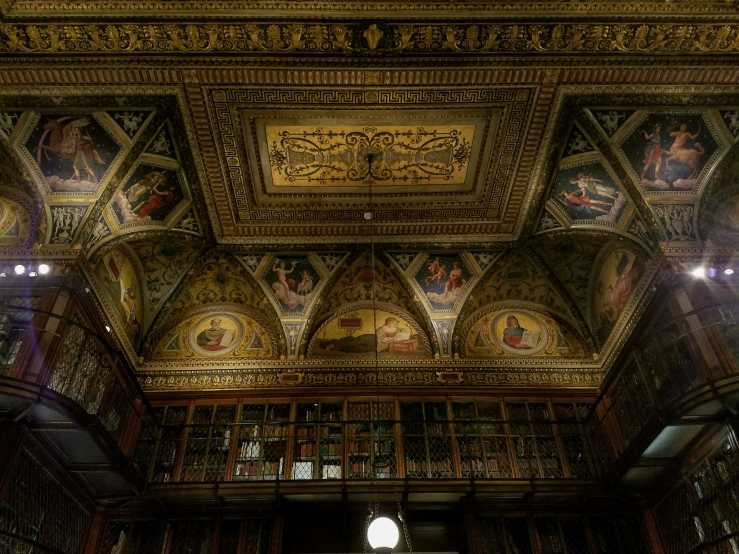
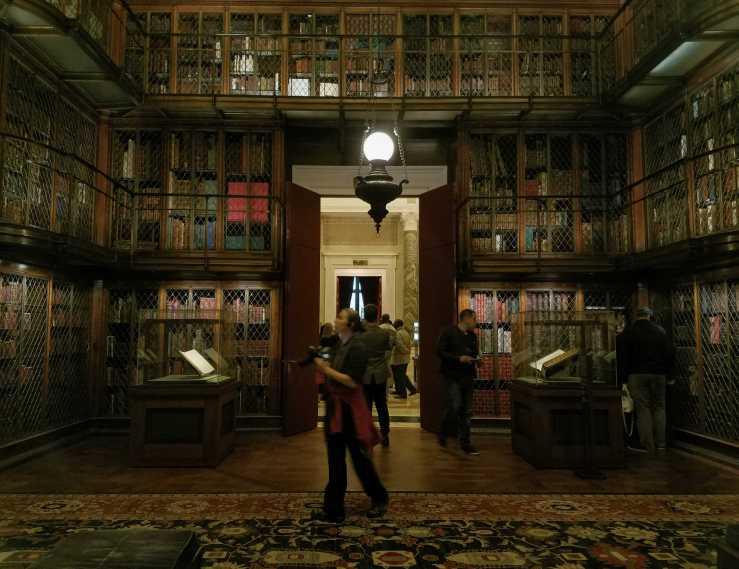
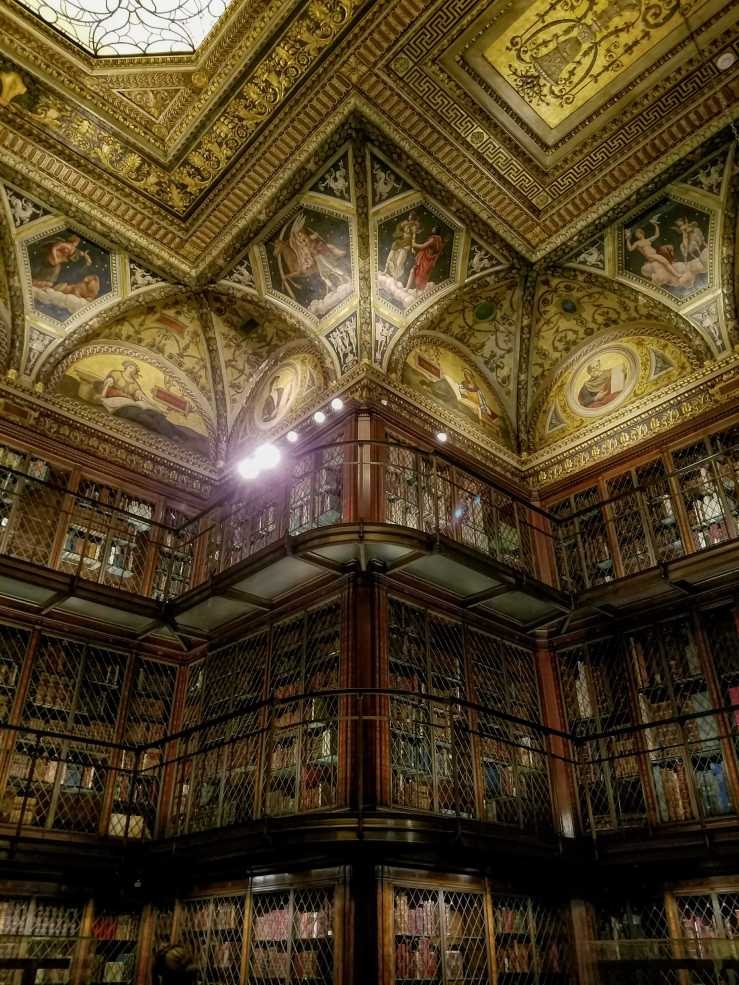
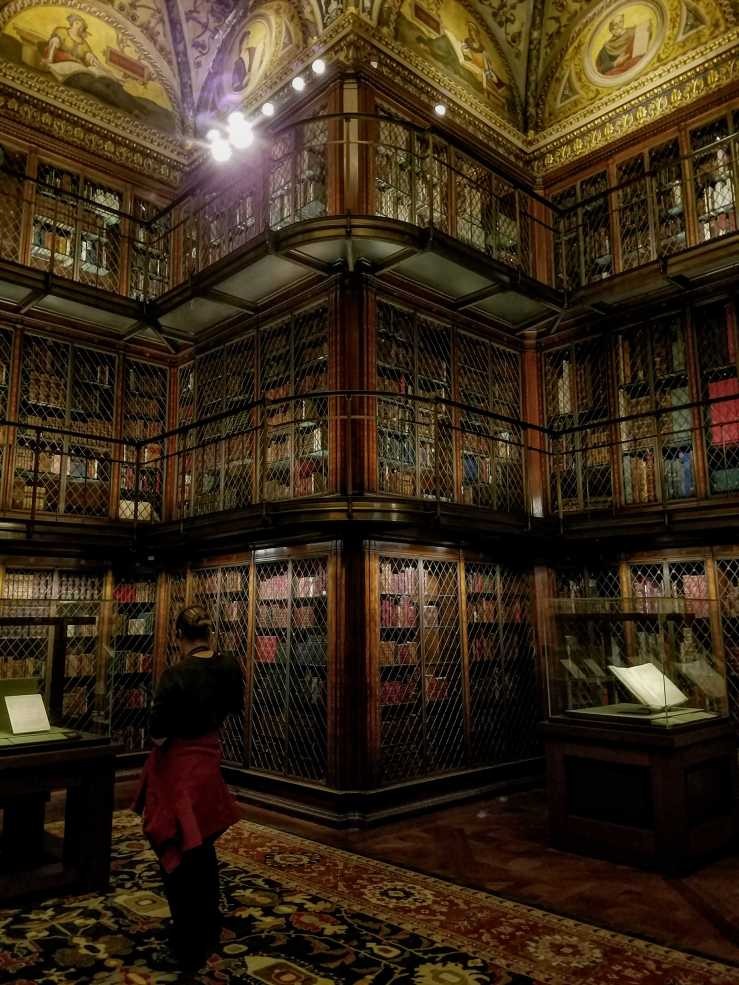
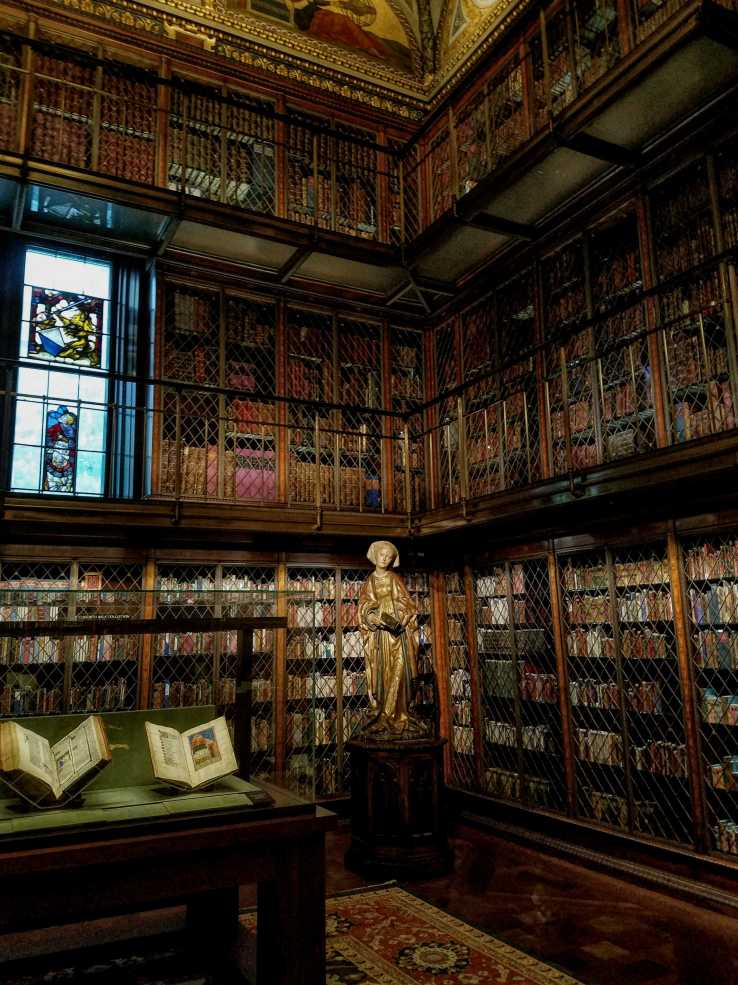
The Original Library

With its three-story inlaid walnut bookshelves and magnificent ceiling, the East Room was designed as a treasury for Pierpont Morgan’s remarkable collection of rare printed books. The sixteenth-century Netherlandish tapestry over the mantelpiece depicts avarice, one of the seven deadly sins, personified by the mythological King Midas. Two staircases, concealed behind bookcases, provide access to the balconies. Paintings by H. Siddons Mowbray adorn the upper reaches of the room, and the signs of the zodiac are depicted in the ceiling’s hexagonal spandrels. (Morgan was a member of an exclusive dining club that admitted only twelve members at a time—one for each sign of the zodiac—and the arrangement of the signs in his library’s ceiling may carry a hidden meaning related to key events in his personal life.) Allegorical depictions of the arts and sciences alternate with portraits of figures from Socrates to Michelangelo, identifying the library as a place for the preservation of art and ideas.

Literature, Art, and Music from the Middle Ages to the Present

On view in the East Room are examples from The Morgan Library & Museum’s extraordinary collection of medieval illuminated manuscripts, rare printed books and bindings, and handwritten manuscripts of great writers, artists, and composers from the Renaissance to the present day. While some of the items on view were purchased by Pierpont Morgan, others have been acquired in the century since his death. Selections are changed regularly, but a seminal work is always on view: one of the Morgan’s three copies of a Bible printed by Johannes Gutenberg in 1455. With Gutenberg’s Bible, the painstaking process of copying books by hand gave way to an innovative new technology—movable type—that facilitated the exchange of art and ideas in all spheres of human endeavor.

Taking another look at The North Room, before leaving.  The Rotunda

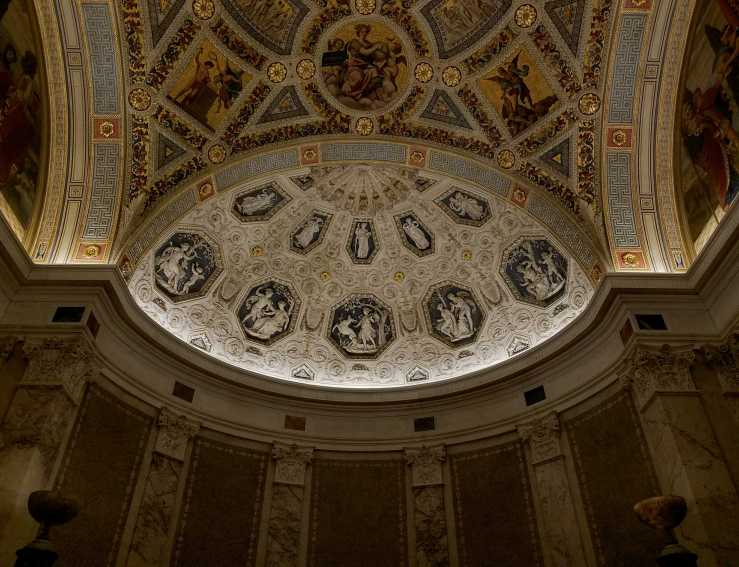
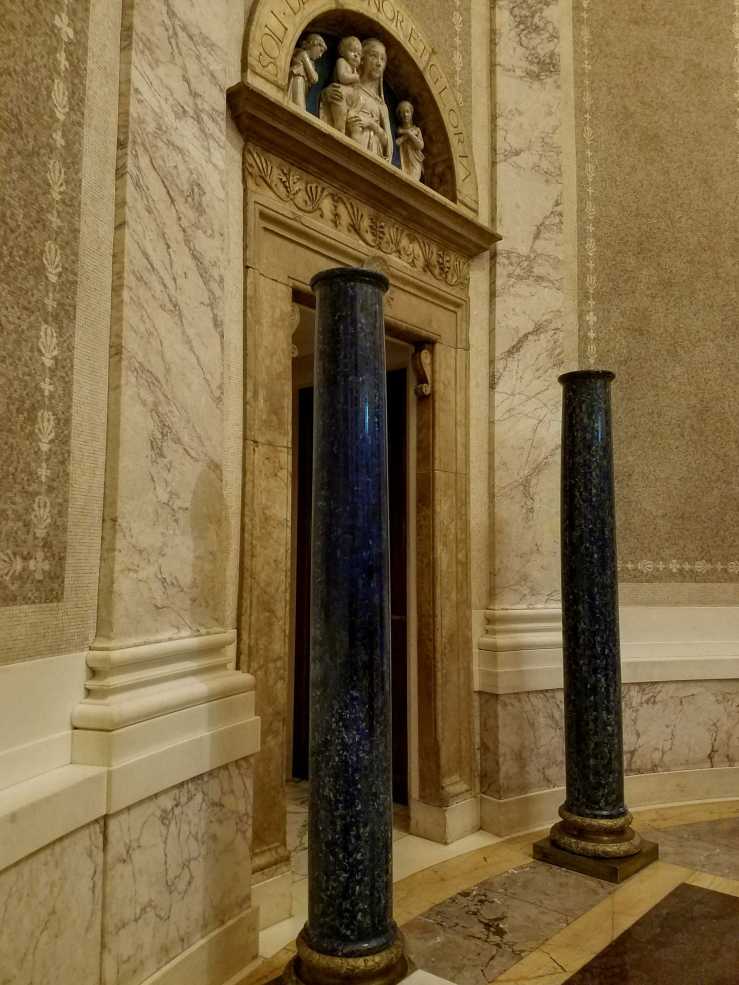
In Morgan’s day, visitors to the library passed through a pair of monumental bronze doors into a rotunda replete with opulent detail: variegated marble columns, an ornately patterned floor, and fine mosaic panels that line the curved walls. The ceiling paintings, by American artist H. Siddons Mowbray (1858–1928), depict three of the major literary epochs represented in Pierpont Morgan’s collections—the ancient world, the Middle Ages, and the Renaissance. 

This portrait of Mrs. Morgan was on view at the Lower Level (and not in one of the rooms surrounding Mr. Morgan’s library, as I would have expected). John Singer Sargent, Florence 1856-1925 London
Portrait of Mrs. J.P. Morgan, Jr.

This spirited portrait depicts Jane Morgan (neé Jane Norton Grew, 1868-1925), the wife of Pierpont Morgan’s son, J.P. Morgan, Jr. (1867-1943). Although the portrait is inscribed 1906, it appears that Mrs. Morgan sat for Sargent in 1904-5, when she was still living with her husband in London. The Morgans returned to New York in 1906. The following year Sargent declined the opportunity to depict Pierpont Morgan. Shortly thereafter he relinquished his practice as the leading portrait painter of high society in order to focus on landscapes and murals.

The Morgan Library & Museum

May 7th, 2017

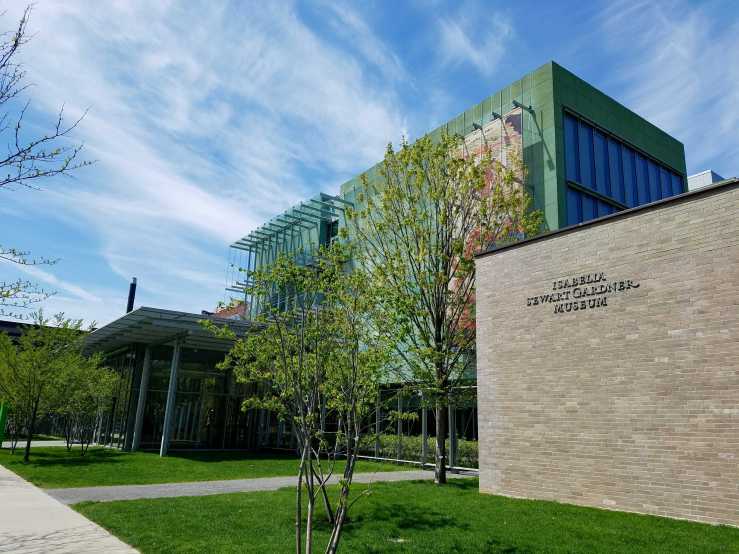
The Fabulous Isabella Stewart Gardner Museum

How come it is already one year ago this week, when we stepped into the secret world of wonders that is the Isabella Stewart Gardner Museum? That eclectic structure, inspired by Venetian Palazzos but integrating Roman, Byzantine, Romanesque, Gothic and Renaissance elements – and more recently a new glass wing by (you guessed it, again) Renzo Piano –  and still managing to look harmonious?

Indeed, Isabella and her husband Jack, loved Venice so much they wanted to bring it back home with them. And so they did! They bought columns, windows, and doorways to adorn every floor, as well as reliefs, balustrades, capitals, and statues.

But it was not just Venice. The Gardners travelled all over the world, from Paris to the Middle East, Egypt to the Far East and across America, collecting on their way paintings, photos, statues and other objects of art and craft. Their collection grew so big, the Gardners had to think about a new home for their treasures. That’s when plans for a new museum were first laid. But Jack’s sudden death in 1898 found Isabella pursuing their common dream all by herself.

And she certainly pursued it. Not only she was present at the site every day, she gave orders, demonstrated exactly how she wanted the building to look like down to the slightest detail. When ceiling beams arrived for the Gothic Room and were too smooth for her liking, she took an ax in hand and hacked away to achieve the desired result.

It took us the best part of the day to walk through The Gardner; it will take us a good full week to revisit it here on The Humble Fabulist. I hope you enjoy this series as we take a look into the wonderful world that Isabella Stewart Gardner built for us.
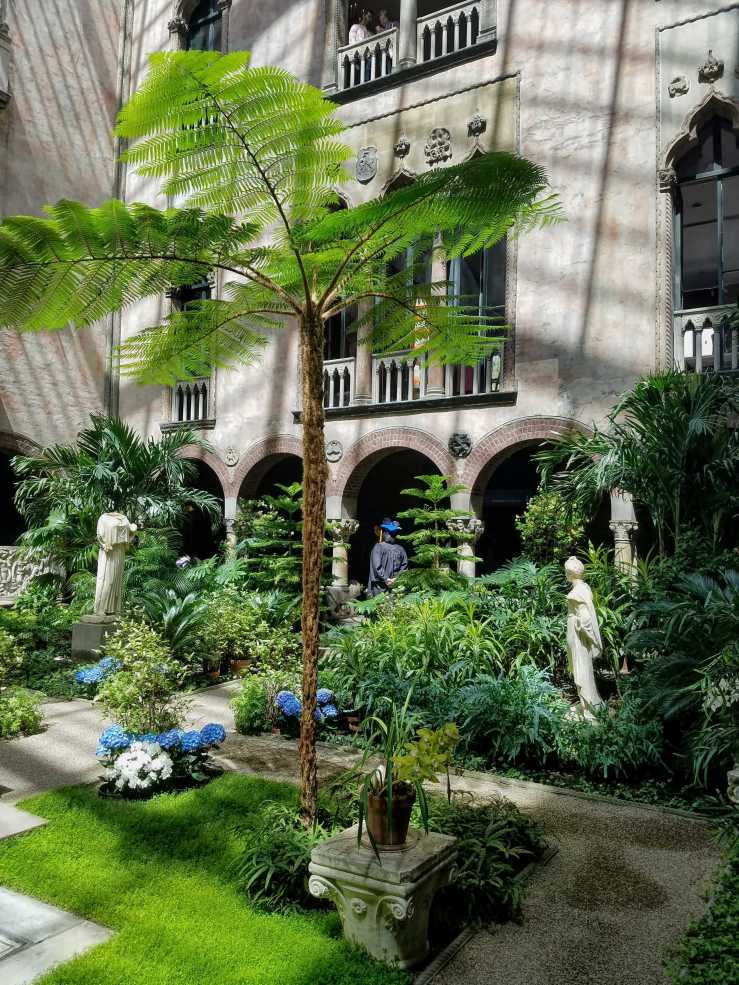
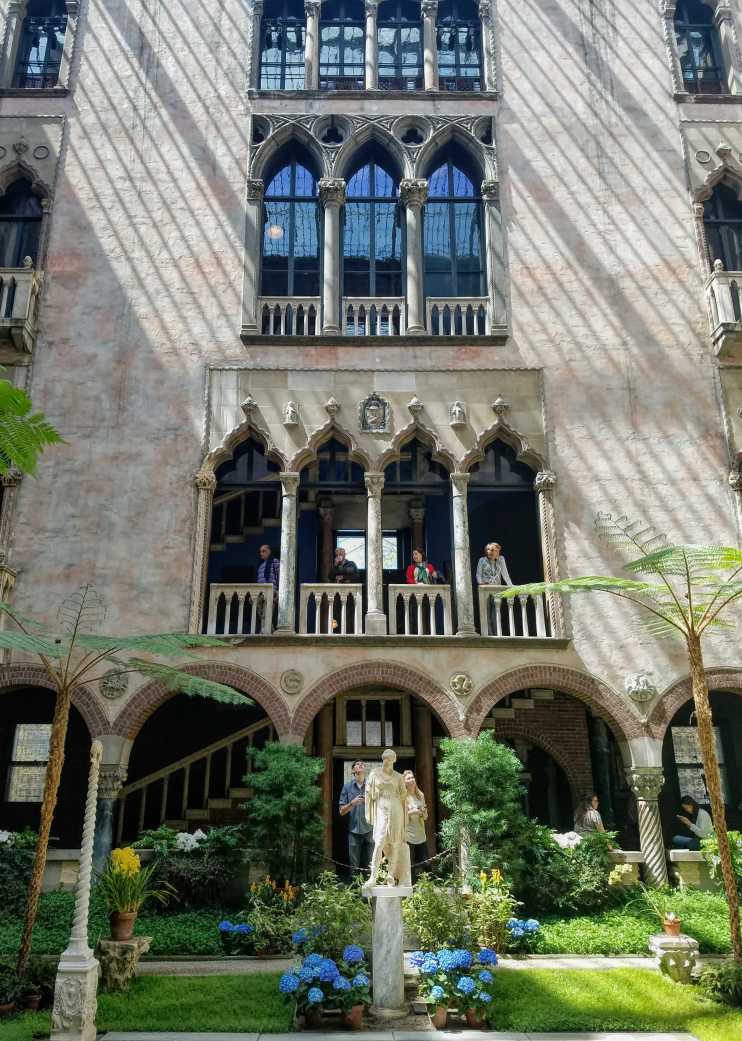
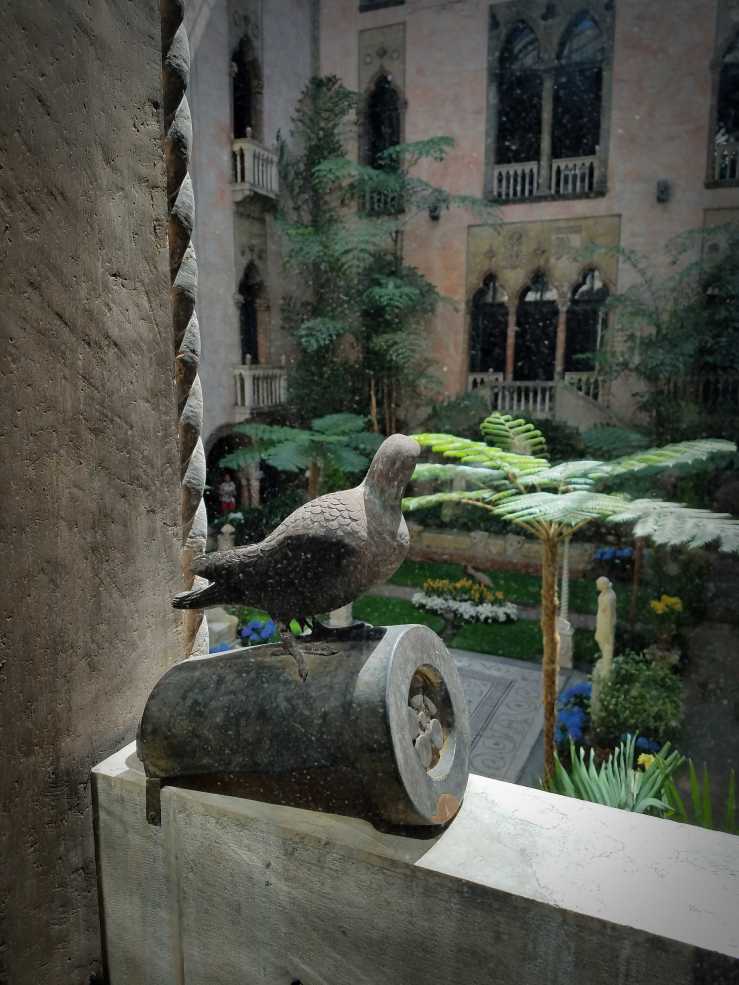
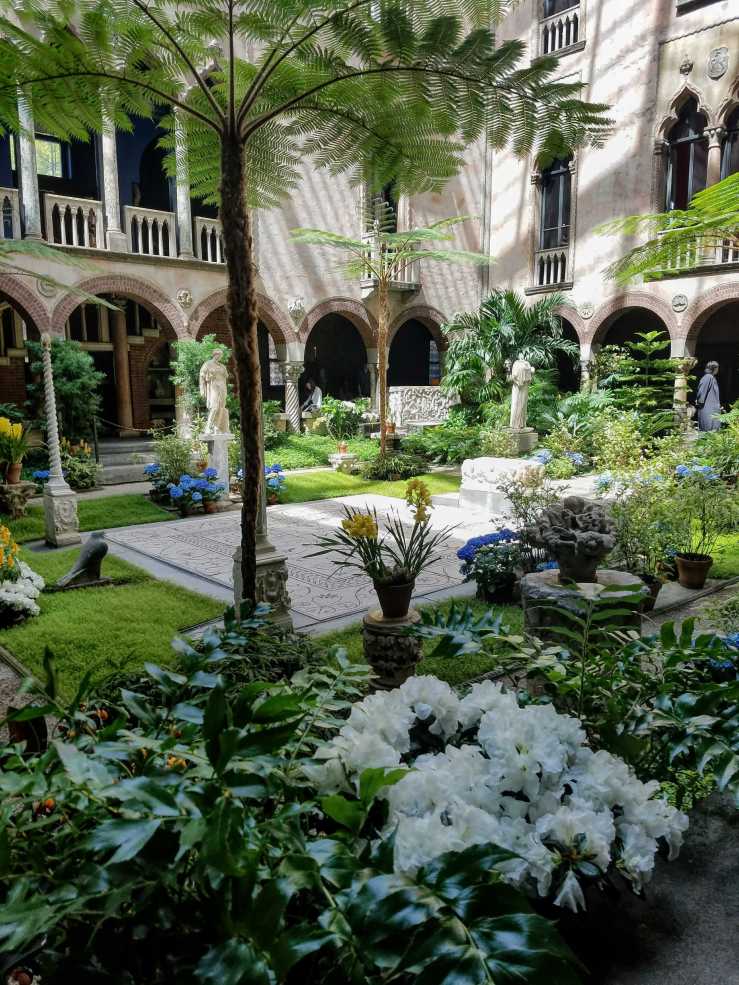
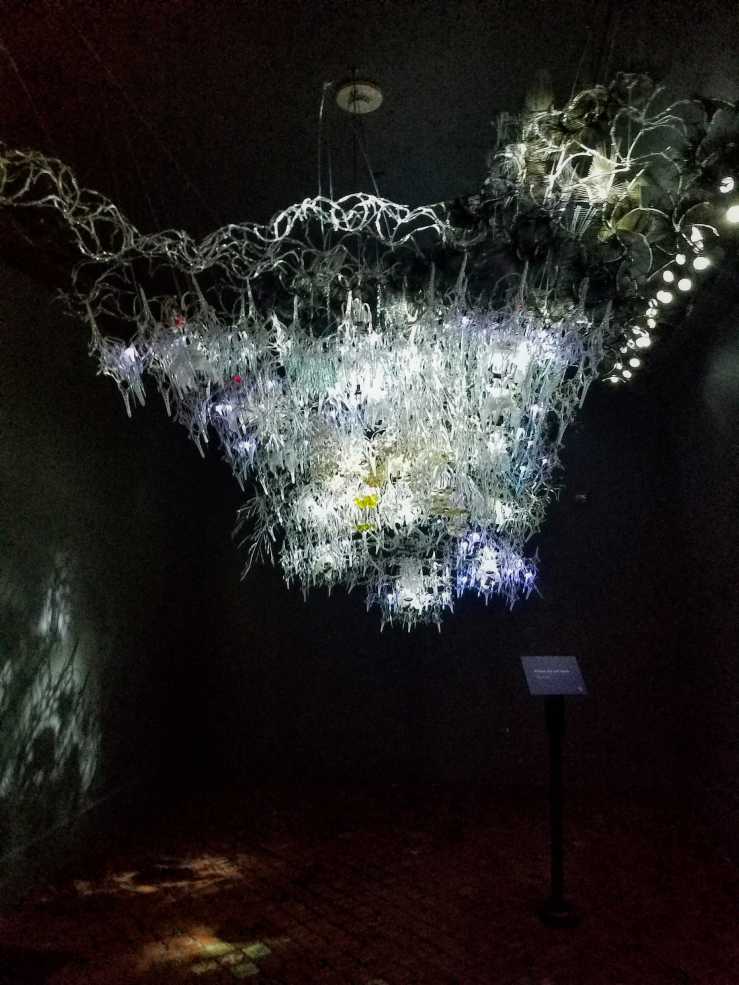
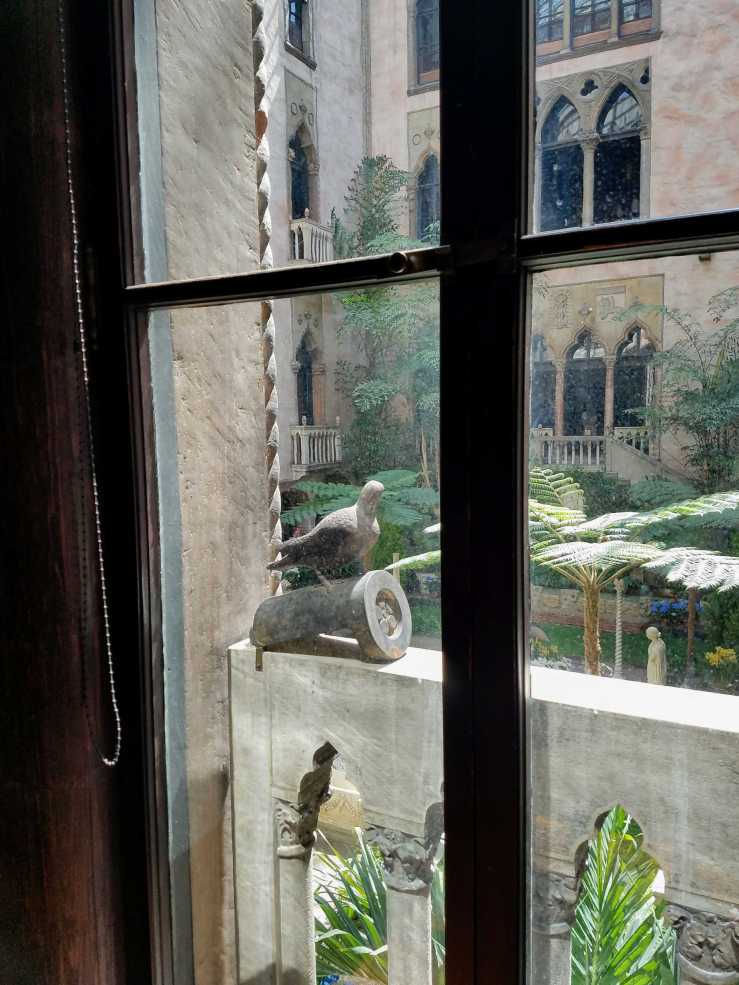
Let us start with the Courtyard, visible from every gallery in the museum, with its Ca’d’Oro balconies dating from 1845-1855 and Roman sculpture garden where plants change almost every month. For most of the them are grown in the Museum’s temperature-controlled Hingham greenhouses, then trucked here on rotation so that the garden is always in full bloom. Notice the hydrangeas in these pictures?  They are often grown from cuttings taken the previous year and are on view between May & June.  This is ”Sentient Veil”, a sculptural sound piece created in 2017, by Philip Beesley (b. 1956). Small glass ampules containing gold and blue liquids hang in clusters from a digitally fabricated textile, along with LED lighting and miniature acoustic resonators. “Sentient Veil” is silent until visitors enter the gallery; movement in the room triggers a mixture of whispers, mechanical clicks and gentle tones, creating a quiet chorus.

The Spanish Cloister –

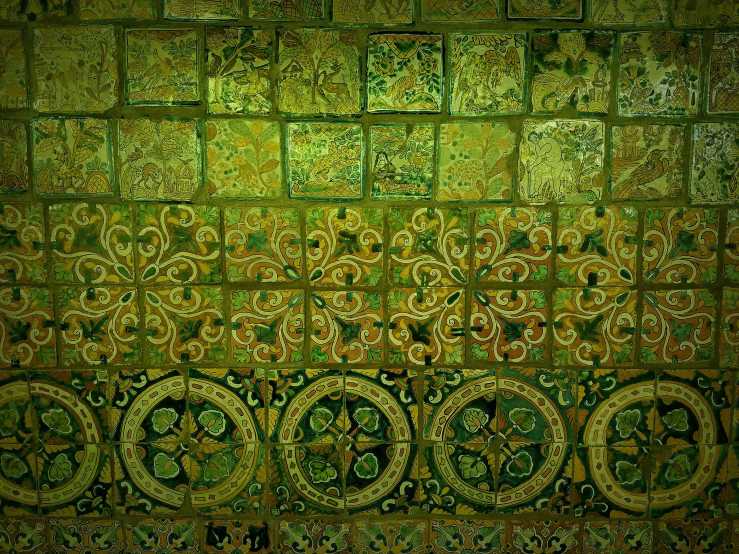
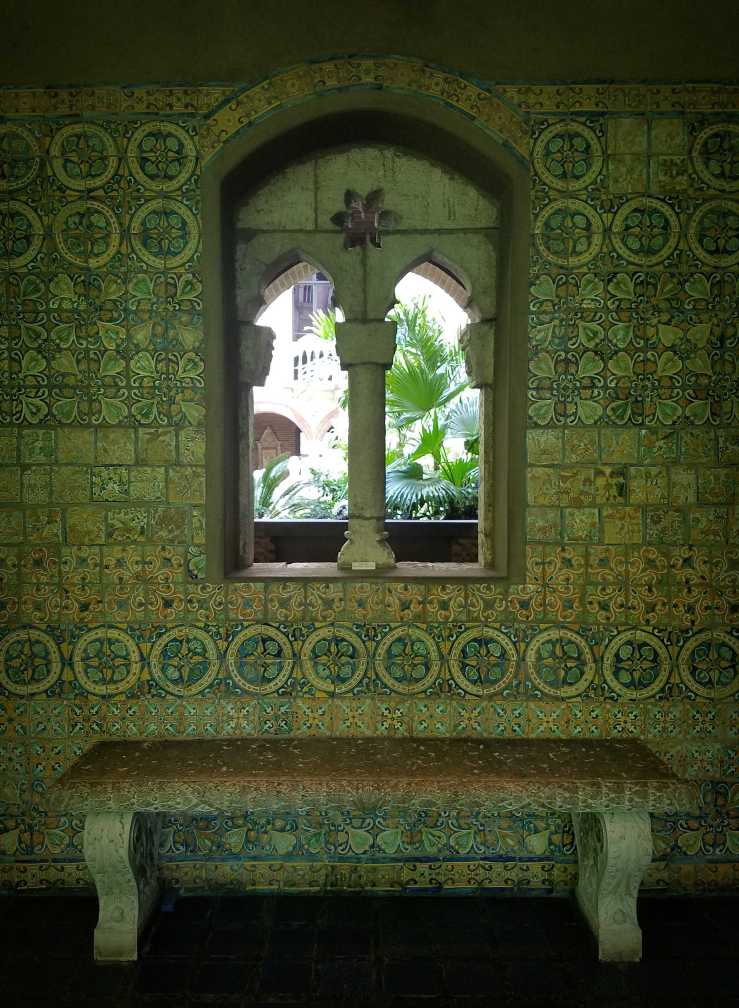
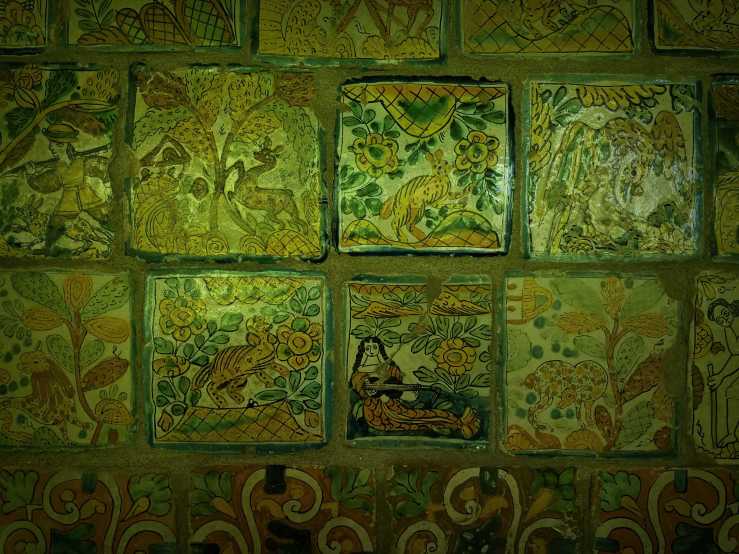
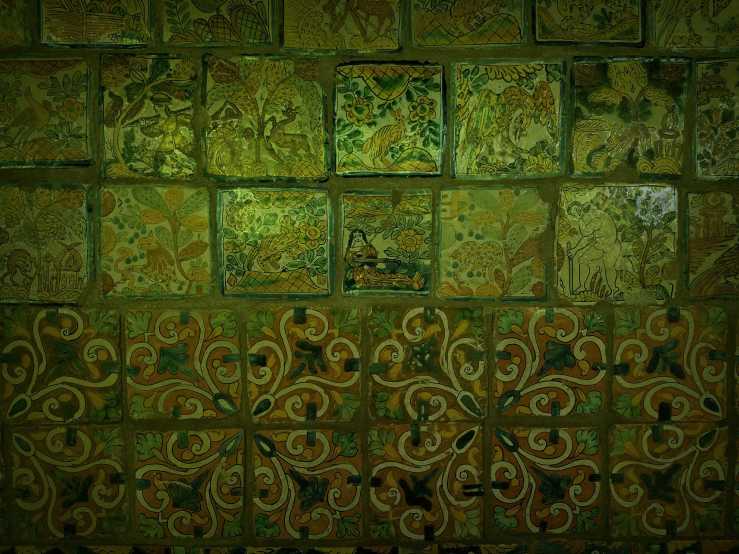
Isabella Gardner herself spent hours assembling the nearly 2,000 painted and glazed tiles into the appealing pattern we see today on the walls of the Spanish Cloister. Her friend, the artist Dodge Macknight, bought the tiles for her in Mexico in 1909 from the Church of San Agustìn.
And, finally for today,

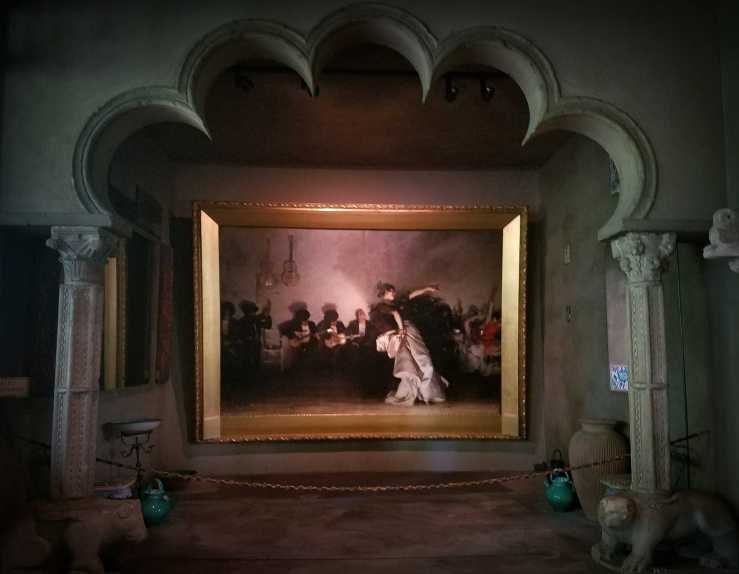
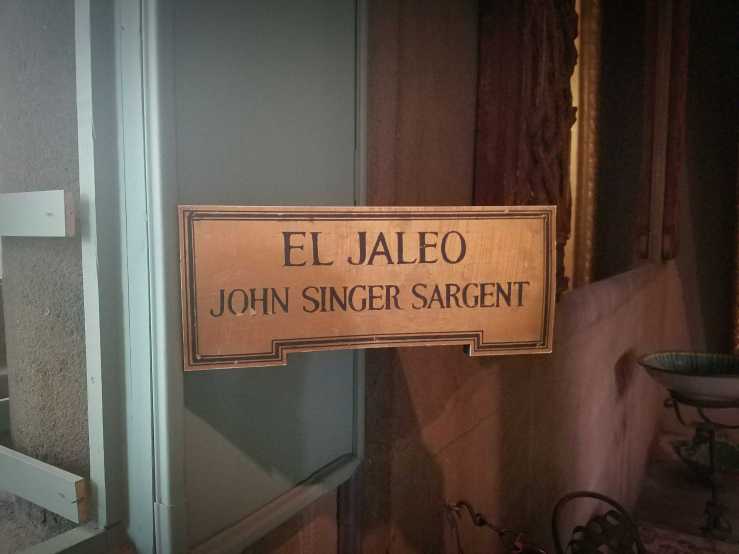
JOHN SINGER SARGENT (1856 – 1925)
EL JALEO, 1882
Oil on canvas

During his travels in Spain in 1879, Sargent was mulling over a major work of art in which he could express his love of Gypsy music, dance, and picturesque costumes. On his return to Paris he set to work on a wide horizontal picture whose proportions simulated the shallow stage space of popular musical establishments. He named the painting El Jaleo to suggest the name of a dance, the jaleo de jerez, while counting on the broader meaning jaleo, which means ruckus or hubbub. The painting was exhibited at the Paris Salon of 1882 with the more explicit title El Jaleo: Danse des gitanes (Dance of the Gypsies).
The Isabella Stewart Gardner Museum

May 4th, 2017
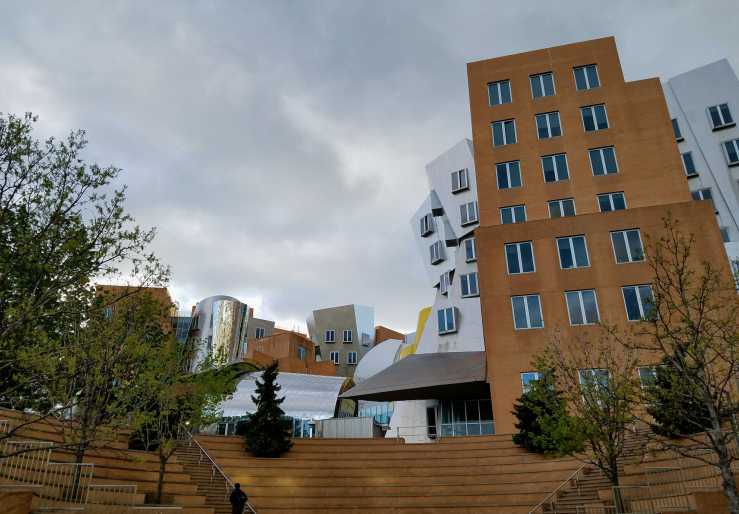
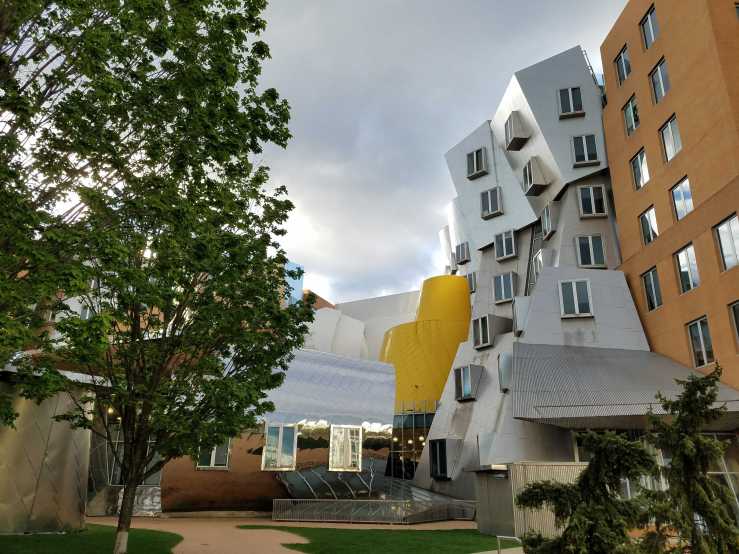
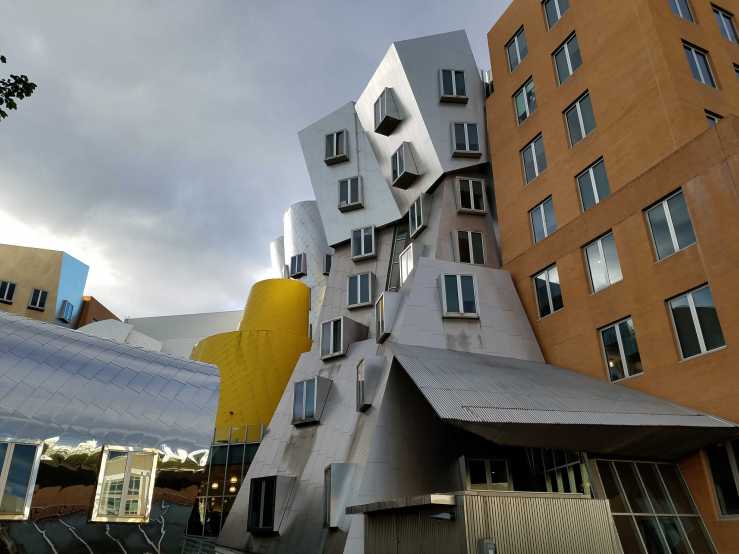
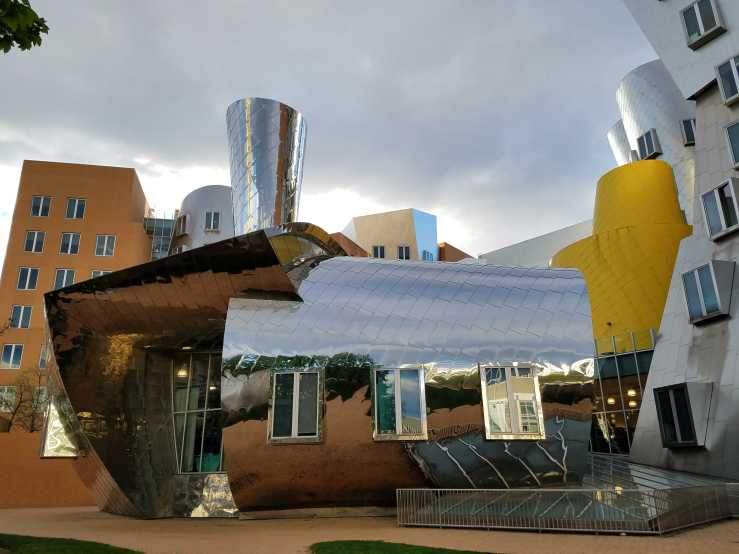
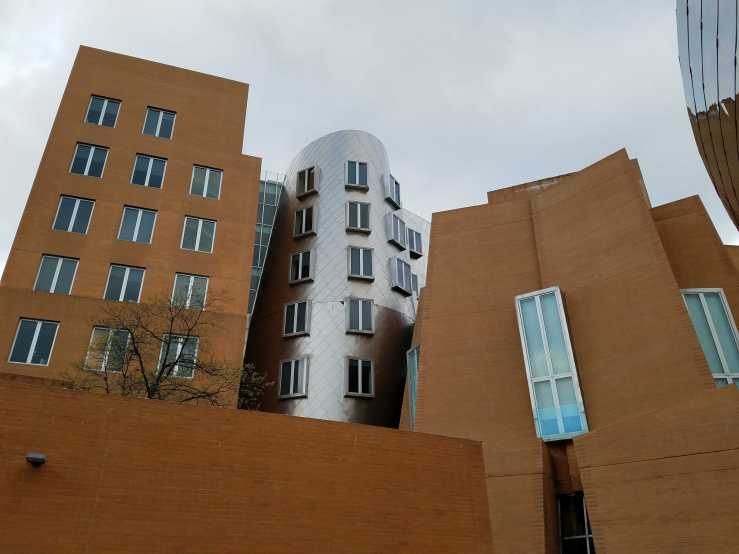
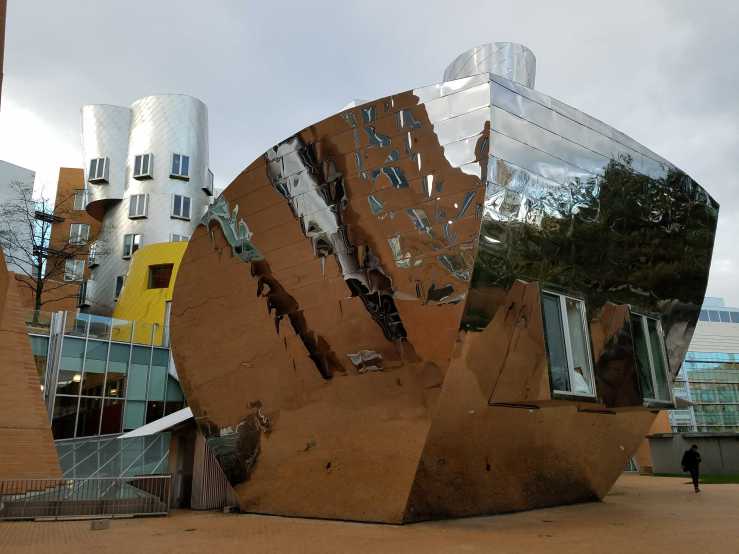
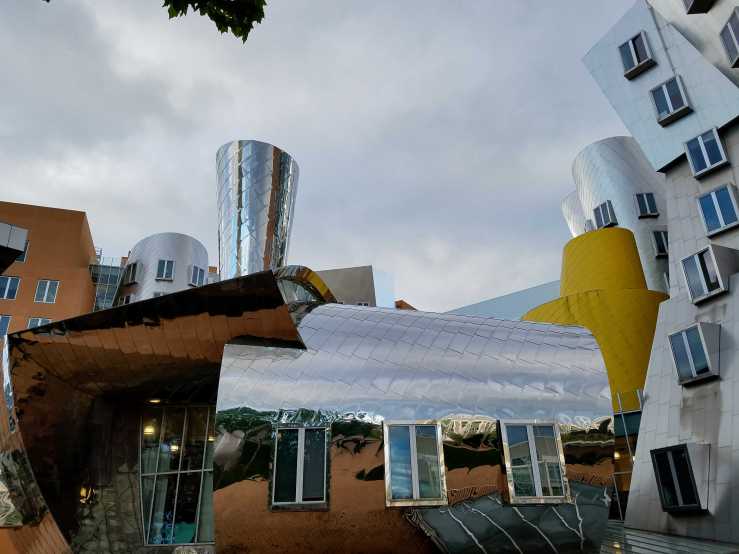
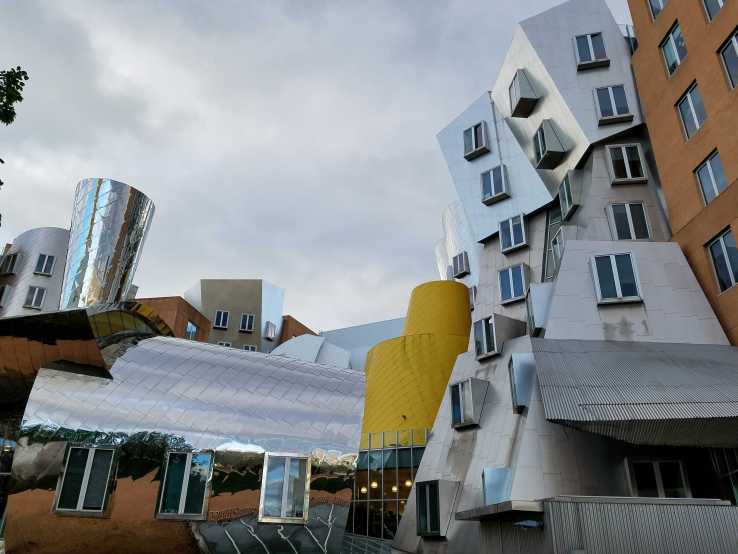
The Dancing House of MIT

Or Building 32, as the Ray and Maria Stata Center is widely known, in accordance with the MIT custom of referring to buildings by their numbers.

This quaint, norm-defying construction is home to the Computer Science and Artificial Intelligence Laboratory (CSAIL), the Laboratory for Information and Decision Systems (LIDS) and the Department of Linguistics and Philosophy. Designed by none other than Mr. Frank Gehry, mastermind of some of the most spectacular buildings in the world, including the other dancing house, that intrigues visitors in Prague, Czech Republic, since 1996. Love it or hate it, it certainly is a show-stopper. Now… are you ready to dance?

May 3rd, 2017