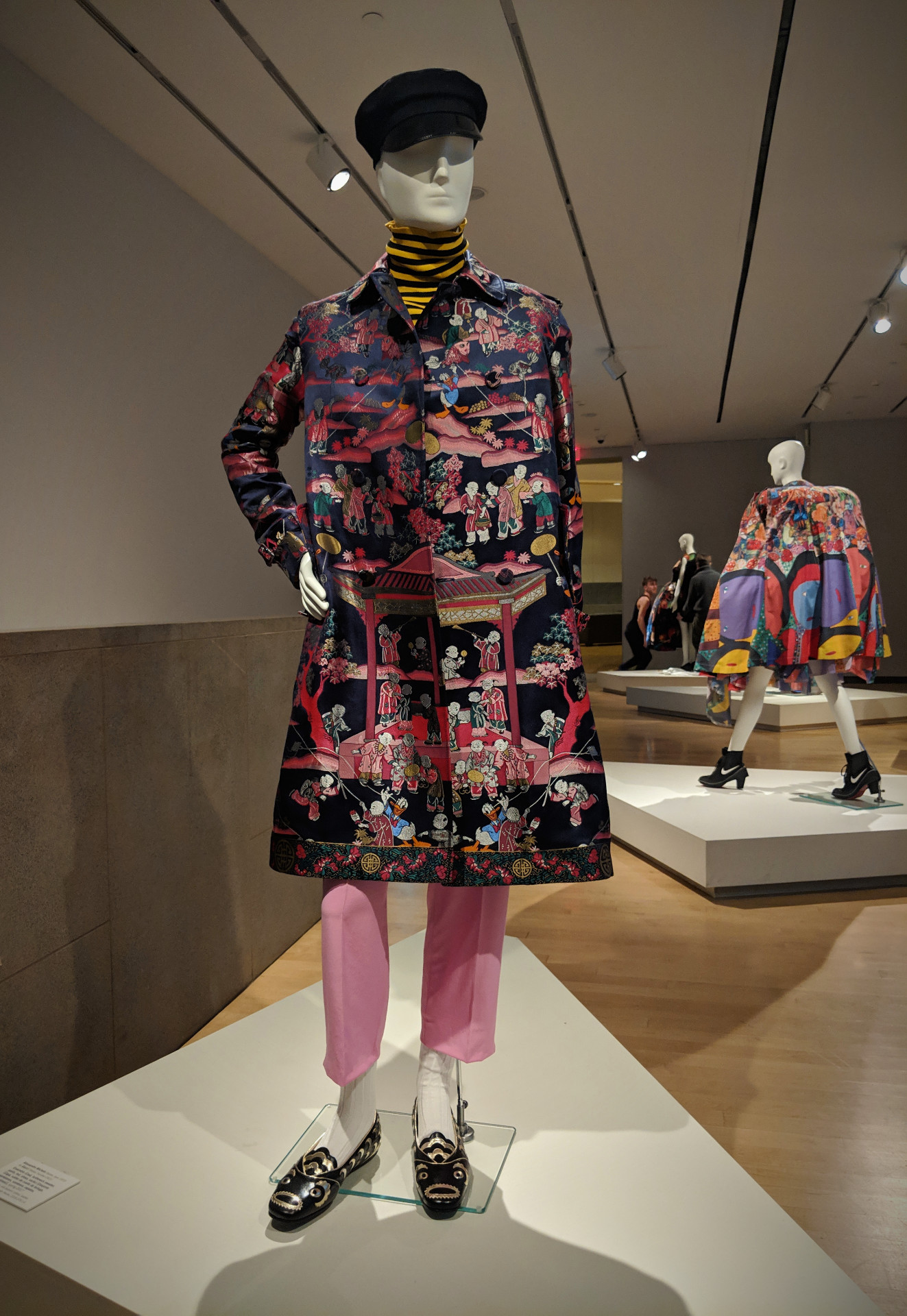
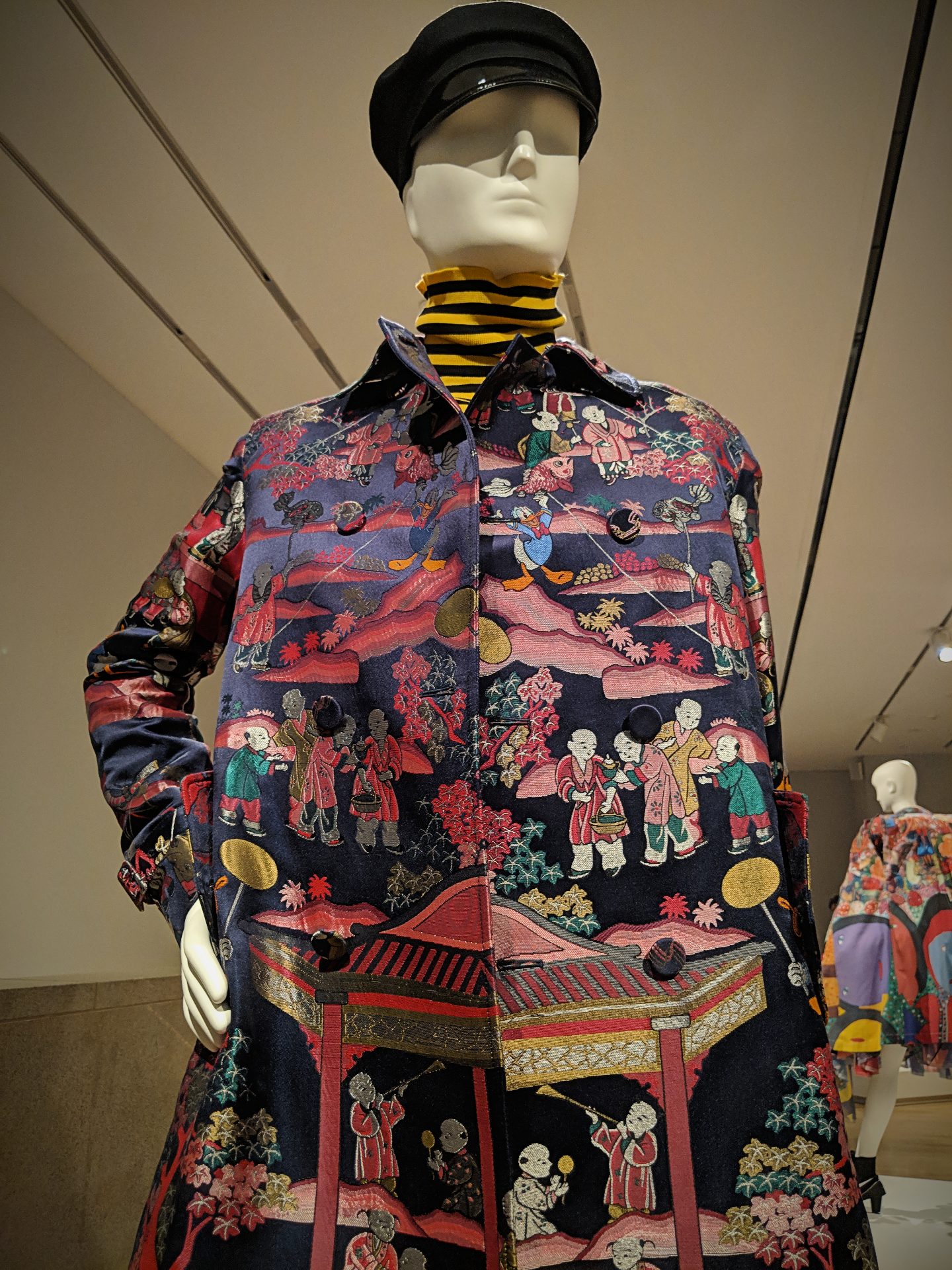
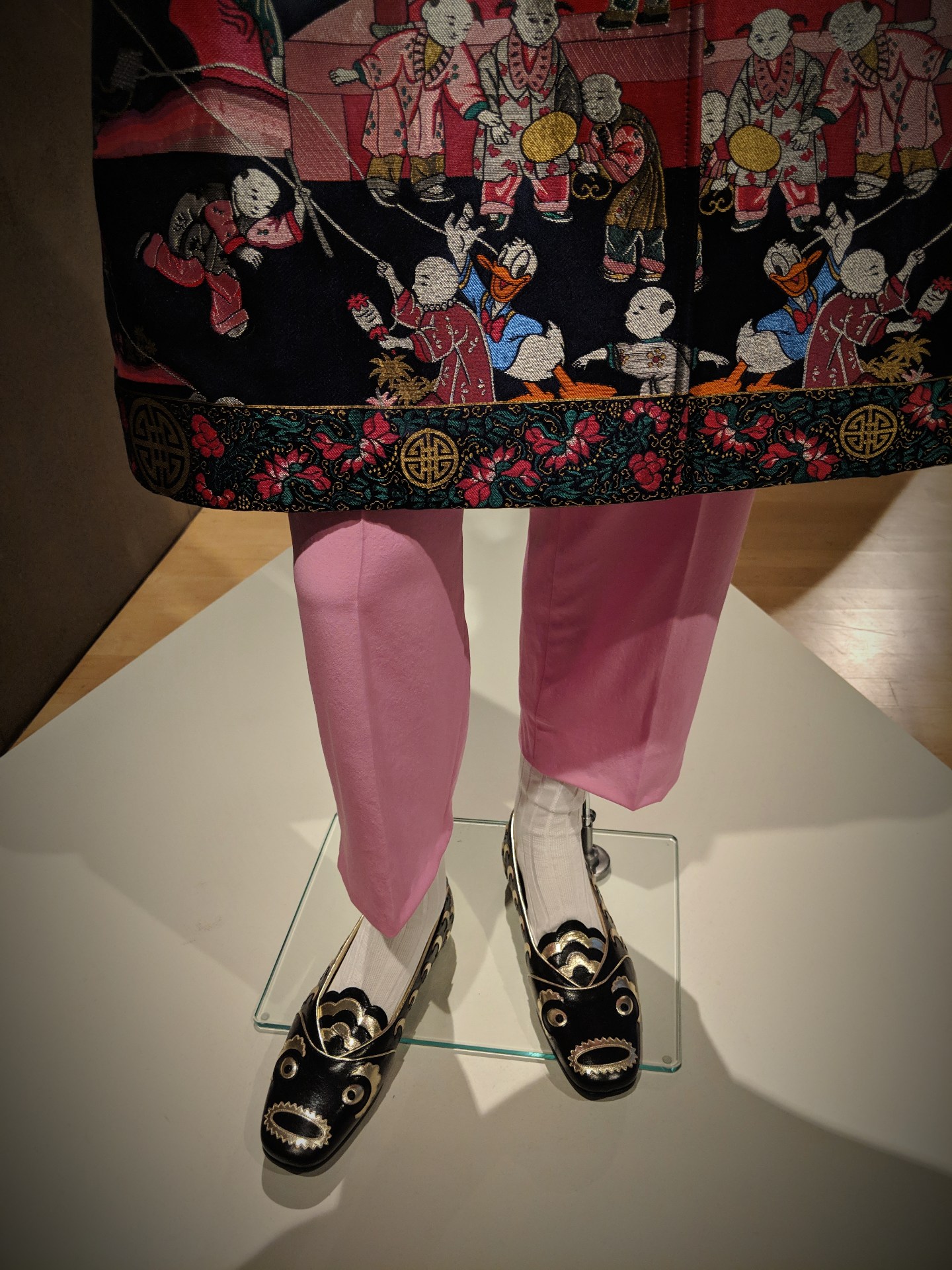
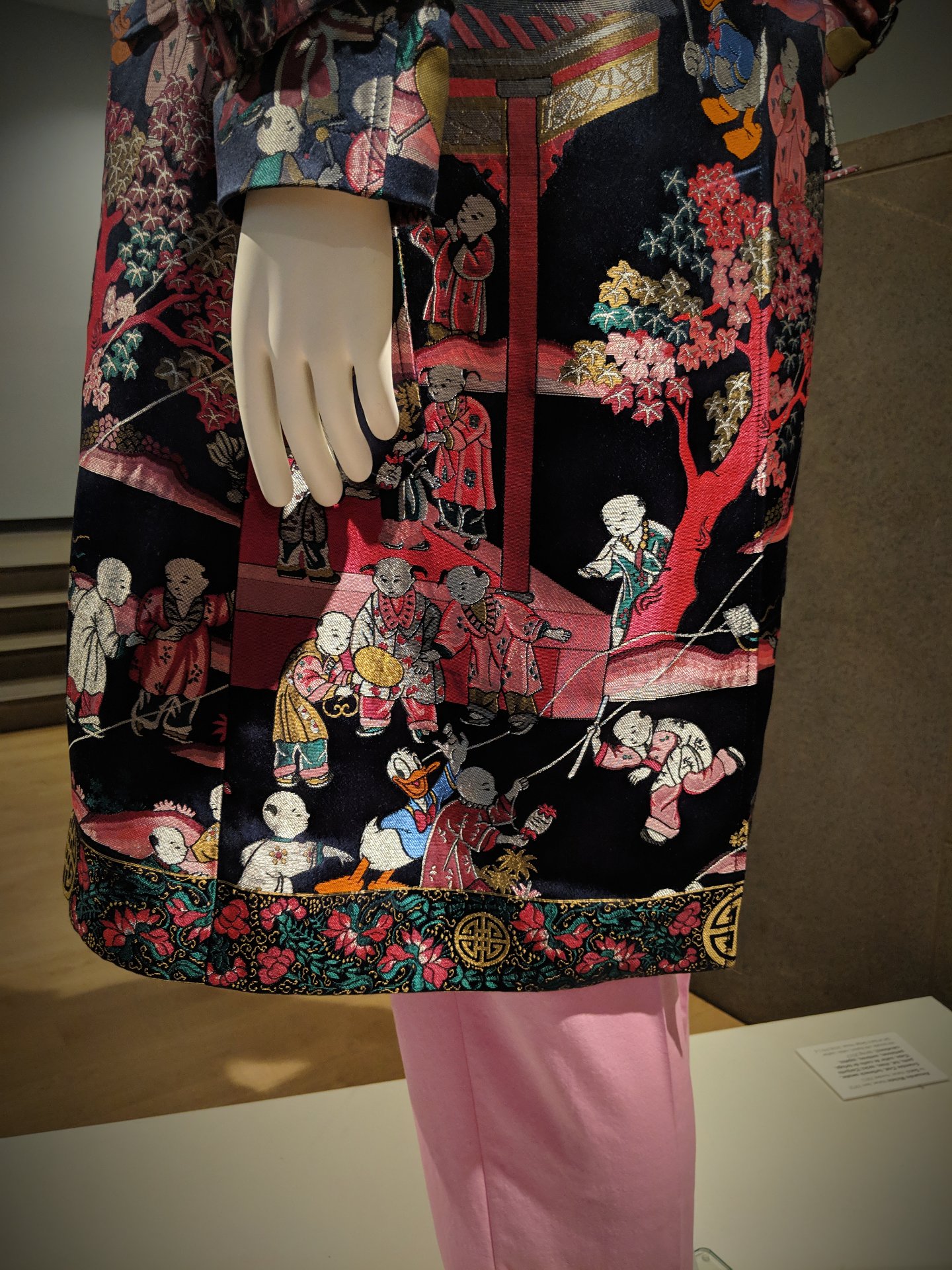
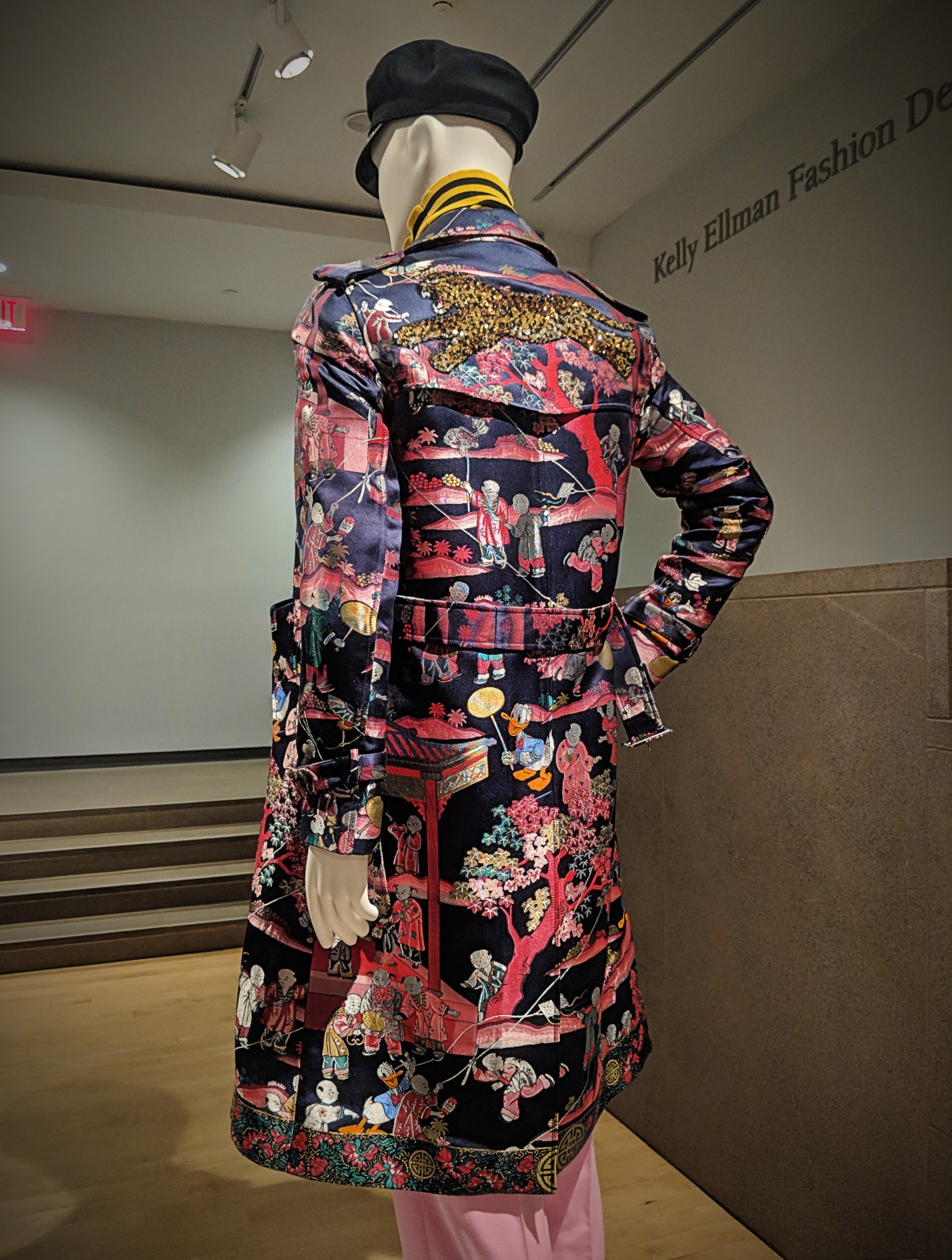
Alessandro Michele (Italian, b. 1972) for Gucci
Ensemble, Spring 2017
Men’s collection
January 30th, 2019
Alessandro Michele (Italian, b. 1972) for Gucci
Ensemble, Spring 2017
Men’s collection
January 30th, 2019
Taking its rightful place alongside more traditional forms of art.
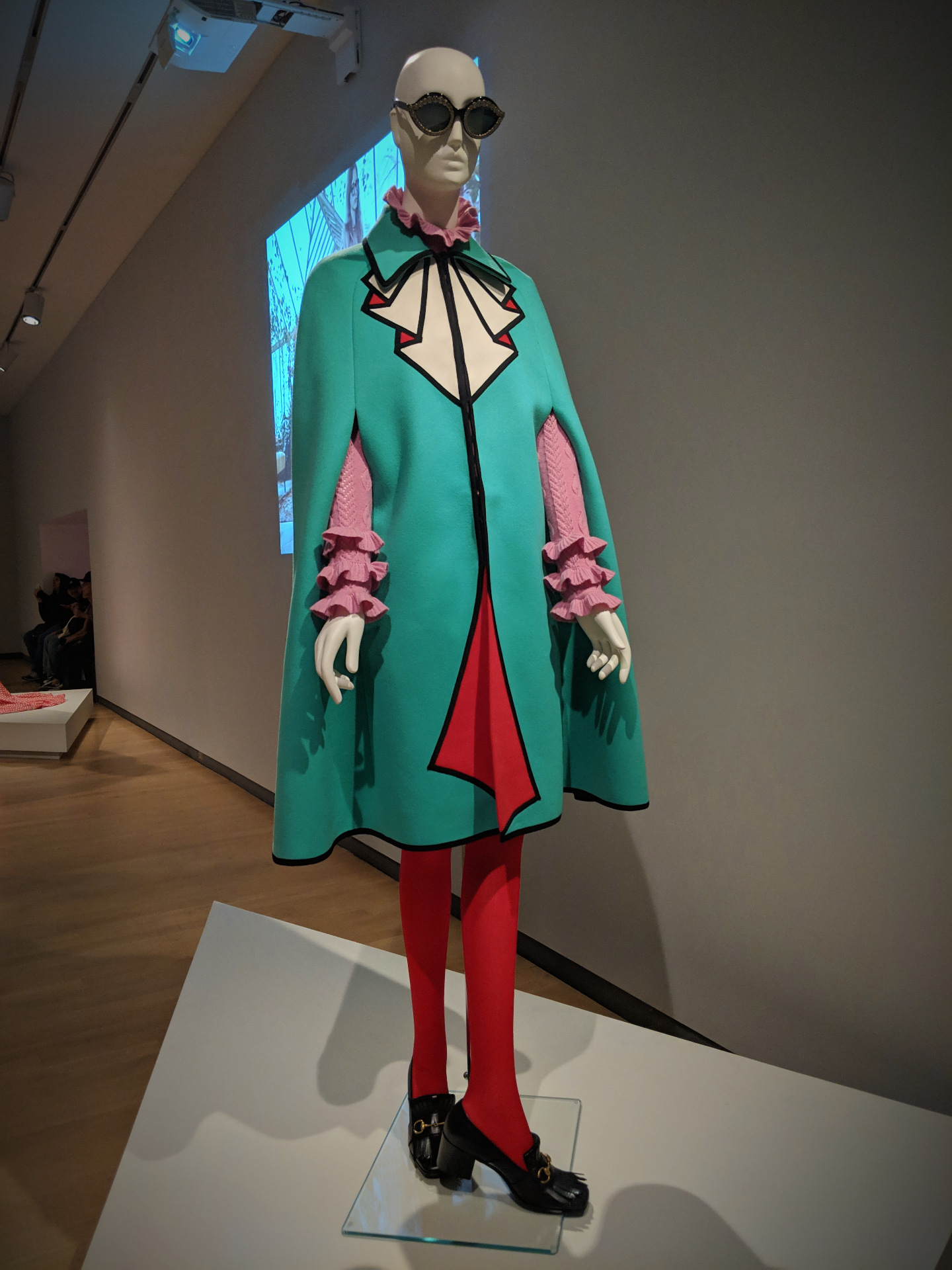 Alessandro Michele (Italian, b. 1972) for Gucci
Ensemble F/W 2016
 Stephen Jones (British, b. 1957)
”Show” Hat, F/W 2013 ”Art School”
Perspex Plexiglas
 Deborah Williams Remington (American, 1930-2010)
Dover, 1975
Oil on canvas
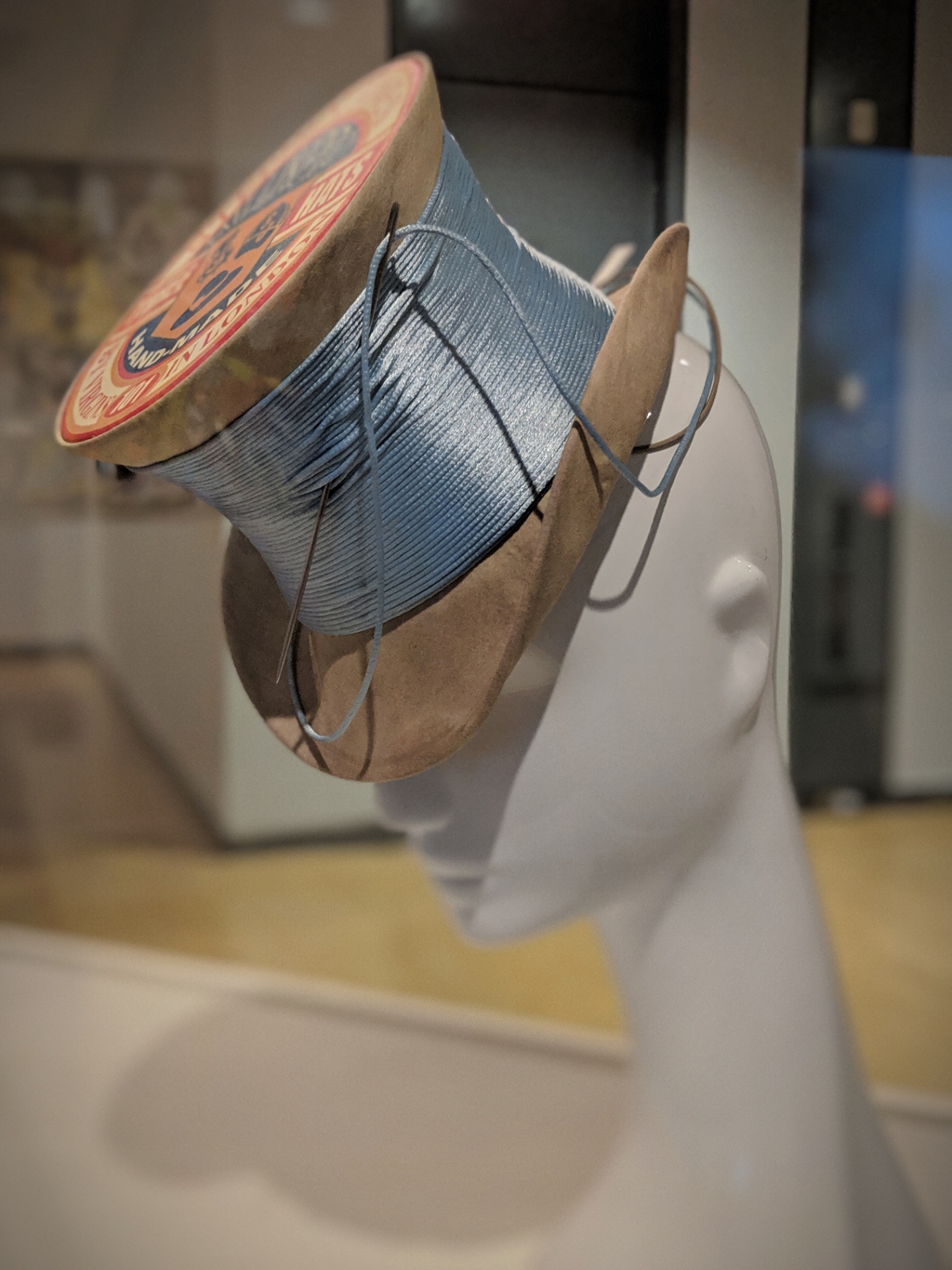 Stephen Jones (British, b. 1957)
”Sewing” Hat, S/S 2018
Printed cotton with satin cord and metal bodkin
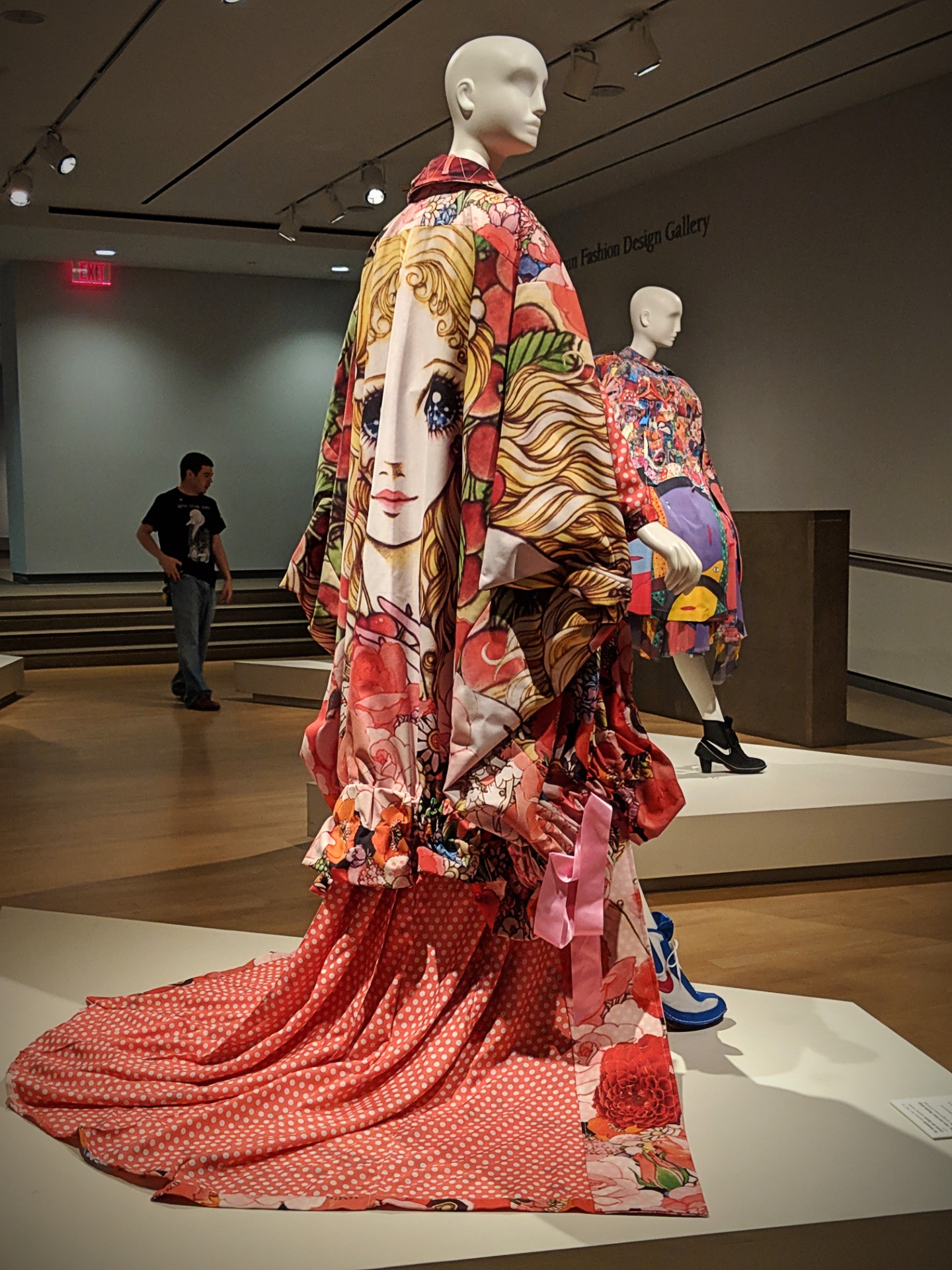 Rei Kawakubo (Japanese, b. 1942)
Comme des Garçons, S/S 2018
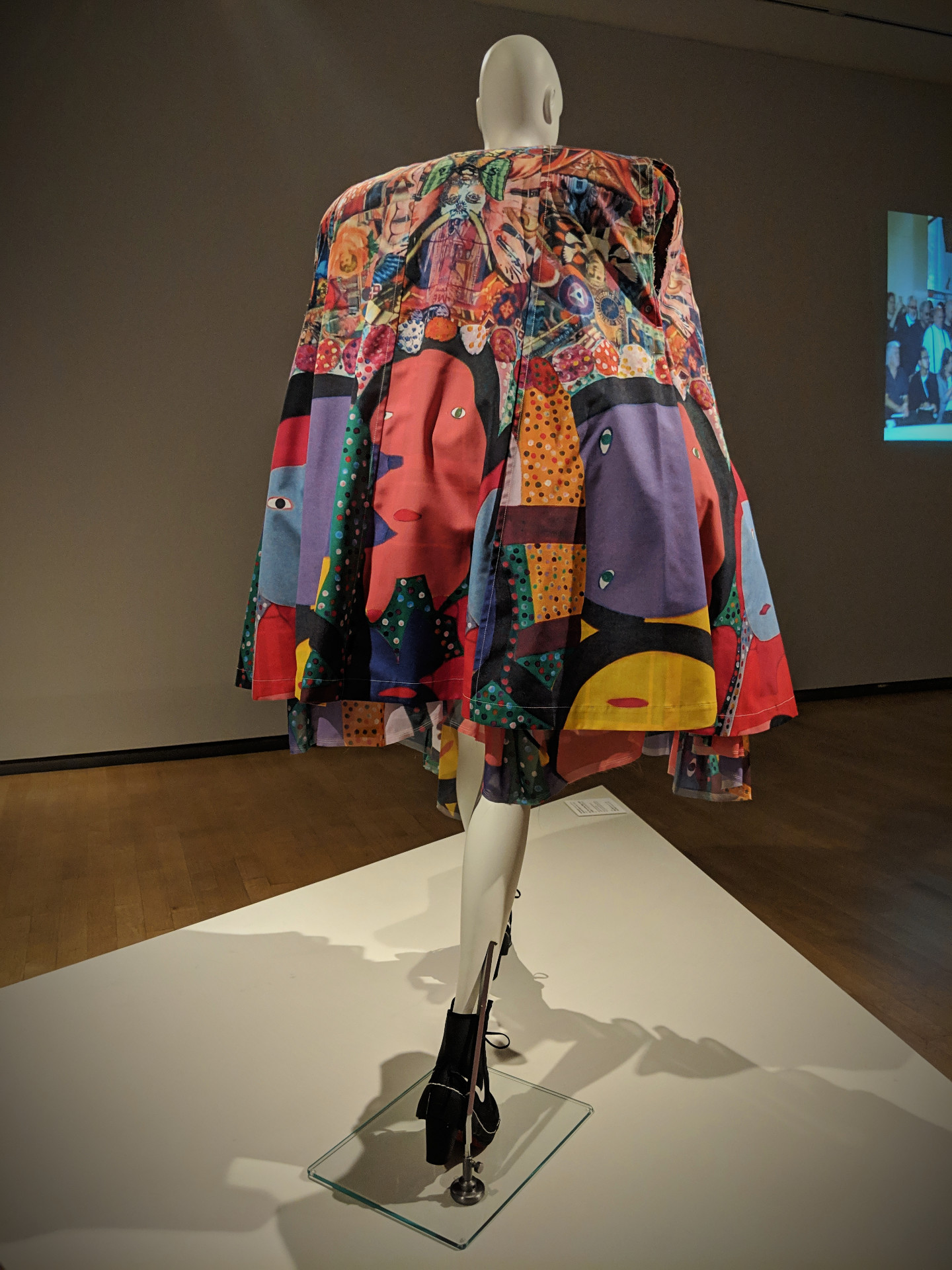 Rei Kawakubo (Japanese, b. 1942)
Comme des Garçons, S/S 2018
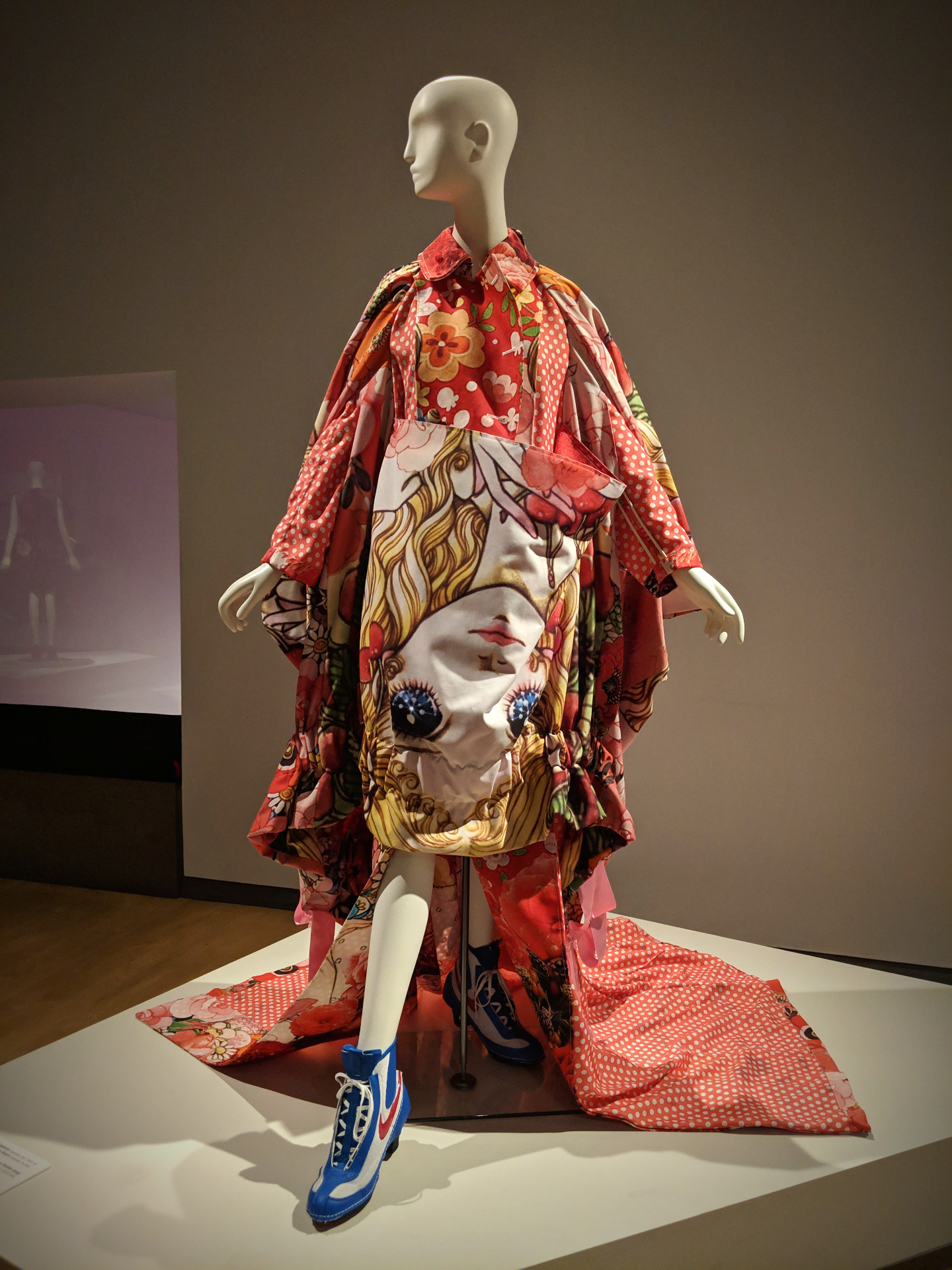 Rei Kawakubo (Japanese, b. 1942)
Comme des Garçons, S/S 2018
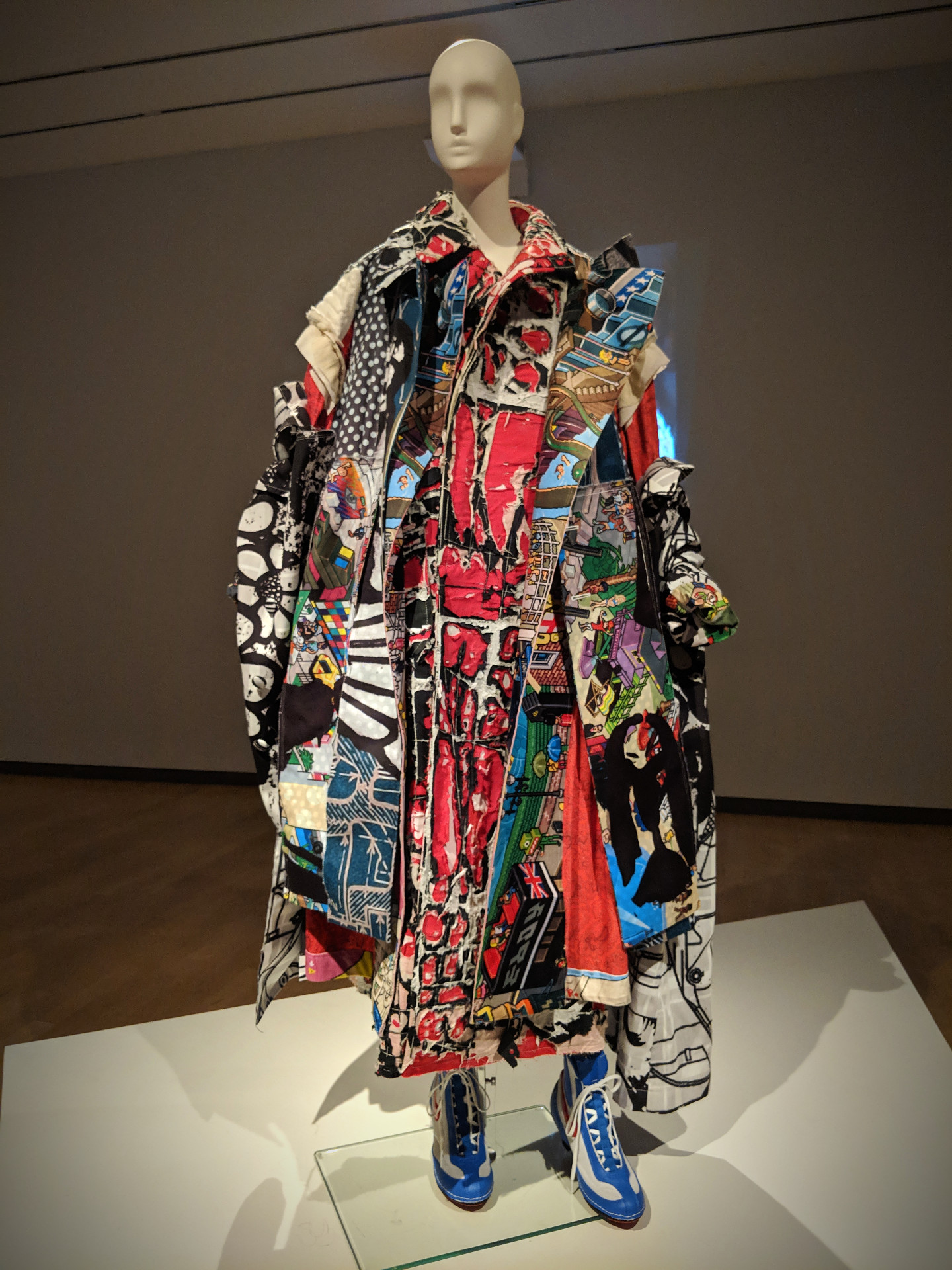
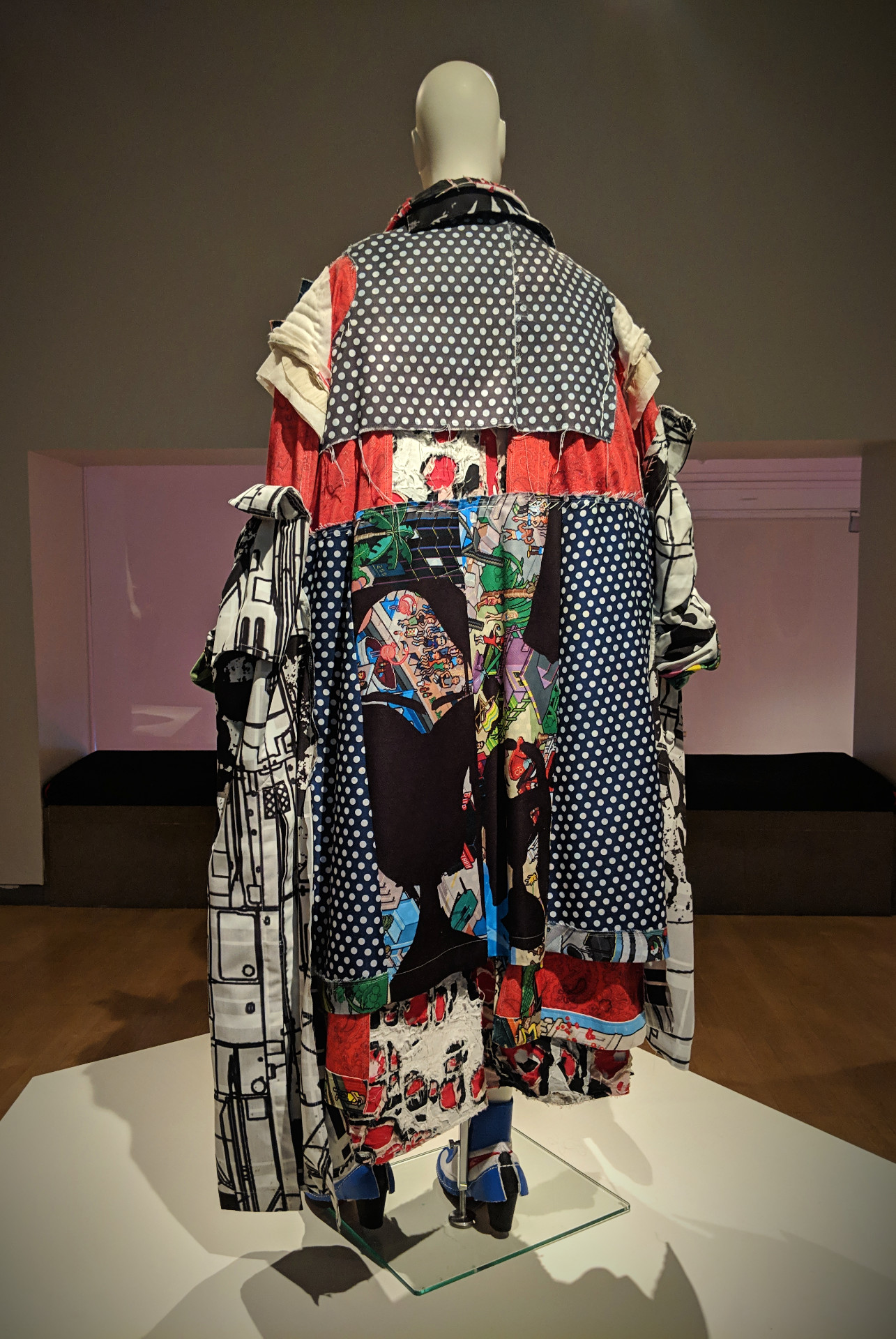 Rei Kawakubo (Japanese, b. 1942)
Comme des Garçons, S/S 2018
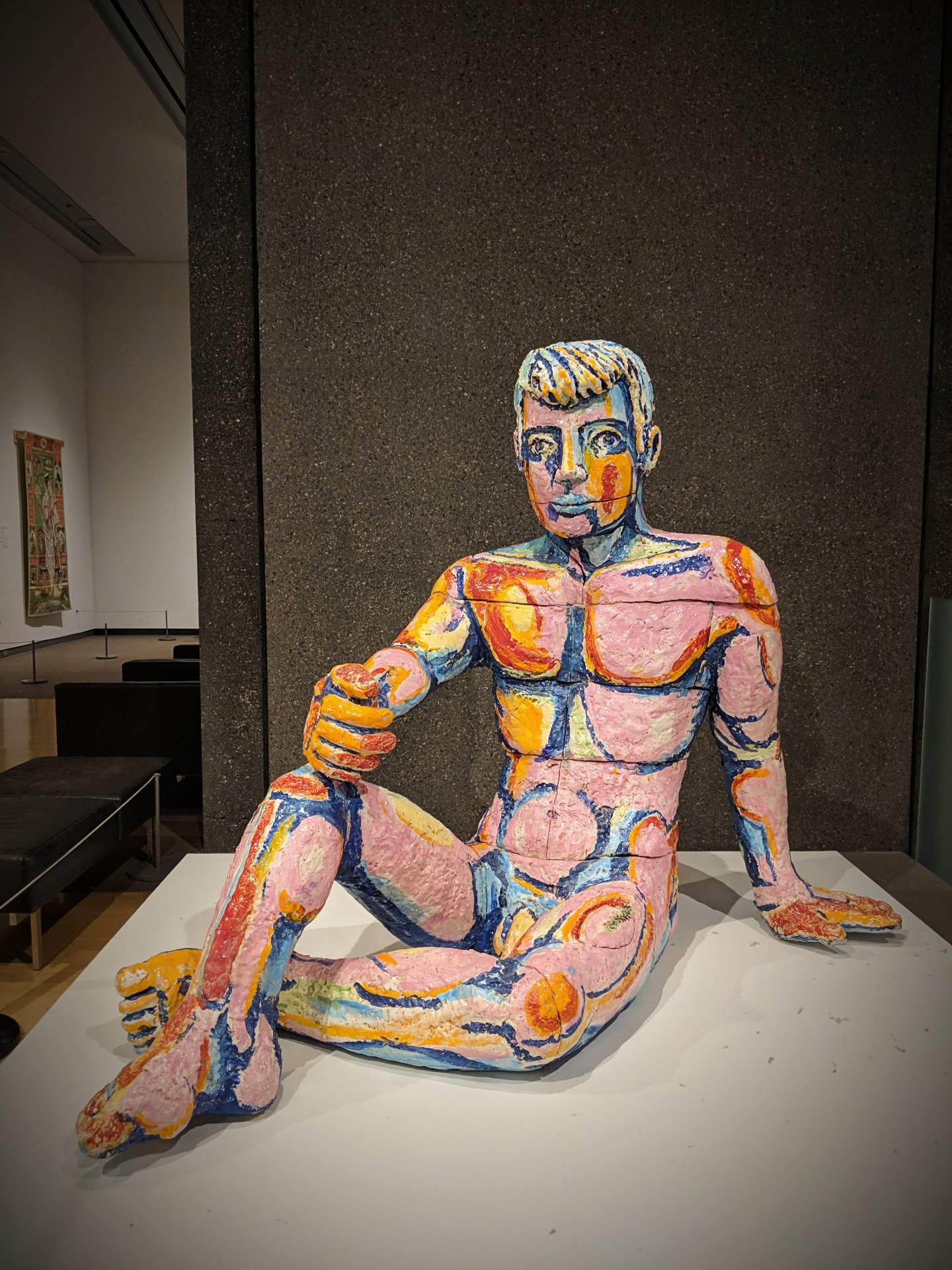 Viola Frey (American, 1933-2004)
Nude Man, 1989
Glazed ceramic
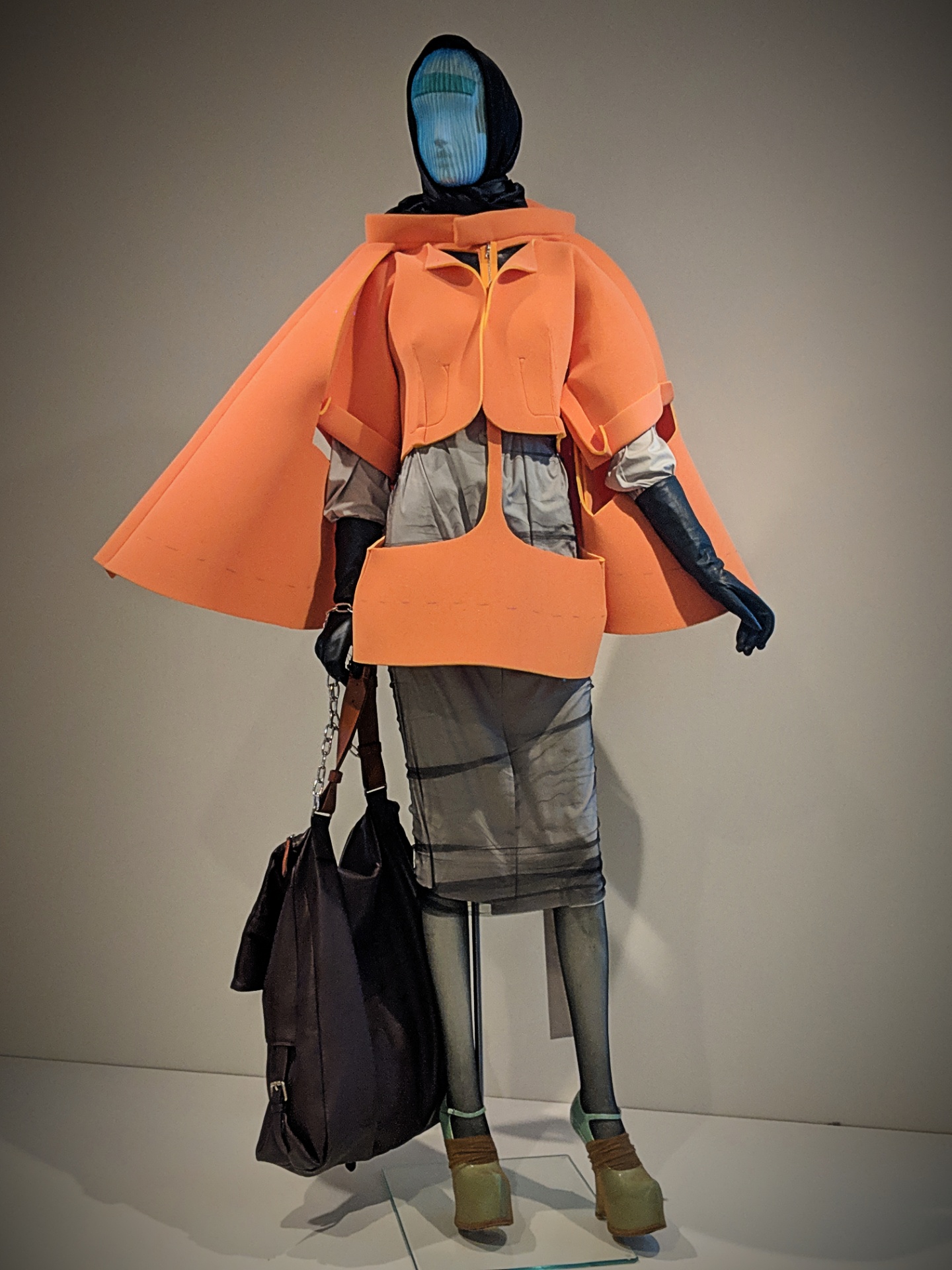 John Galliano (British, b. 1960) for Maison Margiela
Ensemble Fall 2018
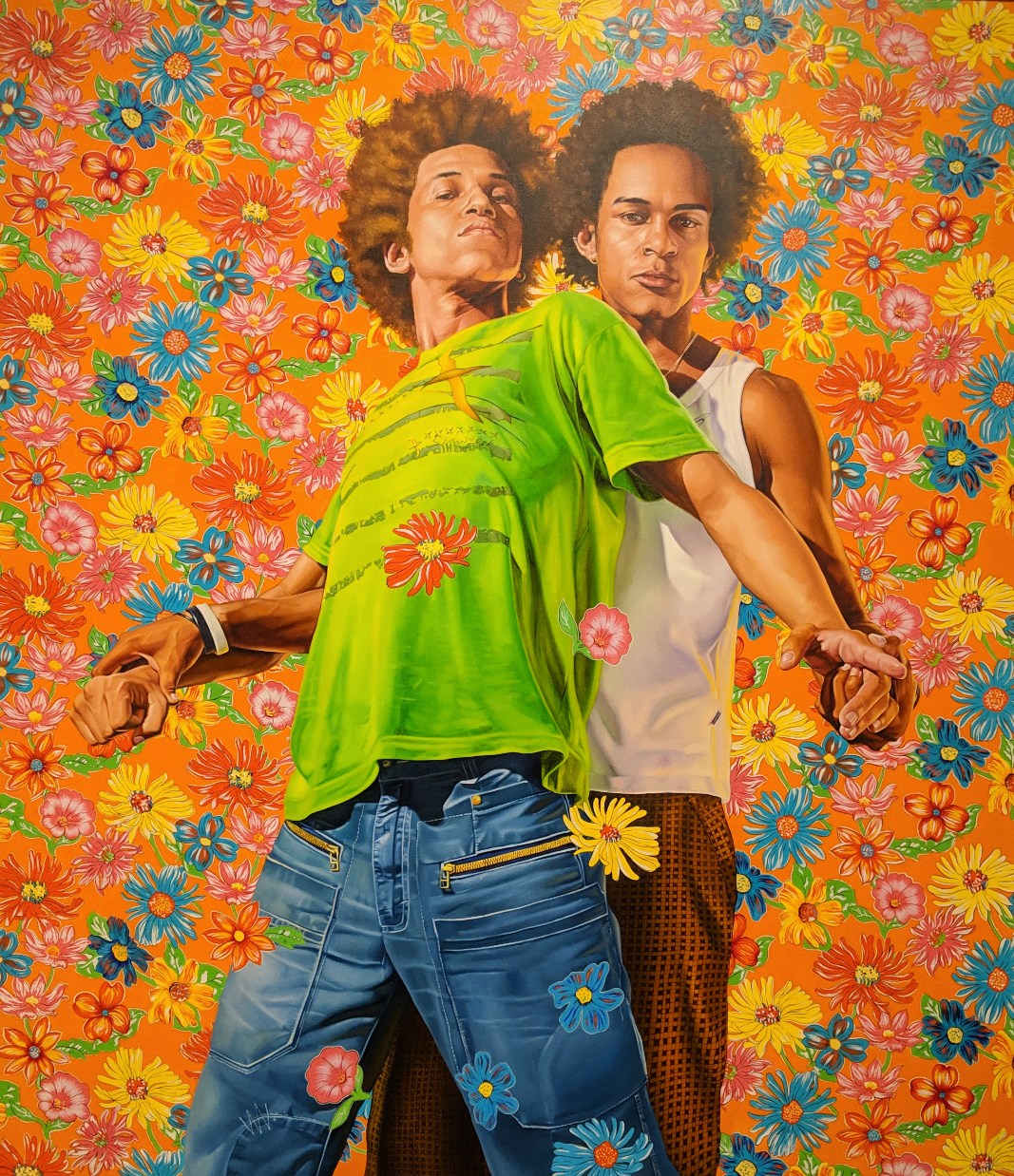 Kehinde Wiley (American, b. 1977)
Marechal Floriano Peixoto (from The World Stage: Brazil Series), 2009
Oil on canvas
January 30th, 2019
Dancing and Dazzling. Lost in time and space.


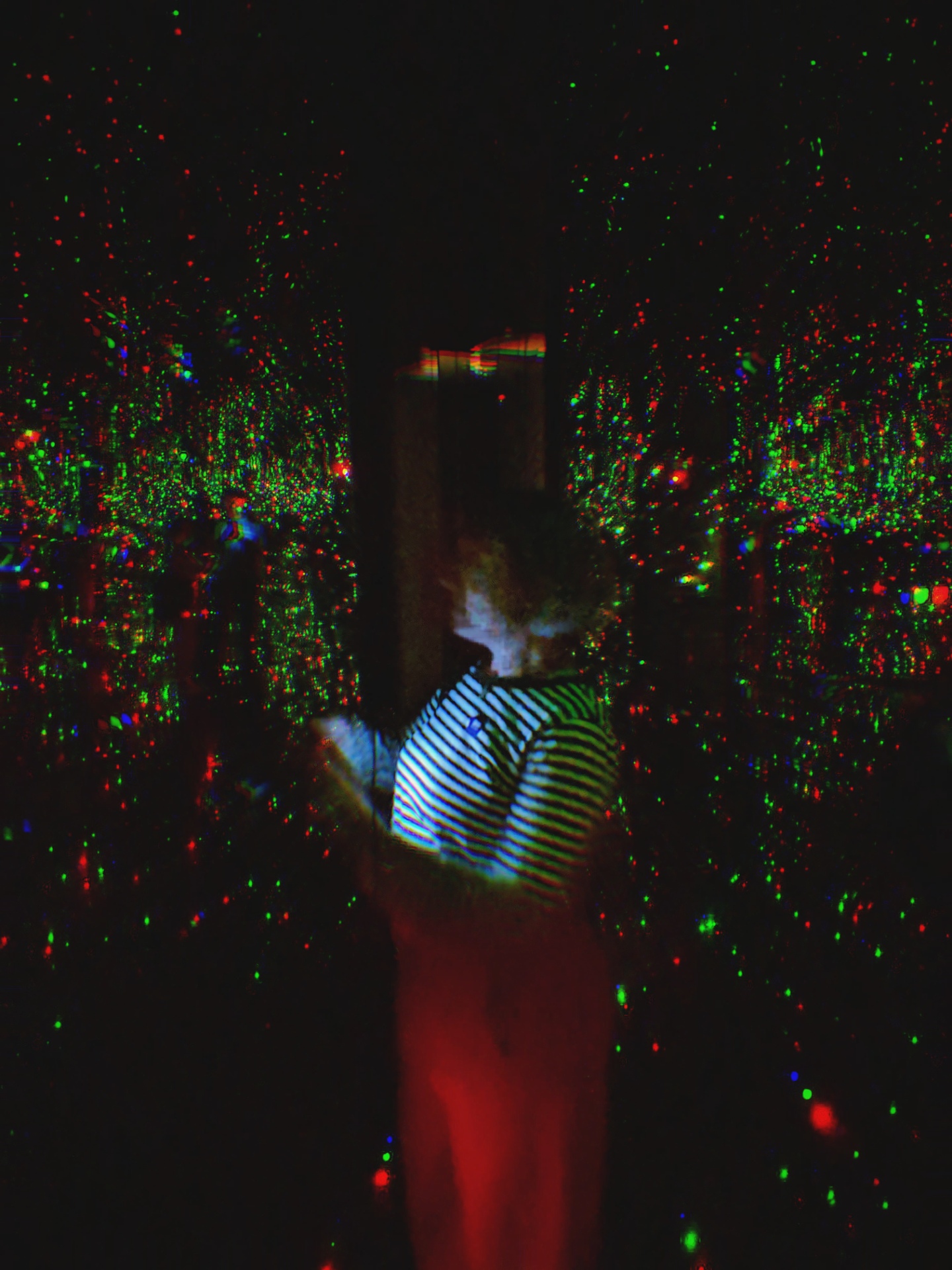


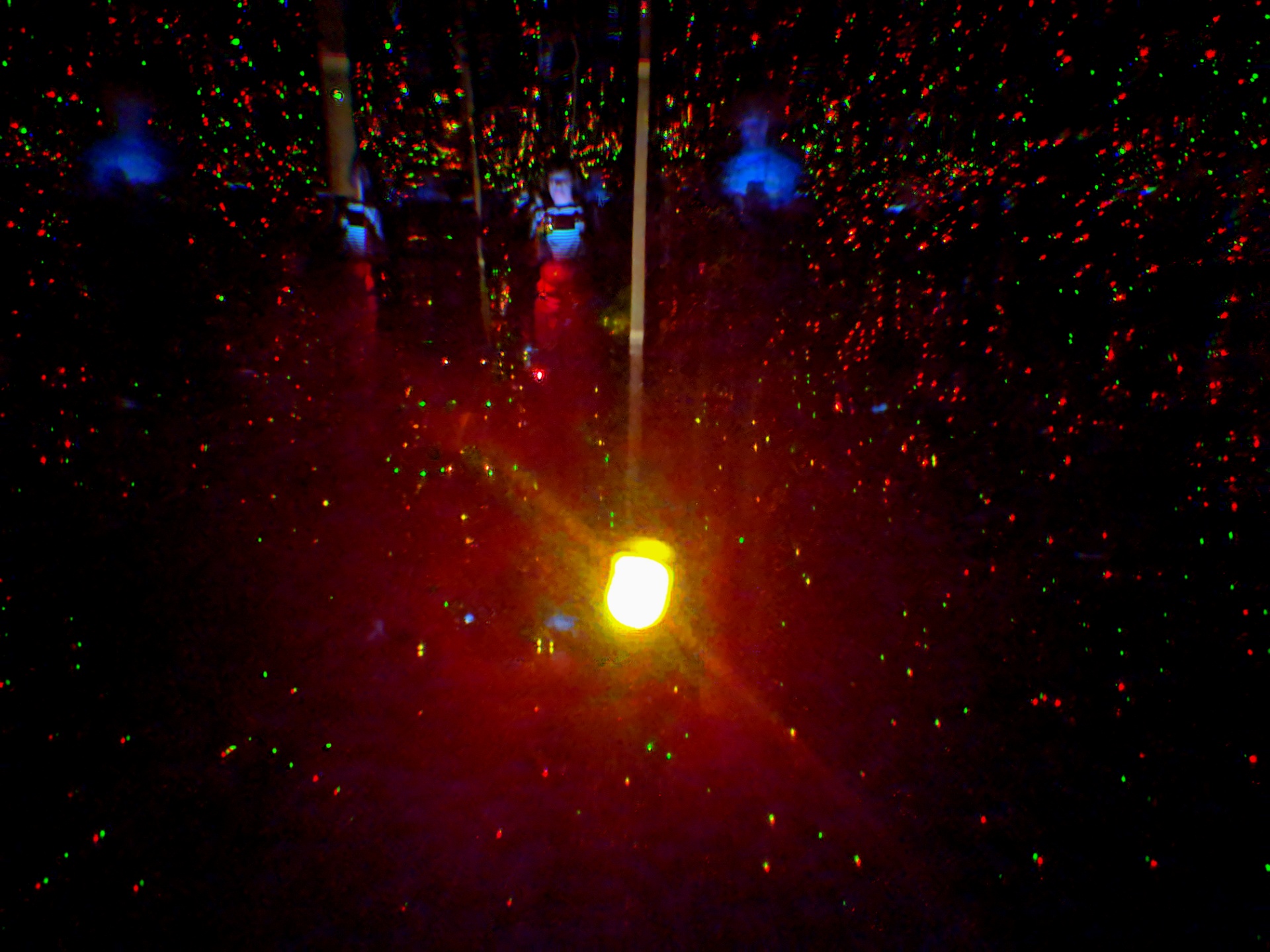



You Who Are Getting Obliterated In The Dancing Swarm of Fireflies
Yayoi Kusama, 2005
Phoenix Art Museum
January 30th, 2019
At least once, if only to see how the light filters through the spire’s stained glass onto the floor of the sanctuary. 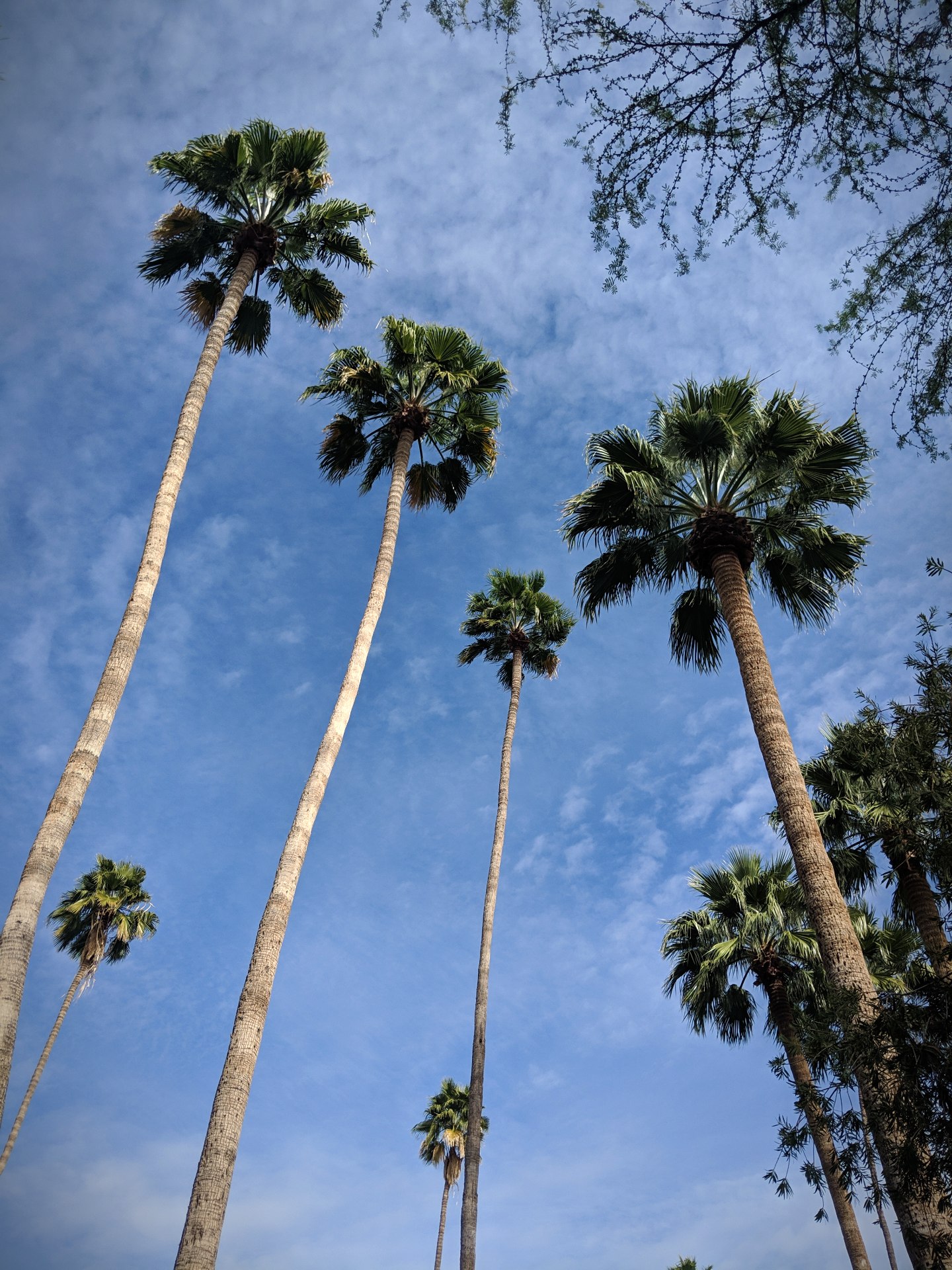
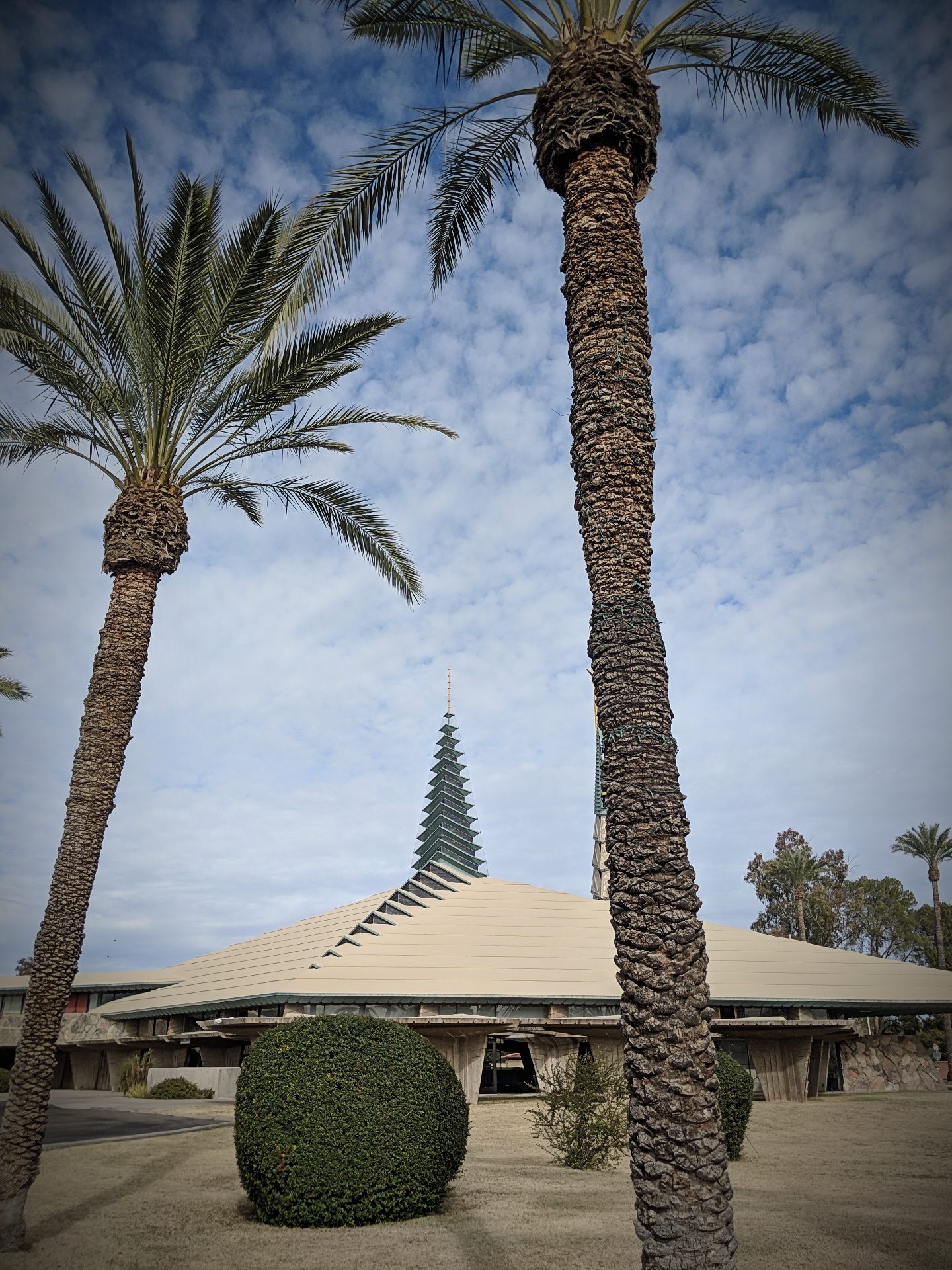
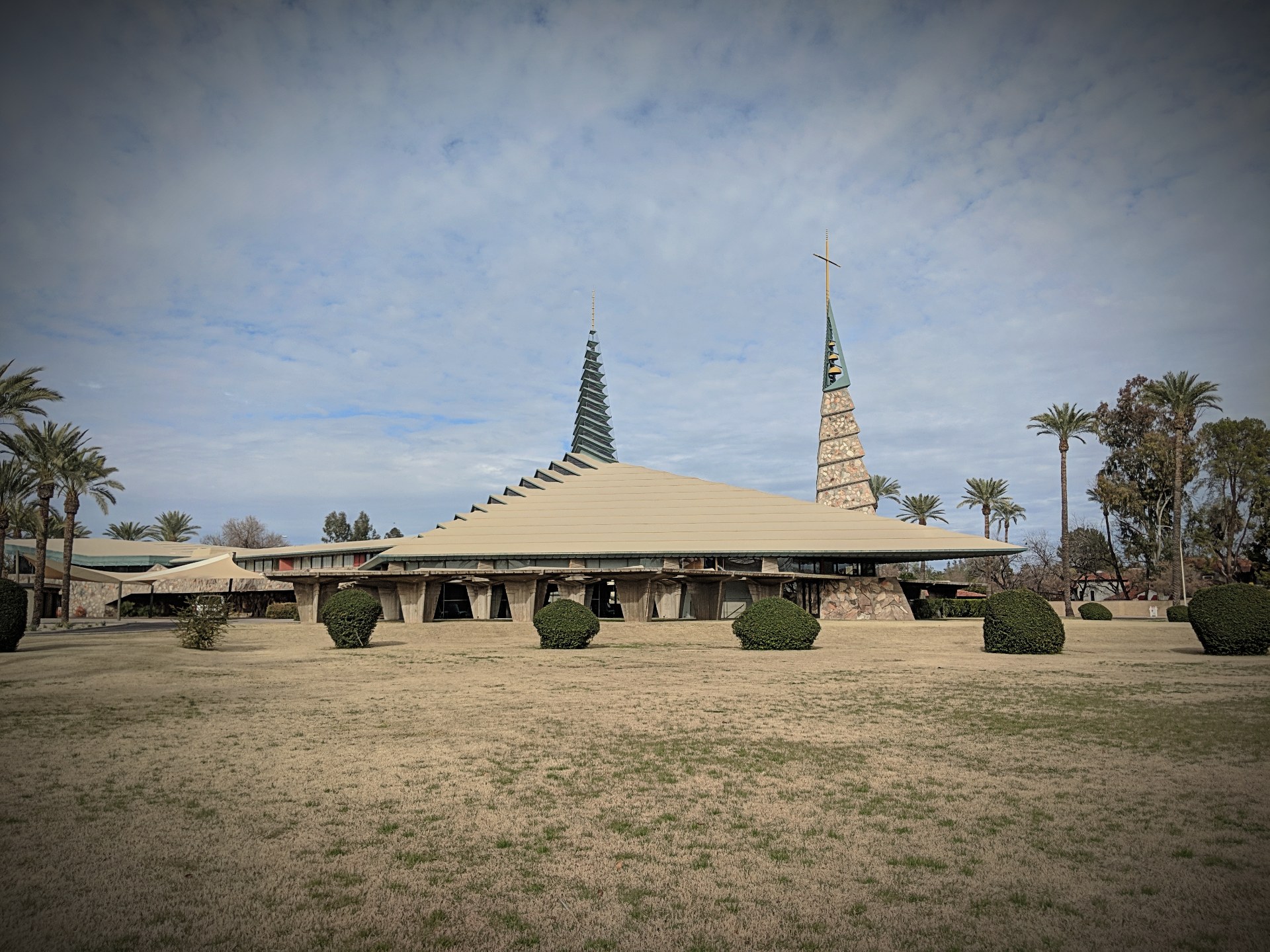

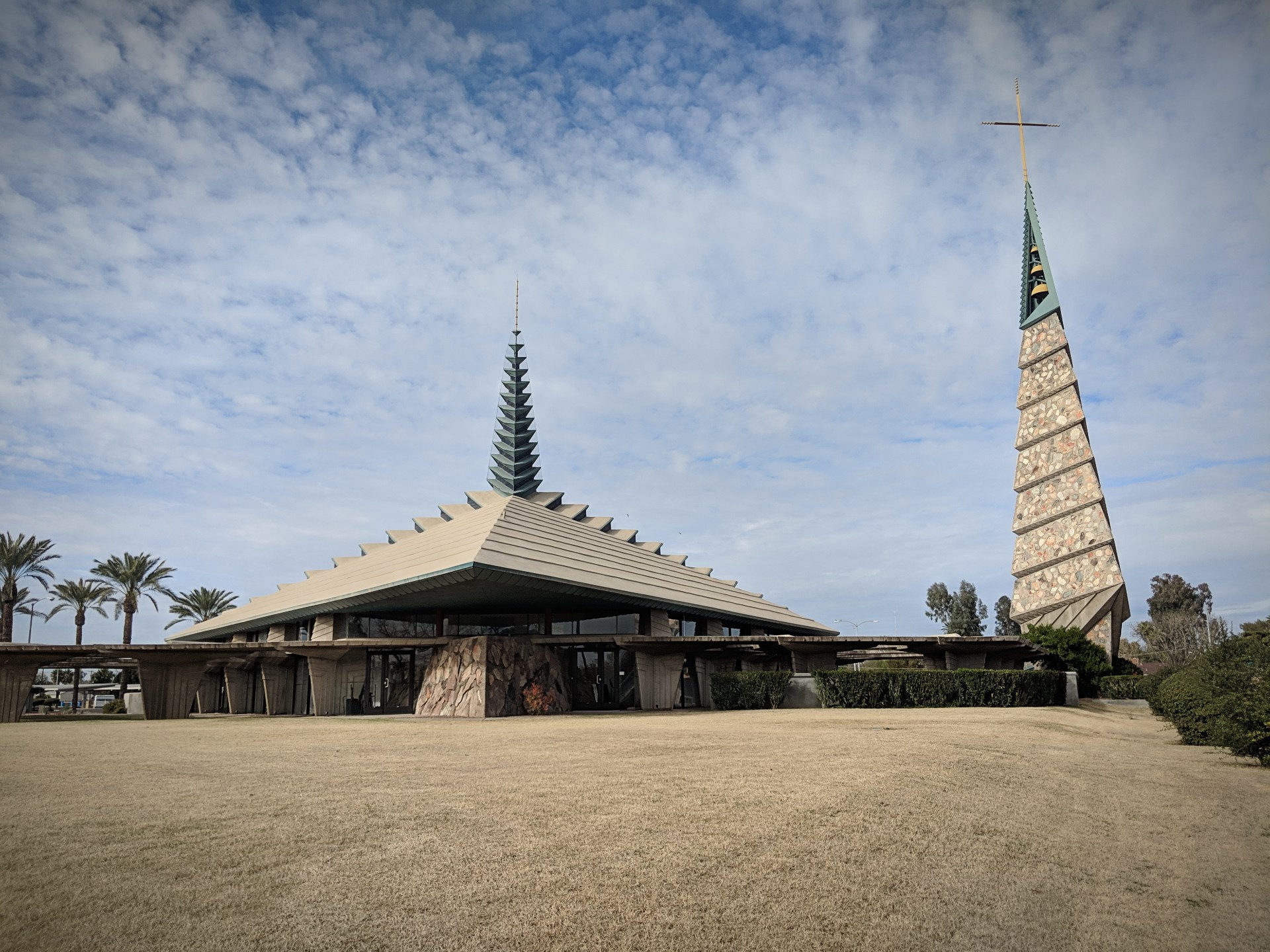

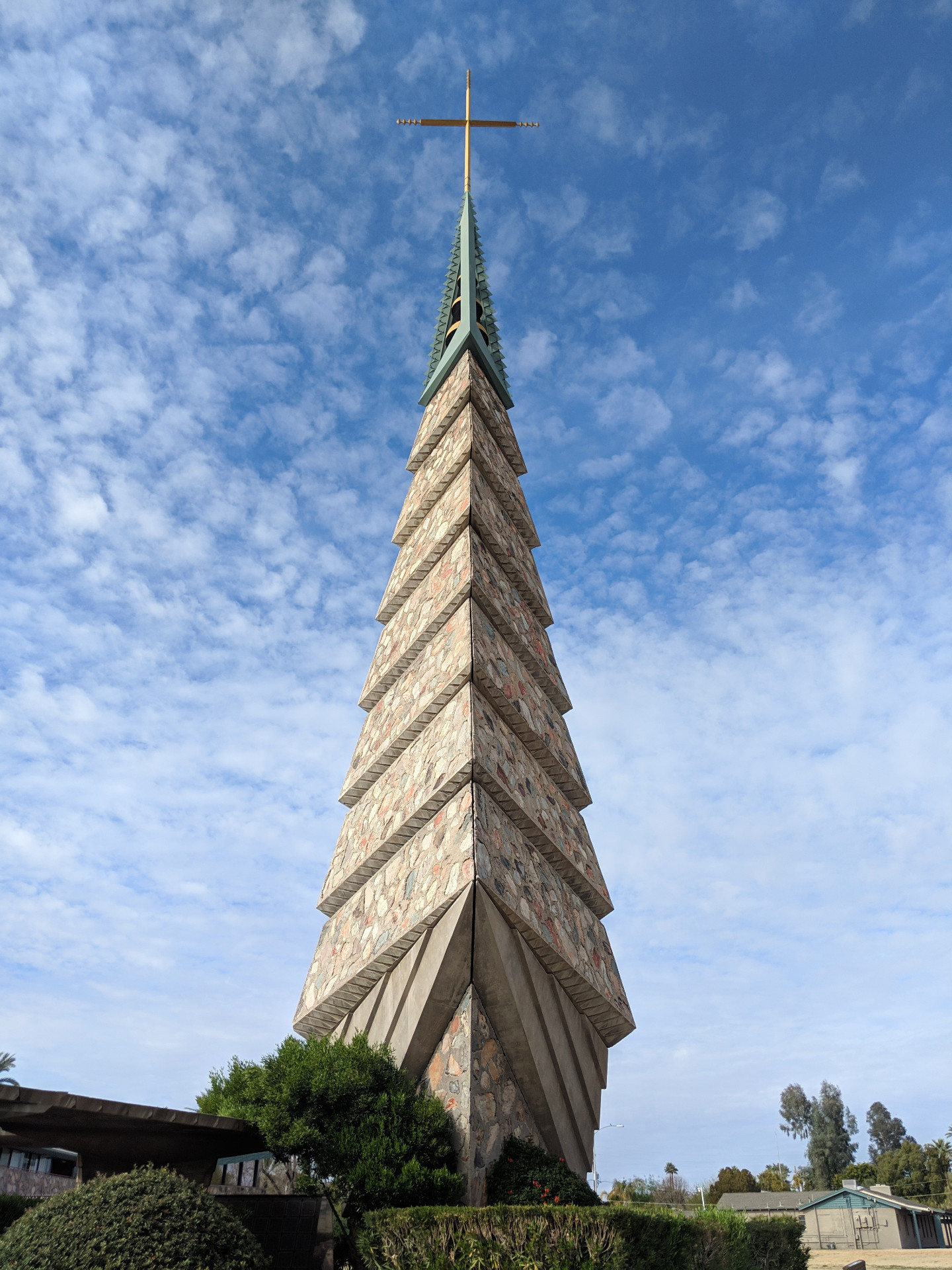


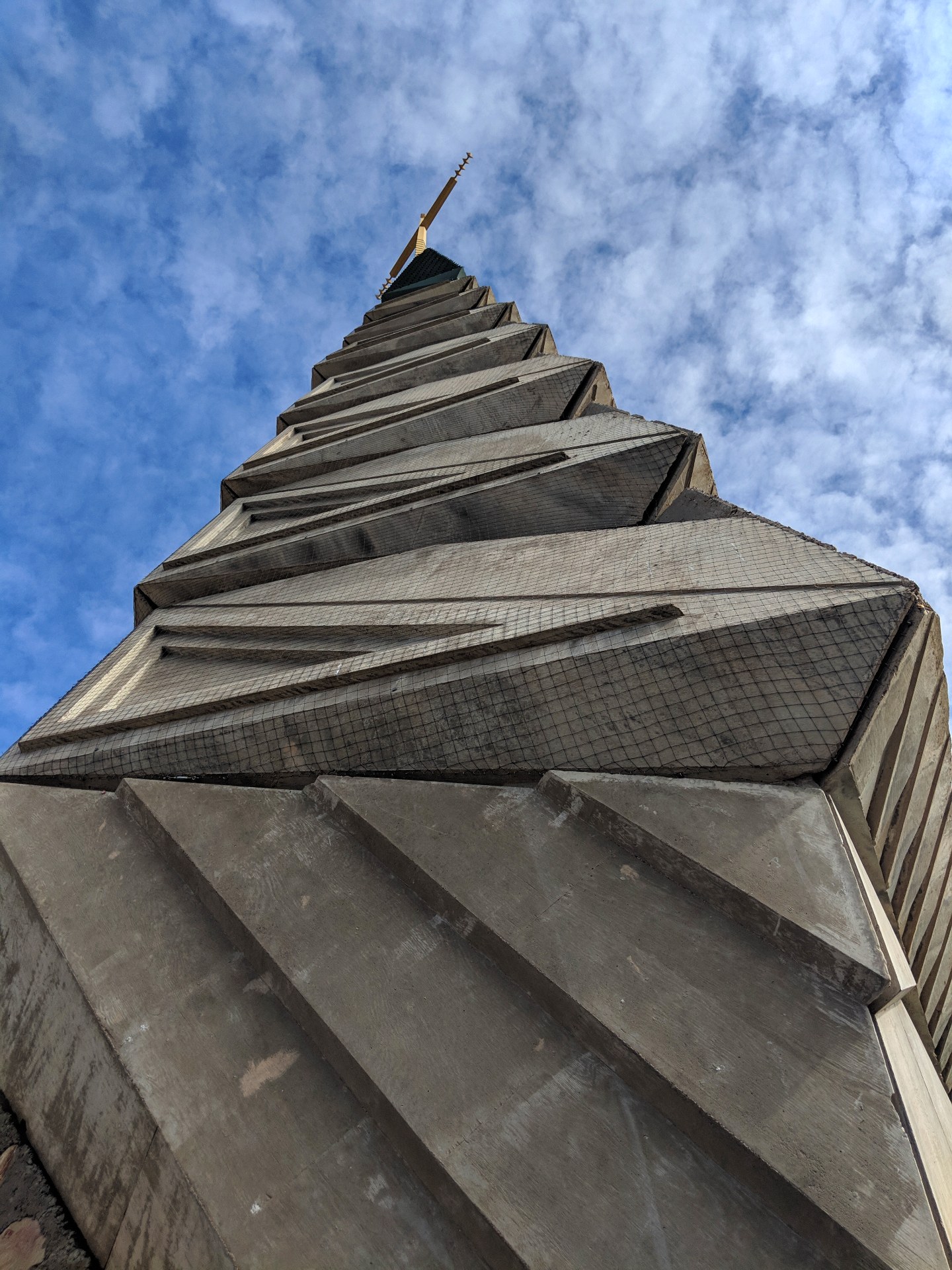


In 1949 the president of Phoenix’s Southwest Christian Seminary commissioned Frank Lloyd Wright to design a Classical University.
Wright’s drawings, completed in 1950, reveal his vision for an eighty-acre campus replete with a chapel, administrative buildings, seminar rooms, library, Greek theatre, and faculty homes. However, the seminary ceased operation before the campus could be built.
In the early 1970s, the First Christian Church approached Wright’s widow, Olgivanna, who granted them permission to use Wright’s triangular chapel design. Meant to evoke the Holy Trinity and reflect an attitude of prayer, the chapel’s roof and spire rise seventy-seven feet, supported by the 23 slender triangular pillars. Light filters through the spire’s stained glass insets onto the floor of the 1,000-seat diamond-shaped sanctuary.
The addition of the baptistery and choir loft, as well as the 1979 addition of an administrative wing, completed by Taliesin Architects, are the only modifications to the original design.
[source]
First Christian Church, Phoenix, AZ
January 30th, 2019
Of home and her favourite things.







 Reproduction of ”Sleeping Girl” by Tamara de Lempicka on the wall & original objects in the living room of our Bed & Breakfast.
Phoenix, AZ
January 30th, 2019
Aka Arizona Sunset
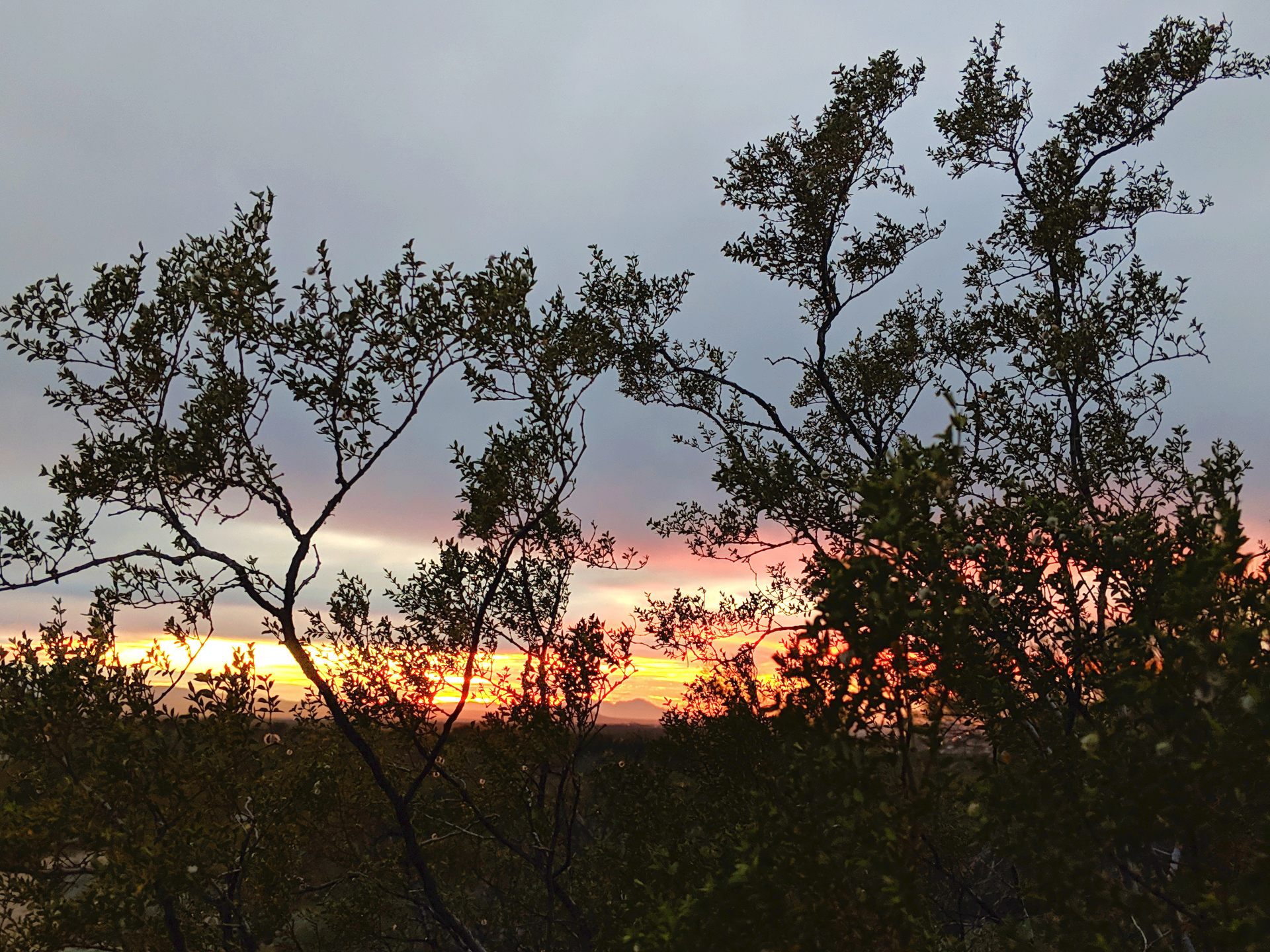

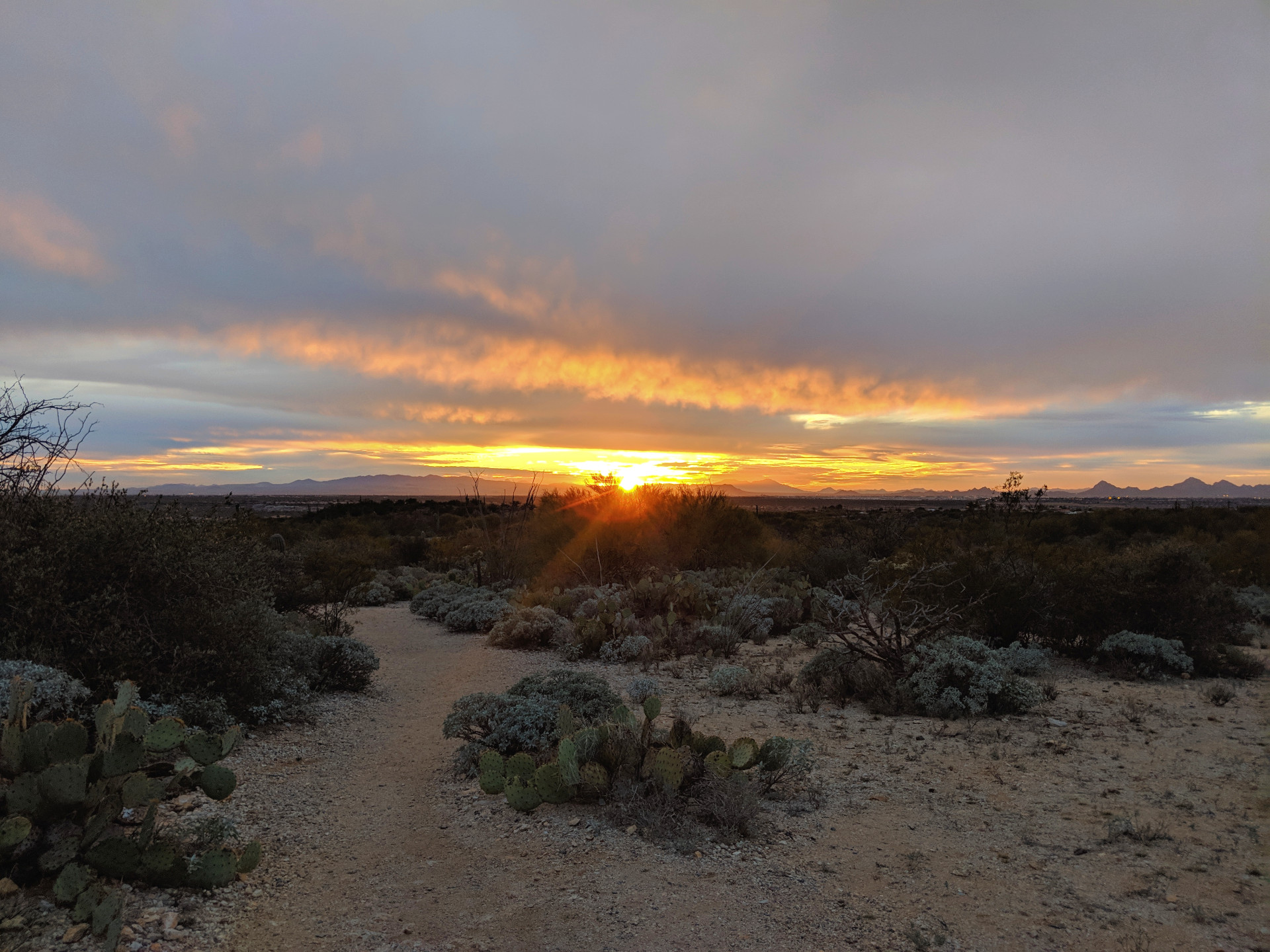

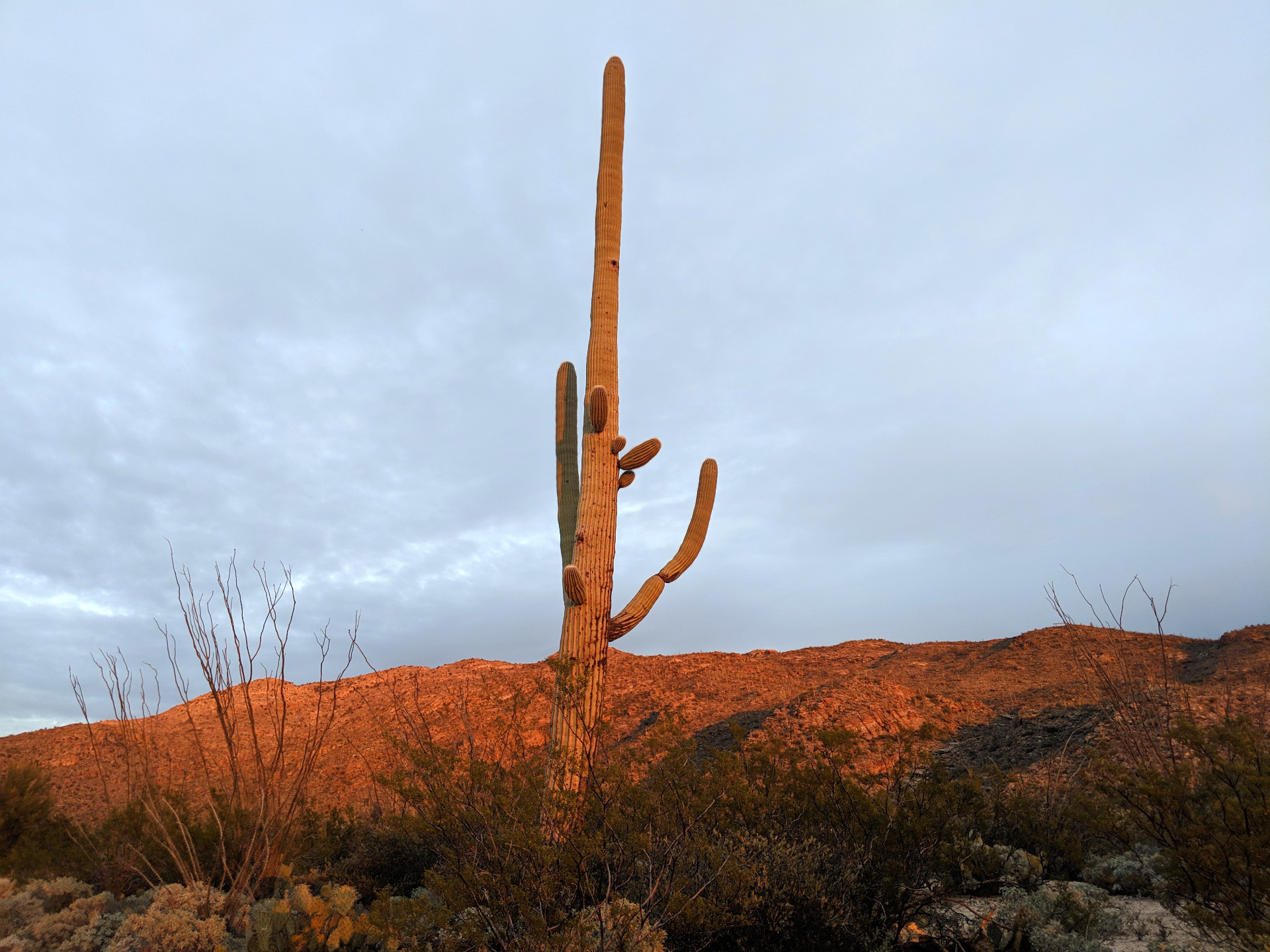

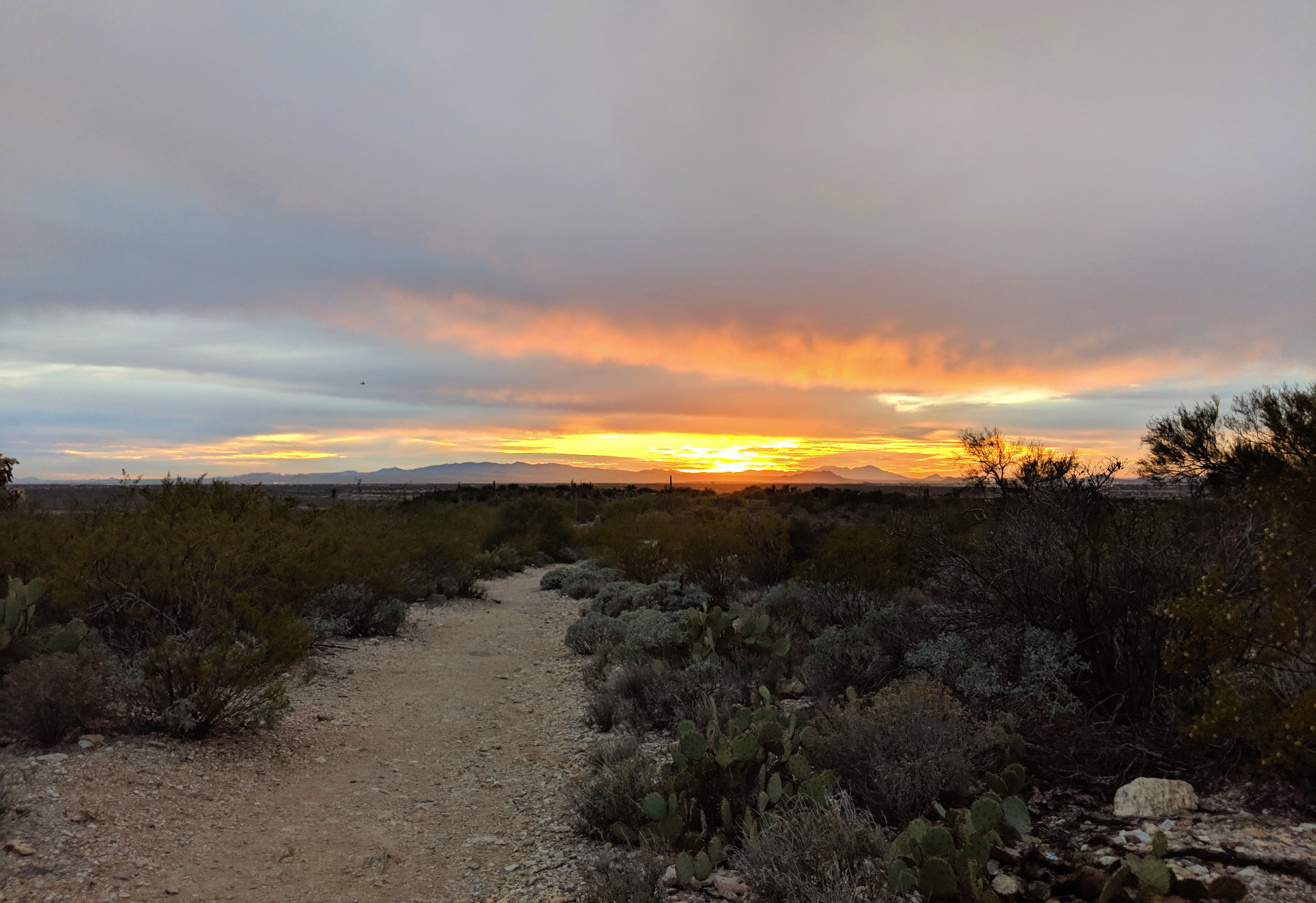

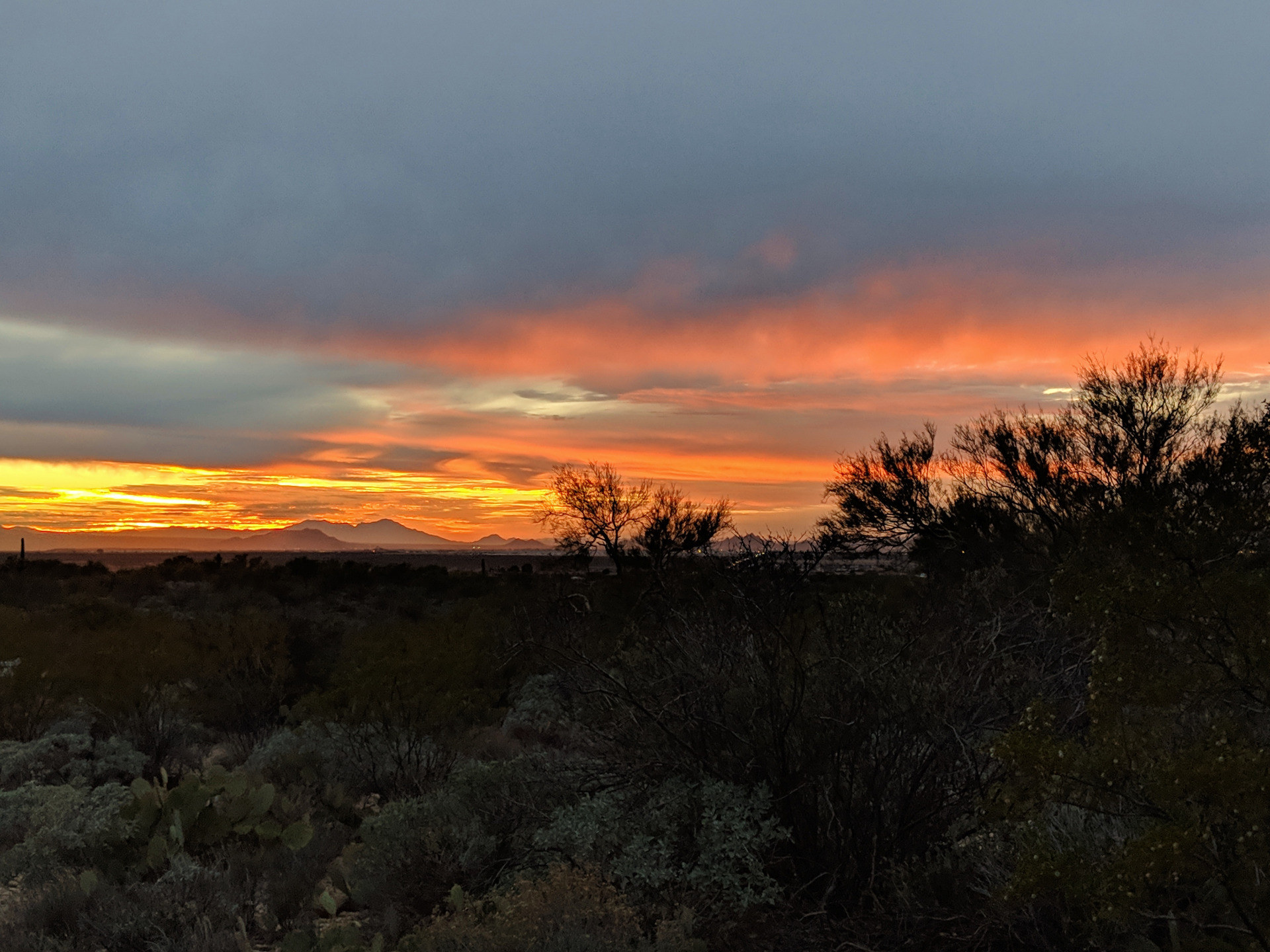
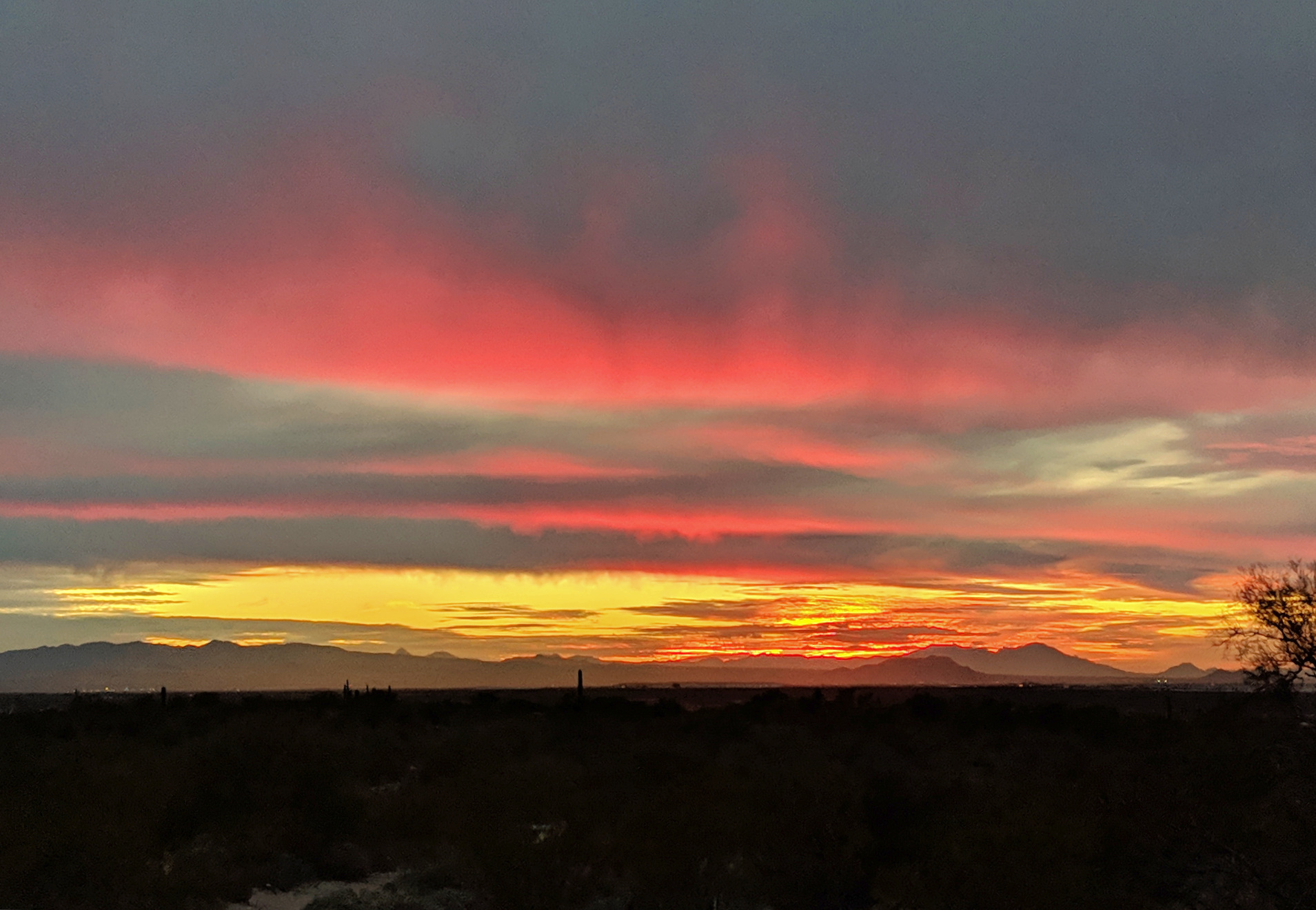
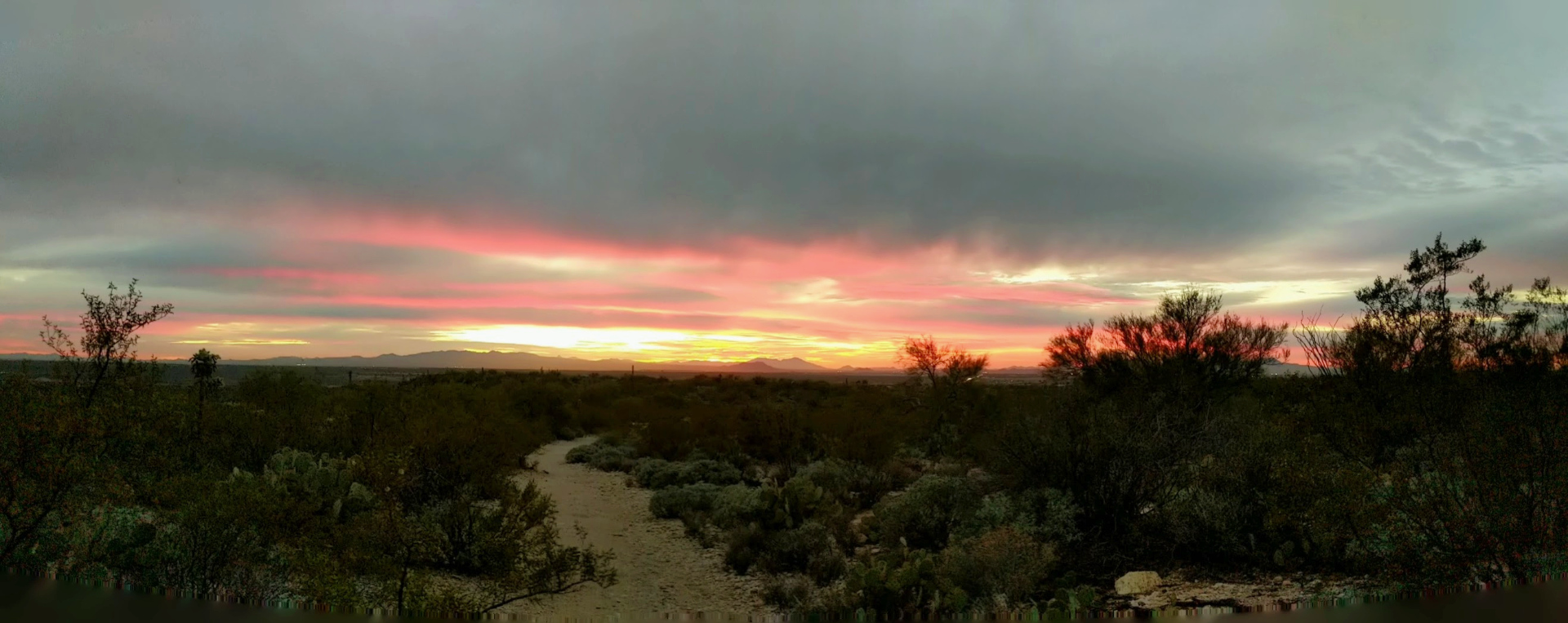
Freeman Homestead Trailhead, Saguaro National Park
Tucson, AZ
January 29th, 2019
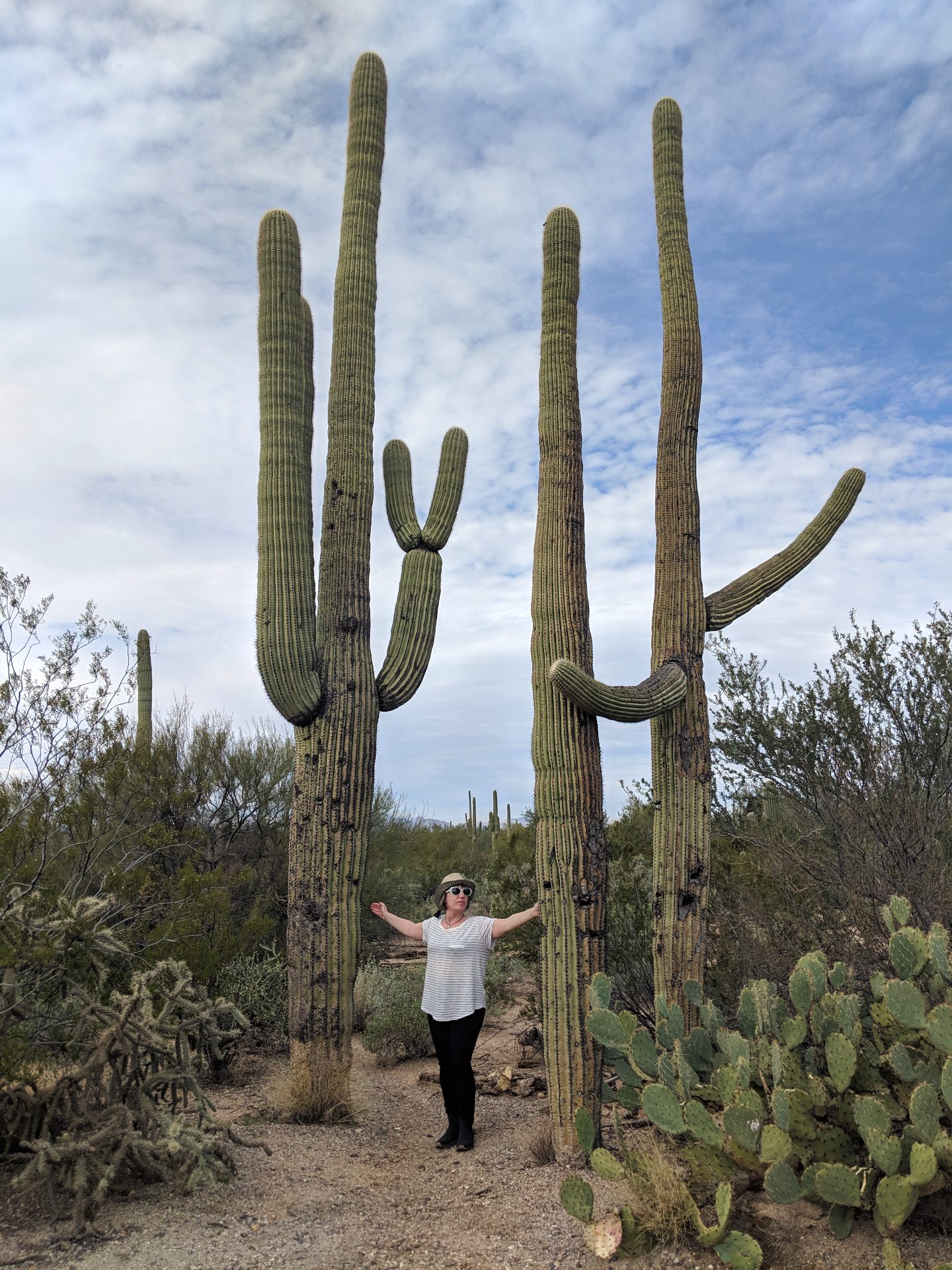
To most of the world, these prickly giants symbolize the American West. To me, they seem like a large family, gathered together after a long time of absence, merrily chatting away. Their posture, their gestures – expressive, daring, even obscene, the way they lean on each other; I feel at home among the Saguaros, never mind our differences (mainly in size).
We traveled a long way to meet them, because they gather exclusively only in small parts of the U.S. West; Tucson is one of their favourite spots, especially for the ”younger” among them.
Did you know that their branches begin to grow when saguaros reach 60 to 75 years of age? That is for those growing in the Saguaro National Park; in areas of lower precipitation, it may take up to 100 years before arms appear.
An adult saguaro is generally considered to be about 125 years of age. It may weigh 8 tons or more and be as tall as 50 feet. The average life span of a saguaro is probably 150 – 175 years of age. However, biologists believe that some plants may live over 200 years. The estimated number of saguaros in the Saguaro National Park is 1.8 million.
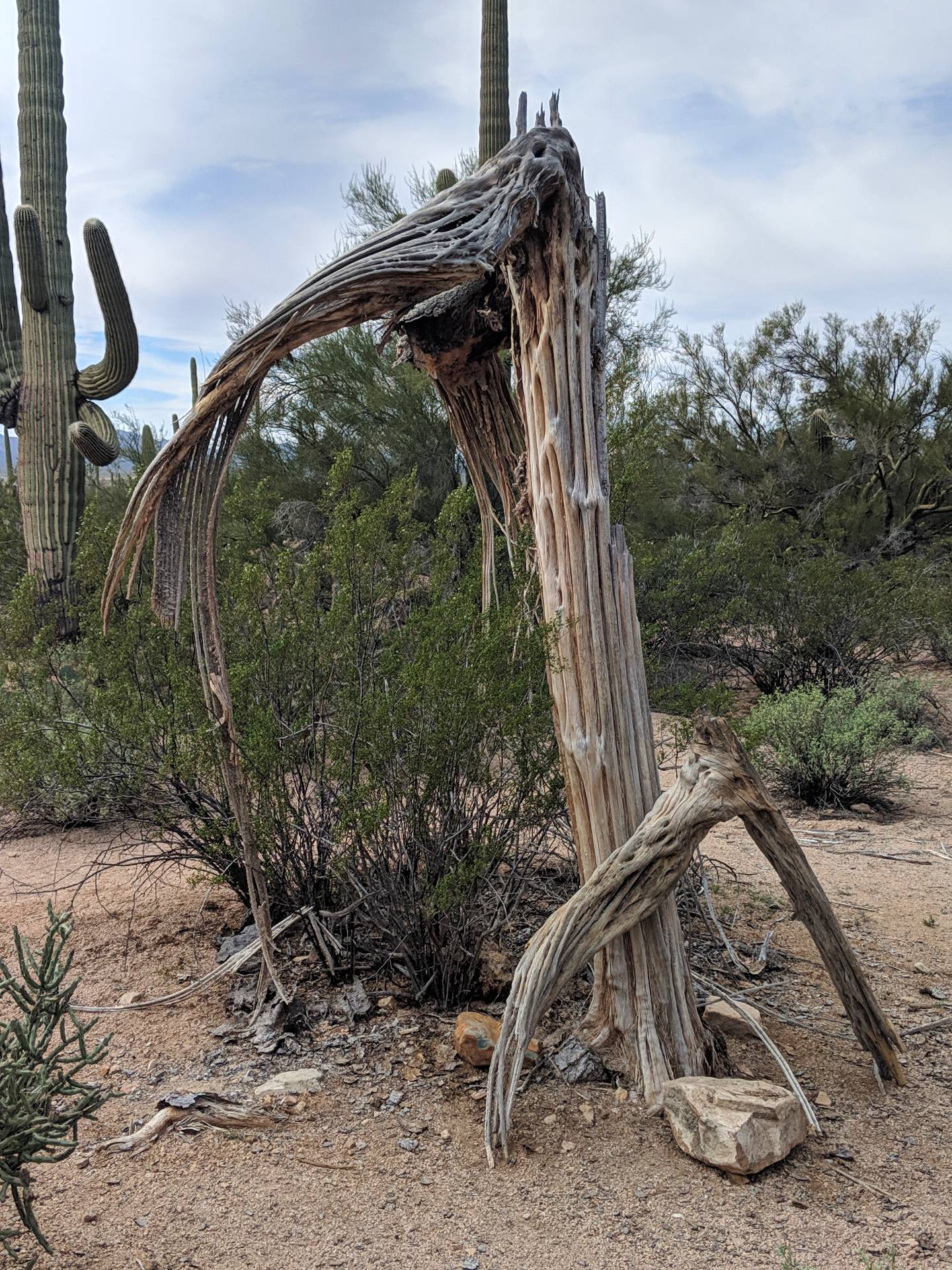
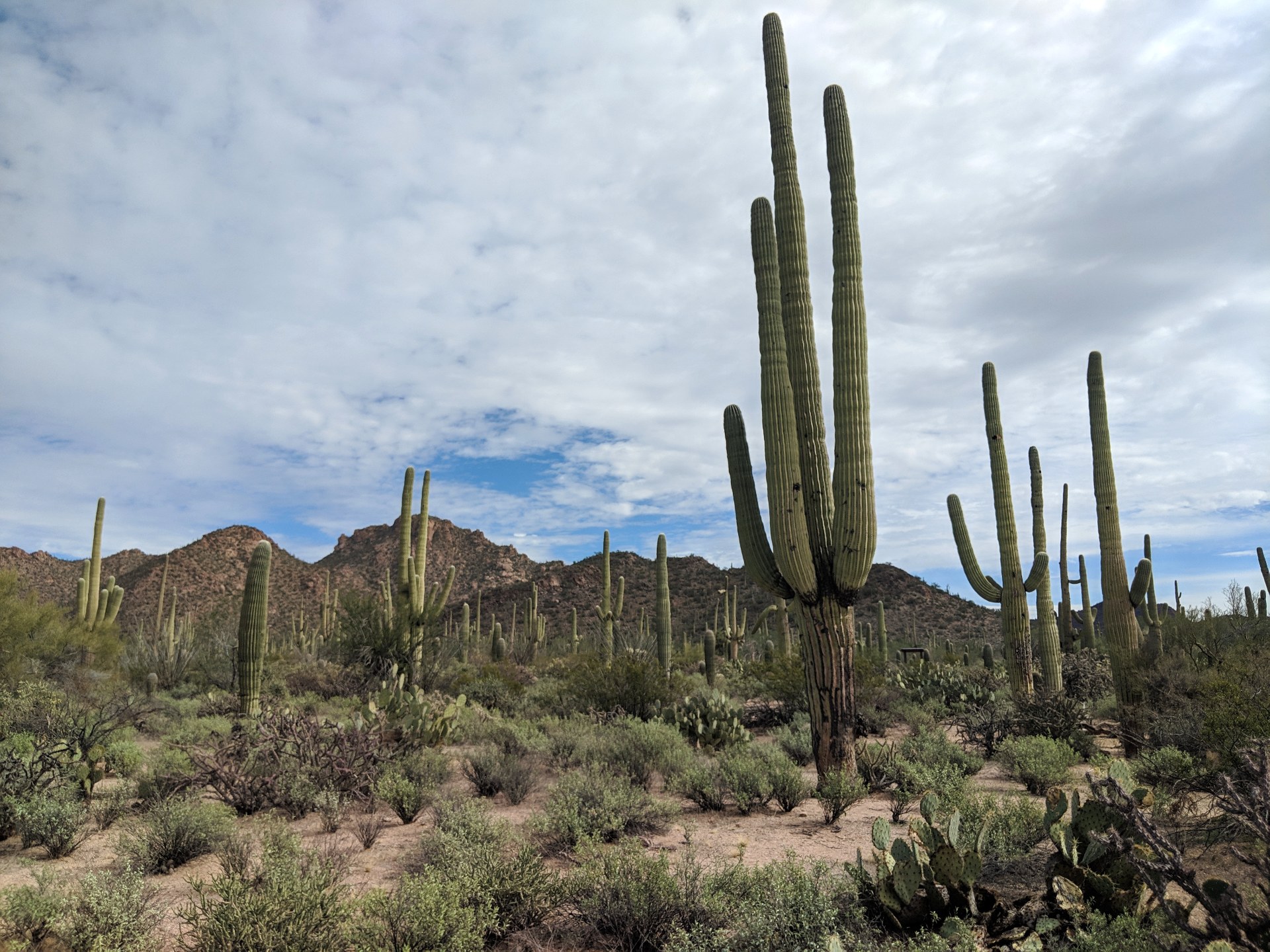
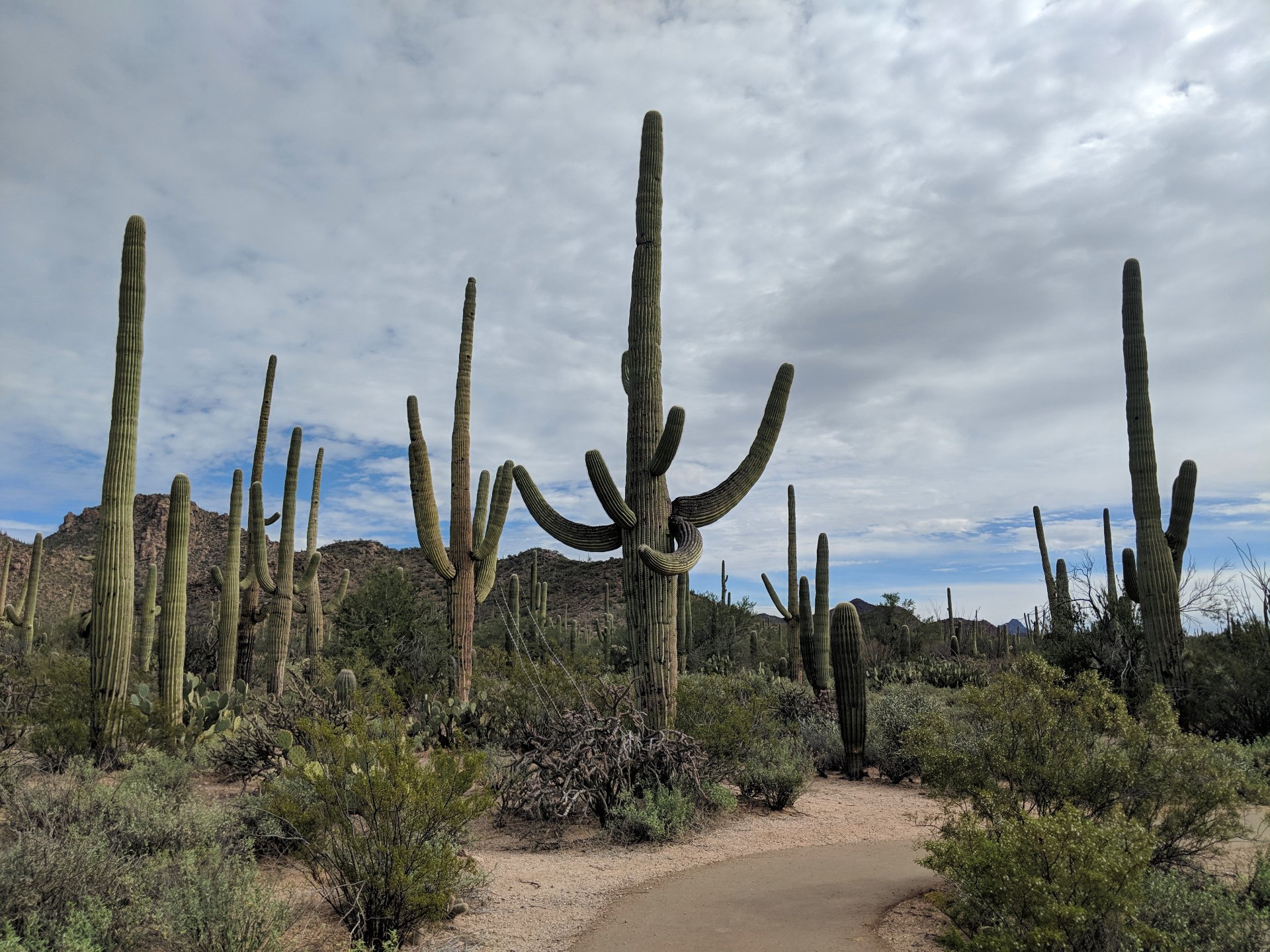
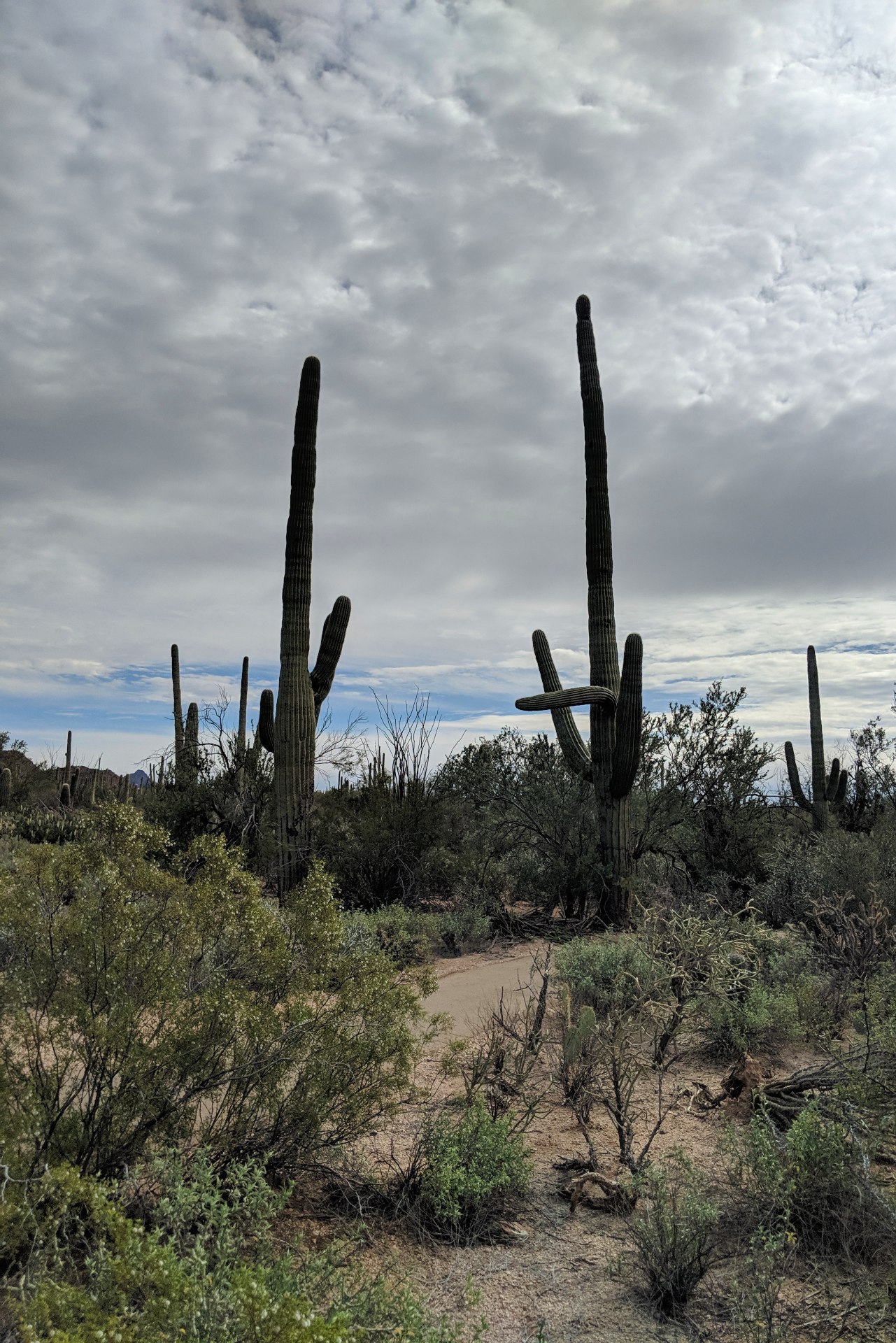
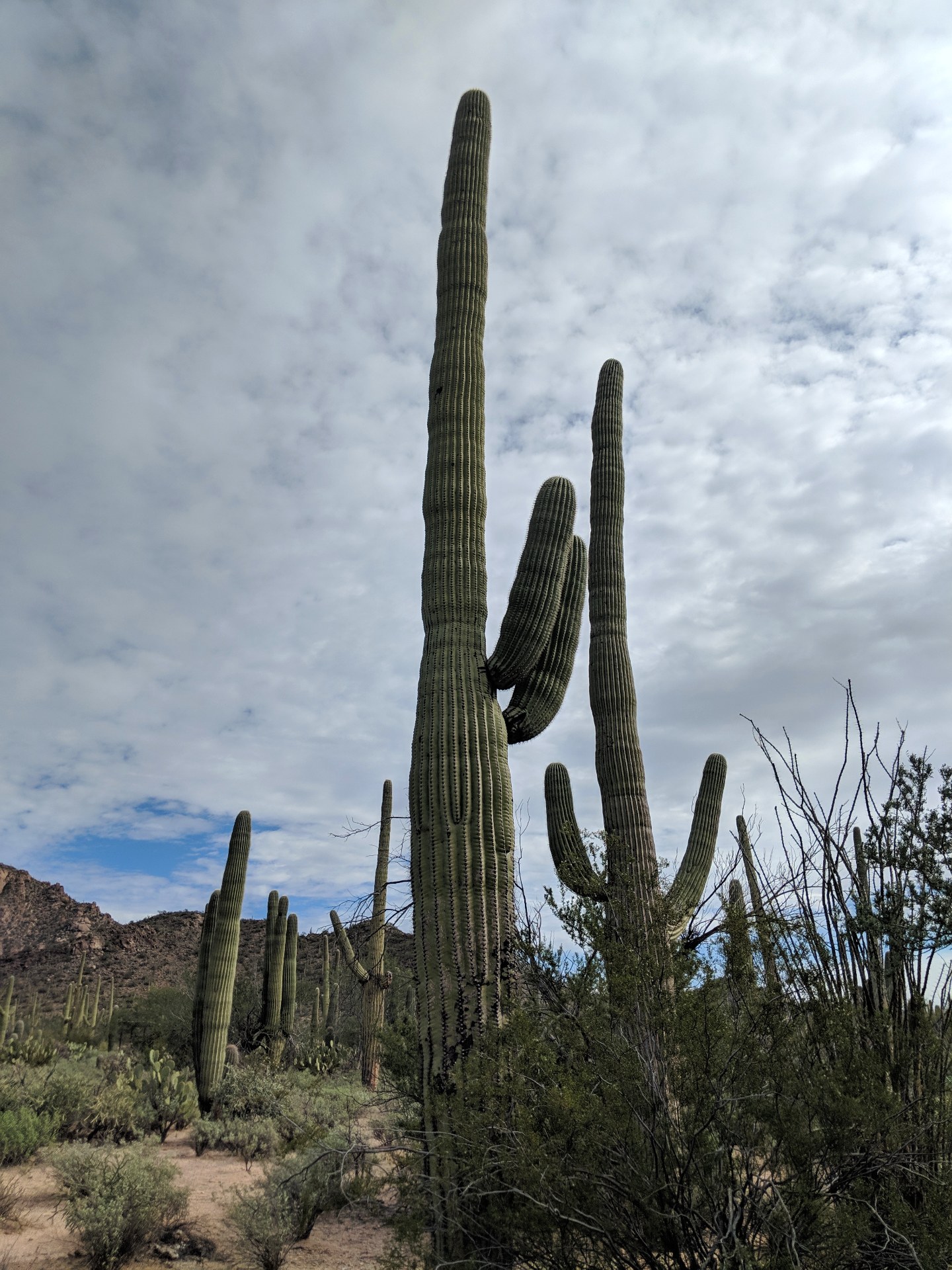
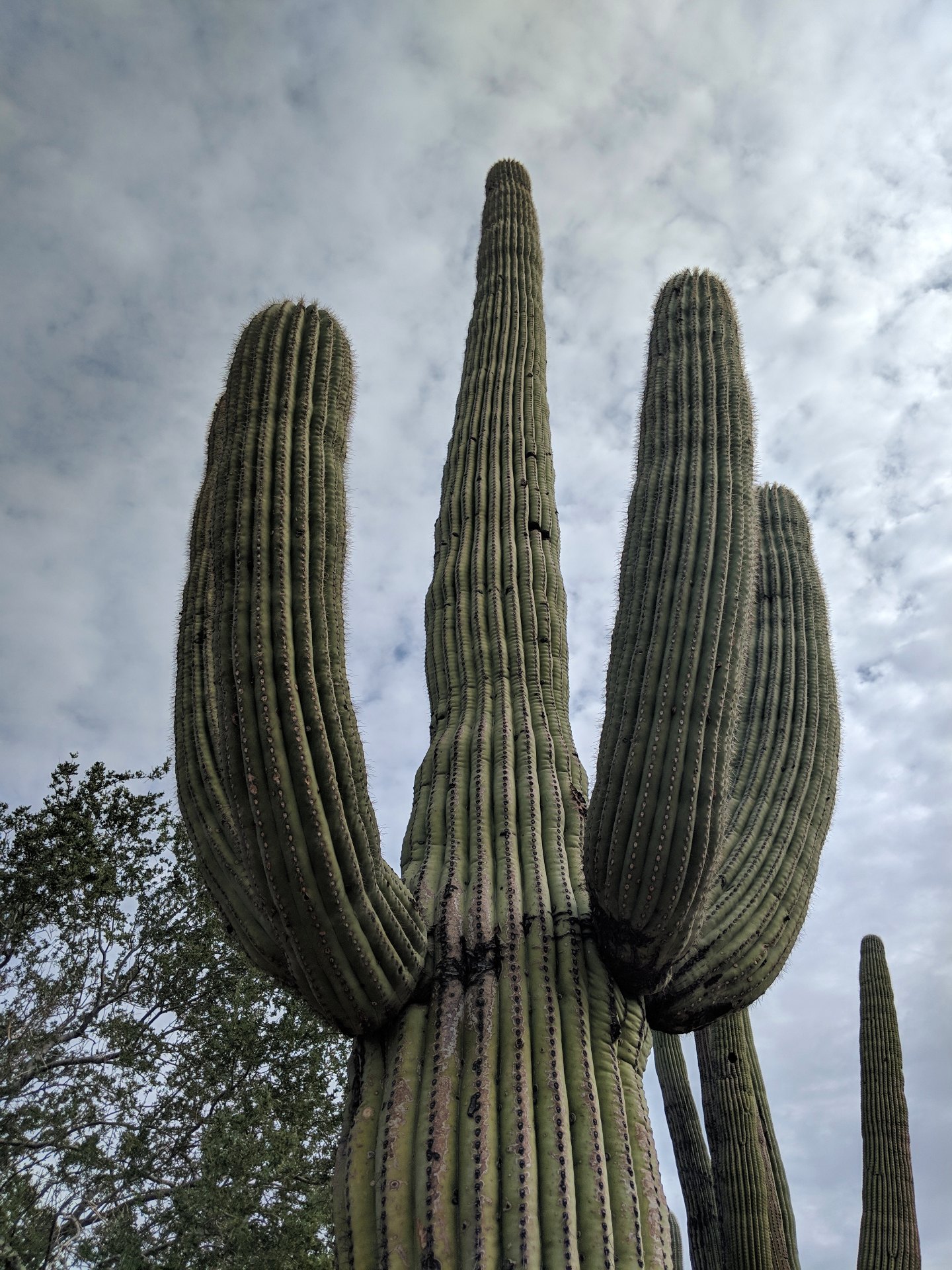
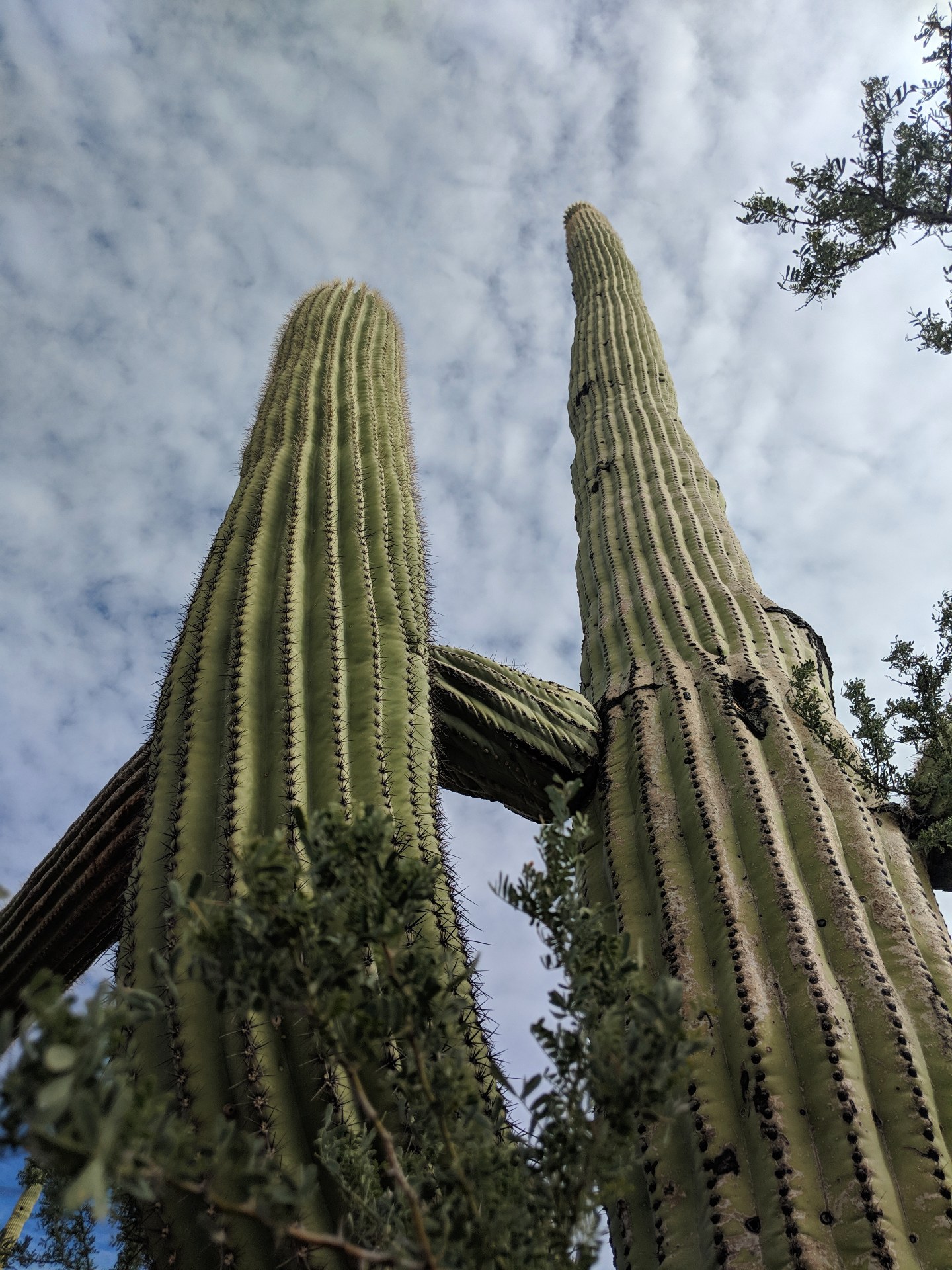
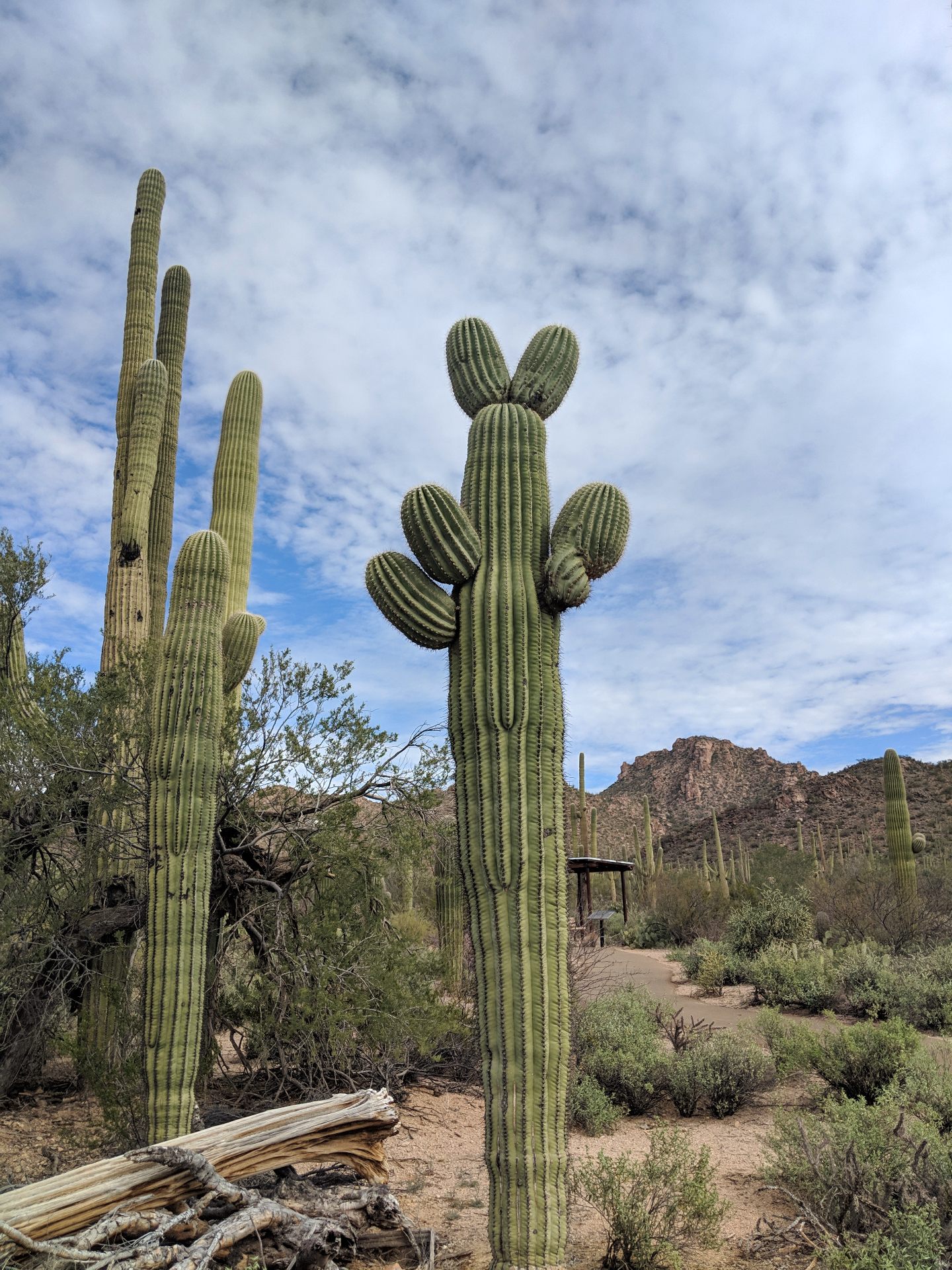
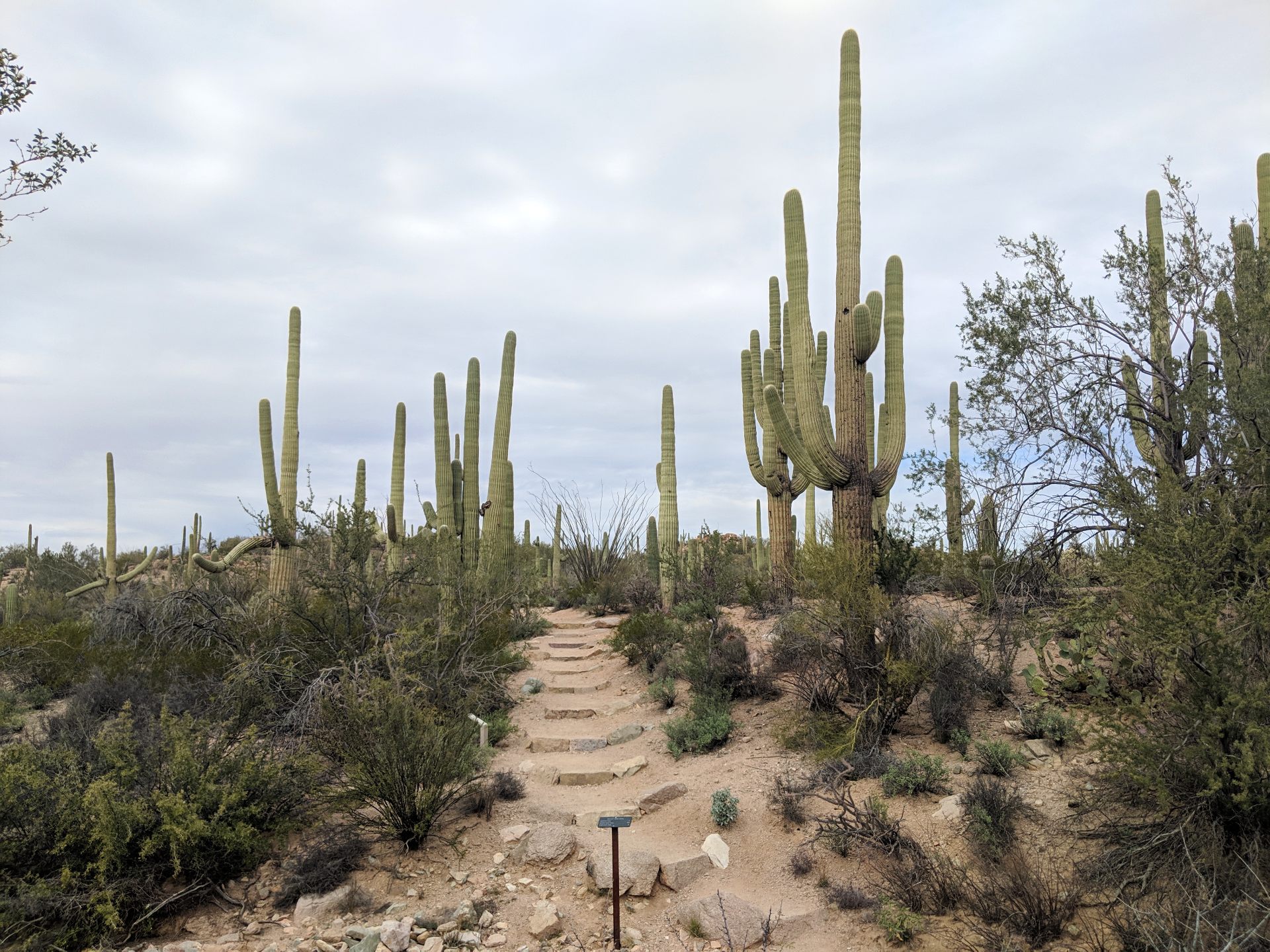
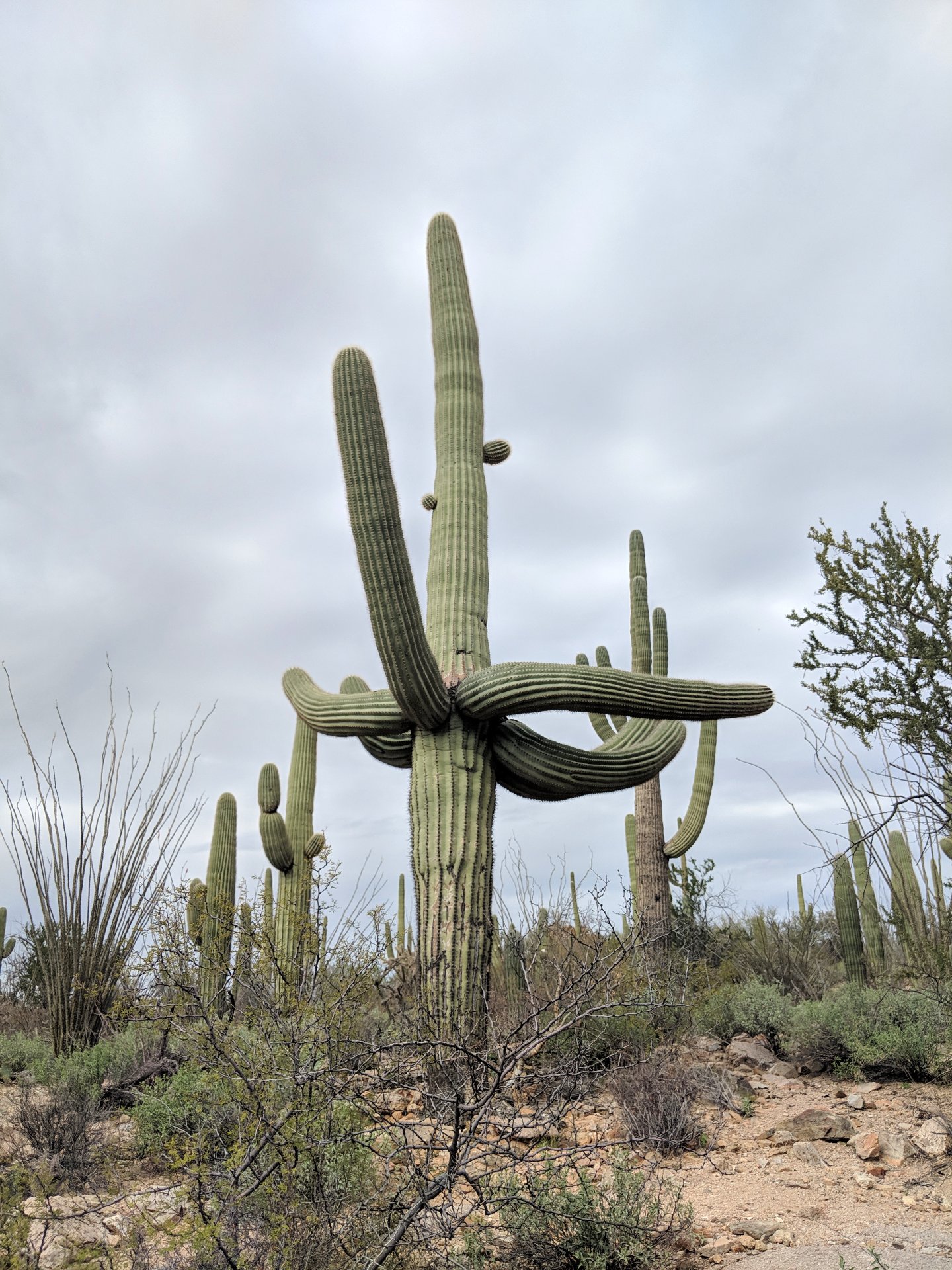
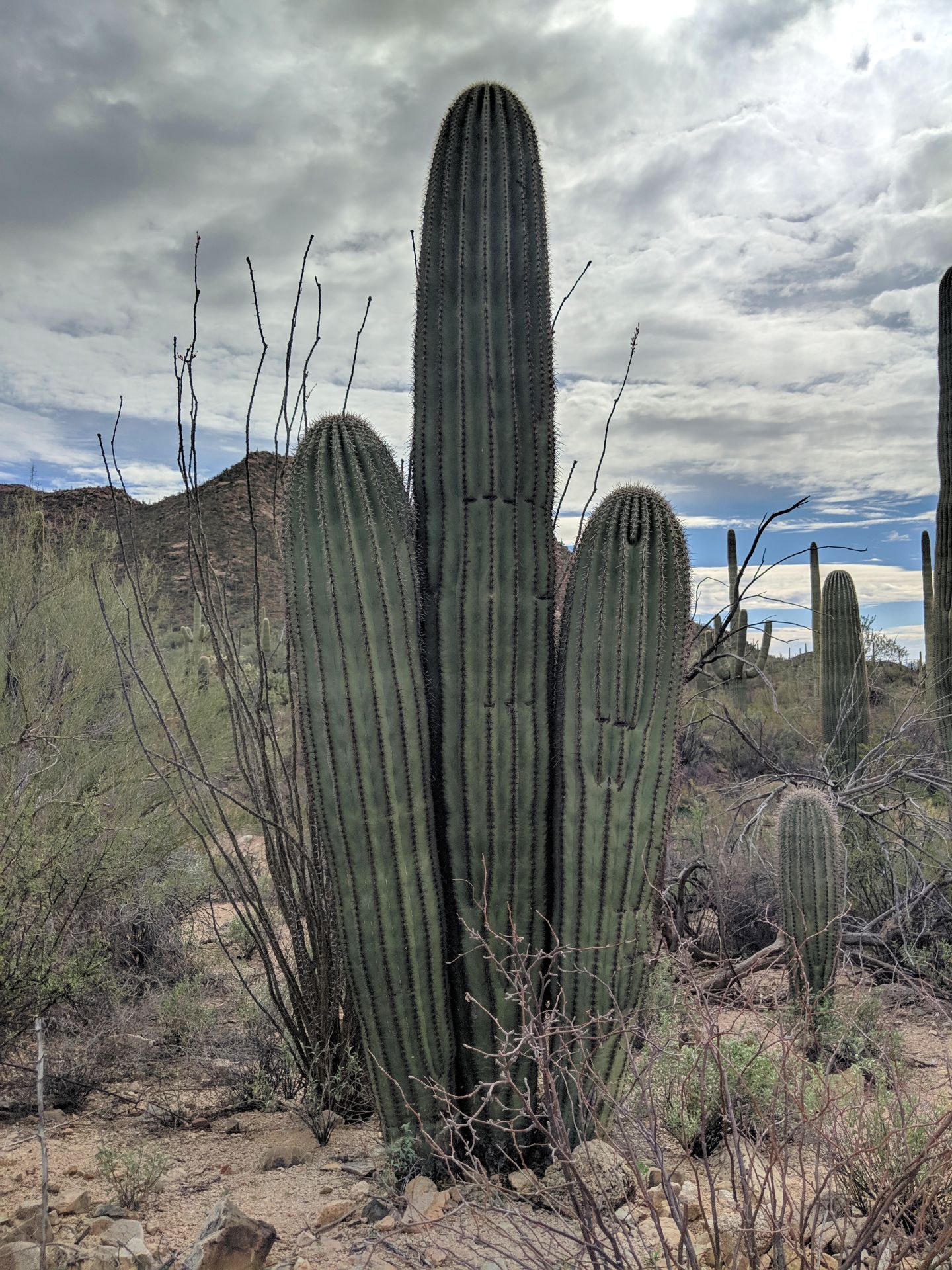
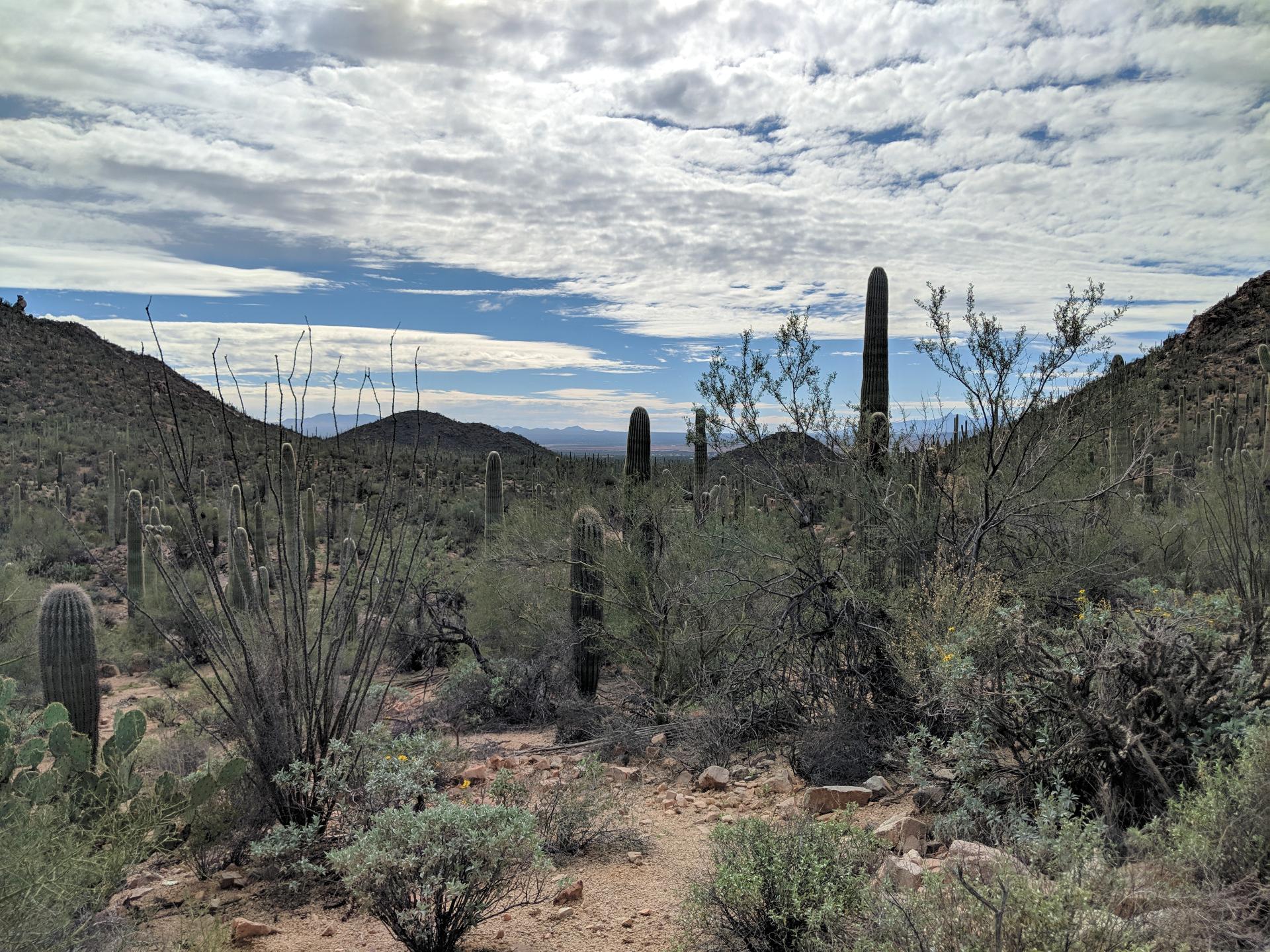
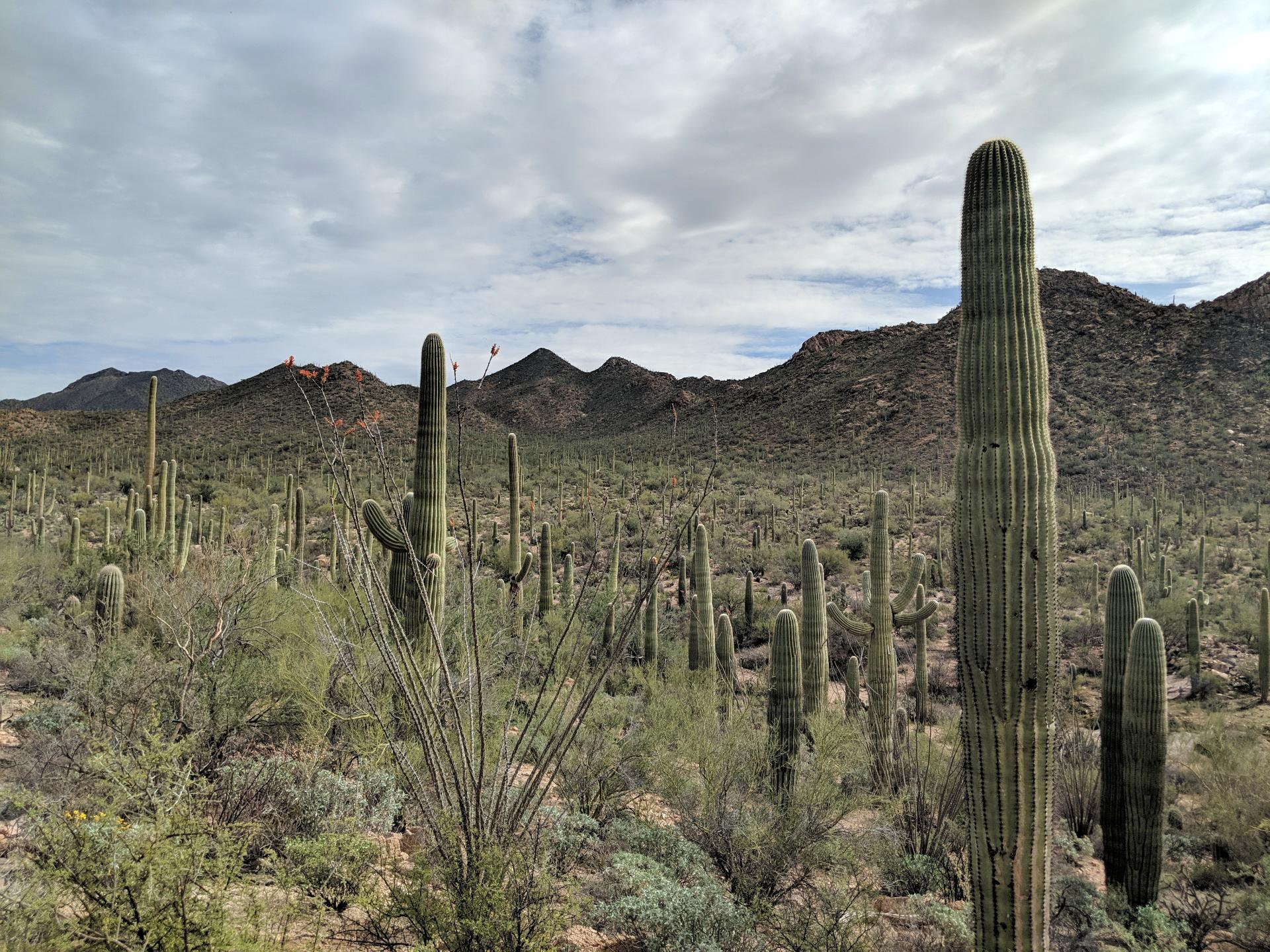
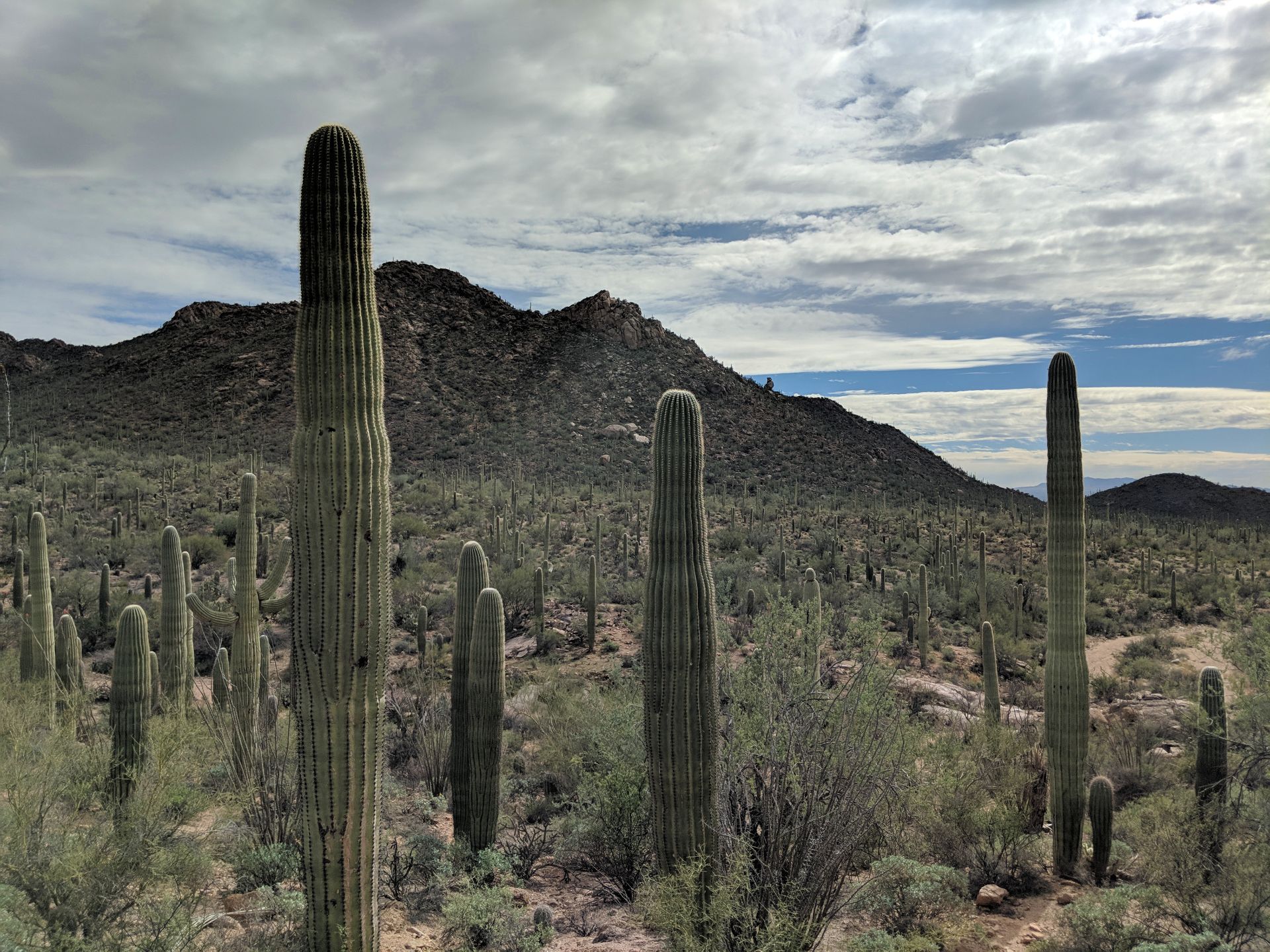
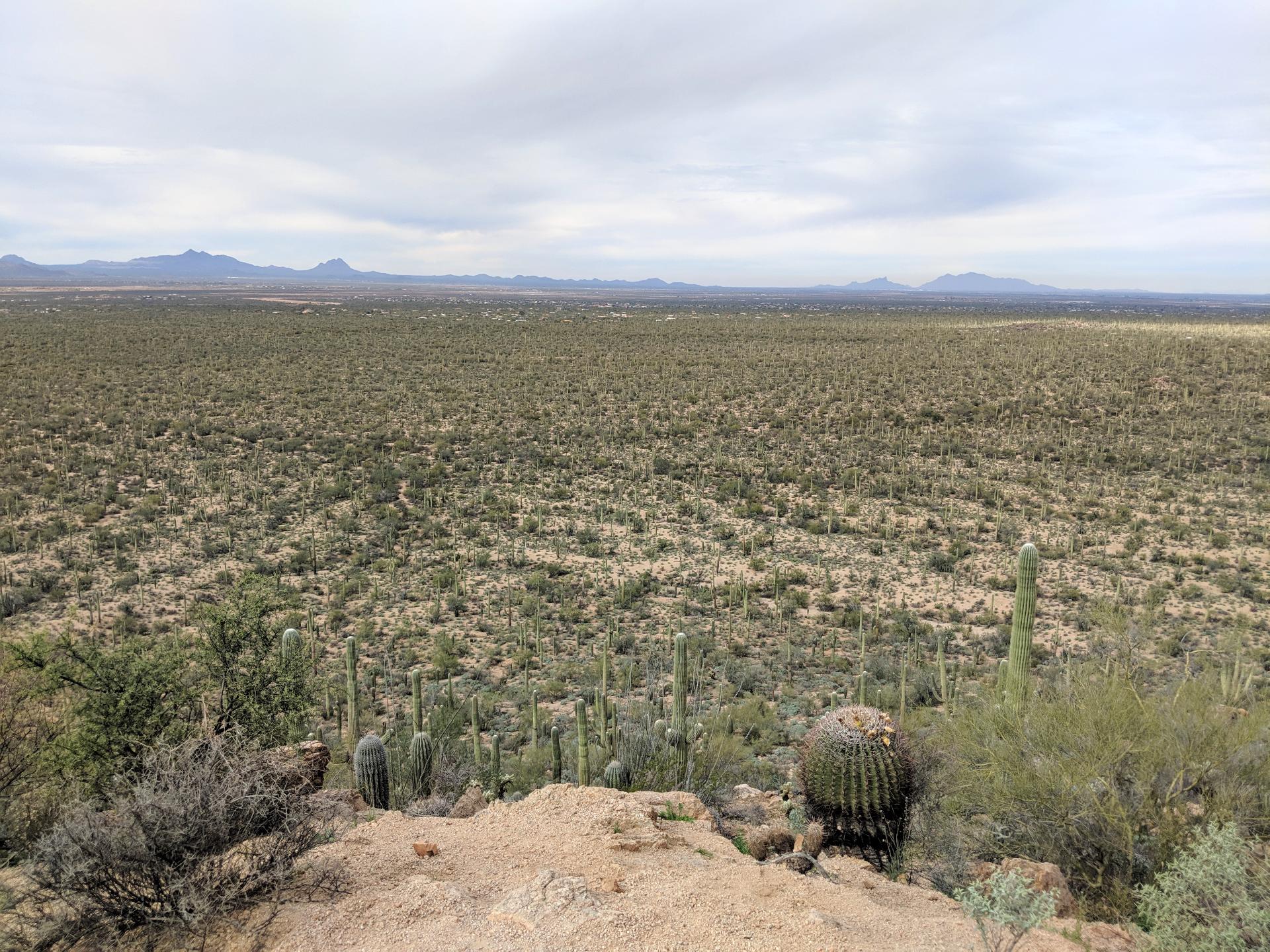
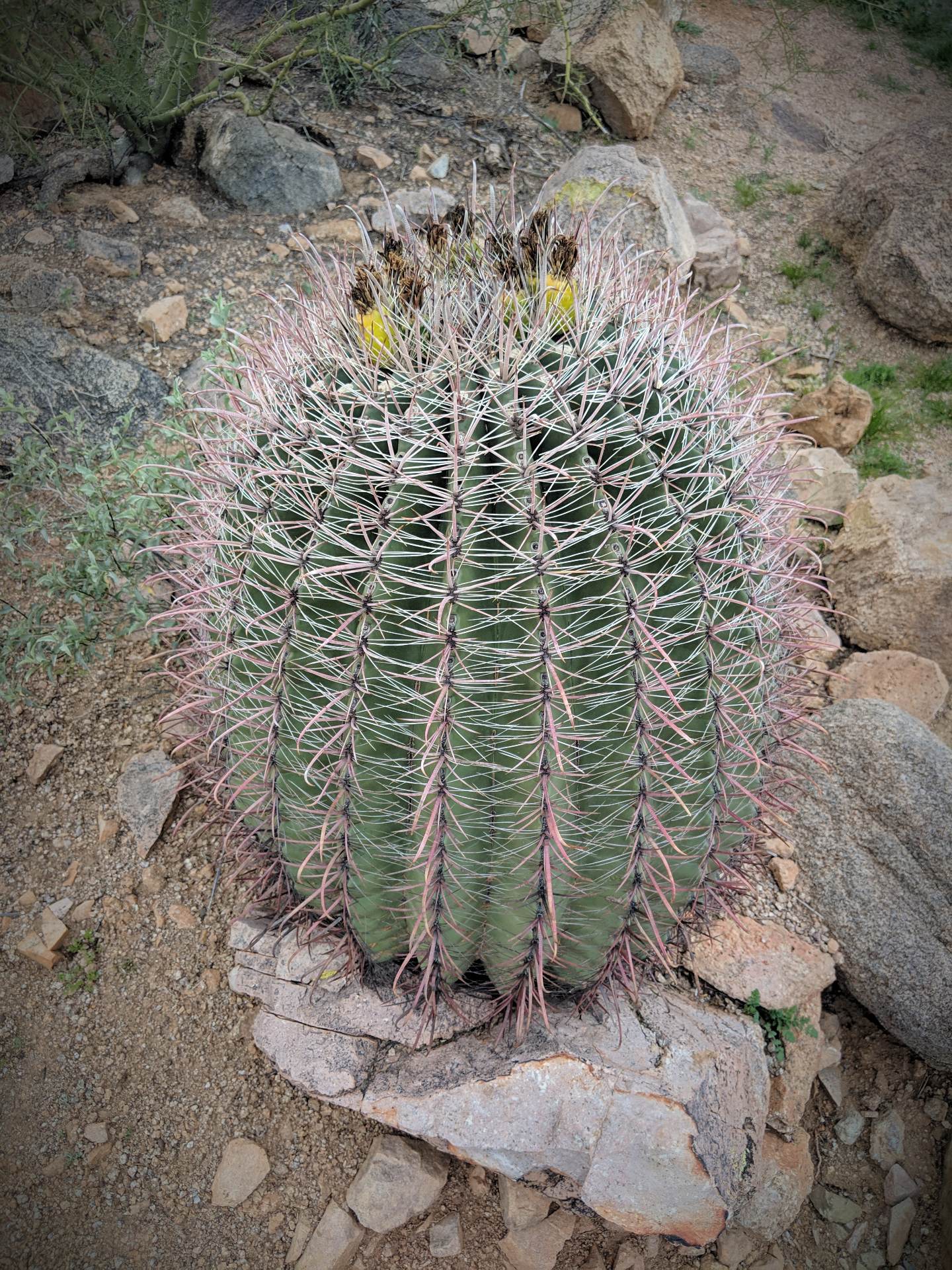
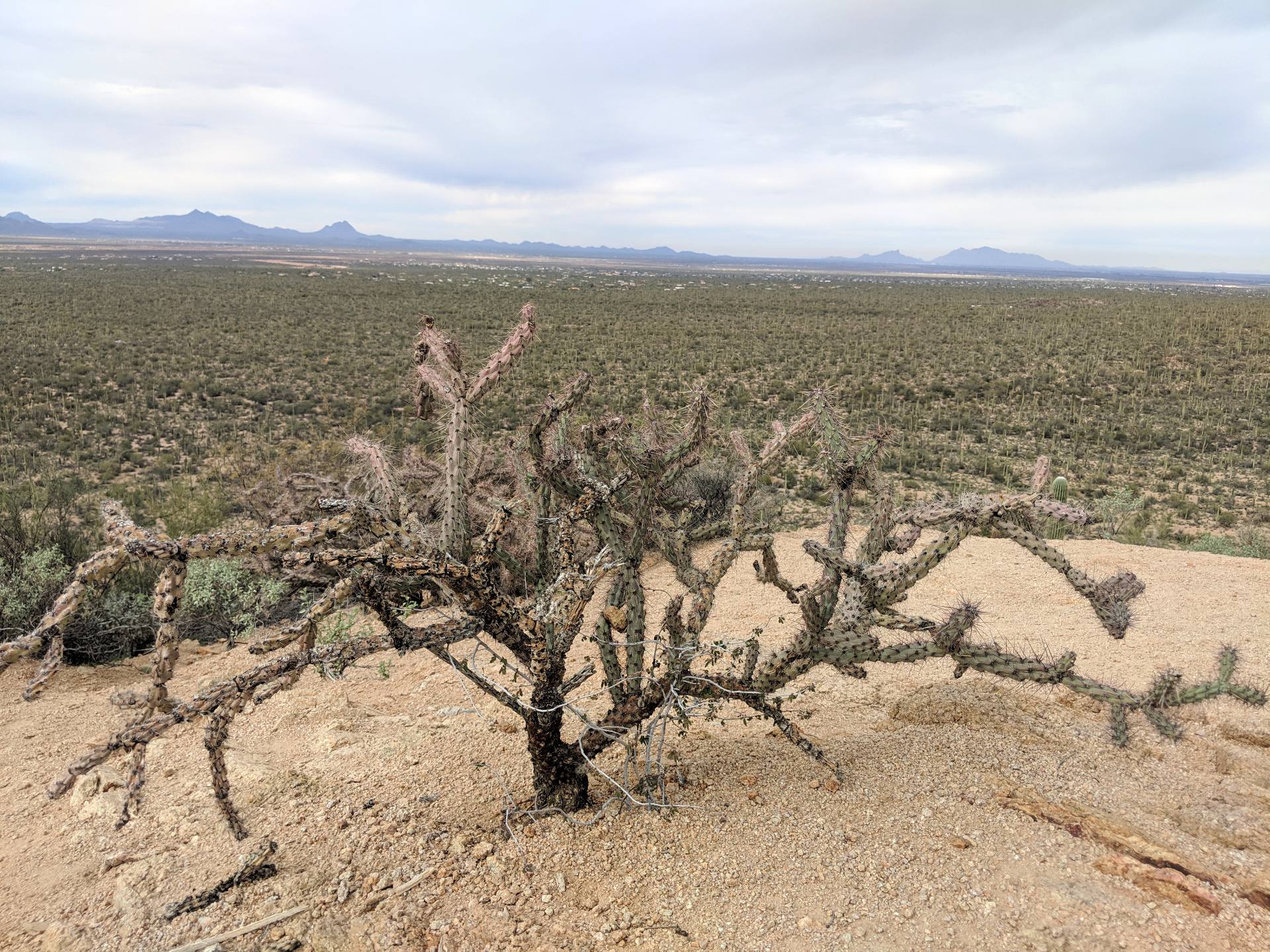 With such a long lifespan, it is only fitting that Saguaros would have chosen to gather here, in a land dotted with archeological sites spanning more than 8,000 years of prehistoric and historic-period occupation.
One of these prehistoric sites, accessible to visitors, is Signal Hill; a small hill with petroglyphs created by the prehistoric Hokoham people on the boulders that cover the hillside.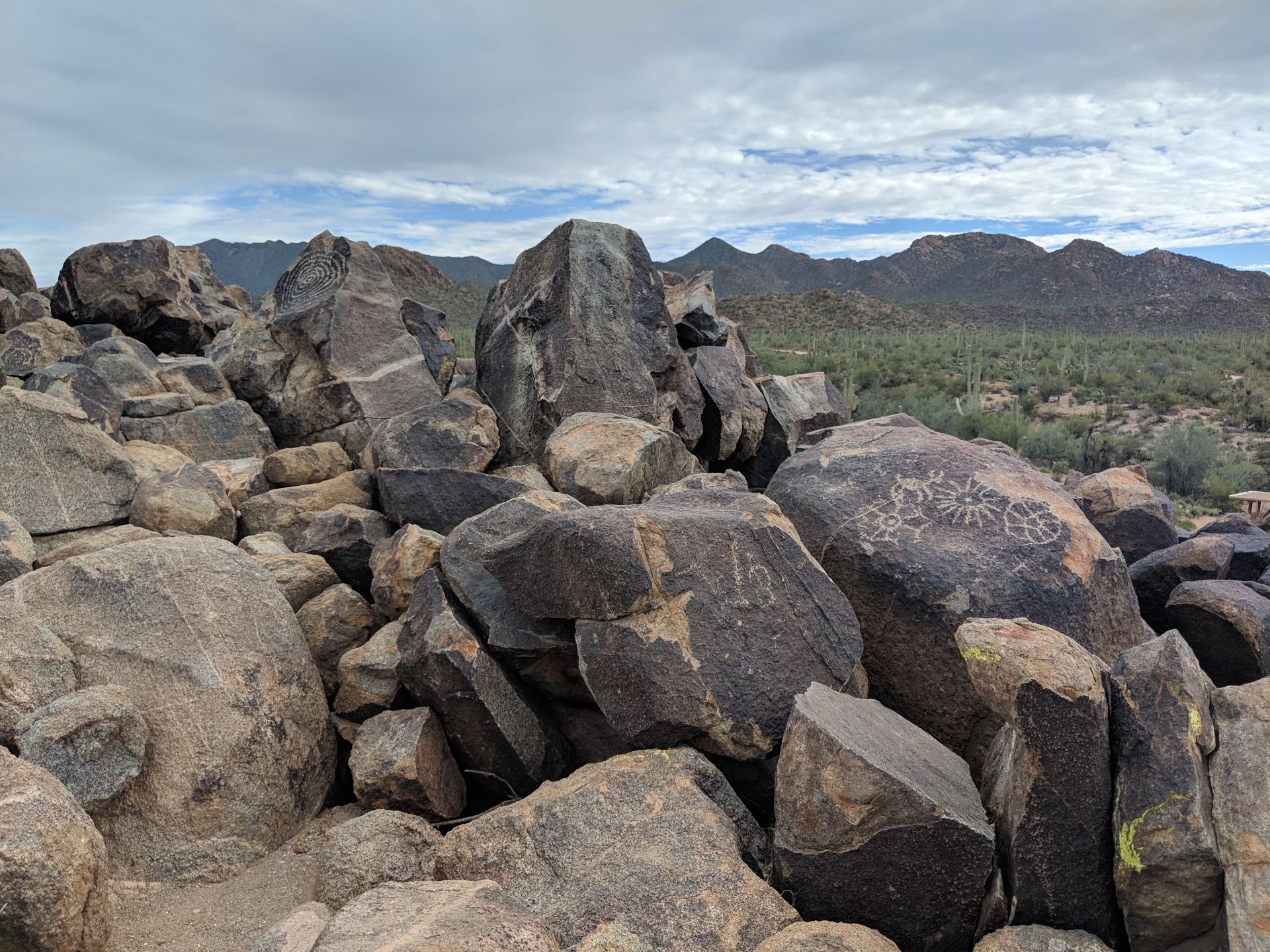
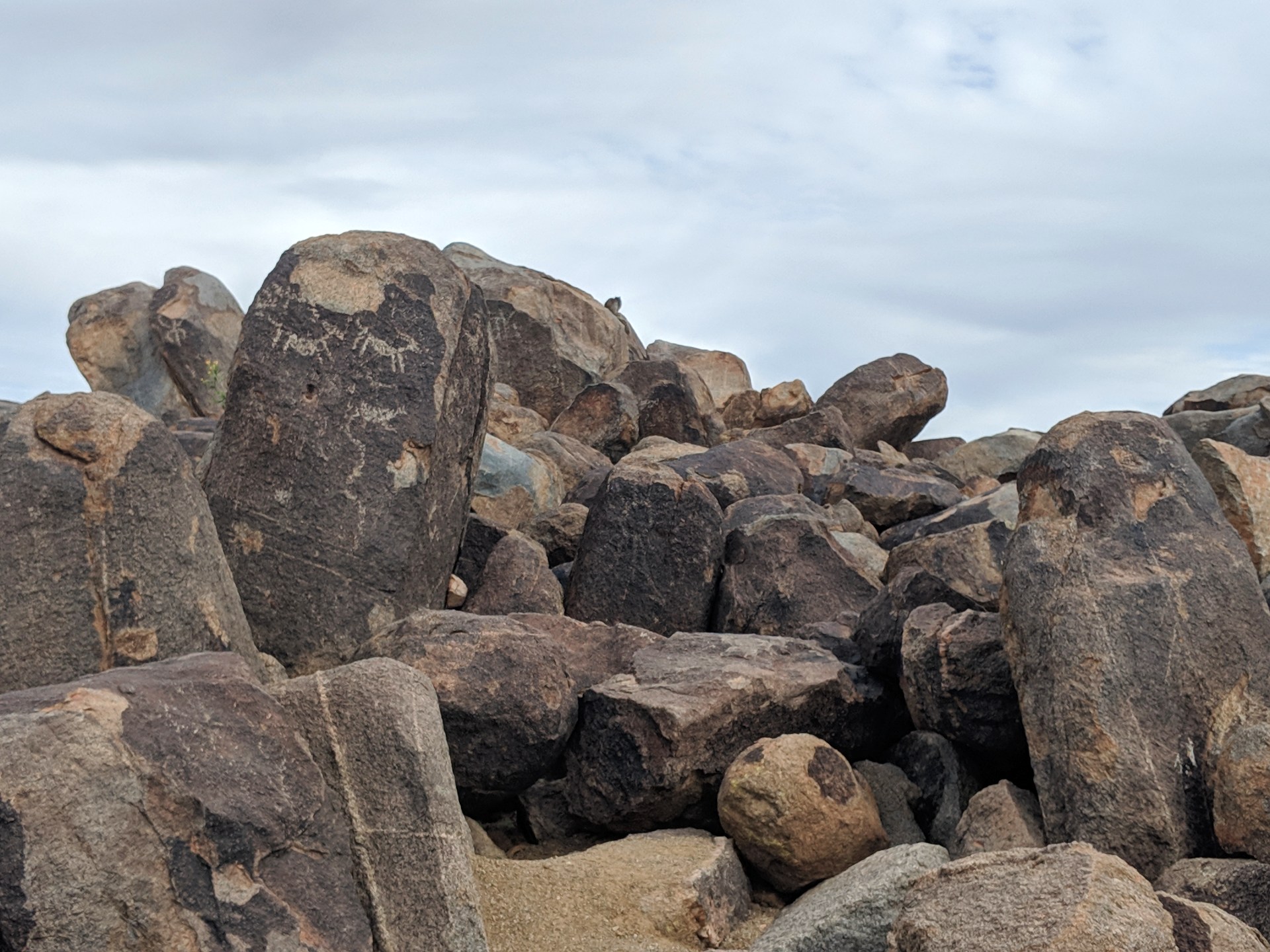
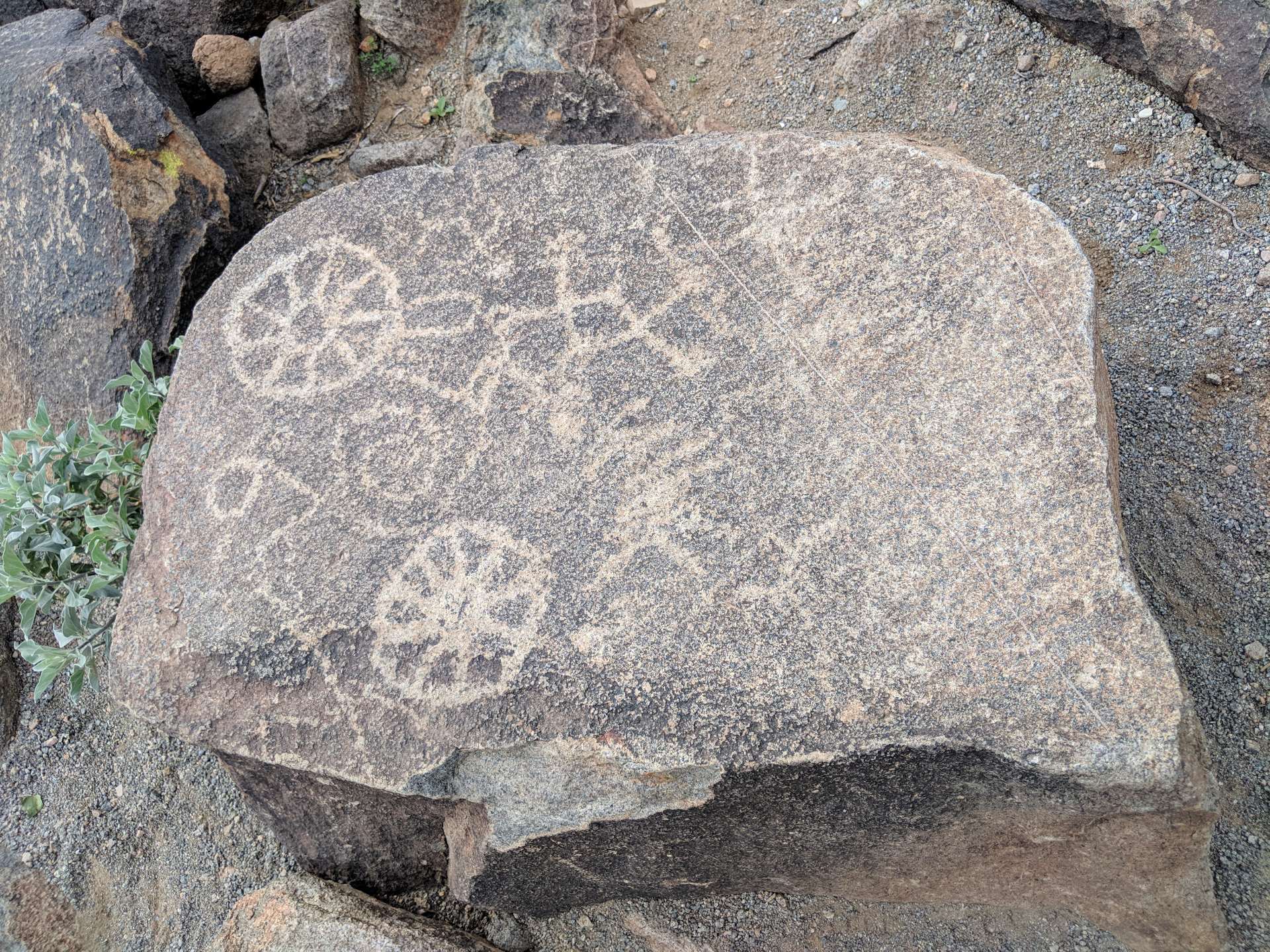
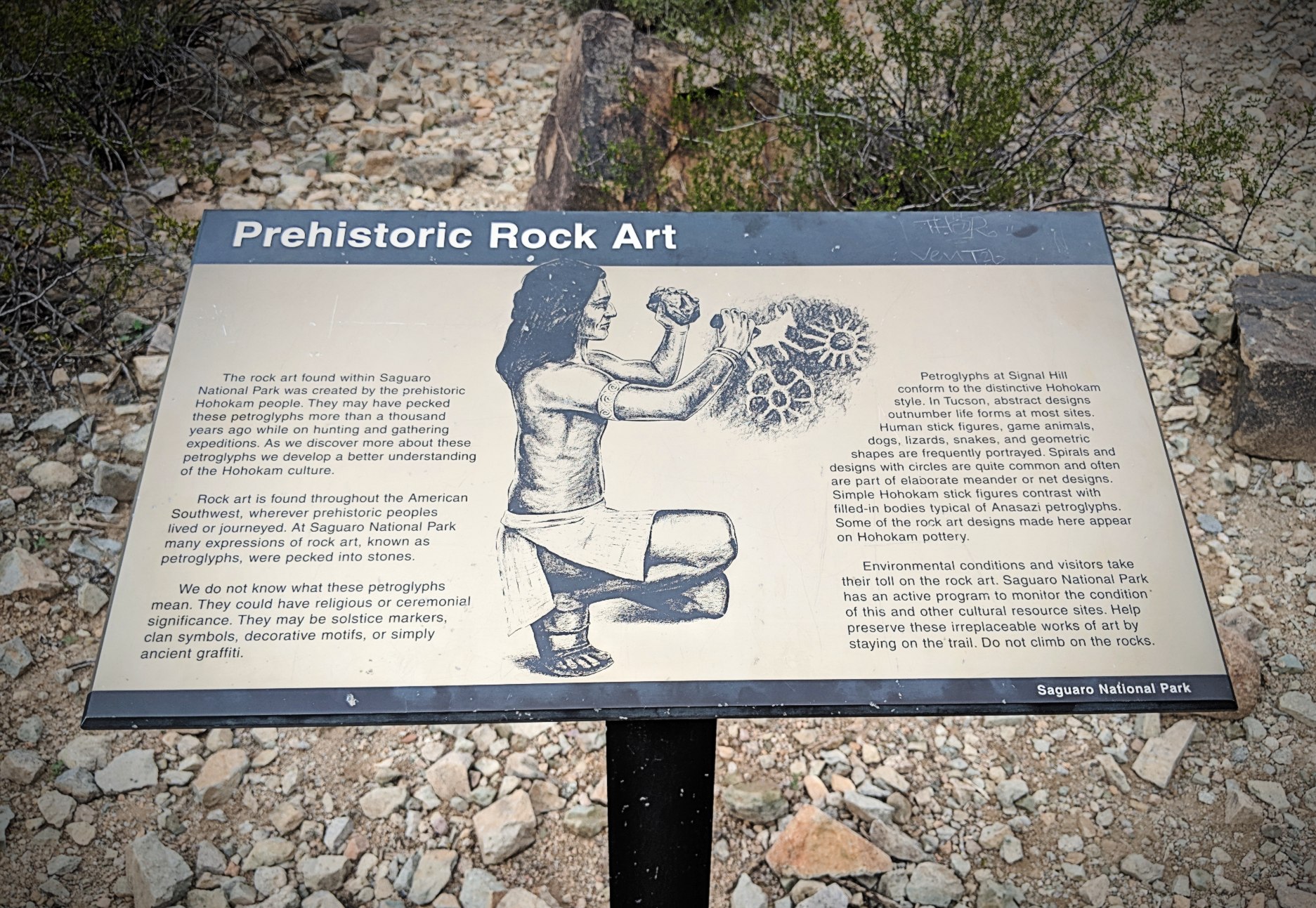 Saguaro National Park, Tucson, AZ
January 29th, 2019
Cool morning sights from our daily walk to the breakfast room, where every plate comes covered in sweet and spicy green chiles, it seems; tried prickly pear jelly for the first time – home-made and delicious.

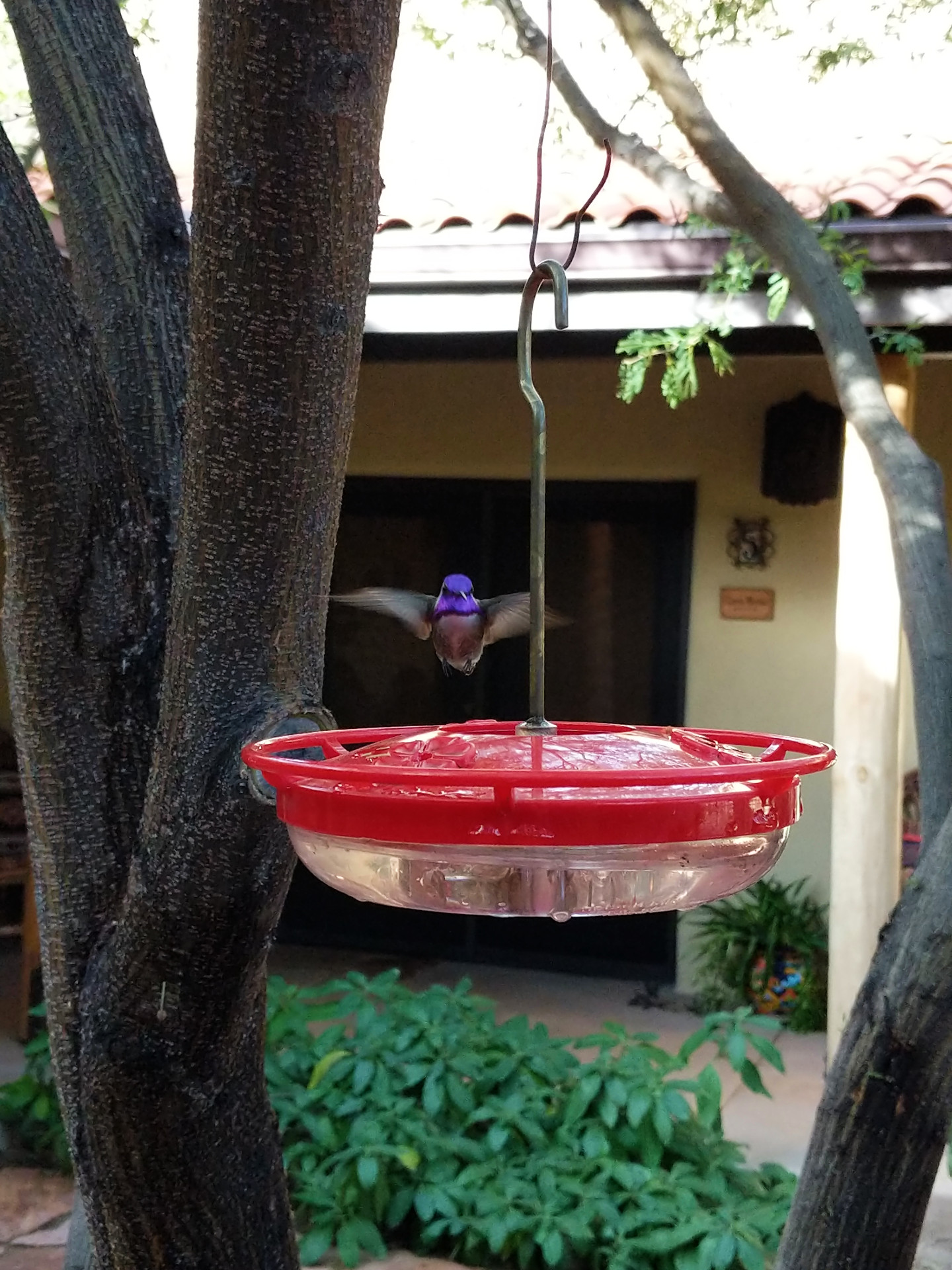
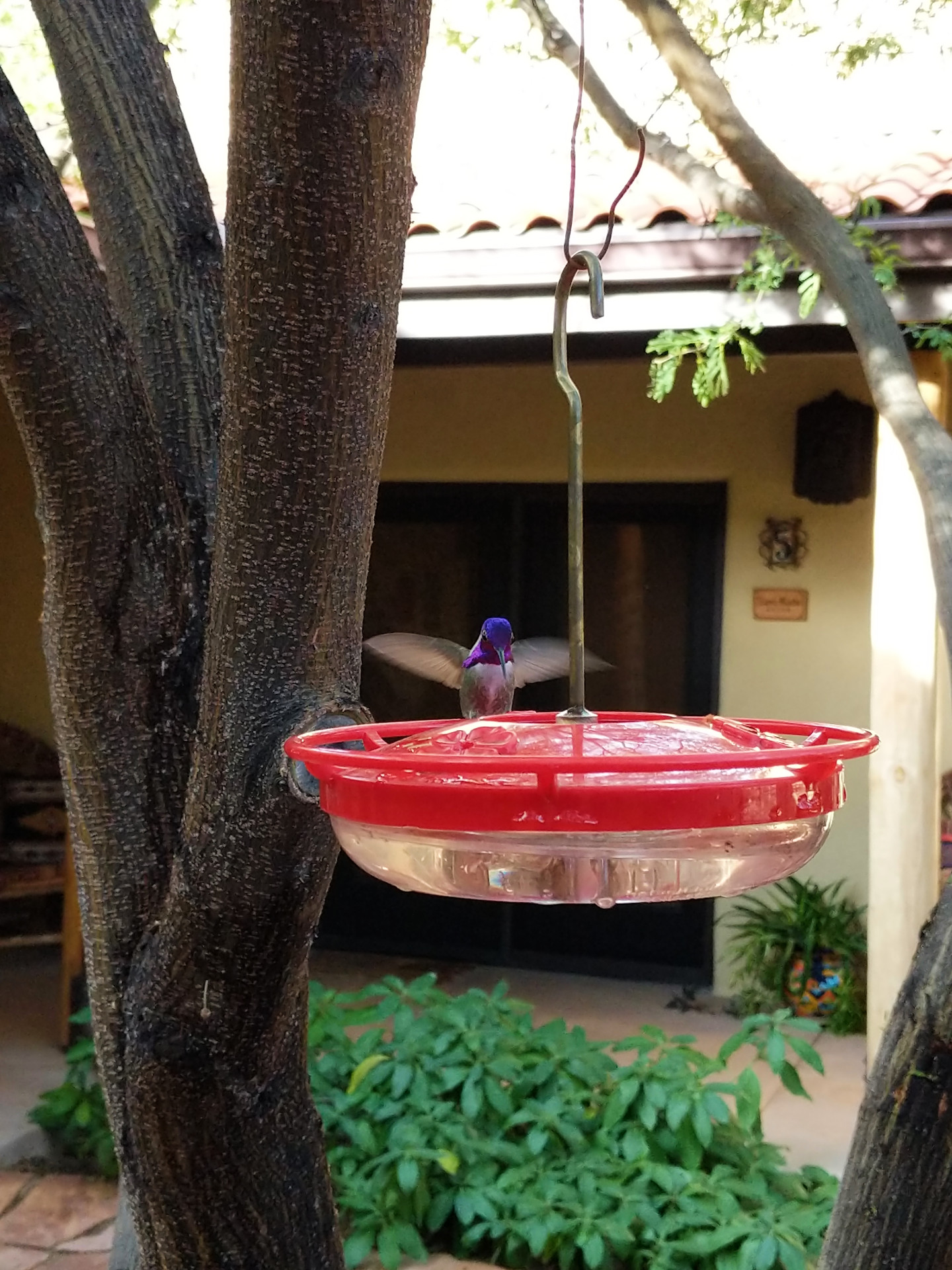
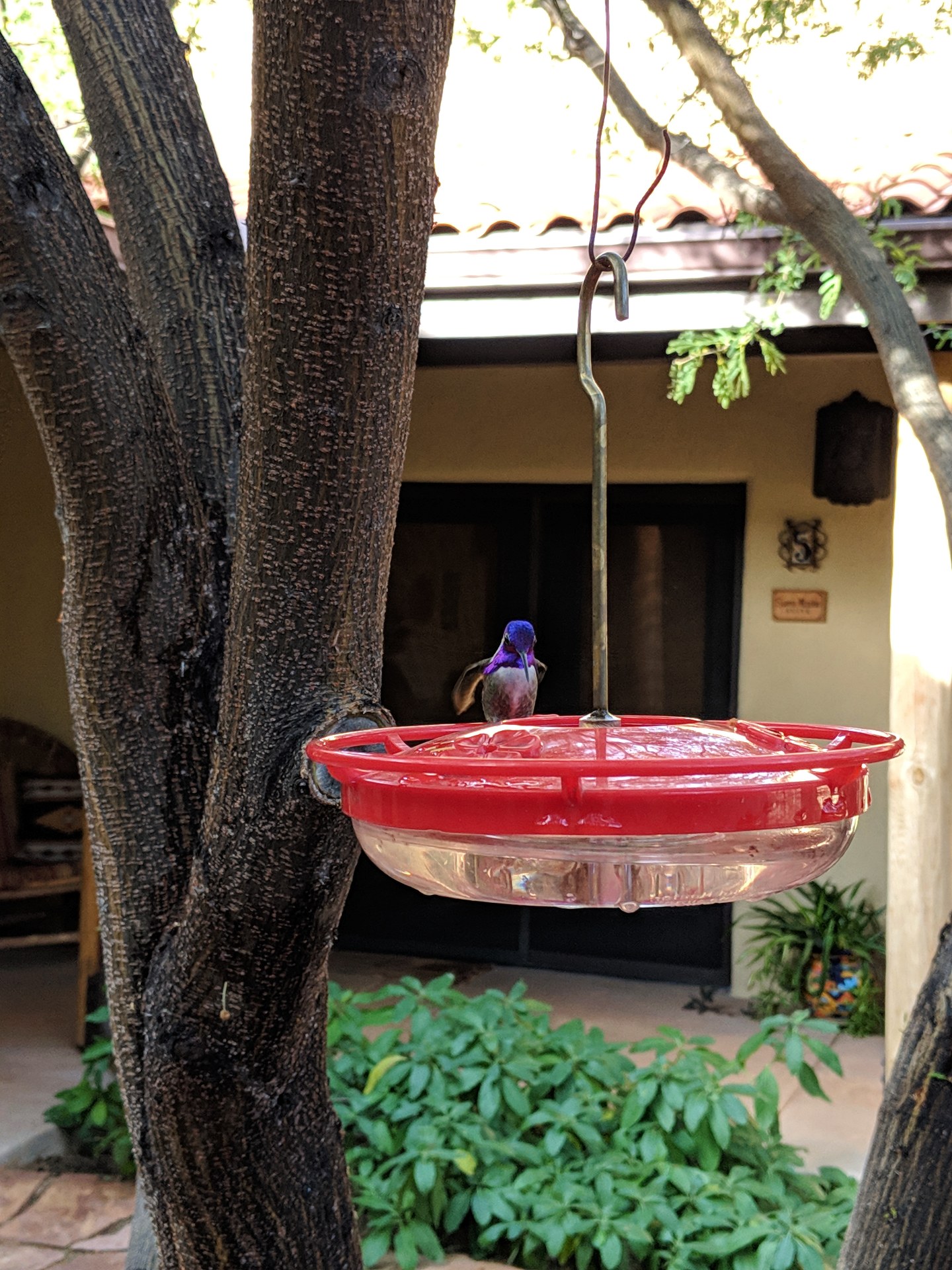

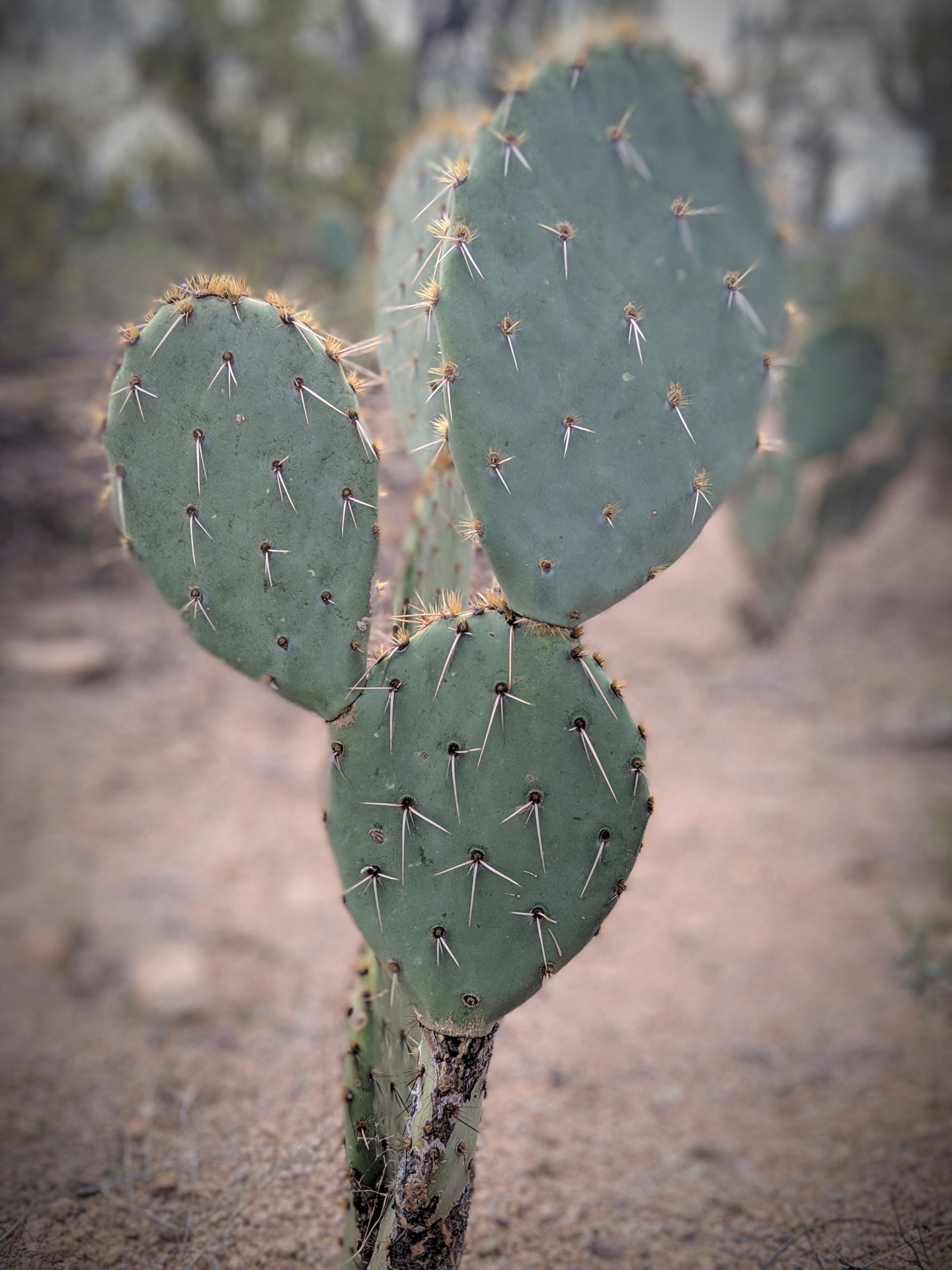

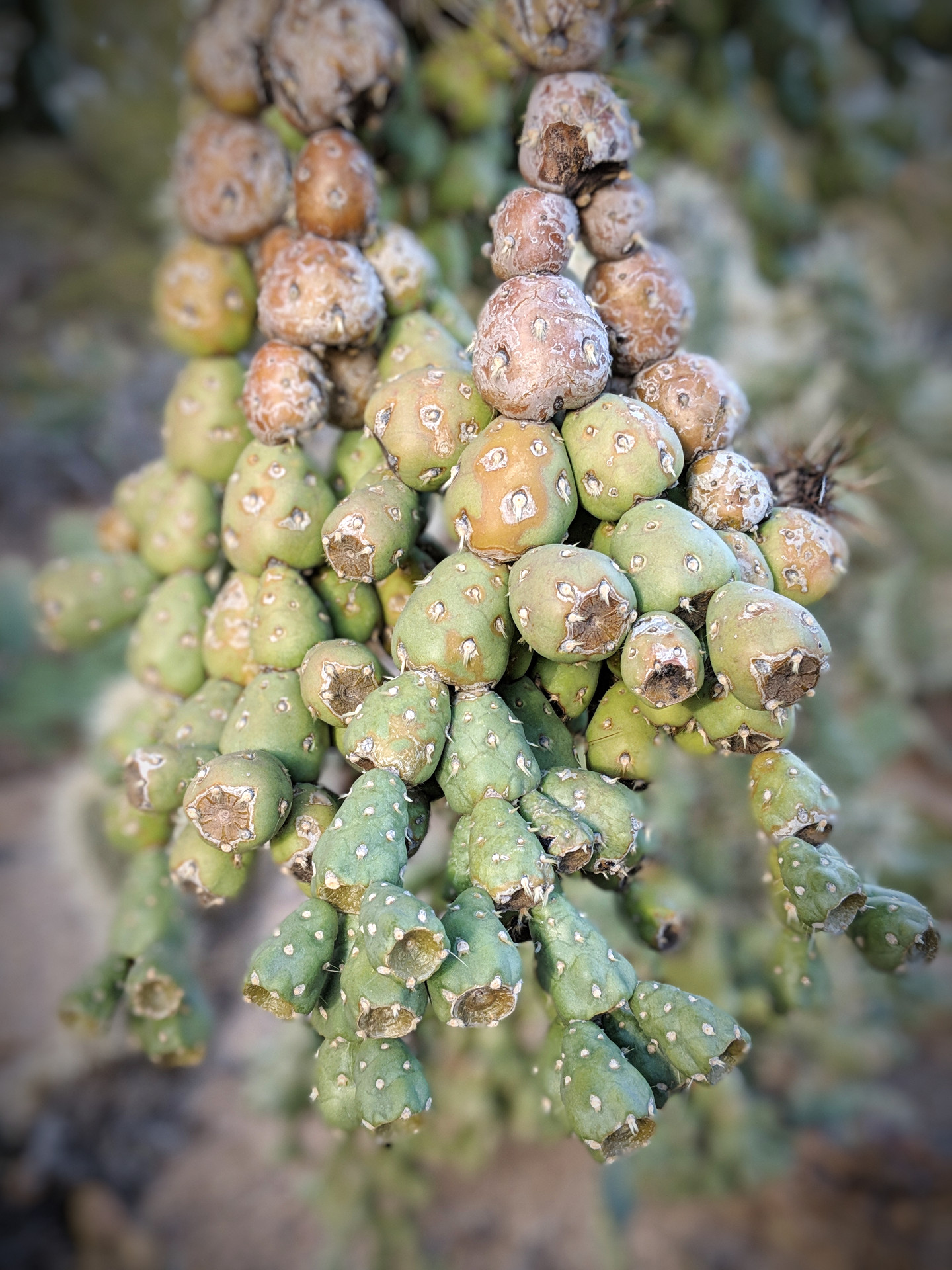

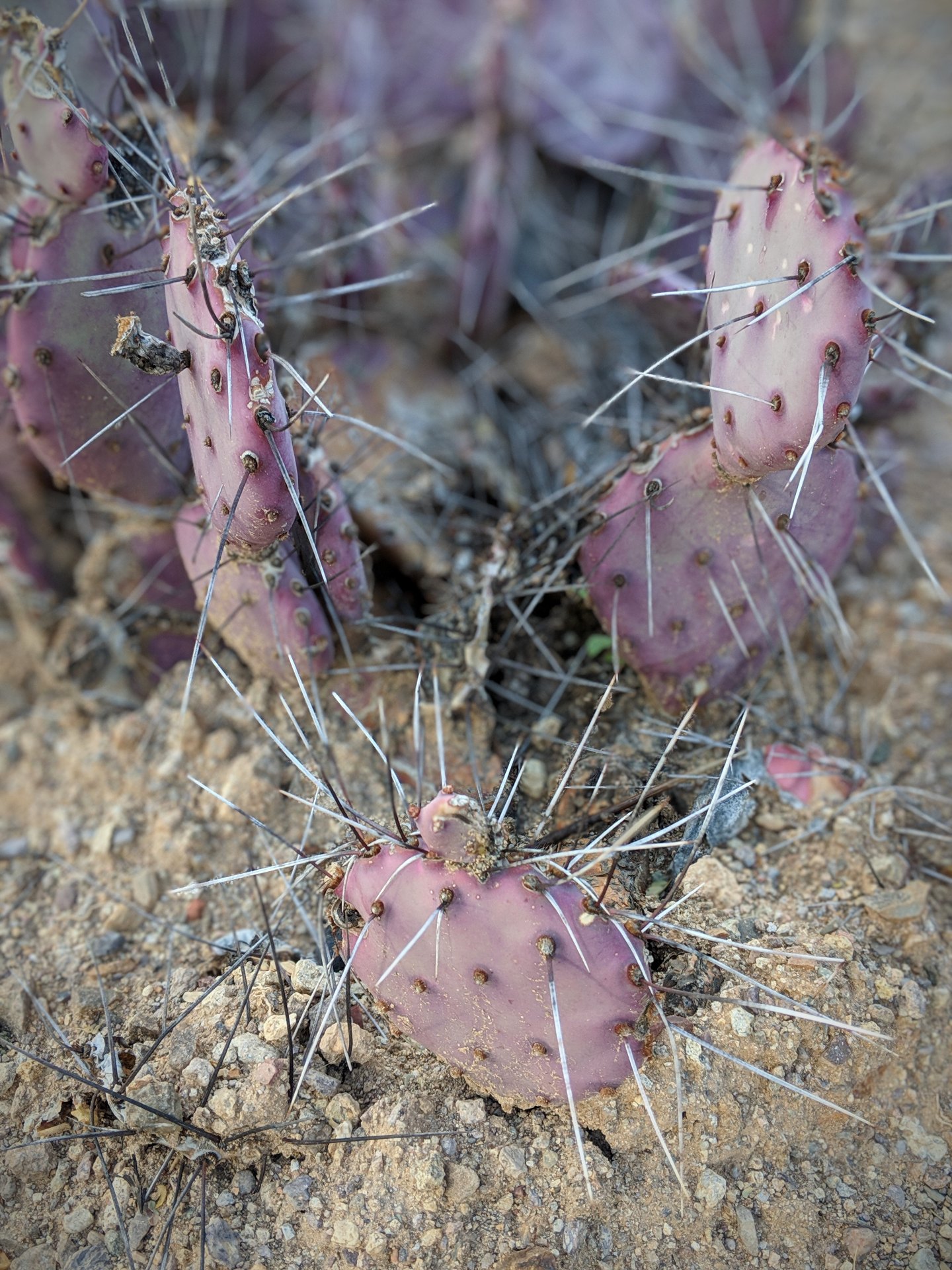
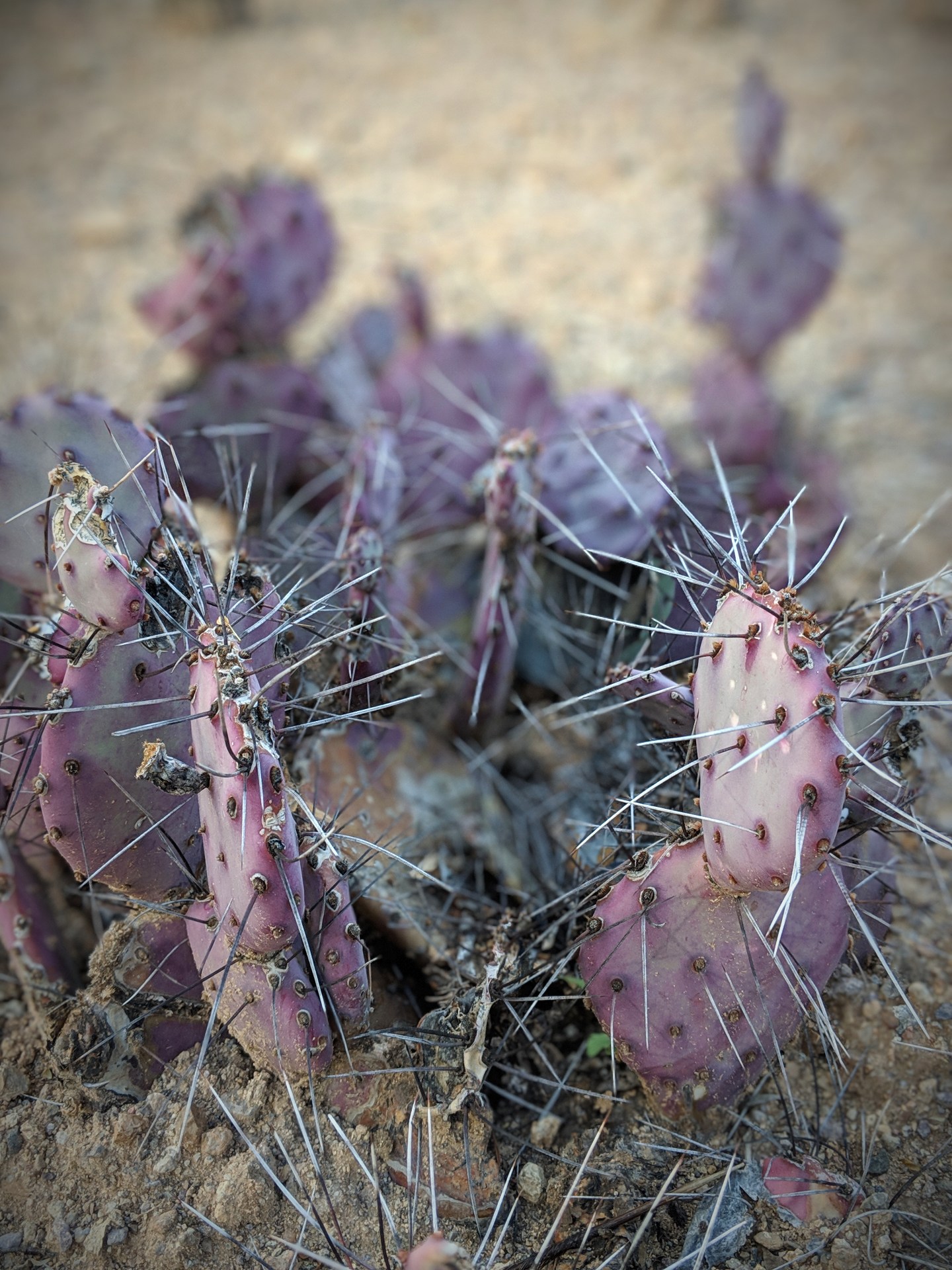 Cat Mountain Lodge, Tucson, AZ
January 29th, 2019
I love cacti. The way they grow to enormous heights in harsh environments where other plants simply dry up and die; the way they preserve water and keep the desert alive; and the way they bloom, producing some of the most beautiful flowers on the planet.
Whether in a ”controlled” habitat like the Arizona-Sonora Desert Museum or in the wild, cacti command respect and admiration in equal parts – and, come to think of it, they can also teach us a thing or two about the virtues of social distancing.
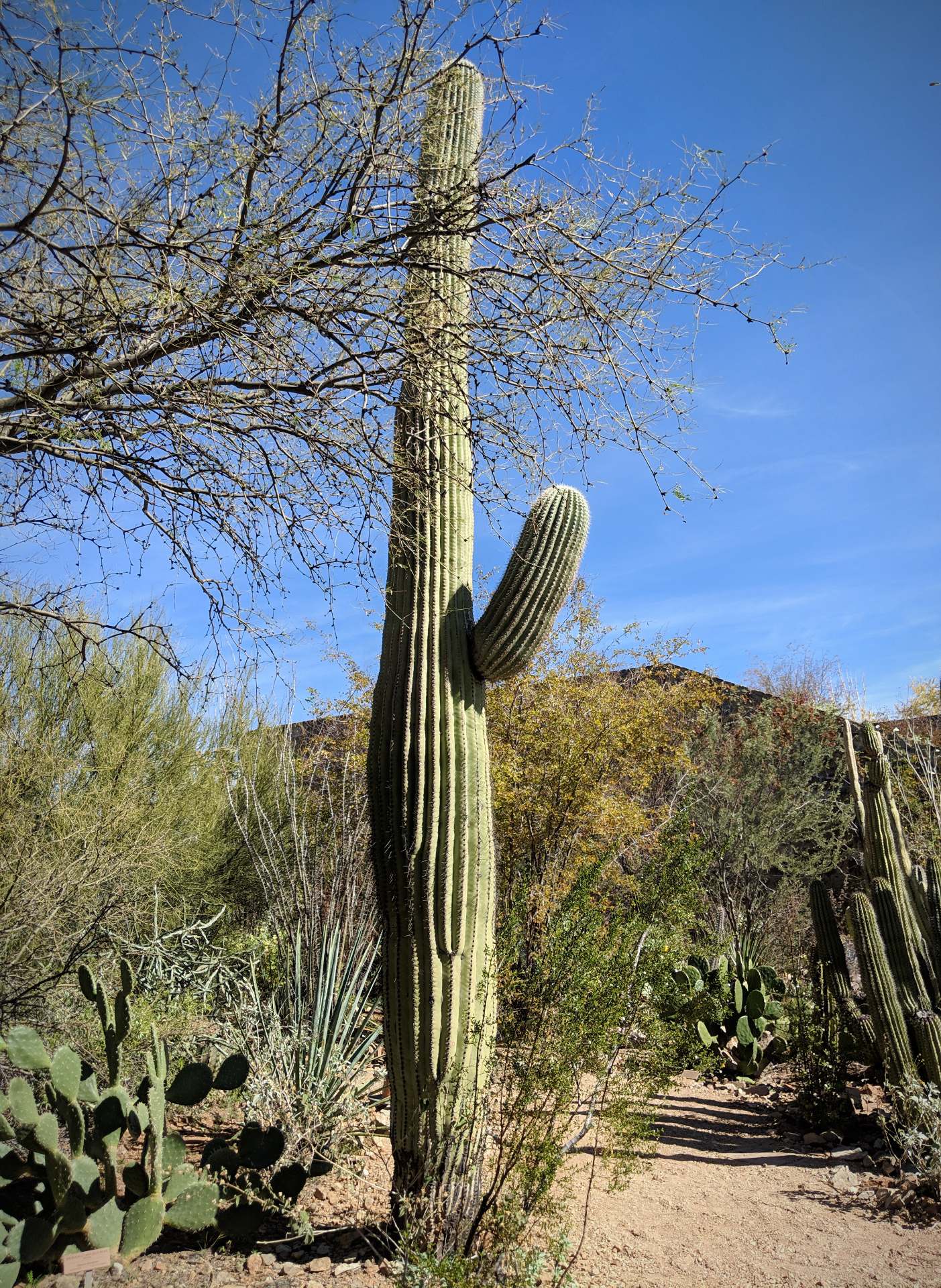
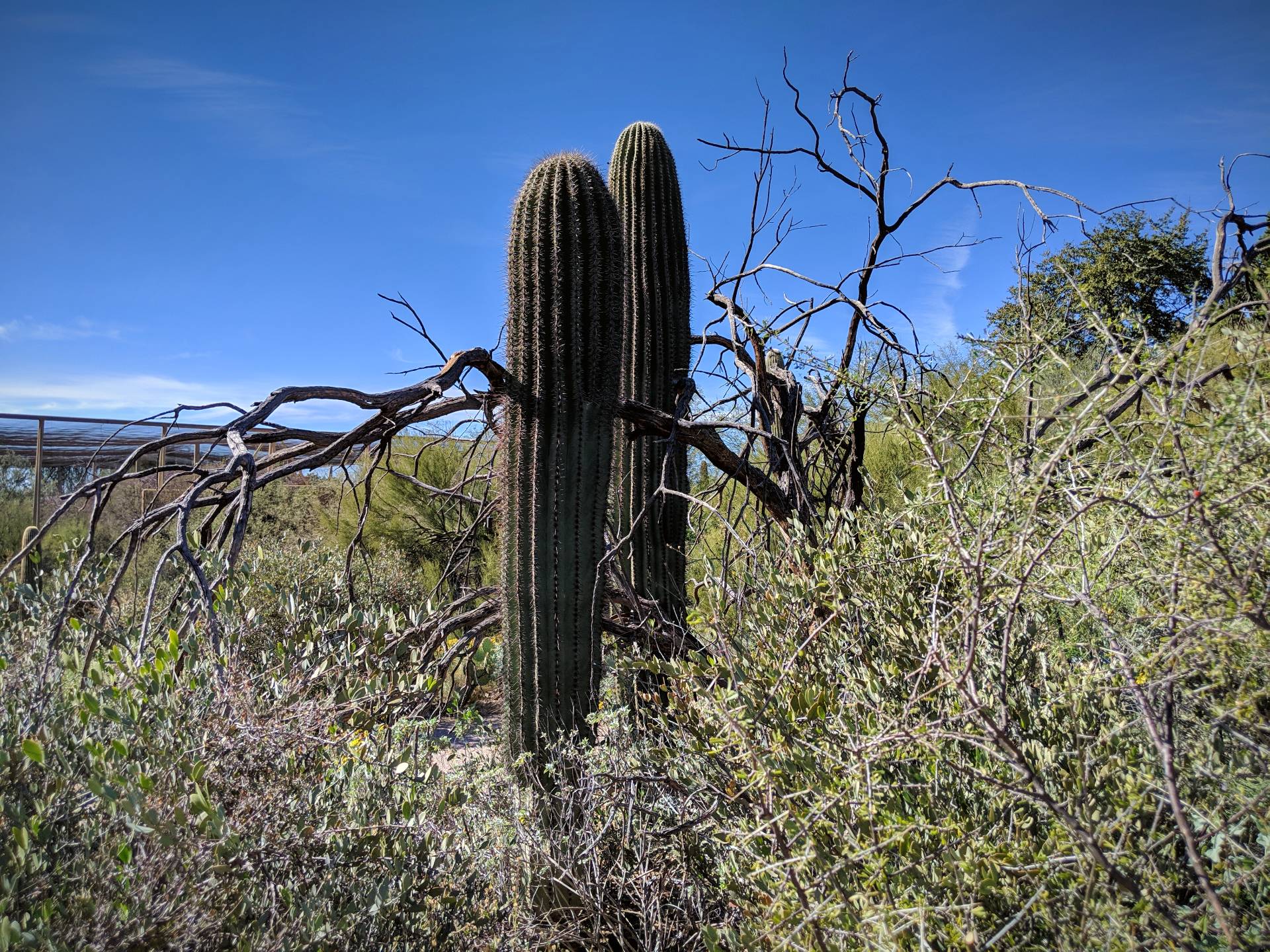
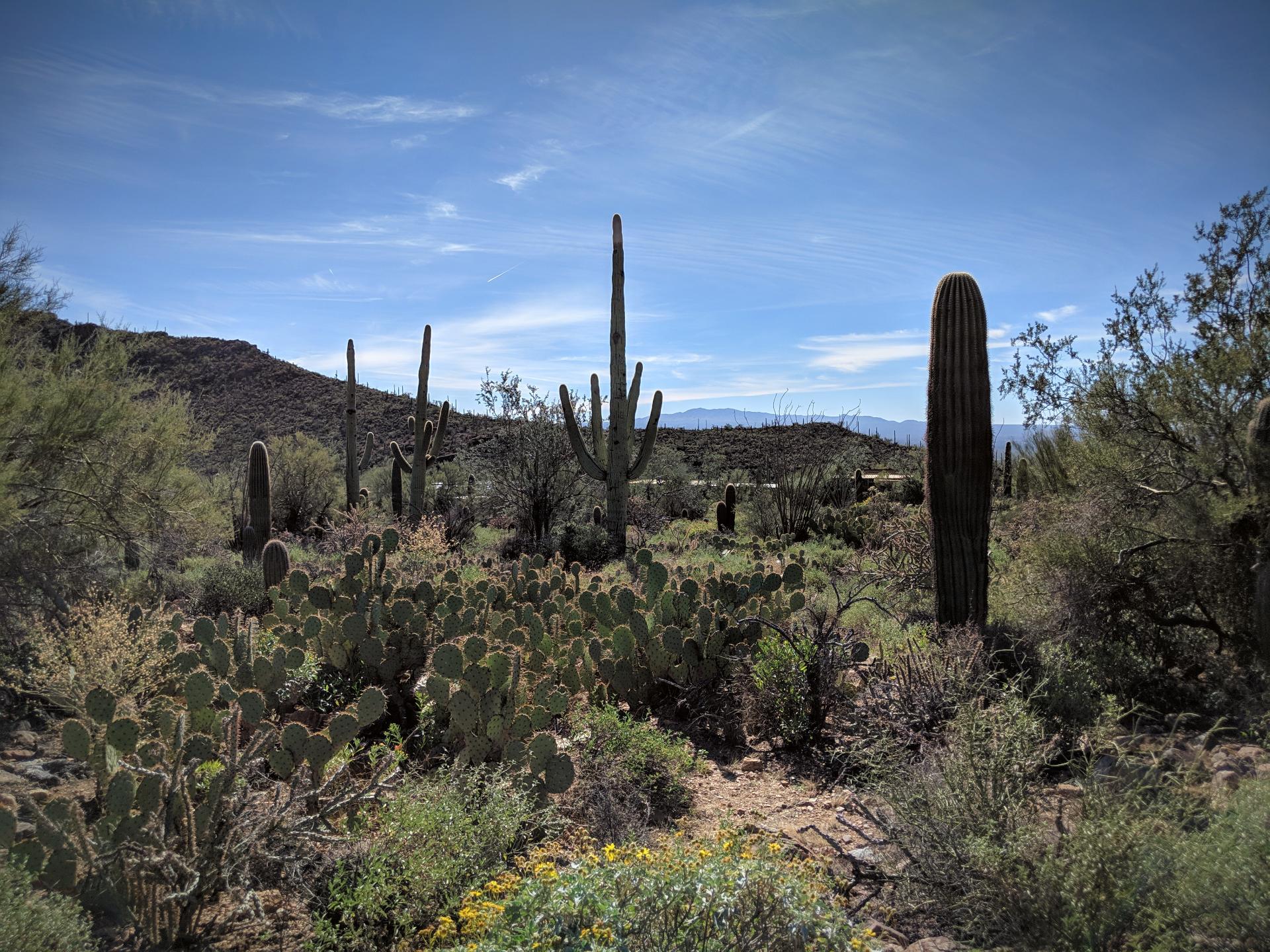
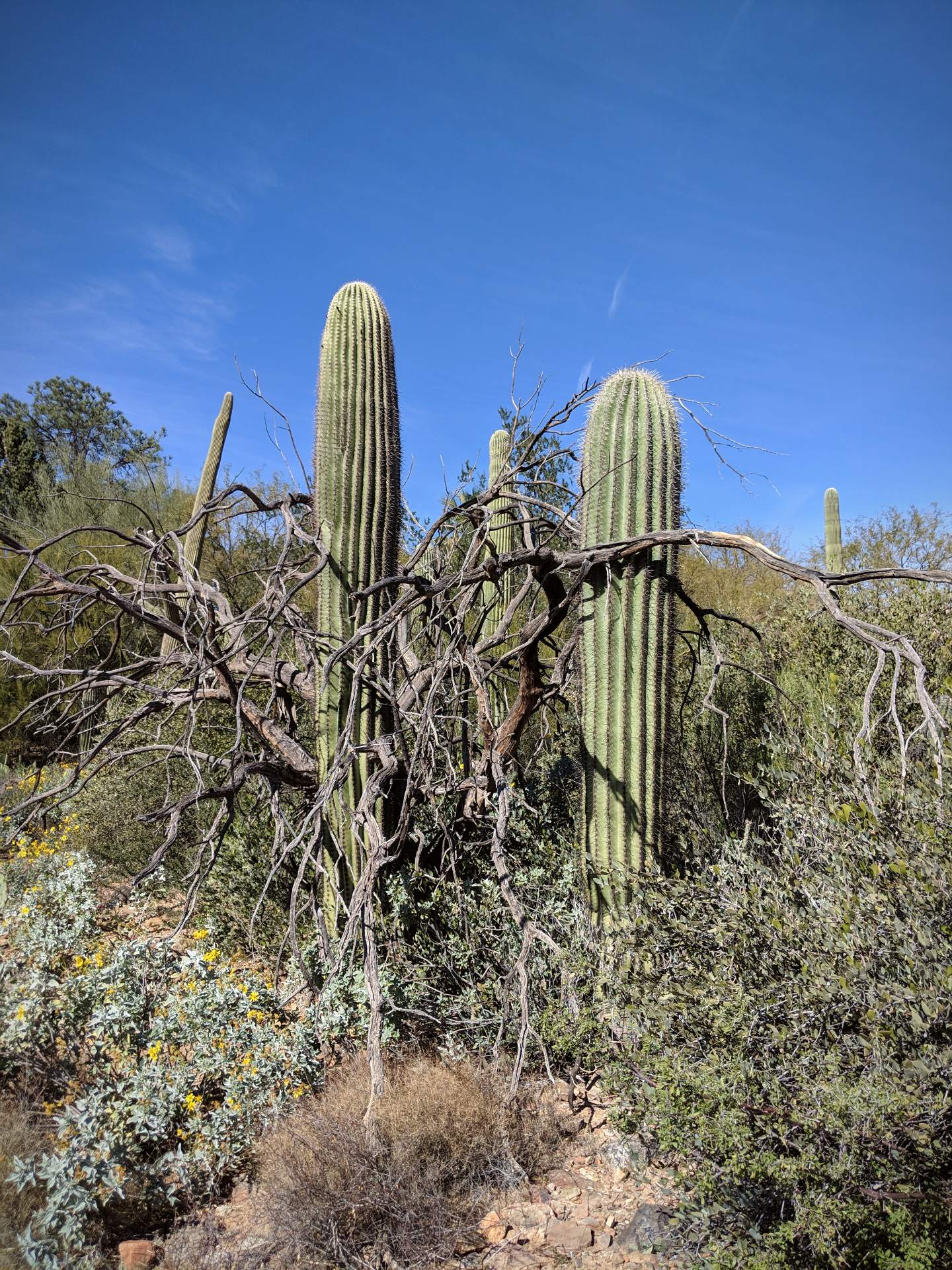
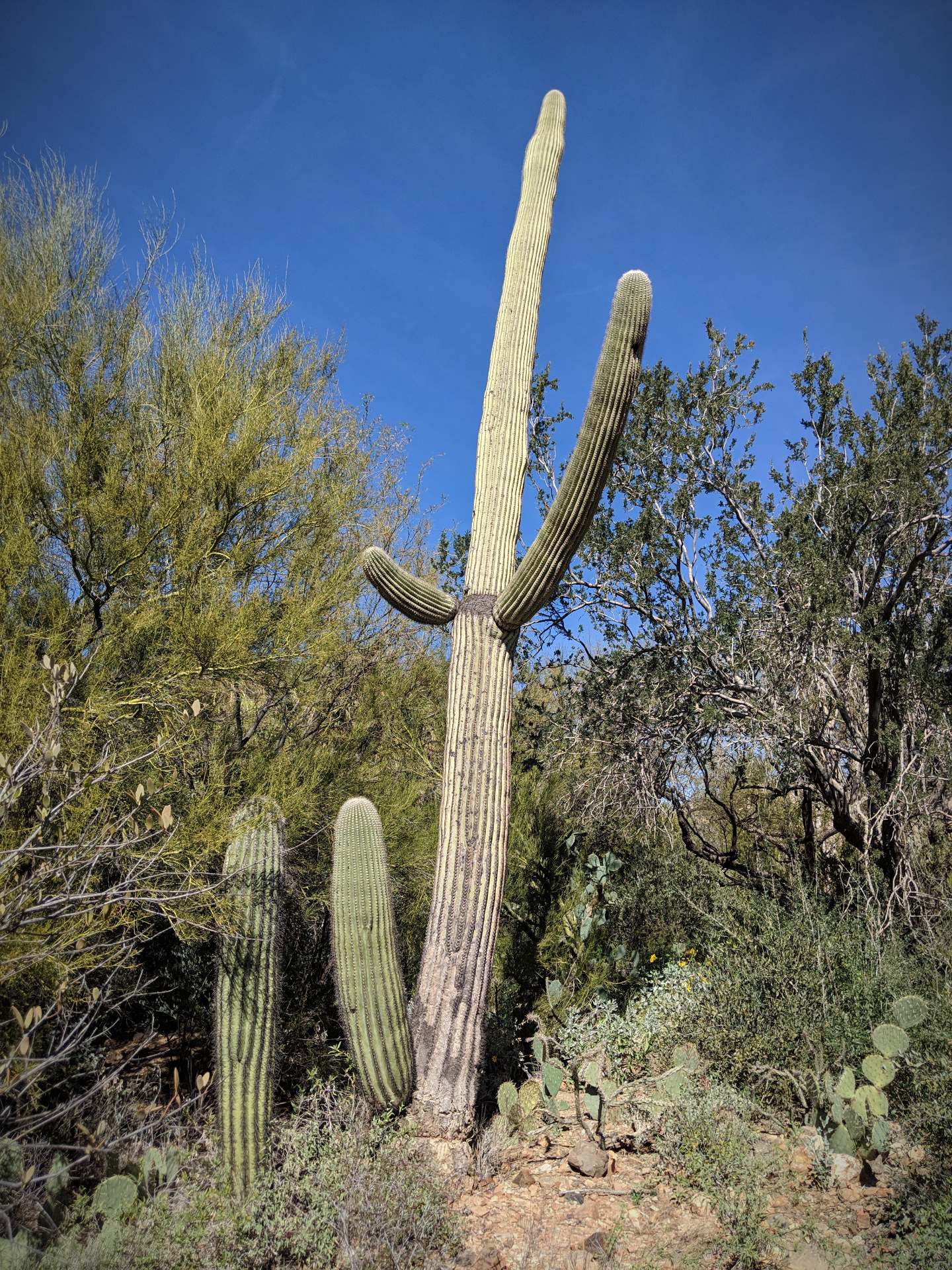
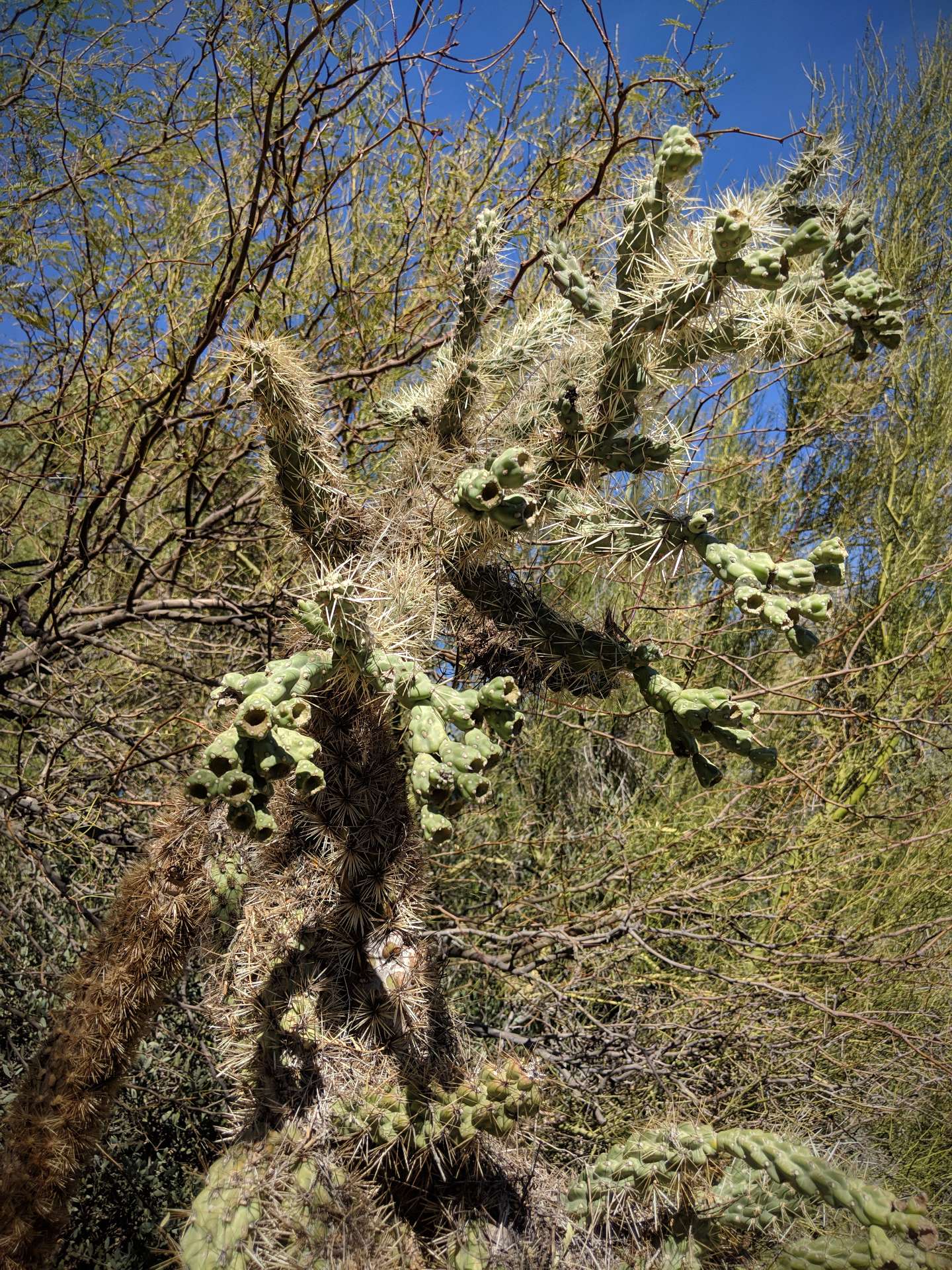
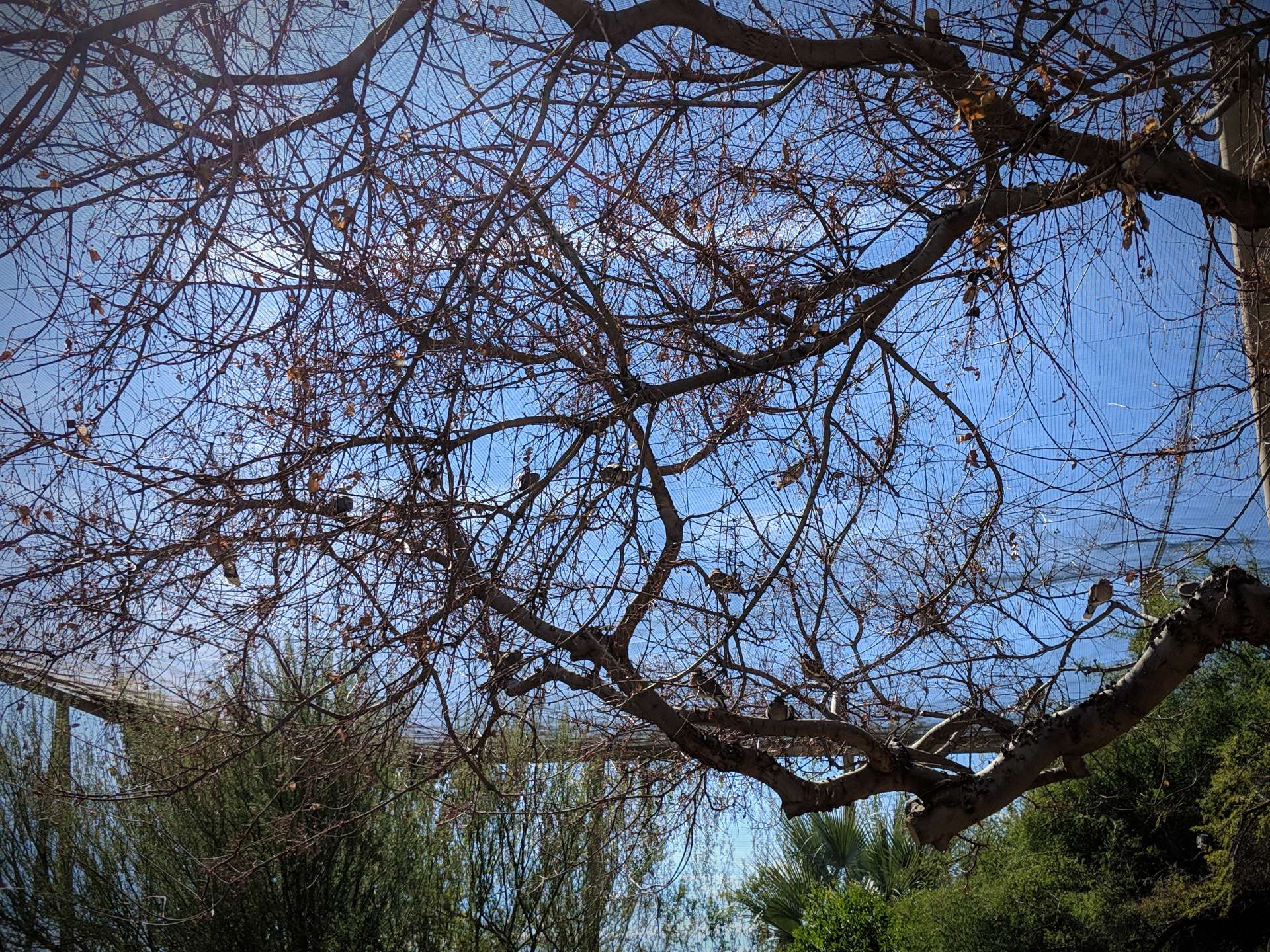
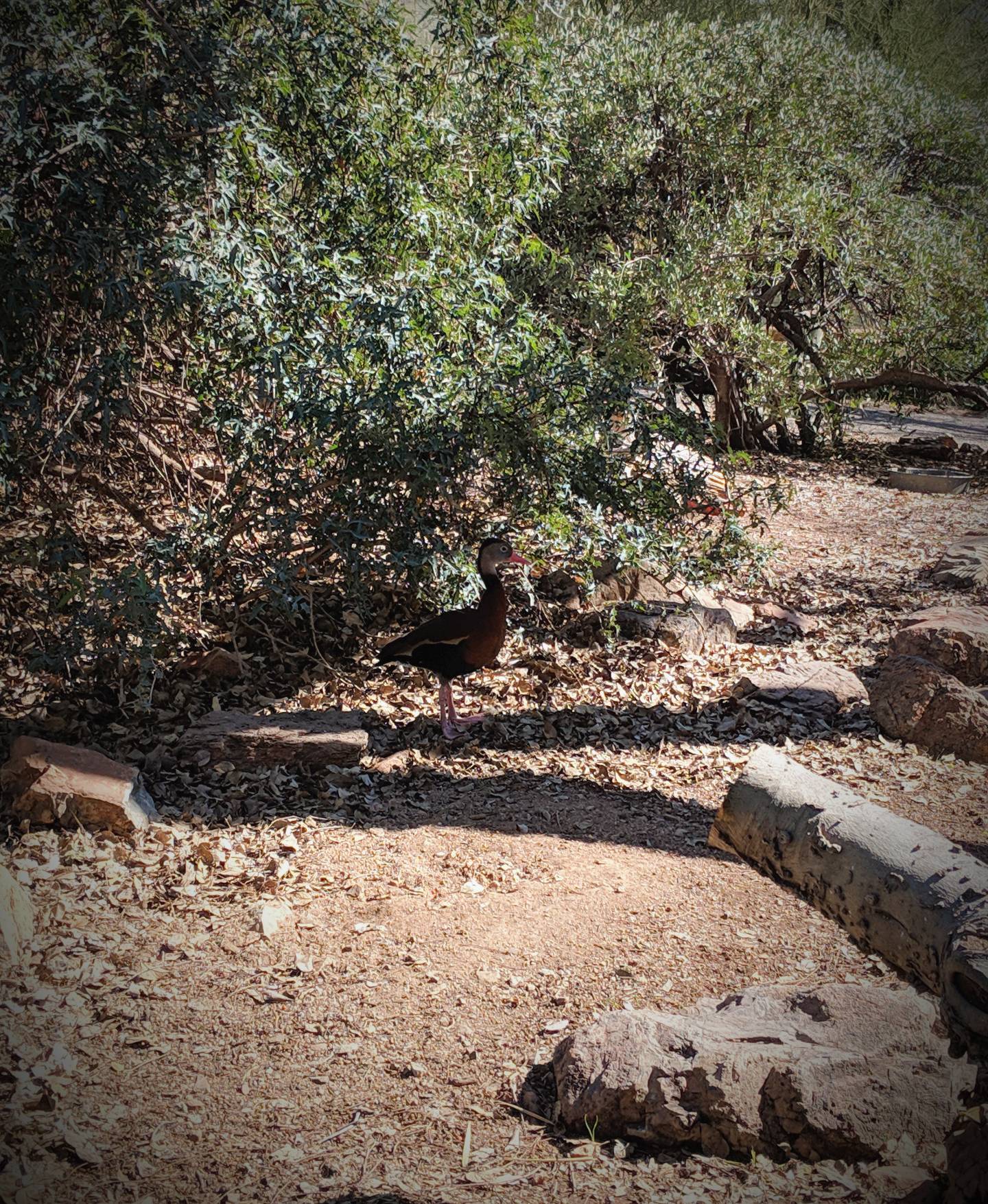
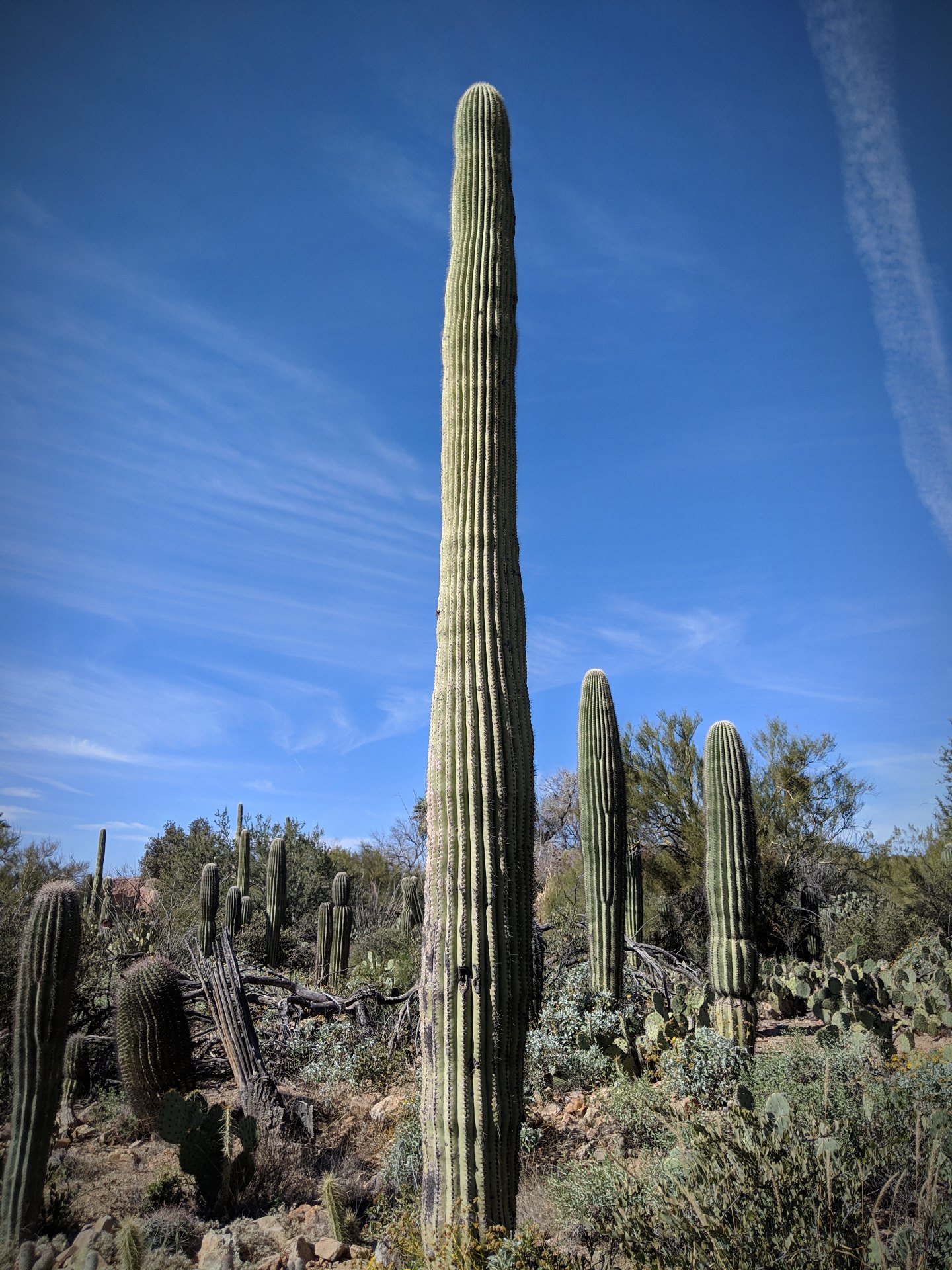
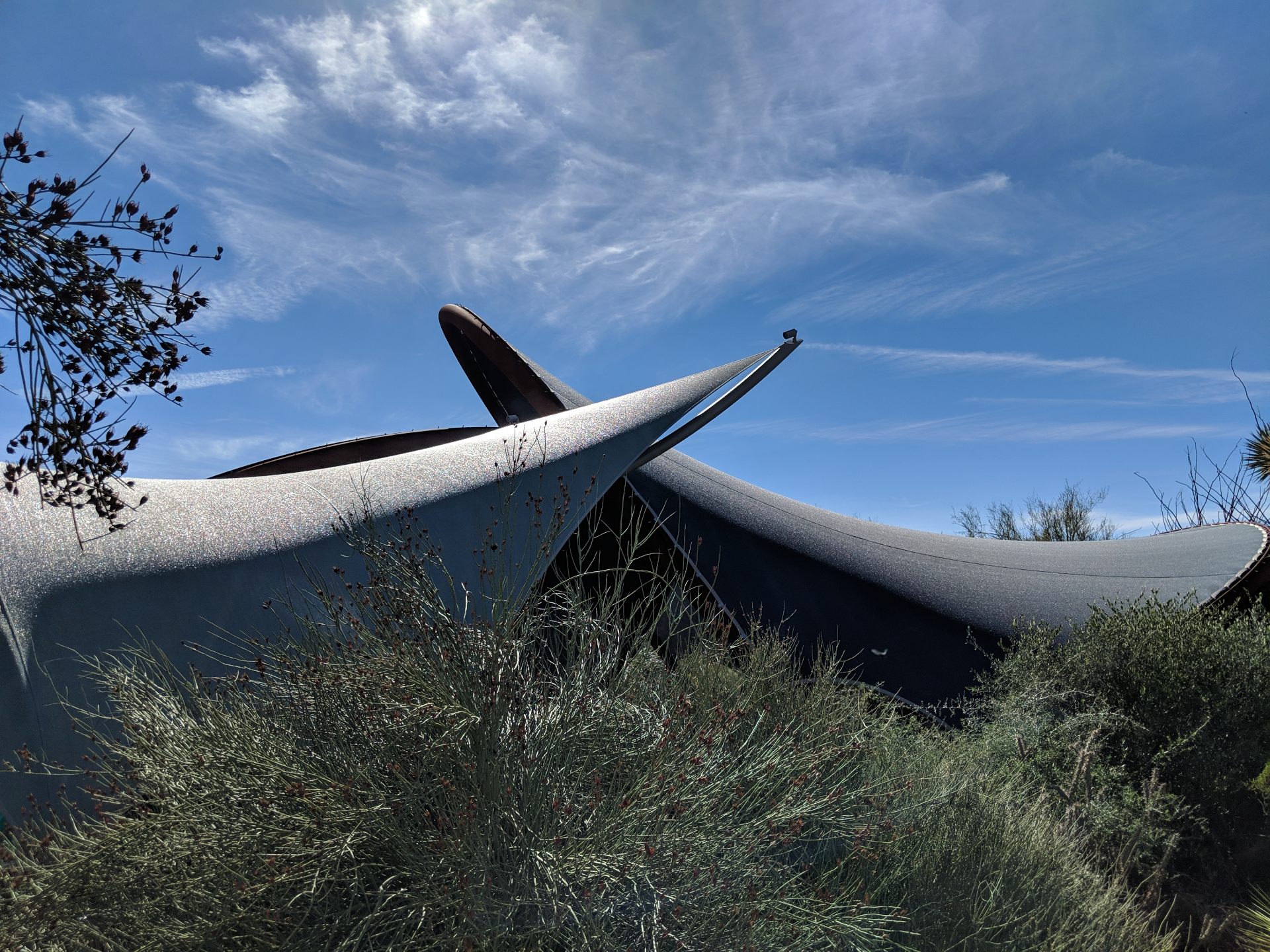
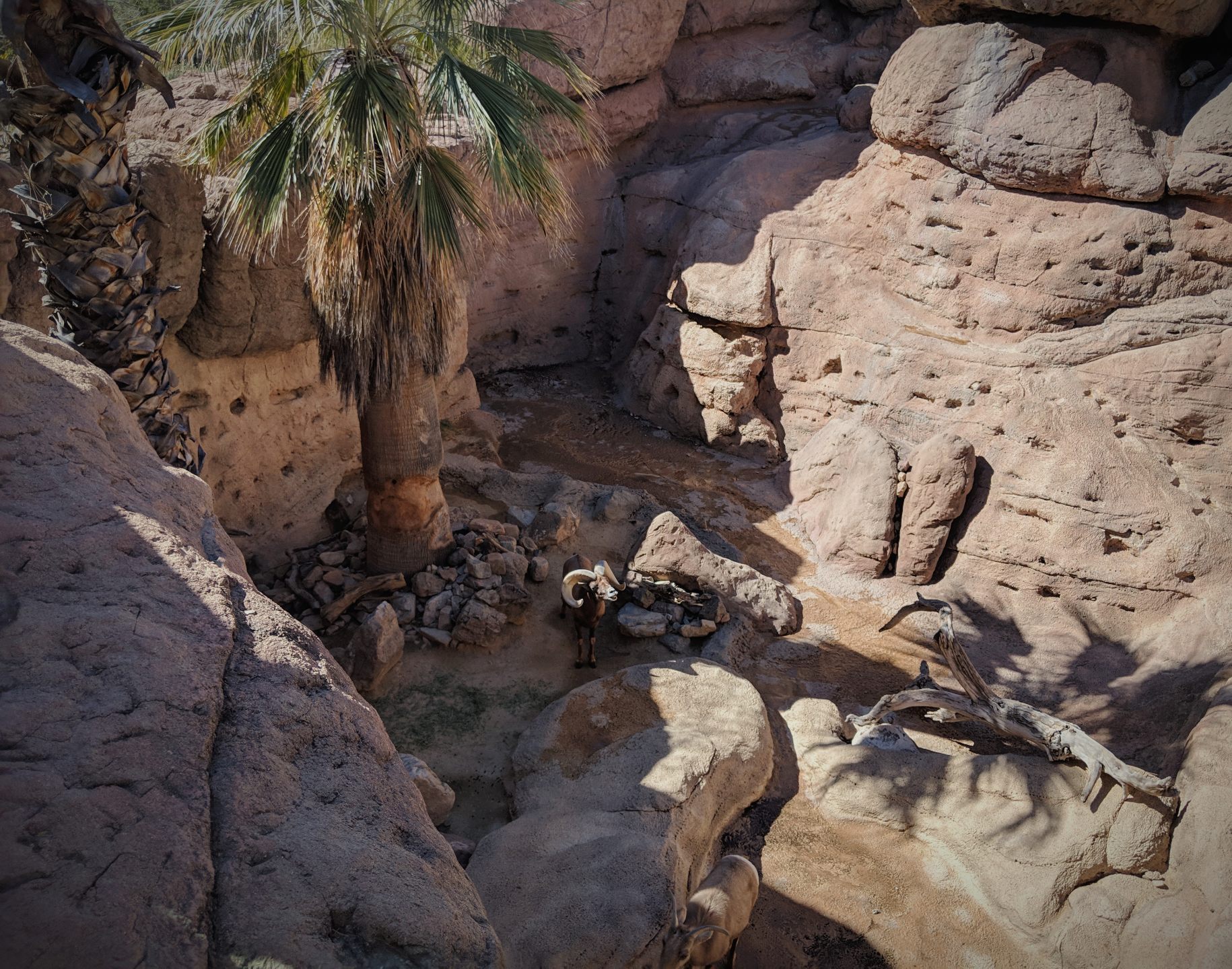
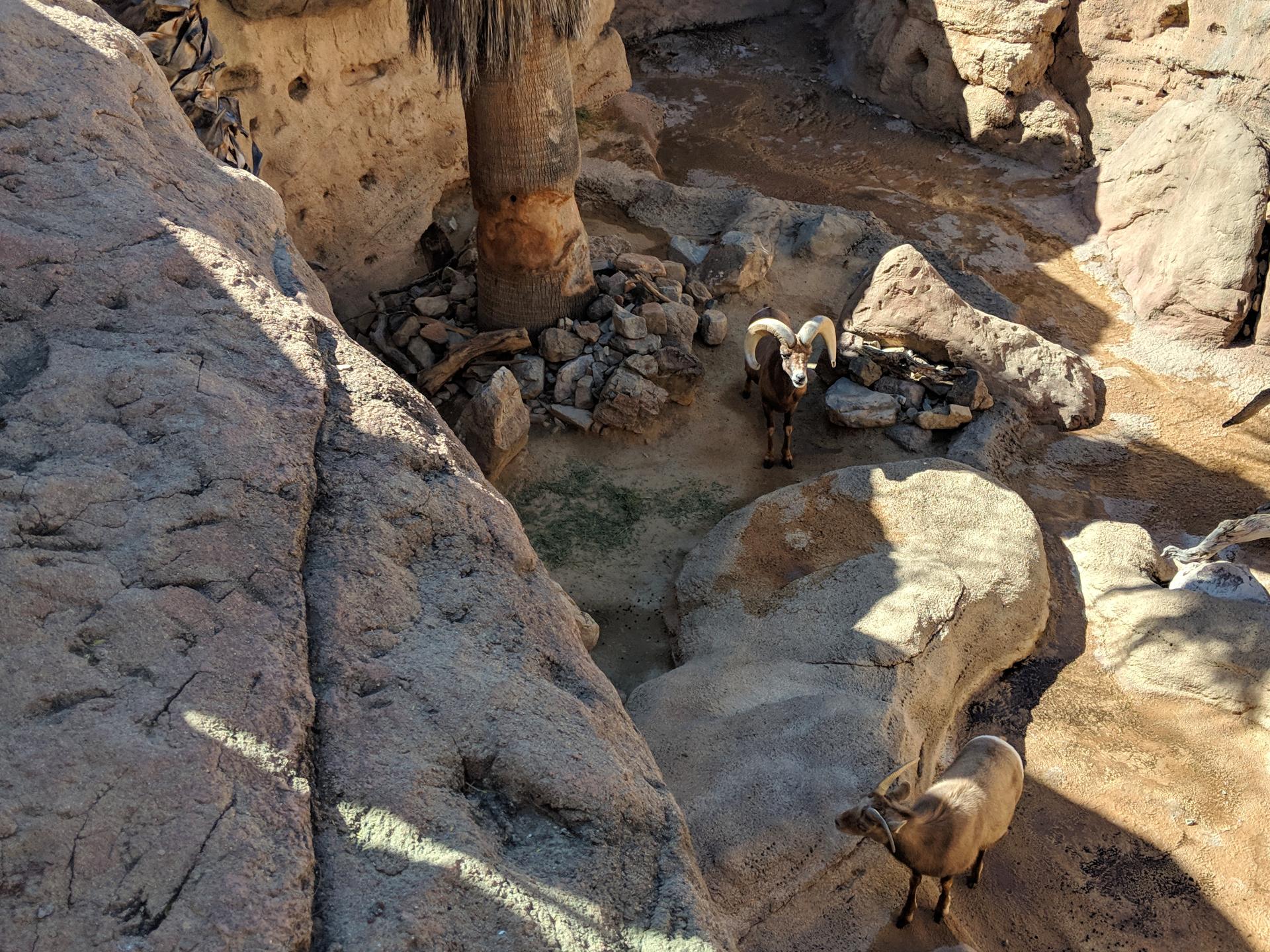
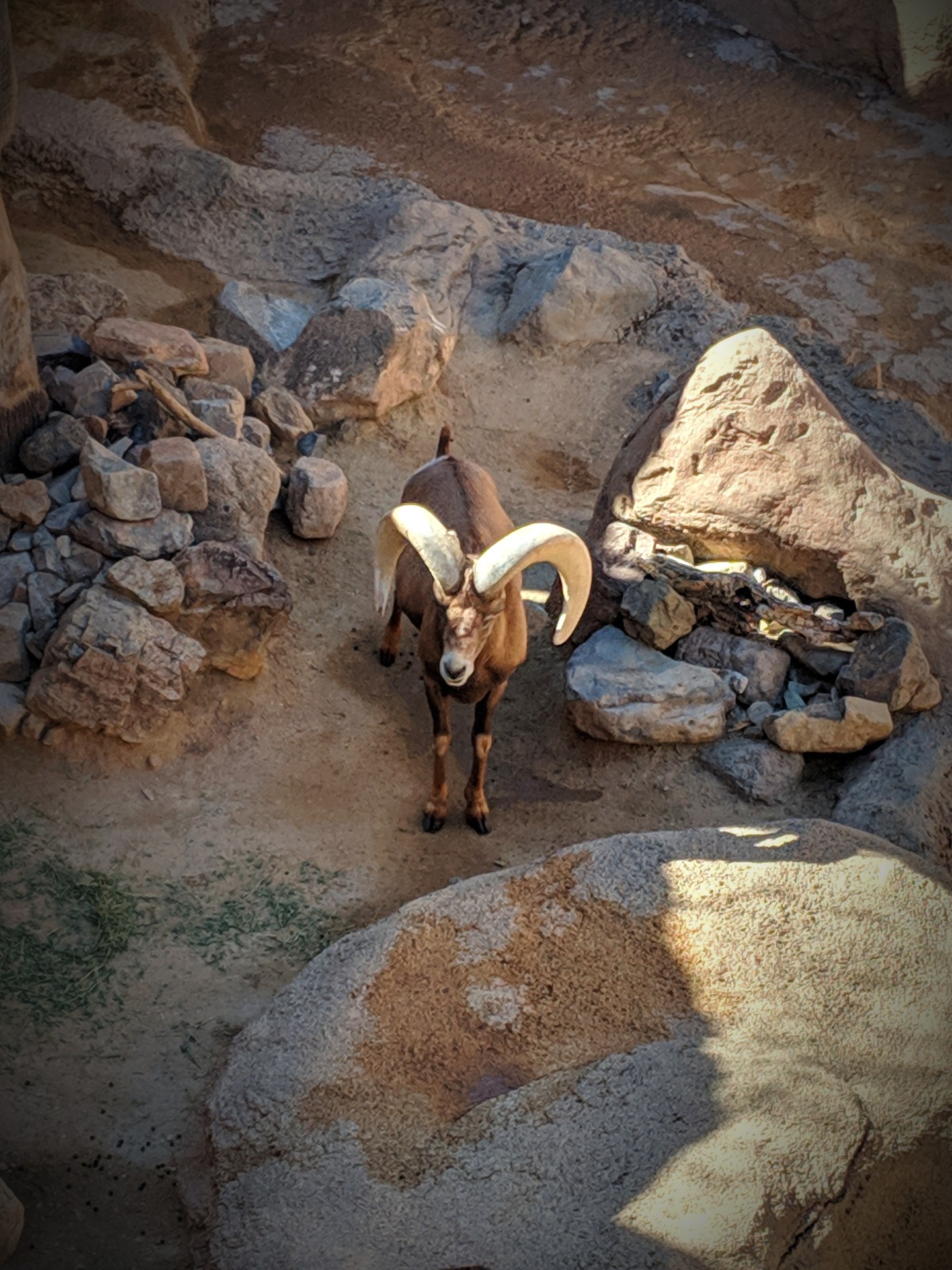


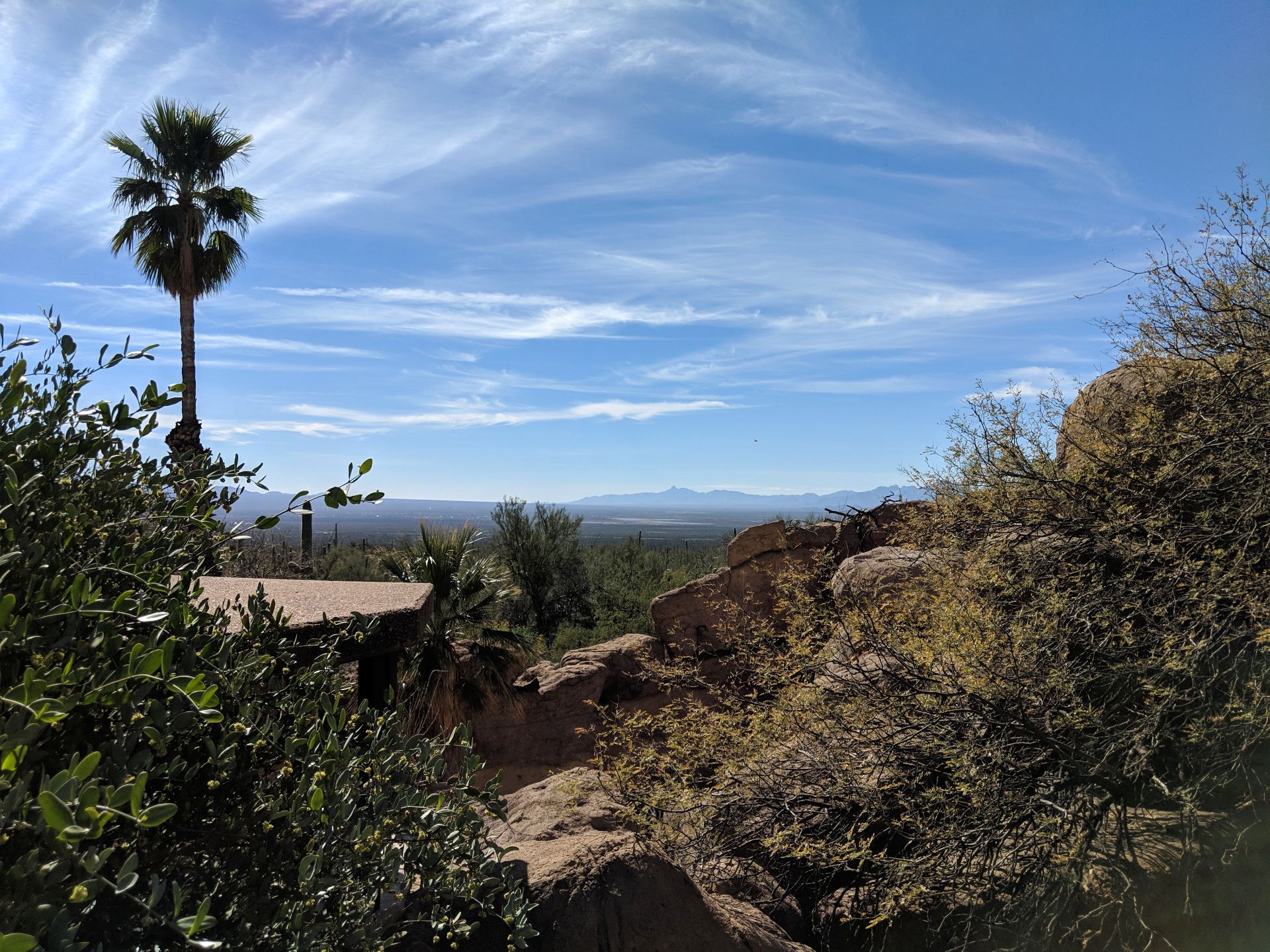
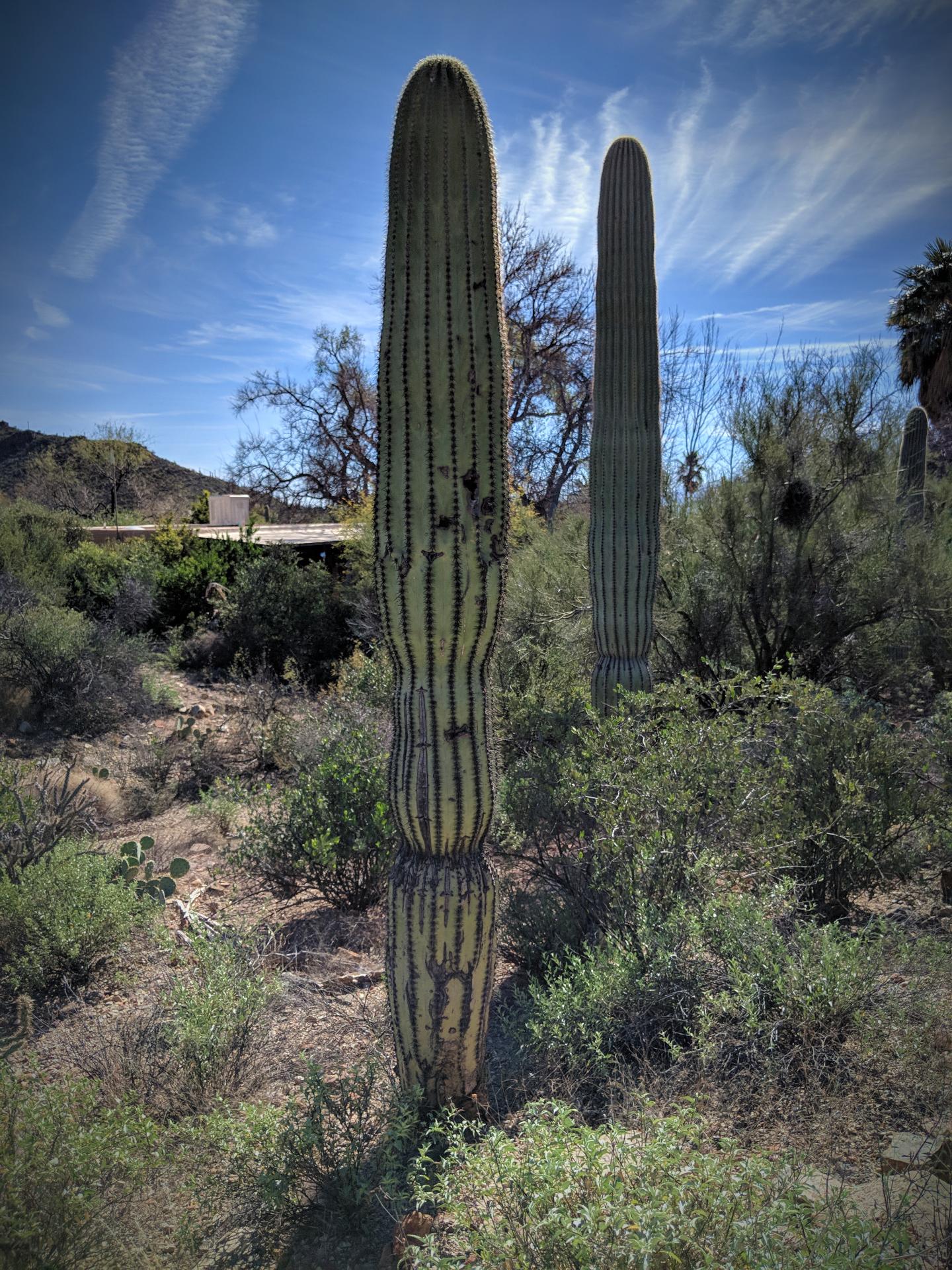
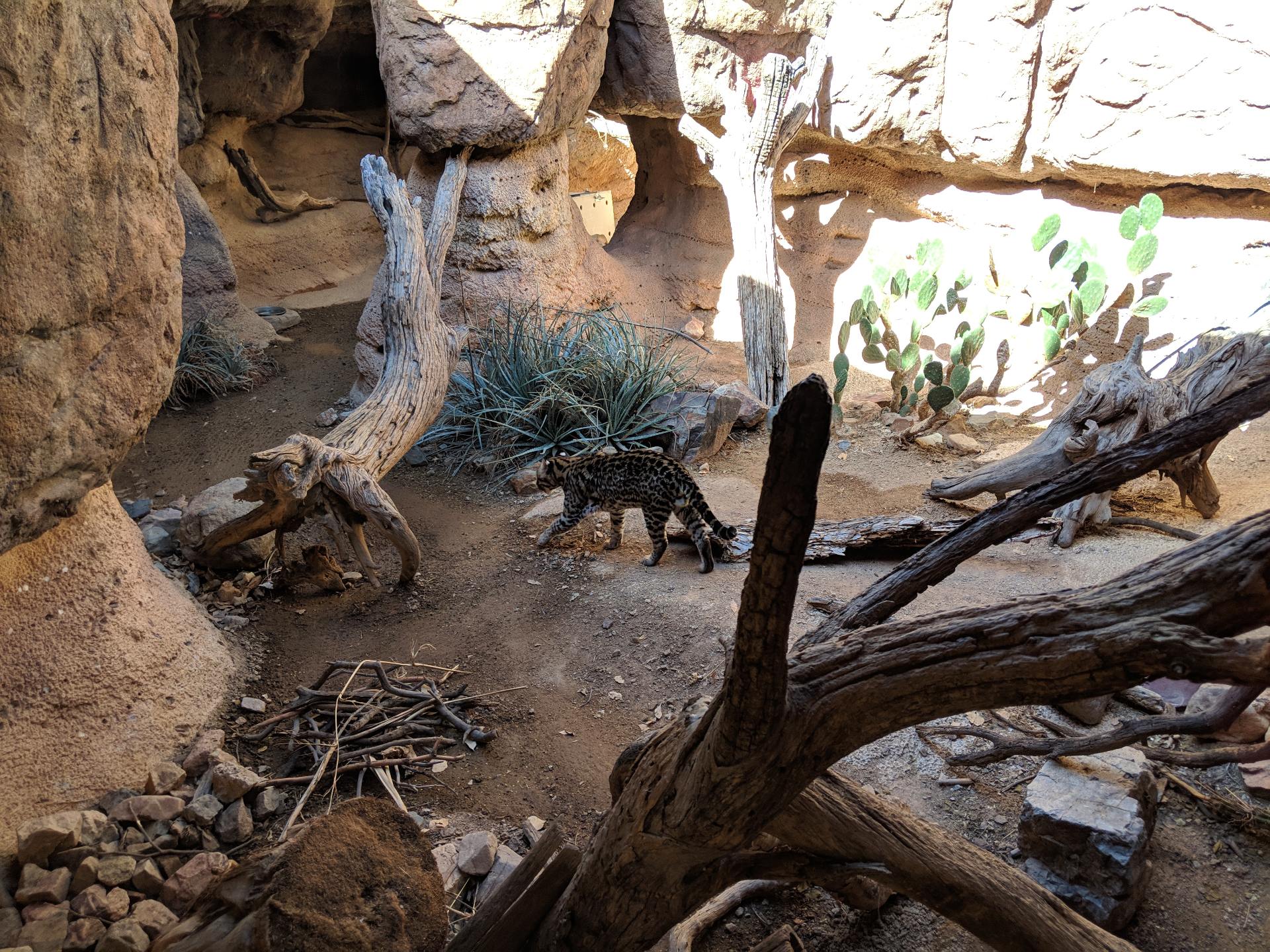
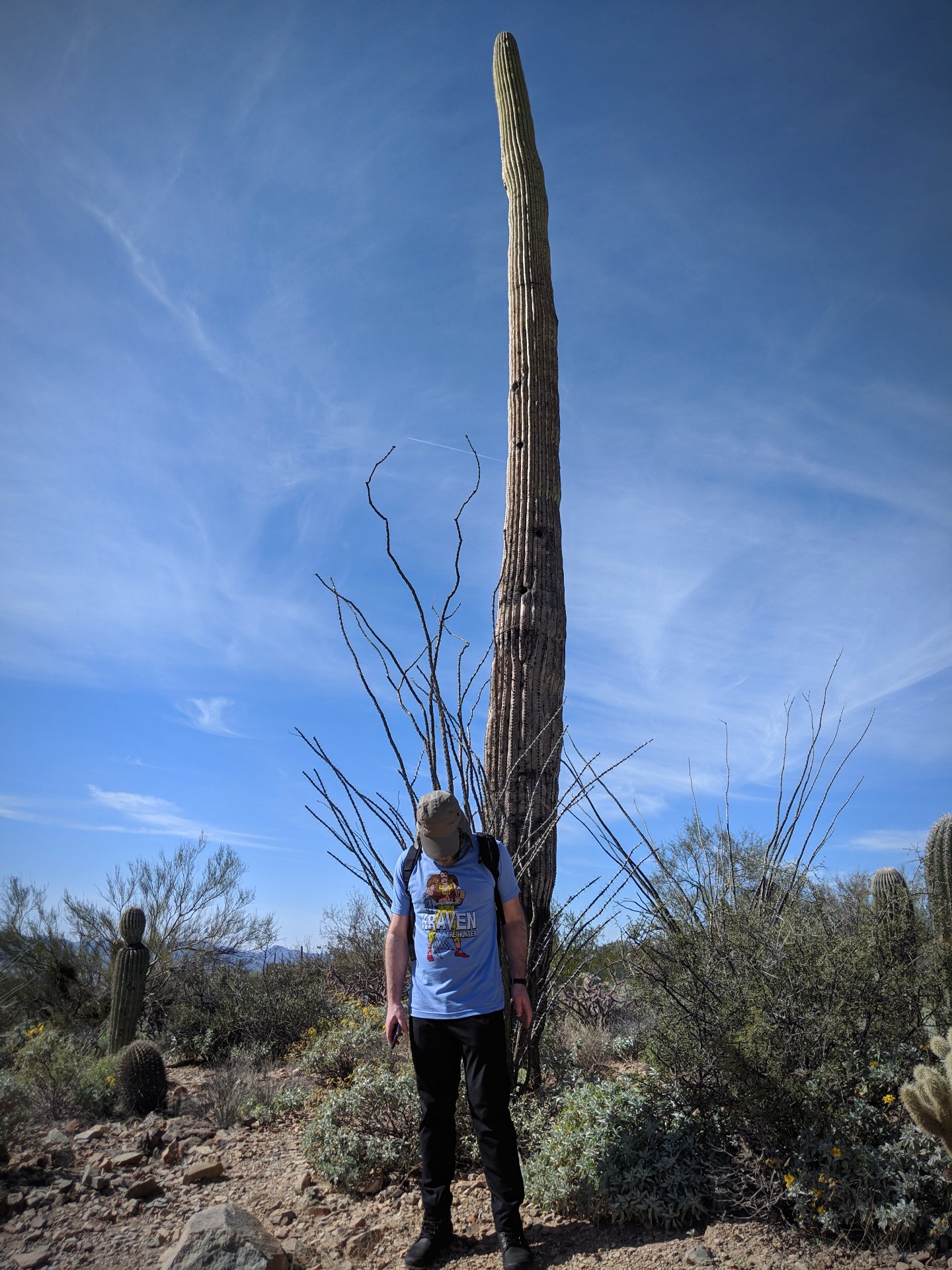
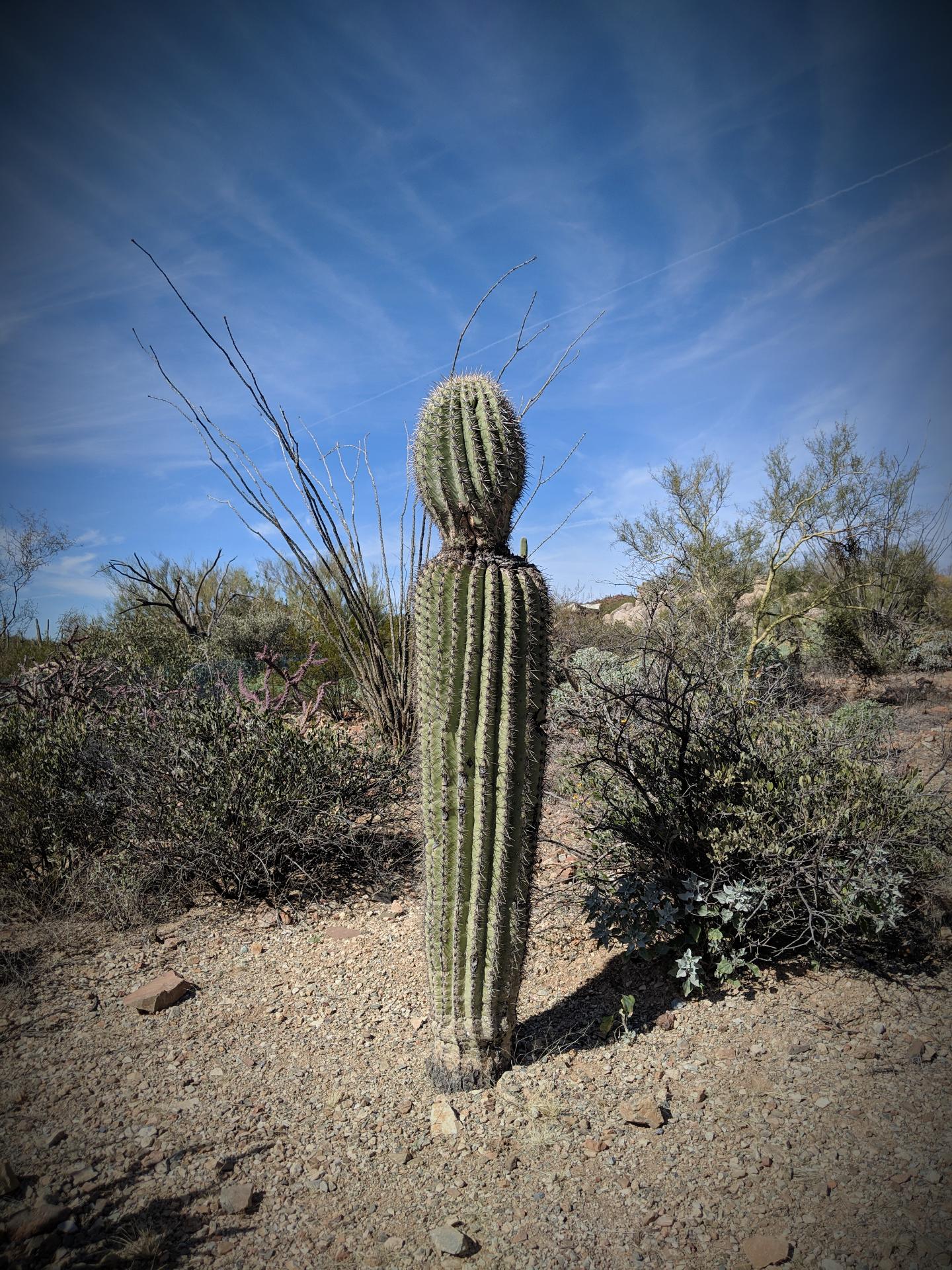
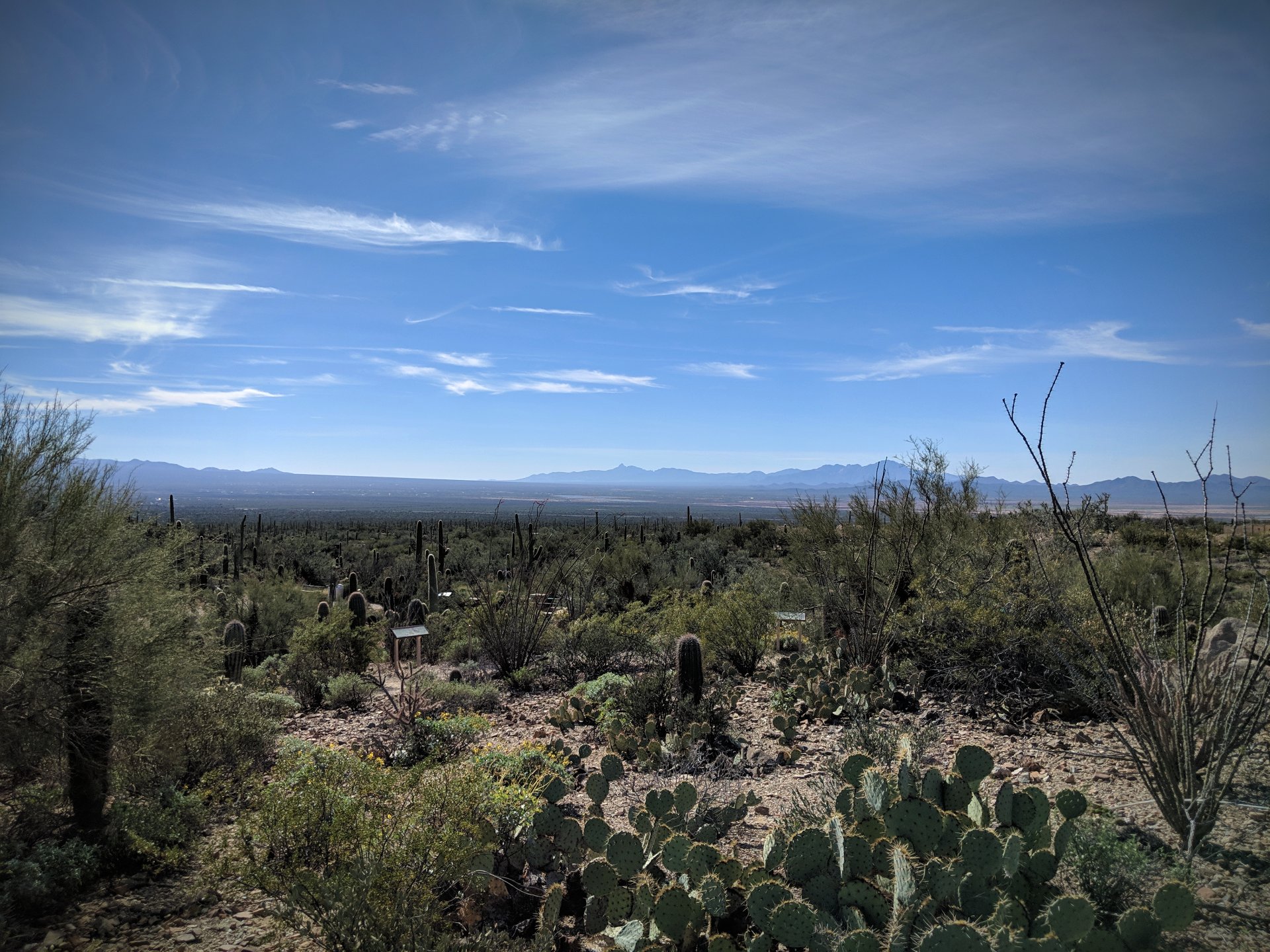
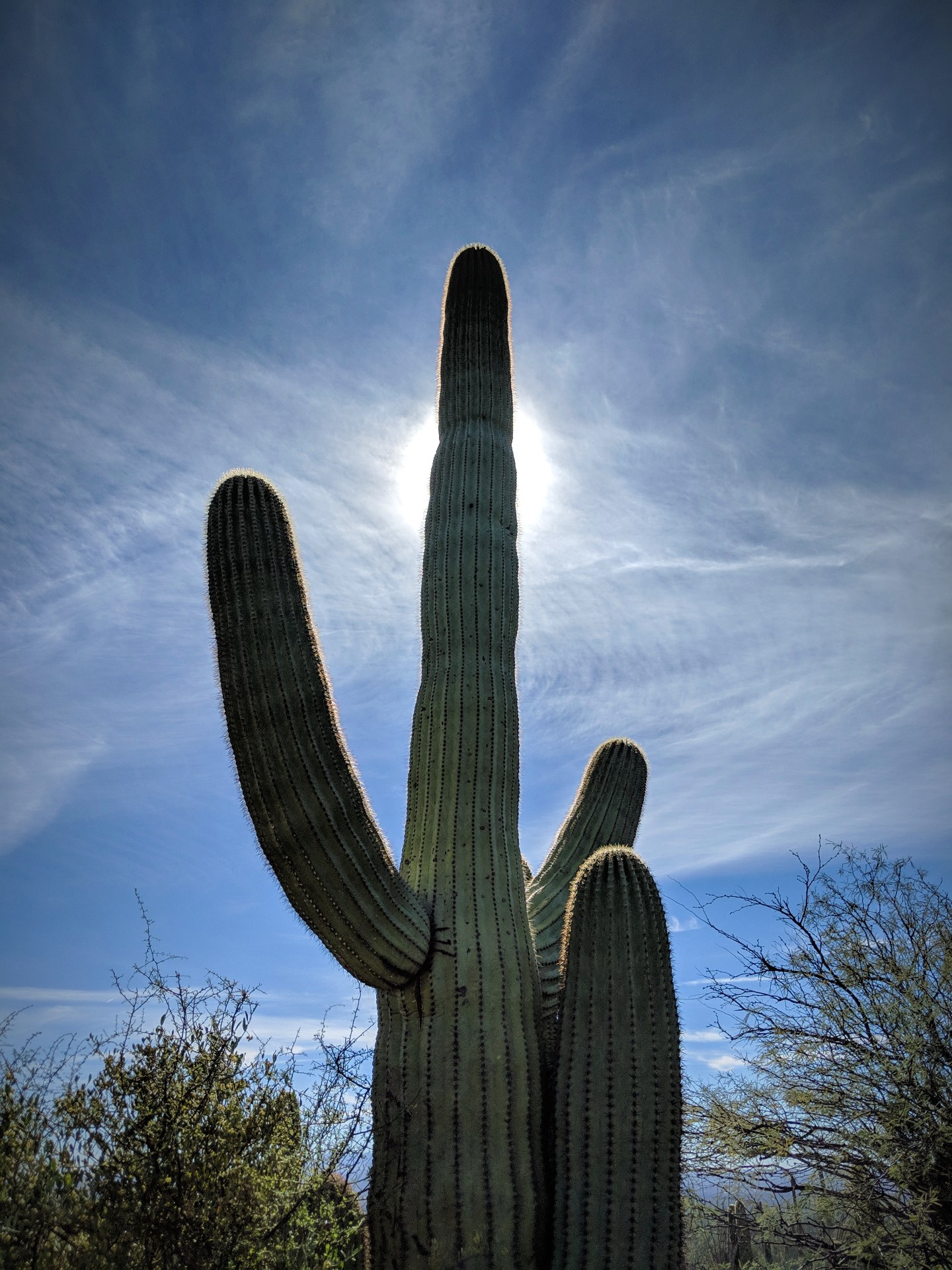
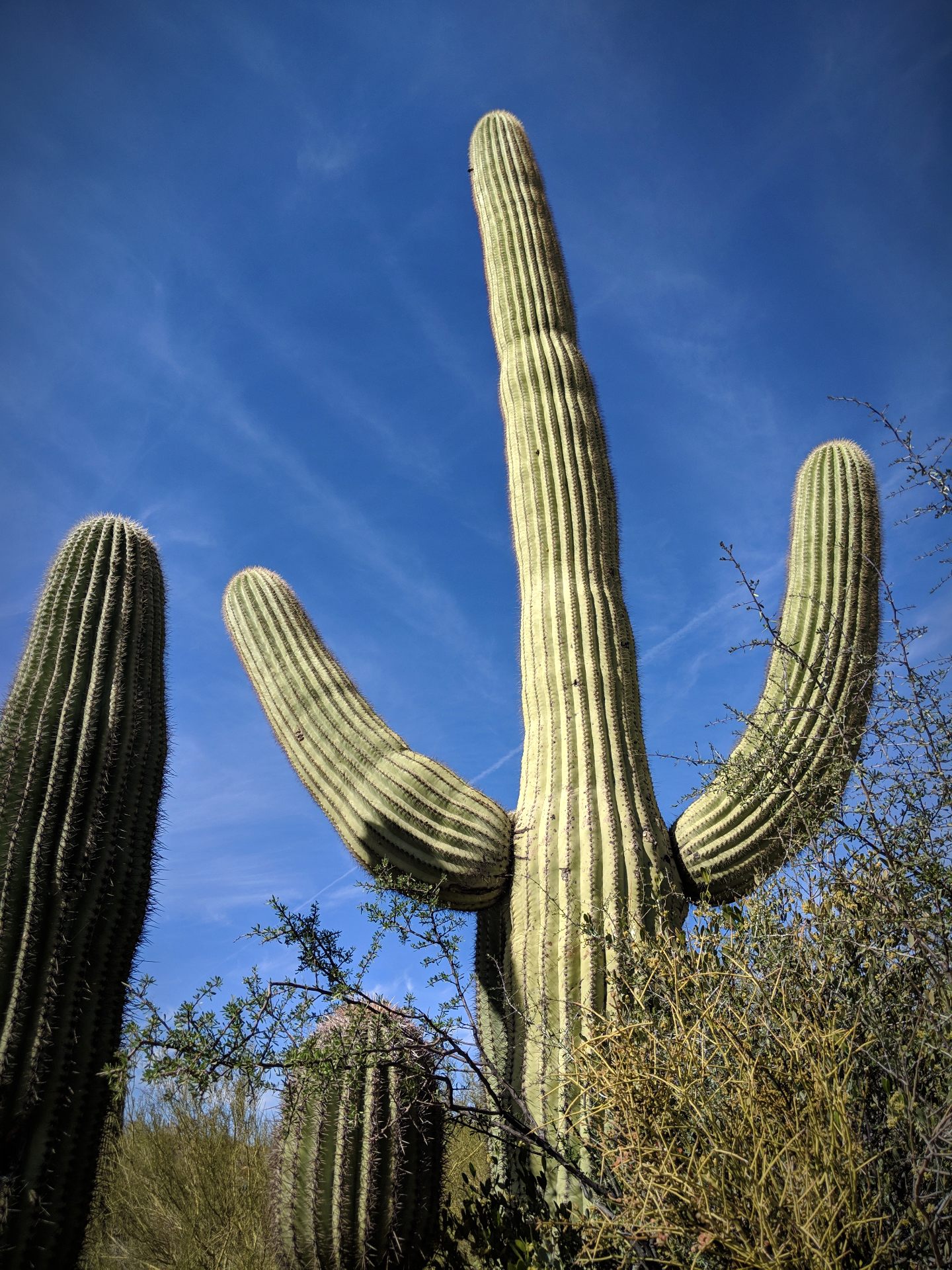
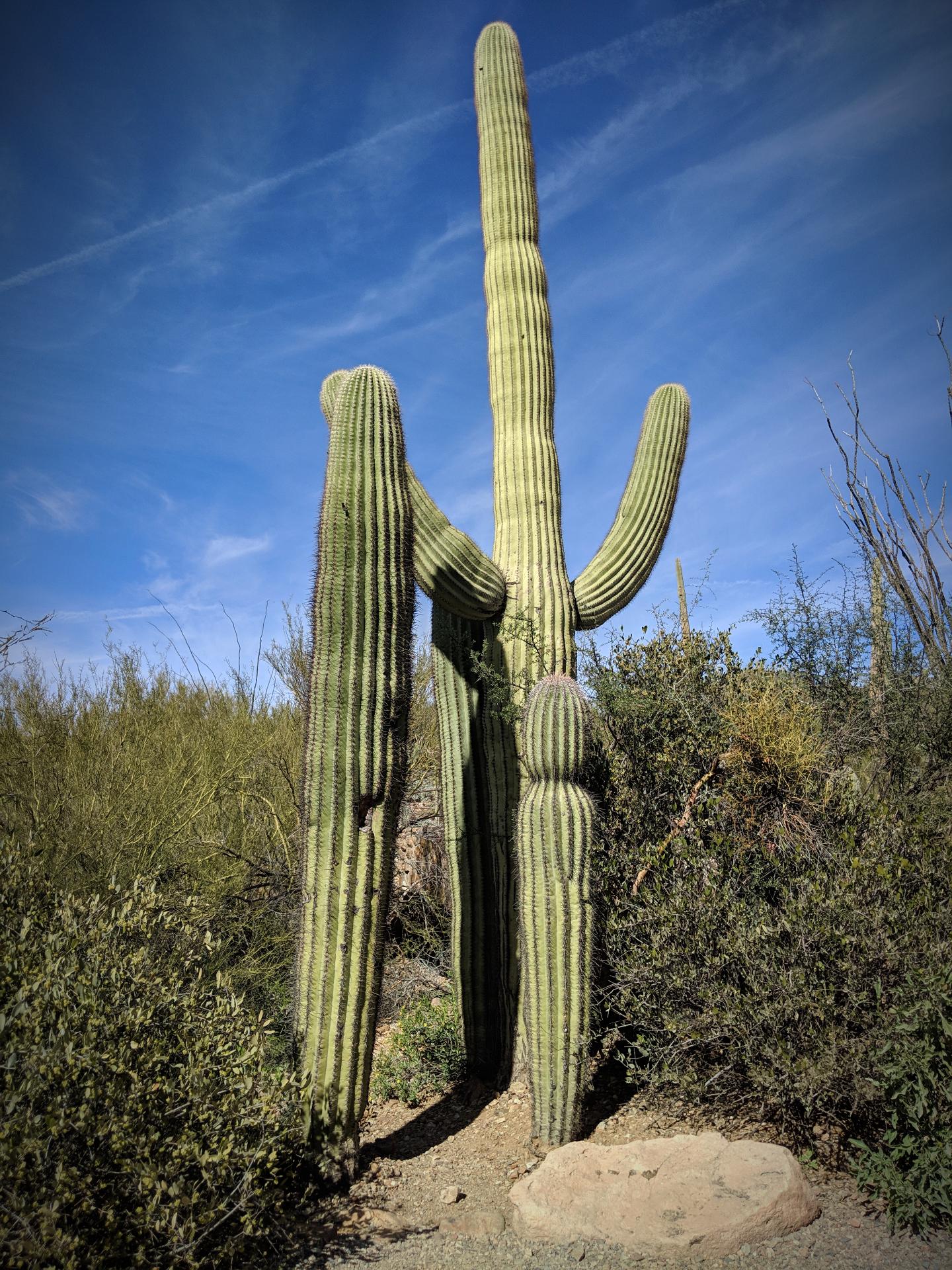
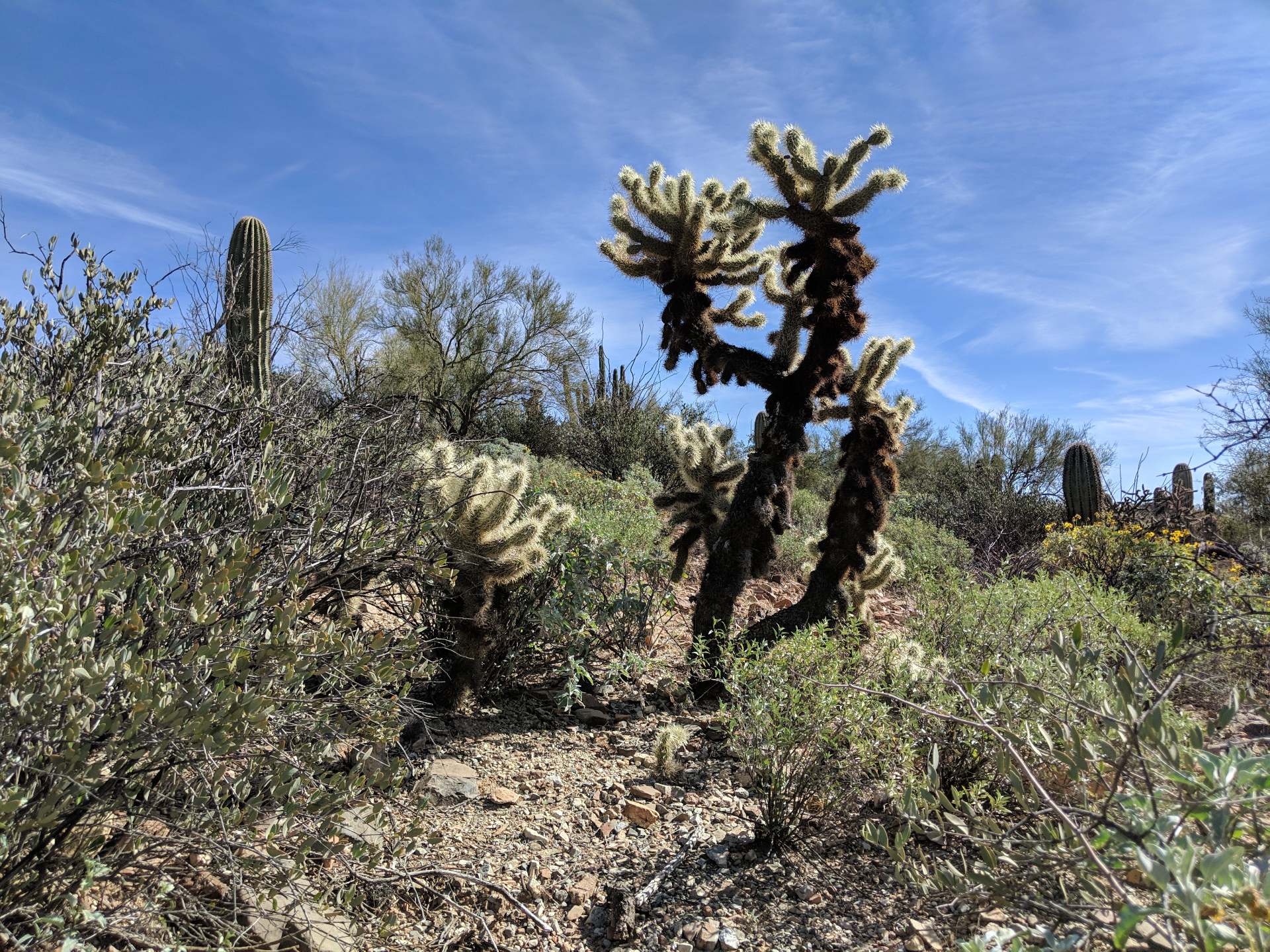
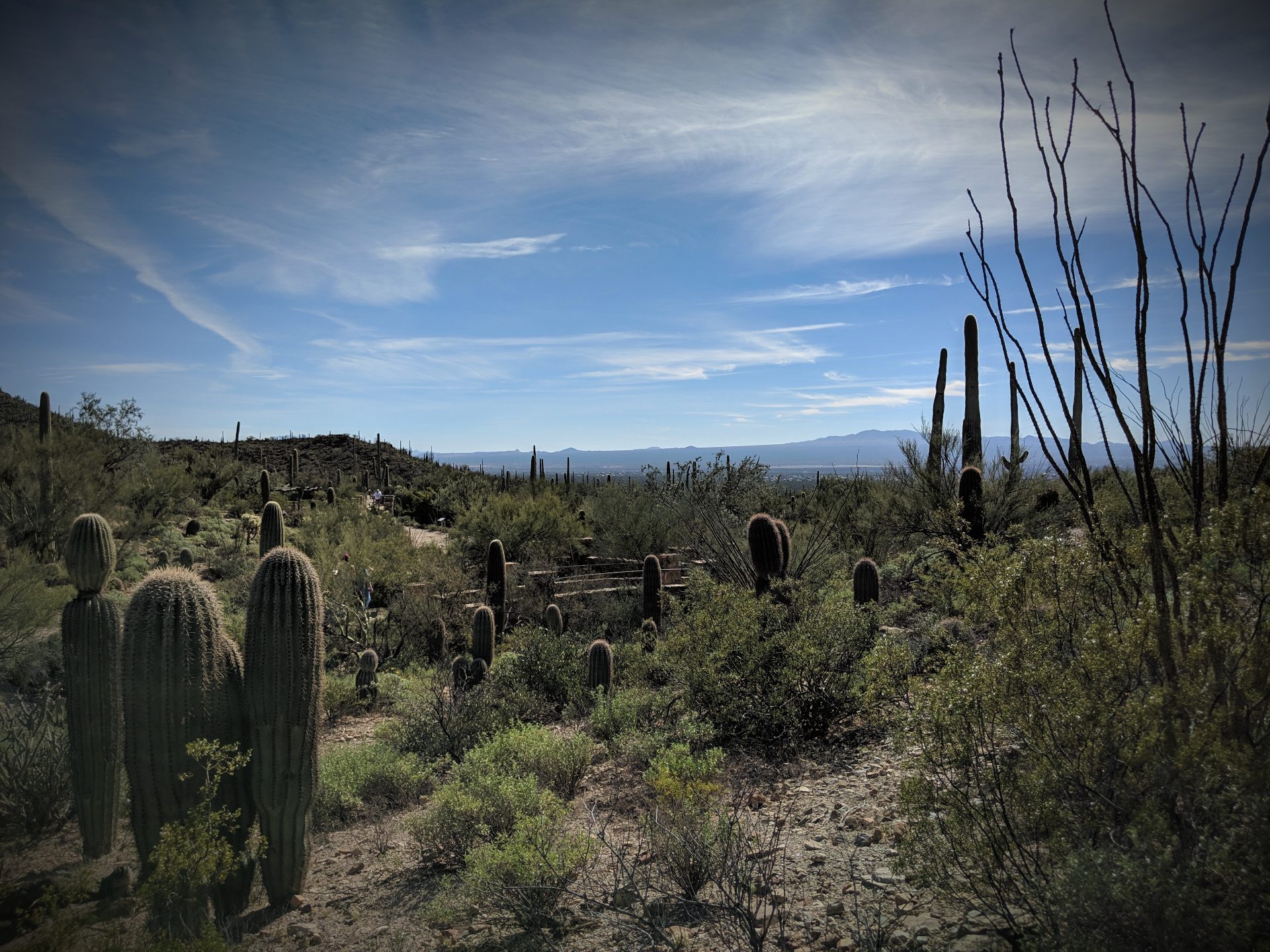
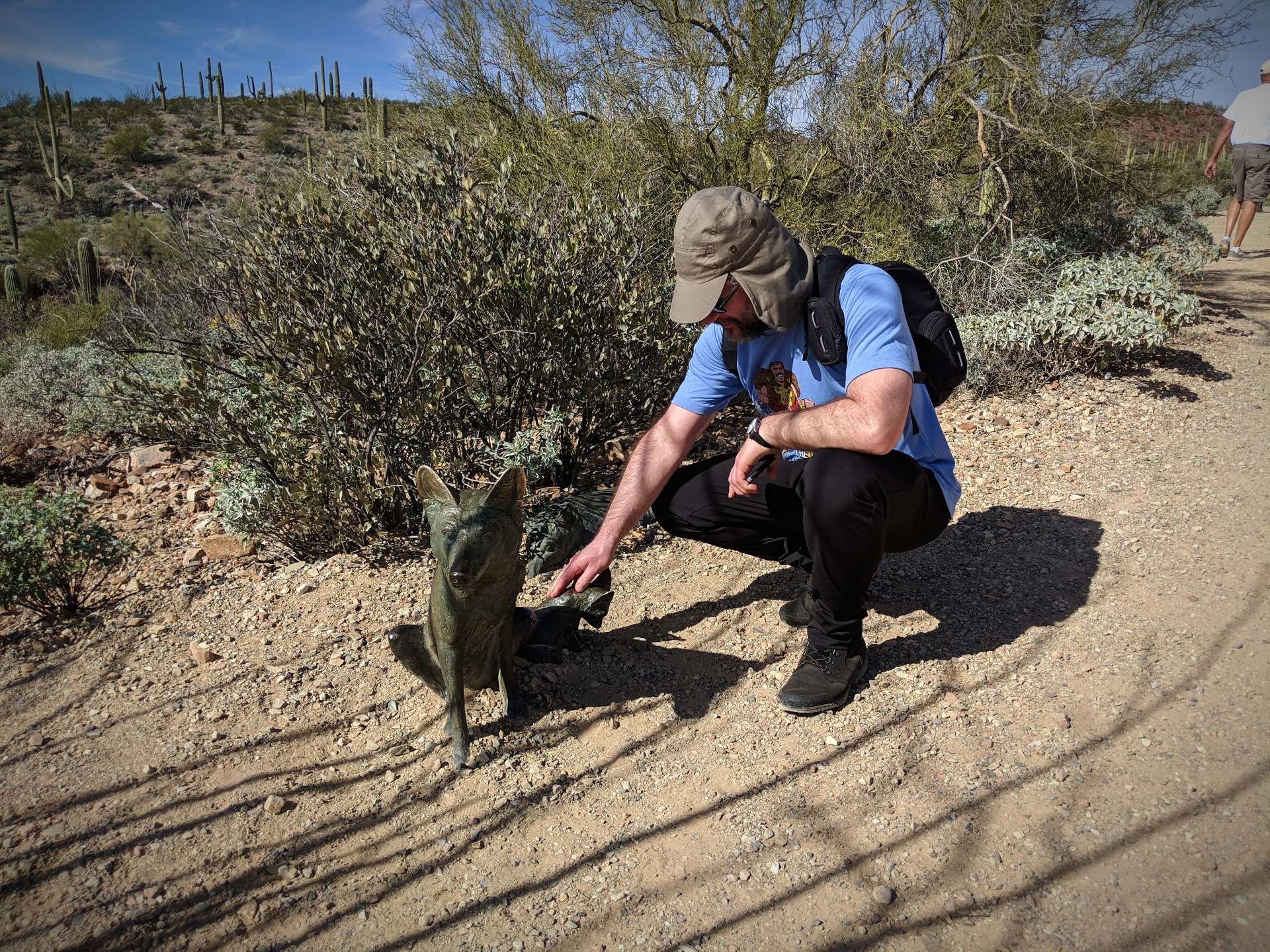
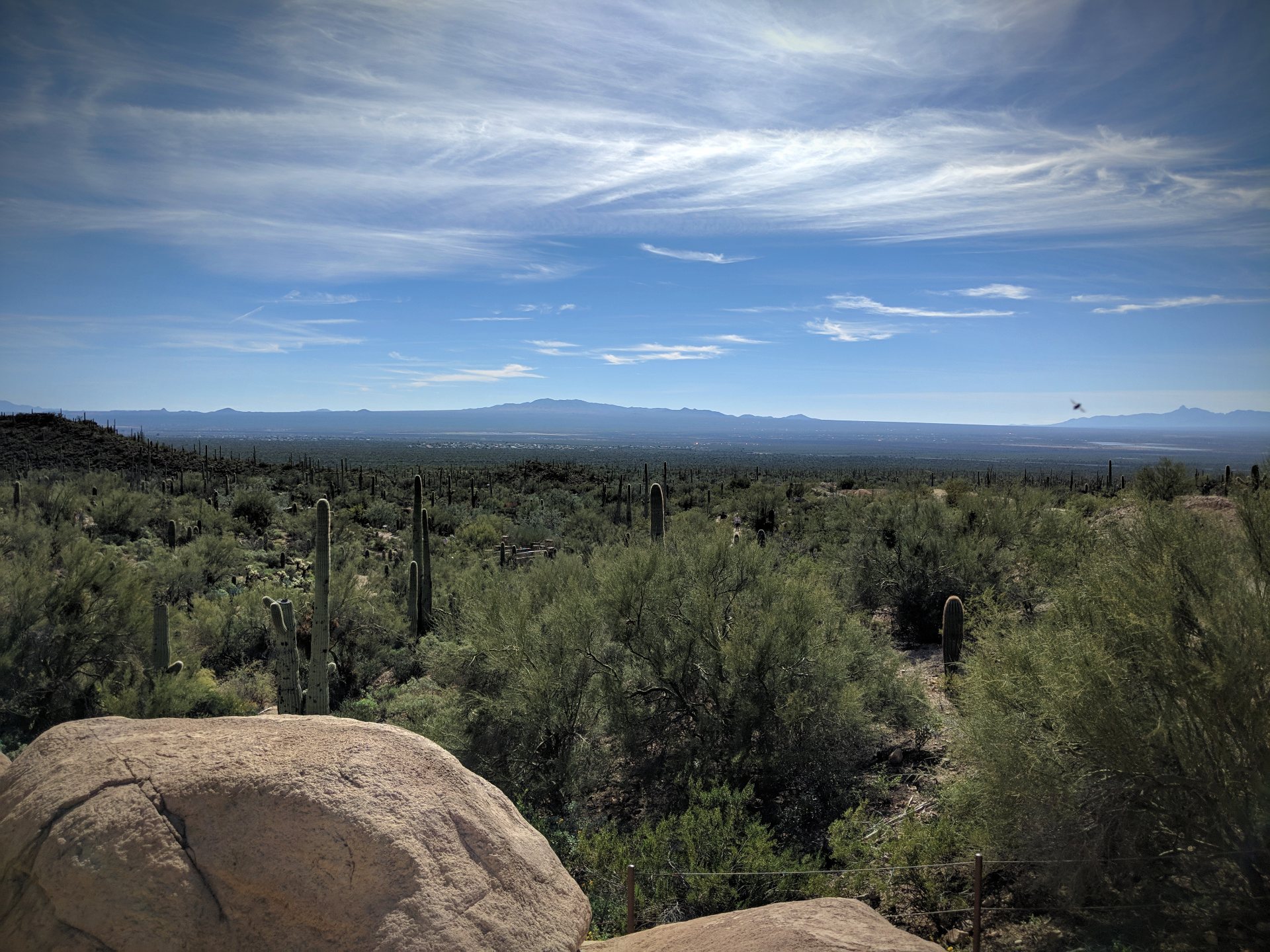
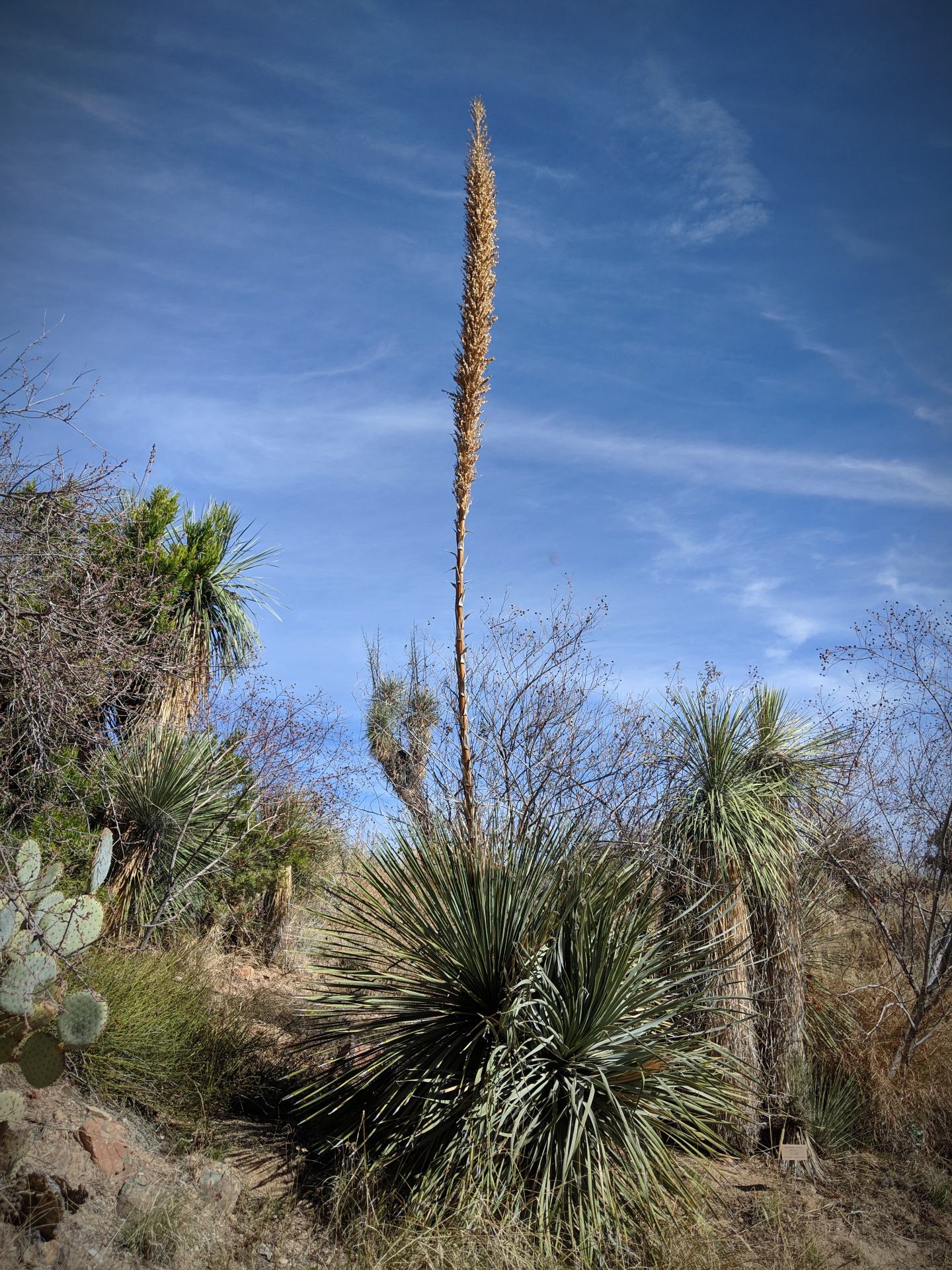
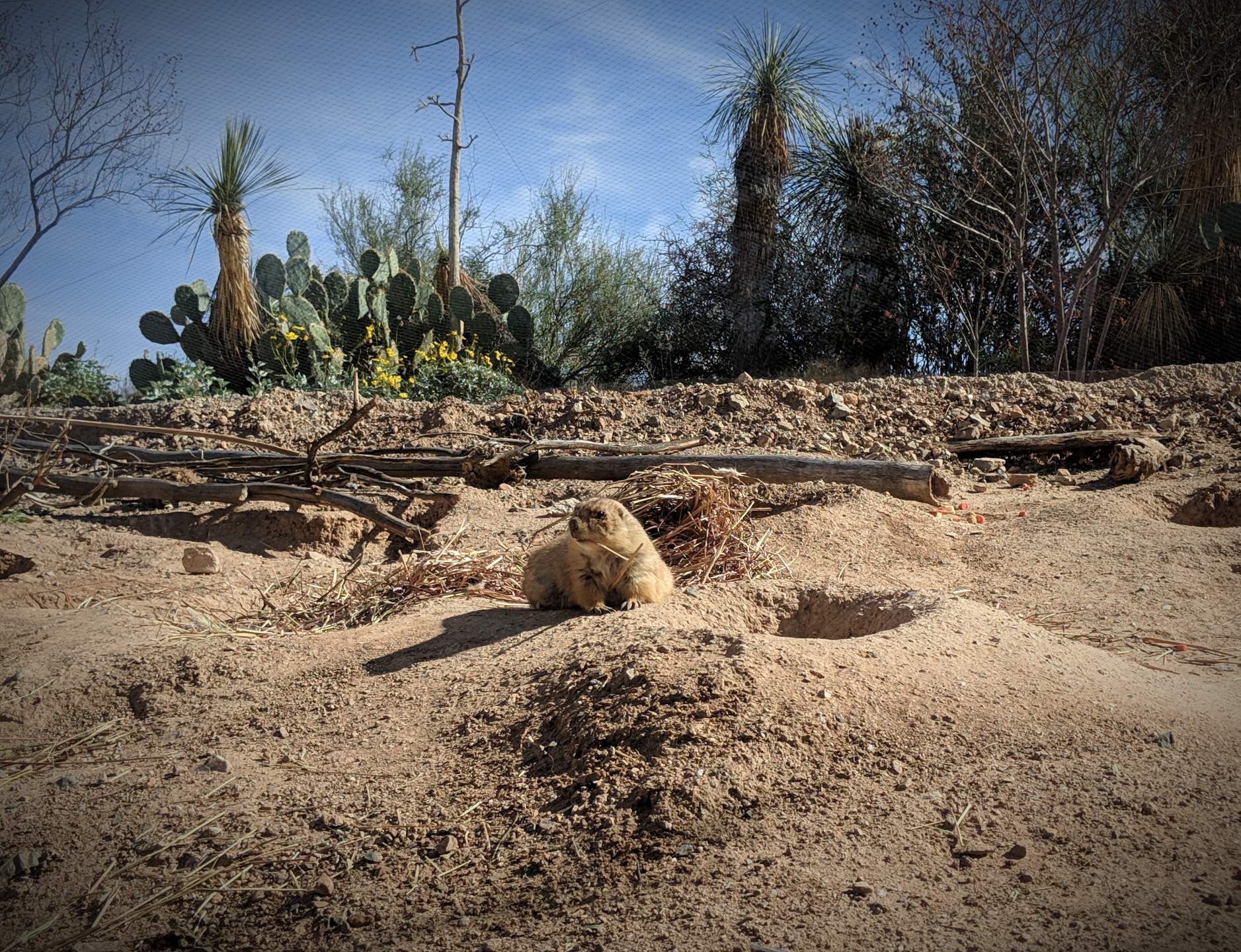
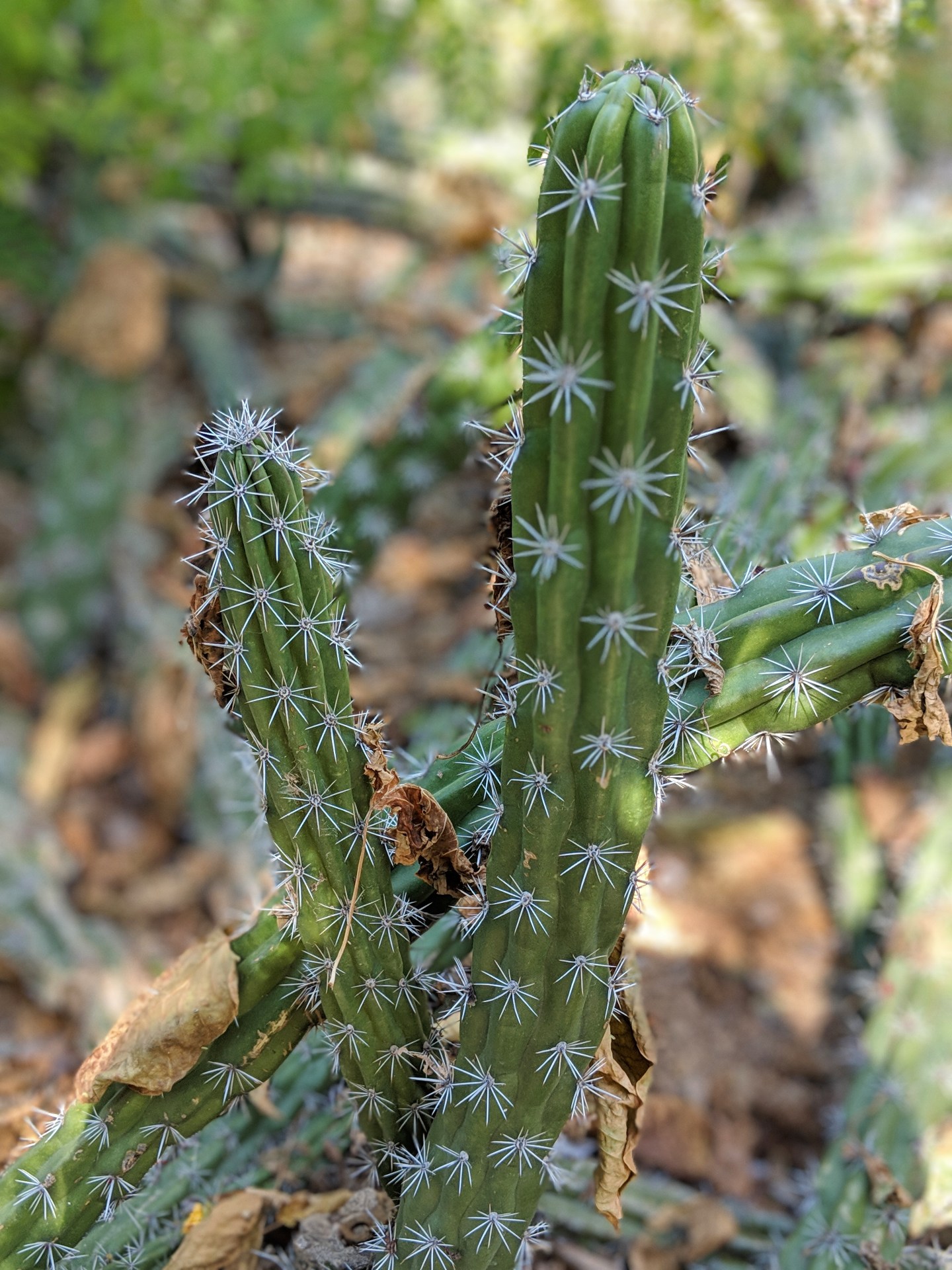
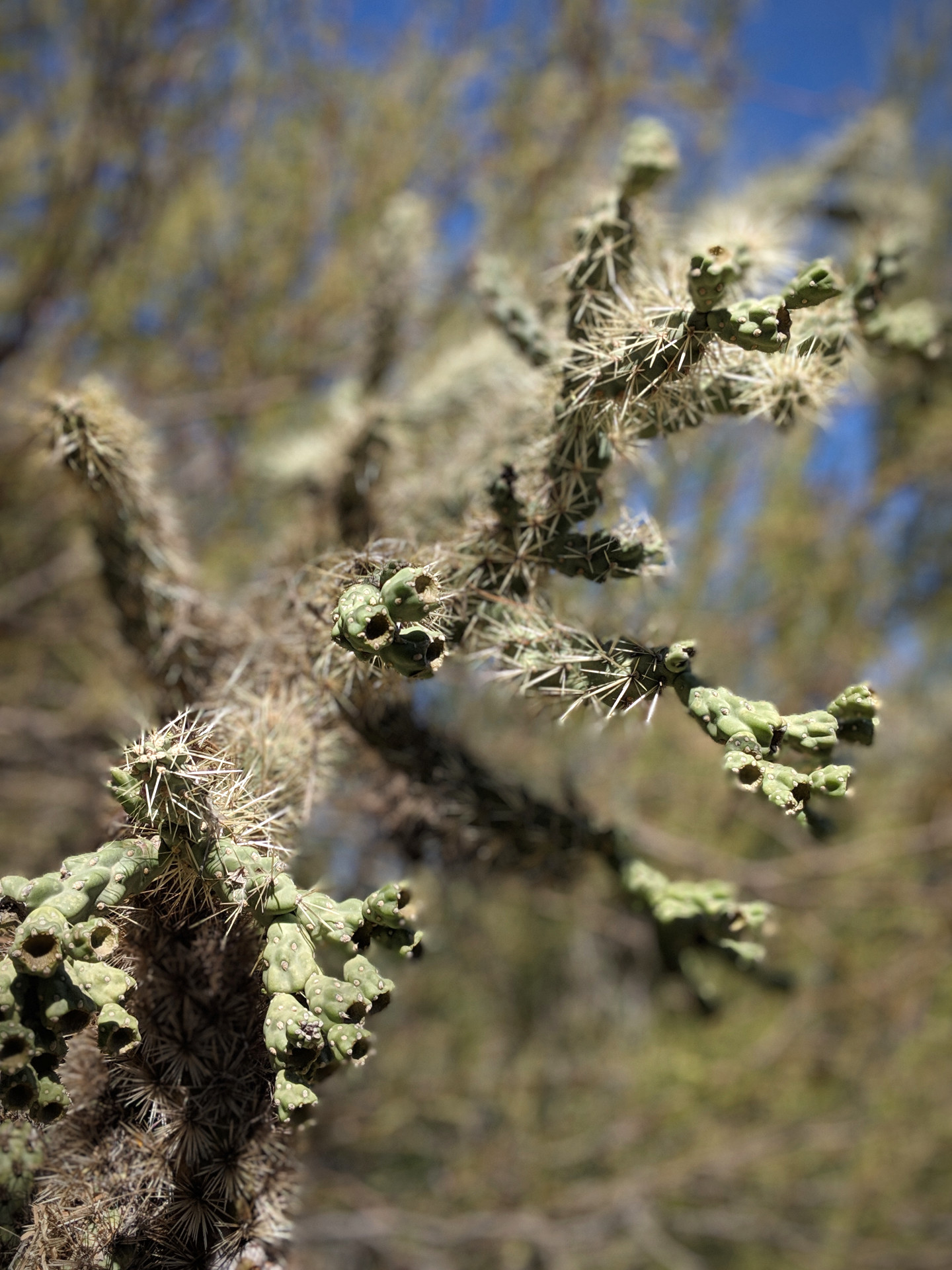
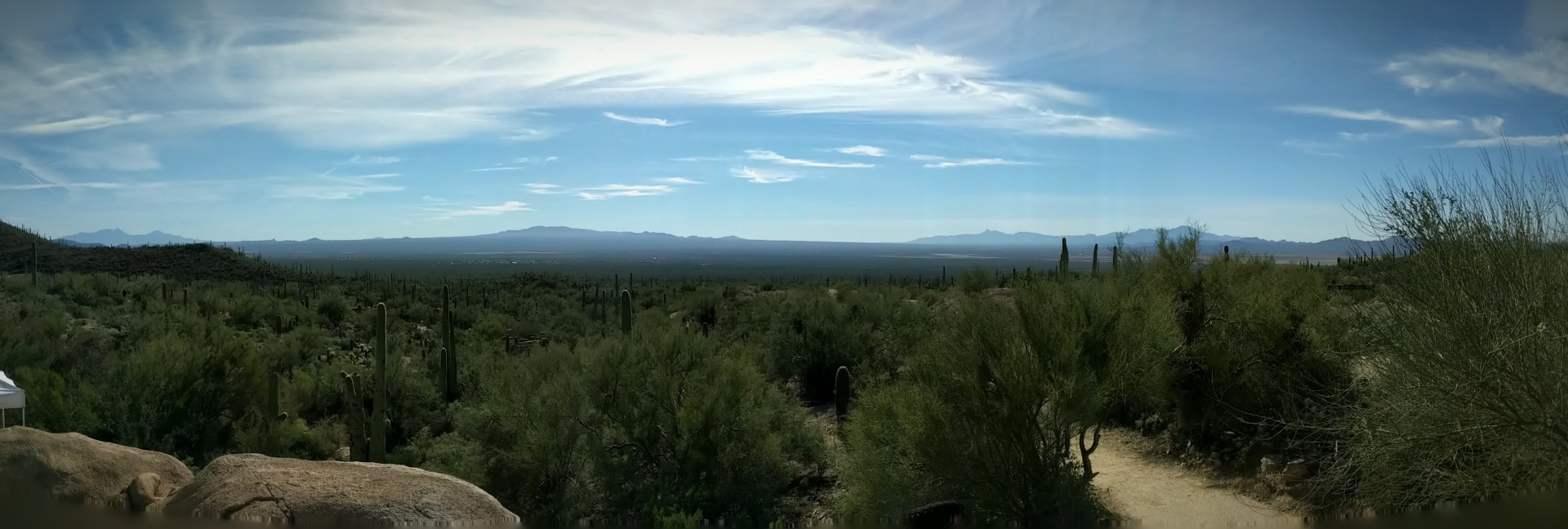
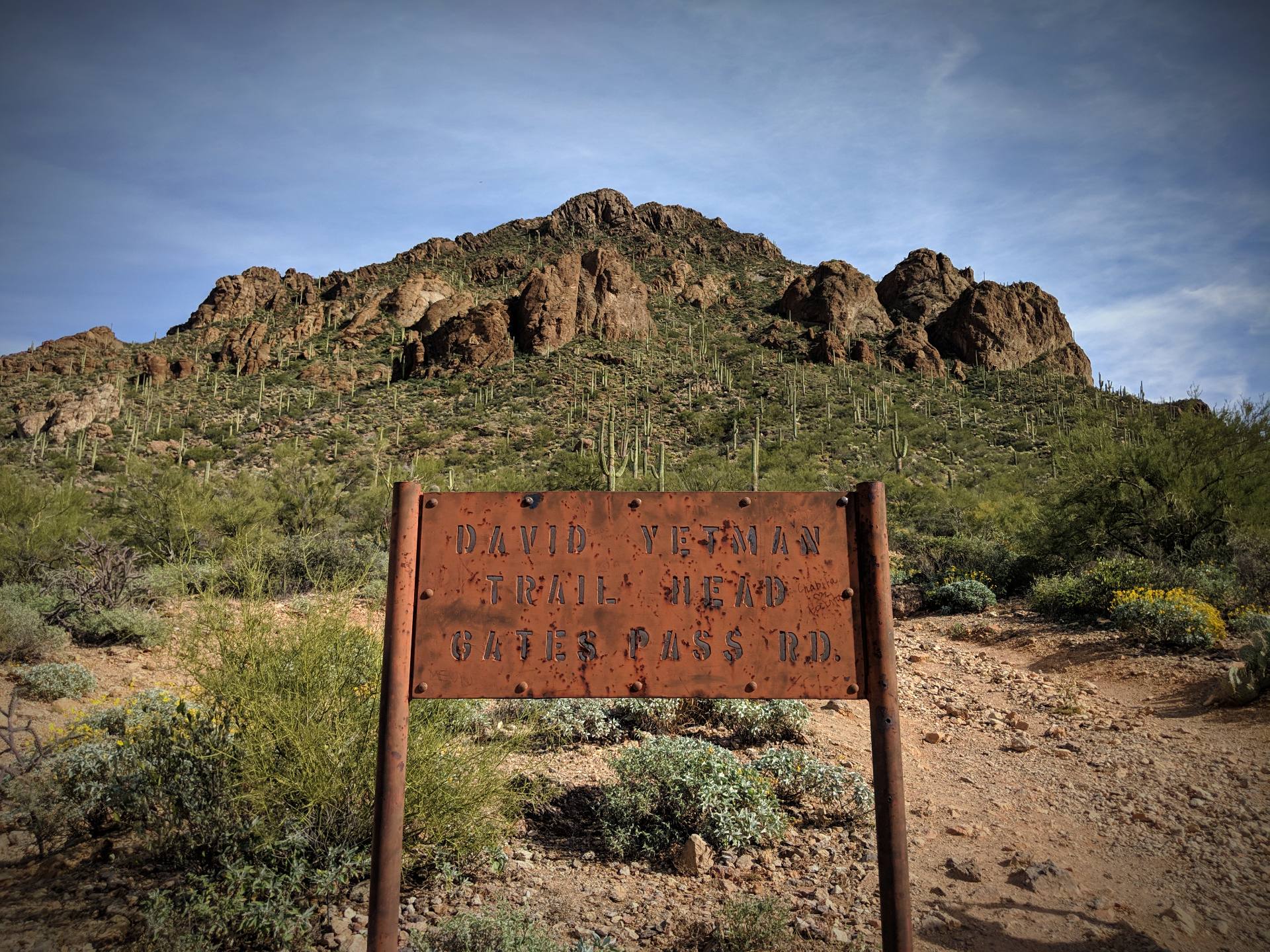
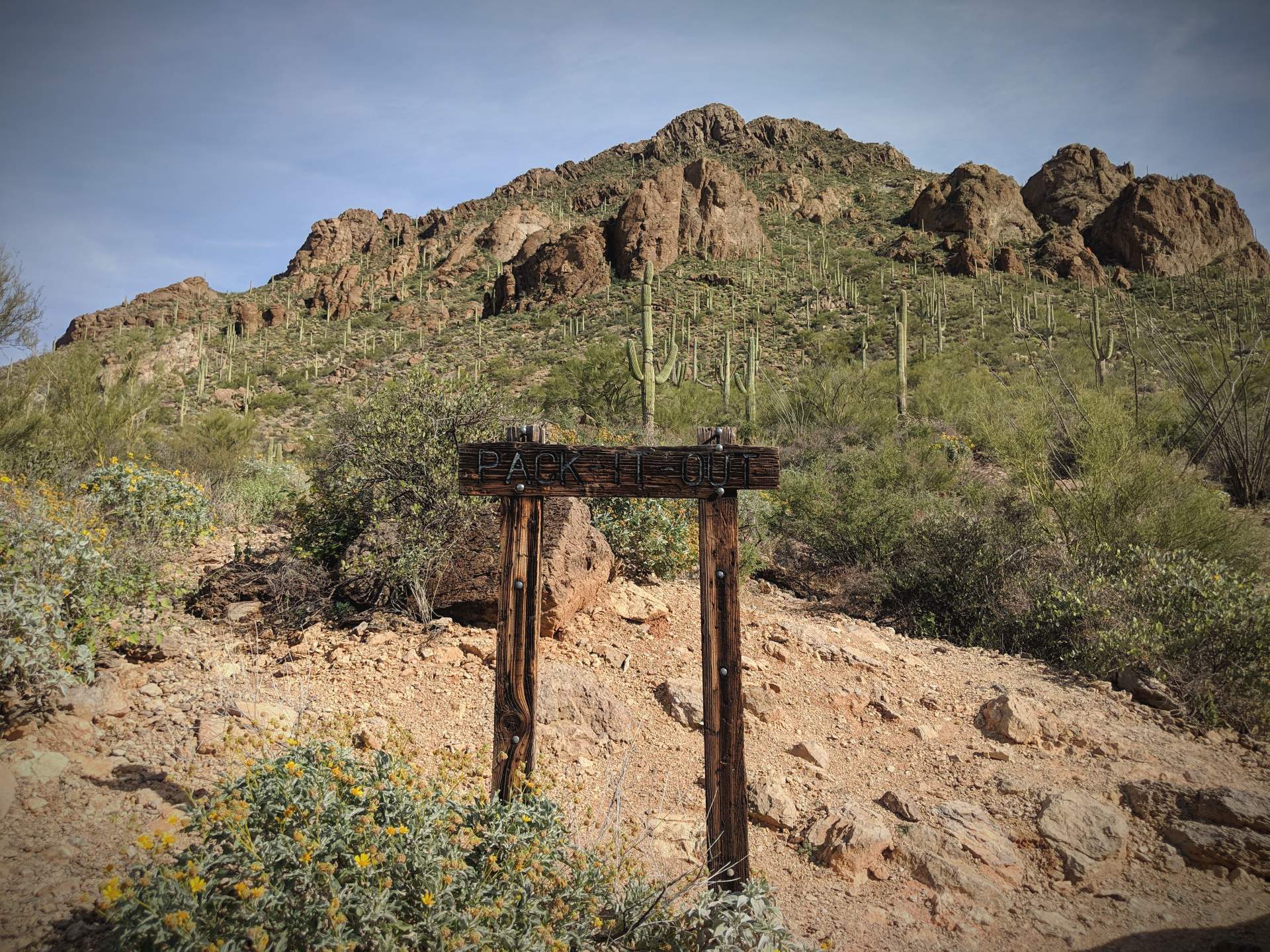
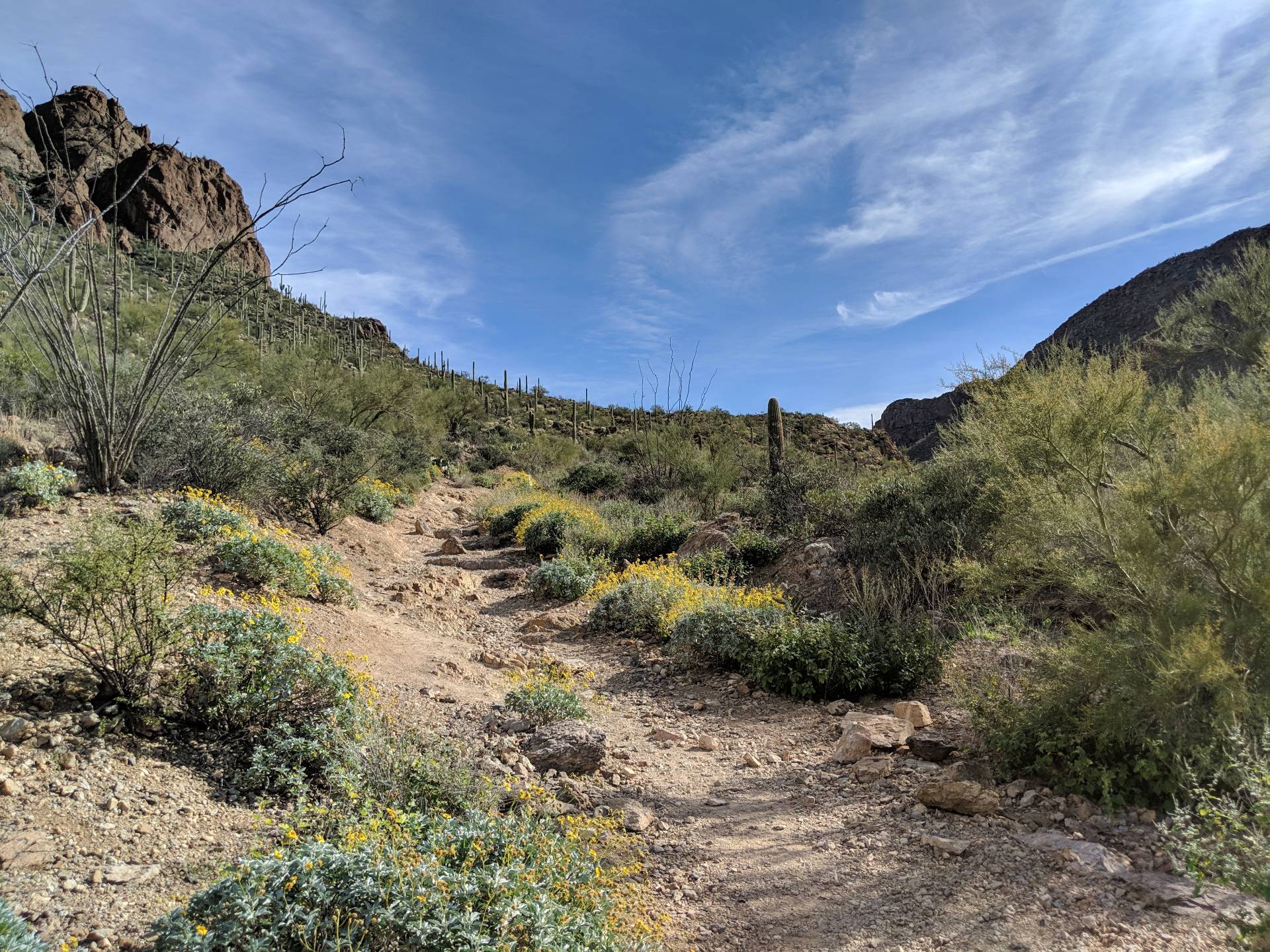
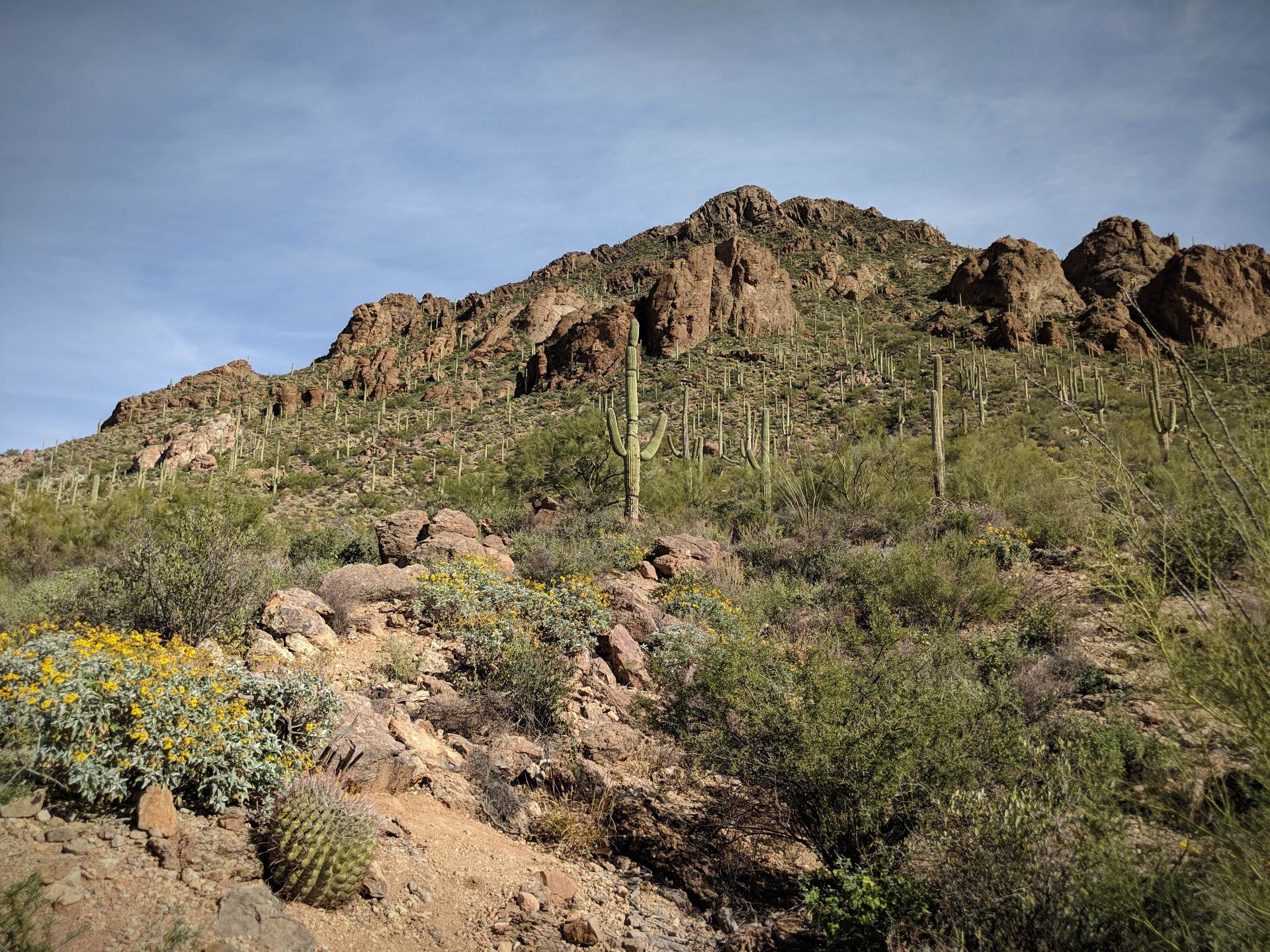
The Arizona-Sonora Desert Museum is a zoo, botanical garden, art gallery & classes, natural history museum, and aquarium all at once, dedicated to the education, protection and conservation of nature in the Sonoran Desert Region.
The David Yetman West Trailhead leads to a 3,9 loop trail of moderate difficulty, with sweeping views of the desert – that is, if you start early enough to beat the heat.
January 27th, 2019
All time classic


 January 27th, 2019
subjective worldview
Actor, writer, cook and author
Travel experiences & Strasbourg city guide
Writer
joy, happiness, travel, adventure, gratitude
"Rêve onirique & Bulle d'évasion"
makes pretty things on paper
This WordPress.com site is Pacific War era information
Welcome to my curious world of words....
Photographs, music and writing about daily life. Contact: elcheo@swcp.com
Free listening and free download (mp3) chill and down tempo music (album compilation ep single) for free (usually name your price). Full merged styles: trip-hop electro chill-hop instrumental hip-hop ambient lo-fi boombap beatmaking turntablism indie psy dub step d'n'b reggae wave sainte-pop rock alternative cinematic organic classical world jazz soul groove funk balkan .... Discover lots of underground and emerging artists from around the world.
A 365 analogue photography project
Barcelona's Multiverse | Art | Culture | Science
Een digitaal atelier aan de (zee)slag.
‘Doodling Ambiguity’s in Ink.’
Miscellaneous photography
Glimpses along the way on a journey of discovery into symmetry...
 The Humble Fabulist