Square Space

Jennifer Bartlett
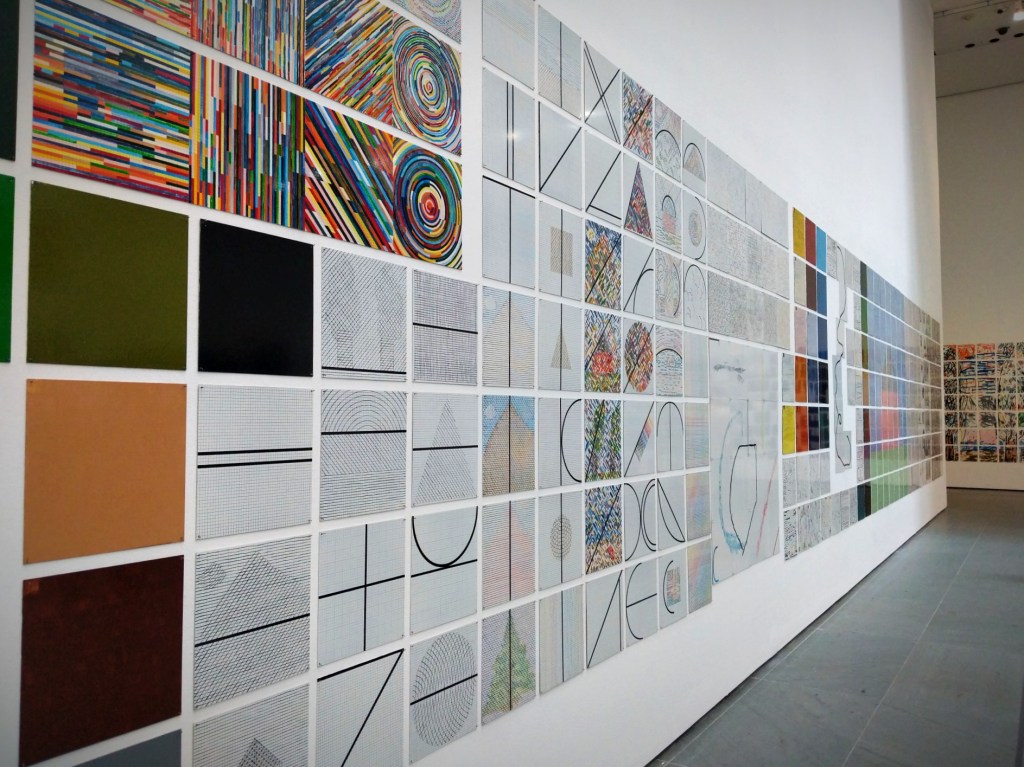
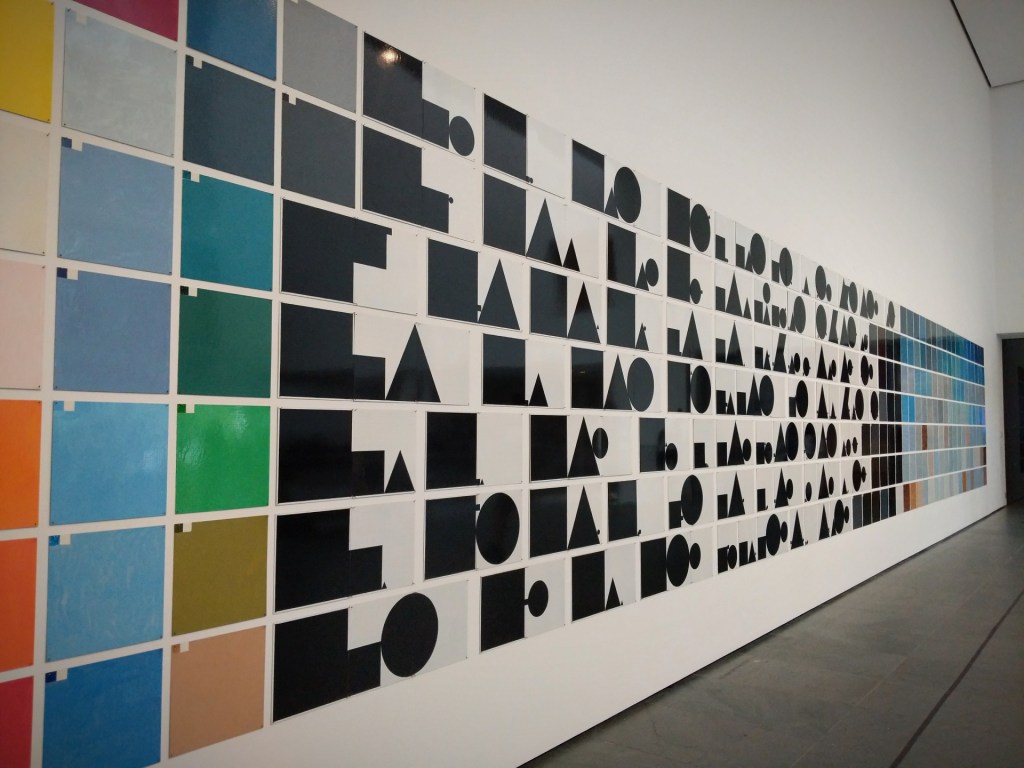
Rhapsody, 1975-76

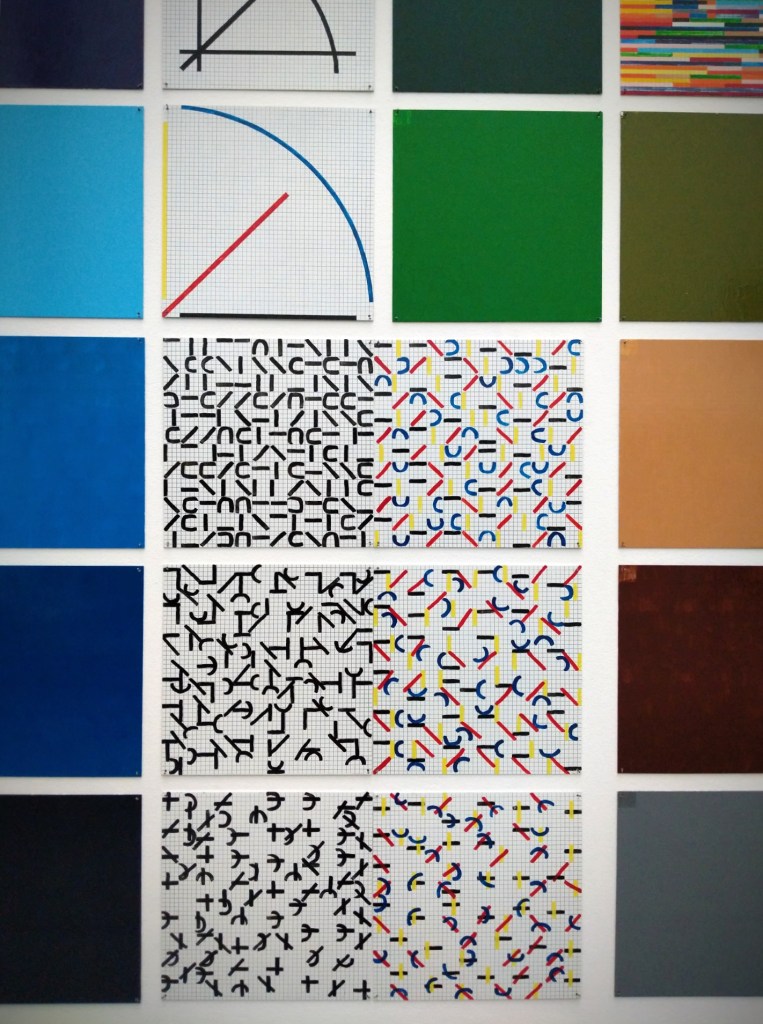
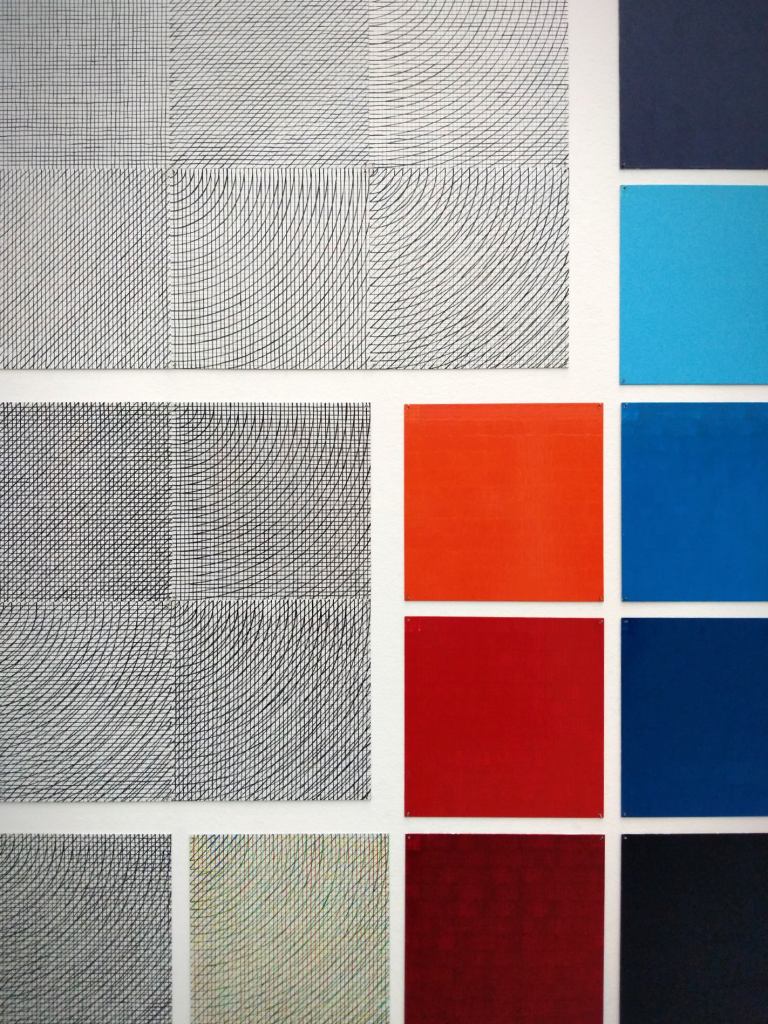
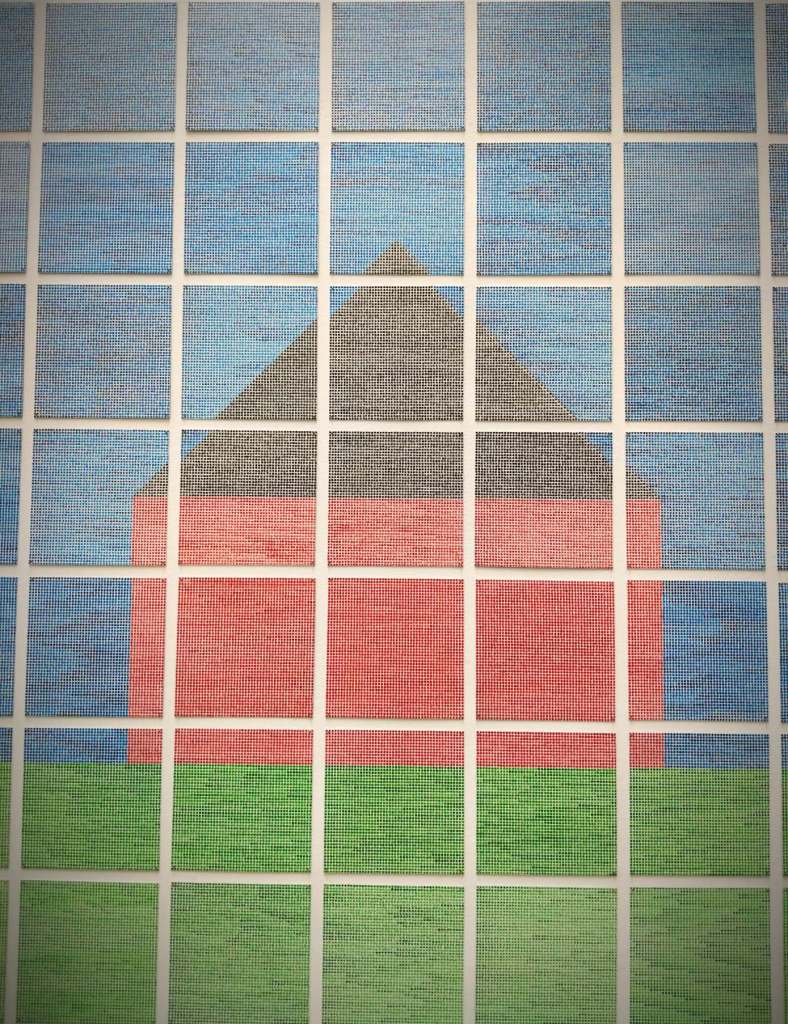
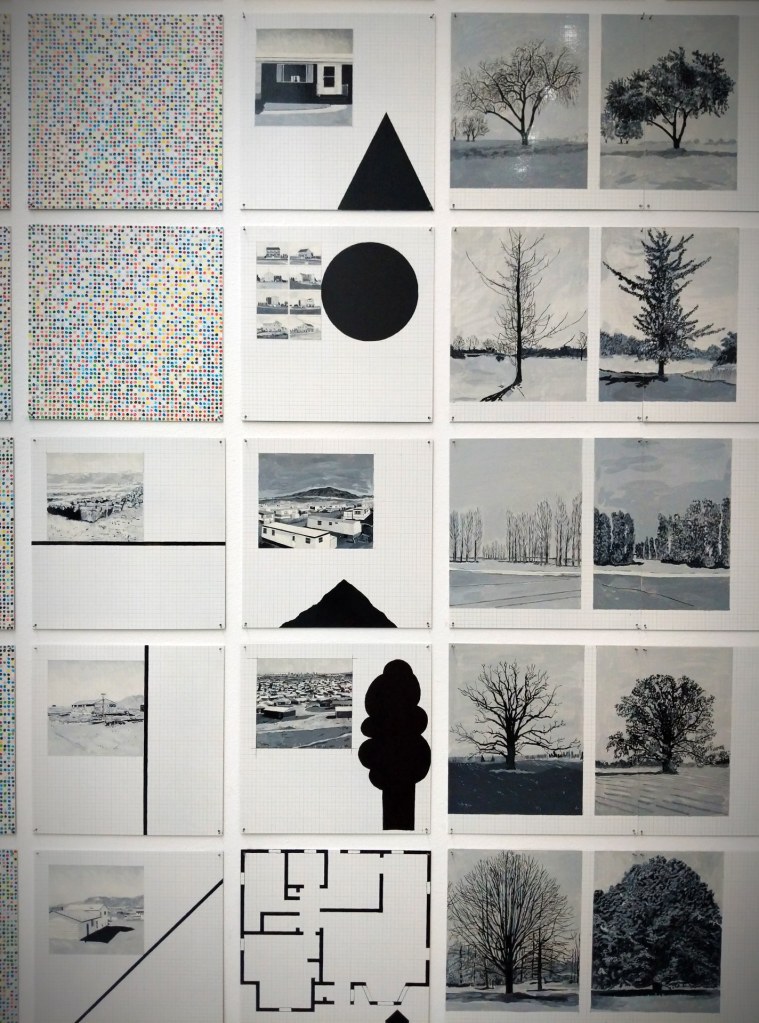
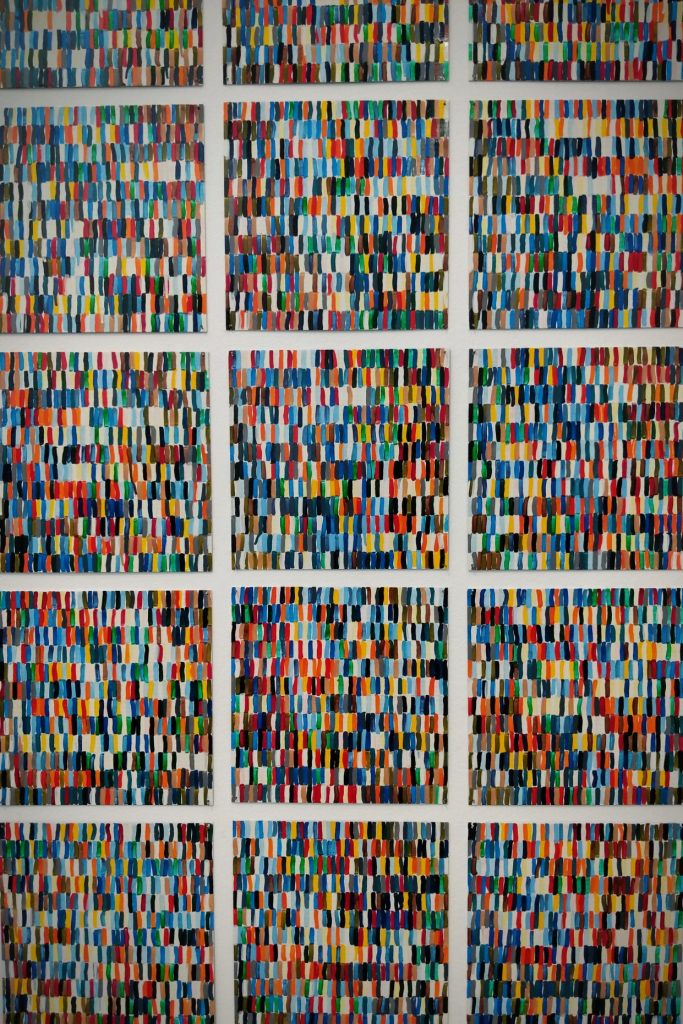
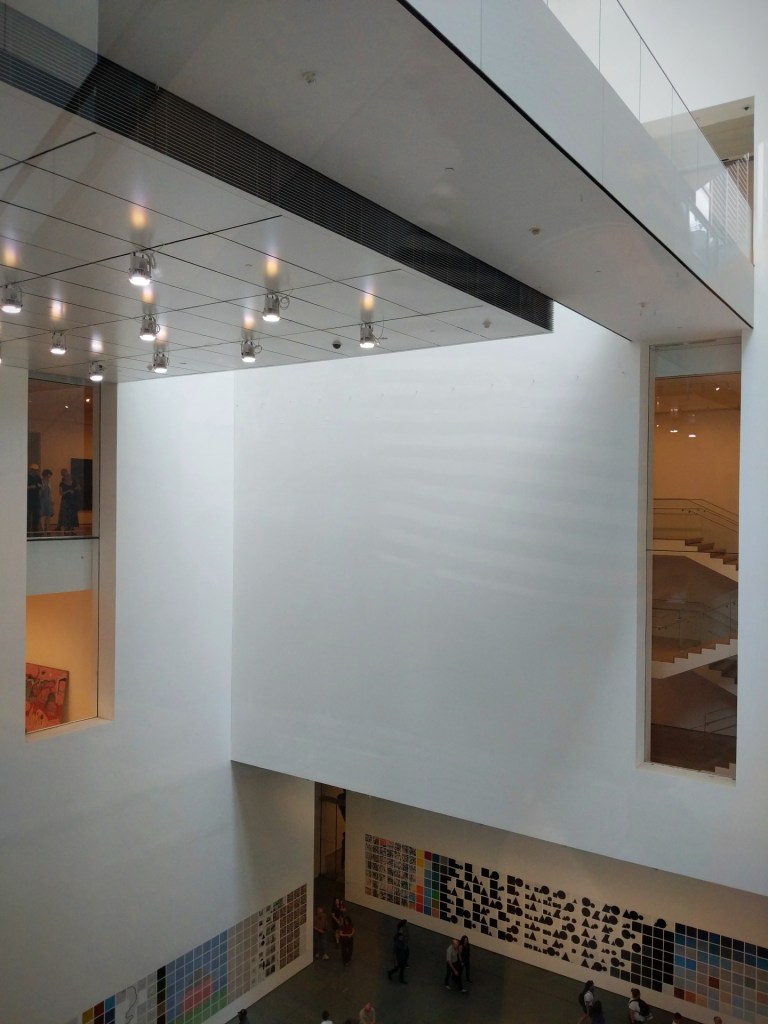
When Rhapsody was first shown, in 1976, it occupied the entirety of the art dealer Paula Cooper’s Manhattan gallery space. Consisting of 987 one-foot-square steel panels covering an expanse of more than 150 feet, the work has an overall monumentality, but its small panels invite intimate interaction. Together they represent Bartlett’s attempt to create a painting “that had everything in it,” she has said.

Each of Rhapsody’s steel panels was baked with white enamel, silkscreened, and then painted. Its range of imagery—from photographic images to abstract shapes—presents a variety that undermines any sense of stylistic unity. “It was supposed to be like a conversation,” the artist has explained, “in which people digress from one thing and maybe come back to the subject, then do the same with the next thing.” Looking at Rhapsody is like listening in on this conversation. A viewer can step back and see the ebbs and flows, or come in close and engage deeply with a single topic, sentence, or line. [Source: MoMA]

June 16th, 2019
Rainbows

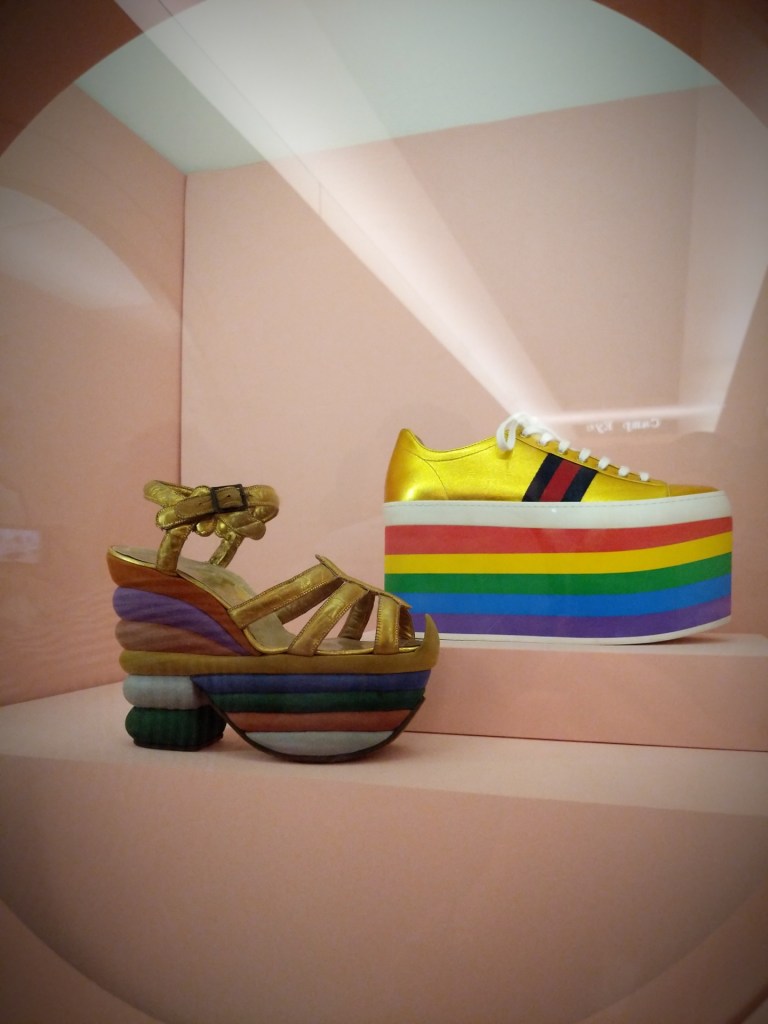
“Camp is ‘those men and women…leaking laughter and tears while reliving their favorite nuances from…Off-key strains of Somewhere over the Rainbow.'” —J. Bryan Lowder, 2013

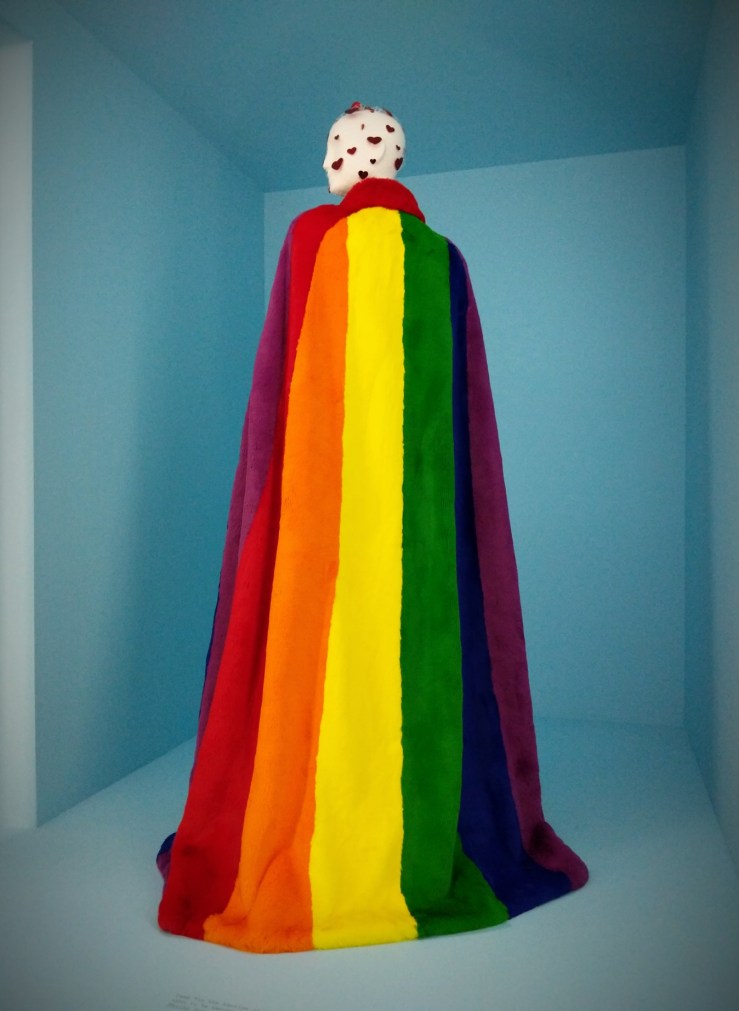
Burberry, Christopher Bailey Cape, A/W 2018-19
Salvatore Ferragamo Sandal, 1938, designed for Judy Garland & Gucci, Alessandro Michele Shoe, resort 2017
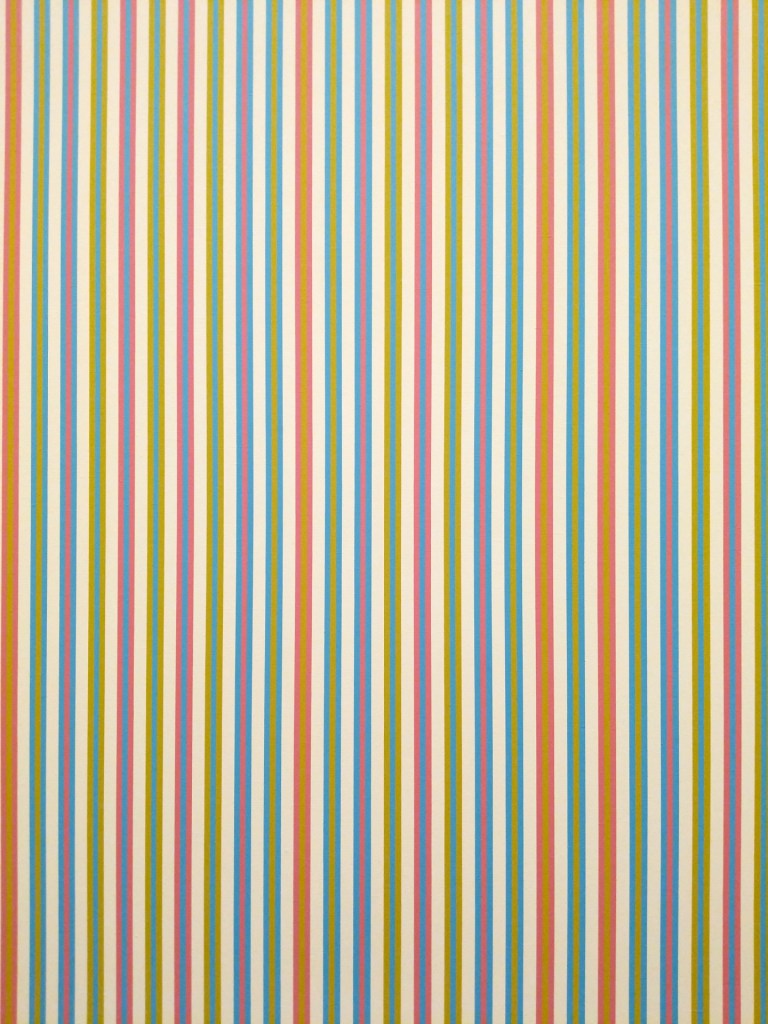
Bridget Riley, Elysium, 1973/2003 – Acrylic on canvas

Camp: Notes on Fashion @The Metropolitan Museum of Art, paired with Bridget Riley’s painting from the Met collection.

June 1st, 2019

Went Camping

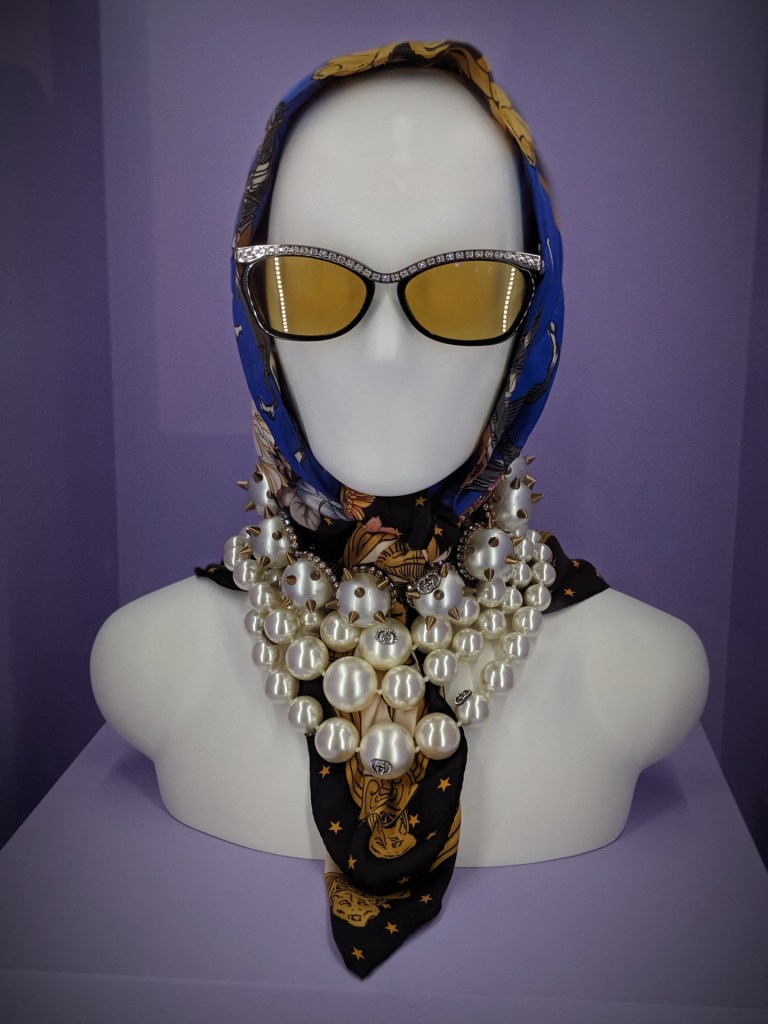
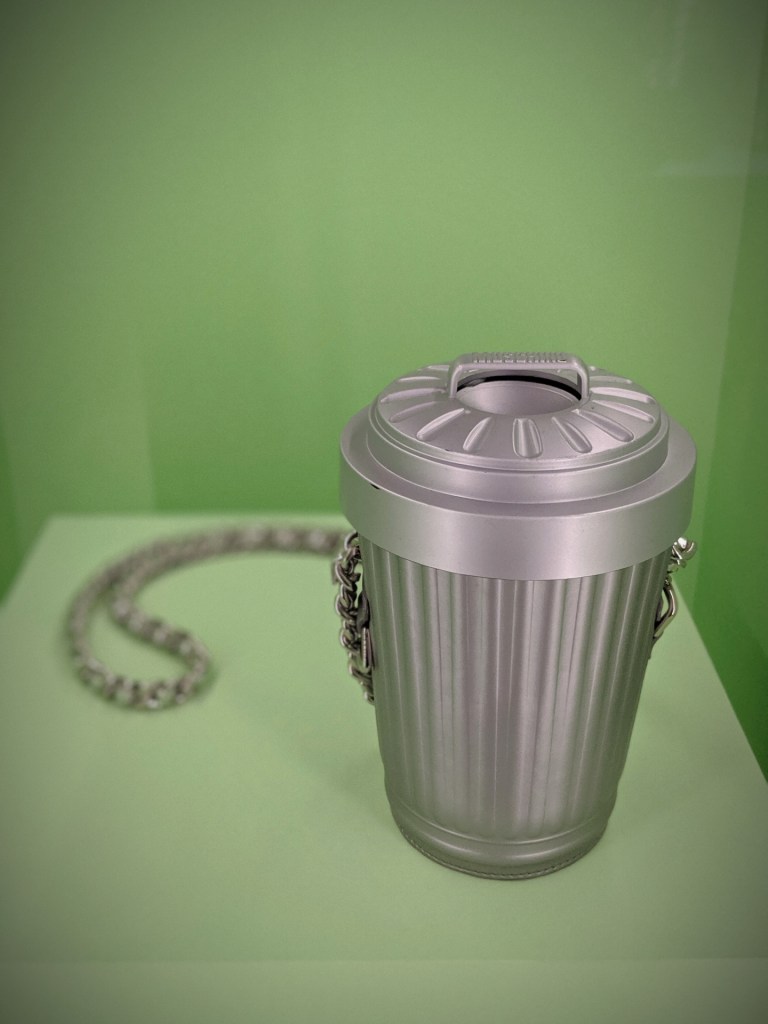
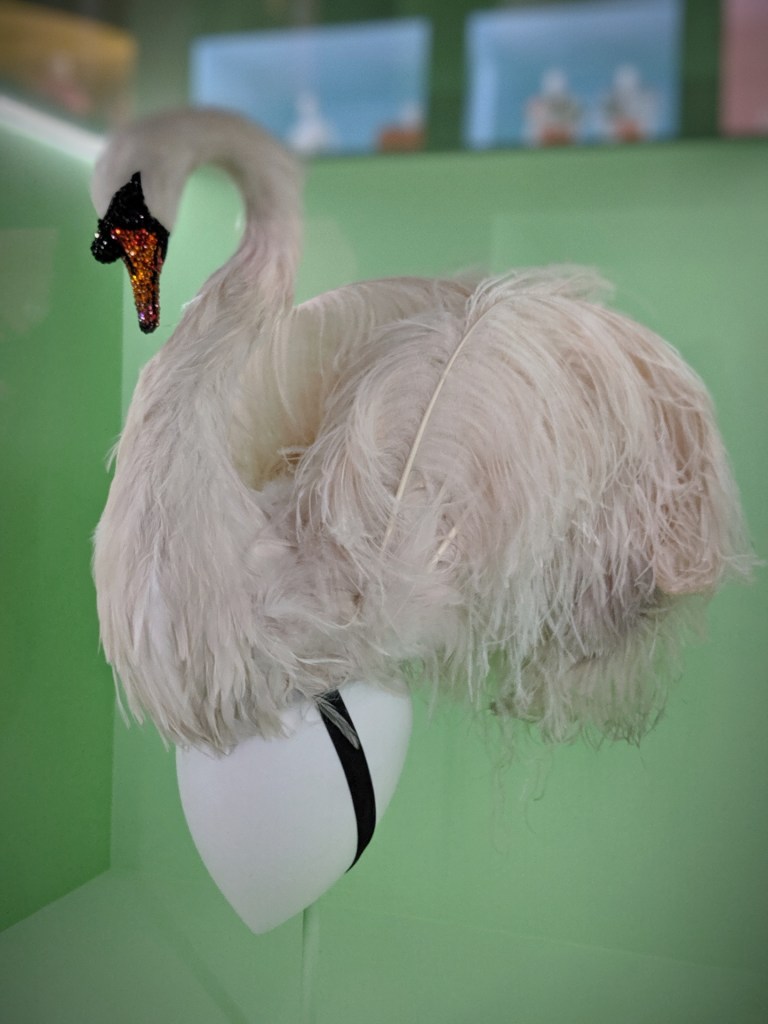
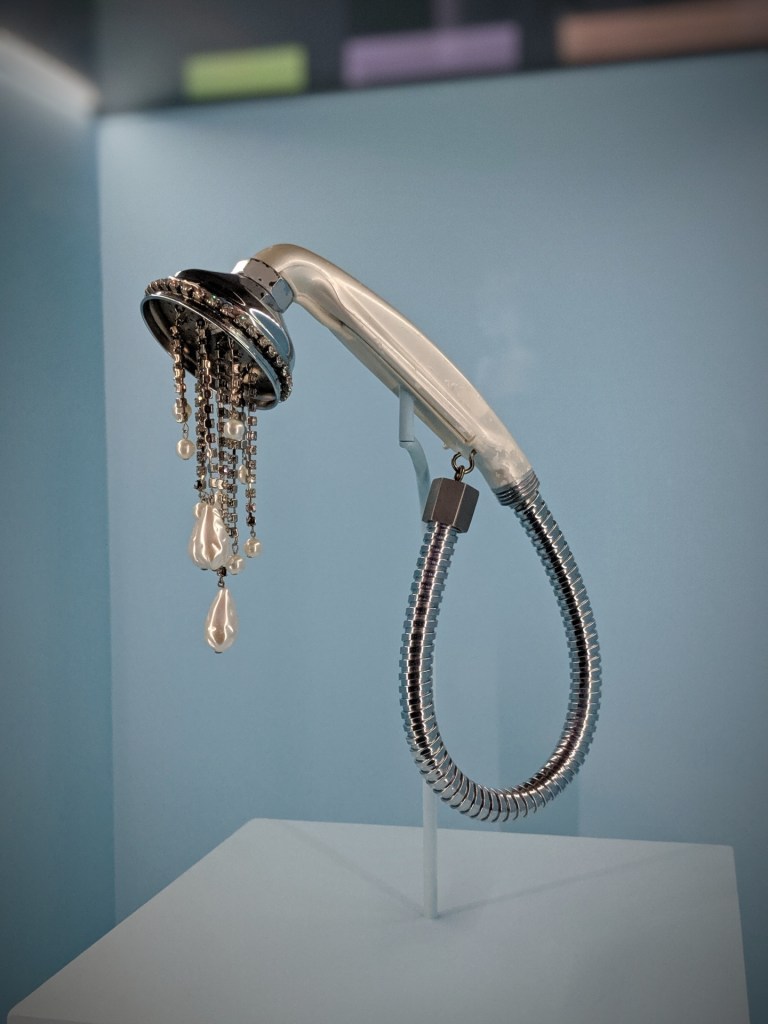
“Camp is a means by which cultivated taste is deliberately thrown into reverse so that aesthetic absurdities become desirable.” —Scott Byrd quoting John Canaday, 1968

Gucci || Accessory set, pre-fall 2019
House of Moschino || Jeremy Scott || Bag A/W 2017-18 (grey synthetic leather and silver metal)
Giles Deacon || Stephen Jones || Headpiece, S/S 2012 (white ostrich feathers, white coque feathers, and orange and black crystals)
Chloé || Karl Lagerfeld || Necklace A/W 1983-84
Marc Jacobs || Ensemble, S/S 2016
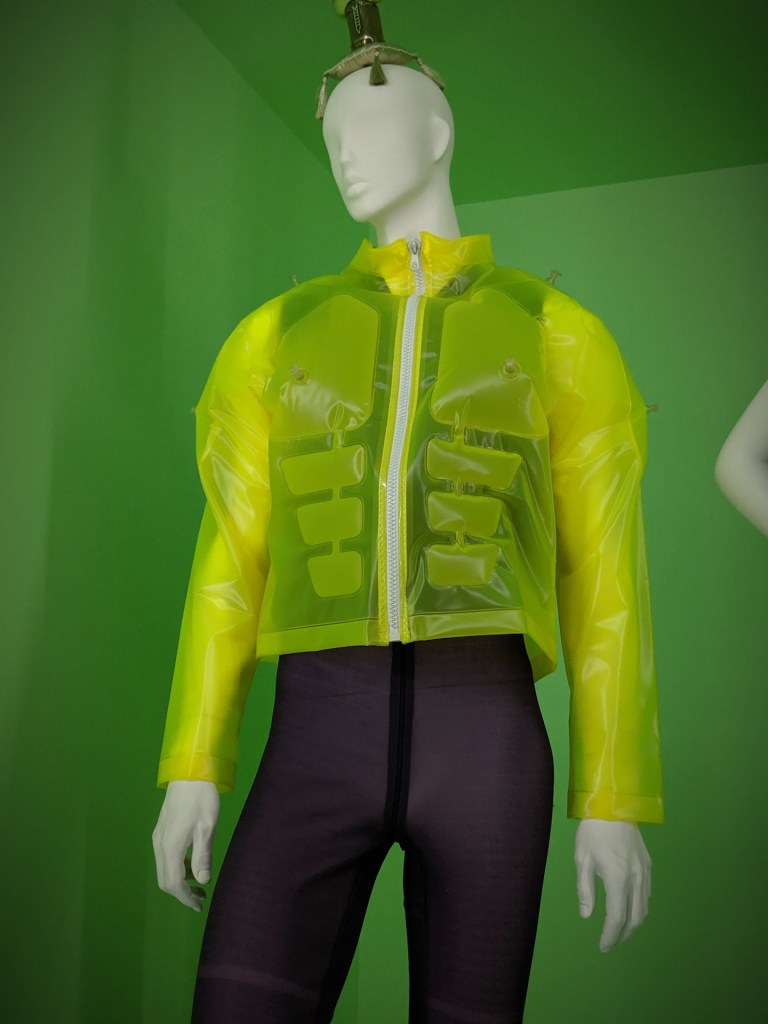
Wild and Lethal Trash || Walter Van Beirendonck || S/S 1996
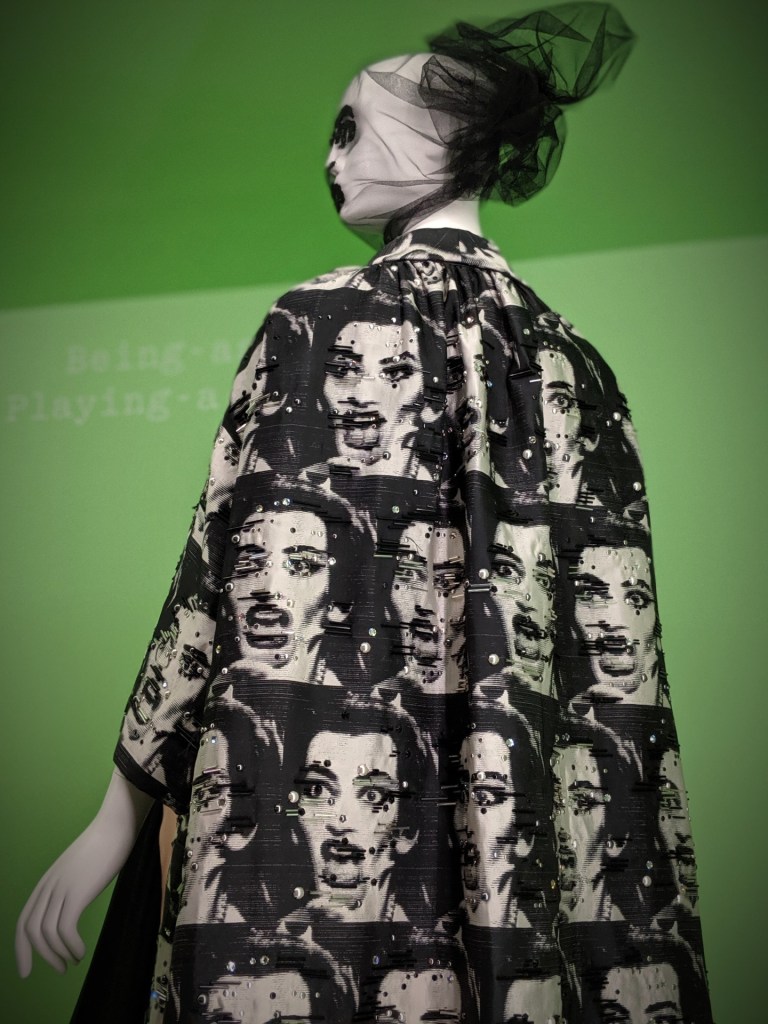
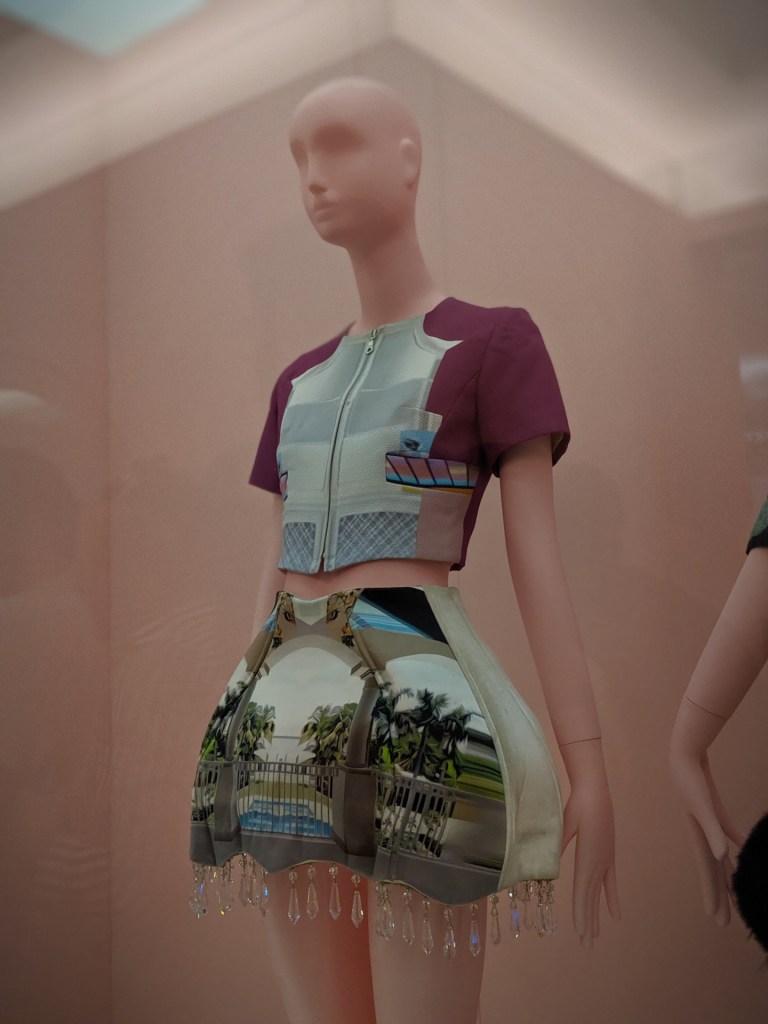
Mary Katrantzou || Ensemble, S/S 2011
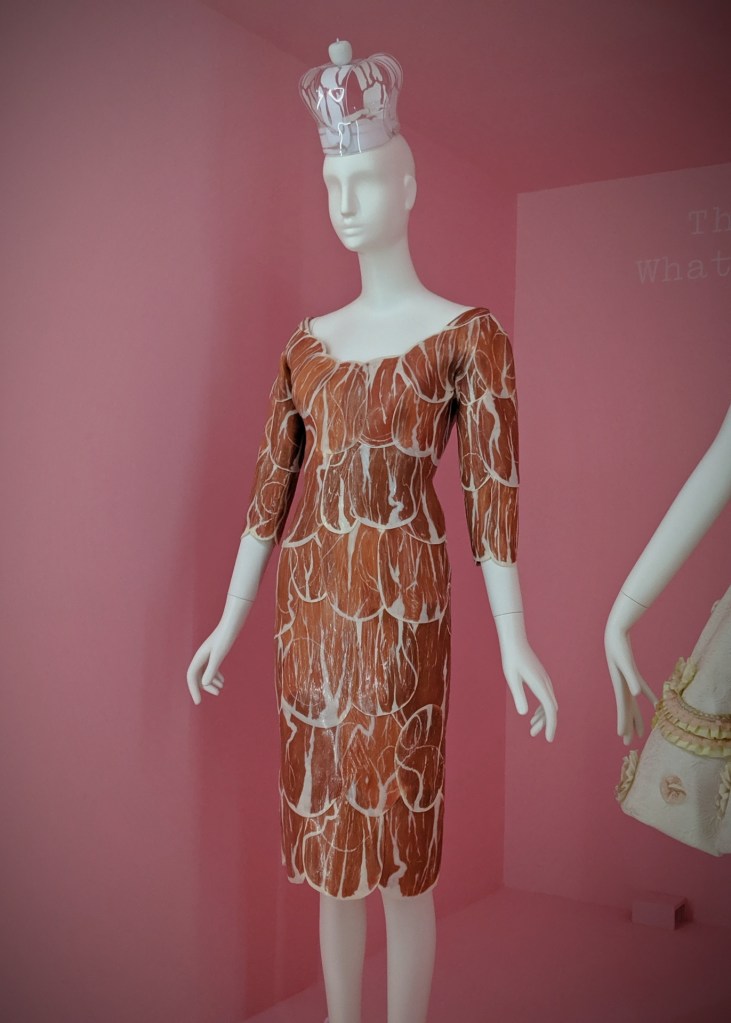
Jeremy Scott || S/S 2011 || A prosciutto inspired dress, perhaps after the controversial Meat Dress by Franc Fernandez, which Lady Gaga wore at the 2010 MTV Video Music Awards; that dress was made from 40 pounds of flank steak, but Jeremy Scott’s one is an ‘elegant’ white and pink latex
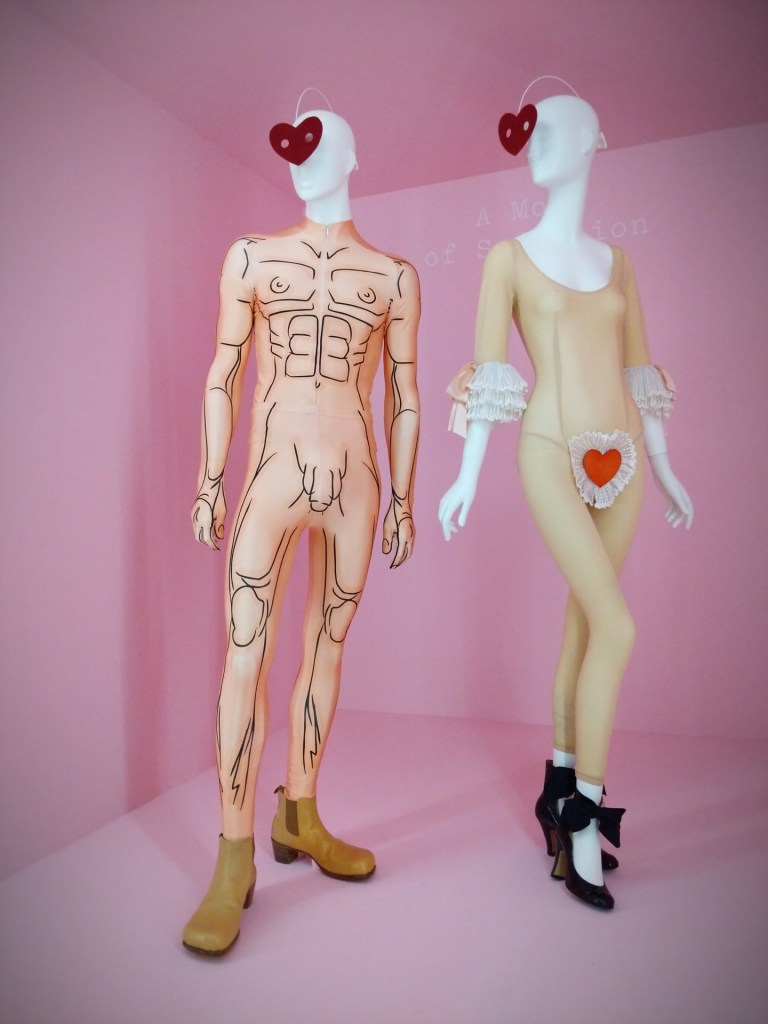
Walter Van Beirendonck || Ensemble, S/S 2009 || Nude synthetic-spandex knit printed with a trompe l’oeil male body motif & Vivienne Westwood || Ensemble, A/W 1989-90 || Nude synthetic-spandex mesh, pink silk-synthetic satin, white synthetic lace, and red acrylic

“Camp transforms what was ugly yesterday into today’s object of aesthetic pleasure.” –Umberto Eco, 2007

From Camp: Notes on Fashion, The Costume Institute’s spring 2019 exhibition at The Met. Susan Sontag’s 1964 essay ”Notes on ‘Camp”’ provided the framework, and 250 objects dating from the seventeenth century to the present took care of the entertainment.

The Metropolitan Museum of Art

June 1st, 2019

Hollywood Busts

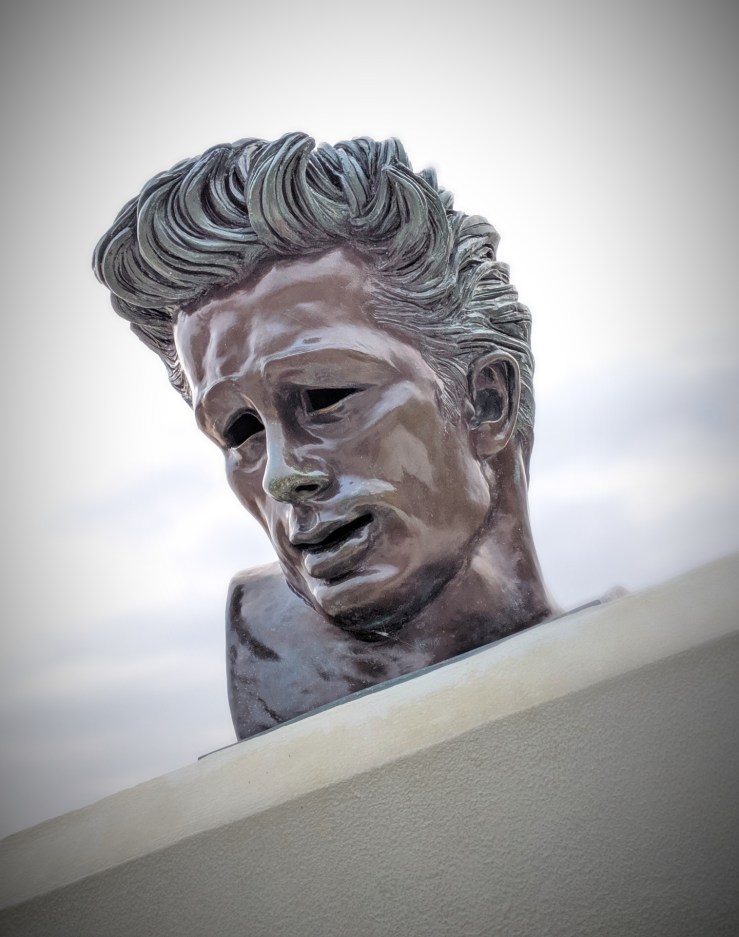
Similar expressions, millenia apart.

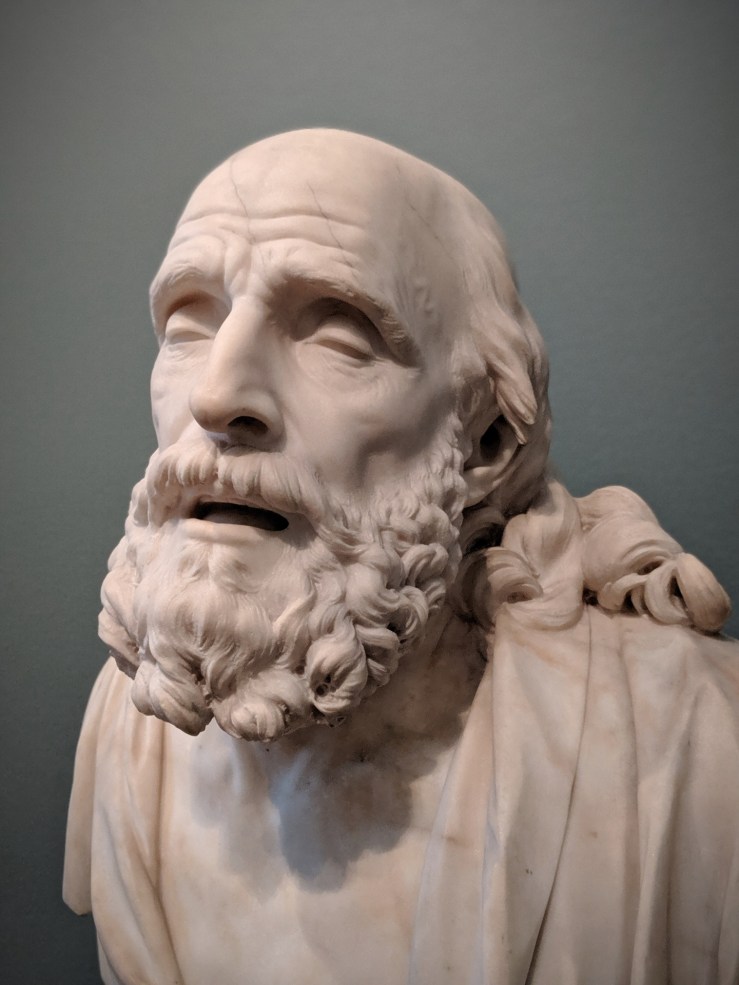
Bust of Belisarius, 1785-91 || Jean-Baptiste Stouf || Marble

Belisarius (about 505-565) was a Byzantine general whose military prowess was envied by the emperor Justinian, who banished and allegedly blinded the general. The subject was popular among French eighteenth-century writers and artists, both as political allegory and as a means of depicting the pathos of a fallen hero. Stouf skillfully rendered the crinkled skin around the eyes, the sunken cheeks, and the luxuriant curls of the beard and hair with a subtlety that belies the challenge of carving stone.

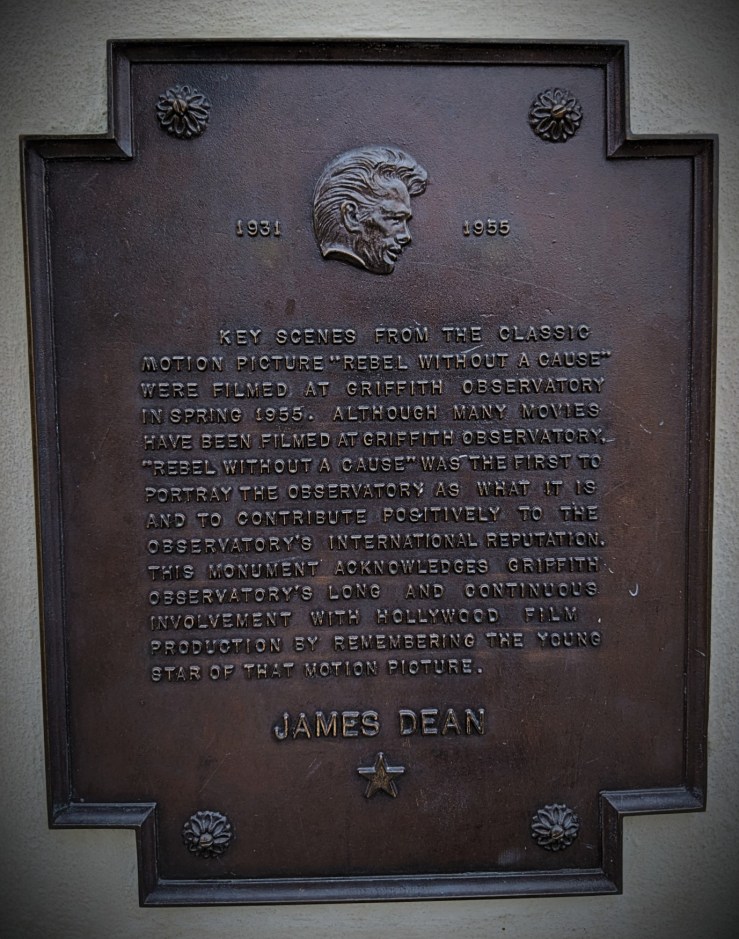
Belisarius at the Getty Center || James Dean at Griffith Observatory

Los Angeles

May 10th, 2019
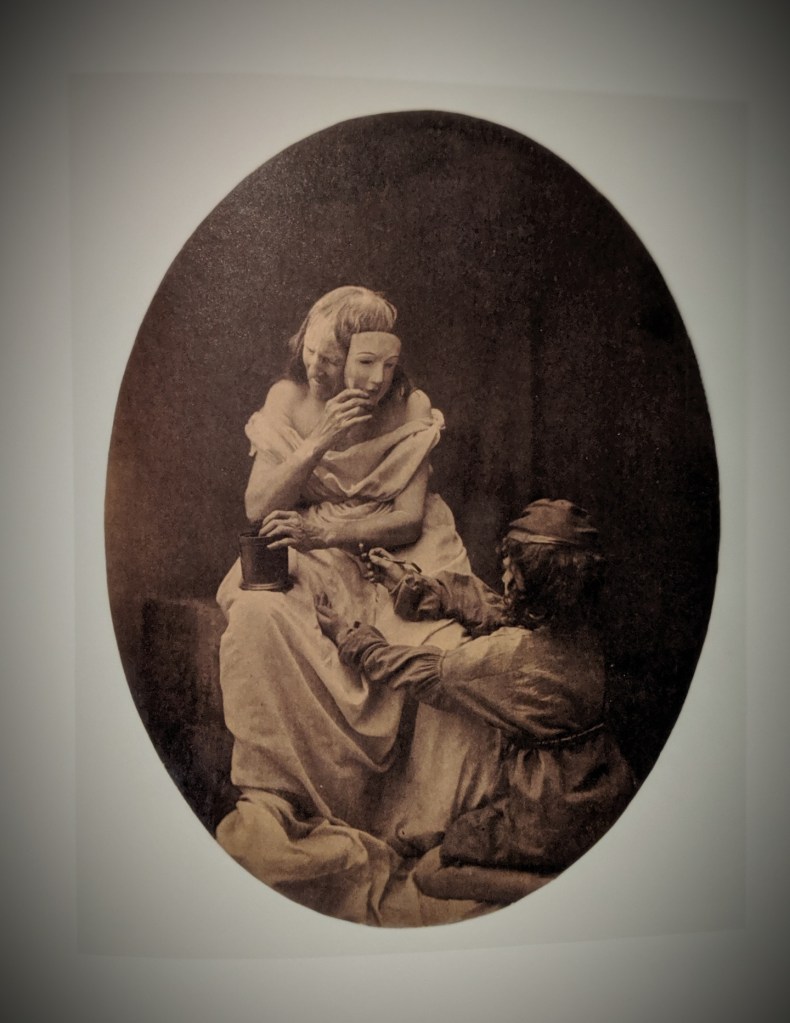
The Goddess Nicotina, c. 1860

Unmasked

From a photo album accompanying the exhibition ”Oscar Rejlander: Artist Photographer” exploring the life and work of one of the most influential photographers of the 19th century.

”Oscar G. Rejlander (British, born Sweden, 1813-1875) was one of the 19th century’s greatest innovators in the medium of photography, counting Queen Victoria, Prince Albert, Charles Darwin, Lewis Carroll and Julia Margaret Cameron among his devotees.

Oscar G. Rejlander was born in Sweden and moved to England in 1839, working first as a painter before turning to photography in 1852. He made a living as a portrait photographer while experimenting with photographic techniques, most notably combination printing, in which parts of multiple negatives were exposed separately and then printed to form a single picture. Rejlander moved to London in 1862, where his business continued to grow and where his wife, Mary Bull, worked alongside him in his photography studios.” [source: The Getty Center]

For more photos by Oscar Rejlander, please visit this Art Blart article.

The Getty Center, L.A.

May 10th, 2019
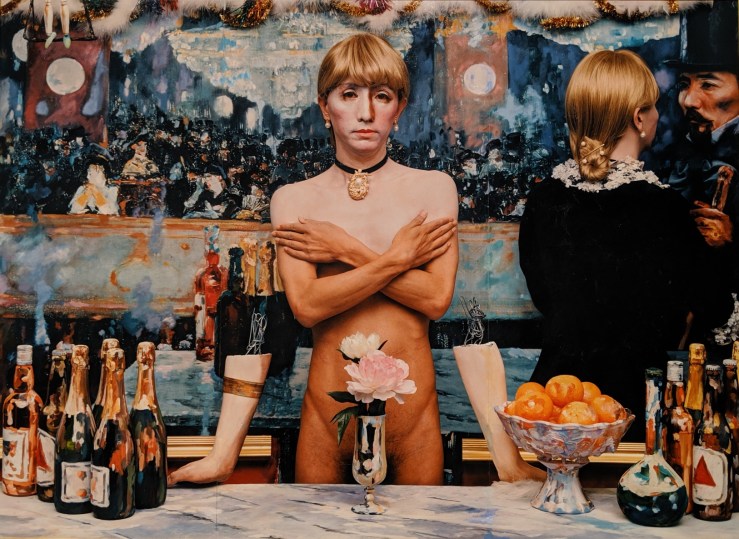
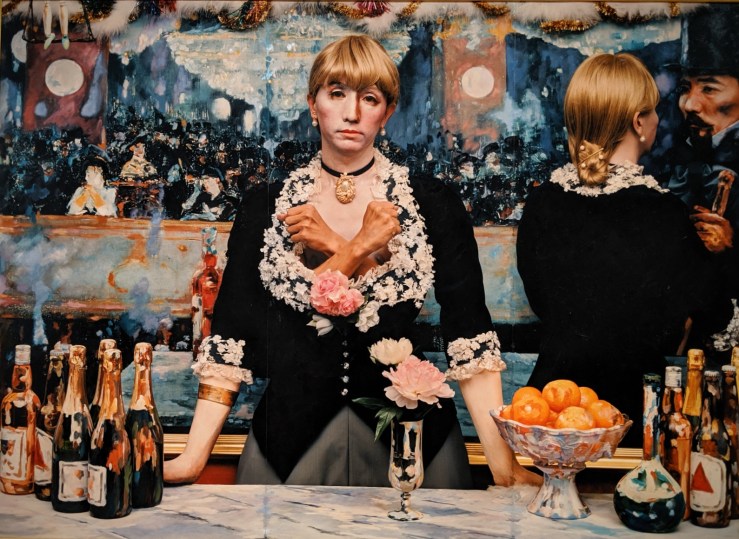
Bar at the Folies-Bergère

How would Manet react, I wonder…

Daughter of Art History, Theater A, 1989 || Yasumasa Morimura
Daughter of Art History, Theater B, 1989 || Yasumasa Morimura

Since the early 1980s, Yasumasa Morimura has been appropriating and restaging famous paintings, casting himself in the role of the figures depicted. By fabricating elaborate sets and costumes, he does not merely replicate his sources but also presents a pastiche of references that simultaneously pay homage to and satirize the original works. [source: The Getty Center]

Los Angeles

May 10th, 2019
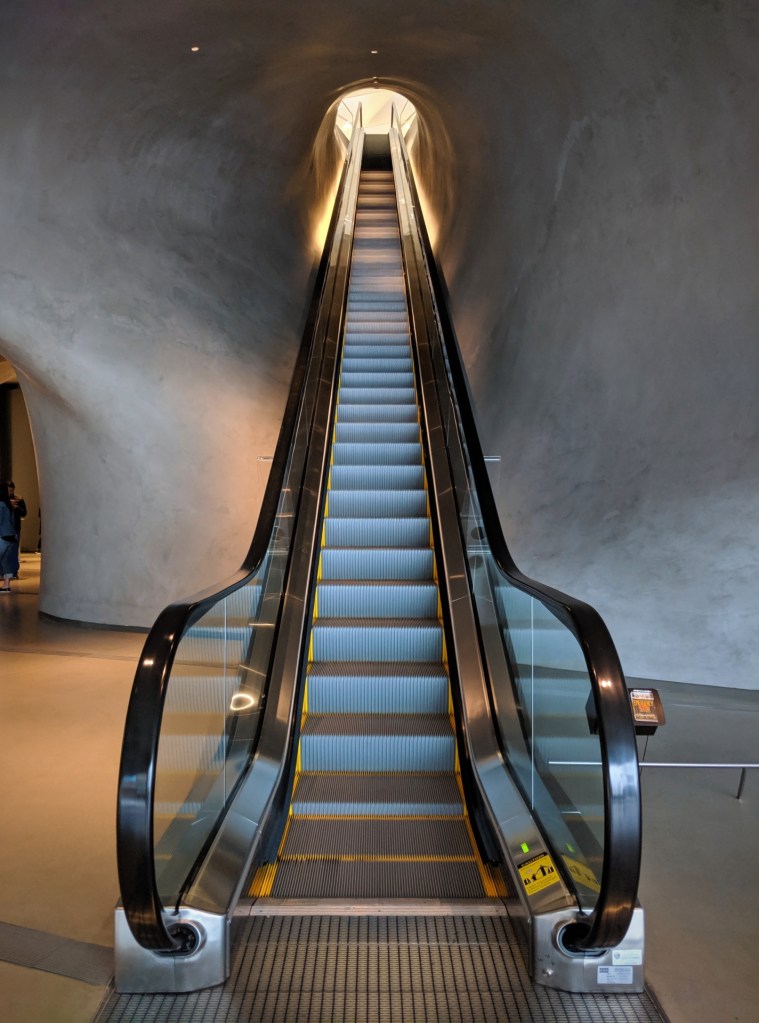
Broadening Perspectives

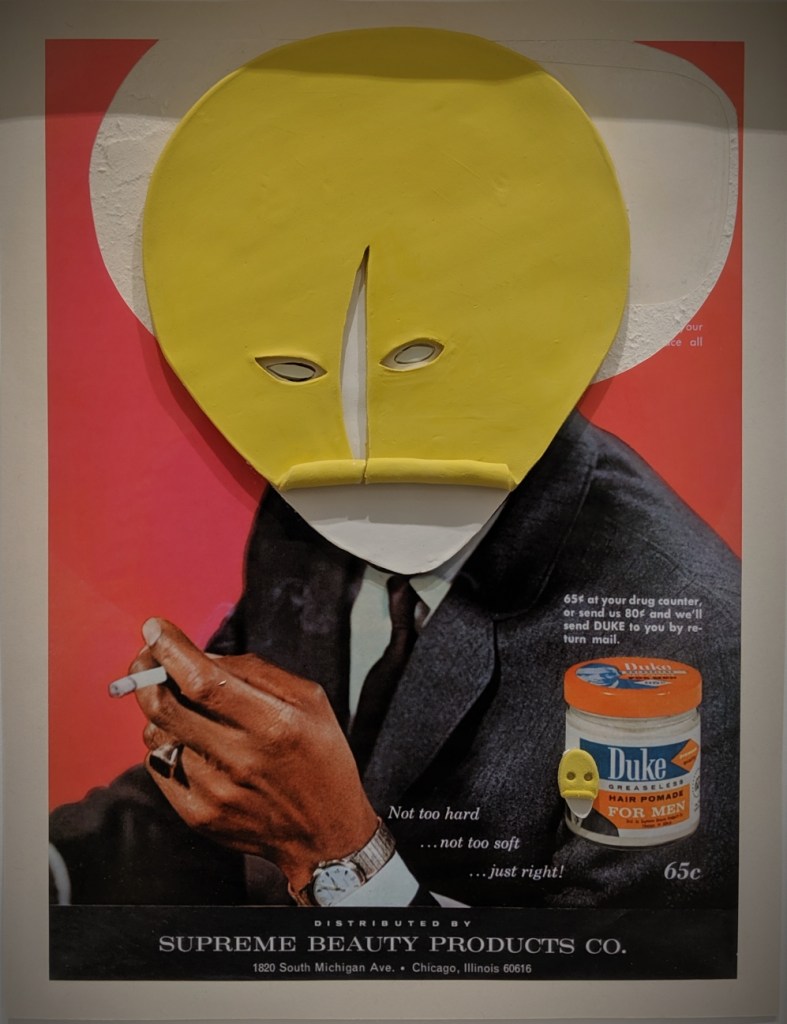
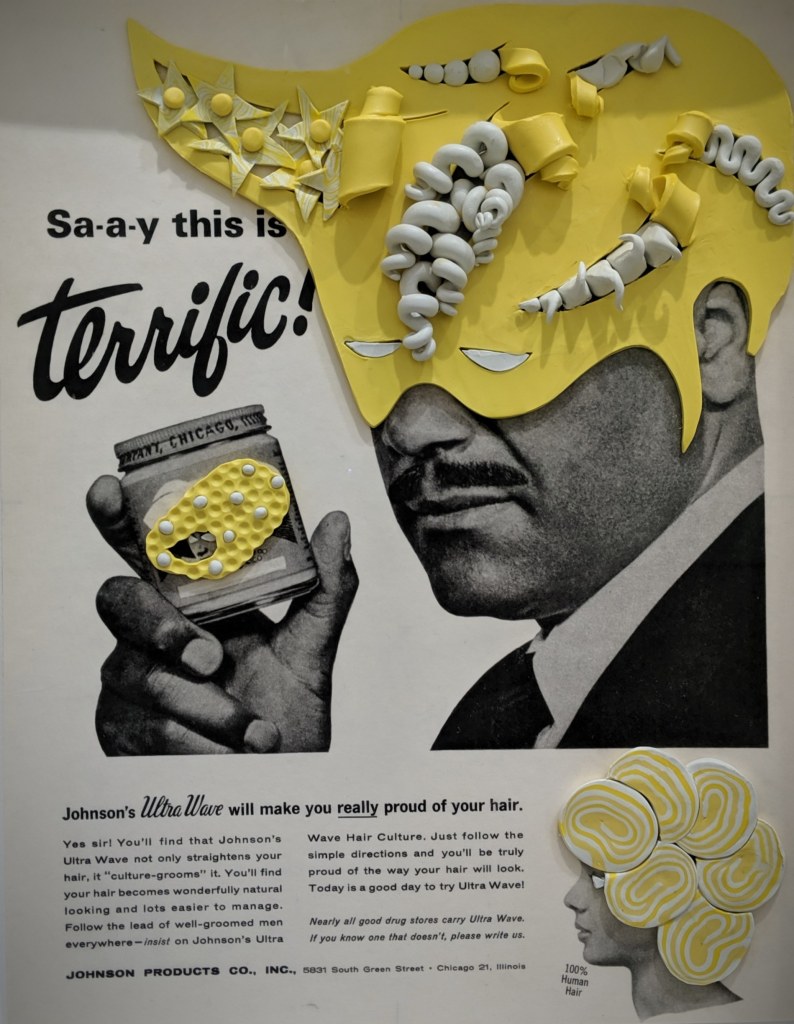
@The_Broad

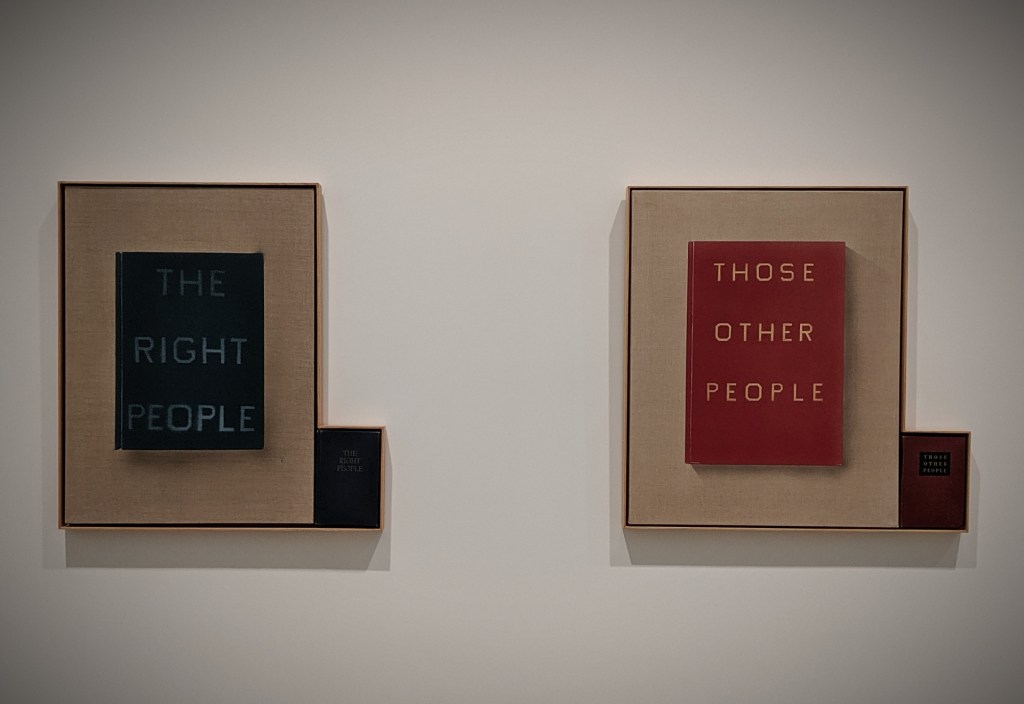
Edward Ruscha || The Right People || Those Other People || 2011 || Acrylic on linen
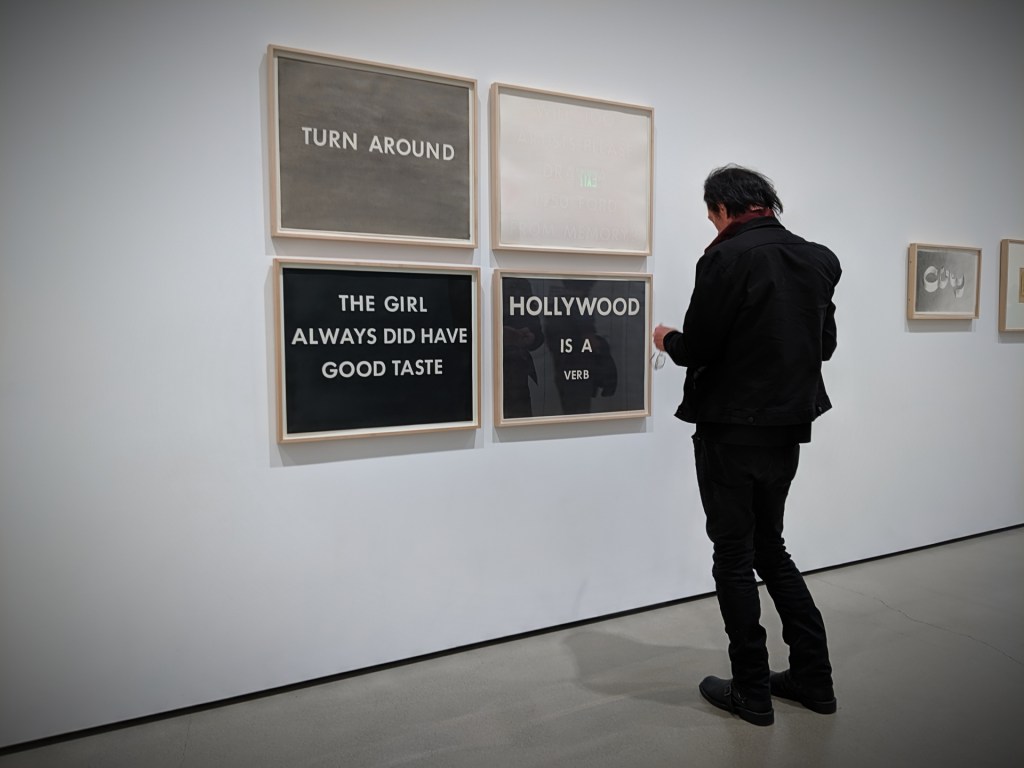
Edward Ruscha: Turn Around, 1979 – Gunpowder on paper || Will 100 Artists Please Draw a 1950 Ford from Memory?, 1979 – Pastel on paper || The Girl Always Did Have Good Taste, 1976 – Pastel on paper || Hollywood Is A Verb, 1979 – Pastel on paper
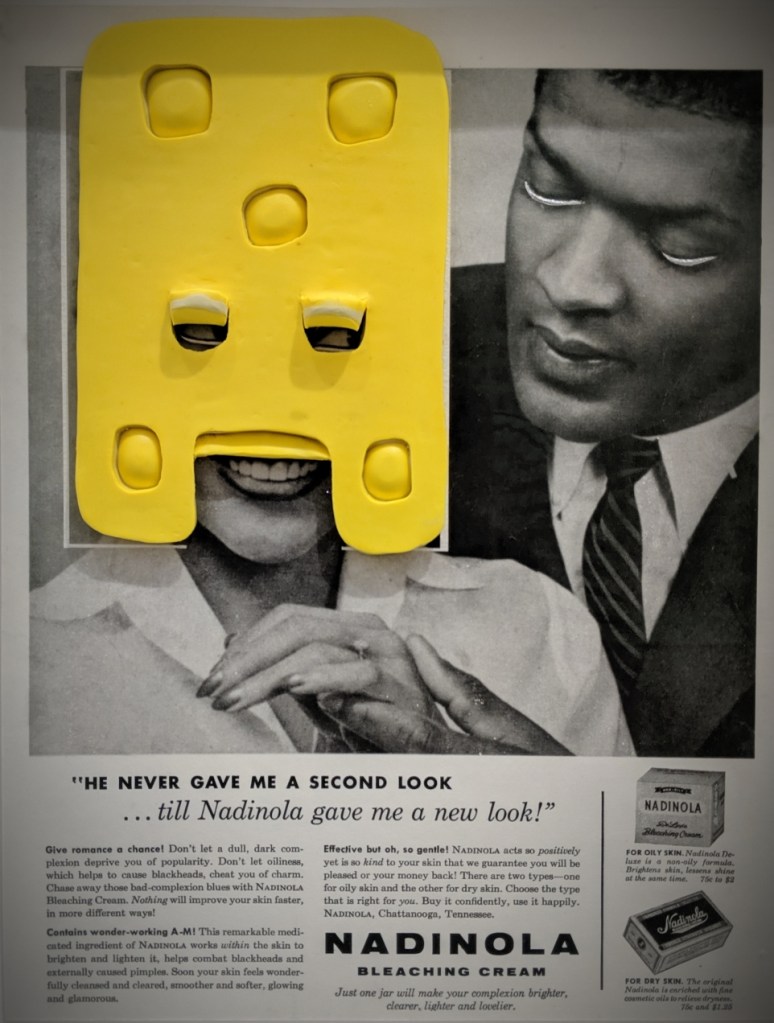
Ellen Gallagher || DeLuxe, 2004-05
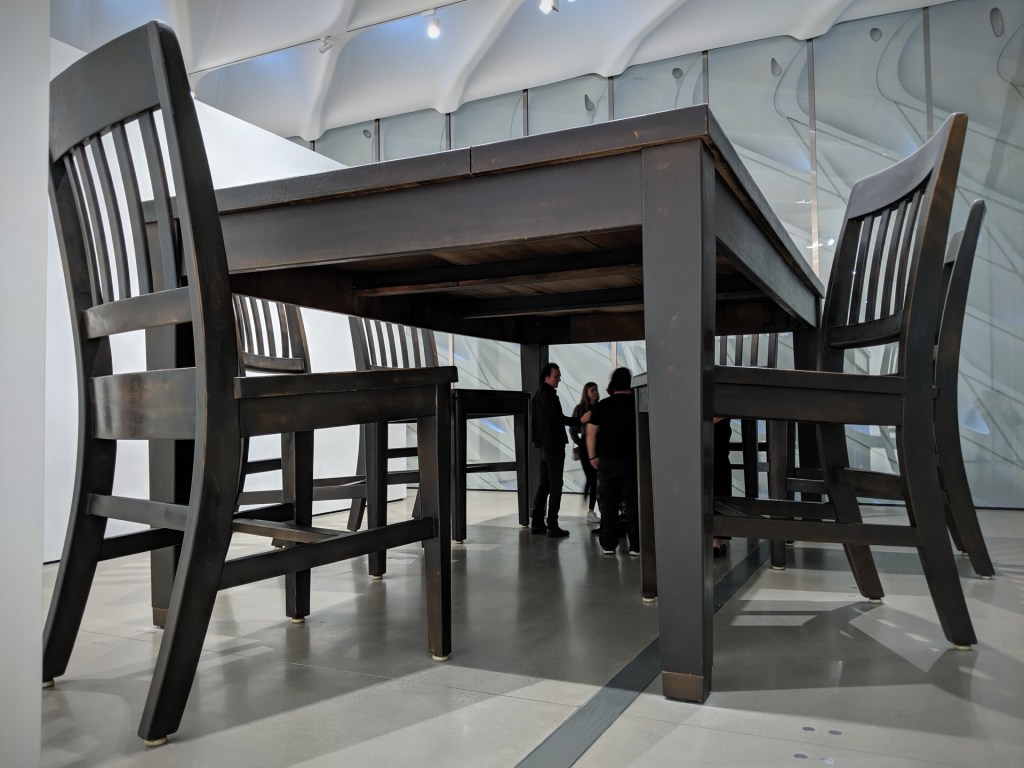
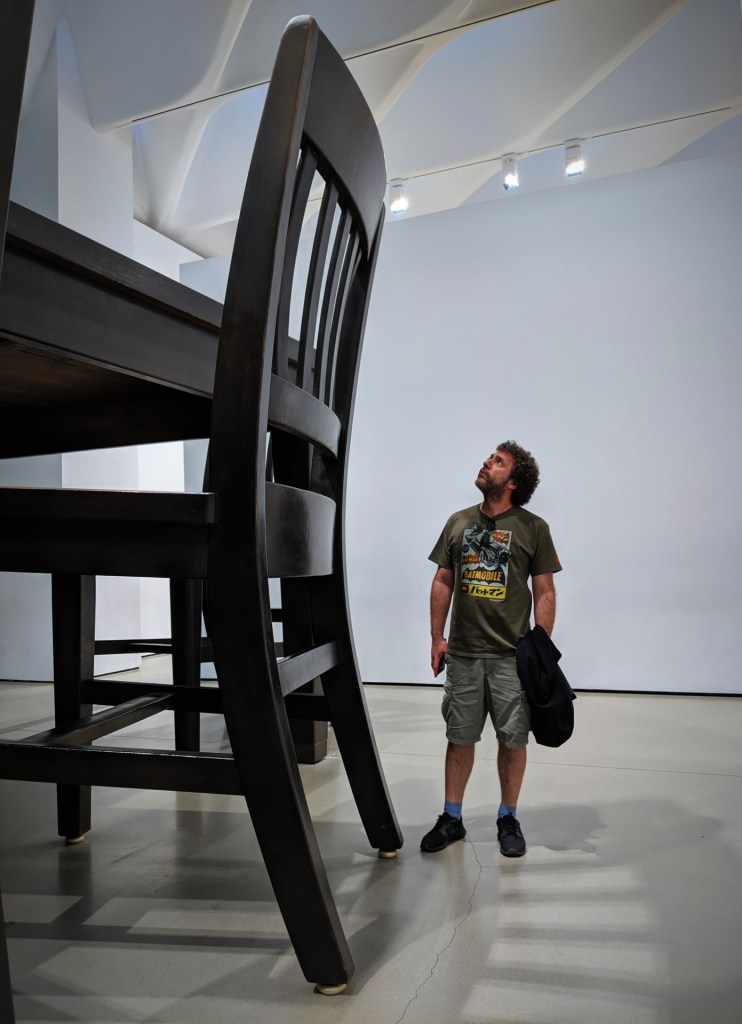
Robert Therrien || Under the Table, 1994 || Wood, metal enamel
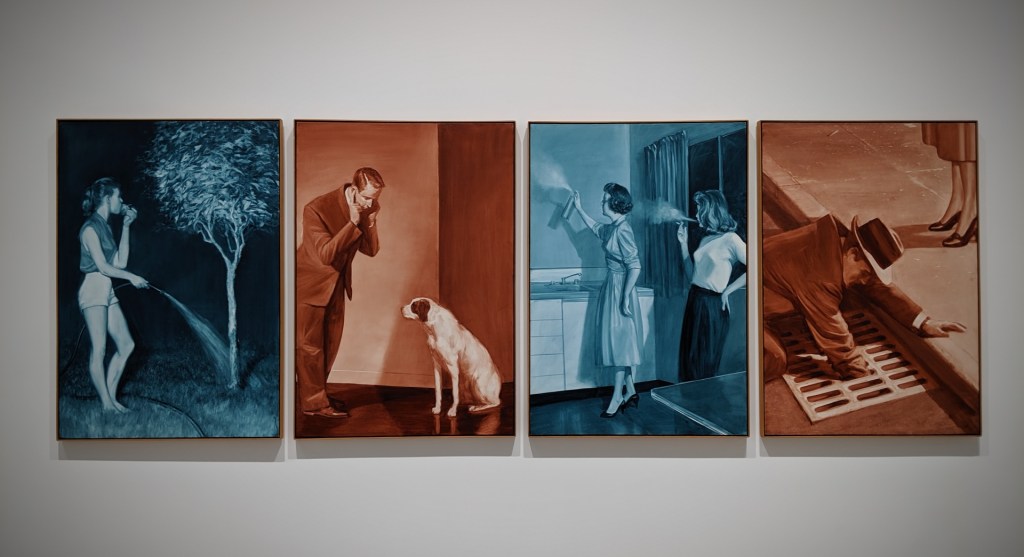
Mark Tansey || Four Forbidden Senses, 1982 || Oil on four canvas panels
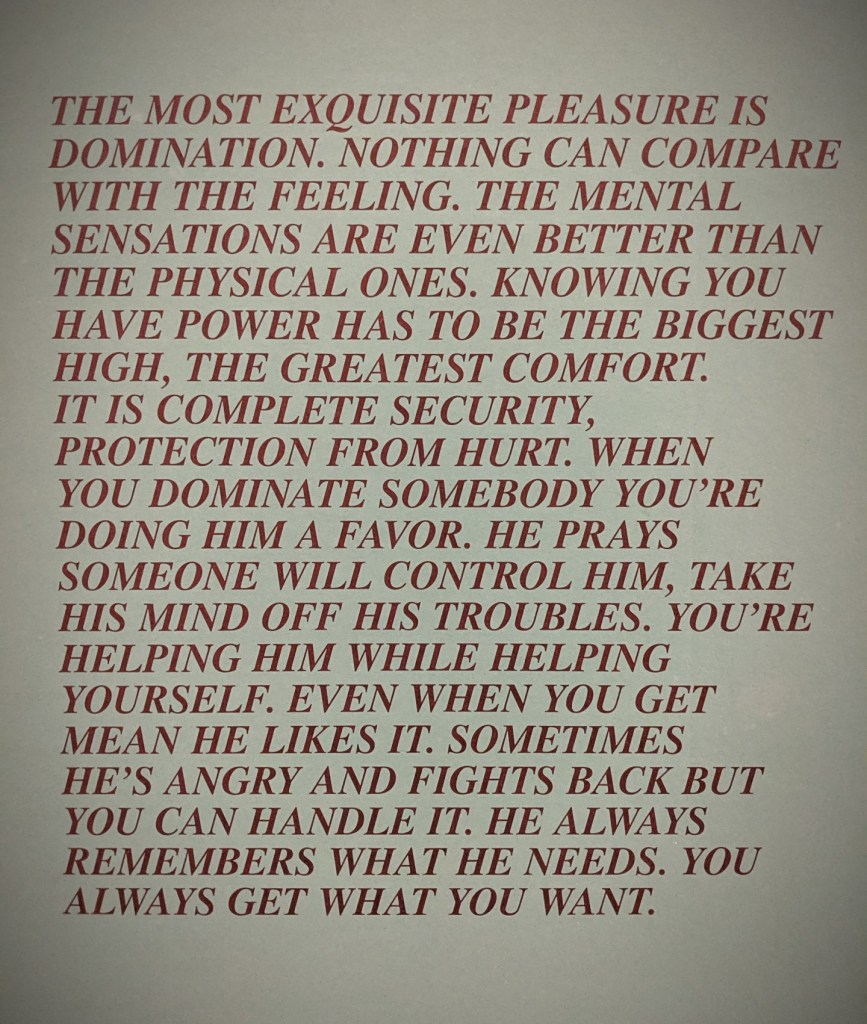
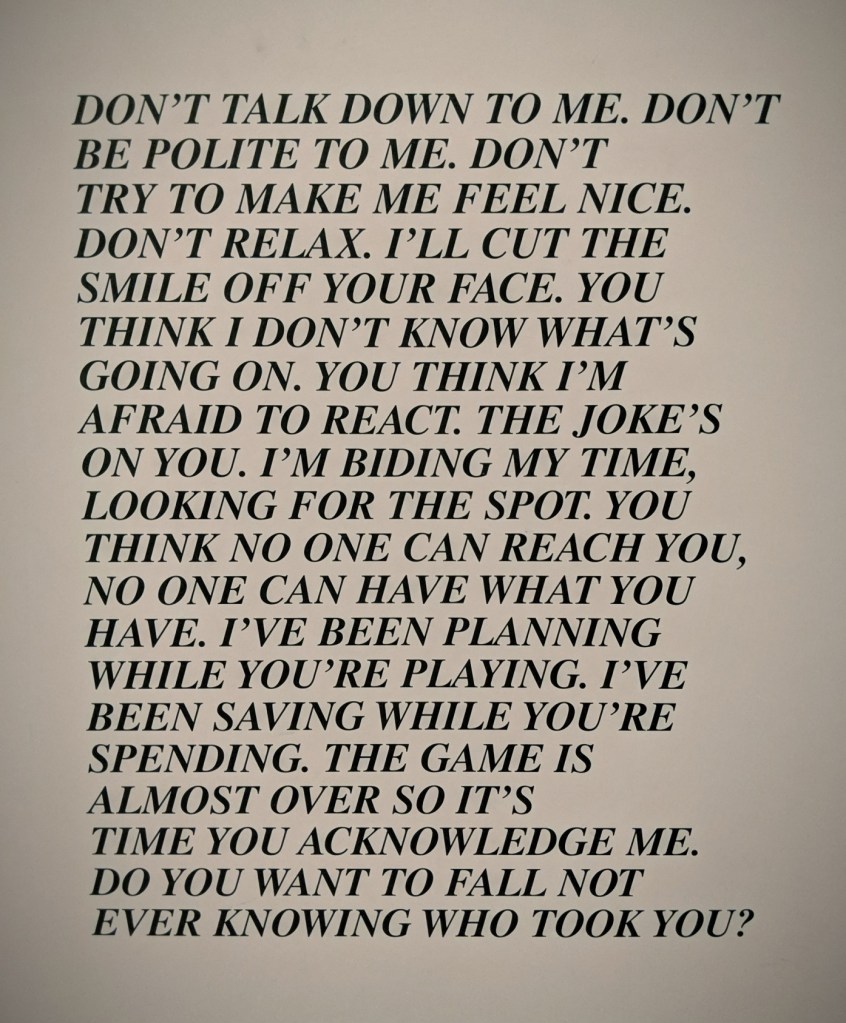
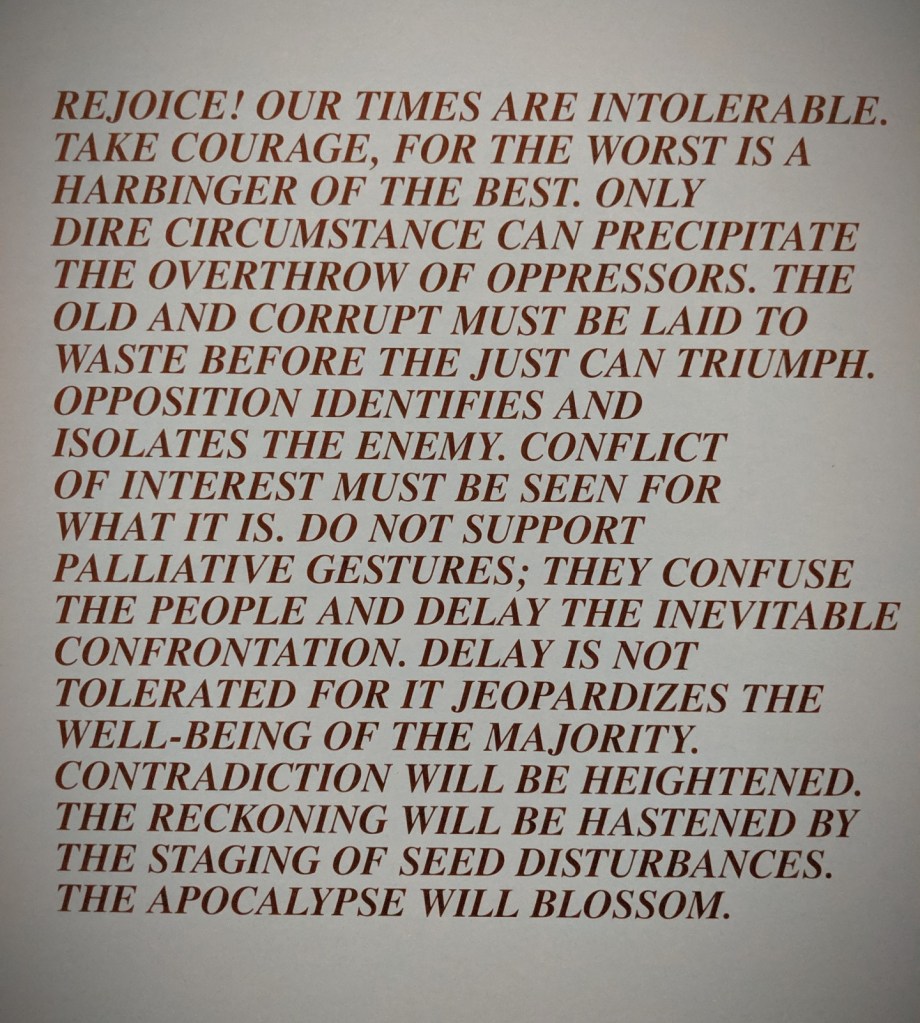
Jenny Holzer || Inflammatory Essays, 1979-82 || Offset posters on coloured paper
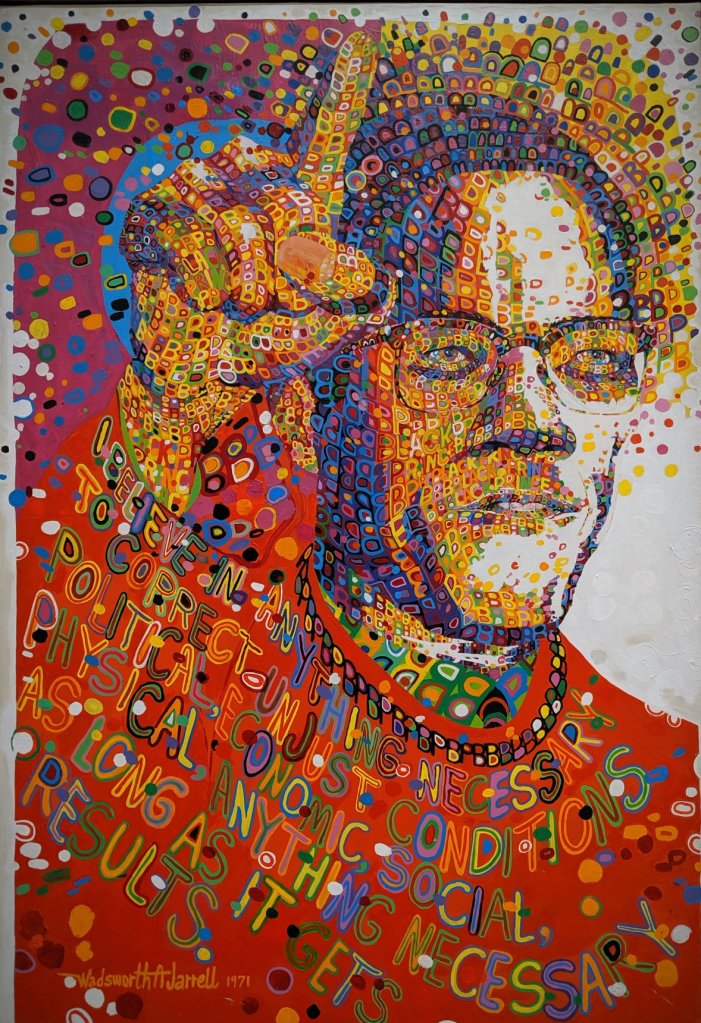
Wadsworth Jarrell || Black Prince, 1971 || Acrylic paint on canvas
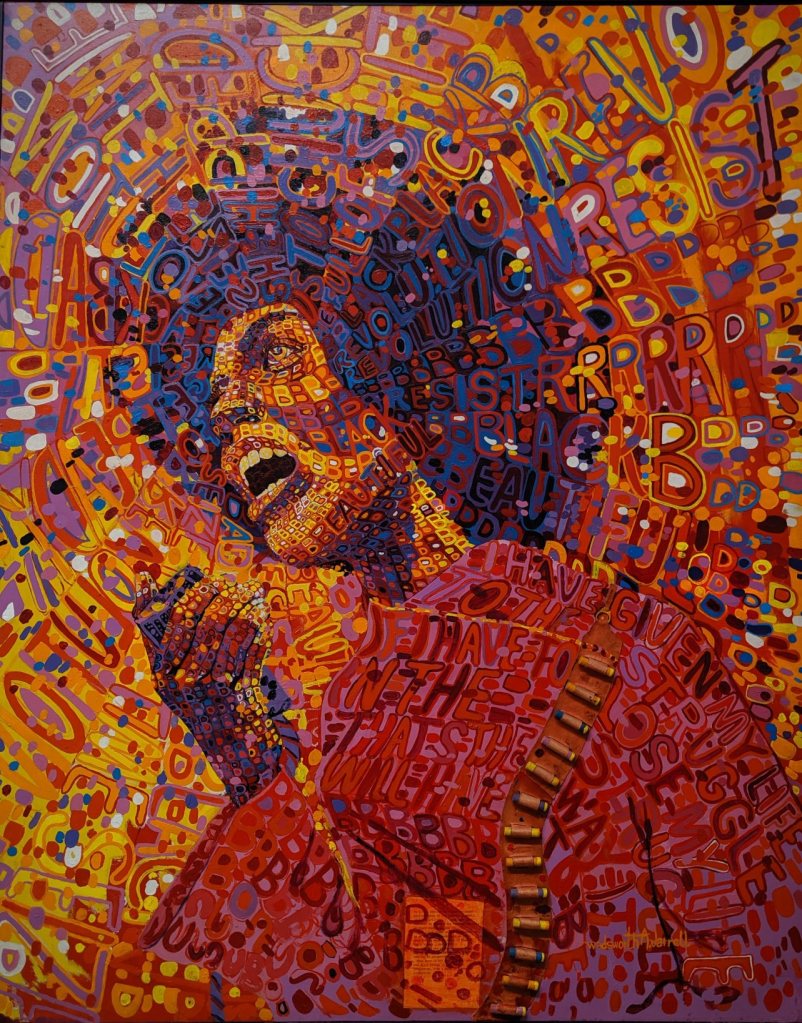
Wadsworth Jarrell || Revolutionary (Angela Davis), 1971 || Acrylic and mixed media on canvas
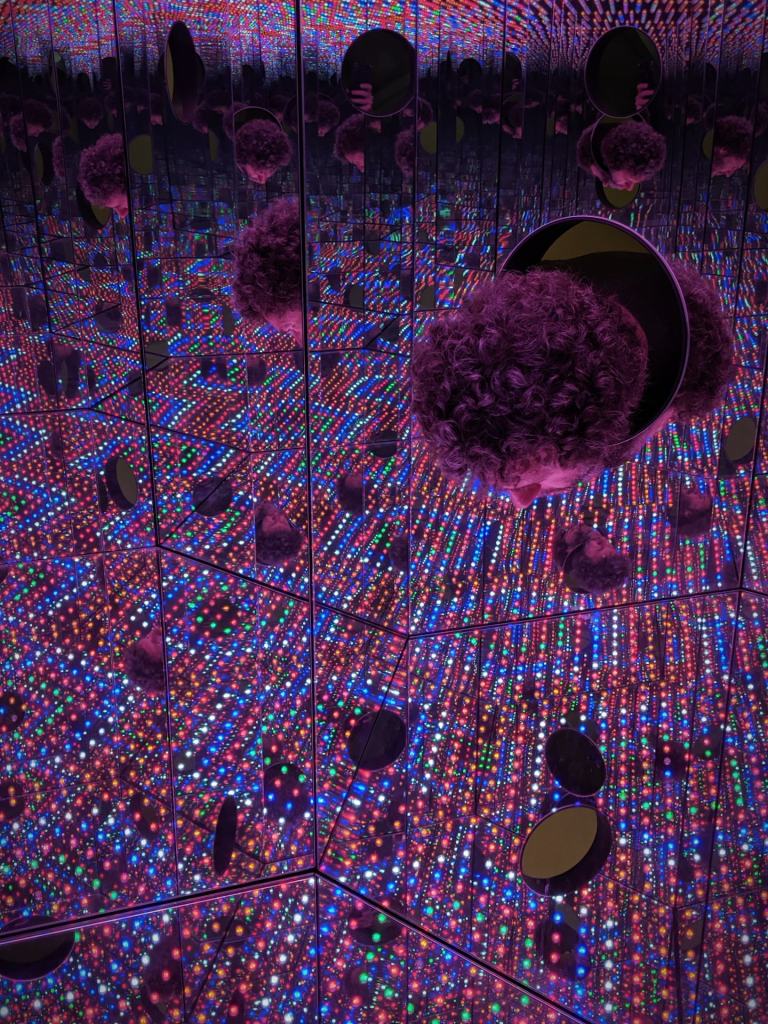
Yayoi Kusama || Longing for Eternity, 2017 || Mirrored box and LED lights
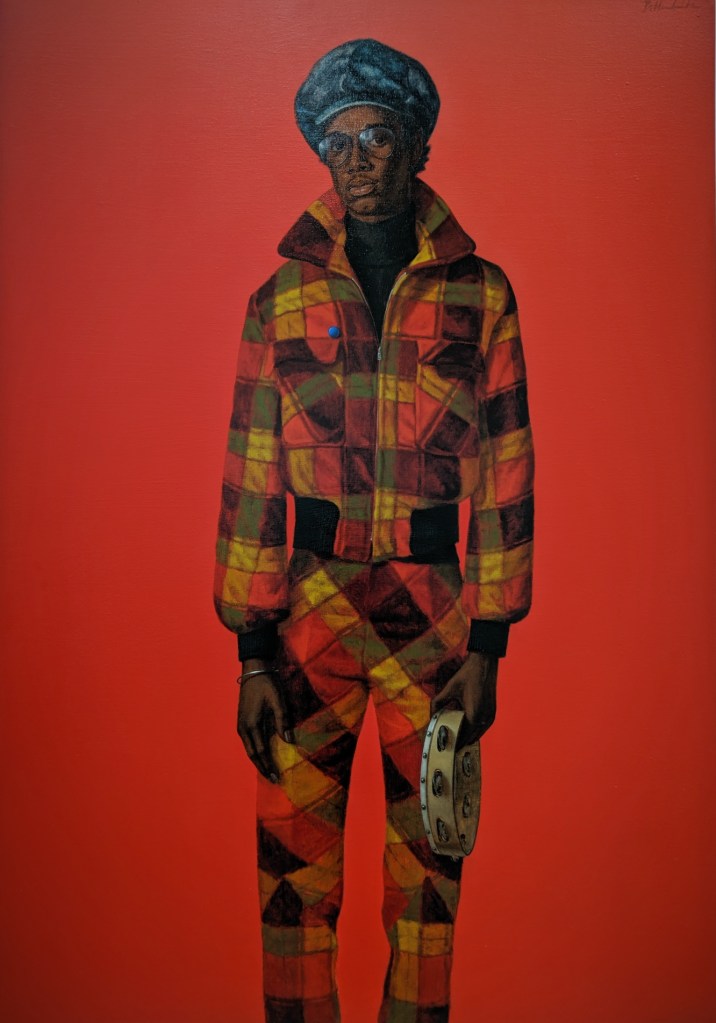
Barkley Hendricks || Blood (Donald Formey), 1975 || Oil and acrylic on cotton canvas
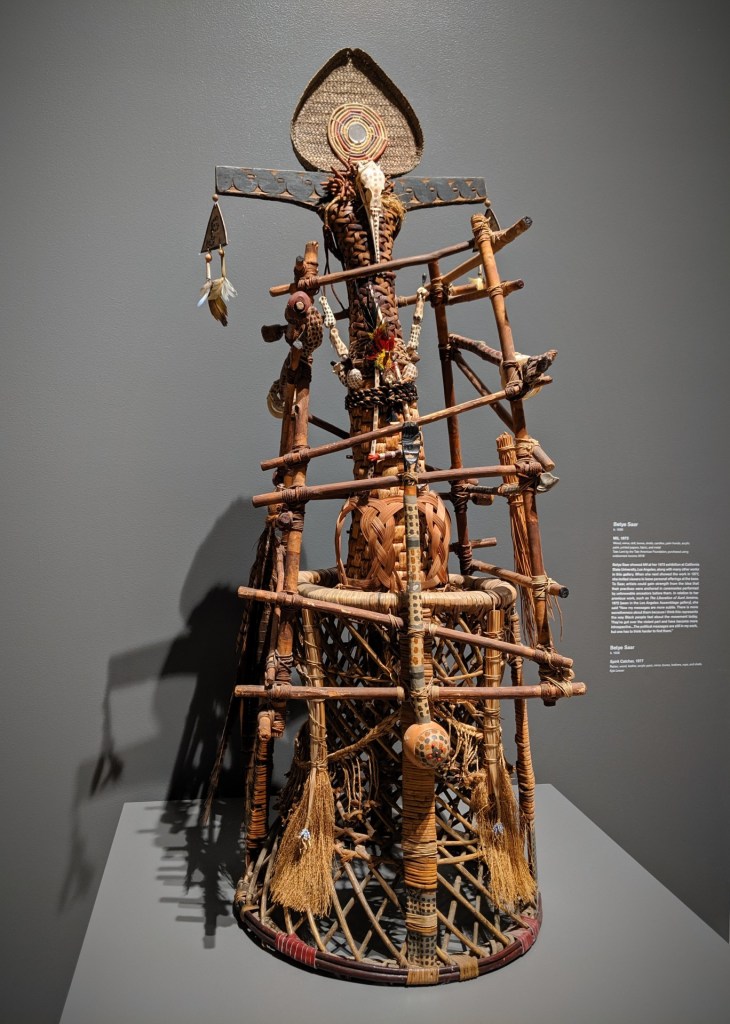
Betye Saar || Spirit Catcher, 1977 || Rattan, wood, leather, mirror, bones, feathers, shells, rope, acrylic paint

Downtown L.A.

May 9th, 2019
The Alphabet of Art

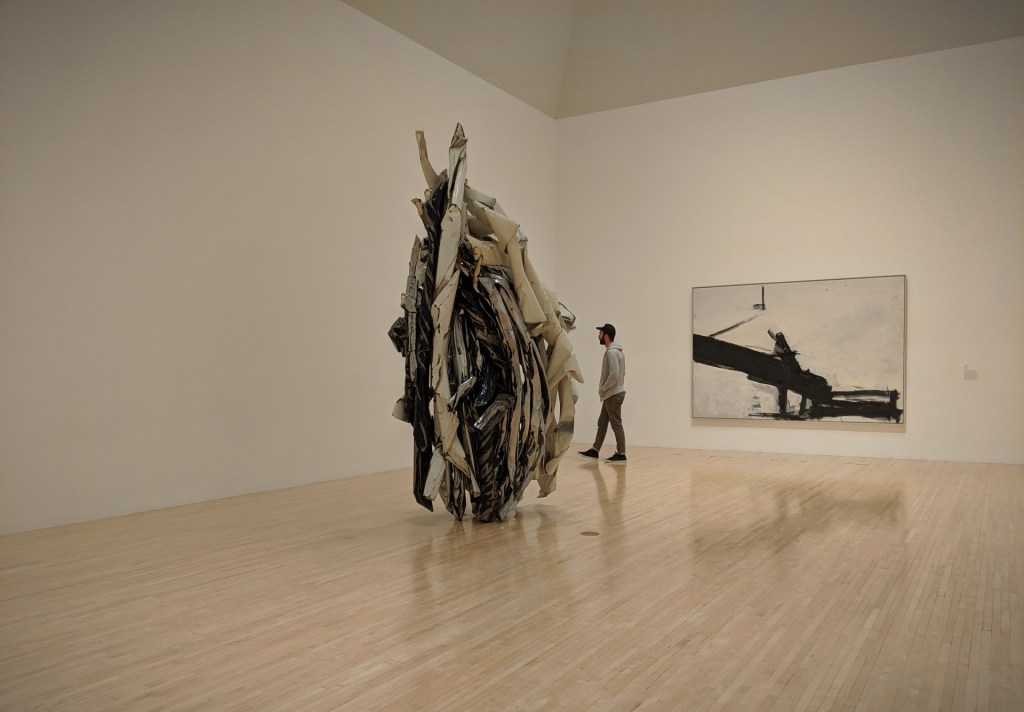
Lee Krasner || Primeval Resurgence, 1961 || Oil on canvas
Alberto Giacometti || Tall Figures II & III, 1960 || Bronze
Robert Rauschenberg || Coca-Cola Plan, 1958 || Pencil on paper, oil on three Coca-Cola bottles, wood newel cap, cast metal wings on wood structure
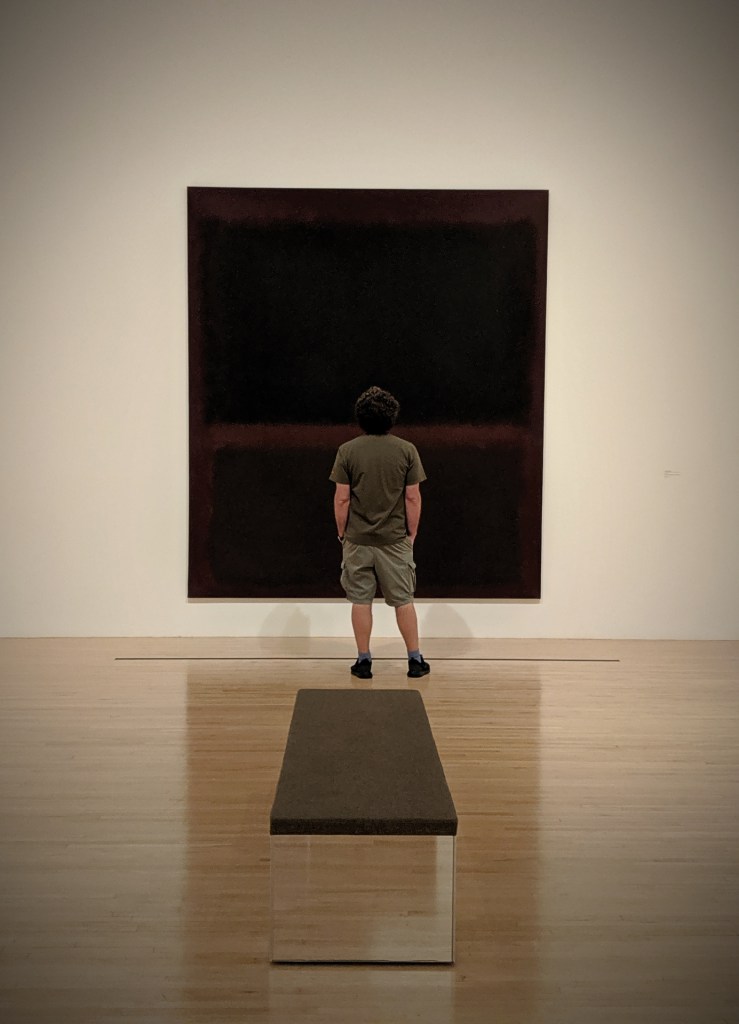
Mark Rothko || Black on Dark Sienna on Purple, 1960 || Oil on canvas
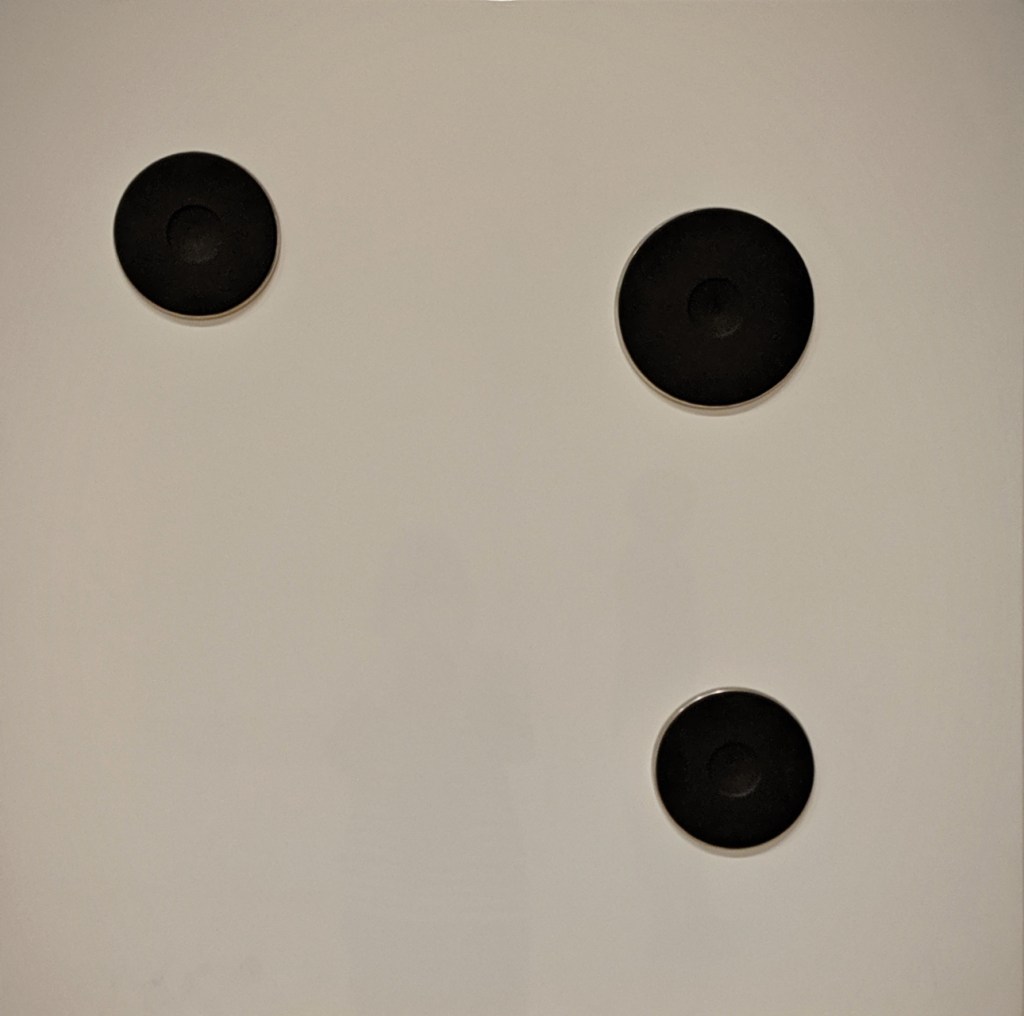
Rosemarie Trockel || Untitled, 1991 || Enameled steel and three stove plates
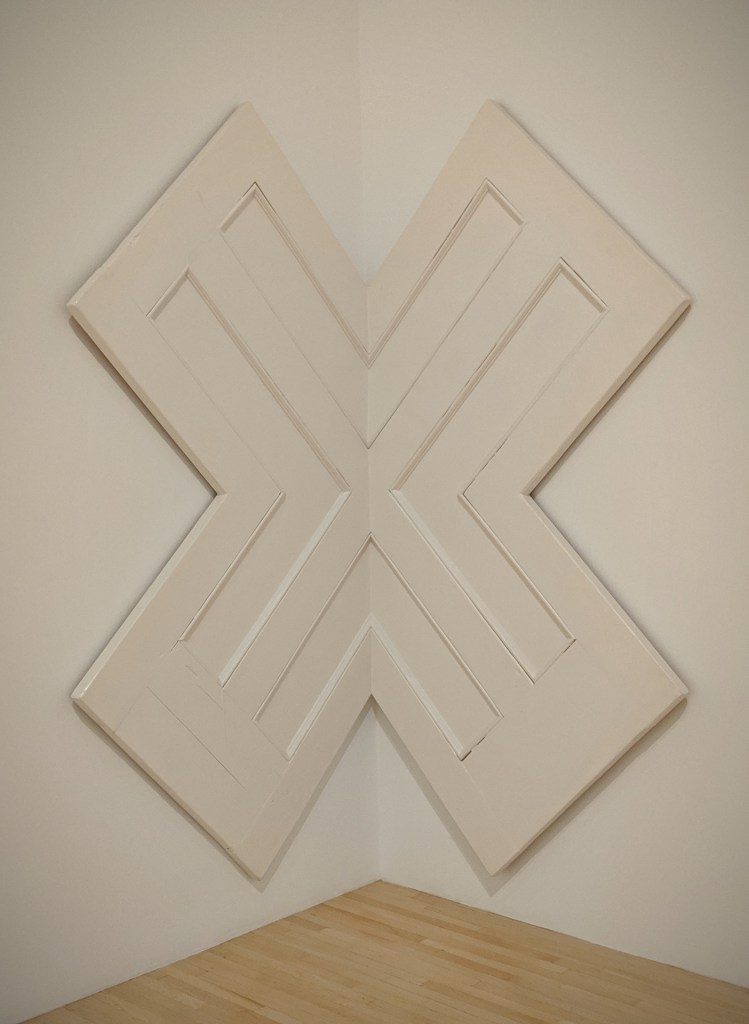
Robert Gober || Untitled, 1998 || Wood, steel, enamel
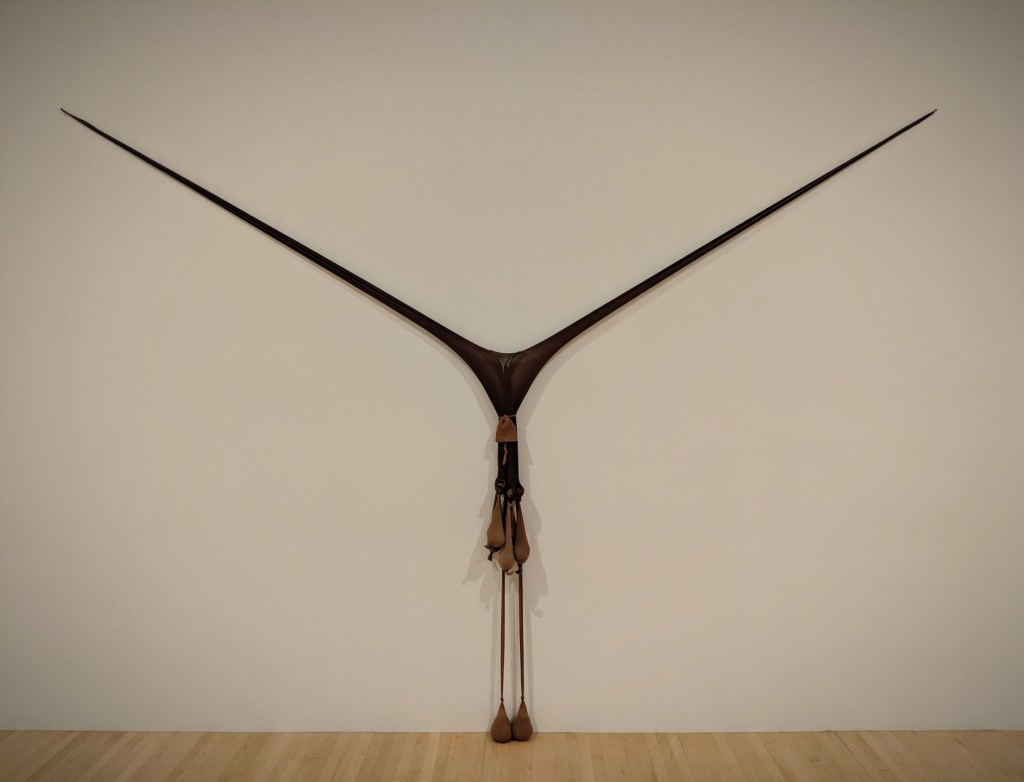
Senga Nengudi || R.S.V.P., 1975|| Nylon mesh and sand
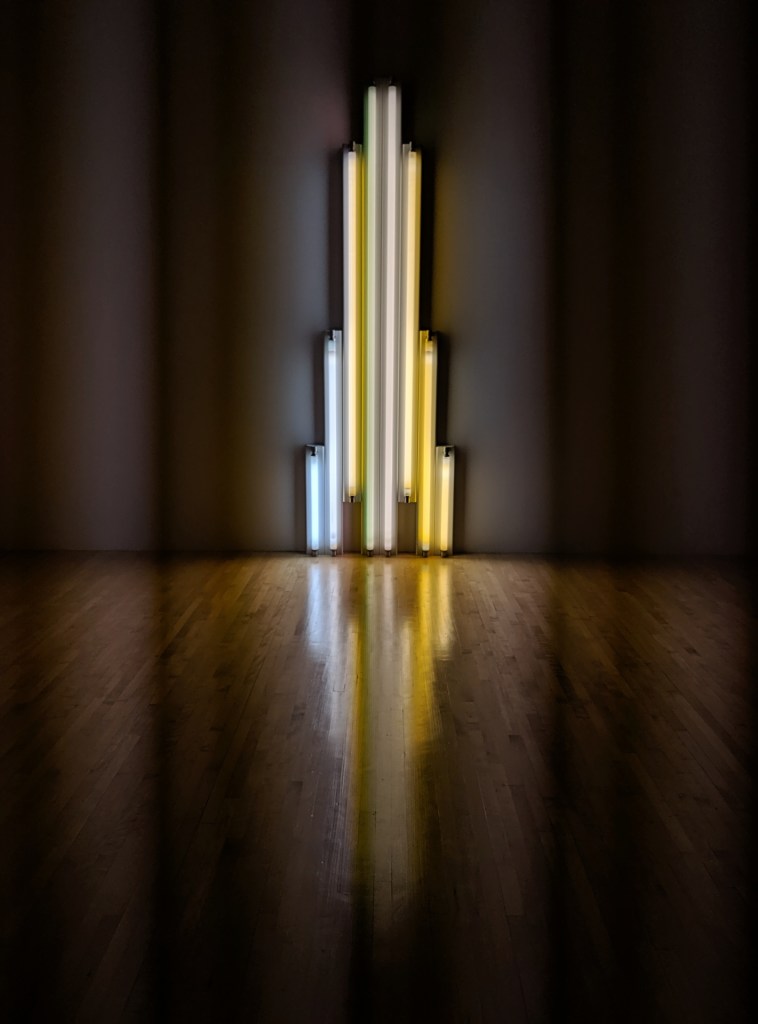
Dan Flavin || ”monument” for V. Tatlin, 1969
”Flavin’s work generates ambient light that reaches into the viewer’s space. The form, resembling a skyscraper, refers to a never-realized, but nonetheless influential, monument to an organization supporting Communist revolution designed by the Russian constructivist artist Vladimir Tatlin in 1920. It was to be a spiraling steel framework thirteen hundred feet tall in which rotating glass rooms would be suspended. Though utterly impractical engineering-wise, it remains an influential symbol of the artist’s efforts to combine art and technology. Flavin’s “monument,” despite its low-tech, small-scale nature, pays homage to Tatlin’s futuristic, utopian ideals.” [source: MOCA]

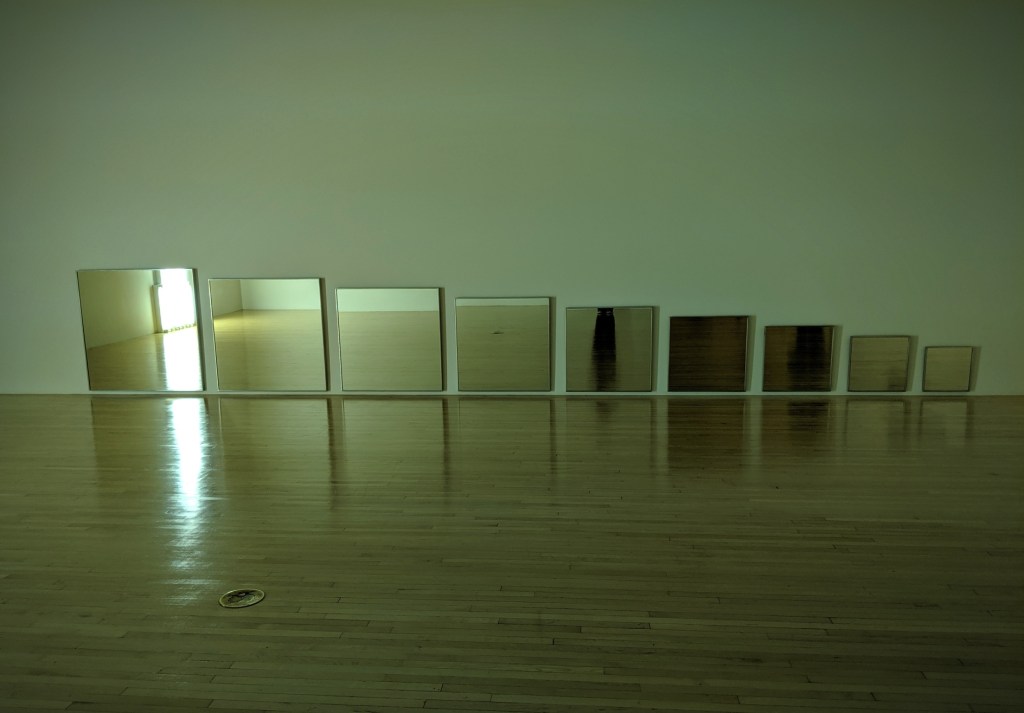
Robert Smithson || Mirage No. 1, 1967 || Nine units of mirrored glass
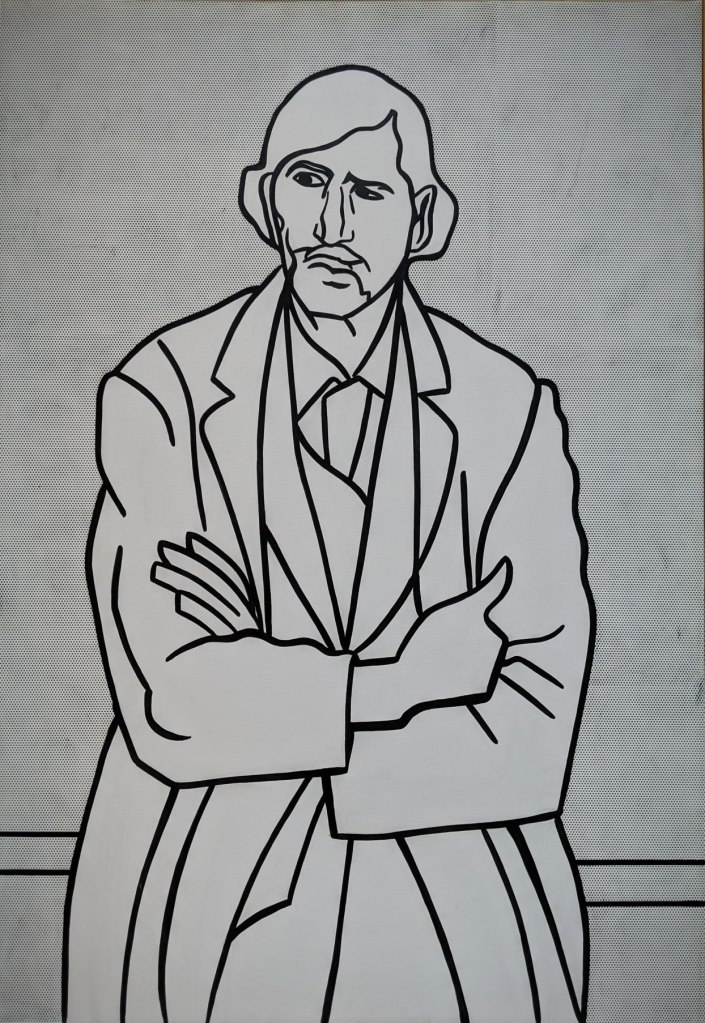
Roy Lichtenstein || Man with Folded Arms, 1962 || Oil on canvas
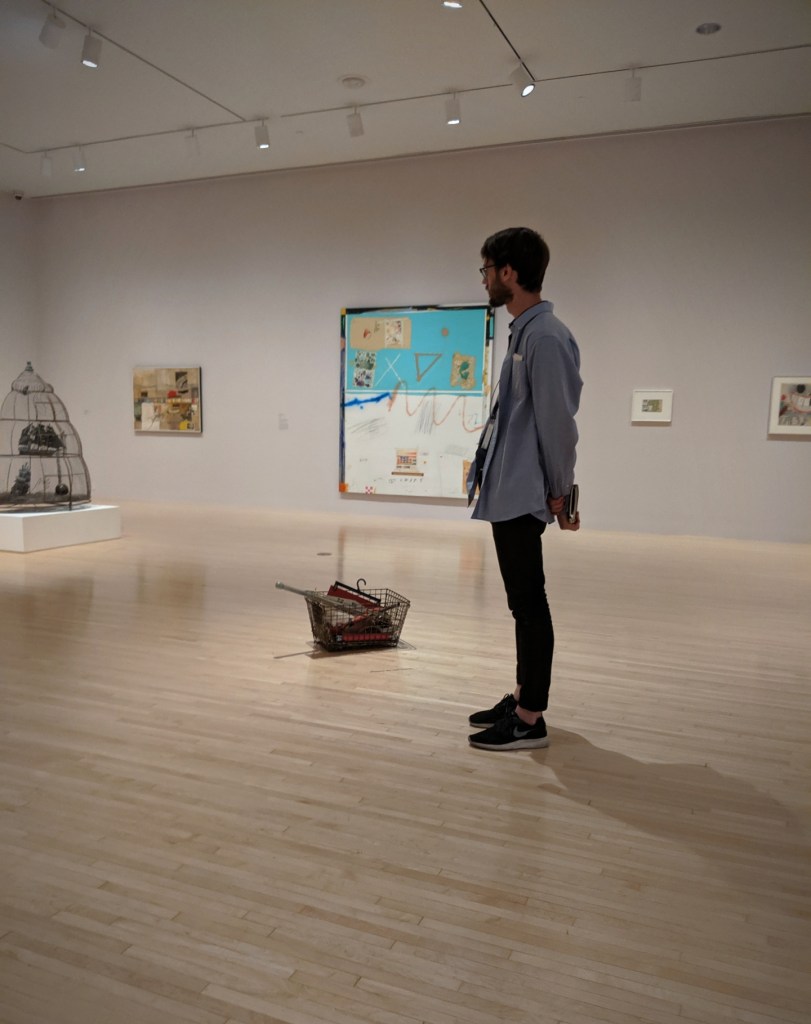
Cady Noland || Basket of Nothing, 1990 || Wire basket with assortment of building tools and materials
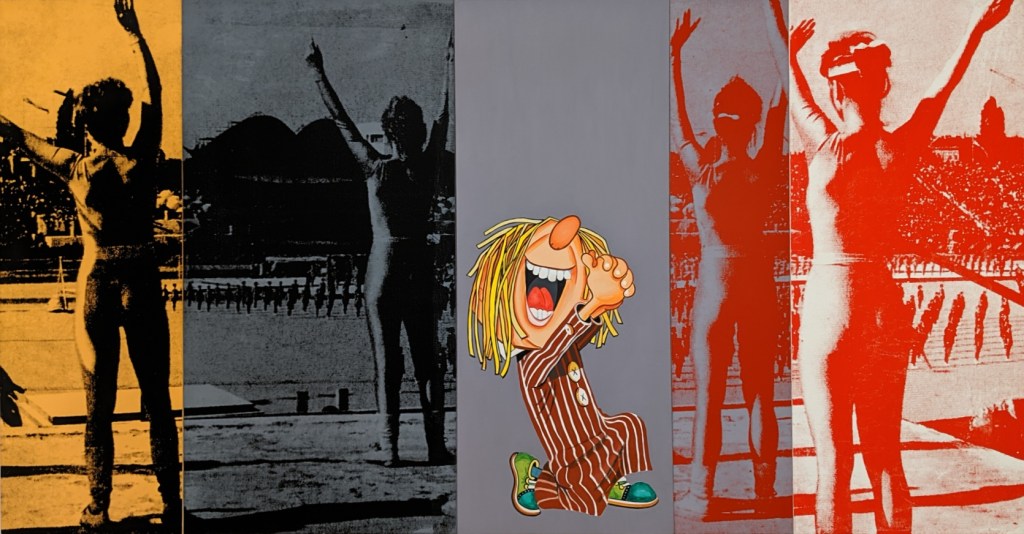
Julia Wachtel || Landscape No. 2 (Aerobics), 1989 || Oil, flashe, lacquer ink on canvas
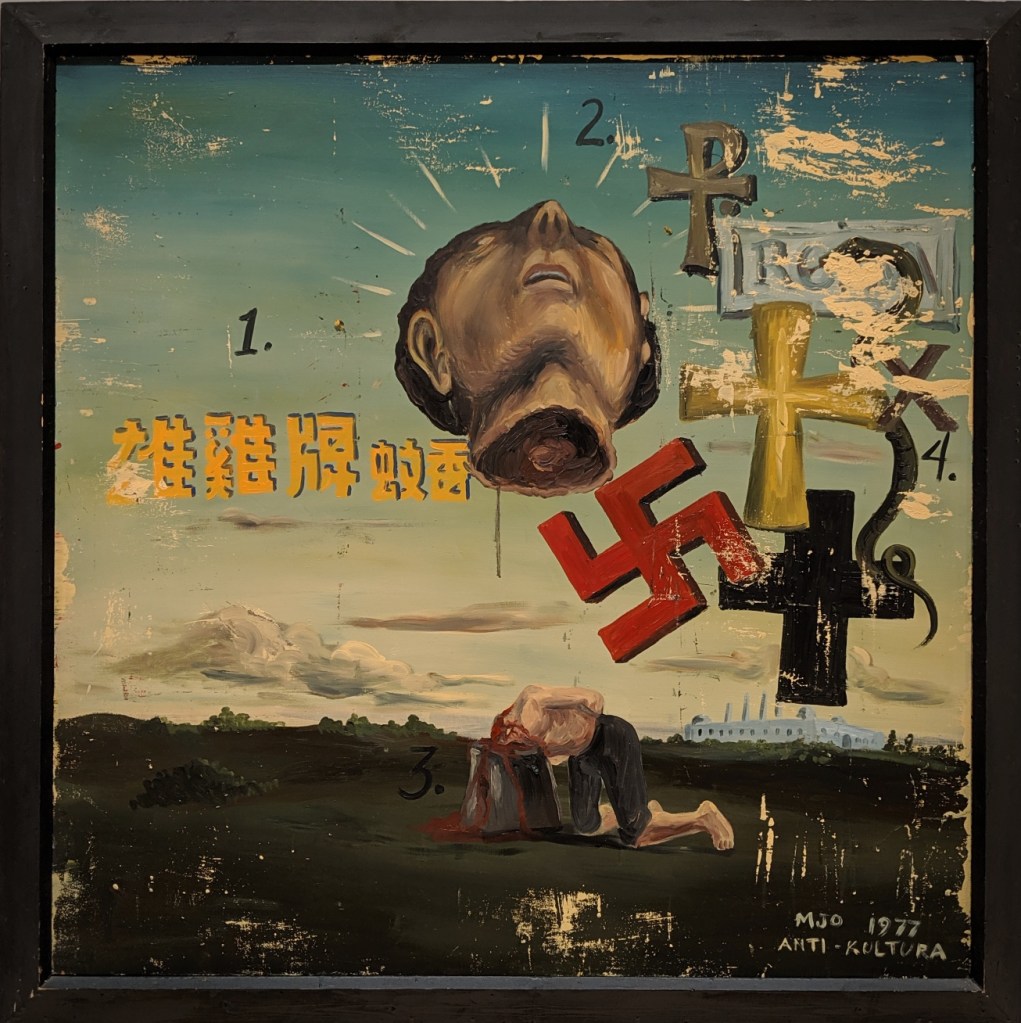
Manuel Ocampo || Untitled, ca. 1991 || Oil on canvas

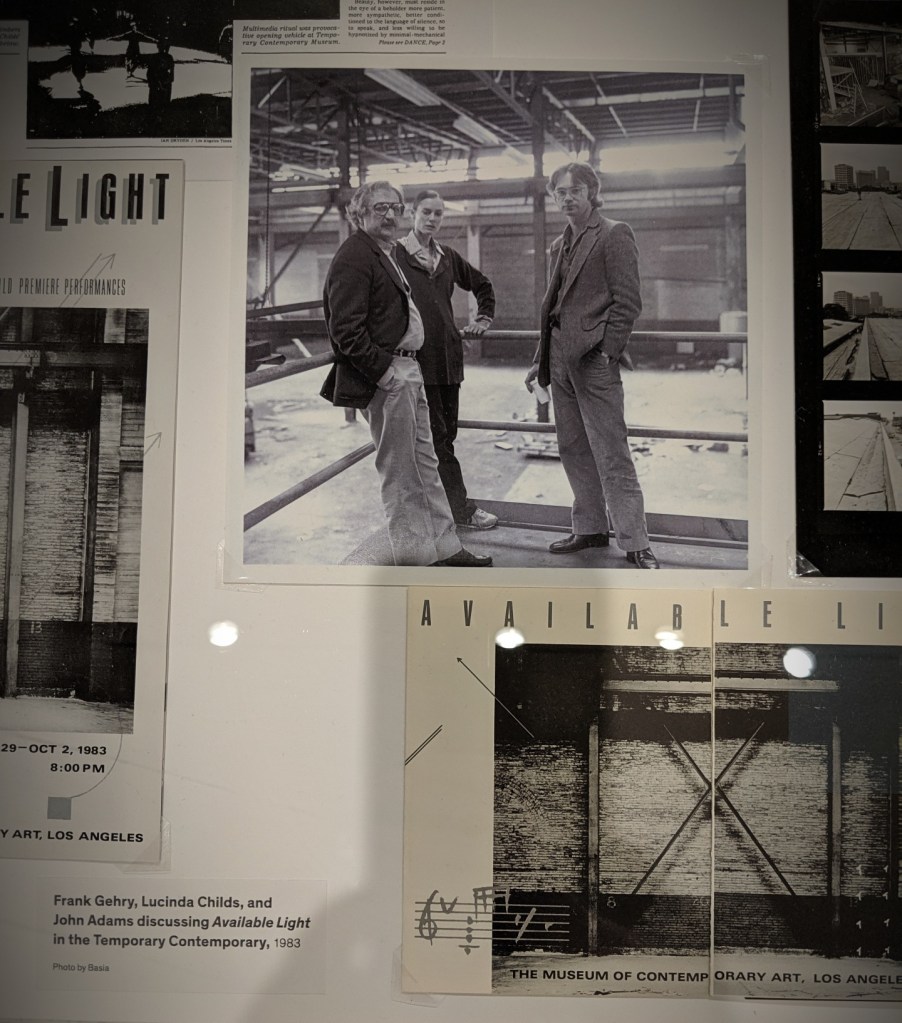
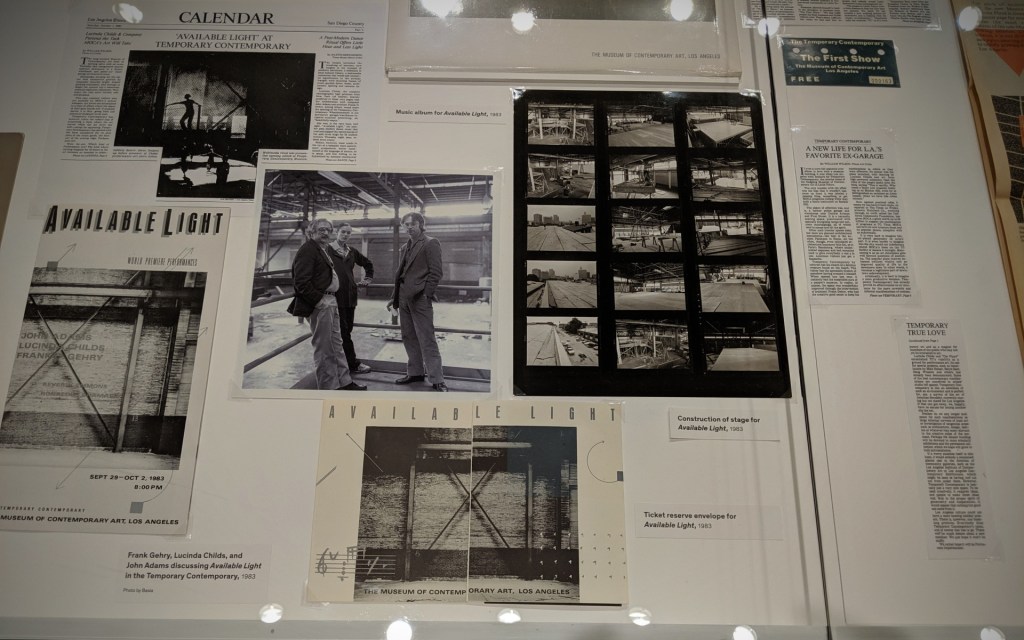
The Museum of Contemporary Art, Los Angeles

May 9th, 2019