…
[fill in the blank]

RISD Museum, Providence, RI
November 23rd, 2018
…
[fill in the blank]
RISD Museum, Providence, RI
November 23rd, 2018
”Beyond the Pedestal: Isamu Noguchi and the Borders of Sculpture investigates Noguchi’s expansive artistic practice by exploring his efforts to enlarge and challenge conventional notions of sculptural boundaries.” – Portland Museum of Art
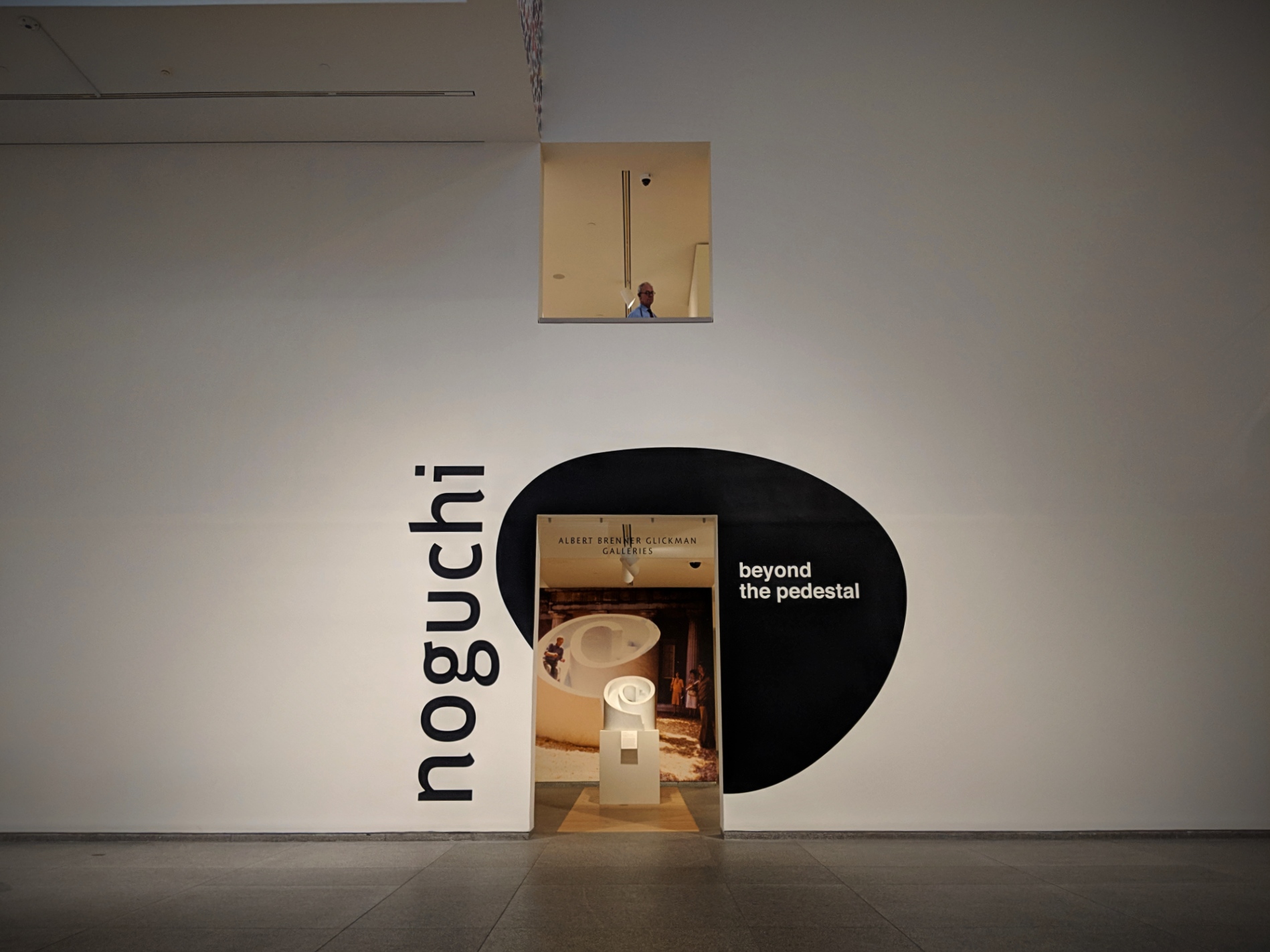


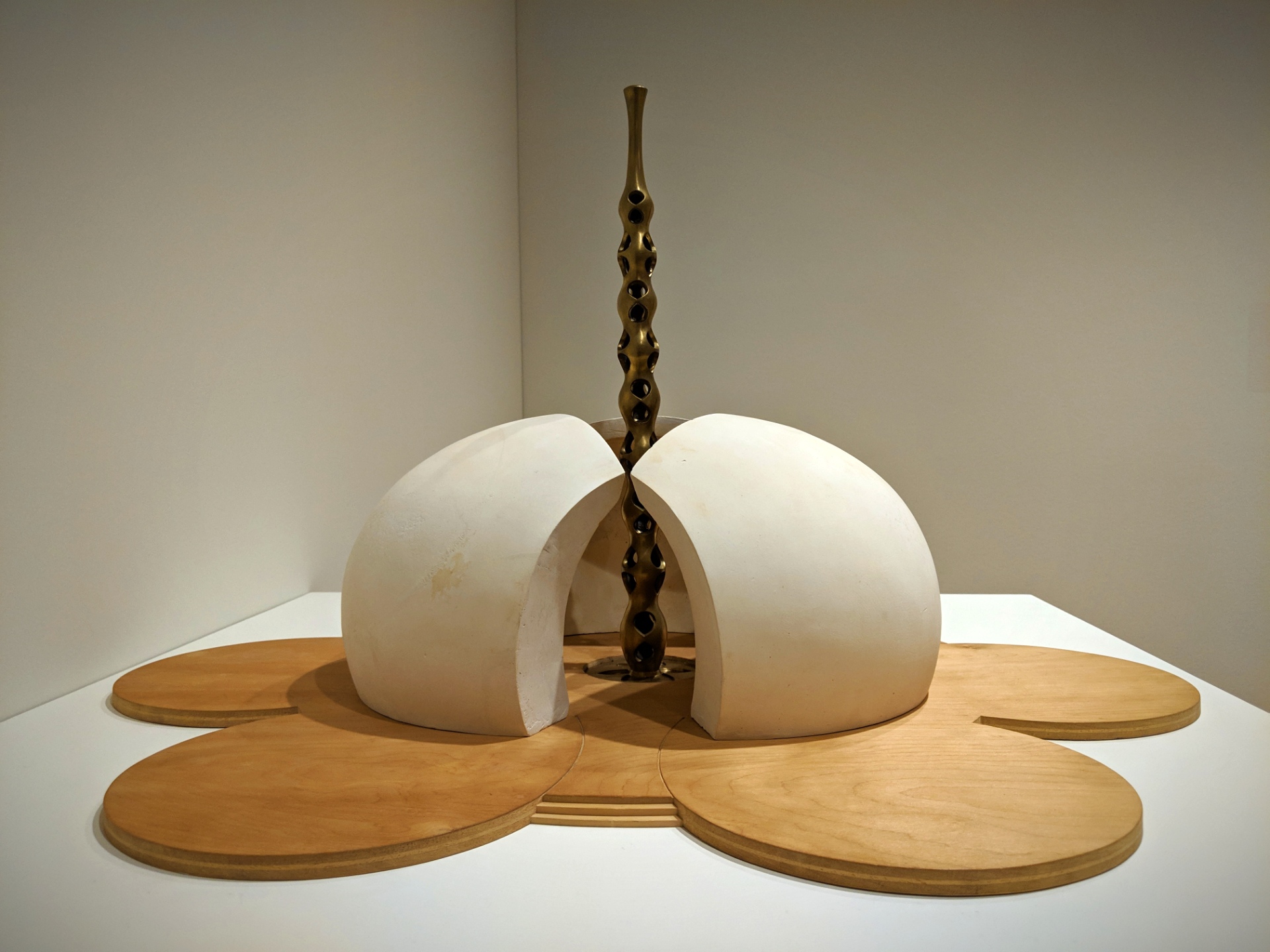


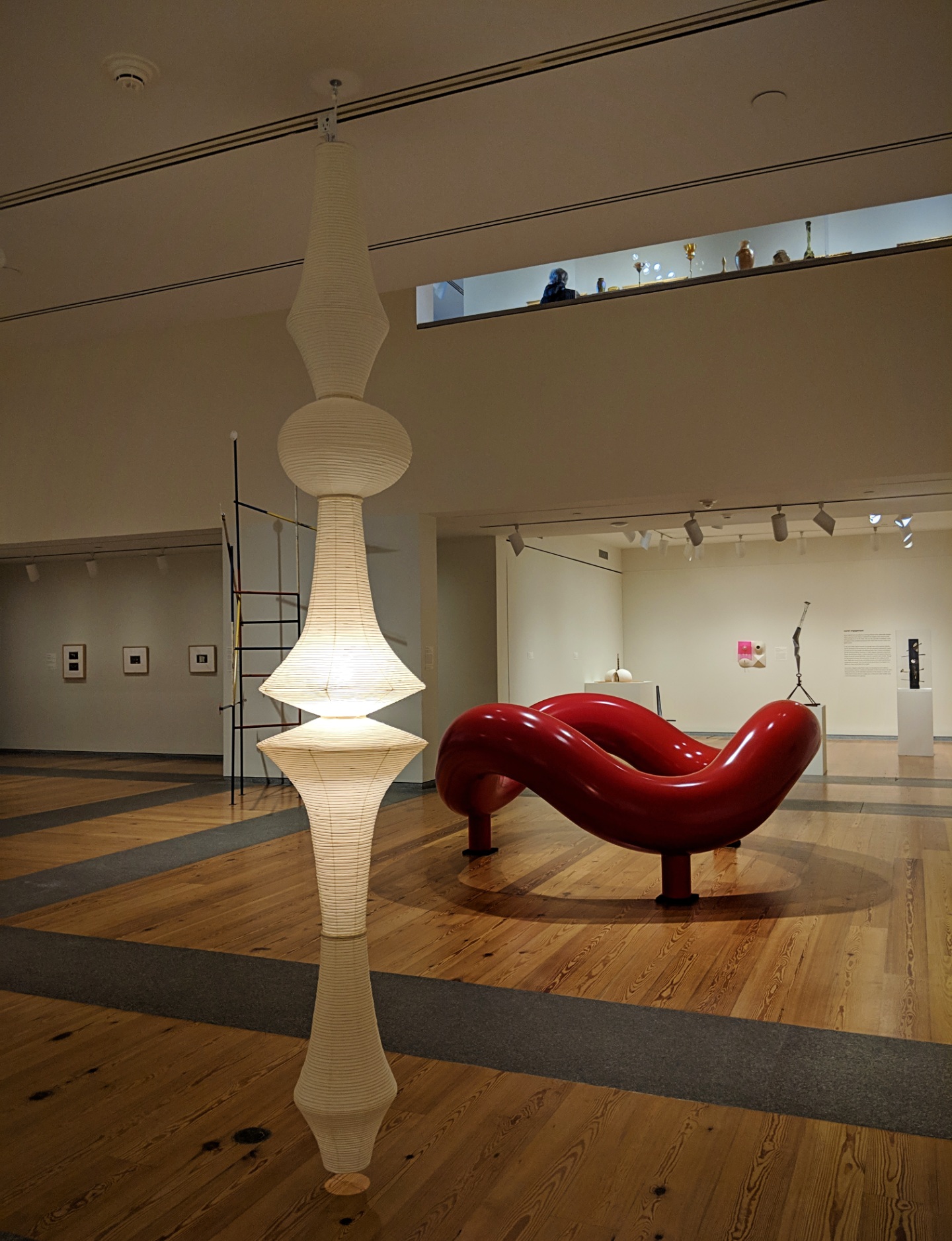

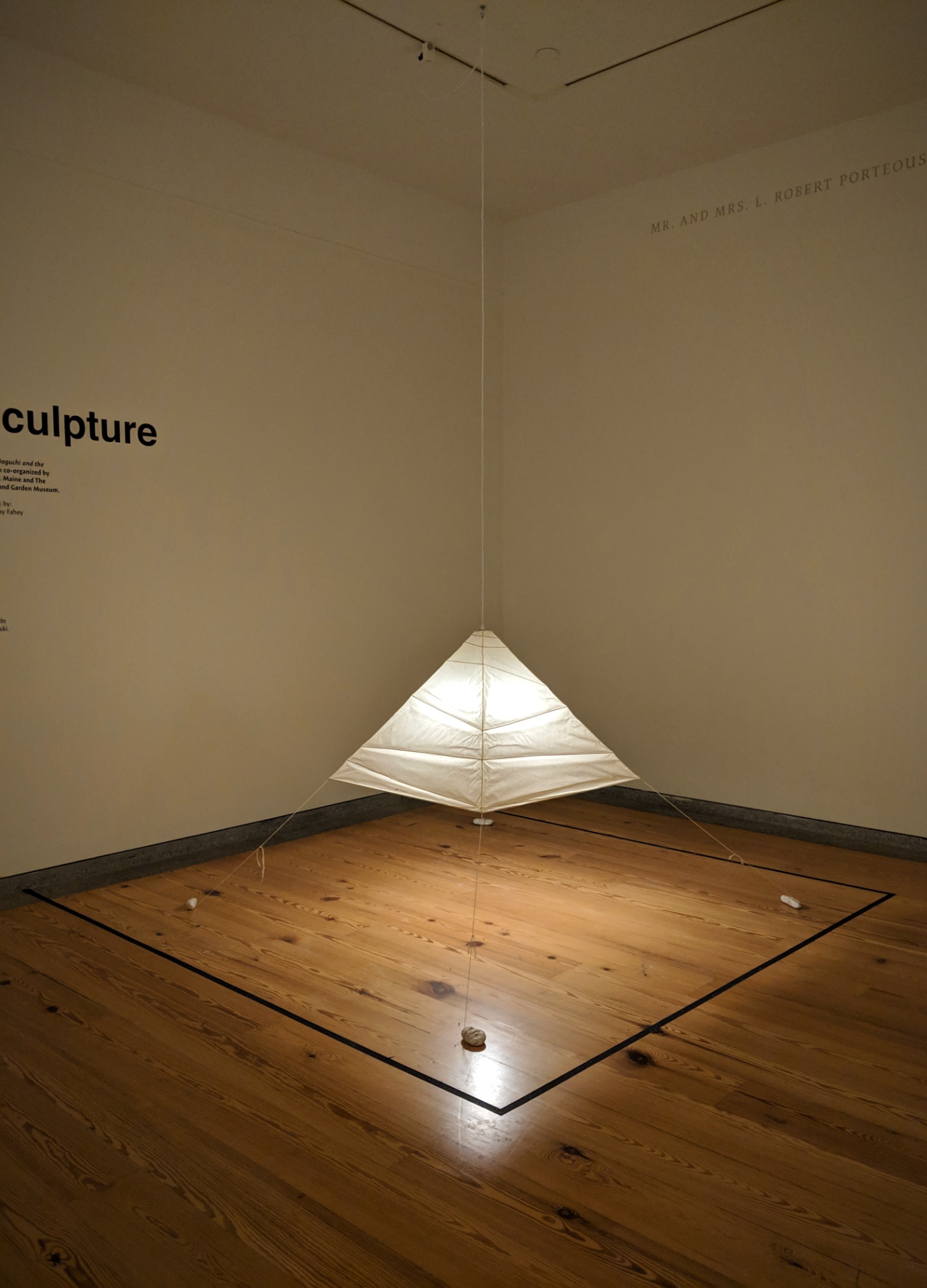

This retrospective turned out to be our best chance to see Noguchi’s work to such an extend; we kept postponing a visit to the Noguchi Museum in New York, and now it is temporarily closed – as every Museum in the City, with no re-opening date announced yet.
Portland, ME
November 21st, 2018
”The three members of a middle-class family – a pastor, his wife and their daughter – form a staid group in this painting of a well-decorated interior. The smooth finish of Harry Willson Watrous’ brushwork obscures the insidious reality of racism implied in the work’s title. The ”drop” refers to a pernicious American custom of treating anyone with even a drop of African-American blood as black and discriminating against them on that basis. Watrous’ carefully rendered painting of a mixed-race daughter and her parents suggests that beneath the veneer of egalitarianism and placid family togetherness (portrayed in this scene), the treatment of African-Americans in the United States was still far from equal.” – Portland Museum of Art
And, guess what… more than a century later, it is still isn’t.
However, had I not read the description I’d never have guessed the Artist’s reference. So captivated was I by the Mother’s silent despair and the Father’s quiet resignation at the Little Girl’s insistent demand, I missed that point completely.

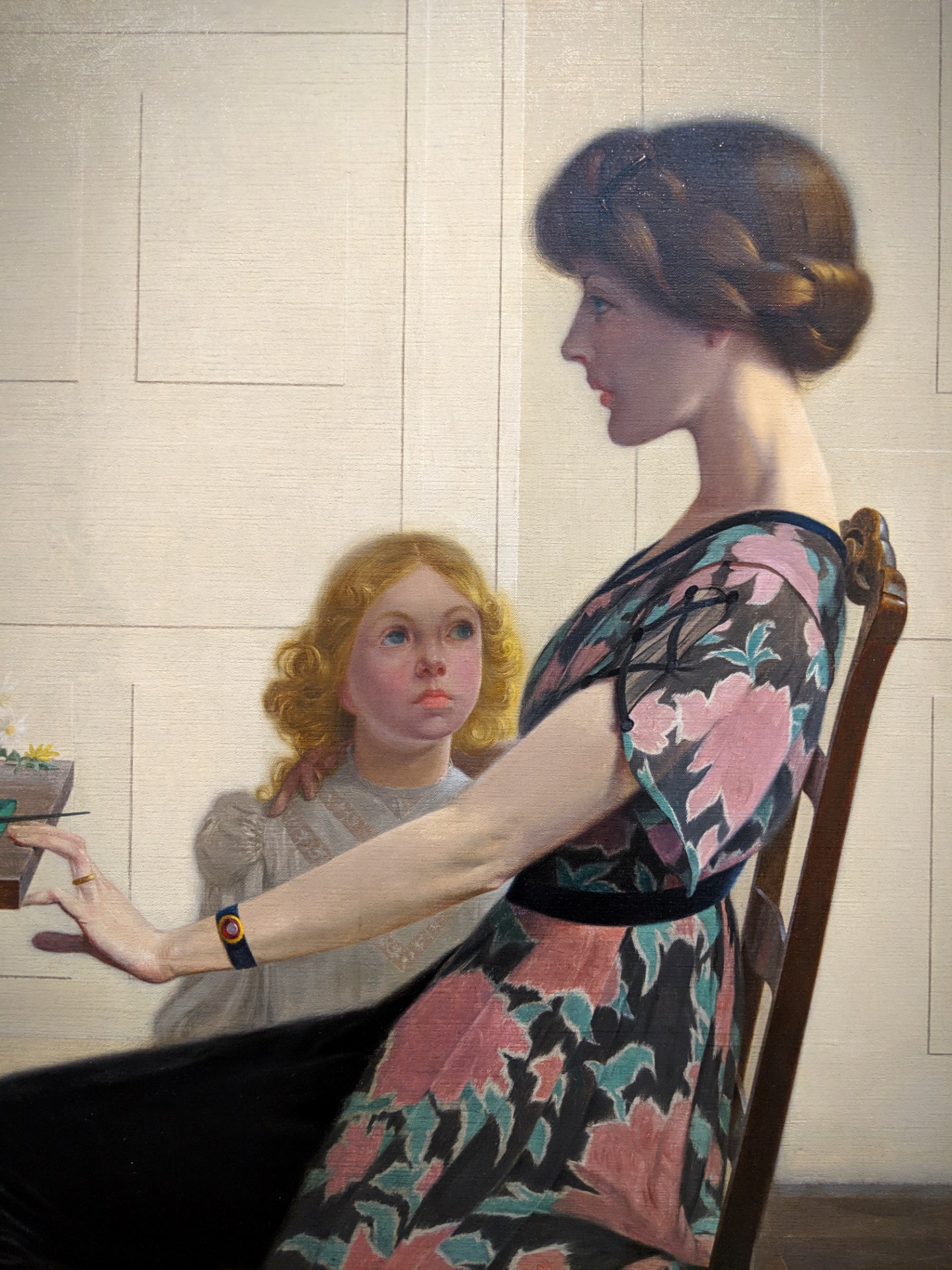
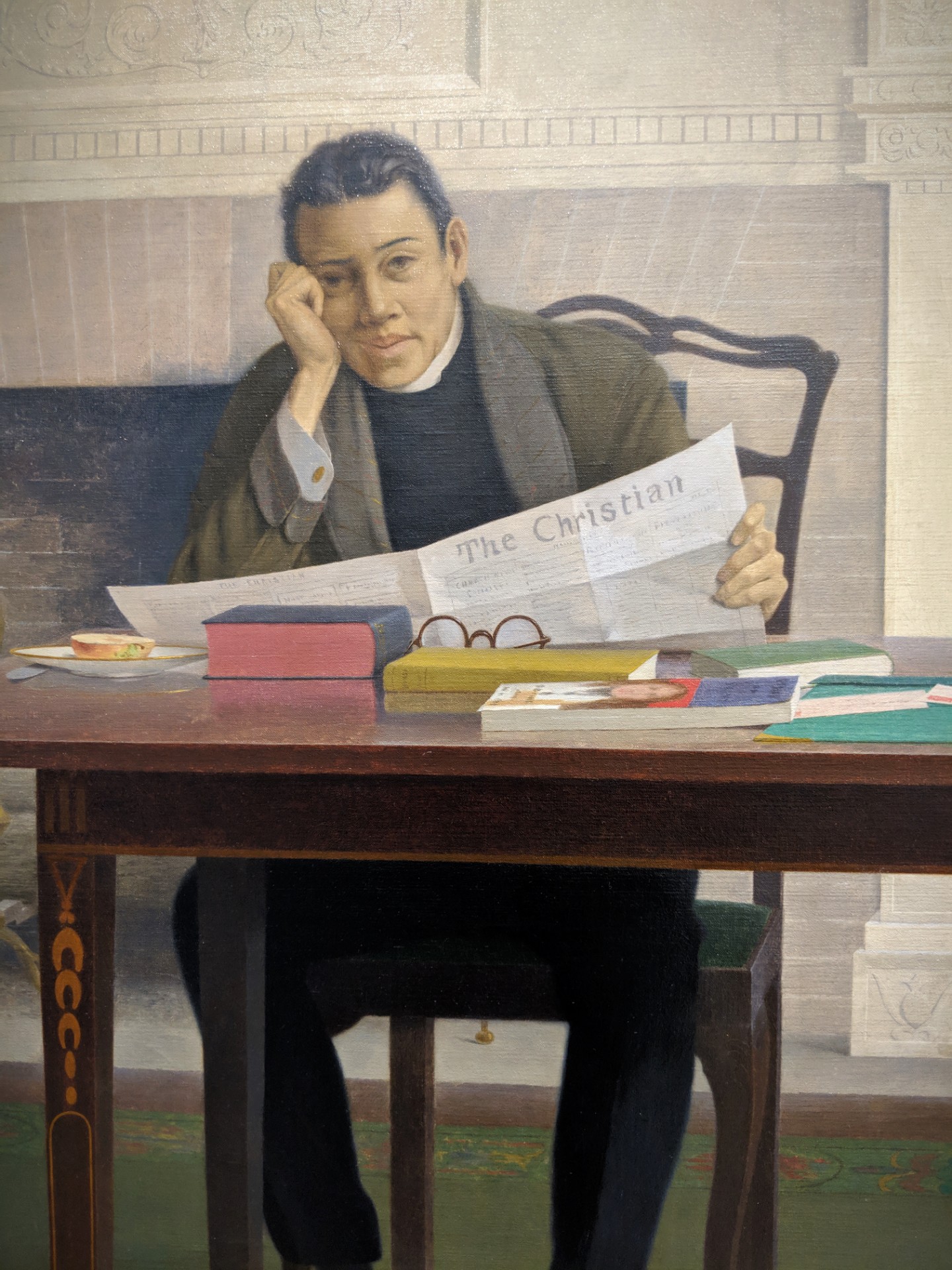 Harry Willson Watrous (U.S., 1857-1940)
The Drop Sinister – What Shall We Do with It?, ca. 1913
Oil on canvas
Portland, ME
November 21st, 2018
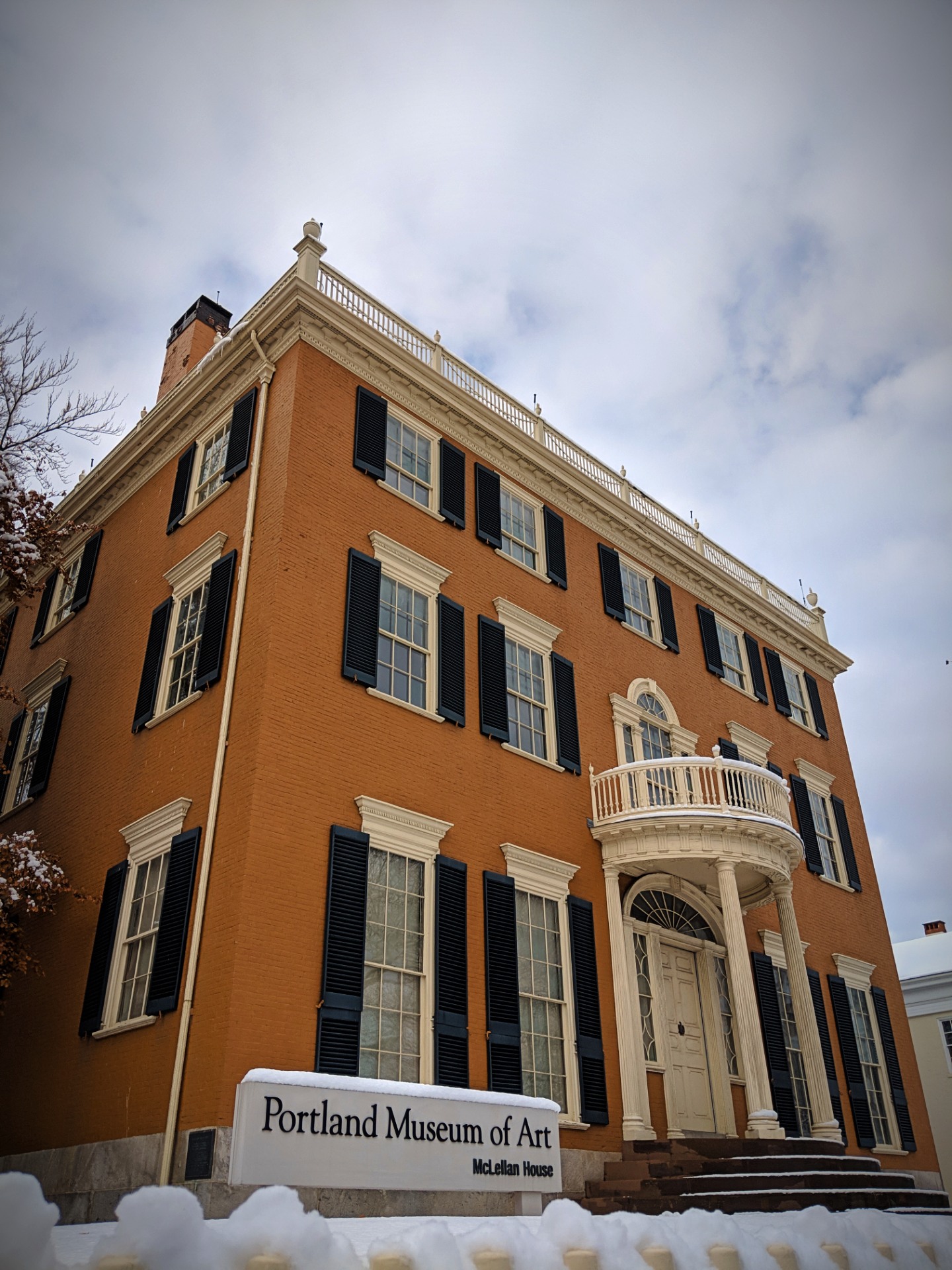
Enter the Portland Museum of Art
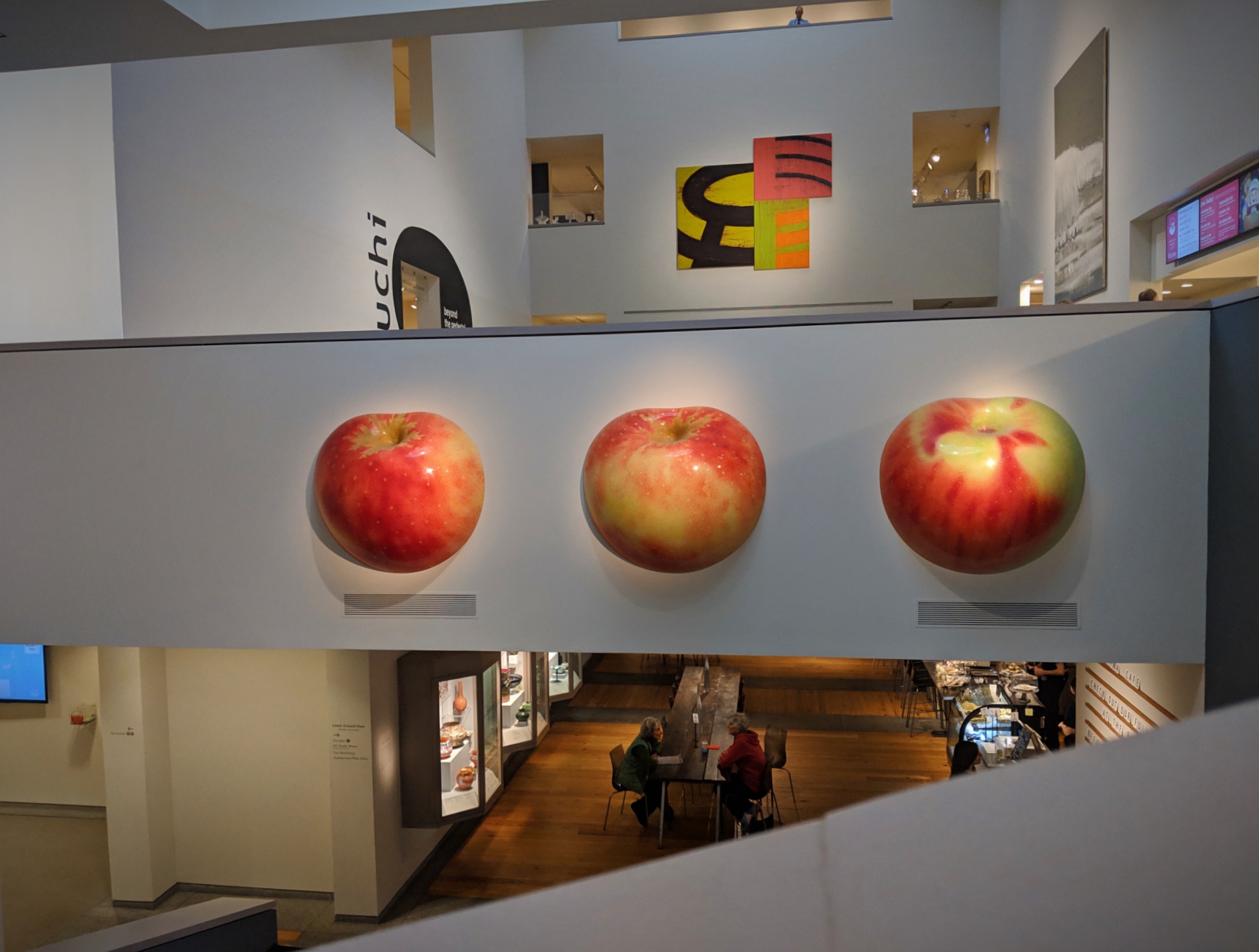
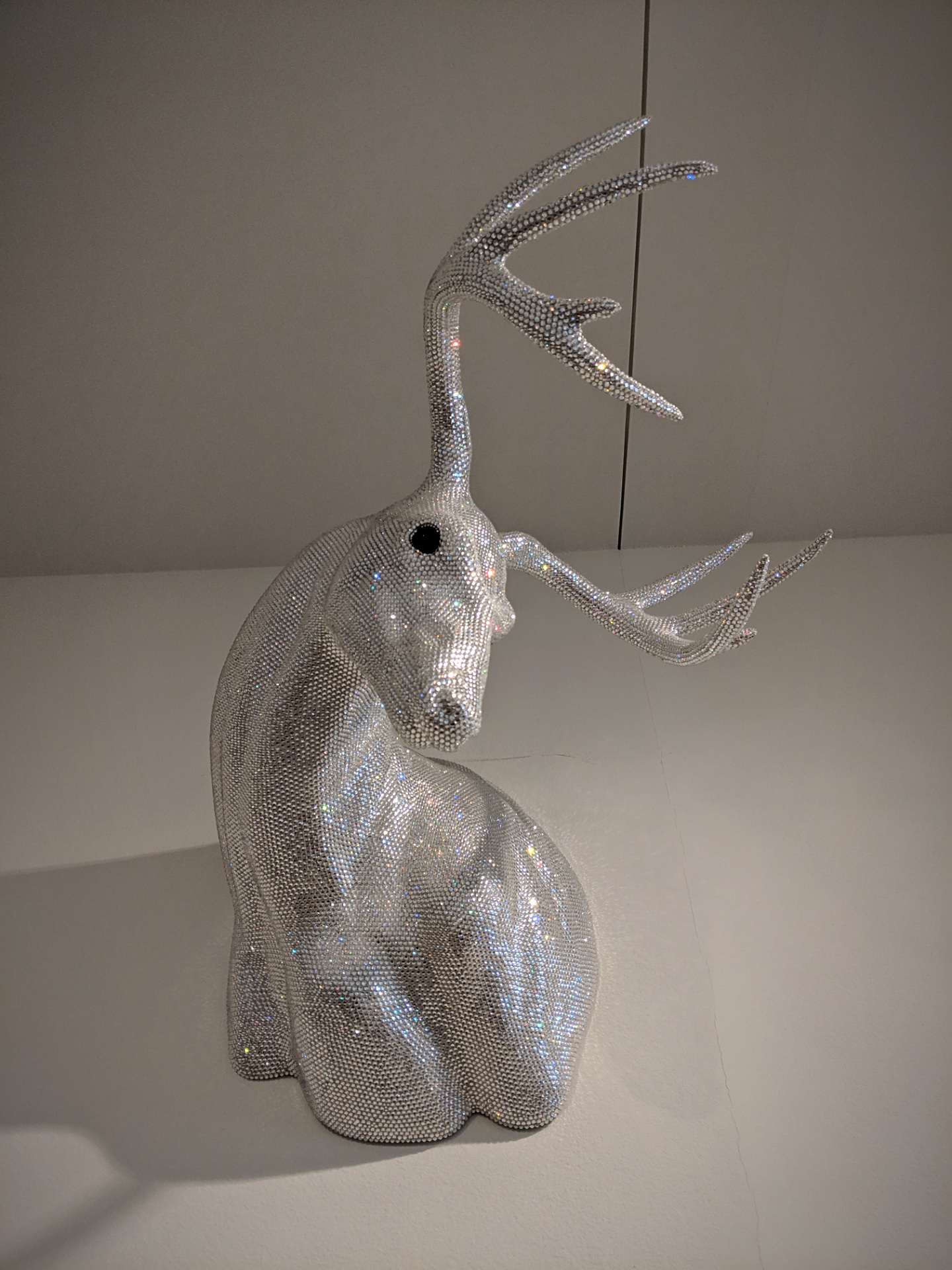 Untitled (Hooking Buck Head Down), 2013
Marc Swanson (U.S., b. 1969)
Polyurethane foam, crystals, adhesive
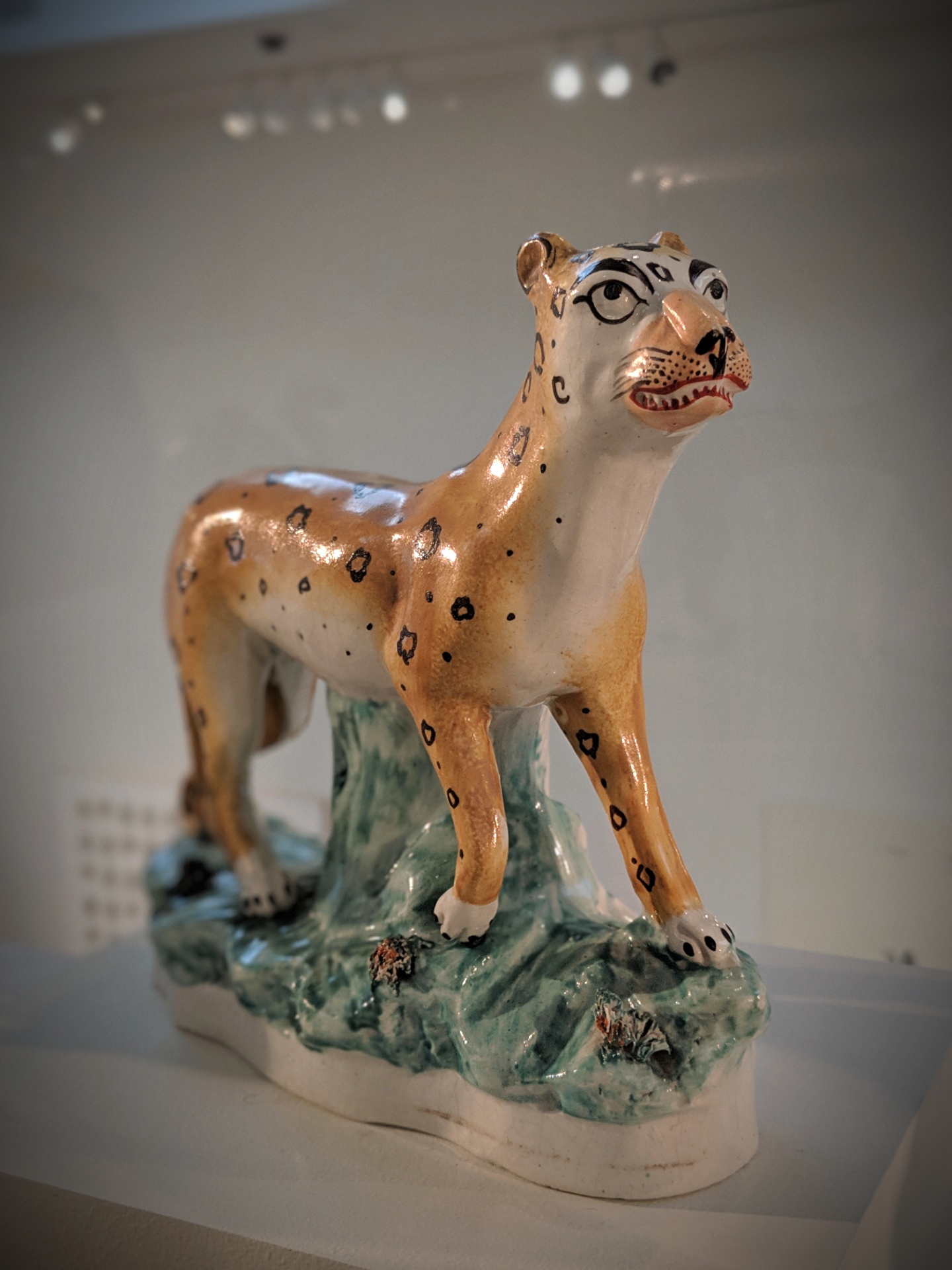 Leopard, 19th century
Glazed earthenware
 Candlesticks, ca. 1880
Bronze, marble, gilding
Unidentified Artist
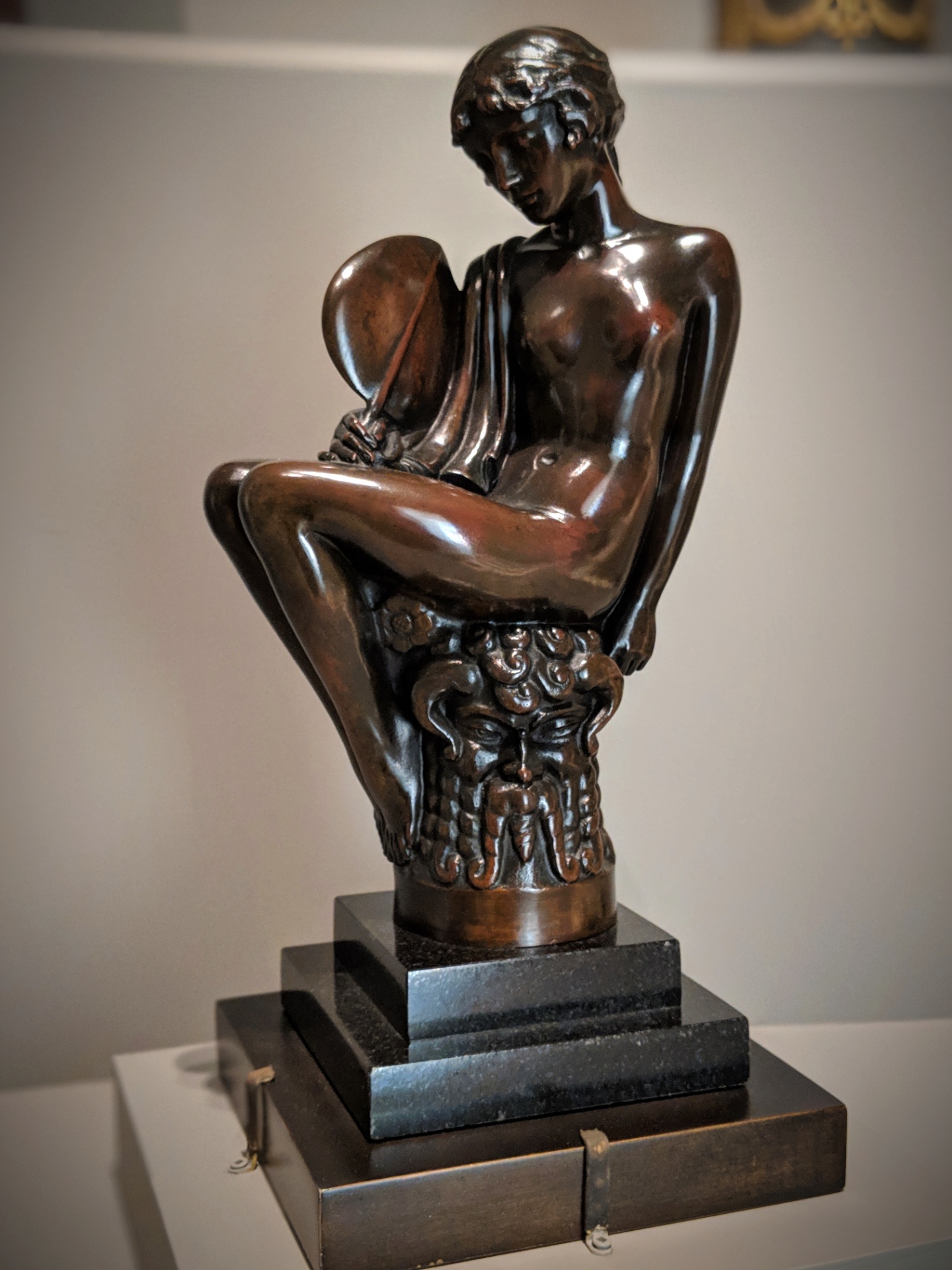 Summer, 1927
Bronze
John Clements Gregory (U.S. (born England), 1879-1958)
 Left Hand, 2007
Oil on linen
Jenny Holzer (U.S., b. 1950)
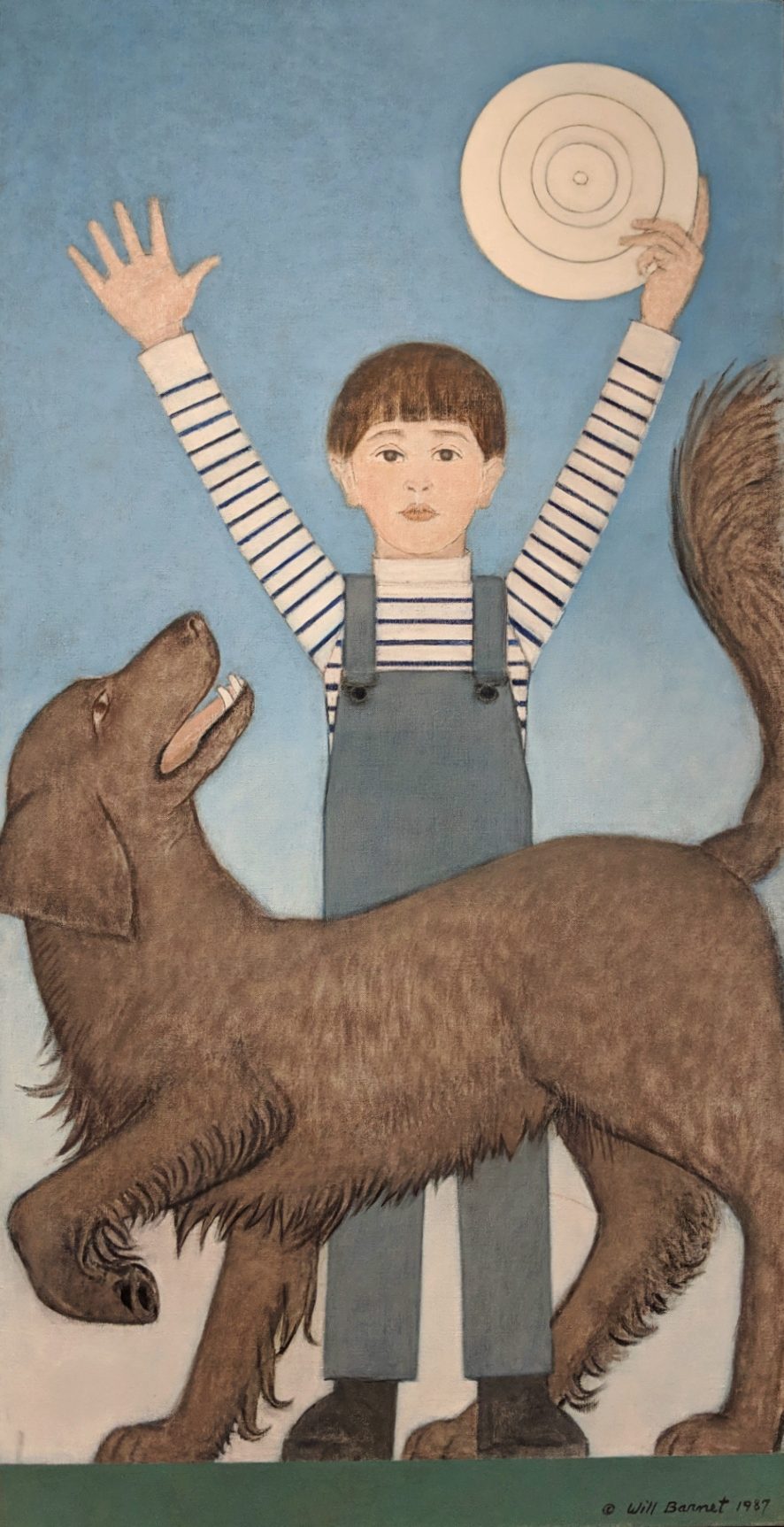 Frisbee, 1987
Oil on canvas
Will Barnet (U.S., 1911-2012)
 Black Cat on Orange Background, 1958-59
Oil on masonite
Alex Katz (U.S., b. 1927)
 Two Female Models Sitting with Legs Crossed and Kazak Rug, 2013
Oil on canvas
Philip Pearlstein (U.S., b. 1924)
 Slab City Road, 1959
Oil on linen
Alex Katz (U.S., b. 1927)
 Mother and Child, 1922
Mahogany
William Zorach (U.S. (born Lithuania), 1889-1966)
 Diana of the Sea, 1940
Oil on canvas
Marguerite Thompson Zorach
 A Midsummer Night’s Dream, 2016
Ink on latex saturated cellulose
Tim Rollins and K.O.S. (U.S., 1955-2017; U.S., established 1984)
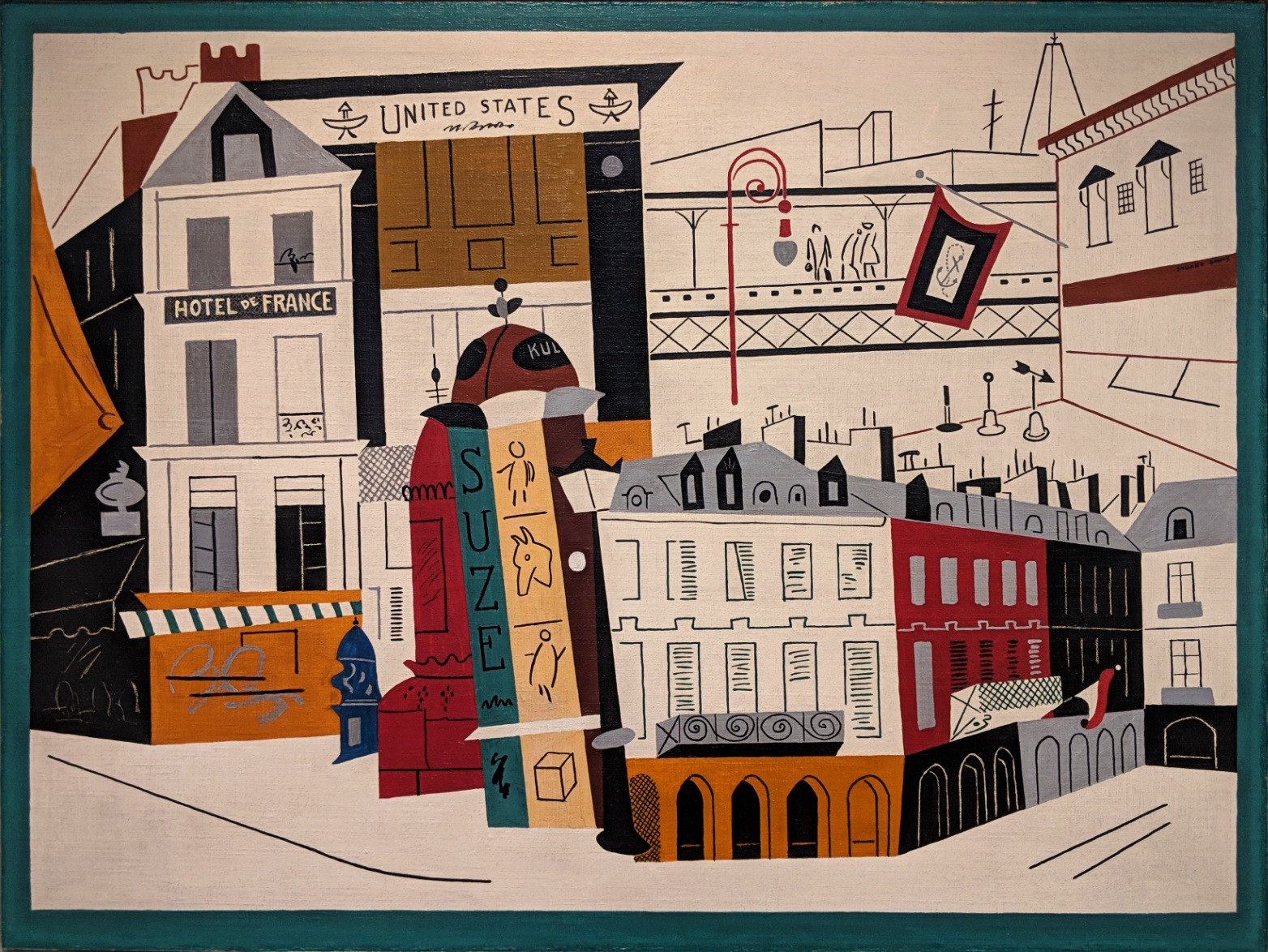 New York-Paris No.2, 1931
Oil on canvas
Stuart Davis (U.S., 1892-1964)
 Mrs. Henry St. John Smith (Ellen Archer Eveleth Smith), 1883
Oil on canvas
John Singer Sargent (U.S. (born Italy), 1856-1925
 Dancer and Gazelles, 1912
Bronze
Paul Manship (U.S., 1885-1966)
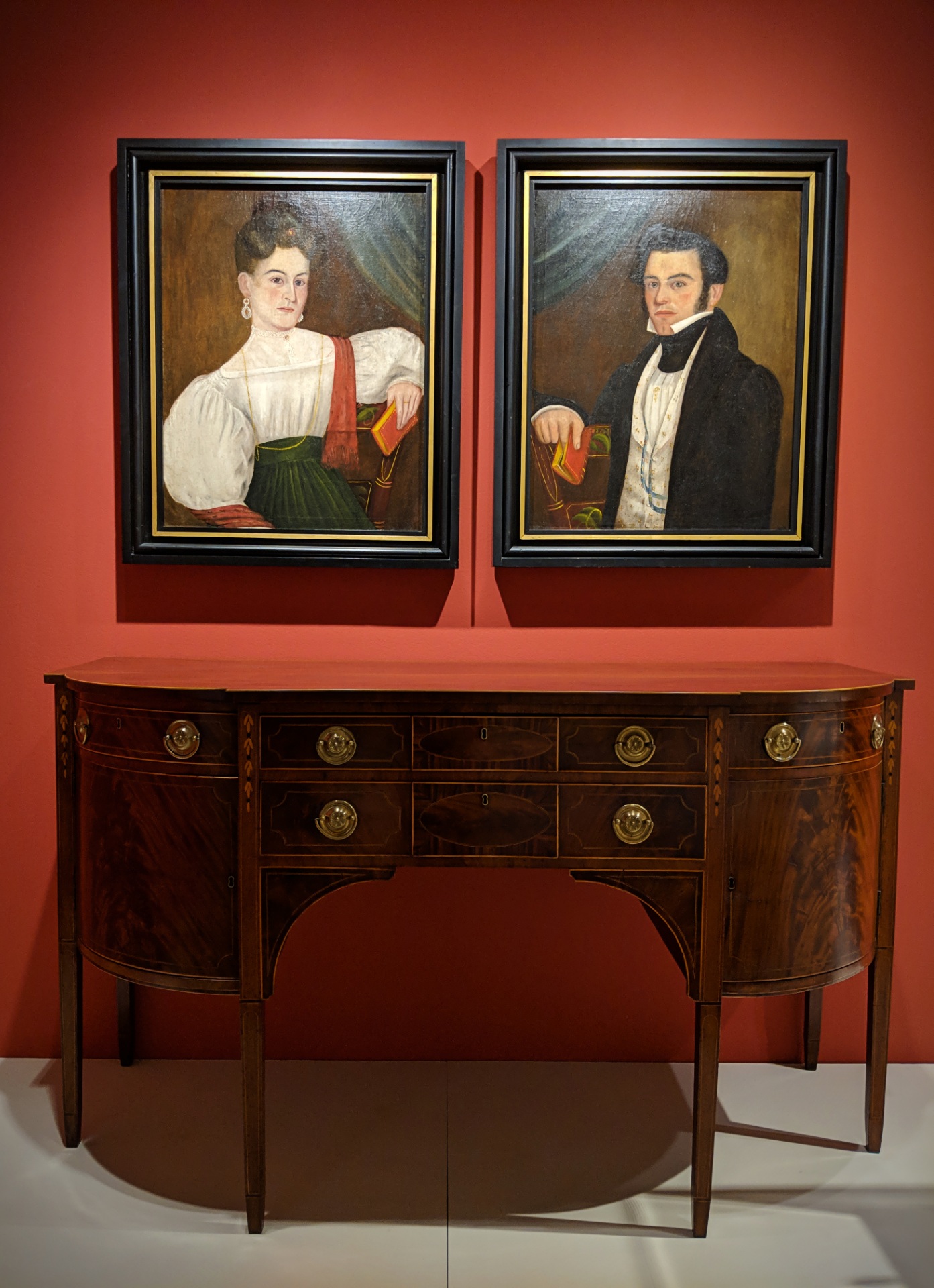 Sideboard, ca. 1795-1800
Mahogany and other woods
John and Thomas Seymour (U.S. (born England), 1738-1818 & 1771-1849)
Portraits of Sally Stevens Lord and James Lord, ca. 1834
Oil on canvas
Attributed to Royal Brewster Smith (U.S., 1801-1855)
 Eleanor Foster, 1755
Oil on canvas
Joseph Badger (U.S., 1708-1765)
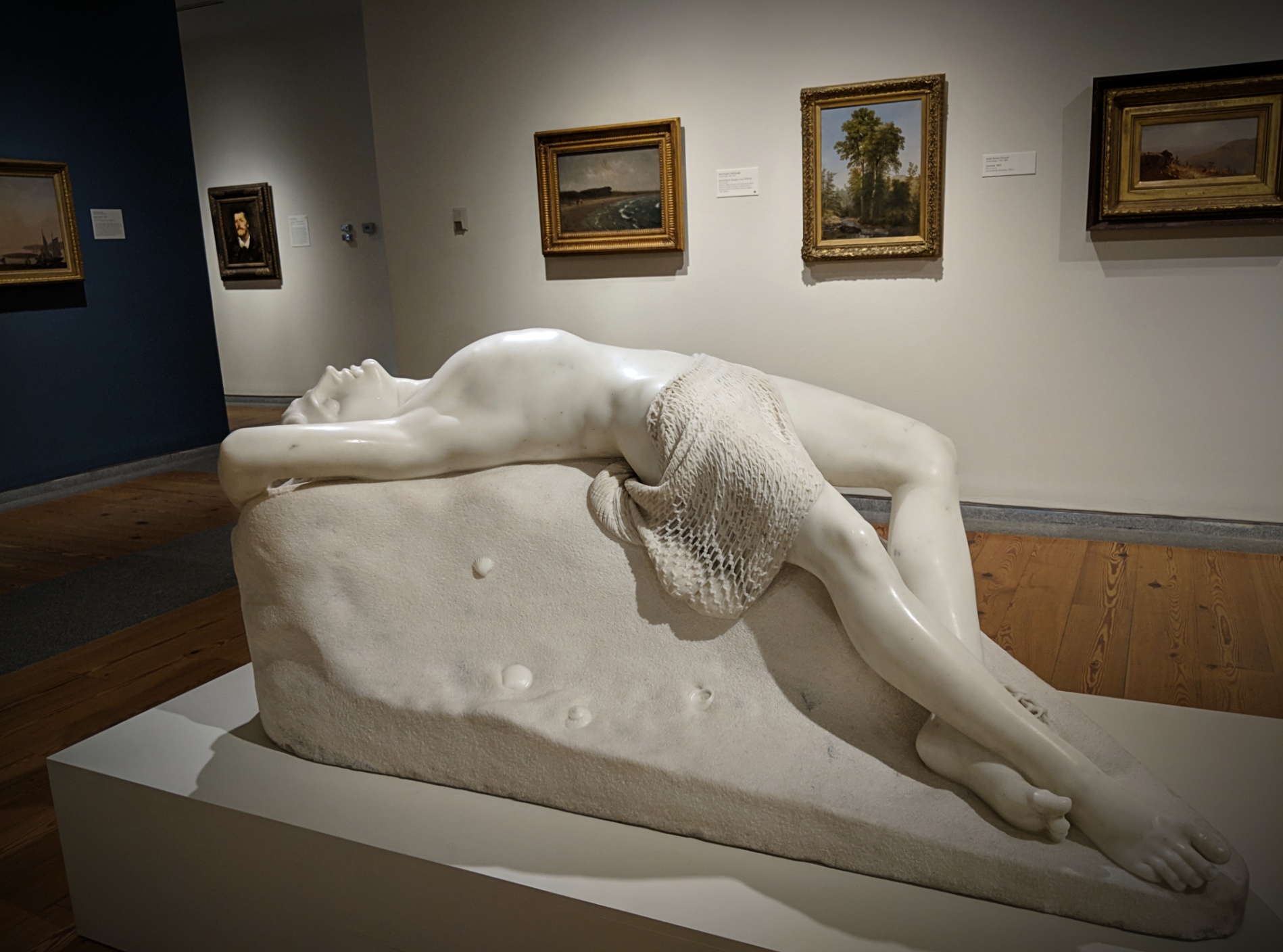 The Dead Pearl Diver, 1858
Marble
Benjamin Paul Akers (U.S., 1825-1861)
Portland, ME
November 21st, 2018
Walk in an Art Gallery. Not only for art collectors…


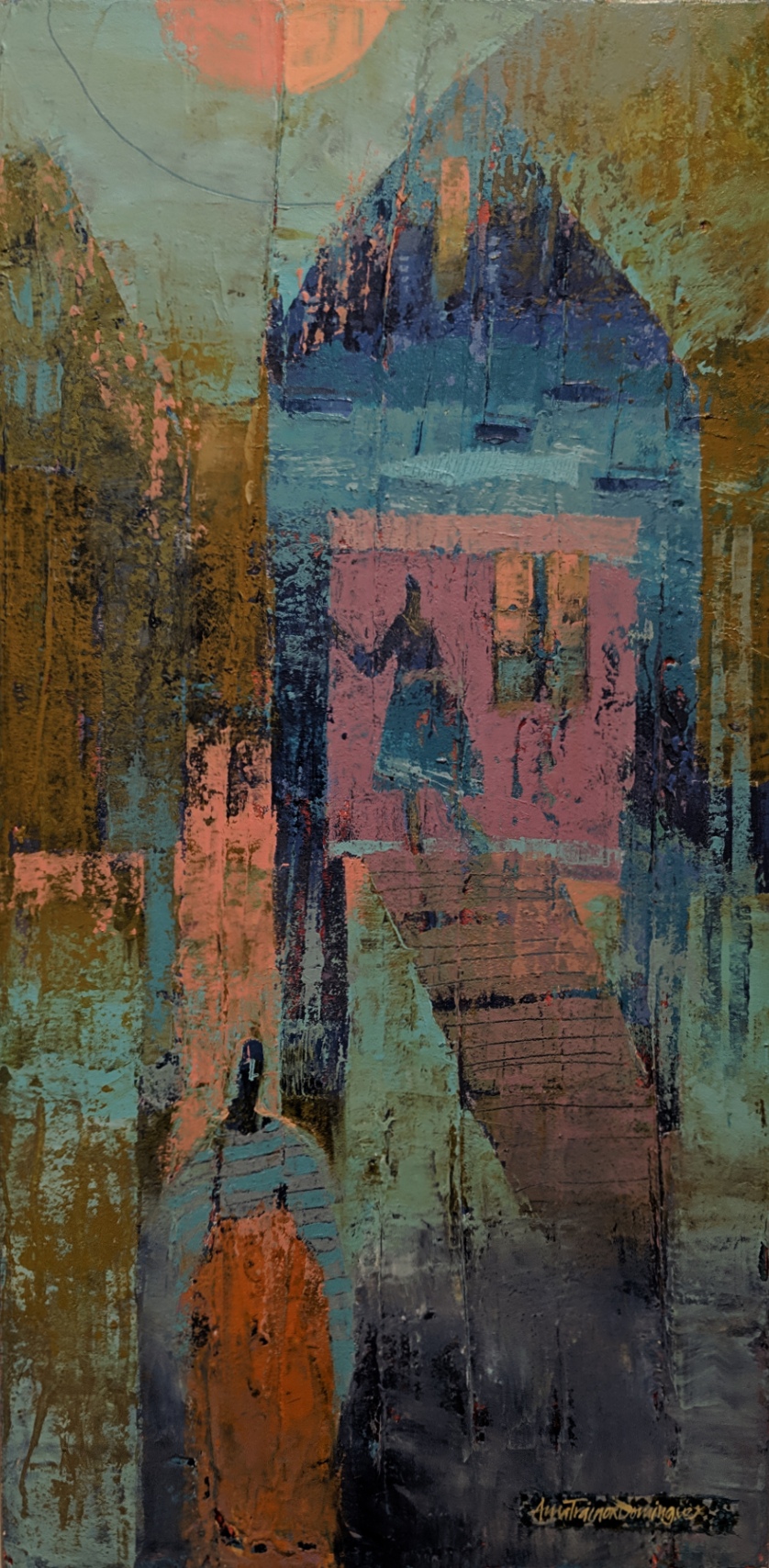
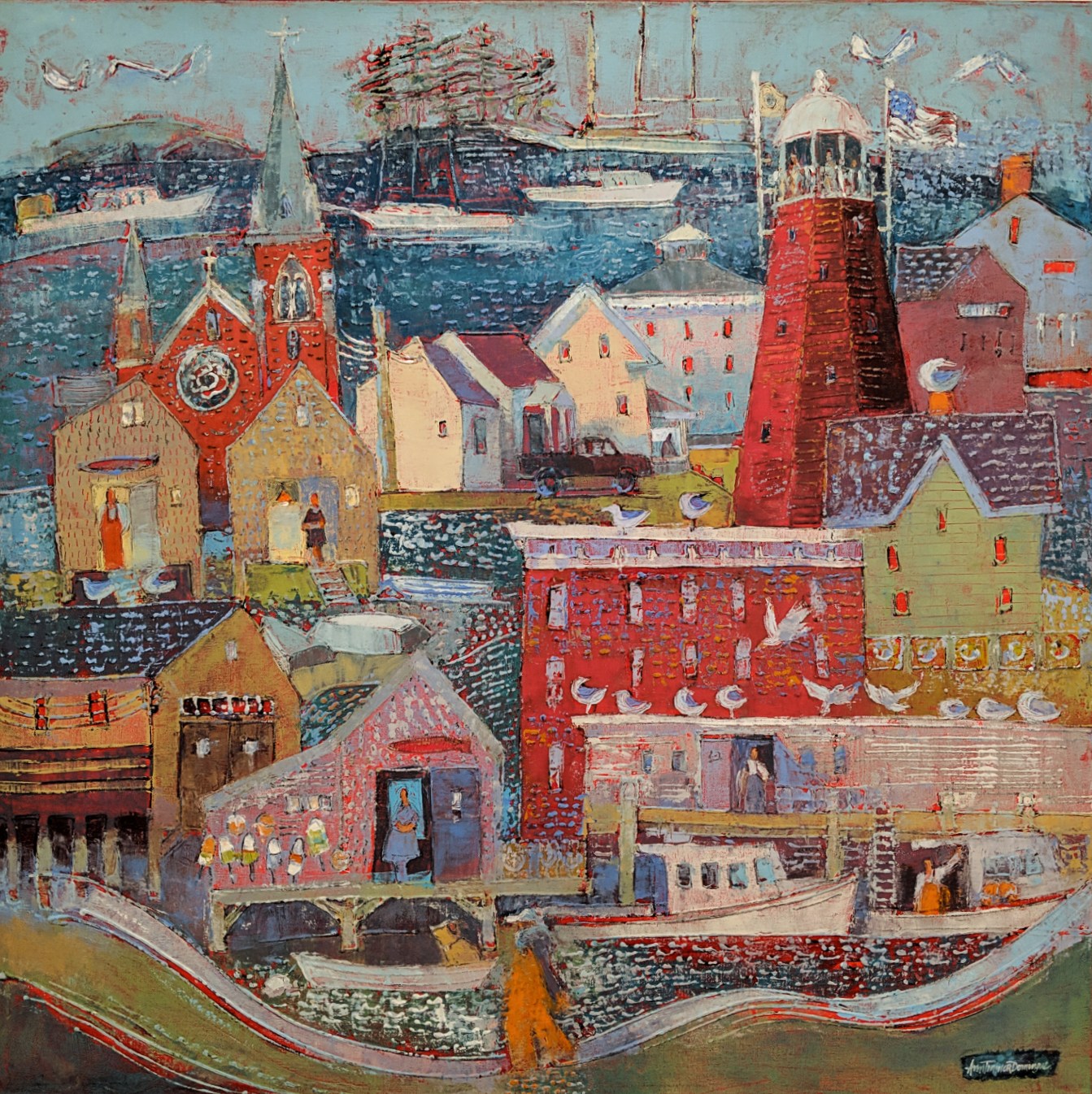


Paintings by: Ann Trainor Domingue || Sculptures by: David Moser
Portland, ME
November 19th, 2018
On the flight of Life. 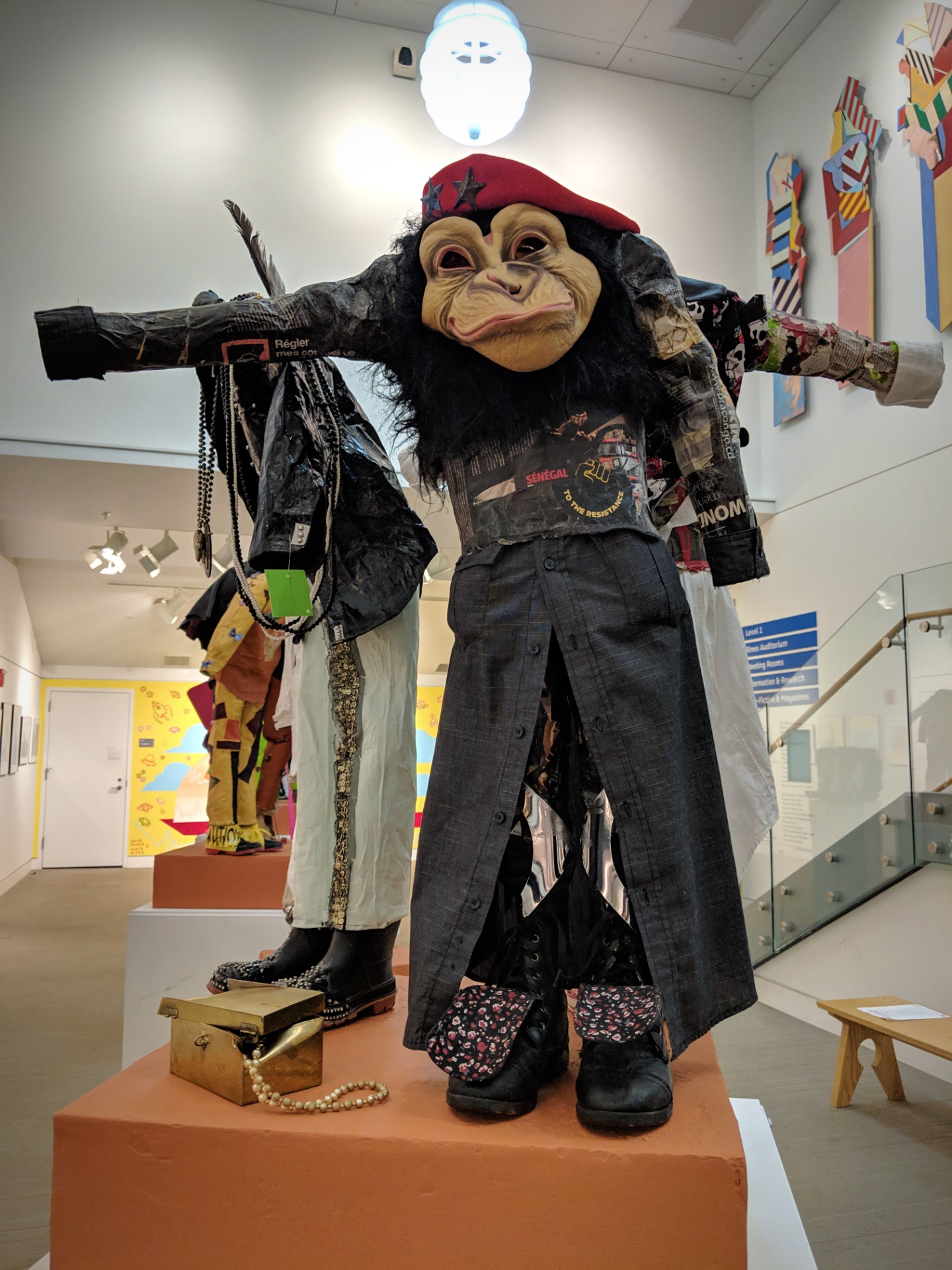

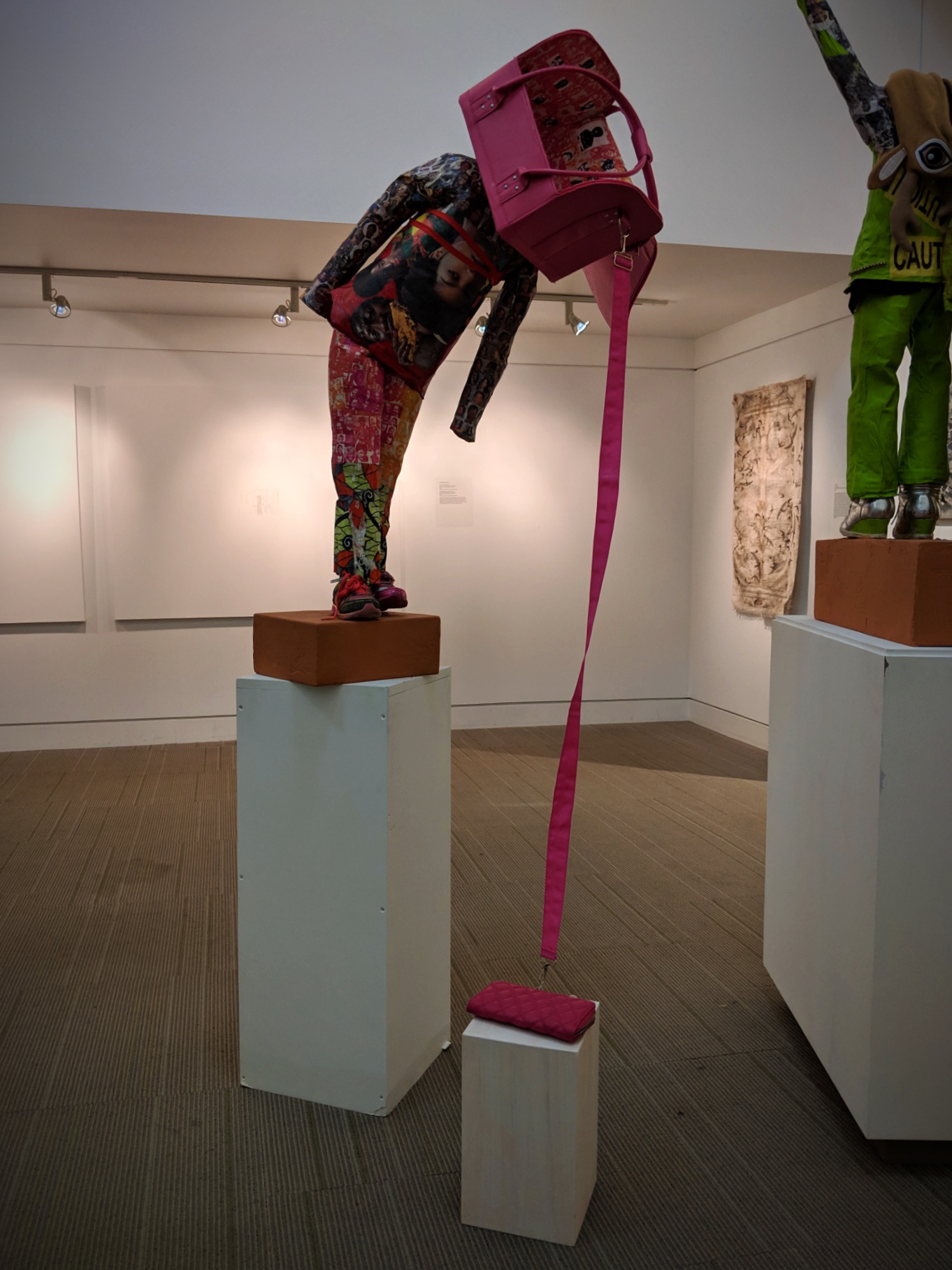
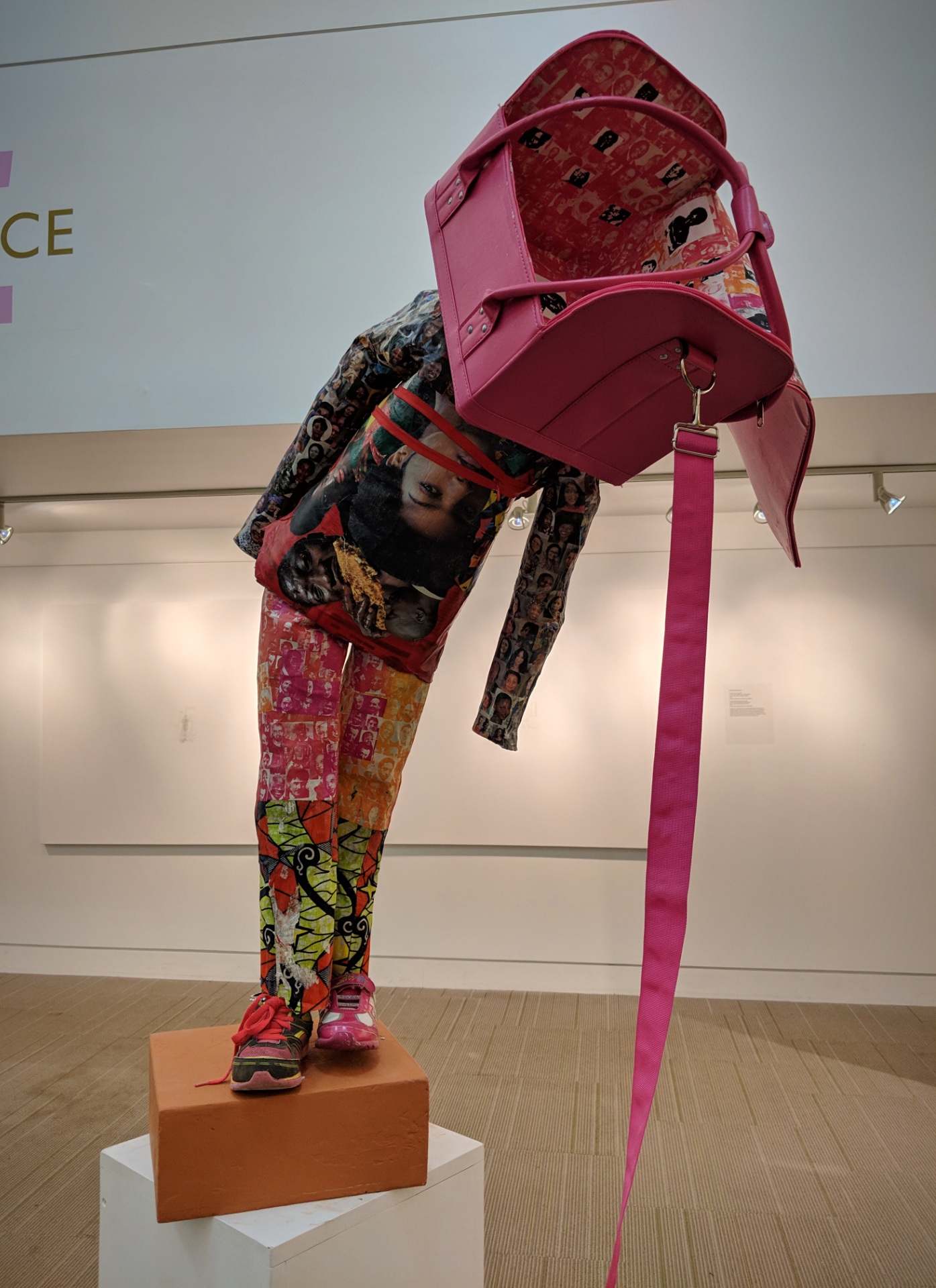
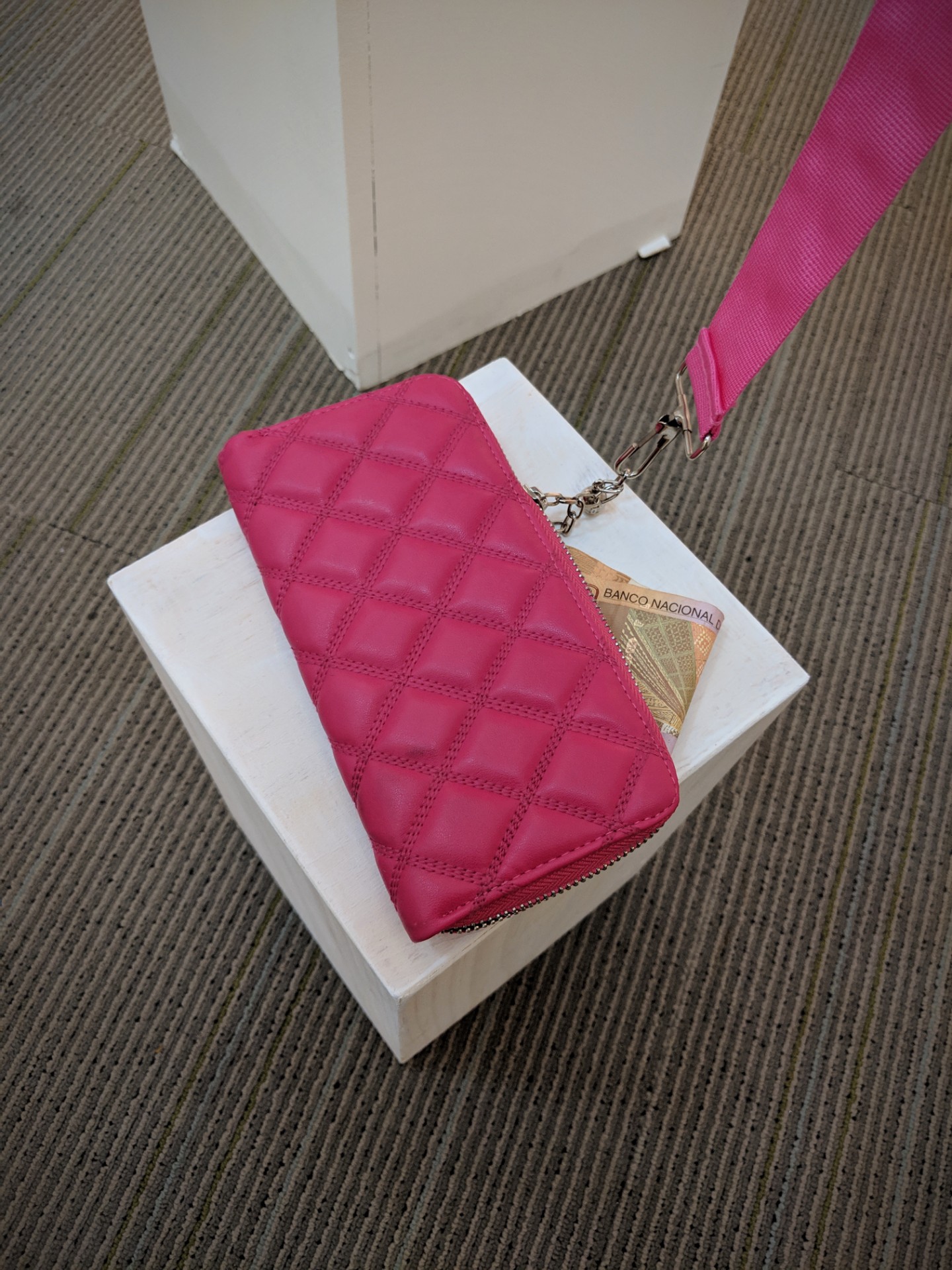

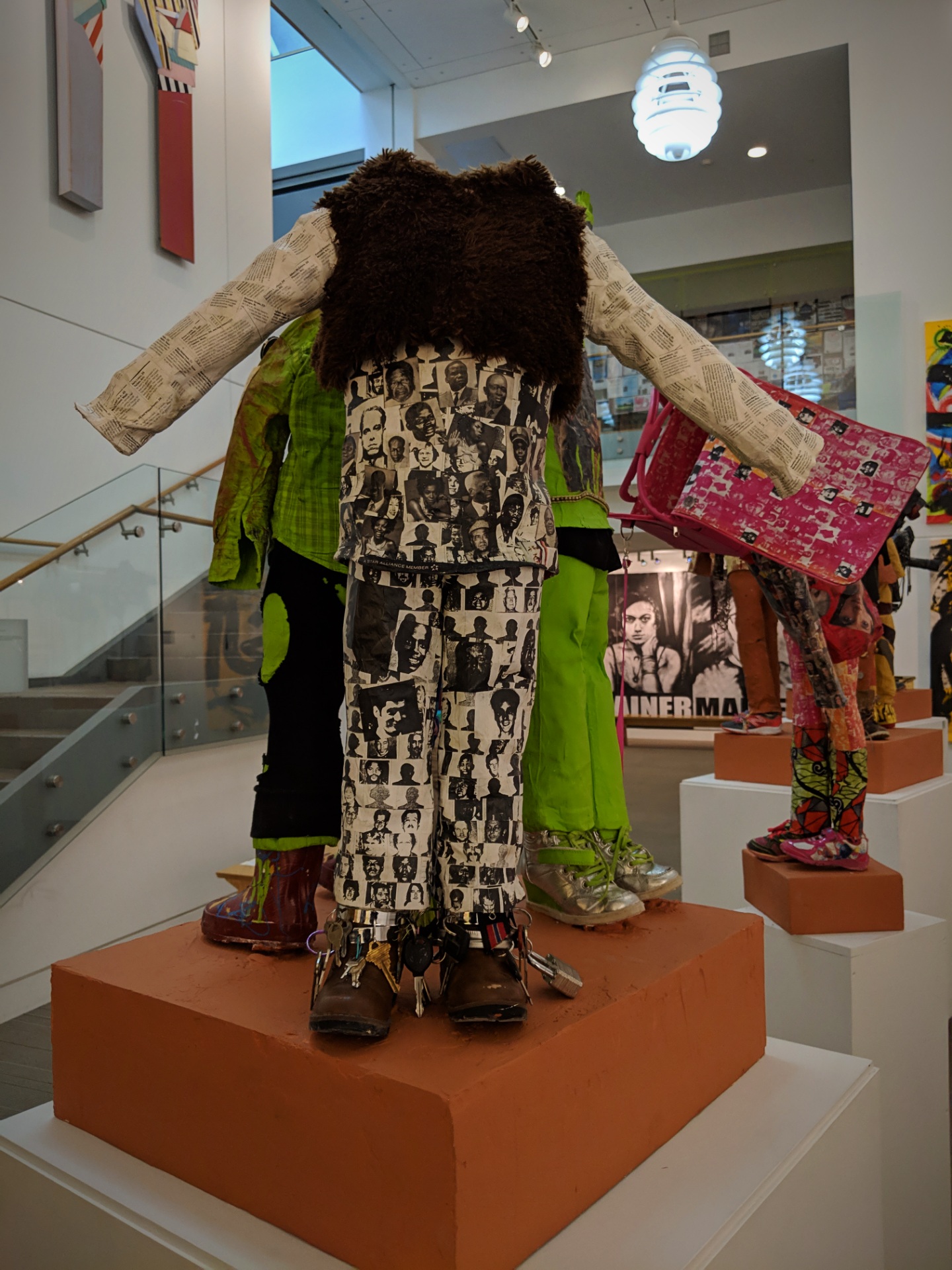
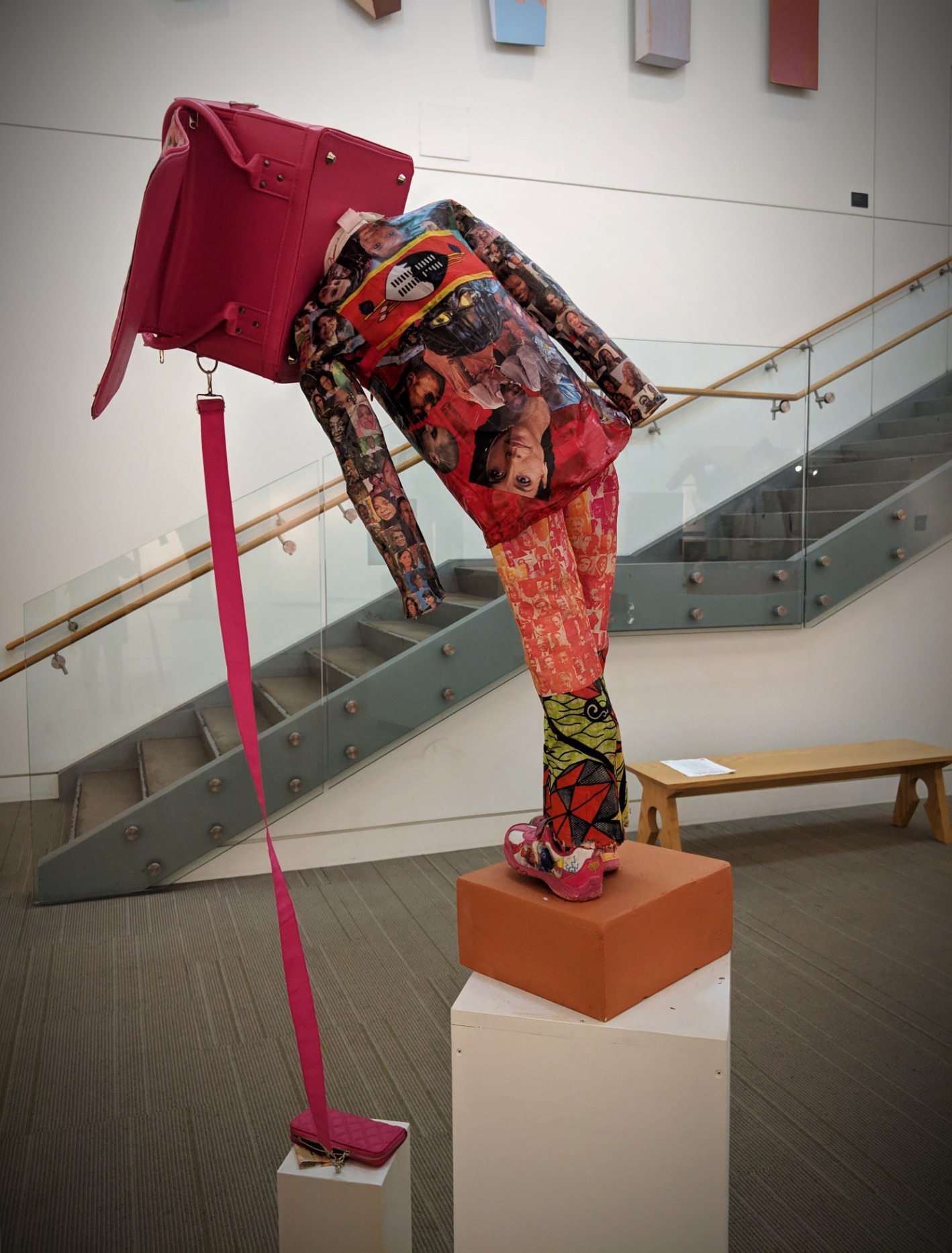
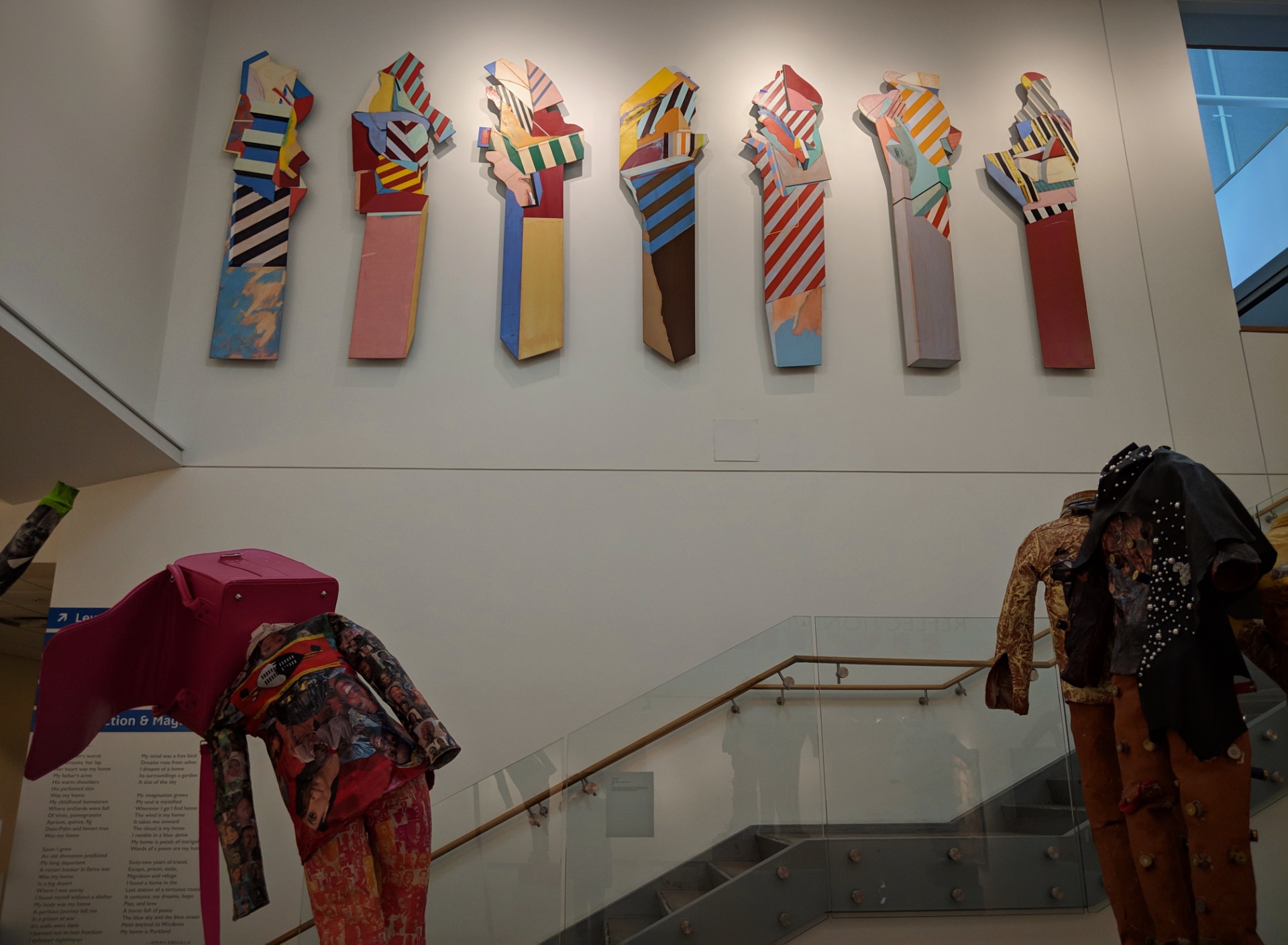


Art that is both fun and thought-provoking. Too late I realized that I didn’t note the artist’s name.
Portland Public Library
Portland, ME
November 19th, 2018
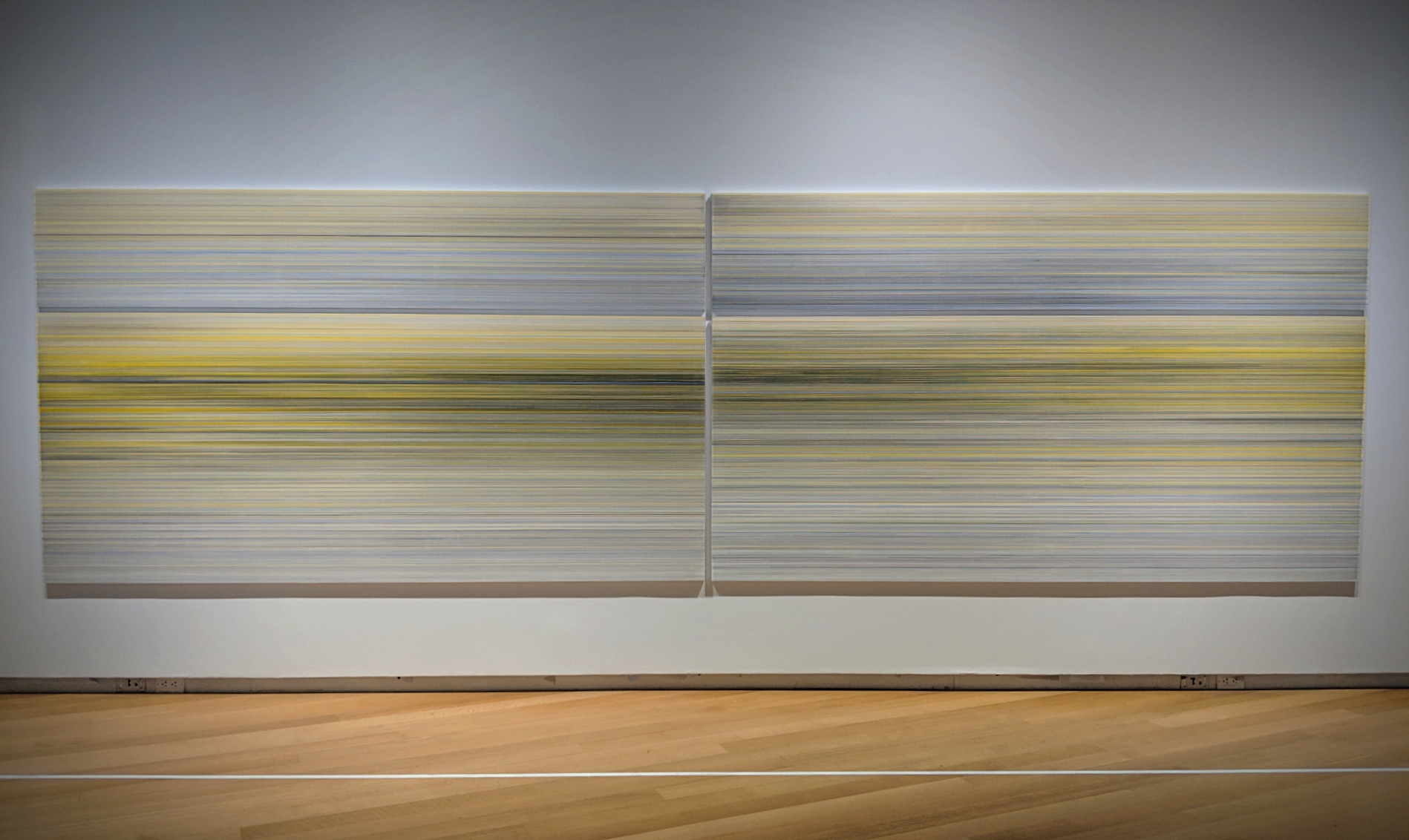
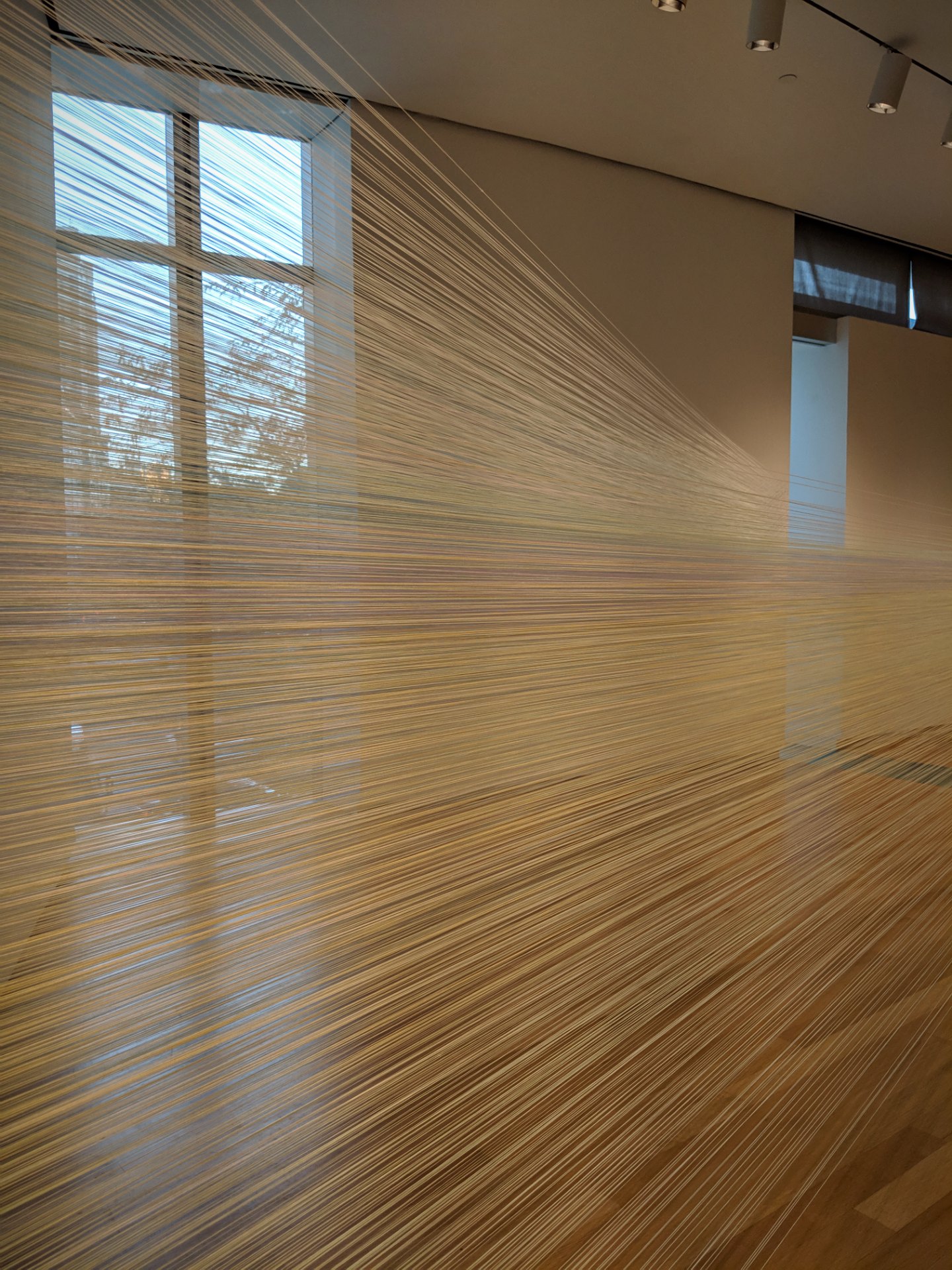
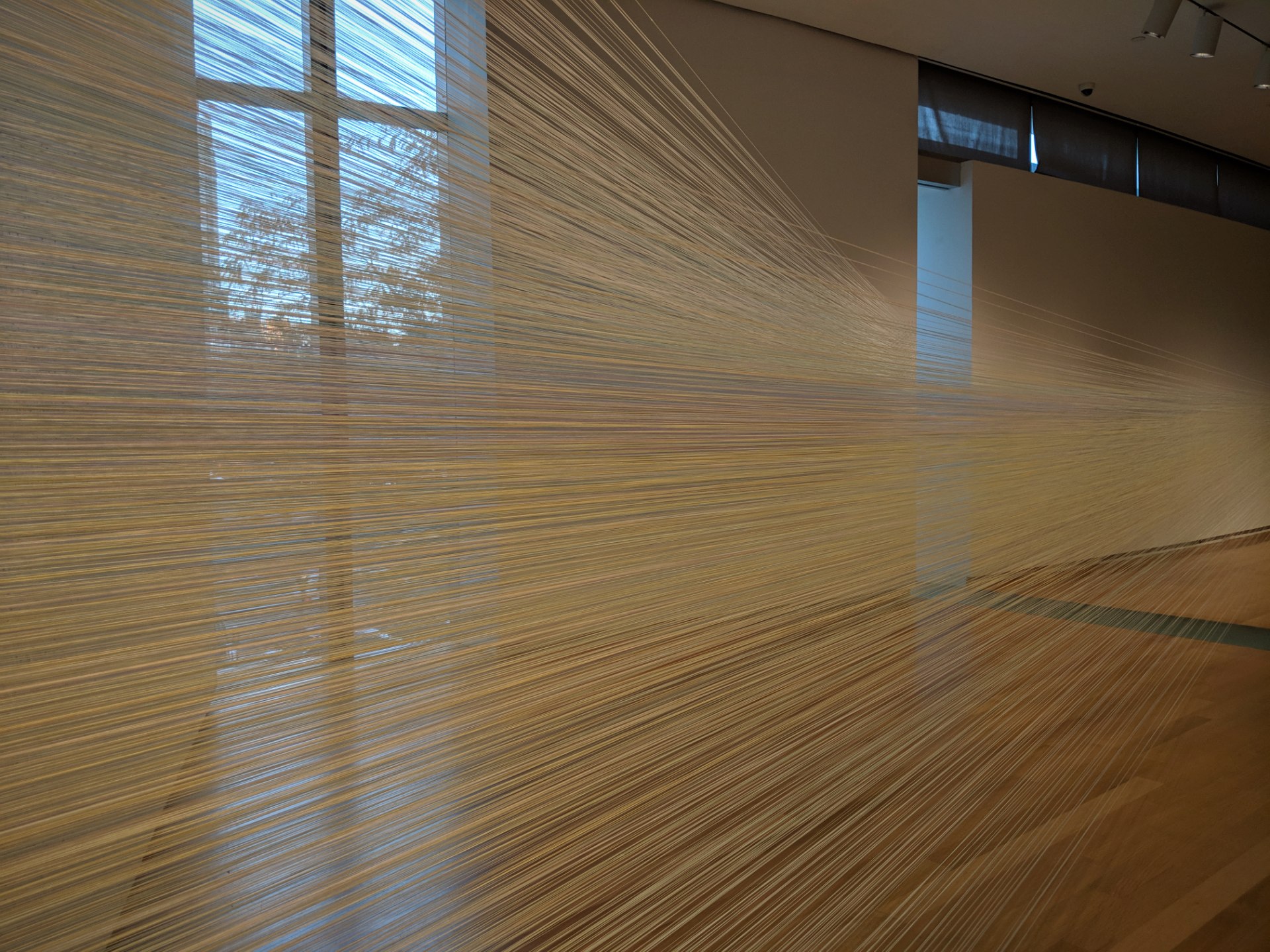
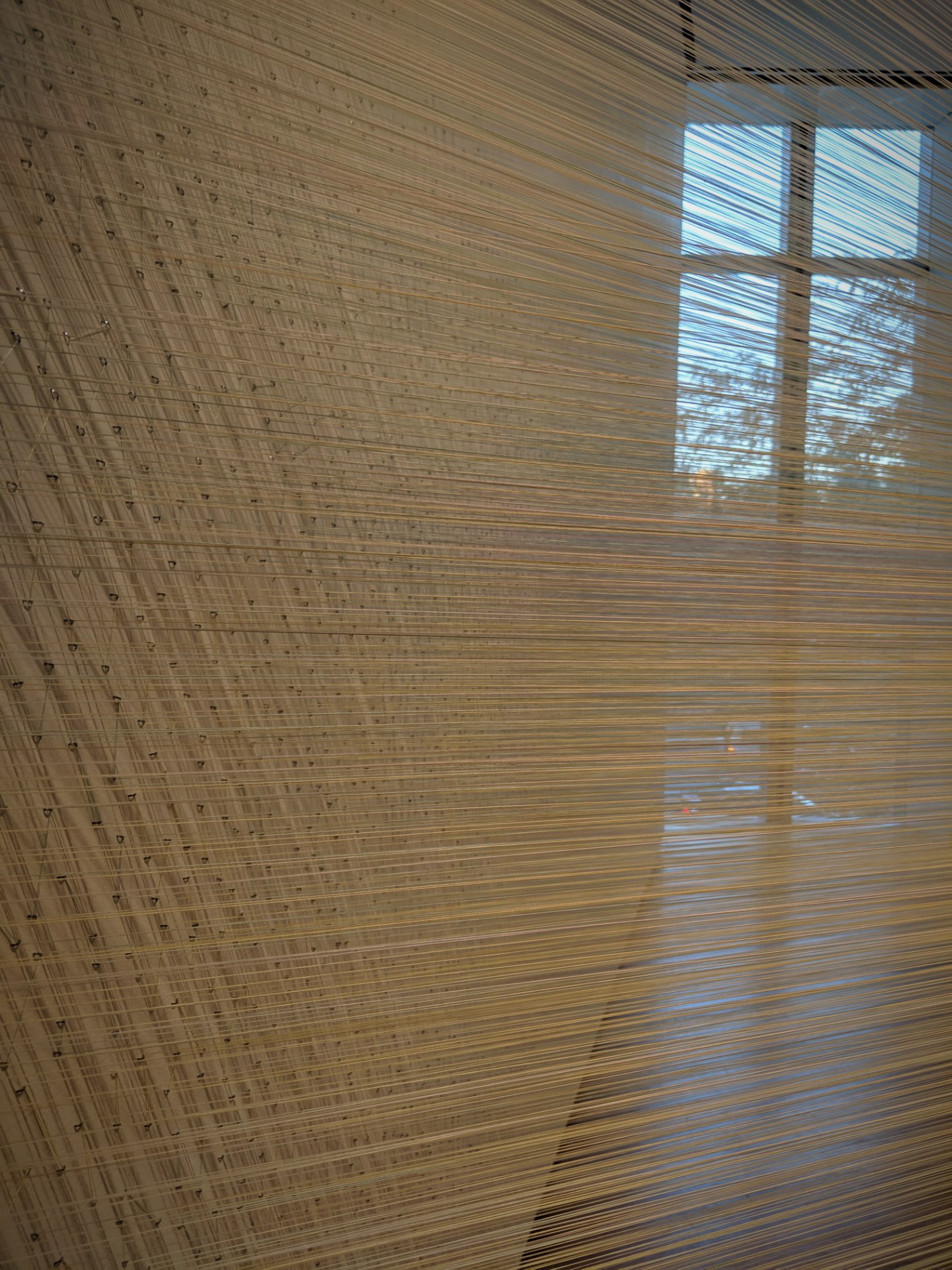
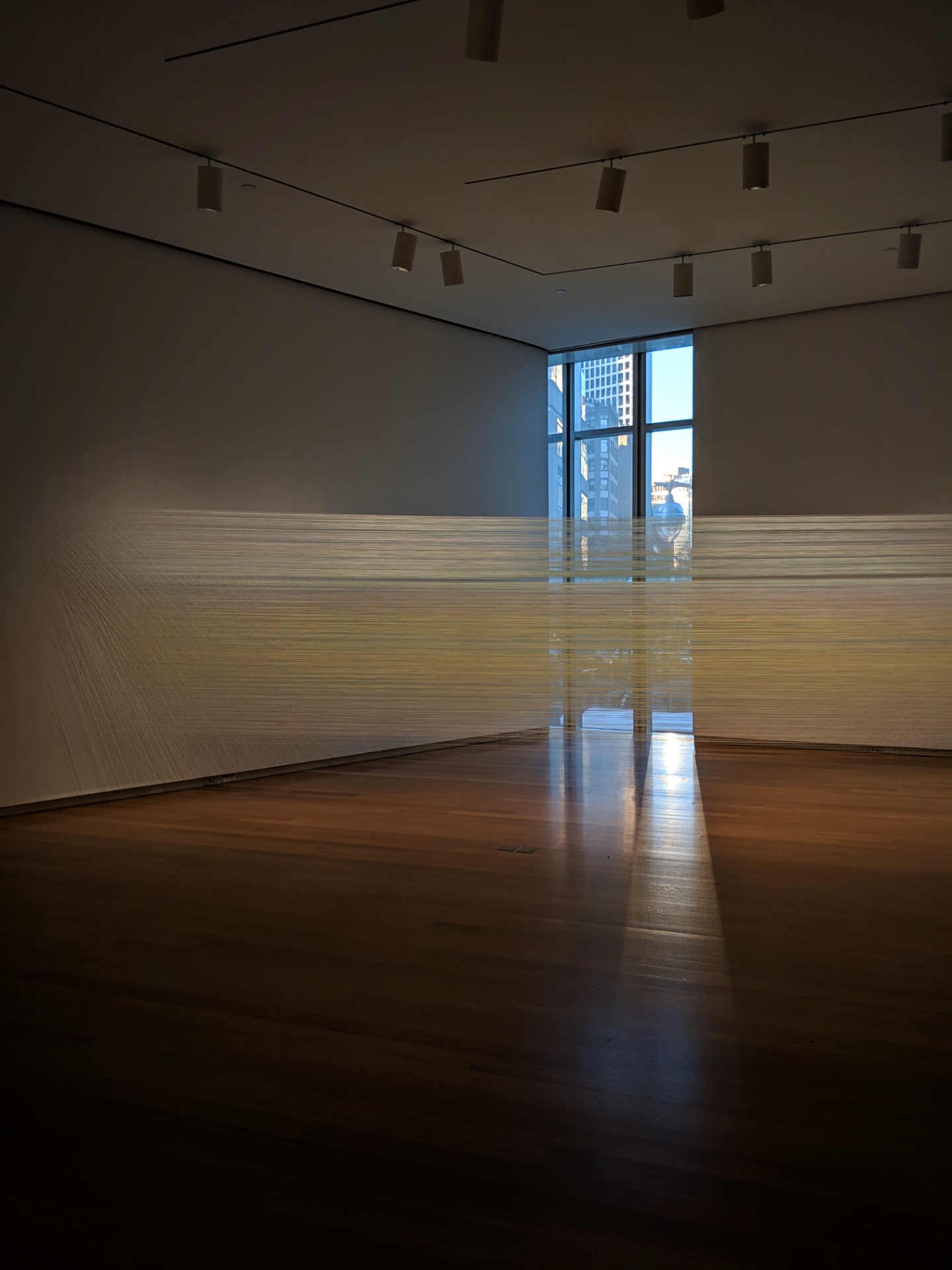
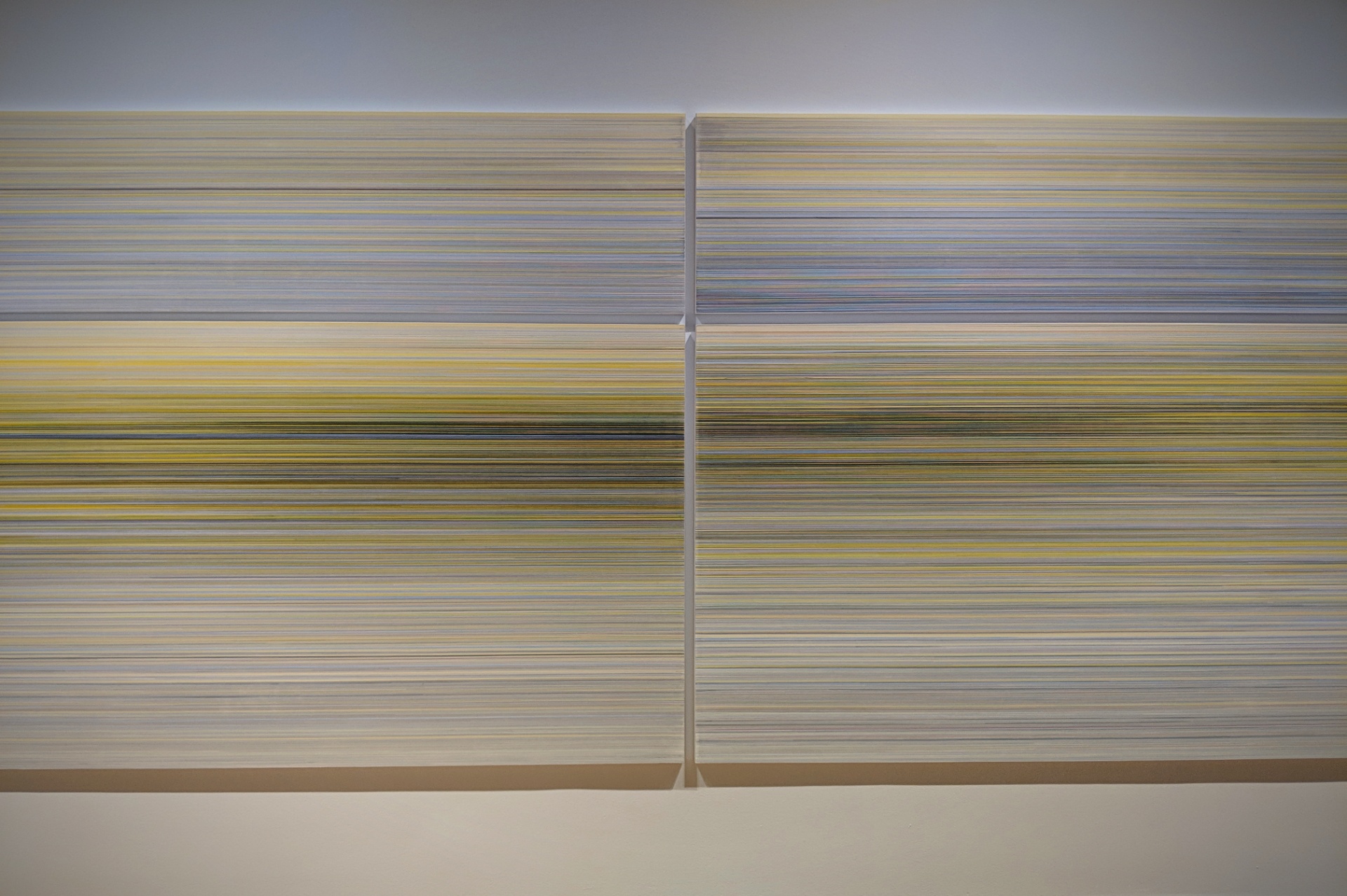 Anne Lindberg
Drawing:
the walking eye, 2018
Graphite and colour pencil on mat board
Installation:
the eye’s level, 2018
Thread and staples
November 11th, 2018
A cabinet of curiosities in a MAD gallery.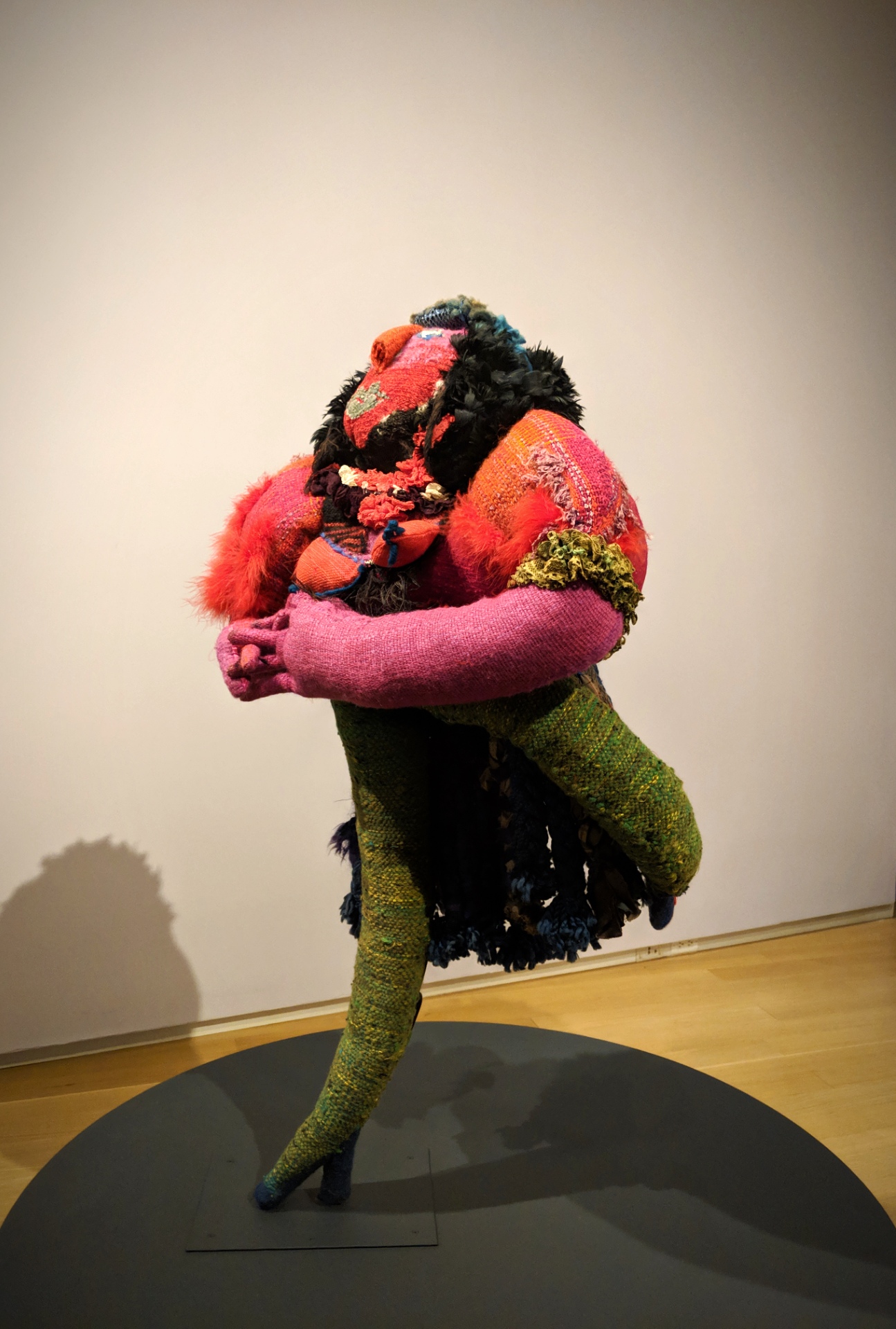 Dorian Zachai (United States, 1932-2015)
Lady Performing, 1971
Wool, rayon, silk, metallic lace, Dacron stuffing, wire and feathers
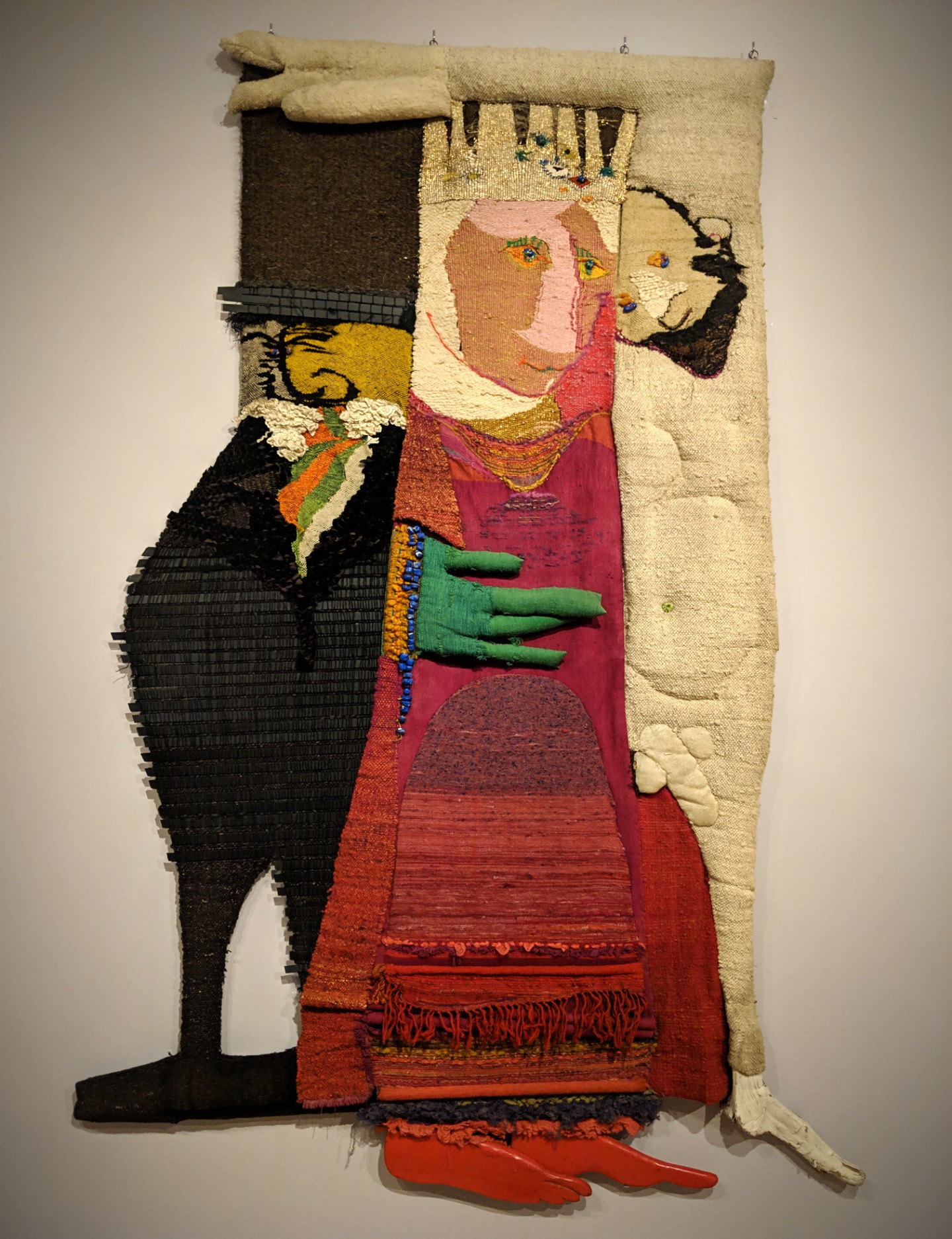 Dorian Zachai (United States, 1932-2015)
Allegory of Three Men, 1962-65
Wool, silk, rayon, wood, cotton, ceramic, metallic threads and Dacron stuffing


 El Anatsui (Ghana, b. 1944)
Soleme, 2005
Aluminum liquor bottle caps and copper wire
 David R. Harper (Canada, b. 1984)
Encyclopedia of the Familiar, 2015
Polyurethane, cowhide, linen, cotton embroidery floss, steel, synthetic hair, horsehair, epoxy clay and enamel
Combining David R. Harper’s primary working methods of sculpture and embroidery, Encyclopedia of the Familiar is a large-scale sculpture of a cross-sectioned horse, populated with a graphic, ordered collage of embroidered images from or in reference to medical texts and mathematical treatises.
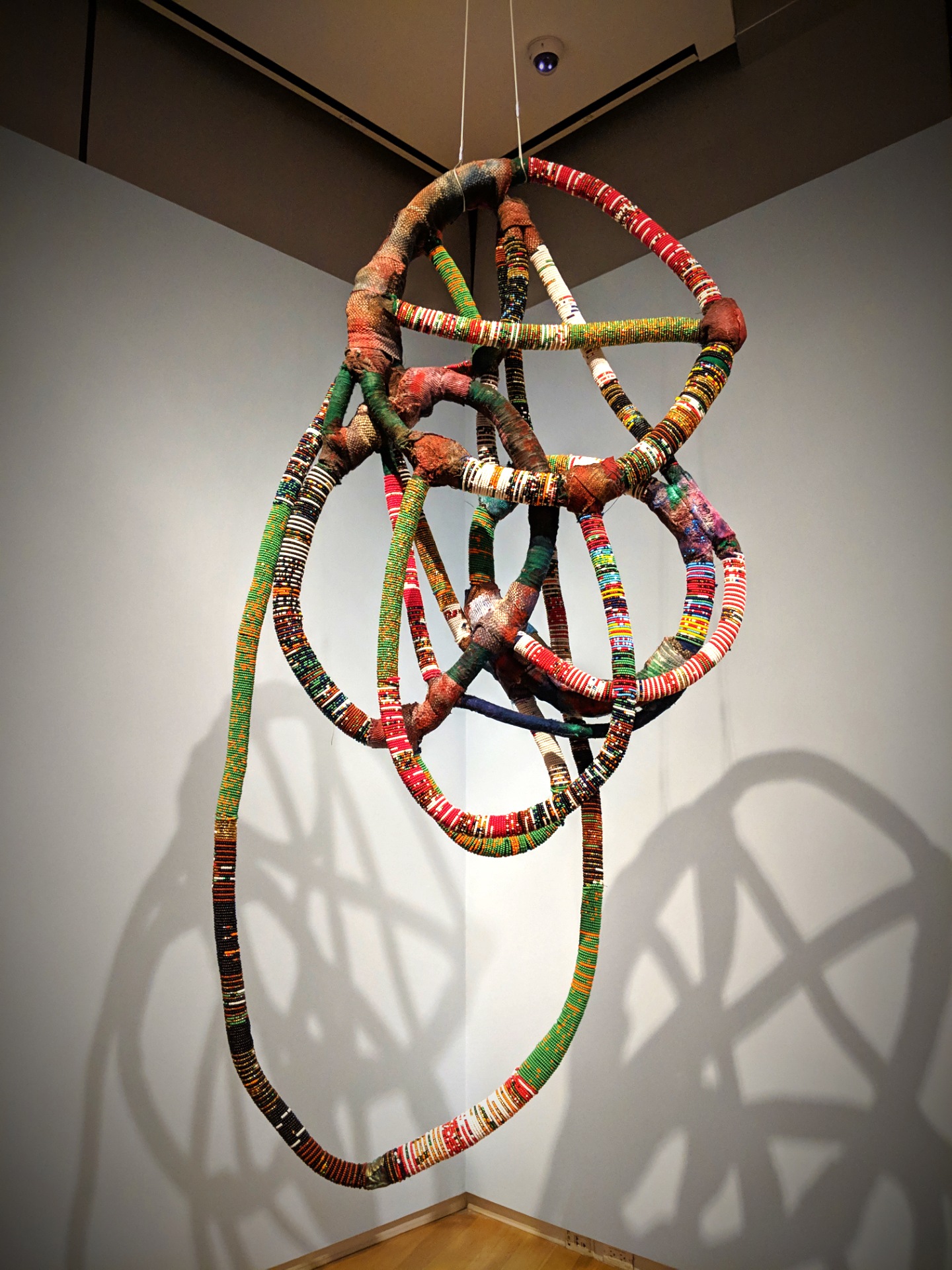 Leonardo Benzant (United States, b. 1972)
The Chameleon’s Journey: Galveston, 2017
Textiles, string, monofilament, leather, acrylic, gel medium, glass seed beads and miscellaneous
Benzant creates his sculptures through a slow and labour-intensive ritualistic process, rolling and sewing fabric into tubular forms, wrapping them with string and strands of glass beads, and adding paint, glitter and other elements or ornament to entwine history, memory and imagination. These signature forms, while abstract, resemble chromosomes and roots, visually conveying his ties to an ancestral lineage. As a practitioner of the Yoruba faith, Benzant uses glass beads based on the eleke necklaces worn by practitioners during ceremonies for their symbolic spiritual power.

Ibrahim Said (Egypt, b. 1976)
Devotion, 2018
White earthenware and glaze
Said’s work represents a marriage between ancient and contemporary Egypt, where most of the population is Muslim. Devotion is an abstraction of two birds in flight, based on the ancient Egyptian deity Horus, traditionally depicted as a falcon.
 Annie Evelyn (United States, b. 1976)
Nest, 2017
Vintage jewelry findings, leather and foam


Sterling Ruby (Germany, b. 1972)
Basin Theolody/The Pipe, 2018 & Basin Theology/Pentedrone, 2014
Sterling Ruby: Ceramics, was the first museum exhibition to focus on the ceramic works of the Los Angeles-based artist.
November 11th, 2018
Pertinent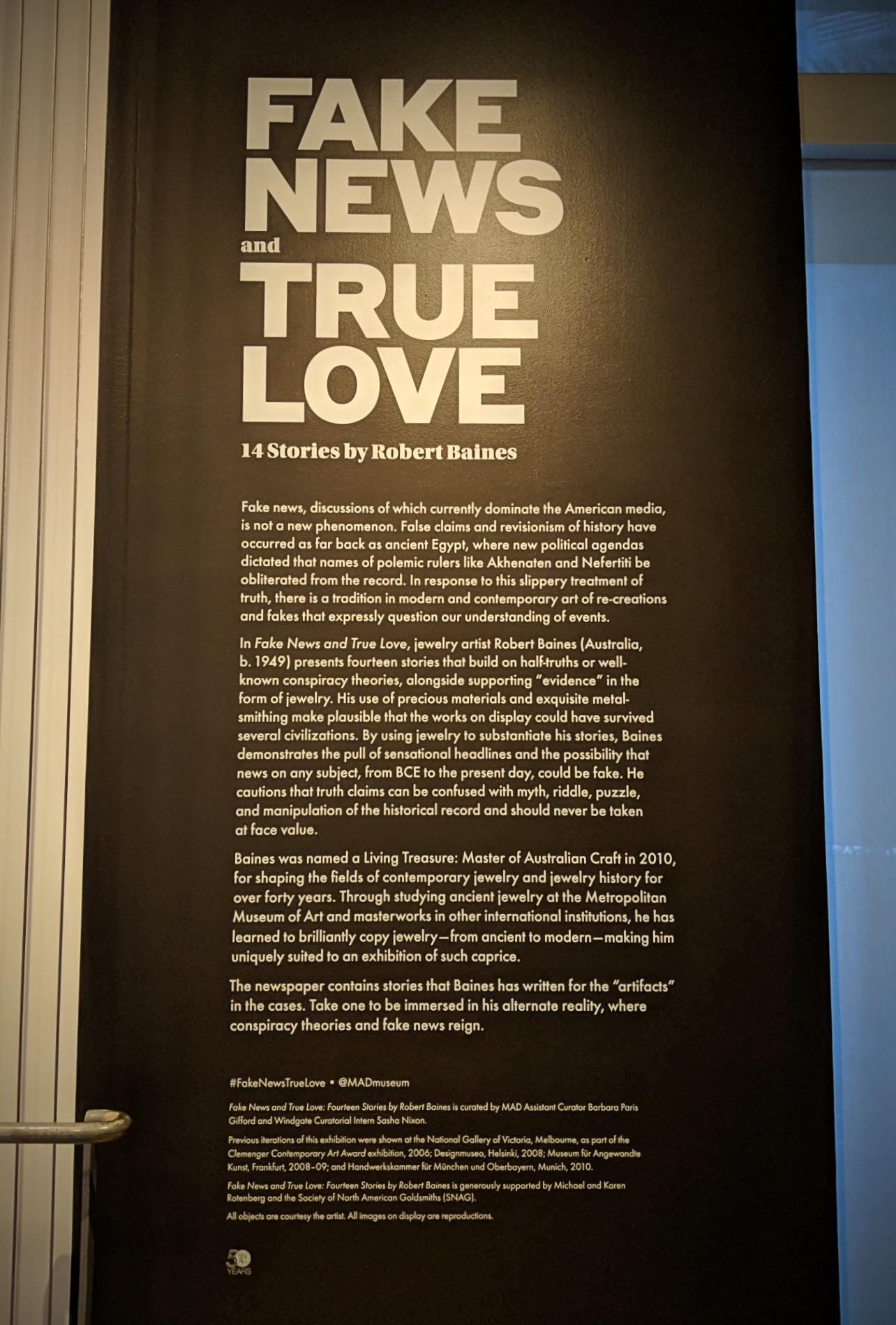
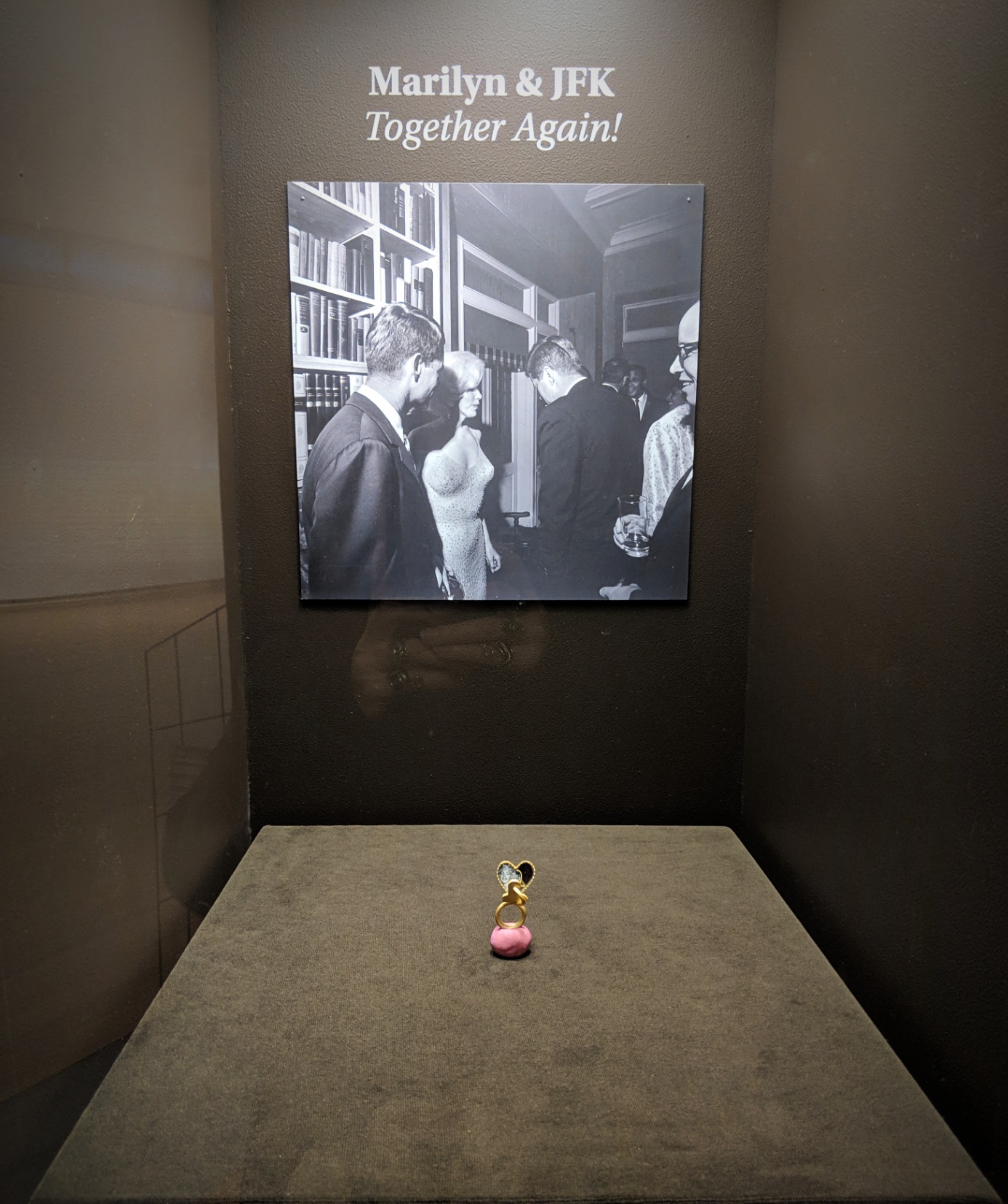
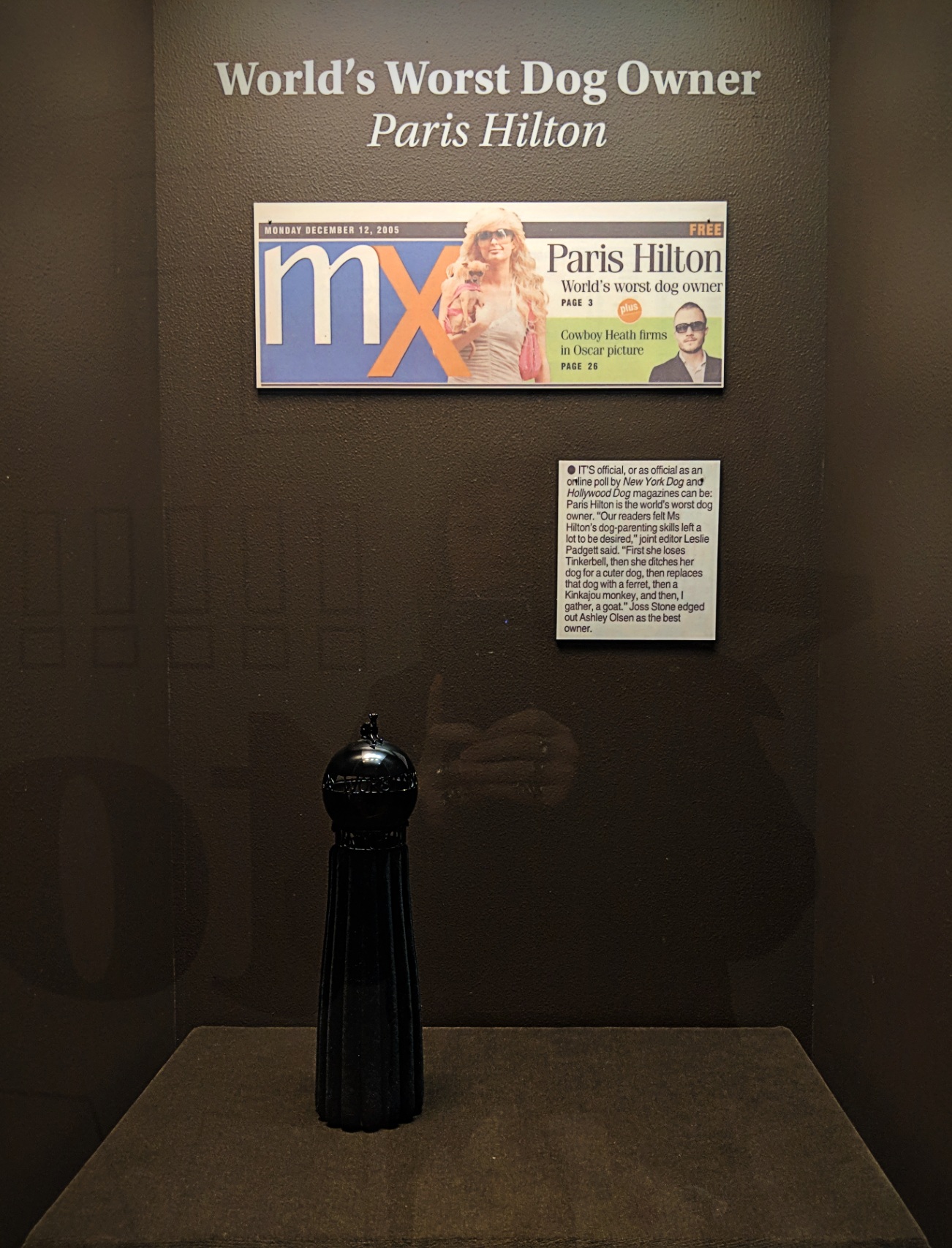
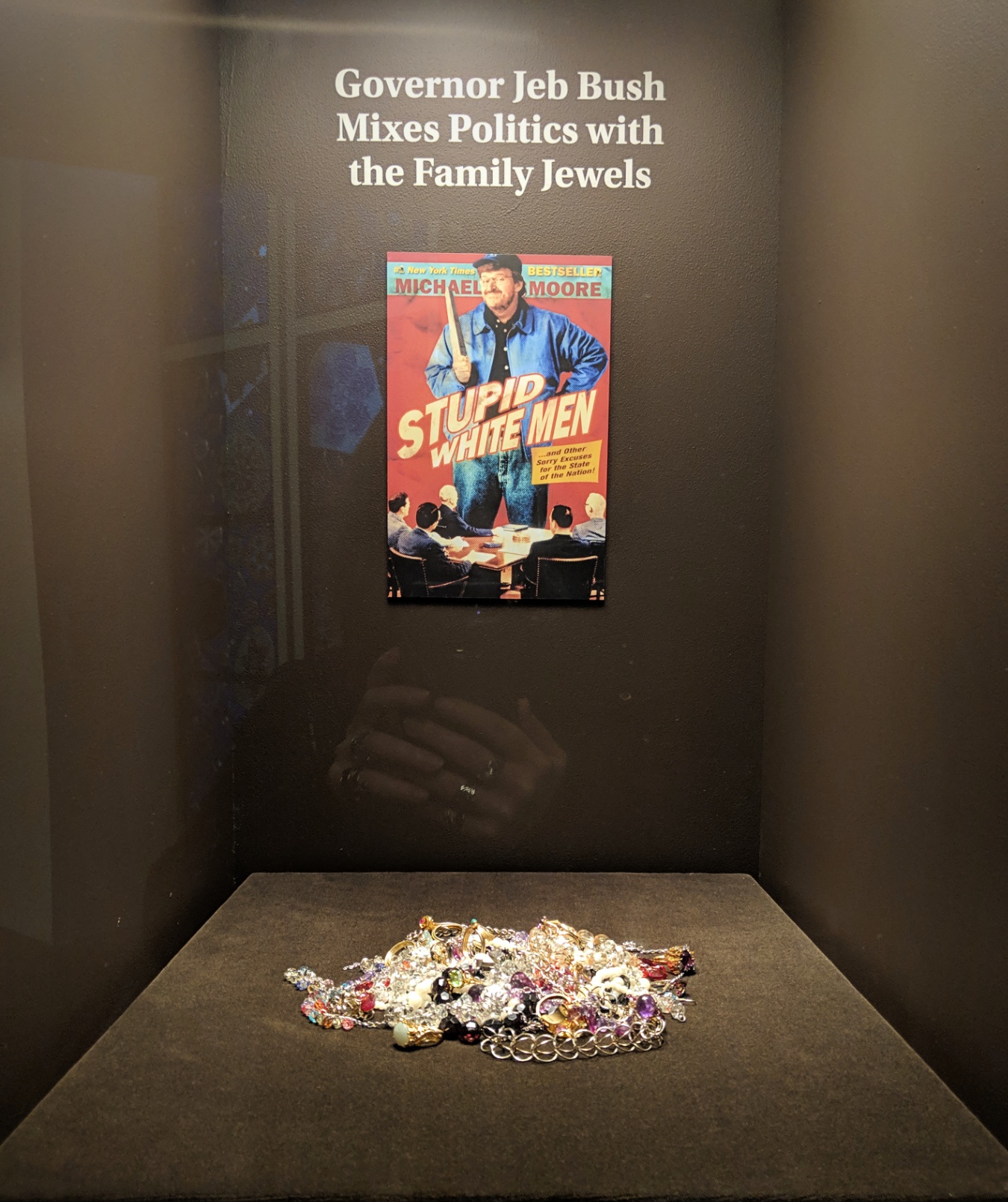
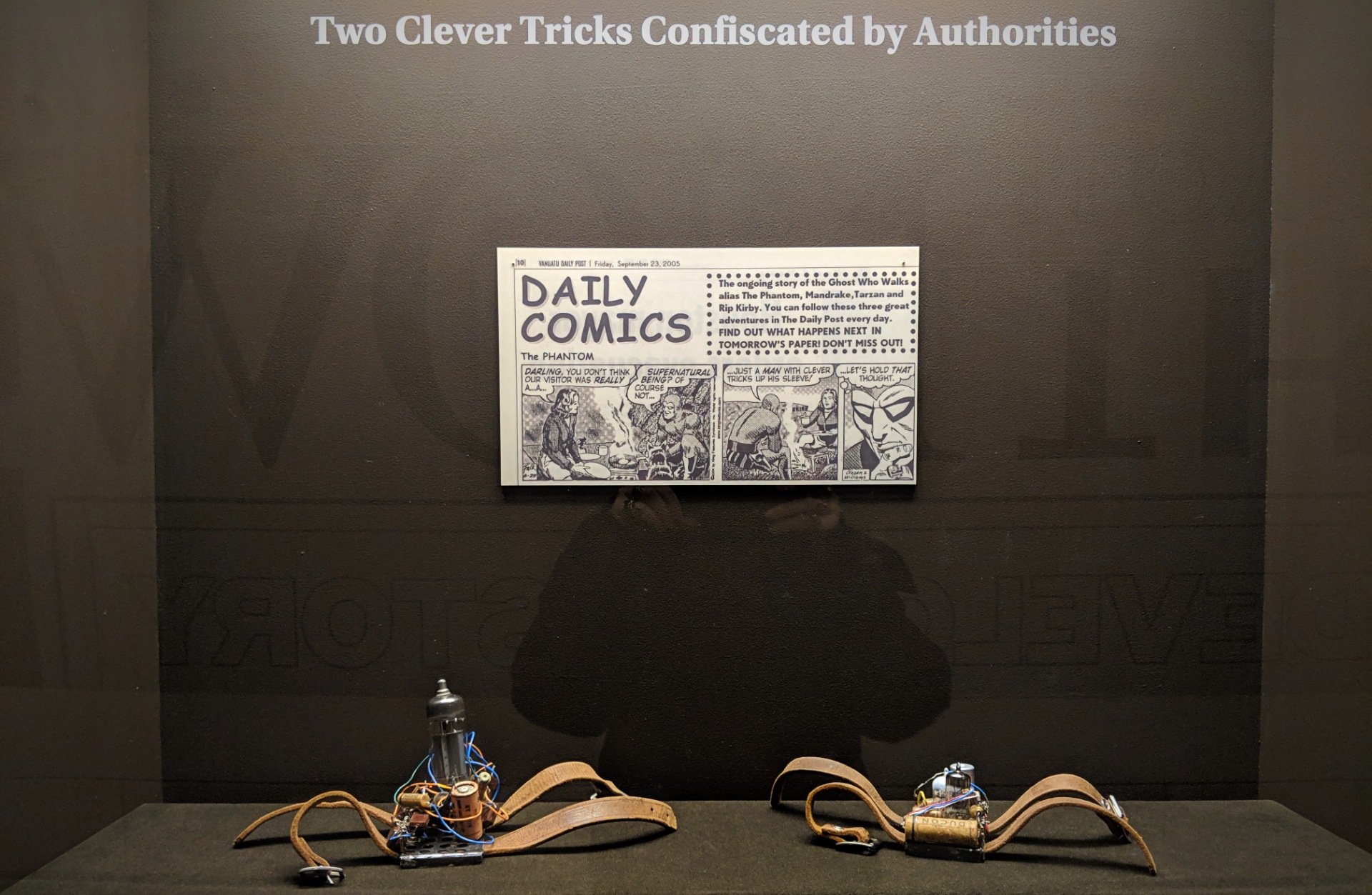
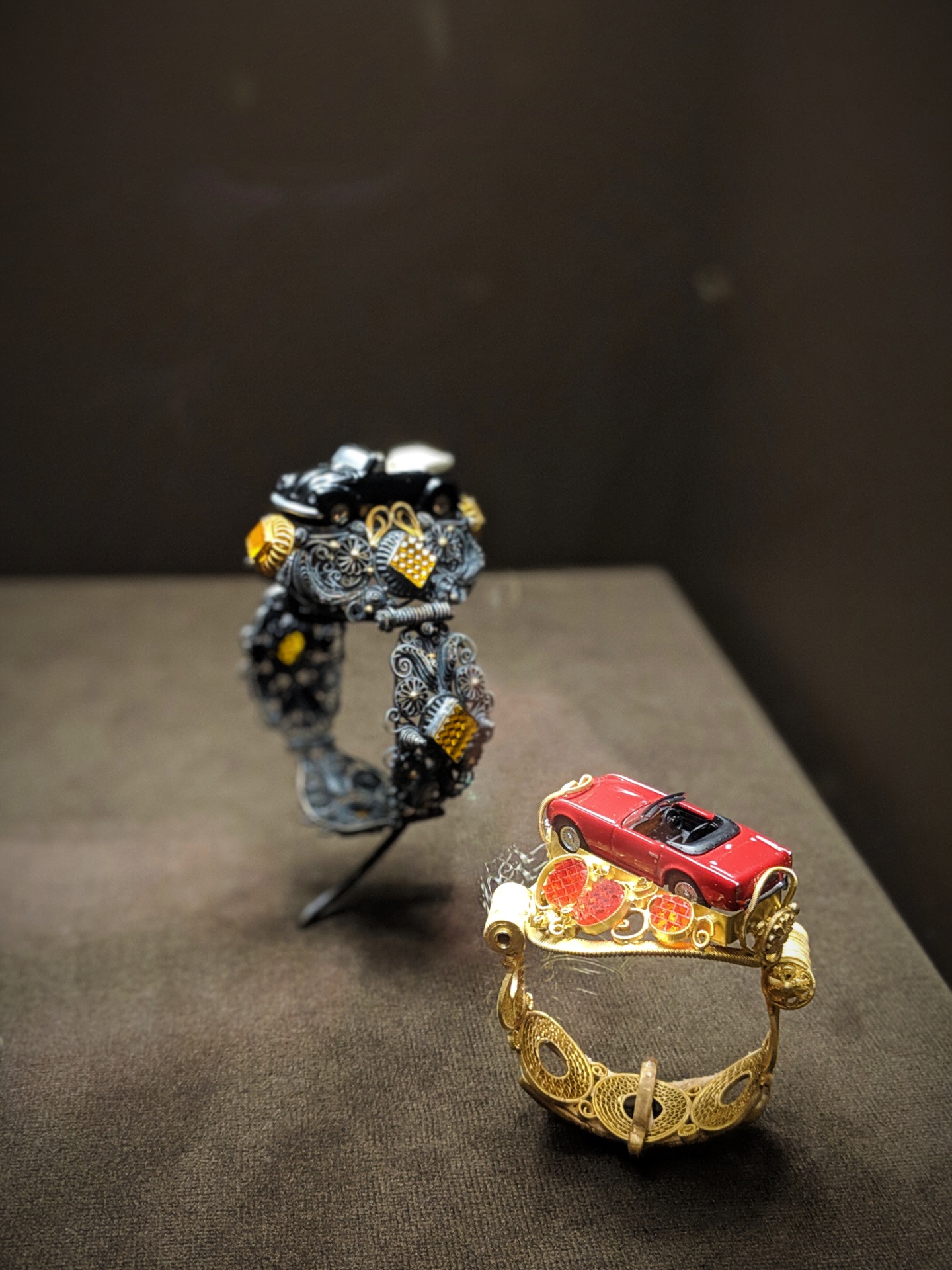
New Jewellery Group from the Baltic
Bracelets from Saaremaa (?)
Gold, silver, plastic and model cars
Fake news, real jewellery by Robert Baines
November 11th, 2018
subjective worldview
Actor, writer, cook and author
Travel experiences & Strasbourg city guide
Writer
joy, happiness, travel, adventure, gratitude
"Rêve onirique & Bulle d'évasion"
makes pretty things on paper
This WordPress.com site is Pacific War era information
Welcome to my curious world of words....
Photographs, music and writing about daily life. Contact: elcheo@swcp.com
Free listening and free download (mp3) chill and down tempo music (album compilation ep single) for free (usually name your price). Full merged styles: trip-hop electro chill-hop instrumental hip-hop ambient lo-fi boombap beatmaking turntablism indie psy dub step d'n'b reggae wave sainte-pop rock alternative cinematic organic classical world jazz soul groove funk balkan .... Discover lots of underground and emerging artists from around the world.
A 365 analogue photography project
Barcelona's Multiverse | Art | Culture | Science
Een digitaal atelier aan de (zee)slag.
‘Doodling Ambiguity’s in Ink.’
Miscellaneous photography
Glimpses along the way on a journey of discovery into symmetry...
 The Humble Fabulist