Paradise Lost | The Art of the Sublime

I was browsing through some gorgeous prints yesterday evening, courtesy of The New York Satellite Print Fair, where seventeen dealers present their fine prints and drawings during print week. From Old Masters to contemporary artists, there are some remarkable works of art to be found here and that’s only an annex to the main event – the Fine Art Print Fair – at the Javits Center in Manhattan West. Photography is completely out of place in this environment but the prints reminded me of these sublime works by William Blake, on view at the Huntington in Los Angeles.

Satan watching the endearments of Adam and Eve, 1807
Pen and watercolour


Raphael Warns Adam and Eve, 1807
Pen and watercolour


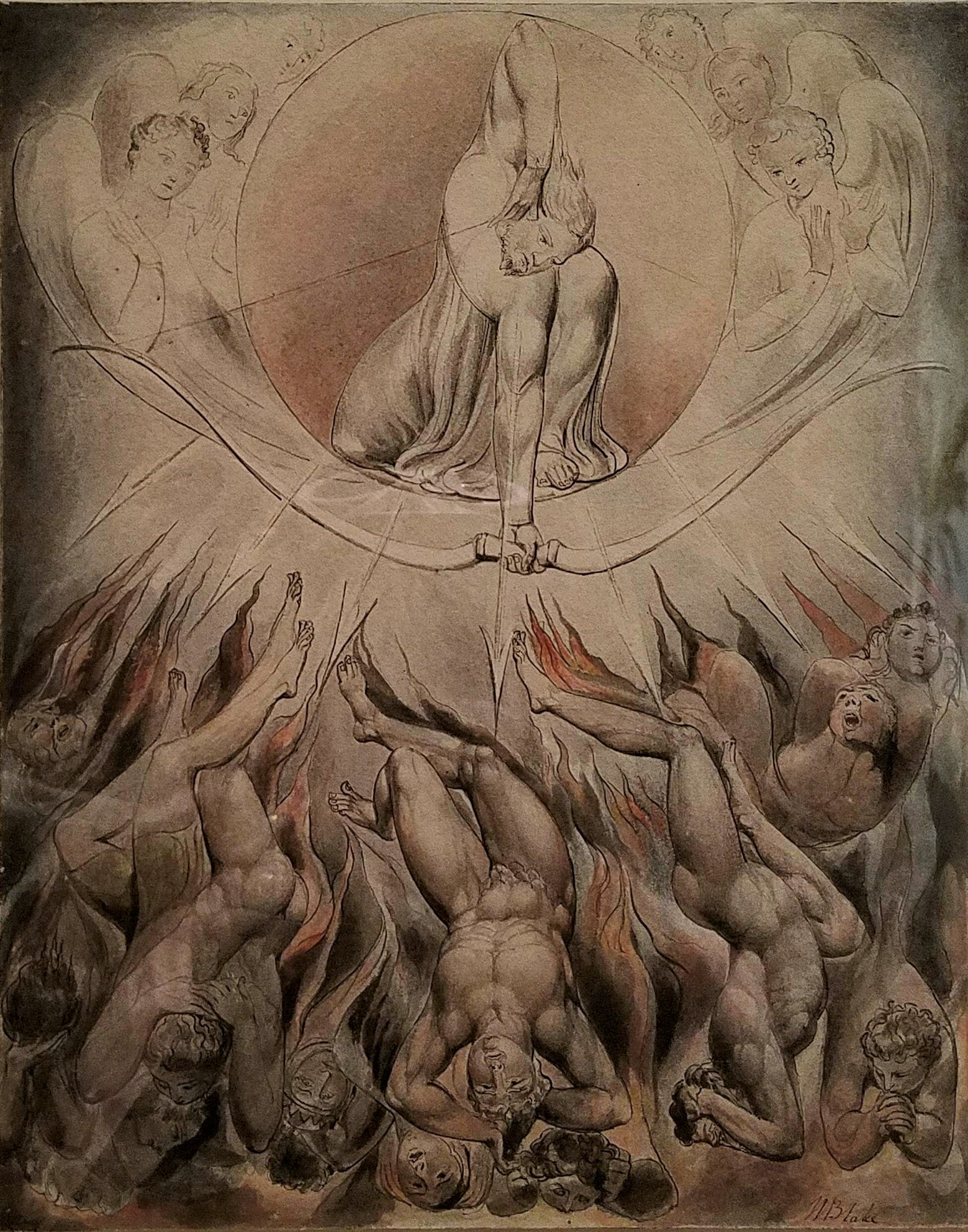
Rout of the Rebel Angels, 1807
Pen and watercolour


The Creation of Eve, 1807
Pen and watercolour


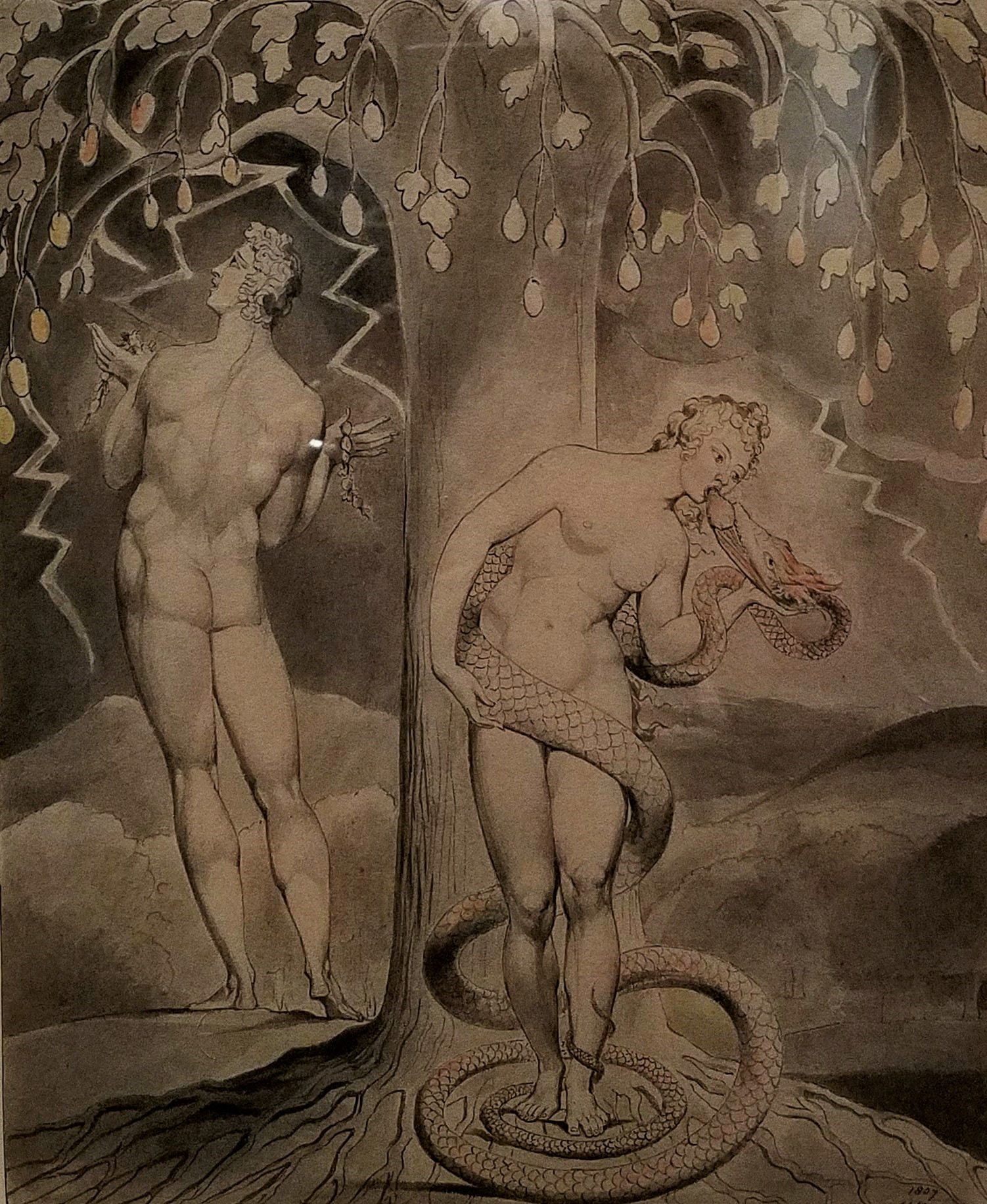
The Temptation and Fall of Eve, 1807
Pen and watercolour


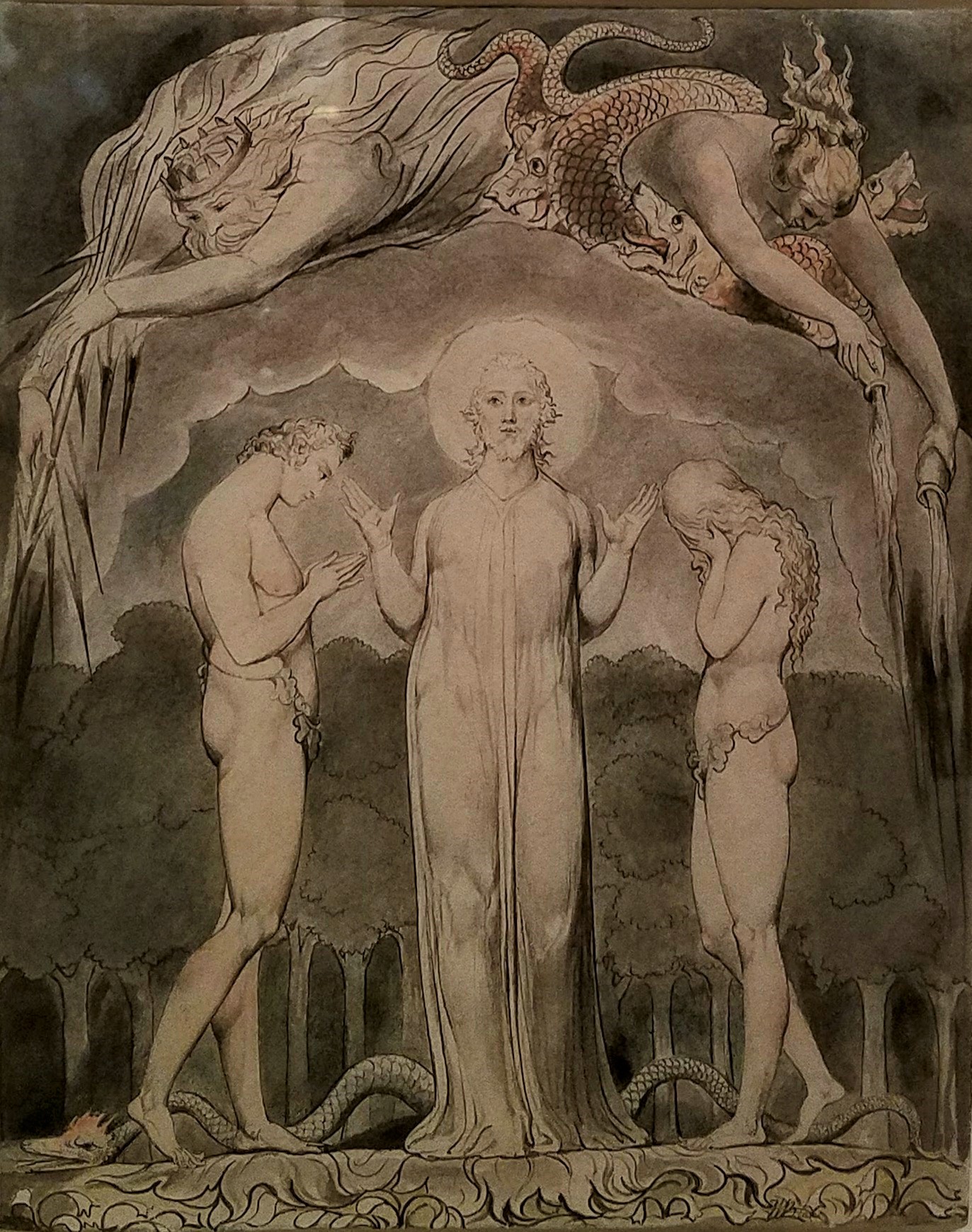
The Judgement of Adam and Eve; So Judged He Man, 1807
Pen and watercolour


For William Blake, the Bible was the greatest work of poetry ever written. Only Milton’s 17th century epic poem, Paradise Lost, rivaled its importance to his art. Blake produced three separate sets of illustrations for Paradise Lost, the first a series of twelve drawings commissioned by Joseph Thomas in 1807. Henry E. Huntington purchased all of the watercolours in this original series between 1911 and 1914. 

#current_mood
#four_days_to_Halloween
#art_of_the_sublime

The Huntington

July 16th, 2017

Bat-winged dragons and ugly tiny faces

#current_mood
#six_days_to_Halloween

Halloween’s origins date back to the ancient Celtic festival of Samhain (pronounced sow-in). The Celts, who lived 2,000 years ago in the area that is now Ireland, the United Kingdom and northern France, celebrated their new year on November 1.

This day marked the end of summer and the harvest and the beginning of the dark, cold winter, a time of year that was often associated with human death. Celts believed that on the night before the new year, the boundary between the worlds of the living and the dead became blurred. On the night of October 31 they celebrated Samhain, when it was believed that the ghosts of the dead returned to earth. {source}

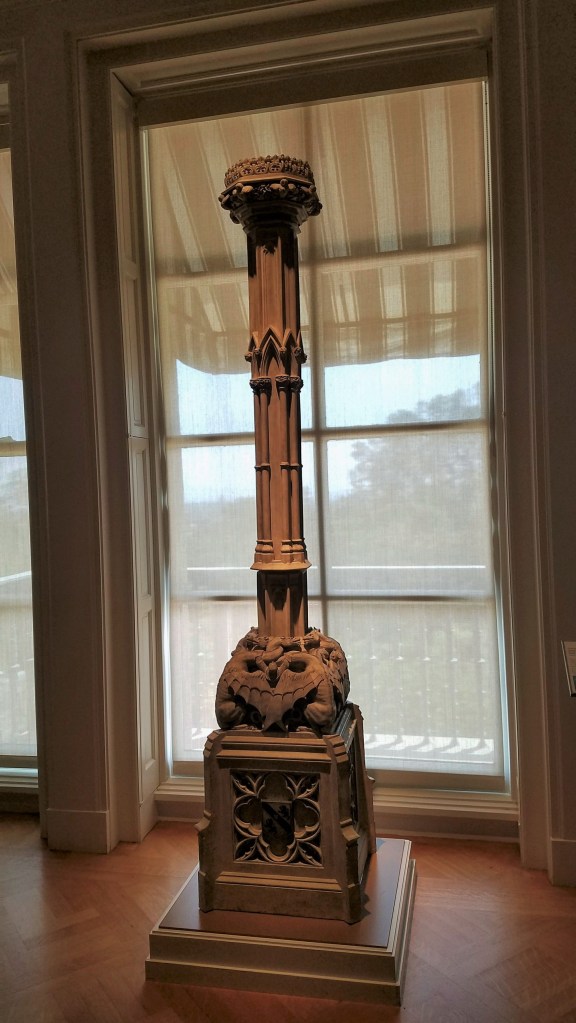
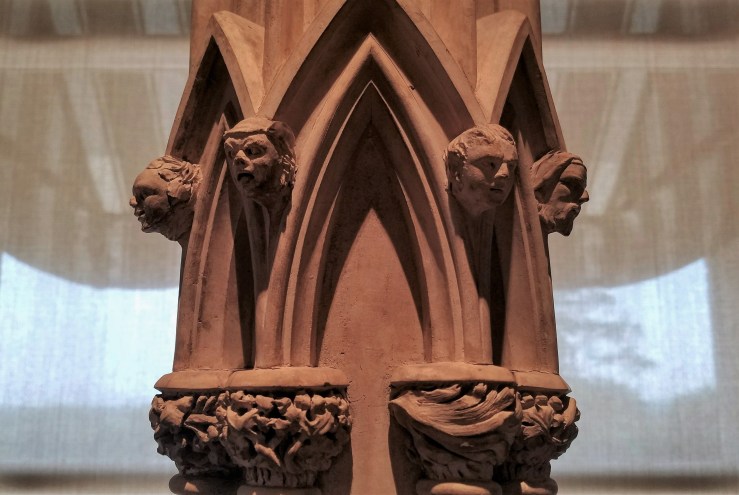
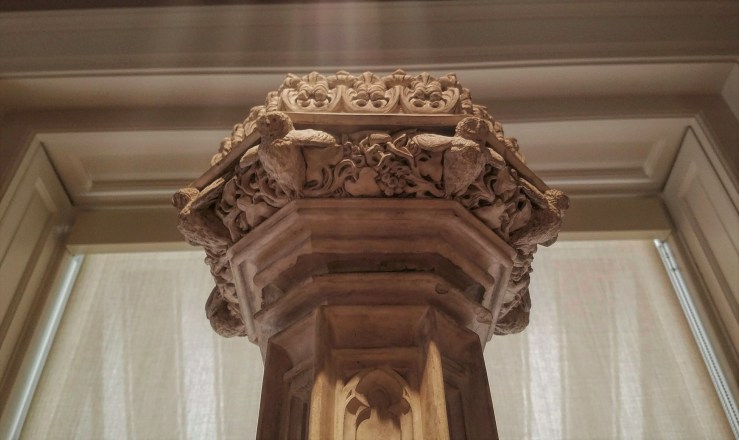
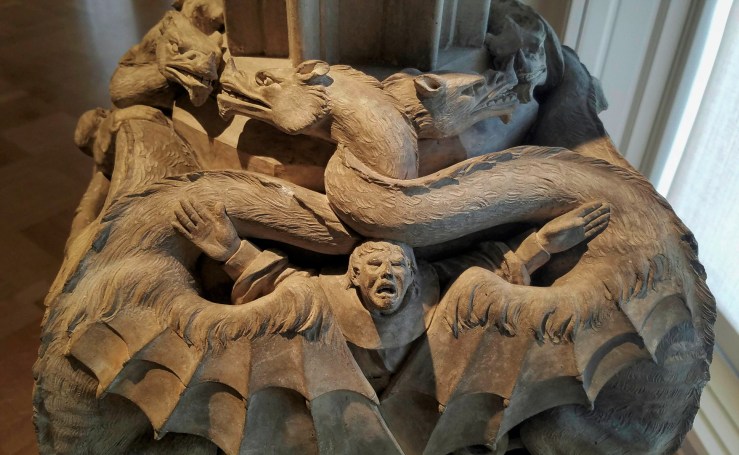
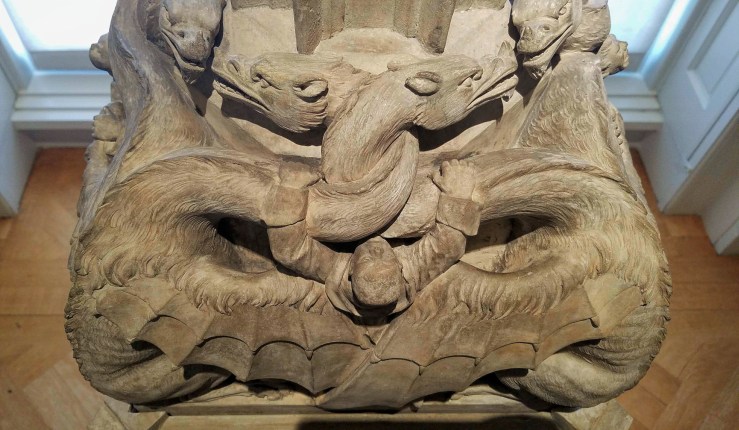
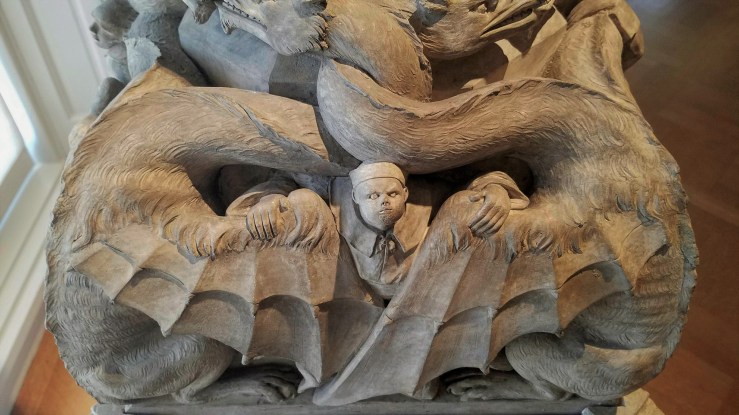
Getting into the spirit, starting today with this ordinary-looking, almost boring column. But look closer…  Coade-Stone Torchère, 1809
Manufactured by Coade and Sealy, Lambeth, England, probably after a design by Thomas Hopper (1776-1856) 

This candelabrum relates to a set of ten originally made for the Gothic conservatory that Thomas Hopper designed for Carlton House, the London residence of the Prince Regent, later George IV. They are examples of the Regency taste for the fantastic, with bat-winged dragons, medieval figures peeping out between their wings, owls in flight and tiny faces with differing features and expressions encircling the column. The torchères are made from ”Coade-stone”, an artificial stone developed by Eleanor Coade in the 1760s and very popular for use in architectural ornament. 

The Huntington

July 16th, 2017

The Huntington | Art Collections | Red buttons

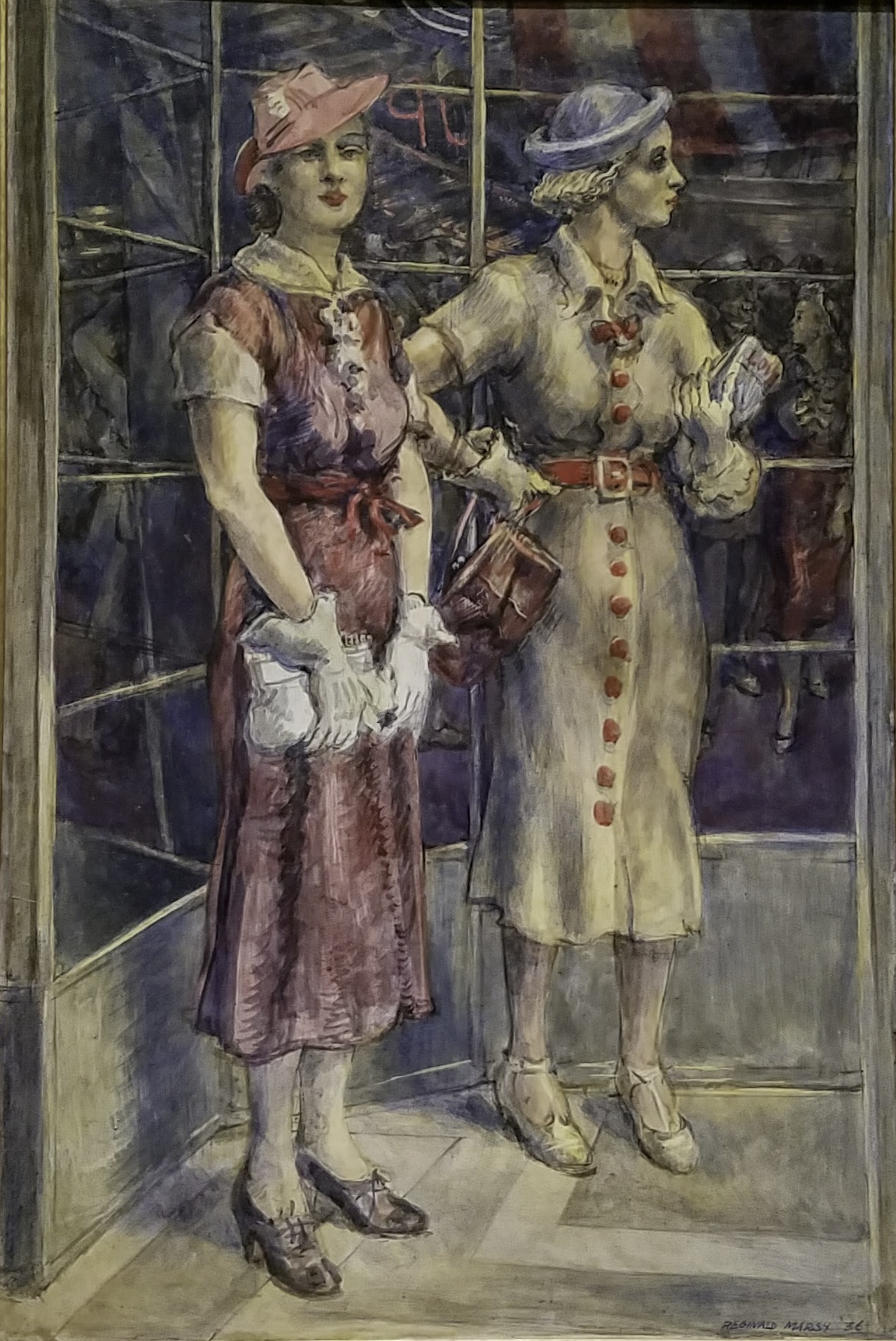
Reginald Marsh
Girls (Red Buttons), 1936
Egg tempera on board

Marsh first pursued a career as an illustrator, working for the New York Daily News and The New Yorker, and only later began taking painting classes at the Art Students League. Many of his best images are about seeing and being seen in New York City’s public spaces. In Girls (Red Buttons), one of the women looks at the viewer while the other glances to the right, outside the painting, her dominant red buttons supplying the painting’s title. 


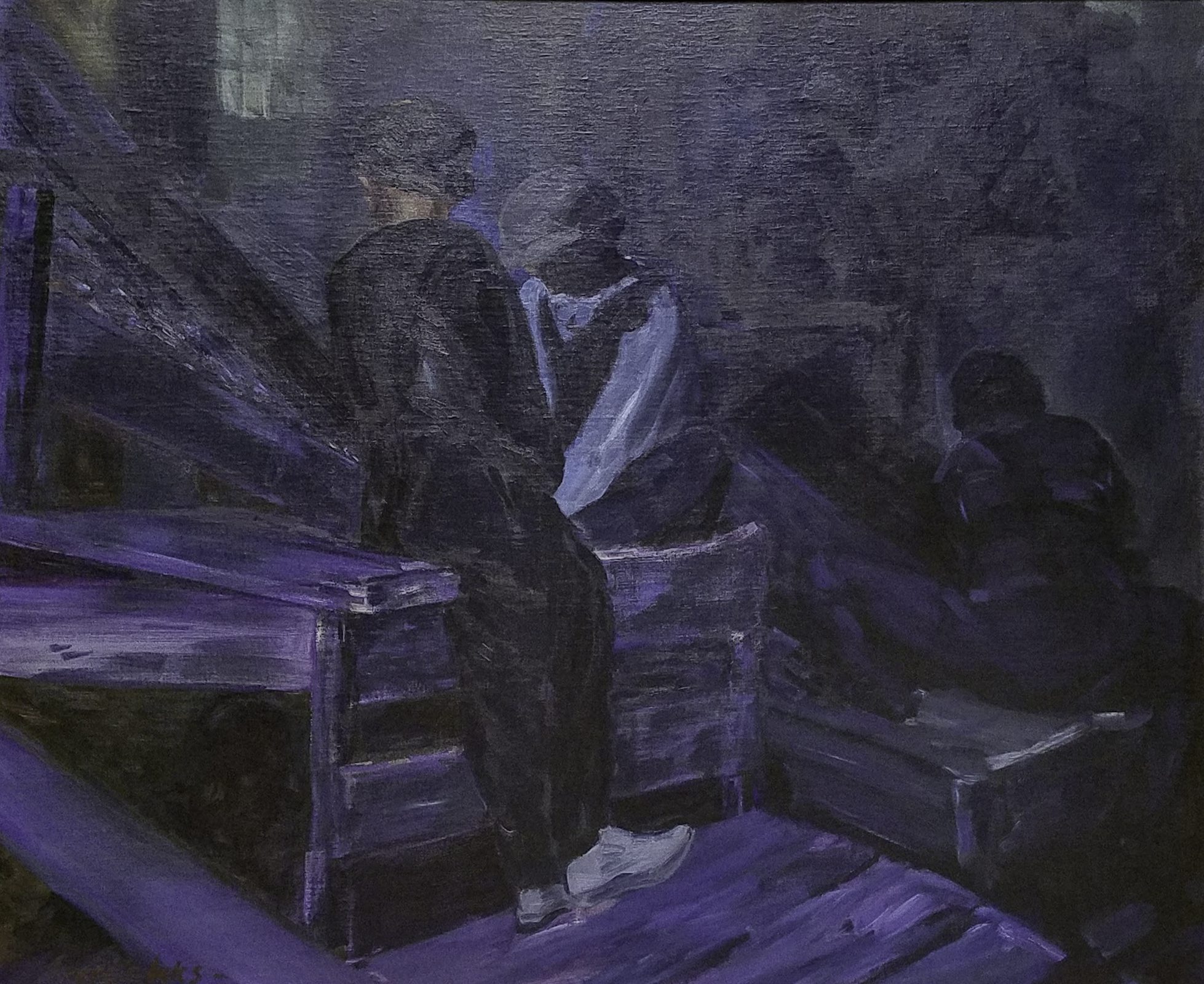
George Luks
The Breaker Boys, ca. 1925
Oil on canvas

Breaker Boys is a bleak picture of unremitting toil. ”Breaker boys” were children who removed debris and sorted chunks of coal according to size and grade. They were poorly paid for their dangerous labour and suffered injuries or even death from falling down coal chutes. The painting’s large size (50 by 60 in. – 127 by 152.4 cm) speaks to the gravity of Luks’ message, which he reinforced with slashing diagonals and thickly applied paint that allude to the noise, chaos and mess of the boys’ working conditions. (In 1938, Federal regulation of child labour was achieved in the ”Fair Labor Standards Act”, which imposed minimum ages of employment and hours of work for children.)


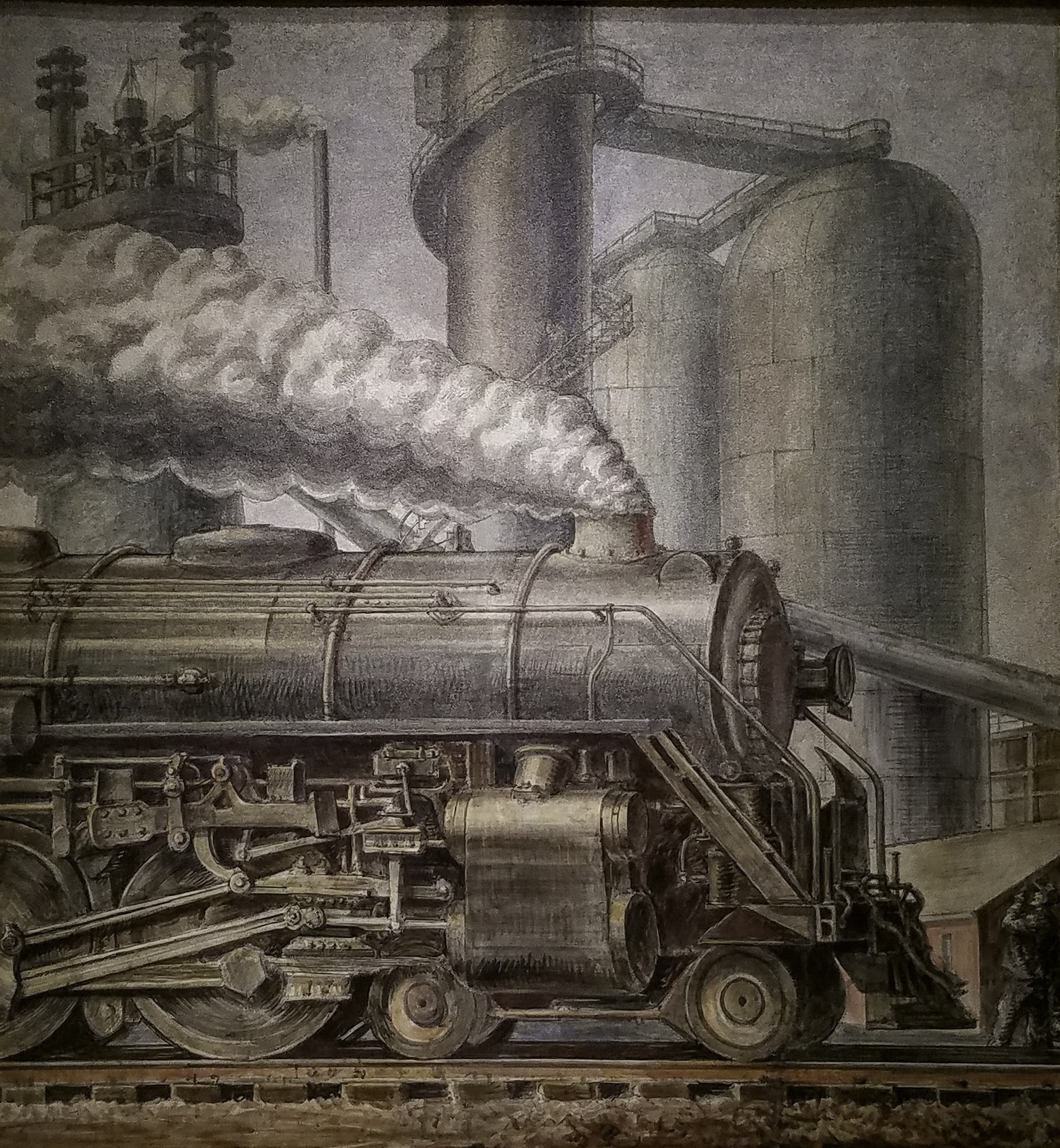
Reginald Marsh
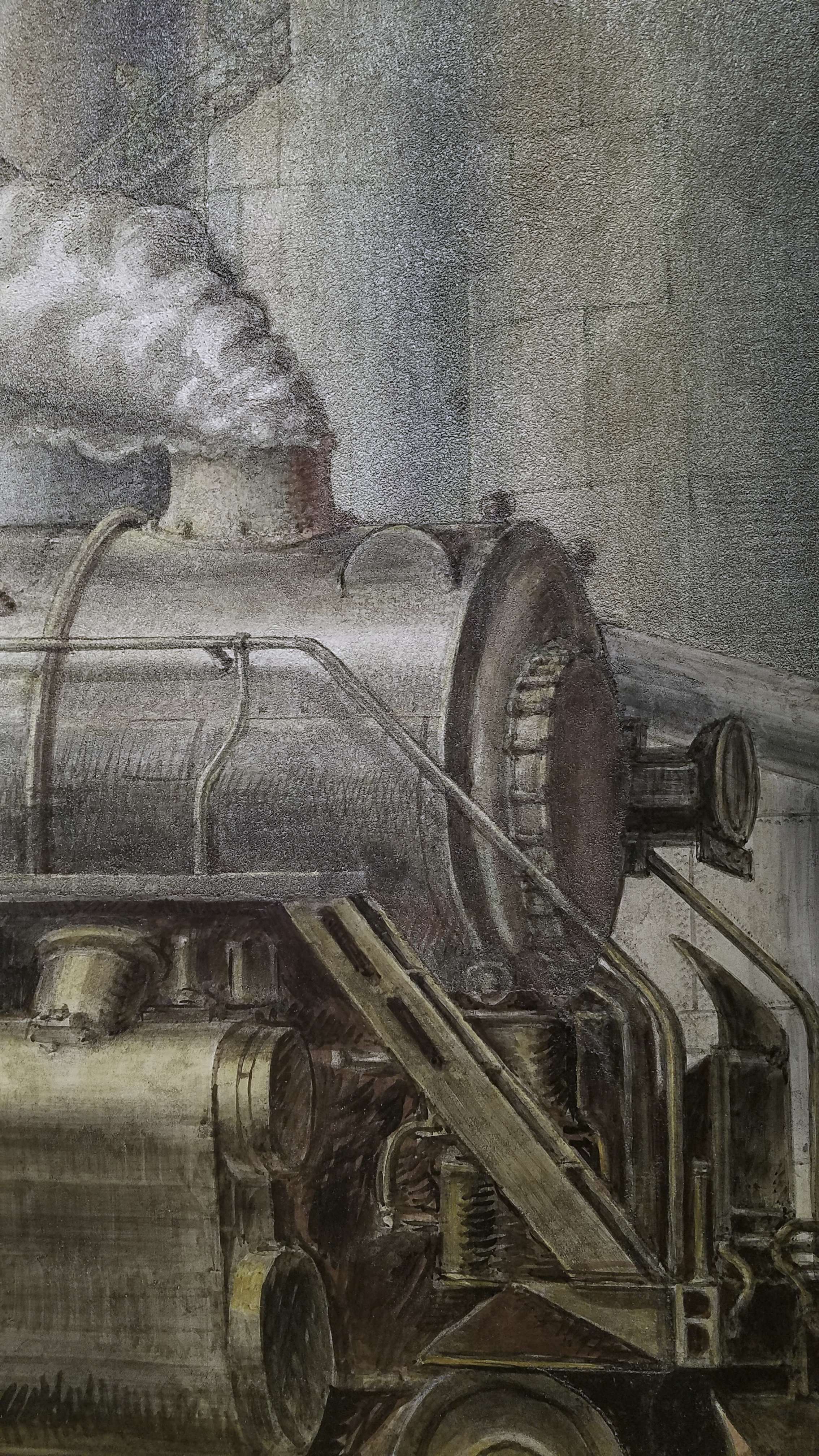
The Locomotive, 1935
Tempera on concrete plaster

Marsh made ”The Locomotive” as a study for a commission he received from the Treasury Department to design and execute two murals for the Post Office Building in Washington, D.C. Although the building’s architect suggested that Marsh complete his paintings on canvases that would later be affixed to the walls, Marsh sought permission to execute the murals in fresco, a technique of applying pigment on freshly laid plaster largely associated with Renaissance masters.

The Huntington

July 16th, 2017

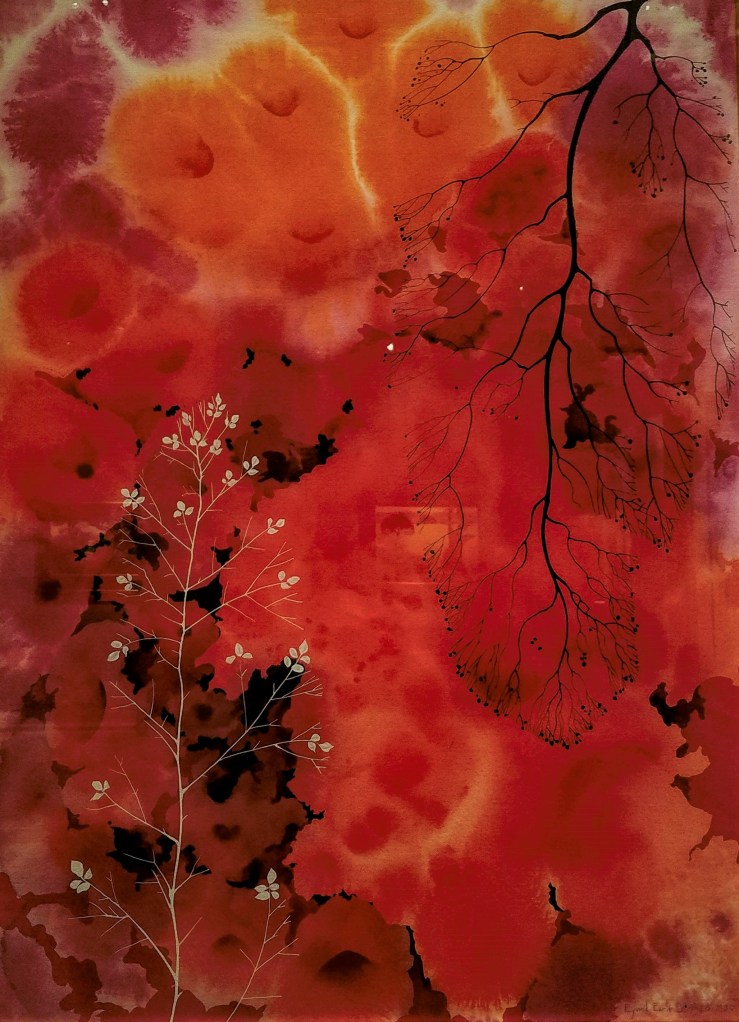
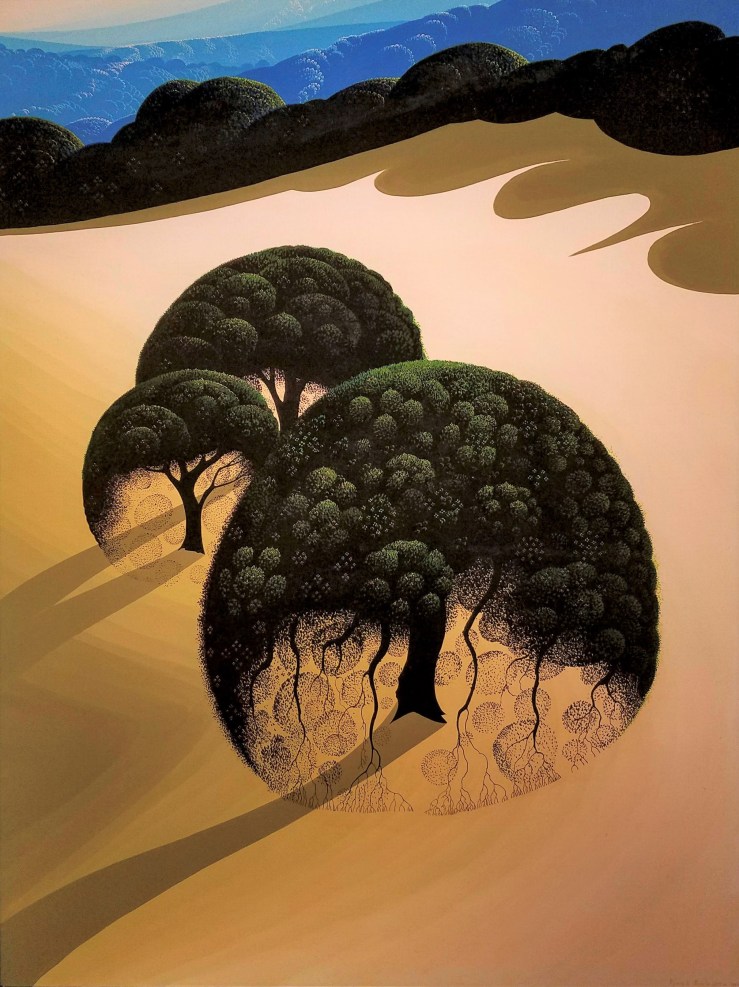
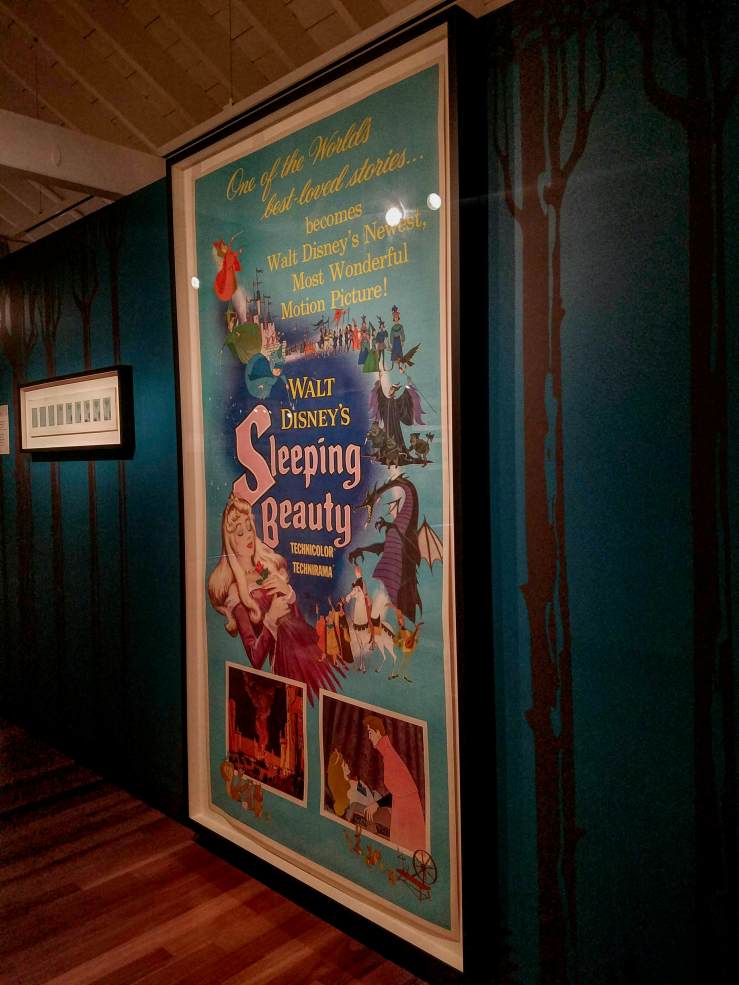
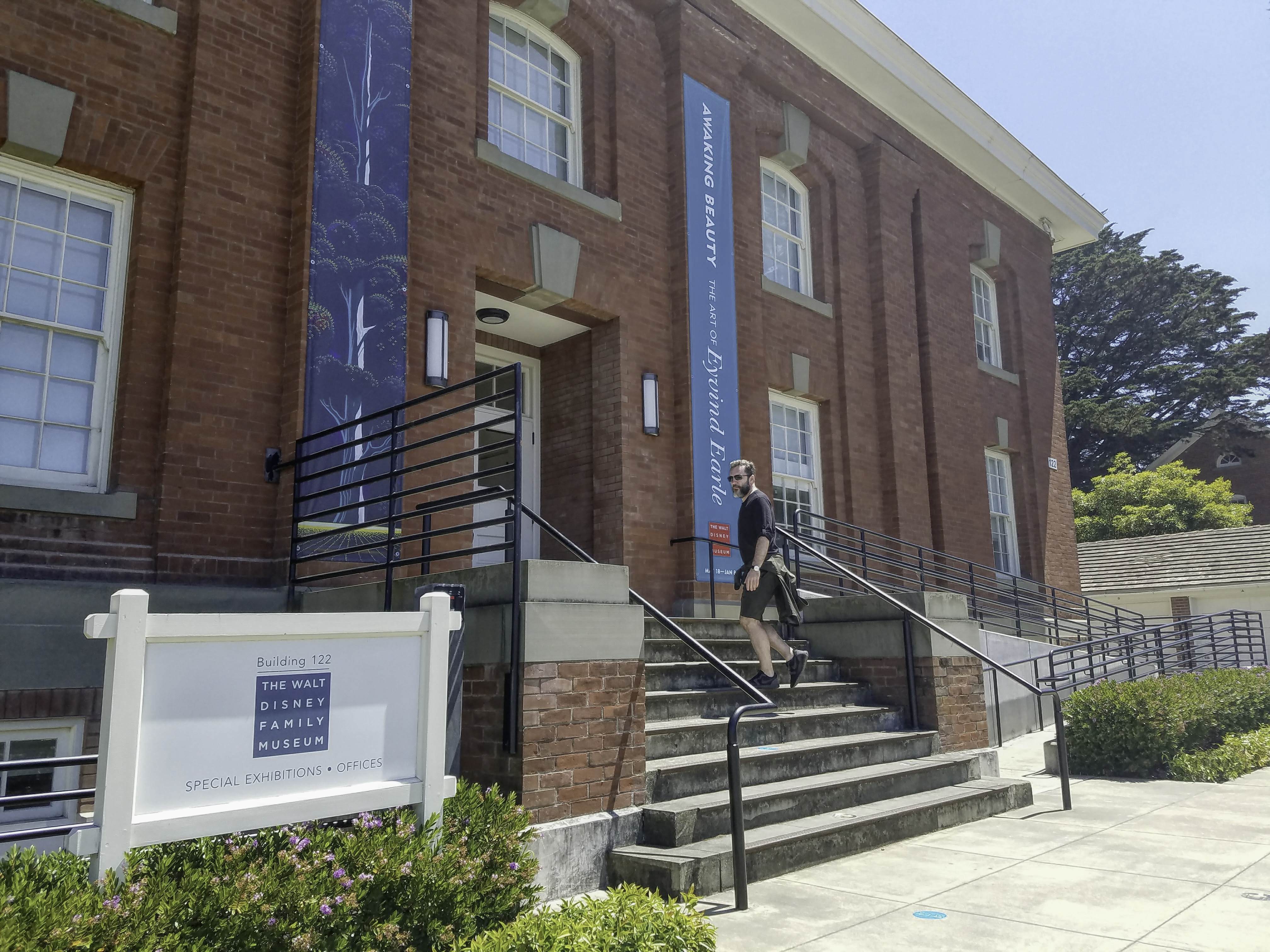
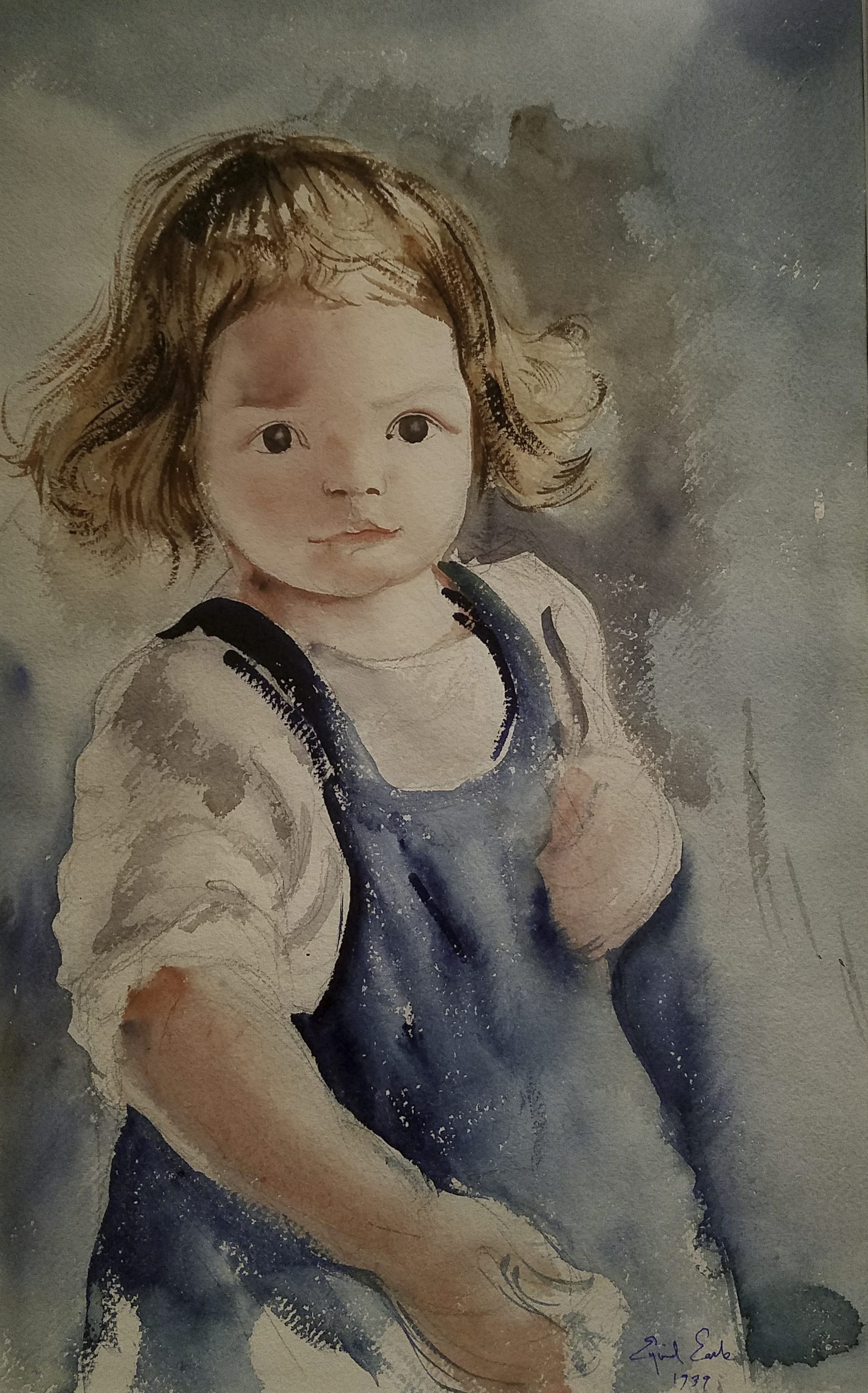
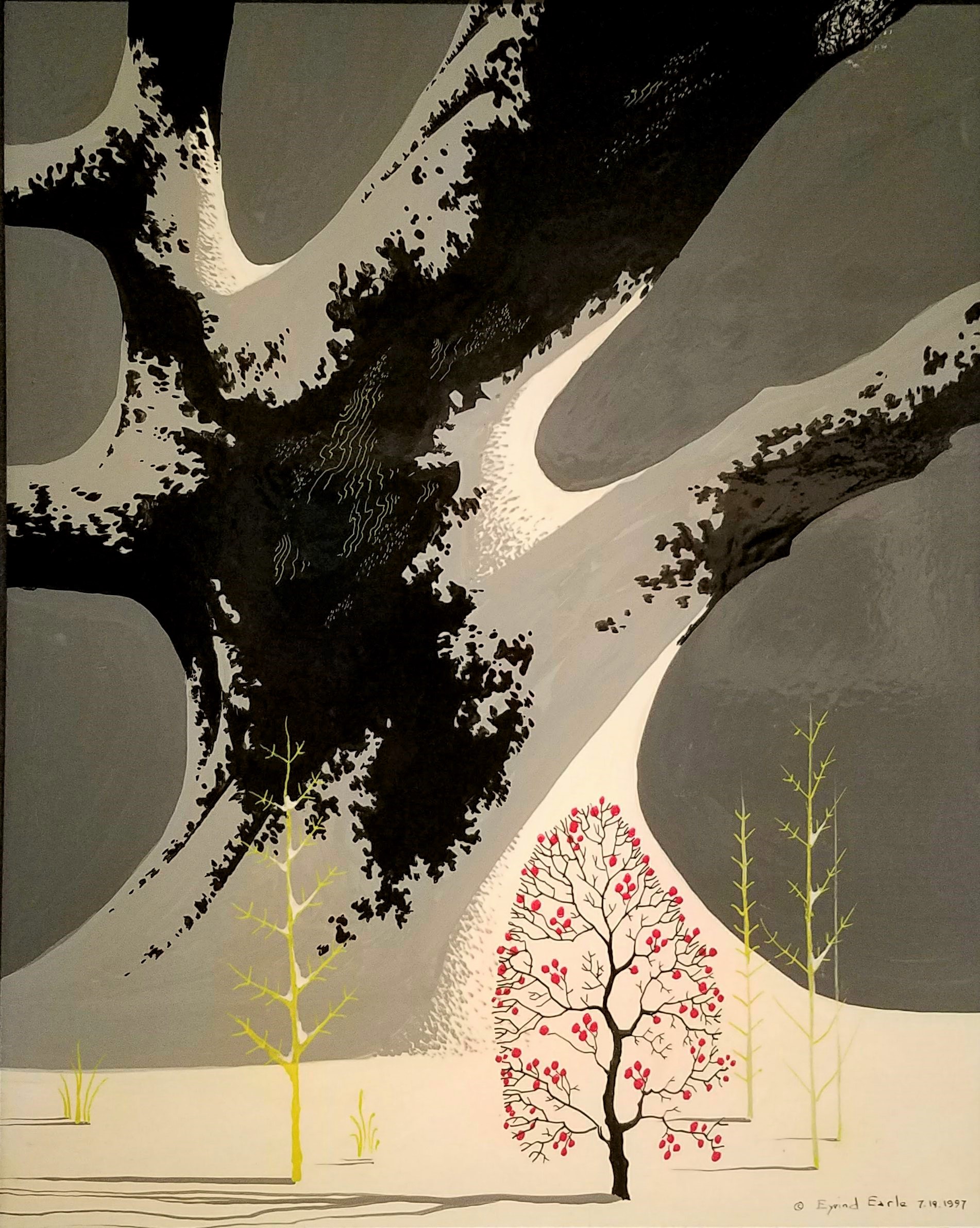
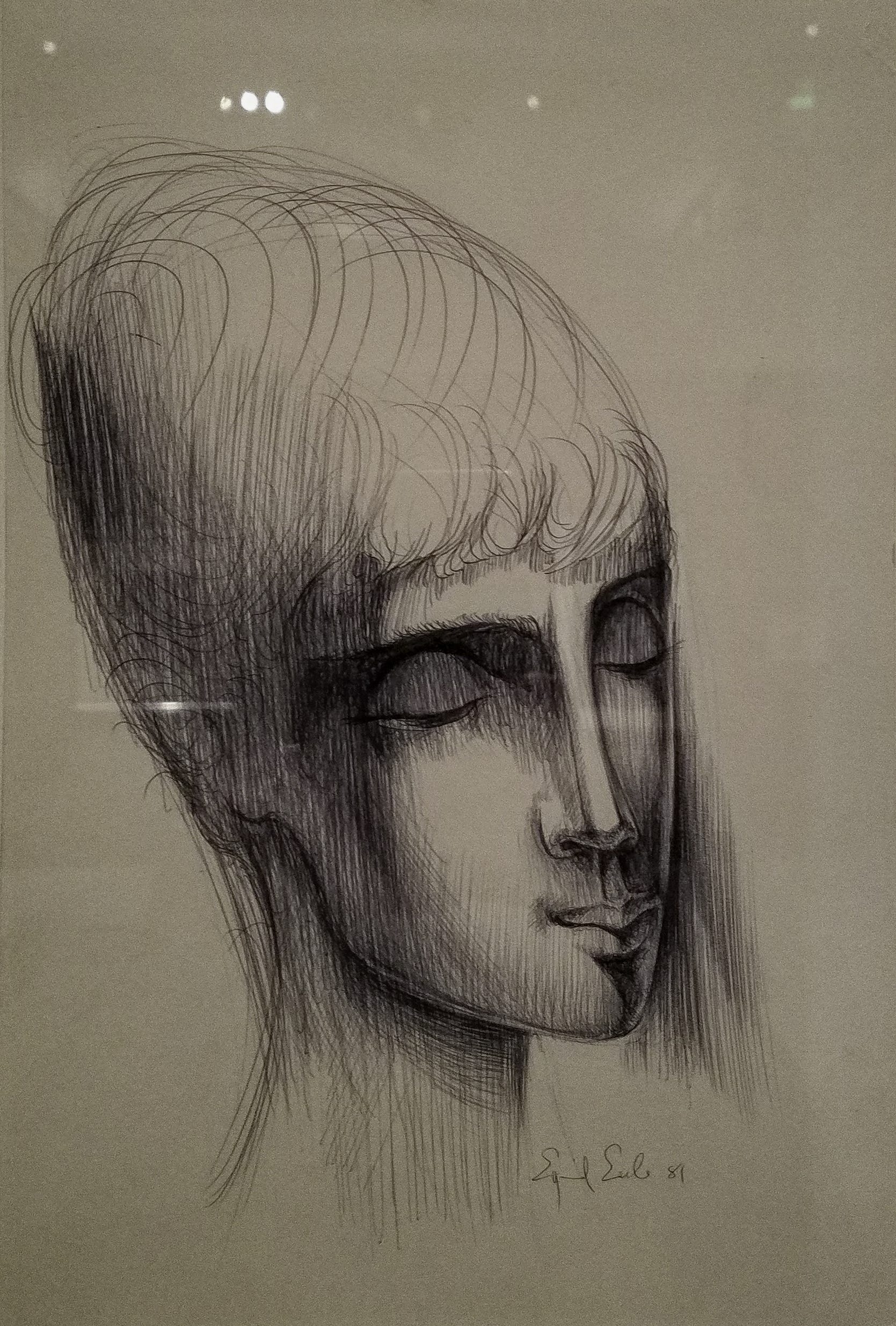
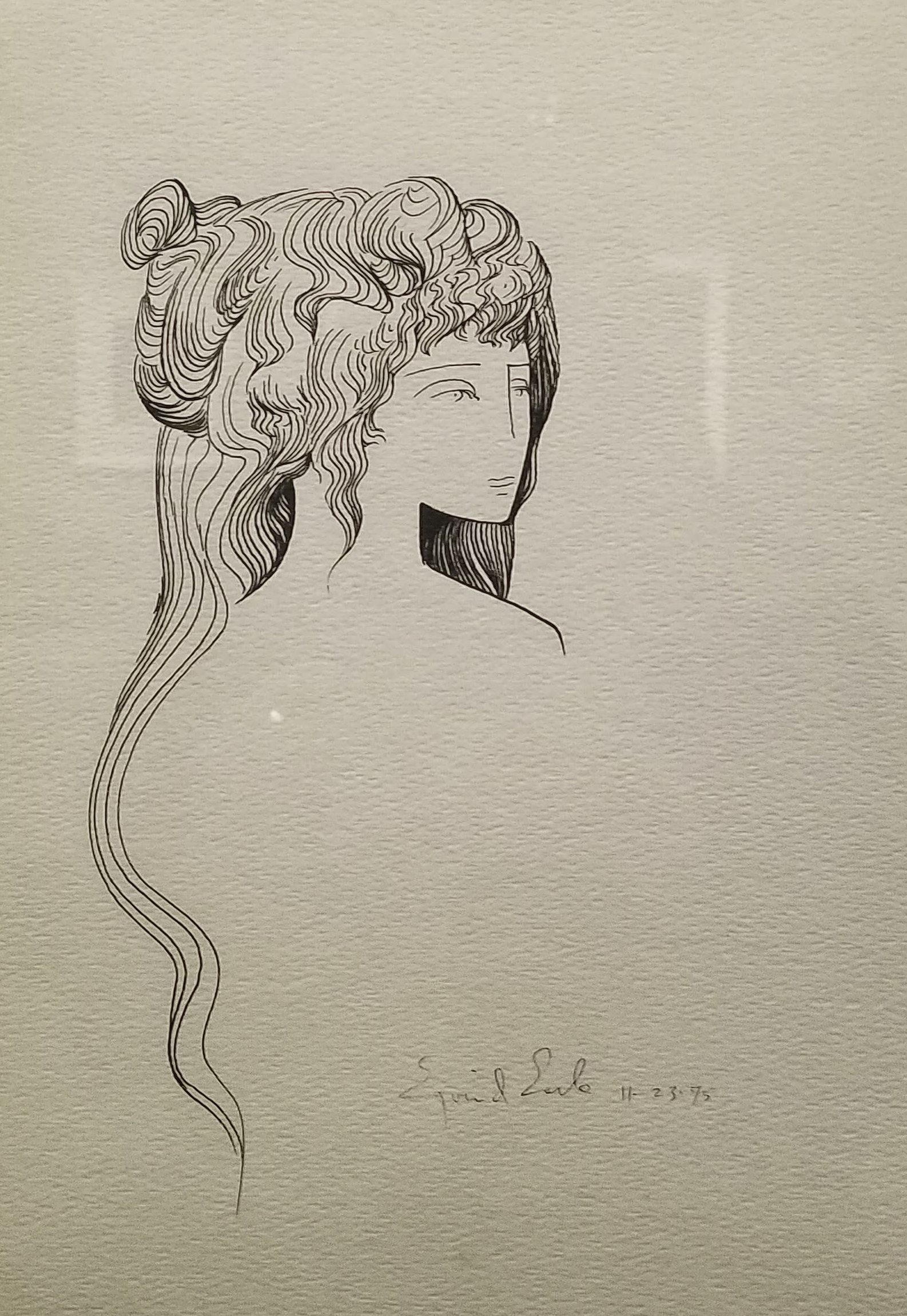
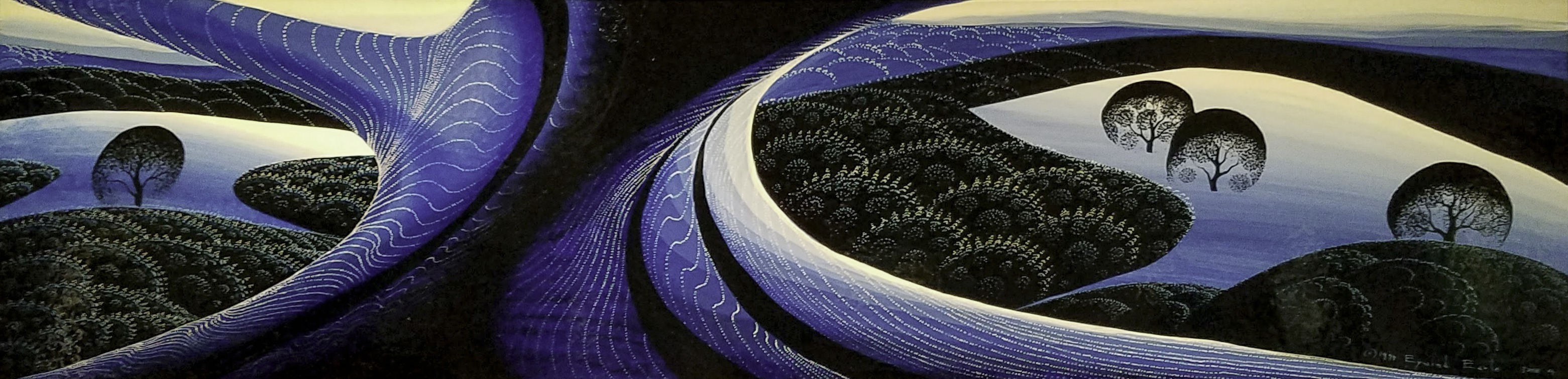
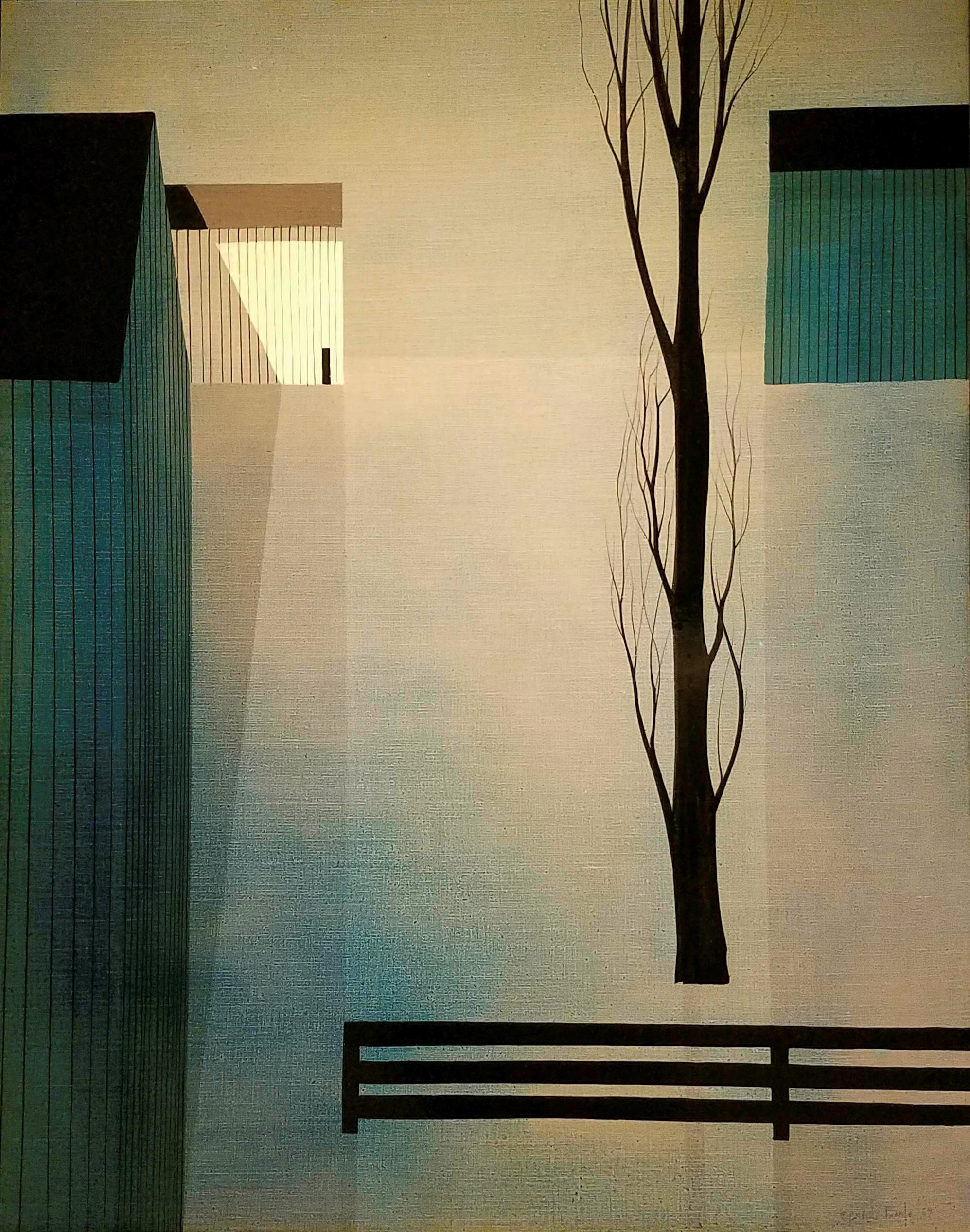
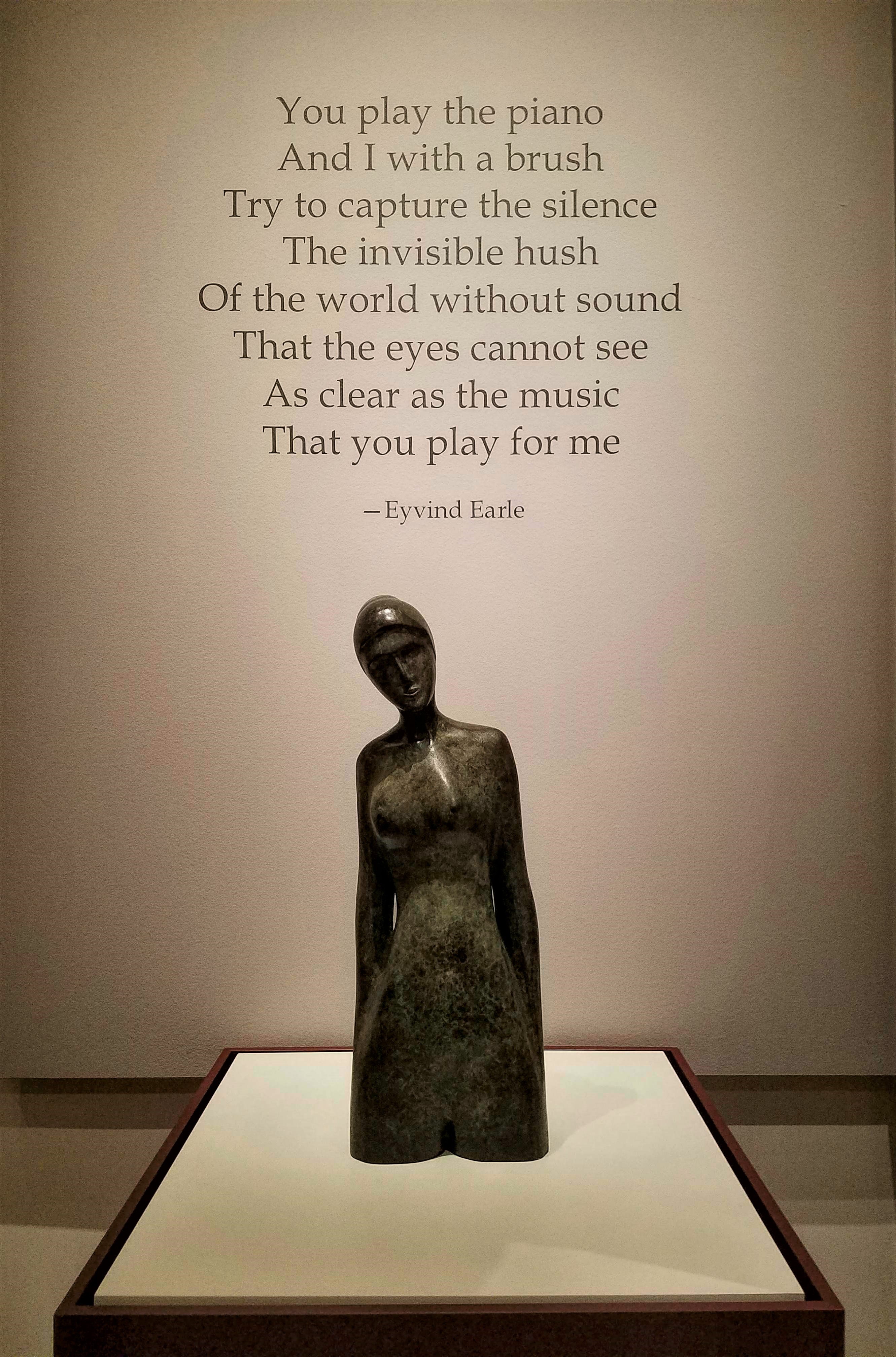
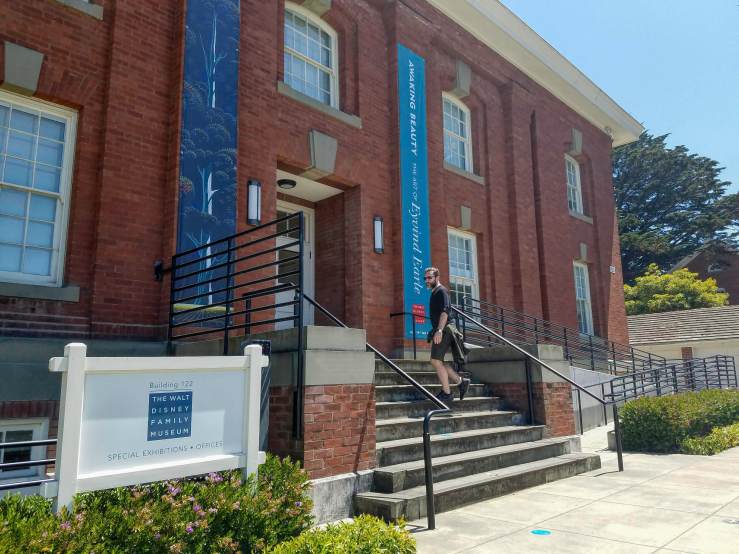
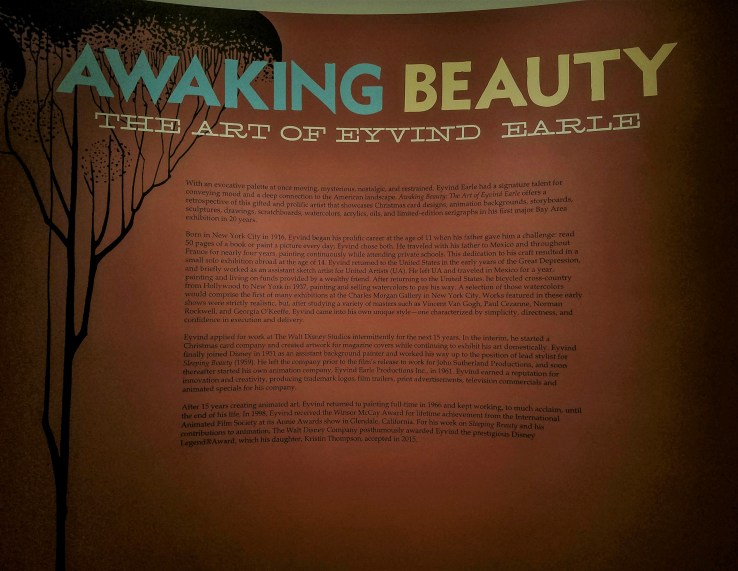
San Francisco is… ”Awaking Beauty: The Art of Eyvind Earle”

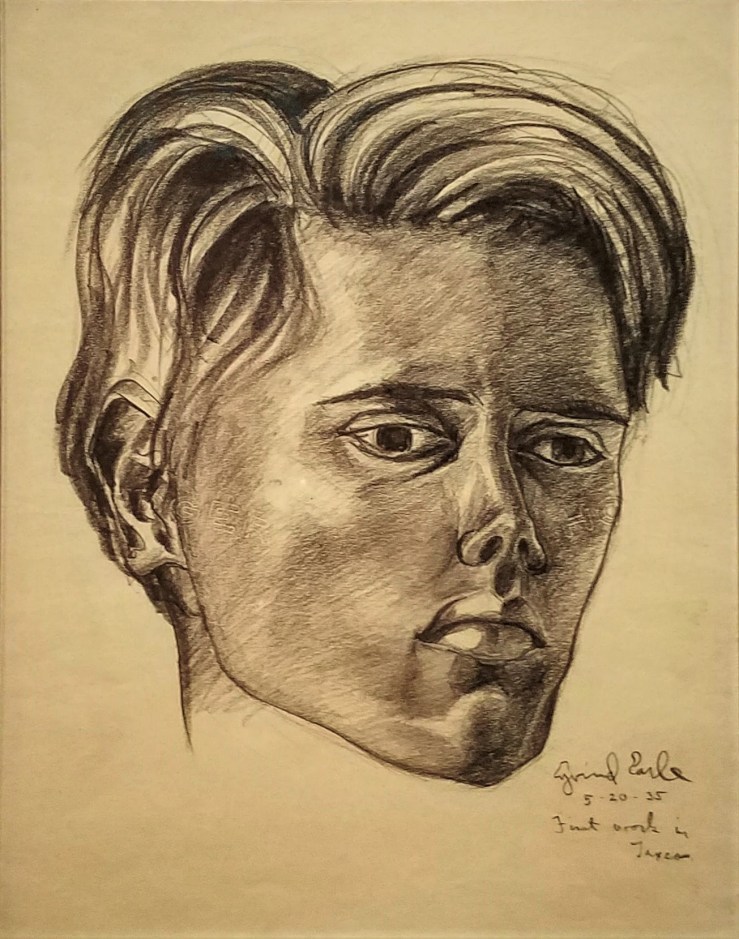
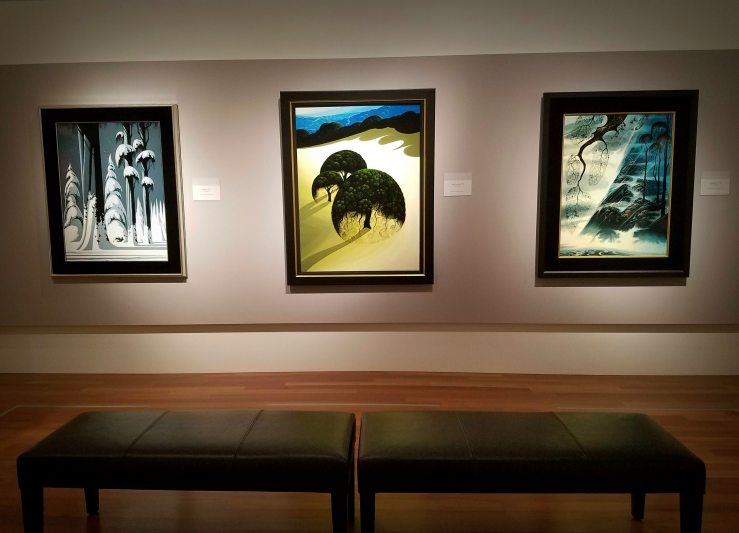
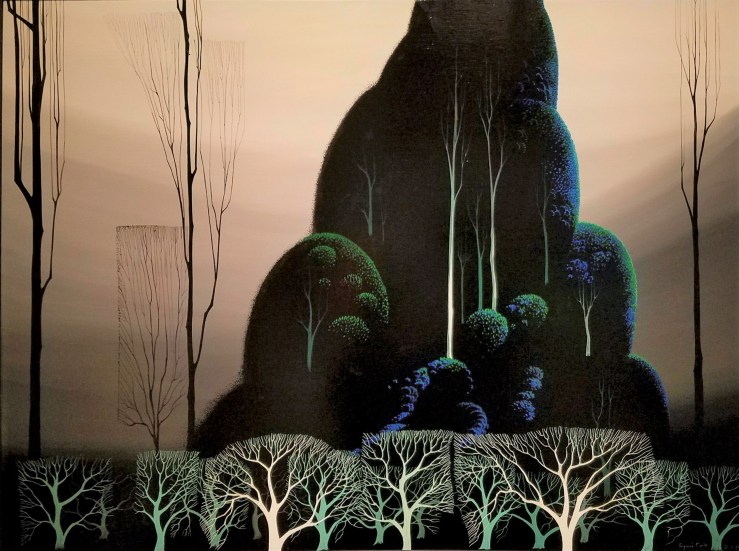
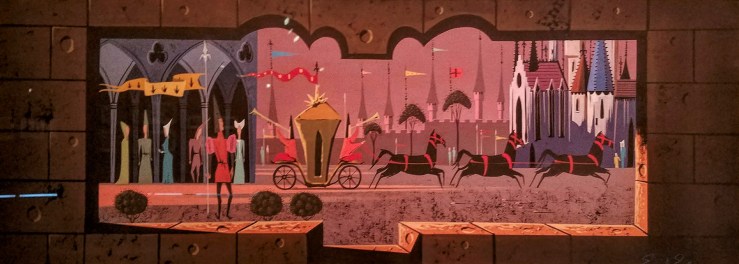
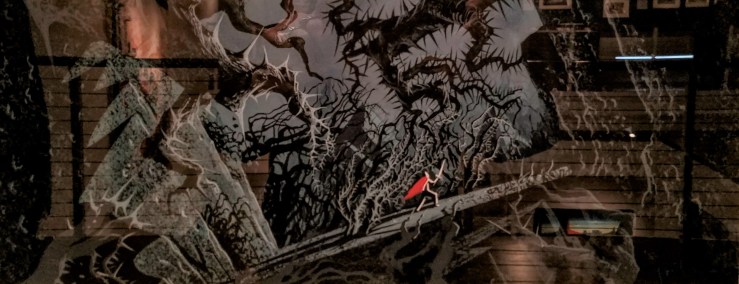
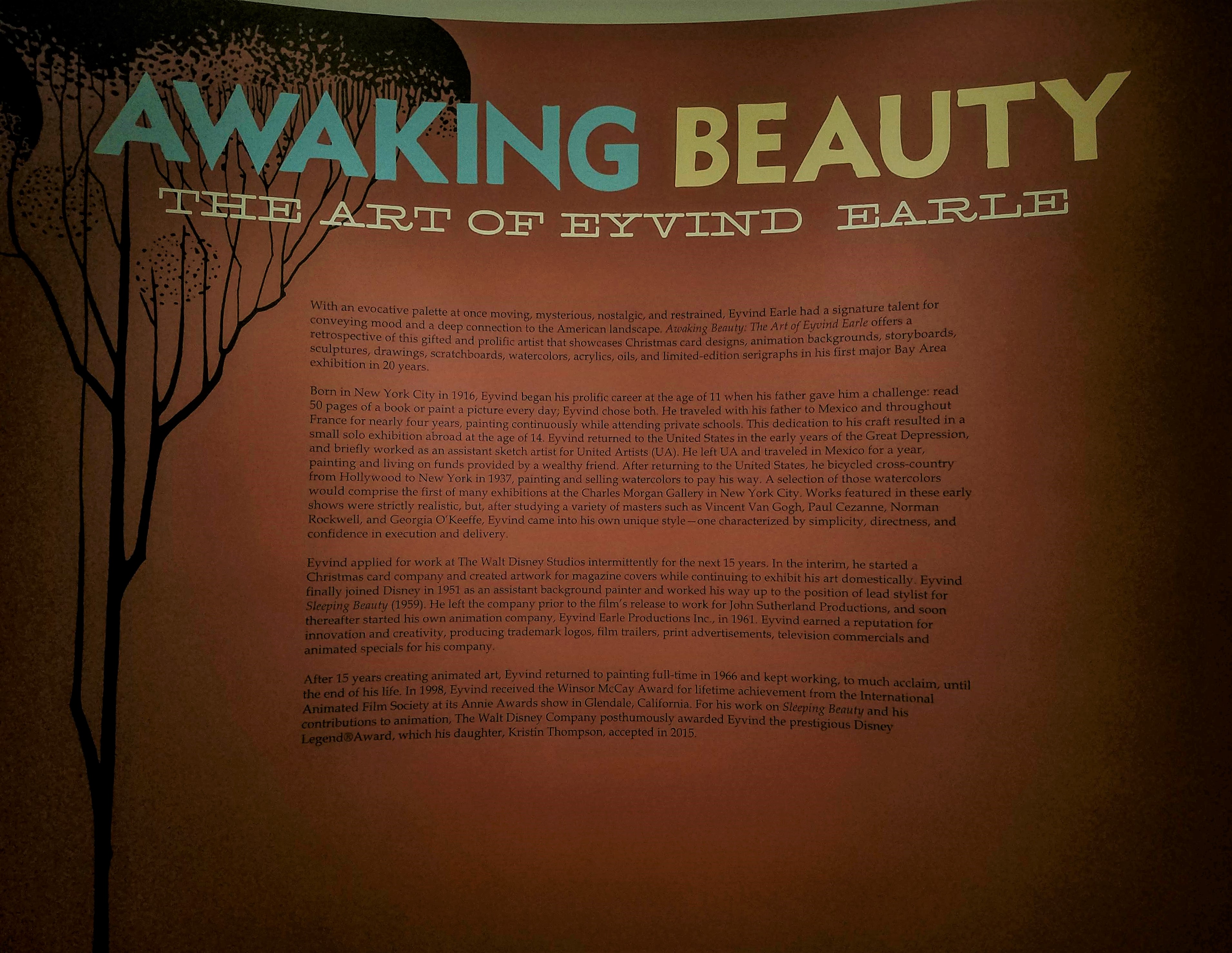
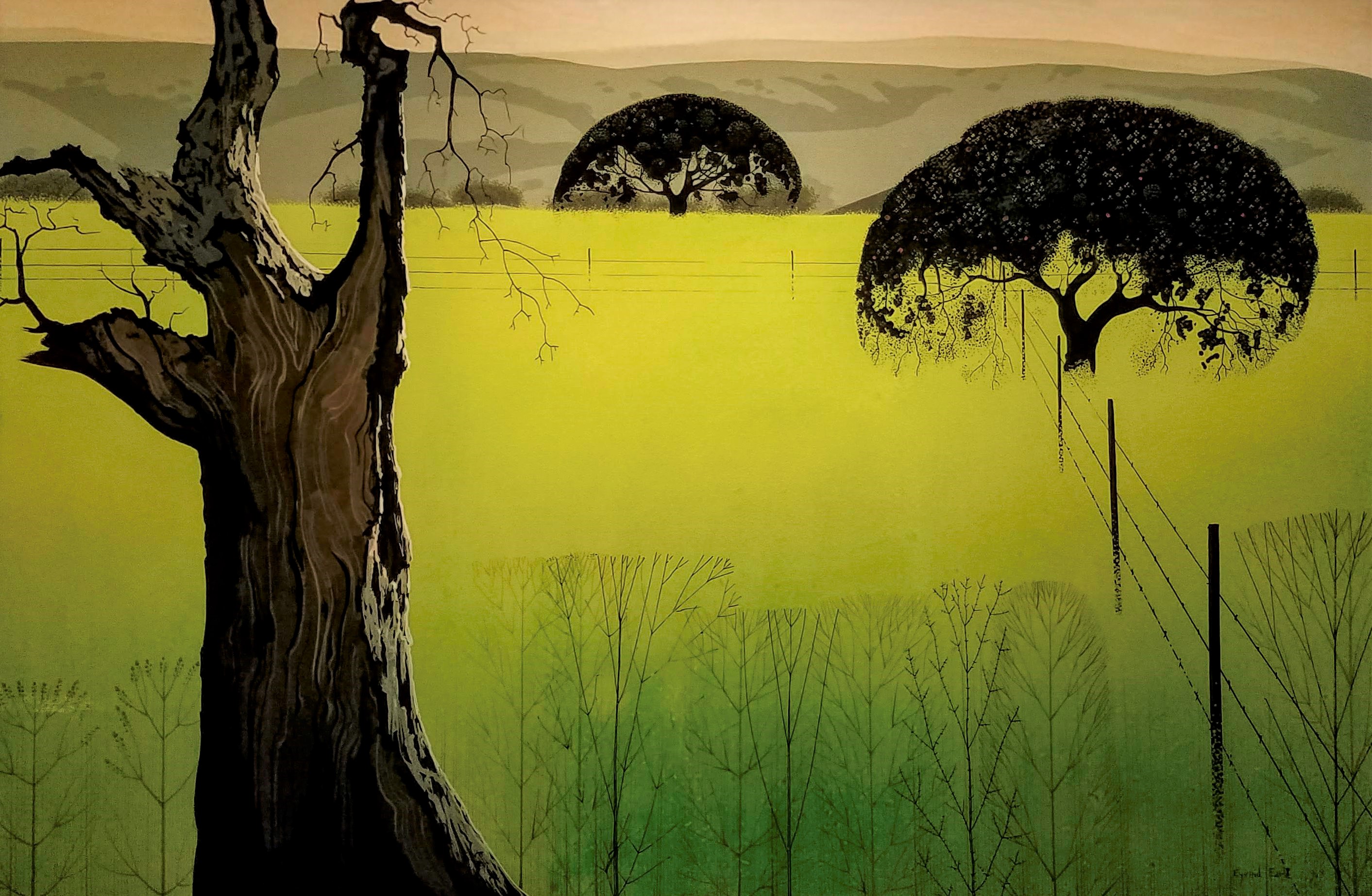
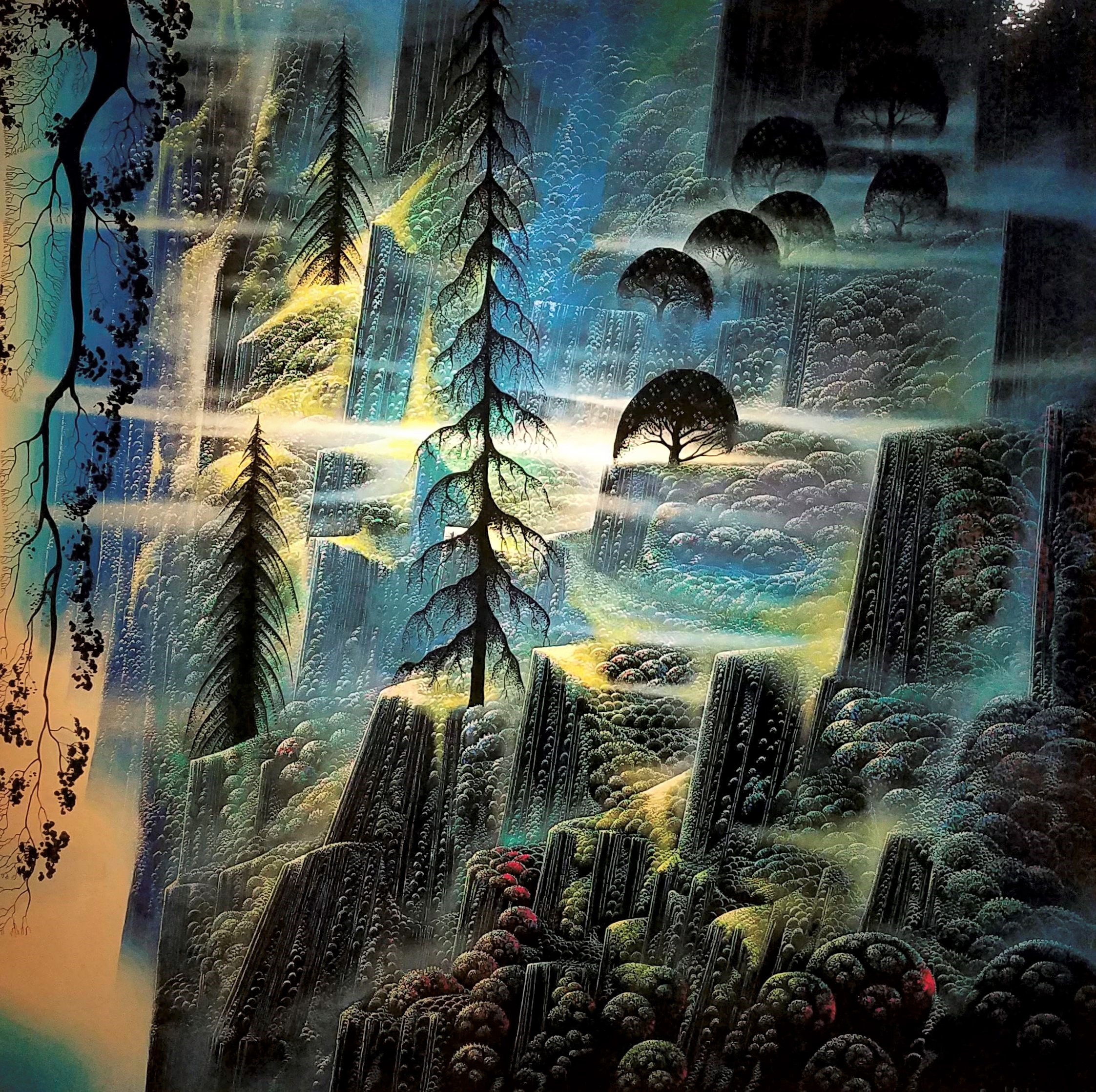
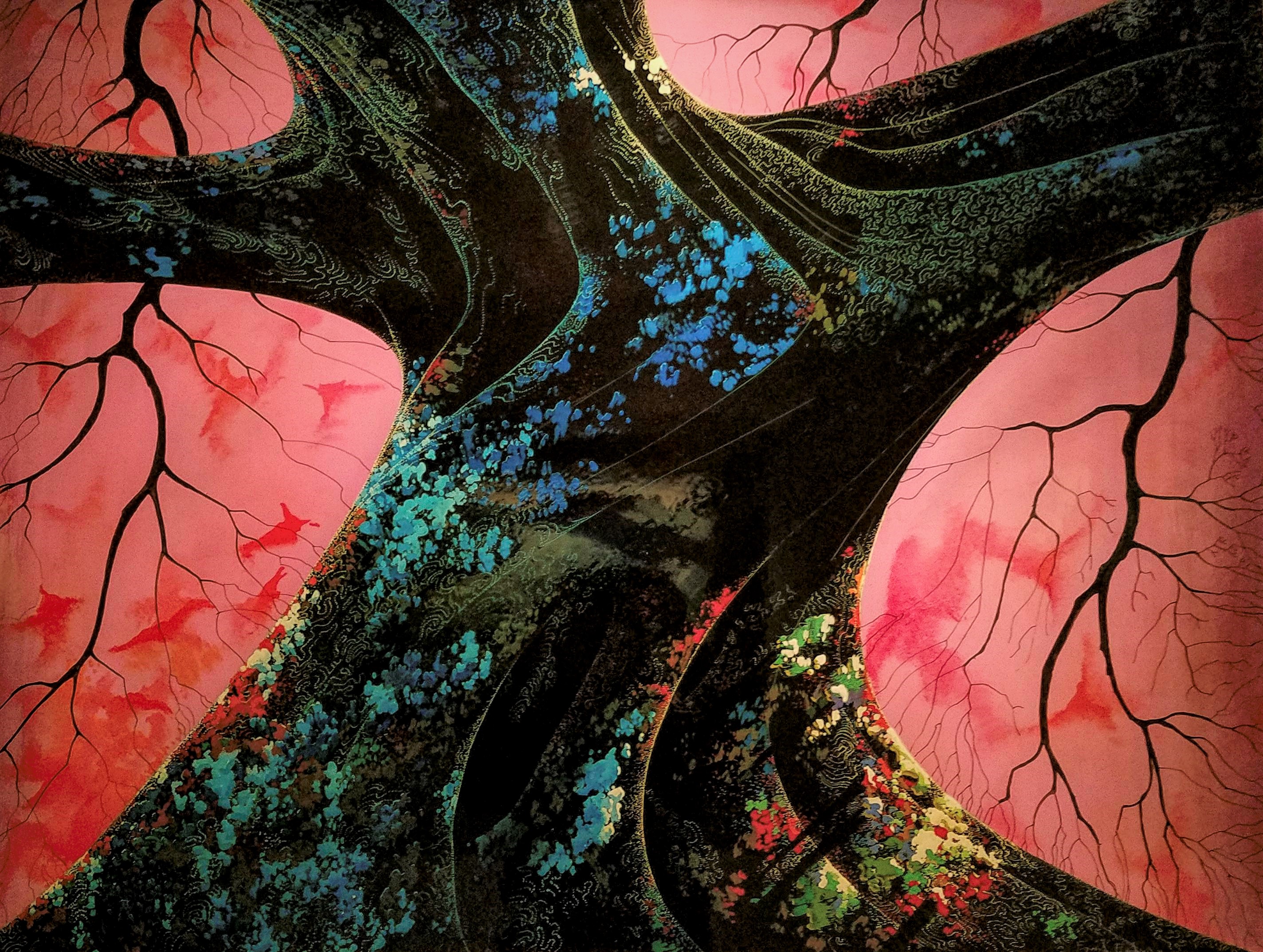
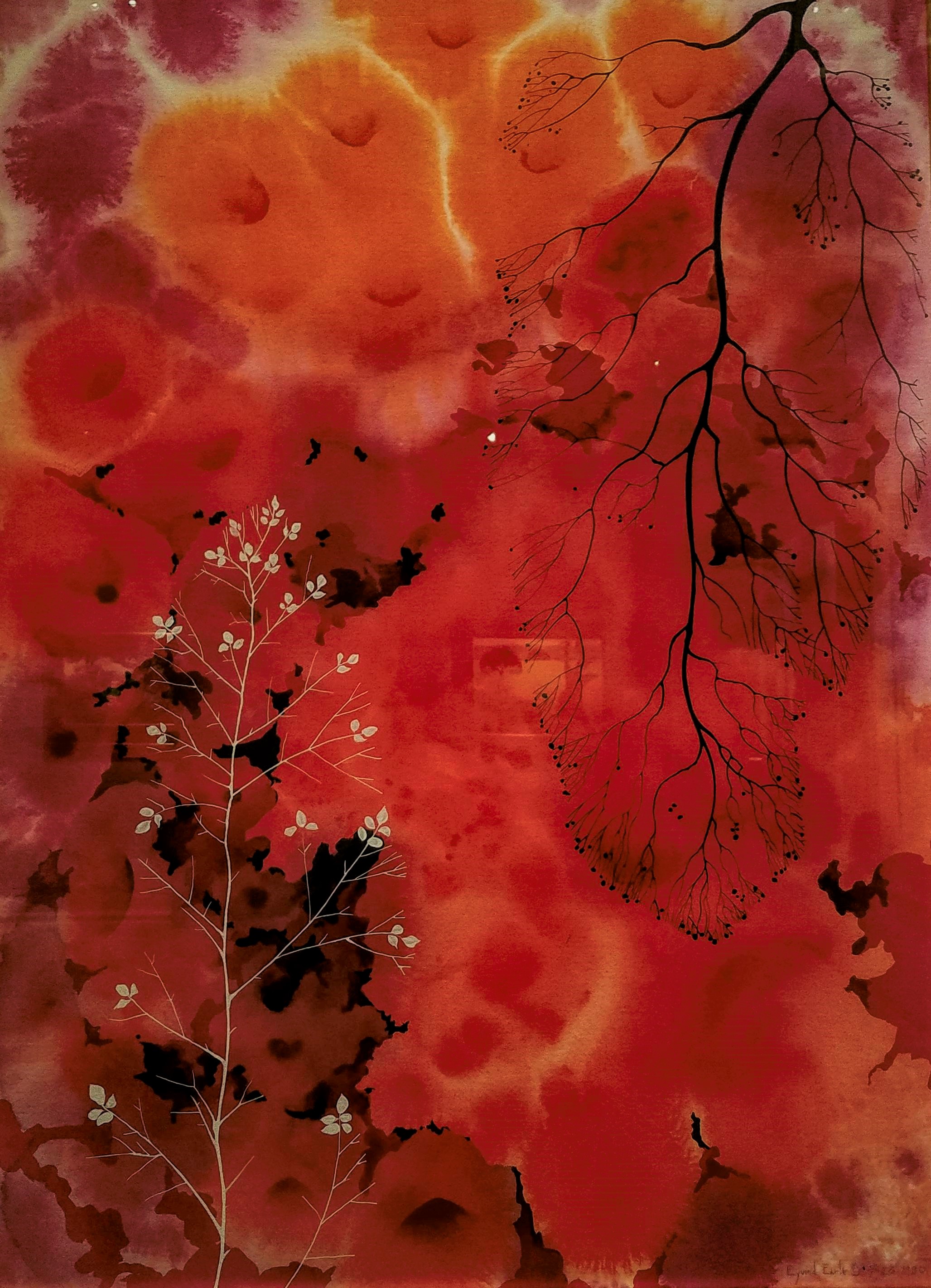
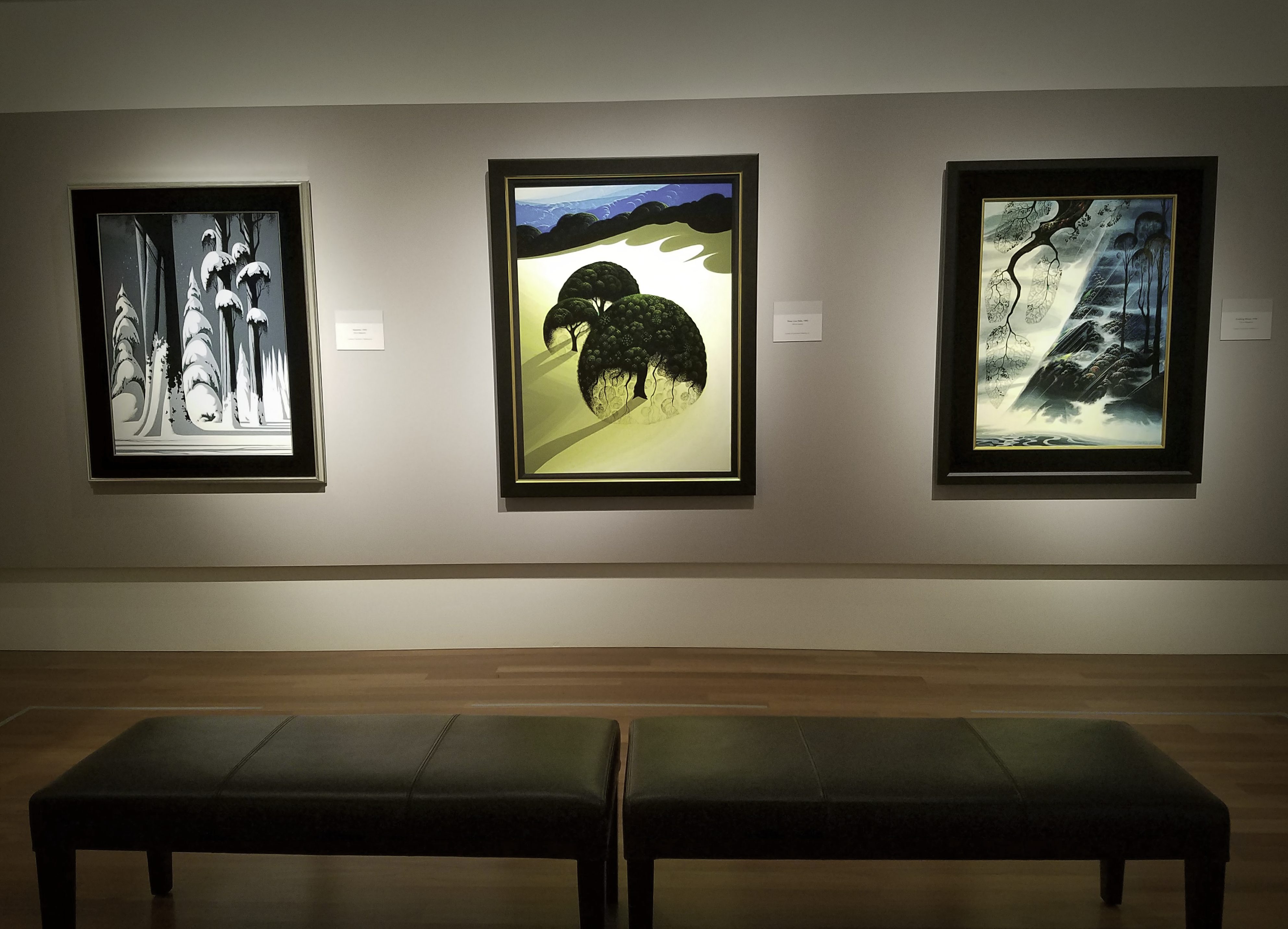
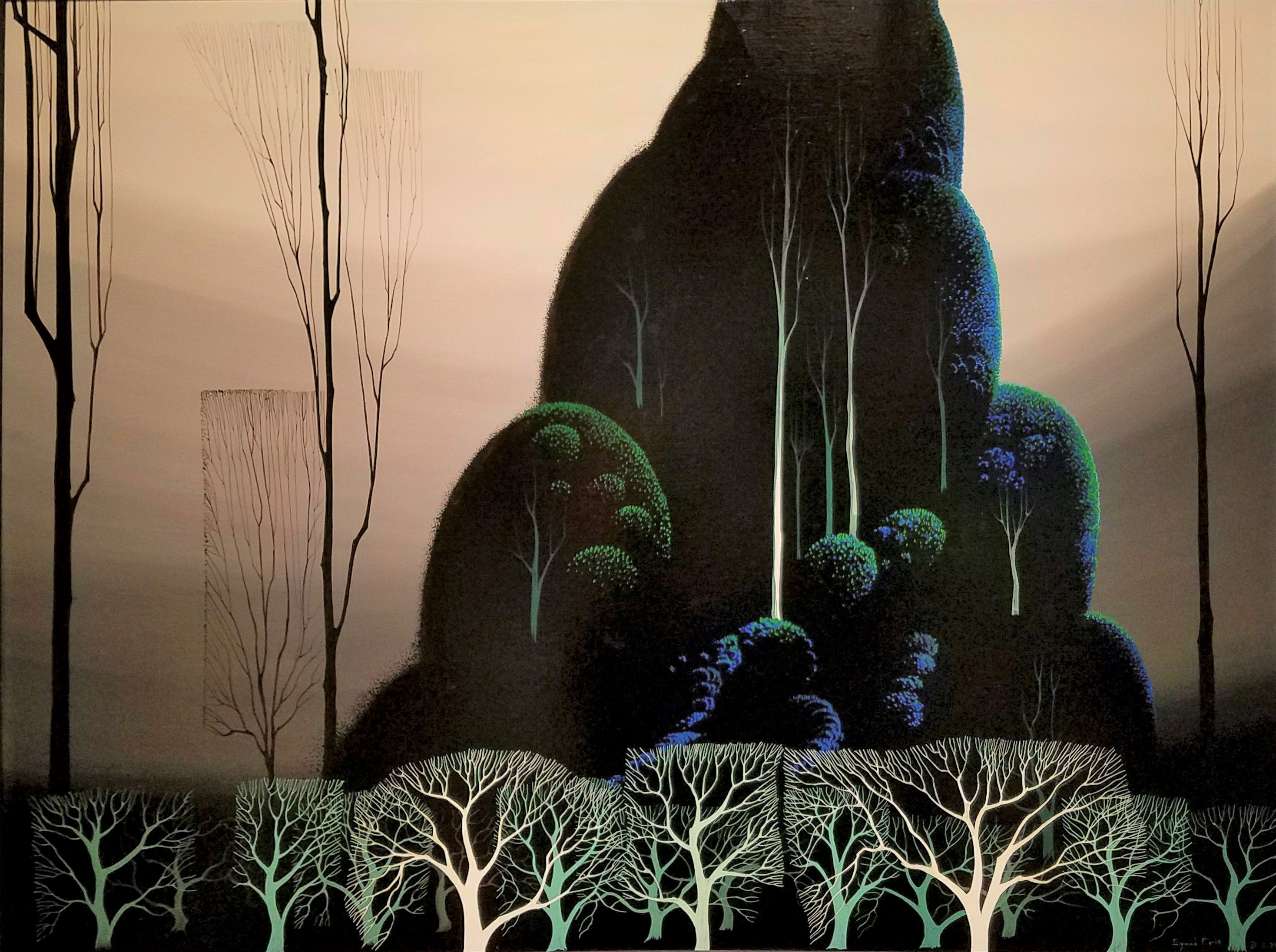
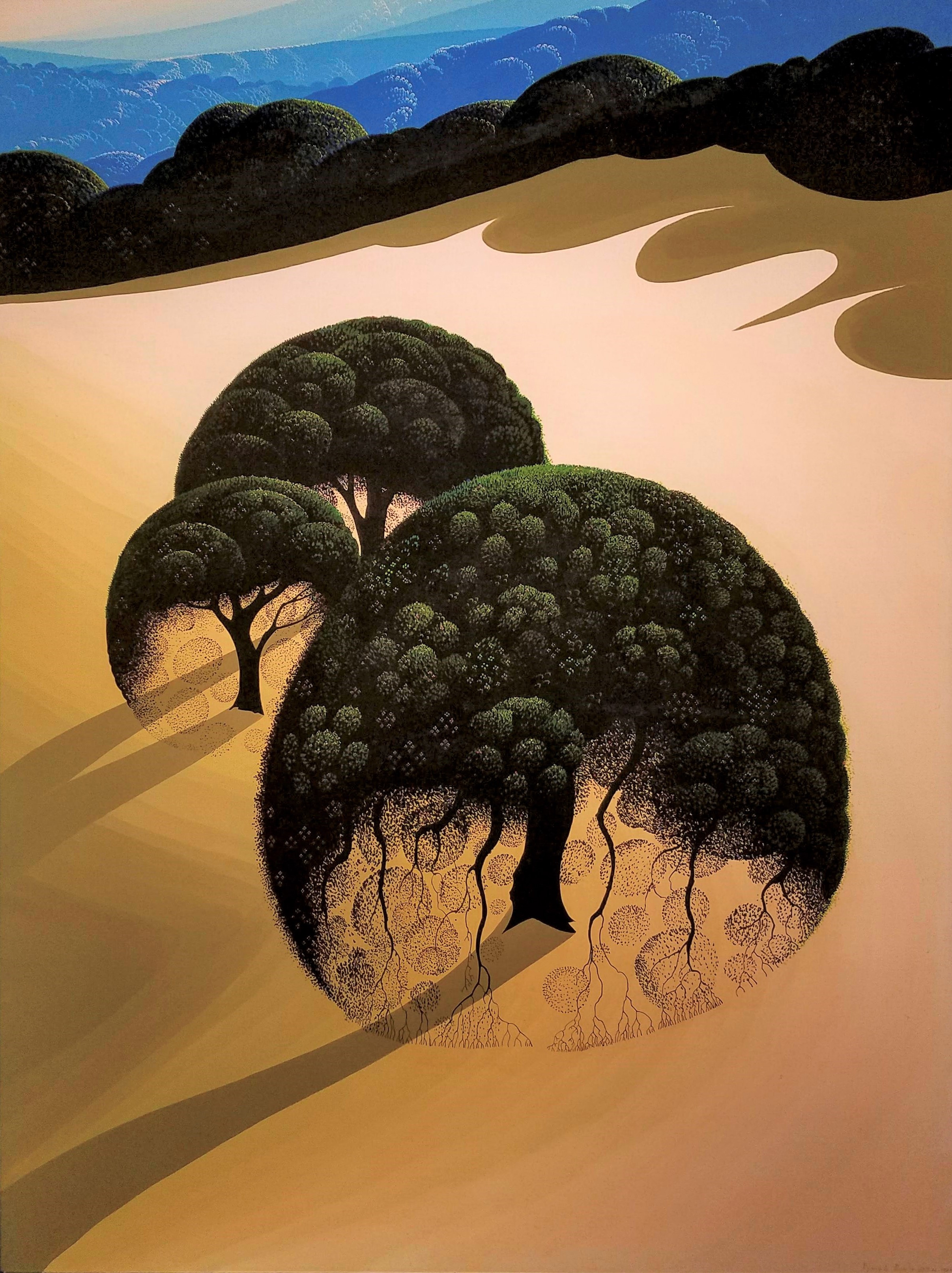
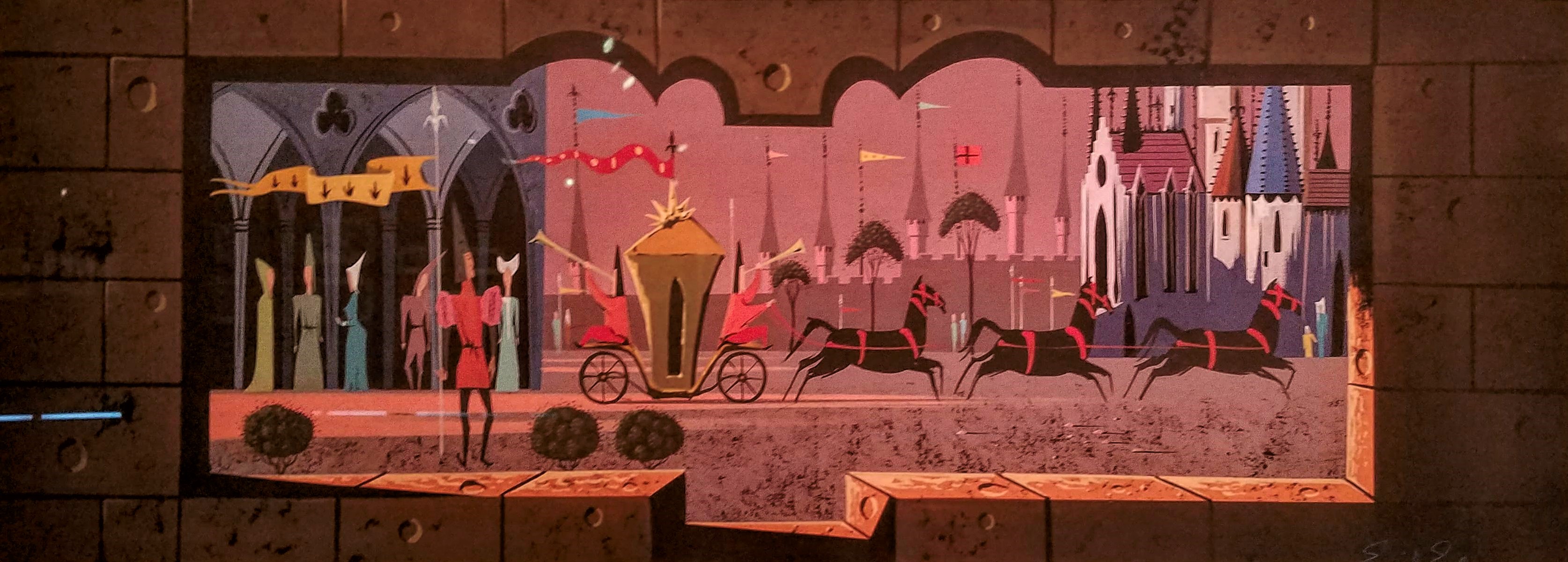
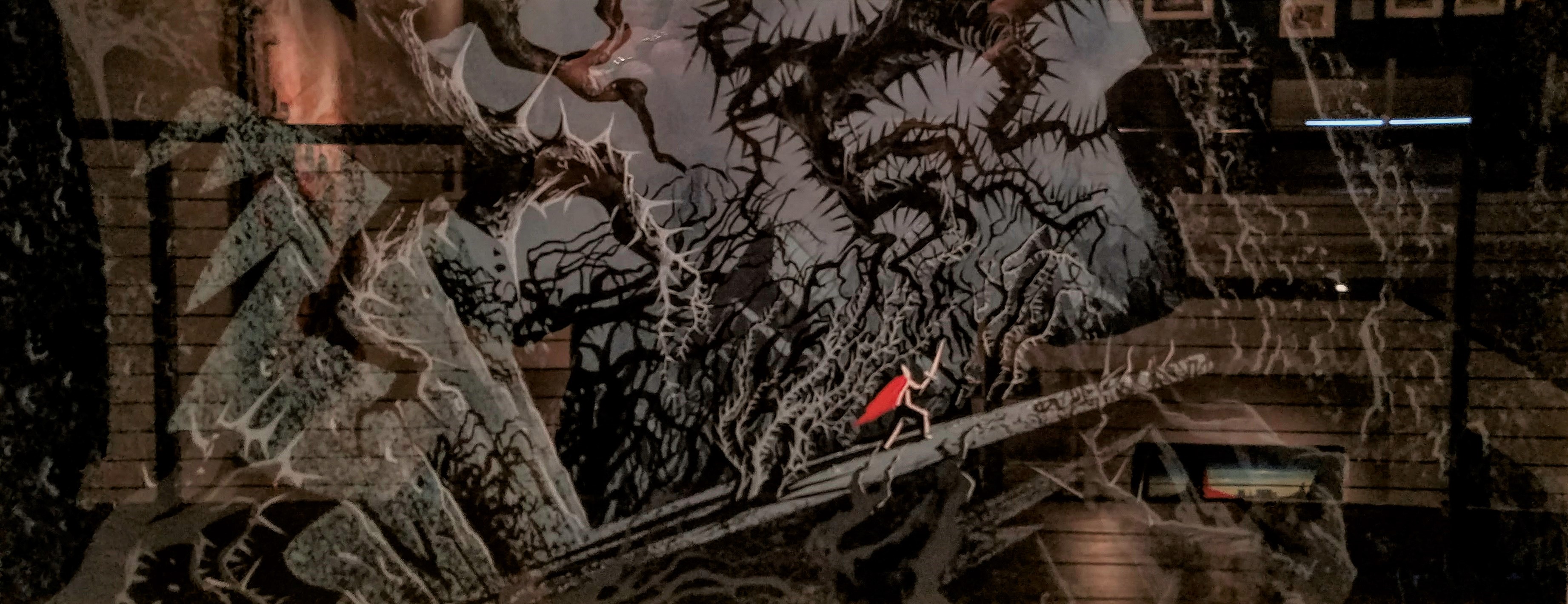
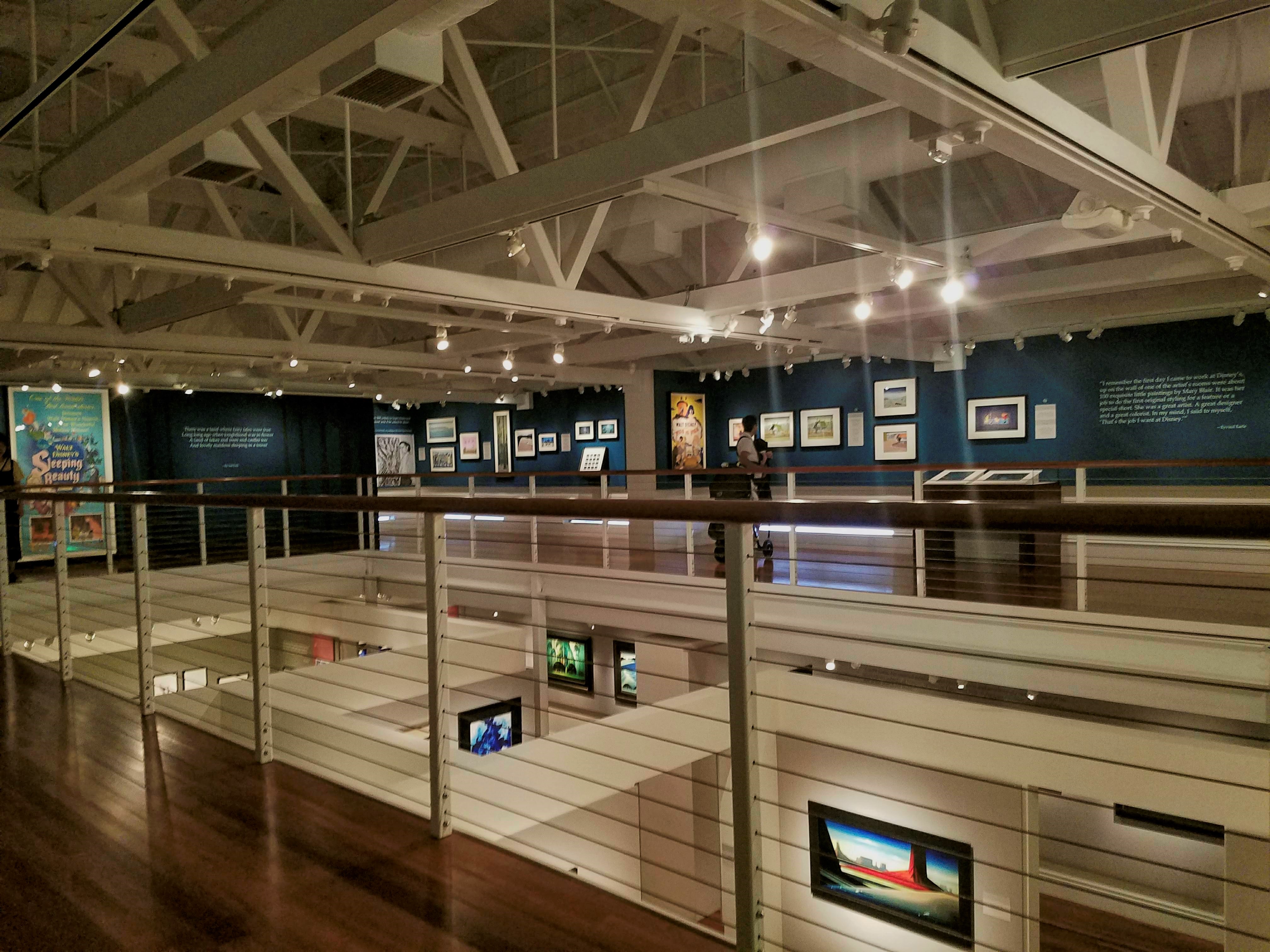
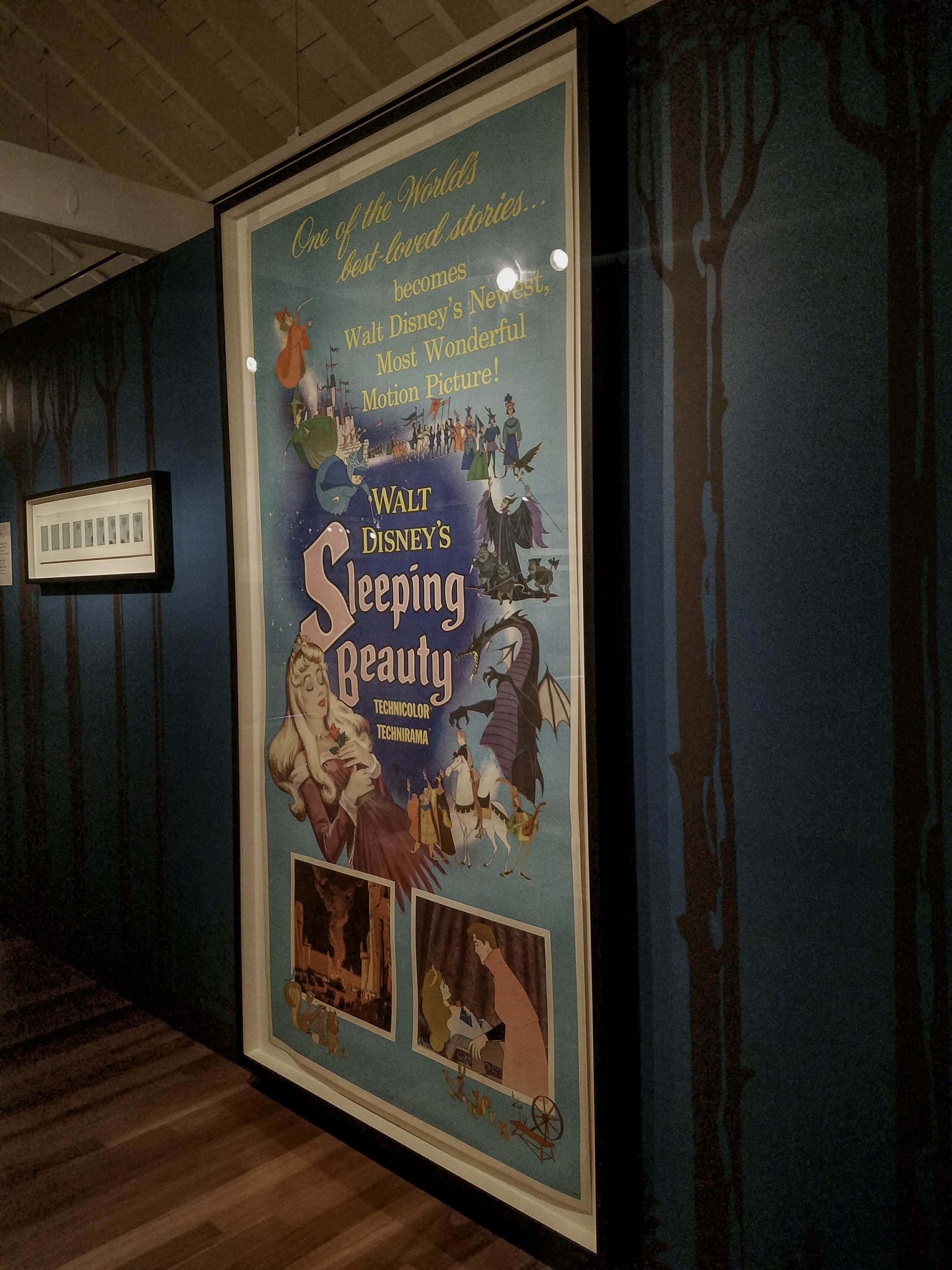
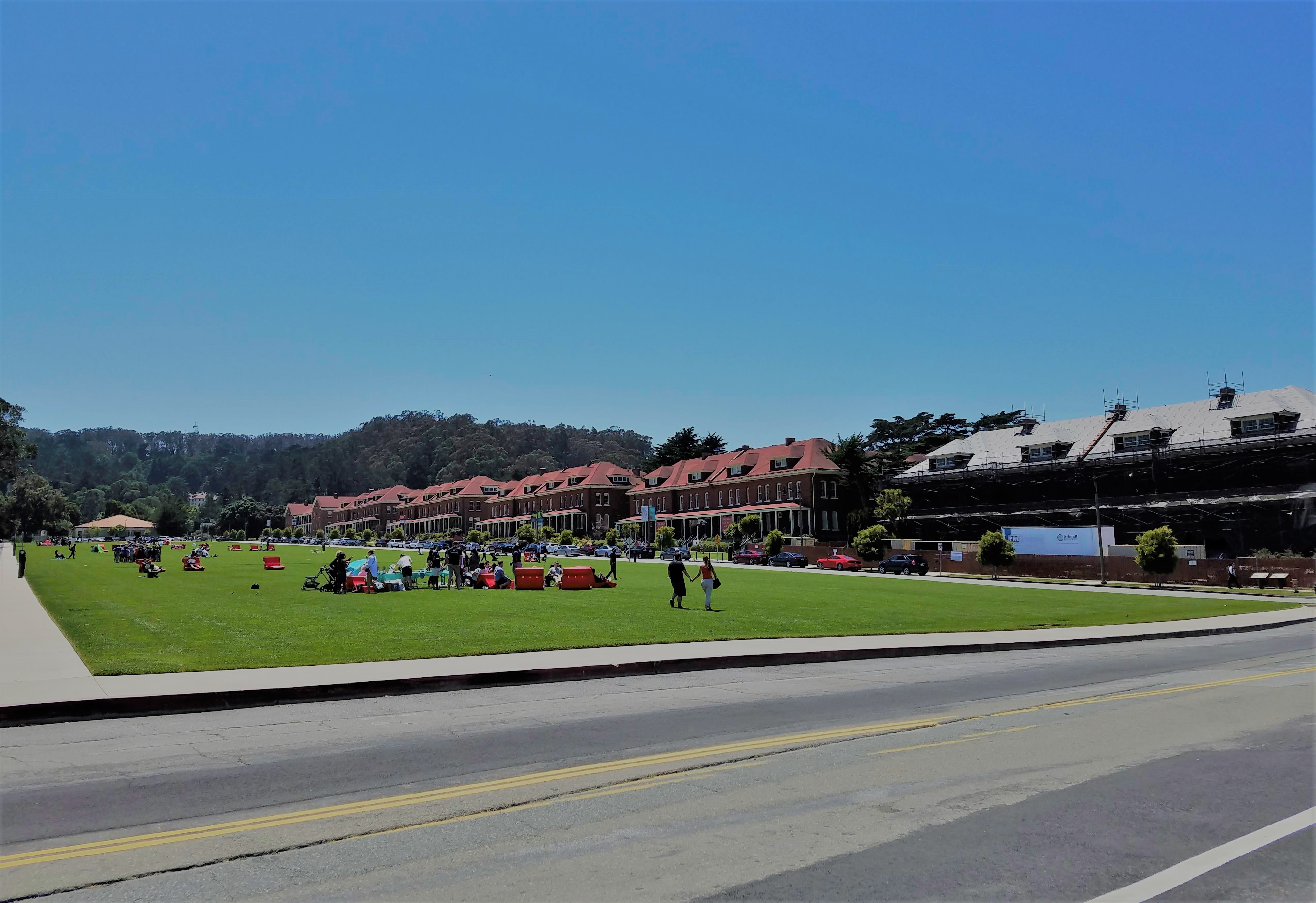
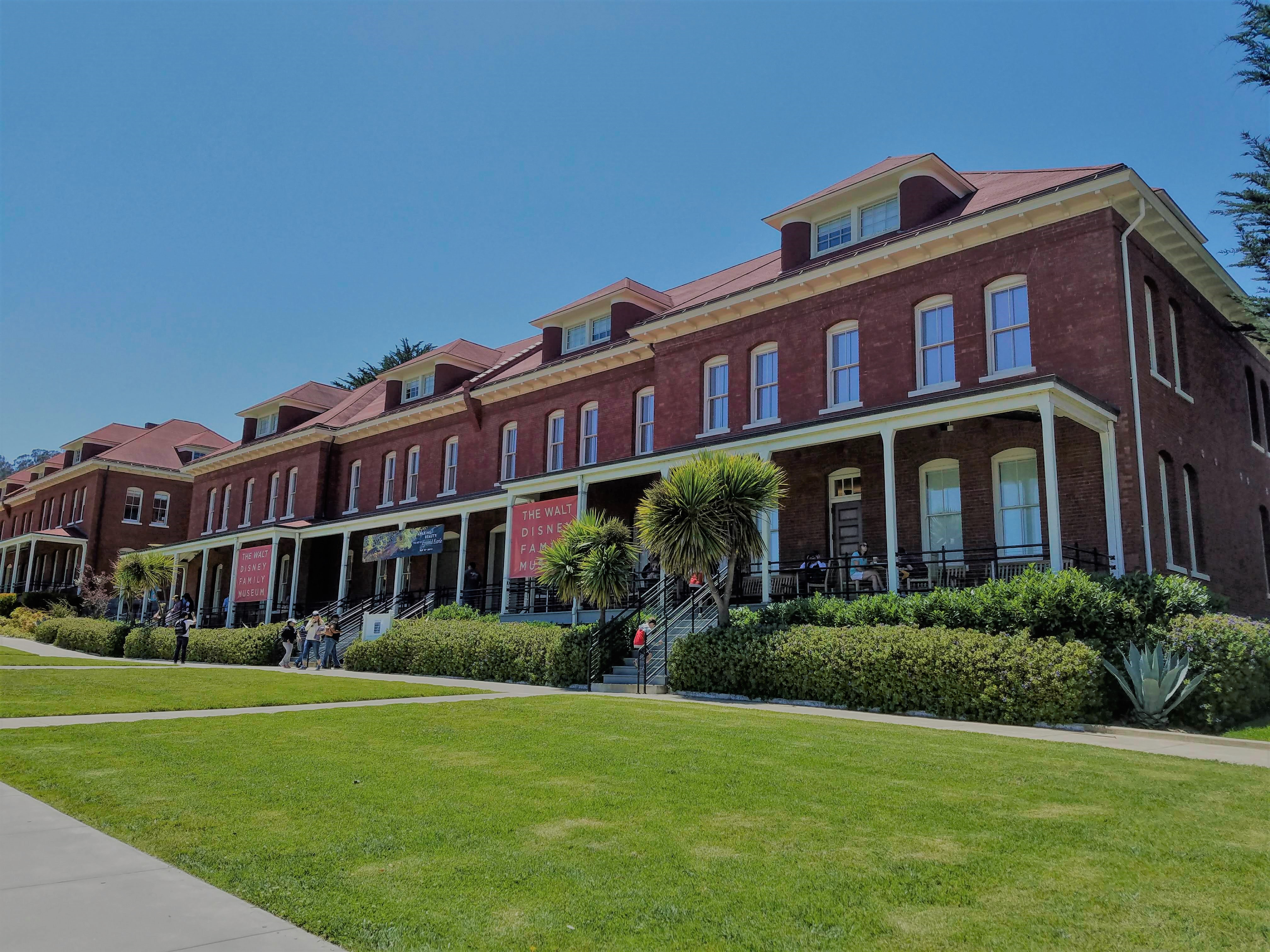
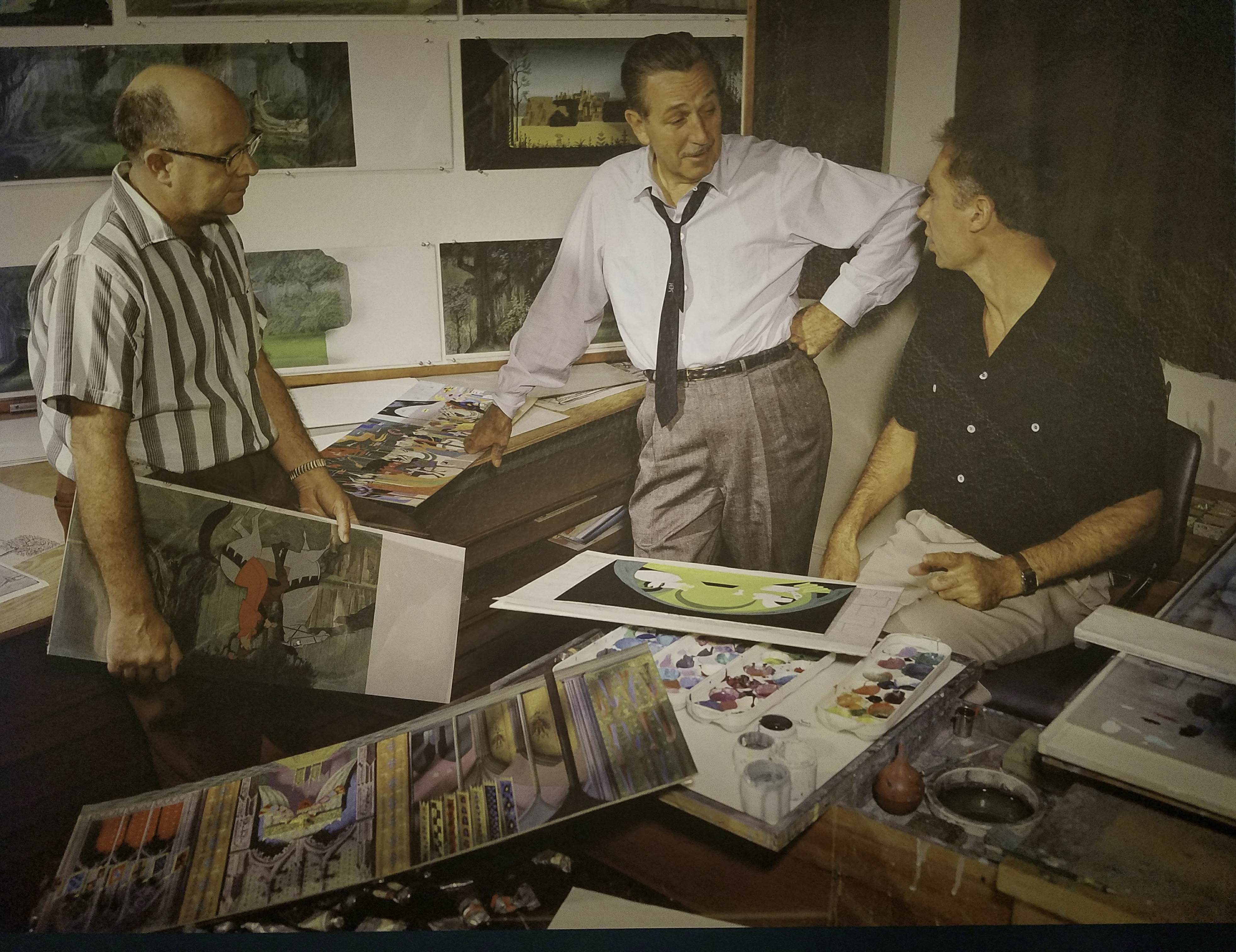
You may not know the name Eyvind Earle but you certainly know his work, if Sleeping Beauty, Peter Pan or Lady and the Tramp sound at all familiar. A visit to the Walt Disney Family Museum was firmly on our map, but Awaking Beauty: The Art of Eyvind Earle, a retrospective about the life and work of the artist behind some of Disney’s timeless stories that marked the childhood of kids all over the world -myself included- was a double win.

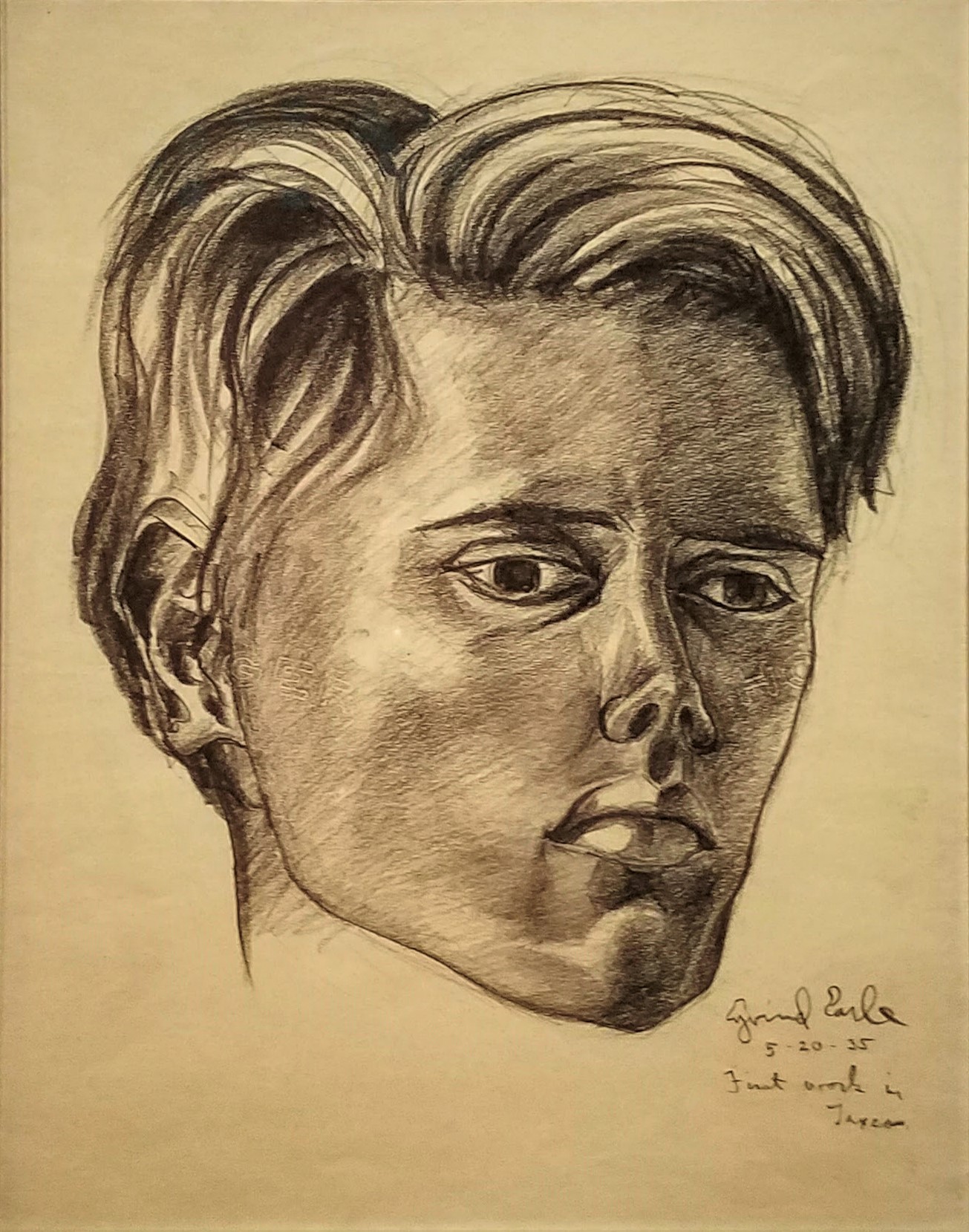
The exhibition featured more than 250 works, including concept paintings for Lady and the Tramp and artworks for Sleeping Beauty. But, more importantly, it included an extensive collection of Earle’s lush landscapes in the artist’s very distinctive style, as well as serigraphs, watercolours, sculpture, commercial illustrations (two examples of which we saw in the teaser, yesterday) – the extend of Earle’s work seems limitless.  Self Portrait Sketch, 1925 (age 9-10)

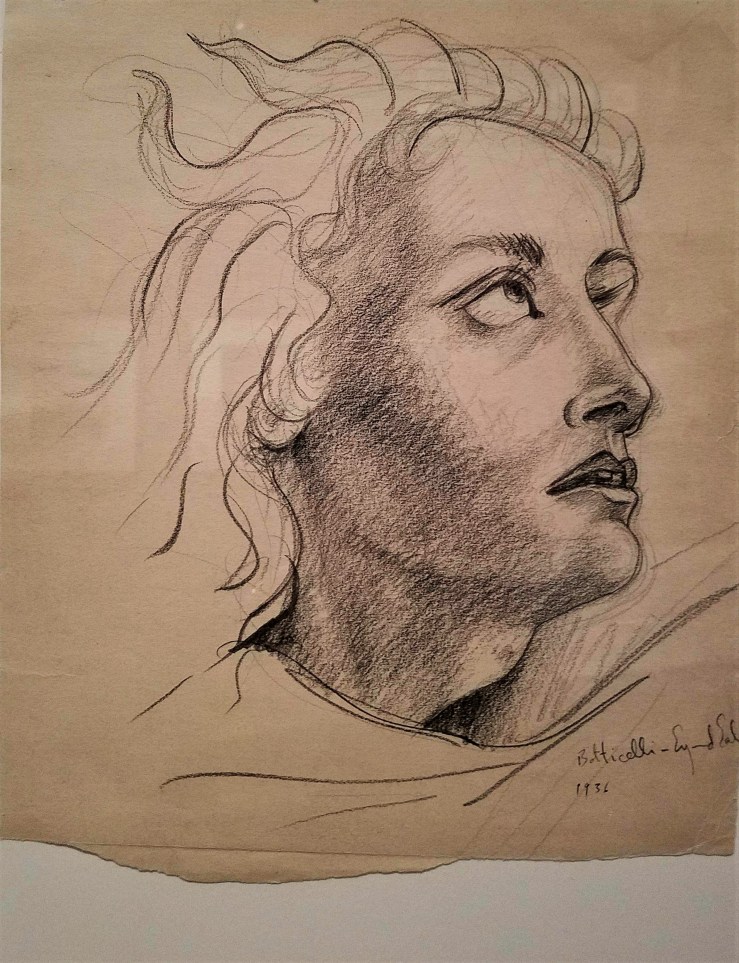
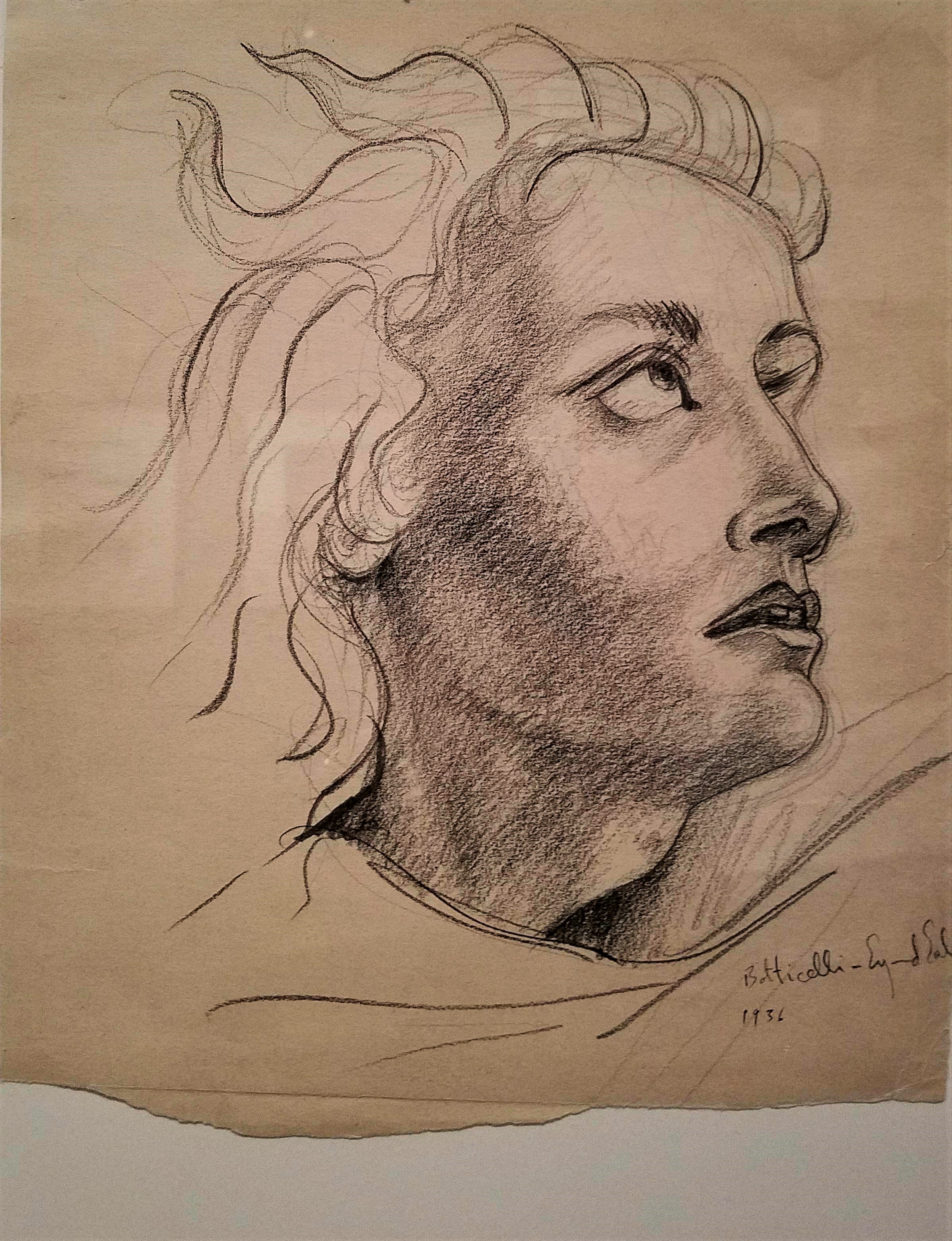
Botticelli Woman, 1936
Graphite on paper
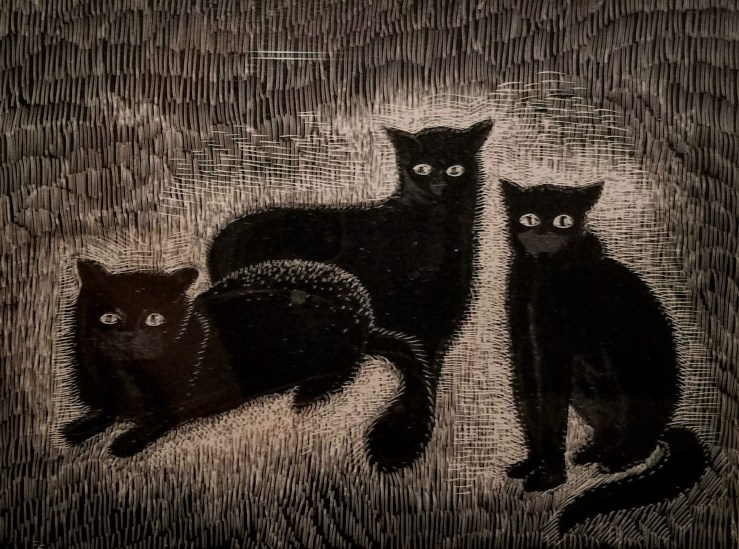

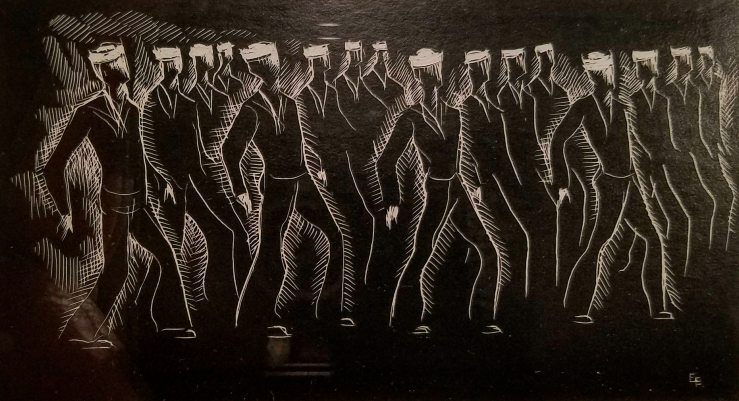
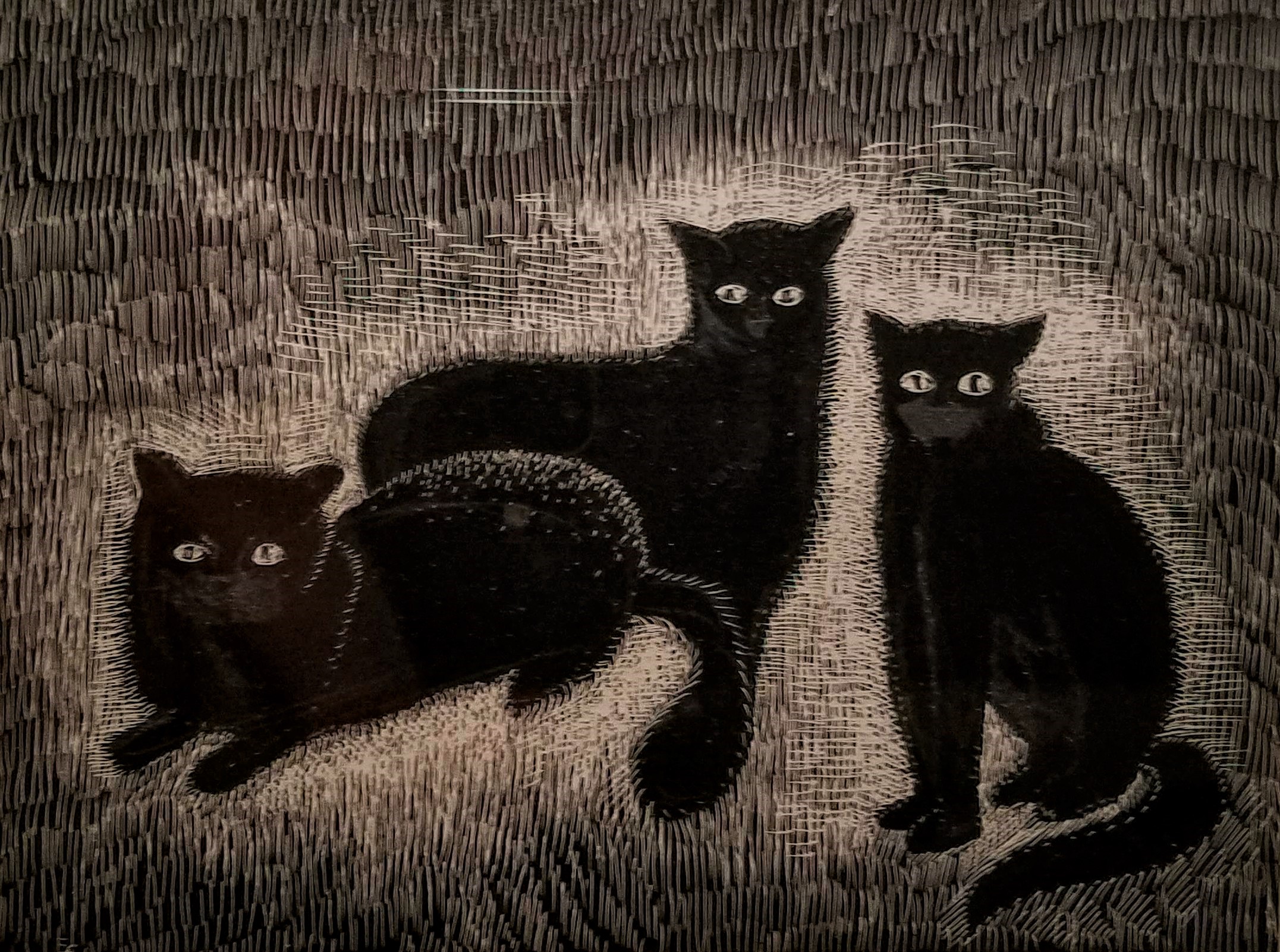
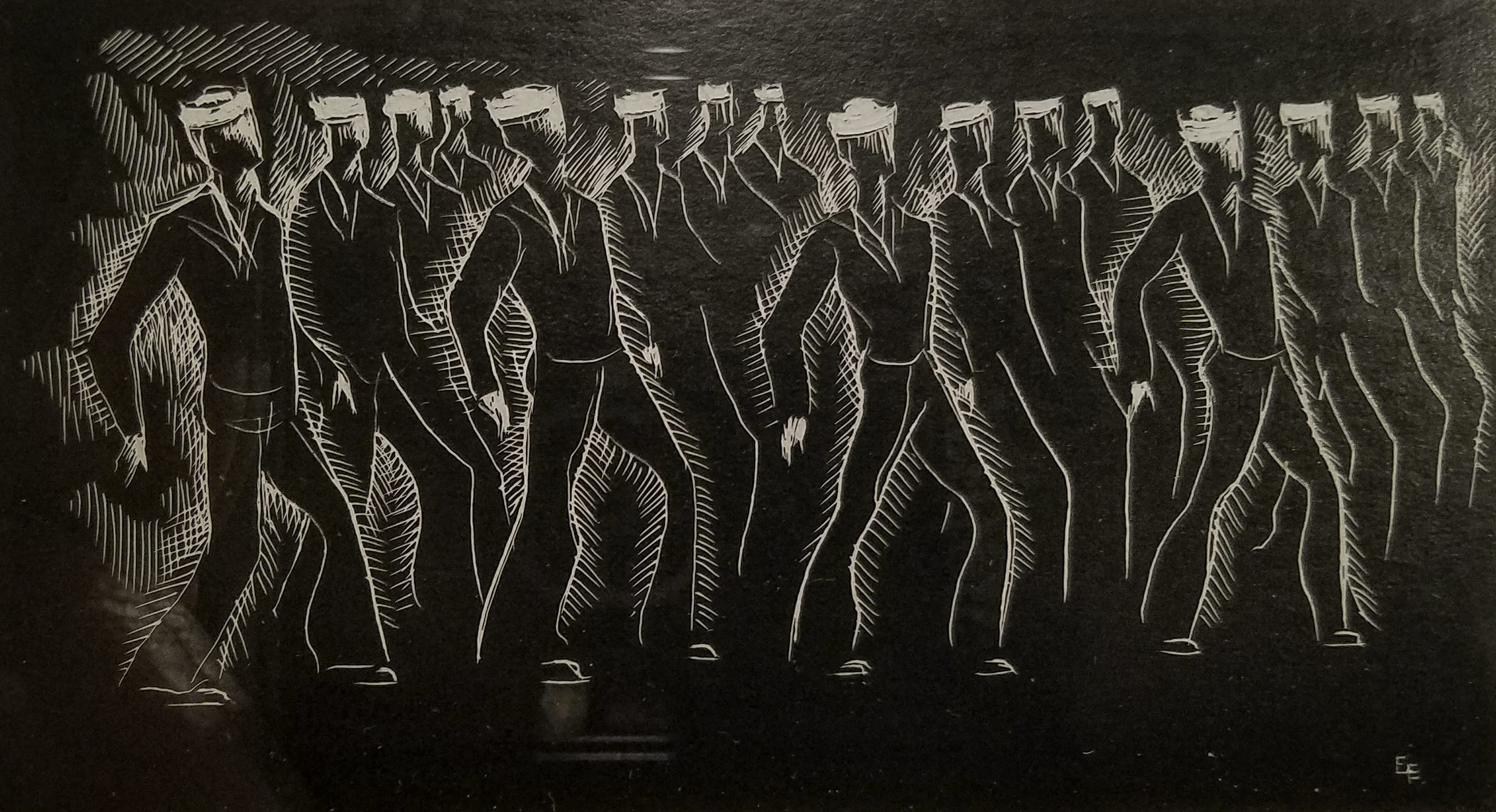
Scratchboards created for
Horizon Bound on a Bicycle:
The Autobiography of Eyvind Earle (1991)
Ink on scratchboard


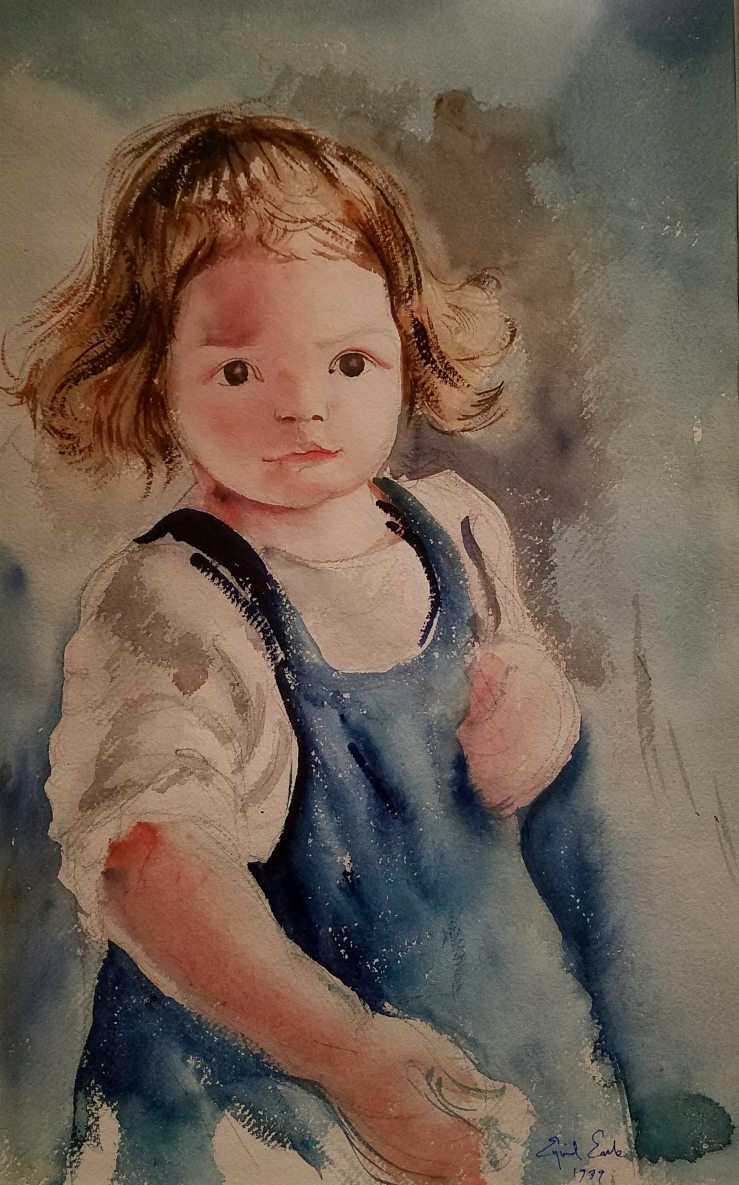
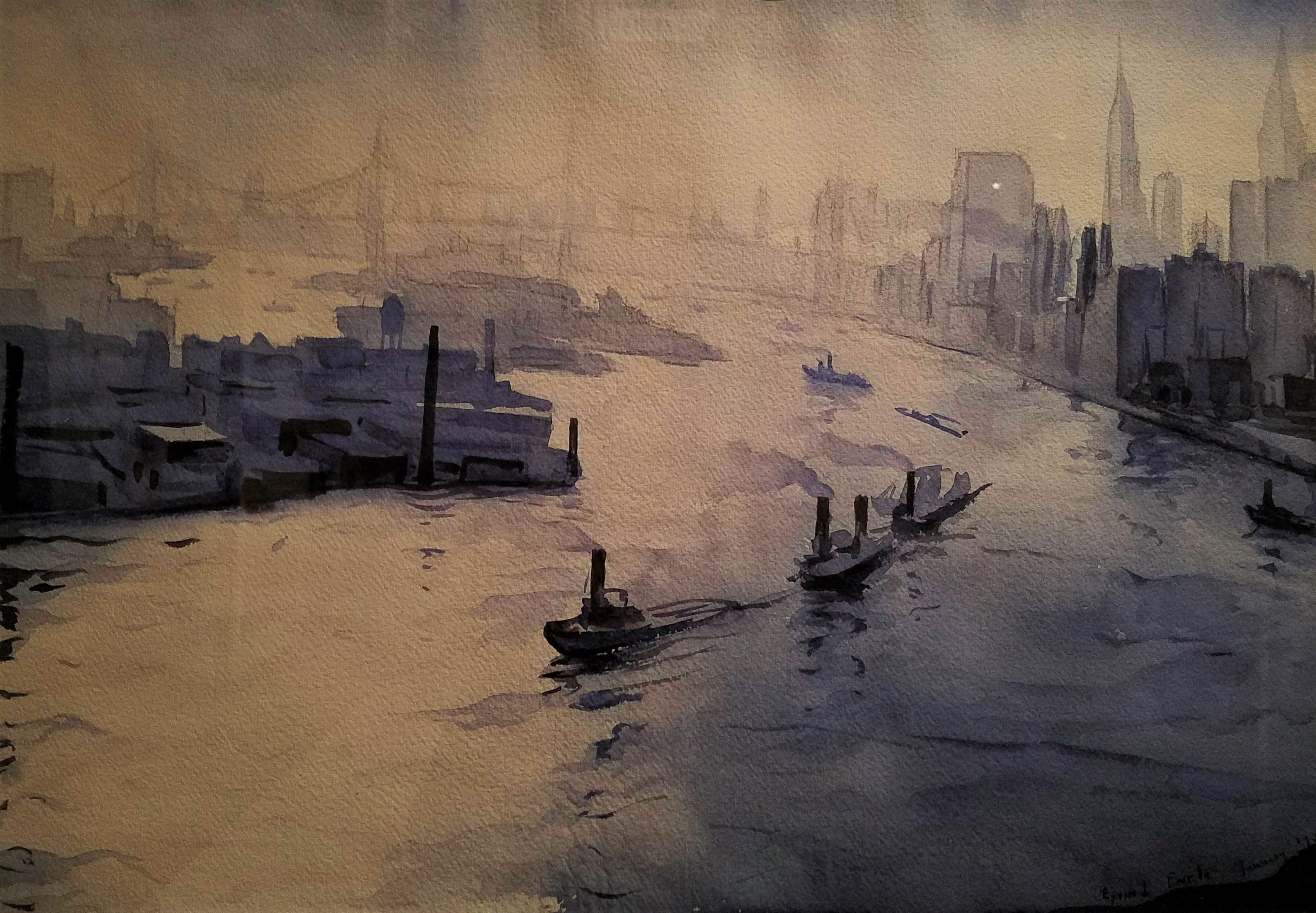
[In 1937, at the age of 21, Eyvind Earle bicycled across the country from Hollywood, California, to Monroe, New York, on a 45 day trip. He painted 42 water colors and wrote a 10,000 page diary along the way. At the conclusion of the expedition, Charles Morgan Gallery in New York exhibited all the watercolors.

Eyvind created many water colors during his life; during certain time periods they were his primary focus.  Occasionally he had shows which solely exhibited his watercolors, some of which have been declared to be his finest work.] (source) New York, 1939
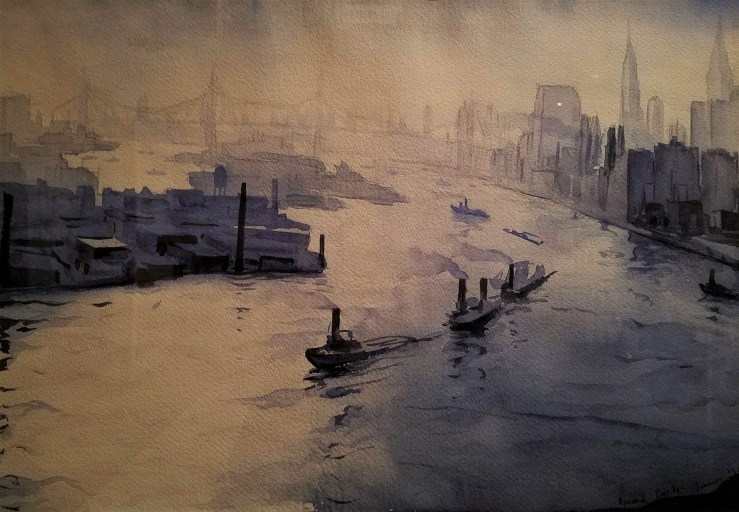
Watercolour on paper


Little Girl, 1939
Watercolour on paper
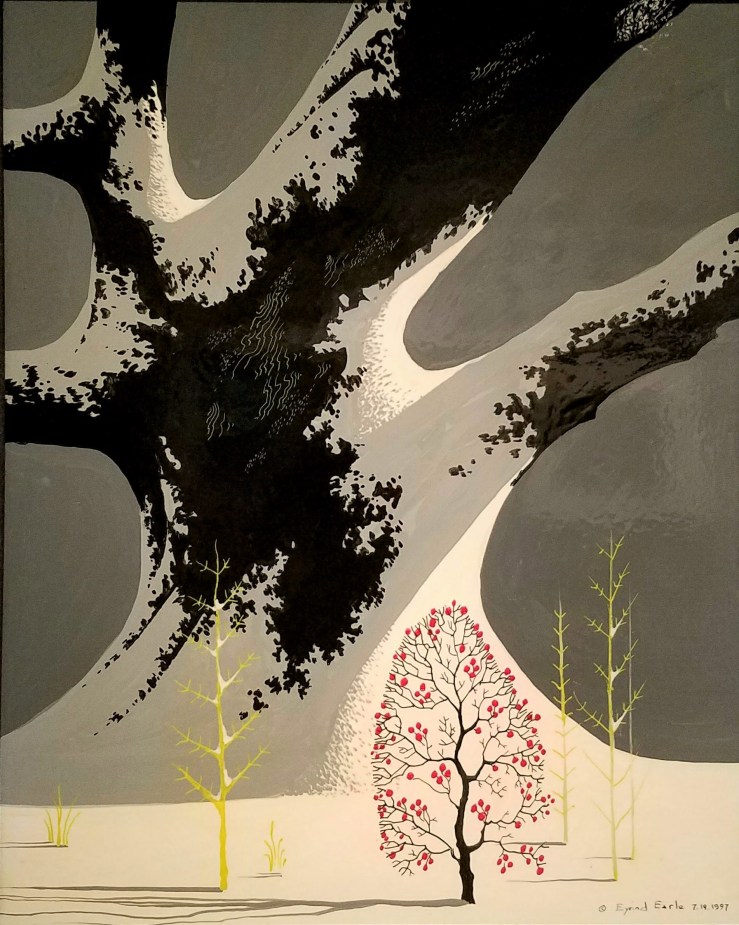

Winter Oak, 1997
Oil on Masonite


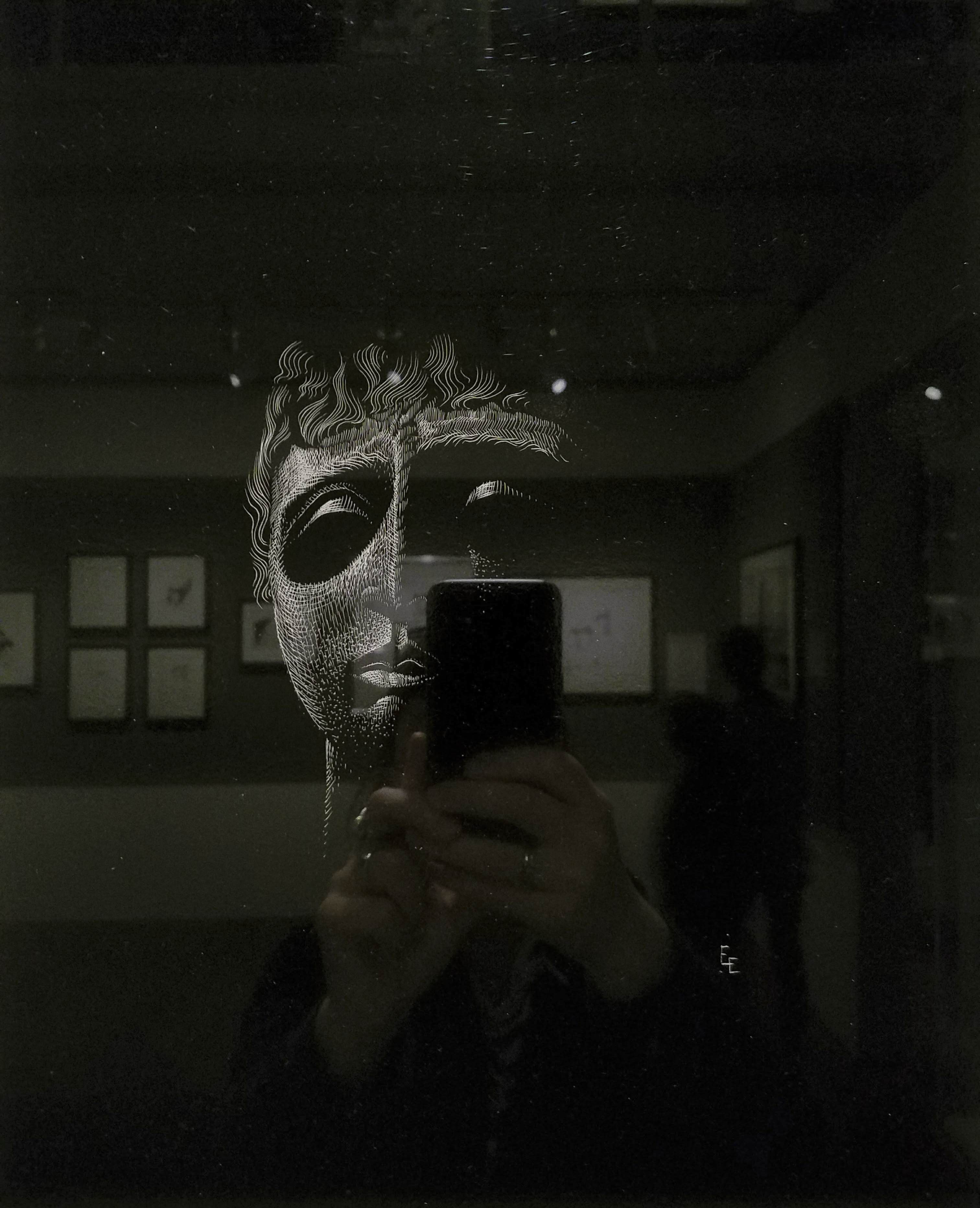
Face 2, 1981
Ink on scratchboard


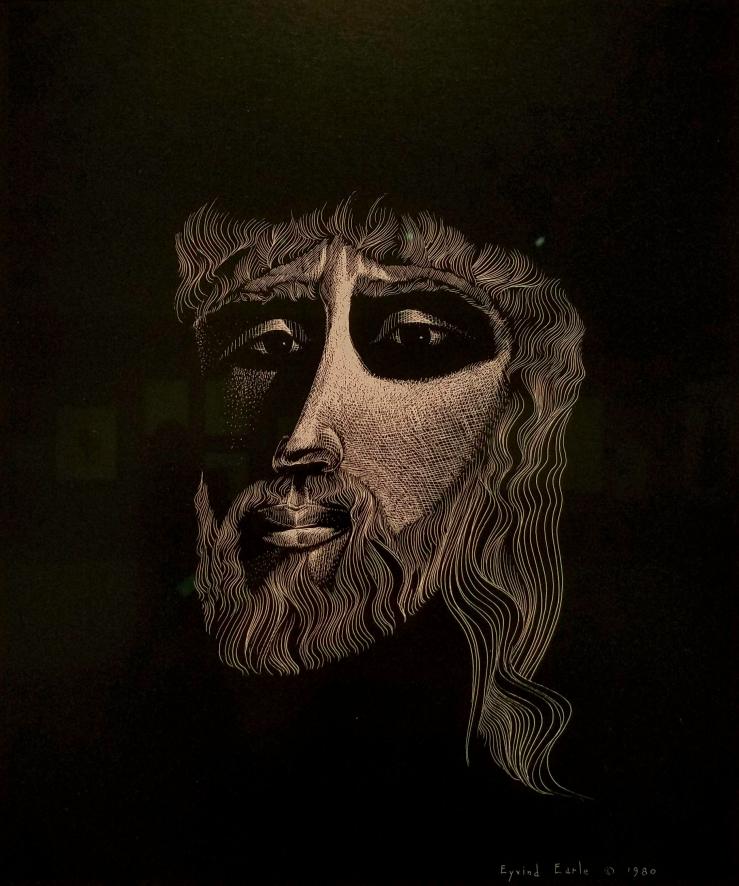
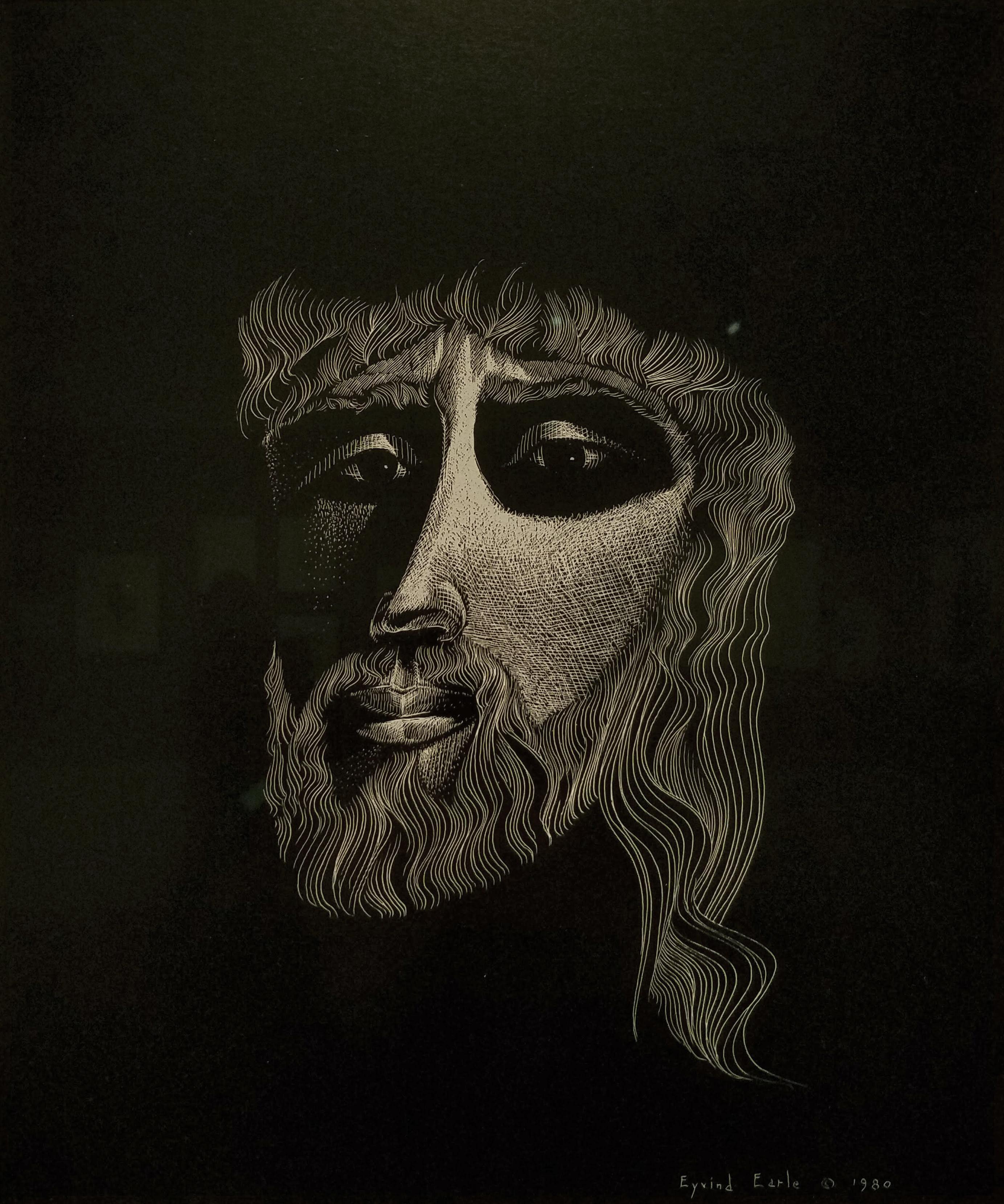
Bearded Man, 1980
Ink and varnish on scratchboard
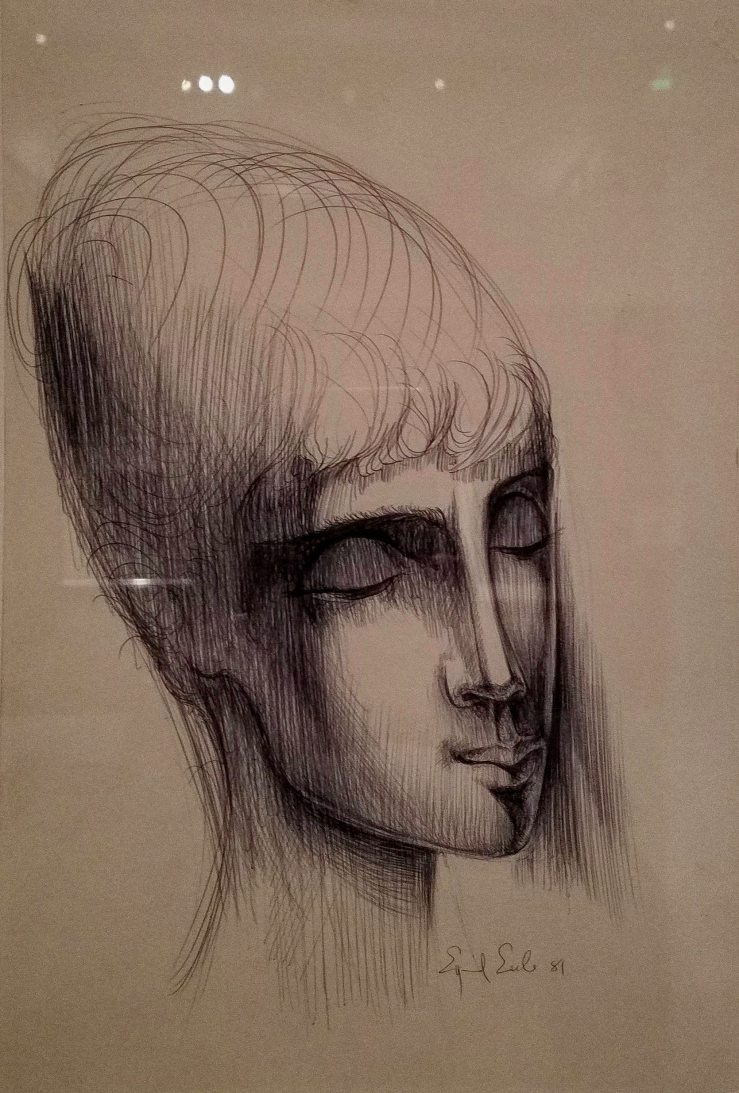

Portrait of a Woman, 1981
Ink on paper
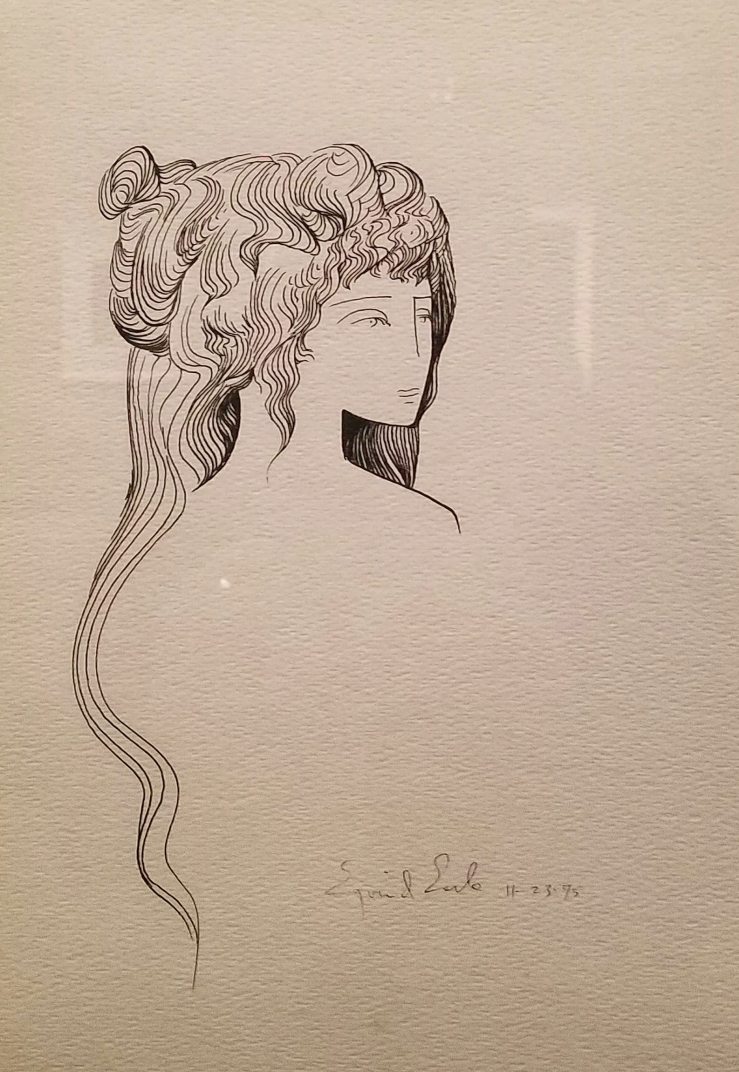

Portrait of a Woman, 1975
Ink on paper


[The sleek glow of his acrylics and oils is the result of a custom-made formula Earle created himself for the varnishes he used, often tinting them with glues. He also experimented with marine varnishes which were impervious to water and did not require the addition of glue. Because he needed to wait for the layers to dry, Earle often worked on up to thirty paintings at the same time.] (source)

”In nature when I look I see trees, some of them are such that they thrill me with their perfection and their sweeping lines and certain mood they seem to have. Windswept plains give me something that can’t be seen. In every tree I feel as though I could see the soul of that tree. It is alive. It is a person. And if beauty be related to the truth, harmony and balance must be there, and there must be movement because in nature all things move. And there are certain laws such as the law of duality. Everything has its opposite. Nothing is without its opposite. If I want a bright light in a painting, I must have a dark shadow. If I want a color to look very warm, I must have also a very cold color, and so on and on forever. But when I paint, I forget the things I know. I just sit there painting away, trying to get the feeling into my painting that I feel inside. Whatever beauty is, I feel it, and as long as I can I shall try to find more and more beauty, and to put it down so that others can see what I have seen.” – Eyvind Earle
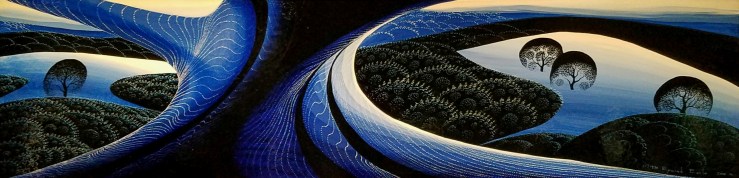
Blue Tree, 1994
Oil on masonite


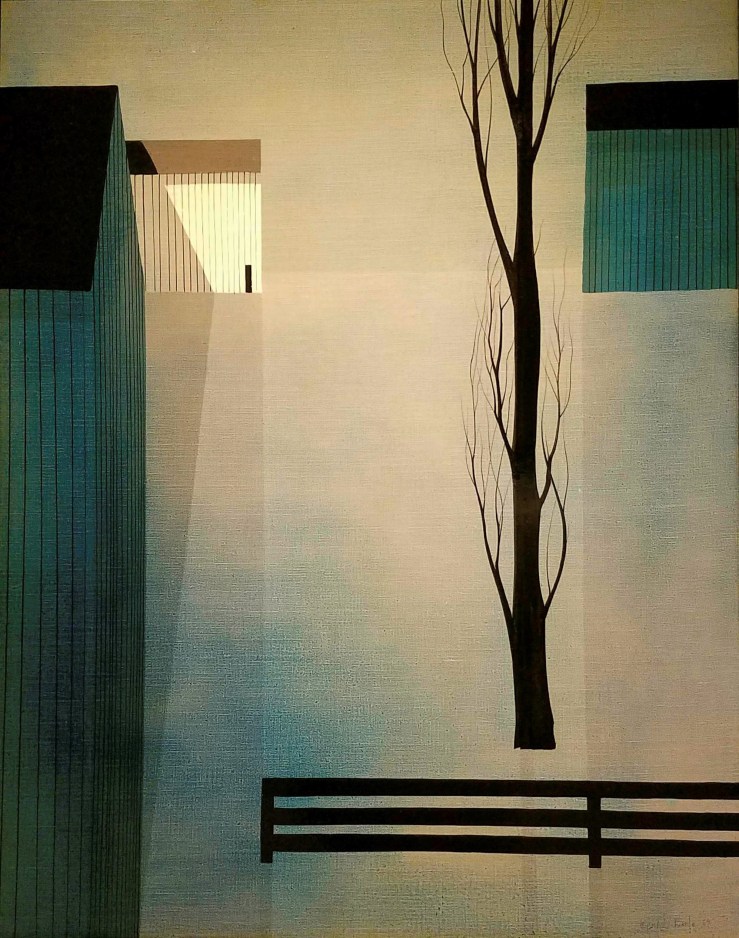
Tall Tree and Barn, 1969
Oil on canvas on wood


Green Forest, 1970
Acrylic on Masonite


Pastures in Early Spring, 1996
Oil on masonite
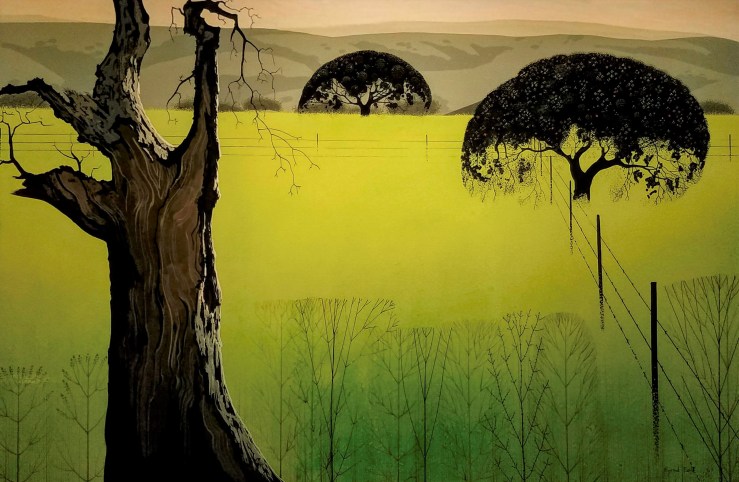

Mustard Field, 1974
Oil on masonite


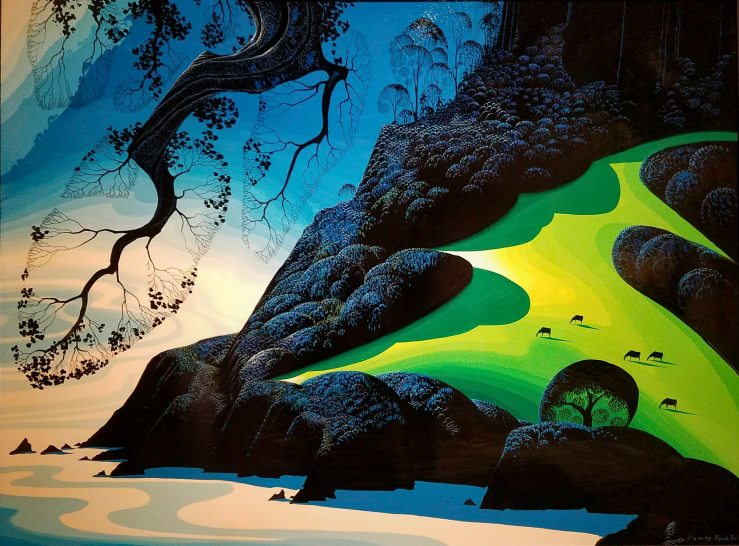
Coastal Paradise, 1995
Oil on masonite
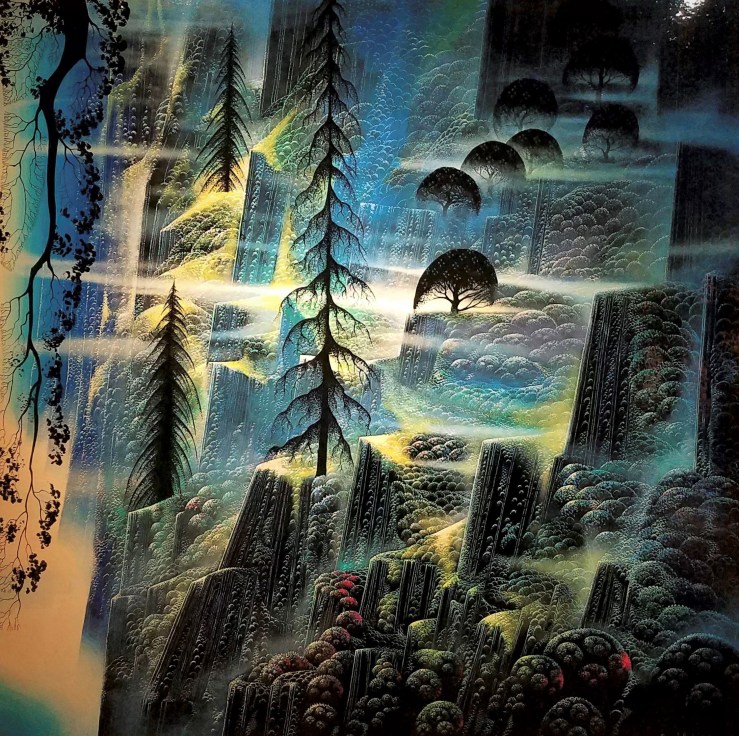

Where Eagles Fly, 1993
Oil on masonite
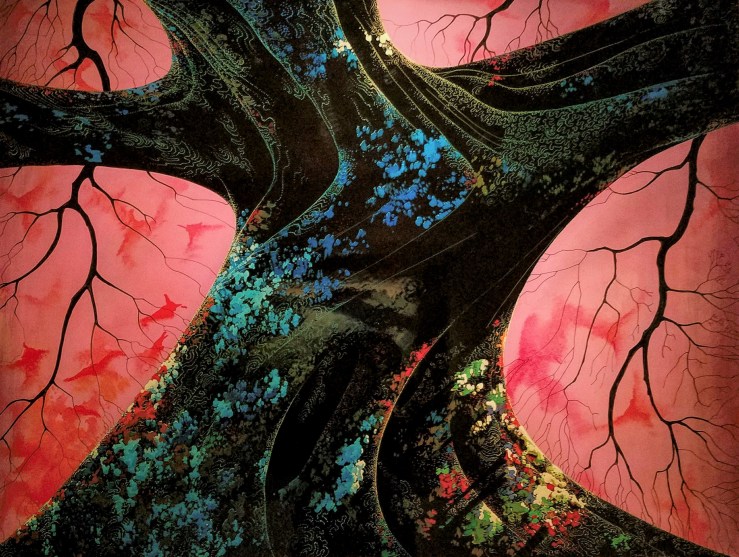

Giant Oak, 1996
Oil on masonite


Flower Fantasy, 1980
Watercolour on paper
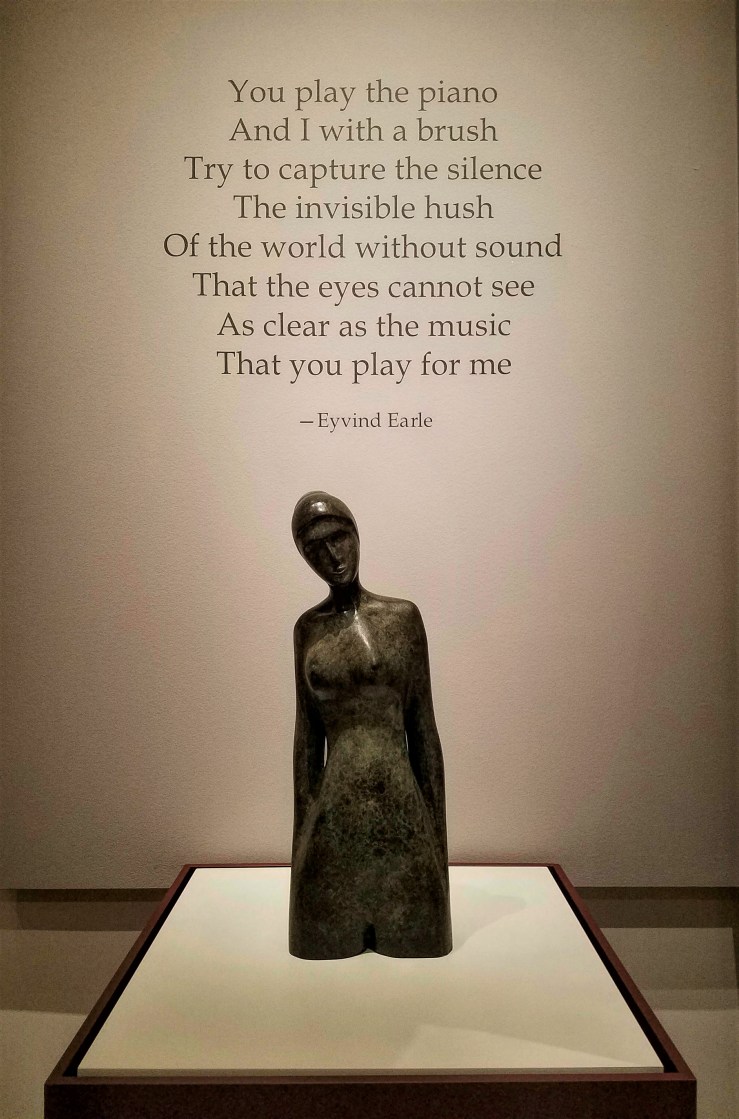

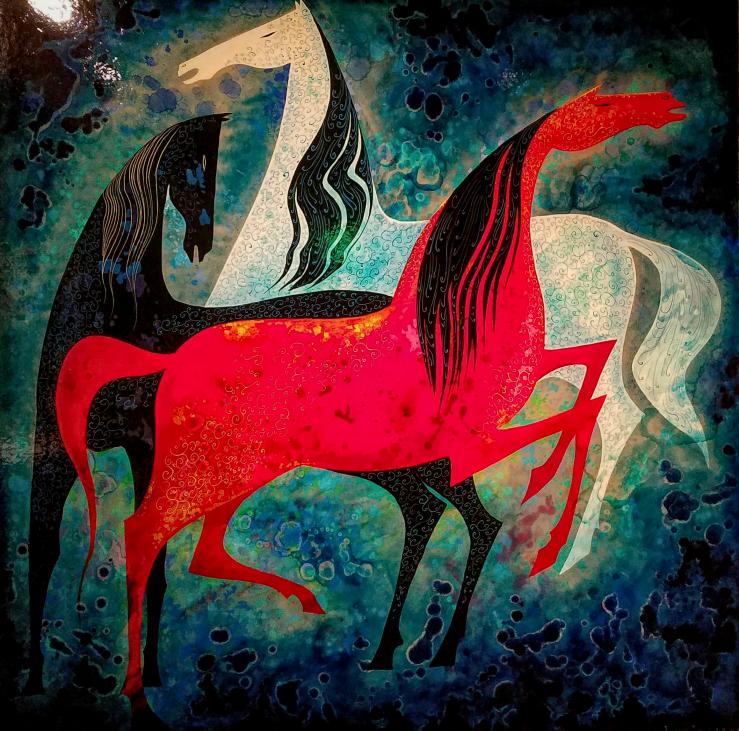
Three Noble Horses, 1993
Oil on masonite
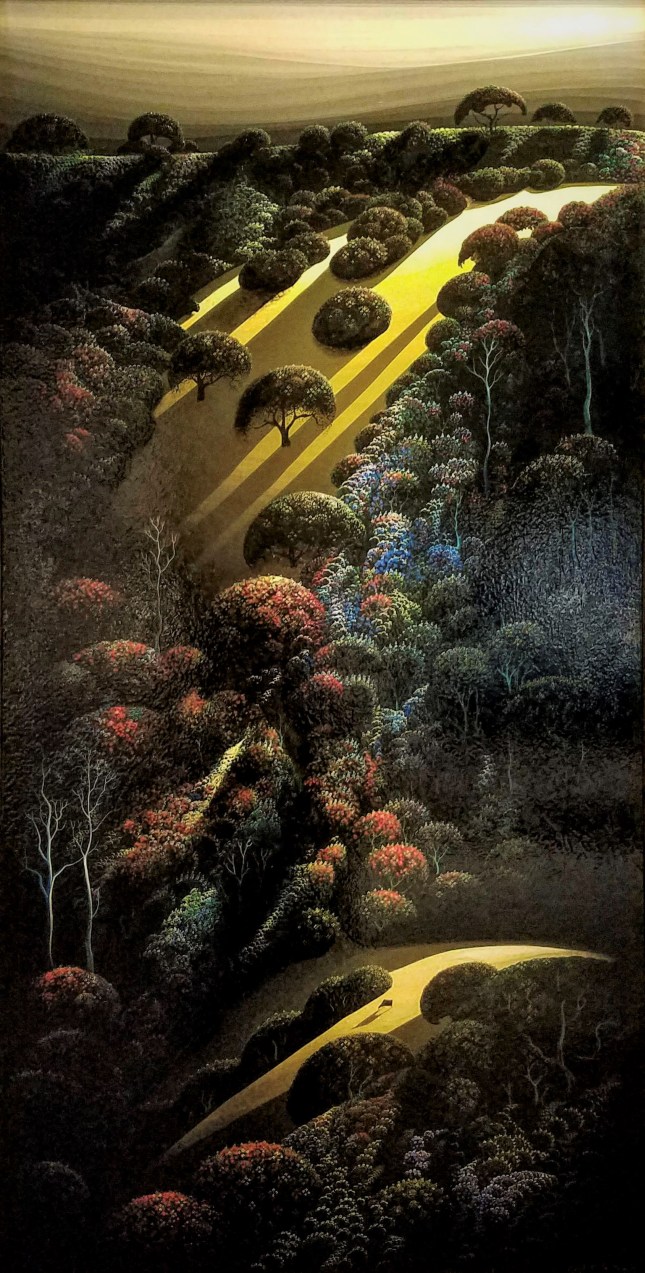

Hillside Magic, 1976
Oil on masonite


Orchard, 1984
Oil on canvas


Three Live Oaks, 1983
Oil on canvas


Concept paintings, c. 1959
Sleeping Beauty (1959)
Gouache on paperboard
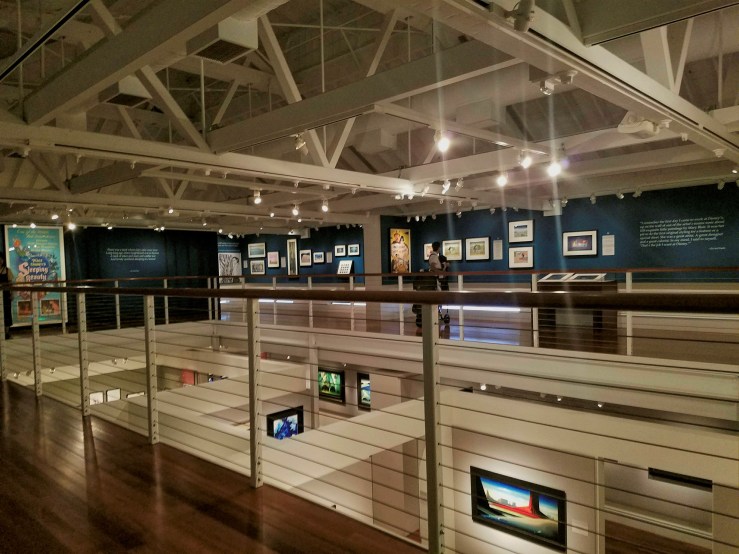

Awaking Beauty: The Art of Eyvind Earle was on show at The Walt Disney Family Museum, until beginning of January 2018.

July 8th, 2017
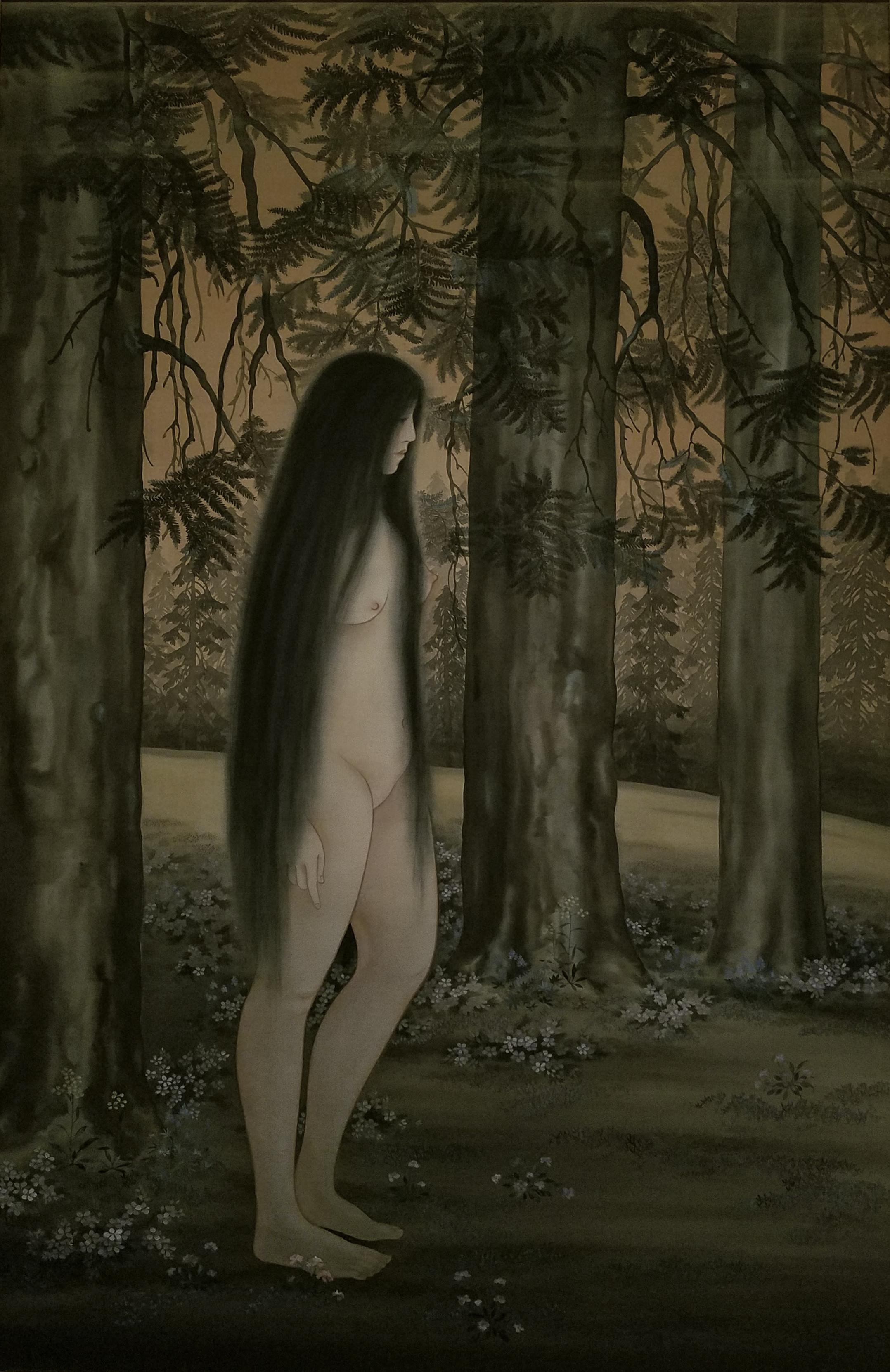
Haruko

Sometimes, in my dreams I am.
Chiura Obata (1885-1975)
Mother Earth, 1912 (reworked 1922, 1928)
Ink and colours on silk


Chiura Obata commenced this painting in 1912 as a portrait of his wife, Haruko, who had announced that she was pregnant with their first child. Obata reworked the painting in 1922, changing the title to Dusk in the High Sierra, and again in 1928, when he chose the final title, Mother Earth. The evolution of the title reveals Obata’s intention to endow his subject with greater resonance. The solitary female figure now serves as a universal personification of nature, fertility and maternity. The contrast between the giant, centuries-old redwood trees and the small seasonal flowers serves as a reminder of the cycles of nature – and of life itself.

Although Obata’s female model is Japanese, his universal title reflects his global perspective regarding nature and nationality: ”Above the border line of nationality everybody must feel a deep appreciation toward Mother Earth”. Obata’s timeless vision reaffirmed viewers’ perennial ties to nature in an increasingly technological age.

Treasures of the de Young

July 7th, 2017

Ode to beauty at the de Young

Timeless Beauty Beyond Gender.

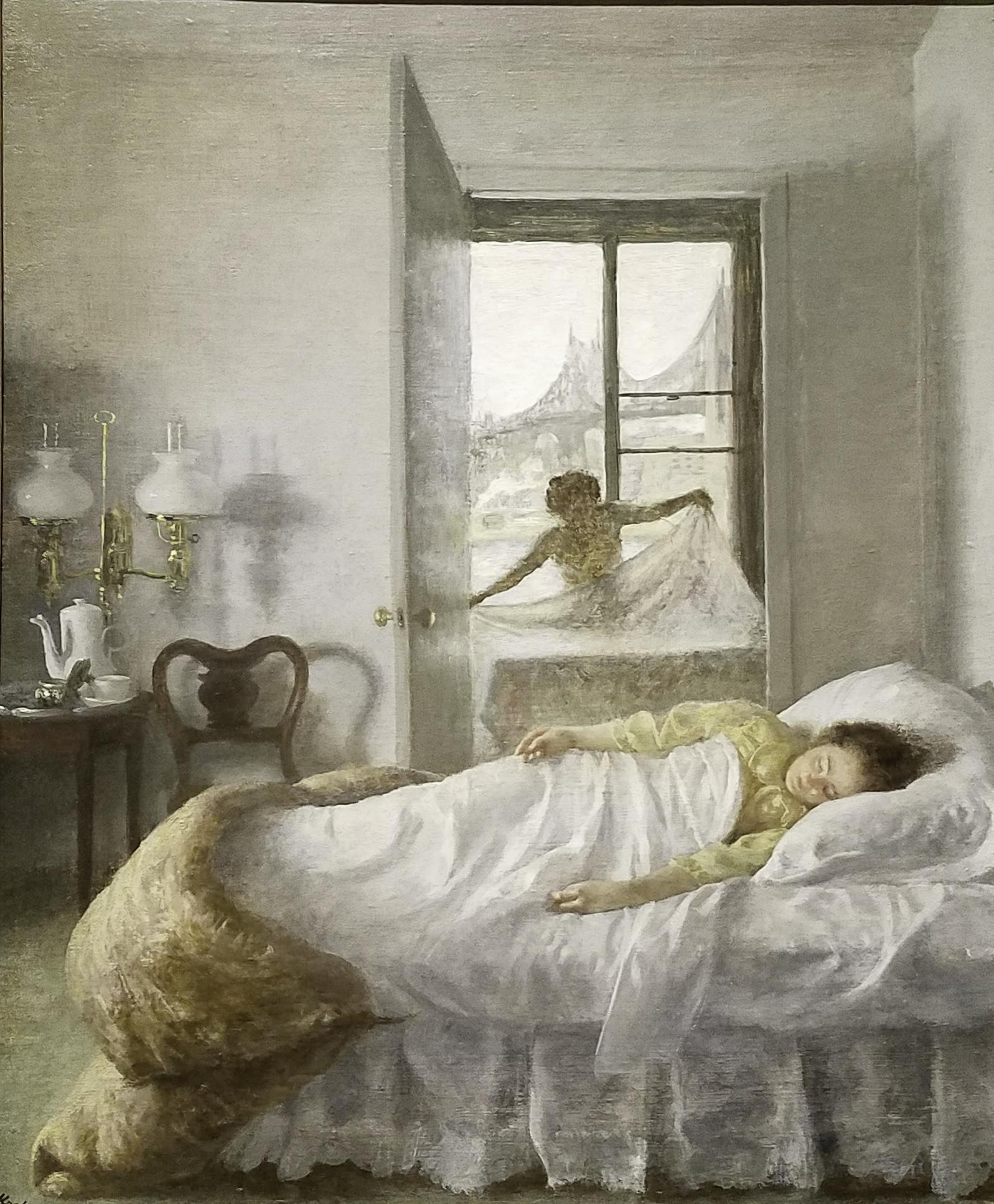
John Koch (1909-1978)
The Bridge, ca. 1950
Oil on canvas


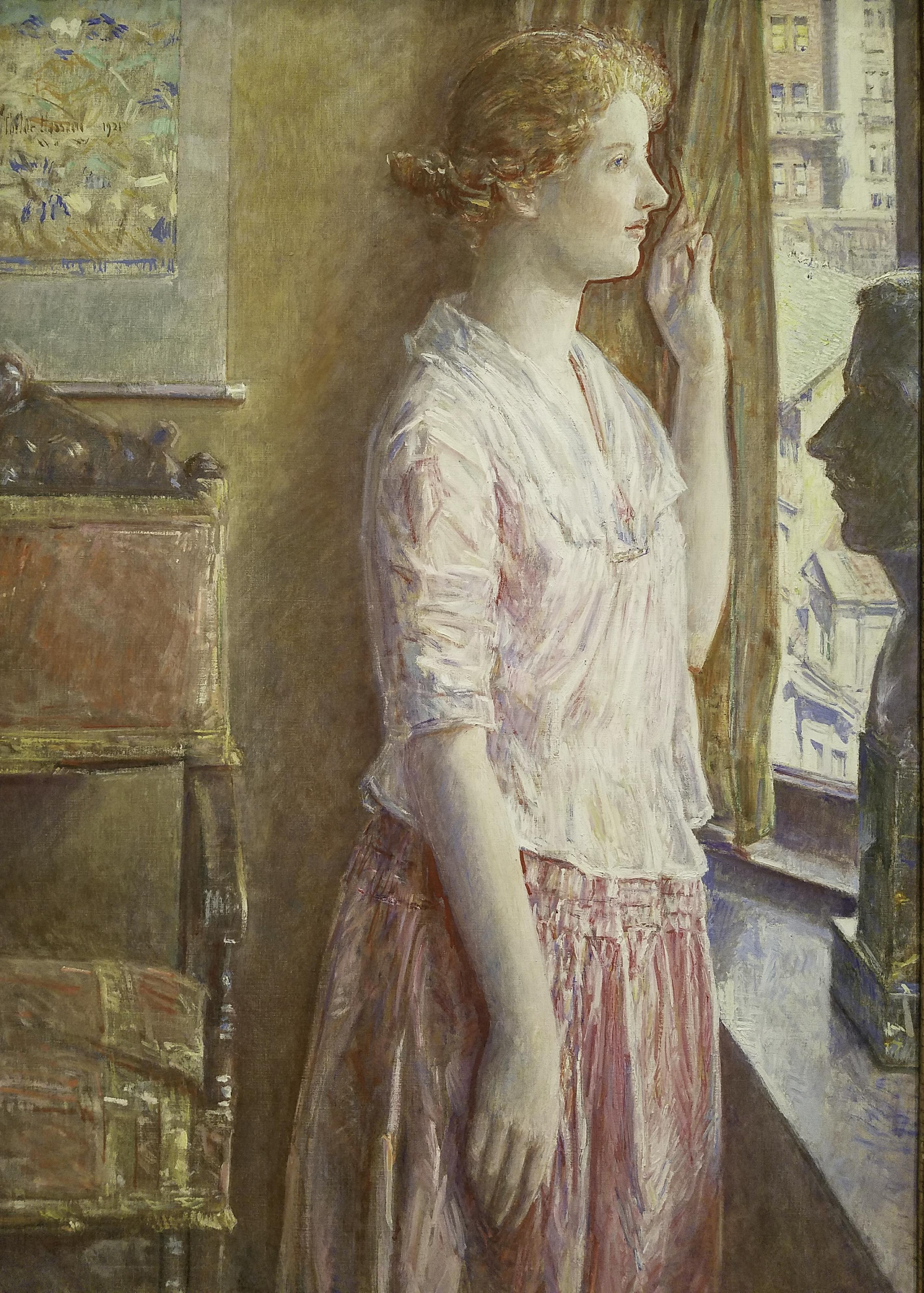
Frederick Childe Hassam (1859-1935)
Easter Morning (Portrait at a New York Window), 1921
Oil on canvas


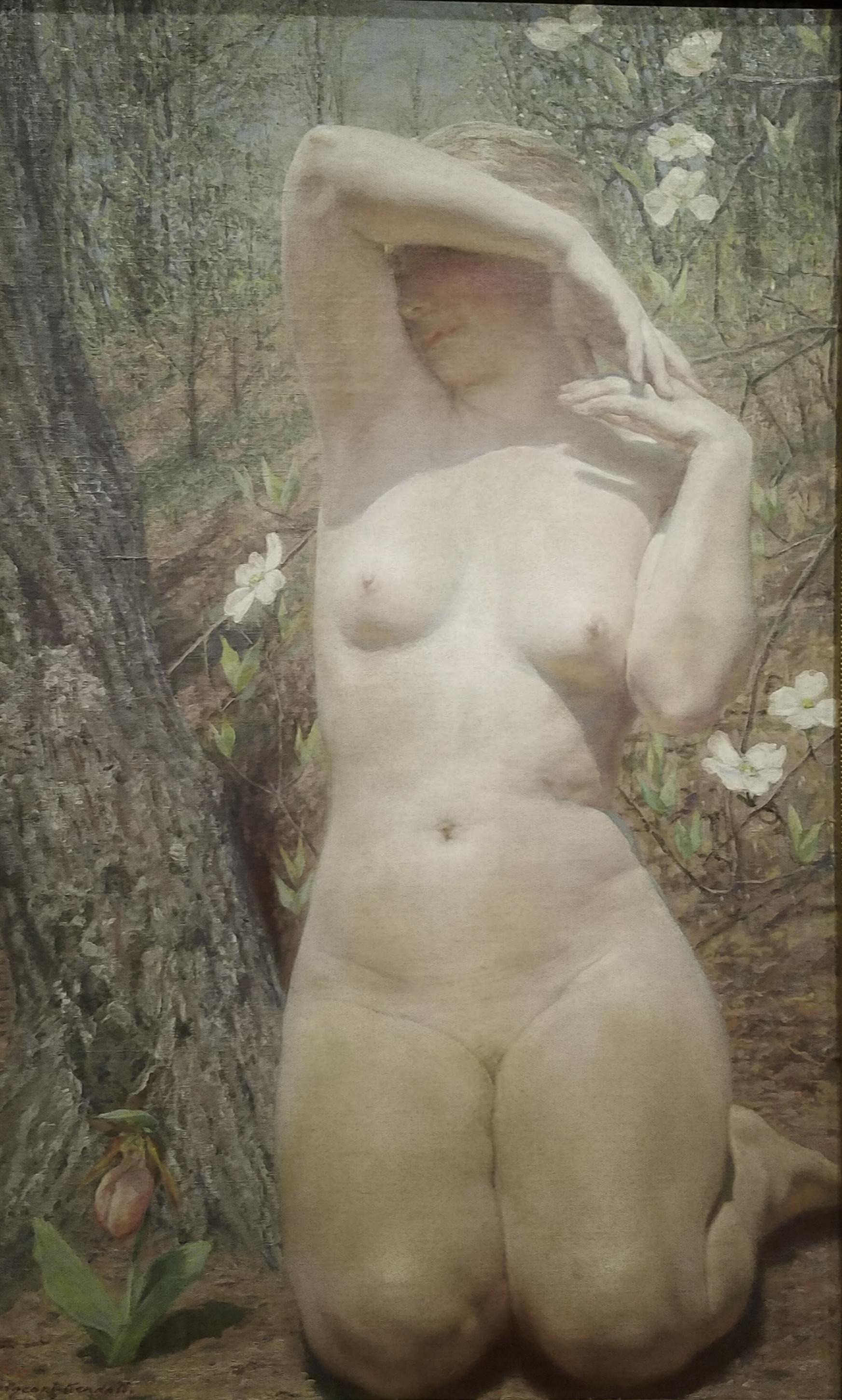
Sergeant Kendall (1869-1939)
Cypripedia, 1927
Oil on canvas


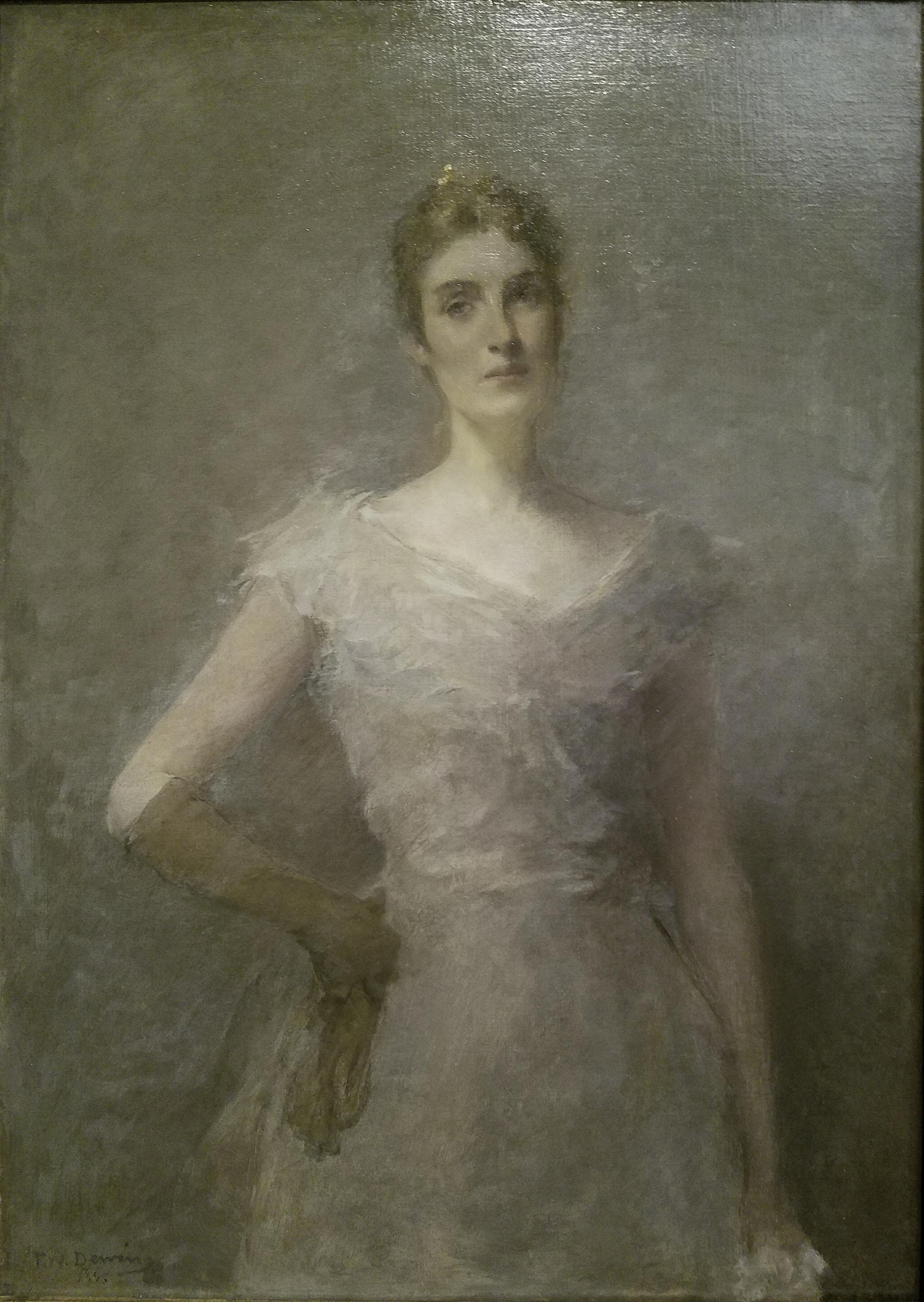
Thomas Wilmer Dewing (1851-1938)
Elizabeth Platt Jencks, 1895
Oil on canvas


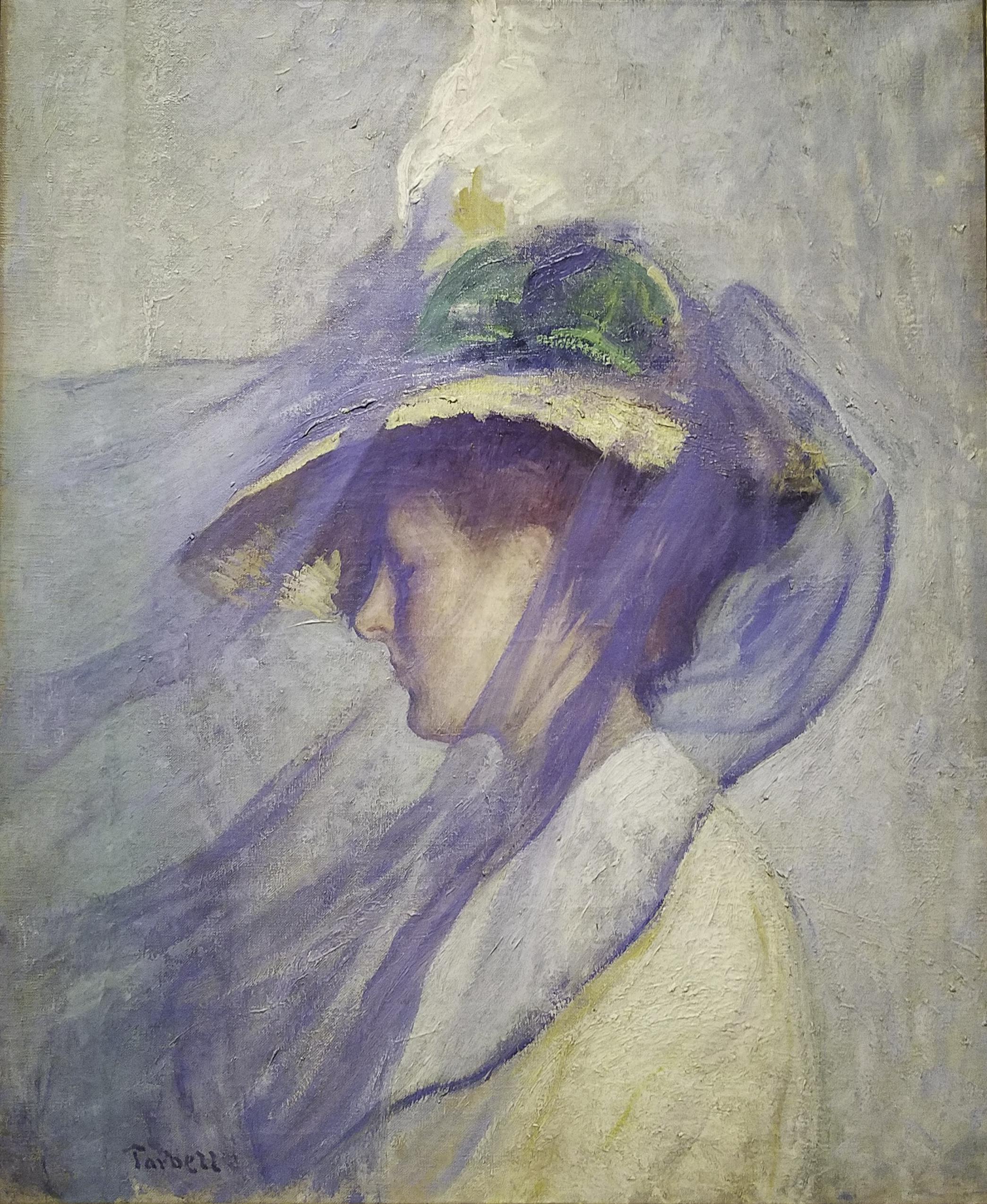
Edmund Charles Tarbell (1862-1938)
The Blue Veil, 1898
Oil on canvas


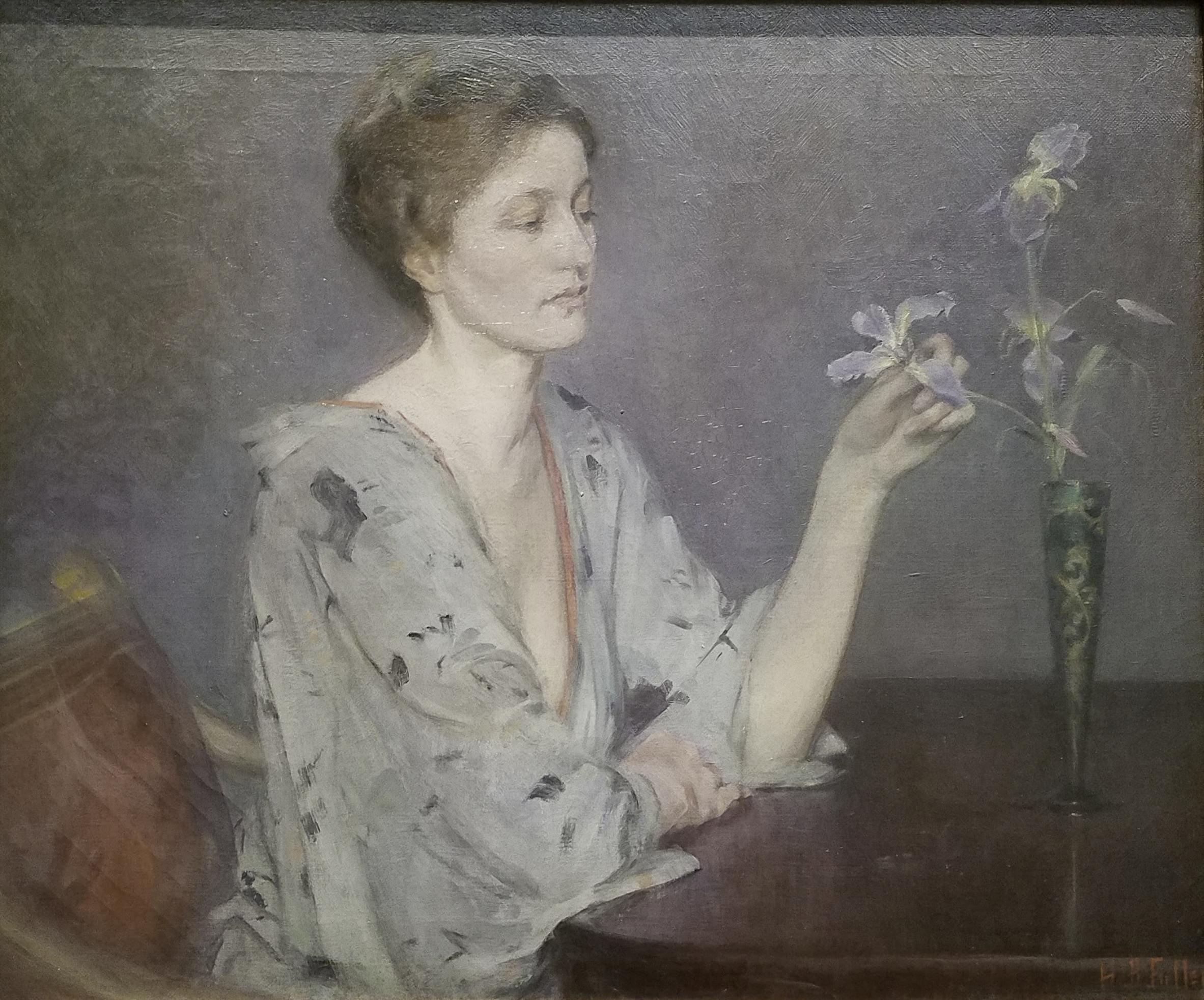
Henry Brown Fuller (1867-1934)
Ebba Bohm, ca. 1905
Oil on canvas


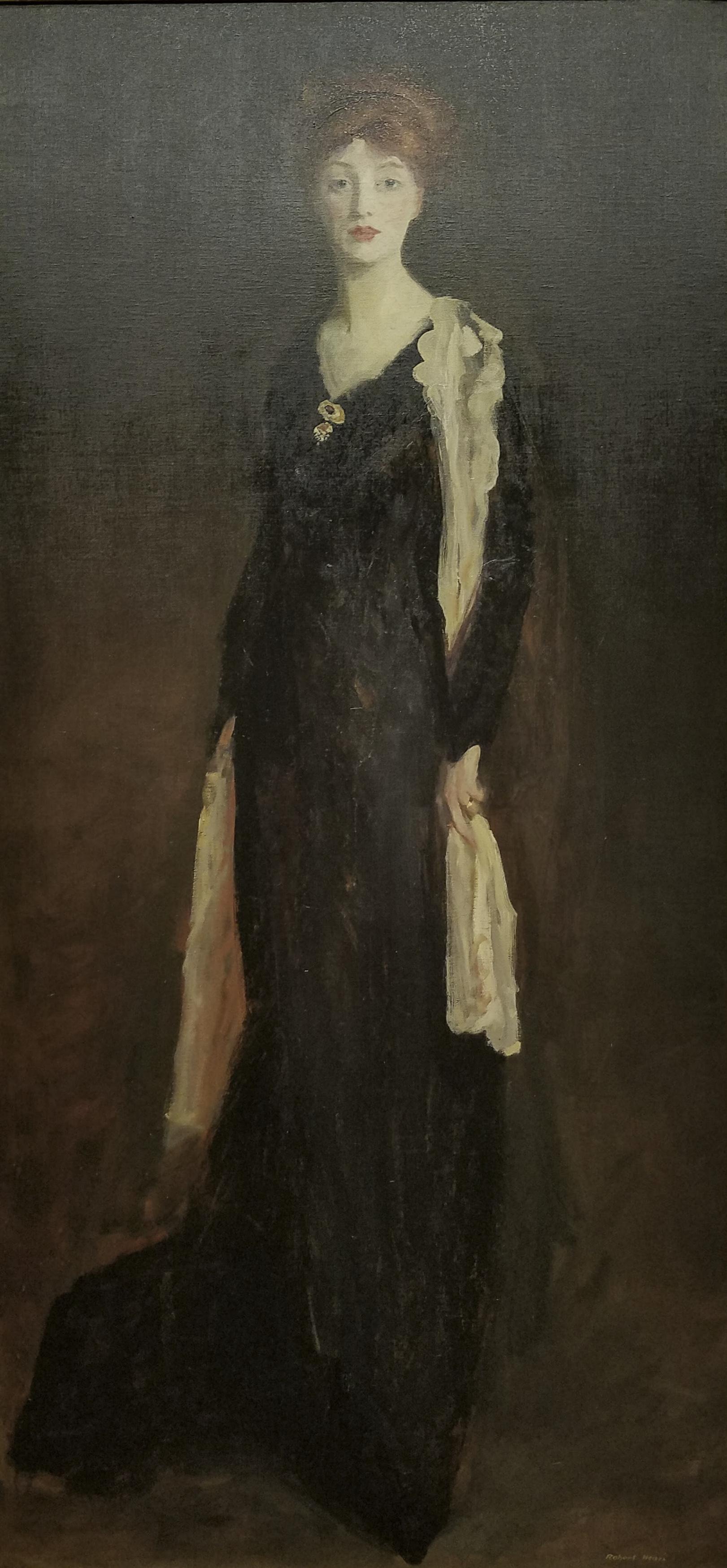
Robert Henri (1865-1929)
Lady in Black with Spanish Scarf (O in Black with a Scarf), 1910
Oil on canvas


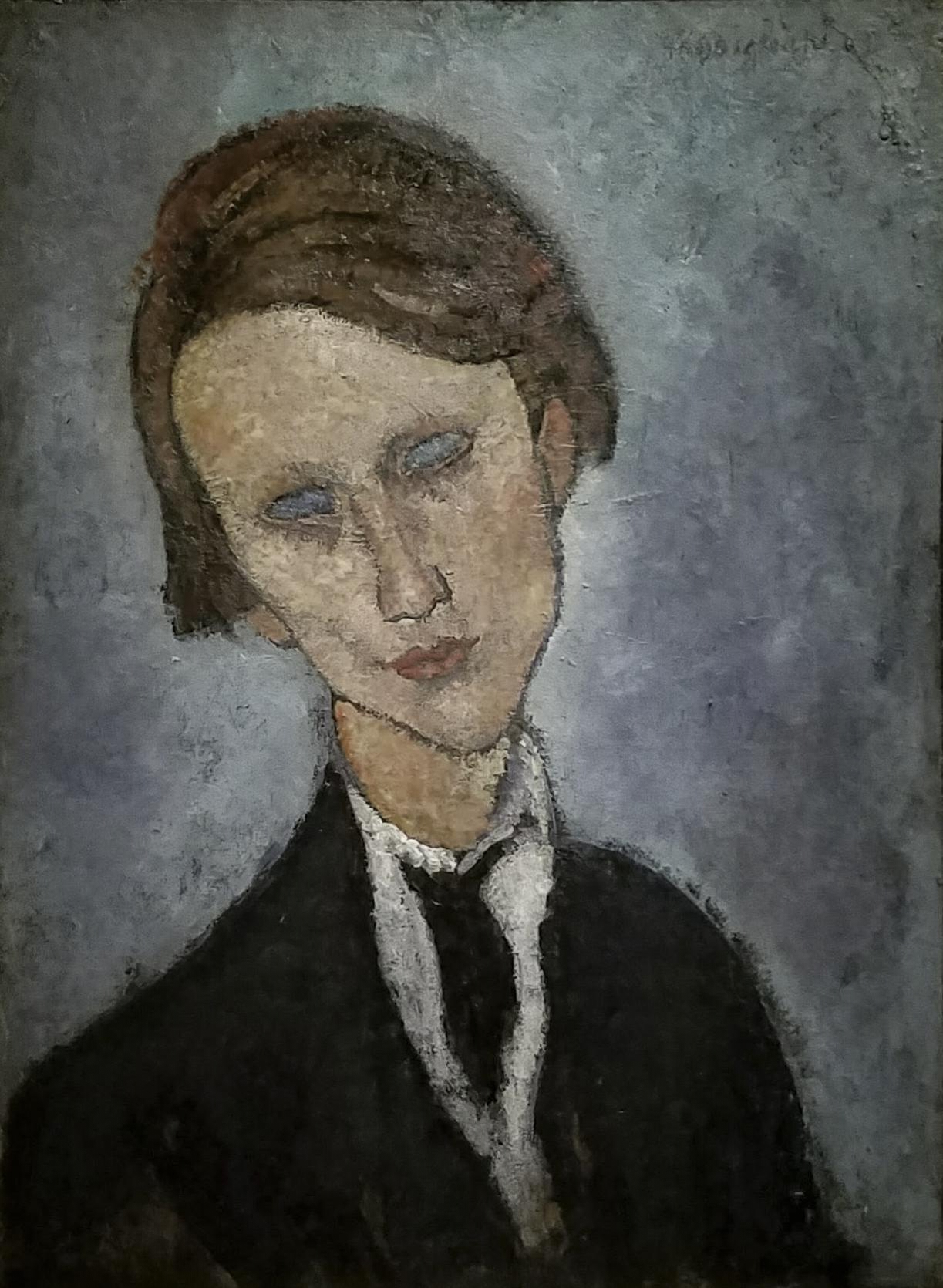
Would you have known this was a bloke, had there not been a title? Amedeo Modigliani (1884-1920)
Pierre-Edouard Baranowski, ca. 1918
Oil on board

A painting with an interesting background. Nothing to do with the gender-bending figure of Mr. Baranowski, it was its very origin and authenticity that were in doubt.


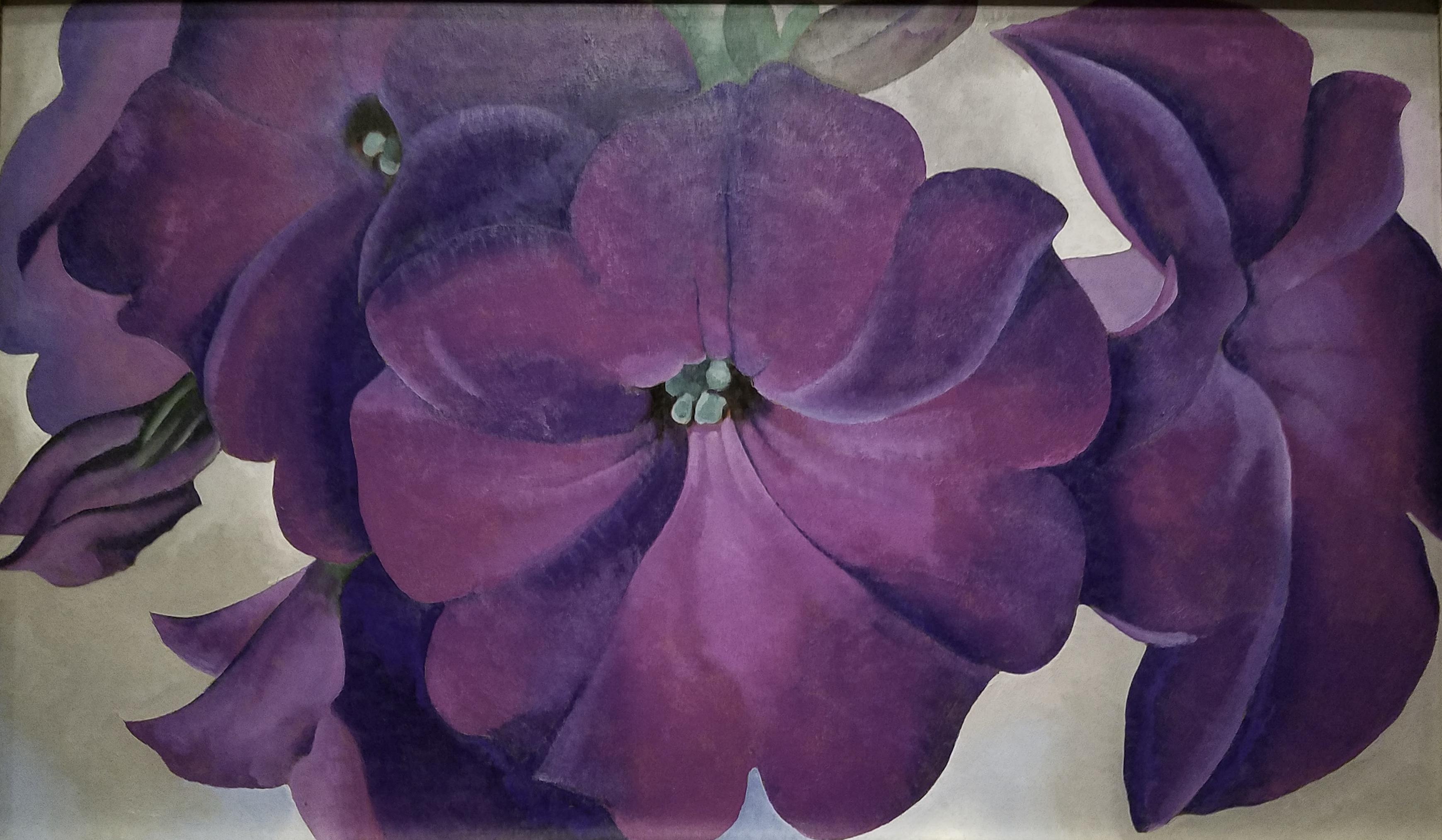
The artist is present in every stroke, her unique style instantly recognizable: Georgia O’Keeffe (1887-1986)
Petunias, 1925
Oil on hardboard panel


Treasures of the de Young

░Treasures░of░the░de░Young░

Skipping the colourful psychedelia of the Summer of Love Experience didn’t mean the time we spent at the de Young would be any less fun – quite the contrary, as the works you are about to see will demonstrate.

***

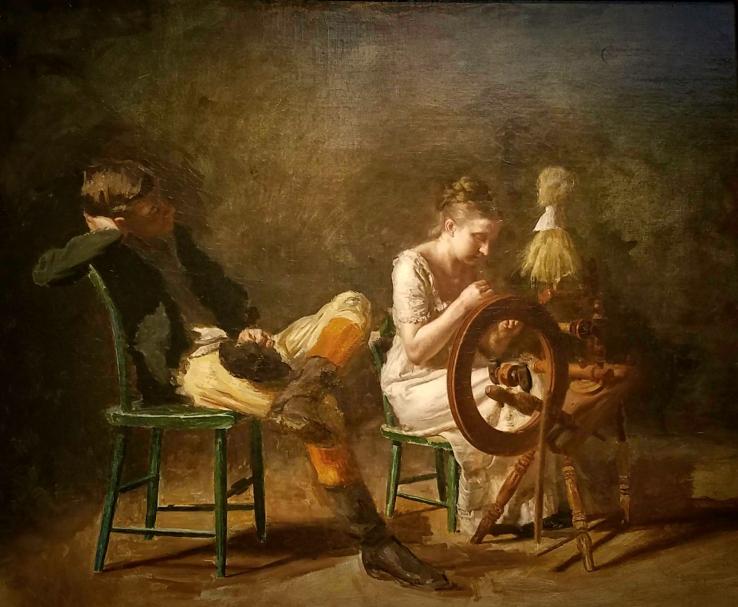
In contrast with the age of freedom and sexual liberation that was being celebrated next door, this is how courtship was done in Thomas Eakins’ time:  Thomas Eakins (1844-1916)
The Courtship, ca. 1878
Oil on canvas


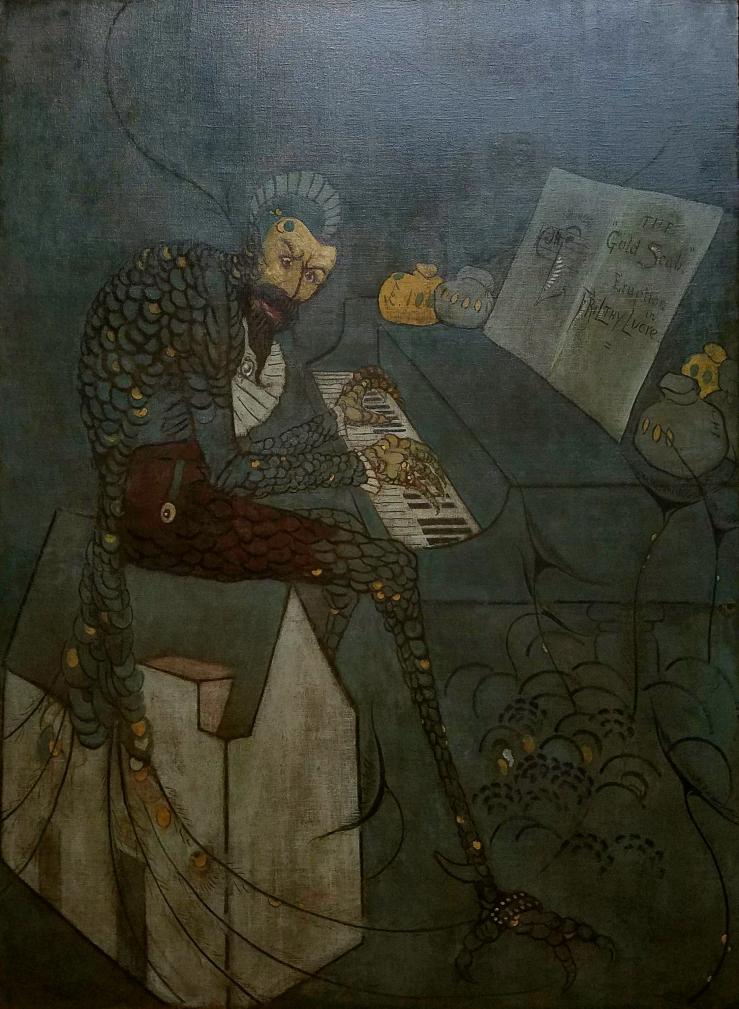
Whistler depicted his former patron Frederick R. Leyland as a hideous peacock, surrounded by money bags and sitting astride Whistler’s house, which had to be sold. You see, Leyland had commissioned Harmony in Blue and Gold: The Peacock Room (Freer Gallery of Art) for his London townhouse. All was going according to plan, until Whistler decided to make some unauthorized alterations. Leyland was less than pleased, they argued bitterly and their relationship reached an all-time low when Leyland sued Whistler for the Peacock Room’s over-expenditures. Whistler had to file for bankruptcy but, with this painting, he still had the last laugh:James McNeill Whistler (1834-1903)
The Gold Scab: Eruption in Frilthy Lucre (The Creditor), 1879
Oil on canvas


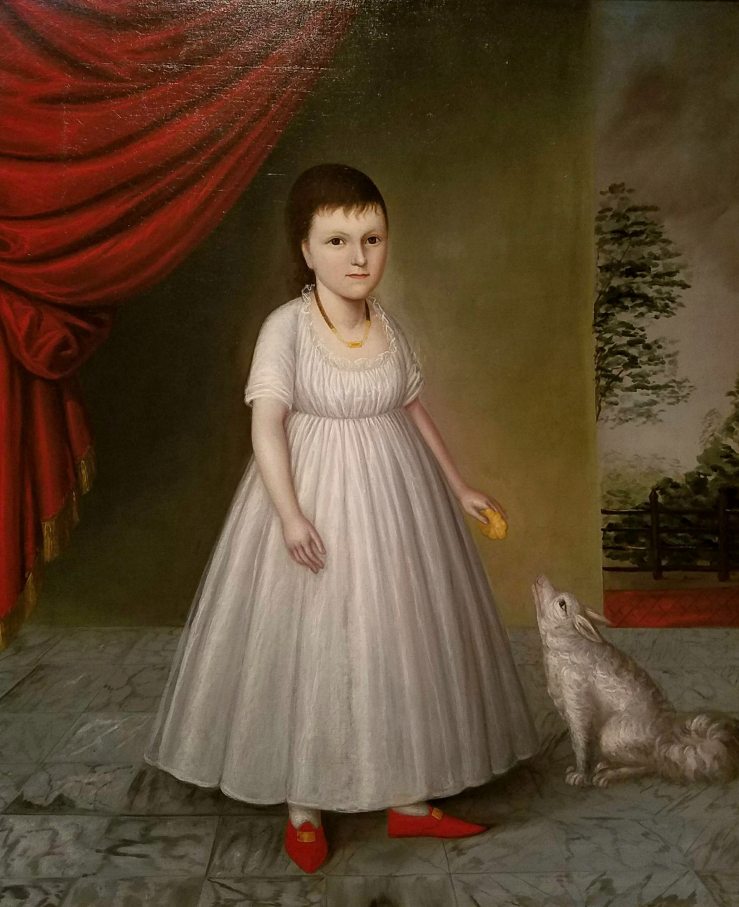
A work by the earliest-known African American artist. A freed slaved and self-taught painter working in Baltimore, Maryland, Joshua Johnson portrays the daughter of a wealthy Baltimore merchant. Her Empire gown, stylish Napoleonic bangs, and Turkish shoes (known as ”straights” because the could fit on either foot) reveal the influence of French fashion in America. I do love her ”straights” – I wish all shoes were so soft they could fit on either foot!  Joshua Johnson (ca. 1763-ca. 1824)
Letitia Grace McCurdy, ca. 1800-1802
Oil on canvas


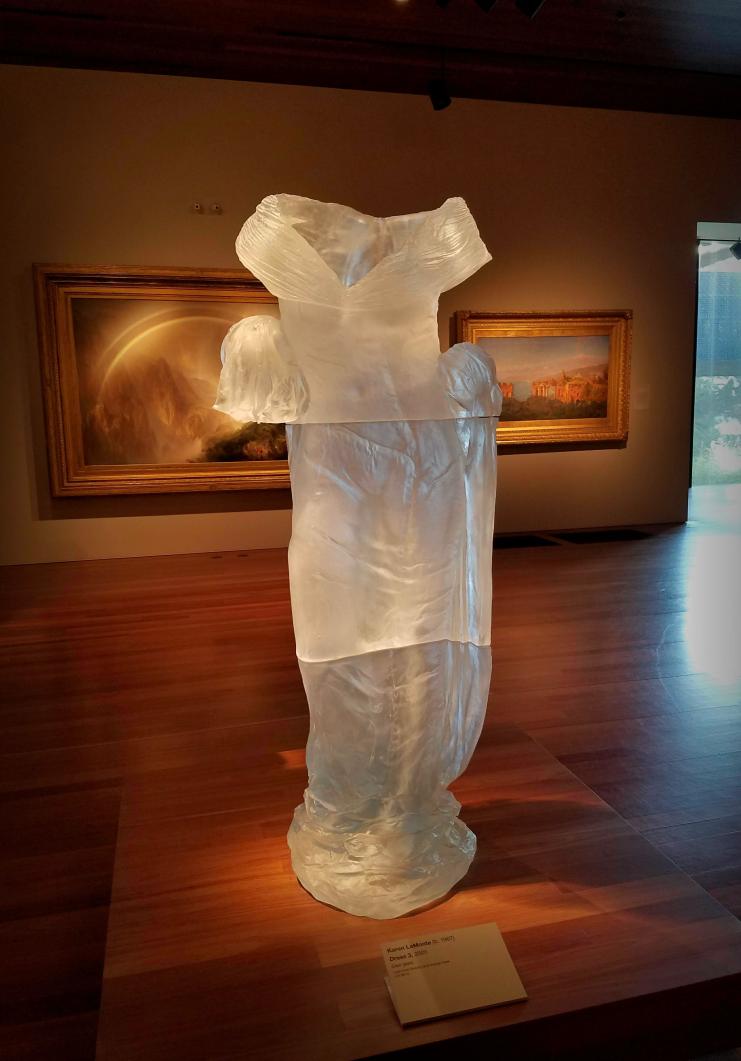
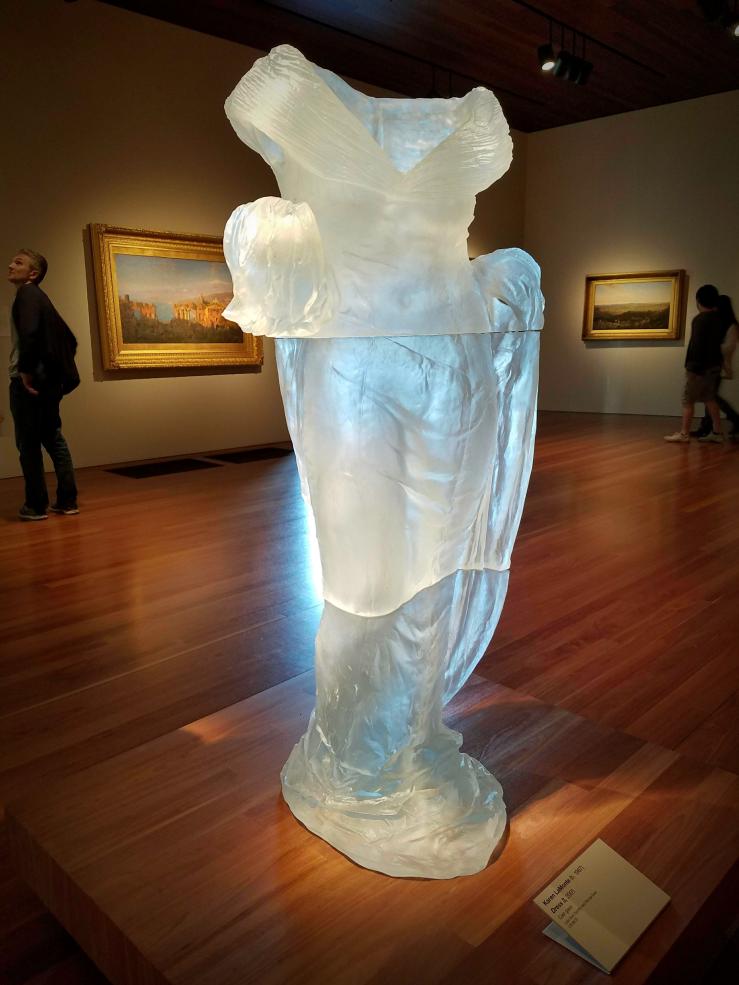
A dress made of glass for a head-to-toe modern Cinderella:Karen LaMonte (b. 1967)
Dress 3, 2001
Cast glass


This explosion of colour:
Richard Mayhew (b. 1924)
Rhapsody, 2002
Oil on canvas


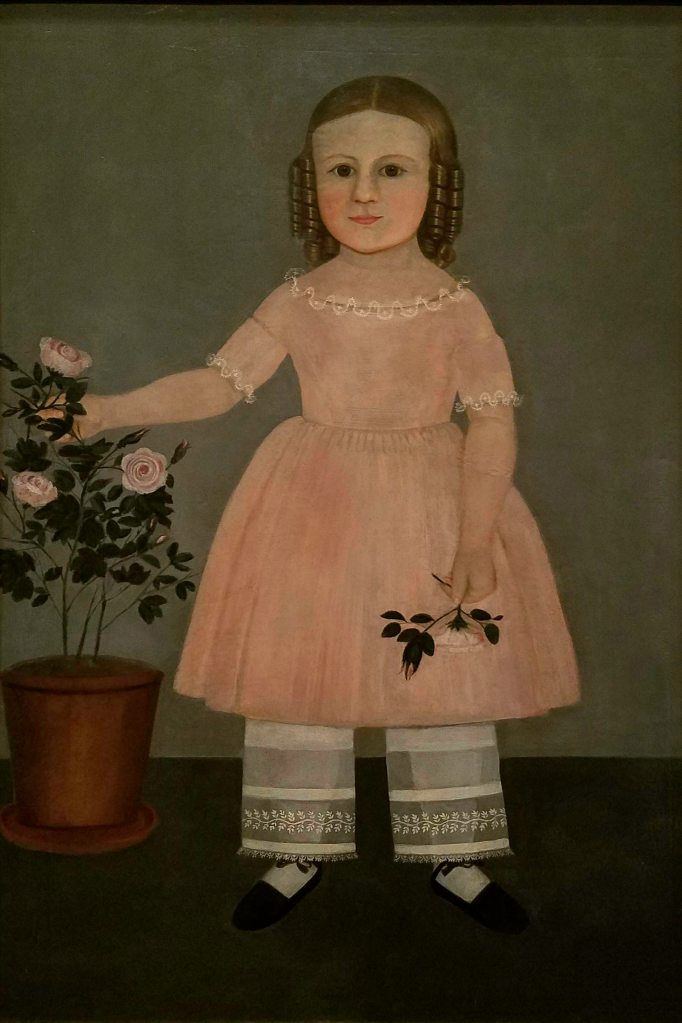
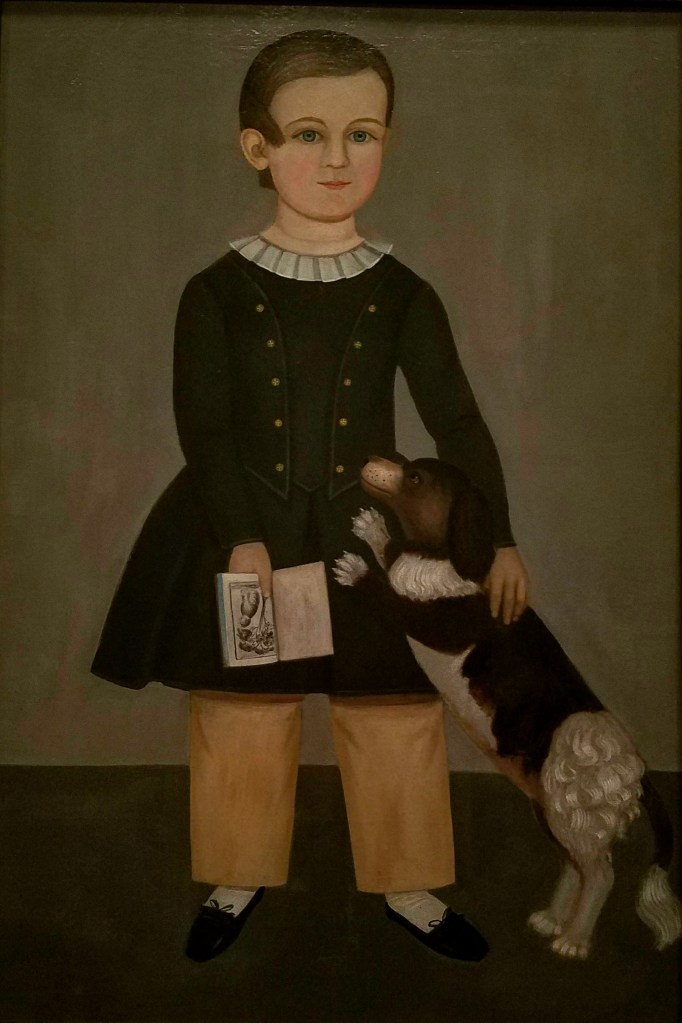
The cool flatness of Samuel Miller’s children: Samuel Miller (1807-1853)
Young Girl with Flowers, ca. 1850
Oil on canvas mounted on board


Samuel Miller (1807-1853)
Young Boy with a Dog, ca. 1850
Oil on canvas mounted on hardboard


Treasures of the de Young

July 7th, 2017


Don’t try this at home

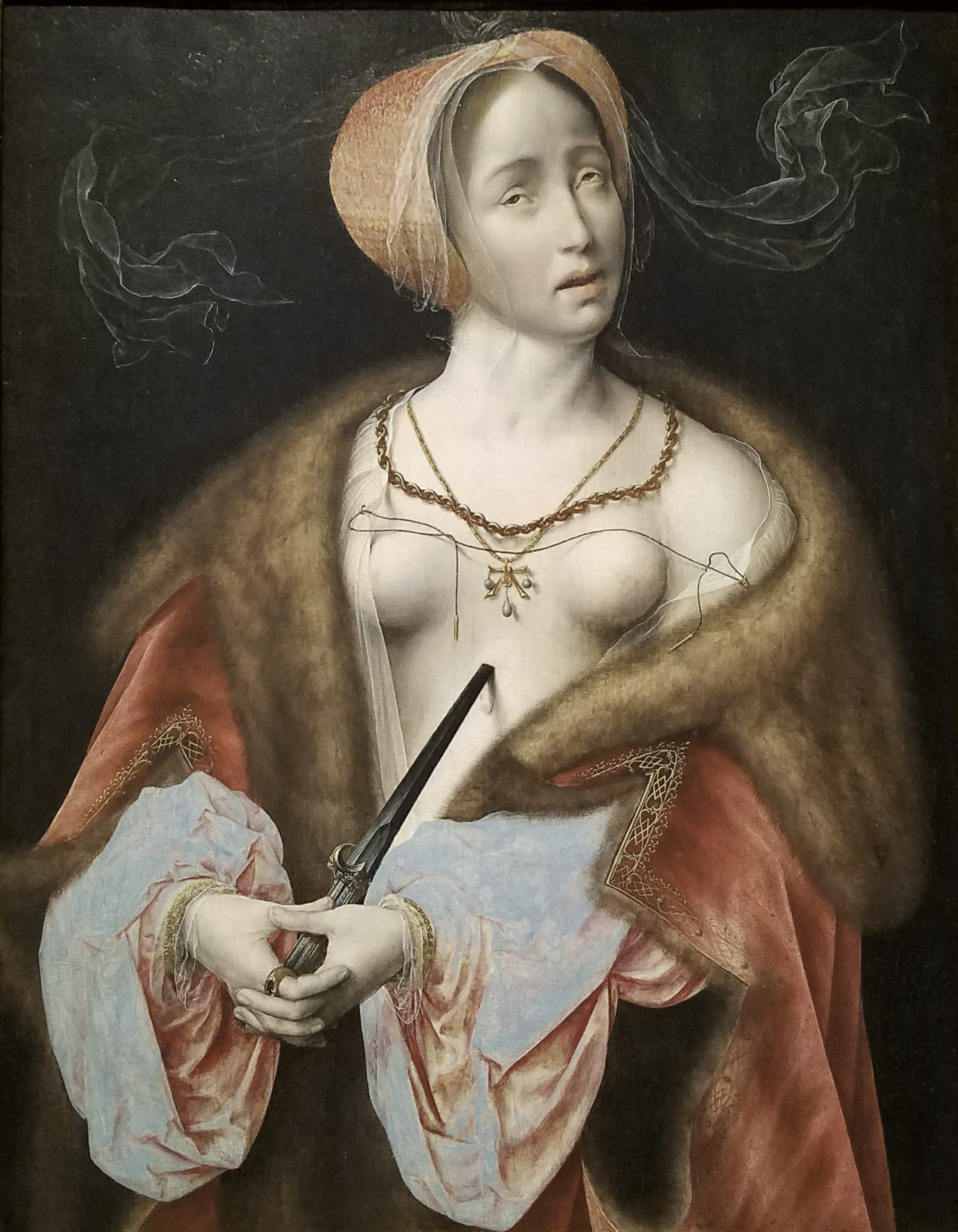
Under any circumstances. Lucretia, this is not your fault. Never ever.Joos van Cleve, Flemish, ca. 1485-1540
Lucretia, ca. 1525
Oil on panel


[…”Several days passed. Sextus Tarquinius returned to the house of Conlatinus, with one of his companions. He was well received and given the hospitality of the house, and maddened with love, he waited until he was sure everyone else was asleep. Then he took up his sword and went to Lucretia’s bedroom, and placing his sword against her left breast, he said, “Quiet, Lucretia; I am Sextus Tarquinius, and I have a sword in my hand. If you speak, you will die.” Awakening from sleep, the poor woman realized that she was without help and very close to death. Sextus Tarquinius declared his love for her, begging and threatening her alternately, and attacked her soul in every way. Finally, before her steadfastness, which was not affected by the fear of death even after his intimidation, he added another menace. “When I have killed you, I will put next to you the body of a nude servant, and everyone will say that you were killed during a dishonorable act of adultery.” With this menace, Sextus Tarquinius triumphed over her virtue, and when he had raped her he left, having taken away her honor.

Lucretia, overcome with sorrow and shame, sent messengers both to her husband at Ardea and her father at Rome, asking them each to come “at once, with a good friend, because a very terrible thing had happened.” Spurius Lucretius, her father, came with Publius Valerius, the son of Volesus, and Conlatinus came with Lucius Junius Brutus; they had just returned to Rome when they met Lucretia’s messenger. They found Lucretia in her chamber, overpowered by grief. When she saw them she began to cry. “How are you?” her husband asked. “Very bad,” she replied, “how can anothing go well for a woman who has lost her honor? There are the marks of another man in your bed, Conlatinus. My body is greatly soiled, though my heart is still pure, as my death will prove. But give me your right hand in faith that you will not allow the guilty to escape. It was Sextus Tarquinius who returned our hospitality with enmity last night. With his sword in his hand, he came to take his pleasure for my unhappiness, but it will also be his sorrow if you are real men.”

They promised her that they would pursue him, and they tried to appease her sorrow, saying that it was the soul that did wrong, and not the body, and because she had had no bad intention, she did no wrong. “It is your responsibility to see that he gets what he deserves,” she said, “I will absolve myself of blame, and I will not free myself from punishment. No woman shall use Lucretia as her example in dishonor.” Then she took up a knife which she had hidden beneath her robe, and plunged it into her heart, collapsing from her wound; she died there amid the cries of her husband and father…”] – source

Legion of Honor, San Francisco

July 7th, 2017