The Society of Illustrators Annual Student Competition 2017

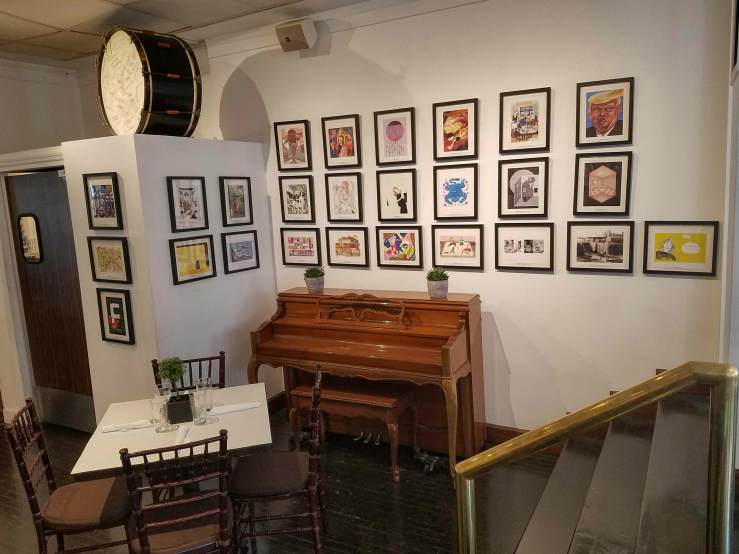
A jury of professional peers including illustrators and art directors have chosen the most outstanding works created by college level illustration and animation students throughout the year. Pieces are accepted based on the quality of technique, concept and skill of medium used. After reviewing 8.082 submissions, only 220 were selected for this year’s exhibition and 25 have received financial awards.

The works were on view between May & June 2017; these images are but a fraction, just enough to get an idea. Individual styles, different types of media, several Art Schools, all sharing a common quality: it was hard to believe these works were created by students, not professionals.
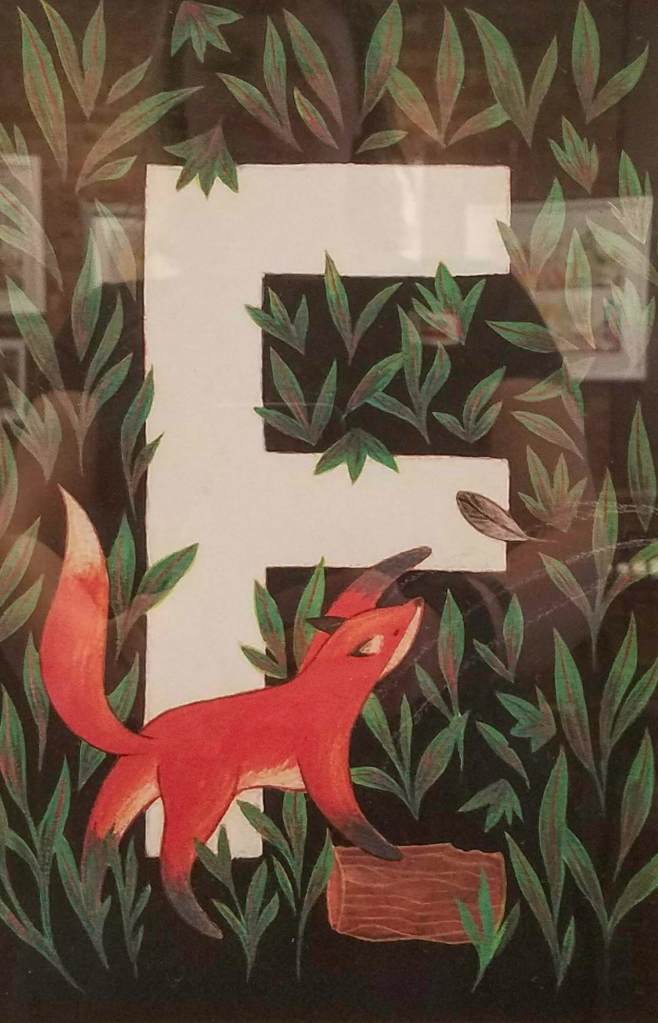
Carina Chong, F is for Fox
Gouache and pencil, Pratt Institute, Instructor: Pat Cummings


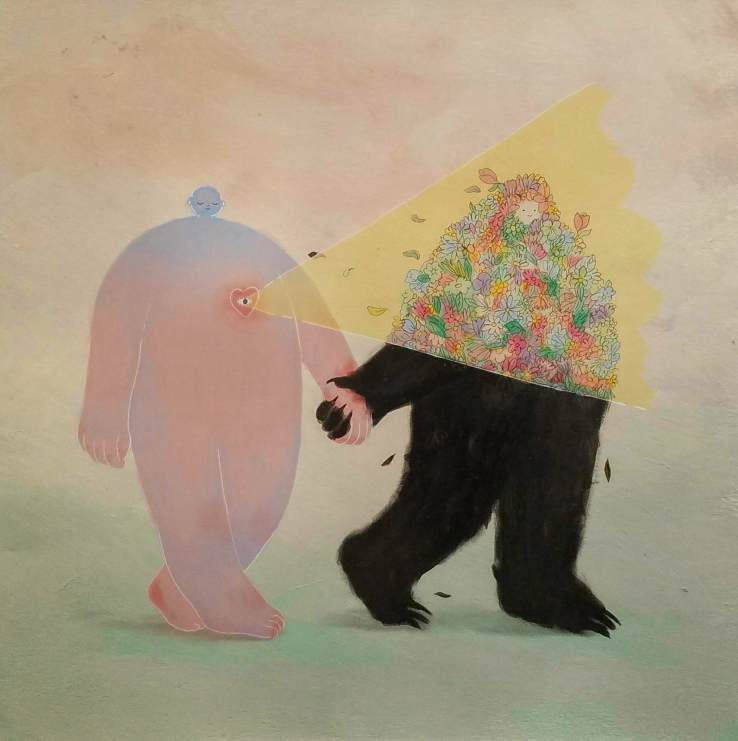
Mei Kanamoto, Insignificant Others
Silkscreen on paper, Parsons School of Design, Instructors: Jordin Isip and Steven Guarnaccia 

Amanda Chung, The Fool
Mixed media, Parsons School of Design, Instructors: Jordin Isip
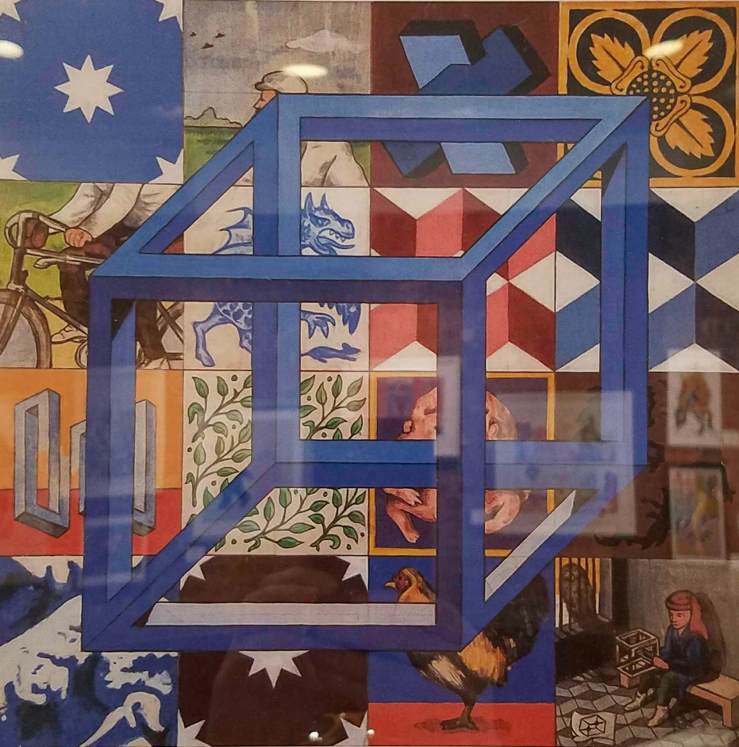

Kyoosang Choi, Illusion
Acrylic and oil on panel, School of Visual Arts, Instructors: Thomas Woodruff and TM Davy

 Oh, look! Steadman was here Varvara Nedilska, The Collector
Watercolour and gouache, OCAD University, Instructor: Jon Todd


Clarissa Liu, Felt Tattoo
Felt, Rhode Island School of Design, Instructor: Melissa Ferreira

Nina Charuza, Train

Acrylic, California College of the Arts, Instructor: Bob Ciano
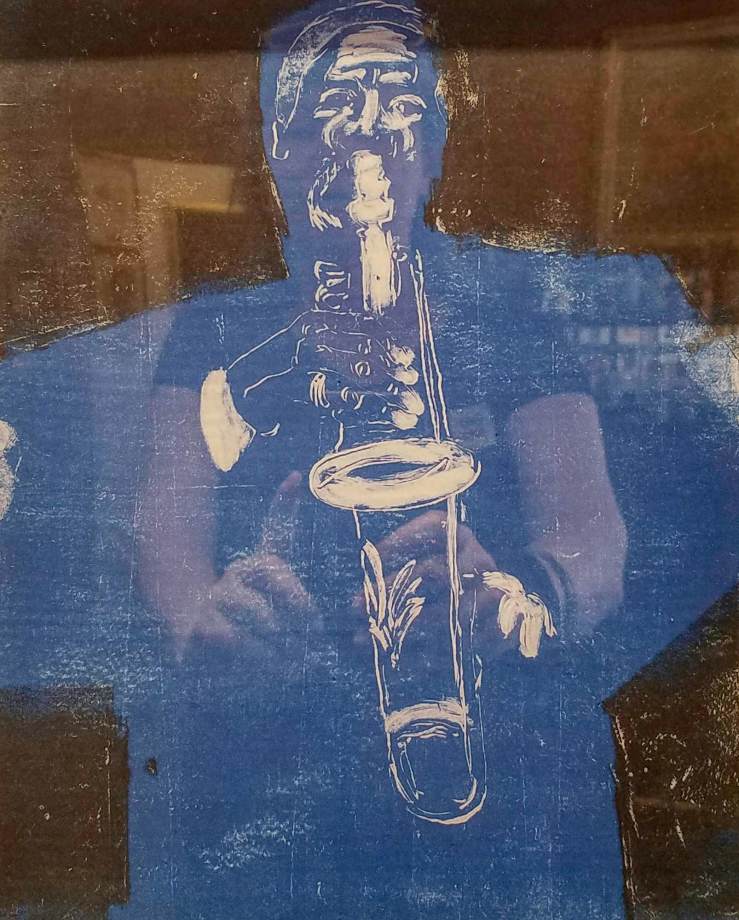

Mack Muller, Sax man
Monoprint, Syracuse University, Instructor: James Ransome


June 3rd, 2017
That’s The Spirit…!

Of being an old soul but never wanting to grow up.

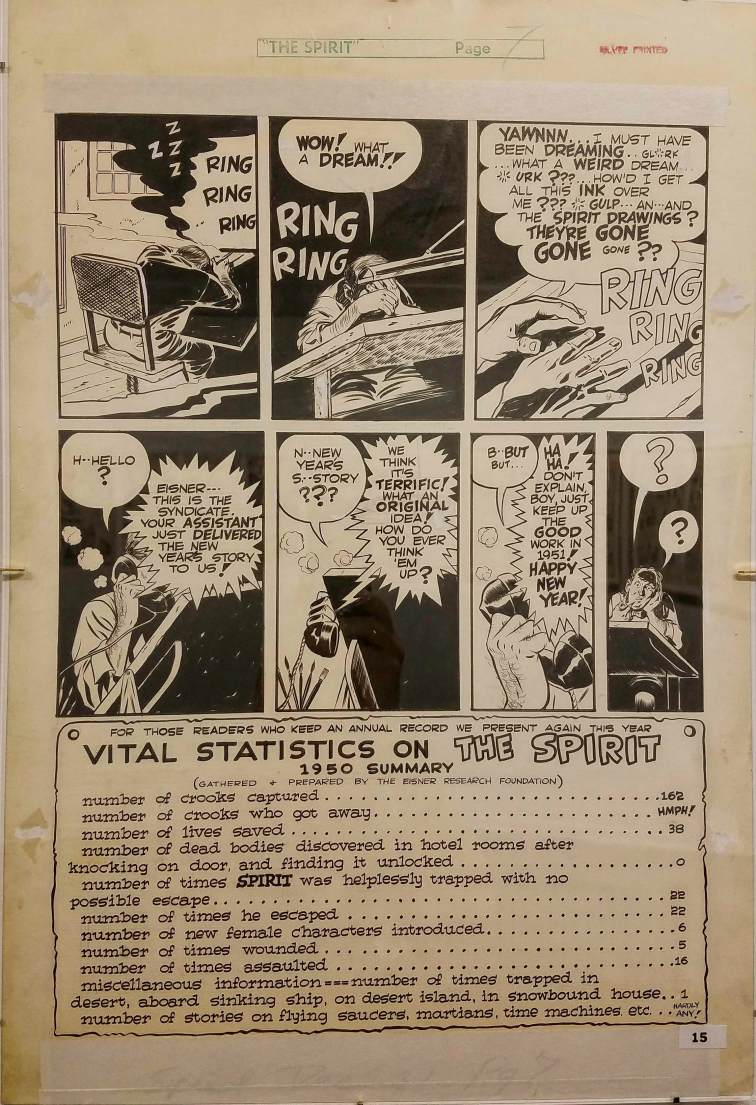
The Spirit: ”Il Duce’s Locket” page 1
May 25, 1947
Ink on paper

P’Gell, a femme fatale with an impossibly narrow waist, was among the more prominent and persistent in a series of beautiful criminals in Eisner’s long-running Spirit. P’Gell, though a deadly adversary couldn’t shake her love interest in The Spirit. He seldom returned her affectionate overtures. P’Gell was named after the Quartier Pigalle, the notorious red light district of Paris


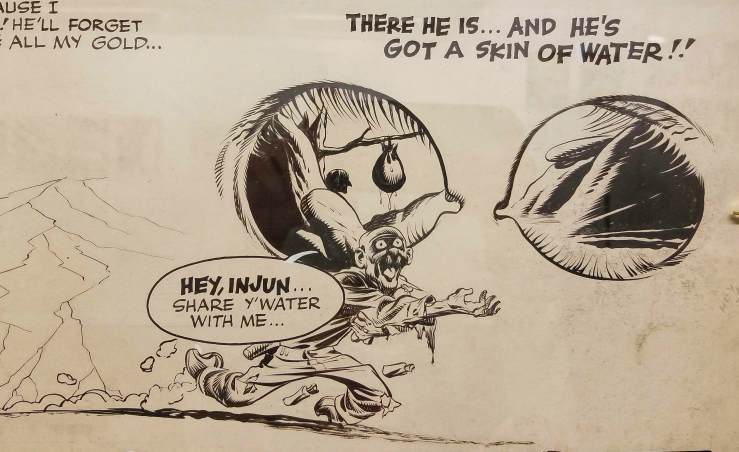
The Spirit: ”Quirte” seven-page story
November 21, 1948
Ink on paper


The Spirit: ”John Lindsay’s Mayoral Race”, five-page story
New York Herald Tribune magazine (January 9, 1966)
Will Eisner and Chuck Kramer
Ink on paper with wash

Will Eisner had not drawn a new Spirit story since 1952 when the New York Herald Tribune’s Sunday magazine contacted him in late 1965 to create a story based on the city’s mayoral election. The lettering (done on clear acetate) is missing from the original pages, but the story can be read on the smaller reproductions of the published version.


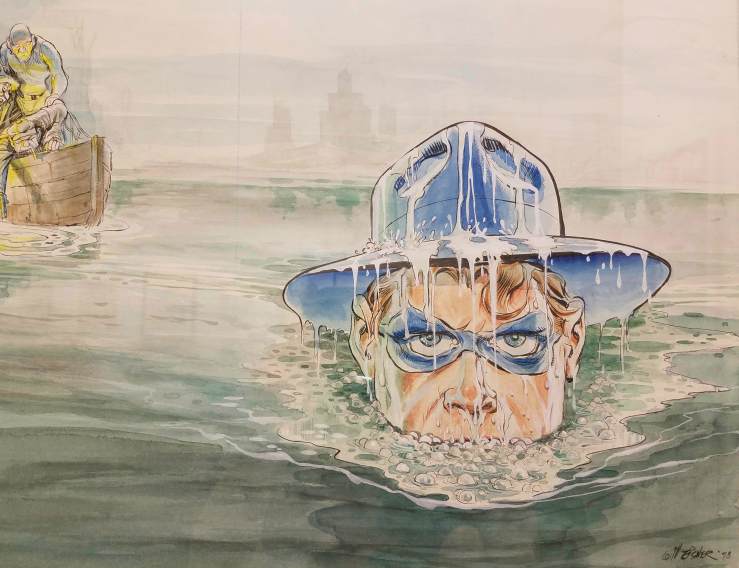
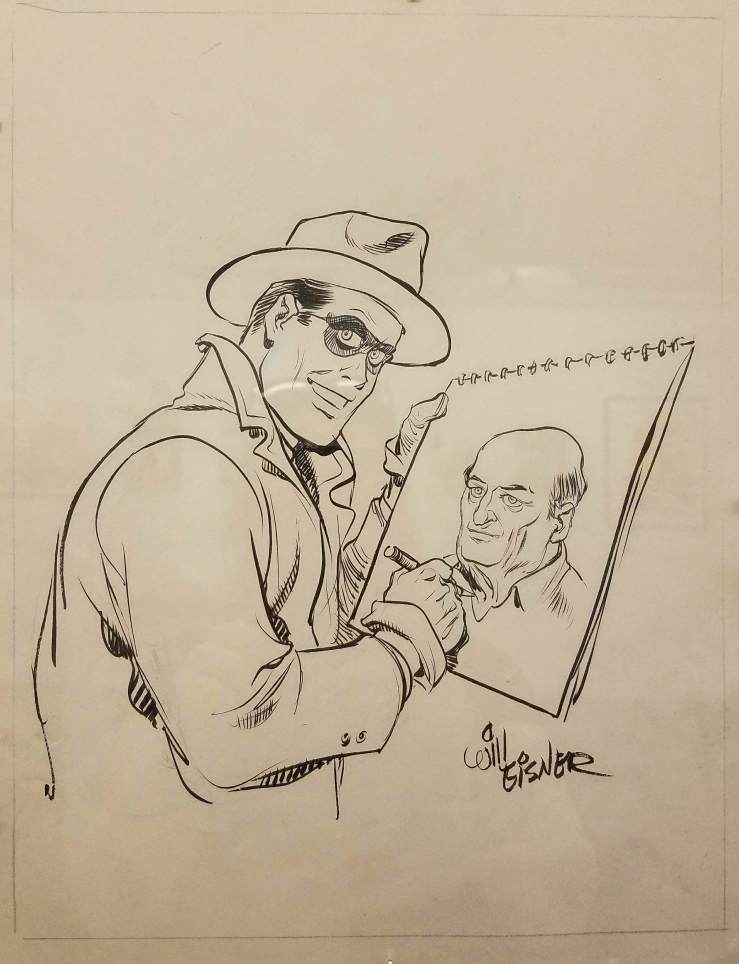
Portrait of Will Eisner by The Spirit
circa 1985
Ink on paper


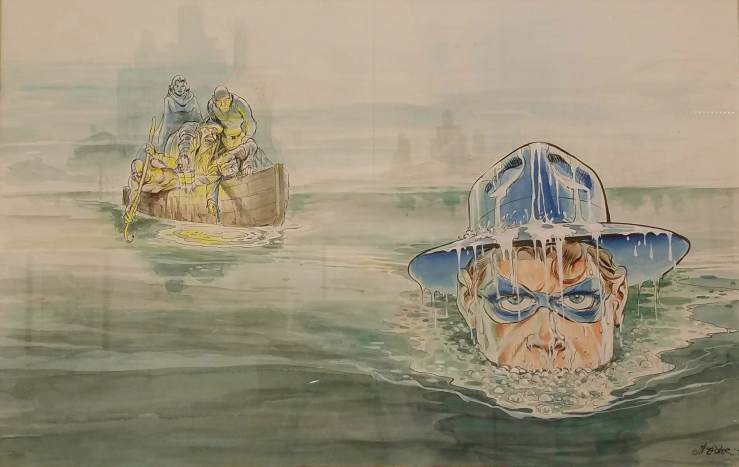
Spirit Magazine #20 cover art
1979

Ink with watercolour on board


Samples of Eisner’s used pens and brushes
Jules Feiffer script for unpublished Spirit Story
1952
manuscript 


Smash Comics #8: ”Espionage”, page 3
1940
Ink on paper

This original ”Espionage” page on display is among a very small handful of Will Eisner’s surviving comic book pages from the 1930s when the Eisner & Iger Studio ”packaged” stories for client publishers. During that period (and later) publishers routinely destroyed original art after publication. Decades before organized fandom saw value in both vintage comics and art, publishers saw no reason to save such ”production” material. As a result, original art from the comic book industry’s early years is extremely rare. 


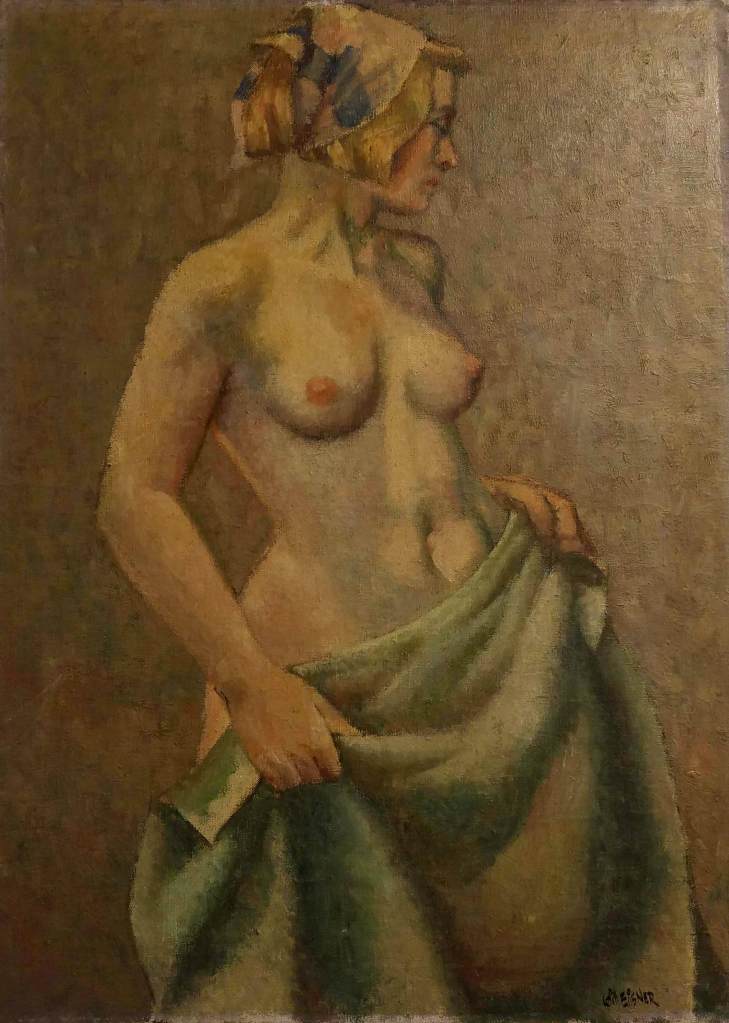
Portrait of a Nude Woman
1936

Oil on stretched canvas

A teen-aged Will Eisner painted this model while attending life drawing classes at the Art Students League in New York. Eisner’s disapproving and practical mother was shocked to learn that her young son was painting naked women and she discouraged him from pursuing art, a career she felt would be unremunerative. Eisner’s father, who when younger had aspired to be an artist, quietly gave his son encouragement. 


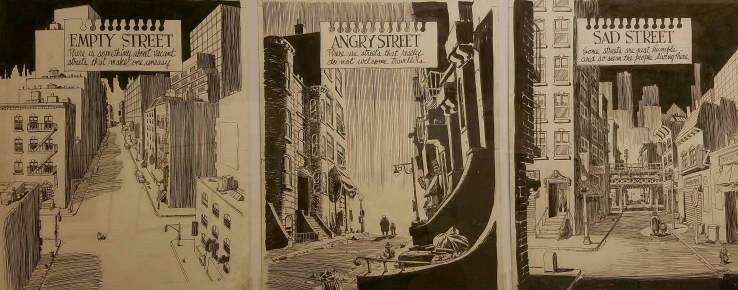
Late Train
New York City lithograph series
1988
Ink with watercolour on board


Turf War
New York City lithograph series
1988
Ink with watercolour on board


A Contract with God and Other Tenement Stories: ”The Super”, ten-page excerpt
1978
Ink on vellum, adhered to board


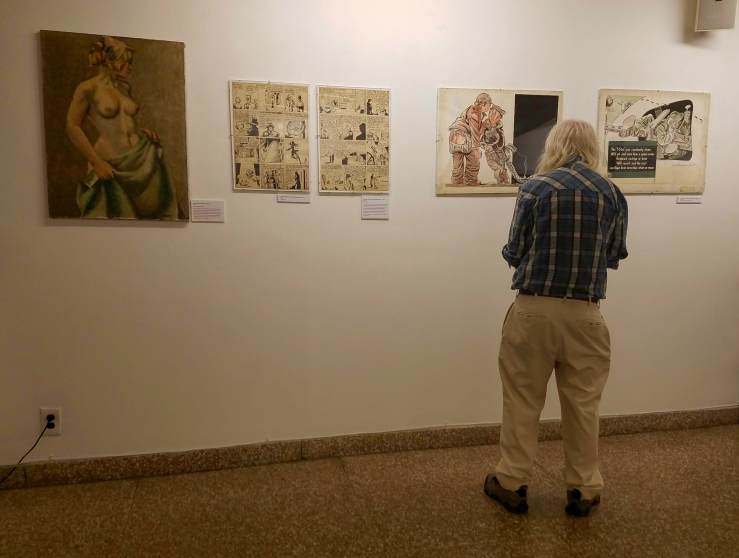
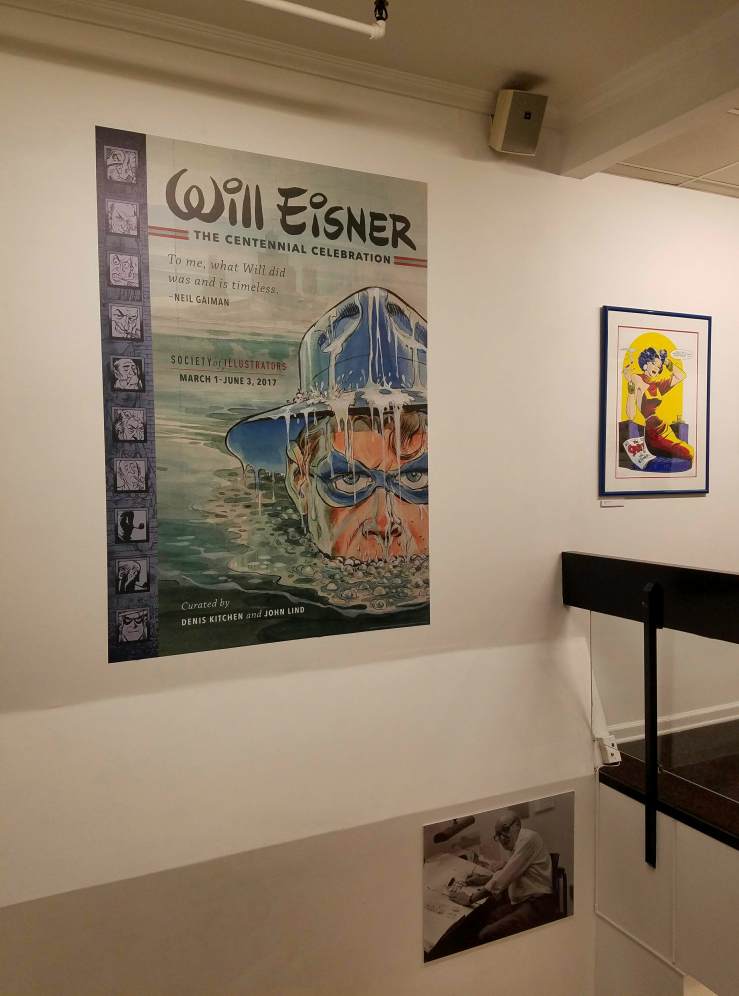
Images from WILL EISNER: The Centennial Celebration 1917-2017, a retrospective comprising over 150 pieces of artwork, graphic novel sequences, original pages of The Spirit and Mr. Eisner’s personal items. The exhibition was curated by Denis Kitchen and John Lind and ran between March & June 2017 at the Society of Illustrators. It was the largest Eisner exhibition ever in the United States and made me very happy indeed.

June 3rd, 2017

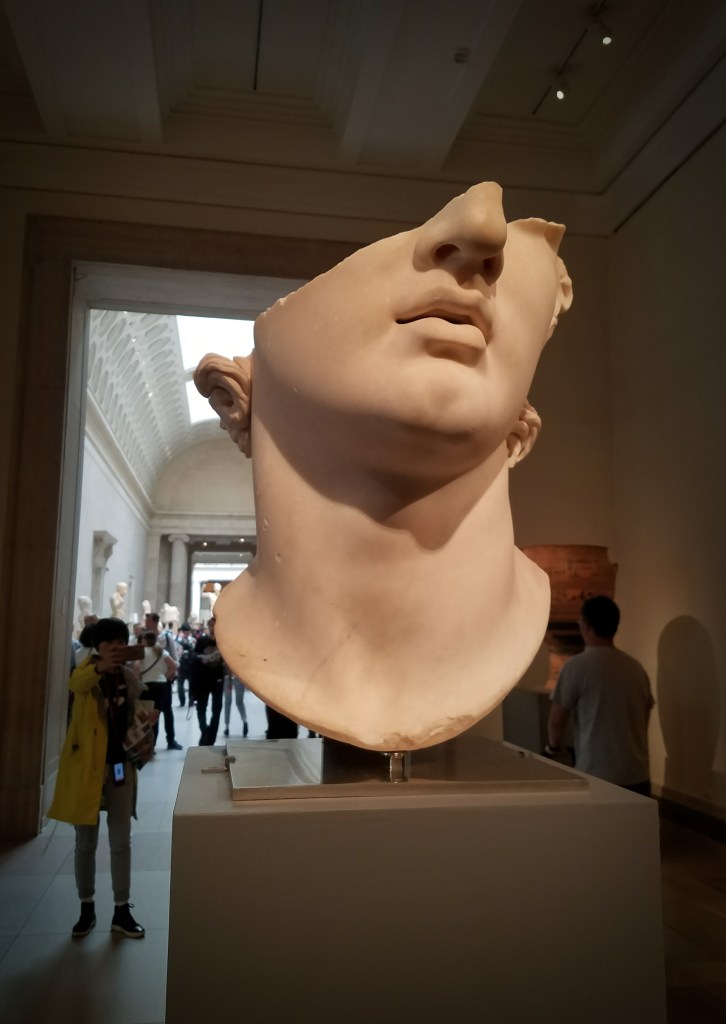
True Beauty

Shines from within, pure, timeless, immortal. No makeup, no cosmetics – not even a whole face – required.

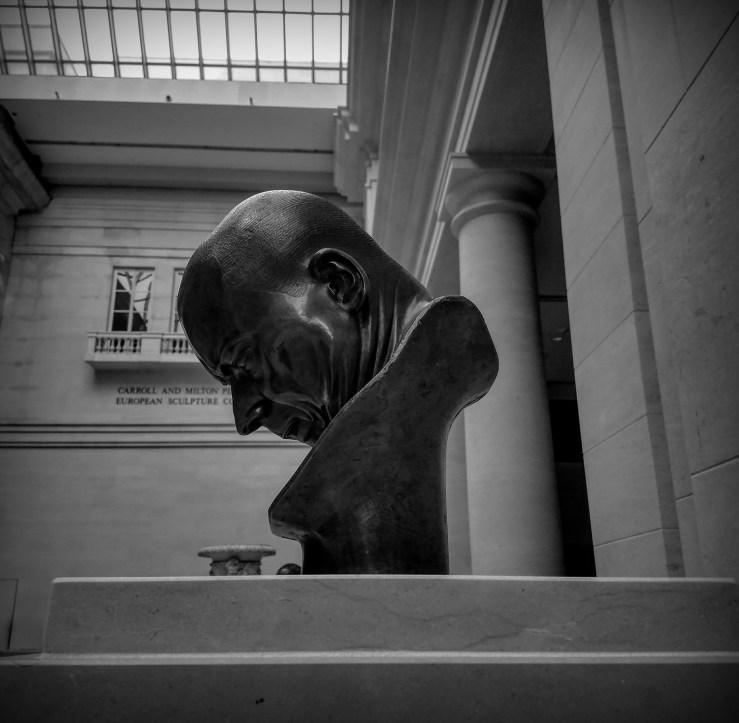
Fragmentary colossal marble head of a youth
Greek, Hellenistic period, 2nd century B.C.
Discovered at Pergamon, on upper terrace of gymnasium, 1879

Although this extraordinary head has long been known, its function and importance have only recently been understood. The youth, with long curling locks and a brooding expression, was originally part of a draped bust set into a marble roundel almost four feet in diameter. It is probably among the earliest known sculptures of this type (imagines clipeatae) in marble and over life-size in scale. It would have been one of several that adorned the walls of a particularly grand space in the gymnasium of ancient Pergamon. He may represent a young god or possibly Alexander the Great. Even in its damaged condition, the head exemplifies the combination of sensitivity and presence characteristic of the finest Hellenistic Pergamene sculpture. 

The Metropolitan Museum of Art

May 28th, 2017

Irving Penn || Centennial

In 2017, Irving Penn (1917–2009) would have been one hundred years old. To mark the occasion, The Metropolitan Museum of Art hosted ”Irving Penn: Centennial”, in collaboration with The Irving Penn Foundation. It was the most comprehensive retrospective to date of the work of the great American photographer.

Here are some photos of the photos (and reflections thereof) which I hope you’ll enjoy :-

Image titles:

1/ Irving Penn: Centennial
2-3/ Roleiflex 3.5 E3 Twin-Lens Reflex Camera with 75 mm Carl Zeiss Planar Lens, 1961-64. Irving Penn acquired this camera in 1964 and used it and other similar models for portrait sittings for the next four decades. It is topped with a modified Hasselblad chimney viewfinder and mounted on a Tiltall pan/tilt head above a table tripod of the artist’s own design.
4/Carl Erickson and Elise Daniels, New York, 1947
5/Charles James, New York, 1948
6/
Marcel Duchamp, New York, 1948
7/
Alfred Hitchcock, New York, 1947
8/
Dusek Brothers, New York, ca. 1948
9/
Ballet Society, New York, 1948
10/
The Tarot Reader (Bridget Tichenor and Jean Patchett), New York, 1949
11/
Black and White Fashion with Handbag (Jean Patchett), New York, 1950
12/
Vogue covers: Between 1943 and 2004 Penn produced photographs for 165 Vogue magazine covers, more than any other artist to date.
13/
Vogue Fashion Photography (Jean Patchett), New York, 1949
14/
Woman with Roses (Lisa Fonssagrives-Penn in Lafaurie Dress), Paris, 1950
15/
Girl Drinking (Mary Jane Russell), New York, 1949
16/Man Lighting Girl’s Cigarette (Jean Patchett), New York, 1949
17/
Many Skirted Indian Woman, Cuzco, 1948
18/
Cuzco Children, 1948
19/
Butcher, London, 1950
20/
Facteur (Mailman), Paris, 1950
21/
Yves Saint Laurent, Paris, 1957
22/
Francis Bacon, London, 1962
23/
Cecil Beaton, London, 1950
24/
Cat Woman, New Guinea, 1970
25/
Two Guedras, Morocco, 1971
26/
Four Guedras, Morocco, 1971
27/
Not an Irvin Penn image but the type of background he would frequently use, New York, 2017
28/
Birgitta Klercker – Long Hair with Bathing Suit, New York, 1966
29/
Clockwise from left: Ingmar Bergmann, Stockholm, 1964 – Alvin Ailey, New York, 1971 – S. J. Perelman, New York, 1962 – Tom Wolfe, New York, 1966
30/
Truman Capote, New York, 1965
31/
Justice Ruth Bader Ginsburg, New York, 1993
32/
Three Poppies ‘Arab Chief’, New York, 1969
33/
Girl with Tobacco on Tongue (Mary Jane Russell), New York, 1951

The Met

May 28th, 2017

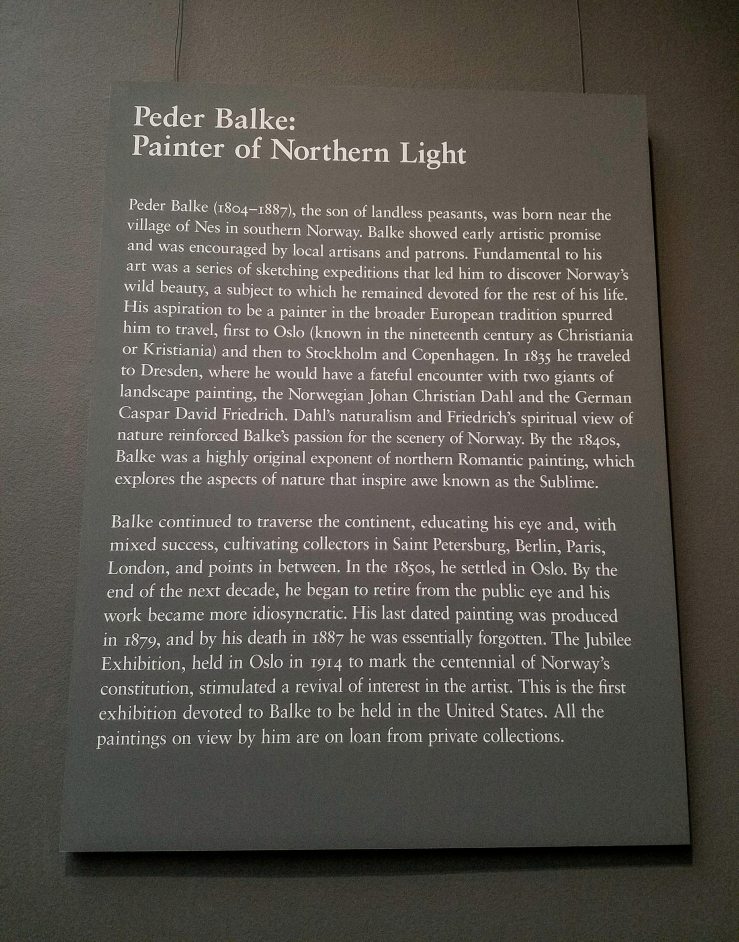
Meet Peder Balke || Painter of Northern Light

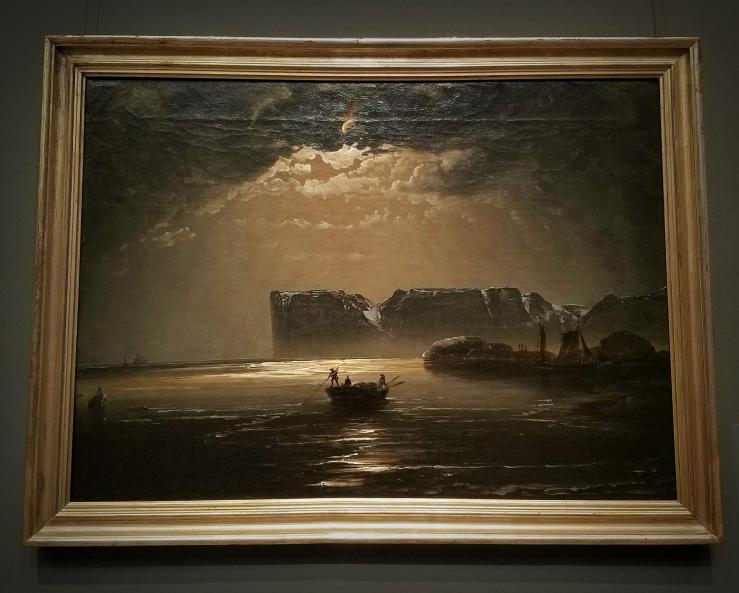
The North Cape by Moonlight, 1848
Oil on canvas


Finnmark Landscape, ca. 1860
Oil on canvas


Seascape, 1870s
Oil on wood


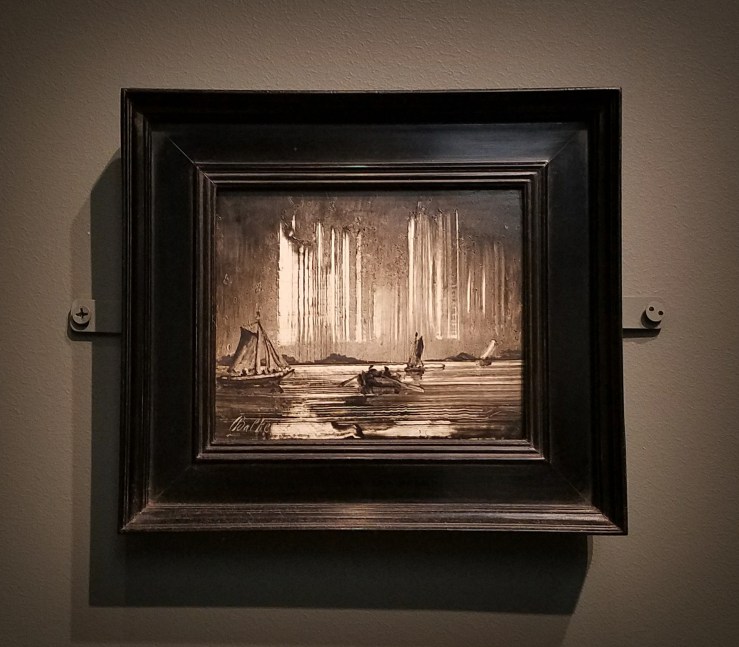
Northern Lights, 1870s
Oil on wood

To produce this striking image, Balke first applied a thin layer of paint for the sky and then a thicker one for the water. Subsequently, he removed paint with a serrated device to reveal the white ground layer, producing the effects of the lights. Finally, he added details such as the coastline and boats with a brush. 


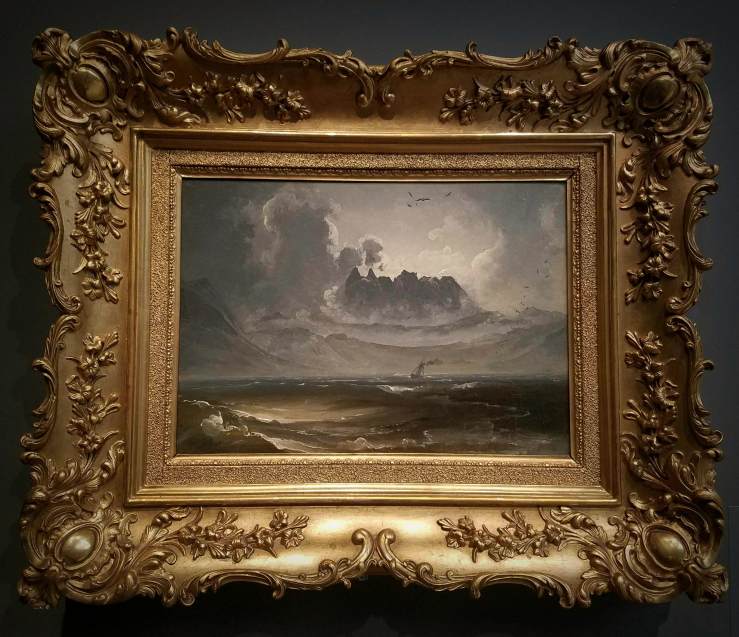
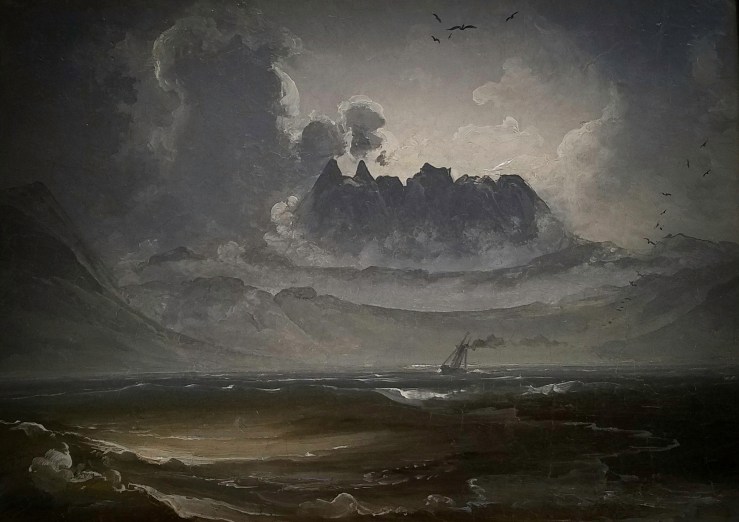
Seascape, ca. 1845
Oil on canvas, mounted on masonite

Majestic mountains and immense, churning clouds are indifferent to the course of a steamer chugging along the coast, trailed by gulls. This work, a tour de force of Balke’s ability to dematerialize form through the use of a limited palette, strikes a balance between painterly effect and a poetic vision that aspires to the Sublime. 


Moonlit View of Stockholm, ca. 1850
Oil on panel


Incredibly, I had to cross the Atlantic to see these wonderfully poetic works and even learn about the existence of this artist.

Images from an exhibition of 17 paintings by Peder Balke, presented at The Met in 2017.

May 28th, 2017

Explicitly Erotic

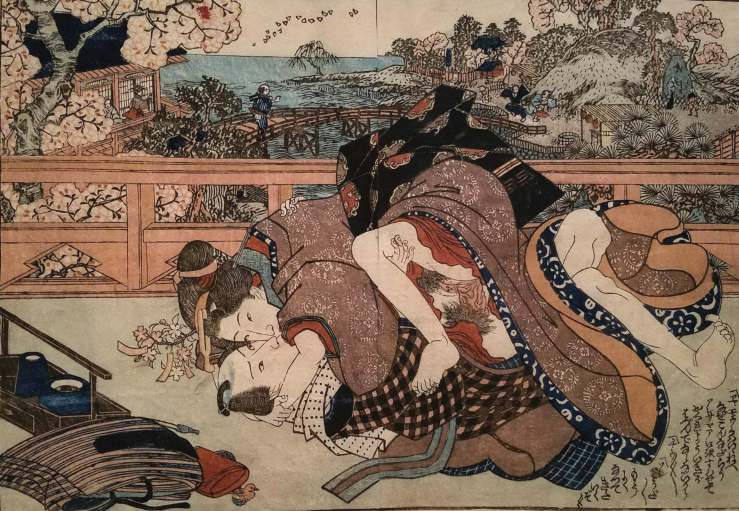
“This Section Contains Explicit Material. Young visitors should be accompanied by an adult.” A sign, elegantly placed at the entrance of the gallery, warning visitors that they were about to step into Japan’s most intimate world. Ukiyo-e (pictures of the floating world), flourished as an artistic genre during the Edo period. Catering to a clientele drawn from the rising middle classes, ukiyo-e artists focused on subjects closely associated with the fashionable, worldly pleasures of Edo itself, rather than the prescribed themes of Japan’s classical painting schools, traditional patronized by the nobility and samurai elite. The woodblock print, more affordable than paintings and easily reproducible, proliferated in concert with the rise of the ukiyo-e genre. Beauties, wrestlers, actors were typical subjects of ukiyo-e prints, as were erotic scenes known as shunga.
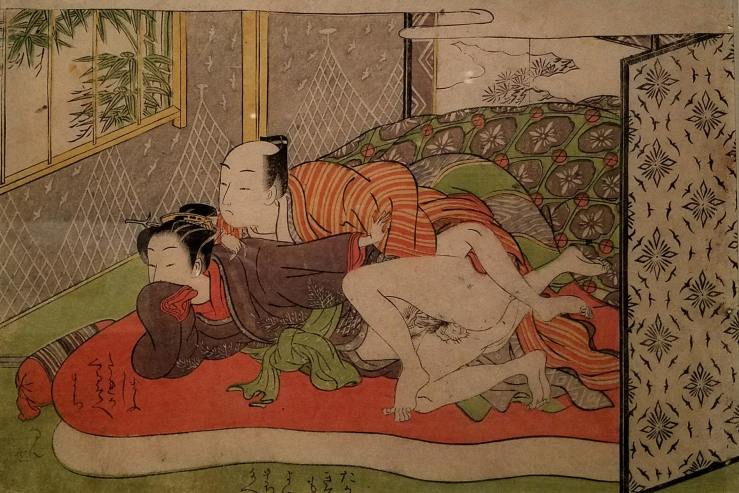
Most master printmakers designed shunga. Varying in style and explicitness, these prints were appreciated privately rather than being displayed on walls.

The examples on view here, by the artist Koryūsai, portray a variety of sexual pairings.


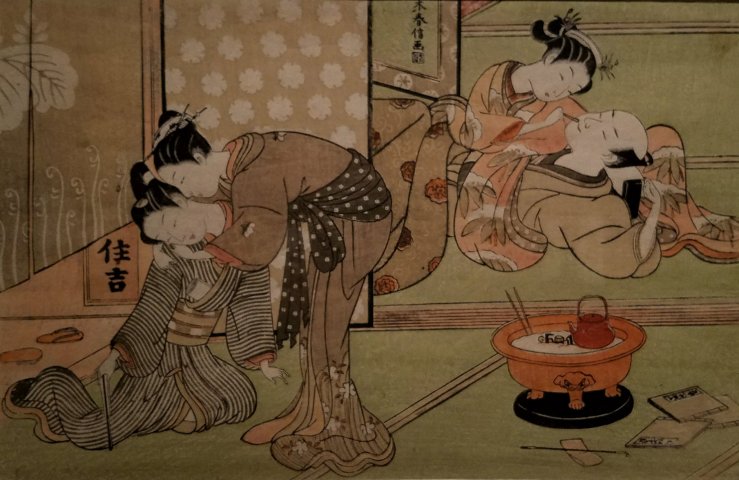
Suzuki Harunobu (1725-1770)
Two Couples in a Brothel, 1769-70

Two separate encounters in a brothel are staggered across this skillfully composed print by Harunobu. In the background, an adult man with a fully shaved pate is having his moustache tweezed by a female prostitute, an act of intimacy. In the foreground, a slightly more mature prostitute attempts to woo a coy young wakashu who fiddles with a folded fan and diffidently resists her embrace.


Attributed to the Utamaro School
Woman and Wakashu, ca. 1790s


Pages from an unidentified Utagawa-school erotic book, ca. 1850s
Two half-sheets glued together from a printed book with colour illustrations

In this illustration, a prostitute sporting the shaved sot and forelocks of a wakashu takes charge with a male client. Her display of aggressiveness – conventionally gender-coded as a male prerogative – would have been typical of female sex workers, like haori-geisha, who sported the wakashu hairstyle.


Attributed to Nishikawa Sukenobu (1671-1750)
A Prostitute with a Man, late 17th century


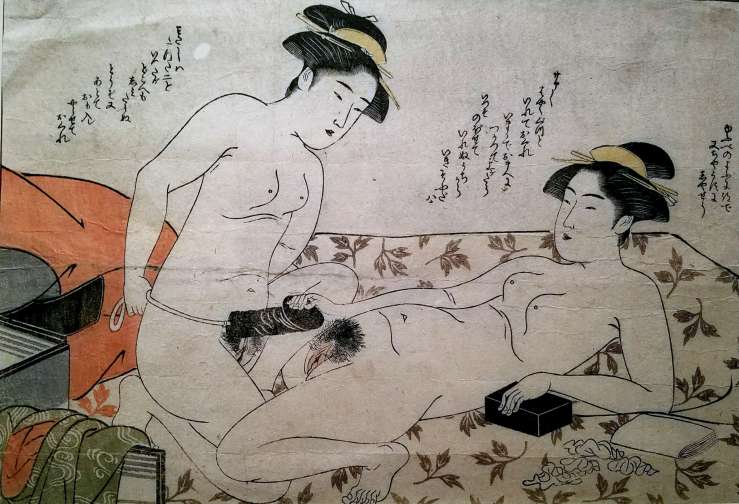
Women Using a Dildo, ca. early 1800s
The two women in this print appear to be ladies-in-waiting of a daimyō’s (feudal lord’s) household. Sequestered in inner chambers where men were not allowed, such women were required to be abstinent but encouraged to engage in self- and mutual-pleasuring for their health.


”A Third Gender: Beautiful Youths in Japanese Prints”, has been an enlightening exhibition and a very interesting look into the erotic life of the Edo-period Japan. Multilayered, complicated and, in many ways, much more progressive than one would have thought.

Japan Society, May 19th 2017

Who is Who

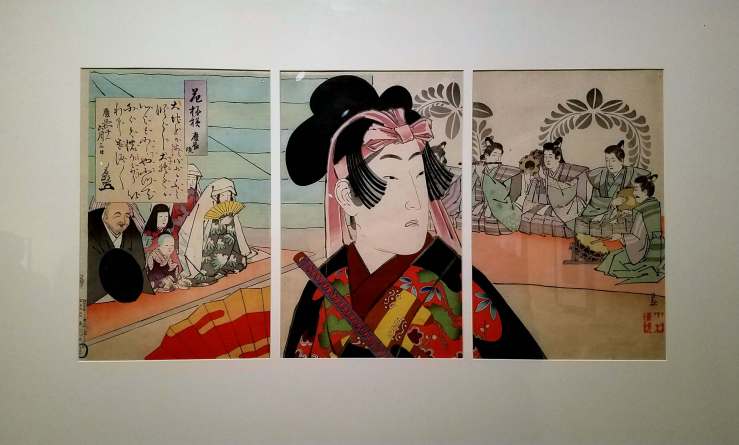
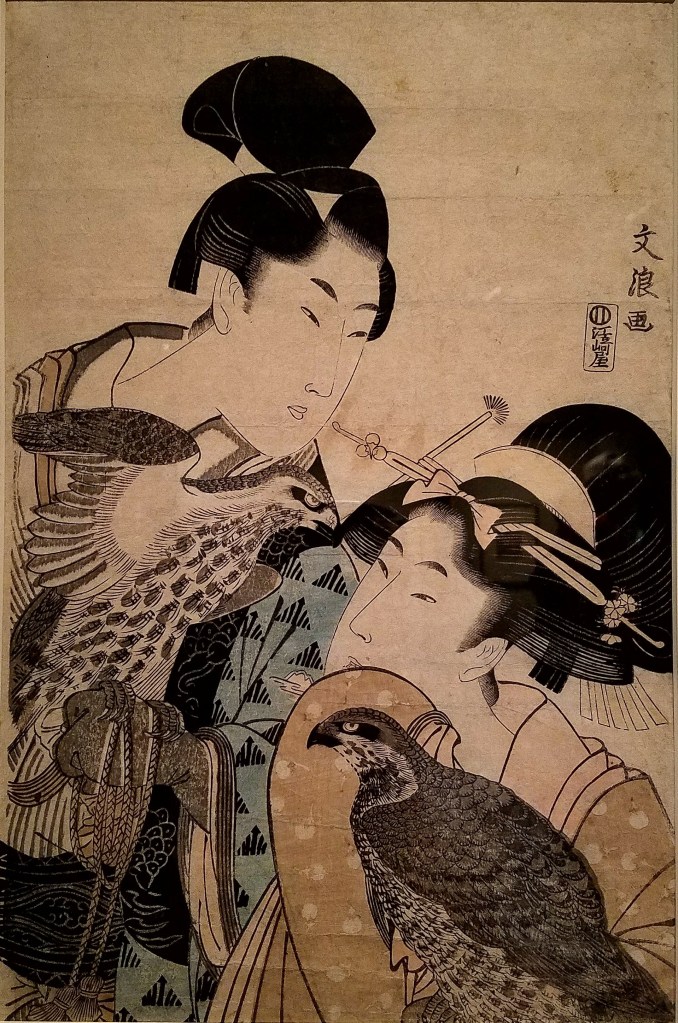
Bunrō (active 1801-1804)
A Wakashu and a Young Woman with Hawks, ca. 1803

The only way I could distinguish between the two was to read the accompanying tag. The Wakashu is wearing a kimono with Mount Fuji motifs.

From”A Third Gender: Beautiful Youths in Japanese Prints”, an exhibition that ran on Japan Society until June 2017.

May 19th, 2017

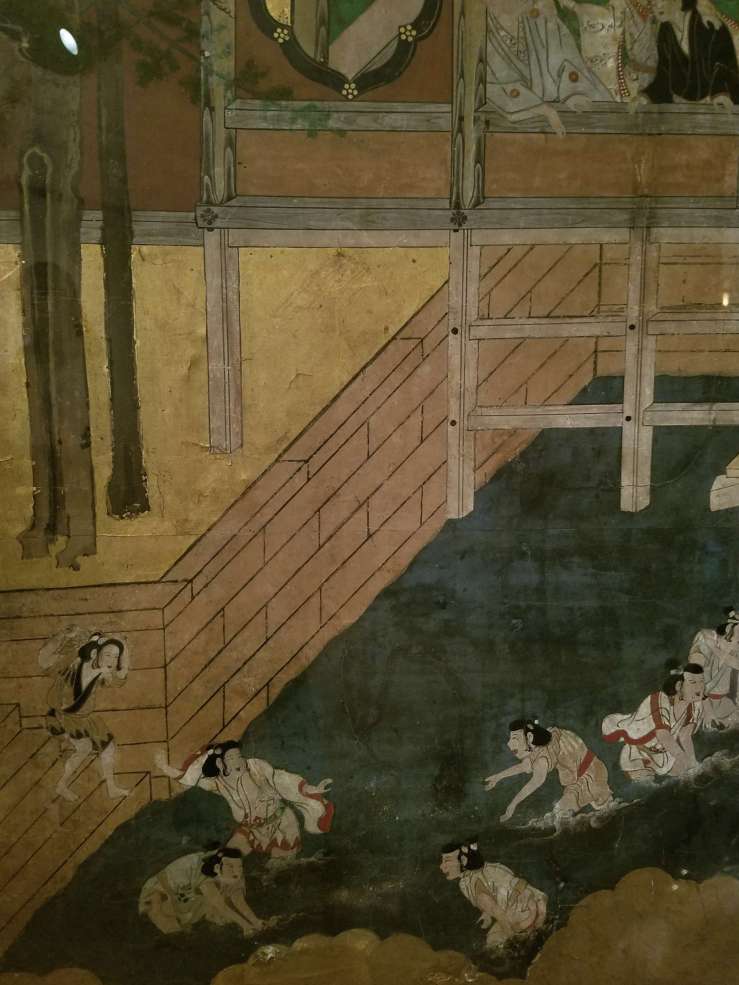
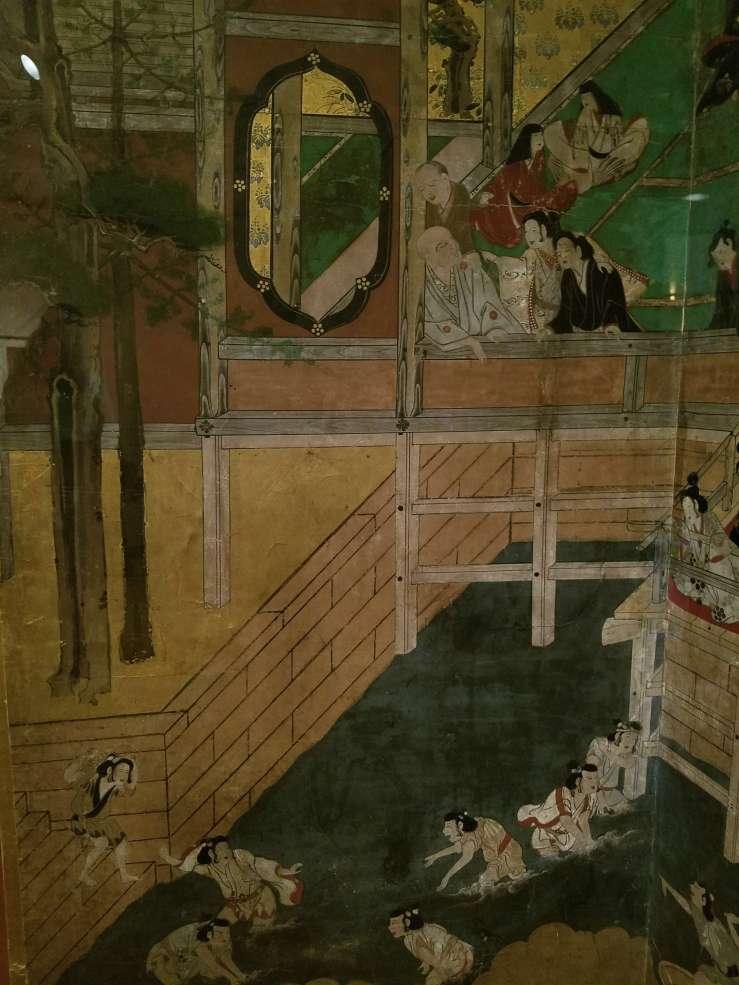
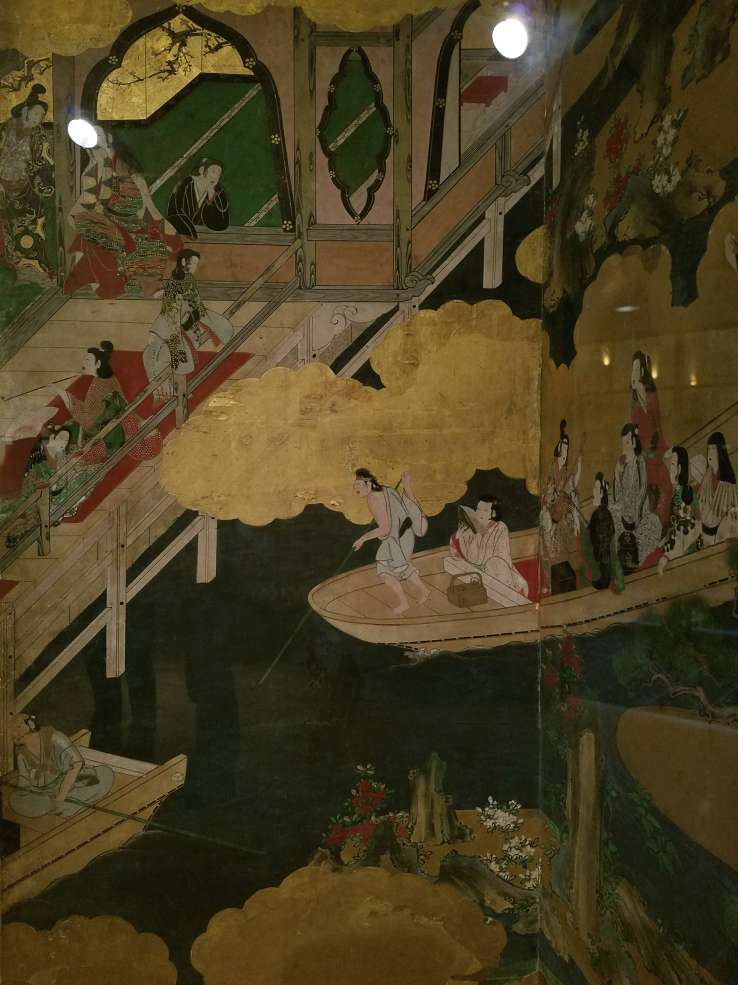
Merry-Making in the Mansion

Six-fold screen, gold and pigment on paper (detail)
Attributed to the Kan-ei Era (1624-1644)

“In this pansexual wonderworld, many beautiful women and wakashu are in the service of only a few men. The boat rowing in from the right carries one such man, who drinks sake while both a wakashu and a woman serenade him on shamisen. A group of wakashu frolic in the water, observed from above by other youths and some female prostitutes. On the gilded expanse to the left, a prostitute and her girl-servant (kamuro) chat up two wakashu while the multistoried pavilion above buzzes with music, drink and conversation between female prostitutes, wakashu and some men. To the right, a Buddhist monk topples over as a group of wakashu playfully hold down his hands and feet and ply him with wine; during the Edo period, monks were supposed to abstain from sex, even though nanshoku – sex between men and wakashu – was considered less karmically precarious than sex with women.”

From ”A Third Gender: Beautiful Youths in Japanese Prints” the first exhibition in North America devoted to the portrayal of wakashu, or beautiful youths—a “third gender” occupying a distinct position in the social and sexual hierarchy of Japan during the Edo period (1603-1868).

May 19th, 2017

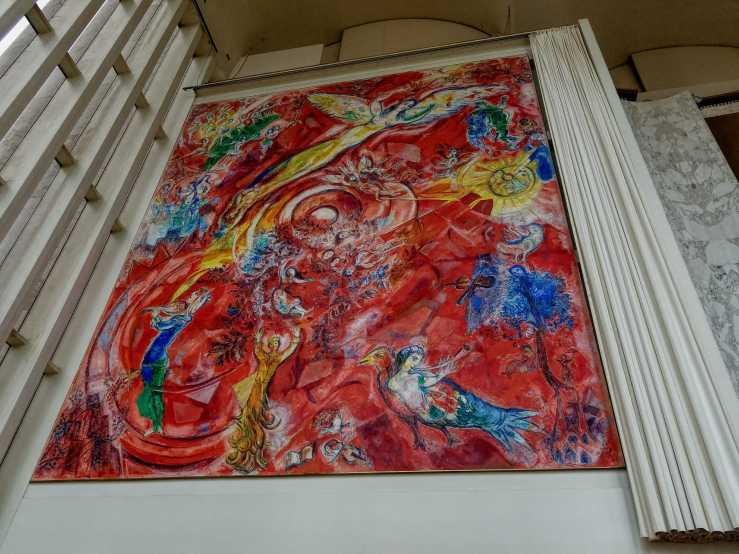
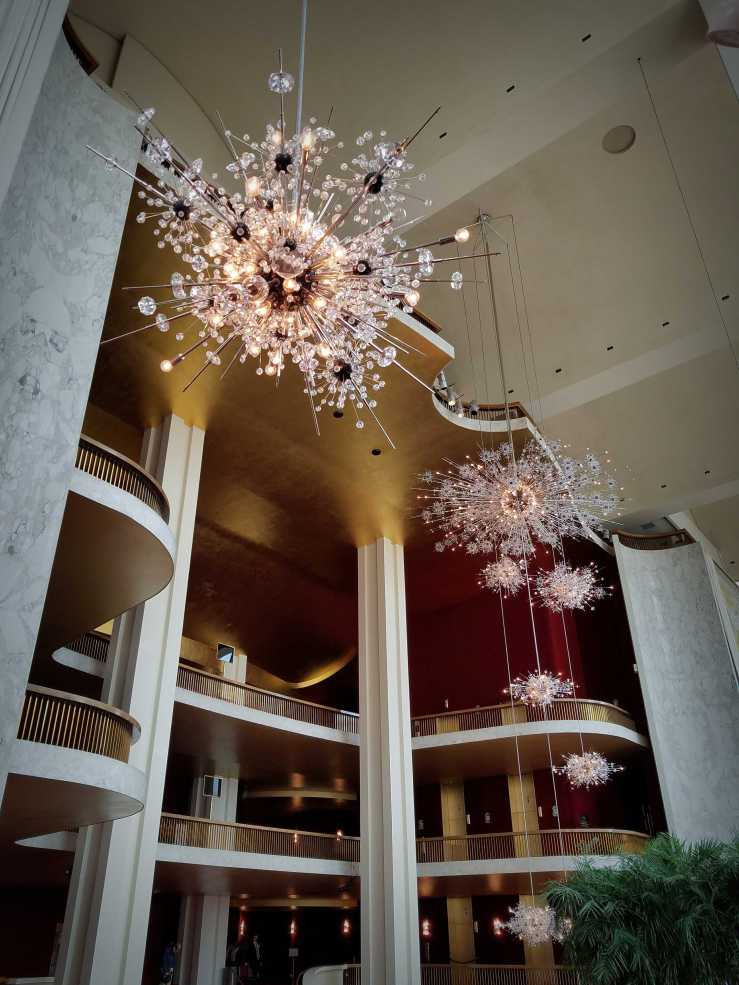
An intergalactic brunch

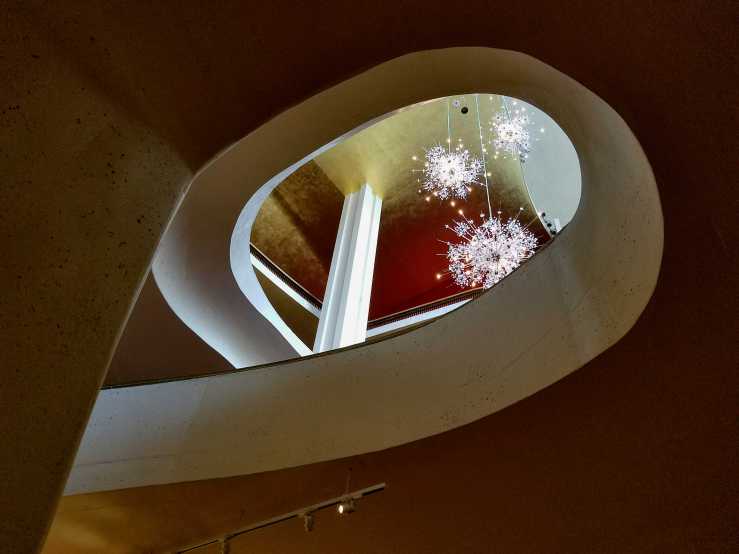
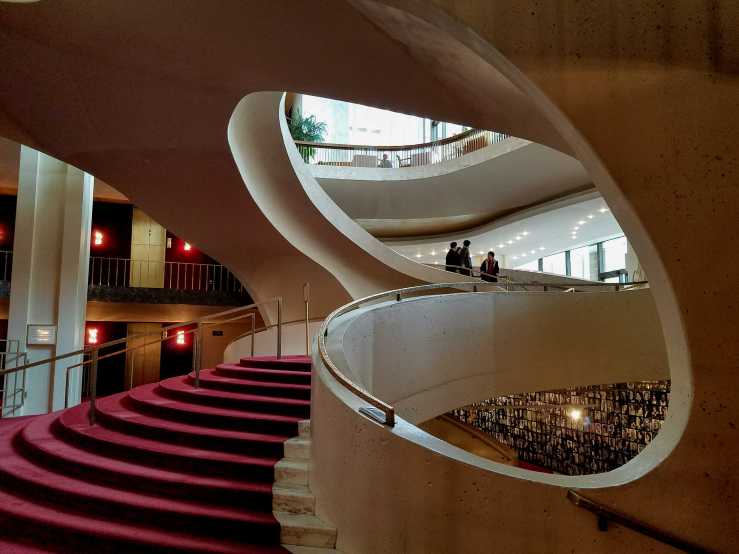
Under Marc Chagall’s murals and the iconic ”sputnik” chandeliers. Donated by the Republic of Austria as a gesture of thanks for the American initiative to mobilize the Marshall Plan, an aid to Western Europe to help rebuild its economy after the end of World World II, the ”sputniks” were designed by Hans Harald Rath for the historic glassware company Lobmeyr and were installed in 1966. 11 of them are in the lobby and 21 light up the auditorium. 

Metropolitan Opera House
Lincoln Center

May 14th, 2017