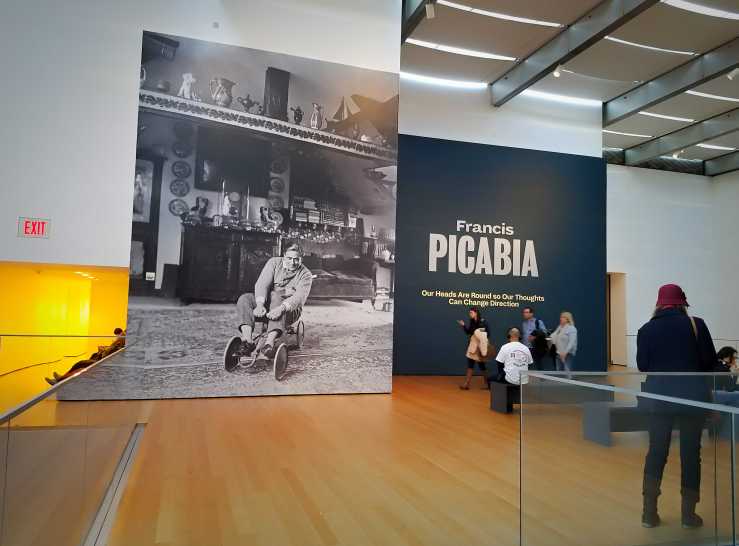
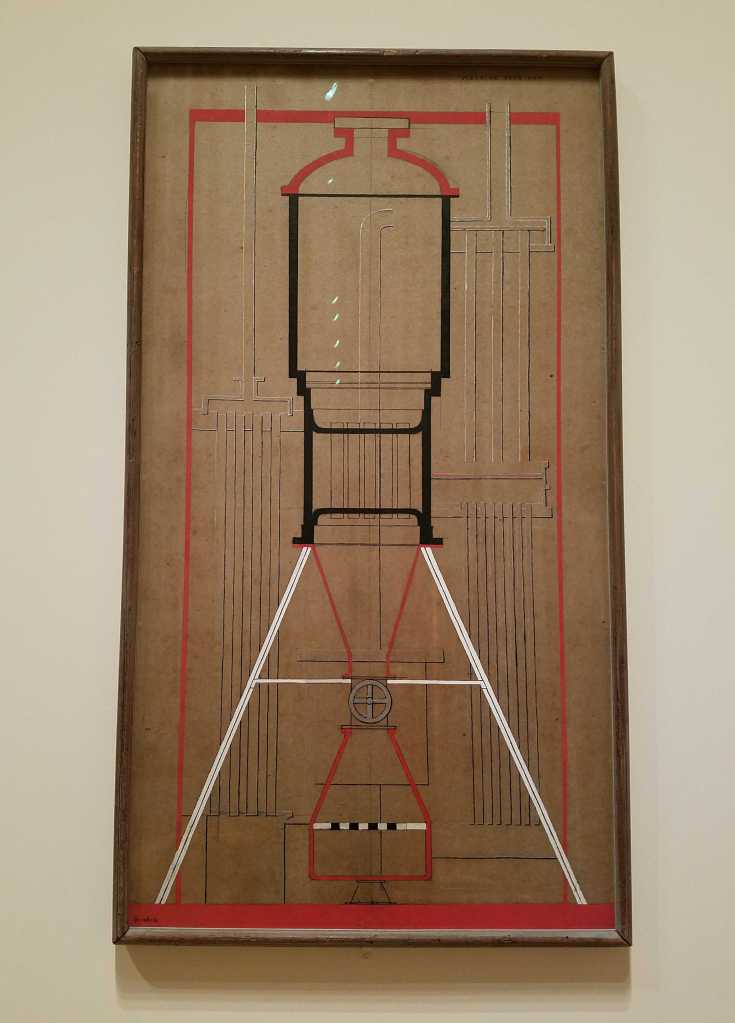
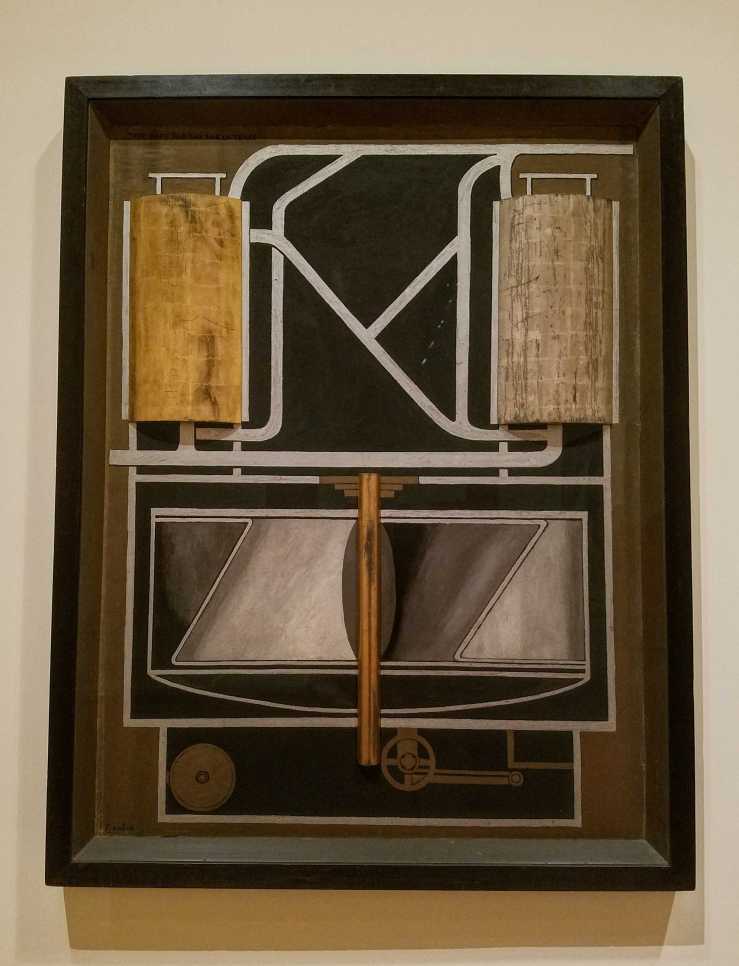
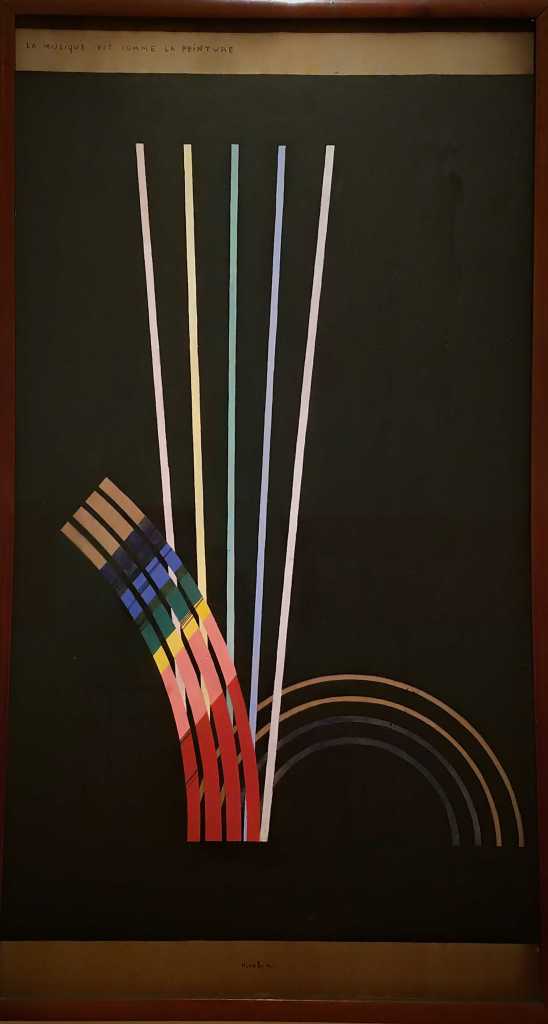
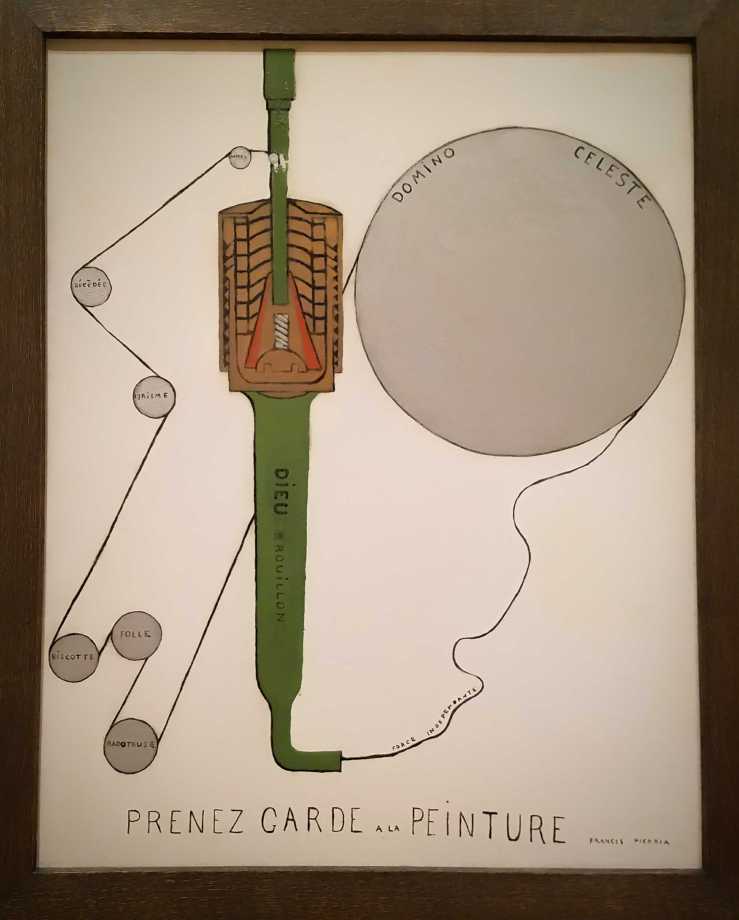
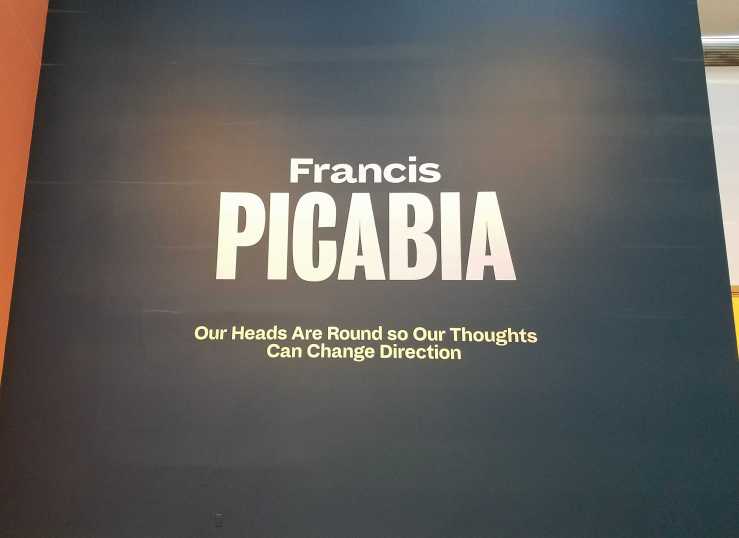
The work of Francis Picabia will remain our theme for next few days, as we follow the artist’s style shifts through the galleries of MoMA.
Connecting the pieces: Rediscovering Francis Picabia @ MoMA [part 1]
January 30th, 2017
The work of Francis Picabia will remain our theme for next few days, as we follow the artist’s style shifts through the galleries of MoMA.
Connecting the pieces: Rediscovering Francis Picabia @ MoMA [part 1]
January 30th, 2017
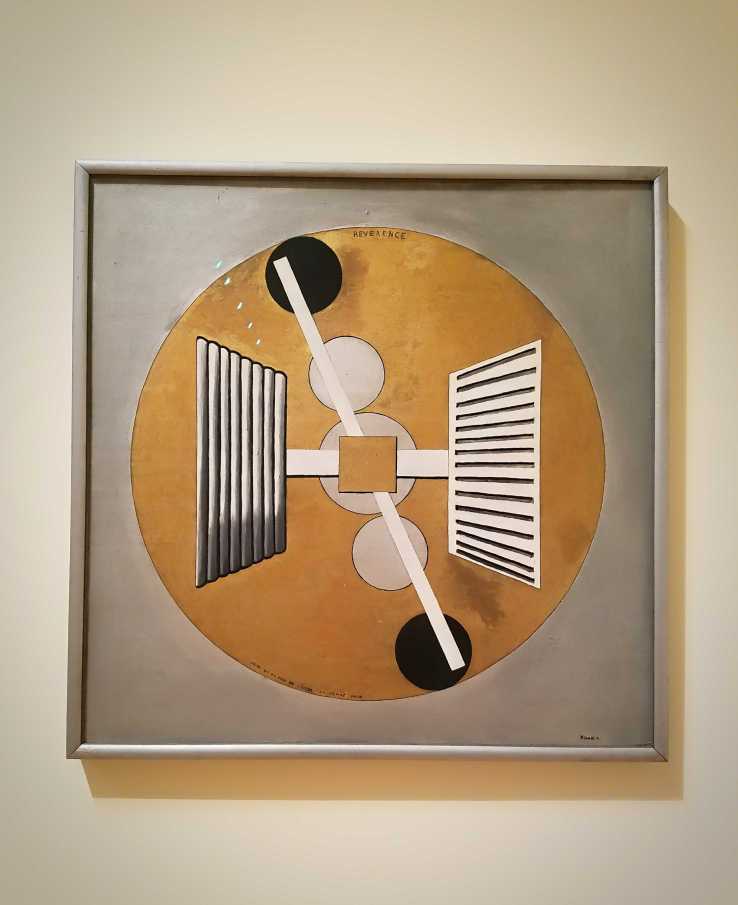
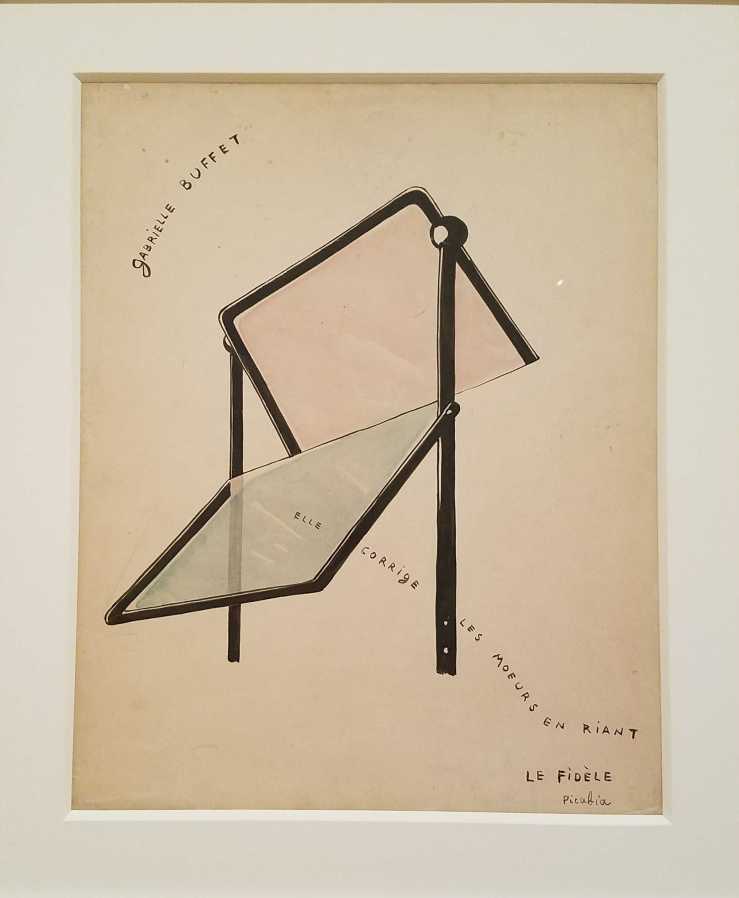
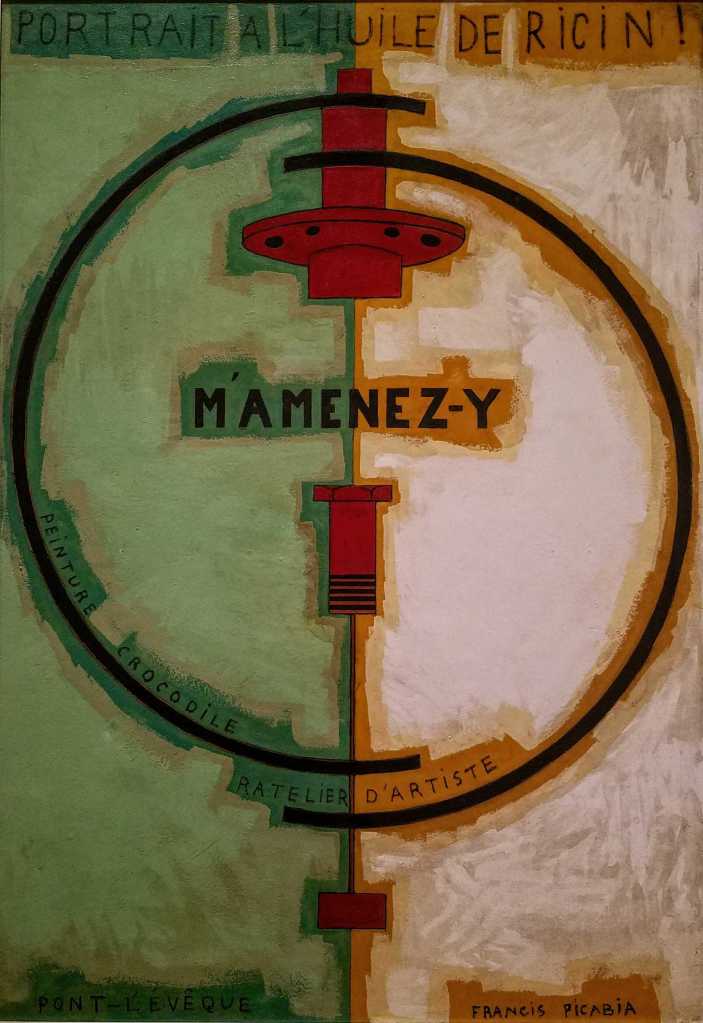
Rediscovering the French avant-garde artist whose body of work is so extensive, undergoing so many style changes, the average spectator would have a hard time in identifying the source had there not been for his signature or the accompanying tags.
No style or label could hold Picabia for long: skillfully shifting from Impressionism to Pointillism to Cubism and Dadaism, briefly touching upon Surrealism before succeeding to rid himself of labels and become the intriguing artist we know today.
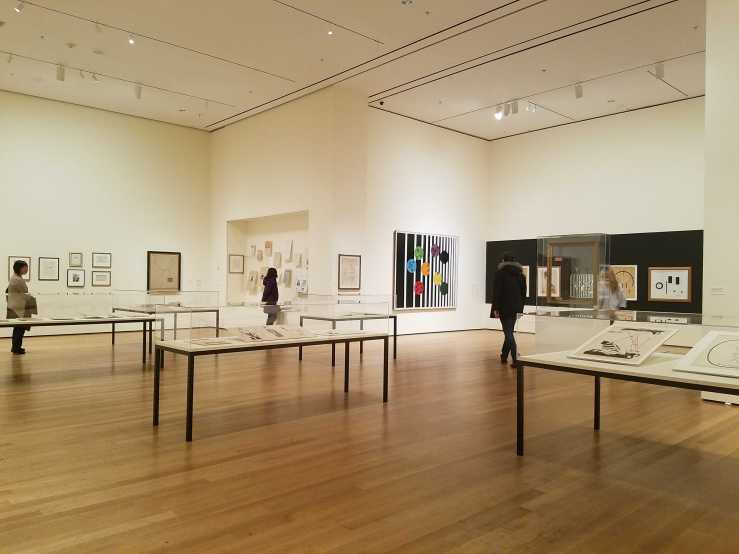
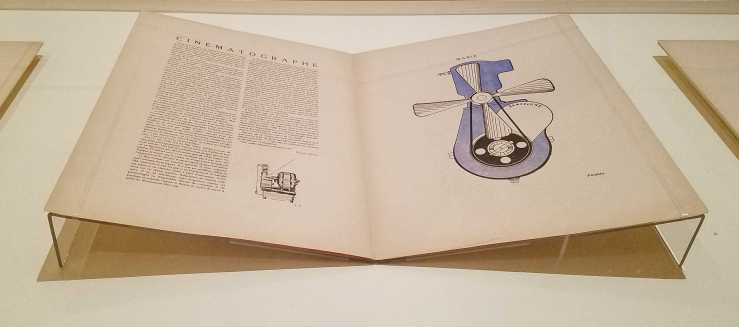
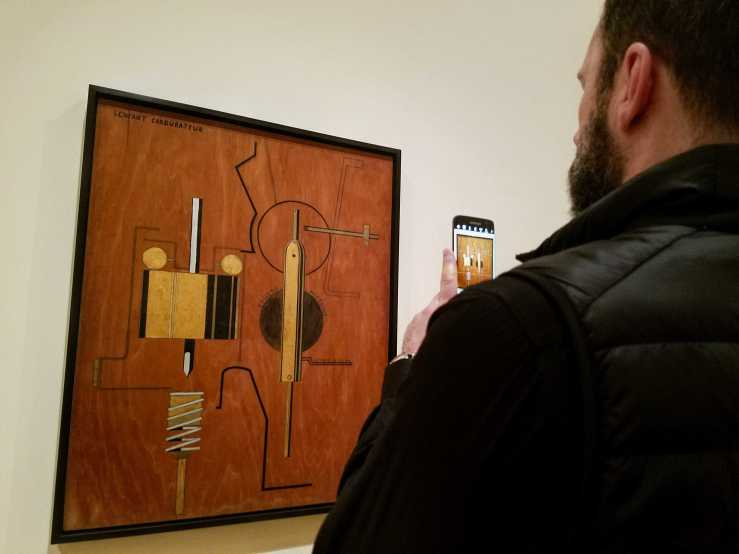
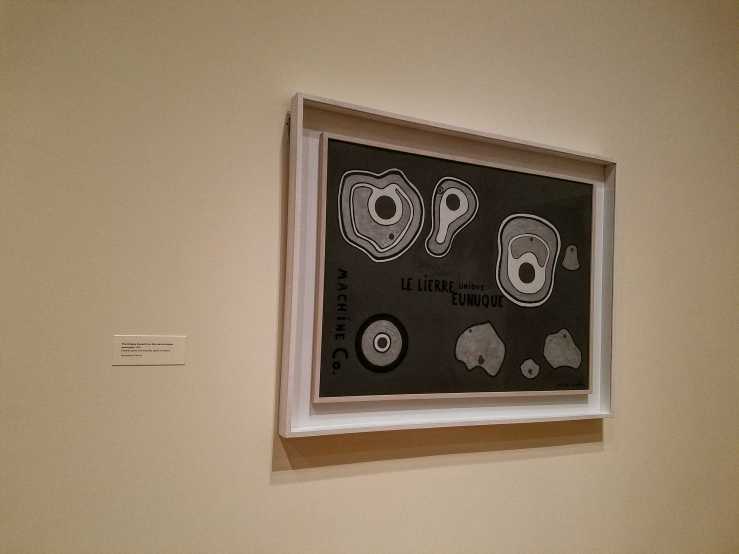
With all this versatility throughout his entire career curating a retrospective for Picabia is no mean feat. But then, MoMA is no mean institution either: for their exhibition that ran from November 2016 through March 2017 – the first of its kind in the United States – no less than 200 works of art were brought under one roof: paintings, periodicals and printed matter, illustrated letters and a film. Aptly named ”Our heads are round so our thoughts can change direction”, it was comprehensive, enlightening and entertaining, all at once.


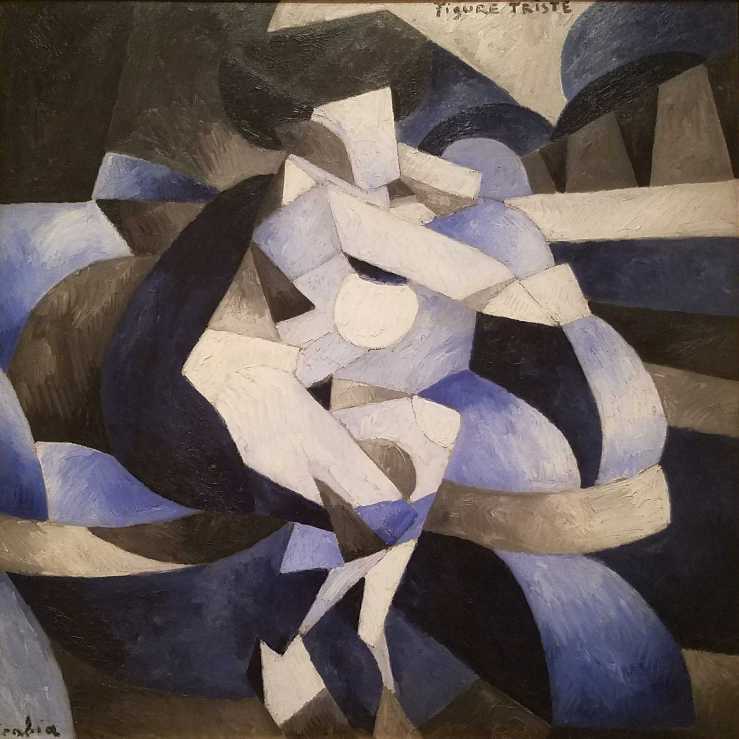
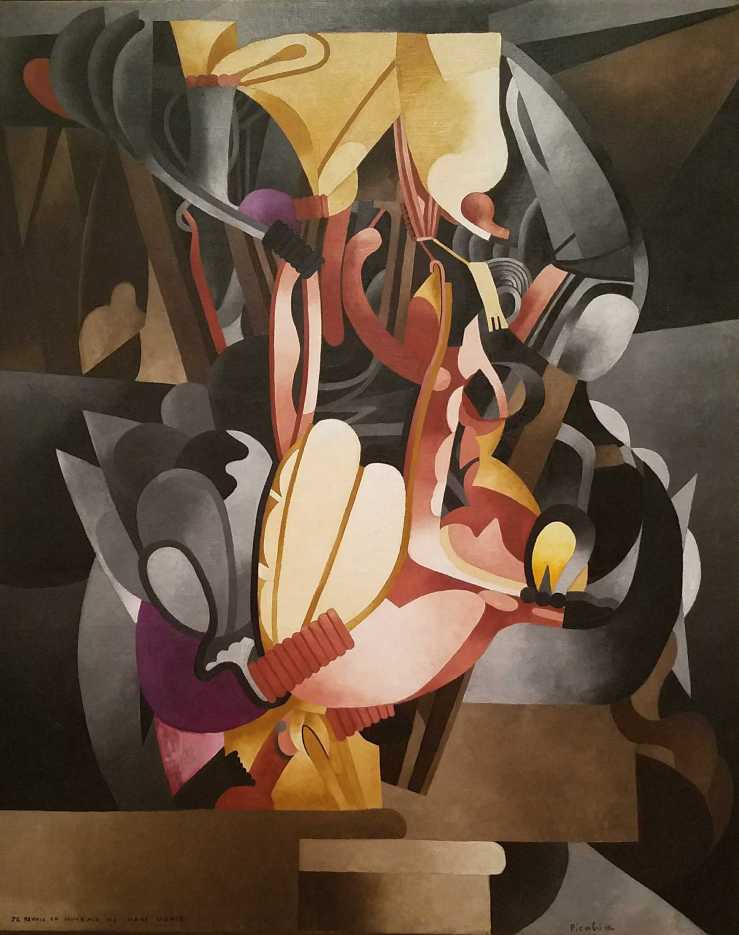
[Note from the accompanying tag: Picabia associated ”Udnie” – a name of his own invention – with memories of watching the dancer Stacia Napierkowska, whose suggestive performances subsequently provoked her arrest, rehearse onboard during his transatlantic journey to New York in 1913. ”Udnie” is also an anagram of the last name of Jean d’Udine, whose theory of synesthesia (published in 1910) linked painting with music and dance through the concept of rhythm. In this painting, rhythm is intimated via a series of repeated, interpenetrating pistons and quasi-visceral orifices, fusing the mechanical with the biological.]
***
The film shown was ‘‘Entr’Acte”, René Clair’s Dadaist Masterpiece (1924), originally designed to be screened between two acts of Francis Picabia’s 1924 opera Relâche. You can read all about it – and watch it – on Open Culture (film is on YouTube).
***
From a retrospective exhibition at MoMA.
January 30th, 2017
The ultimate mid-August afternoon fun!
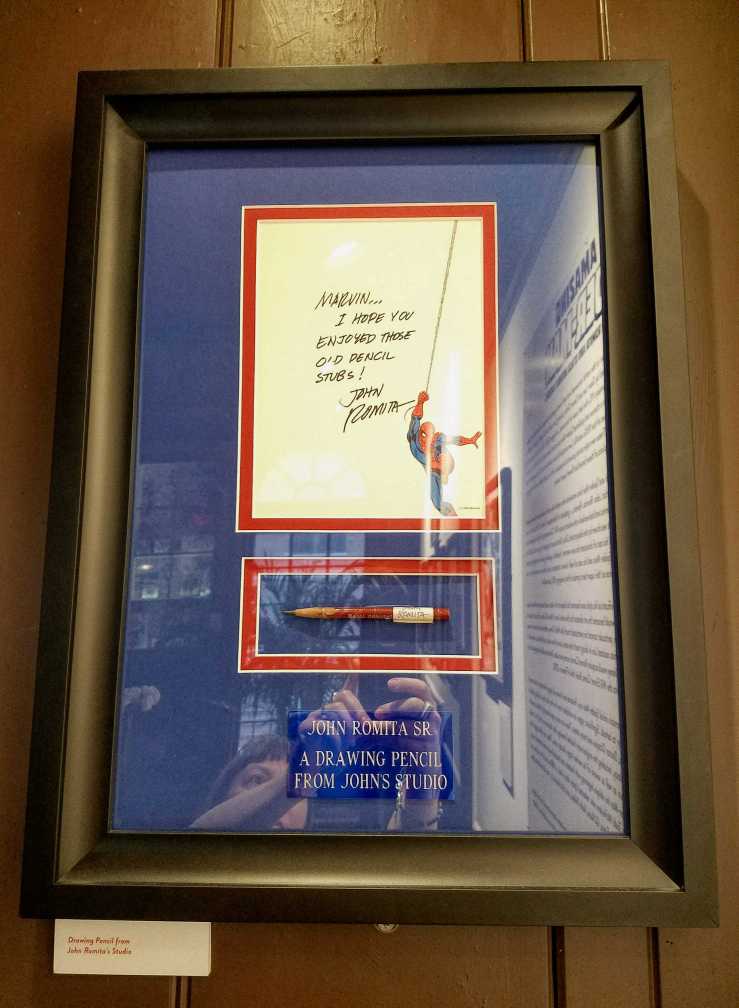
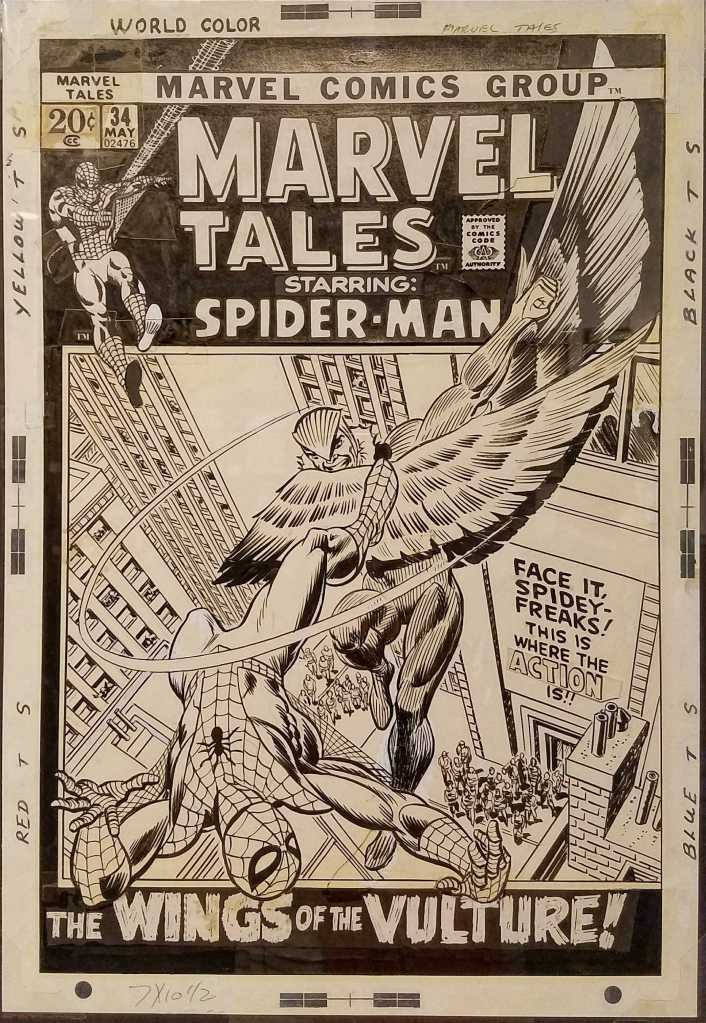
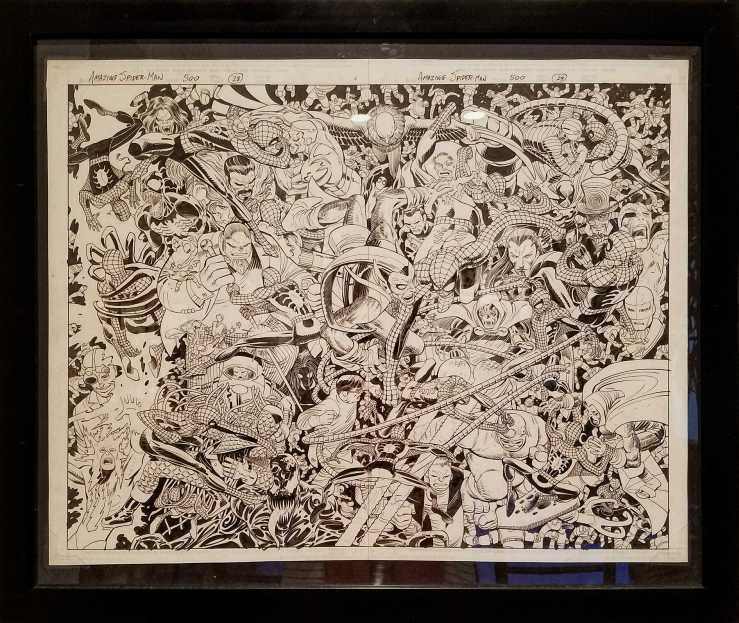
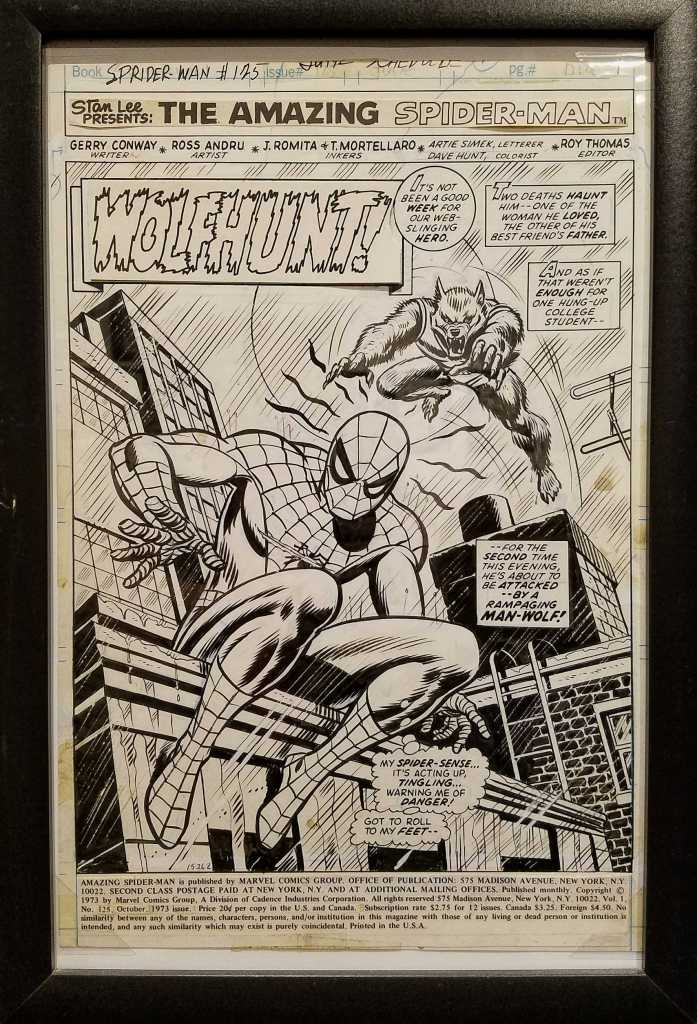

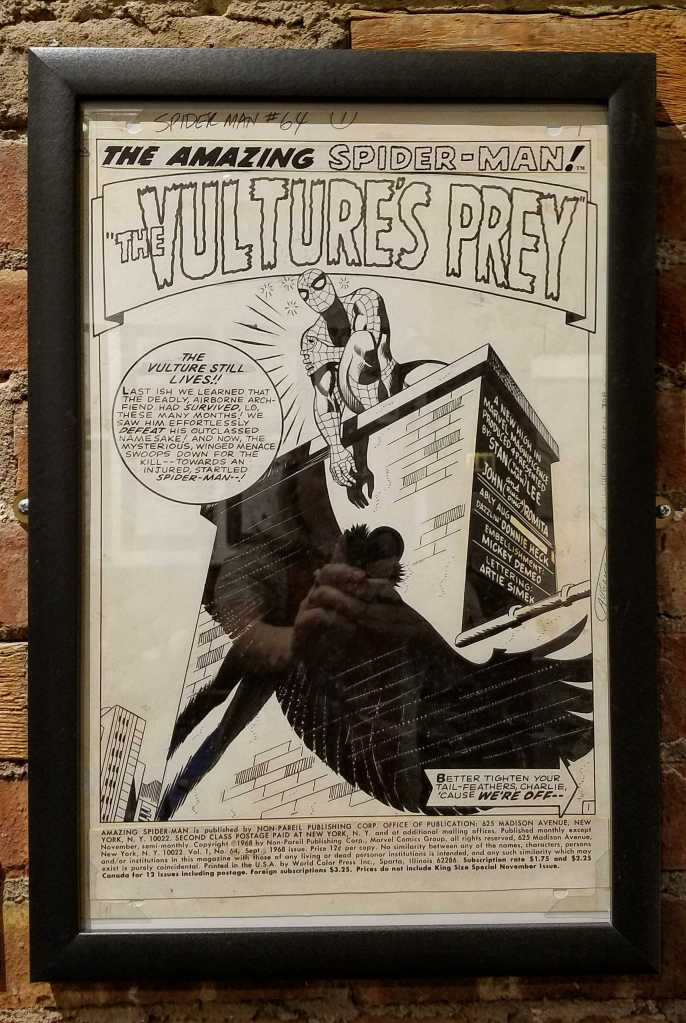

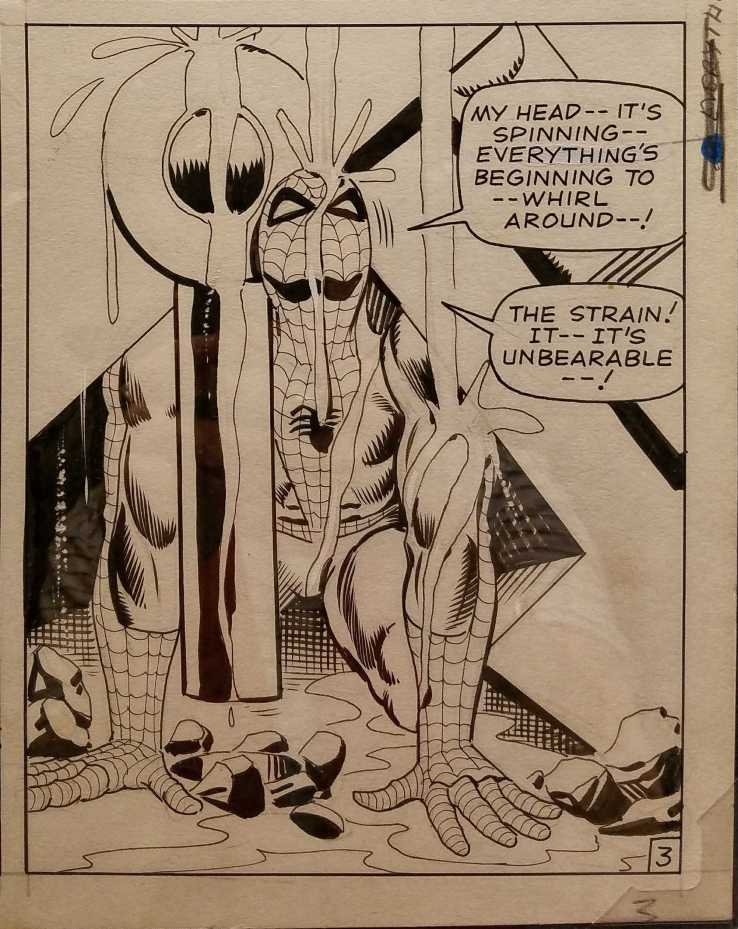
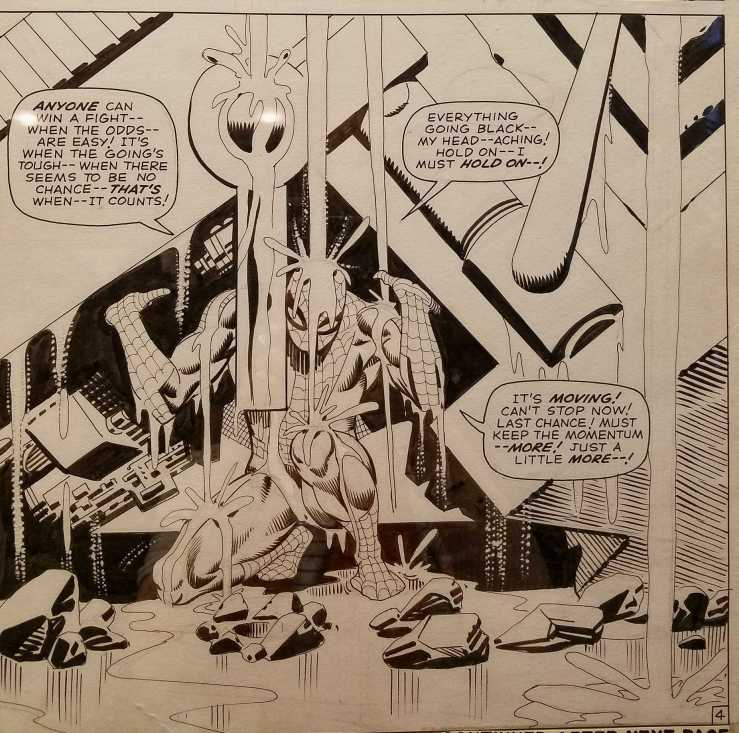

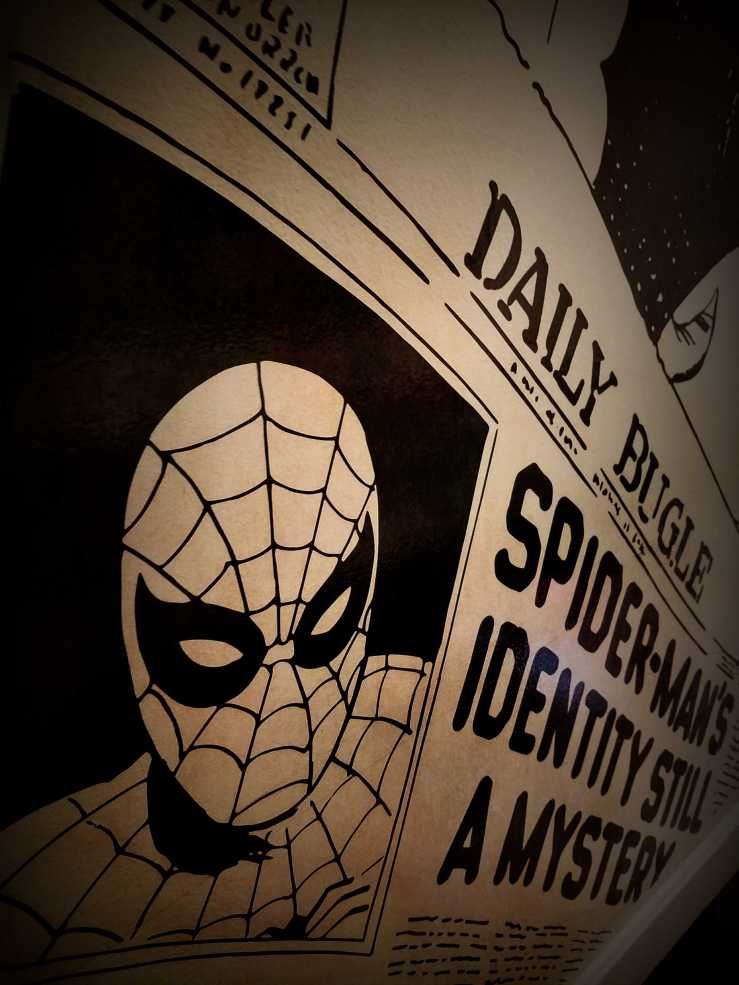
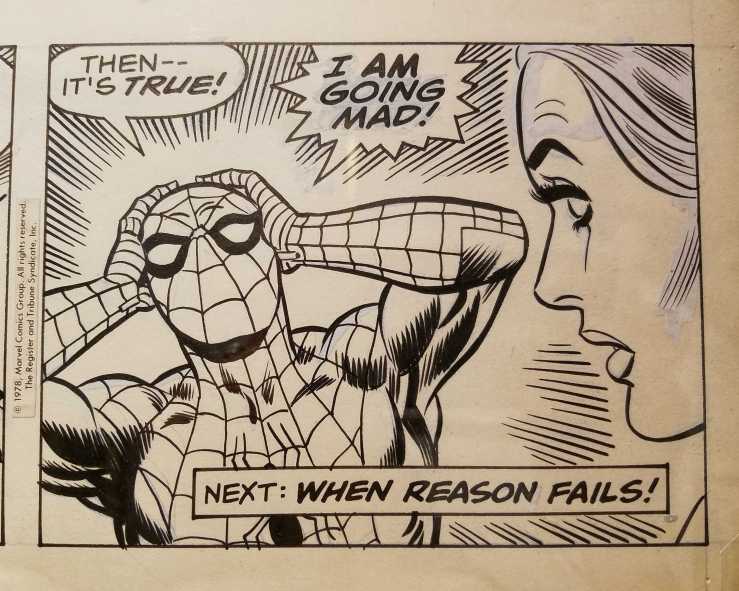

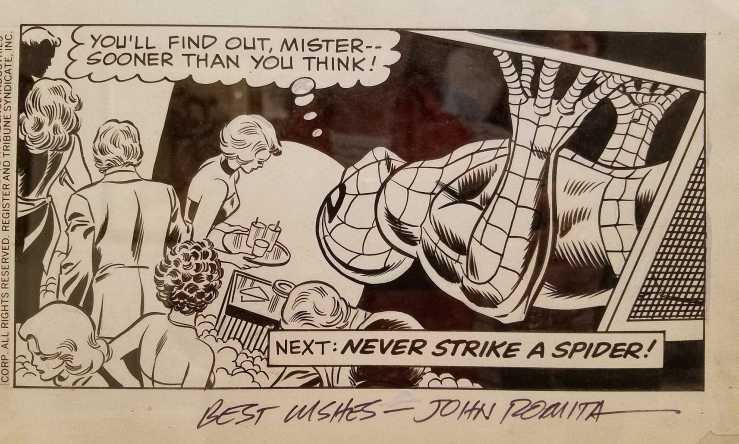
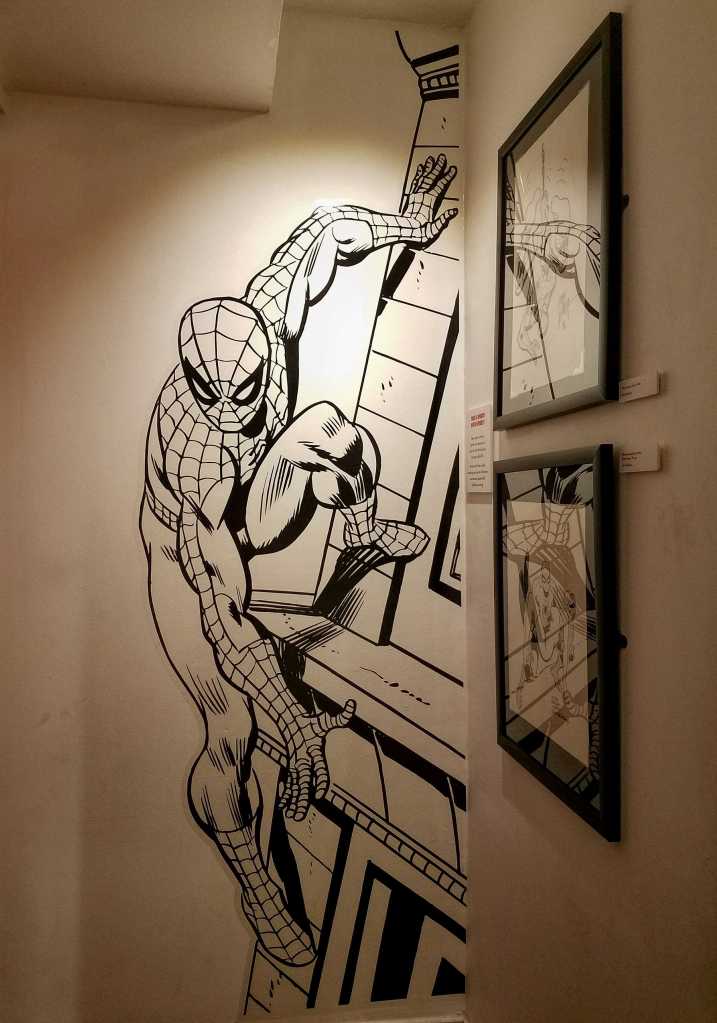
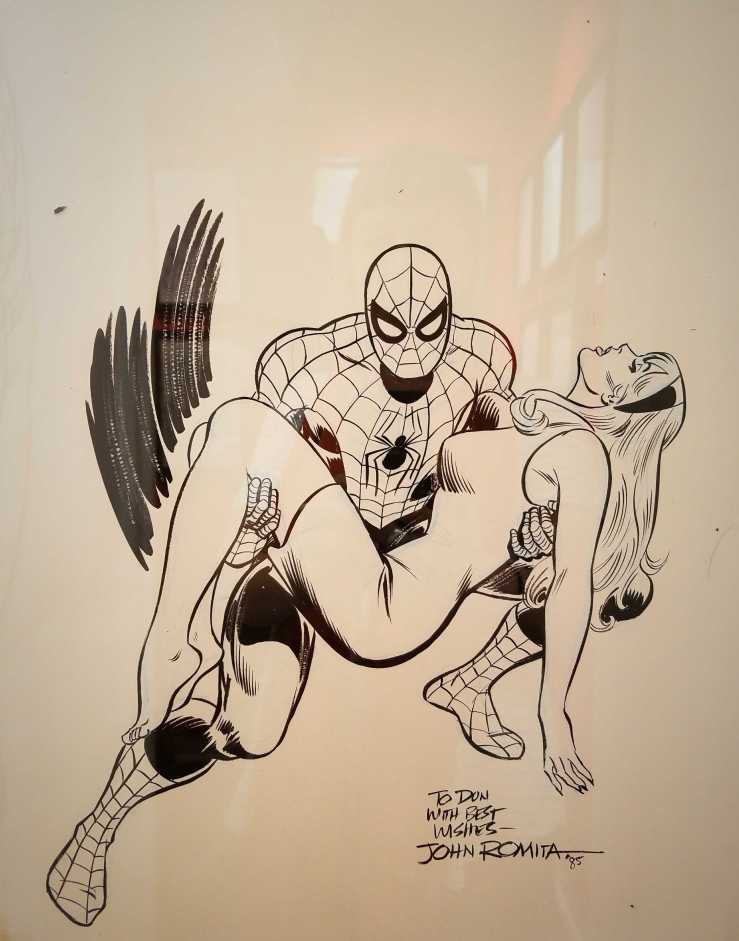


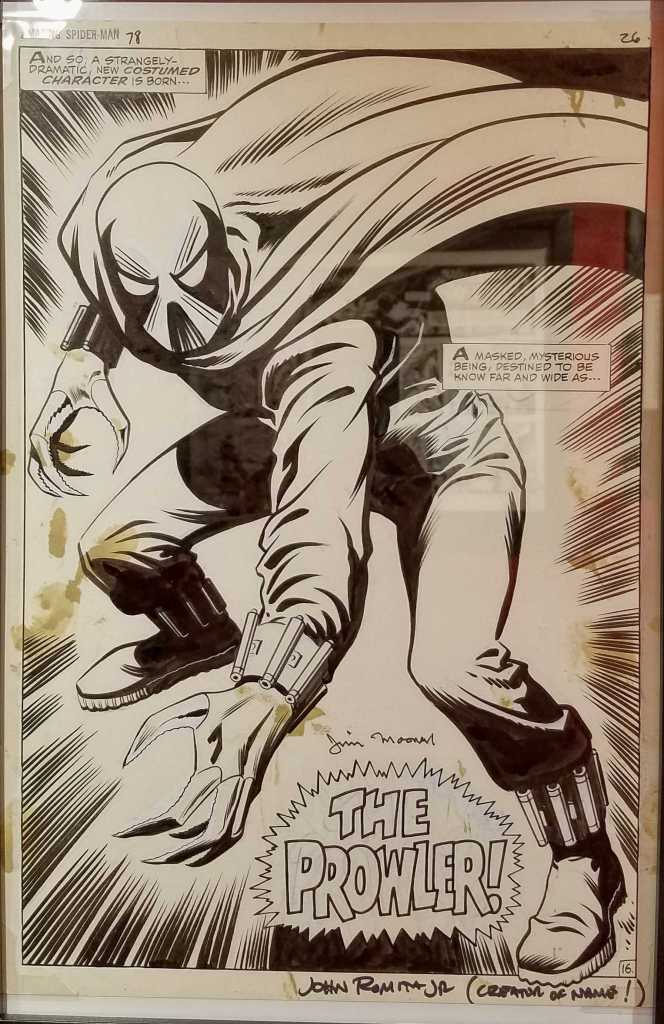
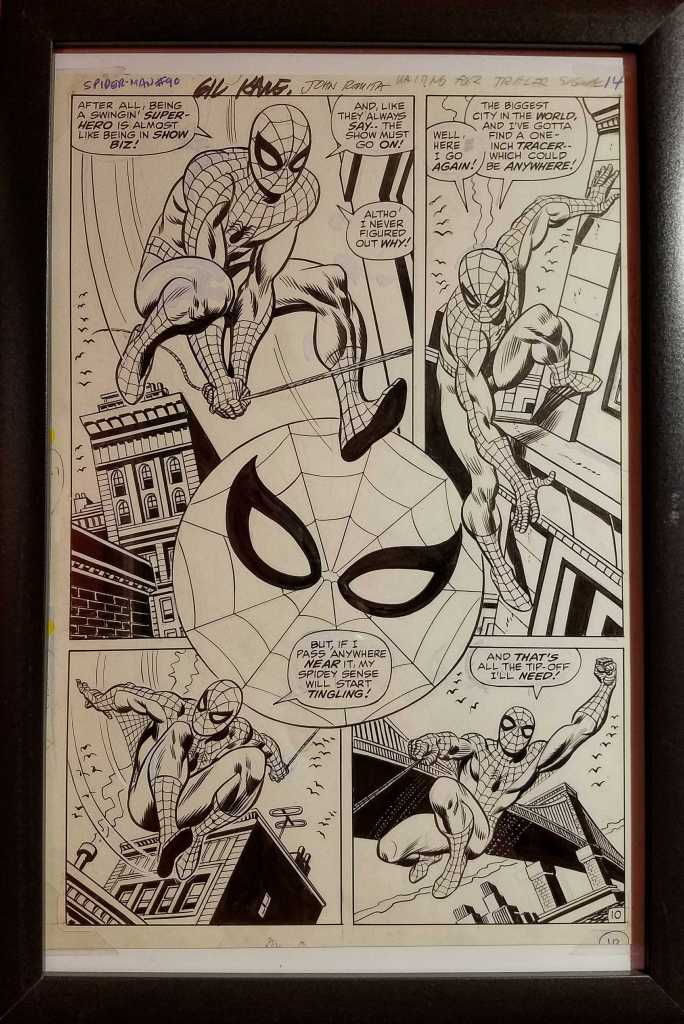
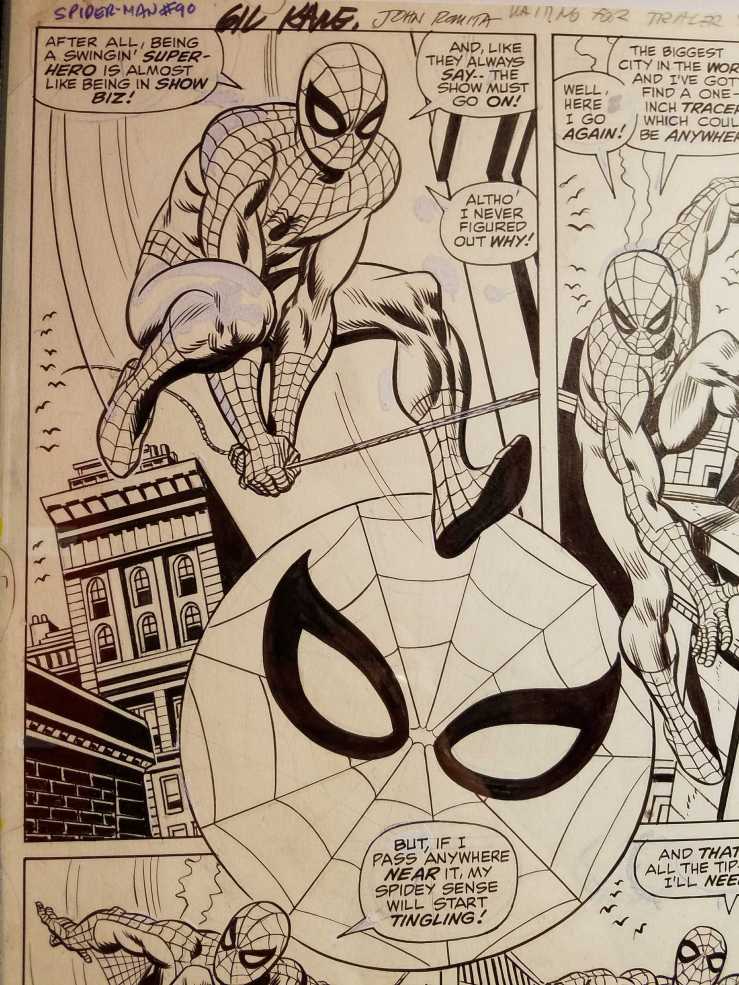

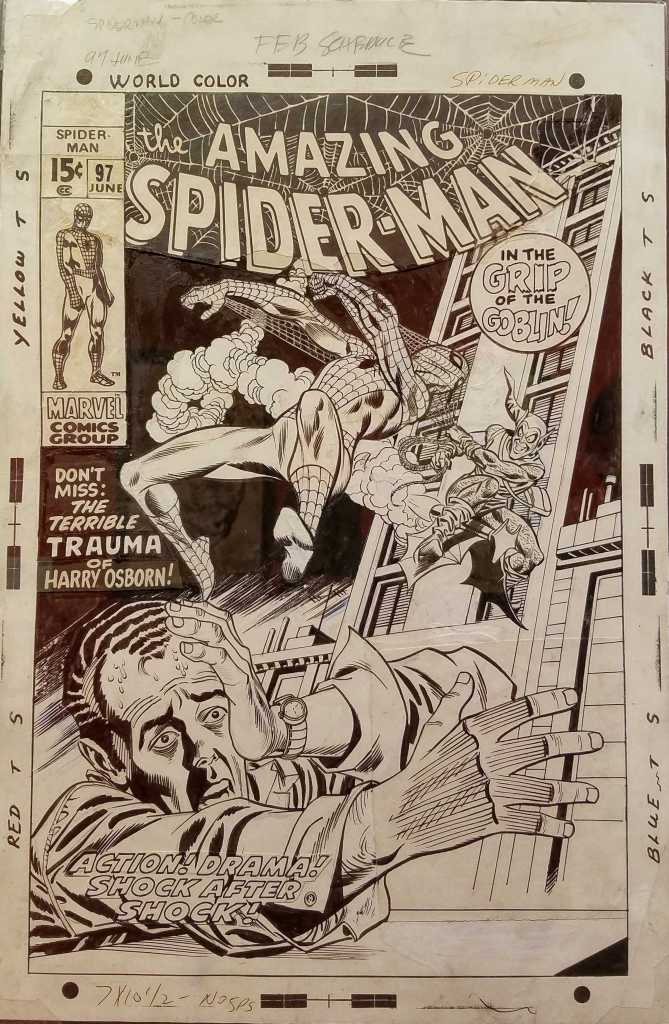
August 15, 2017 @ The Society of Illustrators
The first ever exhibition of original Spider-Man with artwork mainly by John Romita but also my two favourites, Steve Ditko and Gil Kane; including Todd McFarlane, John Buscema, Ross Andru, Gil Kane, Ron Frenz, Keith Pollard, John Romita Jr. and others.
The exhibit runs through August 26th, 2017.
You’re welcome!
Adjacent to the creepiest, most unsettling children’s sculpture garden in the city sits the Cathedral of St. John the Divine; the whole 121.000 sq ft (11.240+ sq m) of it.
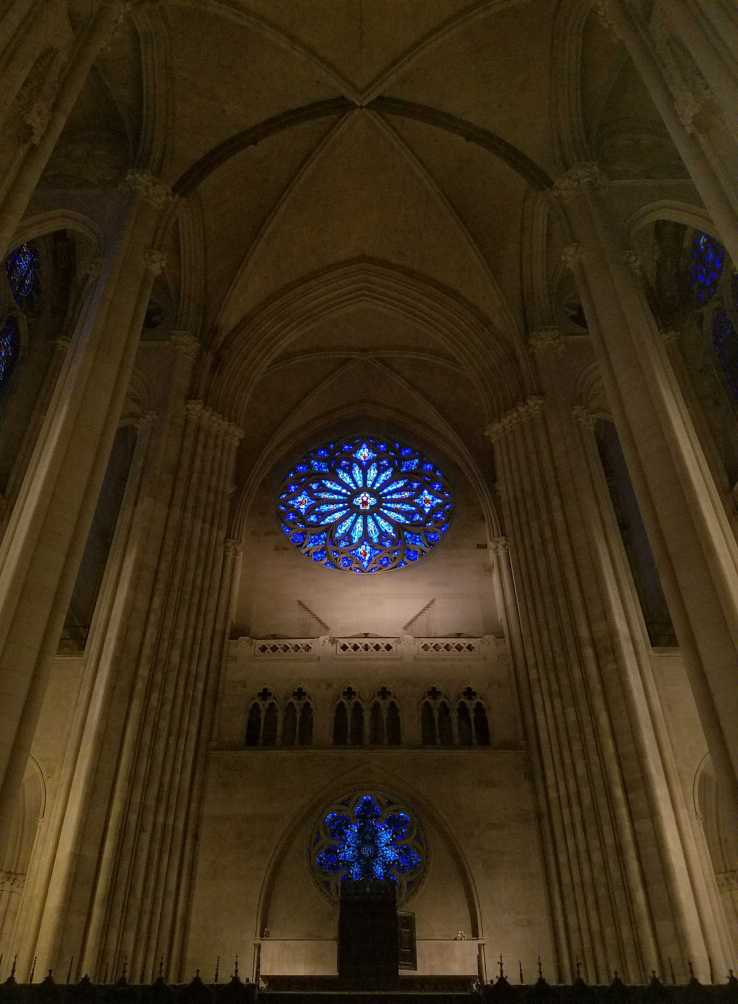
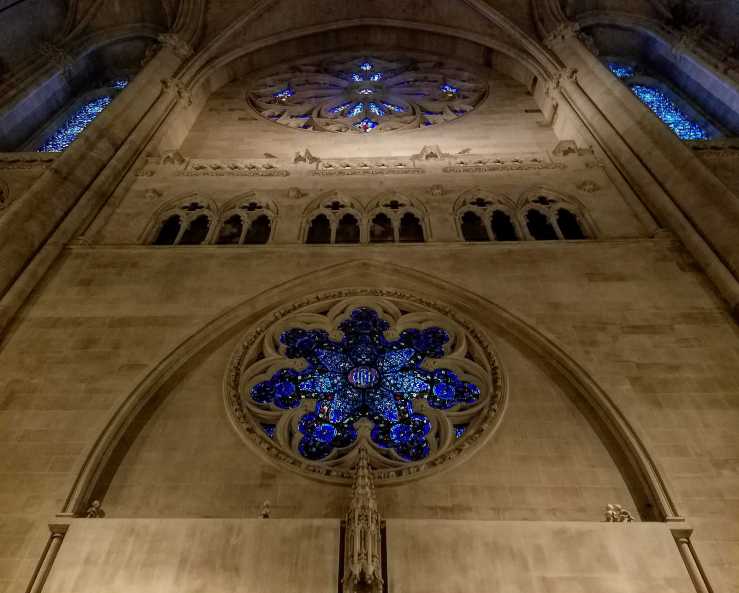
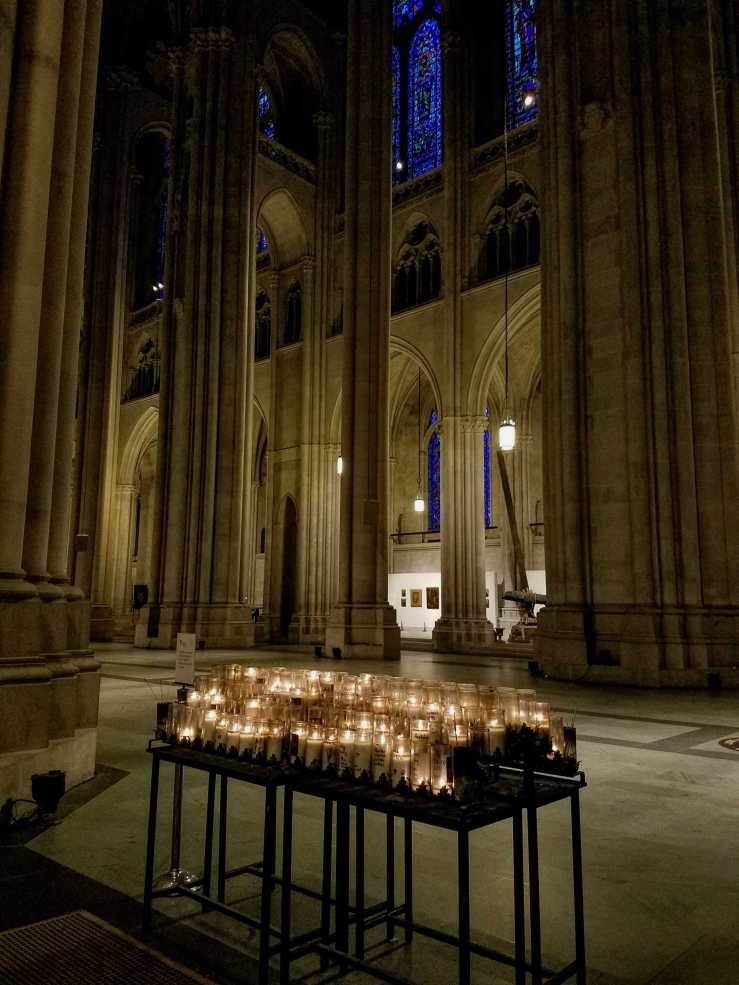 Originally envisioned in a Romanesque-Byzantine style it was later changed to a Gothic Revival design with massive granite arches that support the building – which has no steel or iron skeleton – and a dome so high it could fit the Statue of Liberty underneath, made of Guastavino tile and intended as a temporary covering. The dome was supposed to be removed when the transepts were built, but so far only half of the north transept is constructed. For this 120-year-old gigantic church is, as yet, unfinished.
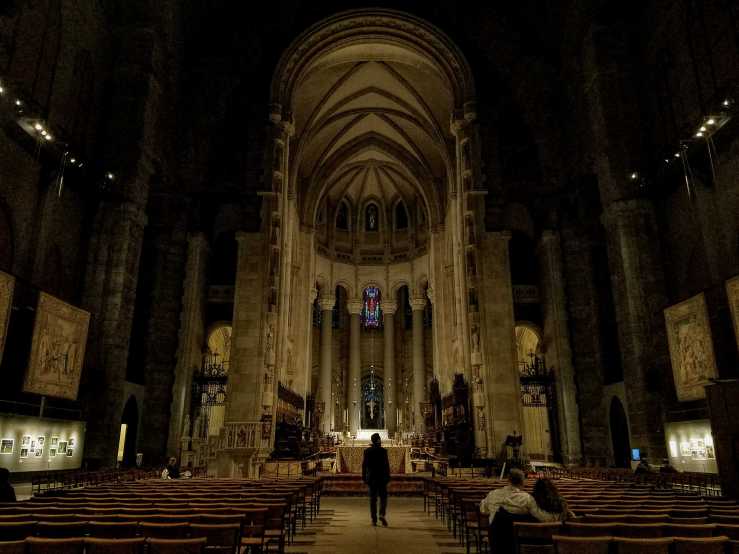
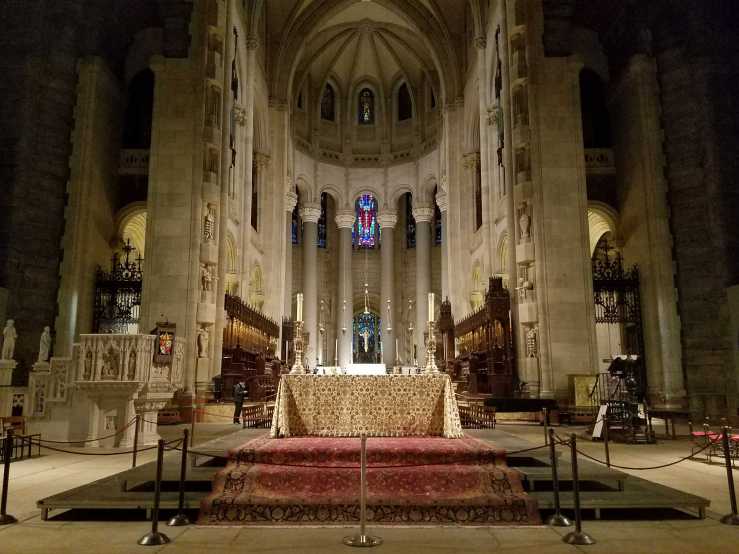
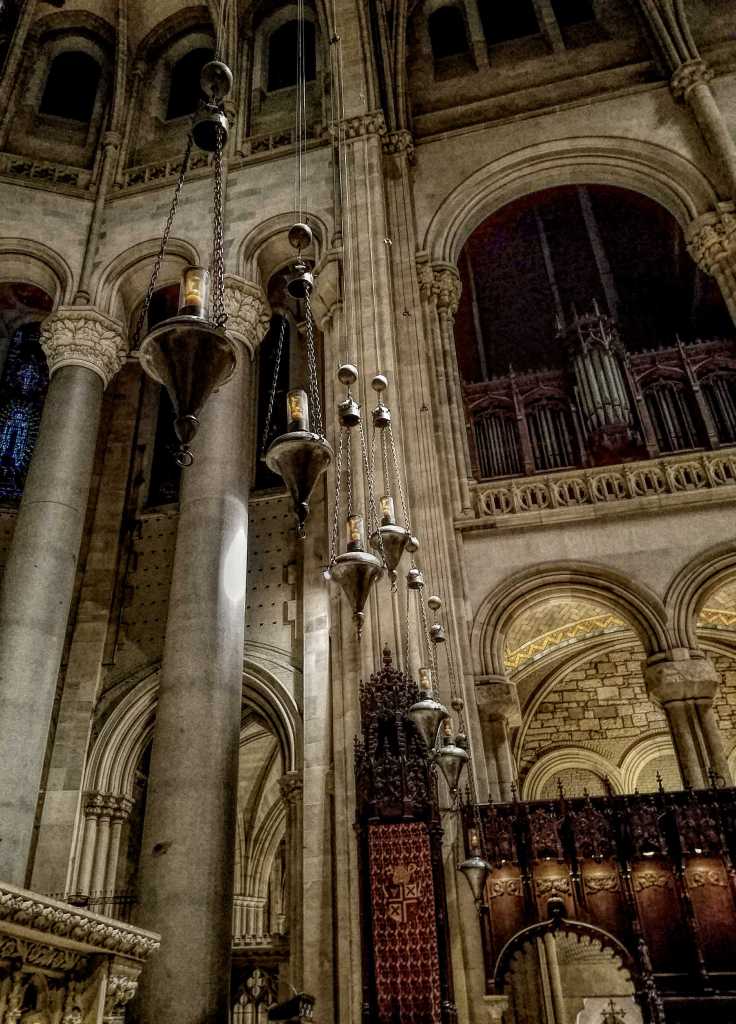
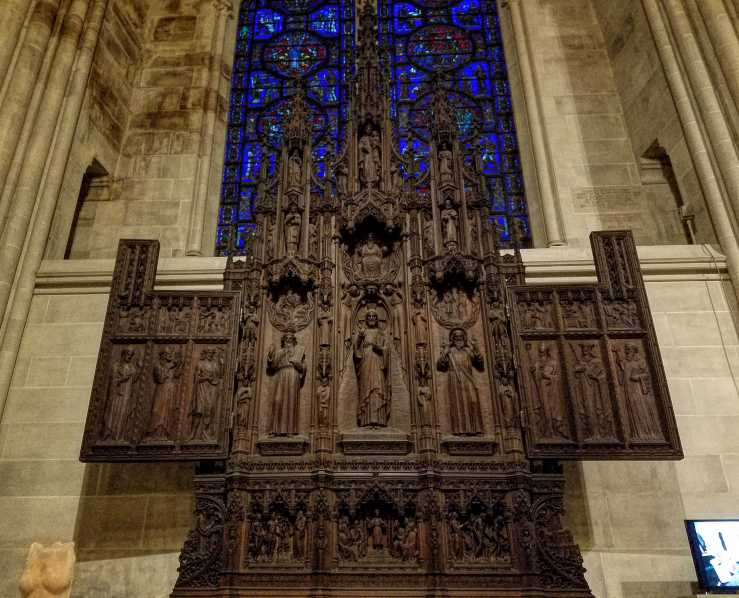
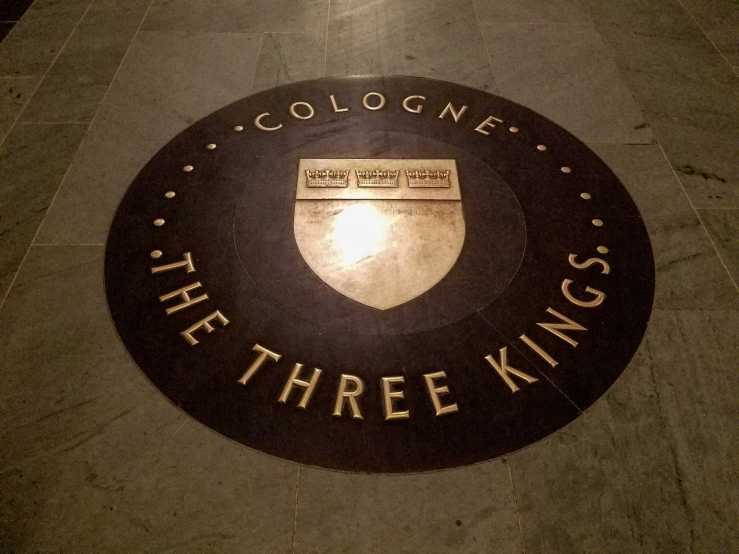
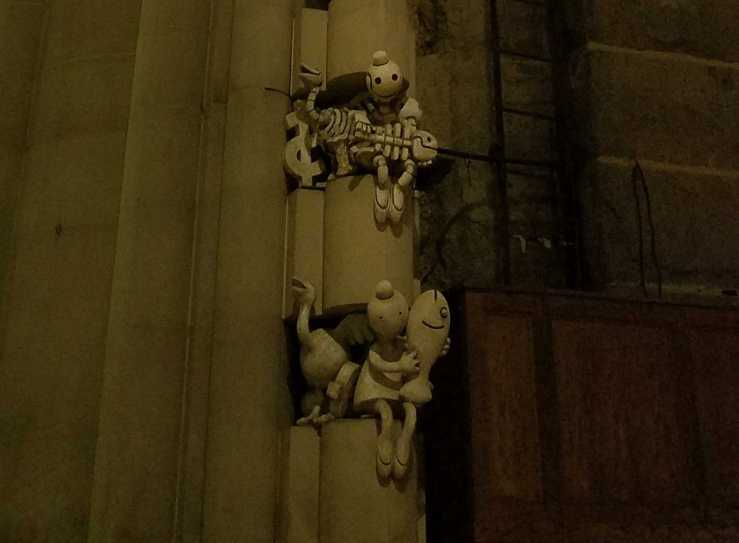
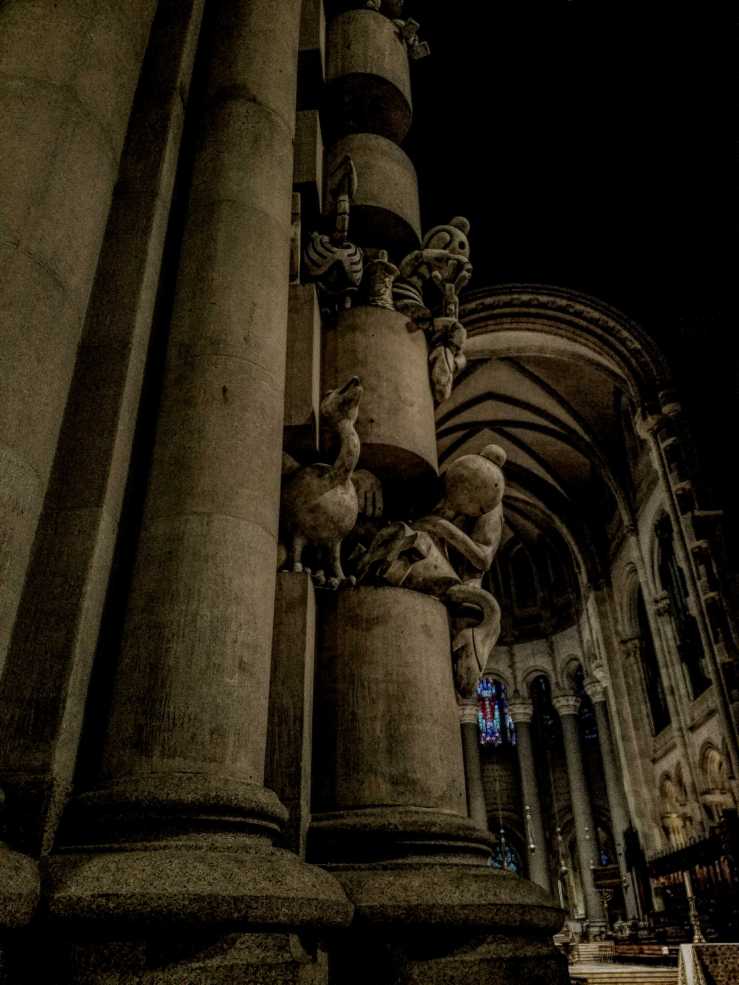
St. John the Divine is the cathedral church of the Episcopal Diocese of New York and, as such, the largest cathedral in the world. By some accounts, it is also the world’s third largest church – or is it the fifth?
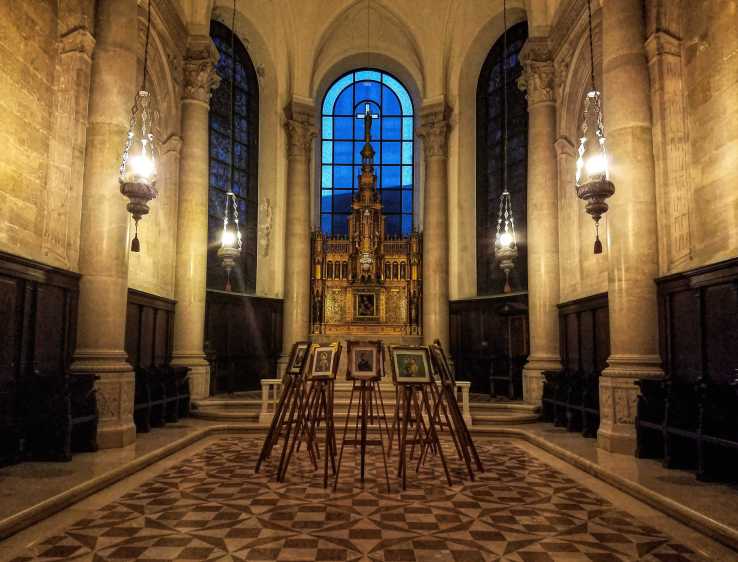
But, size and grandeur aside, the cathedral is an active house of worship, a concert hall with excellent acoustics and an exhibition space, year-round.
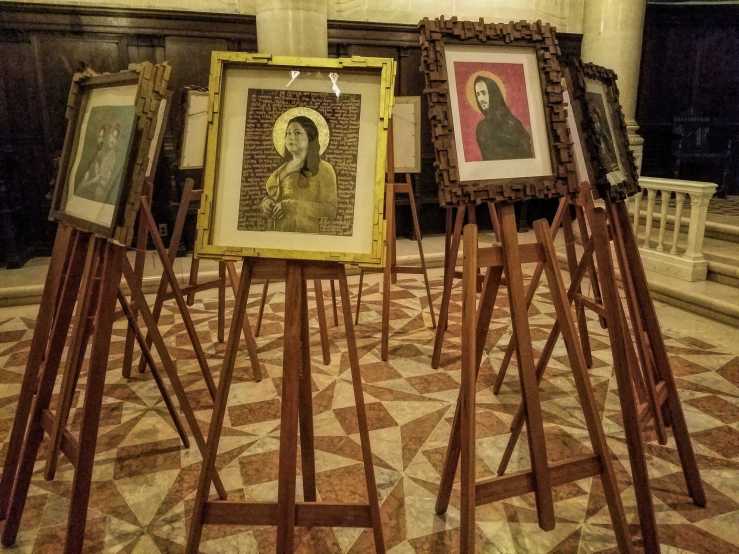
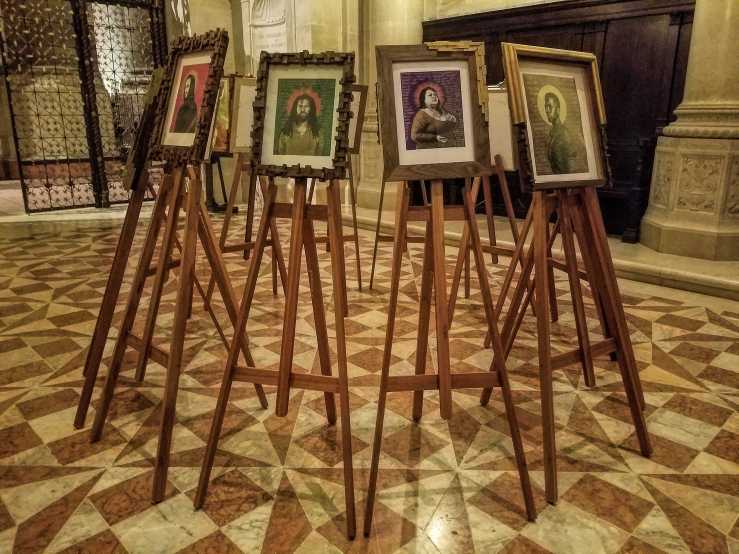
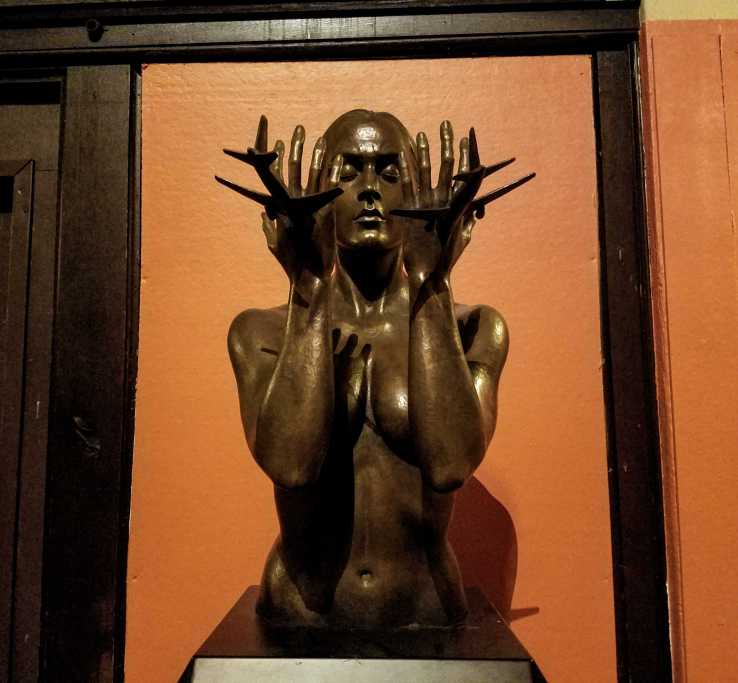
On the day we visited, it was hosting ”The Christa Project: Manifesting Divine Bodies” with works by contemporary artists ”exploring the language, symbolism, art, and ritual associated with the historic concept of the Christ image and the divine as manifested in every person—across all genders, races, ethnicities, sexual orientations, and abilities.”
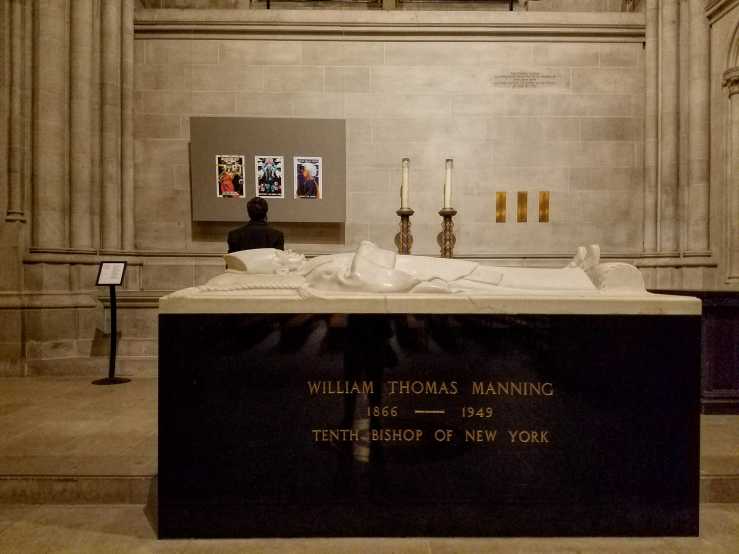
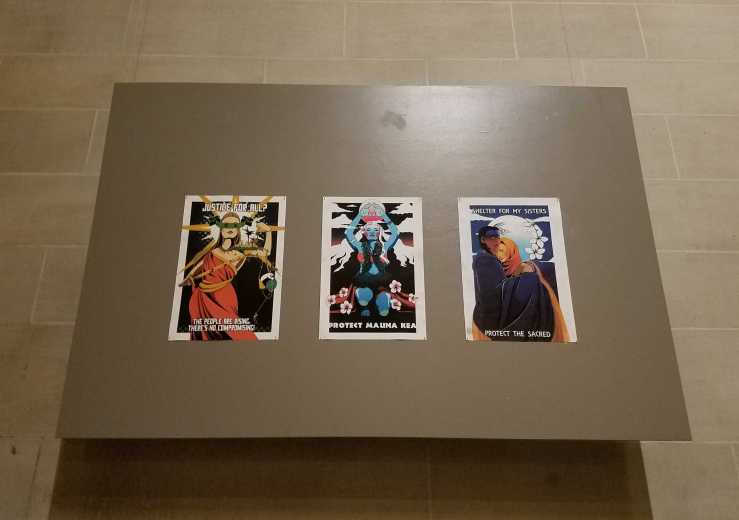
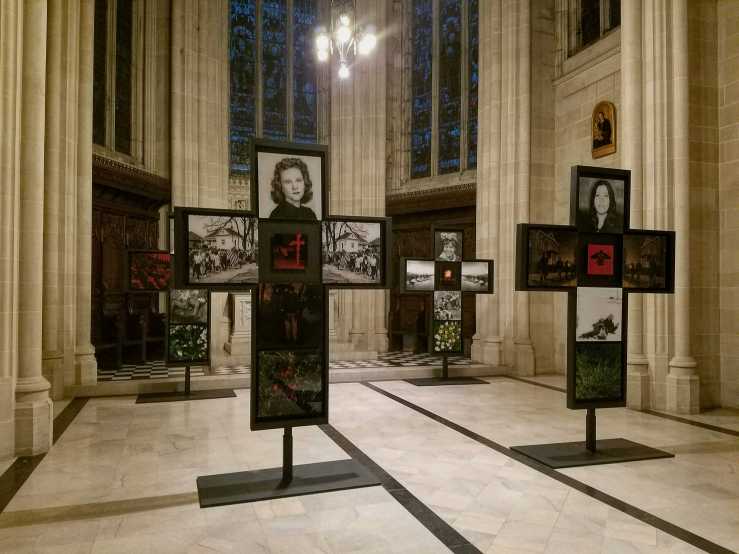
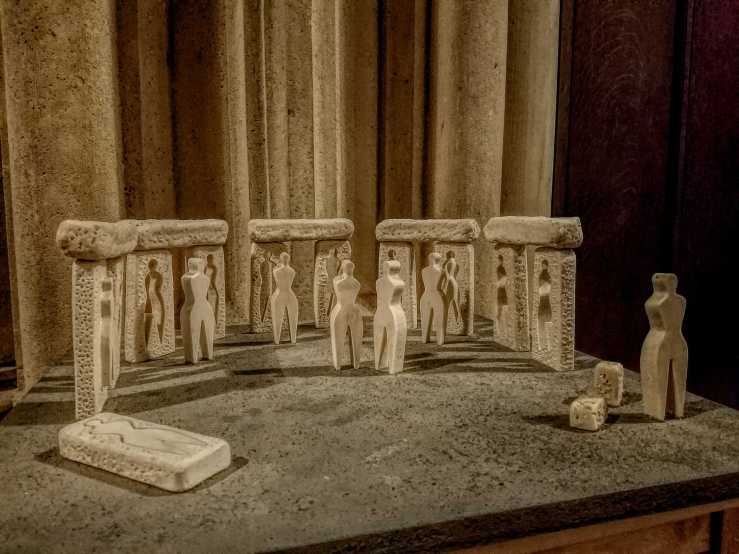
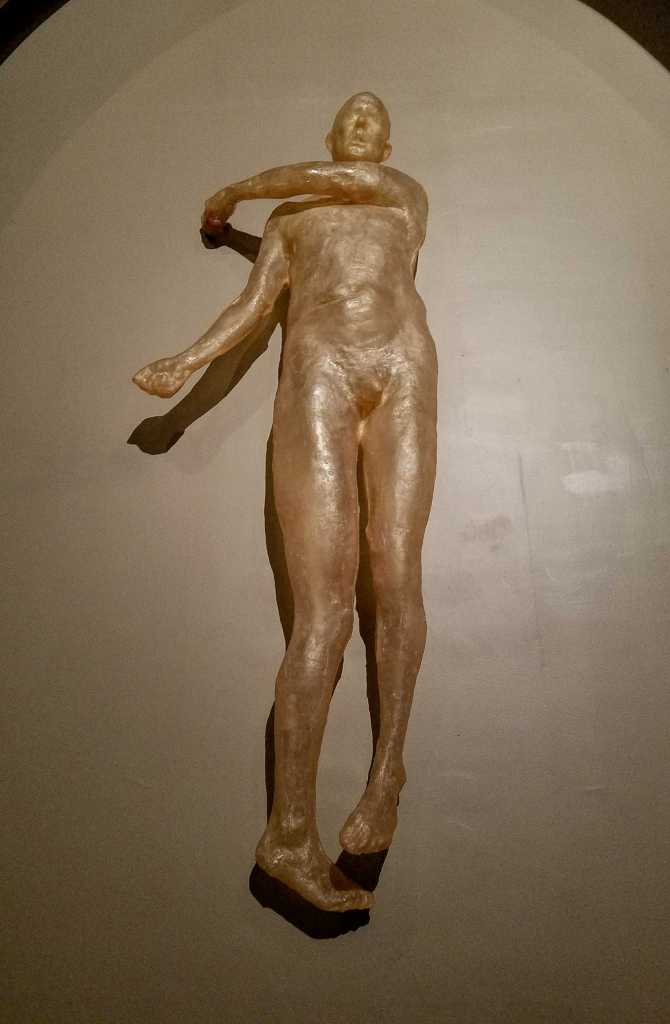
Edwina Sandys’ ”Christa”, the project’s centerpiece, was first displayed during the Holy Week of 1984, inevitably attracting mixed reactions: positive in general, there were also those who condemned it as a ‘blasphemy” for changing the symbol of Christ and ”sexualizing” it (by depicting it as a female figure). It seems this time the statue was welcomed unanimously, since it remained on display for several months.
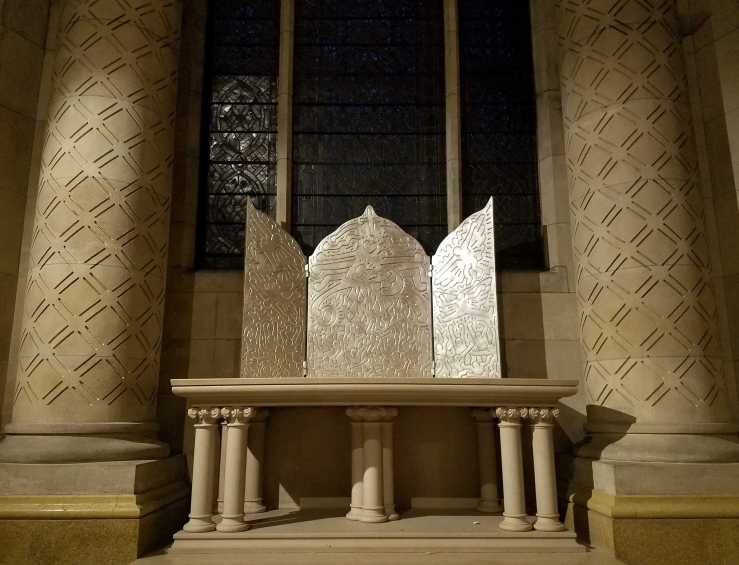
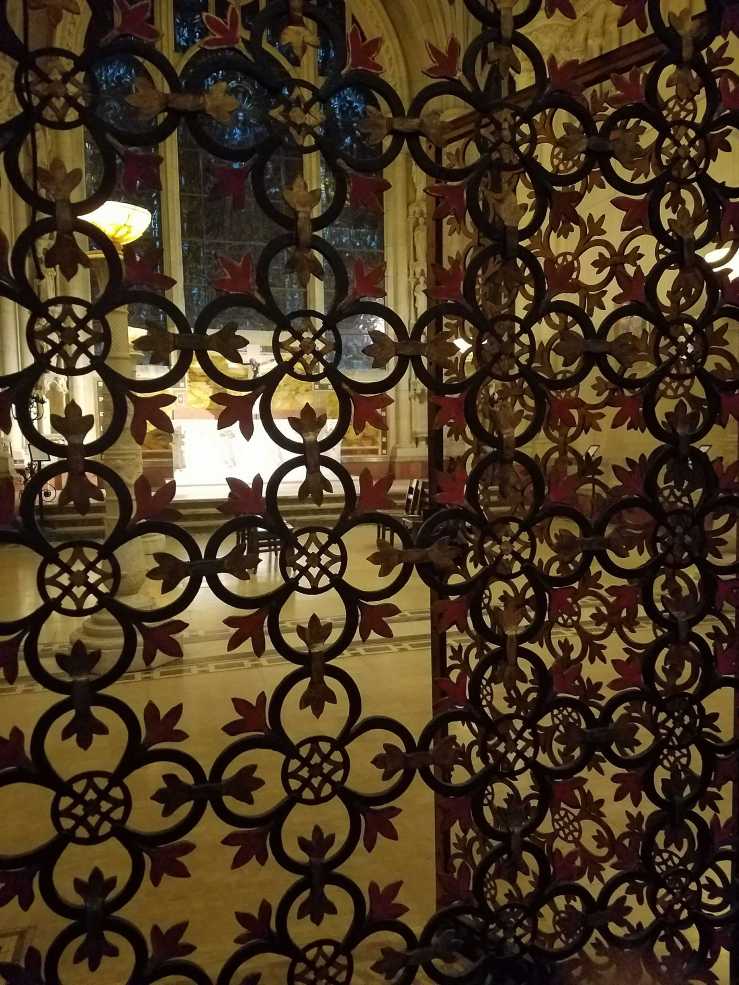
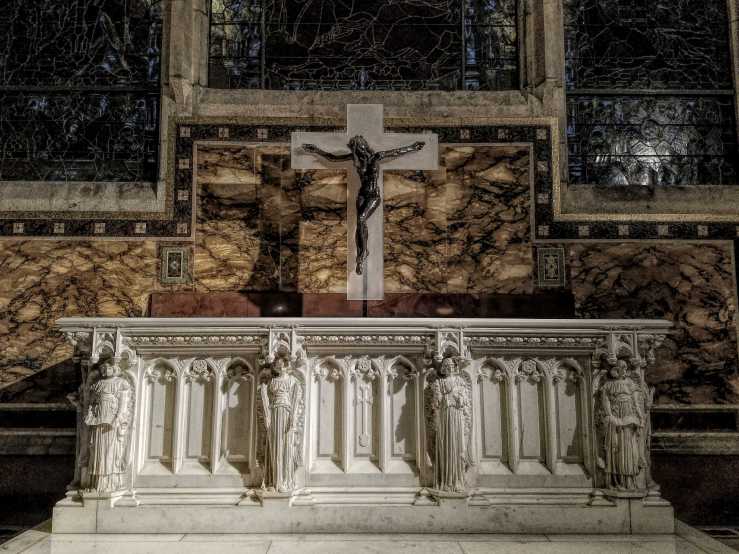
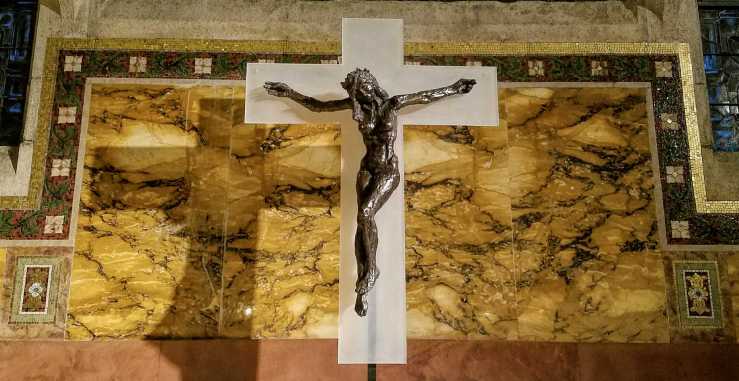
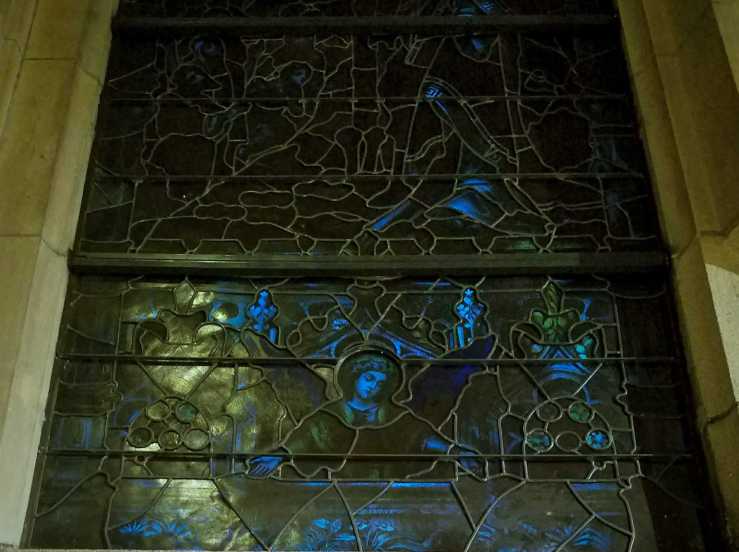
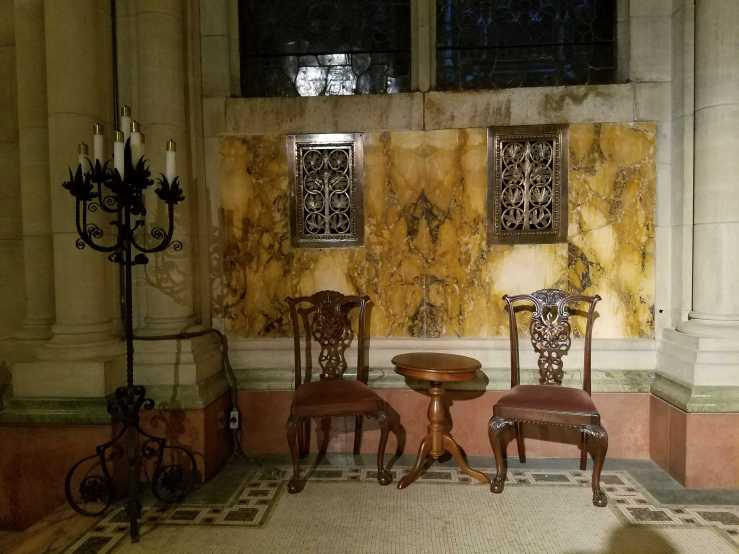
Seeing Christa displayed prominently in this glorious setting it occurred to me that, had this been in an Orthodox church – let alone a cathedral – in my home country (Greece), there would have been riots, threats of excommunication – the full stereotypical drama!
The Poets’ Corner was created in 1984 in honour of American writers and literature. Located in the cathedral’s Arts Bay, it is modeled after a similar alcove for writers at Westminster Abbey in London.
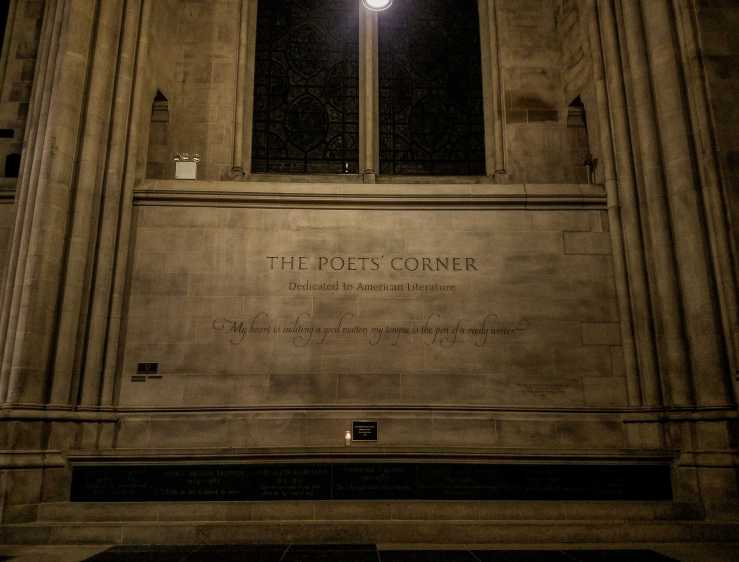
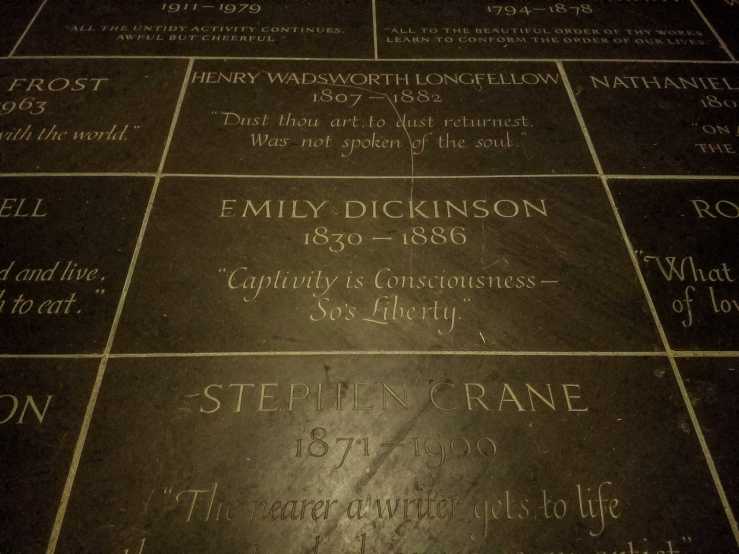
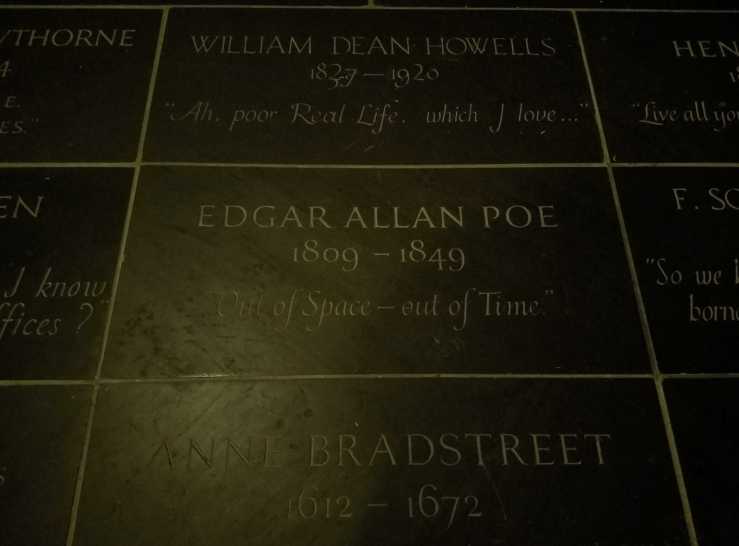
Cathedral of St. John the Divine
1047 Amsterdam Avenue, 112th Street
January 21st, 2017
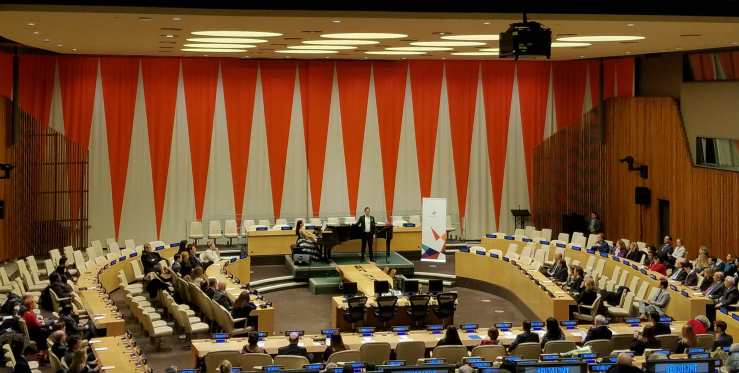
Not your average coordination meeting in the ECOSOC Chamber at the United Nations Headquarters! The Mission of Malta to the United Nations in collaboration with the Malta Arts Council organised an after-work concert to mark the launch of Malta’s Presidency of the Council of the European Union. A tenor and a pianist interpreted works from European (with emphasis to the Maltese) and American composers. An unlikely combination with fairly good acoustics but horribly strong lighting; and Dialogos, the vivid curtain by Swedish artist Ann Edholm, an excellent symbolic backdrop during negotiations, was rather overwhelming on this occasion.
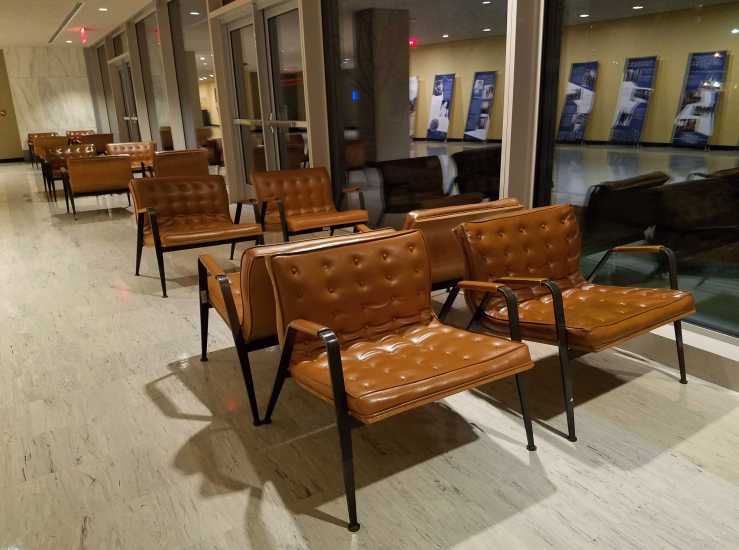
Any criticism however was quickly dismissed, replaced by a quiet excitement when on our way out through the – by then – empty corridors of the General Assembly Building, we spotted these familiar, functional yet almost sculptural armchairs. I would totally arrange my living room around a couple of them!


January 16th, 2017
The Jewish Museum
January 8th, 2017

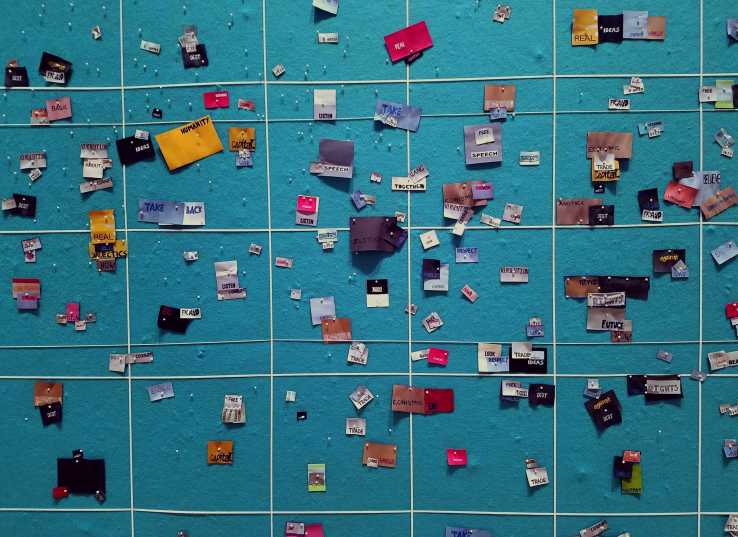
Rivane Neuenschwander (1967)
Watchword, 2012
For this work the artist, who was born in Belo Horizonte but lives and works in London, has embroidered words borrowed from the language of protest – take, back, justice, trade, war, corrupt, revolution, system, democracy, over – onto fabric tags similar to those used for clothing labels. Visitors were encouraged to take a tag, either to sew onto their clothes or to pin to the board. In both cases the migrating and accumulating words formed a poetic, global map of resistance.
I pinned ”Public” on top of ”Justice” on the board – my contribution to the resistance.
The Jewish Museum
January 8th, 2017

At The Jewish Museum
January 8th, 2017

Elsie Meyer (1885-1954), seen as a child in Sargent’s group portrait, became a fashionable young woman. In a 1903 letter to her brother Frank, her mother* described her ”insatiable appetite for society”, her gowns from Worth and Doucet in Paris, and the lavish preparations for her society debut. A few years later, Sargent depicted her in a simple cotton blouse.
*Lady Meyer demonstrated excellence in social skills herself: a society hostess known for her exuberant soirées, enchanting voice and support of the arts, but also a socially concerned philanthropist supporting working class women, underprivileged families, and women’s suffrage.
(Notes from The Jewish Museum’s website)
January 8th, 2017
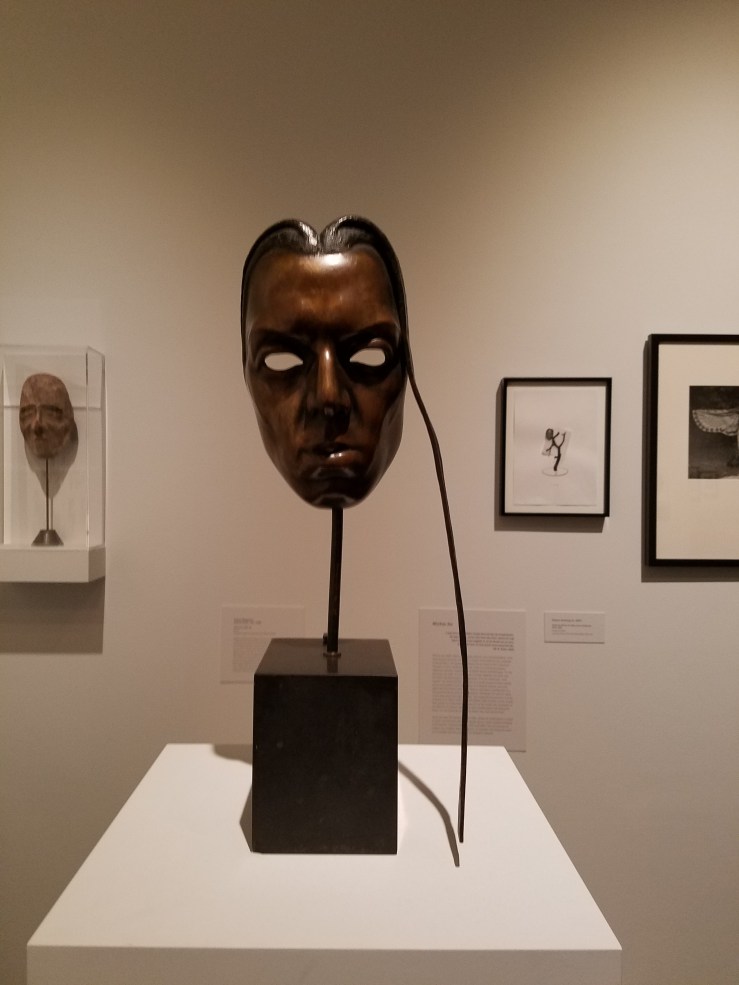
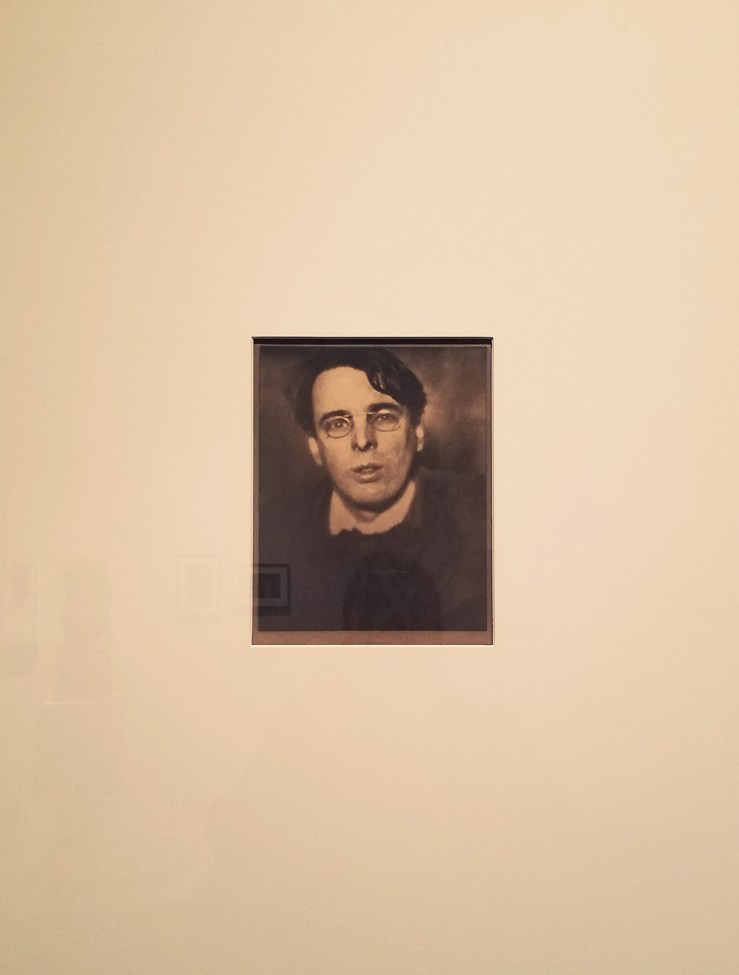
Simon Starling: At Twilight (After W. B. Yeats’ Noh Reincarnation), is a multimedia project in which the artist explores the influence of Noh on Western Modernism. It was displayed in the Japan Society’s galleries starting with a dimly lit room where a modern interpretation of At the Hawk’s Well, W.B. Yeats’ one-act dance play was showing alongside masks created by Noh Mask maker, Yasuo Miichi. The play was inspired by Yeats’ close collaborator and friend, the poet Ezra Pound who at the time, was translating Japanese Noh plays.
The installation continued in the ”mirror room”, a place Noh performers would traditionally use to change into their characters and, finally, concluded with an exhibit of photographs, prints, masks and other archival material – all related to Mr Starling’s project.



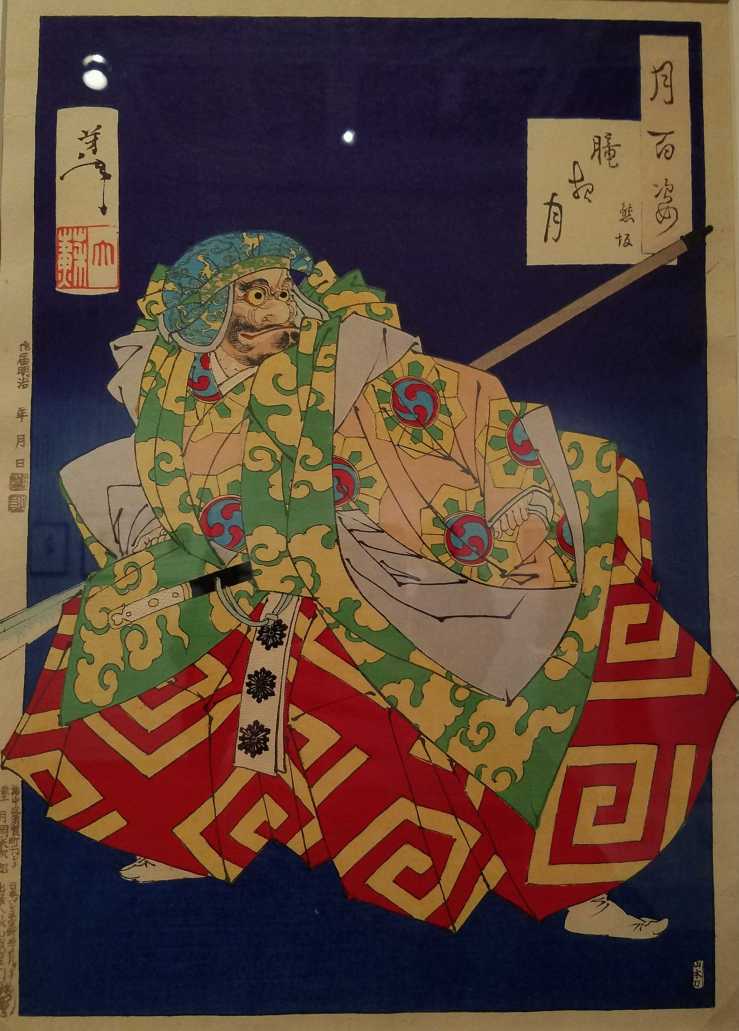

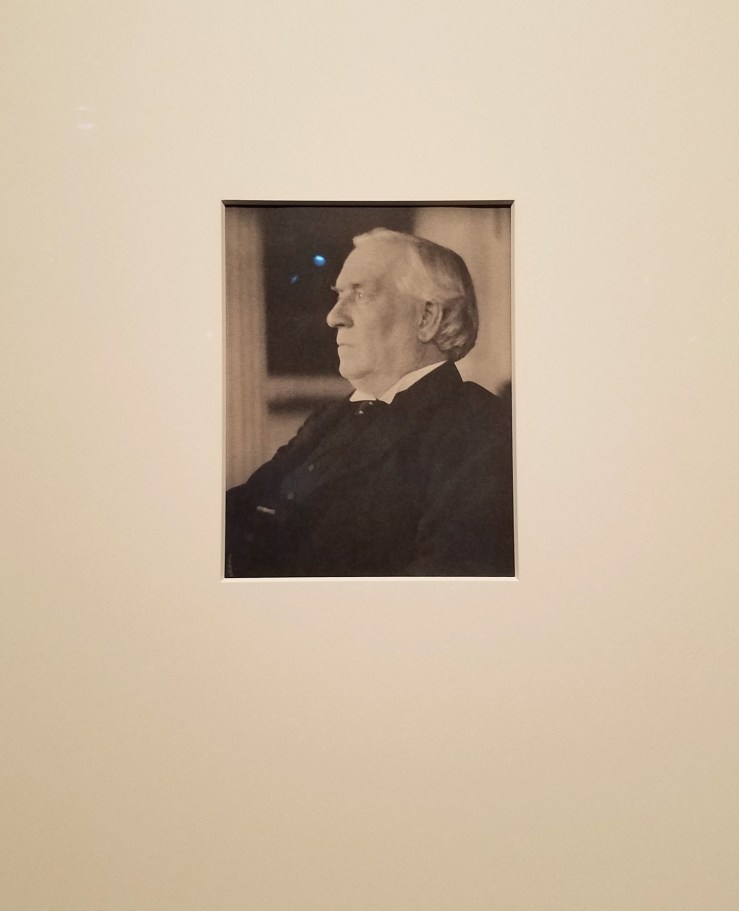
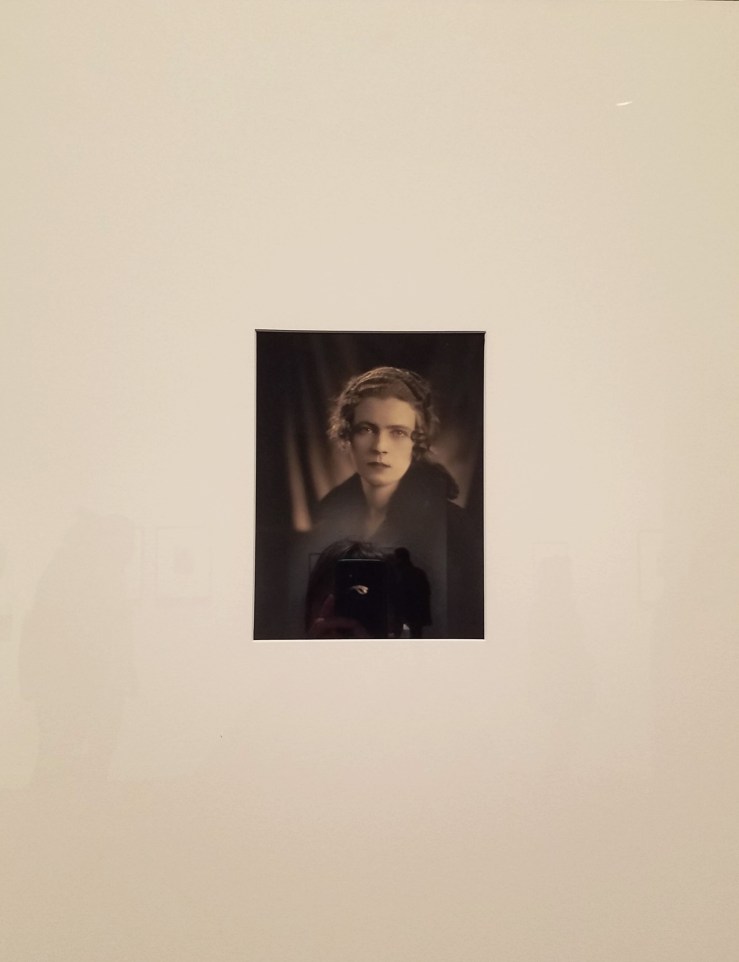
Ito later recalled: At supper, Lady Cunard, a refined, white-haired gentleman and I, all sat at a table together. The old man tried to carry on a conversation with me. However, it was in English, so I didn’t follow very well… I began to get frustrated, and interjected in halting English: ”If you allow me to speak in German I can answer a little more intelligently.” Hearing this, the old man let out a hearty laugh: ”I am an Englishman and can’t speak Japanese. You are Japanese and can’t speak English. If German mediates between us, then by all means let’s speak in German…” The person I had spoken to in German – the language of his enemy – had been the Prime Minister of England.”

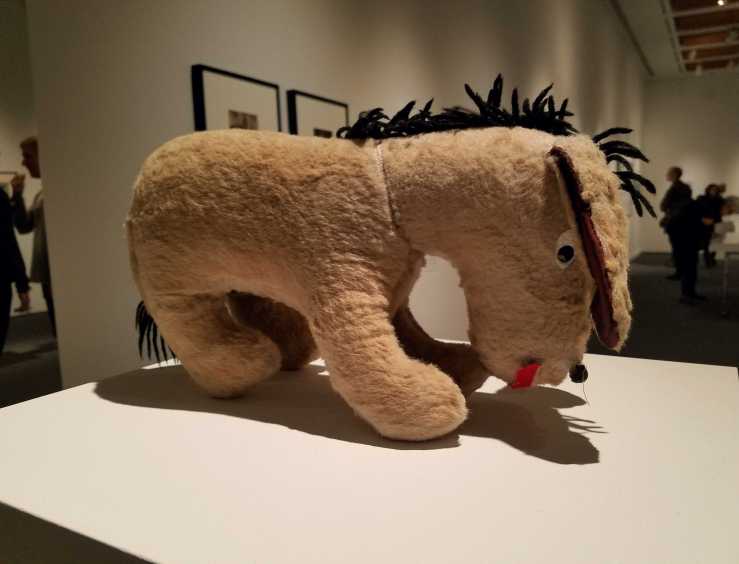
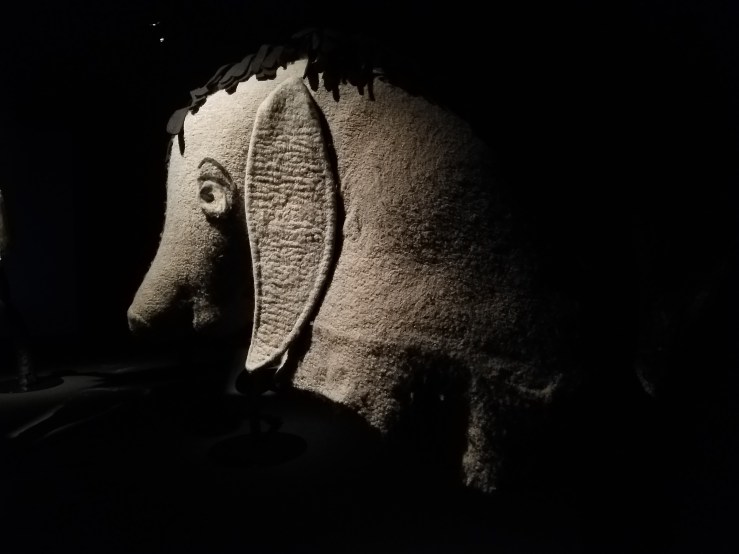
Pessimistic, downward facing Eeyore concludes the three-part series about Simon Starling’s project shown at the Japan Society. For more inspirational views connecting the pieces, please click here and here.
January 6th, 2017
subjective worldview
Actor, writer, cook and author
Travel experiences & Strasbourg city guide
Writer
joy, happiness, travel, adventure, gratitude
"Rêve onirique & Bulle d'évasion"
makes pretty things on paper
This WordPress.com site is Pacific War era information
Welcome to my curious world of words....
Photographs, music and writing about daily life. Contact: elcheo@swcp.com
Free listening and free download (mp3) chill and down tempo music (album compilation ep single) for free (usually name your price). Full merged styles: trip-hop electro chill-hop instrumental hip-hop ambient lo-fi boombap beatmaking turntablism indie psy dub step d'n'b reggae wave sainte-pop rock alternative cinematic organic classical world jazz soul groove funk balkan .... Discover lots of underground and emerging artists from around the world.
A 365 analogue photography project
Barcelona's Multiverse | Art | Culture | Science
Een digitaal atelier aan de (zee)slag.
‘Doodling Ambiguity’s in Ink.’
Miscellaneous photography
Glimpses along the way on a journey of discovery into symmetry...
 The Humble Fabulist