July 15th, 2019
July 15th, 2019
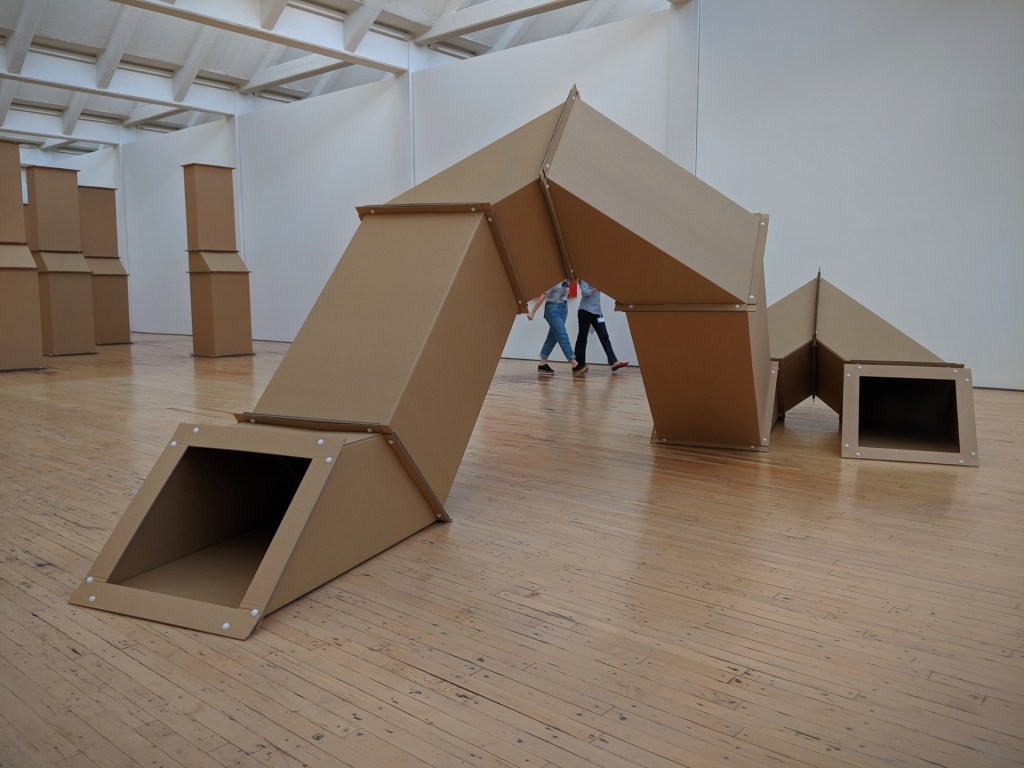
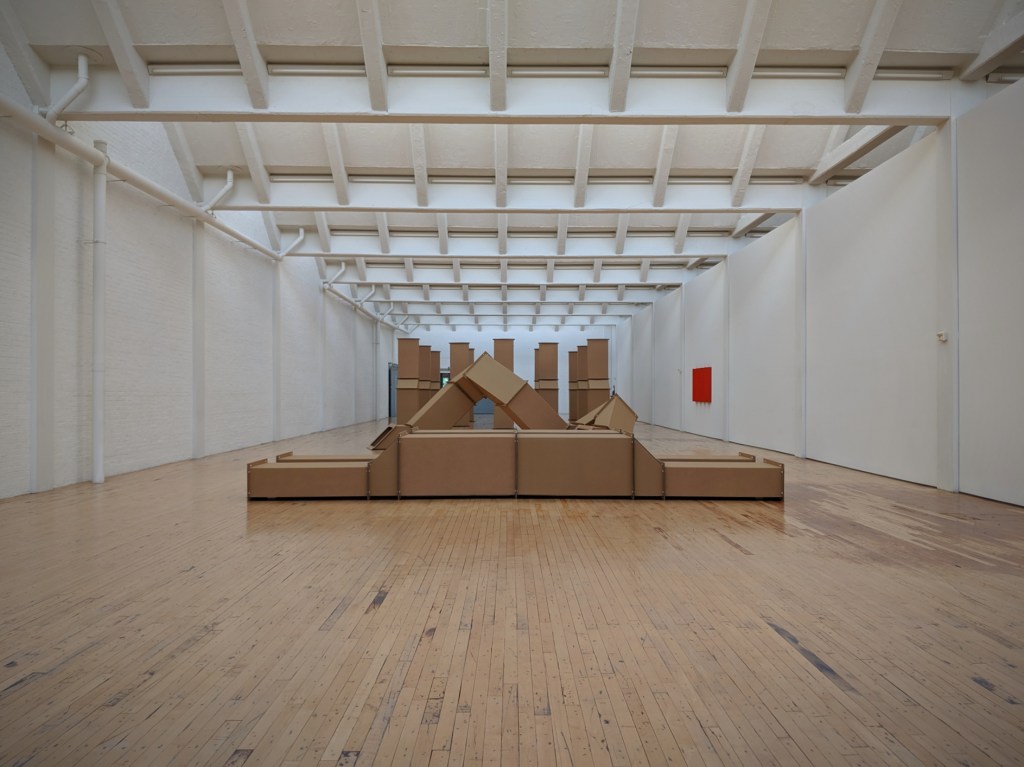
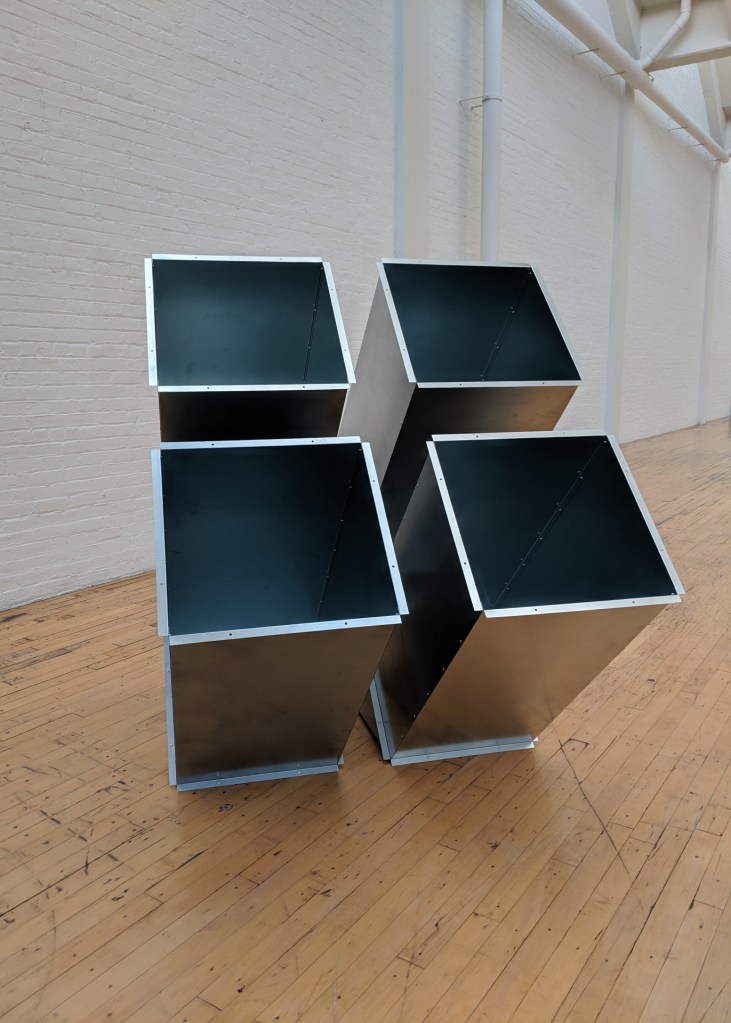
Charlotte Posenenske || Series DW Vierkantrohre (Square Tubes) [Angular pieces], 1967/2018
”Before turning away from art production in 1968 in favor of a career in sociology, Charlotte Posenenske exhibited widely alongside peers such as Hanne Darboven, Donald Judd, and Sol LeWitt, with whom she shared an interest in seriality. However, her work is distinguished by its radically open-ended nature. Embracing reductive geometry, repetition, and industrial fabrication, she developed a form of mass-produced sculptural Minimalism that addressed the pressing socioeconomic concerns of the decade by circumventing the art market and rejecting established formal and cultural hierarchies.
Mass production and variability are also at the heart of Posenenske’s subsequent works. Series D consists of six shapes in galvanized sheet steel. While these elements resemble standard ventilation ducts, the tubes are nonetheless custom-made according to the artist’s instructions and sketches. Shortly after conceptualizing Series D, Posenenske created Series DW, a variant with only four shapes produced from lightweight corrugated cardboard. A ready-made material, cardboard nonetheless represents a departure from the aesthetics of the steel tubes, which are in effect almost indistinguishable, in form and provenance, from the functional elements that they refer to. Larger but more manageable than their sharp-edged steel counterparts, the Series DW components are also easier to manipulate.” [source]
July 15th, 2019
”In 1979 Andy Warhol presented Shadows at the New York City gallery of Dia Art Foundation cofounder Heiner Friedrich. The installation featured the environmentally scaled painting in multiple parts, which the artist created between 1978 and 1979. As “one painting,” Shadows consists of 102 equally sized canvases hung edge to edge and low to the ground (but not too low to be kicked, as Warhol noted in his review of his 1979 show for New York magazine). While fixed by these physical terms, Shadows is nonetheless contingent in its presentation. Since the number of panels shown and the order of their arrangement varies according to the size of the exhibition space, the work in total contracts, expands, and recalibrates each time that it is installed.” [source]
I don’t know about you, but I think it would make a super cool wallpaper.
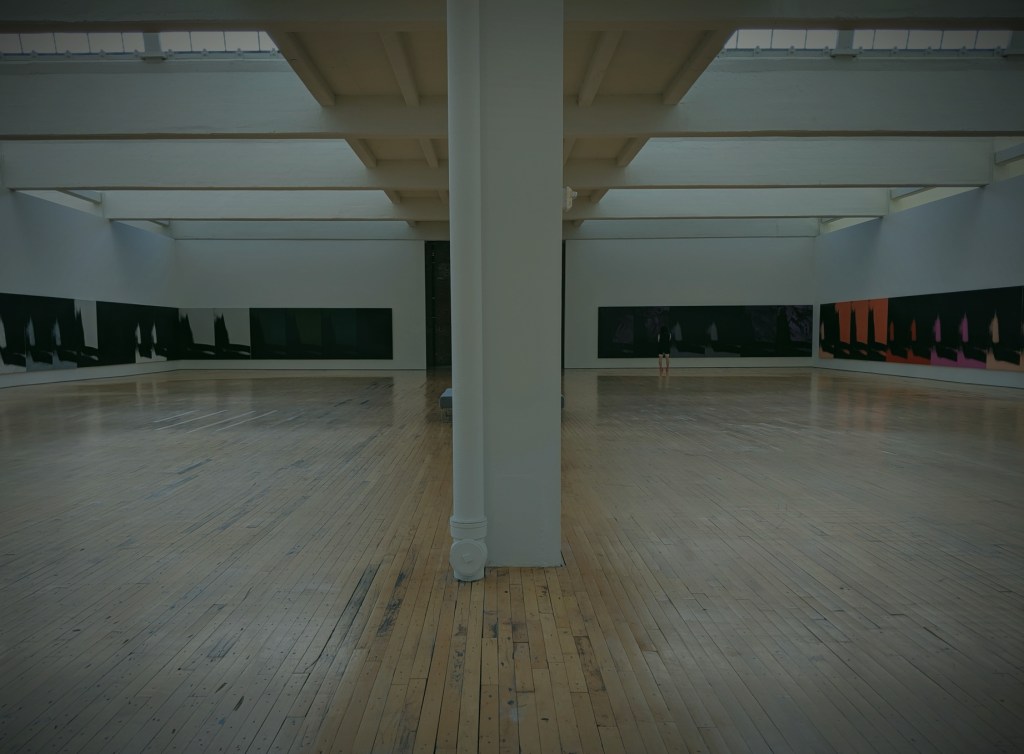
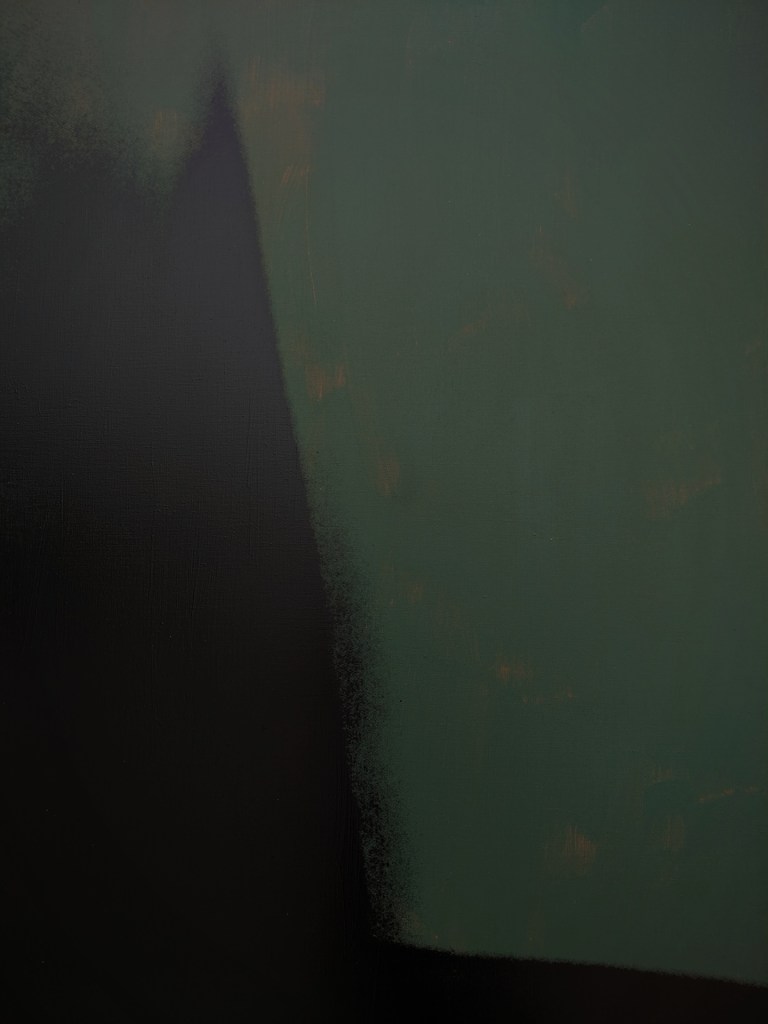
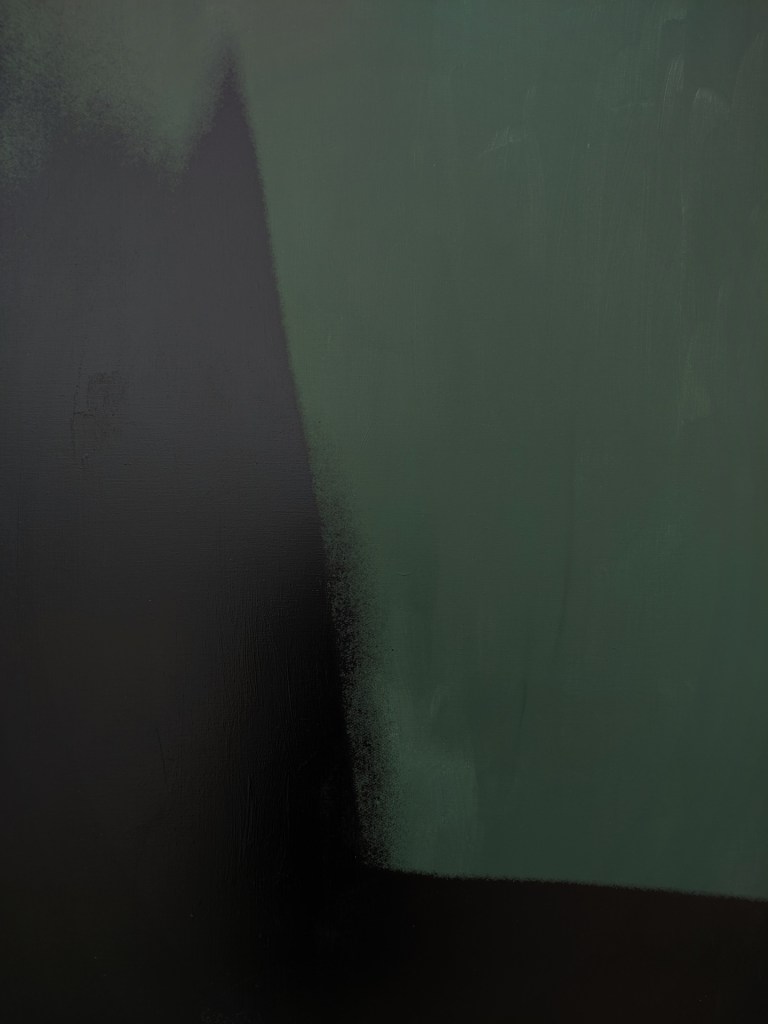
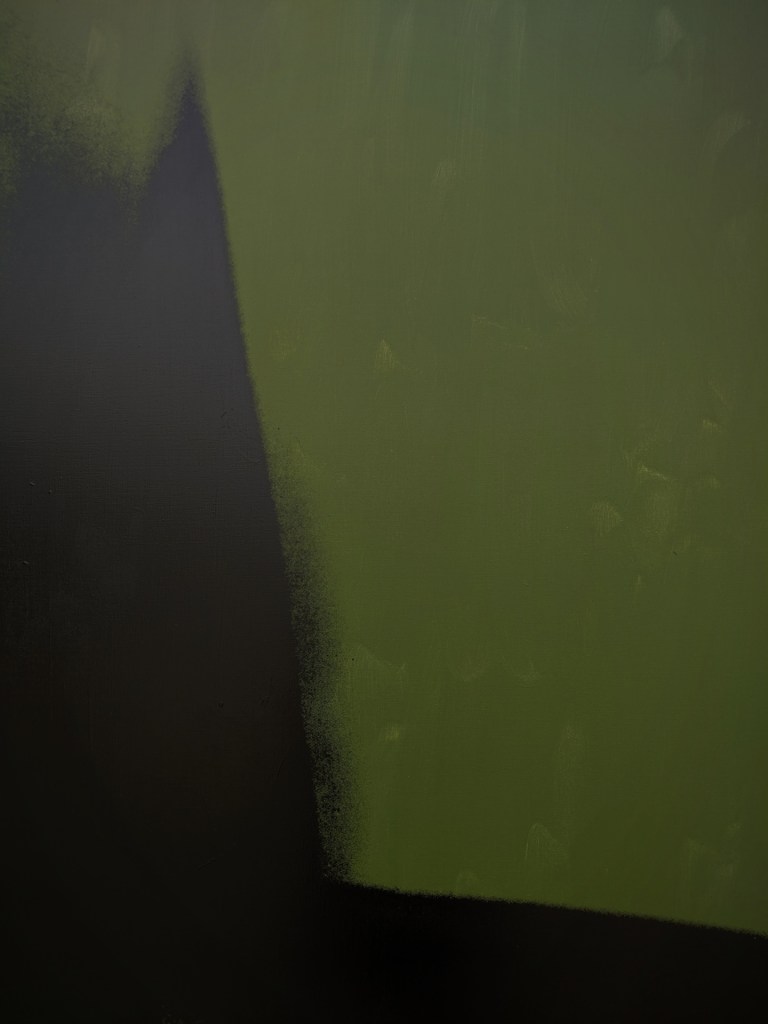
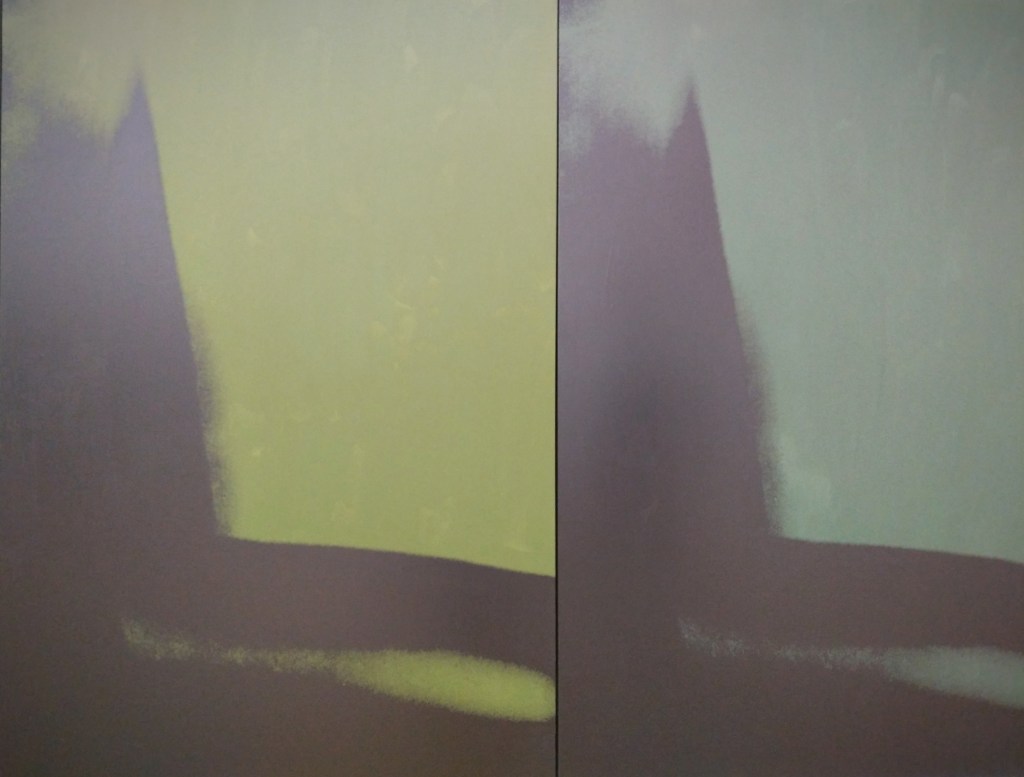
Andy Warhol || Shadows (1978–79)
July 15th, 2019
On a Steel Surface
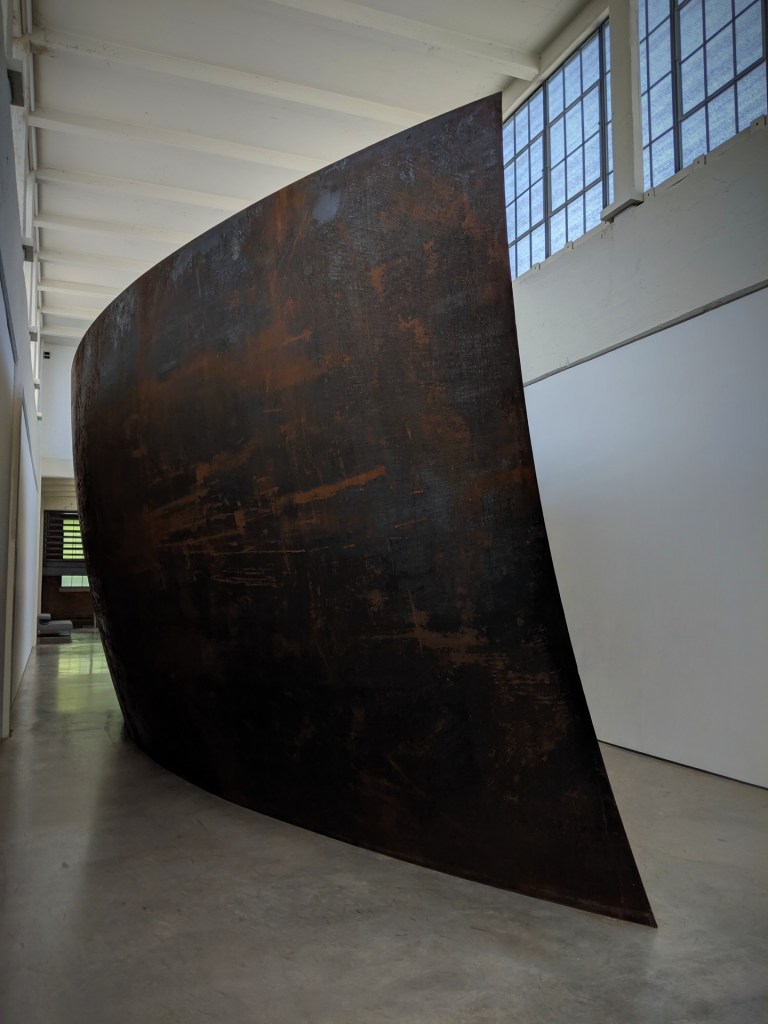
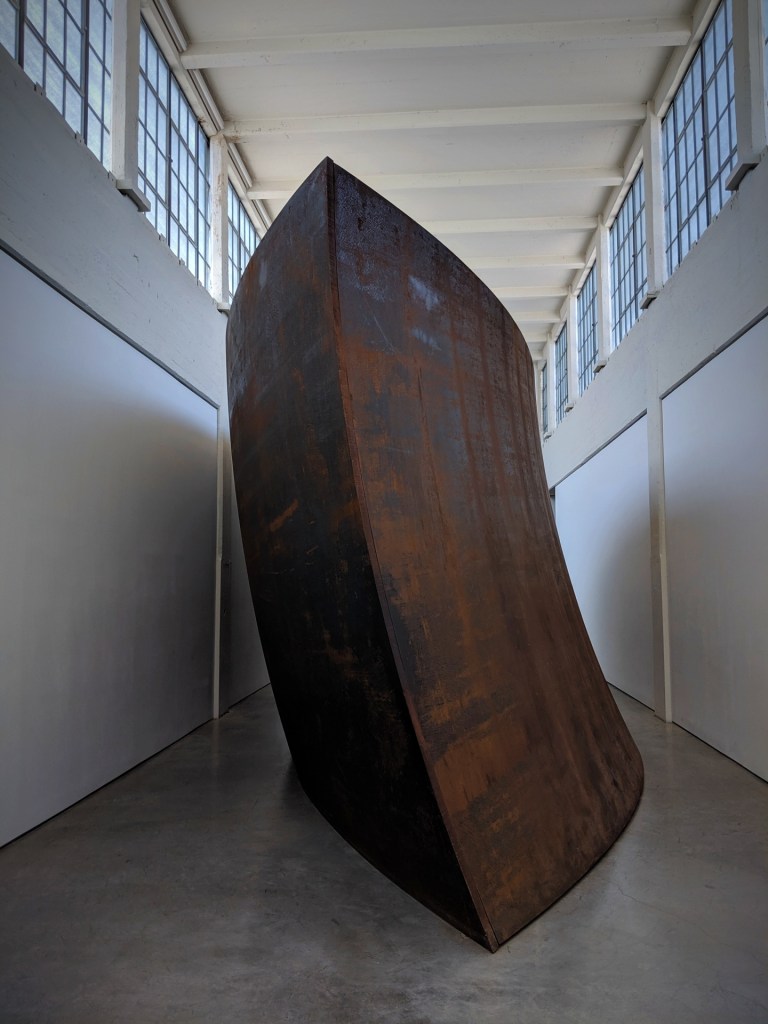
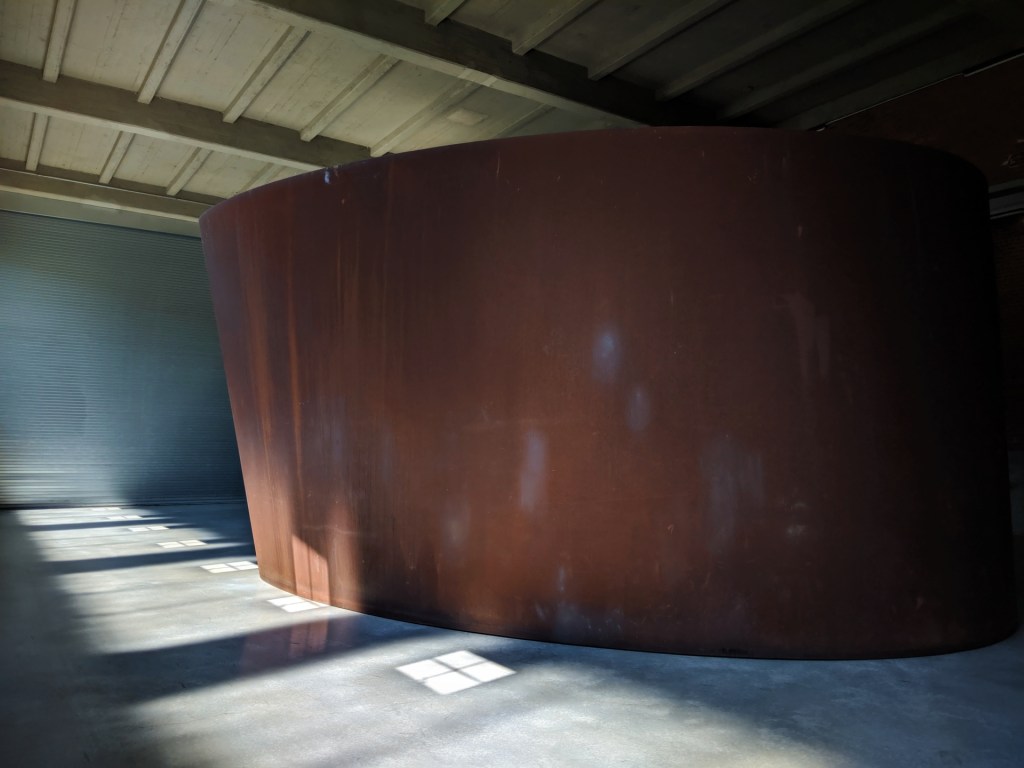
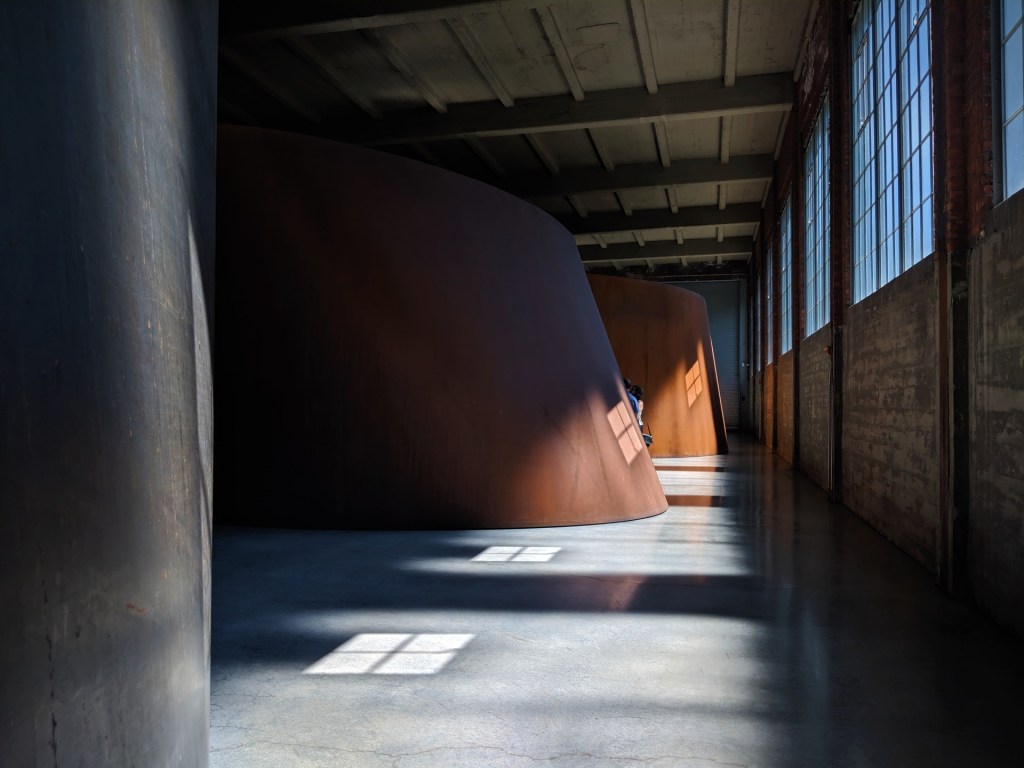
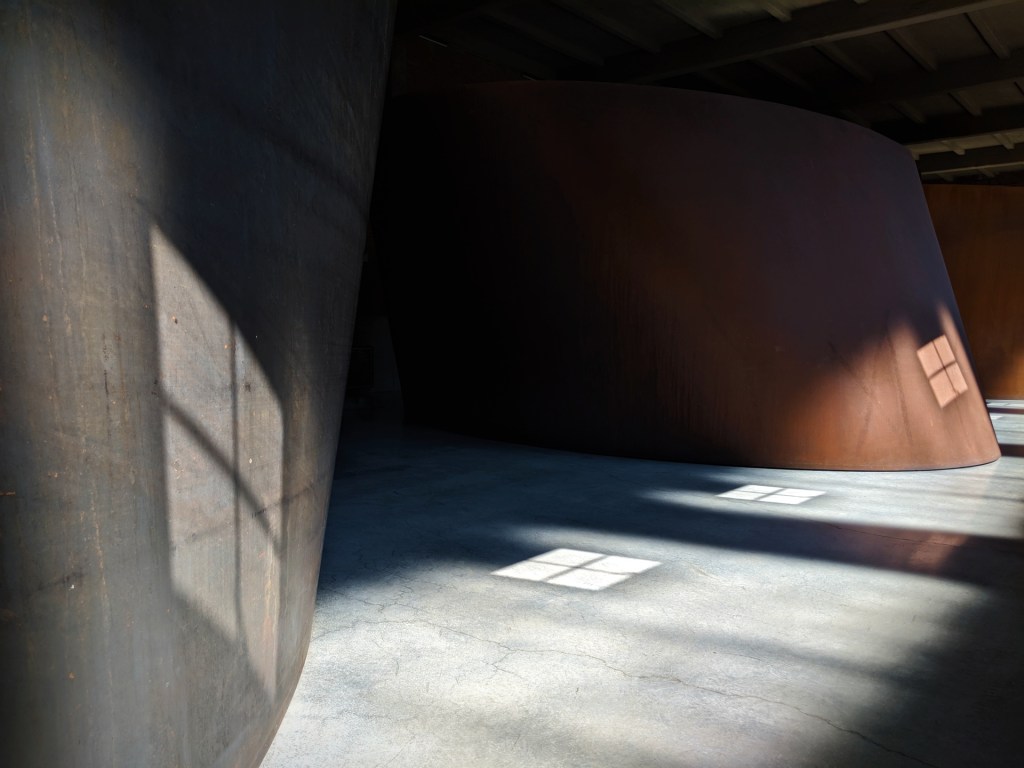
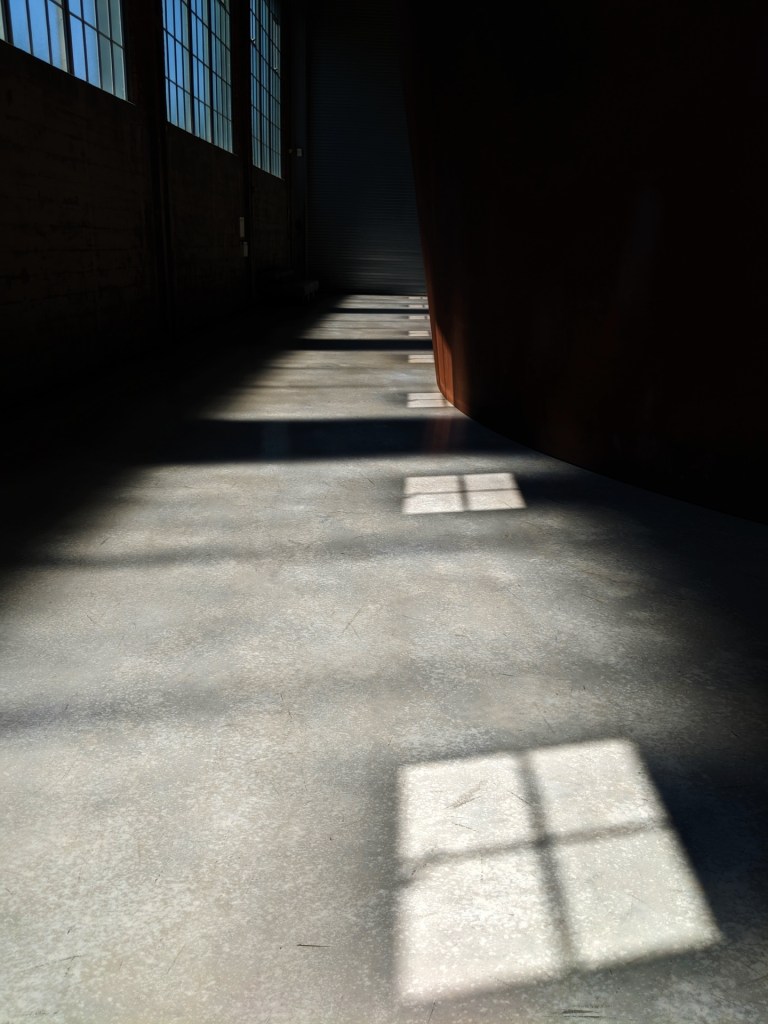
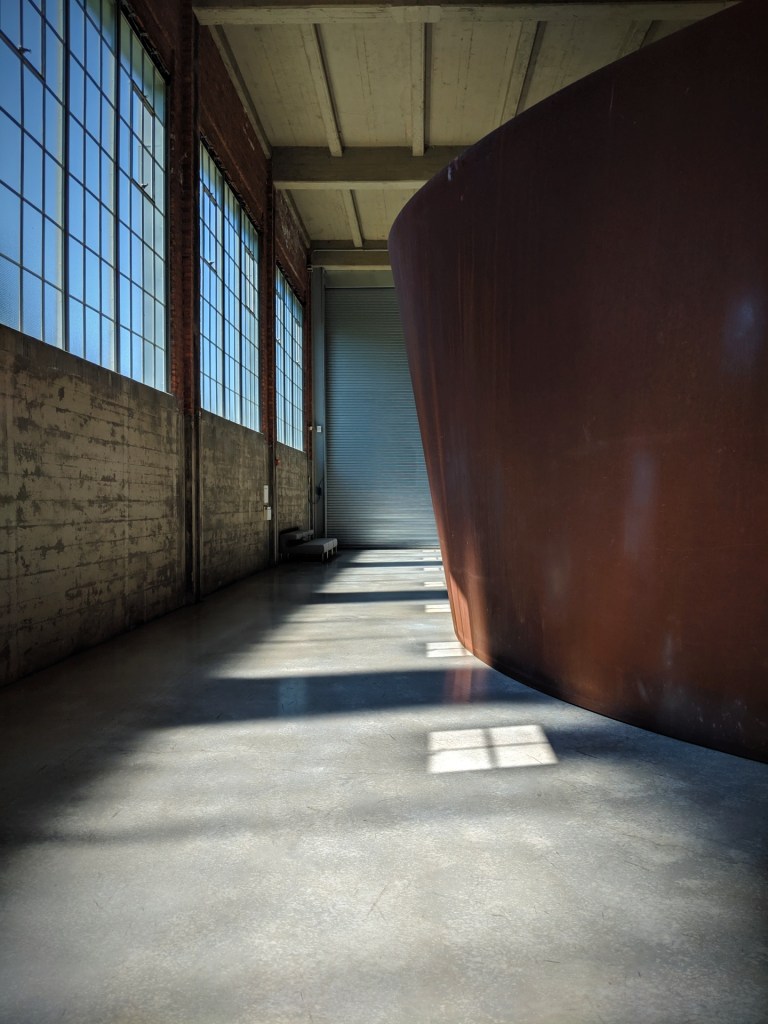
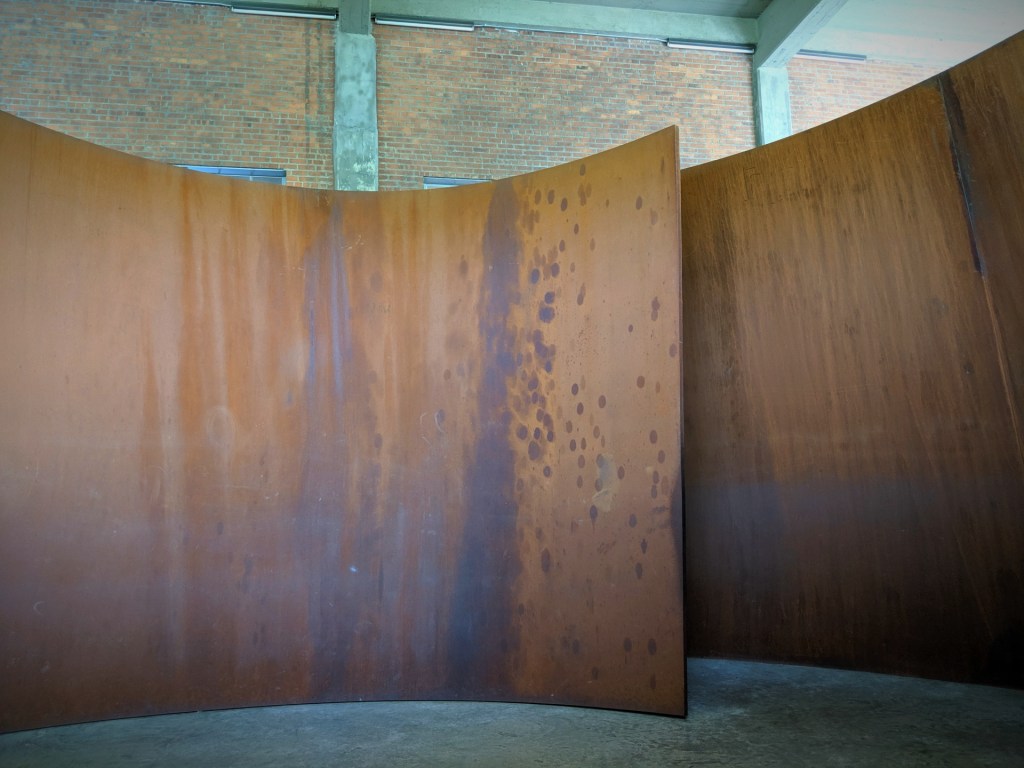
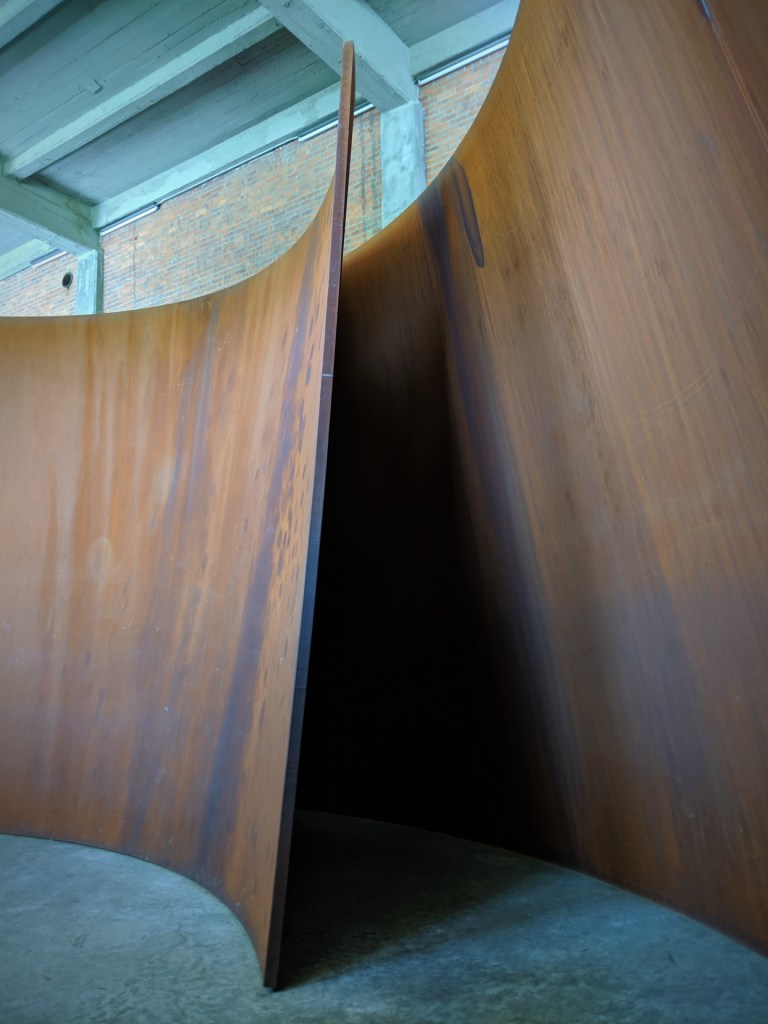
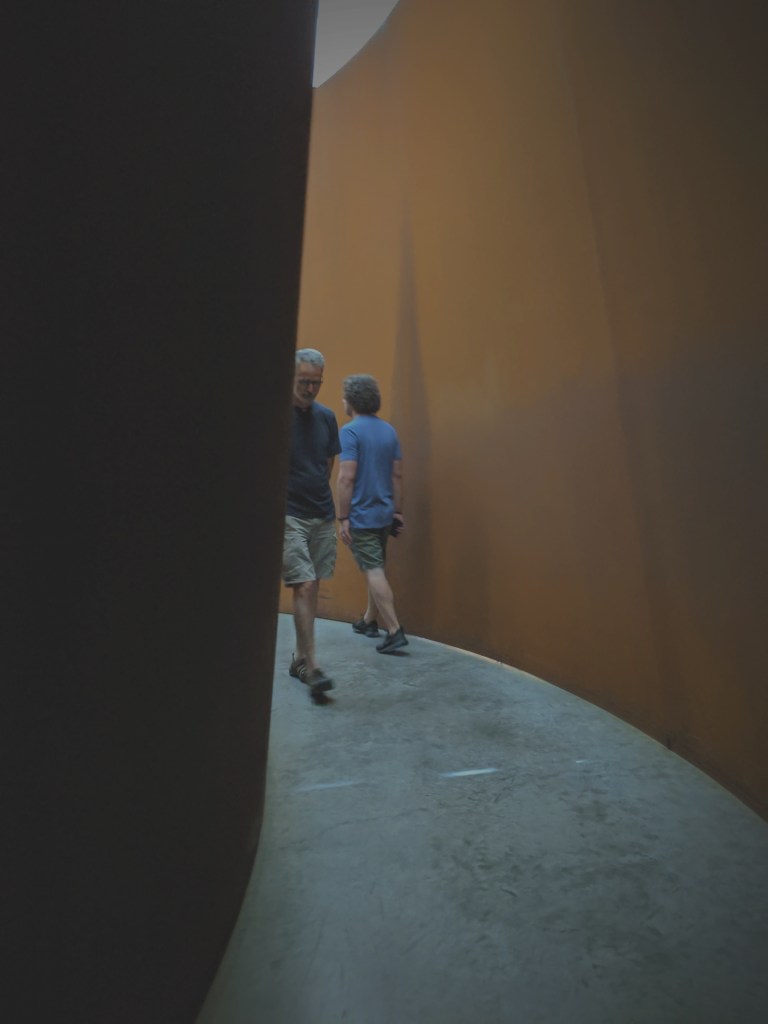
Richard Serra’s gigantic Torqued Ellipses found their ideal home in this gallery that used to be a railway depot when Dia:Beacon was still a Nabisco box printing factory.
July 15th, 2019
You’ll need to sit down if you are to watch Bruce Nauman’s Mapping the Studio I (Fat Chance John Cage) (2001), where six projectors each display six hours of footage that track the activities of mice, cats, and other creatures as they run through the artist’s work space.
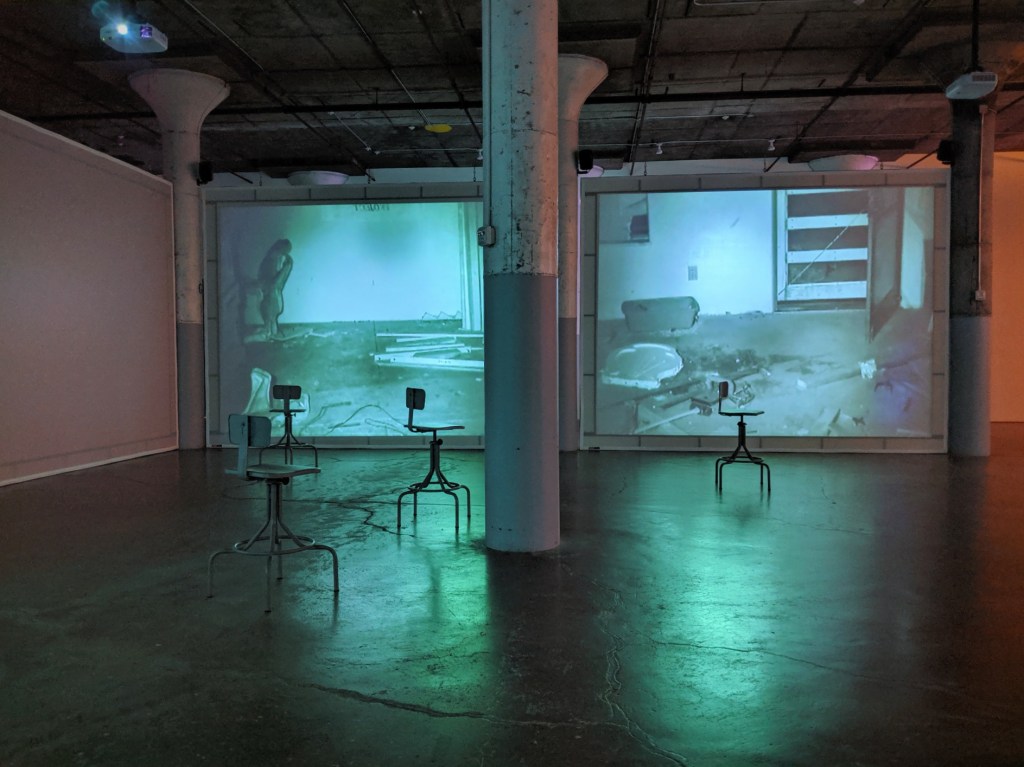
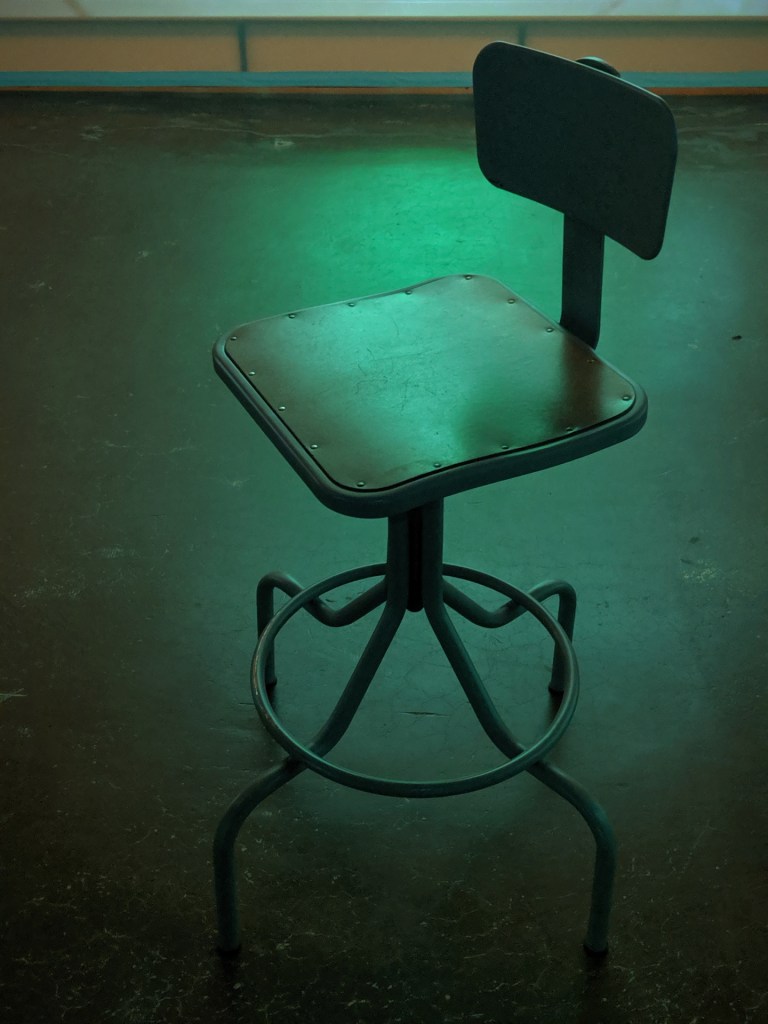
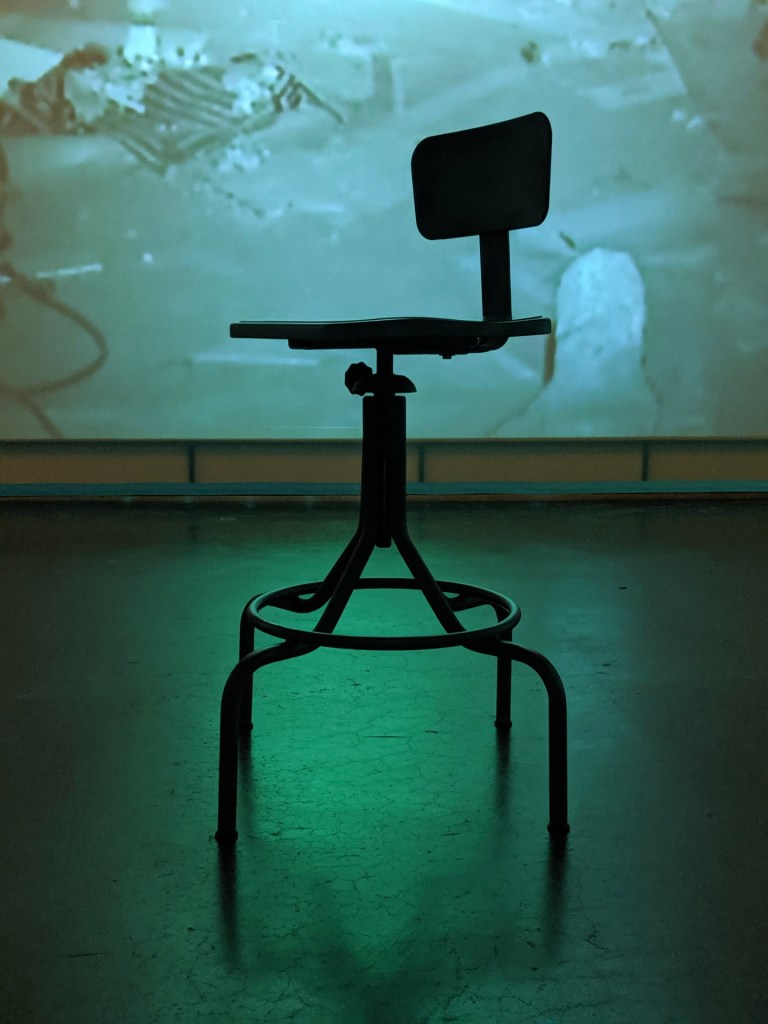
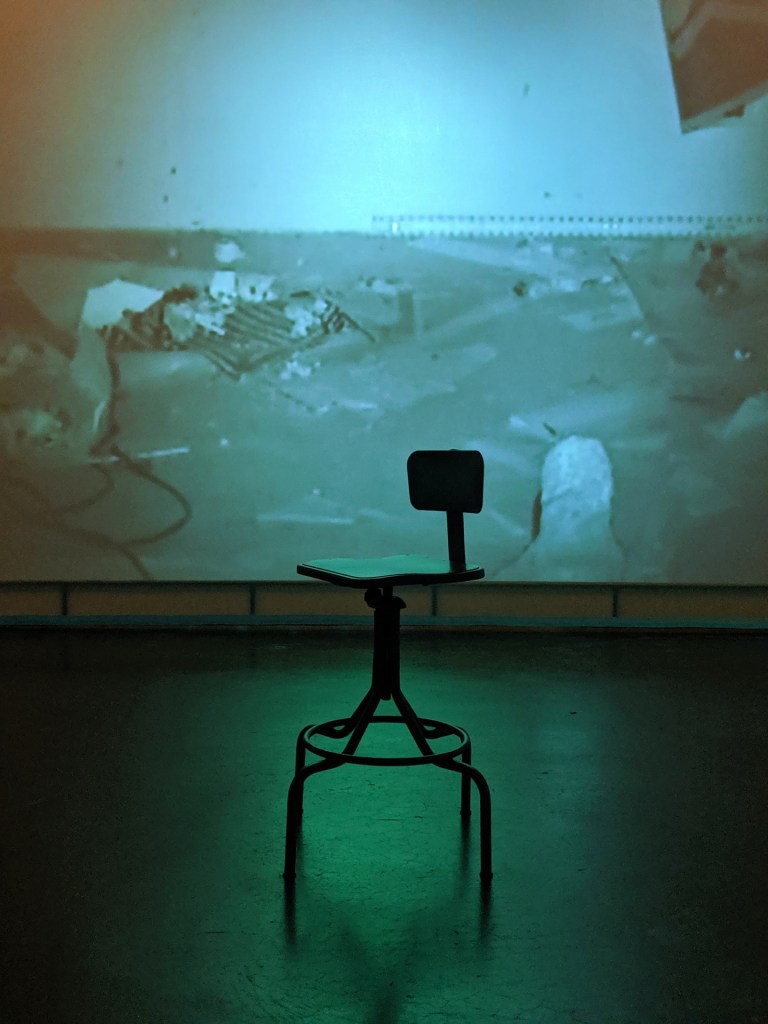
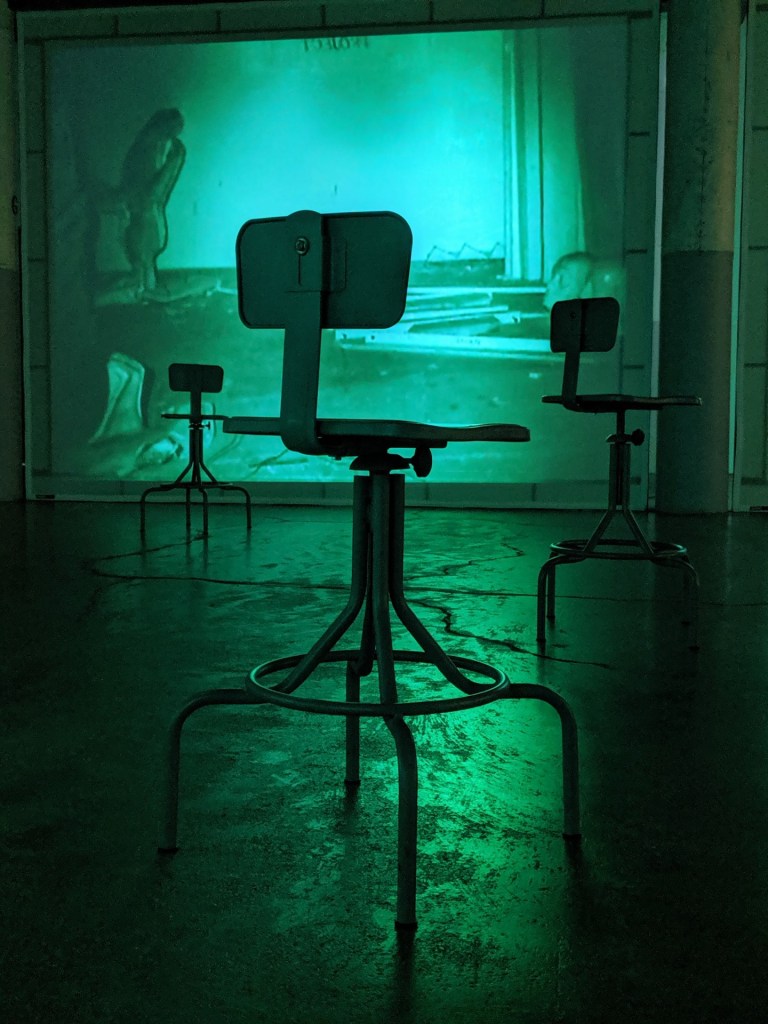
”What triggered this piece were the mice. We had a big influx of field mice that summer in the house and in the studio … They were so plentiful even the cat was getting bored with them … I was sitting around the studio being frustrated because I didn’t have any new ideas, and I decided that you just have to work with what you’ve got. What I had was this cat and the mice, and I happened to have a video camera in the studio that had infrared capability. So I set it up and turned it on at night and let it run when I wasn’t there, just to see what I’d get … I thought to myself why not make a map of the studio and its leftovers … it might be interesting to let the animals, the cat and the mice, make the map of the studio. So I set the camera up in different locations around the studio where the mice tended to travel just to see what they would do amongst the remnants of the work.” [source: Bruce Nauman: Mapping the Studio I]
The reference to John Cage, in case you were wondering, is from an earlier work of Nauman’s, a telegram sent to the London gallerist Anthony d’Offay in response to a request for a work related to Cage. The telegram was misunderstood and was not exhibited; still intrigued by the expression ‘fat chance’, Nauman decided to reuse the words. [source: the Tate]
July 15th, 2019
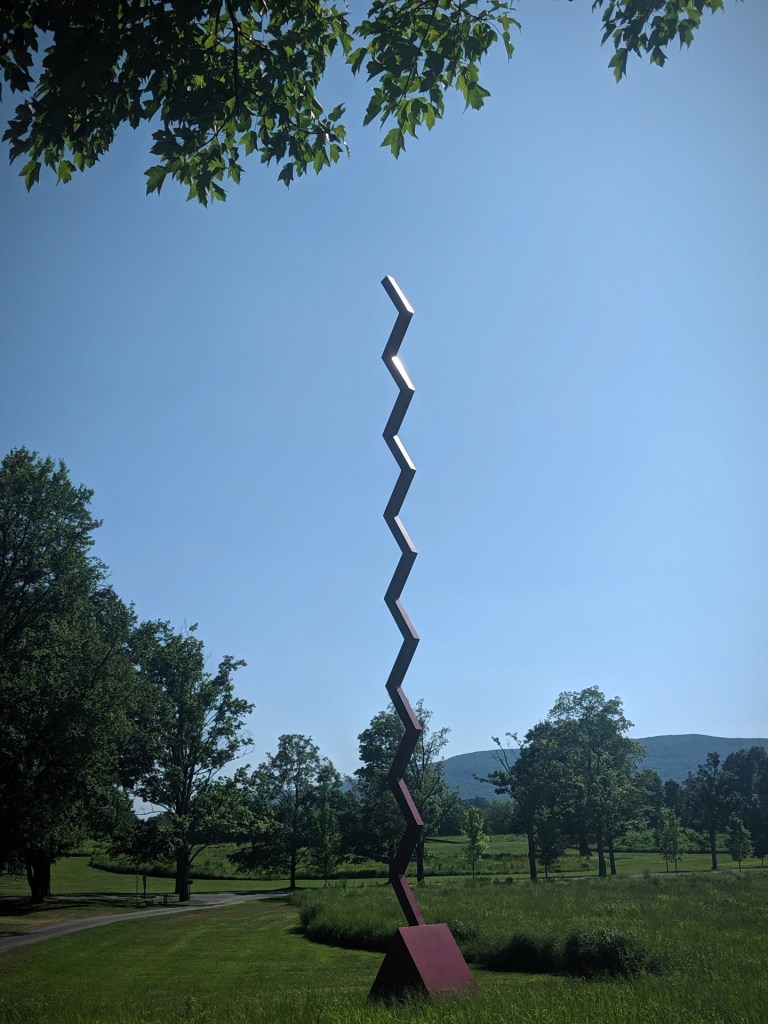
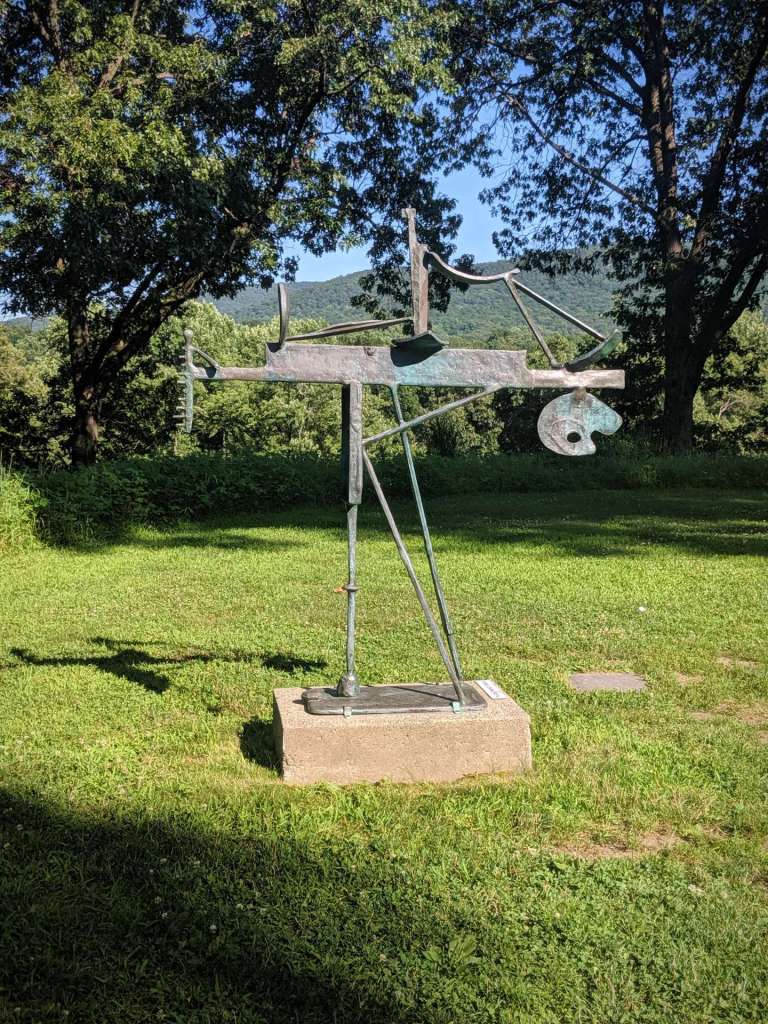


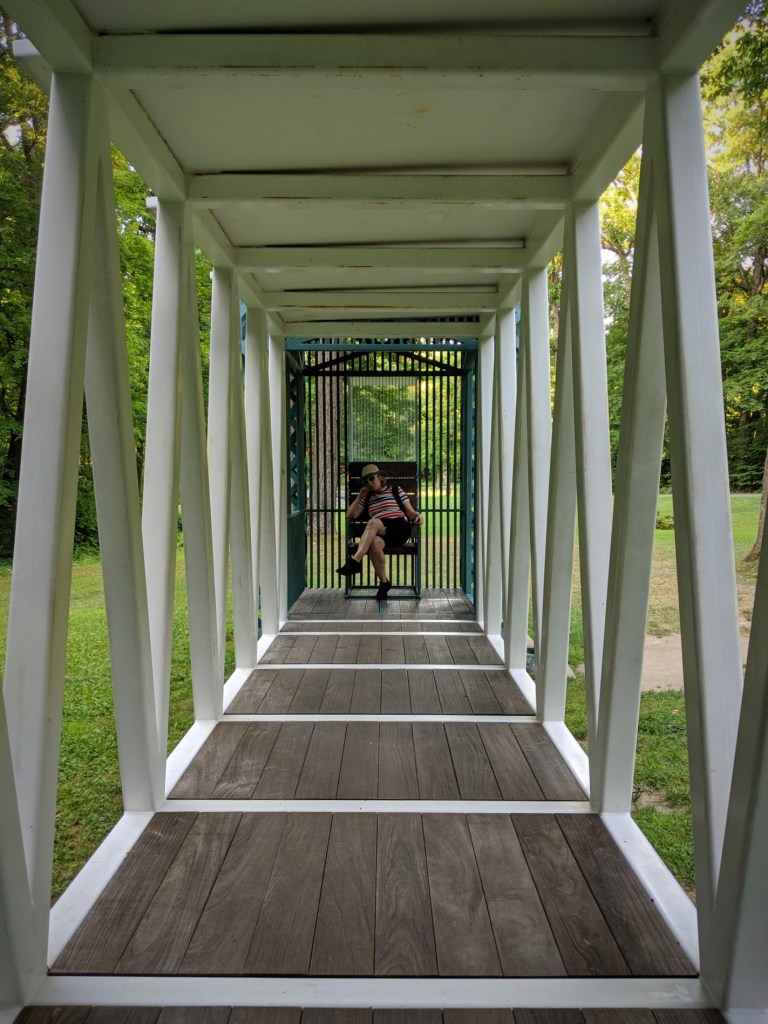
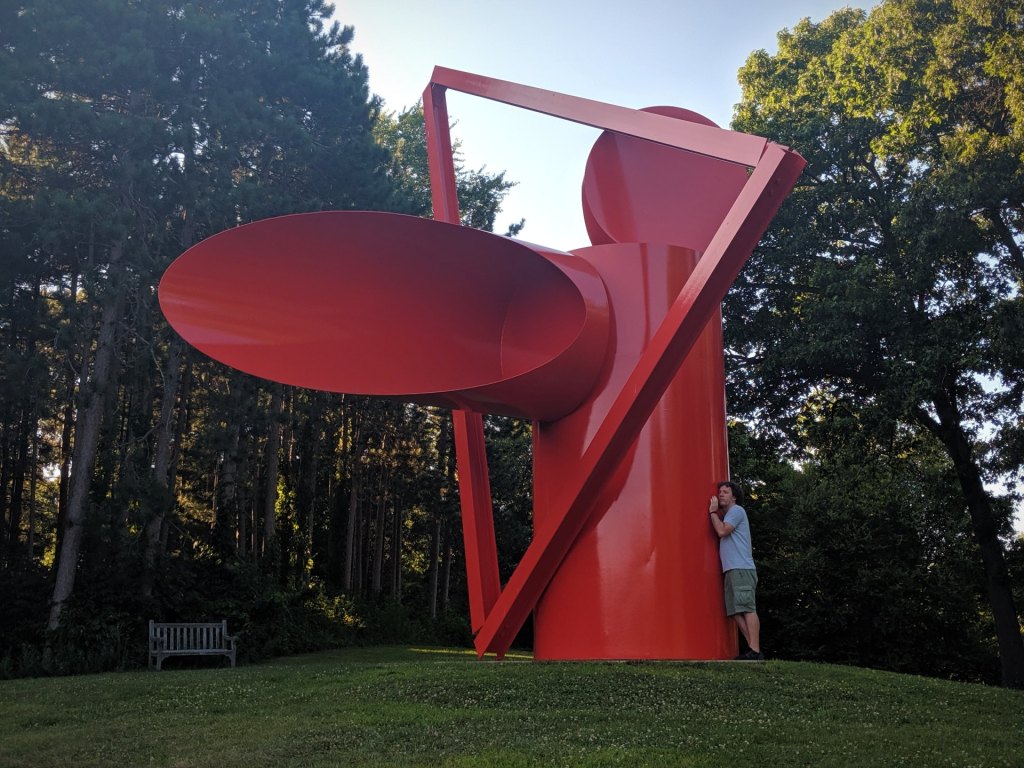


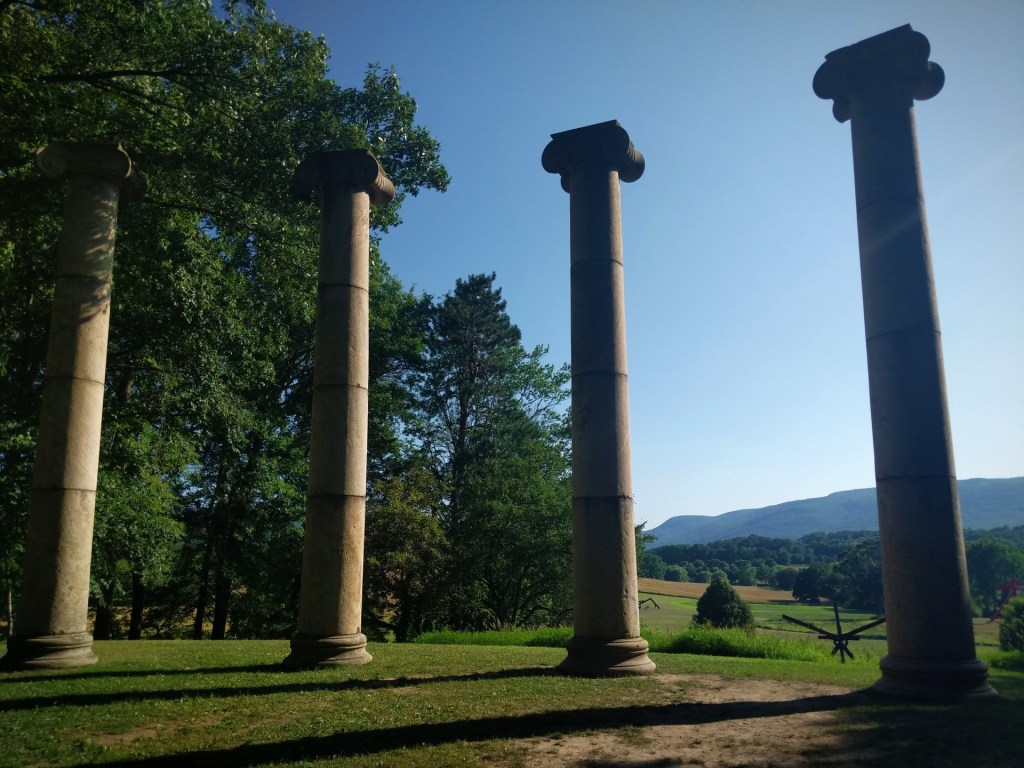
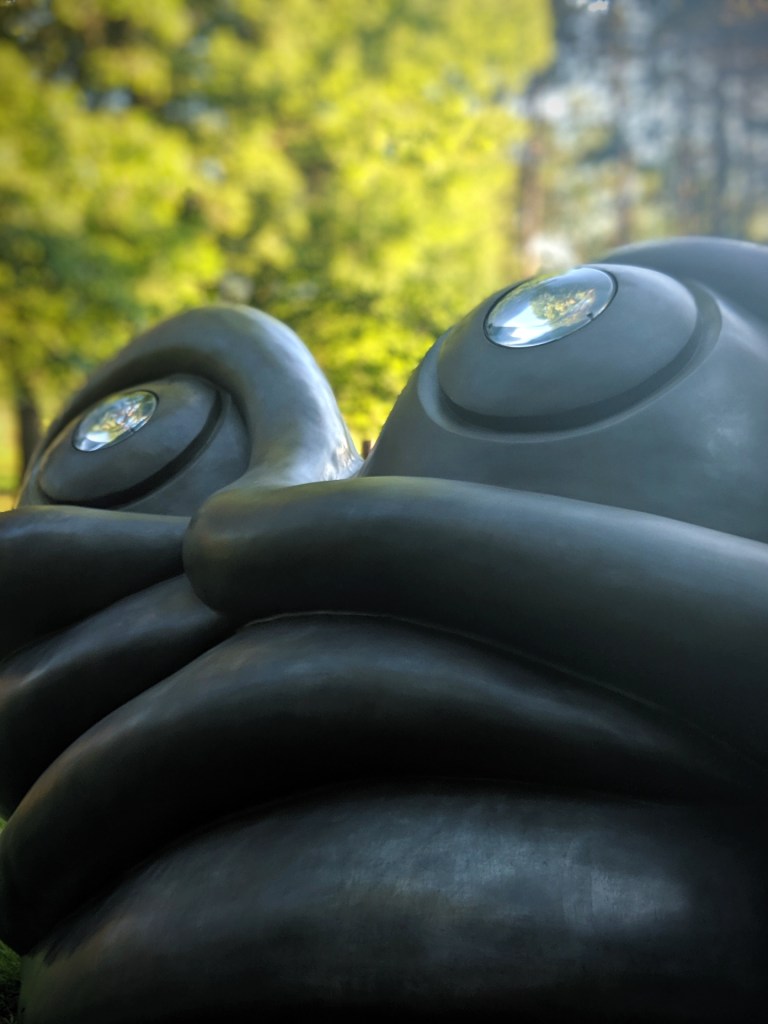
Storm King Art Center is a 500-acre outdoor museum located in New York’s Hudson Valley, where visitors experience large-scale sculpture and site-specific commissions under open sky. Since 1960, Storm King has been dedicated to stewarding the hills, meadows, and forests of its site and surrounding landscape. Building on the visionary thinking of its founders, Storm King supports artists and some of their most ambitious works. Changing exhibitions, programming, and seasons offer discoveries with every visit. [source]
Storm King Art Center, New Windsor, NY
July 13th, 2019
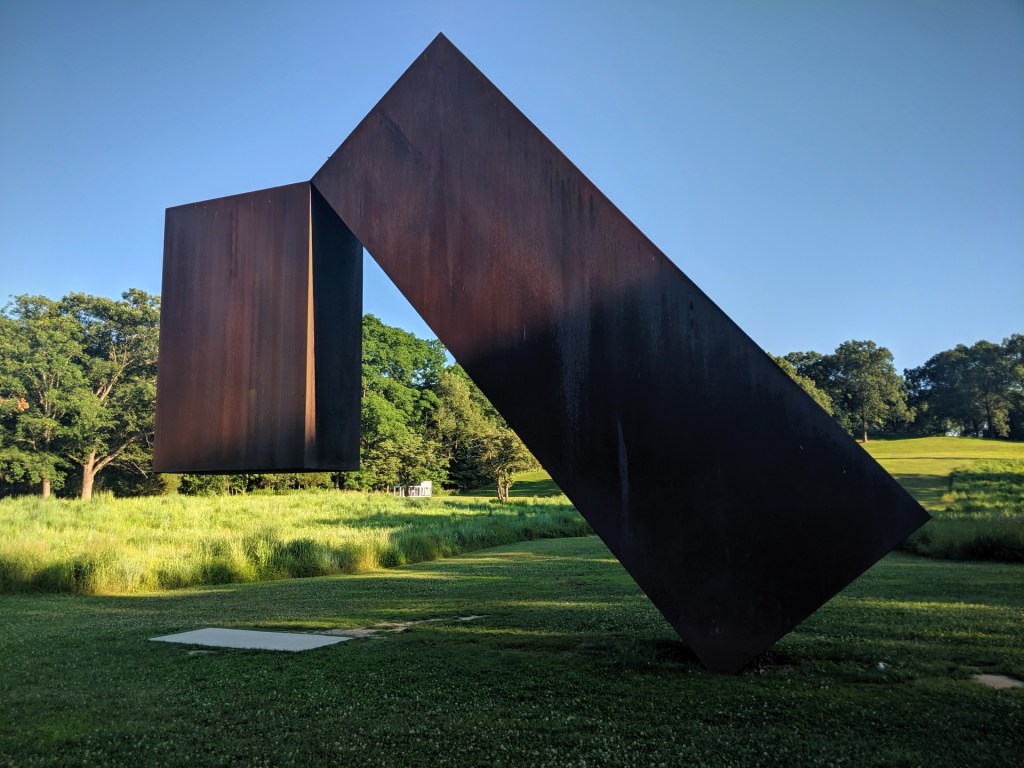
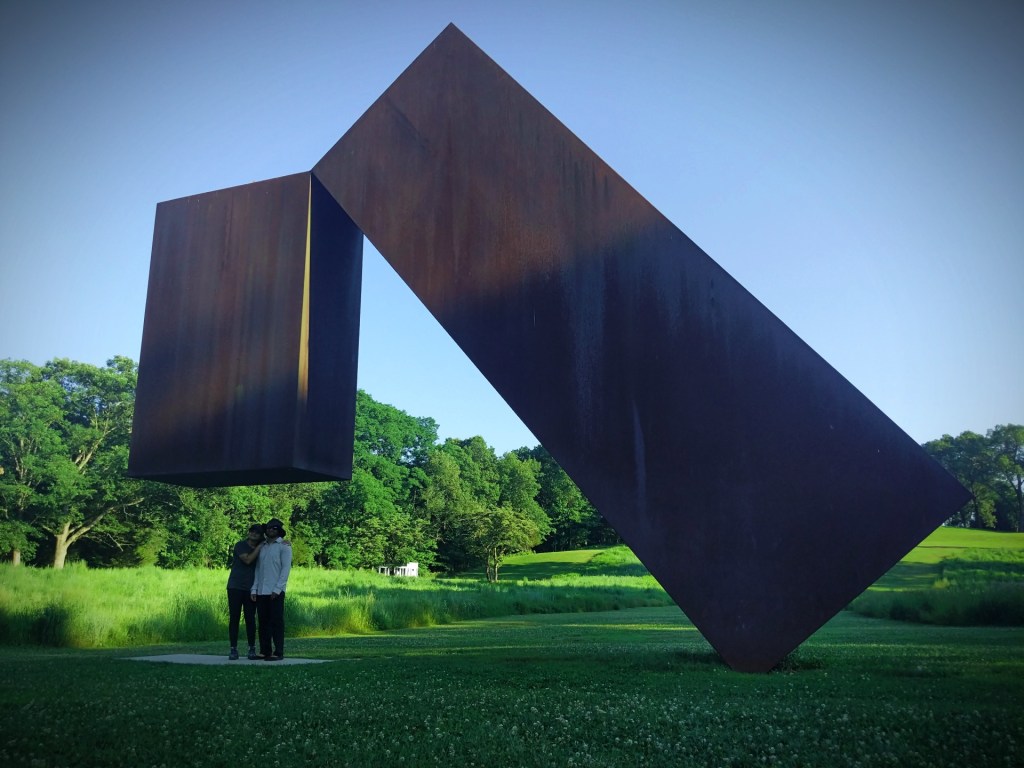
Menashe Kadishman
Suspended, 1997
Weathering steel
Storm King Art Center, New Windsor, NY
July 13th, 2019
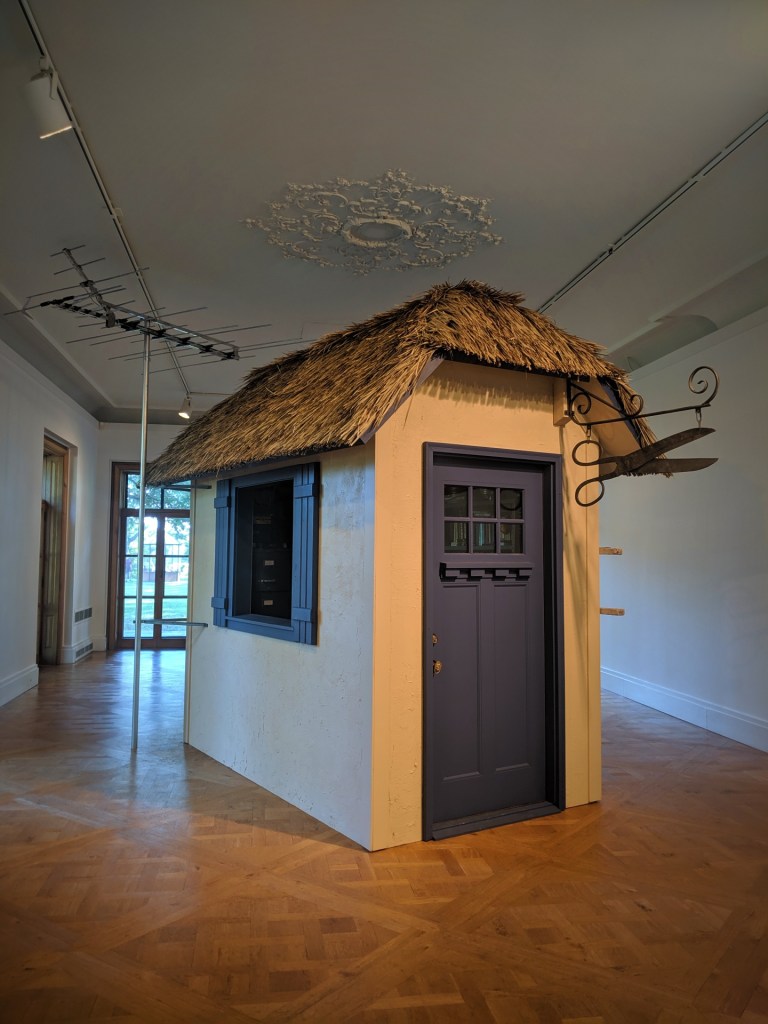

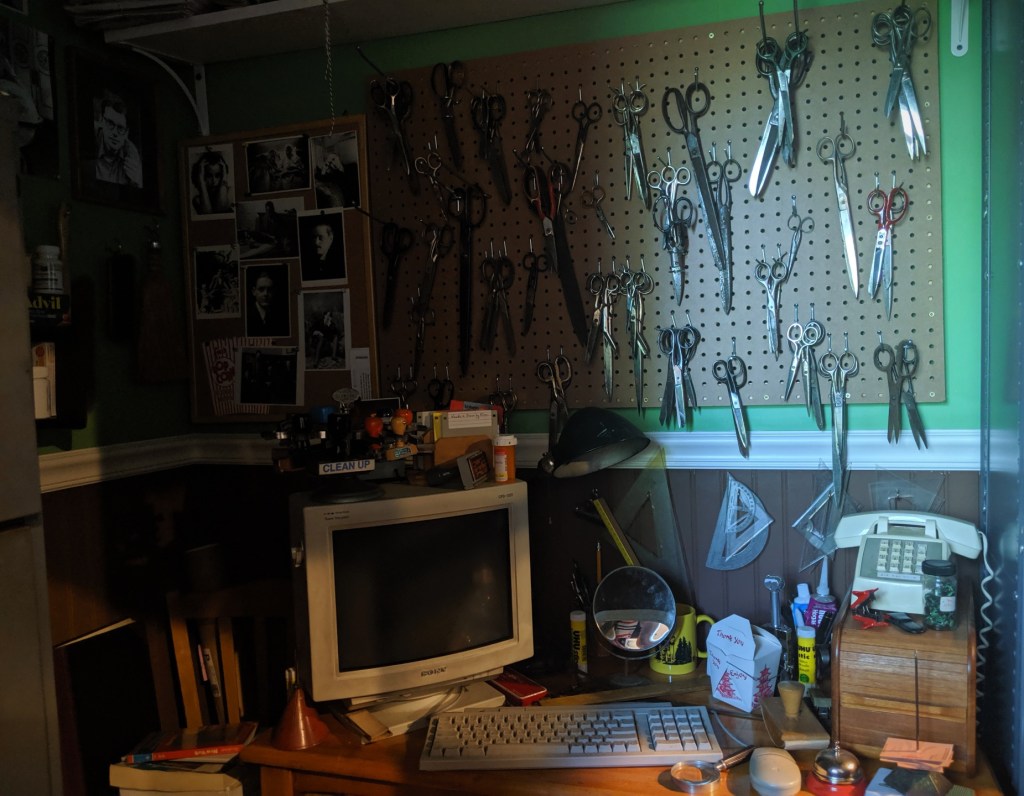
Mark Dion
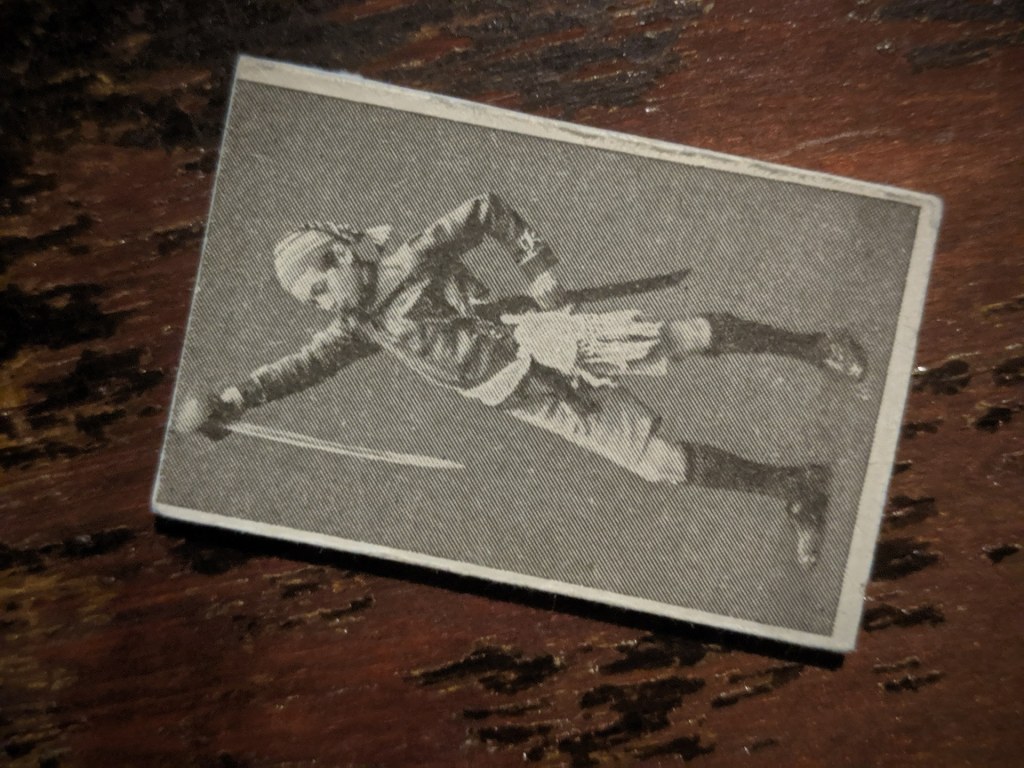
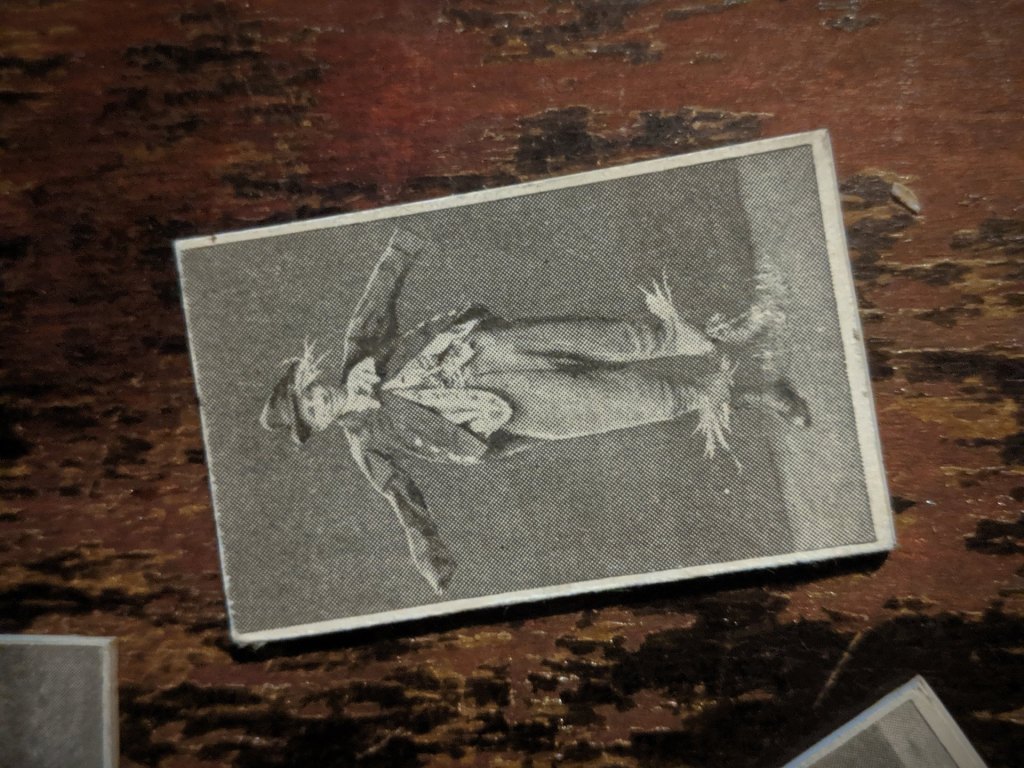
Bureau of Censorship, 1996/2019
Mixed media installation
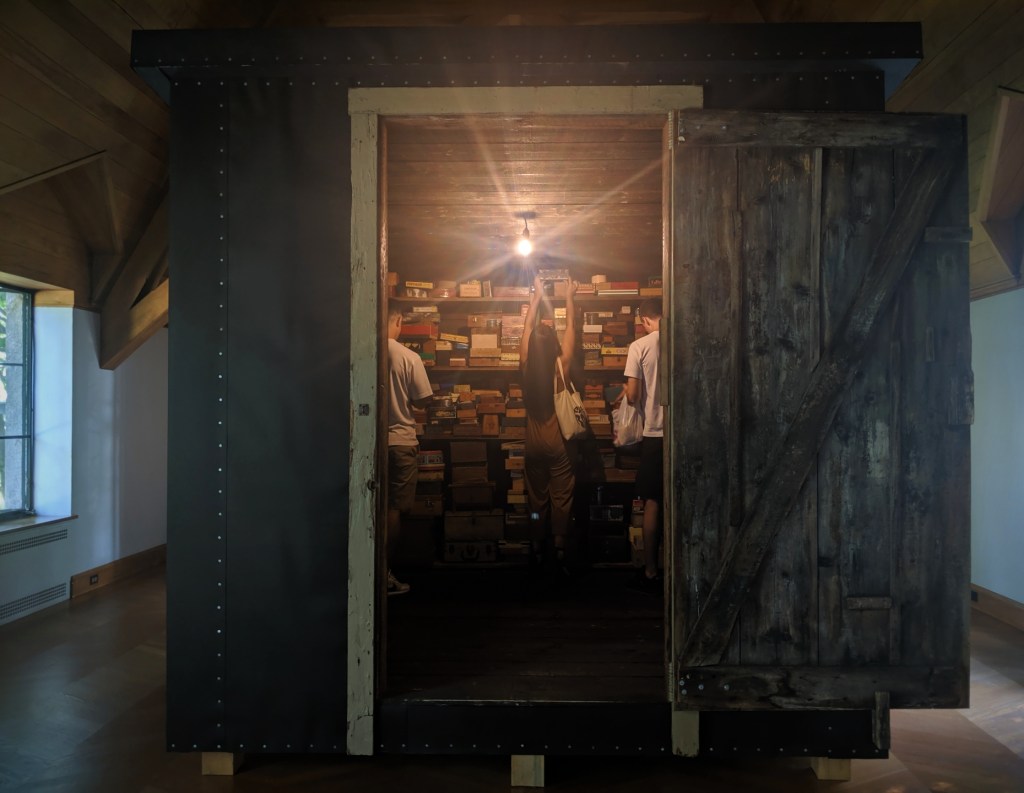


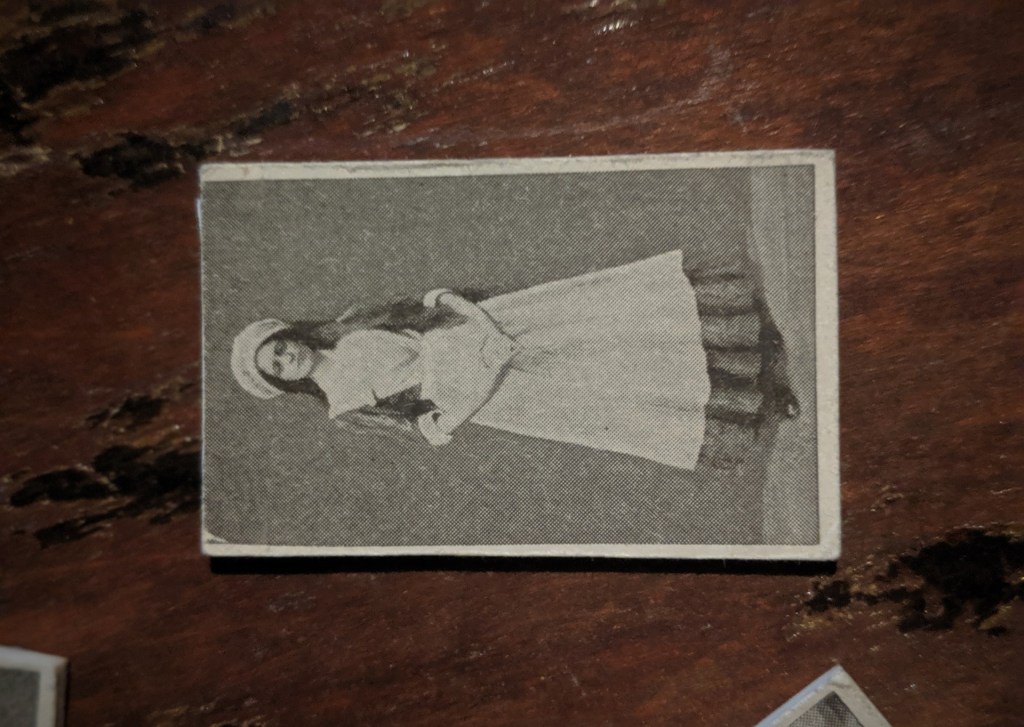
Mark Dion
The Memory Box, 2016
Mixed media installation
Inside this shed are many little boxes, which visitors are invited to take off the shelf and open in order to discover the objects inside. ”I want to provoke a childlike curiosity and the anxiety of looking through your mother and father’s chest of drawers when they’re not home,” Dion has said, reflecting on the work.
Storm King Art Center, New Windsor, NY
July 13th, 2019
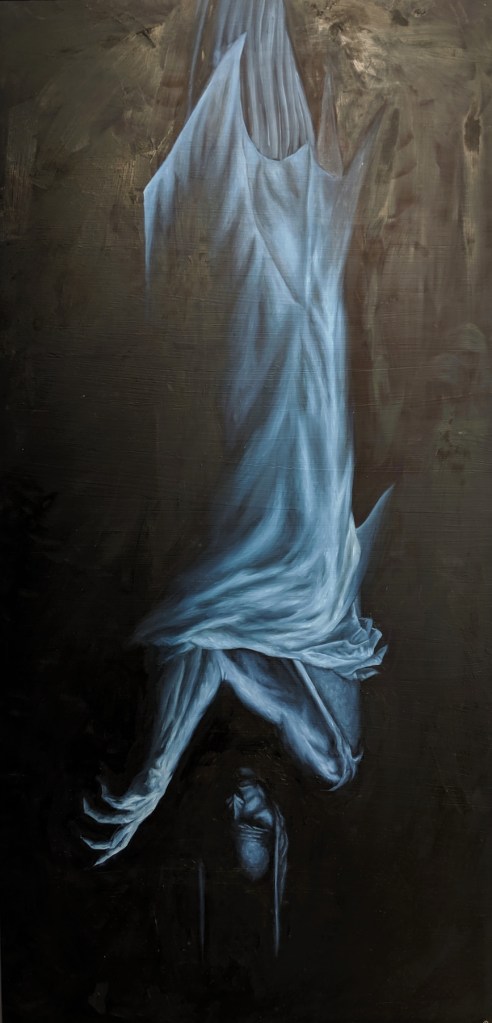
Colton Worley
Batman
Illustrating Batman: Eighty Years of Comics and Pop Culture
Society of Illustrators, 2019
June 29th, 2019
You just have to wonder: which part in this painting is responsible for the lions’ bewildered expressions? Is it the shock of the nude? The shrill tone of the flute? Am I, the spectator, that scary?
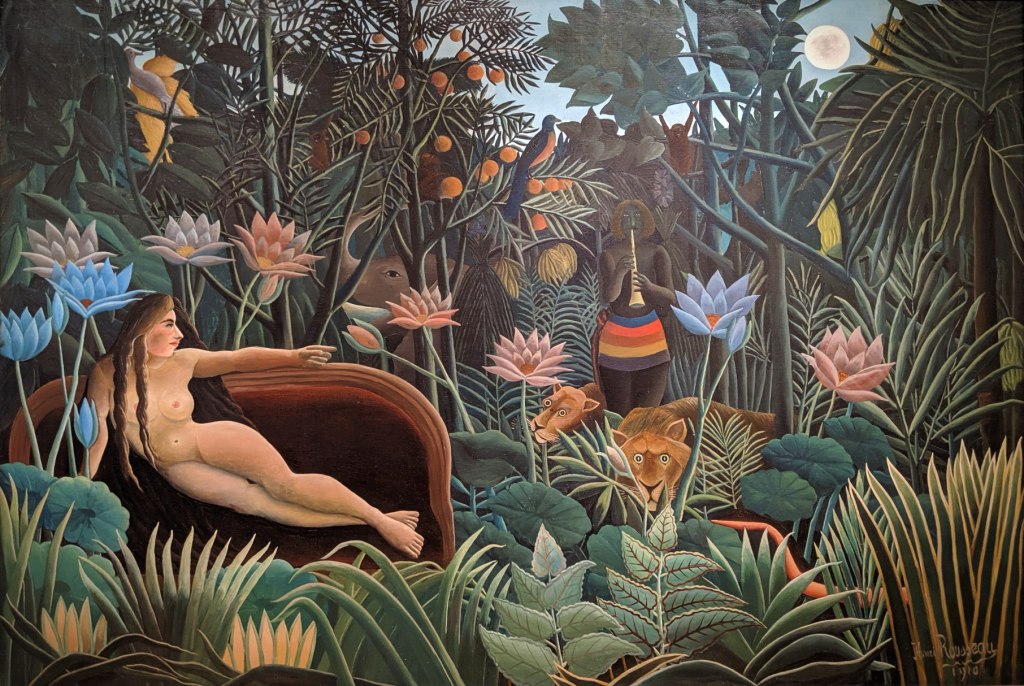
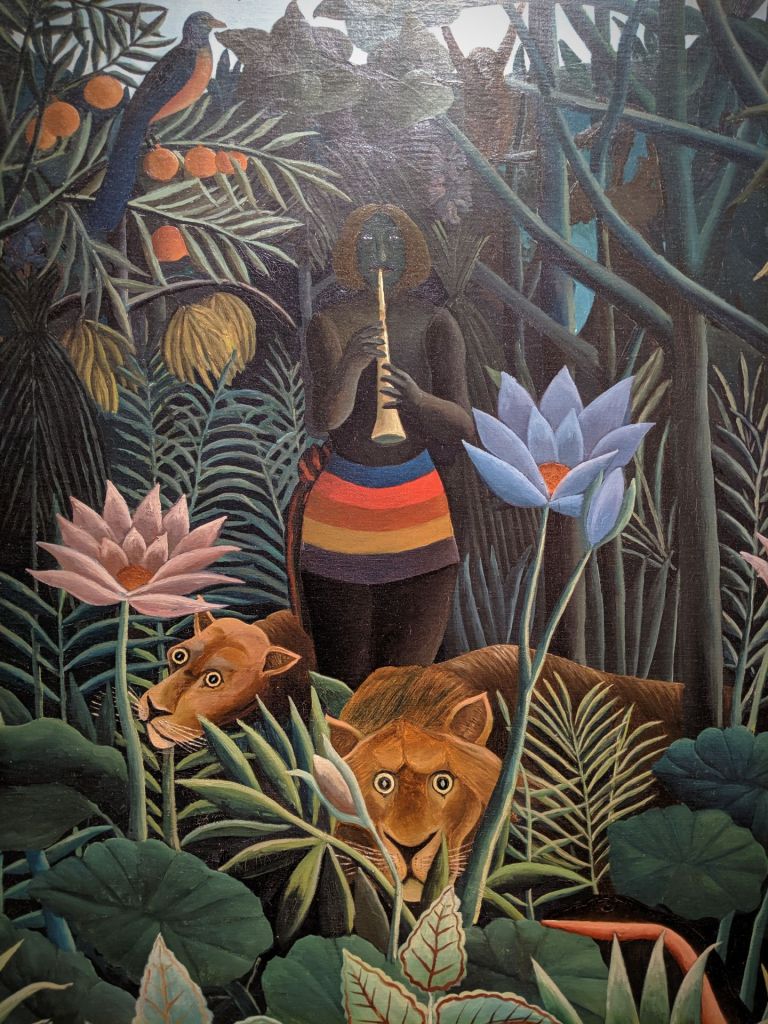
The Dream, 1910 || Henri Rousseau || Oil on canvas
“Entirely self-taught, Henri Rousseau worked a day job as a customs inspector until, around 1885, he retired on a tiny pension to pursue a career as an artist. Without leaving his native France, he made numerous paintings of fantastical jungle landscapes, like the one that fills The Dream.
Living in Paris, he had ready access to images of faraway people and places through popular literature, world expositions, museums, and the Paris Zoo. His visits to the city’s natural history museum and to Jardin des plantes (a combined zoo and botanical garden) inspired the lush jungle, wild animals, and mysterious horn player featured in The Dream. “When I am in these hothouses and see the strange plants from exotic lands, it seems to me that I am entering a dream,” he once said.
The nude woman reclining on a sofa seems to have been lifted from a Paris living room and grafted into this moonlit jungle scene. Her incongruous presence heightens its dreamlike quality and suggests that perhaps the jungle is a projection of her mind, much as it is a projection of Rousseau’s imagination.” [source: MoMA]
June 16th, 2019
subjective worldview
Actor, writer, cook and author
Travel experiences & Strasbourg city guide
Writer
joy, happiness, travel, adventure, gratitude
"Rêve onirique & Bulle d'évasion"
makes pretty things on paper
This WordPress.com site is Pacific War era information
Welcome to my curious world of words....
Photographs, music and writing about daily life. Contact: elcheo@swcp.com
Free listening and free download (mp3) chill and down tempo music (album compilation ep single) for free (usually name your price). Full merged styles: trip-hop electro chill-hop instrumental hip-hop ambient lo-fi boombap beatmaking turntablism indie psy dub step d'n'b reggae wave sainte-pop rock alternative cinematic organic classical world jazz soul groove funk balkan .... Discover lots of underground and emerging artists from around the world.
A 365 analogue photography project
Barcelona's Multiverse | Art | Culture | Science
Een digitaal atelier aan de (zee)slag.
‘Doodling Ambiguity’s in Ink.’
Miscellaneous photography
Glimpses along the way on a journey of discovery into symmetry...
 The Humble Fabulist