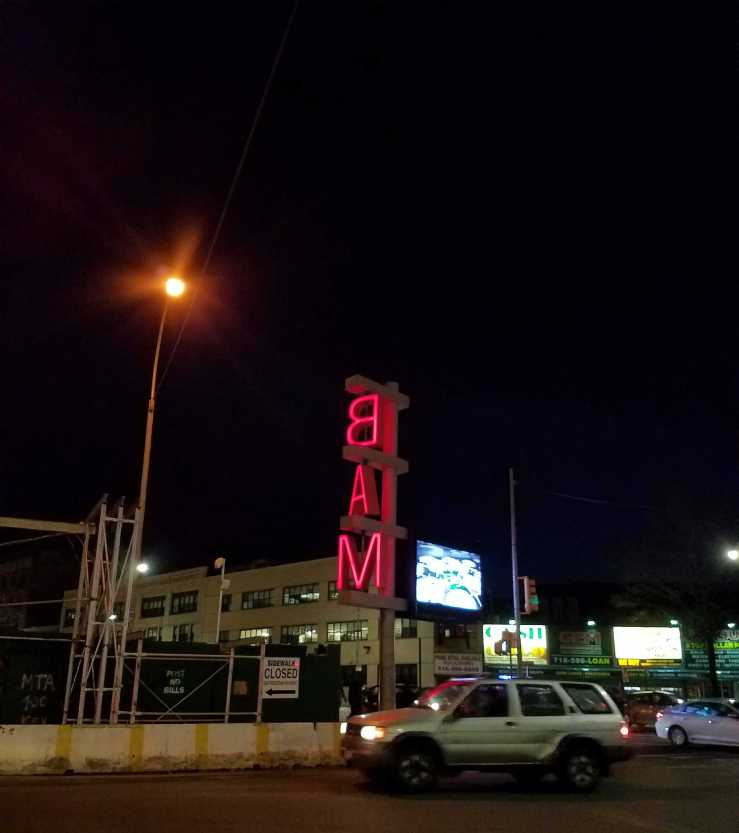
887 @ BAM

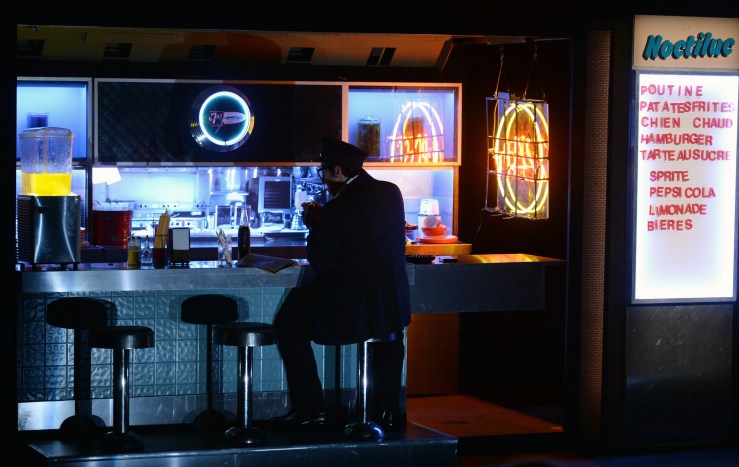
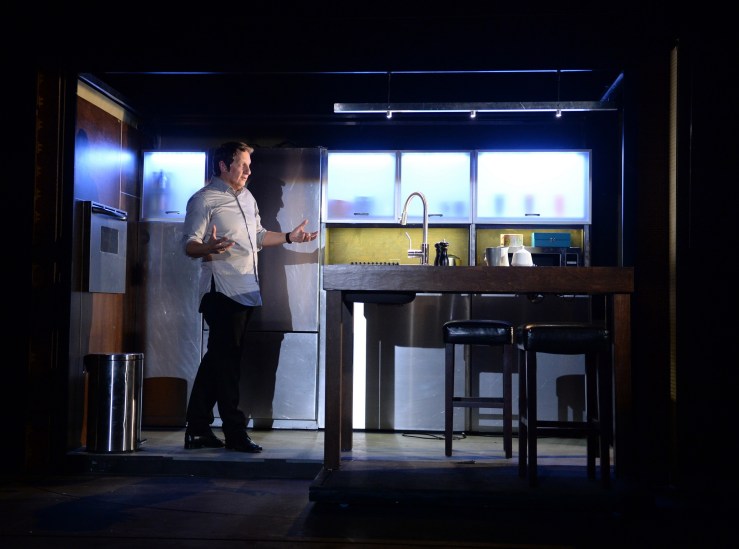
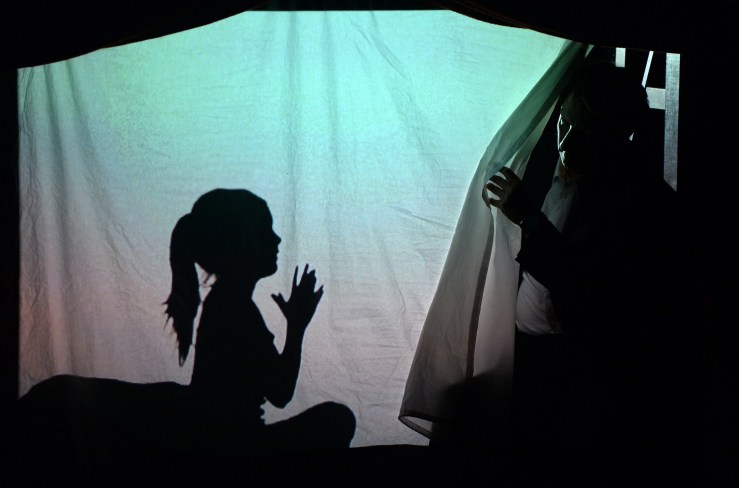
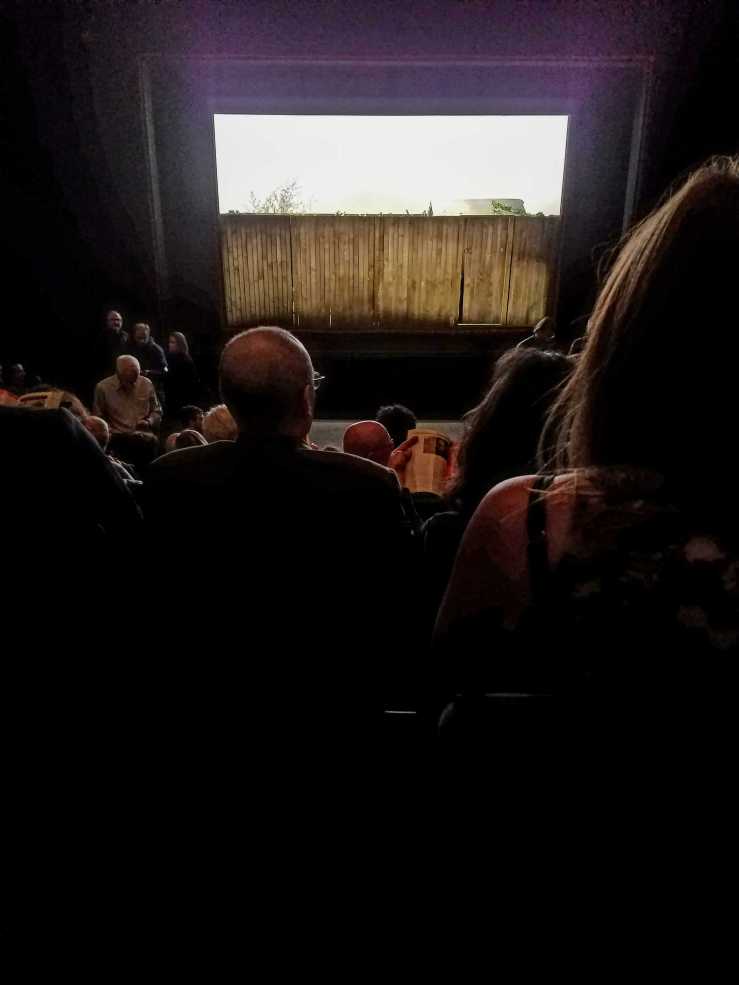
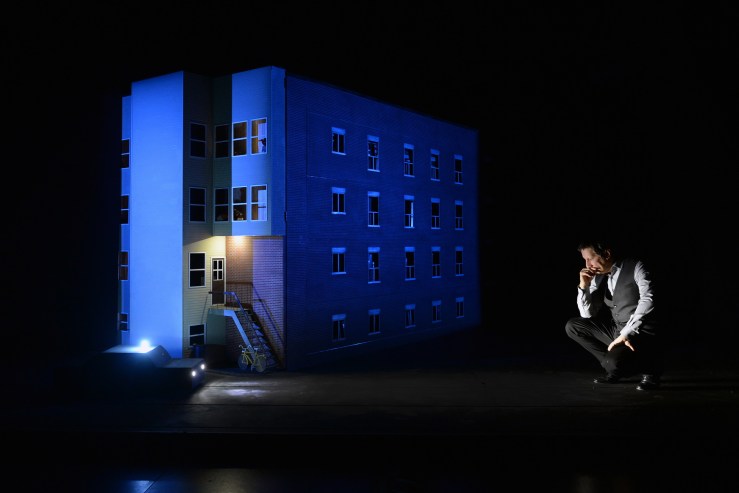
887 Murray Avenue, Quebec City, Canada.The apartment block where the play’s main – and only – character actually grew up becomes alive, with the help of an incredible off-stage crew, in the form of a giant dollhouse.
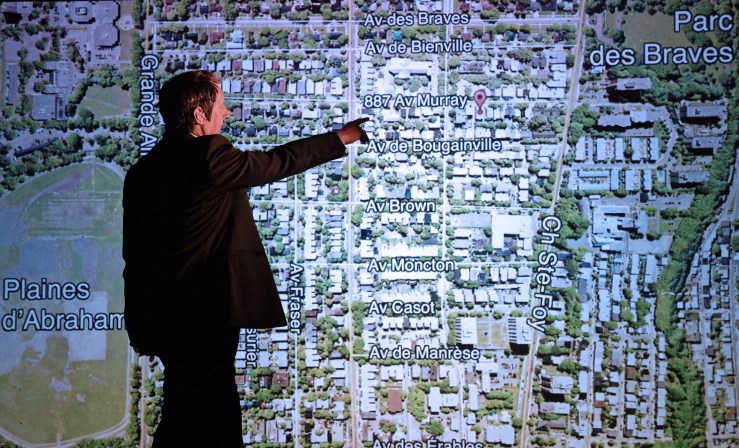
Robert Lepage, who also wrote and directed this deeply personal, autobiographical play,  invites us to join him on a journey into the realm of memory. On the way, he revisits his childhood home; shares anecdotes about his friends and family; commemorates names of parks, streets and monuments – places often forgotten or no longer noticed; recalls Charles De Gaulle’s call for a Free Quebec, the time he famously ended his July 24, 1967 speech with a loud and clear ”Vive le Québec libre!”, in Montreal.

The same words that were used as a slogan by Front de Libération du Québec, the separatist group that had launched a series of terror attacks in 1963, a campaign that culminated with the kidnapping and killing of Minister of Labour Pierre Laporte, in October 1970.
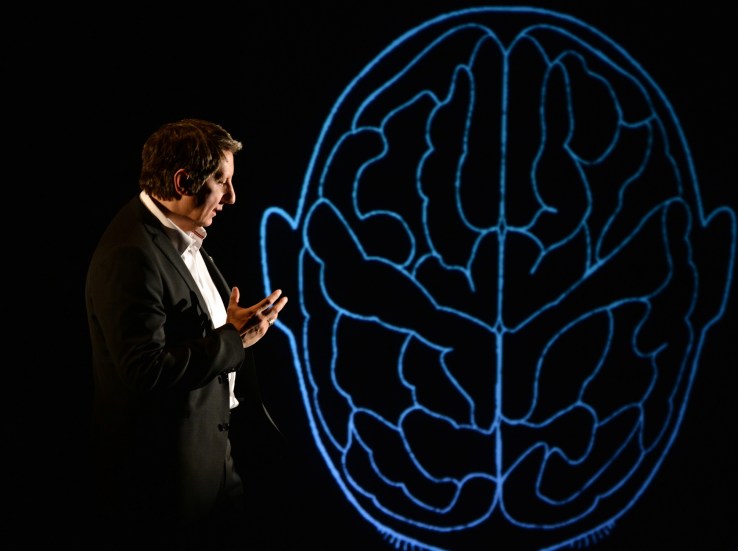
The trip starts with a struggle: Lepage is invited to recite ”Speak White”, a poem by the Quebecoise Michèle Lalonde, in an evening commemorating the anniversary of a poetry event that first took place in Montreal, in 1970. But, for reasons that he cannot explain, the more he tries to memorize the worlds, the more they elude him. 

So he turns to the method of loci, an ancient technique in which the items to be remembered are placed in specific places (”palace rooms”) one associates with past experiences or childhood memories. In order to retrieve them, all Lepage had to do was revisit the right ”palace room”. And we were only too happy to follow him along.

”Speak White” refers to the oppressive orders shouted at the enslaved across North American plantations, forbidding them to speak their own languages, incomprehensible to their masters. ”Speak White” was also used to shame francophone Canadians and force them to adopt the language of the British Empire.
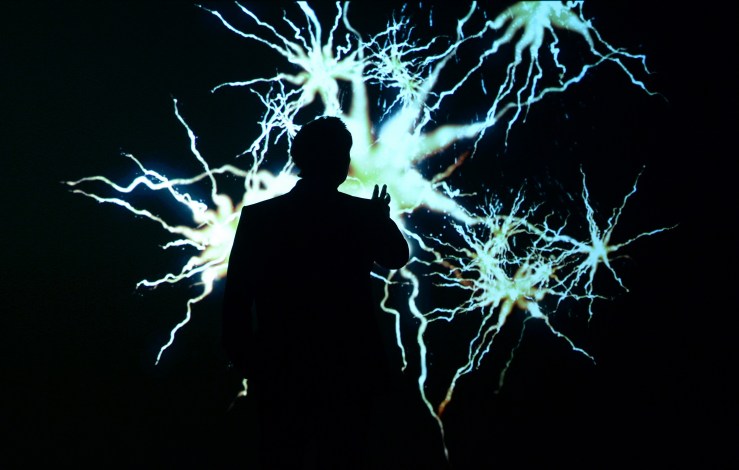
The ”palace room” method worked; in the end, Lepage did recite the poem and it was powerful, emotional – flawless. Ironically, the most compelling performance we’d seen thus far in New York was by a francophone Canadian, translated into English.

Speak White by Michèle Lalonde: original in French and translation in English.

[…]
Speak white
Tell us again about Freedom and Democracy

We know that liberty is a black word
Just as poverty is black
And just as blood mixes with dust in the streets of Algiers
And Little Rock
[…]

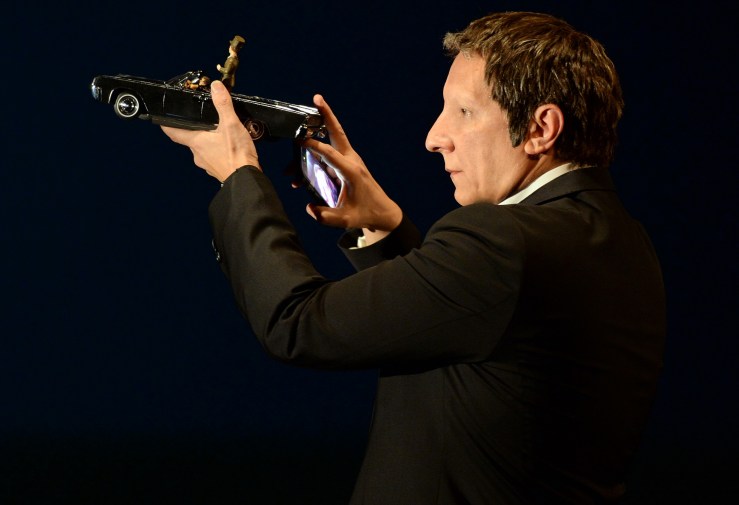
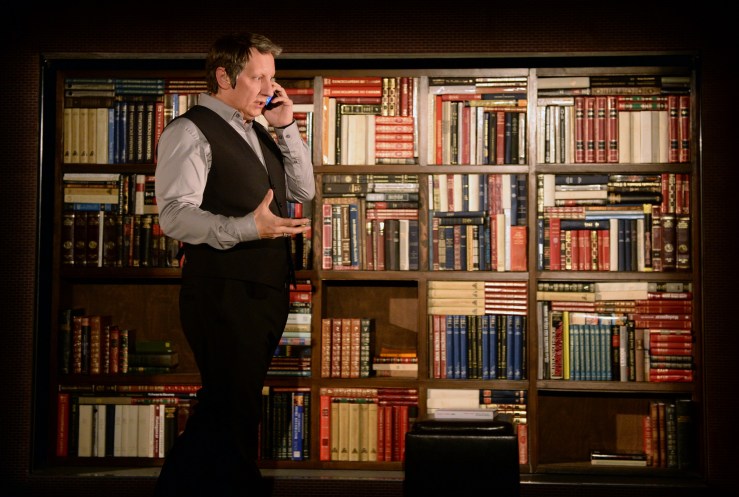
All images by Erick Labbé.

887 @ BAM

March 25th, 2017
Dadan @ BAM

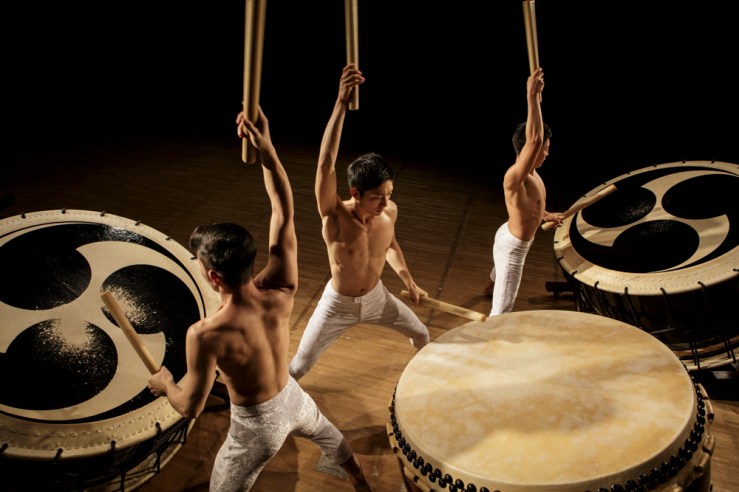
In order to create Dadan, I started rehearsals with the performers in the summer of 2007.  At that time we had no idea that we would create a piece like this. If a group of men who just wanted to strike the drums would gather and practice intensely, a performance would come out of that energy.

So we told ourselves.

As for the name of the piece, we didn’t have any assurance that we could complete it in the future. But fortunately, in 2009 we were able to create this work called Dadan, and show it to the public.

The word Dadan is written with the kanji characters that literally mean “men drumming,” but at the same time we tried to come up with a name which would put across the sense of drumming when written in roman letters, would feel dynamic, and be easy for people around the world to say.

Dadan saw its world premiere in Tokyo during September 2009, and the success of this initial run led to its foreign debut at Théâtre du Châtelet in Paris, France, with four sold-out performances in 2012.

Following such success abroad, Dadan toured across Japan in 2012 and was showcased twice at the “Earth Celebration” annual international performing arts festival on Sado Island. Tours in Spain and France followed during 2014, and then in October 2015, Dadan was performed in Hong Kong—a first in Asia outside of Japan. The South American debut took place in March of 2016 in Brazil. 

The 2017 Dadan performances are part of its first North American tour, and are presented as a part of Kodo’s 35th Anniversary celebrations. For Dadan’s US tour, I would like to express my gratitude to the sponsors who made this possible. I hope to be able to continue to create even better performances in the future. I will be very happy if you enjoy our performance.

—Tamasaburo Bando, Dadan Artistic Director

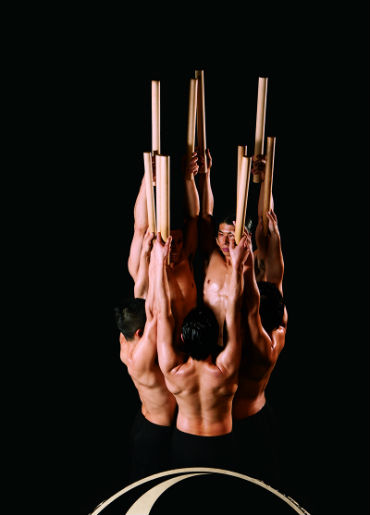
Never has drumming seemed so elegant, flawlessly coordinated, primal, powerful, precise and curiously meditative, until these guys came along.

*first three images from the net

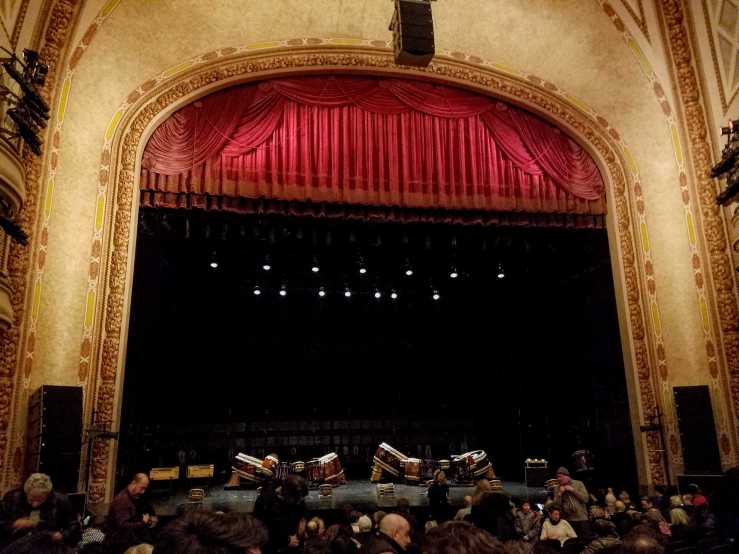
Kodo performed in BAM
March 4th, 2017

The play that never was

Three old friends and a neighbor. A summer of afternoons in the backyard. Lingering sunshine and inevitable darkness.

Caryl Churchill, one of Britain’s greatest living playwrights, returns to BAM for the first time in 15 years with this by-turns hilarious and unsettling daydream. Directed by Churchill’s frequent collaborator James Macdonald (Cloud Nine; Love and Information; John Gabriel Borkman, Spring 2011), with startling performances from Linda Bassett, Deborah Findlay, Kika Markham, and June Watson, Escaped Alone is doomsday in a teapot, a calmly revolutionary vision of looming collapse.

No, doomsday in a teapot was not meant to be that Saturday evening. The play had already begun and Mrs Jarrett – played by the courageous Mrs Linda Bassett – had already joined the three other ladies in the garden that sat behind the fence. But, as the conversation picked up, Mrs Bassett stood up and walked off stage, calmly, naturally as if it was part of the play. Only Mrs Bassett had been feeling unwell that day but had decided to go on with the show hoping she would manage to make it through. She didn’t, despite her strong will and professionalism; Mrs Bassett could not go on. And neither could the show.

The management offered refunds or rebookings to one of the following days and the play went ahead as scheduled. We missed it only because of a planned trip, our first away from the City since the day we arrived.

Escaped Alone, BAM
February 18th, 2017
The Glass[Water]Tower

A transparent sculpture by Tom Fruin made from roughly one thousand scraps of plexiglas. It includes such details as interior and exterior access ladders and an operable roof hatch. The locally-sourced plexi came from all over New York City—from the floors of Chinatown sign shops, to the closed DUMBO studio of artist Dennis Oppenheim, to Astoria’s demolition salvage warehouse Build It Green!NYC.

Source: Tom Fruin

Watertower 3: R.V. Ingersoll, by Brooklyn artist Tom Fruin, sits atop 334 Furman Street, Brooklyn Bridge Park

February 18th, 2017
Down Under

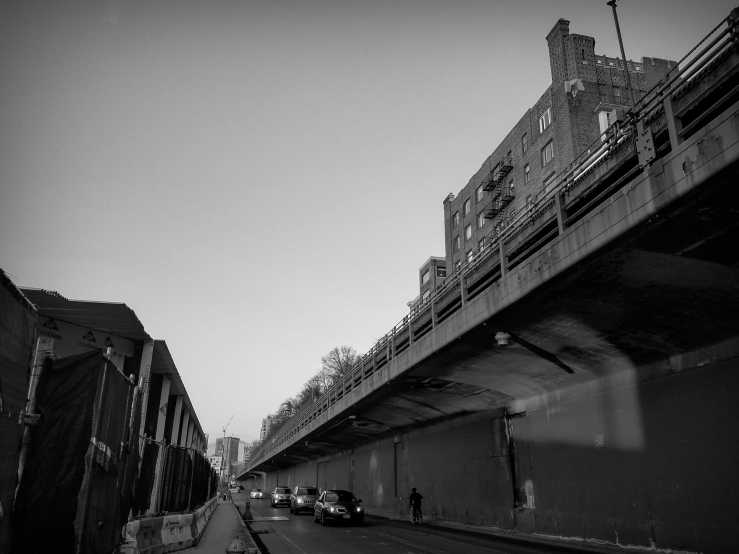
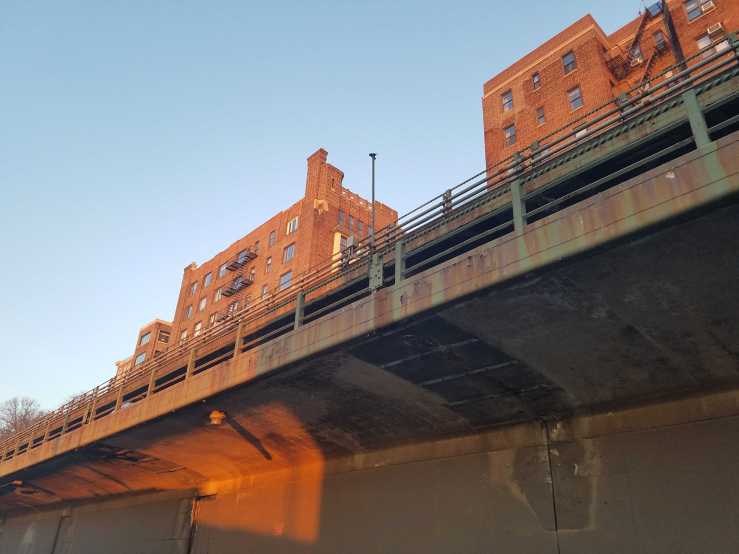
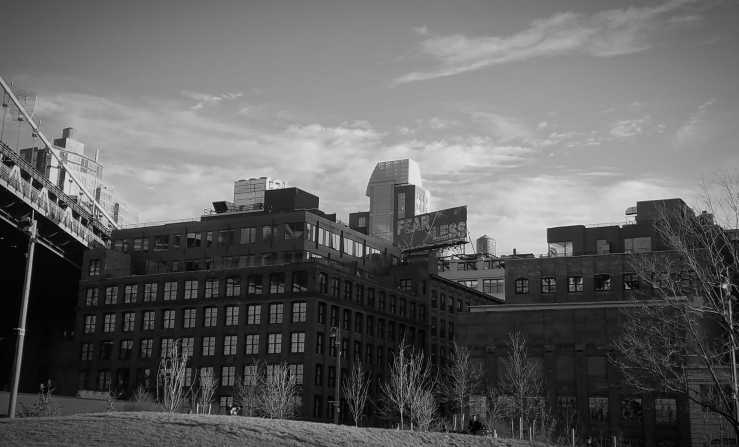
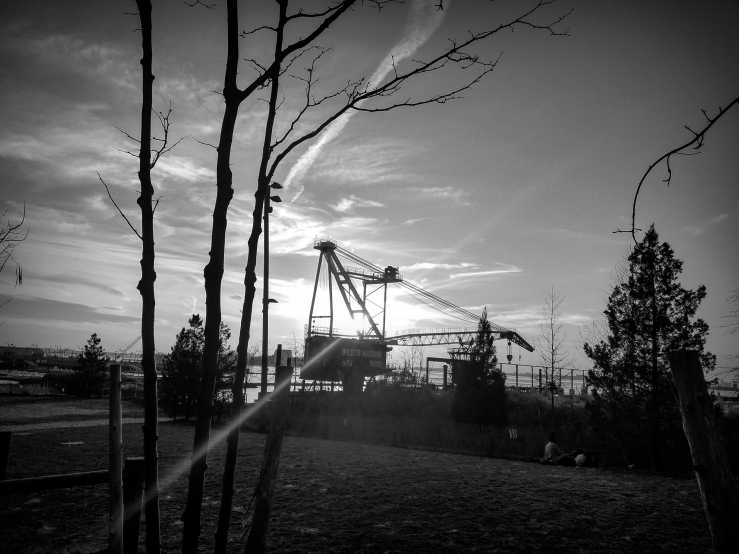
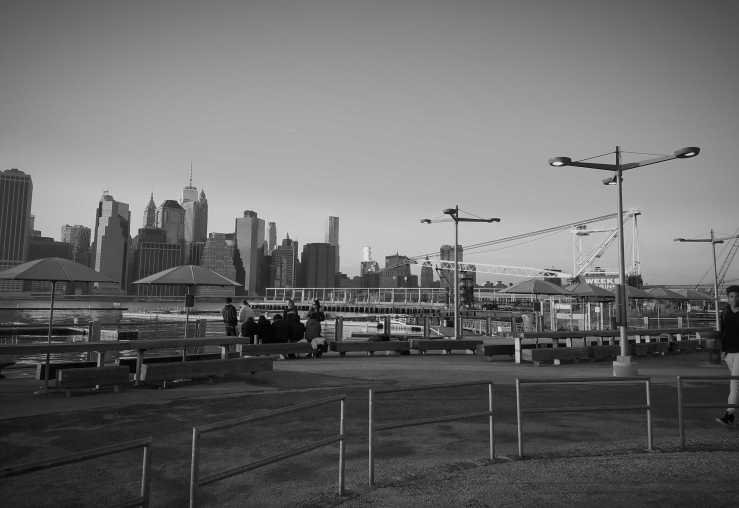
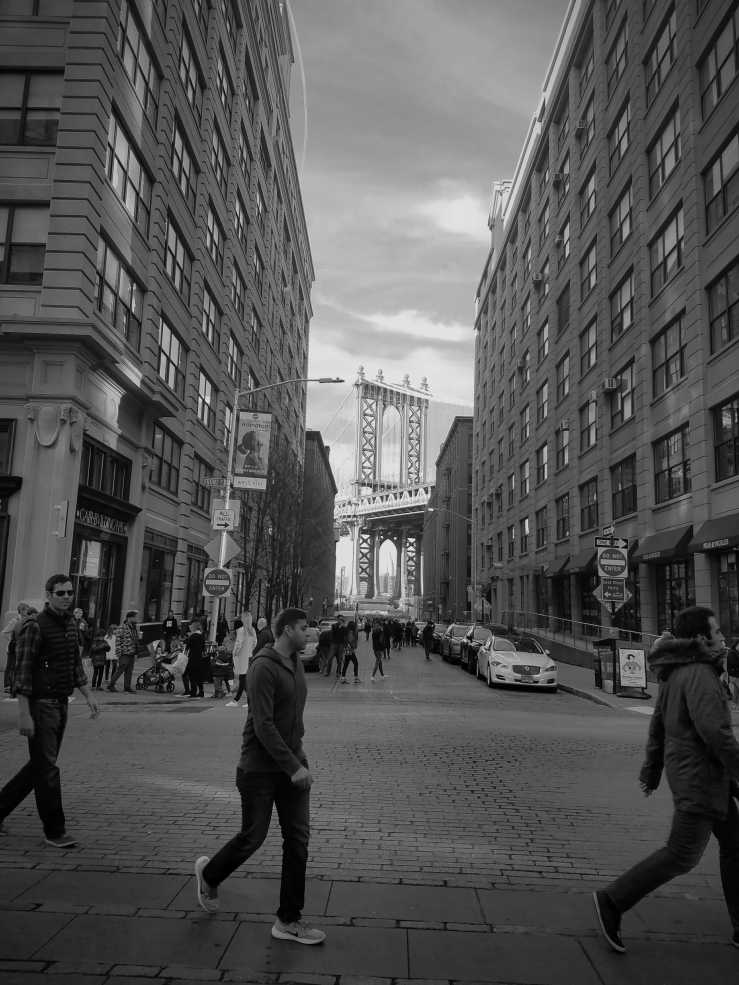
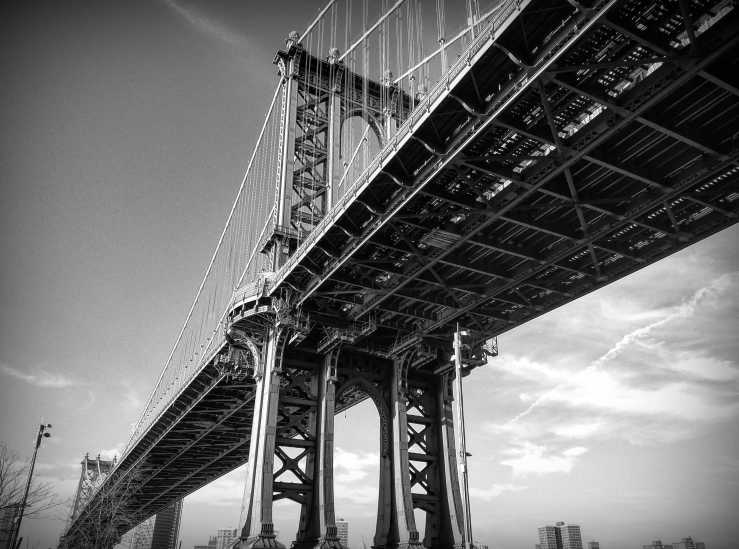
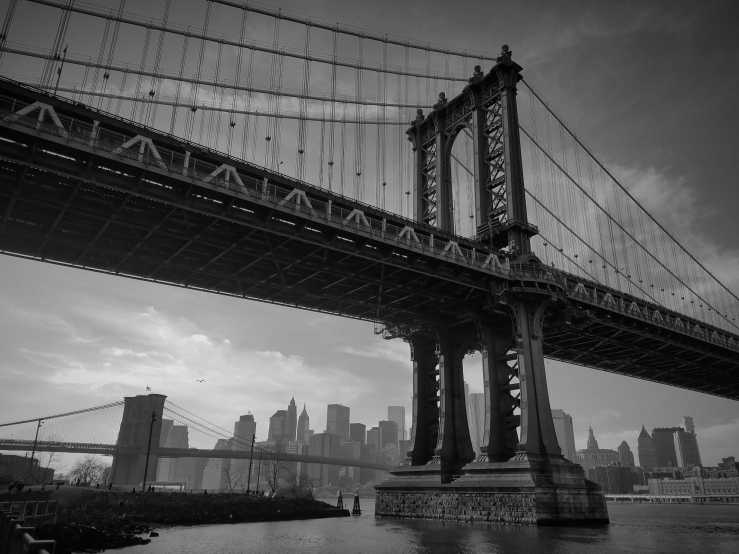
A walk, long overdue. Surely, we must have been the only newly arrived couple who waited six months to walk Down Under Manhattan Bridge Overpass – DUMBO to friends. But here we were, on a Sunday afternoon in February, mild and sunny and glorious, with our take of the iconic Manhattan Bridge seen from Washington St. and, true to word, from Down Under.

February 18th, 2017

Last Work

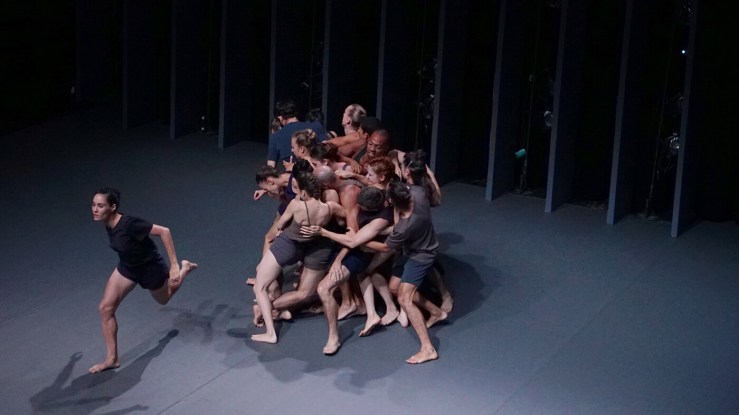
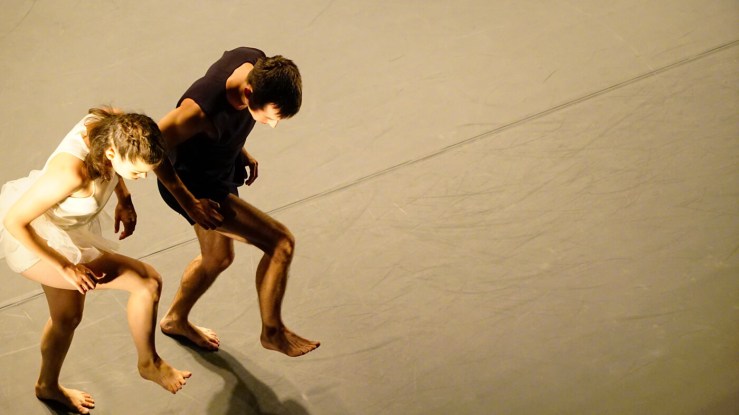
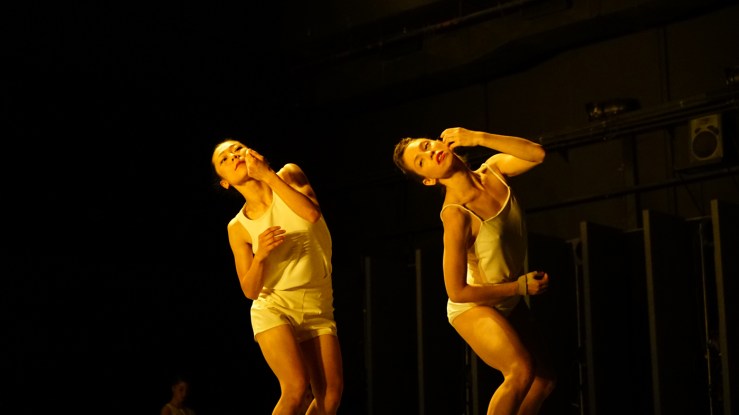
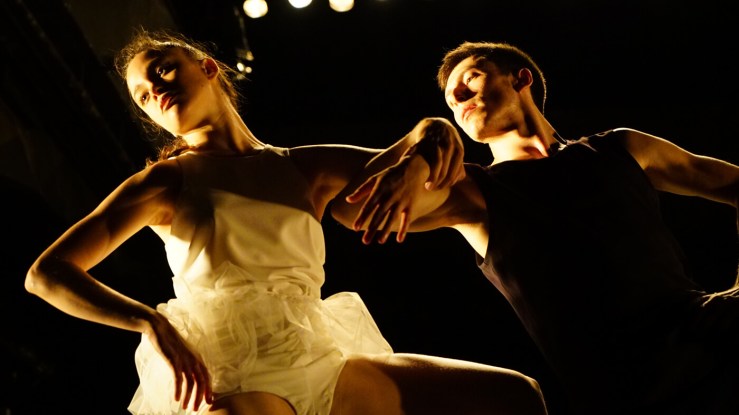
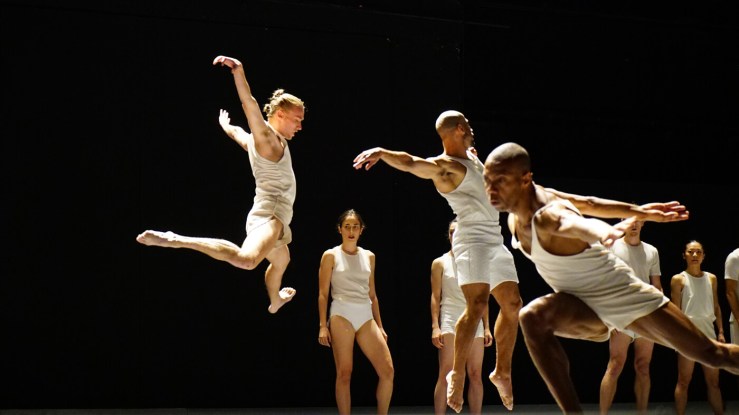
What we didn’t want to miss that night was the latest work by Batsheva Dance Company, choreographed by Ohad Naharin, making its NY premiere in BAM. I was prepared to be impressed and I was – by the dancer at the back of the stage running on a treadmill for the entire duration of the show! According to reviews, and as you can see below, it was supposed to be a woman (dressed in blue) but on the evening we watched she had been replaced by a man. Still standing, drenched in sweat at the end of the performance, he deserved – and received – a warm round of applause. The work itself was a barrage of beautiful, intense moves and ideas, so much so that the audience was left with no breathing space; no chance to absorb and truly appreciate the scenes. On the way out, we agreed that Last Work was aesthetically stimulating, but bringing so many elements and people on the stage together, all at the same time, resulted in cancelling out emotions it was supposed to evoke. Indeed sometimes, there can be too much of a good thing.

Images courtesy of Batsheva Dance Company

February 4th, 2017