Attracting attention is a must in the city of stars
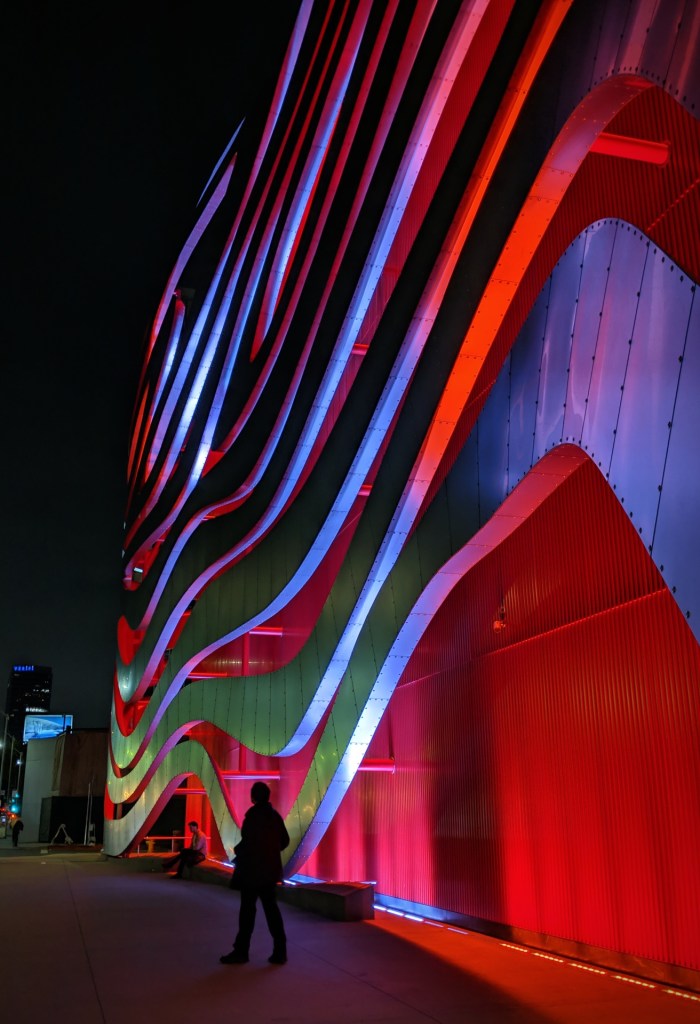

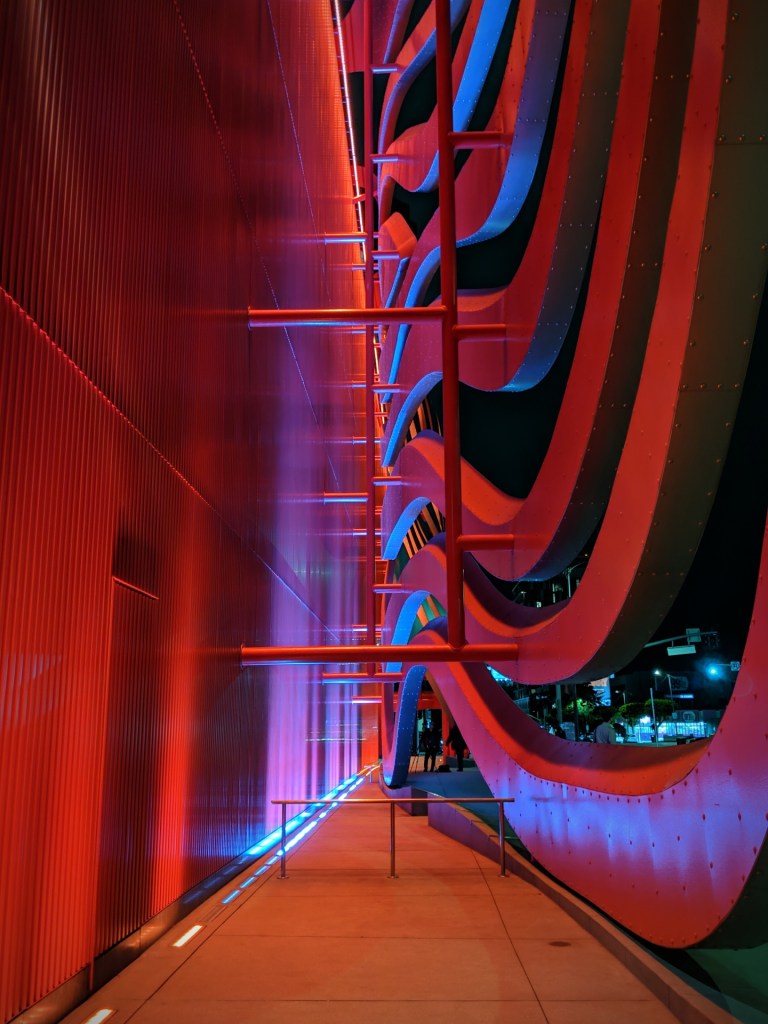


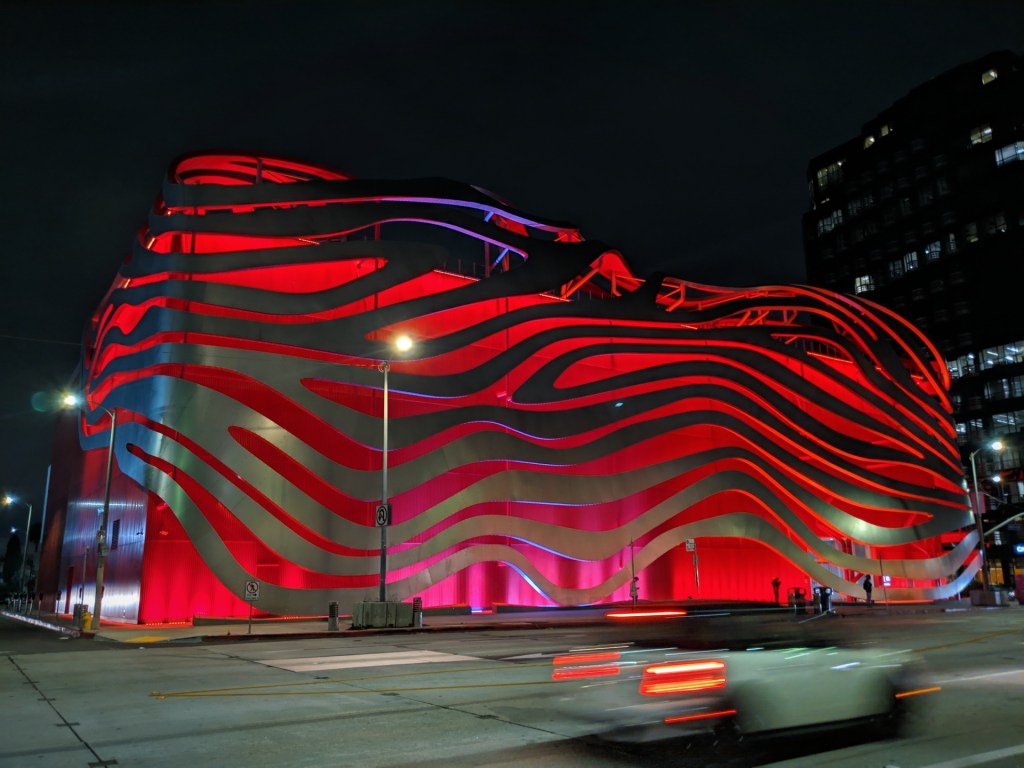
Petersen Automotive Museum, on Wilshire Blvd
May 7th, 2019
Attracting attention is a must in the city of stars
Petersen Automotive Museum, on Wilshire Blvd
May 7th, 2019
An assemblage sculpture of 202 vintage street light lampposts from the 1920s and 1930s, created by Chris Burden with the express intention to be placed in the empty plaza in front of the Los Angeles County Museum of Art, on Wilshire Boulevard. The cast iron lampposts range from 20 to 30 feet in height and were salvaged from Los Angeles neighborhoods. The installation is lit up from dusk to dawn and is solar-powered. Especially popular after dark, be prepared to drive a few rounds before finding a parking spot close enough.
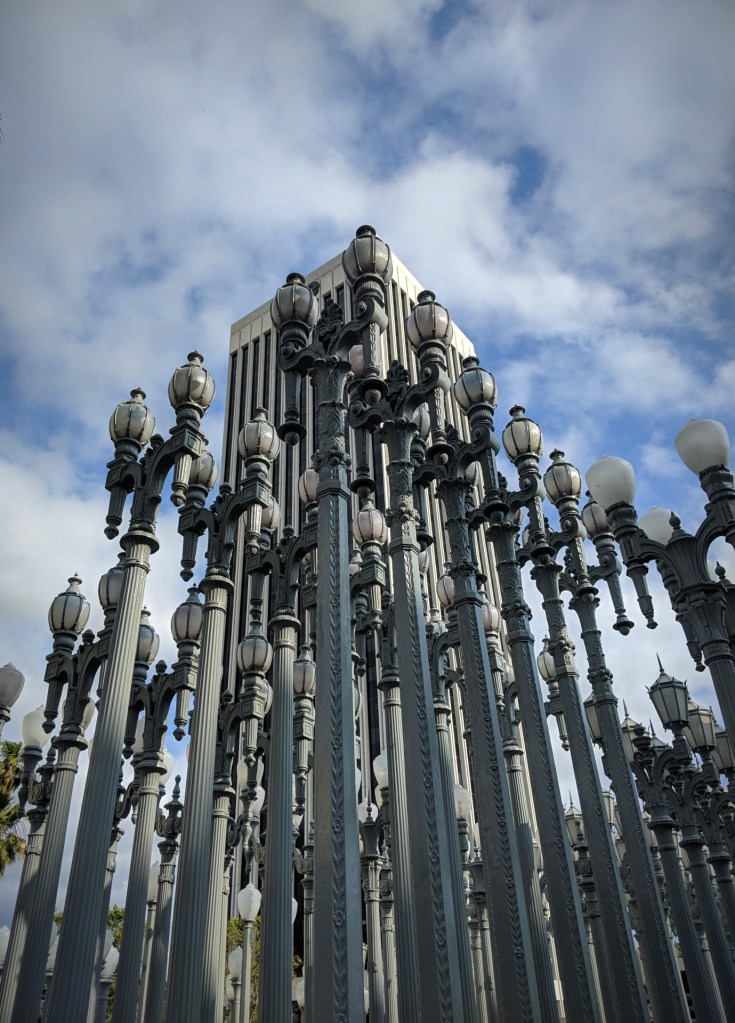
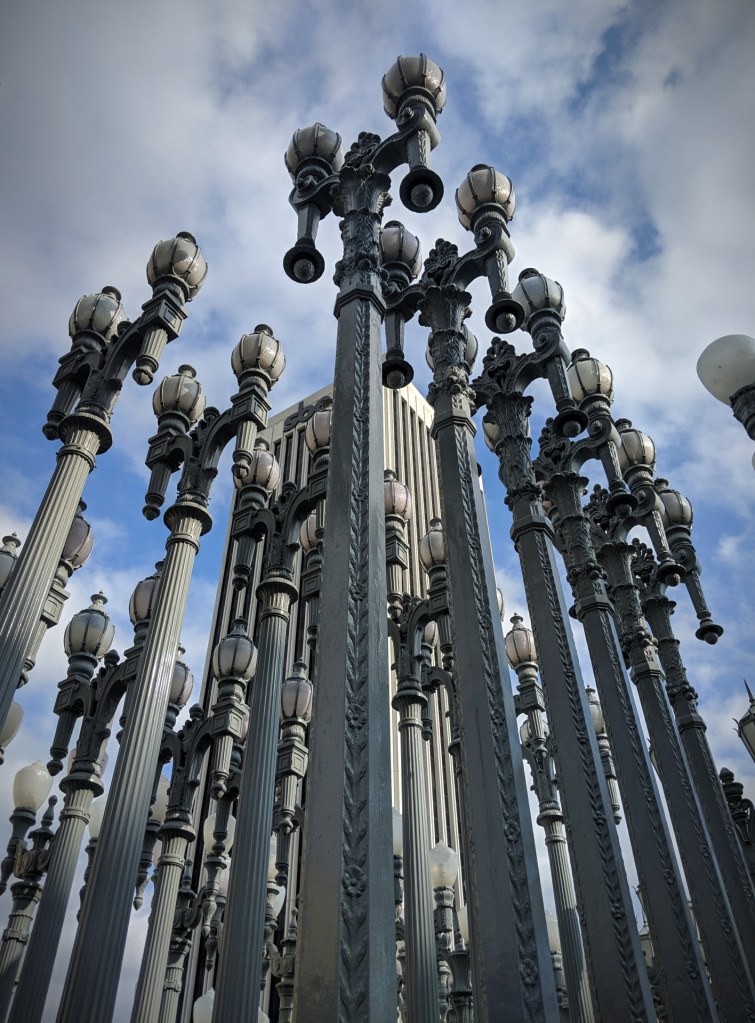
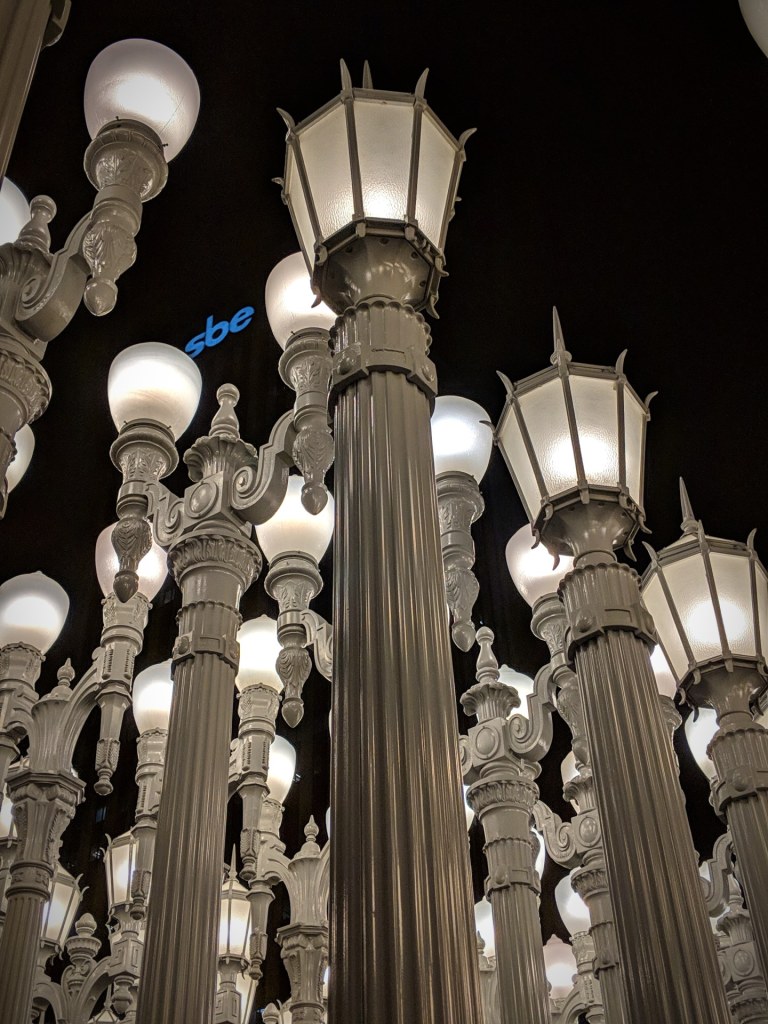
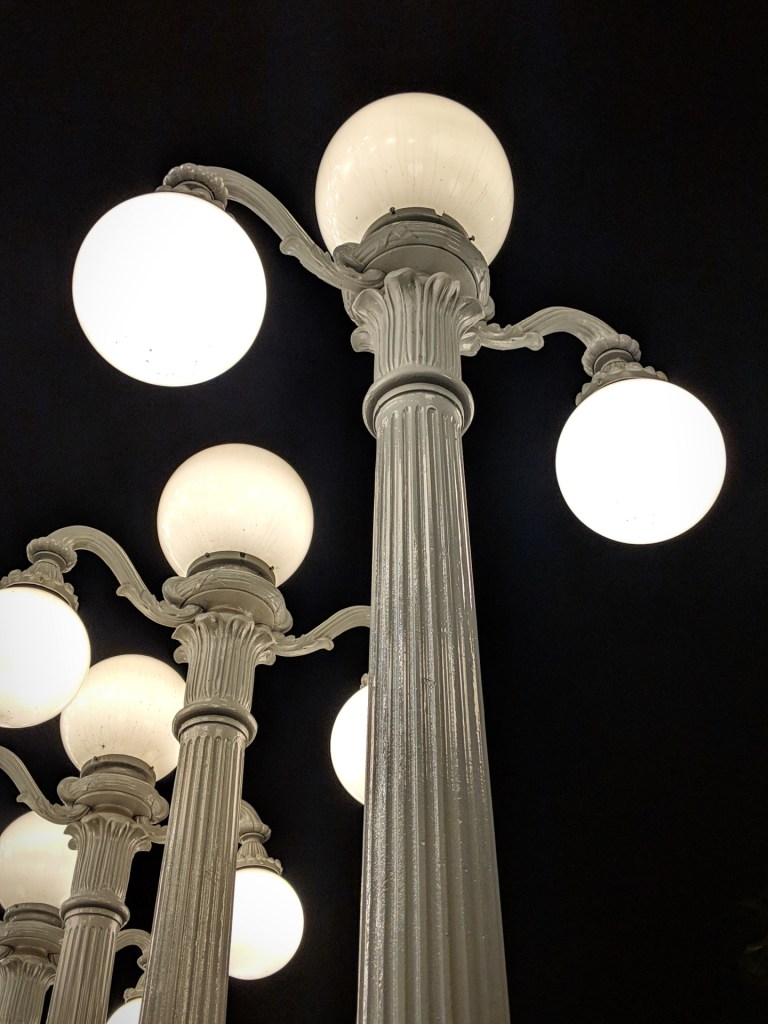
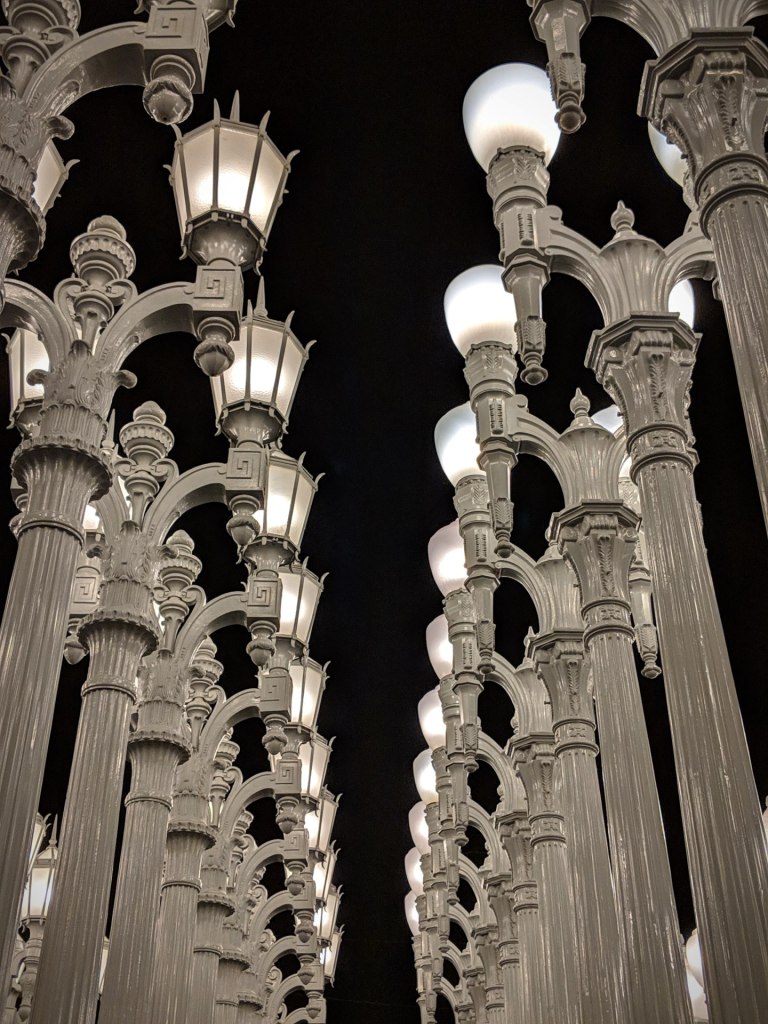
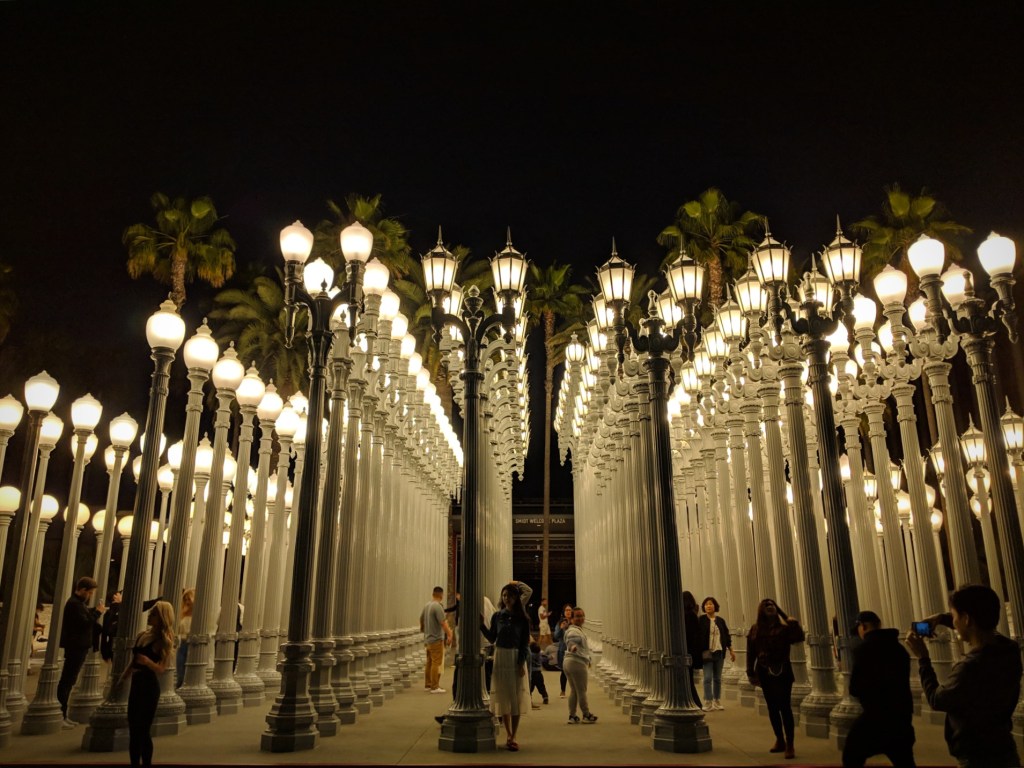
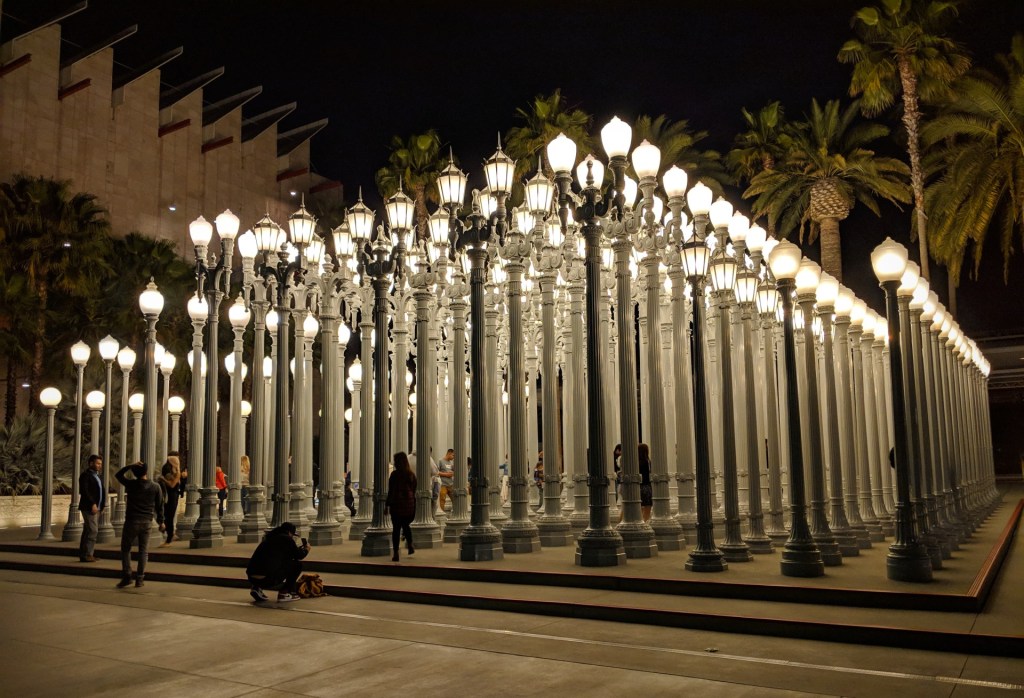
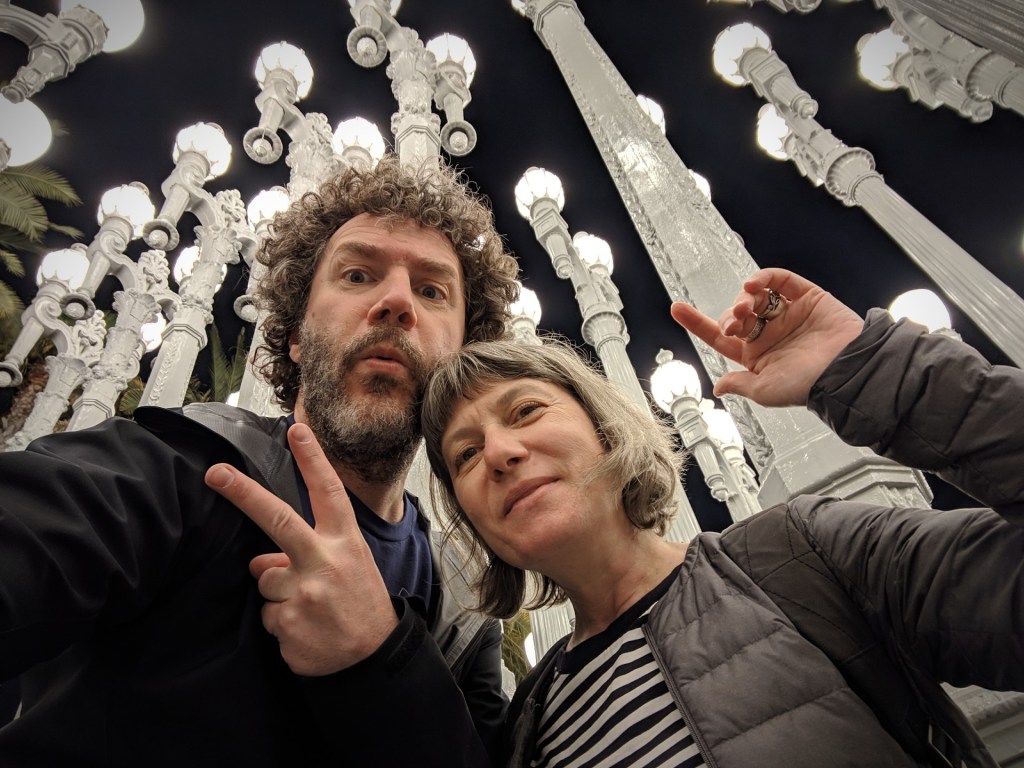
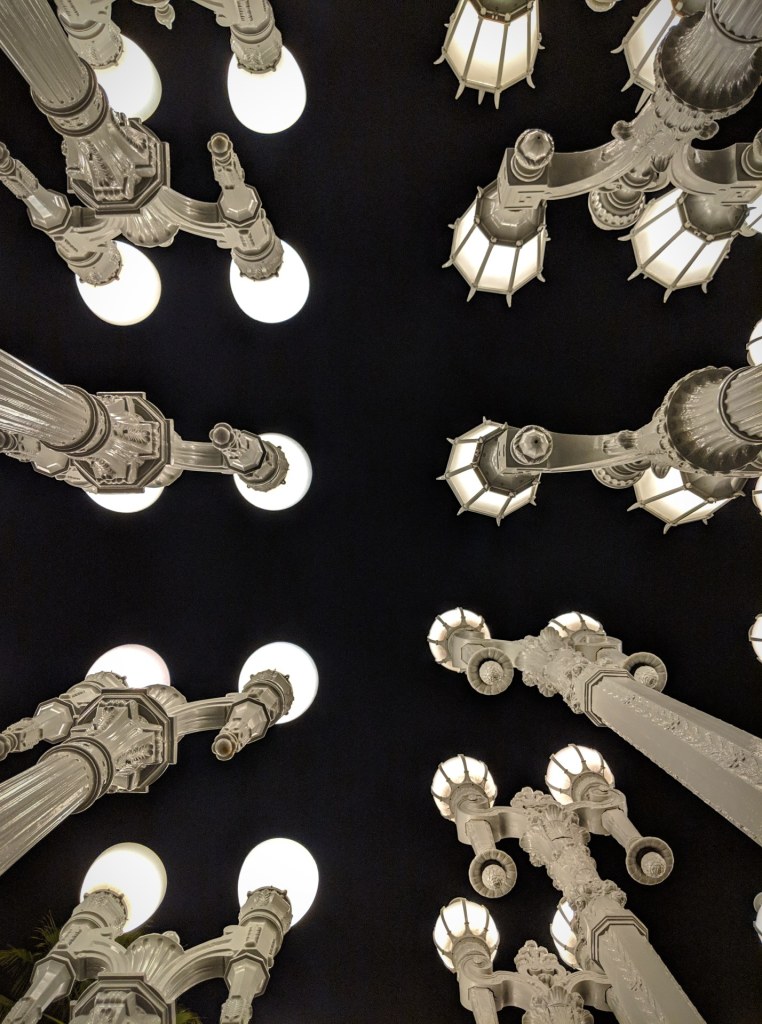
Urban Light by Chris Burden, 2008.
LACMA, L.A.
May 7th, 2019
And a pleasant surprise, as we wandered through the galleries of LACMA, those ones that remained open during the museum’s extensive renovation and expansion. The surprise was finding out that Magritte’s ”Ceci n’est pas une pipe” belongs to LACMA; for some reason, I was convinced it would belong to the permanent collection of the Magritte Museum in Brussels. What a fittingly surreal connection between my two favourite cities in the world!
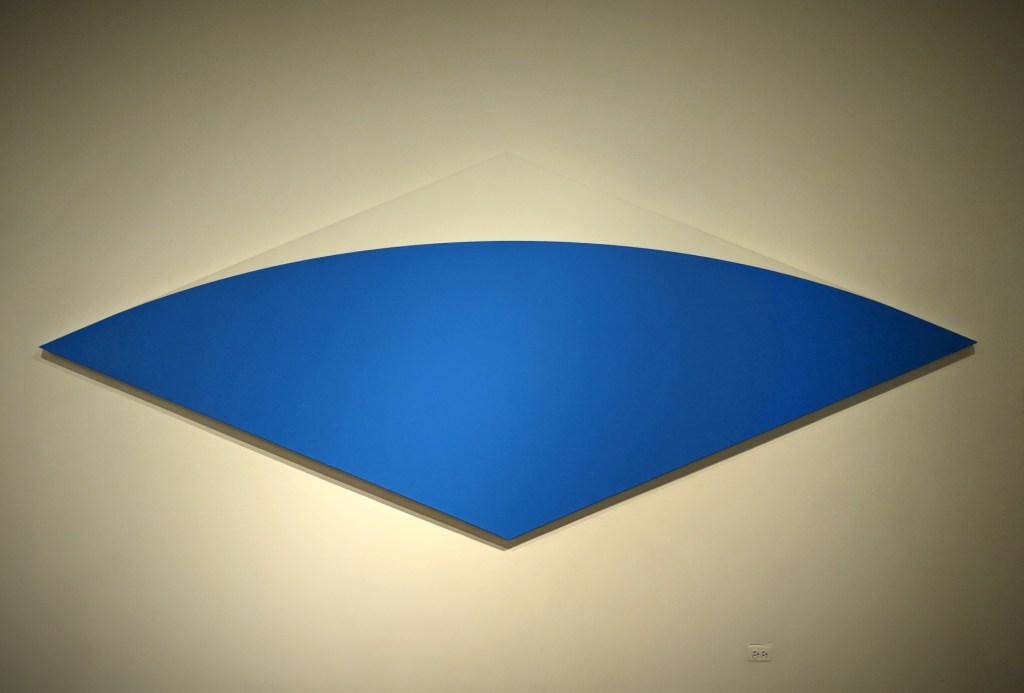
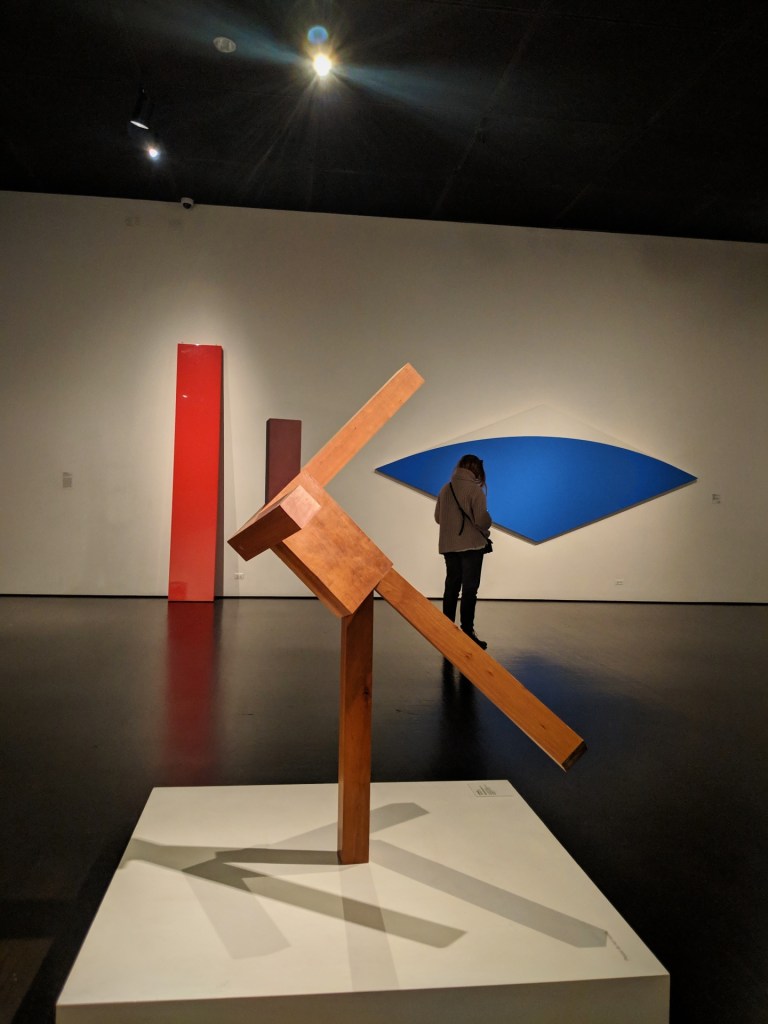

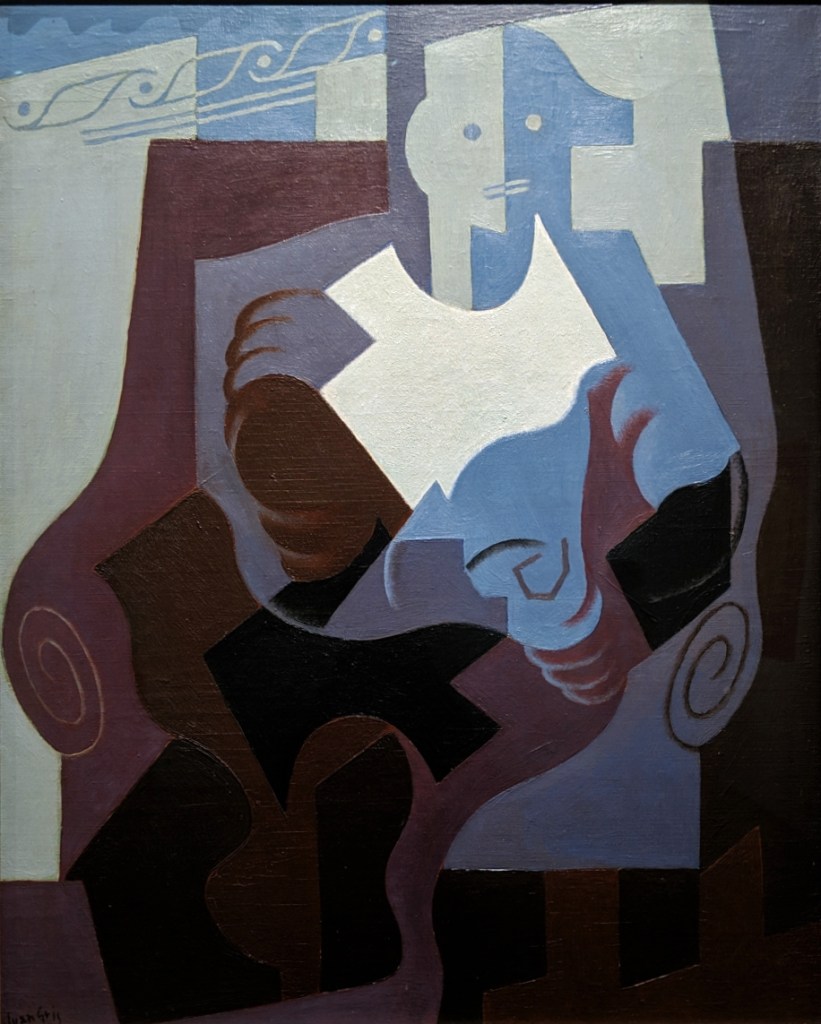


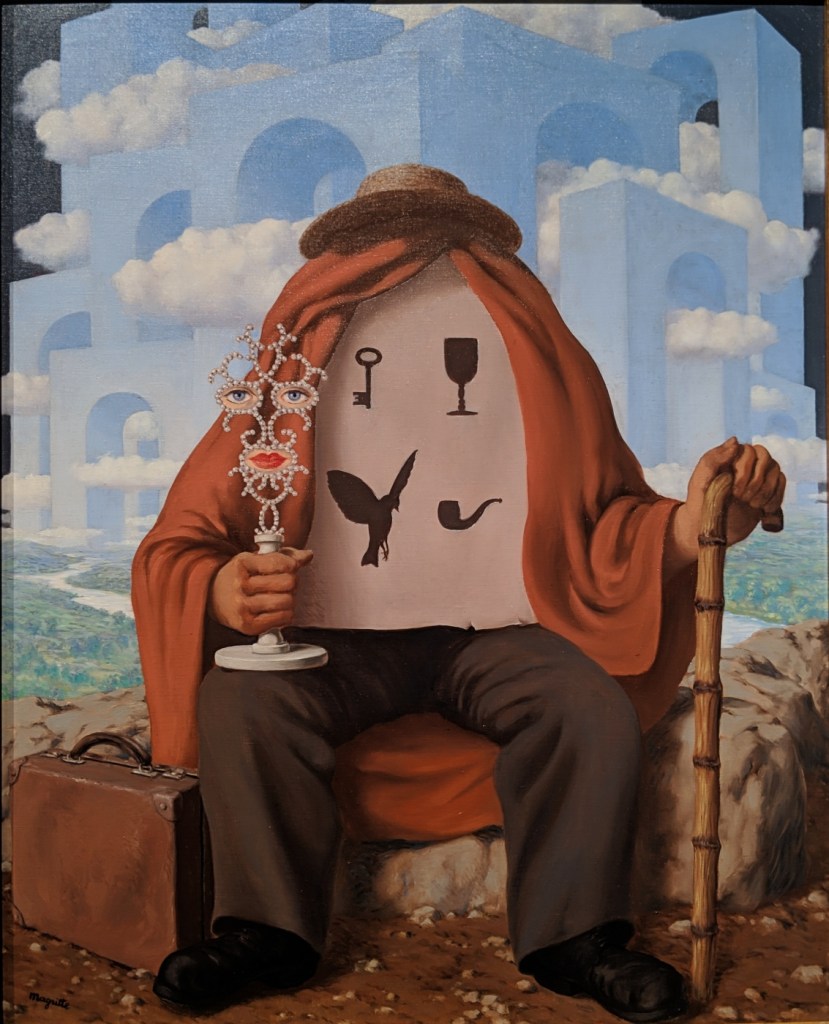

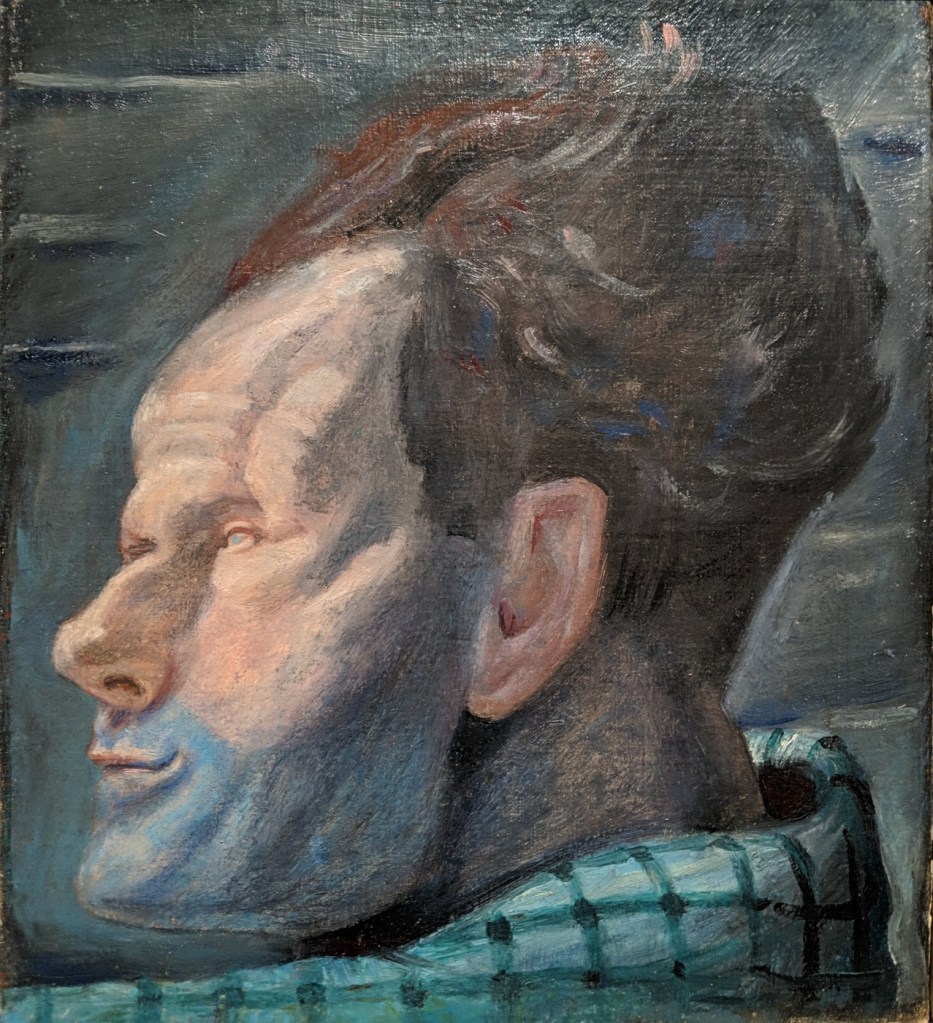

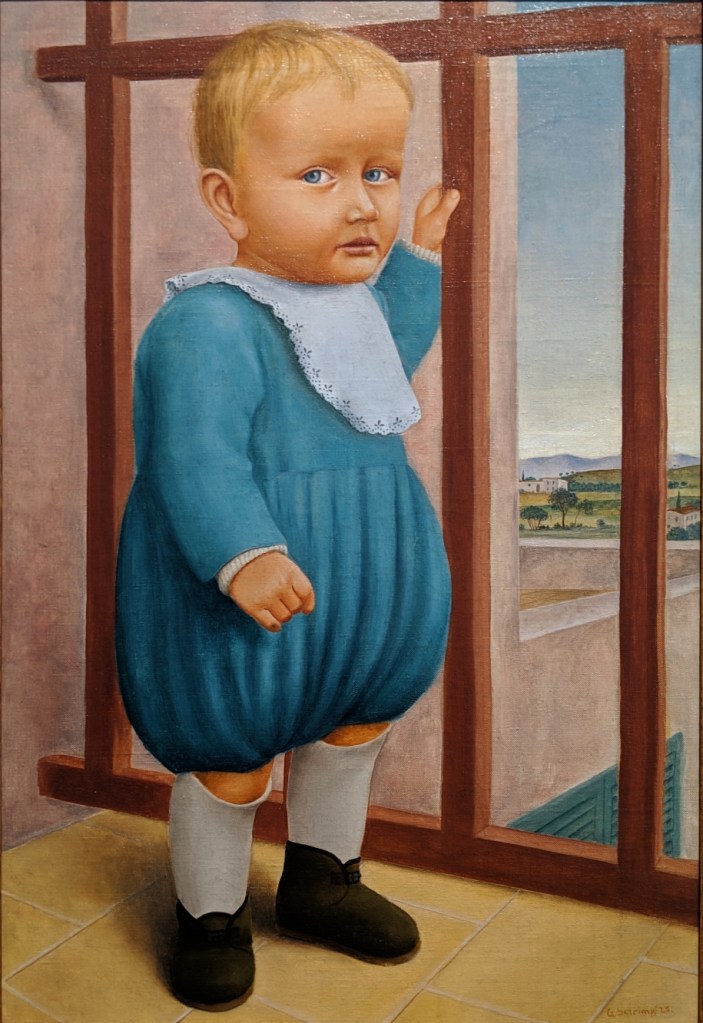

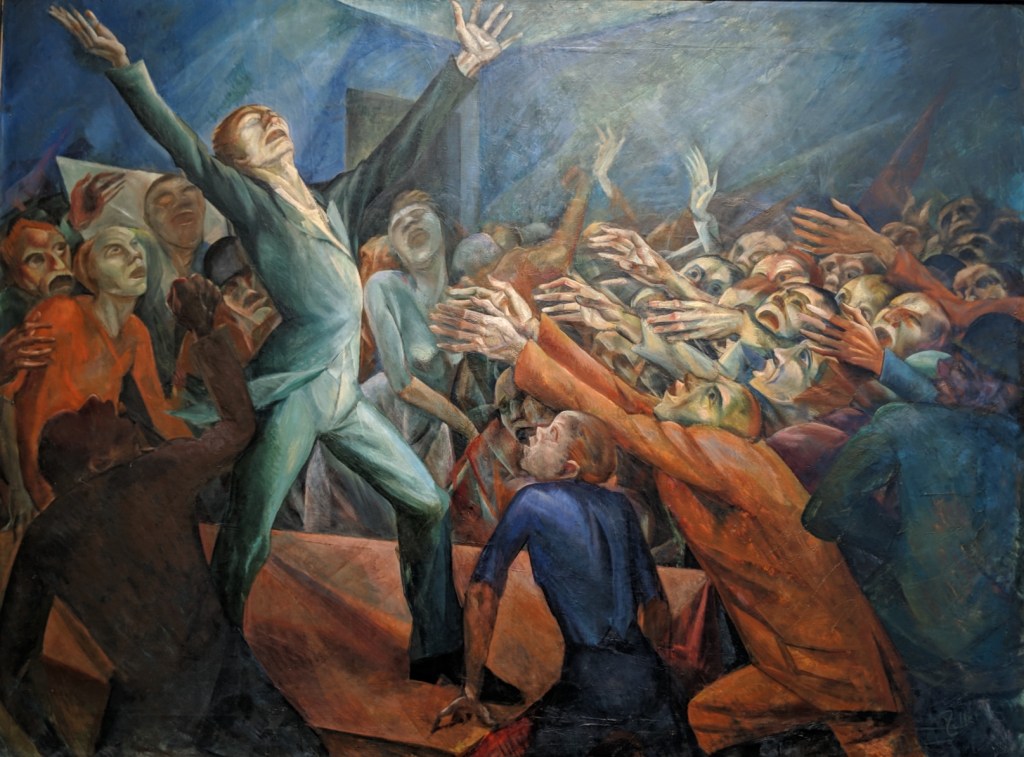


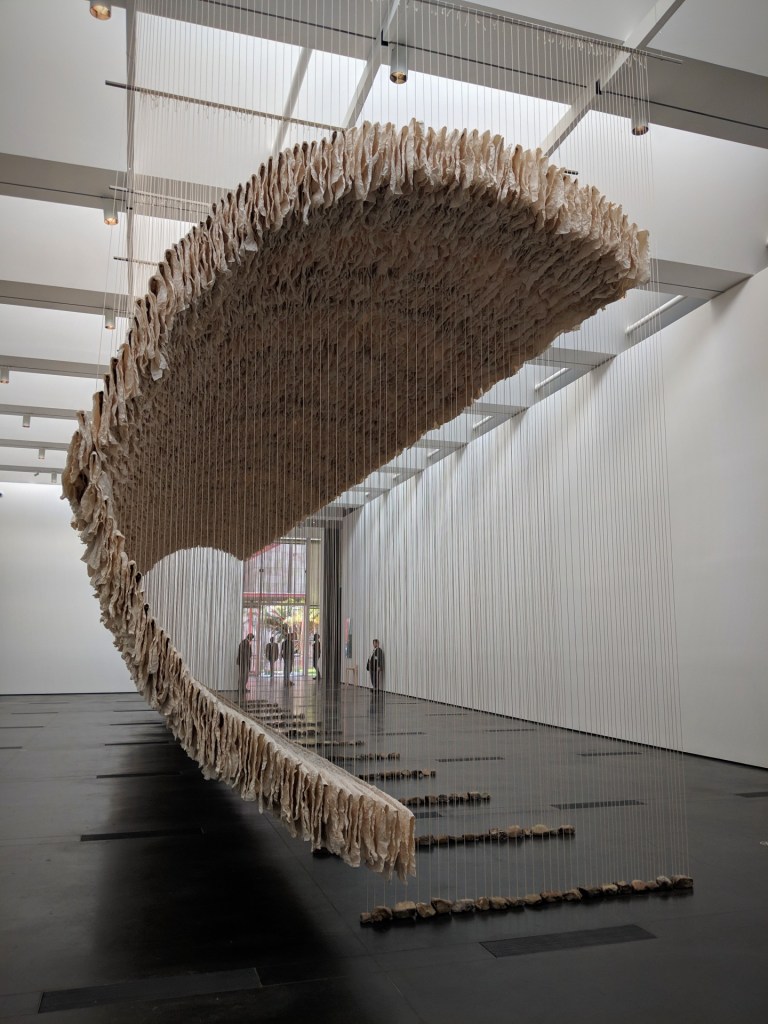
Los Angeles County Museum of Art (LACMA)
May 7th, 2019
And an adorable little dumpling
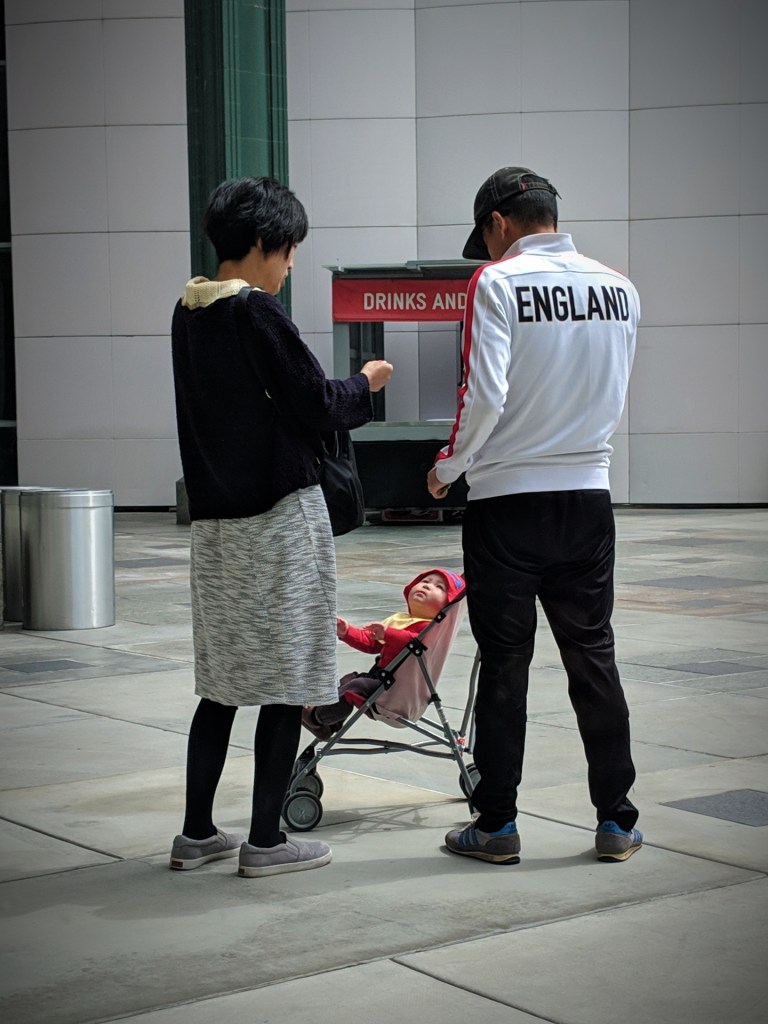
LACMA, L.A.
May 7th, 2019
Back in L.A. (because once was never going to be enough) and, since we were staying in Pasadena, we had to go see THAT house from the Columbo 1972 episode, featuring John Cassavetes, Myrna Loy and Blythe Danner.
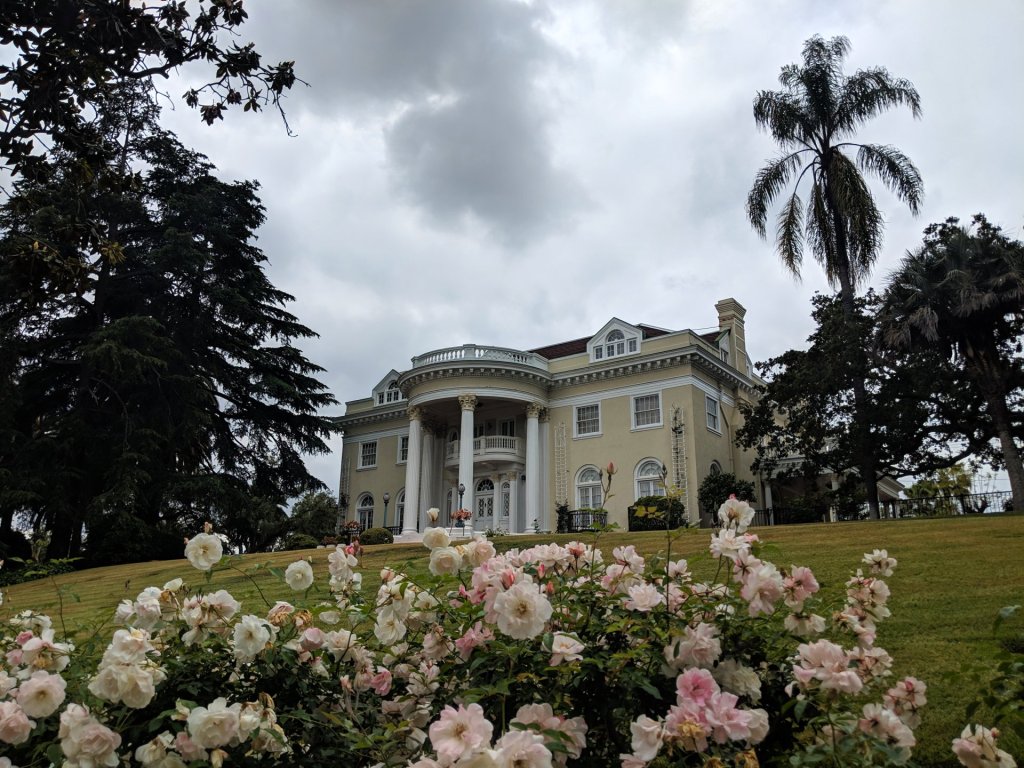
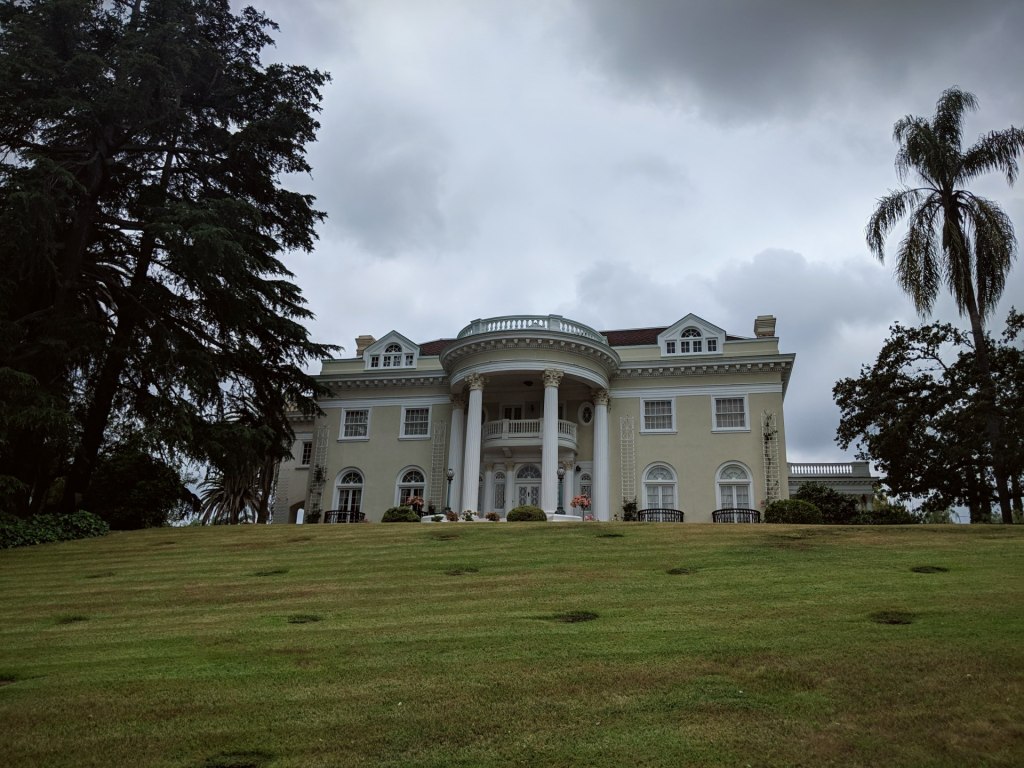
1365 South Oakland Avenue, Pasadena, CA
May 7th, 2019
The lowest point in North America is here.
Where the water that flows from the mountains of central Nevada, hundreds of miles away, into the porous limestone bed-rock and trough an aquifer, emerges at Badwater along the faultline at the mountain’s base and forms a pool. Salts dissolve from old deposits and flow to the surface, making the spring water ”bad” – a word which here means ”salty”.
We found the pool almost dry, the saltwater flats all the more spectacular.

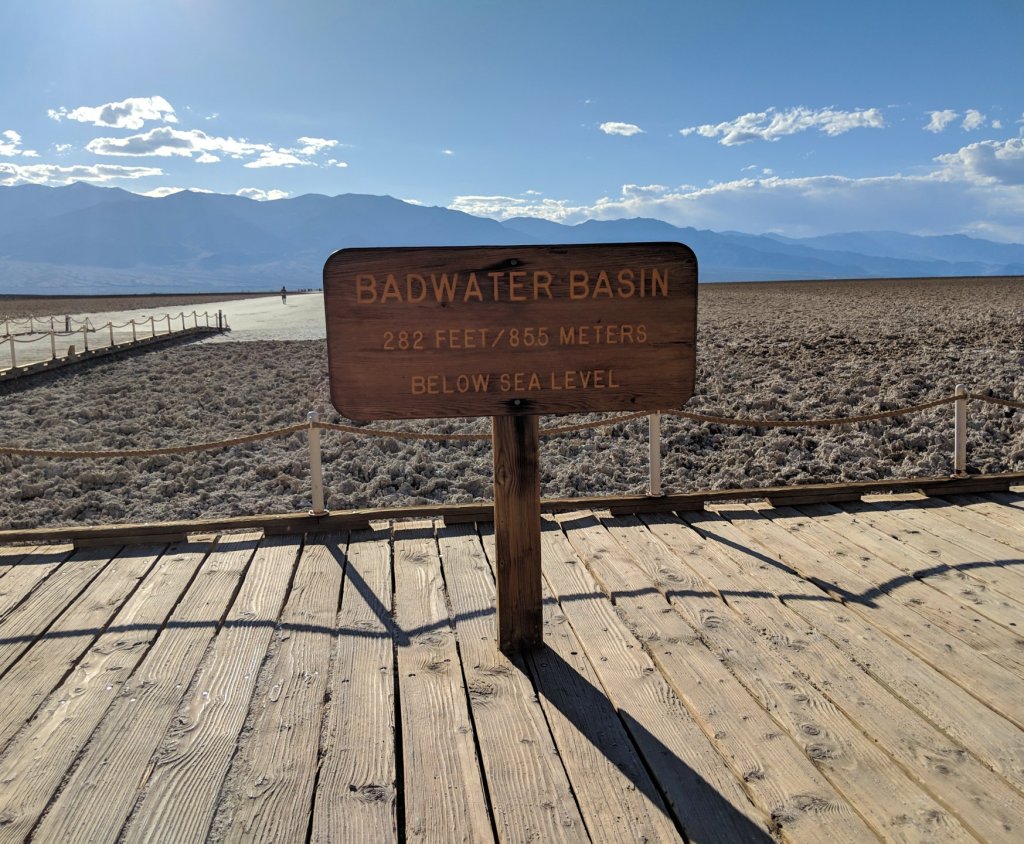


Badwater Basin, Death Valley, CA
April 21st, 2019
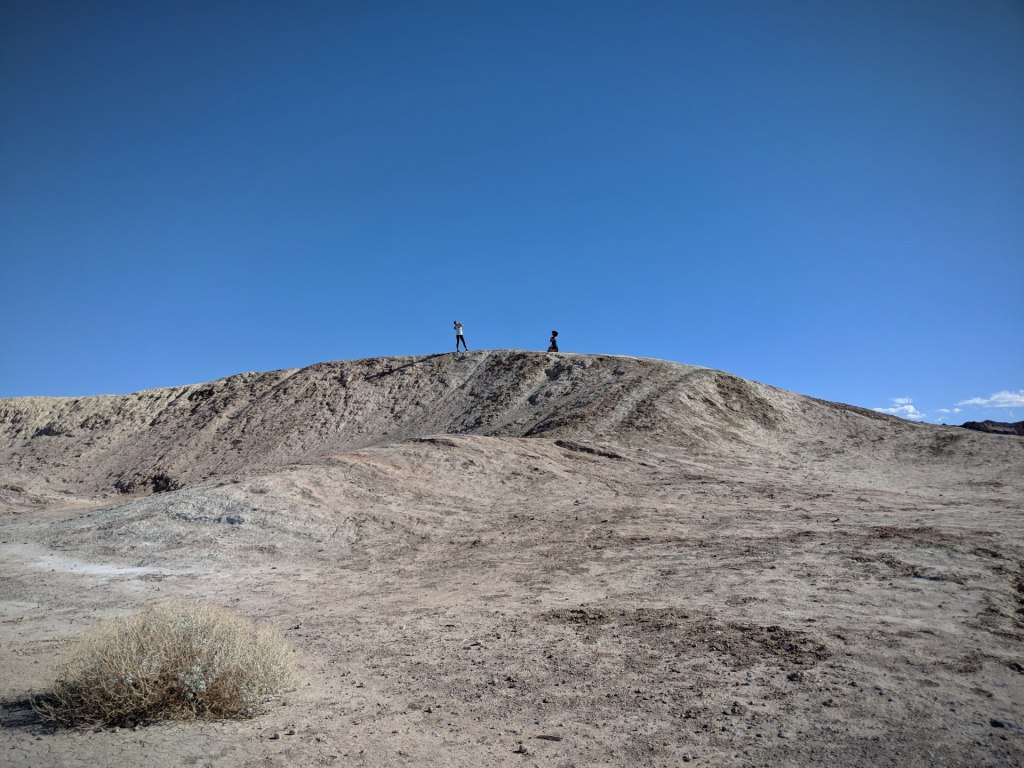
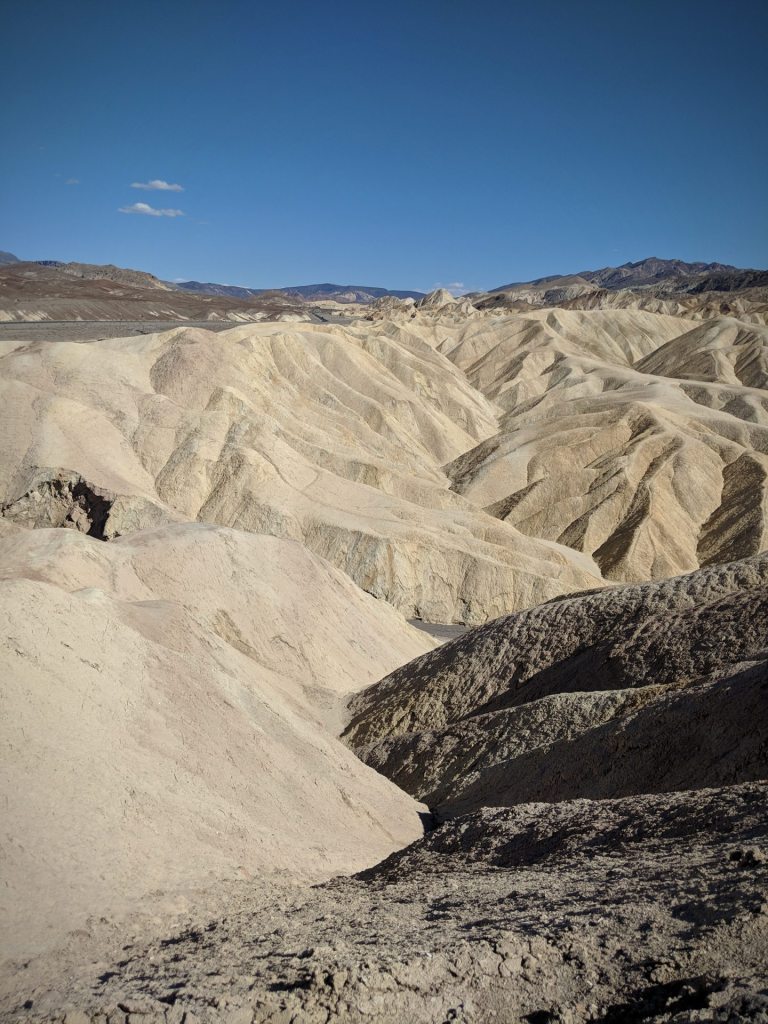
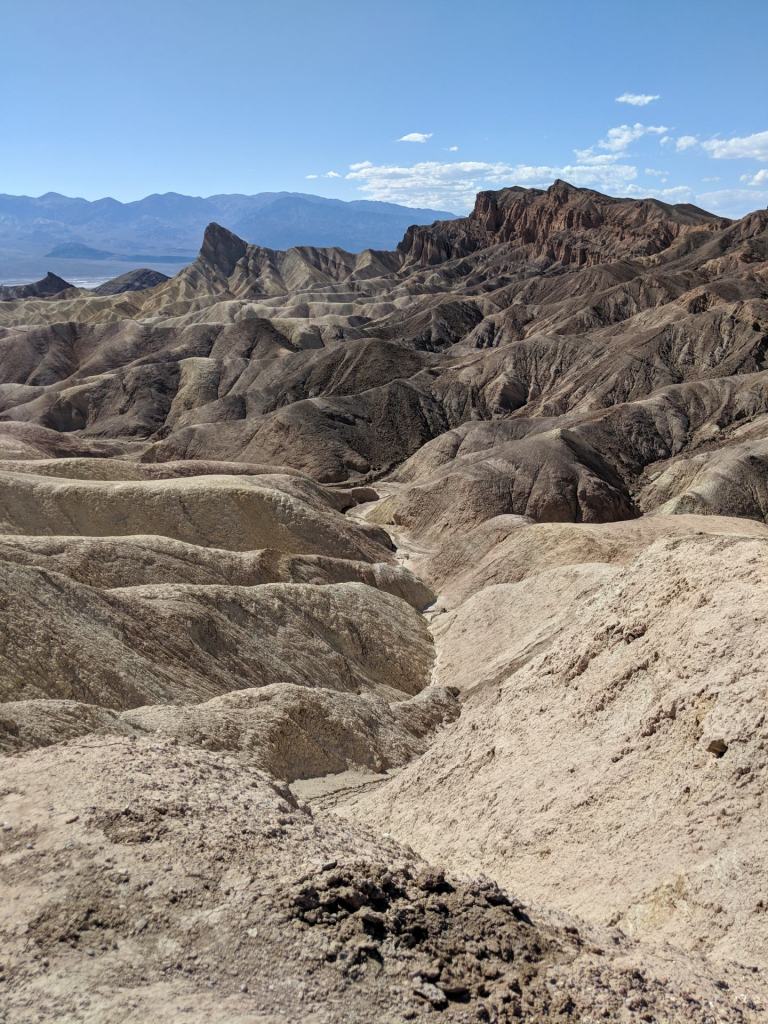
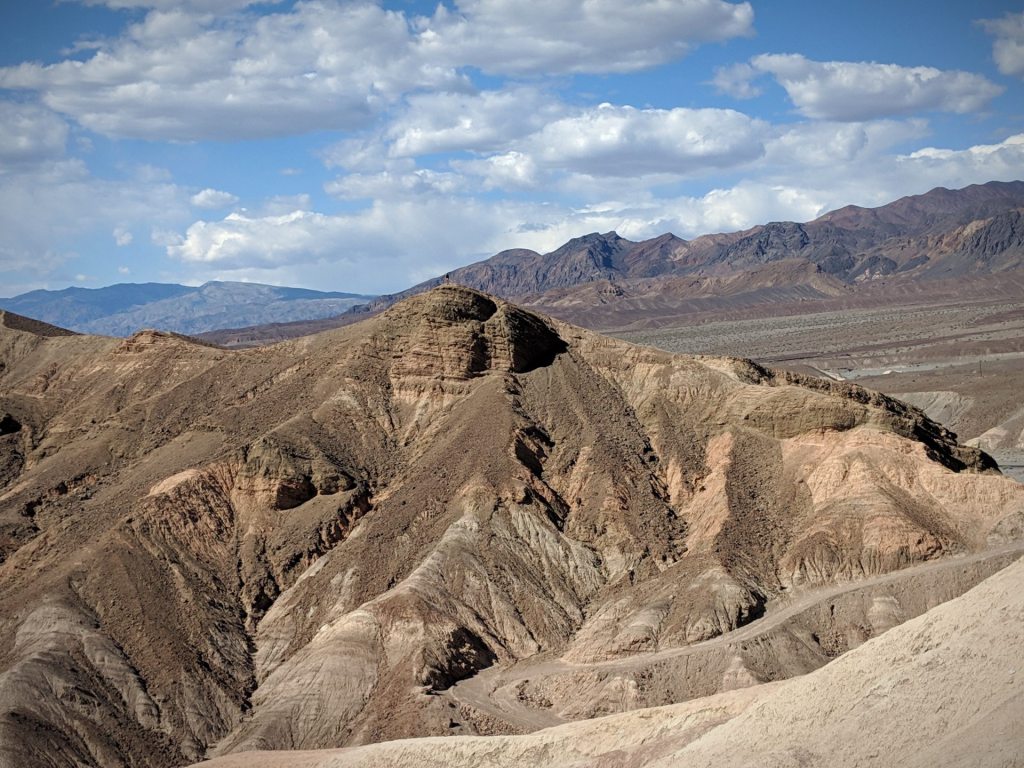
Never in my wildest dreams did I imagine that one day I would see this stunning landscape in real life. But here I was, with scenes from Antonioni’s 1970 film passing before my eyes, breathing the dry desert air, feeling humbled by its enormity. And slightly disappointed to learn that it was named after Christian Brevoort Zabriskie, vice-president and general manager of the Pacific Coast Borax Company, and not Zabriskie Point, the film.

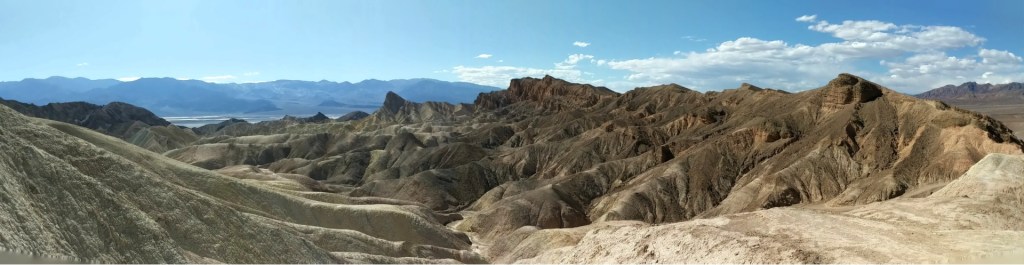

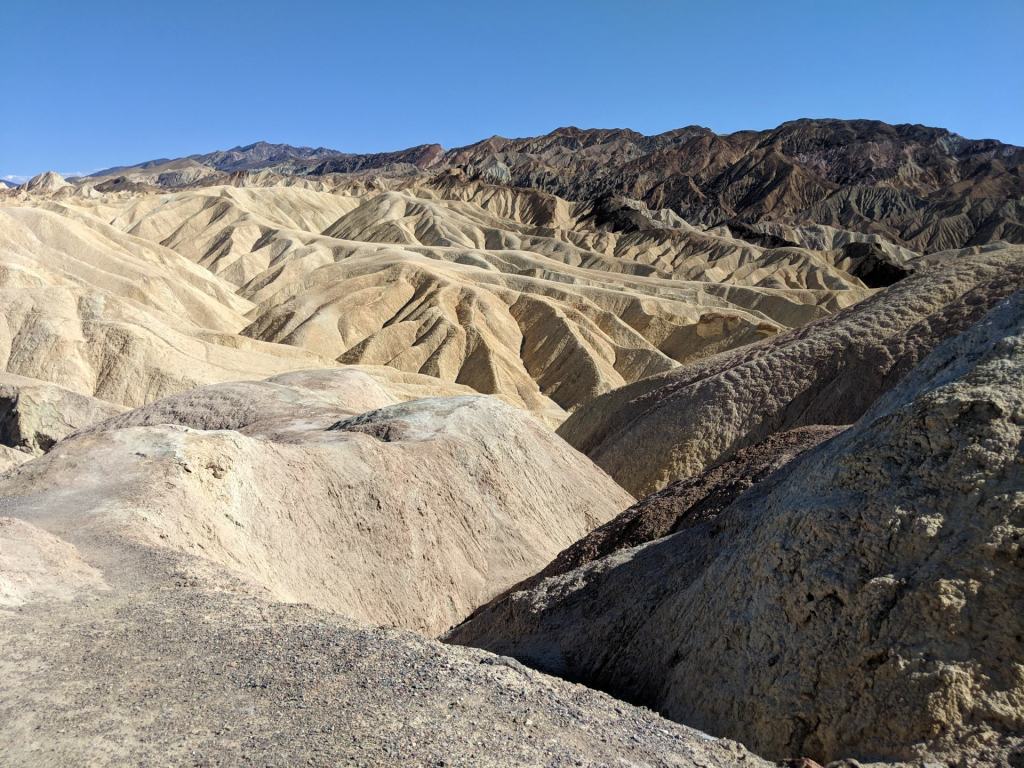
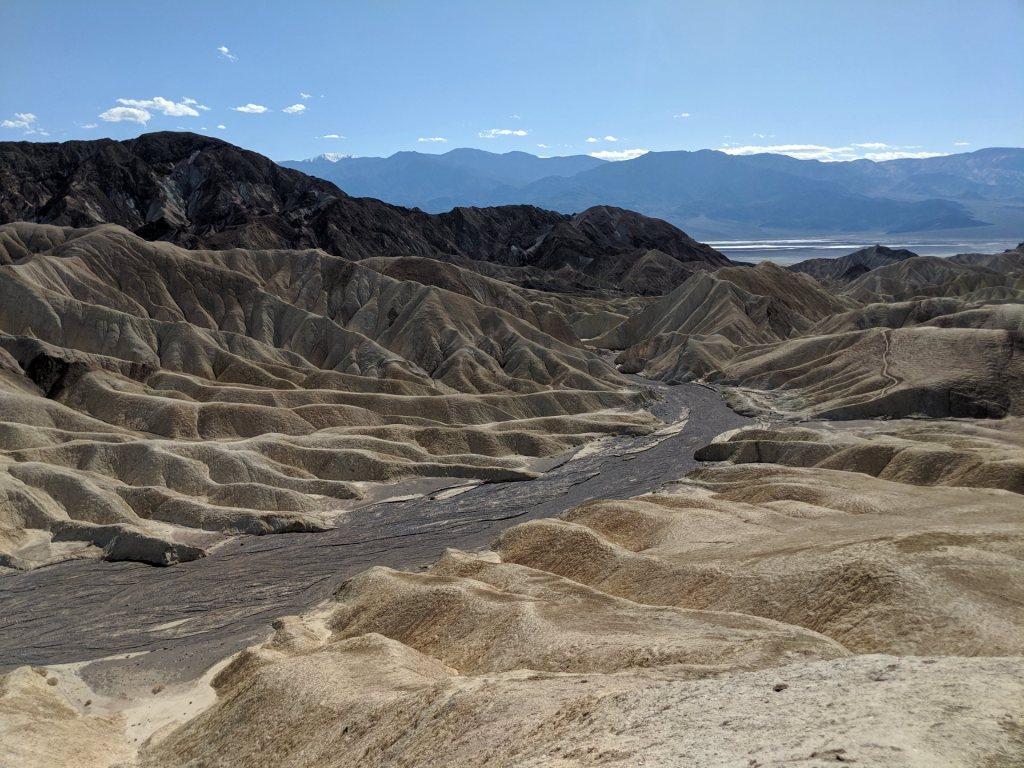
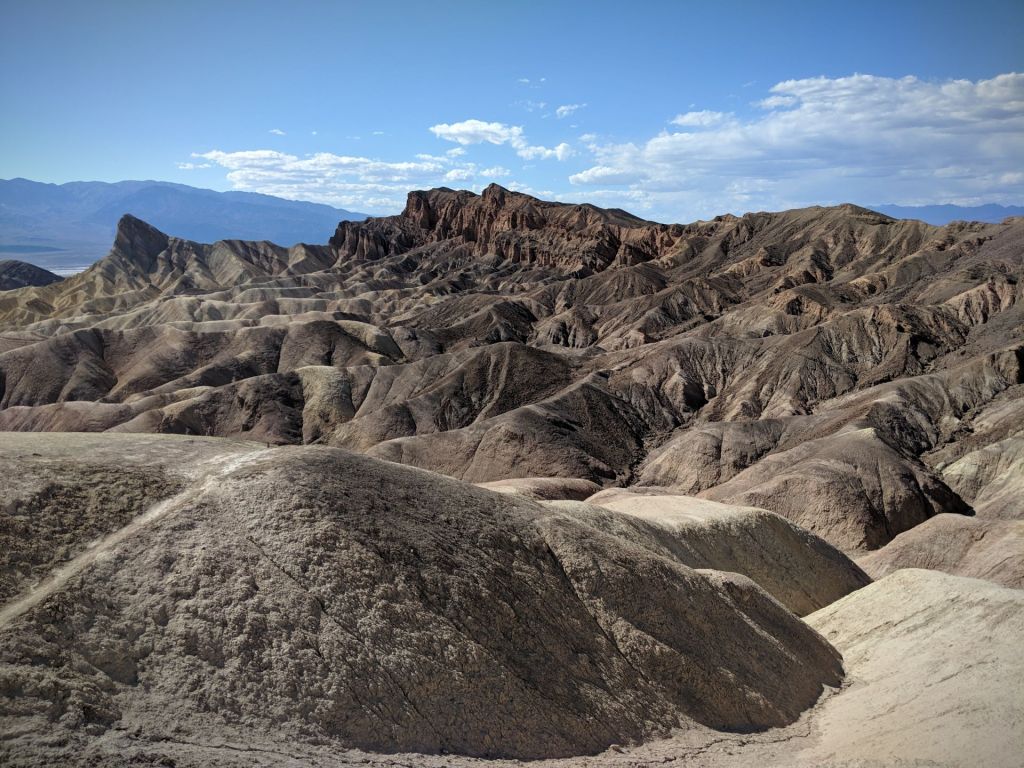





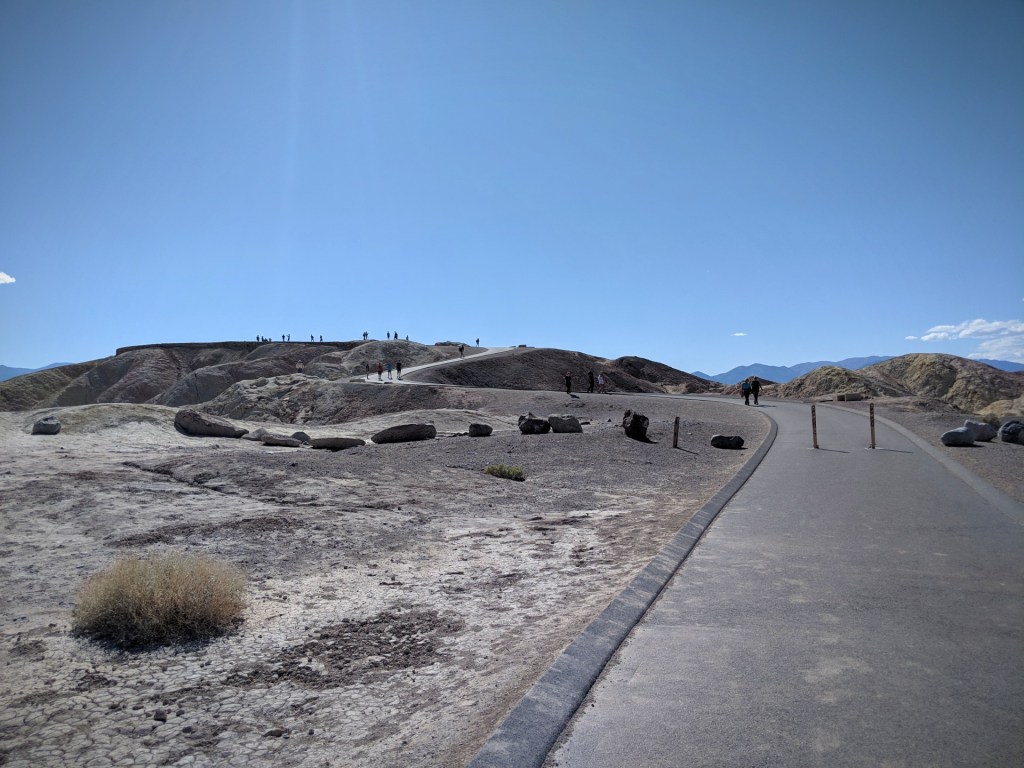
Death Valley, CA
April 21st, 2019
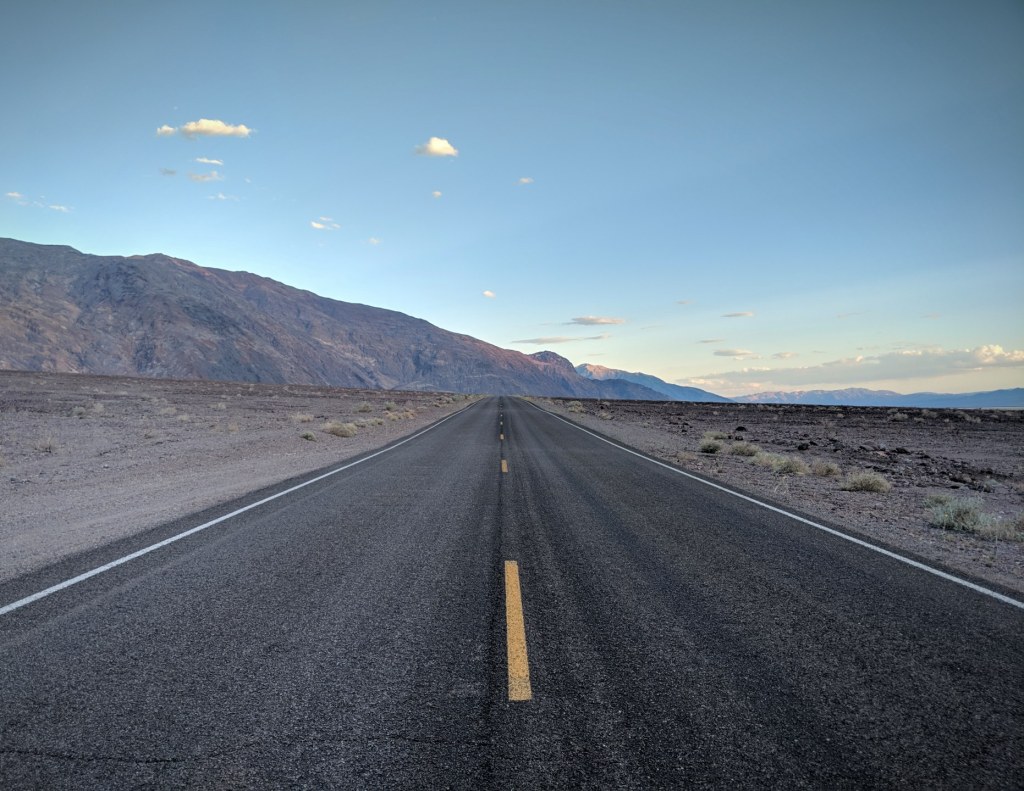
Earth
April 21st, 2019
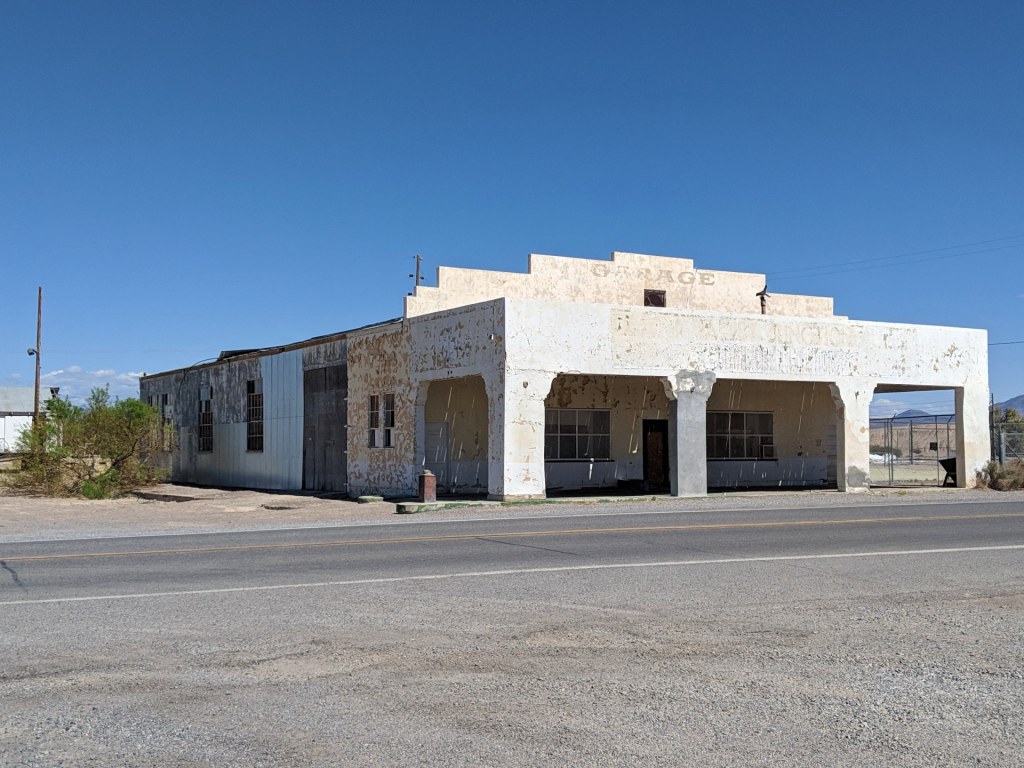
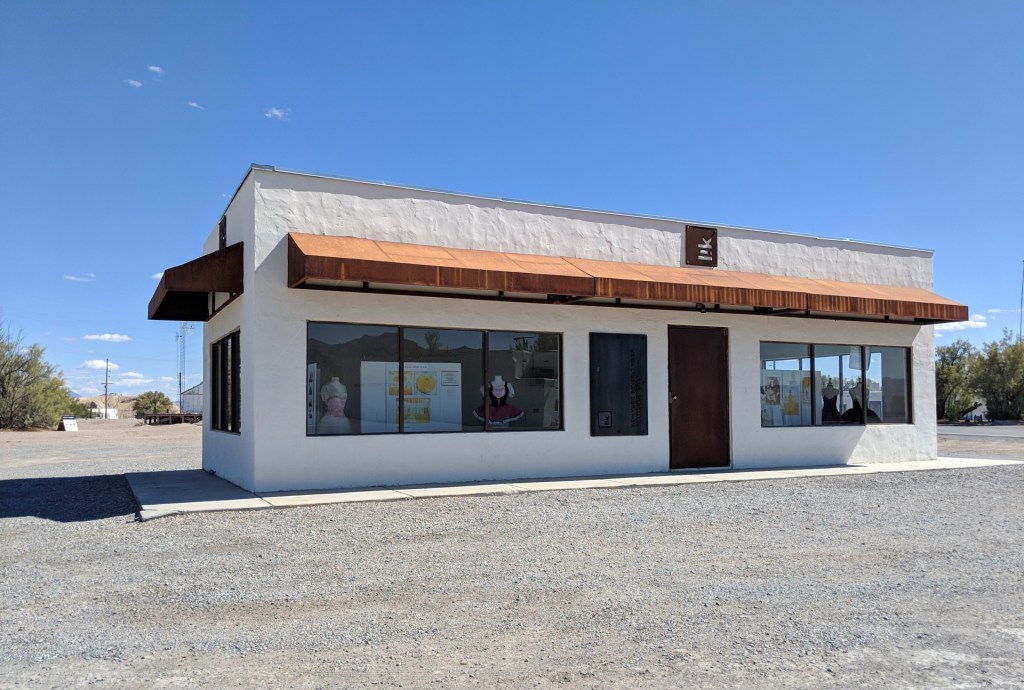
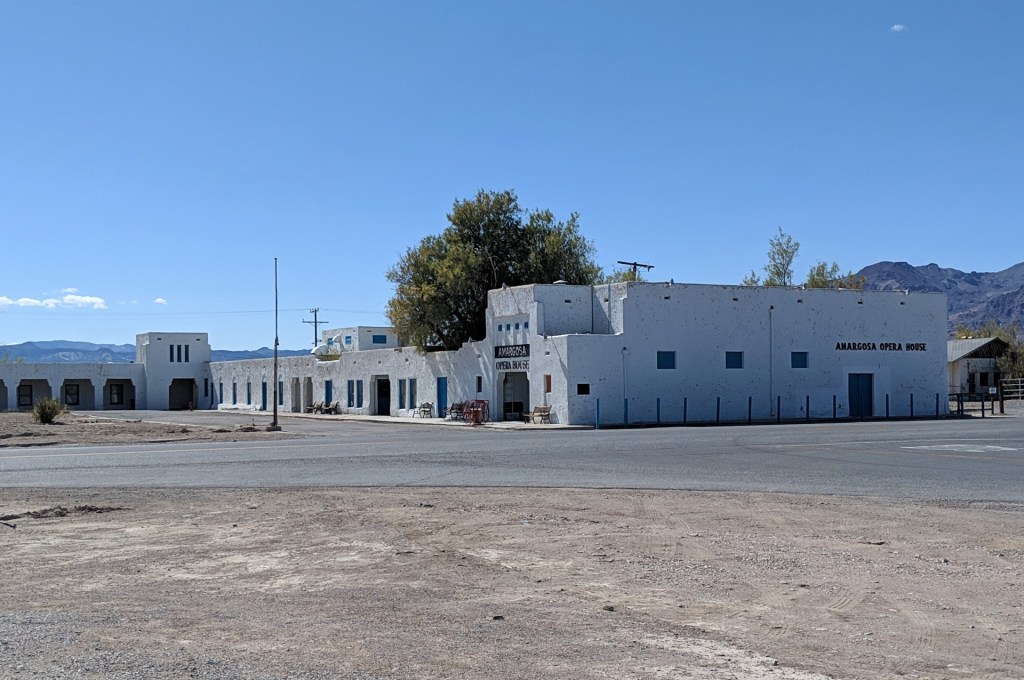
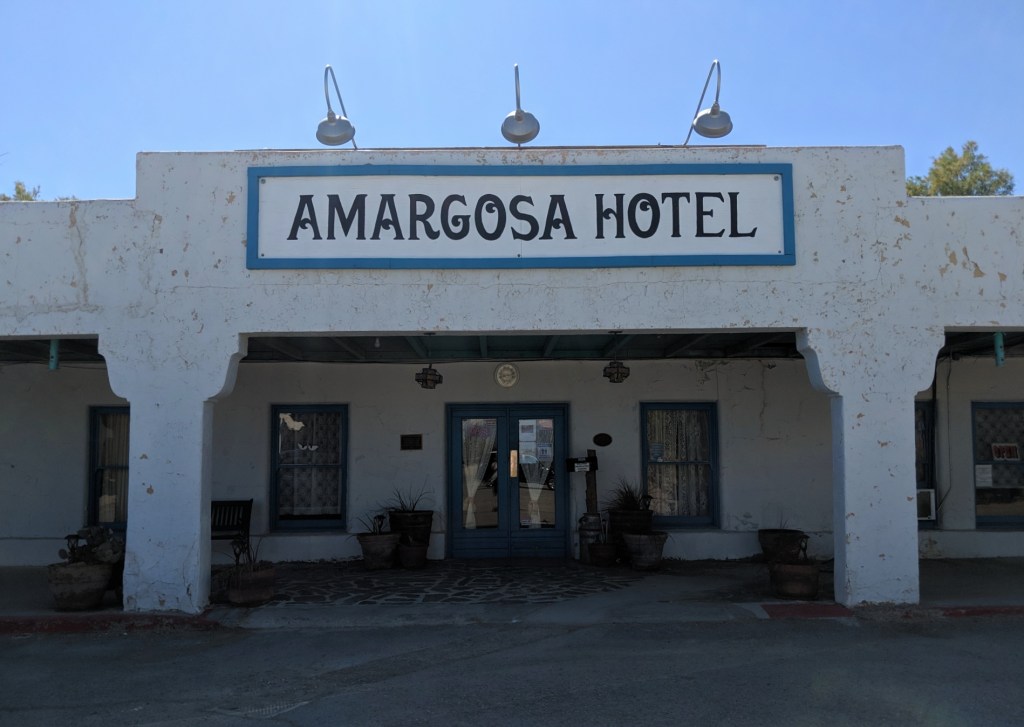
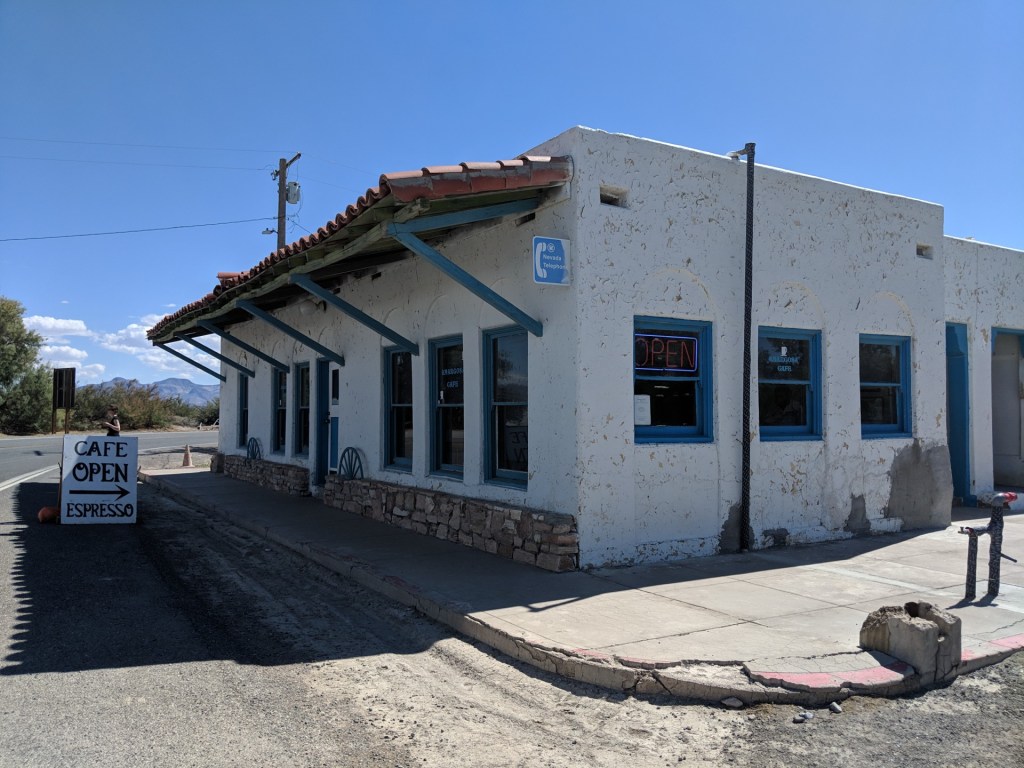
About five miles past the border line, in the middle of nowhere and well underway to the Death Valley, a building complex housing a hotel, a café, an exhibition space and an opera house. Marfa, for all its artistic weirdness, does not even come close – not by a long shot.
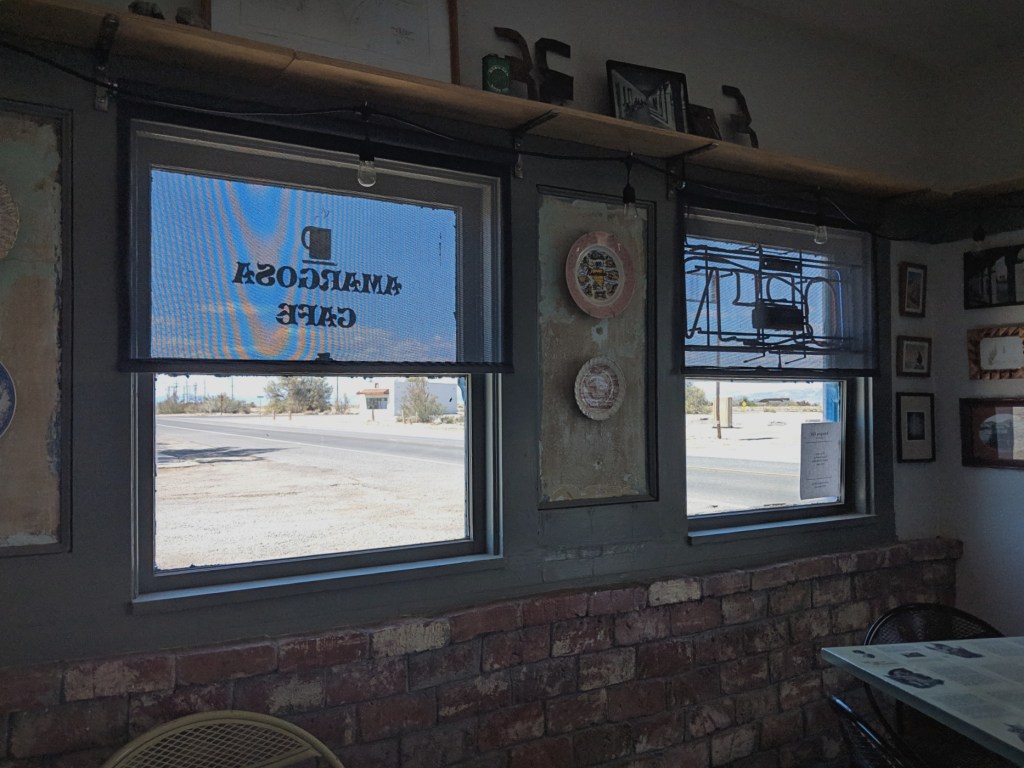
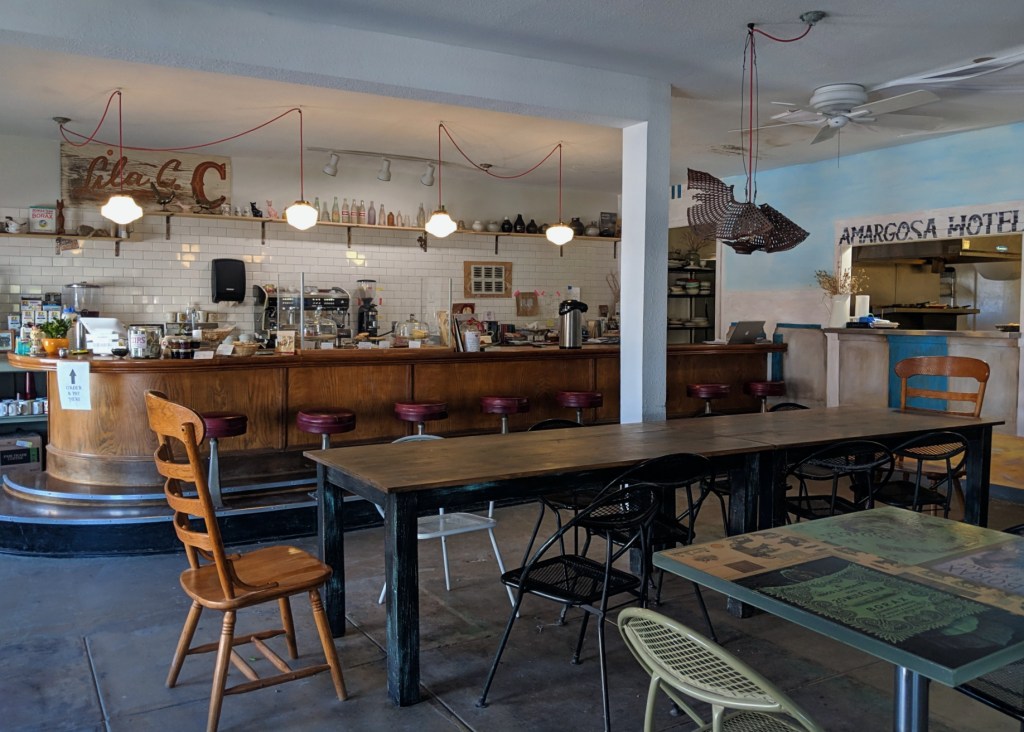
Here we are, at the Death Valley Junction, looking in amazement at the Mexican Colonial adobe building, constructed in 1924 to house the Pacific Coast Borax Company’s offices and labourers’ quarters, and a twenty-three-room hotel welcoming the mining town’s many visitors. Next to it, Corkill Hall – an entertainment centre with a built-in stage where the dances, weddings, movies, church services and other community events took place.
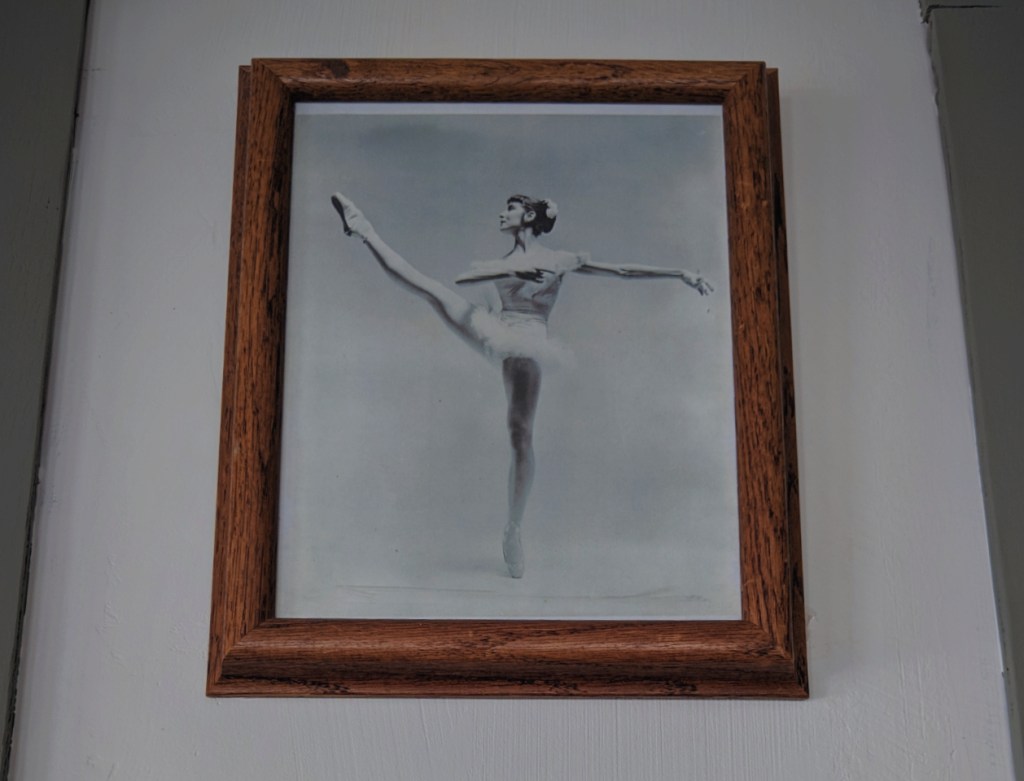
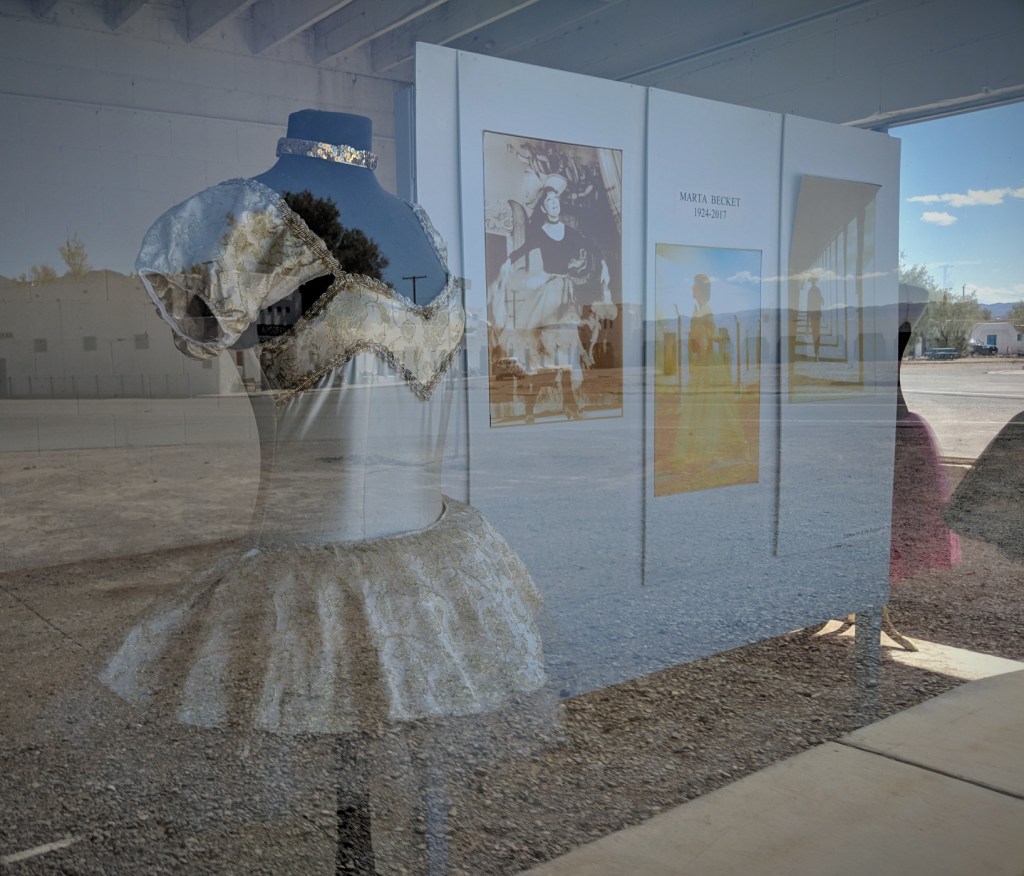
We learn that in 1967, a flat tyre brought Marta Becket – a New York City born artist – and her husband, to this very garage you see in the first picture for repairs. While her husband was taking care of the car, Marta walked around the building, realised it was an abandoned theatre and decided there and then that it was waiting for her to bring it back to life.
Marta wrote in her memoir: “As I peered through the tiny hole, I had the distinct feeling that I was looking at the other half of myself. The building seemed to be saying, ‘Take me… Do something with me… I offer you life.’” [source: The Mojave Project]
Amargosa Opera House was born and it became Marta’s stage, home and life. She only stopped performing in 2012, at the age of eighty-eight. I was not fortunate enough to catch one of her performances – I hadn’t even heard of Marta Becket or the Amargosa Opera House and Hotel, before our trip in 2019!
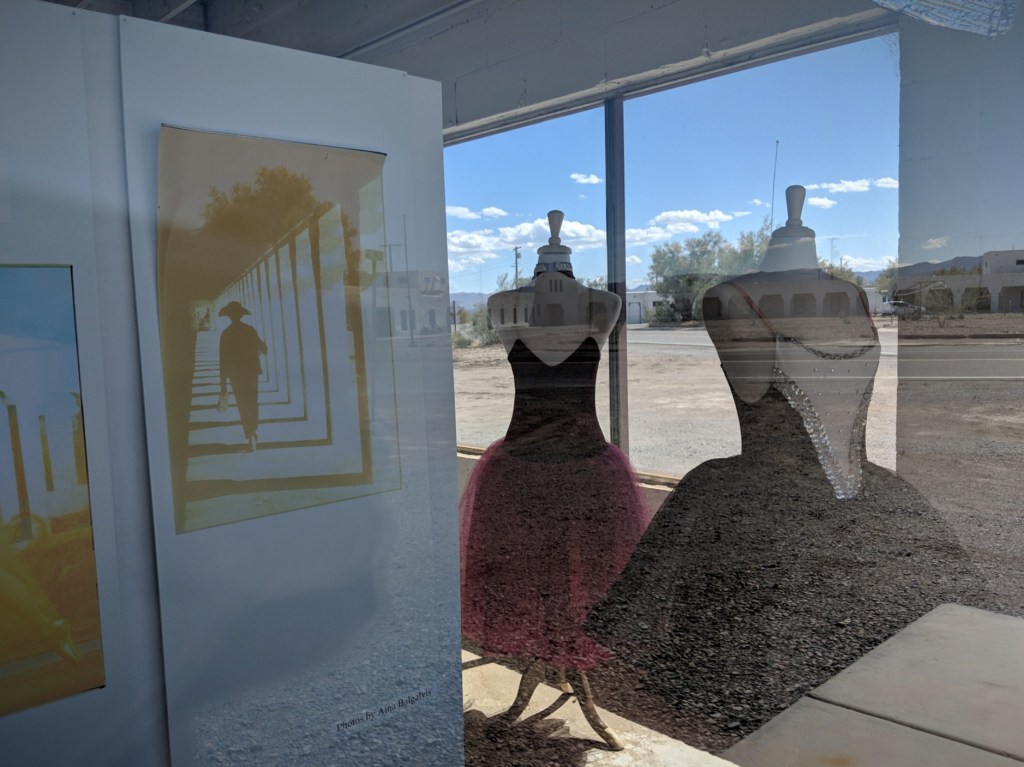
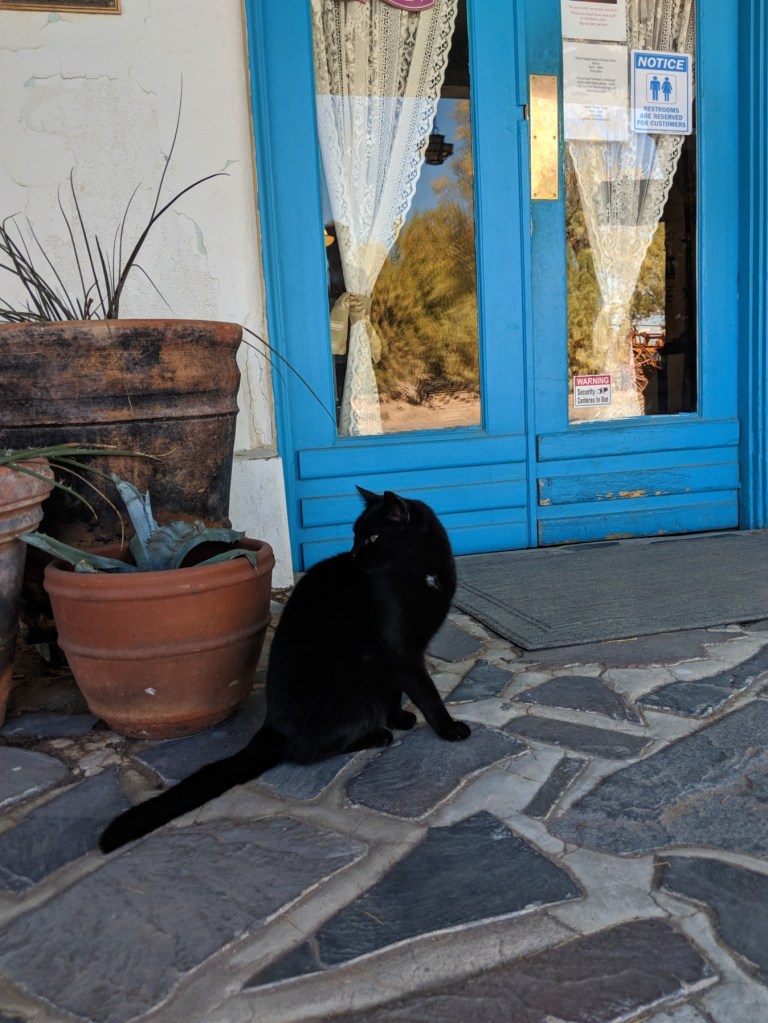
I didn’t even realise then – not before I started reading more about it, that the hotel would probably be better known to many as the ‘Lost Highway Hotel’ from David Lynch’s Lost Highway (1997). But at the time, I was too busy peeking through windows, staring at Marta’s costumes and photographs….
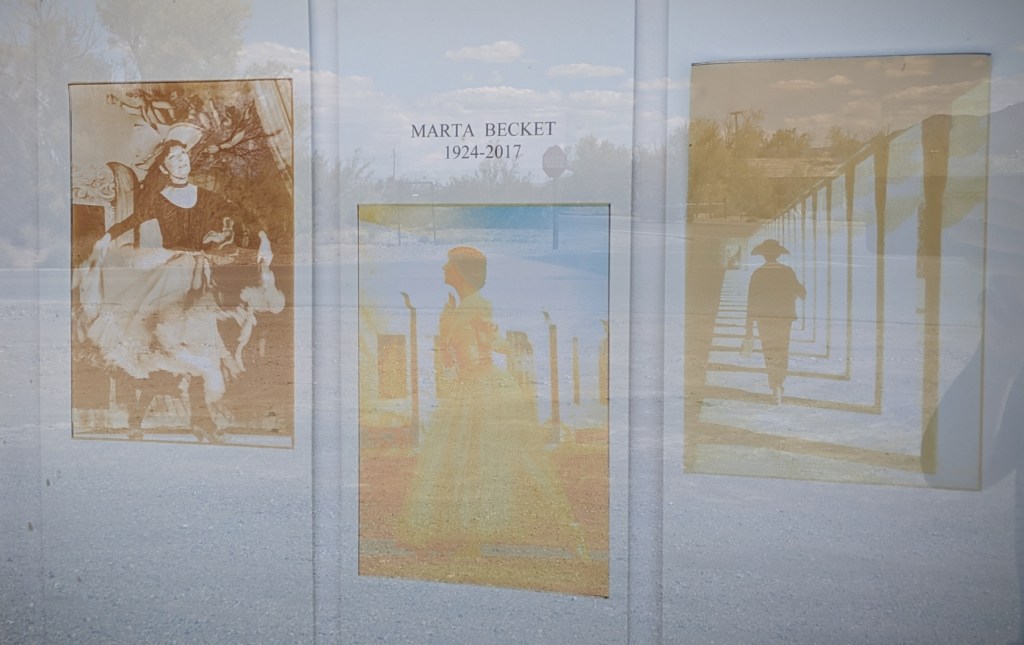
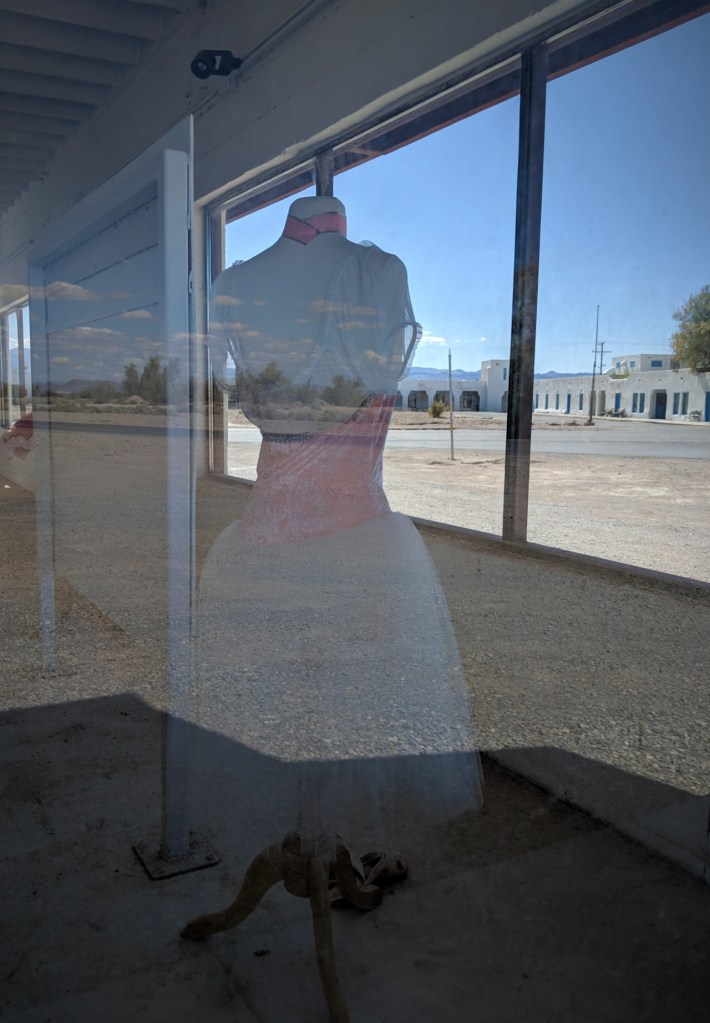
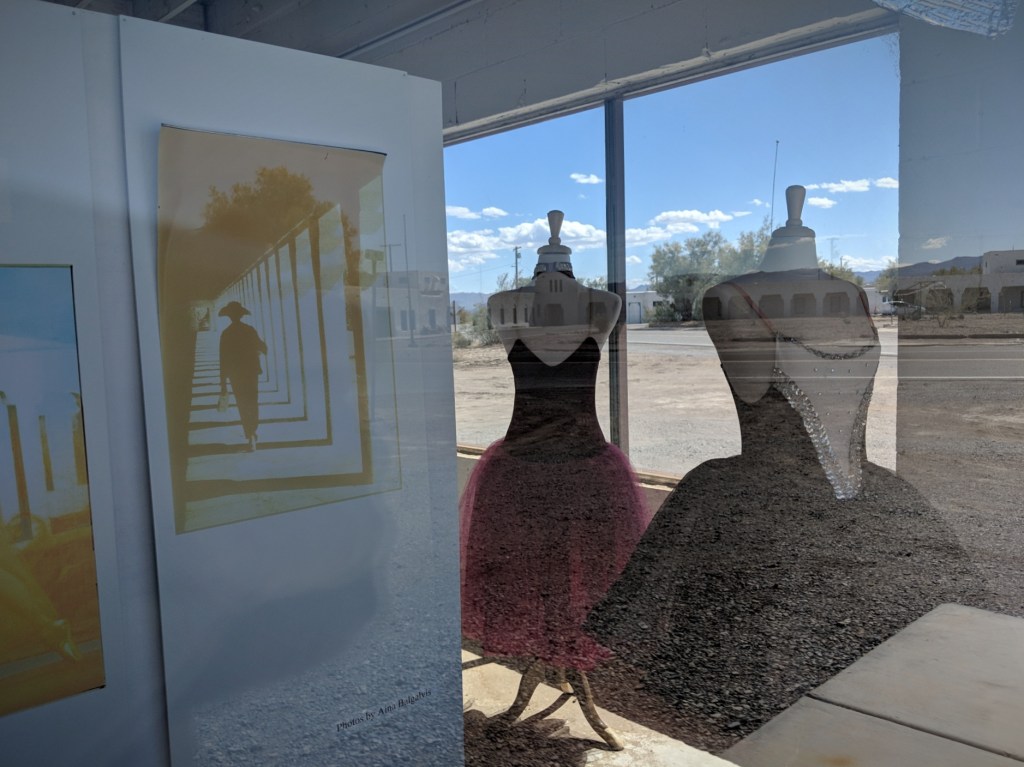
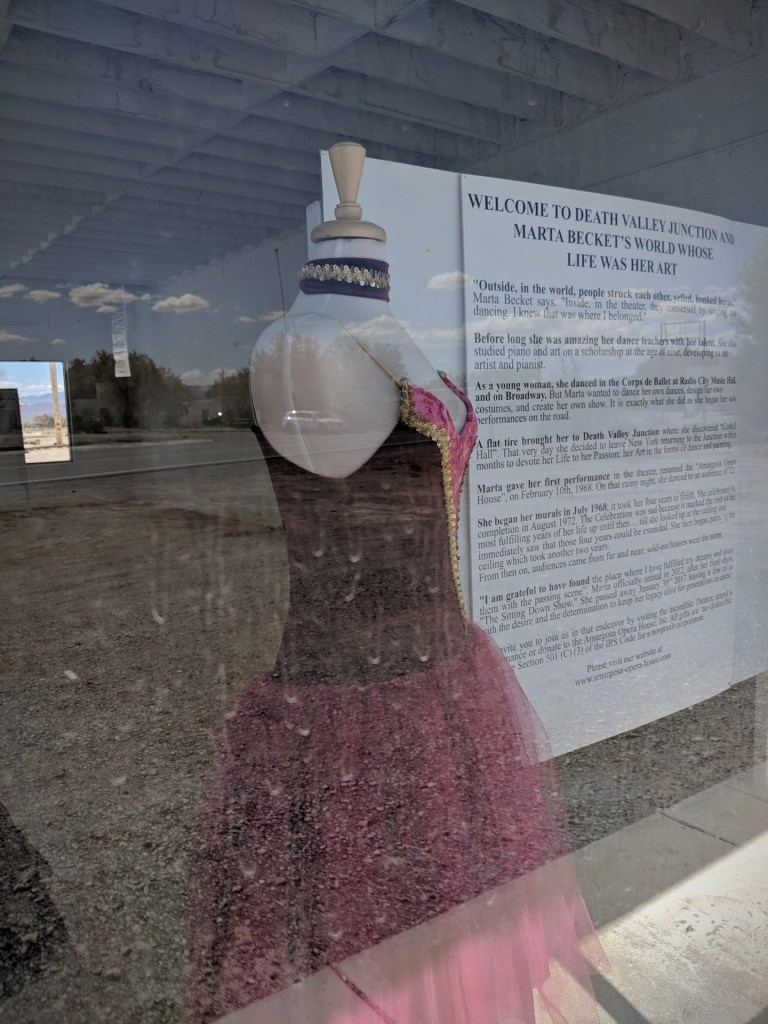
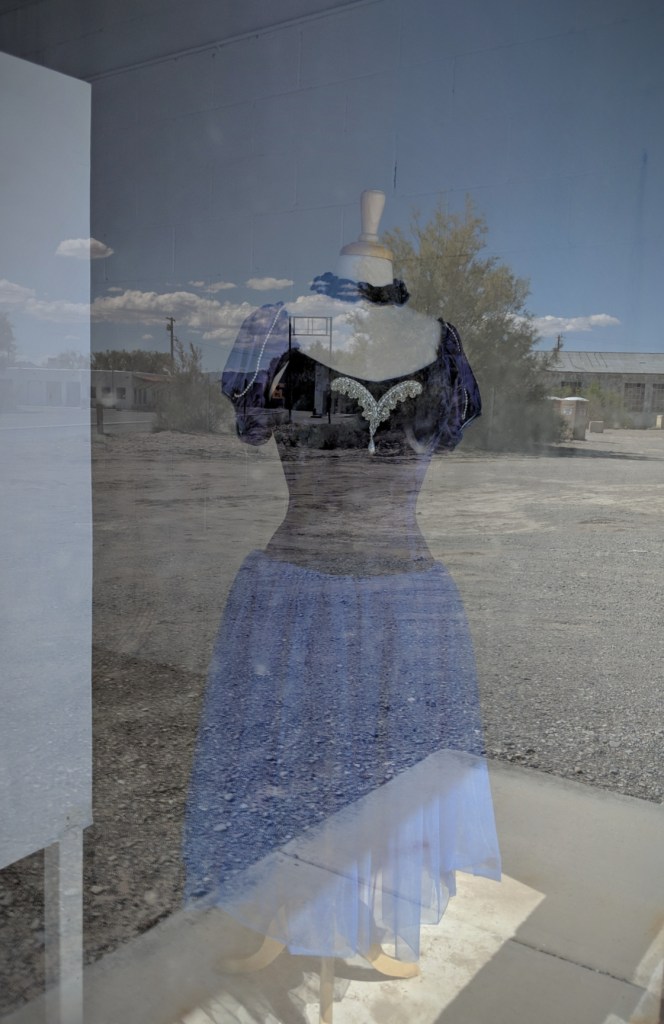
April 21st, 2019
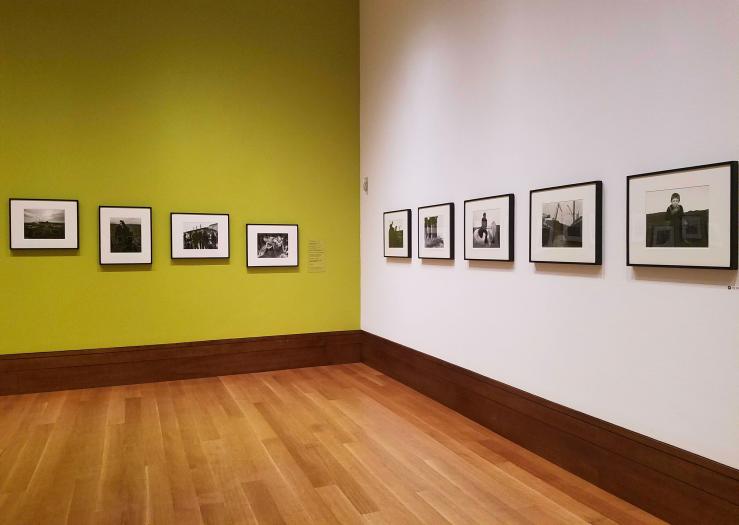
The J. Paul Getty Museum’s collection of over one hundred thousand images is among the most comprehensive holdings of rare and important photographs in the world. It ranges from daguerreotypes to work by contemporary photographers.
For conservation purposes and, may I add, due to their sheer number, photographs cannot be kept on permanent display, but go on view during rotating exhibitions. The images below are from ”Now Then: Chris Killip and the Making of In Flagrante” , ‘‘the most important photobook to document the devastating impact of deindustrialization on working-class communities in northern England in the 1970s and 1980s”.
Paired here with an image from the Cactus Garden and a detail from one of the exterior walls showcasing just a few of the 1.2 million square feet of travertine stone used to cover many surfaces of the Getty Center.

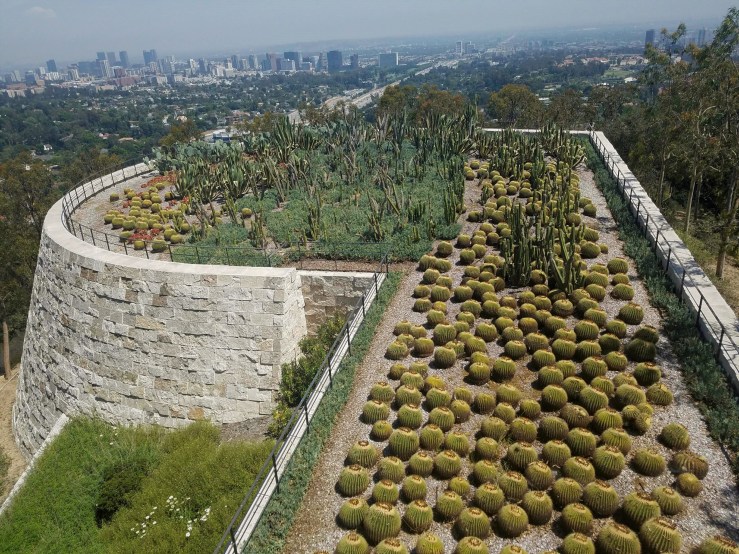
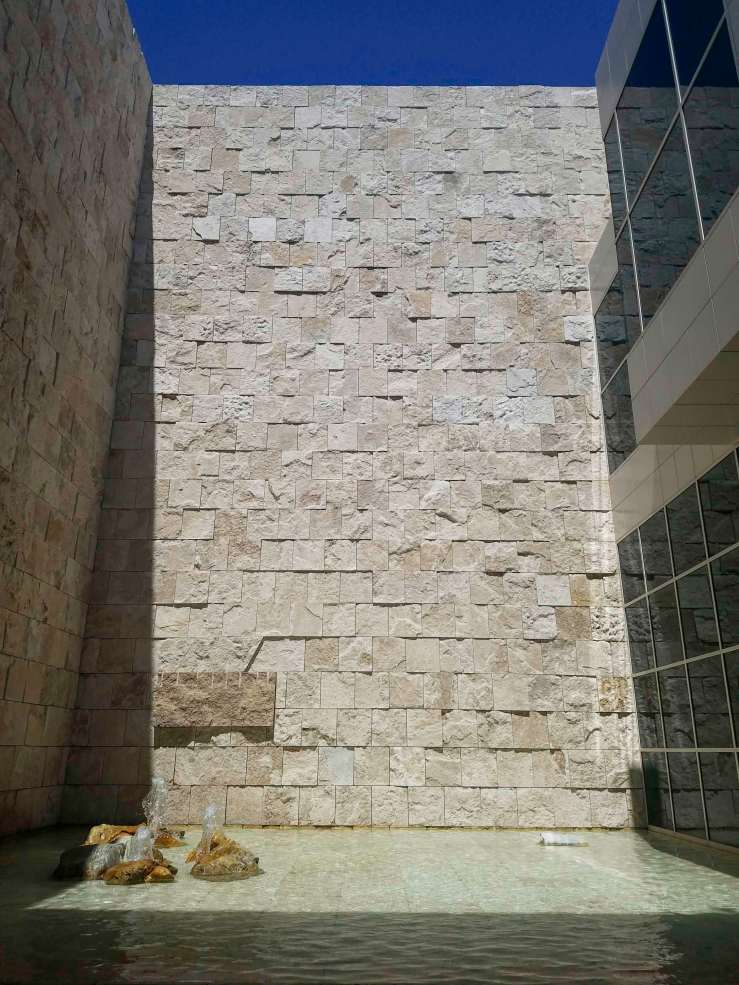
2/
Bever Skinningrove (1987) by Chris Killip
Gelatin silver print
July 18th, 2017
subjective worldview
Actor, writer, cook and author
Travel experiences & Strasbourg city guide
Writer
joy, happiness, travel, adventure, gratitude
"Rêve onirique & Bulle d'évasion"
makes pretty things on paper
This WordPress.com site is Pacific War era information
Welcome to my curious world of words....
Photographs, music and writing about daily life. Contact: elcheo@swcp.com
Free listening and free download (mp3) chill and down tempo music (album compilation ep single) for free (usually name your price). Full merged styles: trip-hop electro chill-hop instrumental hip-hop ambient lo-fi boombap beatmaking turntablism indie psy dub step d'n'b reggae wave sainte-pop rock alternative cinematic organic classical world jazz soul groove funk balkan .... Discover lots of underground and emerging artists from around the world.
A 365 analogue photography project
Barcelona's Multiverse | Art | Culture | Science
Een digitaal atelier aan de (zee)slag.
‘Doodling Ambiguity’s in Ink.’
Miscellaneous photography
Glimpses along the way on a journey of discovery into symmetry...
 The Humble Fabulist