Seating Plan

In great Stijl.

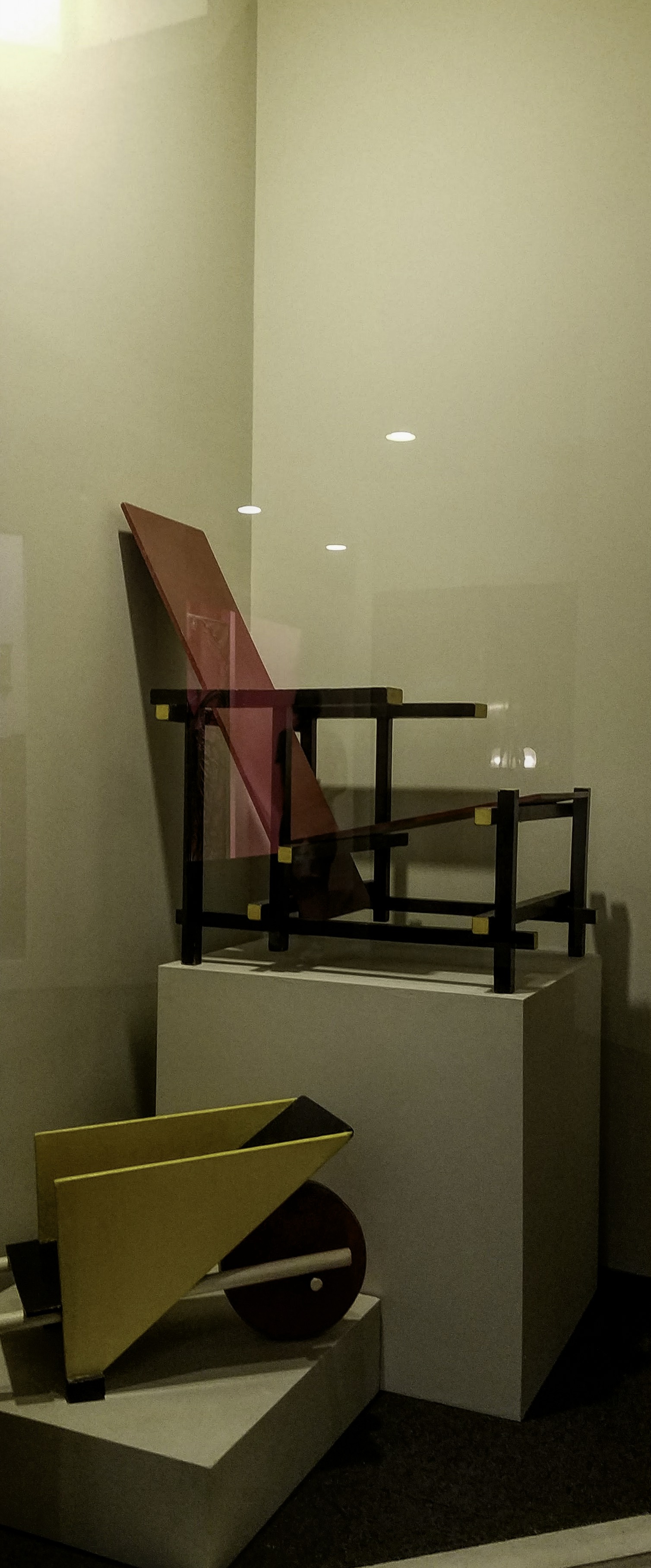
1/ Gerrit Thomas Rietveld
Armchair, designed 1917
Made by Gerard van de Groenekan (1904-1994)
The Netherlands
Painted beechwood

It is rare for decorative arts objects to evoke an artistic movement, but this armchair, formerly owned by De Stijl architect J.J. Oud, has become an icon. It expresses De Stijl ideology through balanced application of colour and the arrangement of geometric elements. De Stijl artists shunned historicism and naturalism and sought new abstract forms to express the ideals of the future

&

Child’s Wheelbarrow, designed 1923, made 1958
Made by Gerard van de Groenekan, The Netherlands
Wood

This child’s wheelbarrow is based on a toy that Gerrit Rietveld made in 1923 for the son of J.J. P. Oud. It exemplifies the stylistic characteristics of De Stijl: composed of elemental geometric forms, painted in primary colours and made of inexpensive wood.

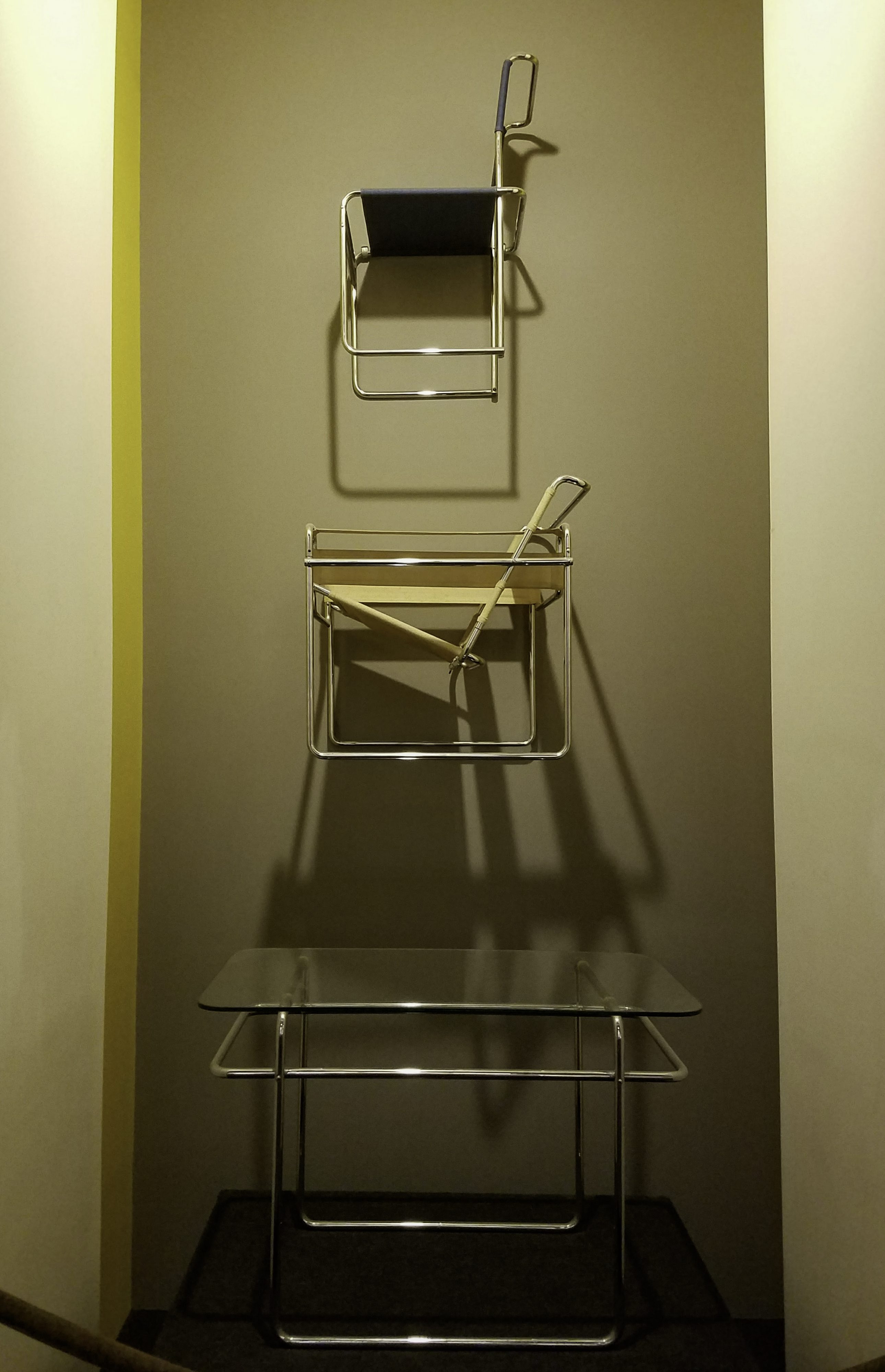
2/ Marcel Breuer
Side Chair, Model B5, ca. 1926, Germany
Armchair, Model b4, ca. 1927-28
Table, Model B19, ca. 1928
Chromium-plated tubular steel, white canvas (chairs), glass (table)

3/ Ettore Sottsass, Jr.
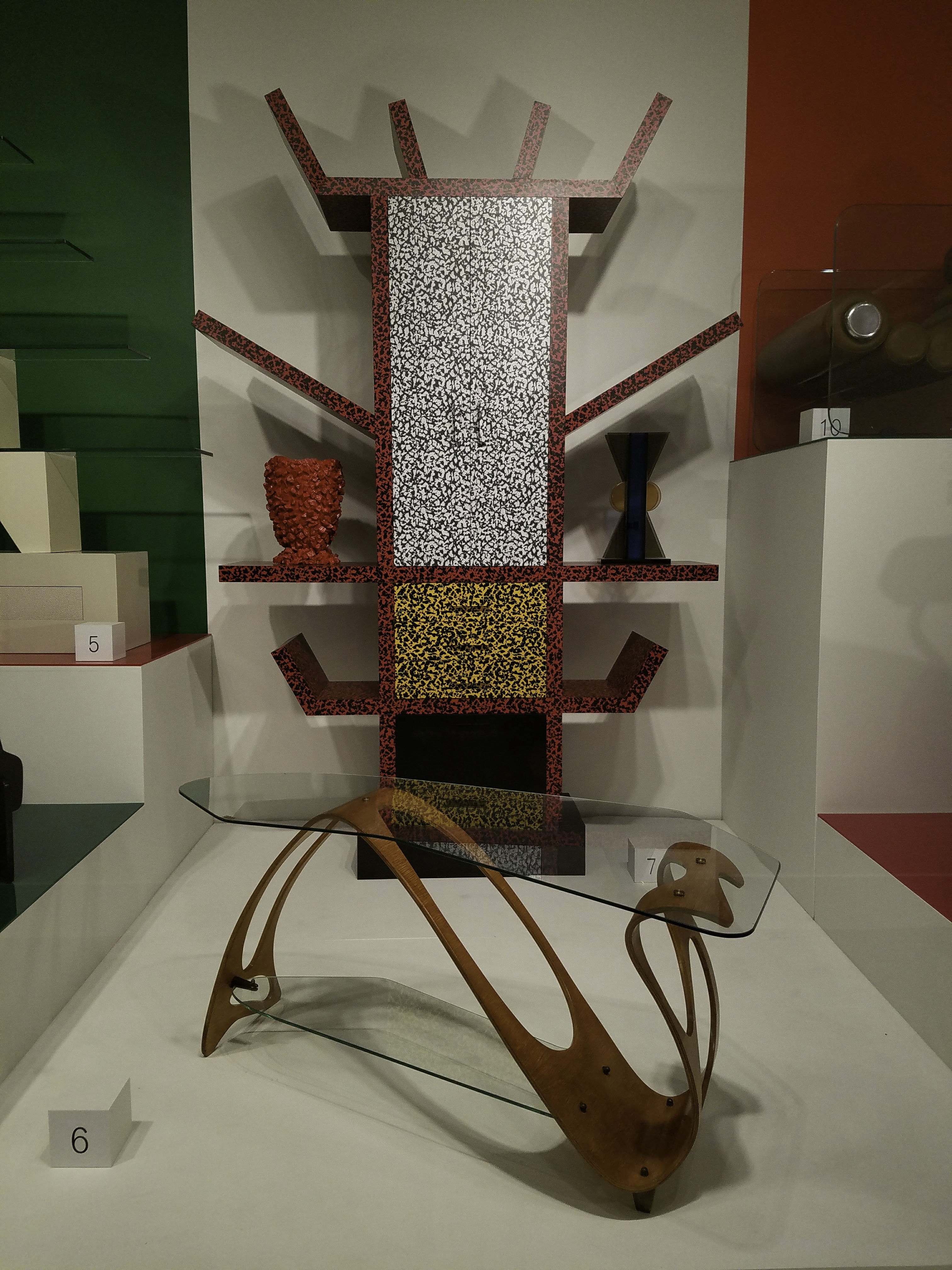
“Casablanca” Cabinet, designed 1981. Manufactured by Memphis. Milan.
Wood, plastic laminate

&

Carlo Mollino
Table, ca 1949. Made by F. Apelli and L. Varesio, Turin.
Laminated wood, glass, brass

Although it is functional, this table looks like a piece of sculpture. Its undulating curves were inspired by the work of Surrealist artists, in particular Jan Arp’s flowing lines and biomorphic shapes. The shape of the table top was based on the outlines of a woman’s torso. Mollino had traced it from a drawing by the Italian Surrealist Leonor Fini (1908-1996). In 1950 the table was included in a major exhibition of Italian design called Italy at Work: Her Renaissance in Design Today. The Italian government sent this travelling exhibition around America. {source}

Brooklyn Museum

July 22nd, 2017
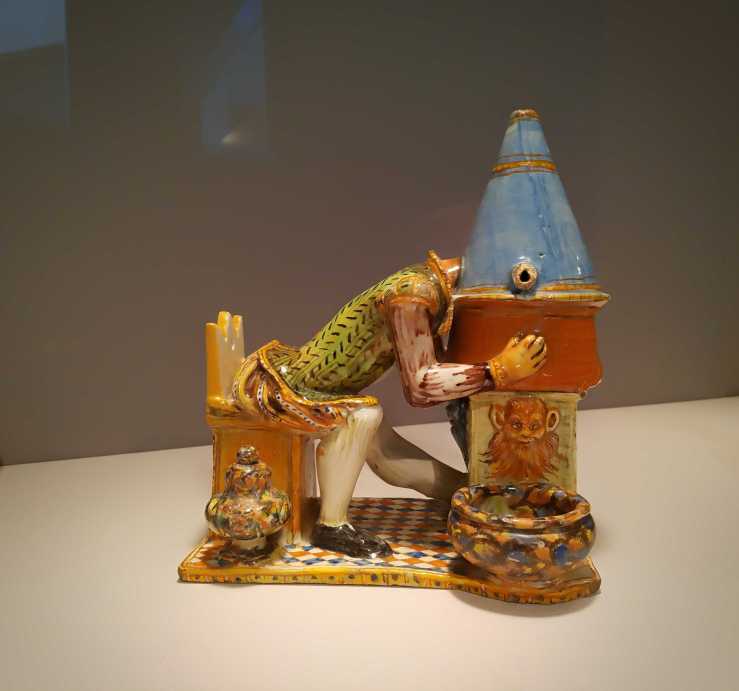
A Madman Distilling his Brains

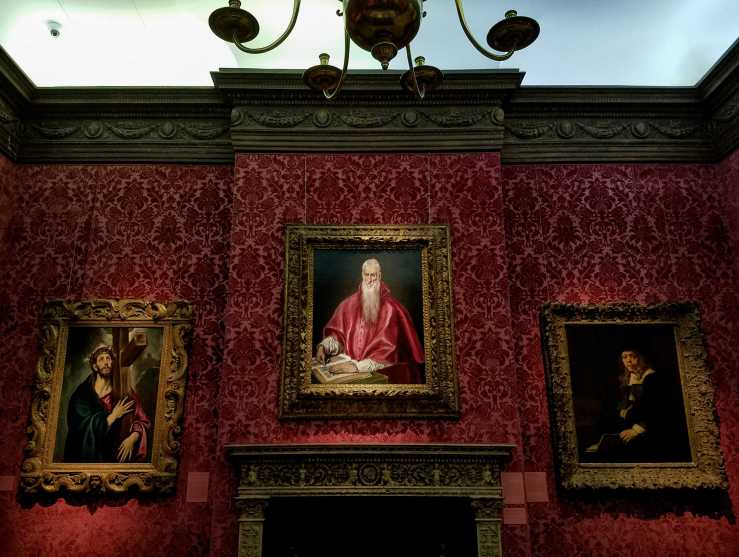
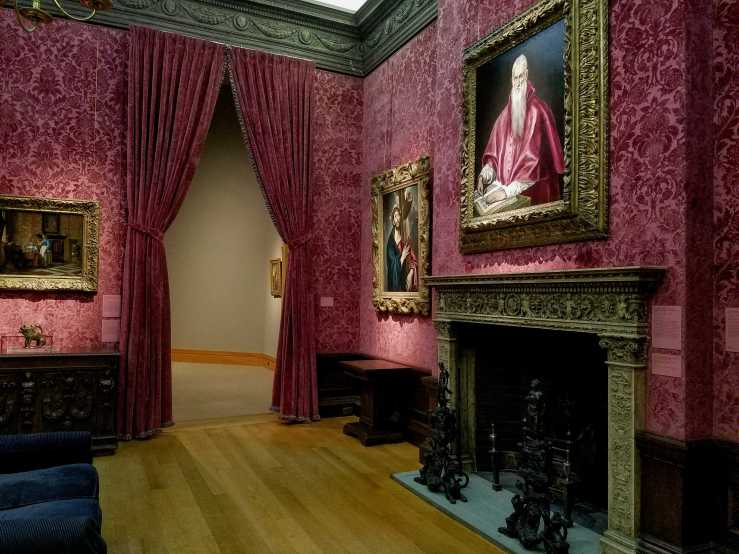
The Robert Lehman Wing was built not only to showcase the vast Lehman Collection – donated to the museum by the family – but parts of it were made to look like rooms recreating the Lehman family residence. 

El Greco (Domenikos Theotokopoulos)
Saint Jerome as Scholar, 
ca. 1610

Oil on canvas


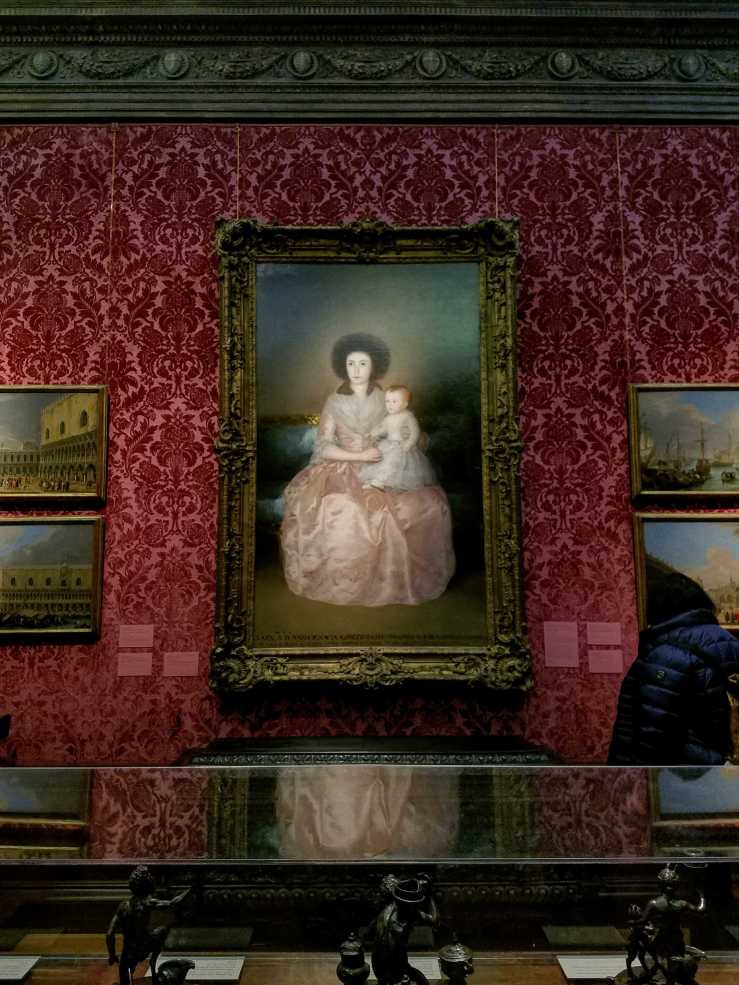
Goya (Francisco de Goya y Lucientes) 
Condesa de Altamira and Her Daughter, María Agustina – 1787–88
Oil on canvas


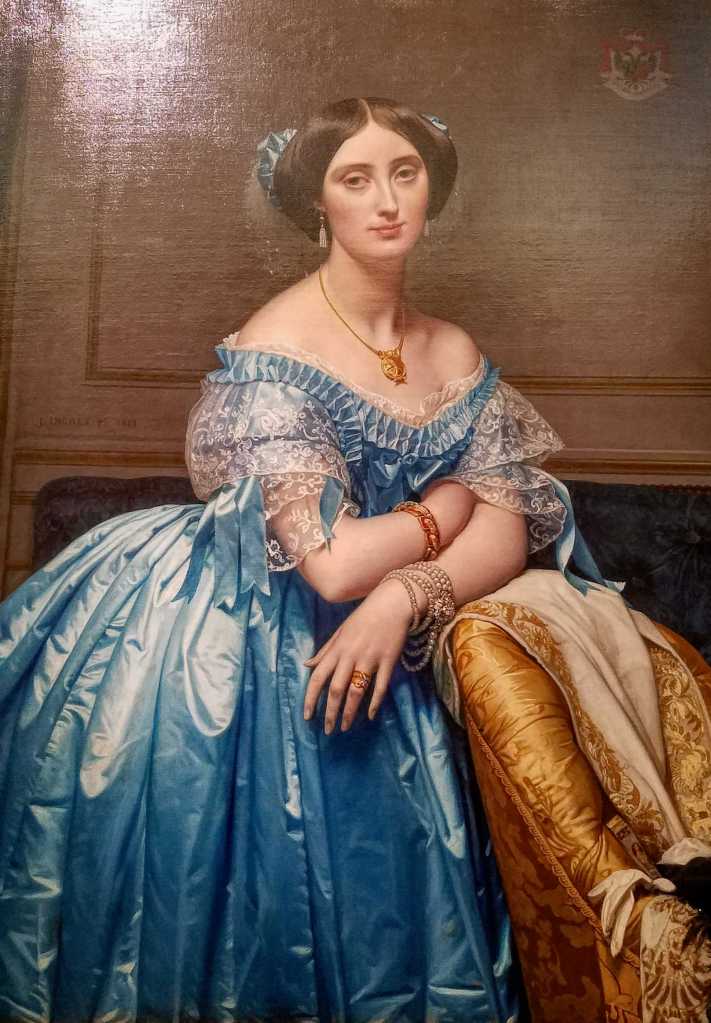
Jean Auguste Dominique Ingres  
Joséphine-Éléonore-Marie-Pauline de Galard de Brassac de Béarn (1825–1860), Princesse de Broglie
Oil on canvas

Jean-Auguste-Dominique Ingres, the neo-classical French artist par excellence, painted this masterpiece toward the end of his life when his reputation as a portraitist to prominent citizens and Orléanist aristocrats had been long established. Pauline de Broglie sat for the artist’s final commission. Ingres captures the shy reserve of his subject while illuminating through seamless brushwork the material quality of her many fine attributes: her rich blue satin and lace ball gown, the gold embroidered shawl, and silk damask chair, together with finely tooled jewels of pearl, enamel, and gold. The portrait was commissioned by the sitter’s husband, Albert de Broglie, a few years after their ill-fated marriage. Pauline was stricken with tuberculosis soon after completion of the exquisite portrait, leaving five sons and a grieving husband. Through Albert’s lifetime, it was draped in fabric on the walls of the family residence. The portrait remained in the de Broglie family until shortly before Robert Lehman acquired it.


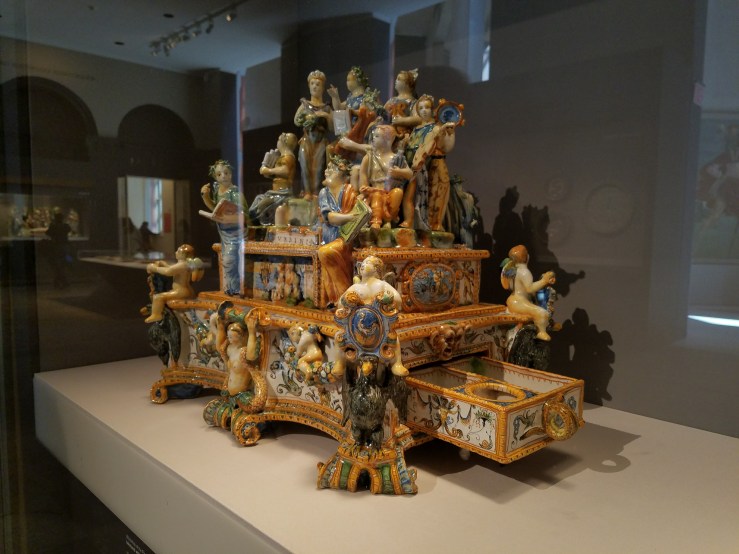
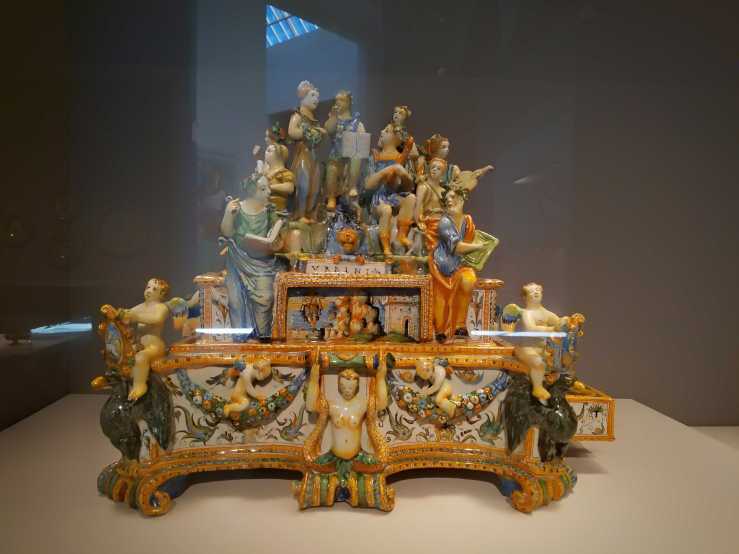
The collection also comprises some extravagant, utterly amusing objects:Inkstand with Apollo and the Muses
Workshop of the Patanazzi family (Italian, active ca. 1580–1620)
Probably after Raphael (Raffaello Sanzio or Santi) (Italian, Urbino 1483–1520 Rome)
Date: 1584
Medium: Maiolica (tin-glazed earthenware)

This extravagant desk set celebrates the art of poetry while providing a writer with storage for the tools of his craft. The exterior decorations evoke ancient Roman art and honor the divine sources of creativity. Gods and muses perch beside famous poets atop an elaborate confection of drawers and removable containers, including inkwells and a sand-shaker (for drying fresh text). Inside, the compartments are decorated with images denoting their contents, such as scissors and quills.


Among which my personal favourite:
Inkstand with A Madman Distilling His Brains, ca. 1600
Maiolica (tin-glazed earthenware)

In this whimsical maiolica sculpture, a well-dressed man leans forward in his seat with his head in a covered pot set above a fiery hearth. The vessel beside the hearth almost certainly held ink. The man’s actions are explained by an inscription on the chair: “I distill my brain and am totally happy.” Thus the task of the writer is equated with distillation—the process through which a liquid is purified by heating and cooling, extracting its essence.


The Metropolitan Museum of Art
March 19th, 2017