Pertinent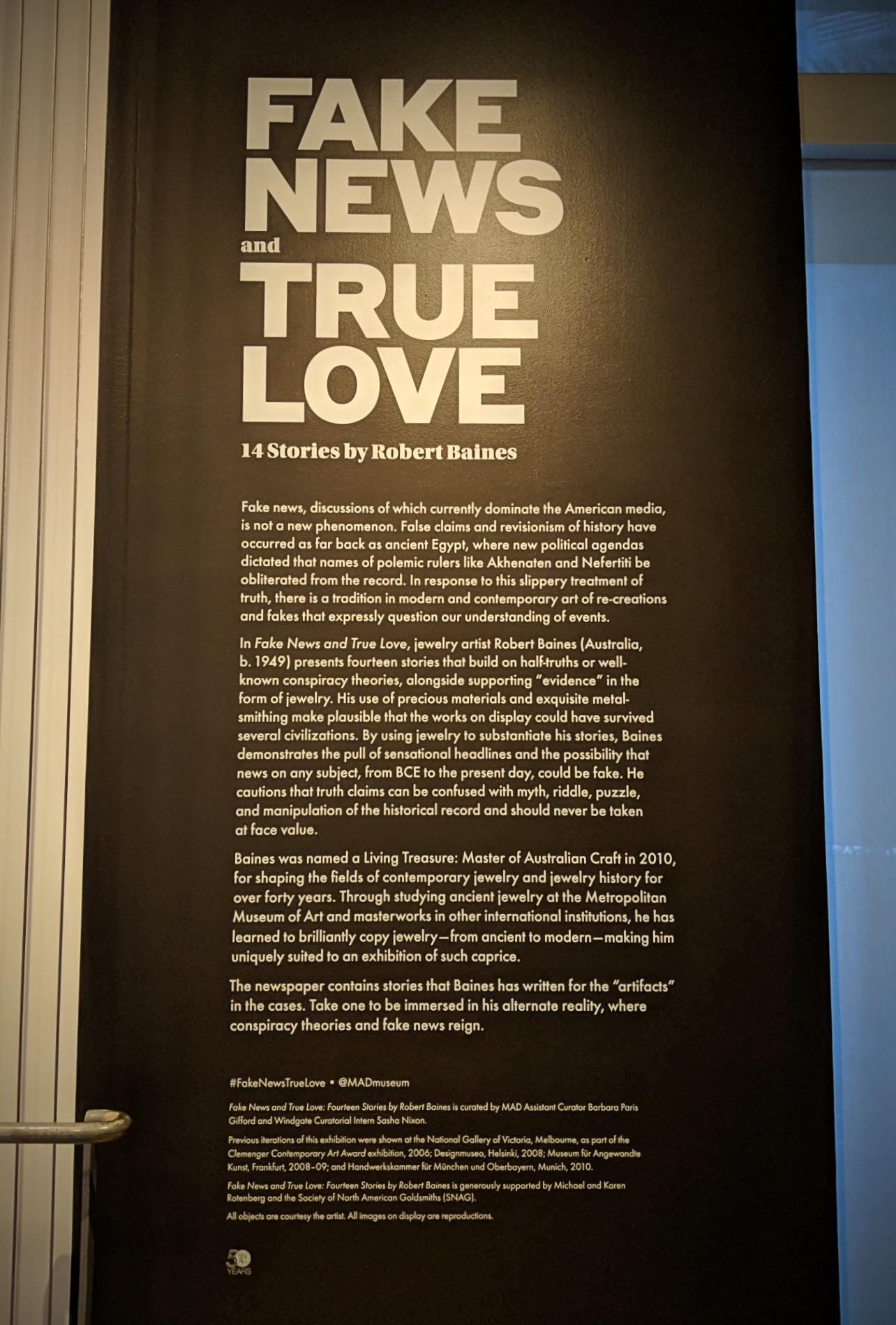
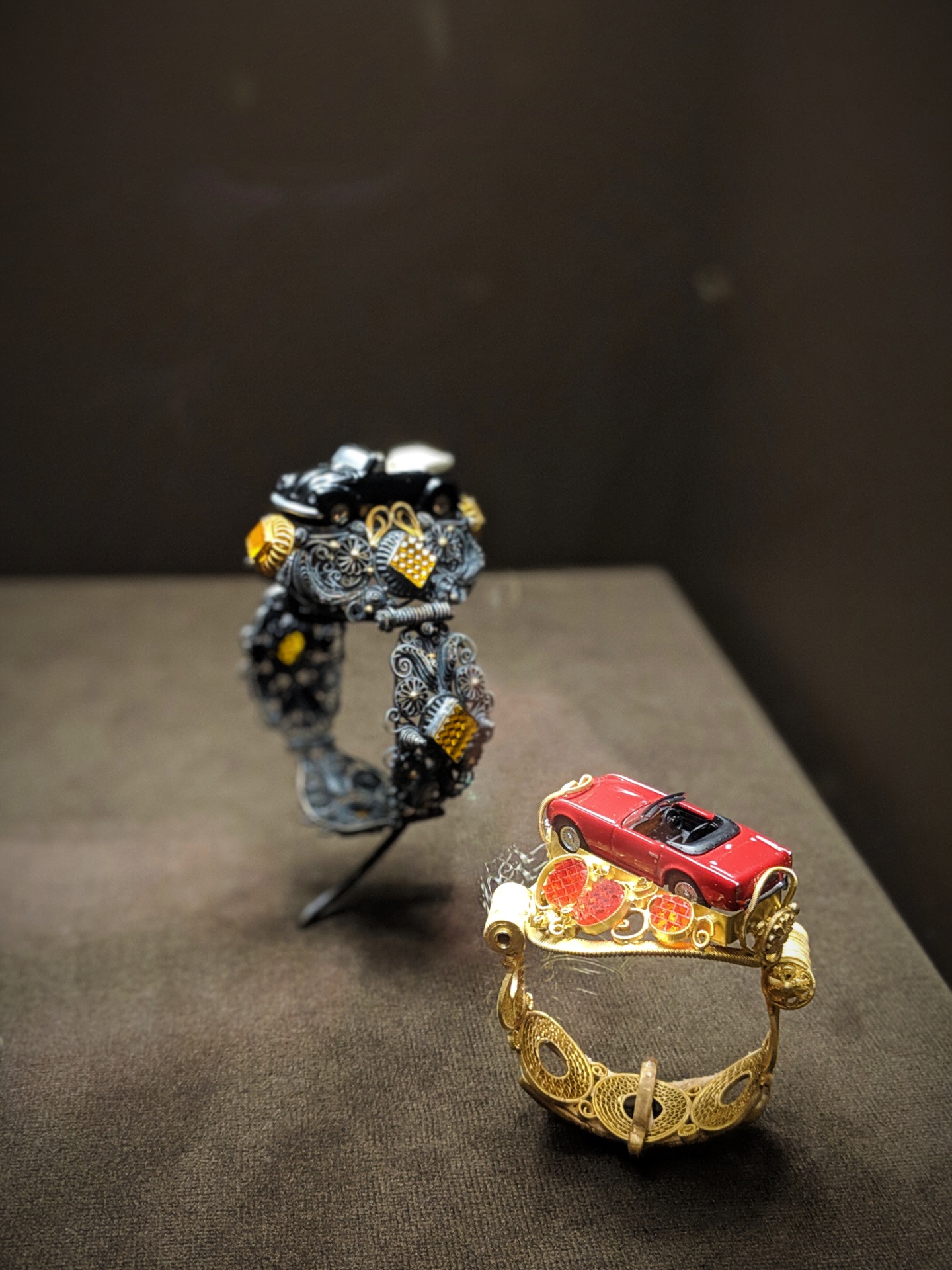
New Jewellery Group from the Baltic
Bracelets from Saaremaa (?)
Gold, silver, plastic and model cars
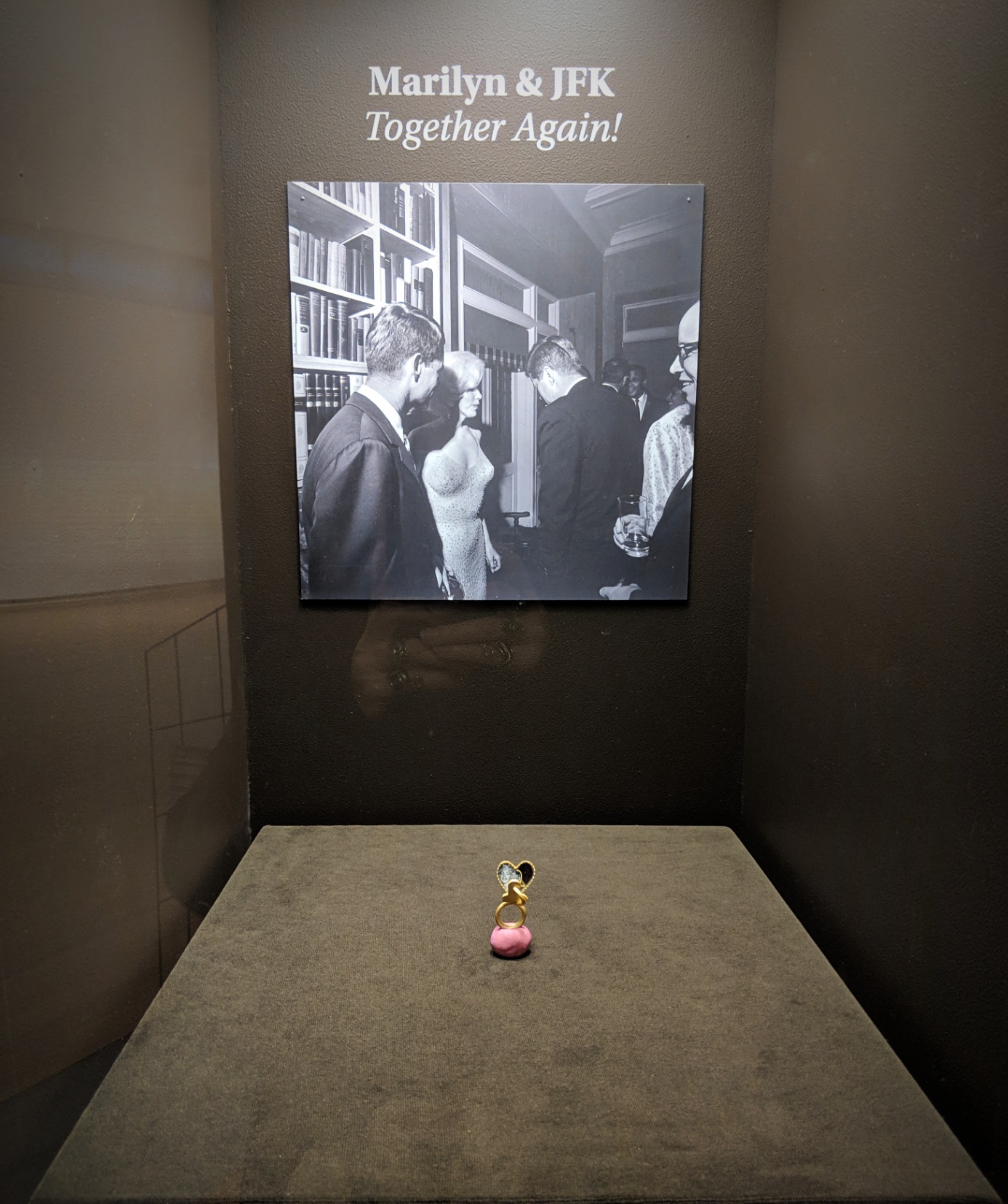
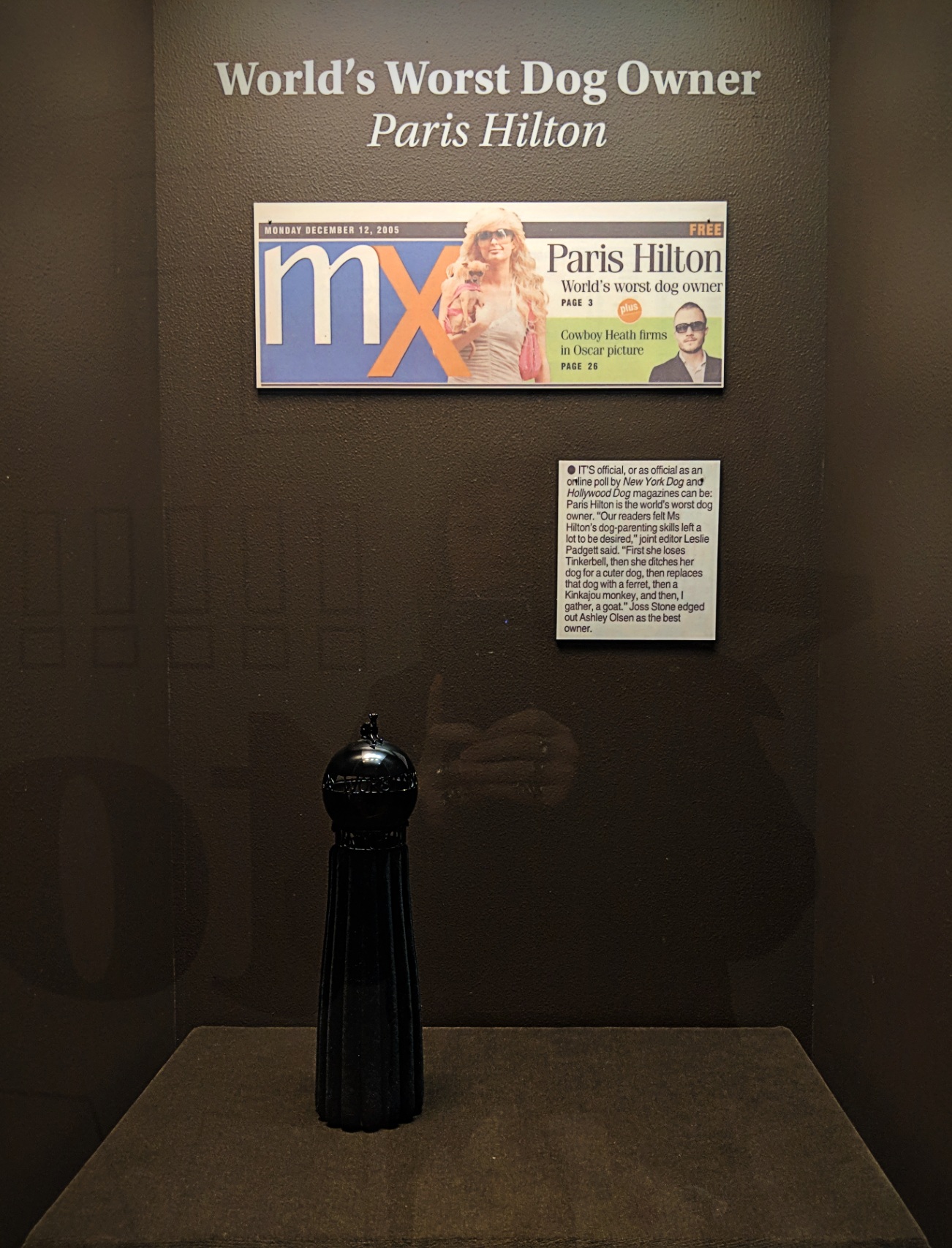
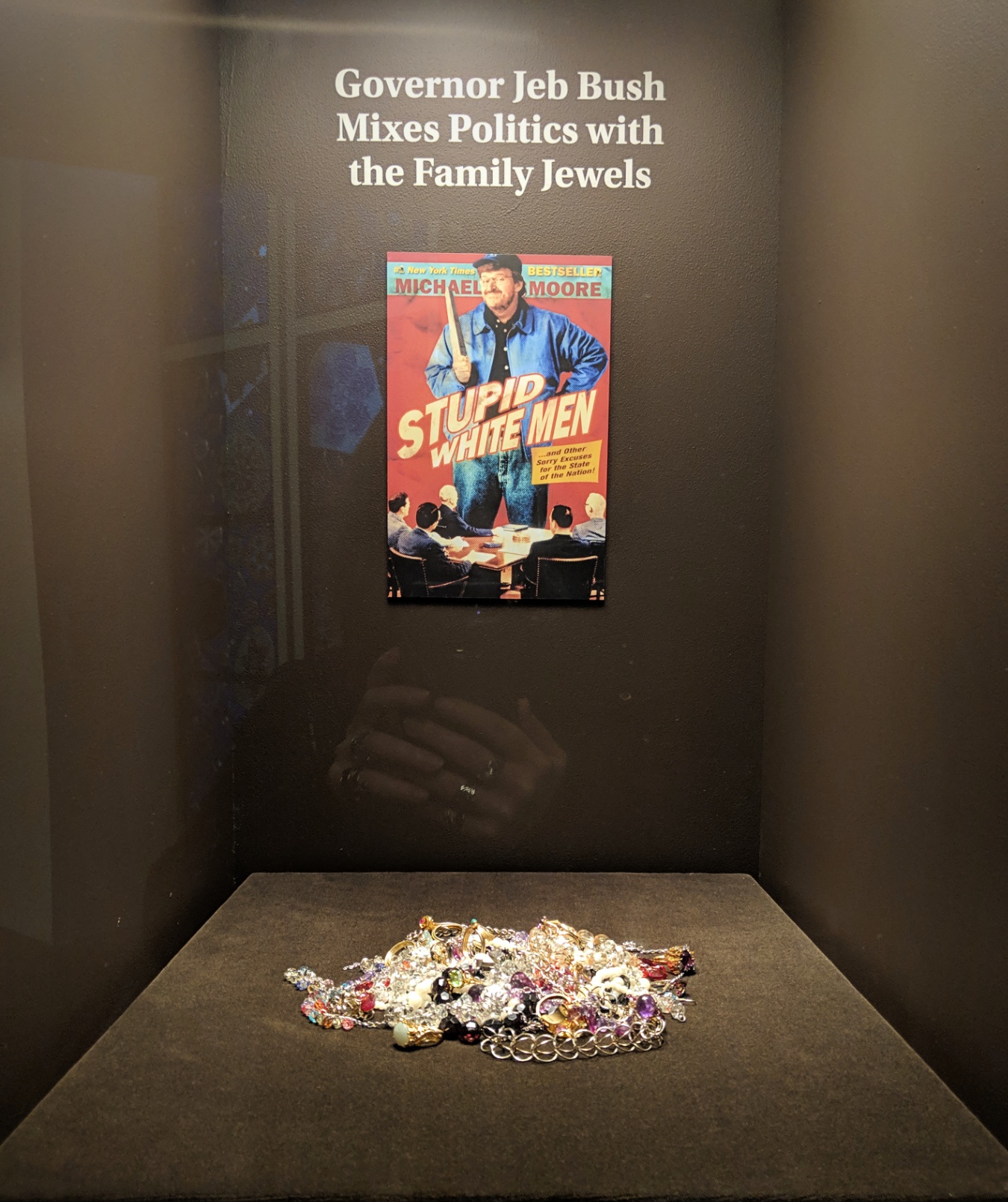
Fake news, real jewellery by Robert Baines
November 11th, 2018
Pertinent
New Jewellery Group from the Baltic
Bracelets from Saaremaa (?)
Gold, silver, plastic and model cars
Fake news, real jewellery by Robert Baines
November 11th, 2018
“We’re right out here with the rest of the colored folk and the Puerto Ricans and Italians and the Hebrew cats. We don’t need to move out in the suburbs to some big mansion with lots of servants and yardmen and things.”
And so it was in 1943 that Louis Armstrong and his wife Lucille came to live in this modest house in the working-class neighbourhood of Corona, Queens. They lived here for the remainder of their lives.
Today, the Louis Armstrong House Museum & Archives is open to the public, offering guided tours while audio clips from Louis’s homemade recordings are played, and visitors hear Louis practicing his trumpet, enjoying a meal, or talking with his friends.
No one else has lived in the house since the Armstrongs passed away; the rooms, furnishings, ornaments, the all-mirrored bathroom and that lovely show-stealing turquoise kitchen reflect their personalities, taste and times they lived in. I tried to stay behind every time our guide moved on, to take a better look at each room. I was sure that if I touched the walls I would hear the echo of Louis’ trumpet playing – and not from the audio clip.
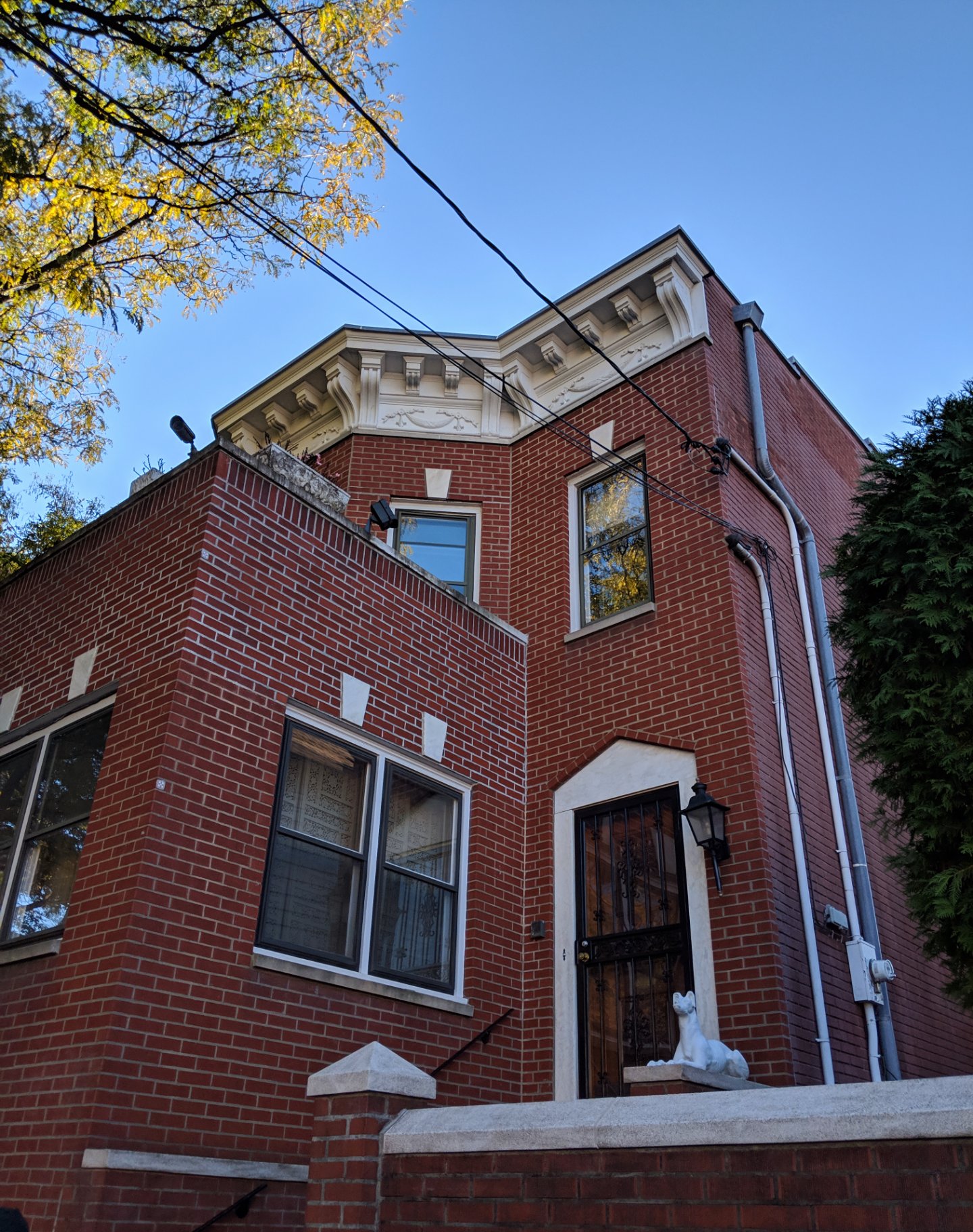
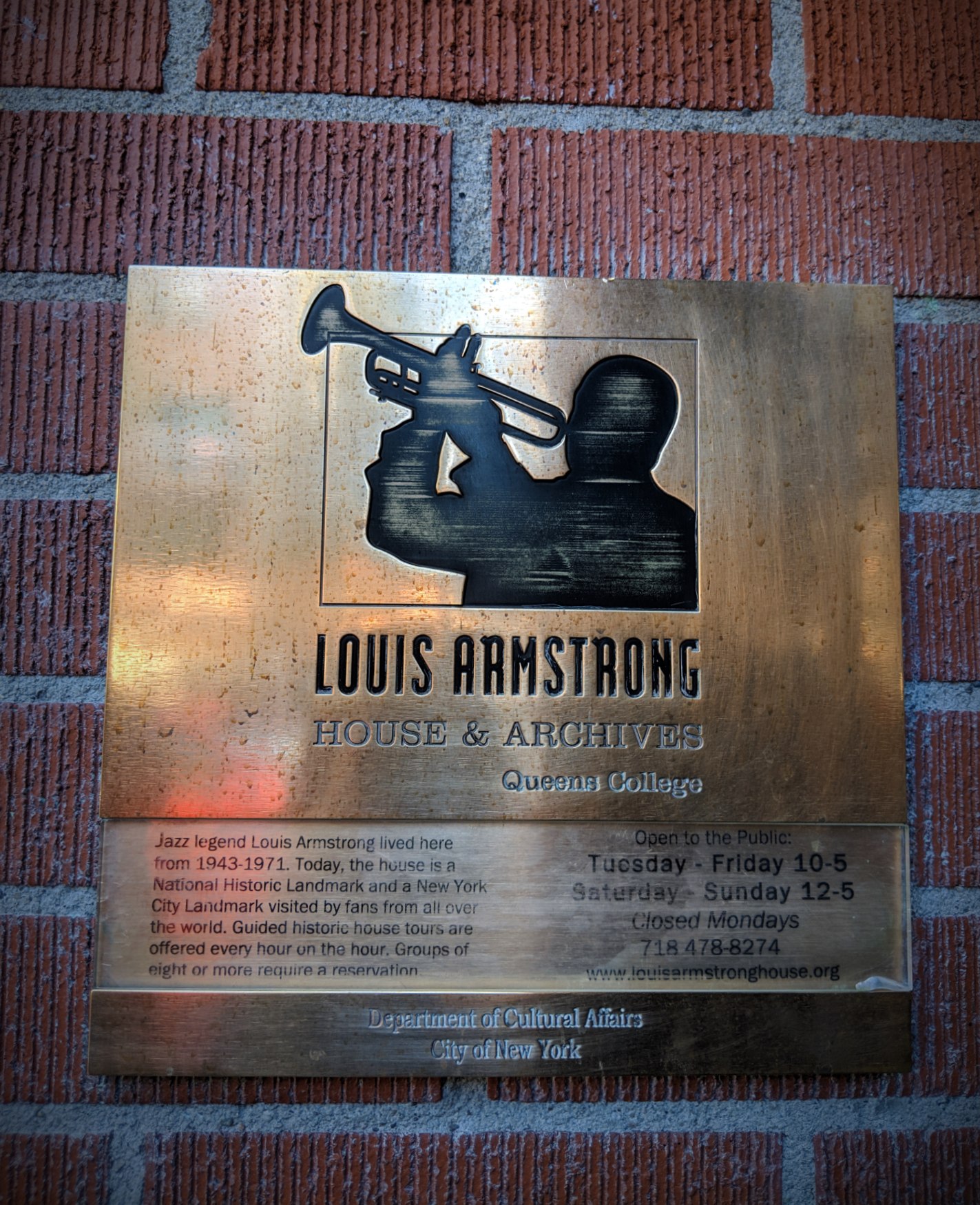
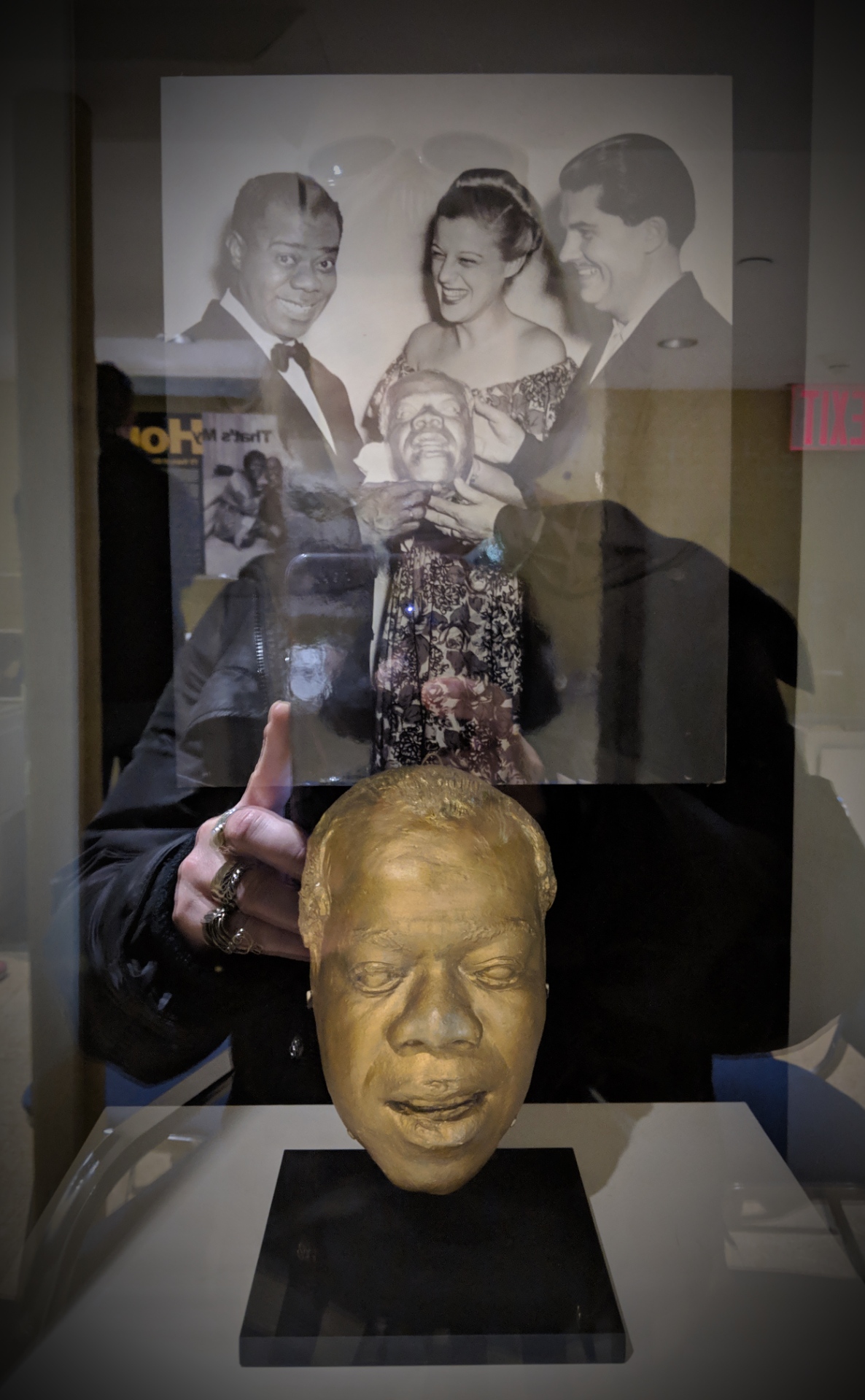
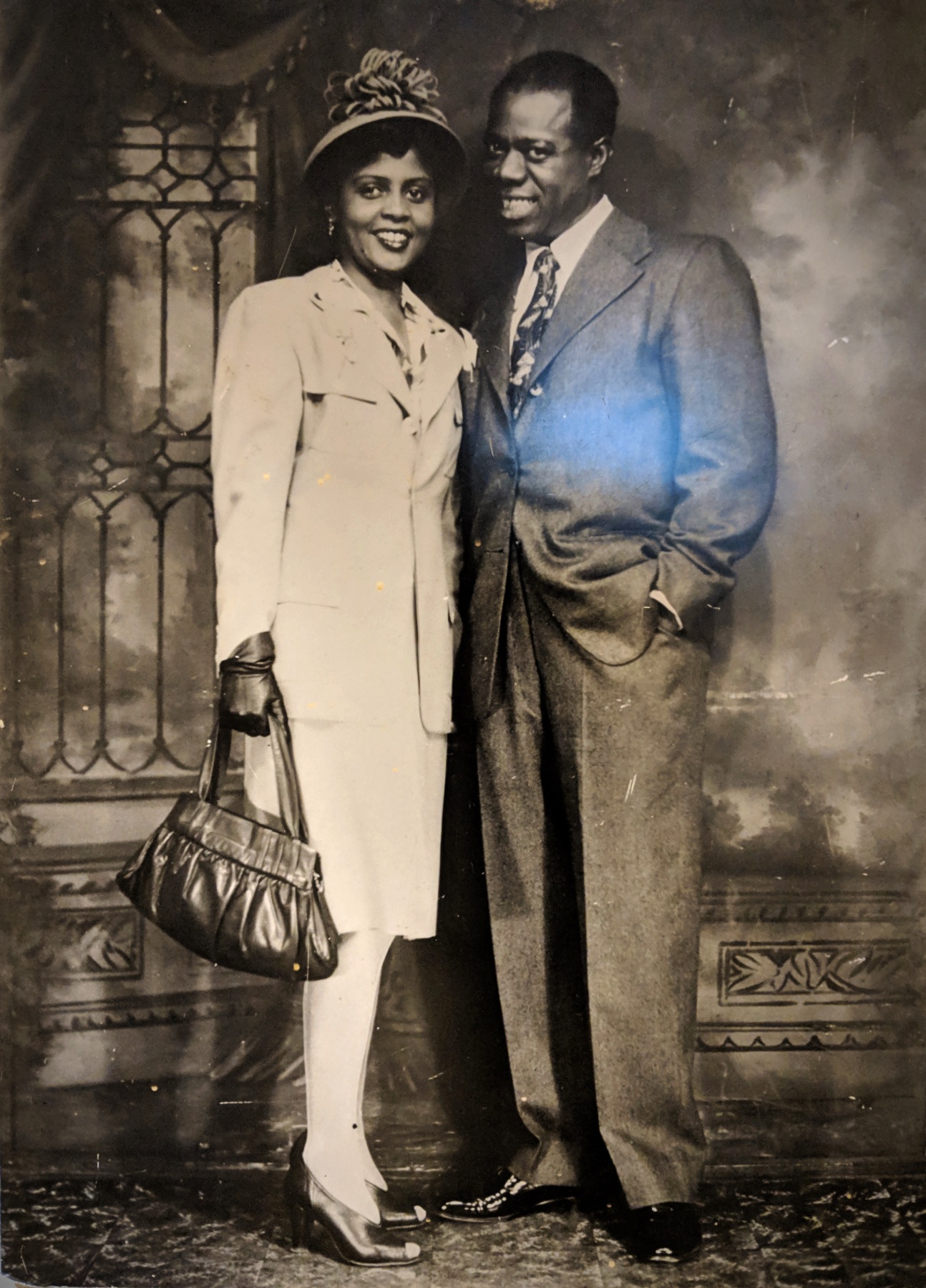
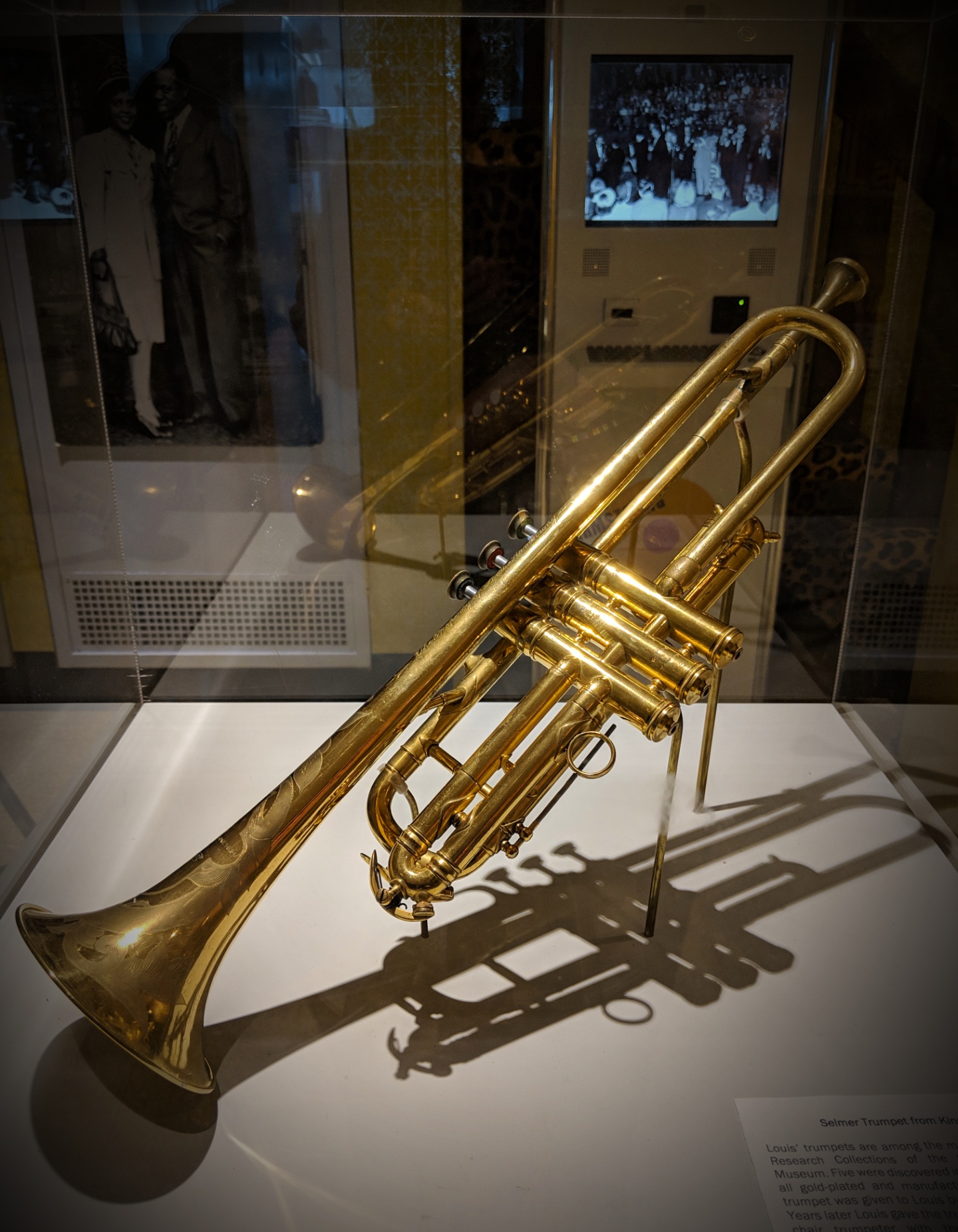
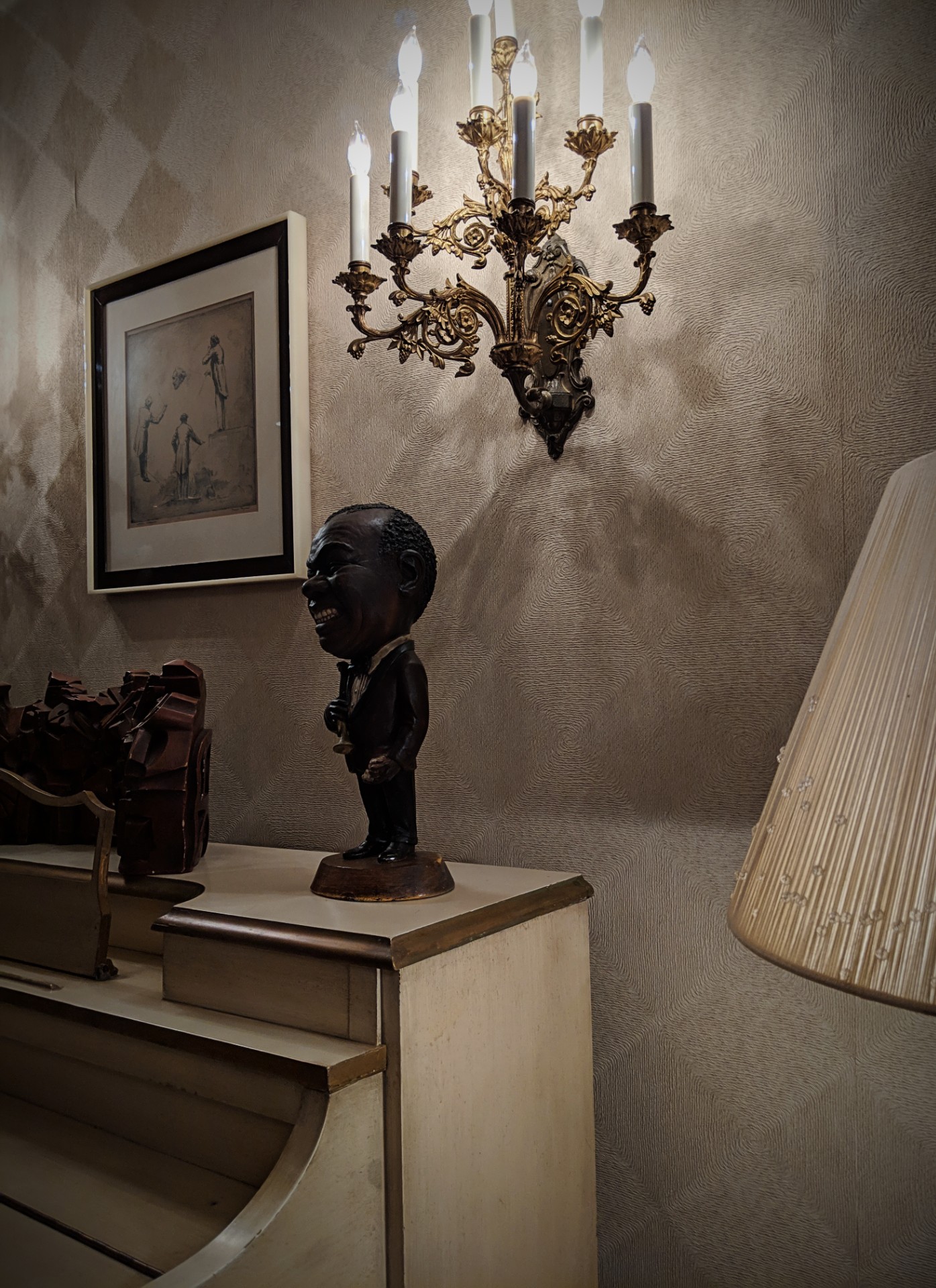
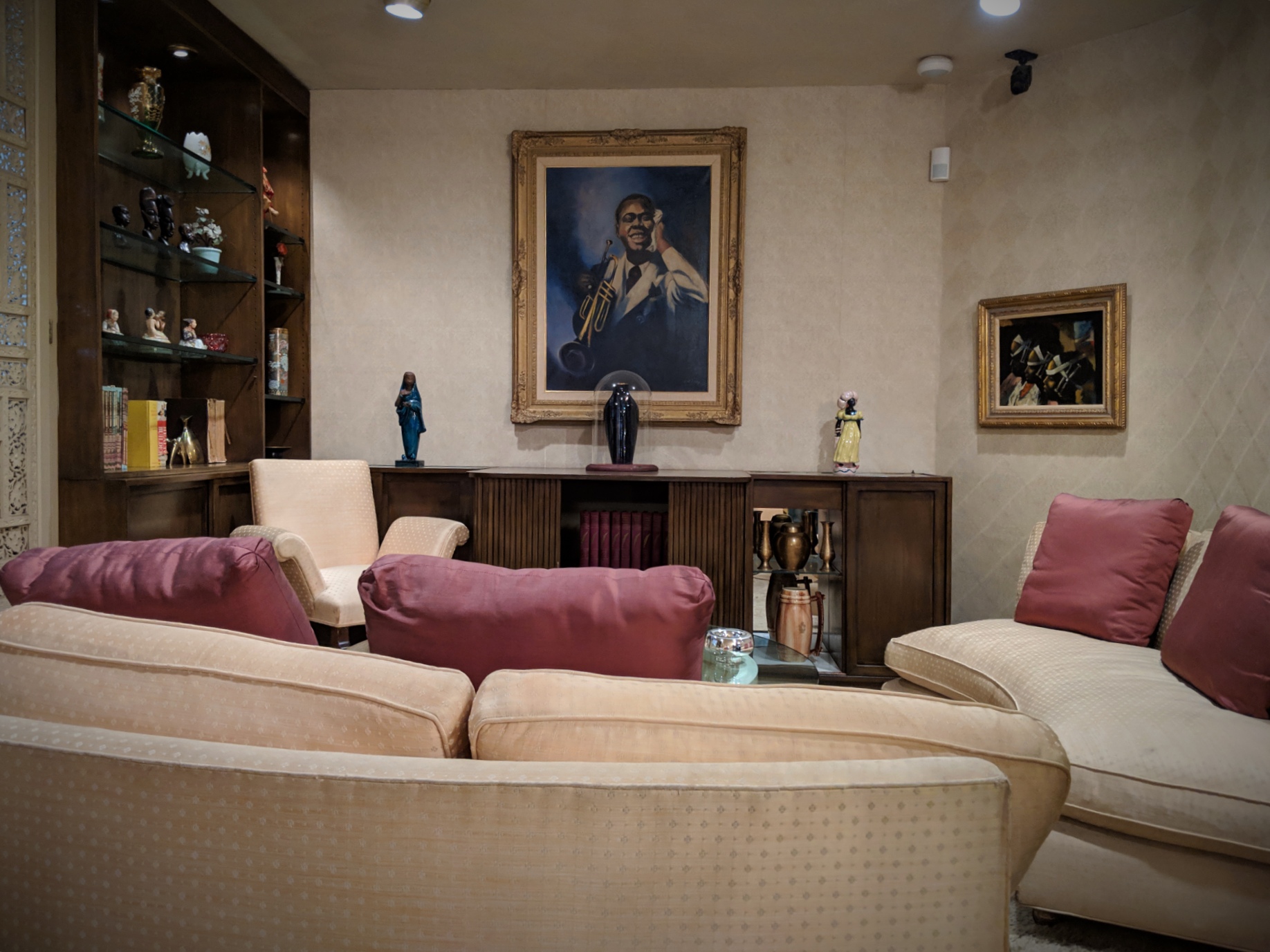
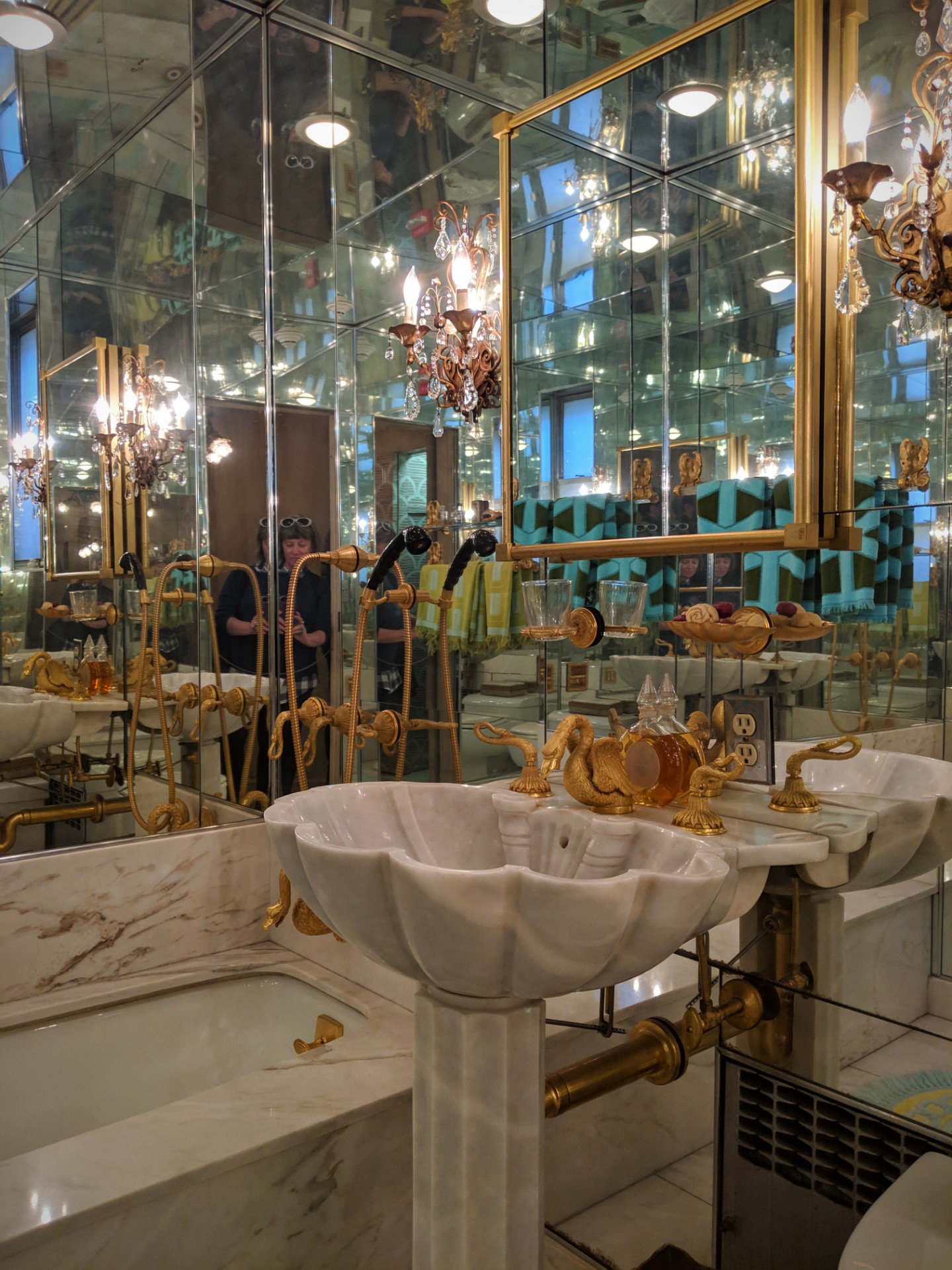
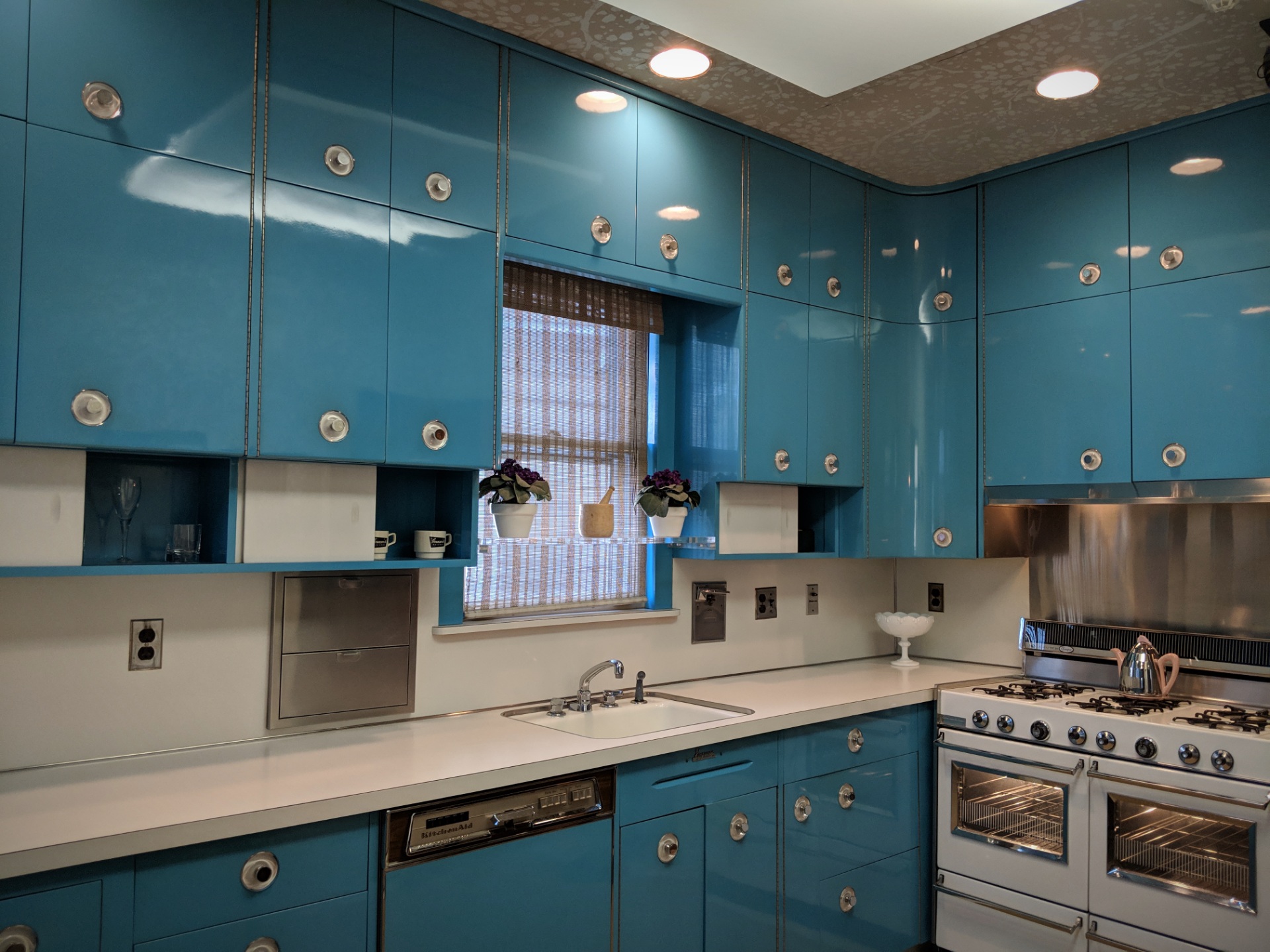
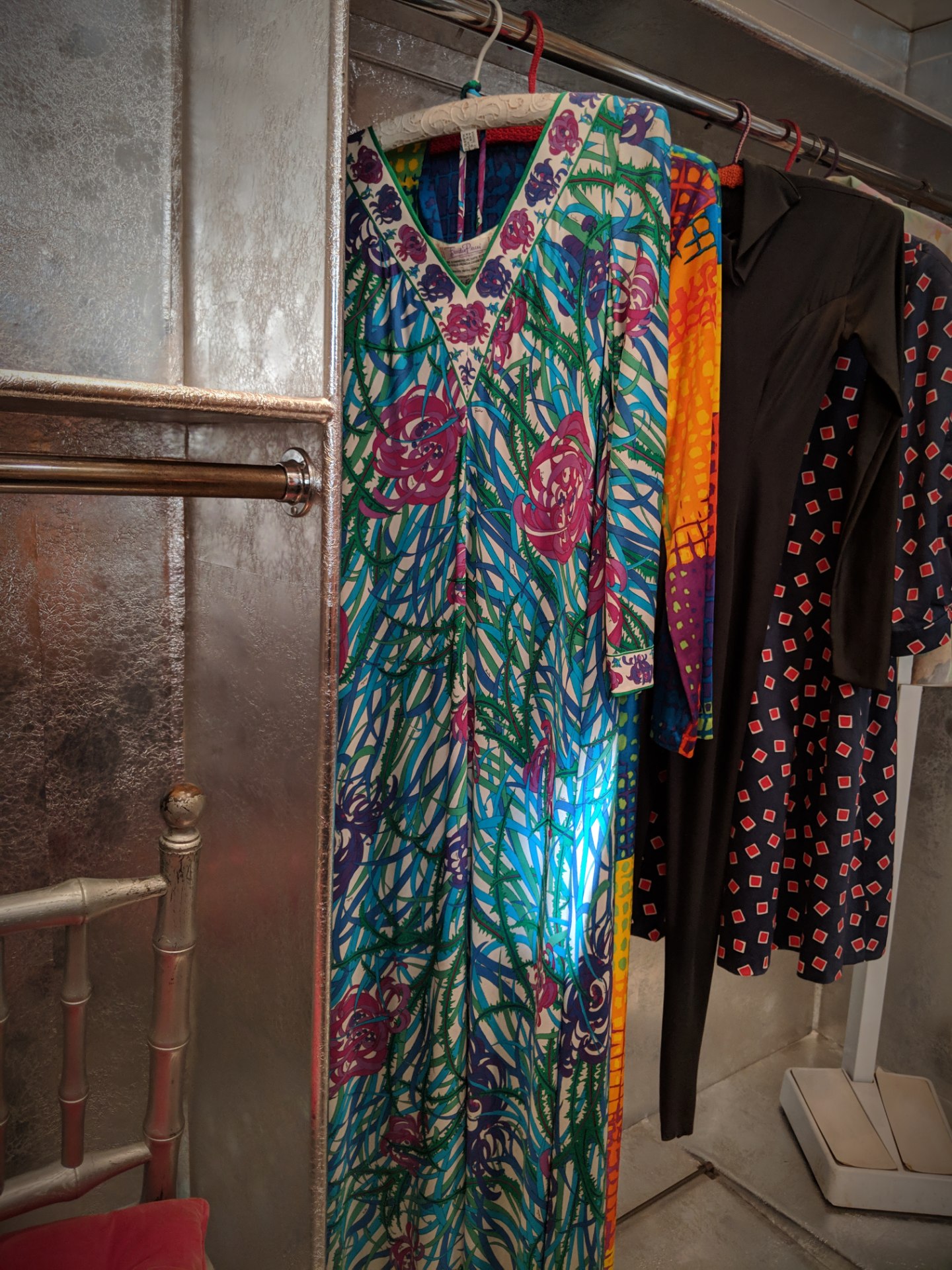
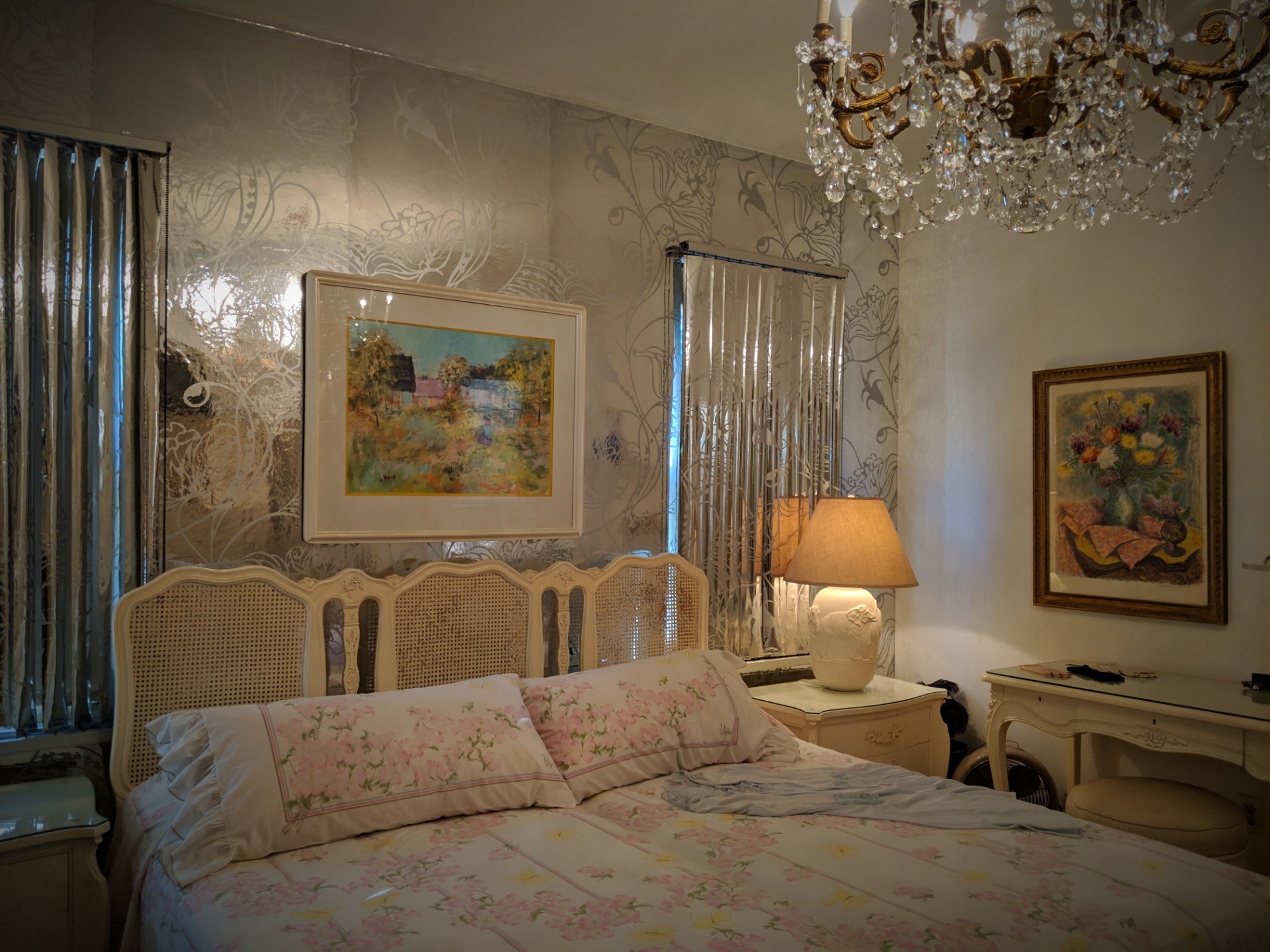
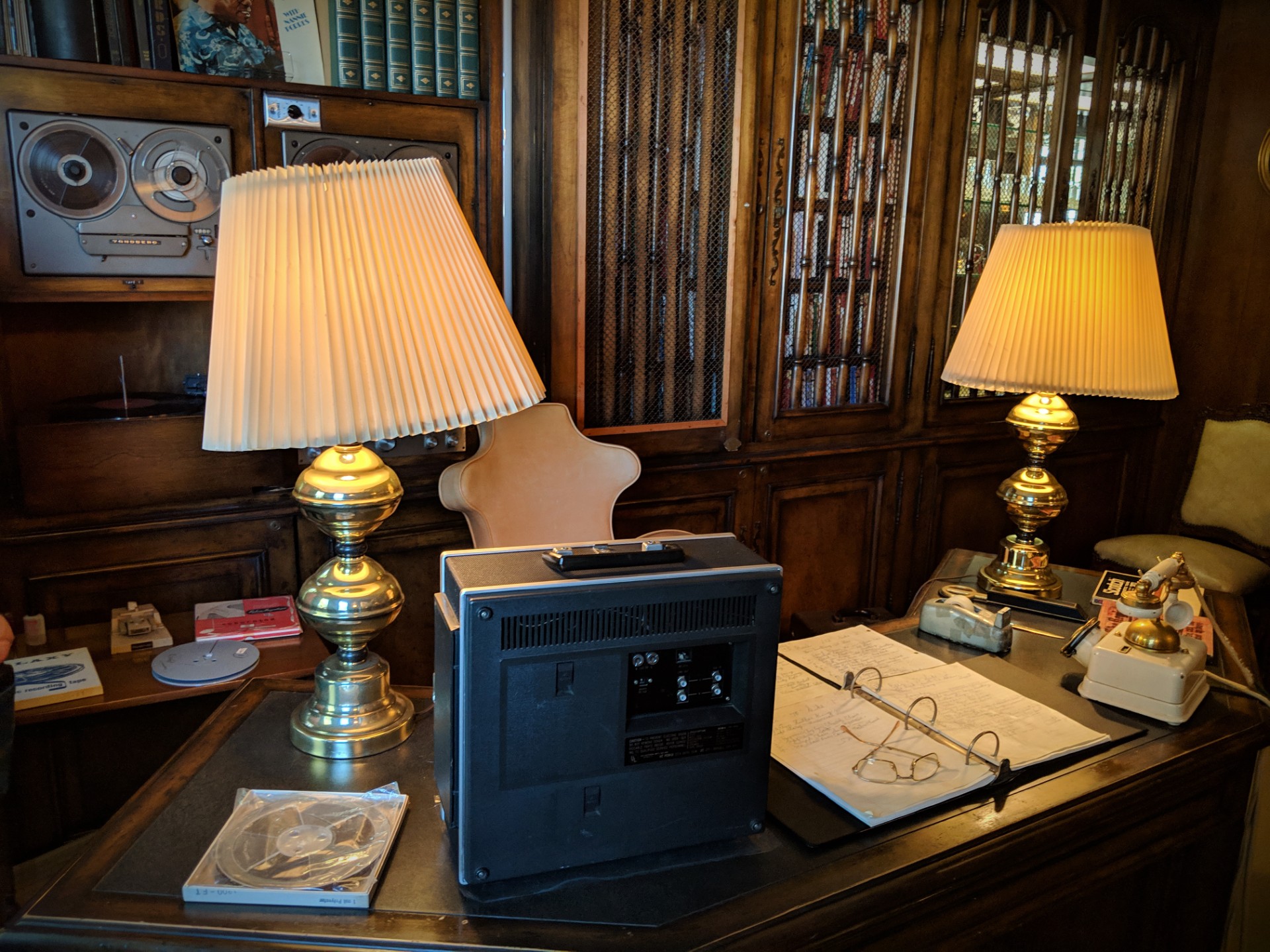
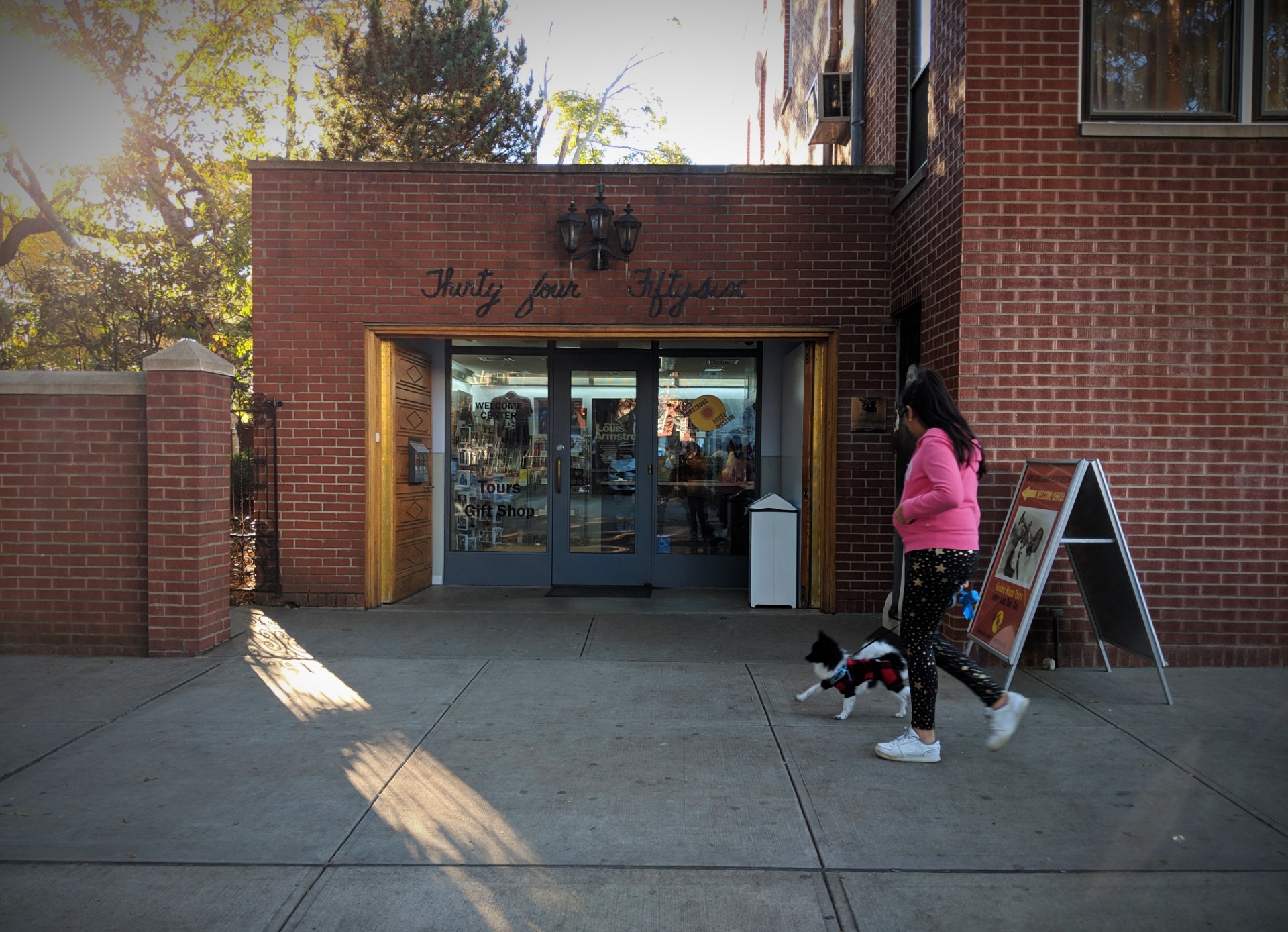
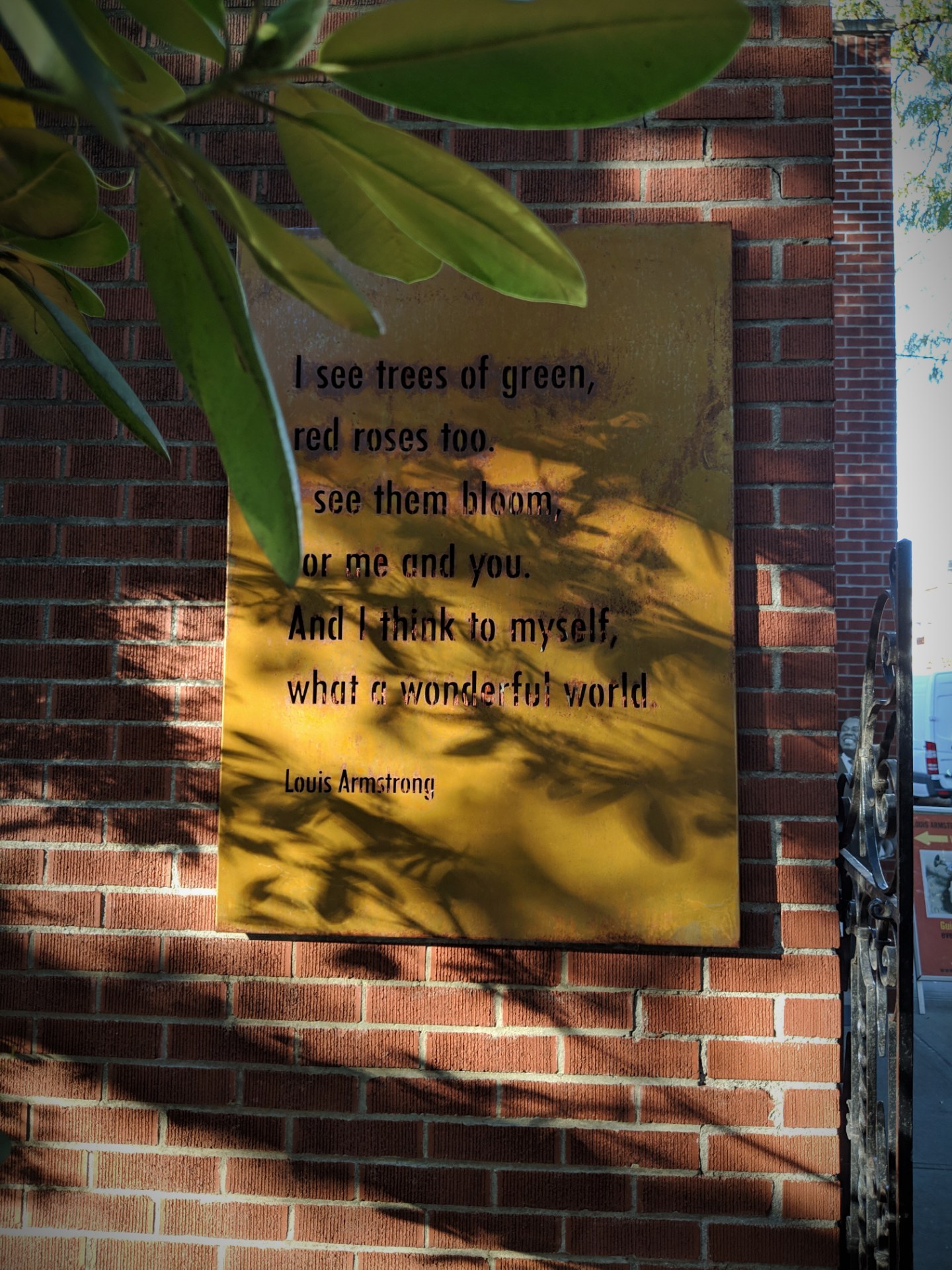
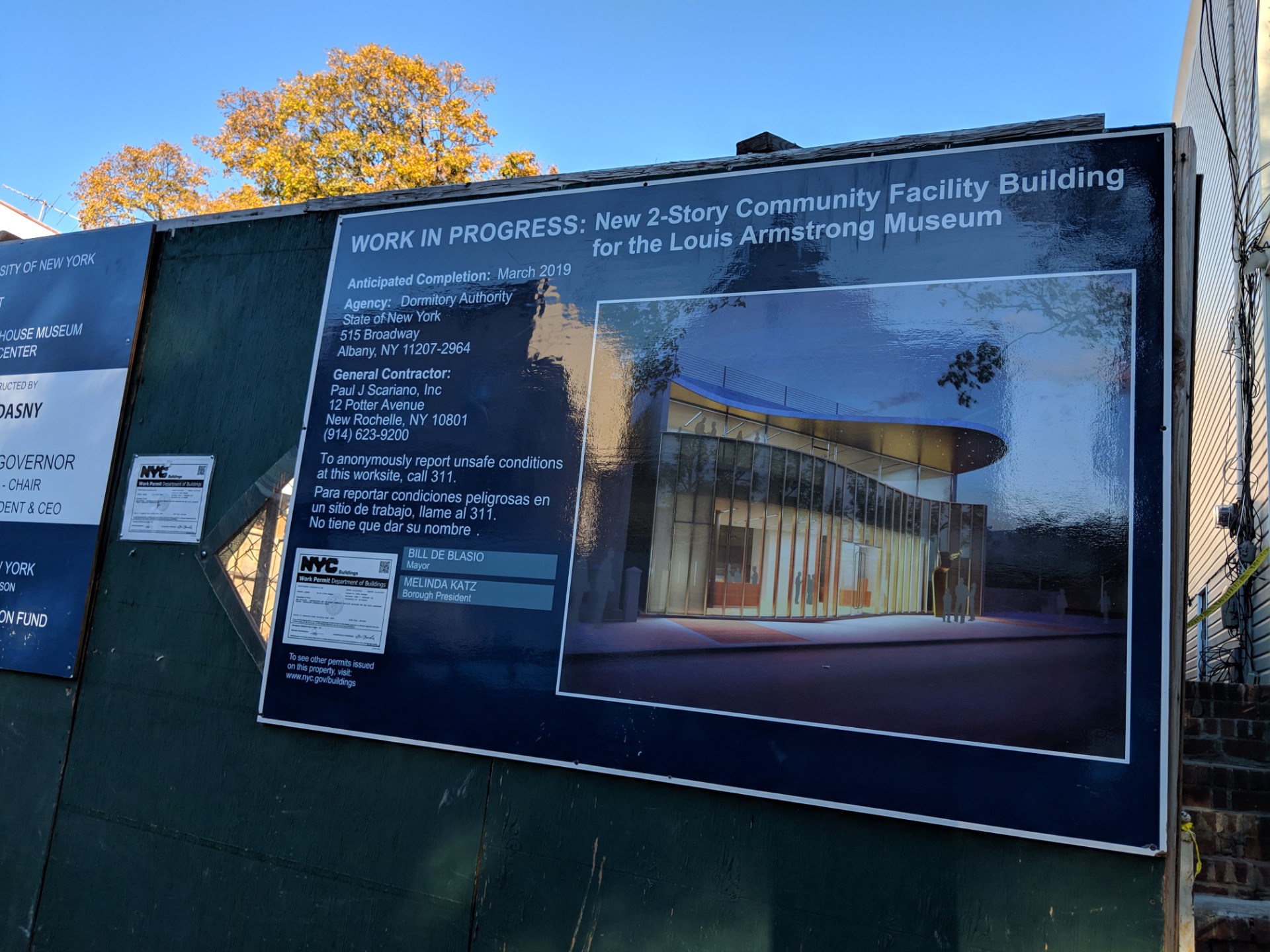
The Museum is expanding across the street from the House. The new Education Center will complement the existing experience with an exhibition gallery, a jazz club where musicians will rehearse and perform their music, and a store. The museum’s research collections, currently housed at Queens College’s library, will move into an Archival Center on the second floor.
The anticipated completion was pushed back to 2021 (pre-Covid-19).

With the Louis Armstrong House Museum and Archives currently closed because of Covid-19, the Museum has launched “That’s My Home,” their first online exhibition – absolutely worth a visit.
November 4th, 2018
It could be no less gracious than the magnificent gardens surrounding it, could it? And yet it was designed by an artist with no formal degree in architecture.
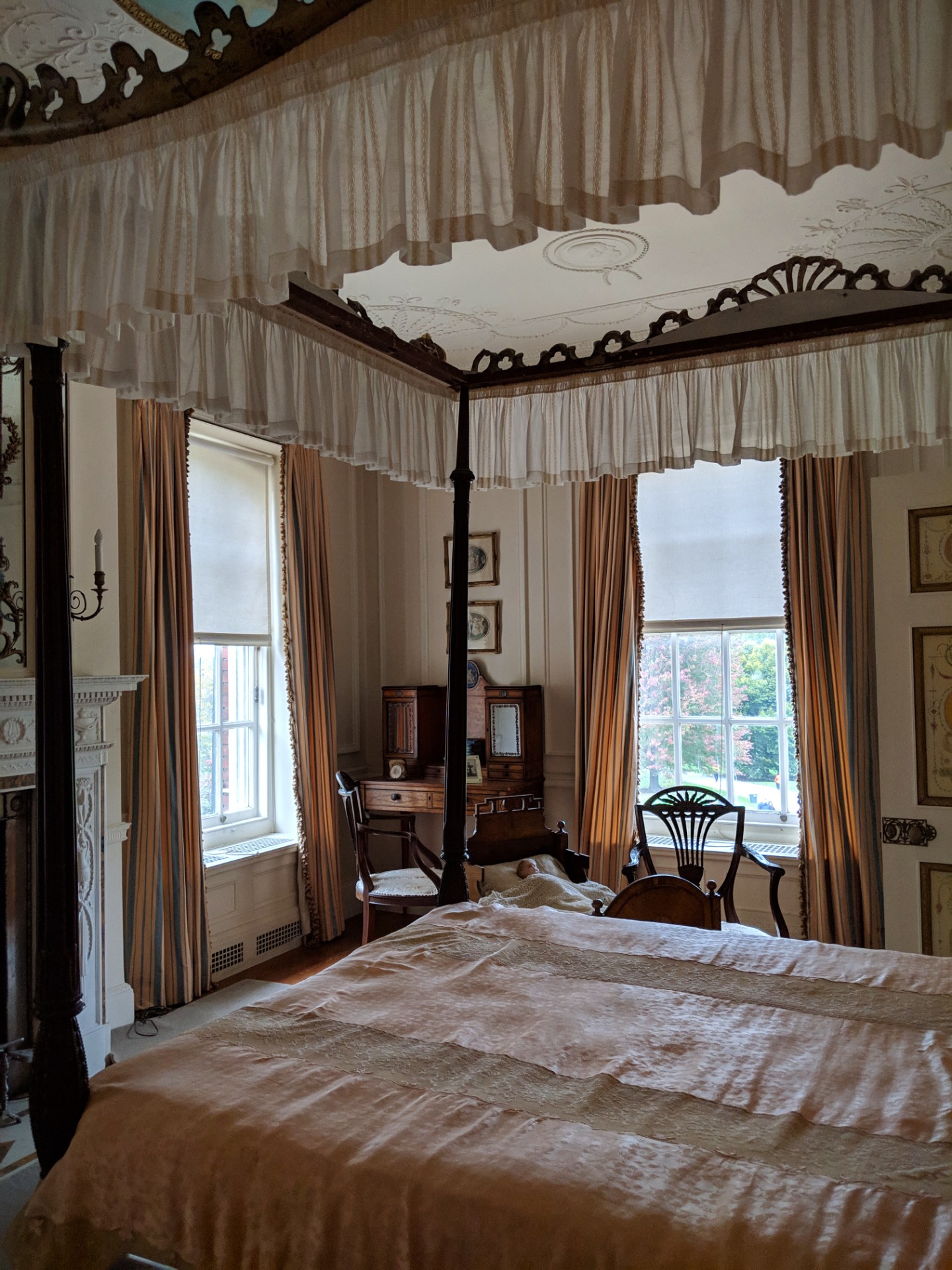
One of the glorious Gold Coast Mansions, home of John S. Phipps, his English-born wife, Margarita Grace Phipps and their four children, the mansion we know today as ”Old Westbury Gardens” was designed by George A. Crawley in the style of a Charles II Restoration manor house, and completed in 1906.
Following the deaths of Margarita and John S. Phipps in the late 1950s, their daughter Margaret Phipps Boegner – or Peggie, as he preferred to be called, inherited the Old Westbury estate and opened the gardens to the public to honor the memory of her mother.
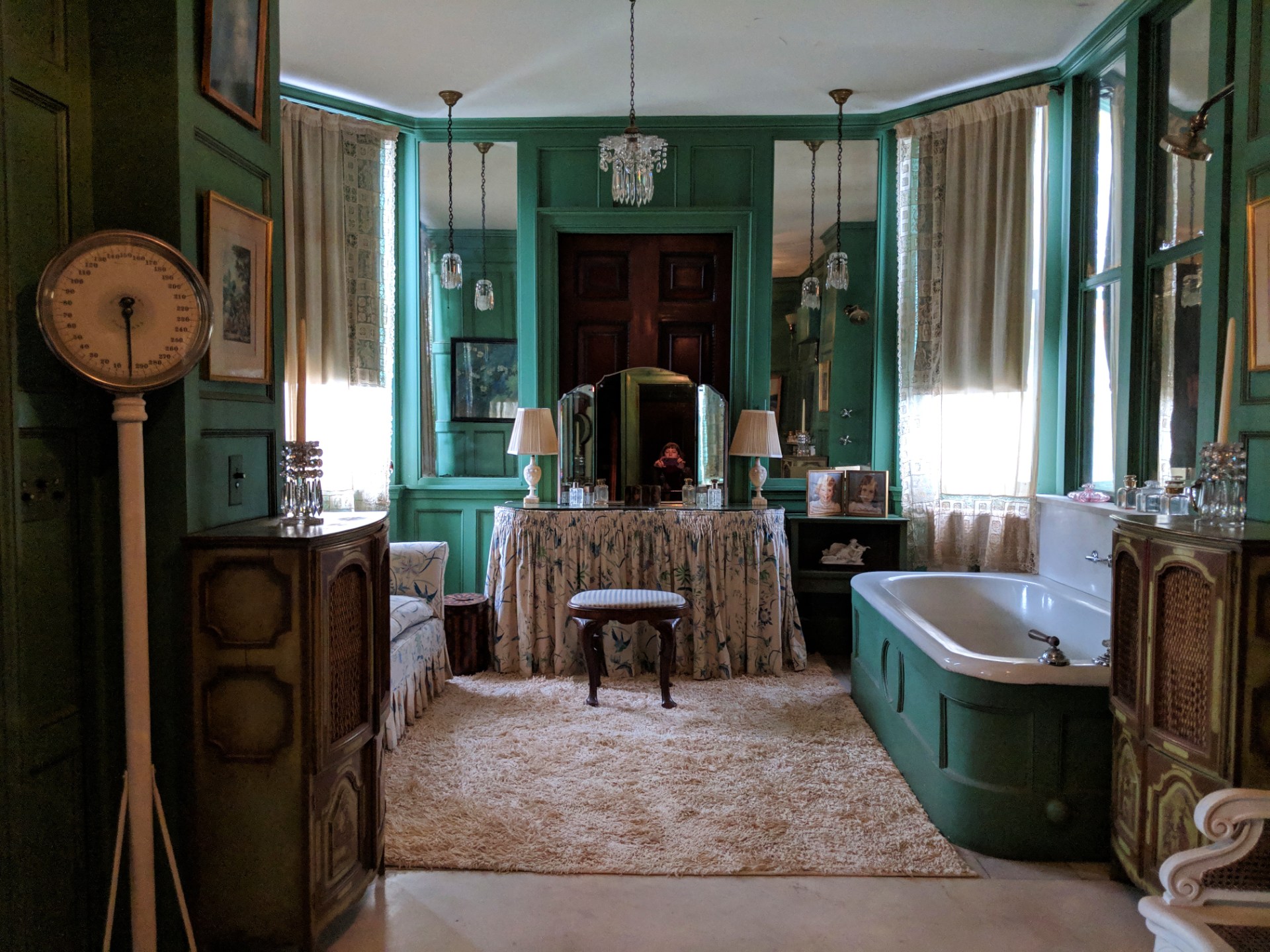
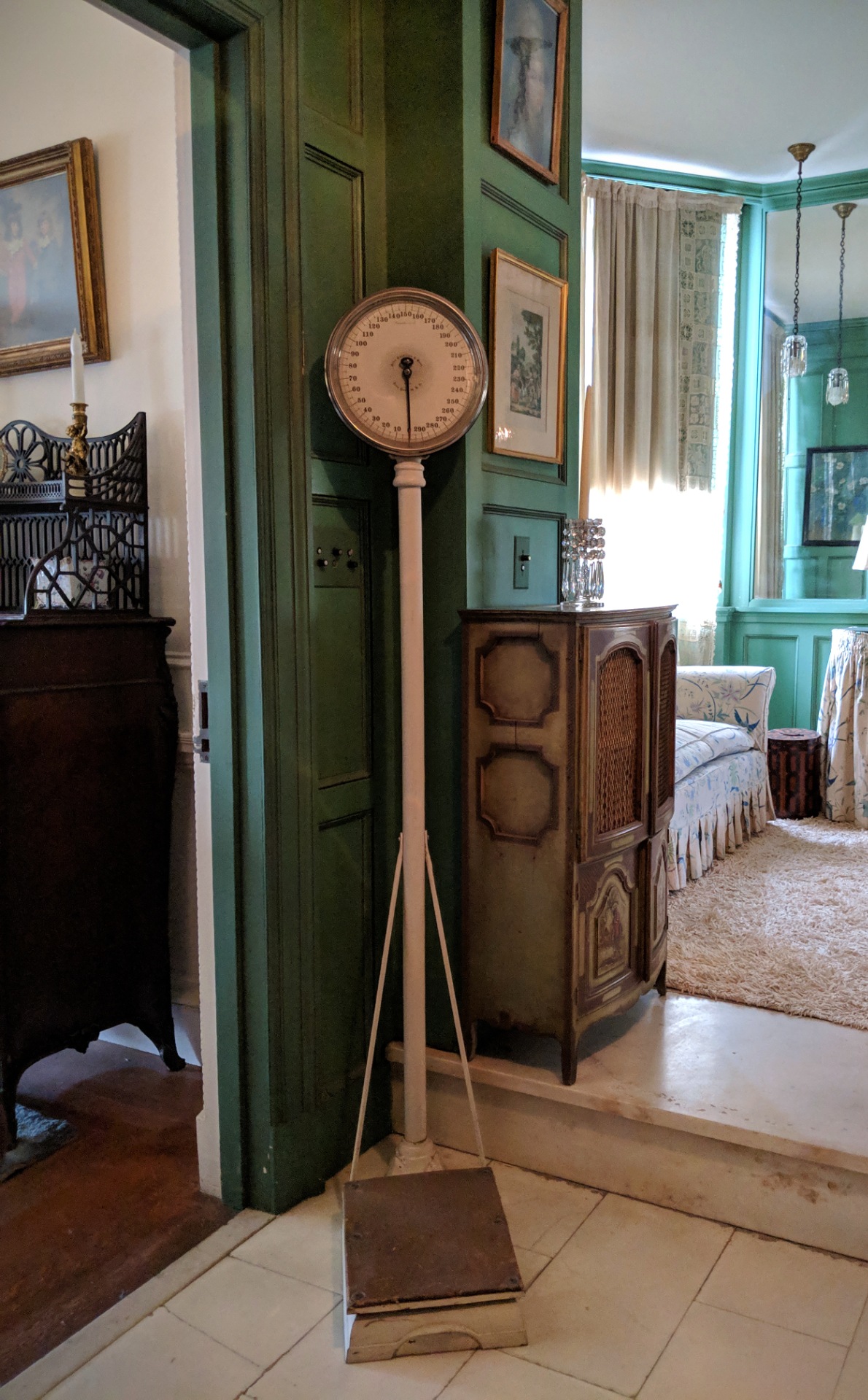
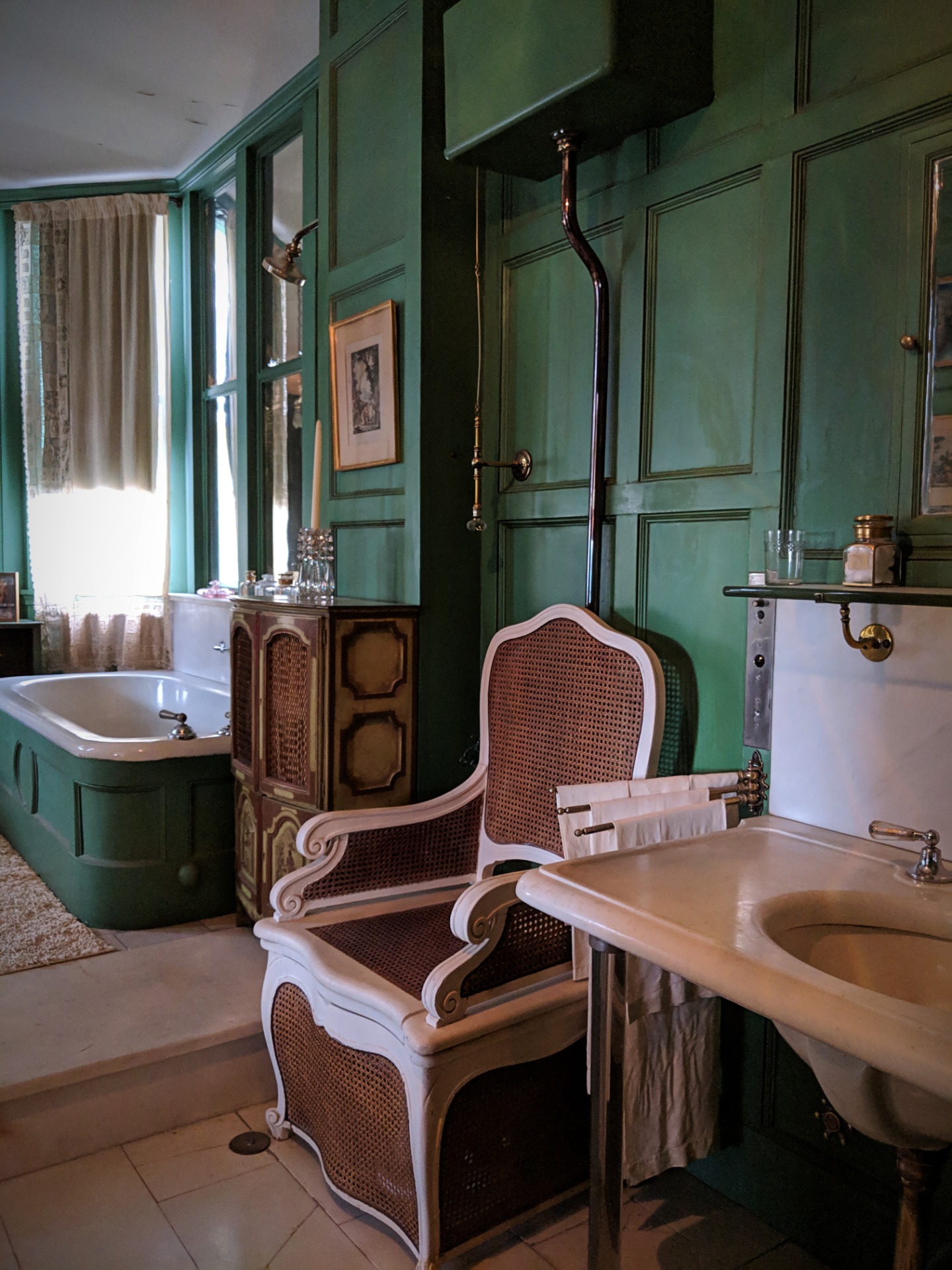
Today, one can visit the house and gardens for guided tours, view exhibitions or attend a number of family events, talks or gardening classes. Or just take a leisurely stroll up and down the stairs and out and about in the gardens, taking in the little details and trying to decide which room would be their favourite.
Mine was the bathroom.
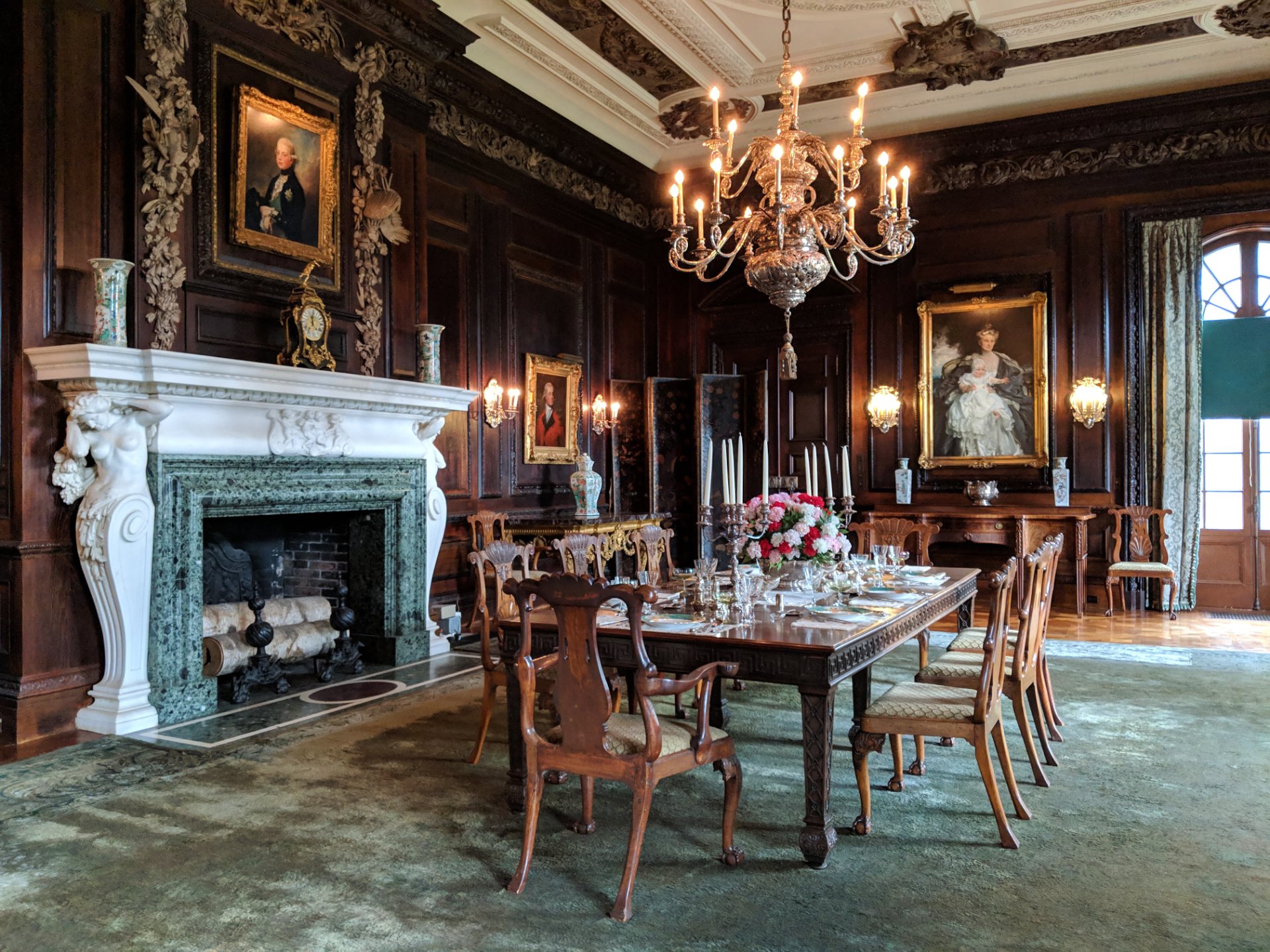
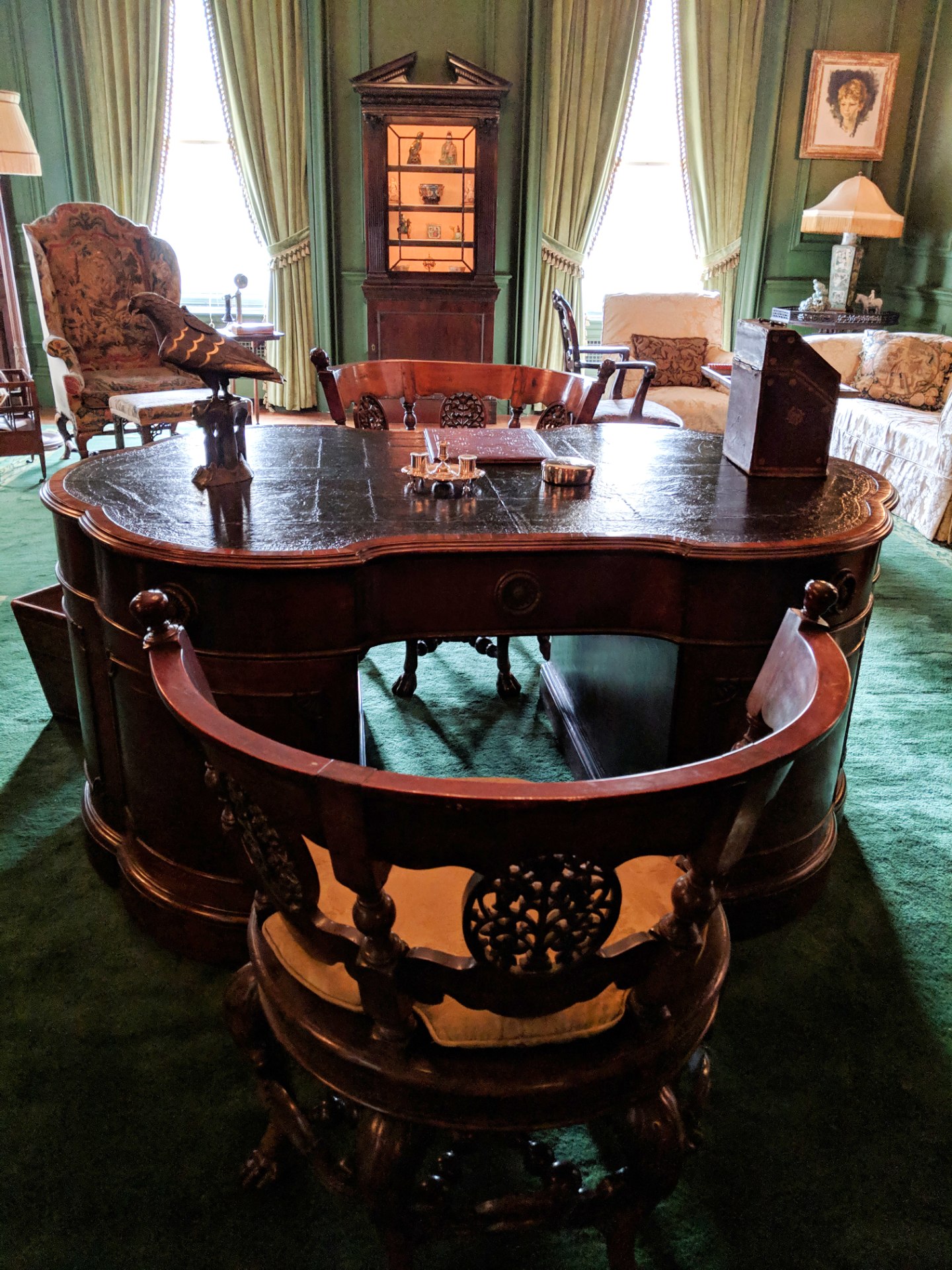
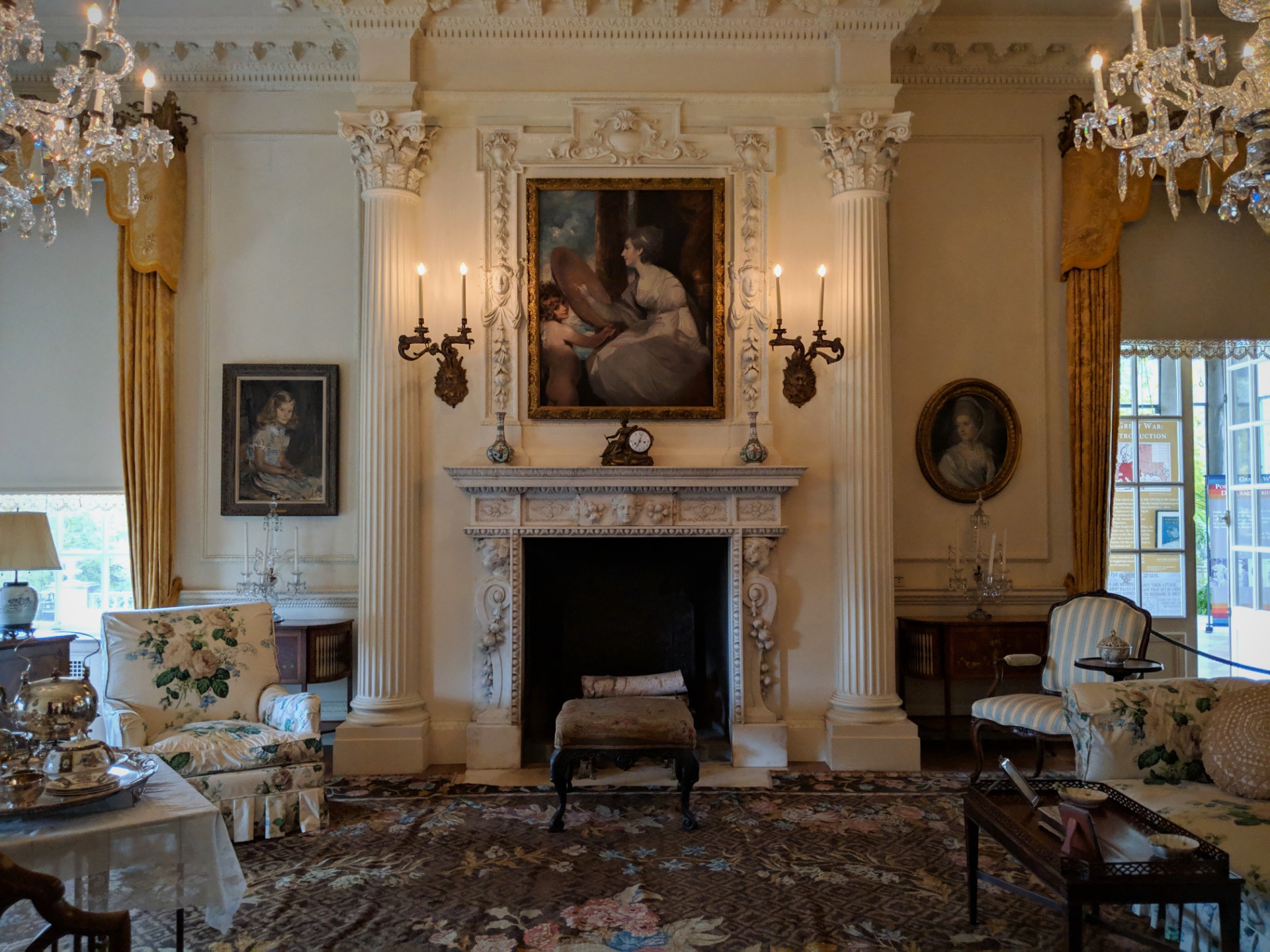
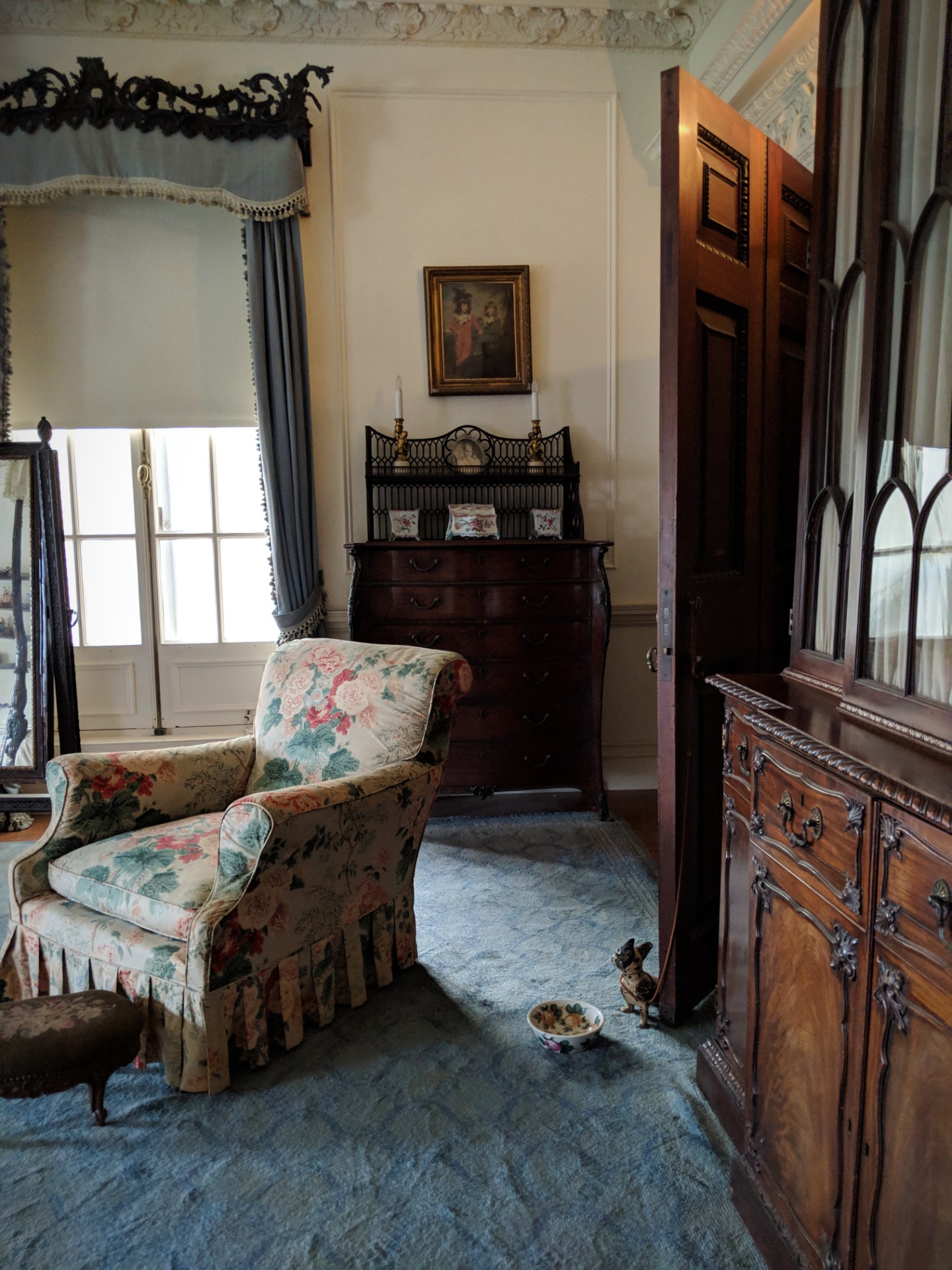
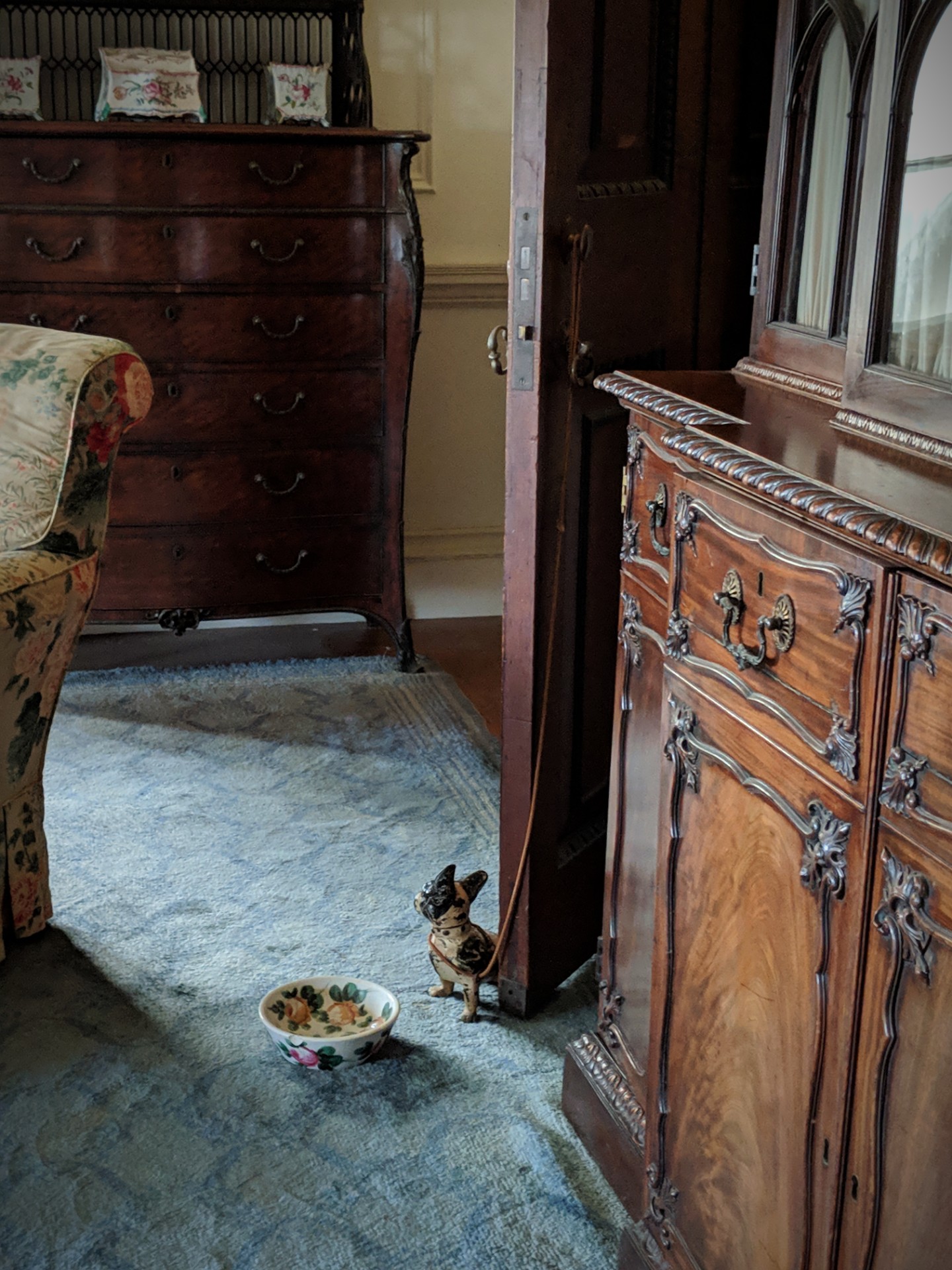
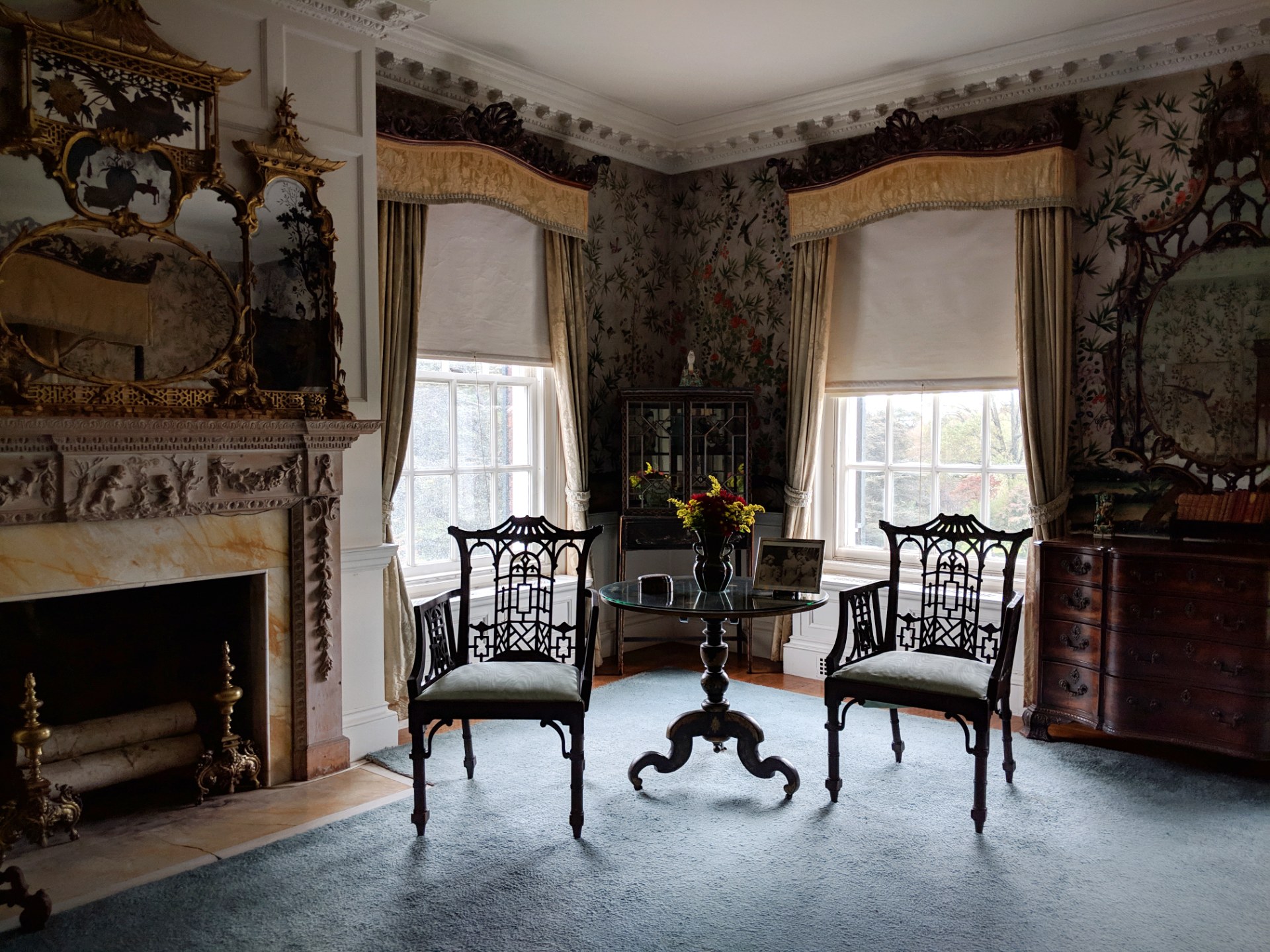
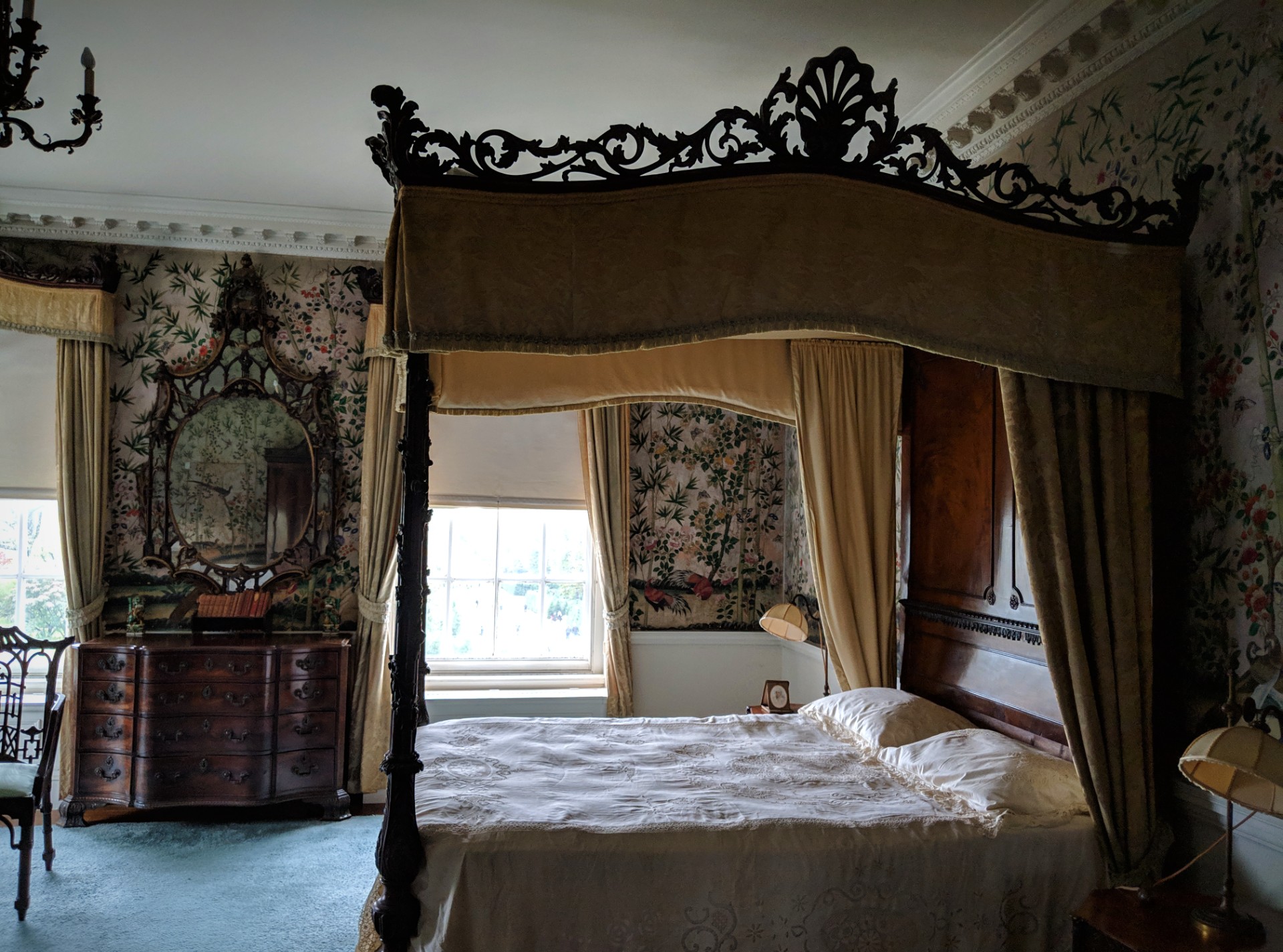
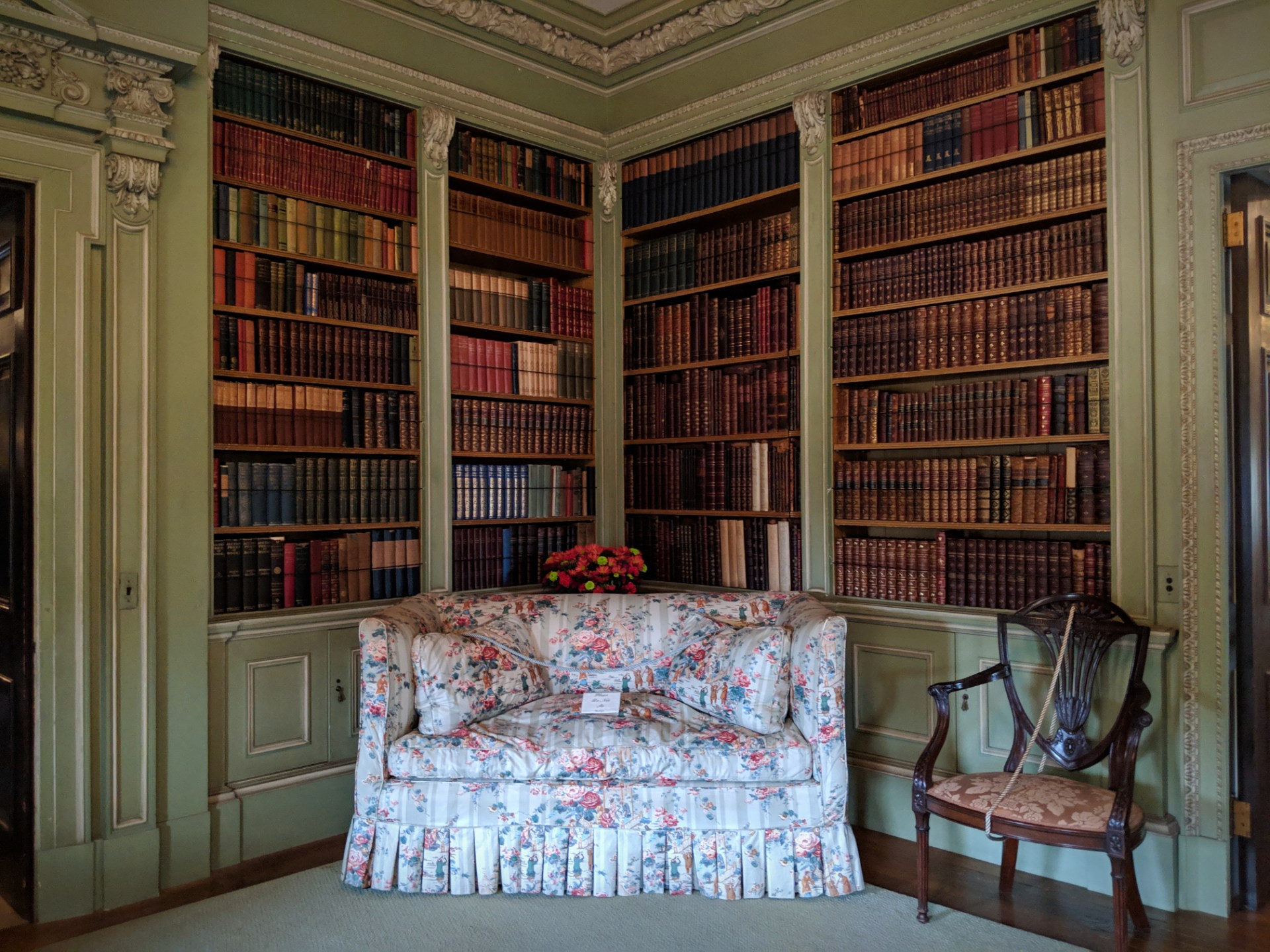
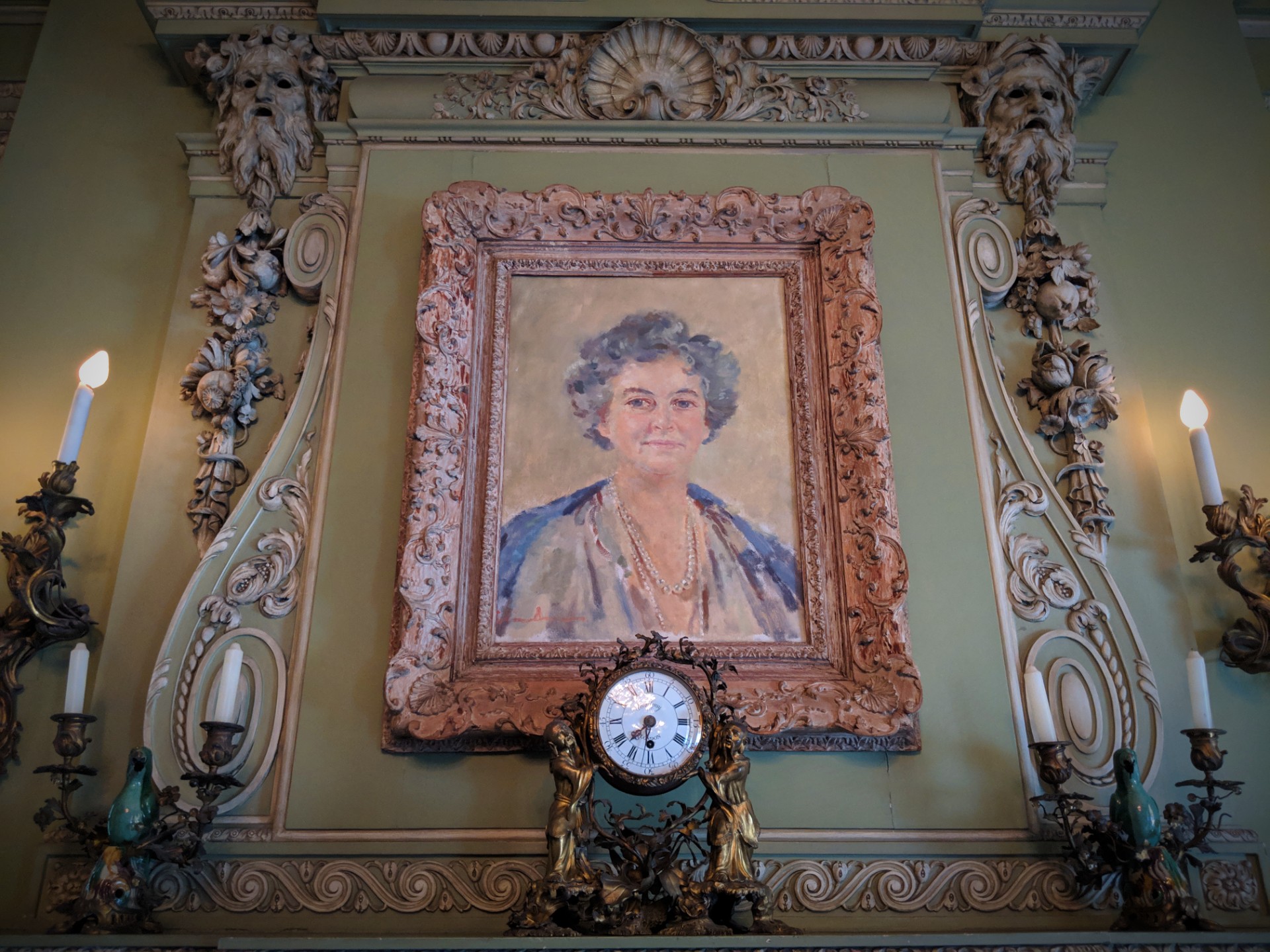
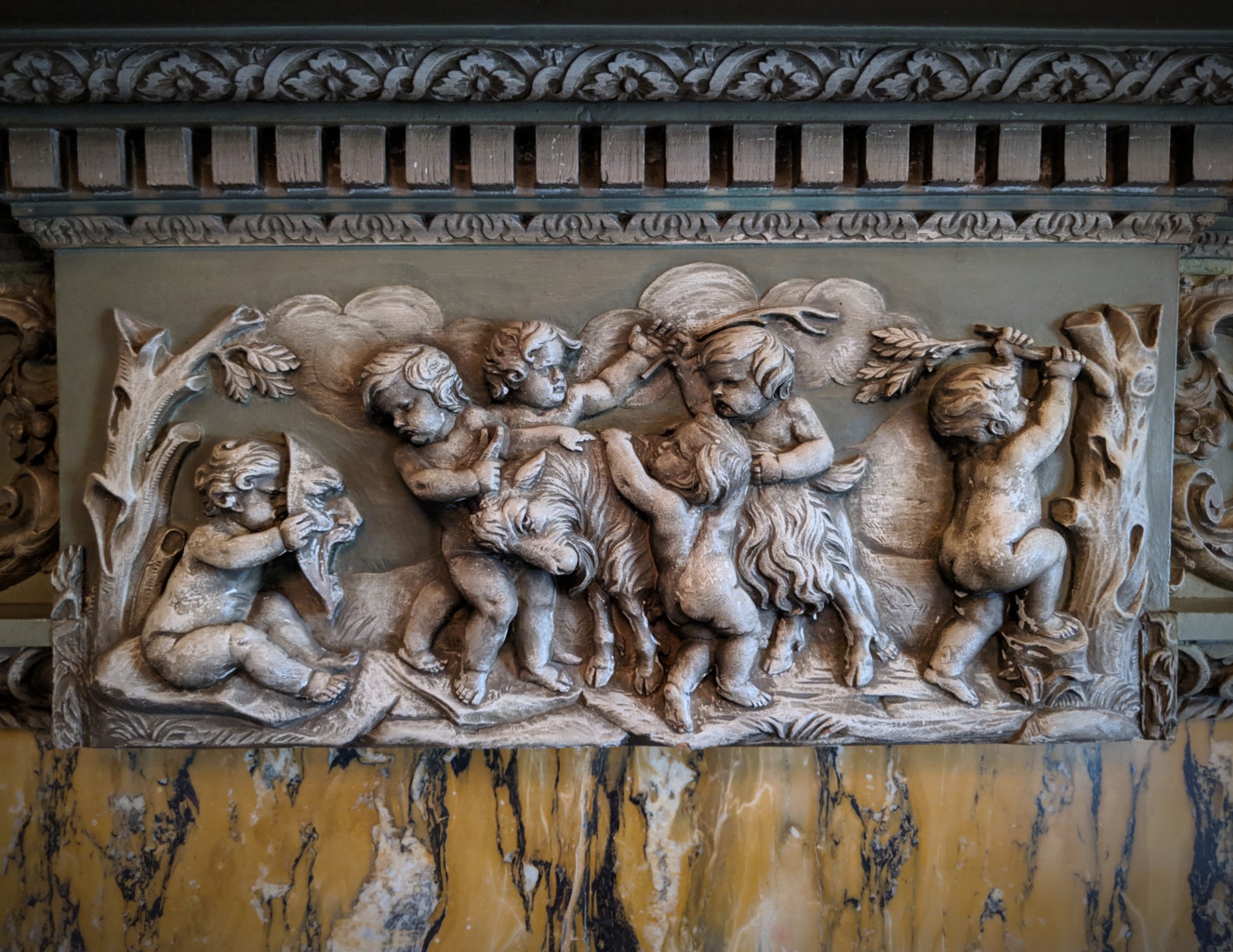
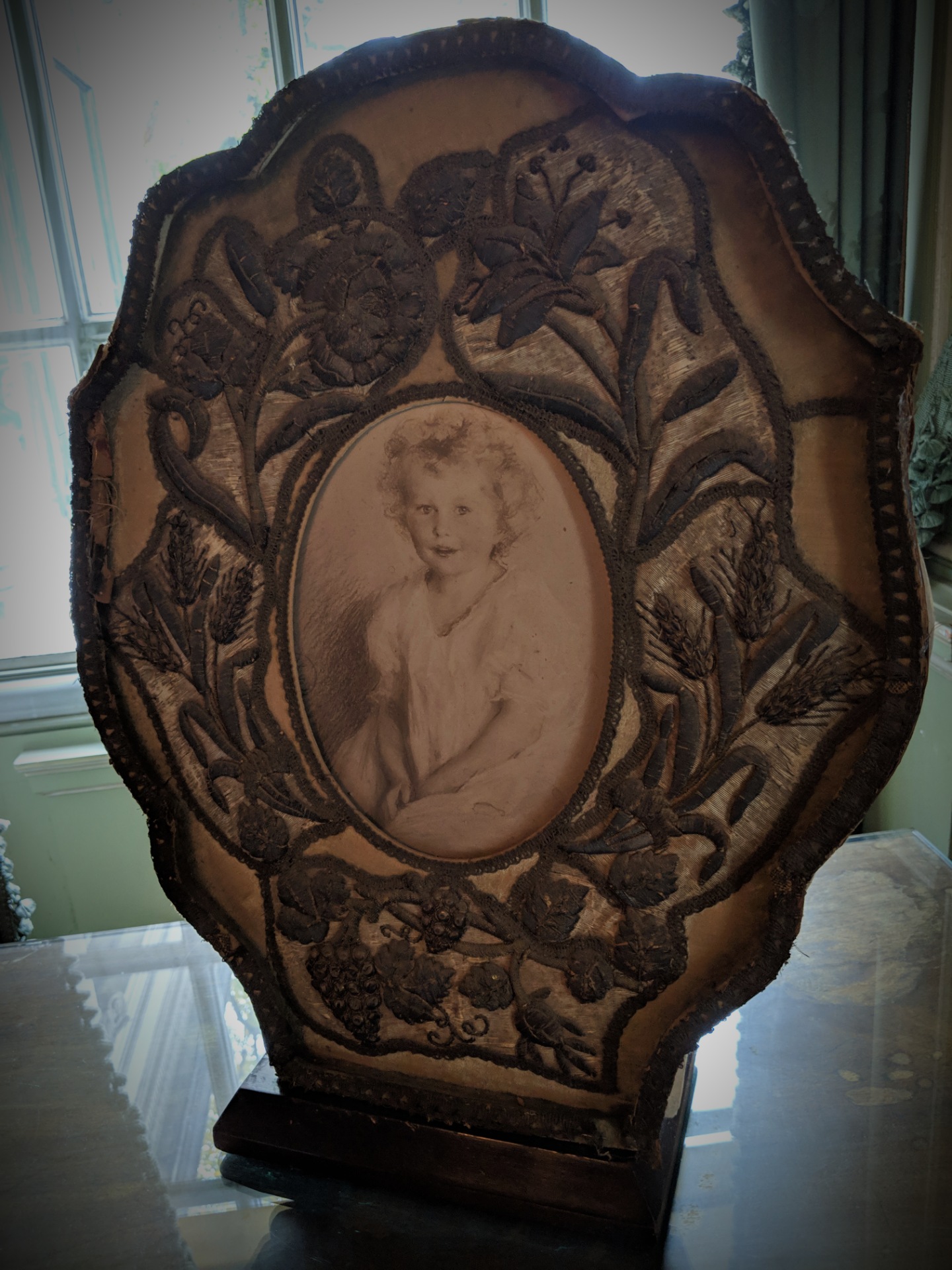
Old Westbury Gardens – Long Island, NY
October 28th, 2018
Life seemed so much simpler then.
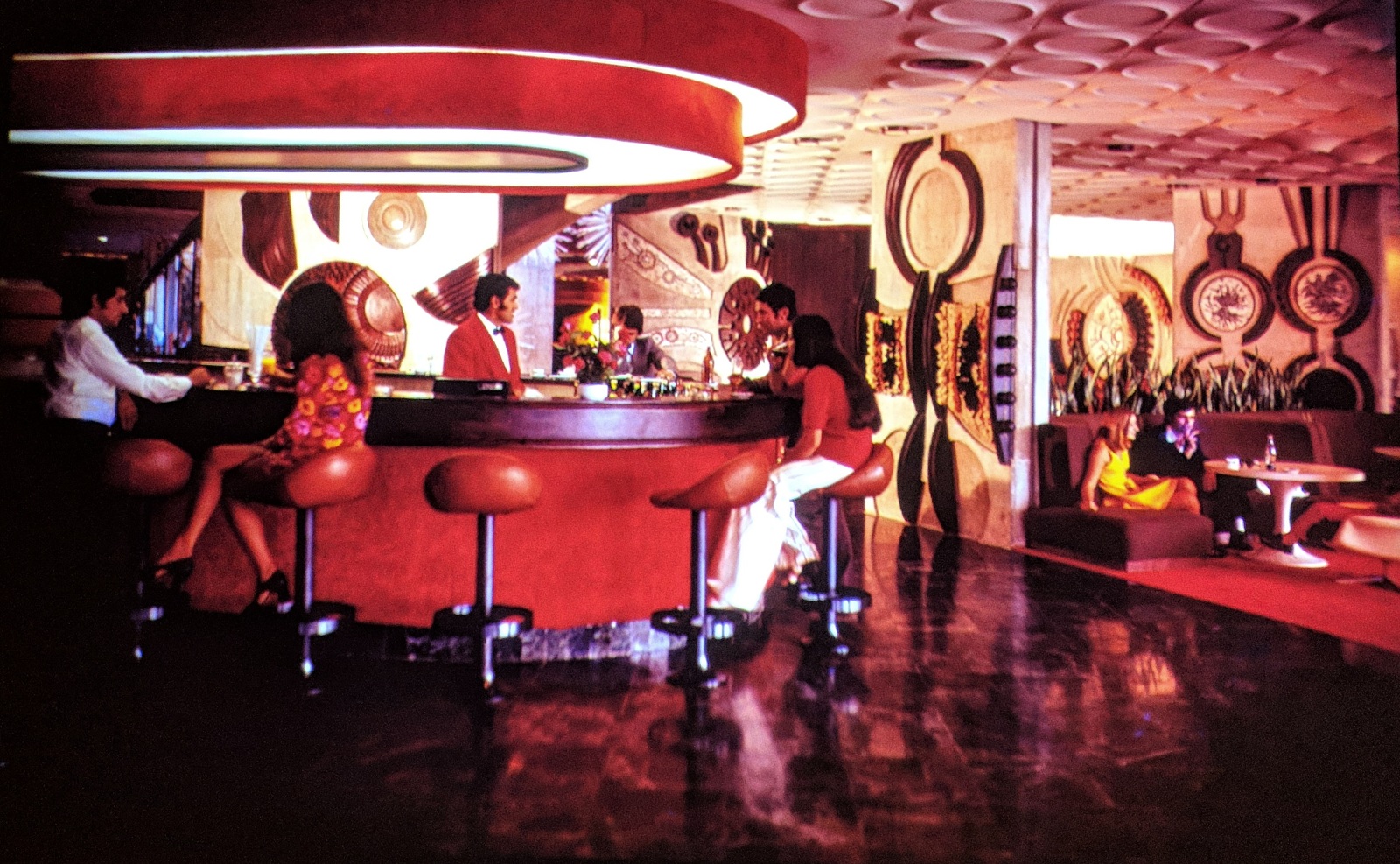
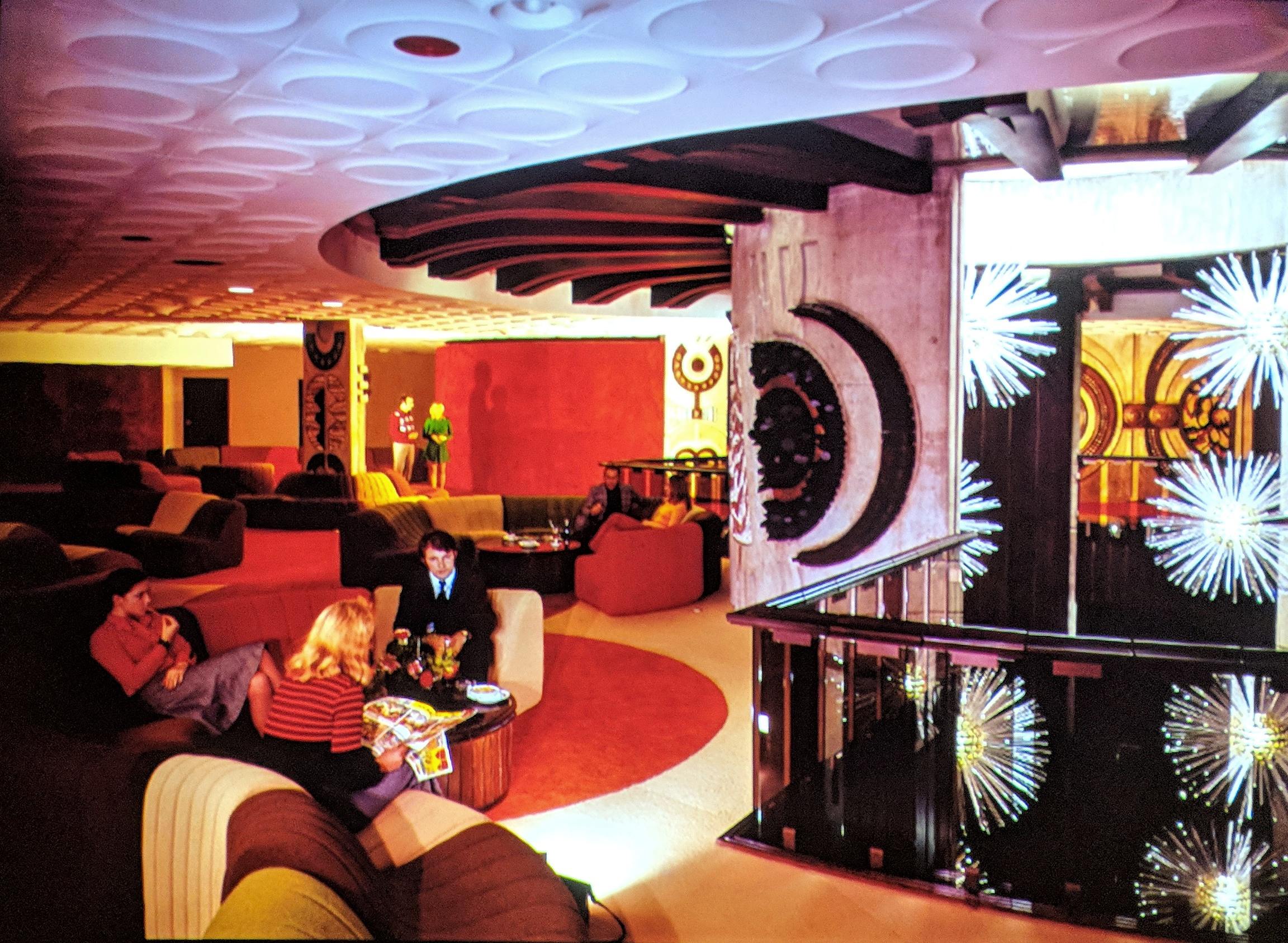
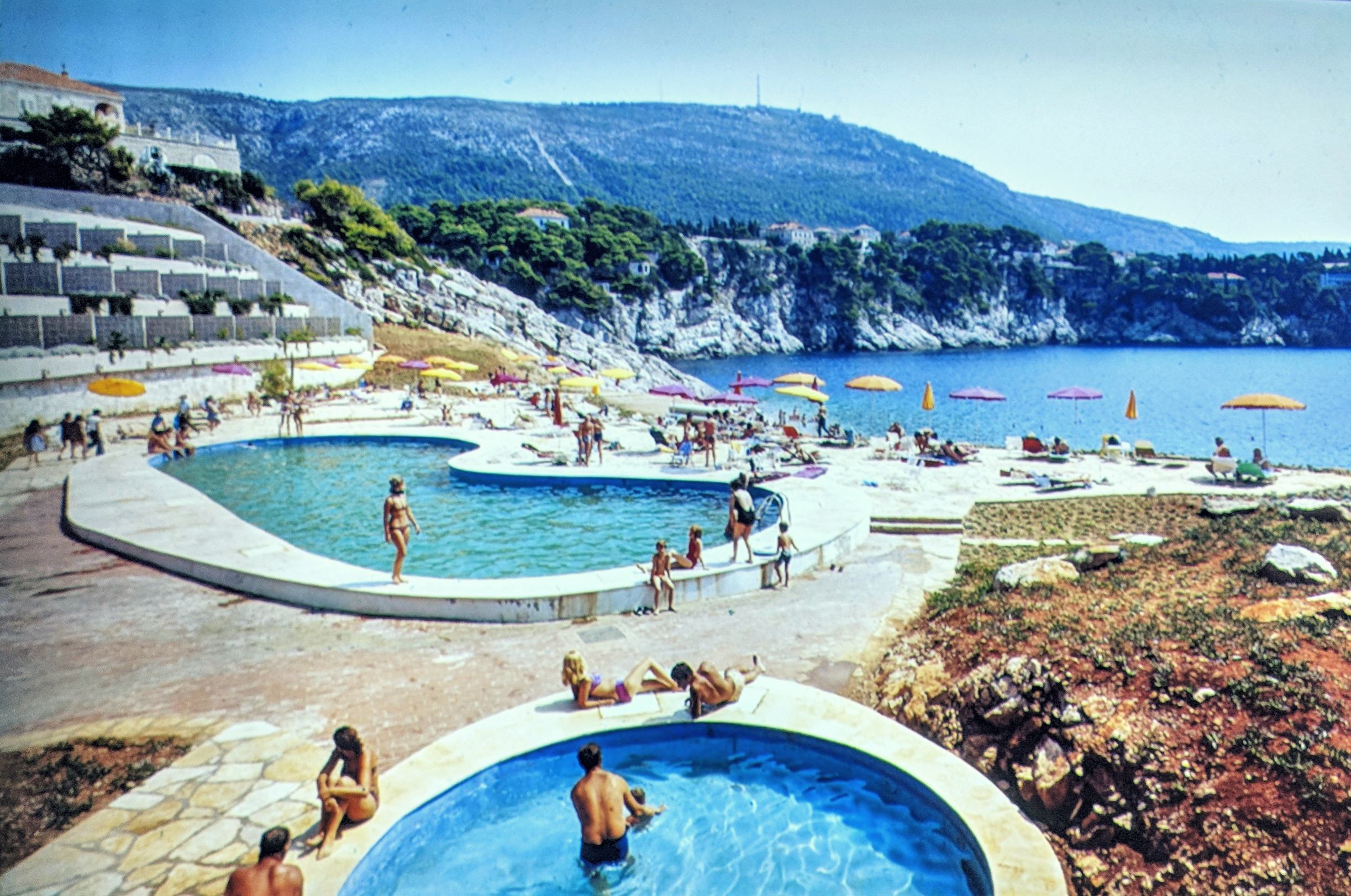
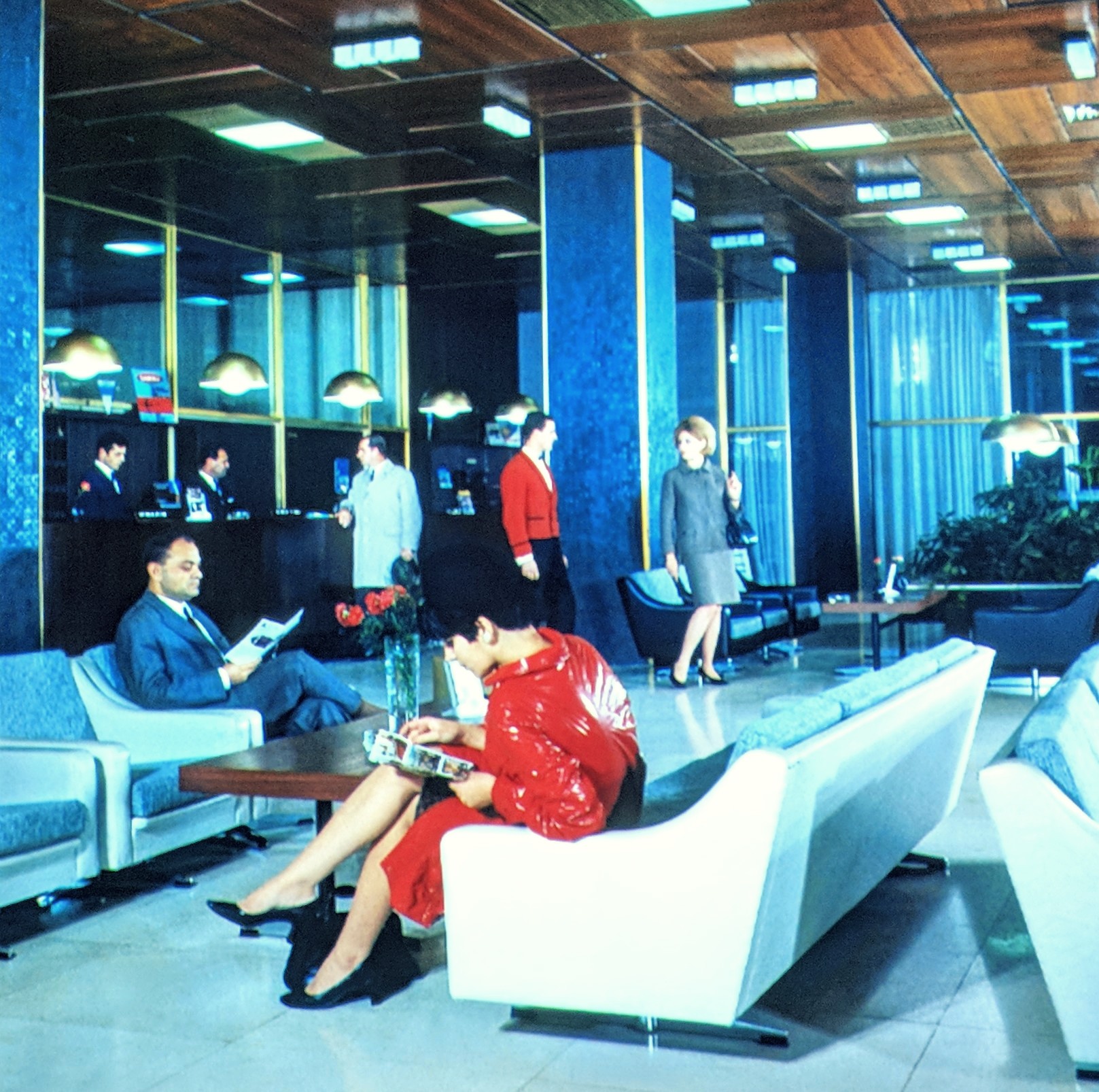
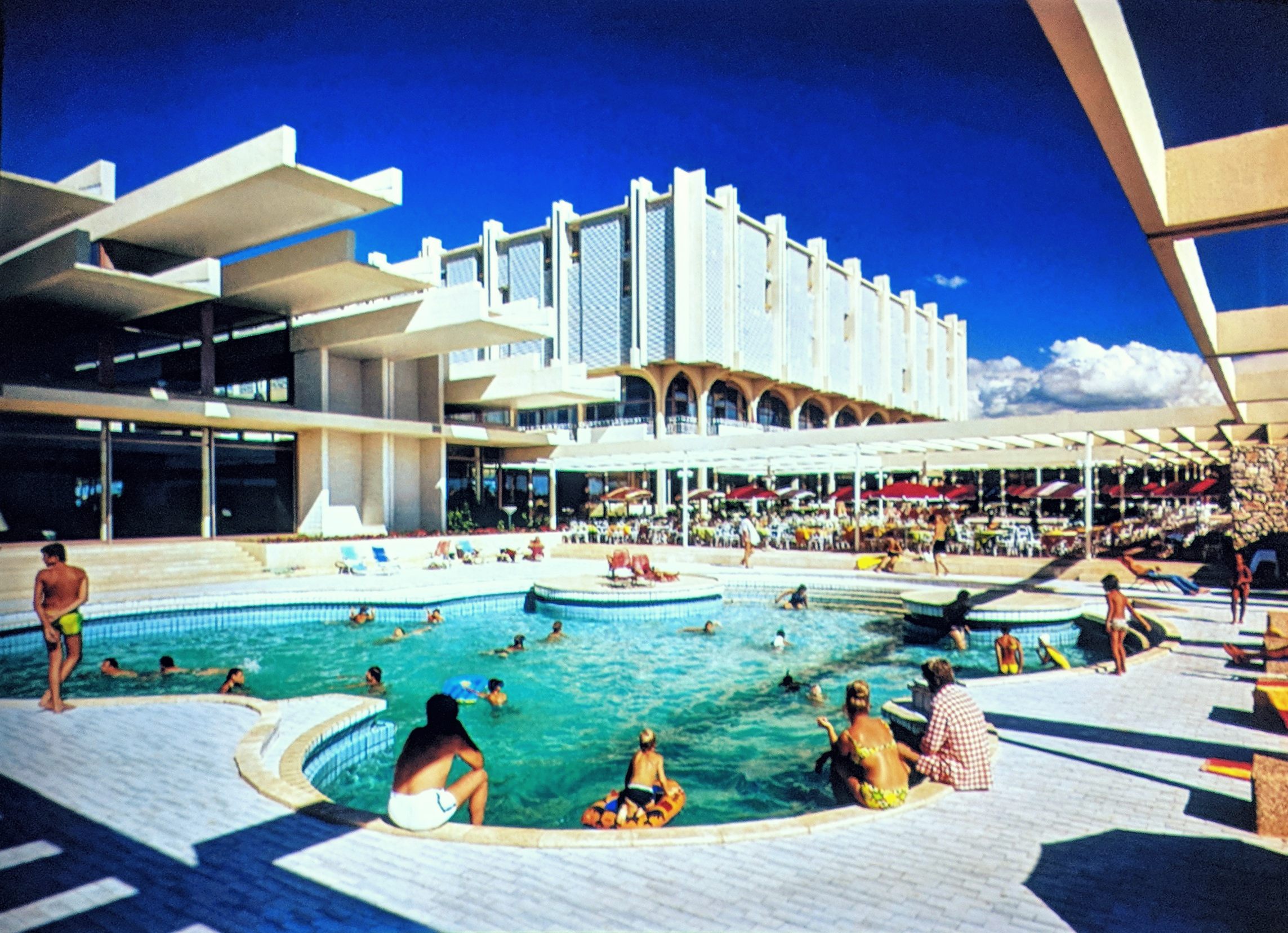
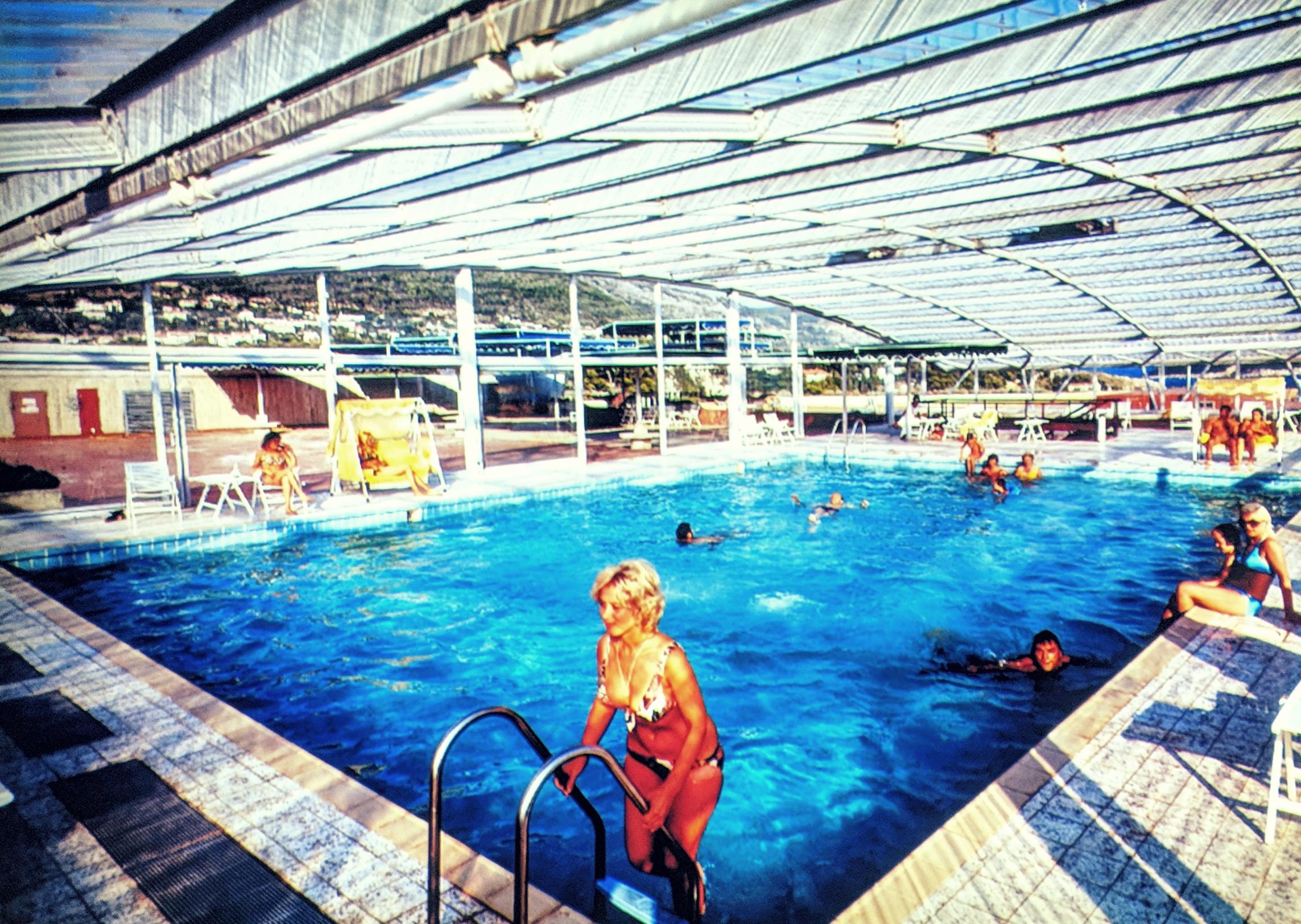
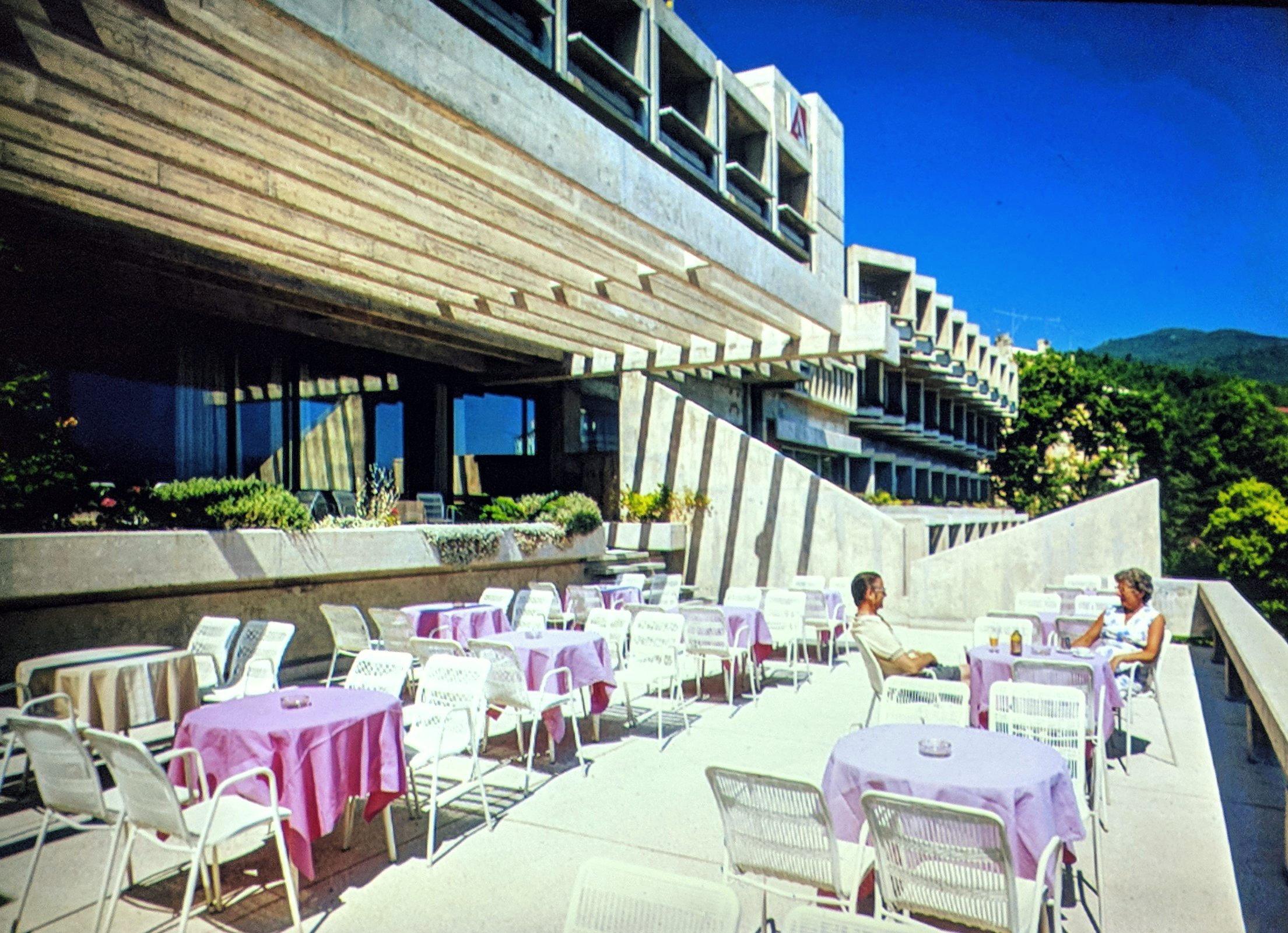
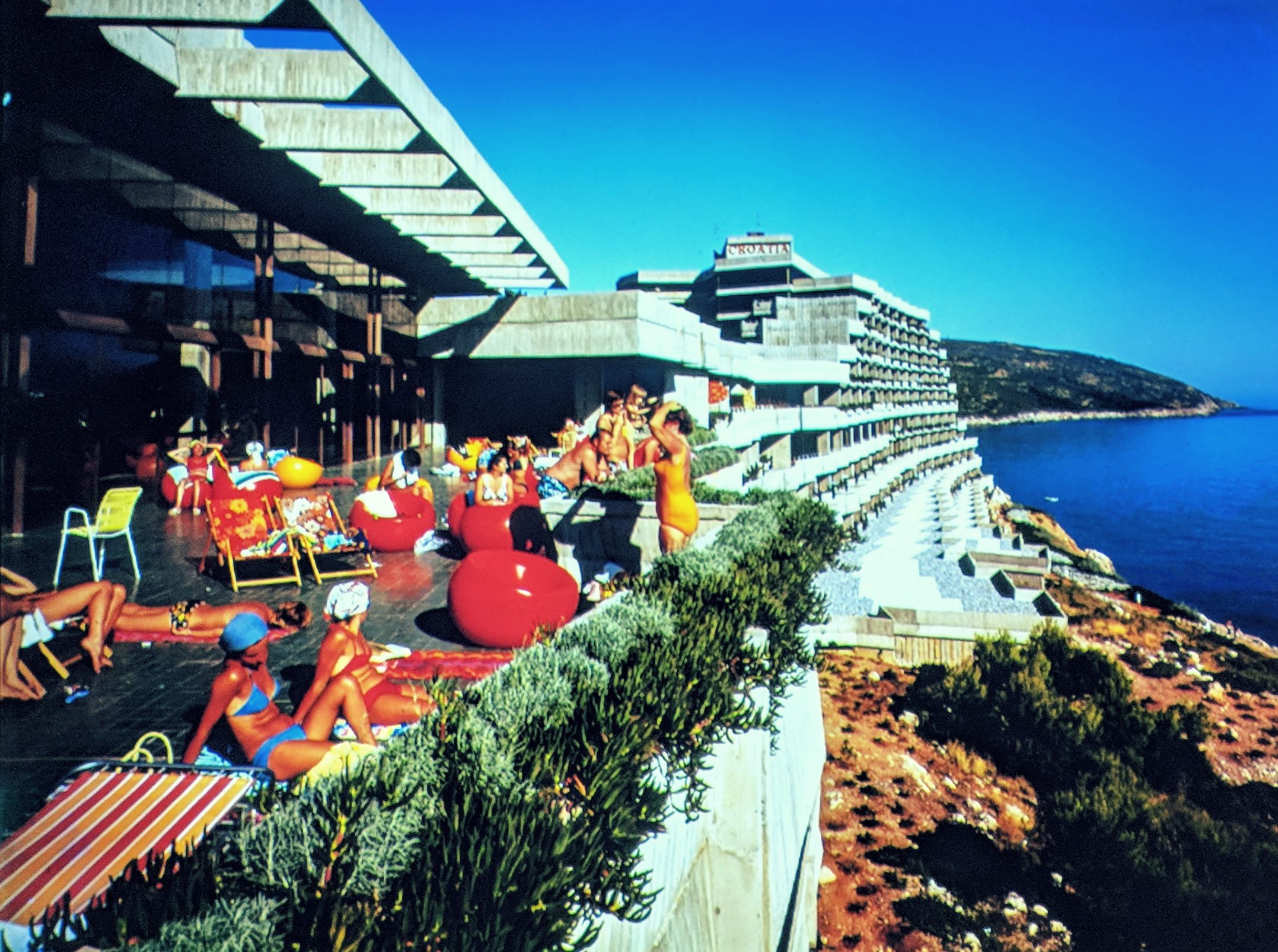
From ”Toward a Concrete Utopia: Architecture in Yugoslavia, 1948–1980”, an exhibition that ran between July 2018–January 2019 @MoMA.
July 24th, 2018
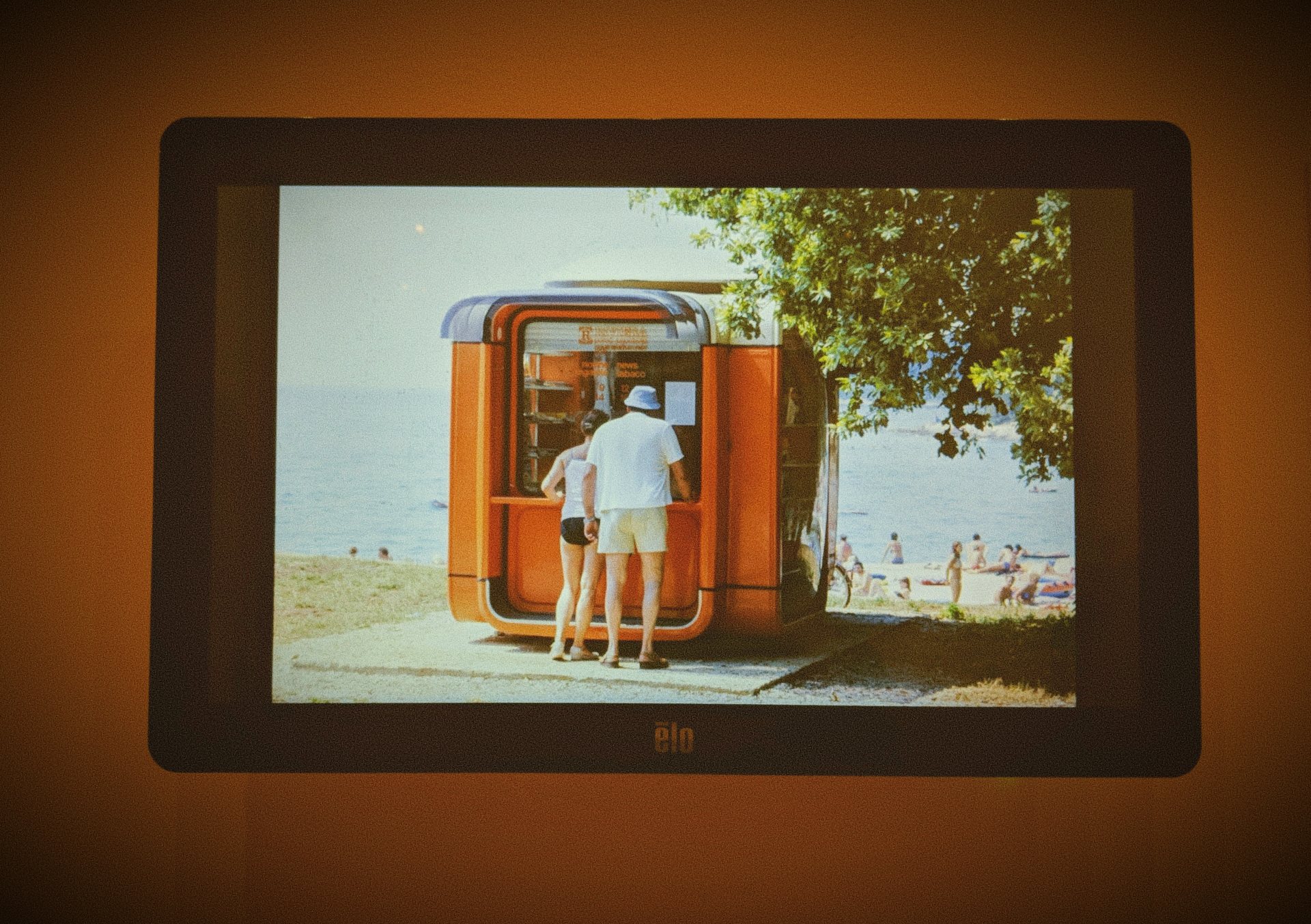
In the form of a humble Kiosk.
”The K67 kiosk system was a highly successful design for modular units that could be used for all kinds of street-level businesses and amenities. The prototype for the system was developed in 1967 by Saša Janez Mächtig, who was experimenting with the new technology of fiberglass-reinforced polyester. He invented a joint that could connect individual units into double- and triple-fronted kiosks and other configurations. The design was mass-produced and in widespread use by 1970, as fast-food stands, key-copy shops, grocery stores, newspaper and lottery kiosks, and many other enterprises.”

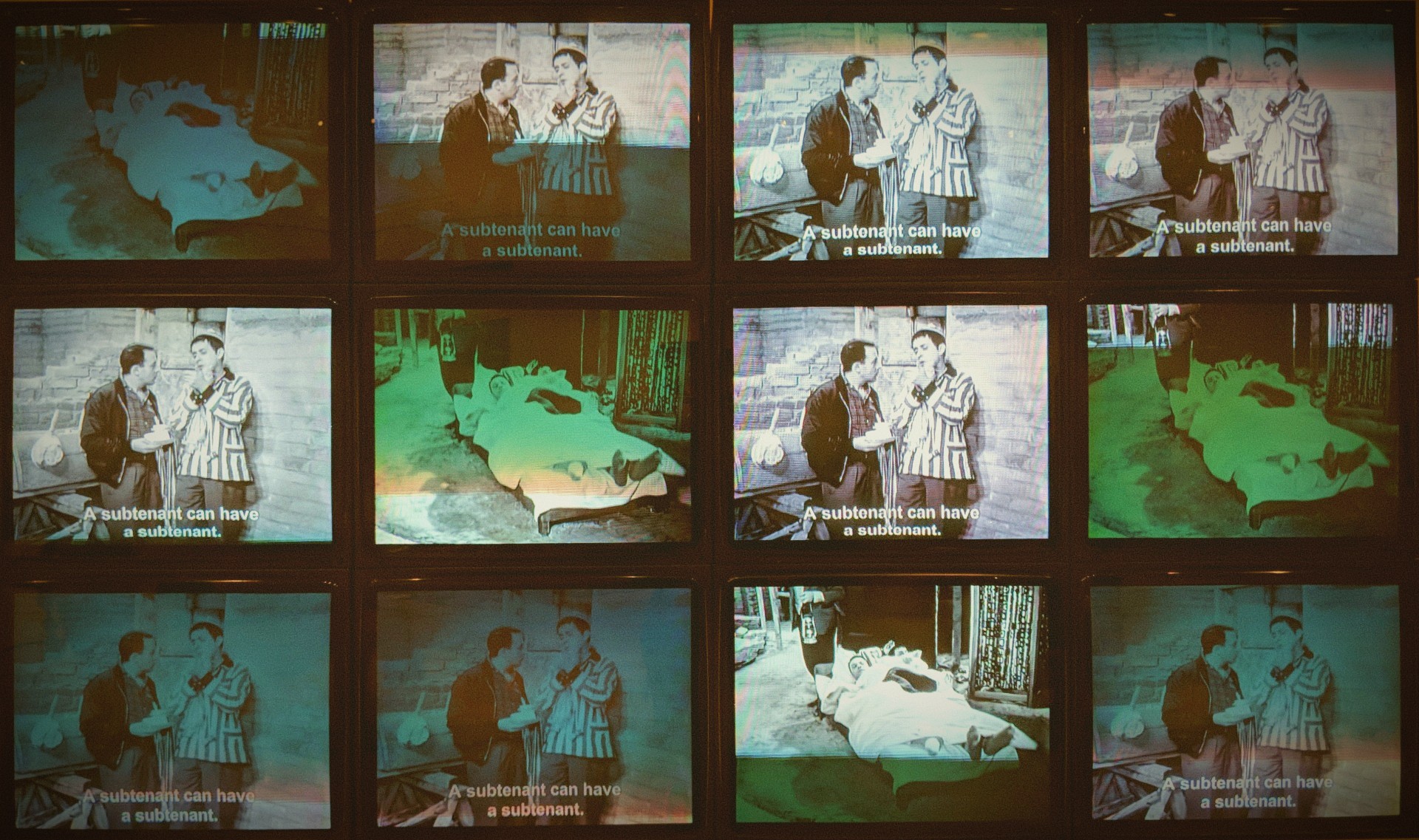
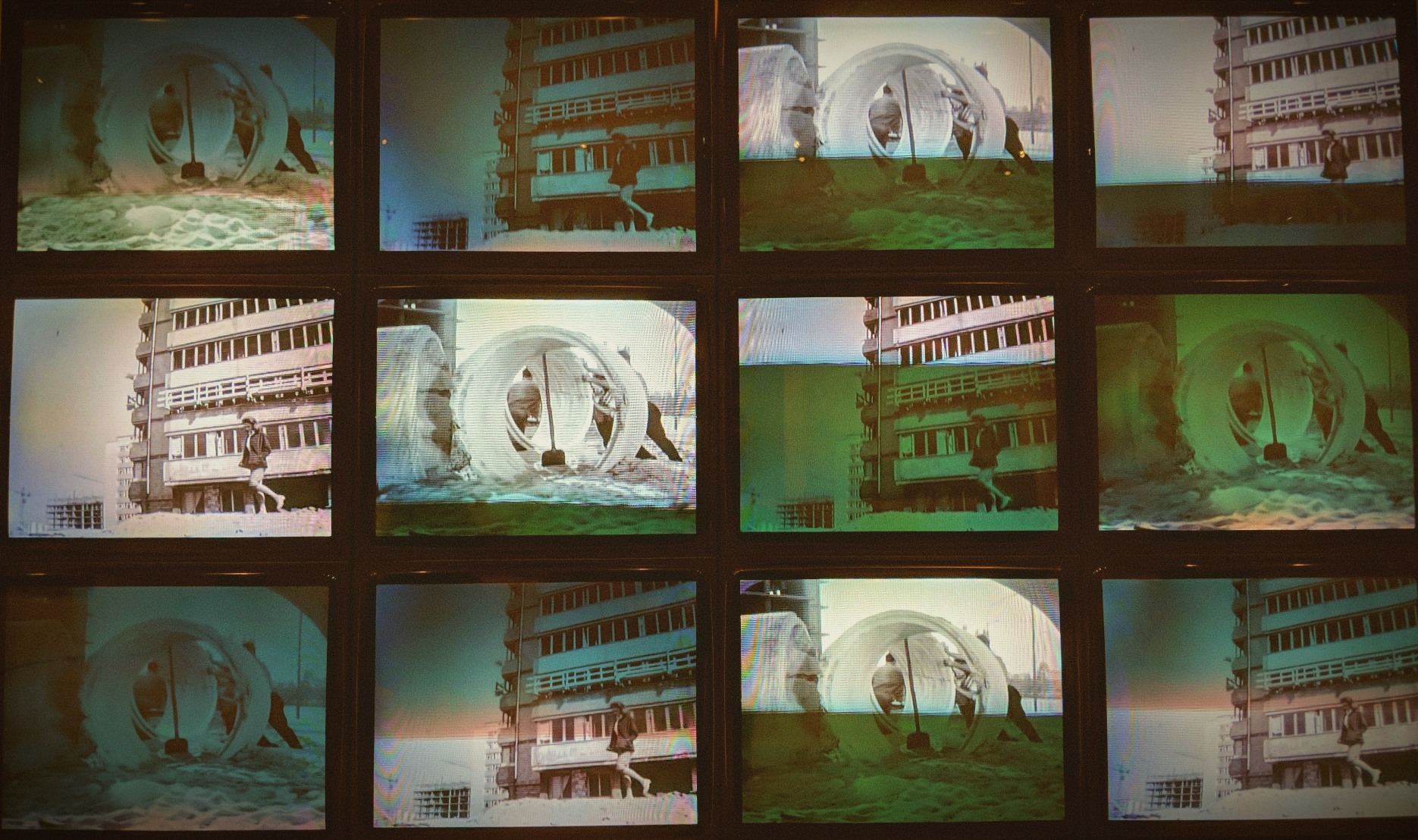
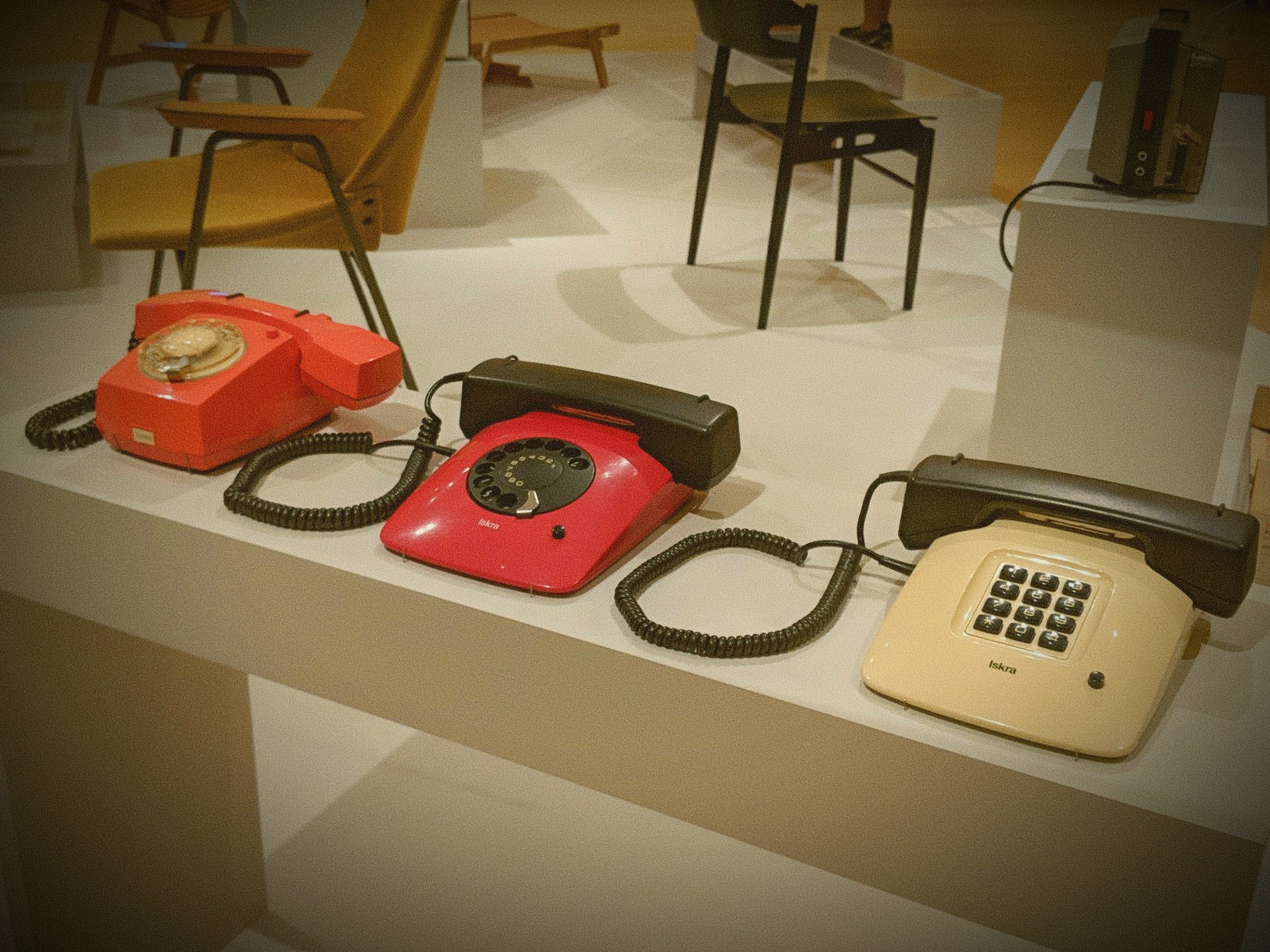
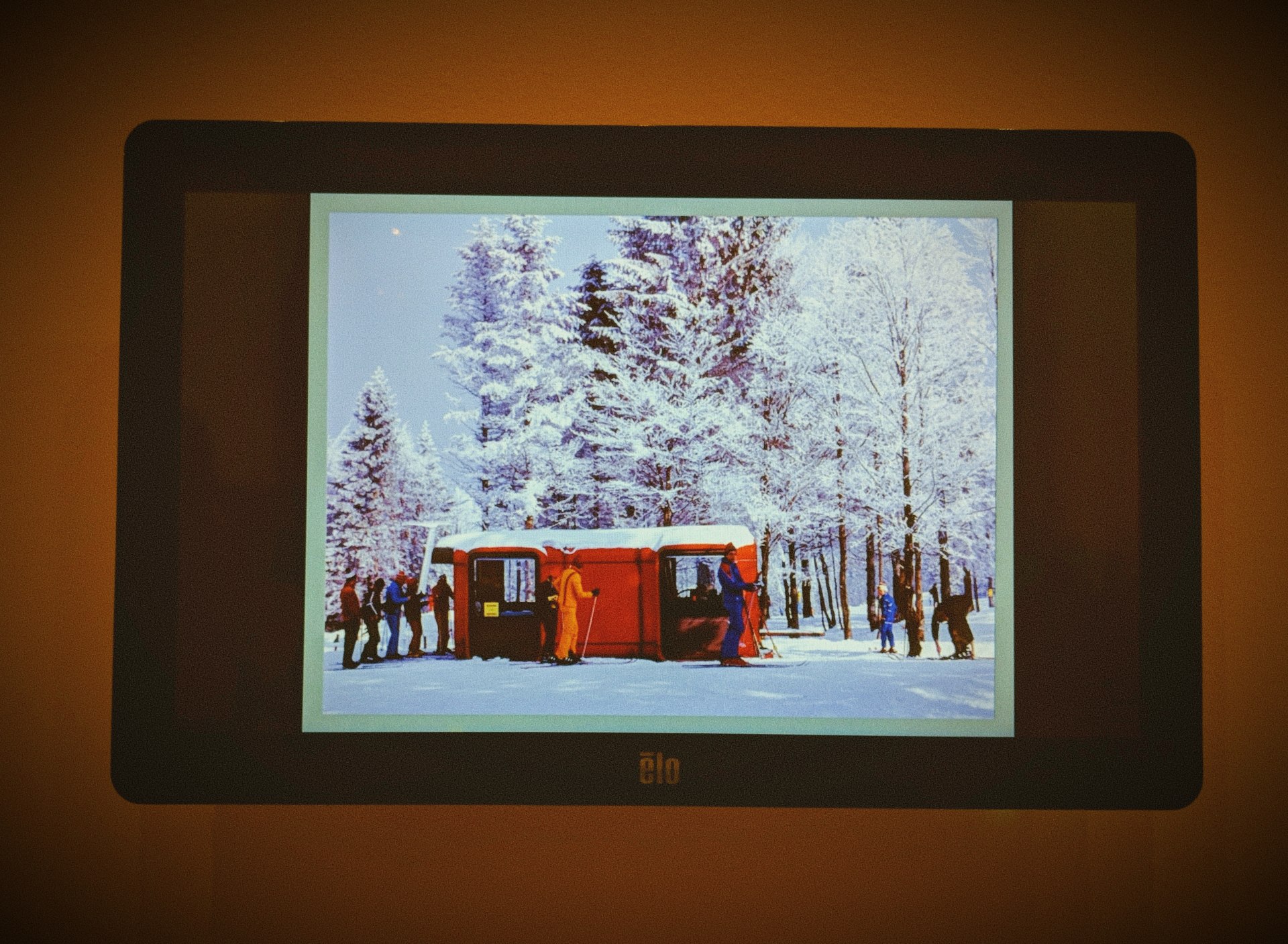
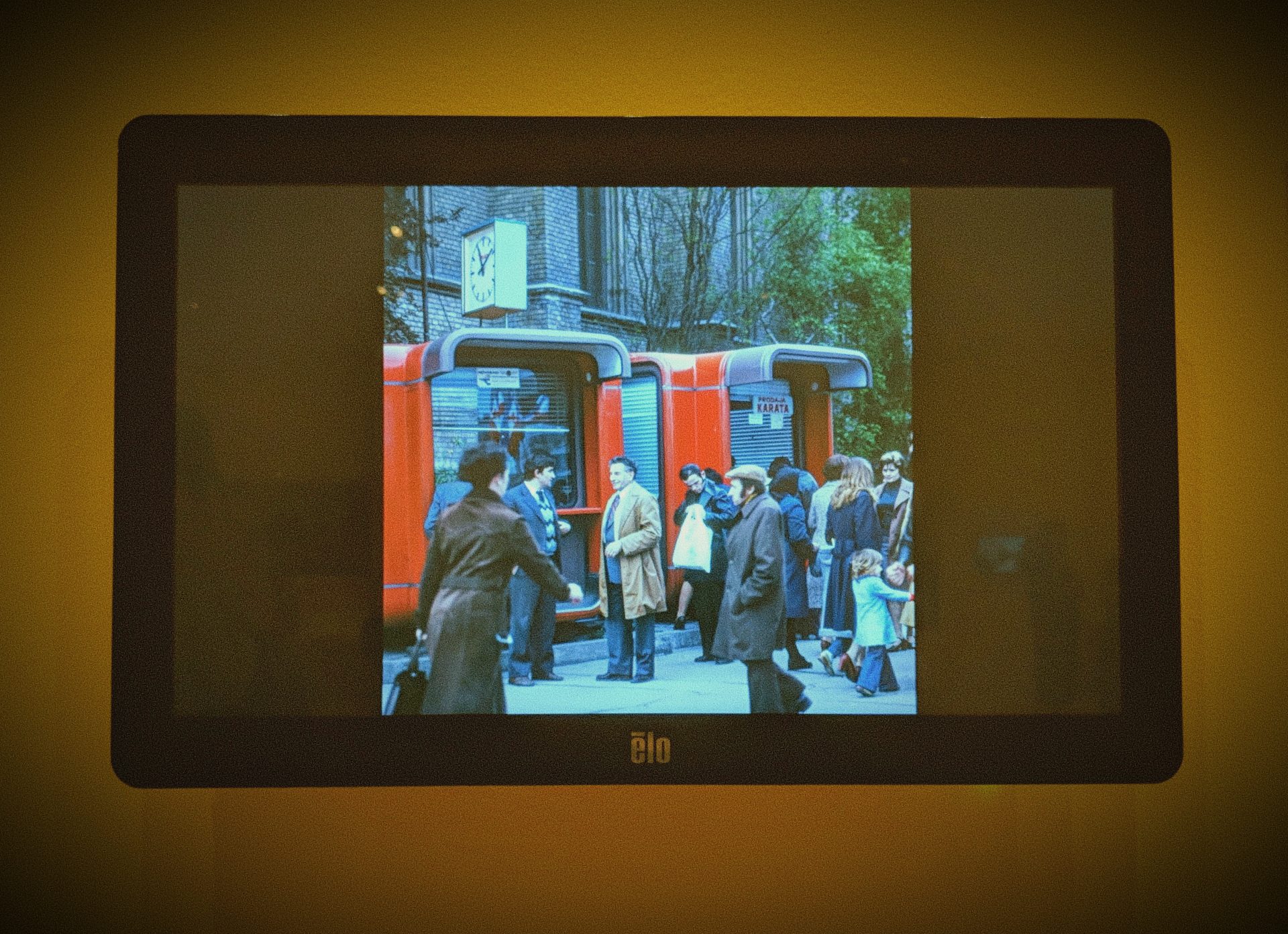
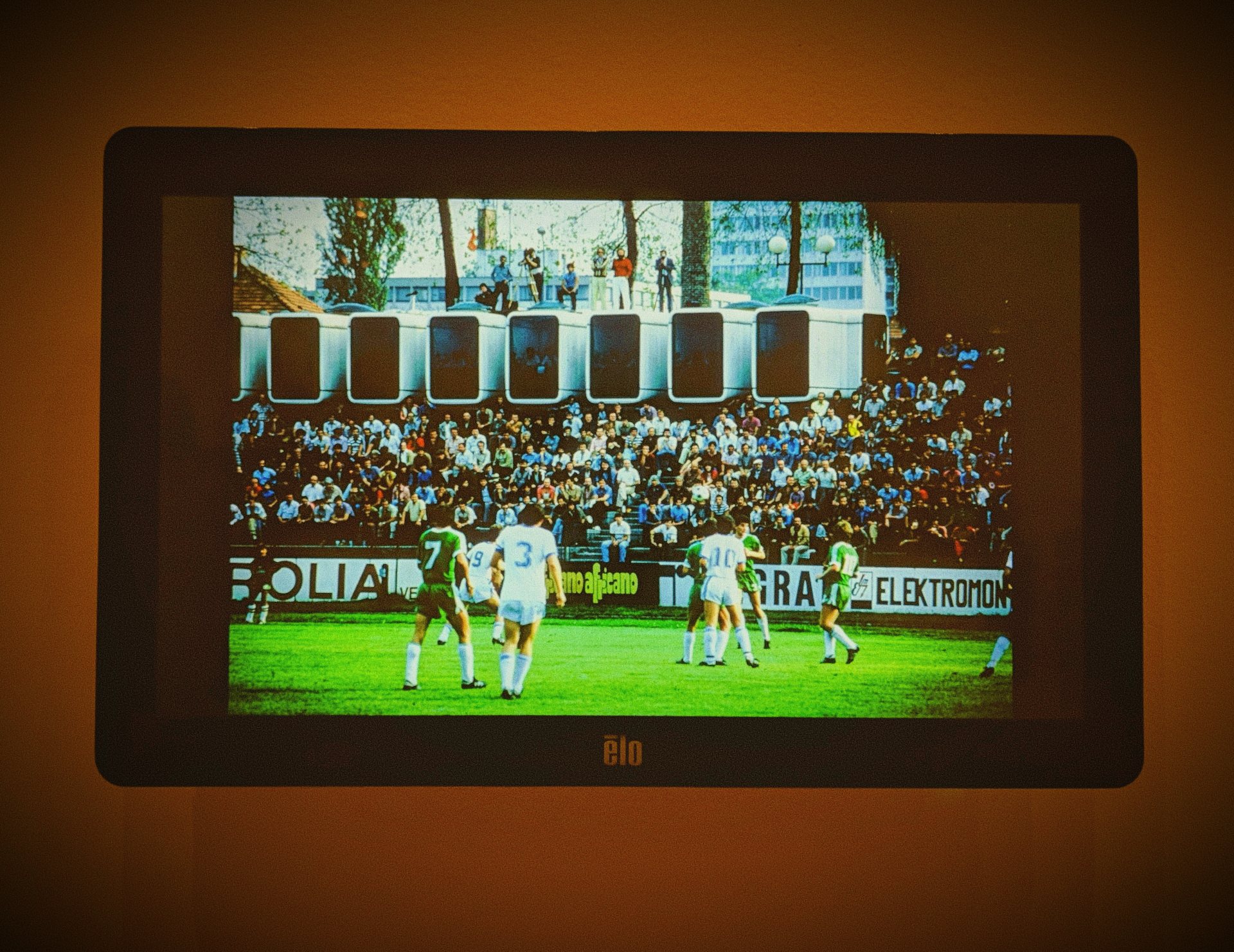
Images:
From ”Toward a Concrete Utopia: Architecture in Yugoslavia, 1948–1980”, an exhibition that ran between July 2018–January 2019 @MoMA.
July 24th, 2018
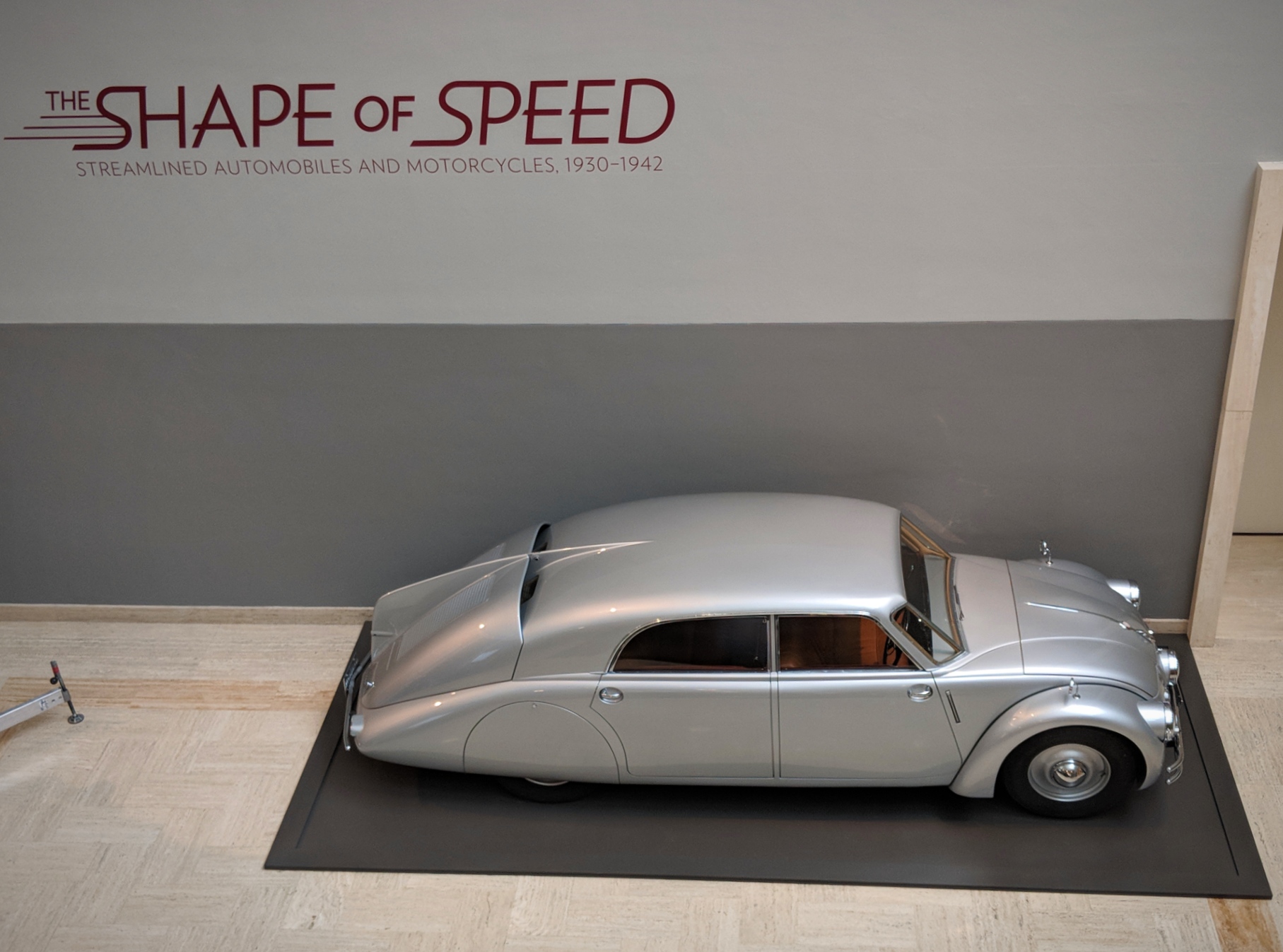
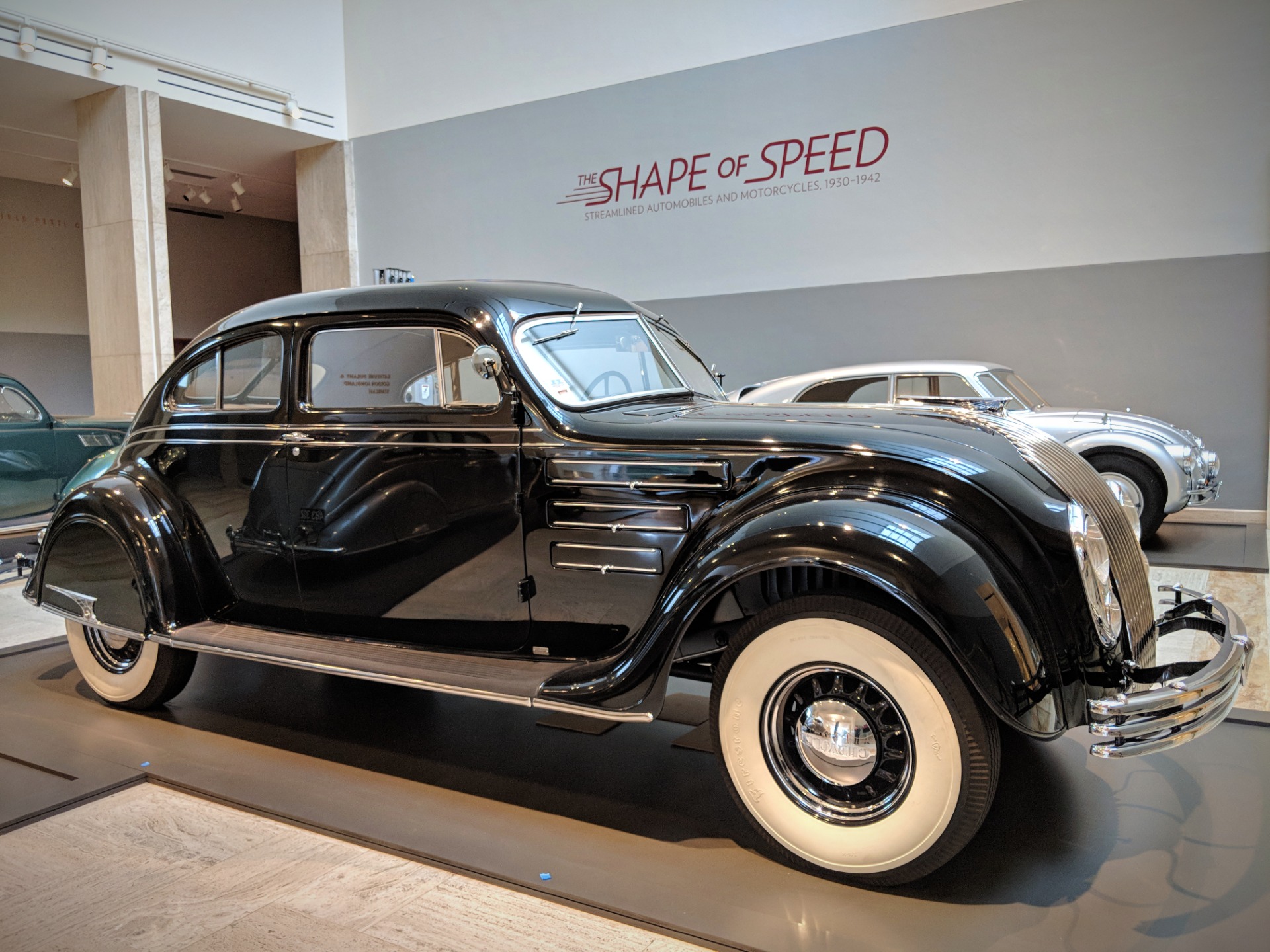
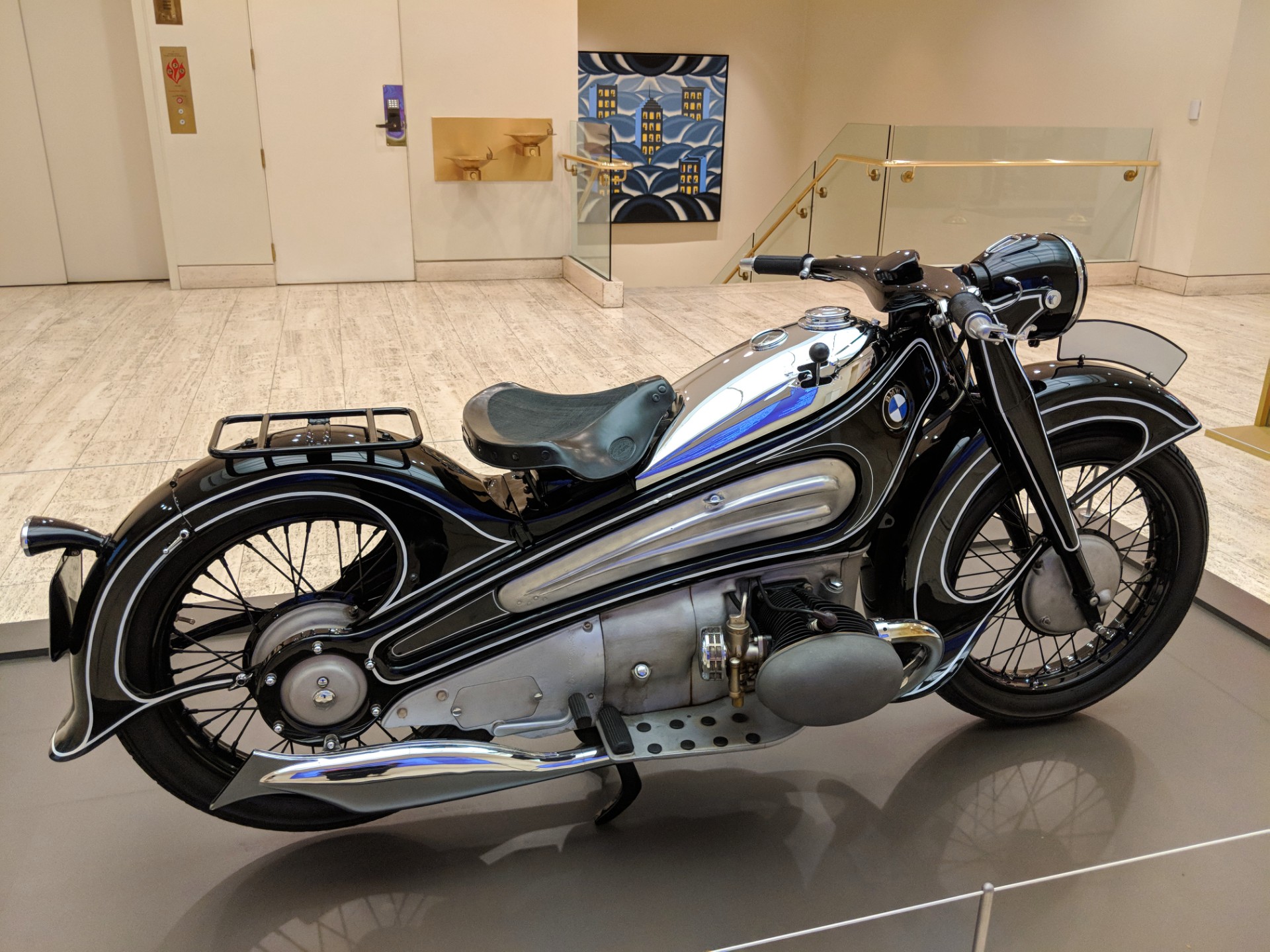
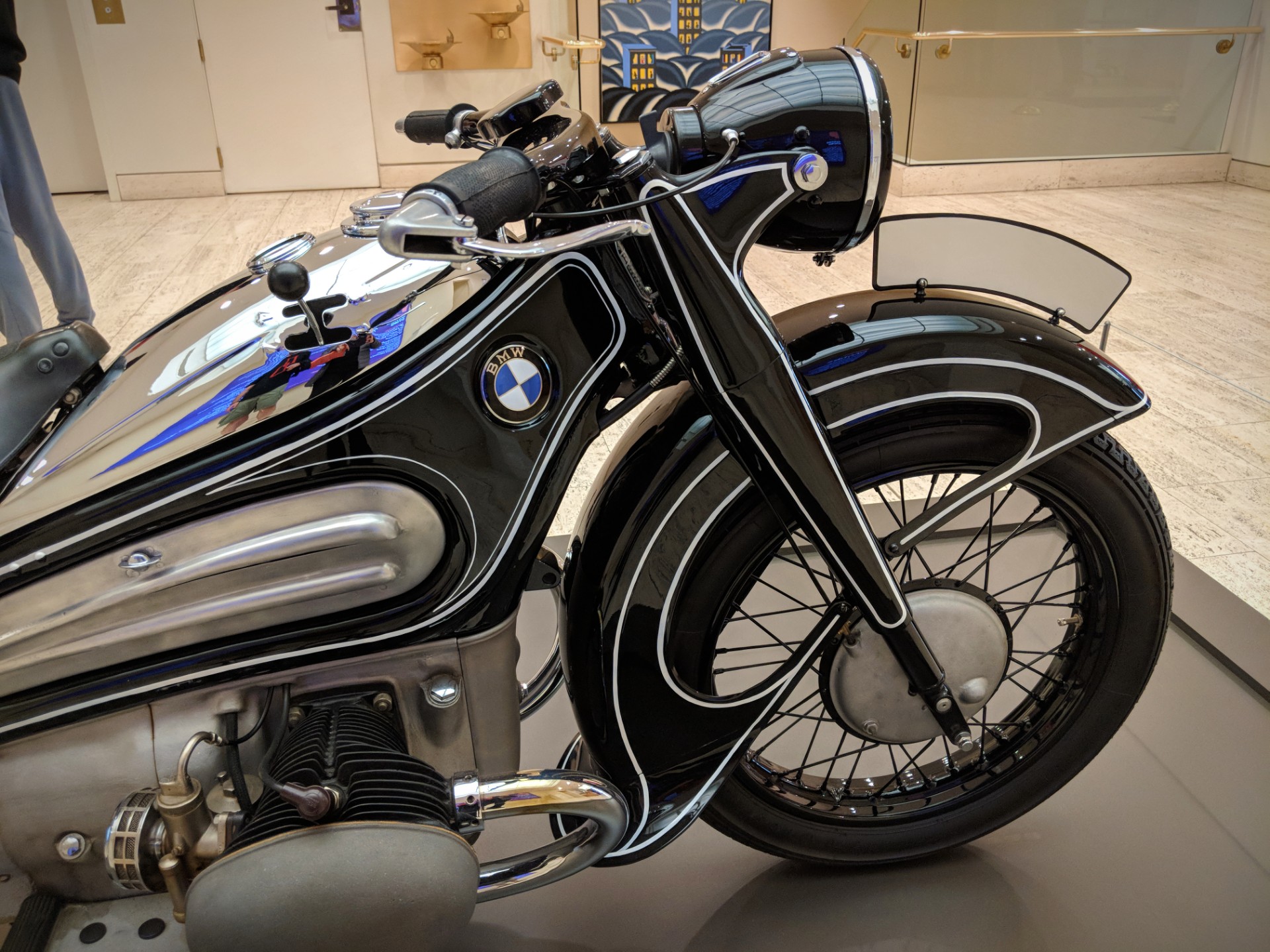
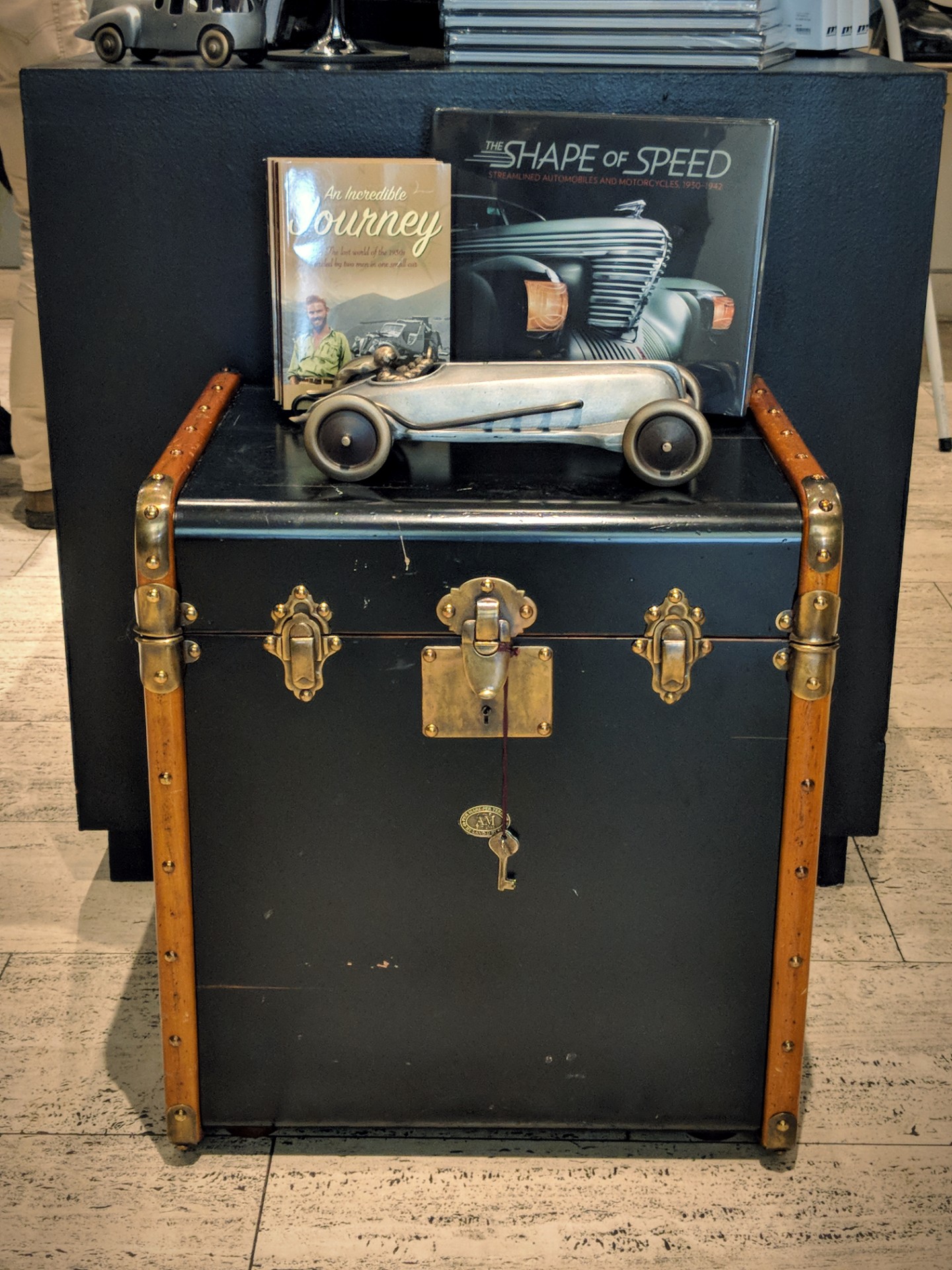
A few glimpses only; installation was underway. We had arrived a week too early.
June 9th, 2018
It will always find its place in a museum collection, even if it wasn’t enough to help up the sales at the time.
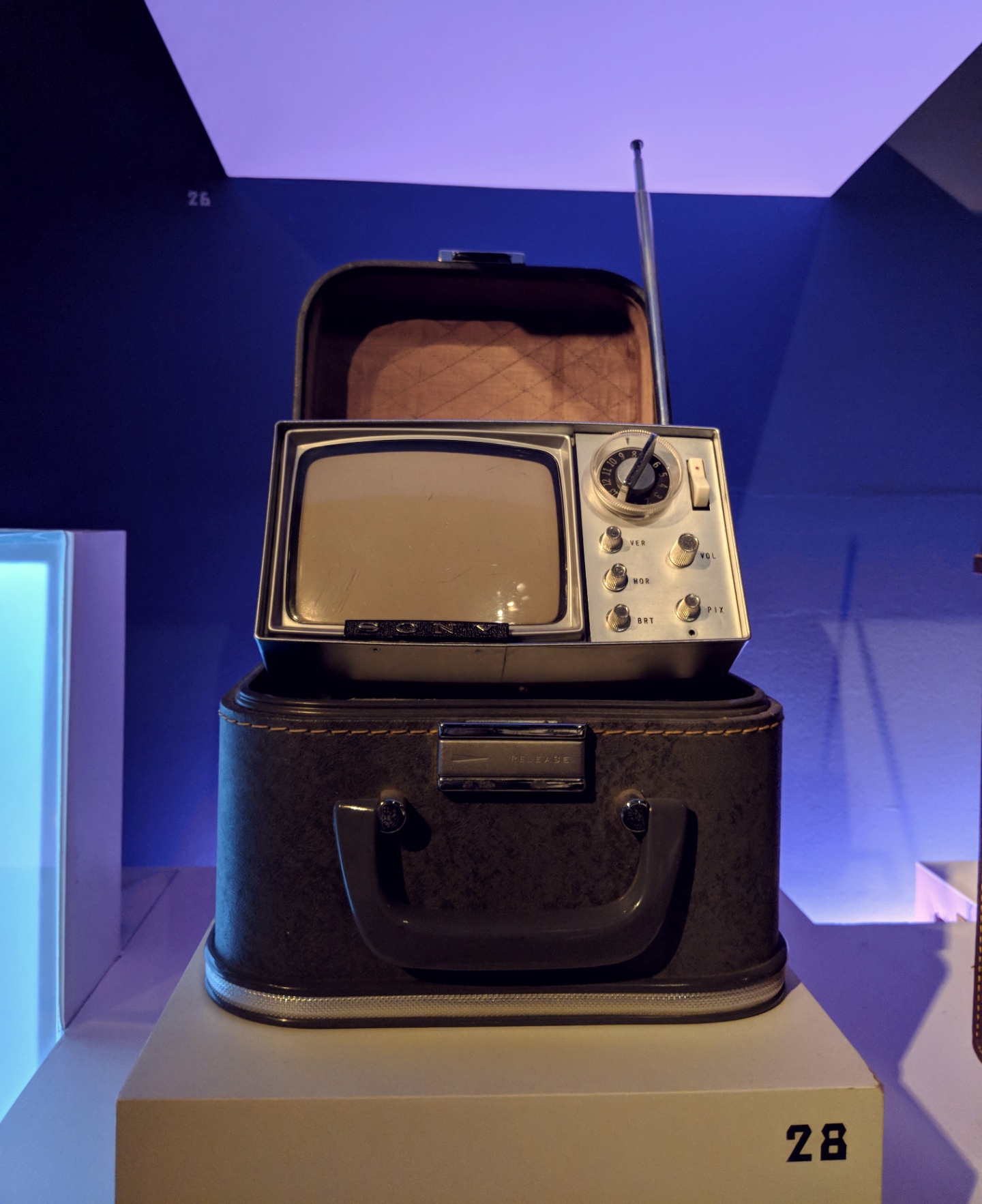 Sony Miniature, Model 5-303W, with carrying case, 1962
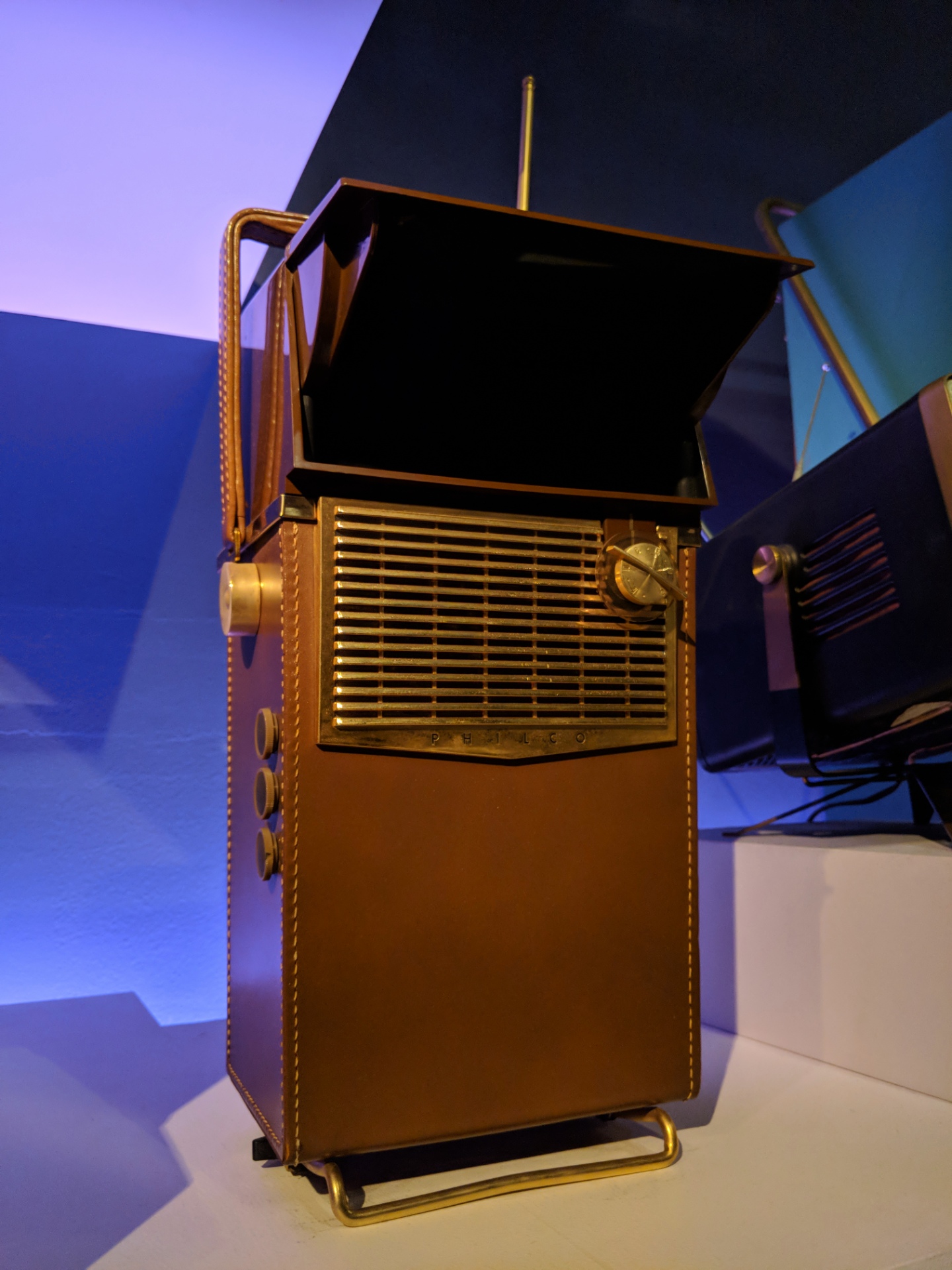 Philco ”Safari” Model H-2010, 1959
This television set was the first to make use of the new transistor technology that had already revolutionized the portable radio. Powered by a 7.5-volt rechargeable battery with a four-hour operating capacity, it employed an optical projection system that magnified the small cathode ray tube image to create and eighty-square-inch virtual image.
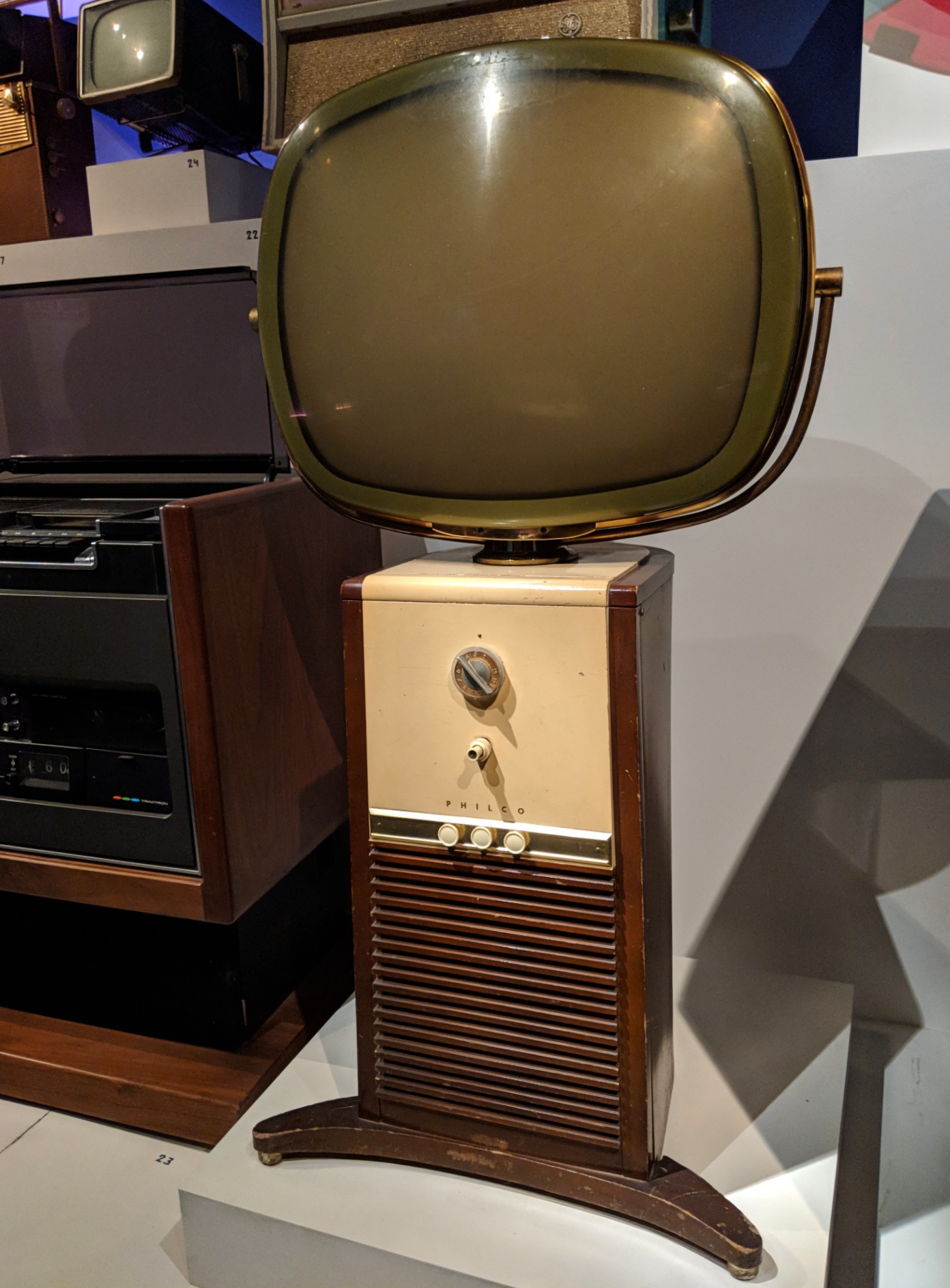
Philco Predicta Model 4654 ”Barber Pole”, Television, 1959
In an effort to combat the industry-wide decline in television sales that began in the mid-1950s, Philco decided to exploit recent developments in picture tube and transistor technology. The Predicta line was the most revolutionary of several models introduced at the time. Designed by Catherine Winkler and Richard Whipple, the Predicta treated the screen surface as a ”semi-flat” element largely detached from the body of the set. Because the new tube was unreliable, sales were poor.
Museum of the Moving Image, Astoria, New York
May 13th, 2018
@Bohemian_National_Hall
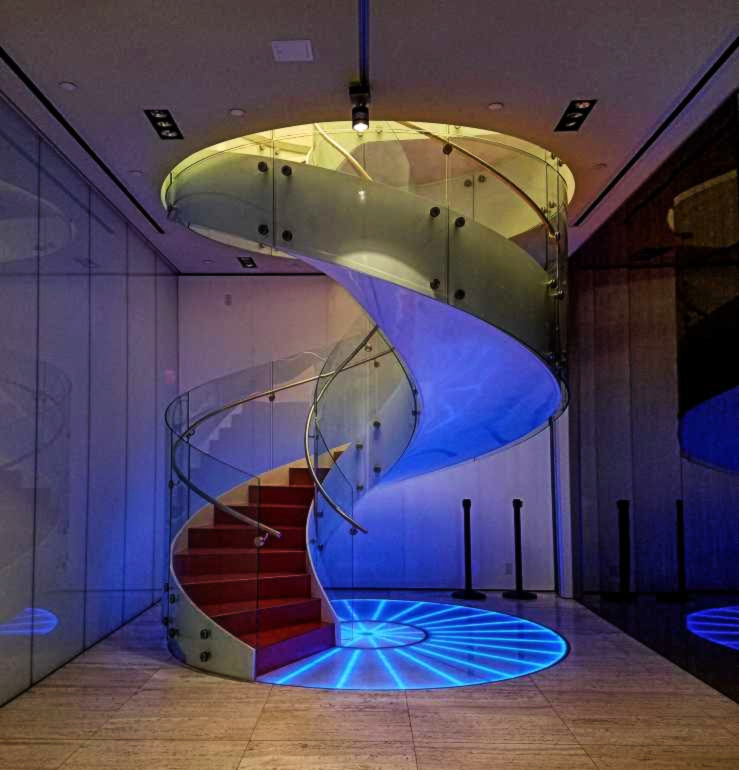
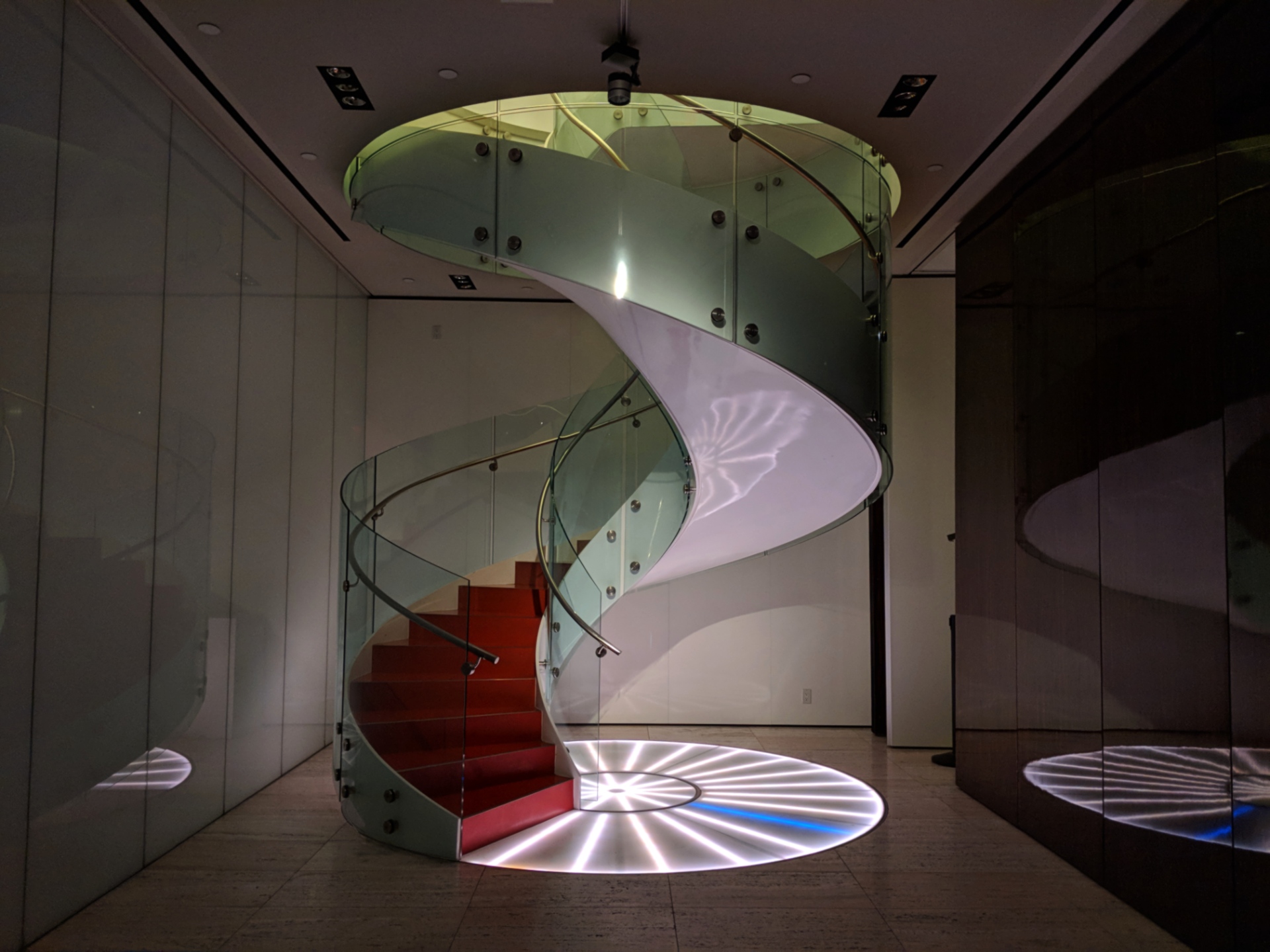
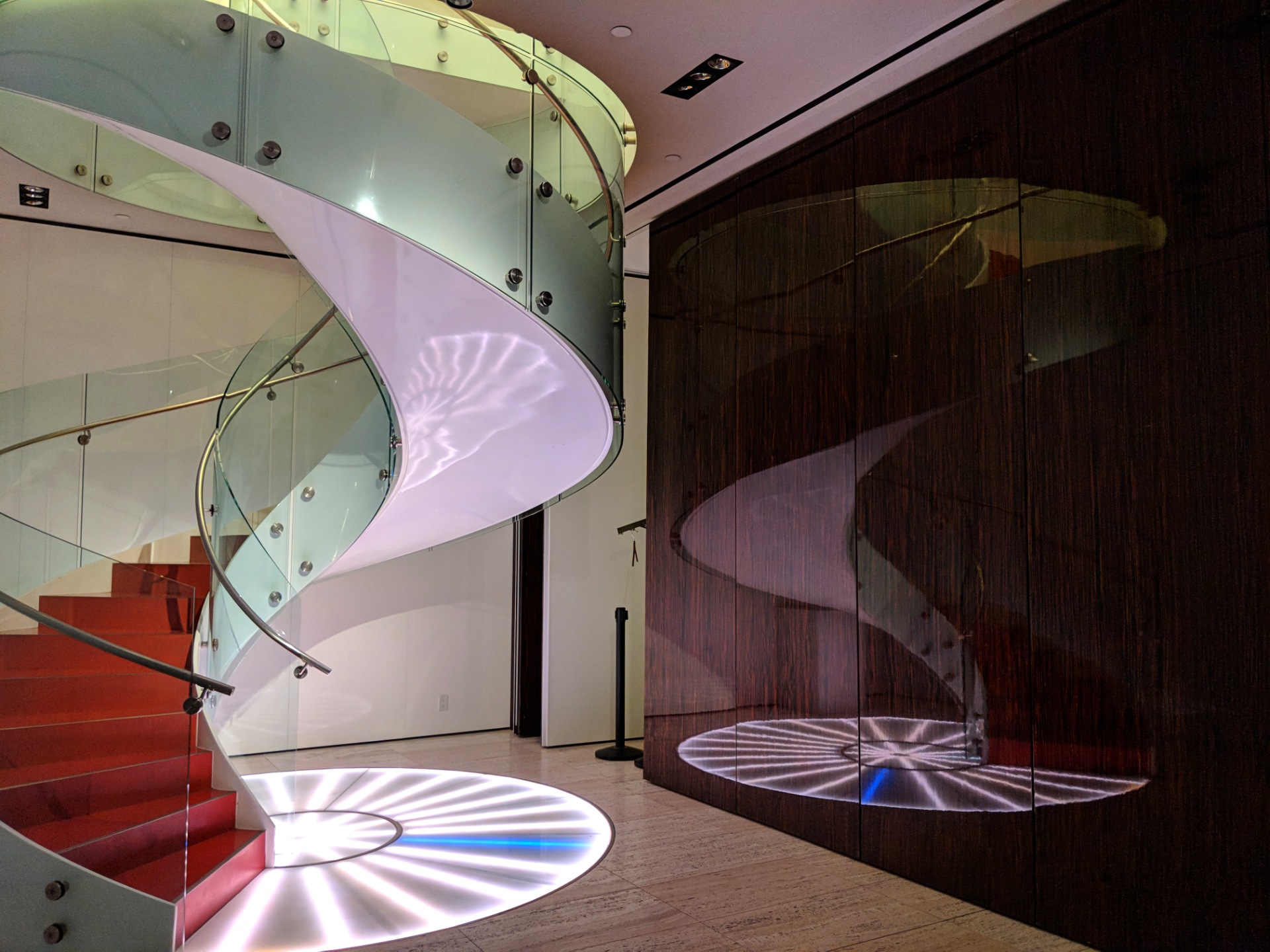
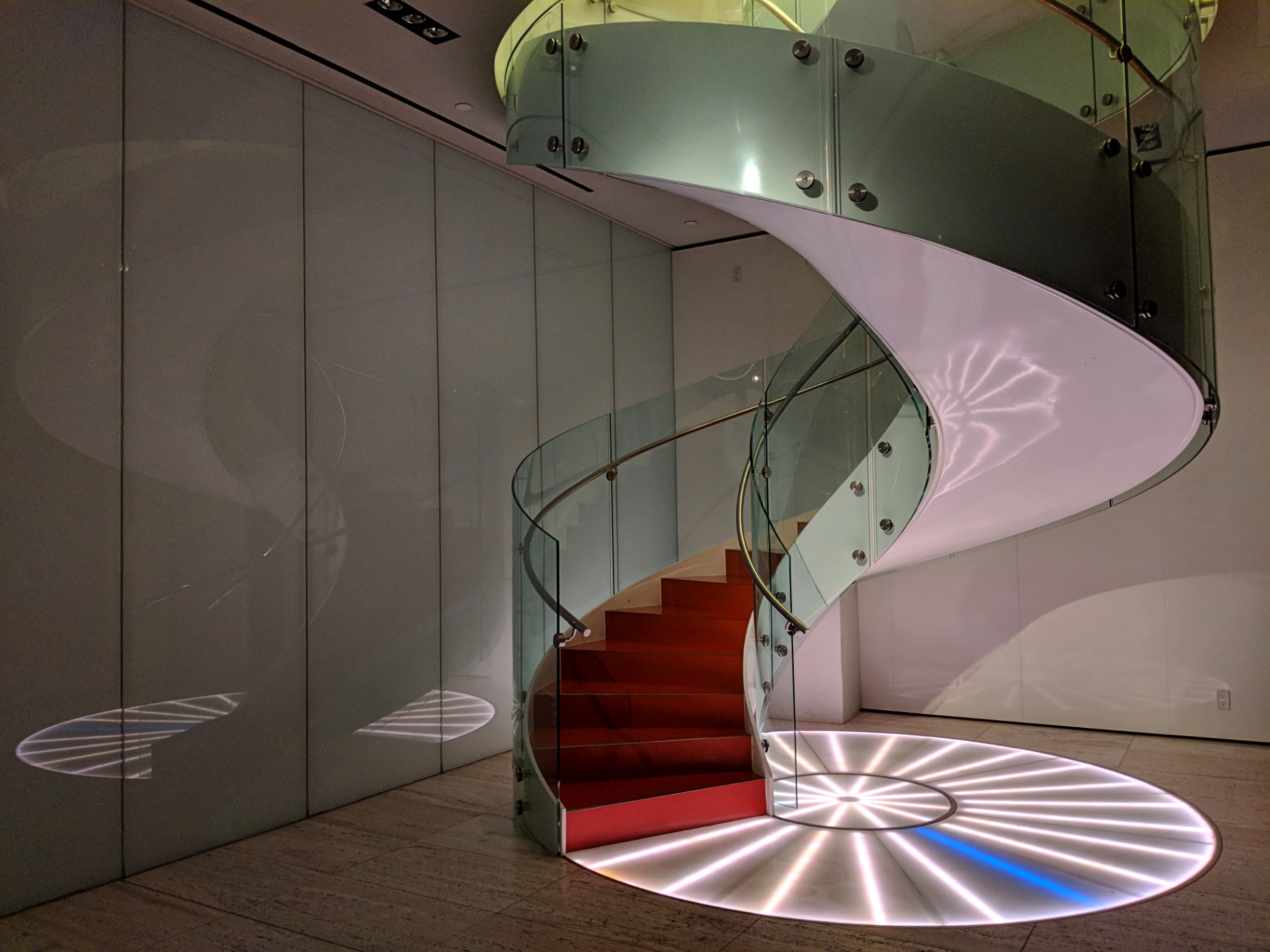
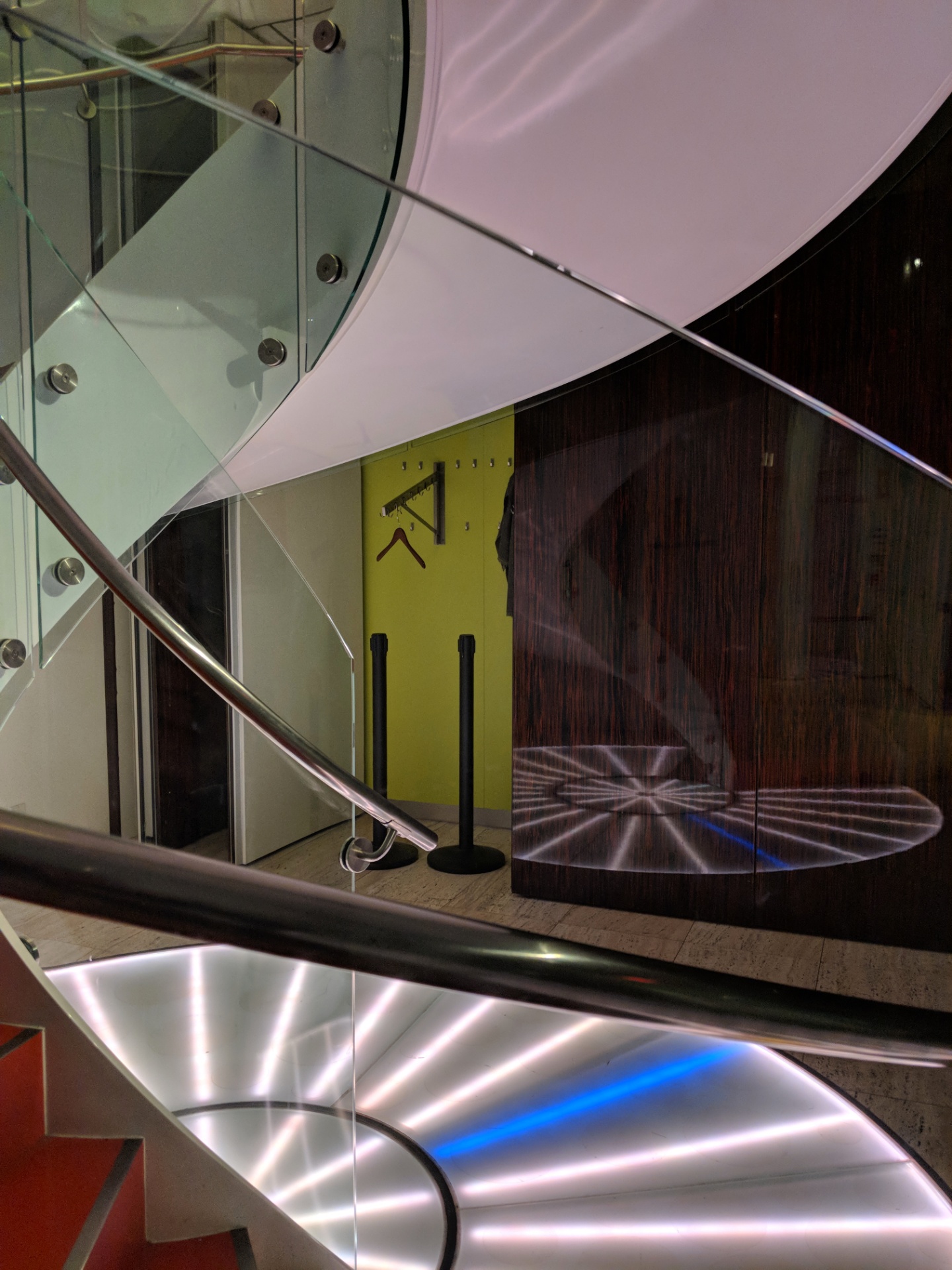
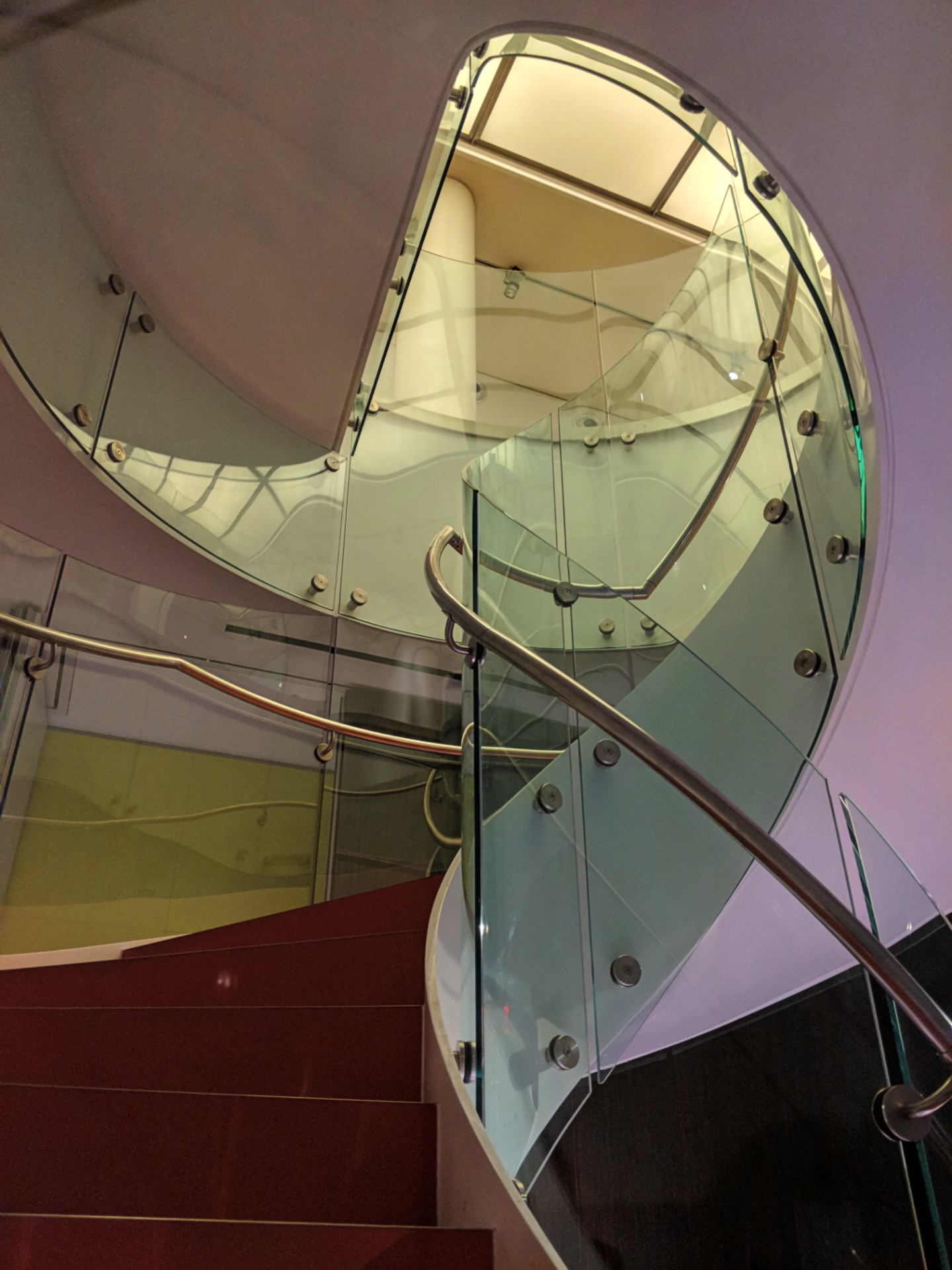
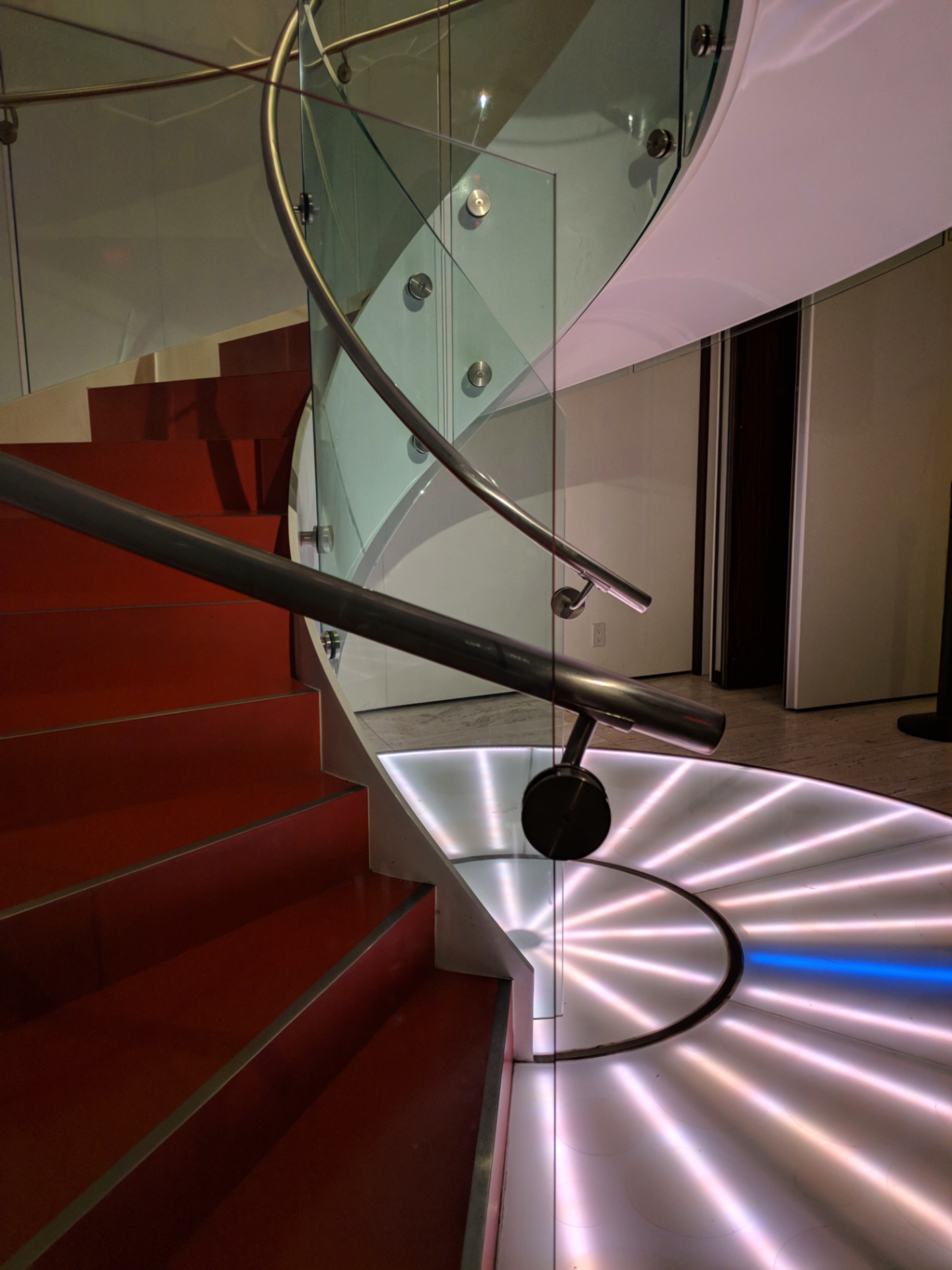
January 26th, 2017 & February 13, 2018
On October 1st, 2017, MoMA opened a new exhibition with the inquiring title ”Items: Is Fashion Modern?”, sparking waves of excitement across the worlds of fashion and design. Not so much because of the items themselves, which were mainly clothes and accessories we are all familiar with in our everyday lives, but mainly because ”Items” was the first fashion show that MoMA had organised in more than 70 years, the last time being in 1944 with a similarly inquiring exhibition, called ”Are Clothes Modern?”
The 2017 show consisted of 111 items of clothing and accessories that had had a strong impact on the world in the 20th and 21st centuries. It had also invited some designers, engineers, and manufacturers to reexamine these familiar items with the view of rendering them – or at least some versions of them – useful, updated and ”Modern” further into the future.

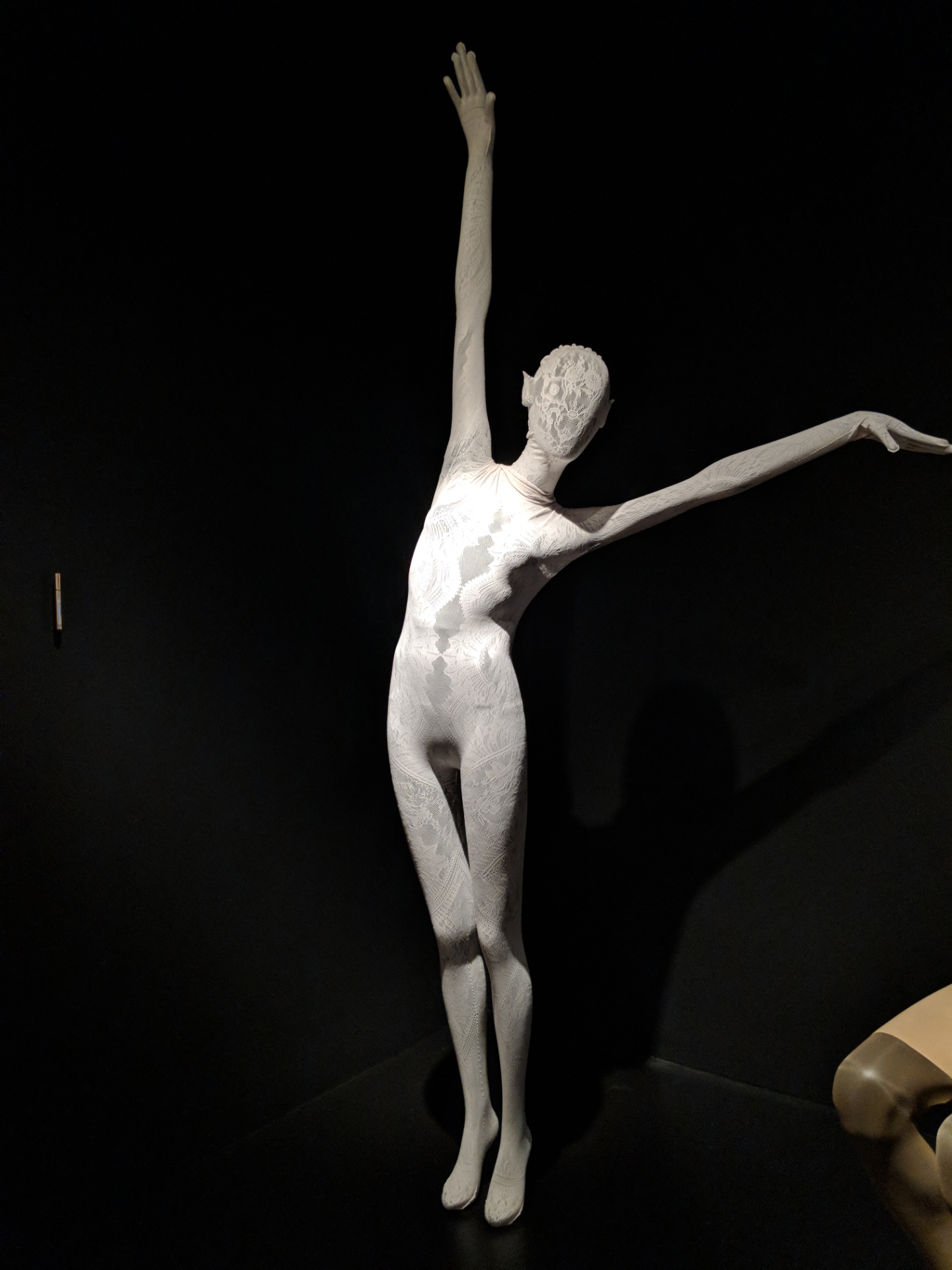 Robin From Skin Series, 2006
Tamae Hirokawa, Japanese, b. 1976 – Somarta, Japan, founded 2006
Tights
Somarta developed a computer-aided design and manufacturing process to produce seamless, three-dimensional knitted garments that are halfway between tattoos and tights
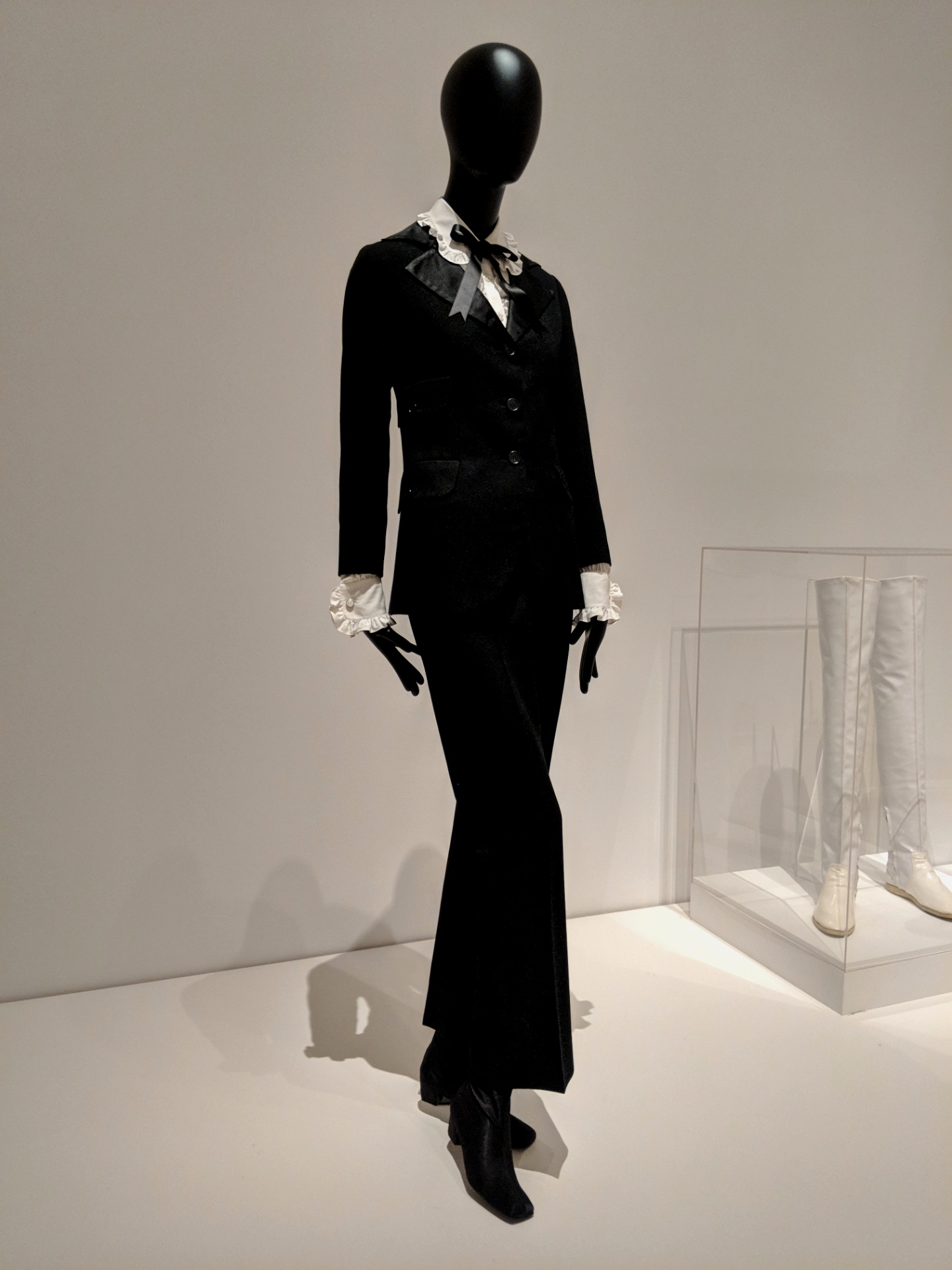 Le Smoking, 1967
Yves Saint Laurent Rive Gauche
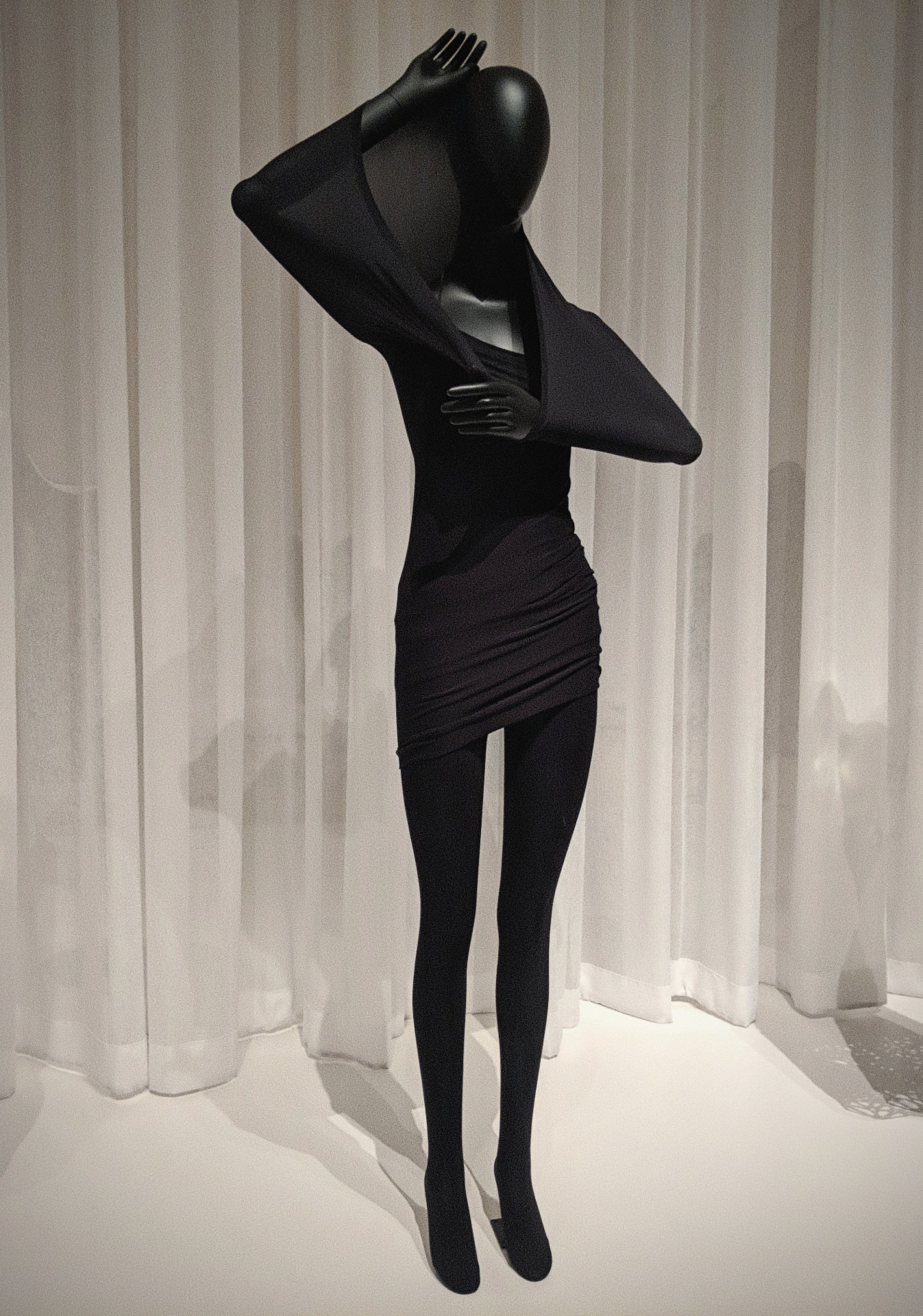 StarckNaked, 1997
Philippe Starck for Wolford
Little Black Dress
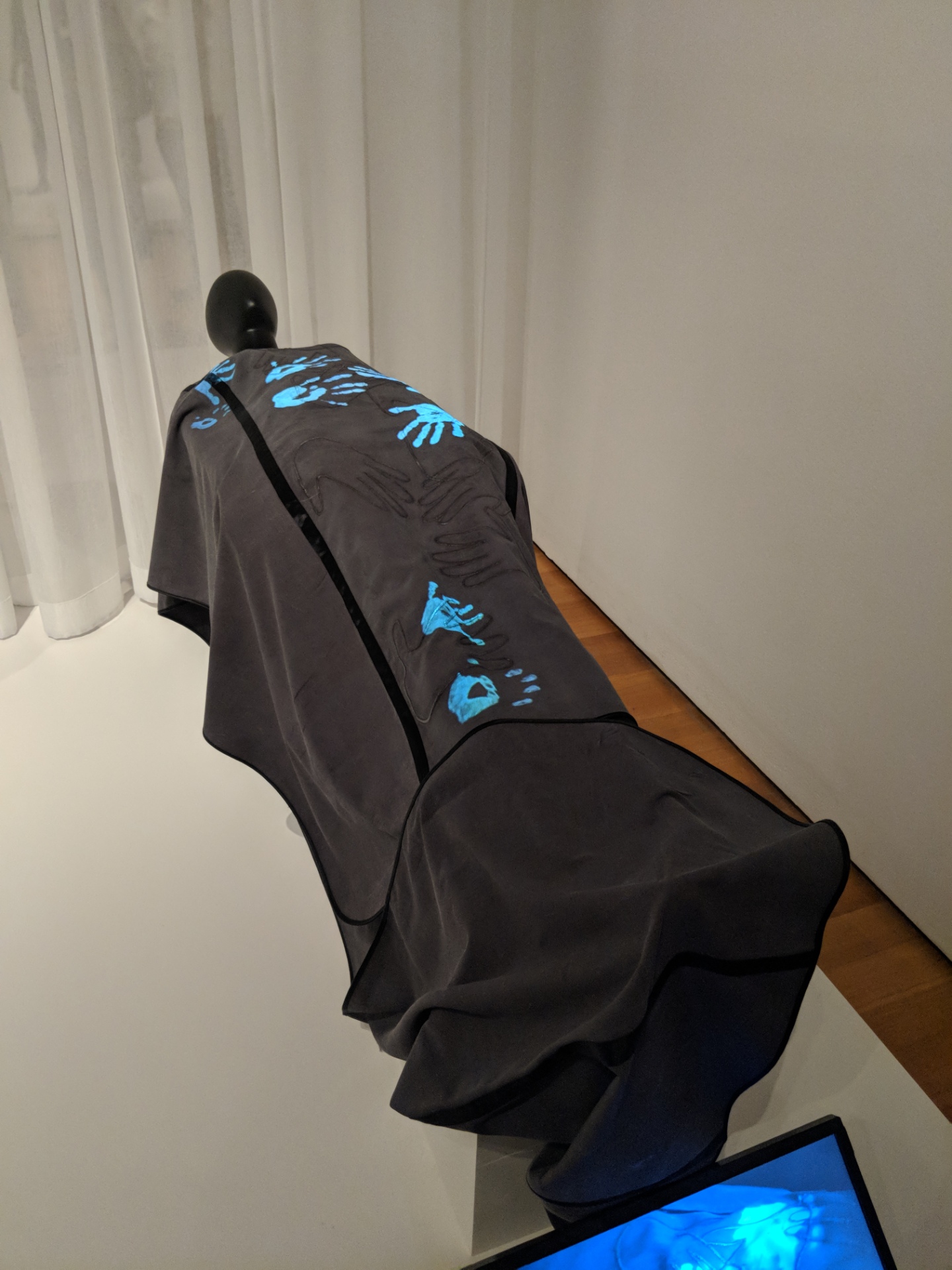 Pia Interlandi, Australian, b. 1985
Garments for the Grave, founded 2012
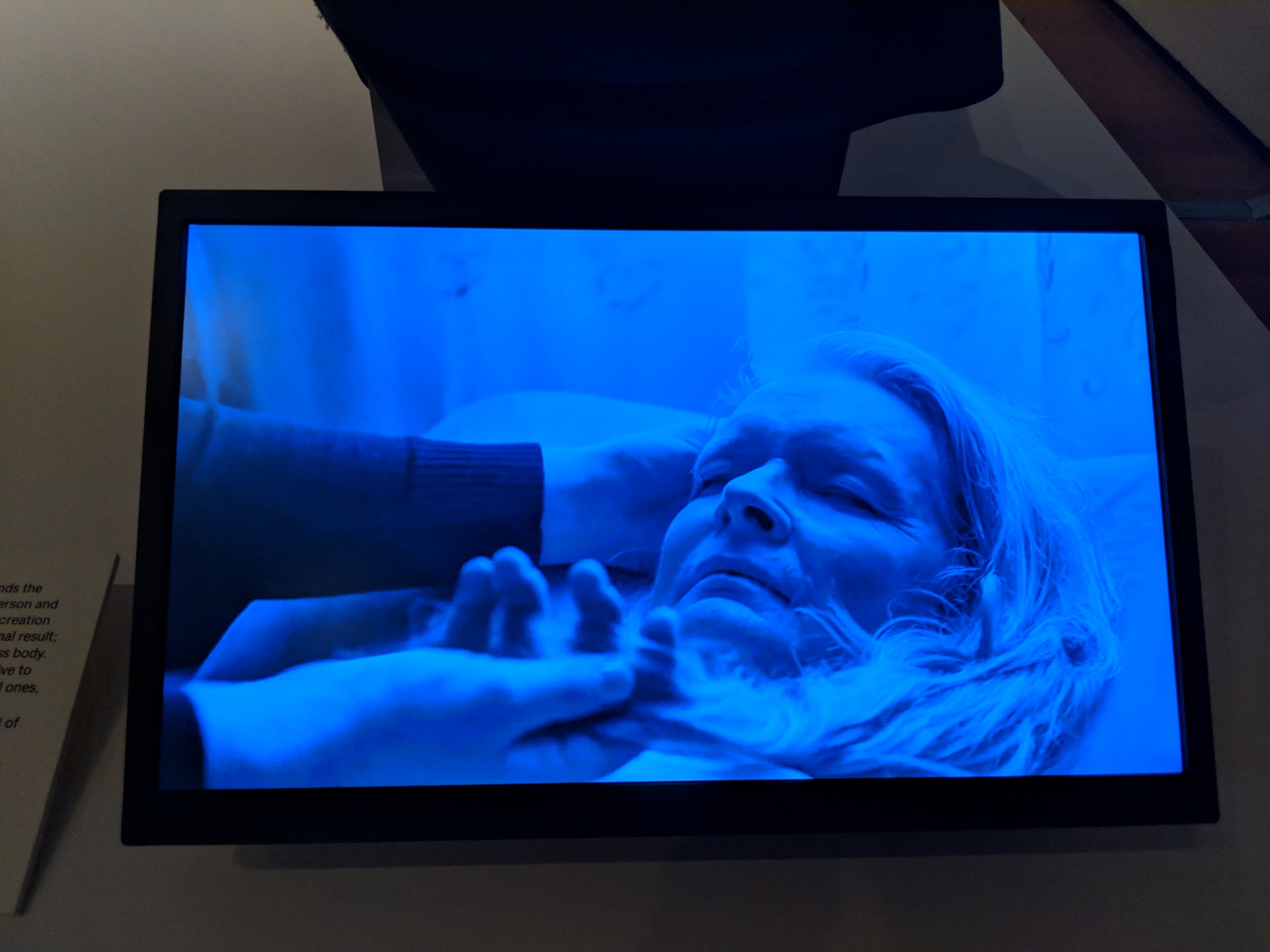
Little Black (Death) Dress, 2017
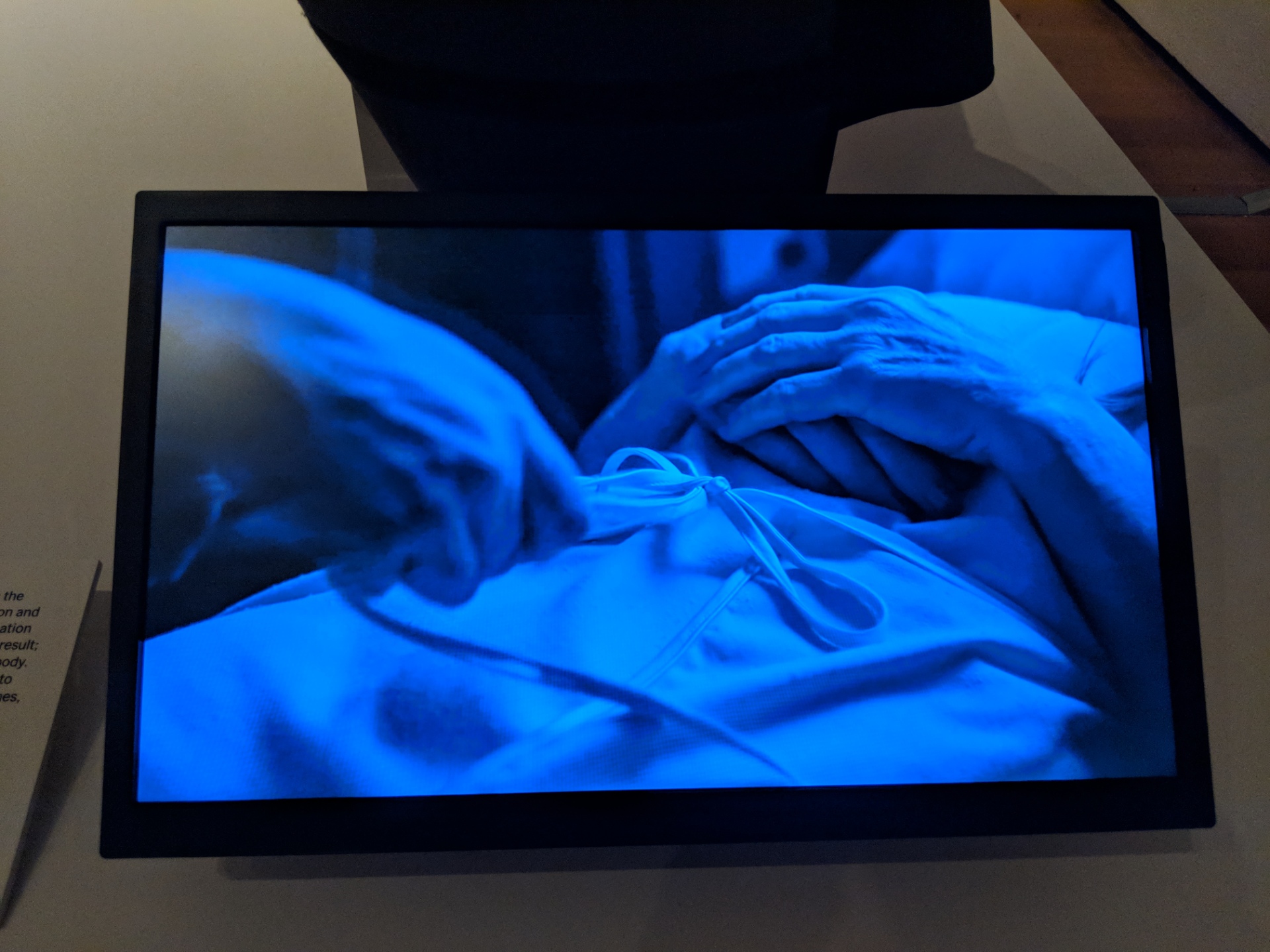
Pia Interlandi’s Little Black Dress incorporates all of the classic principles of the LBD – versatility, sophistication and understated glamour – to form, in the words of the designer, a garment ”to carry one from this world to the next, a garment literally created for the grave.” The ensemble upends the traditional relationship between person and dress: its wearer participates in its creation but never sees herself wearing the final result; its major function is to shroud a lifeless body. Interlandi uses a fabric that is responsive to the touch of the hands of grieving loved ones, turning from black to white through the transfer of body heat. The act is a symbol of the energy embodied in the process of decomposition and the cycles of mourning, from despair to acceptance.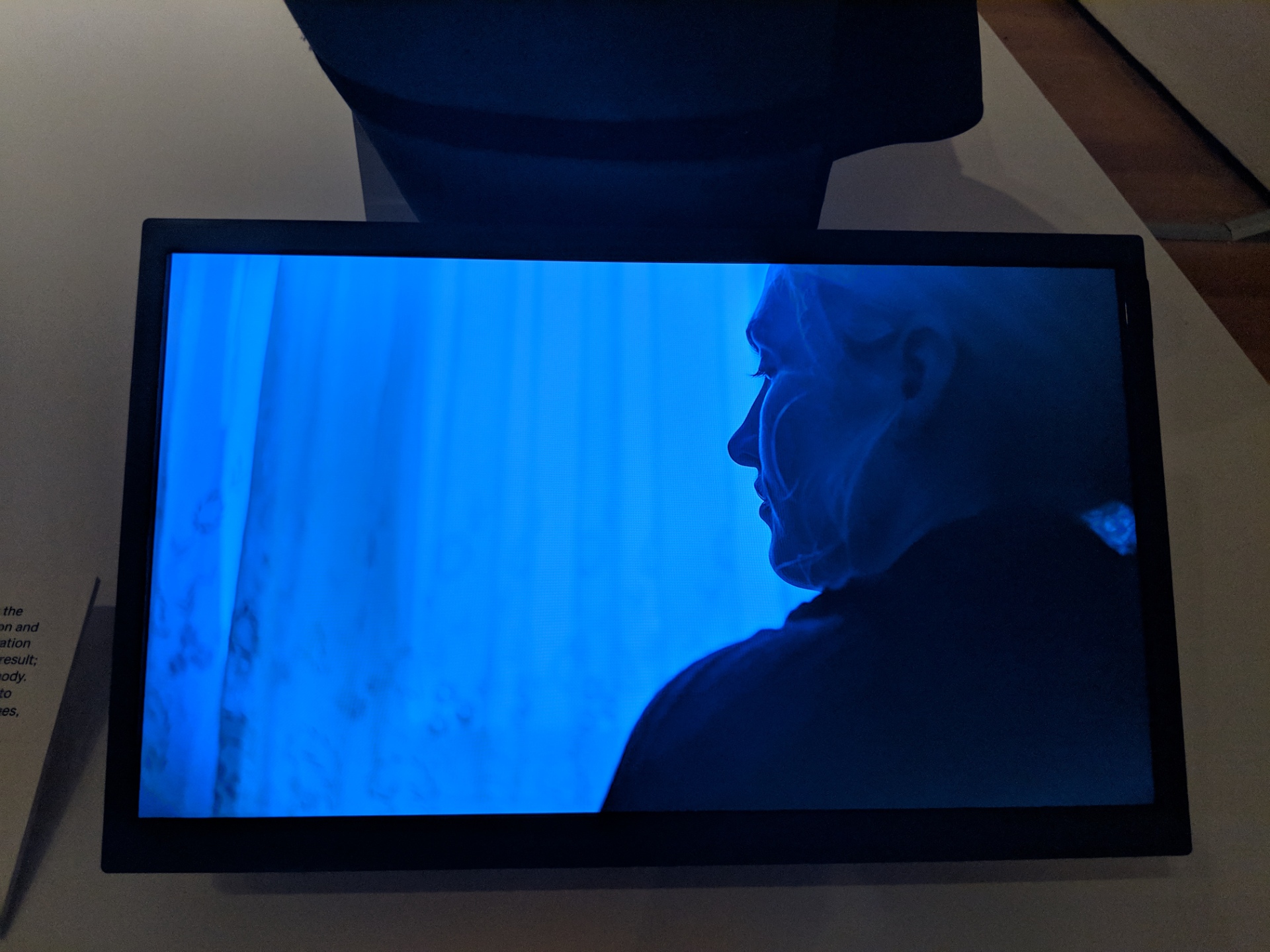
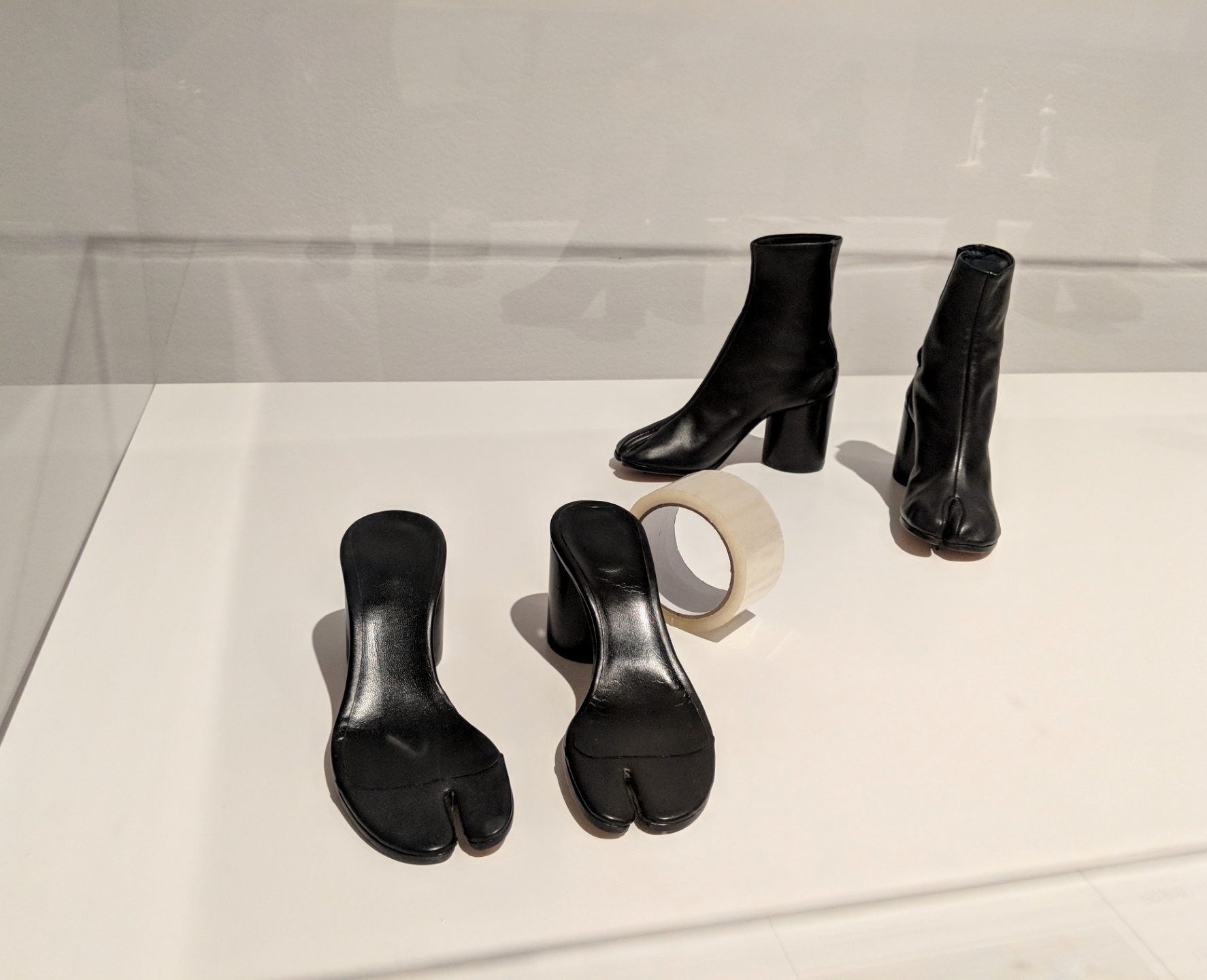 Sandals, S/S 1996
Martin Margiela
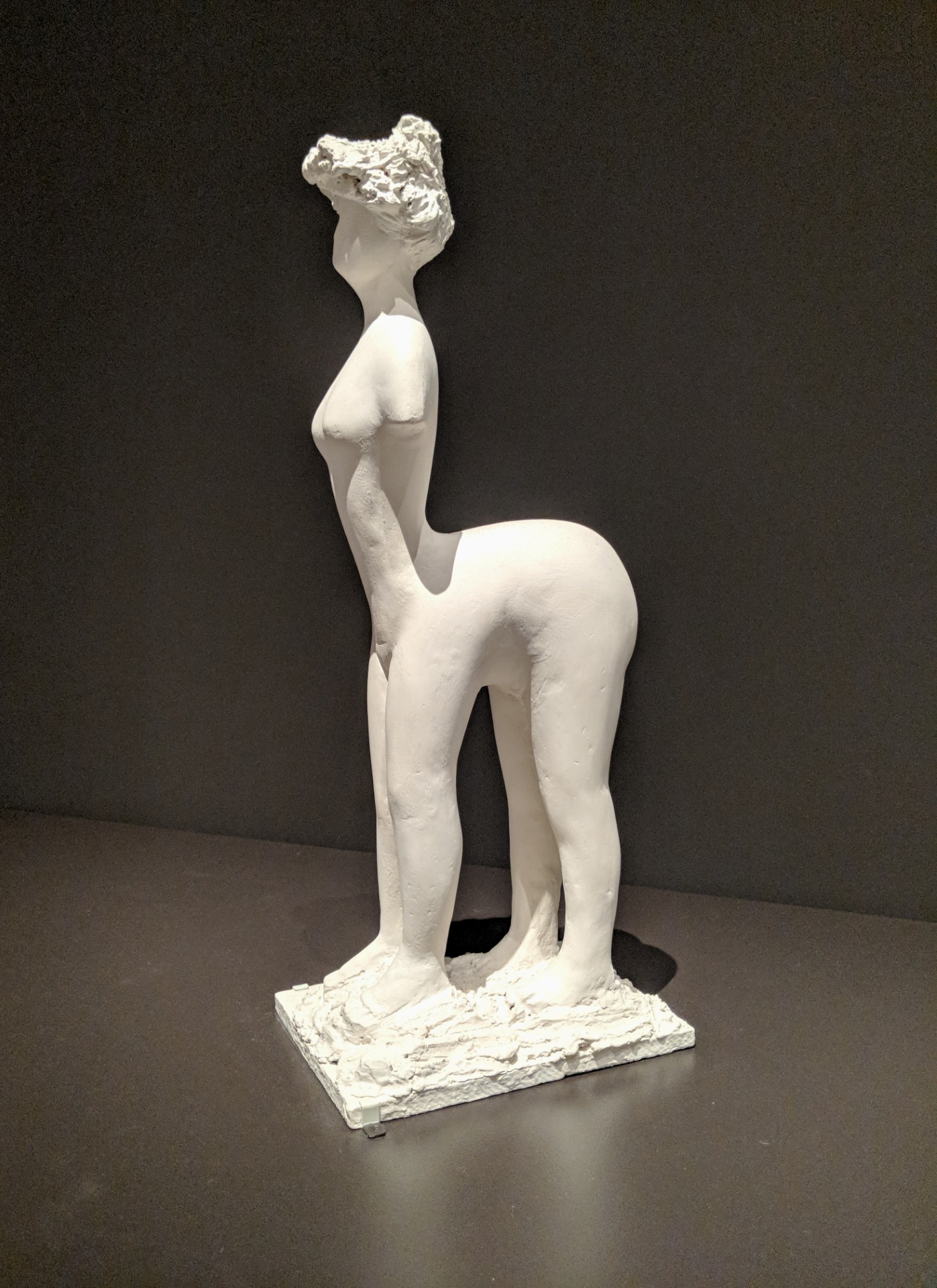 Bernard Rudofsky, architect and designer, American, born Austria, 1905-1988
One of the items presented in the 1944 exhibition ”Are Clothes Modern?”. A statue representing what a female body should have looked like to match the fashion of that particular time in history. This one, the bustle of 1875, transformed its wearer into a four-legged centaur.
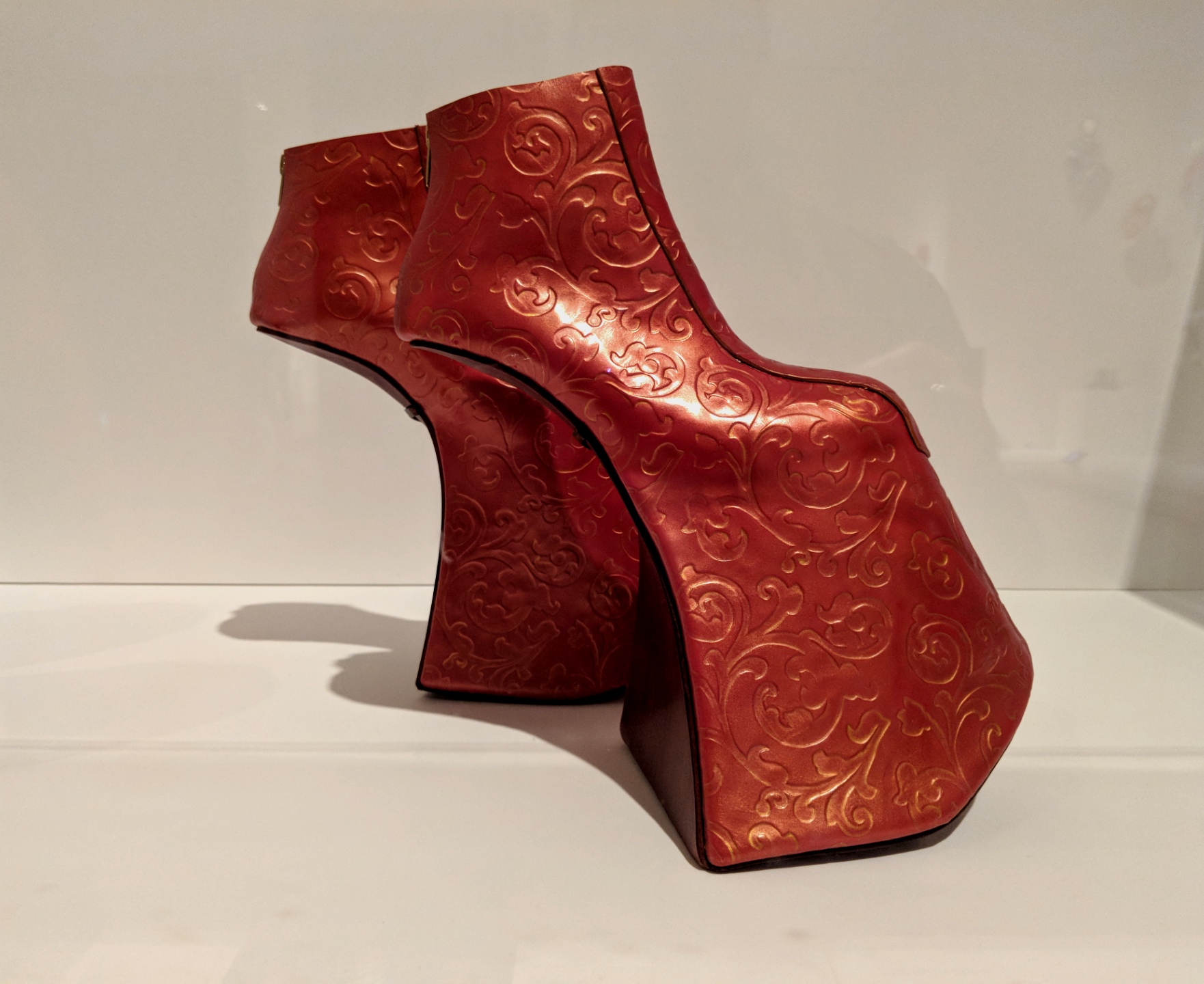 Boots, fall 2010
Noritaka Tatehana, Japanese, born 1985
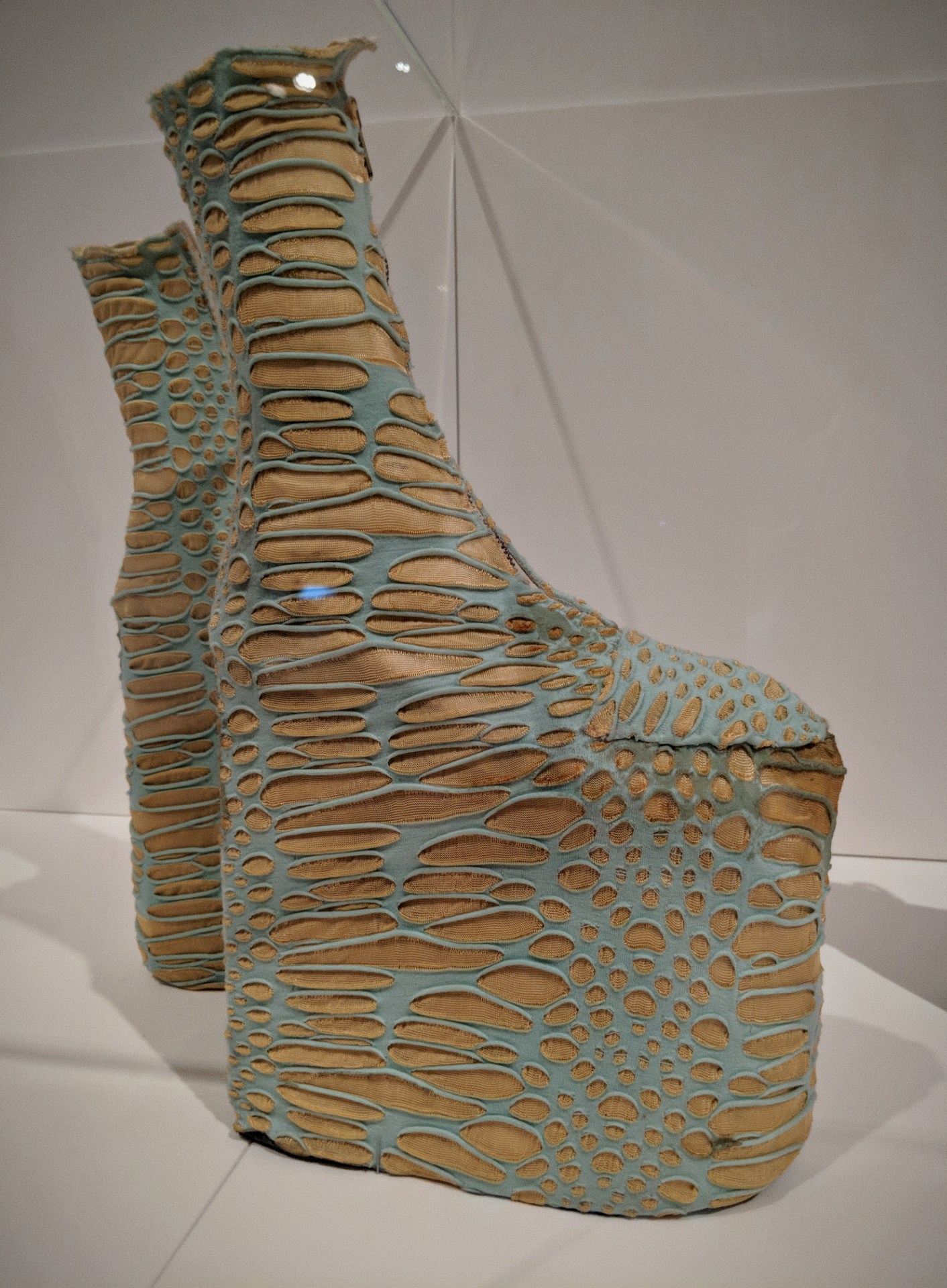 Shoes, 1993
Andrew Buckler and Johanne Price, British
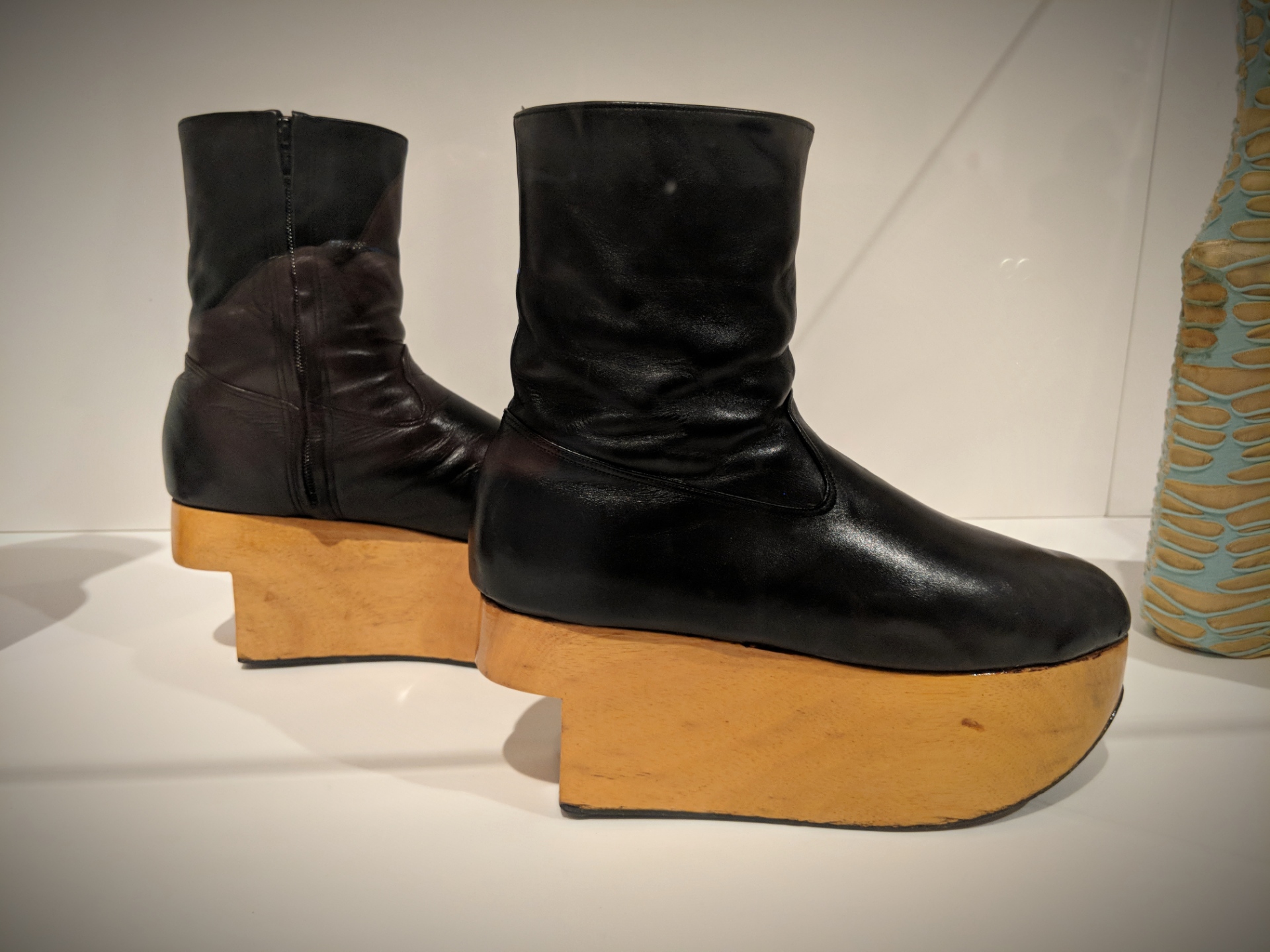 Boots, 1987
Vivienne Westwood
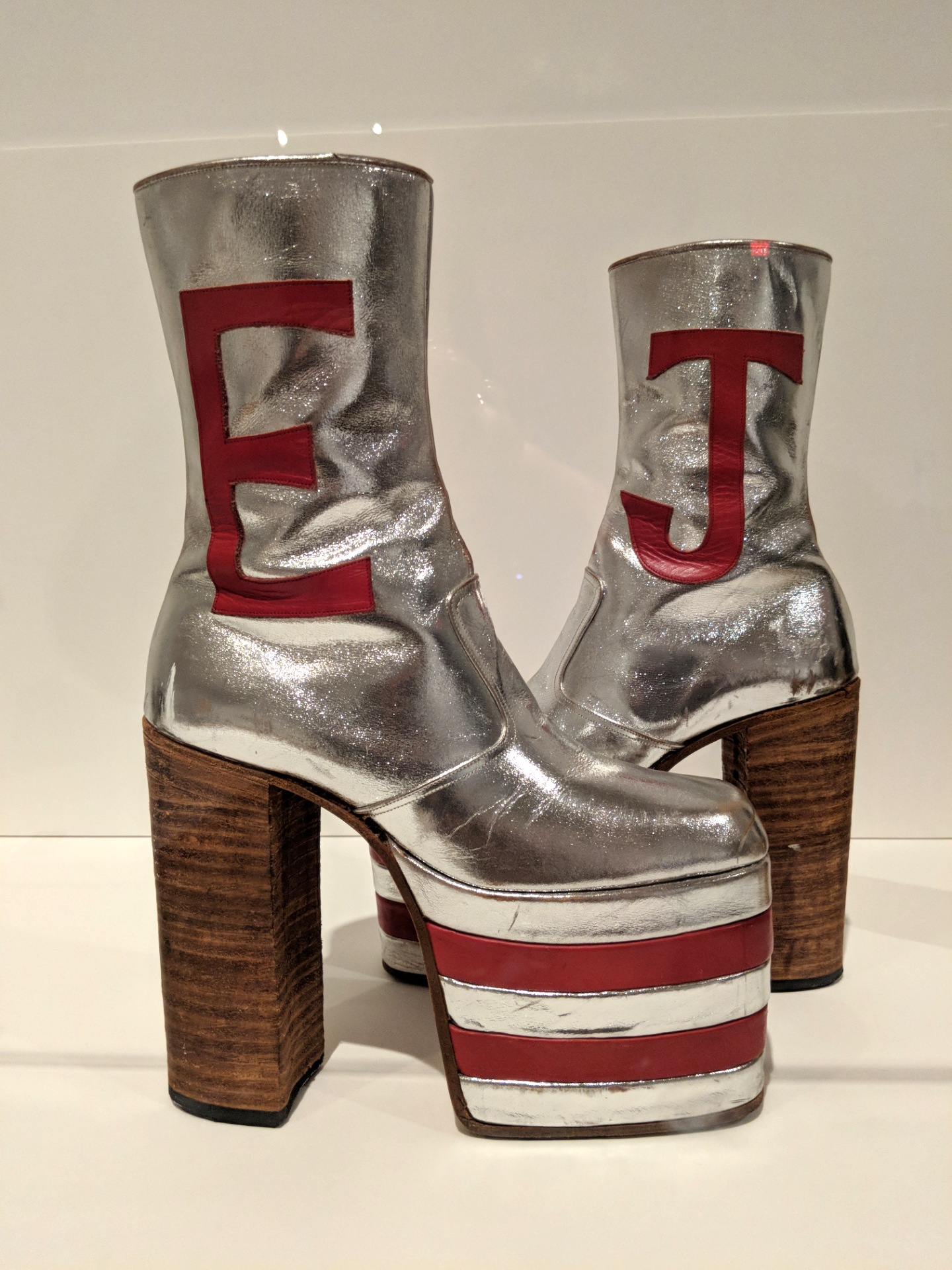 Boots made for Elton John, 1974
Unknown desinger
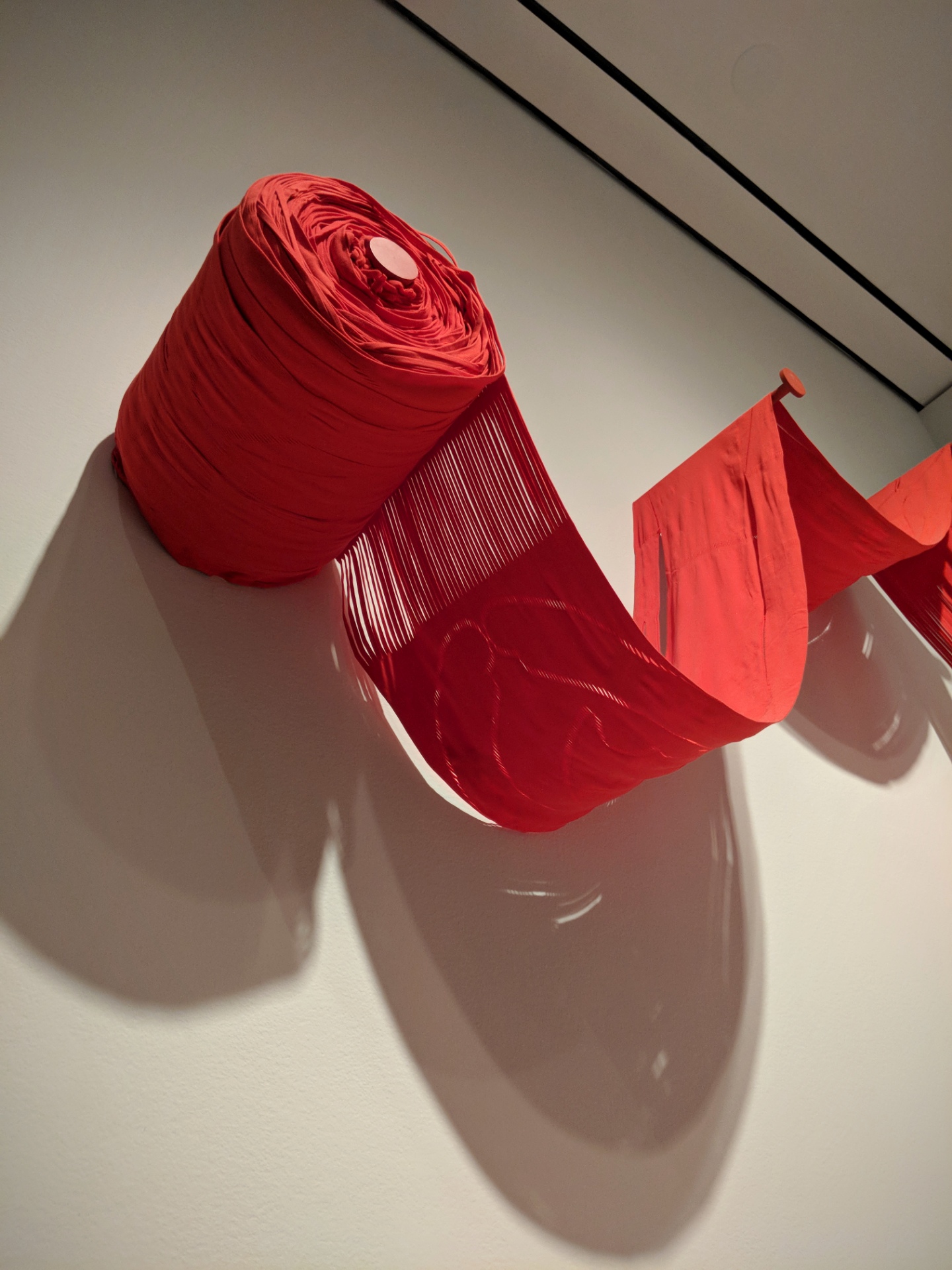
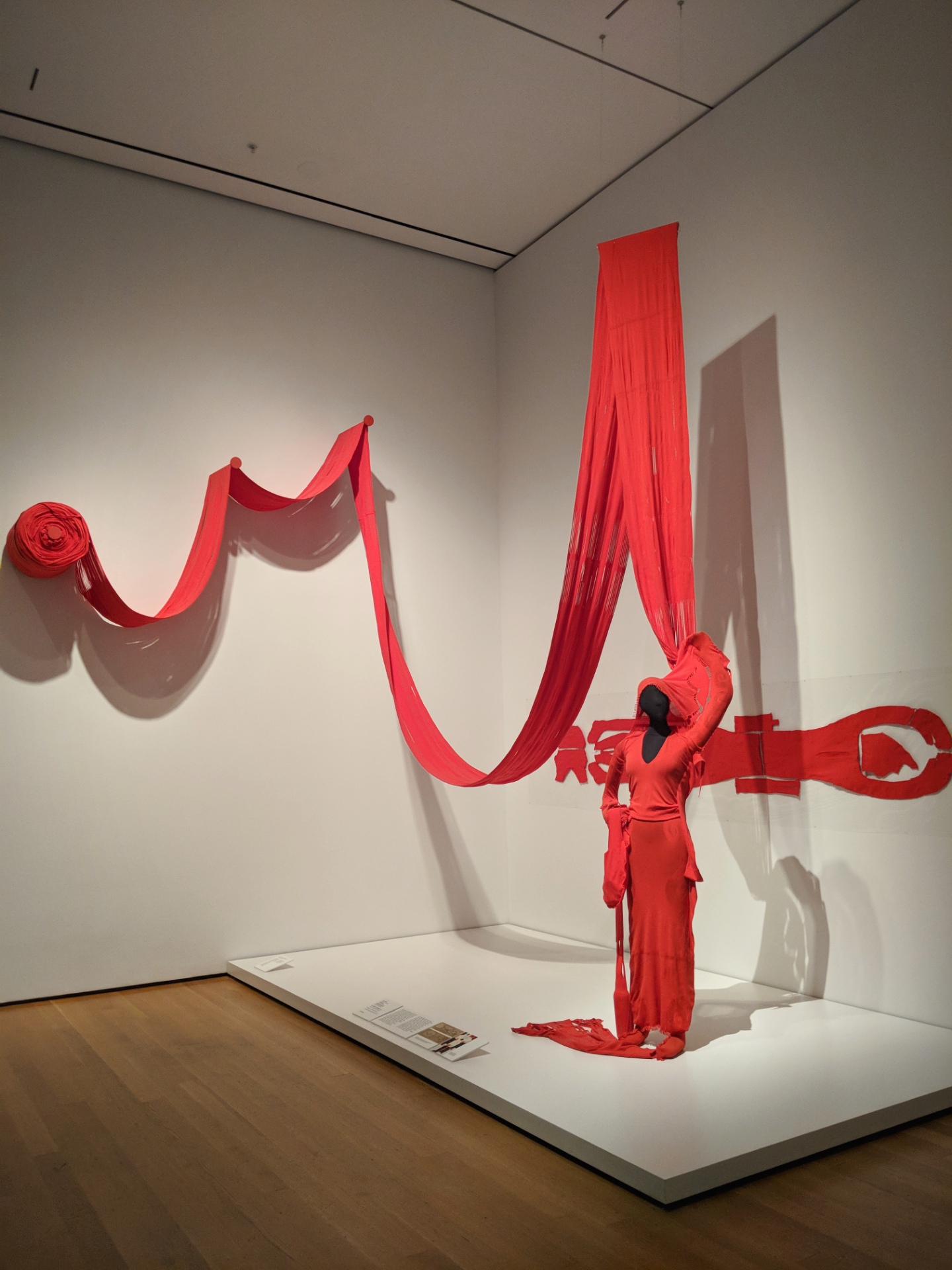 A-POC Queen, 1997
Issey Miyake & Dai Fujiwara
A-POC Queen is a textile generated from a single thread by a computer-programmed industrial knitting machine. The customer can cut along the seams without destroying the tubular structure of each individual item, and virtually no material is wasted in the process of creating – without needle or thread – a complete monochromatic outfit from this single swath of cloth. 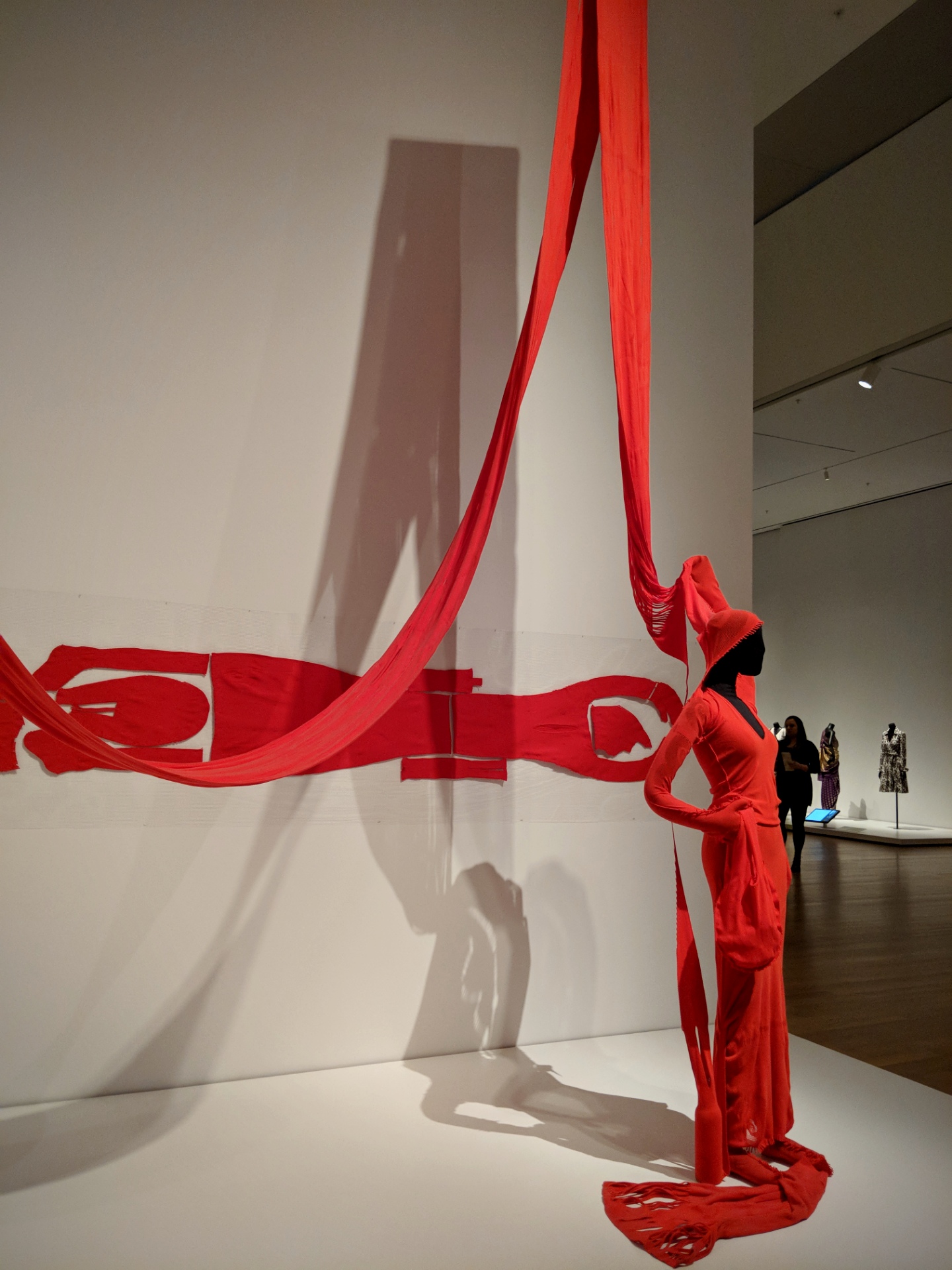
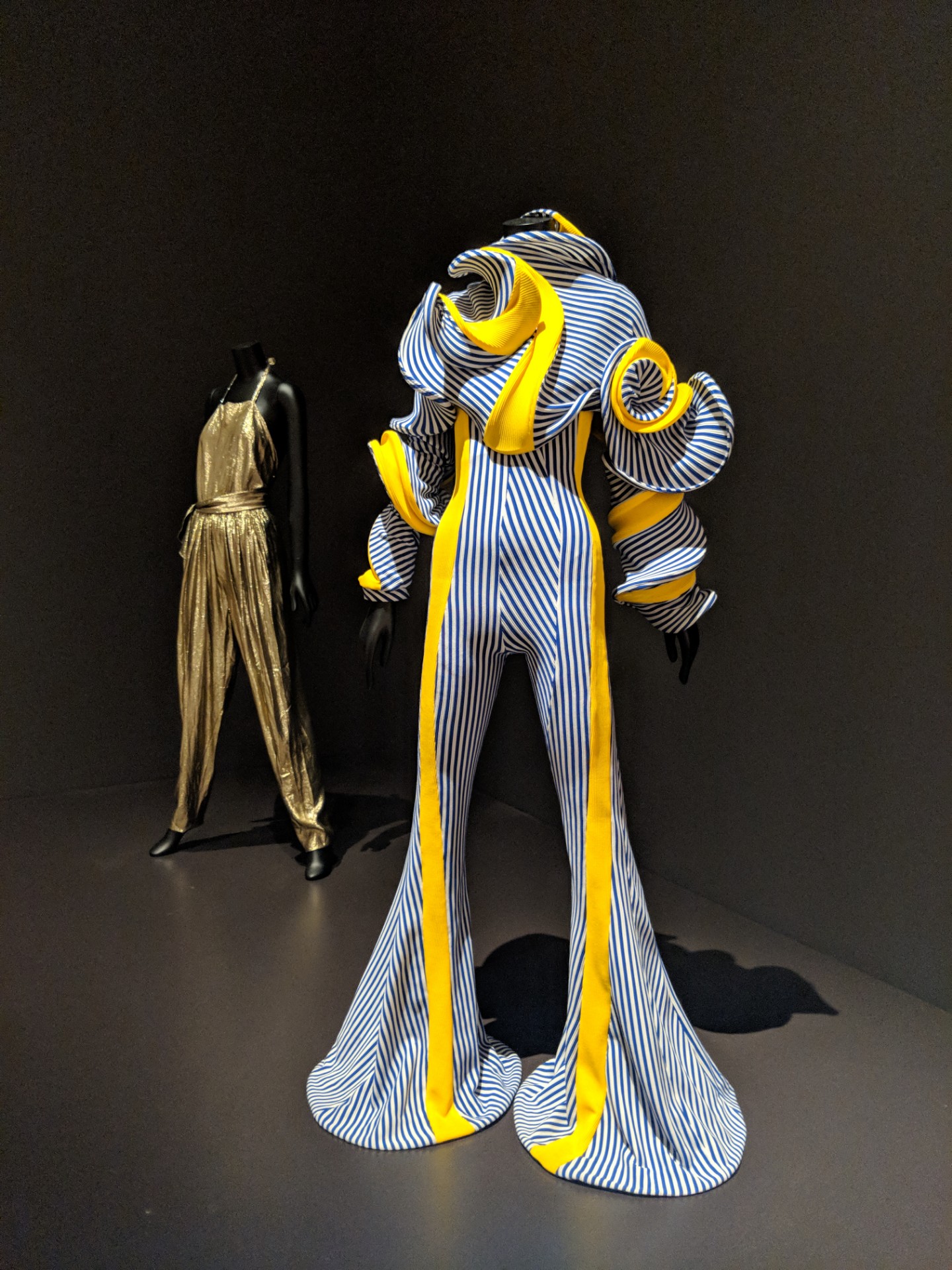 Jumpsuit Specimen, 2017
Richard Malone, Irish, born 1990
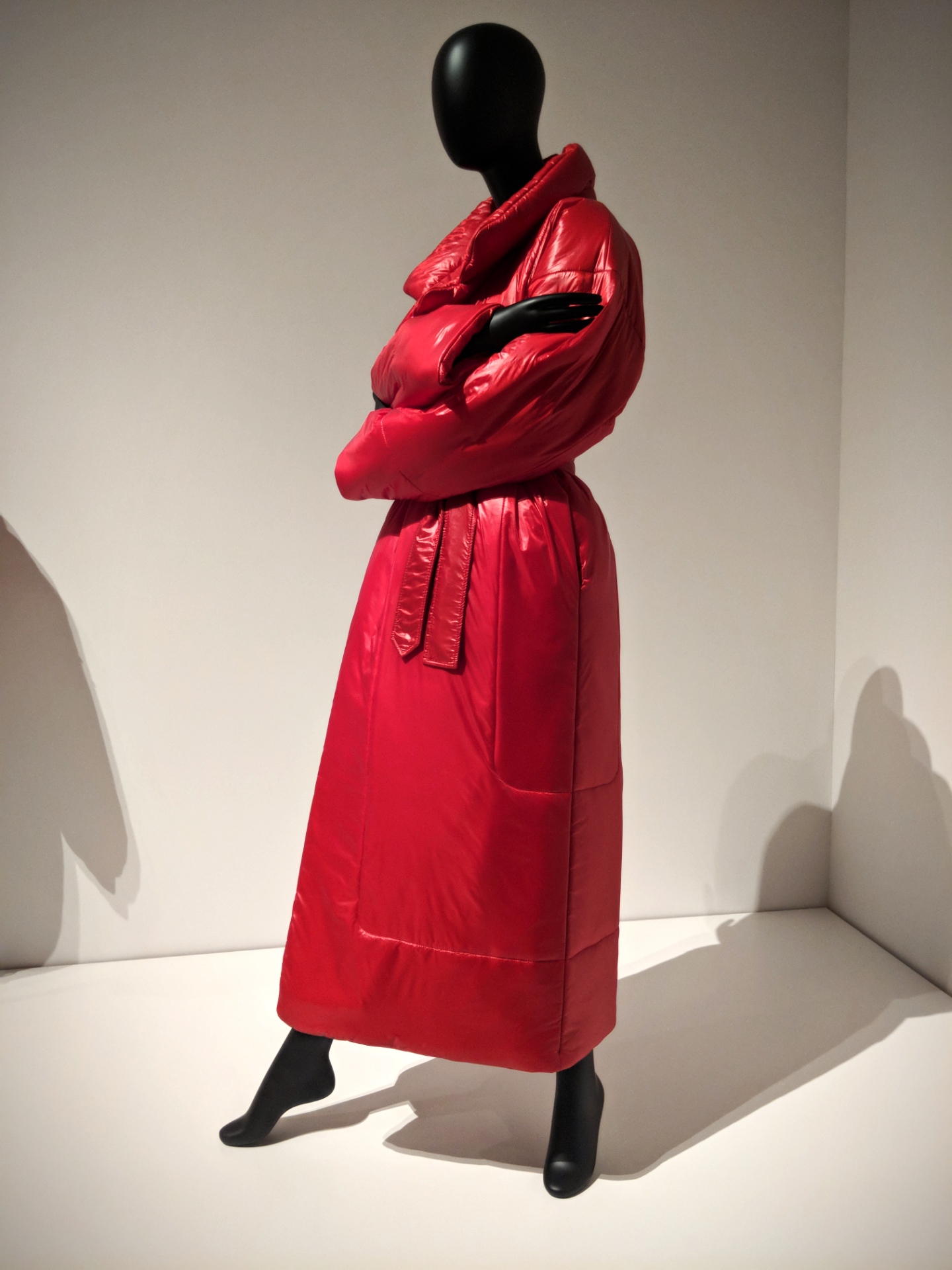 Sleeping Bag Coat, designed 1973, manufactured 2017
Norma Kamali
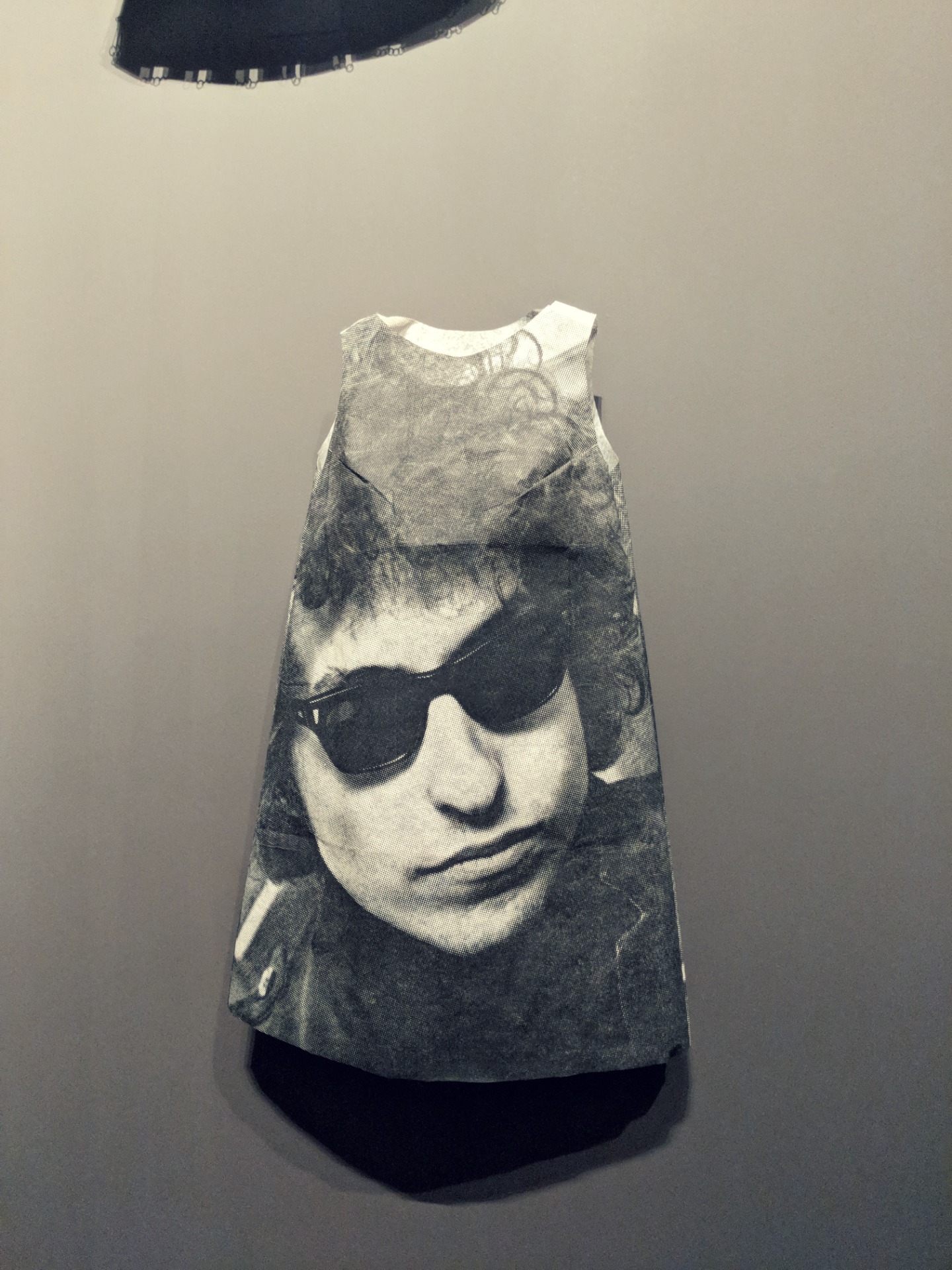 Poster Dress, 1967
Harry Gordon, American, 1930-2007
Disposable paper dresses became widely available by 1966, eschewing tailoring and washability in favour of affordable, faddish designs. Graphic designer Harry Gordon released a series of poster shift dresses inspired by pop culture and politics, including a 1967 version with an image of Bob Dylan; the packaging encouraged buyers to repurpose it as a poster or pillow covers.
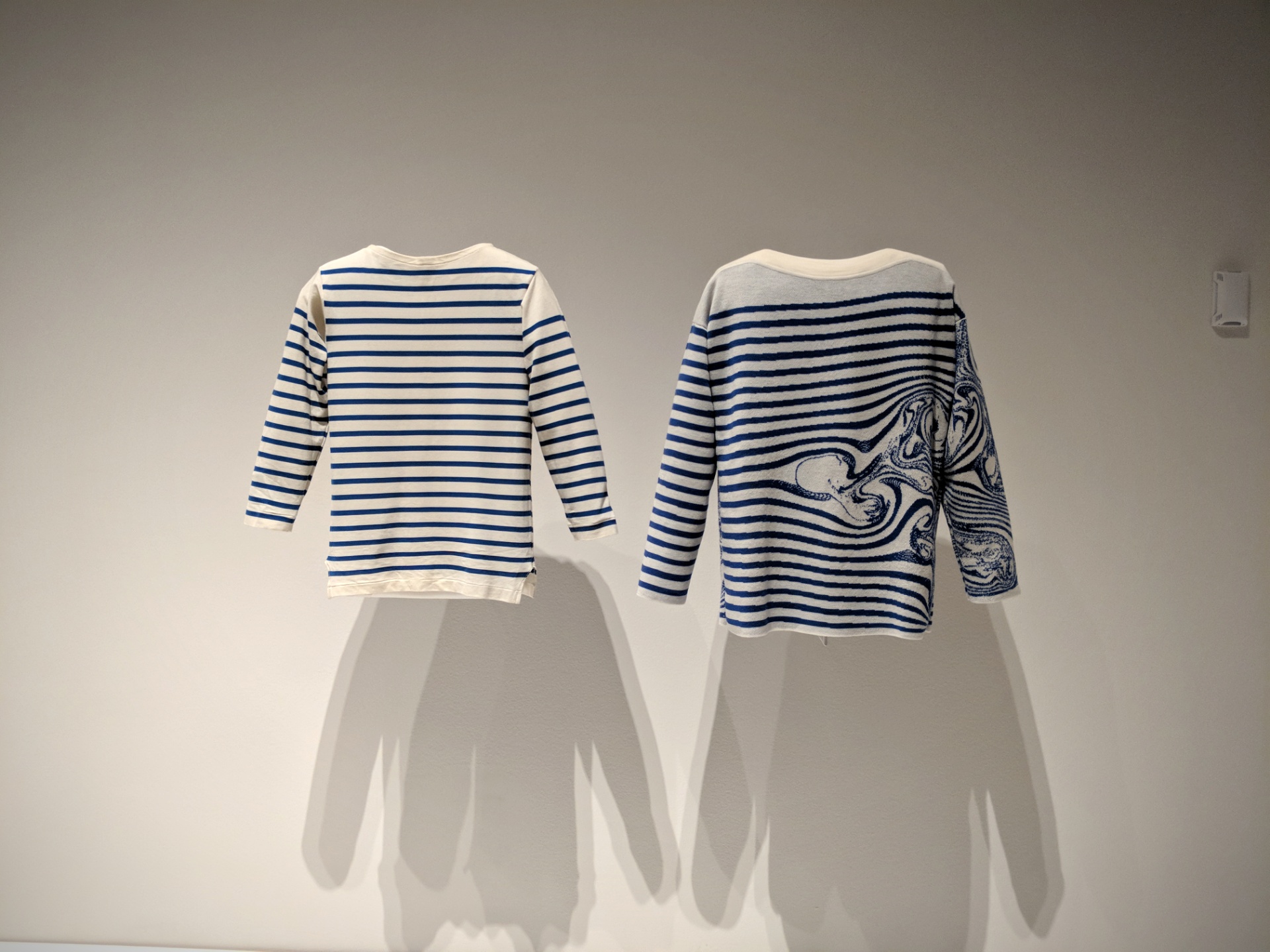 Bret.on 2017
Unmade, UK, founded 2014
Bret.on is a reinterpretation of the classic Breton shirt by the fashion technology company Unmade, which allows brands and individuals to create unique, customized knitted garments on an industrial scale.
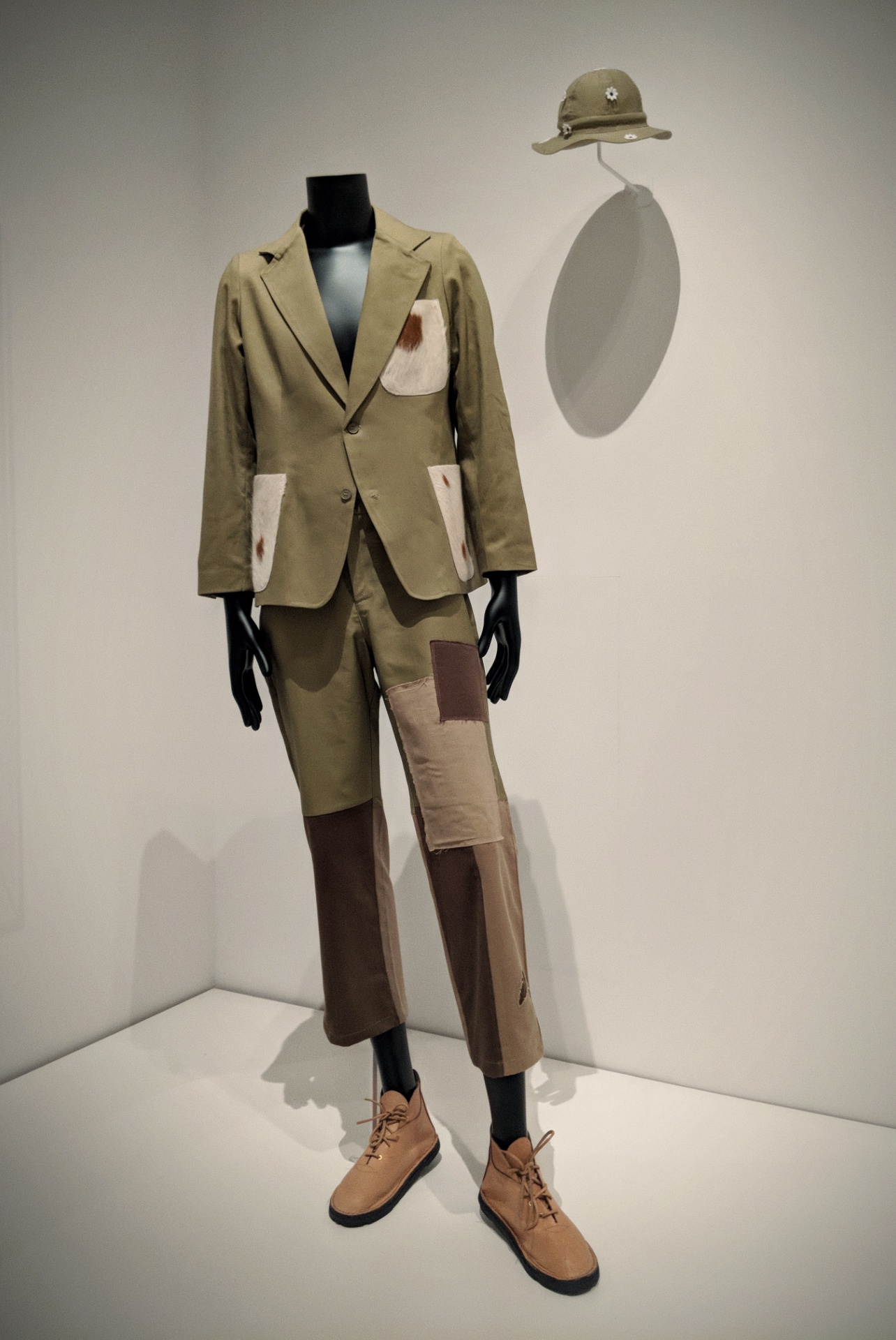 Chinos, 2017
The Sartists, South Africa, founded 2013
A collective of young designers based in Johannesburg and Cape Town, The Sartists combine collaborative design processes, found materials, astute brand awareness and reflections on their country’s political history, namely apartheid and colonialism.
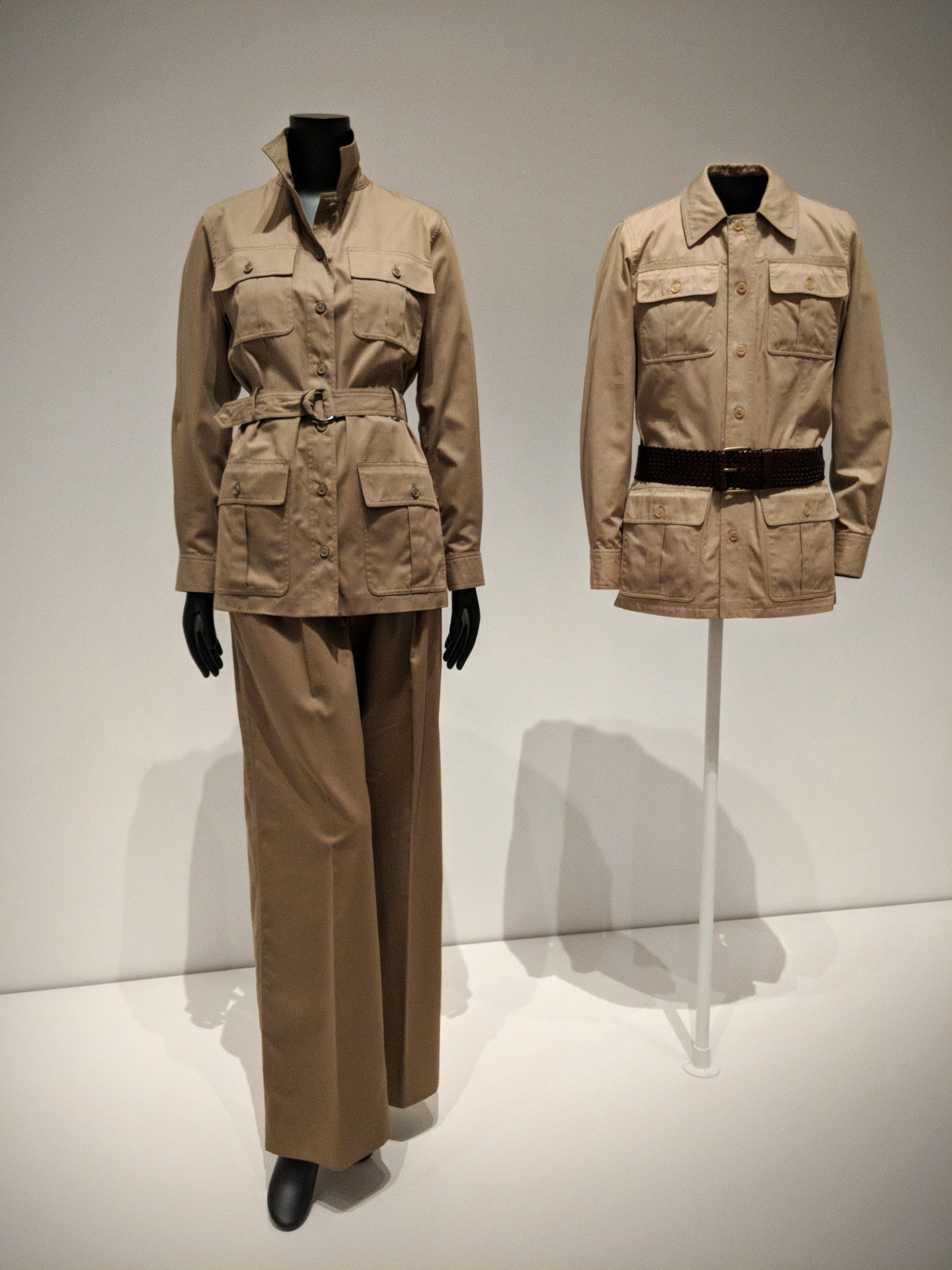 Safari jacket 1969-70 & Pantsuit S/S 1970
Yves Saint Laurent Rive Gauche
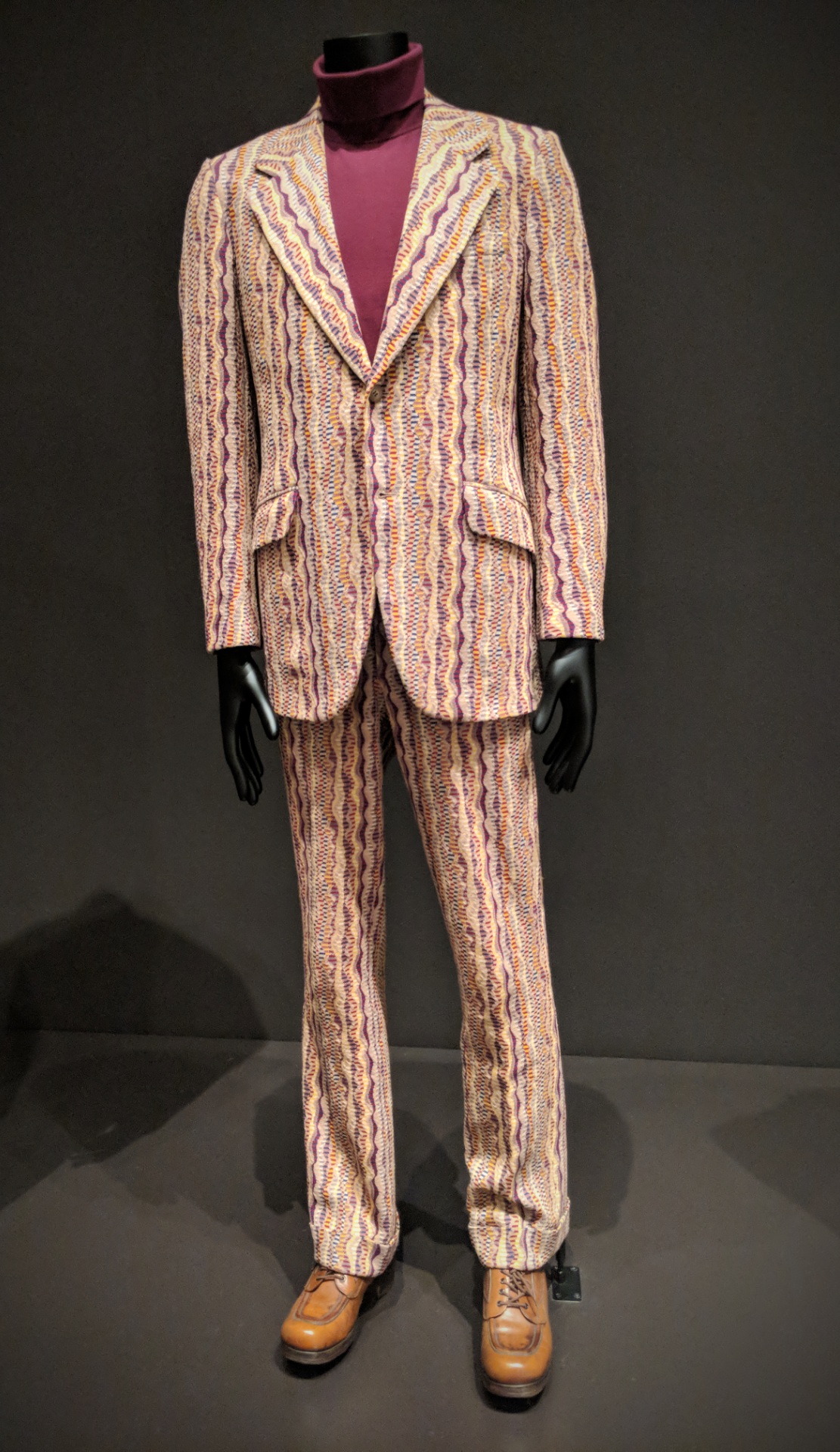 Suit, 1970
Bill Blass
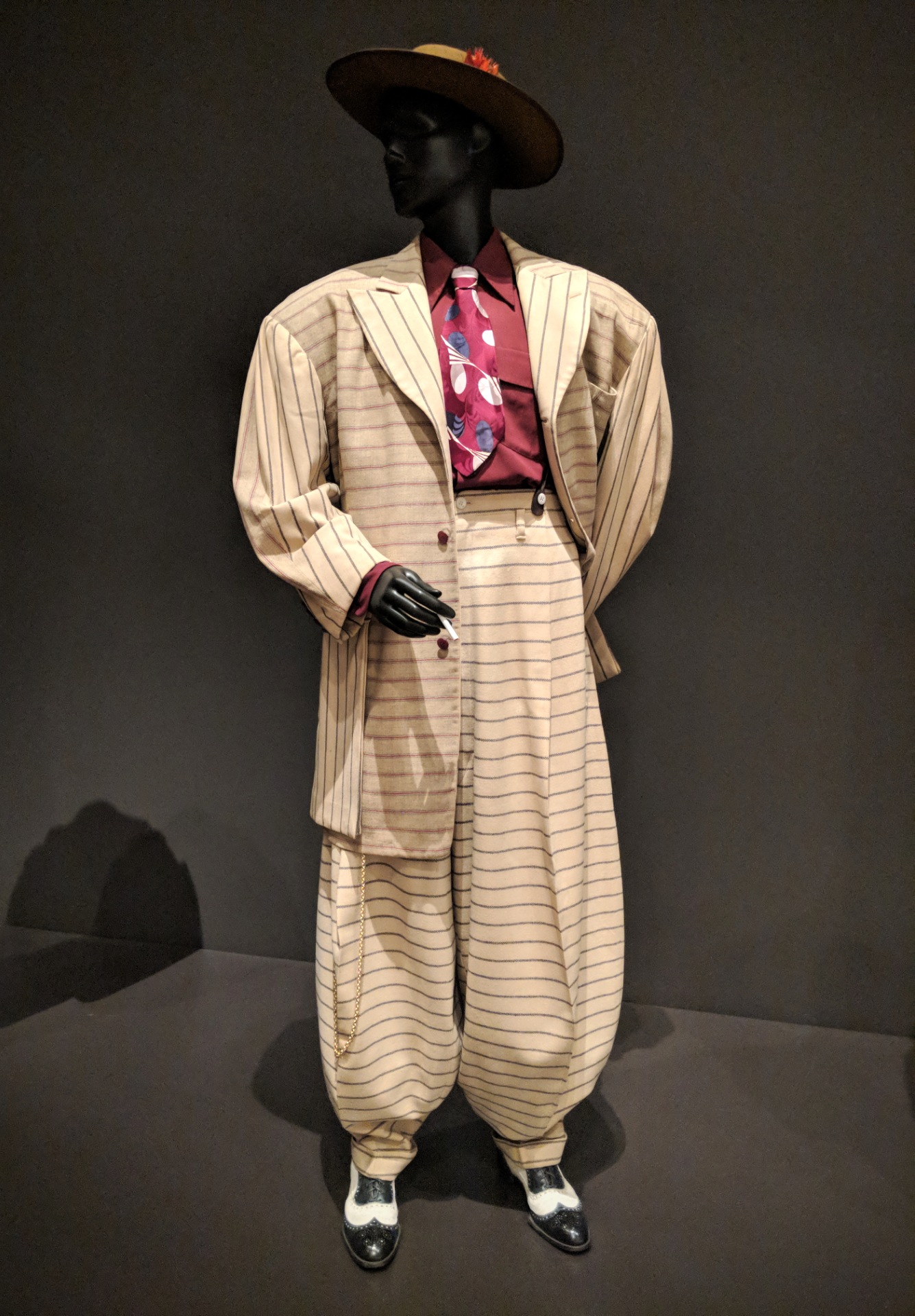 Zoot suit, 1940-42
Unknown designer, U.S.A.
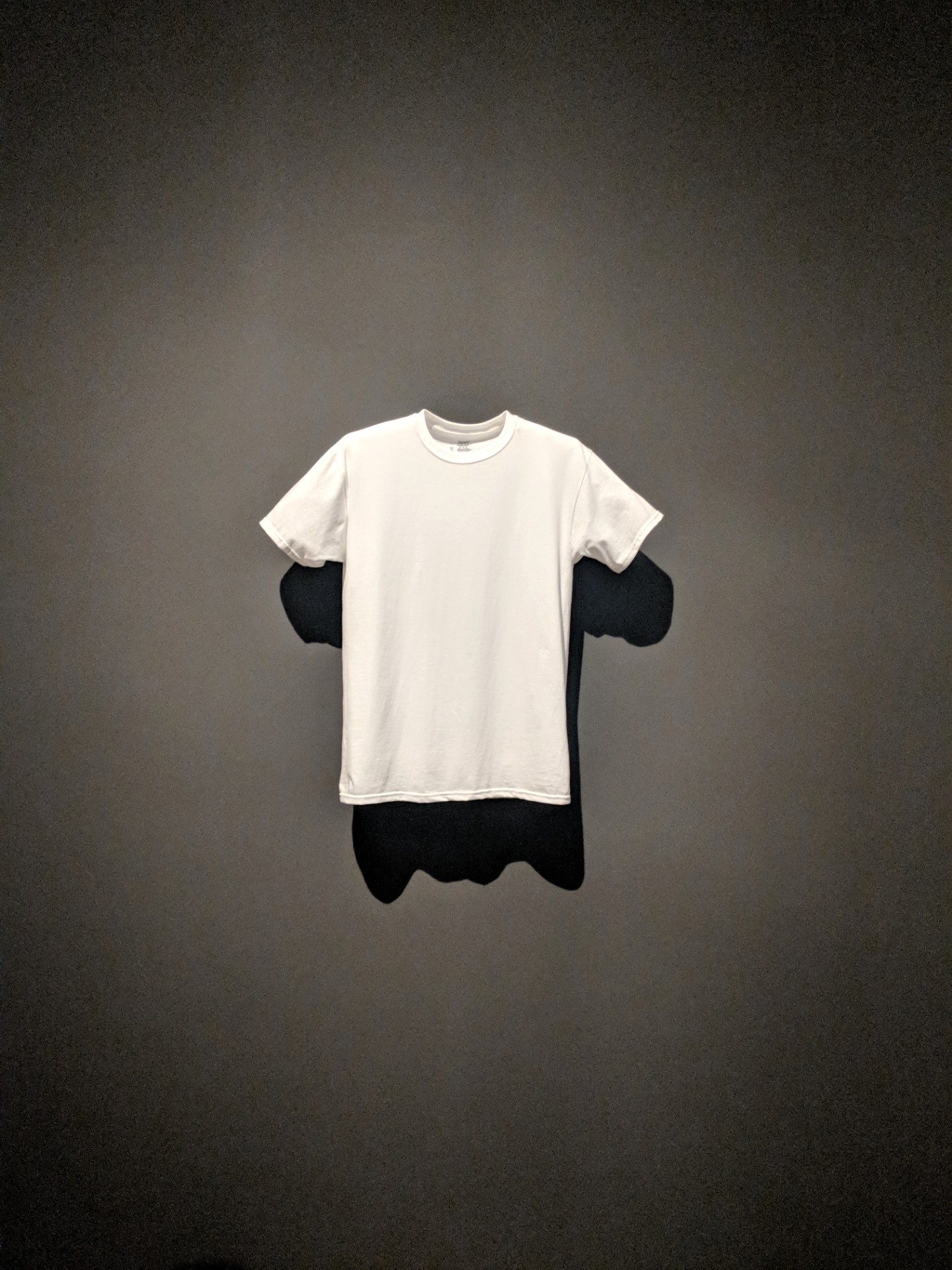 T-shirt 2017
Hanes
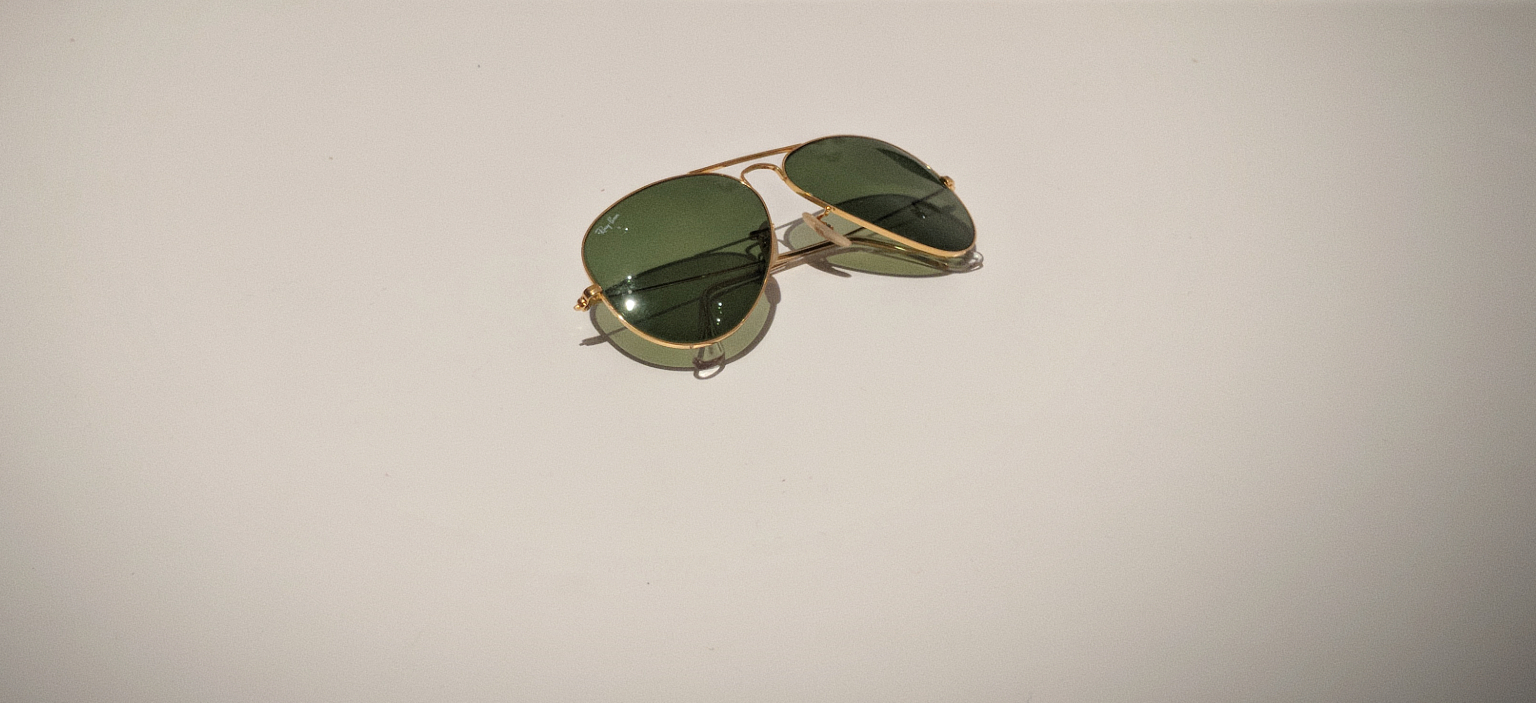
Ray-Ban Sunglasses, 1970s
When American test pilot Major Rudolph William ”Shorty” Schroeder injured his eye mid-flight in 1920, fellow pilot Lieutenant John Macready, alongside optical company Bausch & Lomb, designed googles to mitigate both frost formation and sunlight, aptly named Ray-Ban. These goggles in turn inspired the development of sunglasses branded the Ray-Ban Aviator in 1938.
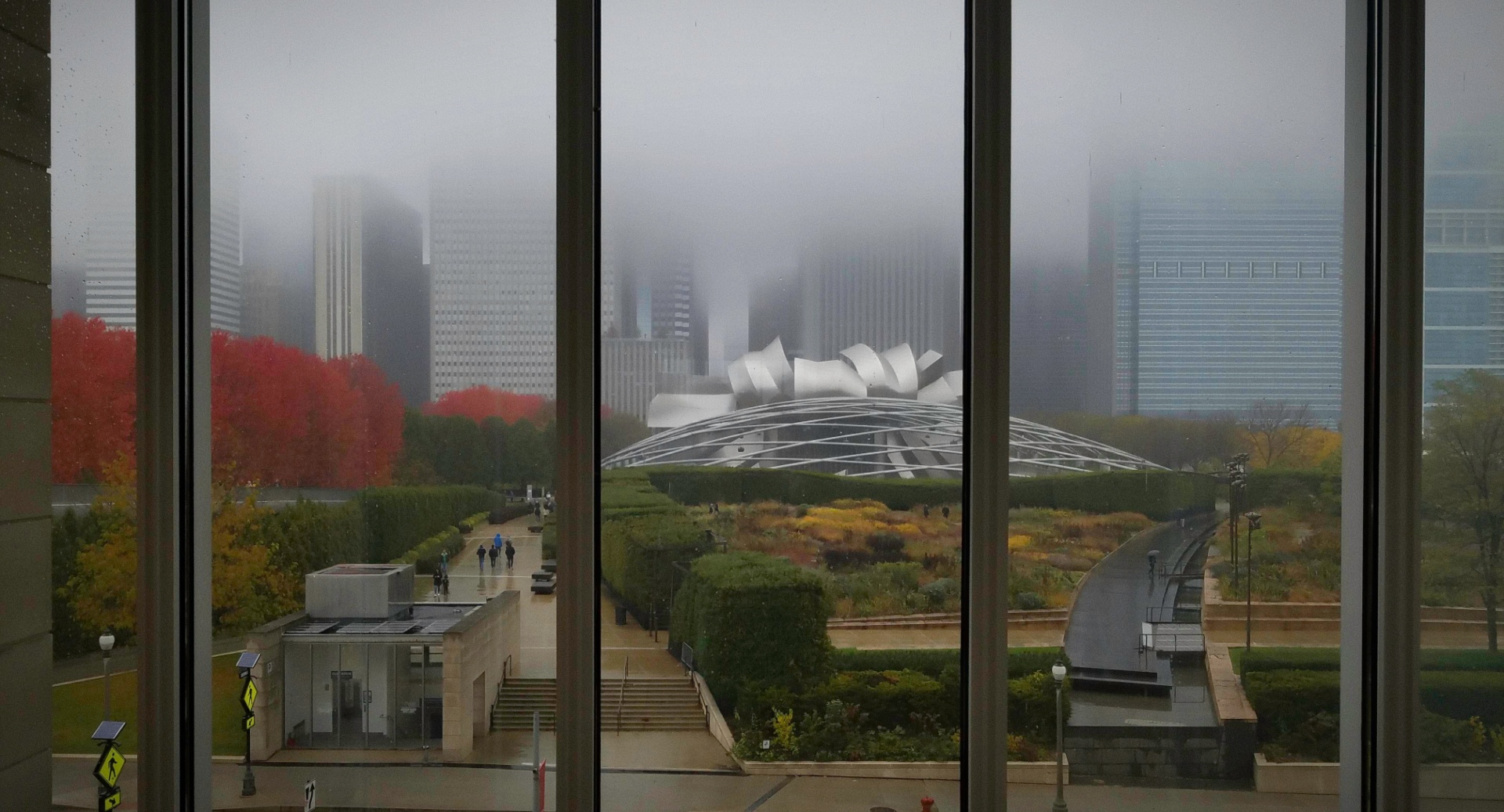
MoMA, December 3rd, 2017
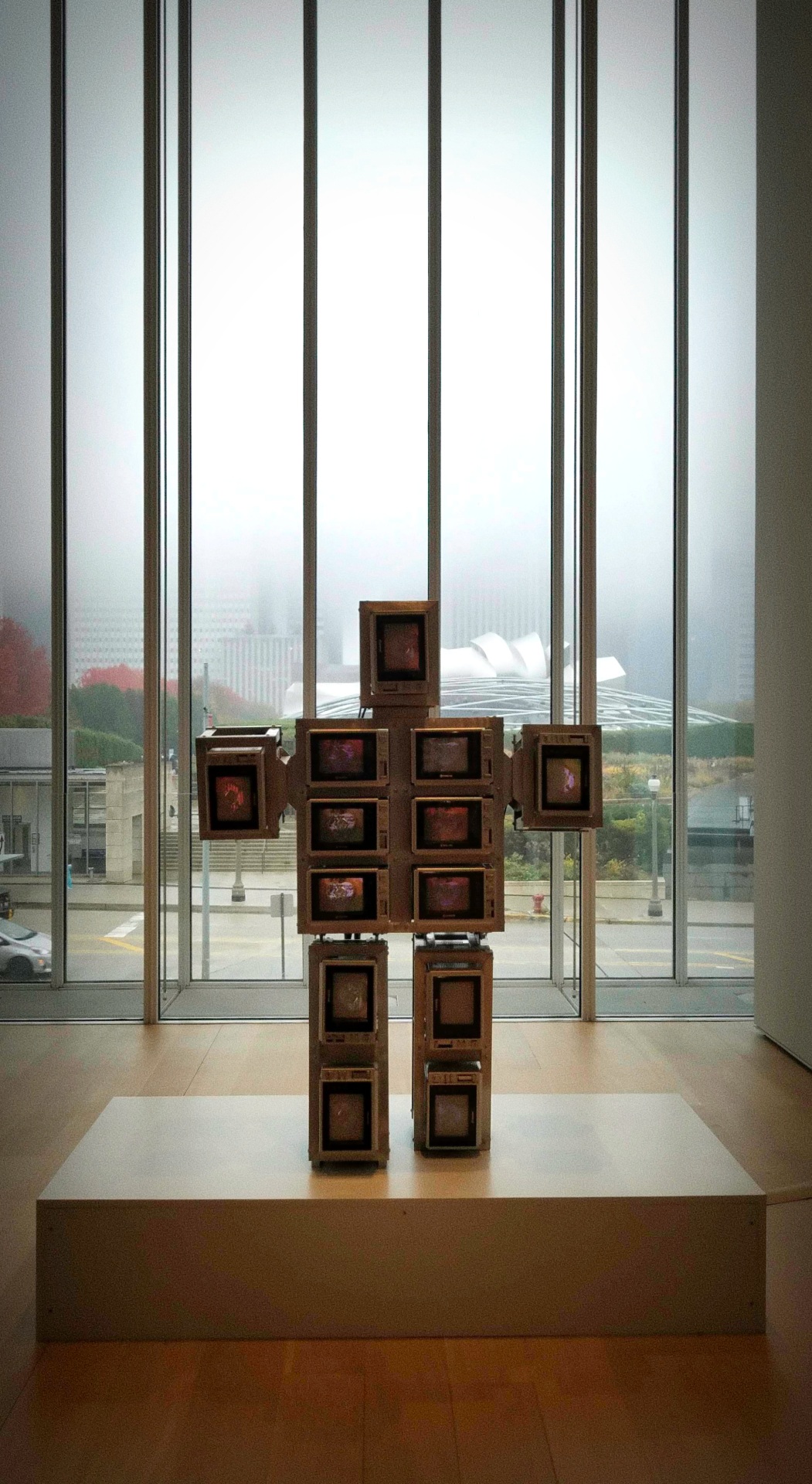
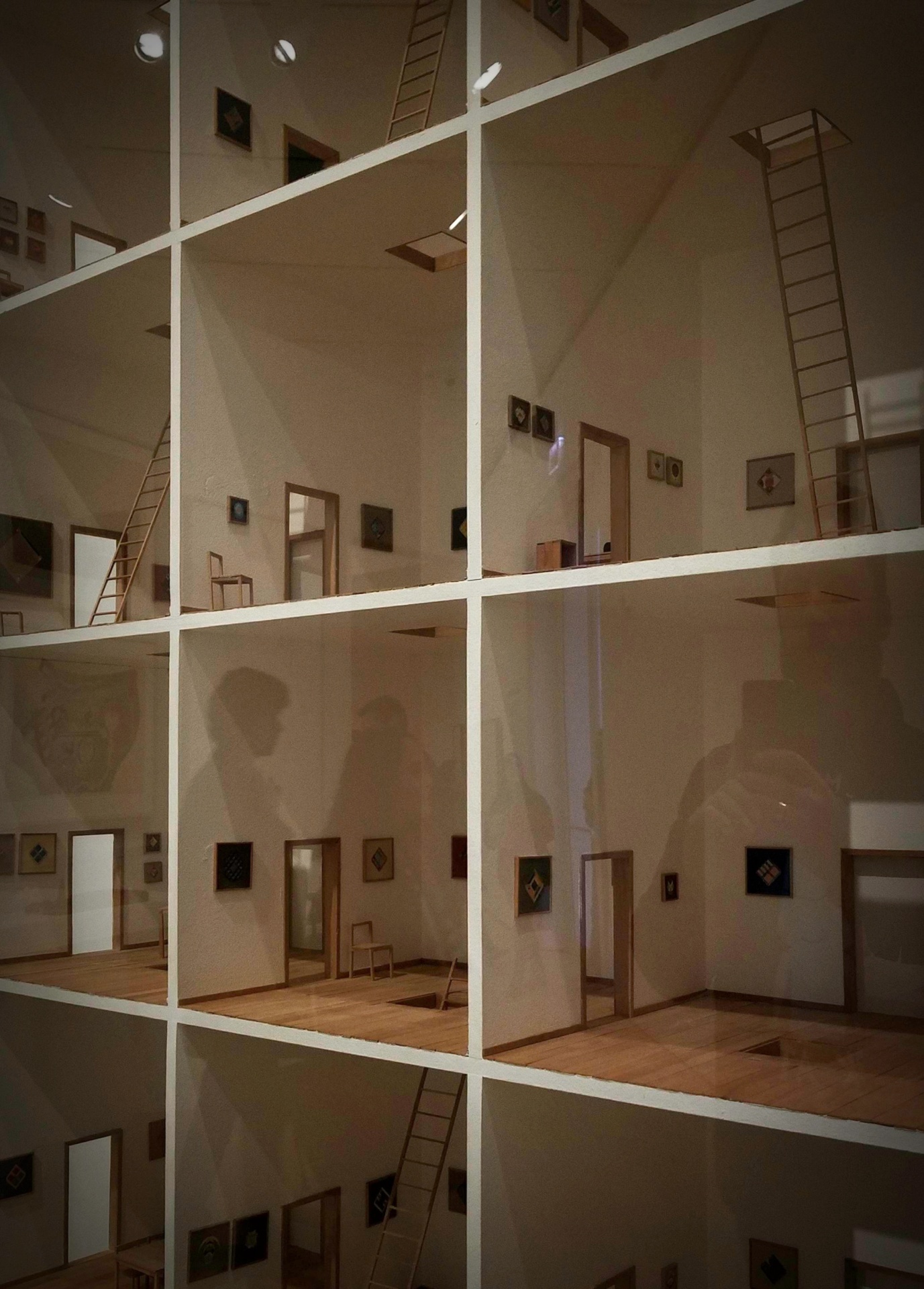
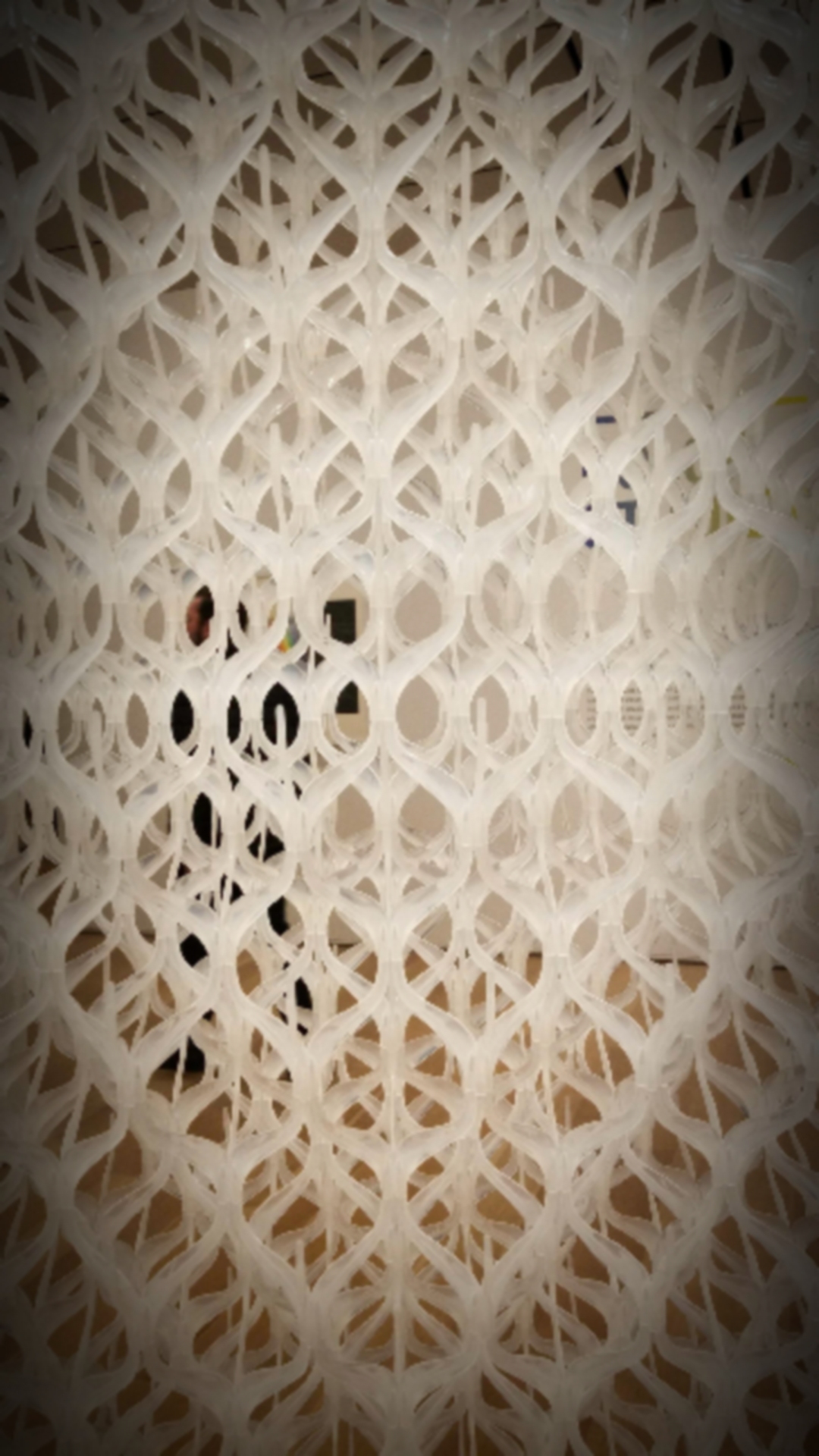
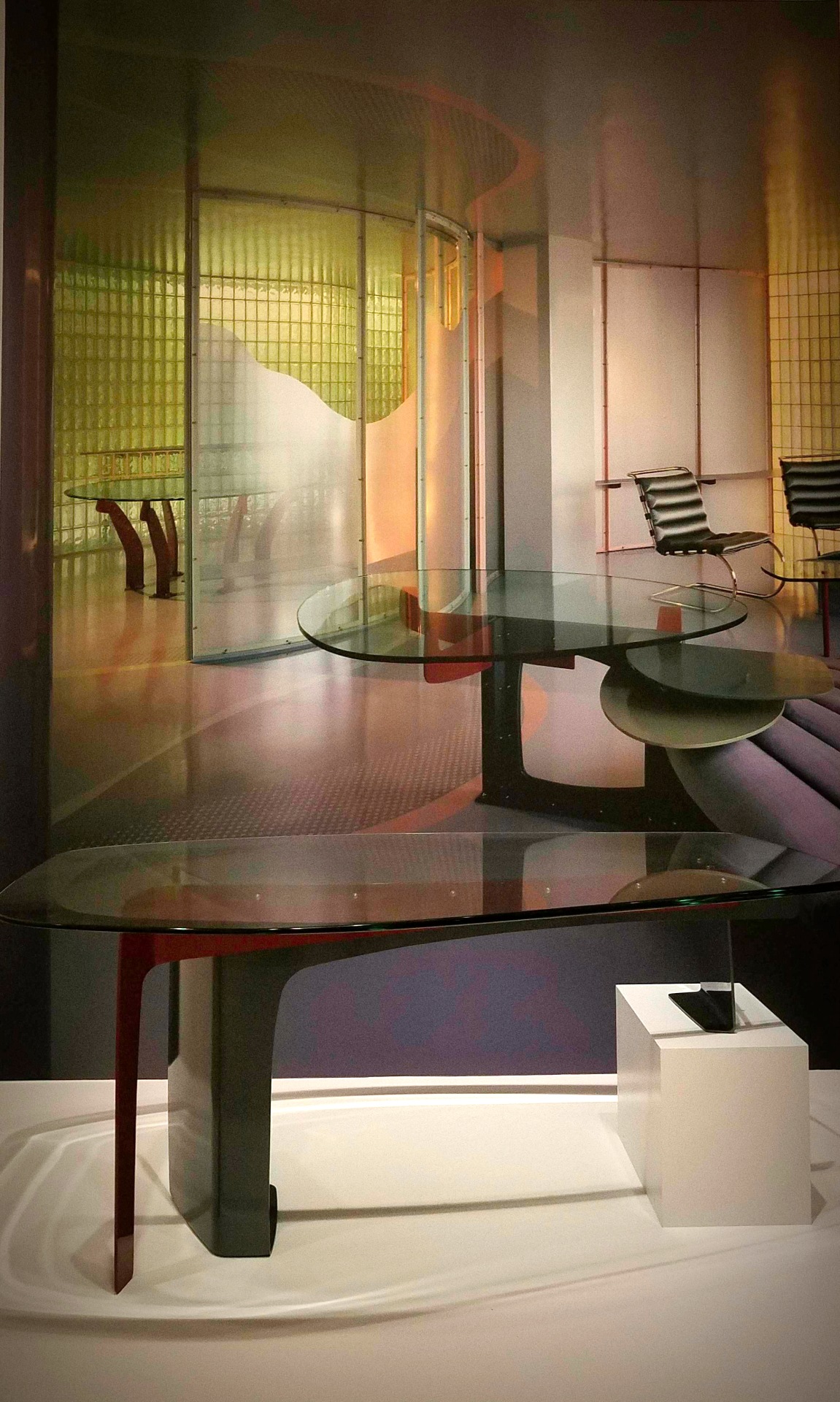
|3| – Family of Robot: Baby, 1986, single-channel video sculpture; thirteen television monitors and aluminum armature – by Nam June Paik
Family of Robot, the first series of video sculptures that Paik created, consists of three generations of family members, including grandparents, parents and aunt and uncle and children. The children, including Baby, are made of televisions that are newer than those constituting their elders. This Baby was assembled from thirteen Samsung monitors, which at the time were some of the most up-to-date equipment.
|4| – No More No Less (Chicago), 2017, model, MDF, paint, paper and wood – by Mauricio Pezo & Sofia von Ellrichshausen
No More No Less is an ongoing project in which the architects of the firm Pezo Von Ellrichshausen insert a museum at a 1:10 scale into an exhibition space.
|6| – Custom desk from Untitled No. 2, Chicago, Illinois, 1987, enameled steel and glass – by Krueck and Olsen Architects (now Krueck and Sexton)
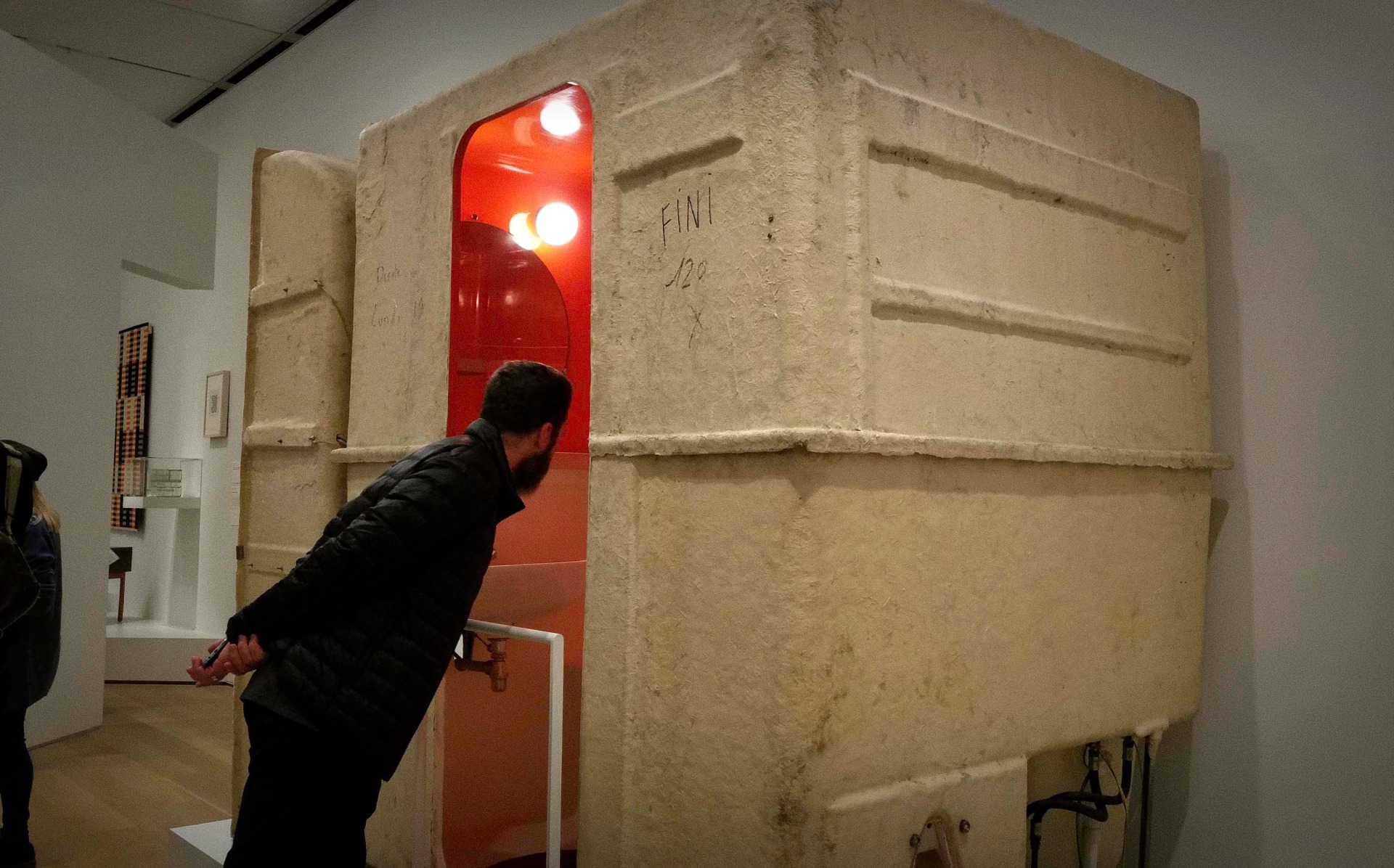
|7| – Prefabricated Bath Unit, Les Tournavelles, Arc 1800, France, 1975/78 – by Charlotte Perriand
Completed at the end of Perriand’s career, these units were the culmination of many years of work to make domestic spaces more usable, affordable, responsive to contemporary life and especially at Les Arcs, enjoyable and fun.
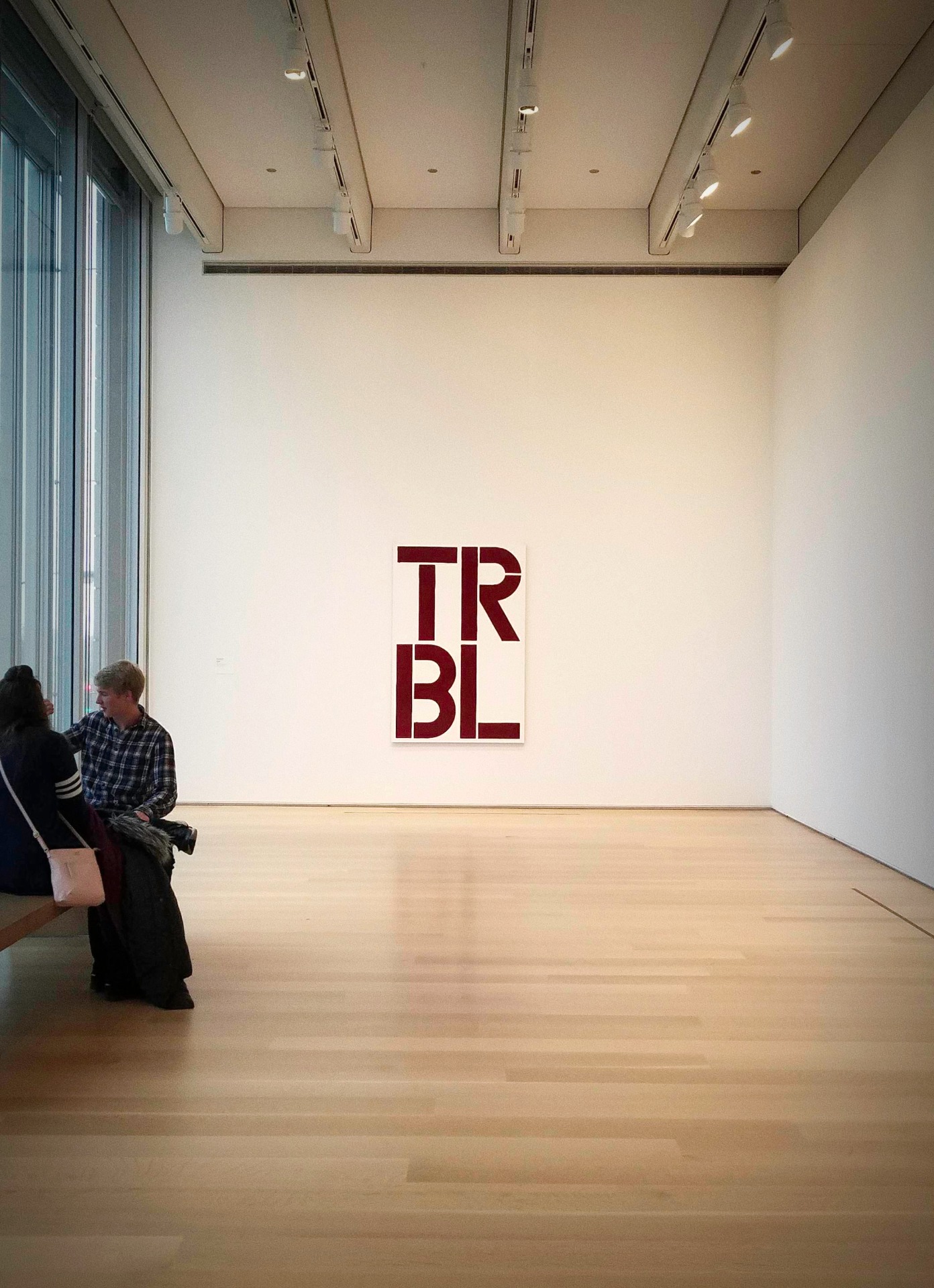
Christopher Wool
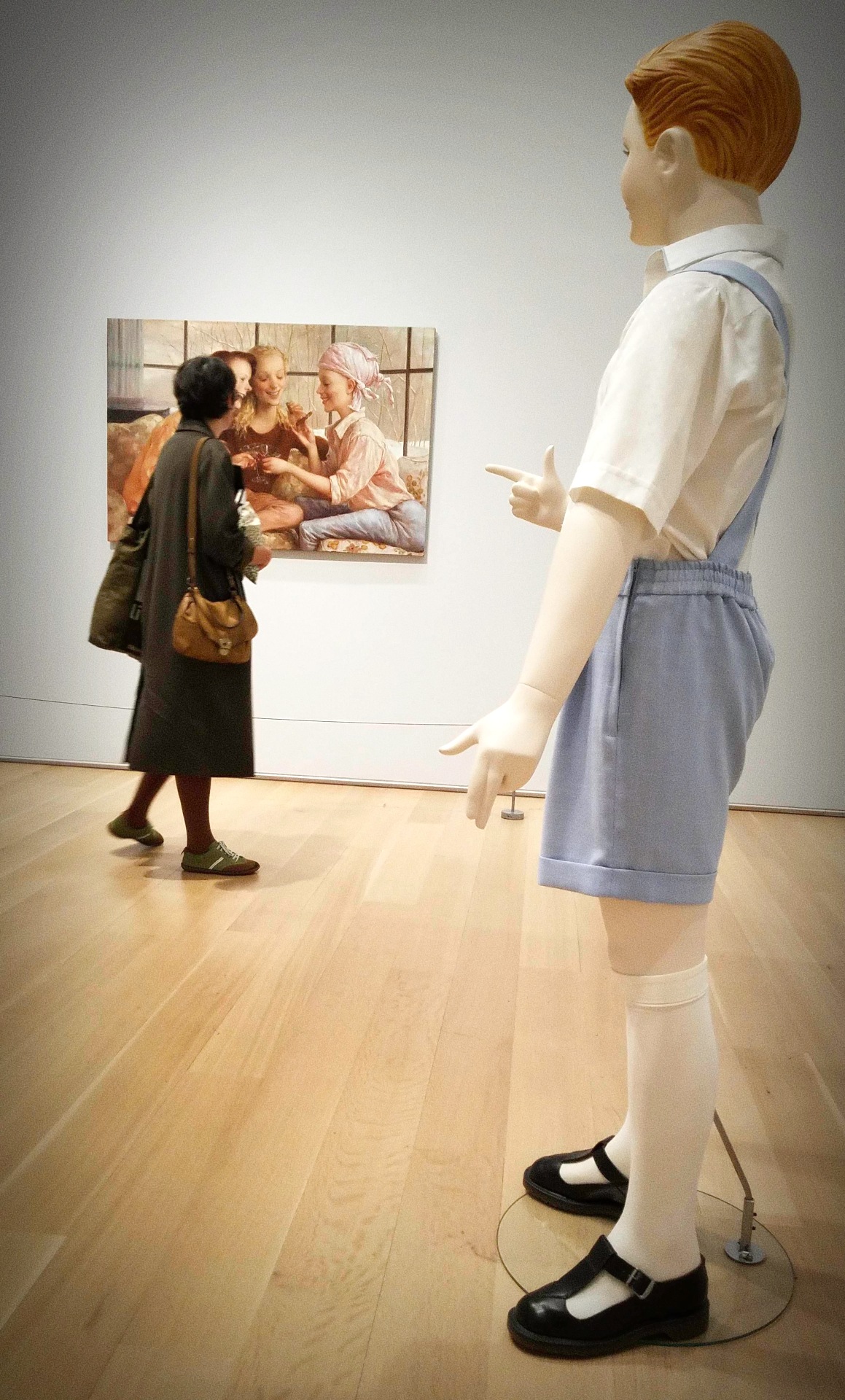
|9| – Boy, 1992 – by Charles Ray
With Boy, Ray created a particularly disquieting figure. The sculpture stands just shy of six feet tall, the artist’s exact height, yet maintains the softness of youth.
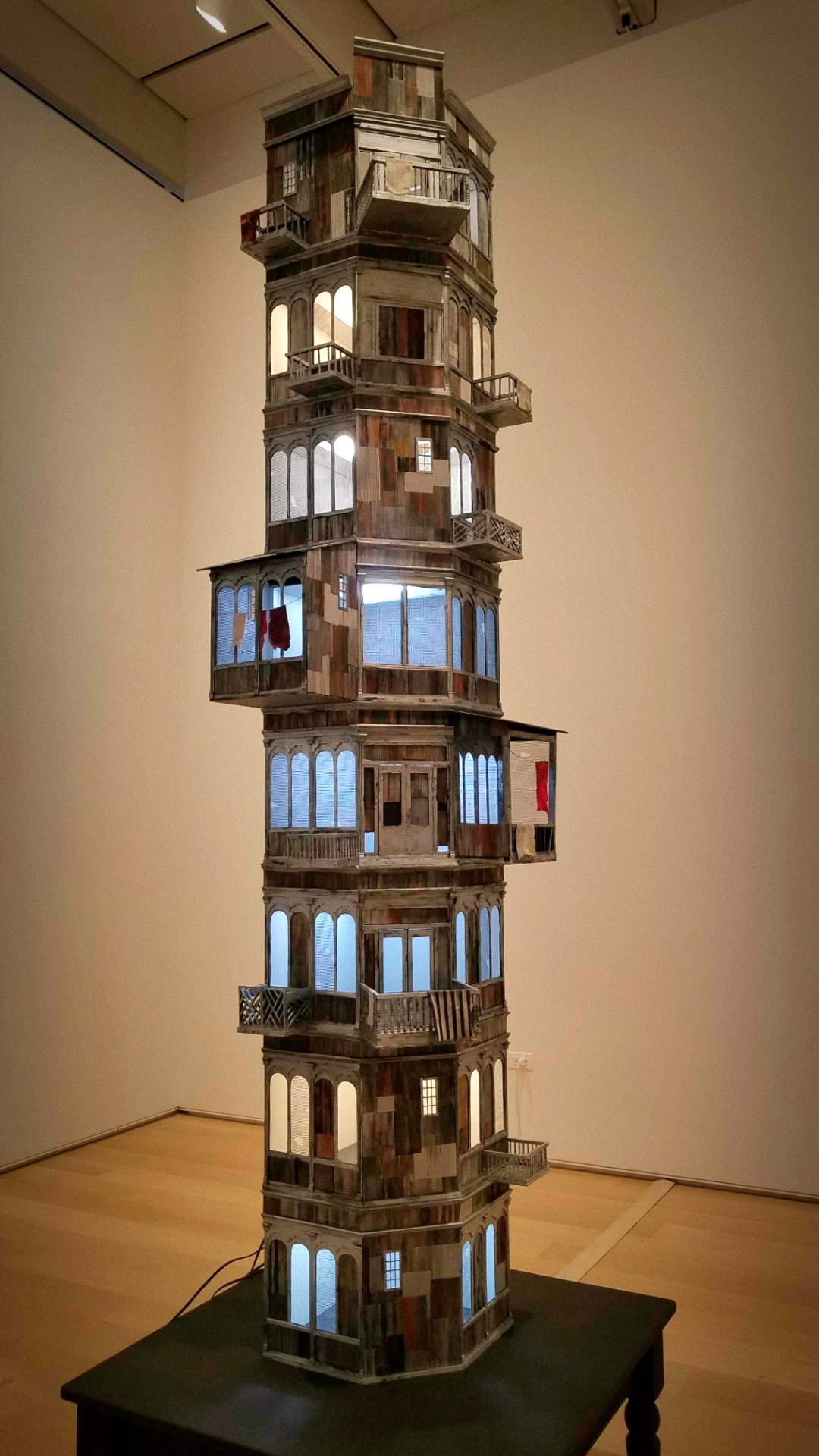
|10| – Dilapidarian Tower, 2010, display boxes, mixed media, lights, tables – by Richard Hawkins
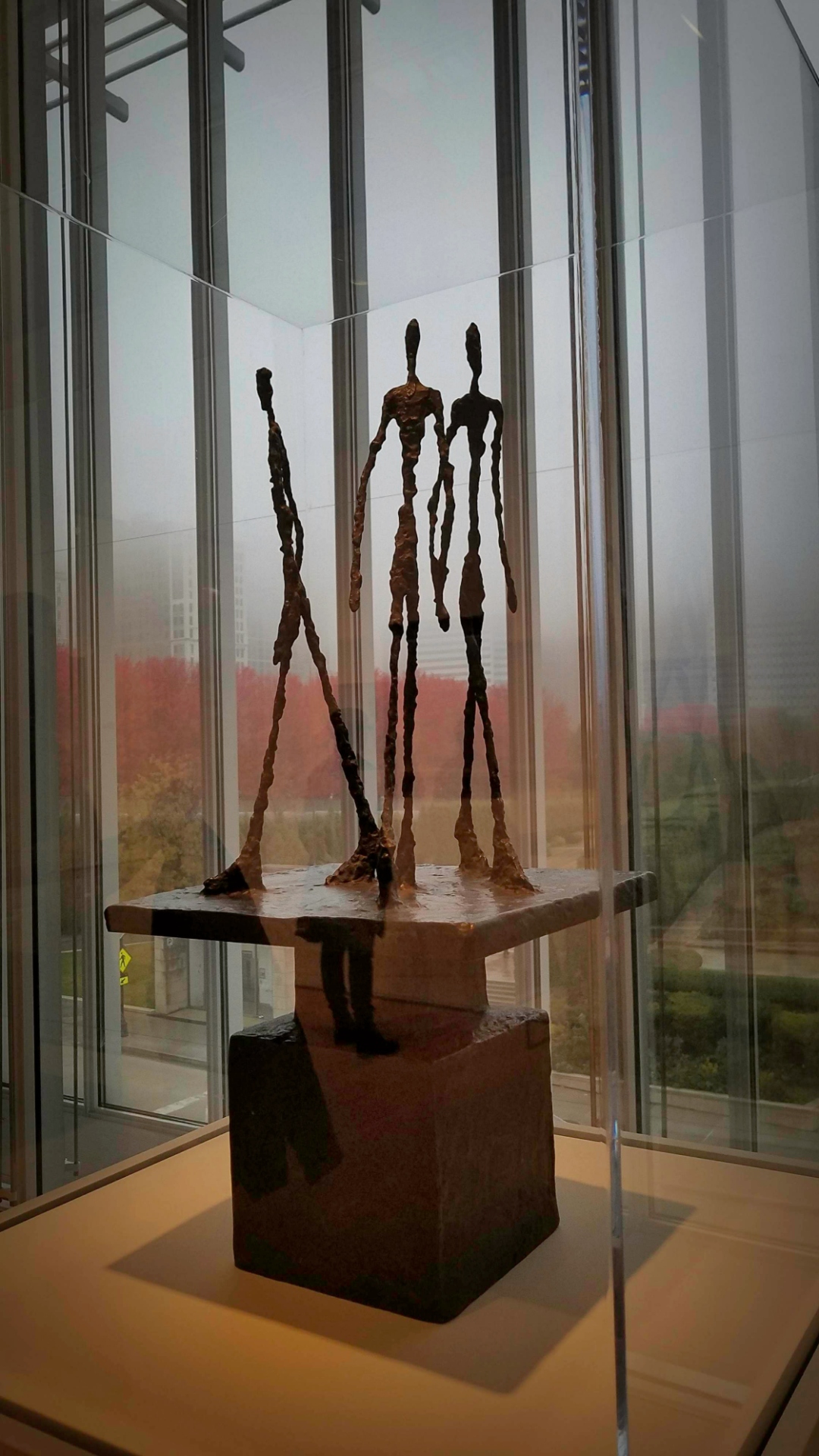
|11| – Three Men Walking II, 1948-49, bronze – by Alberto Giacometti
November 4th, 2017
subjective worldview
Actor, writer, cook and author
Travel experiences & Strasbourg city guide
Writer
joy, happiness, travel, adventure, gratitude
"Rêve onirique & Bulle d'évasion"
makes pretty things on paper
This WordPress.com site is Pacific War era information
Welcome to my curious world of words....
Photographs, music and writing about daily life. Contact: elcheo@swcp.com
Free listening and free download (mp3) chill and down tempo music (album compilation ep single) for free (usually name your price). Full merged styles: trip-hop electro chill-hop instrumental hip-hop ambient lo-fi boombap beatmaking turntablism indie psy dub step d'n'b reggae wave sainte-pop rock alternative cinematic organic classical world jazz soul groove funk balkan .... Discover lots of underground and emerging artists from around the world.
A 365 analogue photography project
Barcelona's Multiverse | Art | Culture | Science
Een digitaal atelier aan de (zee)slag.
‘Doodling Ambiguity’s in Ink.’
Miscellaneous photography
Glimpses along the way on a journey of discovery into symmetry...
 The Humble Fabulist