I get to see the originals firsthand
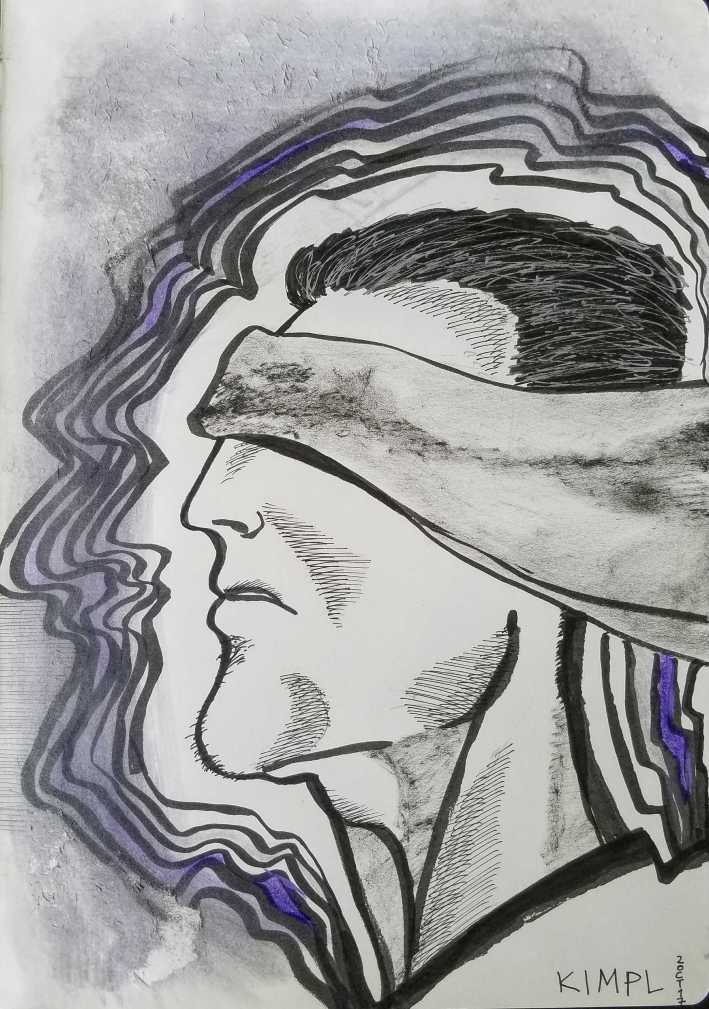


#inktober2017_week 1
artwork by Konstantinos Implikian

Illustration for the story by Florence Jane Soman
Caption: ”There was something in their eyes that made her say swiftly, ‘it’s going to happen to you too. You wait and see.”’
The Ladies’ Home Journal, 1953
Society of Illustrators
February 11th, 2017
Literally.
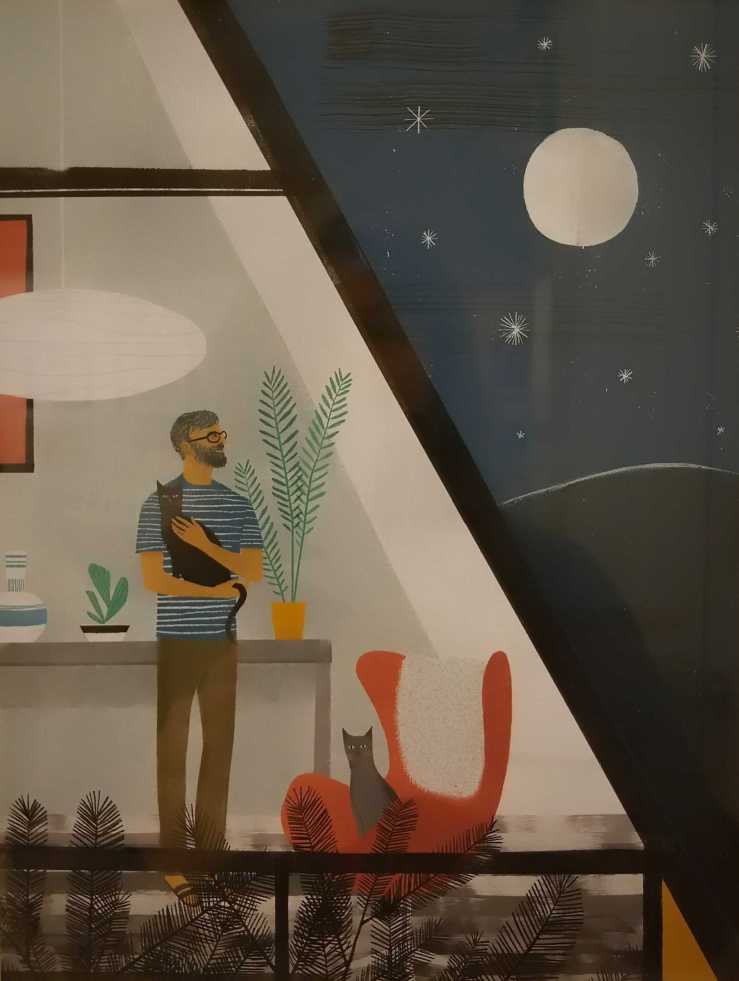
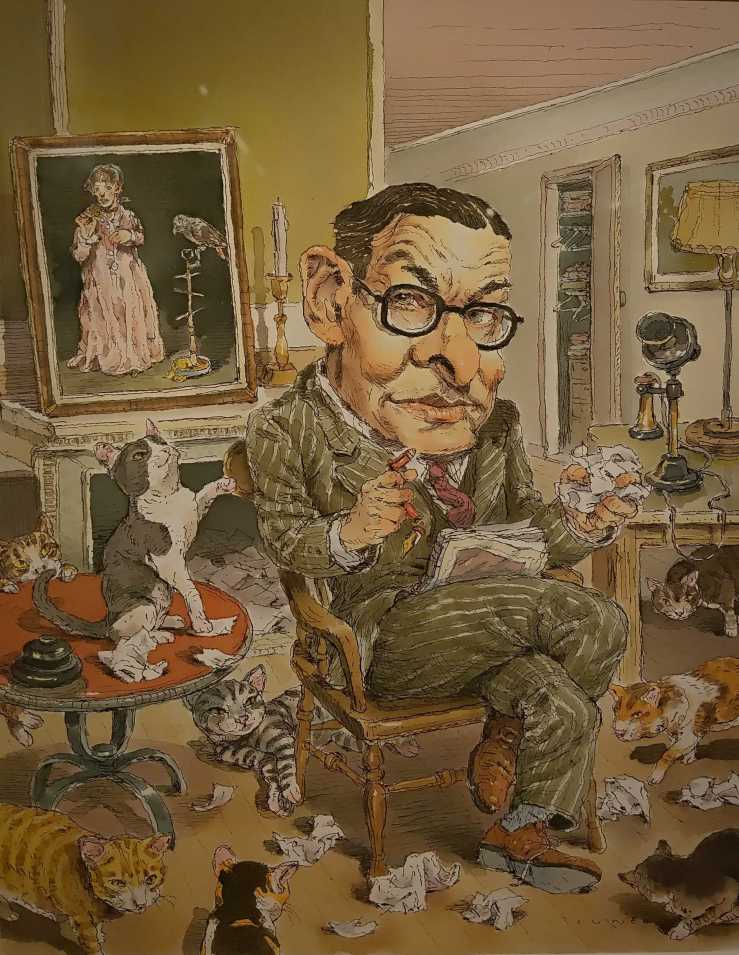
Light reflects on the glass adding – or hiding – details. I tried to filter them out somewhat and the result was this mellow, pastel effect. Still, rather pleasing.

Illustration for the story by Katherine Greer.
Caption: ”Here, in this very window, might be her ring!”
Redbook magazine, January 1950

Caption: ”It was restful to be near Sara, thought Vilas. You didn’t have to explain things to her. She understood.”
Cosmopolitan magazine, 1949
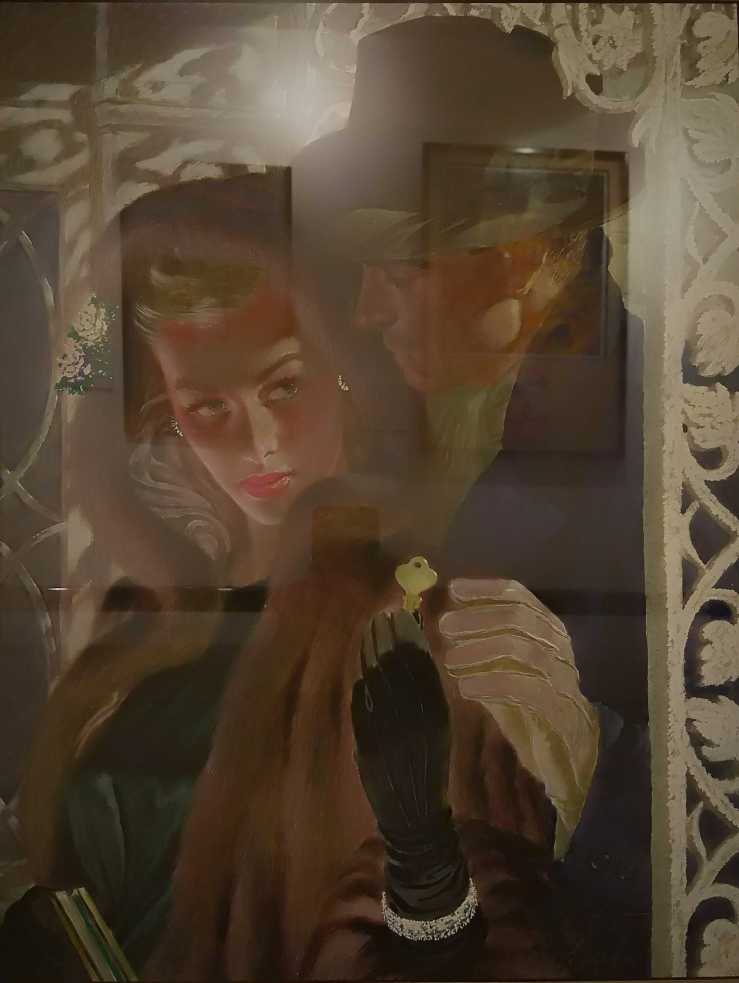
Illustration from ”The Clever Sister” by Margaret Culkin Banning
Caption: ”Beneath the strangely different melodies of their lives ran hidden themes that others never heard; yet one refrain they had in common: ‘Whom does Barney love – my sister or me?”’
Woman’s Home Companion, January 1947

Illustration for the book by George Barr McCutcheon
Caption: ”They, too, were seen together very often of late.”
This work also appeared in ”A Garden of Girls”, published by Dodd, Mead & Co., 1910
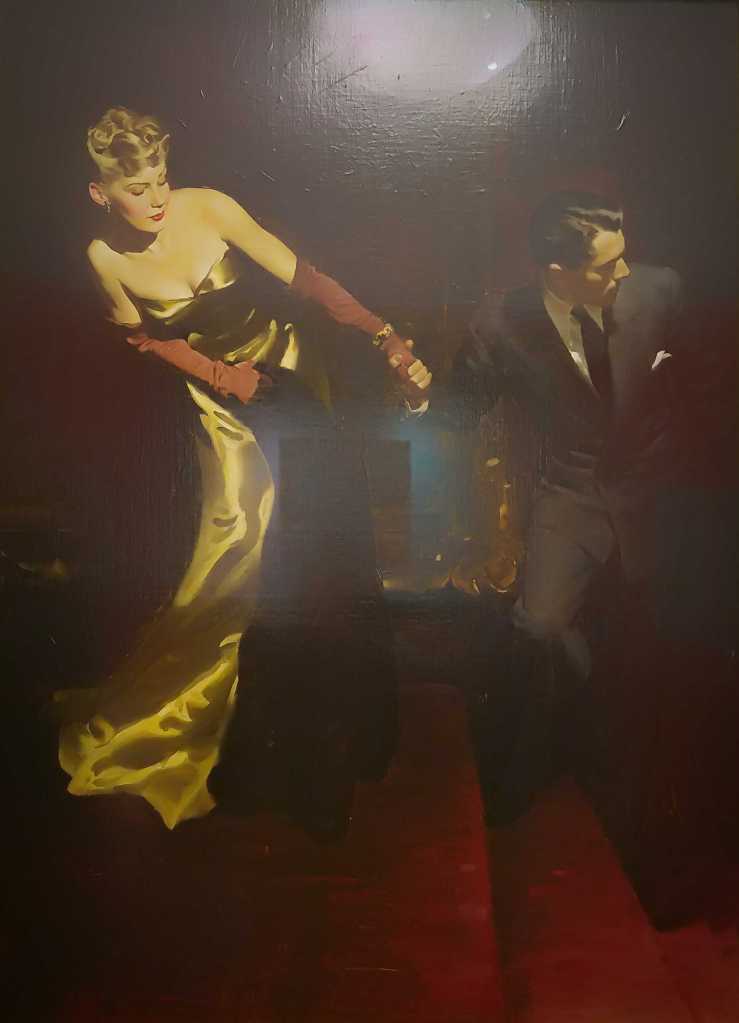
Title illustration for the story by Ann Pinchot
Caption: ”This way, darling” she said… He followed her, as he would follow her anywhere.
The American Magazine, ca. 1945
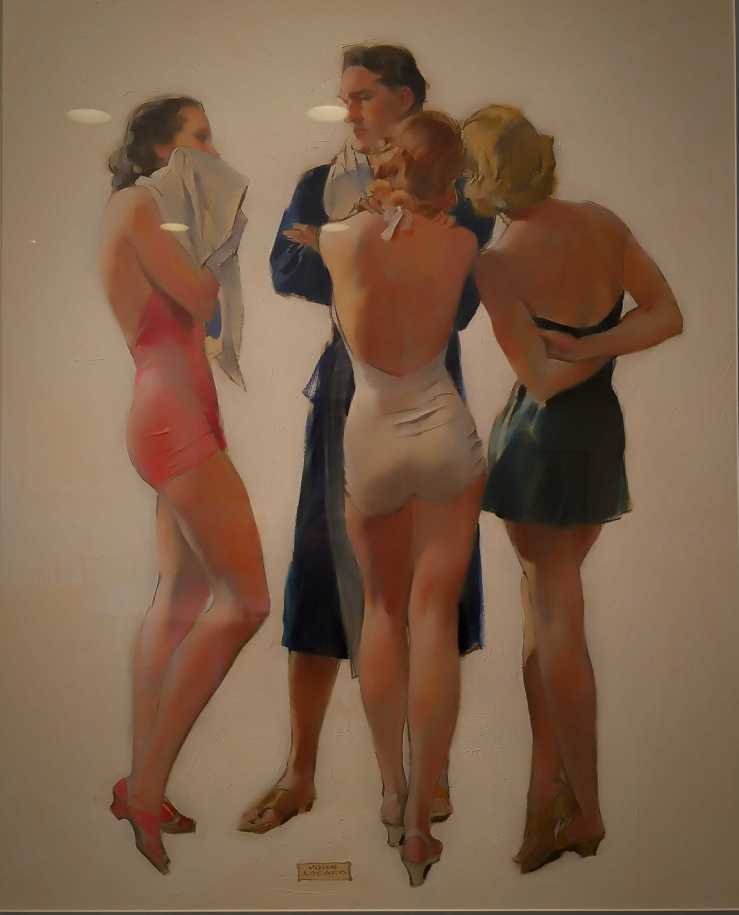
Illustration for a story by Philip Wylie
Caption: ”Every night I dream I’m being chased by a green locomotive. Does that mean I should give up Creme de Menthe?”
Redbook magazine, April 1938
<<The Permanent Collection of the Museum of Illustration at the Society of Illustrators is one of the most comprehensive collections of this genre in the world. Comprised of over 3,000 works by many of the greatest names in illustration and comic and cartoon art, this celebrated collection is ever expanding thanks to purchase and donation from our membership, art patrons and estates. These works are fully catalogued with portions of the collection constantly on rotating display.>>
February 11th, 2017


Society of Illustrators
February 11th, 2017
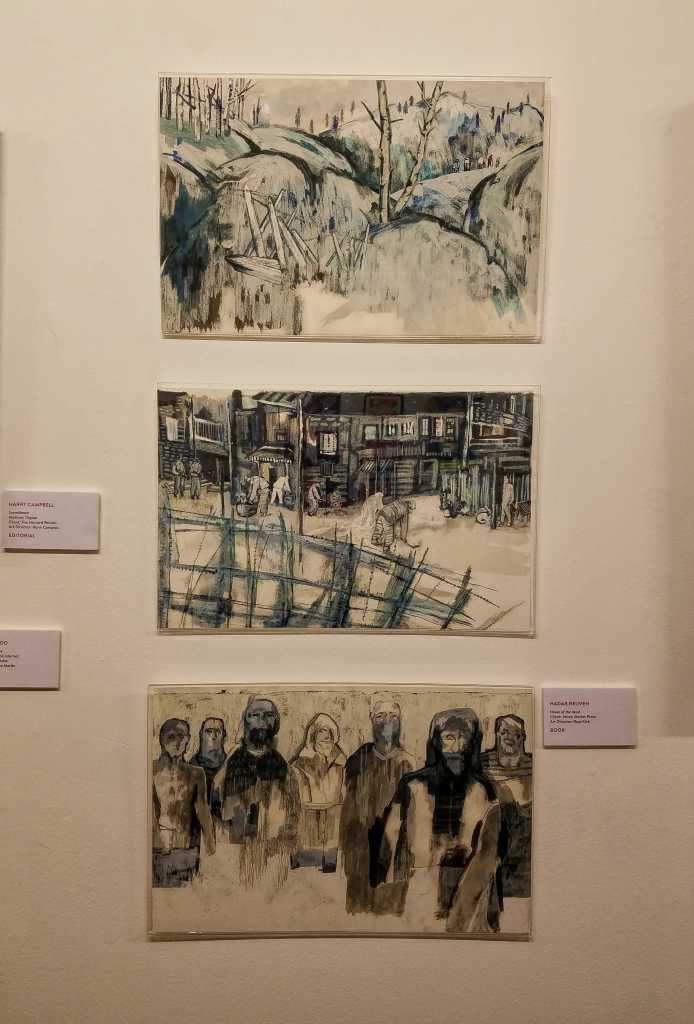
”The Society of Illustrators Annual Exhibition features over 400 pieces of the most outstanding works created throughout the year. Open to artists worldwide, thousands of entries are considered by a jury of professionals, which include renowned illustrators, art directors, and designers.
Gold and silver medals are presented to the illustrators and art directors whose works are judged the best in each category.”



February 11th, 2017
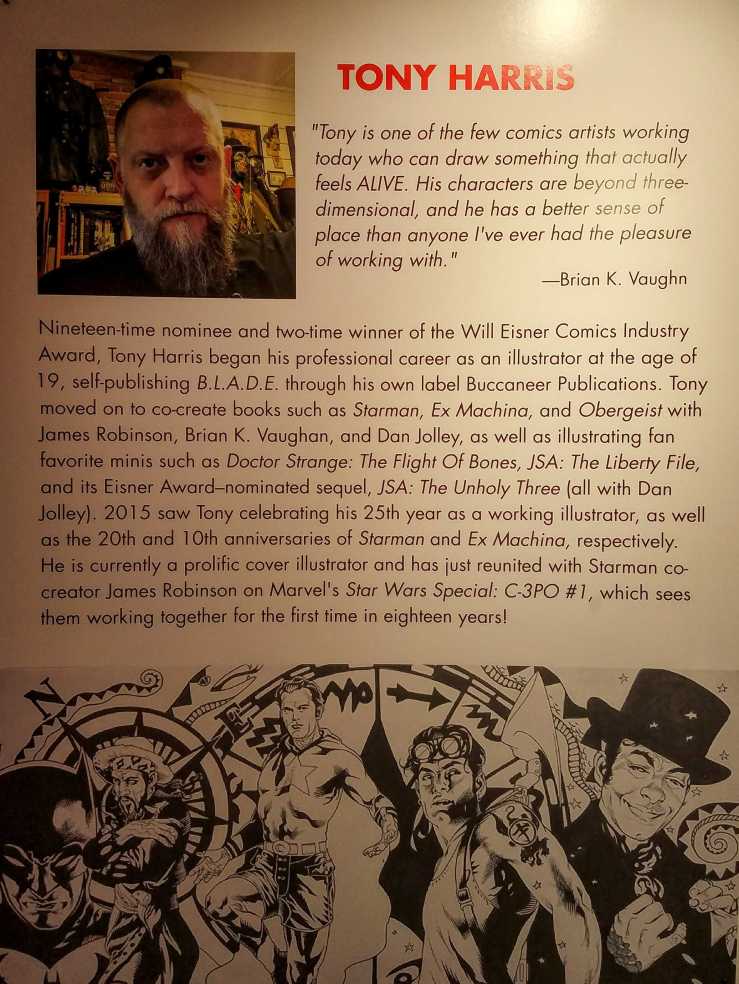
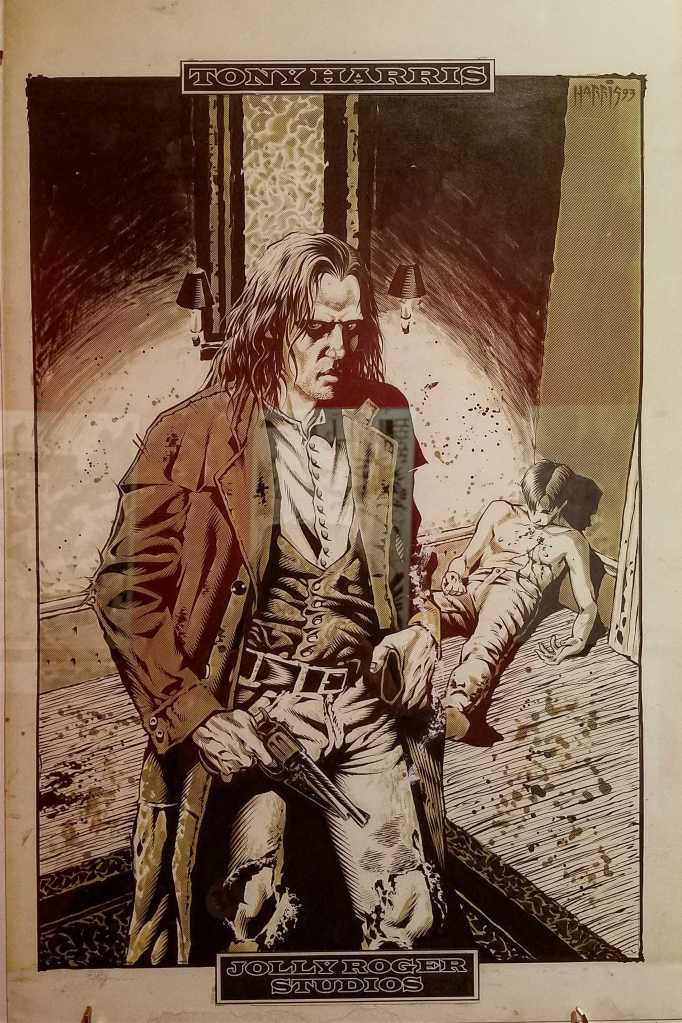
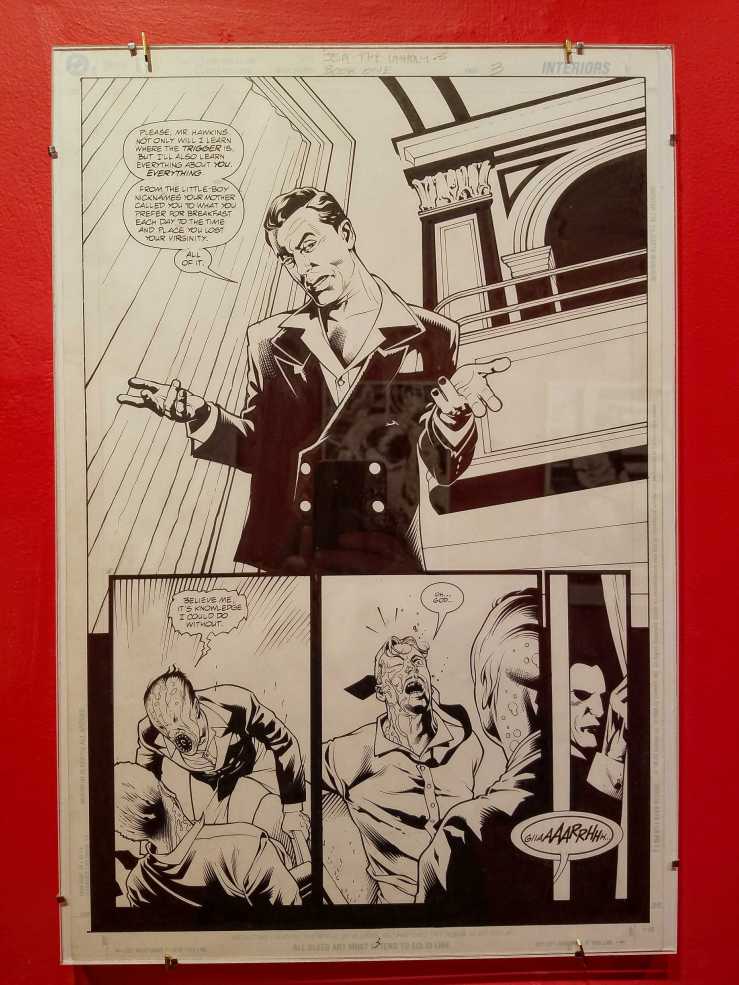
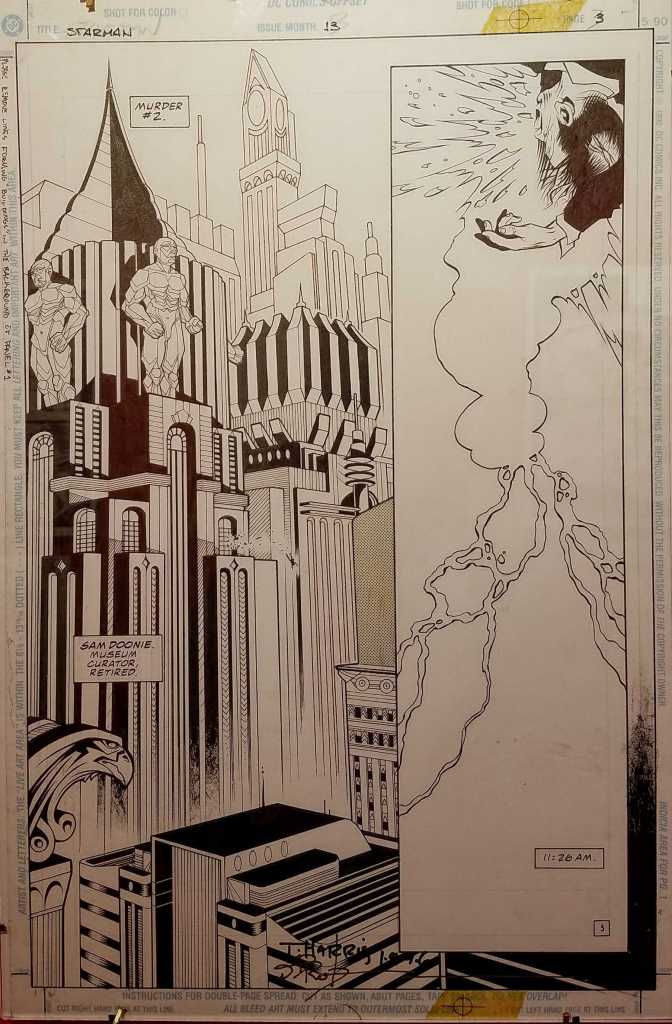
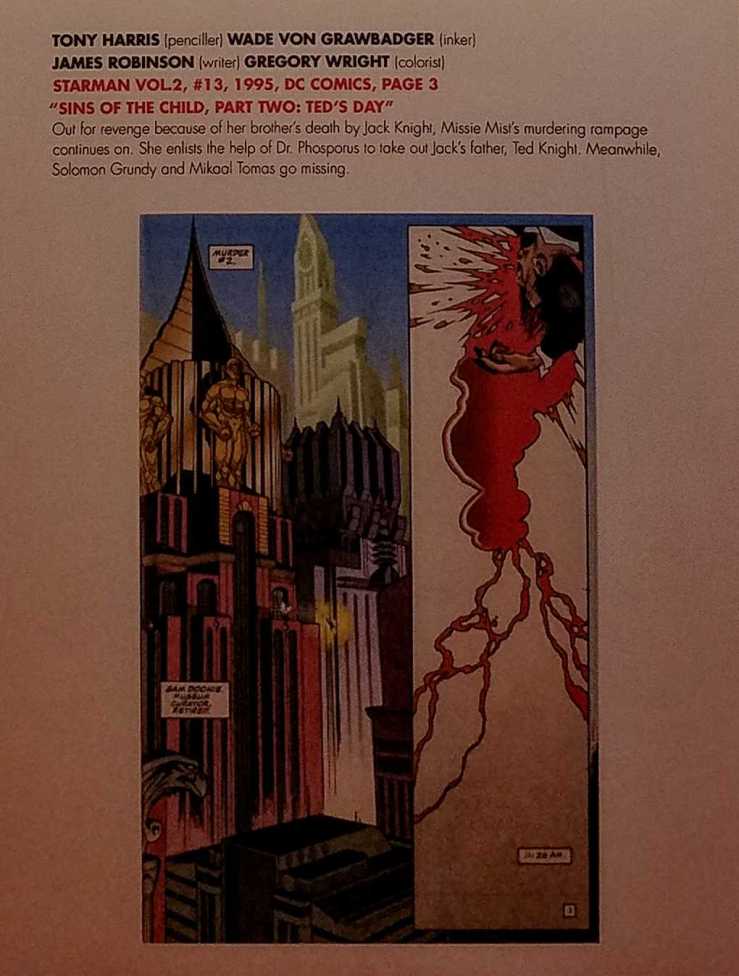
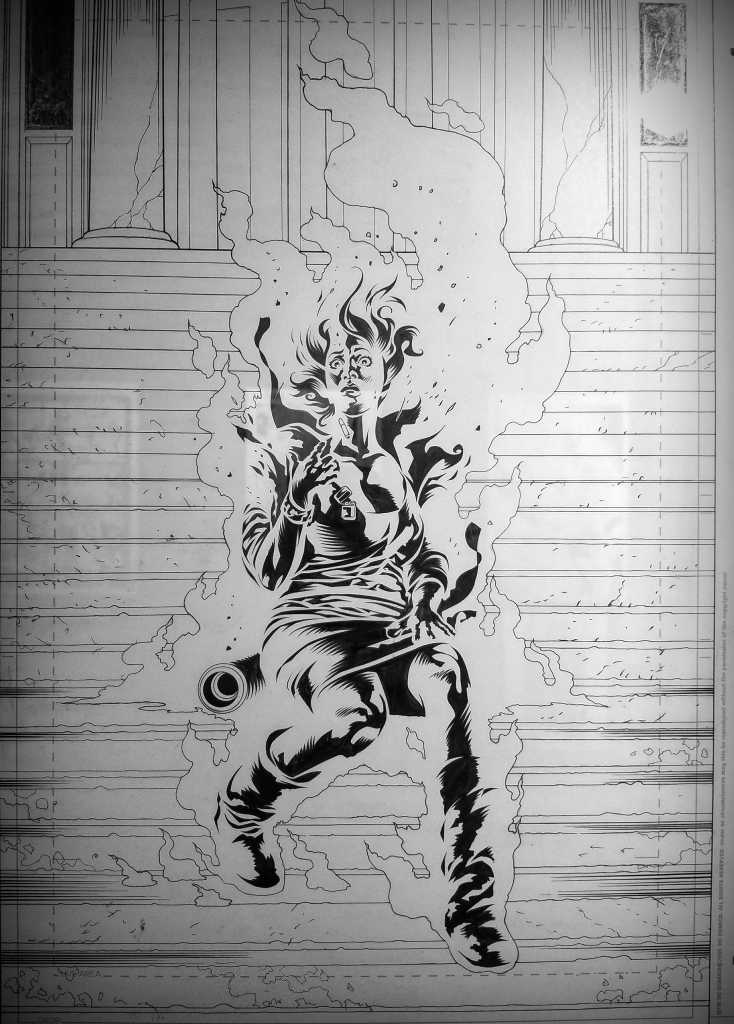
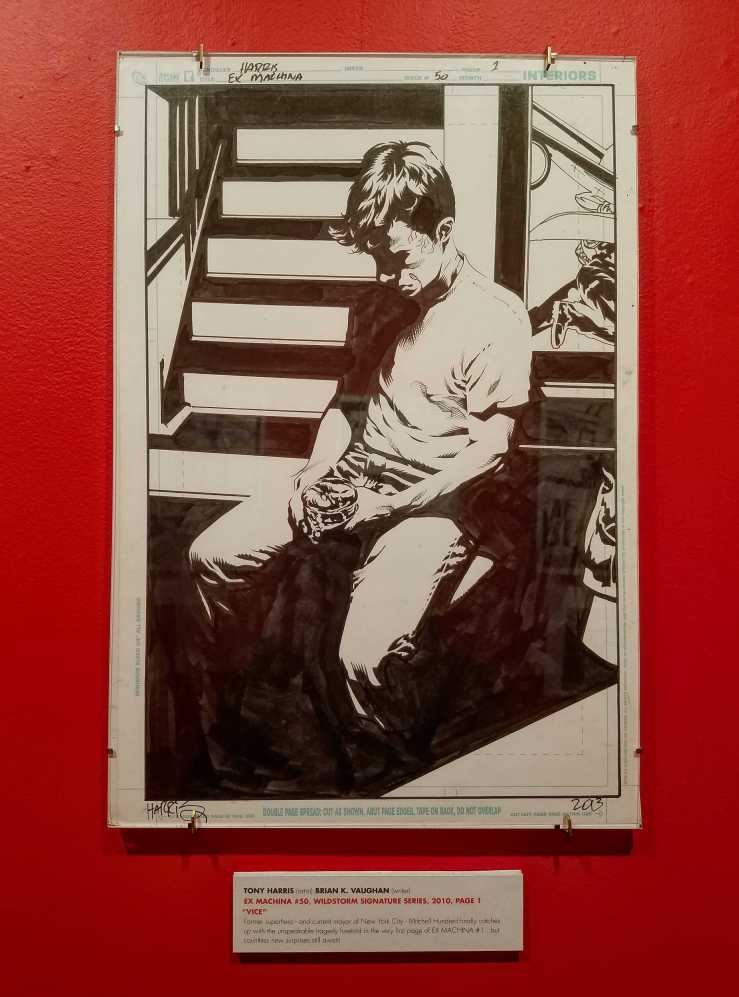
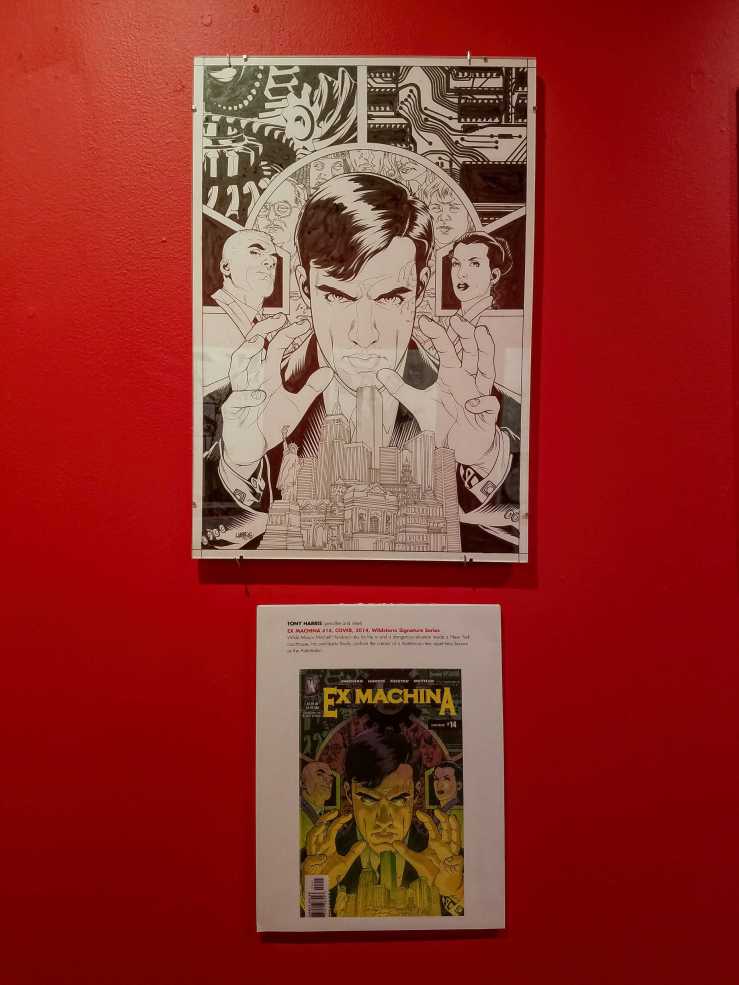
If his mouth worked in the same way as his pen, Mr. Harris would undoubtedly be a helluva gifted artist with tons of devoted fans swearing by his brilliant drawings. As it is, he is a helluva gifted artist with an outspoken controversial character wreaking havoc among fans and embarrassing fellow artists; which is just as well because, yeah, devil is in the details. Today, let us focus on the pen which – as we know – is mightier than the sword. Here are some incredible examples of Mr. Harris’ original artwork that were on view at The Society of Illustrators through March 2017.



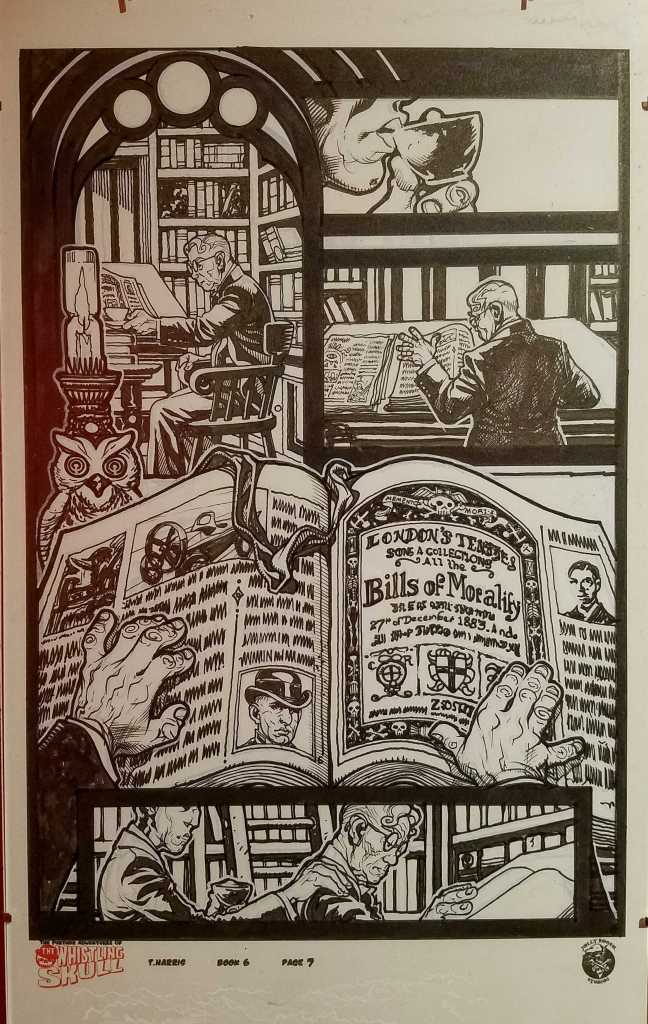
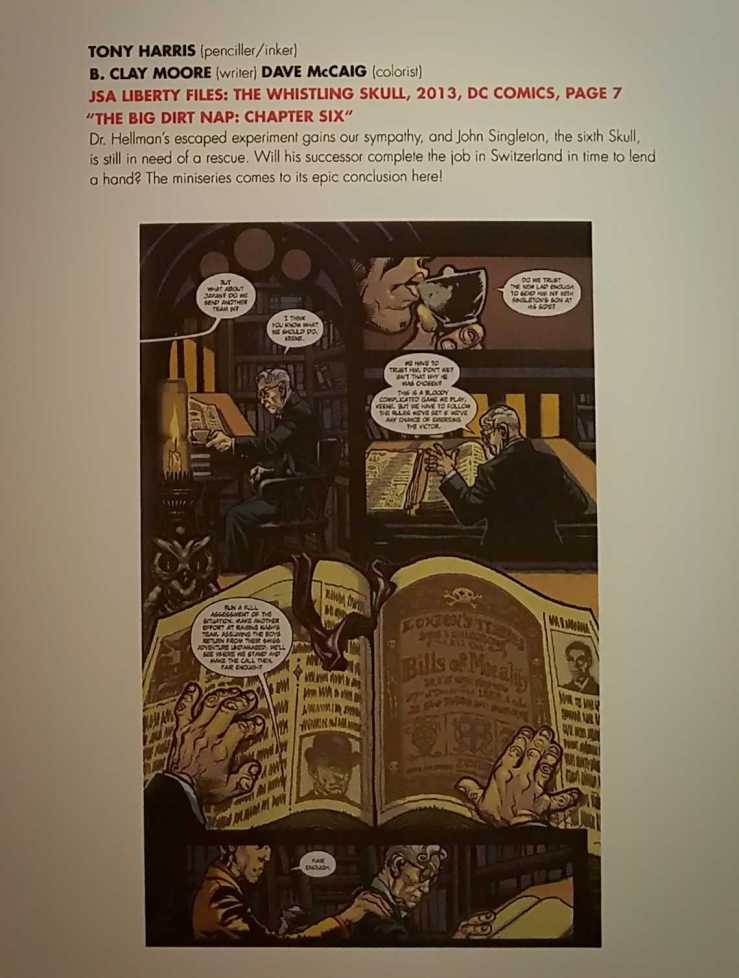
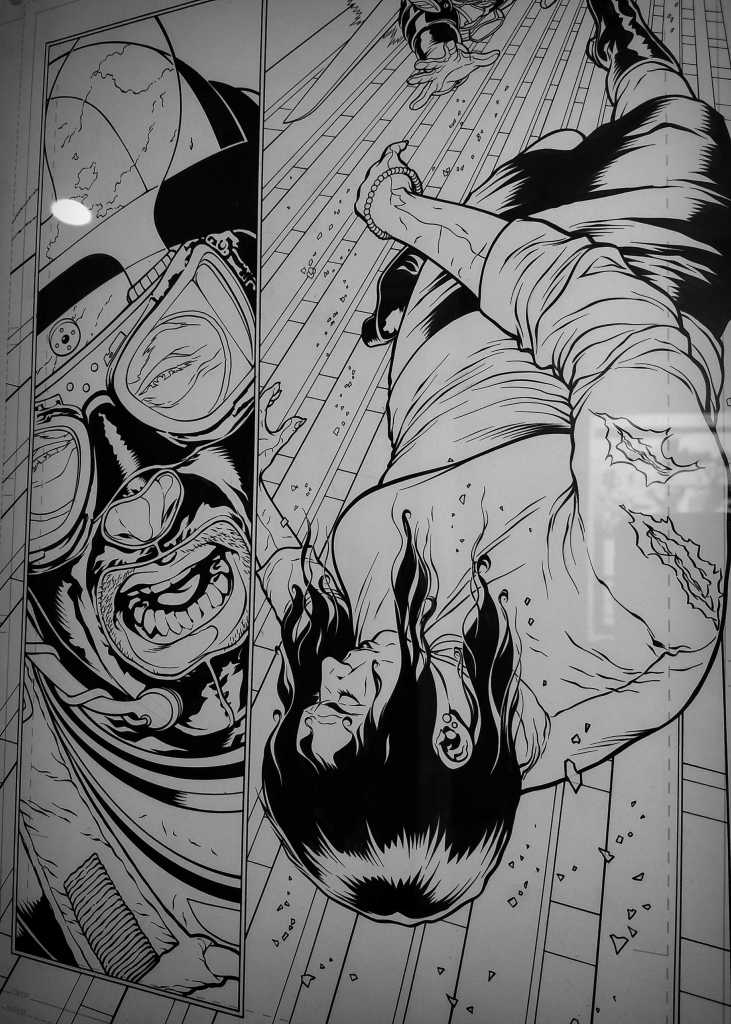
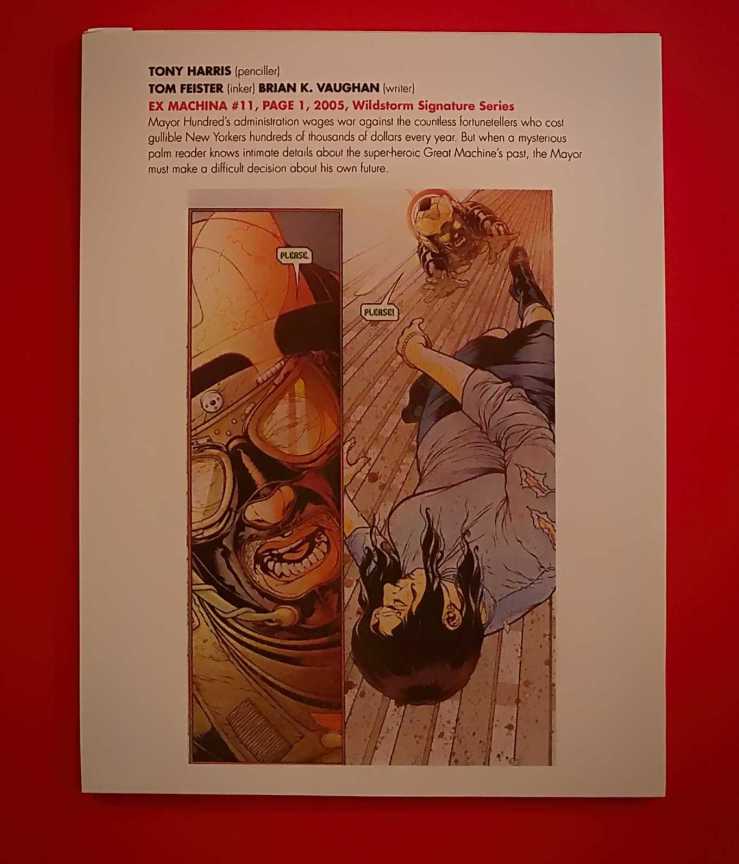


February 11th, 2017

At The Jewish Museum
January 8th, 2017

Elsie Meyer (1885-1954), seen as a child in Sargent’s group portrait, became a fashionable young woman. In a 1903 letter to her brother Frank, her mother* described her ”insatiable appetite for society”, her gowns from Worth and Doucet in Paris, and the lavish preparations for her society debut. A few years later, Sargent depicted her in a simple cotton blouse.
*Lady Meyer demonstrated excellence in social skills herself: a society hostess known for her exuberant soirées, enchanting voice and support of the arts, but also a socially concerned philanthropist supporting working class women, underprivileged families, and women’s suffrage.
(Notes from The Jewish Museum’s website)
January 8th, 2017
Does this mean I have to take sides?
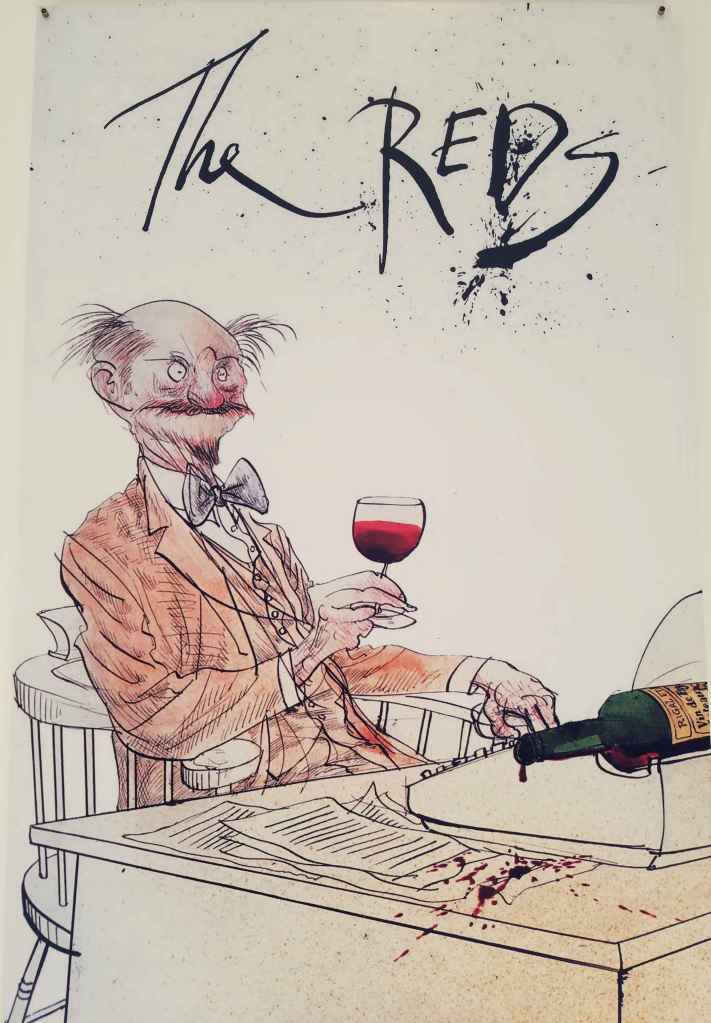
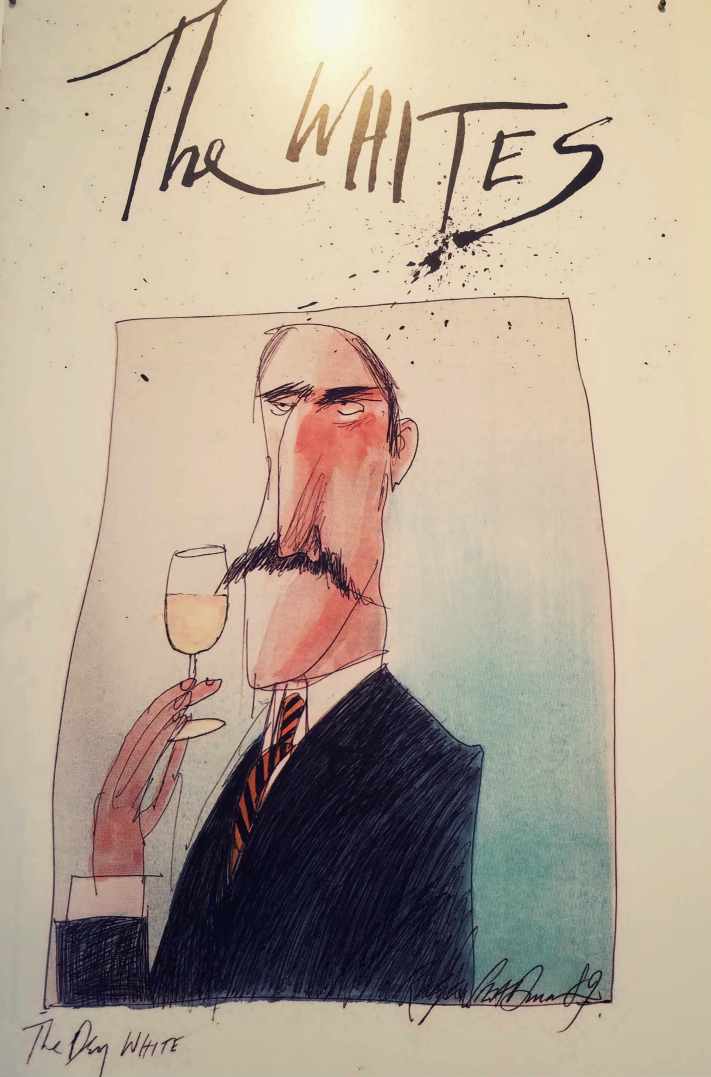
From A Retrospective: Ralph Steadman exhibition, held at The Society of Illustrators between September-October 2016
September 24th, 2016
subjective worldview
Actor, writer, cook and author
Travel experiences & Strasbourg city guide
Writer
joy, happiness, travel, adventure, gratitude
"Rêve onirique & Bulle d'évasion"
makes pretty things on paper
This WordPress.com site is Pacific War era information
Welcome to my curious world of words....
Photographs, music and writing about daily life. Contact: elcheo@swcp.com
Free listening and free download (mp3) chill and down tempo music (album compilation ep single) for free (usually name your price). Full merged styles: trip-hop electro chill-hop instrumental hip-hop ambient lo-fi boombap beatmaking turntablism indie psy dub step d'n'b reggae wave sainte-pop rock alternative cinematic organic classical world jazz soul groove funk balkan .... Discover lots of underground and emerging artists from around the world.
A 365 analogue photography project
Barcelona's Multiverse | Art | Culture | Science
Een digitaal atelier aan de (zee)slag.
‘Doodling Ambiguity’s in Ink.’
Miscellaneous photography
Glimpses along the way on a journey of discovery into symmetry...
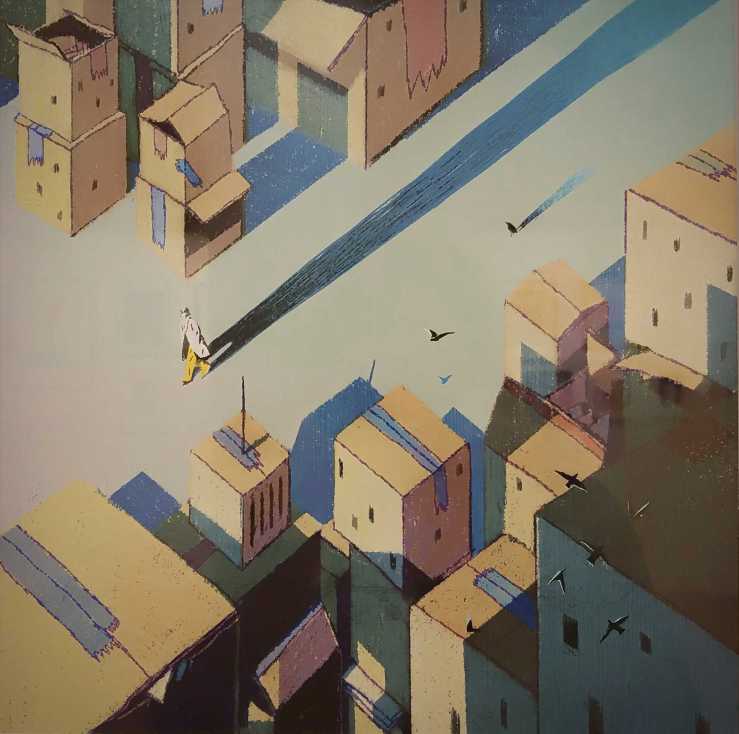
 The Humble Fabulist