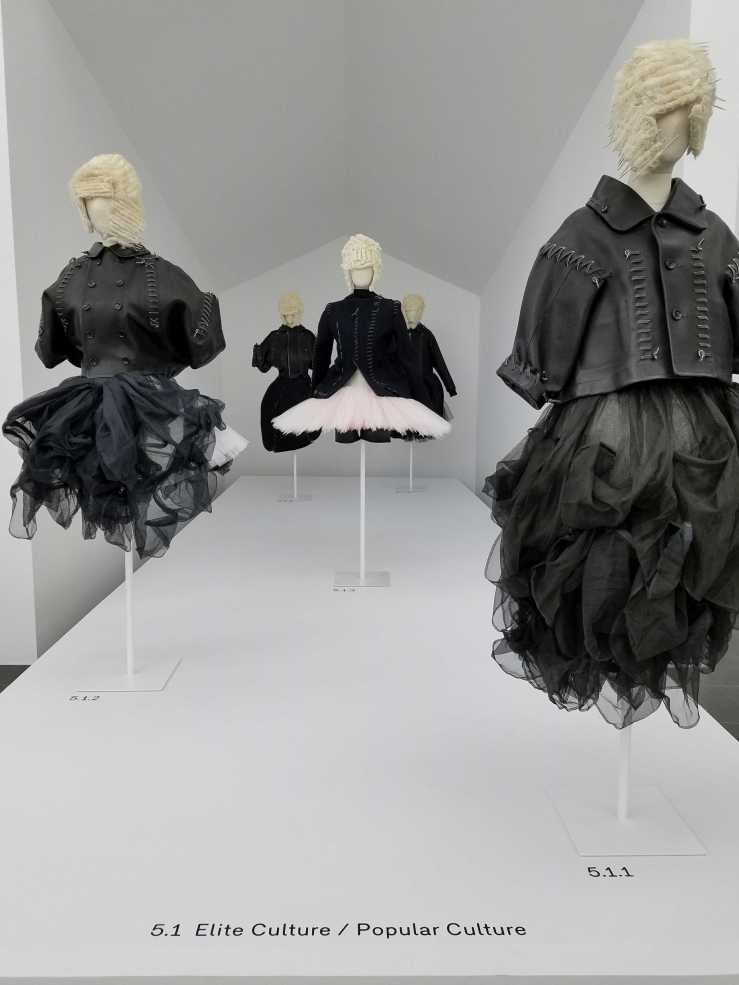
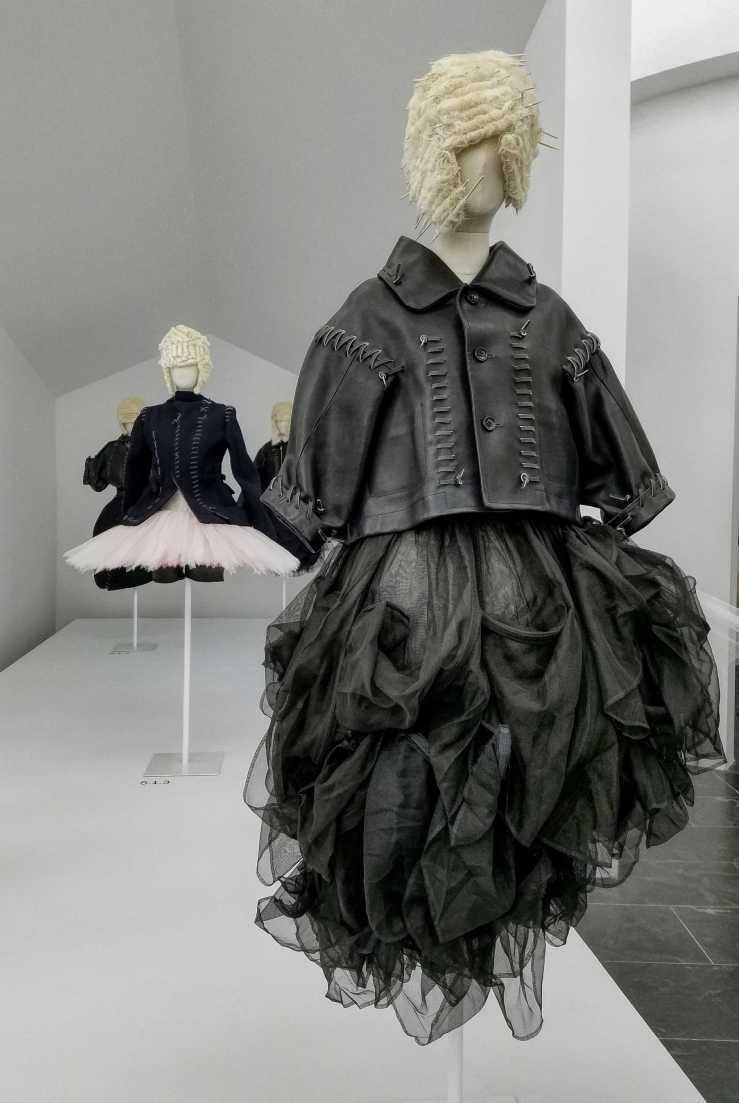
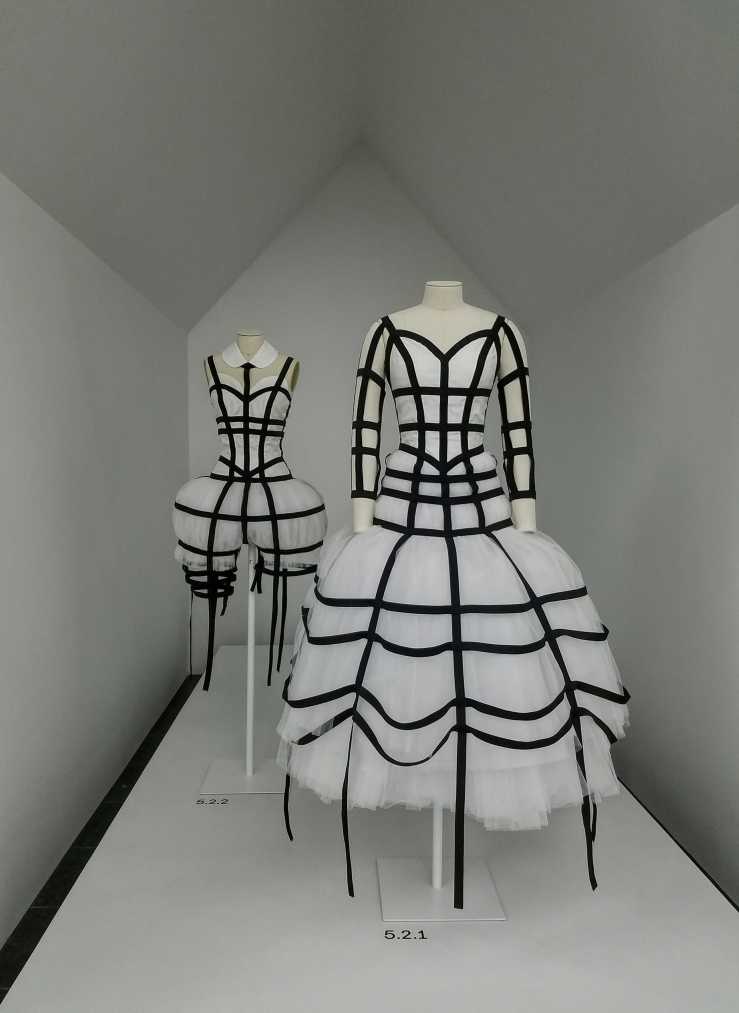
1. Rei Kawakubo || Fashion / Not Fashion – Art / Not Art

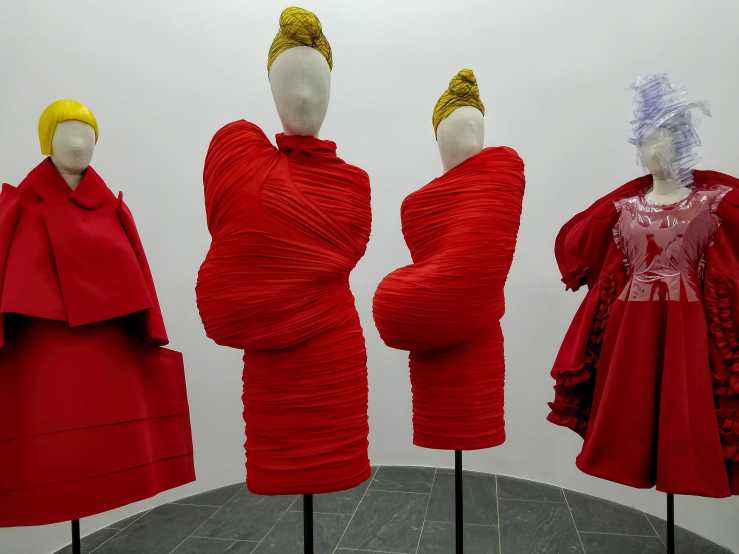
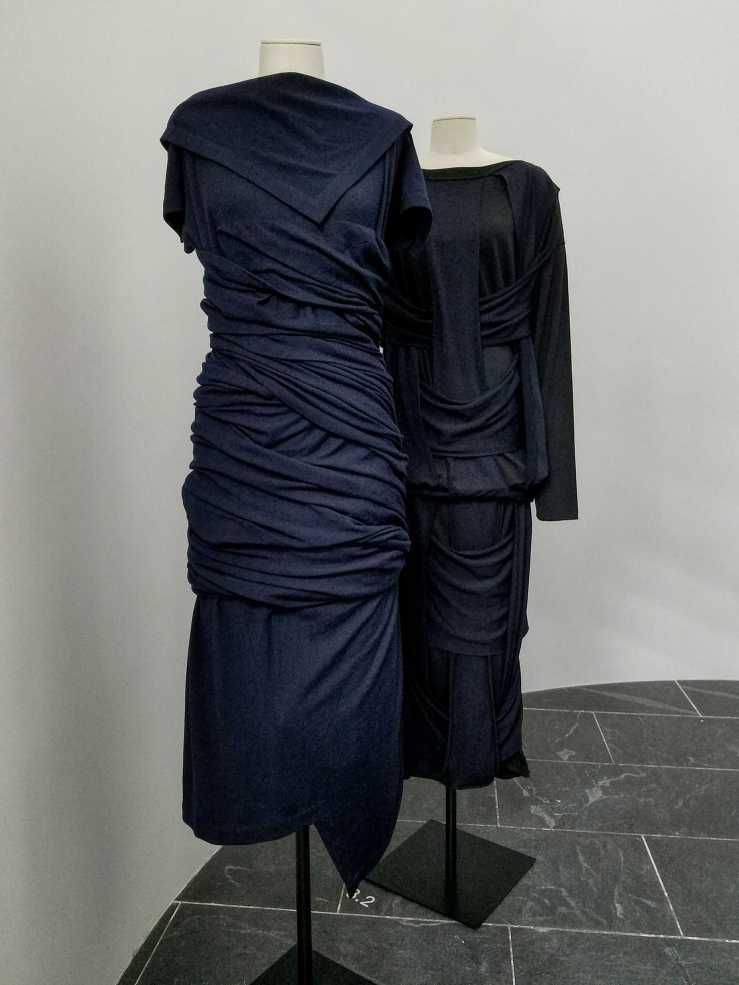
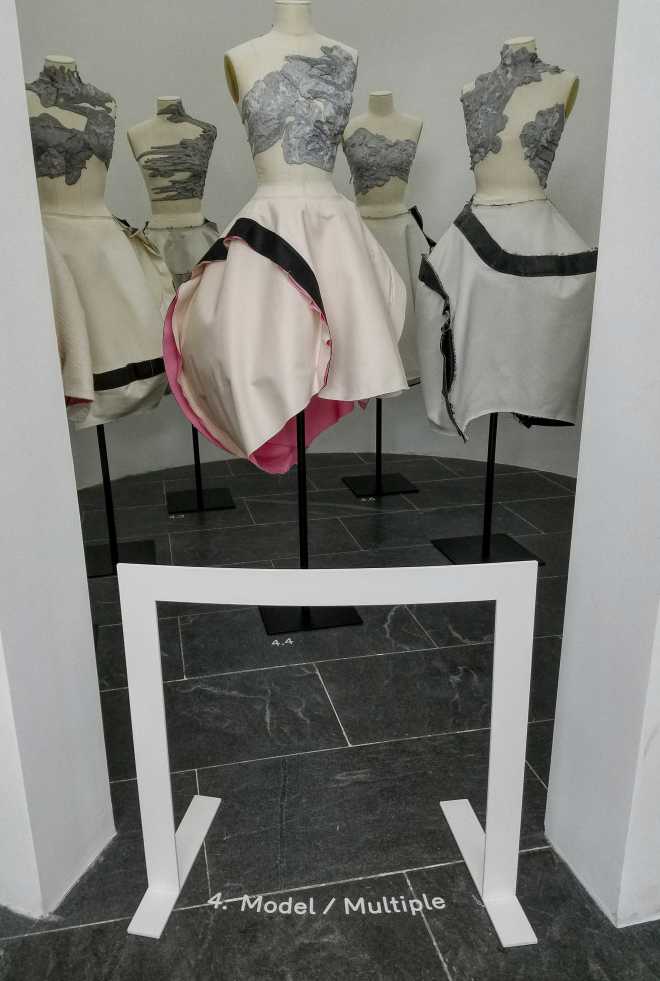
Agree or disagree, this is a designer whose body of work requires you take sides: either you like it or you don’t, it’s as simple as that. As for me, a long time admirer of her revolutionary spirit, seeing her designs displayed as works of art in a seamless narrative against a stark white backdrop, brought about two observations:

  • If money were no object, I would be a CdG moving ad.
  • If, in a different life, I were a designer, these would have been my signature works (by these I mean the entire archive, representative pieces from which were on view in Rei Kawakubo/Comme des Garçons: Art of the In-Between, through September 4, 2017 at The Met).

So now that all is said and done and the spotlight has been shifted to the infinitely more Instagrammable New York Fashion Week and back onto the chic and glam fashion crowd about town, let’s take another look at Rei Kawakubo’s perfectly imperfect, beautifully ugly, alienatingly inventive, brilliantly unique designs; her Art of the In-Between: 

Note from the guide: <<Mu (emptiness) is suggested through the architectural leitmotif of the circle, which in Zen Buddhism symbolizes the void, and ma (space) is evoked through the inter – play of structural forms. Ma expresses void as well as volume, a thing with and without shape — not defined by concrete boundaries. Amplified by the stark whiteness of the gallery surfaces, the visual effect is one of both absence and presence.>>

More views from Rei Kawakubo/Comme des Garçons: Art of the In-Between @ The Met Fifth Avenue, coming up.

August 6th, 2017
The Shapeshifting Master of Modern Art~ Francis Picabia @ MoMA [part 5]

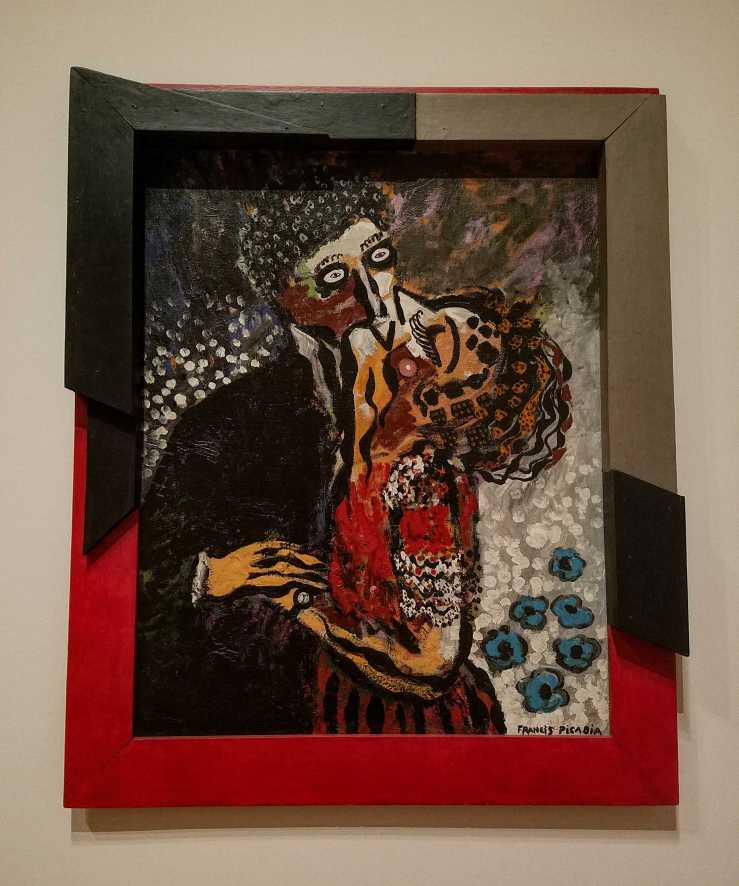
The Kiss (Le Baiser) c. 1925-26. Oil and enamel paint on canvas in a frame likely by Pierre Legrain
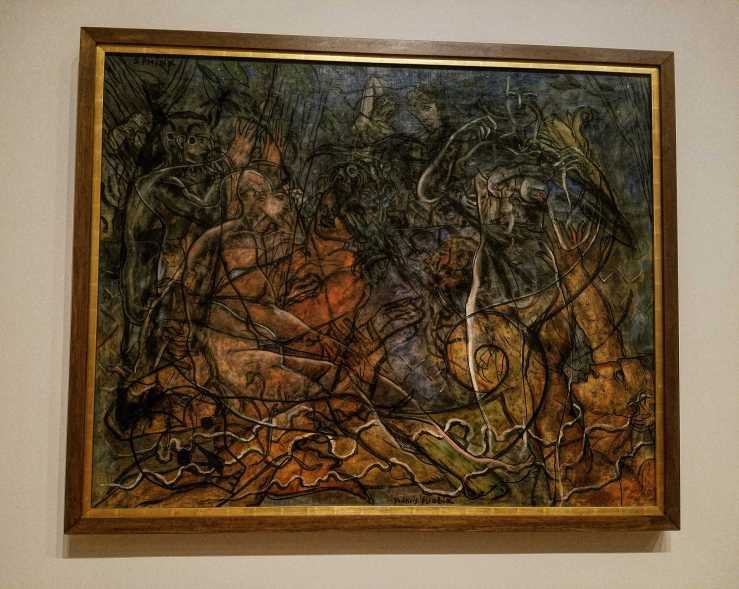
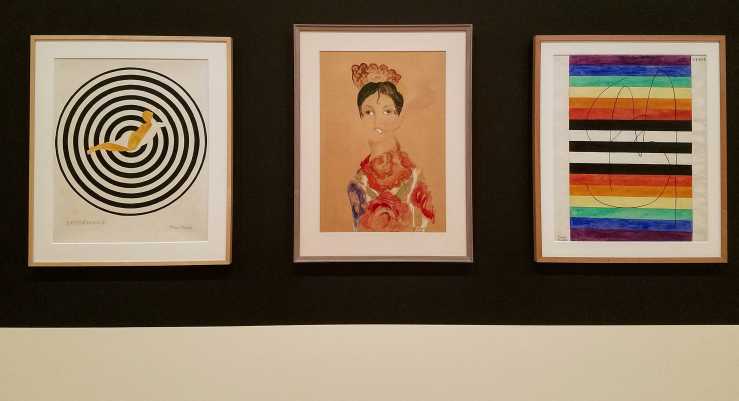
Idyll (Idylle) c. 1925-27. Oil and enamel paint on wood
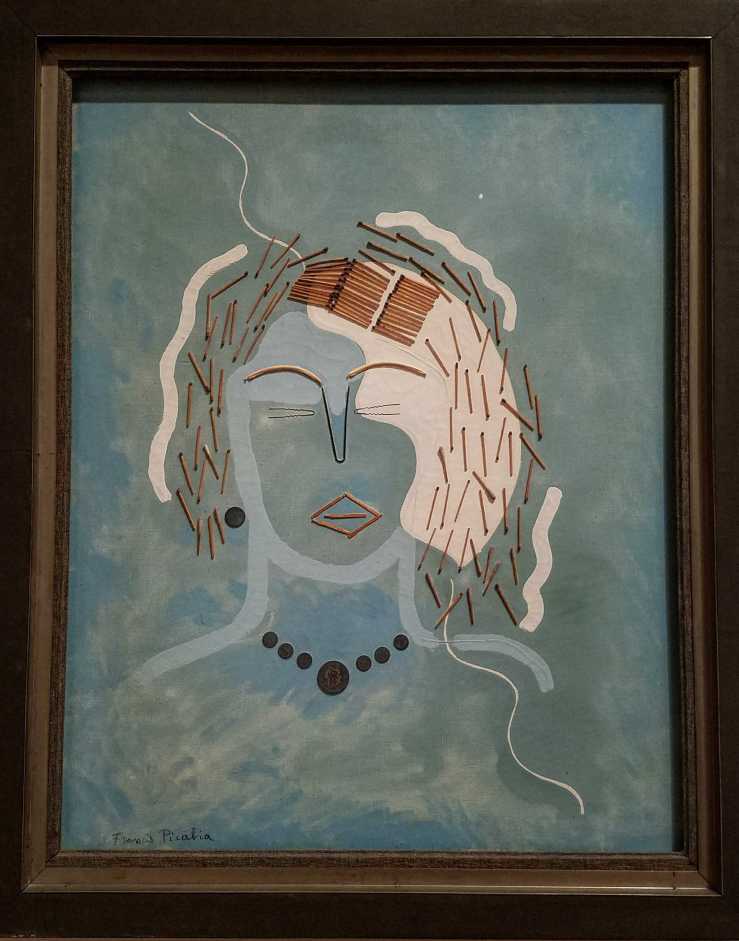
Woman with Matches [II] (Portrait of a Woman on a Blue Background) (La Femme aux allumettes [II] [Portrait de femme sur fond bleu]) c. 1924-25. Oil, enamel paint, matches, coins, curlers and hairpins on canvas
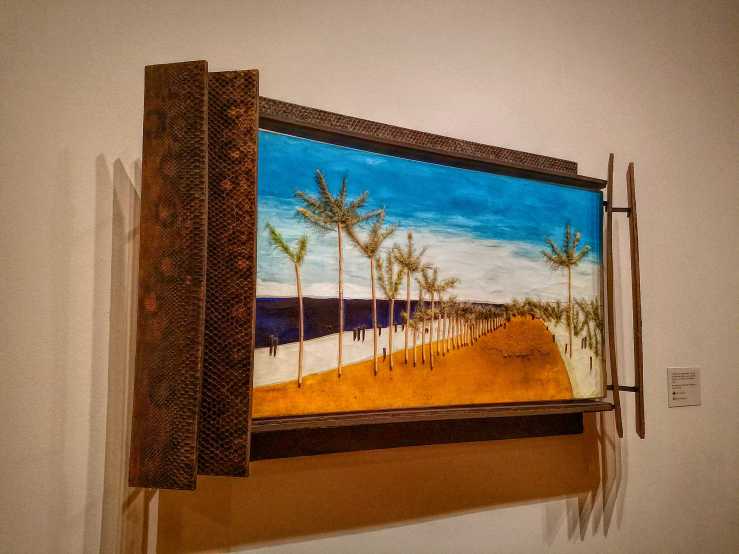
Promenade des Anglais (Midi) c. 1924-25. Oil, enamel paint, feathers, pasta and leather on canvas, in a snakeskin frame by Pierre Legrain

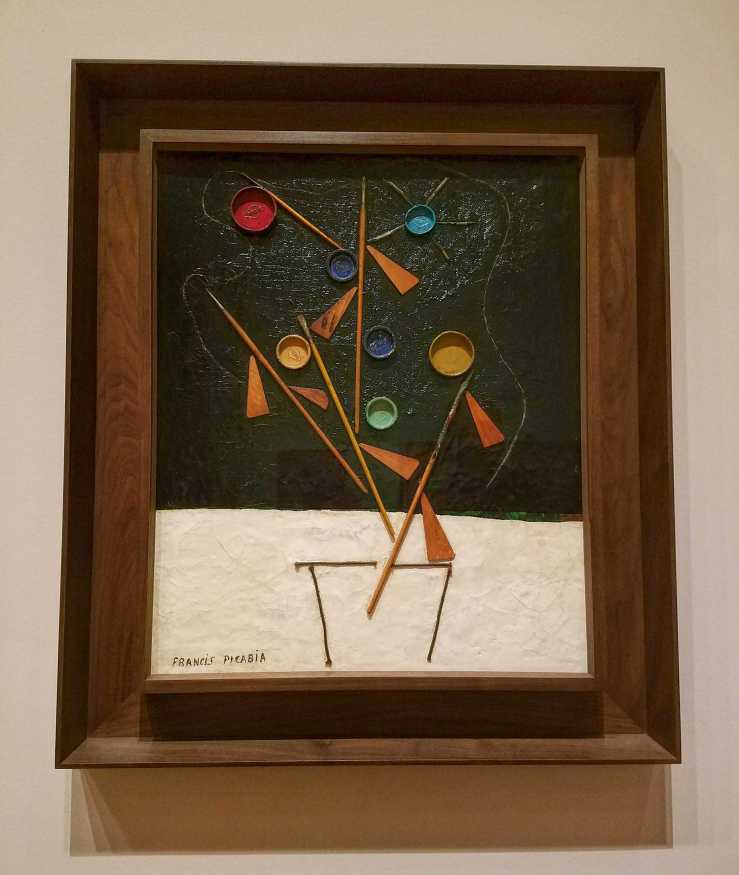
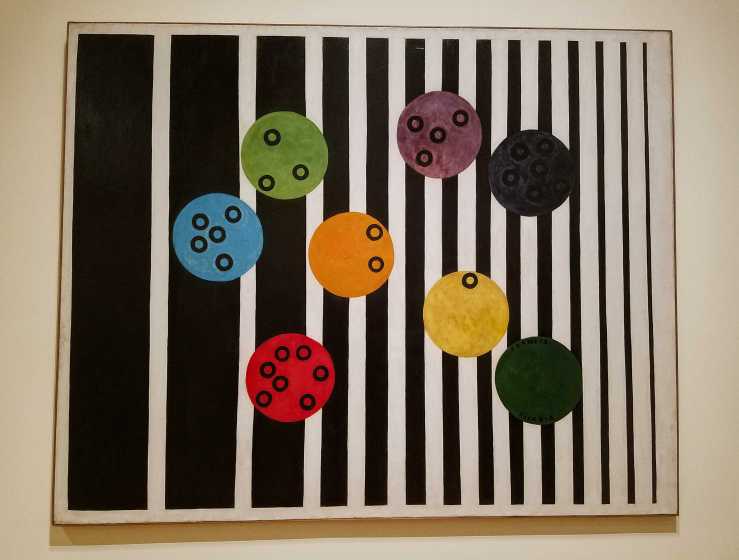
Painting (Flowerpot) (Peinture [Pot de fleurs]) c. 1924-25. Enamel paint, Ripolin paint-can lids, brushes, wooden stretcher wedges, string and quill toothpicks on canvas
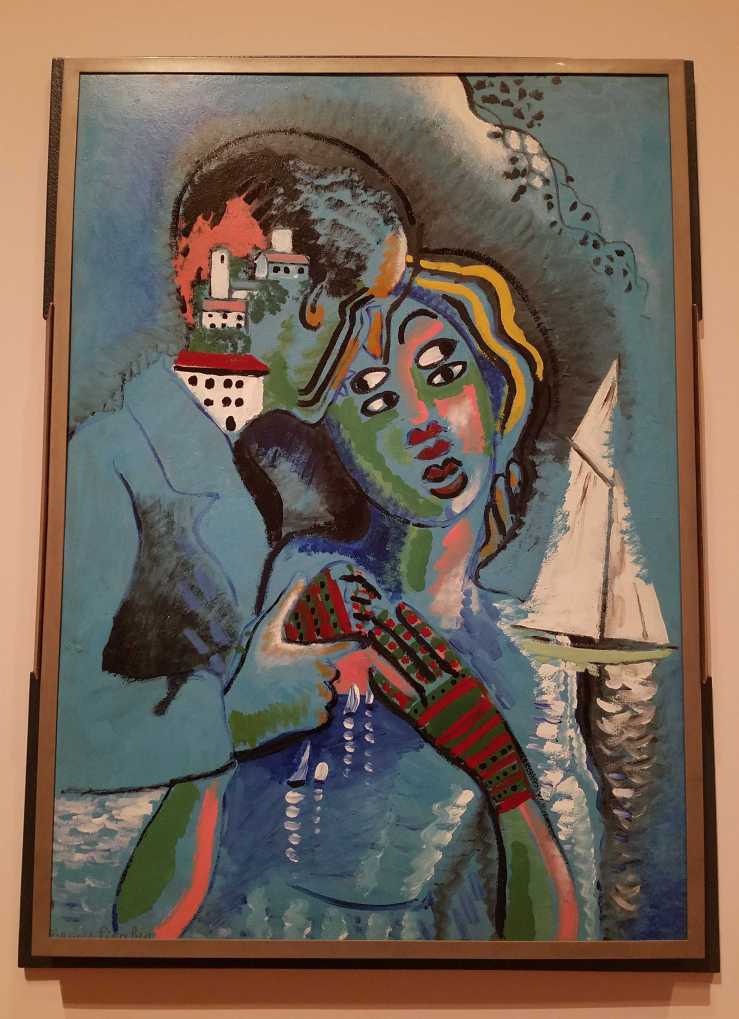
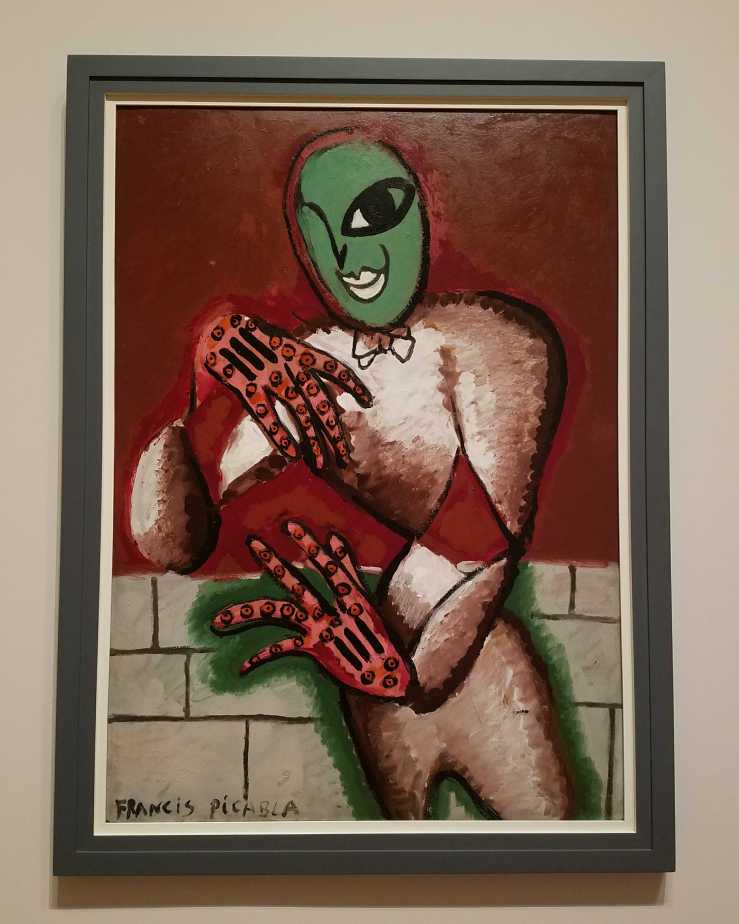
Woman with Monocle (La Femme au monocle). Alternative title: Woman with Pink Gloves (Man with Gloves) (La Femme aux gants roses [L’Homme aux gants]) c. 1925-26. Oil and enamel paint on board
From the accompanying tag: ”In 1926, the review ‘This Quarter’ reproduced thirteen of Picabia’s ‘Monster’ paintings, including this one, which bore the title ‘Woman with Pink Gloves’. By the time of the painting’s first known exhibition in 1956 however, it had acquired the title ‘Man with Gloves’. The work is displayed here with both titles restored. Although neither necessarily originated with Picabia, both speak to the androgynous character of his wasp-waisted, white-suited figure. With its green face, single oversized eye, and pustule-pink hands presumably clad in driving gloves, it is one of Picabia’s quintessential Côte d’Azur Monsters. The Surrealist André Breton was one of its early owners.”

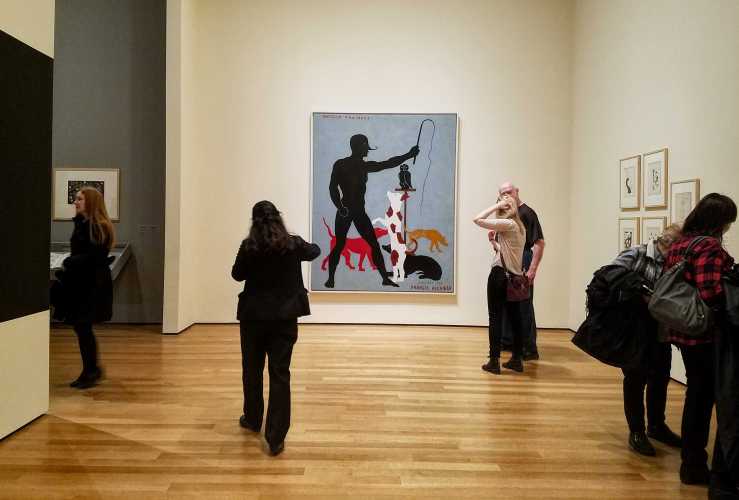
Sphinx, 1929. Oil on canvas
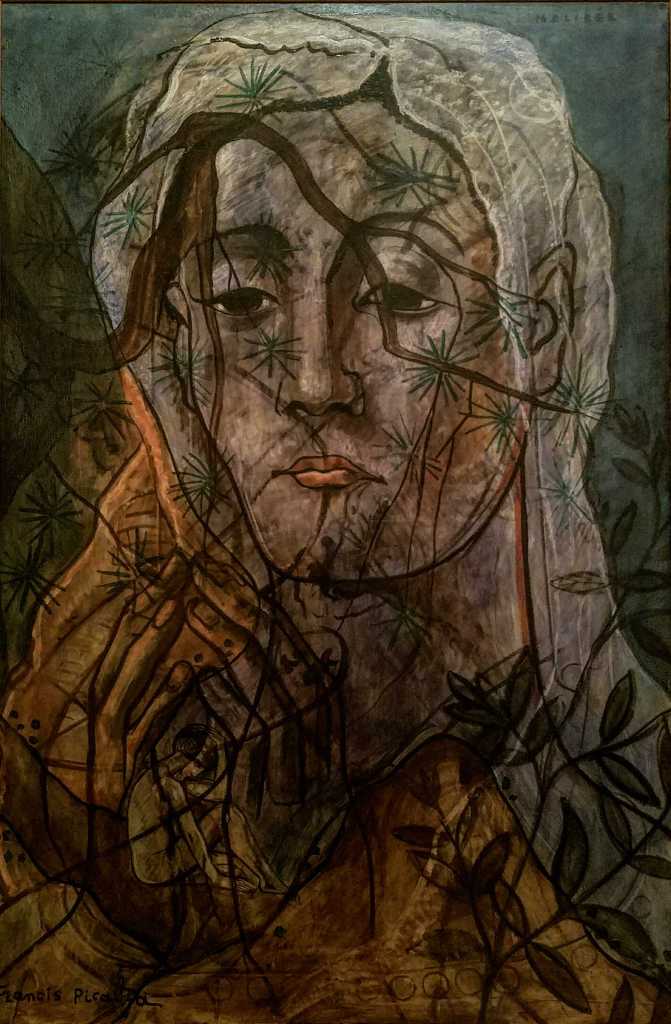
Μélibée, 1930. Oil on canvas
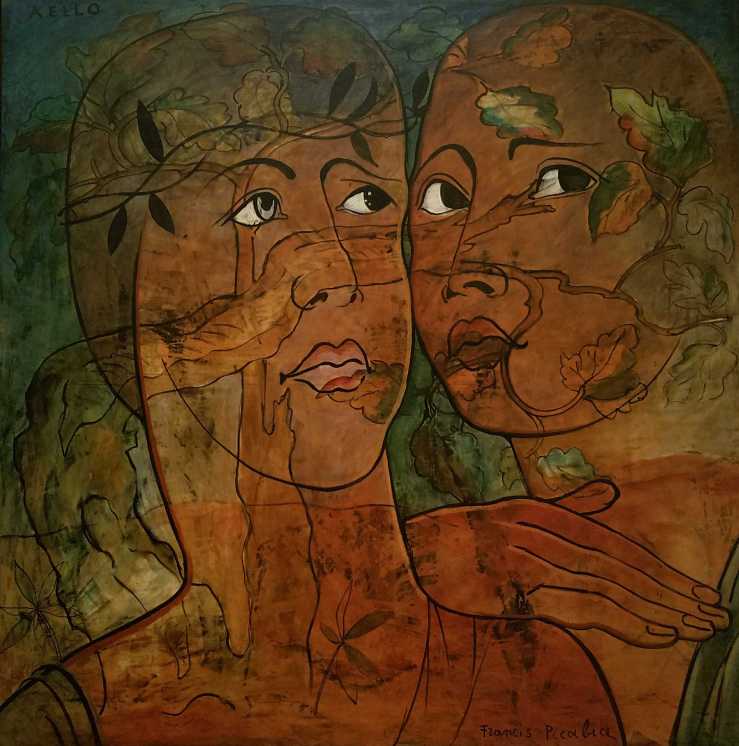
Aello, 1930. Oil on canvas
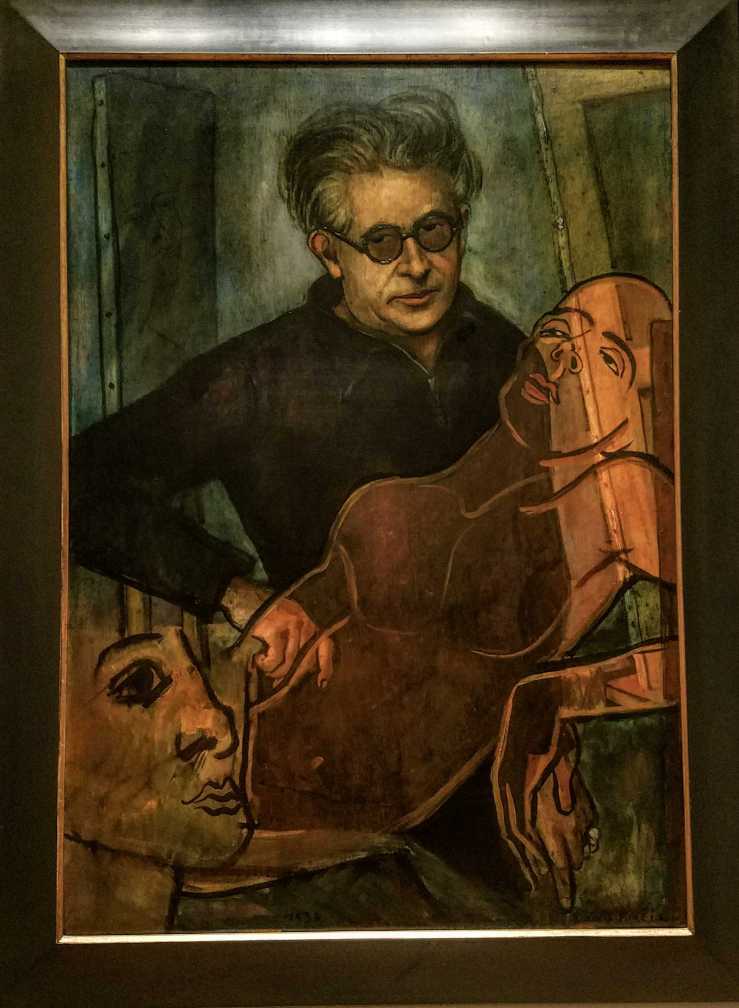
Portrait of the Artist (Portrait de l’artiste), 1934. Oil on wood

From the accompanying tag: ”This work began as a portrait of Picabia painted by the German artist Bruno Eggert in 1934. Eggert gave it to Picabia, who then added his own touches: a pair of dark-tinted glasses on his nose, a face in the lover left corner, a transparent female body across the picture, the edge of a stretcher in the upper right corner. He also signed and dated the work. Here, Picabia adopted another artist’s work as the support for his own, with over-painting used to assert rather than deny.”

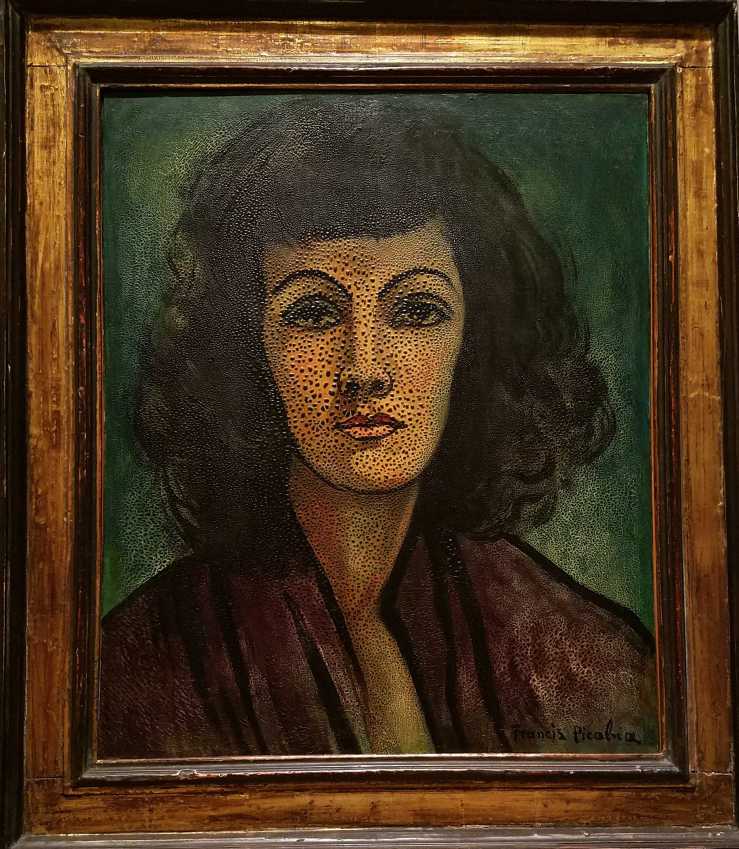
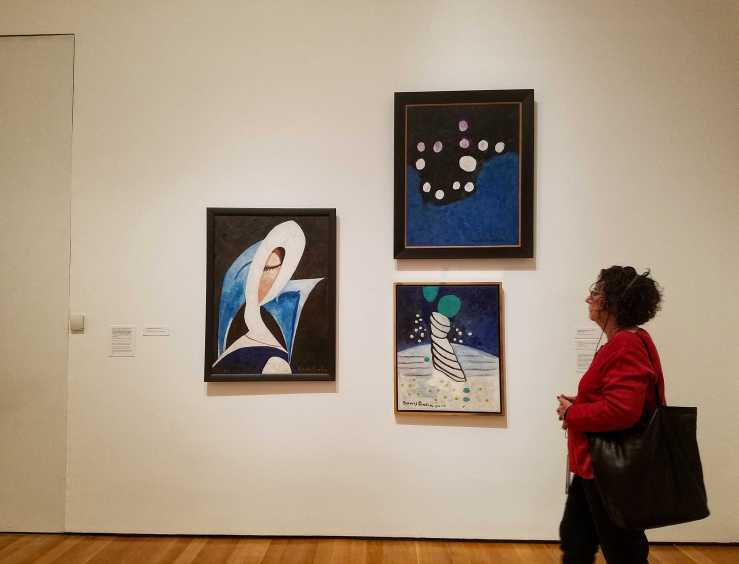
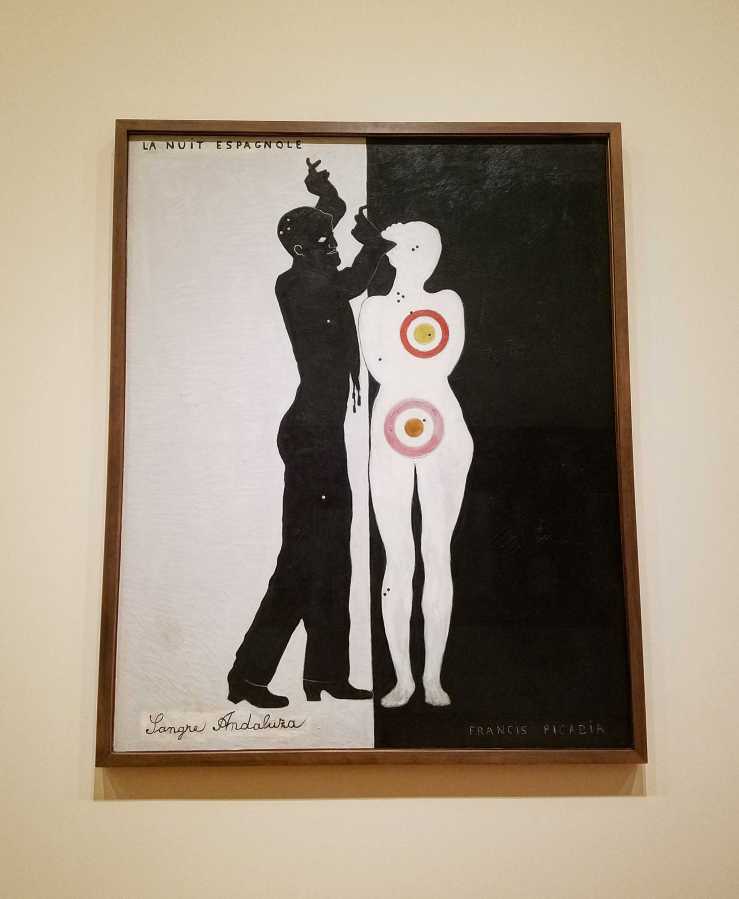
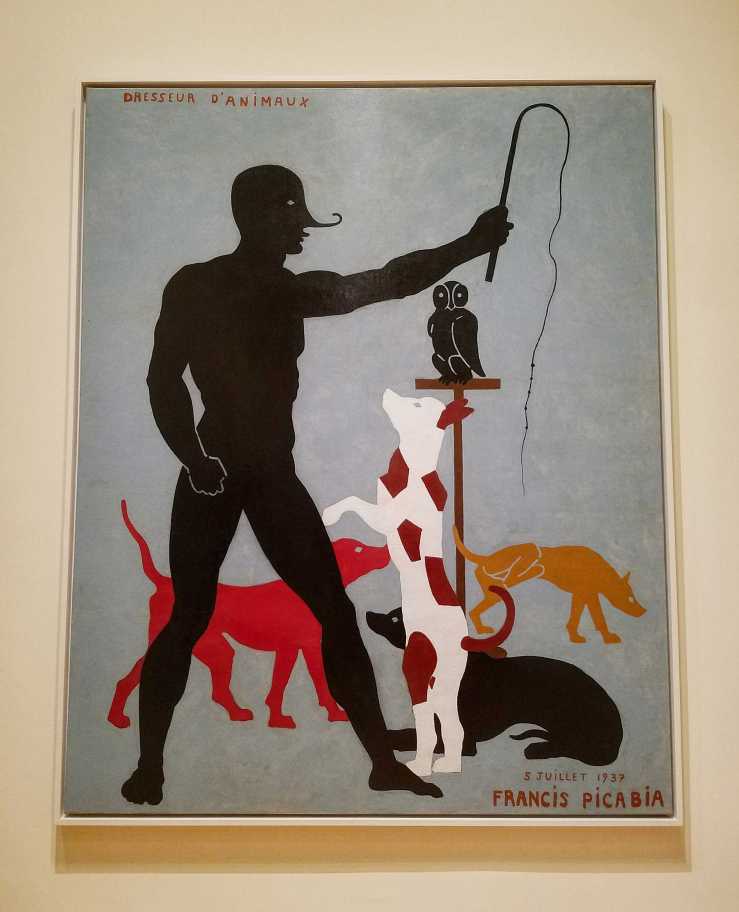
Portrait of a Woman (Portrait de femme), 1935-37. Oil on canvas
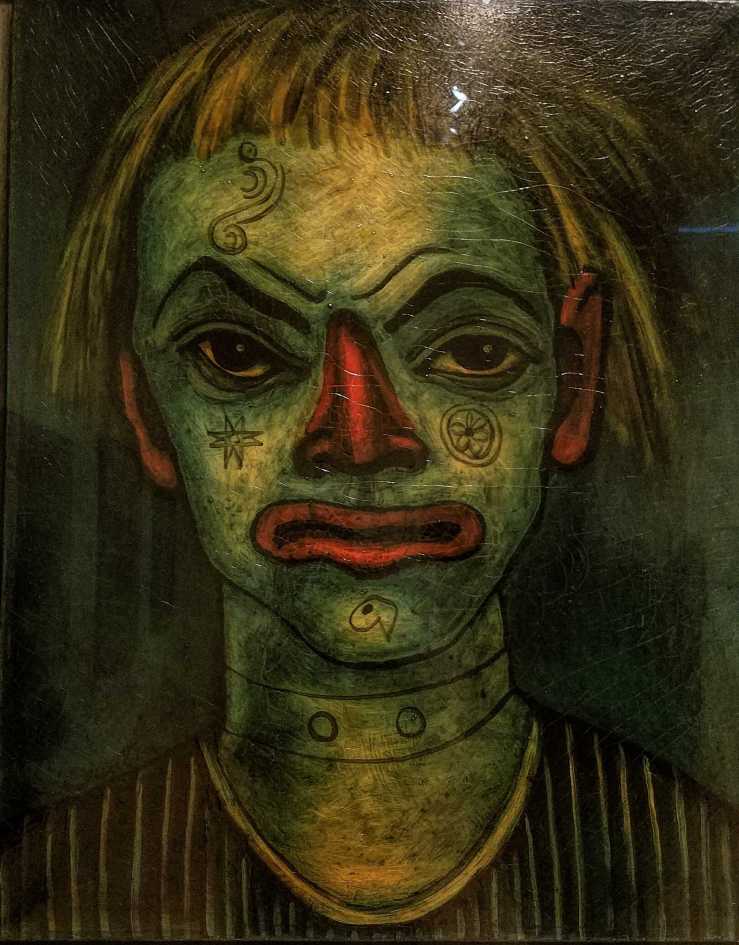
Fratellini Clown (Le Clown Fratellini), 1937-38. Oil on canvas

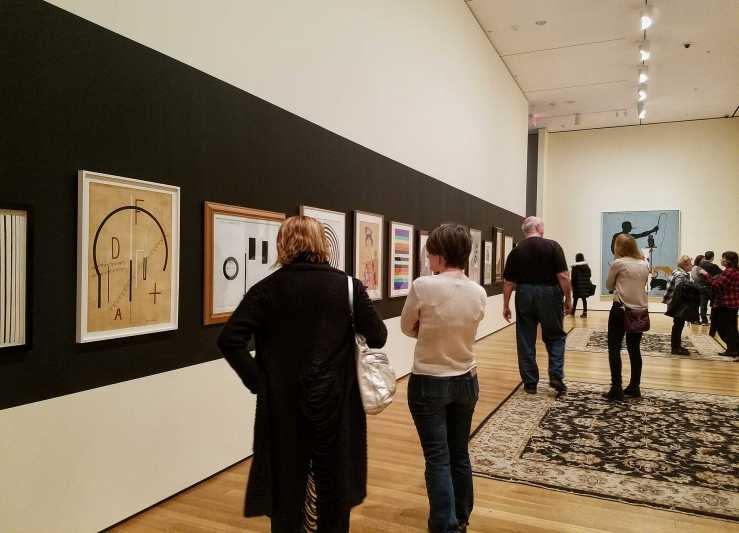
Part 5 concludes our round of Francis Picabia’s retrospective at MoMA.

Connecting the pieces:

January 30th, 2017
Our Heads Are Round so Our Thoughts Can Change Direction ~ Francis Picabia @ MoMA [part 4]

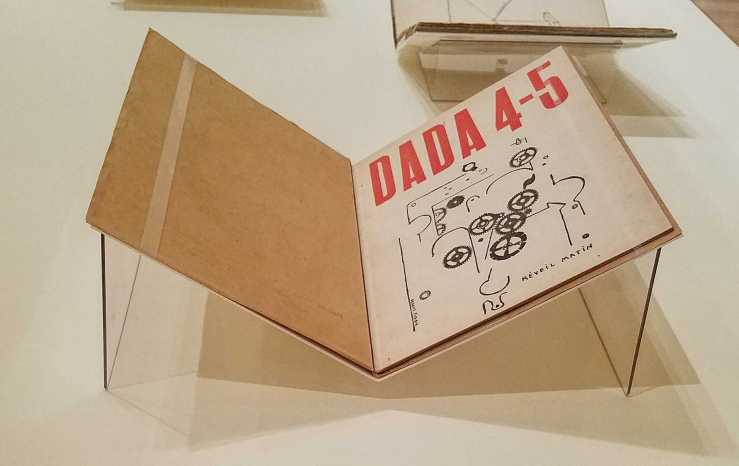
”You are all indicted, stand up! It is impossible to talk to you unless you are standing up.
Stand up as you would for the Marseillaise or God Save the King.

Stand up, as if the Flag were before you. Or as if you were in the presence of Dada, which signifies Life, and which accuses you of loving everything out of snobbery if only it is expensive enough.

One dies a hero’s death or an idiot’s death – which comes to the same thing. The only word that has more than a day-to-day value is the word Death. You love death – the death of others.

Kill them! Let them die! Only money does not die; it only goes away for a little while.

That is God! That is someone to respect: someone you can take seriously! Money is the prie-Dieu of entire families. Money for ever! Long live money! The man who has money is a man of honour.

Honour can be bought and sold like the arse. The arse, the arse, represents life like potato-chips, and all you who are serious-minded will smell worse than cow’s shit.

Dada alone does not smell: it is nothing, nothing, nothing.
It is like your hopes: nothing
like your paradise: nothing
like your idols: nothing
like your heroes: nothing
like your artists: nothing
like your religions: nothing.

Hiss, shout, kick my teeth in, so what? I shall still tell you that you are half-wits. In three months my friends and I will be selling you our pictures for a few francs.”

Manifeste Cannibale Dada

by Francis Picabia
27th March 1920


The work of Francis Picabia will remain our theme this week, as we follow the artist’s style shifts through the galleries of MoMA.

Connecting the pieces:

January 30th, 2017
”If you want to have clean ideas, change them like shirts” ~ Francis Picabia @ MoMA [part 2]

Francis Picabia ~ ”Our heads are round so our thoughts can change direction”
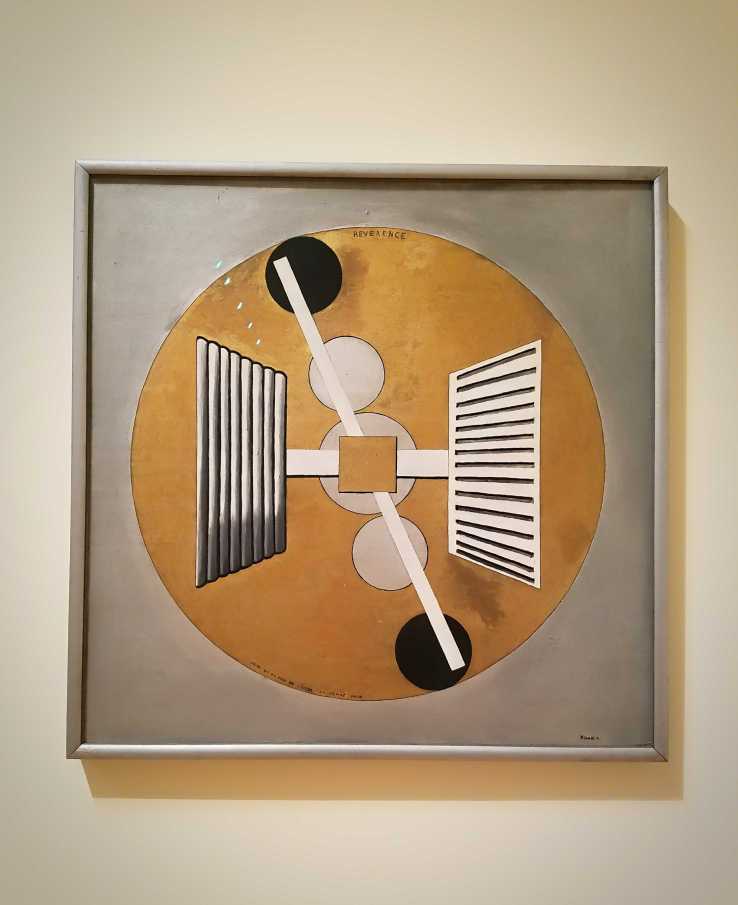
Reverence (Révérence), 1915. Oil and metallic paint on board
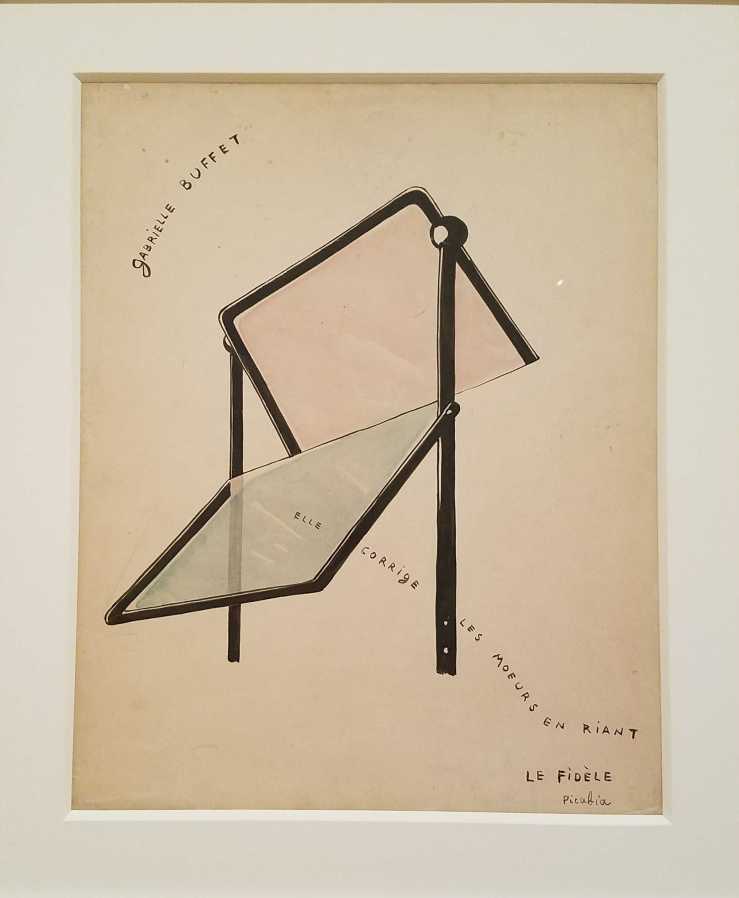
Gabrielle Buffet, She Corrects Manners By Laughing (Gabrielle Buffet, elle corrige les moeurs en riant), 1915. Ink, watercolour, pencil on board
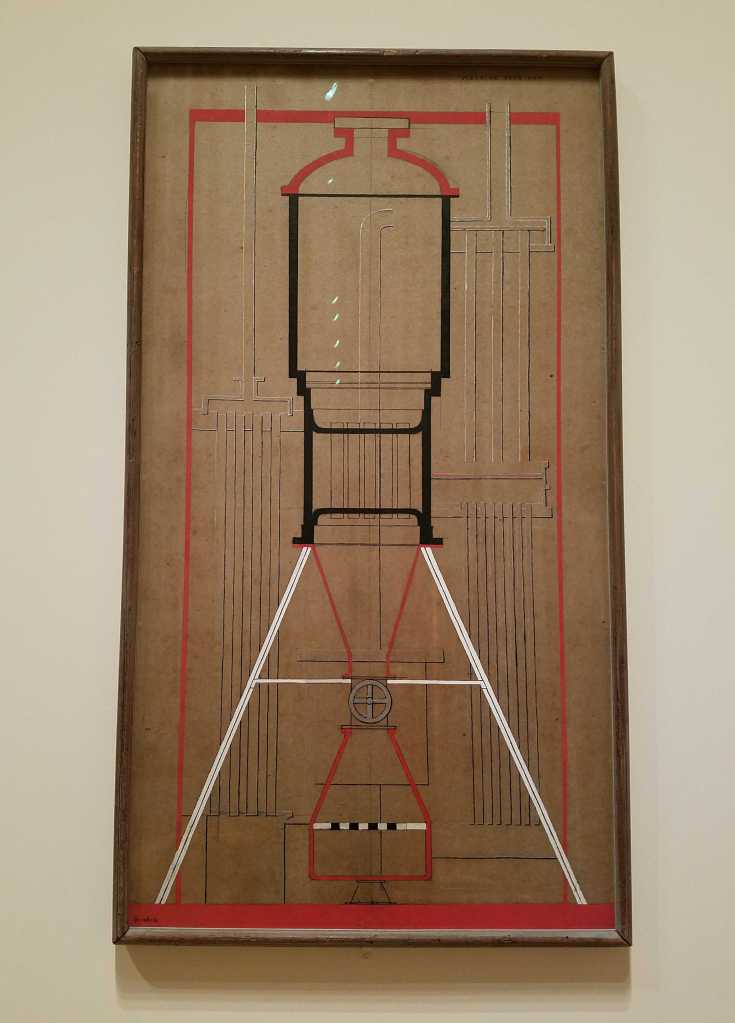
Machine Without a Name (Machine sans nom), 1915. Gouache, metallic paint, ink, pencil on board
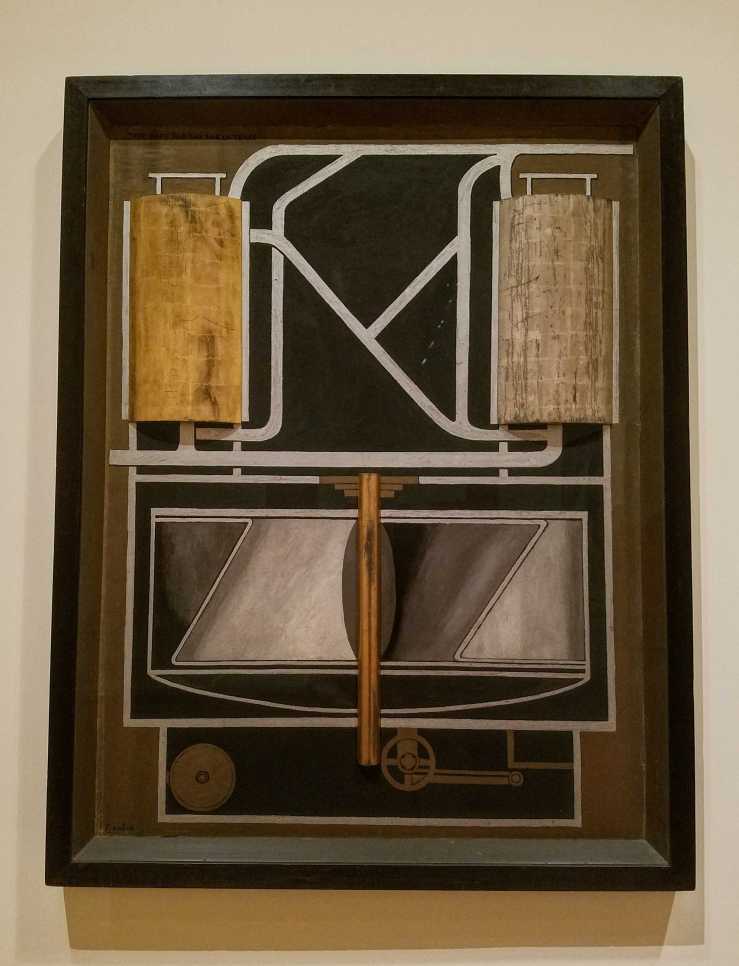
Very Rare Picture on the Earth (Très rare tableau sur la terre), 1915. Oil and metallic paint on board, silver and gold leaf on wood, with artist’s painted frame
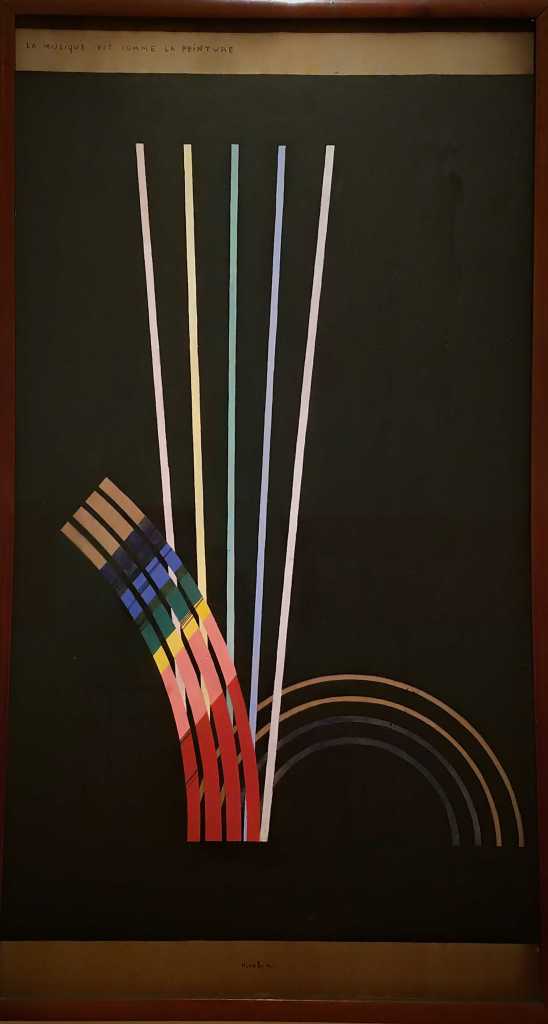
Music is Like Painting (La Musique est comme la peinture), 1915. Watercolour, gouache, ink on board
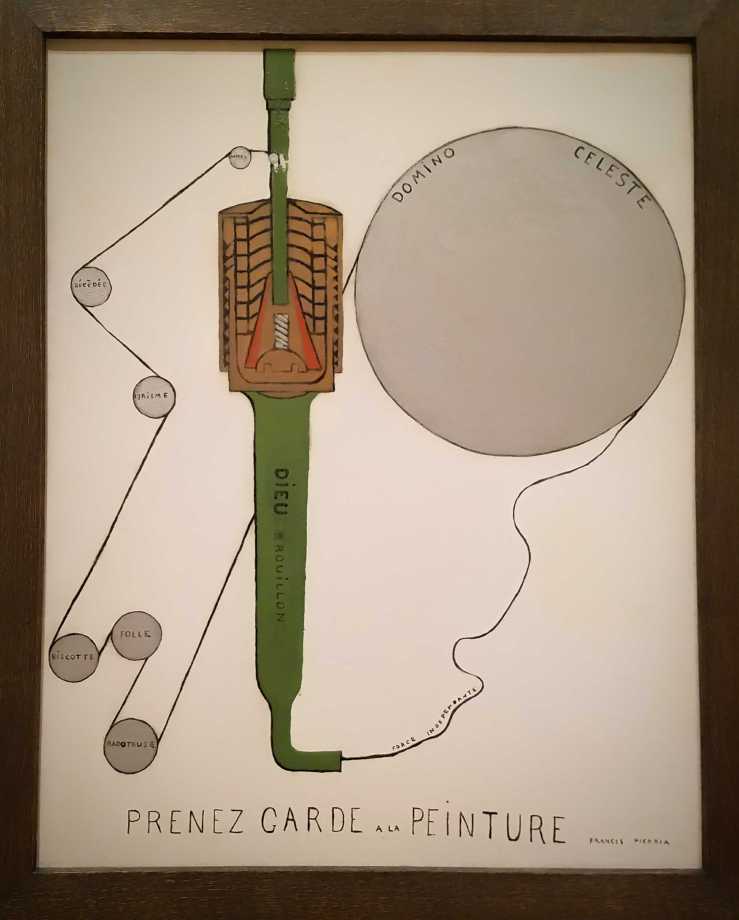
Watch Out for Painting (Prenez garde à la peinture), c. 1919. Oil, enamel paint, metallic paint on canvas
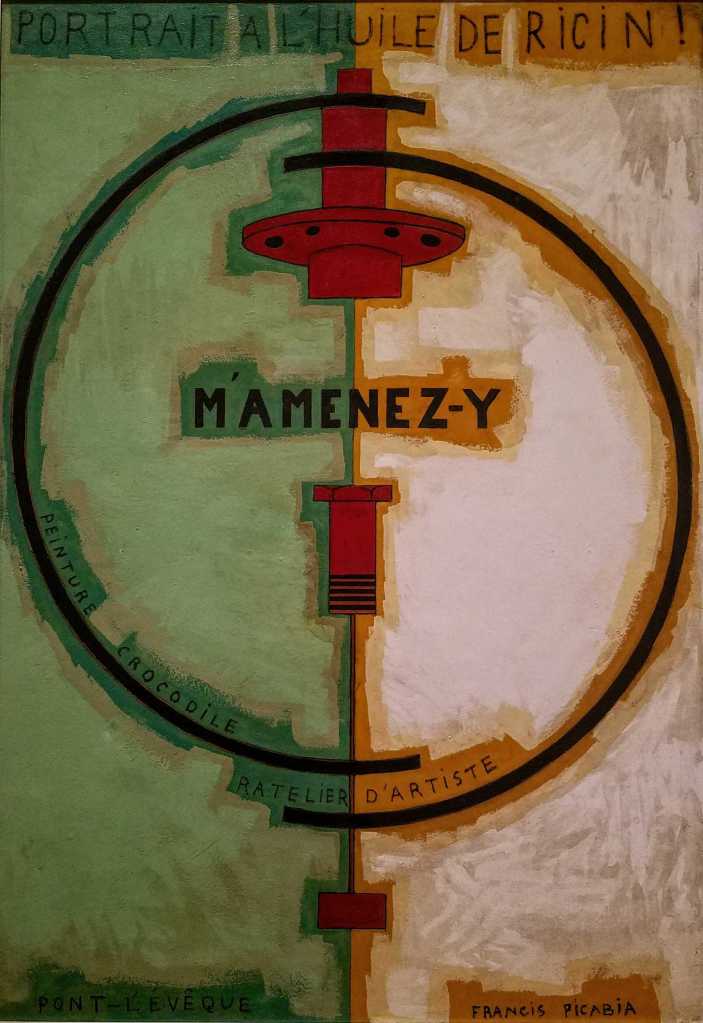
Bring Me There (M’Amenez-y), 1919-20. Oil and enamel paint on board
Francis Picabia ~ ”Our heads are round so our thoughts can change direction”
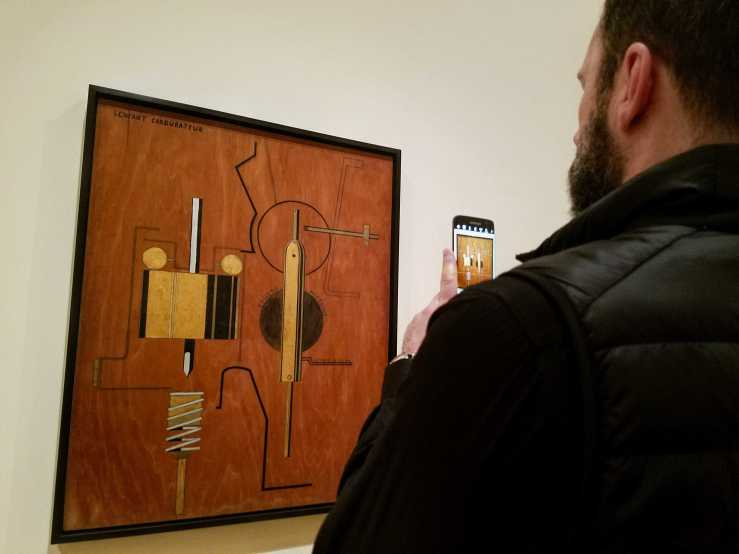
Capturing The Child Carburetor (L’Enfant carburateur), 1919. Oil, enamel paint, metallic paint, gold leaf, pencil, crayon on wood
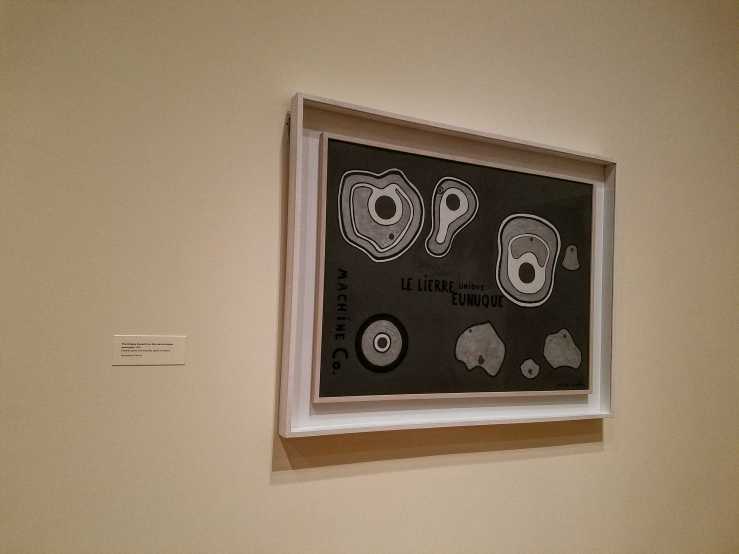
The Unique Eunuch Ivy (La Lierre unique eunuque), 1920. Enamel paint and metallic paint on board

The work of Francis Picabia will remain our theme for next few days, as we follow the artist’s style shifts through the galleries of MoMA.

Connecting the pieces: Rediscovering Francis Picabia @ MoMA [part 1]

January 30th, 2017
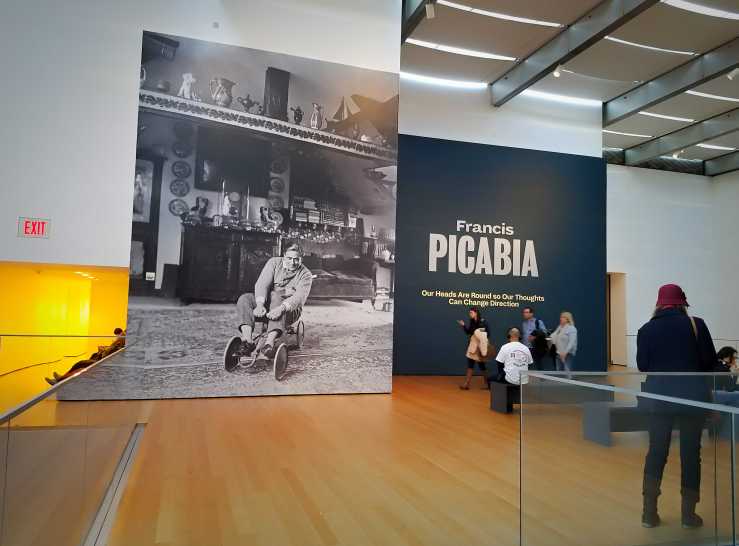
Rediscovering Francis Picabia @ MoMA [part 1]

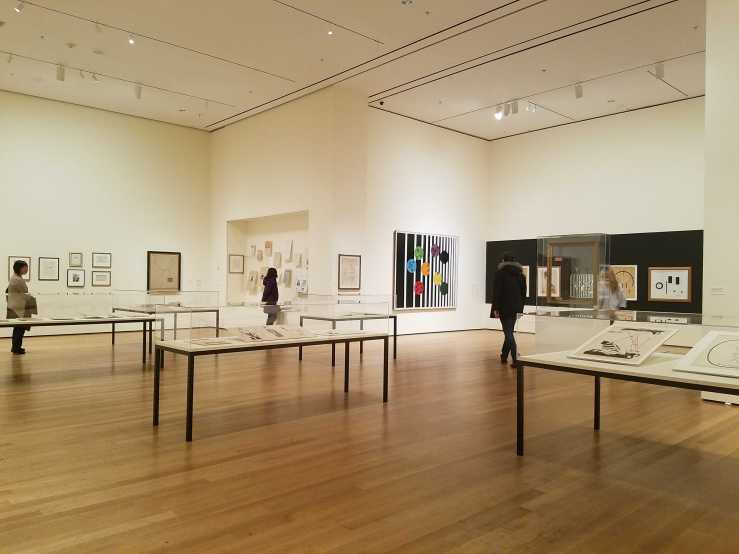
Rediscovering the French avant-garde artist whose body of work is so extensive, undergoing so many style changes, the average spectator would have a hard time in identifying the source had there not been for his signature or the accompanying tags.

No style or label could hold Picabia for long: skillfully shifting from Impressionism to Pointillism to Cubism and Dadaism, briefly touching upon Surrealism before succeeding to rid himself of labels and become the intriguing artist we know today.

With all this versatility throughout his entire career curating a retrospective for Picabia is no mean feat. But then, MoMA is no mean institution either: for their exhibition that ran from November 2016 through March 2017 – the first of its kind in the United States – no less than 200 works of art were brought under one roof: paintings, periodicals and printed matter, illustrated letters and a film. Aptly named ”Our heads are round so our thoughts can change direction”, it was comprehensive, enlightening and entertaining, all at once.

Untitled (Portrait of Mistinguett) c. 1909 – Oil on canvas
Physical Culture (Culture physique) 1913 – Oil on canvas
Comic Wedlock (Mariage comique) 1914 – Oil on canvas
Ad libitum – Your Choice; At Will (Ad libitum – au choix; à la volonté) c. 1914 – Watercolour, pencil and charcoal on paper mounted on board
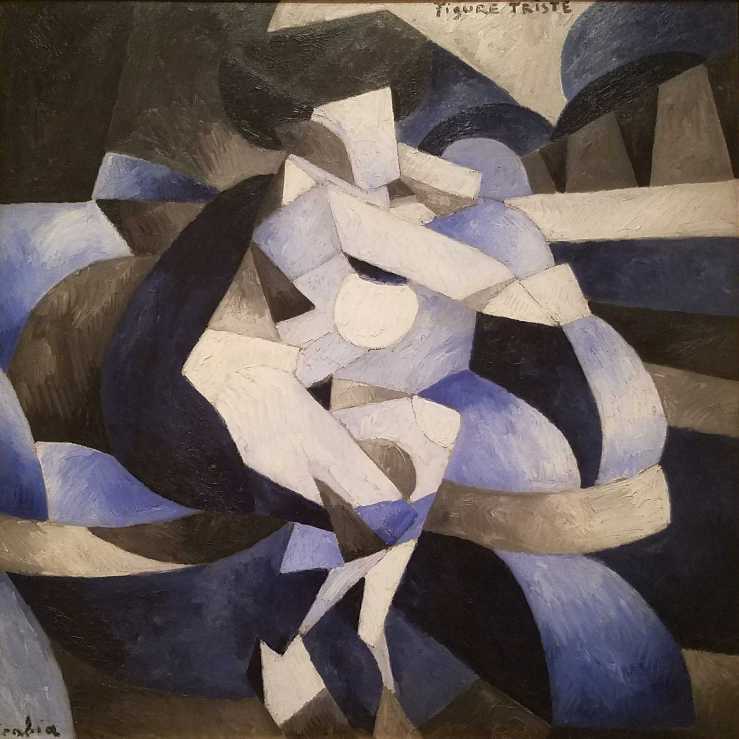
Sad Figure (Figure triste) 1912 – Oil on canvas
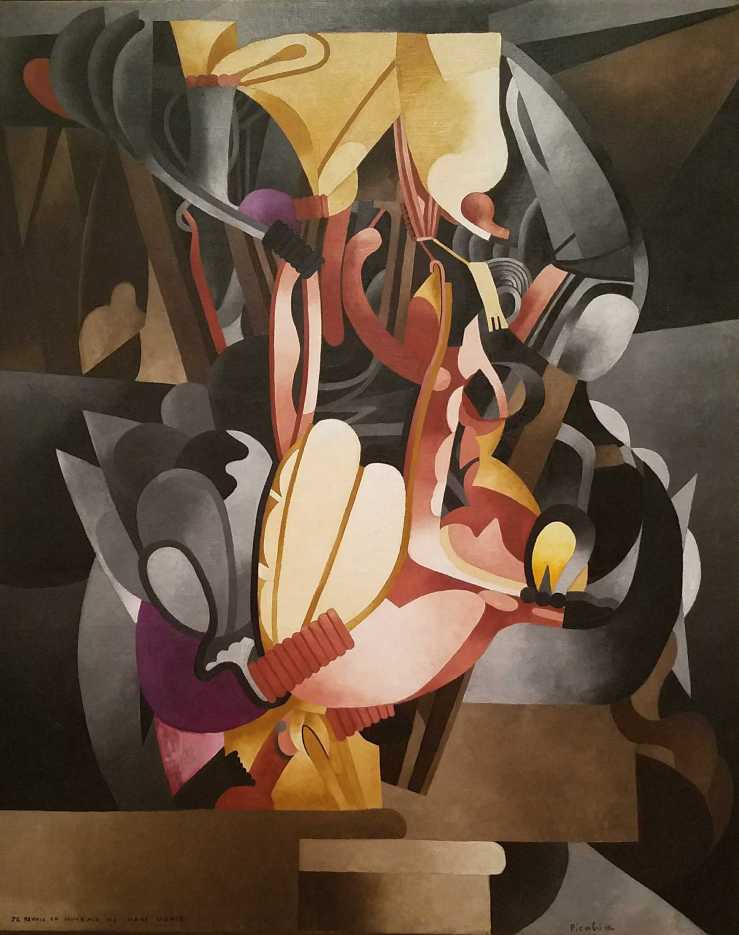
I See Again in Memory My Dear Udnie (Je revois en souvenir ma chère Udnie) 1914 – Oil on canvas

[Note from the accompanying tag: Picabia associated ”Udnie” – a name of his own invention – with memories of watching the dancer Stacia Napierkowska, whose suggestive performances subsequently provoked her arrest, rehearse onboard during his transatlantic journey to New York in 1913. ”Udnie” is also an anagram of the last name of Jean d’Udine, whose theory of synesthesia (published in 1910) linked painting with music and dance through the concept of rhythm. In this painting, rhythm is intimated via a series of repeated, interpenetrating pistons and quasi-visceral orifices, fusing the mechanical with the biological.]

***

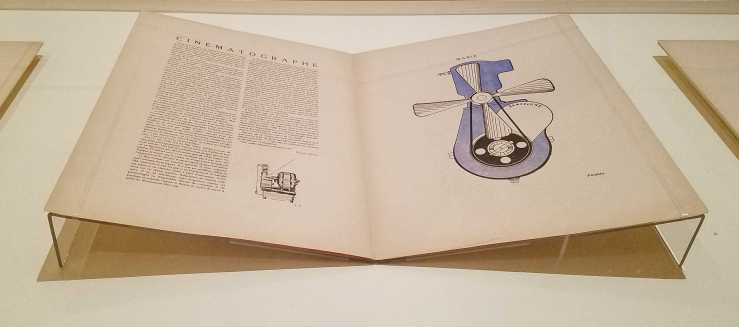
The film shown was ‘‘Entr’Acte”, René Clair’s Dadaist Masterpiece (1924), originally designed to be screened between two acts of Francis Picabia’s 1924 opera Relâche. You can read all about it – and watch it – on Open Culture (film is on YouTube).

***

From a retrospective exhibition at MoMA.

January 30th, 2017

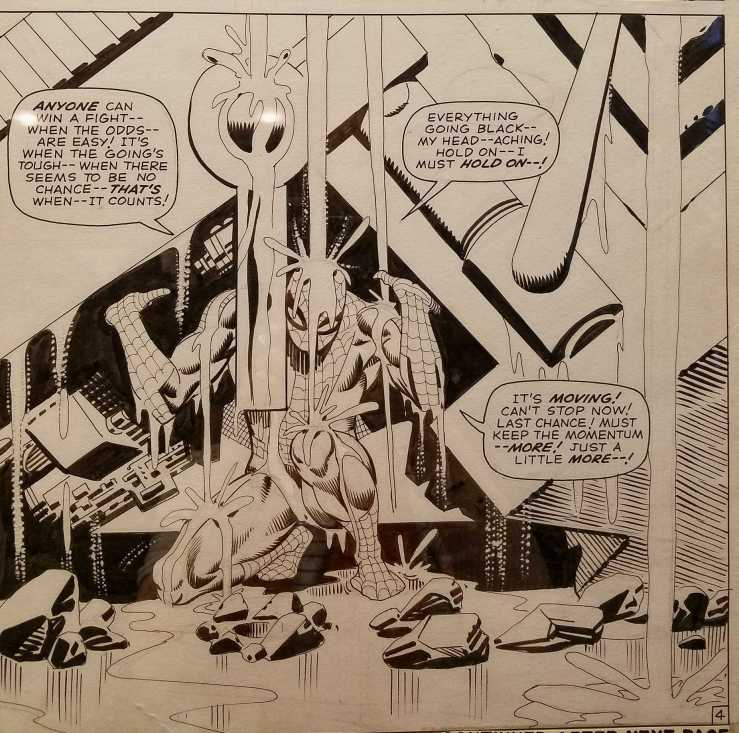
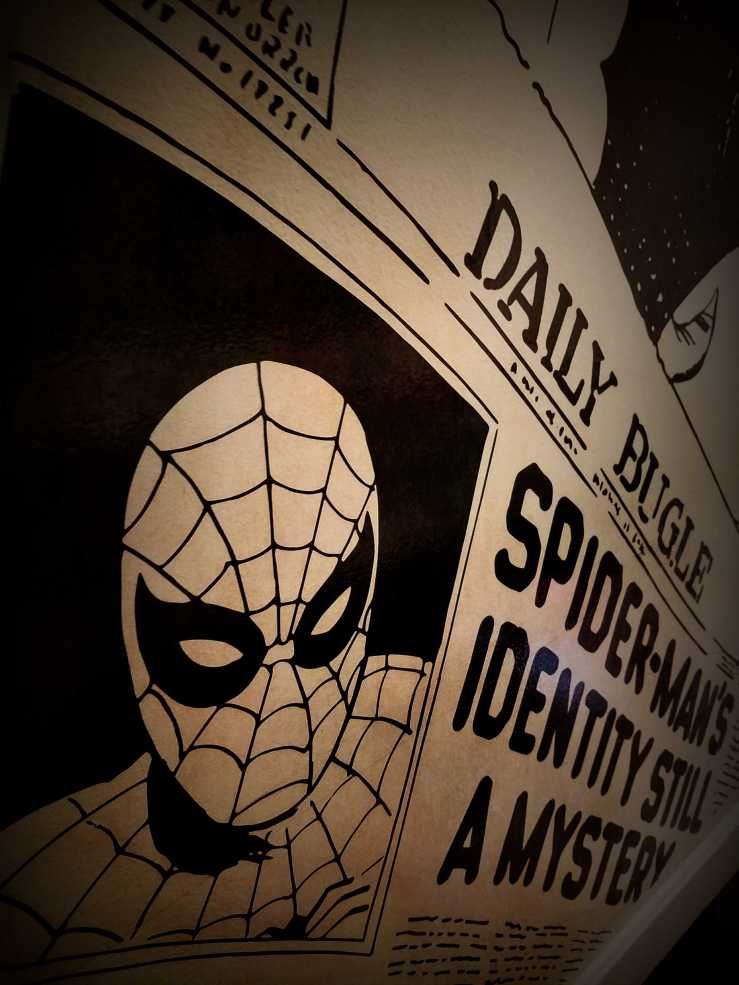
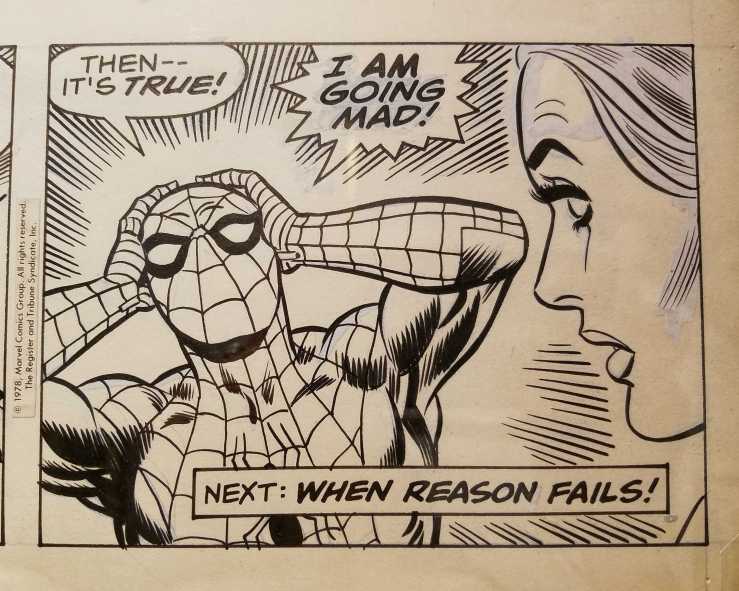
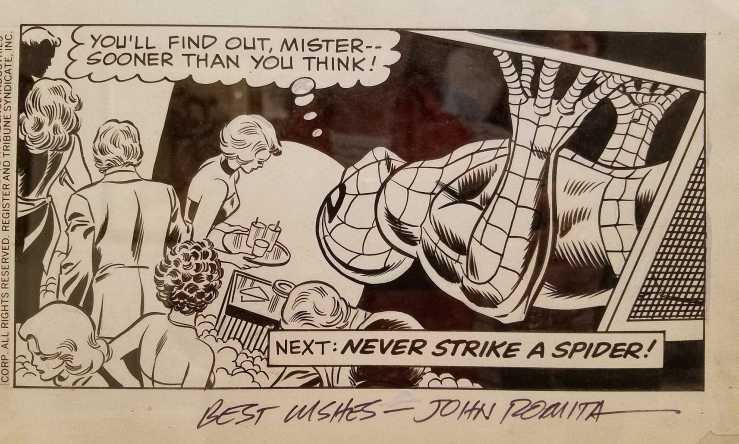
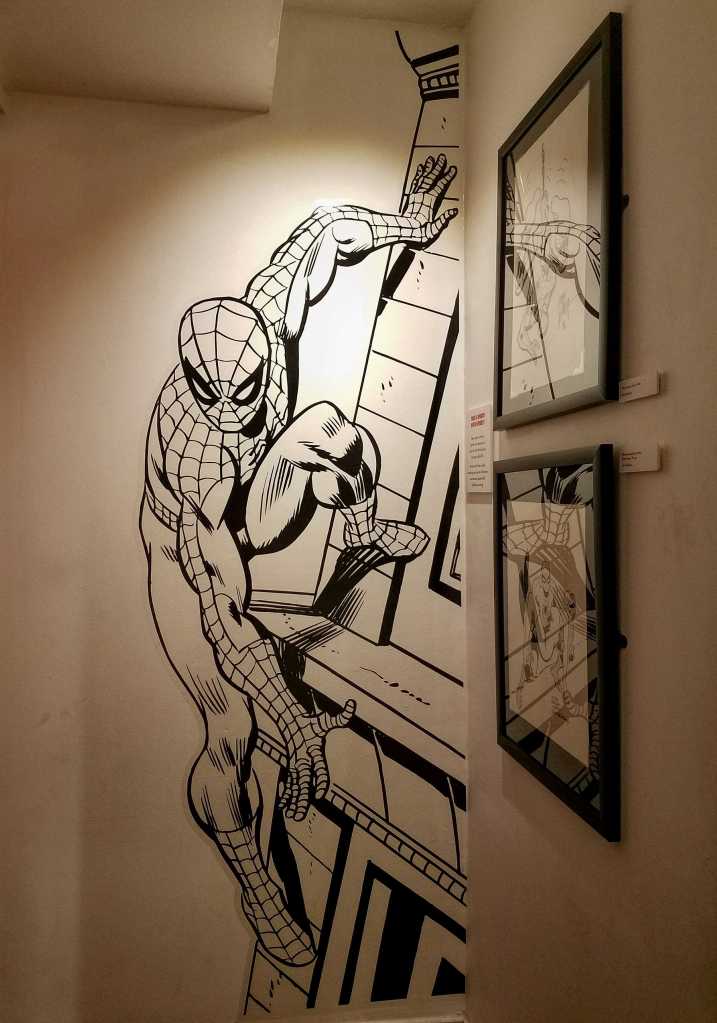
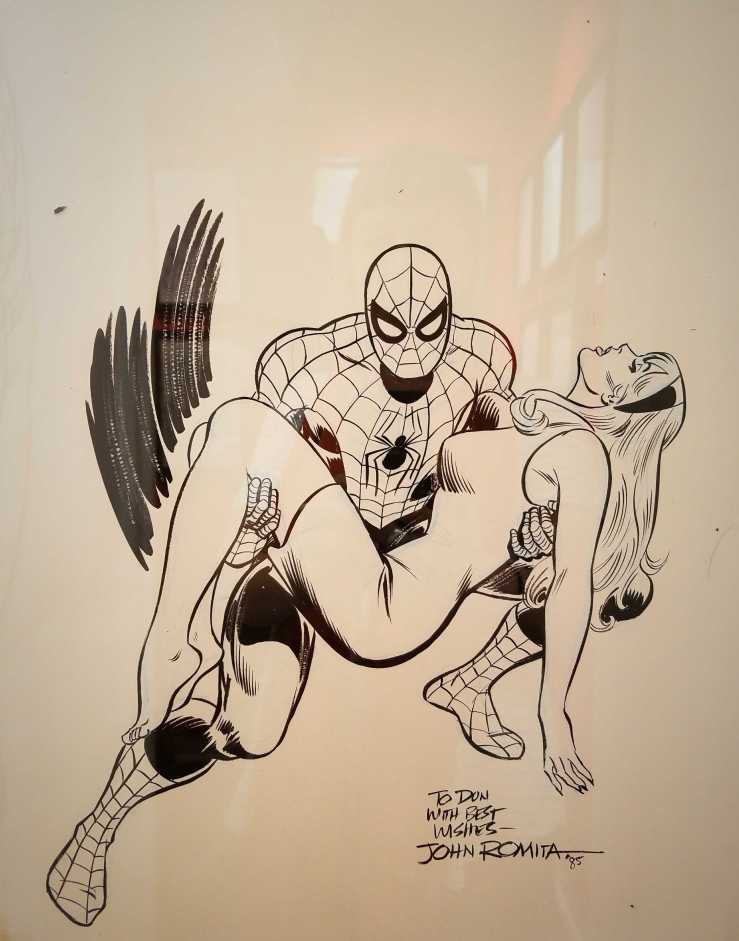
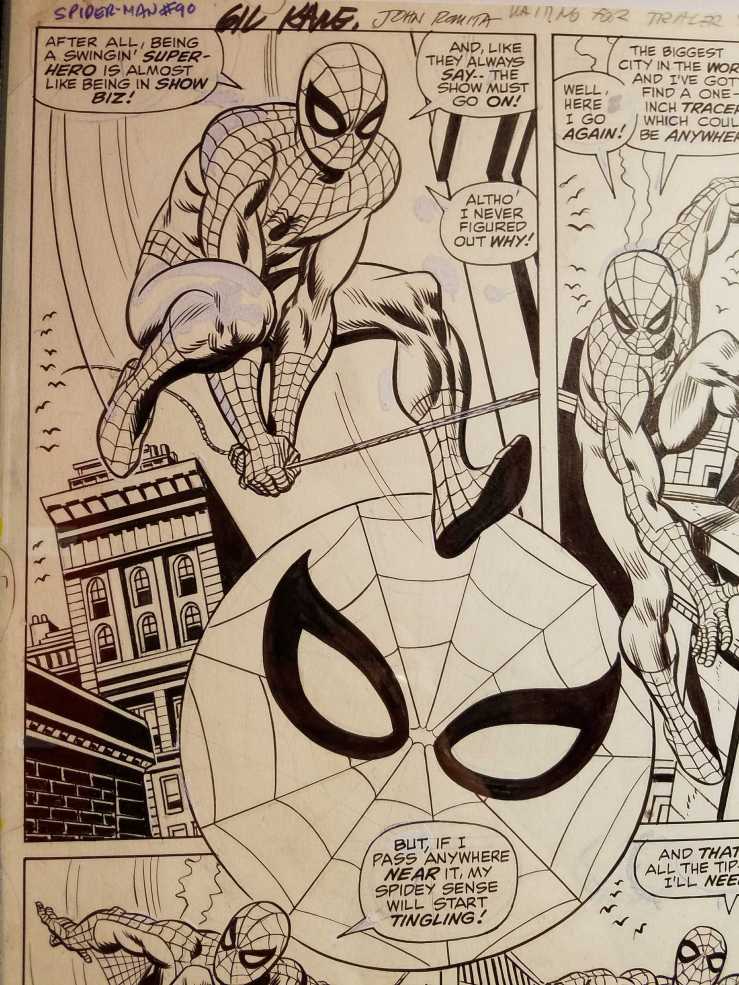
Amazing Spider-Man

The ultimate mid-August afternoon fun!

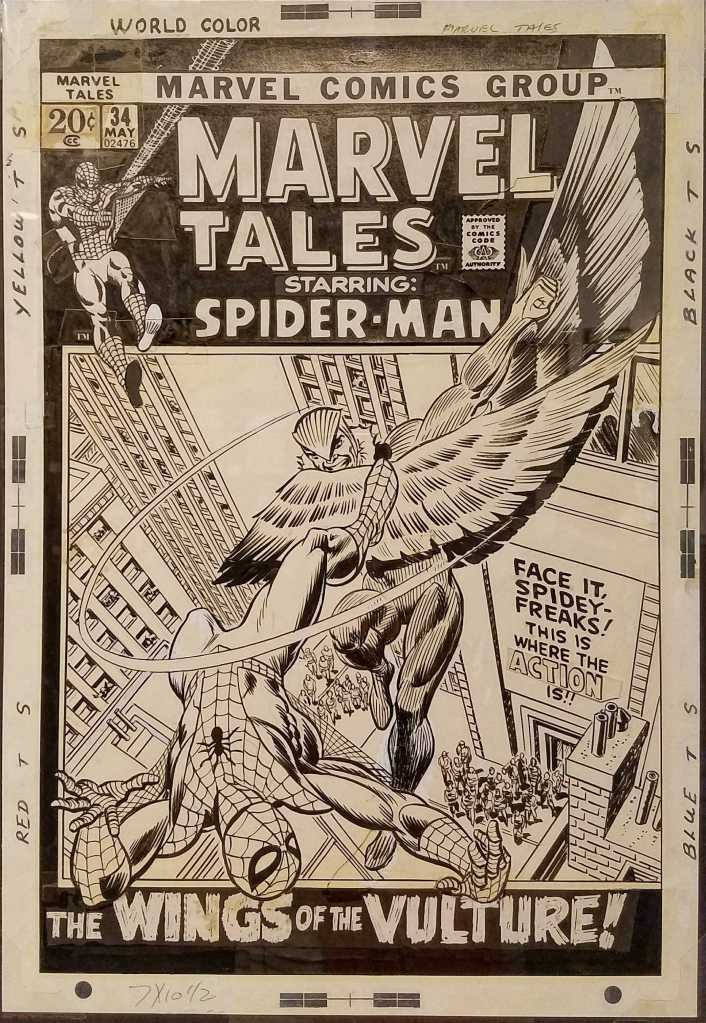
The Wings of the Vulture! Cover, May 1972. Penciled by Gil Kane || Inked by John Romita
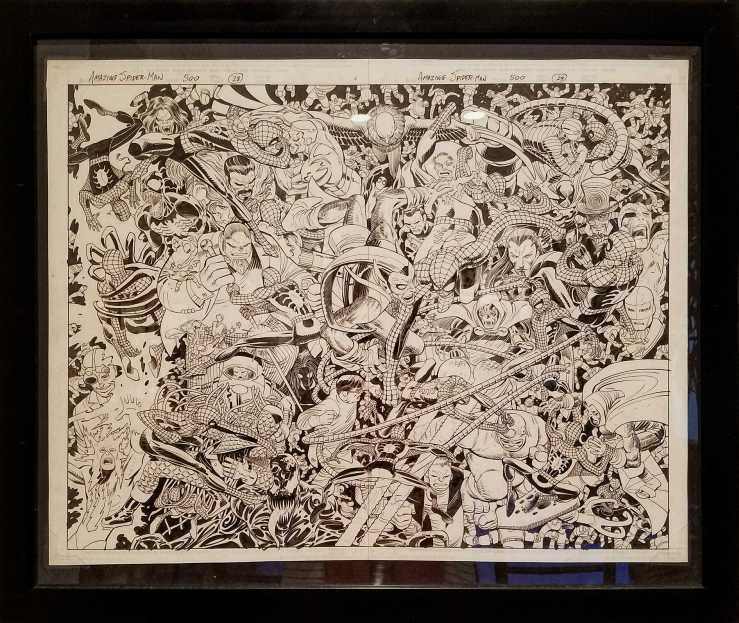
Happy Birthday, Part Three p.p, 28-29, December 2003. Penciled by John Romita Jr. || Inked by Scott Hanna
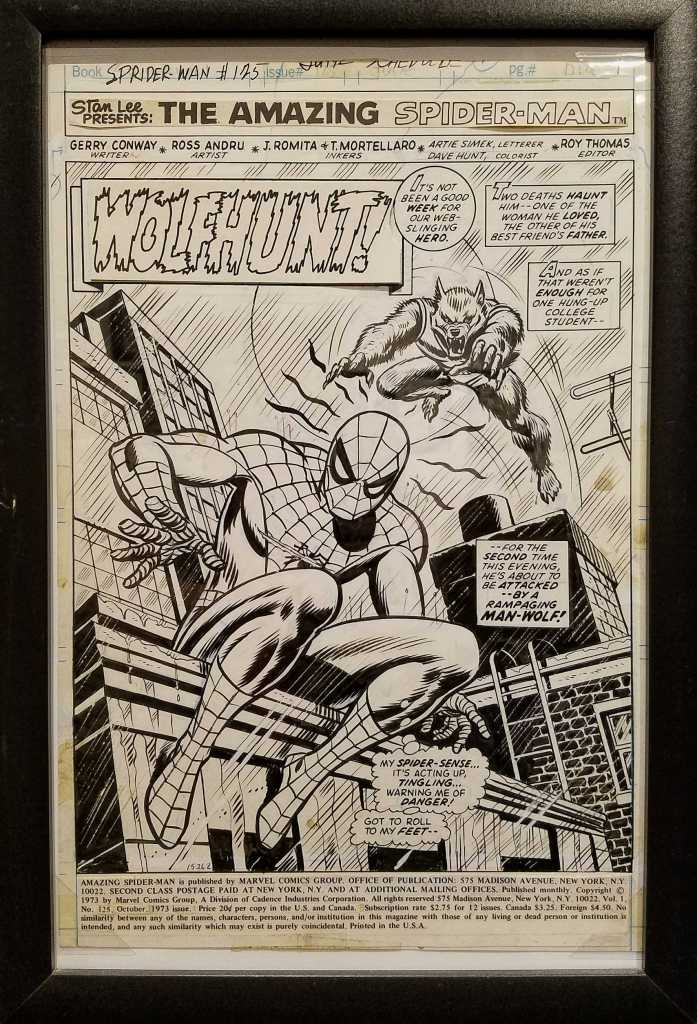
Wolfhunt! Page 1, October 1973. Penciled by Ross Andru || Inked by John Romita
The Birth of a Super-Hero! Page 1, November 1966. Art by John Romita
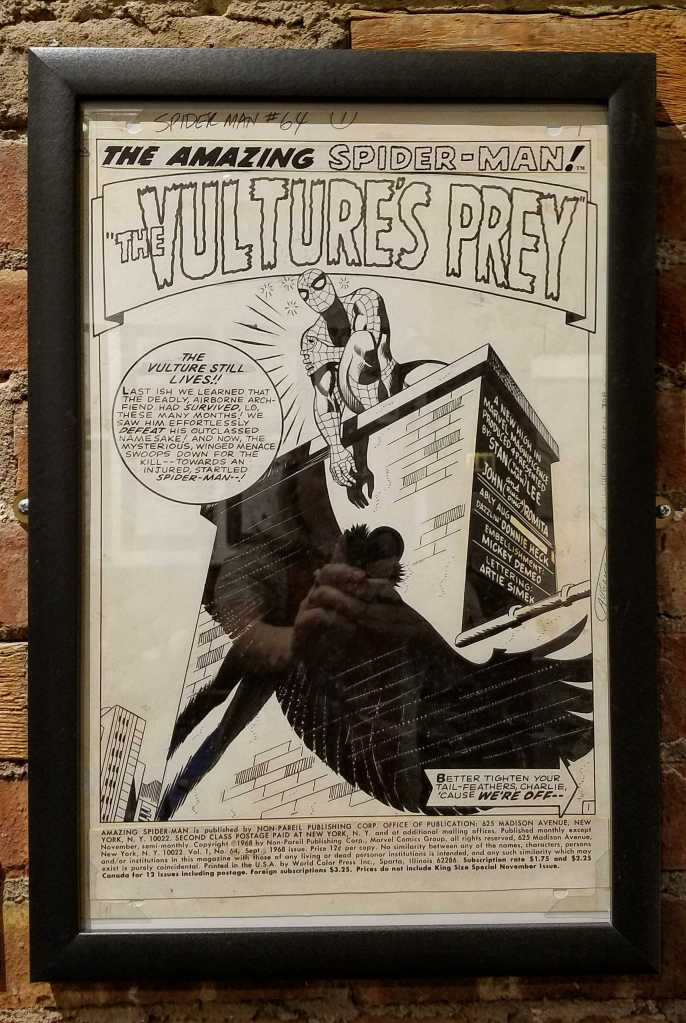
The Vulture’s Prey Page 1, September 1968. Penciled by John Romita || Inked by Mickey Demeo

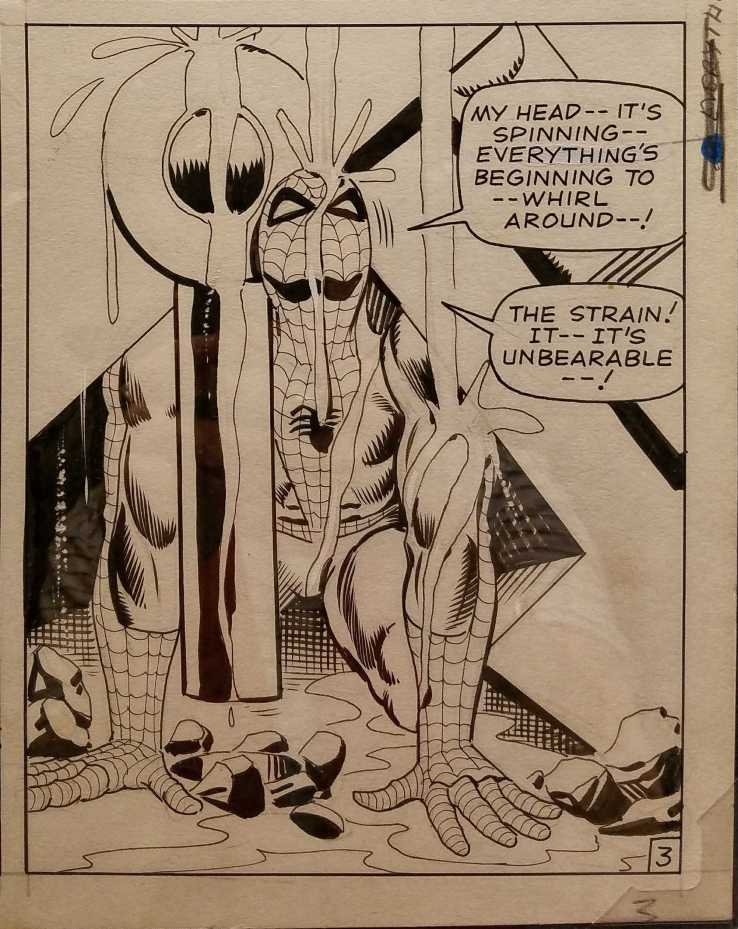
The Final Chapter Page 3. Art by Steve Ditko
The Final Chapter Page 4. Art by Steve Ditko
The Final Chapter – Art by Steve Ditko

Sunday Strip, January 21, 1979. Art by John Romita

The Kid Who Collects Spider-Man. Sketch pages, January 1984
The Kid Who Collects Spider-Man, Page 1. Penciled by Ron Frenz || Inked by Terry Austin
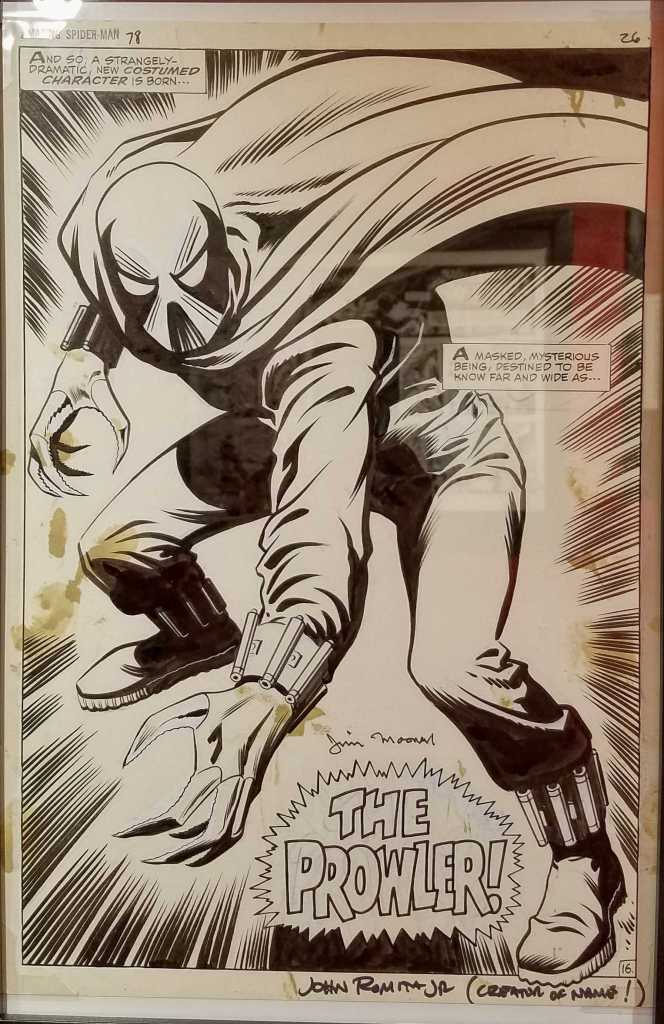
The Night of the Prowler Page 16, November 1969. Penciled by Jon Buscema || Inked by Jim Mooney
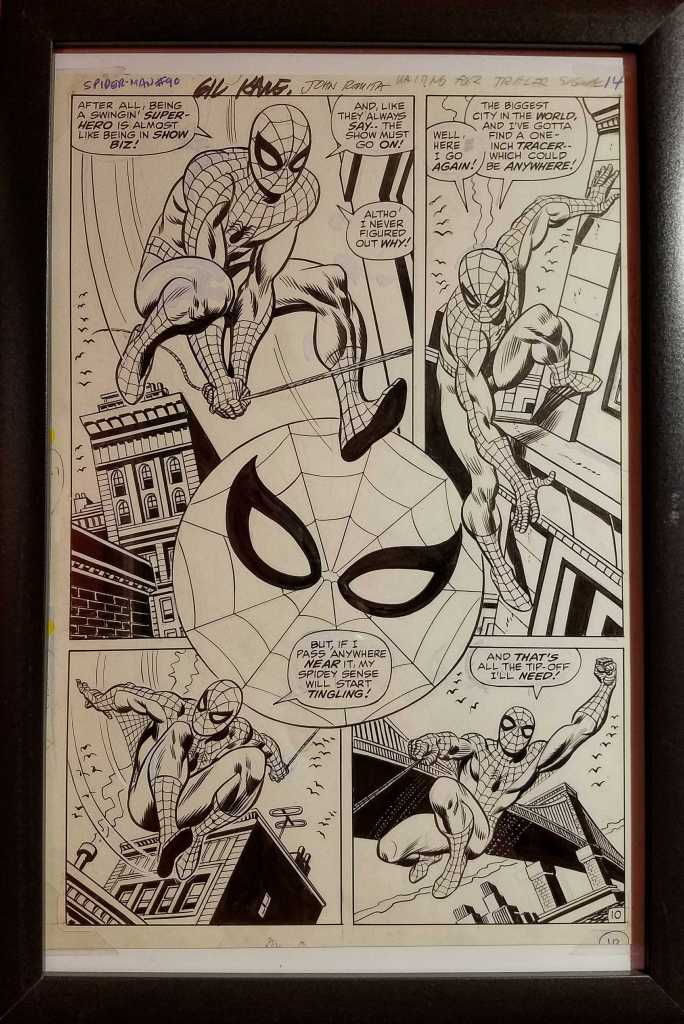
And Death Shall Come Page 10, November 1970. Penciled by Gil Kane || Inked by John Romita
To Smash a Spider Page 17, December 1970. Penciled by Gil Kane || Inked by John Romita
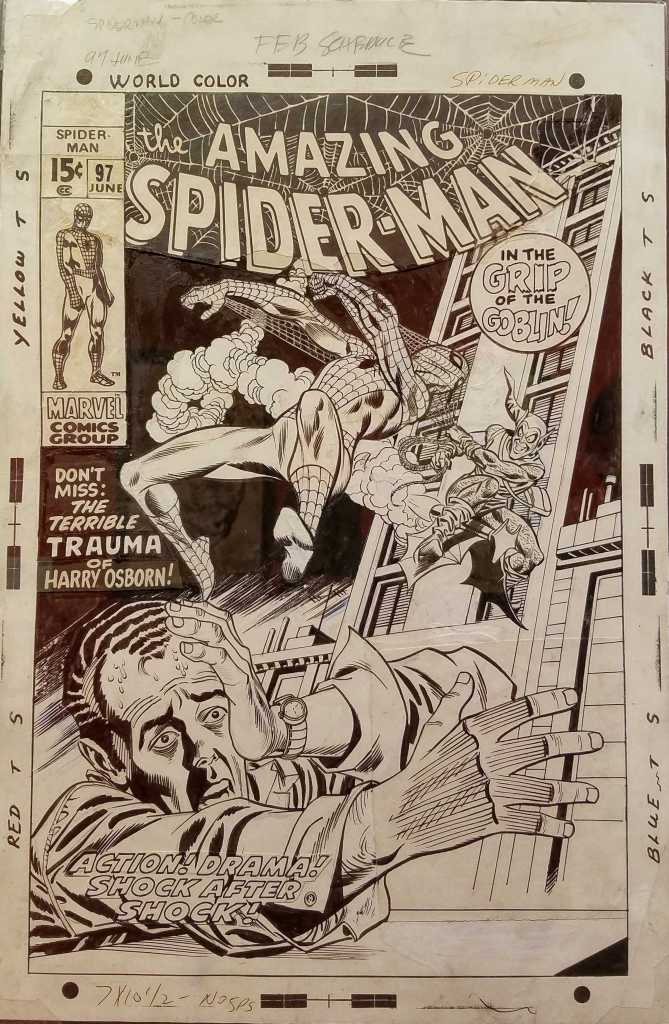
In the Grip of the Goblin, Unpublished cover, June 1917. Penciled by Gil Kane || Inked by Frank Giacoia


August 15, 2017 @ The Society of Illustrators

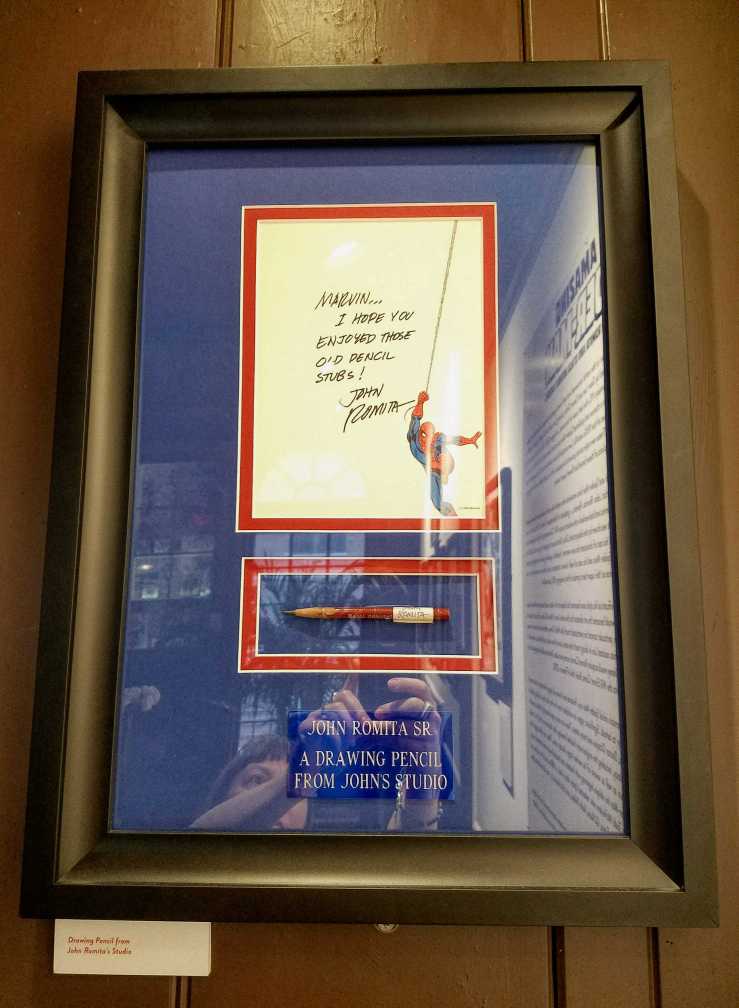
The first ever exhibition of original Spider-Man with artwork mainly by John Romita but also my two favourites, Steve Ditko and Gil Kane; including Todd McFarlane, John Buscema, Ross Andru, Gil Kane, Ron Frenz, Keith Pollard, John Romita Jr. and others.

The exhibit runs through August 26th, 2017.

You’re welcome!

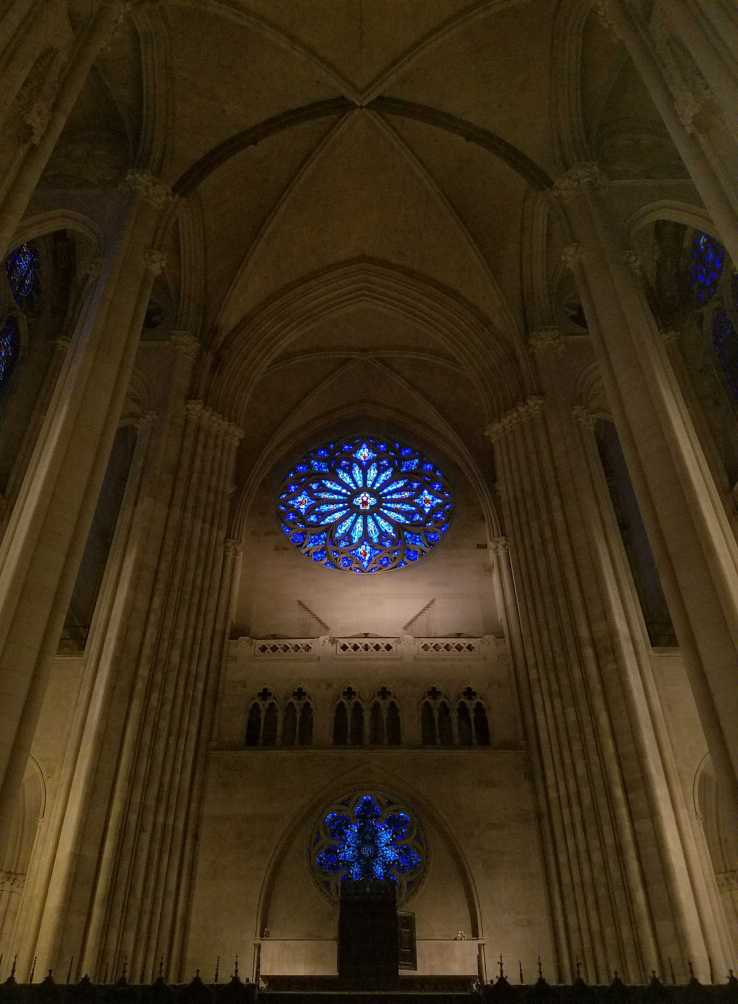
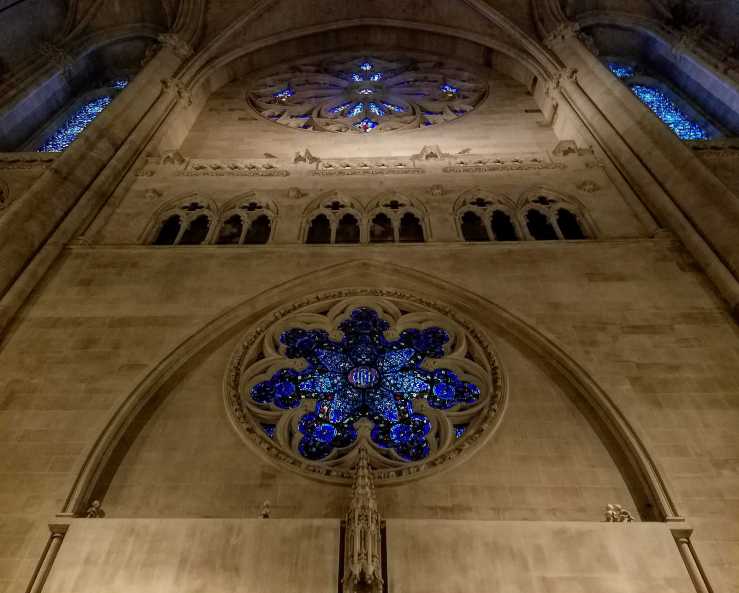
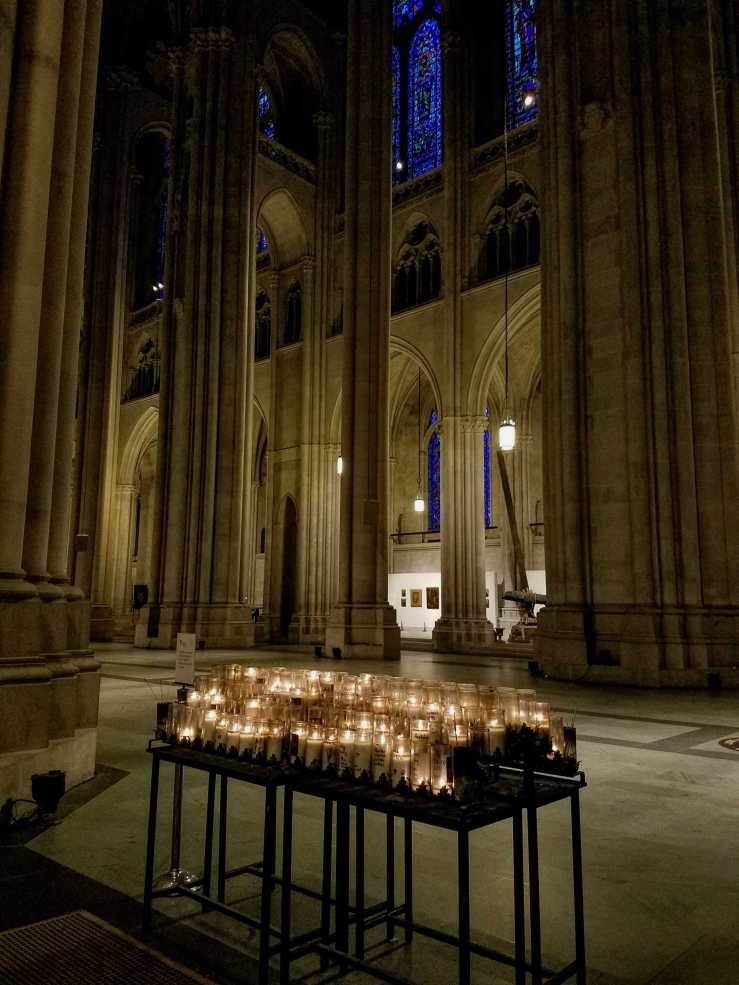
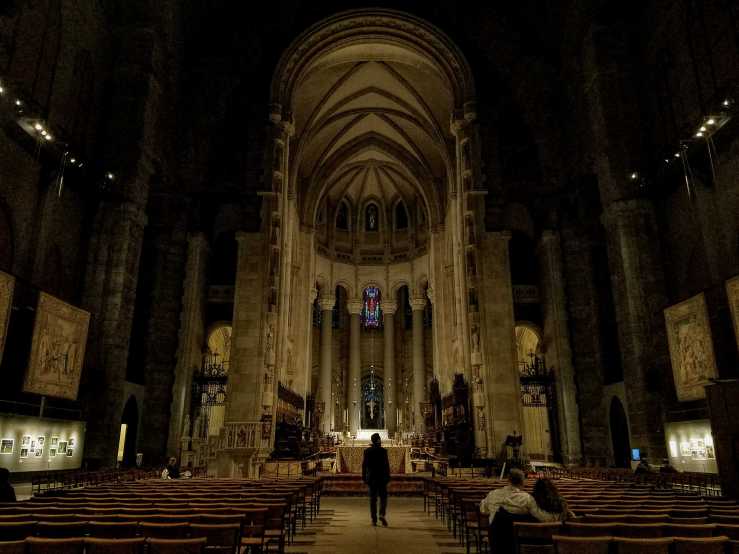
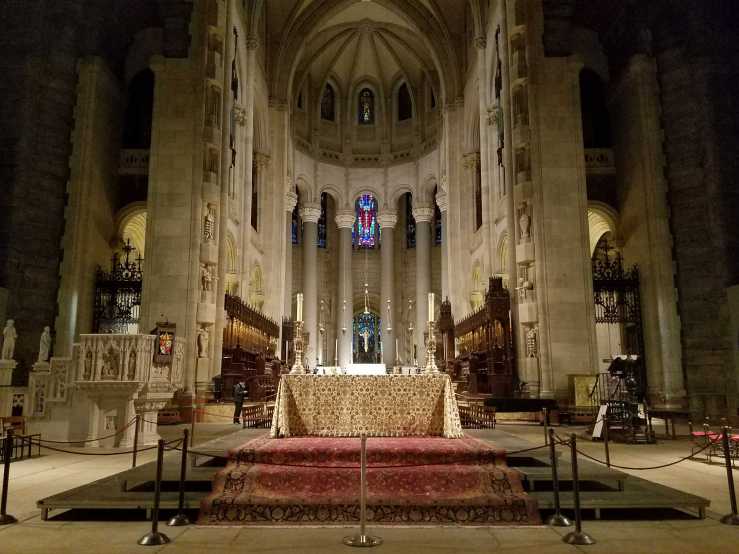
The largest cathedral in the world is, of course, in New York. And it’s still growing

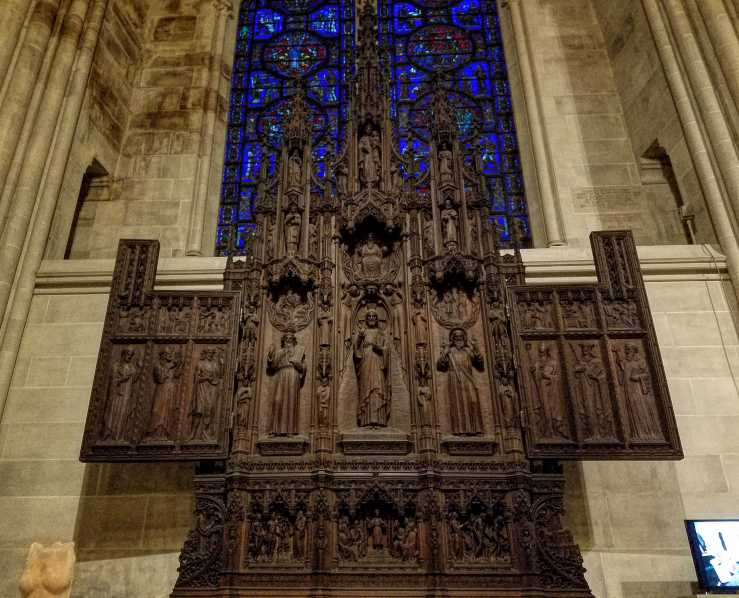
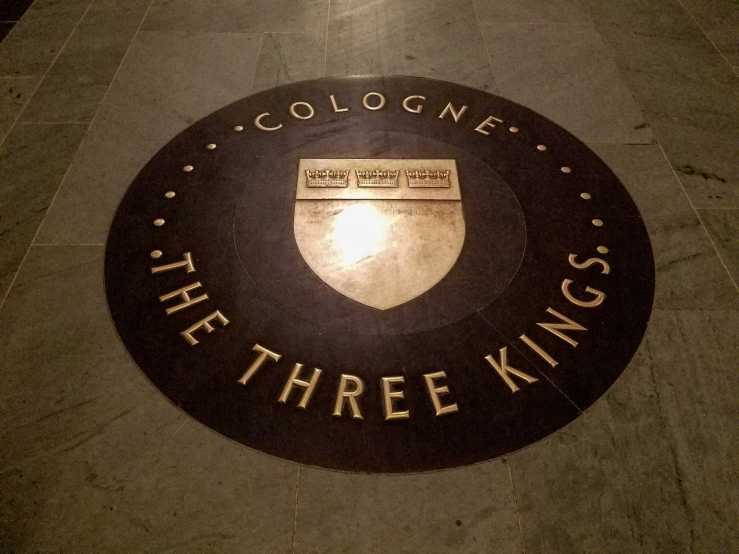
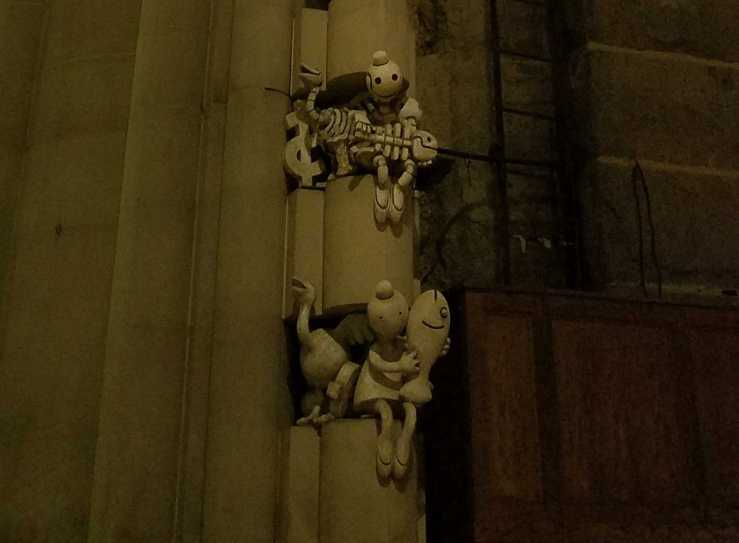
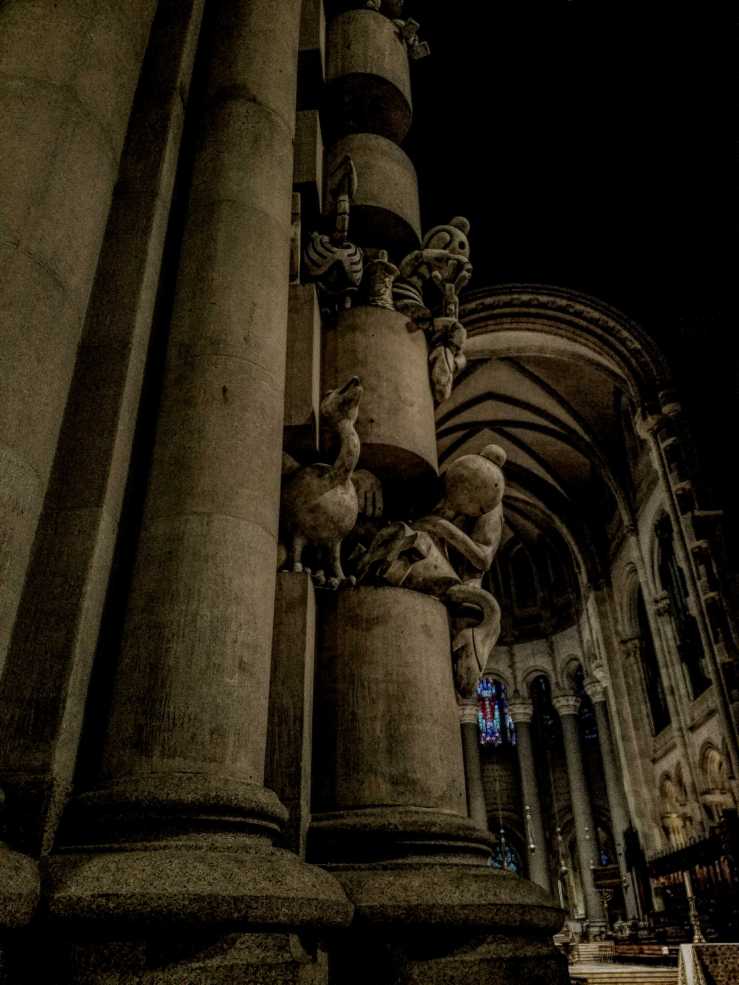
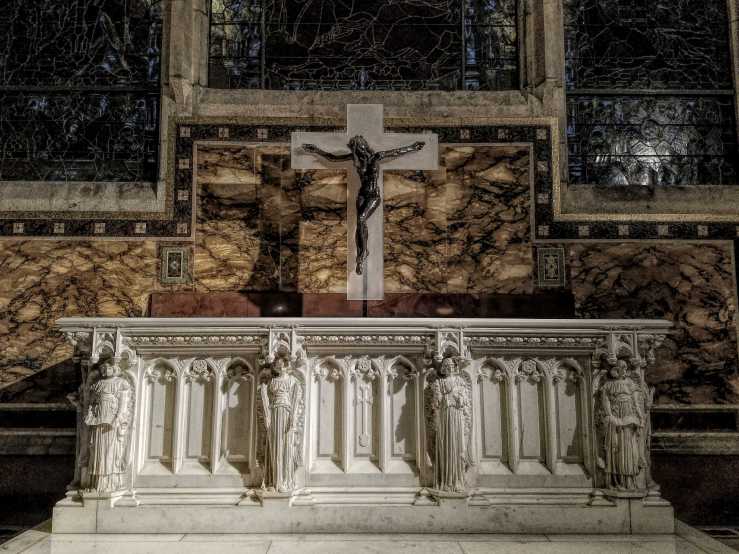
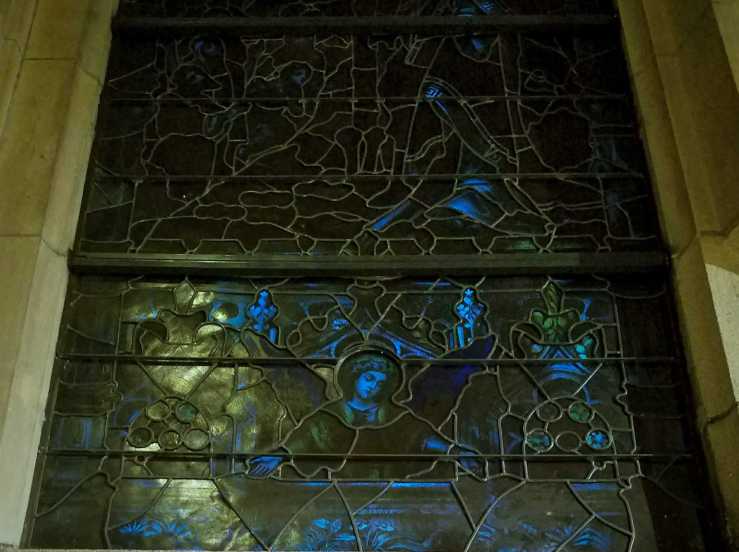
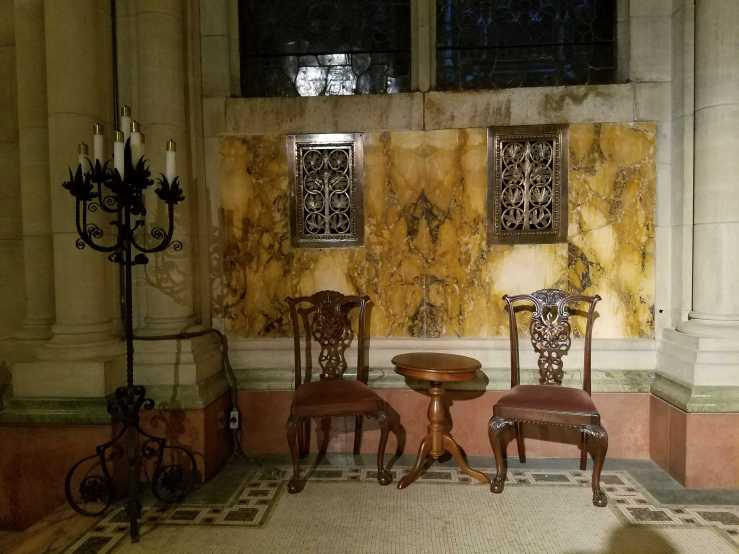
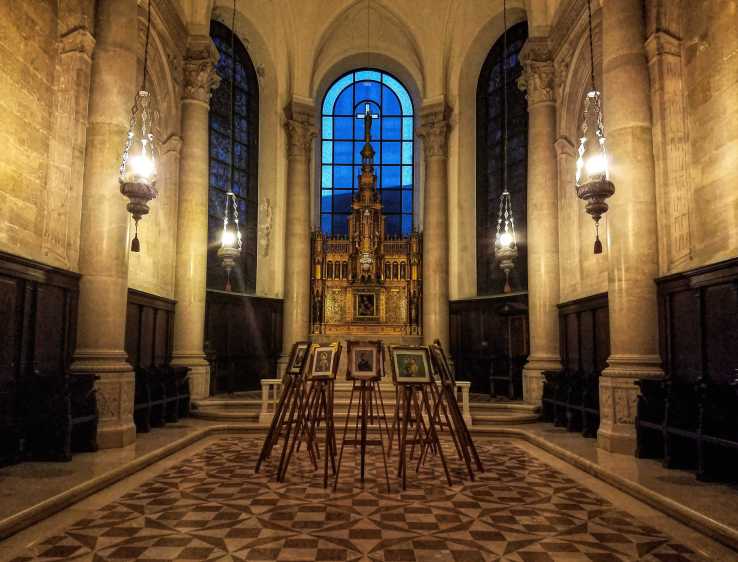
Adjacent to the creepiest, most unsettling children’s sculpture garden in the city sits the Cathedral of St. John the Divine; the whole 121.000 sq ft (11.240+ sq m) of it.

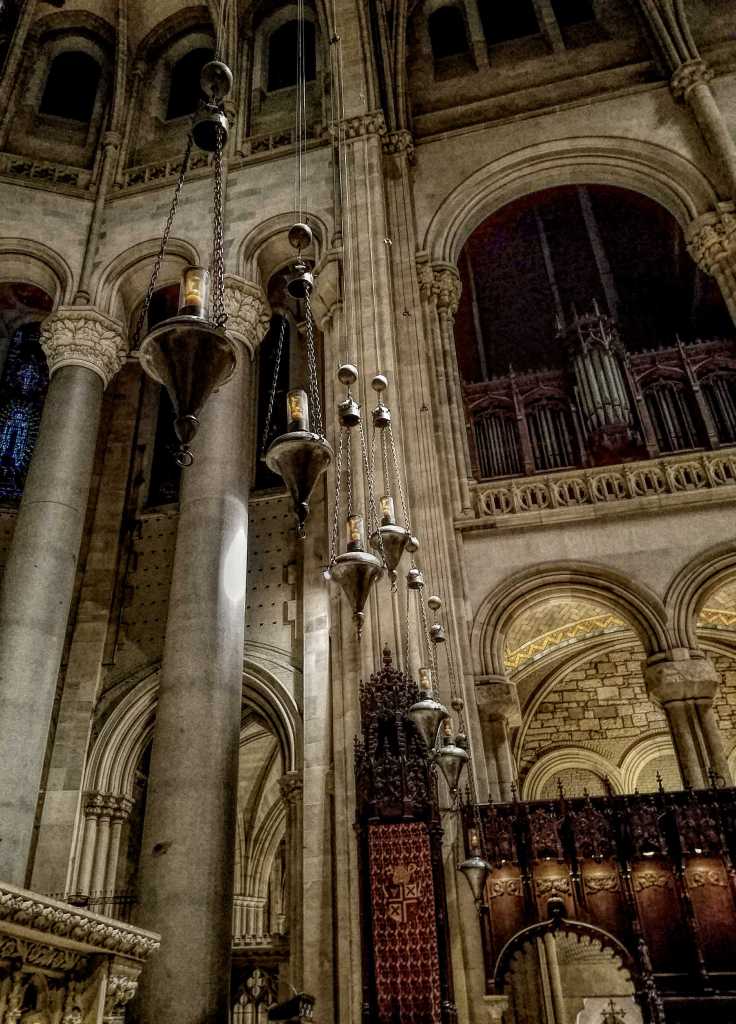
Originally envisioned in a Romanesque-Byzantine style it was later changed to a Gothic Revival design with massive granite arches that support the building – which has no steel or iron skeleton – and a dome so high it could fit the Statue of Liberty underneath, made of Guastavino tile and intended as a temporary covering. The dome was supposed to be removed when the transepts were built, but so far only half of the north transept is constructed. For this 120-year-old gigantic church is, as yet, unfinished. 

St. John the Divine is the cathedral church of the Episcopal Diocese of New York and, as such, the largest cathedral in the world. By some accounts, it is also the world’s third largest church – or is it the fifth?

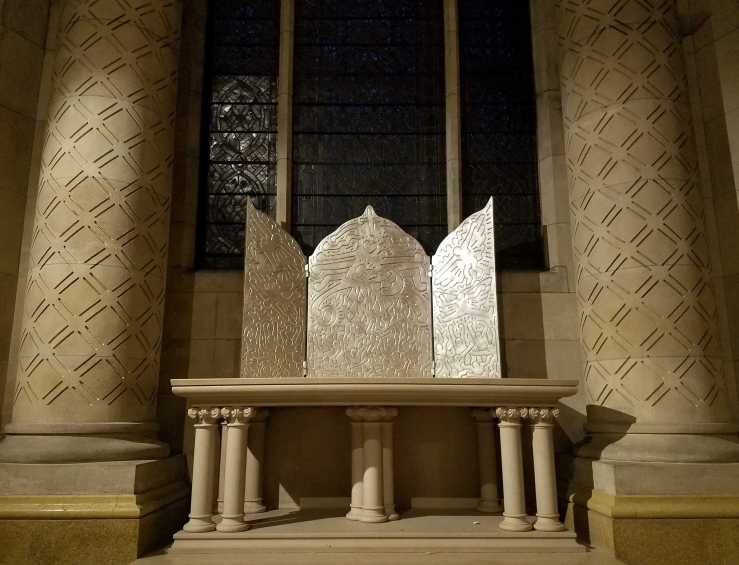
But, size and grandeur aside, the cathedral is an active house of worship, a concert hall with excellent acoustics and an exhibition space, year-round.

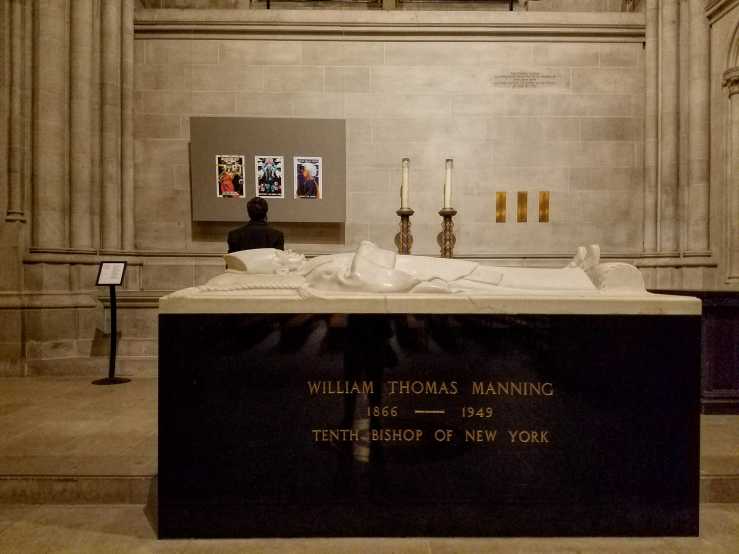
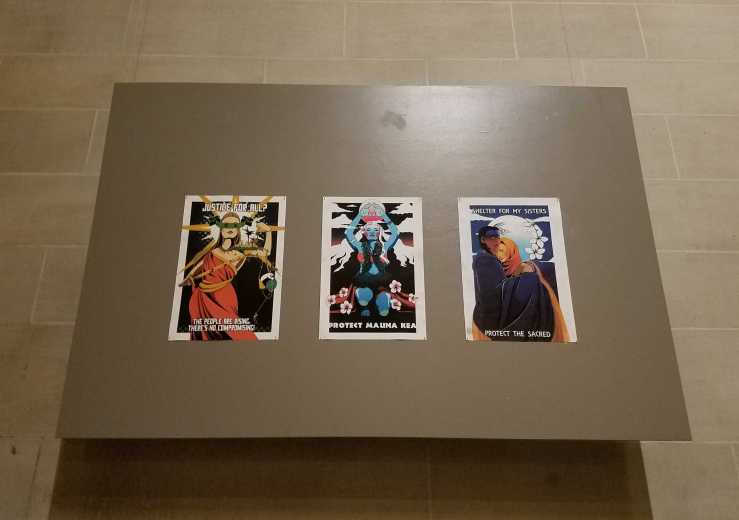
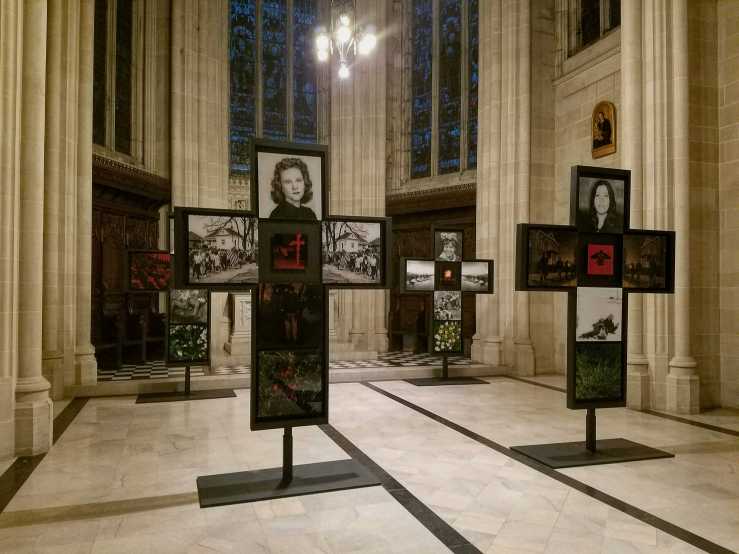
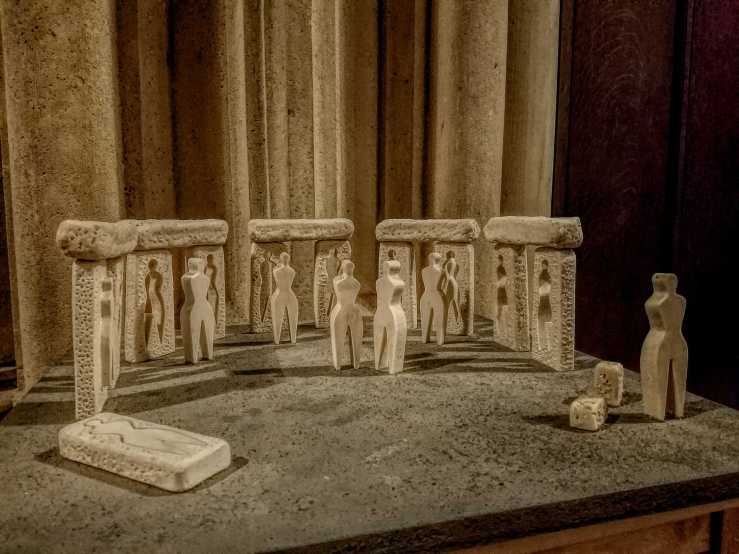
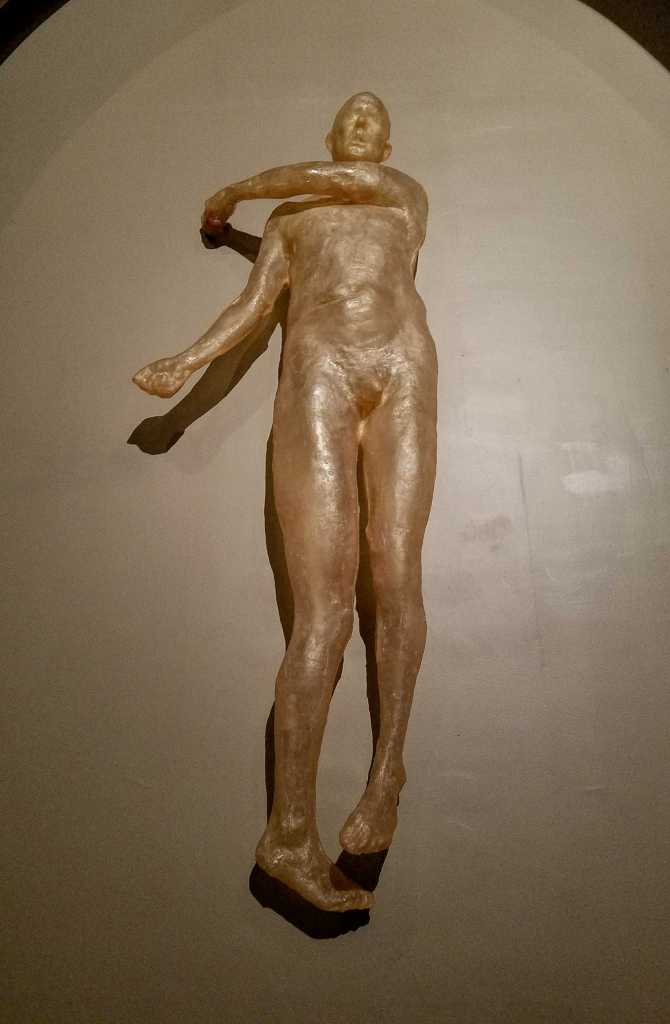
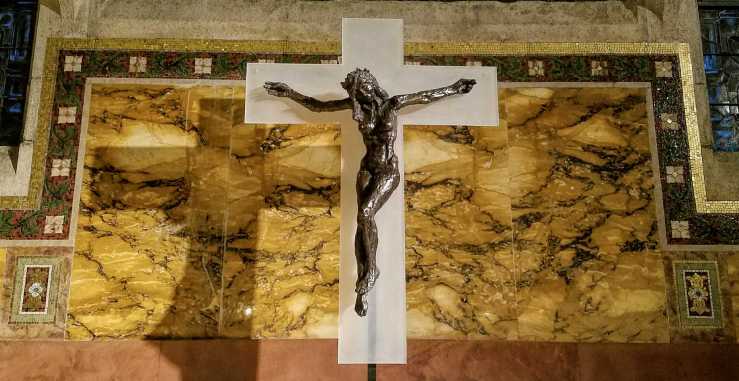
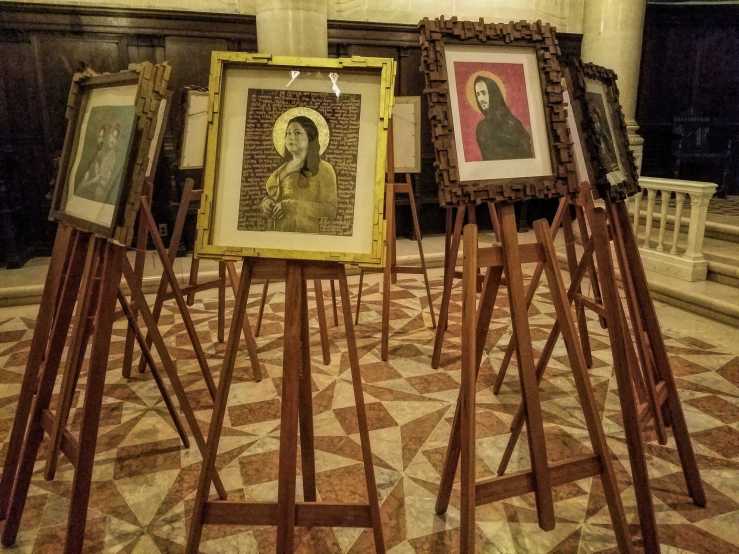
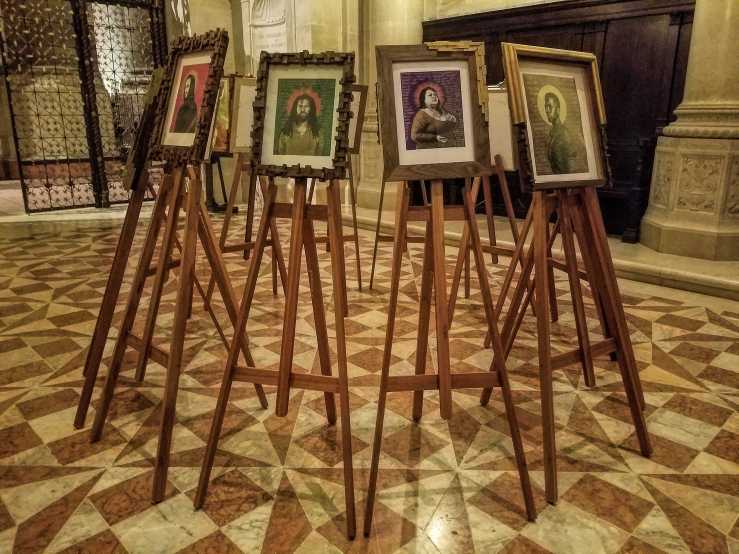
On the day we visited, it was hosting ”The Christa Project: Manifesting Divine Bodies” with works by contemporary artists ”exploring the language, symbolism, art, and ritual associated with the historic concept of the Christ image and the divine as manifested in every person—across all genders, races, ethnicities, sexual orientations, and abilities.

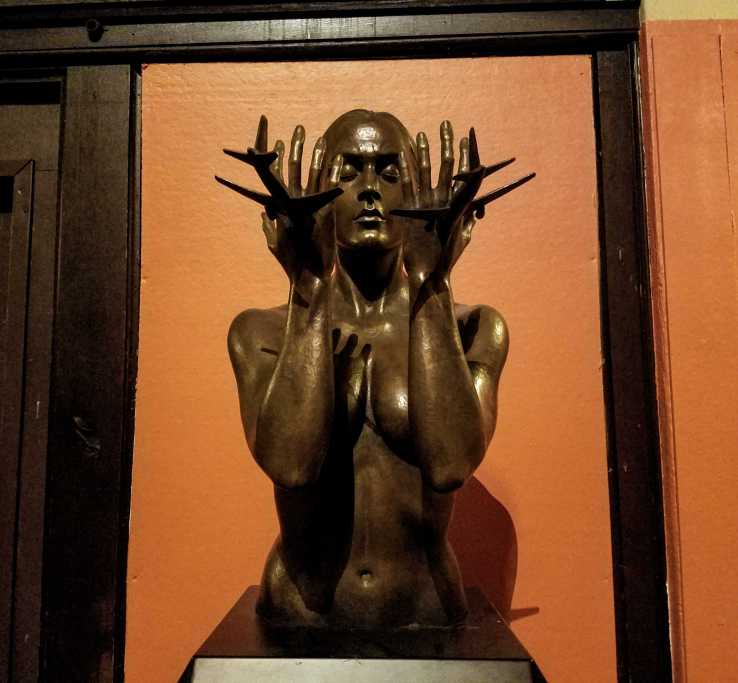
Edwina Sandys’ ”Christa”, the project’s centerpiece, was first displayed during the Holy Week of 1984, inevitably attracting mixed reactions: positive in general, there were also those who condemned it as a ‘blasphemy” for changing the symbol of Christ and ”sexualizing” it (by depicting it as a female figure). It seems this time the statue was welcomed unanimously, since it remained on display for several months.

Seeing Christa displayed prominently in this glorious setting it occurred to me that, had this been in an Orthodox church – let alone a cathedral – in my home country (Greece), there would have been riots, threats of excommunication – the full stereotypical drama!

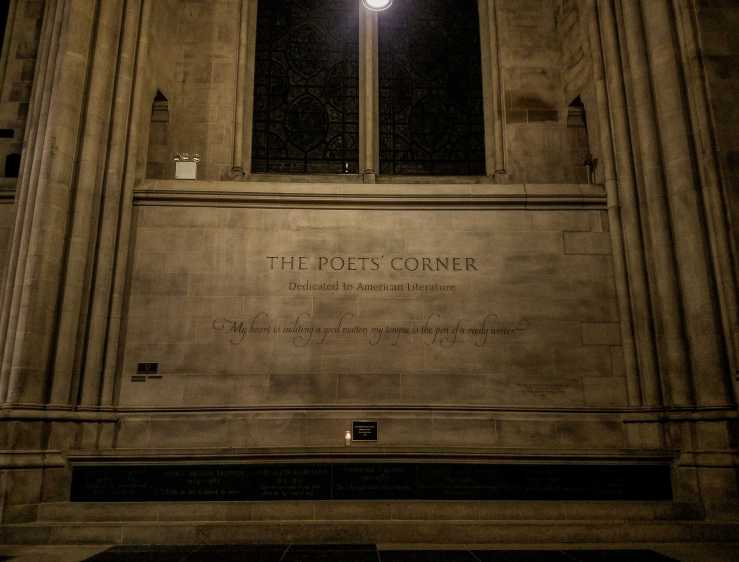
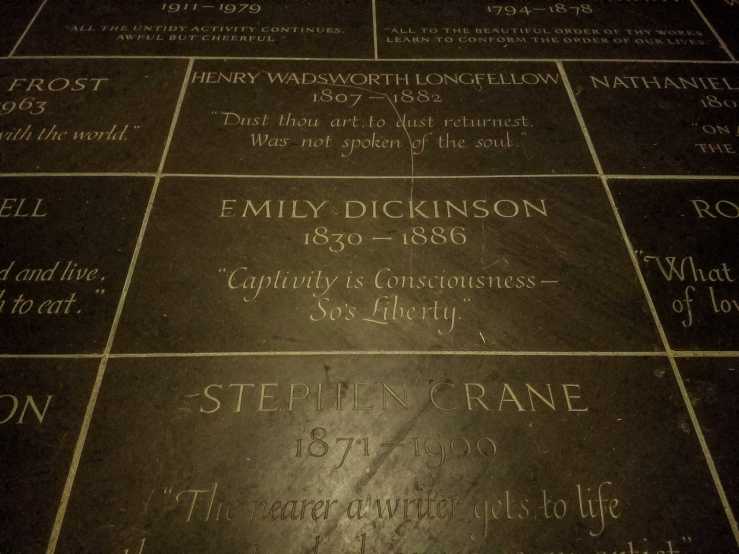
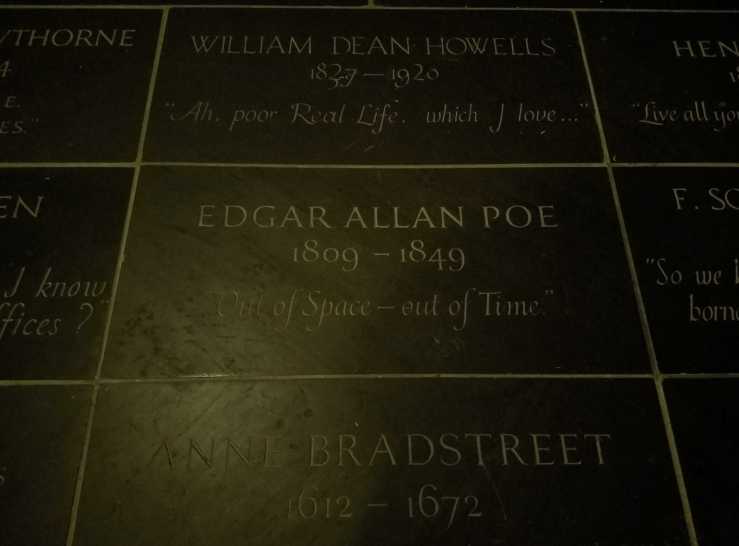
The Poets’ Corner was created in 1984 in honour of American writers and literature. Located in the cathedral’s Arts Bay, it is modeled after a similar alcove for writers at Westminster Abbey in London.

Cathedral of St. John the Divine
1047 Amsterdam Avenue, 112th Street

January 21st, 2017


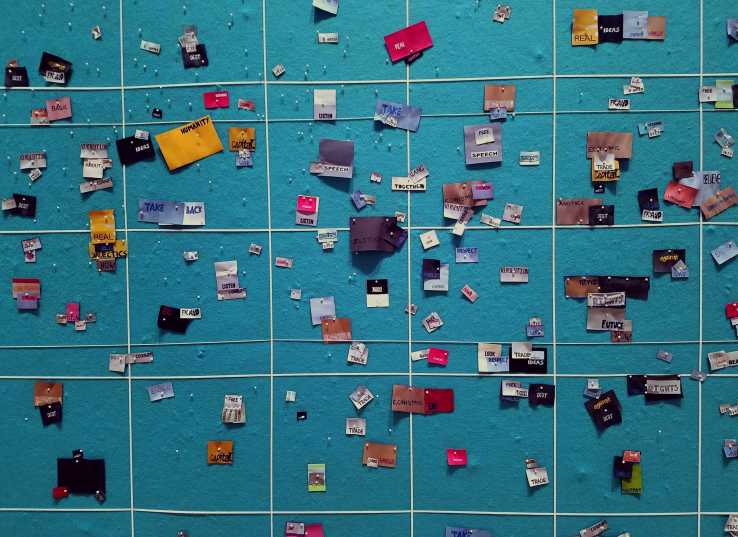
Crossword on a felt board

Rivane Neuenschwander (1967)

Watchword, 2012

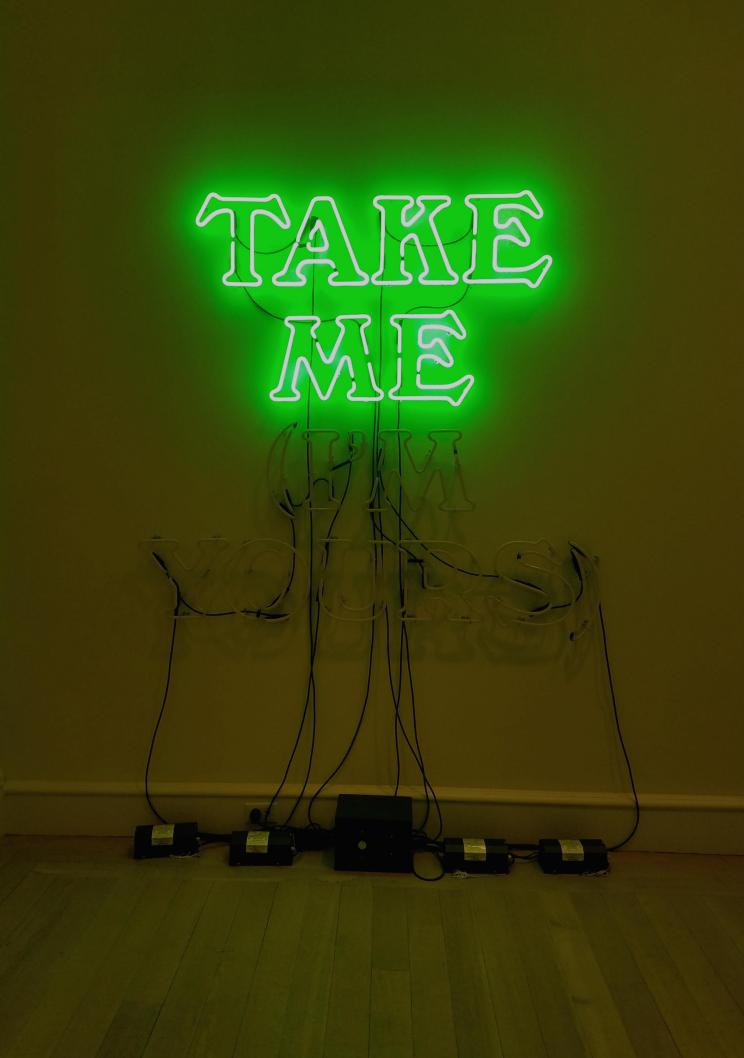
For this work the artist, who was born in Belo Horizonte but lives and works in London,  has embroidered words borrowed from the language of protest – take, back, justice, trade, war, corrupt, revolution, system, democracy, over – onto fabric tags similar to those used for clothing labels. Visitors were encouraged to take a tag, either to sew onto their clothes or to pin to the board. In both cases the migrating and accumulating words formed a poetic, global map of resistance.

I pinned ”Public” on top of ”Justice” on the board – my contribution to the resistance.

The Jewish Museum

January 8th, 2017
The French touch

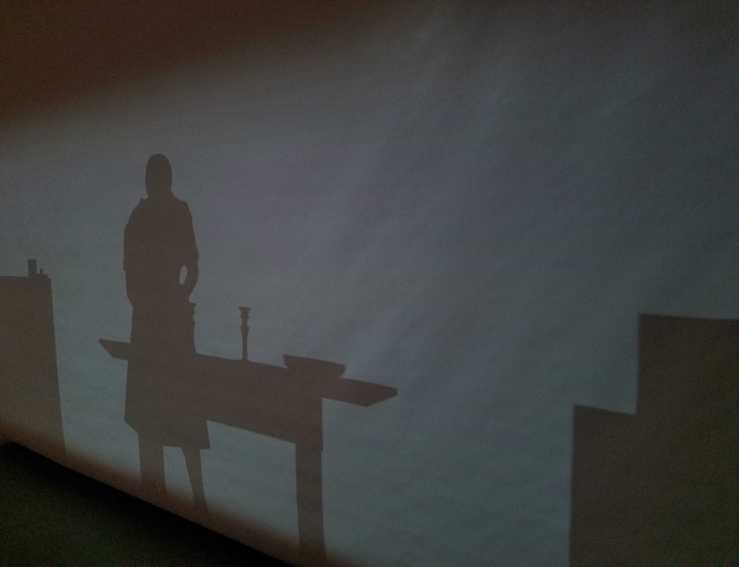
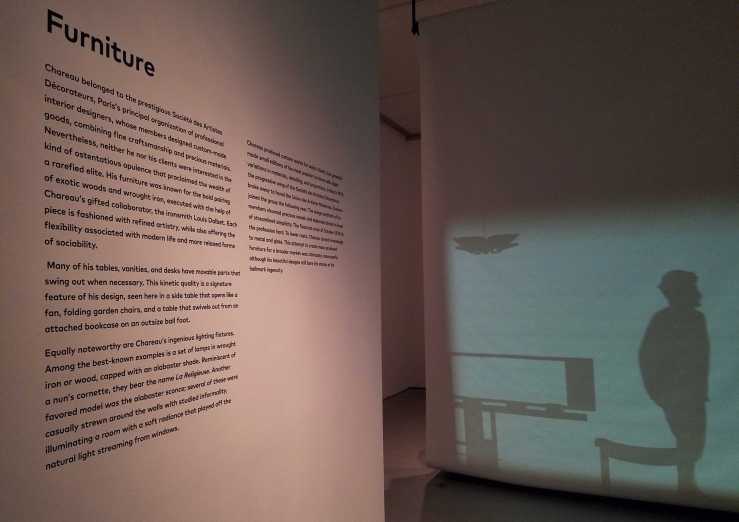
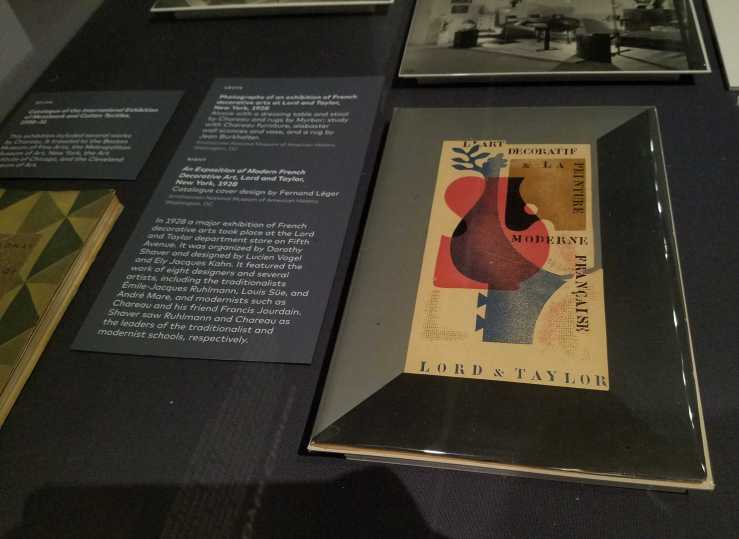
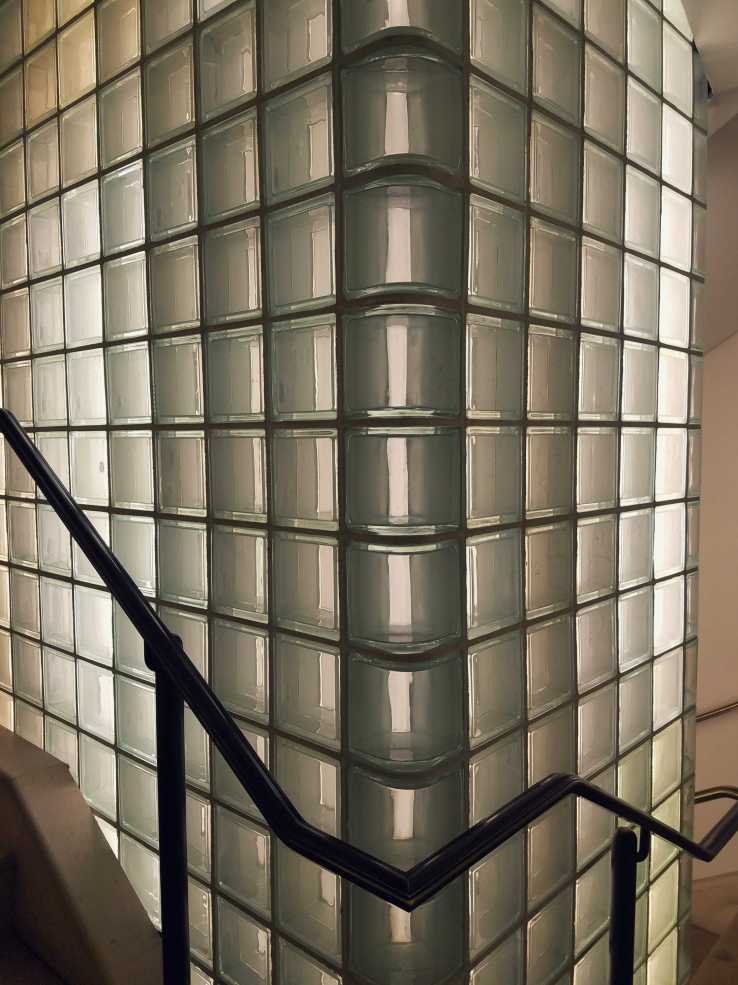
Recently, the Jewish Museum presented the first U.S. exhibition on the work of French designer and architect Pierre Chareau (1883–1950). On show were mainly furniture and lighting fixtures, as well as designs for Maison de Verre, the glass house completed in Paris in 1932, in collaboration with Dutch architect Bernard Bijvoet (1889-1979) and craftsman metalworker Louis Dalbet.

Chareau’s designs were complemented by pieces from his personal art collection, since both he and his wife Dollie were active collectors.

But I only had eyes for these sleek, stylish pieces of furniture and fixtures created in the 1920s, yet so modern they could have come right out of a Manhattan penthouse overlooking Central Park.

Take your pick:

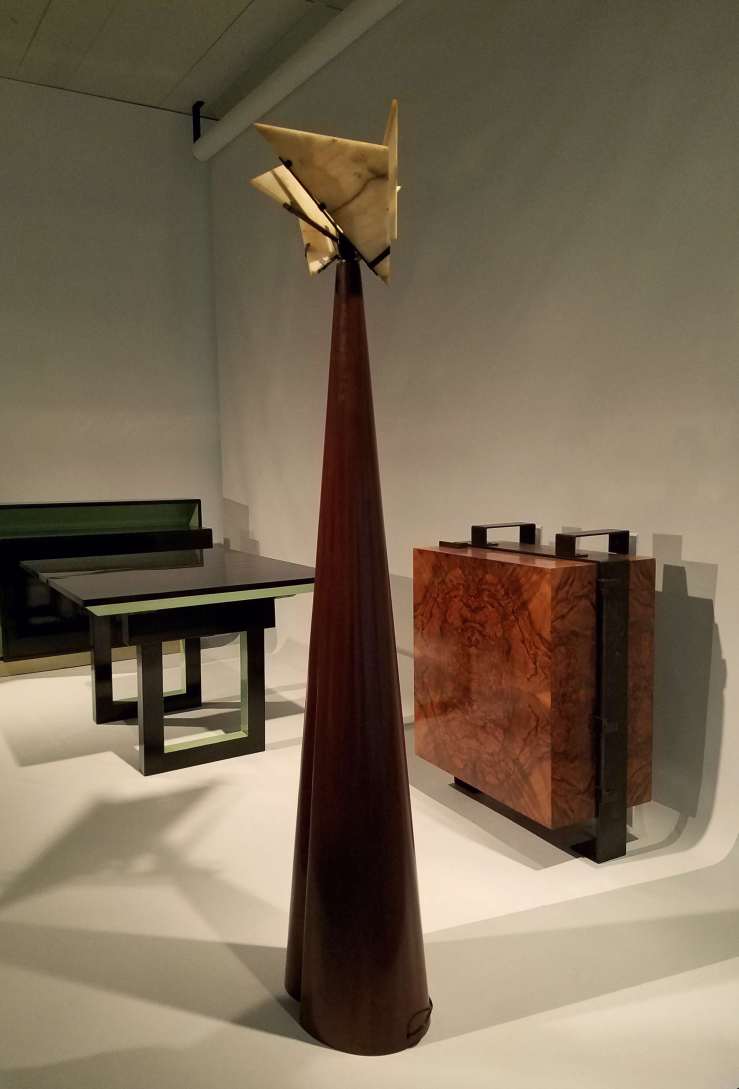
La Religieuse (the nun) floor lamp, ca. 1923. Mahogany and alabaster with metalwork by Louis Dalbet.
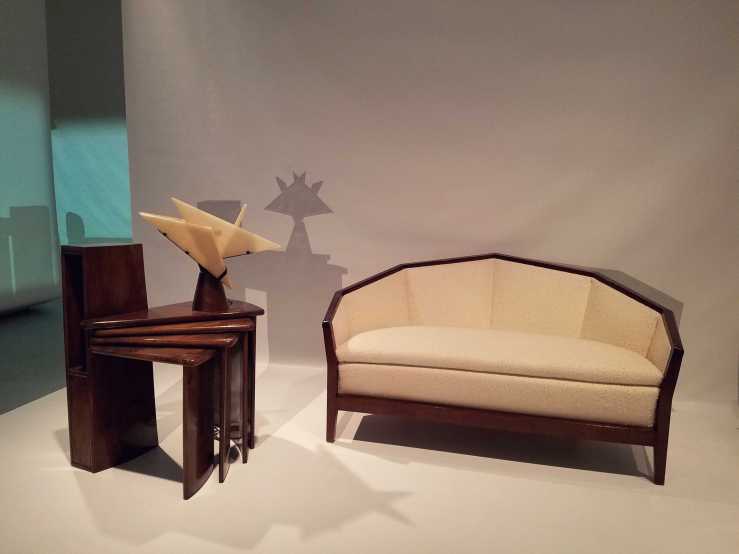
Sofa, 1923. Rosewood with fabric upholstery.
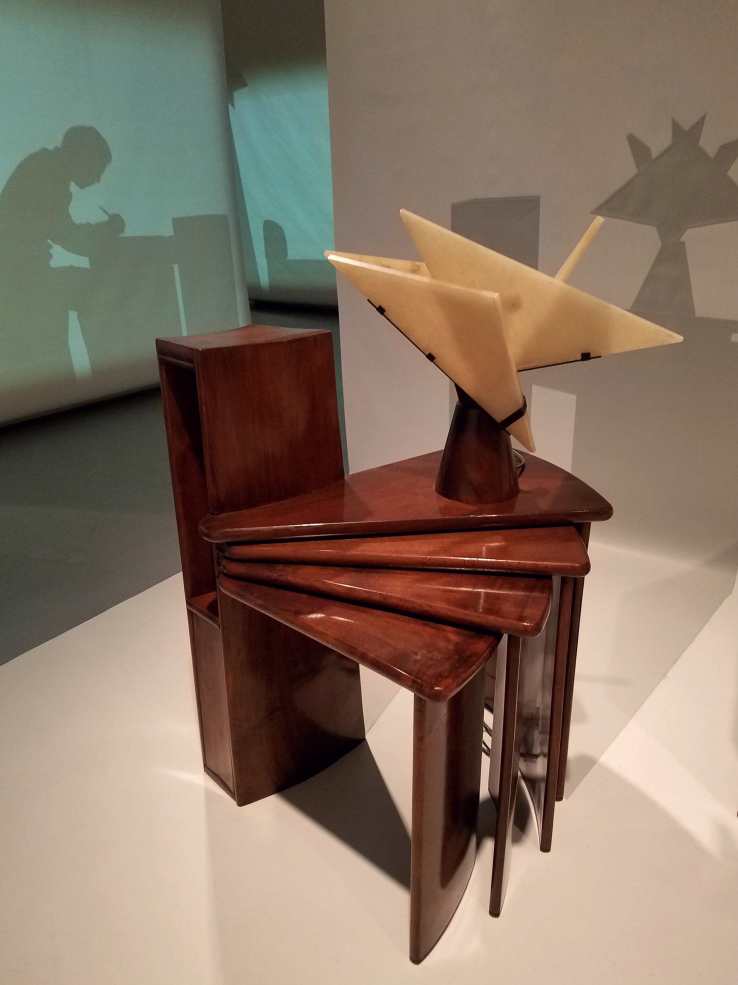
Telephone table, ca. 1924. Walnut and patinated iron. La Petite Religieuse (the little nun), table lamp ca. 1924. Walnut, alabaster and patinated iron, metalwork by Louis Dalbet.
La Religieuse (the nun) floor lamp, ca. 1923. Mahogany and alabaster with metalwork by Louis Dalbet.
Coat and hat rack designed for La Maison de Verre ca. 1931. – Metalwork by Louis Dalbet. Stool, ca. 1923. Mahogany and mahogany-veneered wood. – Bookcase with swivelling table, ca. 1930. Walnut and black patinated iron. – Ceiling lamp, ca. 1923. Patinated brass and alabaster.
From ”The grand salon de la Maison de Verre”. Corbeille (basket) sofa, 1923. Wood and velours, with tapestry upholstery by Jean Lurçat. – Telephone fan table, ca. 1924. Wood. – High backed chauffeuse (fireside armchair), ca. 1925.

Pierre Chareau: Modern Architecture and Design exhibition ran between November 2016 – March 2017. You can read and browse through more photos on The Jewish Museum website.

January 8th, 2017