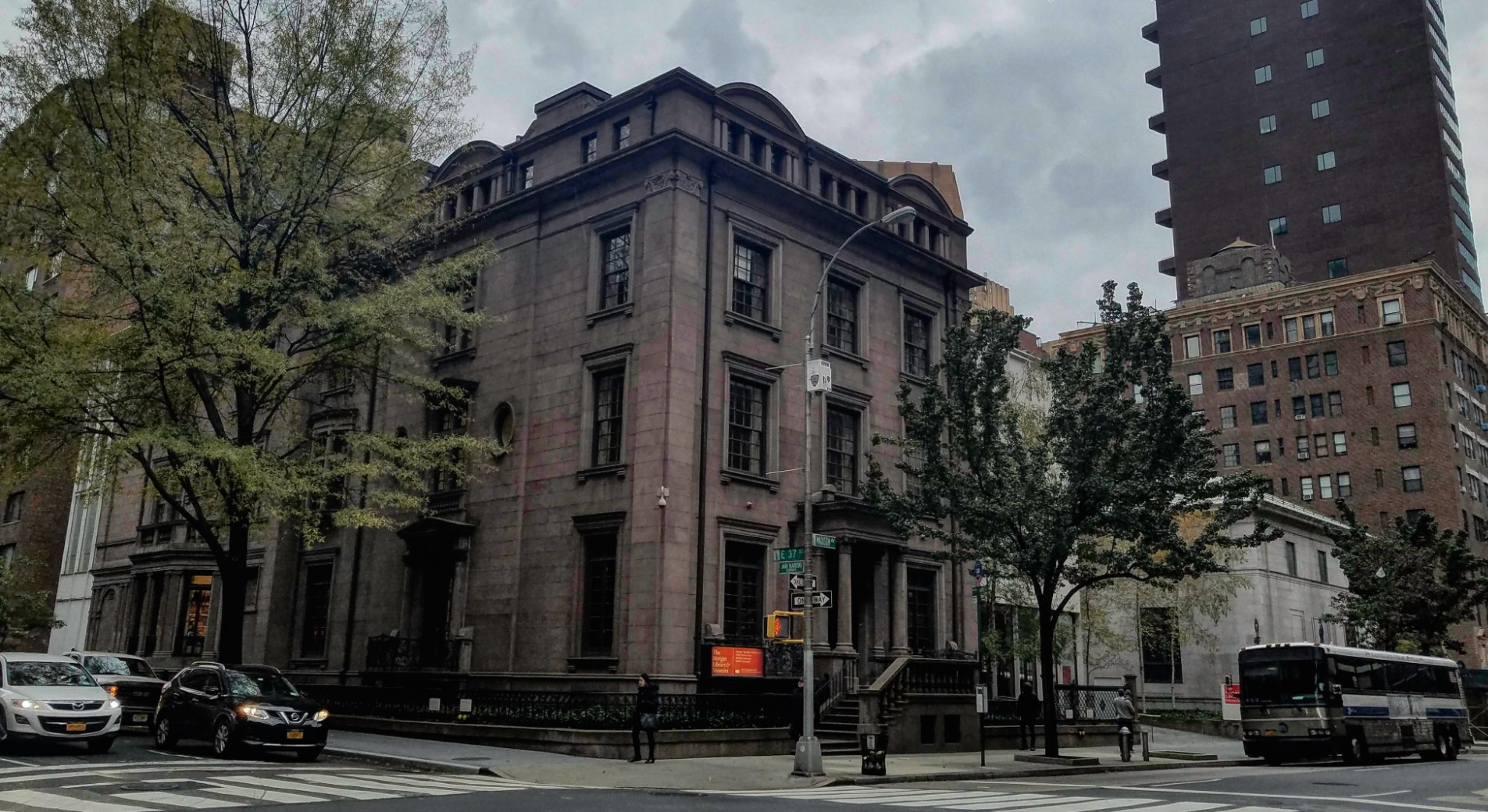
We were back at The Morgan to see the magnificent Old Masters’ drawings from the Thaw Collection, that were displayed at the time.
These are some highlights, which I hope you’ll enjoy.
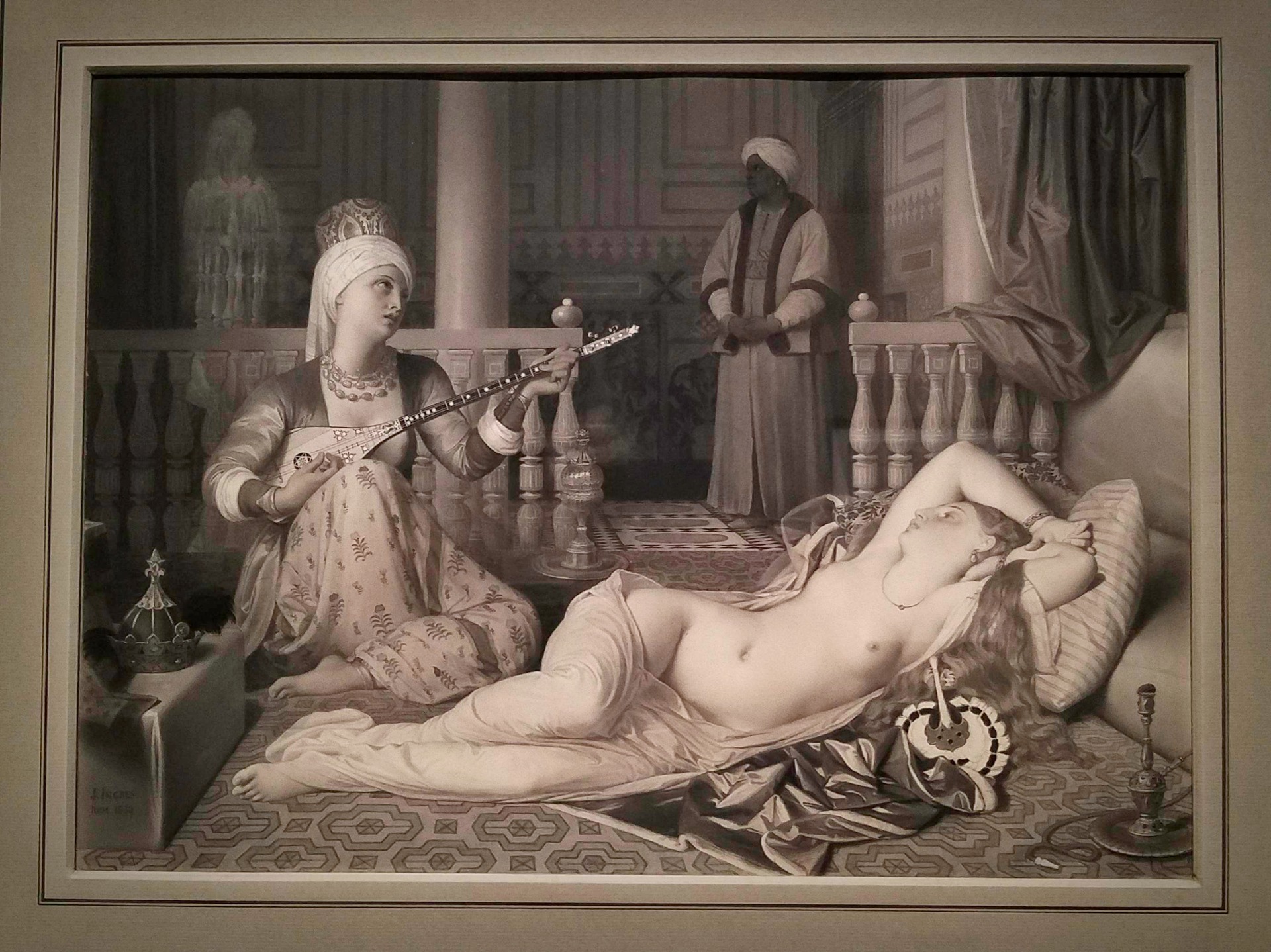
Odalisque with Slave, 1839
Jean-Auguste-Dominique Ingres (1780-1867) and Jean-Charles Thévenin (1819-1869)
Black chalk and graphite, black and brown wash with white and grey opaque watercolour
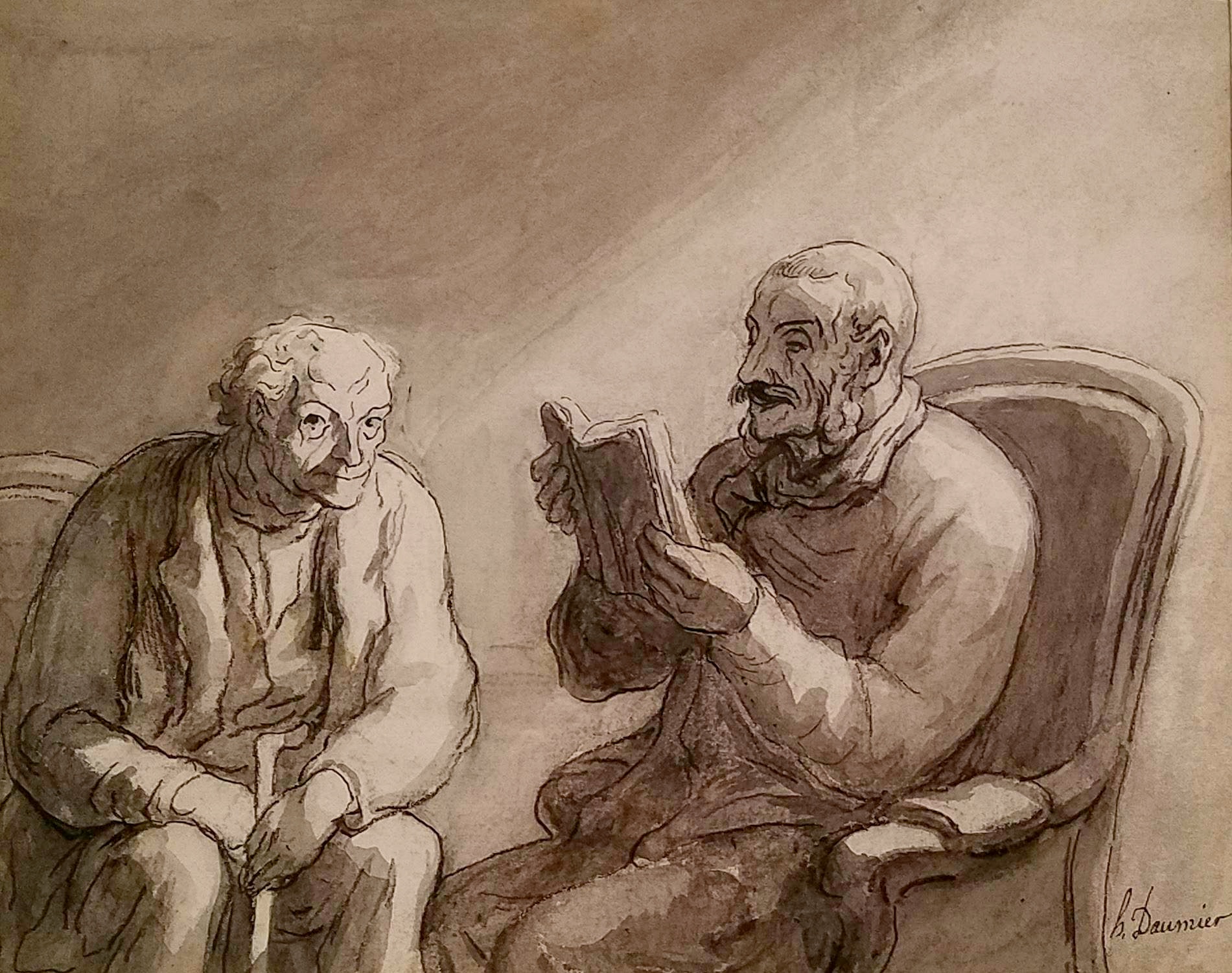 Reading, ca. 1860
Honoré Daumier (1808-1879)
Pen and black ink and grey wash with black fabricated chalk over charcoal
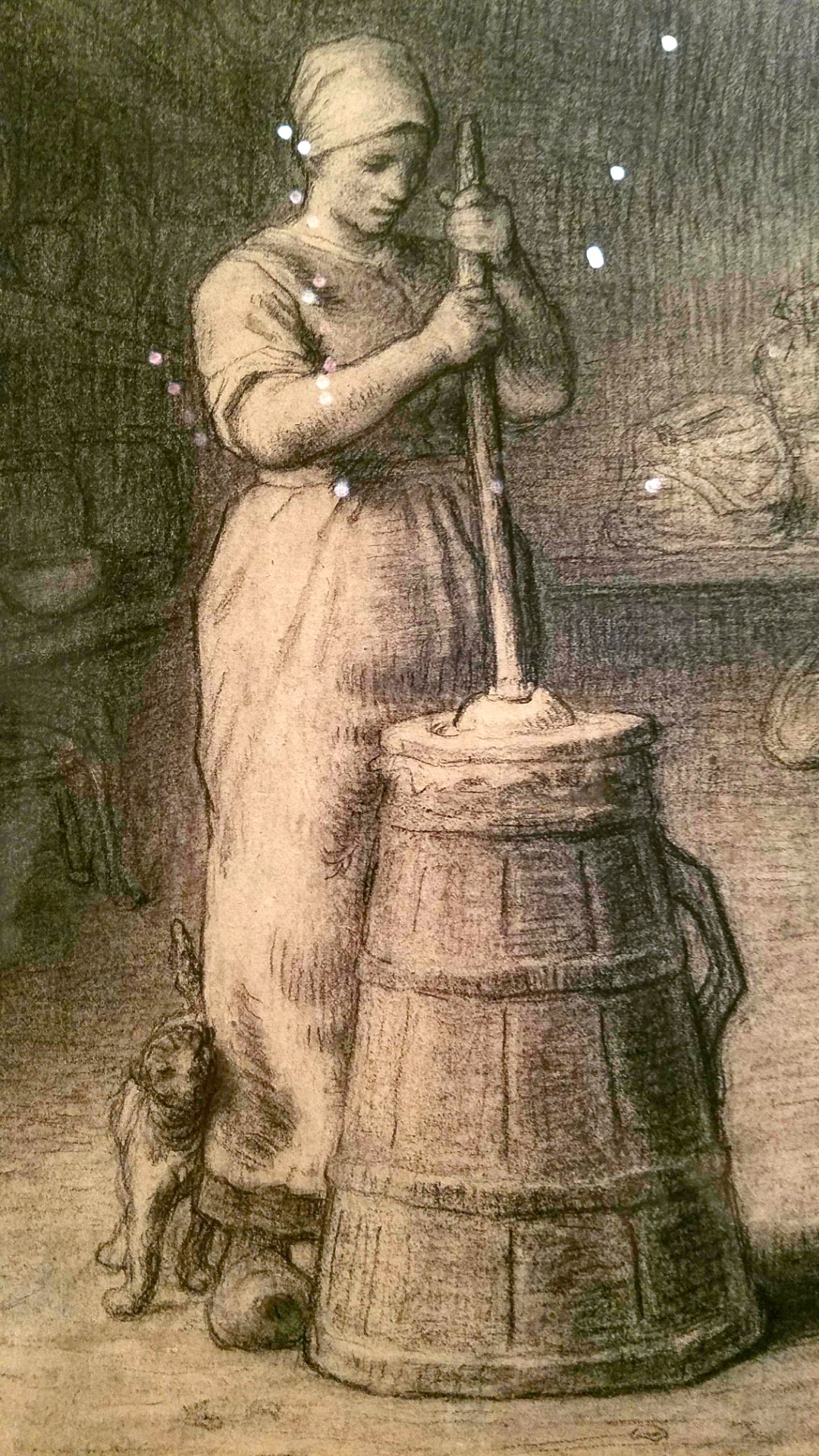 Woman Churning Butter, ca. 1855-58
Jean-François Millet (1814-1875)
Black Conté crayon
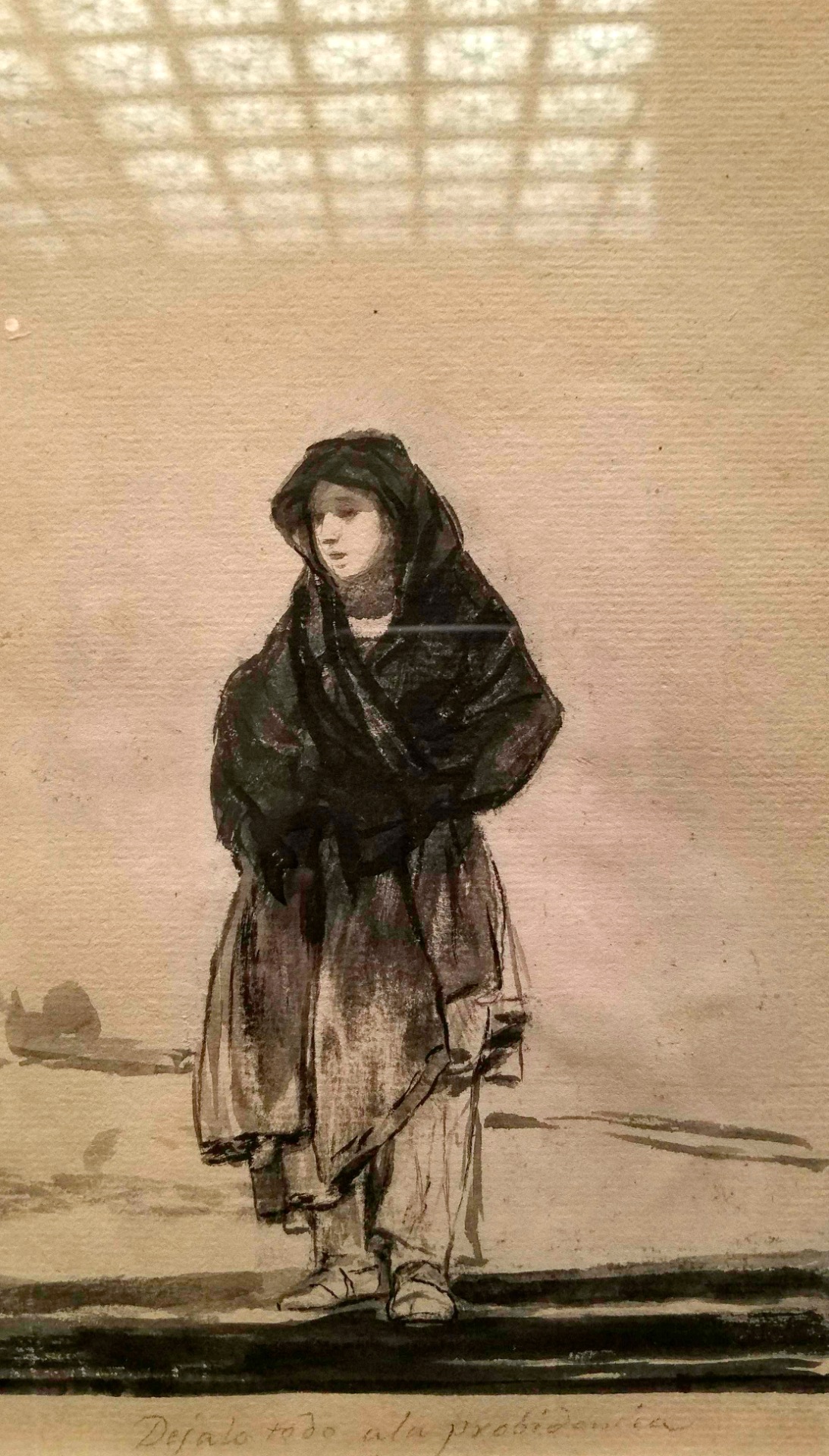 Leave It All to Providence, from the Black Border Album, 1816-20
Francisco de Goya (1746-1828)
Black ink and grey wash
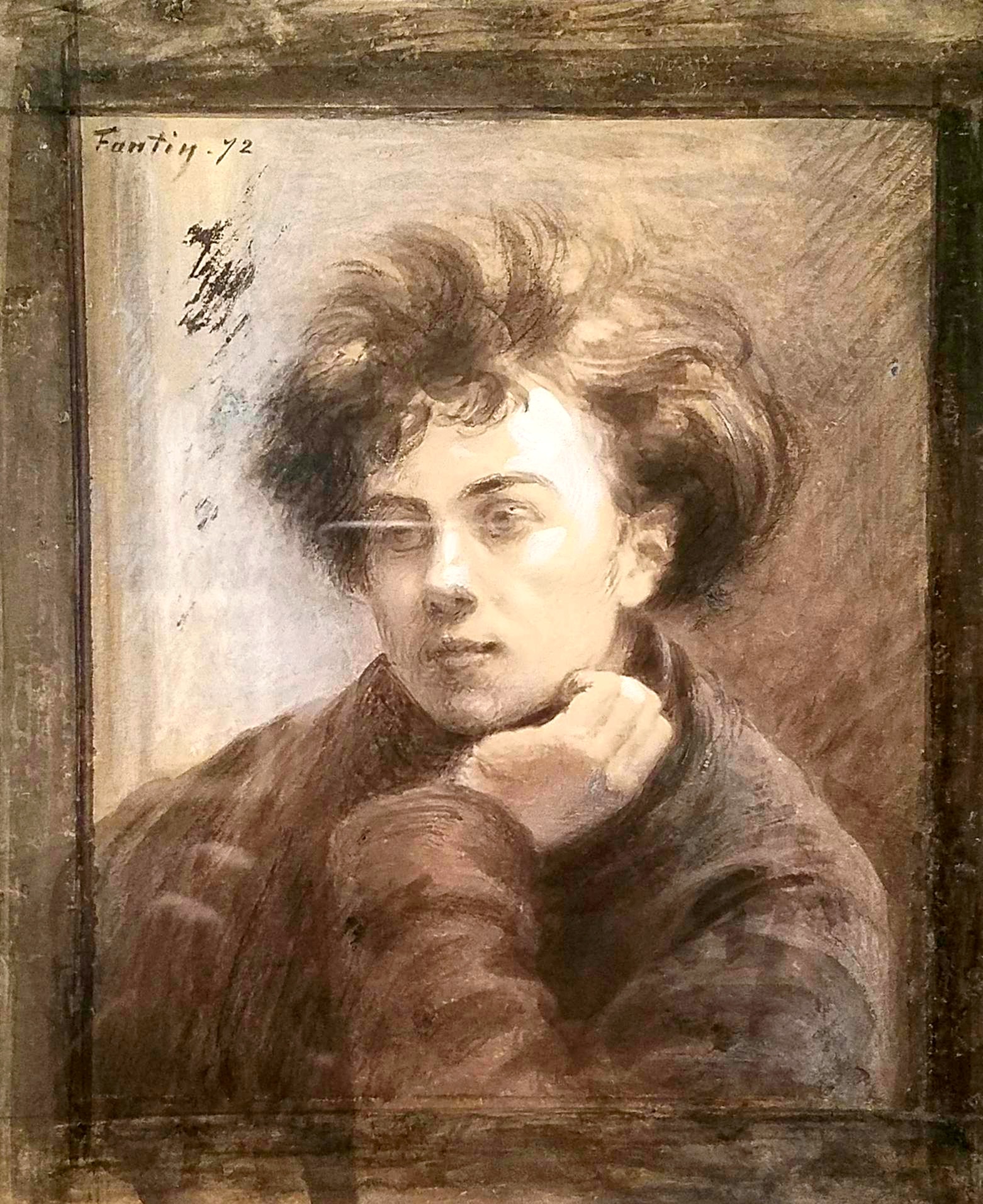 Portrait of Arthur Rimbaud, 1872
Henri Fantin-Latour (1836-1904)
Watercolour and white opaque watercolour over black chalk on light brown paperboard
 The Spider, 1902
Odilon Redon (1840-1916)
Charcoal and black pastel
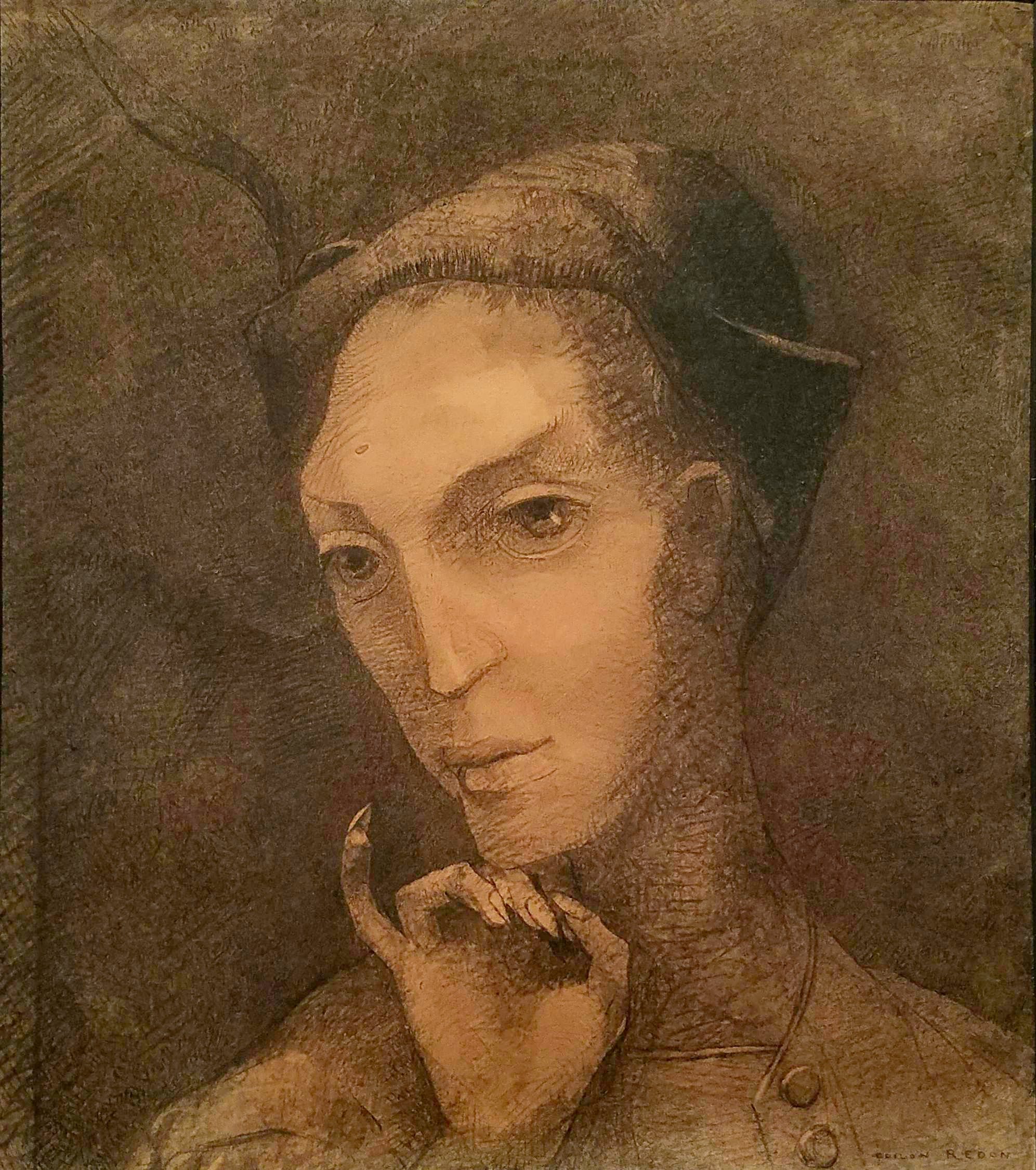 The Fool, 1877
Odilon Redon (1840-1916)
Charcoal with black chalk and fixative on light brown paper
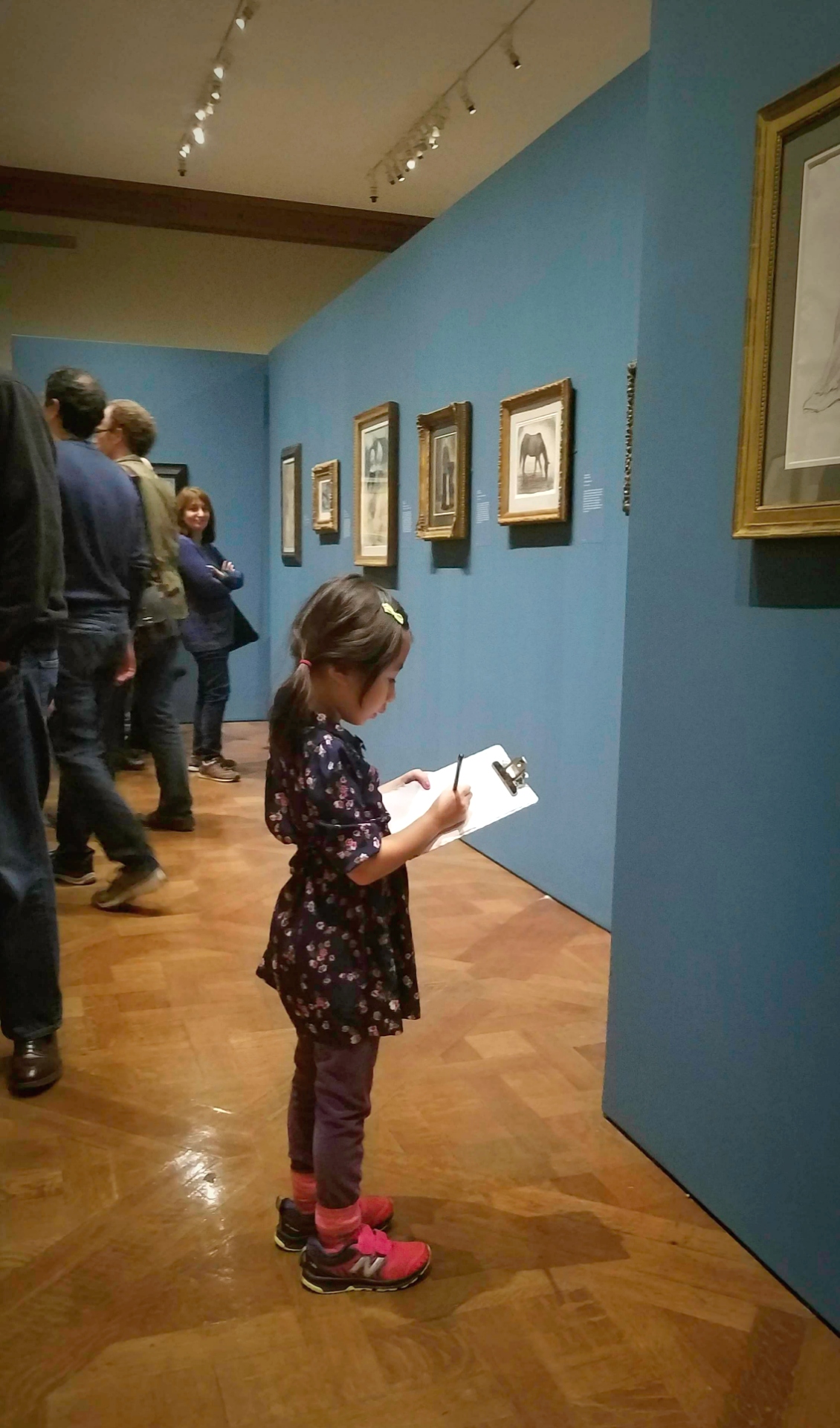 Artist in the making
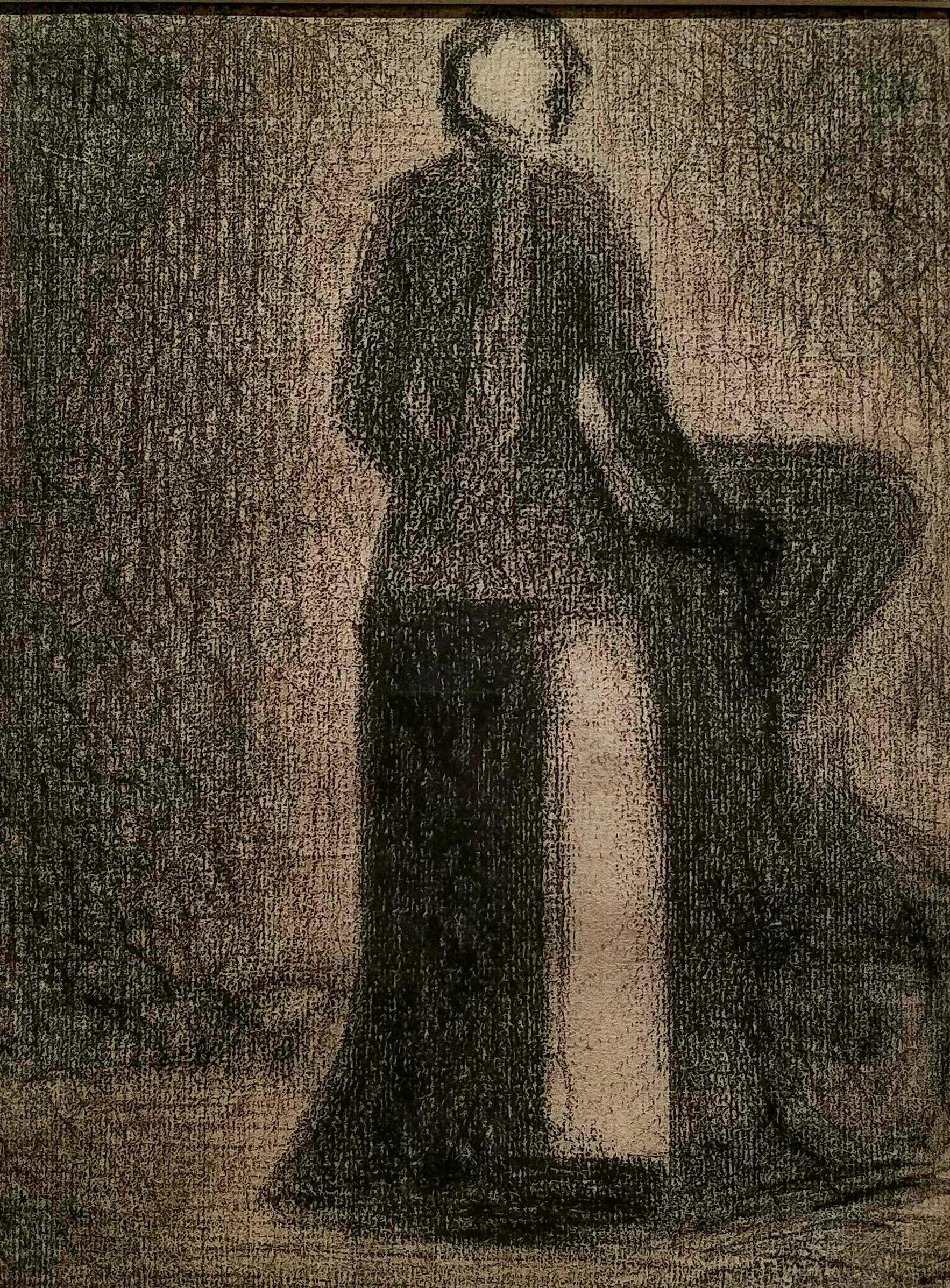 Nurse with a Child’s Carriage
Georges Seurat(1859–1891)
Conté crayon on Ingres paper
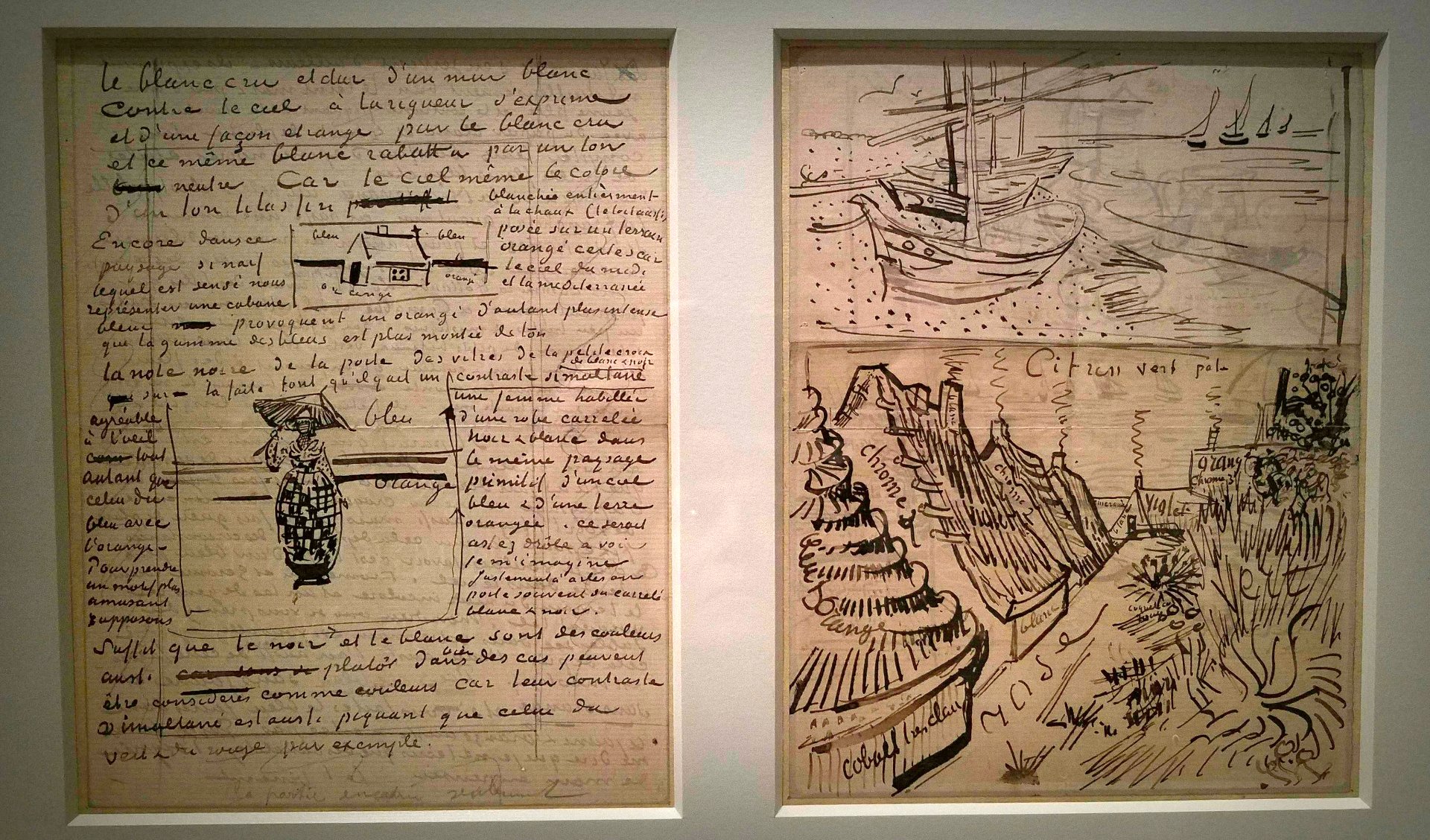
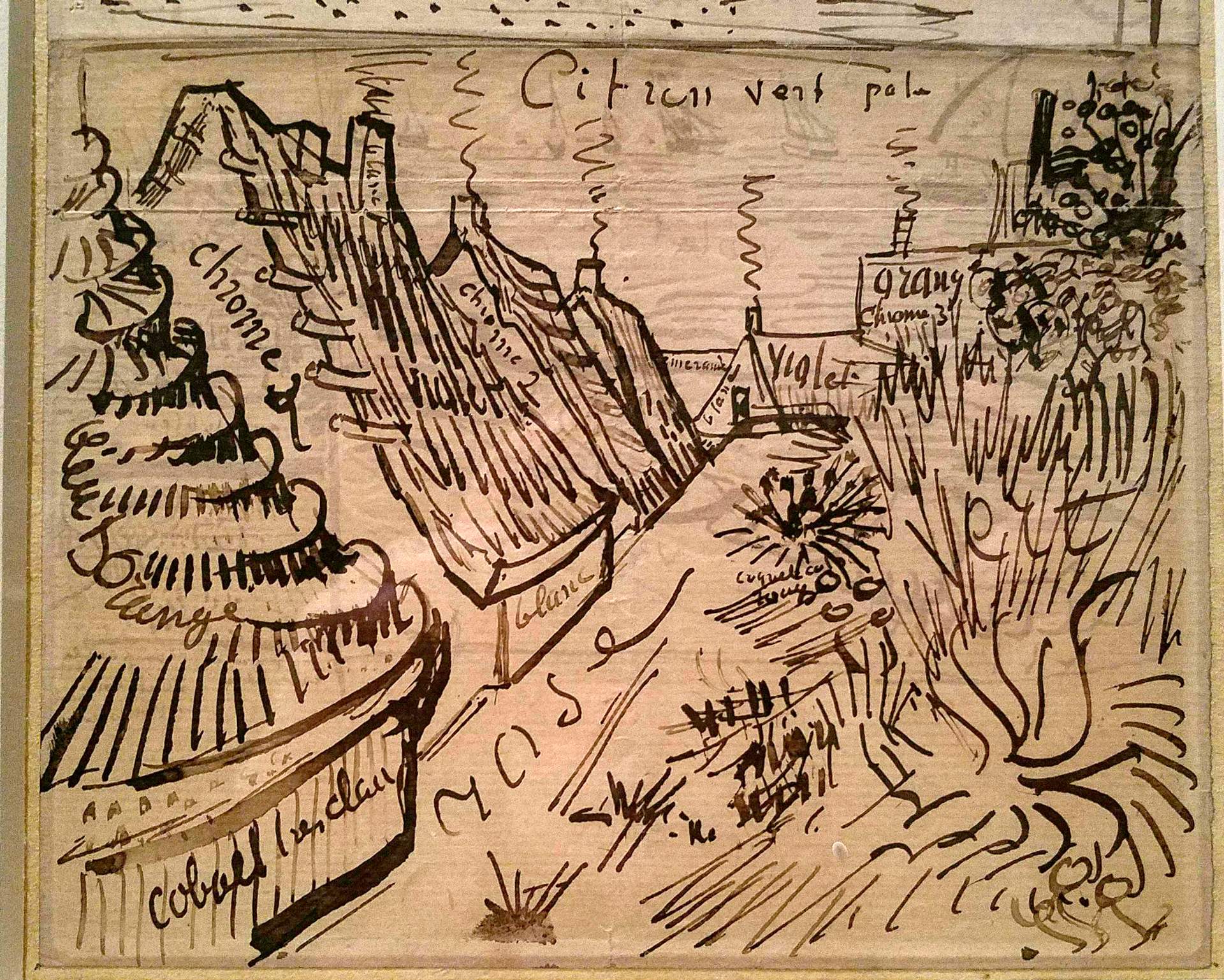 Vincent van Gogh
Letter to Émile Bernard, 7 June 1888
Energized by his visit to the seaside town of Saintes-Maries-de-la-Mer, van Gogh wrote enthusiastically to Bernard about his explorations of complementary colours (“No blue without yellow and without orange“) and his consideration of black and white as colours. He included several sketches to explain his ideas and enclosed a sheet containing drawings of canvasses in progress.
 Vincent van Gogh
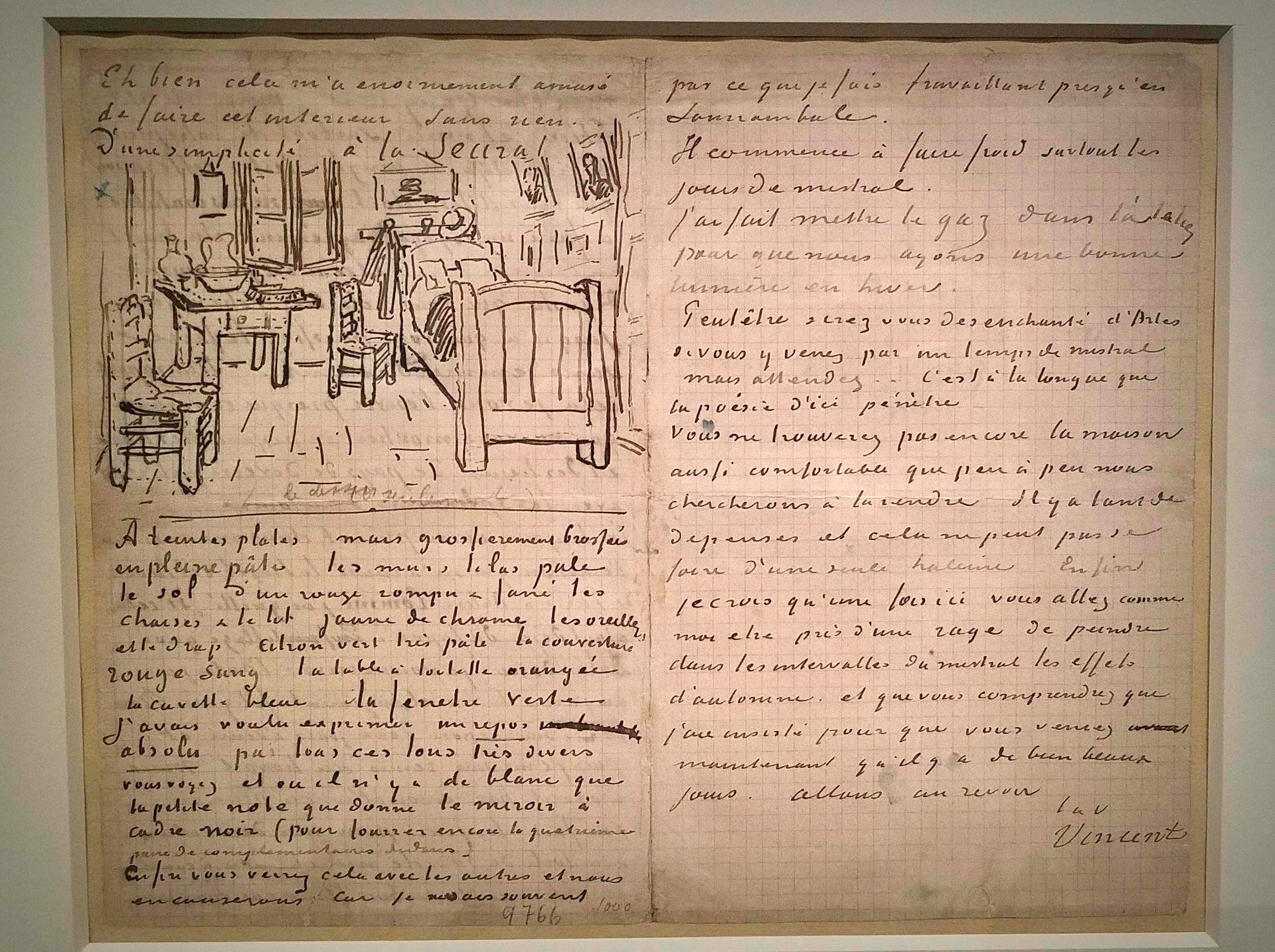
Letter to Paul Gauguin, 17 October 1888
Writing to Gauguin, who was to arrive later that month, van Gogh extolled the attractions of Arles and chronicled his progress on one of his masterpieces from the period, Bedroom at Arles (1888; Van Gogh Museum, Amsterdam), even including a sketch.
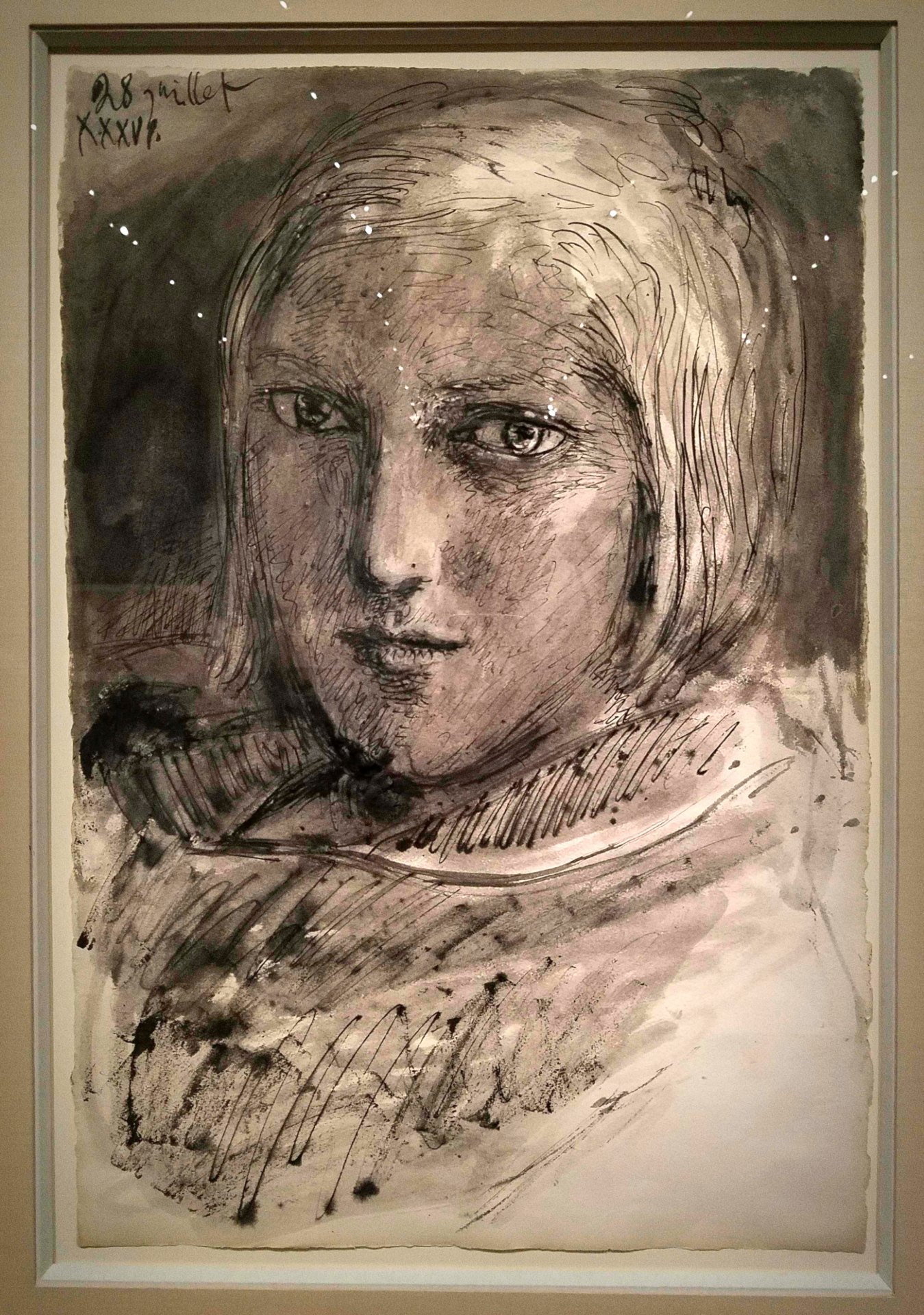 Portrait of Marie-Thérèse Walter, 1936
Pablo Picasso (1881-1973)
Pen and black ink and wash
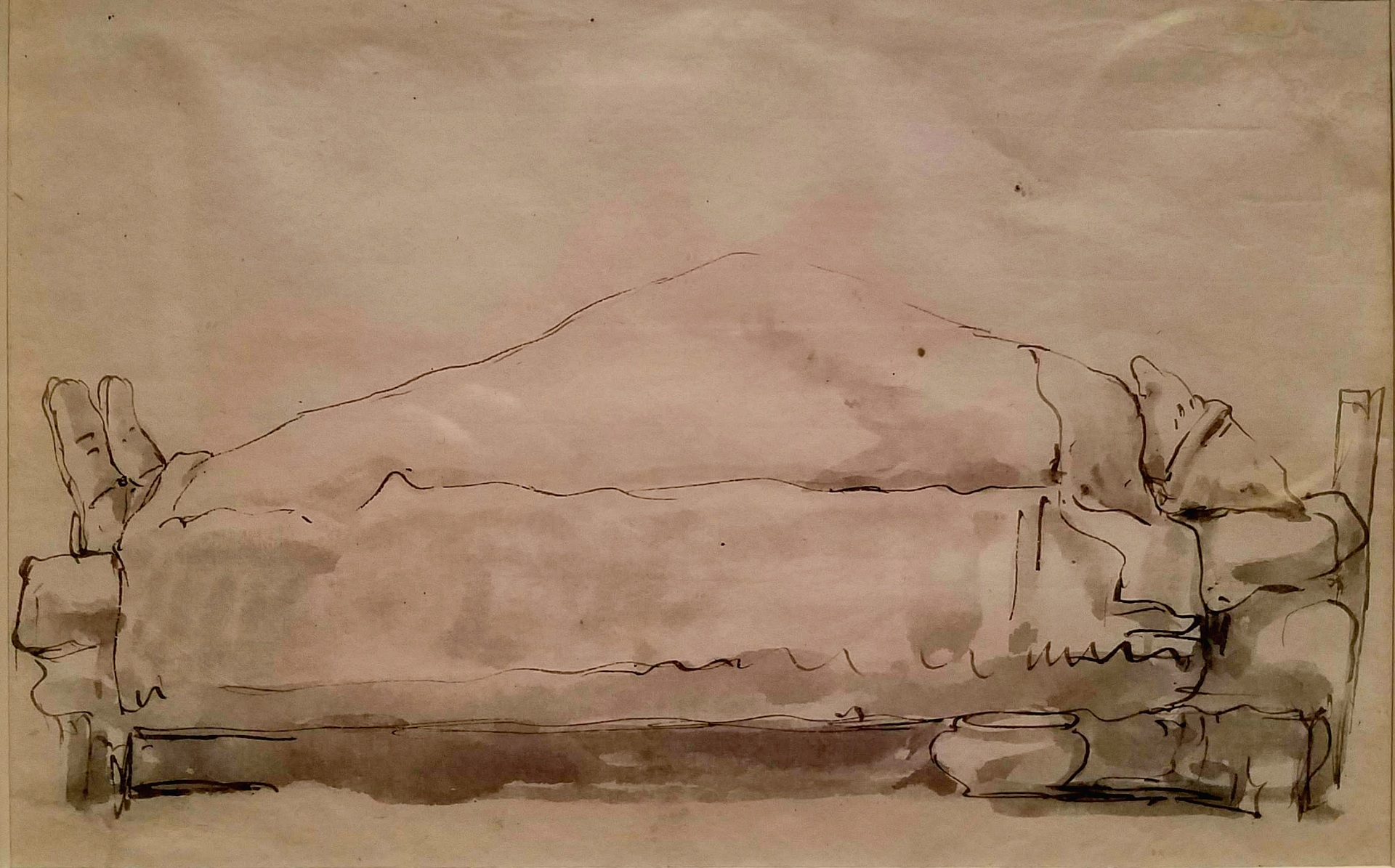 Caricature of a Sleeping Man, ca. 1755-60
Giovanni Battista Tiepolo (1696-1770)
Pen and black ink and wash
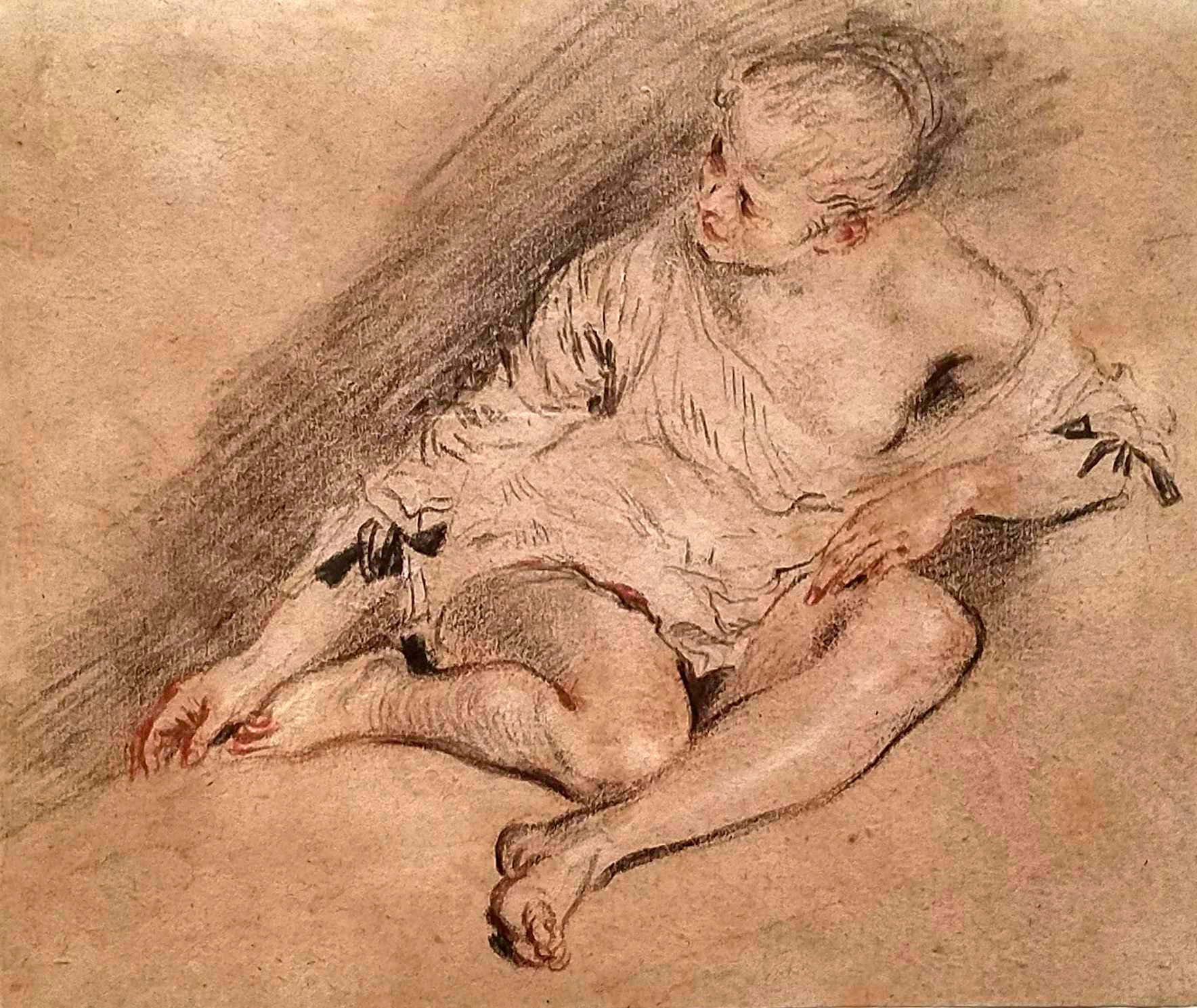 Young Woman Wearing a Chemise, ca. 1718
Antoine Watteau (1684-1721)
Black, red and white chalk
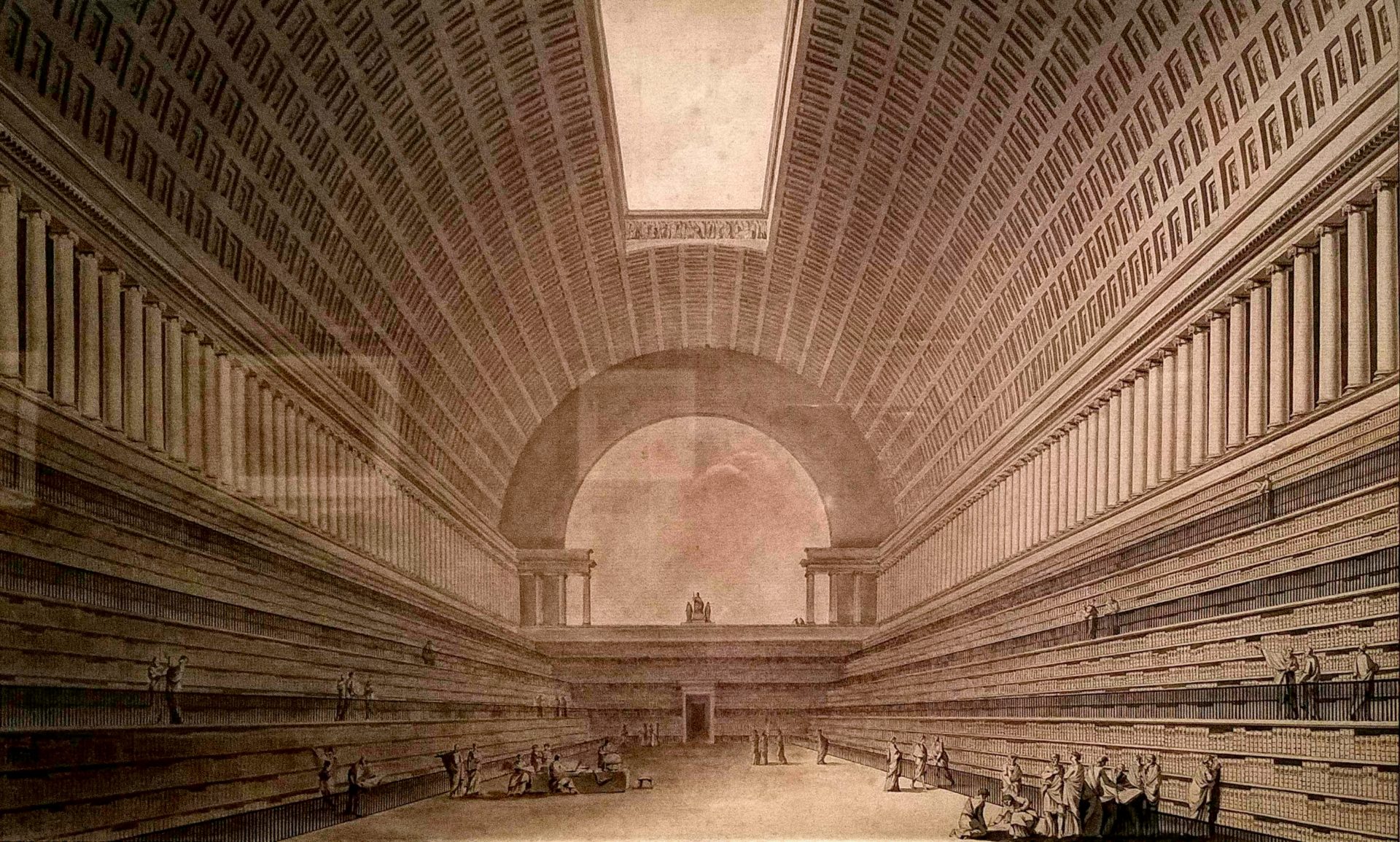
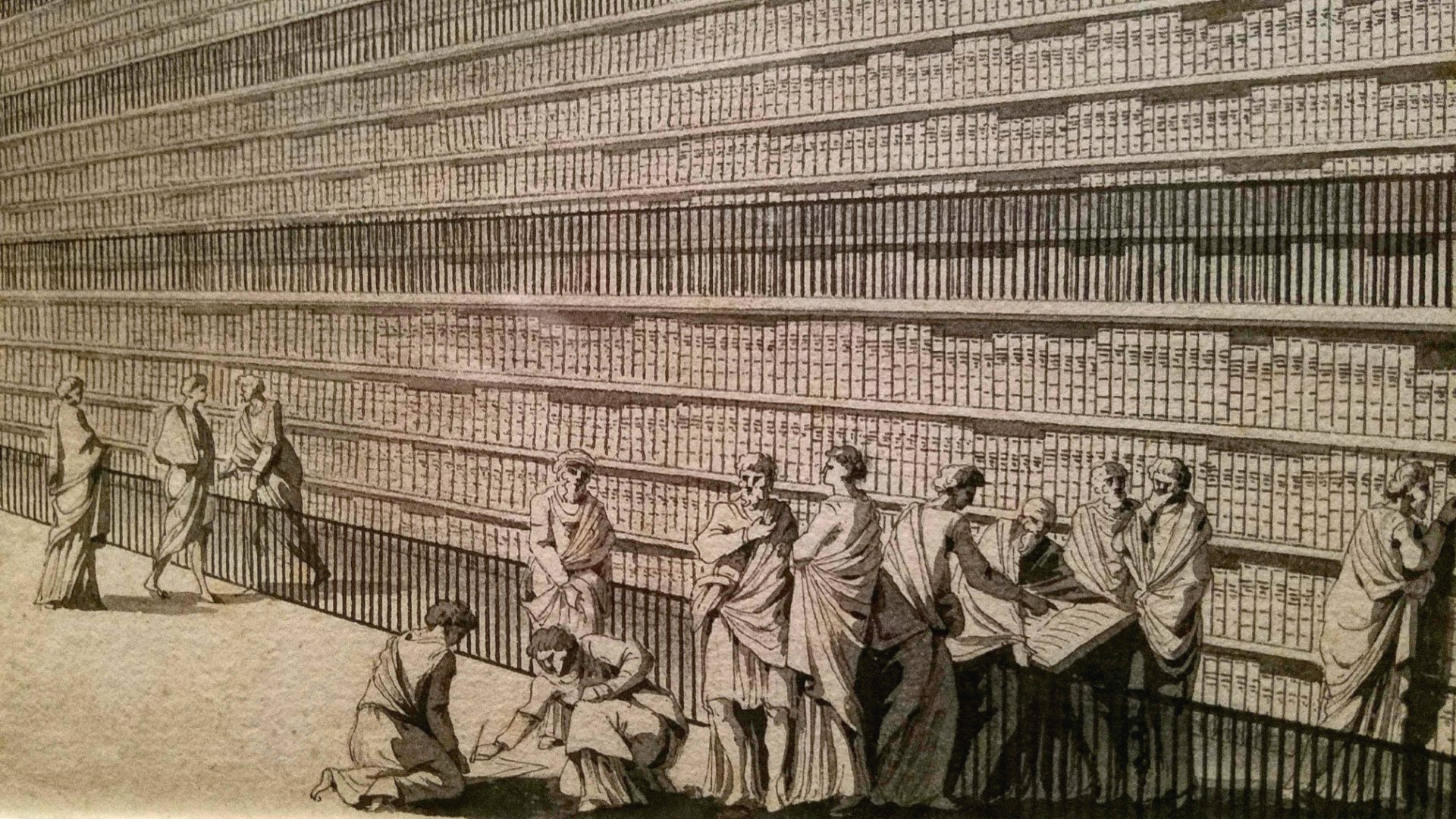 Interior of a Library, ca. 1780-85
Étienne-Louis Boullée (1728-1799)
Pen and black and brown ink and washes over graphite with black chalk
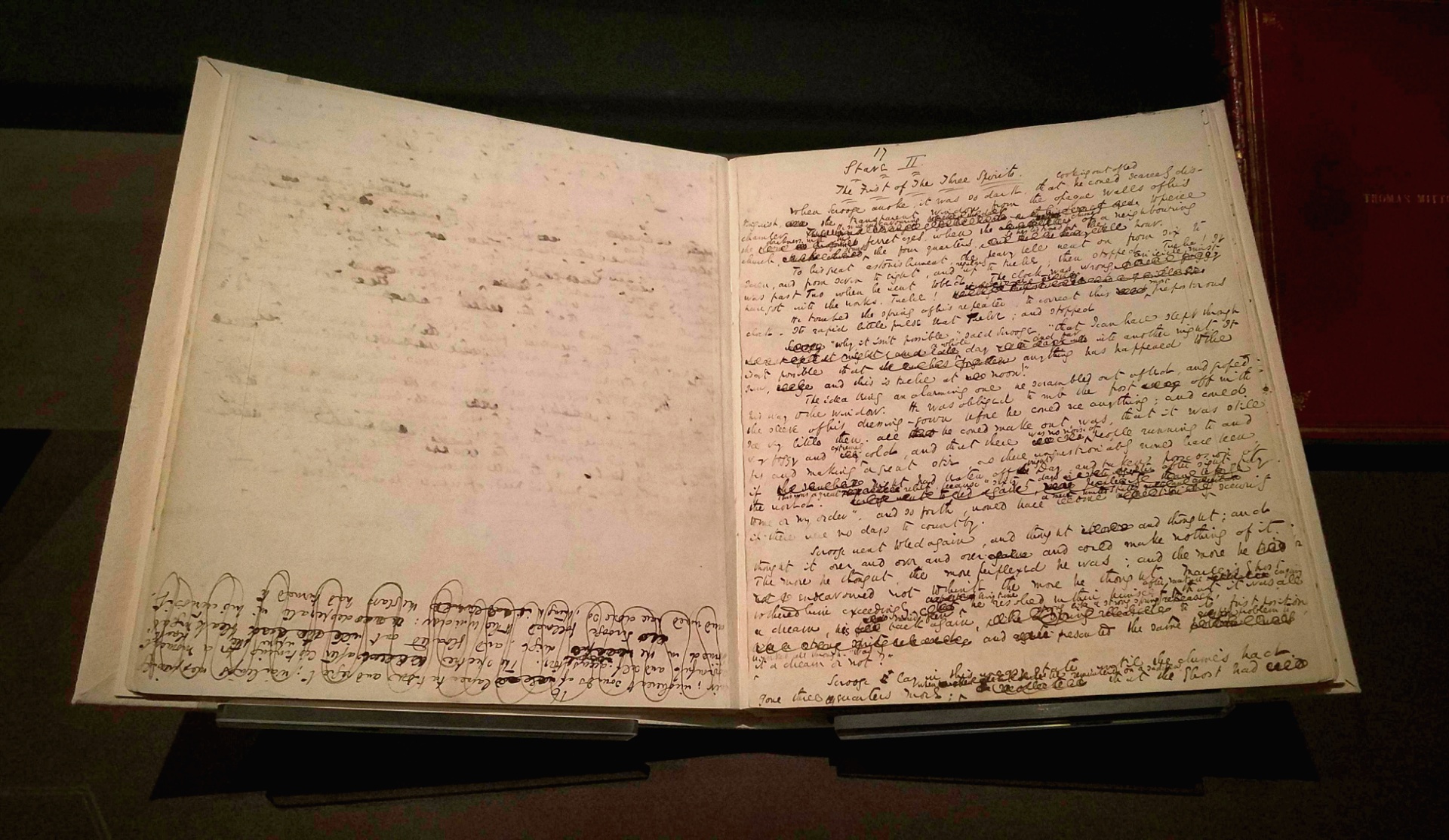
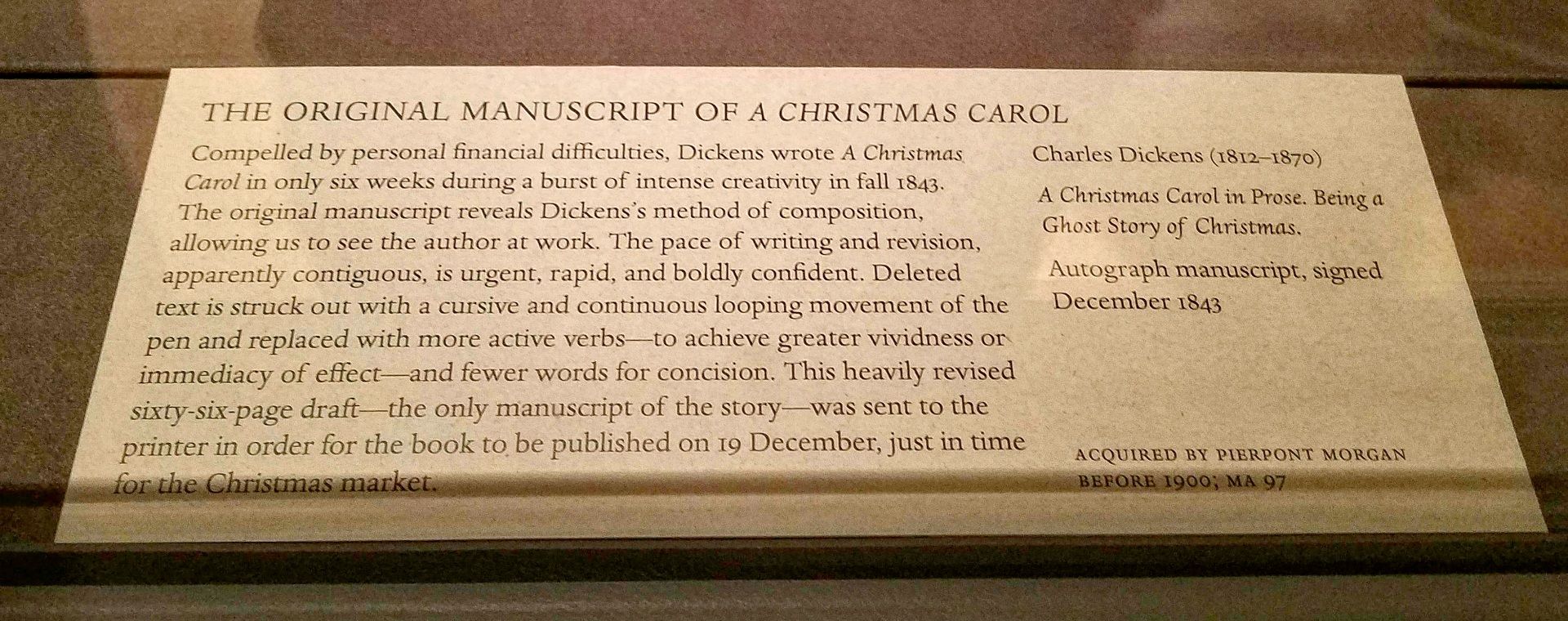
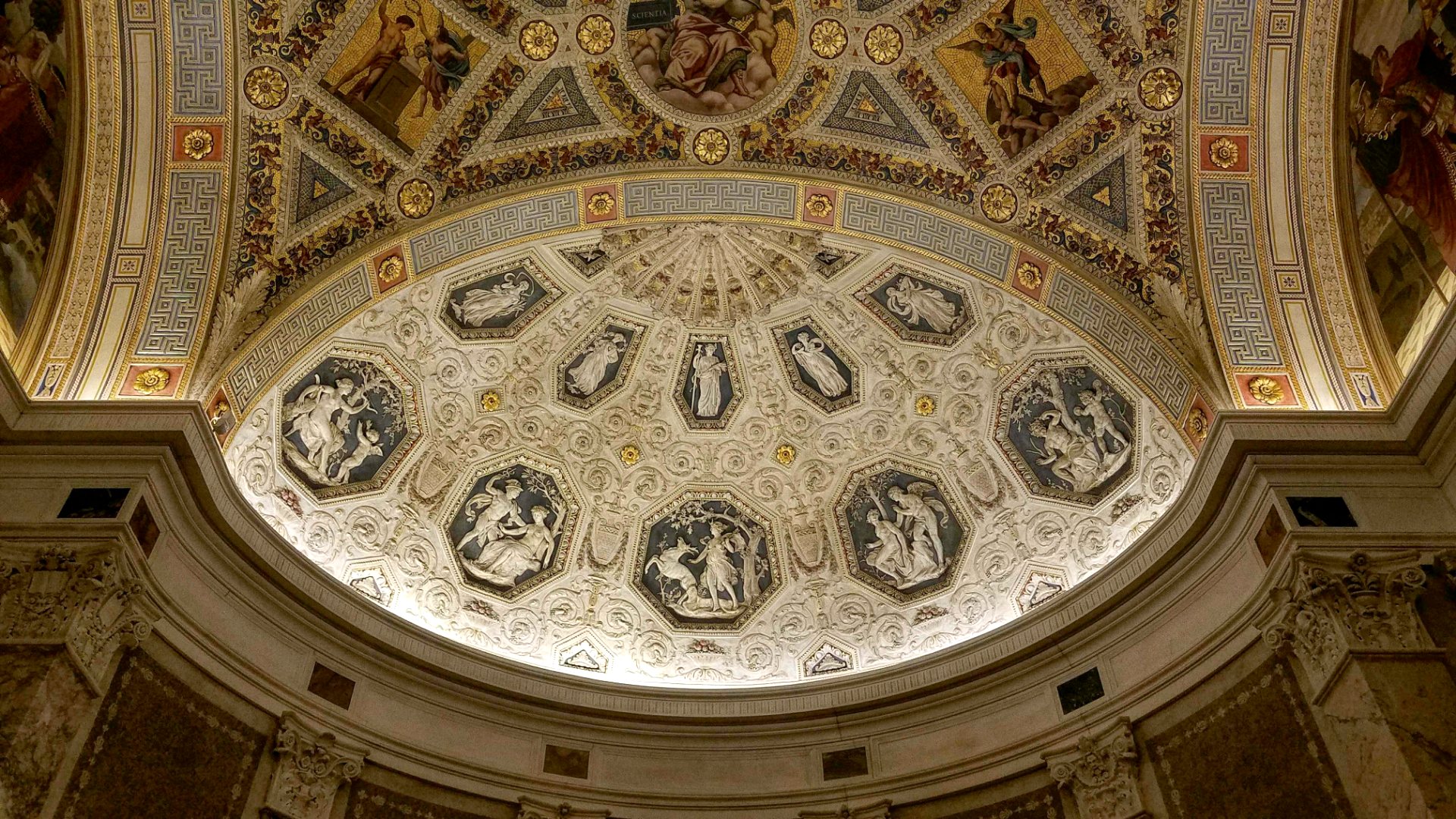
Drawn to Greatness: Master Drawings from the Thaw Collection, on view November 2017
November 18th, 2017
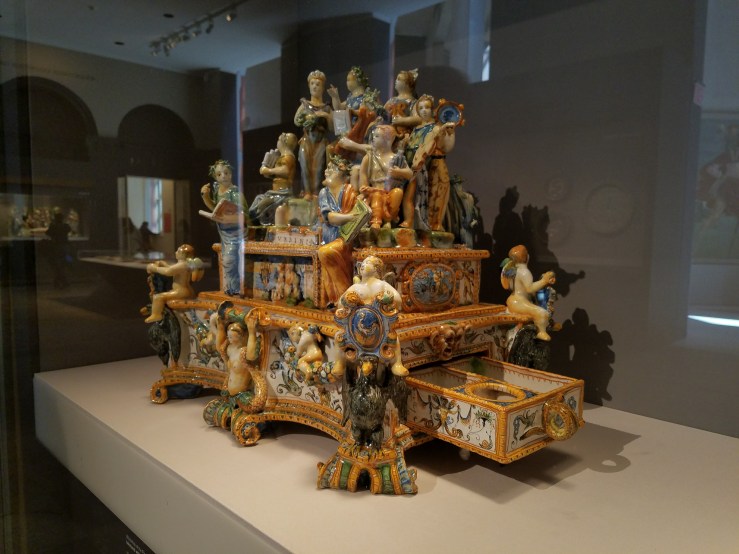 Inkstand with Apollo and the Muses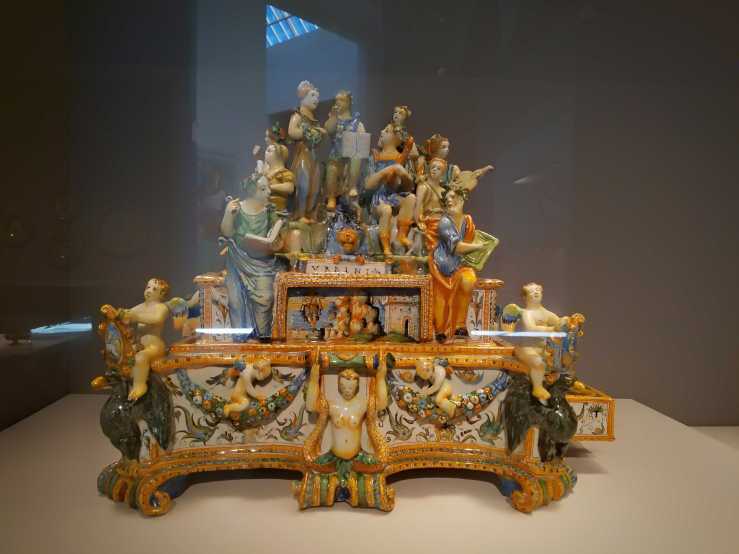
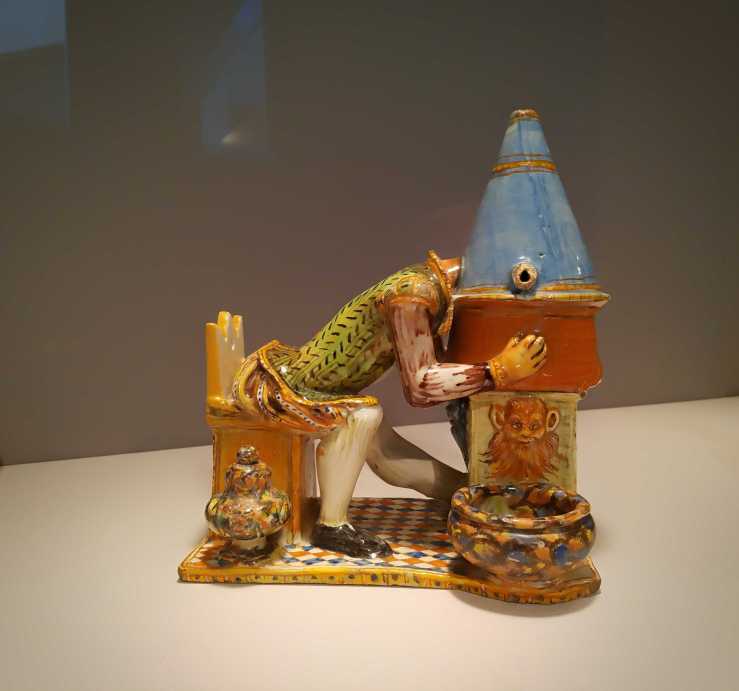 Inkstand with A Madman Distilling His Brains, ca. 1600
 The Humble Fabulist