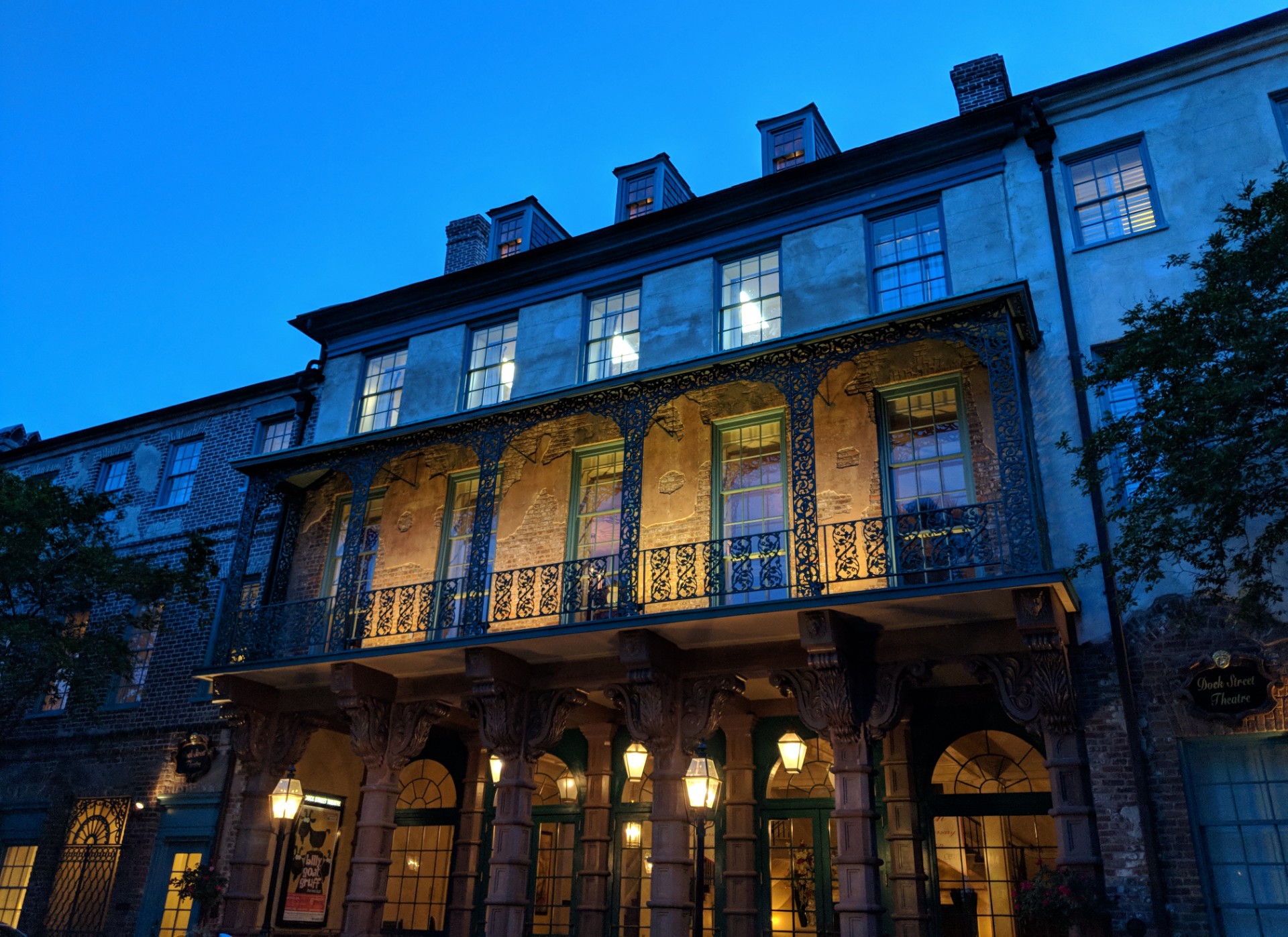
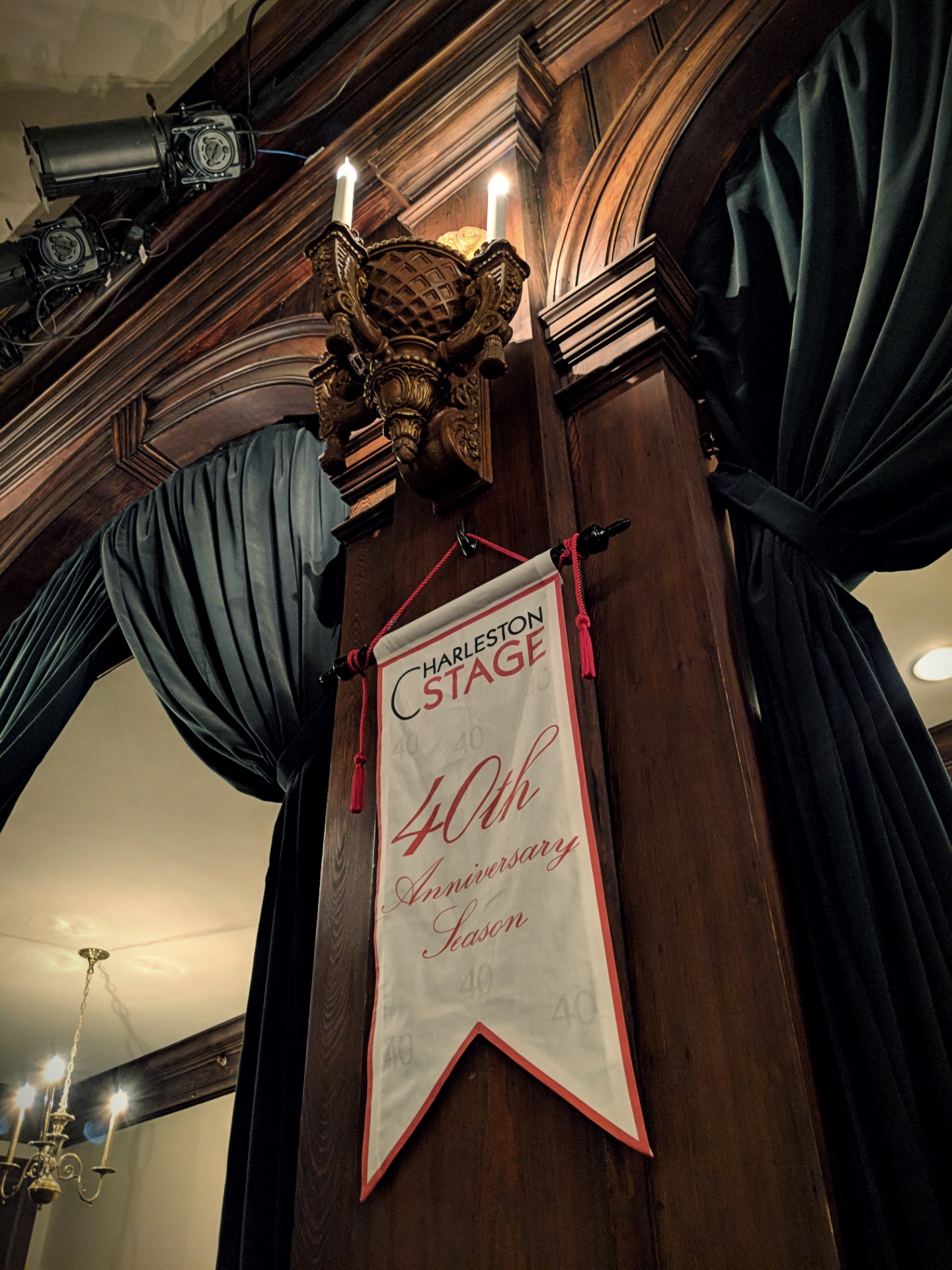
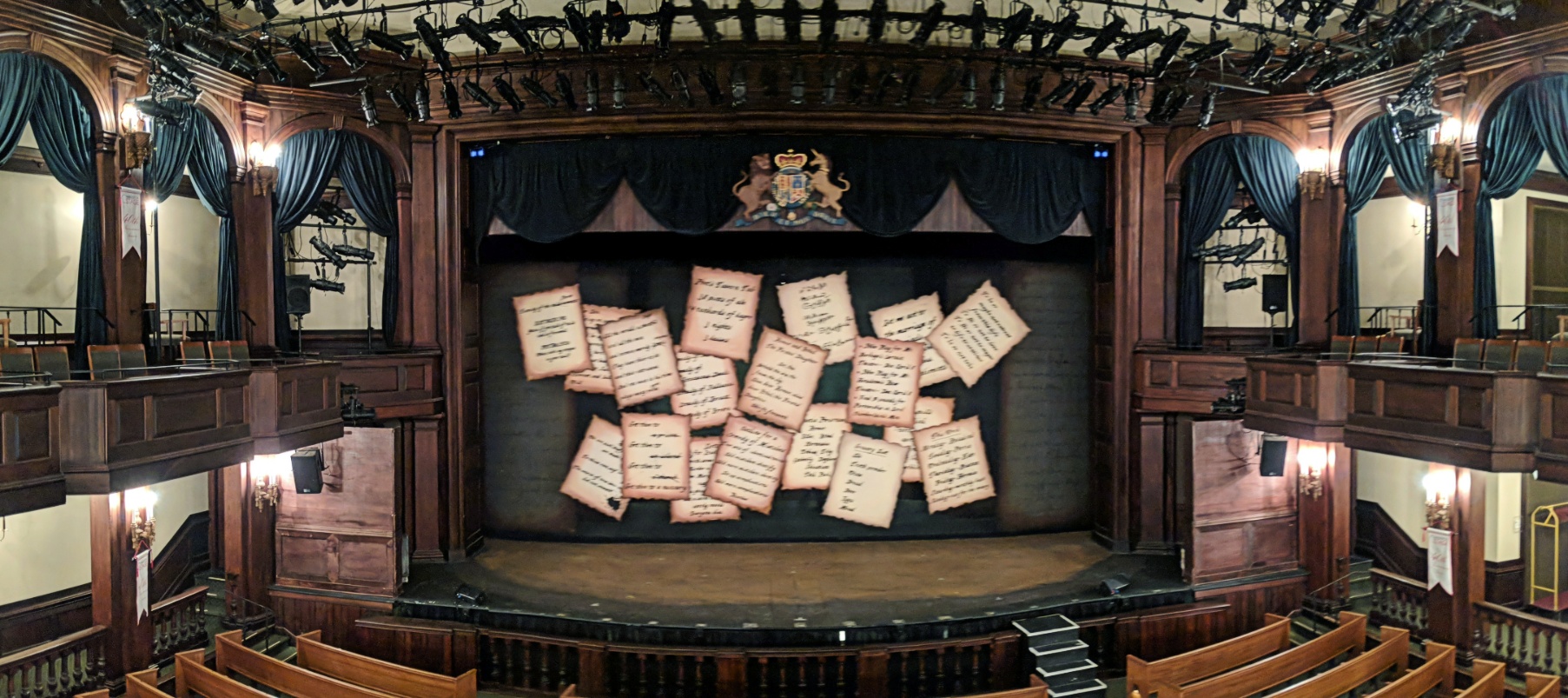
Charleston || The Dock Street Theatre

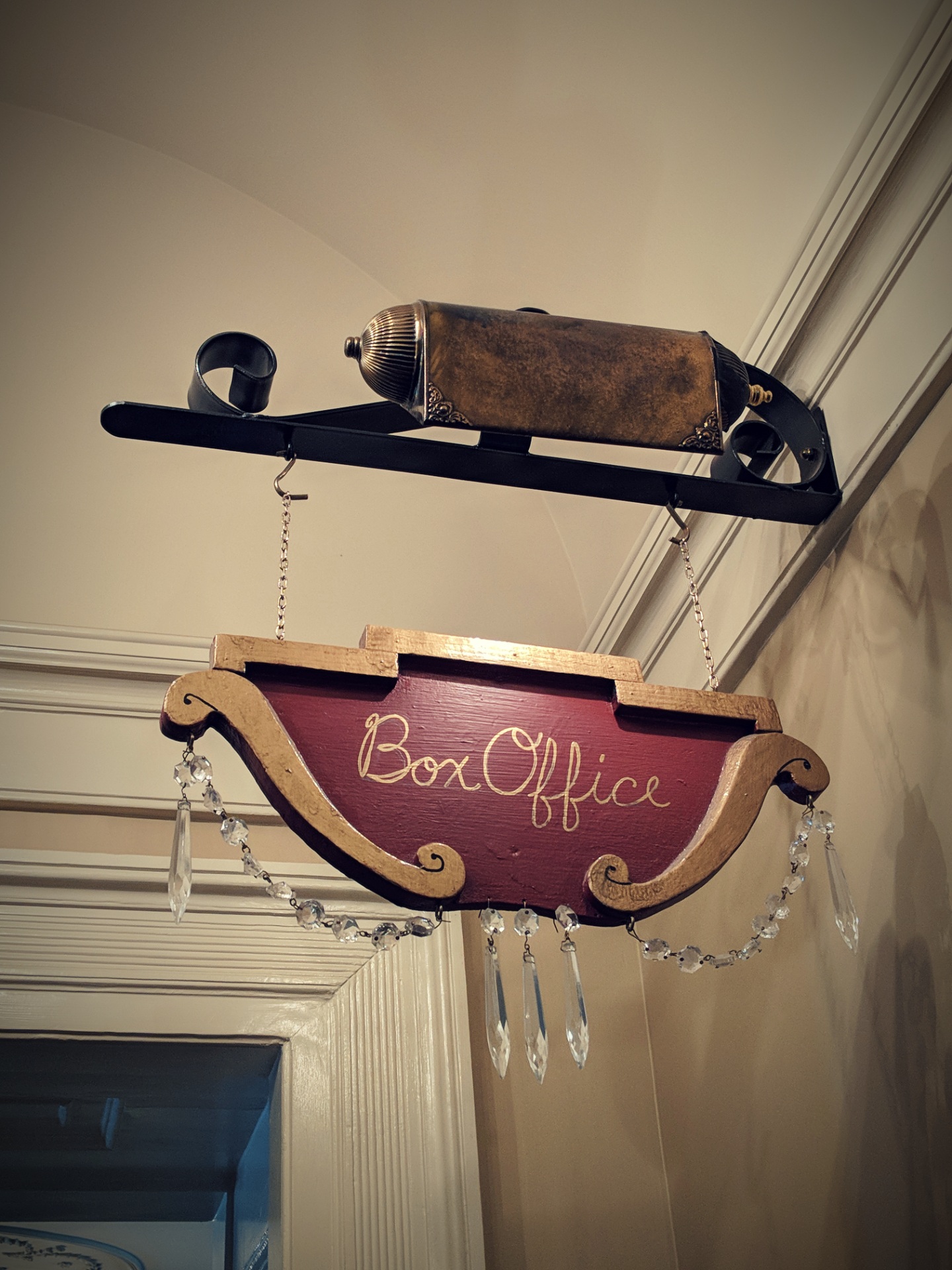
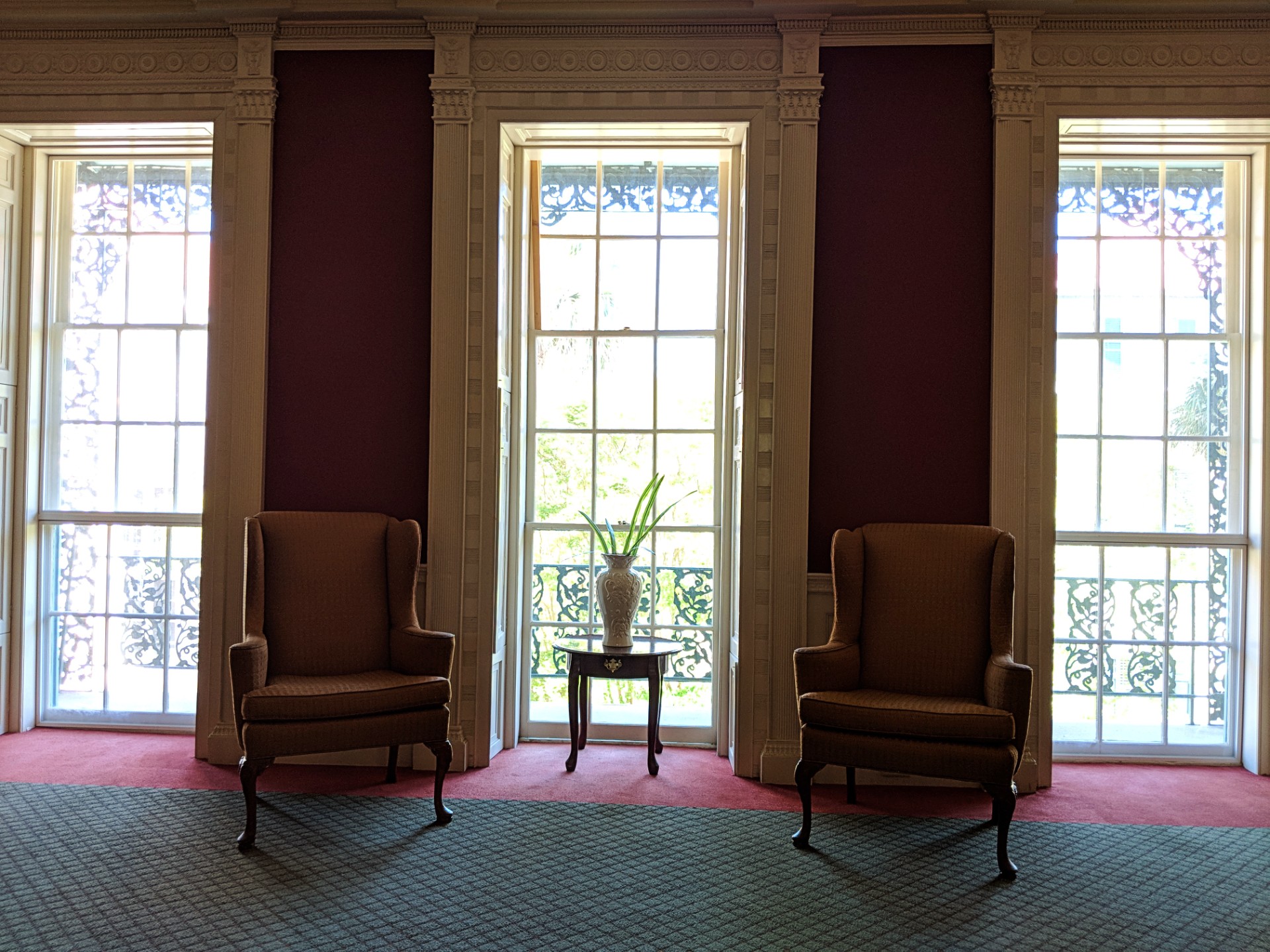
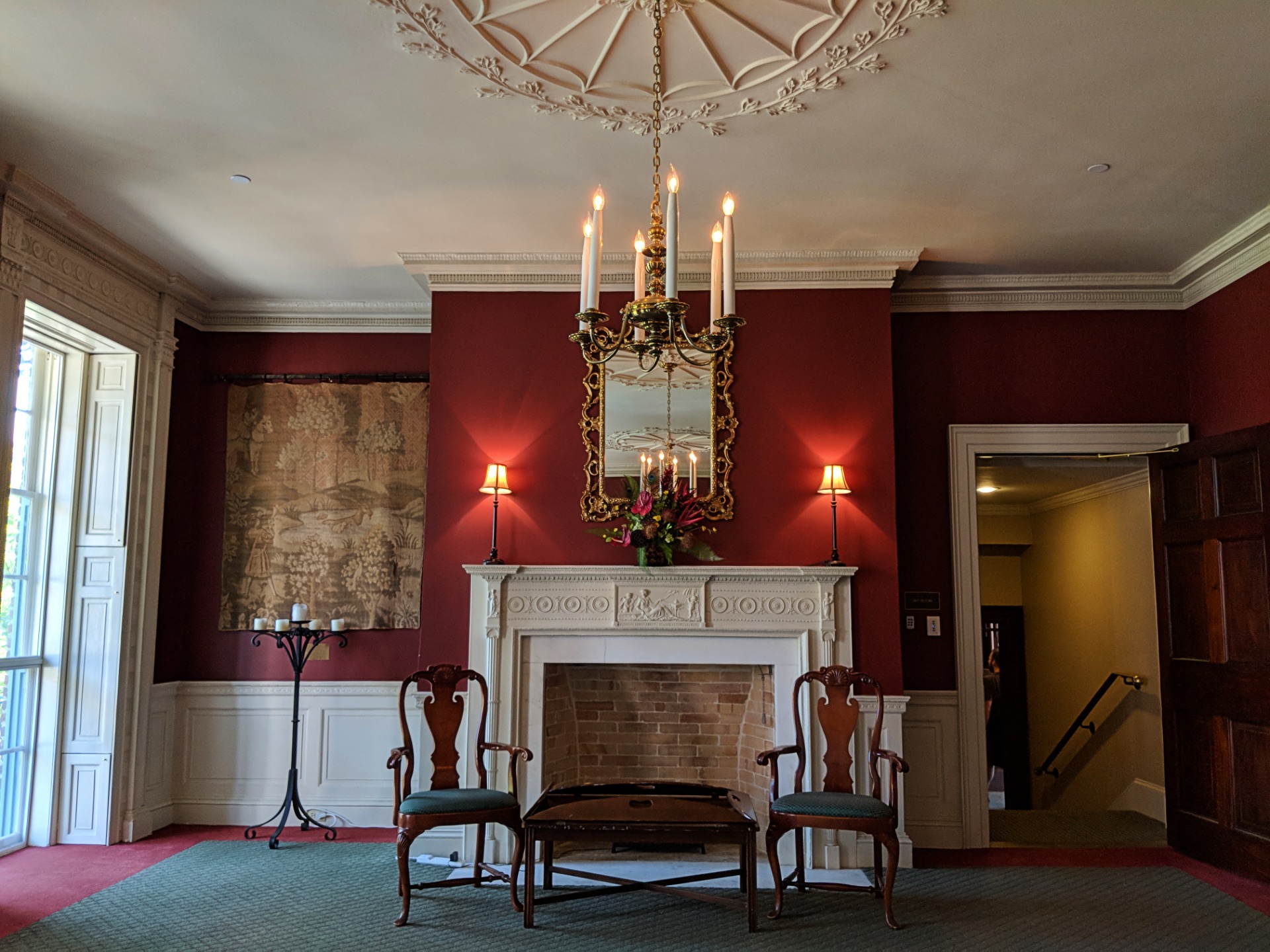
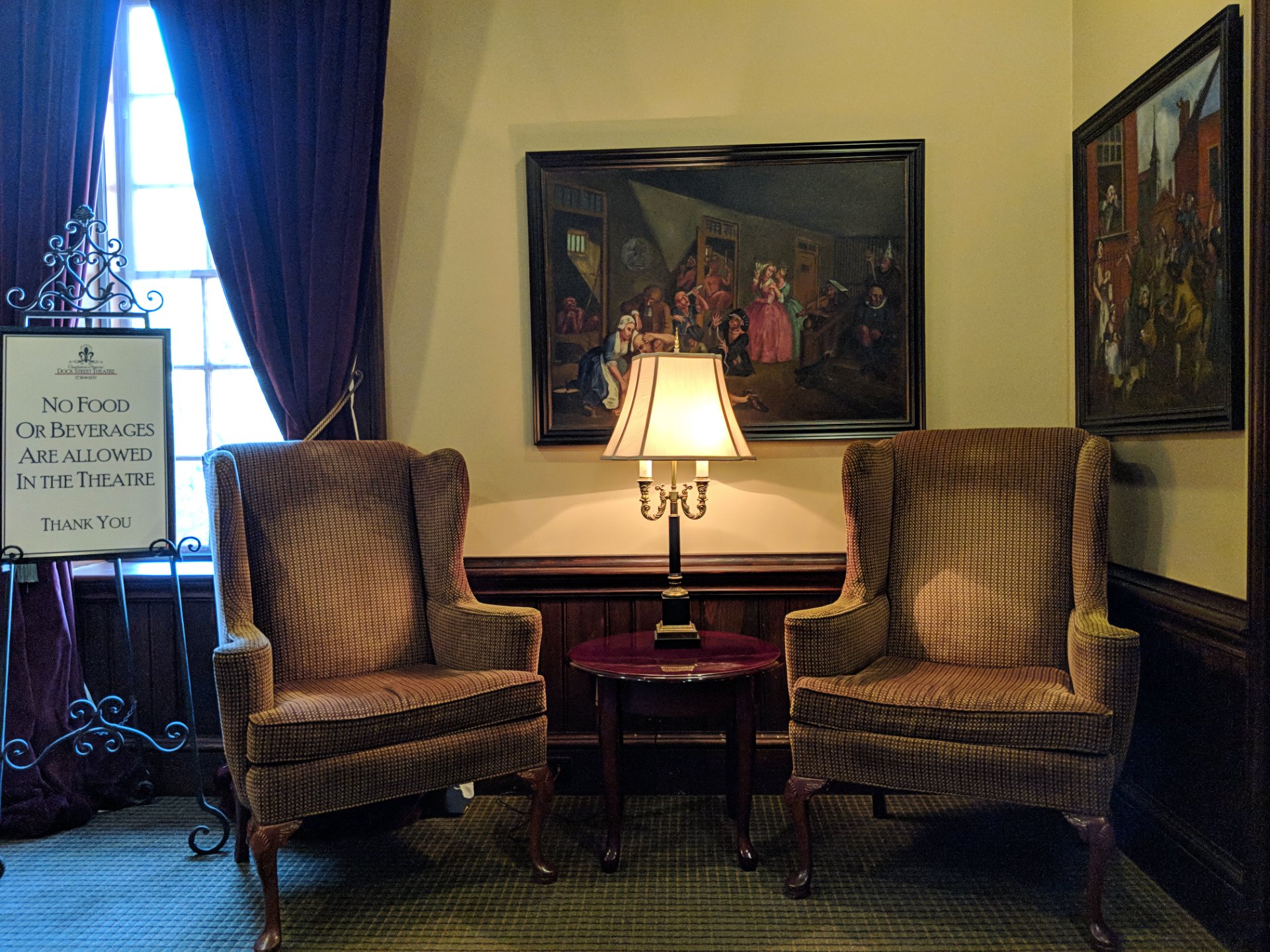
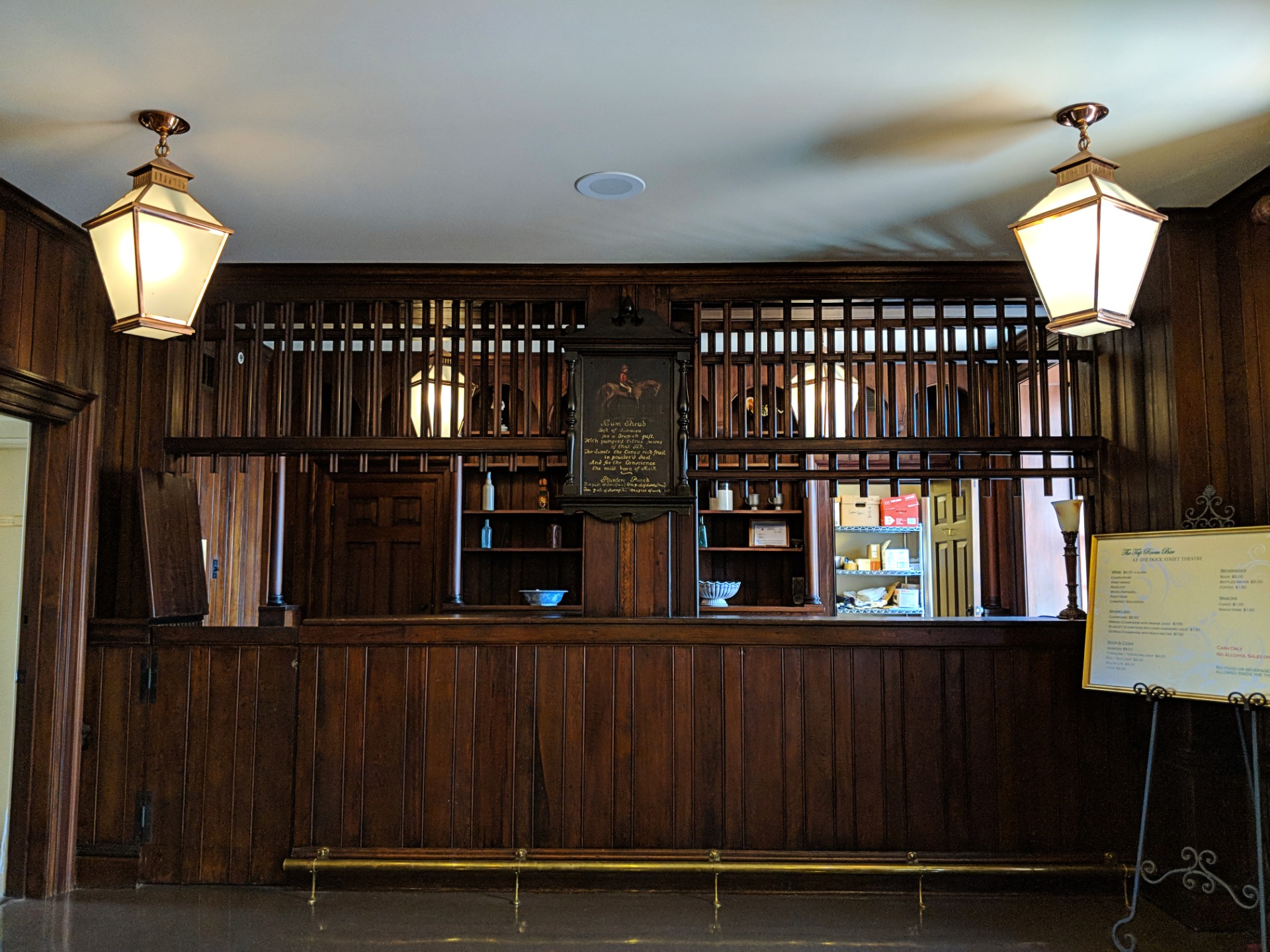
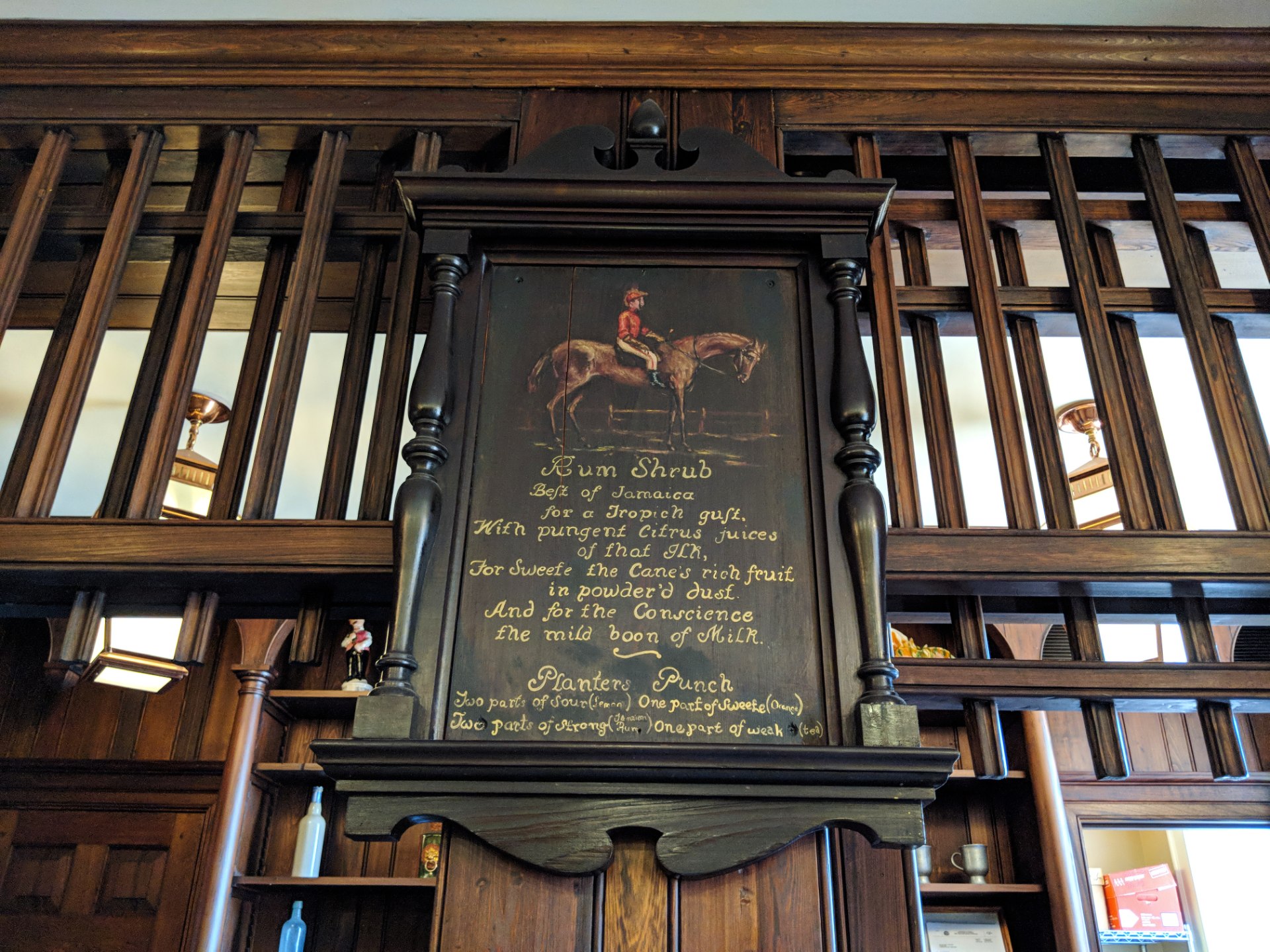
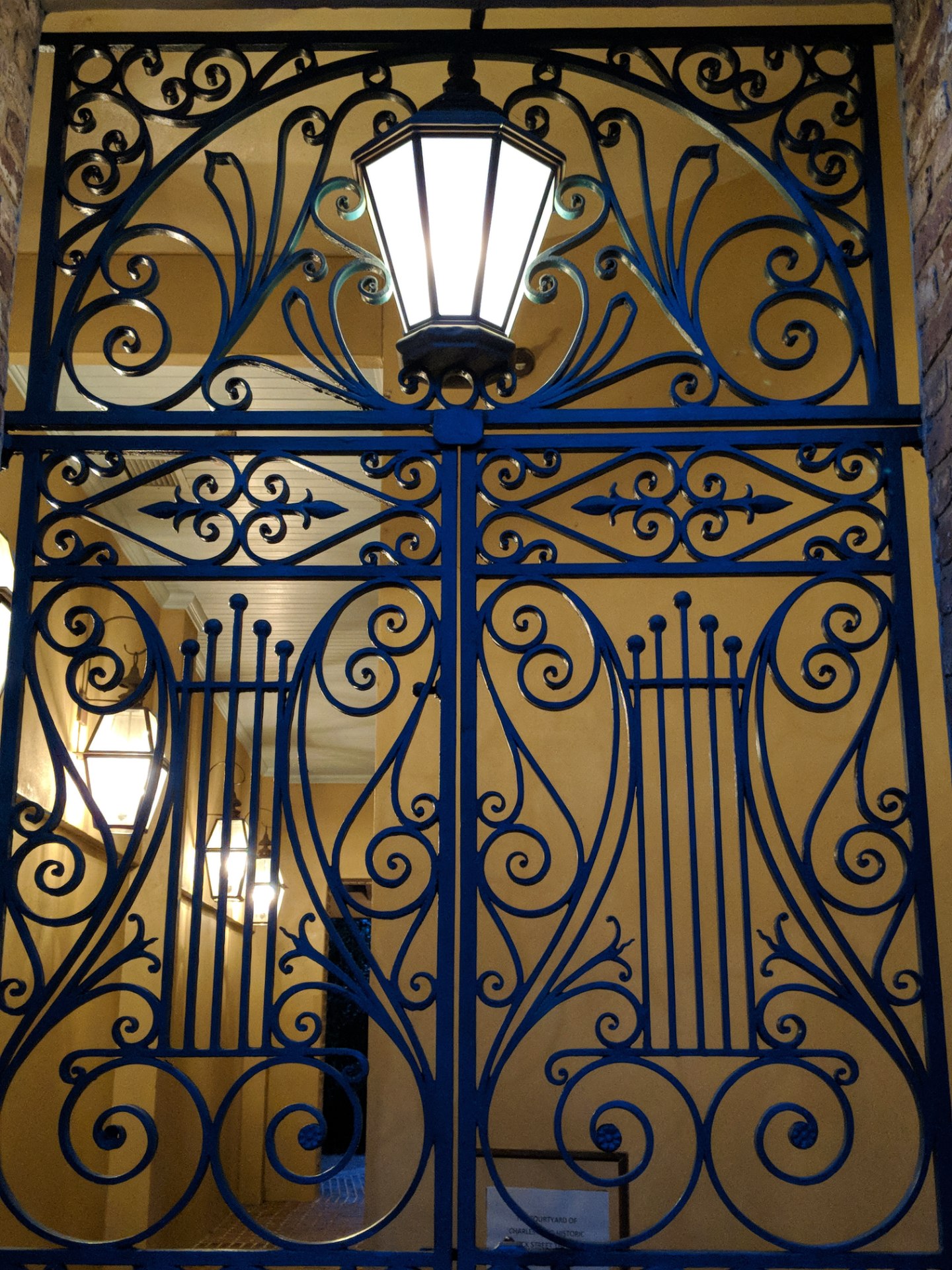
”On February 12, 1736 the Dock Street Theatre opened with a performance of The Recruiting Officer. Built on the corner of Church Street and Dock Street (now known as Queen Street), the Historic Dock Street Theatre was the first building in America built exclusively to be used for theatrical performances. Flora, the first opera performance in America, took place at the Historic Dock Street Theatre.”

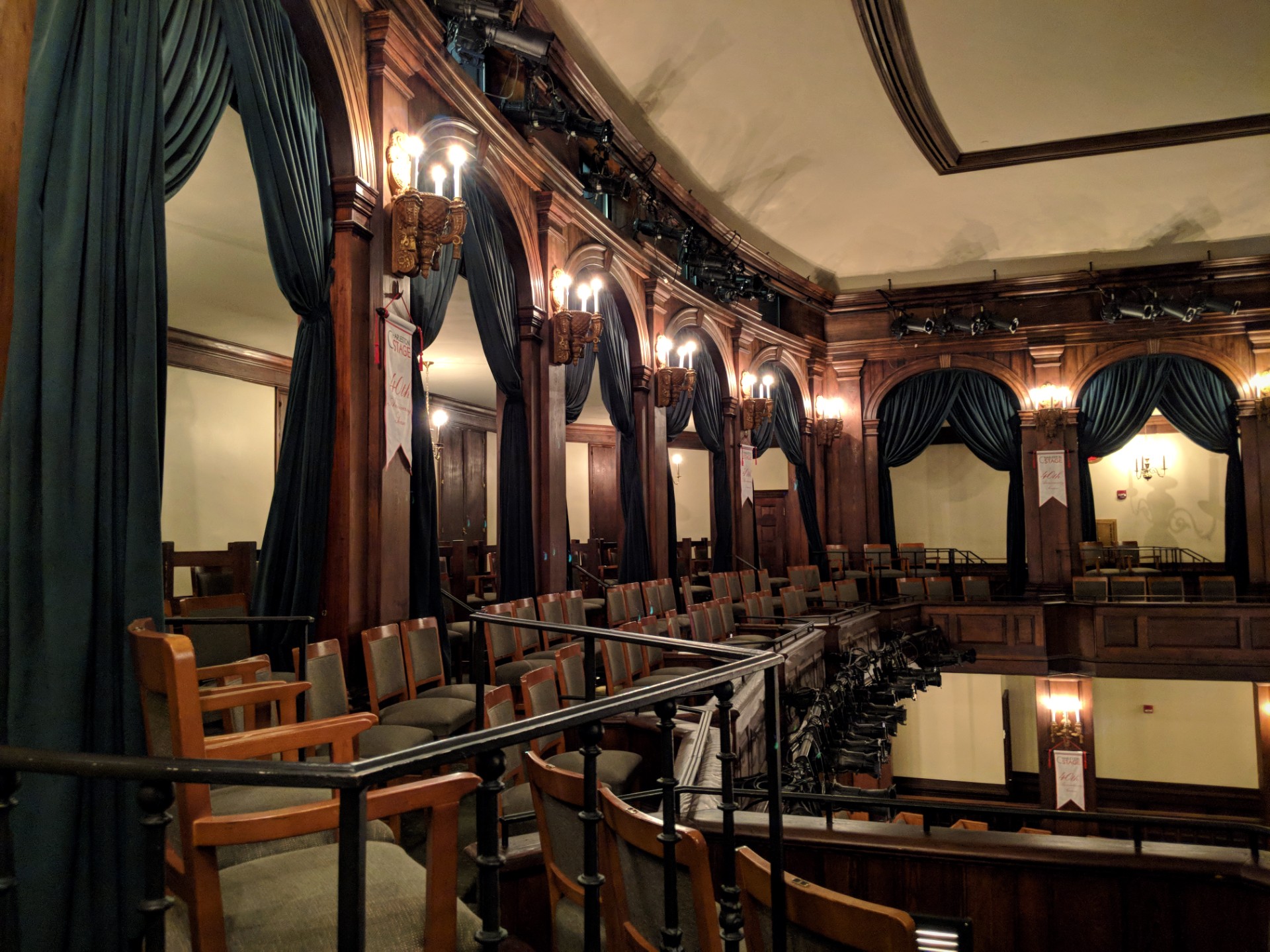
In the mornings, when there is no show, you can walk inside, take a sit and enjoy the silence.

Dock Street Theatre – Charleston, SC

April 12th, 2018

Charleston || The Nathaniel Russell House

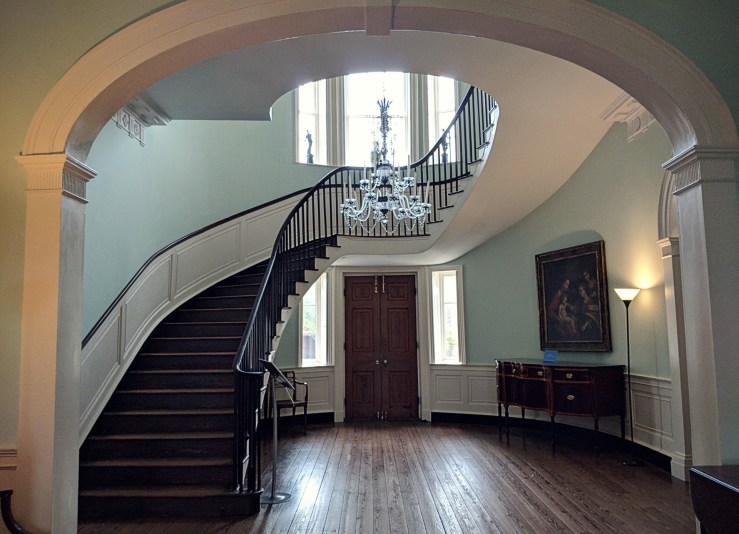
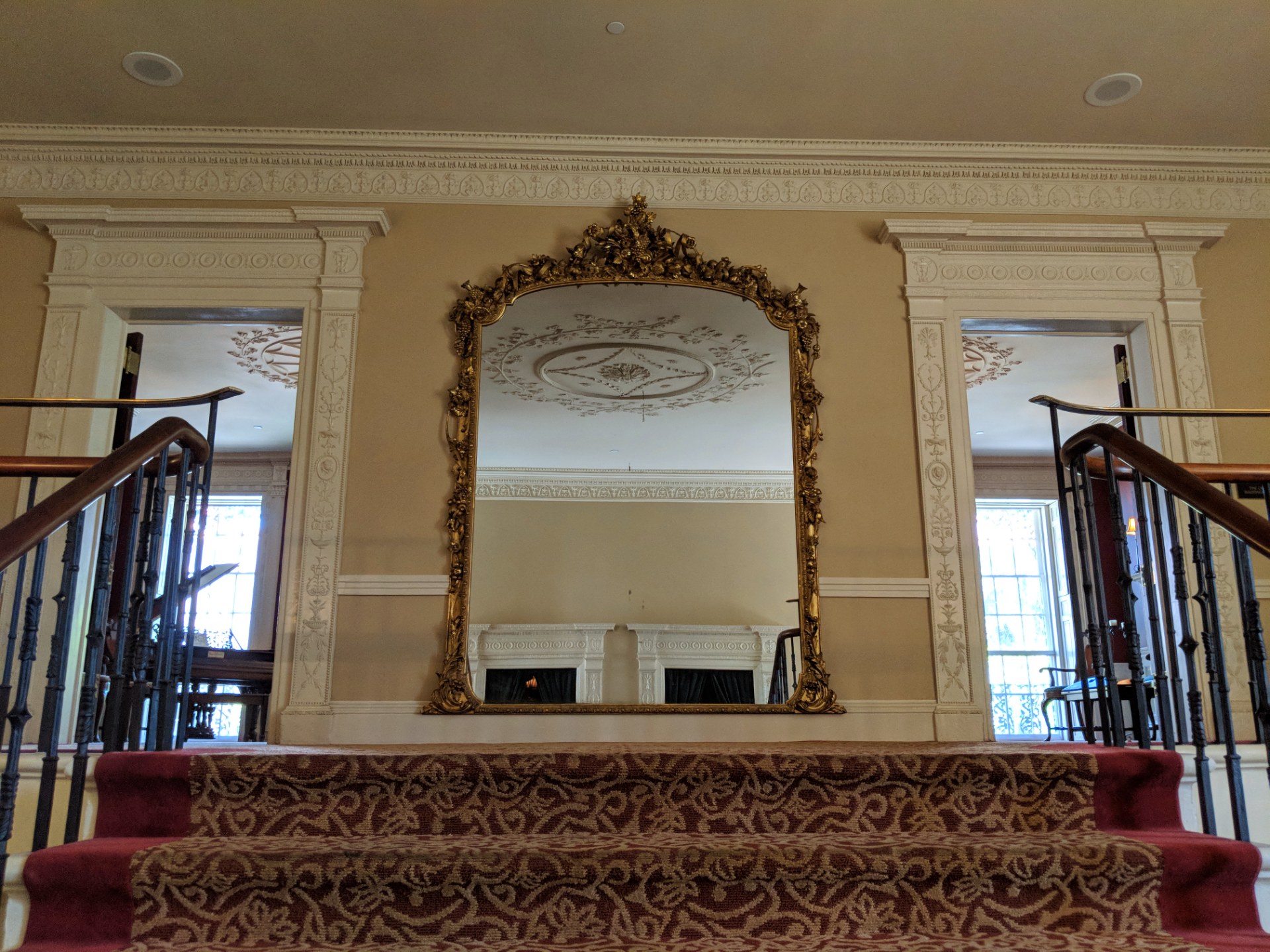
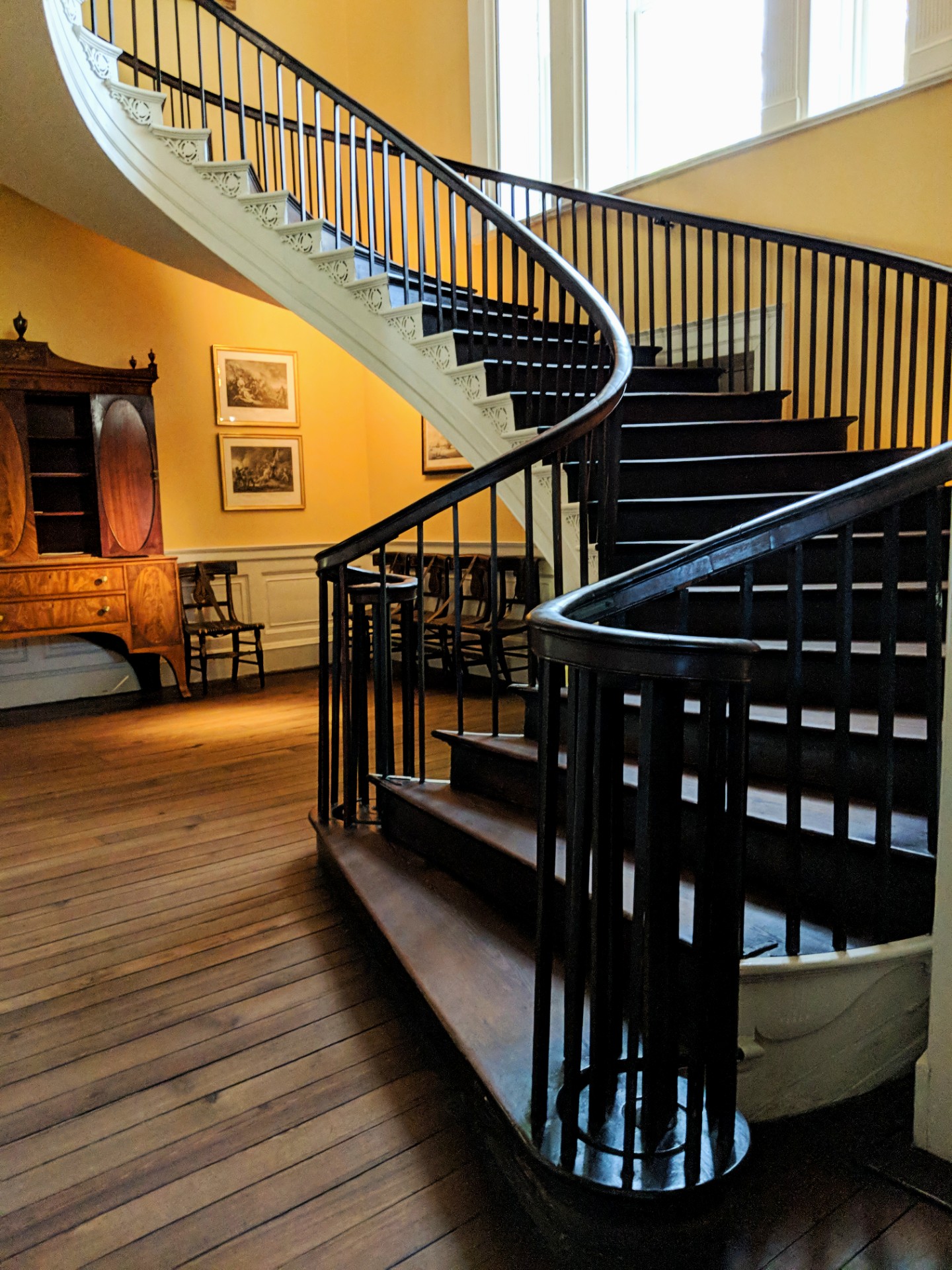
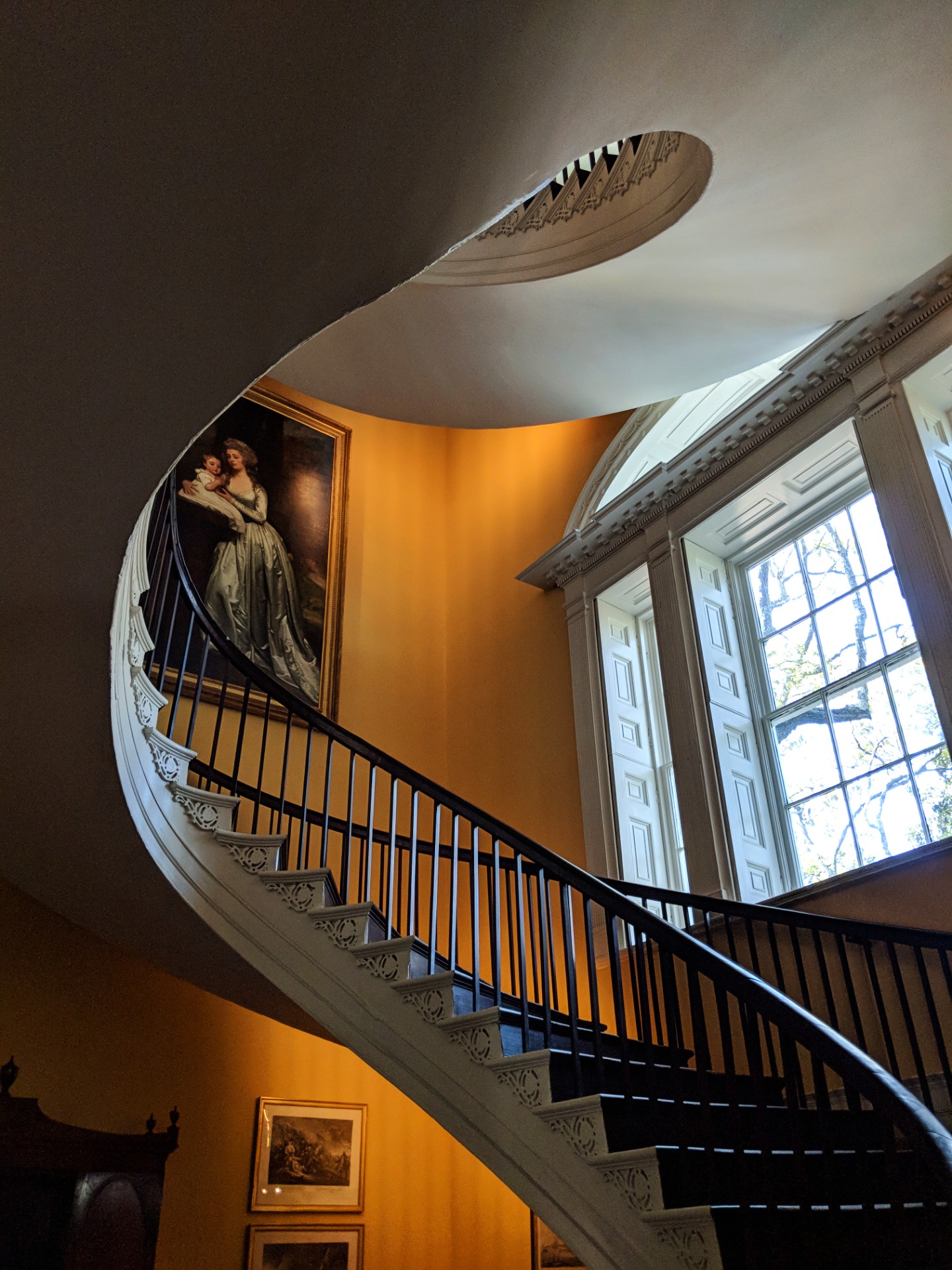
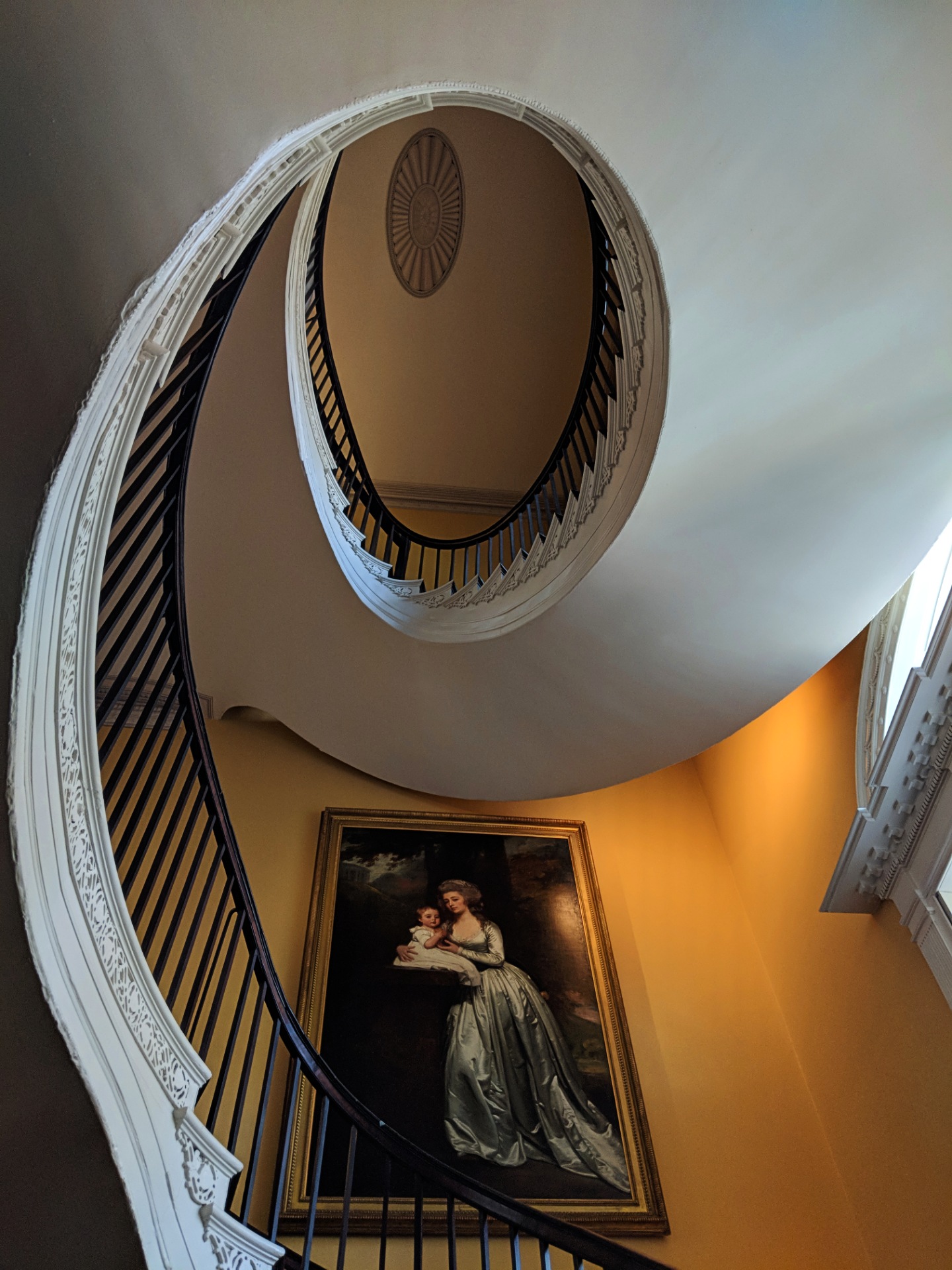
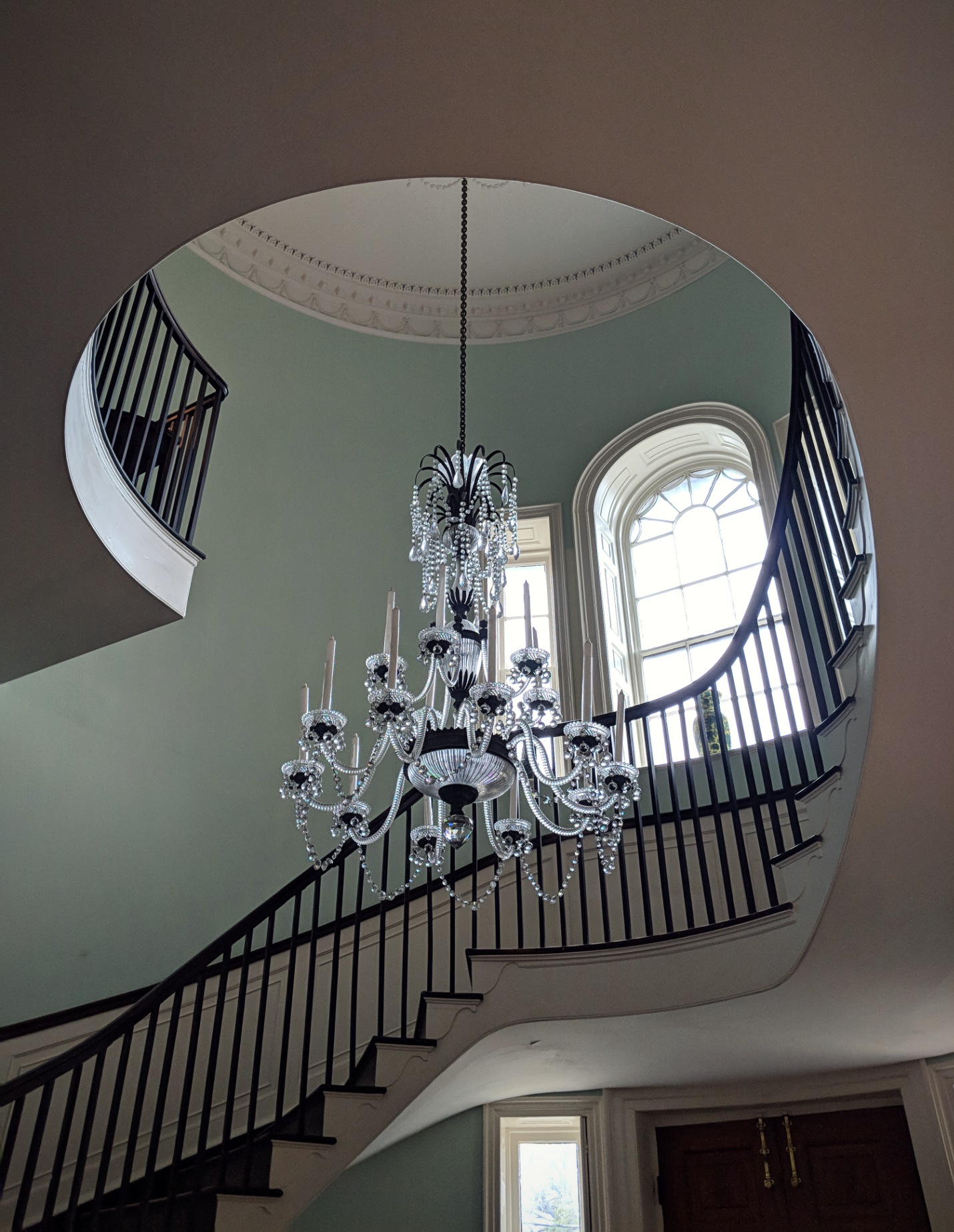
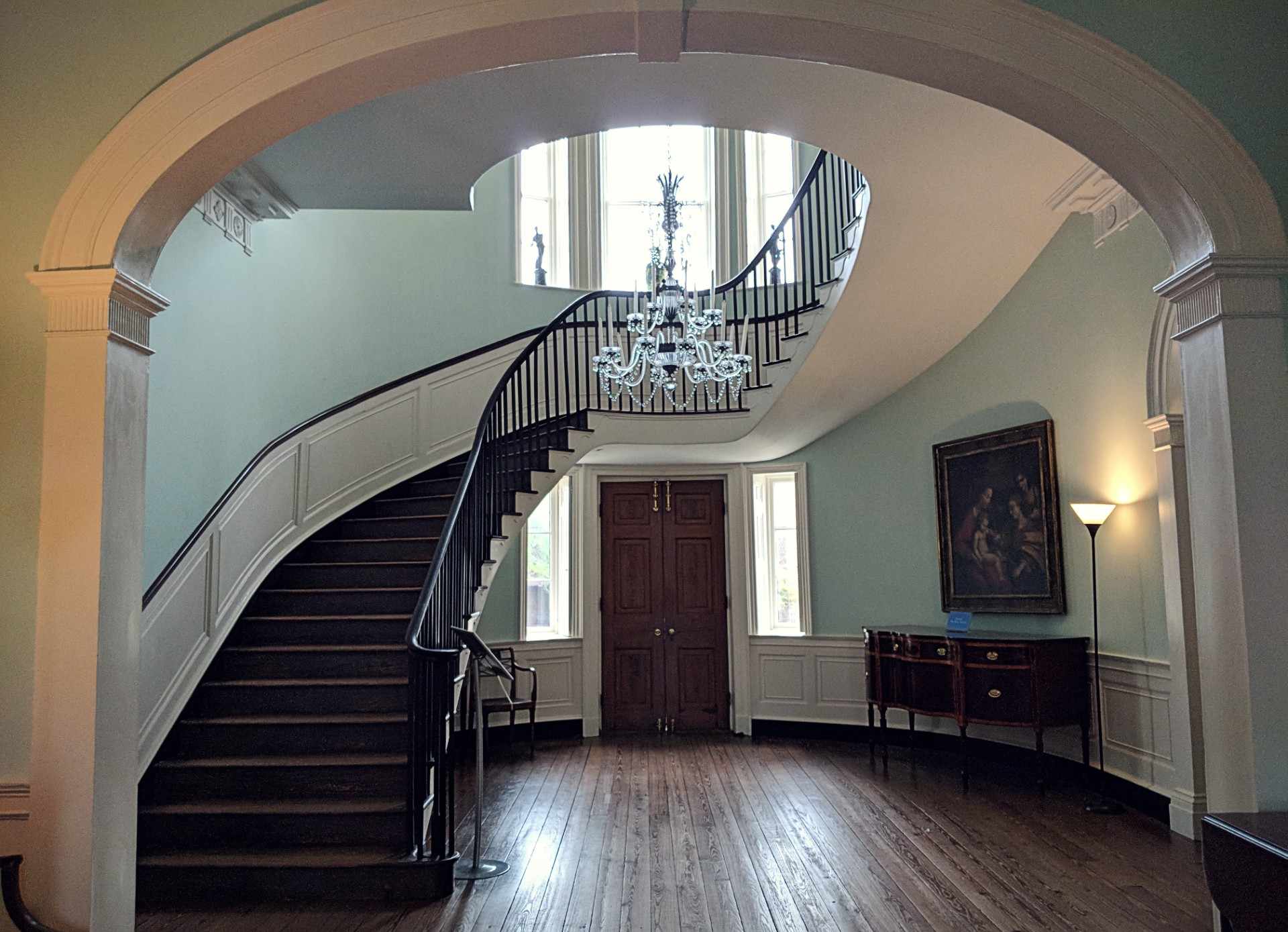
The one with the stunning, free-flying staircase that will have you stand there gawking for a long moment, at least until your guide rushes you on to the next room, to make space for the next group. There are quite a few magnificent mansions in Charleston but if you only have time for one, the Nathaniel Russel House is your absolute must-see.

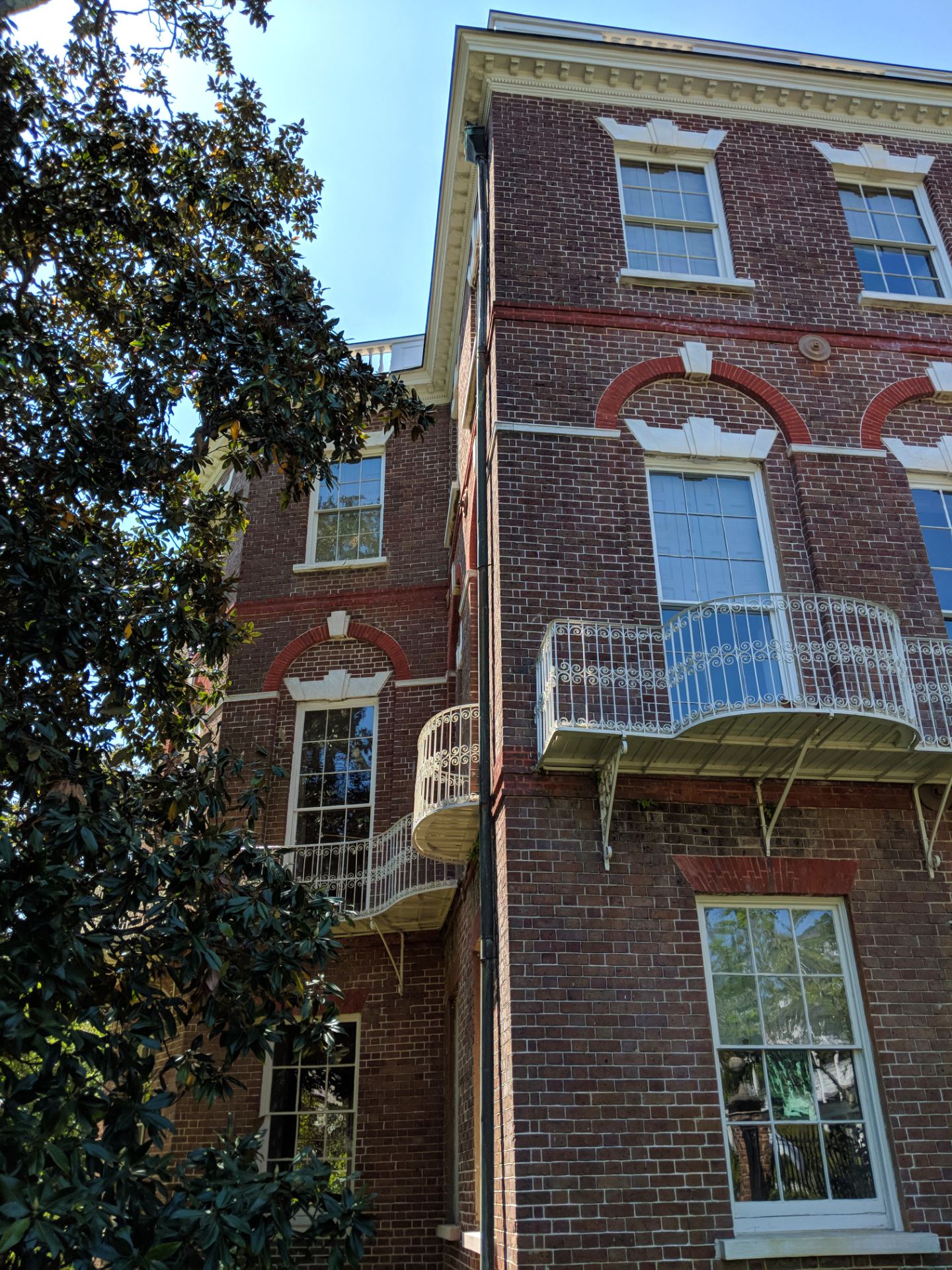
”A National Historic Landmark, the Nathaniel Russell House Museum was built over a five-year period and completed in 1808 by Charleston merchant Nathaniel Russell. The house cost $80,000 to build, at a time when the average value of a home was $262. The home’s graceful, free-flying, three-story staircase is an architectural marvel with each cantilevered step supporting the one above and below it.” [source]

Charleston, SC

April 11th, 2018

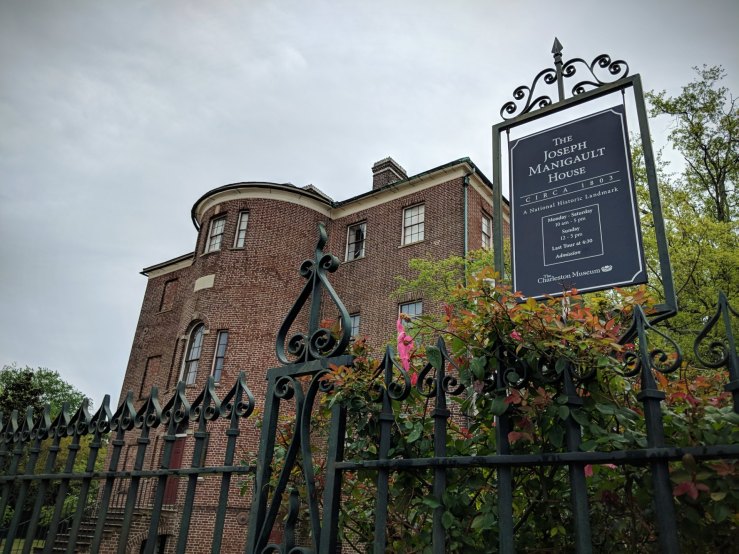
Charleston || Joseph Manigault House

Charleston is known for its rich history, an important piece of which are its well preserved, glorious mansions-turned-into-museums, bringing joy to architecture & history enthusiasts and large numbers of visitors to the city.

Be prepared for some awe inspiring historic house hopping when you visit Charleston, there’s no escaping that (not that you’d wish to escape it, I’m sure).

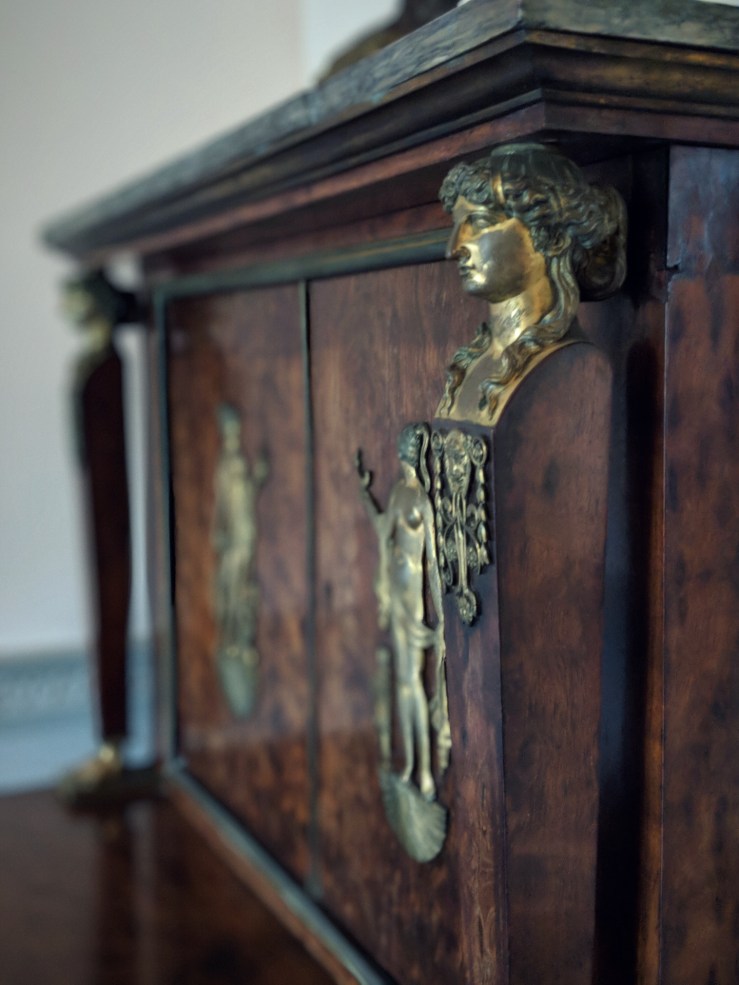
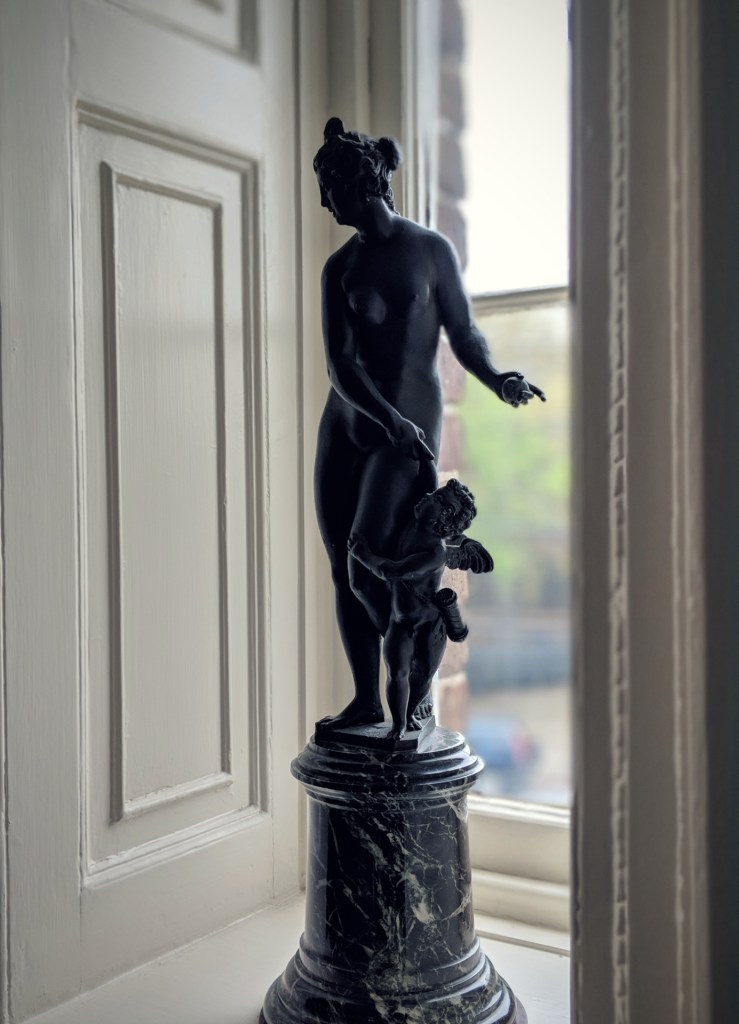
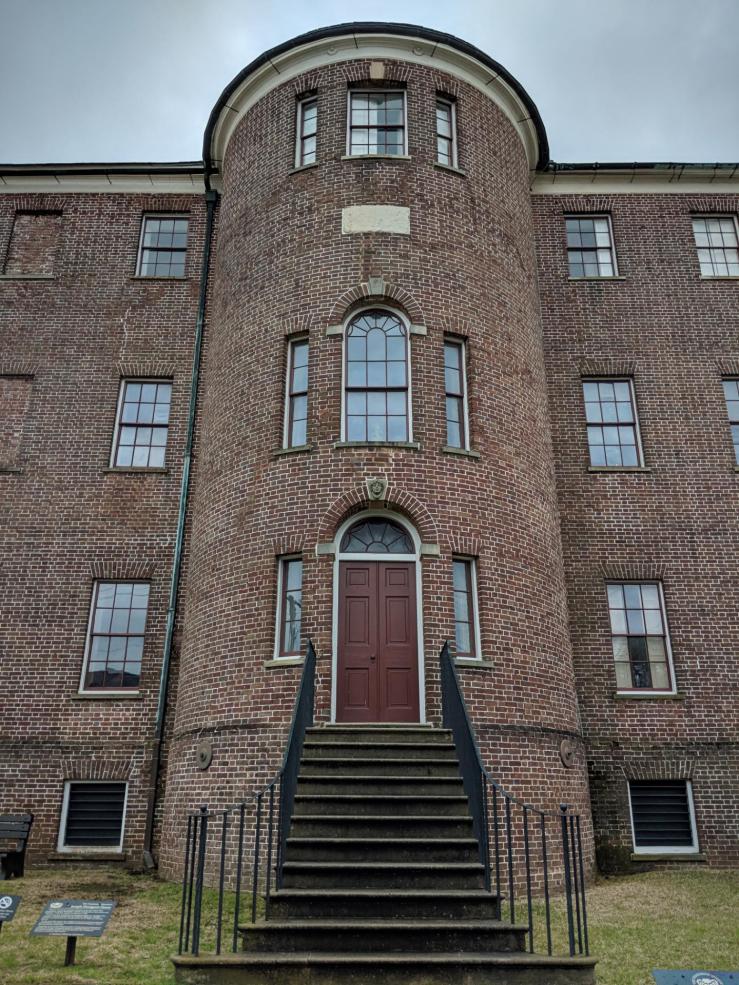
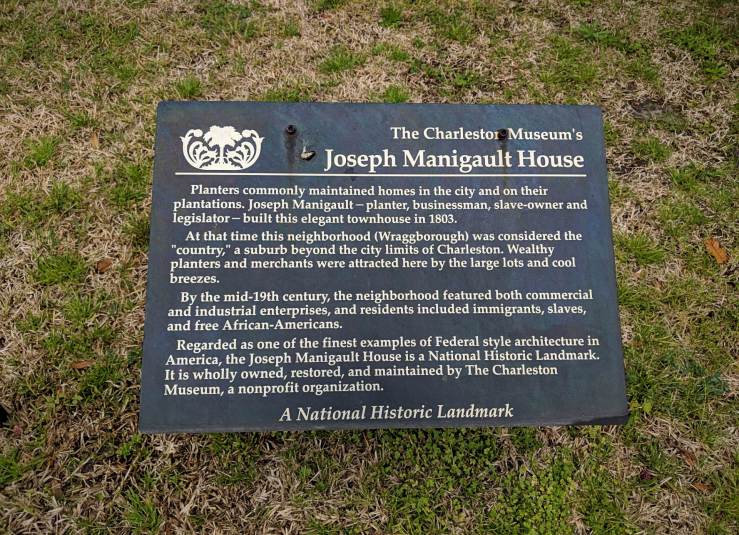
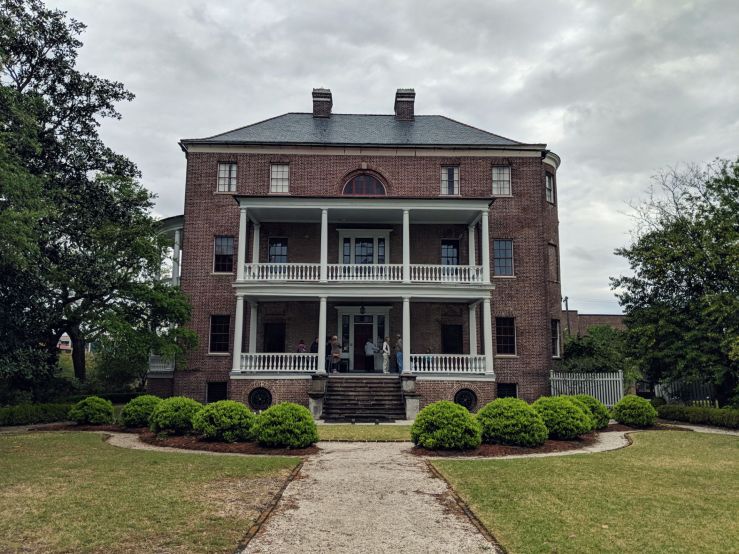
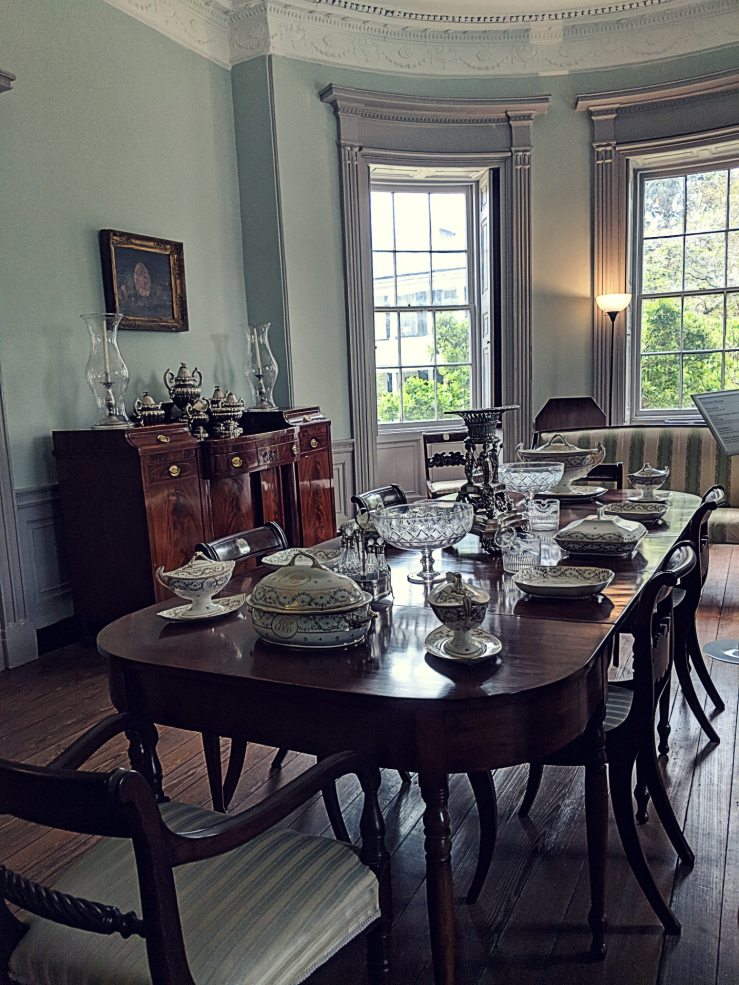
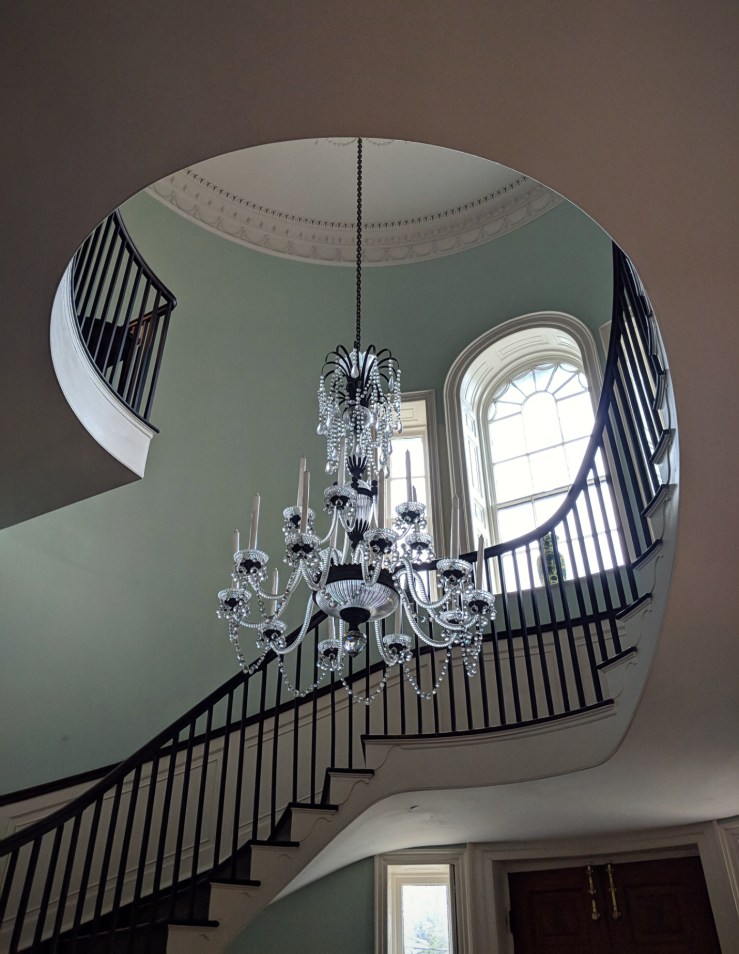
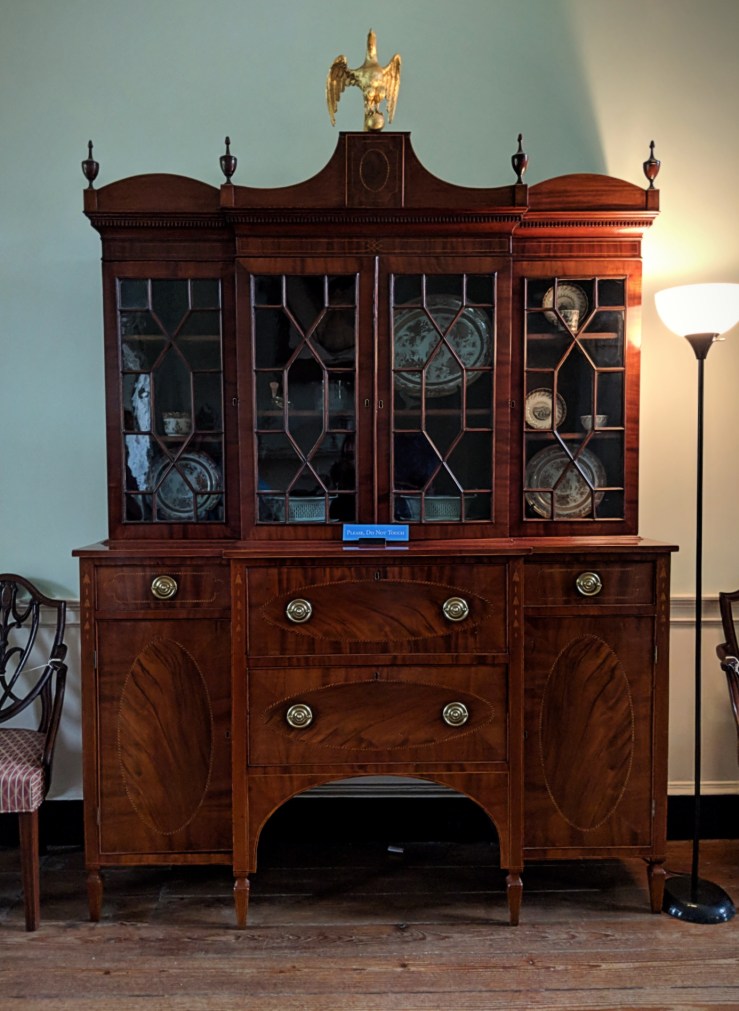
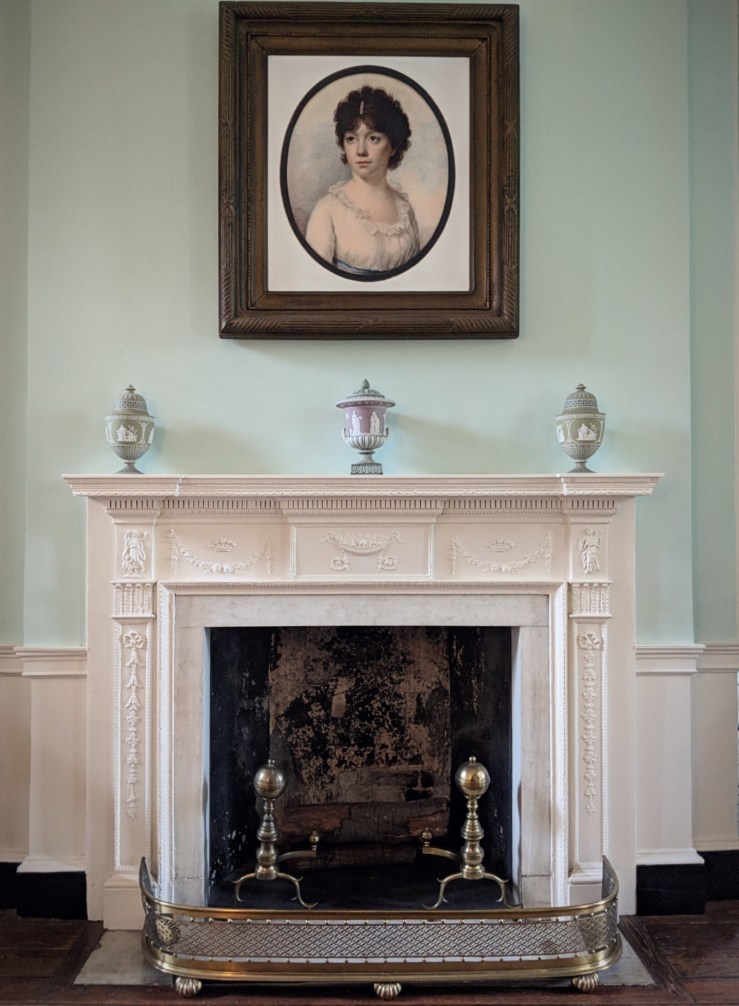
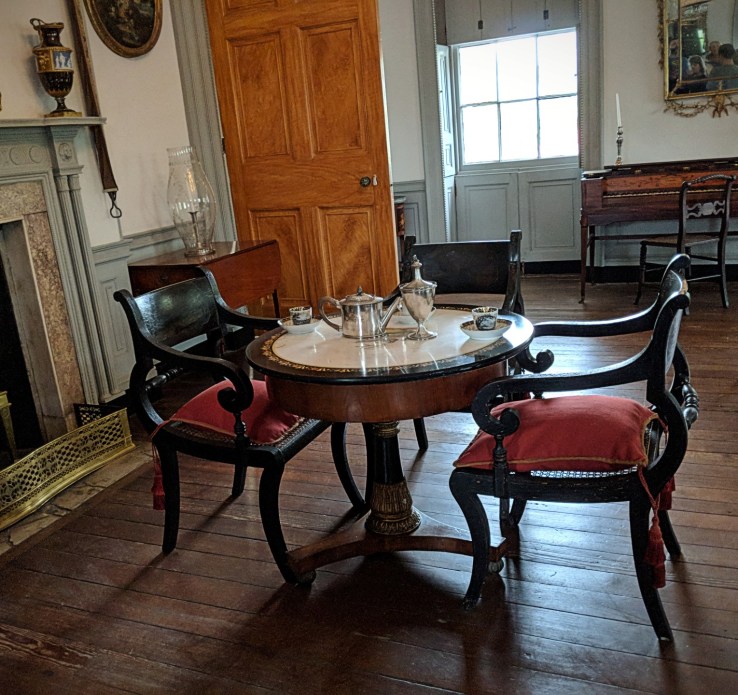
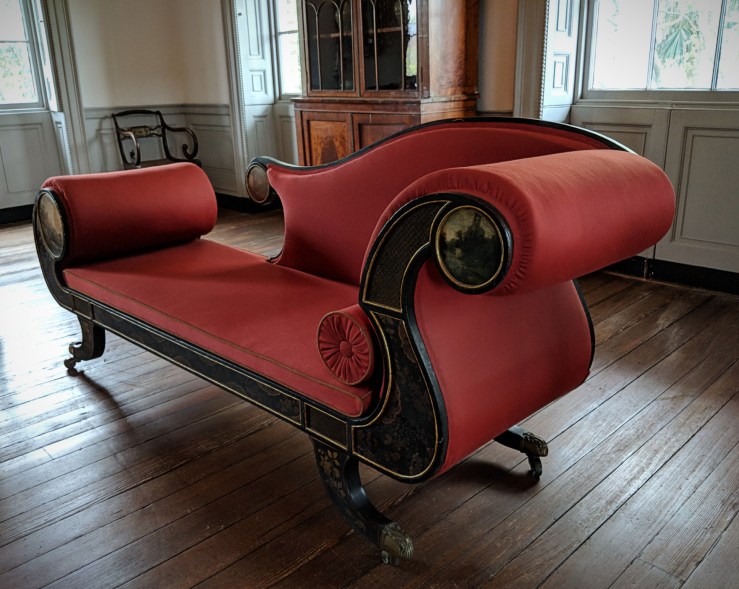
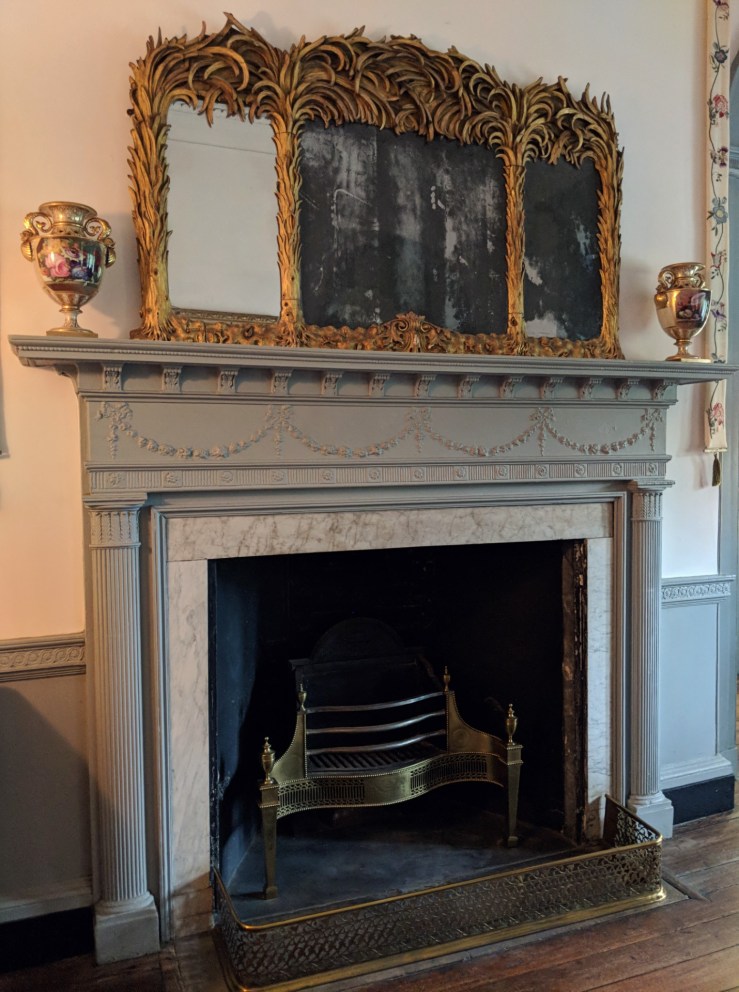
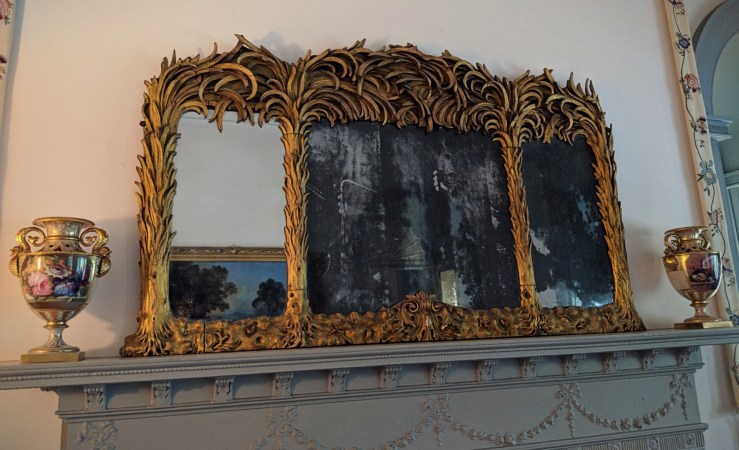
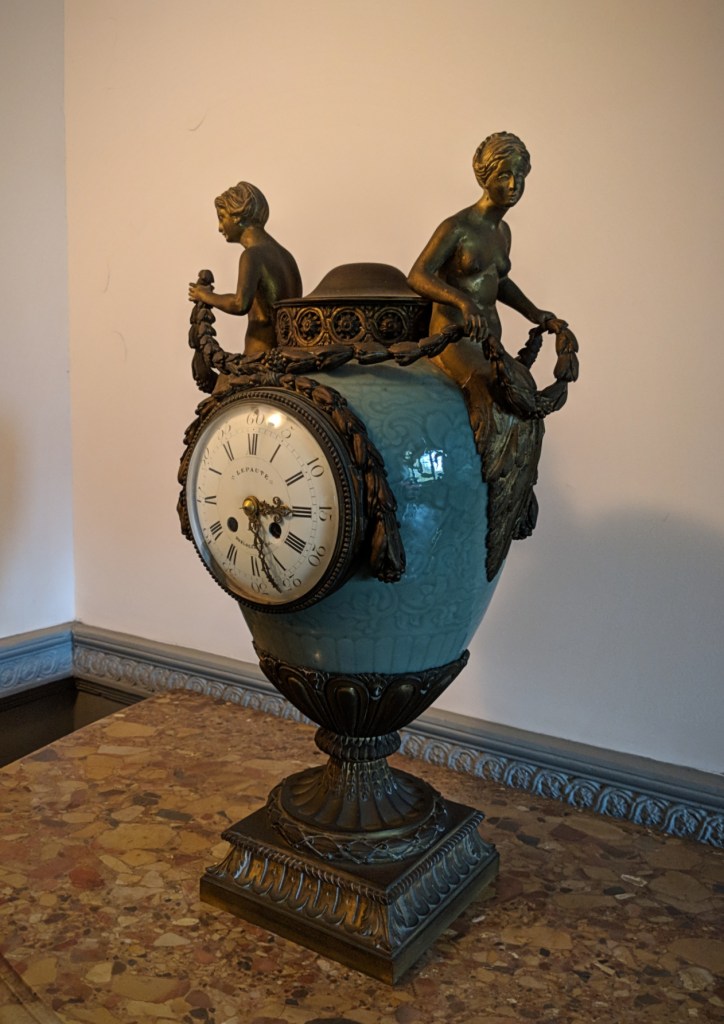
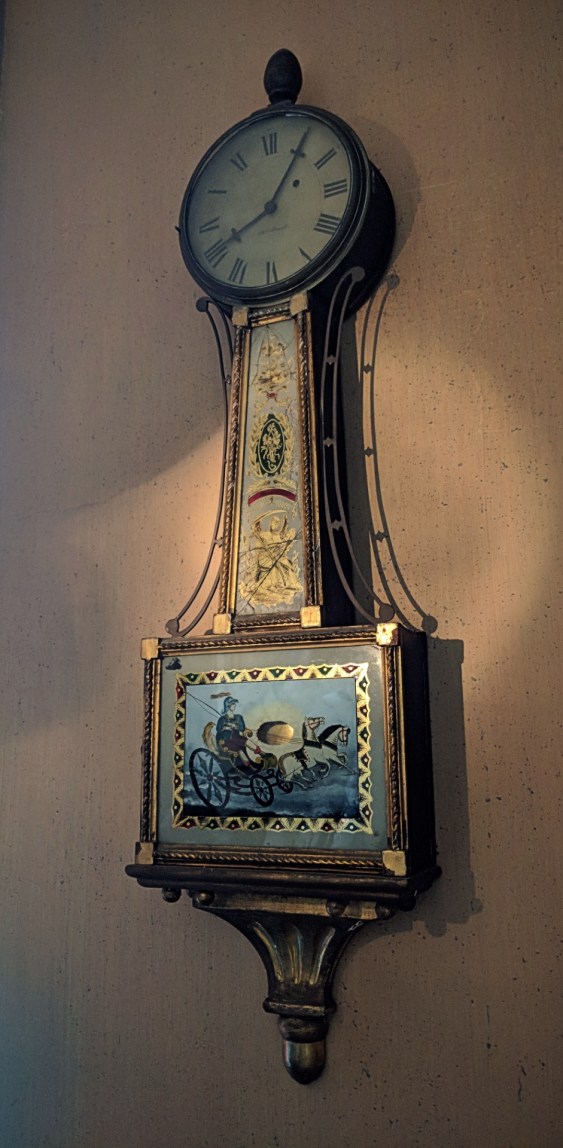
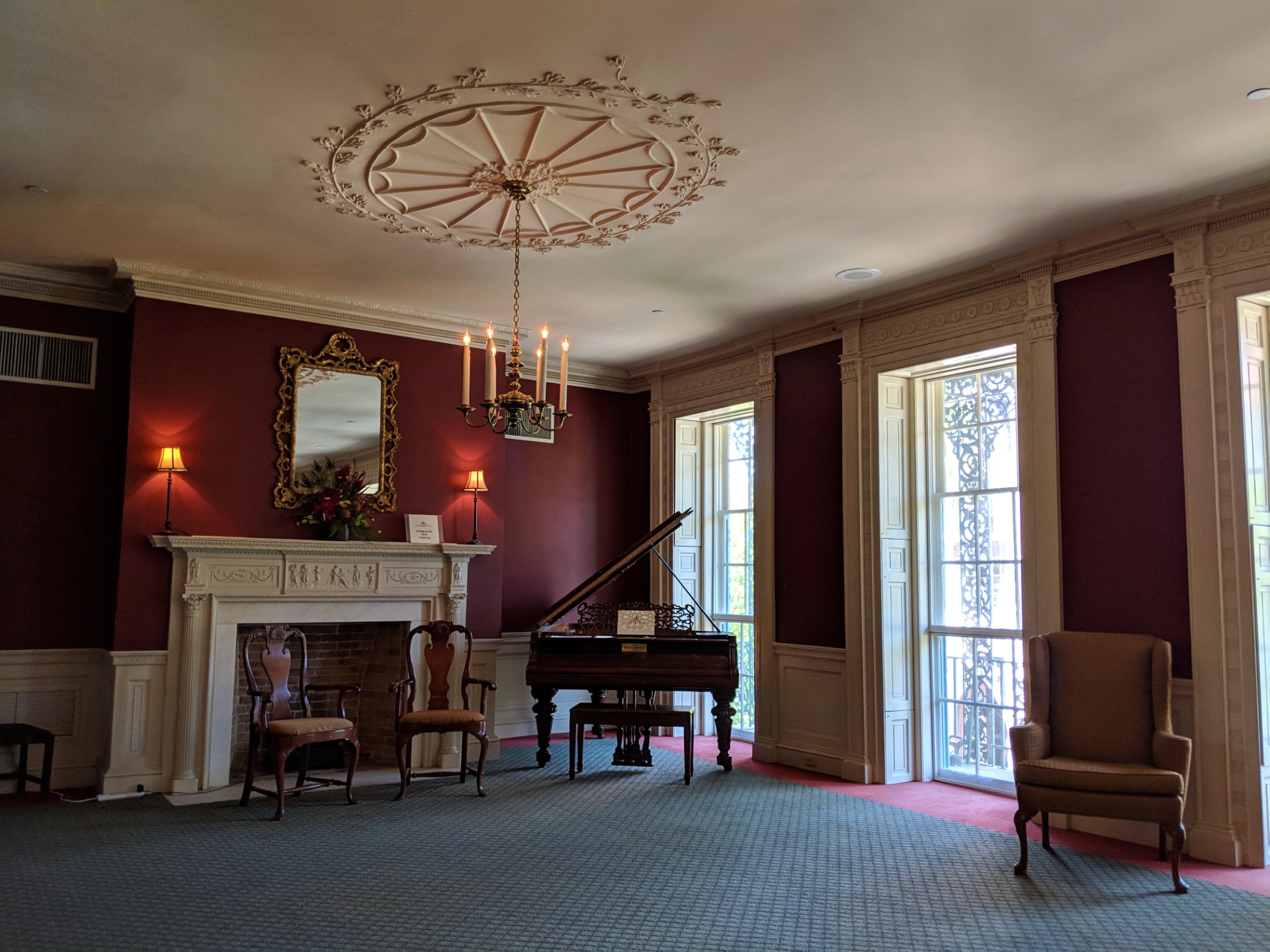
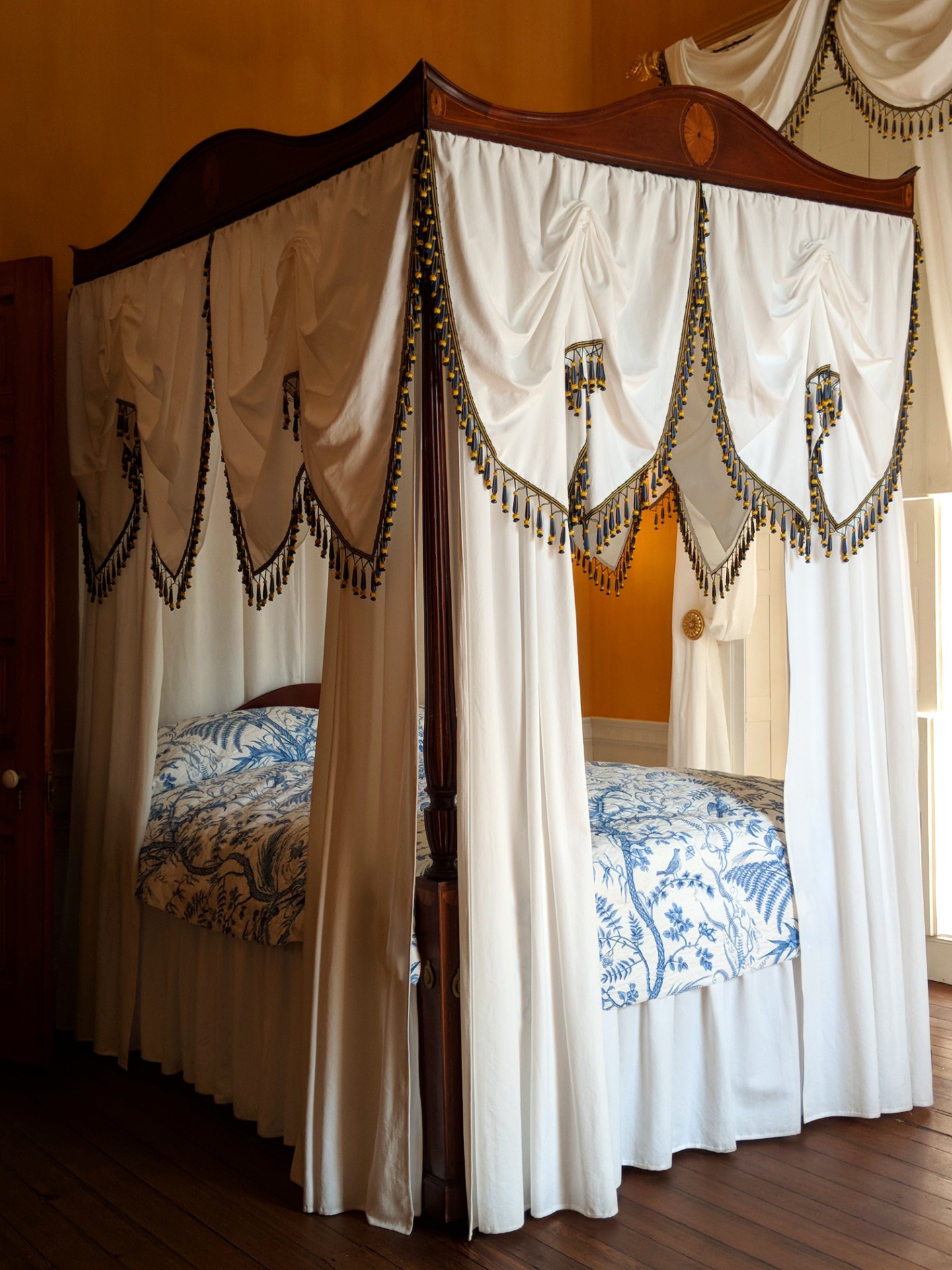
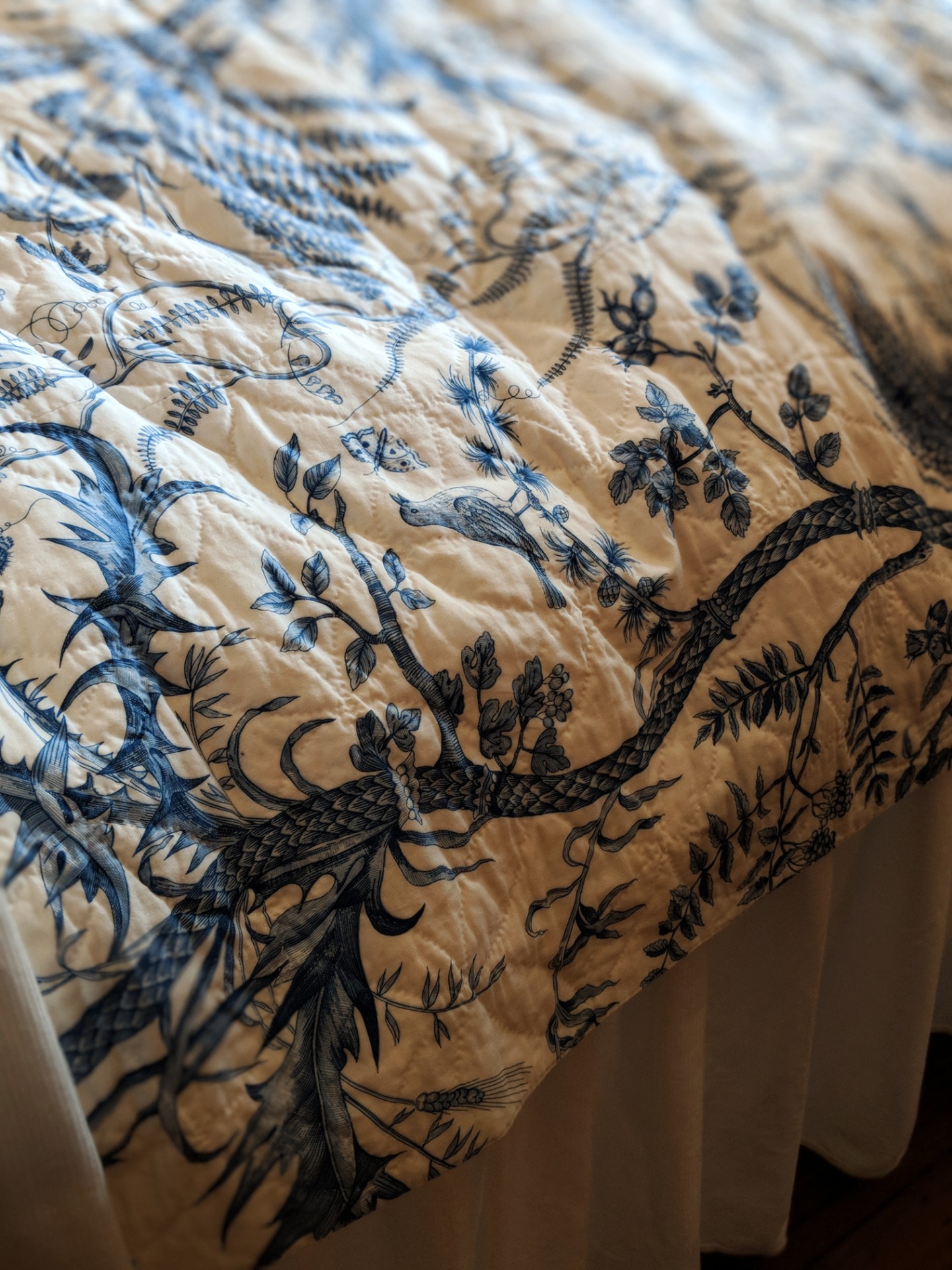
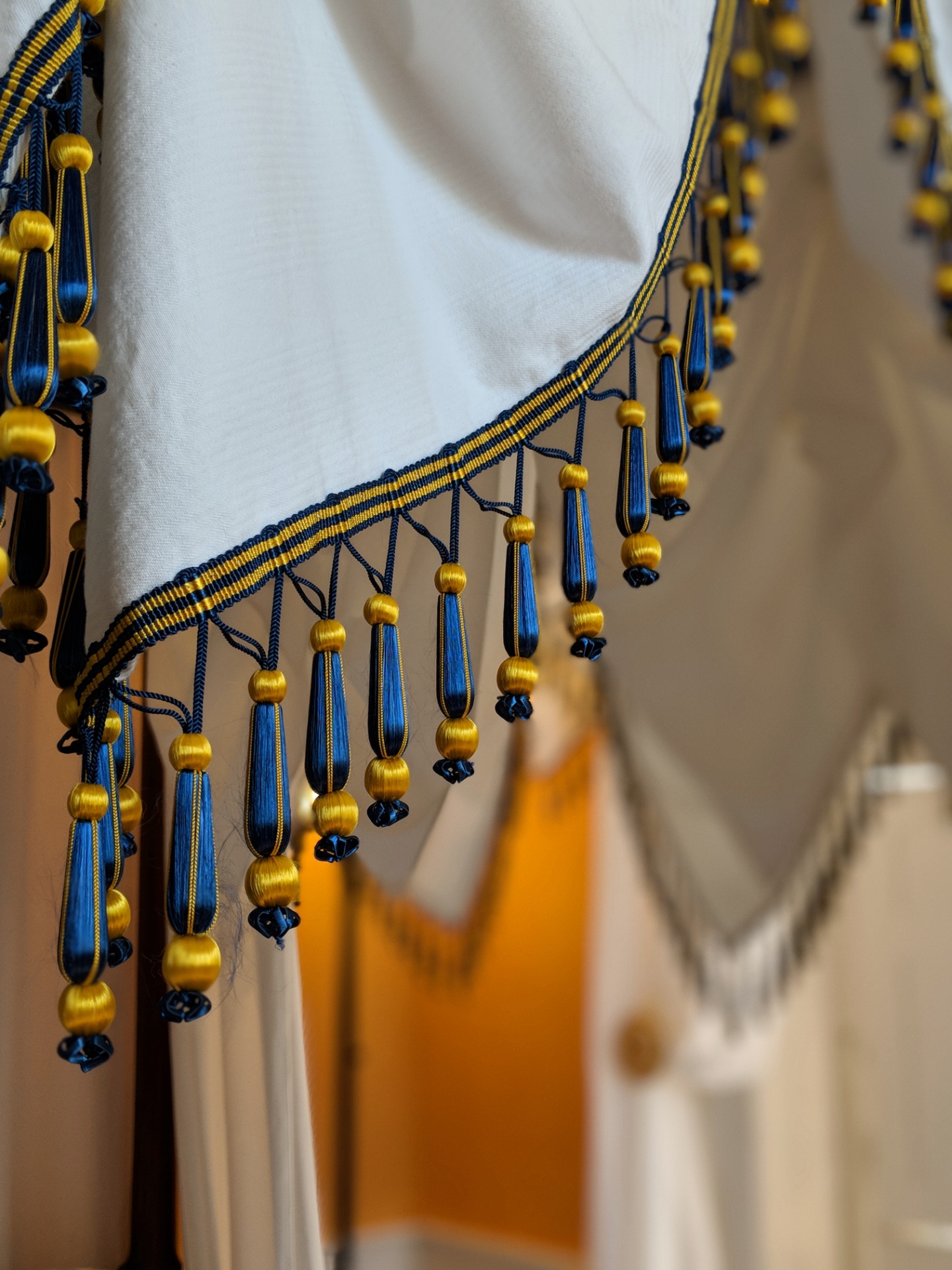
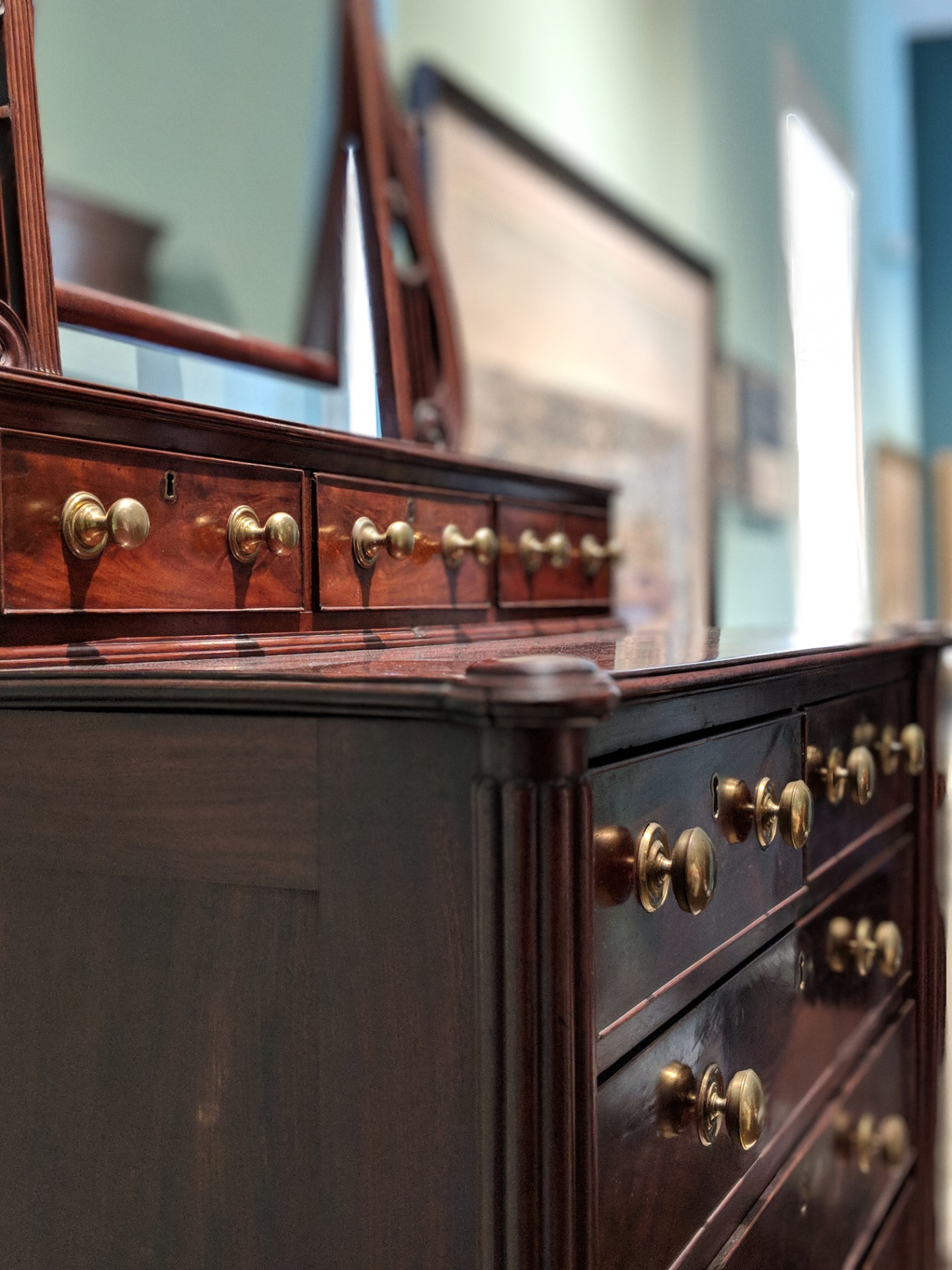
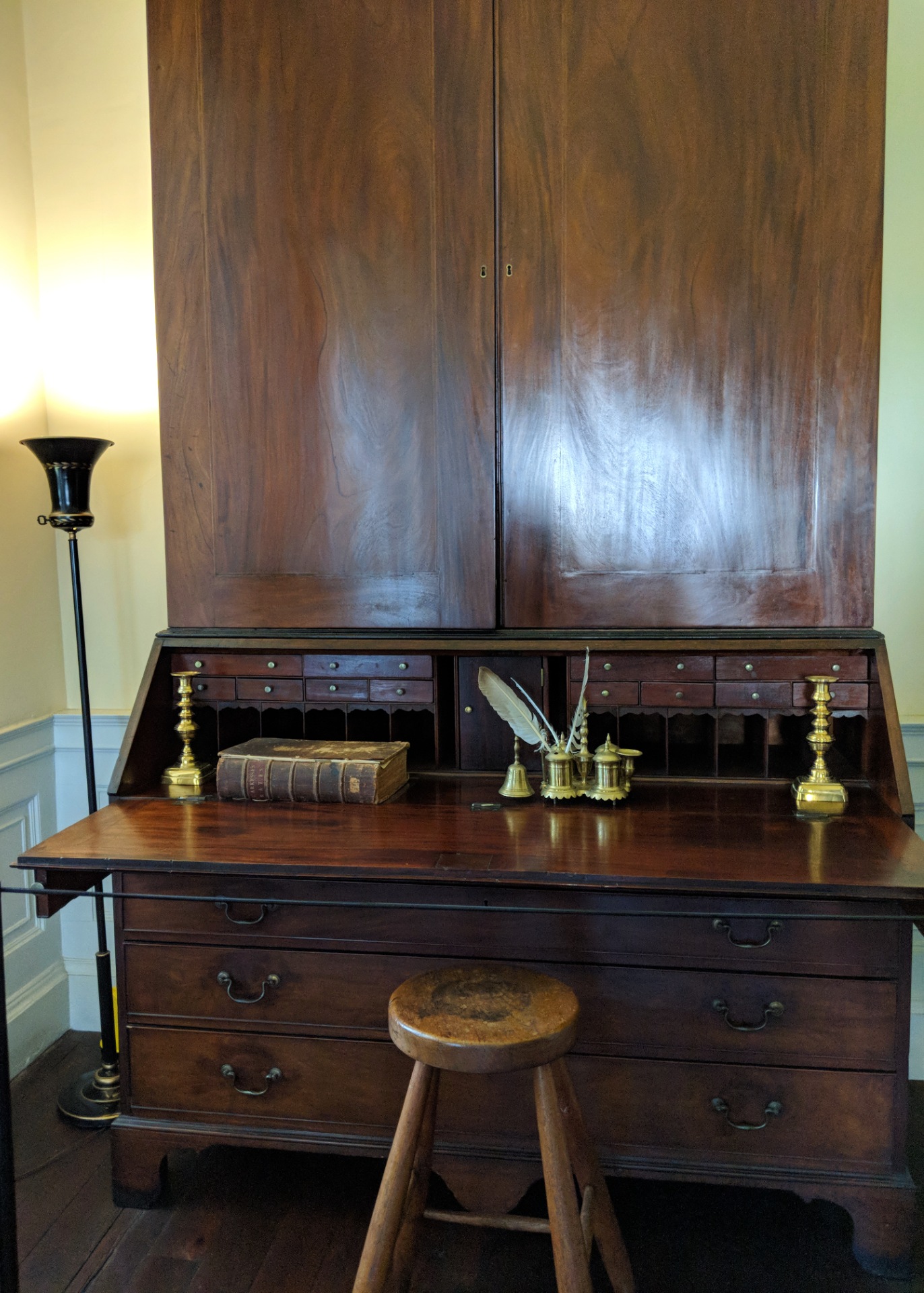
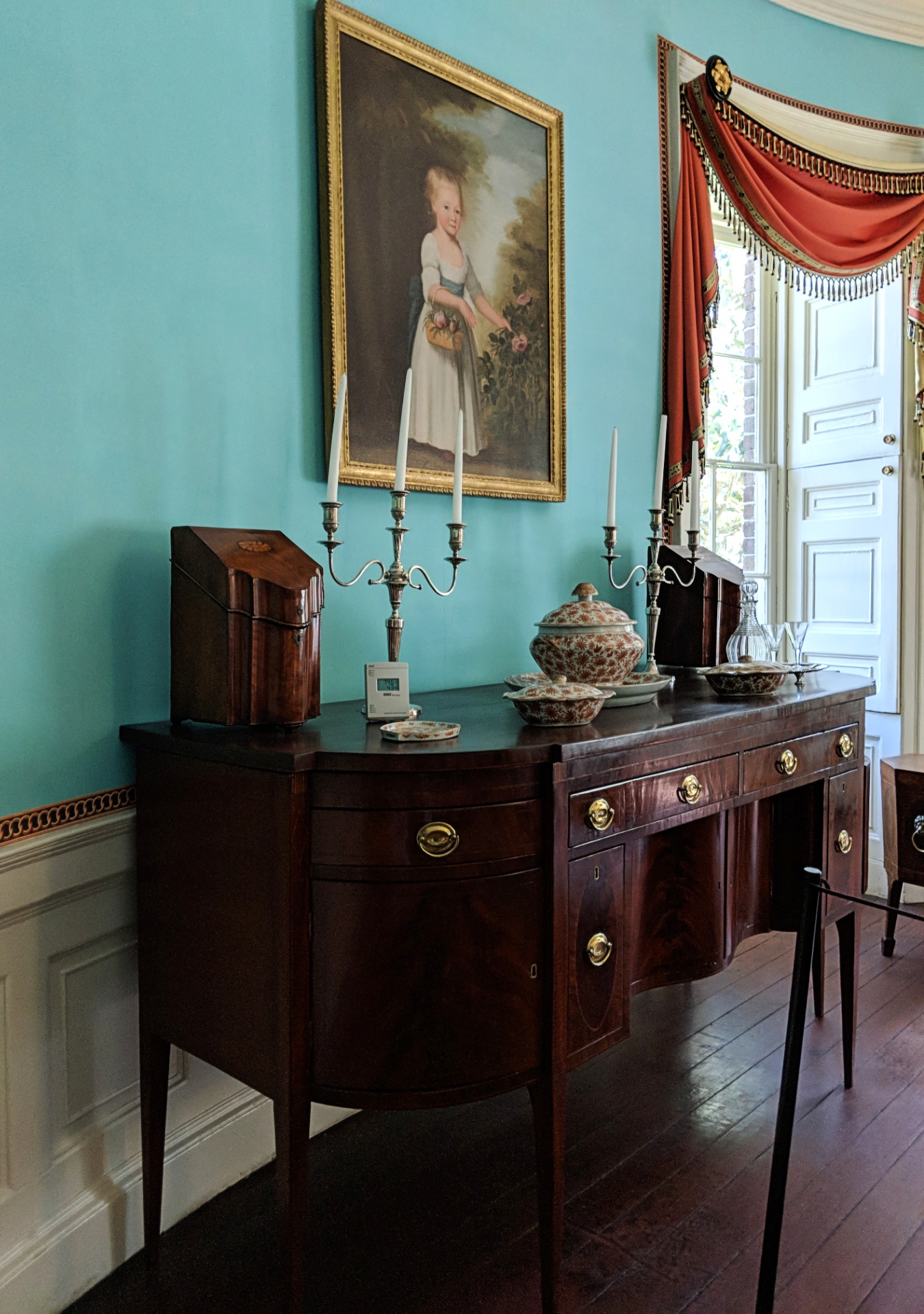
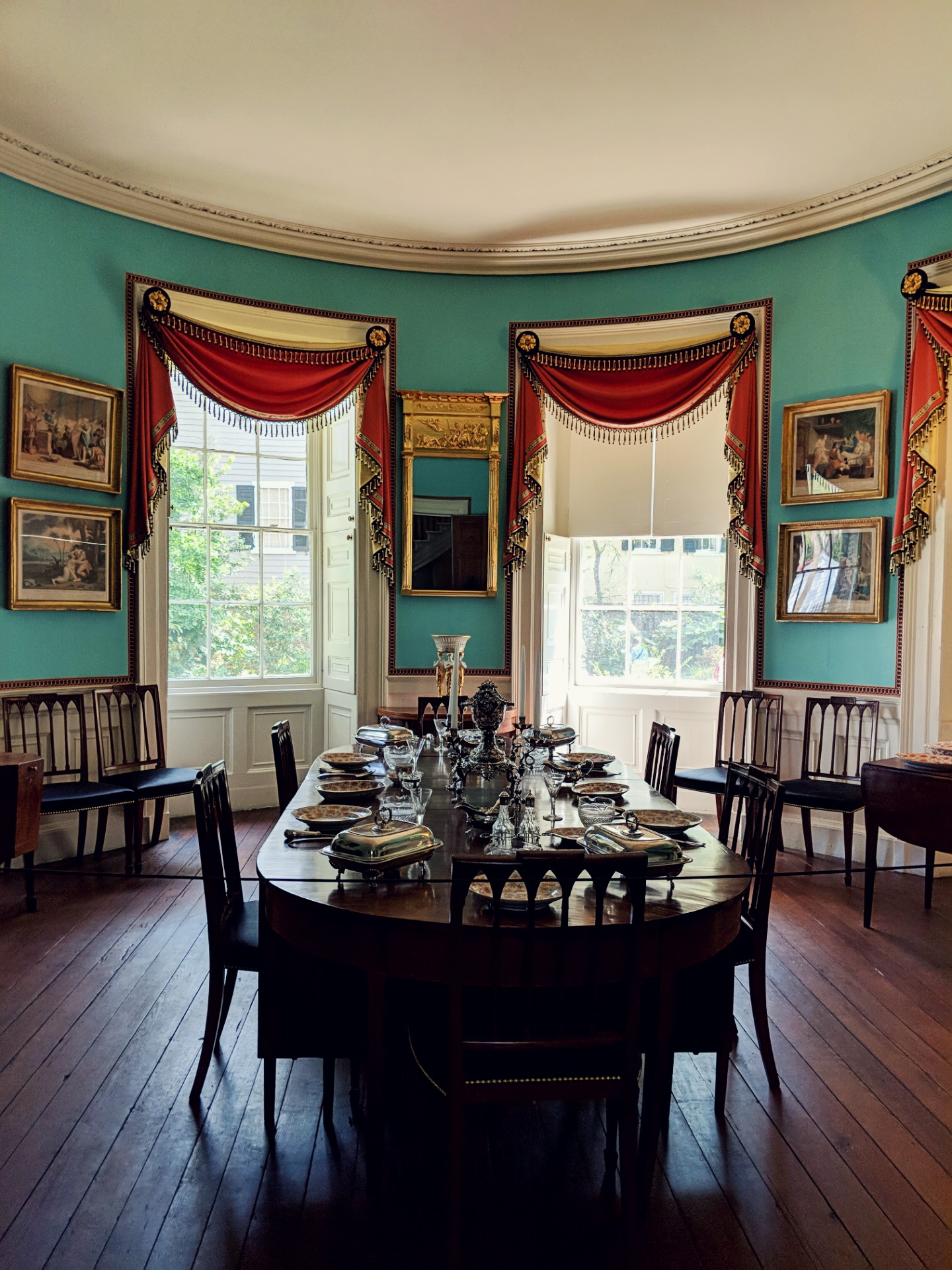
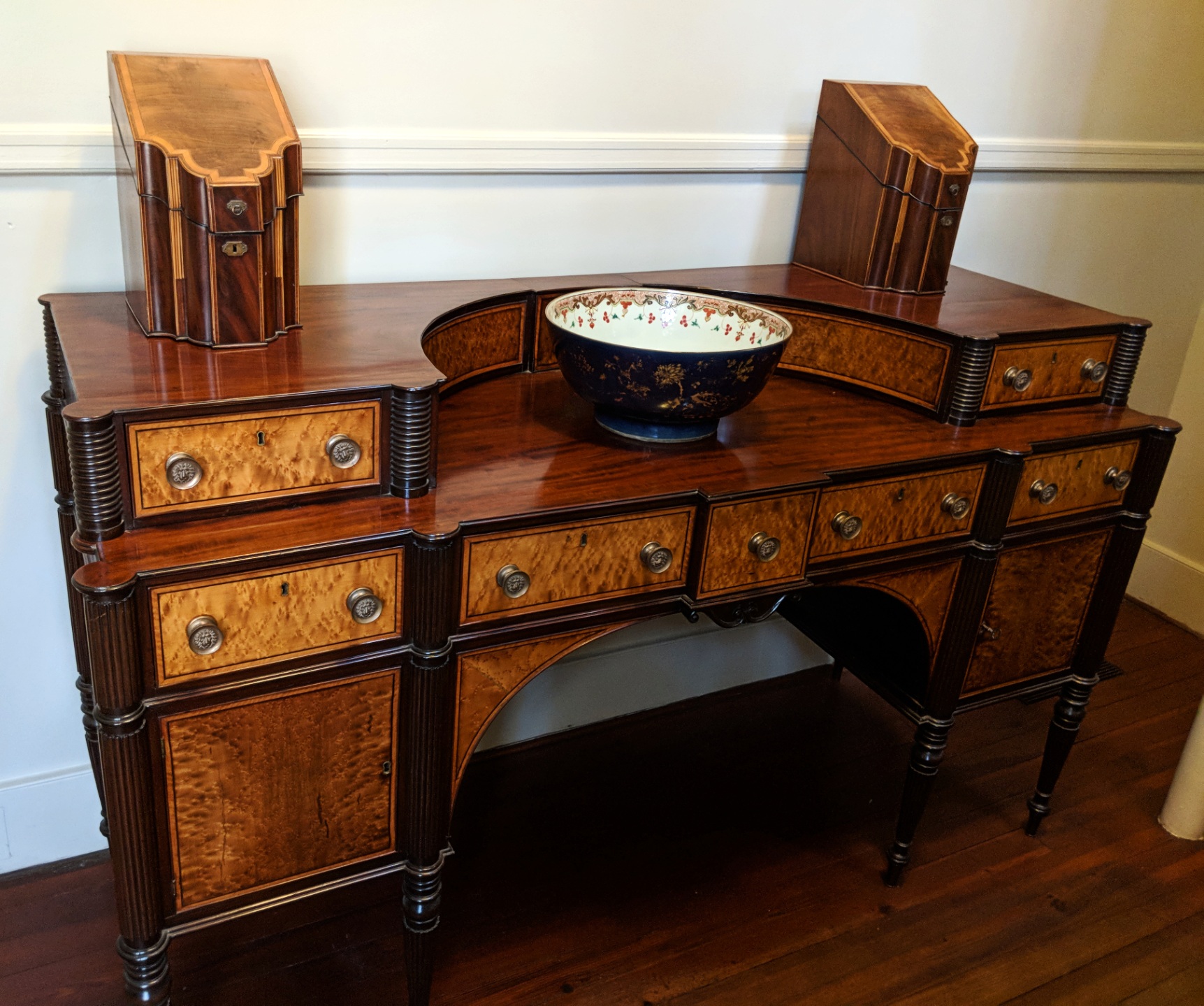
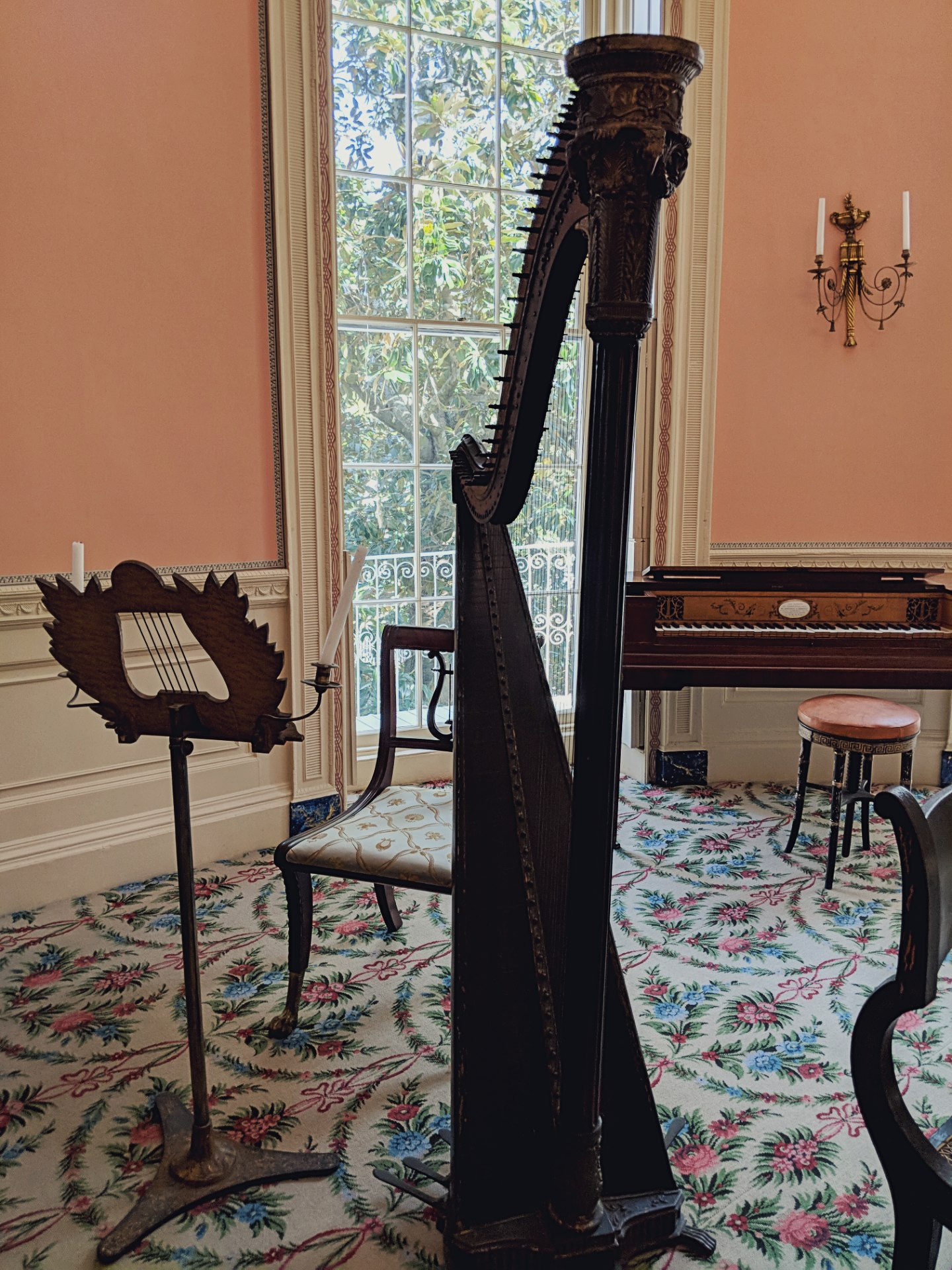
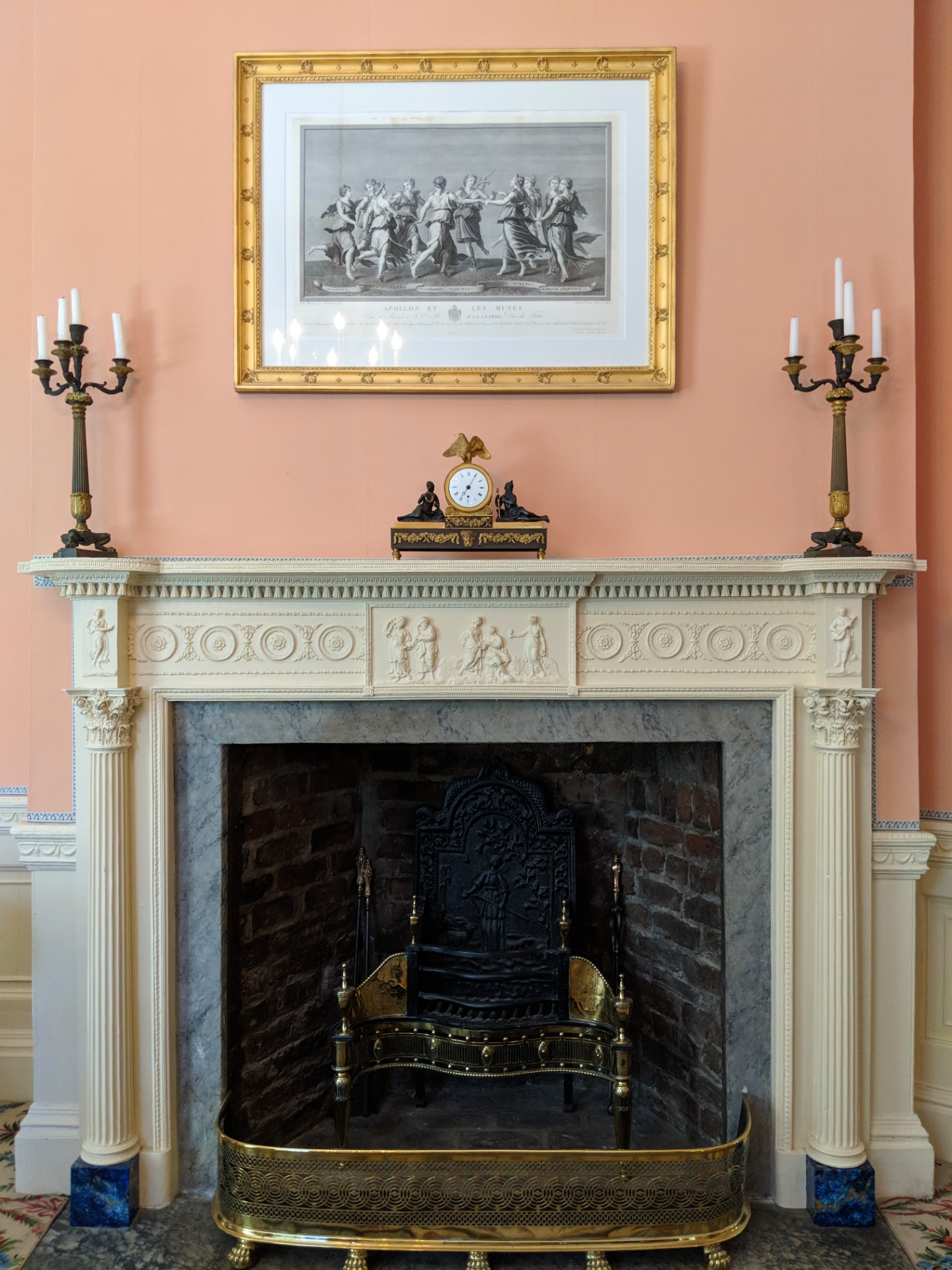
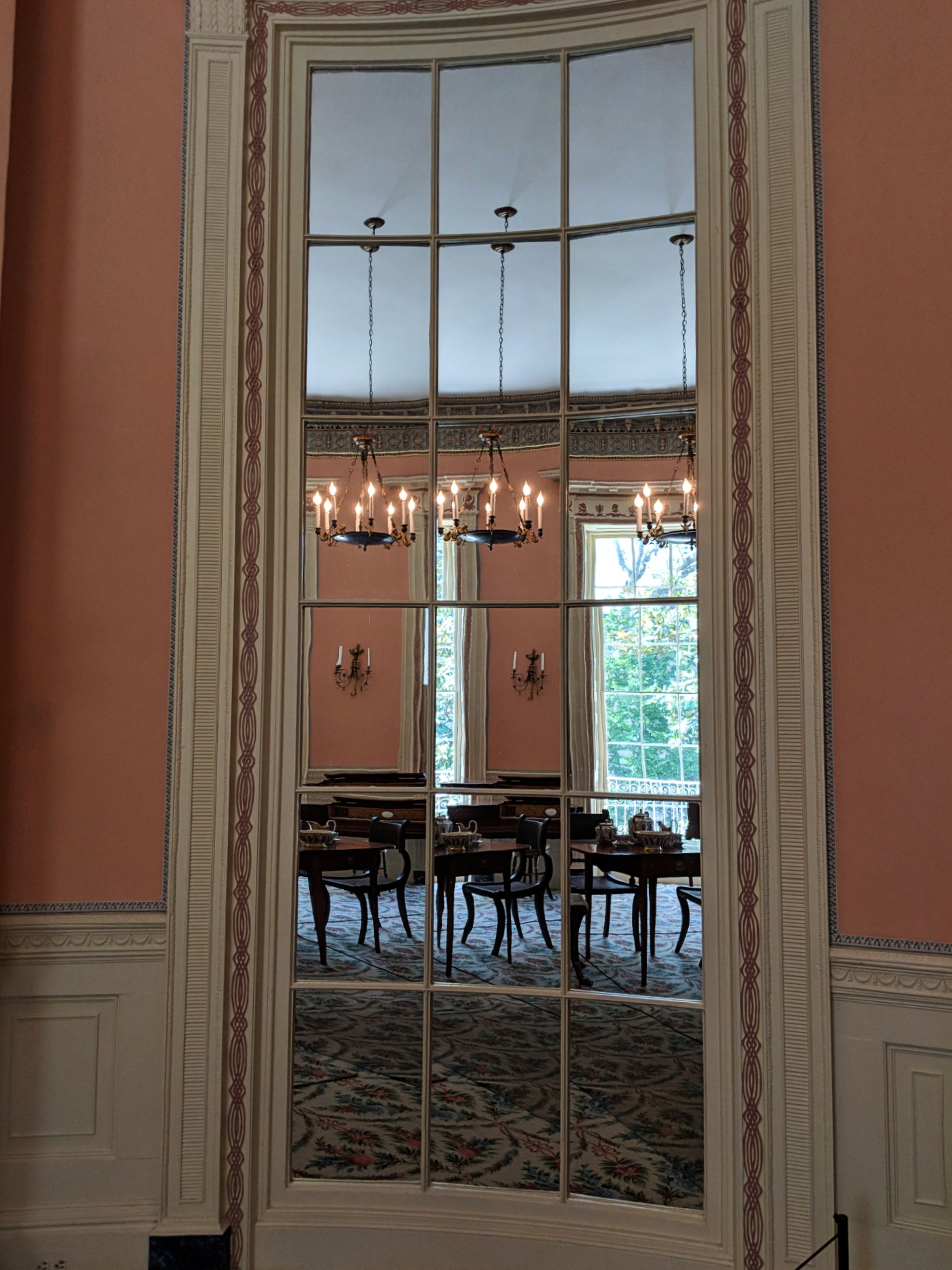
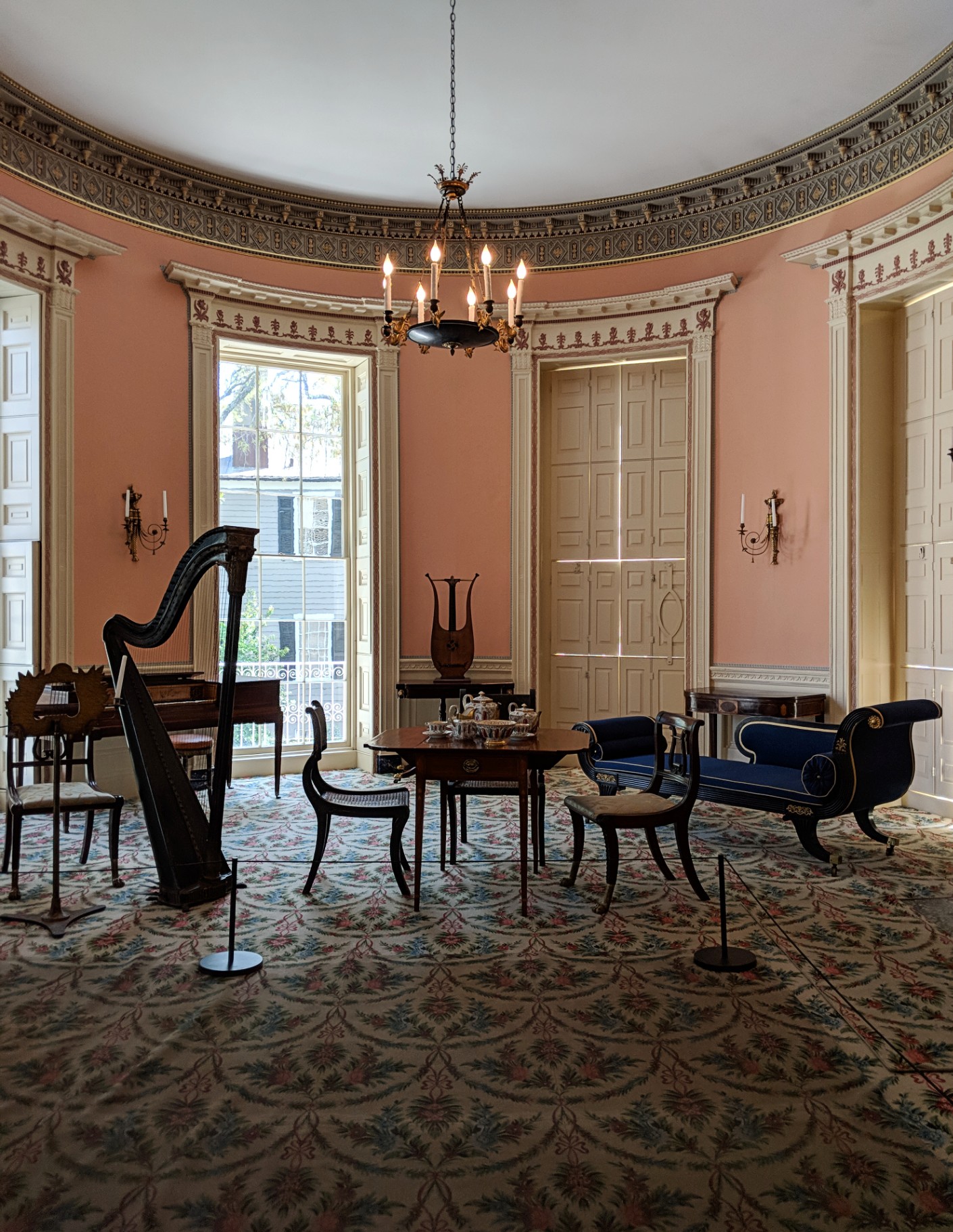
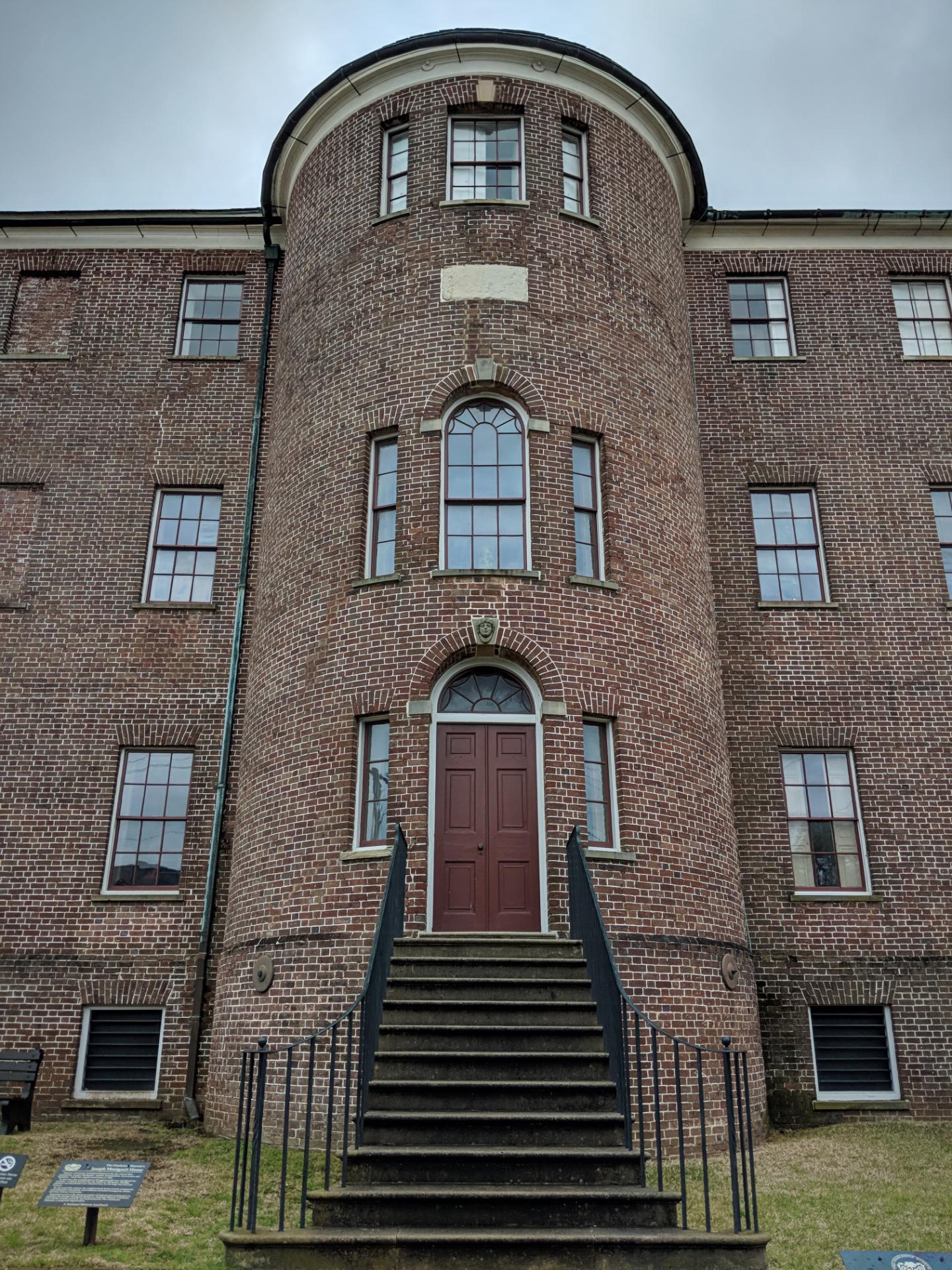
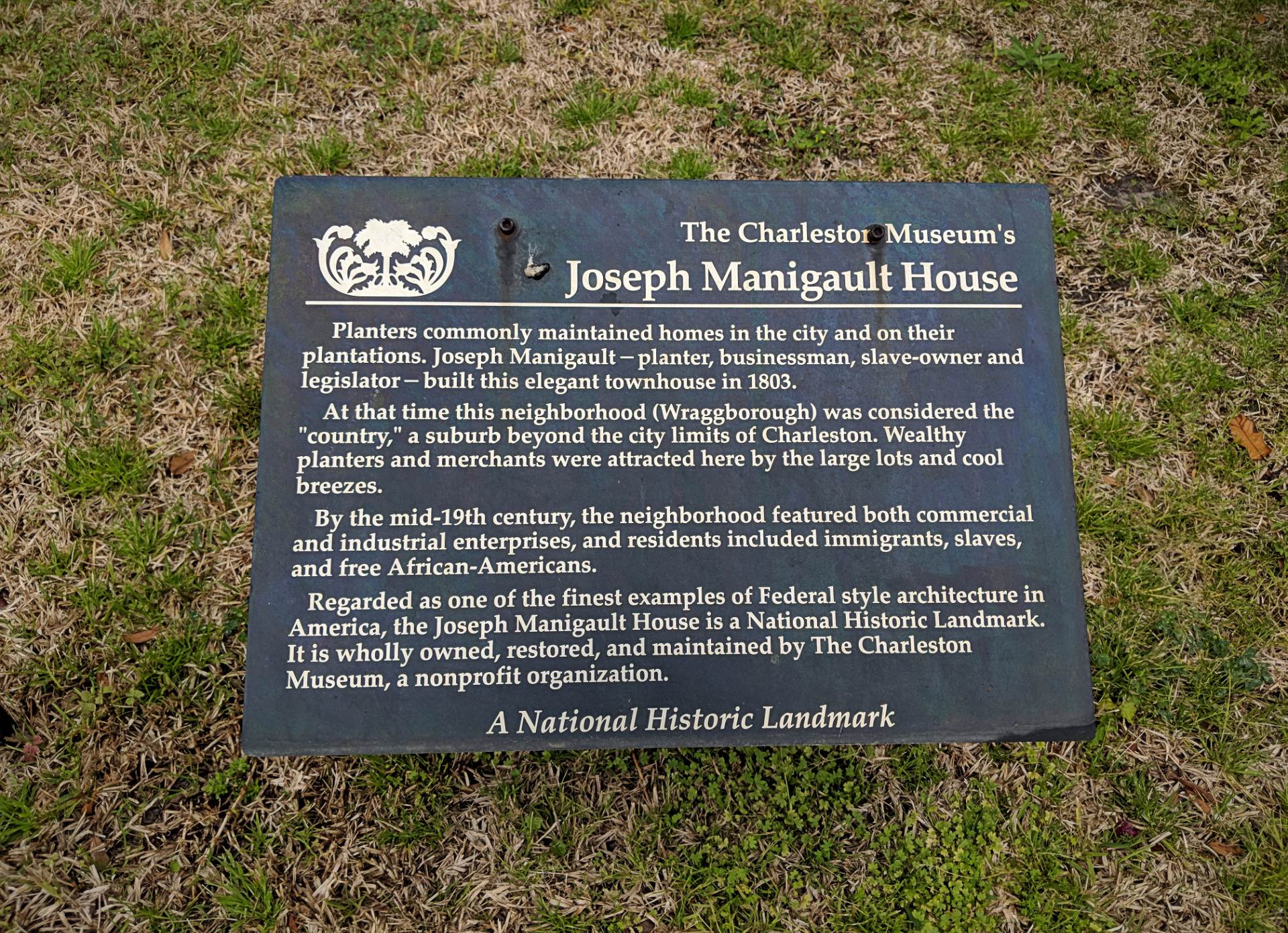
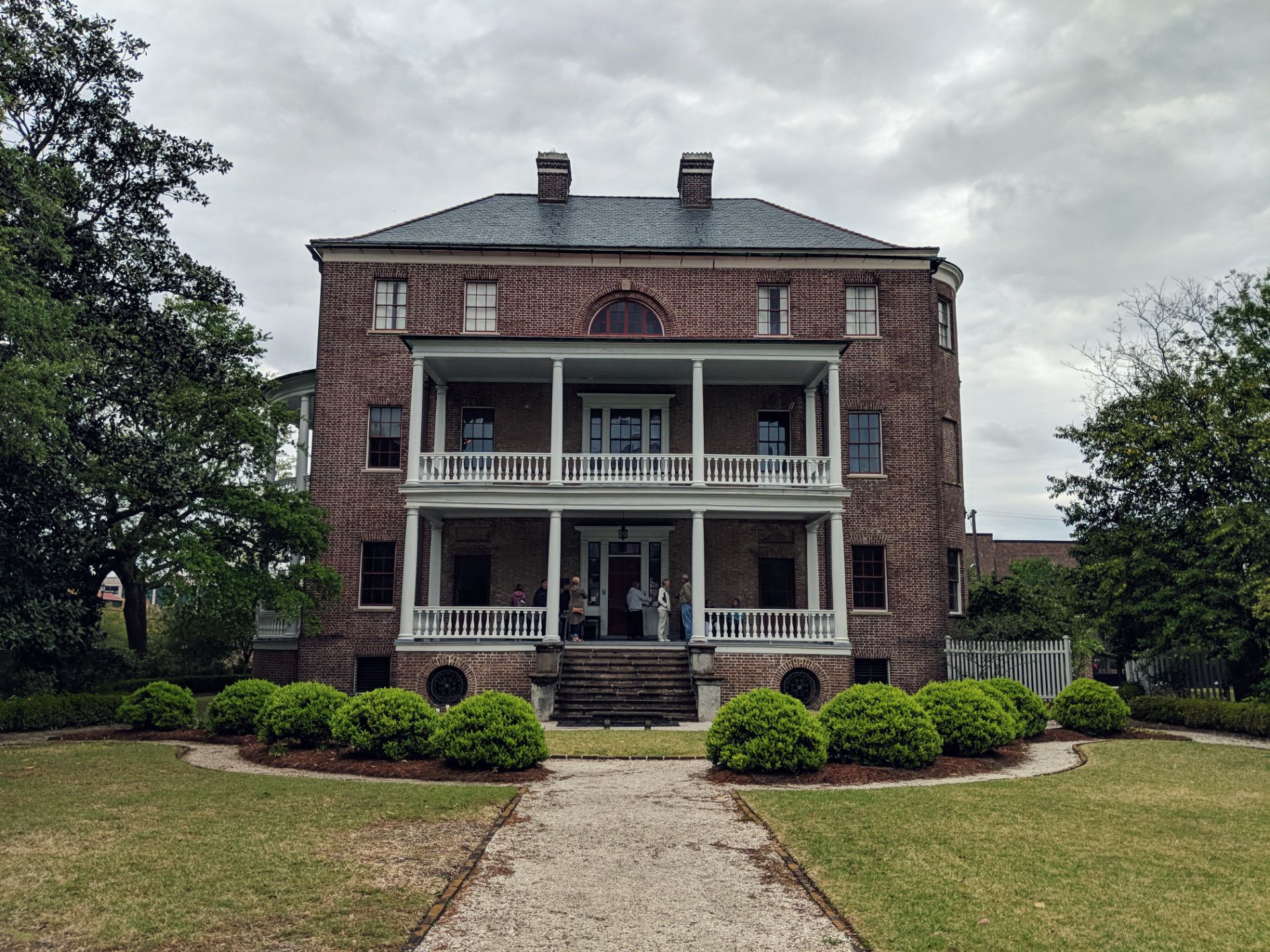
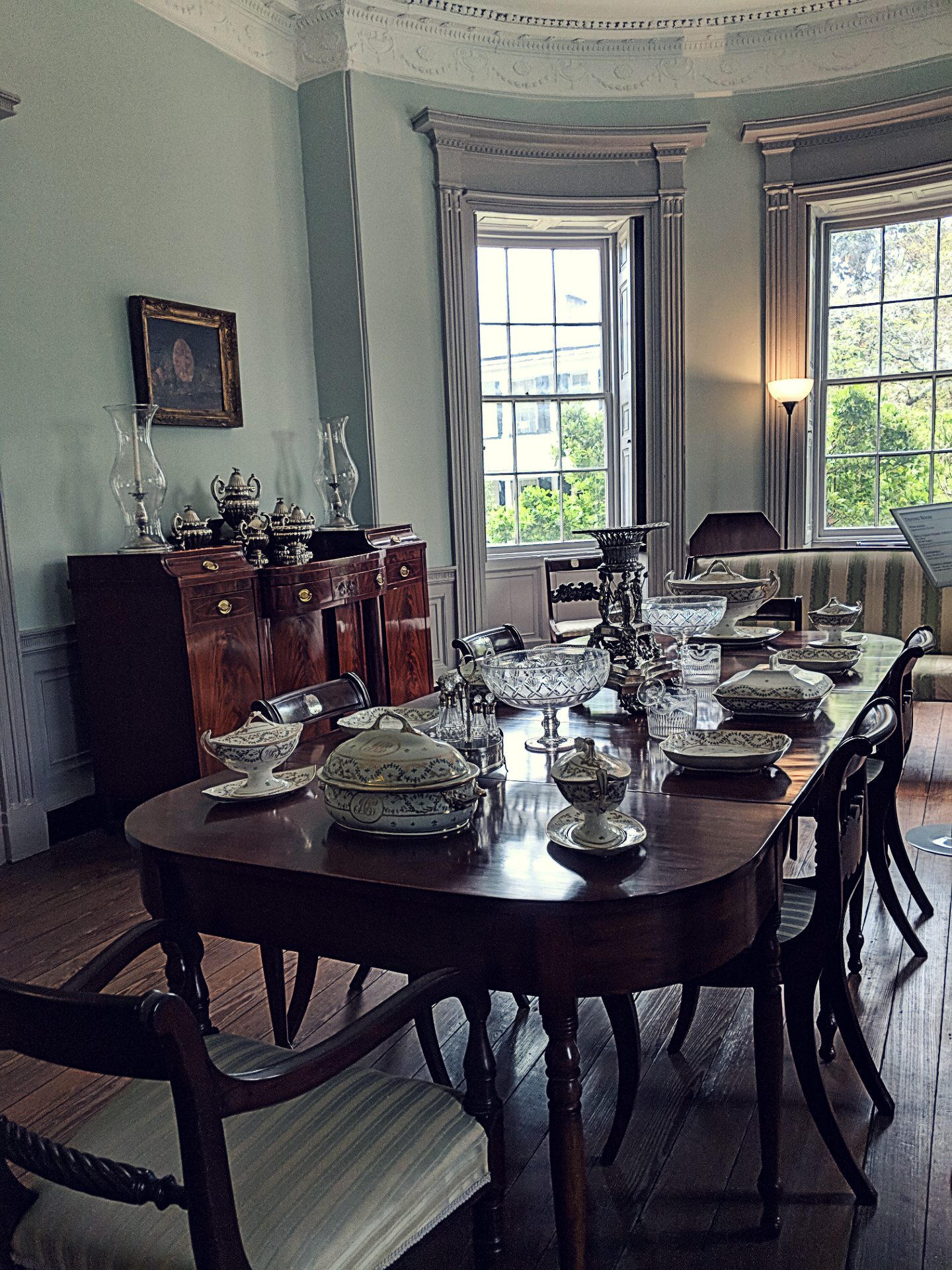
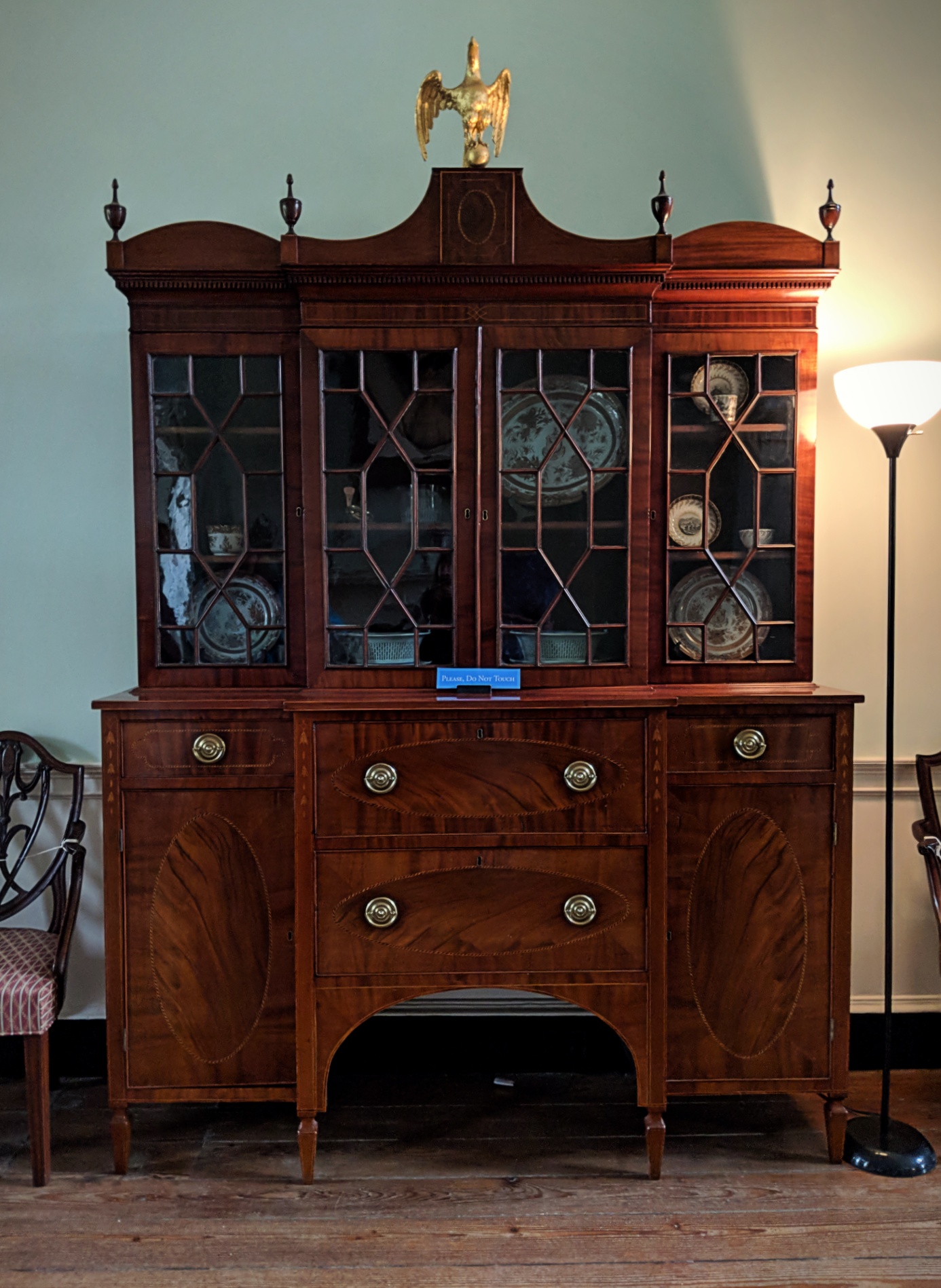
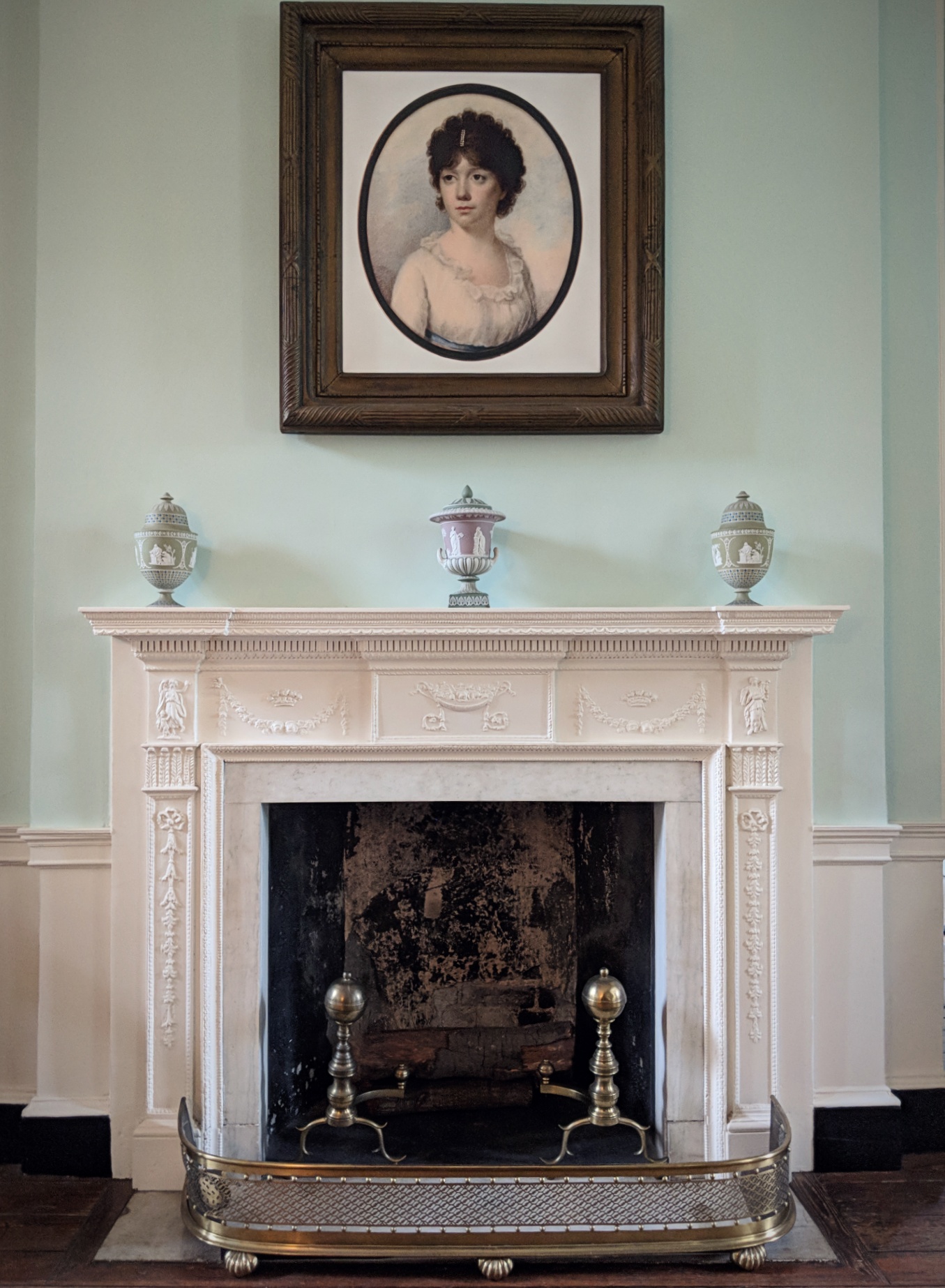
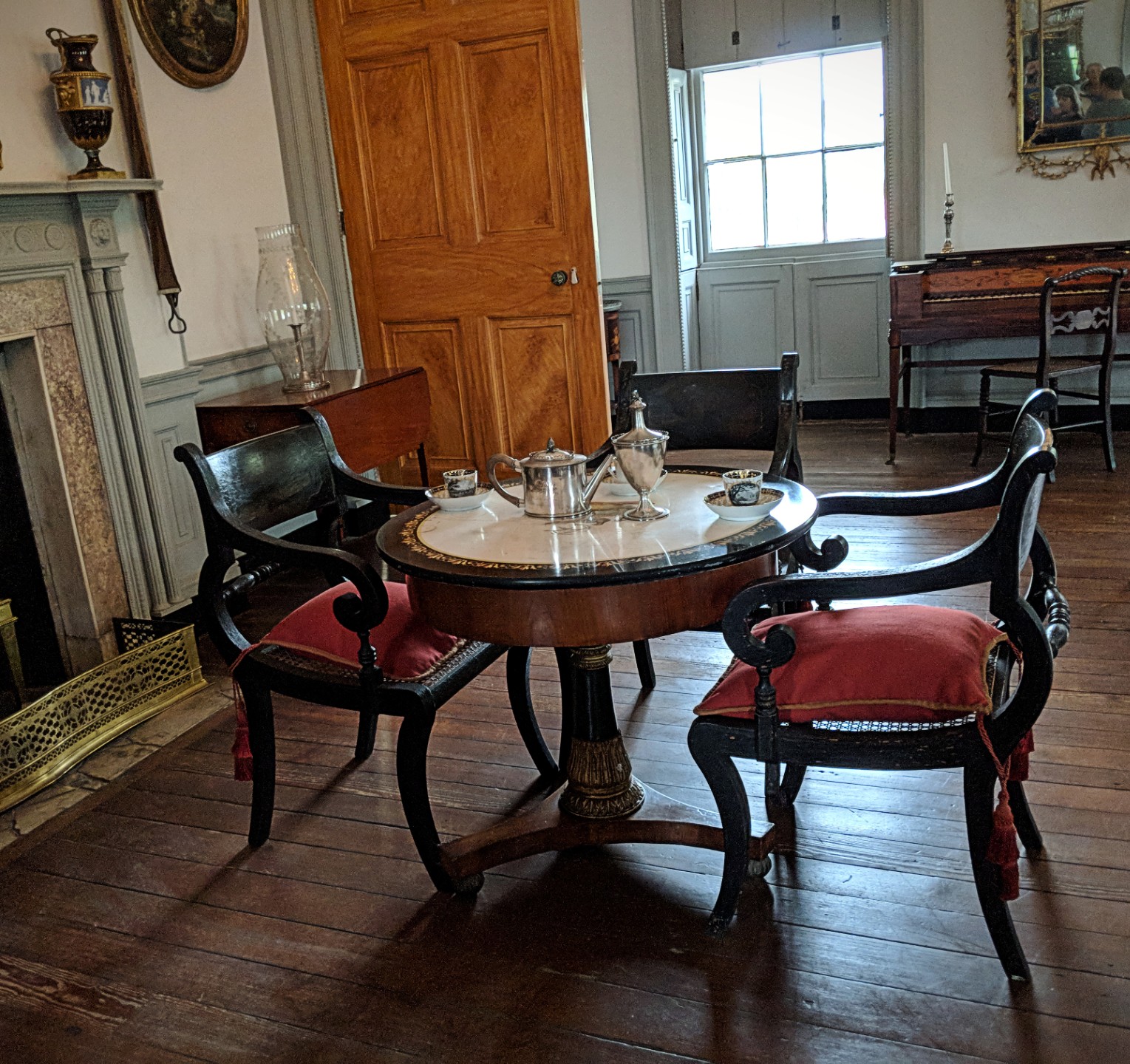
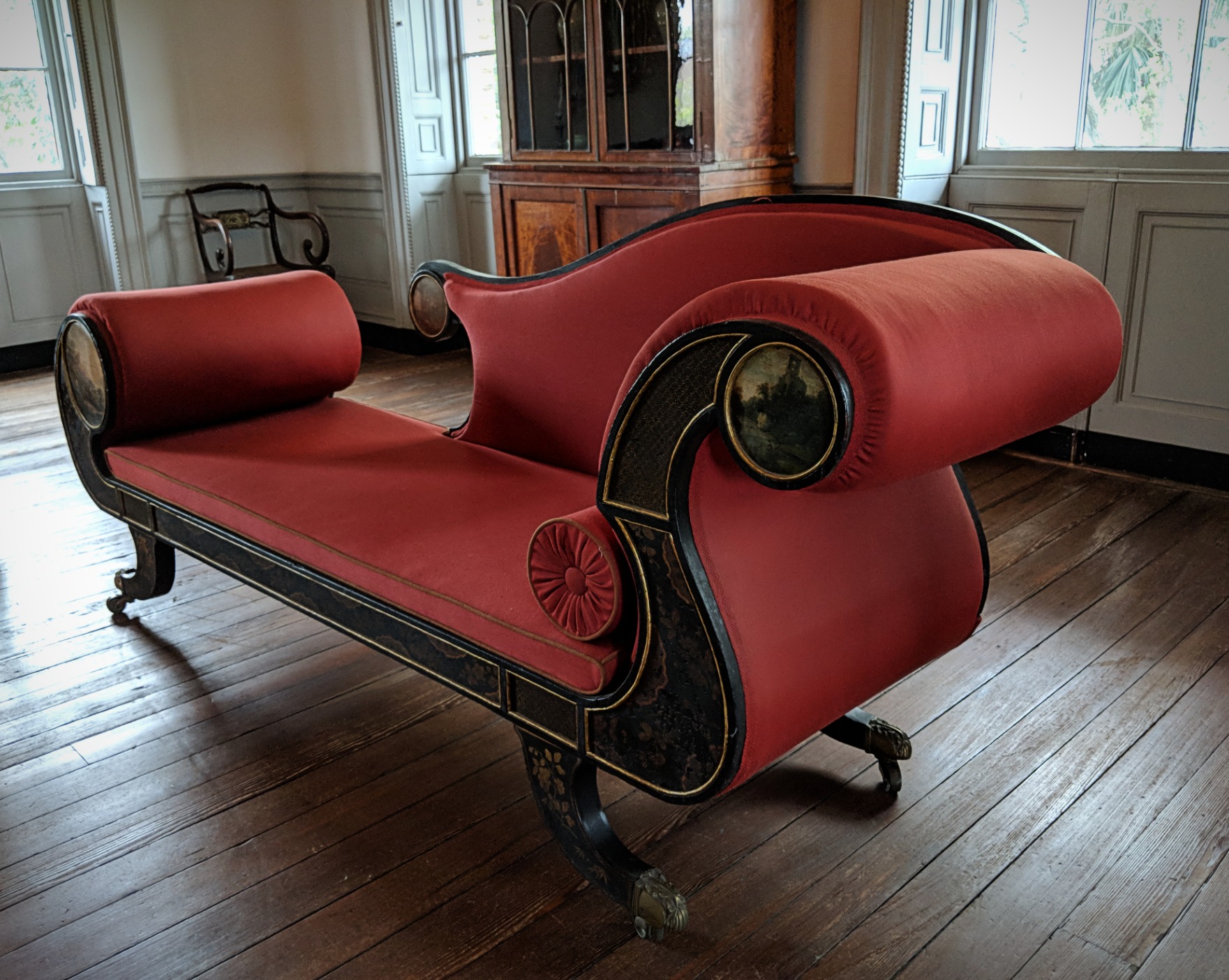
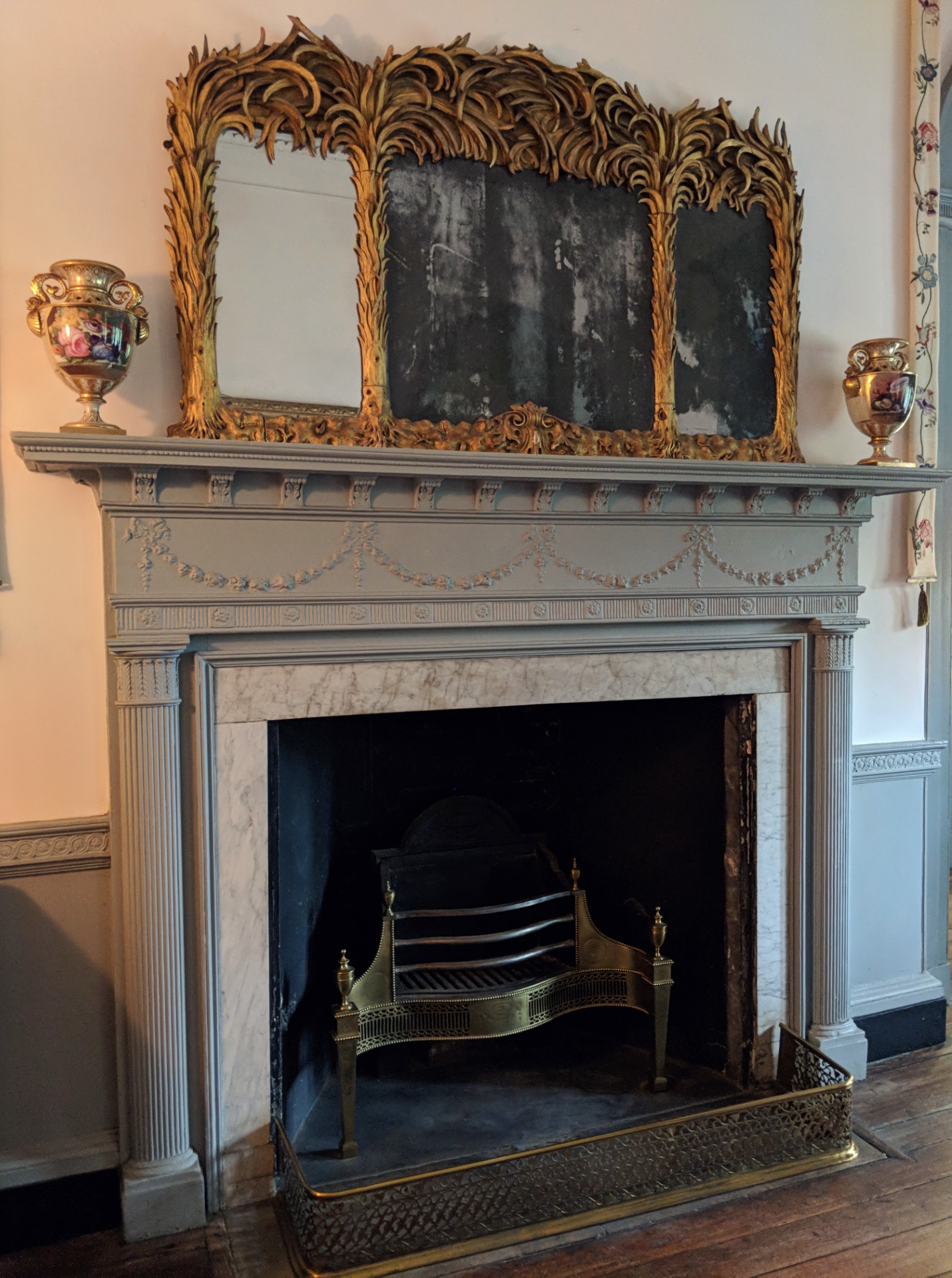
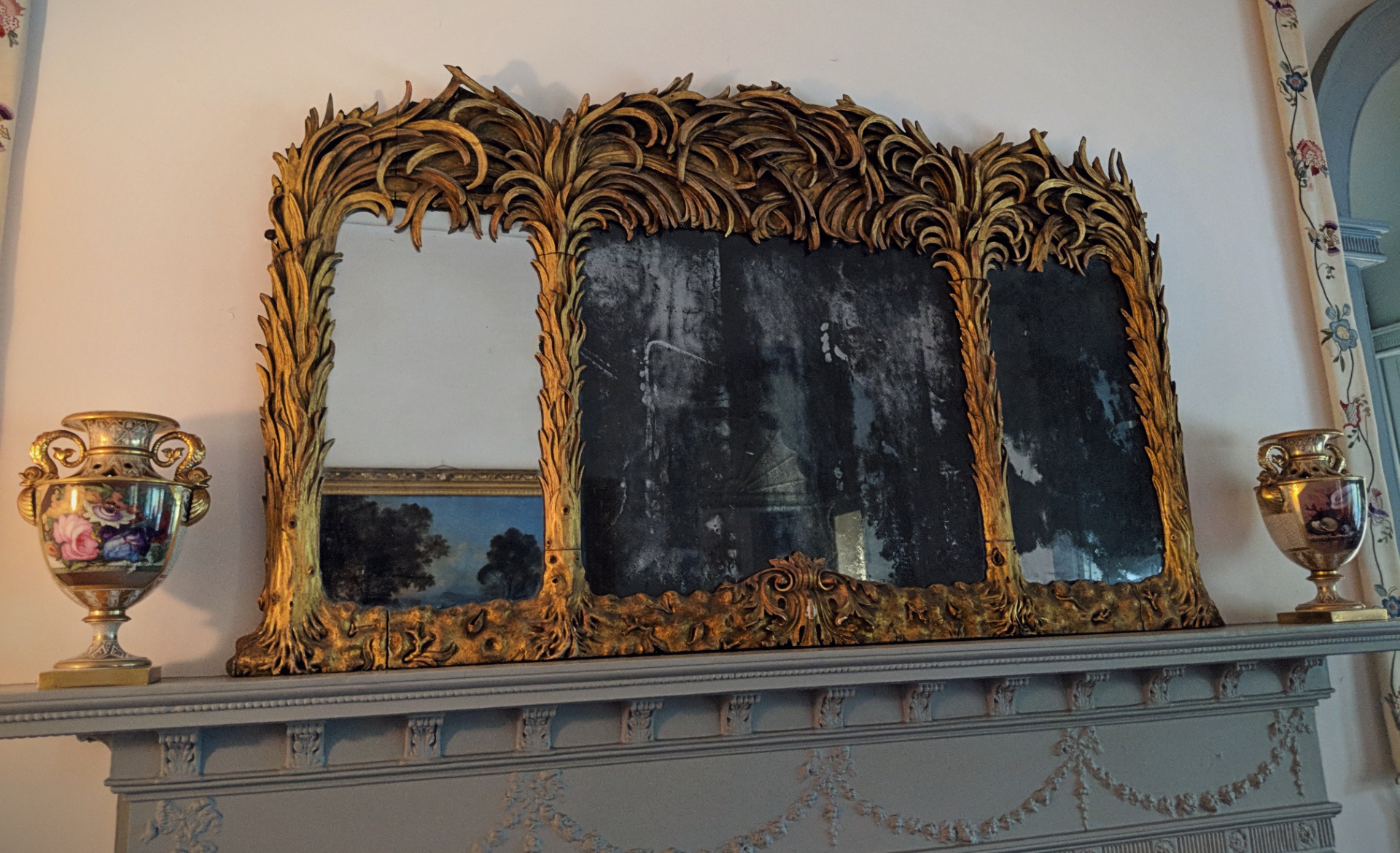
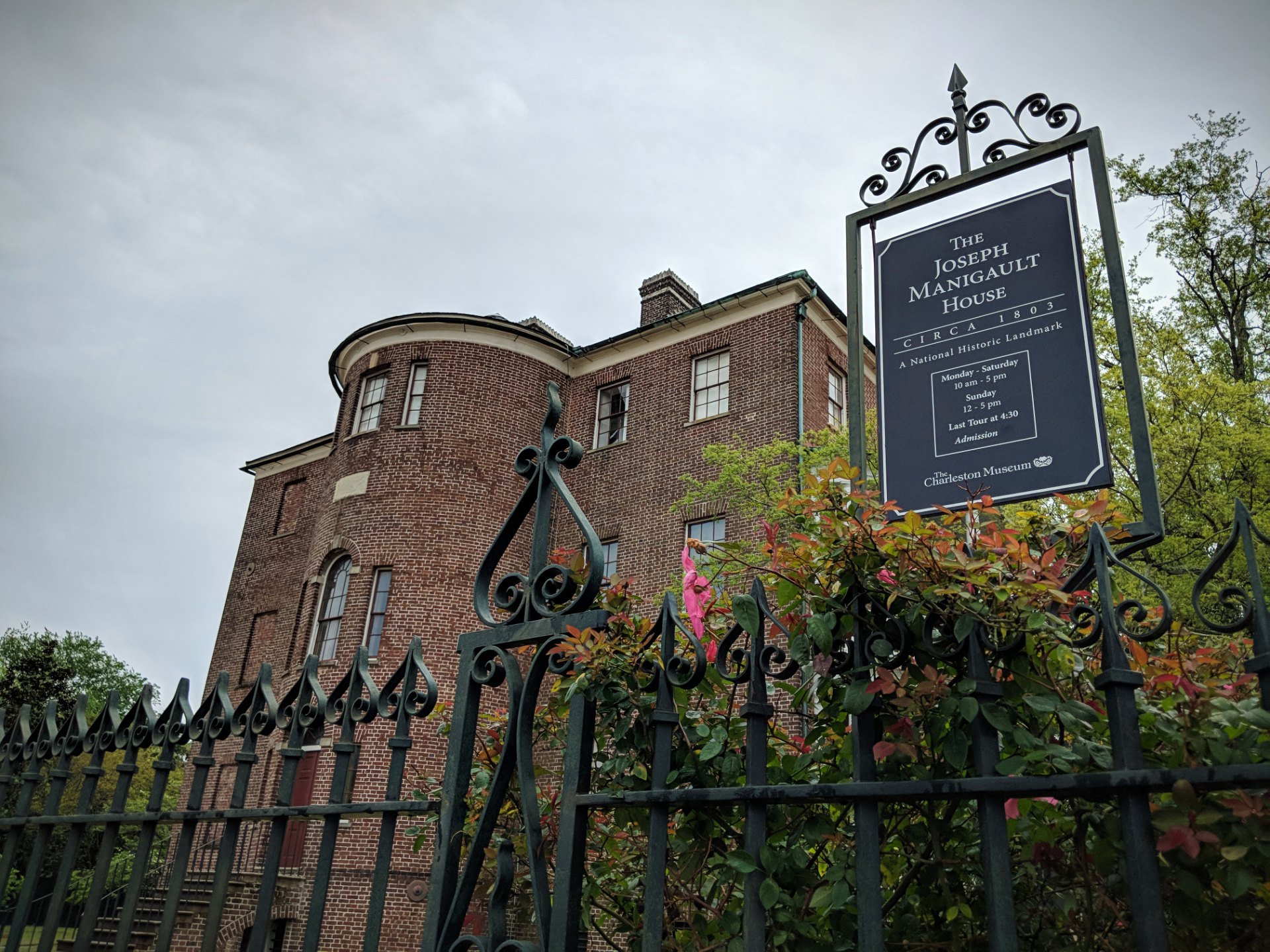
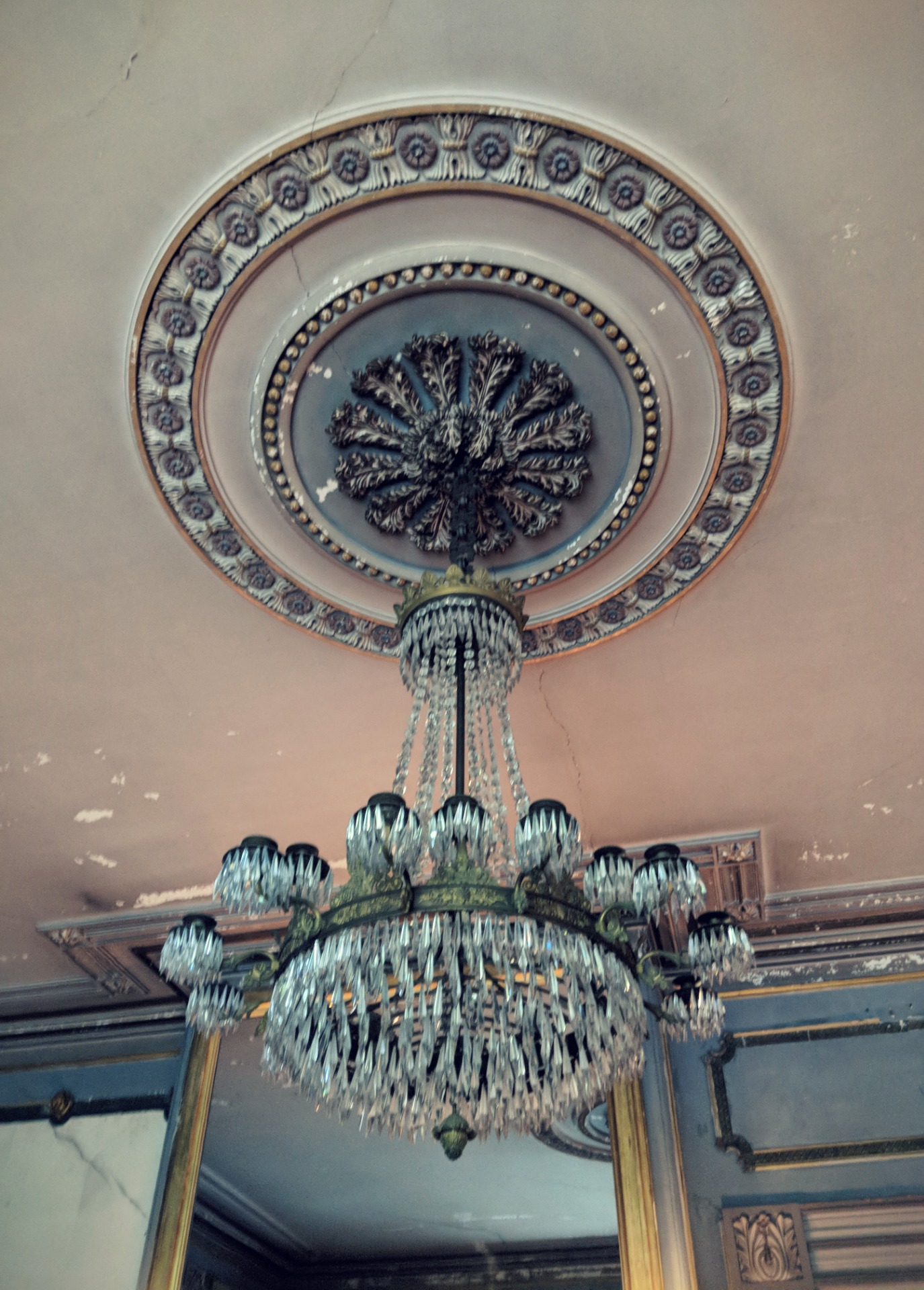
So, following our visit to the Aiken-Rhett House, most features of which have been lovingly preserved to their original style, today we tour the Joseph Manigault House, where almost all the rooms have been restored to their original colour schemes and feature historic pieces from the Charleston Museum’s collections.

Descending from French Huguenots who fled religious persecution in Europe in the late 1600s, the Manigaults prospered as rice planters and merchants during the 18th century and became one of South Carolina’s leading families. Joseph Manigault inherited several rice plantations and over two hundred slaves from his grandfather in 1788, and also married well. Arthur Middleton, father of his first wife, Maria Henrietta Middleton, was a signer of the Declaration of Independence. Following Henrietta’s death, he married Charlotte Drayton, with whom he had eight children. The Charleston Museum purchased the house in 1933, and has preserved and interpreted it ever since. [source: The Charleston Museum]
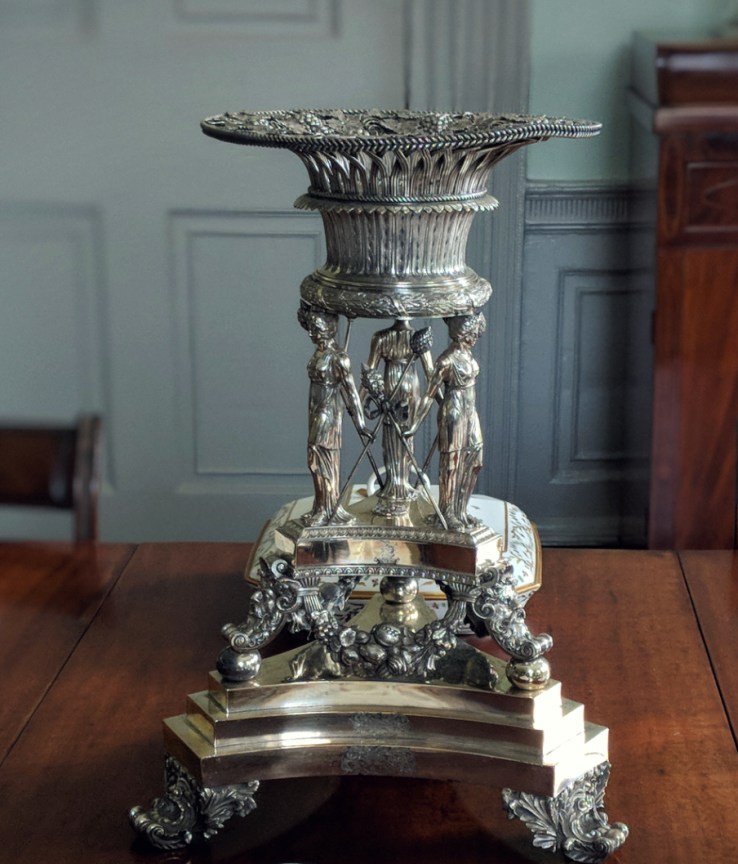
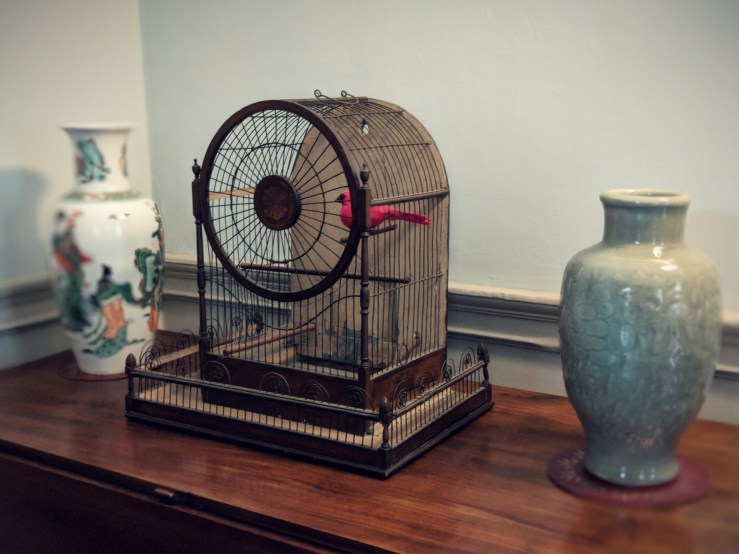
Joseph Manigault House

April 10th, 2018
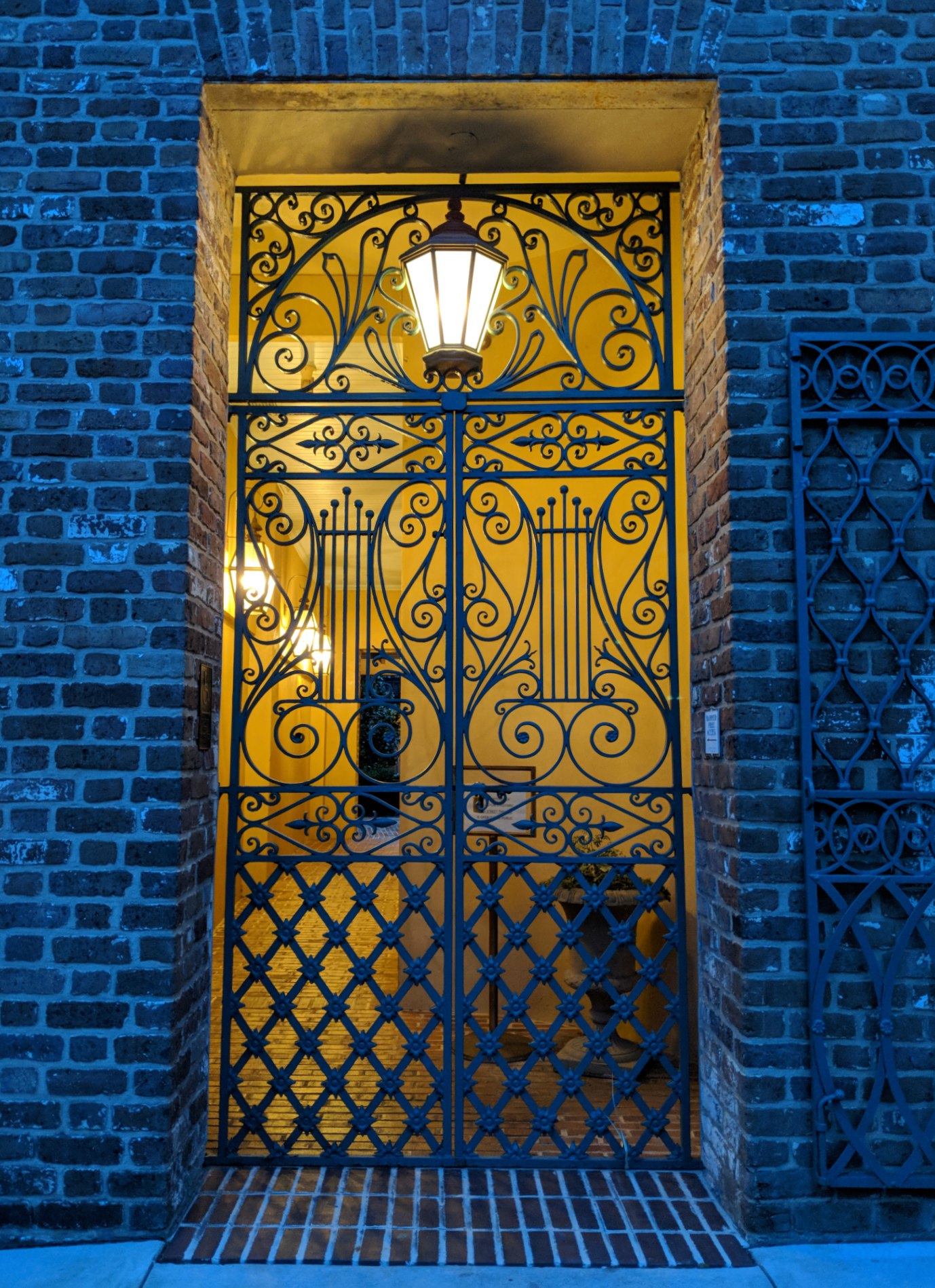
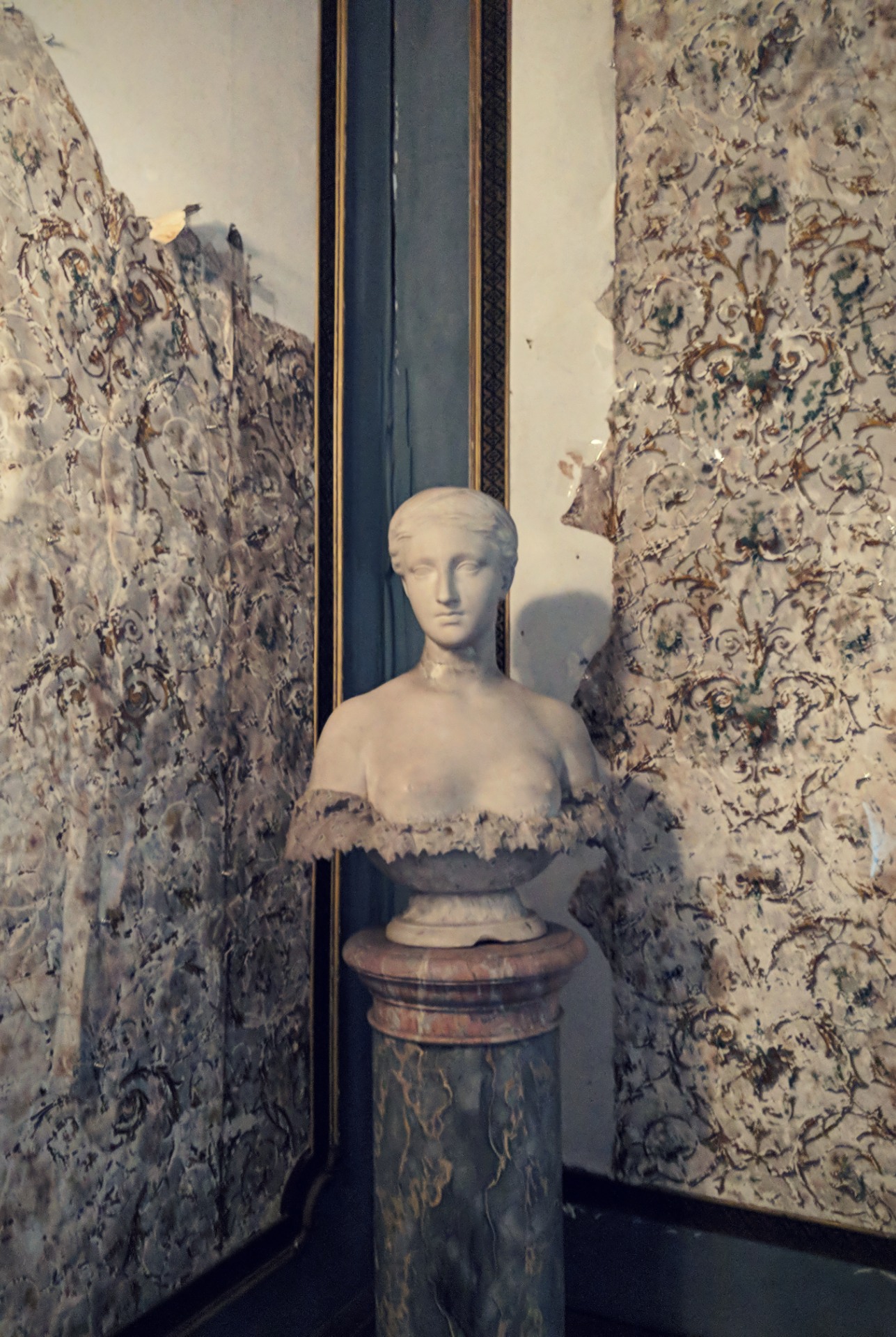
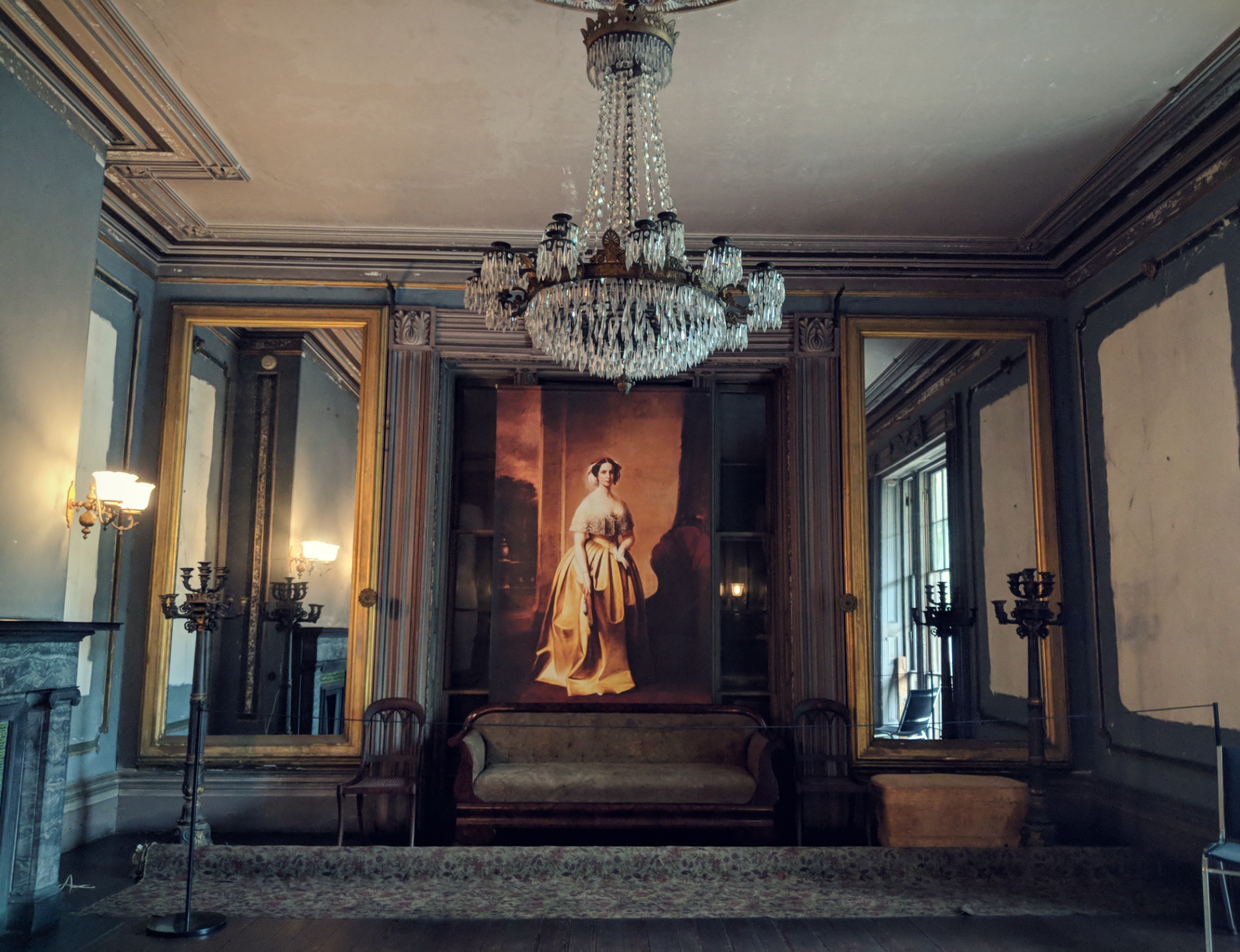
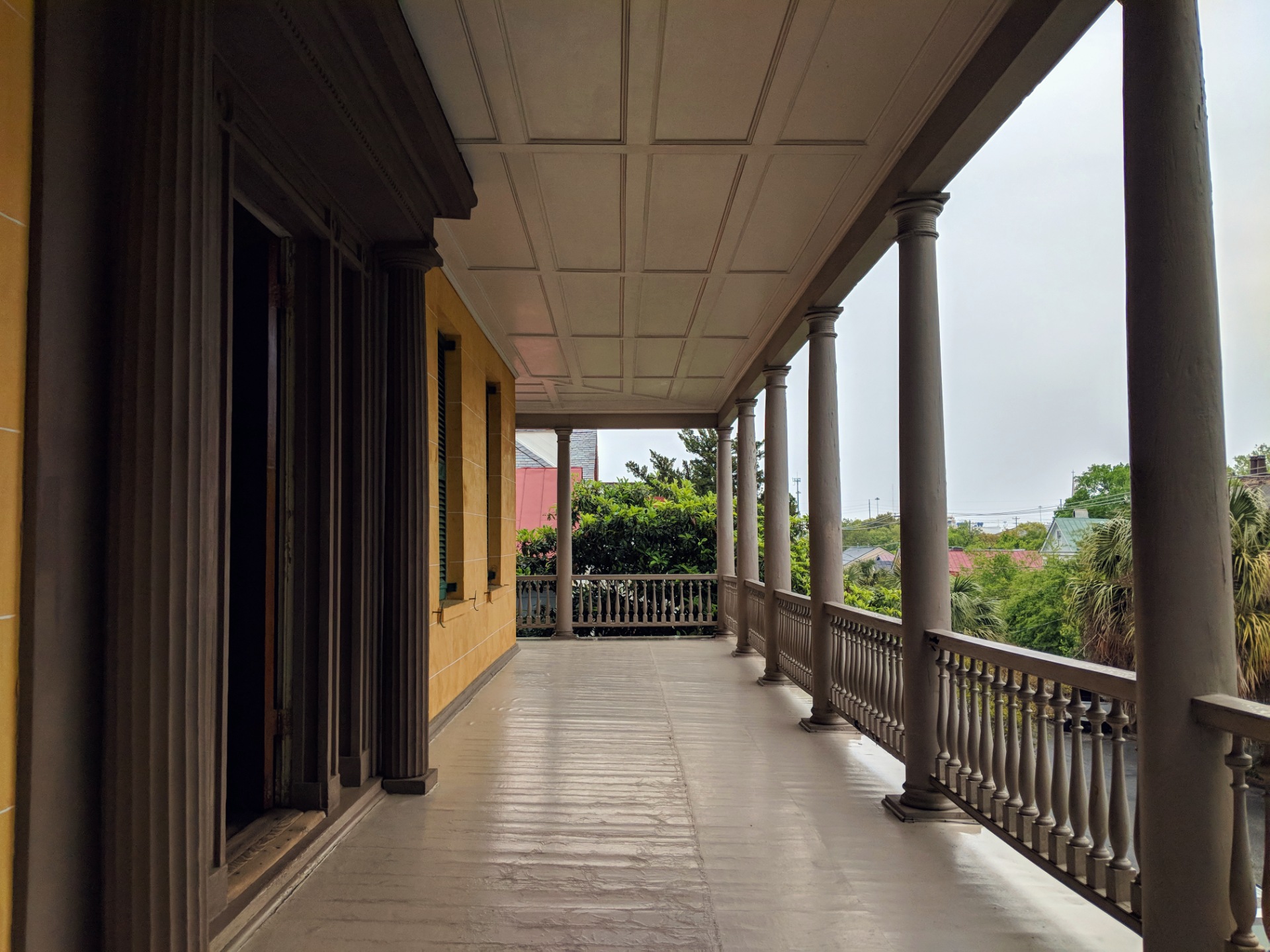
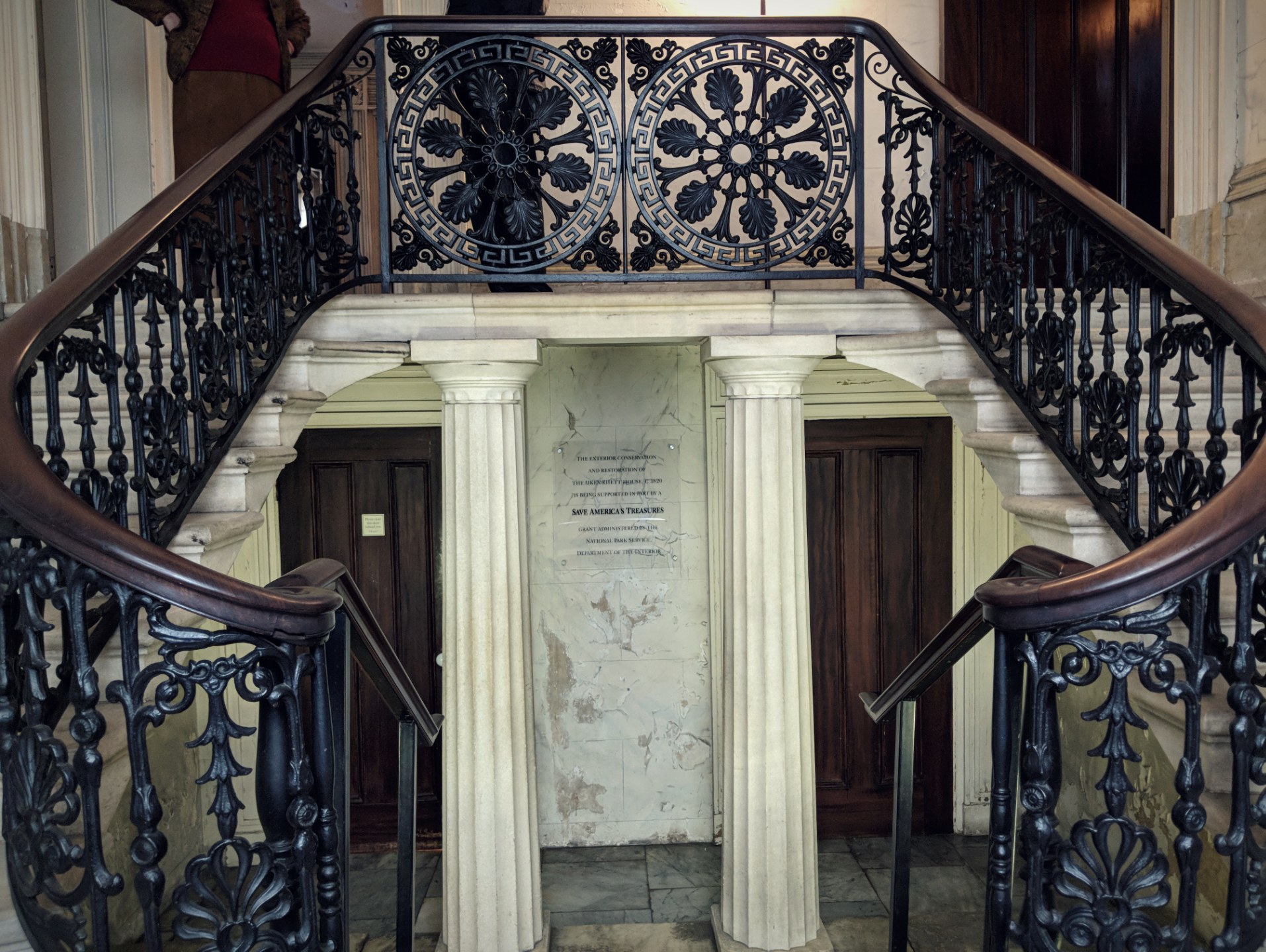
Charleston || Aiken-Rhett House

If these walls could talk…

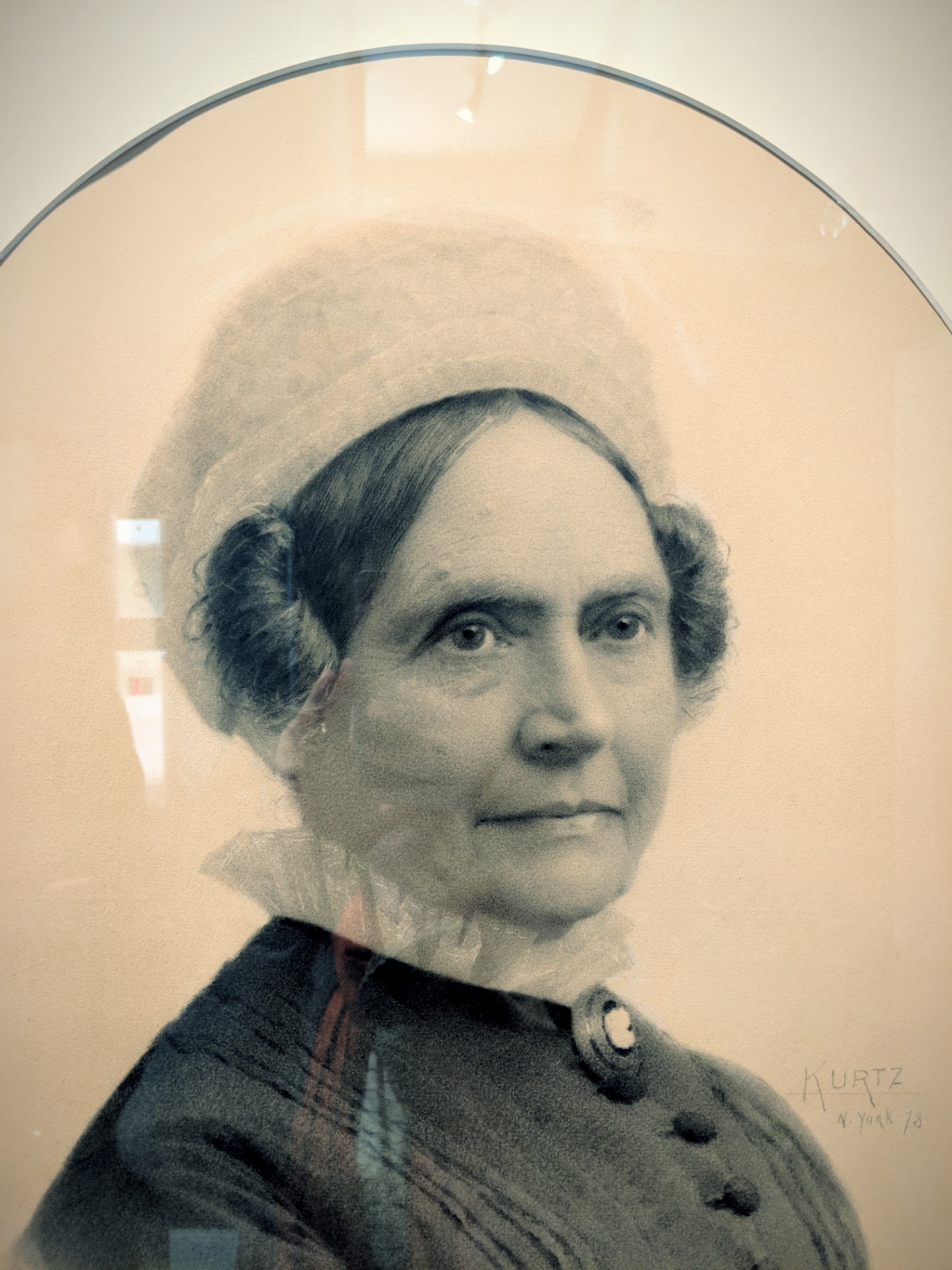
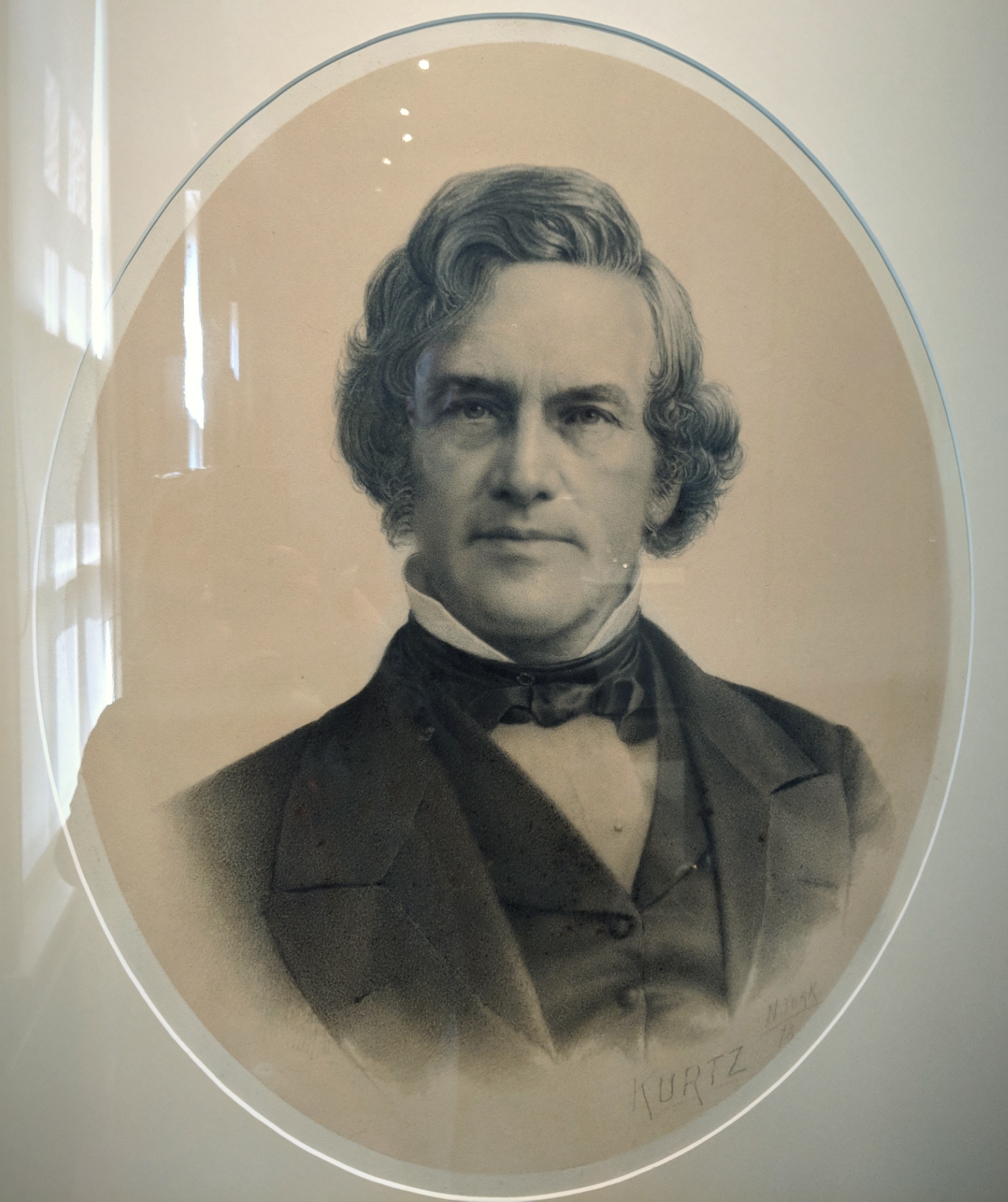
… they’d tell you a compelling tale of urban life in antebellum Charleston through the eyes of the powerful and wealthy Governor and Mrs. William Aiken, Jr. and the enslaved Africans who maintained their house, property, and way of life.

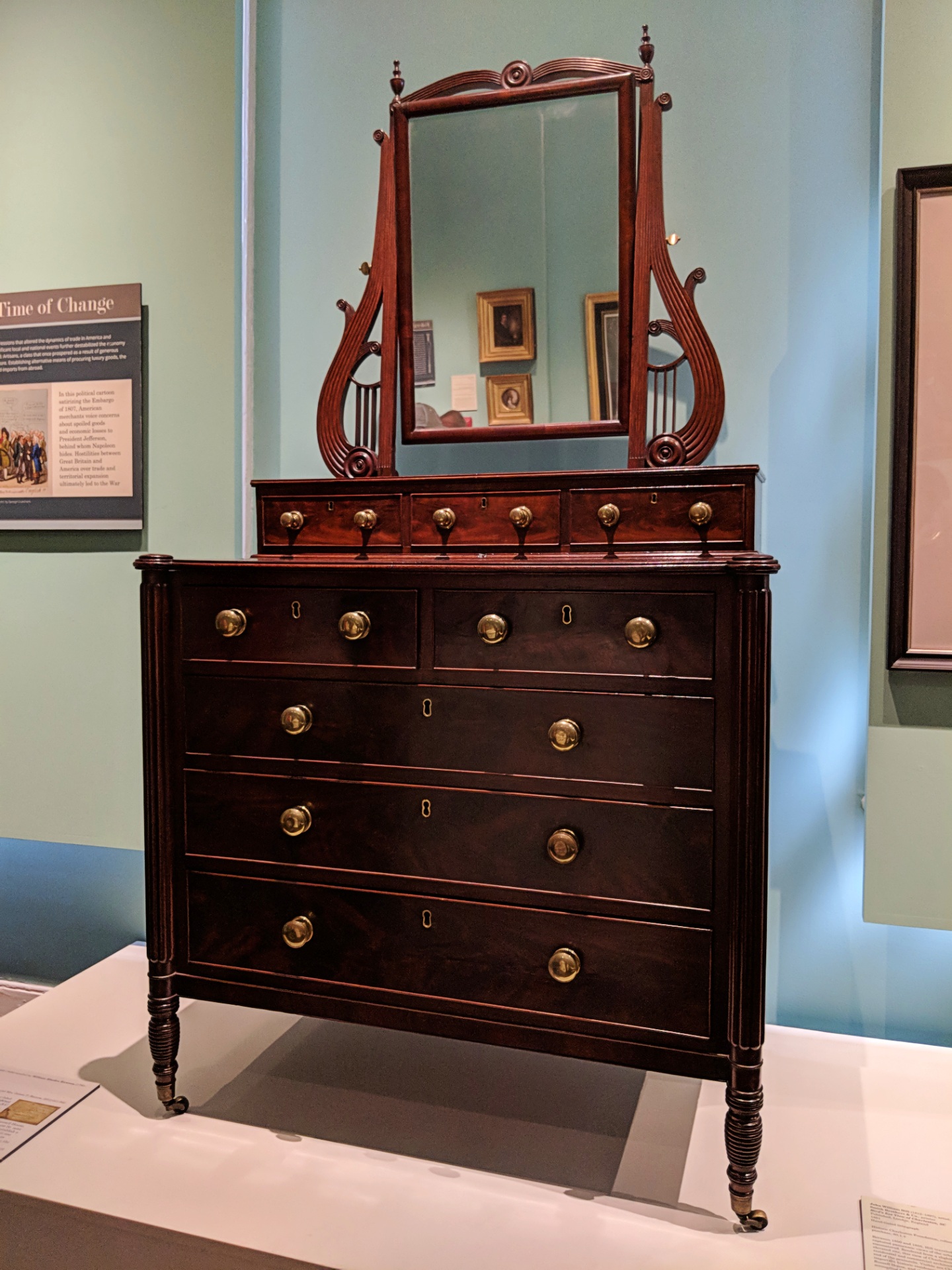
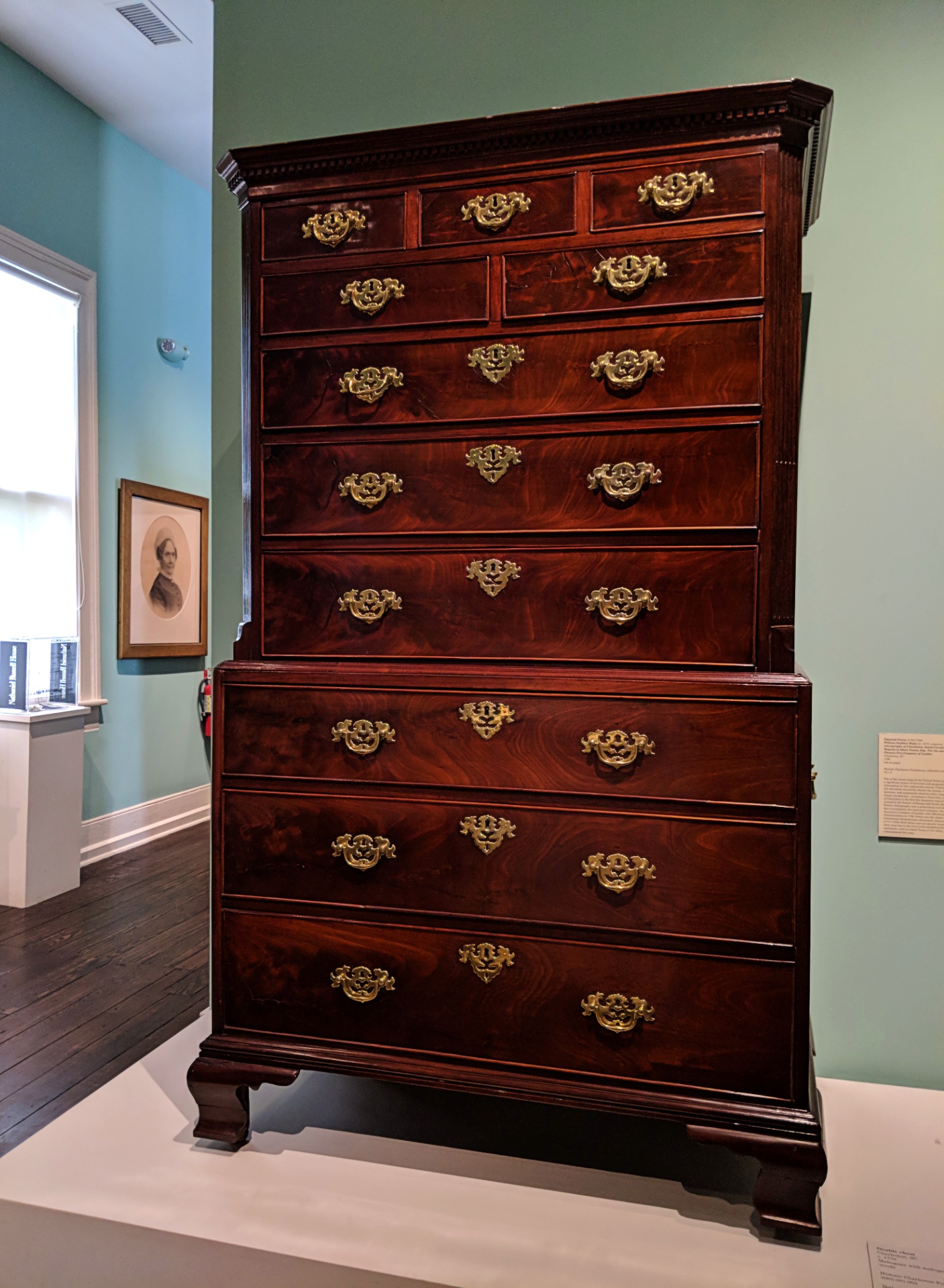
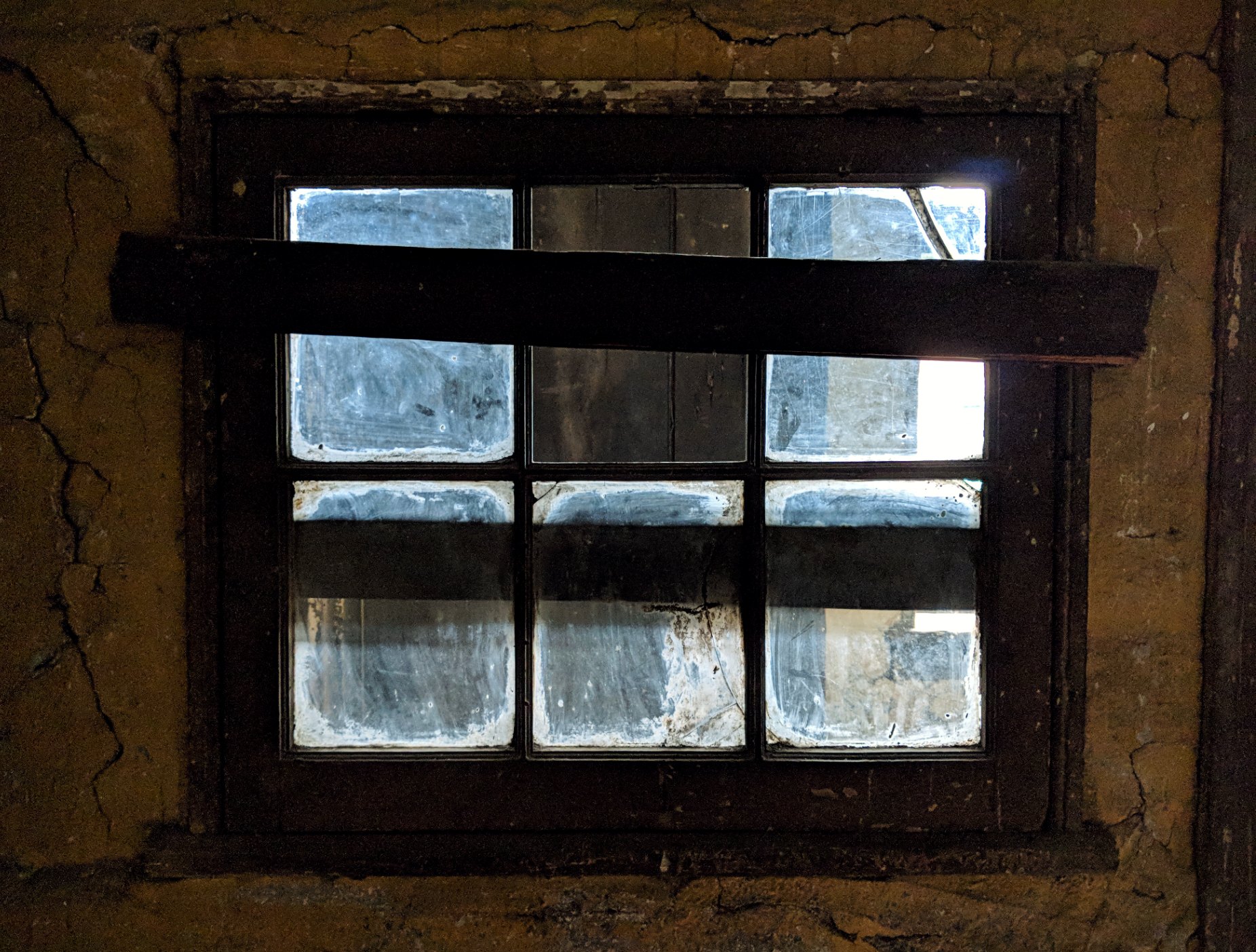
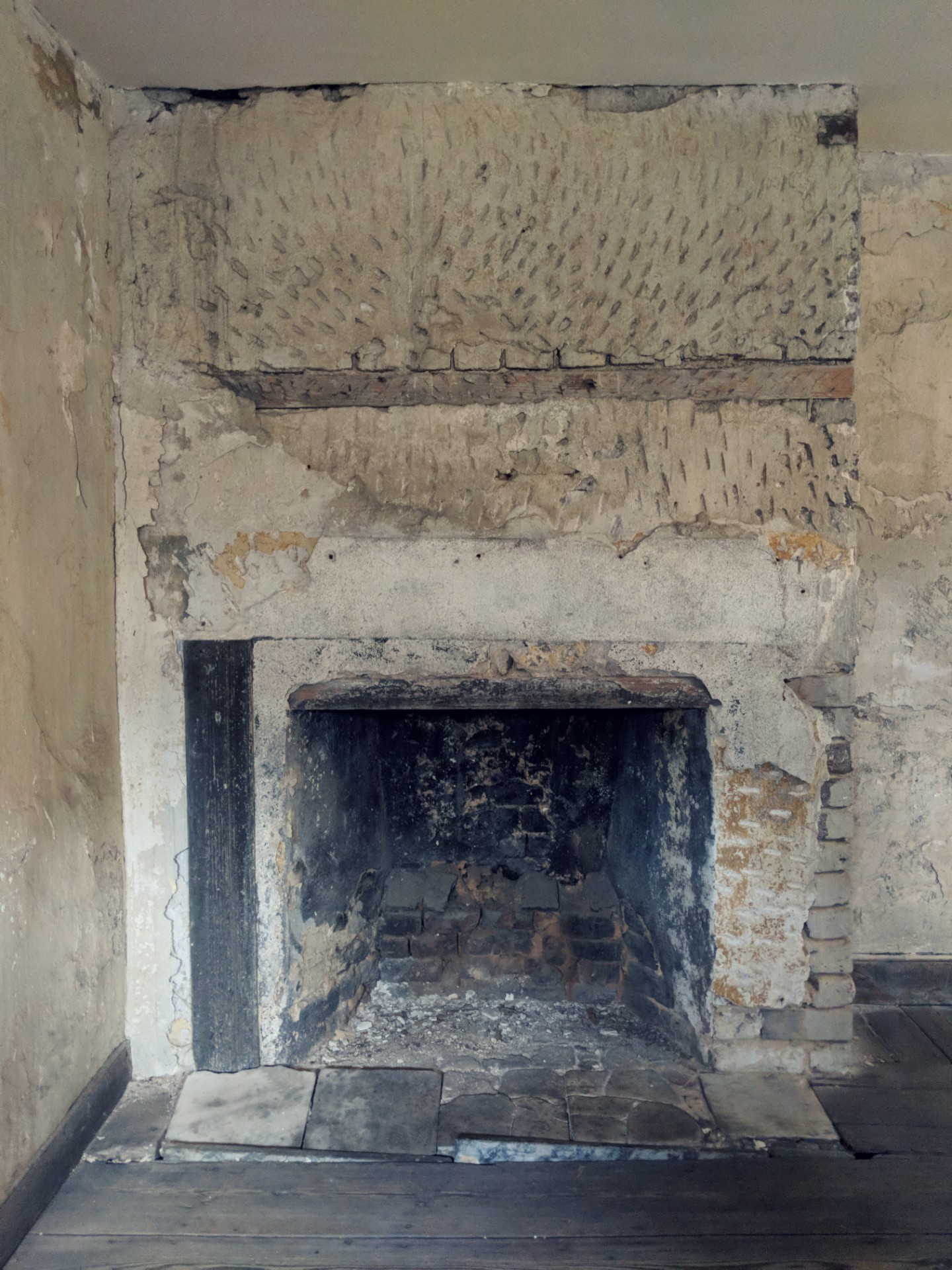
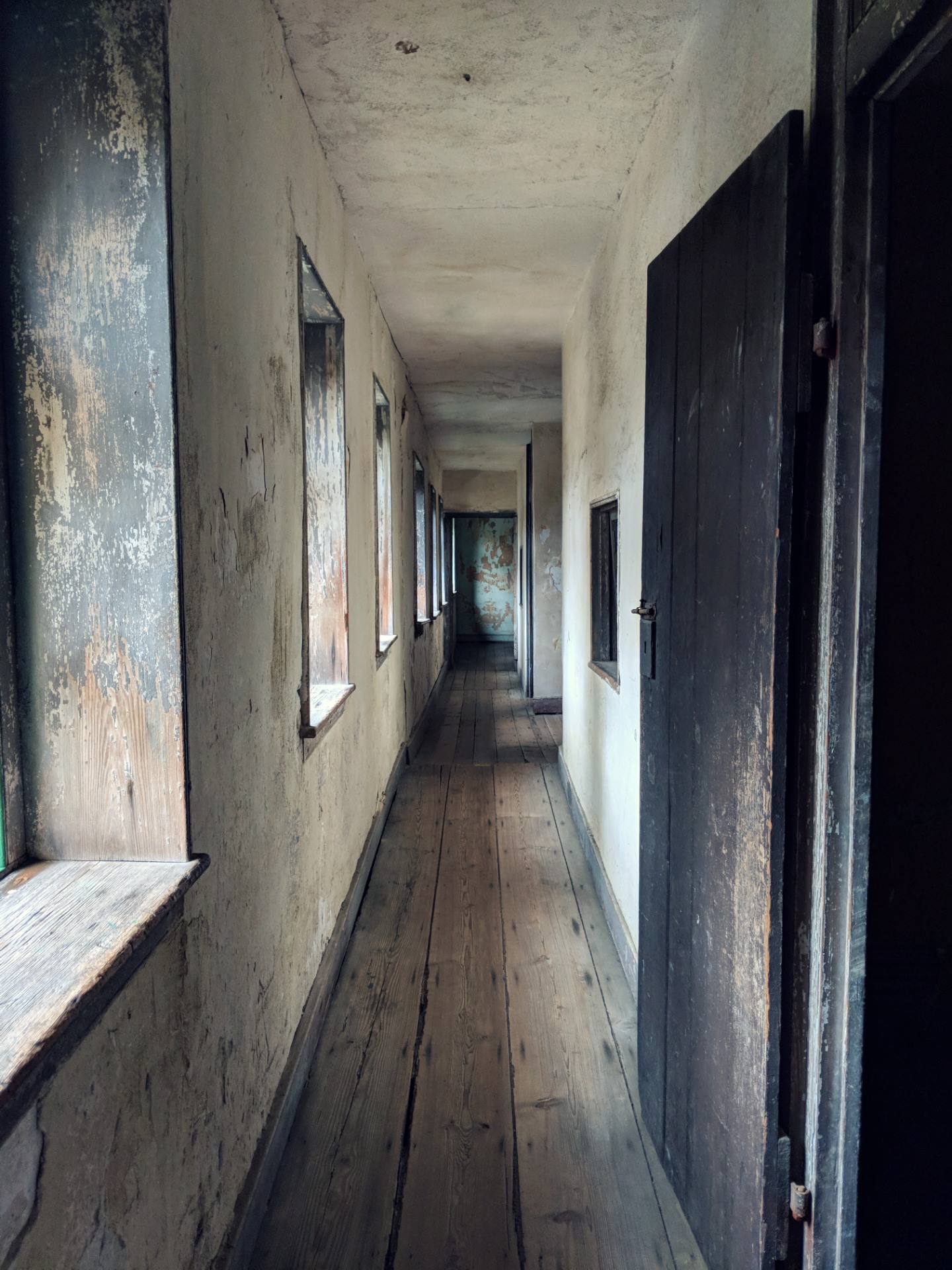
The place you are about to see belonged to the Aiken family for 142 years before being turned into a Museum, in 1975. Its current owners, the Historic Charleston Foundation that took over in 1995, adopted a preserved-as-found approach, which means all the rooms and surviving furnishings, including the slave quarters, have been preserved – as opposed to restored – and have not been altered since the mid 19th century.

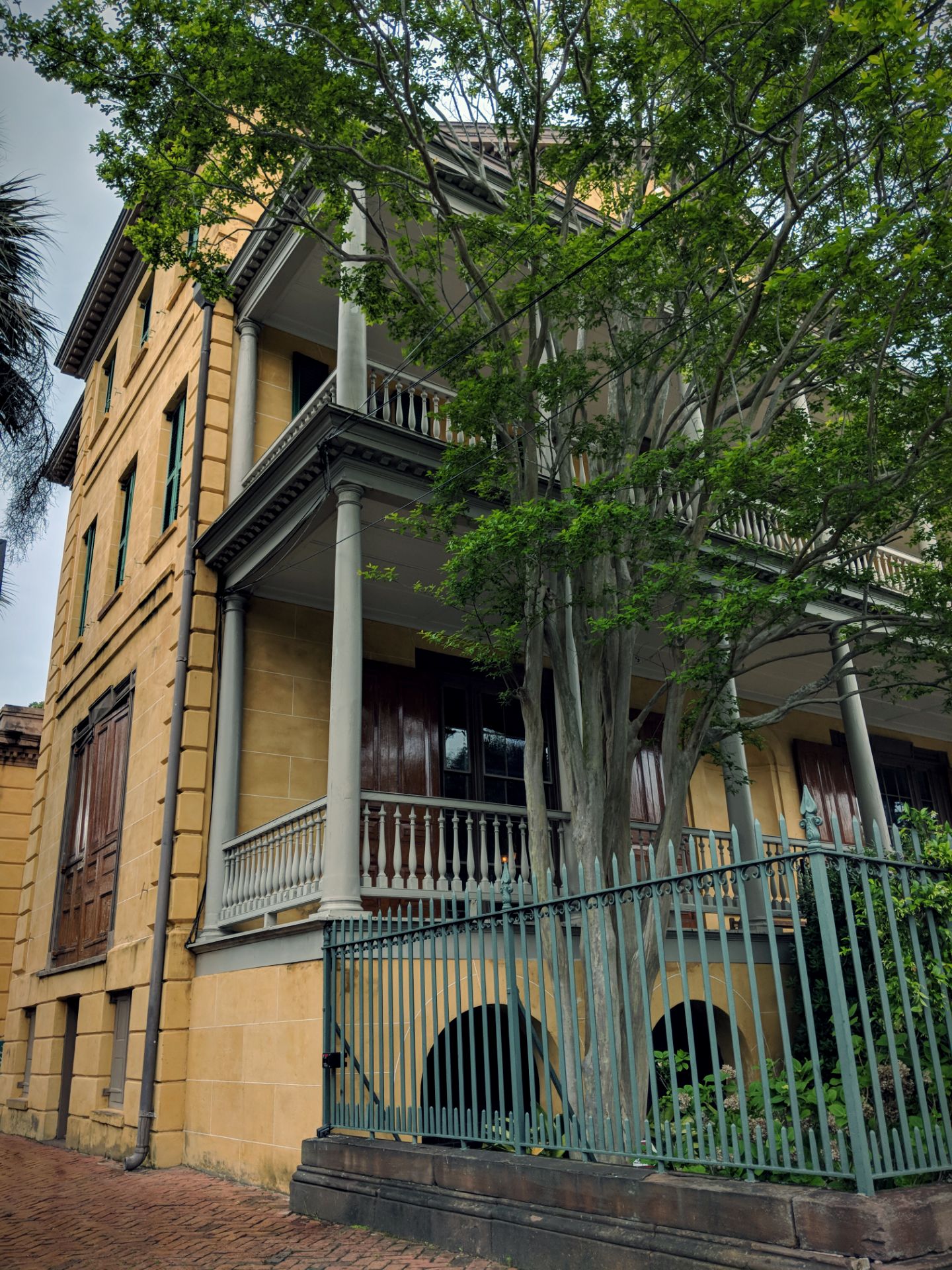
The Aiken-Rhett House, Charleston, SC

April 10th, 2018