In front of the Hirshhorn! I’m alright darling, but you’ll never believe what happened…


April 25th, 2017
In front of the Hirshhorn! I’m alright darling, but you’ll never believe what happened…
April 25th, 2017
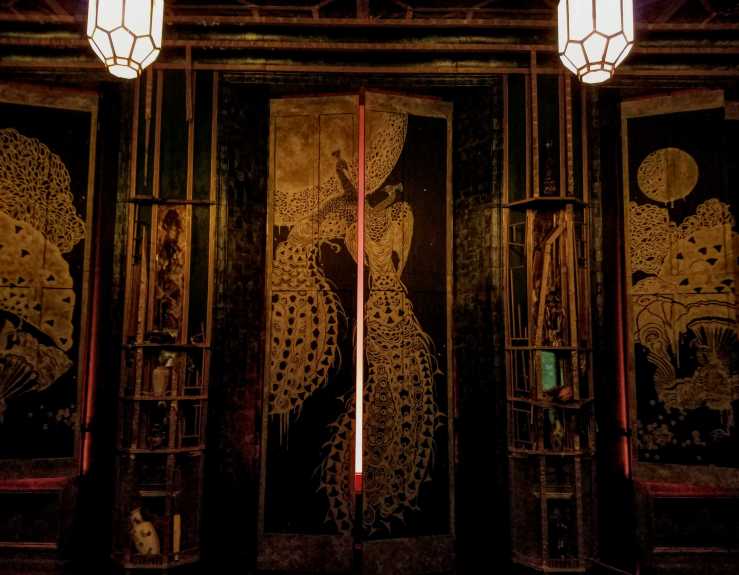
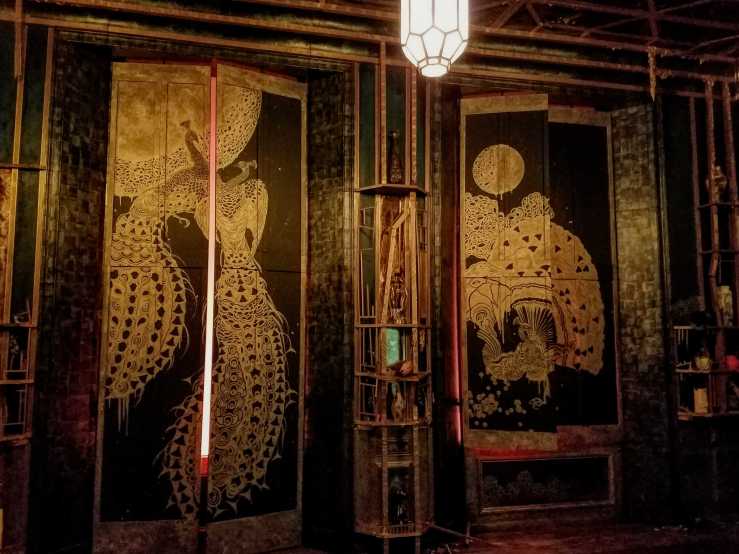
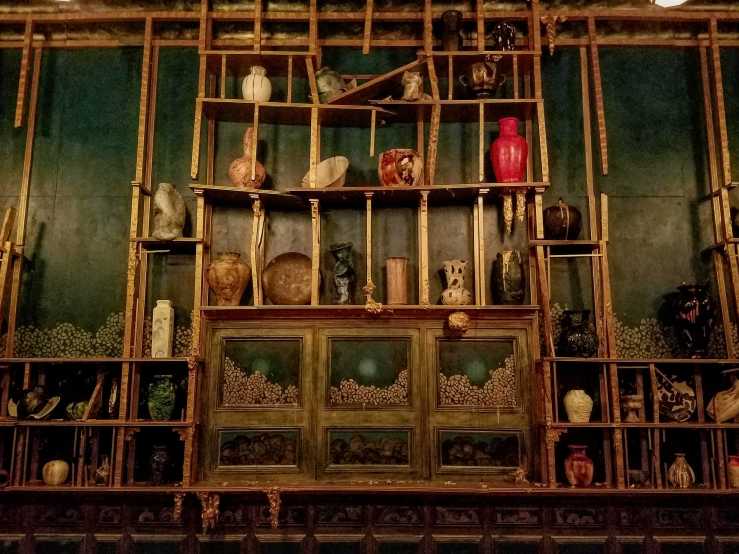
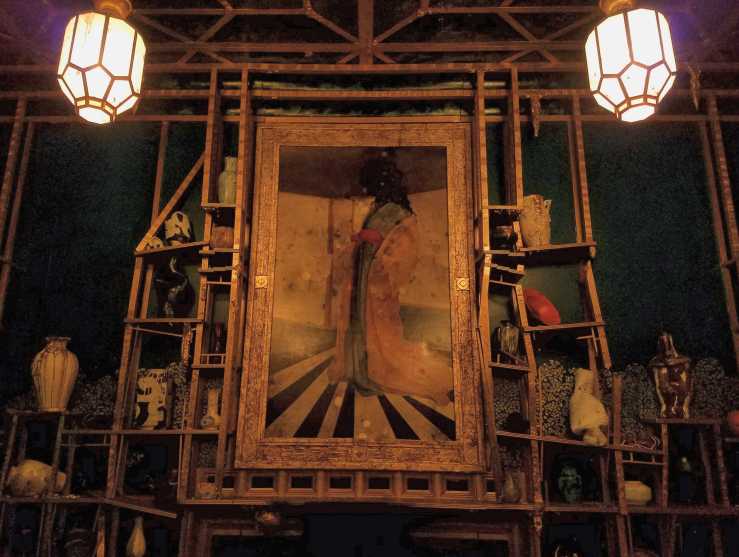
Together with the Freer Gallery of Art, they form the Smithsonian Museums of Asian Art with permanent collections and temporary exhibitions of Asian or Asian-influenced art, bridging the differences of cultures in a unique way.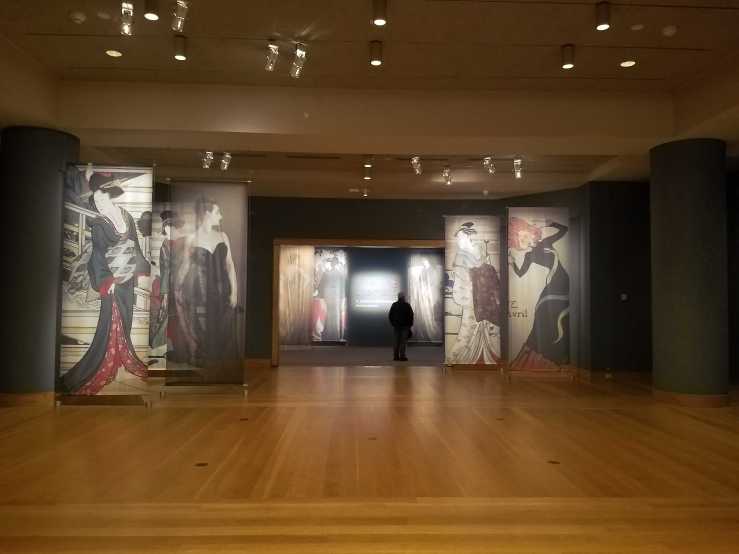 As unique as ”The Peacock Room”, a magnificent example of cross-cultural art:
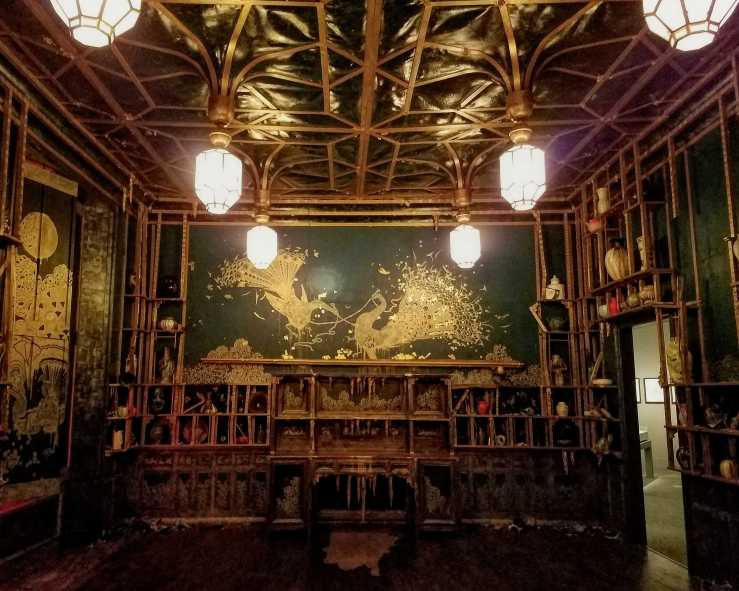
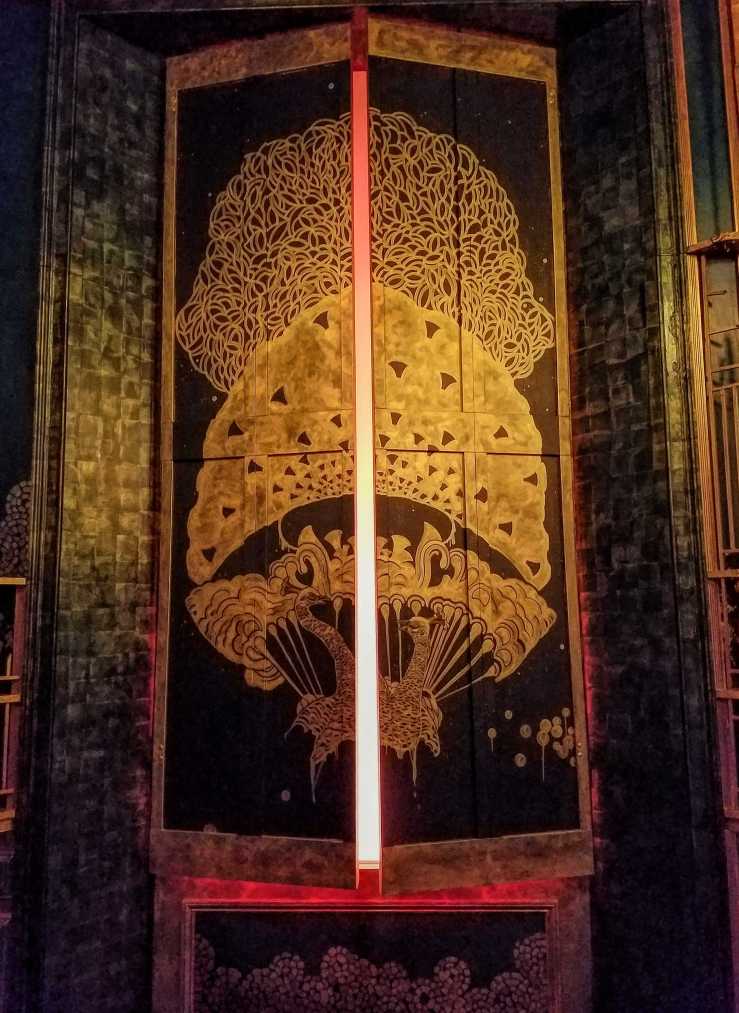
”Before the Peacock Room became a work of art by James McNeill Whistler, it was the dining room in the London mansion of Frederick Leyland. Its shelves were designed to showcase the British shipping magnate’s collection of Chinese blue-and-white porcelain. Whistler completely redecorated the room in 1876 and 1877 as a “harmony in blue and gold.” Leyland was far from pleased with the transformation and the artist’s fee. He quarrelled with Whistler, but he kept the room intact.
Charles Lang Freer purchased the room in 1904. He had it taken apart, shipped across the Atlantic, and reassembled in his home in Detroit, Michigan. There, he gradually filled its shelves with ceramics collected from Syria, Iran, Japan, China, and Korea. For Freer, the Peacock Room embodied his belief that “all works of art go together, whatever their period.”
Whistler’s extravagant interior has been on permanent display since the Freer Gallery of Art opened in 1923. Located between galleries of Chinese and American art, the Peacock Room remains a place where Asia meets America.”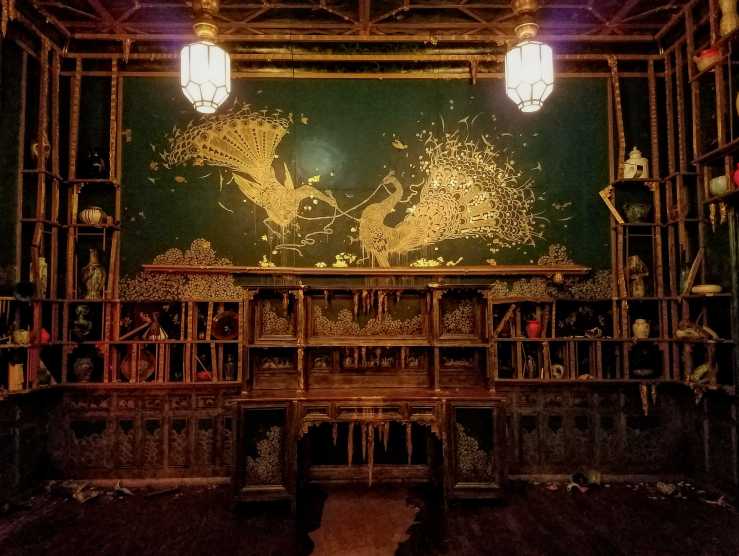
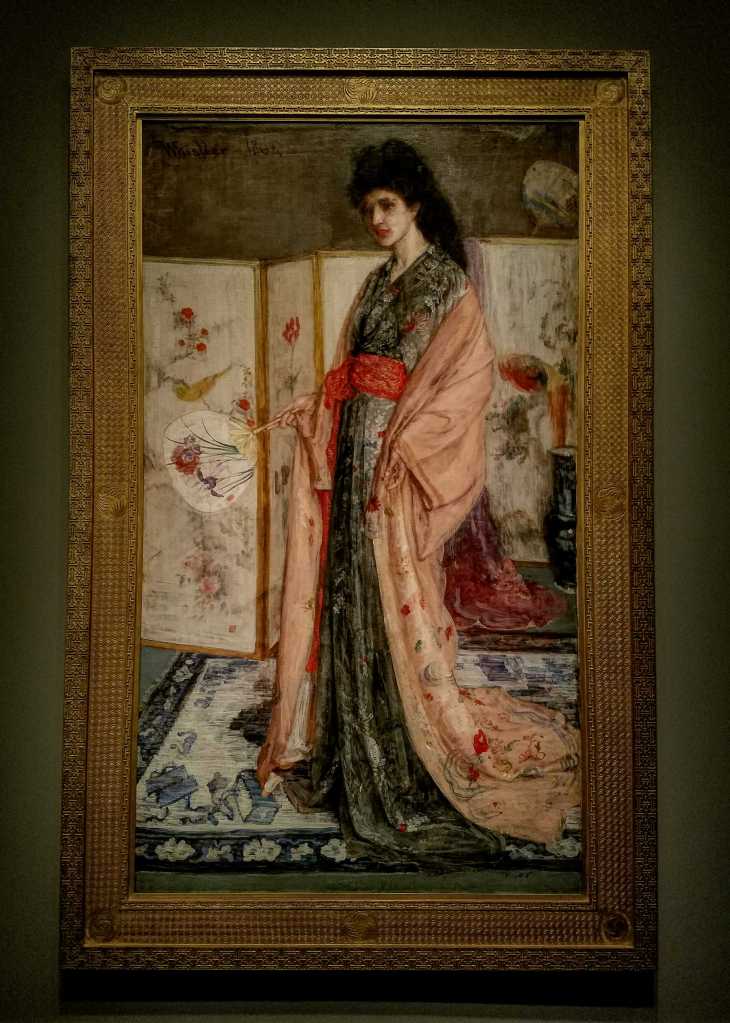
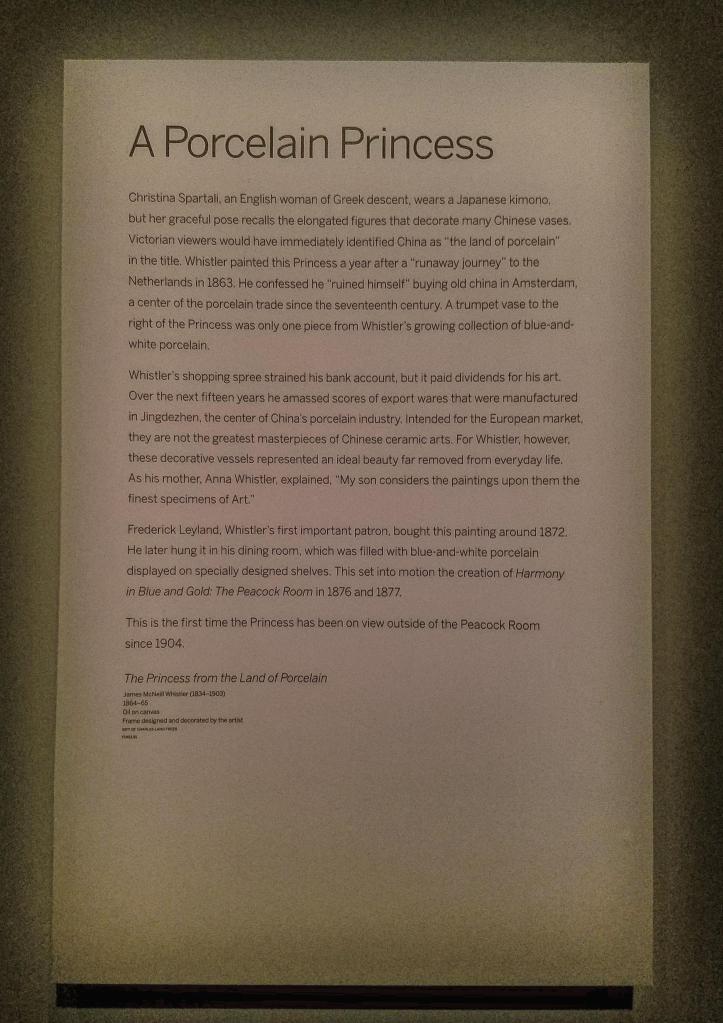
Arthur M. Sackler Gallery
April 25th, 2017
The American Art Museum shares its premises with the National Portrait Gallery, both being part of the Smithsonian Institution. First-time visitors may have a hard time distinguishing between the two, but that’s just a minor detail – what’s important is to allow time to enjoy some incredible works of American art, like Bill Viola’s ”The Moving Portrait” exhibit, which was running until May 2017.
I’ve been admiring Viola’s work for years, his use of video technologies, experimentation with portraiture and the fact that he always seems to submerge his subjects in water, an element present in -almost- his entire body of work. But, it was only recently I learned, coming across an interview on Louisiana Channel, that when Viola was 6 years old he fell into a lake, all the way to the bottom, ”to a place which seemed like paradise”. That’s when he learned that “there’s more than just the surface of life” […] and ”the real things are under the surface”. That explains his fascination with water, also evident in ”The Dreamers”, a video/sound installation of 2013:
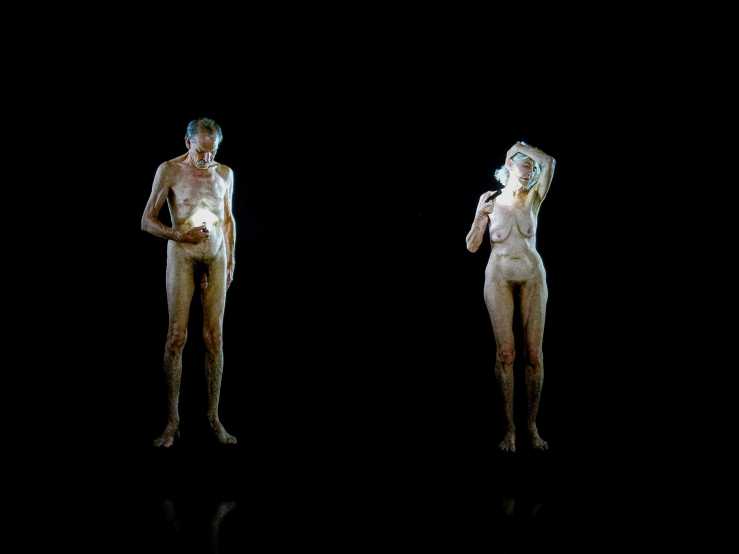
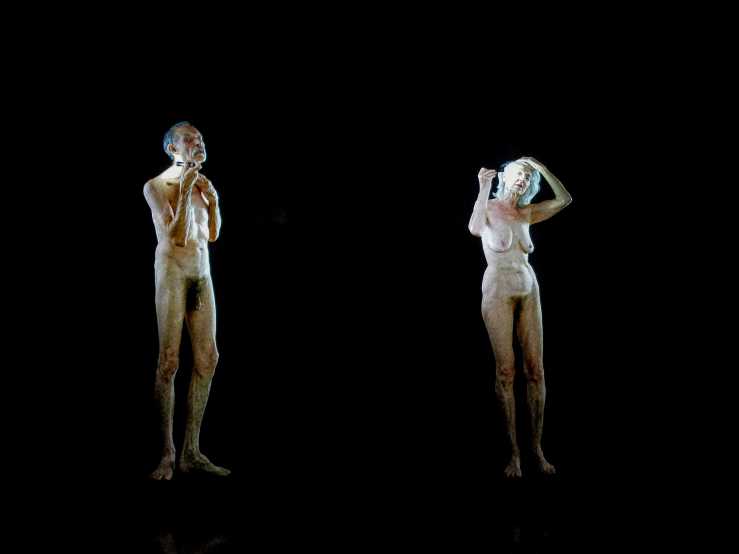
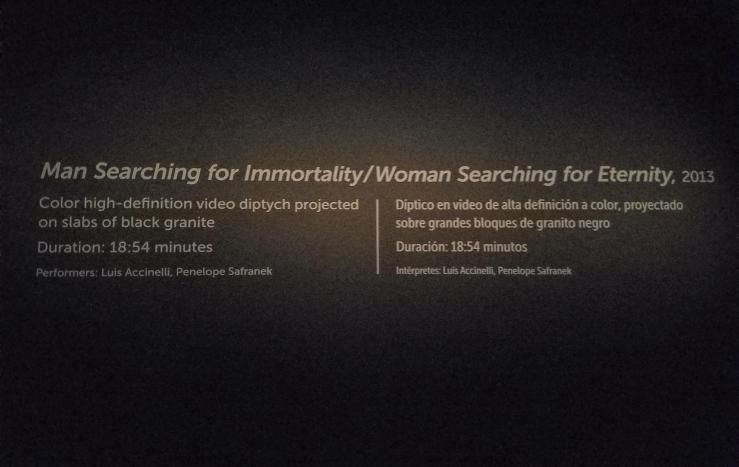
No water present in ”Man Searching for Immortality/Woman Searching for Eternity” (2013), an installation in two frames, showing an elderly man and a woman, naked, inspecting their bodies with a flashlight.

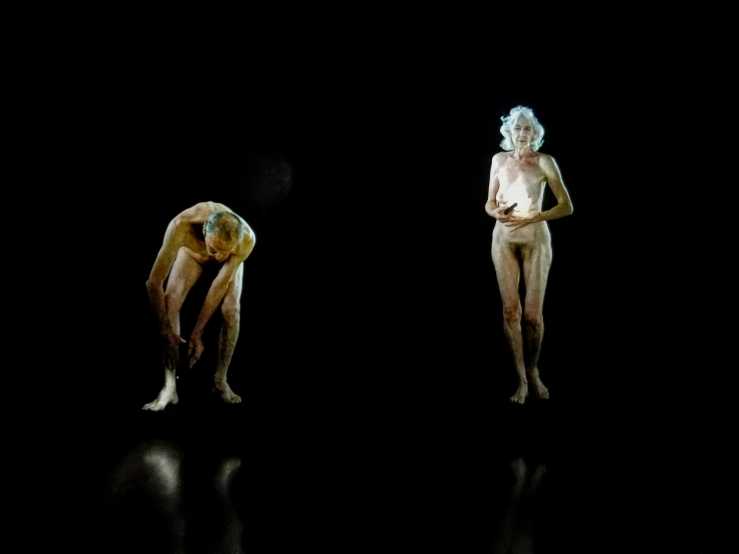
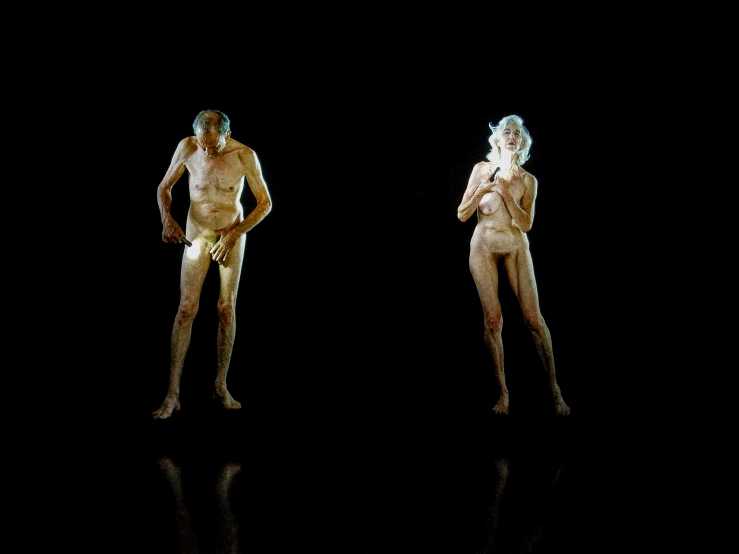
But water is present with all its mighty force in ”The Raft” (2004), in which 19 perfect strangers unsuspectingly gather in a spot, as if waiting for a bus, when suddenly disaster strikes as torrents of water knock them down, leaving them gasping for breath. 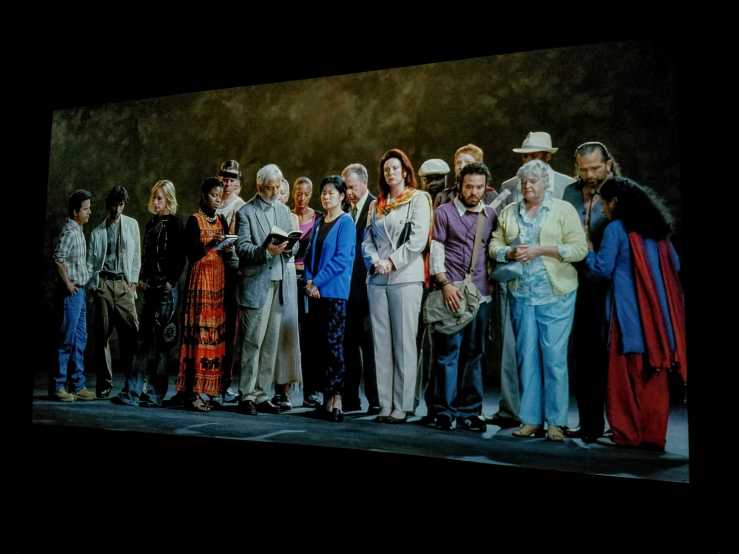
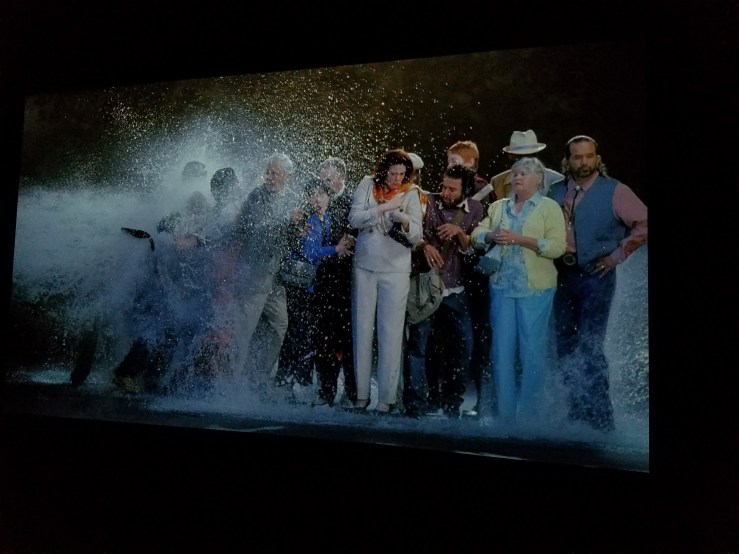
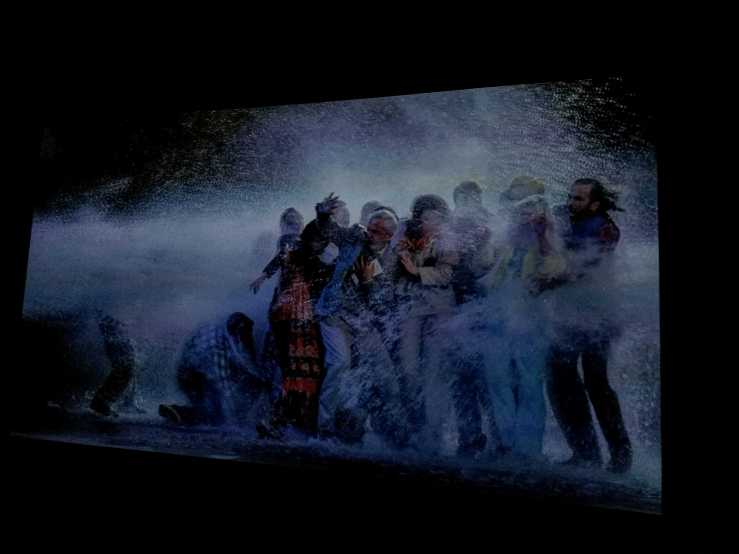

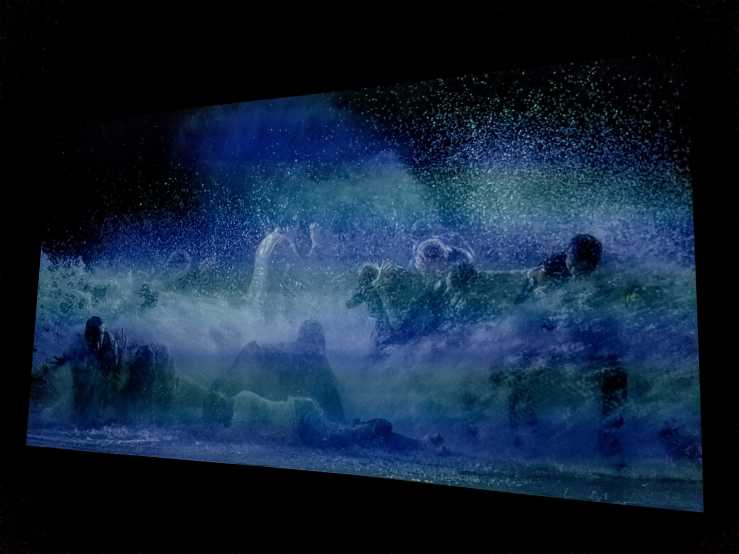
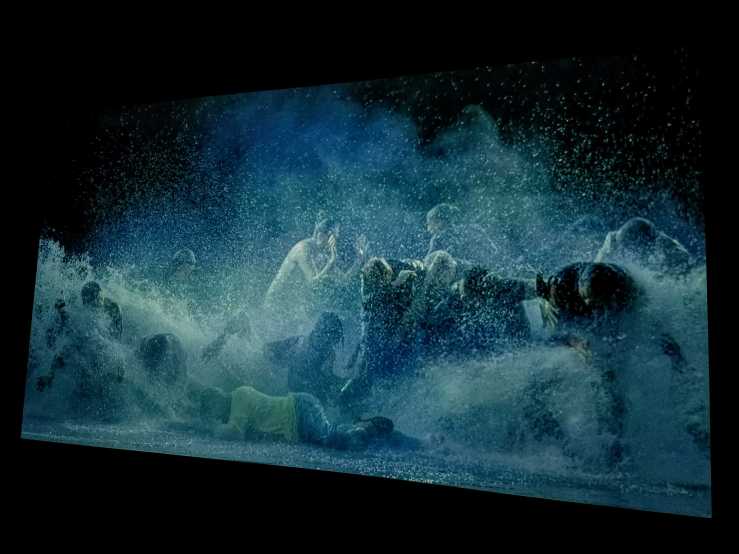
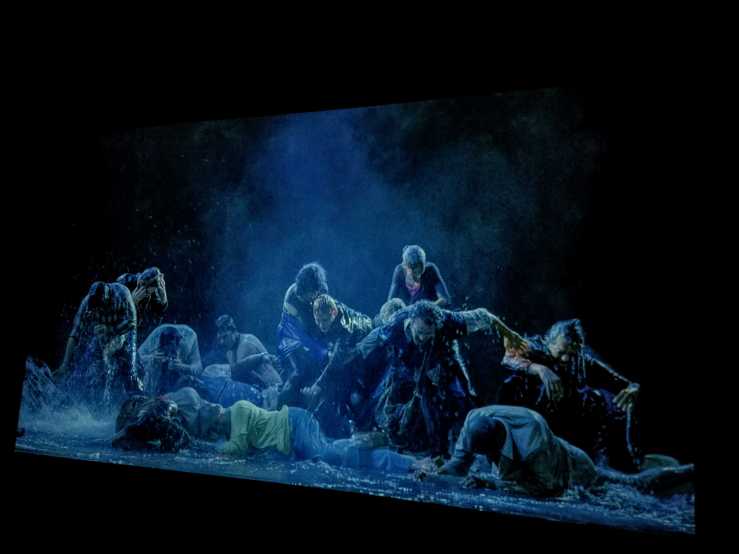
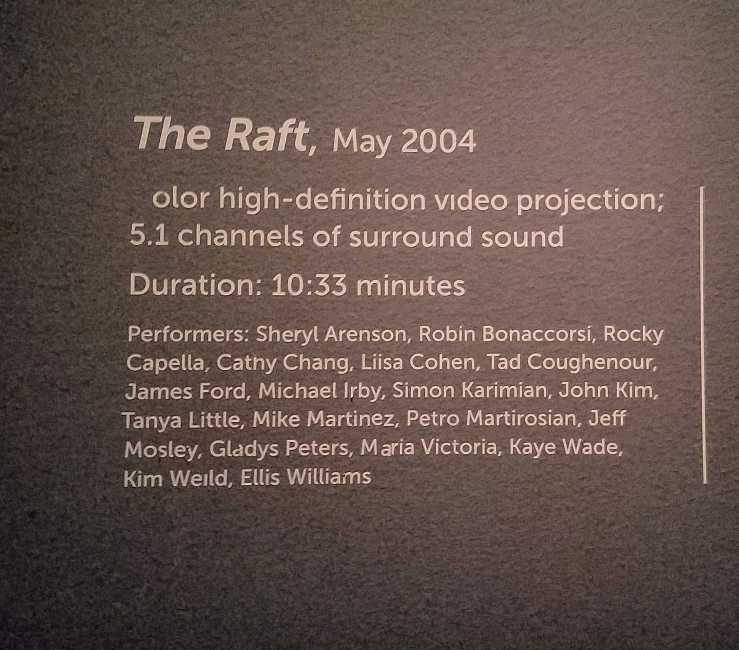
Bill Viola Interview on Louisiana Channel, including views from ”The Raft”:
National Portrait Gallery
Washington, D.C.
April 24th, 2017
The exhibition in Chelsea featured two new Infinity Mirror Rooms, one which could be seen through a peephole (below) and another, where the viewers could walk in (from which yesterday’s ”teaser” photos). There was also a red and white polka-dotted space and a larger one featuring sixty-six paintings from the artist’s iconic My Eternal Soul series and three large-scale flower sculptures.
Immerse into Yayoi Kusama’s mesmerizing, beautiful chaos. You may even discover a kind of order behind this explosion of colour, this pandemonium of patterns and shapes, this sensory overload.
After a while, it all starts to make sense. 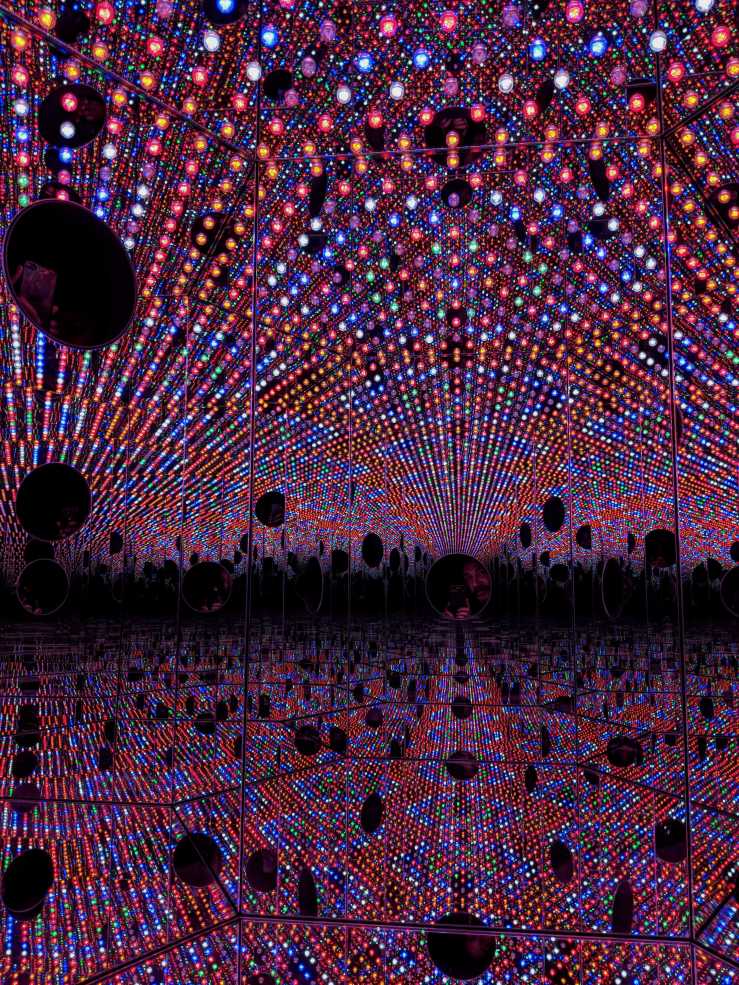
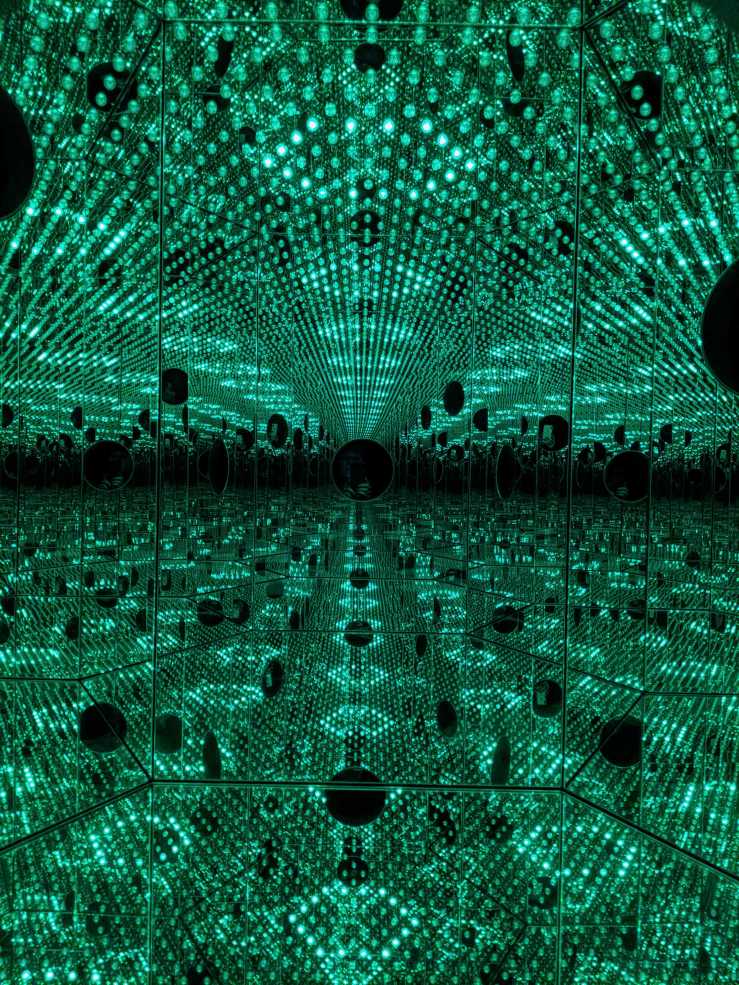
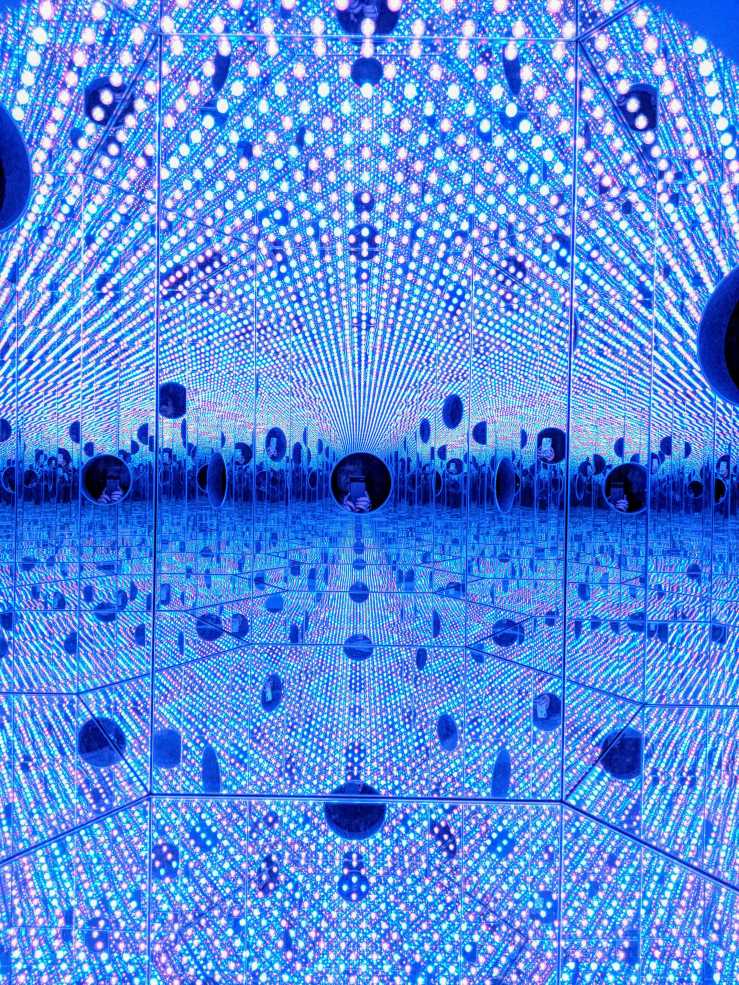
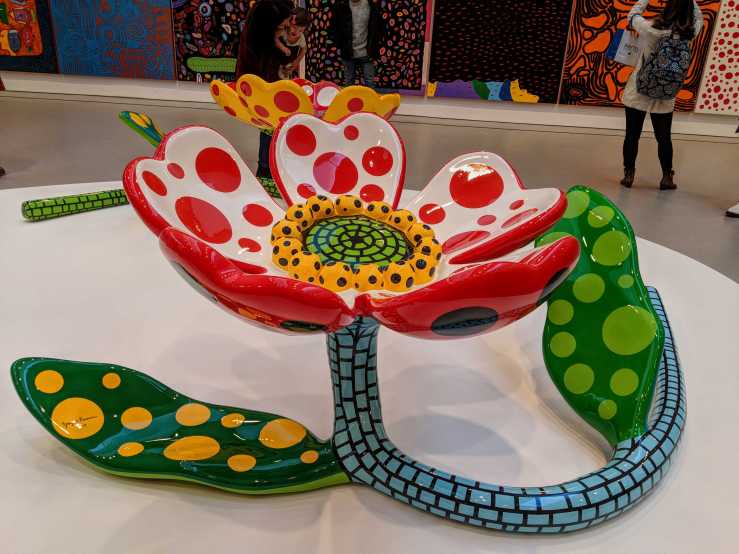
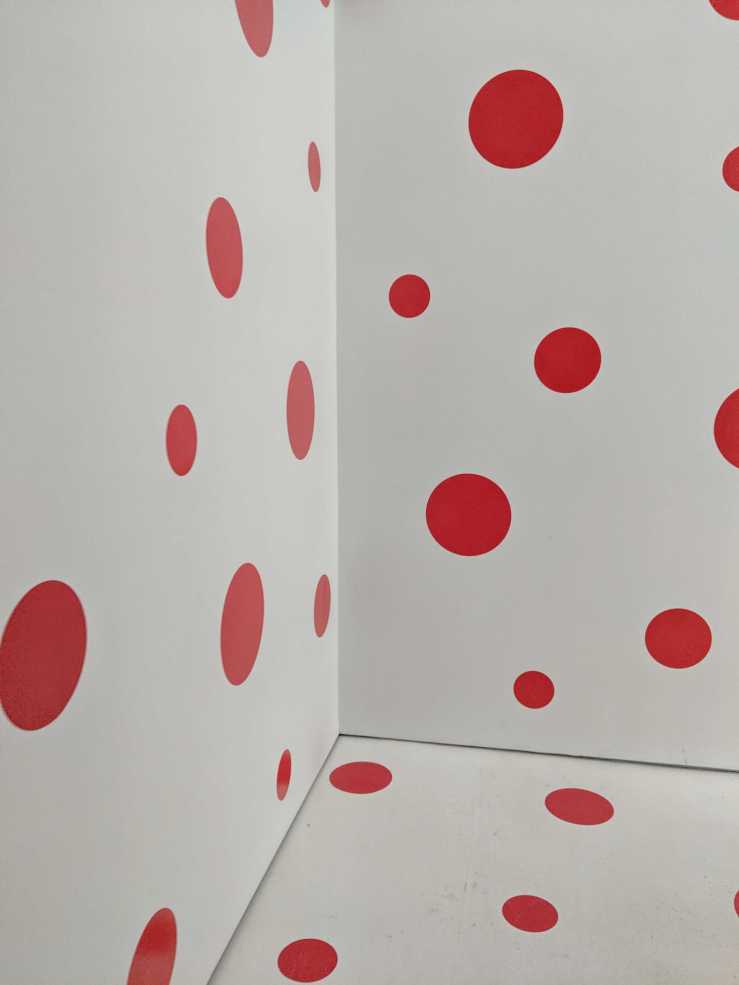
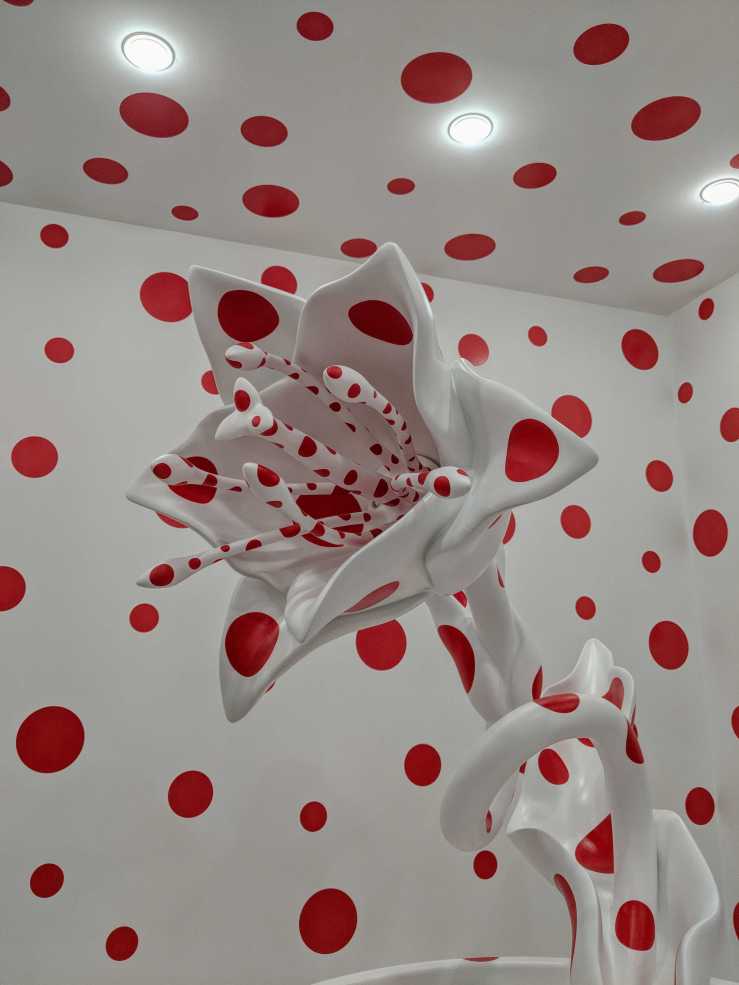
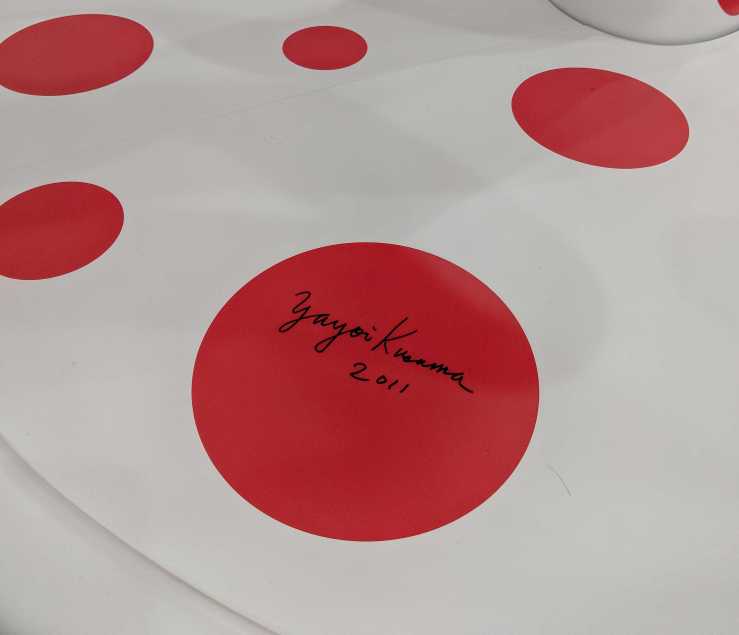
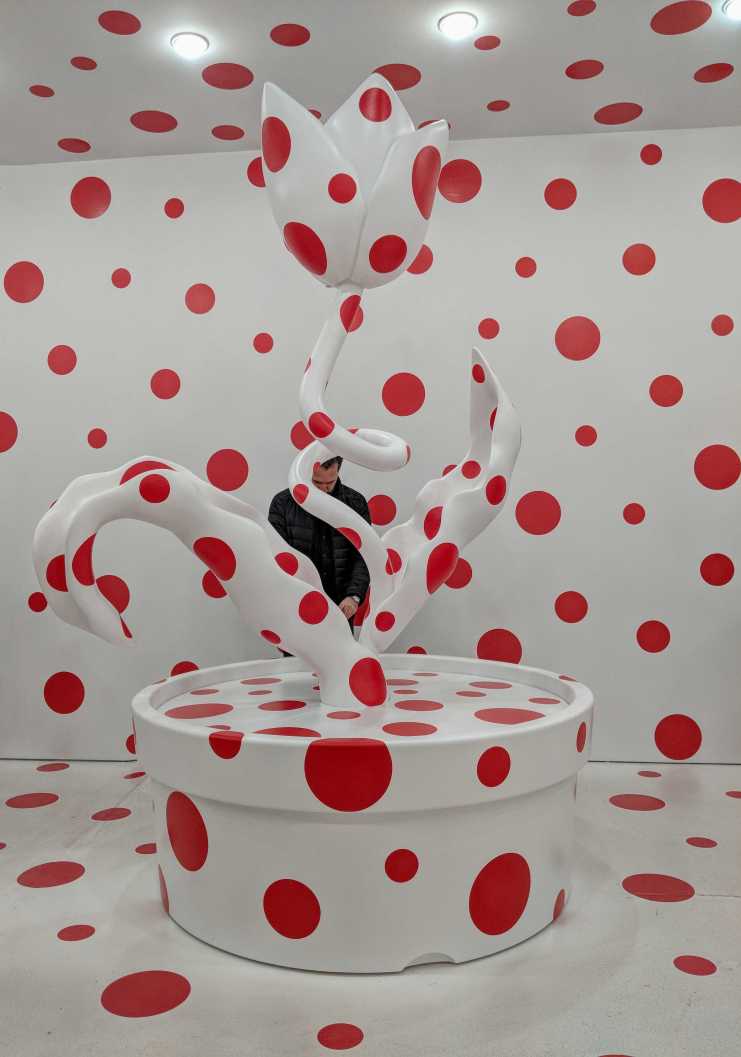
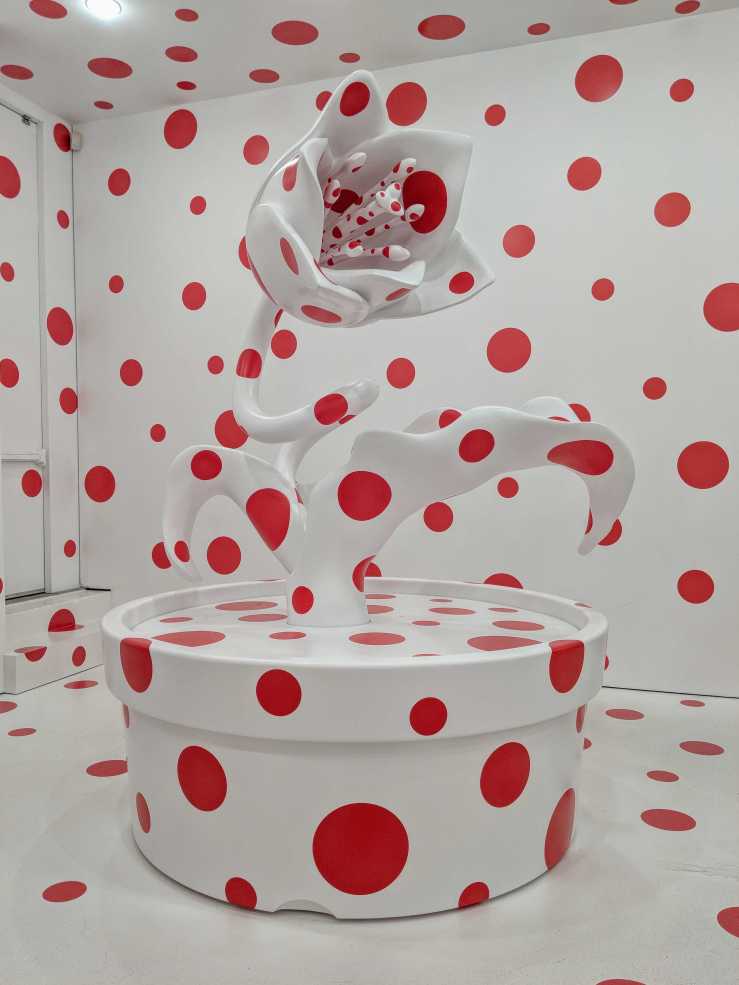
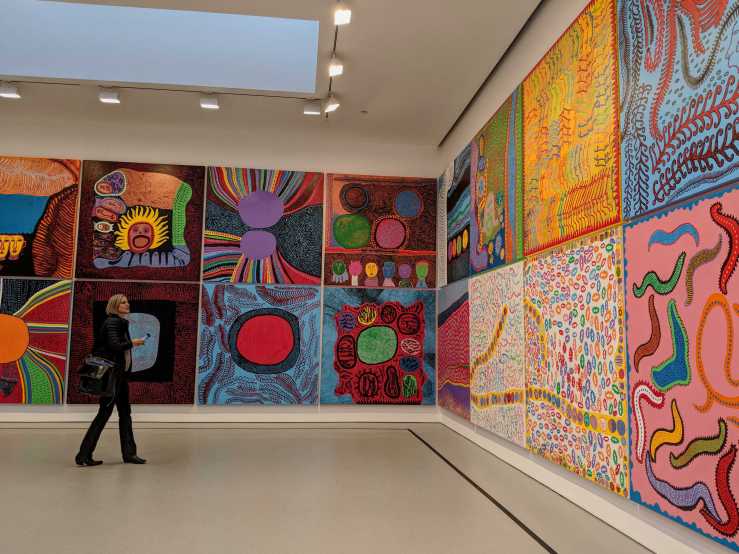
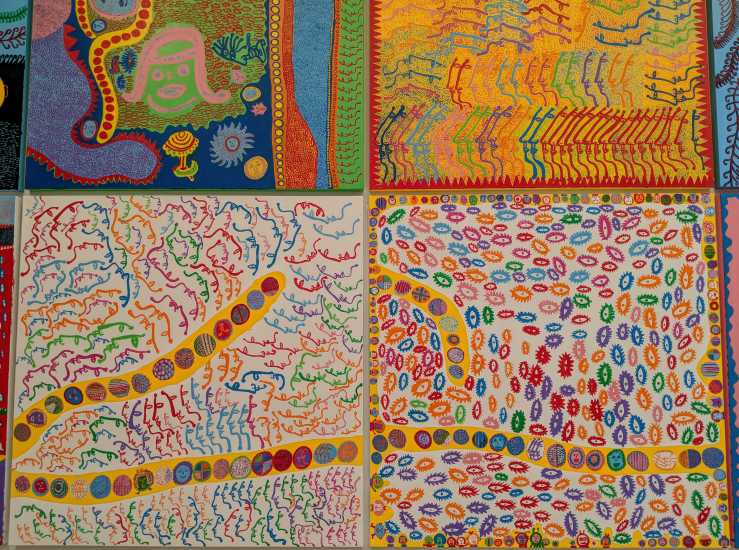
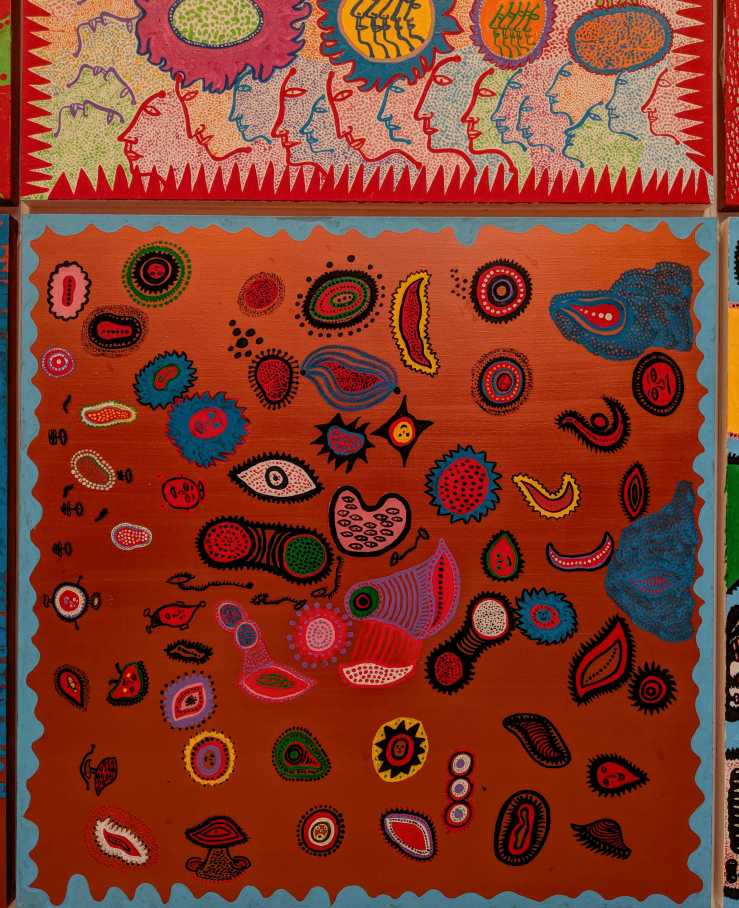
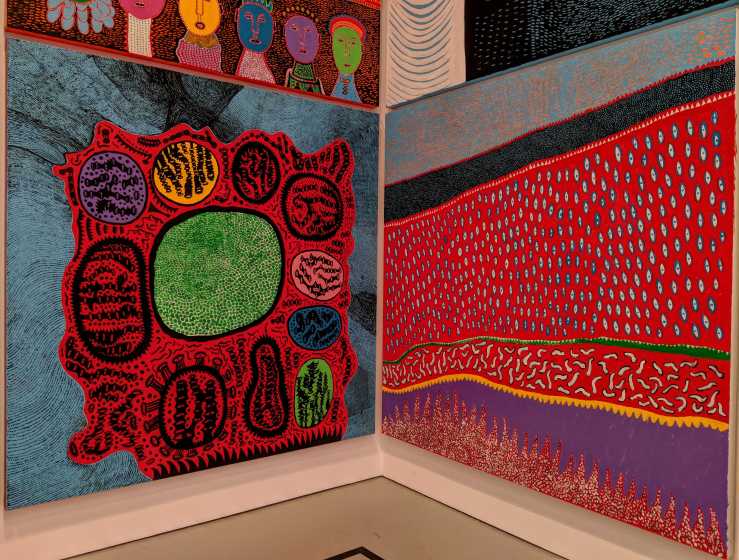
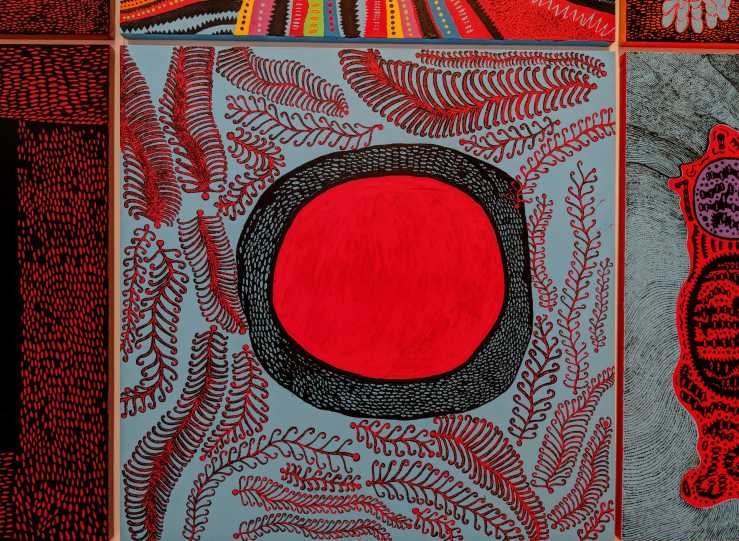
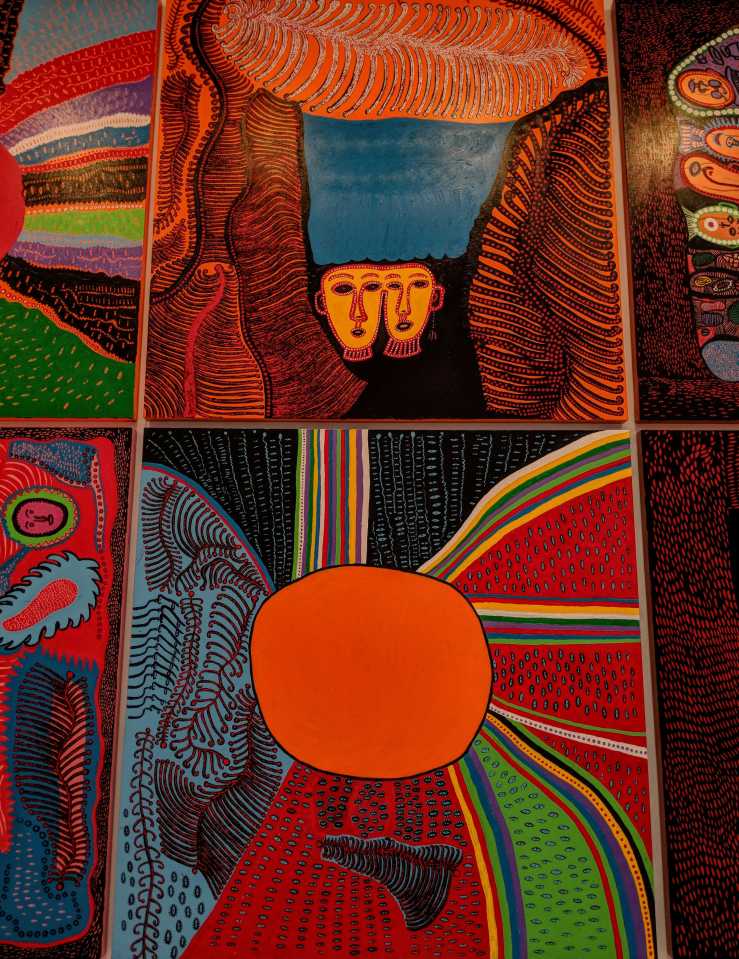
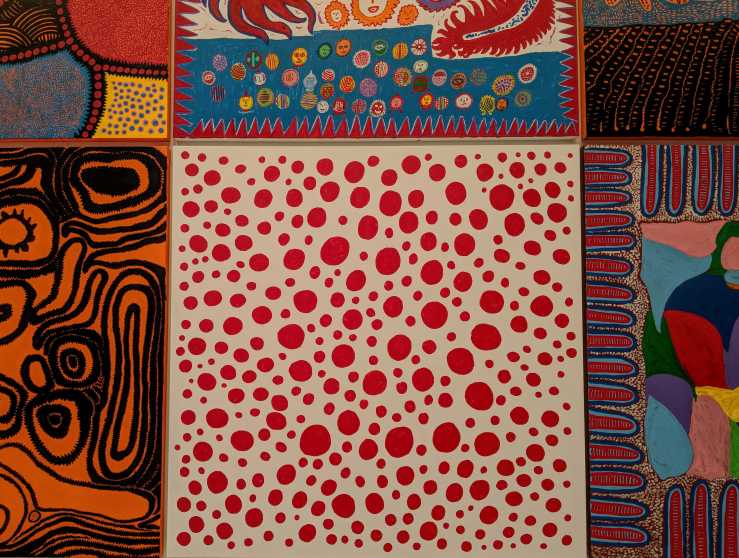
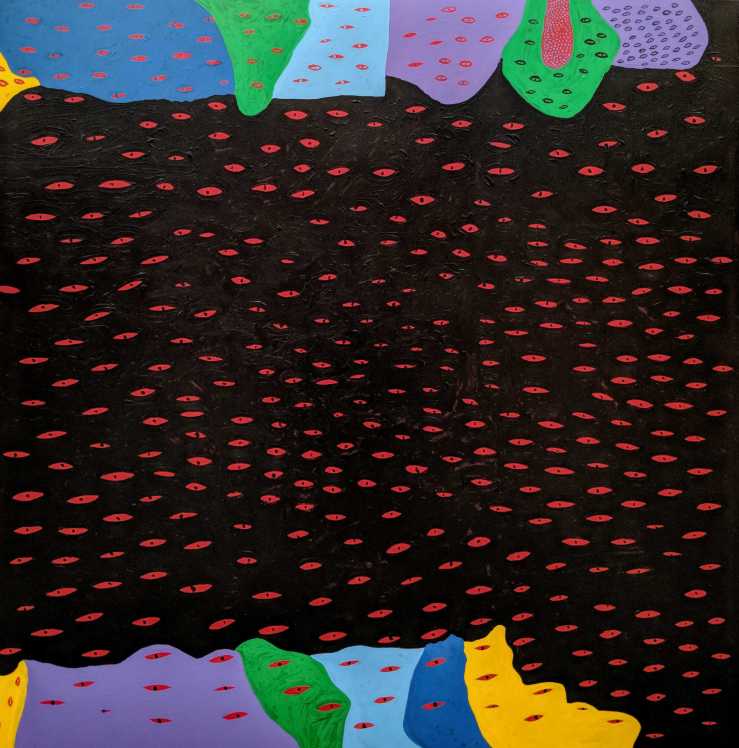
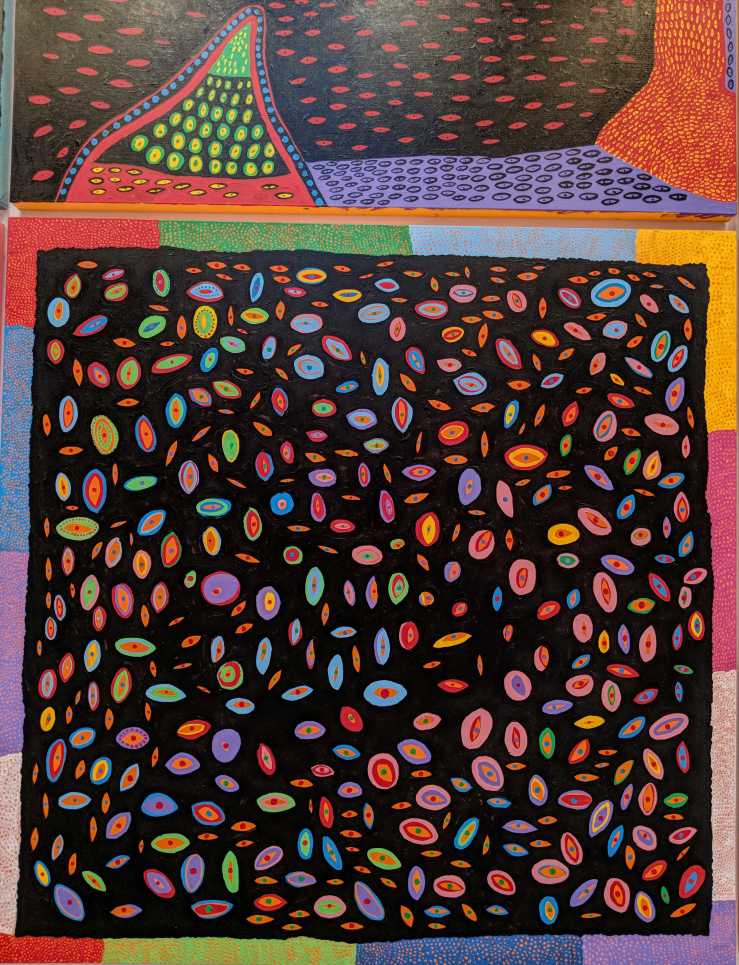
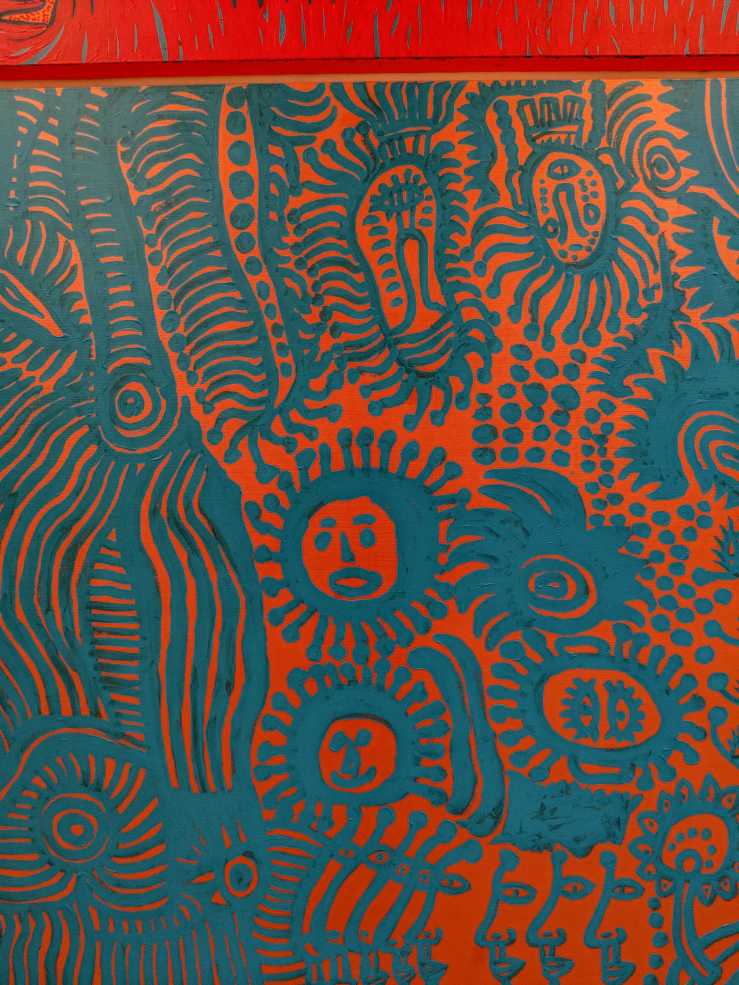
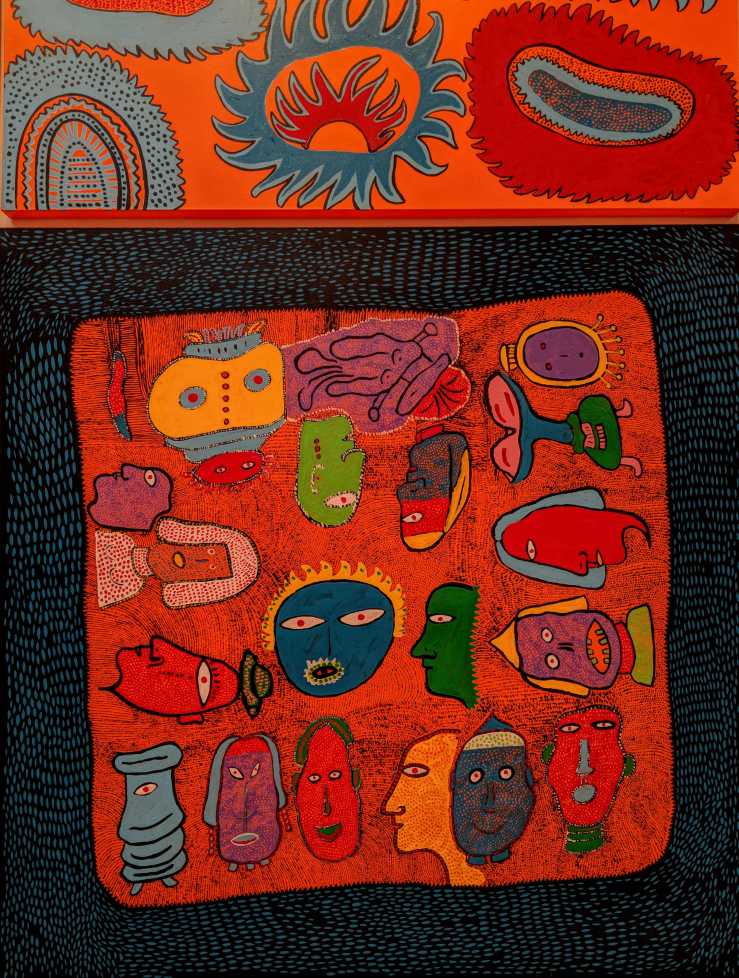
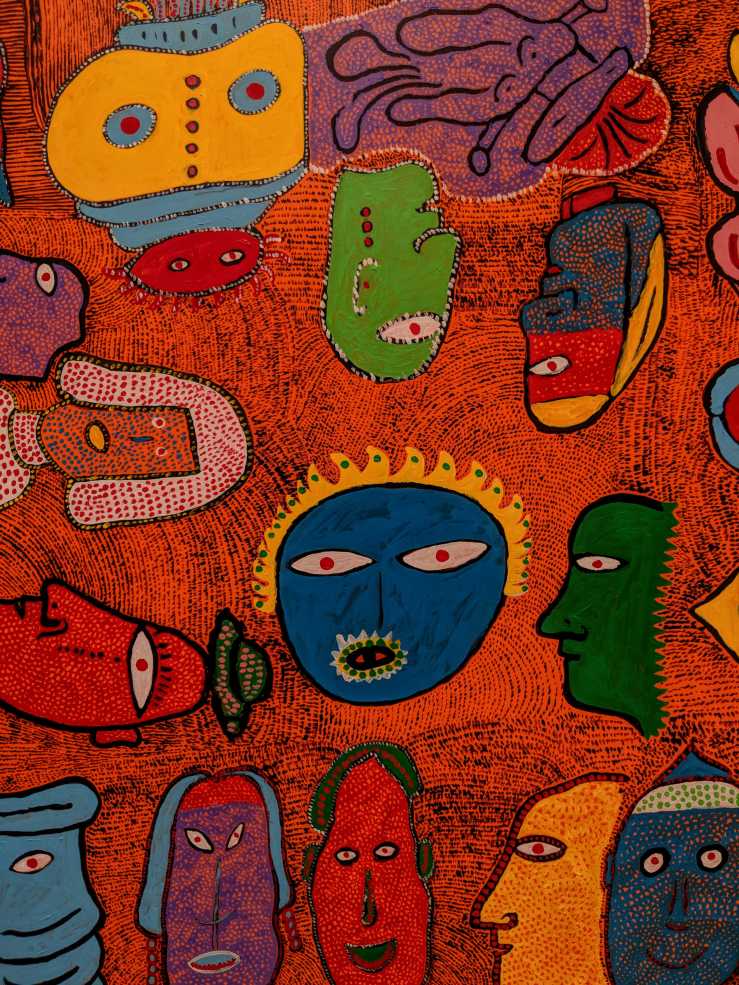
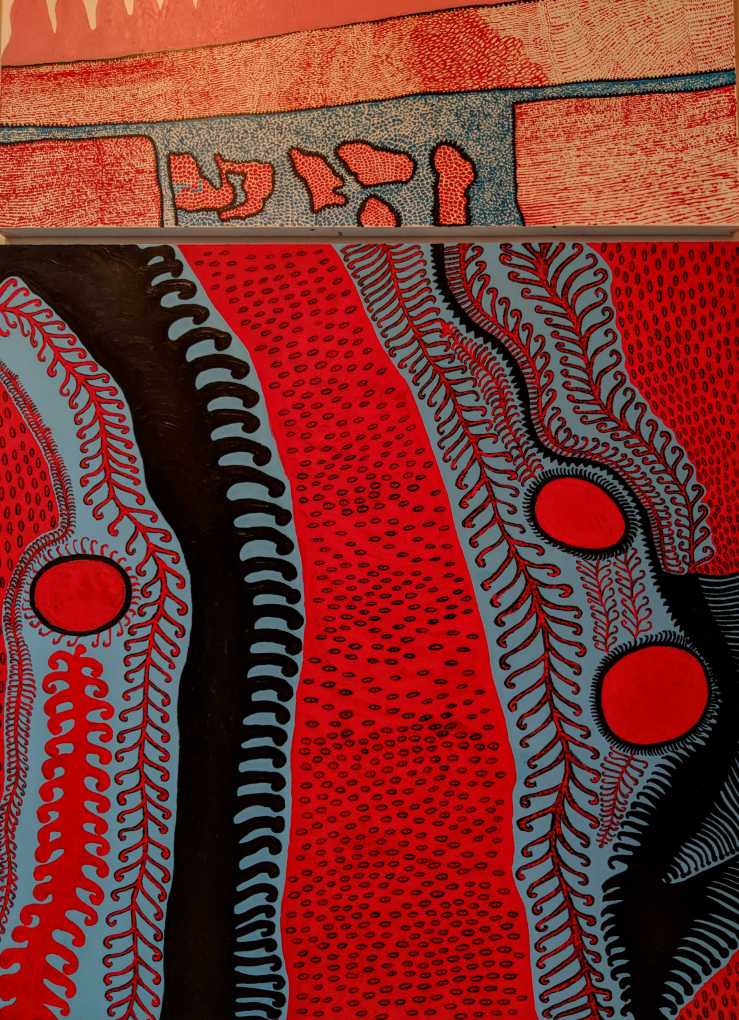
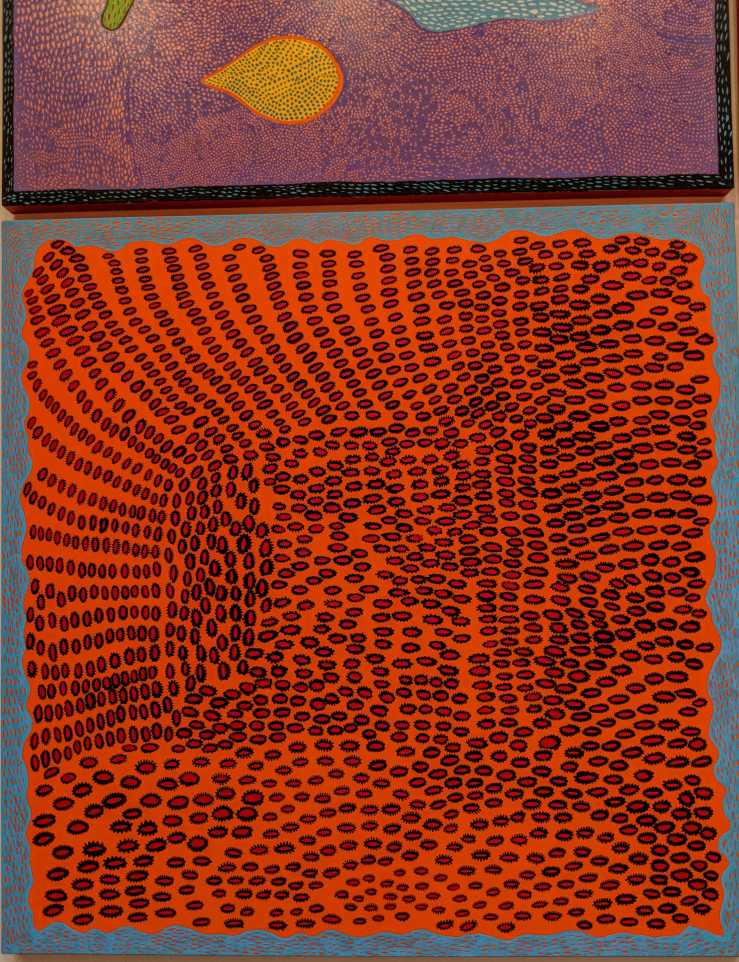
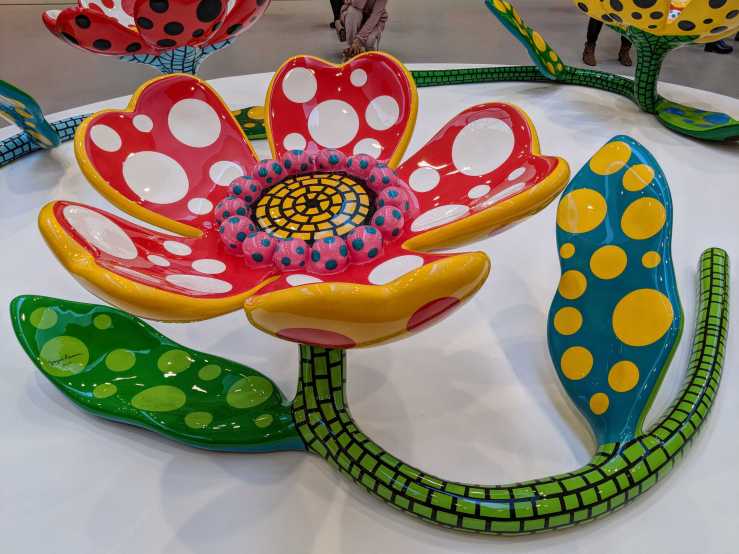
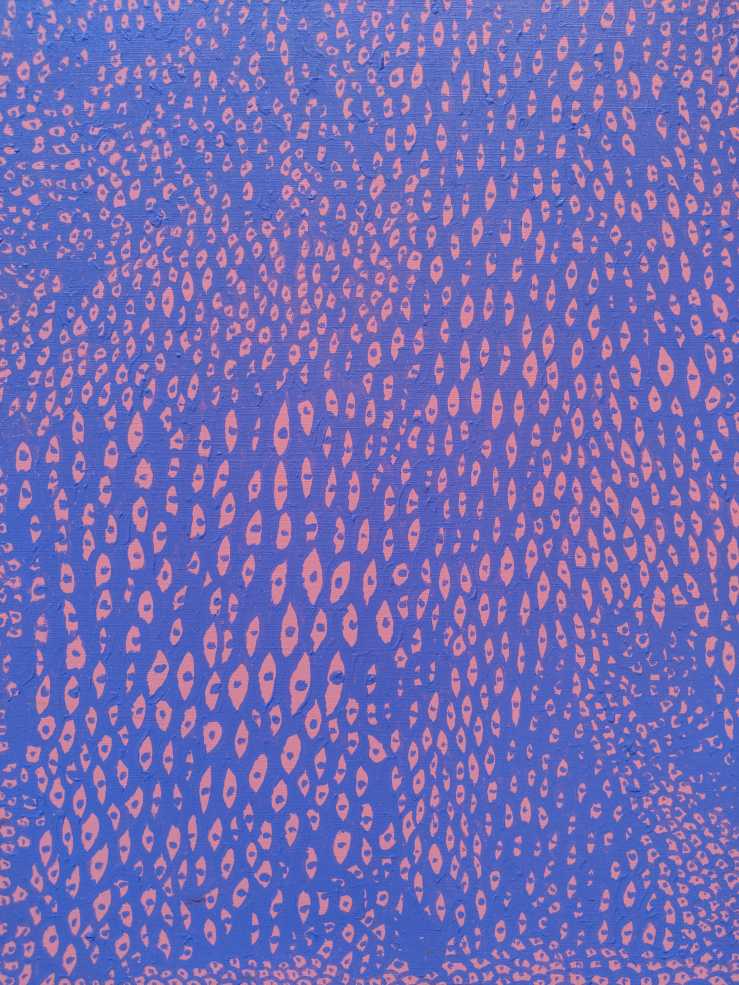
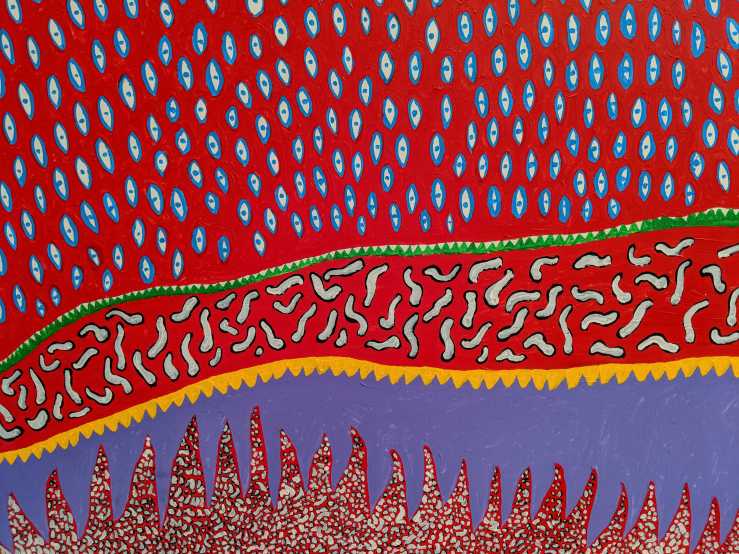
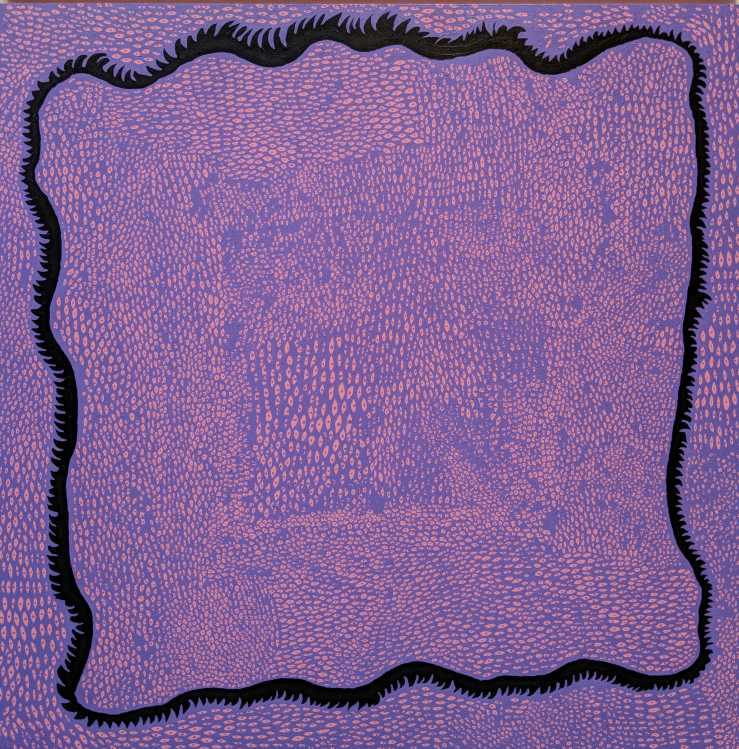
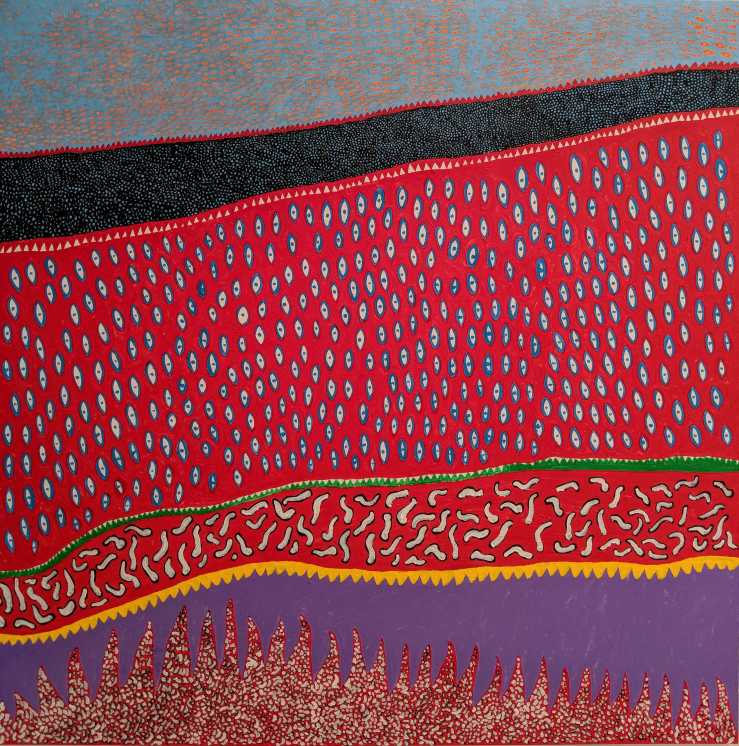
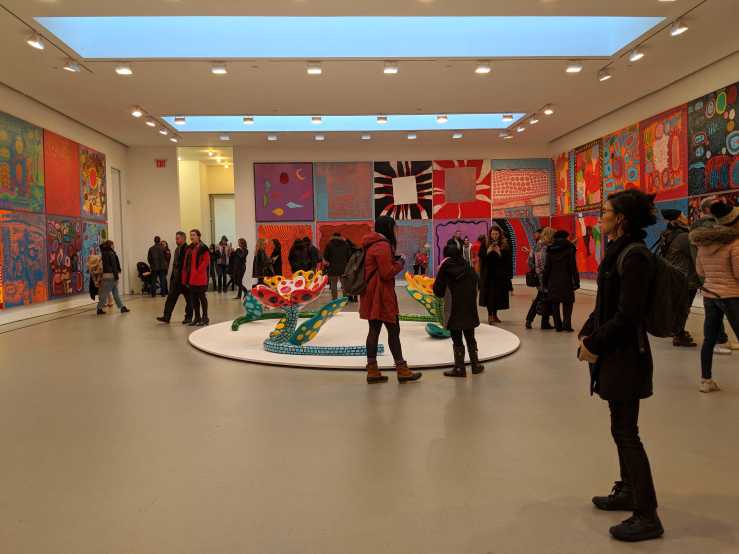
Festival of Life ran through a limited time only, in David Zwirner Chelsea concurrently with an exhibition of Kusama’s new Infinity Nets paintings, in their uptown location. We never made it to the latter.
December, 6th 2017
Preparing the ground for tomorrow’s sensory overload. 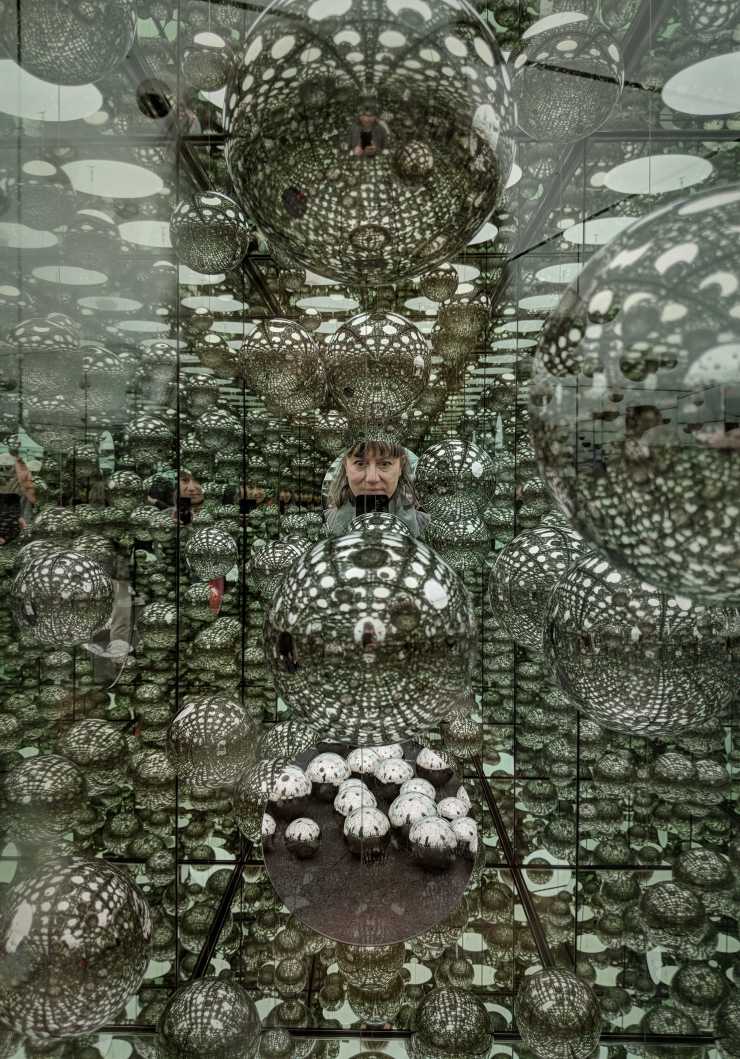
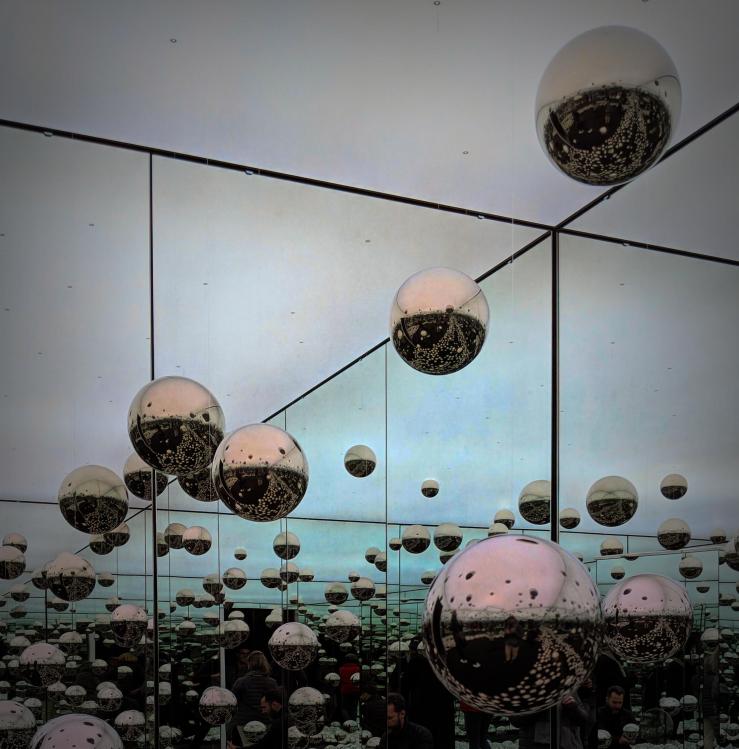
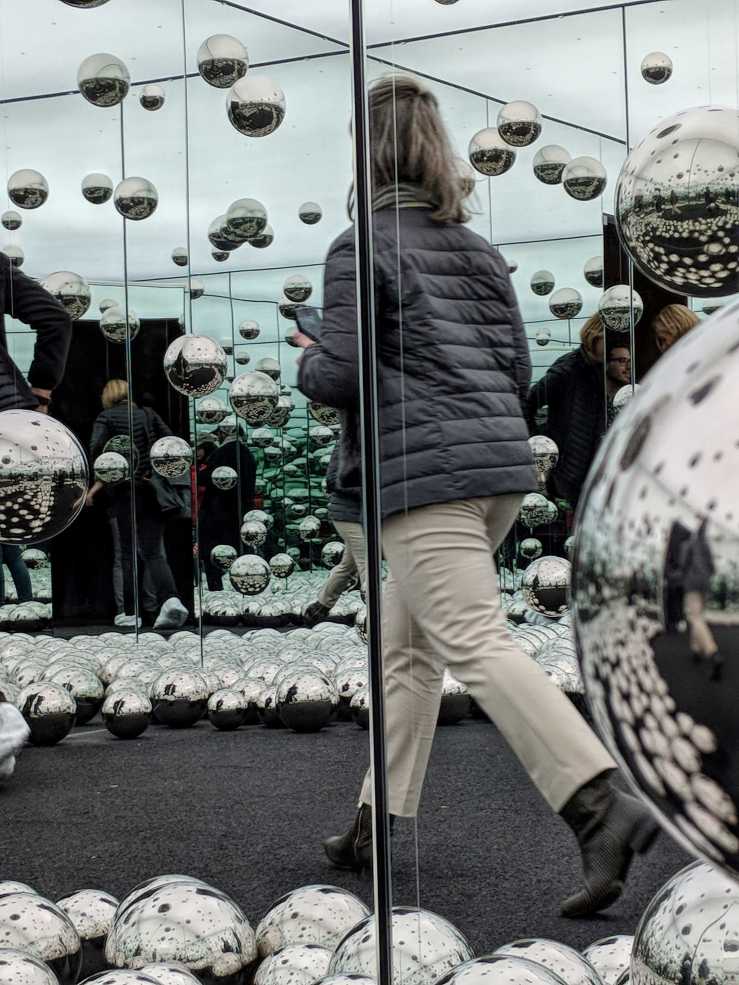
An Infinity Mirror Room, from a past exhibition (through December 22, 2017) at David Zwirner gallery, in Chelsea.
December, 6th 2017
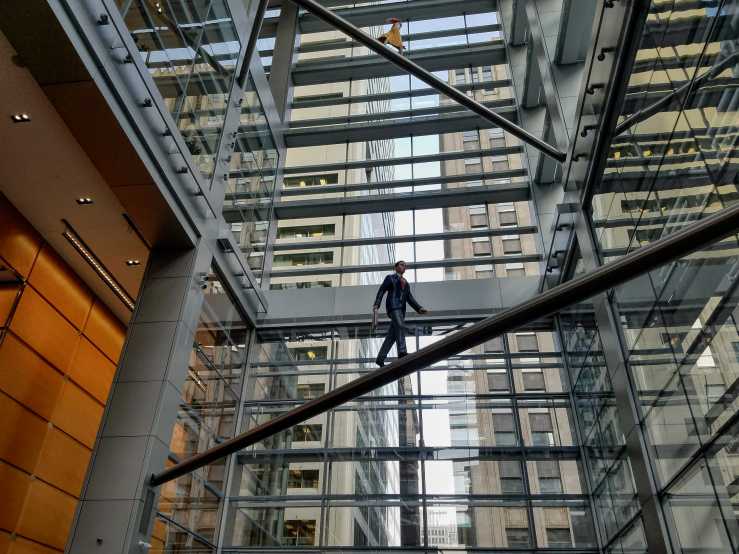
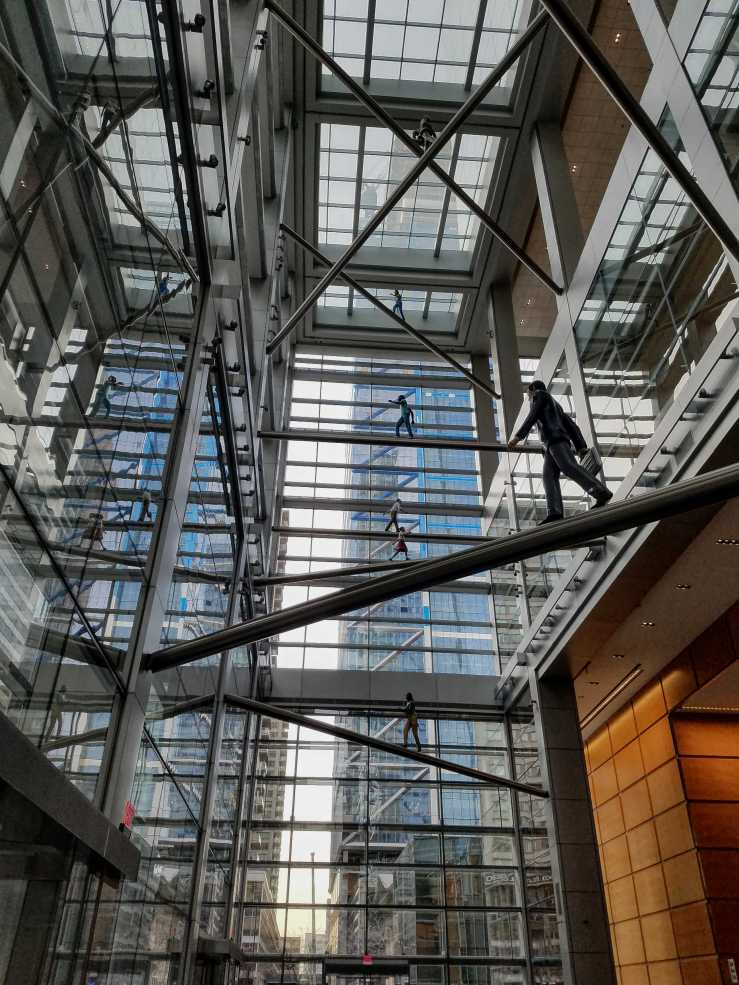
Inside the ”Winter Garden” aka main lobby of the Comcast Center. Two show-stopping public art installations.
The Comcast Experience, a 25.4ft tall, 83.3 feet, 2,000sf high-definition LED screen with incredibly clear, almost 3-D moving images, ranging from the clock wheels pictured here, to monumental natural landscapes to Betty Boop dancing.
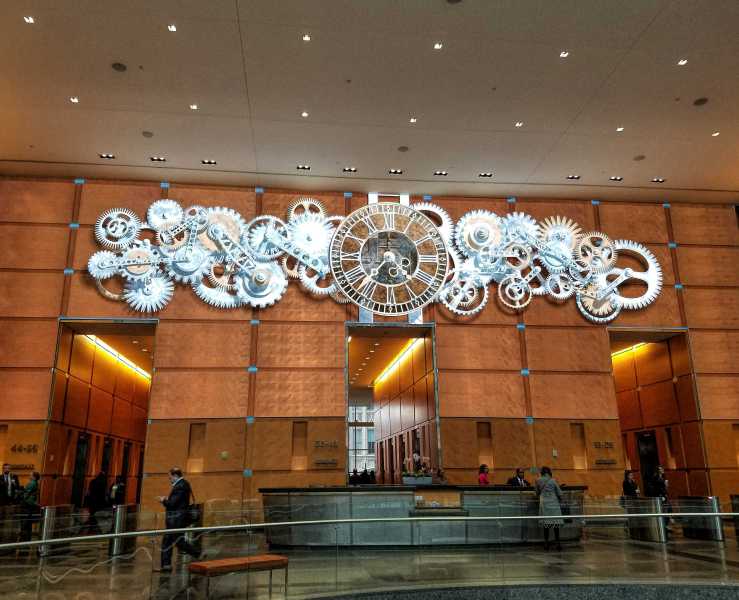
And the permanent installation ”Humanity in Motion” by Jonathan Borofsky – 12 realistically painted life-size figures of stainless steel, walking on horizontal poles and two figures standing at ground level. Guess which ones?
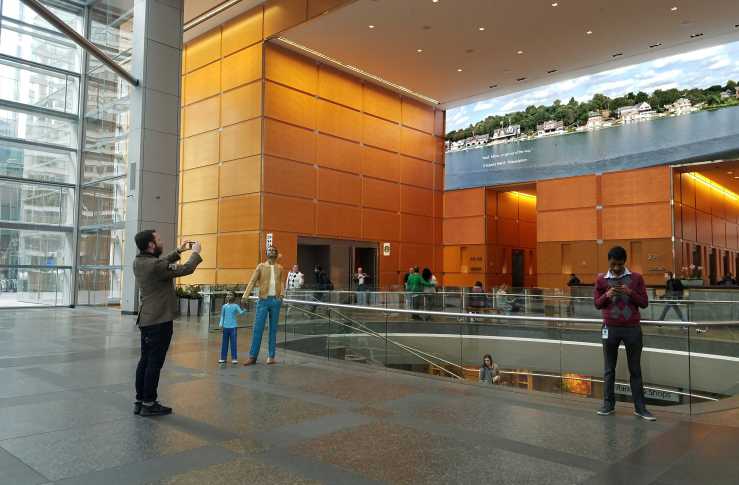
Philadelphia,
February 22nd, 2017
A transparent sculpture by Tom Fruin made from roughly one thousand scraps of plexiglas. It includes such details as interior and exterior access ladders and an operable roof hatch. The locally-sourced plexi came from all over New York City—from the floors of Chinatown sign shops, to the closed DUMBO studio of artist Dennis Oppenheim, to Astoria’s demolition salvage warehouse Build It Green!NYC.
Source: Tom Fruin


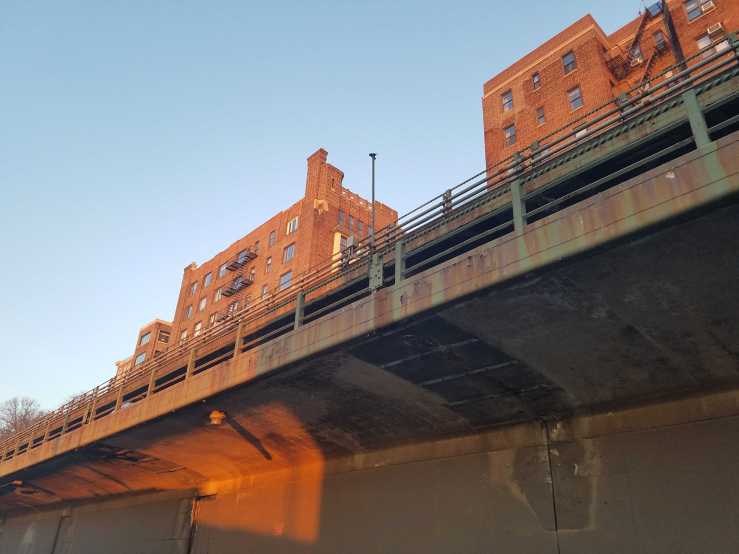
Watertower 3: R.V. Ingersoll, by Brooklyn artist Tom Fruin, sits atop 334 Furman Street, Brooklyn Bridge Park
February 18th, 2017
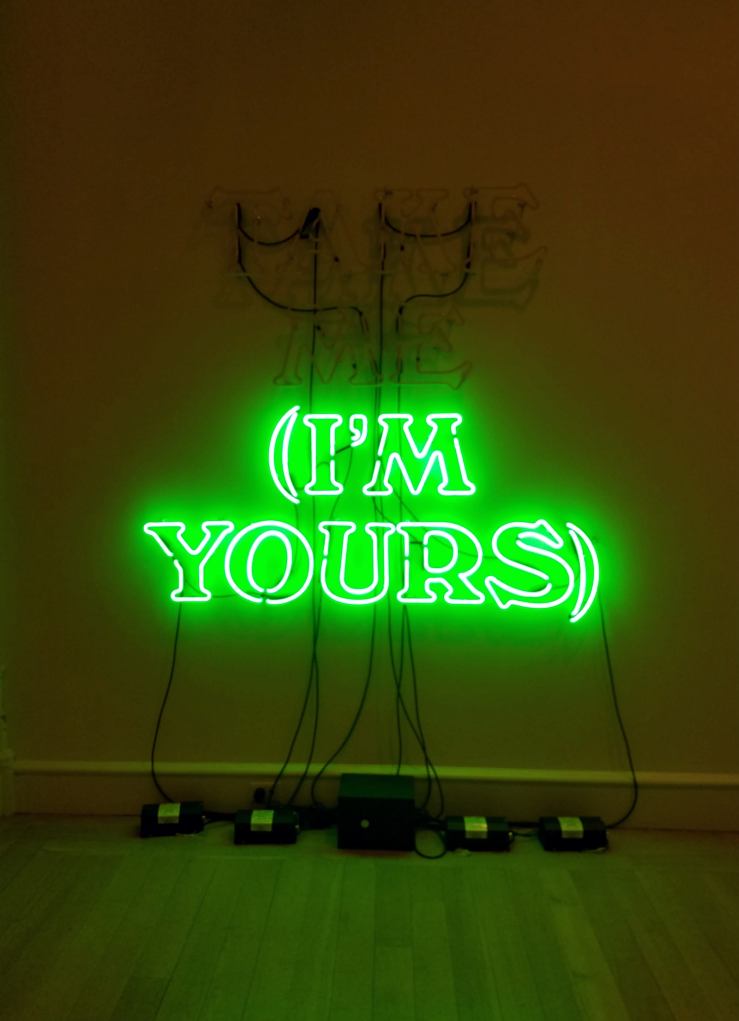
The Jewish Museum
January 8th, 2017

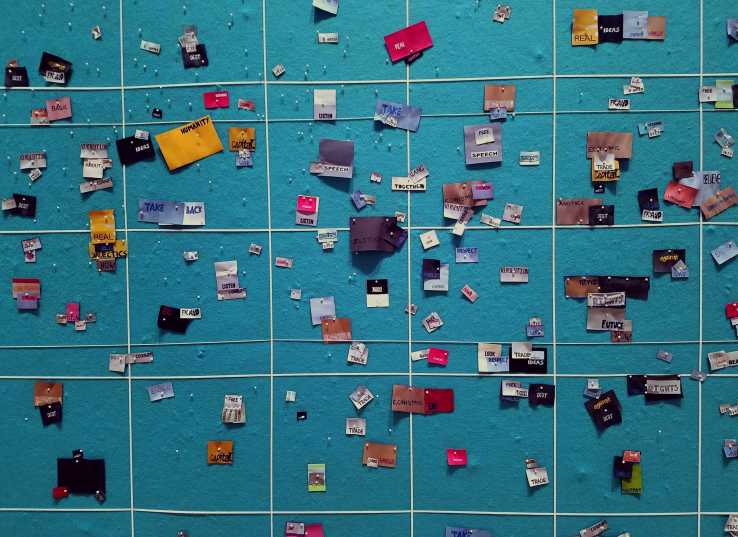
Rivane Neuenschwander (1967)
Watchword, 2012
For this work the artist, who was born in Belo Horizonte but lives and works in London, has embroidered words borrowed from the language of protest – take, back, justice, trade, war, corrupt, revolution, system, democracy, over – onto fabric tags similar to those used for clothing labels. Visitors were encouraged to take a tag, either to sew onto their clothes or to pin to the board. In both cases the migrating and accumulating words formed a poetic, global map of resistance.
I pinned ”Public” on top of ”Justice” on the board – my contribution to the resistance.
The Jewish Museum
January 8th, 2017
Simon Starling: At Twilight (After W. B. Yeats’ Noh Reincarnation), is a multimedia project in which the artist explores the influence of Noh on Western Modernism. It was displayed in the Japan Society’s galleries starting with a dimly lit room where a modern interpretation of At the Hawk’s Well, W.B. Yeats’ one-act dance play was showing alongside masks created by Noh Mask maker, Yasuo Miichi. The play was inspired by Yeats’ close collaborator and friend, the poet Ezra Pound who at the time, was translating Japanese Noh plays.
The installation continued in the ”mirror room”, a place Noh performers would traditionally use to change into their characters and, finally, concluded with an exhibit of photographs, prints, masks and other archival material – all related to Mr Starling’s project.
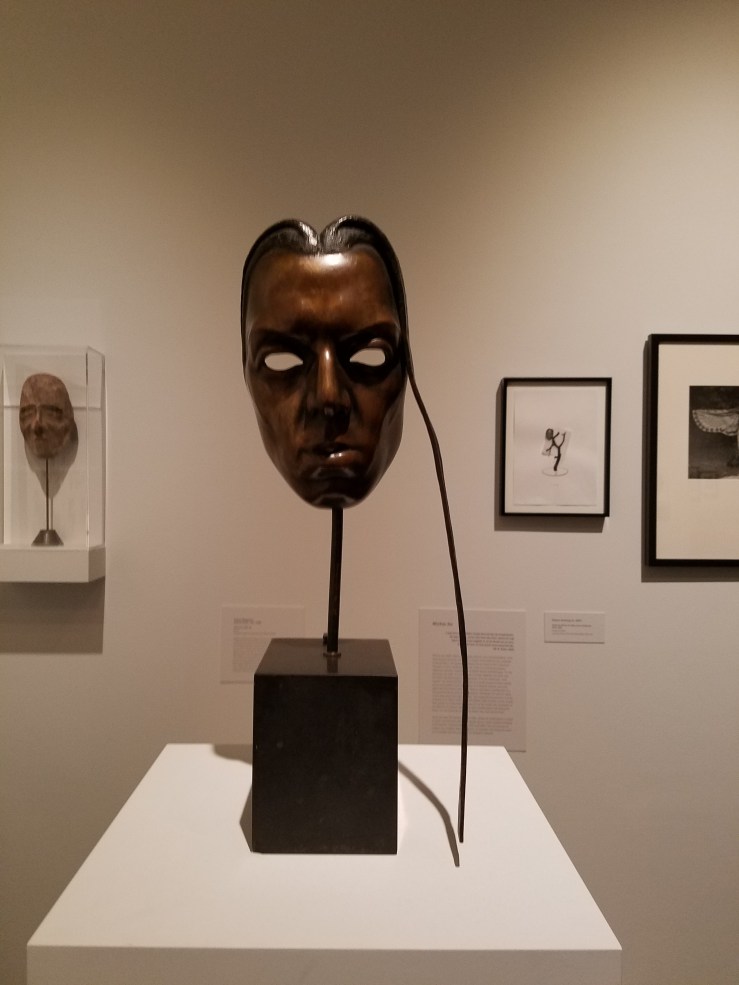
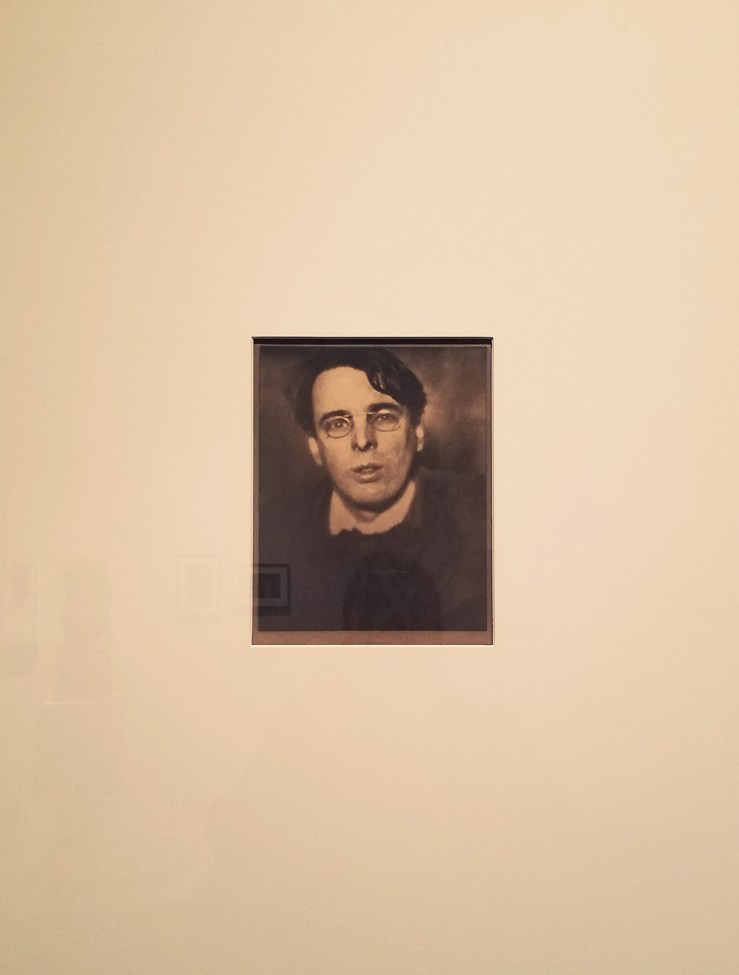



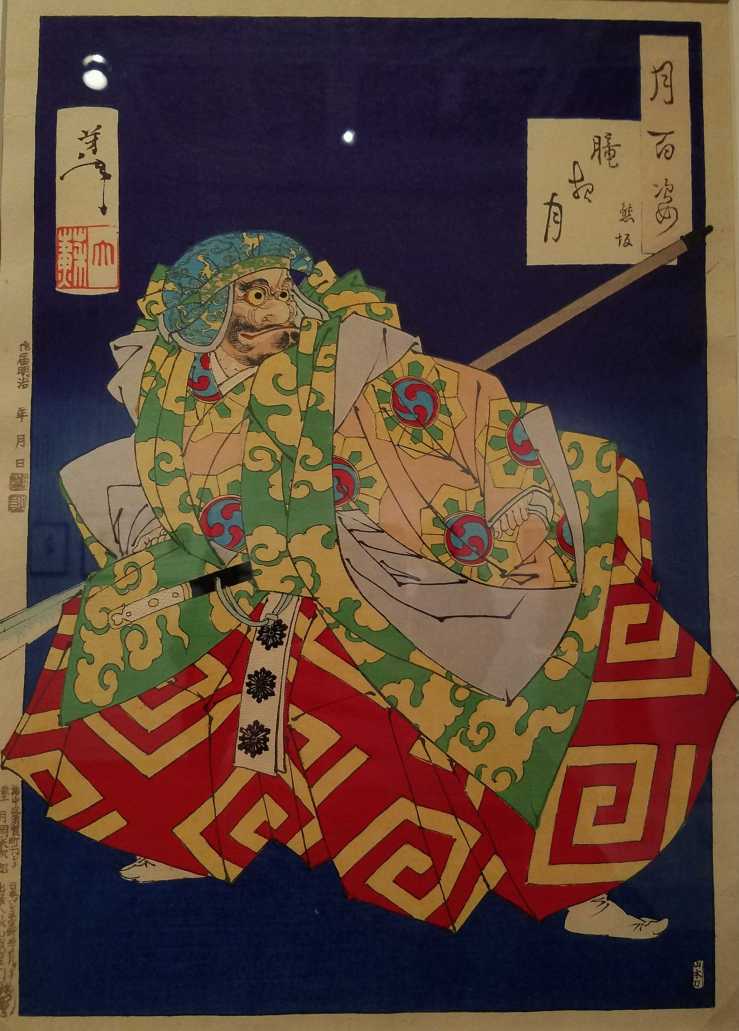

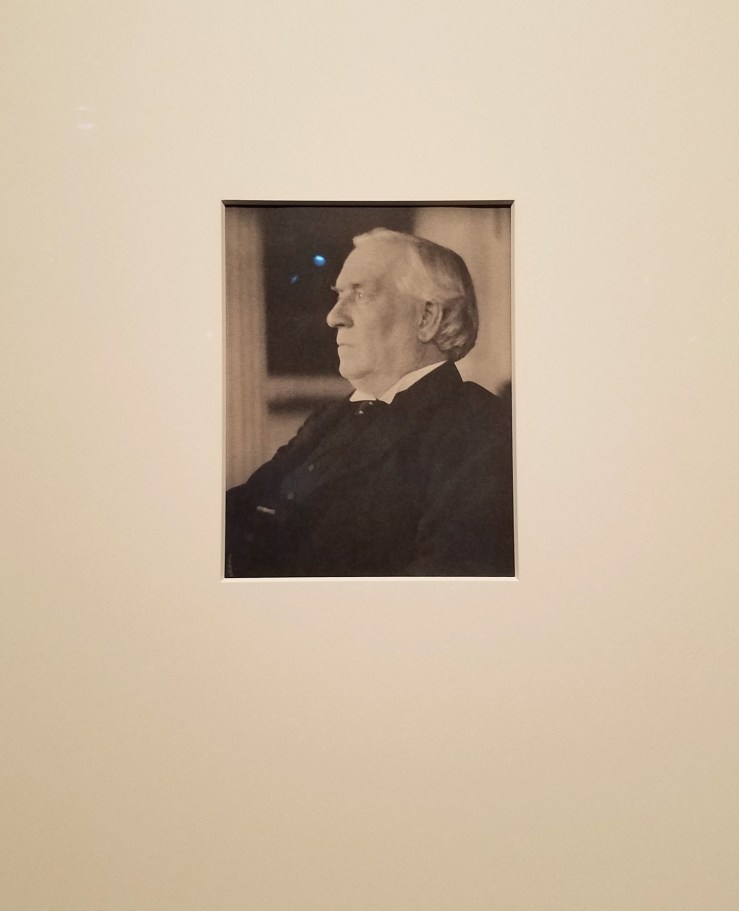
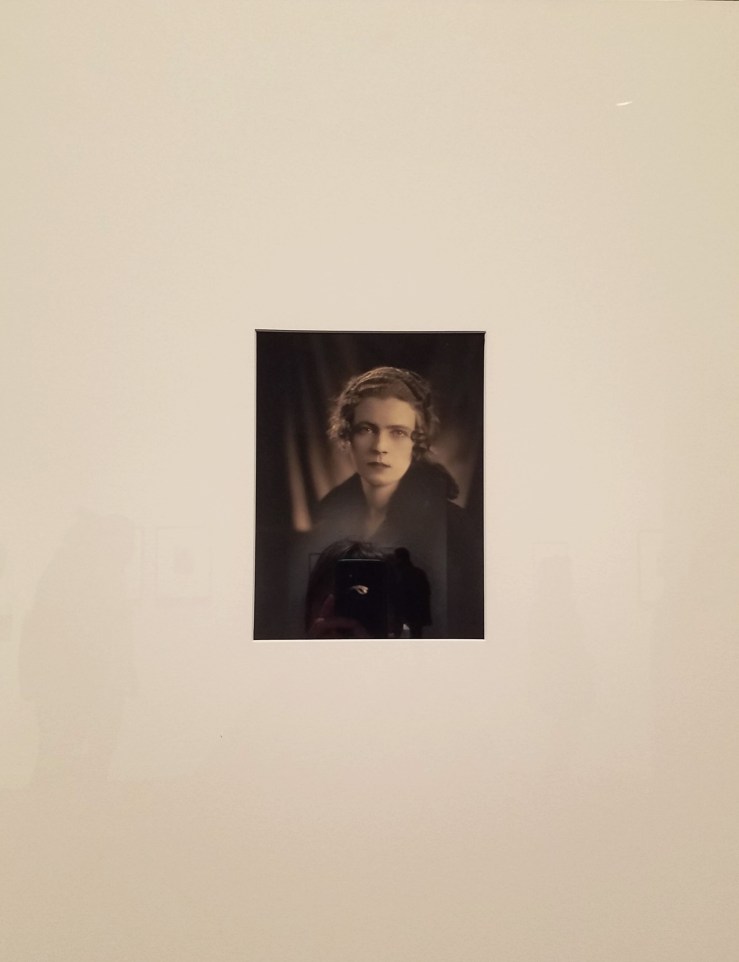
Ito later recalled: At supper, Lady Cunard, a refined, white-haired gentleman and I, all sat at a table together. The old man tried to carry on a conversation with me. However, it was in English, so I didn’t follow very well… I began to get frustrated, and interjected in halting English: ”If you allow me to speak in German I can answer a little more intelligently.” Hearing this, the old man let out a hearty laugh: ”I am an Englishman and can’t speak Japanese. You are Japanese and can’t speak English. If German mediates between us, then by all means let’s speak in German…” The person I had spoken to in German – the language of his enemy – had been the Prime Minister of England.”

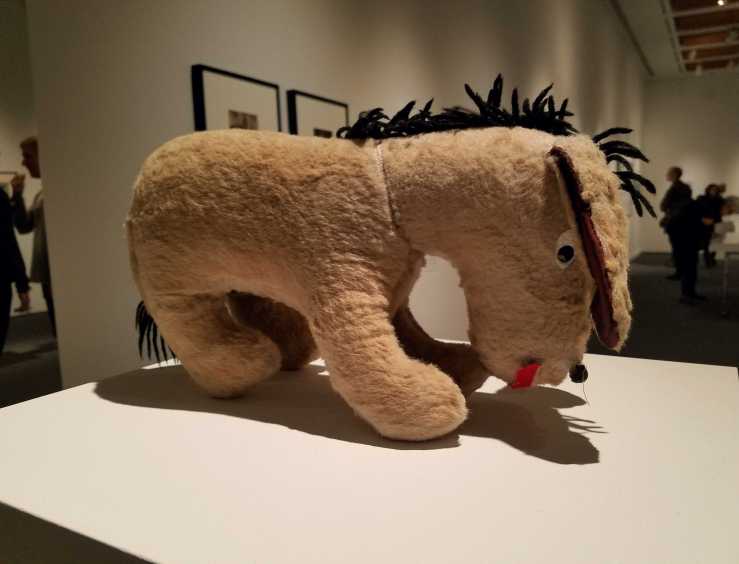
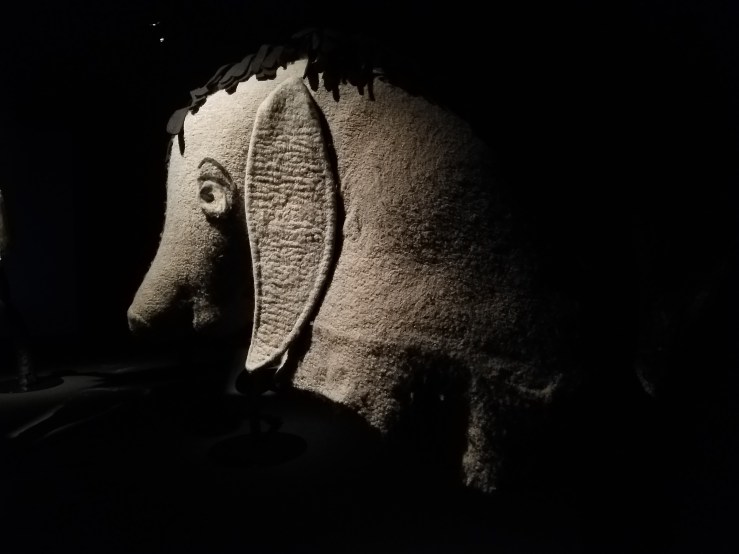
Pessimistic, downward facing Eeyore concludes the three-part series about Simon Starling’s project shown at the Japan Society. For more inspirational views connecting the pieces, please click here and here.
January 6th, 2017
subjective worldview
Actor, writer, cook and author
Travel experiences & Strasbourg city guide
Writer
joy, happiness, travel, adventure, gratitude
"Rêve onirique & Bulle d'évasion"
makes pretty things on paper
This WordPress.com site is Pacific War era information
Welcome to my curious world of words....
Photographs, music and writing about daily life. Contact: elcheo@swcp.com
Free listening and free download (mp3) chill and down tempo music (album compilation ep single) for free (usually name your price). Full merged styles: trip-hop electro chill-hop instrumental hip-hop ambient lo-fi boombap beatmaking turntablism indie psy dub step d'n'b reggae wave sainte-pop rock alternative cinematic organic classical world jazz soul groove funk balkan .... Discover lots of underground and emerging artists from around the world.
A 365 analogue photography project
Barcelona's Multiverse | Art | Culture | Science
Een digitaal atelier aan de (zee)slag.
‘Doodling Ambiguity’s in Ink.’
Miscellaneous photography
Glimpses along the way on a journey of discovery into symmetry...
 The Humble Fabulist