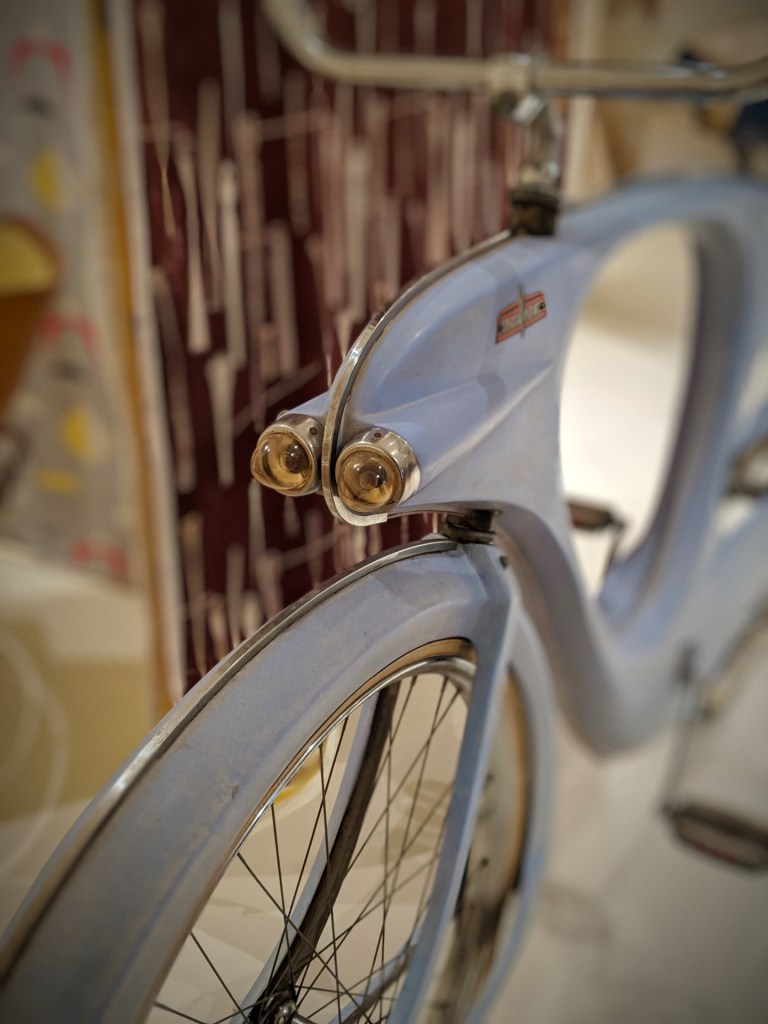
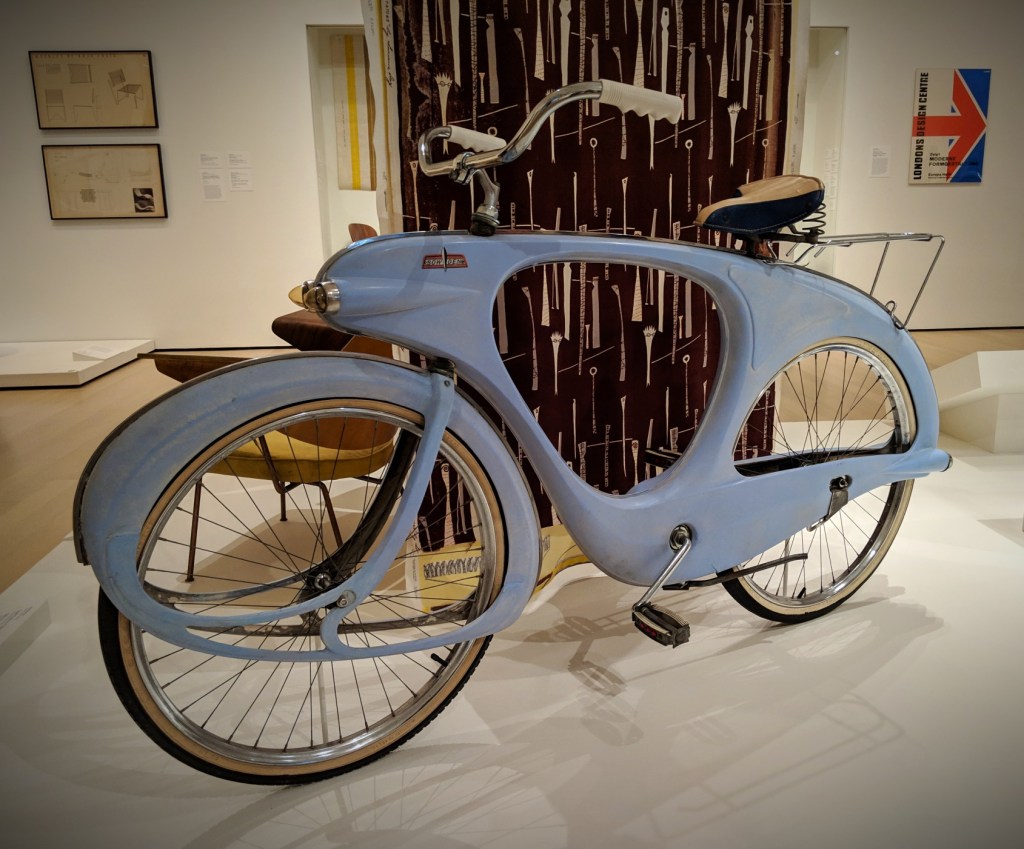
Benjamin Bowden Spacelander bicycle 1946 Fiberglass, chrome-plated steel, leather, and rubber
Launched at the Britain Can Make It exhibition organized by the Council of Industrial design in 1946, this curvaceous product hinted at a future of consumerist affluence, and the glamour associated with the utopian worlds of science-fiction films. It was one of many prototypes for new, industrially produced goods that over 1.4 million people queued to see. While it could be admired, the bicycle could not be bought at the time of the exhibition, owing to continued shortages of materials and labour after World War II. ”Britain Can’t Have It” became the show’s popular nickname.
From The Value of Good Design, an exhibition at MoMA in Feb 10-Jun 15, 2019.
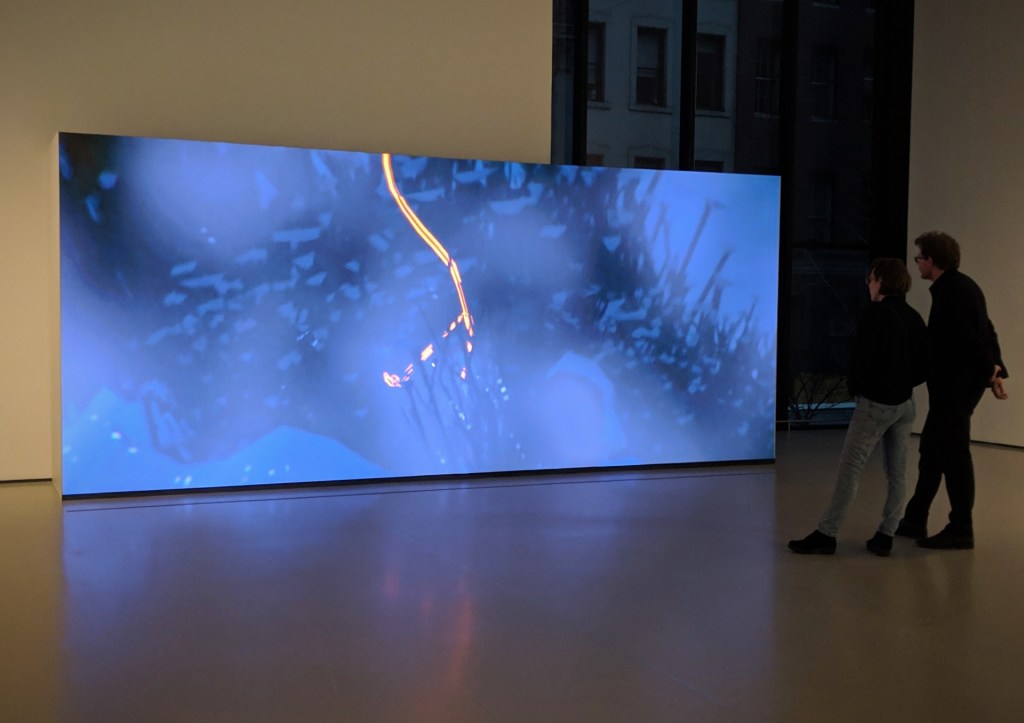
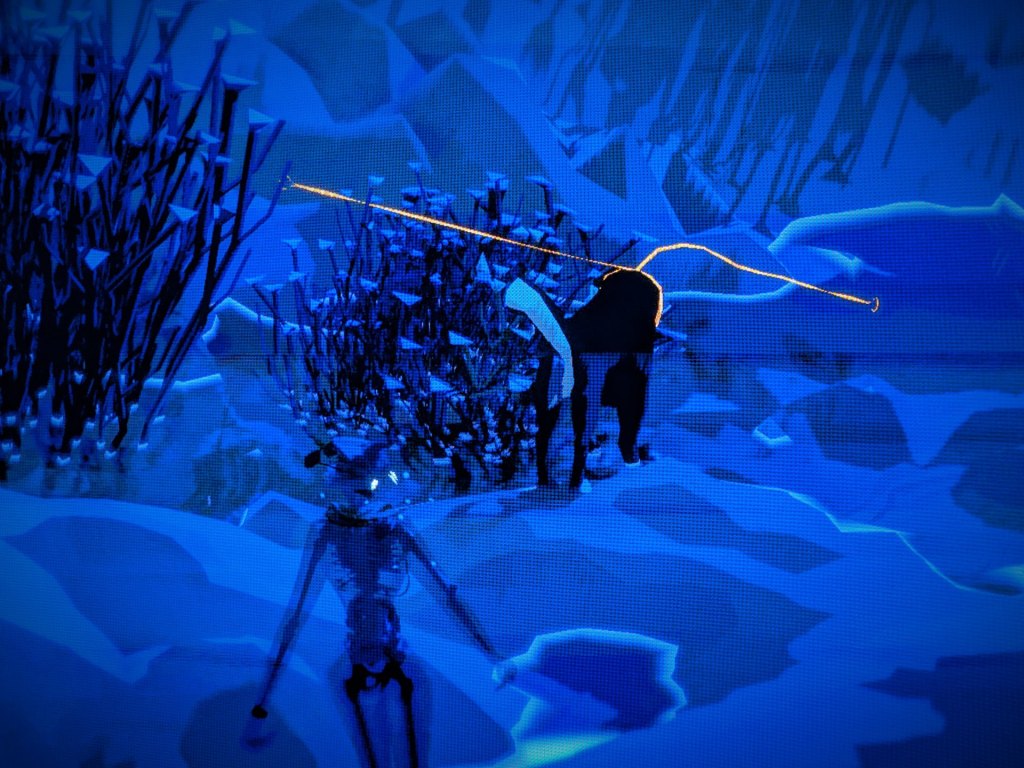
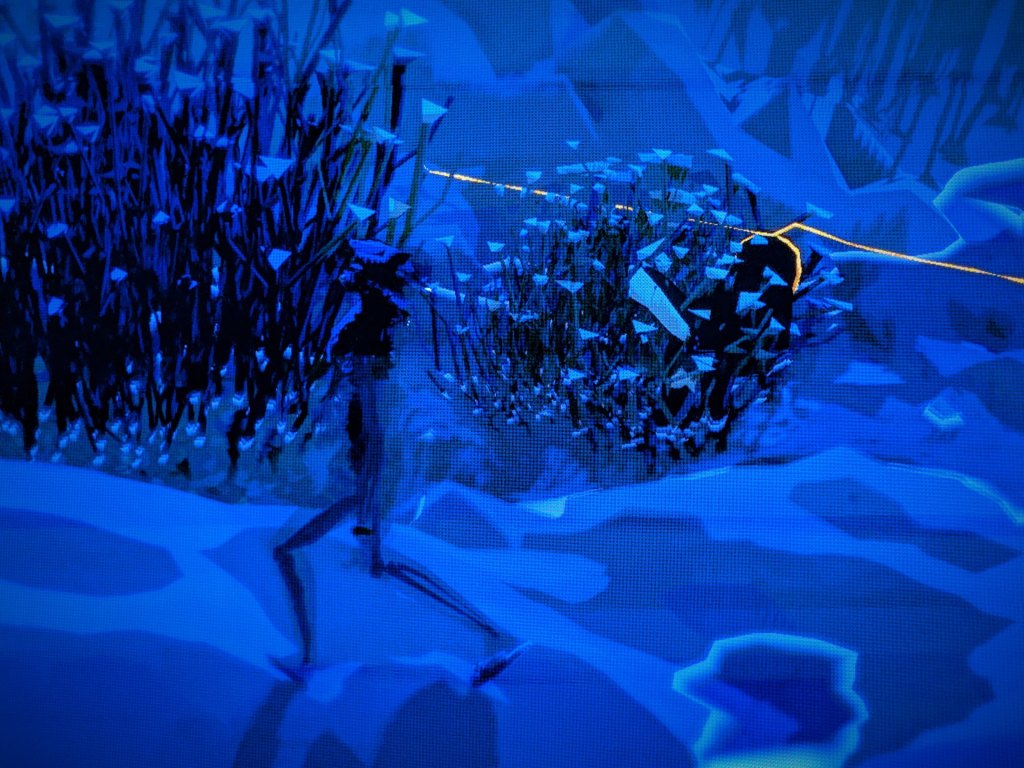
Ian Cheng Emissary Forks At Perfection 2015-16 Live simulation and story (colour, sound). Infinite duration
”A video game that plays itself,” as Cheng describes it, this digital simulation is generated in real time with no fixed beginning or end. Created using the Unity engine, a popular software tool for developing 3-D video games and AI models, the animation takes place far in the future. It tells the story of Talus Twenty Nine, an artificial intelligence that oversees a lush terrain in which new plants and animals constantly evolve in a Darwinian setting. The AI resurrects an ancient cadaver from the twenty-first century, and summons a pet dog to guide the undead through his posthuman world. Every time the program is run, a new scenario unfolds. The result is an endlessly changing, fantastical model of biological evolution and machine learning in the absence of human life. [source: MoMA]
Emissaries is a trilogy of simulations about cognitive evolution, past and future, and the ecological conditions that shape it. It is composed of three interconnected episodes, each centered on the life of an emissary who is caught between unraveling old realities and emerging weird ones. [source: Ian Cheng]
Emissary in the Squat of Gods Emissary Forks At Perfection Emissary Sunsets The Self
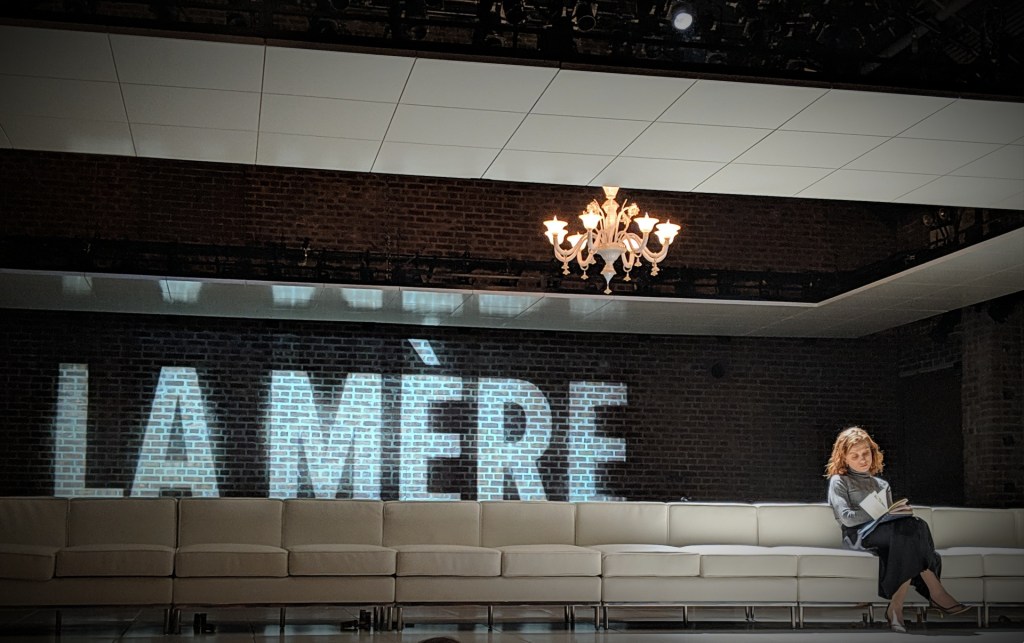
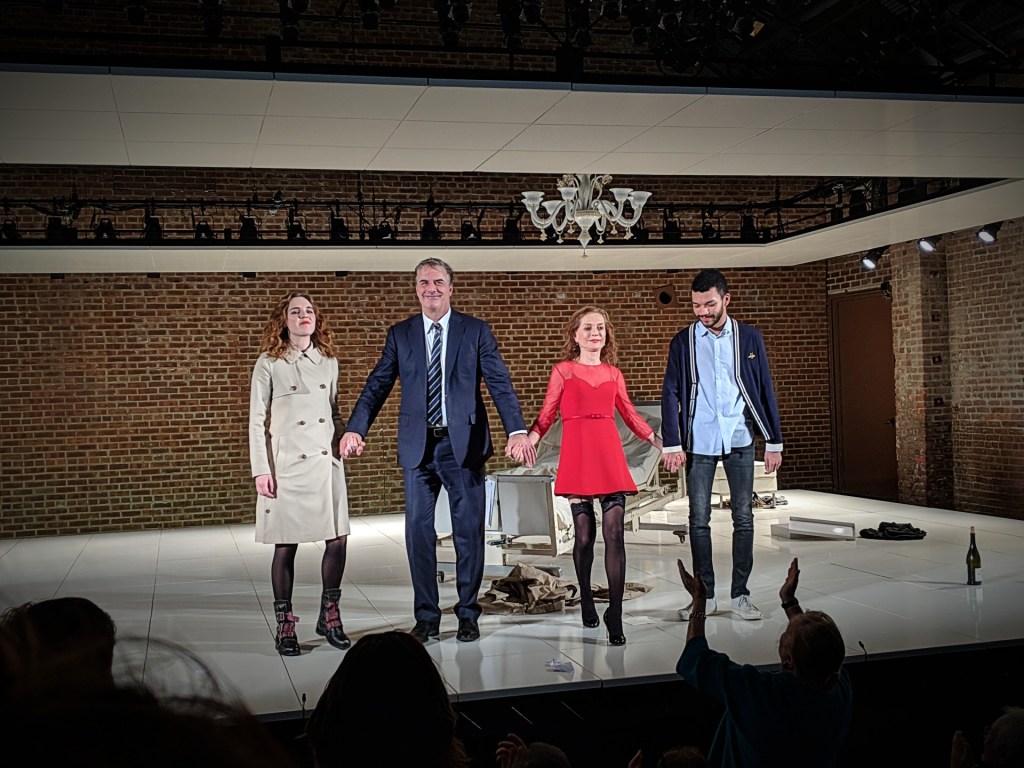
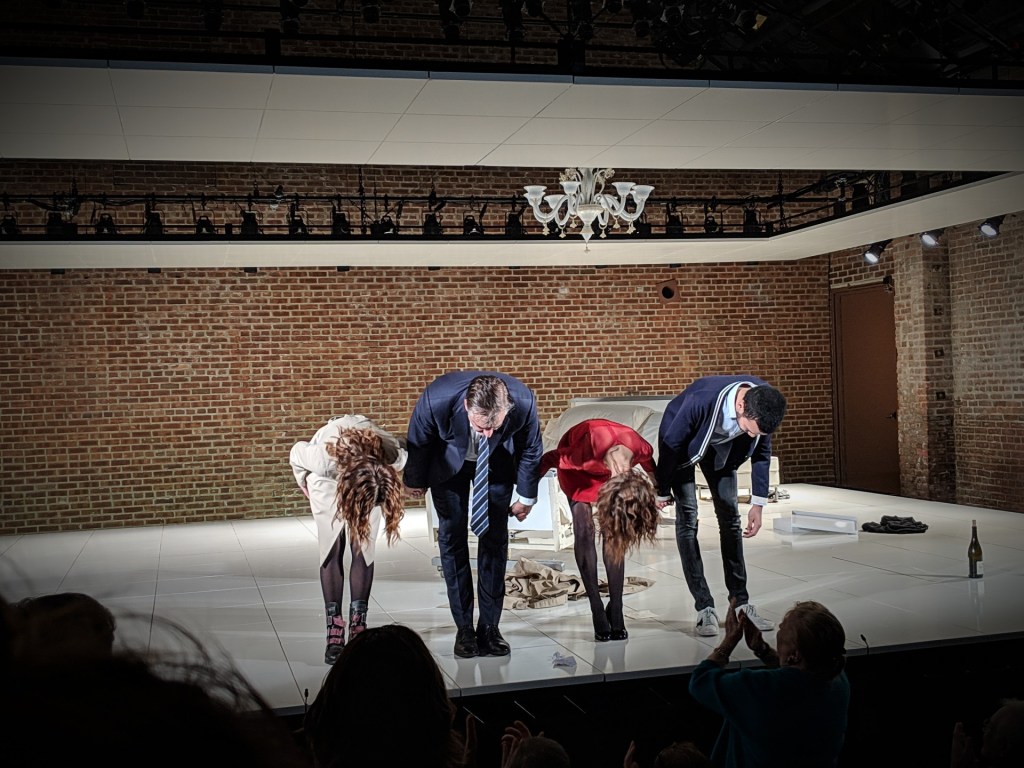
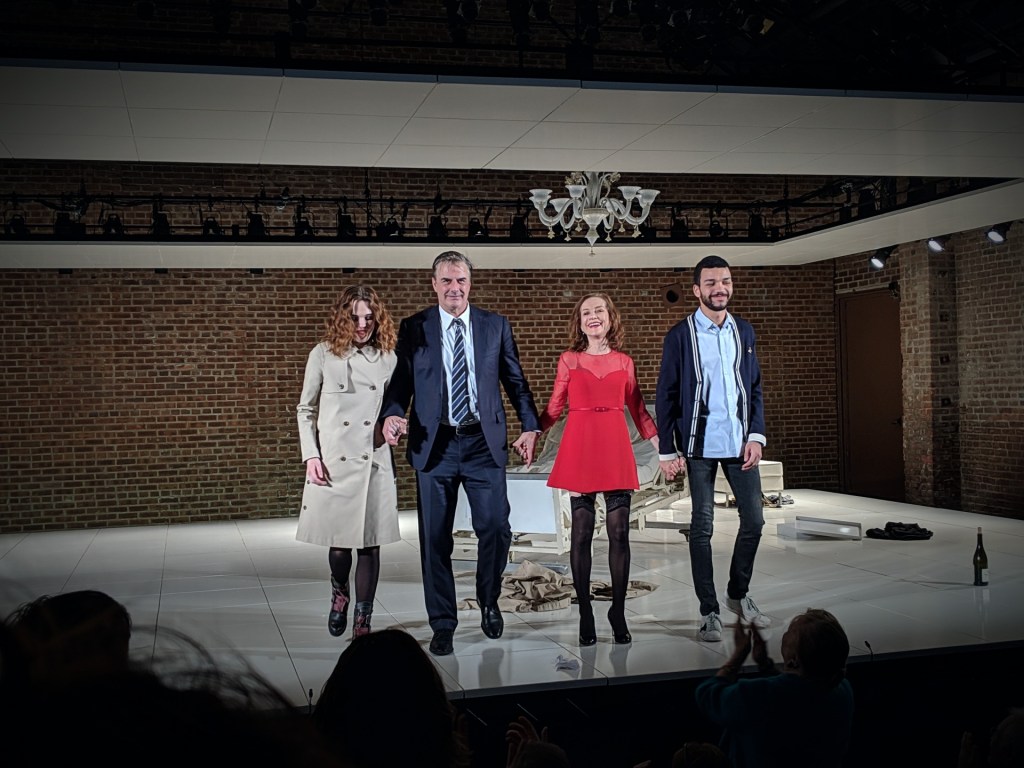
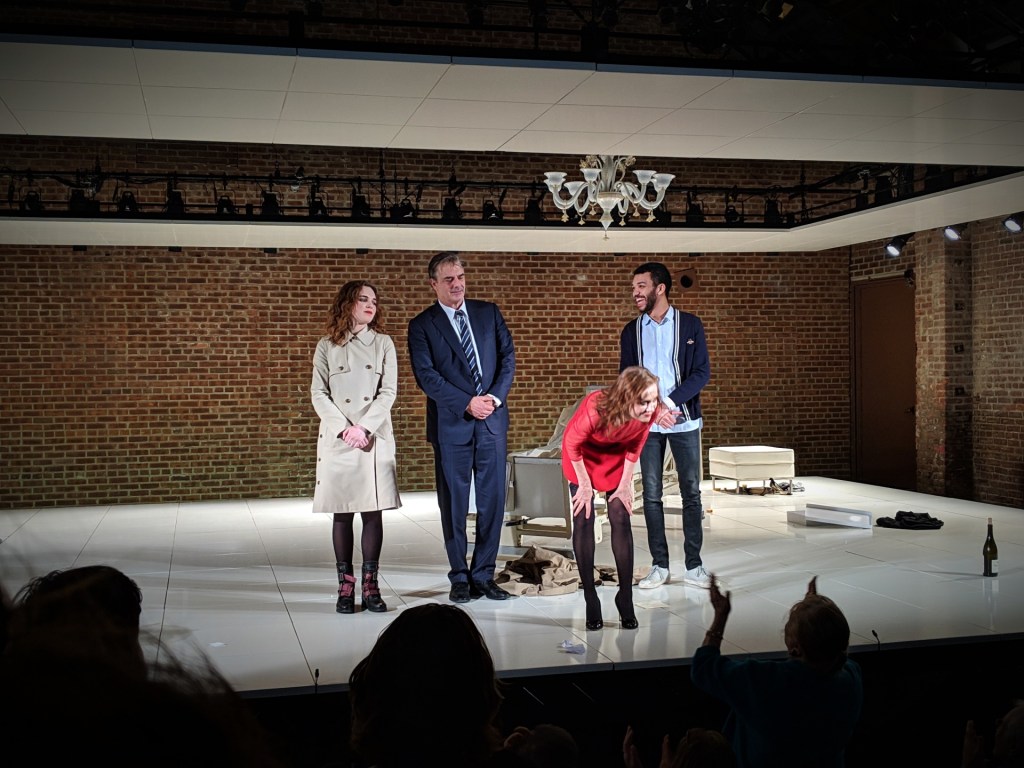
A sleek, Newyork-lofty adaptation of Florian Zeller’s play, translated into English by Christopher Hampton. Yes, it was funny and dark and drunkenly depressed to the point of self-destruction, but all I remember is Hupper’s magnetic performance – and that slutty red mini dress. I remember thinking how is it possible for this tiny slender figure to exude such fierce energy. Even those who don’t particularly care about her style, would have no choice than simply bow to her charisma.
Isabelle Huppert. The Mother Chris Noth. The Father Justice Smith. The Son Odessa Young. The Girl
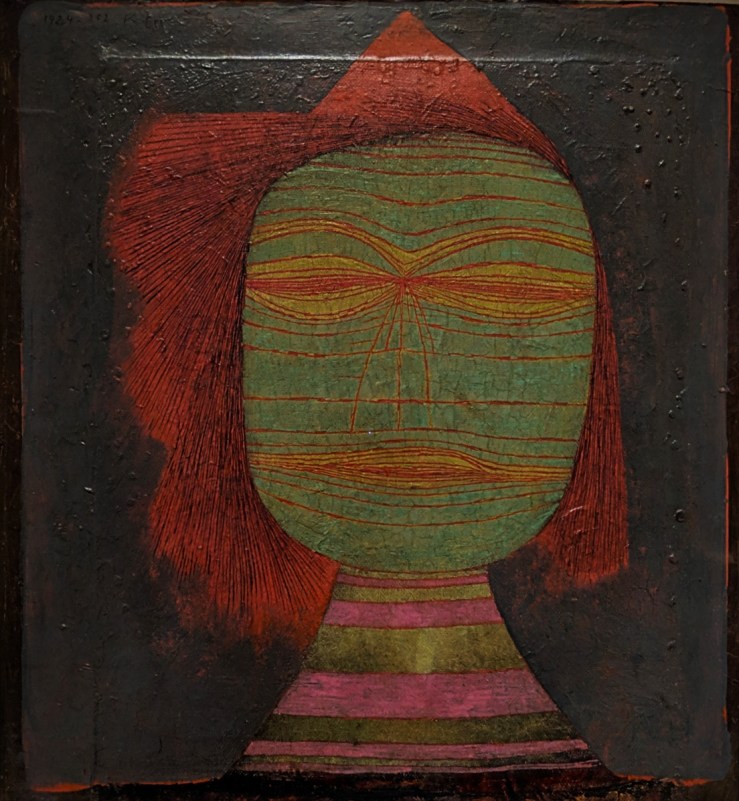
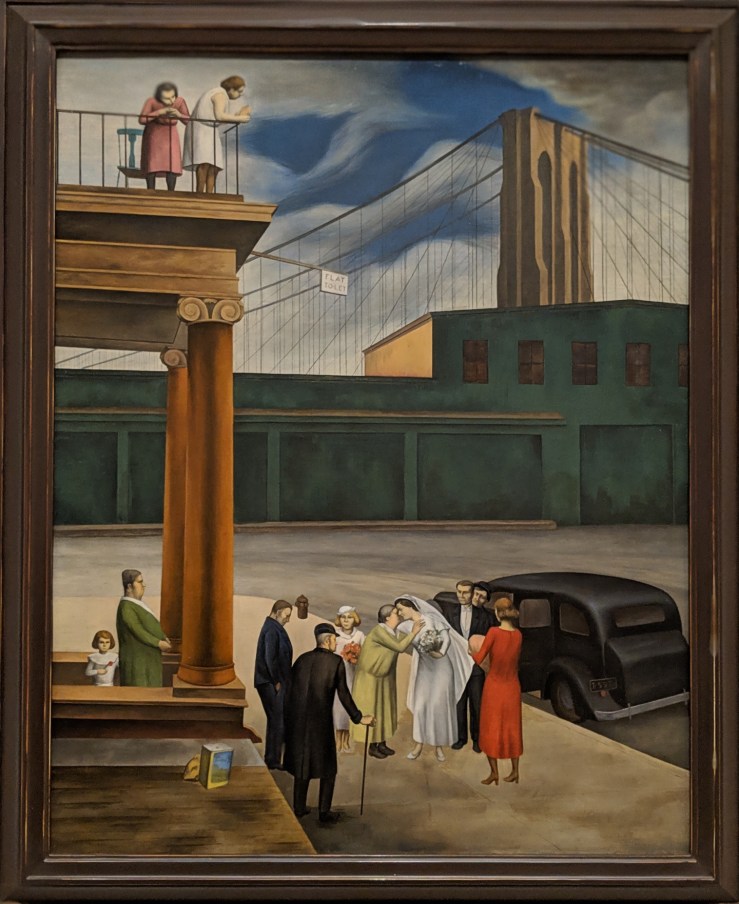
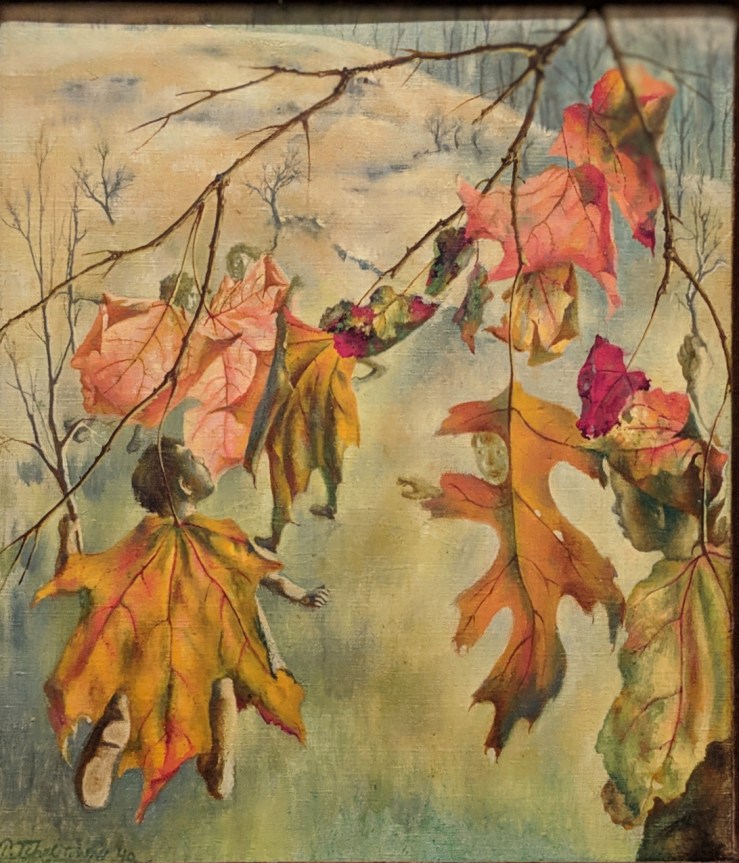
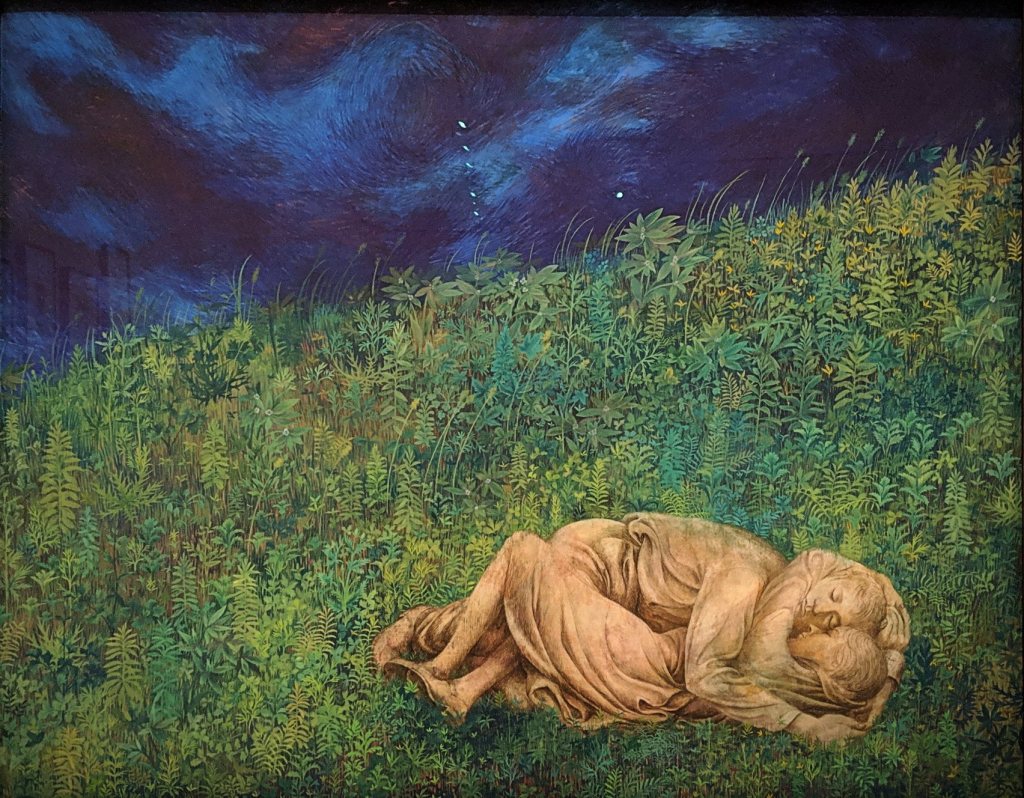
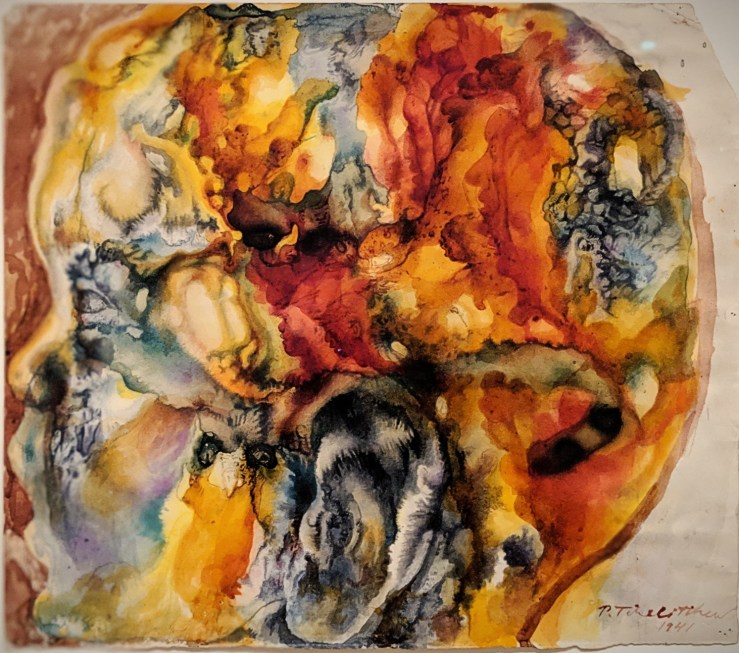
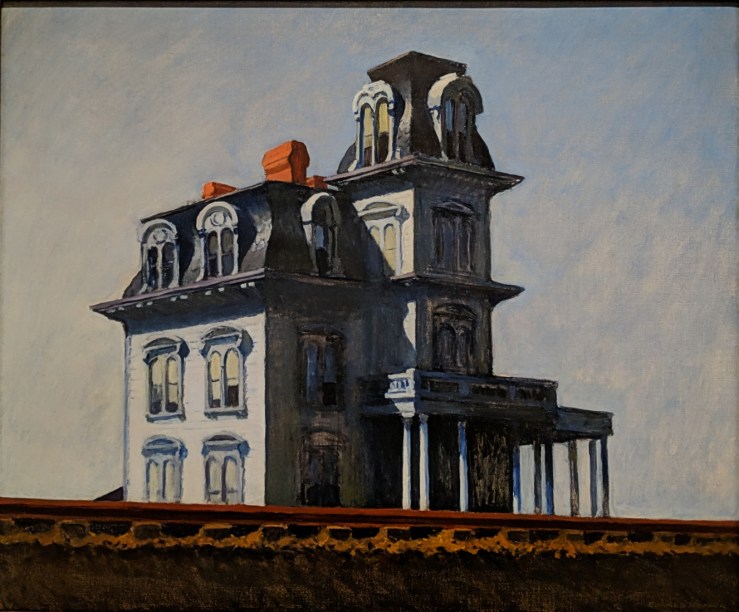
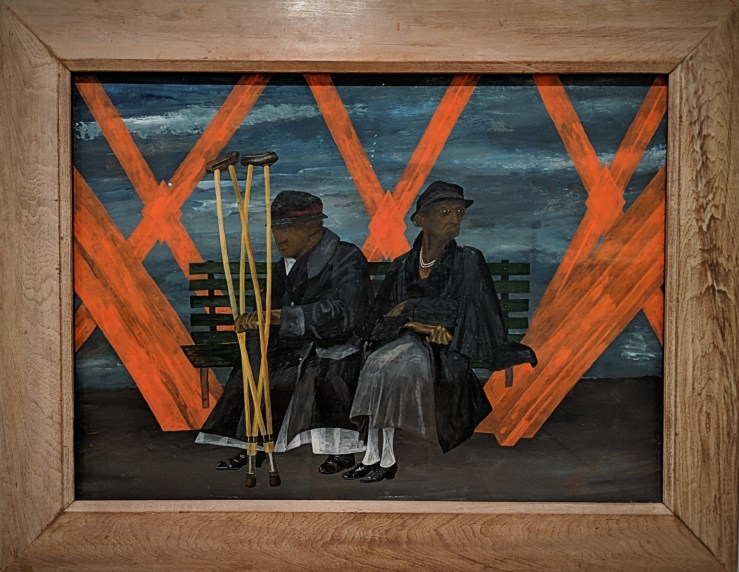
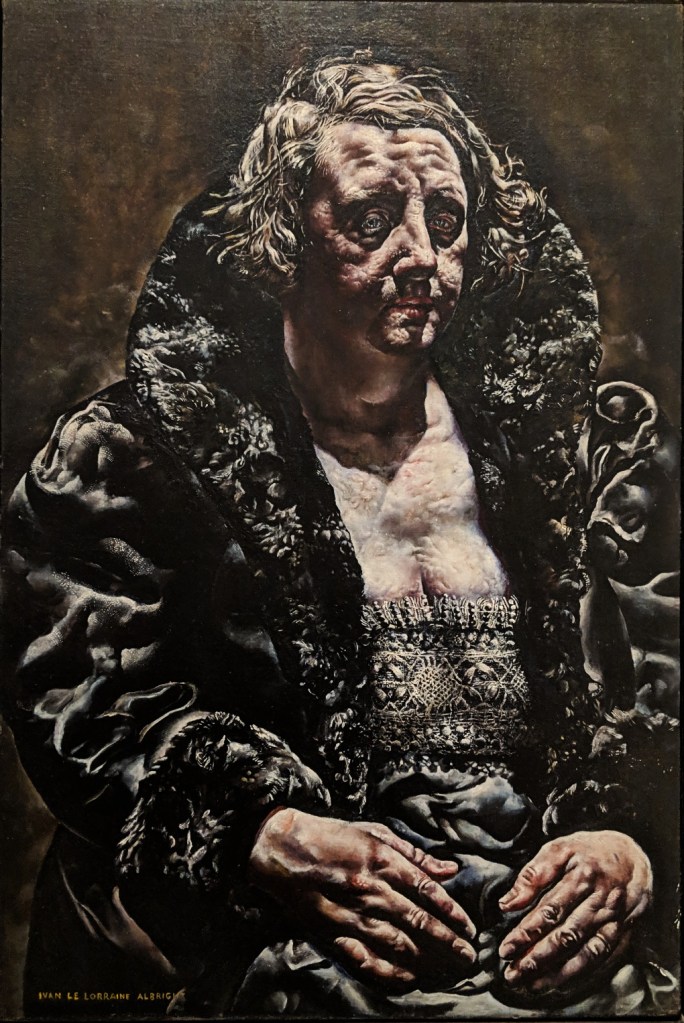
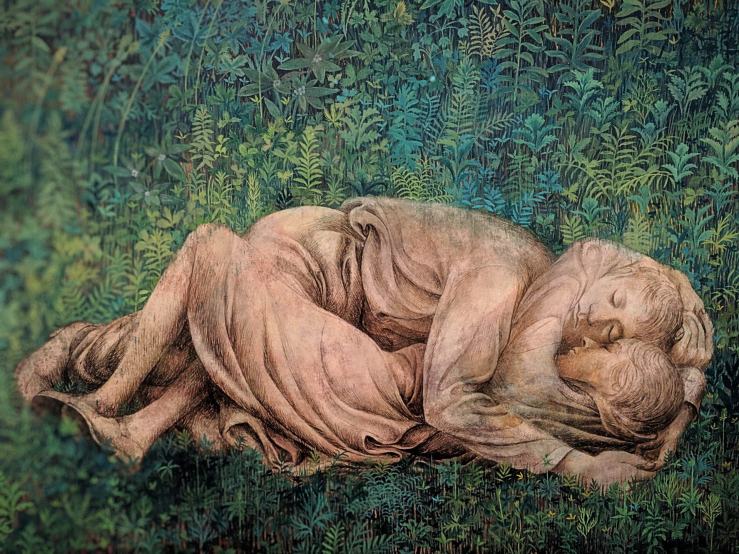
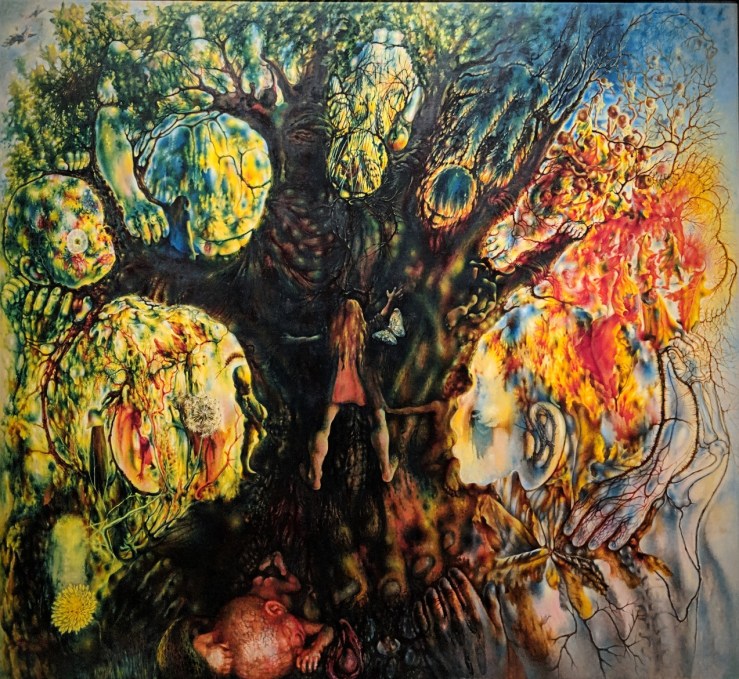
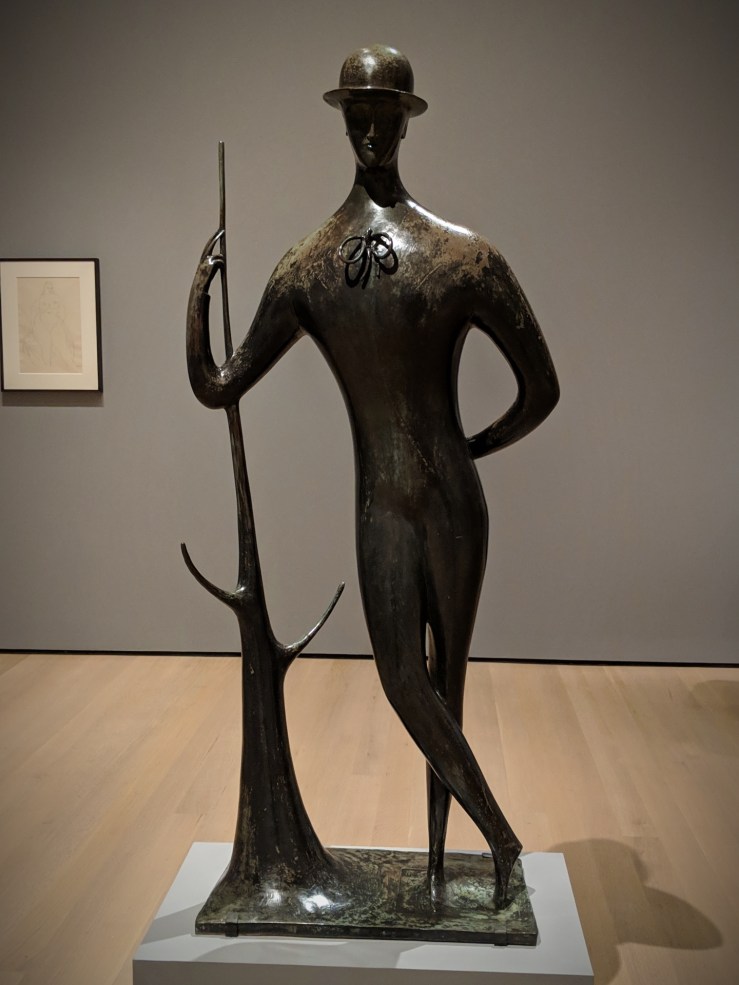
Paul Klee Actor’s Mask, 1924 Oil on canvas mounted on boardO. Louis Guglielmi Wedding in South Street, 1937 Oil on canvasPavel Tchelitchew Leaf Children, 1940 Oil on canvasBernard Perlin The Lovers, 1946 Gouache and ink on paper-faced boardPavel Tchelitchew Head of Autumn (Study for Hide-and-Seek), 1941 Watercolour and pencil on paperEdward Hopper House by the Railroad, 1925 Oil on canvasBen Shahn Willis Avenue Bridge, 1940 Gouache on paper on boardIvan LeLorraine Albright Woman, 1928 Oil on canvasBernard Perlin The Lovers, 1946 (detail) Gouache and ink on paper-faced boardPavel Tchelitchew Hide-and-Seek, 1940-1942 Oil on canvasElie Nadelman Man in the Open Air, c. 1915 Bronze
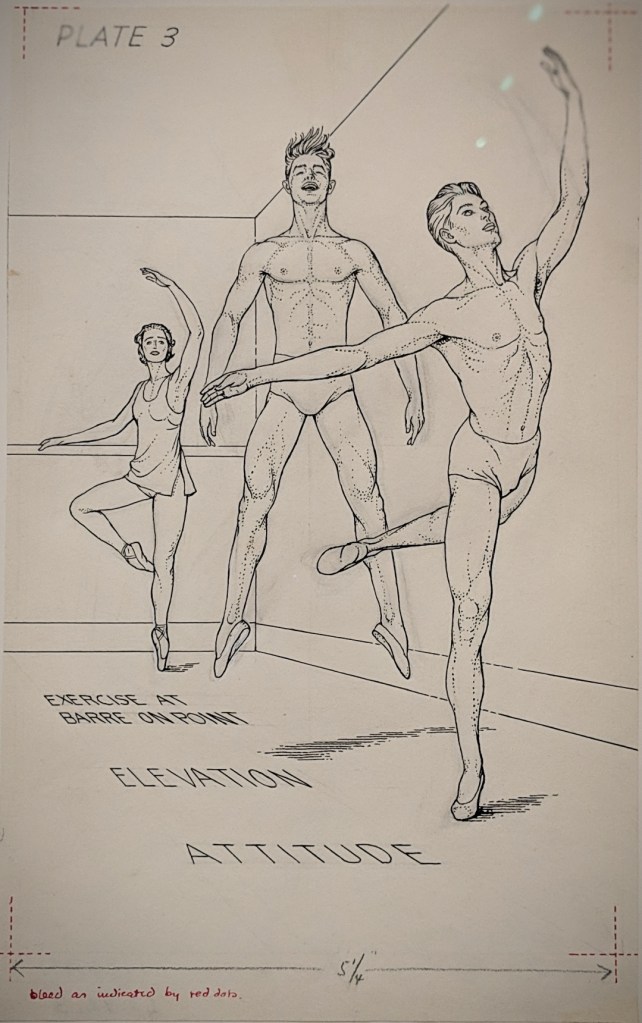
Paul Cadmus Ballet Positions. Drawings for Ballet Alphabet: A Primer for Laymen 1939 Ink, pencil, coloured ink, and gouache on paper
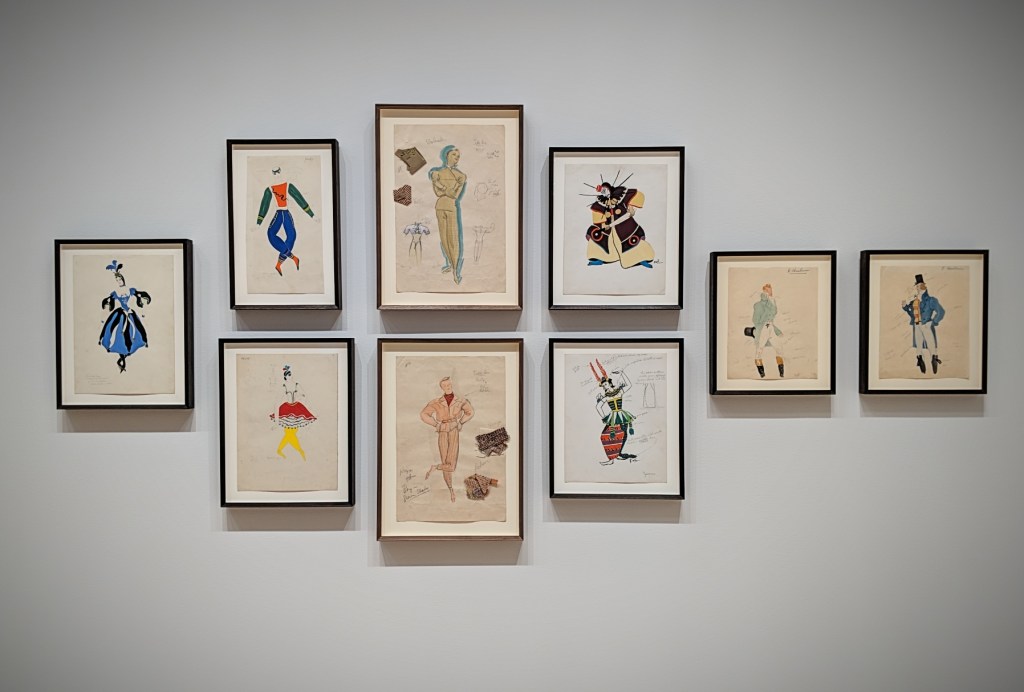
Works by Forrest Thayer, Charles Rain, Tom Lee, and Keith Morrow Martin
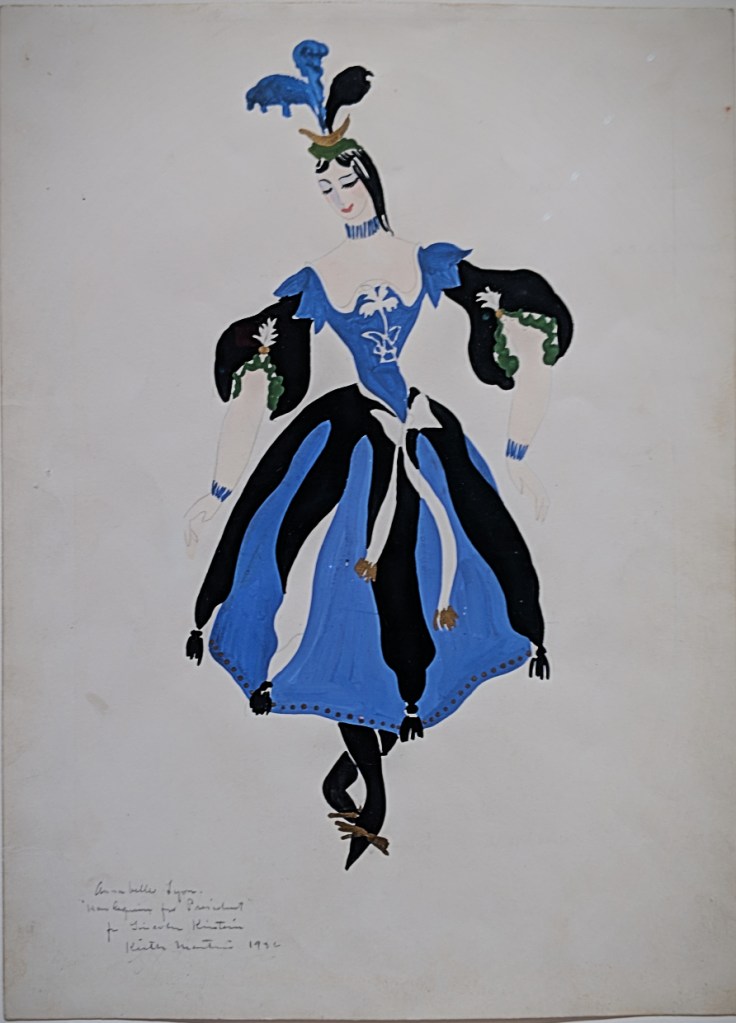
Keith Morrow Martin Costume design for the ballet Harlequin for President 1936 Gouache, watercolour, metallic gouache, and pencil on paper
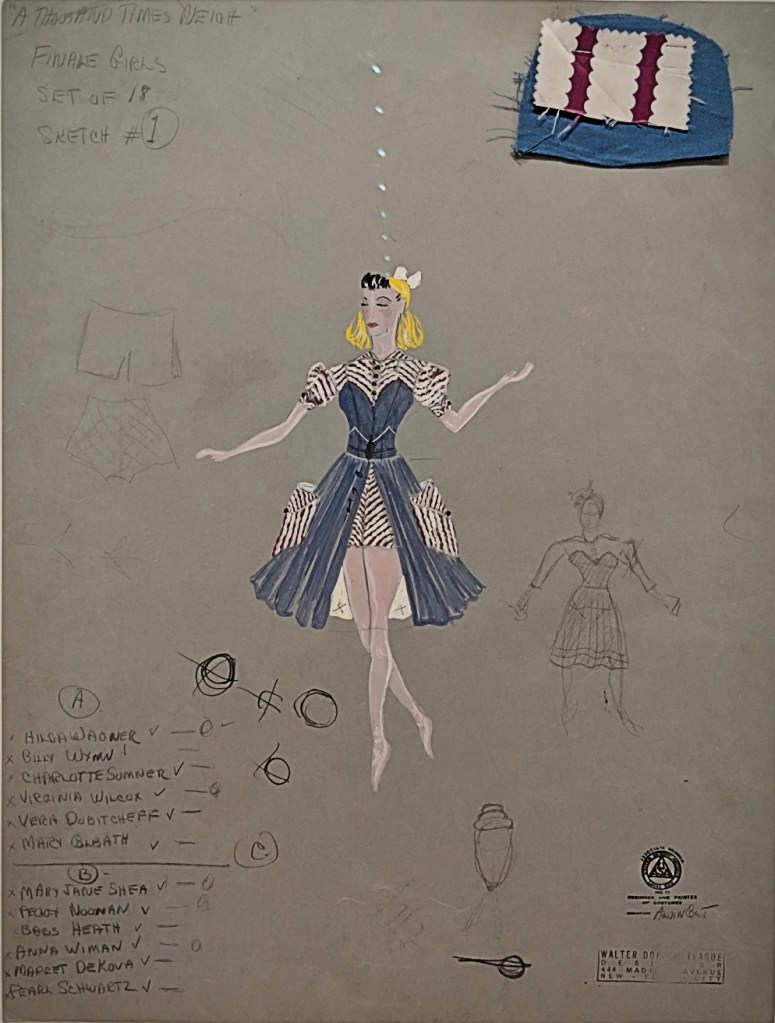
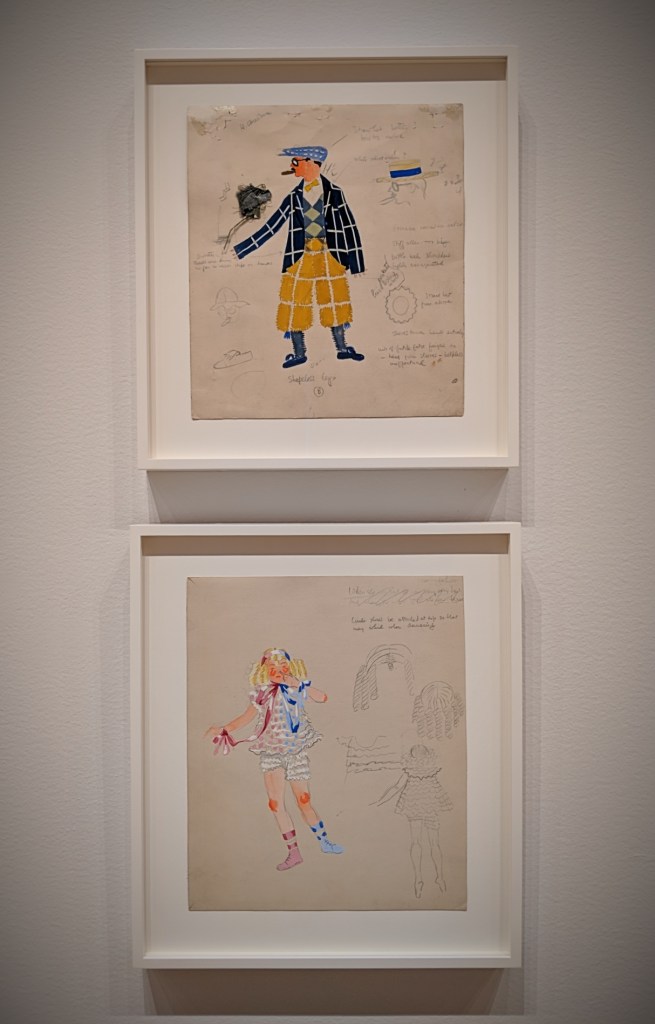
Alvin Colt Finale Girls. Costume design for the ballet A Thousand Times Neigh 1940 Gouache, pencil, stamped ink, and stapled fabric on coloured card
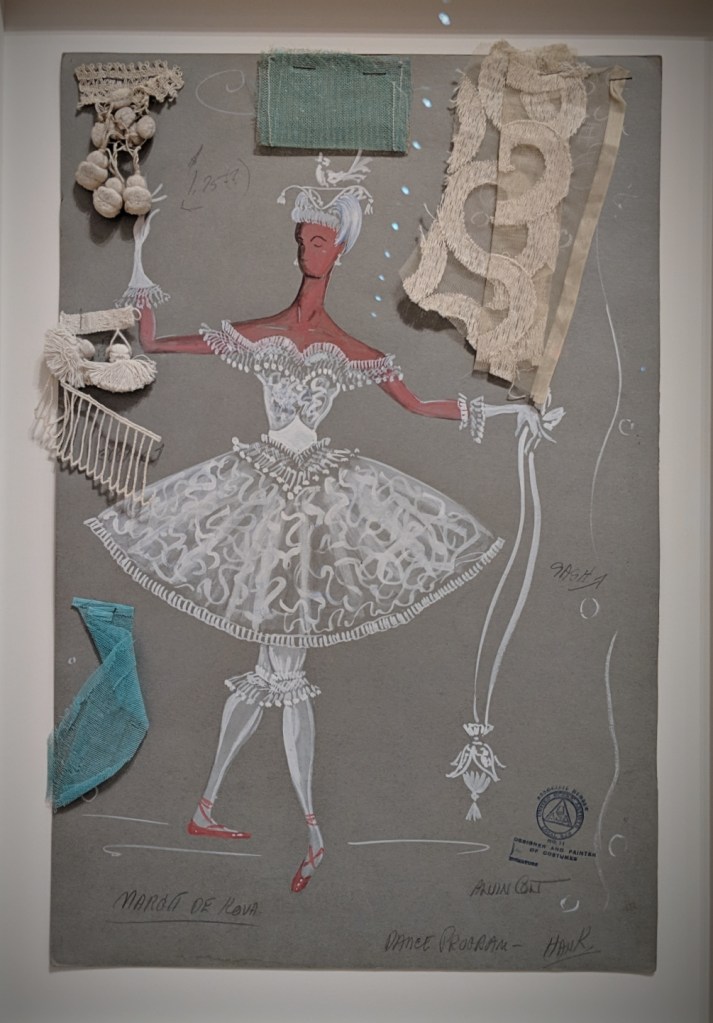
Alvin Colt Costume design for the ballet Charade (or The Debutante) 1939 Gouache, stapled fabric, pencil, and stamped coloured ink on coloured card
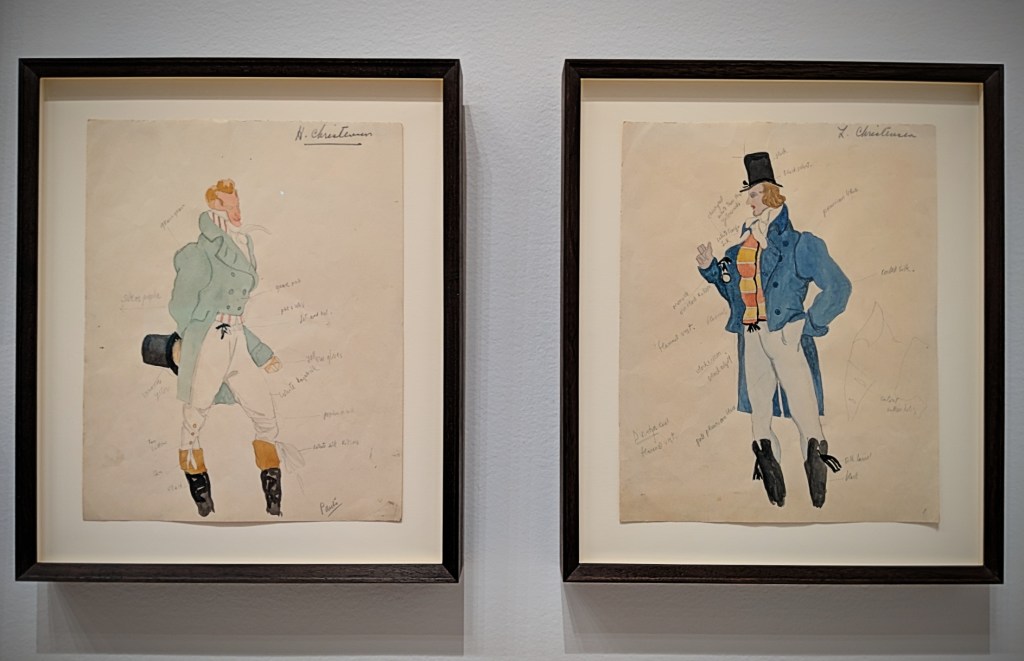
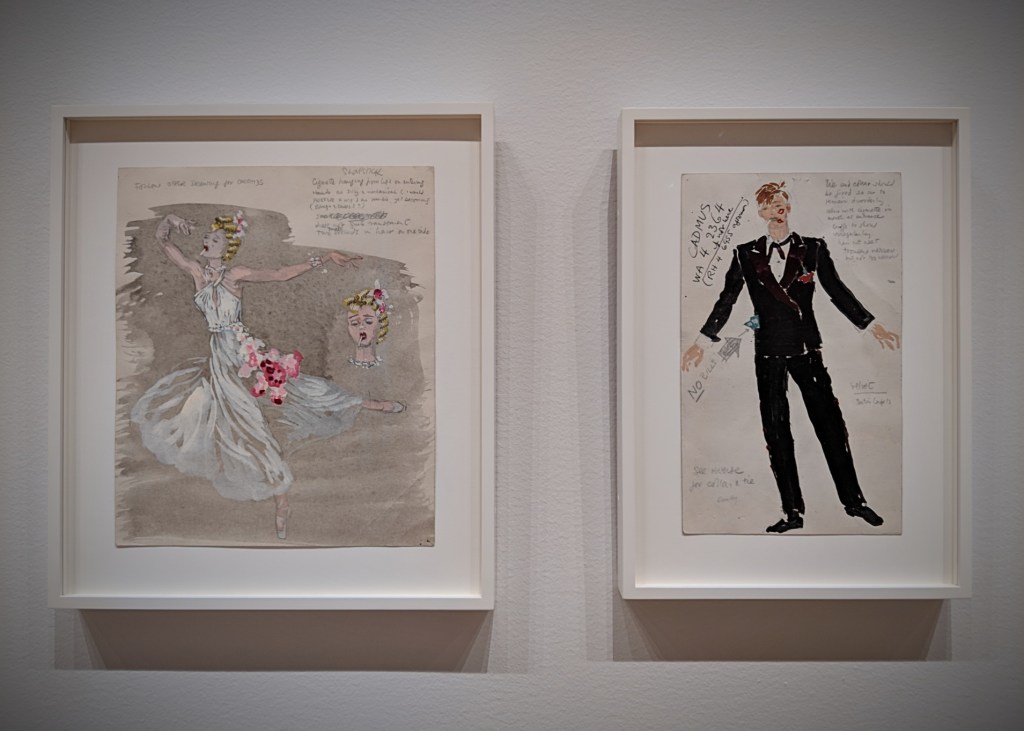
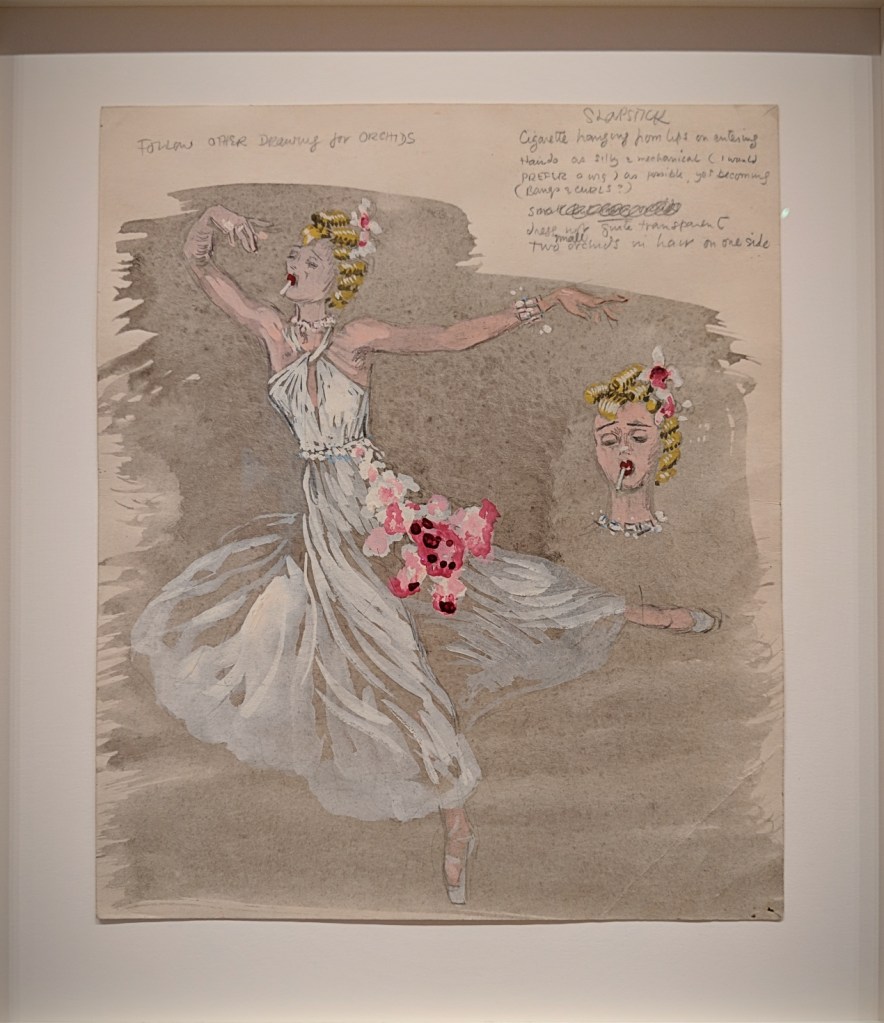
Forrest Thayer Costume designs for the ballet Promenade 1936 Watercolour and pencil on paper
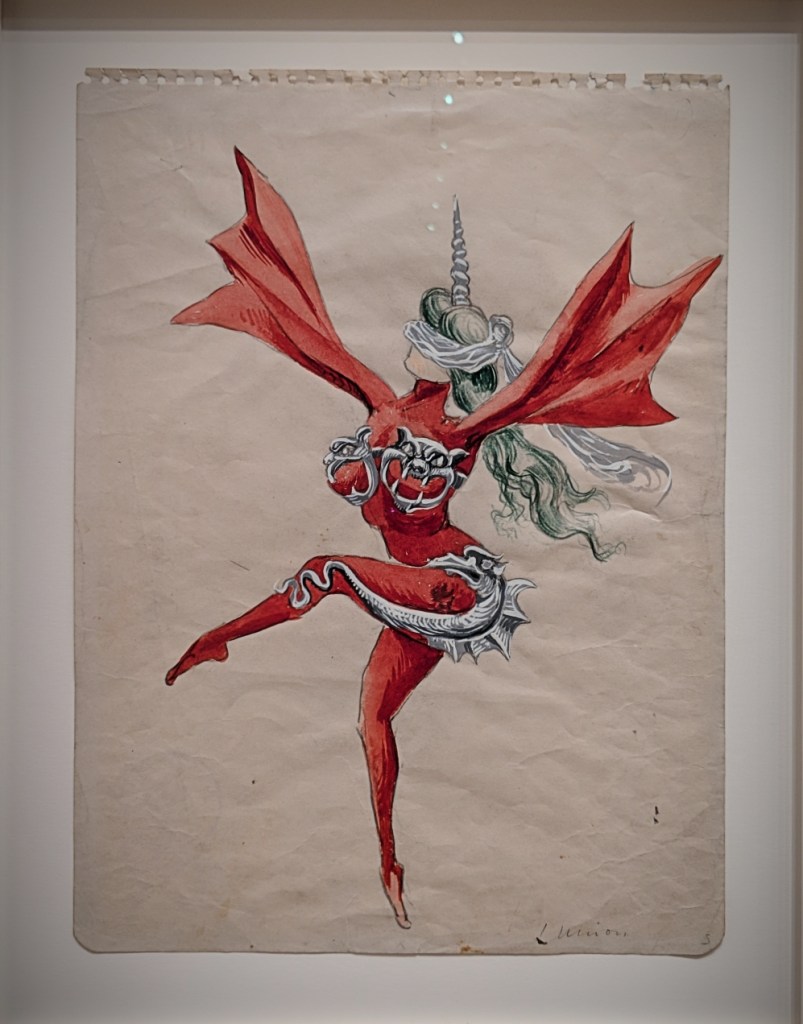
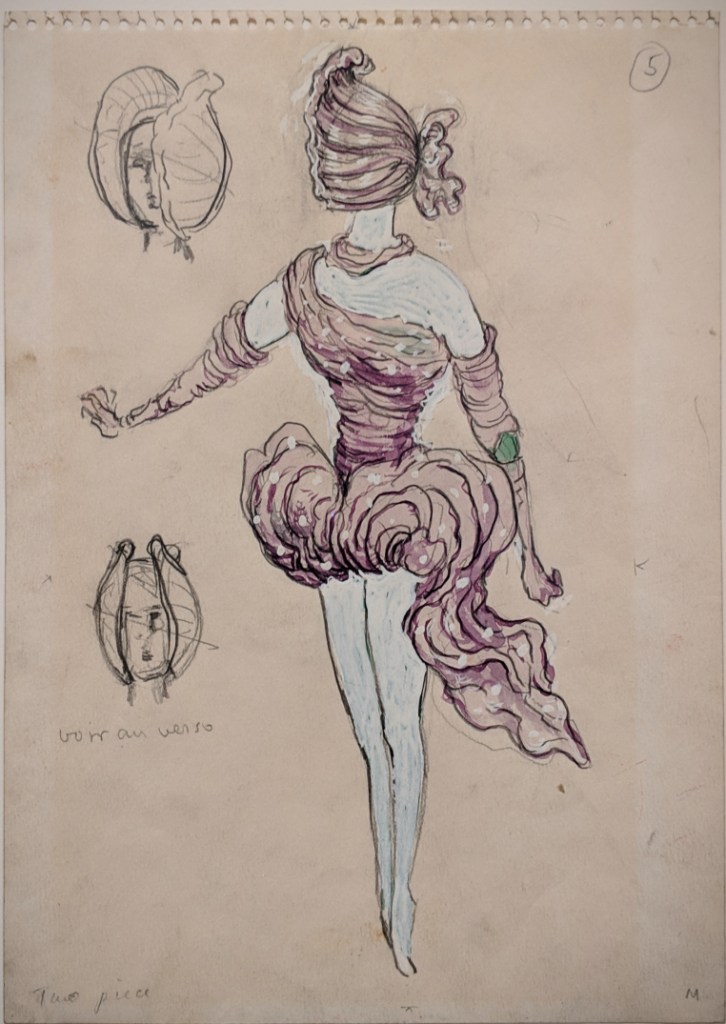
Kurt Seligmann Costume designs for the ballet The Four Temperaments c. 1946 Fourth Variation/Choleric Gouache, watercolour, coloured pencil, and pencil on paper
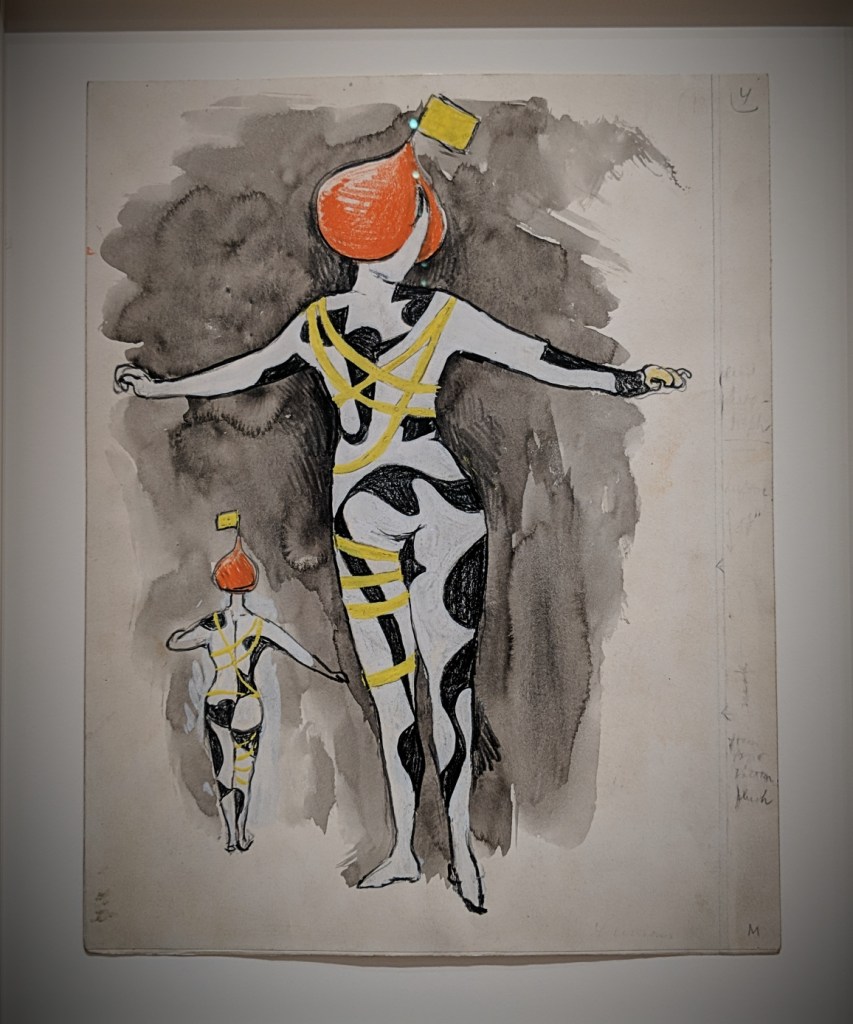
Kurt Seligmann Costume designs for the ballet The Four Temperaments c. 1946 First Variation/Melancholic Crayon, gouache, watercolour, coloured pencil, and pencil on paper
Kurt Seligmann Costume designs for the ballet The Four Temperaments c. 1946 Second Variation/Sanguinic Gouache, watercolour, coloured pencil, crayon, and pencil on paper
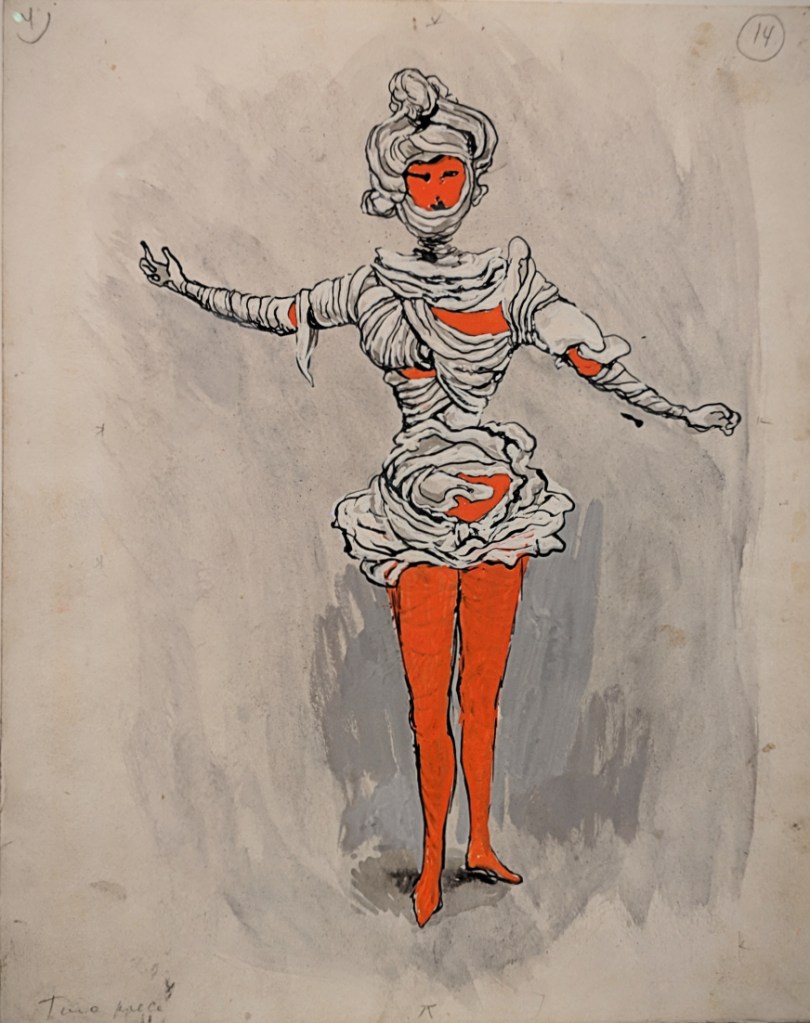
Kurt Seligmann Costume designs for the ballet The Four Temperaments c. 1946 Theme 3 (Female) Gouache, watercolour, and pencil on paper
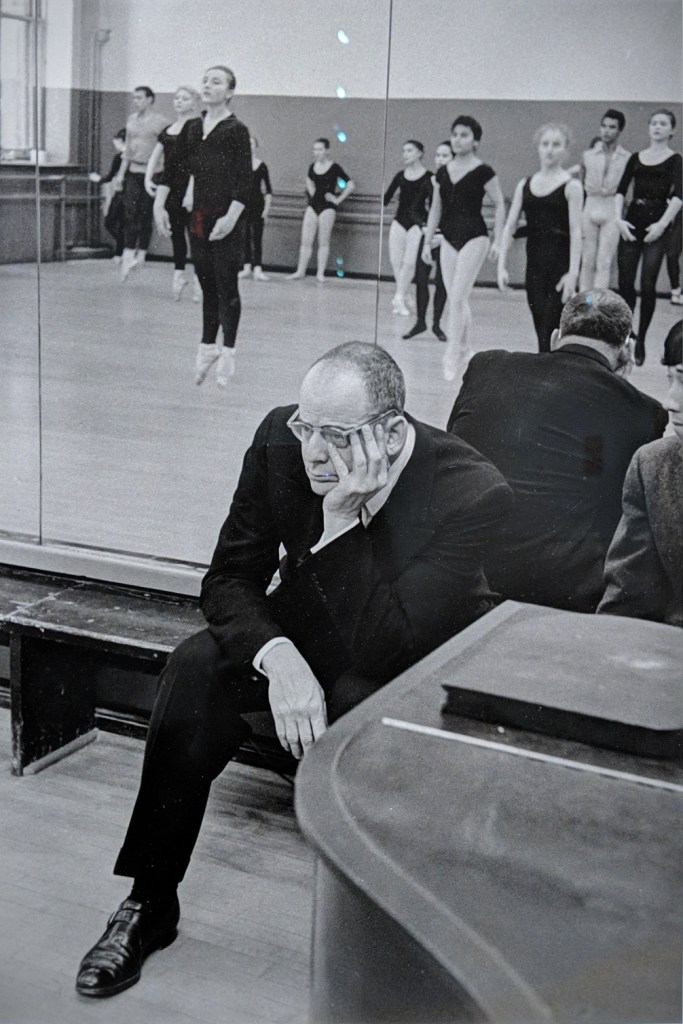
Henri Cartier-Bresson Lincoln Kirstein, 1964 Gelatin silver print, printed 1968
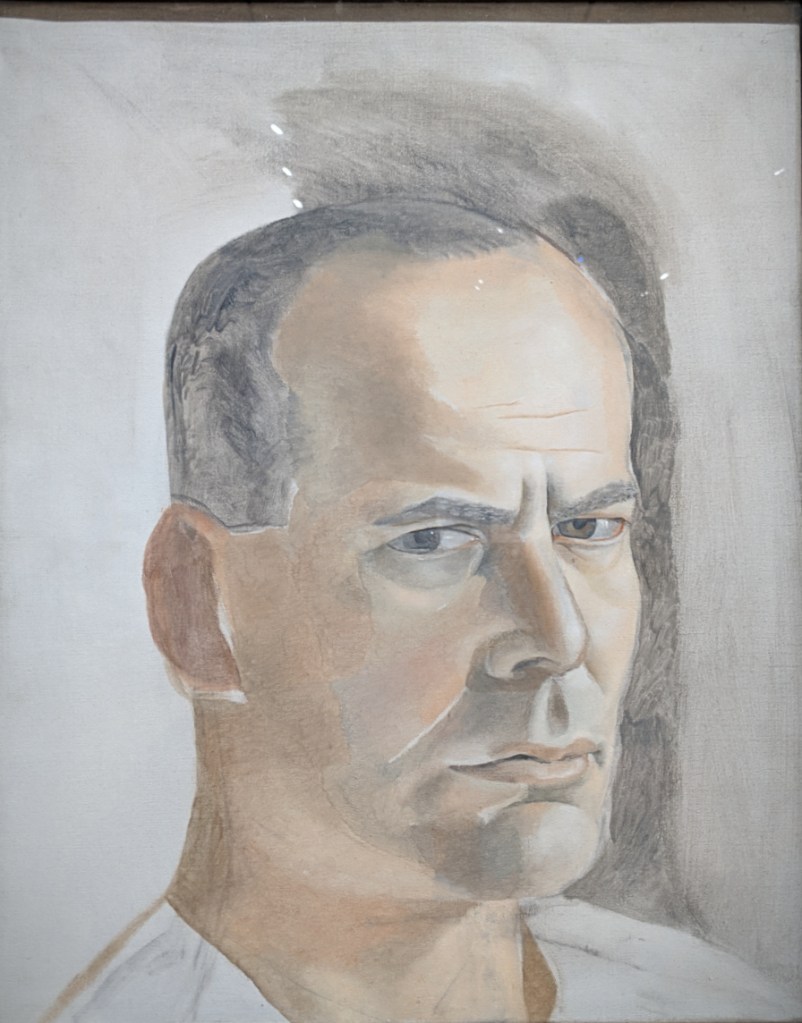
Lucian Freud Portrait of Lincoln Kirstein, 1950 Oil on canvas
Kirstein sat for this portrait while he was in London for a New York City Ballet performance at Covent Garden and to organize the exhibition Symbolic Realism in American Painting: 1940-1950 at the Institute of Contemporary Arts.
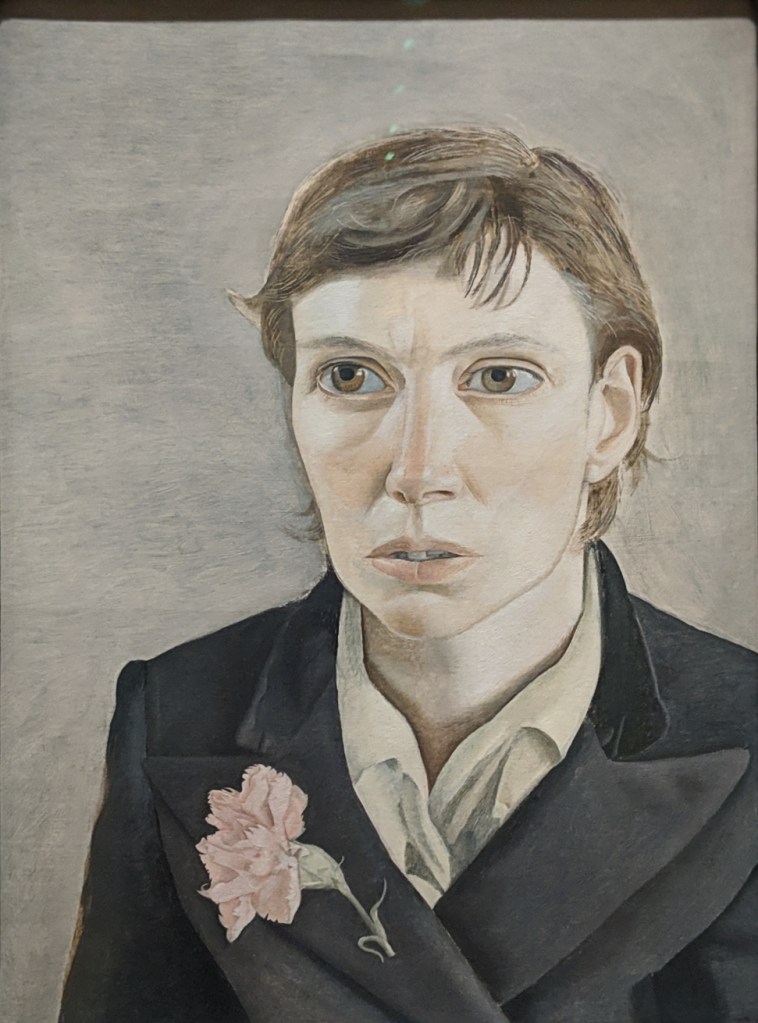
Lucian Freud Portrait of a Woman, 1949 Oil on canvas
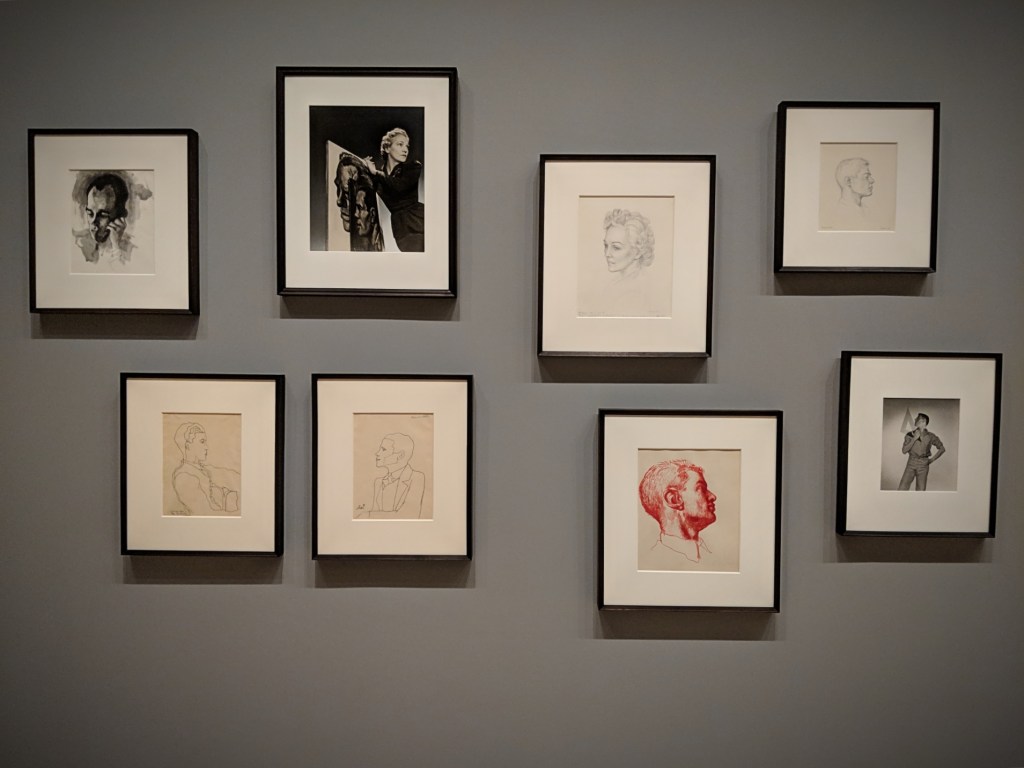
Artworks by Pavel Tchelitchew, George Platt Lynes, Paul Cadmus & Jean Cocteau
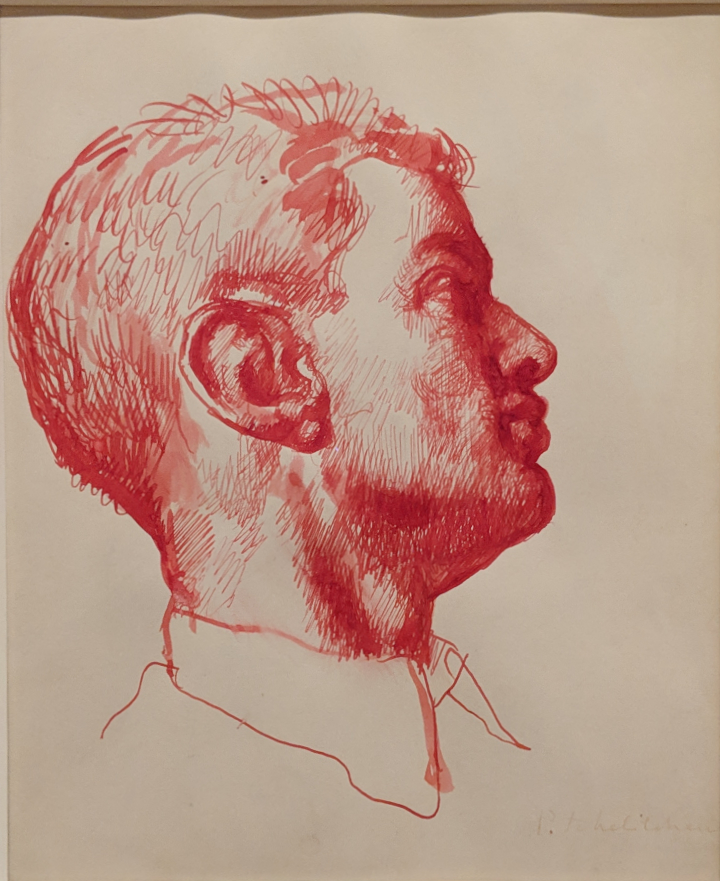
Pavel Tchelitchew George Platt Lynes, 1935 Coloured ink on paper
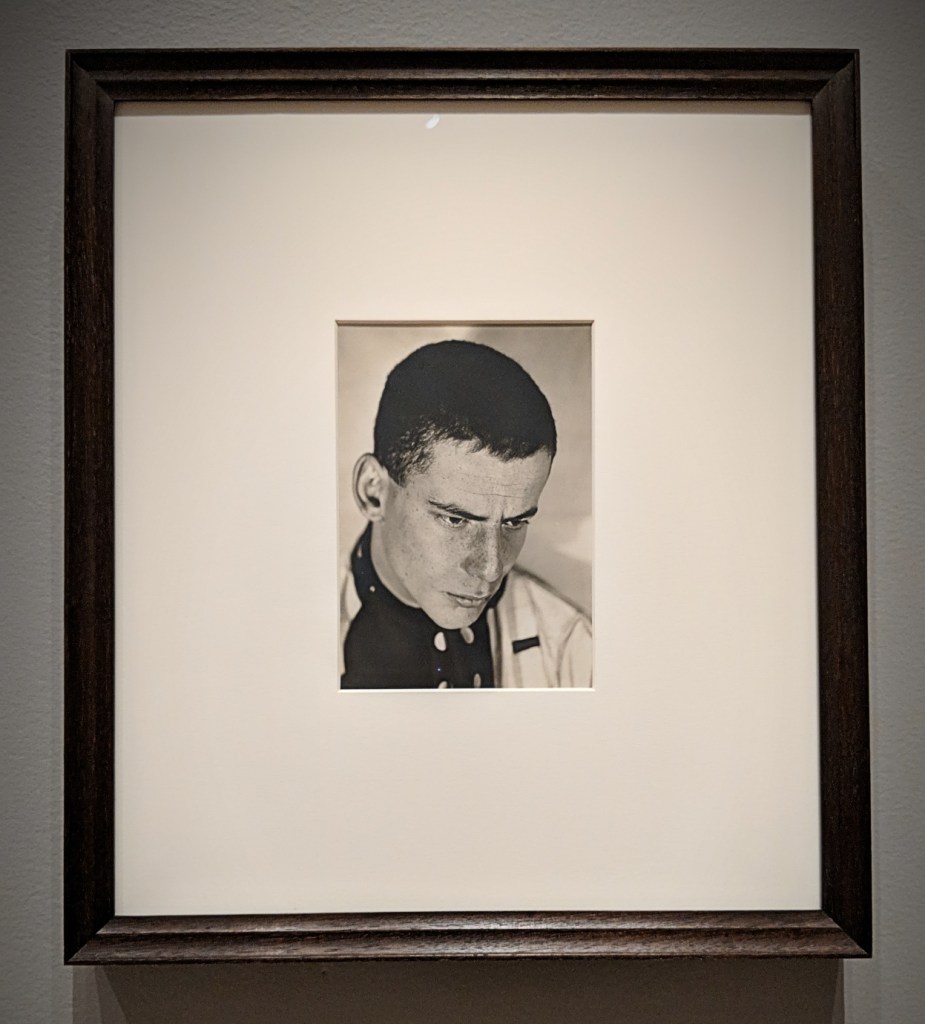
Walker Evans Lincoln Kirstein, c. 1931 Gelatin silver print
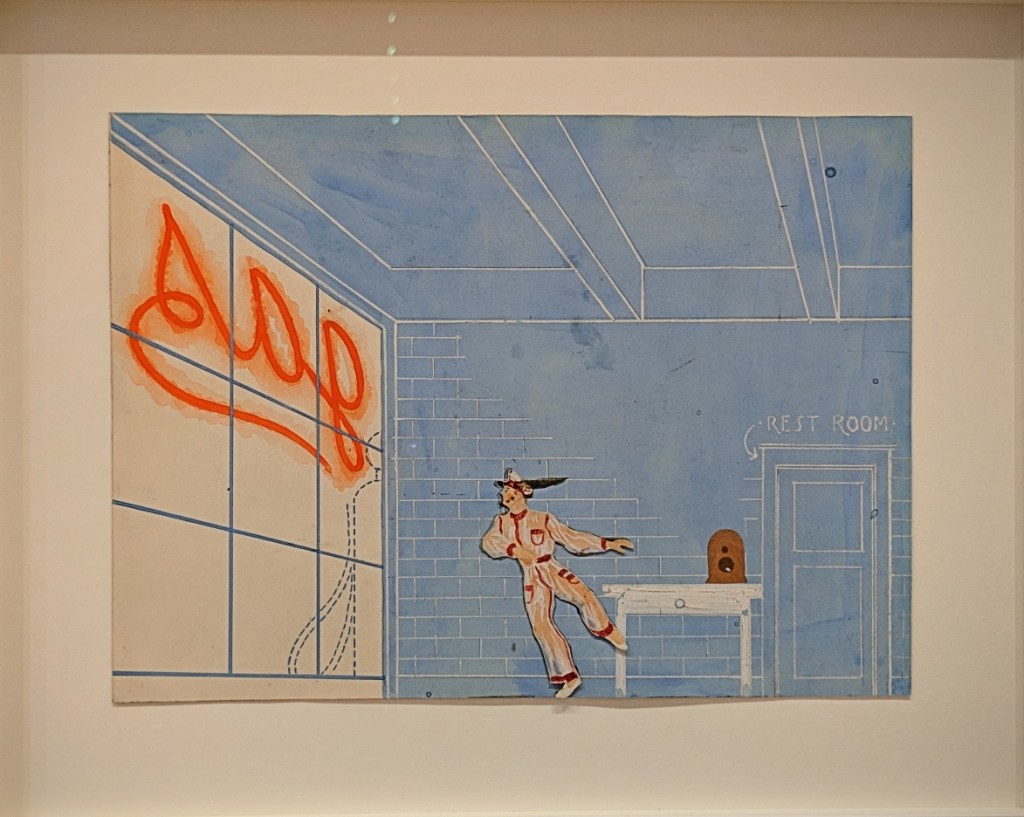
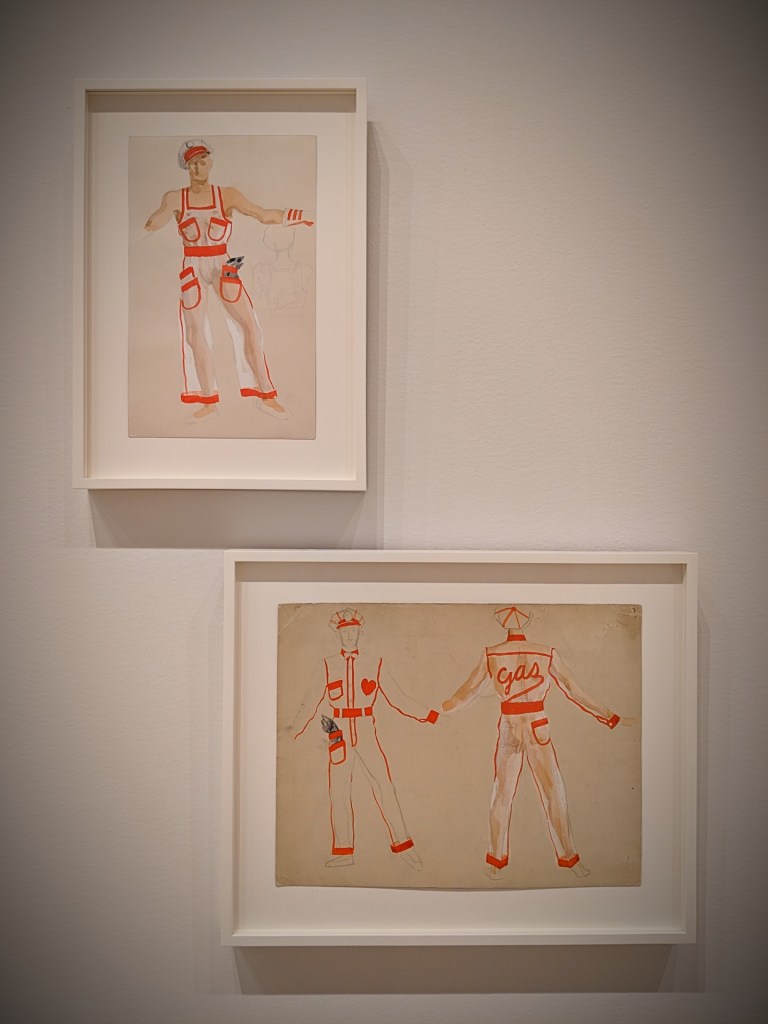
Paul Cadmus Designs for the ballet Filling Station, 1937
Paul Cadmus Designs for the ballet Filling Station, 1937
Paul Cadmus Designs for the ballet Filling Station, 1937
Paul Cadmus Designs for the ballet Filling Station, 1937
Paul Cadmus Designs for the ballet Filling Station, 1937
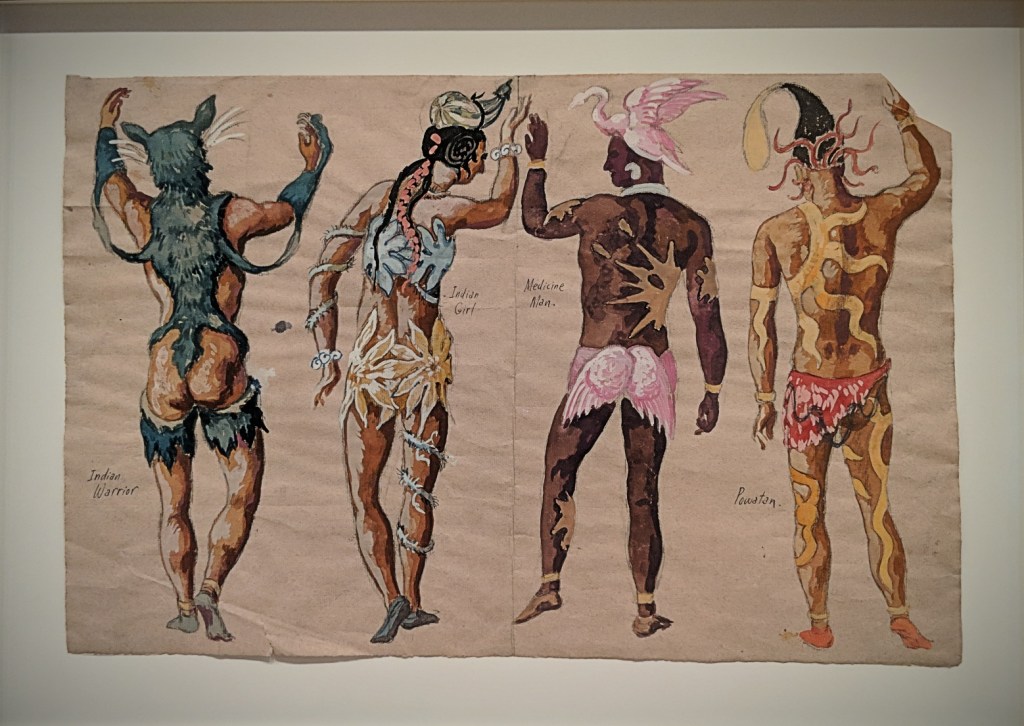
Karl Free Costume designs for the ballet Pocahontas, c. 1936
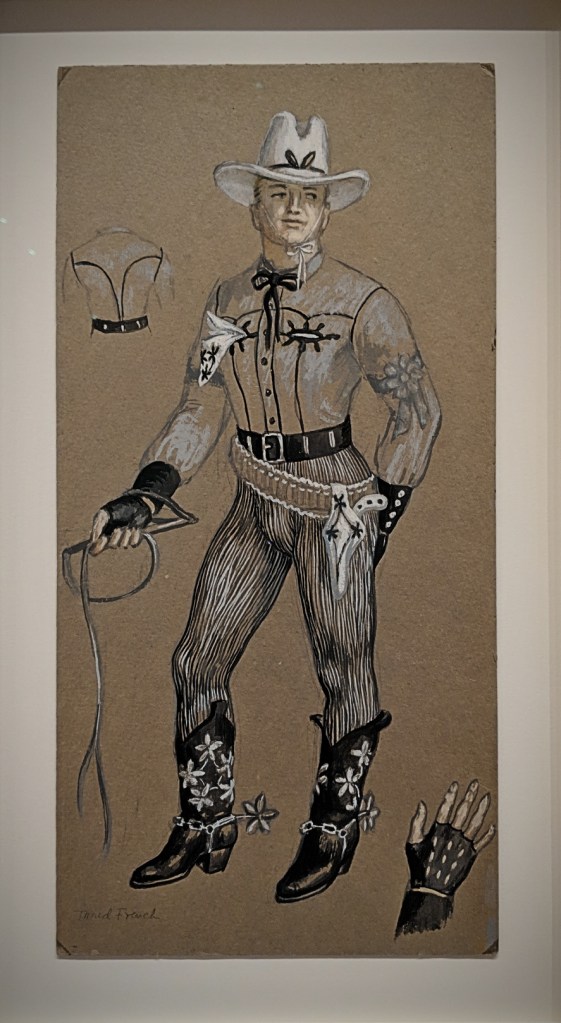
Jared French Costume design for the ballet Billy the Kid, 1938
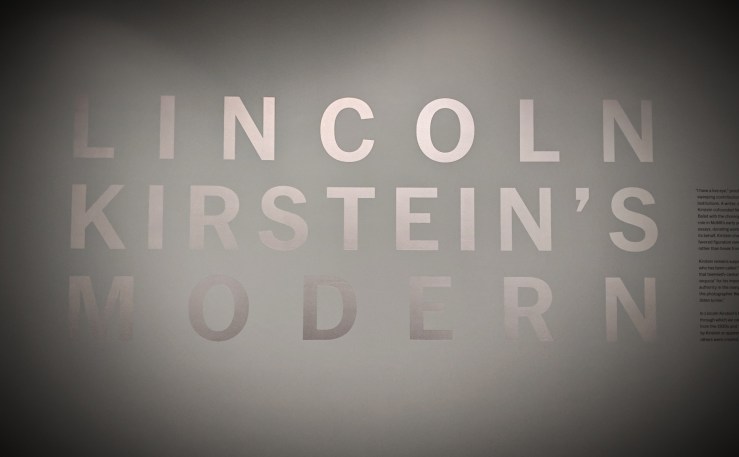
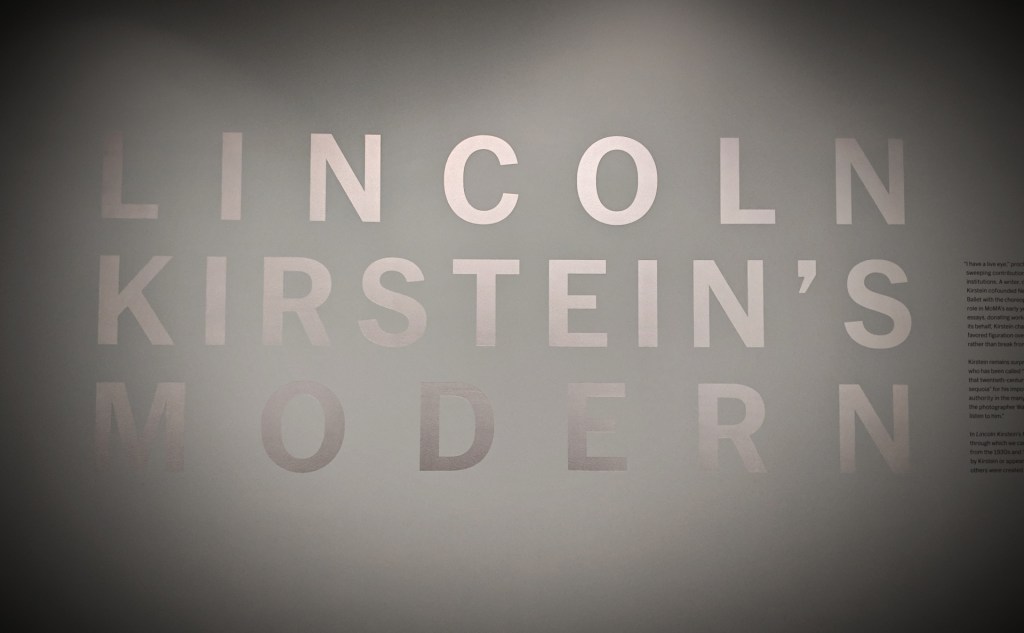
“I have a live eye,” proclaimed Lincoln Kirstein, signaling his wide-ranging vision. Lincoln Kirstein’s Modern explored this polymath’s sweeping contributions to American cultural life in the 1930s and ’40s. Best known for cofounding New York City Ballet and the School of American Ballet with George Balanchine, Kirstein (1907–1996), a writer, critic, curator, impresario, and tastemaker, was also a key figure in MoMA’s early history. With his prescient belief in the role of dance within the museum, his championing of figuration in the face of prevailing abstraction, and his position at the center of a New York network of queer artists, intimates, and collaborators, Kirstein’s impact remains profoundly resonant today. [source: MoMA]
Free listening and free download (mp3) chill and down tempo music (album compilation ep single) for free (usually name your price). Full merged styles: trip-hop electro chill-hop instrumental hip-hop ambient lo-fi boombap beatmaking turntablism indie psy dub step d'n'b reggae wave sainte-pop rock alternative cinematic organic classical world jazz soul groove funk balkan .... Discover lots of underground and emerging artists from around the world.











 The Humble Fabulist