With Mrs. Rabbitgirl & Mr. Dogman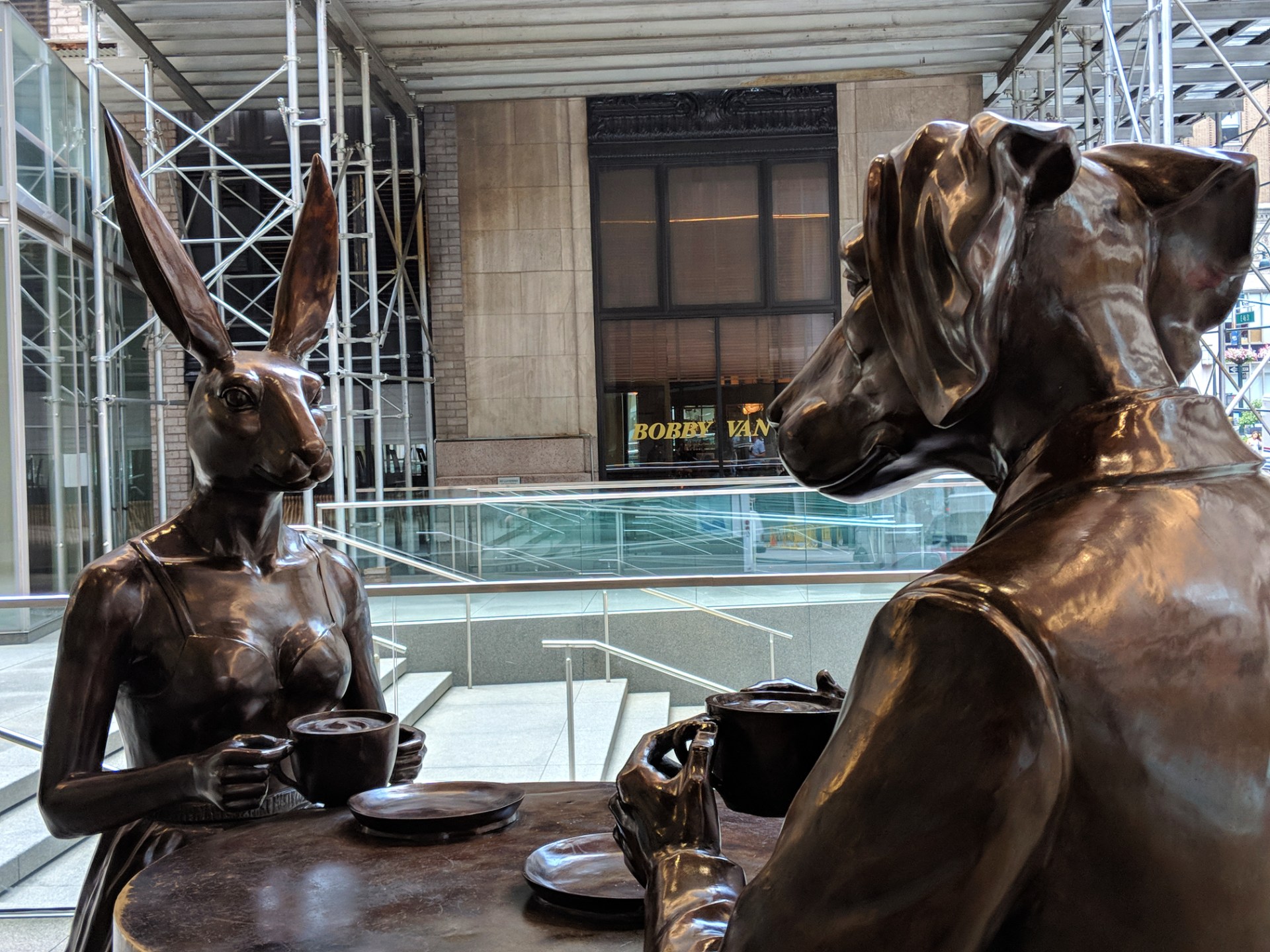
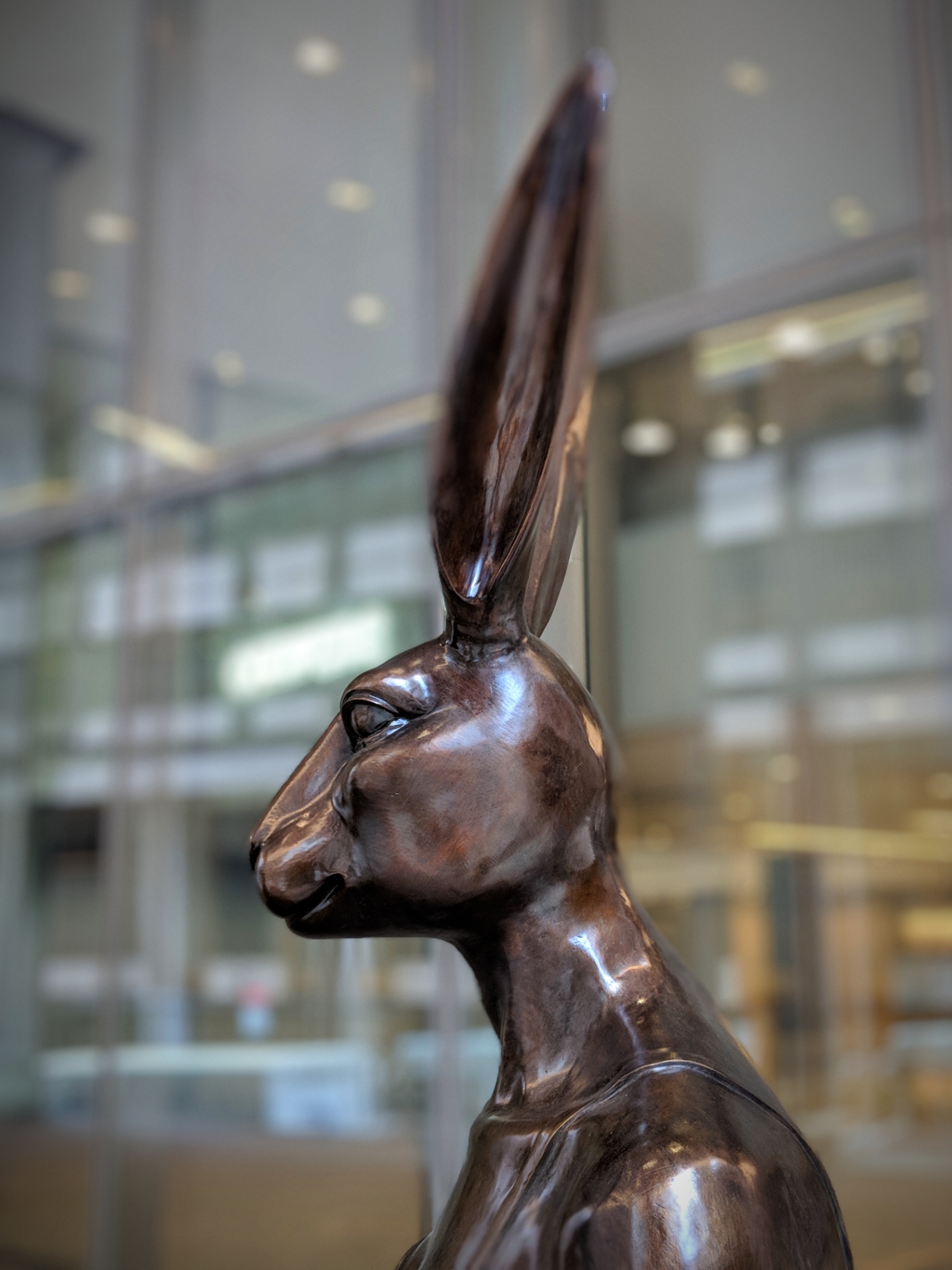
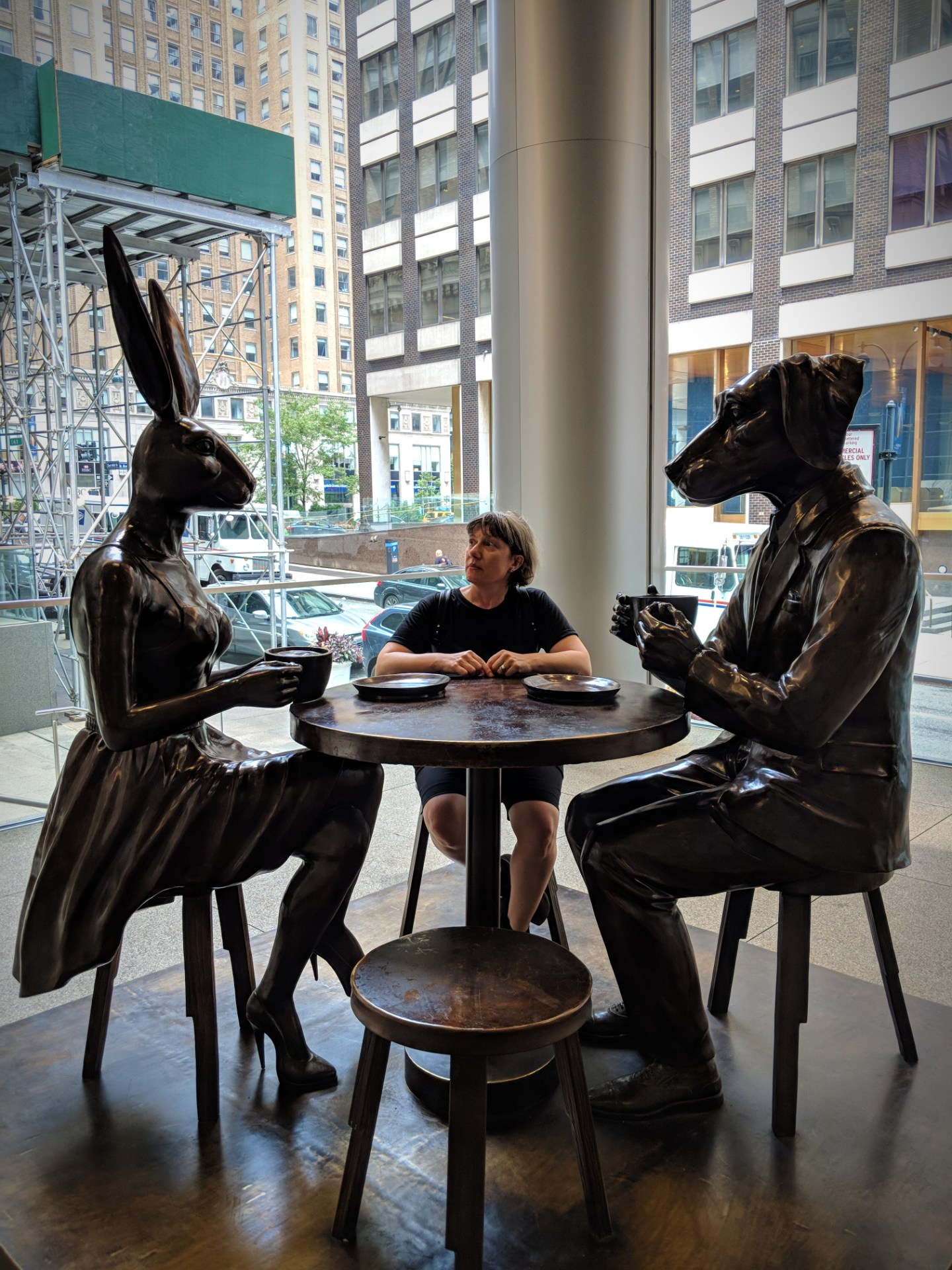
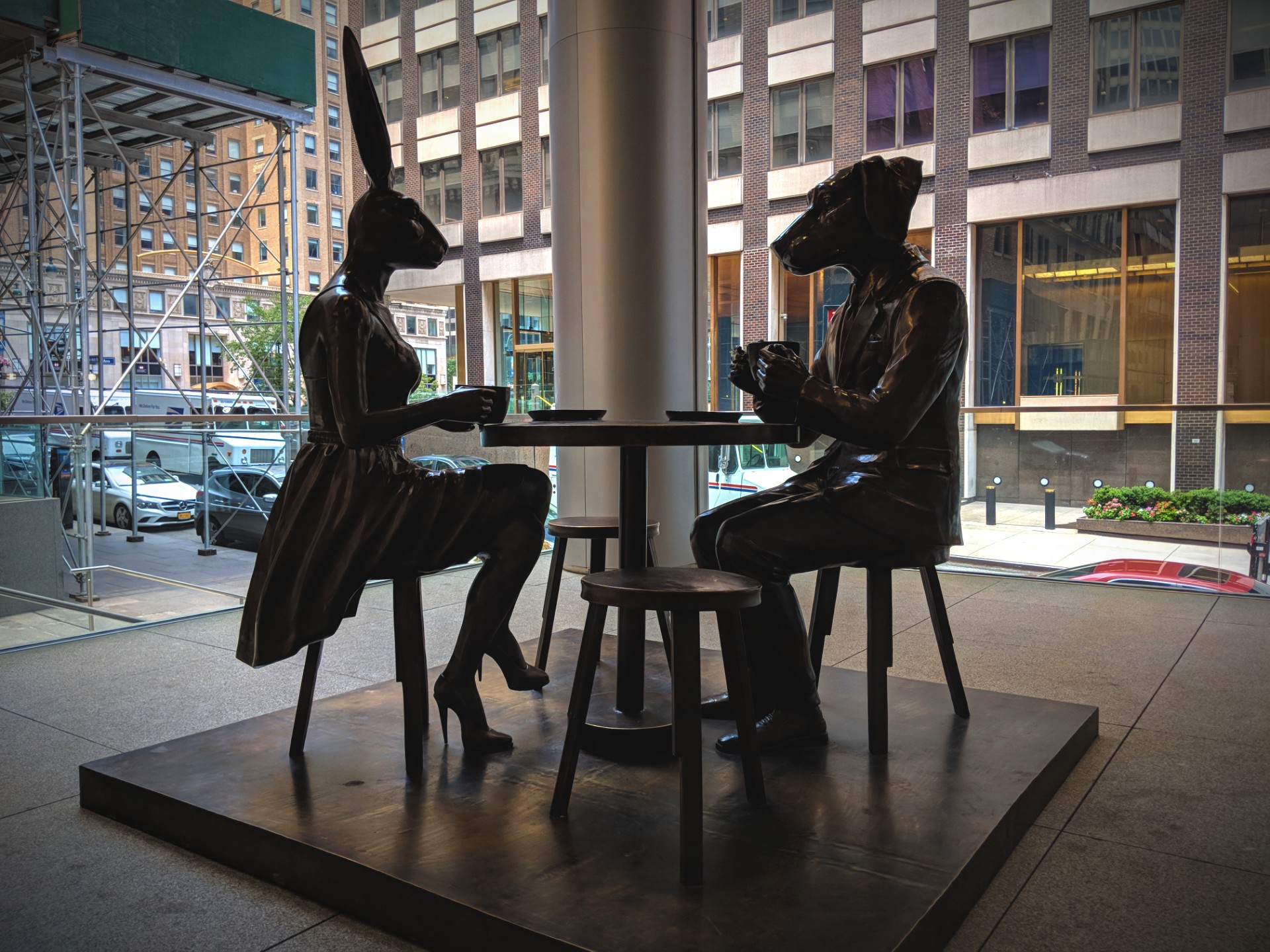 At the Table of Love, 237 Park Avenue
By Gillie and Marc, proud parents of the intrusive Paparazzi we spotted lurking in Greenwich Village back in 2017.
July 28th, 2018
With Mrs. Rabbitgirl & Mr. Dogman At the Table of Love, 237 Park Avenue
By Gillie and Marc, proud parents of the intrusive Paparazzi we spotted lurking in Greenwich Village back in 2017.
July 28th, 2018
Fluffy passersby in the golden sunset sky
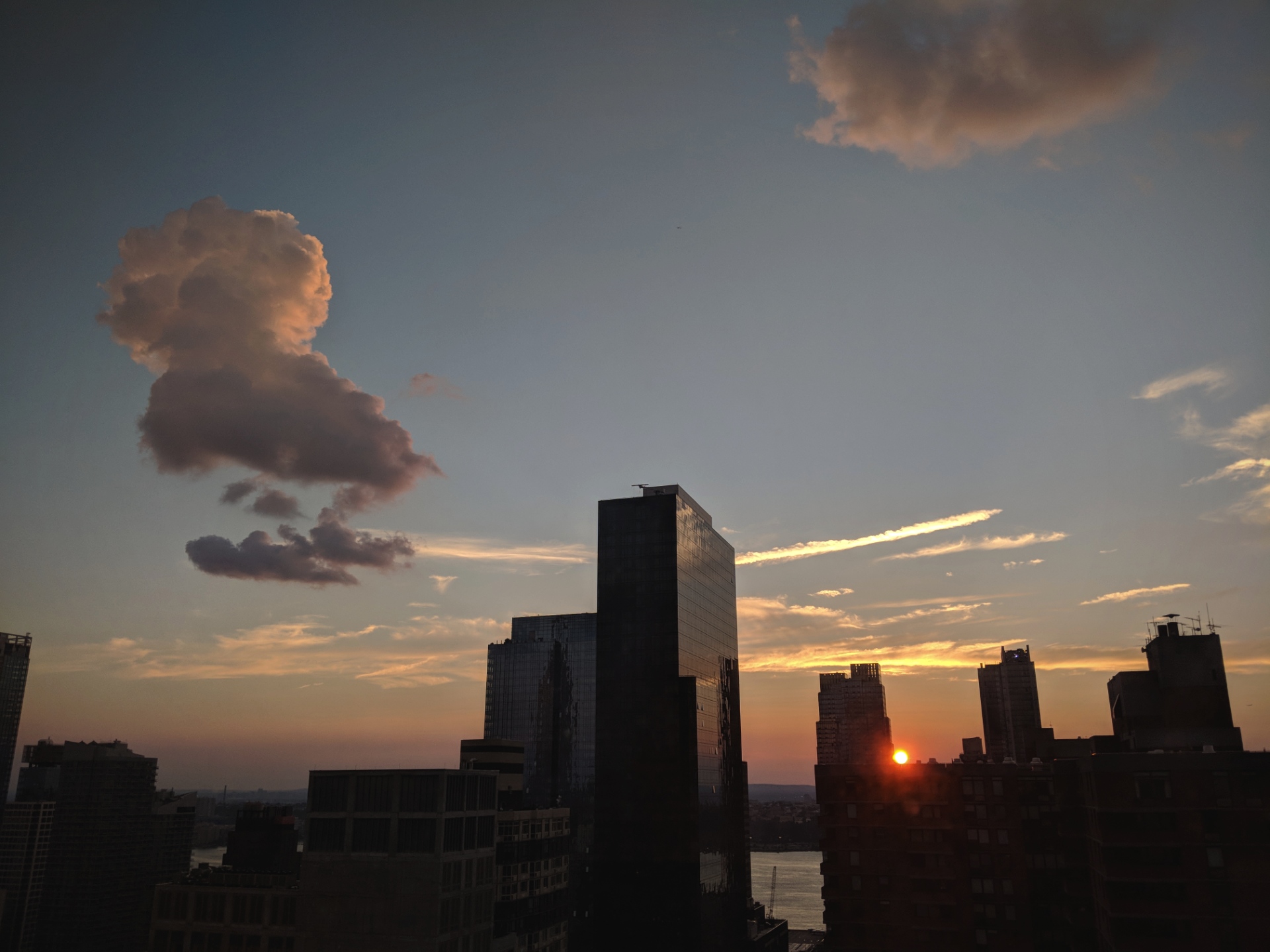
July 26th, 2018
Life seemed so much simpler then.
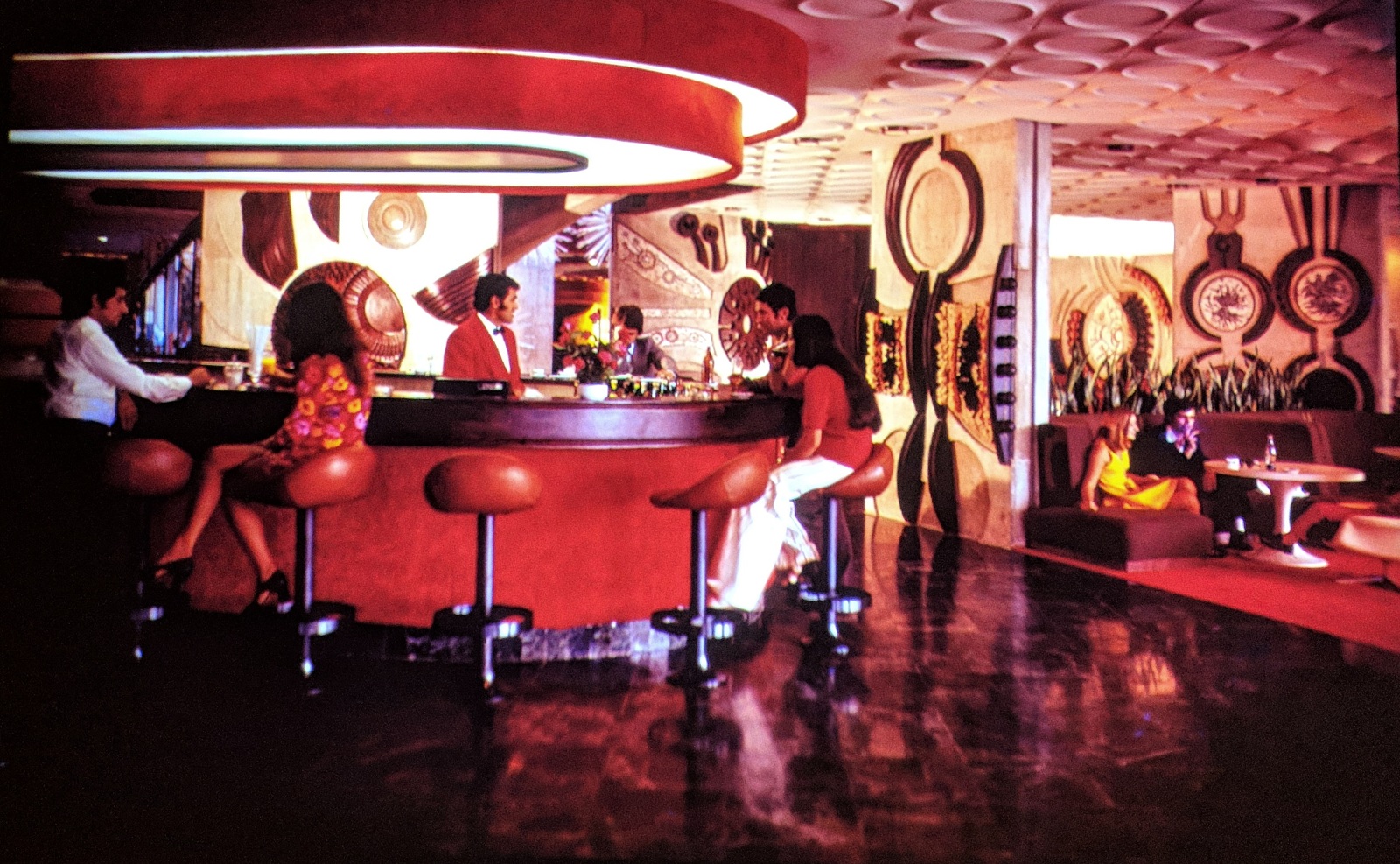
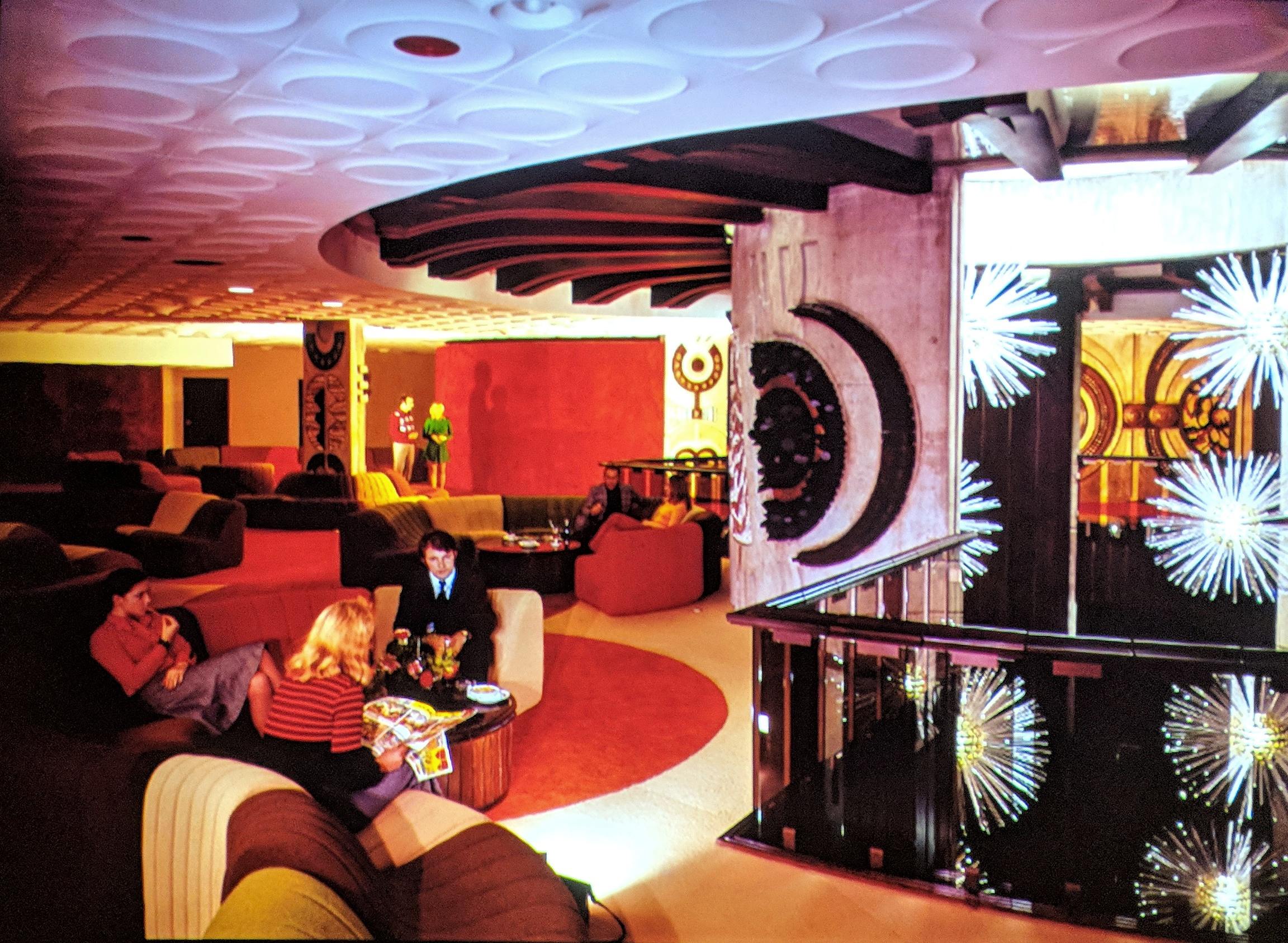
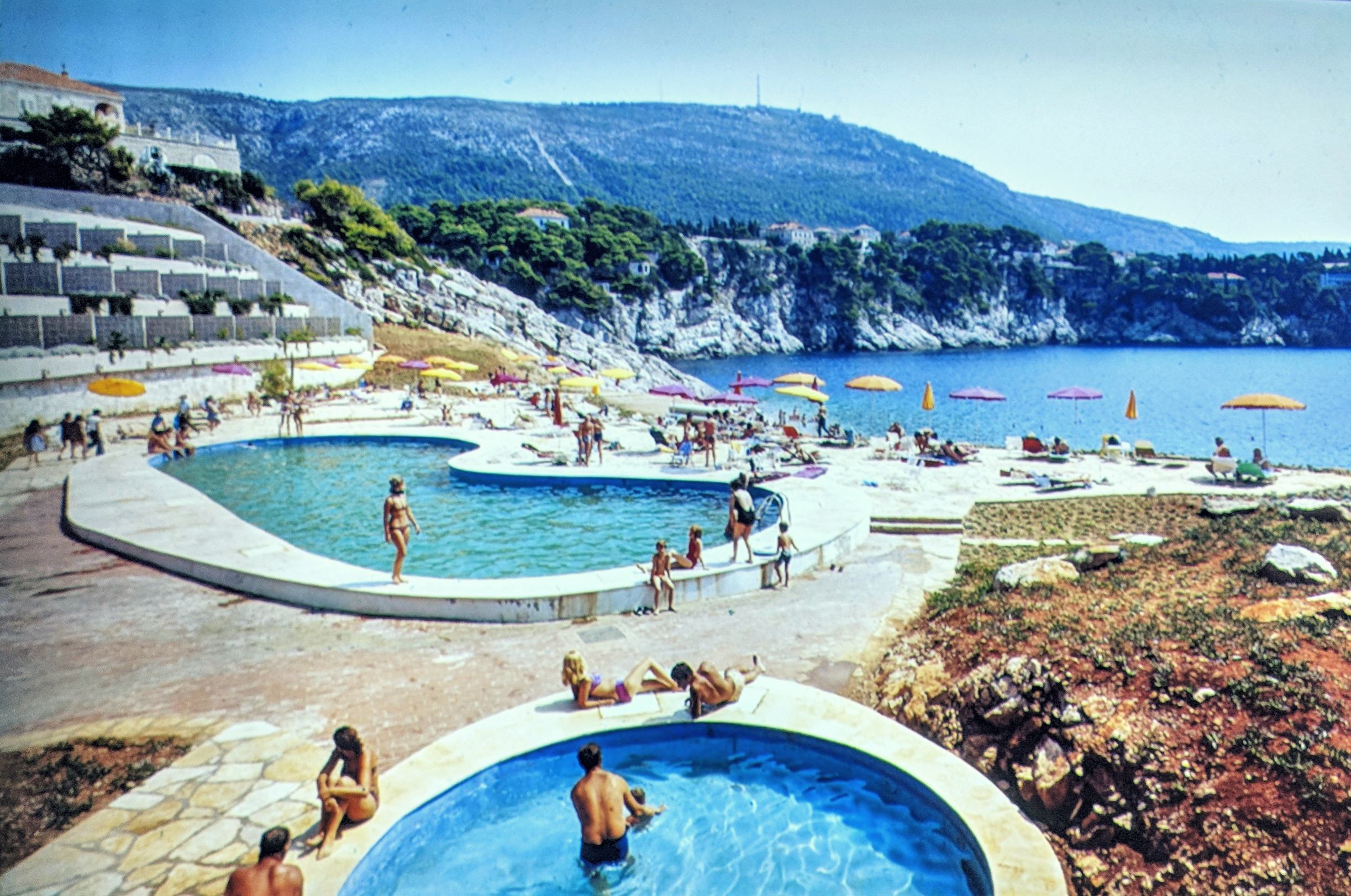
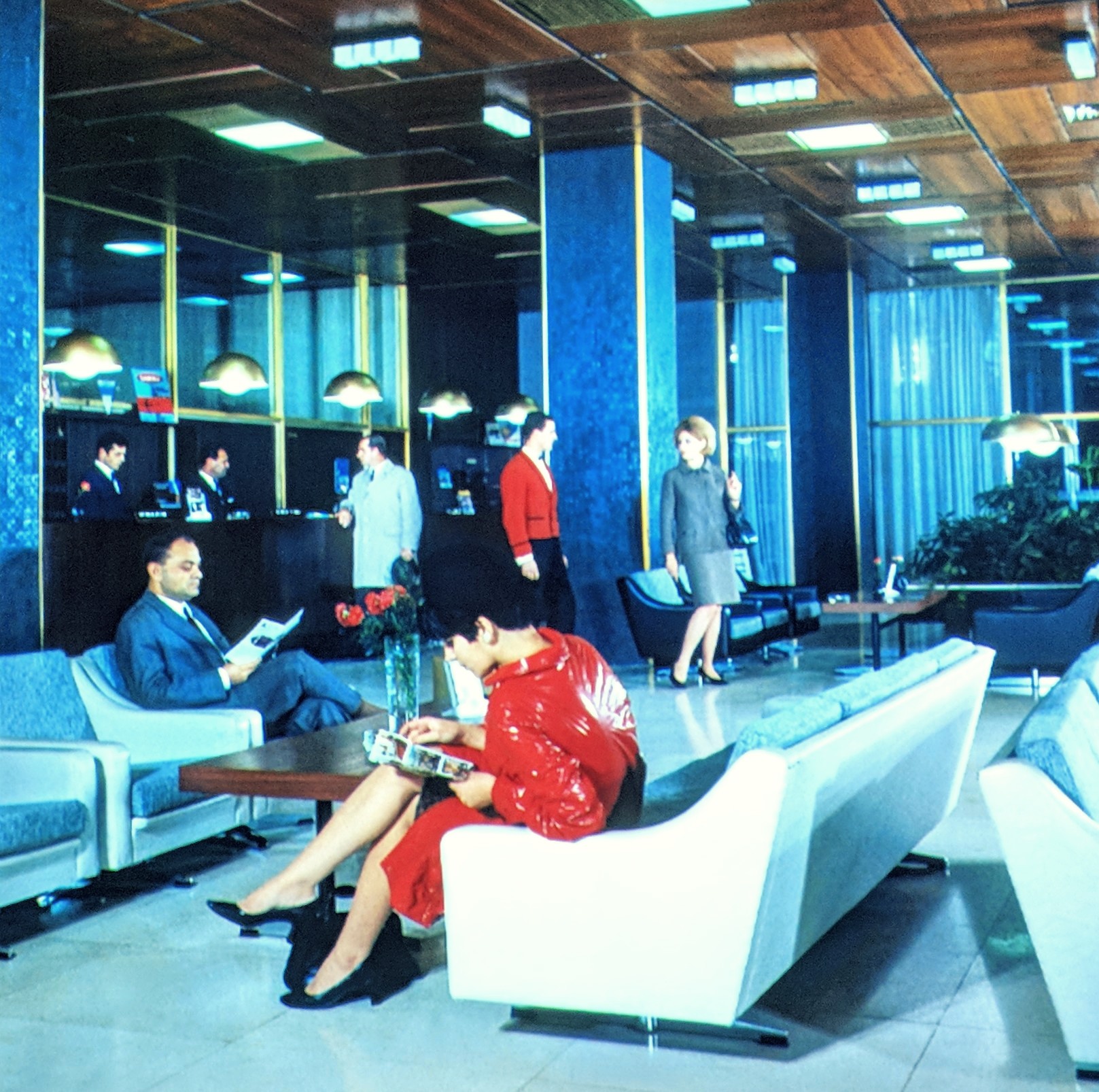
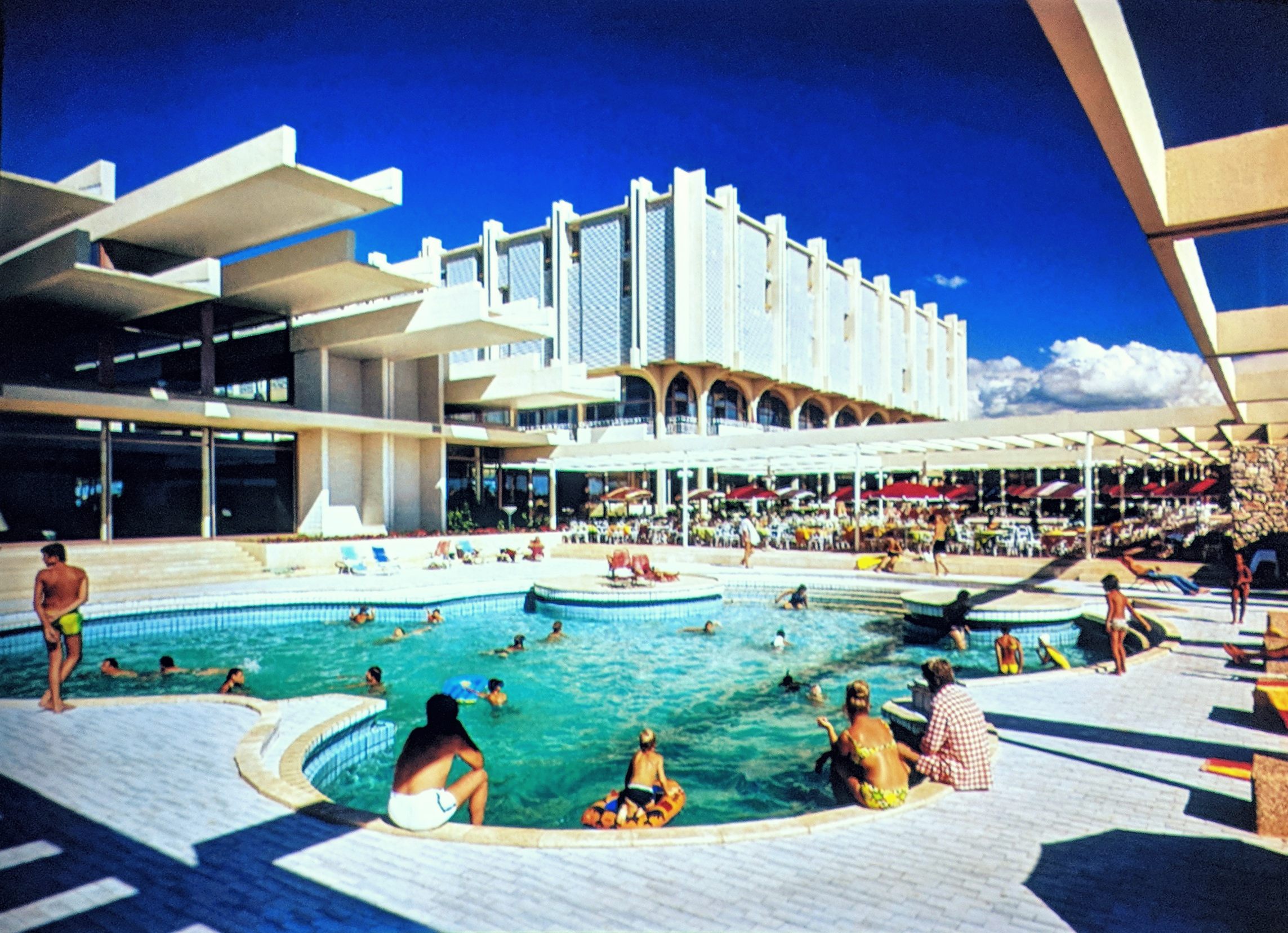
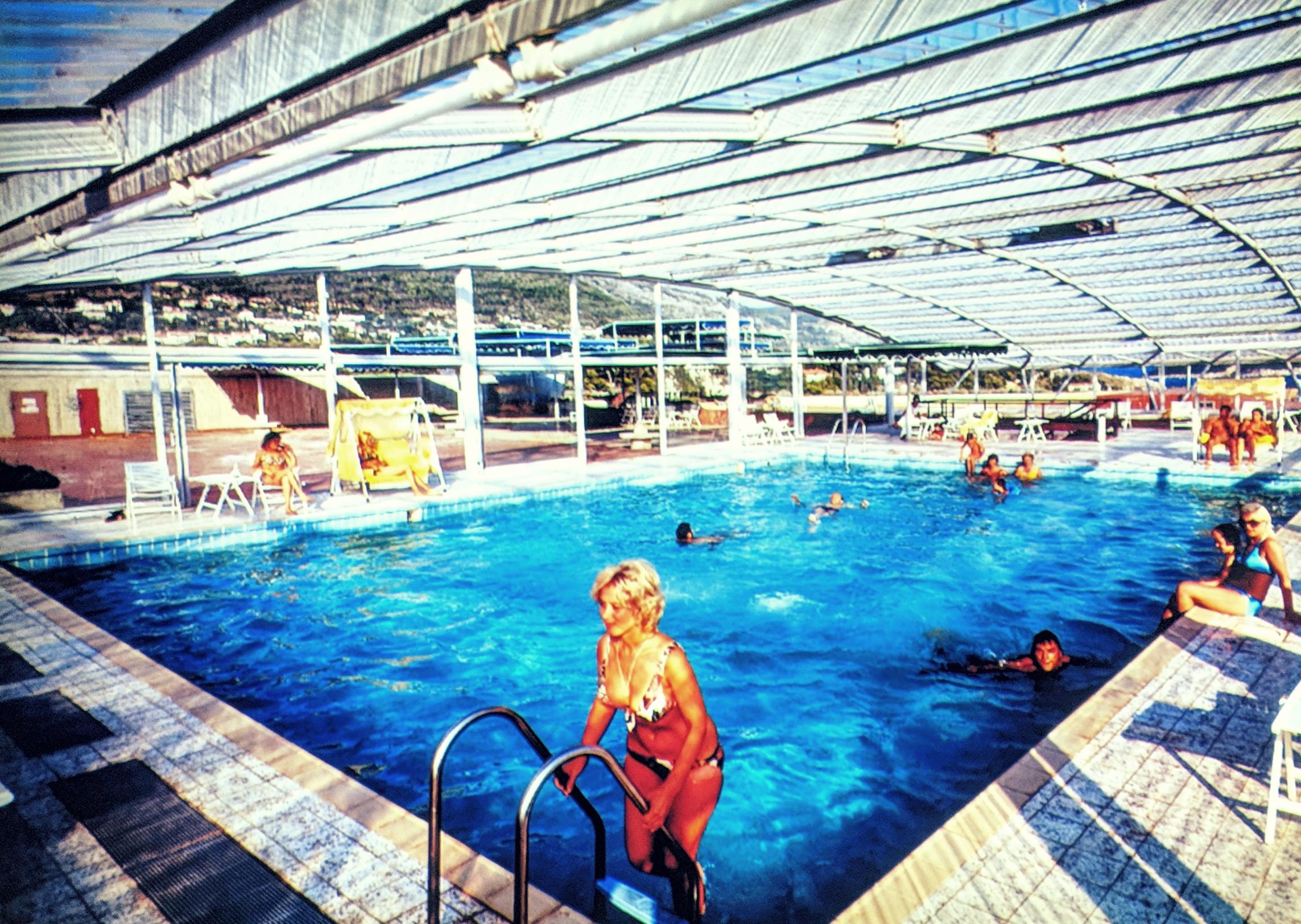
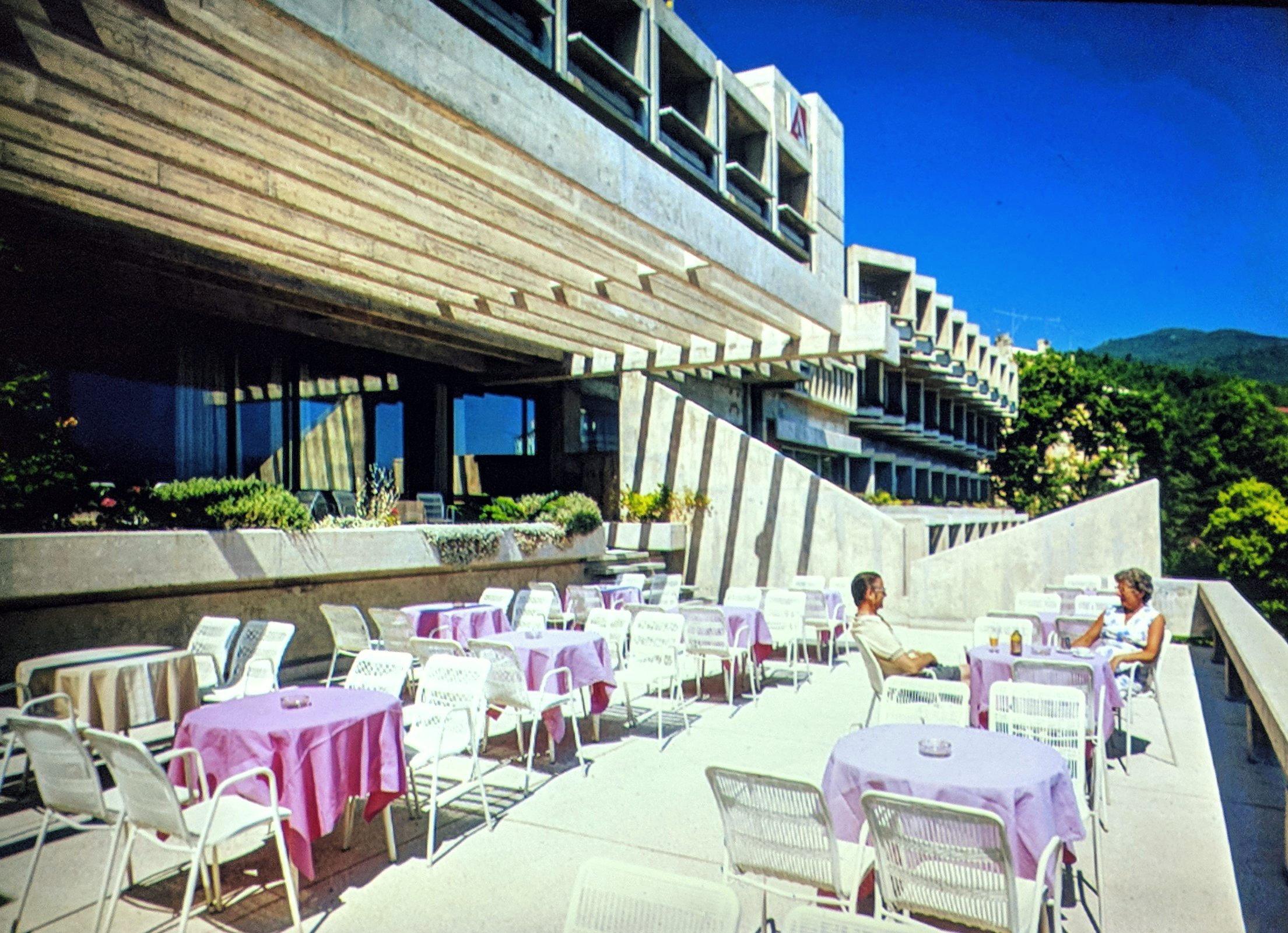
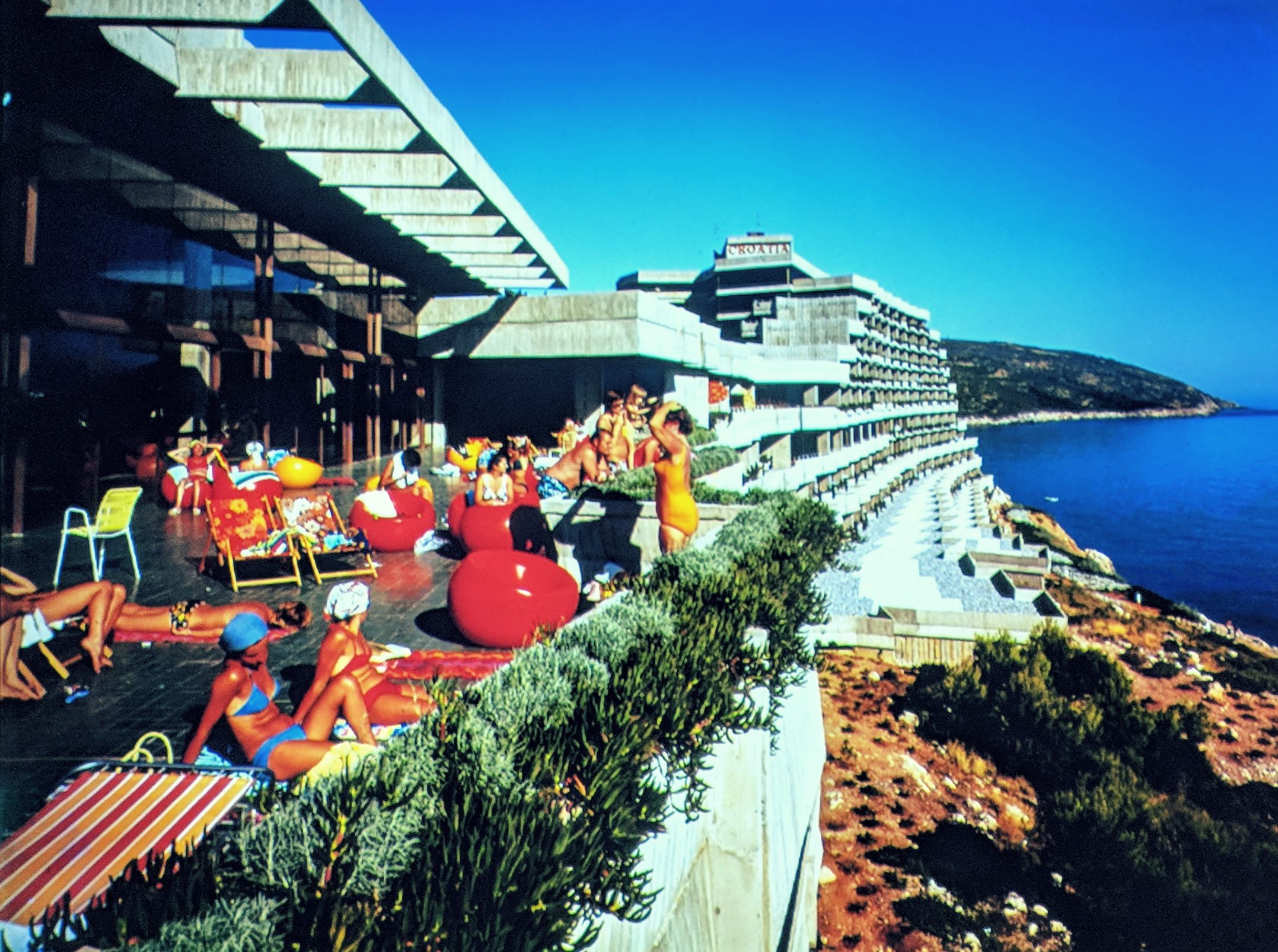
From ”Toward a Concrete Utopia: Architecture in Yugoslavia, 1948–1980”, an exhibition that ran between July 2018–January 2019 @MoMA.
July 24th, 2018
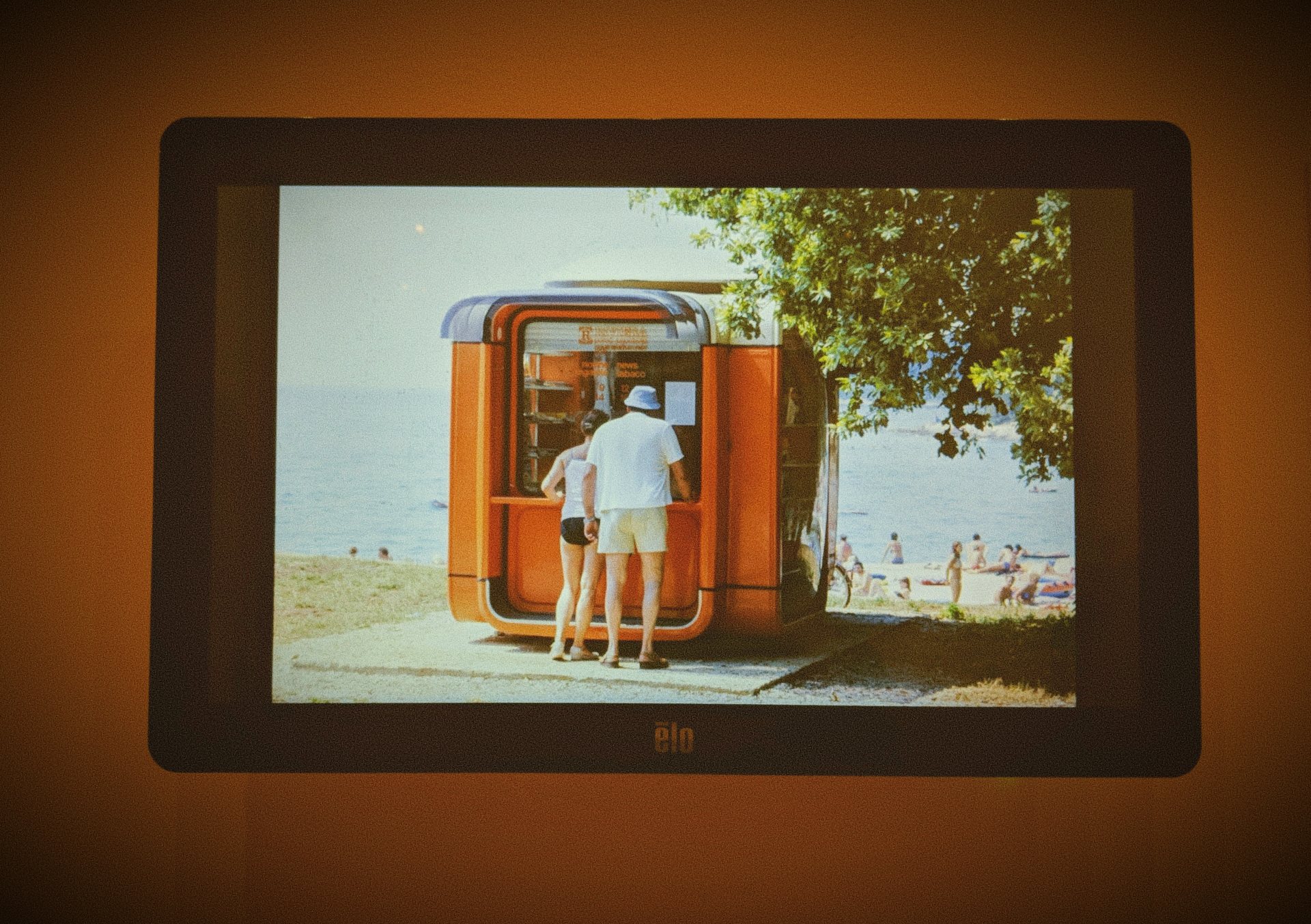
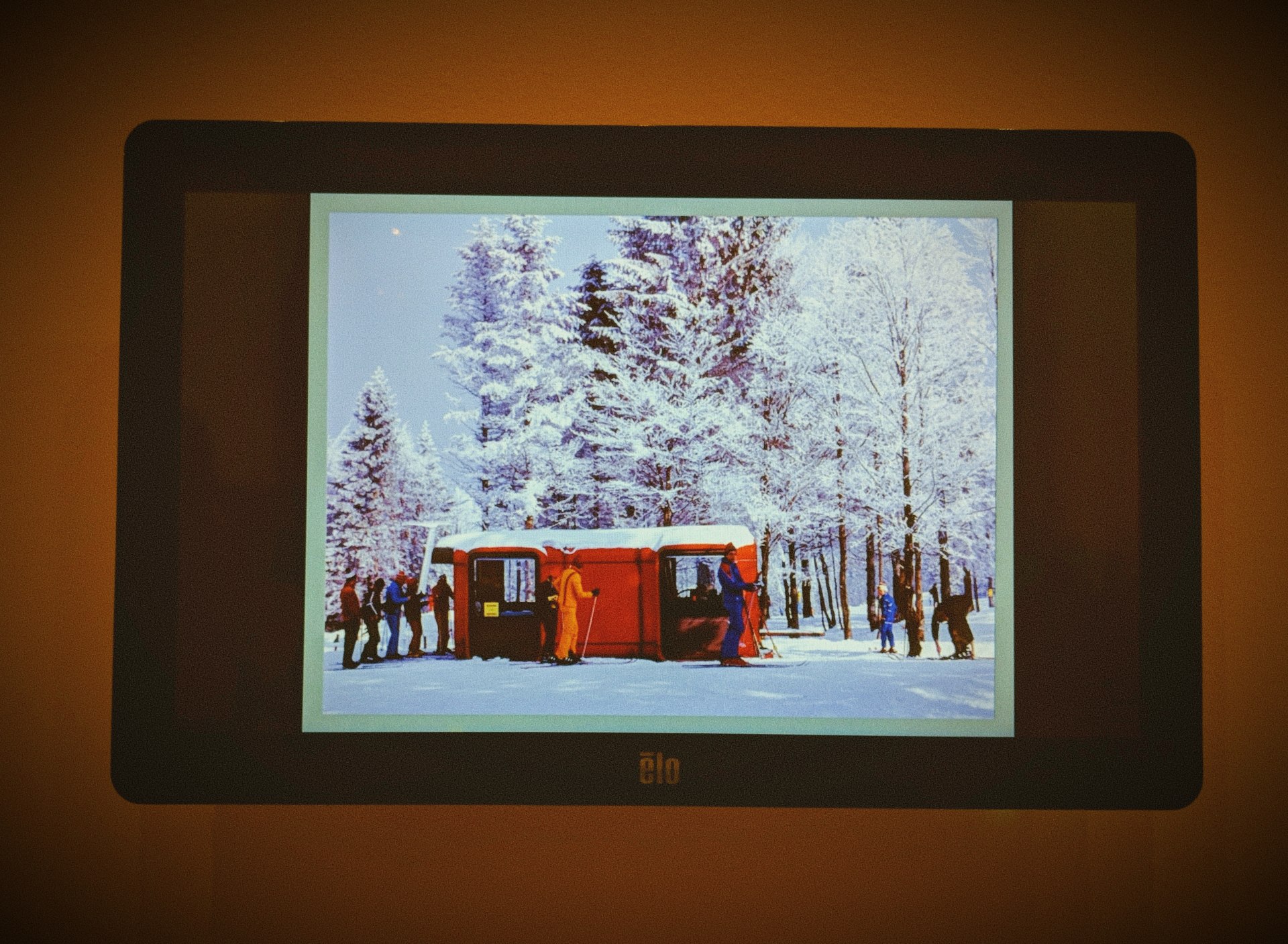
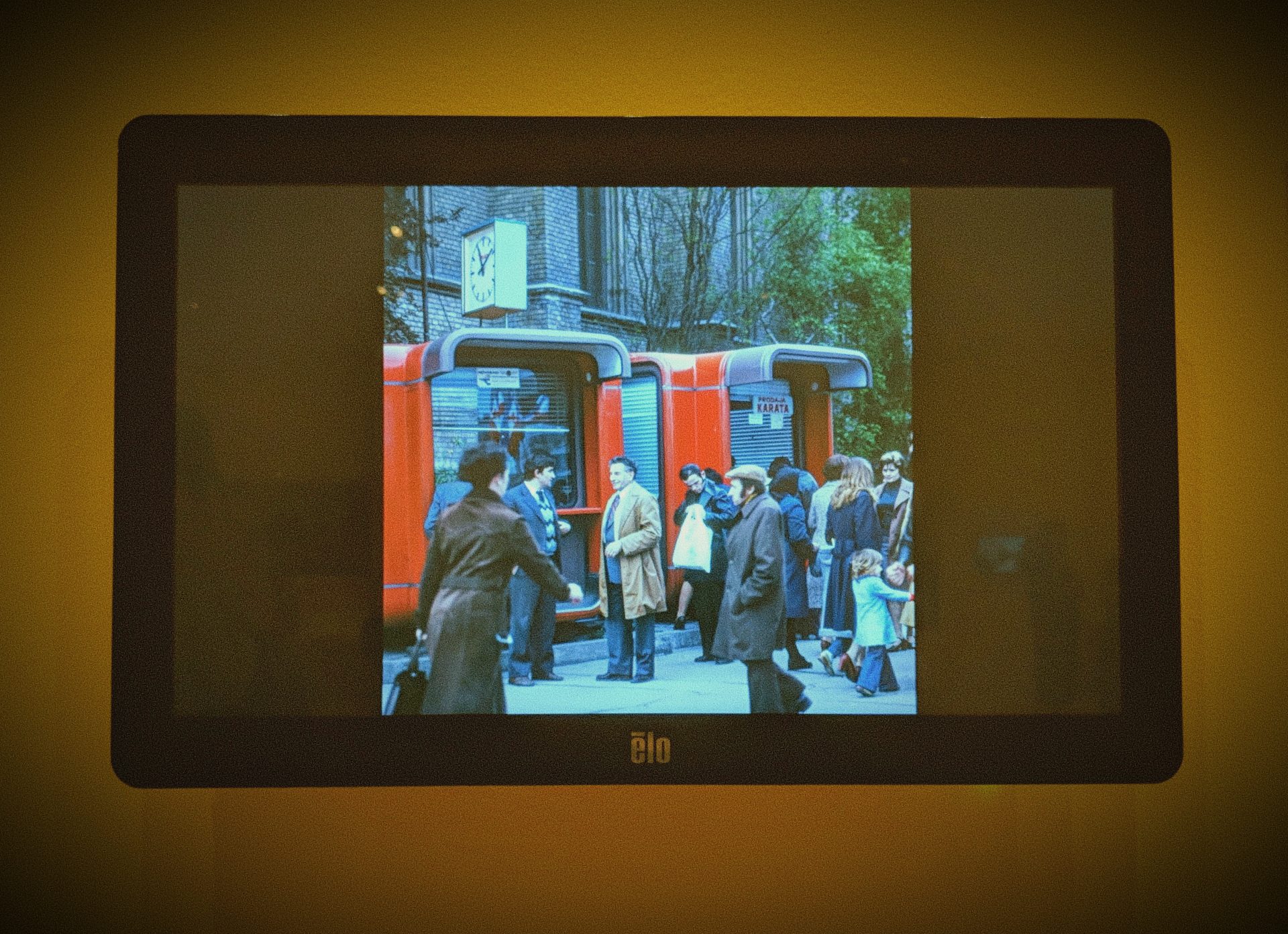
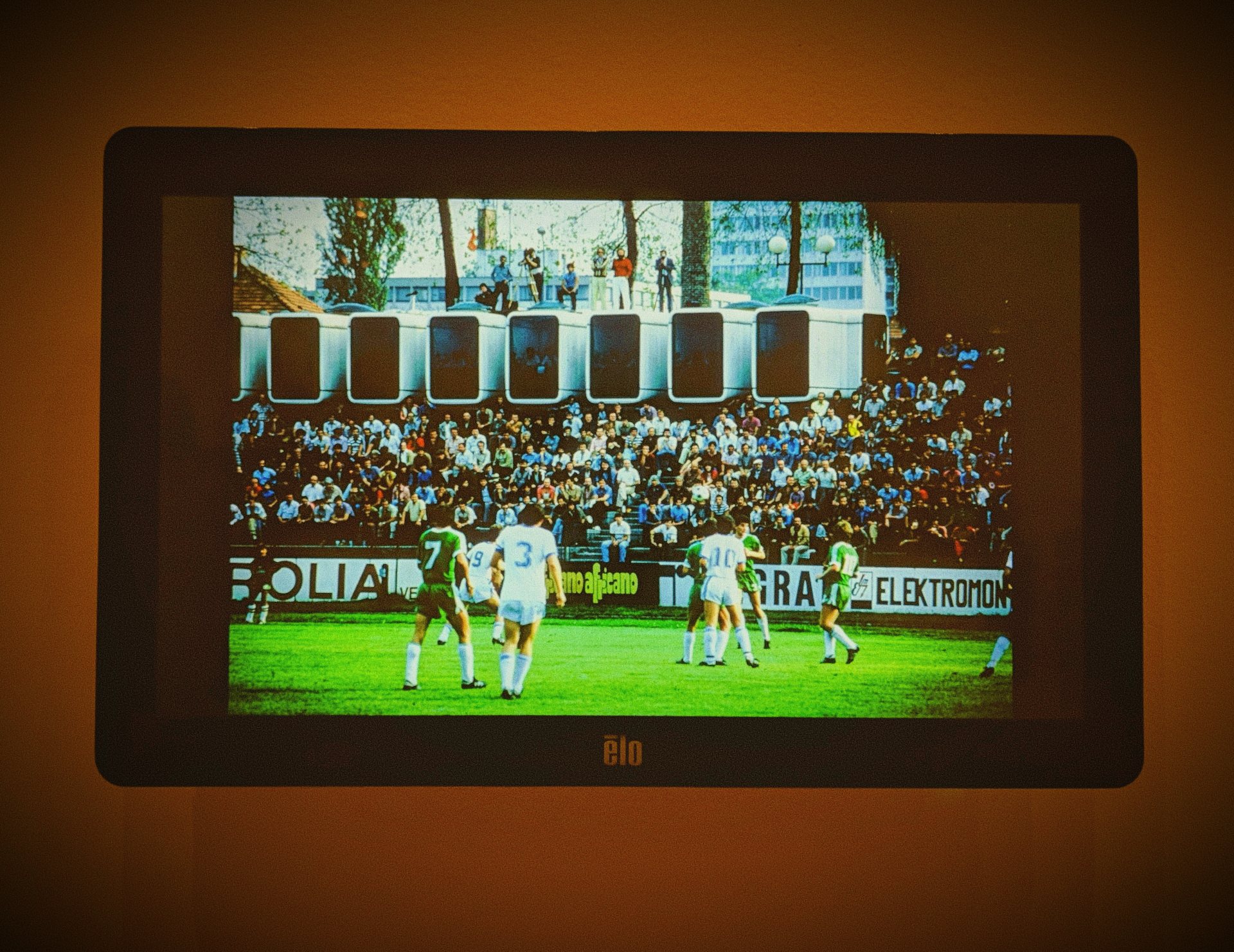
In the form of a humble Kiosk.
”The K67 kiosk system was a highly successful design for modular units that could be used for all kinds of street-level businesses and amenities. The prototype for the system was developed in 1967 by Saša Janez Mächtig, who was experimenting with the new technology of fiberglass-reinforced polyester. He invented a joint that could connect individual units into double- and triple-fronted kiosks and other configurations. The design was mass-produced and in widespread use by 1970, as fast-food stands, key-copy shops, grocery stores, newspaper and lottery kiosks, and many other enterprises.”

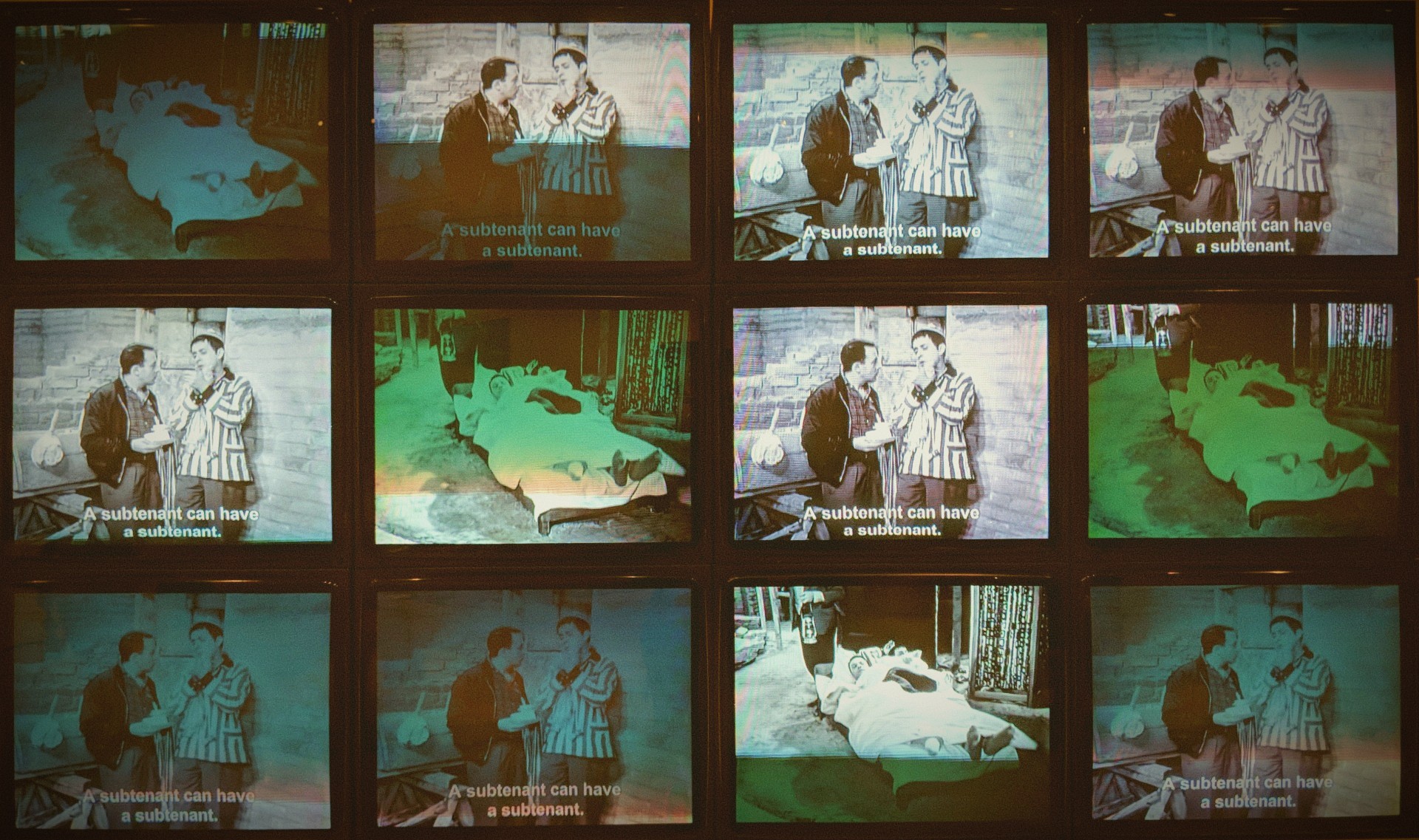
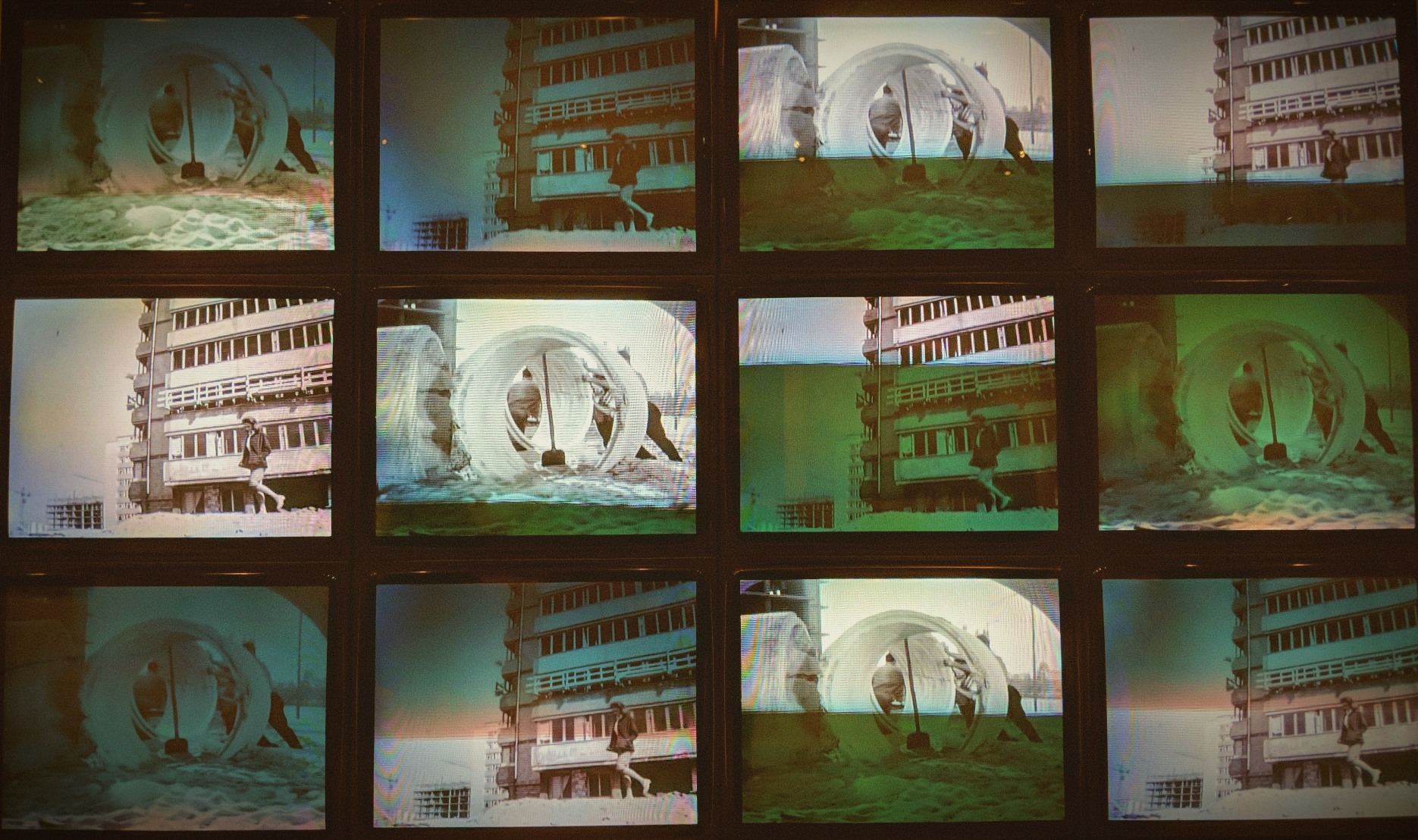
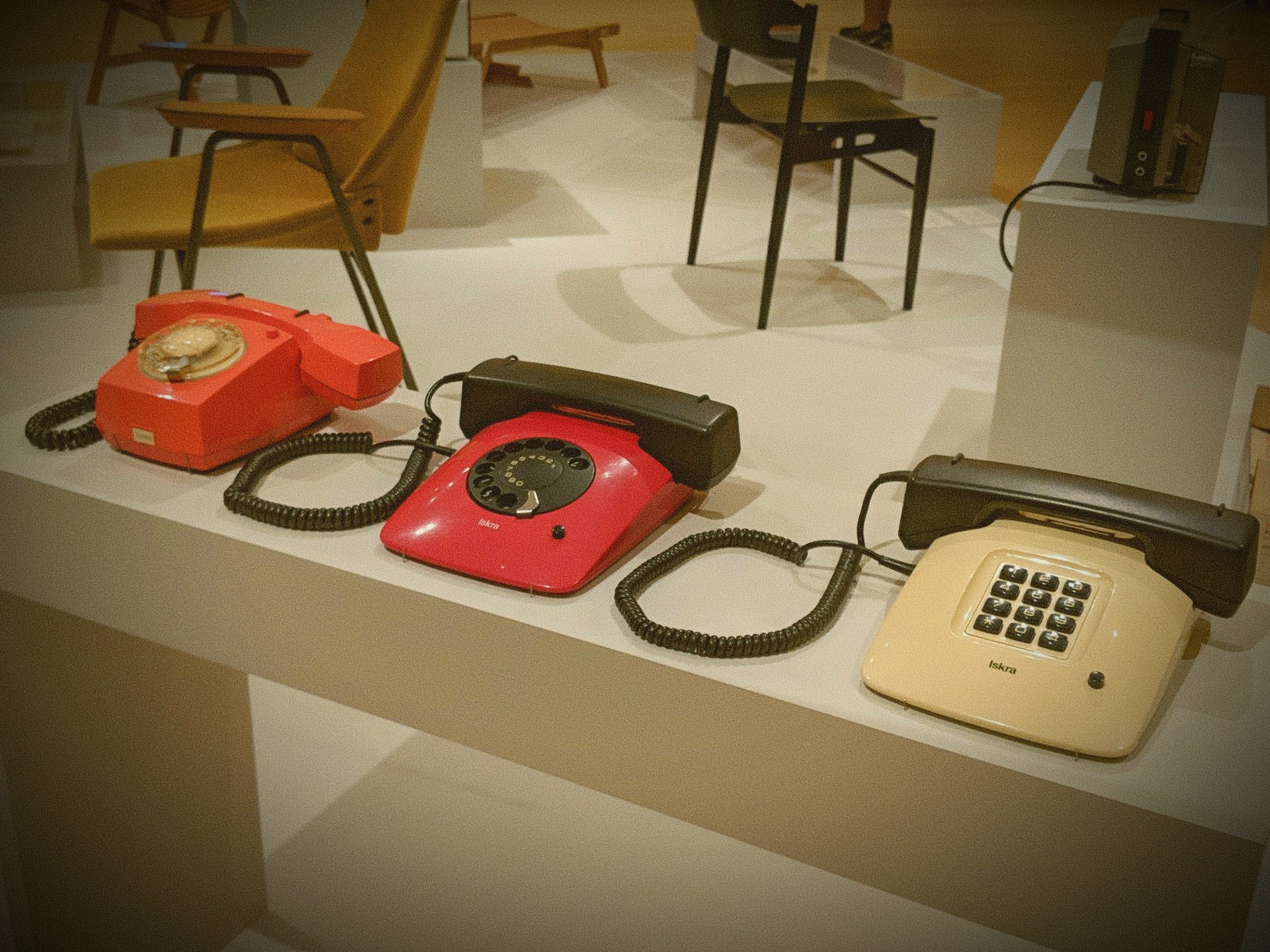
Images:
From ”Toward a Concrete Utopia: Architecture in Yugoslavia, 1948–1980”, an exhibition that ran between July 2018–January 2019 @MoMA.
July 24th, 2018
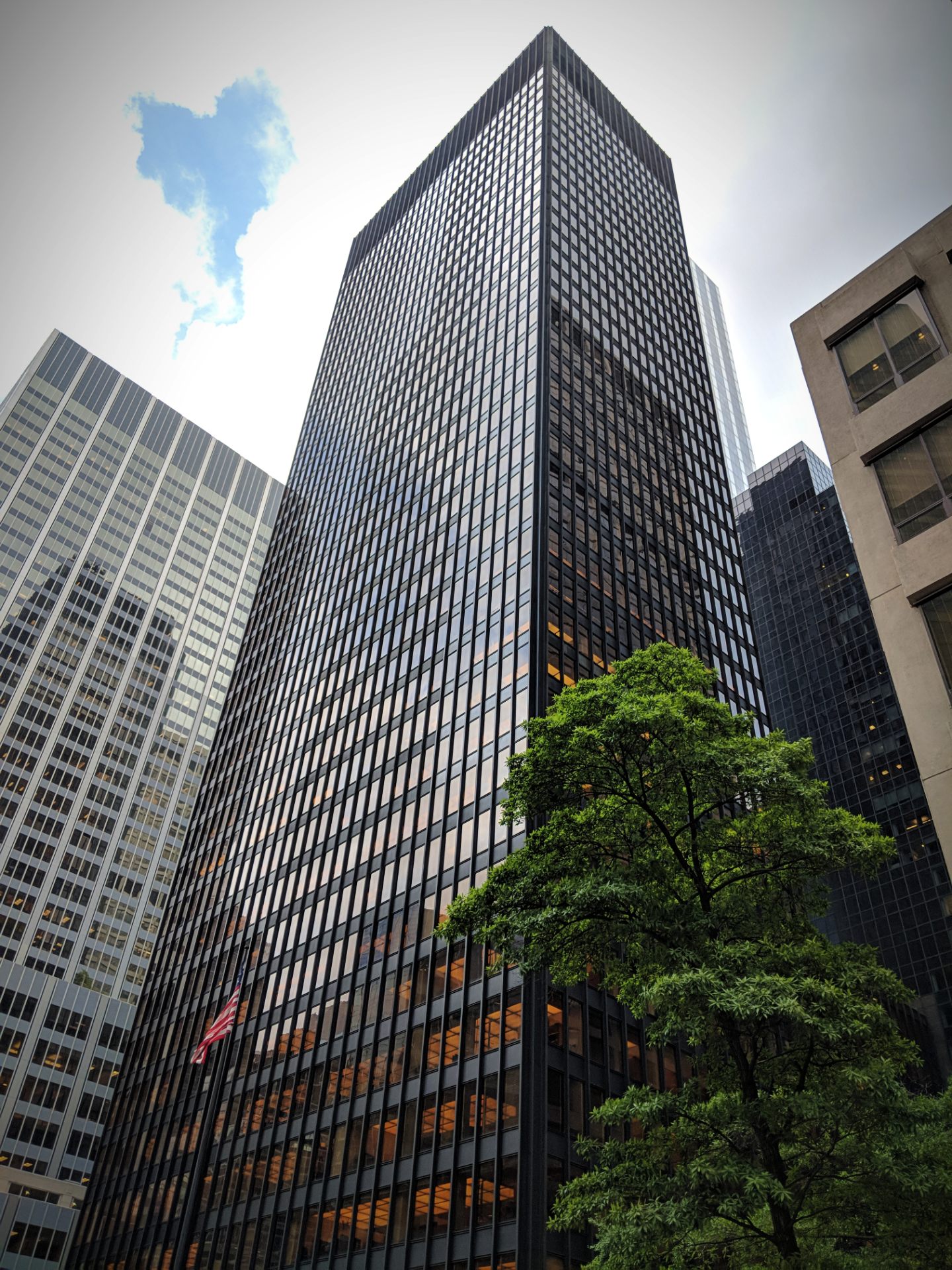
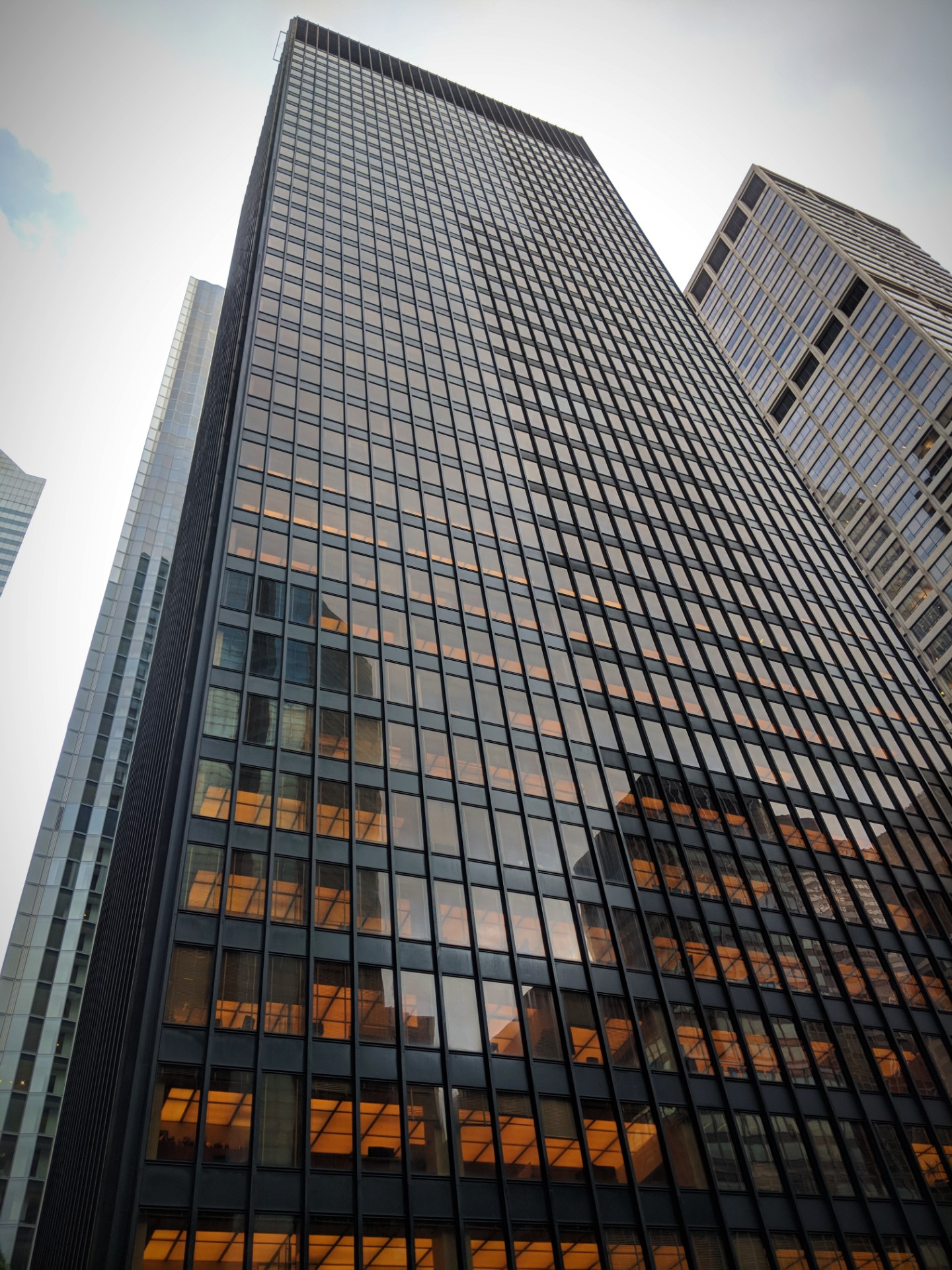
The Seagram Building. Completed in 1958 to house the headquarters of Canadian distillers Joseph E. Seagram & Sons, solely thanks to Phyllis Lambert, the daughter of Samuel Bronfman, Seagram’s CEO, a young sculptor at the time, who later on became an architect herself.
Unhappy with the initial design of the skyscraper her father intended to have built, Phyllis took control of the project, contacted Philip Johnson – who was about to quit his post as director of the architecture department at the Museum of Modern Art to devote himself fully to his architectural practice, and together they enlisted Ludwig Mies van der Rohe, an architect largely regarded as one of the pioneers of modernist architecture. They went on to change Manhattan’s office architecture forever.
The Seagram, built of a steel frame and large non-structural glass walls, became the prototype for future office buildings that largely define Manhattan’s skyline today; buildings that look rather similar yet not quite the same.
There is a reason for this: Mies intended for the steel frame to be visible, but American building codes required that structural steel be covered in a fireproof material, usually concrete, which – if used – would hide the structure, the exact opposite of Mies’ plans. In order to comply, Mies used bronze to create bronze-toned I-beams, which would follow the structural frame that is underneath. These are the beams you see running vertically along the glass windows, a method that has been copied countless times since – although it never seems to be as aesthetically successful as on the Seagram.
But this was not the only pioneering feature implemented on the Seagram: in a move that would differentiate himself from the then architectural establishment, Mies had the whole building set back 100 feet (about 30,5 metres) from the street, creating a large marble plaza which became a very popular gathering area. It also set an example and in 1961, when New York City proposed a revision to its 1916 Zoning Resolution, it included incentives for developers to create similar public spaces.
So, whenever you take a break in one of these cool public spaces within and in-between high buildings in Manhattan, that’s who you have to give your thanks to.

Meanwhile, in the country I grew up knowing as Yugoslavia: ”architects responded to contradictory demands and influences, developing a postwar architecture both in line with and distinct from the design approaches seen elsewhere in Europe and beyond. The architecture that emerged—from International Style skyscrapers to Brutalist “social condensers”—is a manifestation of the radical diversity, hybridity, and idealism that characterized the Yugoslav state itself. Toward a Concrete Utopia: Architecture in Yugoslavia, 1948–1980 introduces the exceptional work of socialist Yugoslavia’s leading architects to an international audience for the first time, highlighting a significant yet thus-far understudied body of modernist architecture, whose forward-thinking contributions still resonate today.” [source]

 Milan Mihelič
S2 Office Tower, Ljubljana, Slovenia
1972-28, Model
 Andrija Mutnjaković
National and University Library of Kosovo, Pristina, 1971-82
Exterior view, 2016
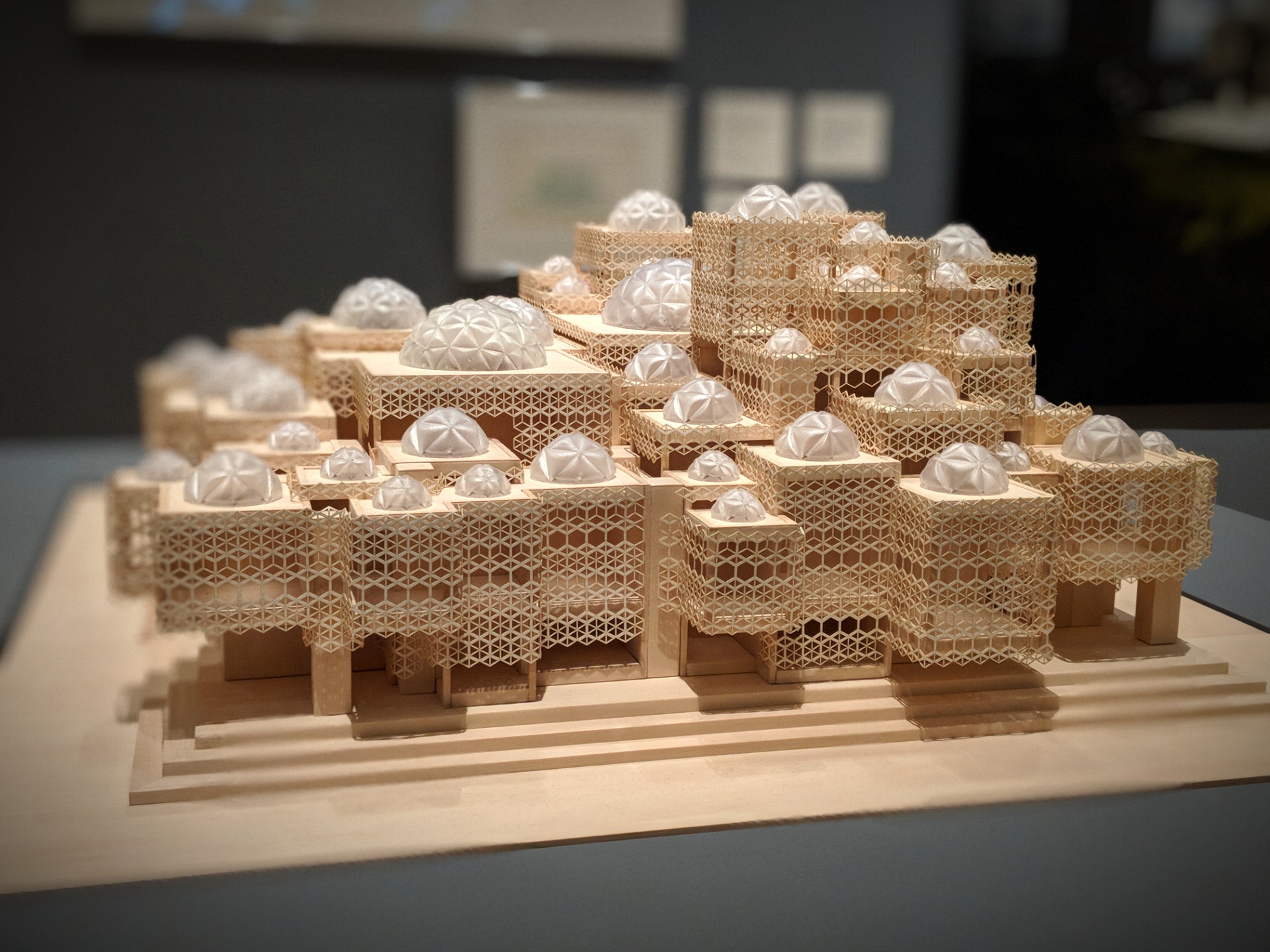 Andrija Mutnjaković
National and University Library of Kosovo, Pristina, 1971-82
Μodel, 1:200, 2017-18
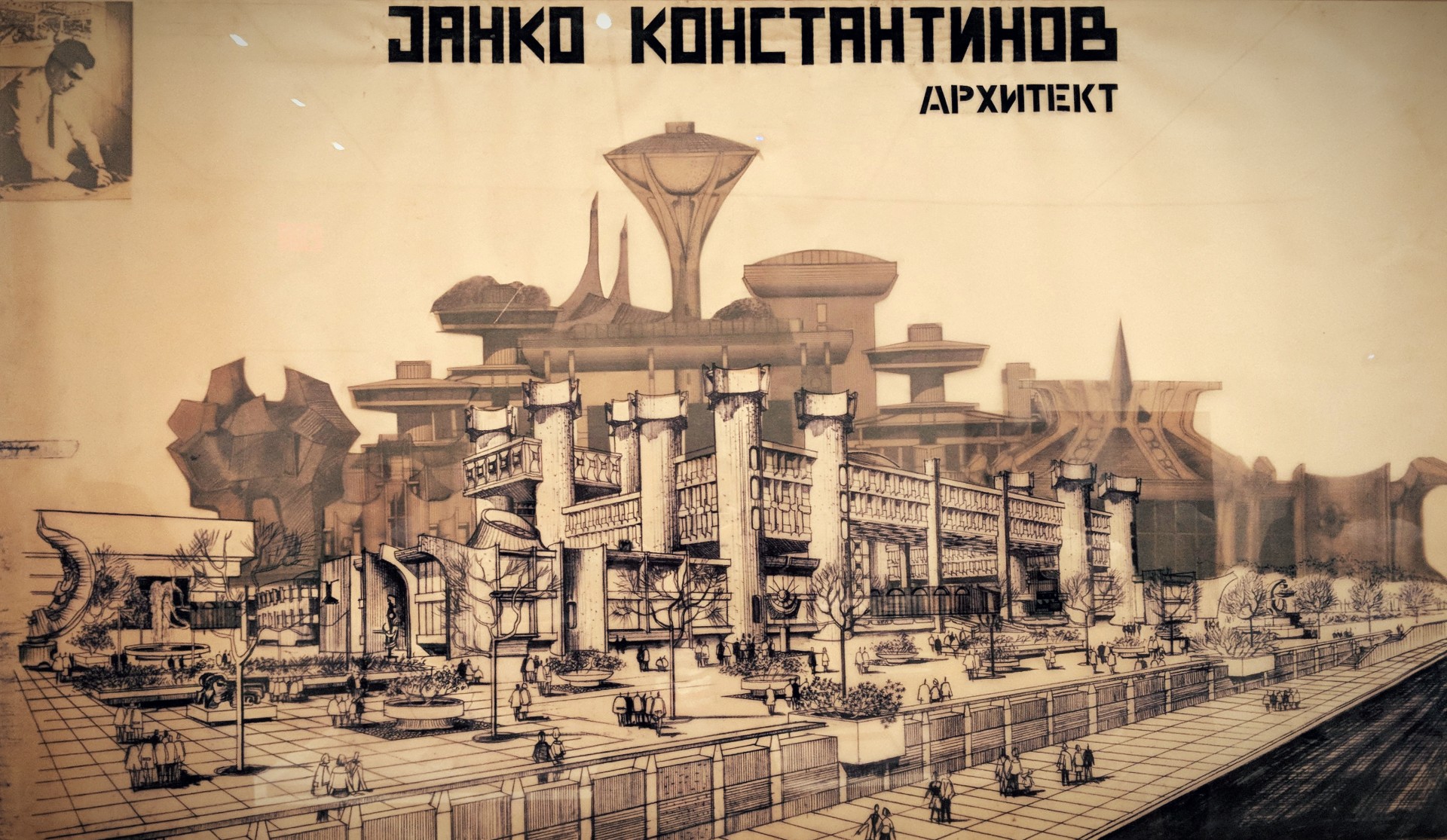 Poster for Janko Konstantinov retrospective, 1984
Collage of different building projects, including the Counter Hall of the Telecommunications Center in the background
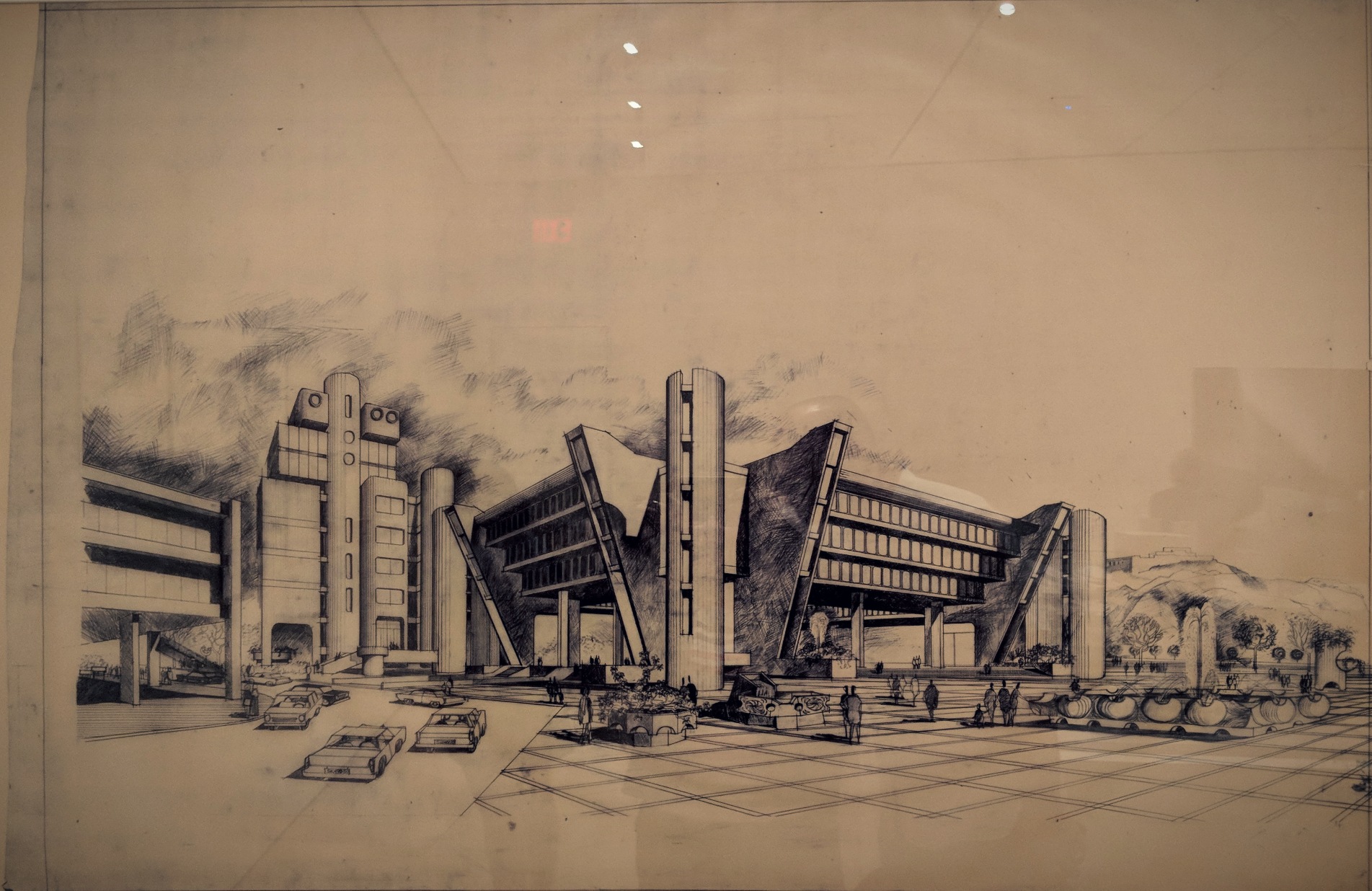 Janko Konstantinov
Telecommunications Centre, Skopje, North Macedonia, 1968-81
Perspective, Print on tracing paper
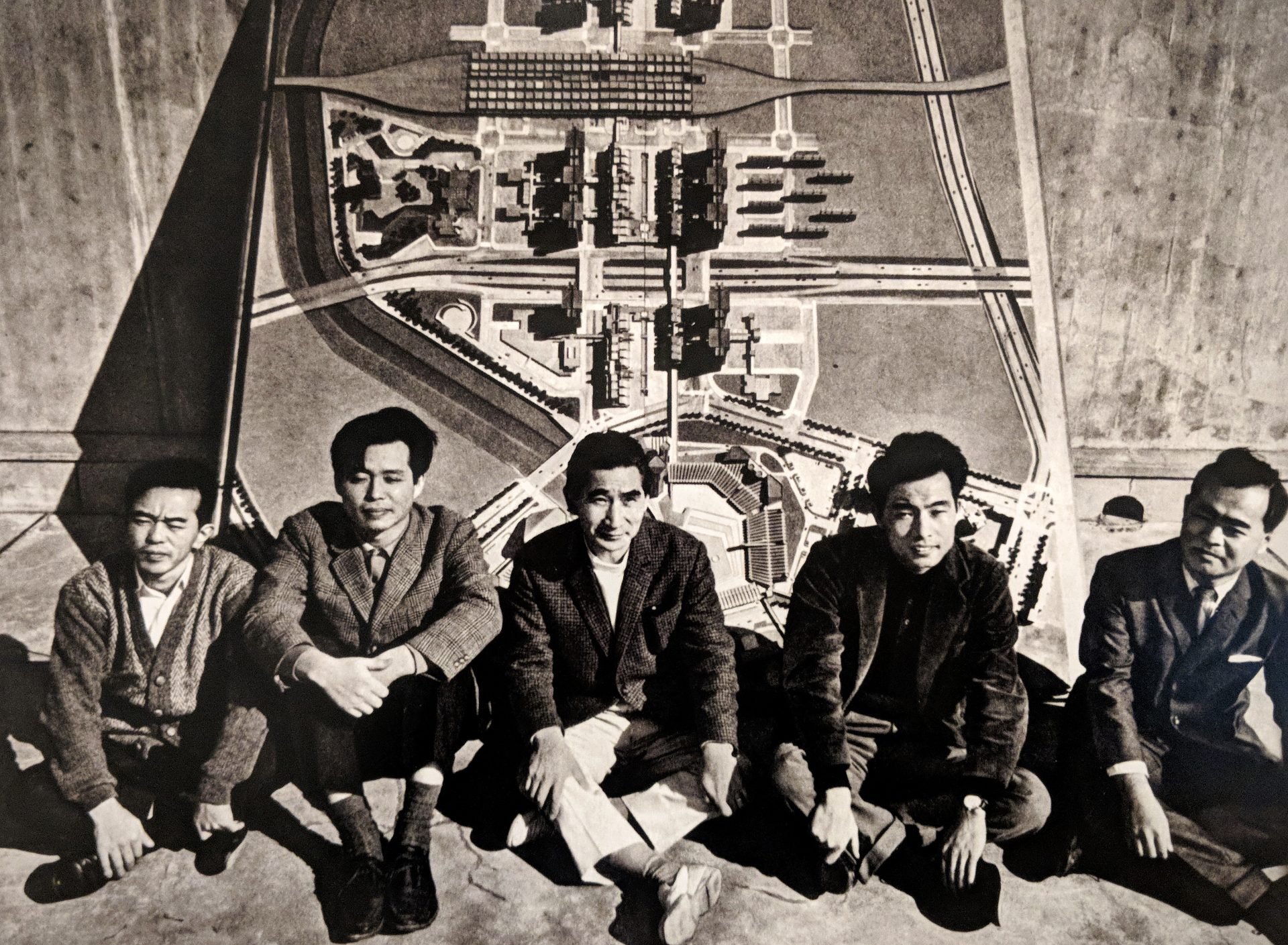 Kenzō Tange and team, working on the Skopje master plan, 1965
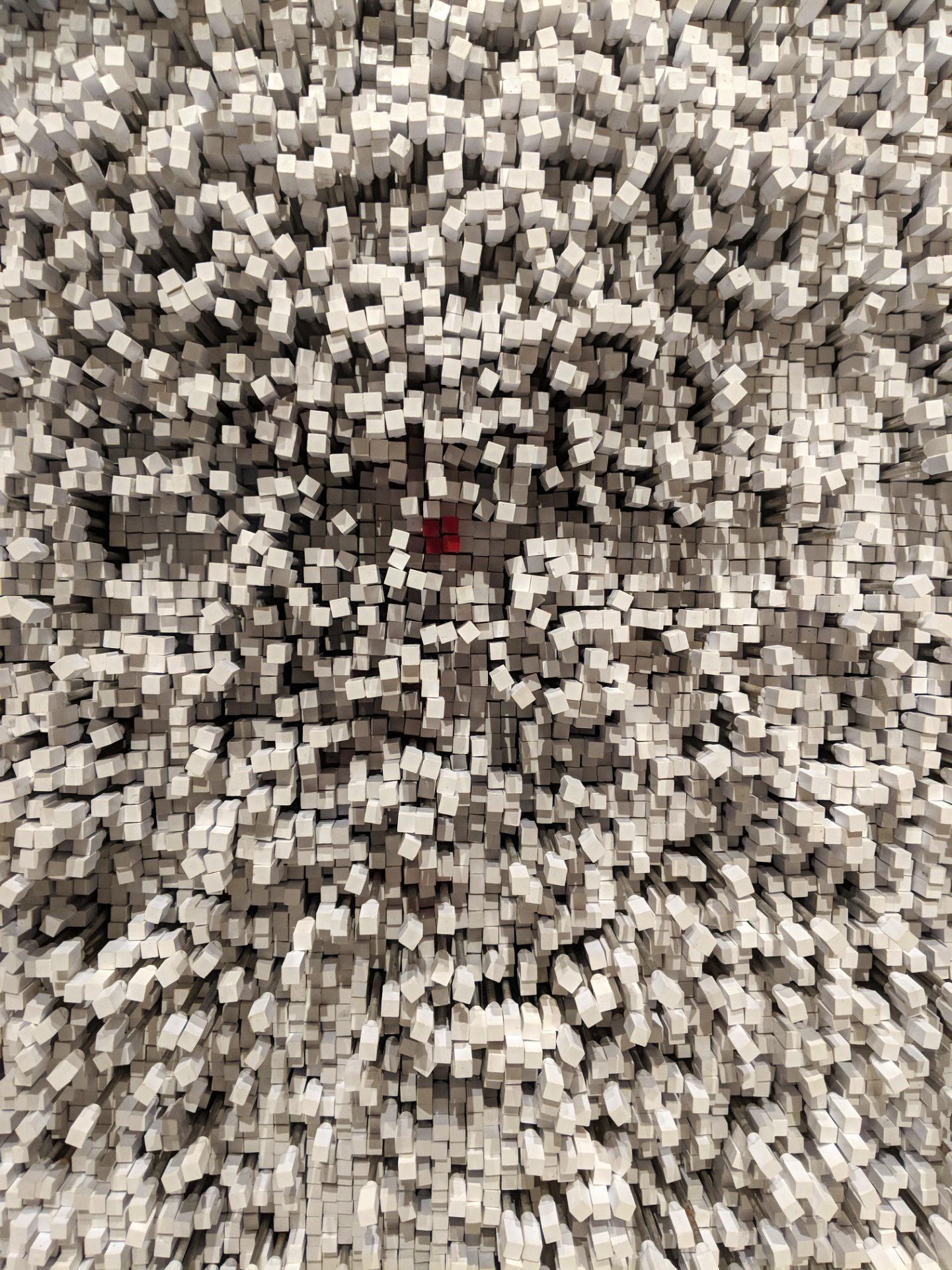 Vjenceslav Richter
Reliefometar (Reliefmetre) 1964
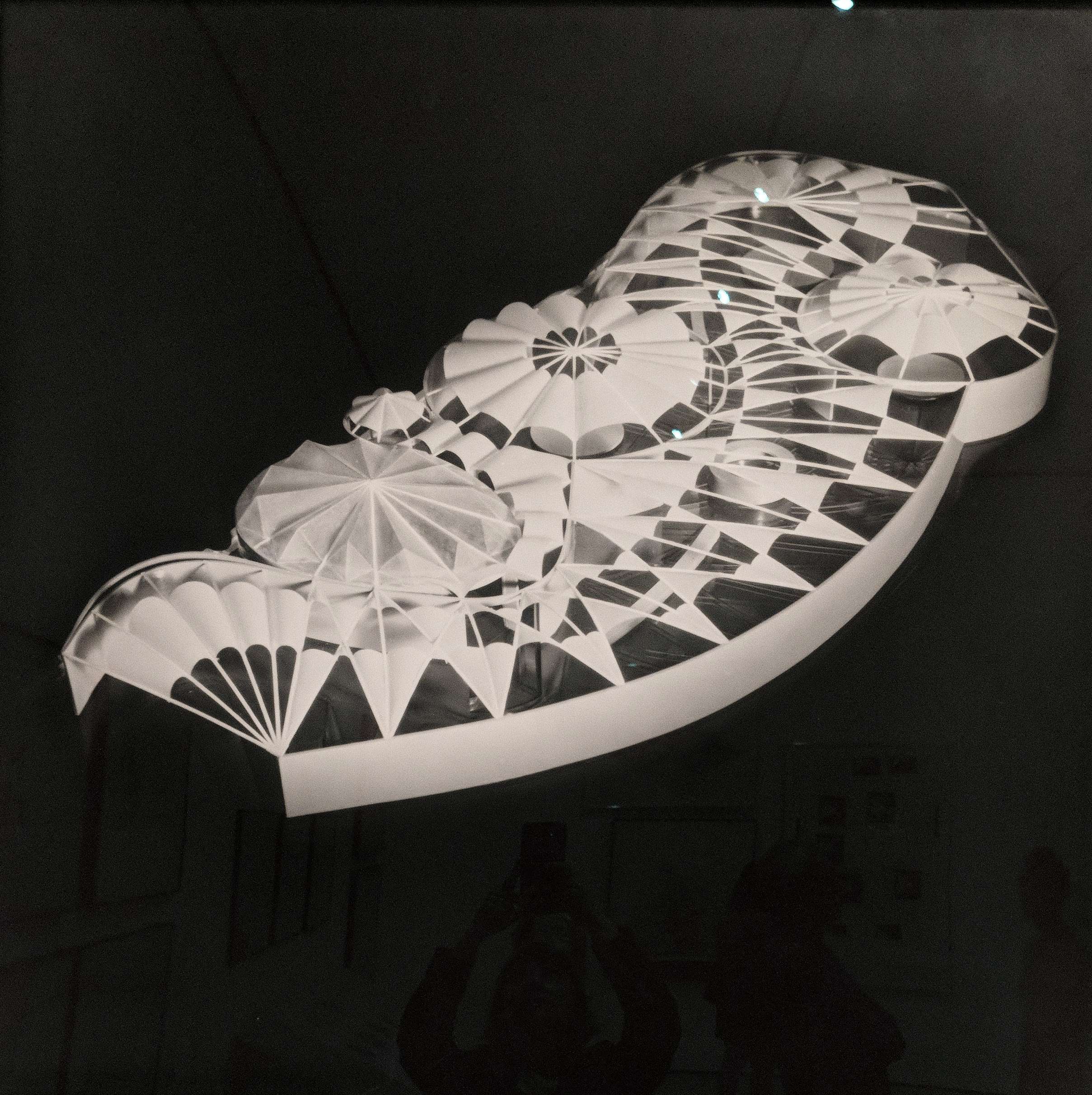 Yugoslav pavillion at the International Labour Exhibition, Turin, Italy
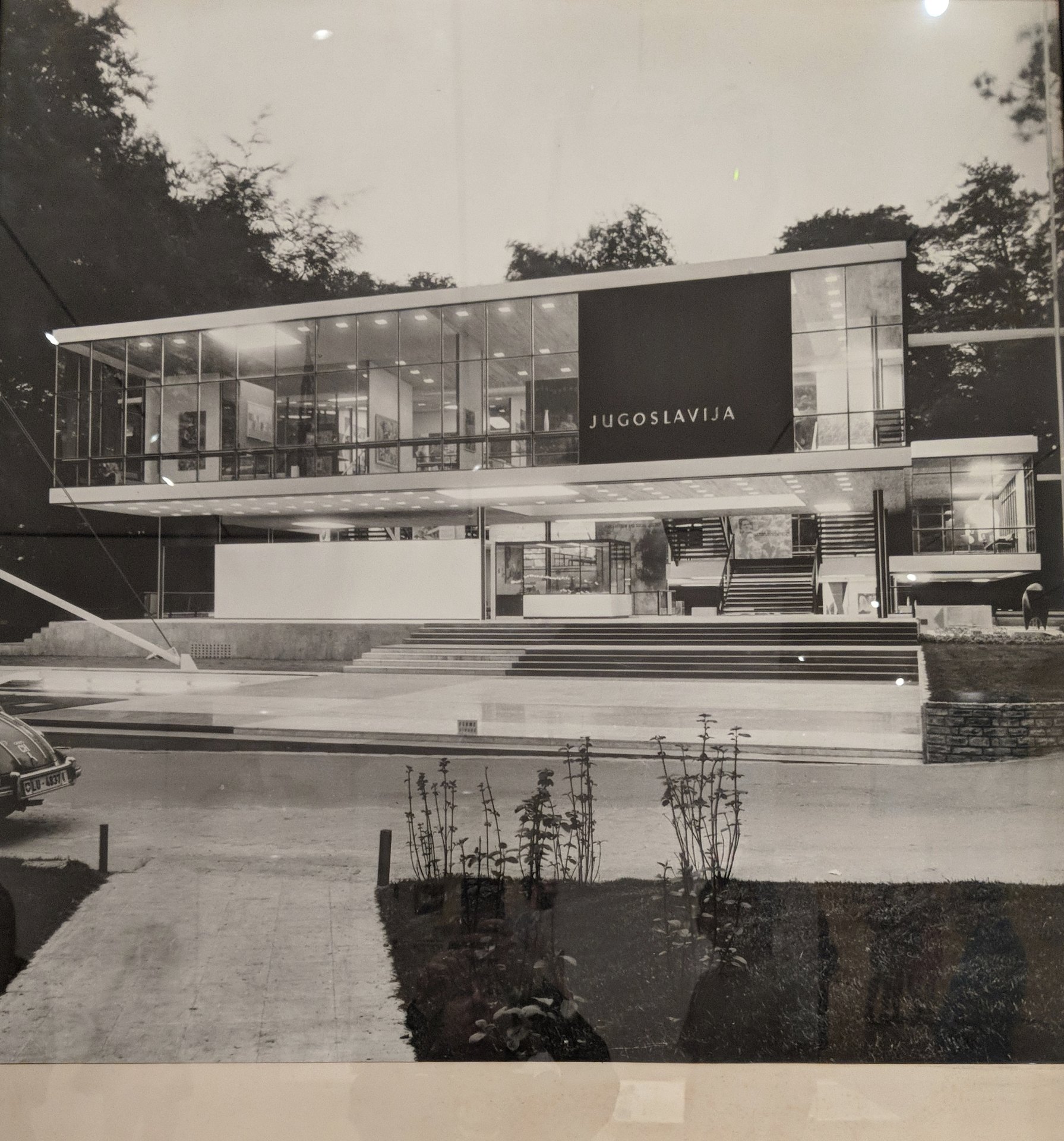 Vjenceslav Richter
Yugoslav Pavilion at Expo 58, Brussels, Belgium
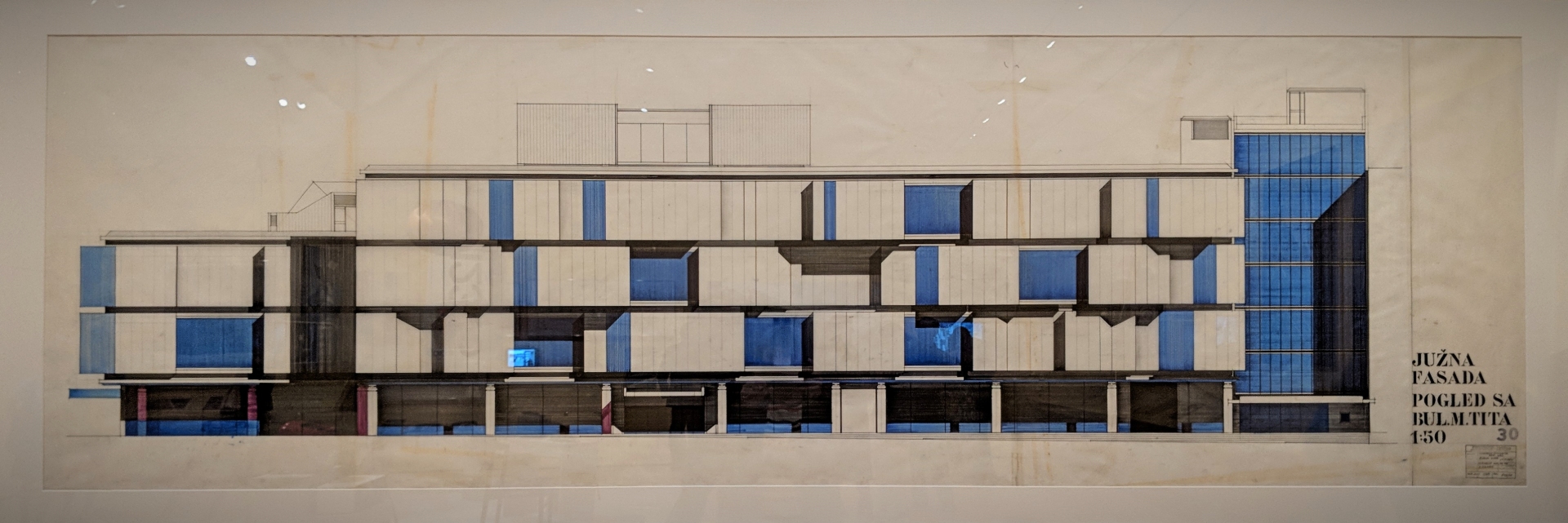 Milan Mihelič
Stoteks Department Store, Novi Sad, Serbia, 1968-72
South elevation, 1:50
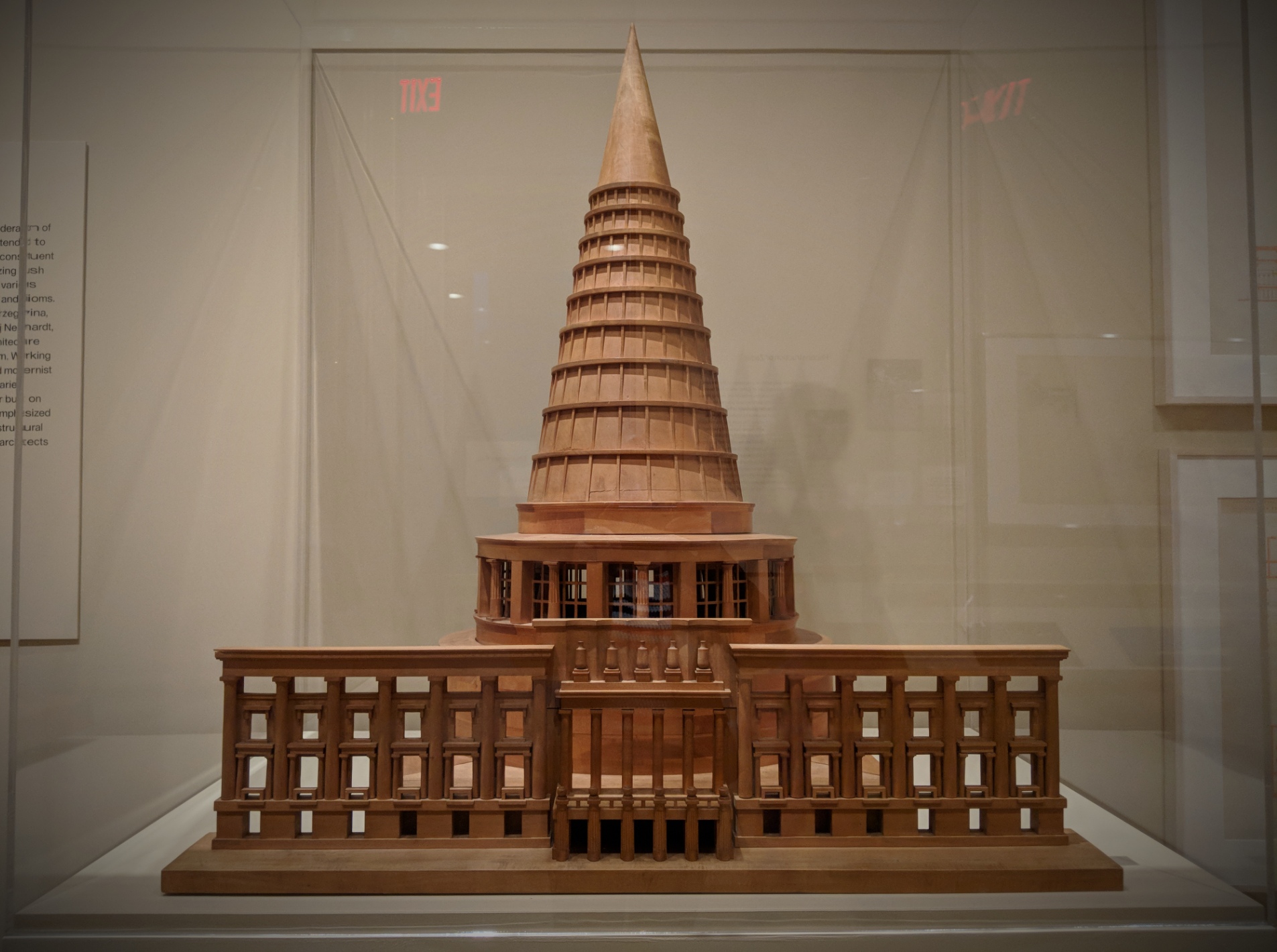 Jože Plečnik
Slovenian Parliament, Ljubljana, 1947-48
Model 1:100
 Juraj Neidhardt
Residential Neighbourhoods for Socialist City, 1969
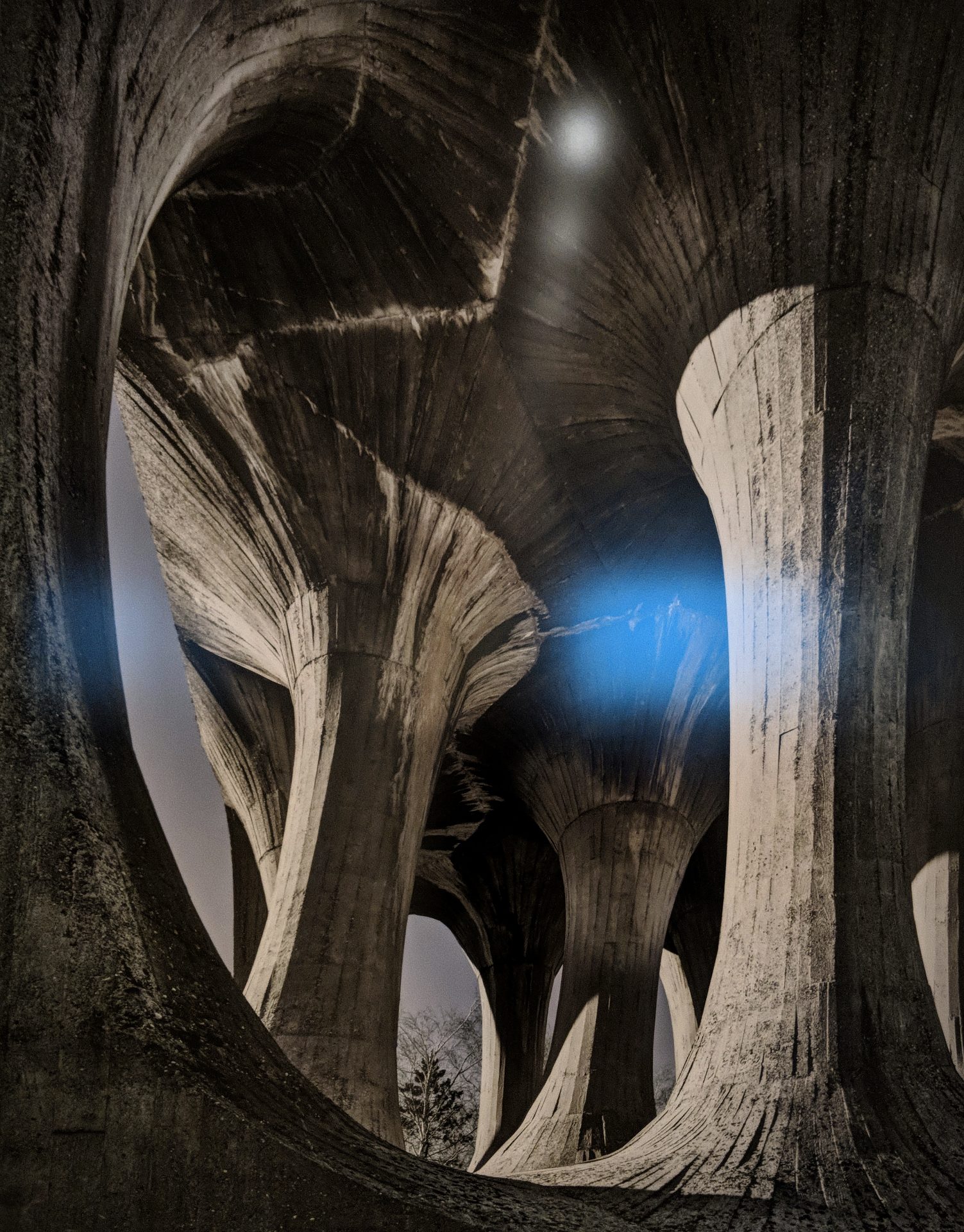 Janez Lenassi (sculptor) & Živa Baraga (architect)
Monument to the Fighters Fallen in the People’s Liberation Struggle
Ilirska Bistrica, Slovenia, 1965
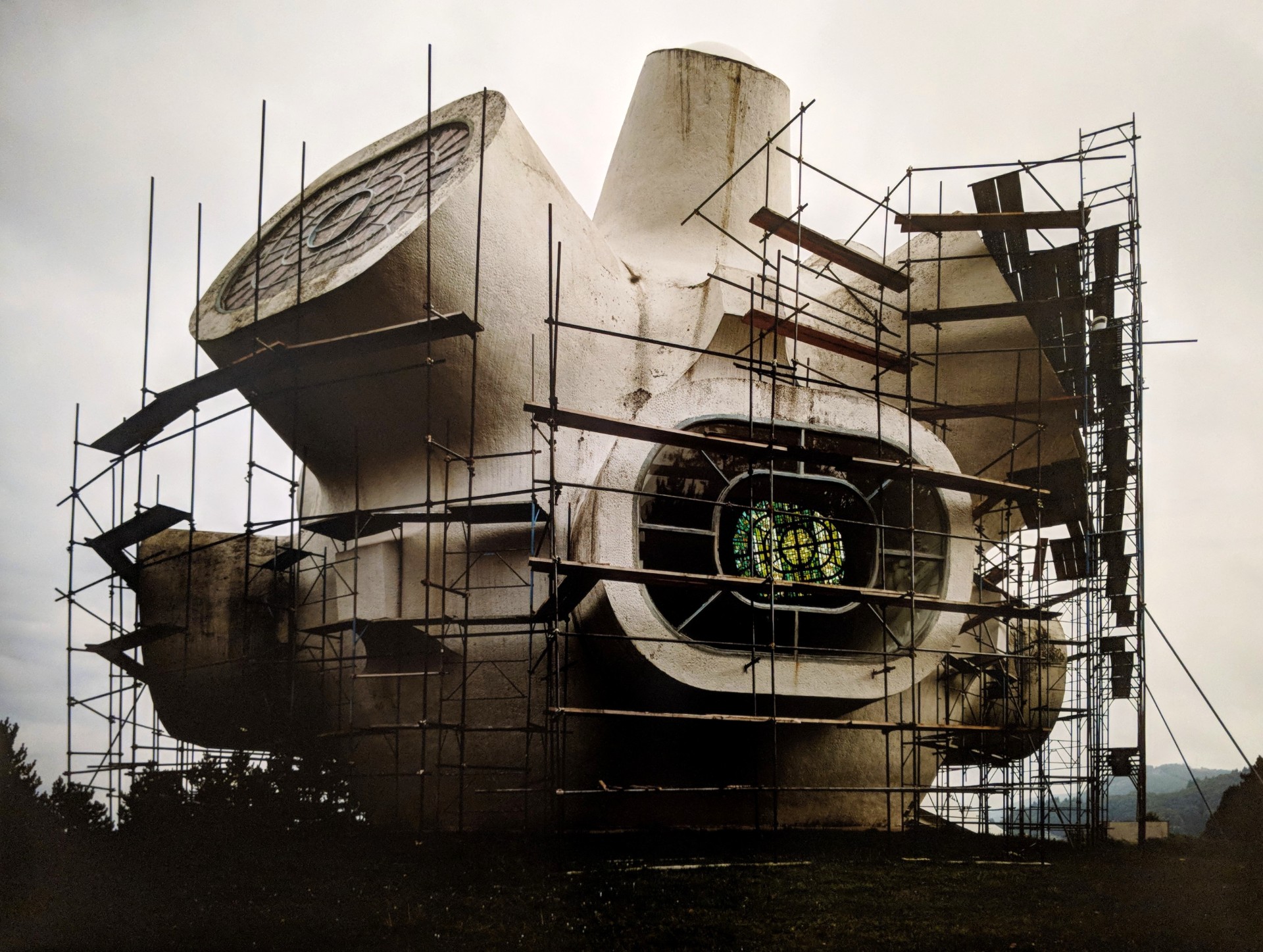 Iskra Grabul & Jordan Grabul
Monument to the Ilinden Uprising, Kruševo, North Macedonia, 1970-73
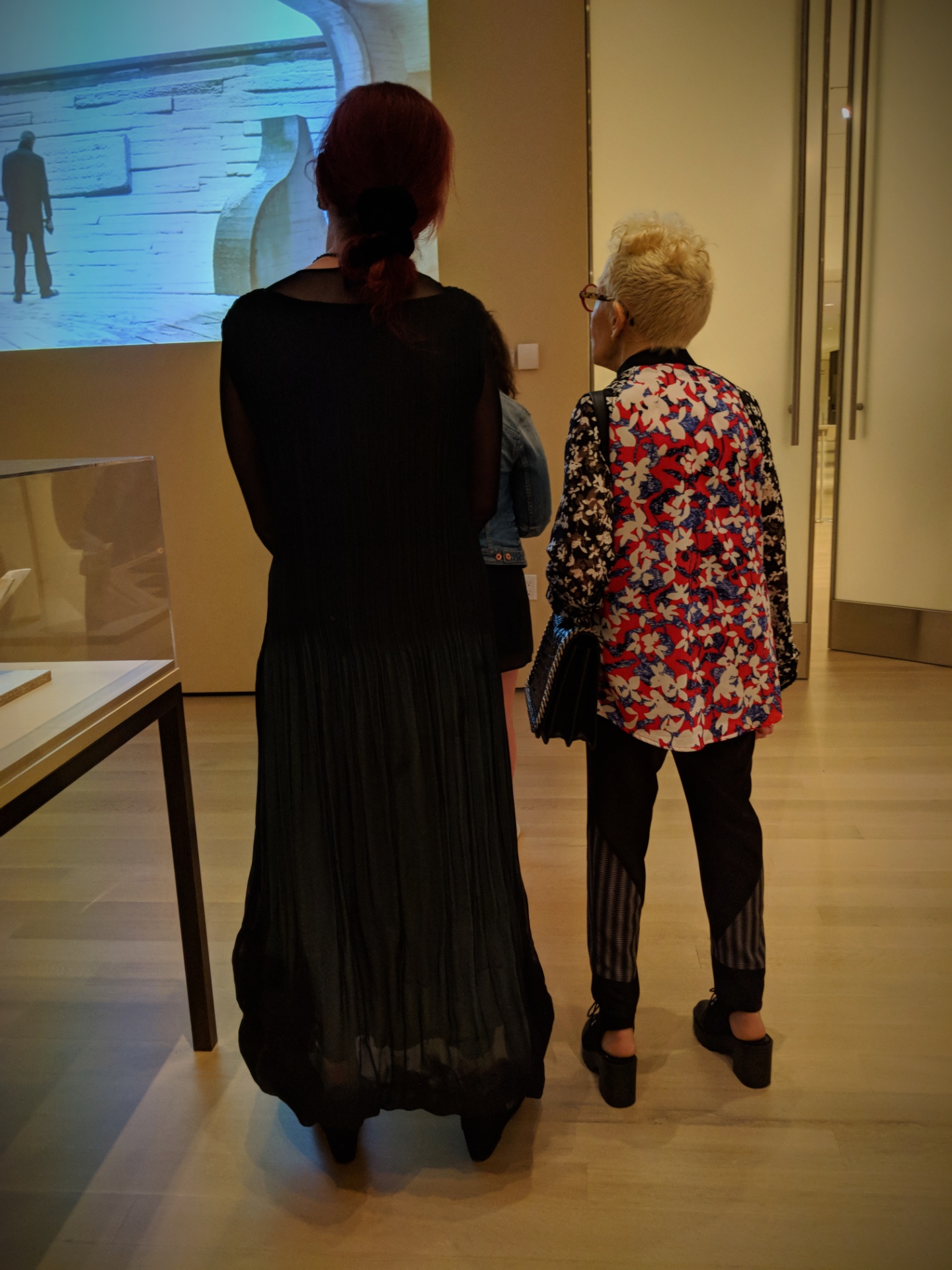


Toward a Concrete Utopia: Architecture in Yugoslavia, 1948–1980, was an exhibition @MoMA that ran between July 2018–January 2019.
In 1992, following a series of political and economical crises, Yugoslavia broke up into six independent countries: Serbia, Montenegro, Bosnia & Herzegovina, Croatia, Slovenia and North Macedonia.
The Seagram Building is located at 375 Park Avenue, between 52nd & 53rd Streets, in Midtown Manhattan.
July 24th, 2018



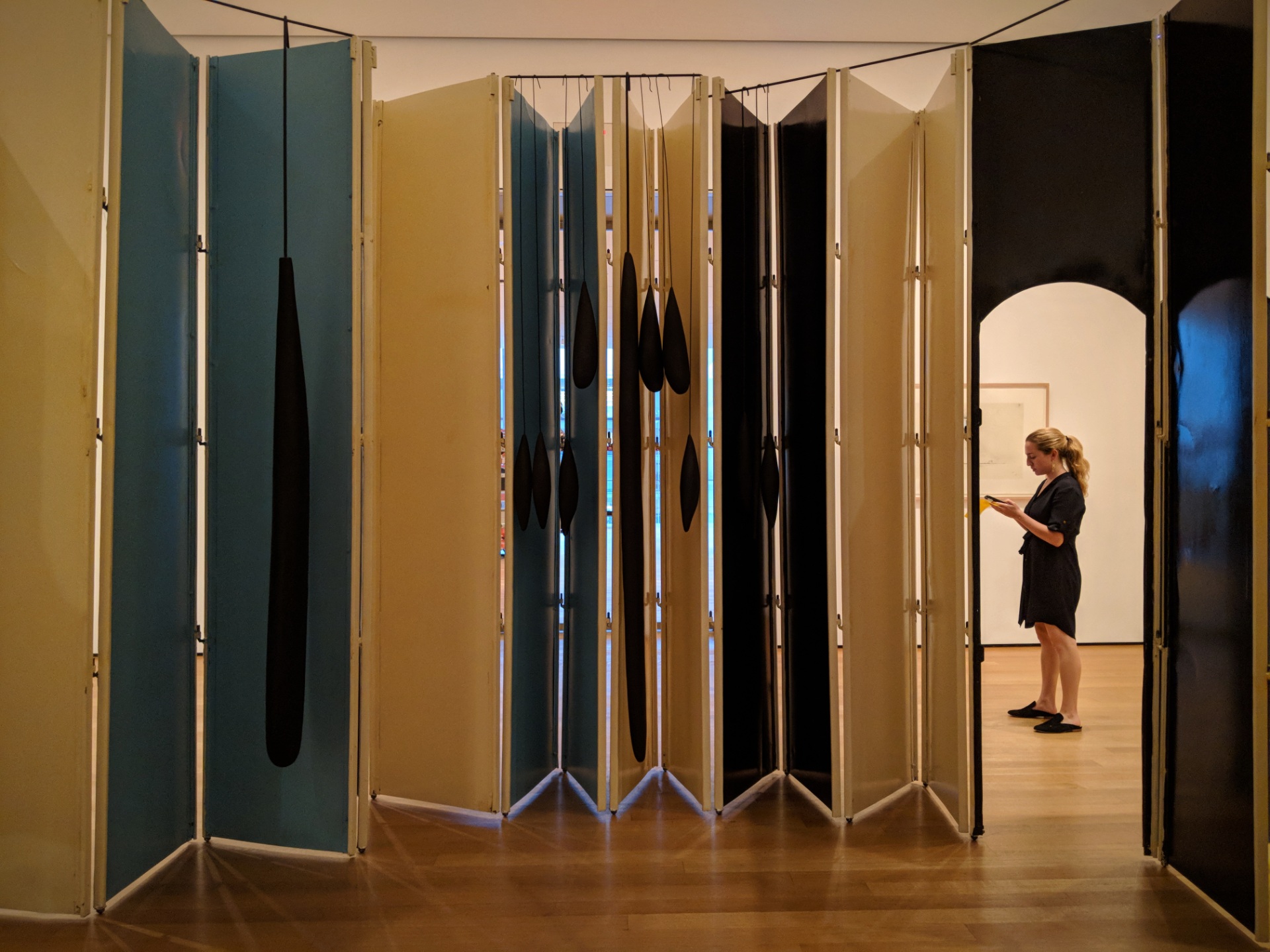

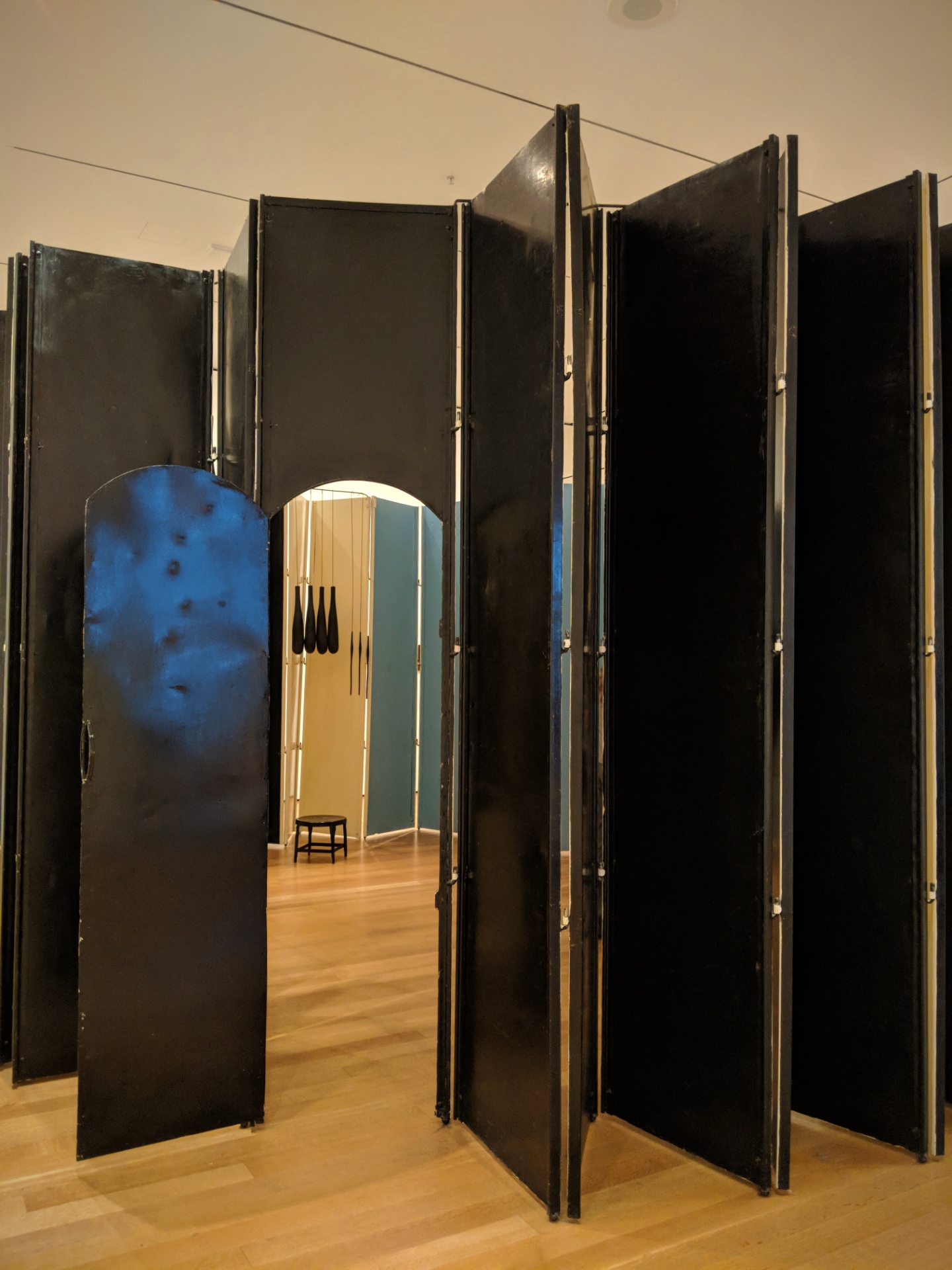
Louise Bourgeois || Articulated Lair, 1986 || Painted steel, rubber and metal
@MoMA, Midtown Manhattan
July 24th, 2018
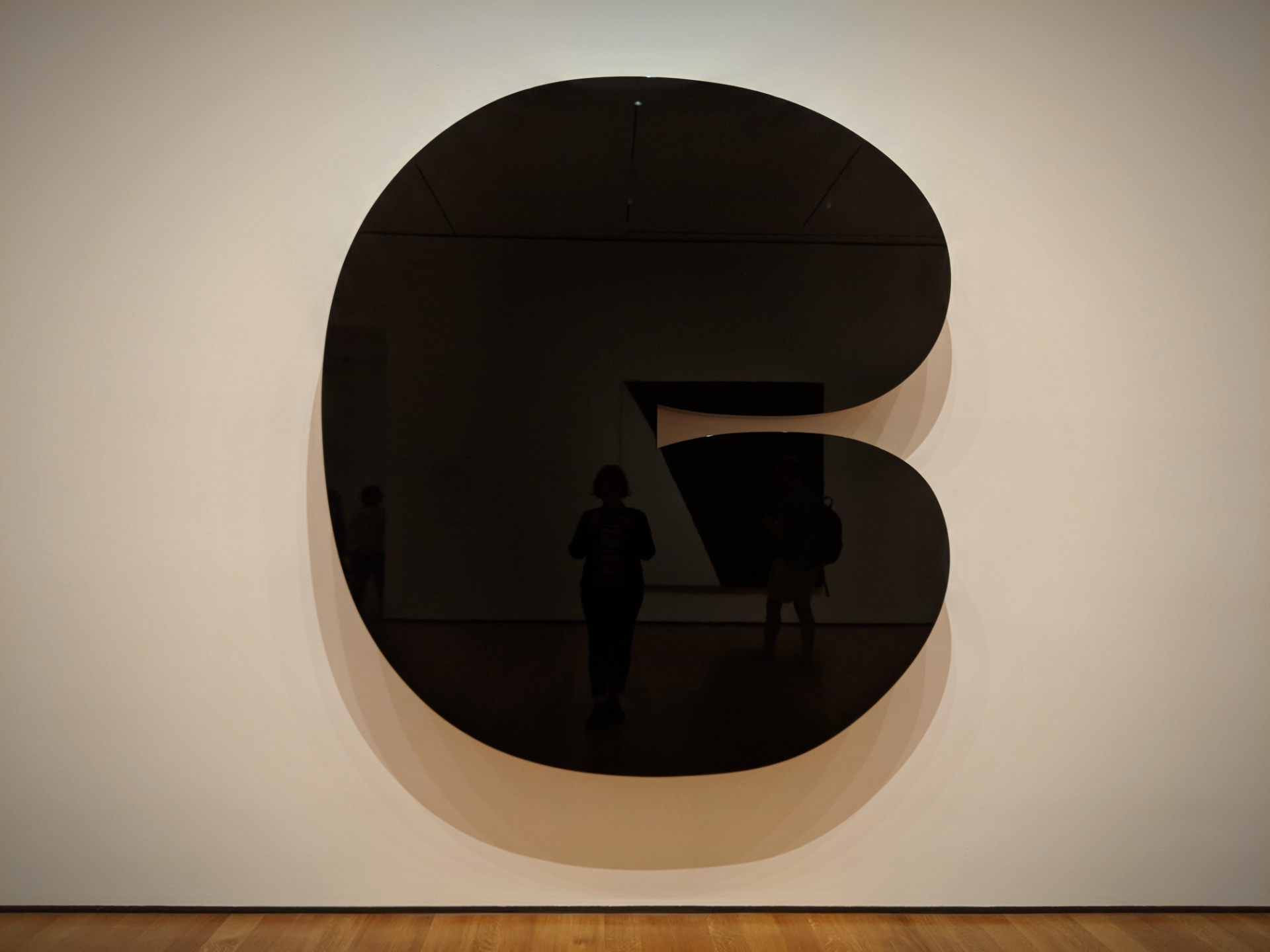
To blob blog about the general mood of the times we live in…

Ken Price
Slenderella 2003
Synthetic polymer paint on fired clay
@MoMA Collection
July 24th, 2018
From Fort Tryon Park, a walk through the Hudson River Greenway offers a glimpse into utopia – or so it seems, if you can call yourself a resident in the Castle Village and read your newspaper in that garden with the George Washington Bridge only a breath away.
Designed by architect, George Fred Pelham Jr. in 1938-39, only about fifteen years after his father, George Fred Pelham Sr., designed another distinctive complex just across the street, the Hudson View Gardens. From a time when Manhattan was still a city of brick and mortar and had not yet succumbed to glass and steel.
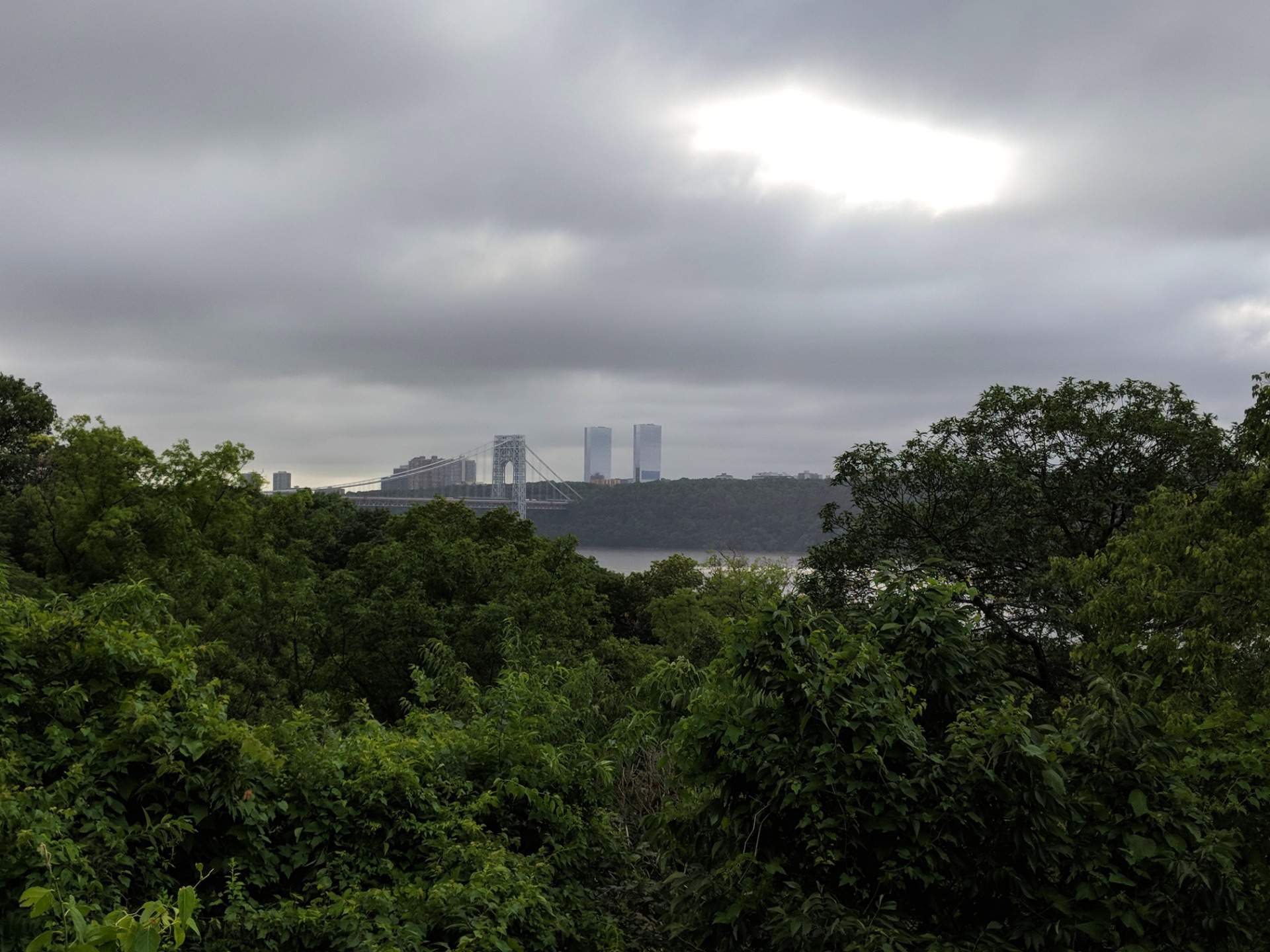

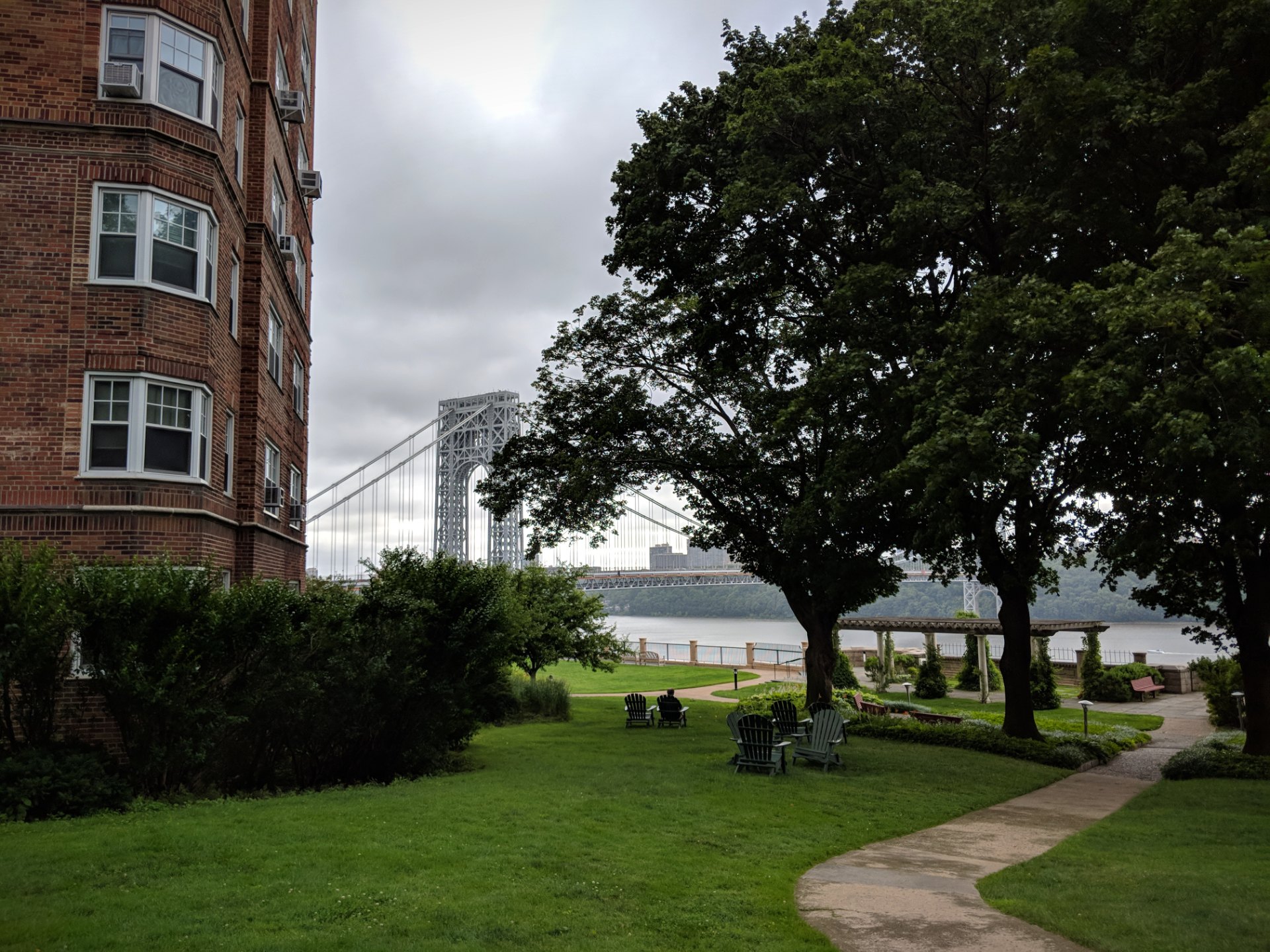

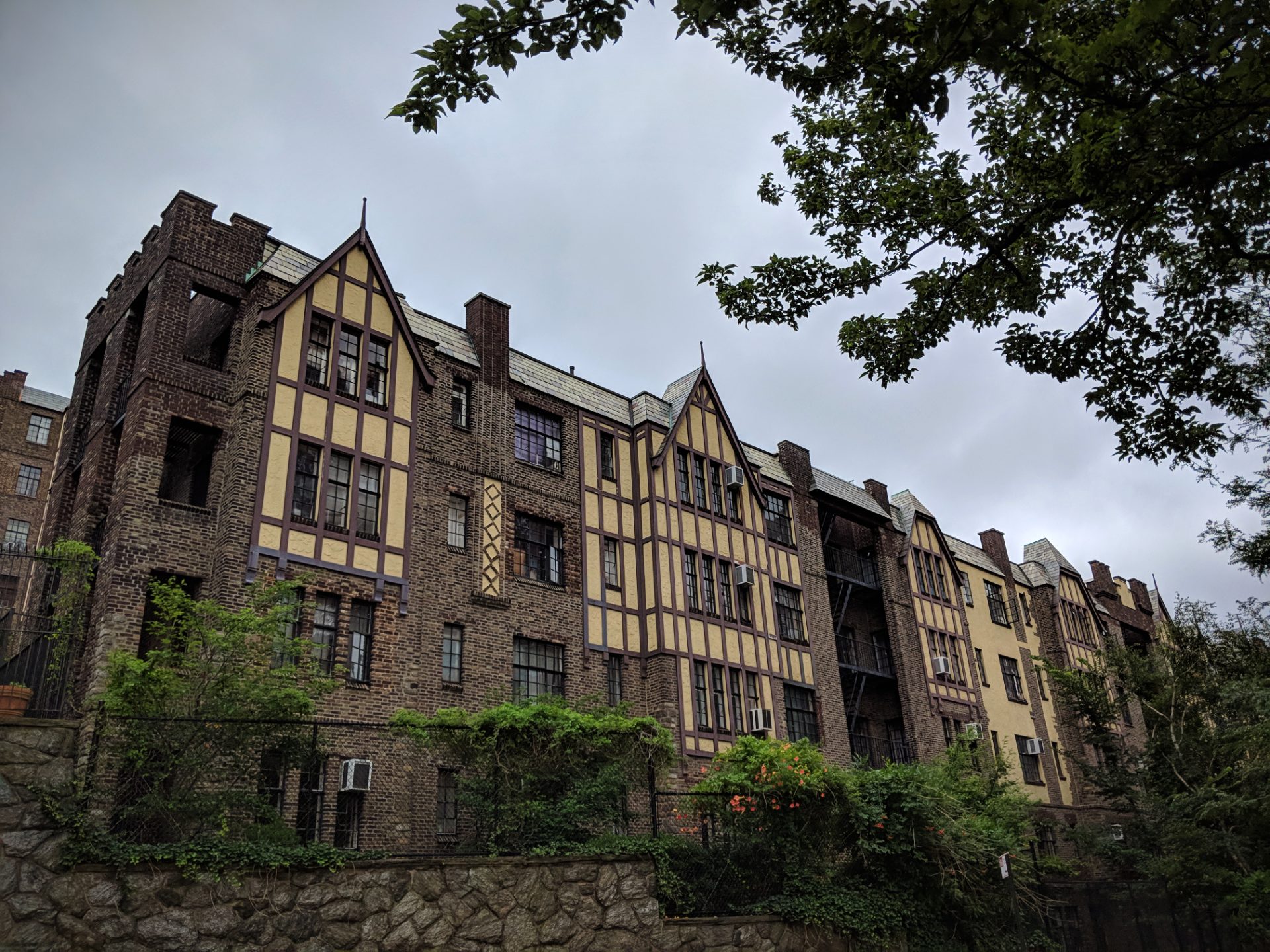
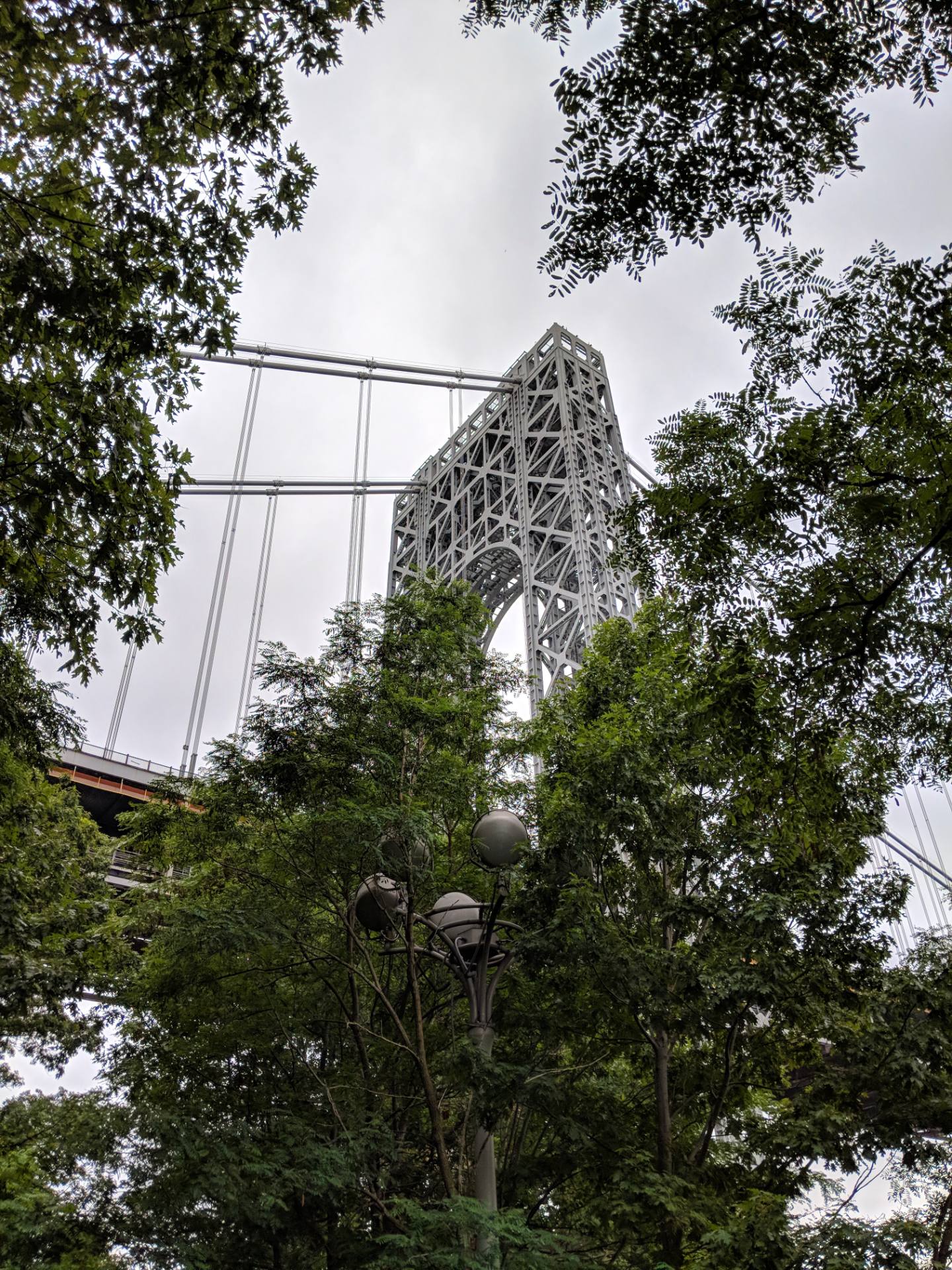
July 22nd, 2018
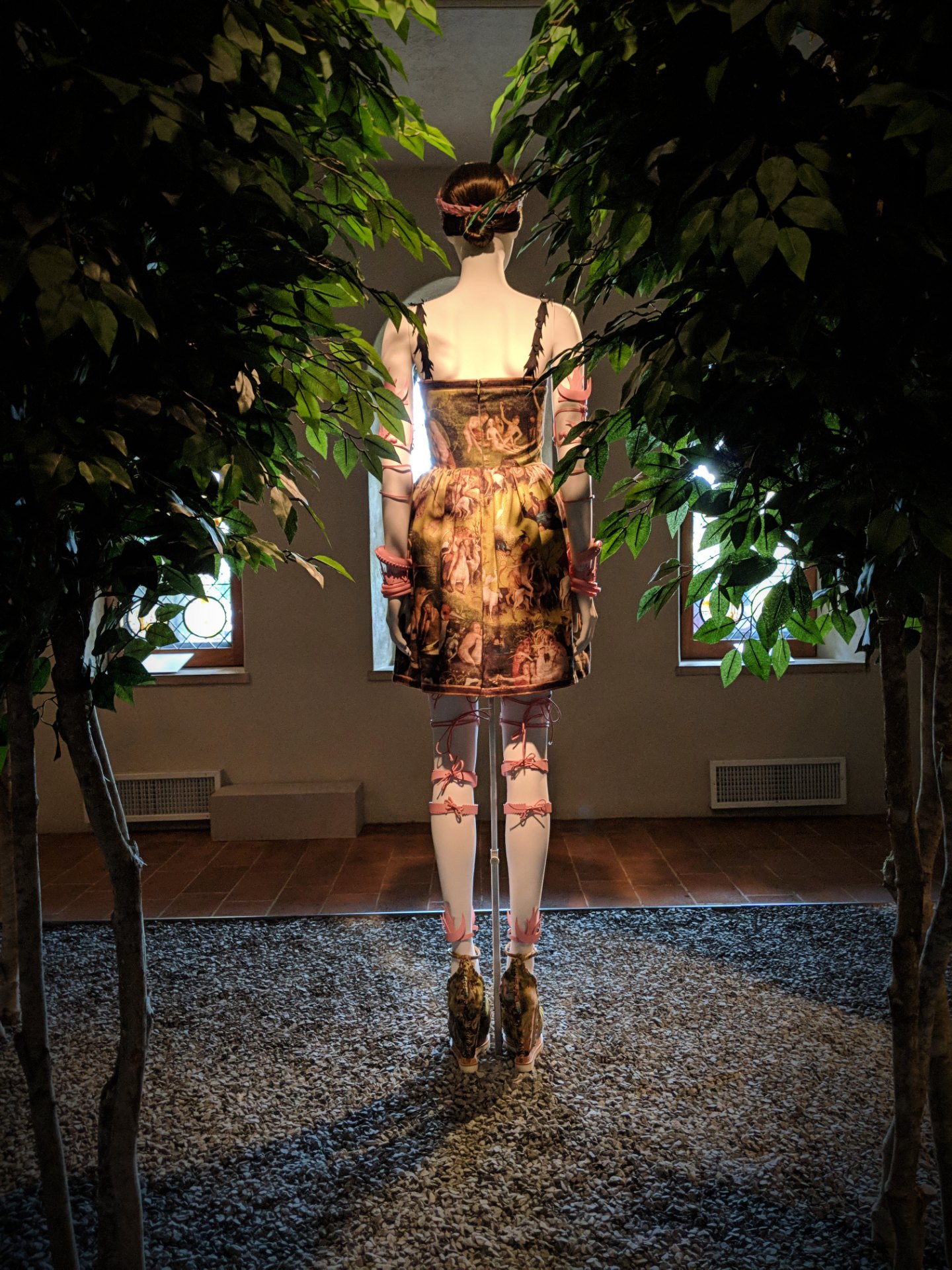
Of Earthly Delights
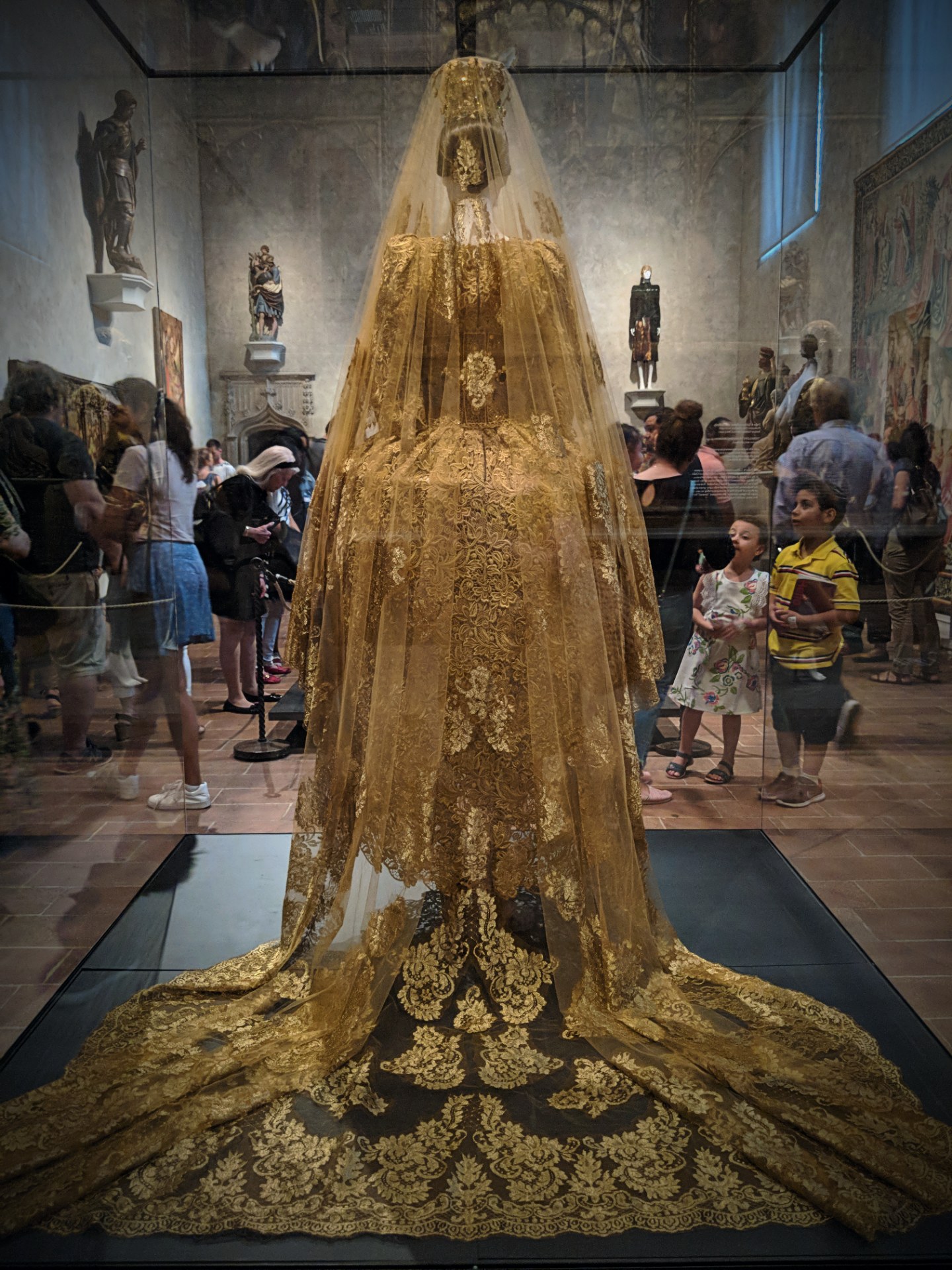 Dolce & Gabbana
”Penelope” wedding ensemble, S/S 2013
 Valentino
Evening dress, S/S 2014
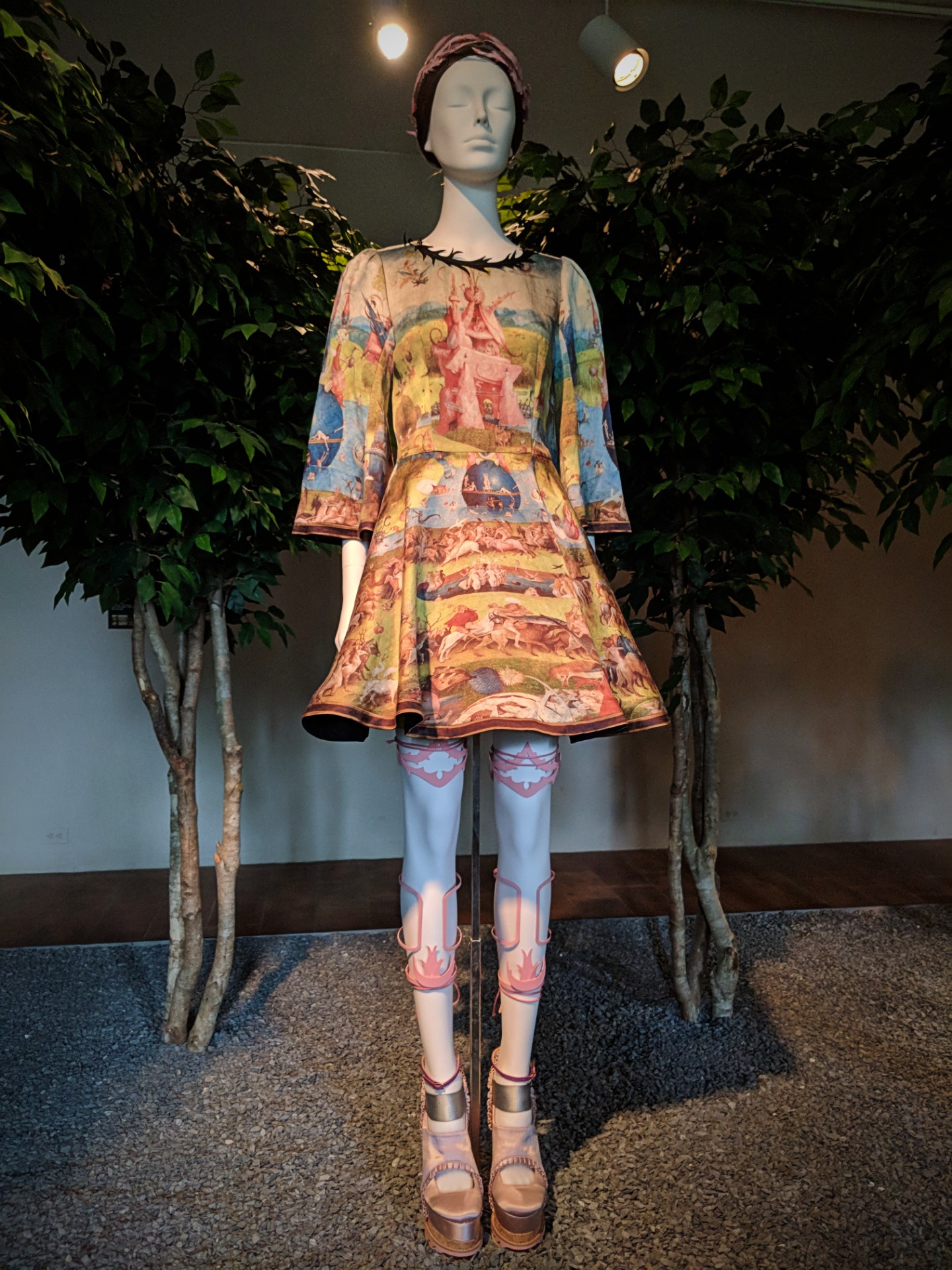 Undercover, Jun Takahashi
Ensembles, S/S 2015, printed with iconography from Hieronymus Bosch’s triptych ”The Garden of Earthly Delights”
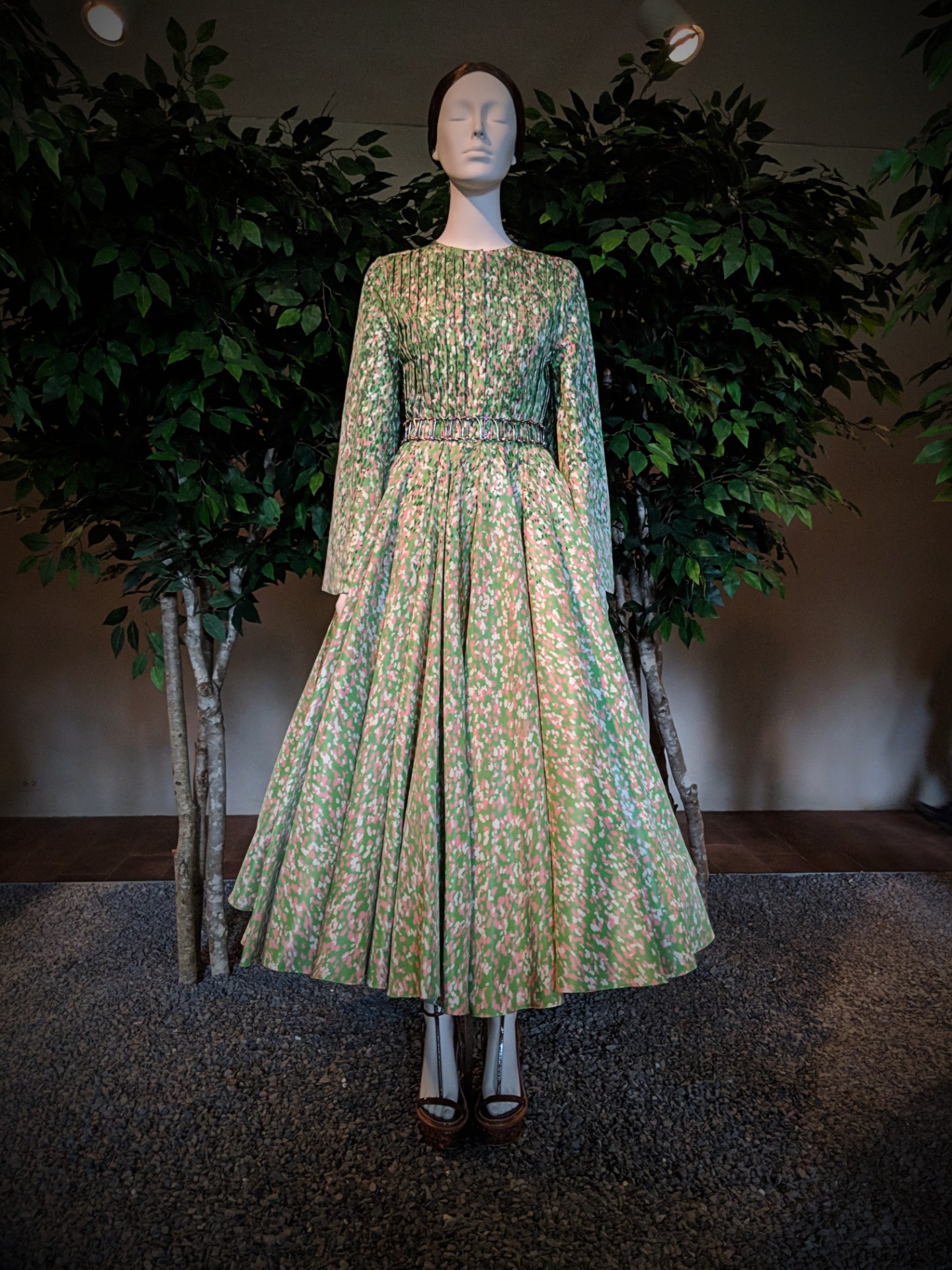 House of Dior
Raf Simons, Evening dress, A/W 2015-16
A more abstracted interpretation of Hieronymus Bosch’s painting ”The Garden of Earthly Delights”
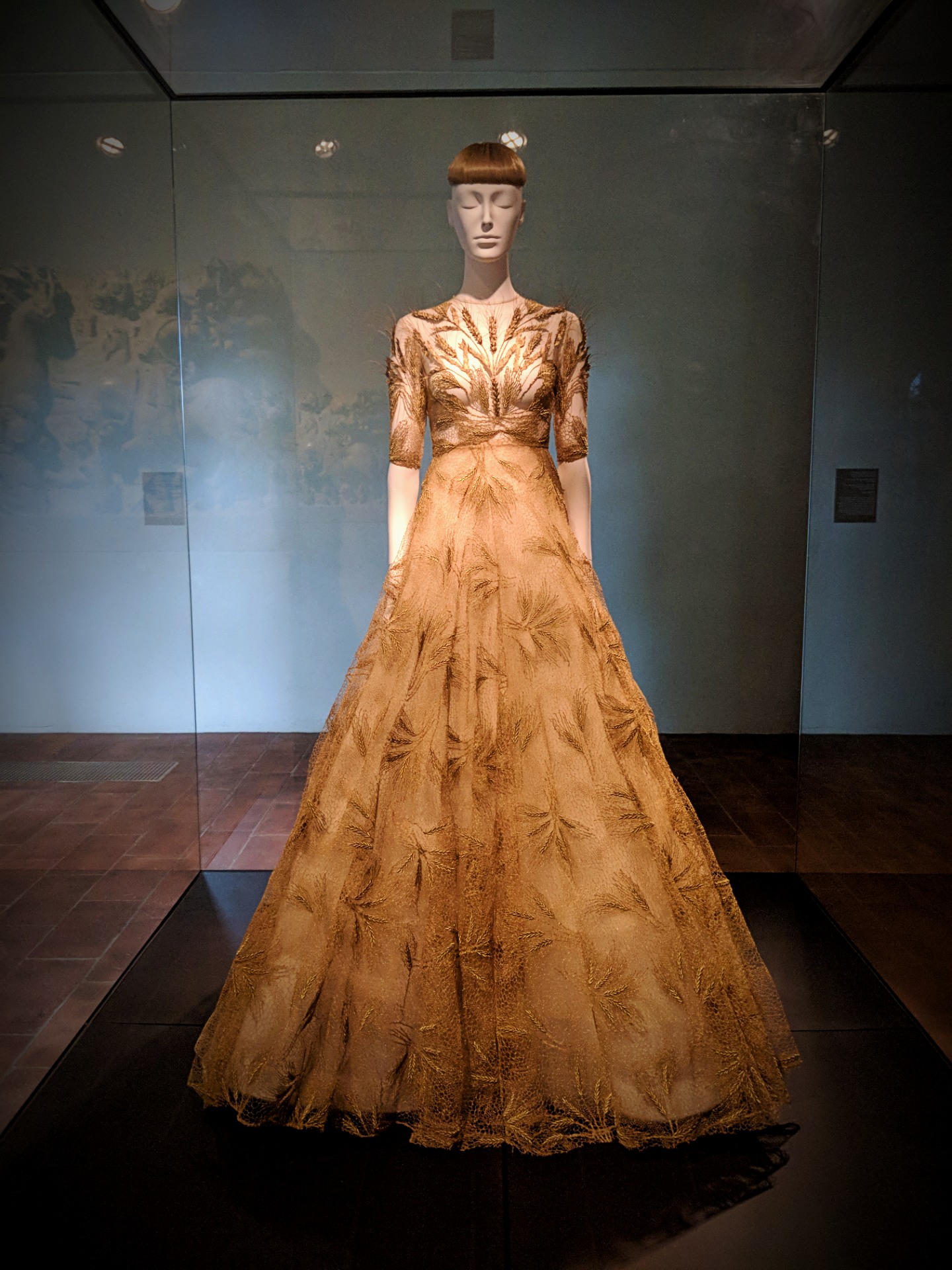 Valentino
Evening Dress, A/W 2015-16

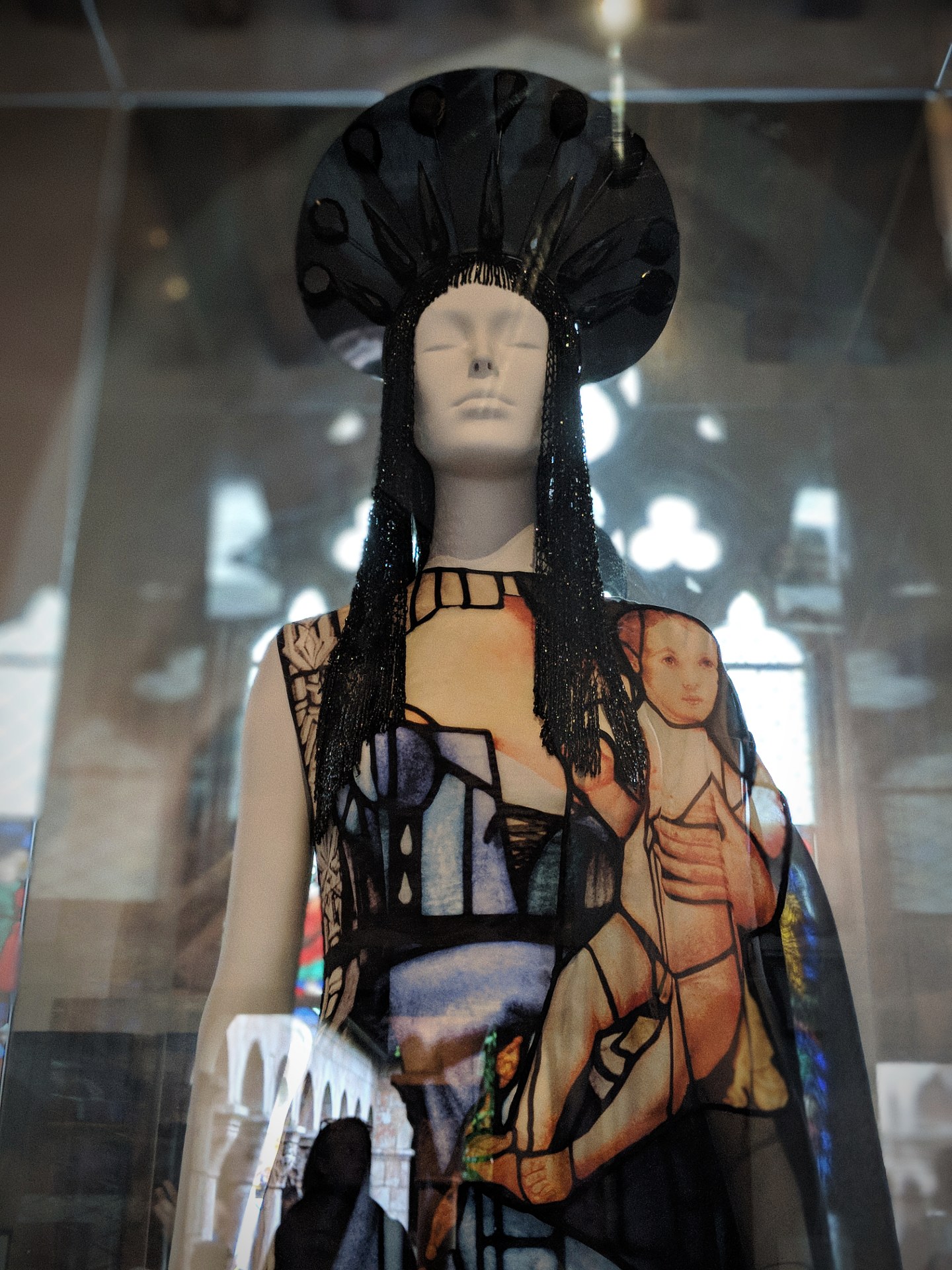 Jean Paul Gaultier
‘Lumiere’, Evening ensemble, S/S 2007
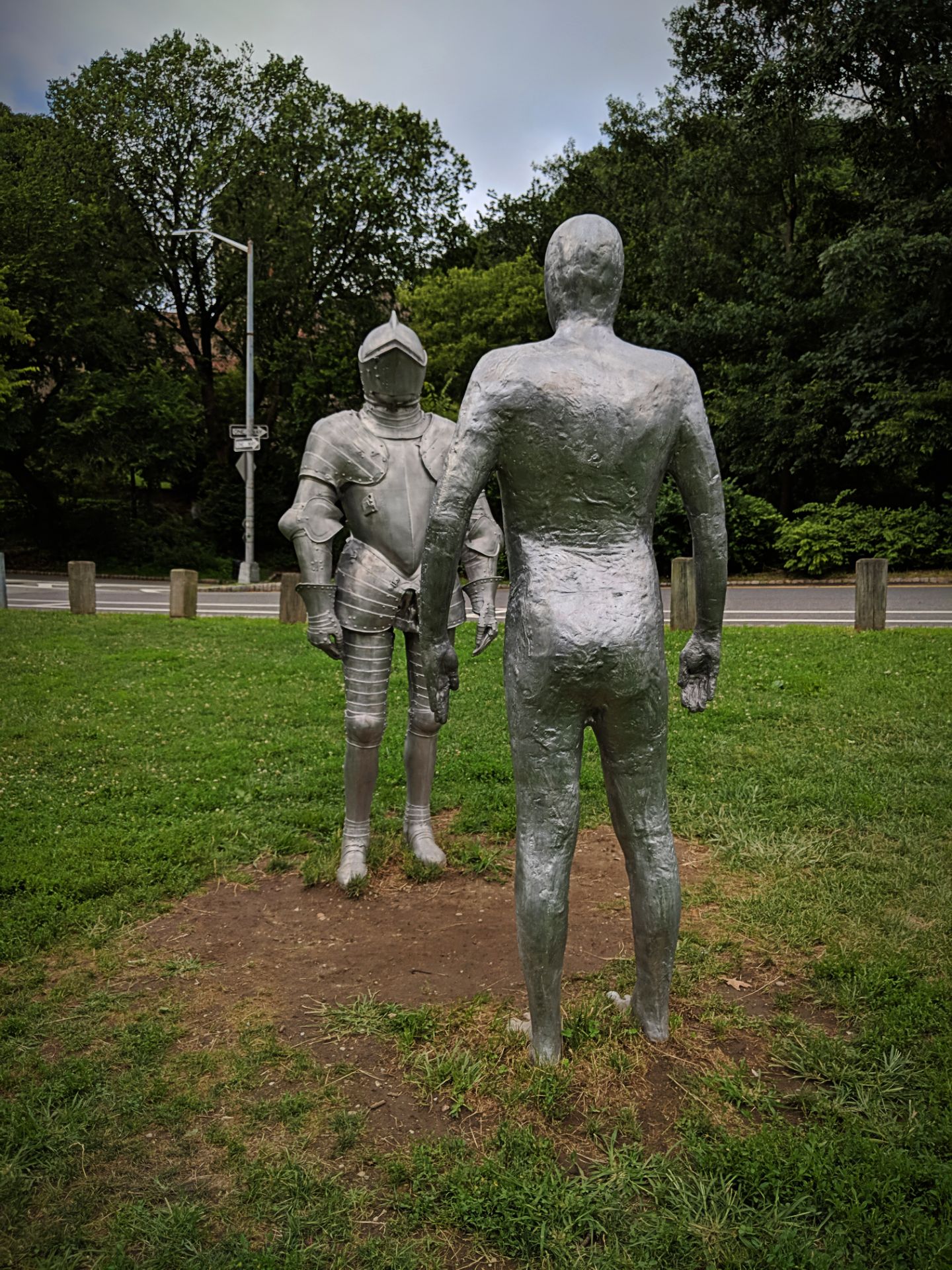 Steinunn Thorarinsdottir
Armors, 2016-2018
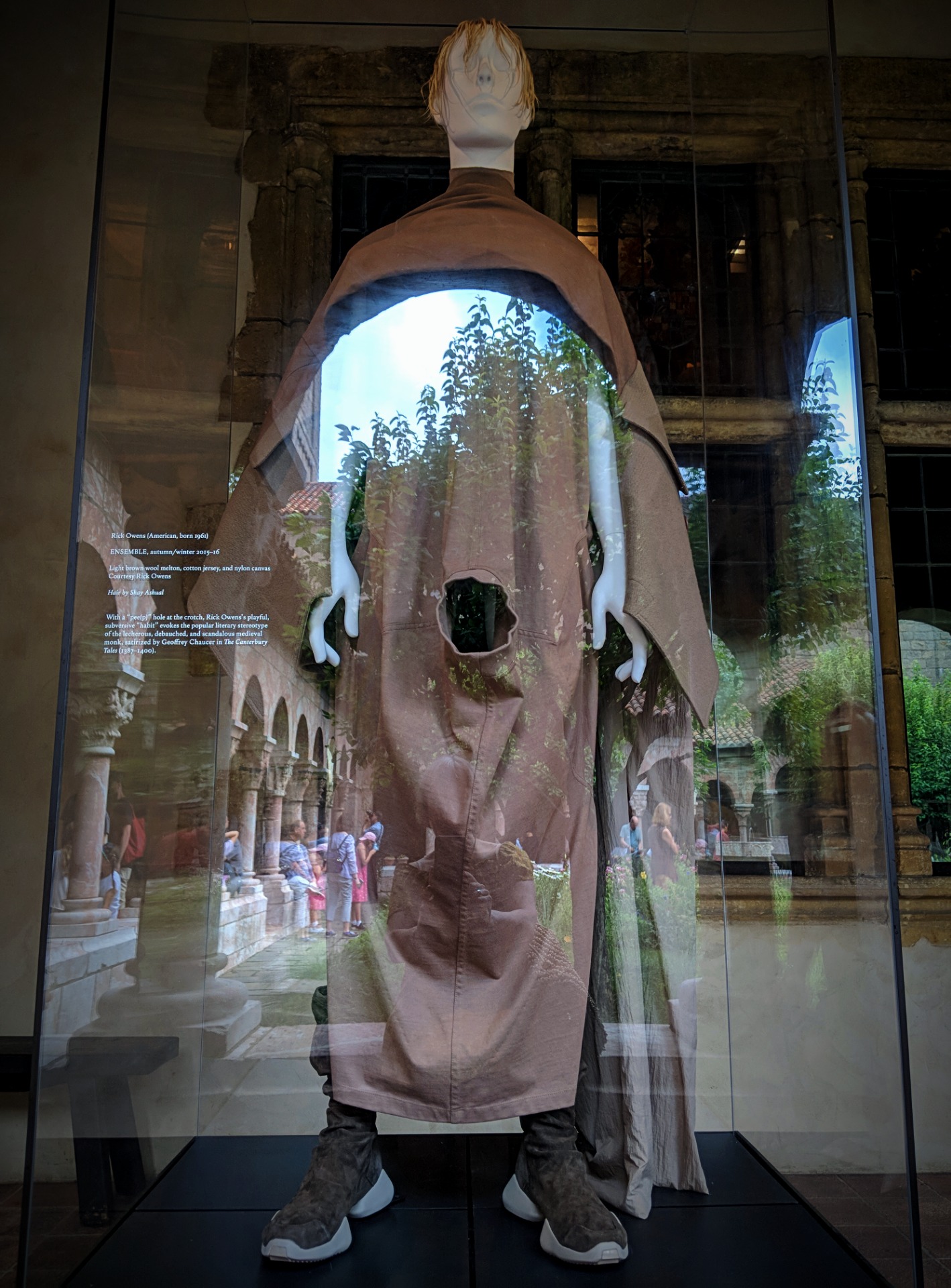
Rick Owens
Ensemble, A/W 2015-16.
With a pee(p) hole at the crotch, Owens’ playful, subversive ”habit” evokes the popular literary stereotype of the lecherous, debauched and scandalous medieval monk, satirized by Geoffrey Chaucer in ”The Canterbury Tales” (1387-1400).
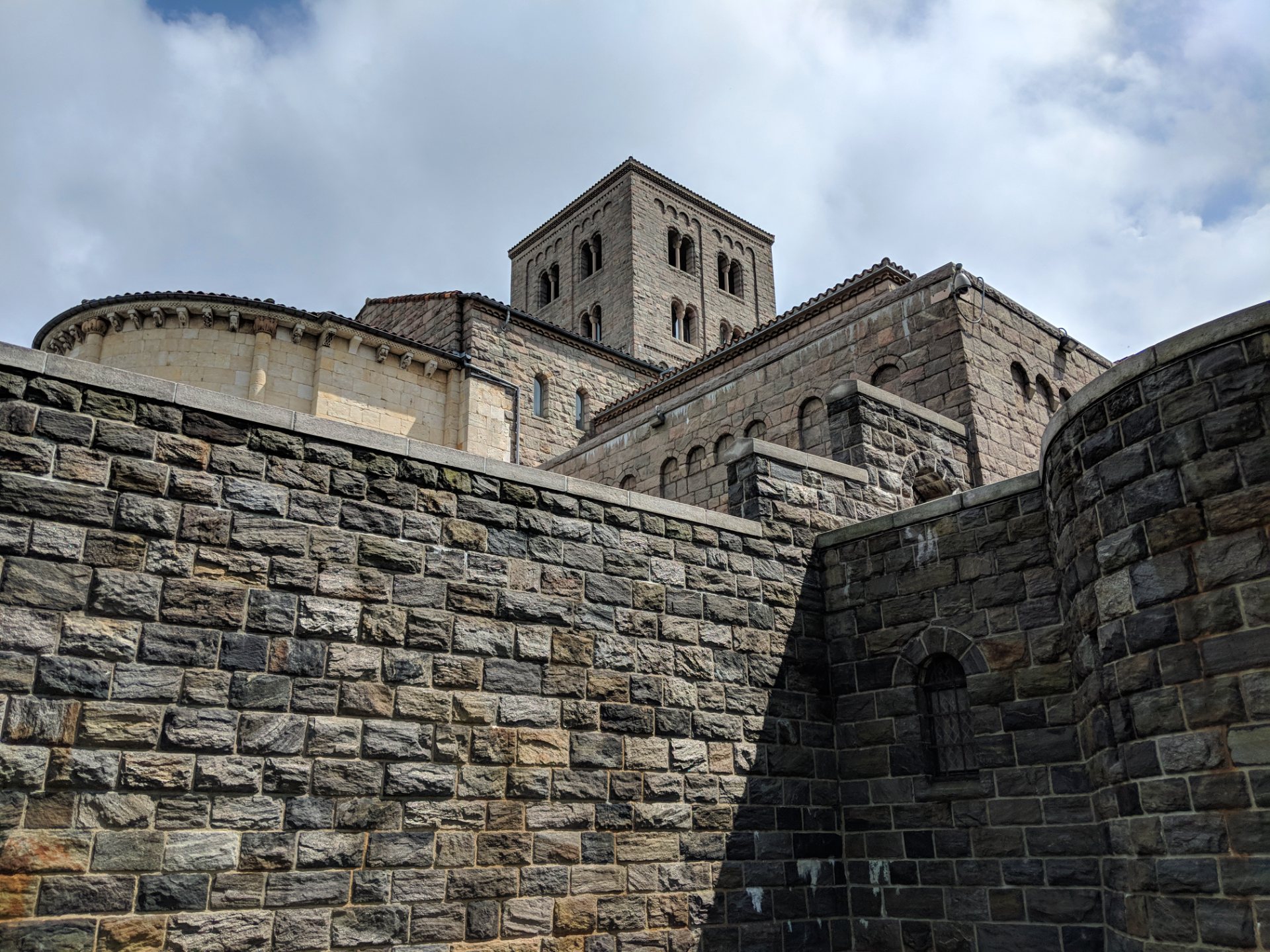
The Cloisters, Fort Tryon Park
July 14th, 2018
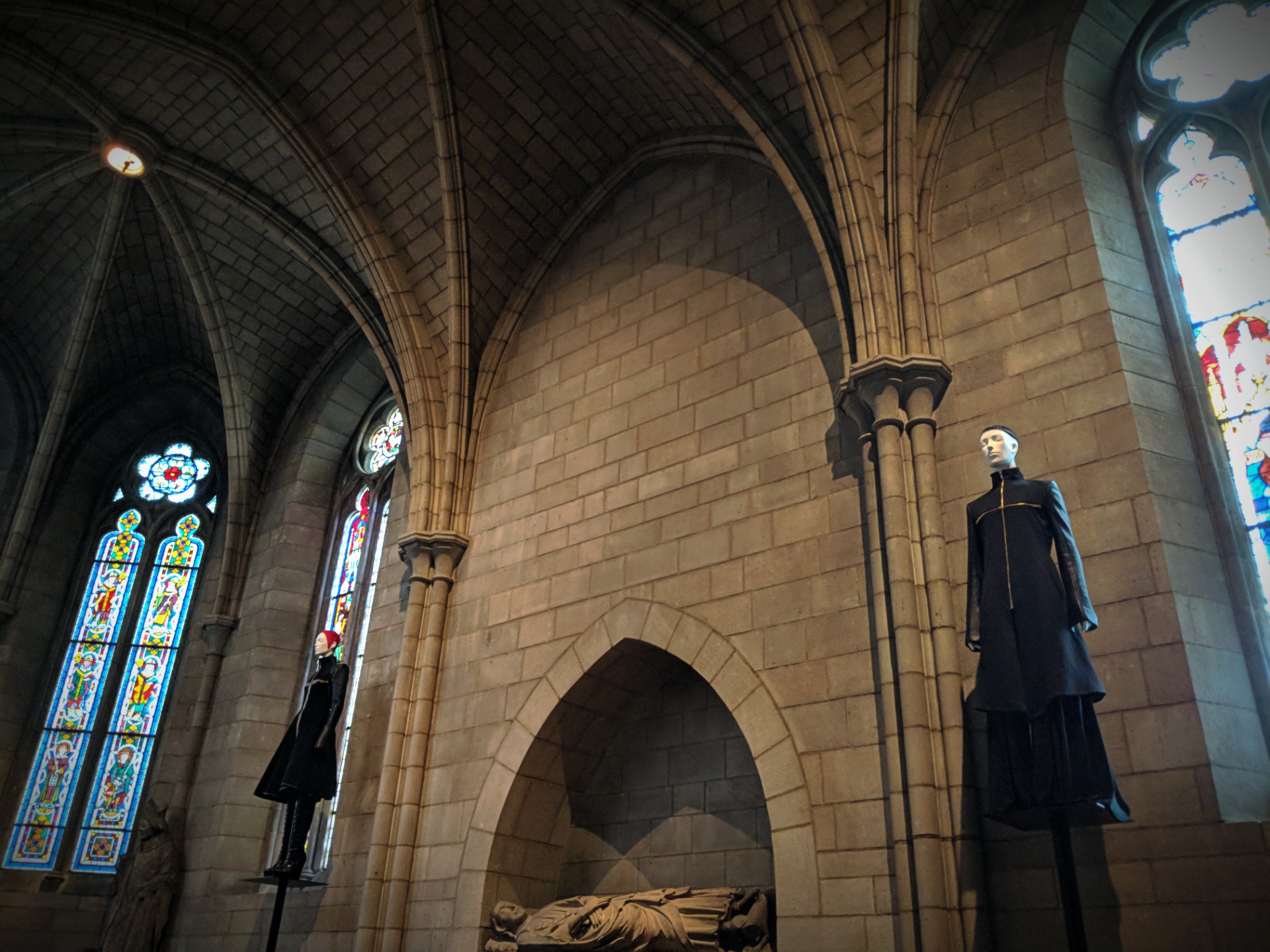
Well, I don’t know about the bodies but some of the gowns were heavenly, indeed! The exhibition was two-part, the main segment being at The Met on Fifth Avenue, and an annex displayed at the medieval monastic environment of The Cloisters, where the gowns seemed to have found their natural habitat, as if they had always belonged there. If I had to describe the display, setting & ambience in one word, that would have been ”sublime”.
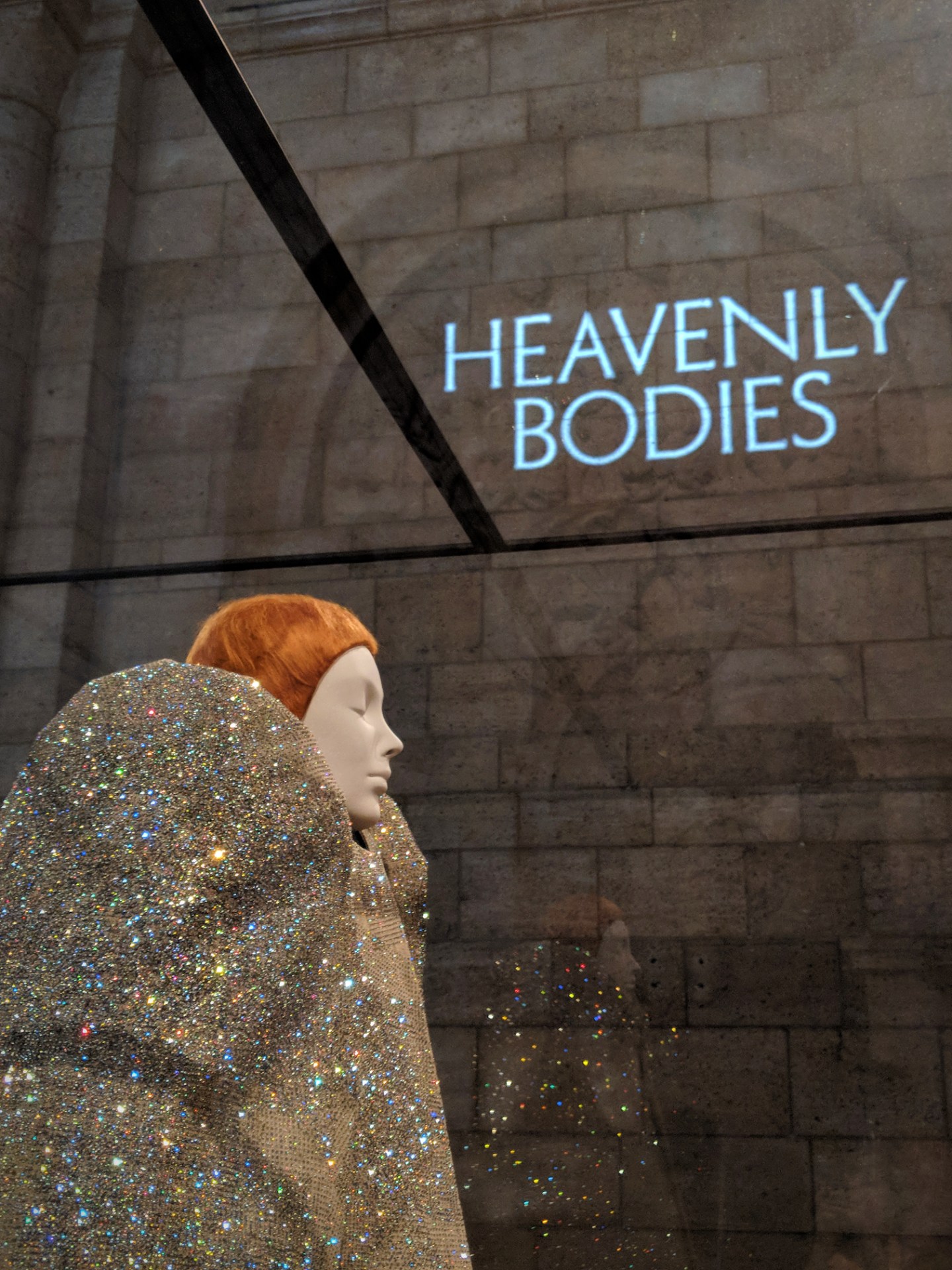 Viktor & Rolf, ensemble, 2018 original design: A/W 1999-2000
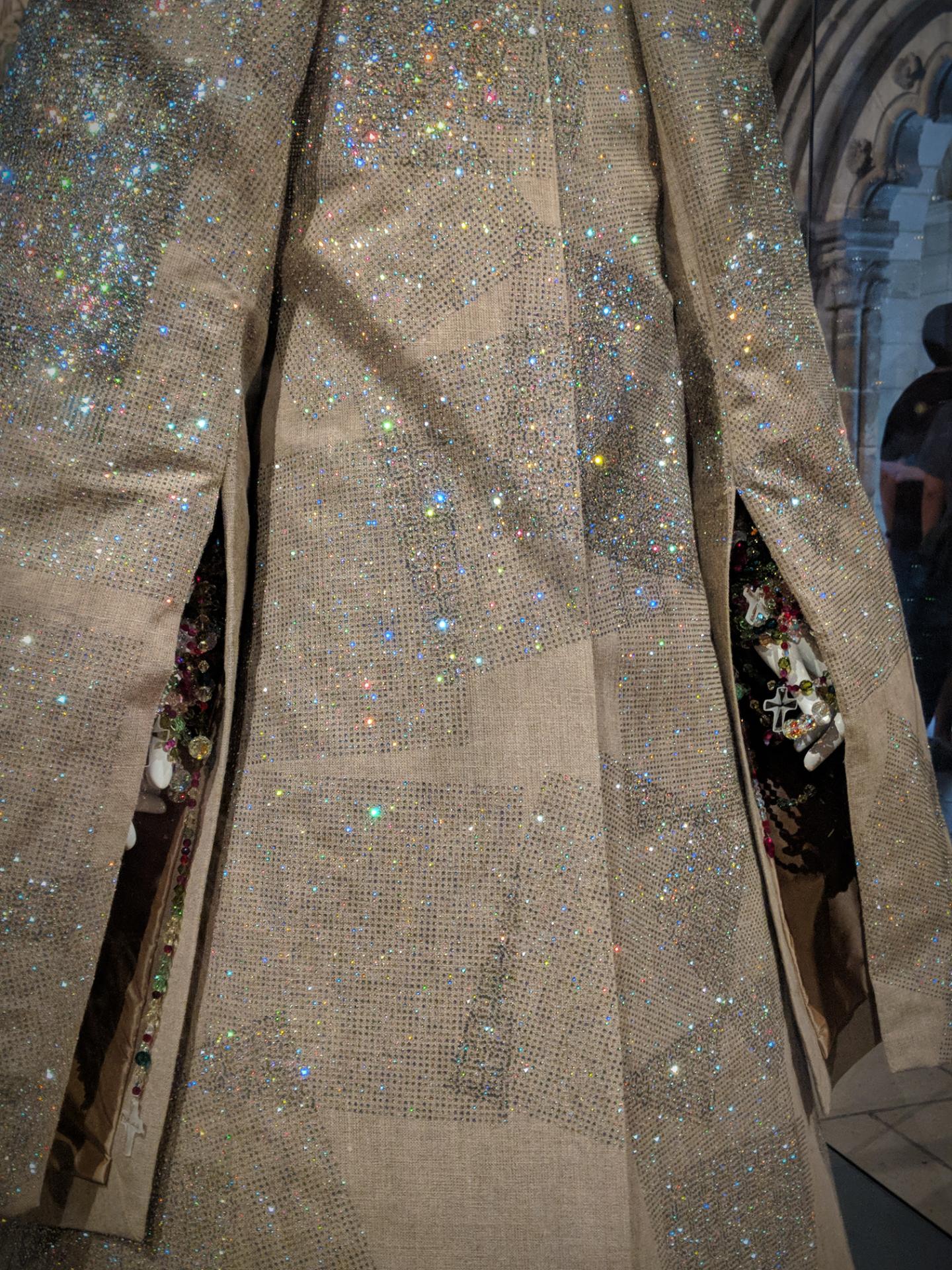
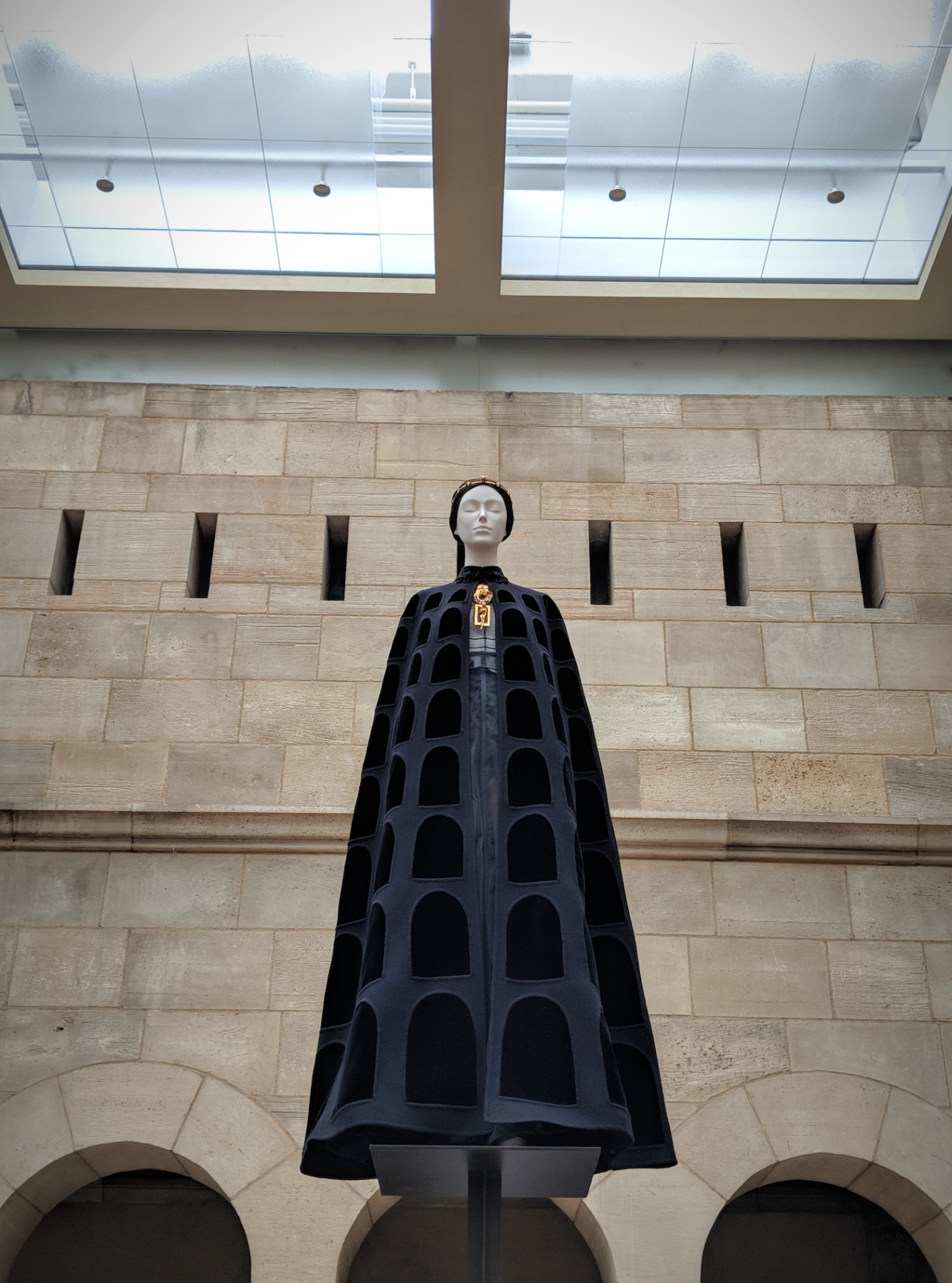 Valentino, evening ensemble, A/W 2015-16
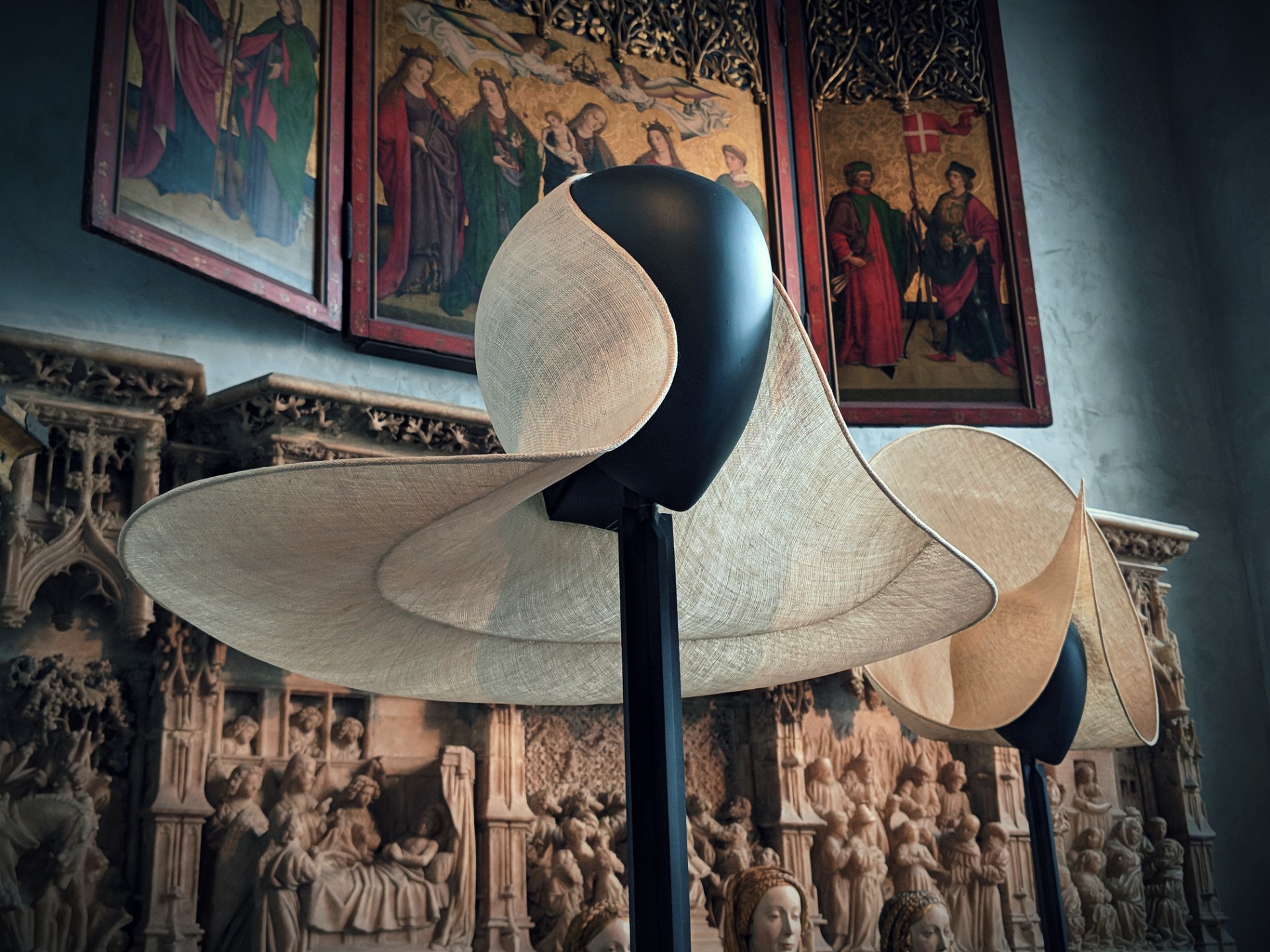 Philip Treacy, ”Madonna Rides Again II” hats, 1998 – 2001
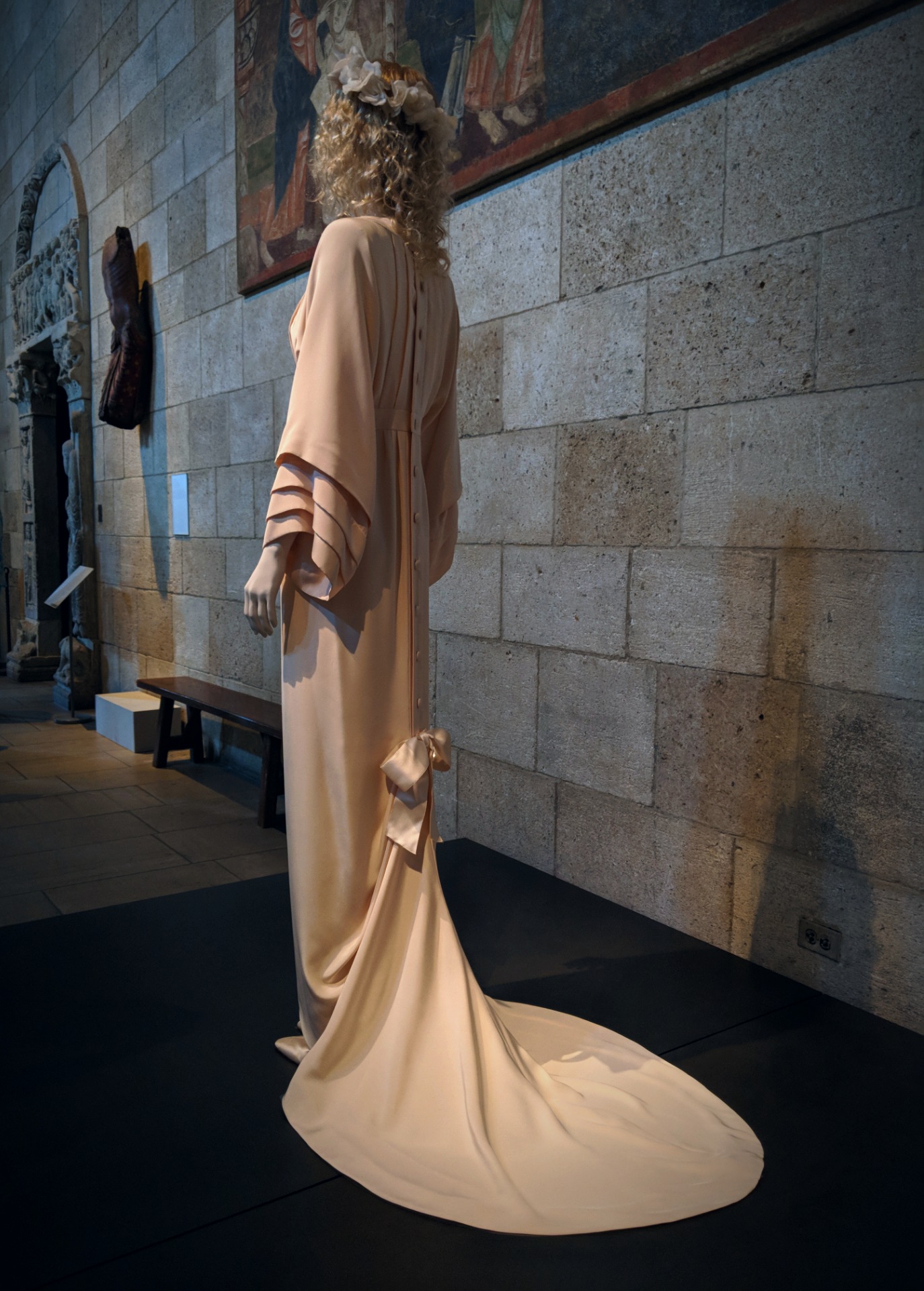 House of Chanel, wedding dress, A/W 1990-91 by Karl Lagerfeld
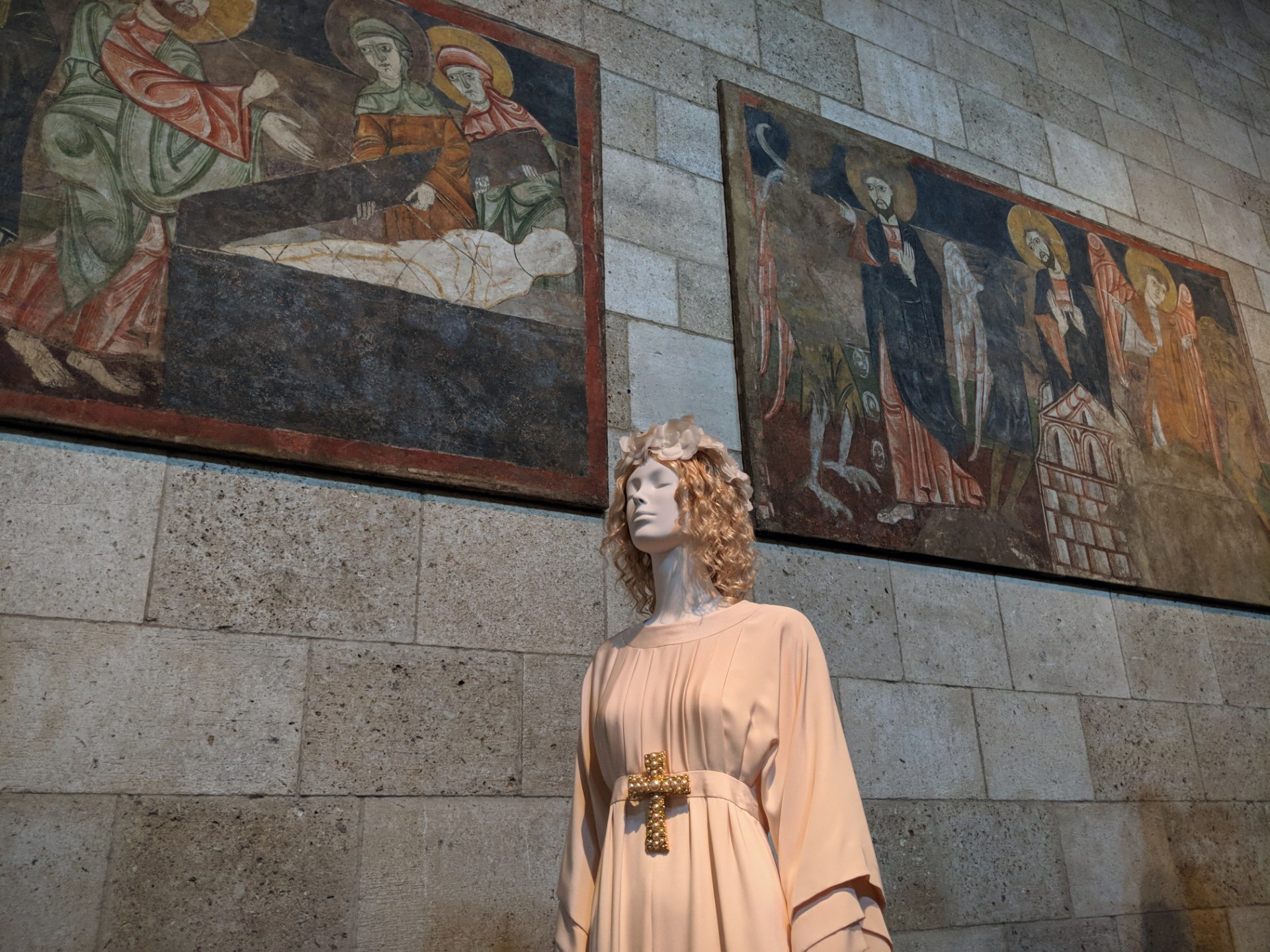
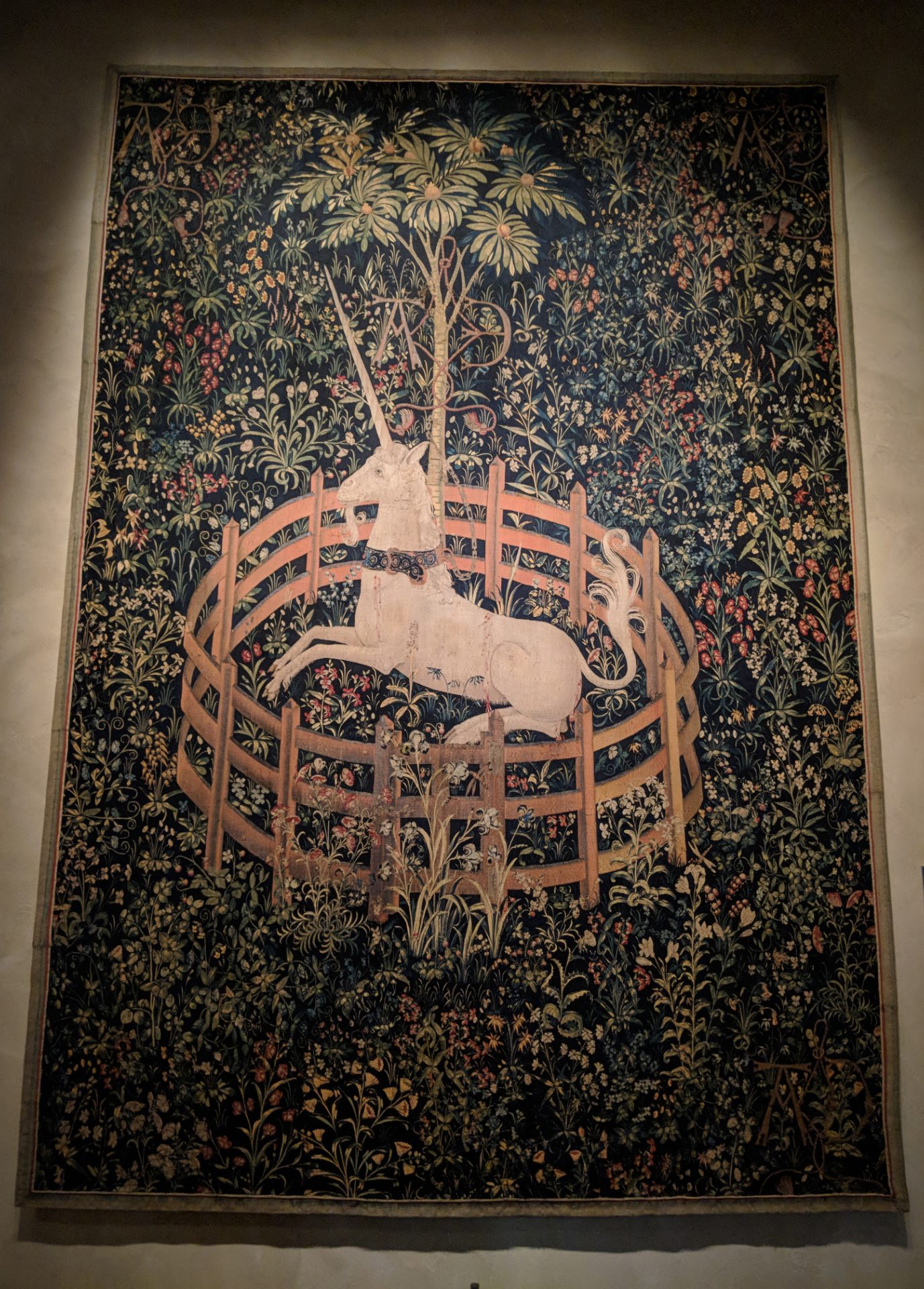 The Unicorn in Captivity
Wool, silk and silver and gilded-silver wrapped thread
South Netherlandish, ca. 1495-1505
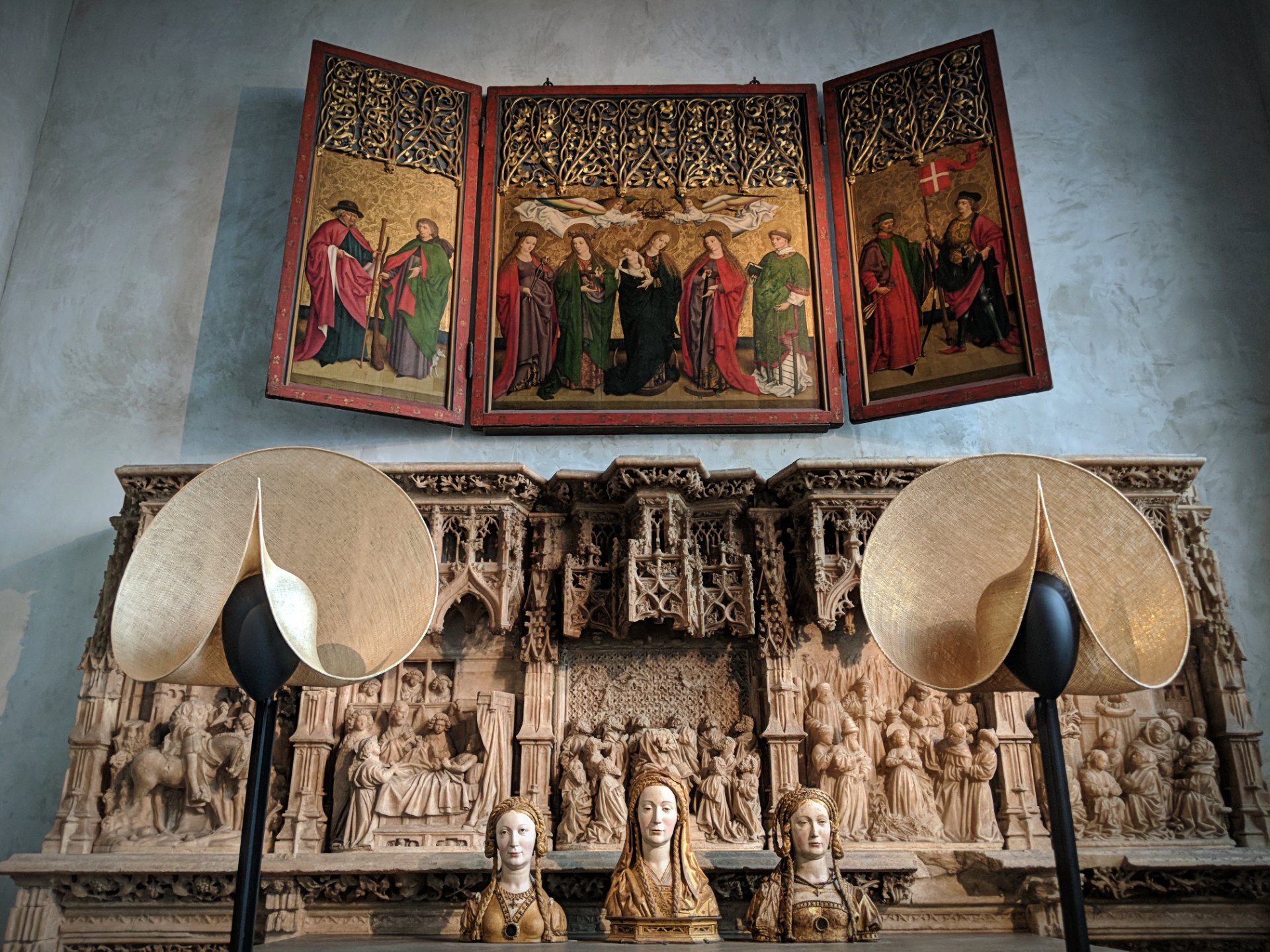 Altarpiece with the Virgin and Child and Saints
Master fo the Burg Weiler Altarpiece
German, Swabia, ca. 1470
Reliquary busts of female saints
South Netherlandish, Brabant, possibly Brussels, ca. 1520-20
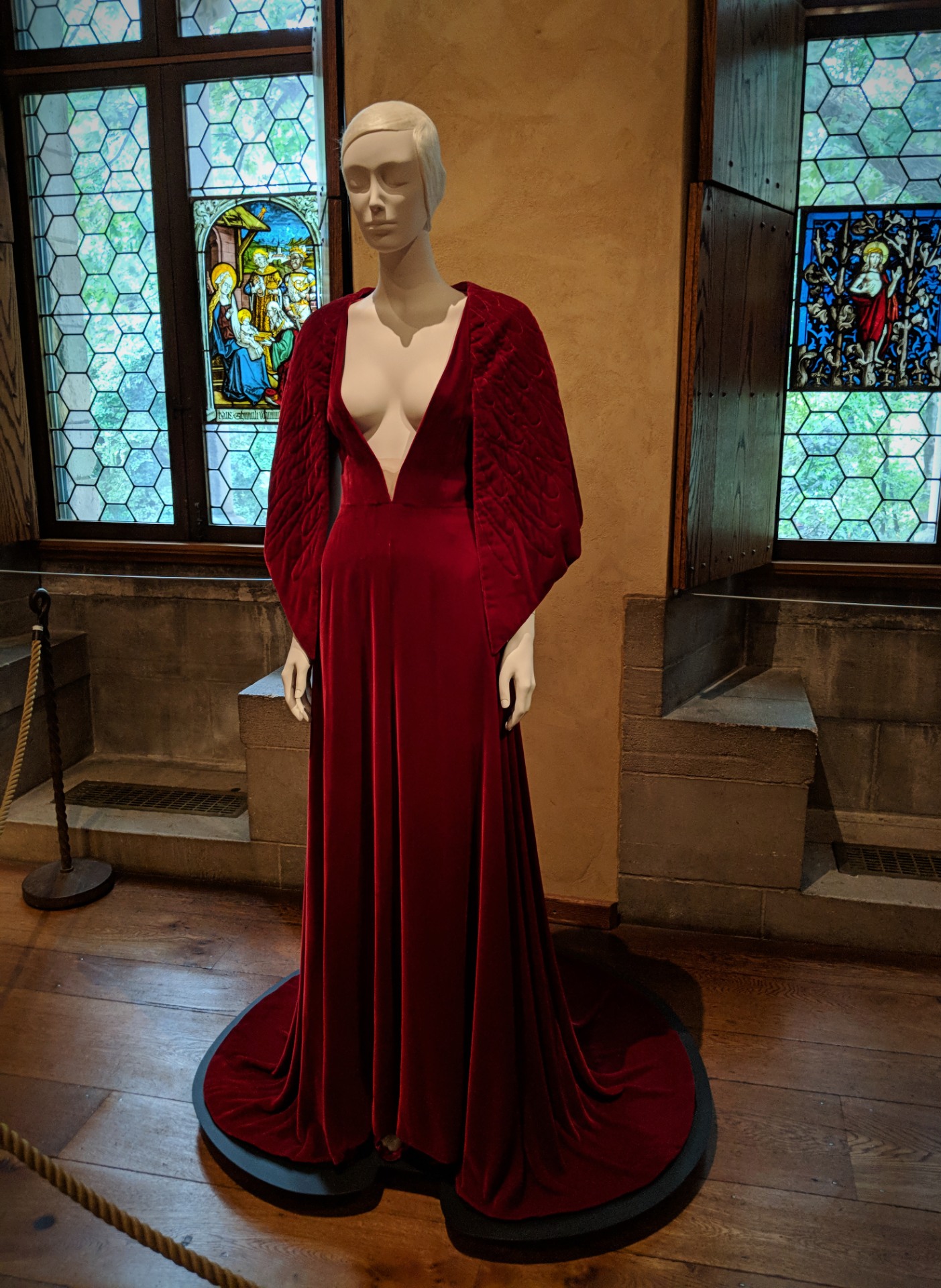 Valentino, red silk velvet dress, S/S 2015
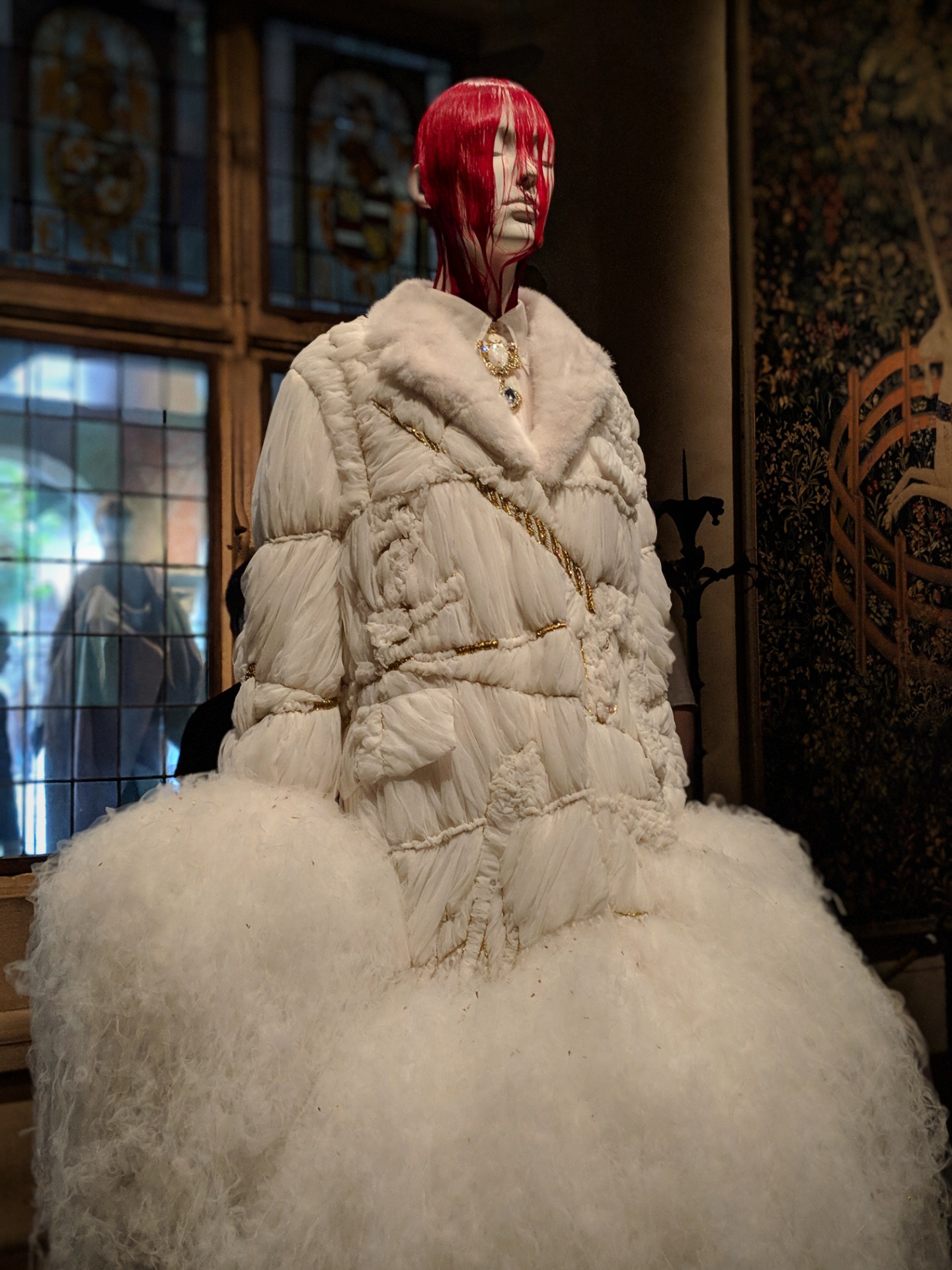
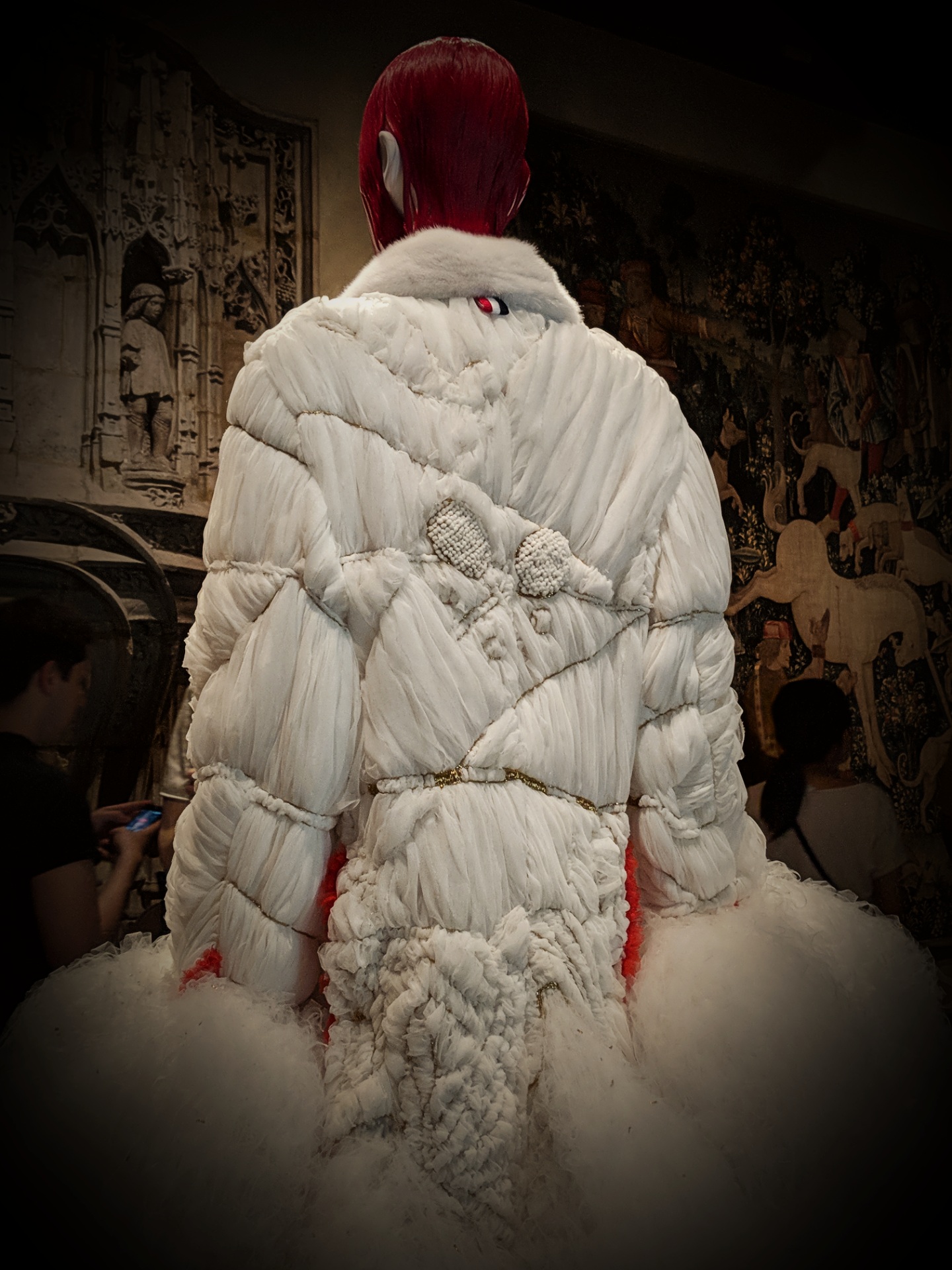 Thom Browne, wedding ensemble, S/S 2018
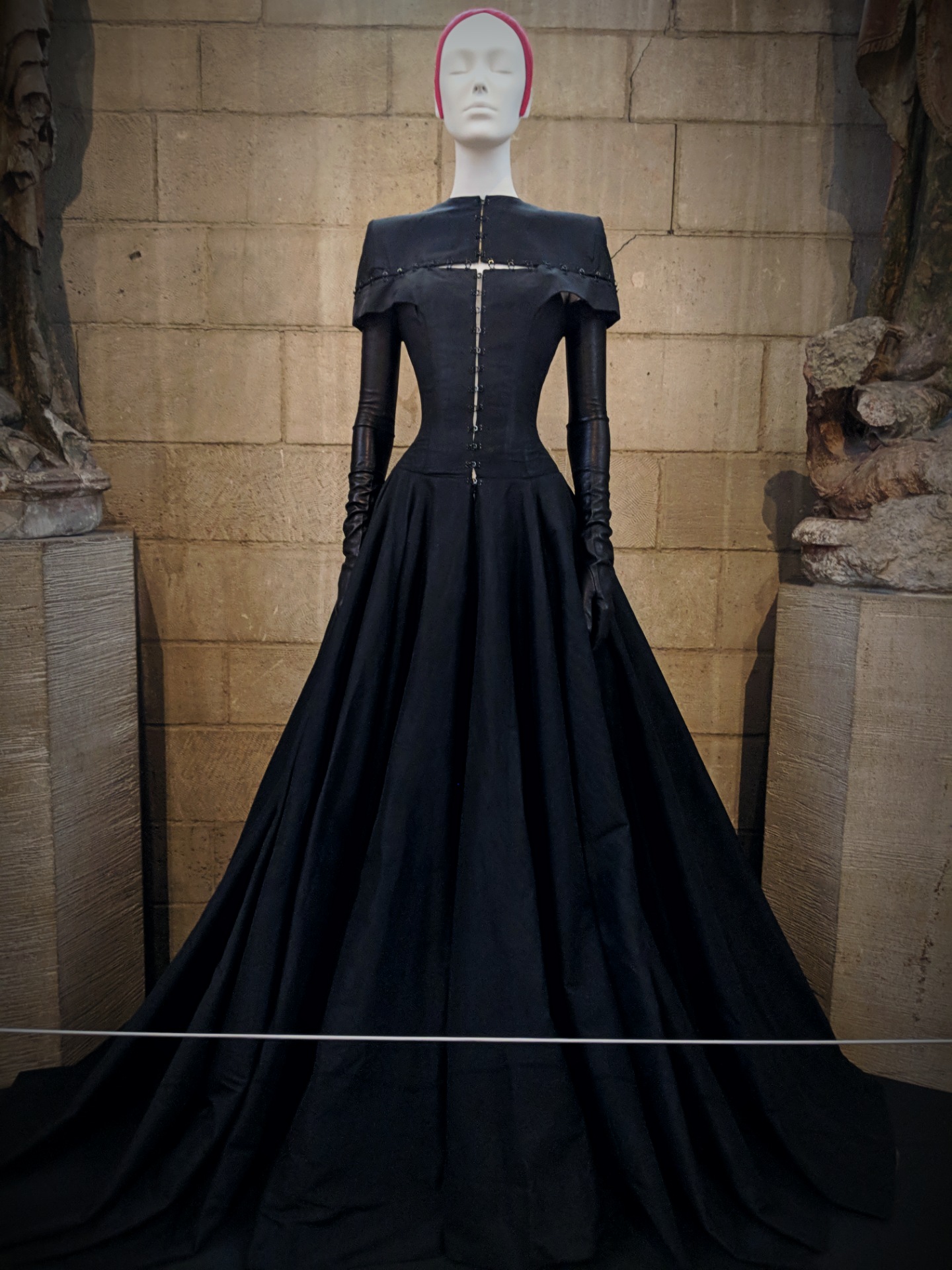 Olivier Theyskens, evening dress, S/S 1999
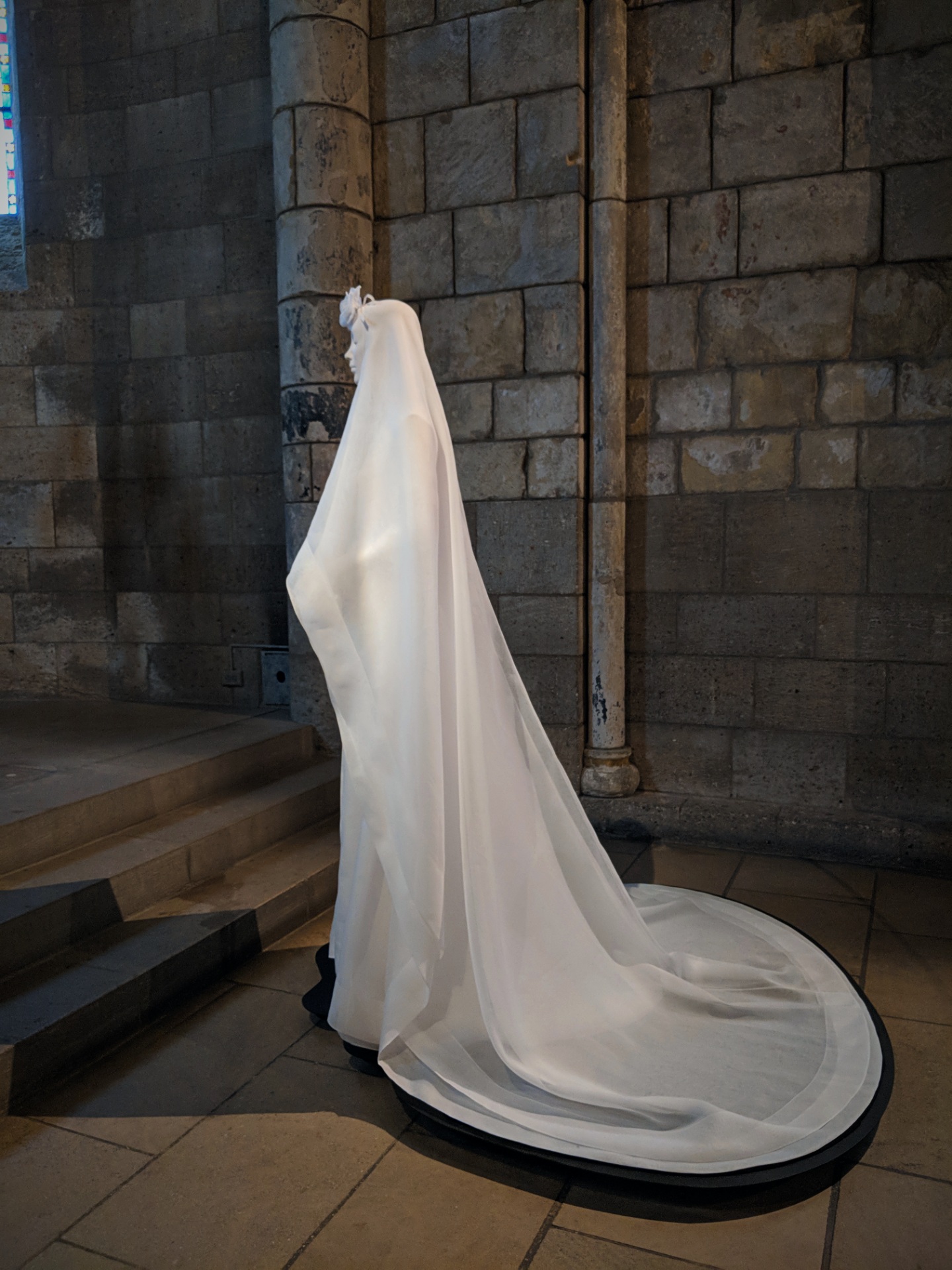 House of Dior ”Hyménée” wedding dress by Marc Bohan, 2018; original design: S/S 1961
 House of Balenciaga, wedding dress, spring 1967
Fashion history has designated this garment by Cristobal Balenciaga the ”one-seam wedding dress.” If the dress were indeed made from a single length of fabric, it would claim a biblical source: Jesus’ seamless robe at the Crucifixion. The dress, however, is made of two pieces of fabric stitched together and it has three shaping seams – two at the shoulder and one down the centre of the back.
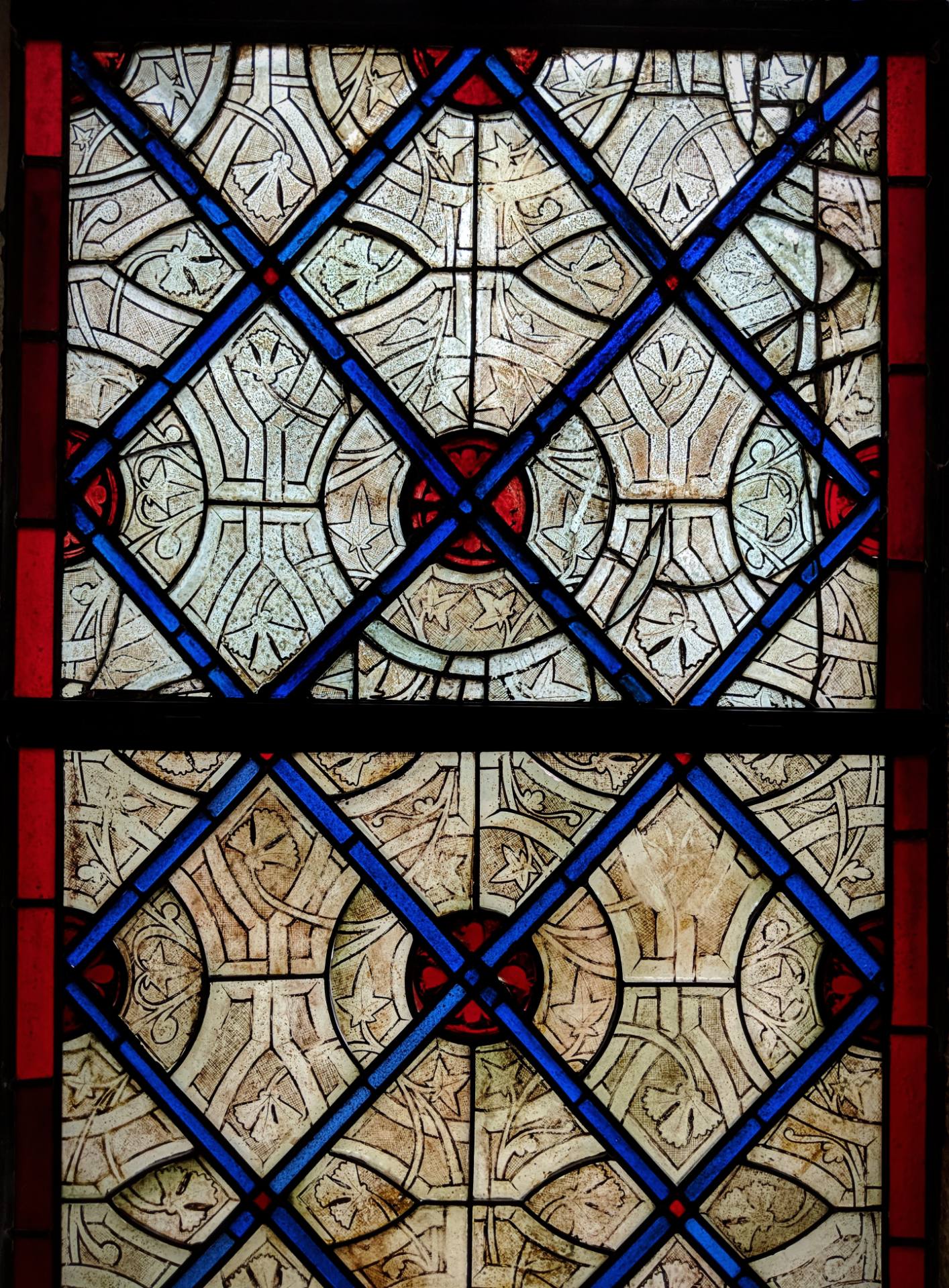 Grisaille Panels
French, probably Normandy, ca. 1270-80
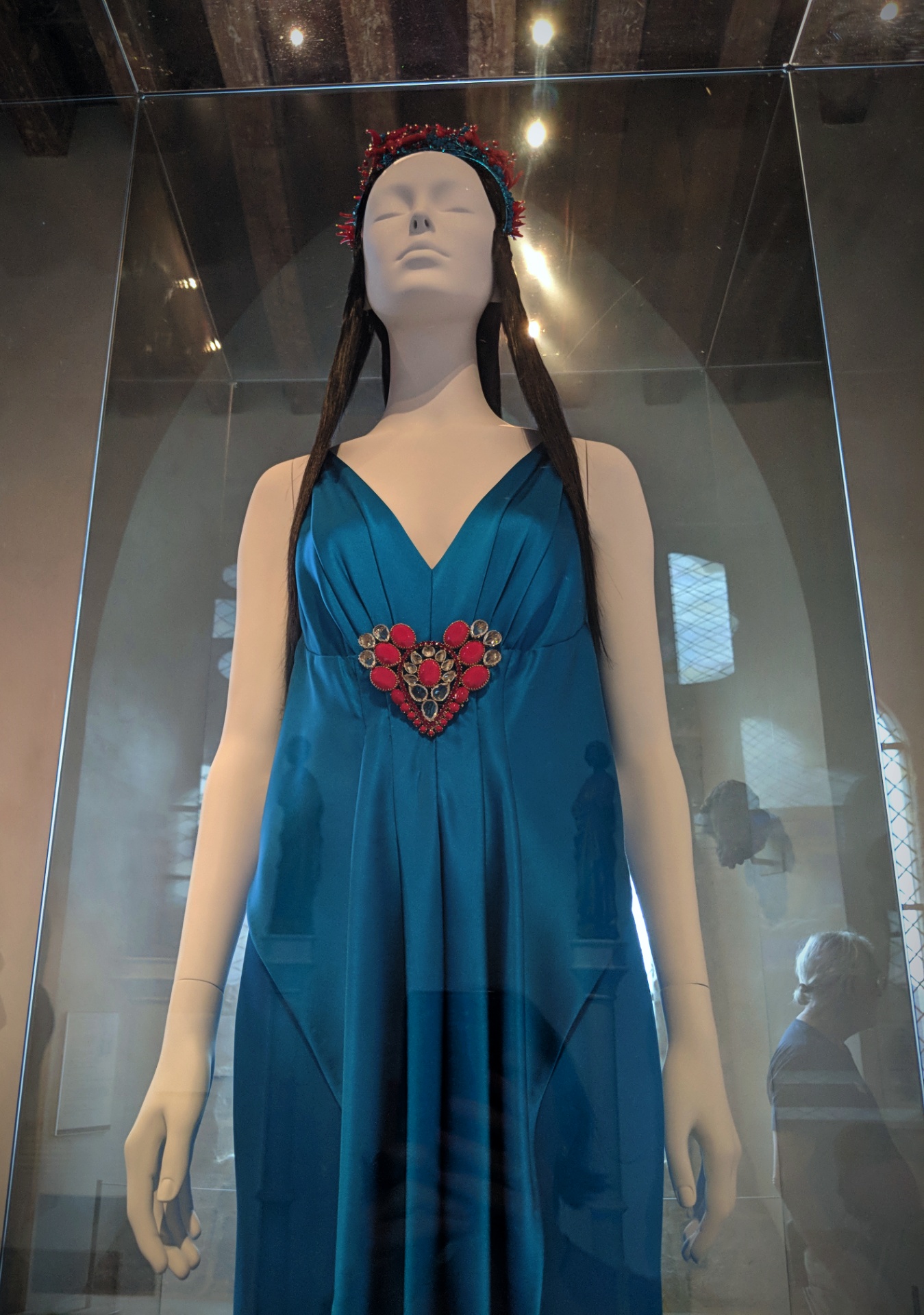 Jean Paul Gaultier
”Regina Maris” evening ensemble, S/S 2007
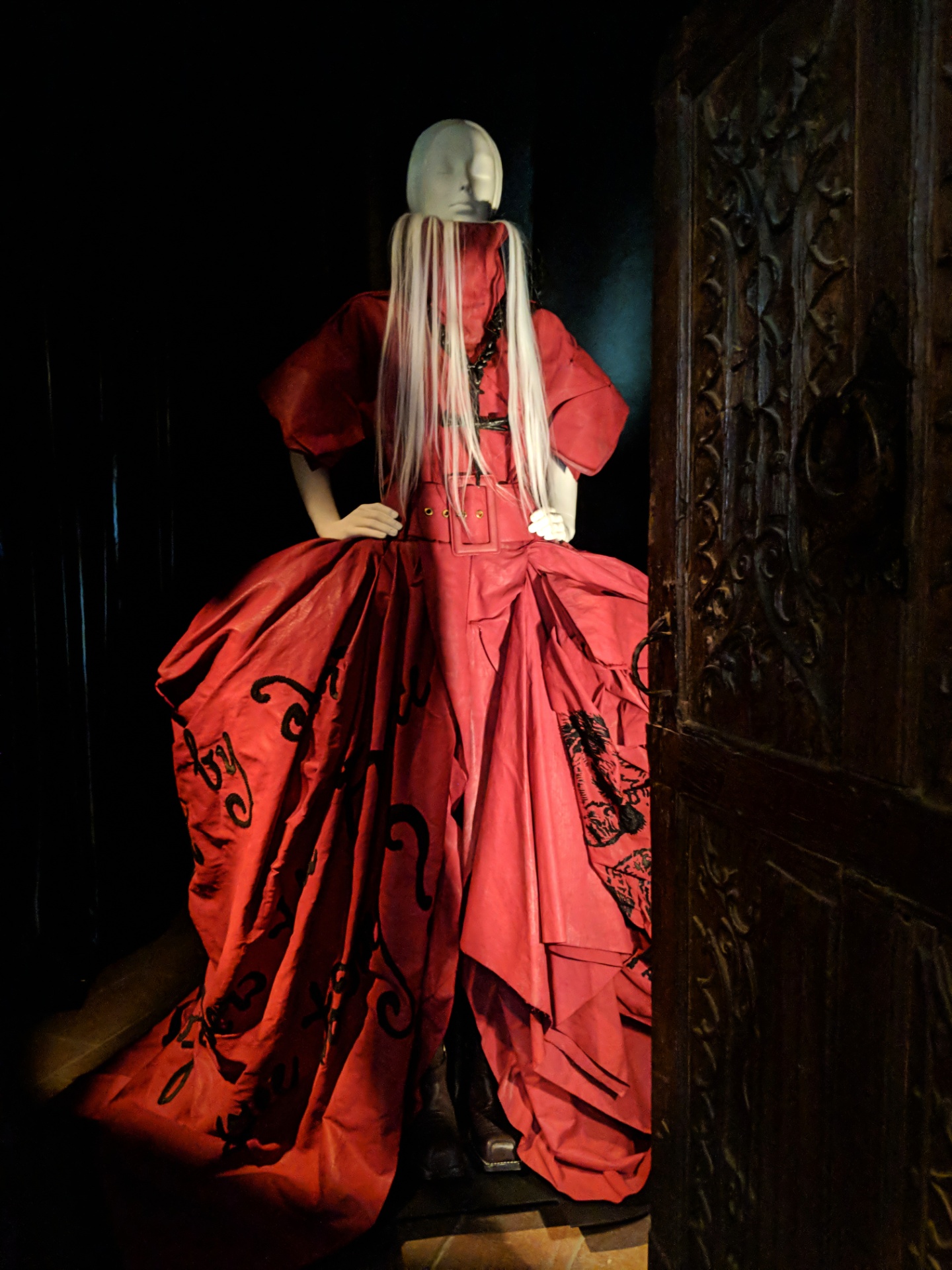 House of Dior
Ensemble, S/S 2006 by John Galliano
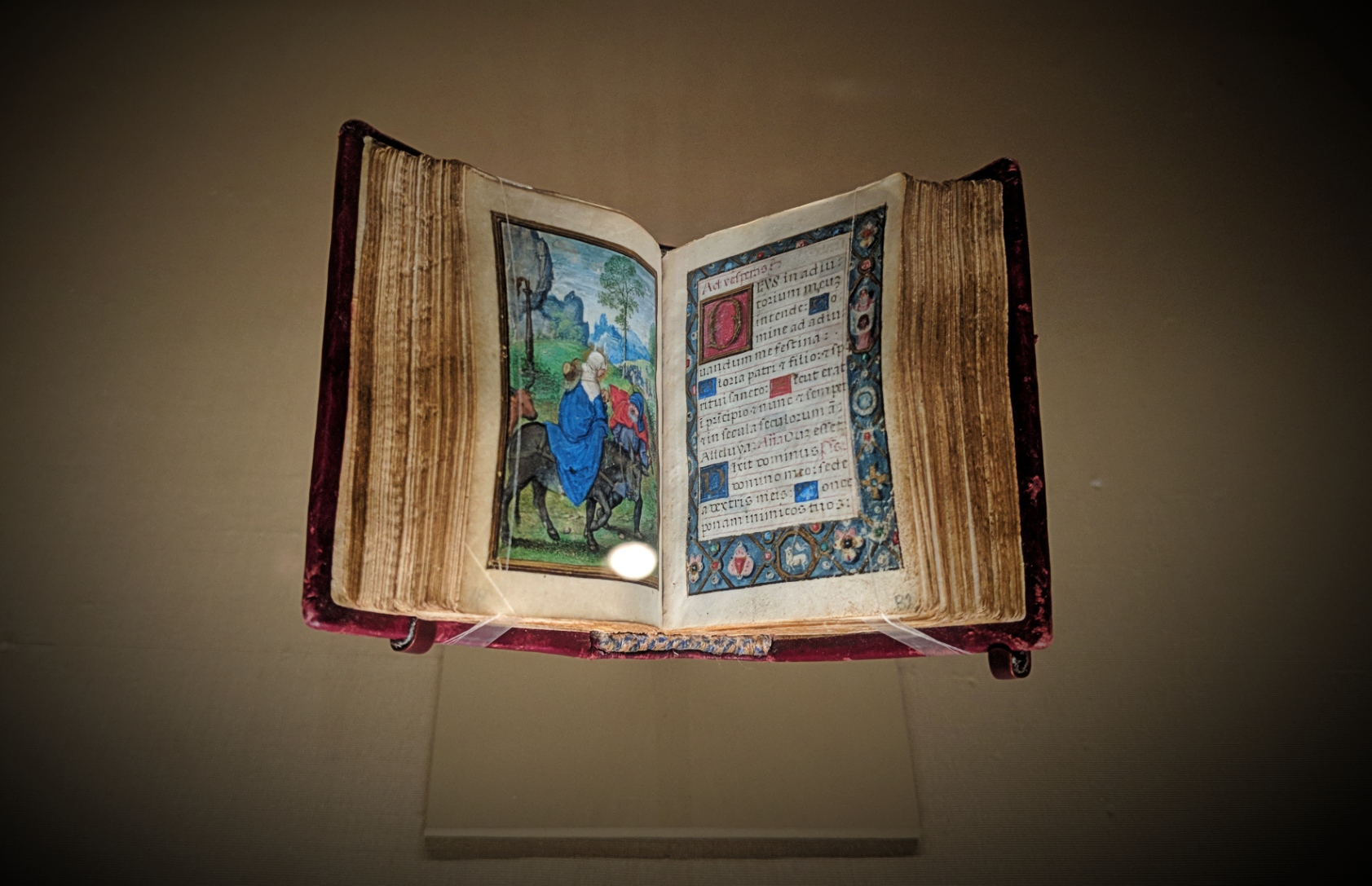 Book of Hours
Simon Bening (1483/84 – 1561)
Tempera, gold and ink on parchment
South Netherlandish, Bruges, ca. 1530 – 1535
This tiny Book of Hours is one of Simon Bening’s prayerful jewels, intended for use at regular intervals throught the twenty-four-hour day (ideally every three hours). It was a reminder of the omnipresence of God, meant to be attached to its owner, or stored with precious possessions.
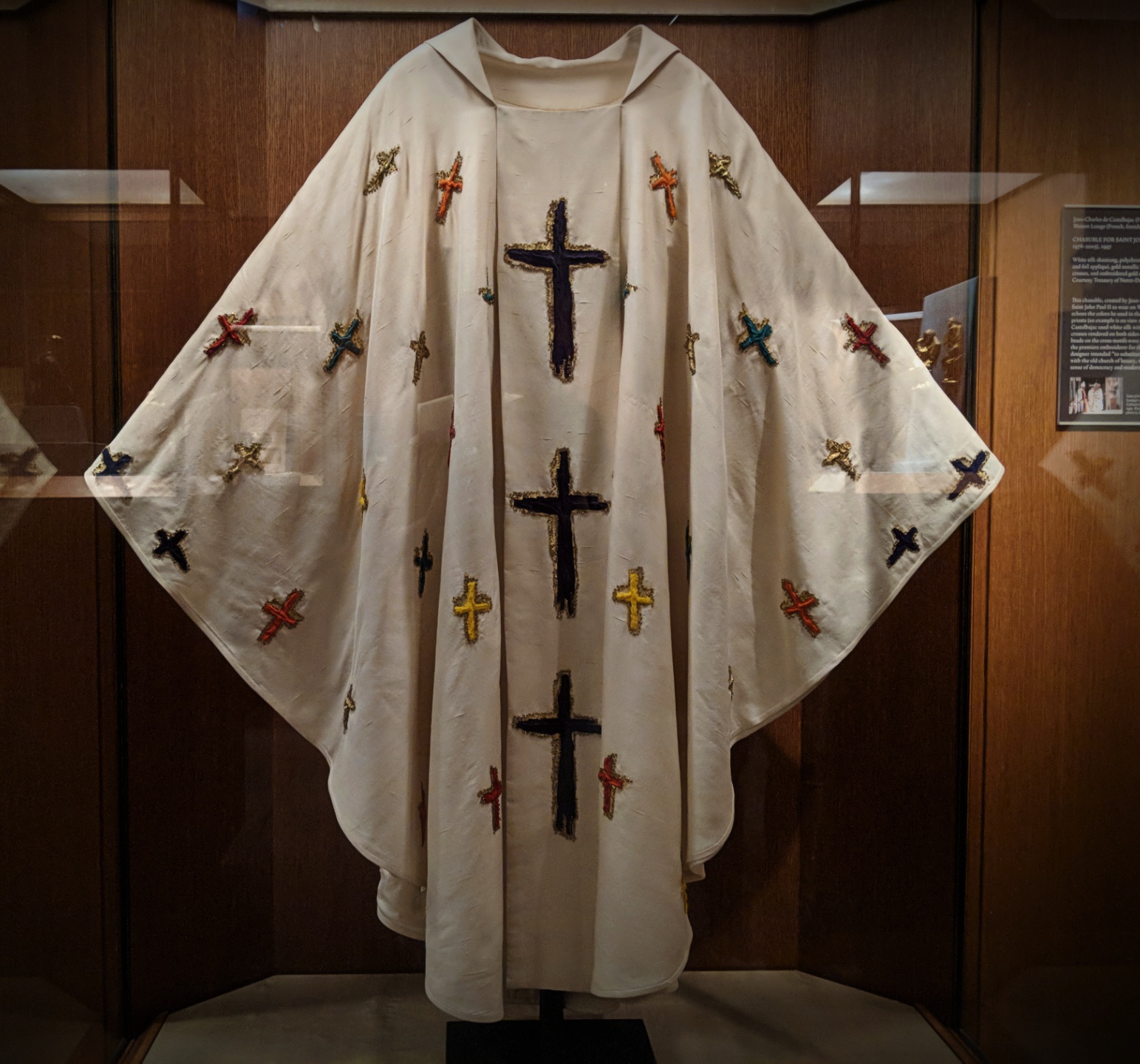 Jean-Charles de Castelbajac
Chasuble for Saint John Paul II (reigned 1978-2005), 1997
This chasuble was created for Saint John Paul II to wear on World Youth Day in 1997.
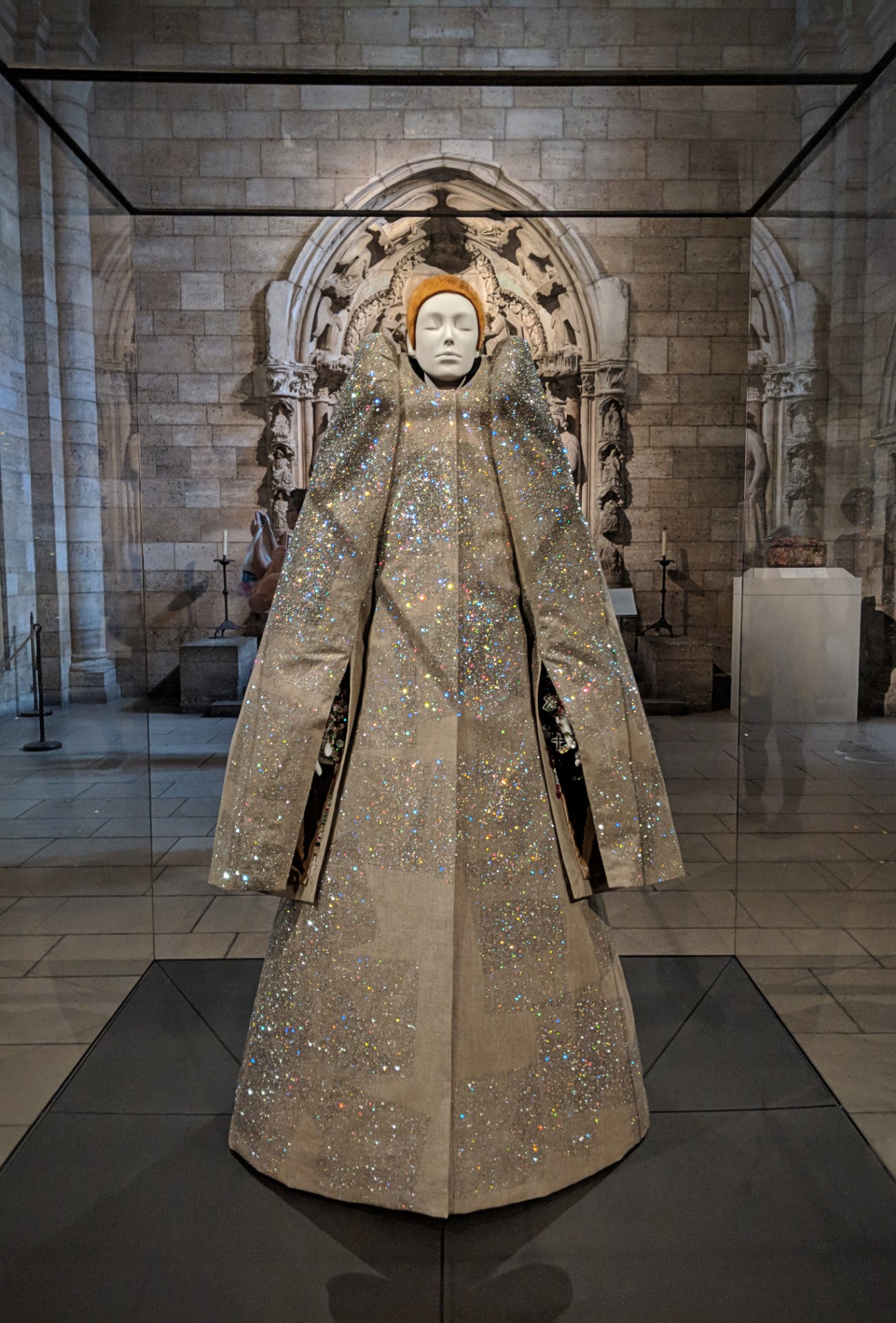 The Cloisters, Fort Tryon Park
July 14th, 2018
subjective worldview
Actor, writer, cook and author
Travel experiences & Strasbourg city guide
Writer
joy, happiness, travel, adventure, gratitude
"Rêve onirique & Bulle d'évasion"
makes pretty things on paper
This WordPress.com site is Pacific War era information
Welcome to my curious world of words....
Photographs, music and writing about daily life. Contact: elcheo@swcp.com
Free listening and free download (mp3) chill and down tempo music (album compilation ep single) for free (usually name your price). Full merged styles: trip-hop electro chill-hop instrumental hip-hop ambient lo-fi boombap beatmaking turntablism indie psy dub step d'n'b reggae wave sainte-pop rock alternative cinematic organic classical world jazz soul groove funk balkan .... Discover lots of underground and emerging artists from around the world.
A 365 analogue photography project
Barcelona's Multiverse | Art | Culture | Science
Een digitaal atelier aan de (zee)slag.
‘Doodling Ambiguity’s in Ink.’
Miscellaneous photography
Glimpses along the way on a journey of discovery into symmetry...
 The Humble Fabulist