In noble materials
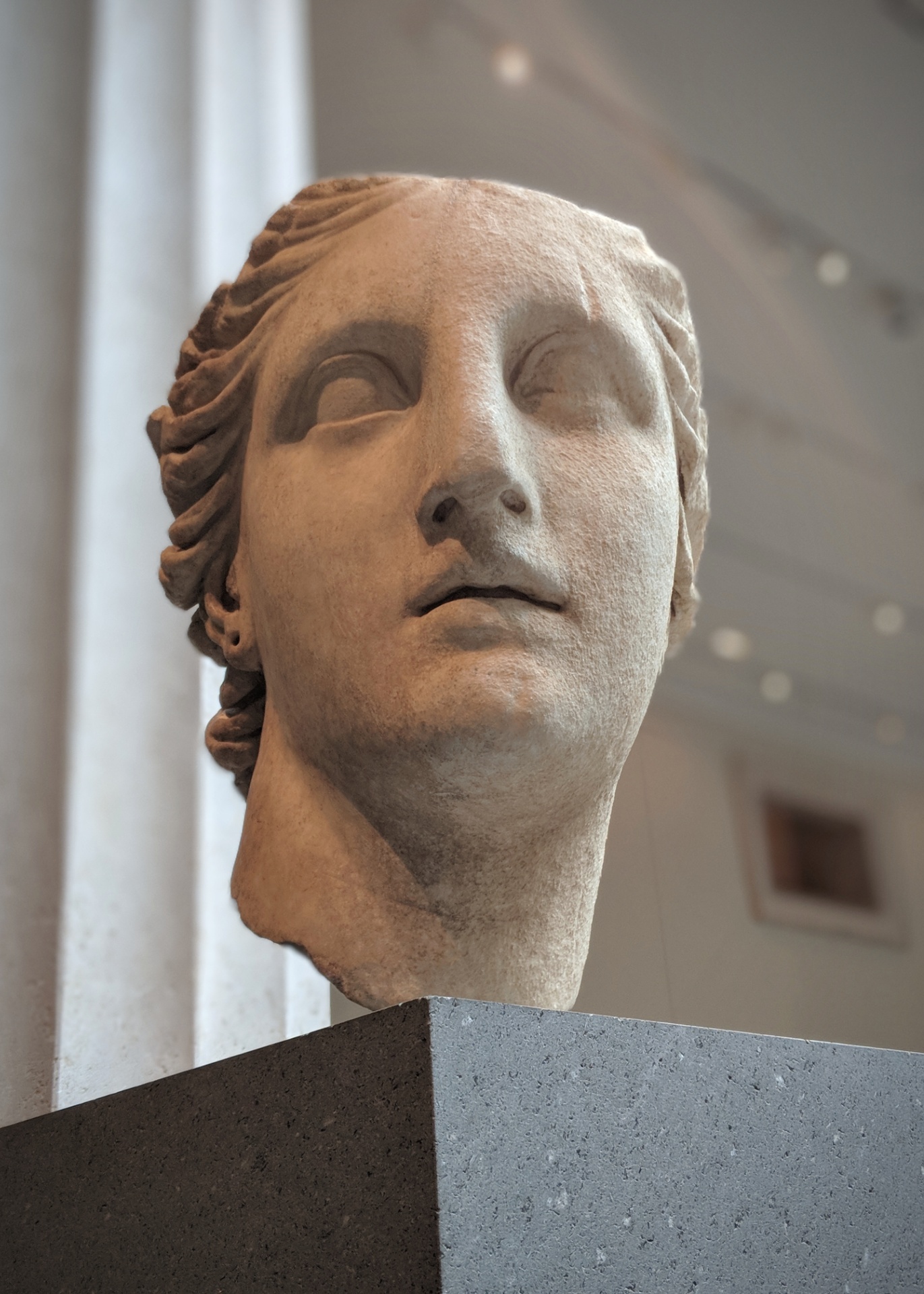
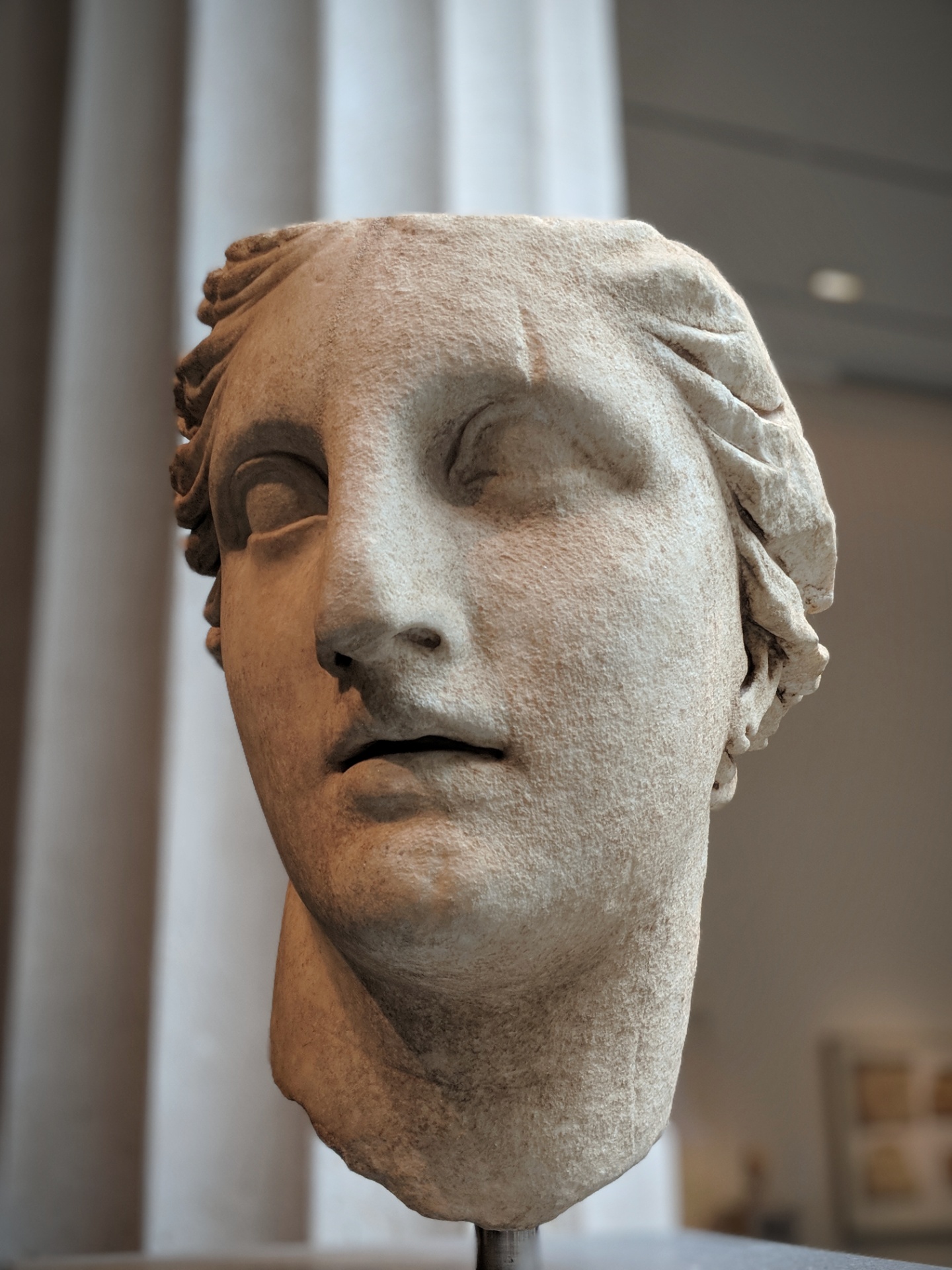 Marble head of Athena
Greek, Hellenistic, ca. 200 b.c.
The goddess originally wore a helmet of marble or bronze, added separately. The ears are pierced for metal earrings. The head comes from an over-life-sized statue that possibly represented the goddess striding forward. The statue may have stood outdoors, as a monumental votive image of the warrior goddess in her role as protectress of a city rather than within a temple as a cult statue.
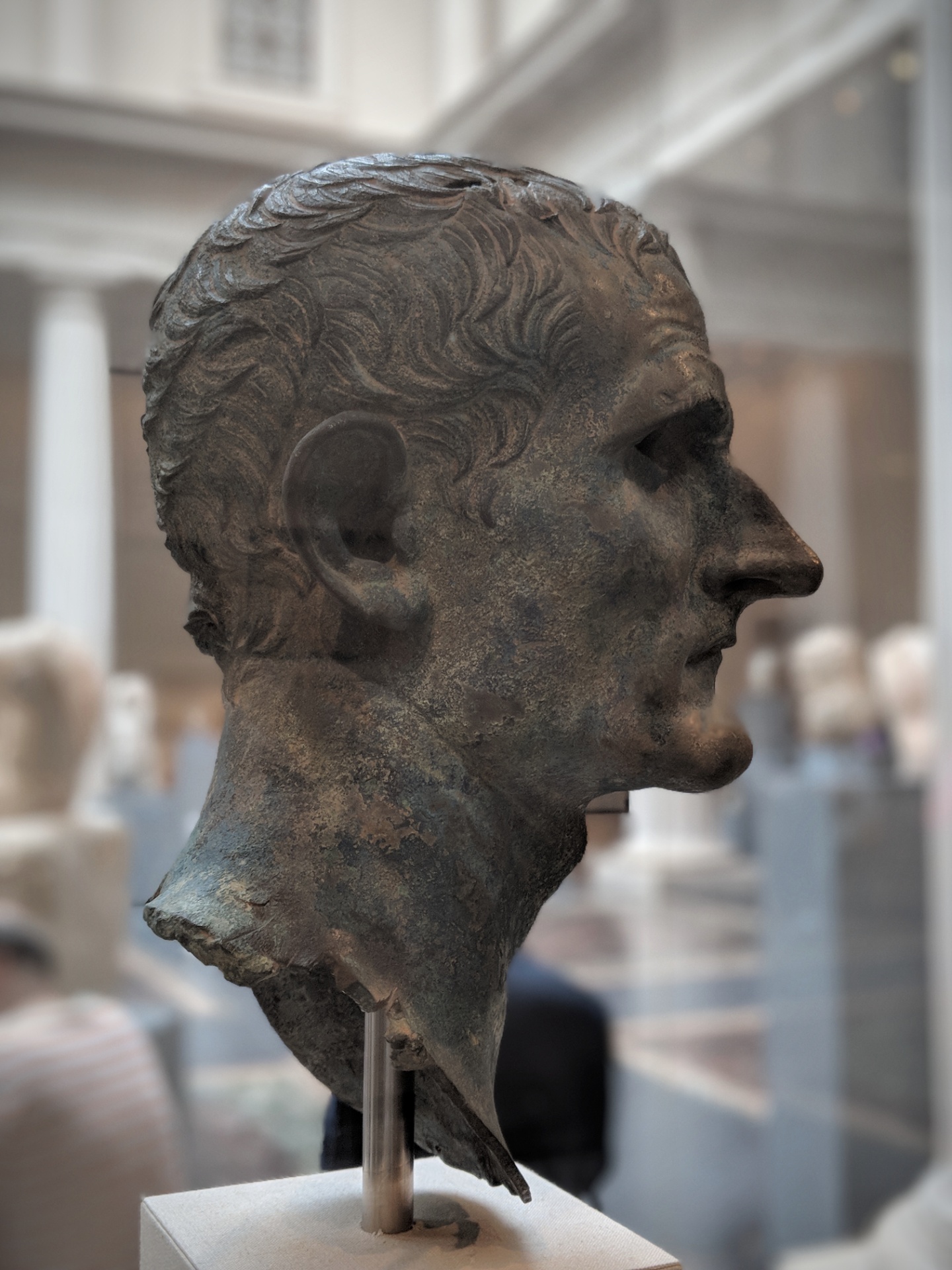 Bronze portrait of a man
Roman, Late Republican or Early Imperial, ca. 1st century b.c.
In the early first century b.c. Greek artists were fashioning portraits of Roman patrons that presented a straightforward image of their subjects in a veristic style. This phenomenon existed across the ever-expanding Roman world, but the finest and largest group of such portraits in marble survives on the Cycladic island of Delos, which was an important commercial centre in the Late Republican period and home to numerous Roman merchants.
The portrait exhibited here is a good example of the veristic style, which appealed to Roman citizens who valued individuality. Bronze was the preferred medium for Roman honorific statues because of its ability to achieve the closest possible fidelity to nature.
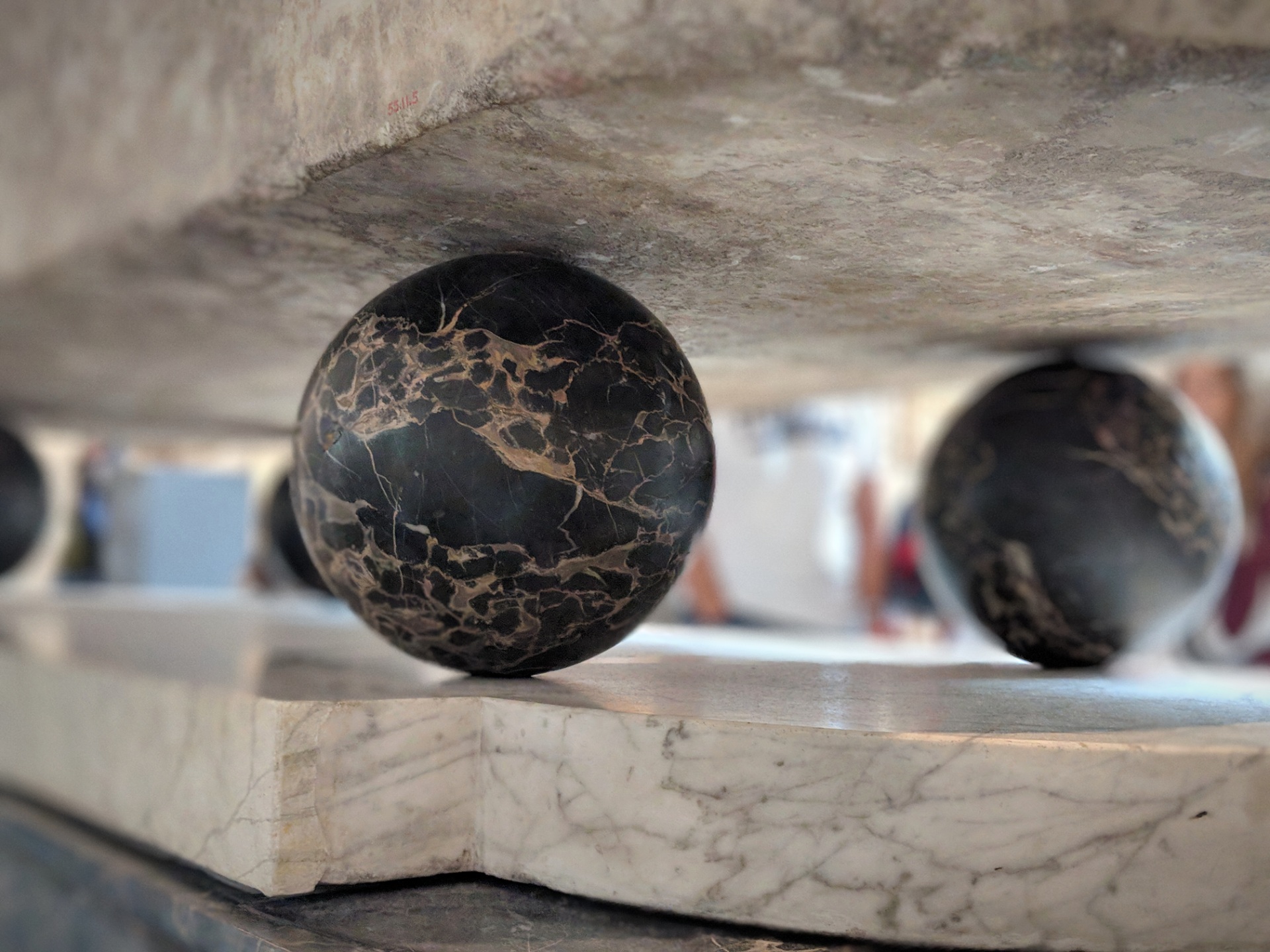
 Mosaic floor panel
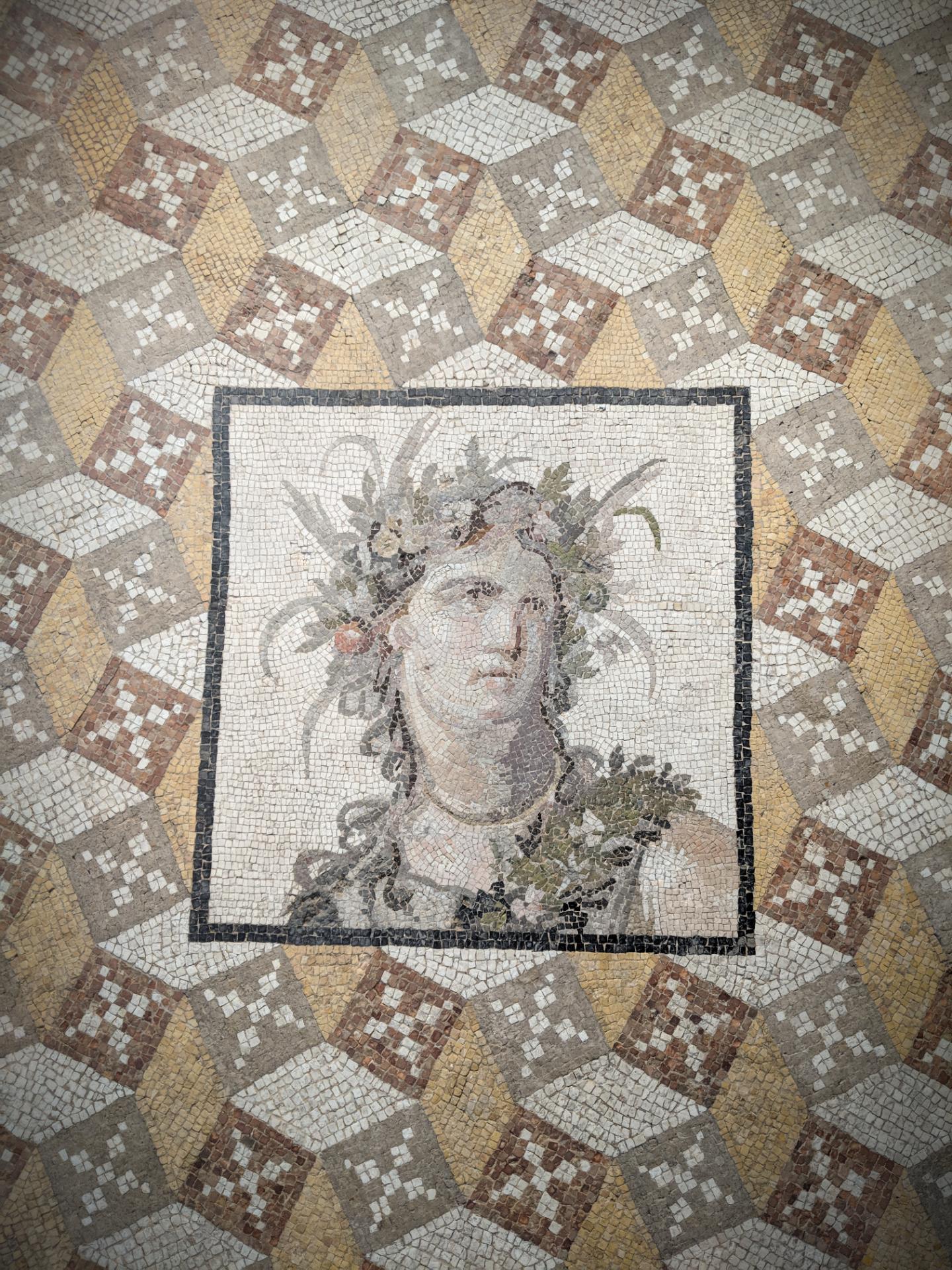
Roman, Imperial, 2nd century a.d.
Stone, tile and glass
Excavated from a villa at Daphne near Antioch (modern Antakya, Turkey), the metropolis of Roman Syria
The rectangular panel represents the entire decorated area of a floor and was found together with another mosaic (now in the Baltimore Museum of Art) in an olive grove at Daphne-Harbiye in 1937. In Roman times, Daphne was a popular holiday resort, used by the wealthy citizens and residents of Antioch as a place of rest and refuge from the heat and noise of the city.
The Metropolitan Museum of Art
August 19th, 2018
 The Humble Fabulist