The Alphabet of Art

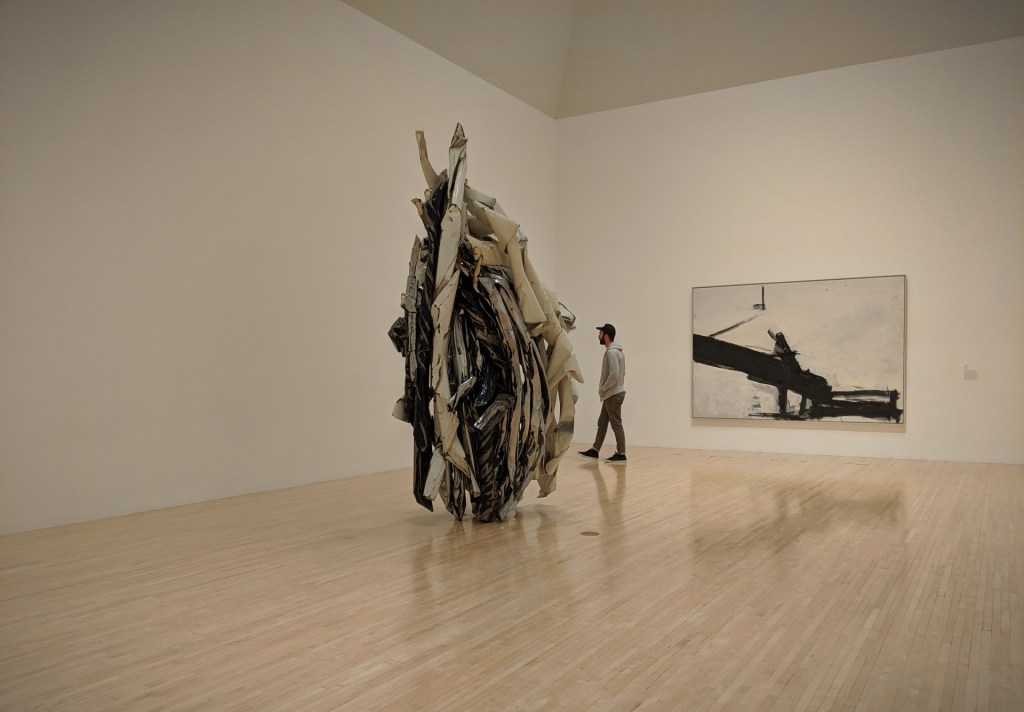
Lee Krasner || Primeval Resurgence, 1961 || Oil on canvas
Alberto Giacometti || Tall Figures II & III, 1960 || Bronze
Robert Rauschenberg || Coca-Cola Plan, 1958 || Pencil on paper, oil on three Coca-Cola bottles, wood newel cap, cast metal wings on wood structure
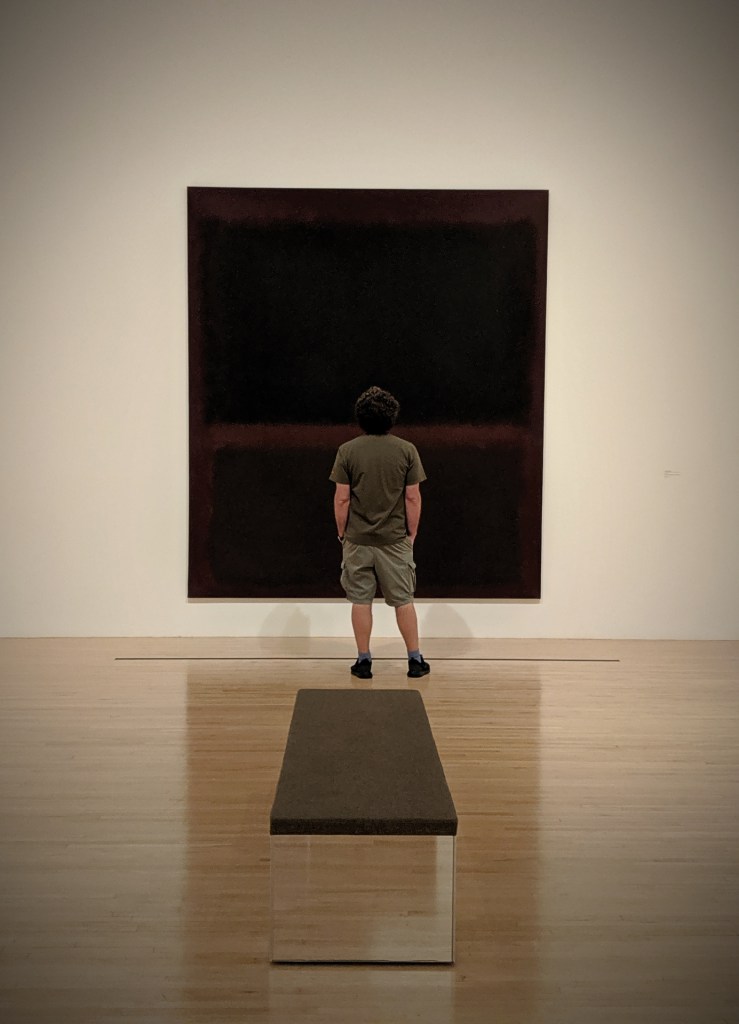
Mark Rothko || Black on Dark Sienna on Purple, 1960 || Oil on canvas
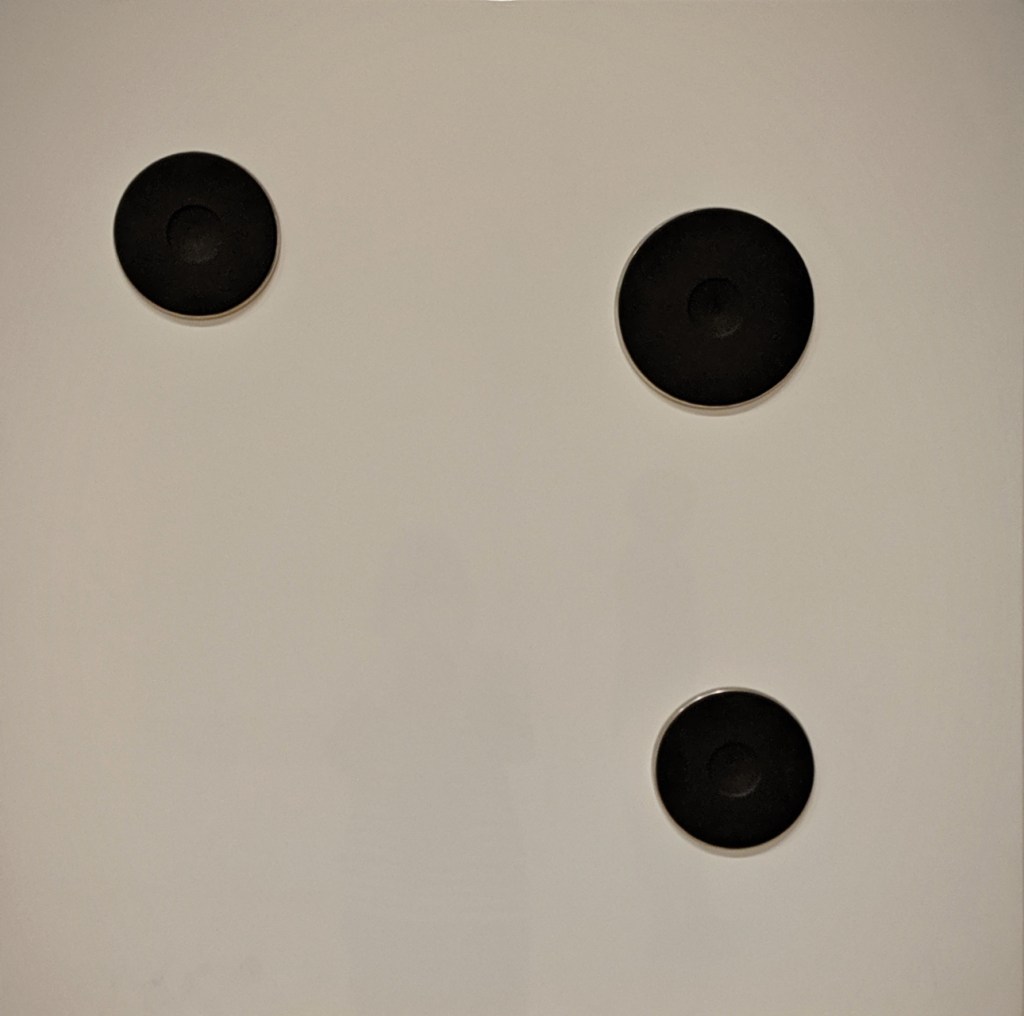
Rosemarie Trockel || Untitled, 1991 || Enameled steel and three stove plates
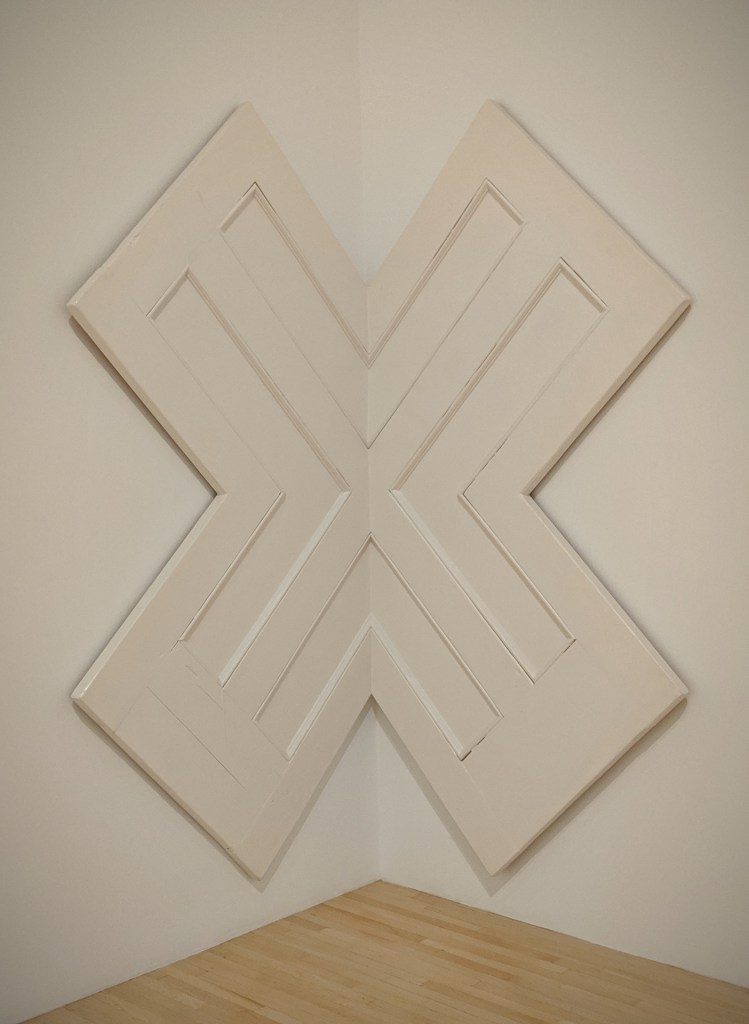
Robert Gober || Untitled, 1998 || Wood, steel, enamel
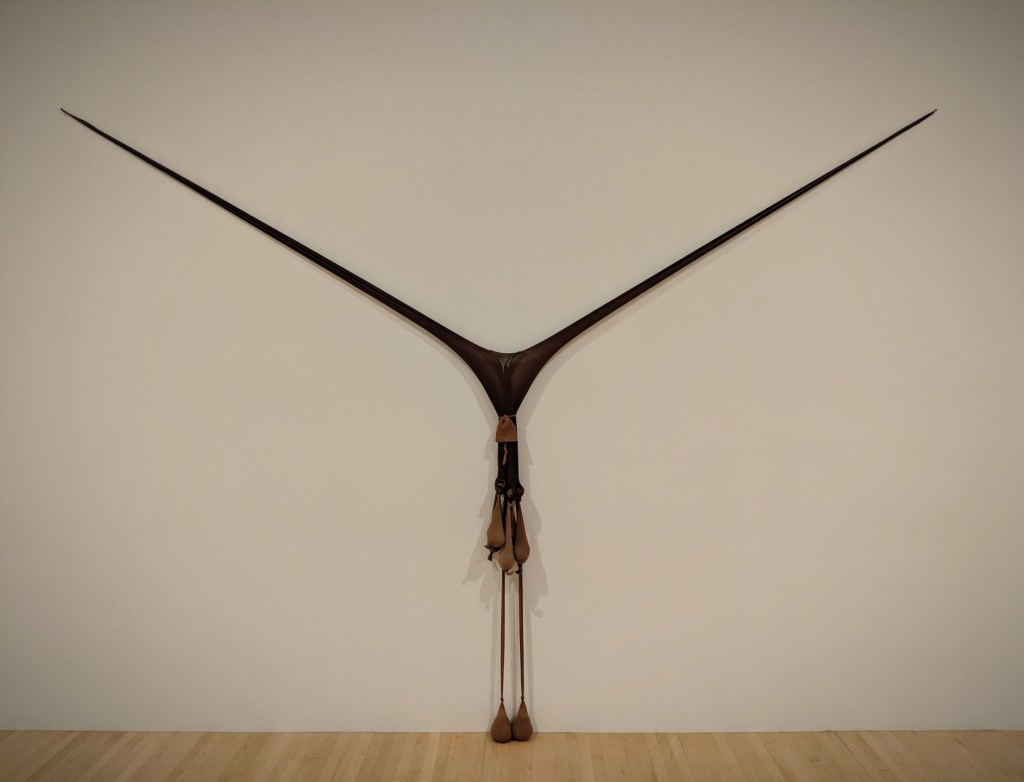
Senga Nengudi || R.S.V.P., 1975|| Nylon mesh and sand
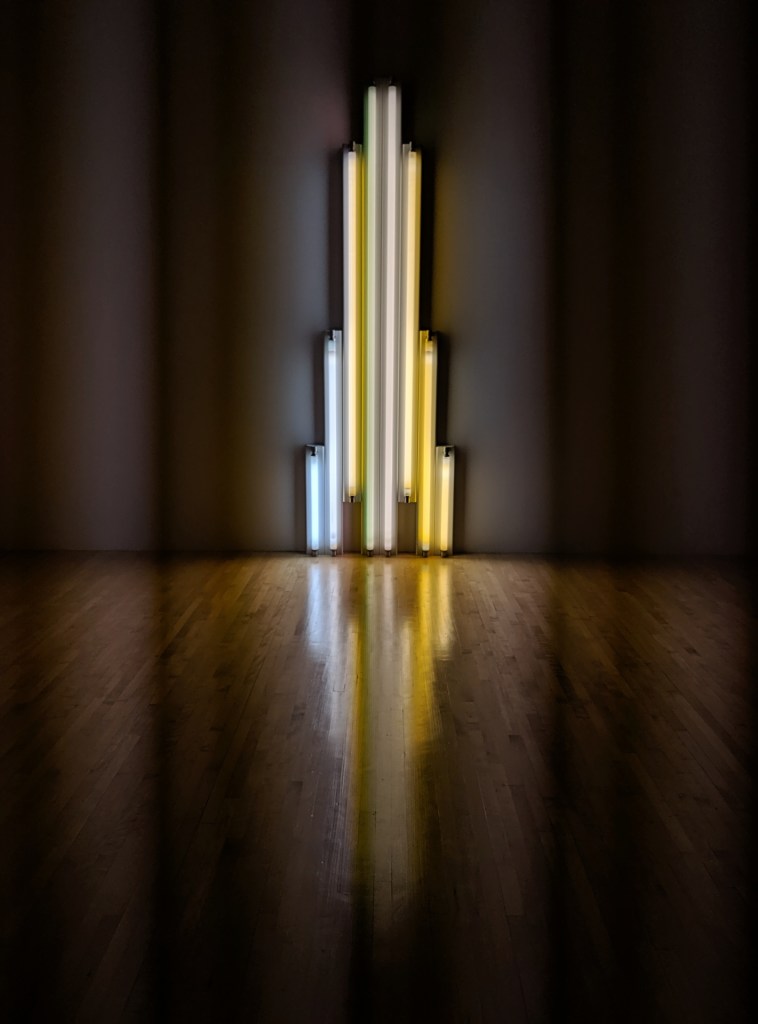
Dan Flavin || ”monument” for V. Tatlin, 1969

”Flavin’s work generates ambient light that reaches into the viewer’s space. The form, resembling a skyscraper, refers to a never-realized, but nonetheless influential, monument to an organization supporting Communist revolution designed by the Russian constructivist artist Vladimir Tatlin in 1920. It was to be a spiraling steel framework thirteen hundred feet tall in which rotating glass rooms would be suspended. Though utterly impractical engineering-wise, it remains an influential symbol of the artist’s efforts to combine art and technology. Flavin’s “monument,” despite its low-tech, small-scale nature, pays homage to Tatlin’s futuristic, utopian ideals.” [source: MOCA]
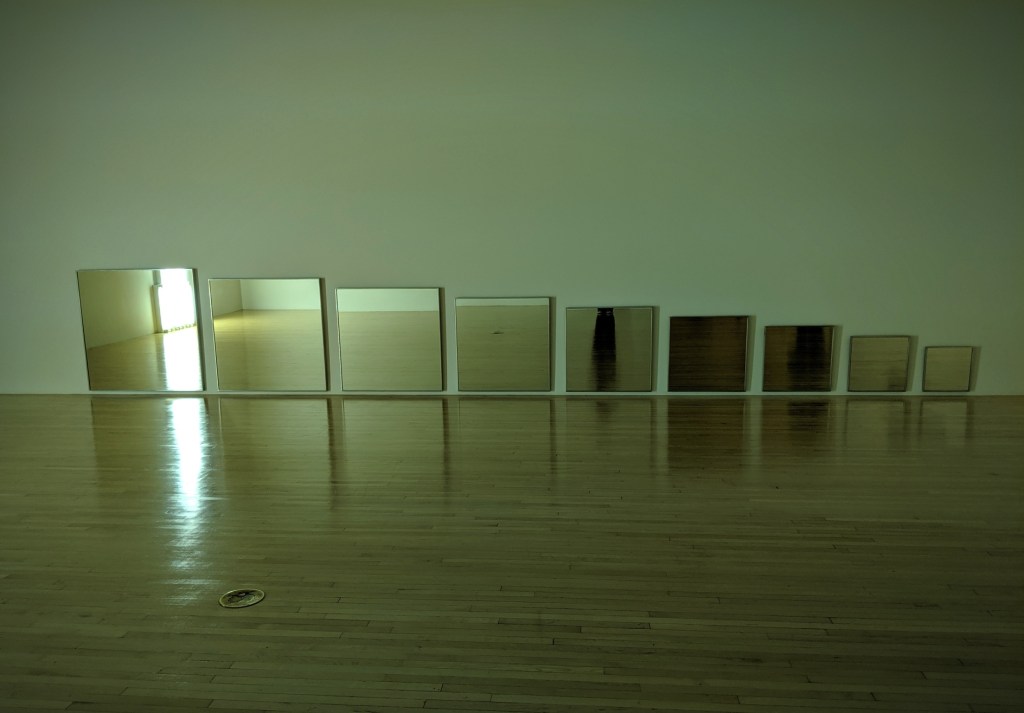
Robert Smithson || Mirage No. 1, 1967 || Nine units of mirrored glass
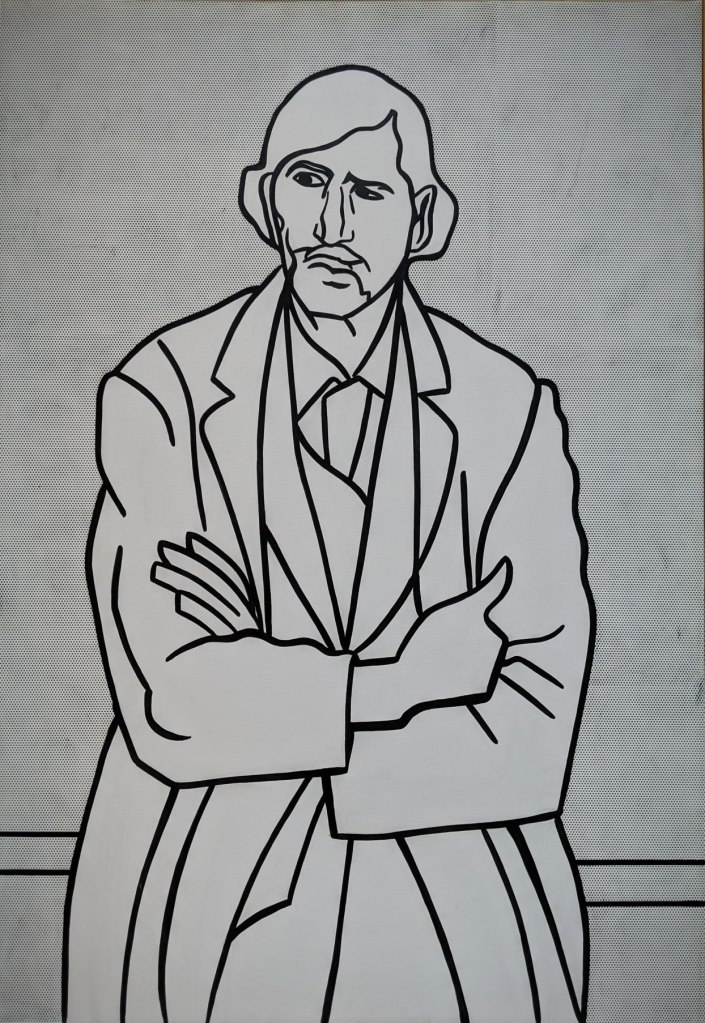
Roy Lichtenstein || Man with Folded Arms, 1962 || Oil on canvas
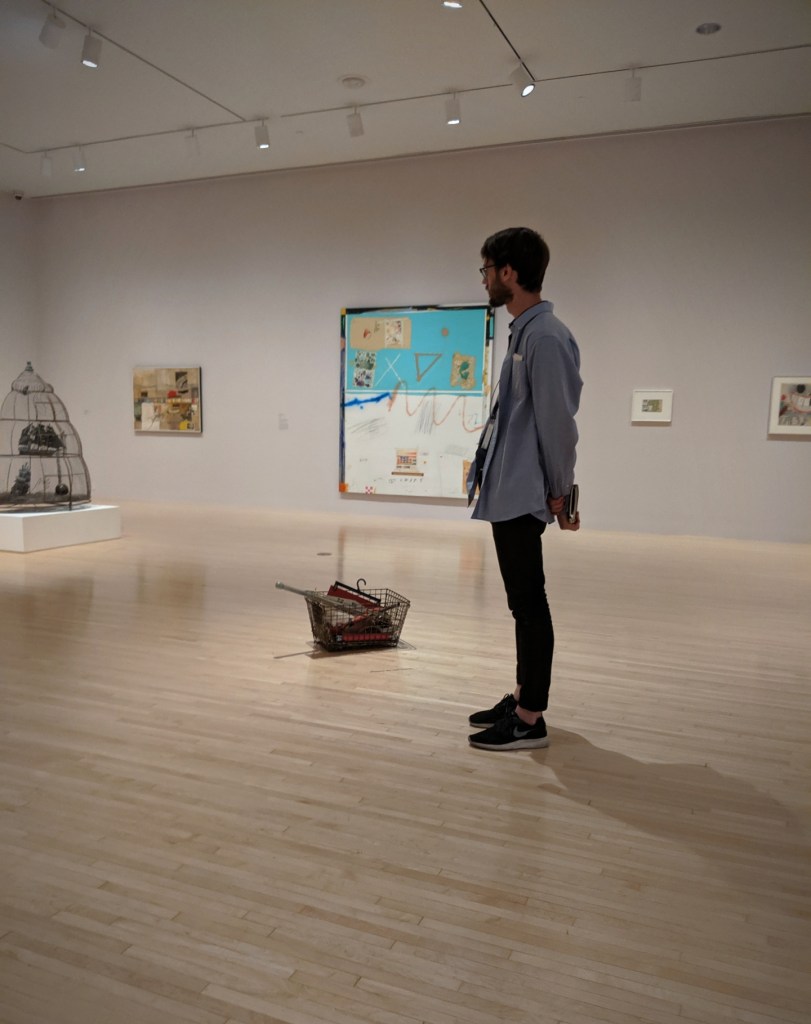
Cady Noland || Basket of Nothing, 1990 || Wire basket with assortment of building tools and materials
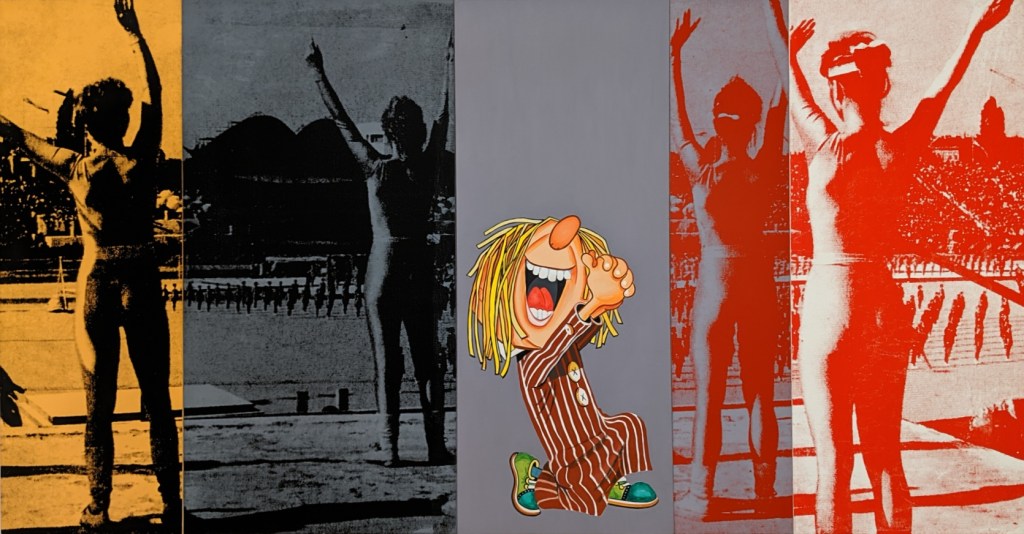
Julia Wachtel || Landscape No. 2 (Aerobics), 1989 || Oil, flashe, lacquer ink on canvas
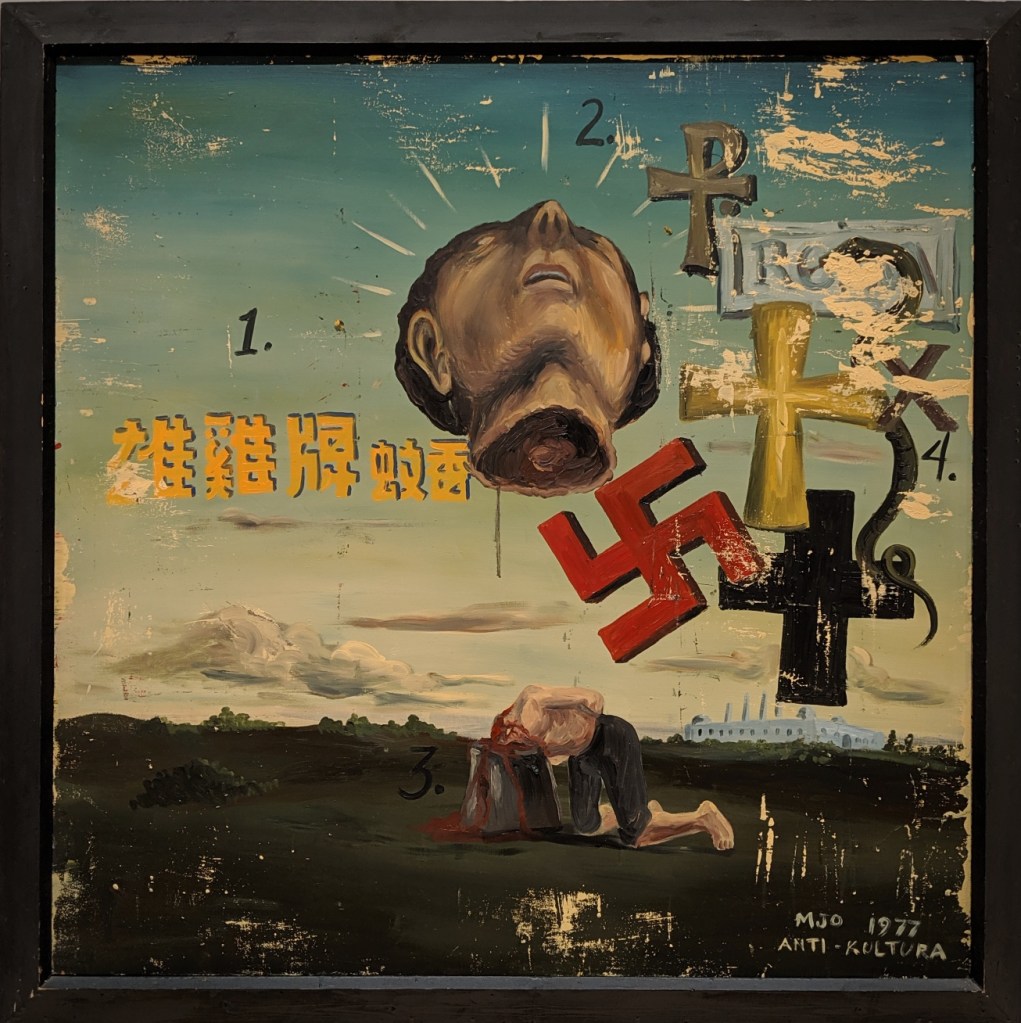
Manuel Ocampo || Untitled, ca. 1991 || Oil on canvas

The Museum of Contemporary Art, Los Angeles

May 9th, 2019

Wait, is that a Rothko…? @ MoMA [permanent collection, part 4]

How subtle and feather-light, how wonderfully surreal, how utterly refreshing from his later work where drawing gave way, drowned under thick layers of colour.

Slow Swirl at the Edge of the Sea, 1944. Oil on canvas || Mark Rothko

<<”Slow Swirl at the Edge of the Sea” pictures two creatures dancing between sea and sky, surrounded by arabesques, spirals, and stripes. The forms ”have no direct association with any particular visible experience, but in them one recognizes the principle and passion of organisms,” Rothko said. For him art was ”an adventure into an unknown world”; like the Surrealists before him, Rothko looked inward, to his own unconscious mind, for inspiration and material for his work.>>

MoMA, views from the permanent collection.

January 30th, 2017