To the rescue
Grand Central Terminal
August 14th, 2018
To the rescue
Grand Central Terminal
August 14th, 2018
There had to be a ”Pause” for the City to quiet down. Not so much unnecessary noise these days in New York!
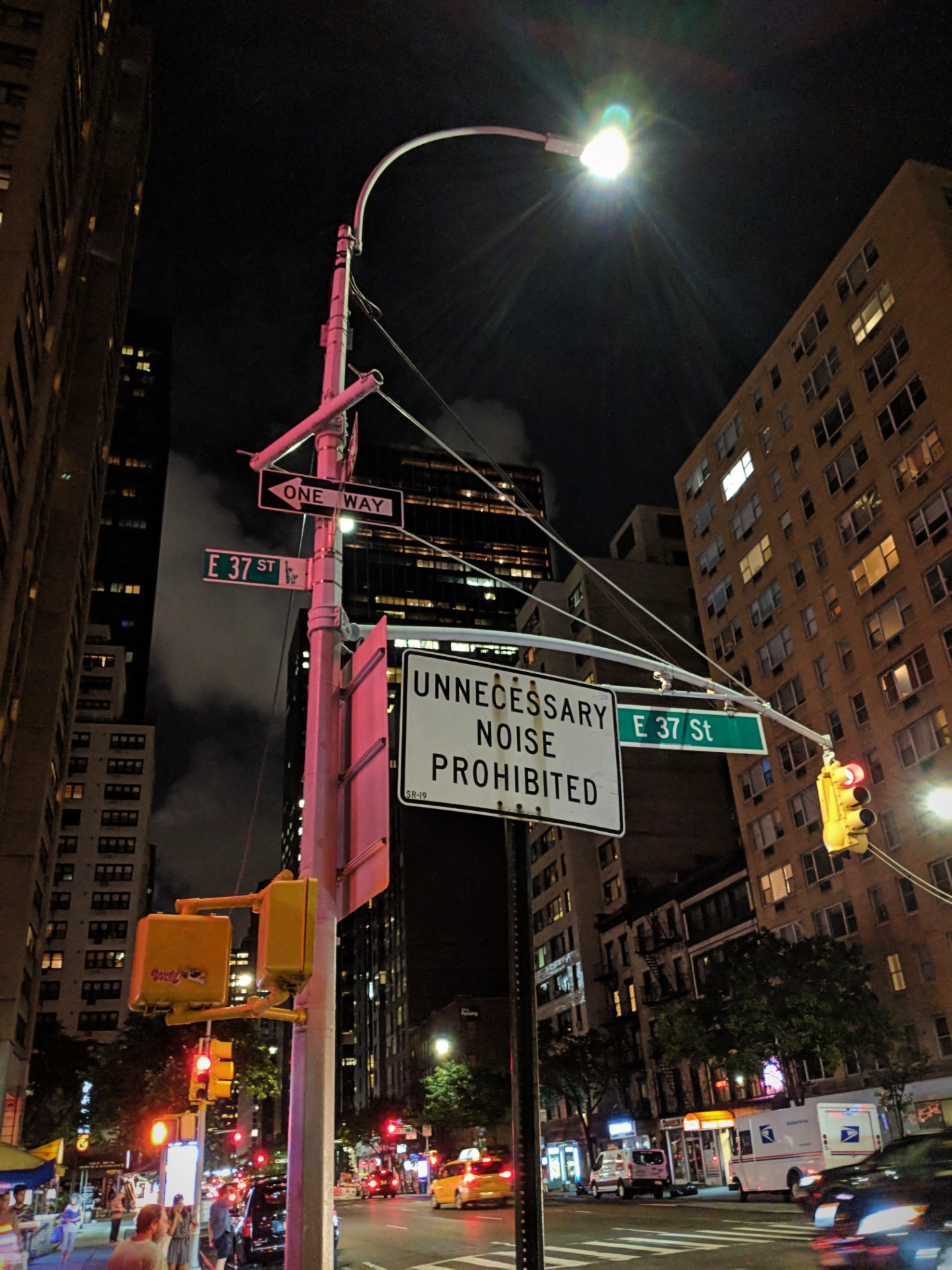
#insta-moments in Manhattan
August 12th, 2018
patient, very good boys!
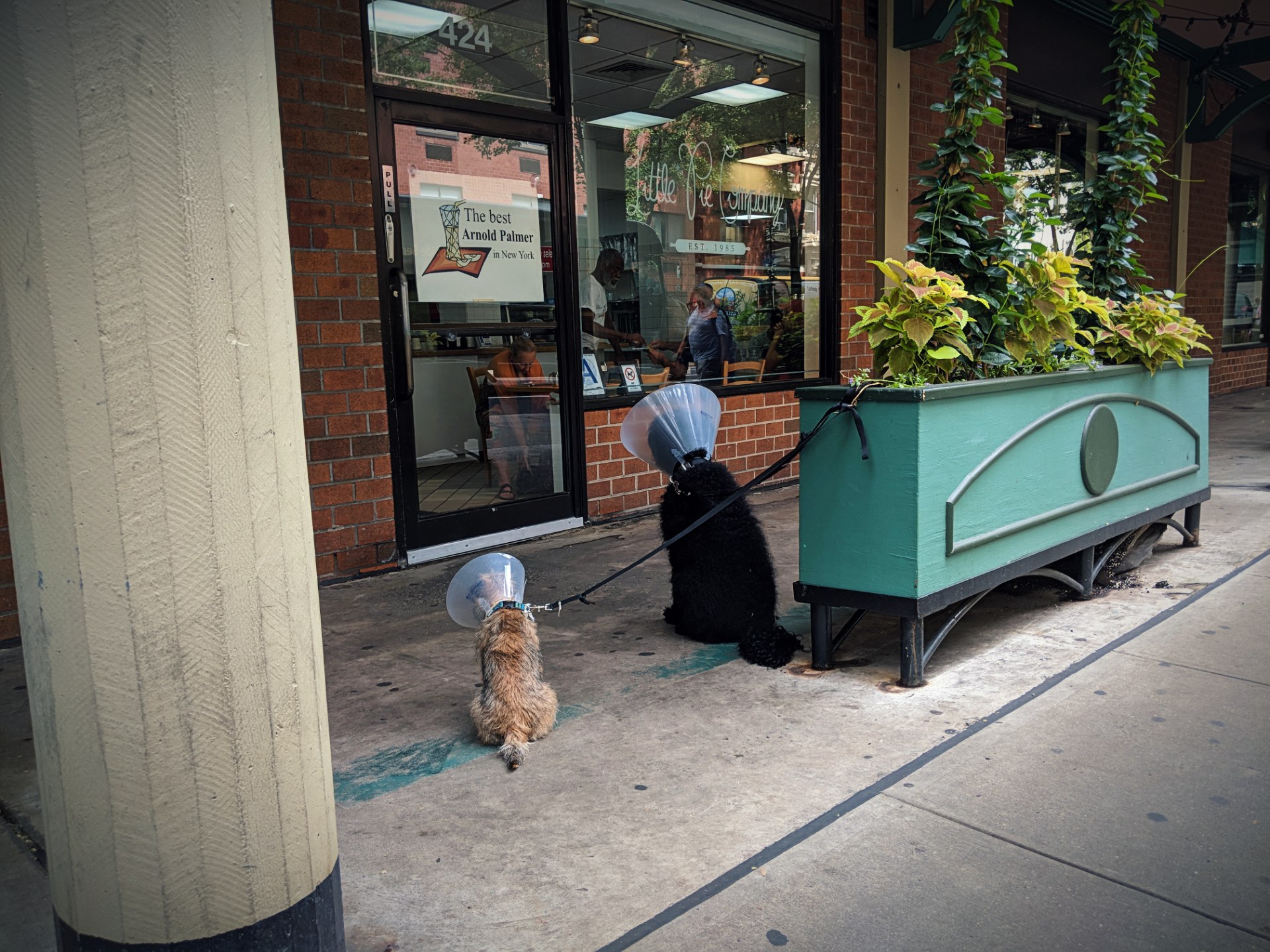
Hell’s Kitchen
August 11th, 2018
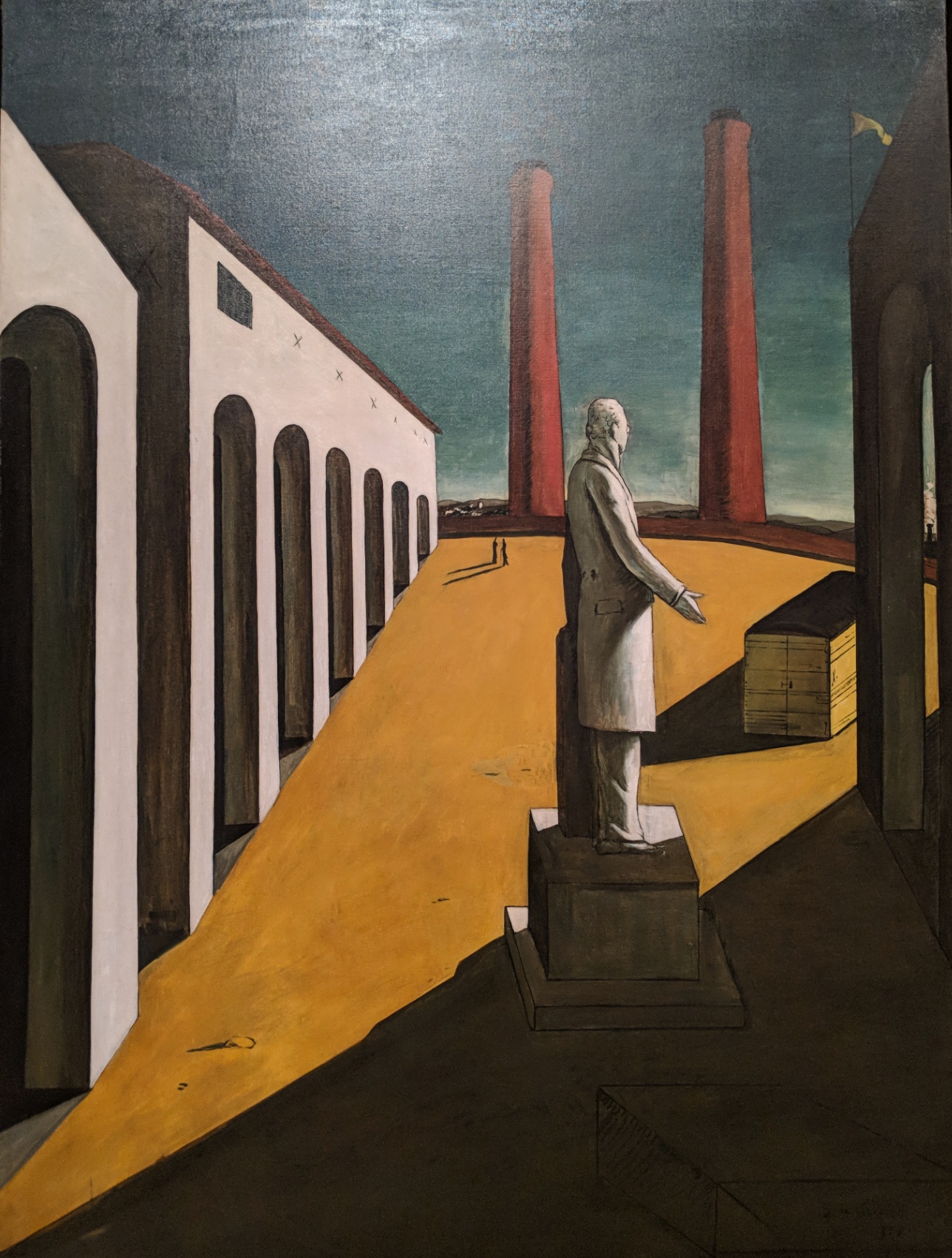

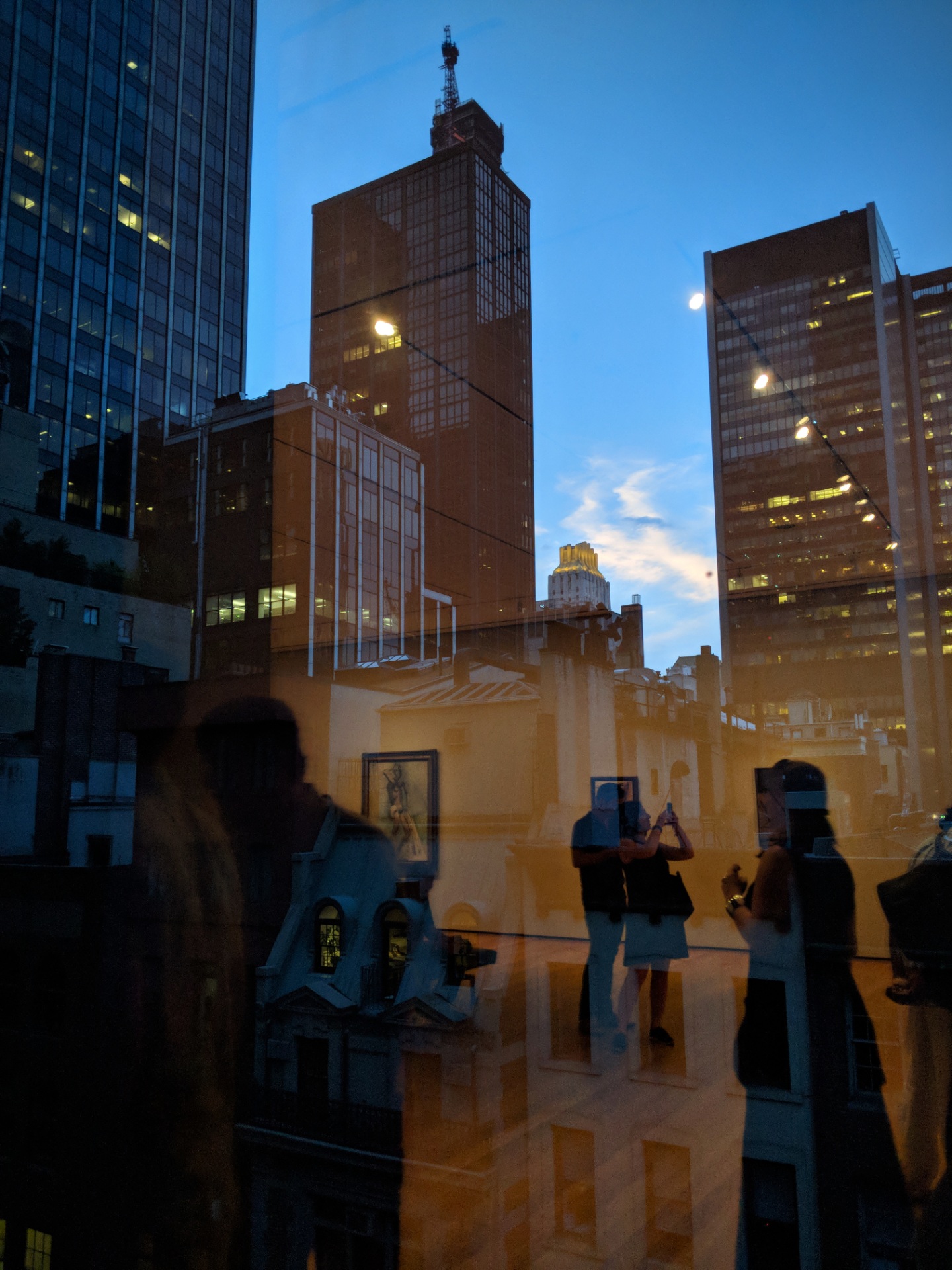



Giorgio de Chirico
The Enigma of a Day, 1914
Oil on canvas
@MoMA
August 8th, 2018
Thus spoke Marcel, and we obliged (for five minutes).
Looking for ”almost an hour” would have a hallucinatory effect similar to Marc Chagall’s experience, some years earlier.


Marcel Duchamp
To Be Looked At (from the Other Side of the Glass) with One Eye, Close to, for Almost an Hour, 1918
Oil, silver leaf, lead wire, magnifying lens on glass (cracked) mounted between panes of glass in a standing metal frame, on painted wood base
”The title of this work, which Duchamp said he ”intended to sound like an oculist’s prescription” tells the viewer exactly how to look at it. But peering through the convex lens embedded in the work’s glass ”for almost an hour” would have a hallucinatory effect, the view being dwarfed, flipped and otherwise distorted. Meanwhile the viewer patiently following the title’s instructions is him-or herself put on display for anyone else walking by.
Duchamp called this his ”small glass”, to distinguish it from his famous Large Glass of 1915-23. He made the work in Buenos Aires, Argentina, where he had fled earlier in 1918 to escape the oppressive atmosphere of the United States during World War I. When he shipped it back to New York, the glass cracked in transit, en effect that delighted him.”
Marc Chagall
I and the Village, 1911
Oil on canvas
@MoMA
August 8th, 2018

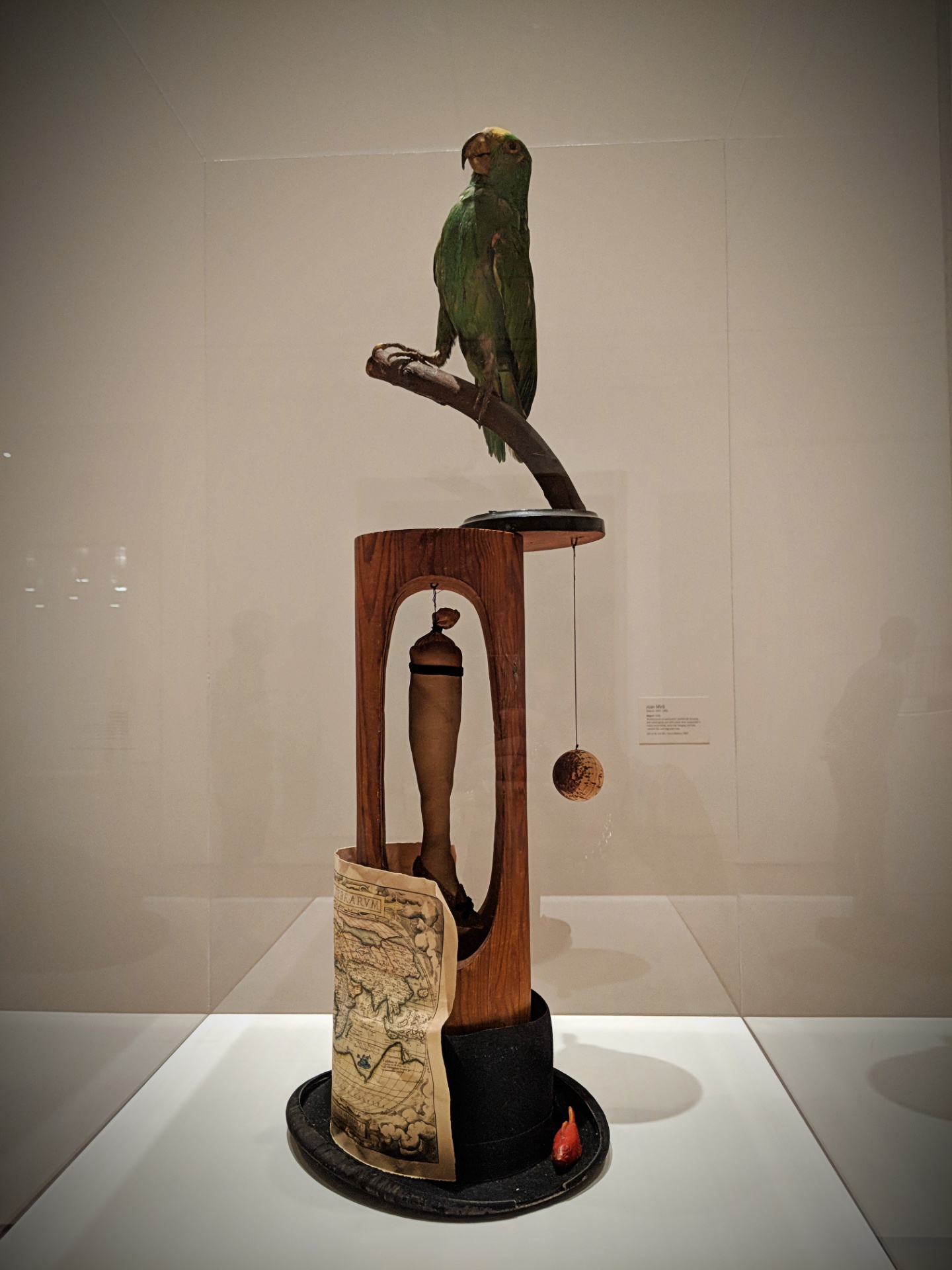

Art:
Joan Miró
Object, 1936
Staffed parrot on wood perch, stuffed silk stocking with velvet garter and doll’s paper shoe suspended in hollow wood frame, derby hat, hanging cork ball, celluloid fish and engraved map.
@MoMA
August 8th, 2018
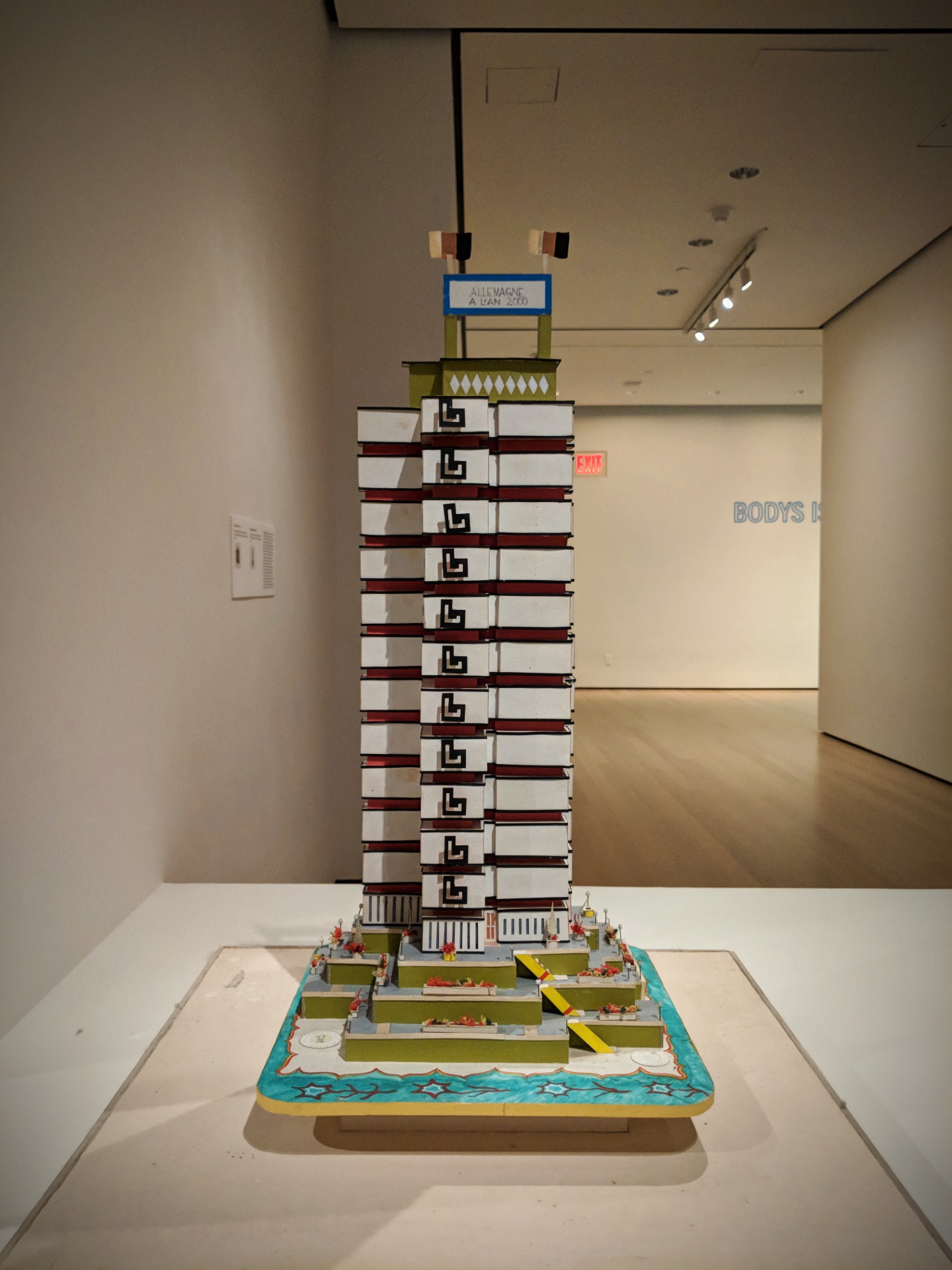
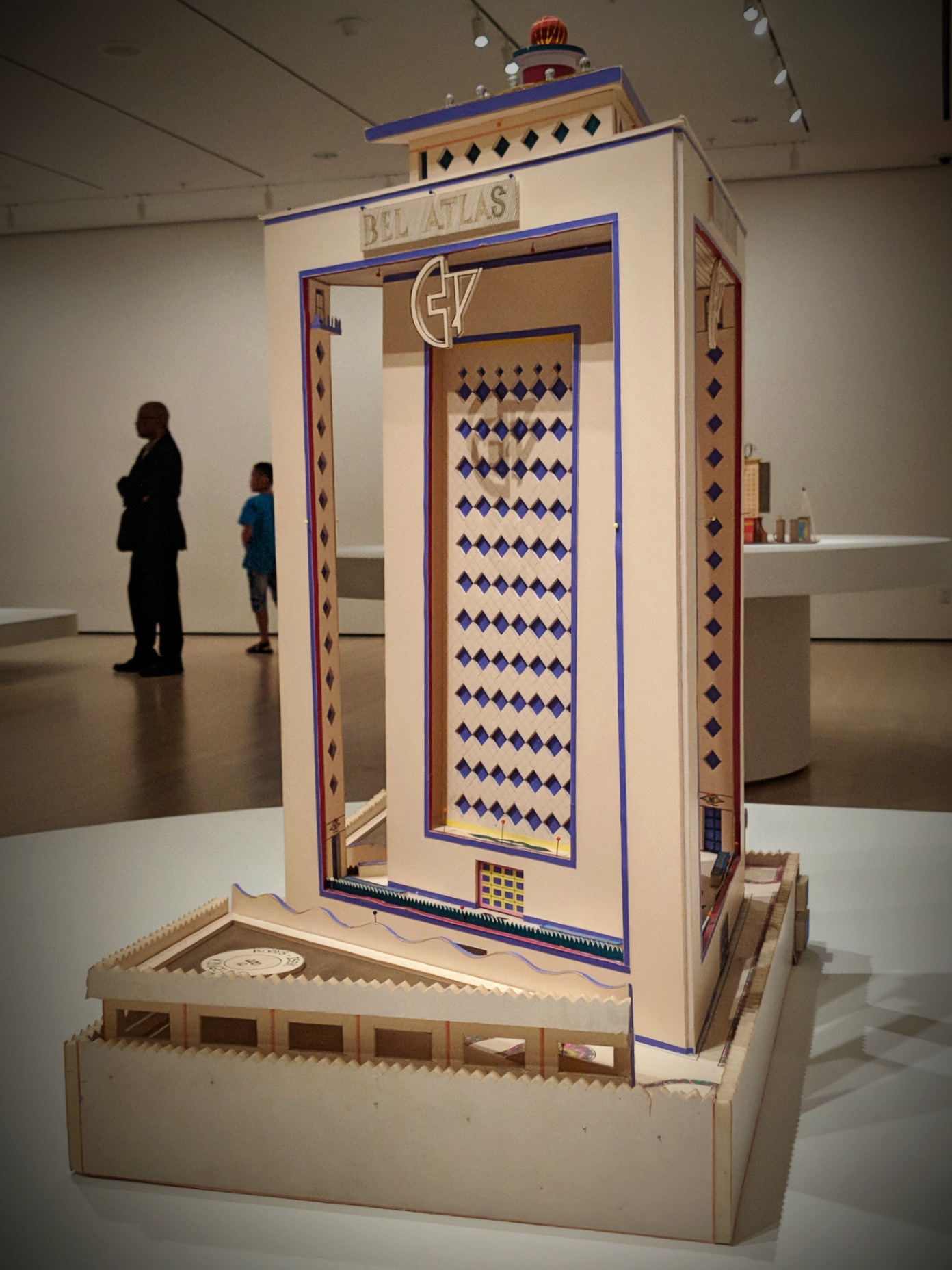
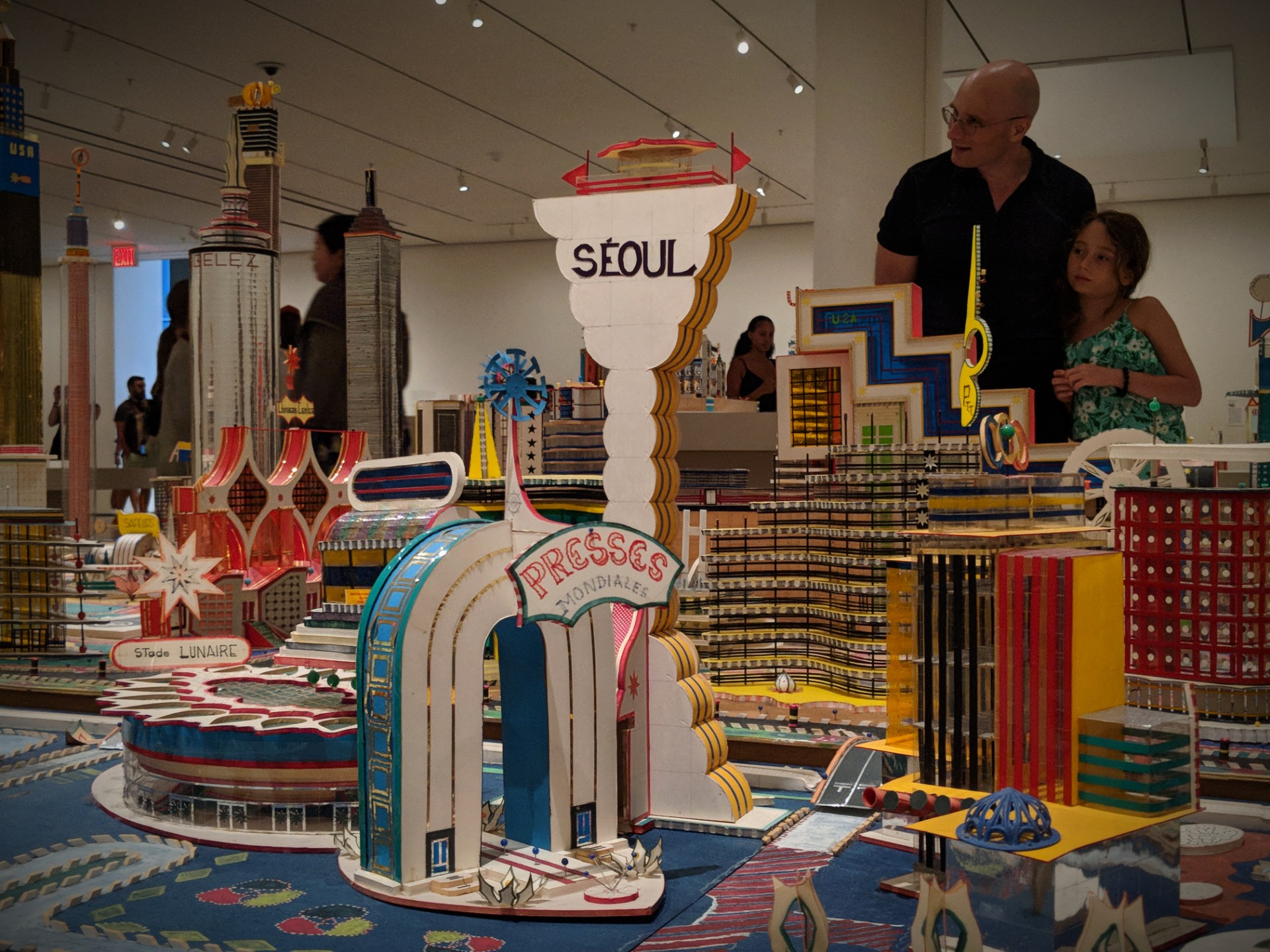
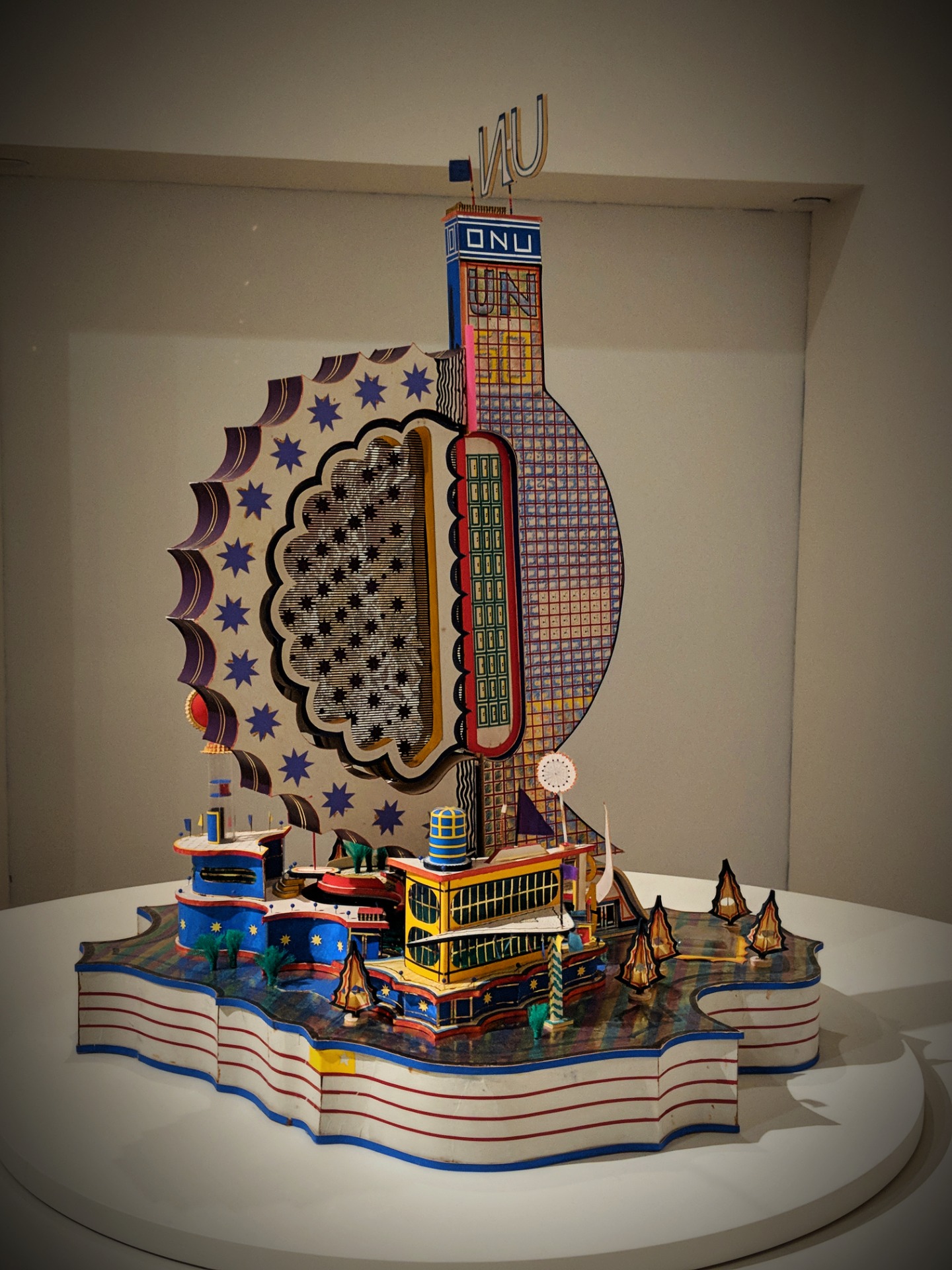
I first became aware of the work of Bodys Isek Kingelez, captivated by his intricate, colourful maquettes, at the retrospective that was presented at MoMA during the second half of 2018. There is a joyous, optimistic quality about these toy-like cities that brought a smile to the child in me; but make no mistake – these tiny sculptures, made from modest materials like glue and paper, straws and bottles, soda cans and bottle caps, are no toys. They are a delicate body of artwork, visions of utopian cities, images of a better world. Like, for example, the U.N. (1995), made in commemoration of the 50th anniversary of the United Nations, reflecting the artist’s belief in a world of democracy, peace, and cooperation. Or his Ville Fantôme (1996), a peaceful city in which doctors and police are unecessary.
An extract from the artist’s bio (for more info click on his name):
”Visionary artist Bodys Isek Kingelez created dazzling, intricate architectural sculptures that he called “extreme maquettes.” Born in the agricultural village of Kimbembele Ihunga in the Belgian Congo (now the Democratic Republic of the Congo) in 1948, he came of age in a period of enormous political and social transformation. In 1970, he relocated to Kinshasa—the capital of the newly independent nation renamed Zaire—to pursue a university education. After his studies, motivated by a desire to make a civic contribution to his country, Kingelez worked briefly as a secondary school teacher. However, he soon became “obsessed with the idea of getting my hands on some scissors, a Gillette razor, and some glue and paper…” and began to create sculptures that took the form of buildings, constructed from modest materials like paper, cardboard, and repurposed commercial packaging, and embellished with push-pins, straws, elaborate hand-applied designs, and more. It was through these sculptures that he felt he could help shape “a better, more peaceful world.” The technical excellence of Kingelez’s early work led to his hiring as a restorer at the National Museums Institute of Zaire, where he repaired traditional objects in the collection until he devoted himself to art making full-time in the early 1980s.”




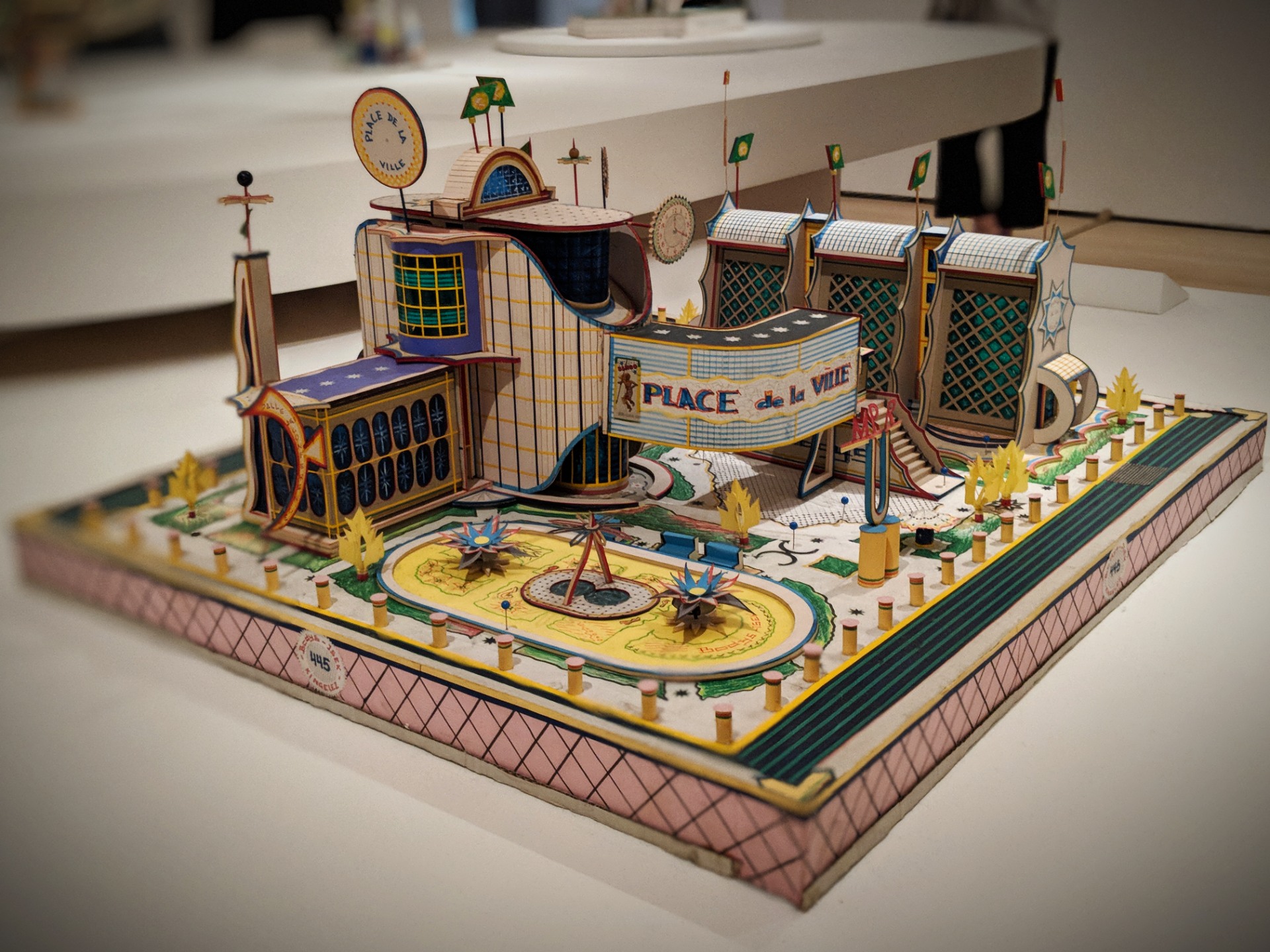
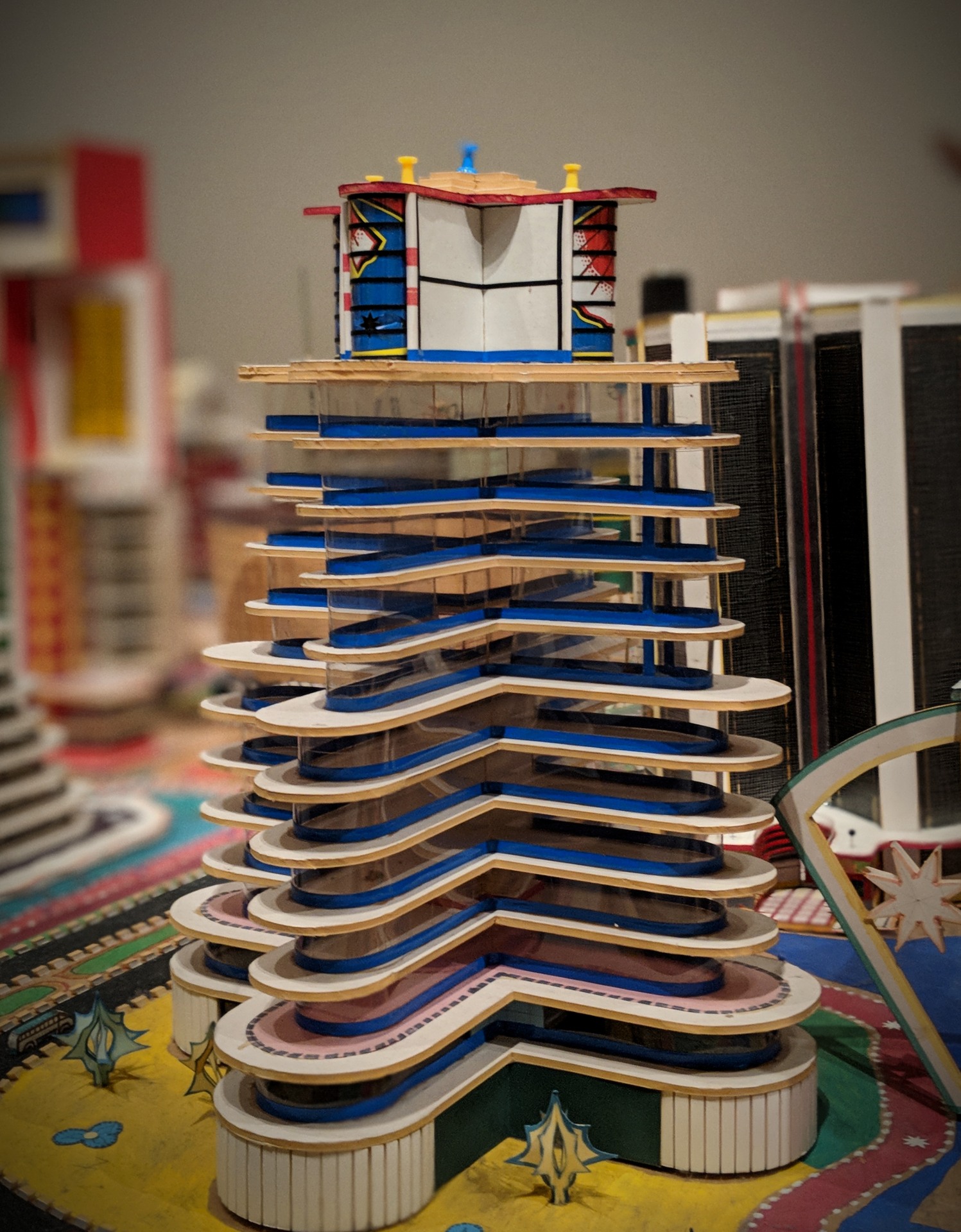

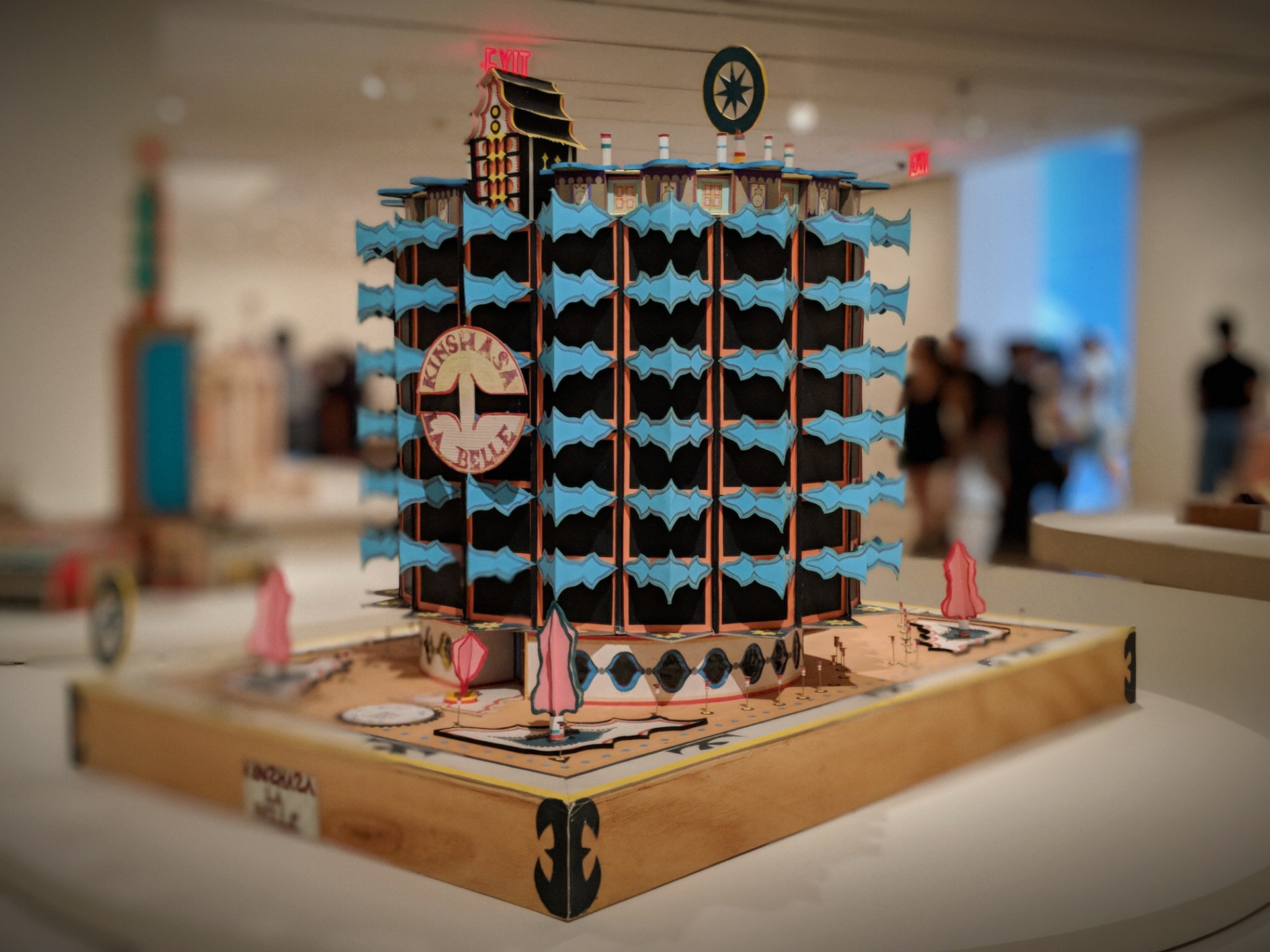
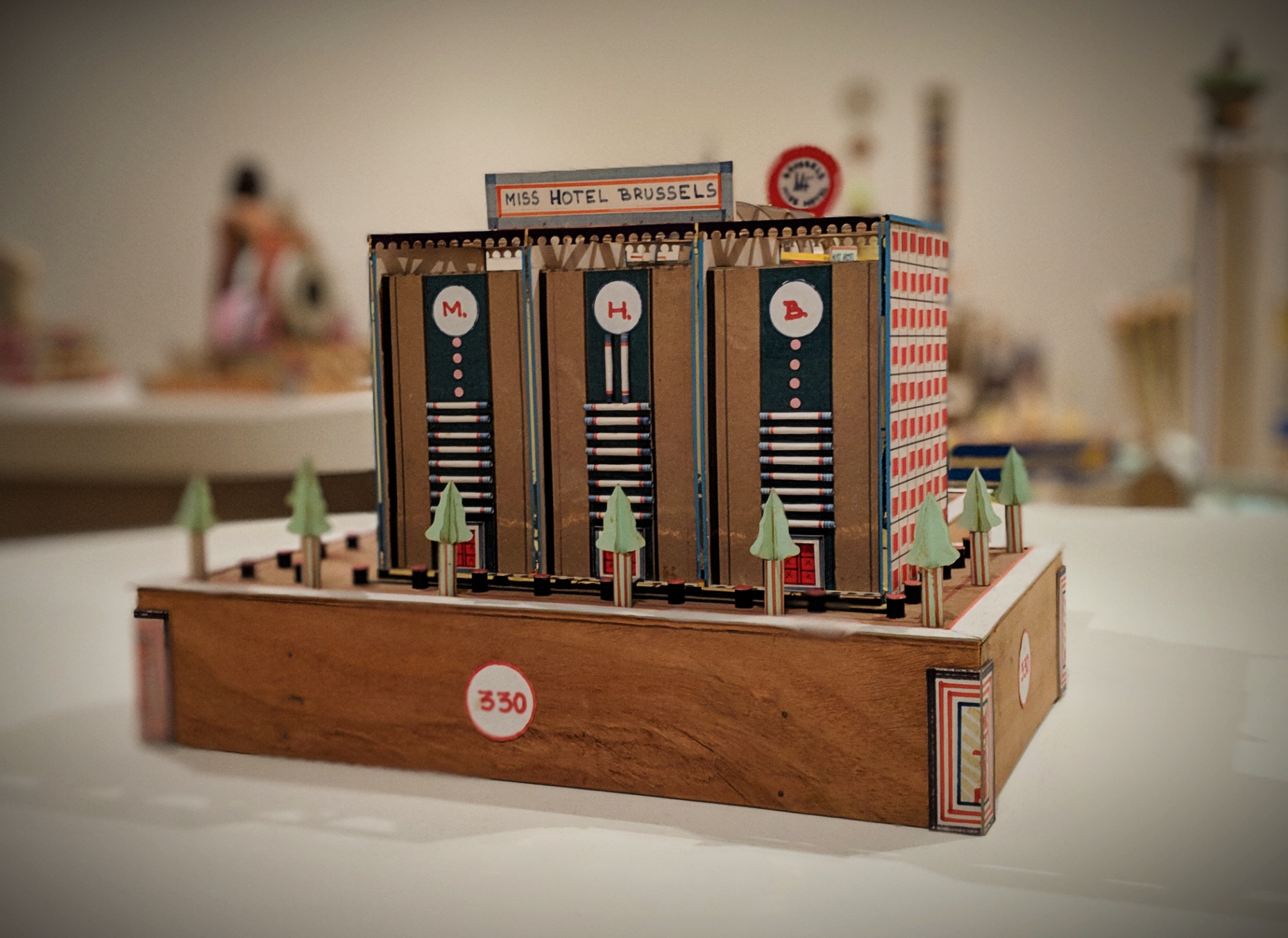


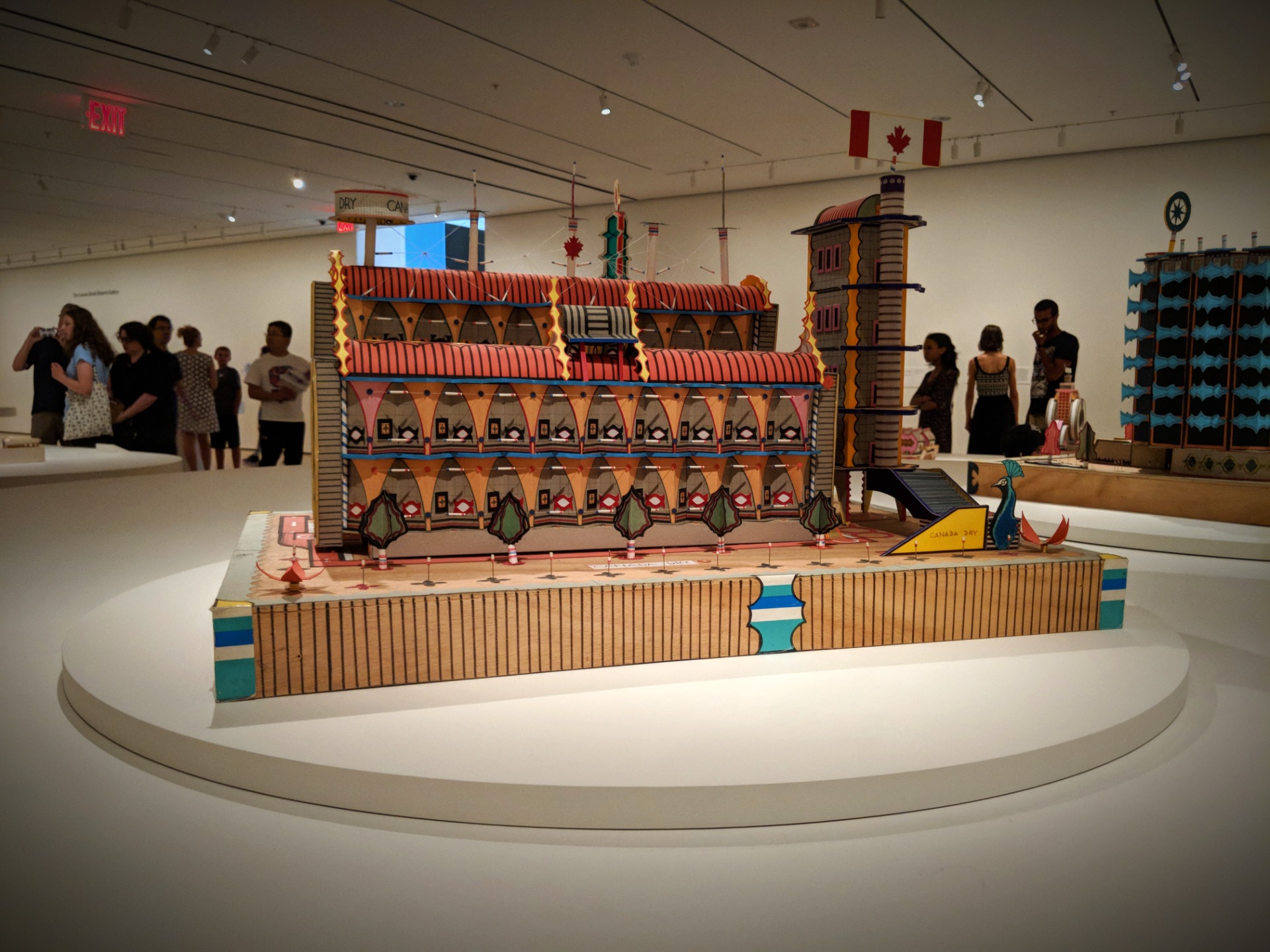
“Art is the grandest adventure of them all…art is a high form of knowledge, a vehicle for individual renewal that contributes to a better collective future.” – Bodys Isek Kingelez (1948–2015)
MoMA, New York
July 28th, 2018
With Mrs. Rabbitgirl & Mr. Dogman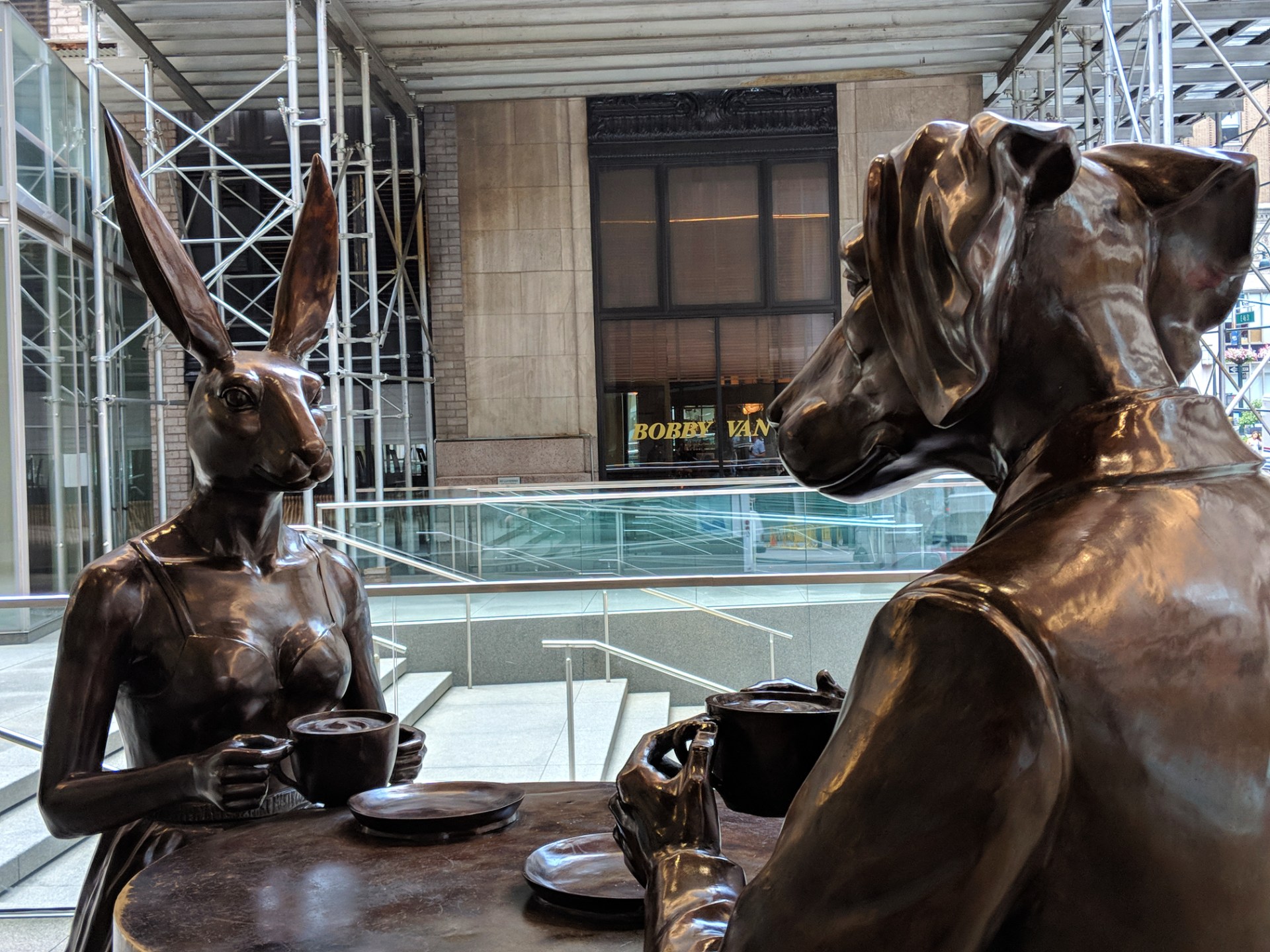
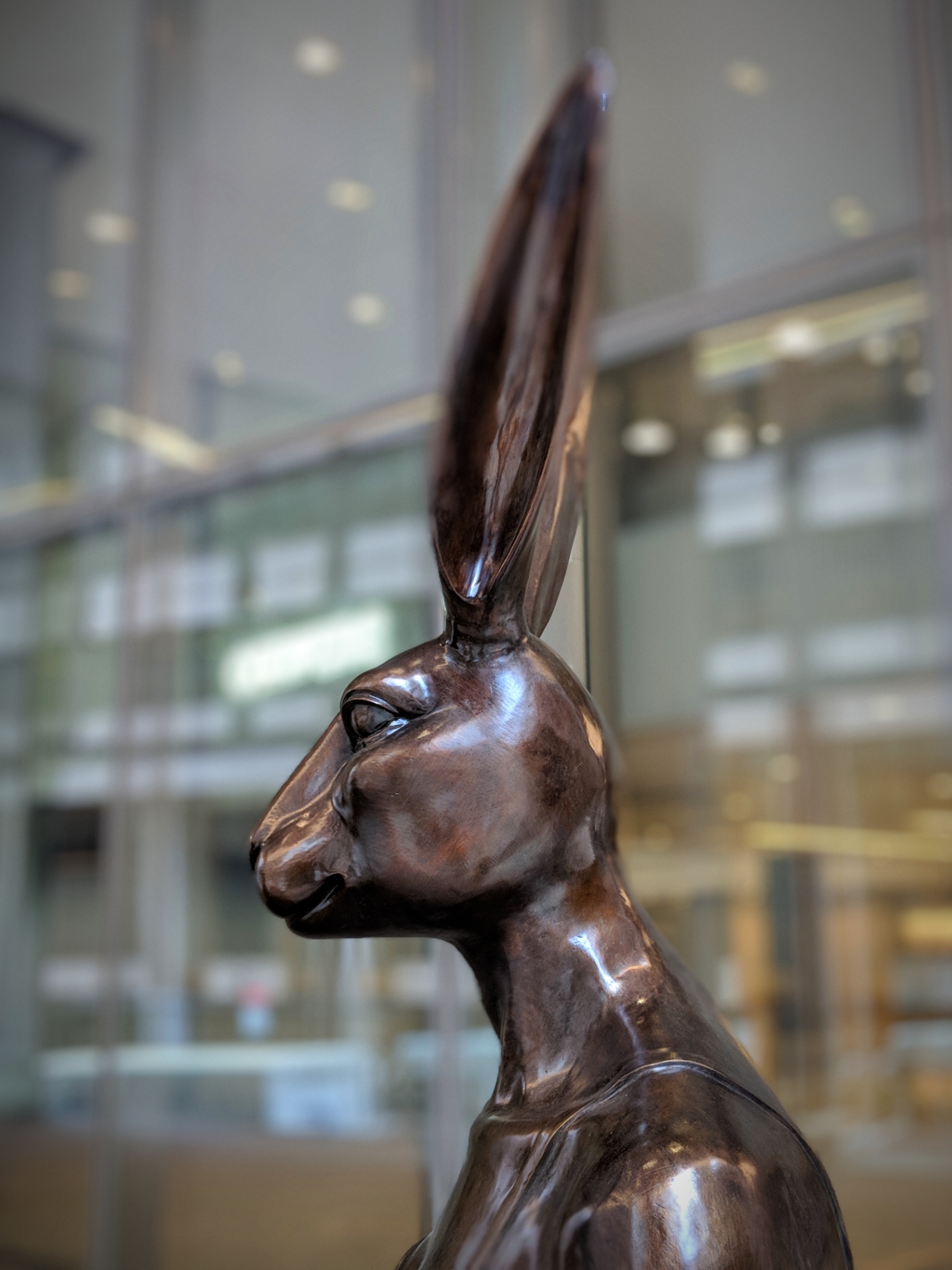
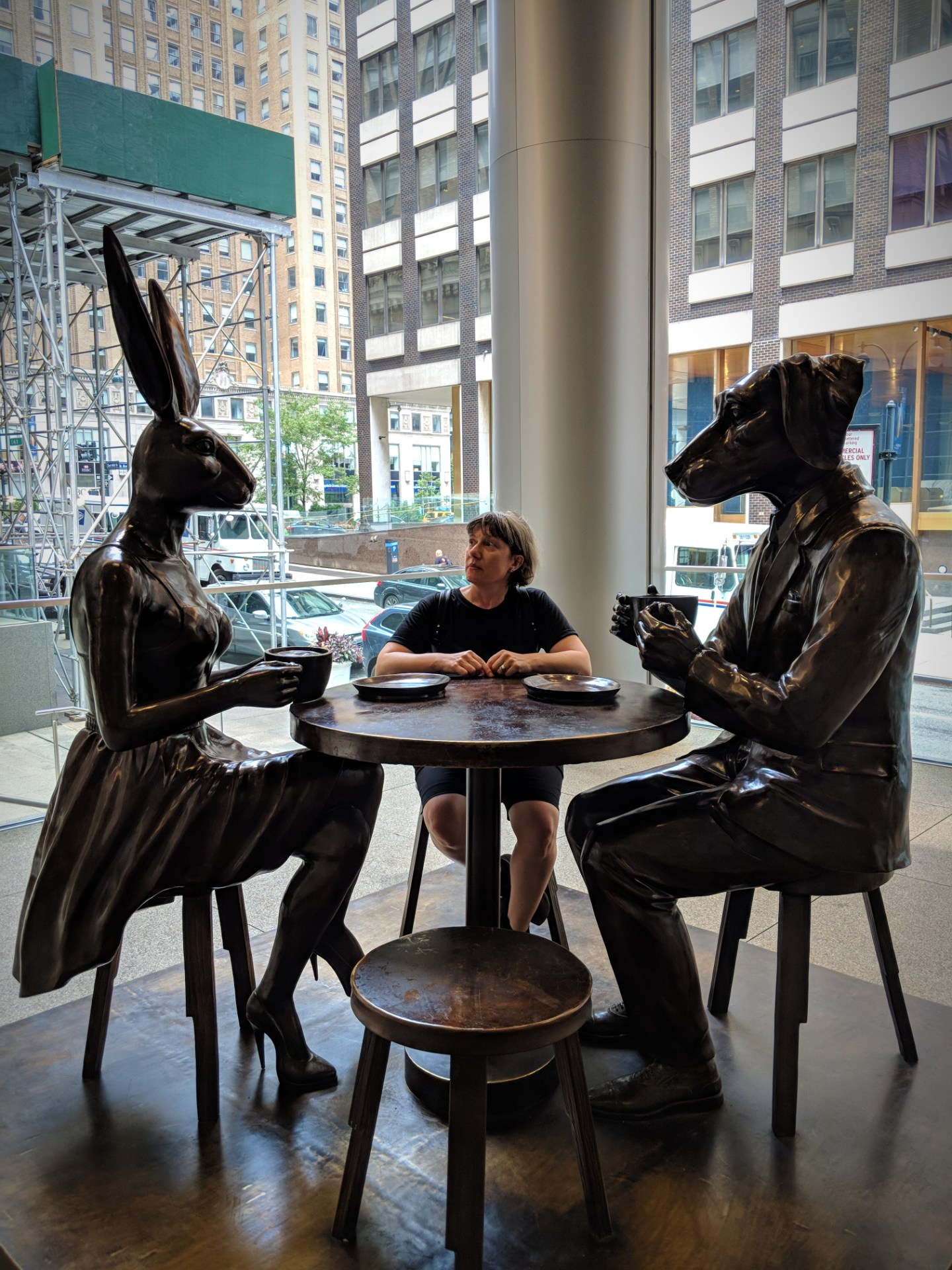
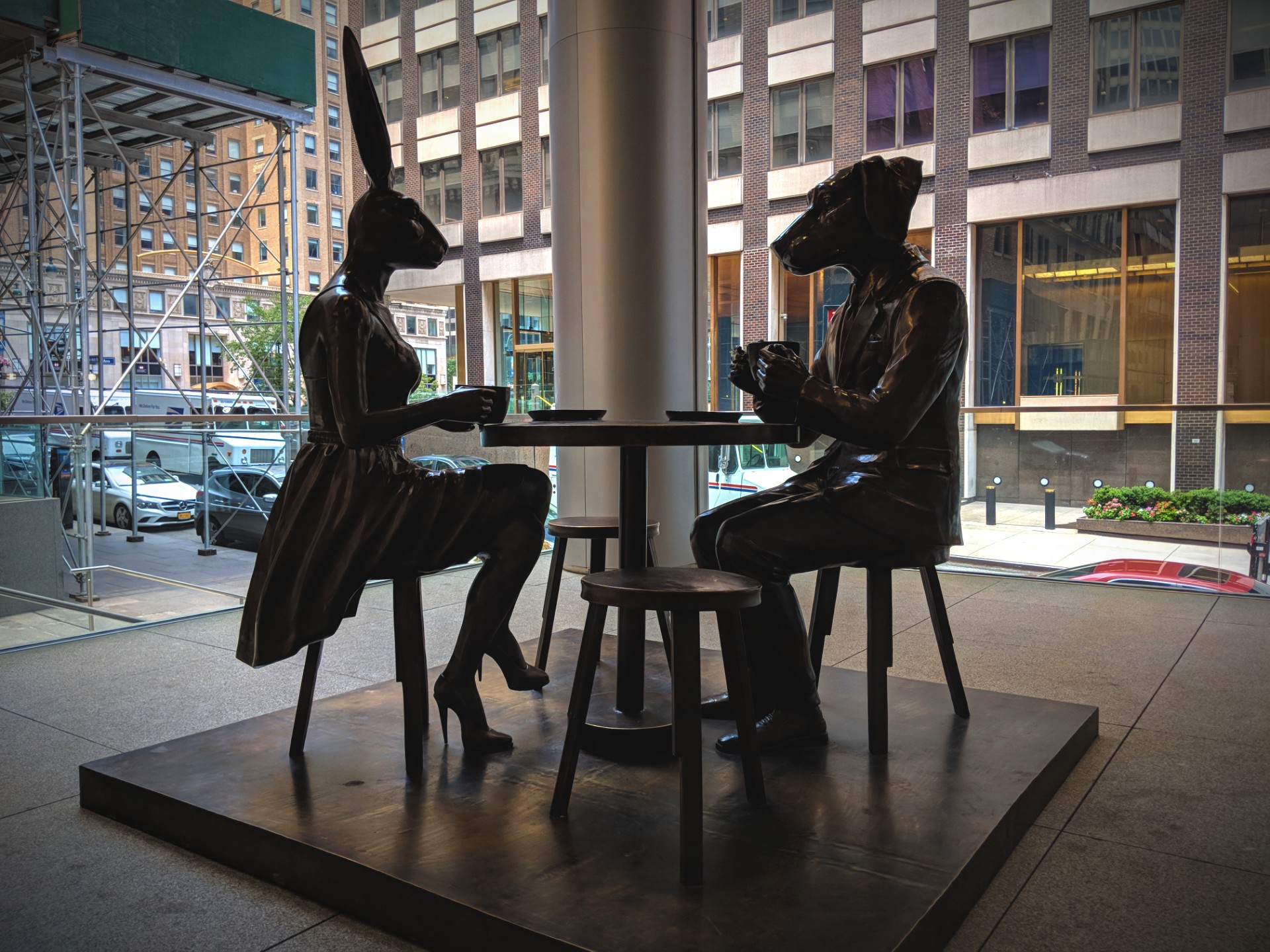 At the Table of Love, 237 Park Avenue
By Gillie and Marc, proud parents of the intrusive Paparazzi we spotted lurking in Greenwich Village back in 2017.
July 28th, 2018
Life seemed so much simpler then.
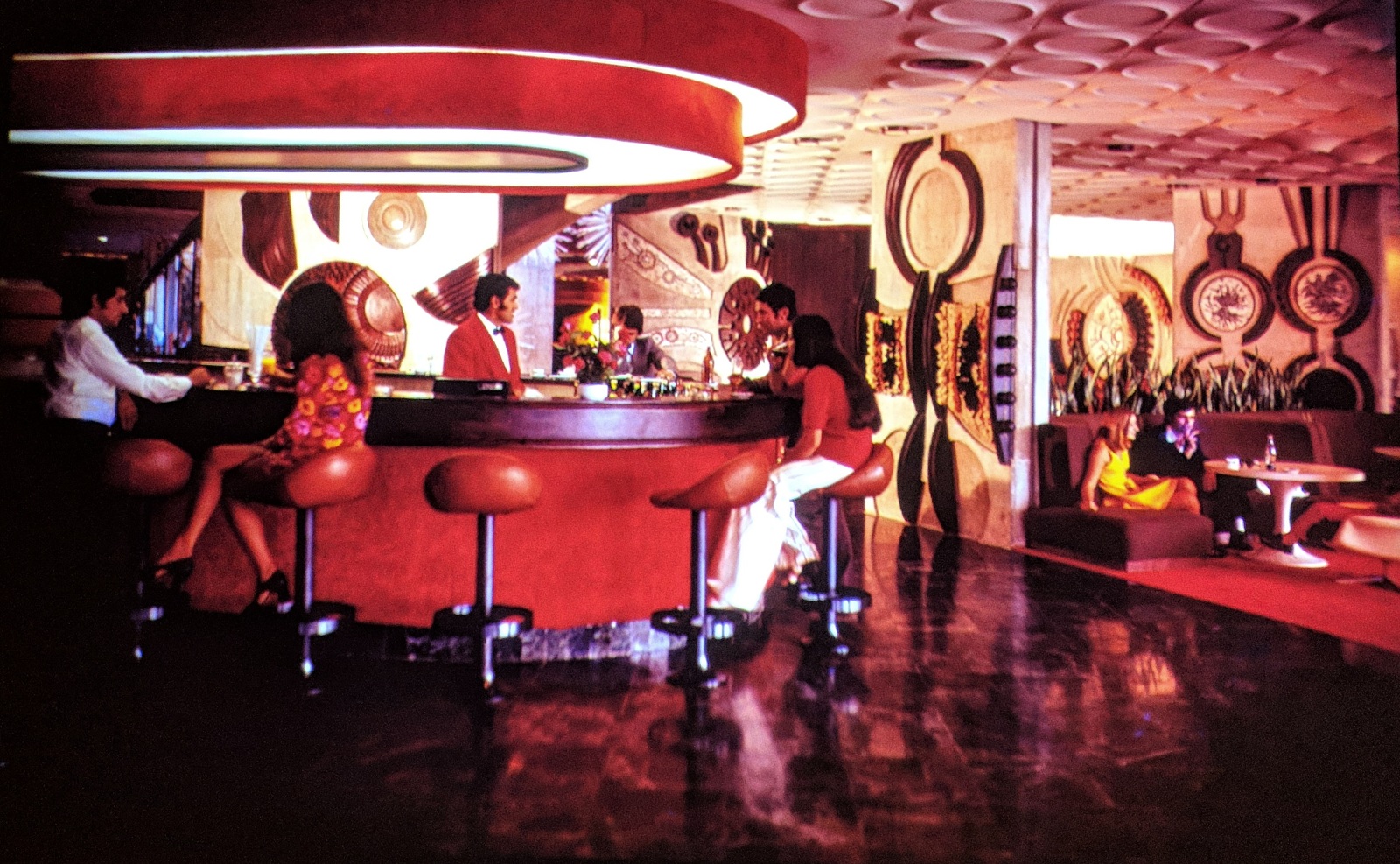
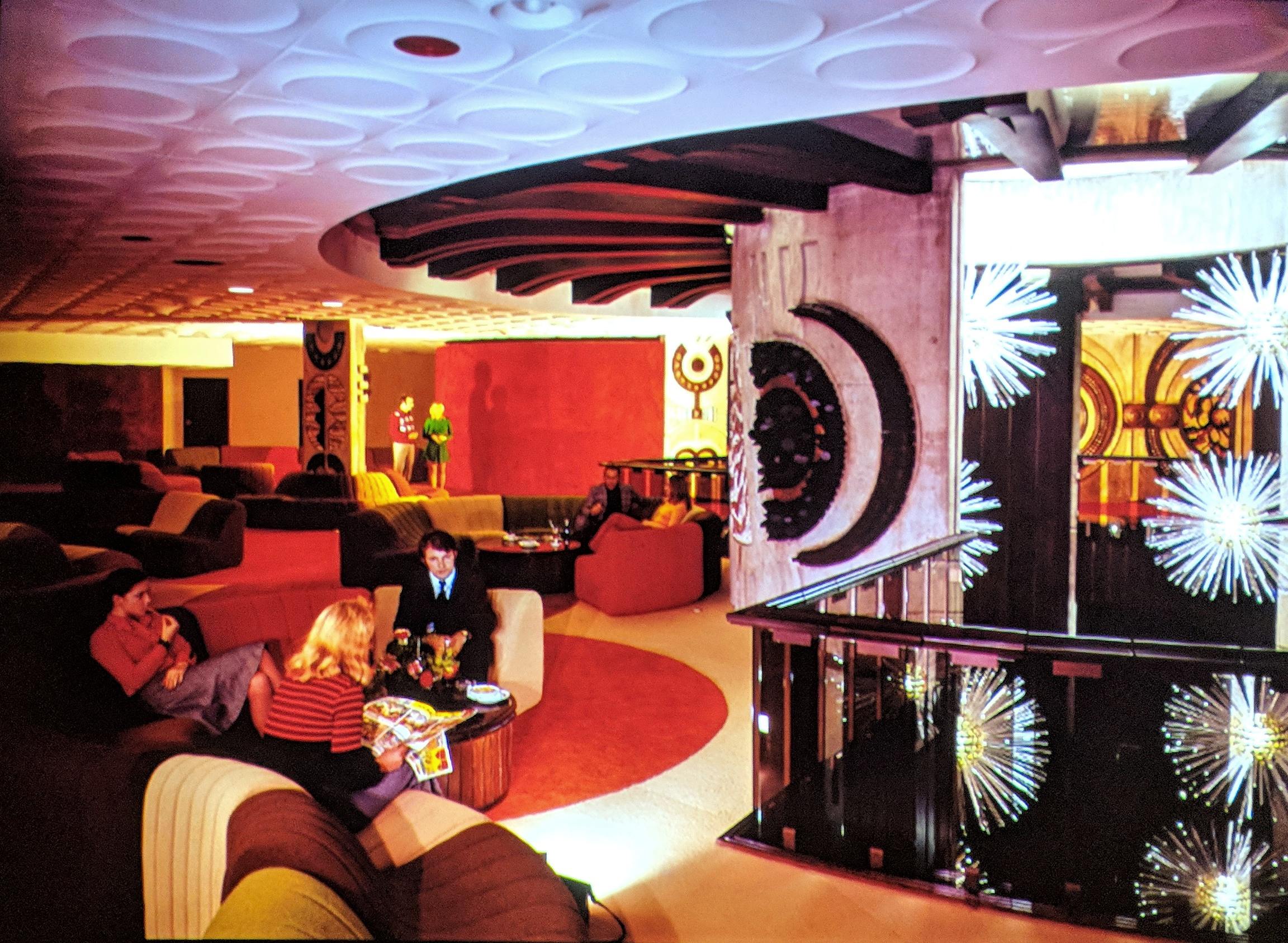
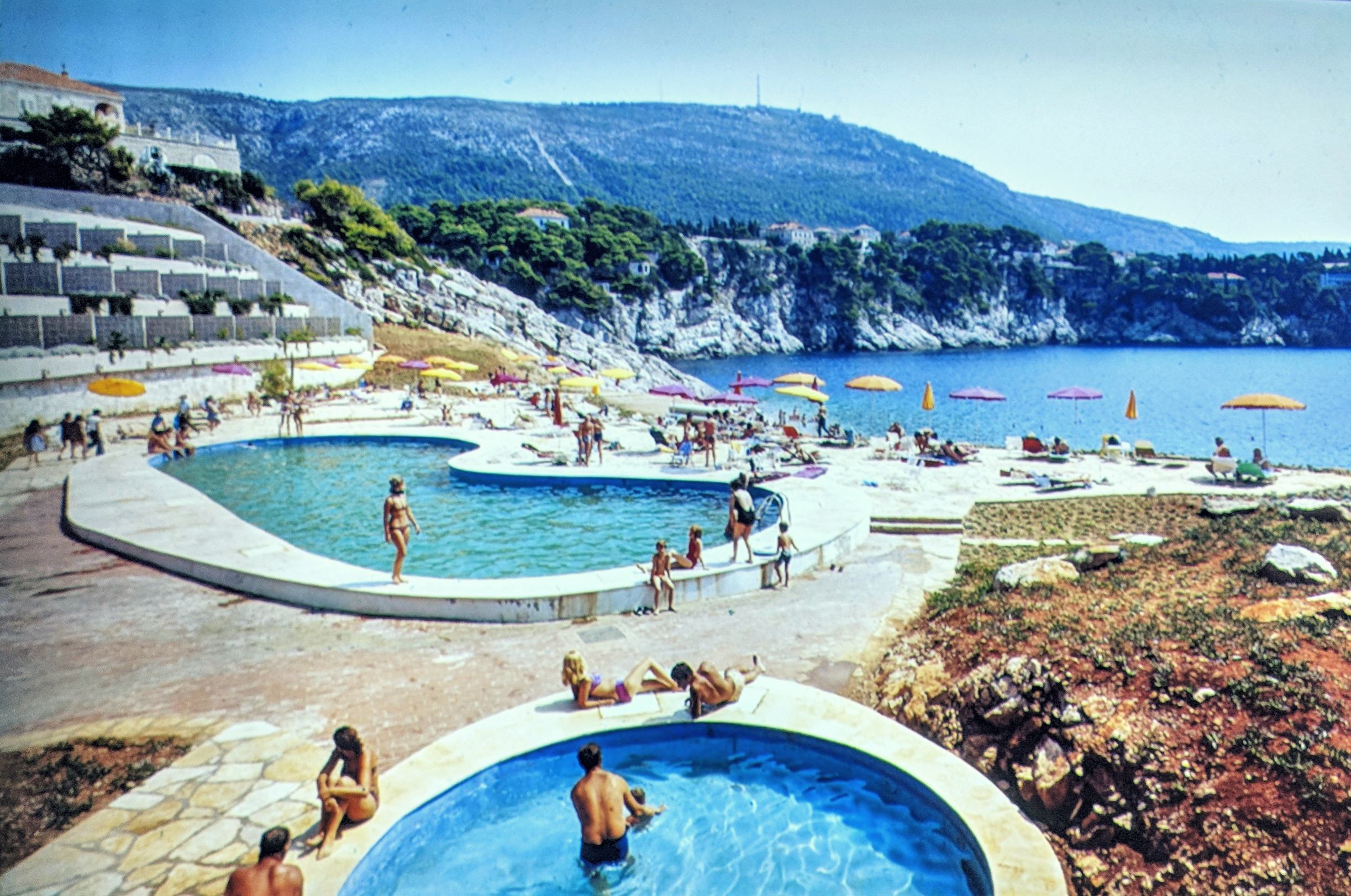
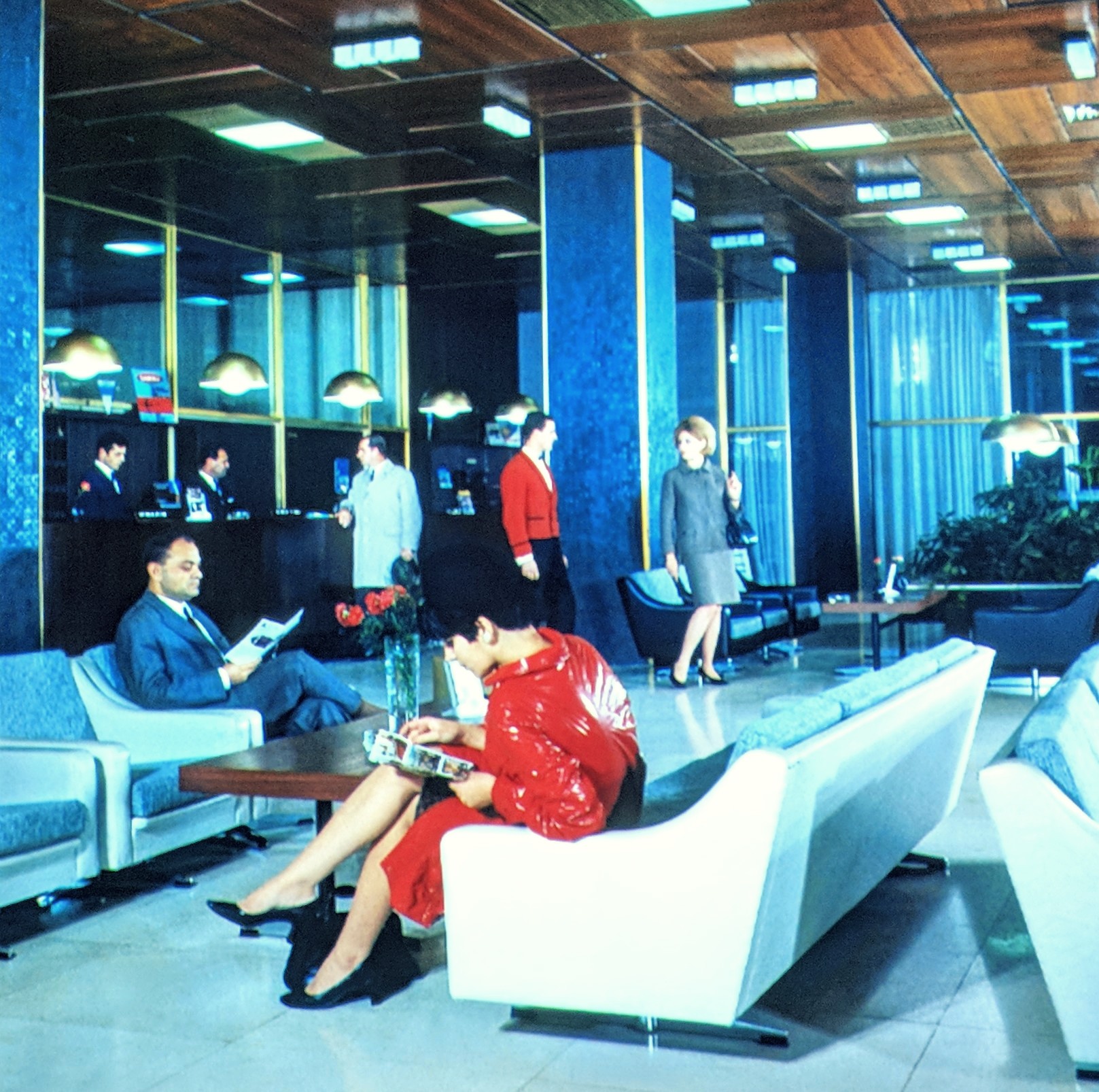
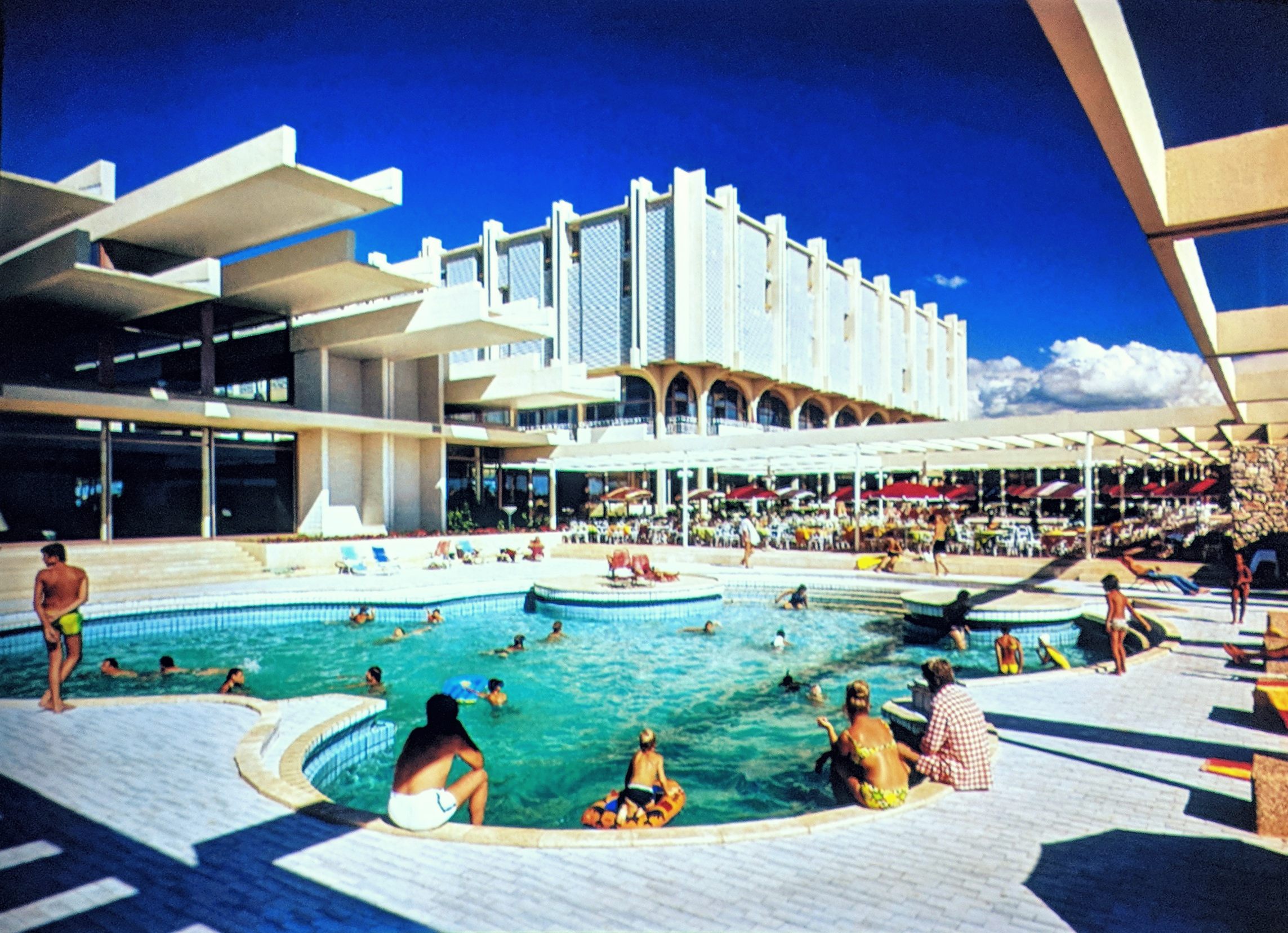
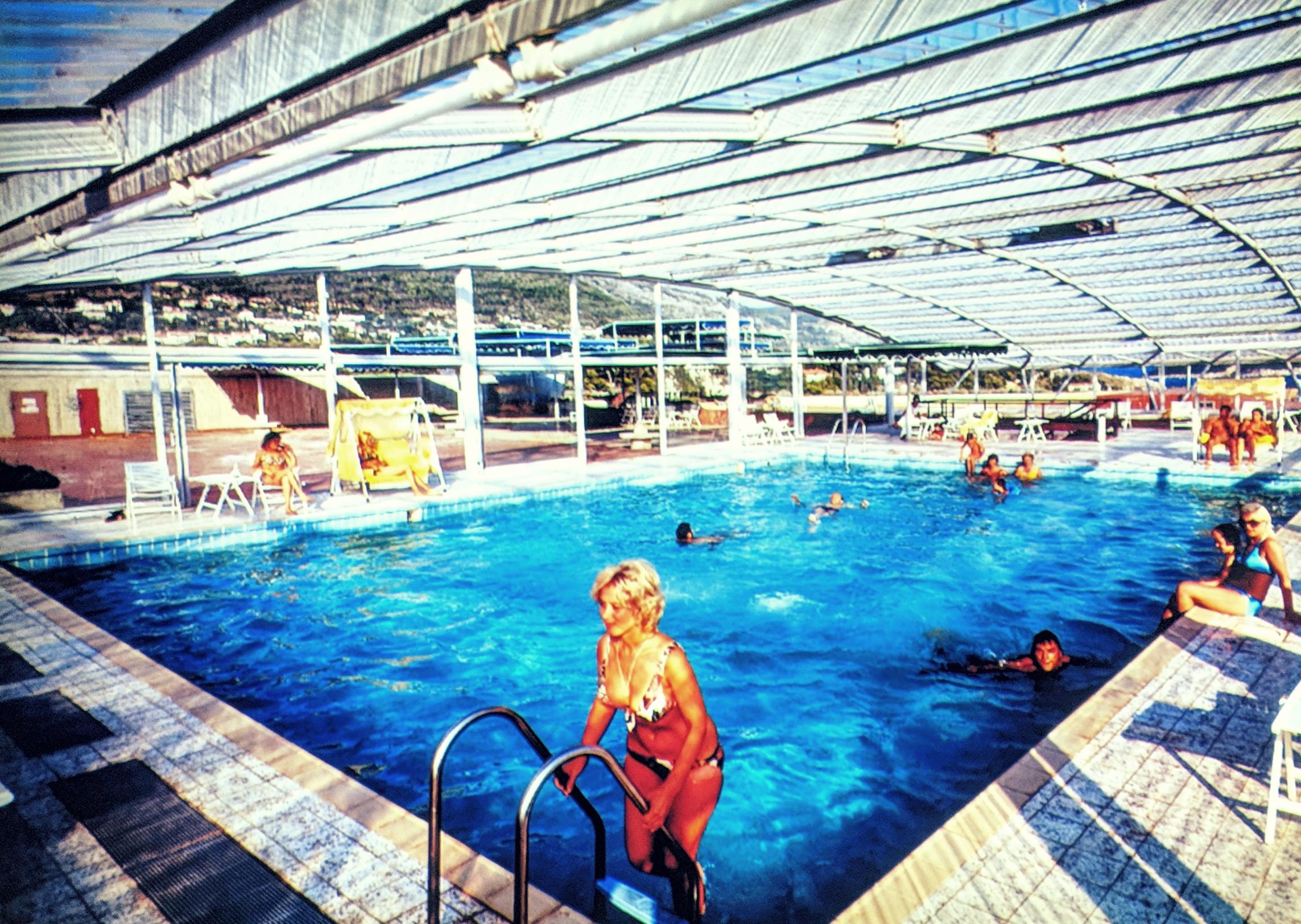
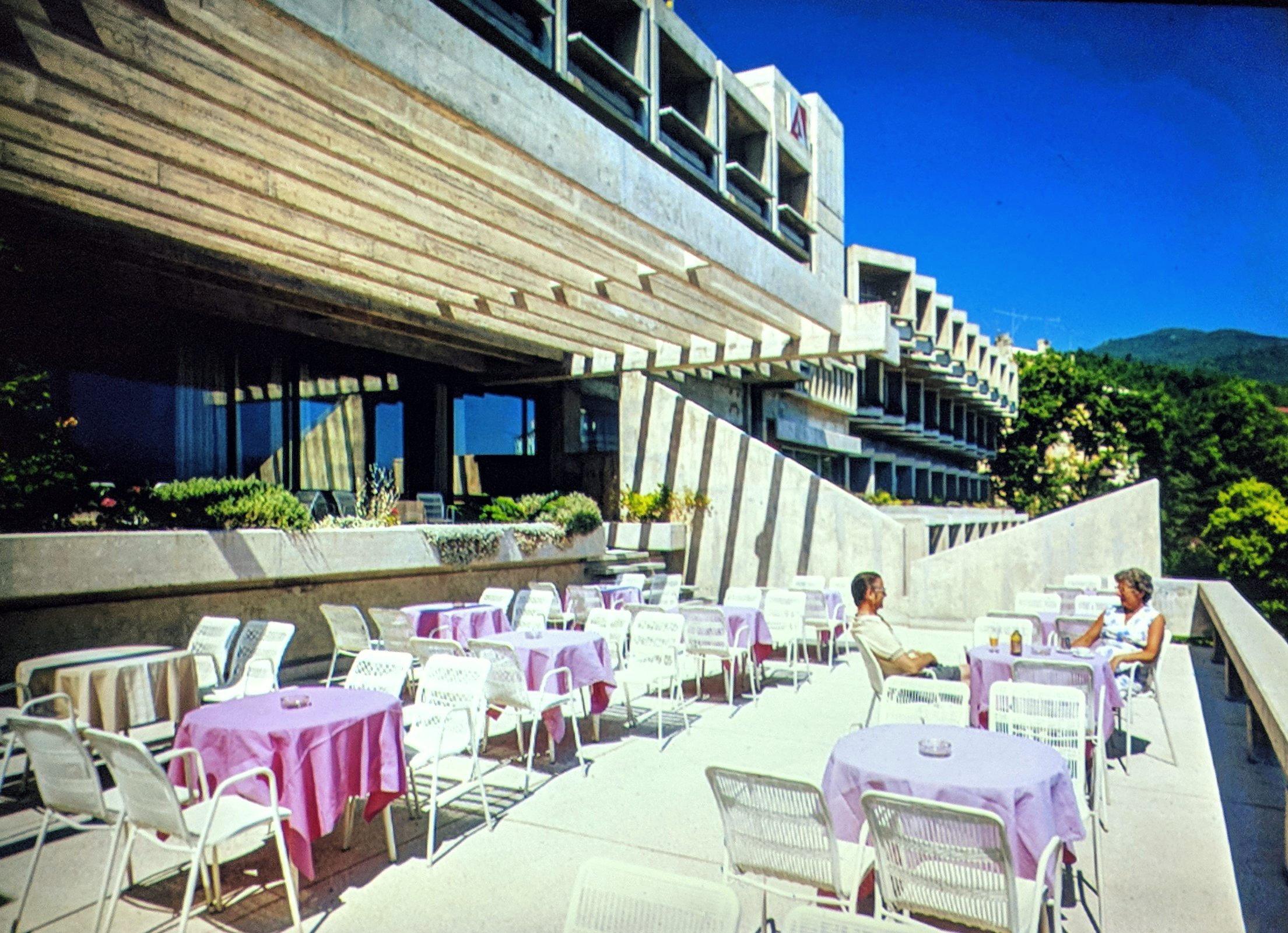
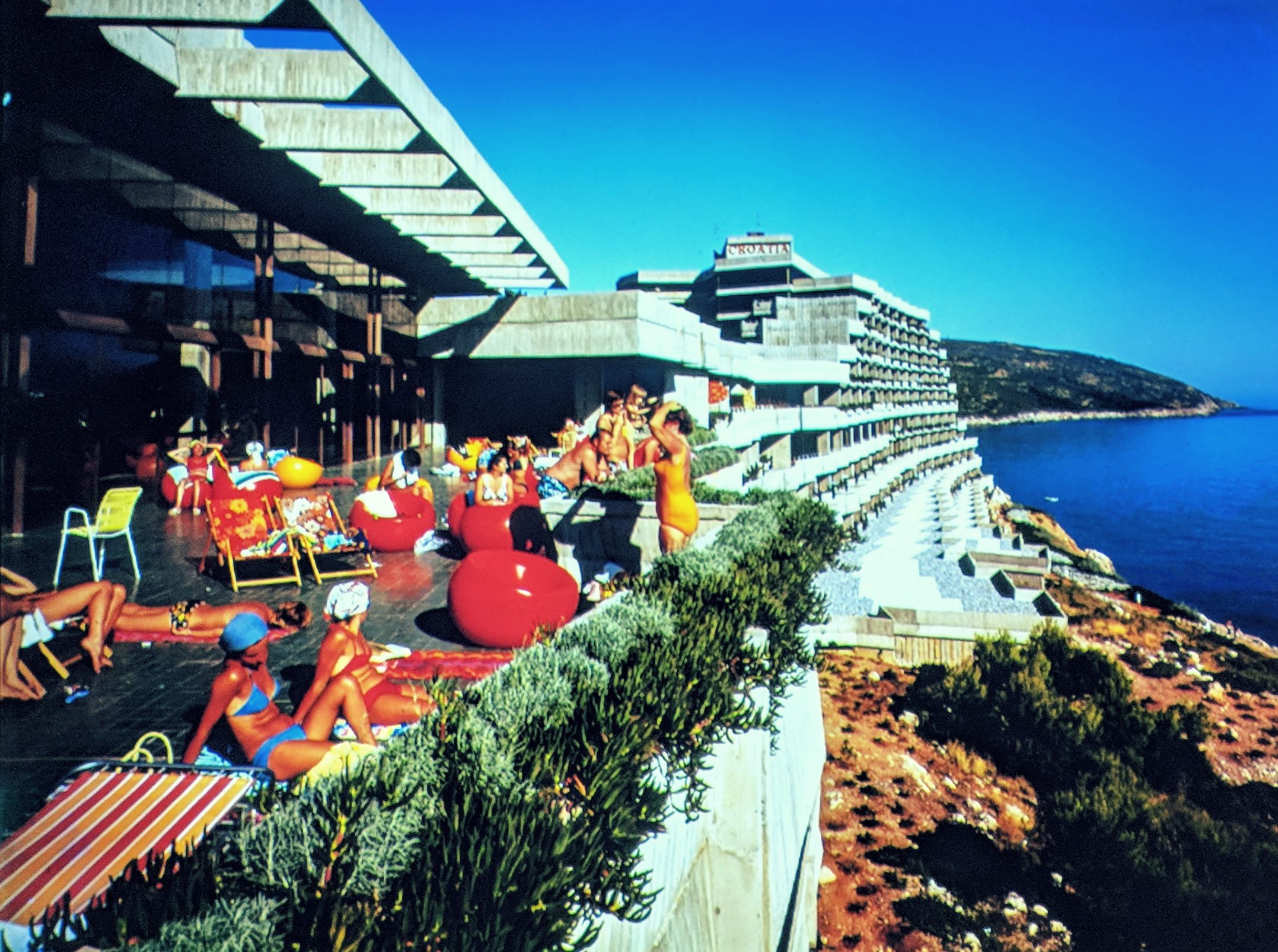
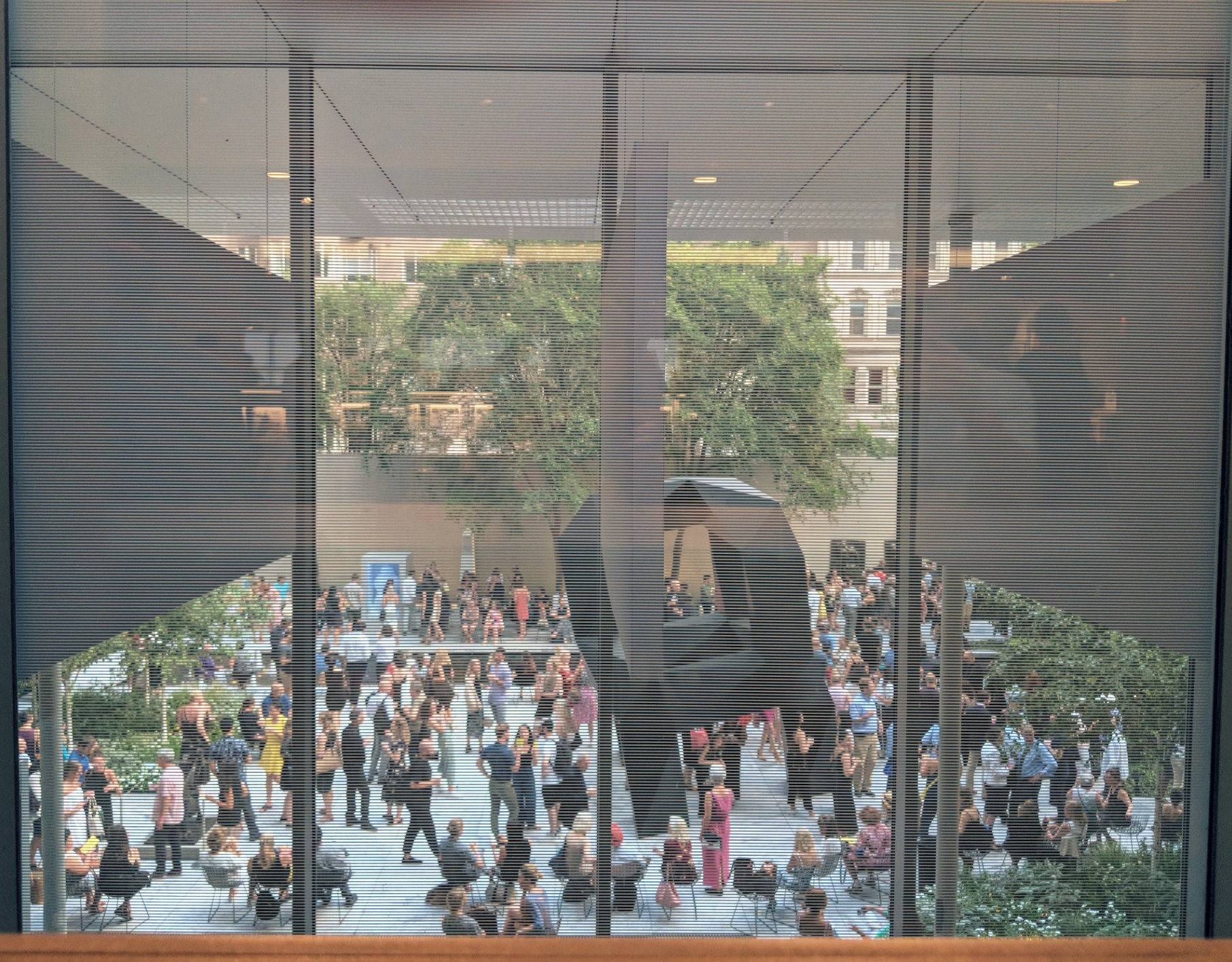
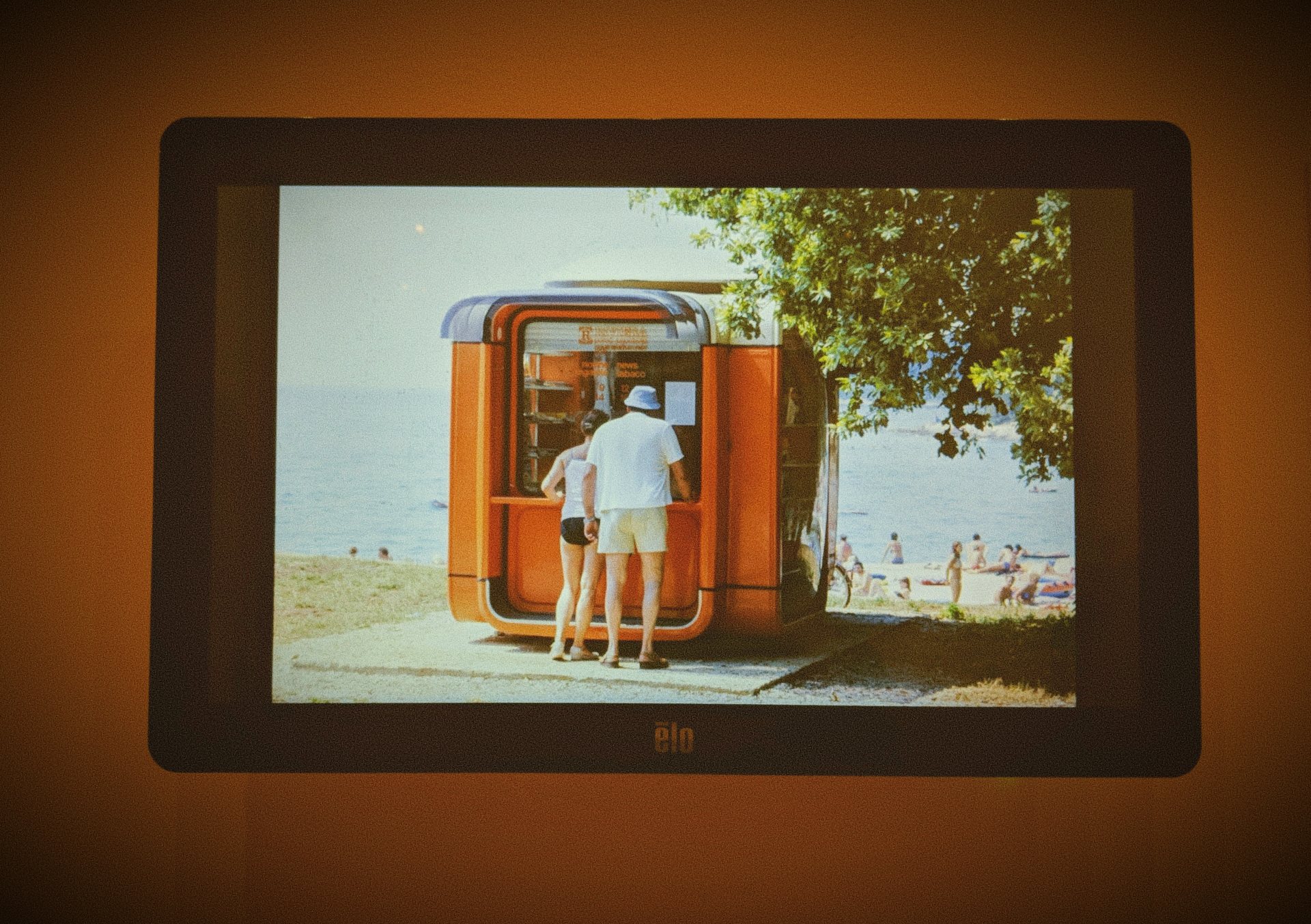
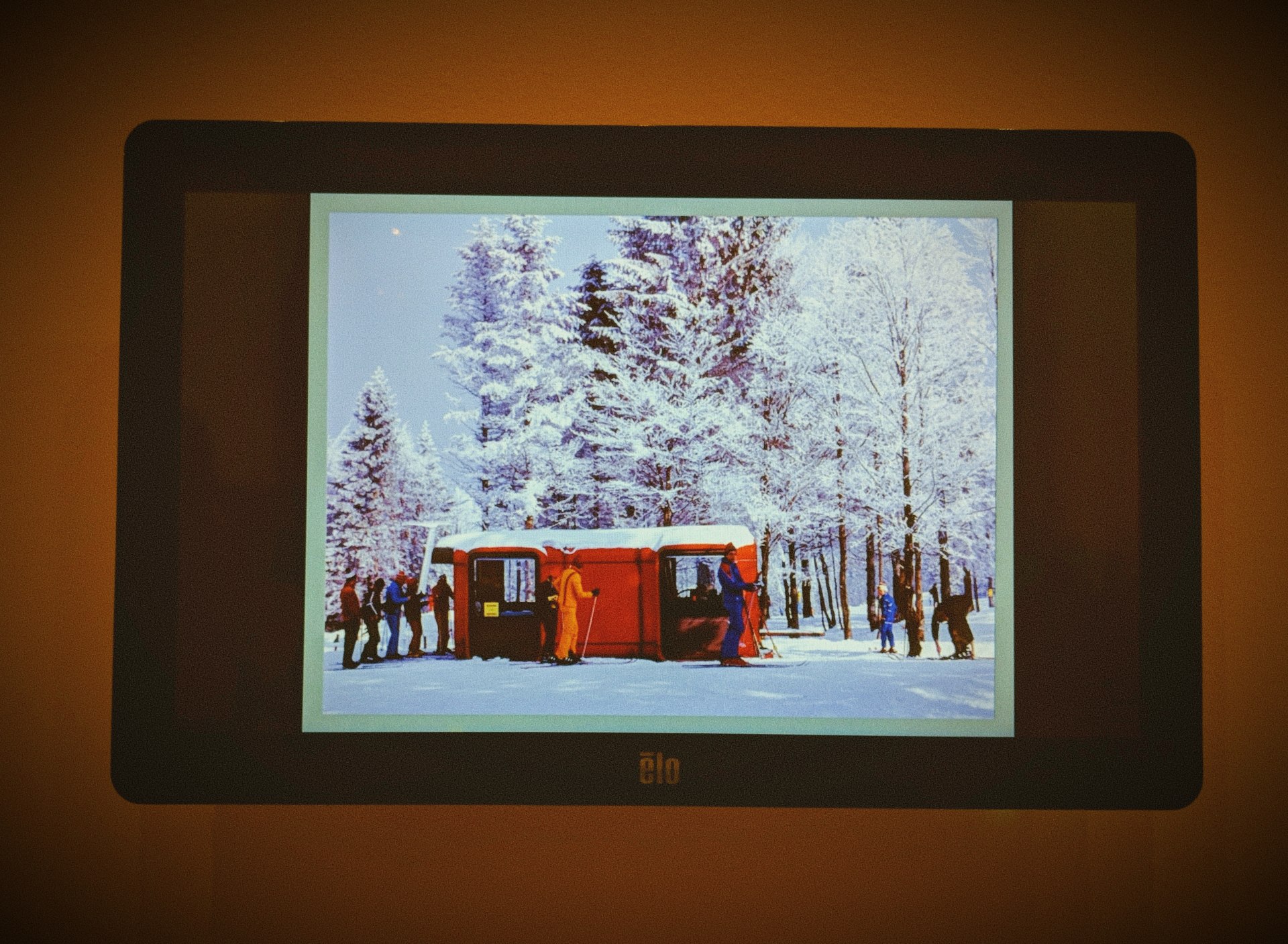
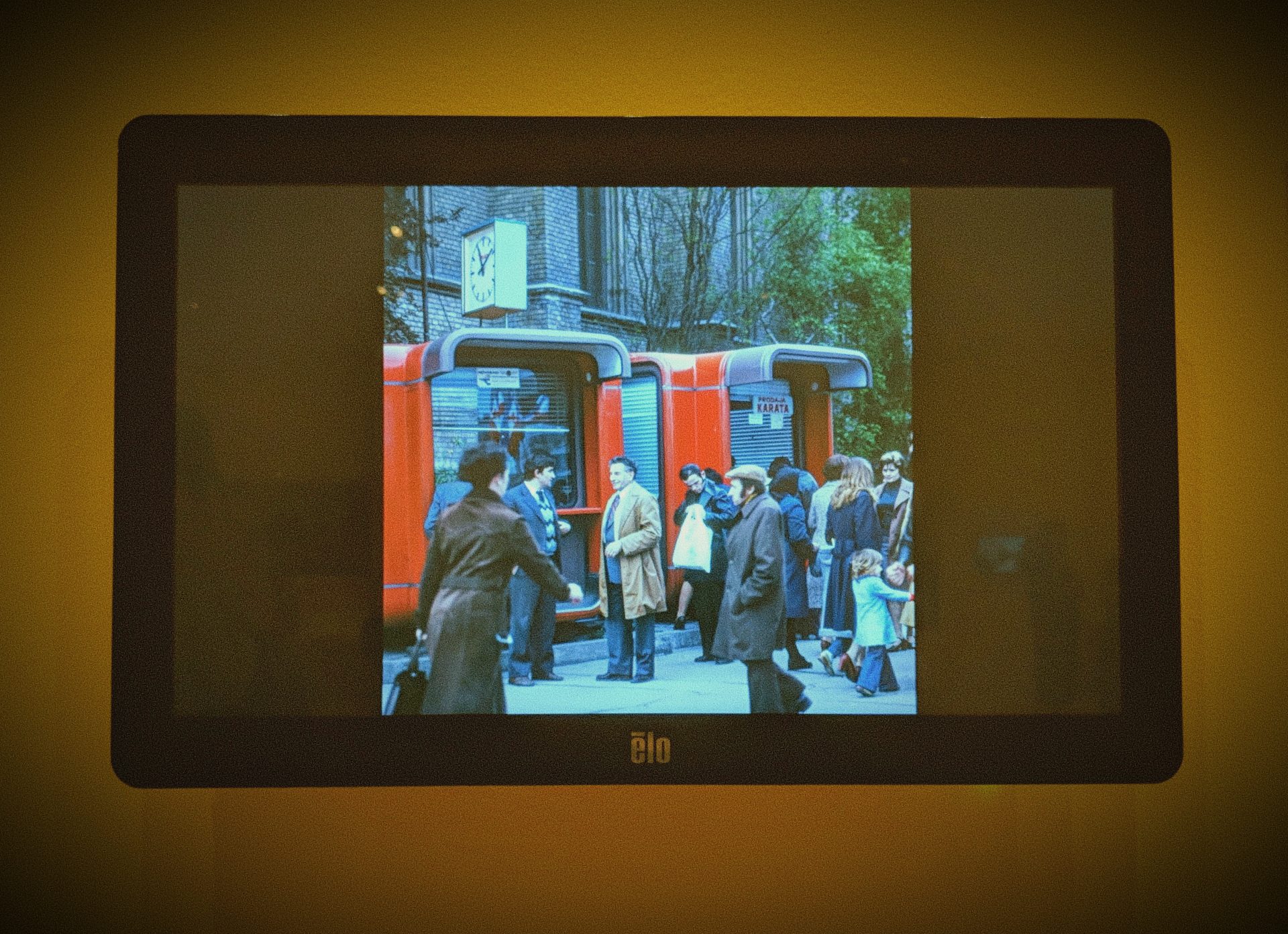
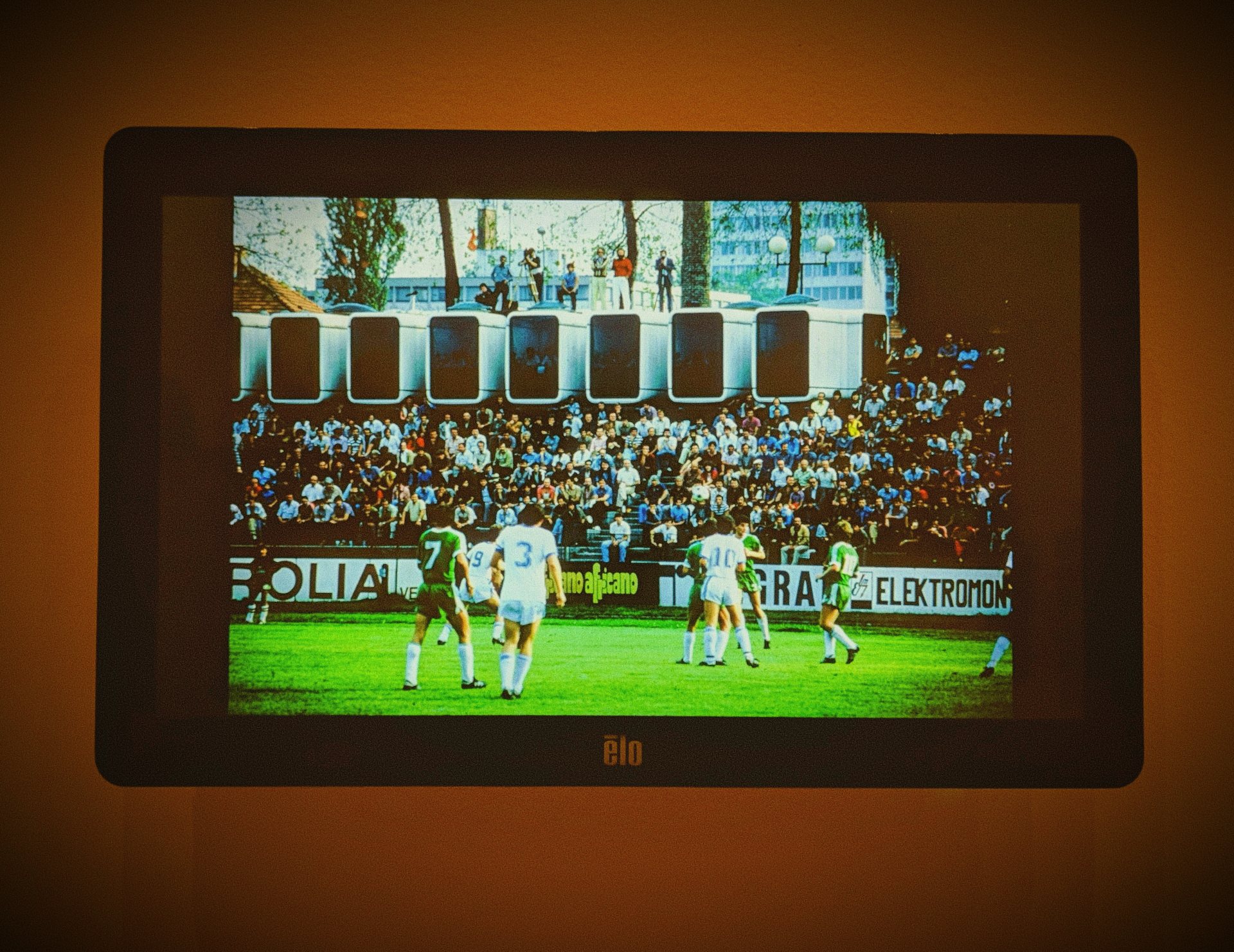
From ”Toward a Concrete Utopia: Architecture in Yugoslavia, 1948–1980”, an exhibition that ran between July 2018–January 2019 @MoMA.
July 24th, 2018
In the form of a humble Kiosk.
”The K67 kiosk system was a highly successful design for modular units that could be used for all kinds of street-level businesses and amenities. The prototype for the system was developed in 1967 by Saša Janez Mächtig, who was experimenting with the new technology of fiberglass-reinforced polyester. He invented a joint that could connect individual units into double- and triple-fronted kiosks and other configurations. The design was mass-produced and in widespread use by 1970, as fast-food stands, key-copy shops, grocery stores, newspaper and lottery kiosks, and many other enterprises.”

Images:
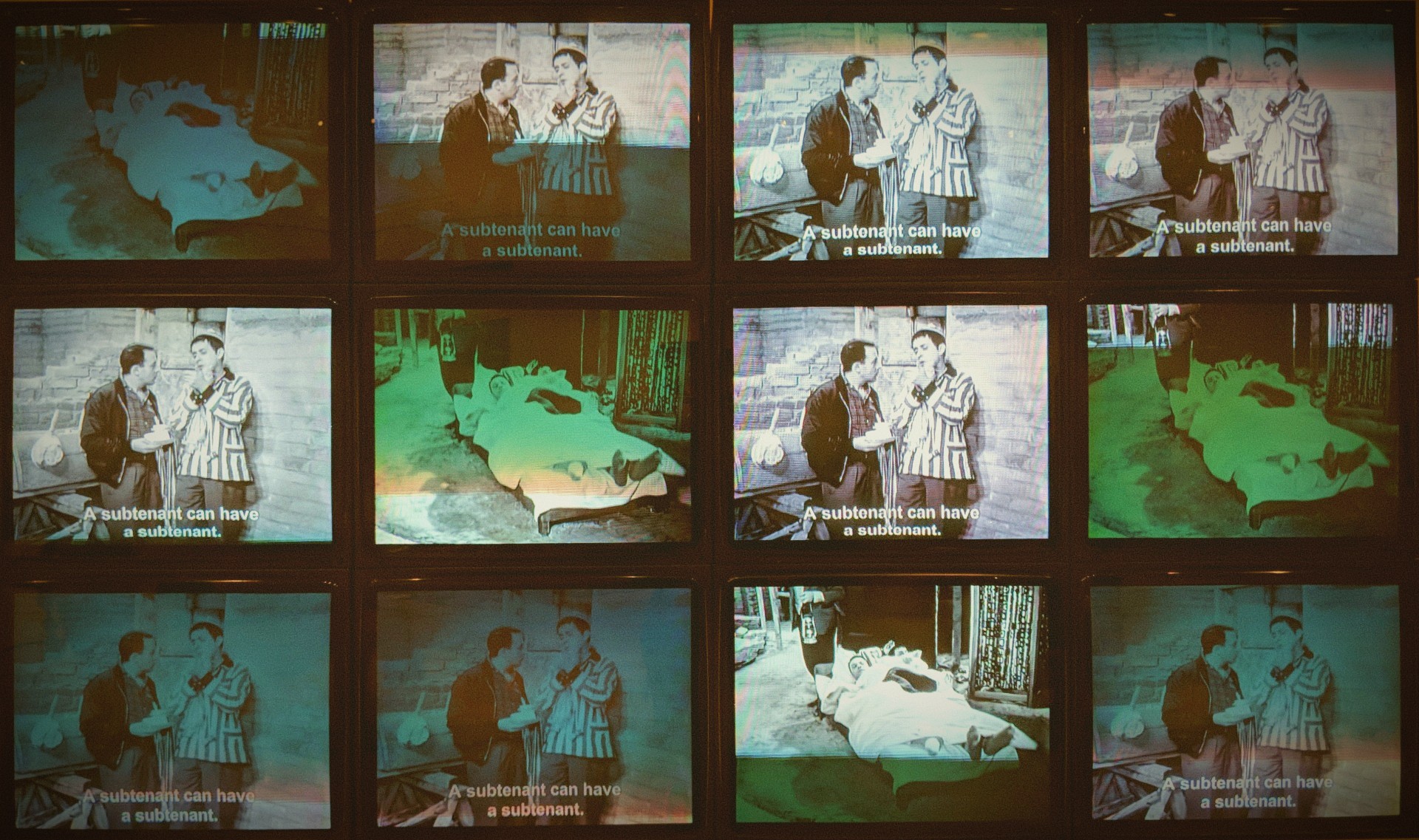
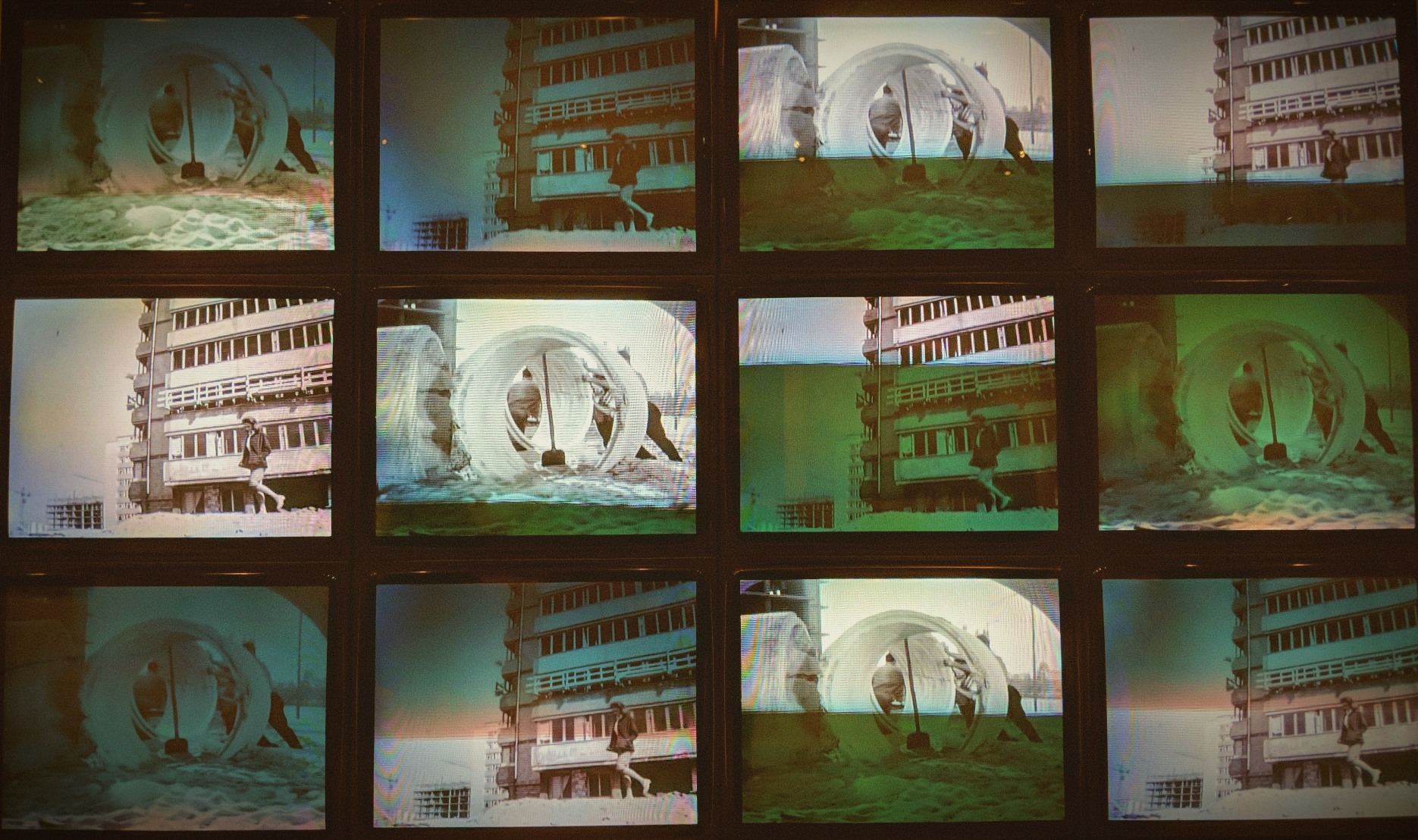
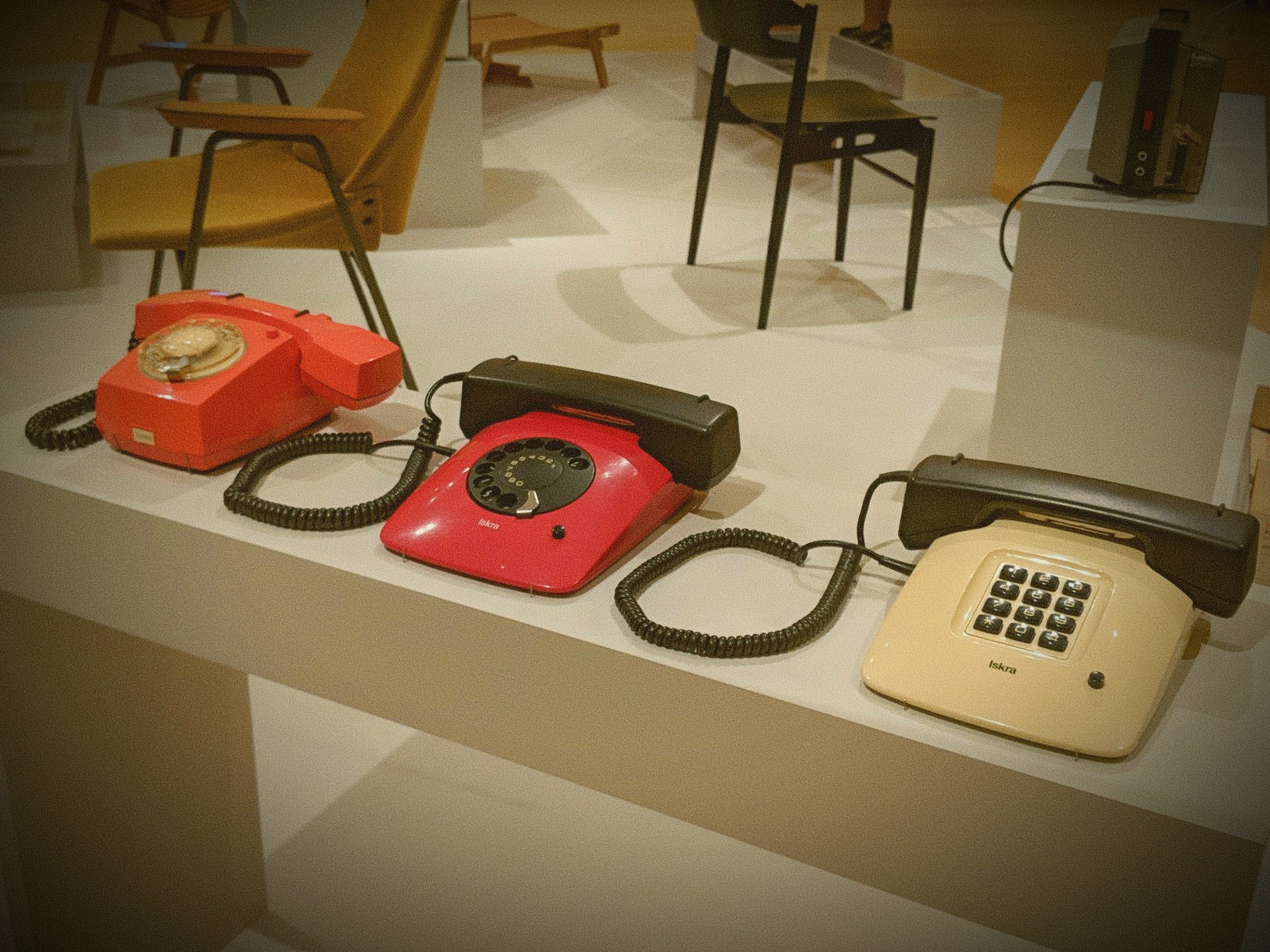
From ”Toward a Concrete Utopia: Architecture in Yugoslavia, 1948–1980”, an exhibition that ran between July 2018–January 2019 @MoMA.
July 24th, 2018
subjective worldview
Actor, writer, cook and author
Travel experiences & Strasbourg city guide
Writer
joy, happiness, travel, adventure, gratitude
"Rêve onirique & Bulle d'évasion"
makes pretty things on paper
This WordPress.com site is Pacific War era information
Welcome to my curious world of words....
Photographs, music and writing about daily life. Contact: elcheo@swcp.com
Free listening and free download (mp3) chill and down tempo music (album compilation ep single) for free (usually name your price). Full merged styles: trip-hop electro chill-hop instrumental hip-hop ambient lo-fi boombap beatmaking turntablism indie psy dub step d'n'b reggae wave sainte-pop rock alternative cinematic organic classical world jazz soul groove funk balkan .... Discover lots of underground and emerging artists from around the world.
A 365 analogue photography project
Barcelona's Multiverse | Art | Culture | Science
Een digitaal atelier aan de (zee)slag.
‘Doodling Ambiguity’s in Ink.’
Miscellaneous photography
Glimpses along the way on a journey of discovery into symmetry...
 The Humble Fabulist