Joan Miró || Birth of the World

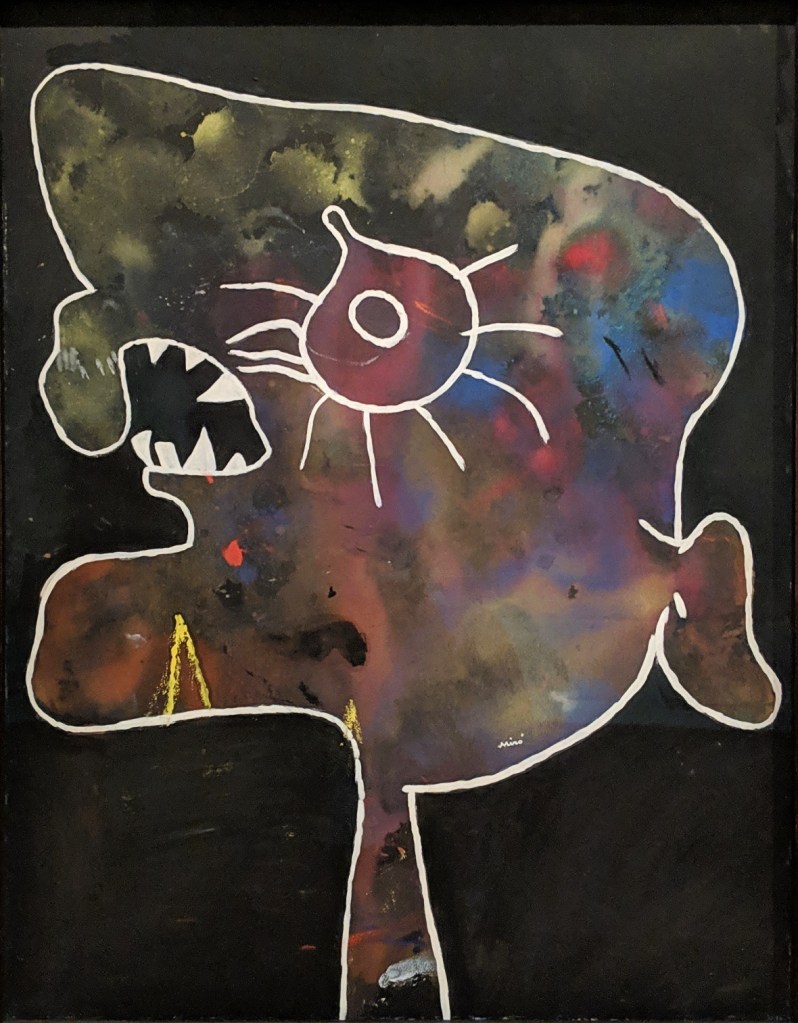
Head of a Man, 1937. Gouache and oil on coloured paper
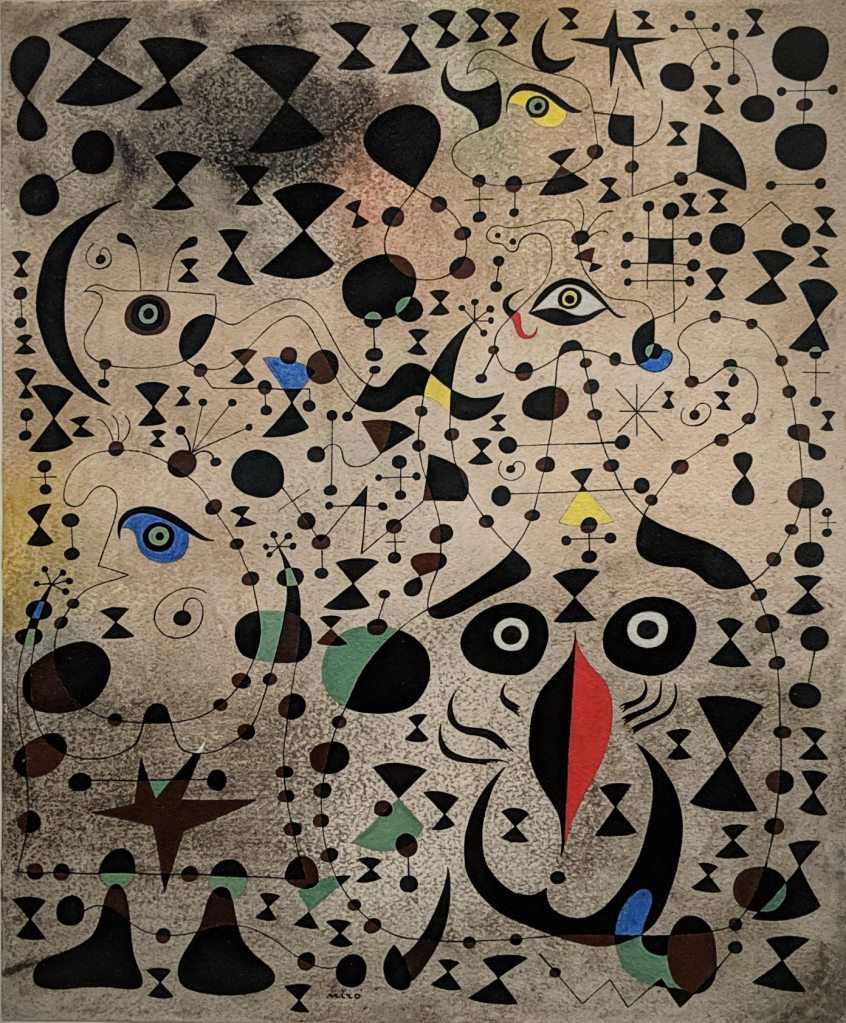
The Beautiful Bird Revealing the Unknown to a Pair of Lovers, 1941. Gouache, oil wash, and charcoal on paper
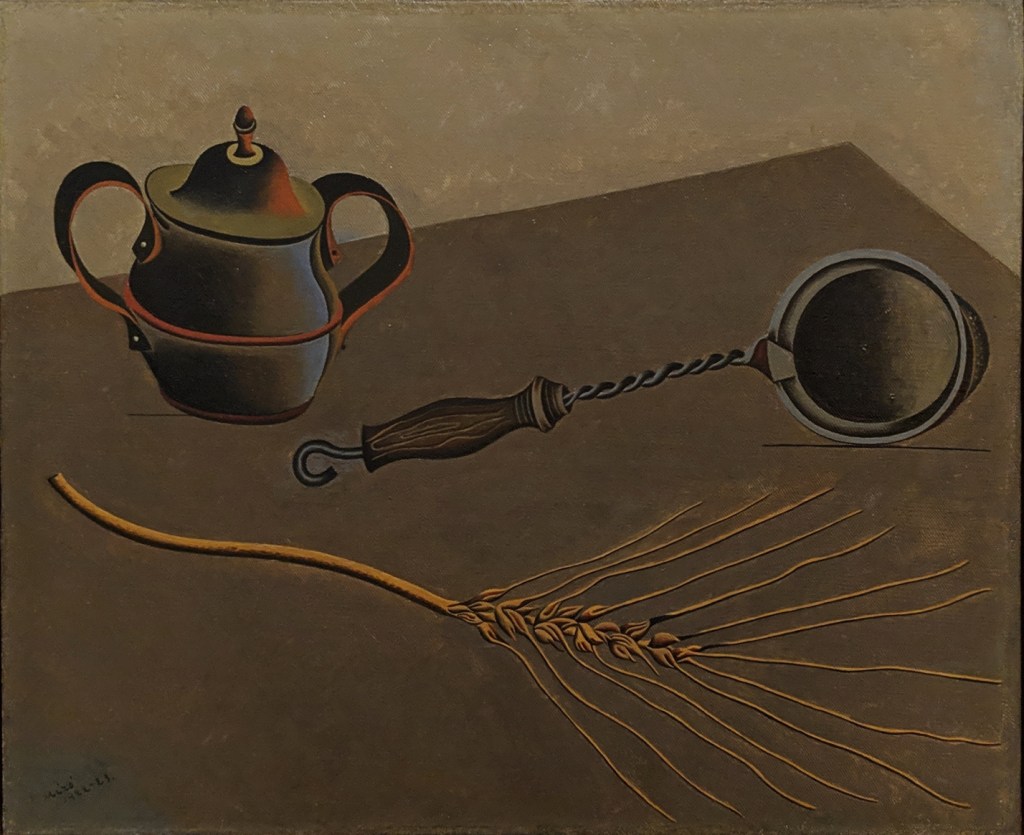
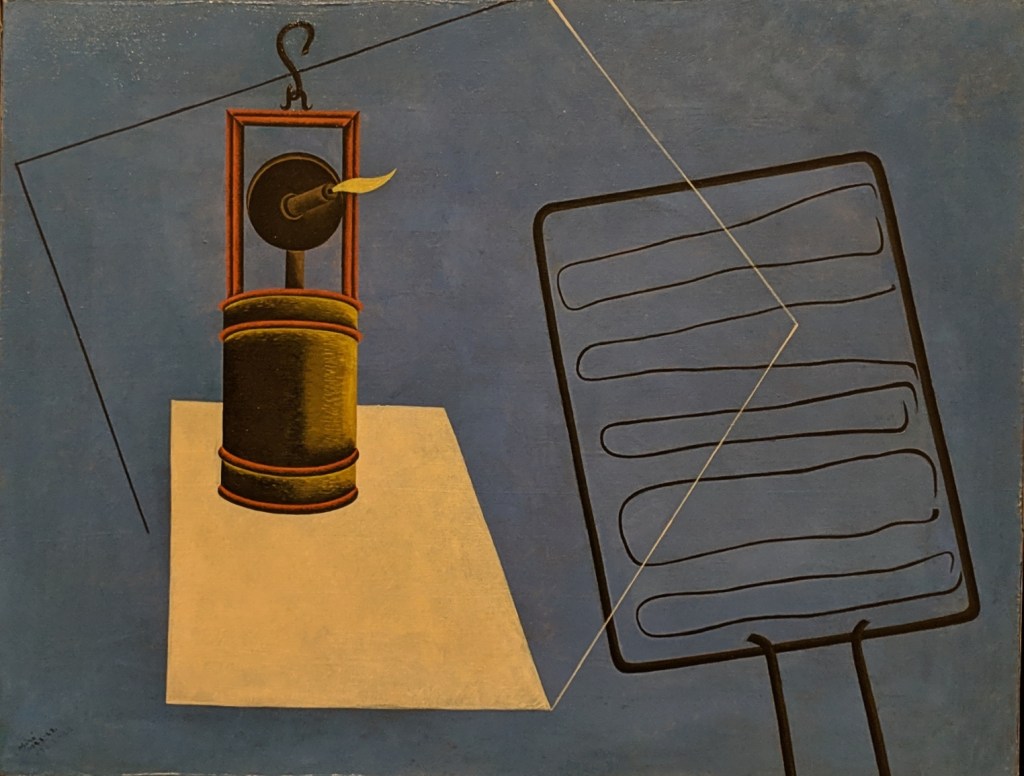
Still Life I, 1922-23. Oil on canvas
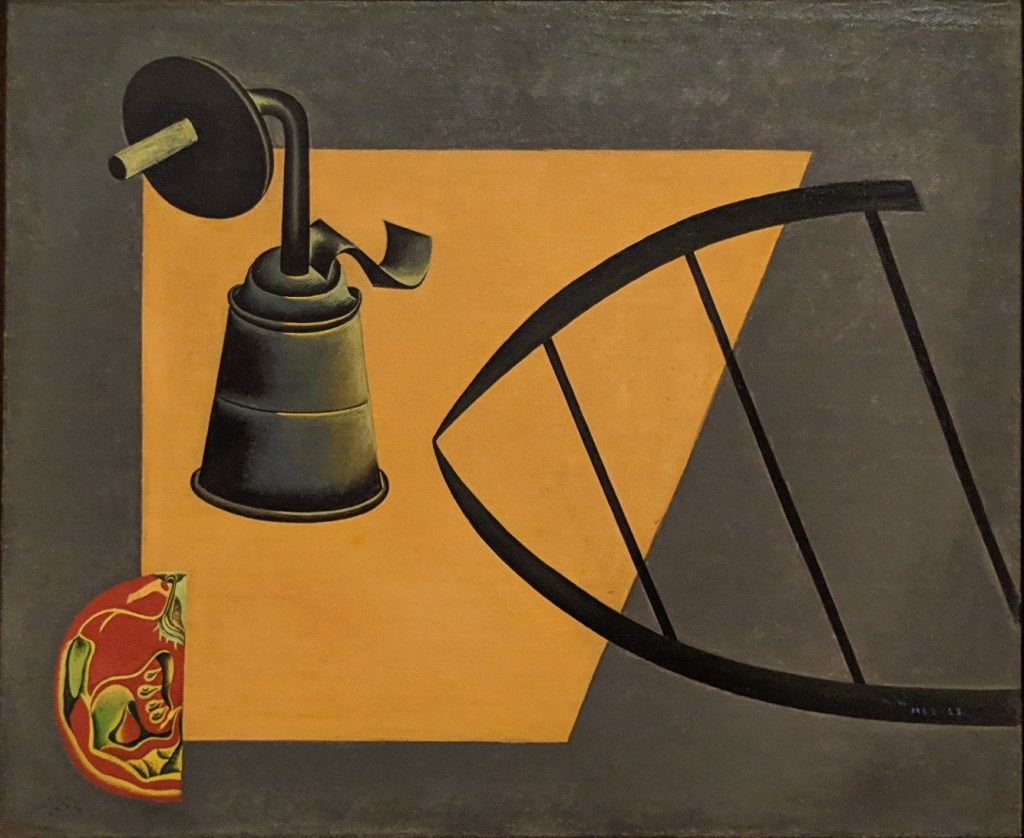
Still Life III, 1922-23. Oil and gouache on canvas
Still Life II, 1922-23. Oil on canvas
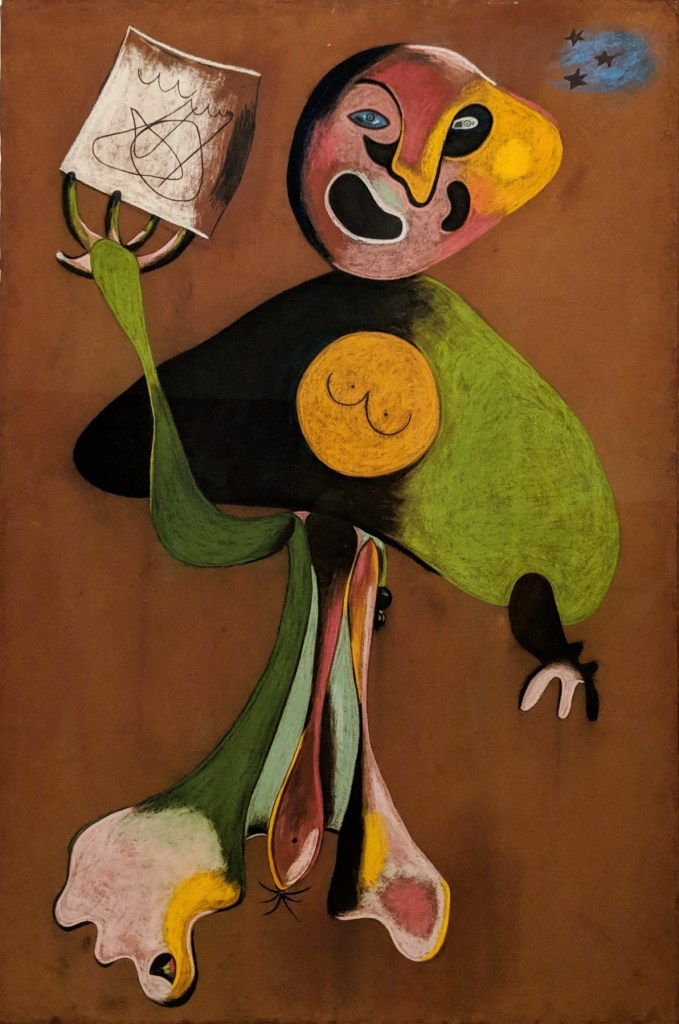
Woman (Opera Singer), 1934. Pastel and pencil on flocked paper
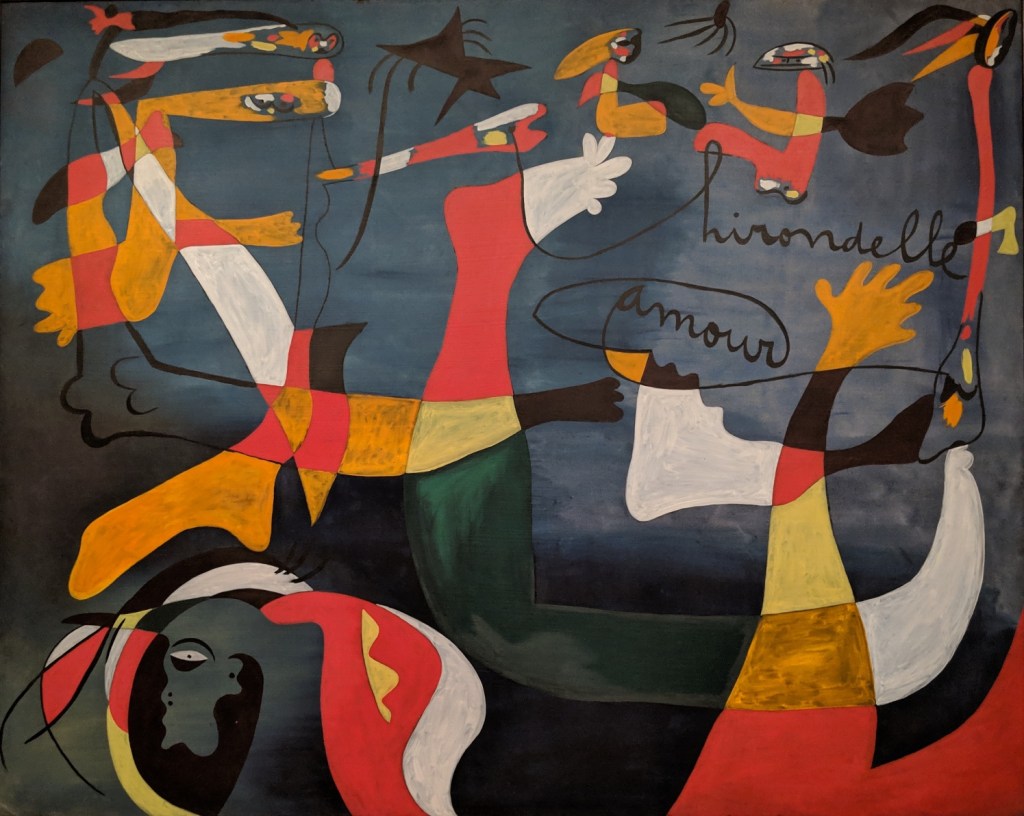
”Hirondelle Amour”, 1933-34. Oil on canvas

“You and all my writer friends have given me much help and improved my understanding of many things,” Joan Miró told the French poet Michel Leiris in the summer of 1924, writing from his family’s farm in Montroig, a small village nestled between the mountains and the sea in his native Catalonia. The next year, Miró’s intense engagement with poetry, the creative process, and material experimentation inspired him to paint The Birth of the World.

In this signature work, Miró covered the ground of the oversize canvas by applying paint in an astonishing variety of ways that recall poetic chance procedures. He then added a series of pictographic signs that seem less painted than drawn, transforming the broken syntax, constellated space, and dreamlike imagery of avant-garde poetry into a radiantly imaginative and highly inventive form of painting. He would later describe this work as “a sort of genesis,” and his Surrealist poet friends titled it The Birth of the World. [source: MoMA]
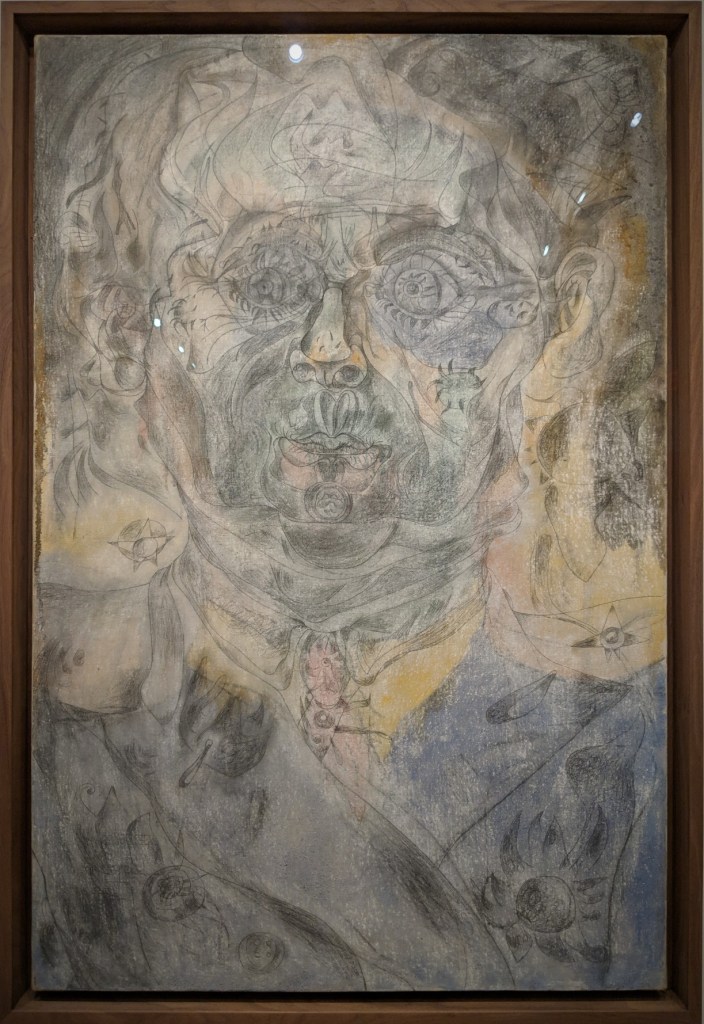
Self-Portrait I, 1937-38. Pencil, crayon, and oil on canvas

The exhibition ran between February-June 2019 and featured artwork from the Museum of Modern Art’s collection of Miró’s works, which is one of the finest and most comprehensive in the world. However, the most comprehensive selection of Miró’s oeuvre actually on view has to be that of the Fundació Joan Miró, in Barcelona, a dedicated space created by Joan Miró himself with the idea of making art accessible to all.

MoMA, New York City

April 4th, 2019
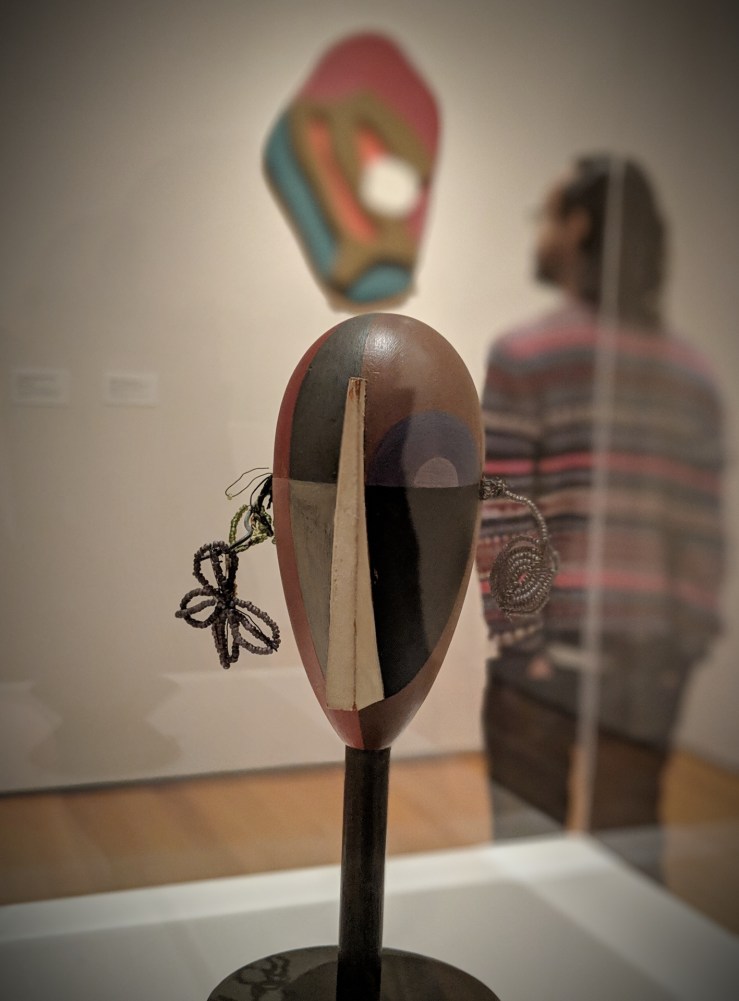
Real || Surreal

Colour palleting with:

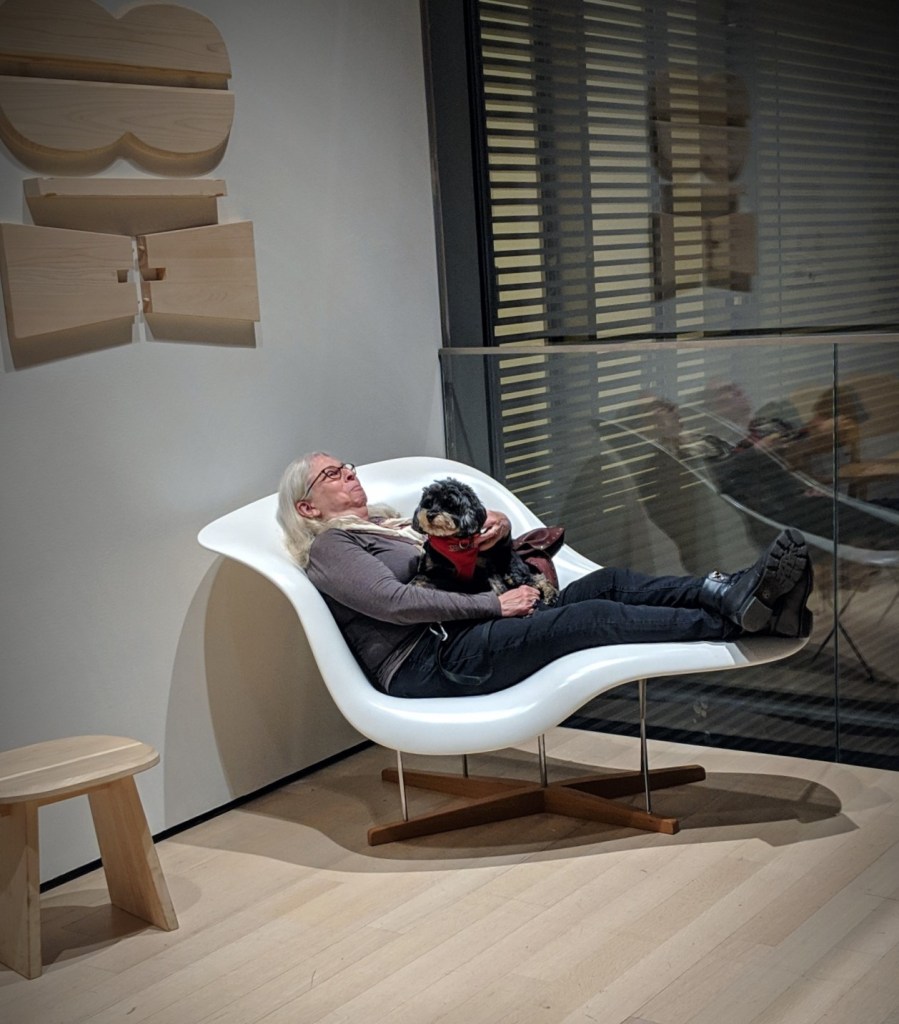
A Gallery Visitor

Sophie Taeuber-Arp
Dada Head, 1920
Painted wood with glass beads on wire

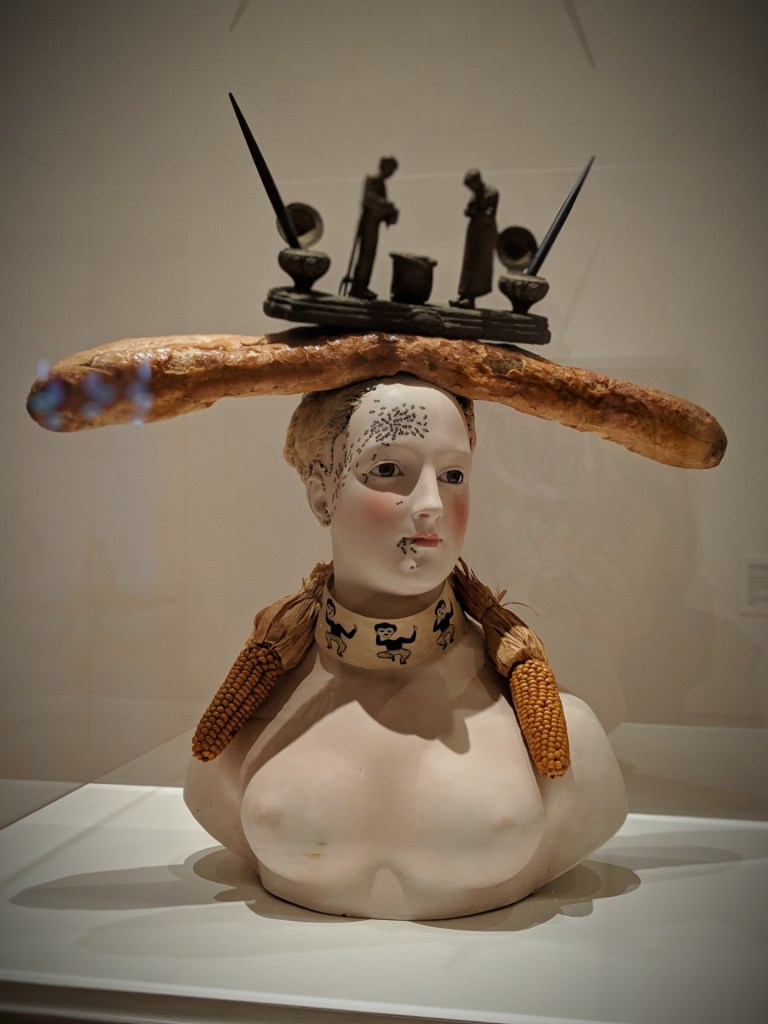
Salvador Dalí
Retrospective Bust of a Woman, 1933
(some elements reconstructed 1970)
Painted porcelain, bread, corn, feathers, paint on paper, beads, ink stand, sand, and two pens

@MoMA

April 4th, 2019

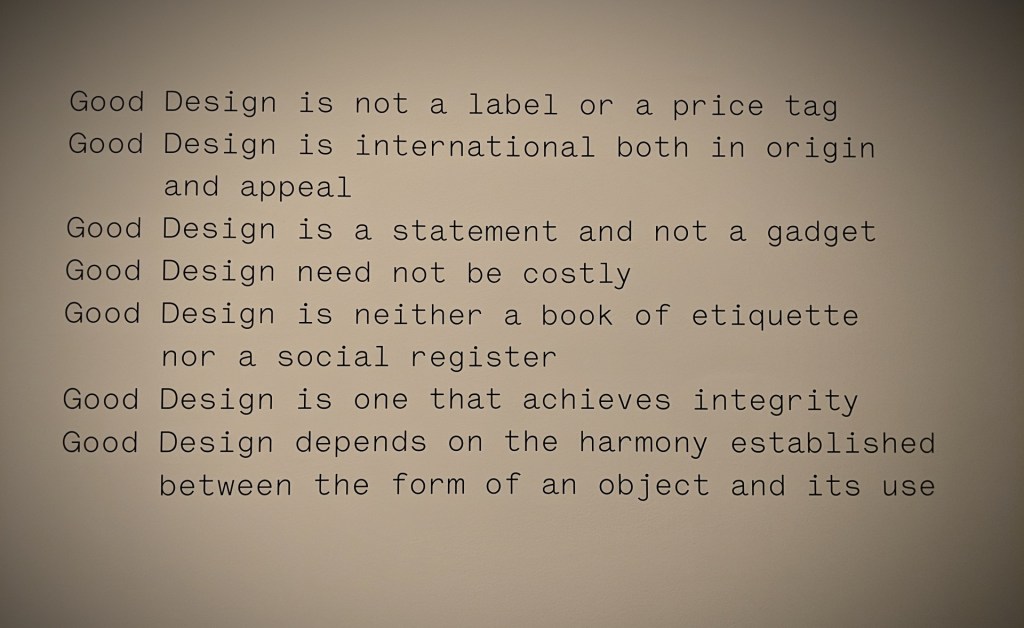
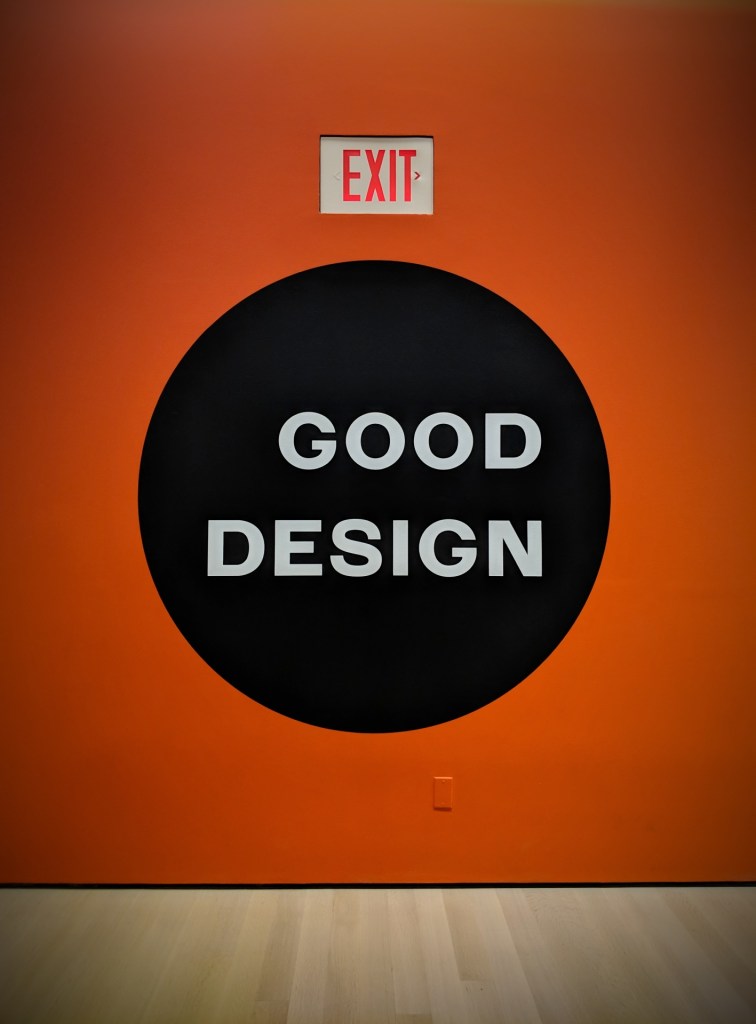
What is Good Design?

Elevating the functional to a timeless work of art.

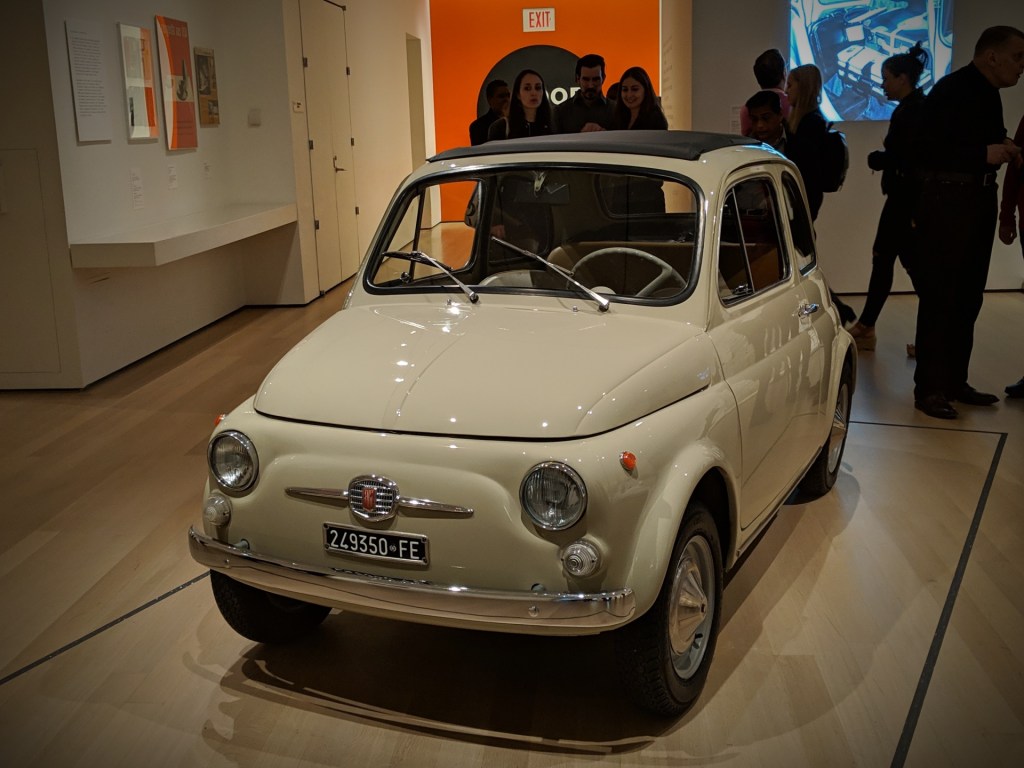
Fiat 500f Berlina – 1968. The bestselling version of the Cinquecento, it remained in production until 1973
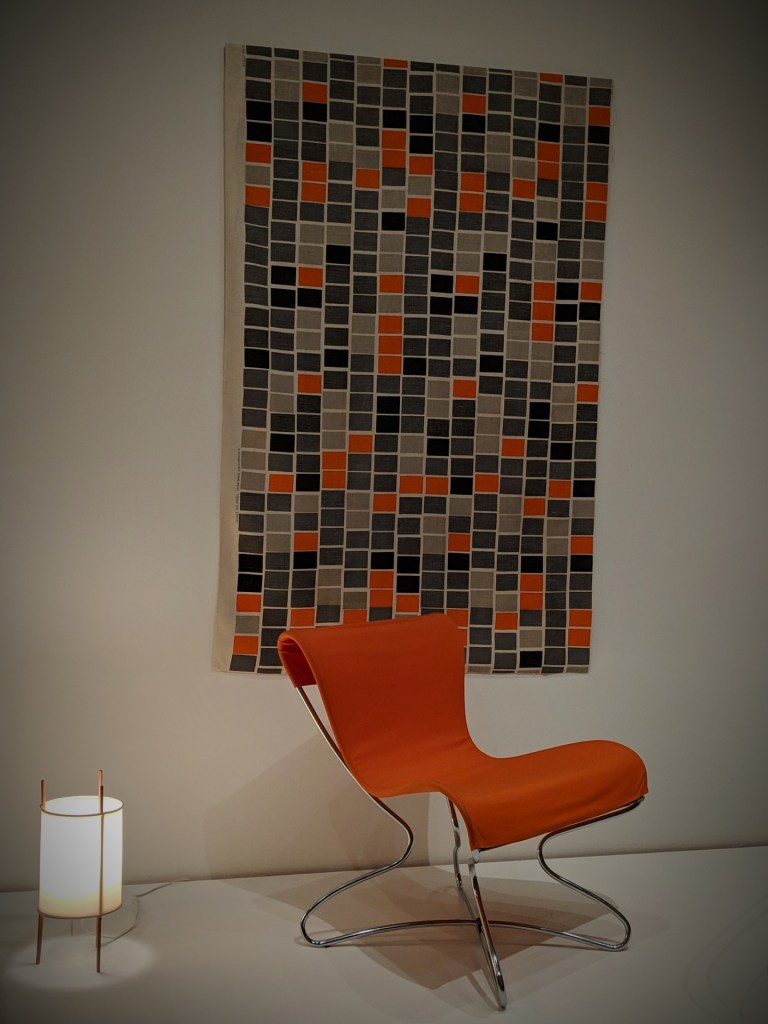
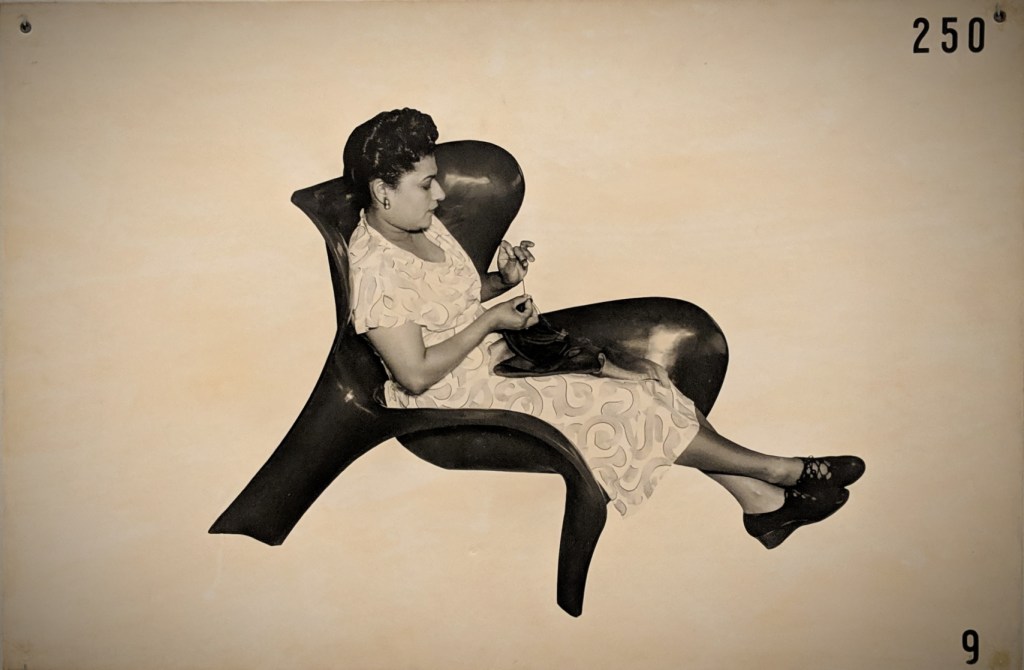
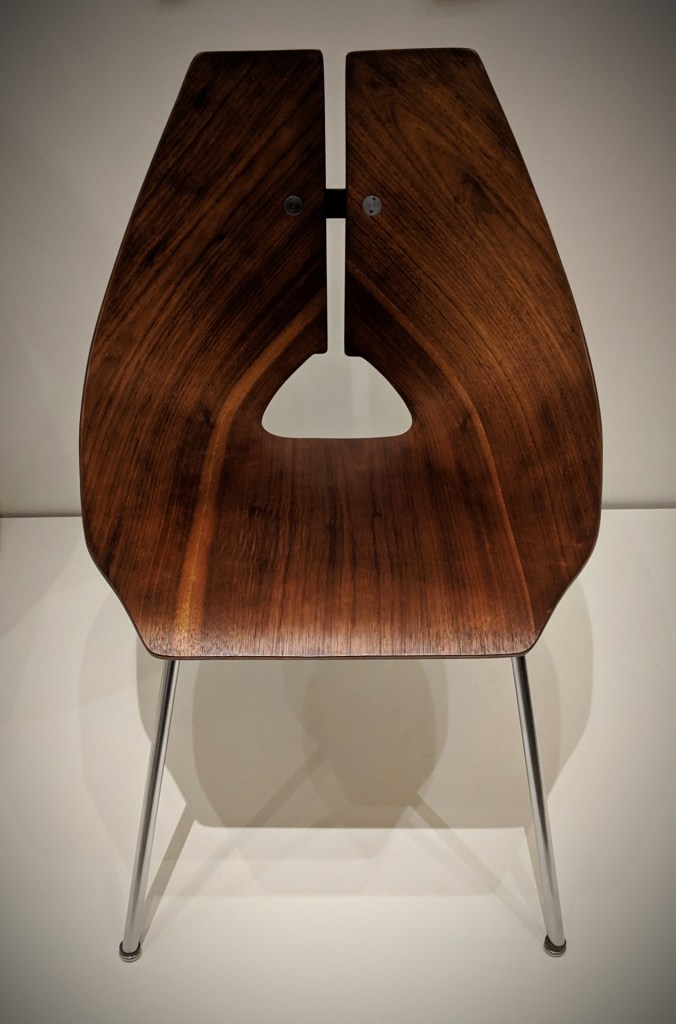
Resilient Chair, 1948-49 by Eva Zeisel || Stone on Stone fabric, c. 1950 by Vera Neumann
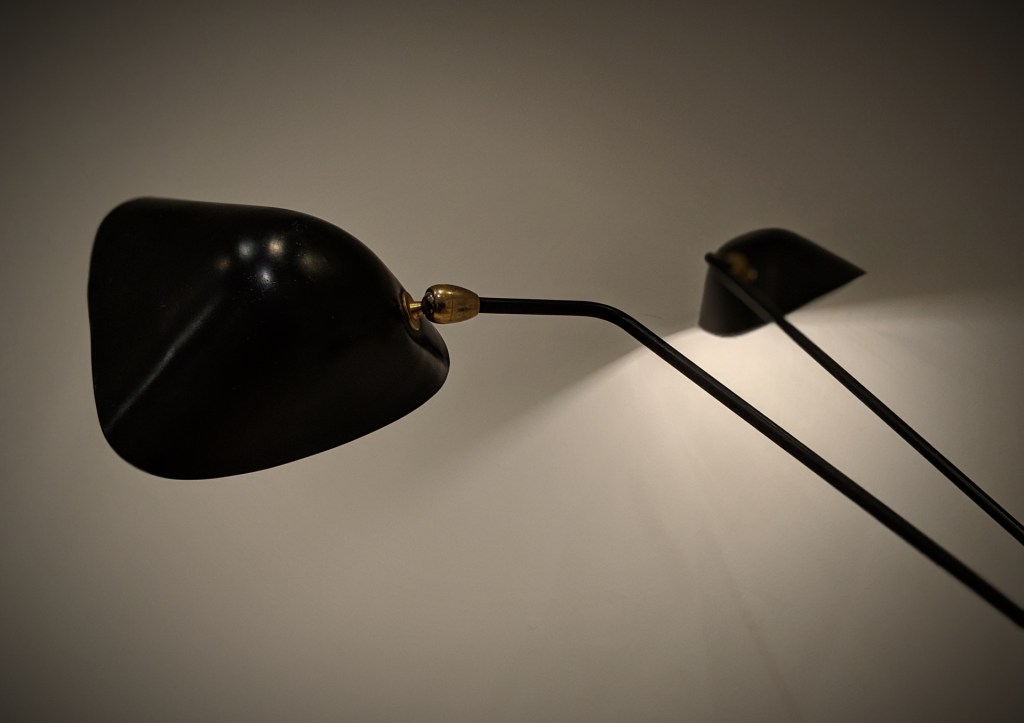
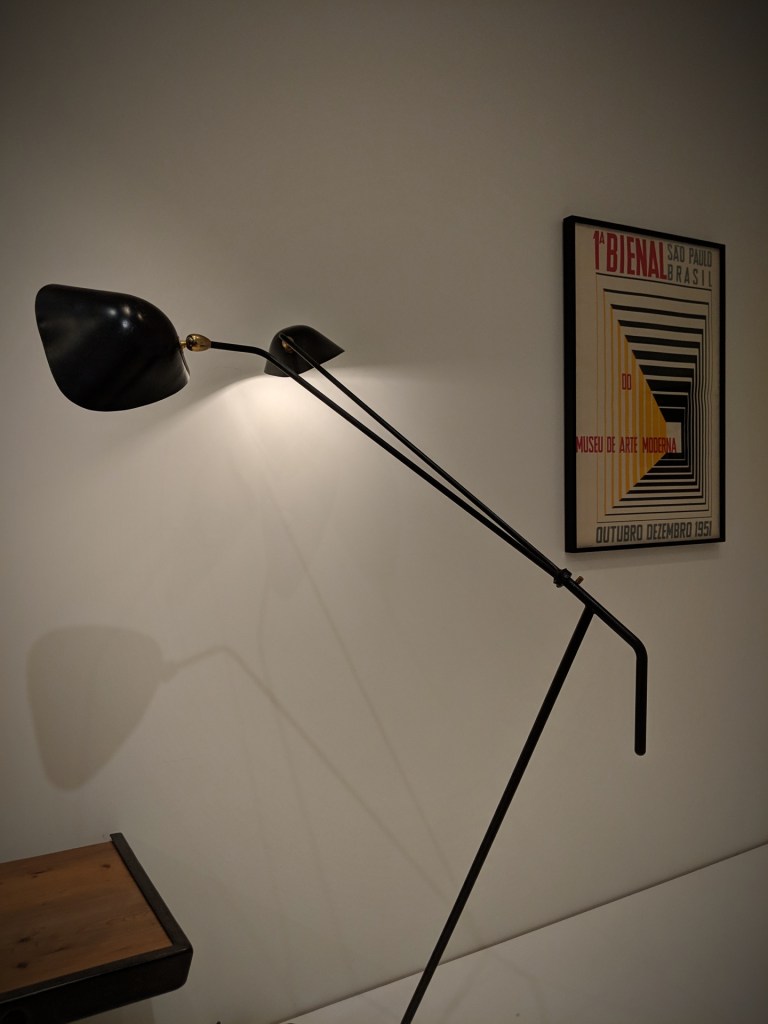
Floor lamp, c. 1950 by Serge Mouille
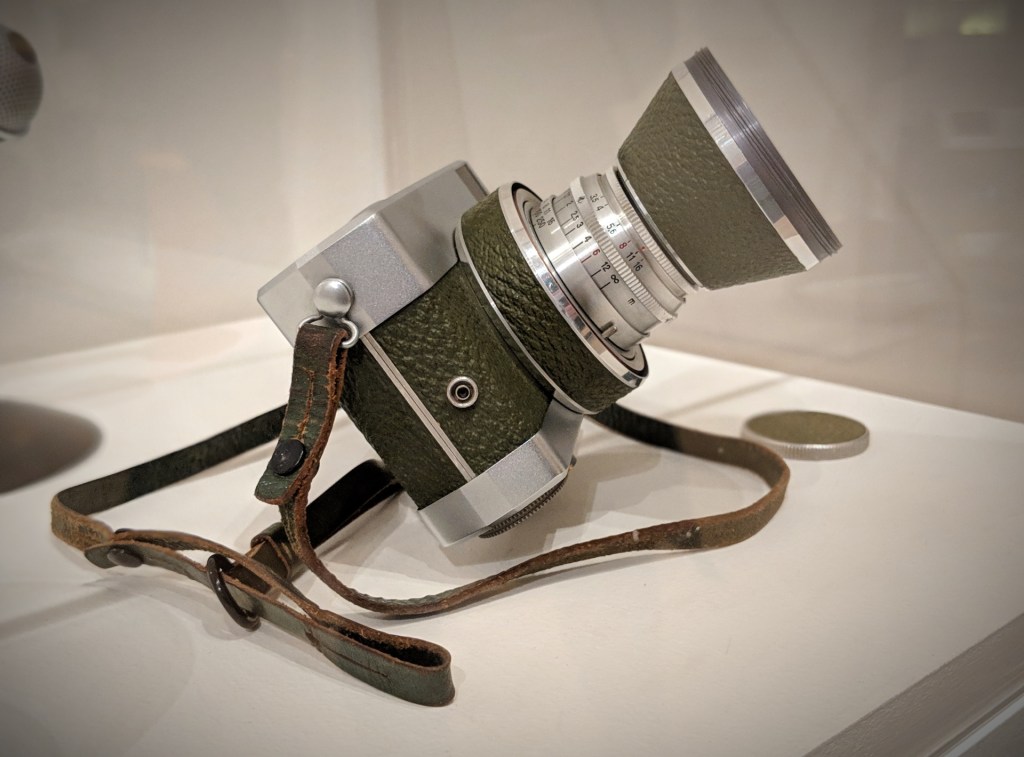
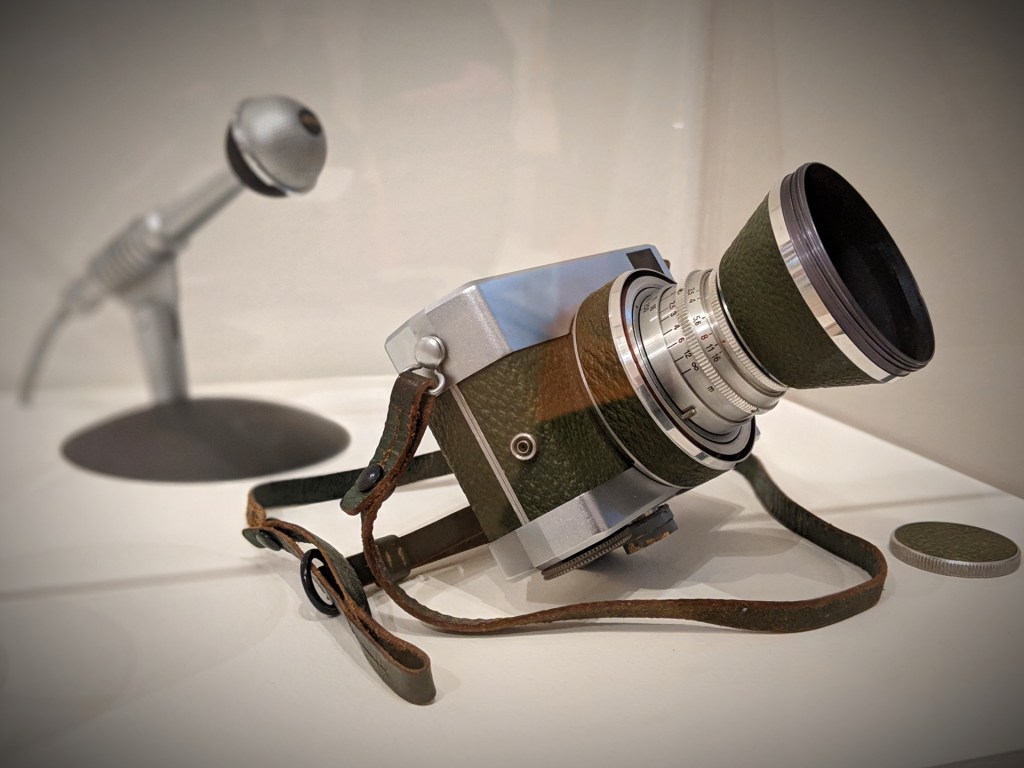
Werra 135mm film camera, c. 1955-1960. Manufactured by Zeiss-Werk, Jena, East Germany (DDR) || Microphone (model MD8-C), 1962 by Marko Turk. Manufactured by Elektroakusticni Laboratorij, Ljubljana, Yugoslavia
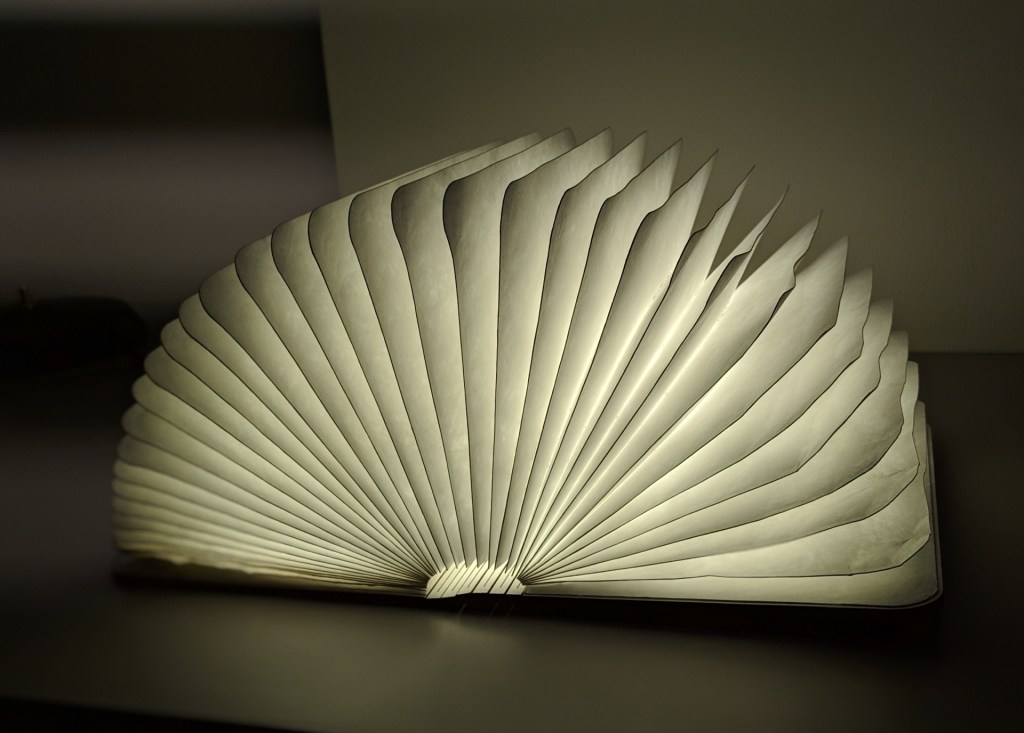
Lumio Book Lamp, 2013 by Max Gunawan
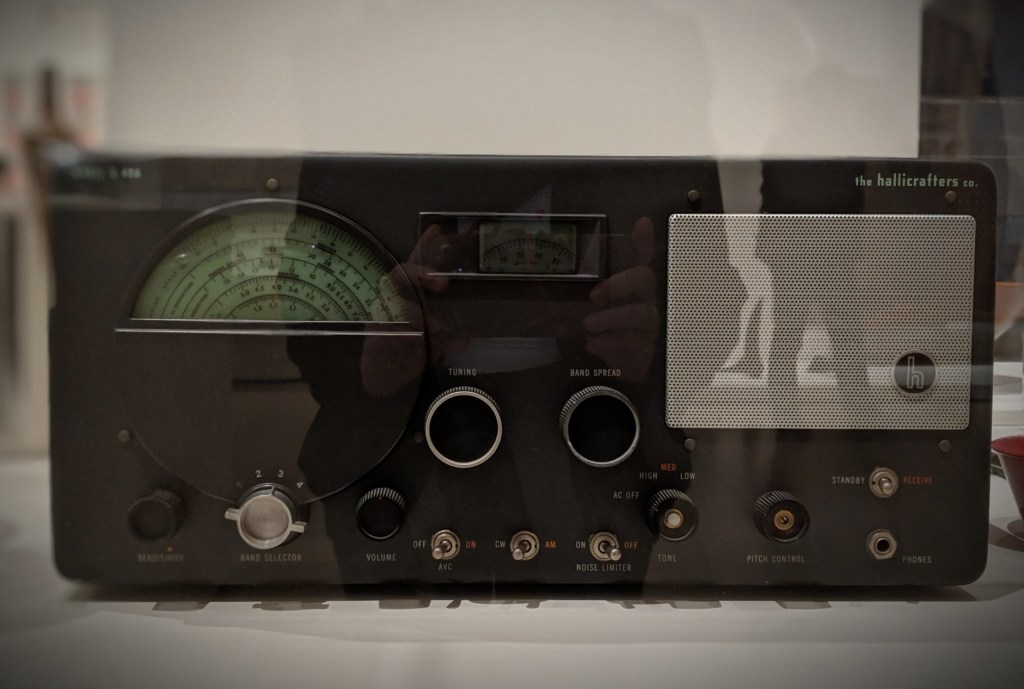
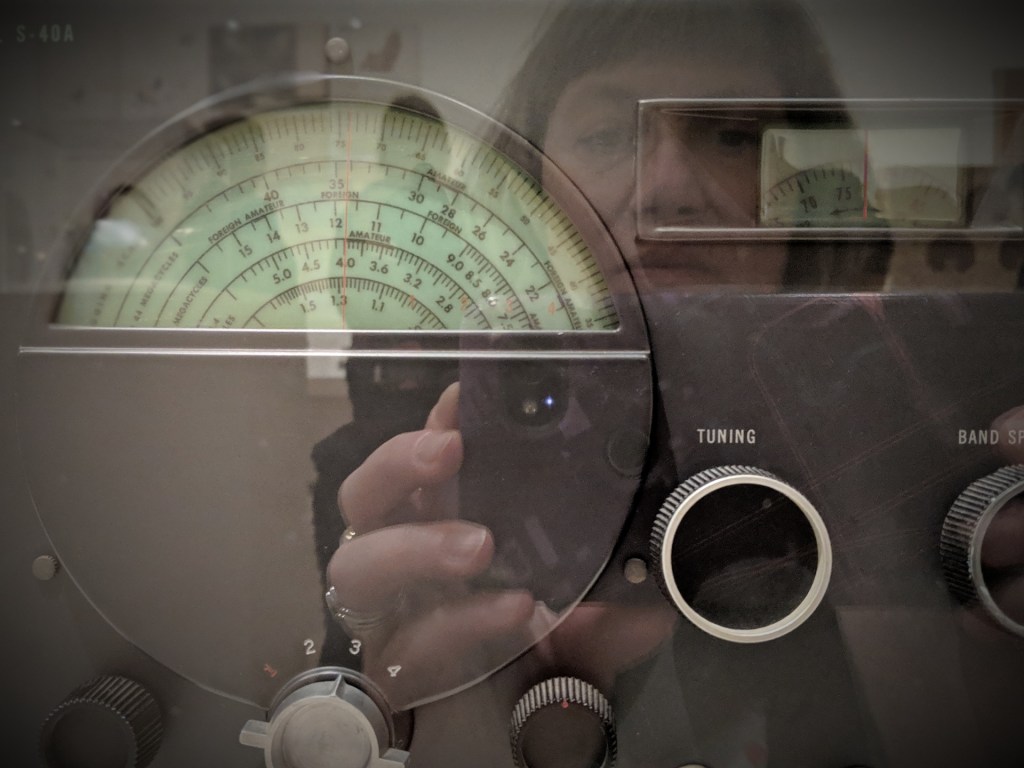
Communications receiver (model S-40A), 1947 by Raymond Loewy Associates

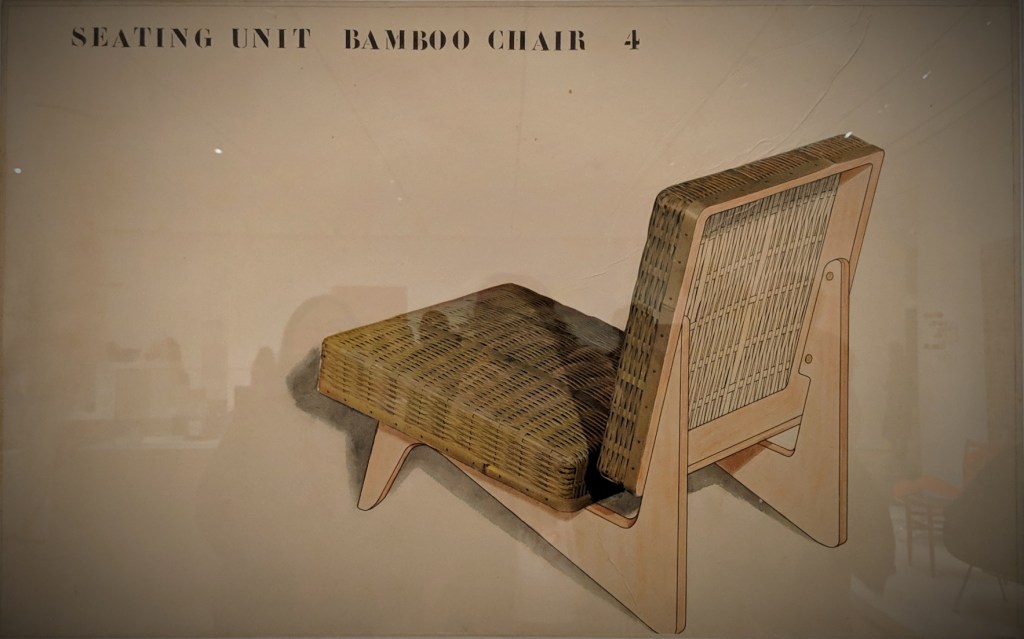
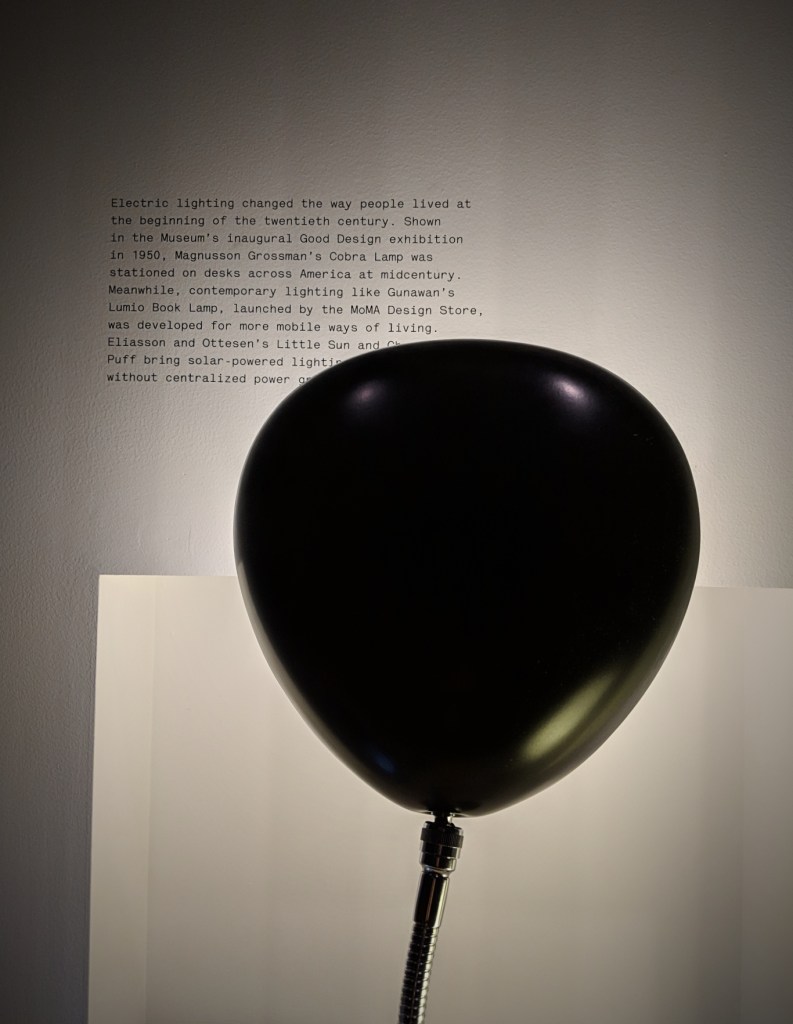
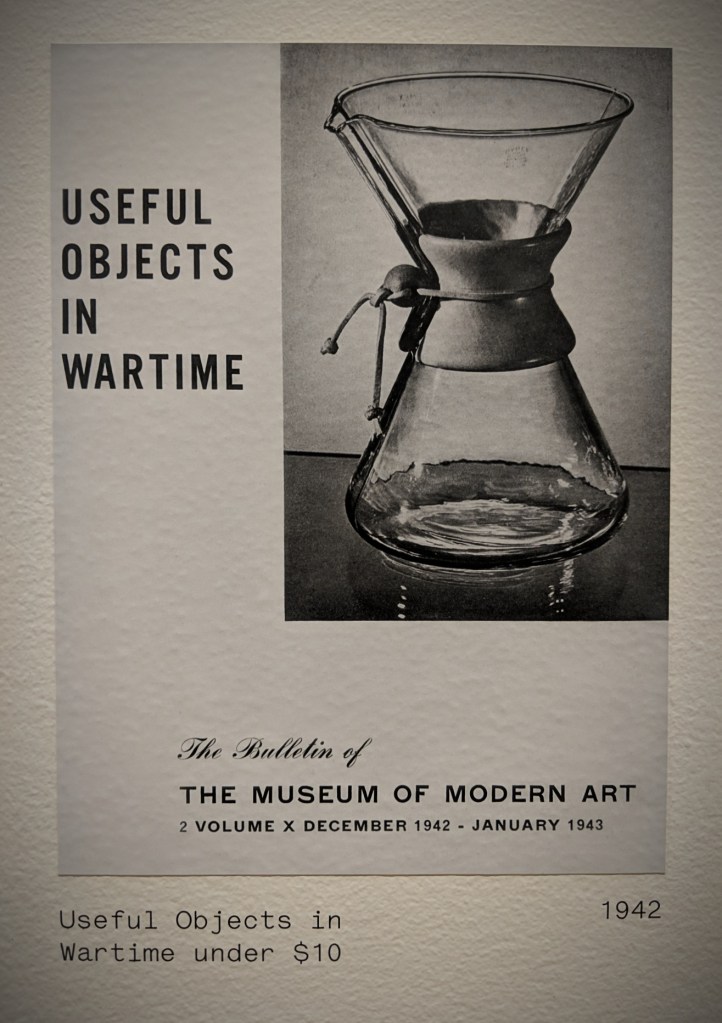
“Is there art in a broomstick? Yes, says Manhattan’s Museum of Modern Art, if it is designed both for usefulness and good looks.” This quote, from a 1953 Time magazine review of one of MoMA’s mid-century Good Design exhibitions, gets to the heart of a question the Museum has been asking since its inception: What is good design and how can it enhance everyday life?

Featuring objects from domestic furnishings and appliances to ceramics, glass, electronics, transport design, sporting goods, toys, and graphics, The Value of Good Design explored the democratizing potential of design, beginning with MoMA’s Good Design initiatives from the late 1930s through the 1950s, which championed well-designed, affordable contemporary products. [source: MoMA]

The Value of Good Design
Feb 10–Jun 15, 2019
MoMA

April 4th, 2019

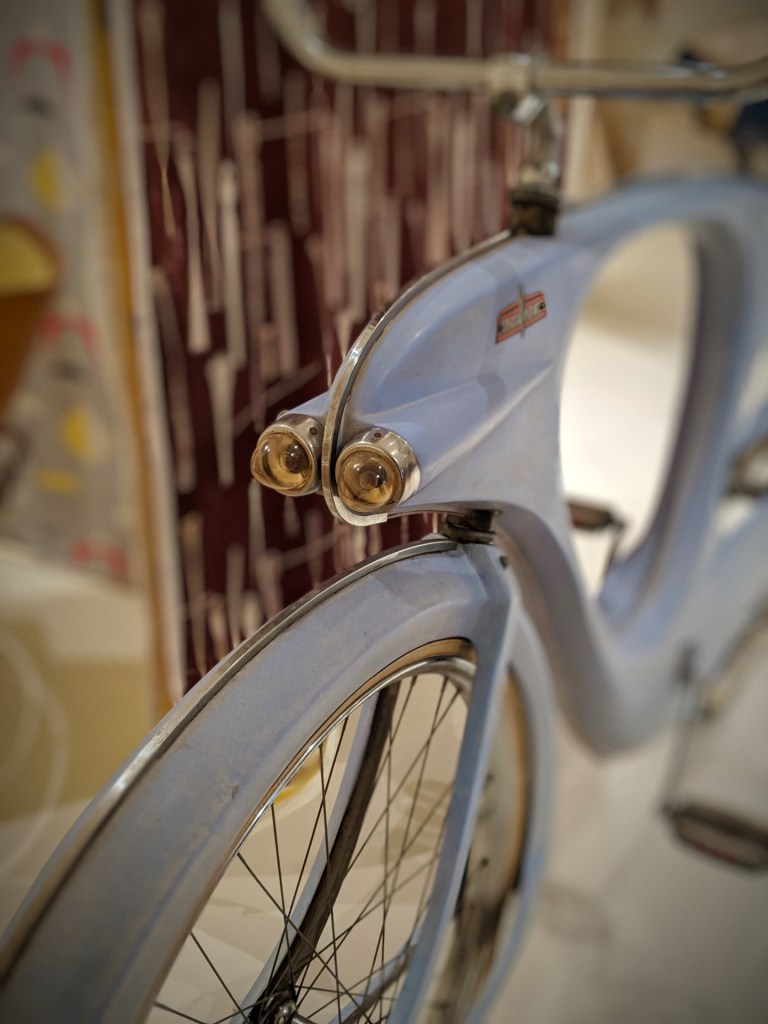
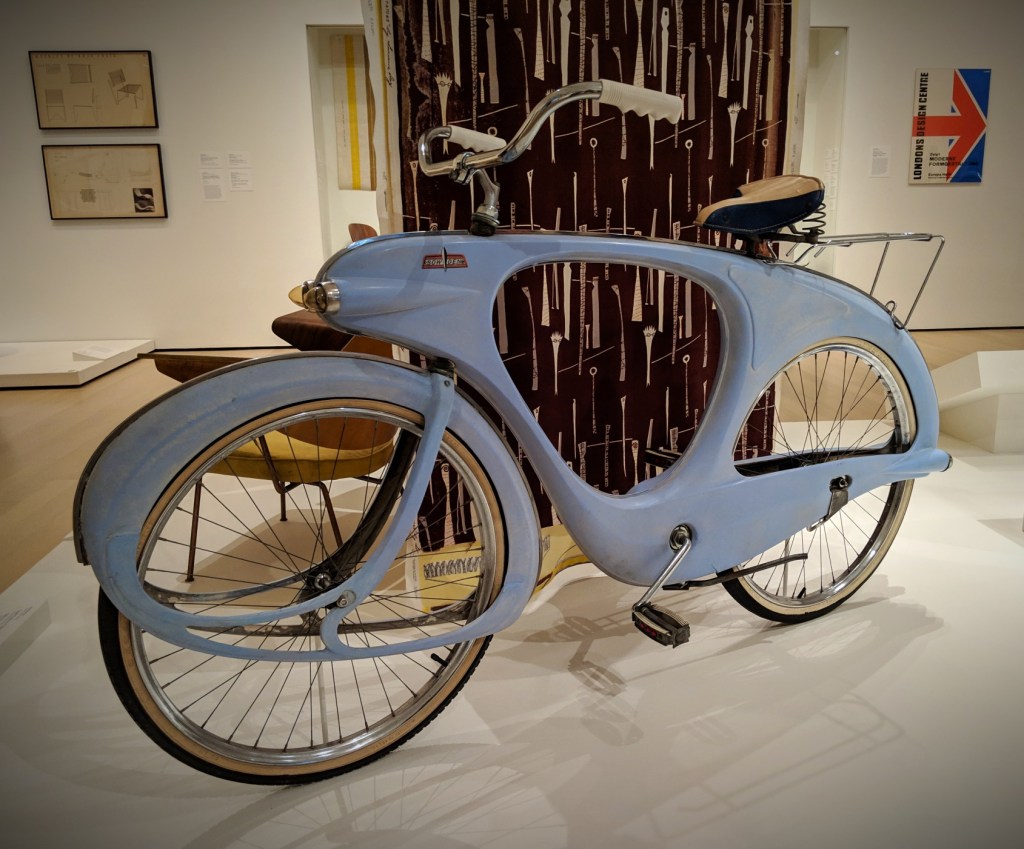
Bicycle with a Vision

Eyes on the future

Benjamin Bowden
Spacelander bicycle 1946
Fiberglass, chrome-plated steel, leather, and rubber

Launched at the Britain Can Make It exhibition organized by the Council of Industrial design in 1946, this curvaceous product hinted at a future of consumerist affluence, and the glamour associated with the utopian worlds of science-fiction films. It was one of many prototypes for new, industrially produced goods that over 1.4 million people queued to see. While it could be admired, the bicycle could not be bought at the time of the exhibition, owing to continued shortages of materials and labour after World War II. ”Britain Can’t Have It” became the show’s popular nickname.

From The Value of Good Design, an exhibition at MoMA in Feb 10-Jun 15, 2019.

April 4th, 2019

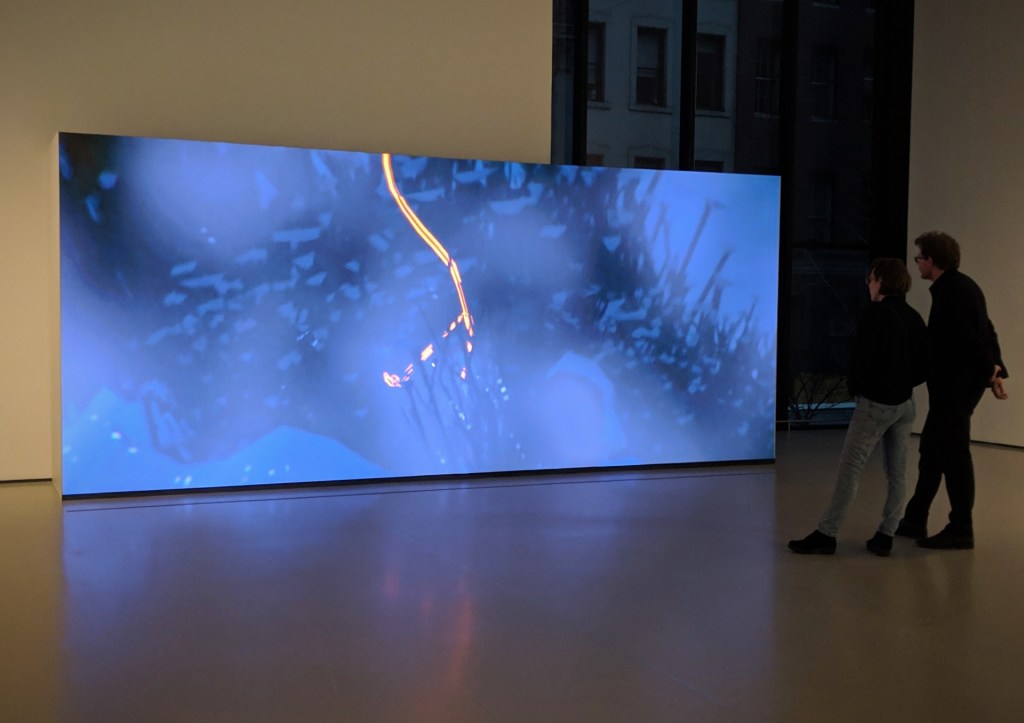
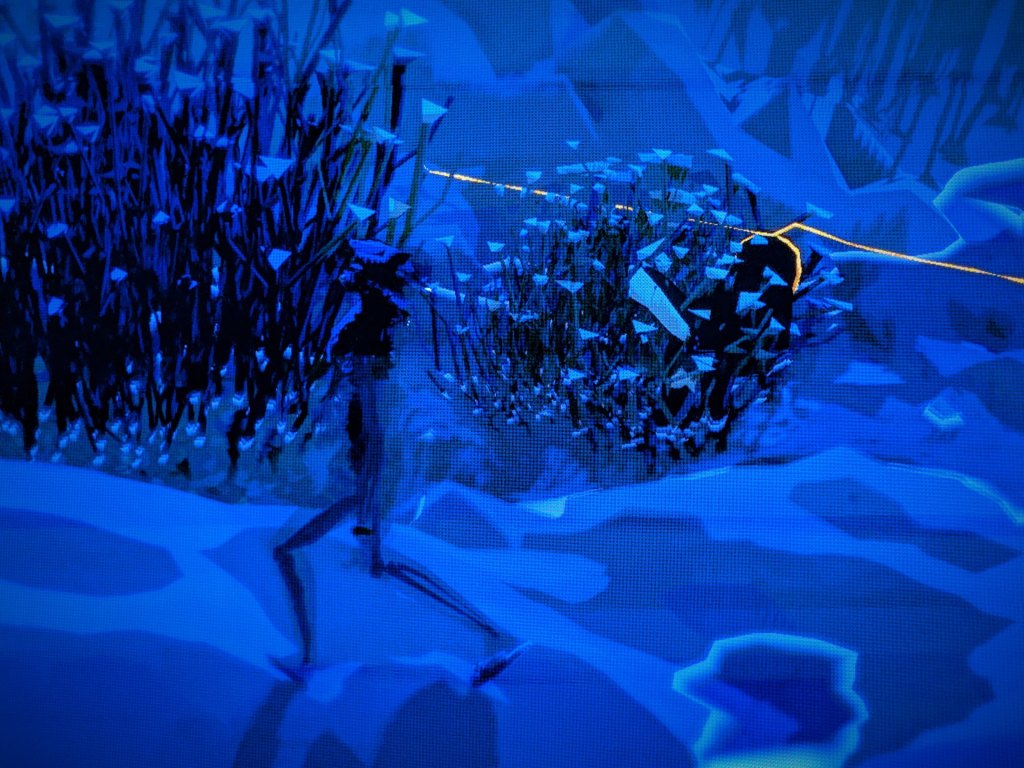
Emissary Forks At Perfection

Ian Cheng
Emissary Forks At Perfection 2015-16
Live simulation and story (colour, sound). Infinite duration

”A video game that plays itself,” as Cheng describes it, this digital simulation is generated in real time with no fixed beginning or end. Created using the Unity engine, a popular software tool for developing 3-D video games and AI models, the animation takes place far in the future. It tells the story of Talus Twenty Nine, an artificial intelligence that oversees a lush terrain in which new plants and animals constantly evolve in a Darwinian setting. The AI resurrects an ancient cadaver from the twenty-first century, and summons a pet dog to guide the undead through his posthuman world. Every time the program is run, a new scenario unfolds. The result is an endlessly changing, fantastical model of biological evolution and machine learning in the absence of human life. [source: MoMA]

Emissaries is a trilogy of simulations about cognitive evolution, past and future, and the ecological conditions that shape it. It is composed of three interconnected episodes, each centered on the life of an emissary who is caught between unraveling old realities and emerging weird ones. [source: Ian Cheng]

Emissary in the Squat of Gods
Emissary Forks At Perfection
Emissary Sunsets The Self

MoMA

April 4th, 2019

Lincoln Kirstein’s Modern – part III

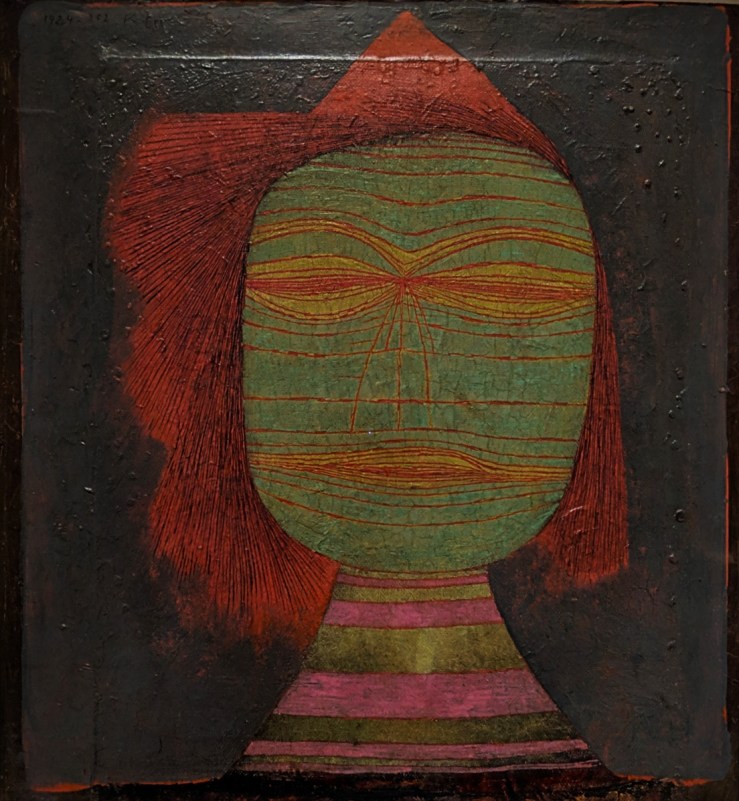
Paul Klee
Actor’s Mask, 1924
Oil on canvas mounted on board

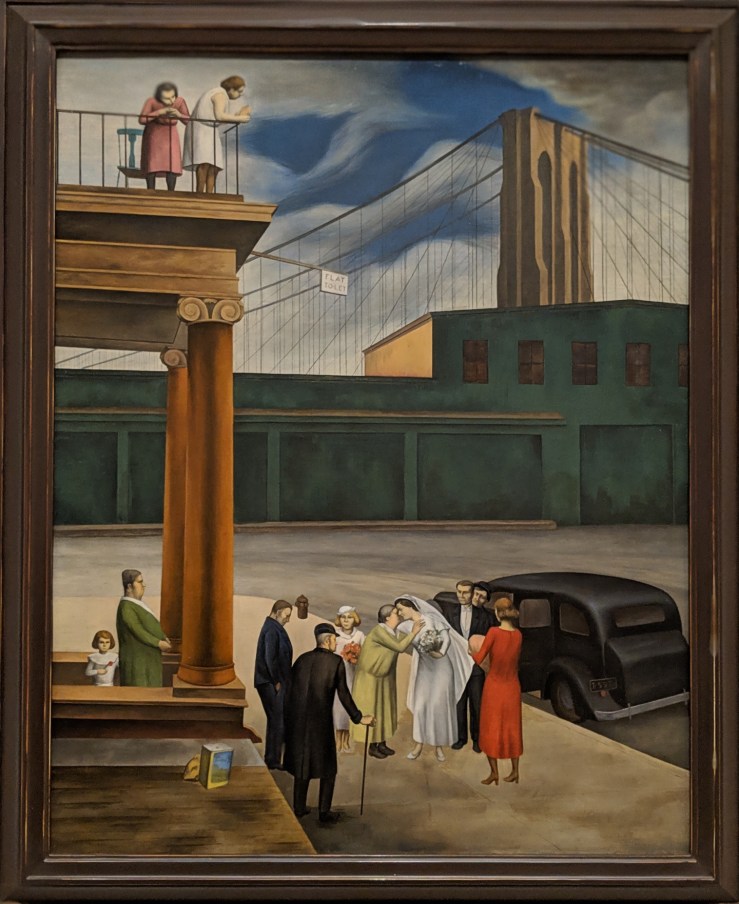
O. Louis Guglielmi
Wedding in South Street, 1937
Oil on canvas

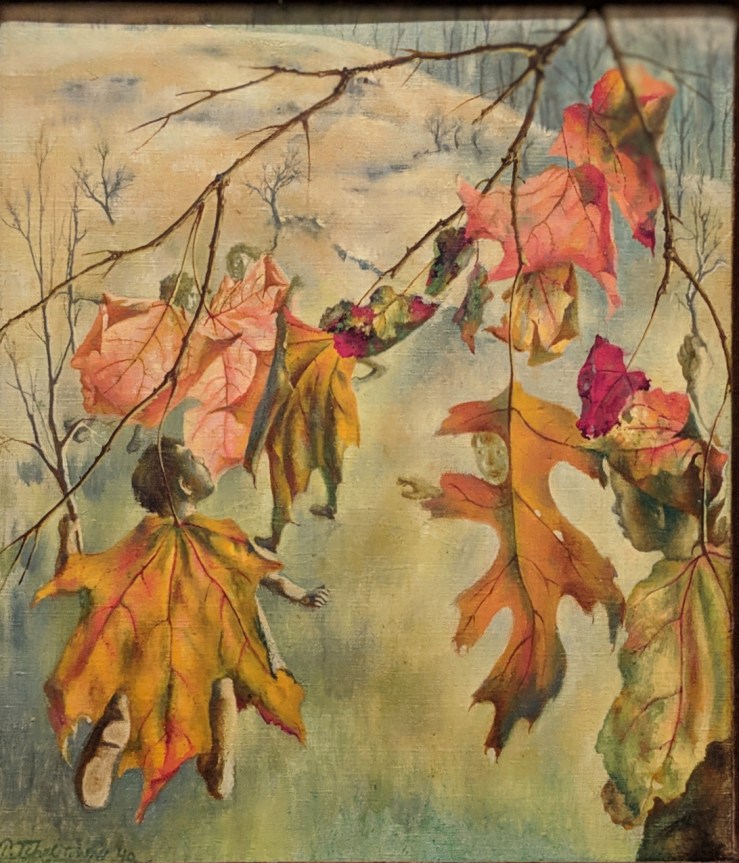
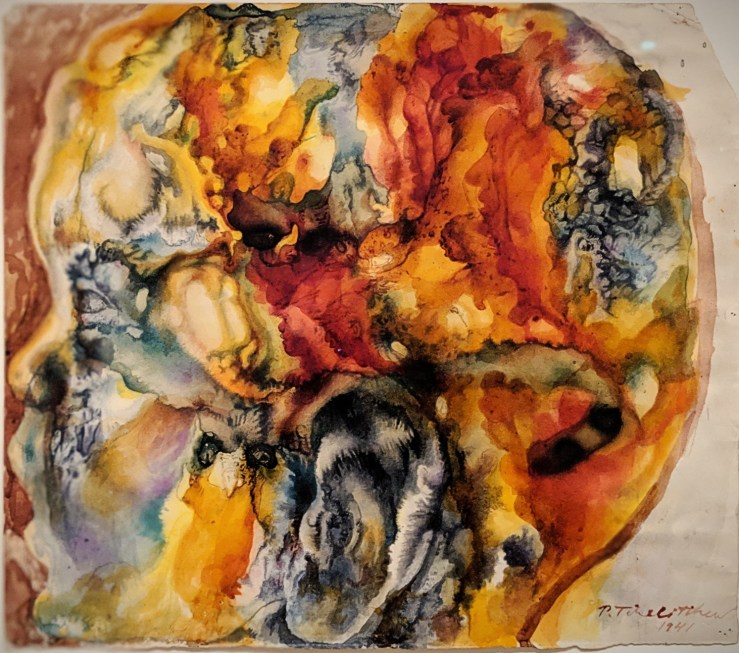
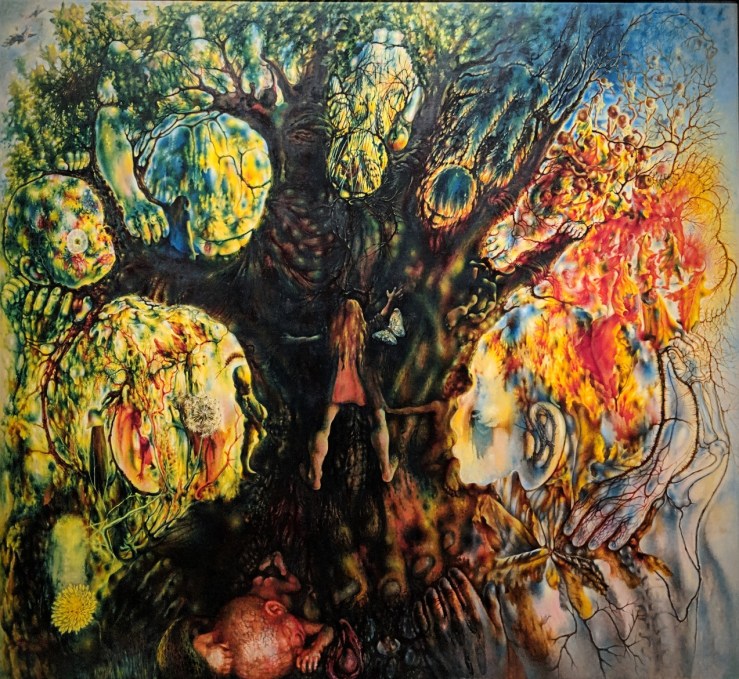
Pavel Tchelitchew
Leaf Children, 1940
Oil on canvas

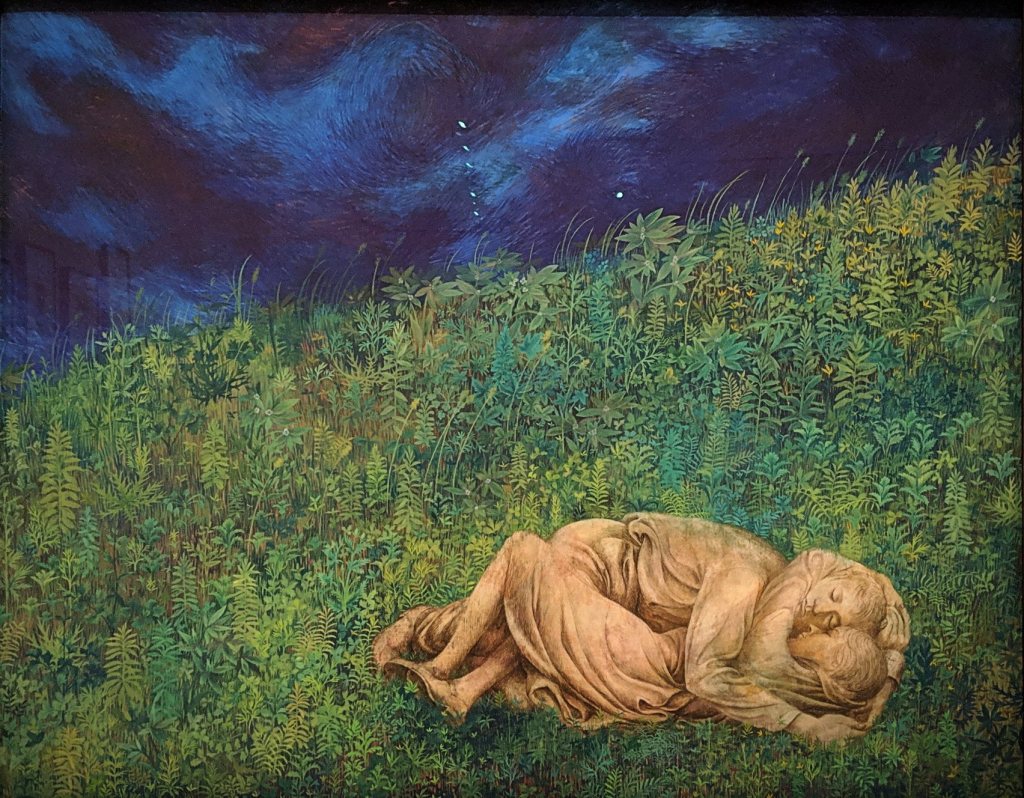
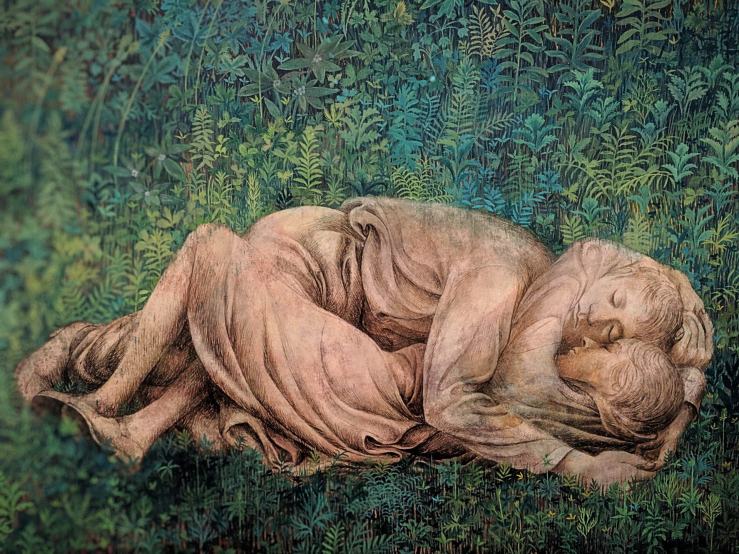
Bernard Perlin
The Lovers, 1946
Gouache and ink on paper-faced board

Pavel Tchelitchew
Head of Autumn (Study for Hide-and-Seek), 1941
Watercolour and pencil on paper

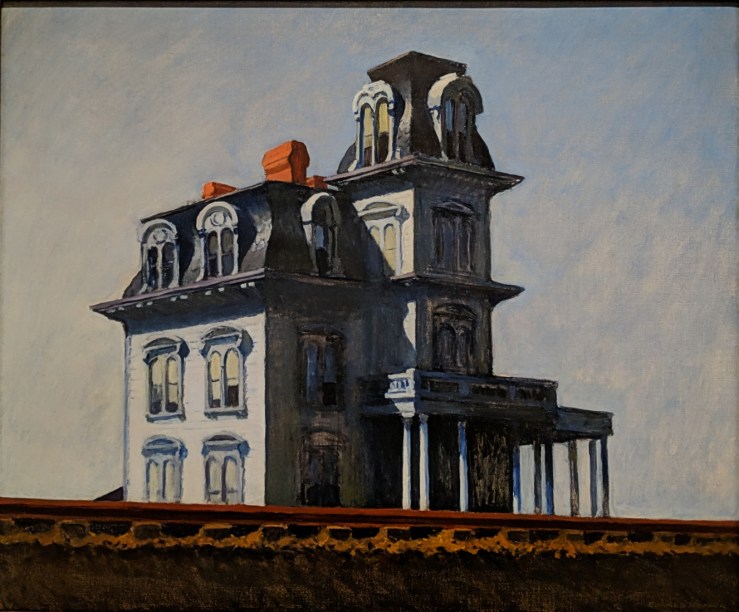
Edward Hopper
House by the Railroad, 1925
Oil on canvas

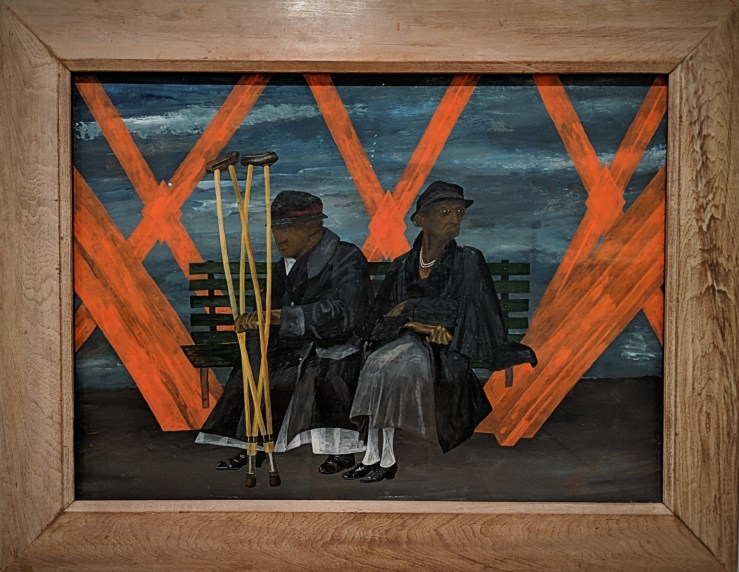
Ben Shahn
Willis Avenue Bridge, 1940
Gouache on paper on board

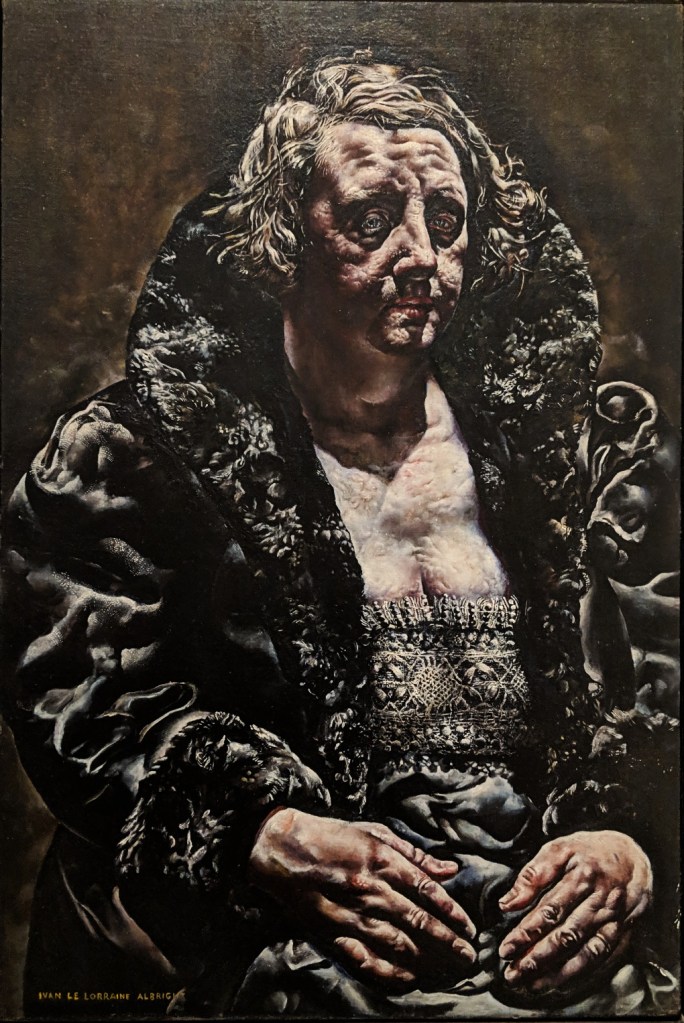
Ivan LeLorraine Albright
Woman, 1928
Oil on canvas

Bernard Perlin
The Lovers, 1946 (detail)
Gouache and ink on paper-faced board

Pavel Tchelitchew
Hide-and-Seek, 1940-1942
Oil on canvas

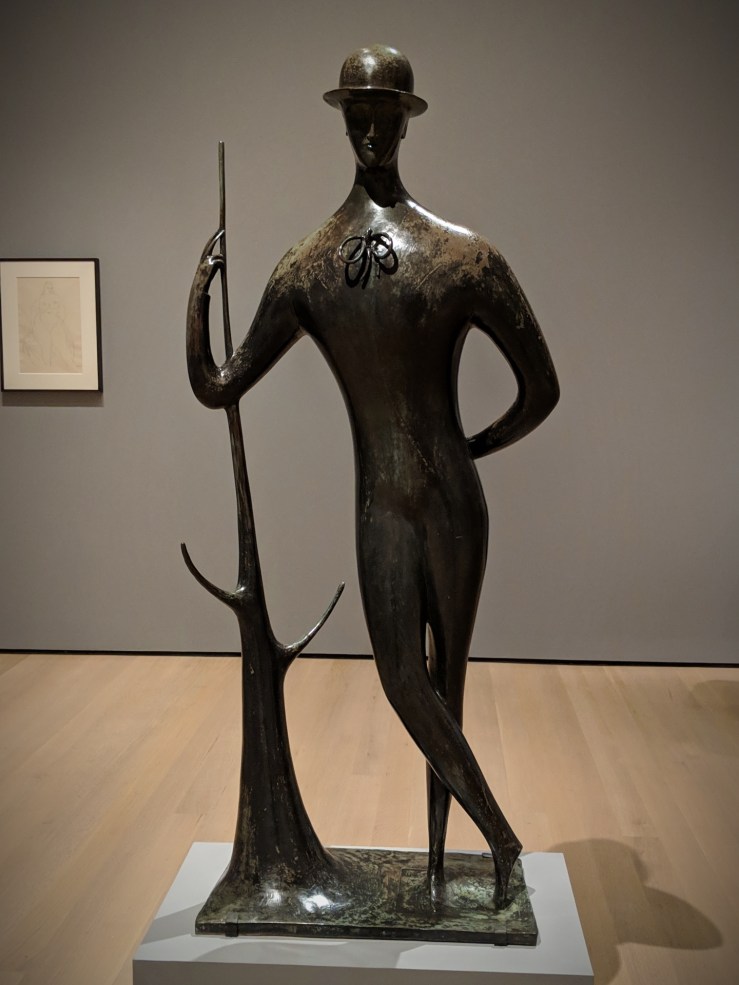
Elie Nadelman
Man in the Open Air, c. 1915
Bronze

MoMA, Mar-Jun 2019

March 15th, 2019