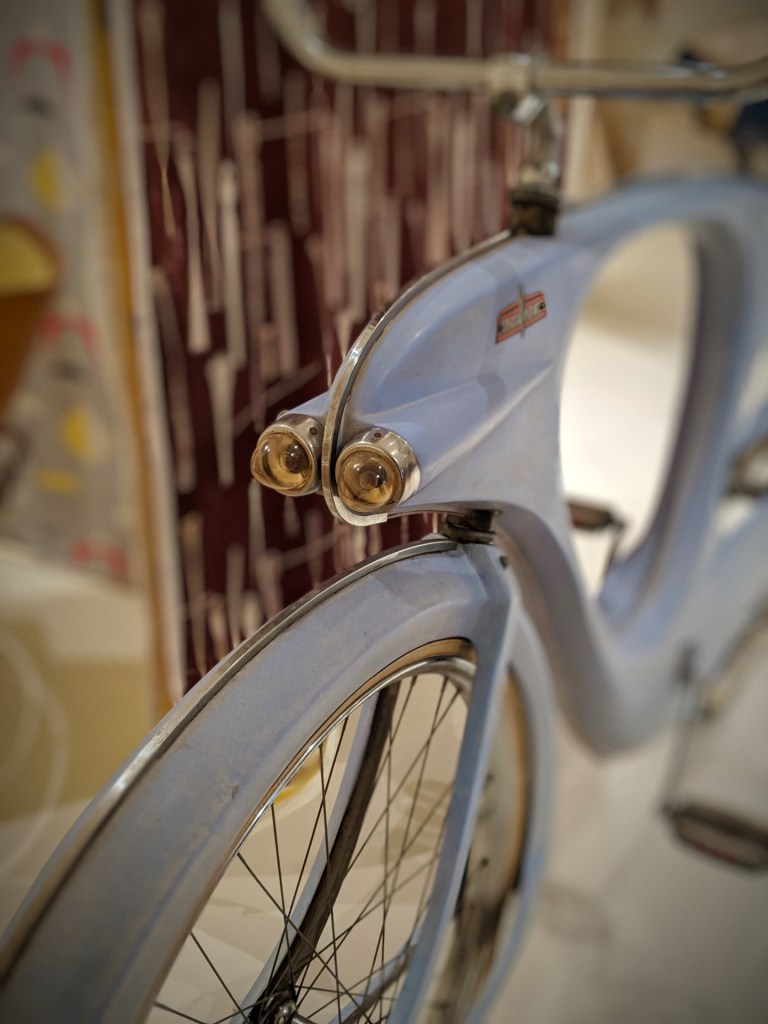
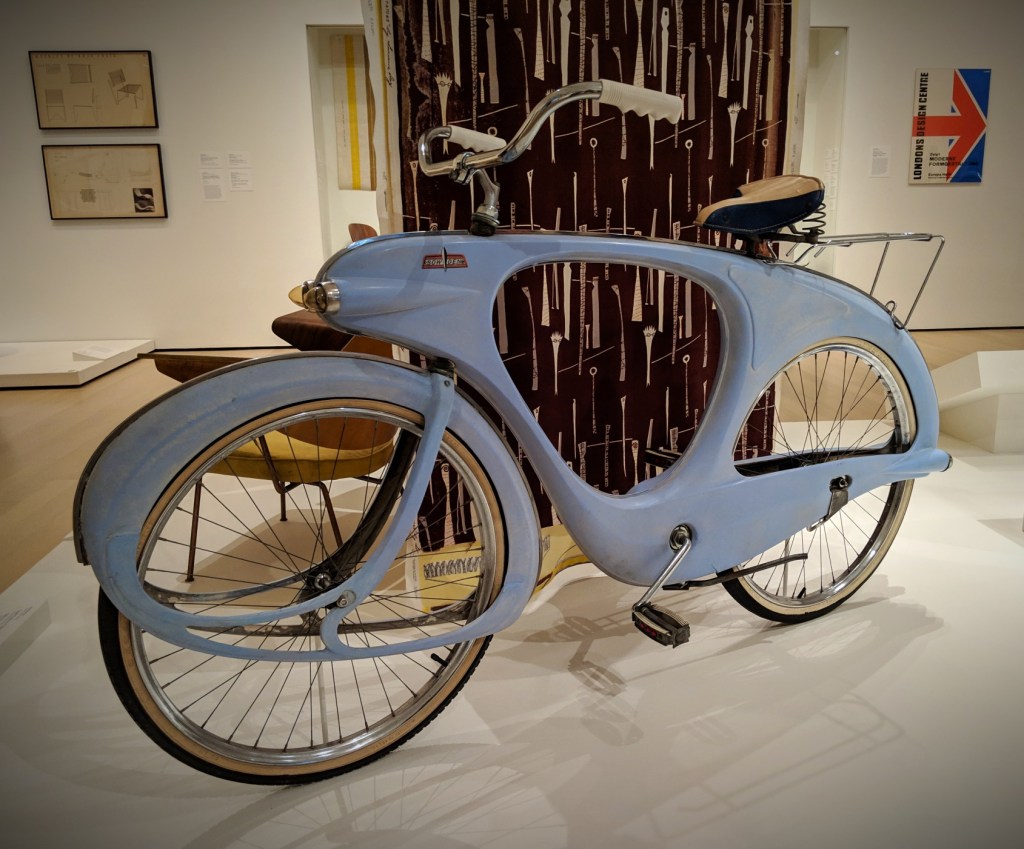
Benjamin Bowden Spacelander bicycle 1946 Fiberglass, chrome-plated steel, leather, and rubber
Launched at the Britain Can Make It exhibition organized by the Council of Industrial design in 1946, this curvaceous product hinted at a future of consumerist affluence, and the glamour associated with the utopian worlds of science-fiction films. It was one of many prototypes for new, industrially produced goods that over 1.4 million people queued to see. While it could be admired, the bicycle could not be bought at the time of the exhibition, owing to continued shortages of materials and labour after World War II. ”Britain Can’t Have It” became the show’s popular nickname.
From The Value of Good Design, an exhibition at MoMA in Feb 10-Jun 15, 2019.
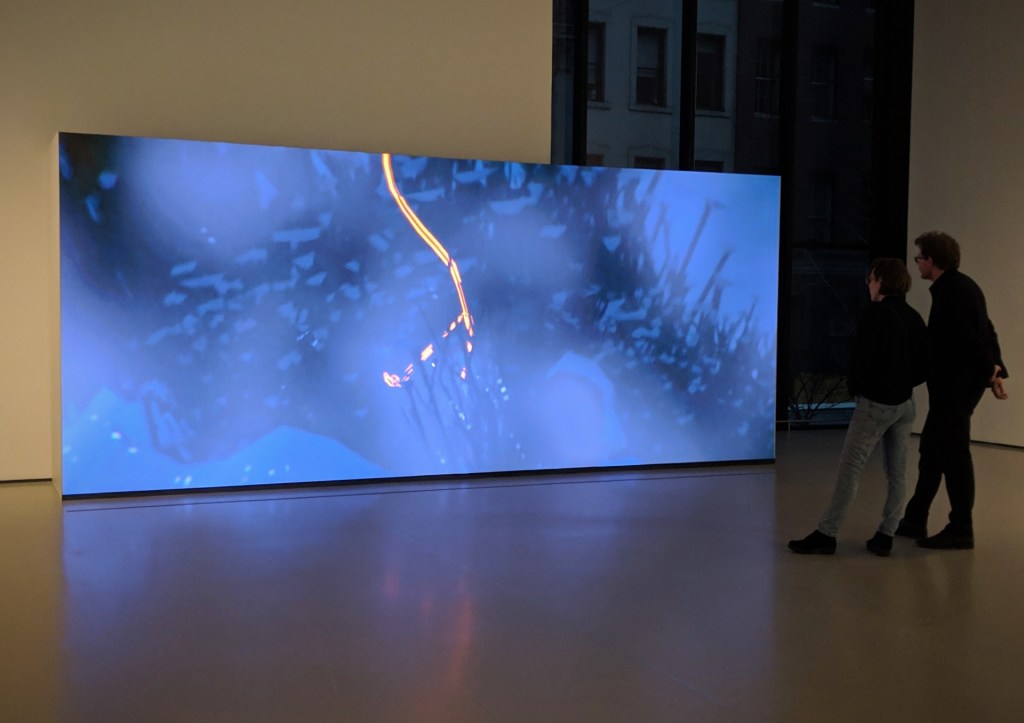
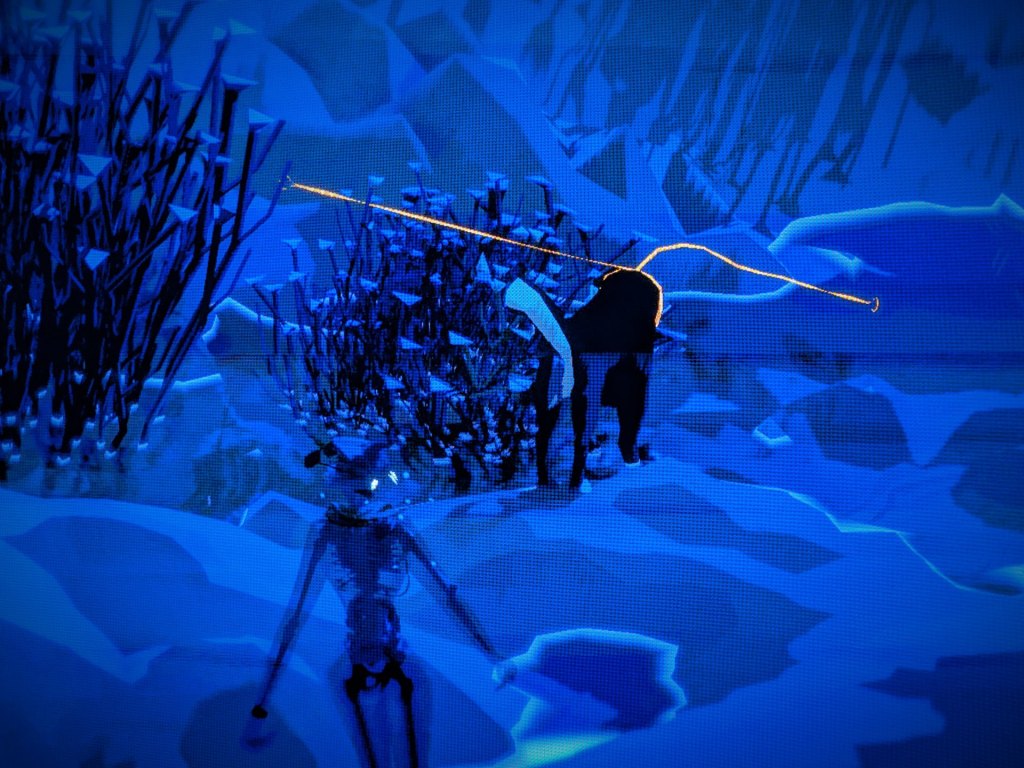
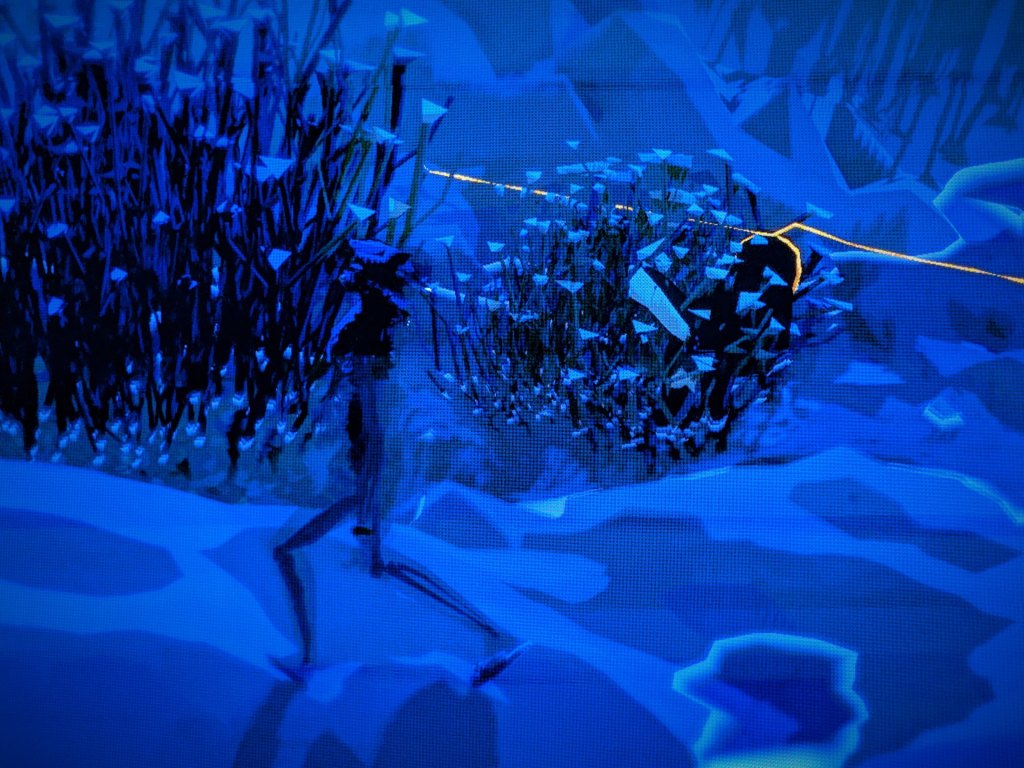
Ian Cheng Emissary Forks At Perfection 2015-16 Live simulation and story (colour, sound). Infinite duration
”A video game that plays itself,” as Cheng describes it, this digital simulation is generated in real time with no fixed beginning or end. Created using the Unity engine, a popular software tool for developing 3-D video games and AI models, the animation takes place far in the future. It tells the story of Talus Twenty Nine, an artificial intelligence that oversees a lush terrain in which new plants and animals constantly evolve in a Darwinian setting. The AI resurrects an ancient cadaver from the twenty-first century, and summons a pet dog to guide the undead through his posthuman world. Every time the program is run, a new scenario unfolds. The result is an endlessly changing, fantastical model of biological evolution and machine learning in the absence of human life. [source: MoMA]
Emissaries is a trilogy of simulations about cognitive evolution, past and future, and the ecological conditions that shape it. It is composed of three interconnected episodes, each centered on the life of an emissary who is caught between unraveling old realities and emerging weird ones. [source: Ian Cheng]
Emissary in the Squat of Gods Emissary Forks At Perfection Emissary Sunsets The Self
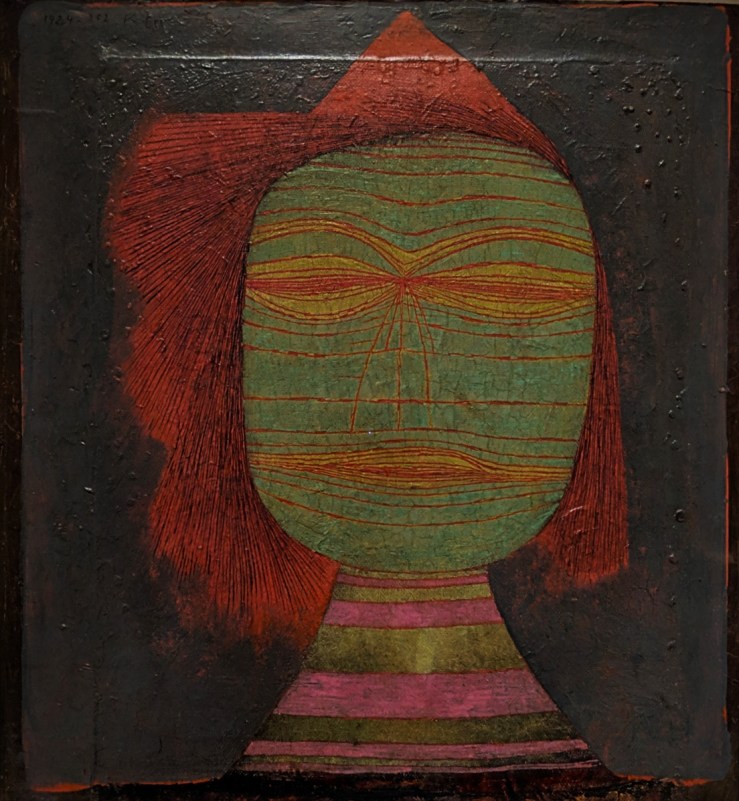
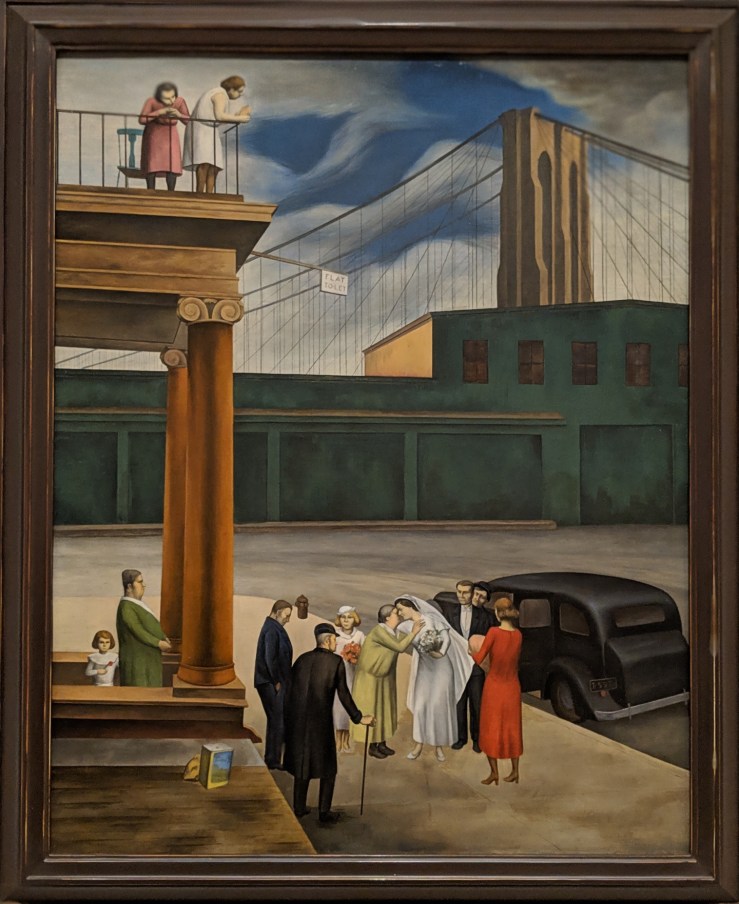
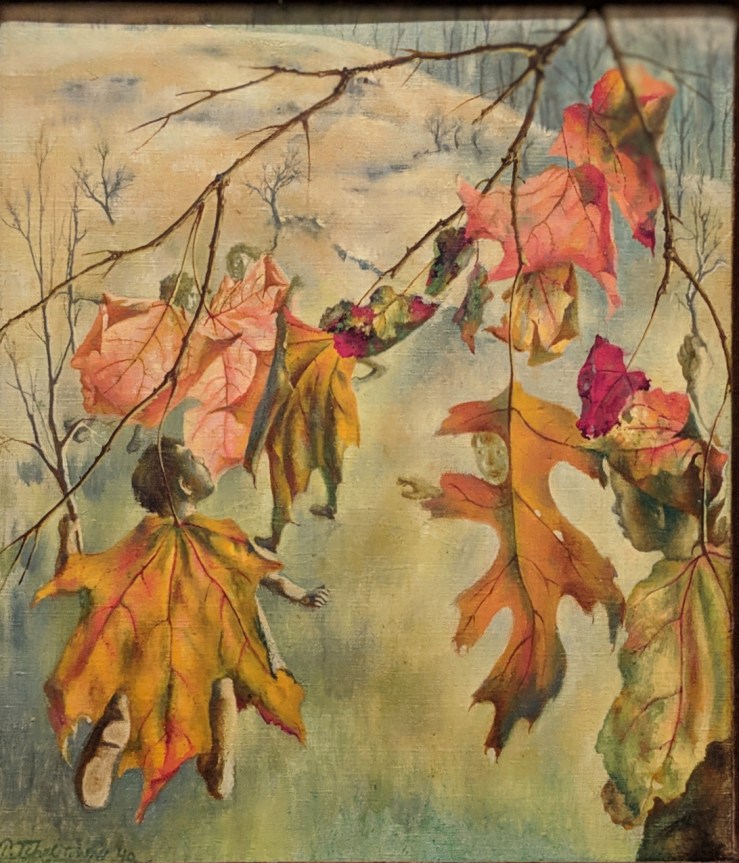
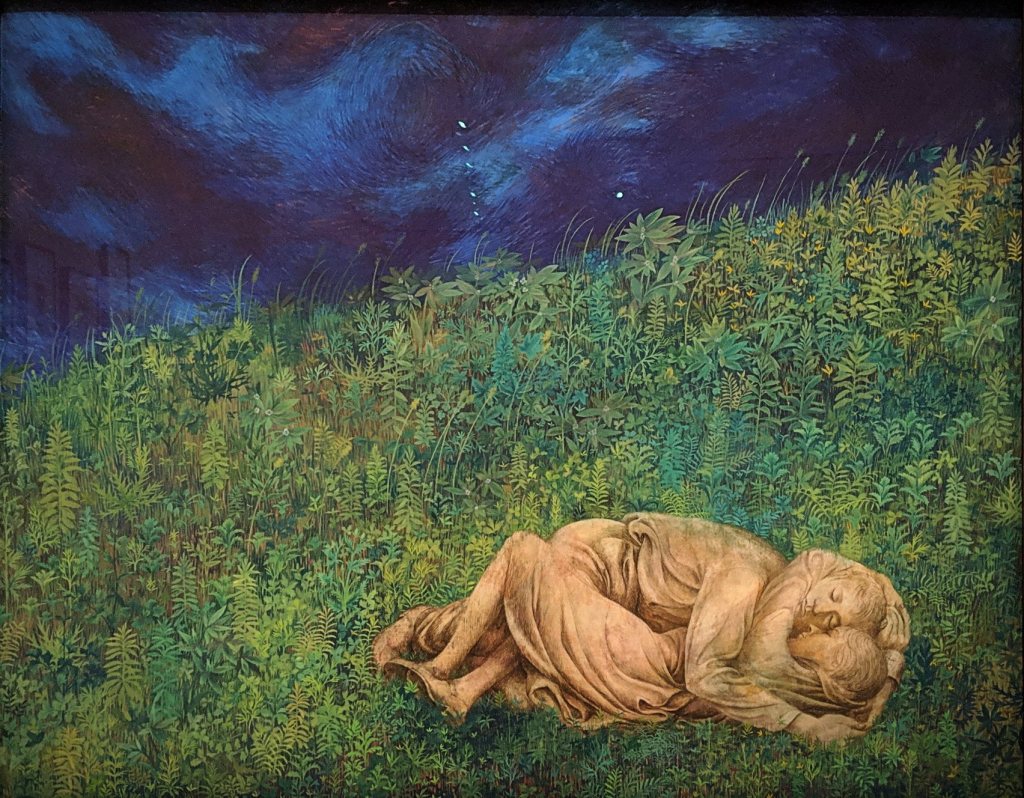
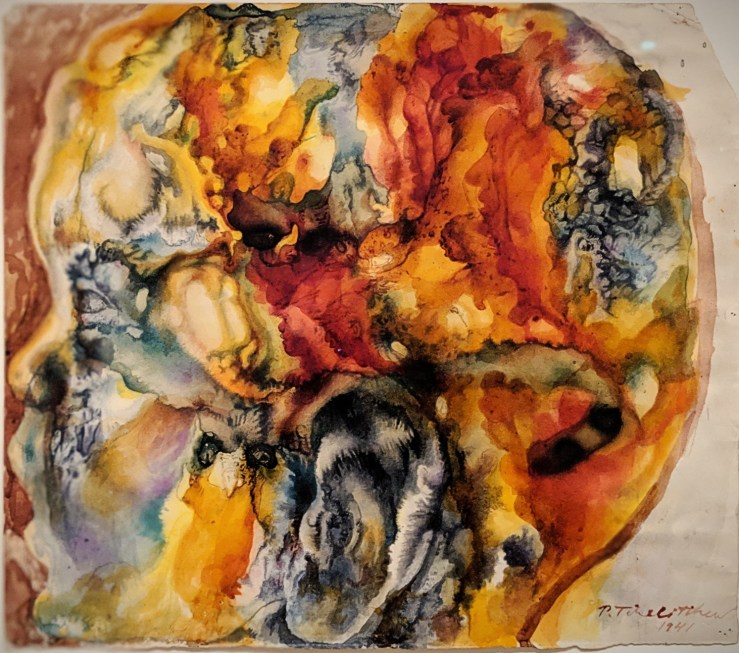
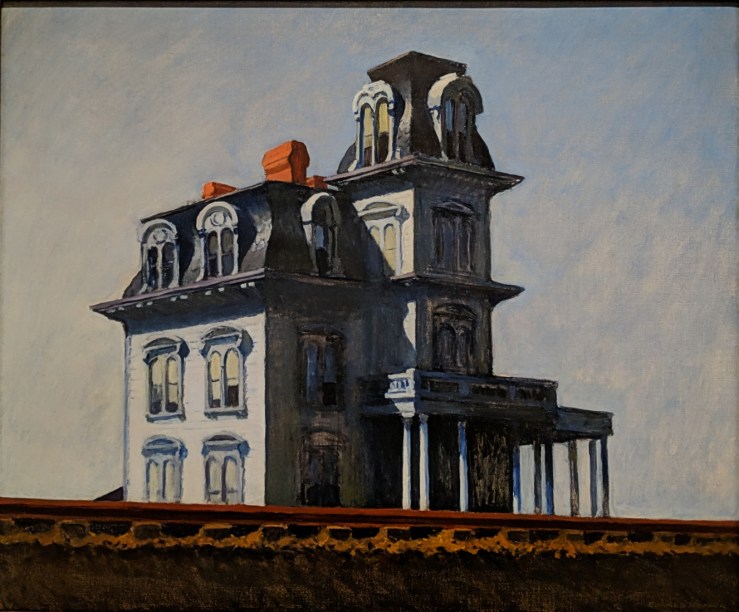
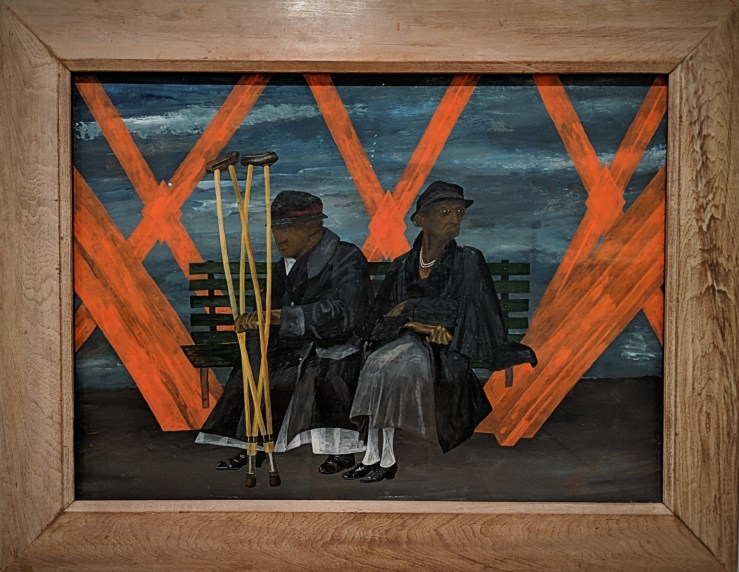
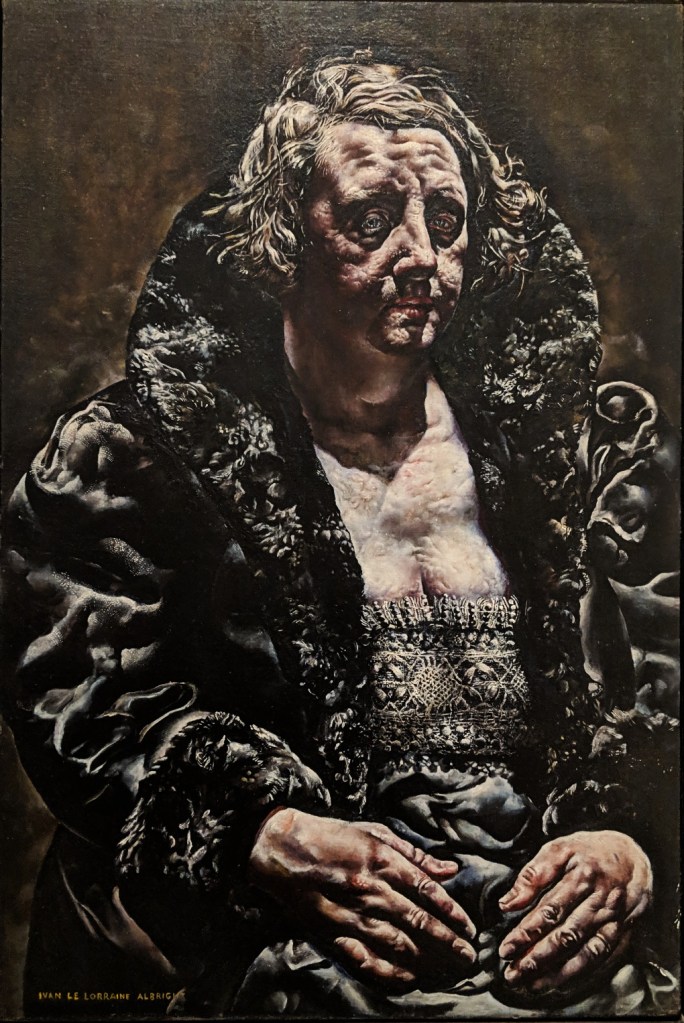
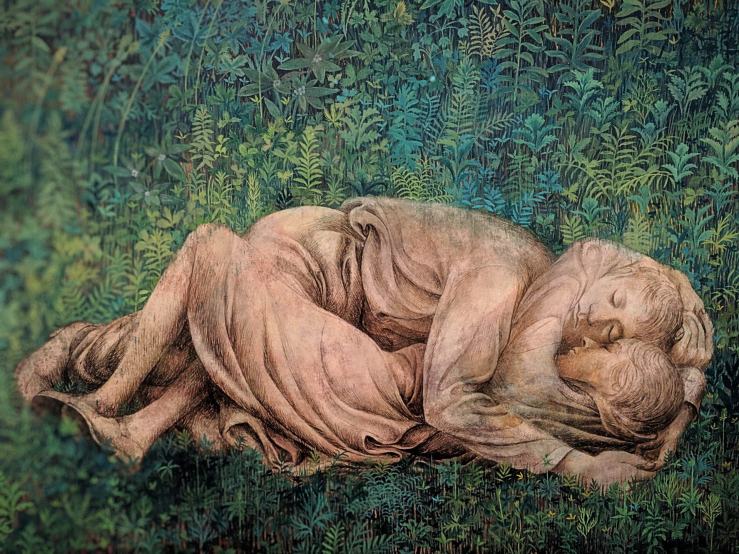
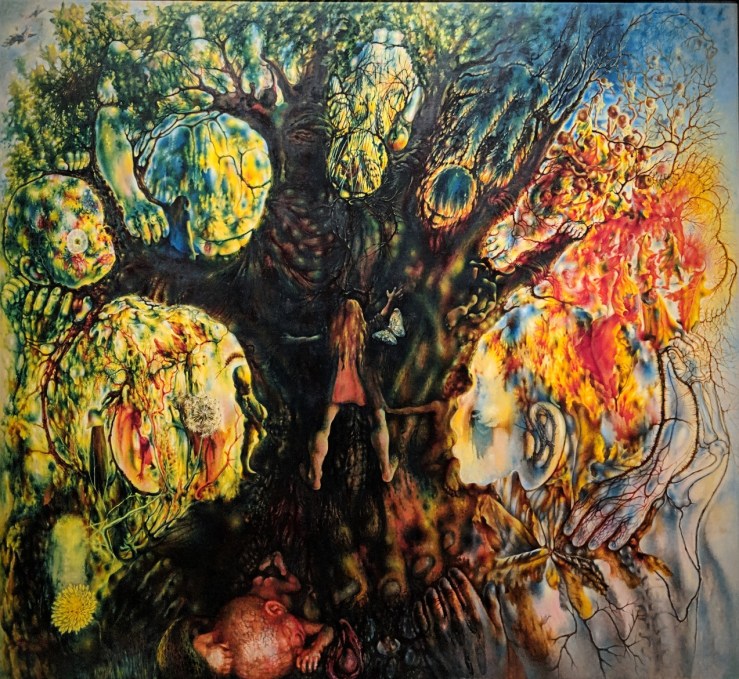
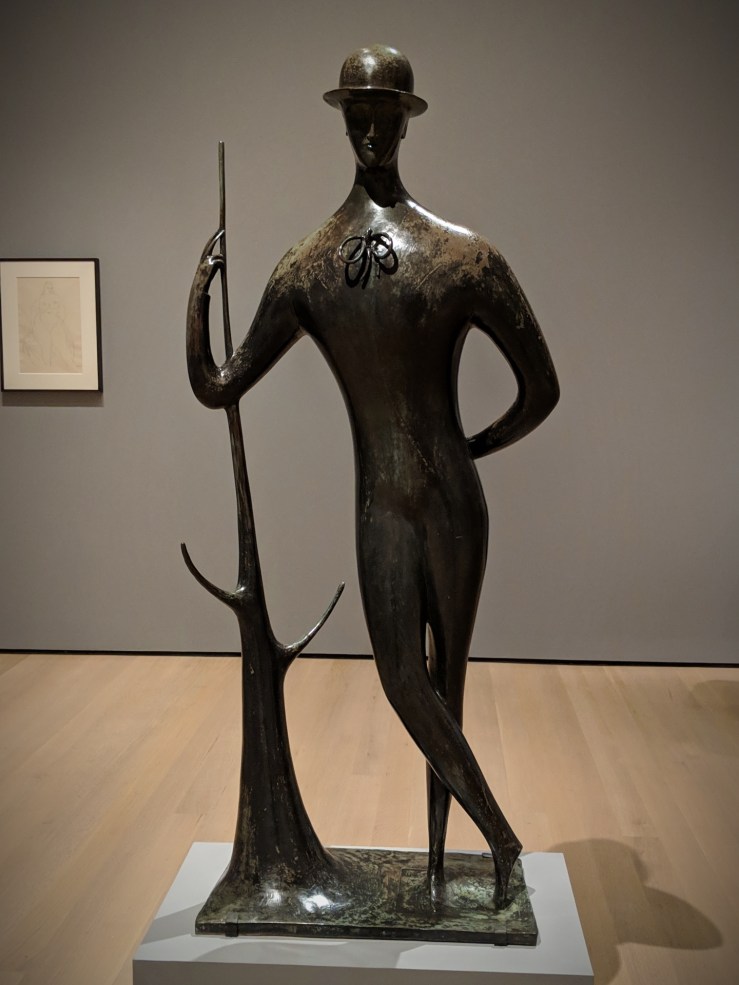
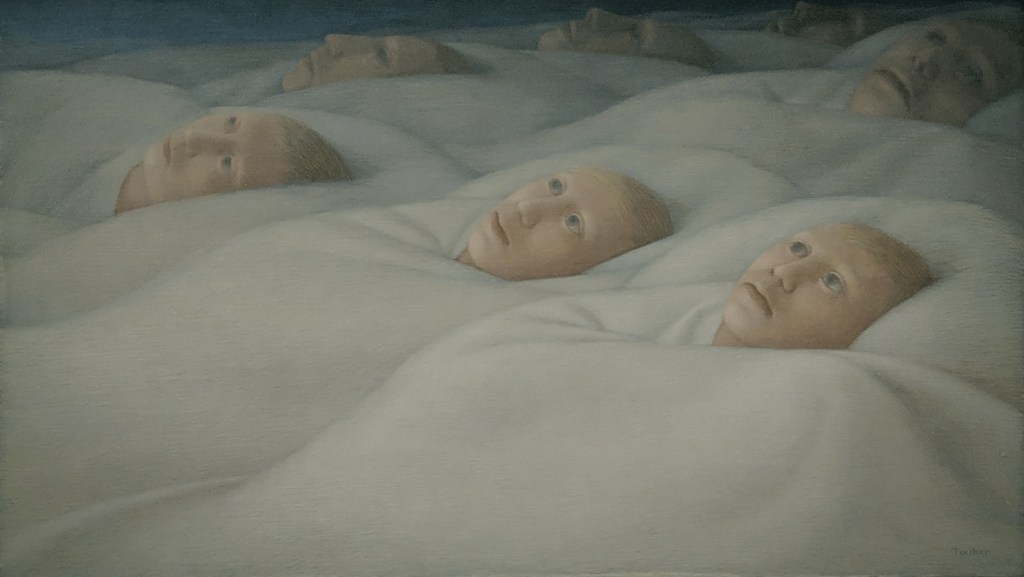
Paul Klee Actor’s Mask, 1924 Oil on canvas mounted on boardO. Louis Guglielmi Wedding in South Street, 1937 Oil on canvasPavel Tchelitchew Leaf Children, 1940 Oil on canvasBernard Perlin The Lovers, 1946 Gouache and ink on paper-faced boardPavel Tchelitchew Head of Autumn (Study for Hide-and-Seek), 1941 Watercolour and pencil on paperEdward Hopper House by the Railroad, 1925 Oil on canvasBen Shahn Willis Avenue Bridge, 1940 Gouache on paper on boardIvan LeLorraine Albright Woman, 1928 Oil on canvasBernard Perlin The Lovers, 1946 (detail) Gouache and ink on paper-faced boardPavel Tchelitchew Hide-and-Seek, 1940-1942 Oil on canvasElie Nadelman Man in the Open Air, c. 1915 Bronze
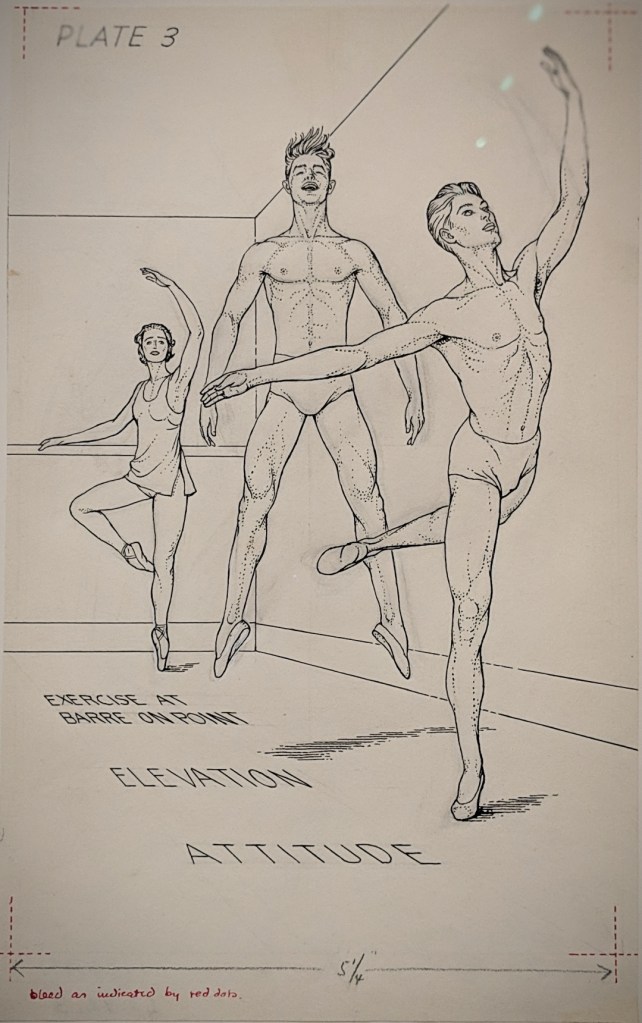
Paul Cadmus Ballet Positions. Drawings for Ballet Alphabet: A Primer for Laymen 1939 Ink, pencil, coloured ink, and gouache on paper
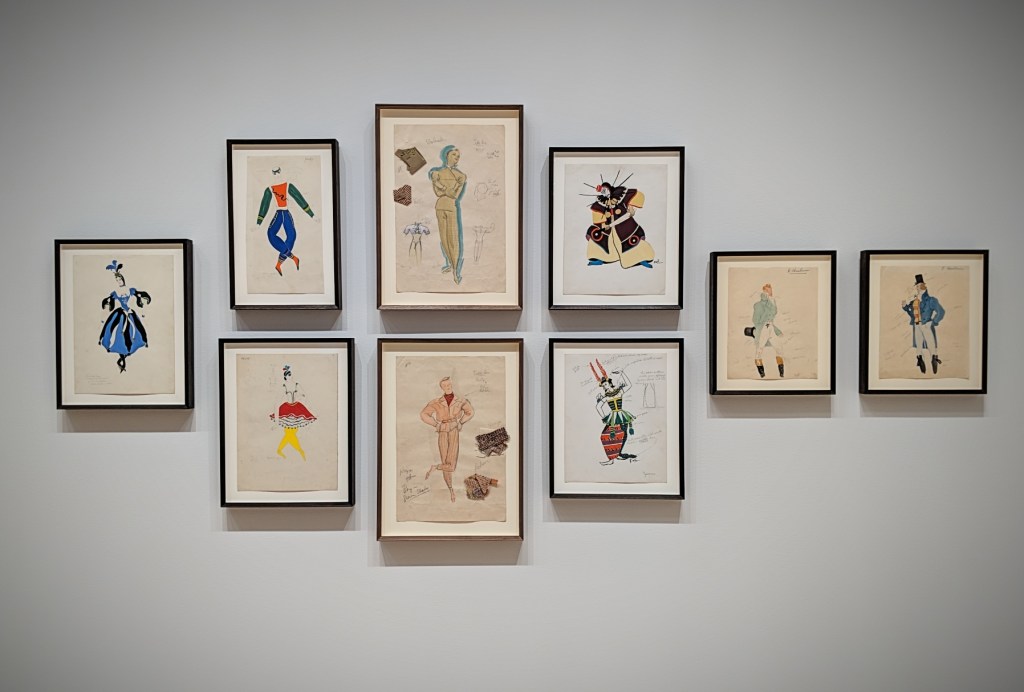
Works by Forrest Thayer, Charles Rain, Tom Lee, and Keith Morrow Martin
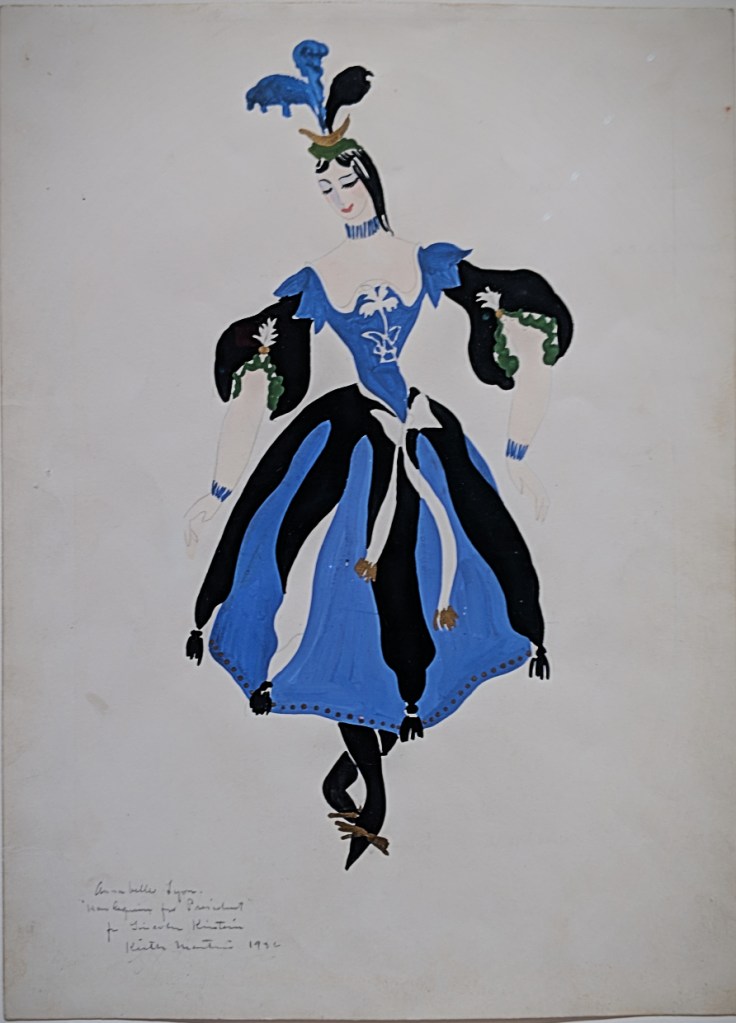
Keith Morrow Martin Costume design for the ballet Harlequin for President 1936 Gouache, watercolour, metallic gouache, and pencil on paper
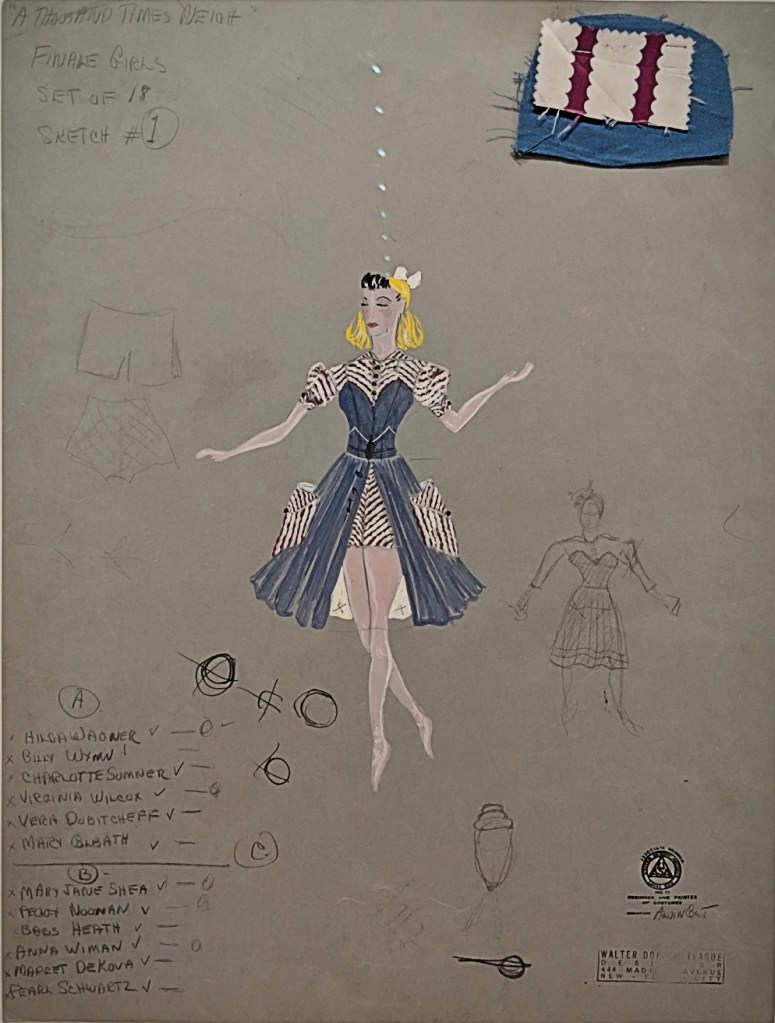
Alvin Colt Finale Girls. Costume design for the ballet A Thousand Times Neigh 1940 Gouache, pencil, stamped ink, and stapled fabric on coloured card
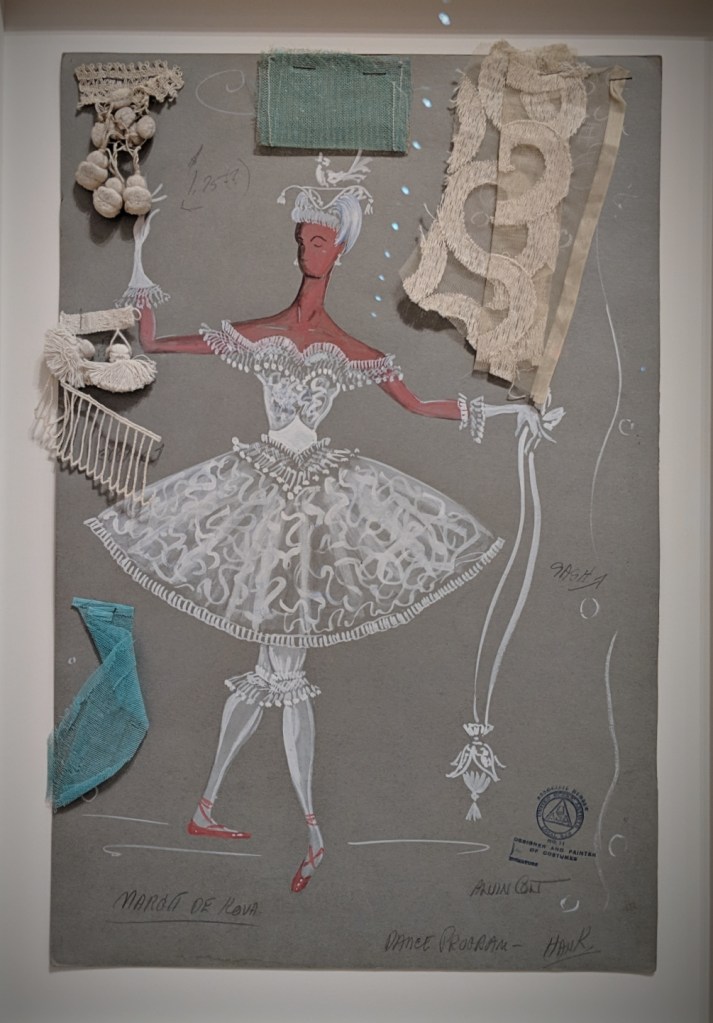
Alvin Colt Costume design for the ballet Charade (or The Debutante) 1939 Gouache, stapled fabric, pencil, and stamped coloured ink on coloured card
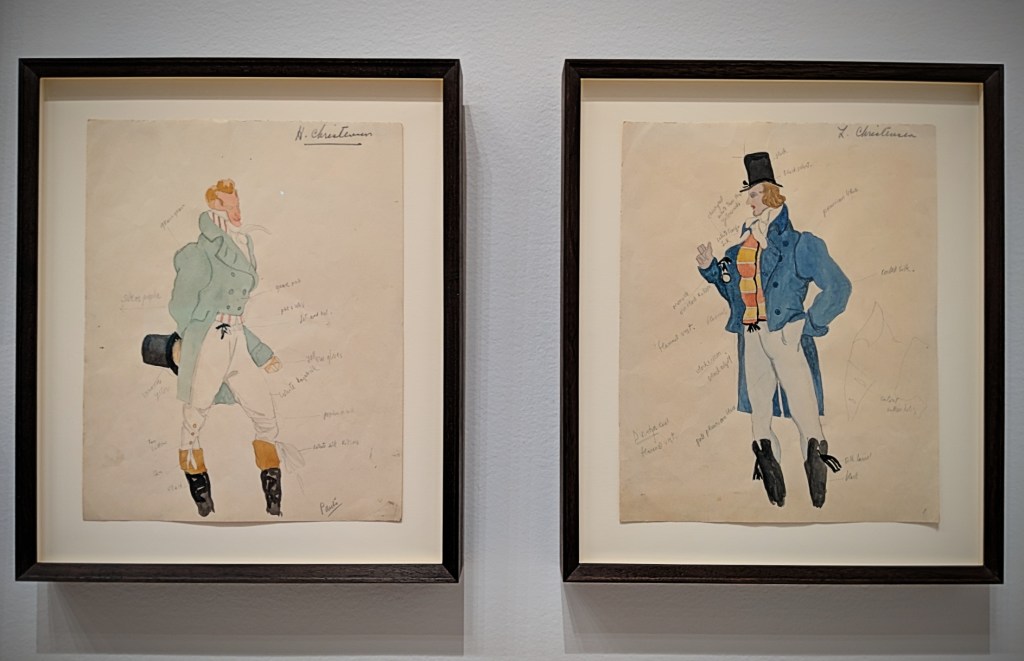
Forrest Thayer Costume designs for the ballet Promenade 1936 Watercolour and pencil on paper
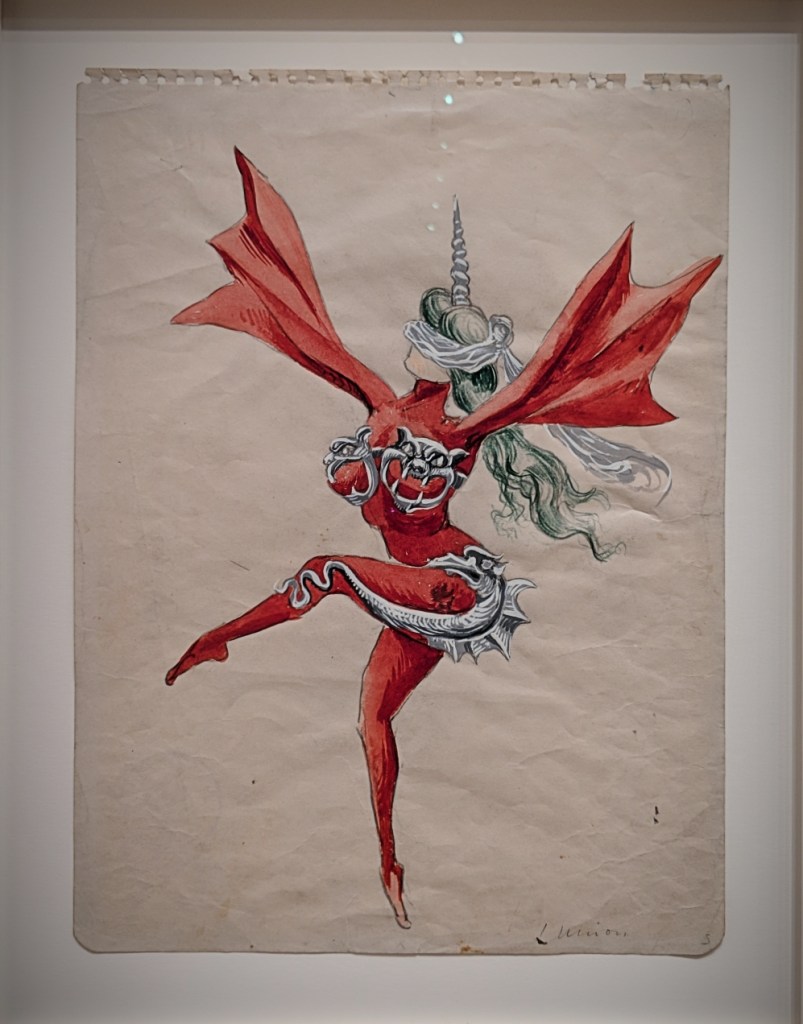
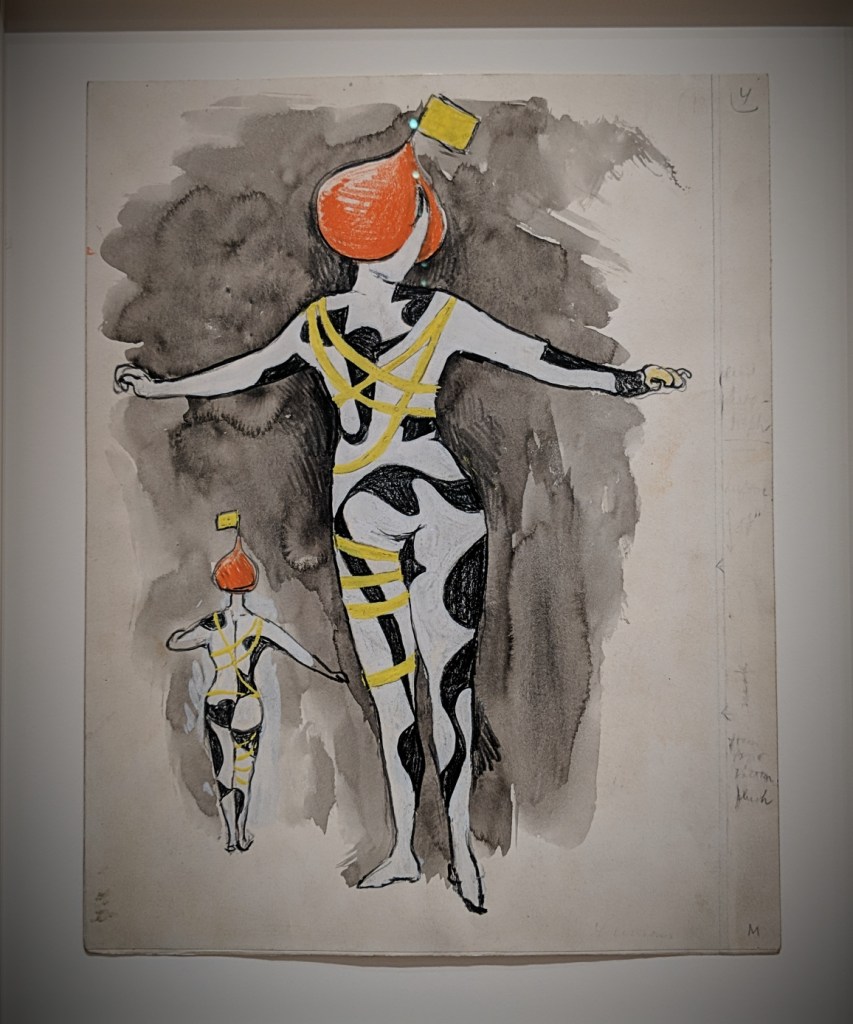
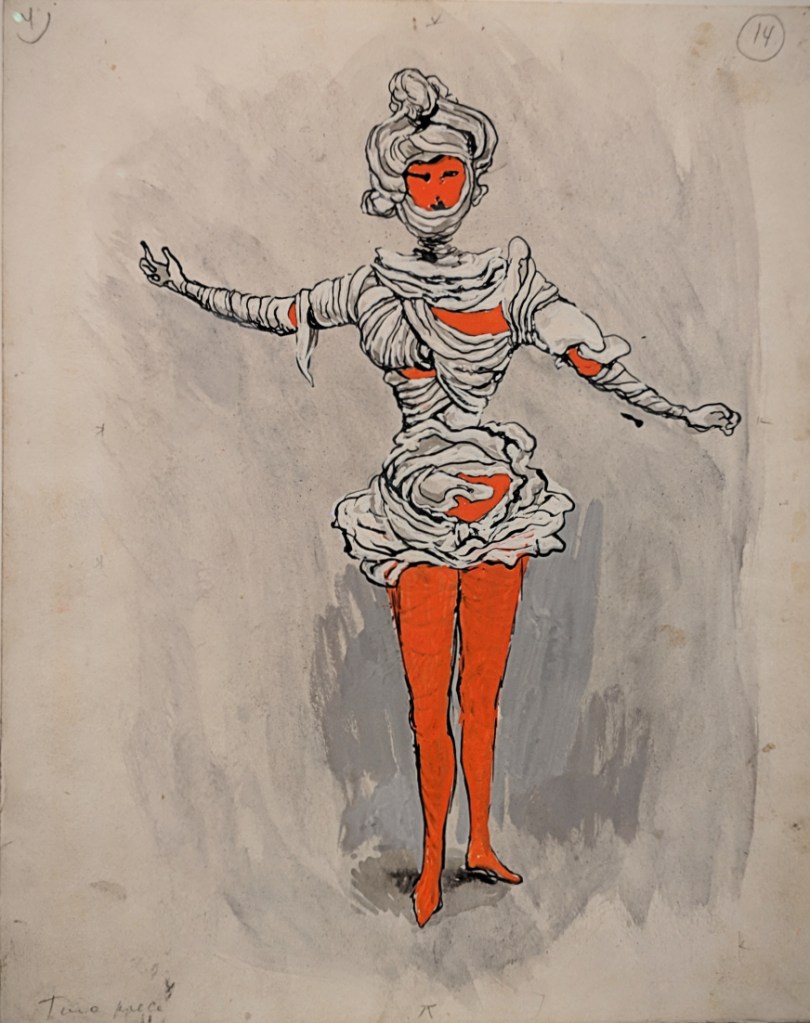
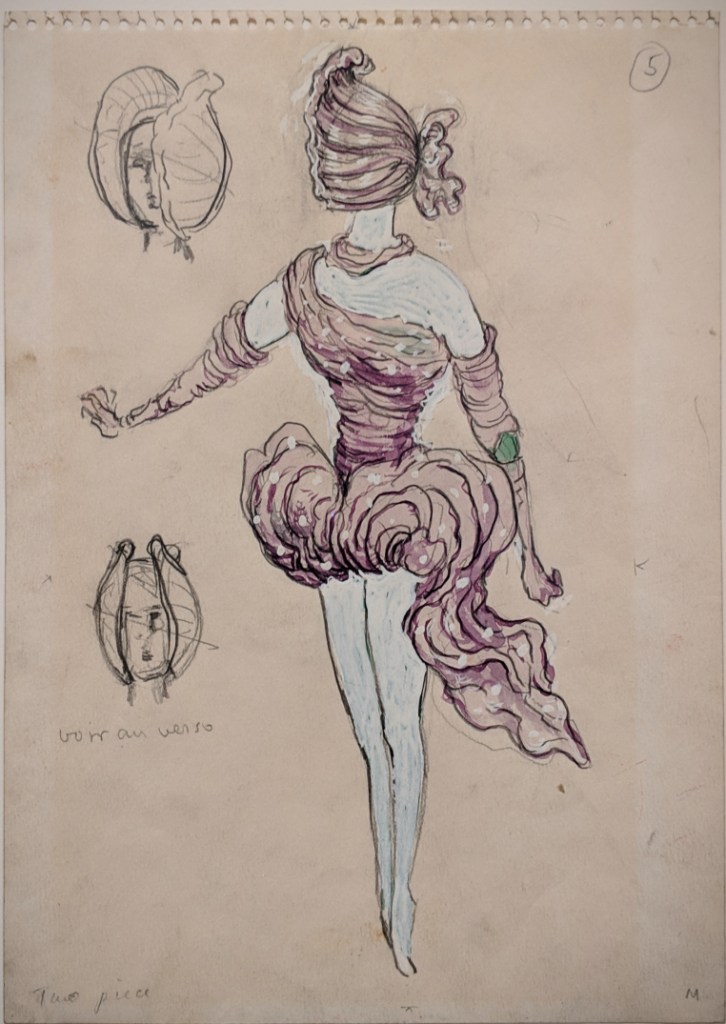
Kurt Seligmann Costume designs for the ballet The Four Temperaments c. 1946 Fourth Variation/Choleric Gouache, watercolour, coloured pencil, and pencil on paper
Kurt Seligmann Costume designs for the ballet The Four Temperaments c. 1946 First Variation/Melancholic Crayon, gouache, watercolour, coloured pencil, and pencil on paper
Kurt Seligmann Costume designs for the ballet The Four Temperaments c. 1946 Second Variation/Sanguinic Gouache, watercolour, coloured pencil, crayon, and pencil on paper
Kurt Seligmann Costume designs for the ballet The Four Temperaments c. 1946 Theme 3 (Female) Gouache, watercolour, and pencil on paper
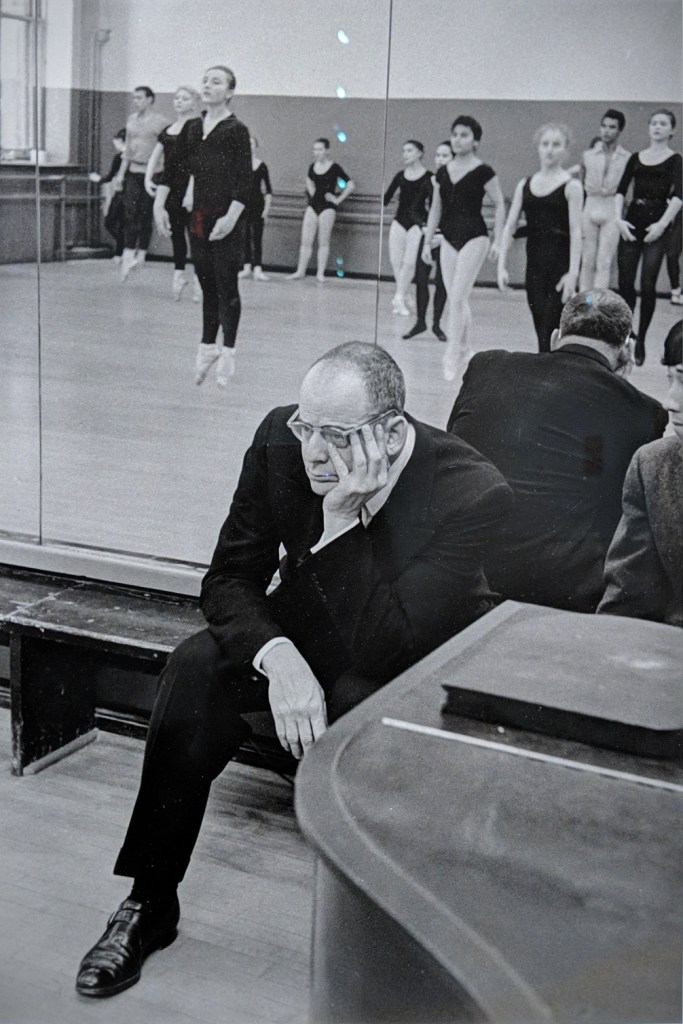
Henri Cartier-Bresson Lincoln Kirstein, 1964 Gelatin silver print, printed 1968
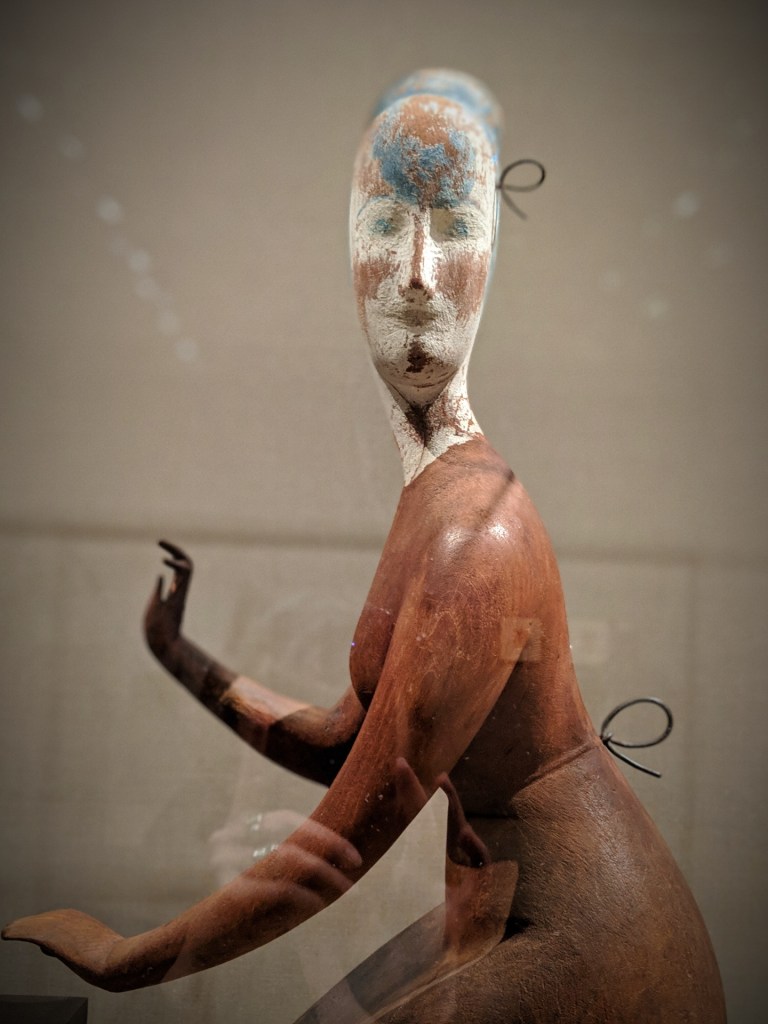
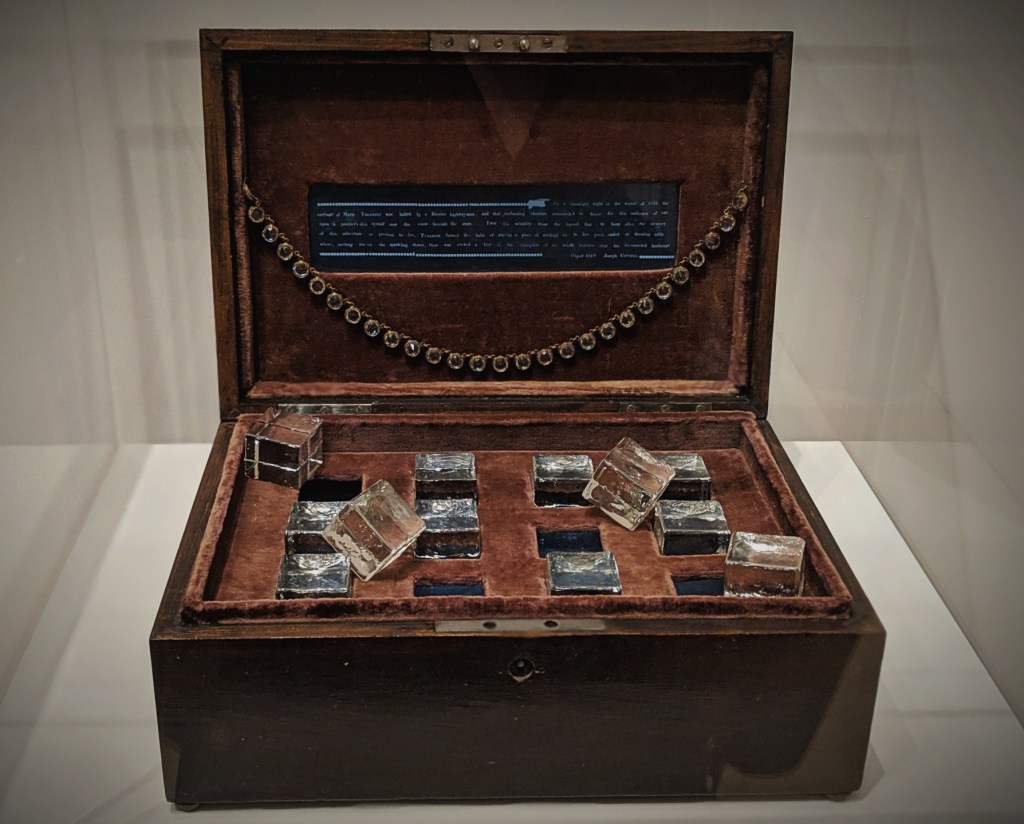
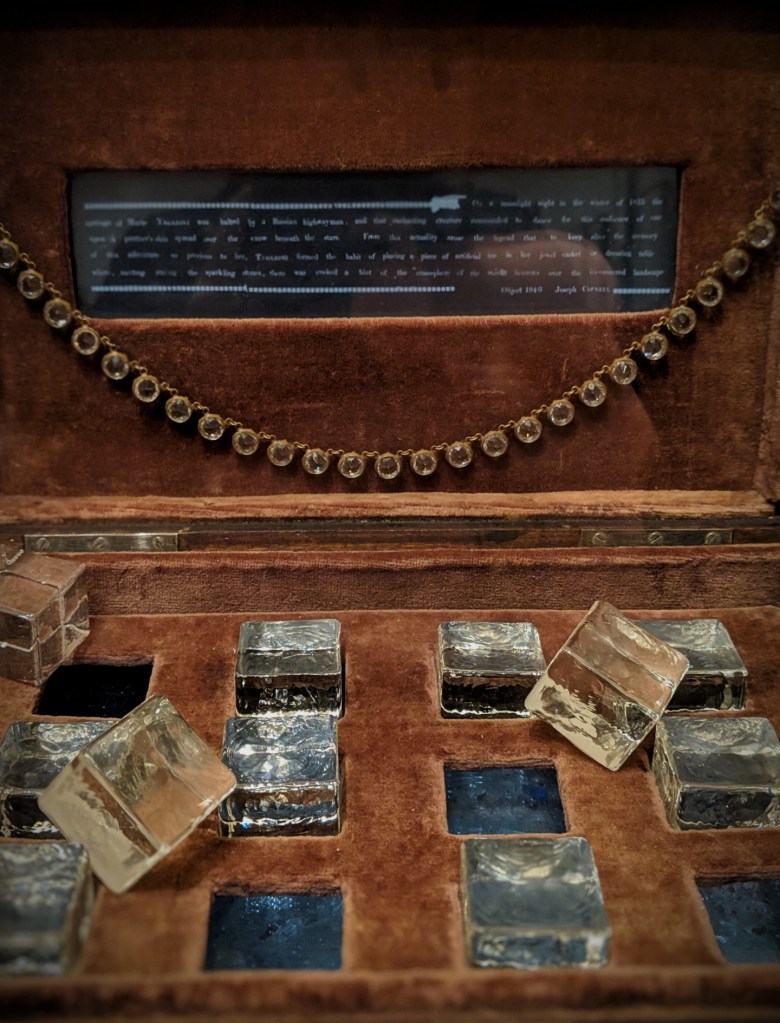
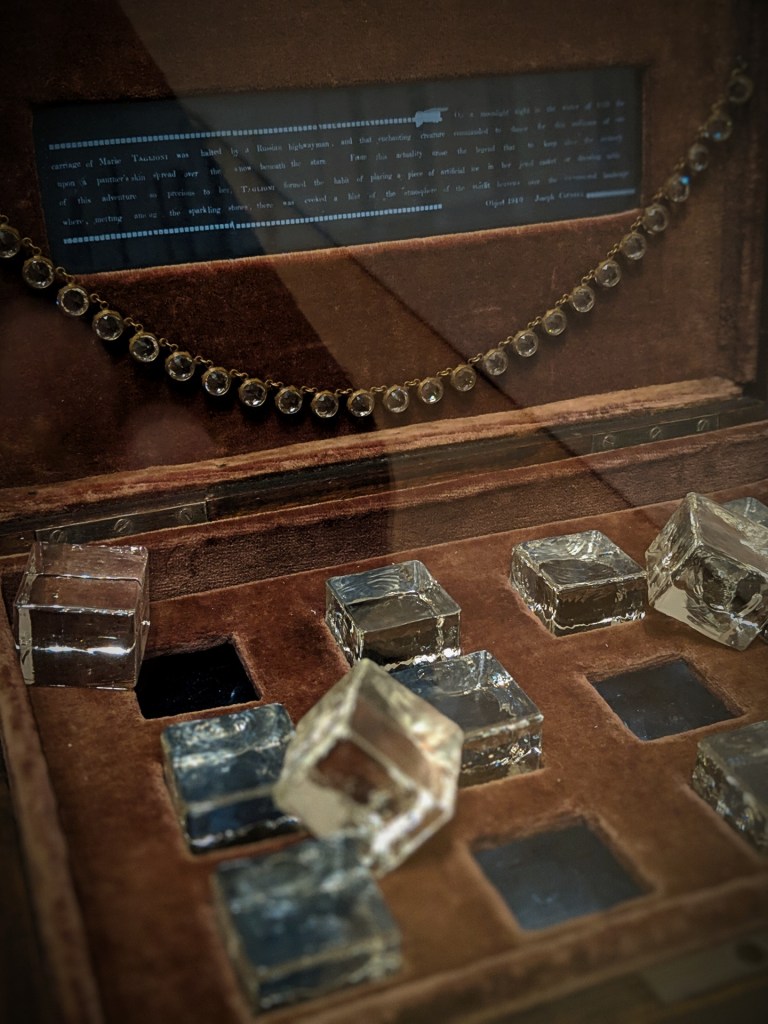
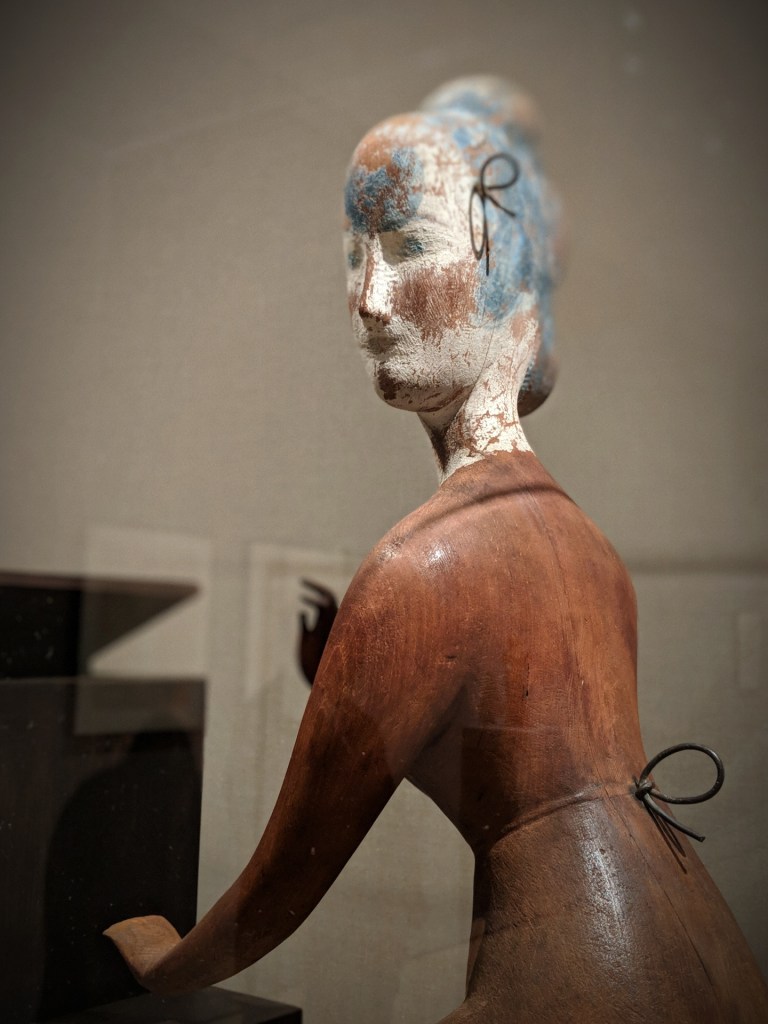
Elie Nadelman (American, born Poland, 1882–1946) Woman at the Piano, c. 1917 (detail) Stained and painted woodJoseph Cornell Taglioni’s Jewel Casket, 1940Joseph Cornell Taglioni’s Jewel Casket, 1940Joseph Cornell Taglioni’s Jewel Casket, 1940Elie Nadelman (American, born Poland, 1882–1946) Woman at the Piano, c. 1917 (detail) Stained and painted wood
The first of dozens of works that Cornell made in honor of famous ballerinas, this box pays homage to Marie Taglioni, an acclaimed nineteenth-century dancer of Italian origin, who, according to the legend inscribed in the box’s lid, kept an imitation ice cube in her jewelry box to commemorate the time she danced in the snow at the behest of a Russian highwayman. The box is infused with erotic undertones—both in the tactile nature of the glass cubes, velvet, and rhinestone necklace (purchased at a Woolworth’s dime store in New York) and in the incident itself, in which Taglioni reportedly performed on an animal skin placed across a snowy road. Adding to the intimacy of this delicate construction, the glass cubes were designed to be removed, revealing a hidden recess below that contains two beaded necklaces and rhinestone chips placed on a mirrored surface and seen through blue-tinted glass. [source: MoMA]
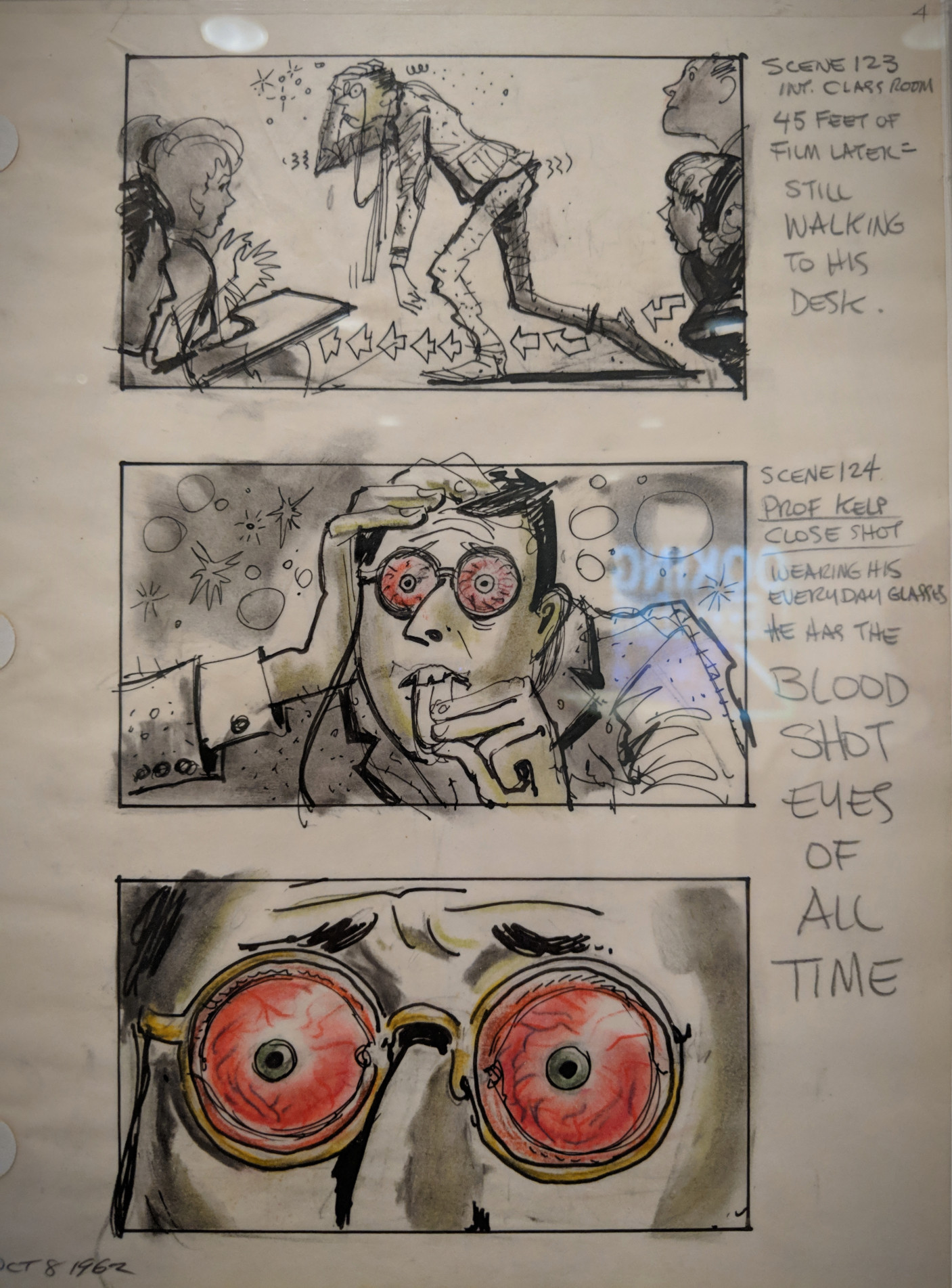
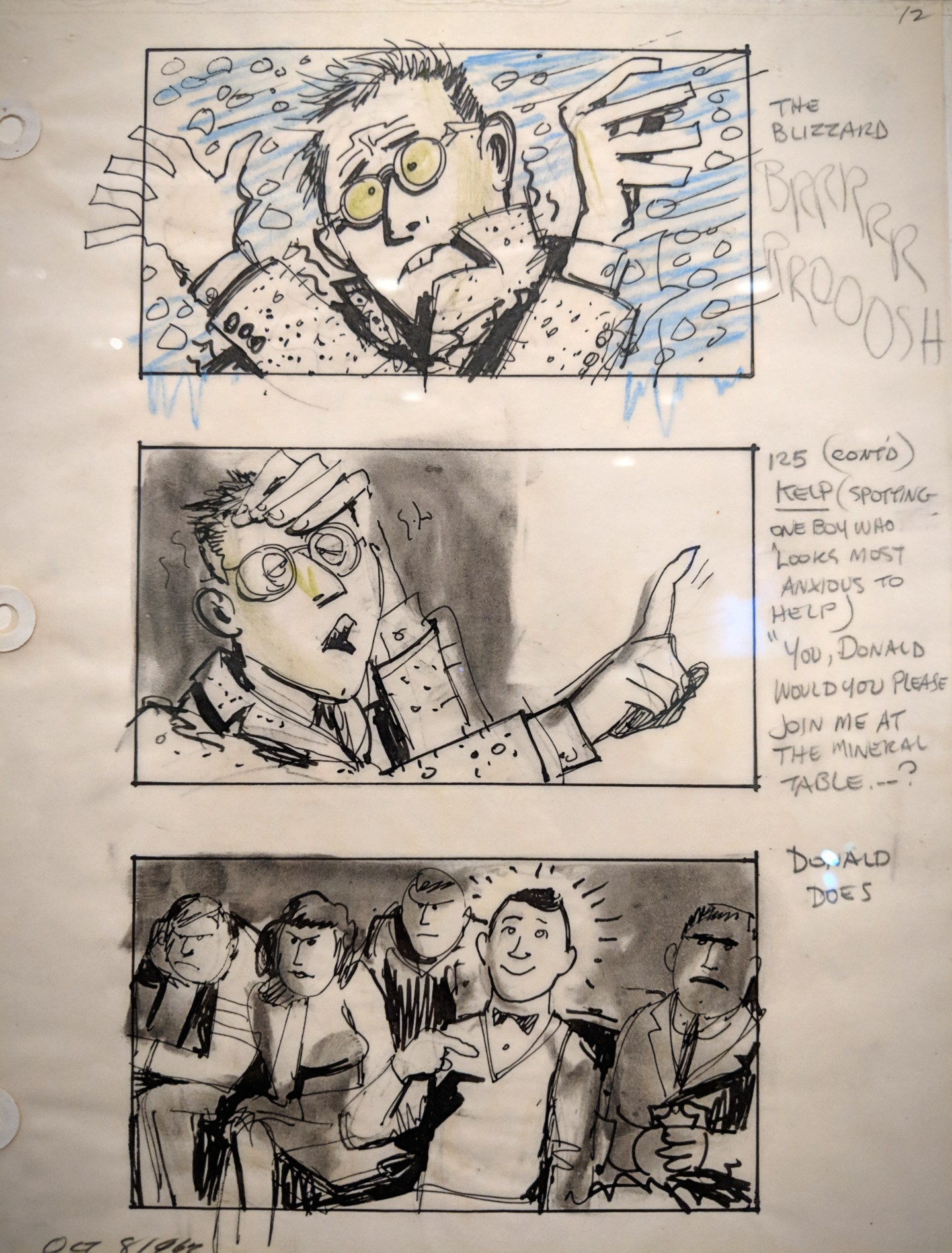
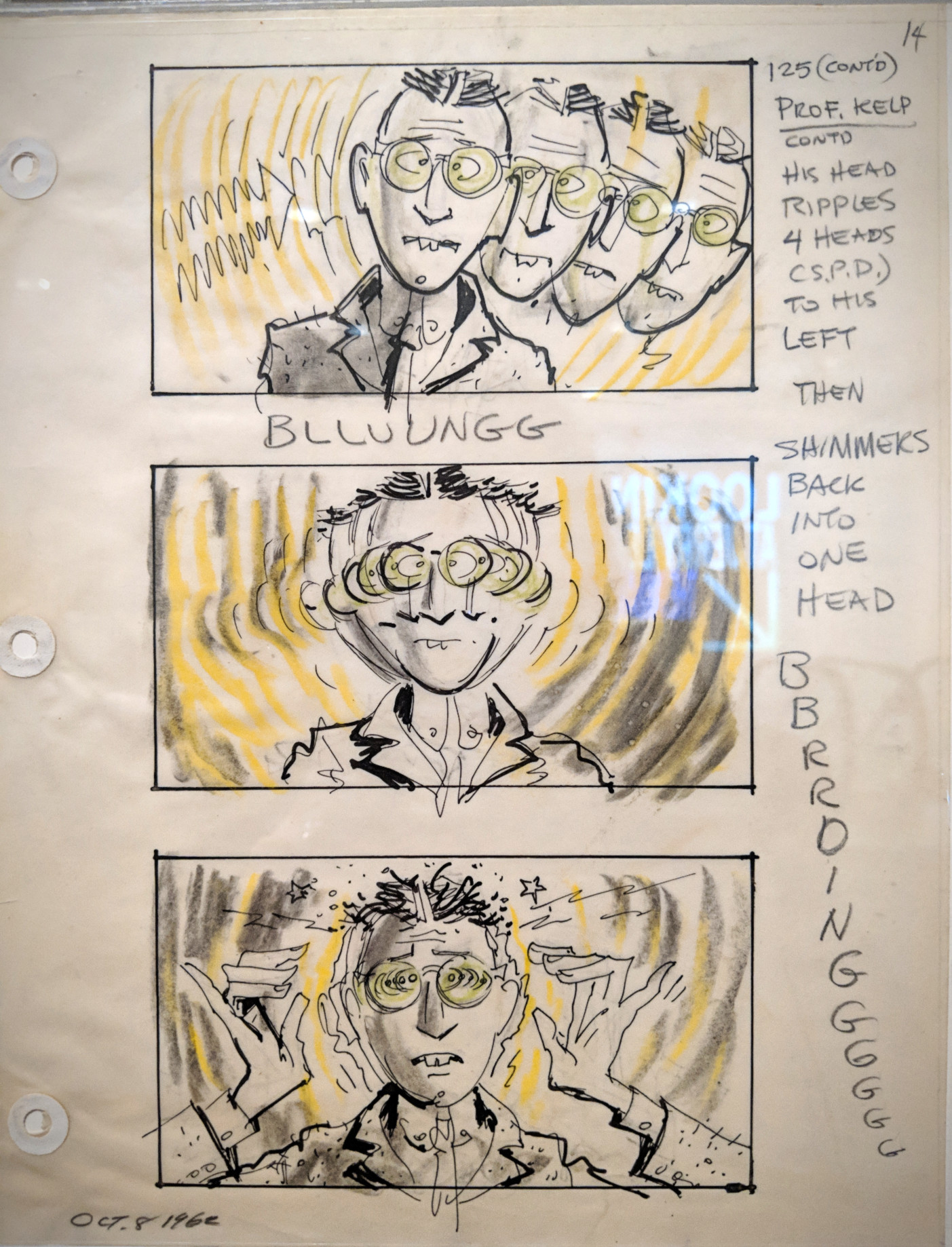
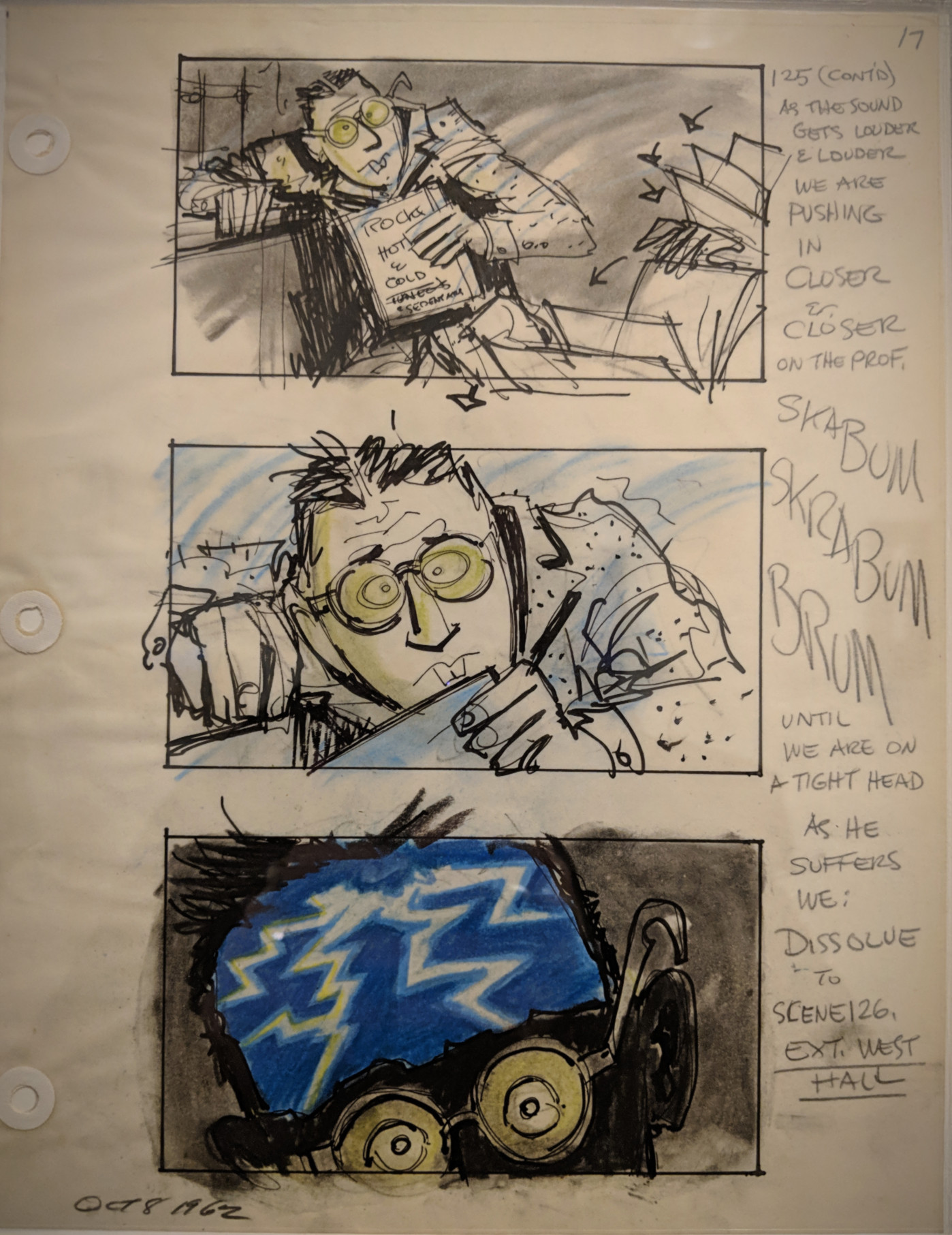
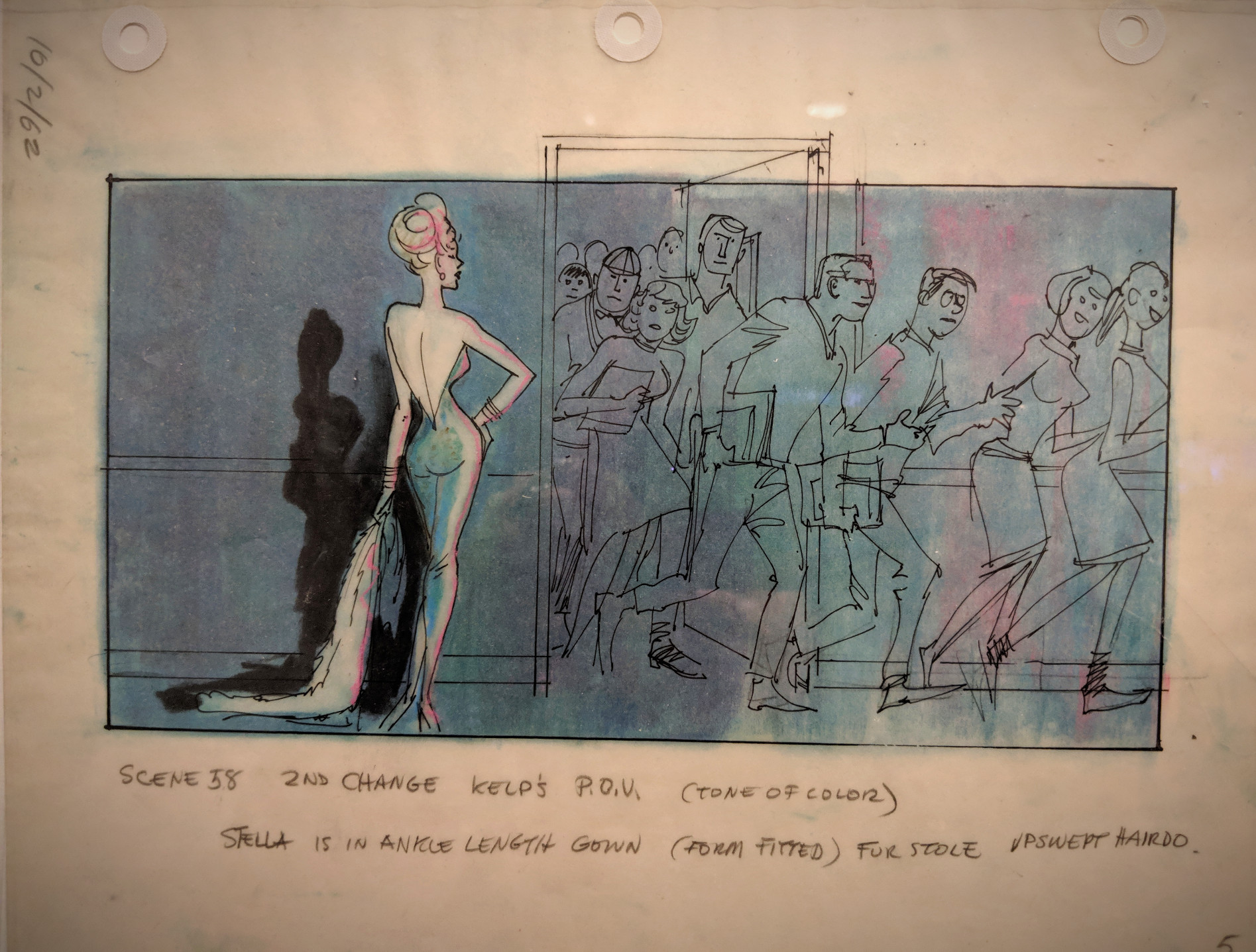
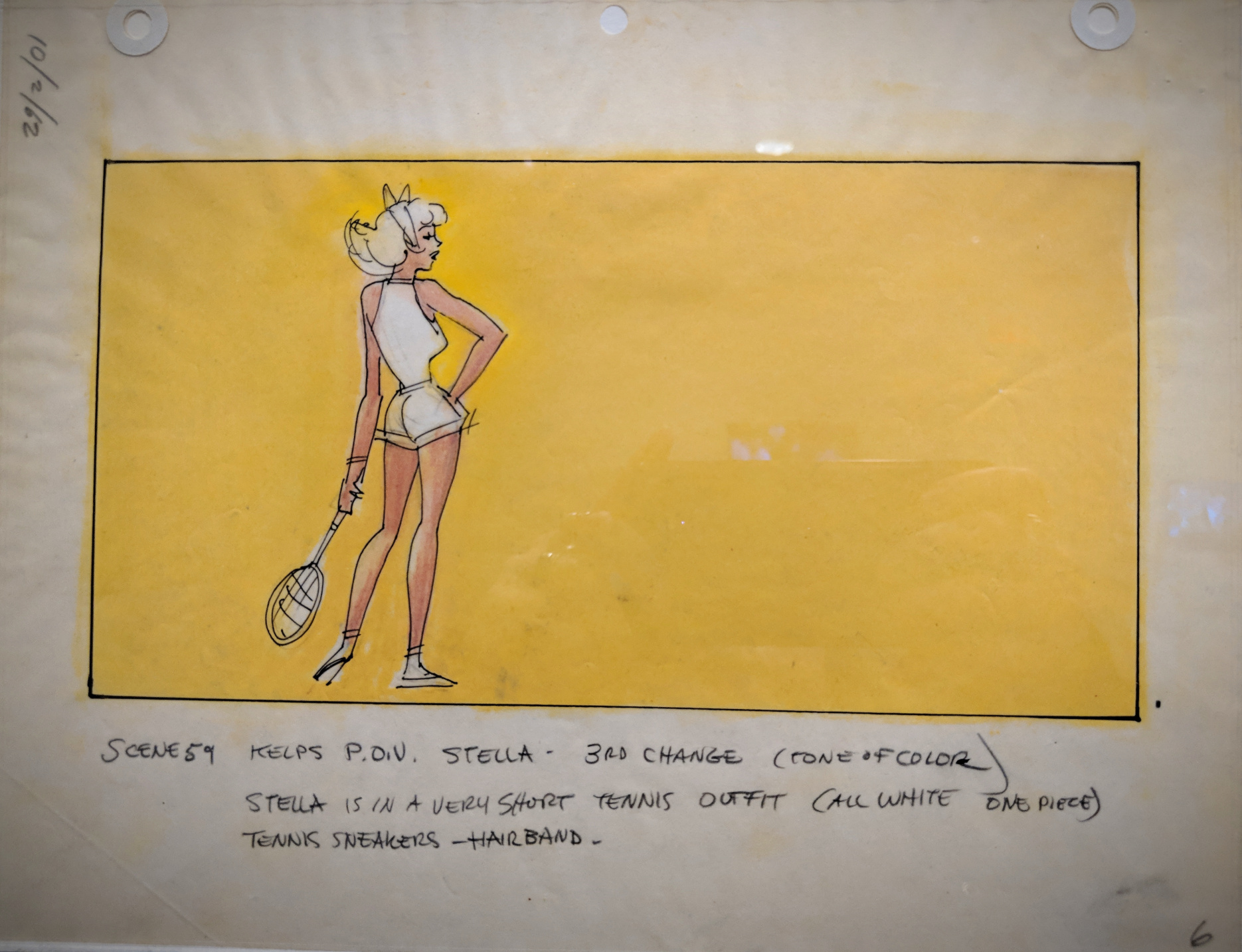
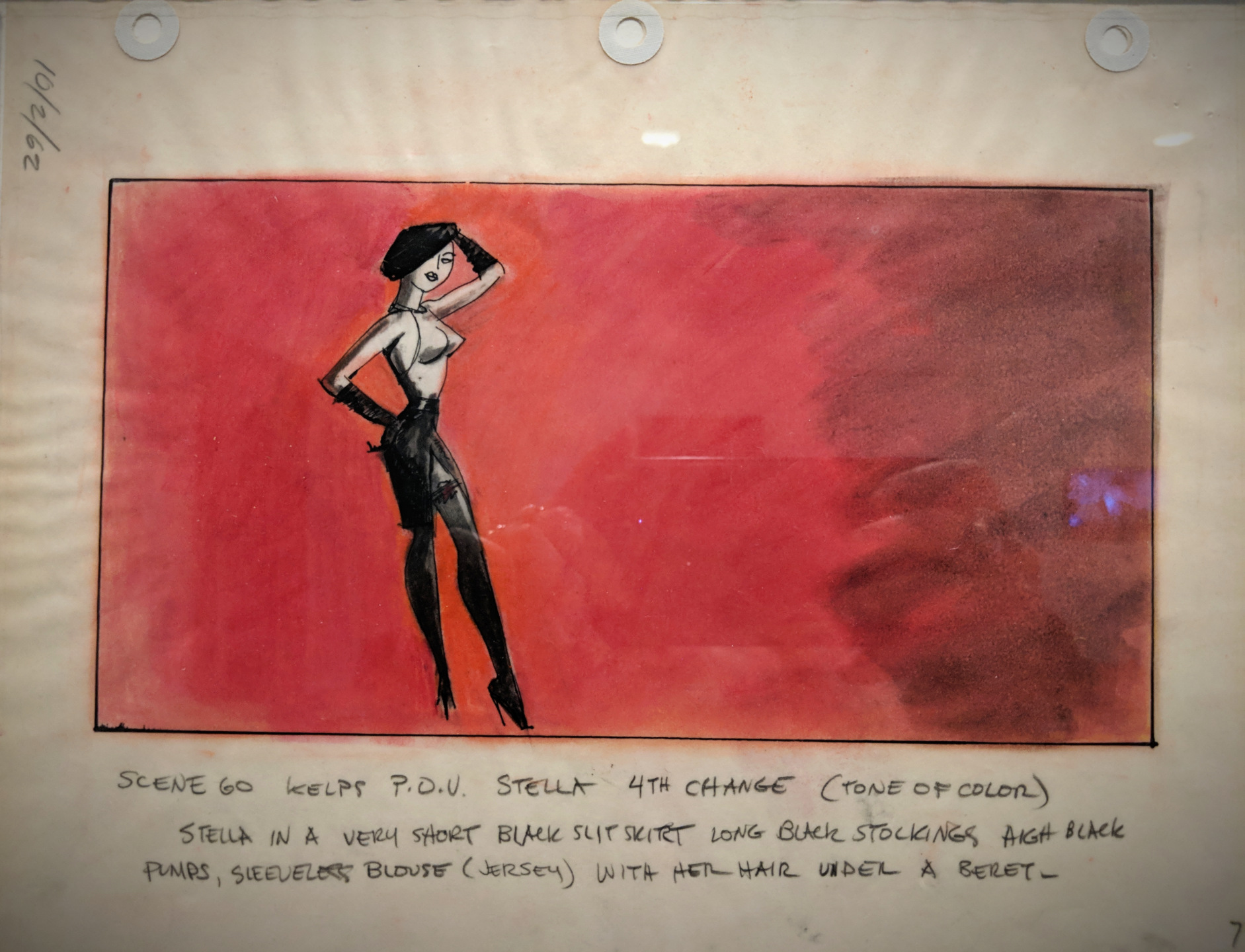
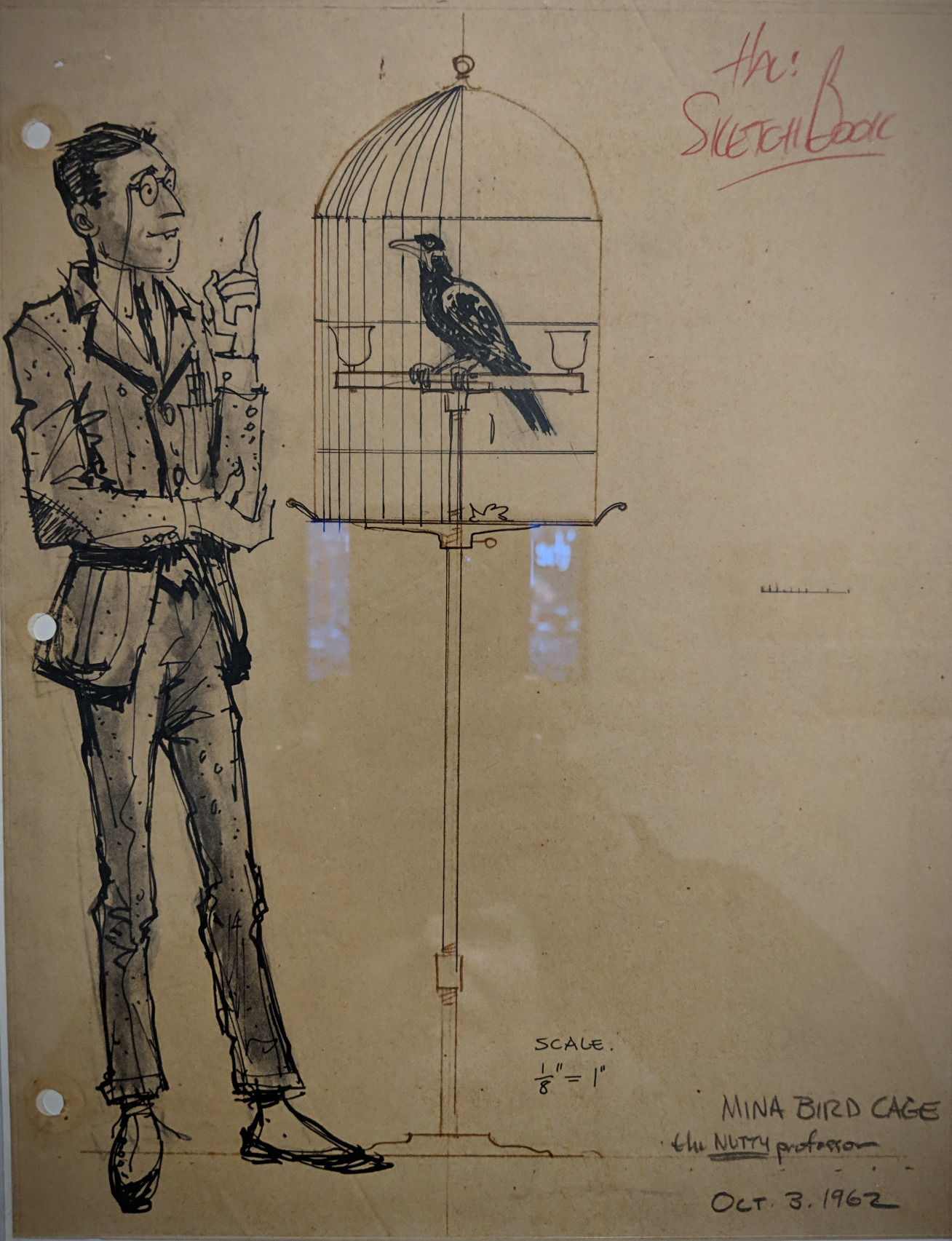
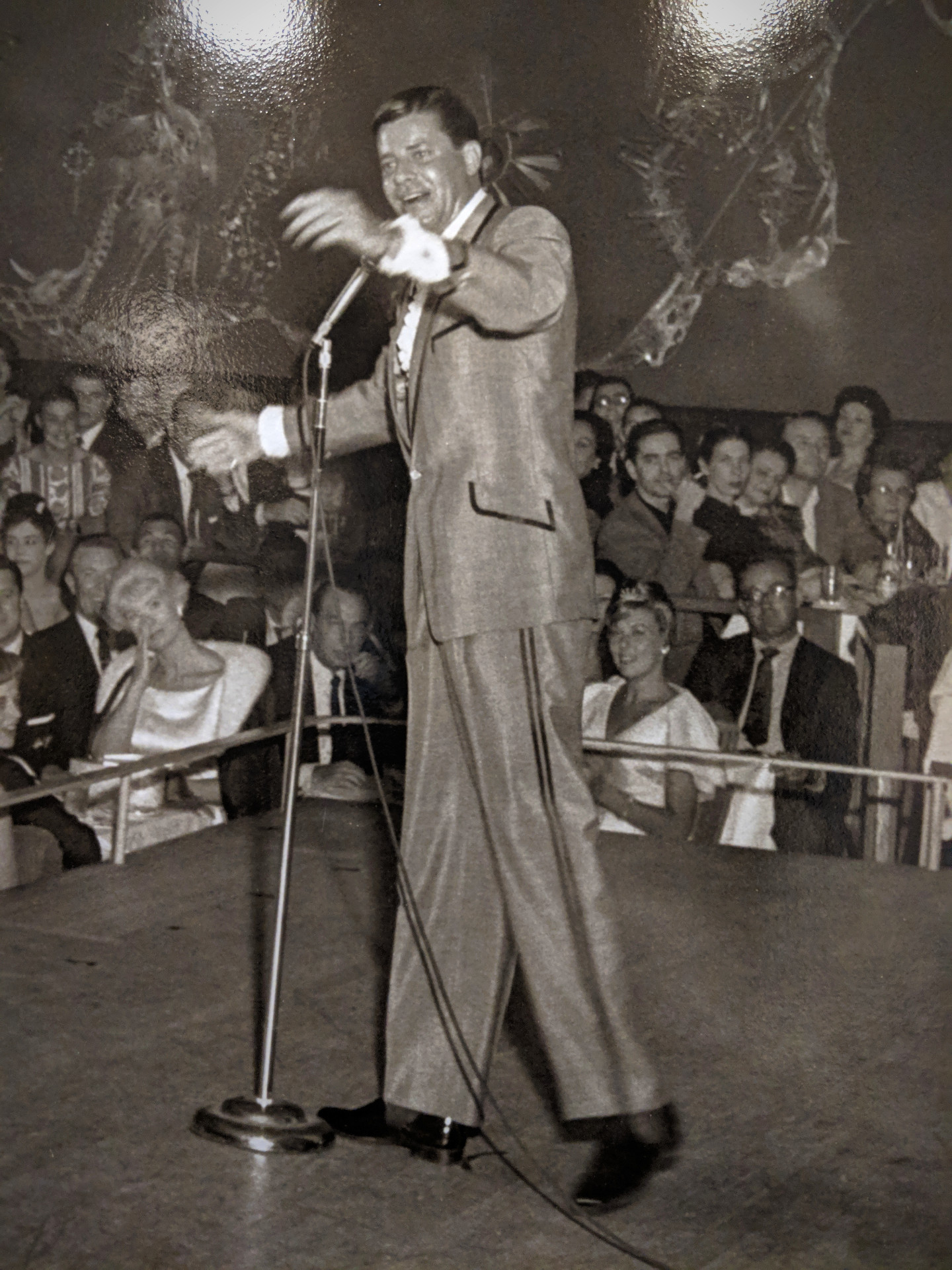
Of all the stars who worked in the golden age of the Hollywood studio system, few valued the acts of looking and being looked at more than Jerry Lewis. Lewis had years of stage experience behind him by the time he emerged as a major screen actor and director, and acknowledging the audience became an essential aspect of the ”comedy of looks” that characterized his work. In no other Lewis film is the experience of being seen so central a theme as it is in The Nutty Professor (1963), in which he treats his audience as a main character. In this adaptation of the Dr. Jekyll and Mr. Hyde story, his masterly dual performance as the self-effacing Professor Kelp and the narcissistic Buddy Love represents different sides of the Lewis persona, while on-screen students and night-club audiences who witness his character’s behaviour represent the critical gaze of the movie-going public.
[source: MoMA]Bill Avery
Jerry Lewis shooting a home movie, 1953
Bill Crespinel
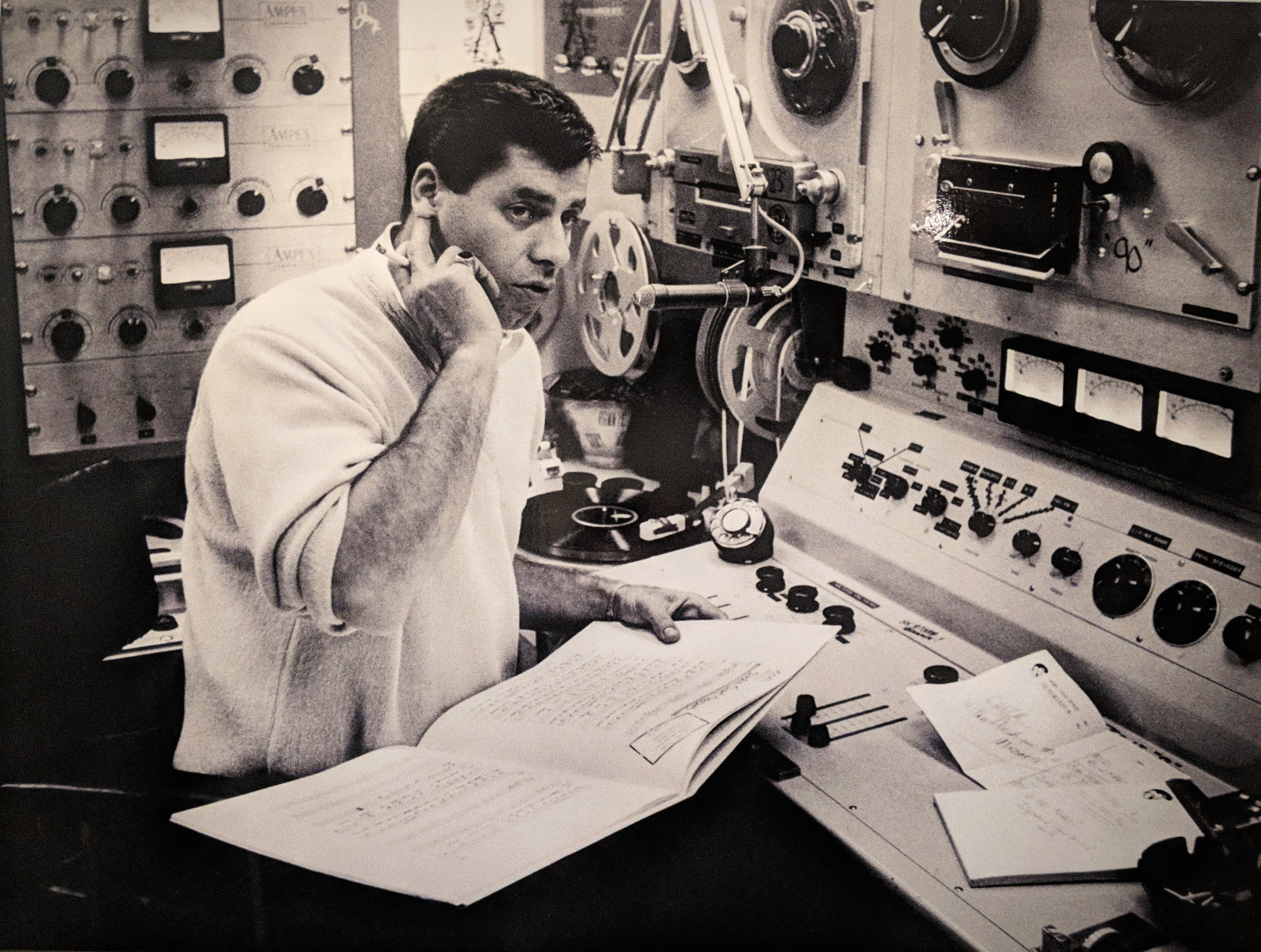
Jerry Lewis mixing music at this home, 1961
John Jensen (American, 1924-2003)
Scenes from the Hangover sequence, 1962
Black and coloured pencil on vellum paper John Jensen (American, 1924-2003)
Scenes from the Stella fantasy sequence, 1962
Black and coloured pencil and pastel on vellum paper John Jensen (American, 1924-2003)
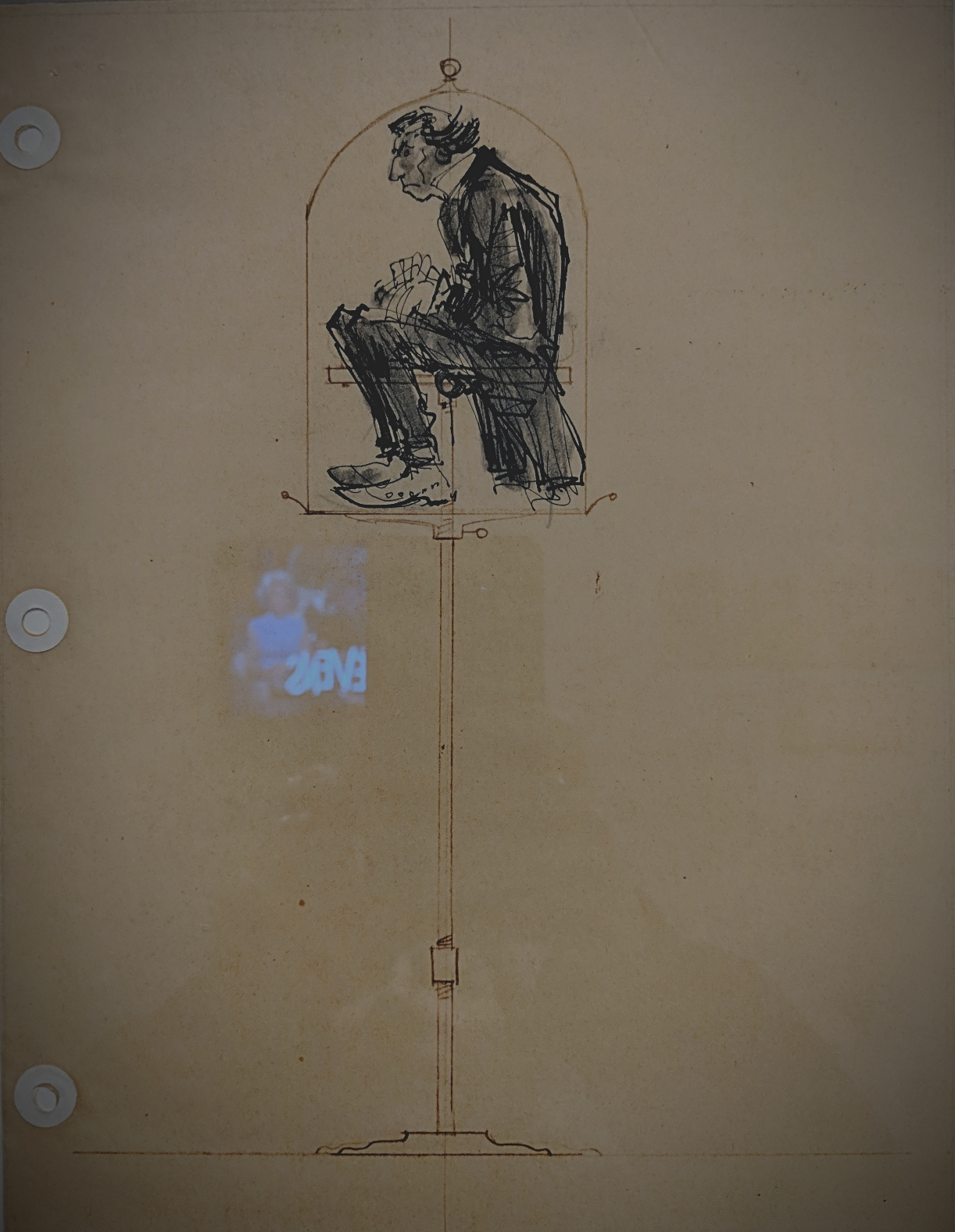
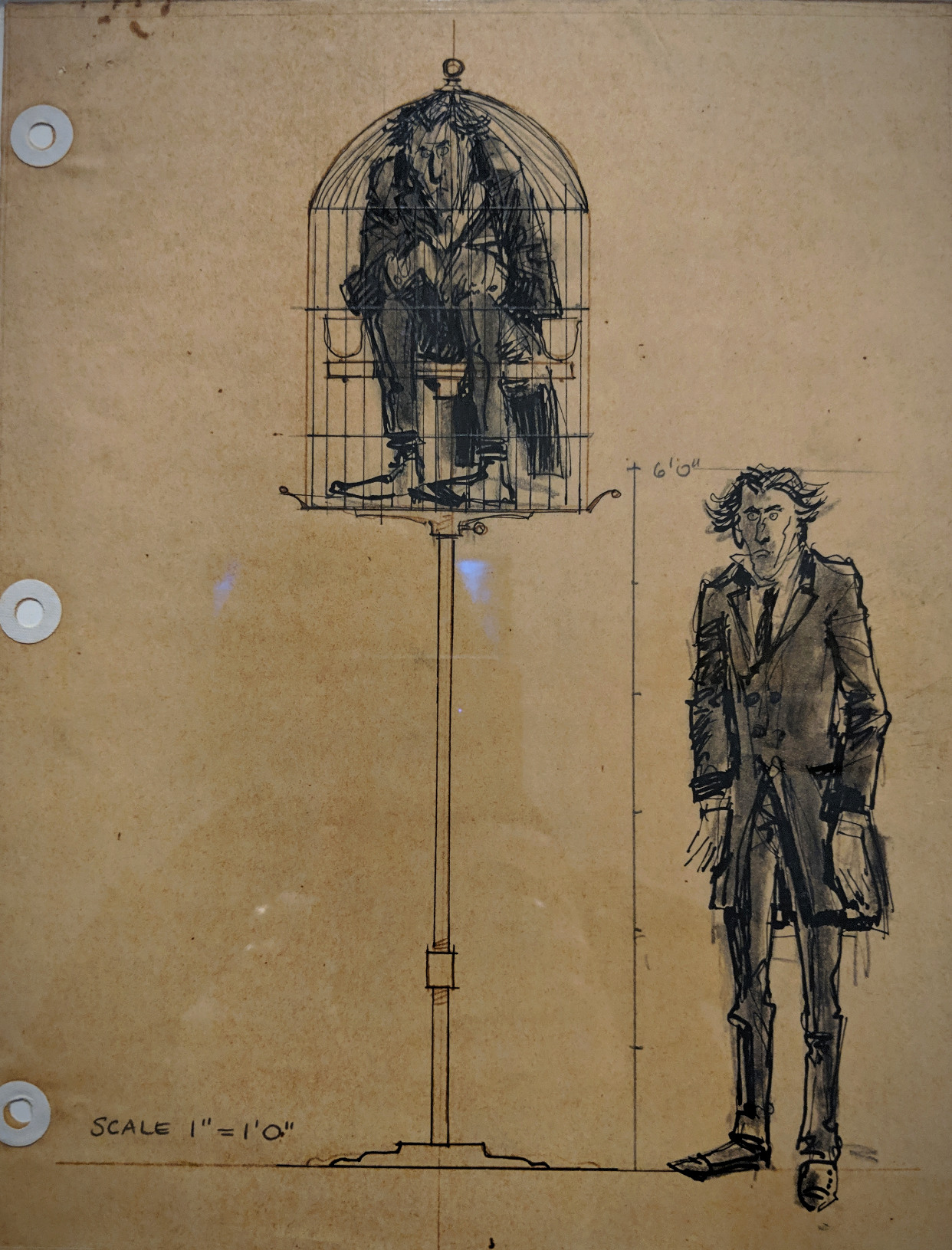
Mina bird cage sketches, 1962
Pencil on paper John Lauris Jensen’s storyboards for The Nutty Professor were on display between October 2018 – March 2019; they were a recent gift to the Museum of Modern Art.
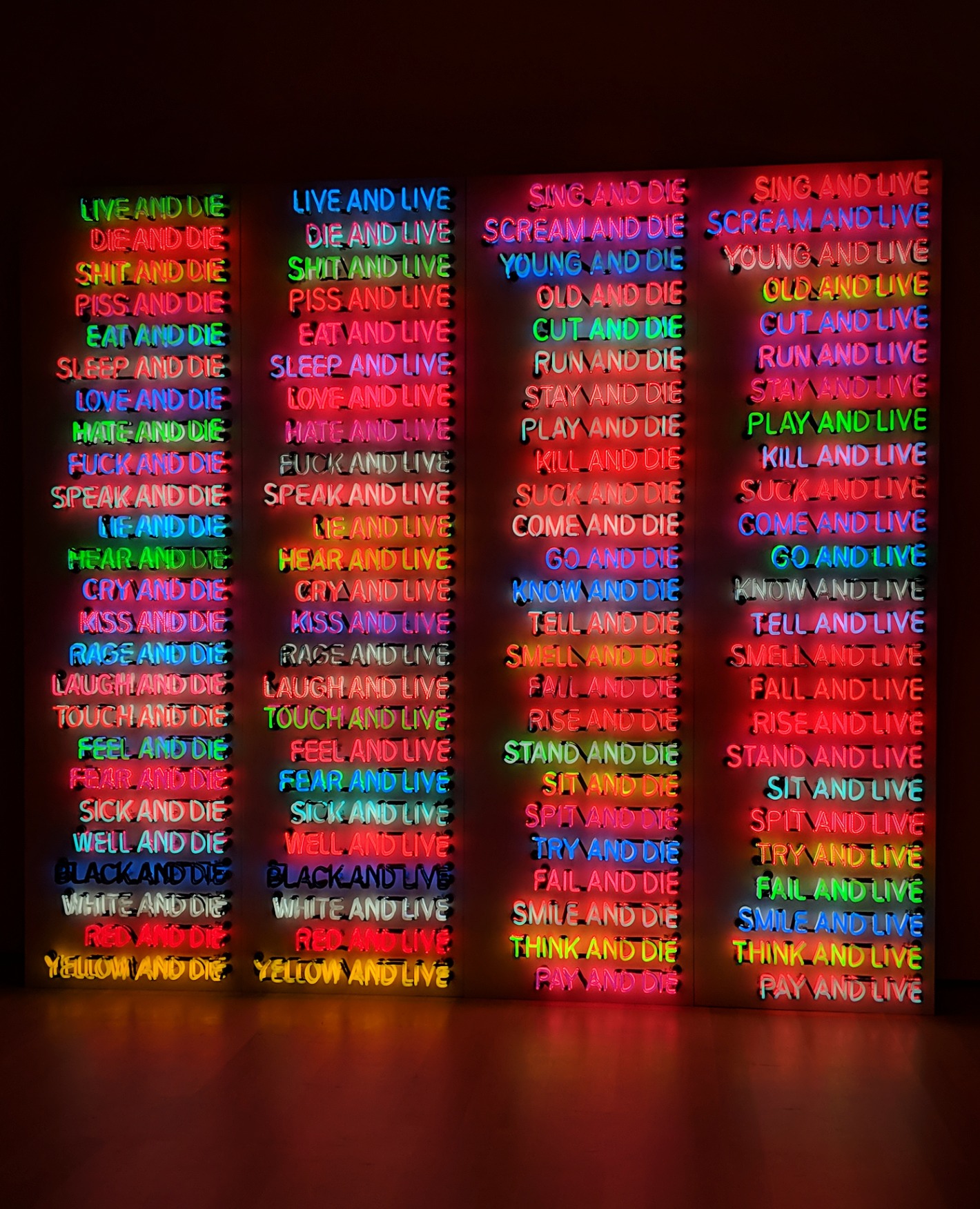
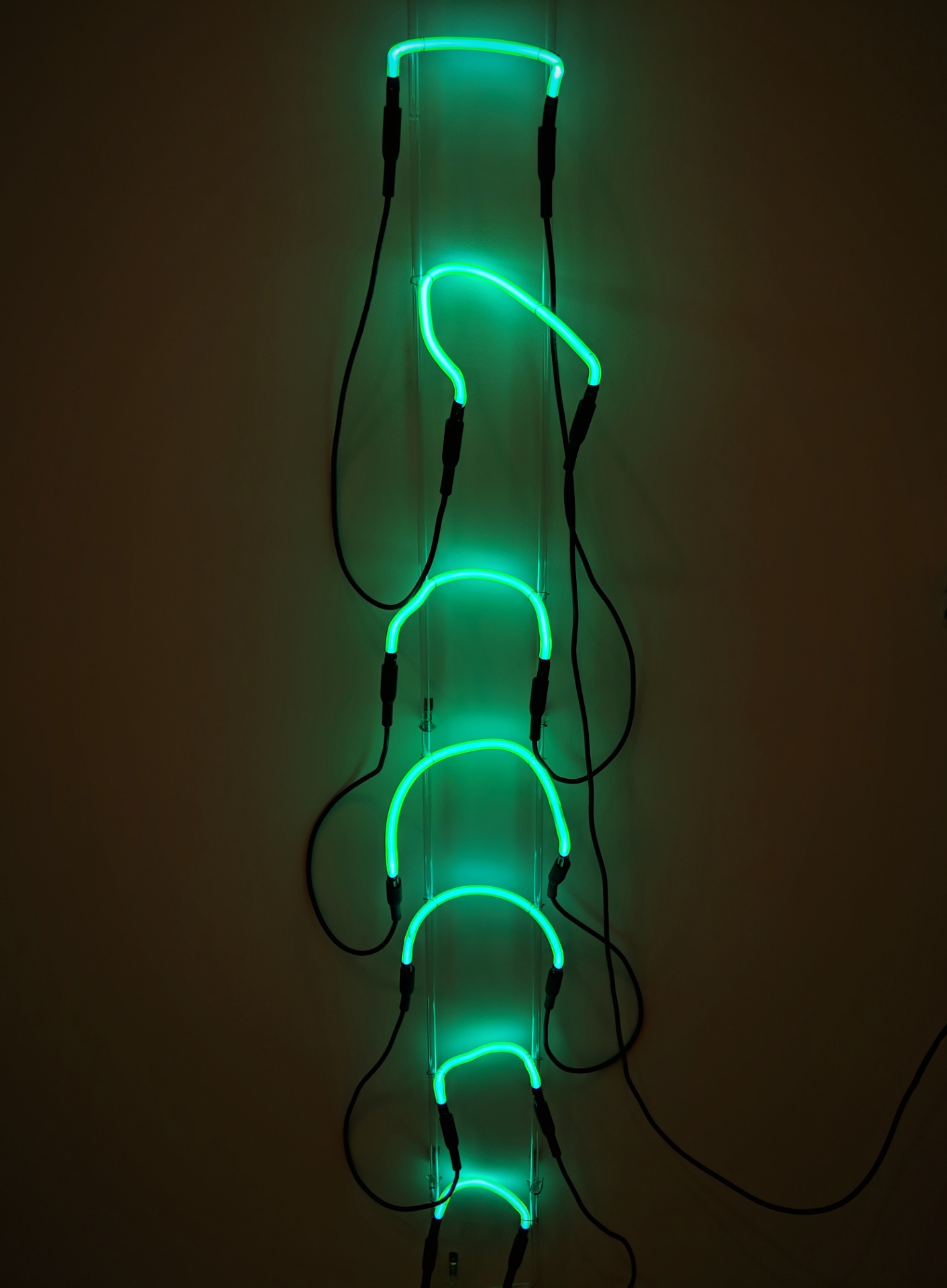
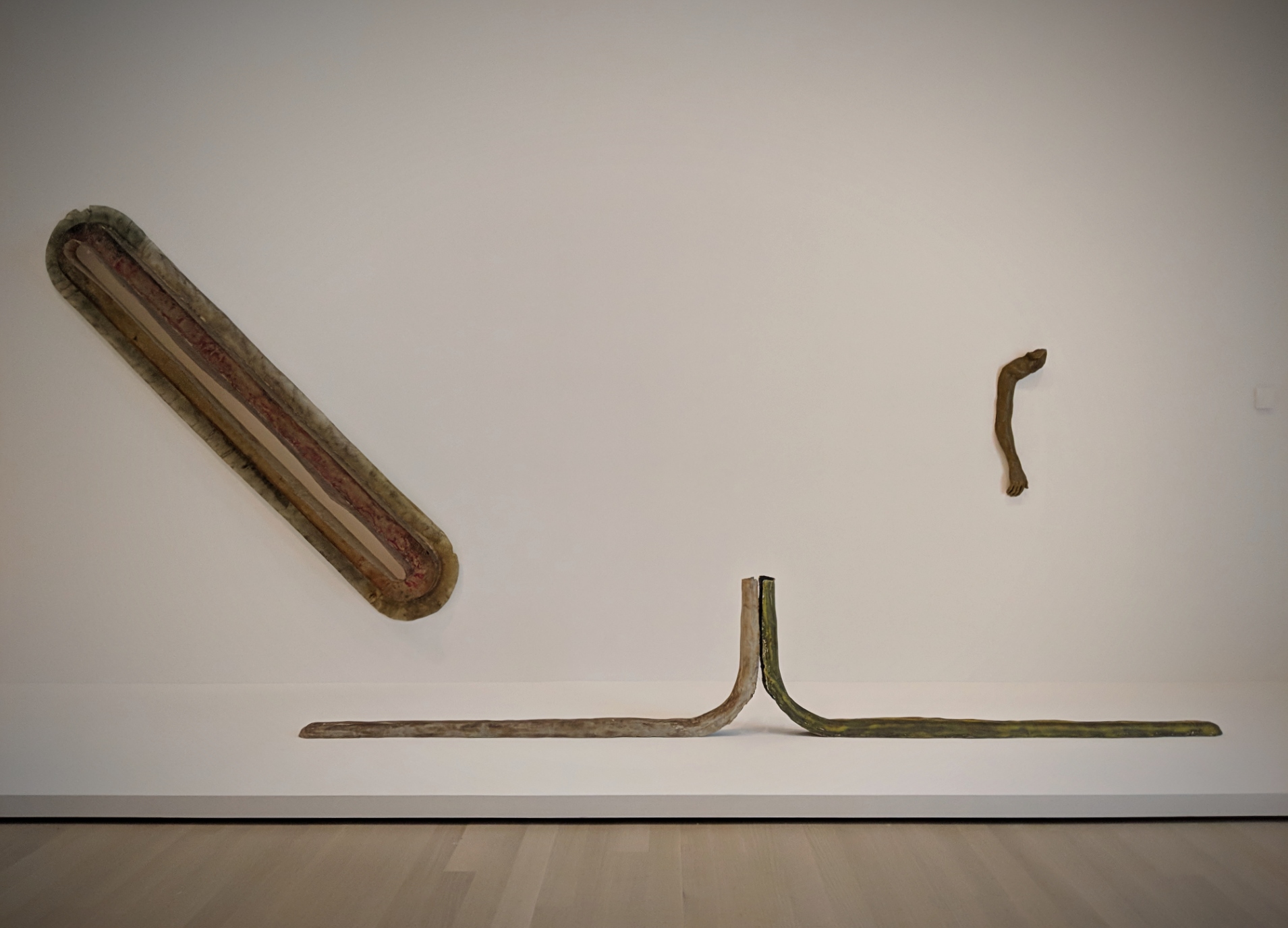
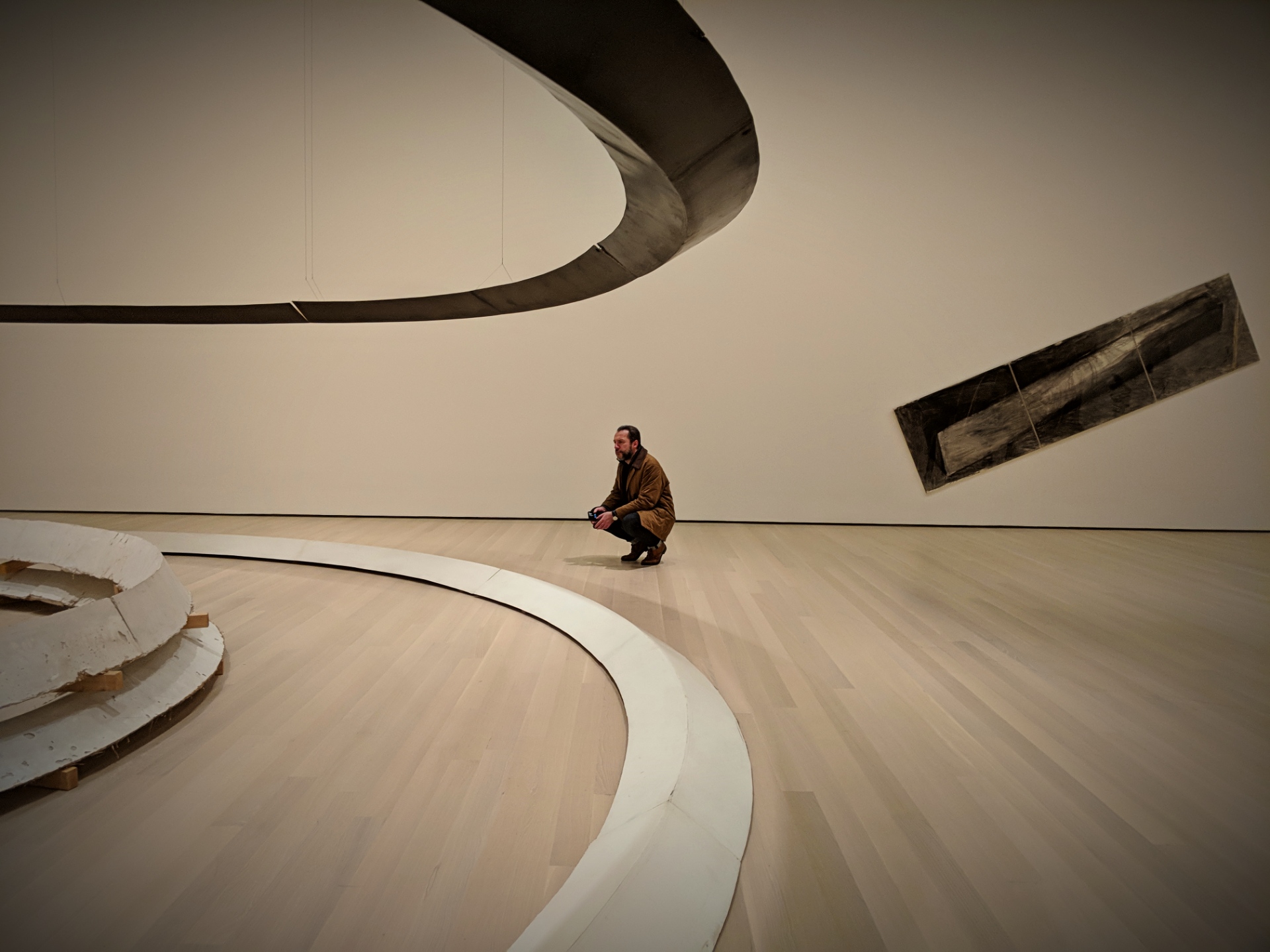
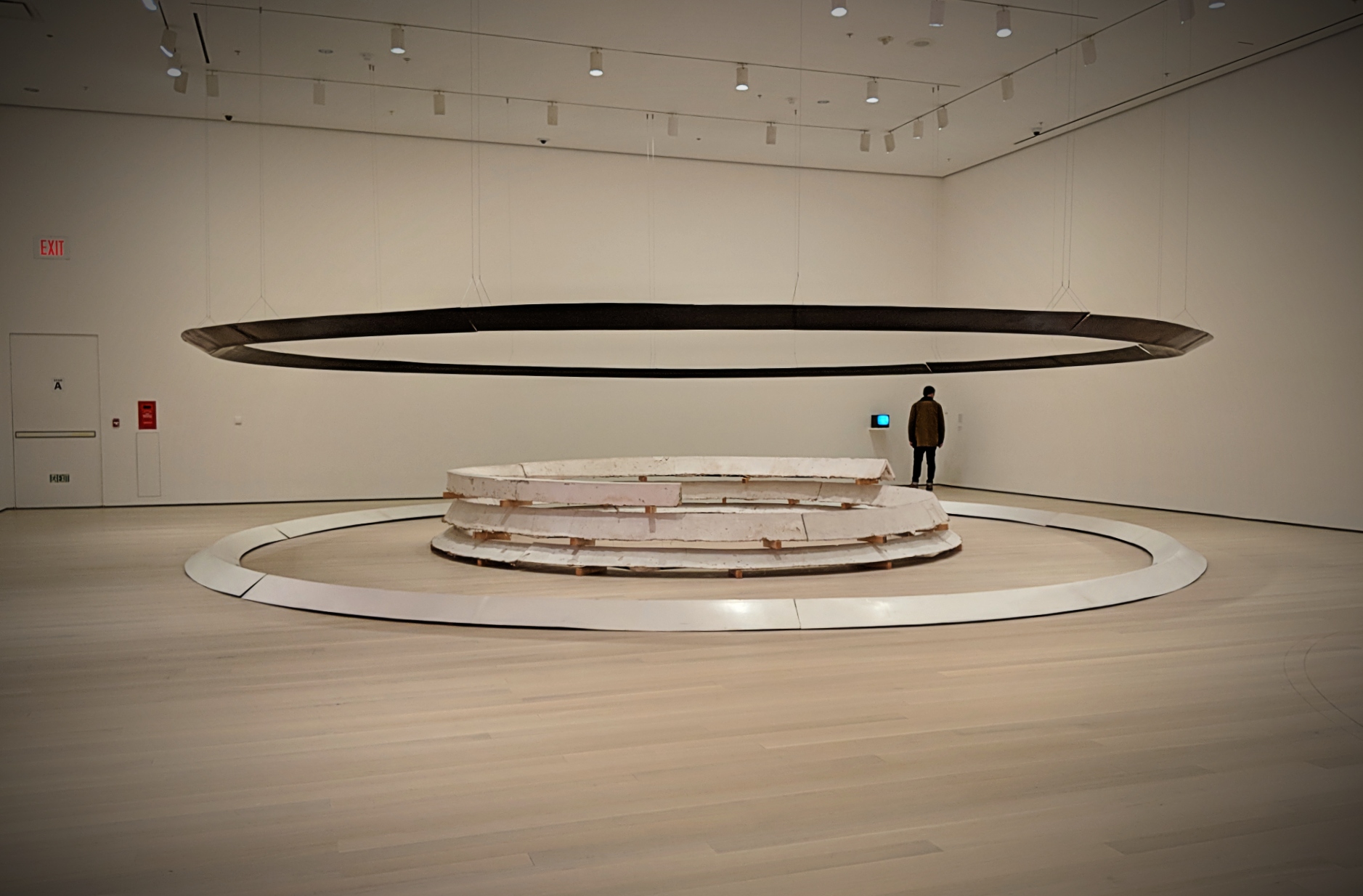
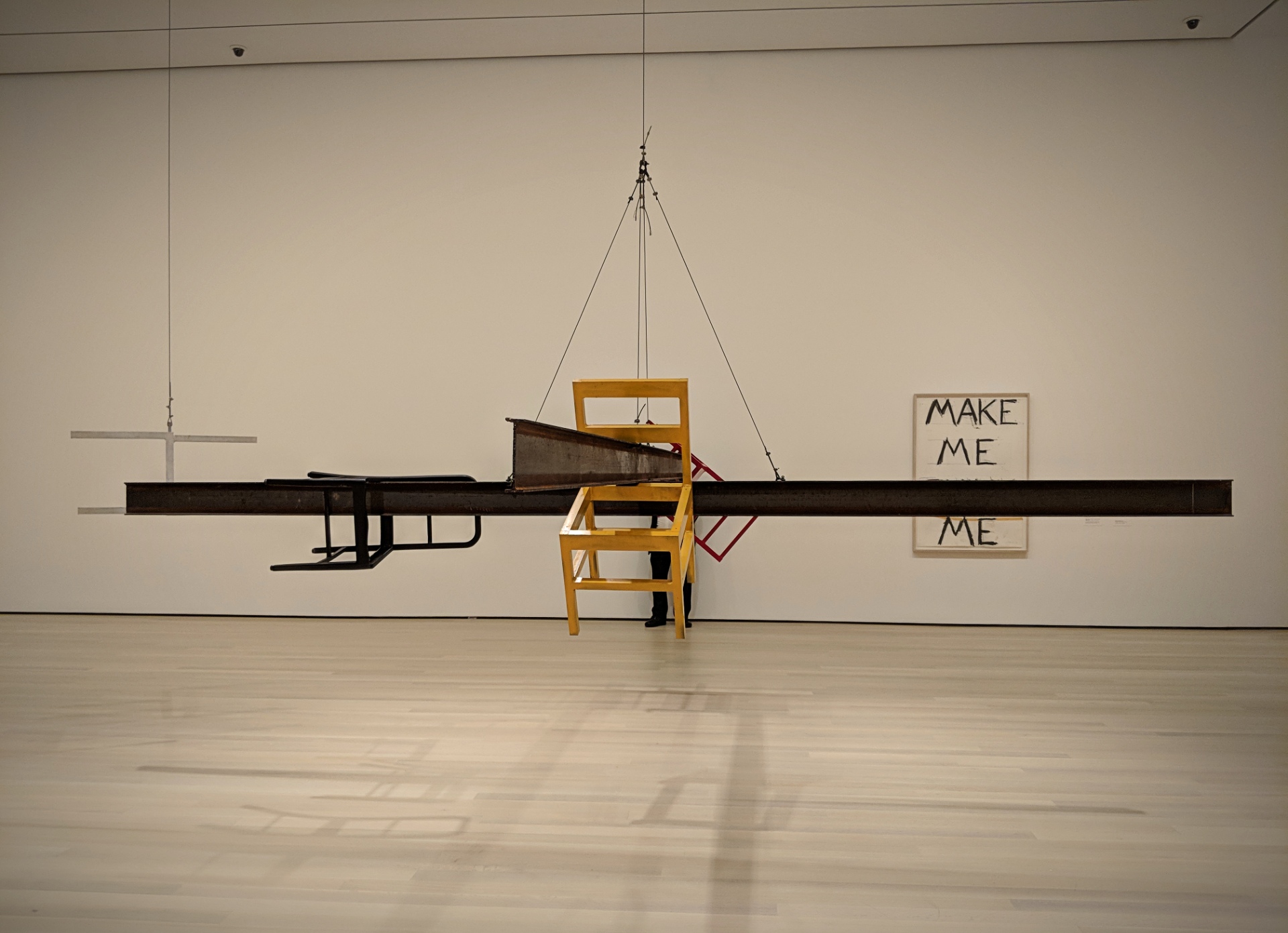
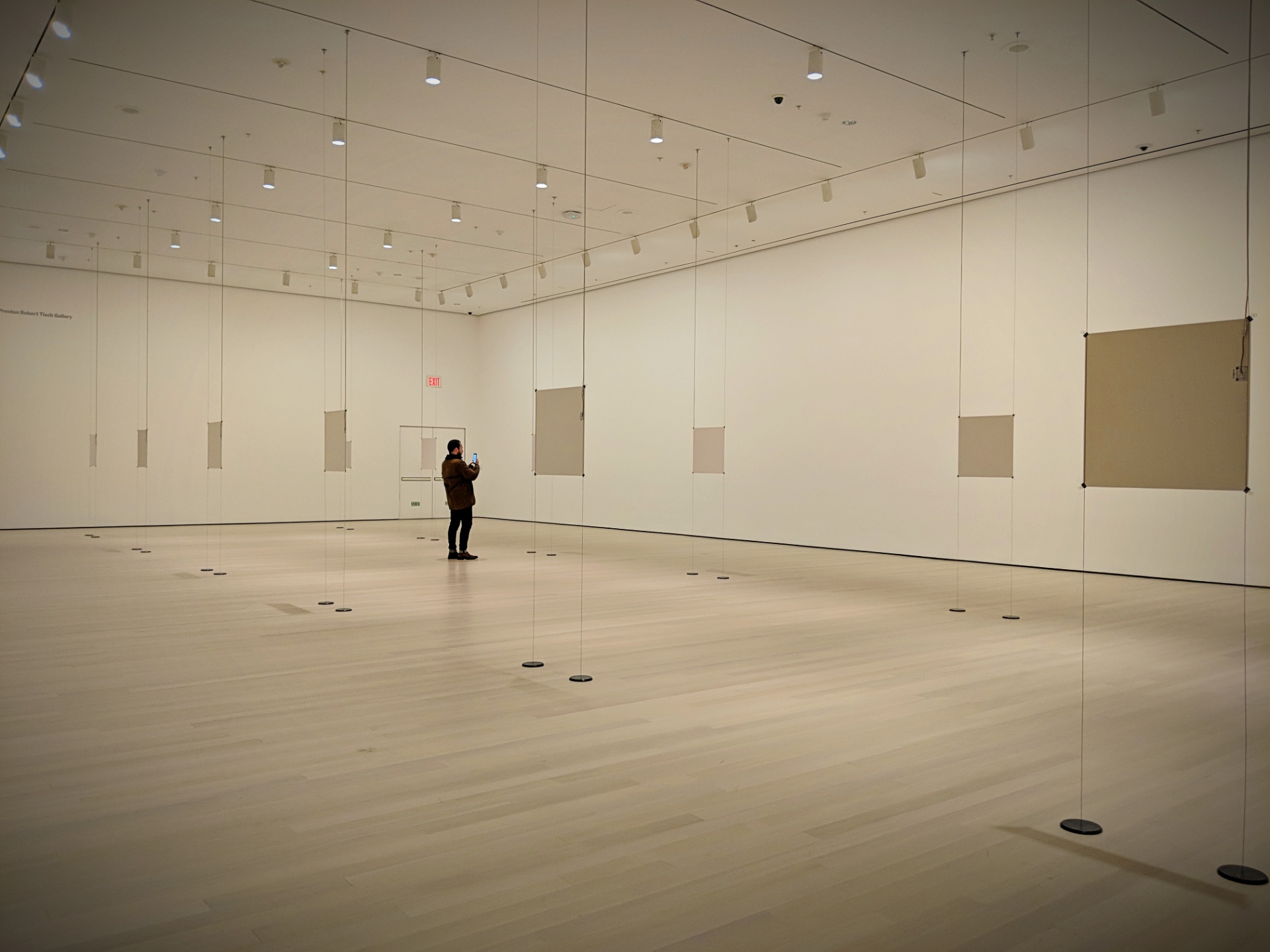
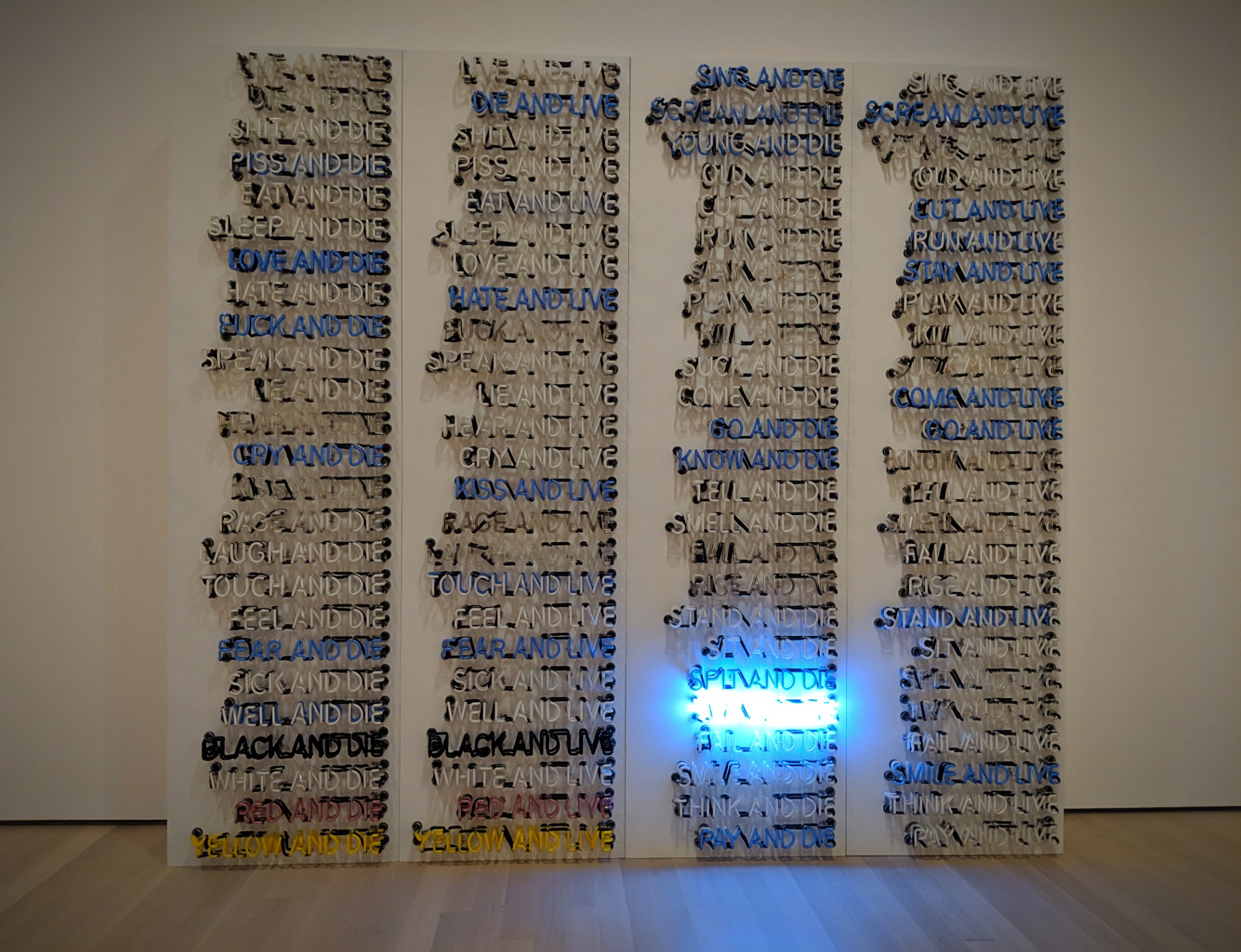
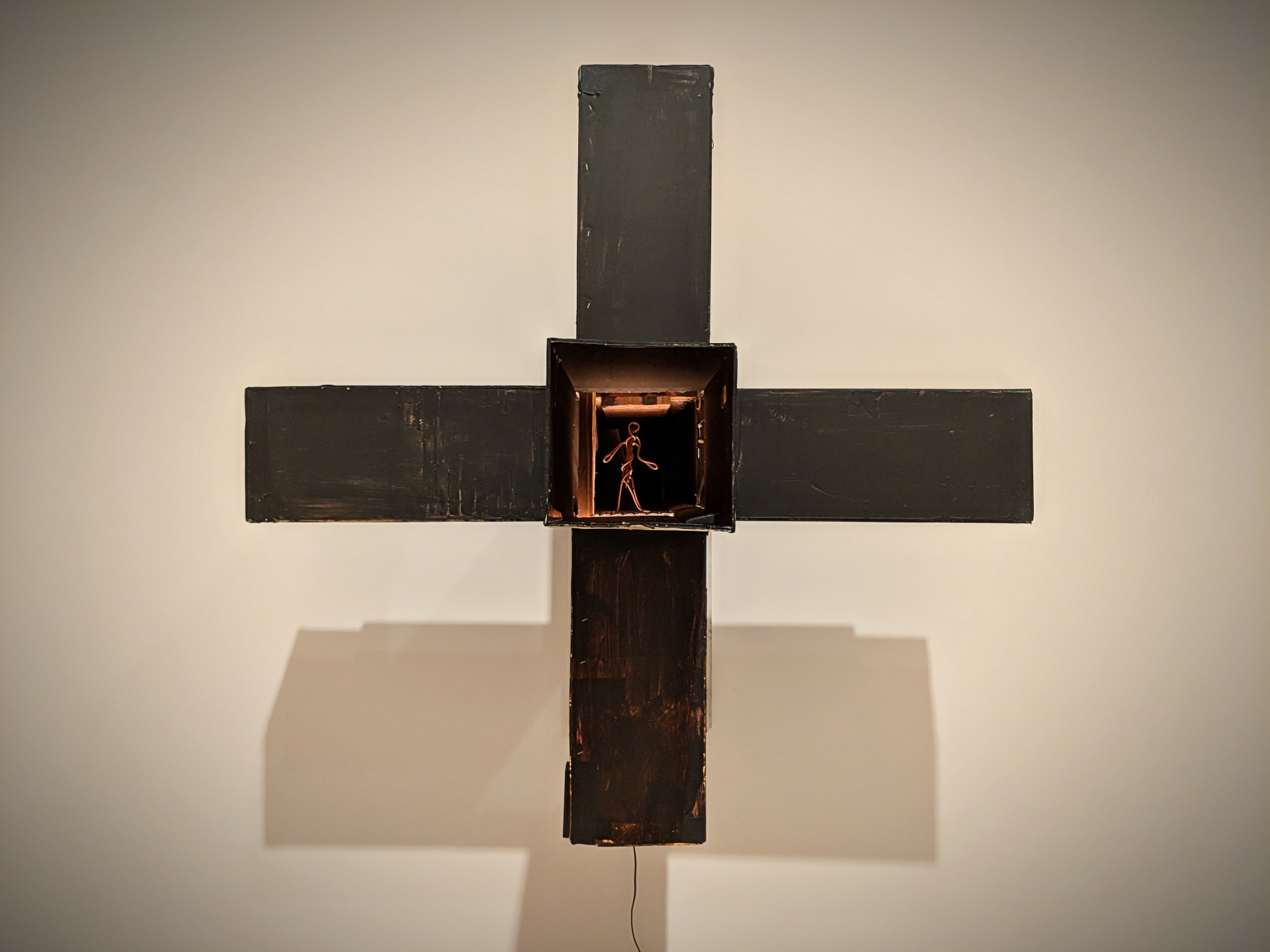
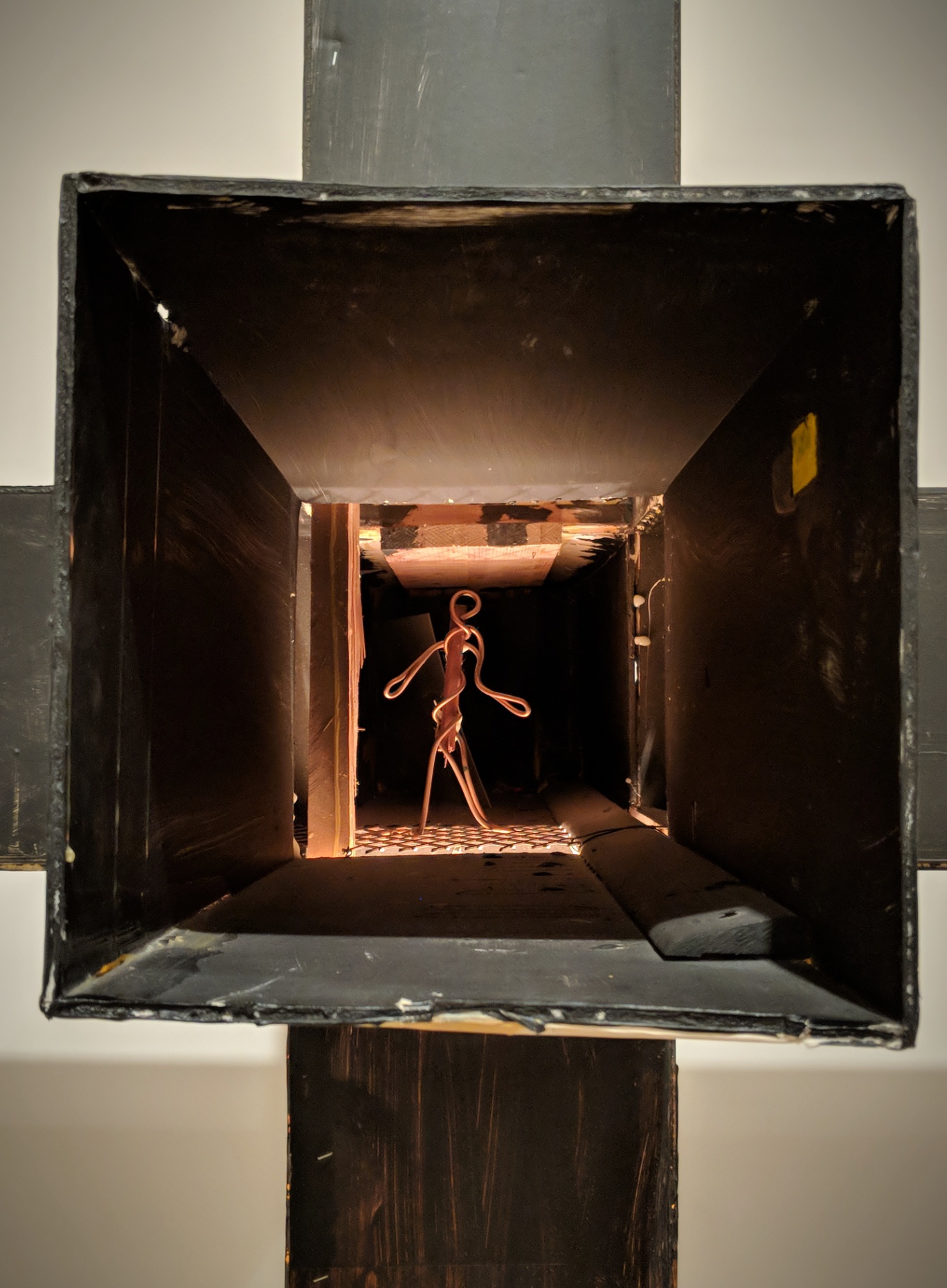
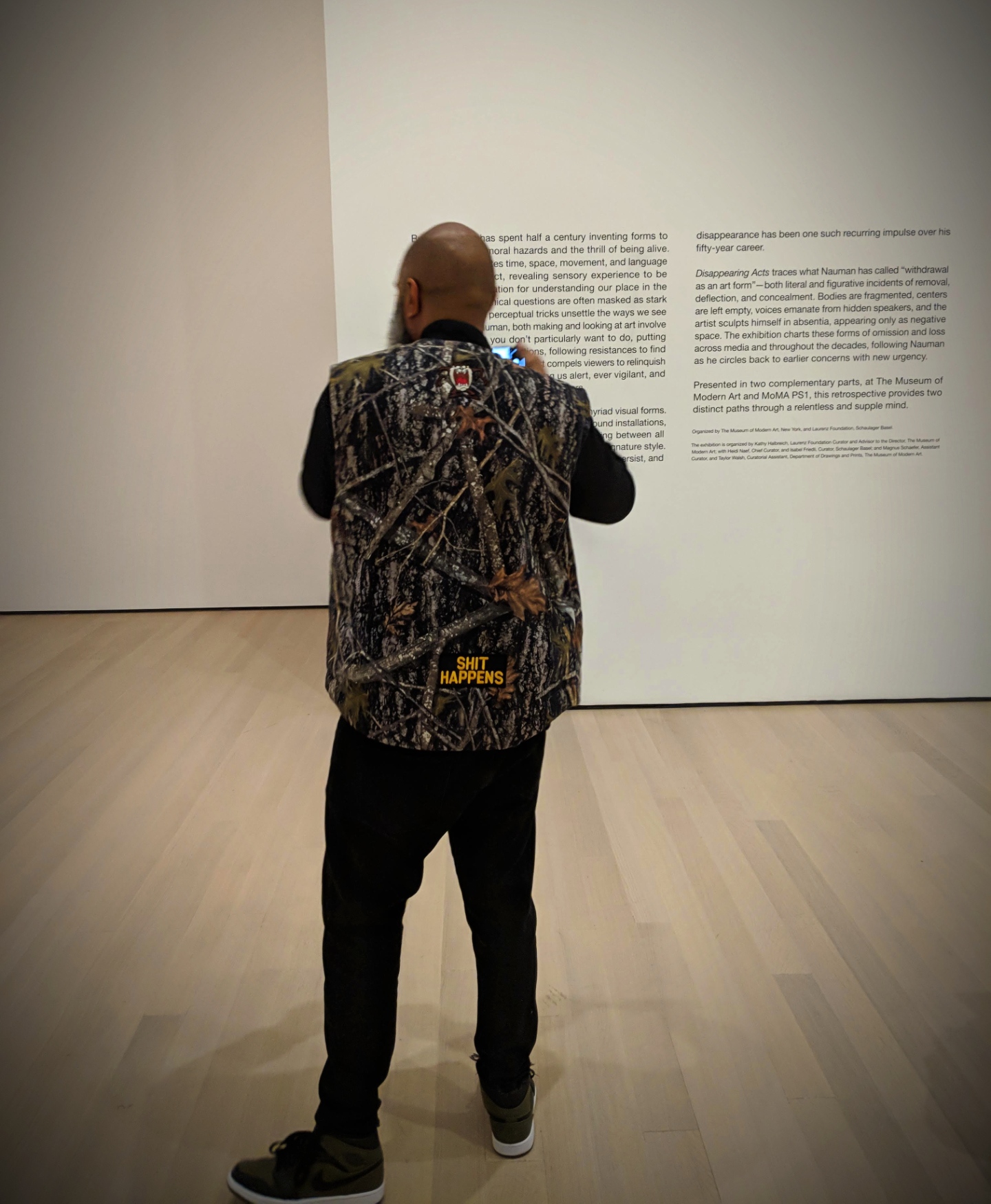
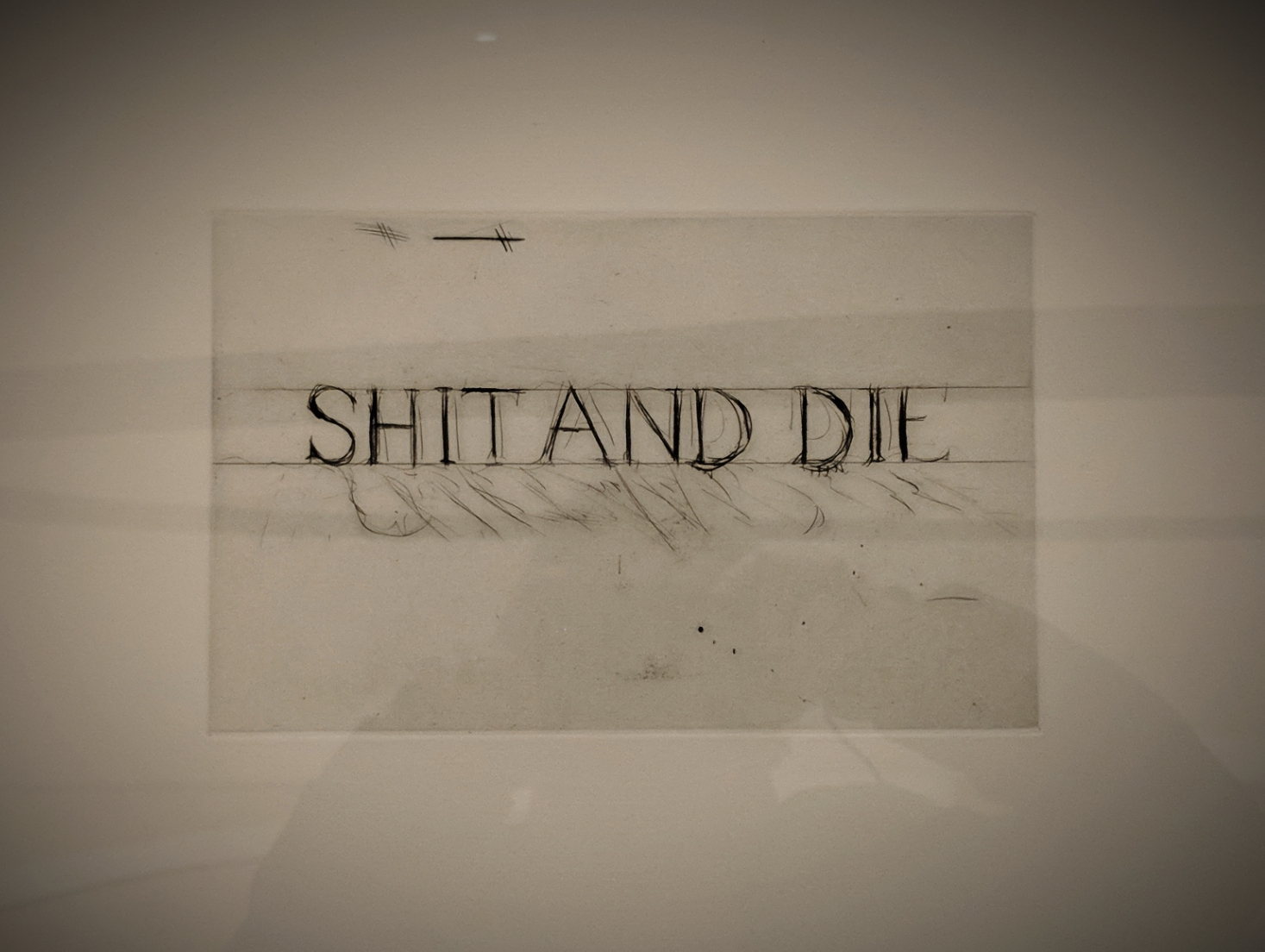
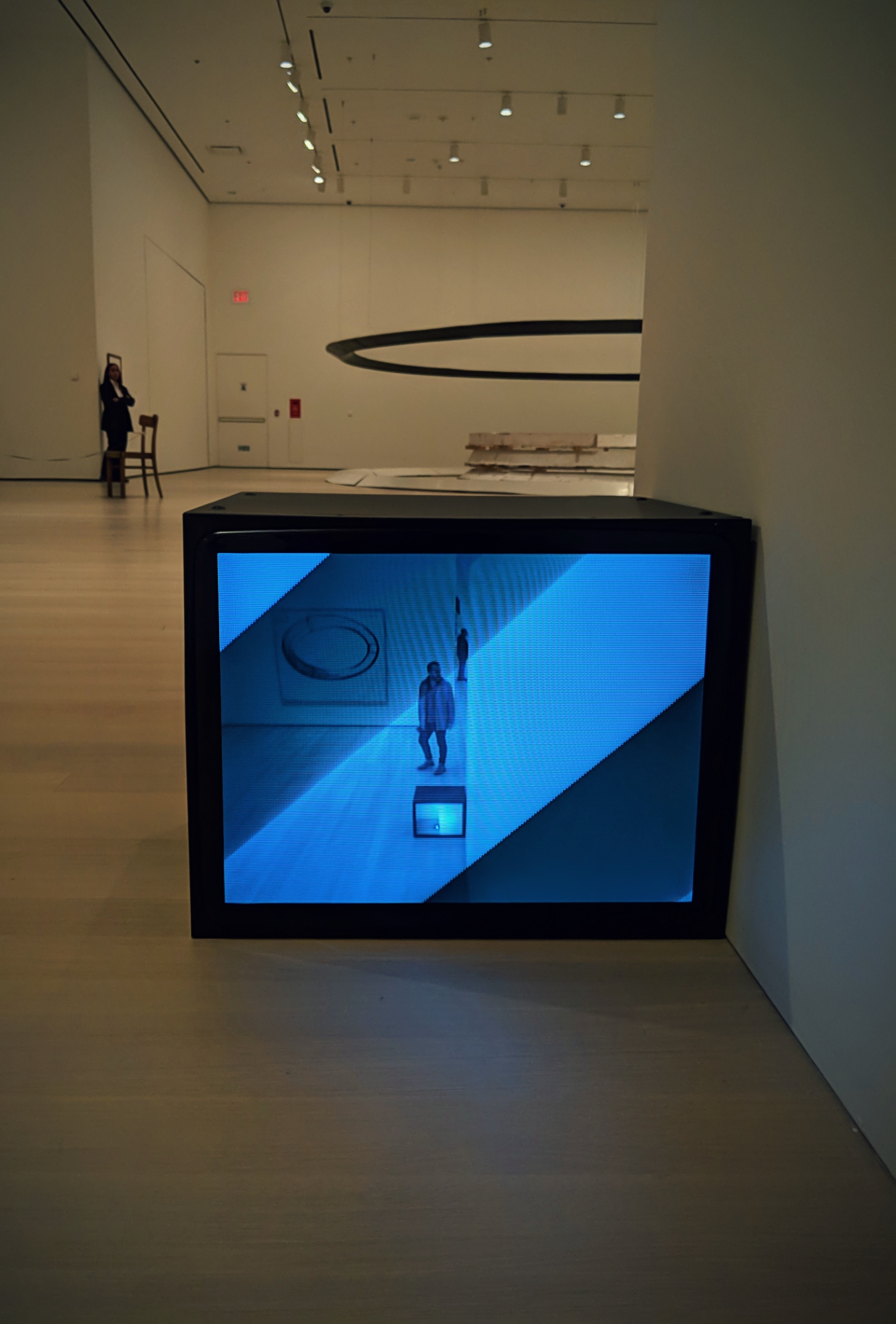
Images from Disappearing Acts, a Bruce Nauman retrospective that was presented in two parts, in MoMa and MoMA PS1.
”Disappearing Acts traces what Nauman has called “withdrawal as an art form”—both literal and figurative incidents of removal, deflection, and concealment. Bodies are fragmented, centers are left empty, voices emanate from hidden speakers, and the artist sculpts himself in absentia, appearing only as negative space. The retrospective charts these forms of omission and loss across media and throughout the decades, following Nauman as he circles back to earlier concerns with new urgency. Presented in two complementary parts, at The Museum of Modern Art and MoMA PS1, this is the most comprehensive exhibition of the artist’s work ever assembled.” [source: MoMA]
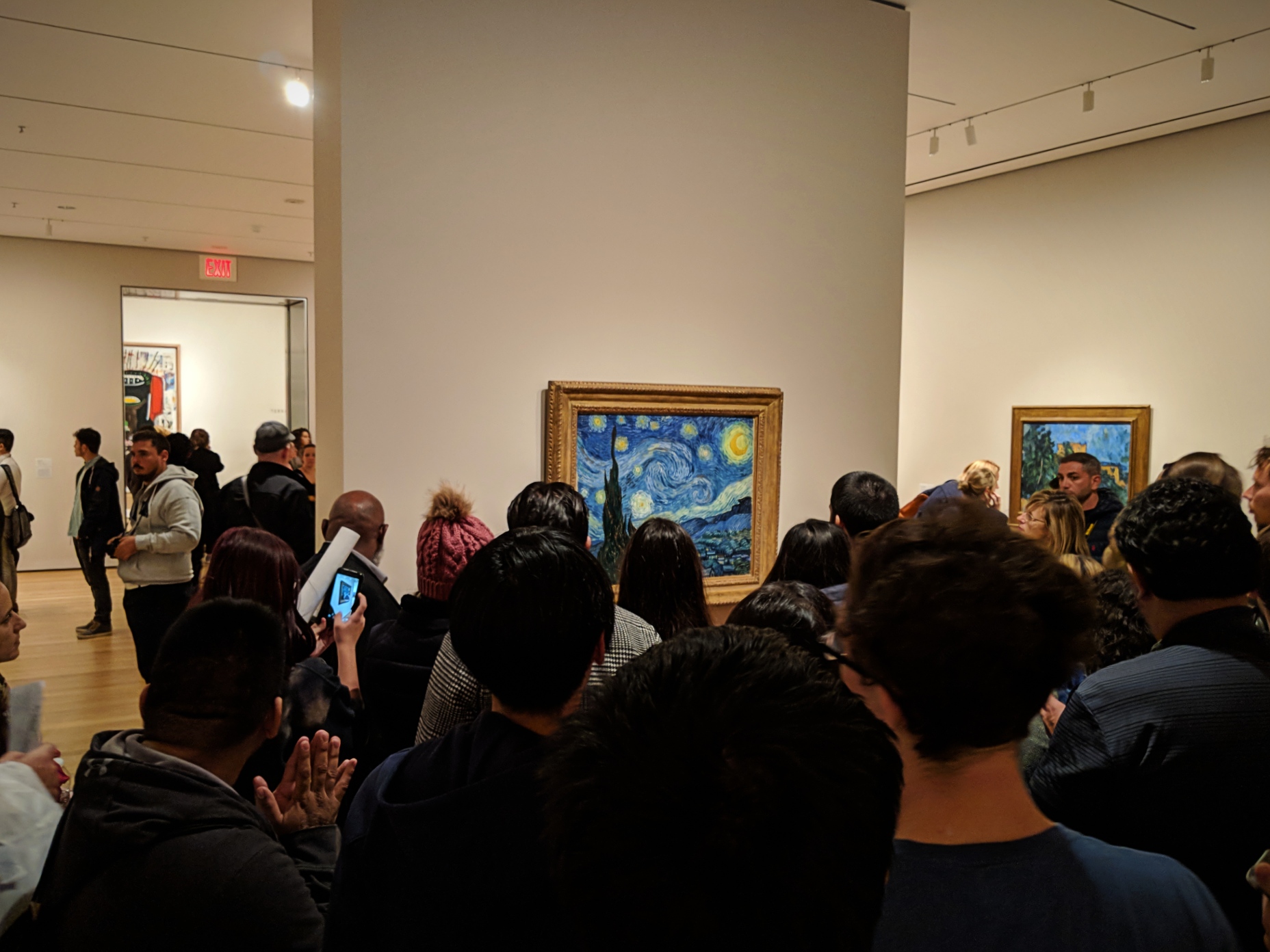
Last photo (not) showing the Starry Night, by Vincent van Gogh; I wonder when (or even if) will we ever see crowds like this anymore…
Free listening and free download (mp3) chill and down tempo music (album compilation ep single) for free (usually name your price). Full merged styles: trip-hop electro chill-hop instrumental hip-hop ambient lo-fi boombap beatmaking turntablism indie psy dub step d'n'b reggae wave sainte-pop rock alternative cinematic organic classical world jazz soul groove funk balkan .... Discover lots of underground and emerging artists from around the world.







 The Humble Fabulist