To blob blog about the general mood of the times we live in…

Ken Price
Slenderella 2003
Synthetic polymer paint on fired clay
@MoMA Collection
July 24th, 2018
To blob blog about the general mood of the times we live in…
Ken Price
Slenderella 2003
Synthetic polymer paint on fired clay
@MoMA Collection
July 24th, 2018


Art:
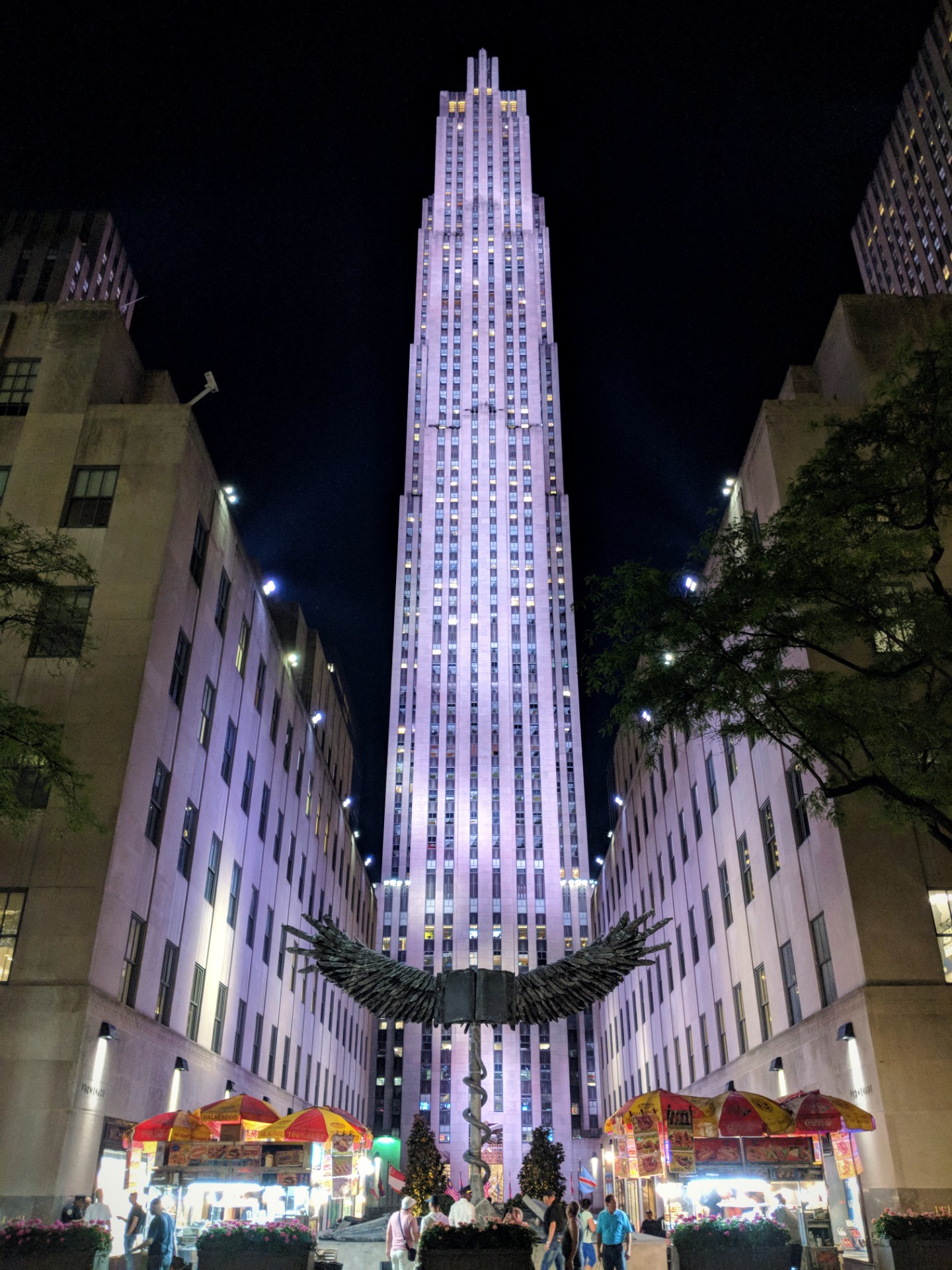
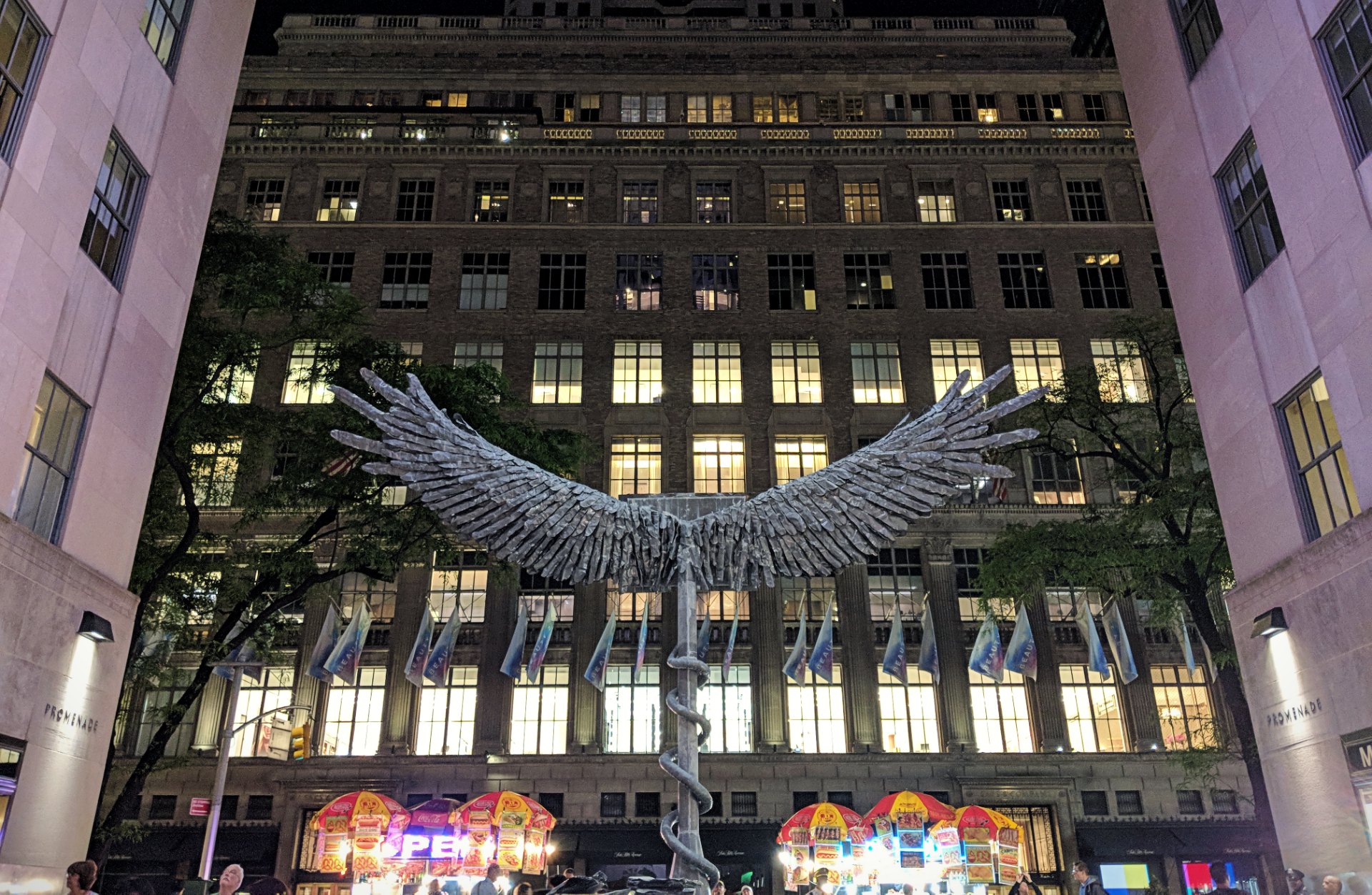
Anselm Kiefer
Uraeus, 2017-18
May 21st, 2018
@MoMA
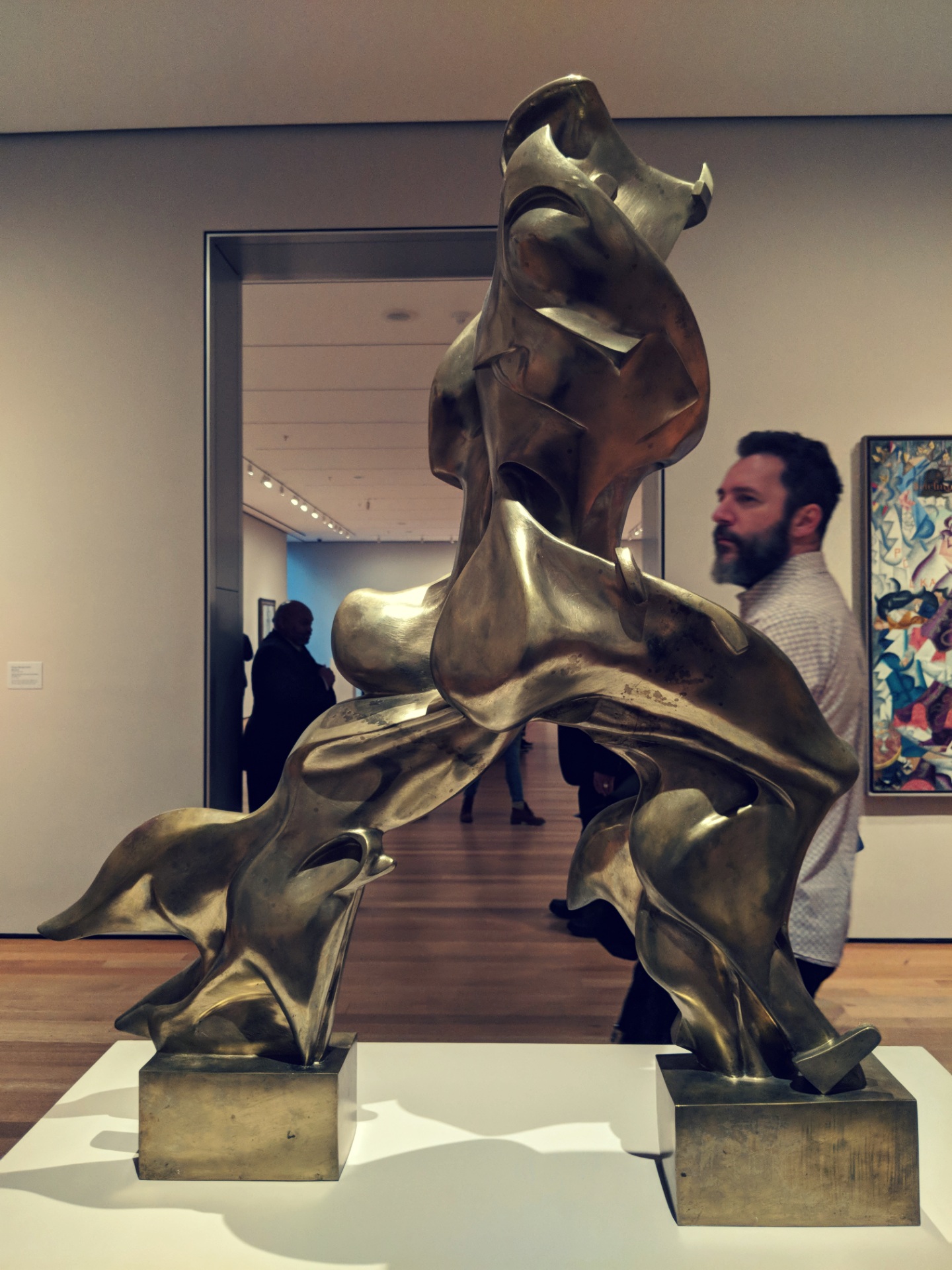
Umberto Boccioni
Unique Forms of Continuity in Space, 1913
(cast 1931 or 1934)
(you can’t get a more fitting title than that)
March 25th, 2018
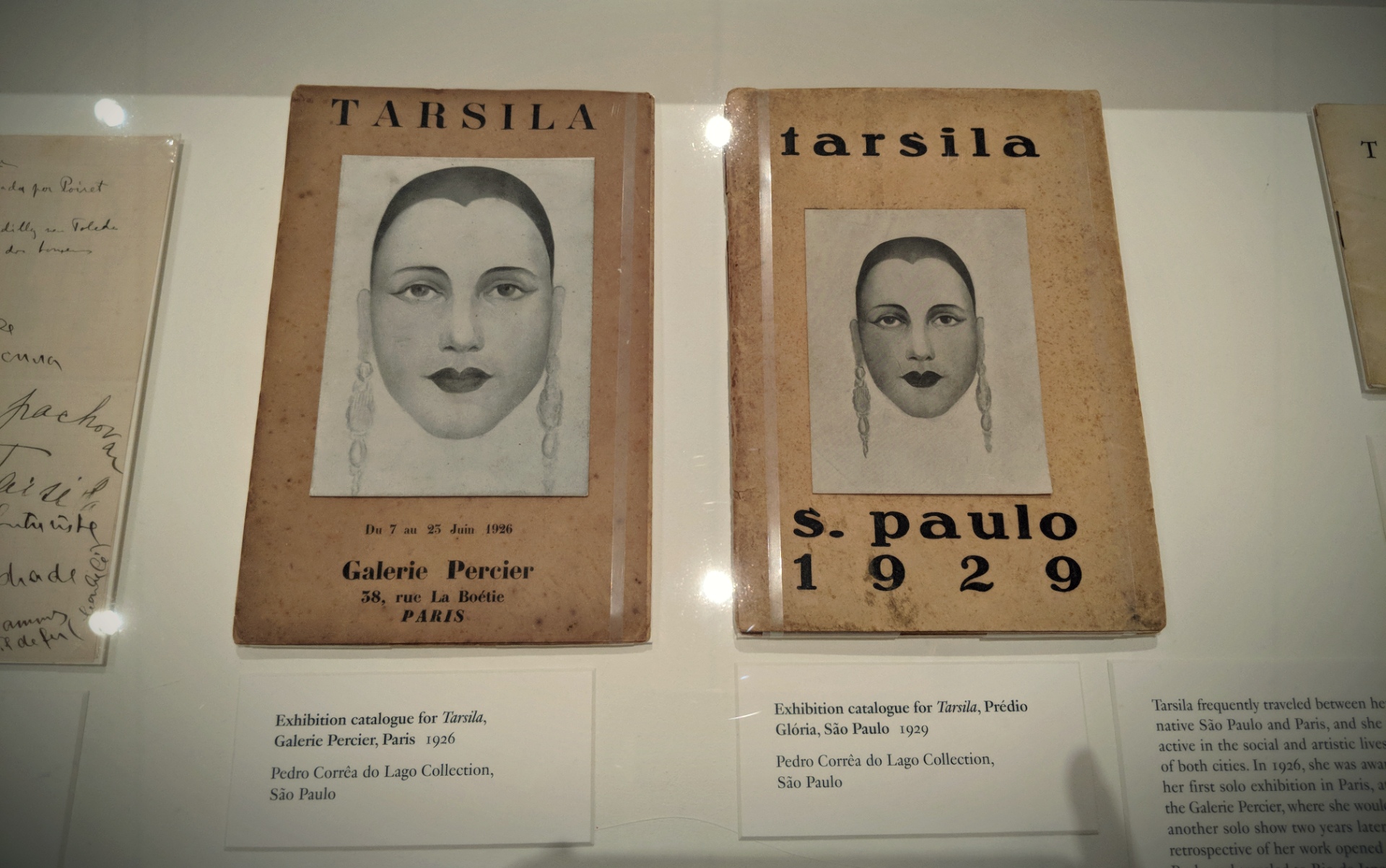
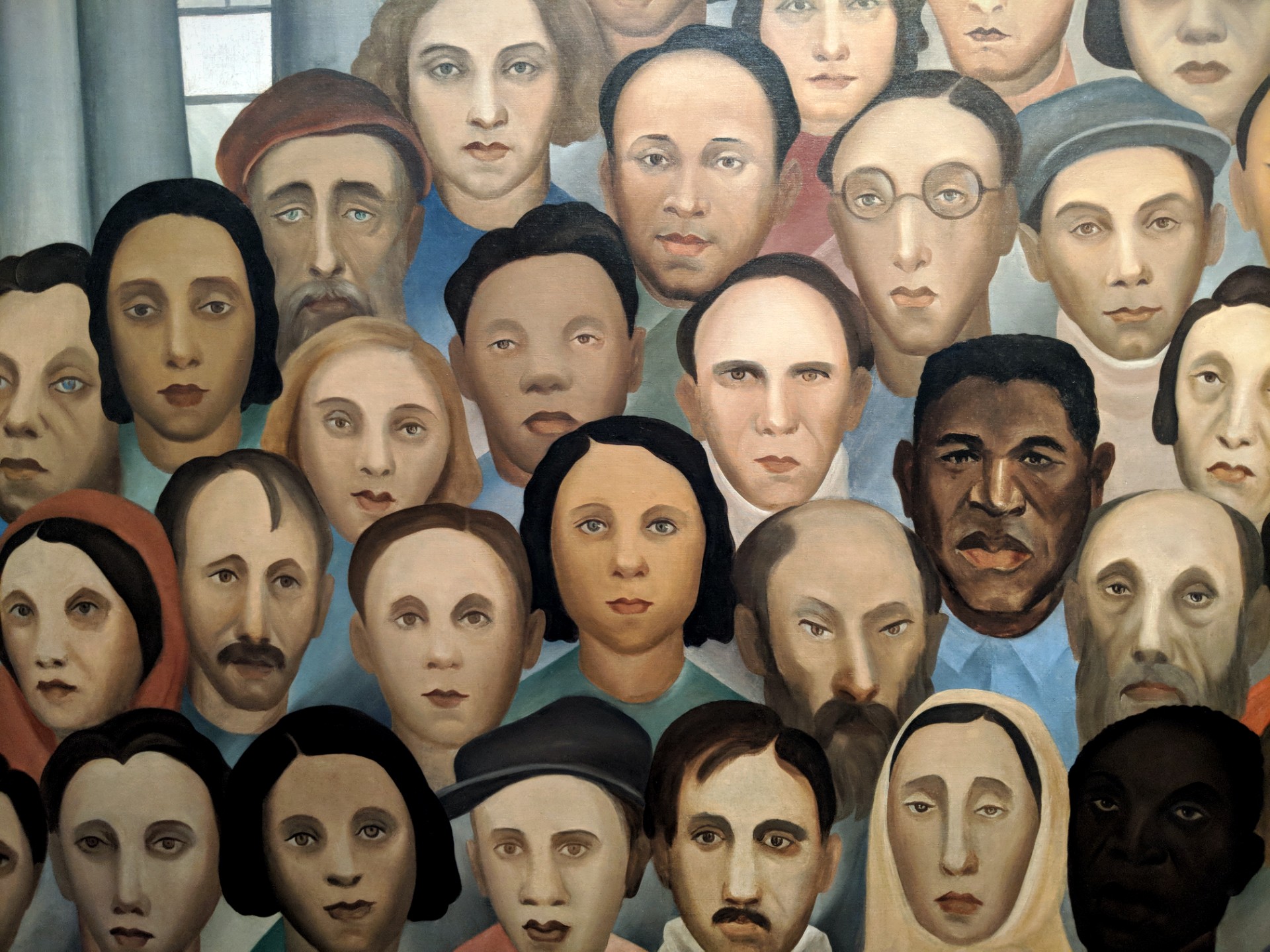
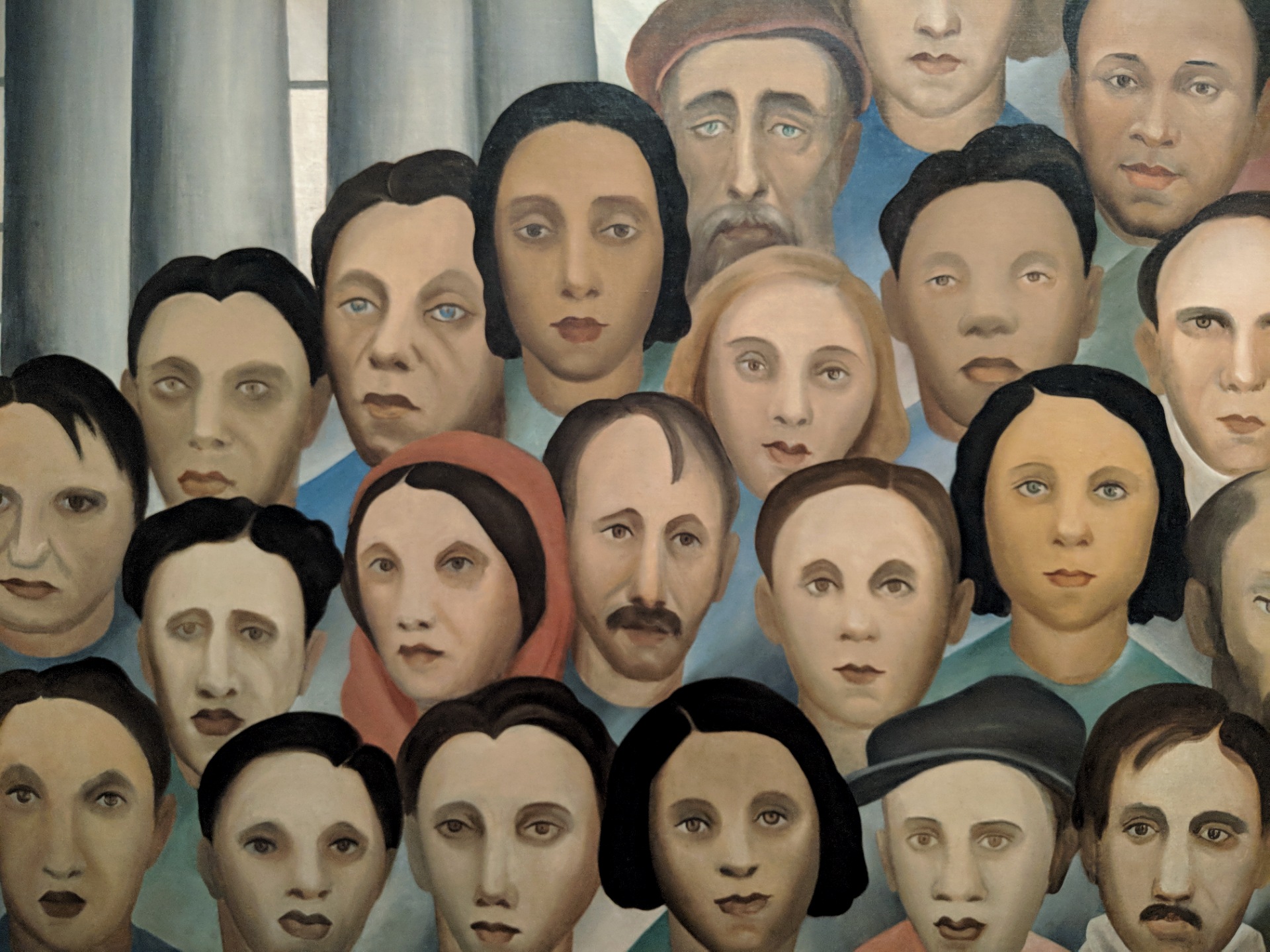
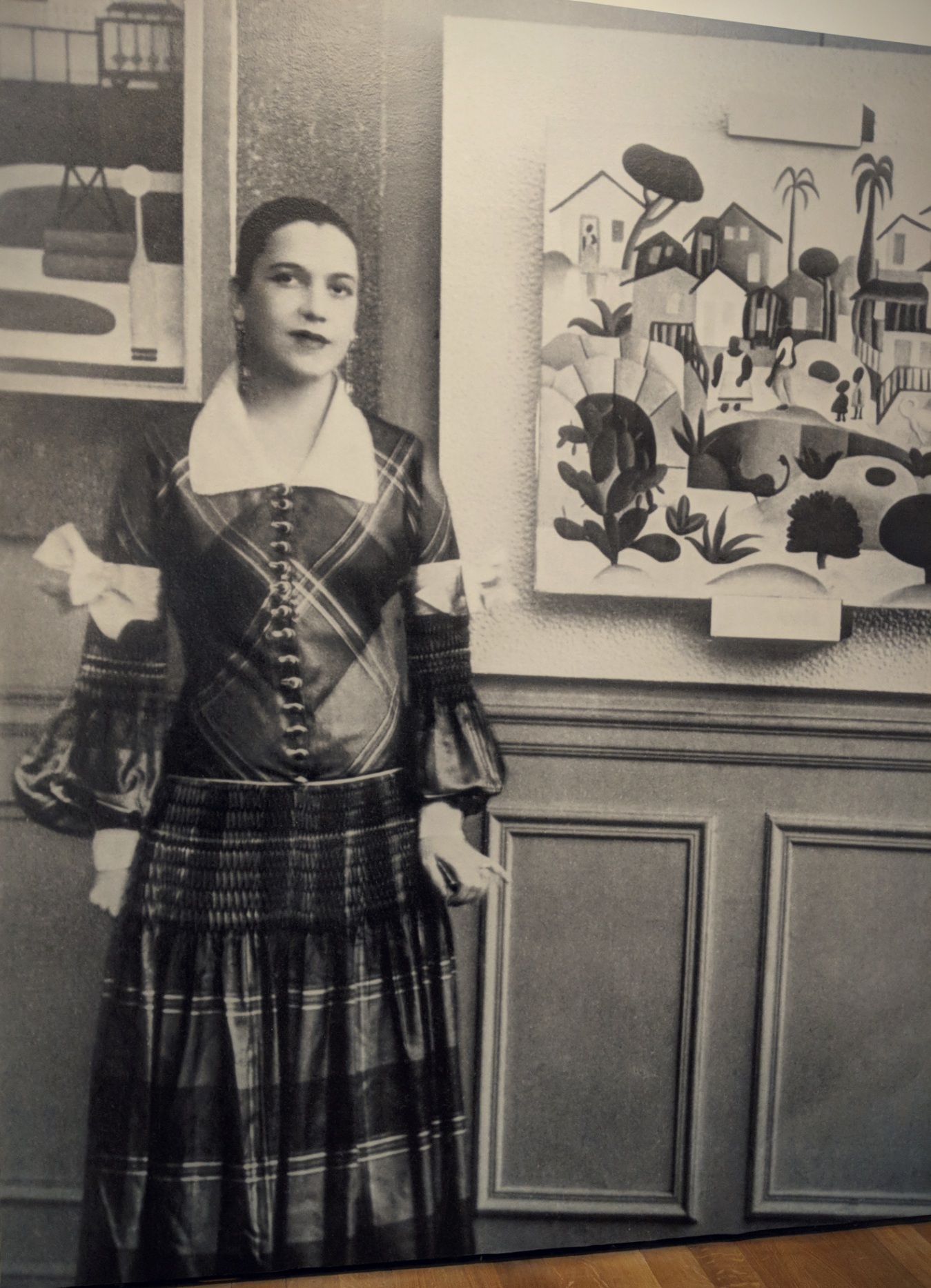
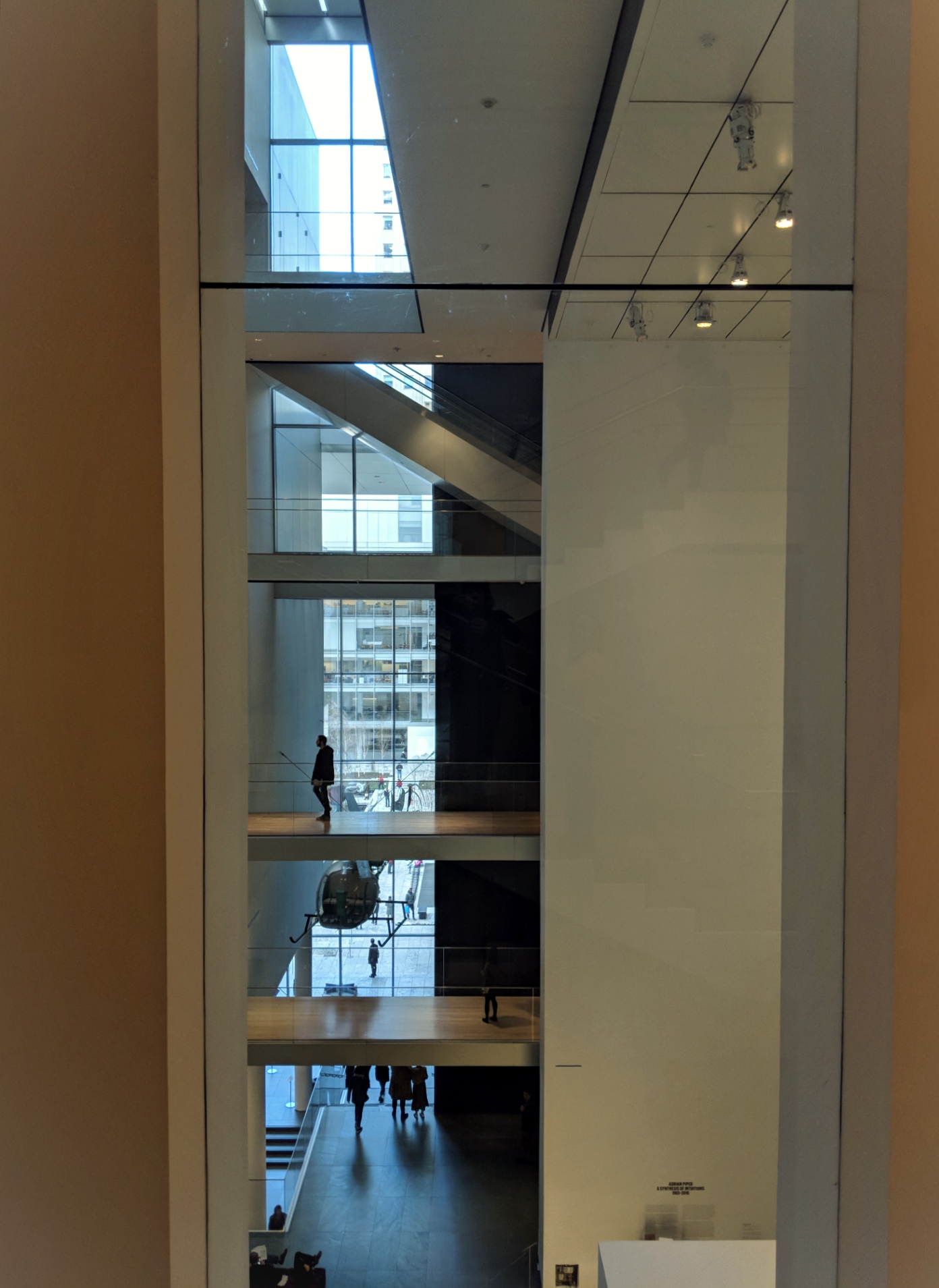
Getting acquainted with the work of Tarsila do Amaral, whose art is as stunning as the artist herself; capturing the minimal geometry of New York’s temple of modern art; feeling the urge to stop by ”The Piano Lesson”, one of Matisse’s most interesting compositions (a few more times and I might even begin to like it); leaping from modern art to ”New Photography” and its 2018 edition examining how photography can capture ”what it means to be human”.
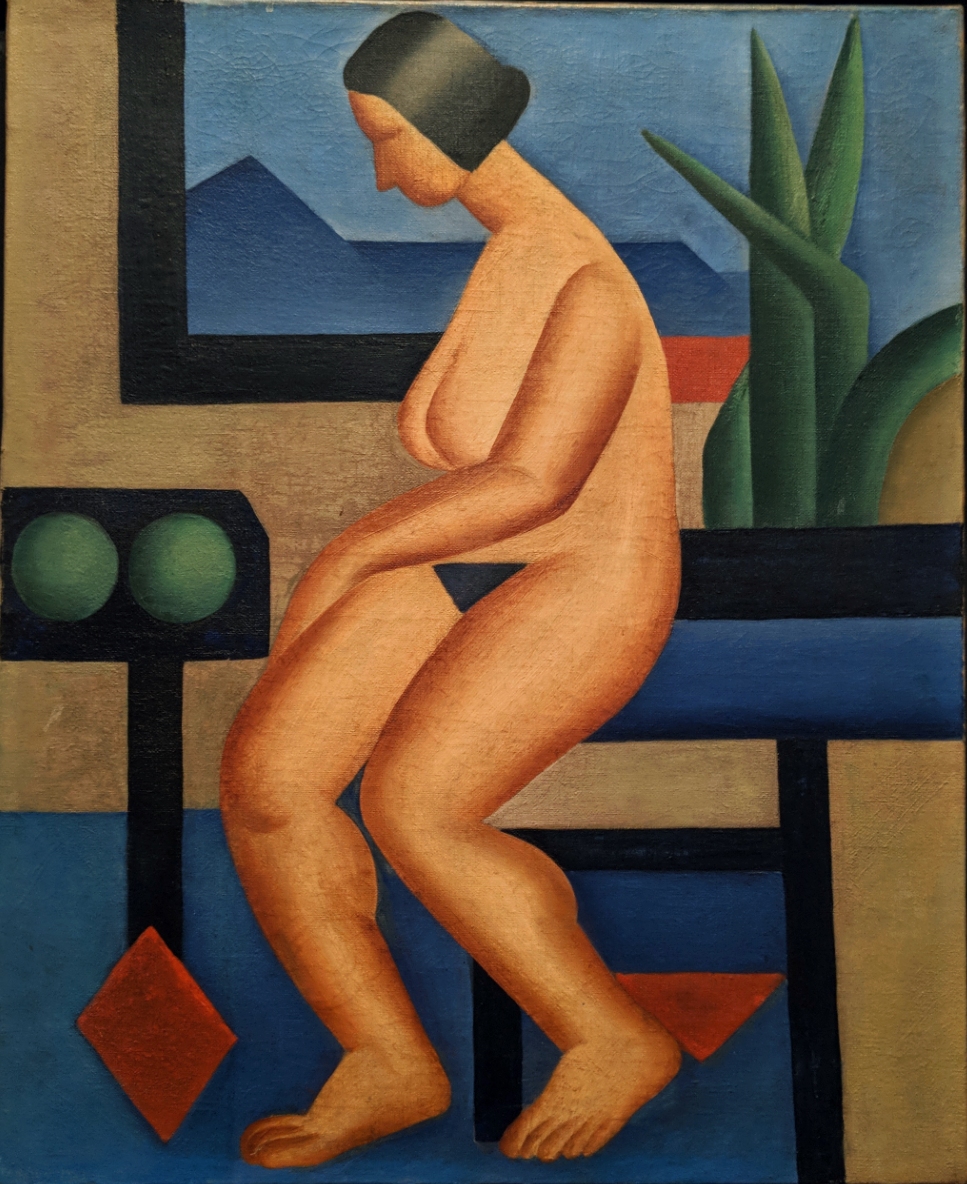 Tarsila do Amaral, Estudo (Academia no. 2), 1923, oil on canvas
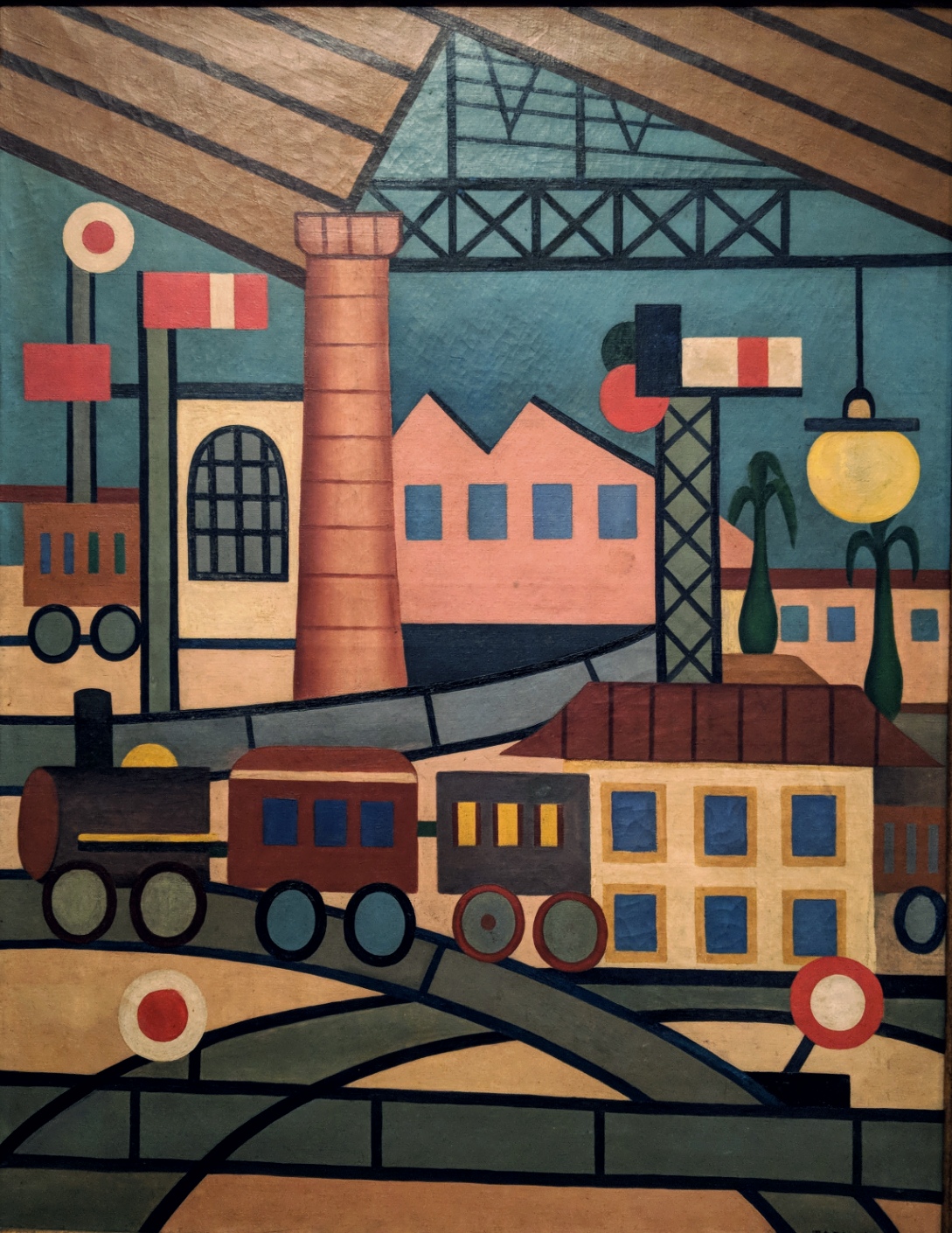 Tarsila do Amaral, A Gare, 1925, oil on canvas
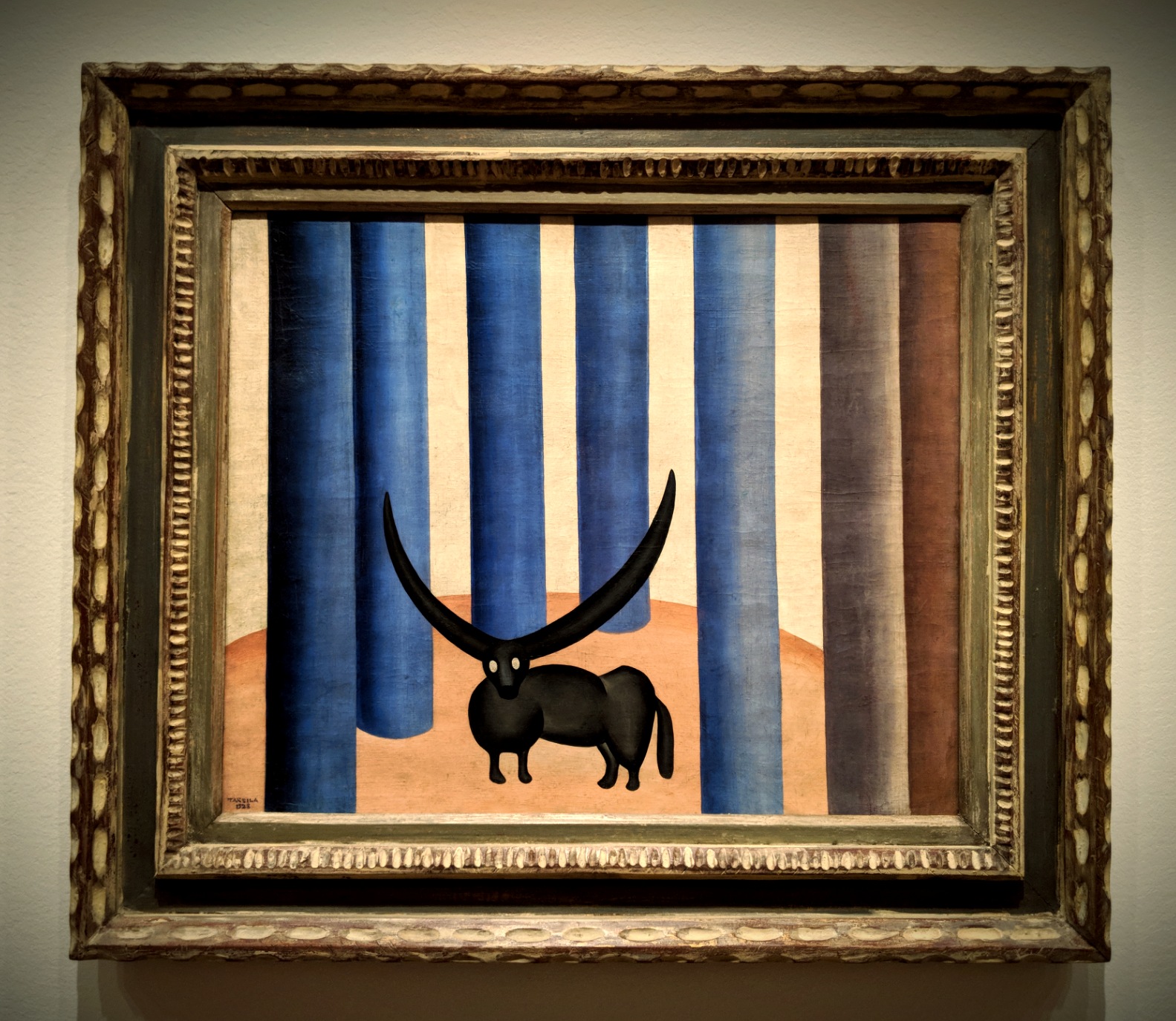 Tarsila do Amaral, O touro, 1928, oil on canvas
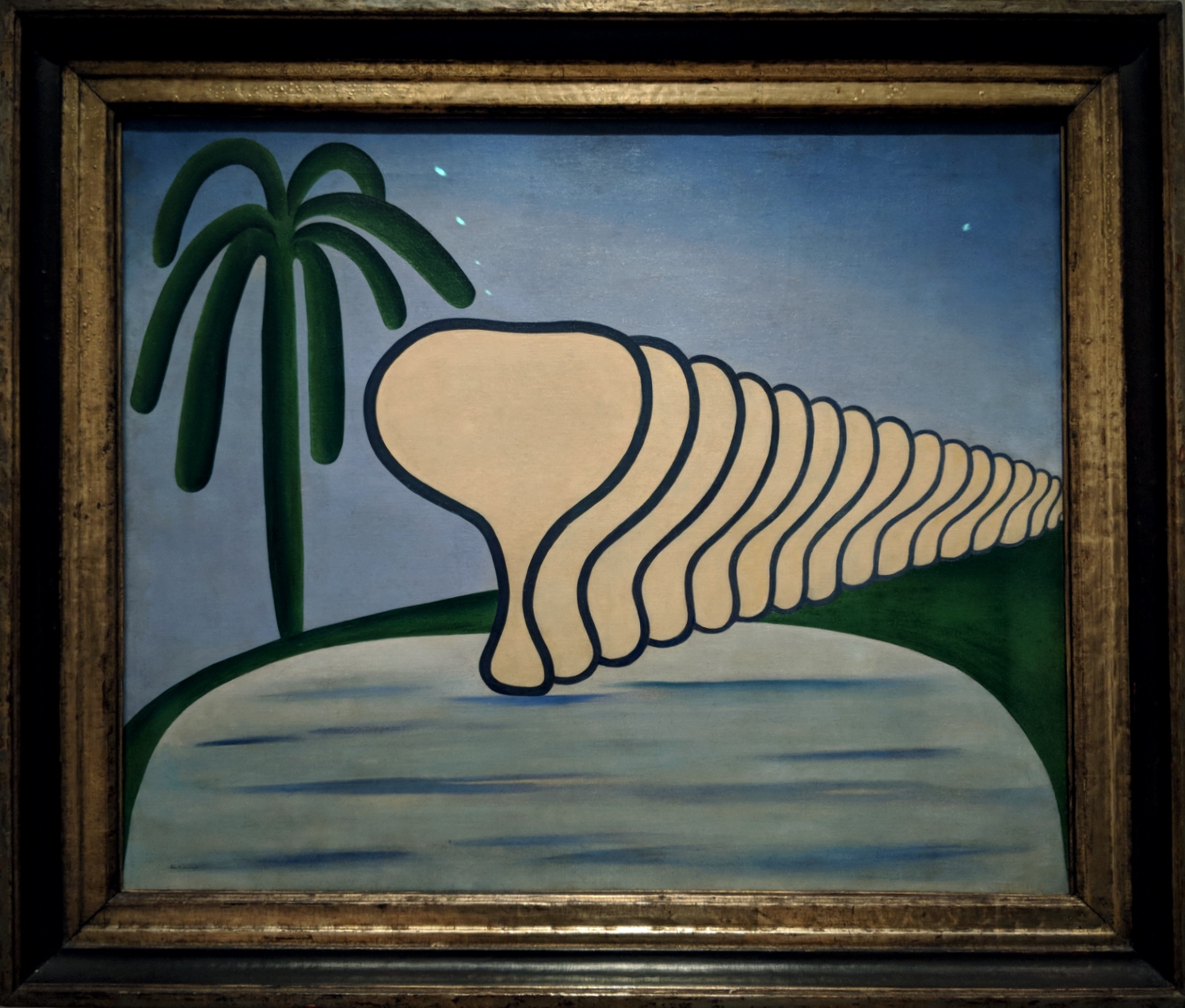 Tarsila do Amaral, O sono, c. 1928, oil on canvas
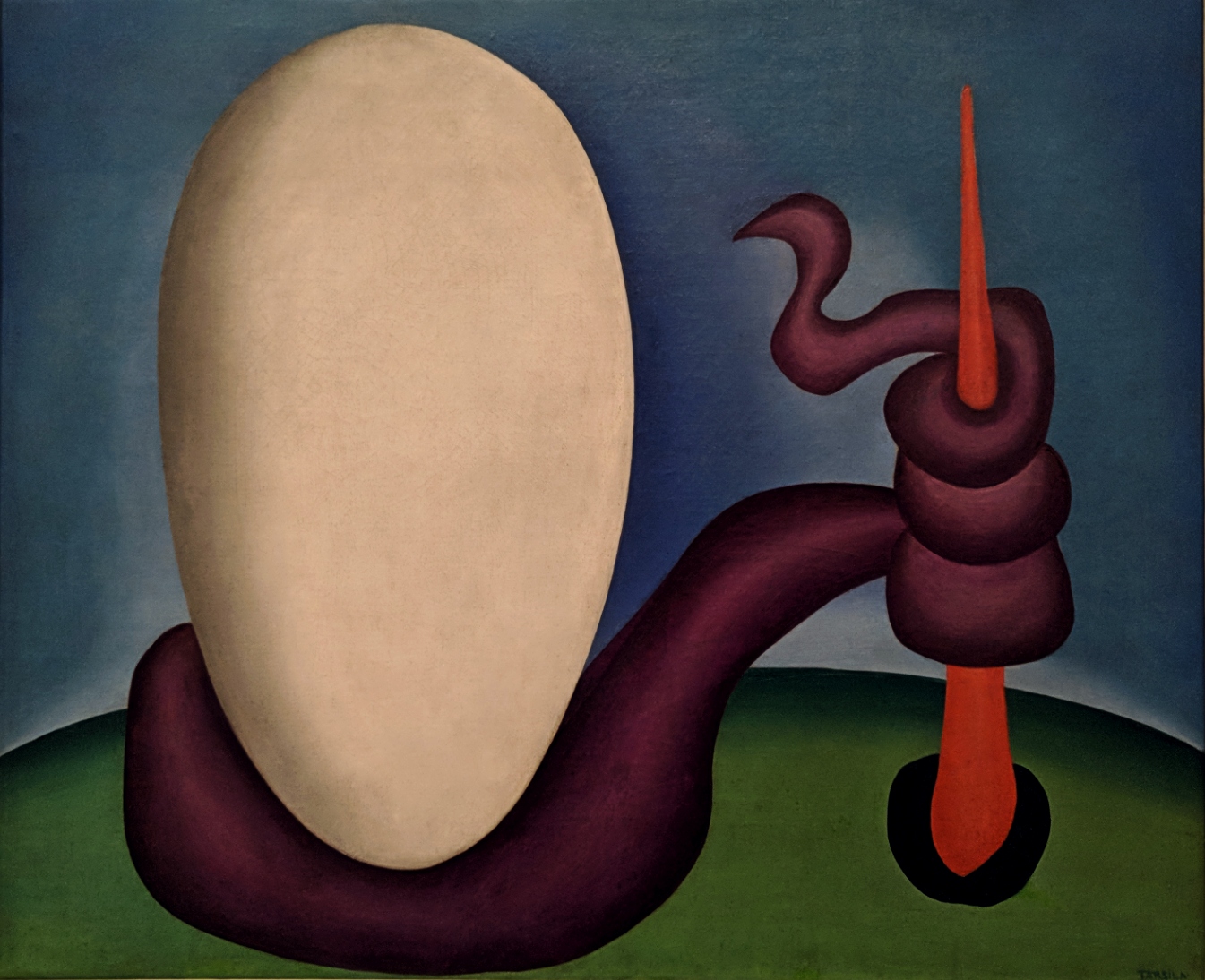 Tarsila do Amaral, Urutu, 1928, oil on canvas
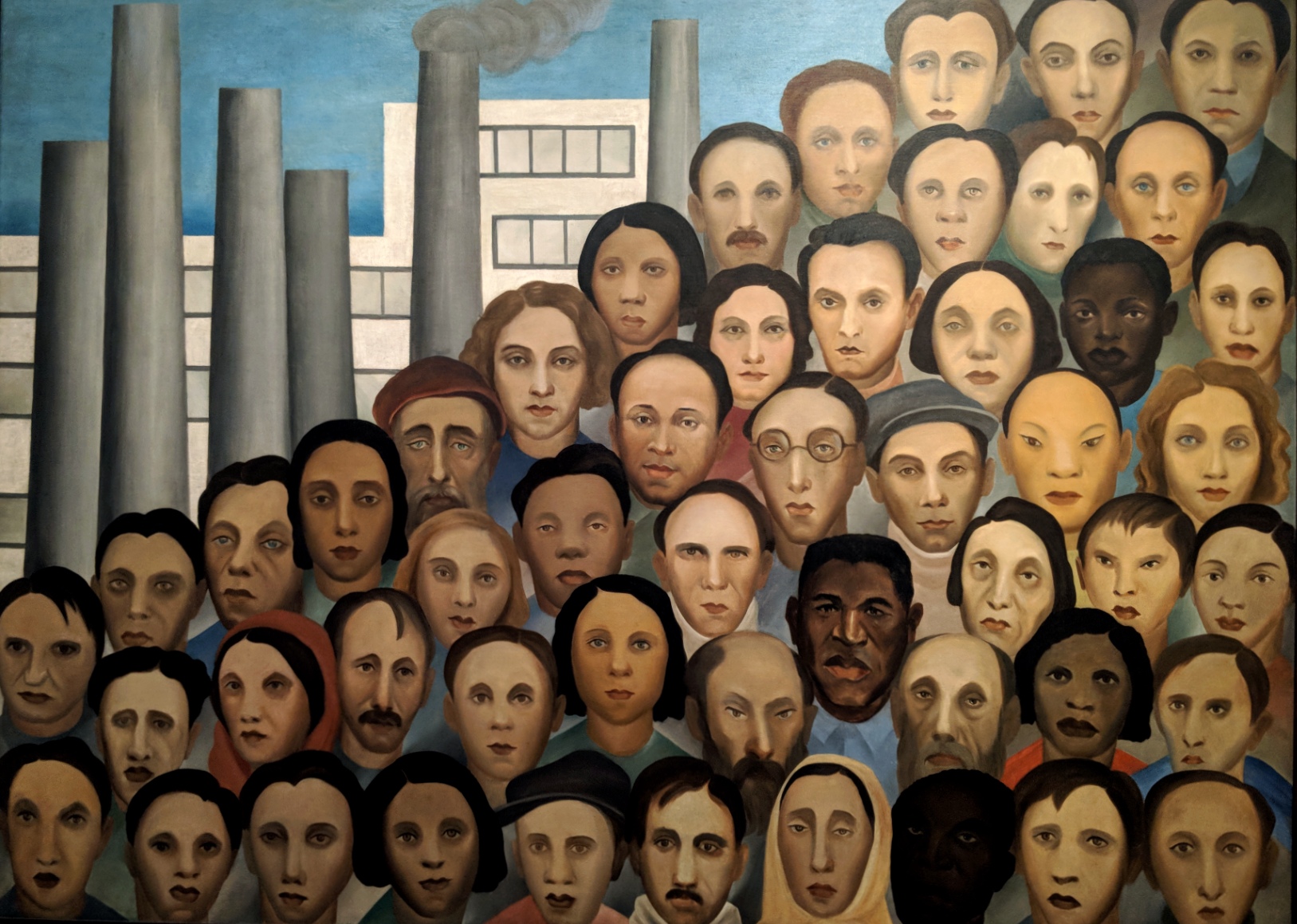 Tarsila do Amaral, Operários, 1933, oil on canvas
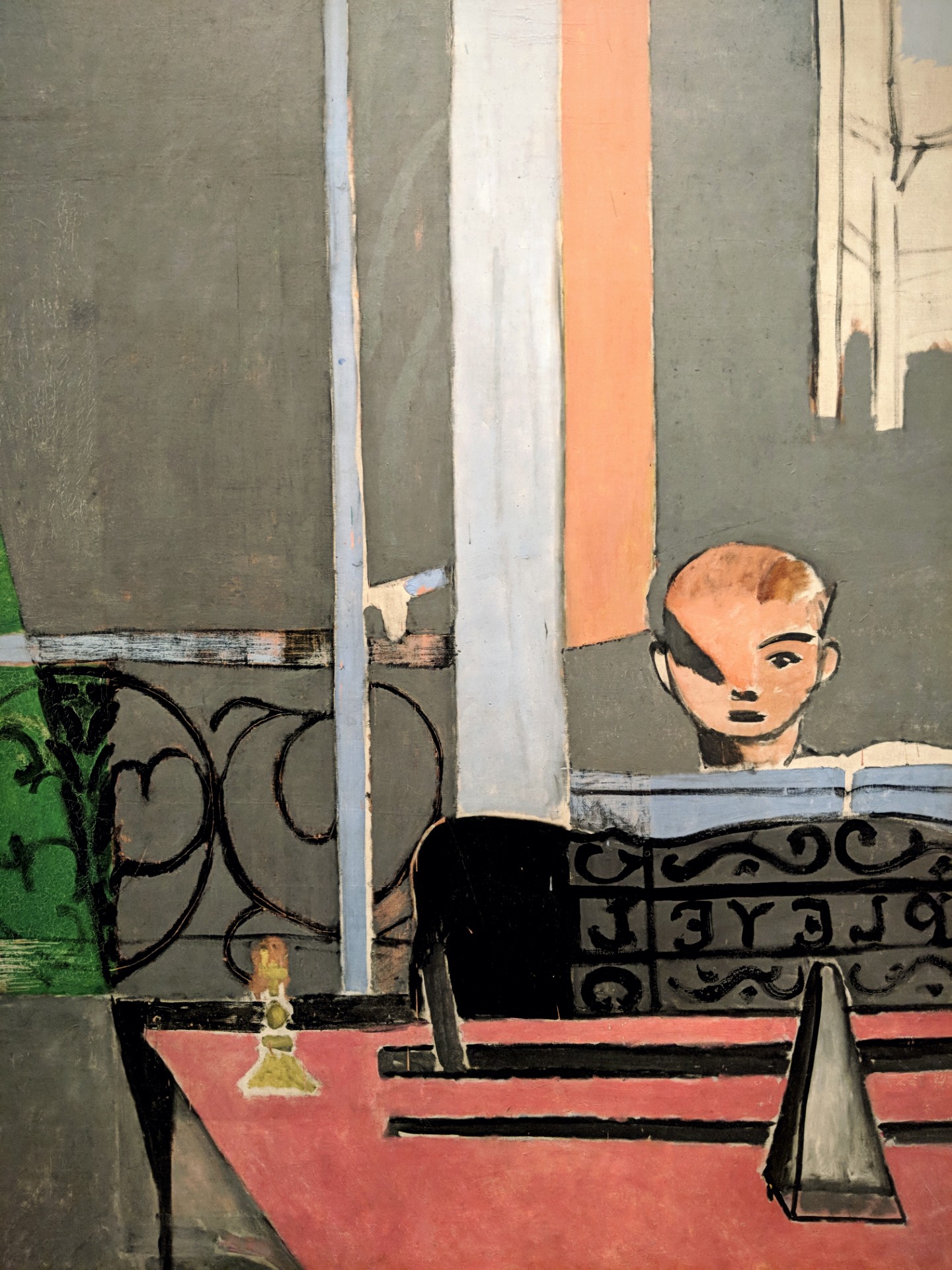
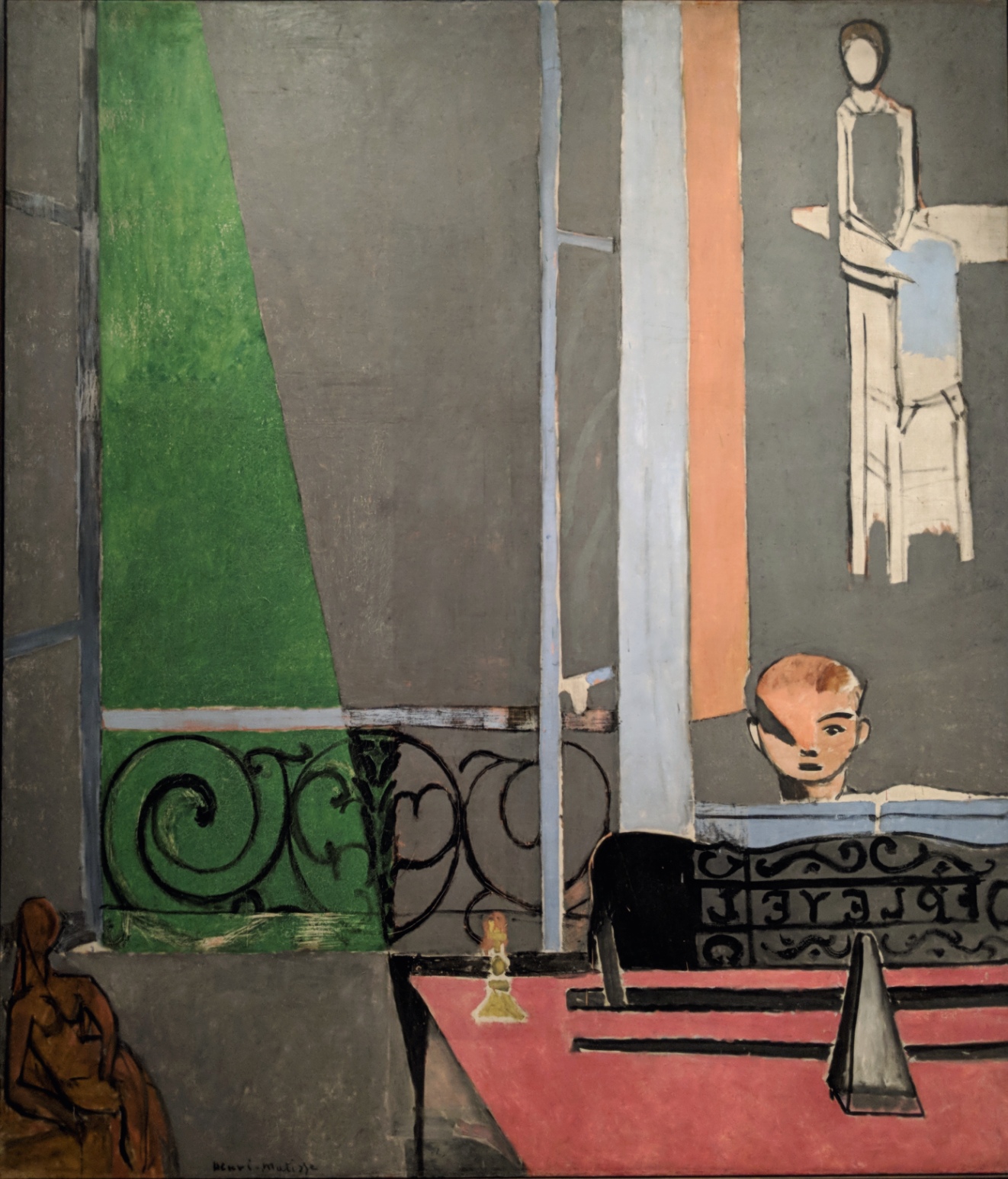 Henri Matisse, The Piano Lesson, 1916, oil on canvas
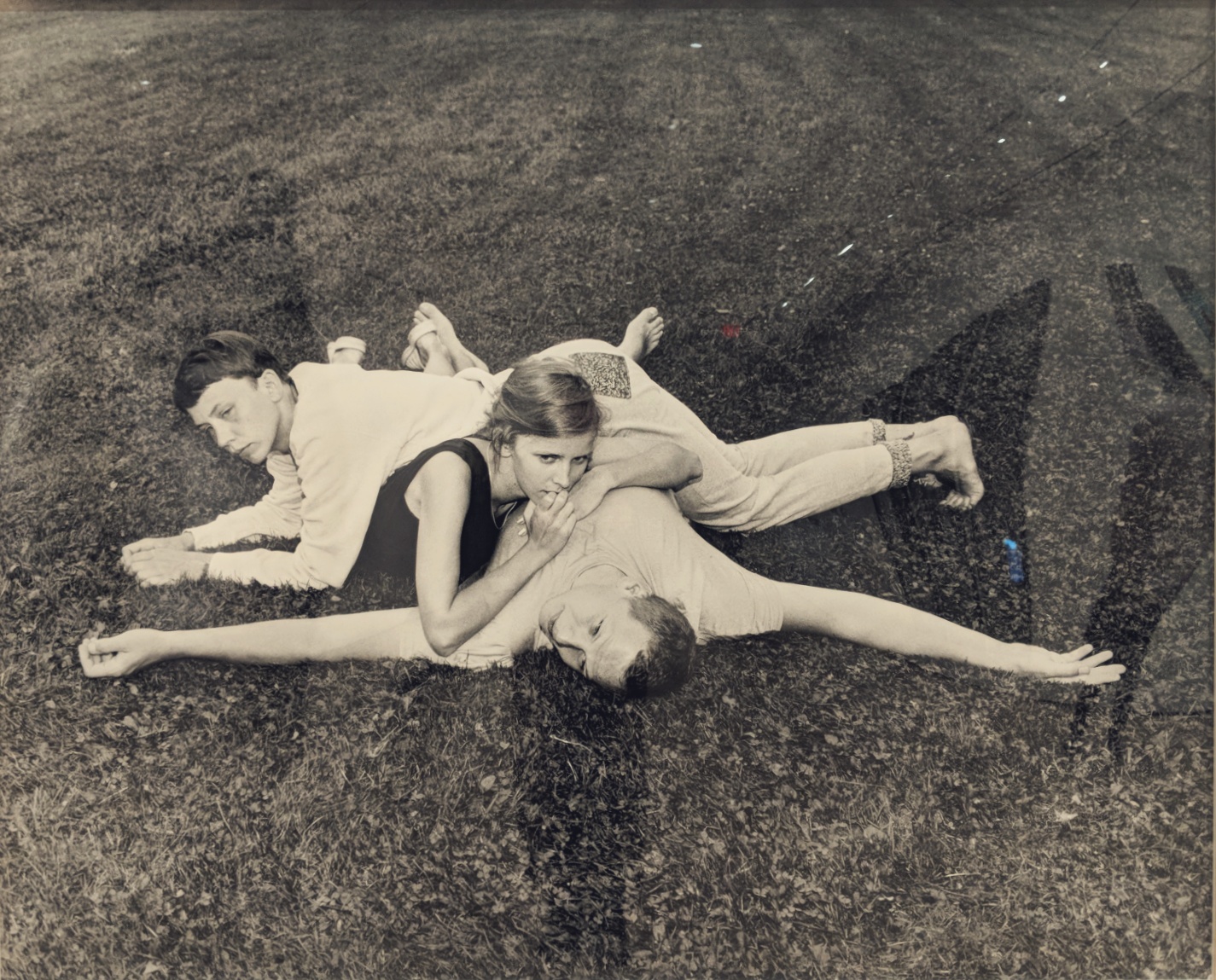 Joanna Piotrowska, XXIII Frowst, 2013-2014, silver gelatin hand print
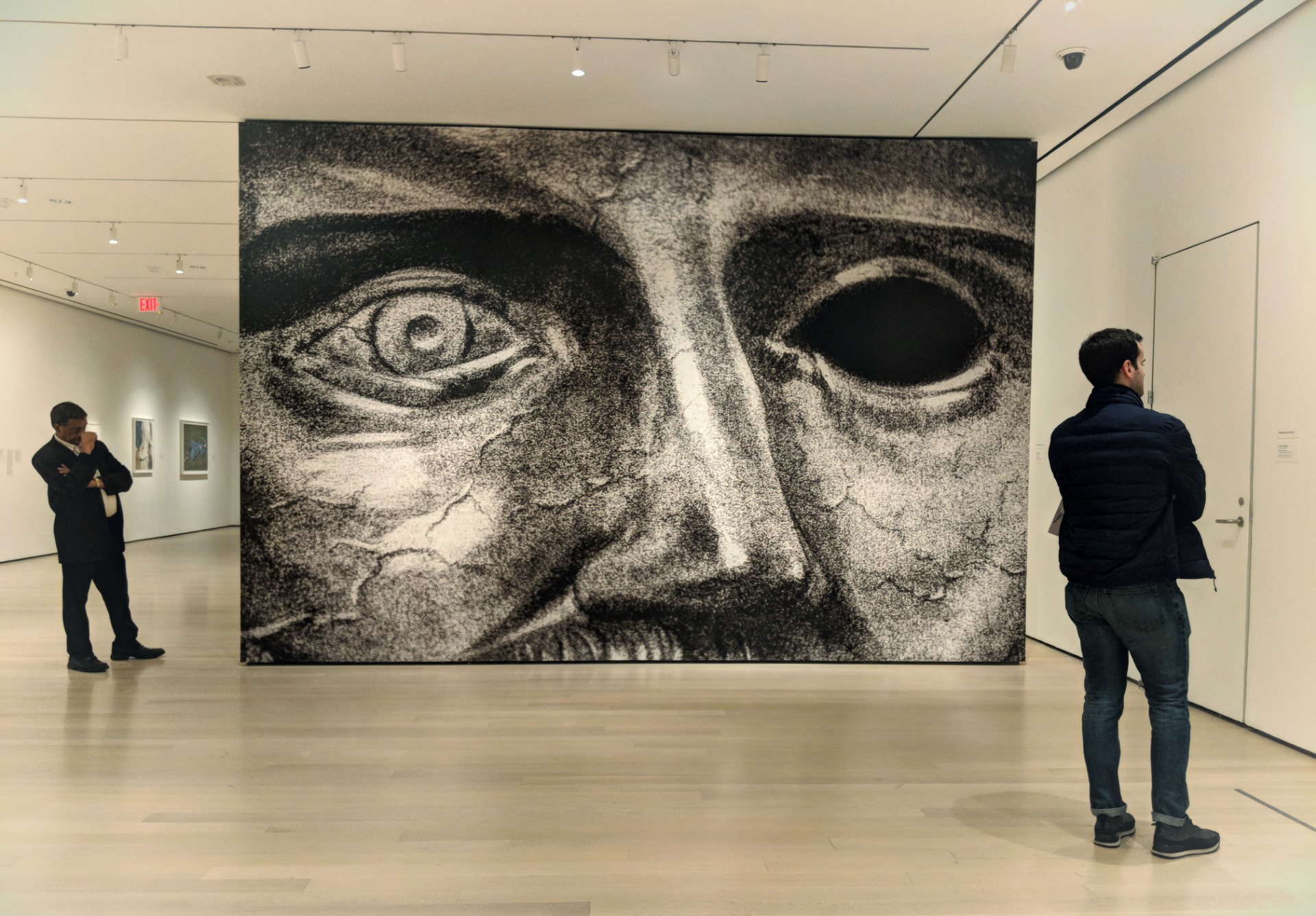 Sofia Borges. Theatre, or Cave, 2014. UV-printed wallpaper, printed 2018
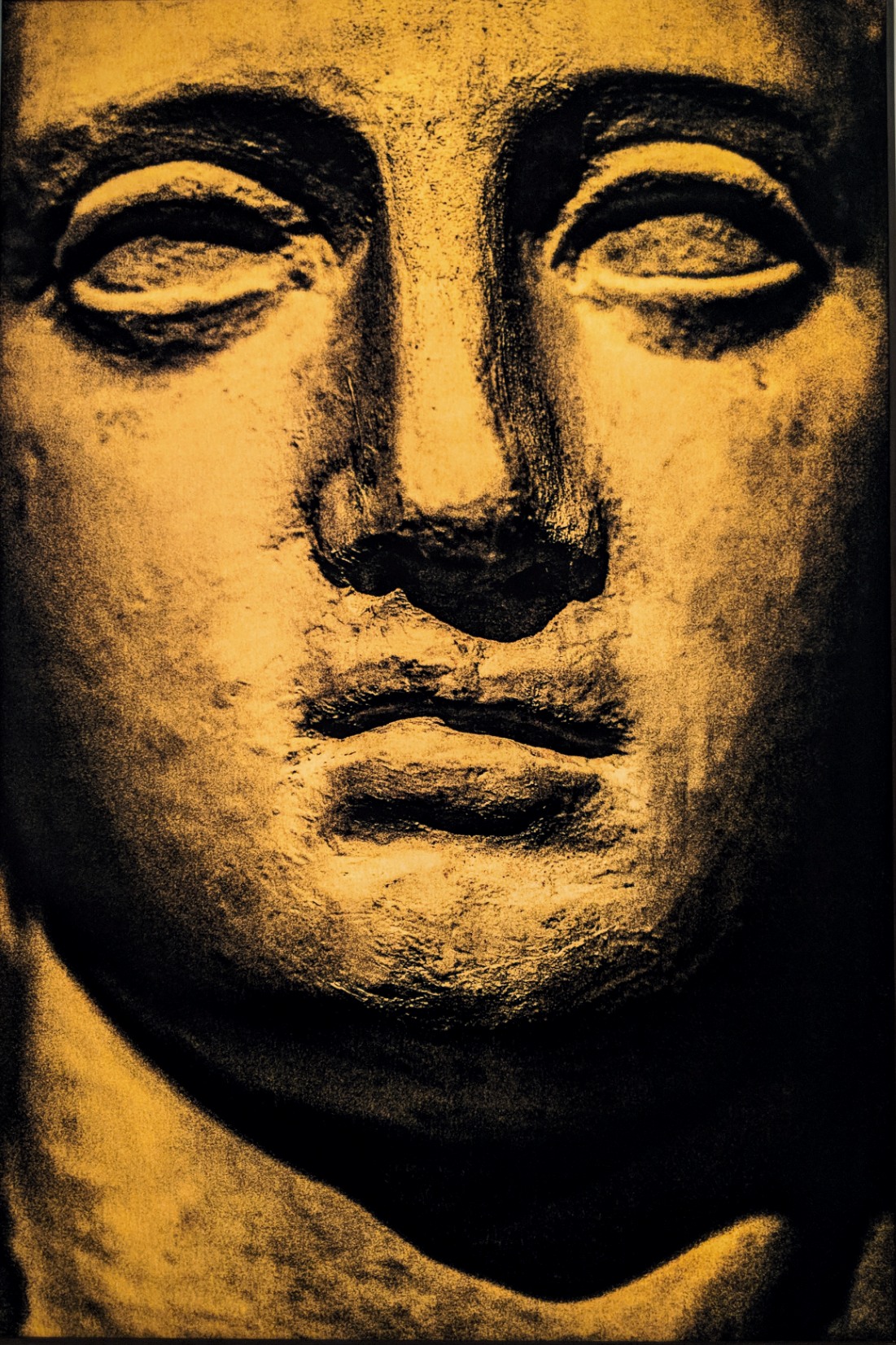 Sofia Borges, Yellow Chalk, 2017, pigmented inkjet print
MoMA, March 25th, 2018
If the crystal balls are not helping, there is always hope in dreamcatchers, voodoo dolls and Louise Bourgeois’ Articulated Lair (to this day I have no idea what these black objects, hanging like deflated balloons, might be).
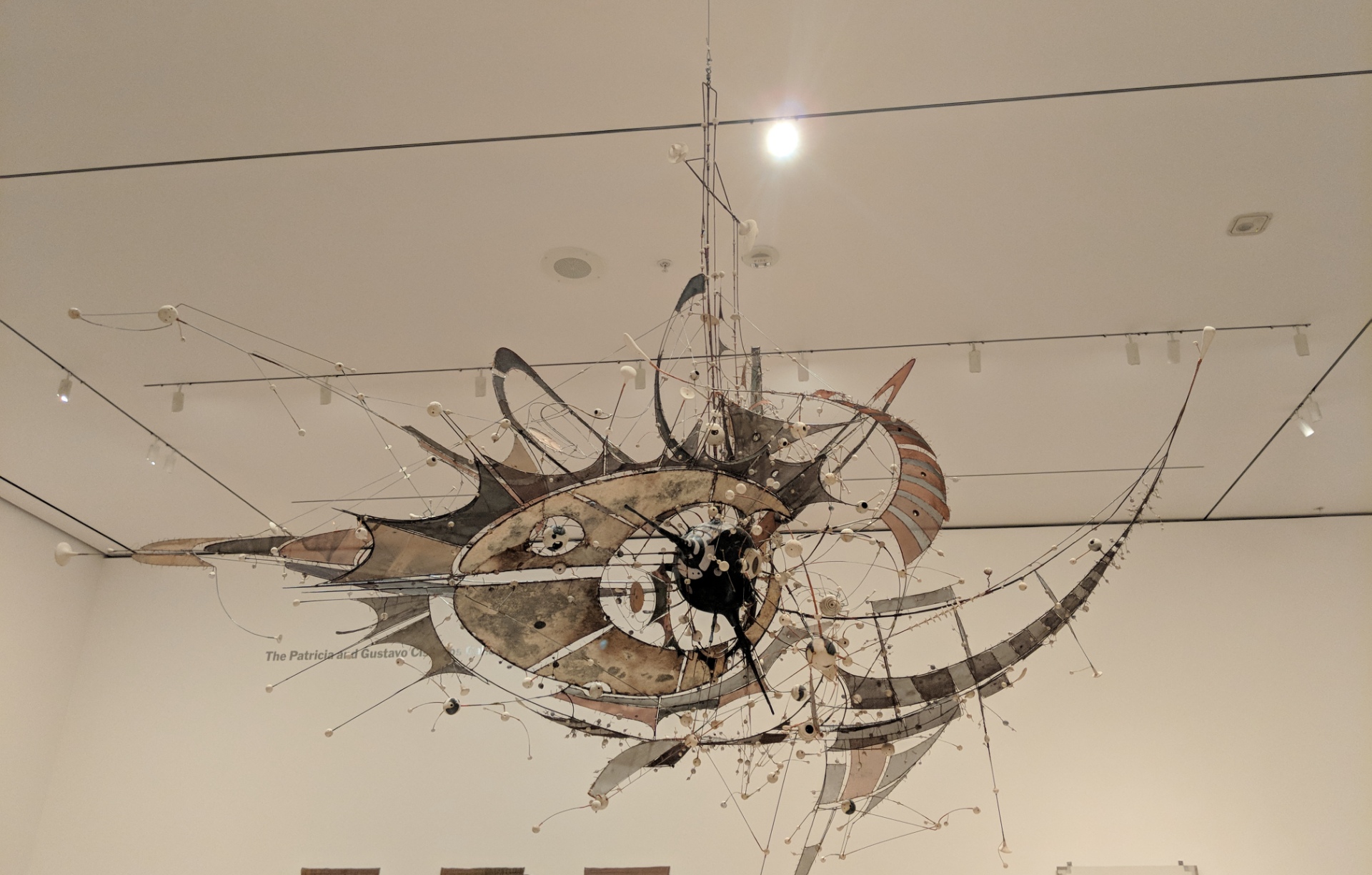
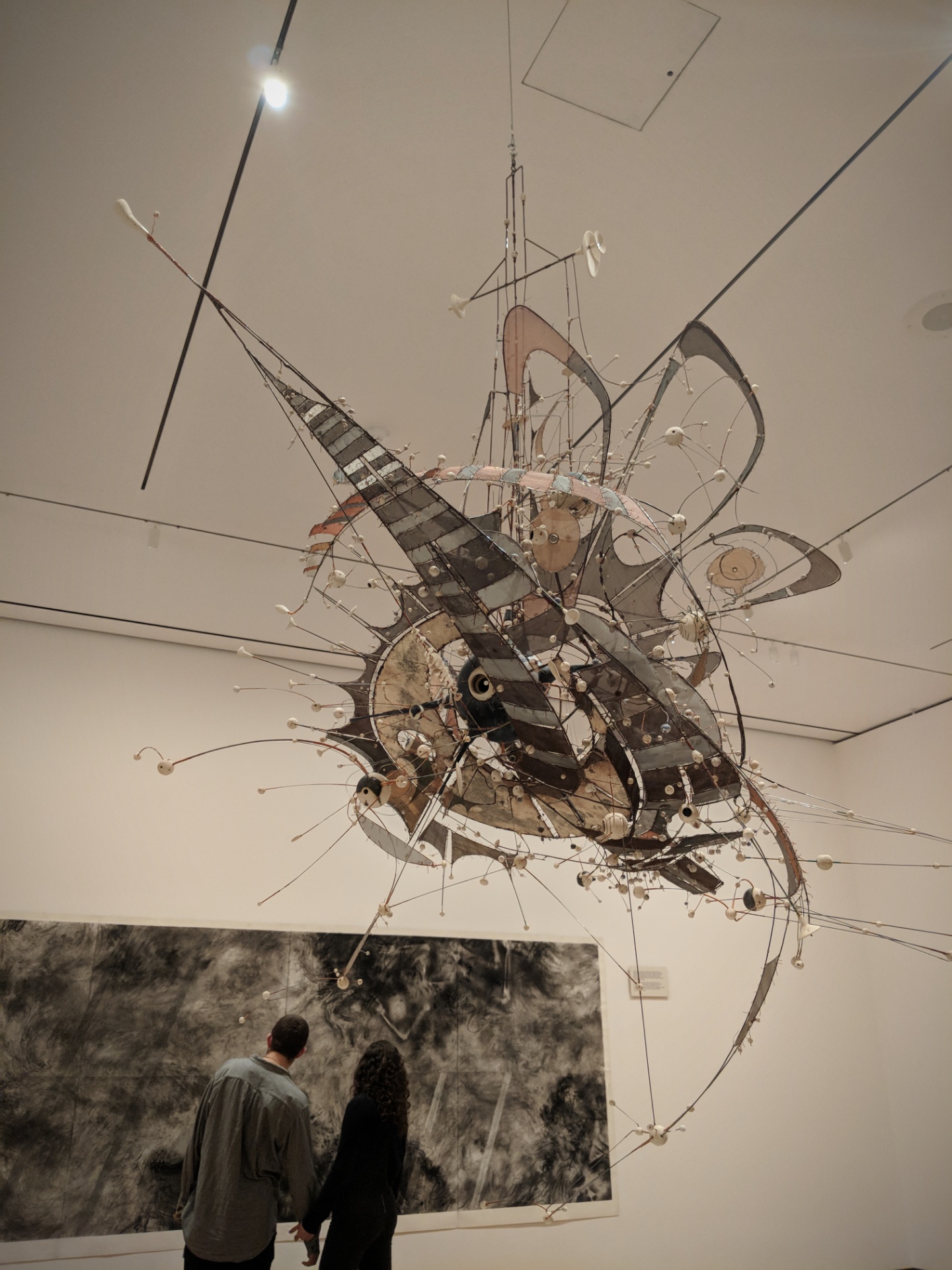
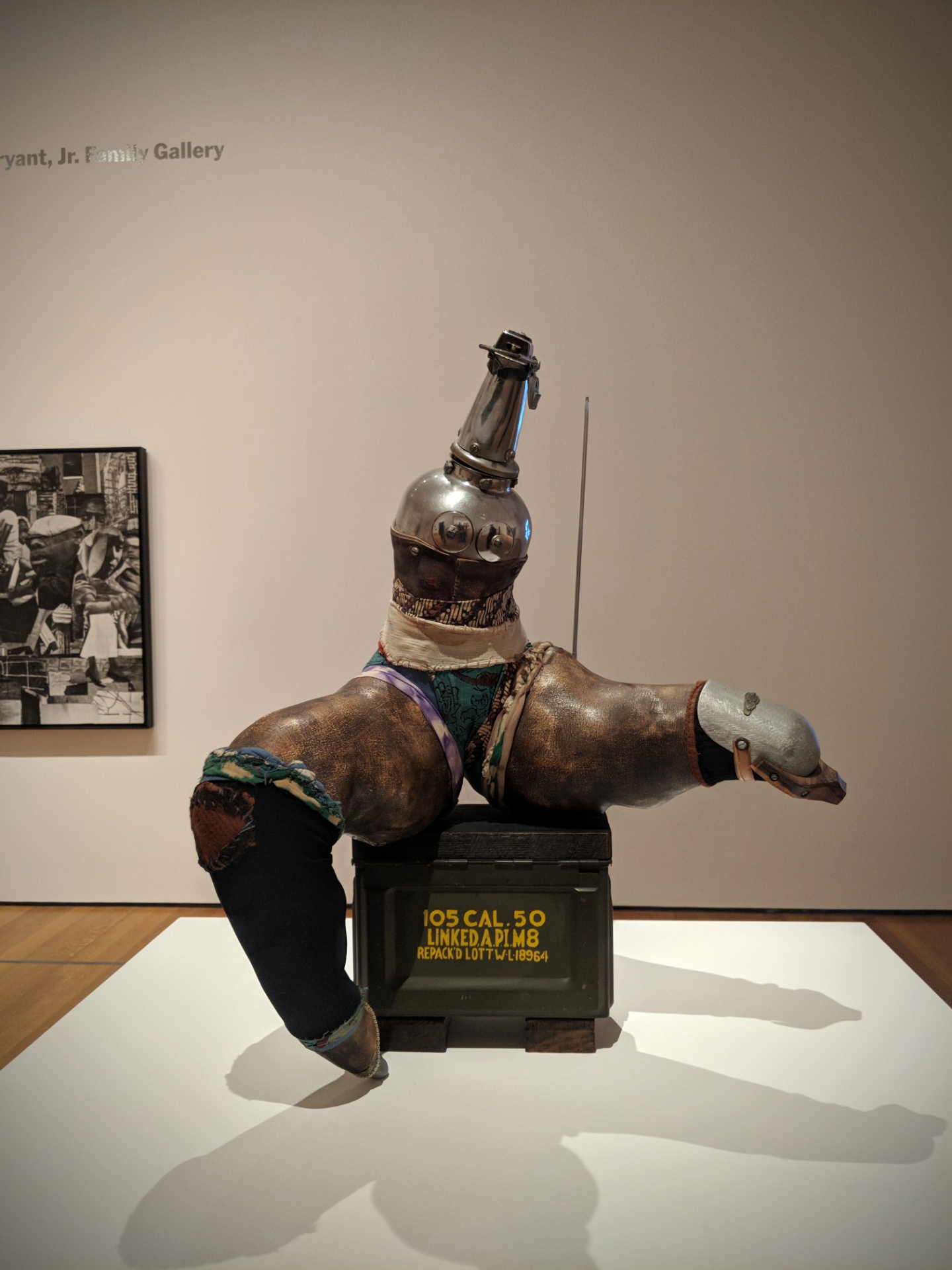
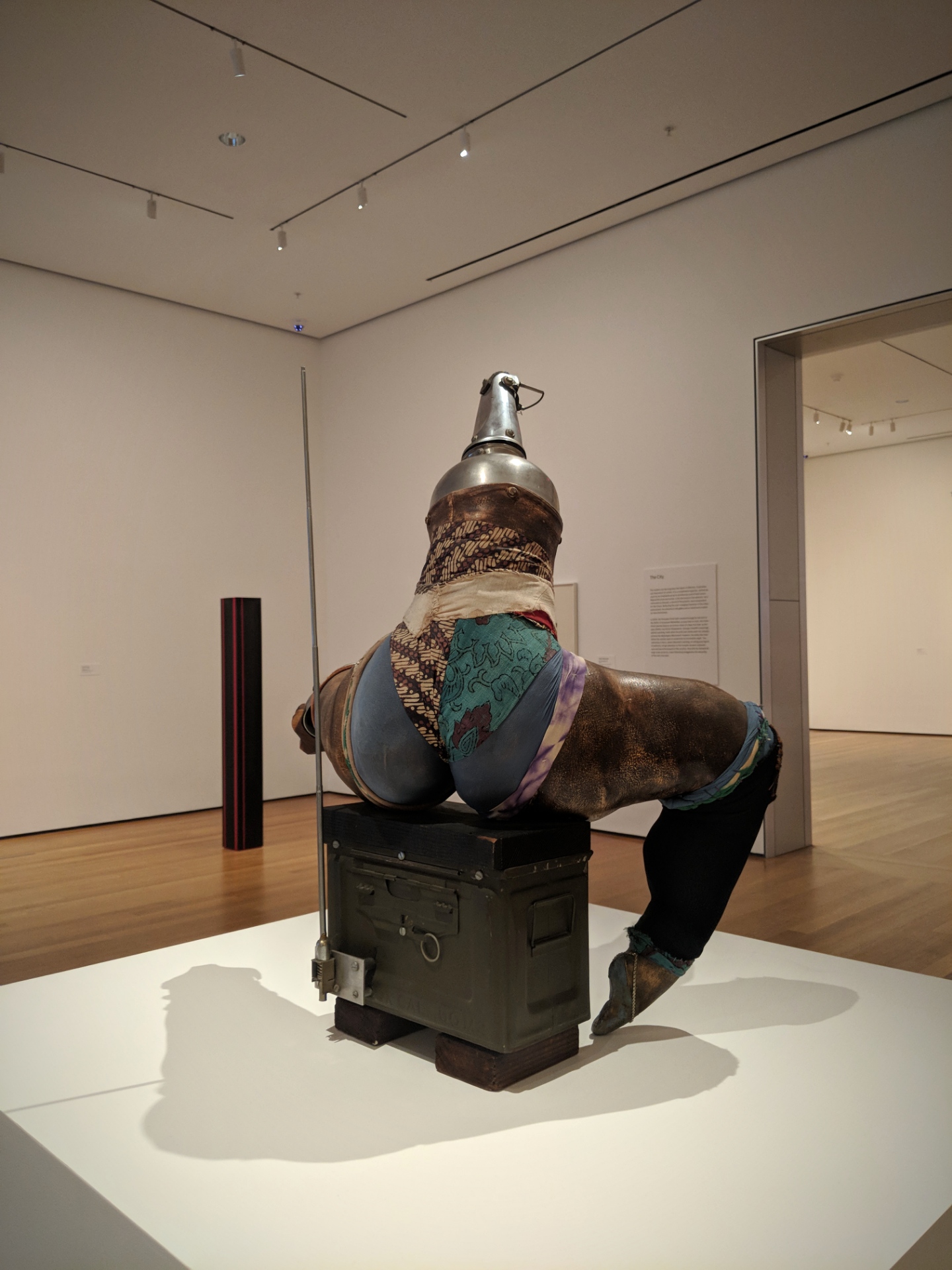
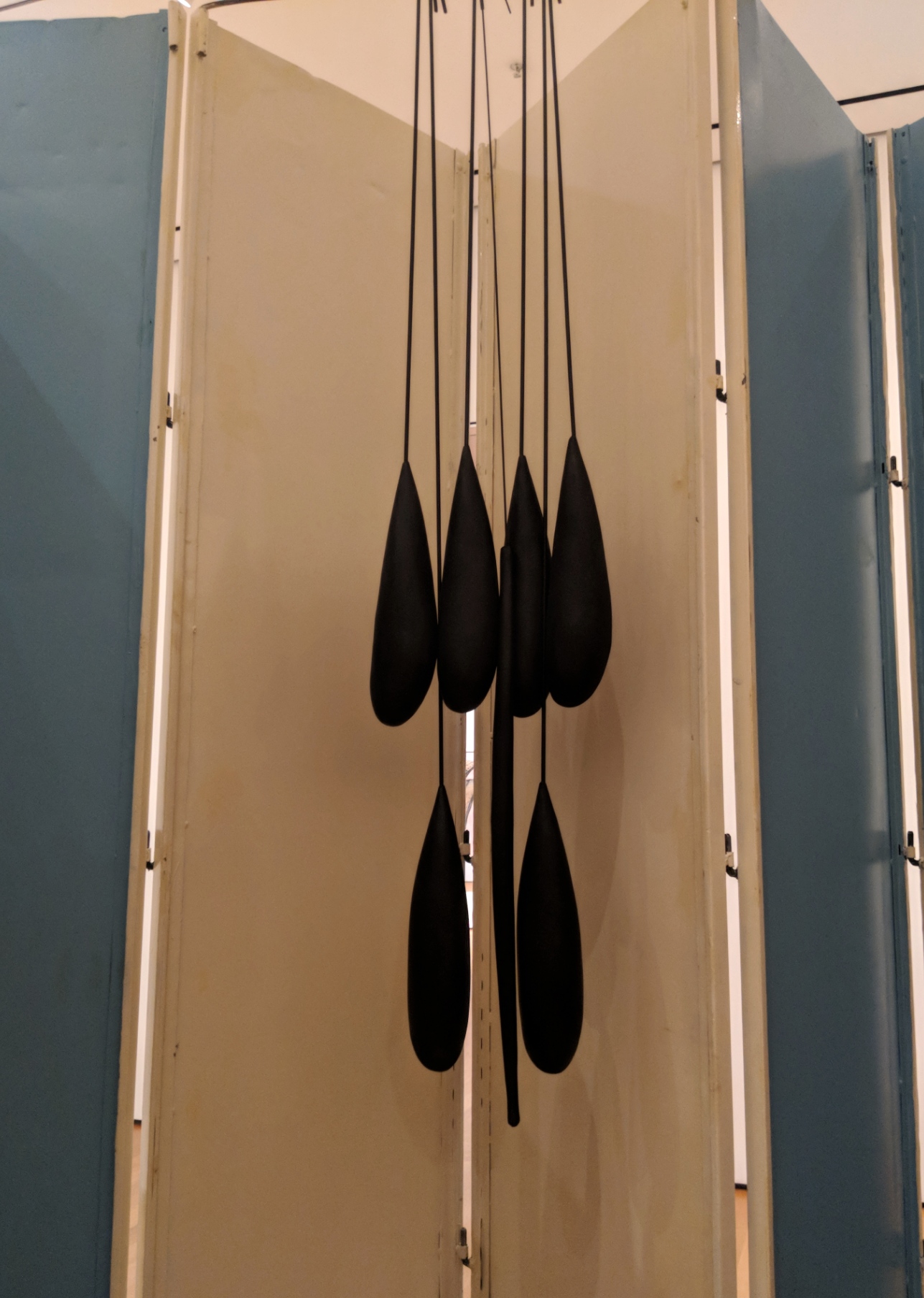
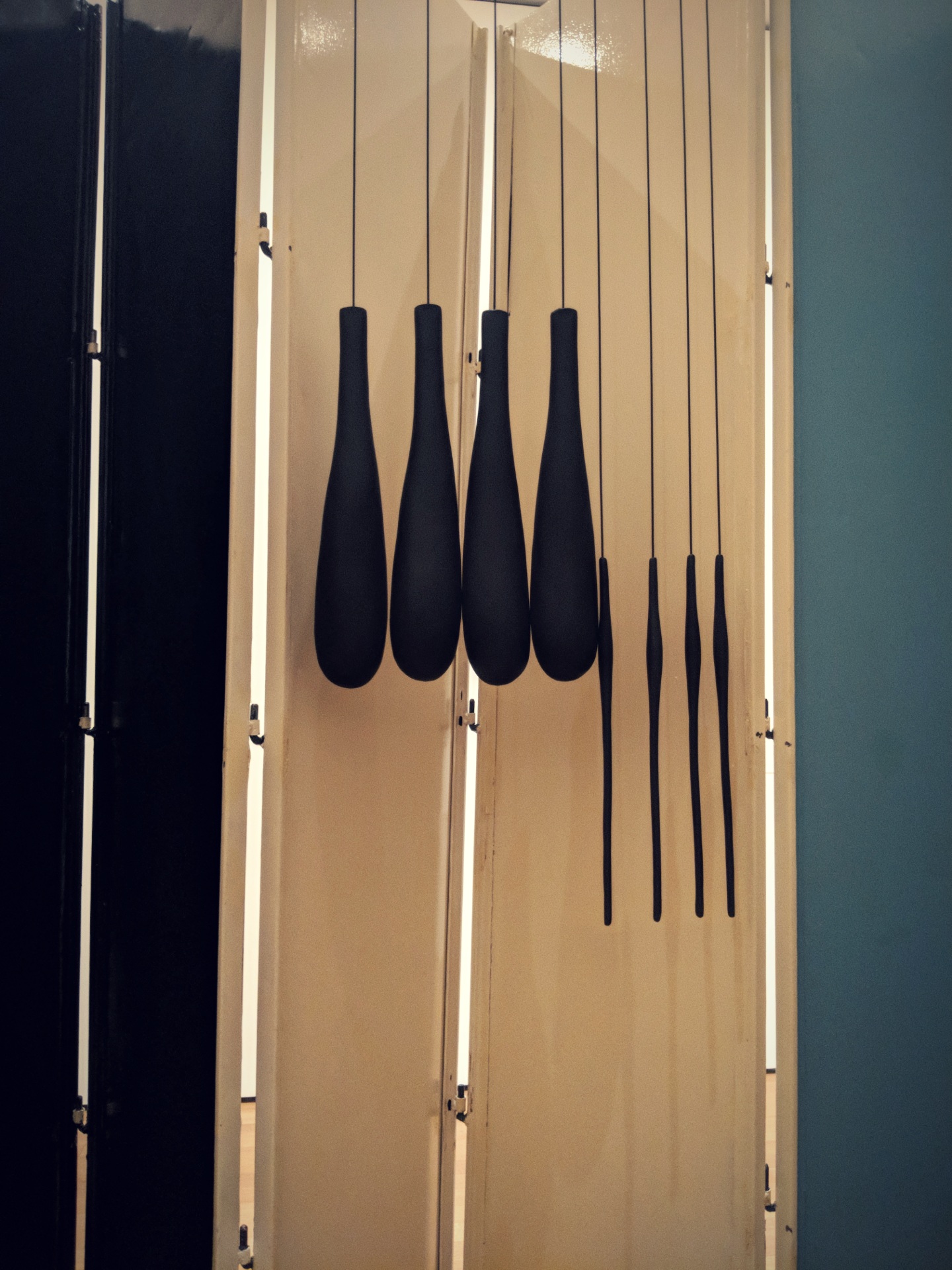
Lee Bontecou
Untitled 1980-98
John Outterbridge
Broken Dance, Ethnic Heritage Series, c. 1978-82
Louise Bourgeois
Articulated Lair, 1986
The Long Run @MoMA, December 3rd, 2017
Although in our multilateral, multifarious, multidisciplinary, multicultural world of multimedia, where fake becomes the norm and the norm is synonymous with loudly expressed – read hysterical – opinions, one would be better off checking with at least a few dozen.
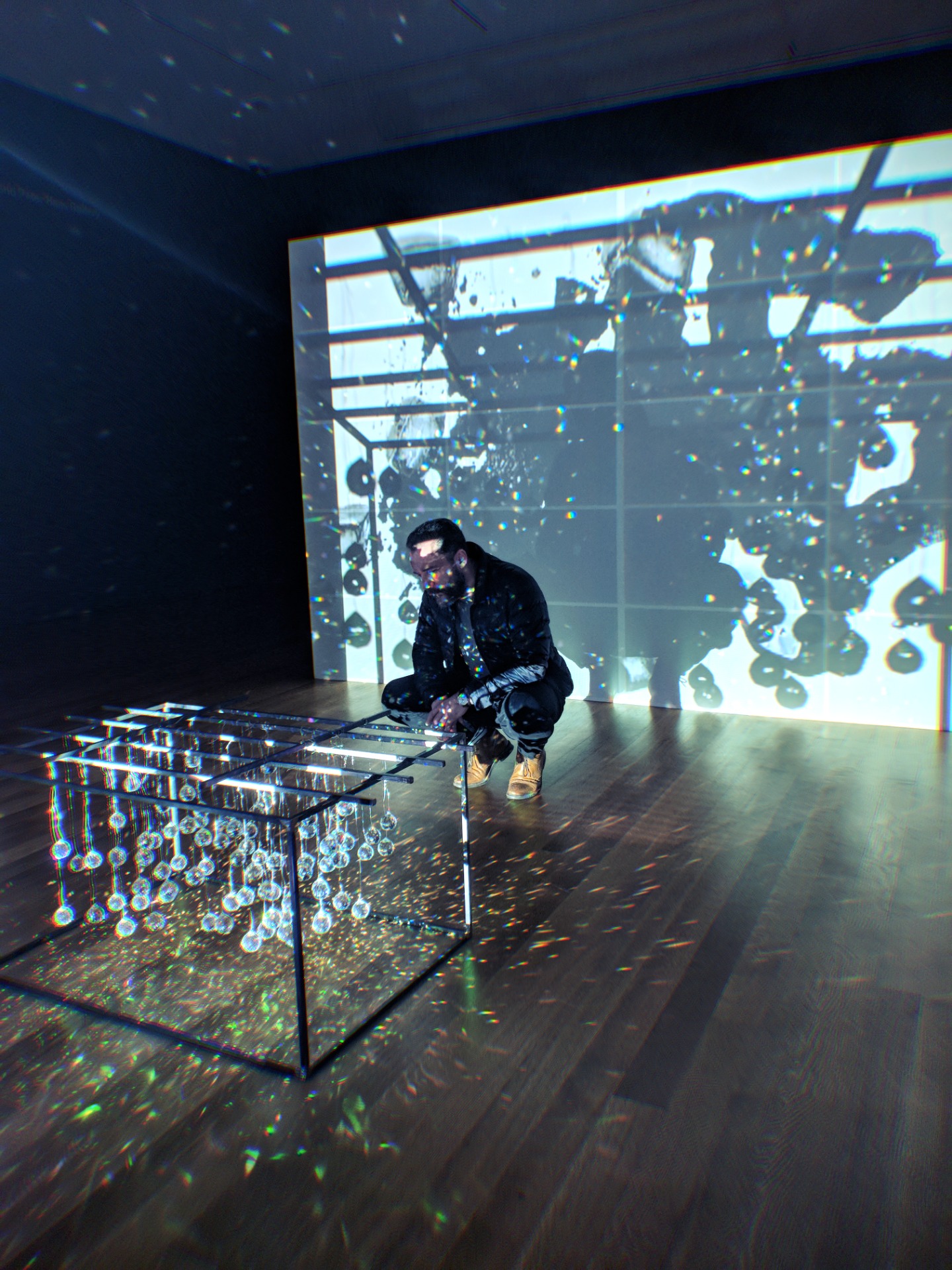
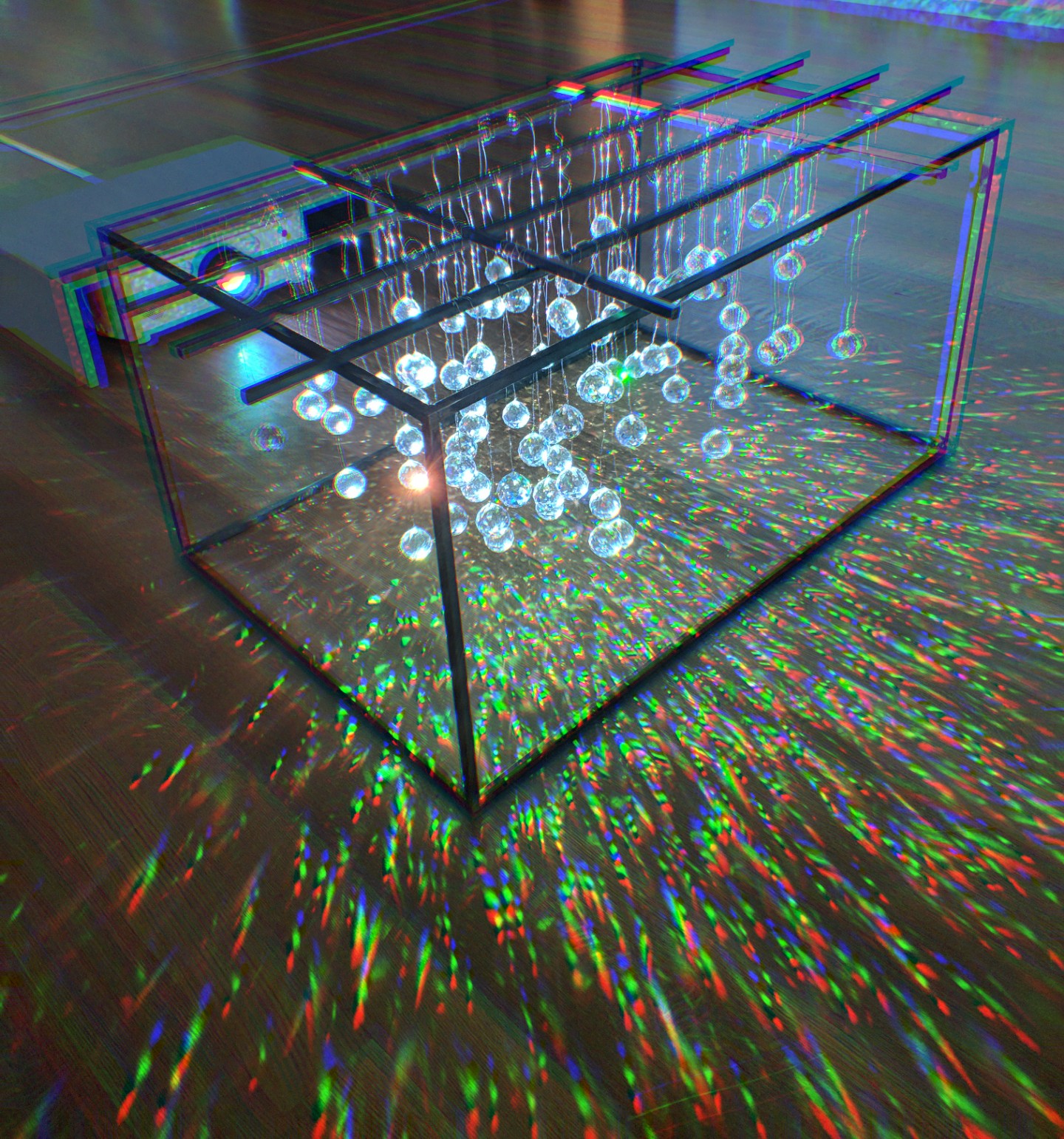

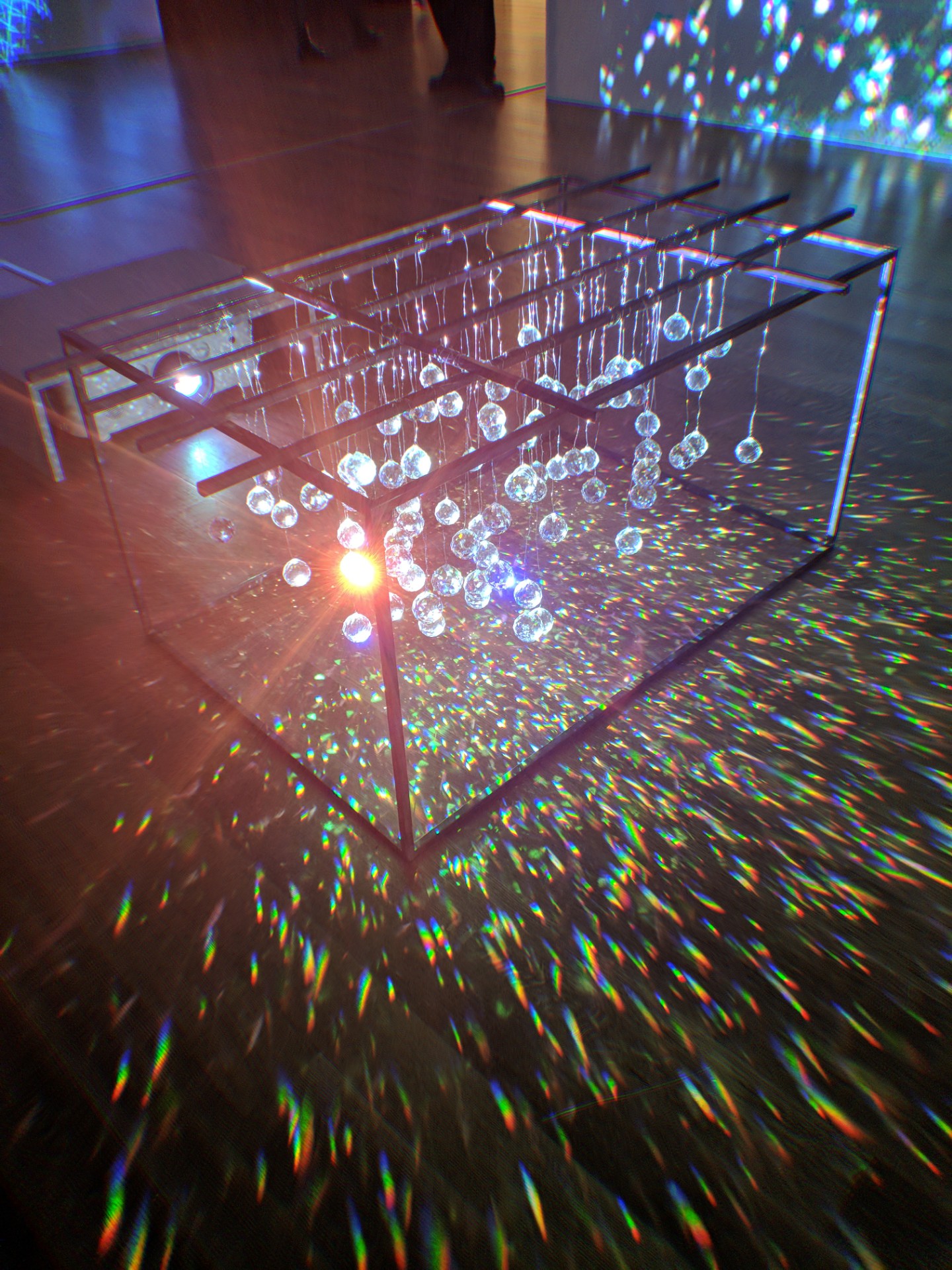
Joan Jonas
Reanimation 2010/2012/2013
Part of a four videos on custom screens, two custom benches and crystal sculpture; two wooden theater boxes with video ; fifteen ink drawings on paper; three oil stick drawings on paper, and two china marker wall drawings Soundtrack and voice: Joan Jonas Sami yoik singing: Ánde Somby Piano and additional sound effects: Jason Moran
@MoMA, December 3rd, 2017 (still on view)
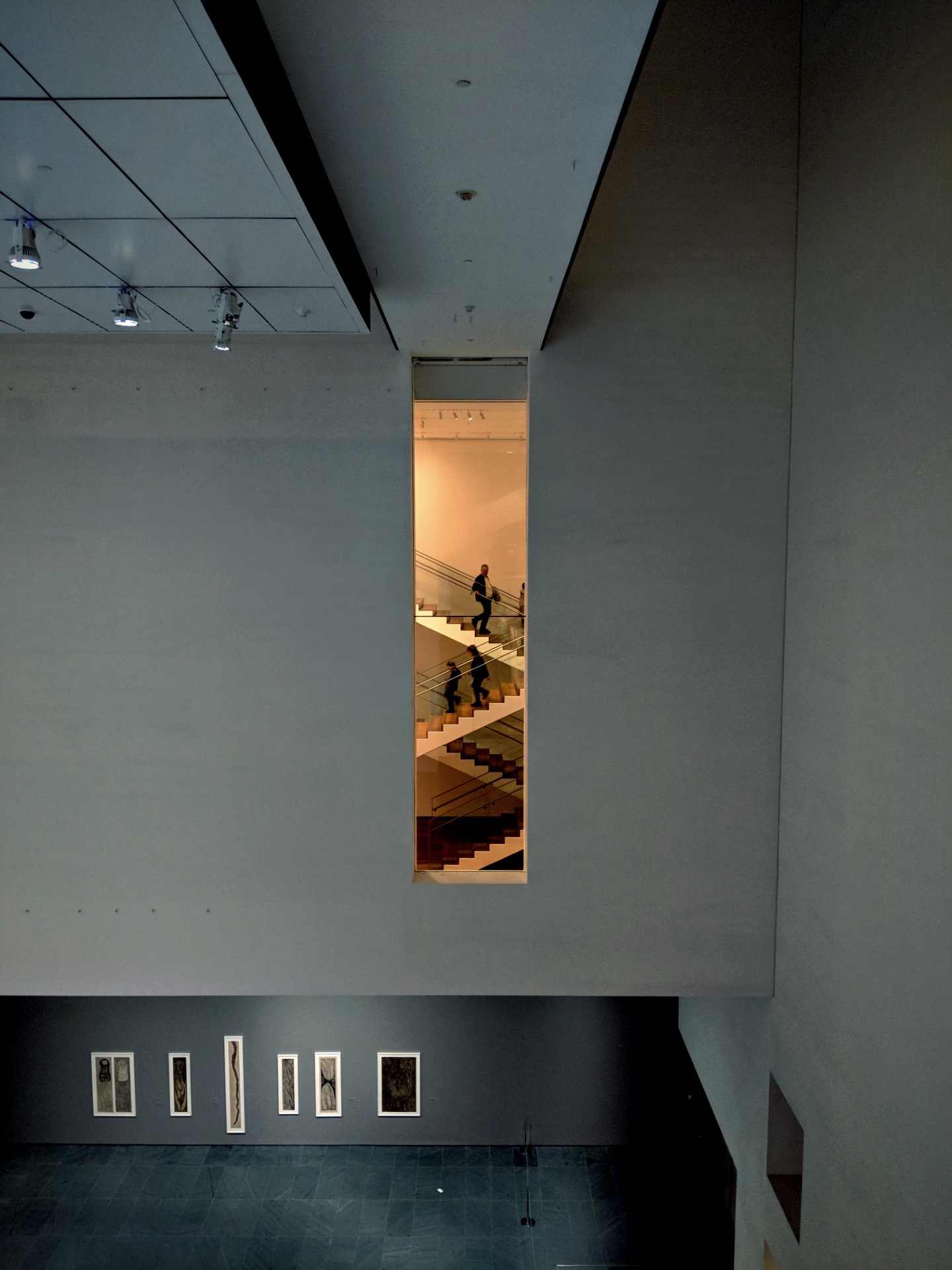
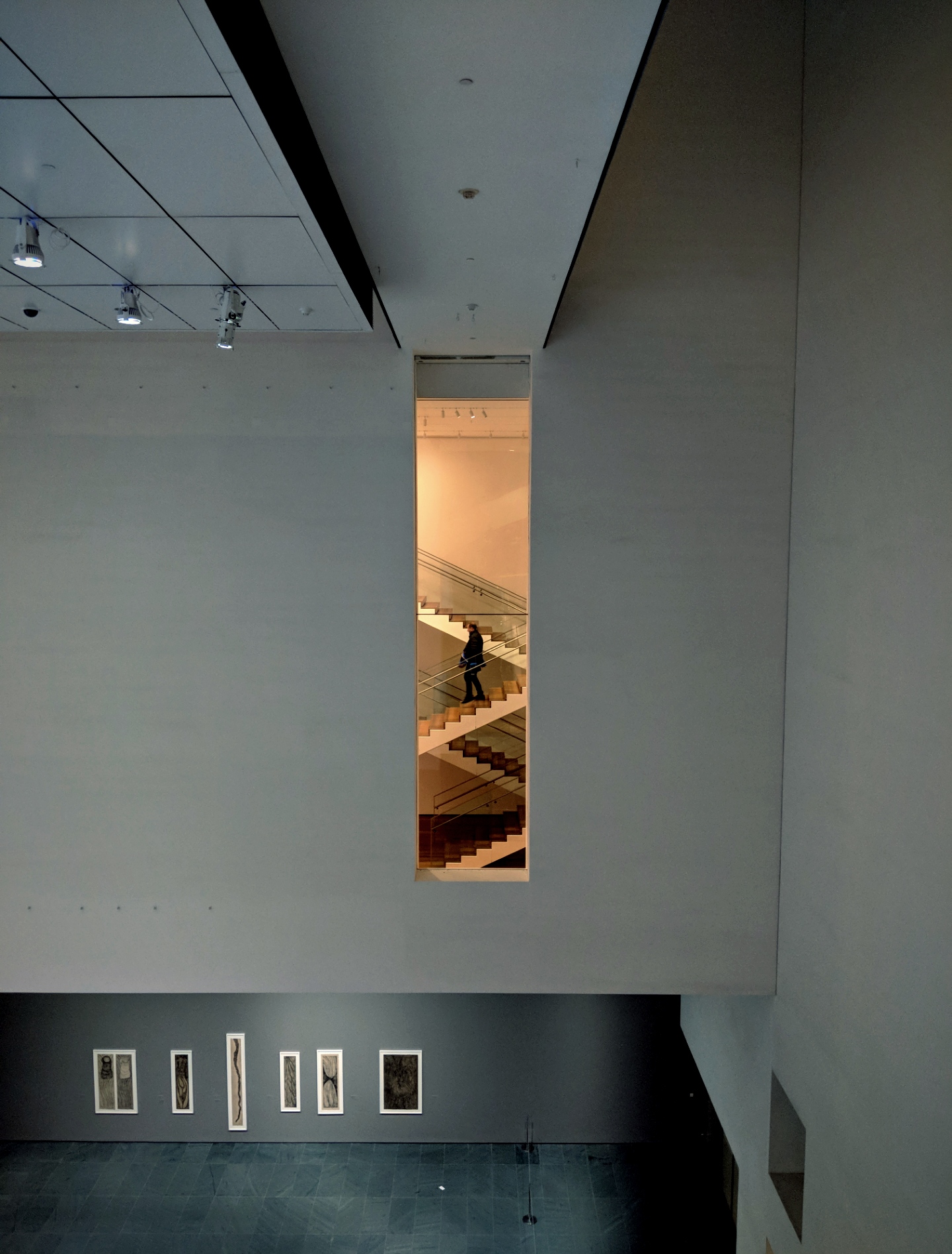
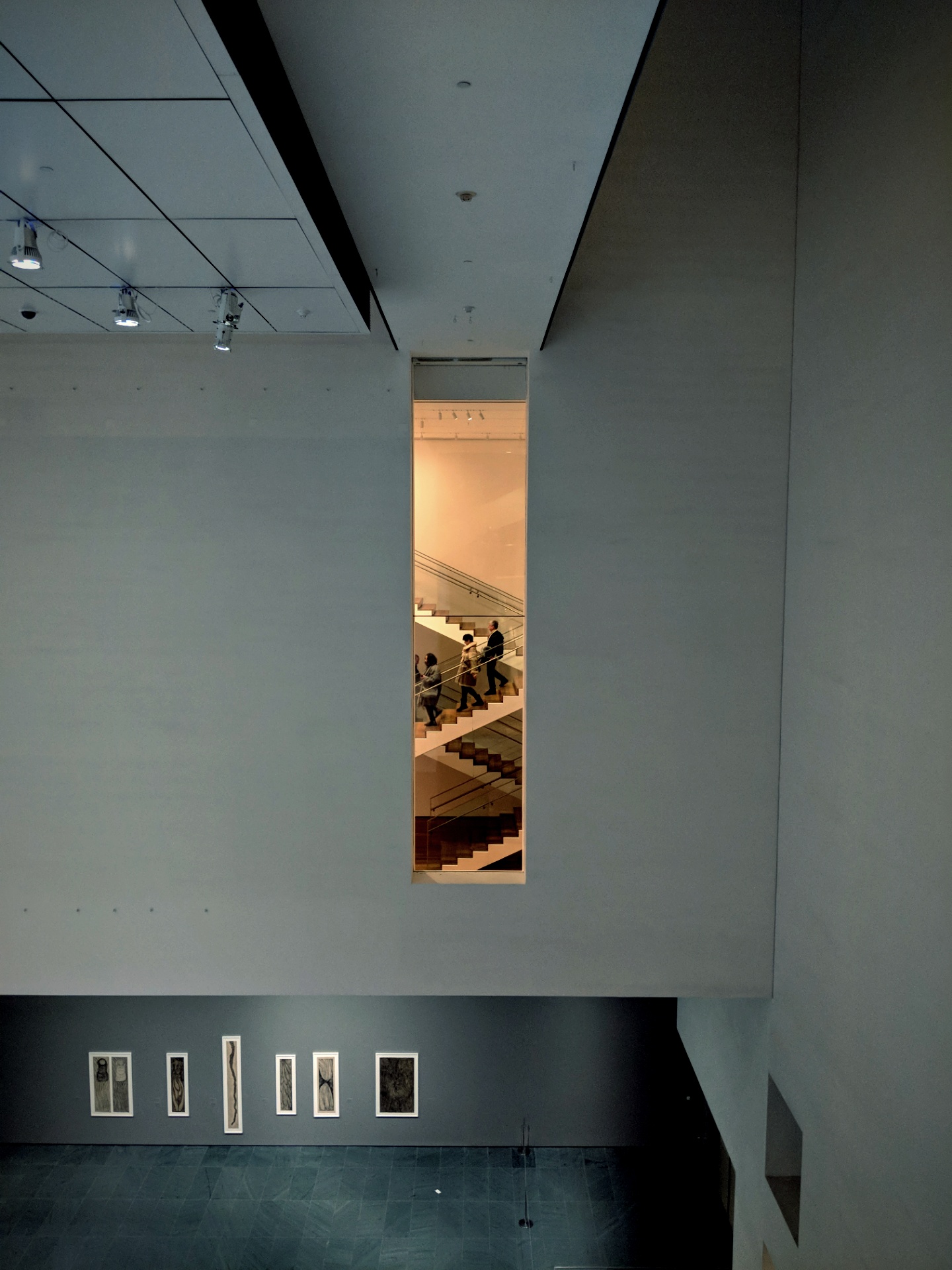
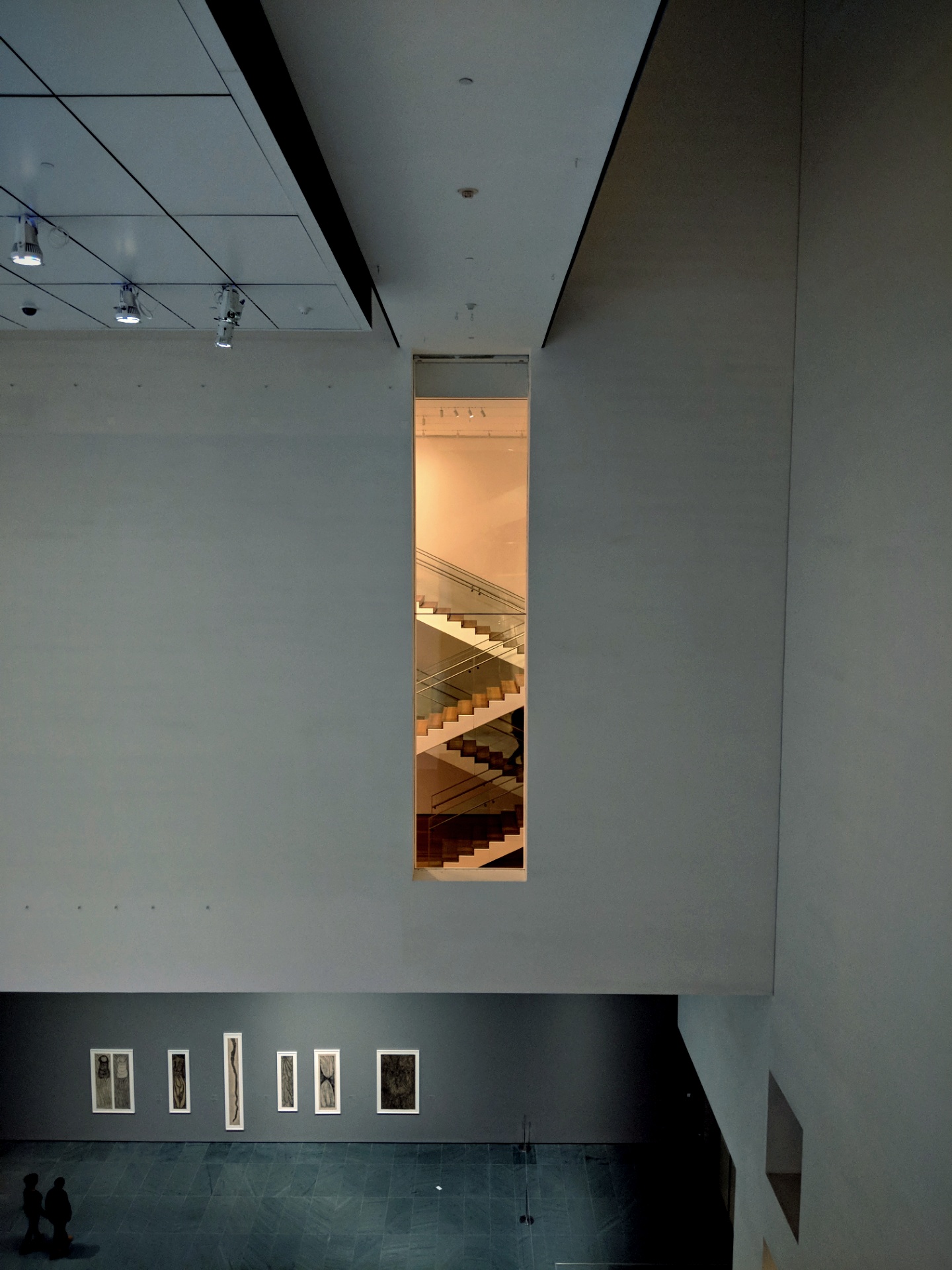
@MoMA, December 3rd, 2017
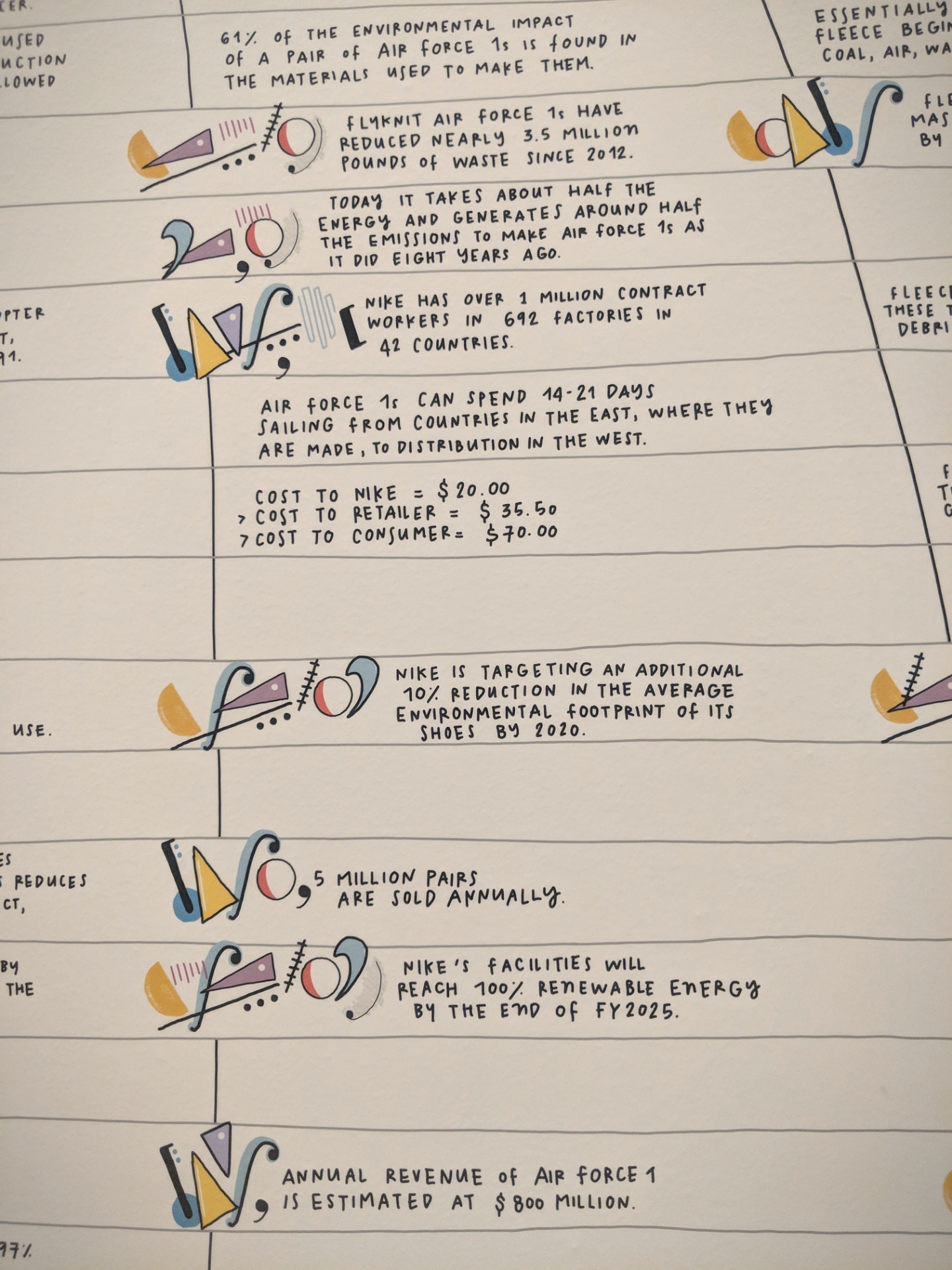
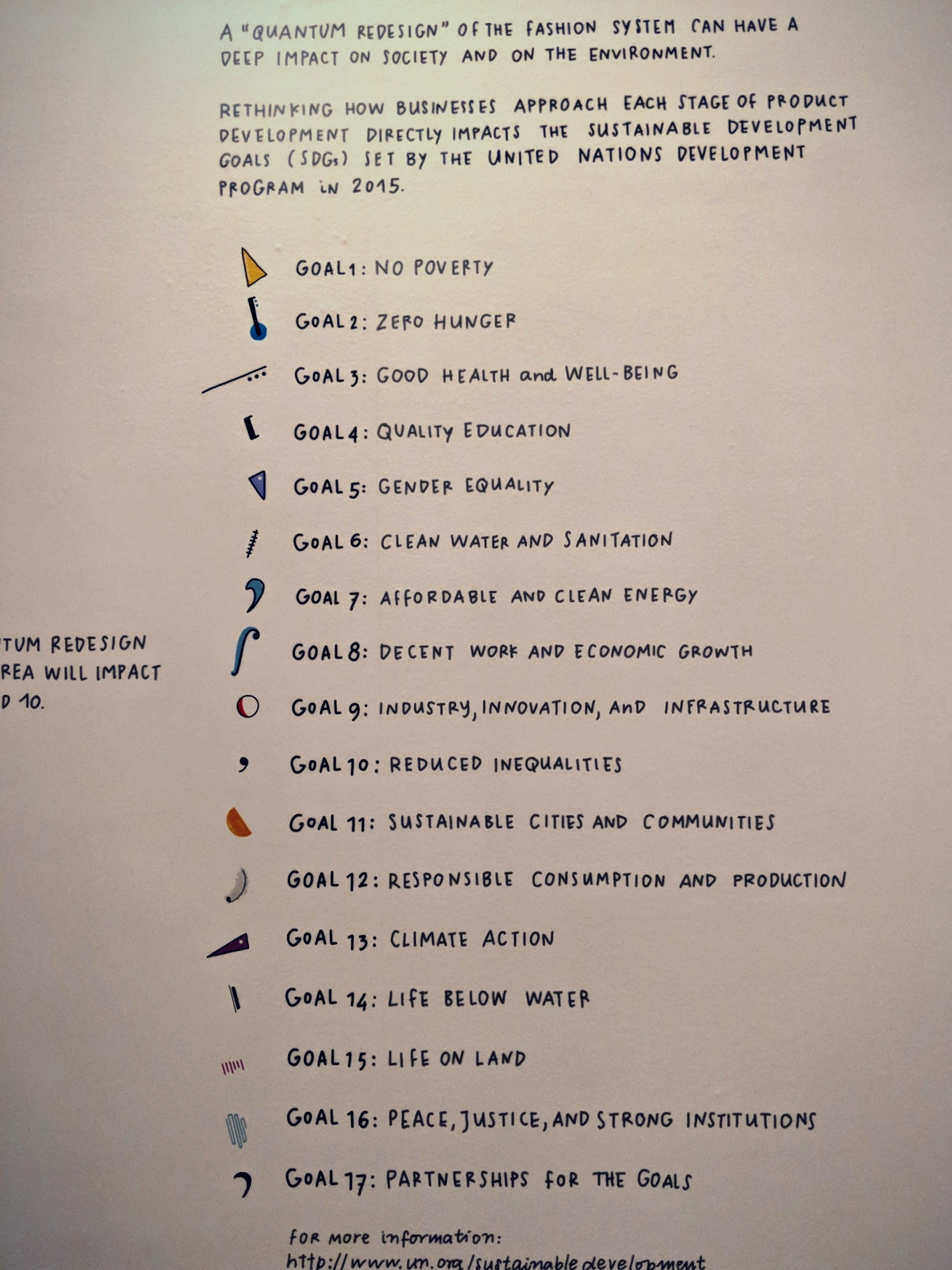
On October 1st, 2017, MoMA opened a new exhibition with the inquiring title ”Items: Is Fashion Modern?”, sparking waves of excitement across the worlds of fashion and design. Not so much because of the items themselves, which were mainly clothes and accessories we are all familiar with in our everyday lives, but mainly because ”Items” was the first fashion show that MoMA had organised in more than 70 years, the last time being in 1944 with a similarly inquiring exhibition, called ”Are Clothes Modern?”
The 2017 show consisted of 111 items of clothing and accessories that had had a strong impact on the world in the 20th and 21st centuries. It had also invited some designers, engineers, and manufacturers to reexamine these familiar items with the view of rendering them – or at least some versions of them – useful, updated and ”Modern” further into the future.

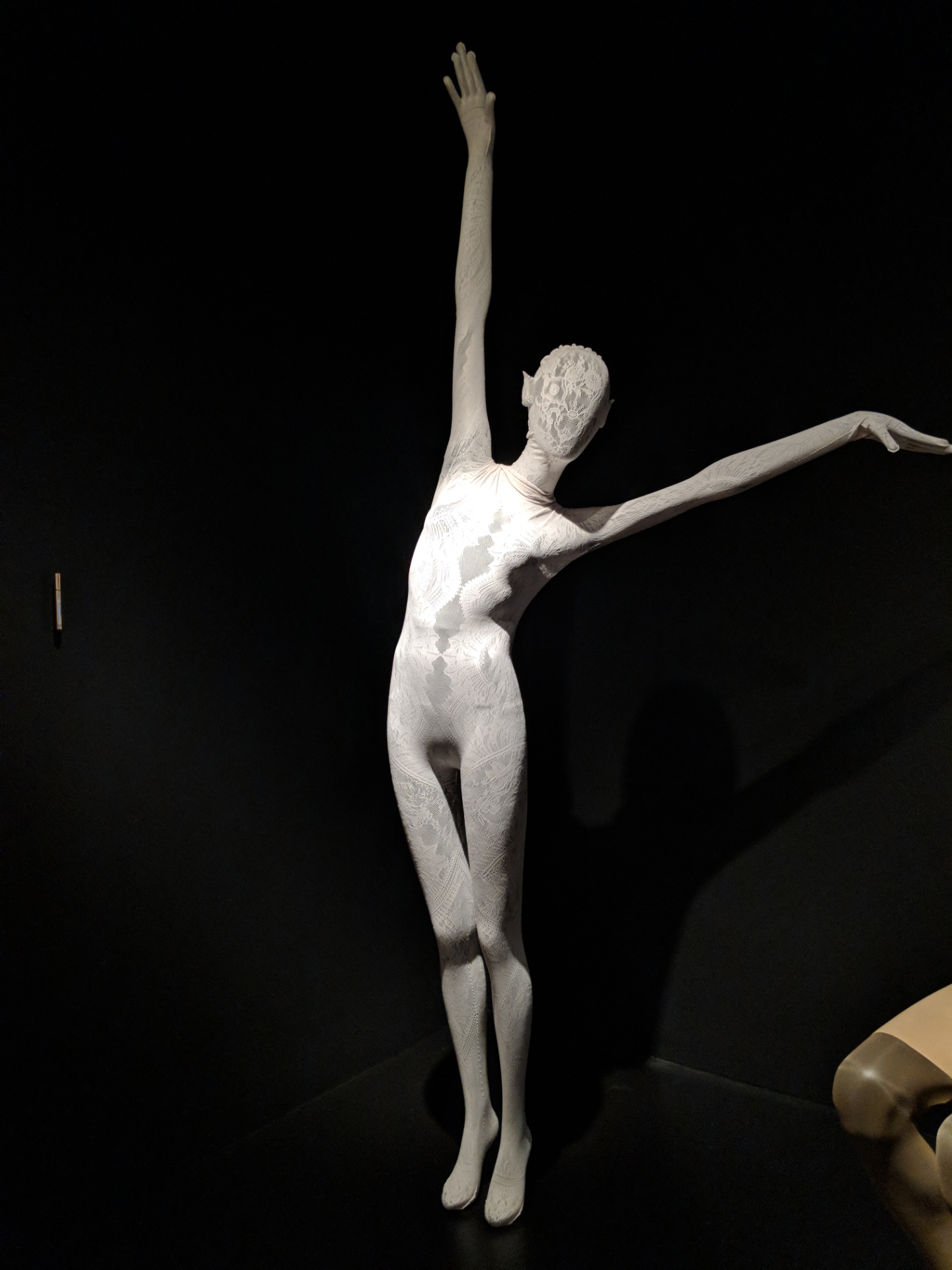 Robin From Skin Series, 2006
Tamae Hirokawa, Japanese, b. 1976 – Somarta, Japan, founded 2006
Tights
Somarta developed a computer-aided design and manufacturing process to produce seamless, three-dimensional knitted garments that are halfway between tattoos and tights
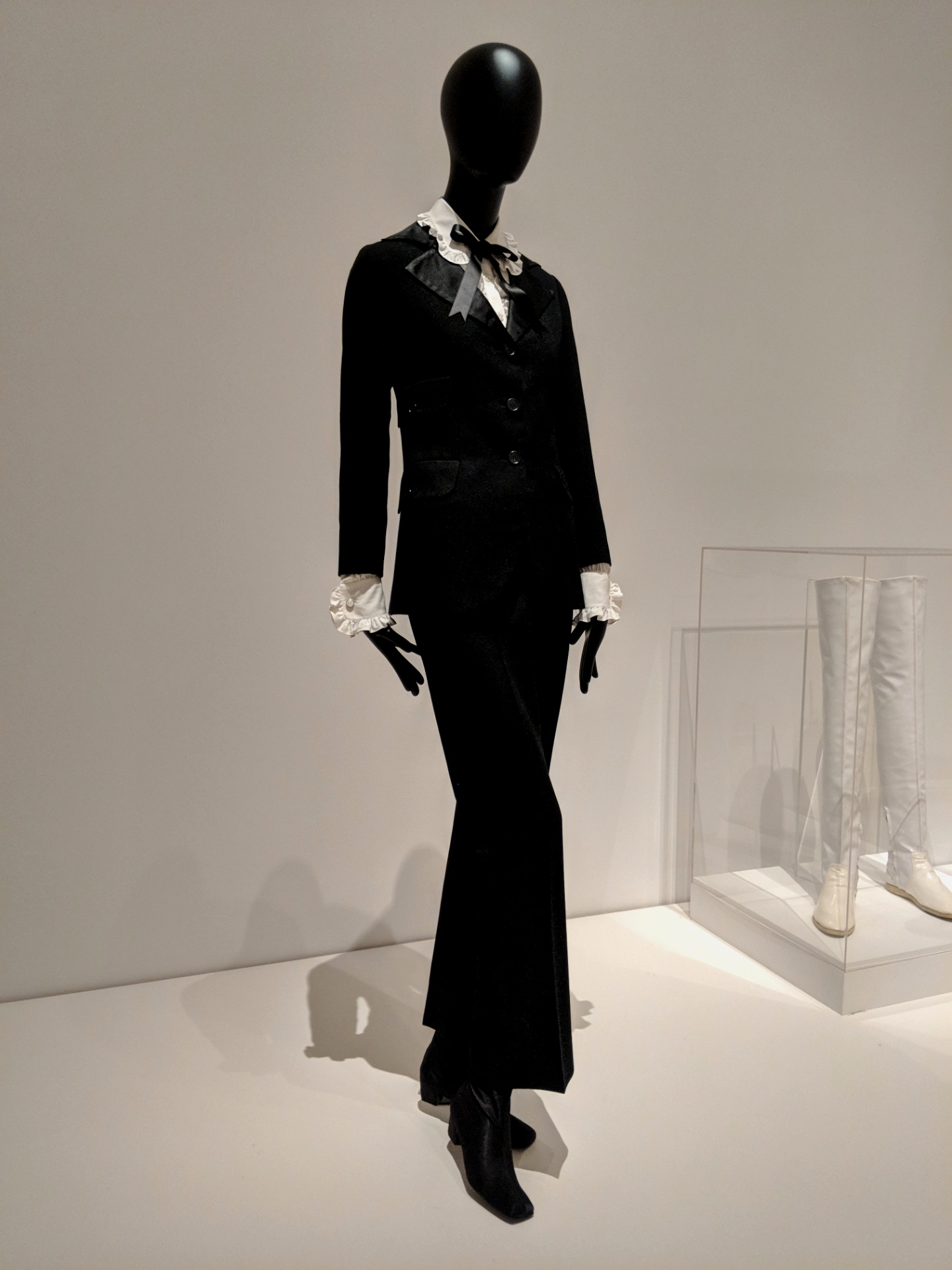 Le Smoking, 1967
Yves Saint Laurent Rive Gauche
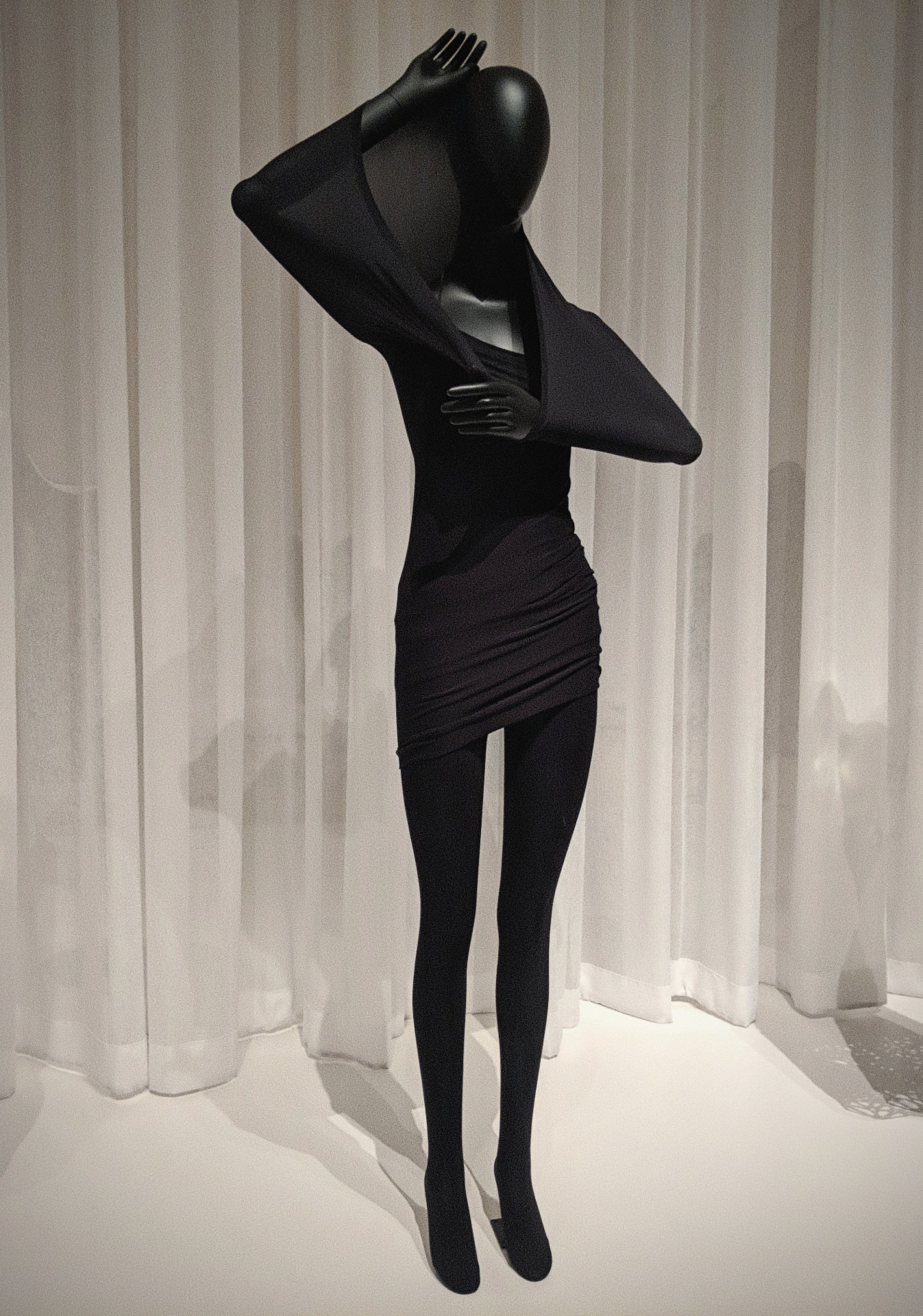 StarckNaked, 1997
Philippe Starck for Wolford
Little Black Dress
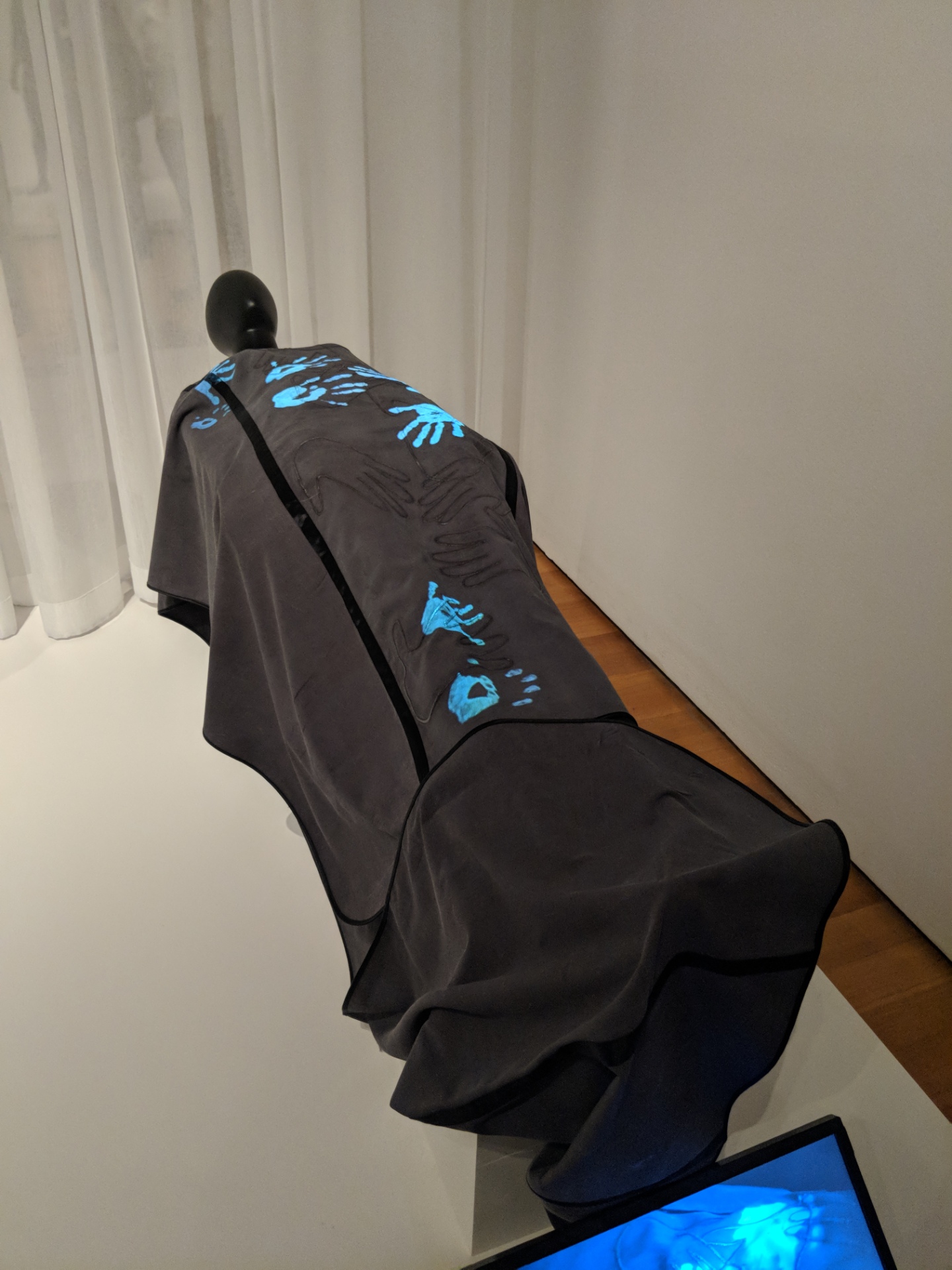 Pia Interlandi, Australian, b. 1985
Garments for the Grave, founded 2012
Little Black (Death) Dress, 2017
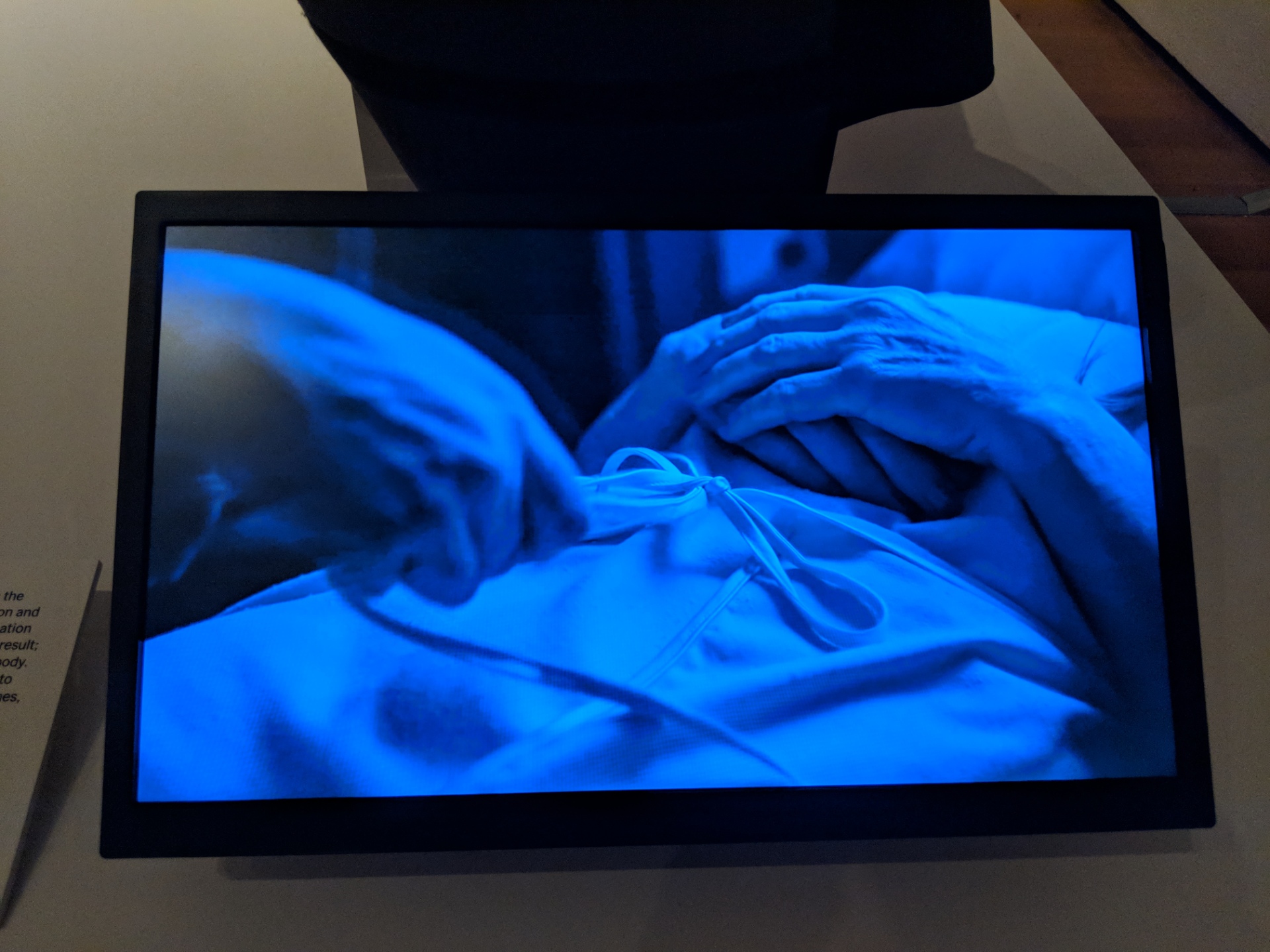
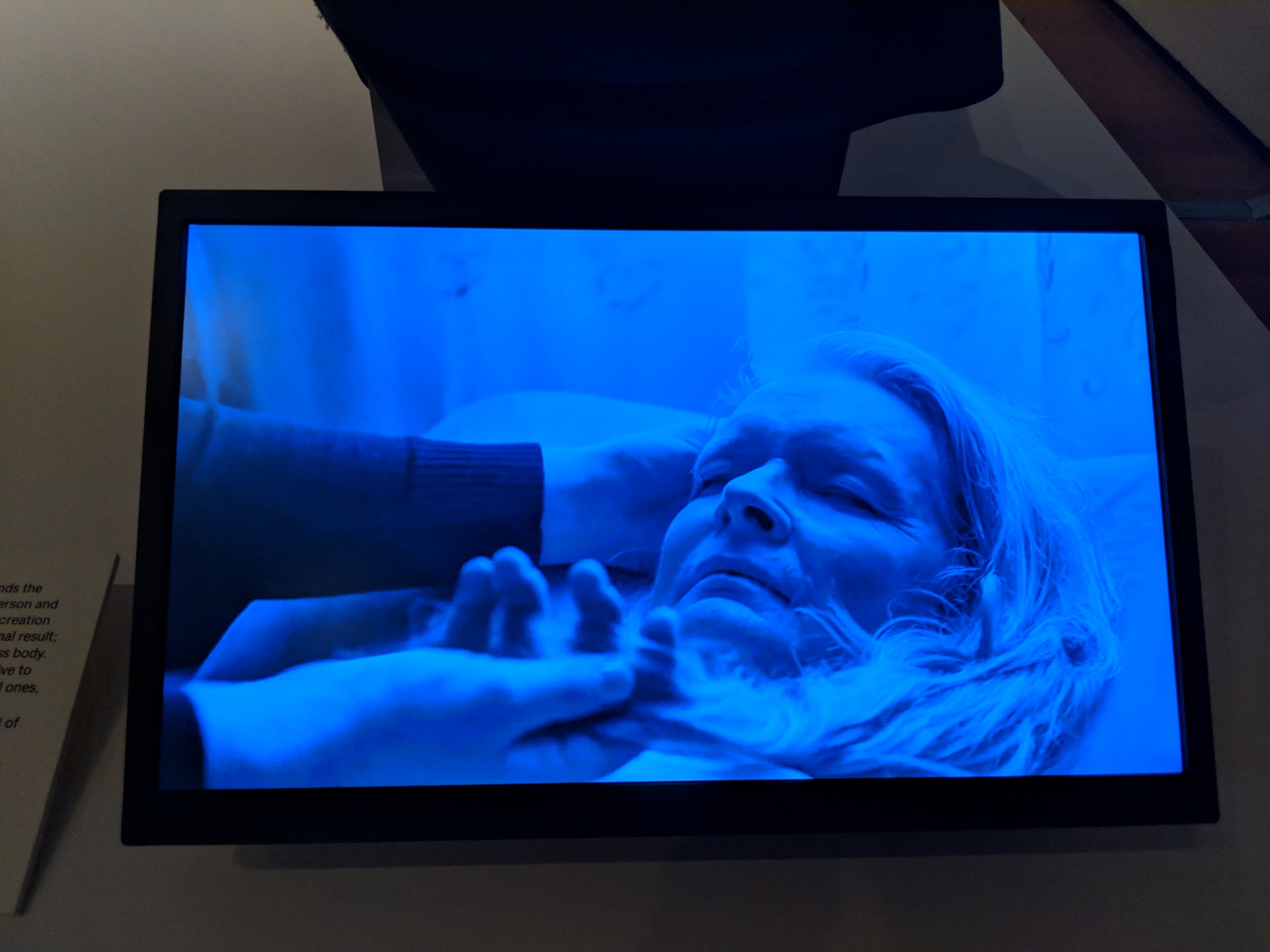
Pia Interlandi’s Little Black Dress incorporates all of the classic principles of the LBD – versatility, sophistication and understated glamour – to form, in the words of the designer, a garment ”to carry one from this world to the next, a garment literally created for the grave.” The ensemble upends the traditional relationship between person and dress: its wearer participates in its creation but never sees herself wearing the final result; its major function is to shroud a lifeless body. Interlandi uses a fabric that is responsive to the touch of the hands of grieving loved ones, turning from black to white through the transfer of body heat. The act is a symbol of the energy embodied in the process of decomposition and the cycles of mourning, from despair to acceptance.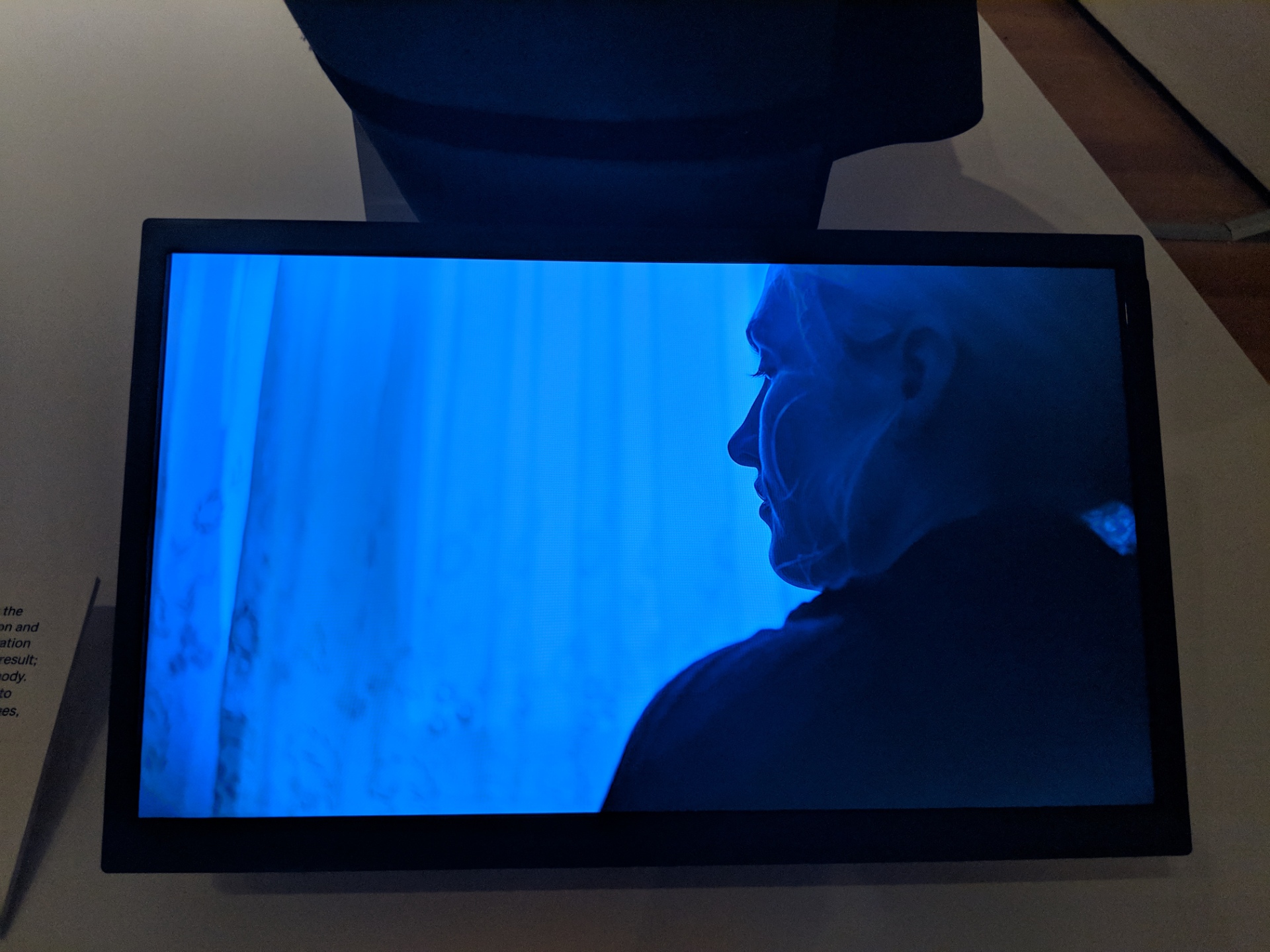
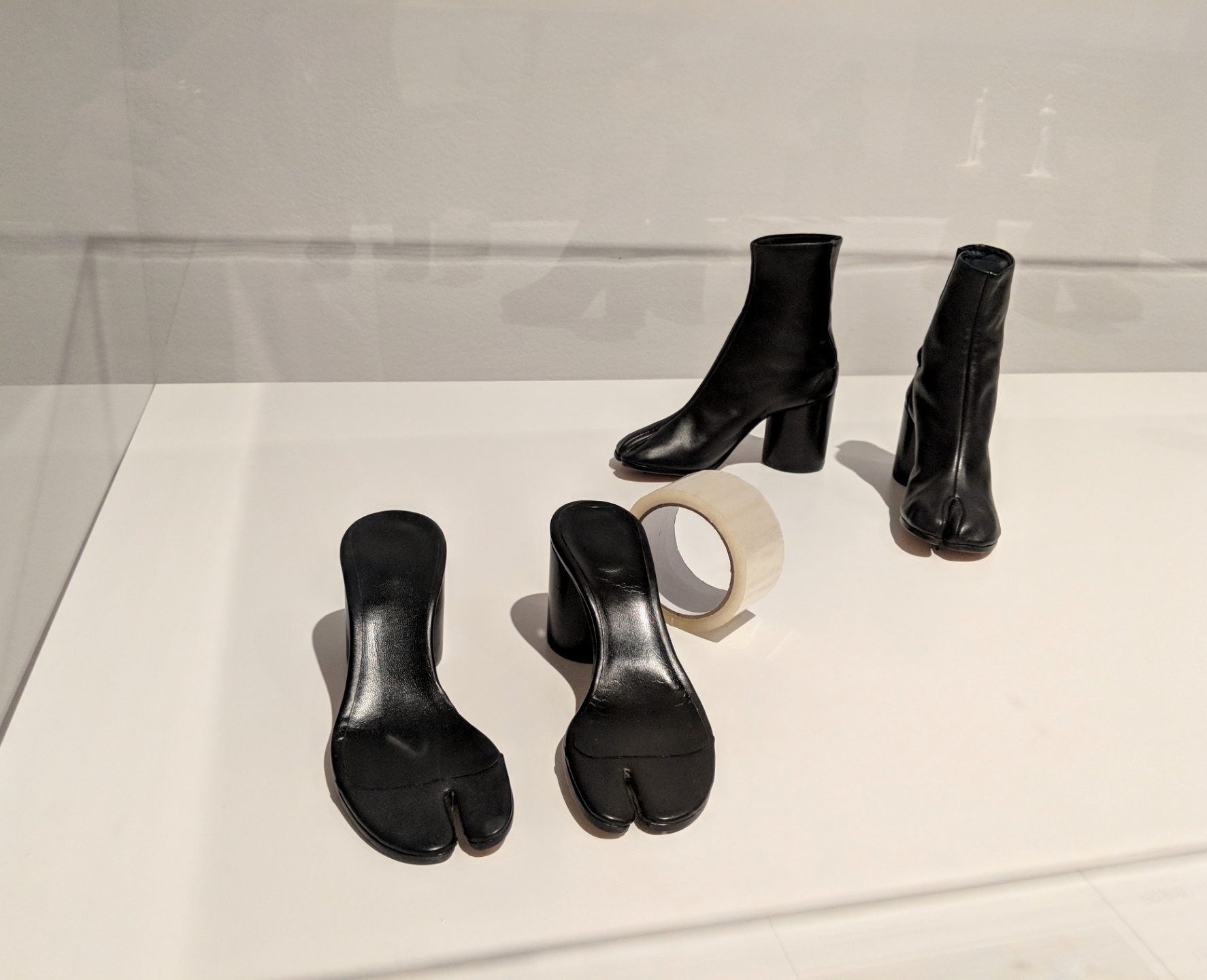 Sandals, S/S 1996
Martin Margiela
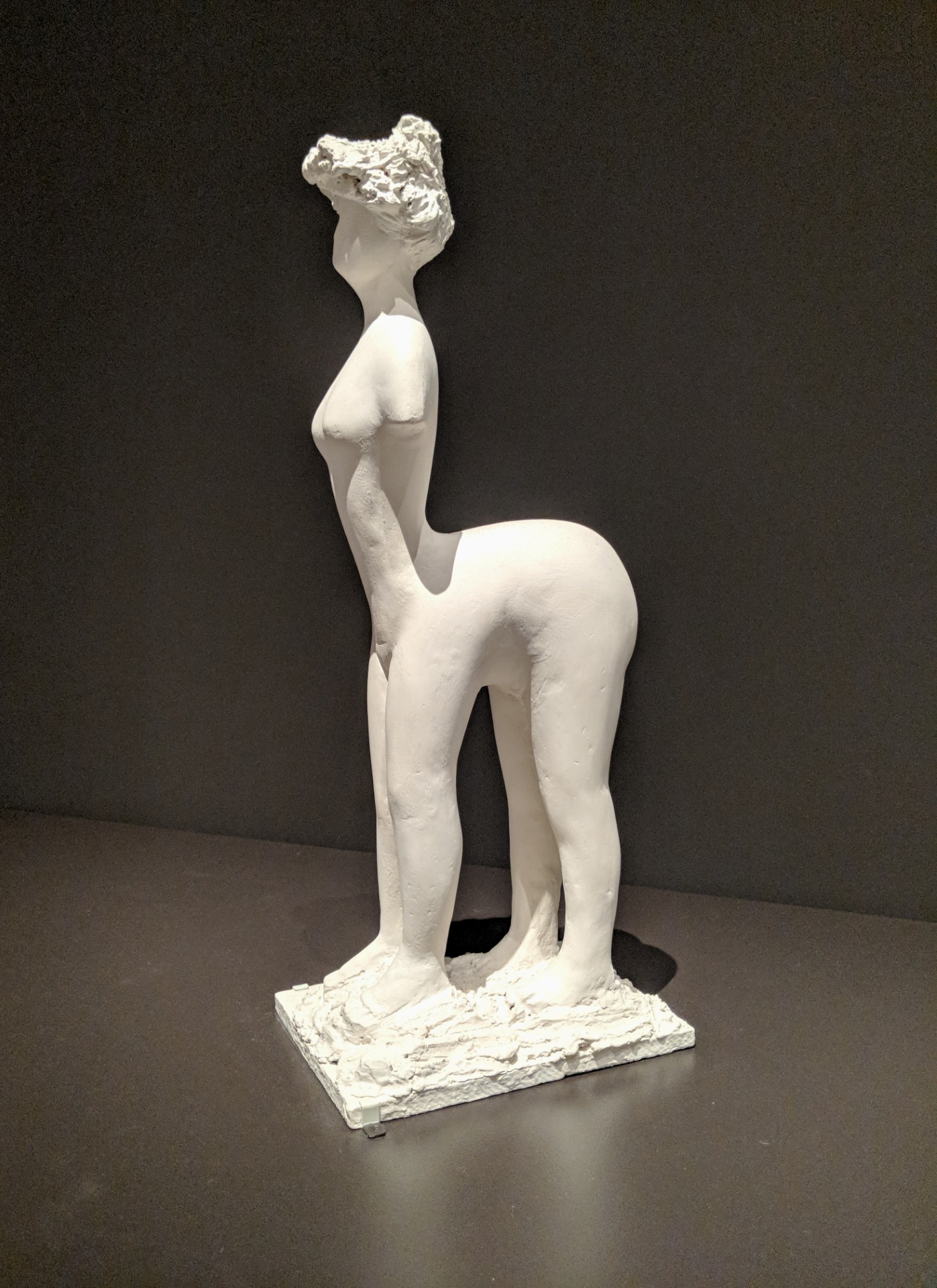 Bernard Rudofsky, architect and designer, American, born Austria, 1905-1988
One of the items presented in the 1944 exhibition ”Are Clothes Modern?”. A statue representing what a female body should have looked like to match the fashion of that particular time in history. This one, the bustle of 1875, transformed its wearer into a four-legged centaur.
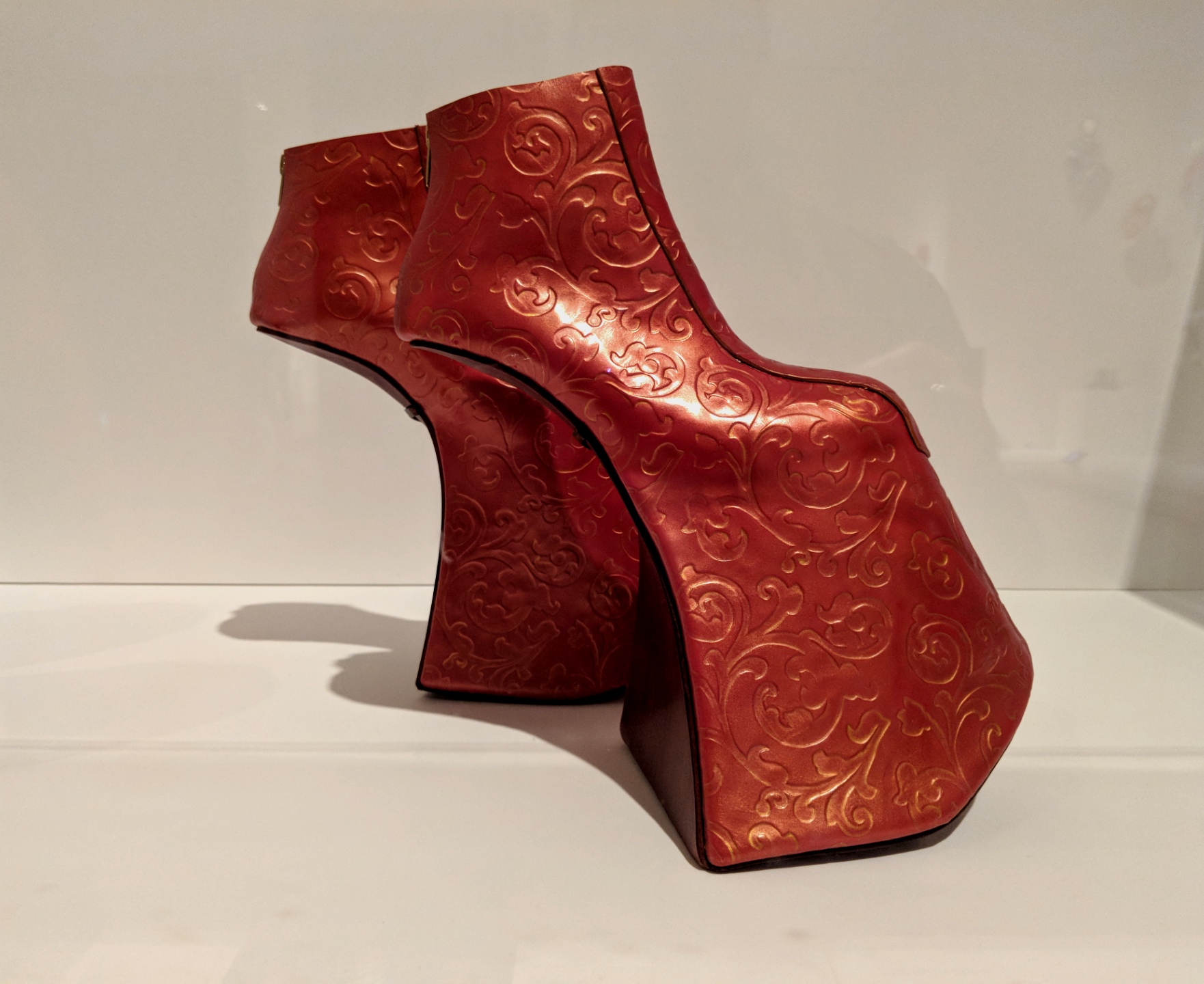 Boots, fall 2010
Noritaka Tatehana, Japanese, born 1985
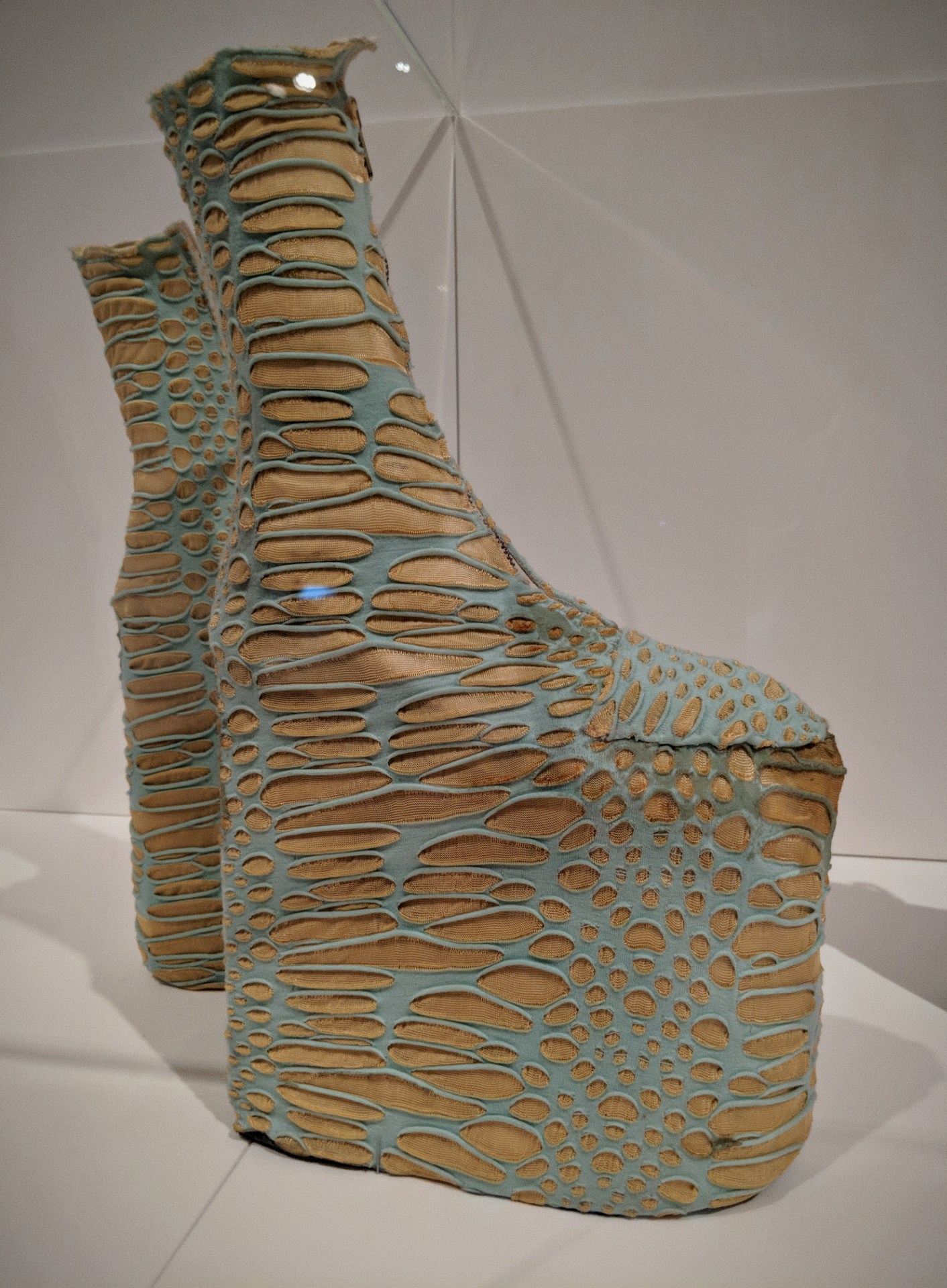 Shoes, 1993
Andrew Buckler and Johanne Price, British
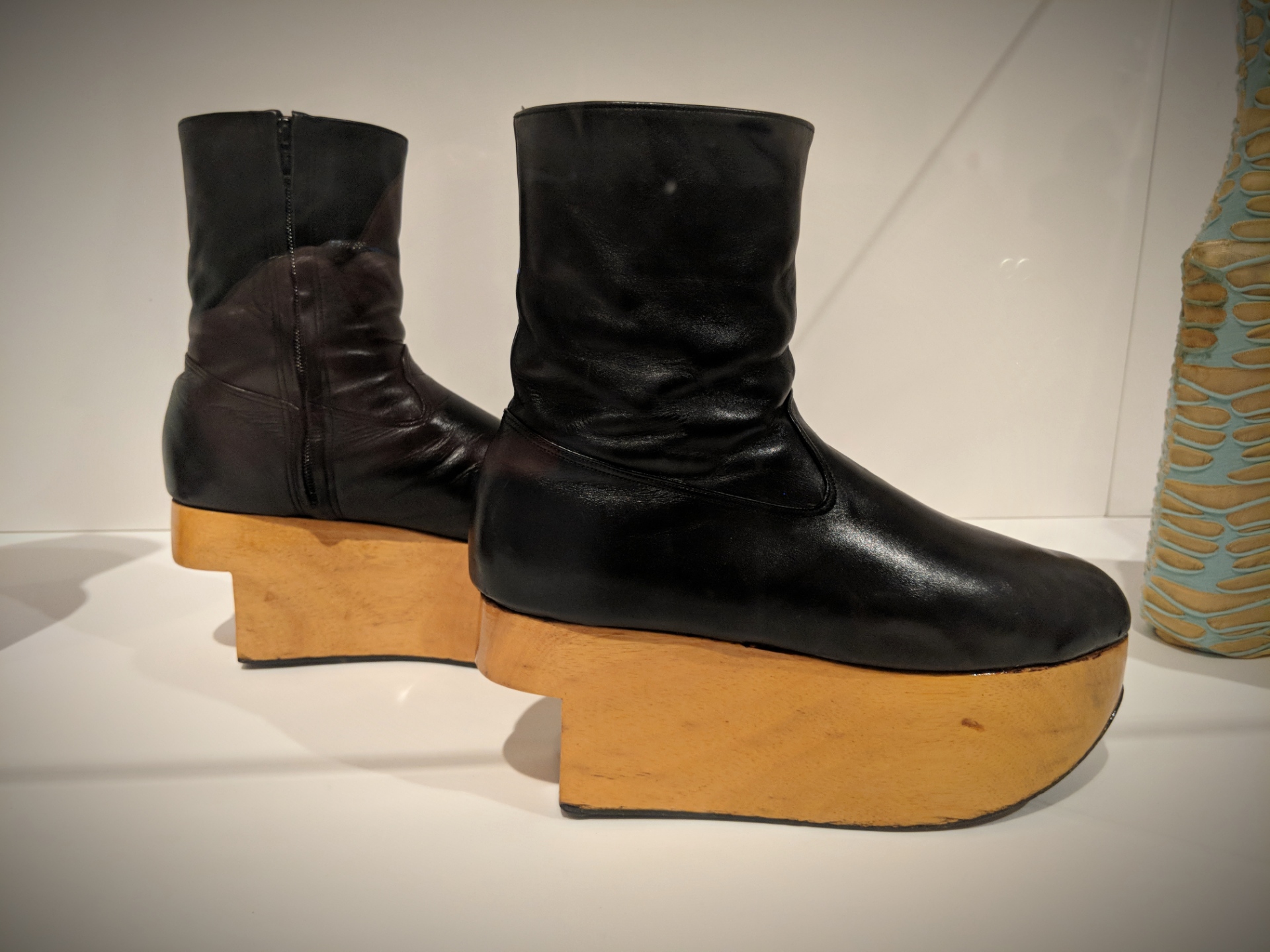 Boots, 1987
Vivienne Westwood
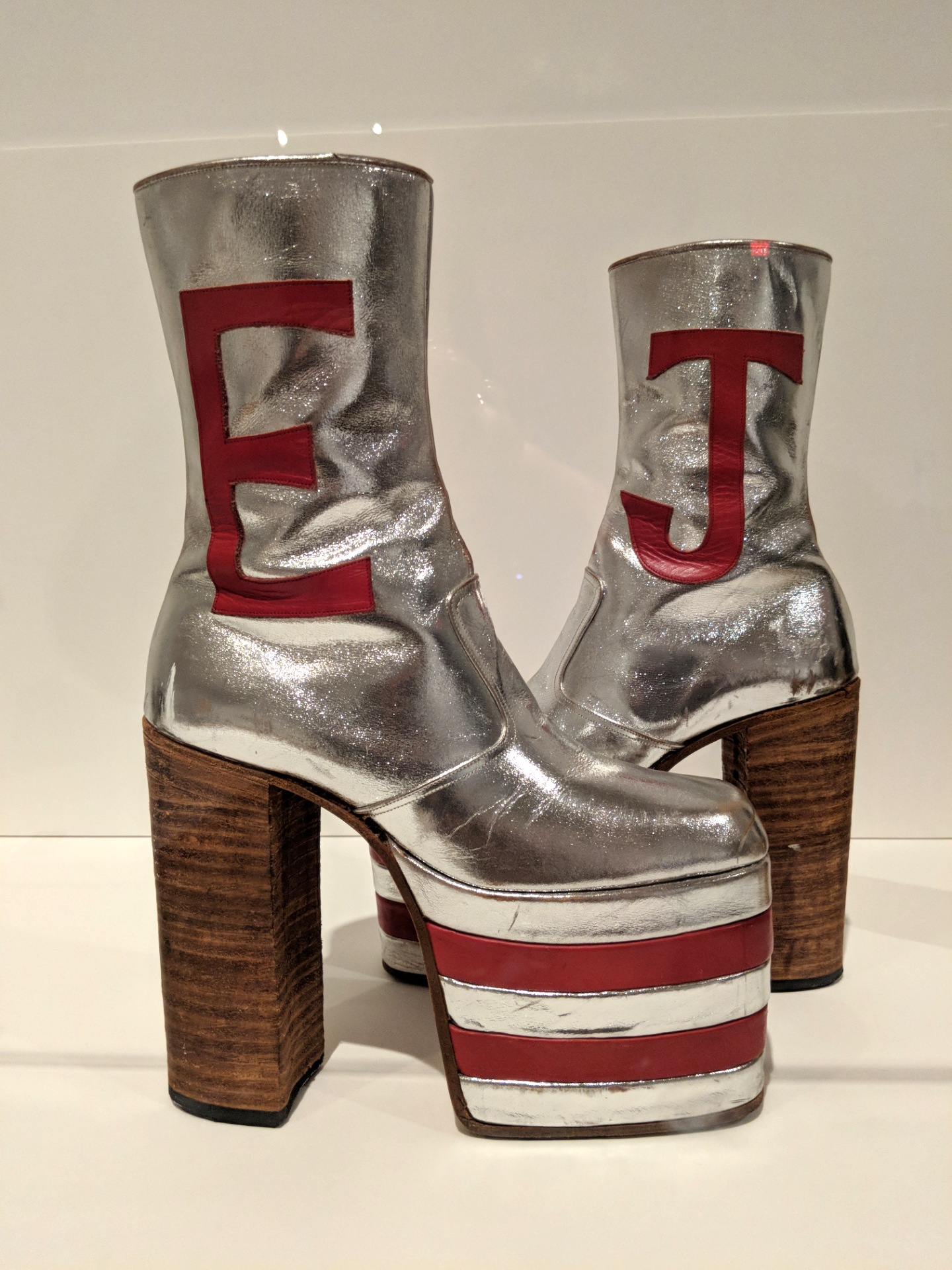 Boots made for Elton John, 1974
Unknown desinger
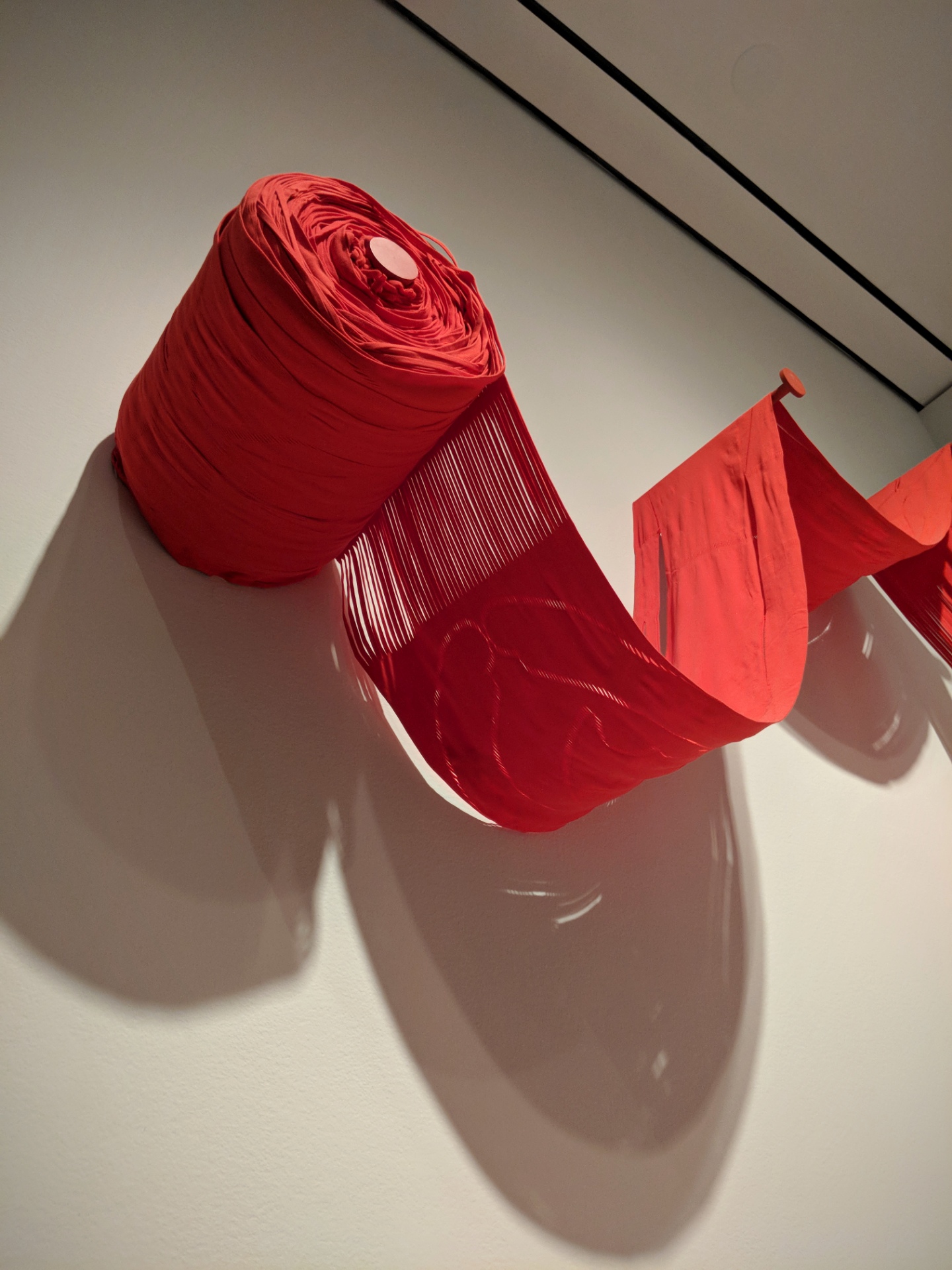
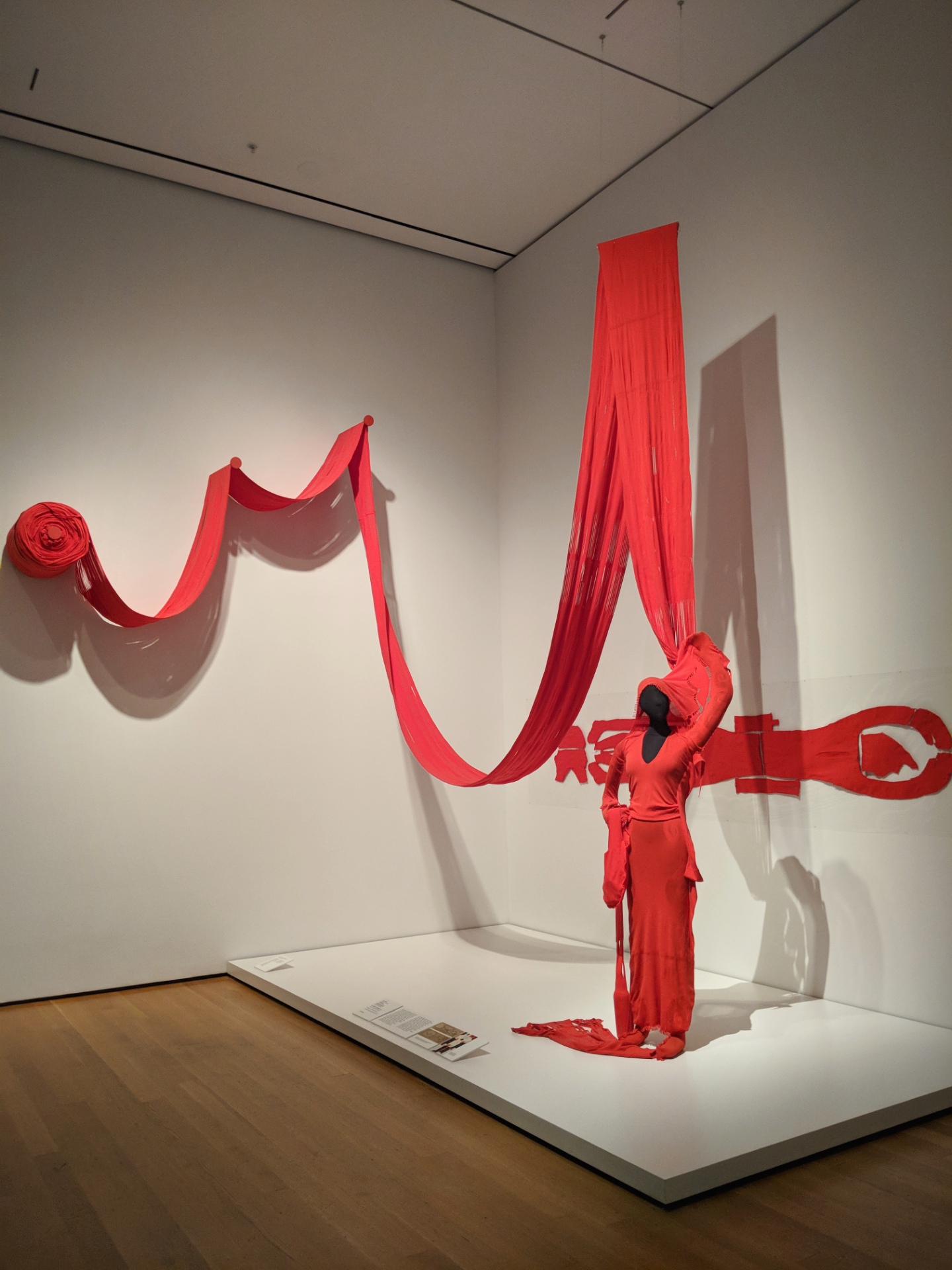 A-POC Queen, 1997
Issey Miyake & Dai Fujiwara
A-POC Queen is a textile generated from a single thread by a computer-programmed industrial knitting machine. The customer can cut along the seams without destroying the tubular structure of each individual item, and virtually no material is wasted in the process of creating – without needle or thread – a complete monochromatic outfit from this single swath of cloth. 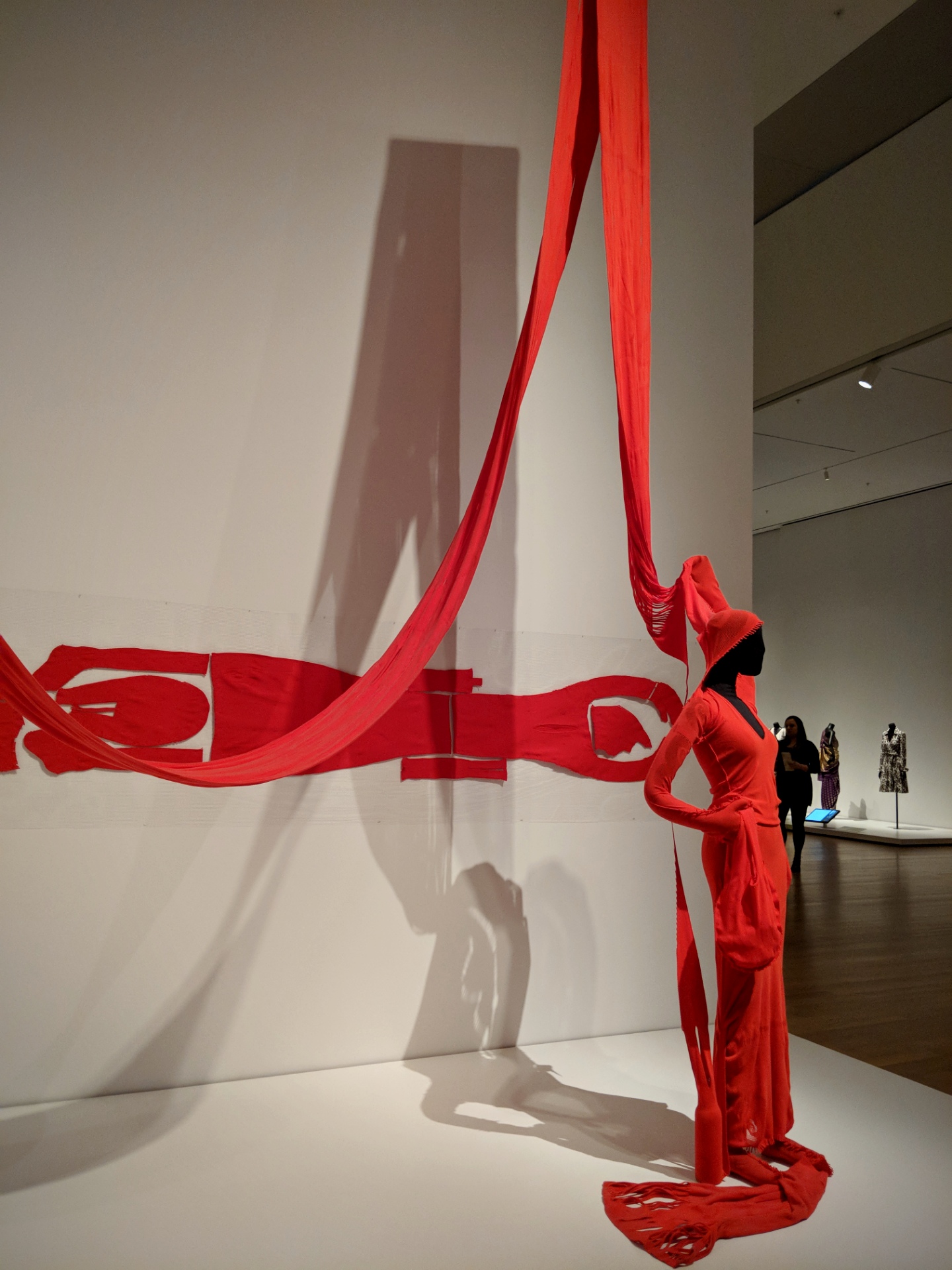
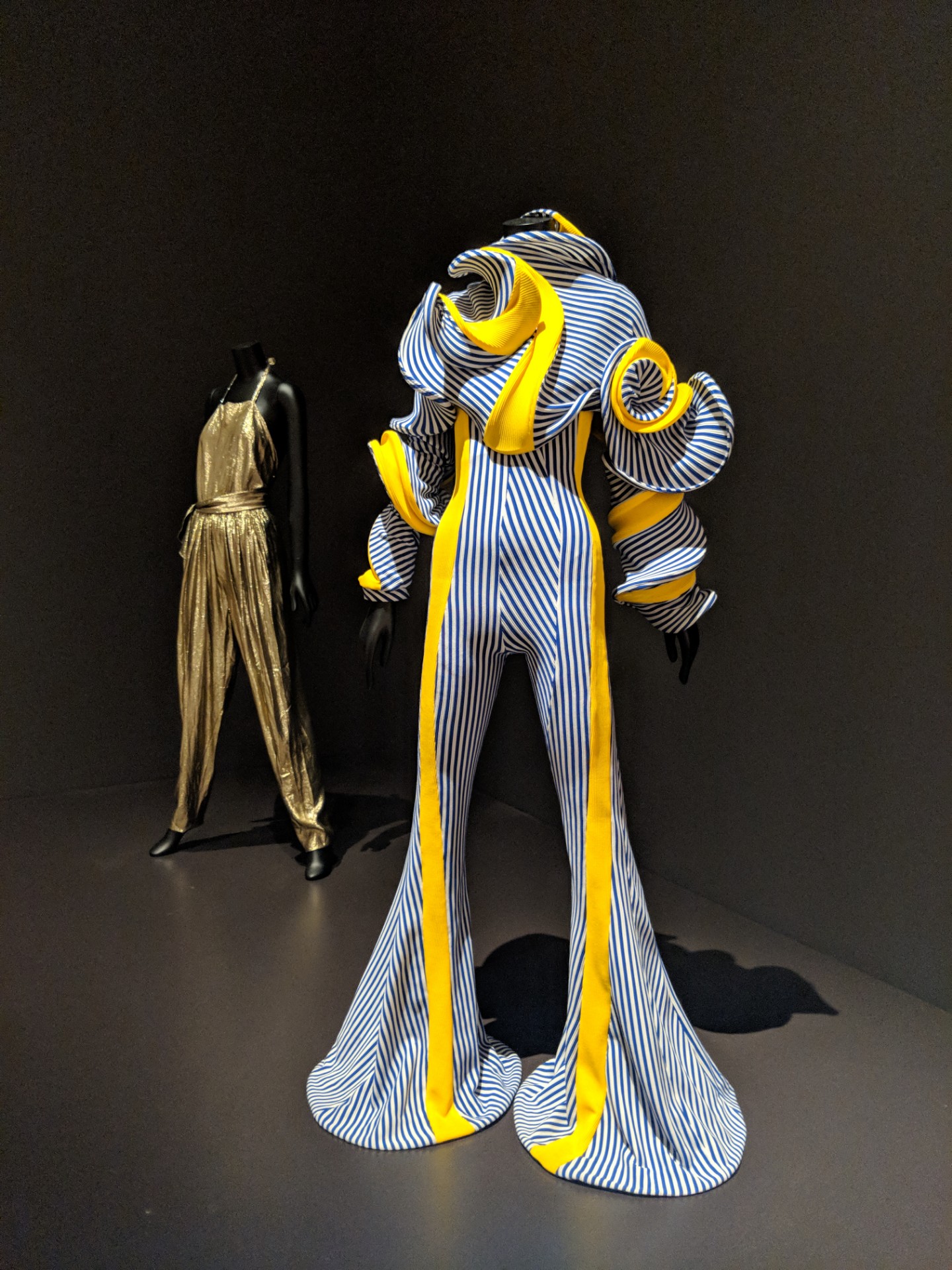 Jumpsuit Specimen, 2017
Richard Malone, Irish, born 1990
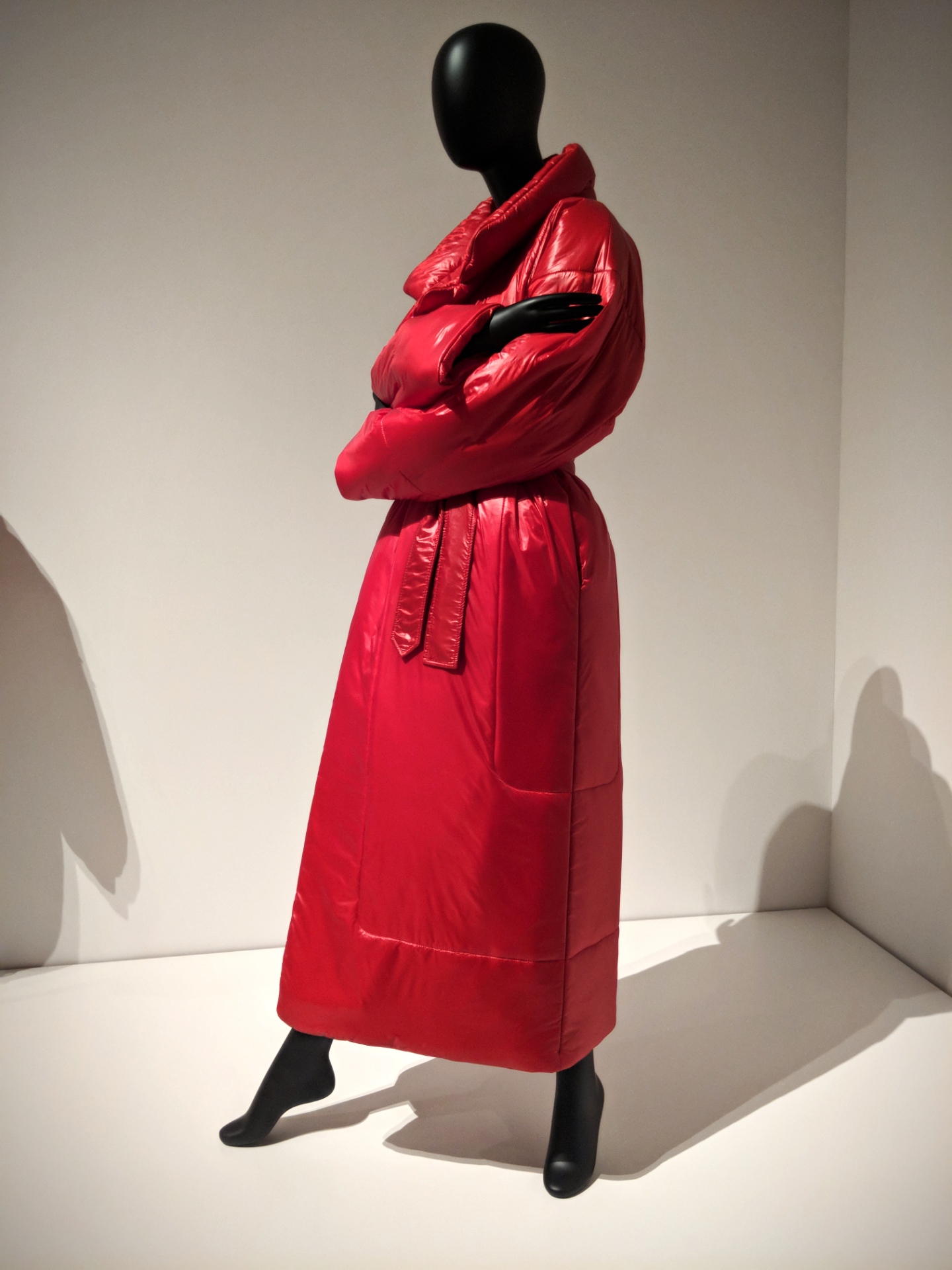 Sleeping Bag Coat, designed 1973, manufactured 2017
Norma Kamali
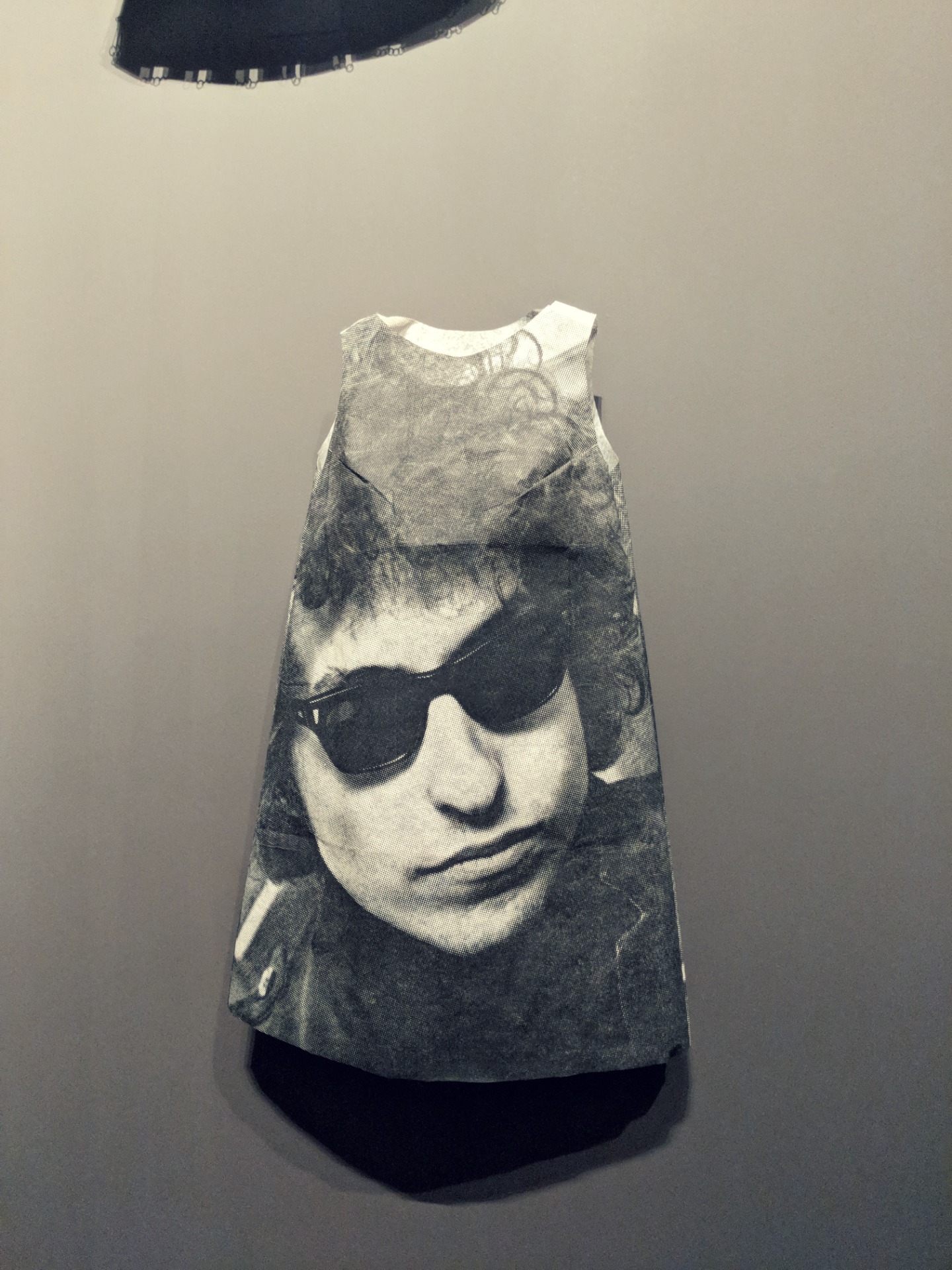 Poster Dress, 1967
Harry Gordon, American, 1930-2007
Disposable paper dresses became widely available by 1966, eschewing tailoring and washability in favour of affordable, faddish designs. Graphic designer Harry Gordon released a series of poster shift dresses inspired by pop culture and politics, including a 1967 version with an image of Bob Dylan; the packaging encouraged buyers to repurpose it as a poster or pillow covers.
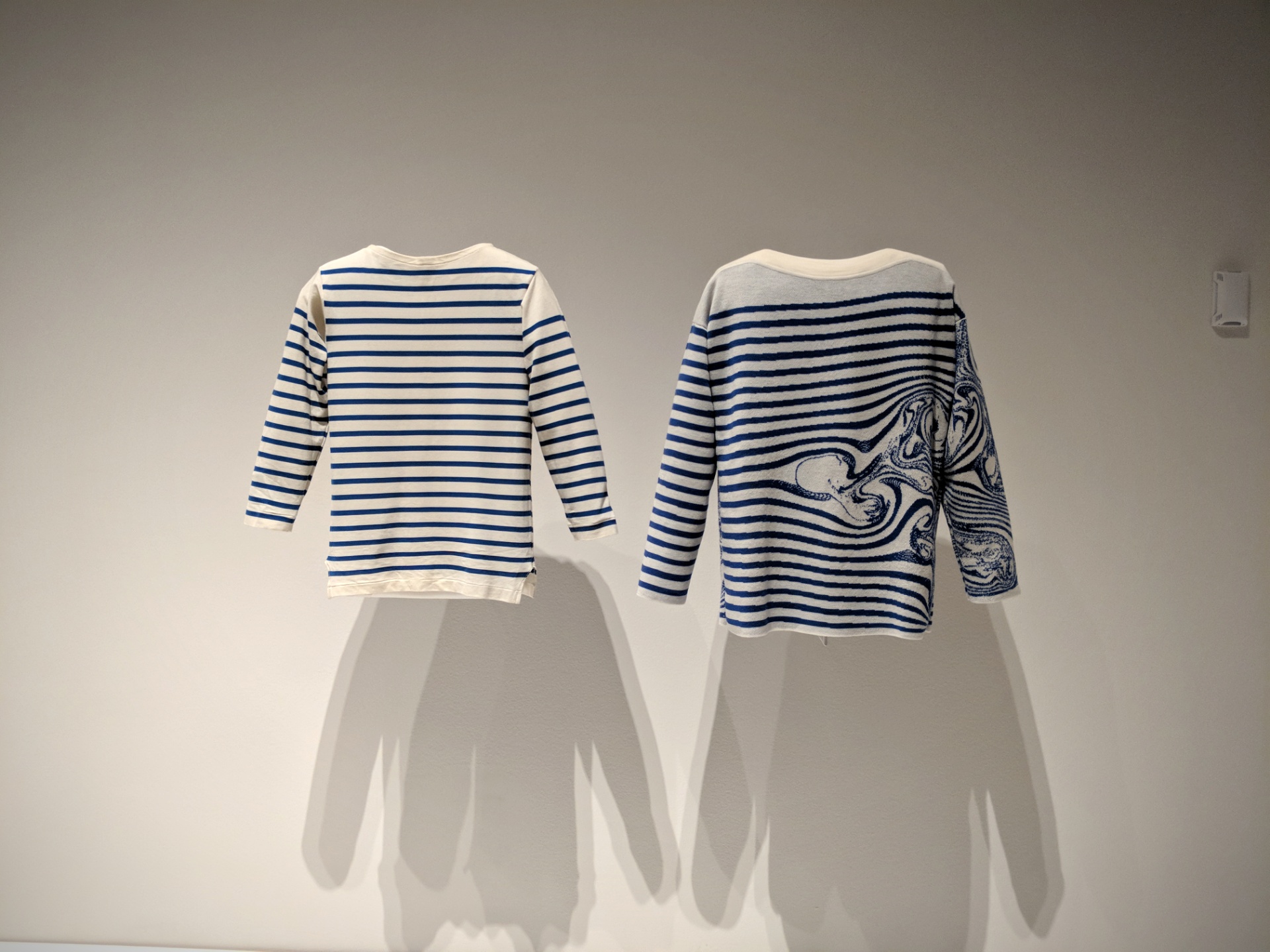 Bret.on 2017
Unmade, UK, founded 2014
Bret.on is a reinterpretation of the classic Breton shirt by the fashion technology company Unmade, which allows brands and individuals to create unique, customized knitted garments on an industrial scale.
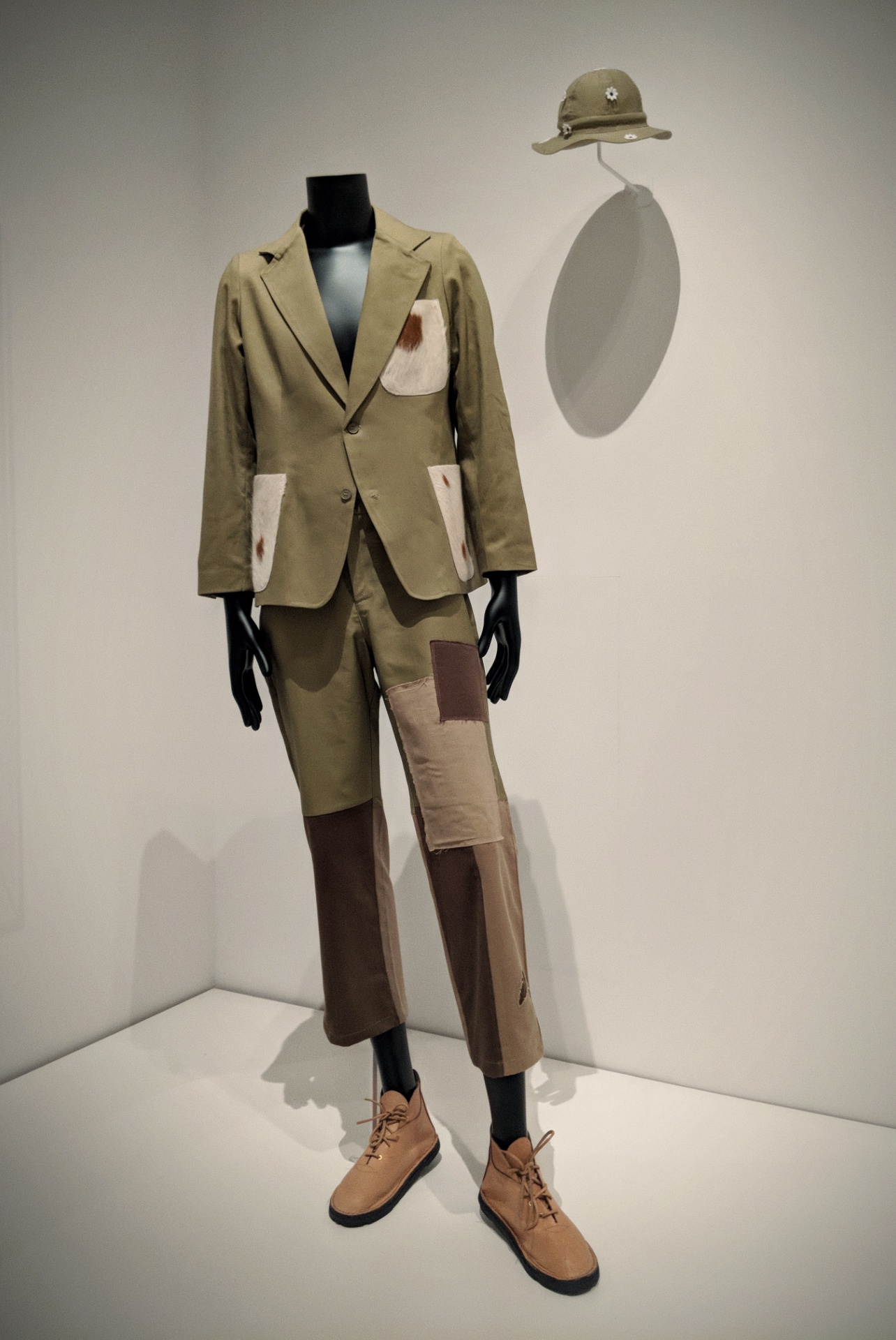 Chinos, 2017
The Sartists, South Africa, founded 2013
A collective of young designers based in Johannesburg and Cape Town, The Sartists combine collaborative design processes, found materials, astute brand awareness and reflections on their country’s political history, namely apartheid and colonialism.
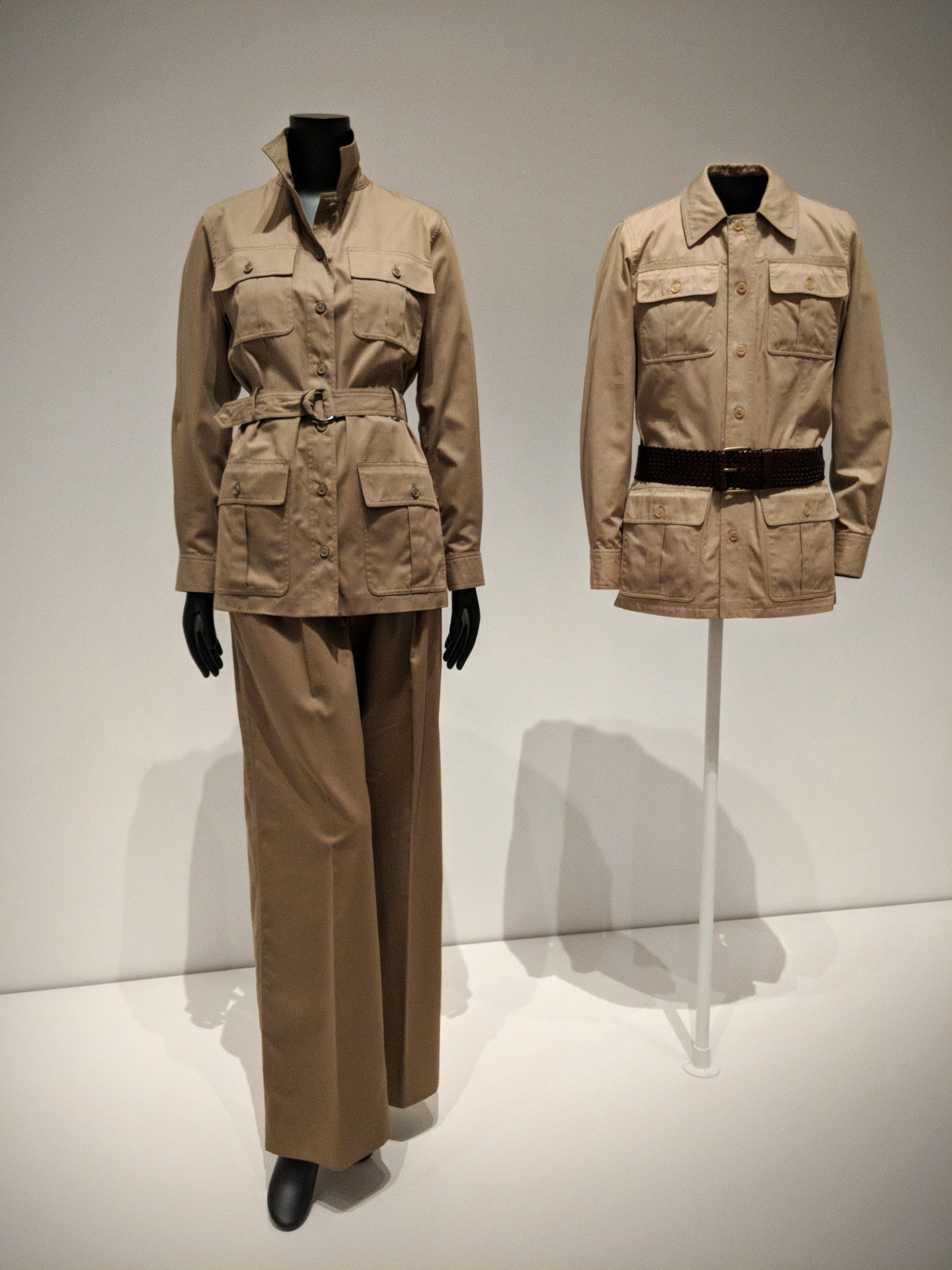 Safari jacket 1969-70 & Pantsuit S/S 1970
Yves Saint Laurent Rive Gauche
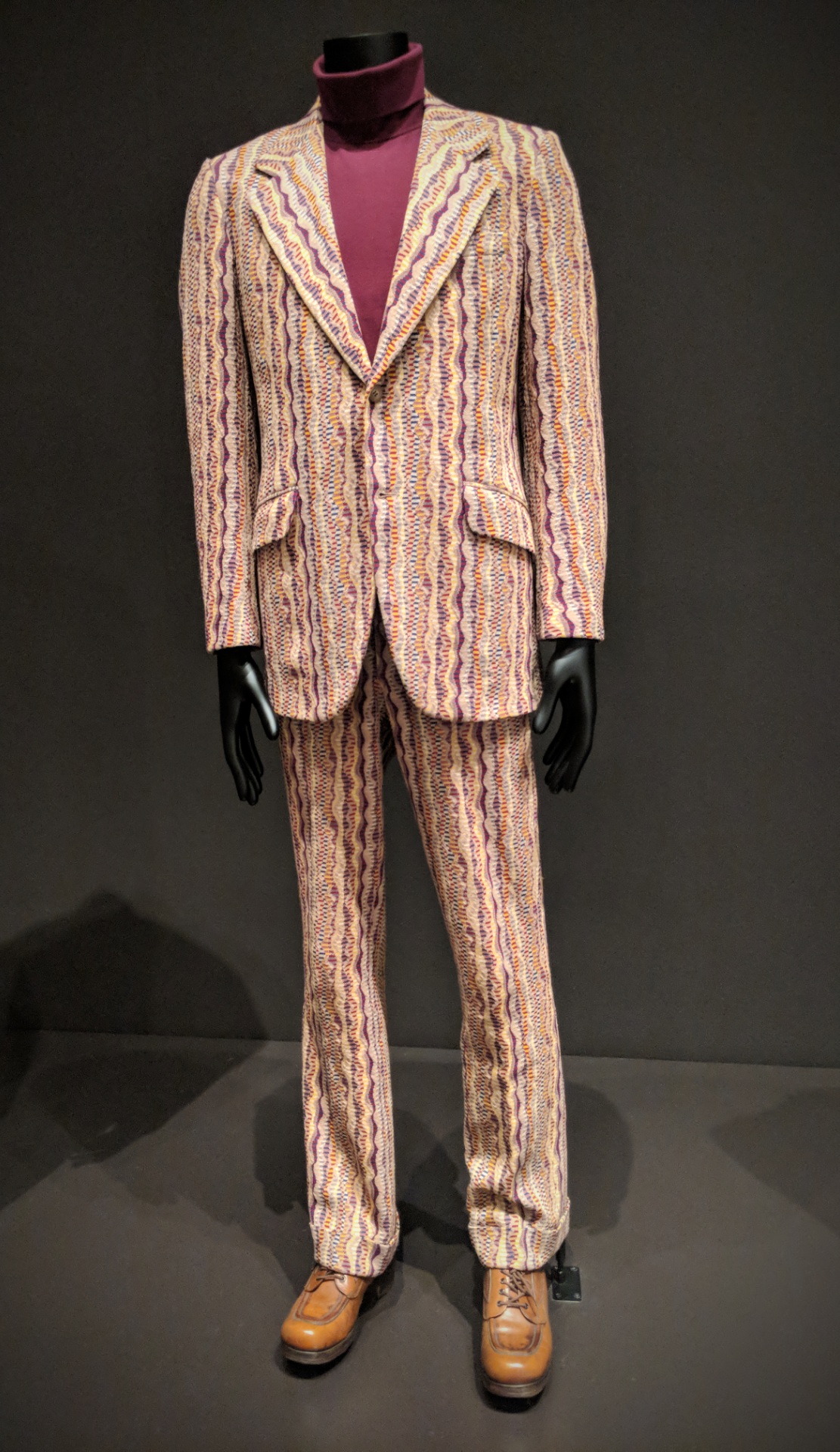 Suit, 1970
Bill Blass
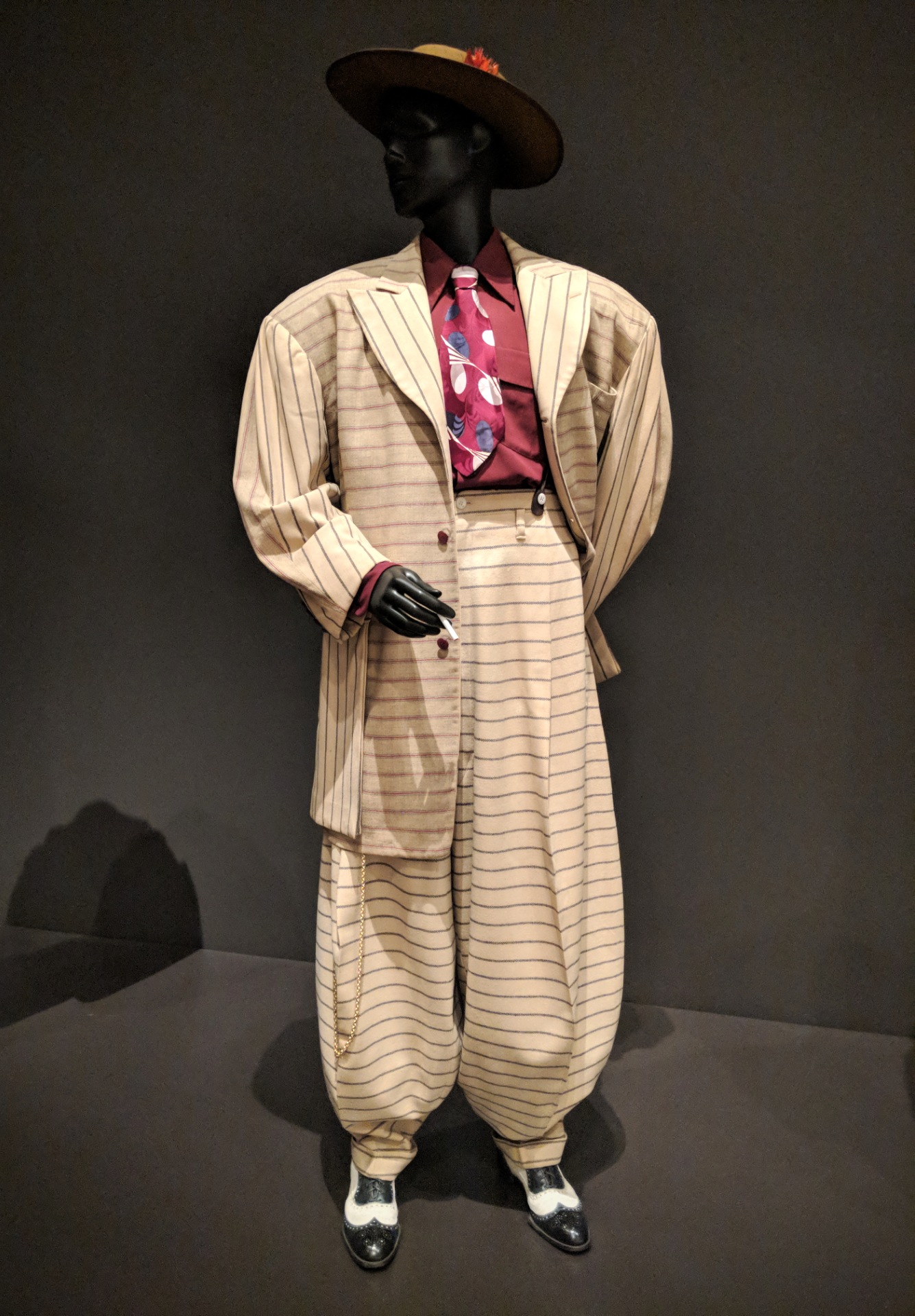 Zoot suit, 1940-42
Unknown designer, U.S.A.
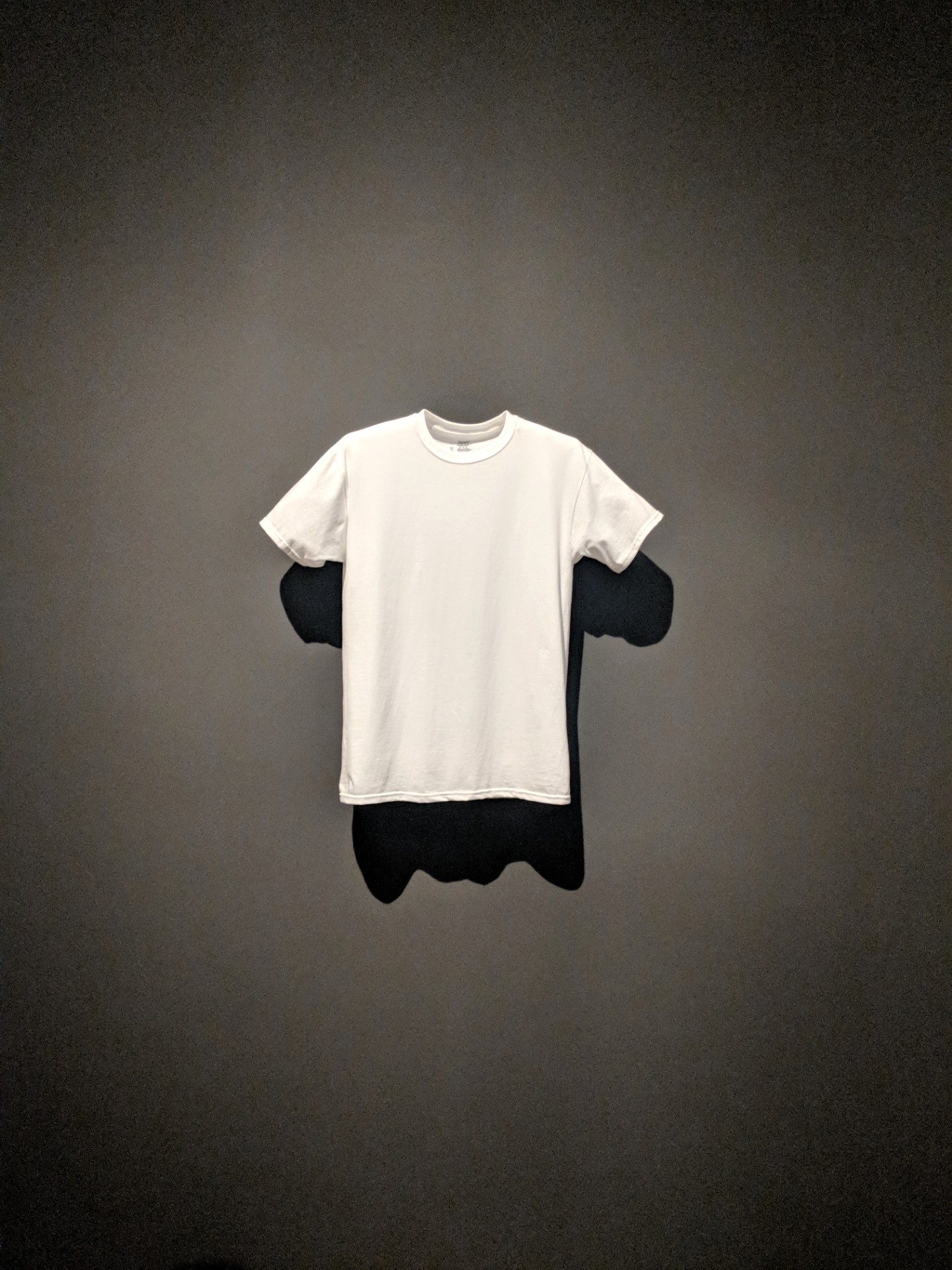 T-shirt 2017
Hanes
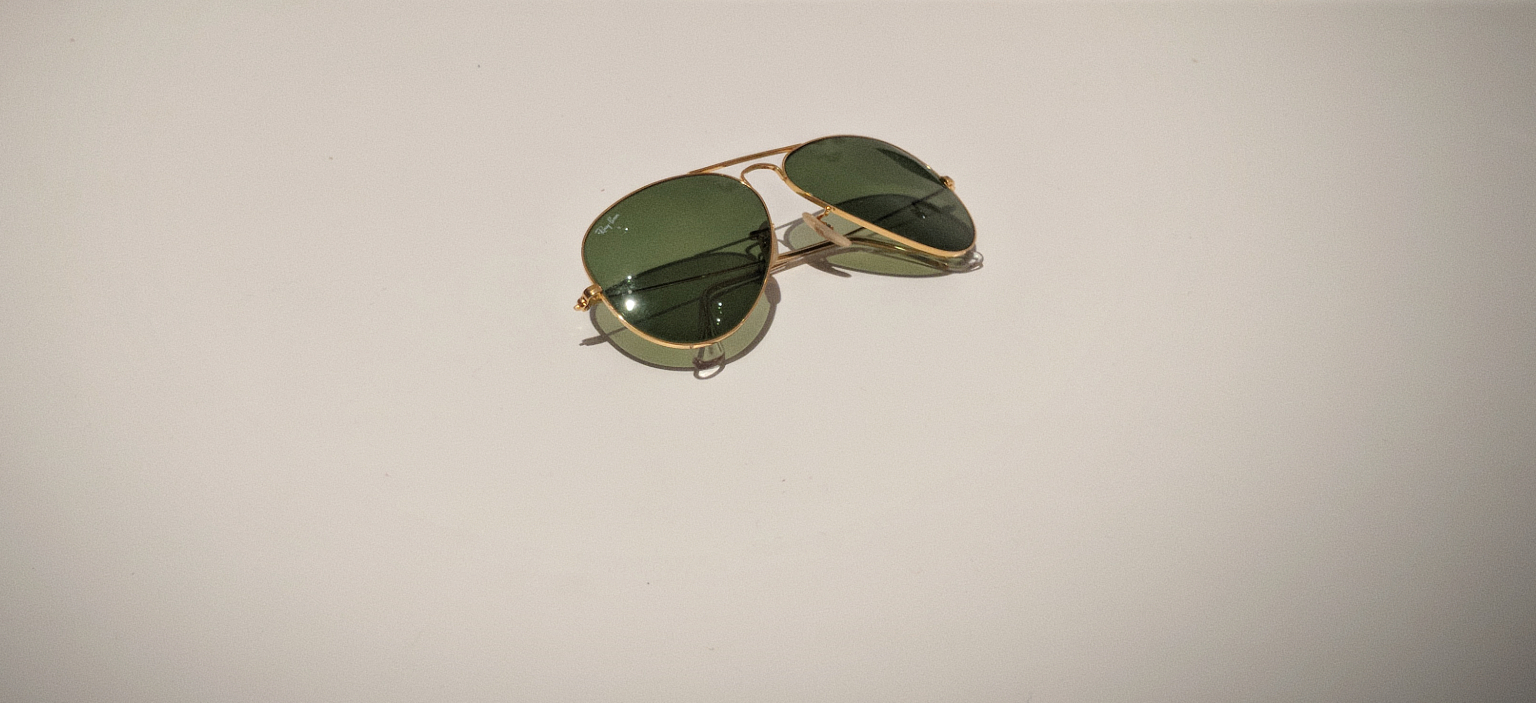
Ray-Ban Sunglasses, 1970s
When American test pilot Major Rudolph William ”Shorty” Schroeder injured his eye mid-flight in 1920, fellow pilot Lieutenant John Macready, alongside optical company Bausch & Lomb, designed googles to mitigate both frost formation and sunlight, aptly named Ray-Ban. These goggles in turn inspired the development of sunglasses branded the Ray-Ban Aviator in 1938.
MoMA, December 3rd, 2017
In 2017, MoMA – jointly with Columbia University – acquired the vast archives of Frank Lloyd Wright, one of the most prolific architects of the 20th century. To mark that acquisition, as well as the 150th anniversary of his birth on June 8, 1867, MoMA presented Frank Lloyd Wright at 150: Unpacking the Archive, an exhibition that comprised some 450 works made from the 1890s through the 1950s and included architectural drawings, models, building fragments, films, print media, furniture, tableware, textiles, paintings, photographs, and scrapbooks. According to its curator, Barry Bergdoll, the show was meant “to announce that Frank Lloyd Wright is open to new interpretations” and that “the archive is here and it’s open.”
Having had a closer look on Mr. Wright’s incredibly detailed, delicate, at once artistically accomplished and architecturally precise designs, I can attest to the show’s success in opening the work of one of America’s – and the world’s – greatest architects, to new interpretations. At least to my, not-so-expert, eyes. 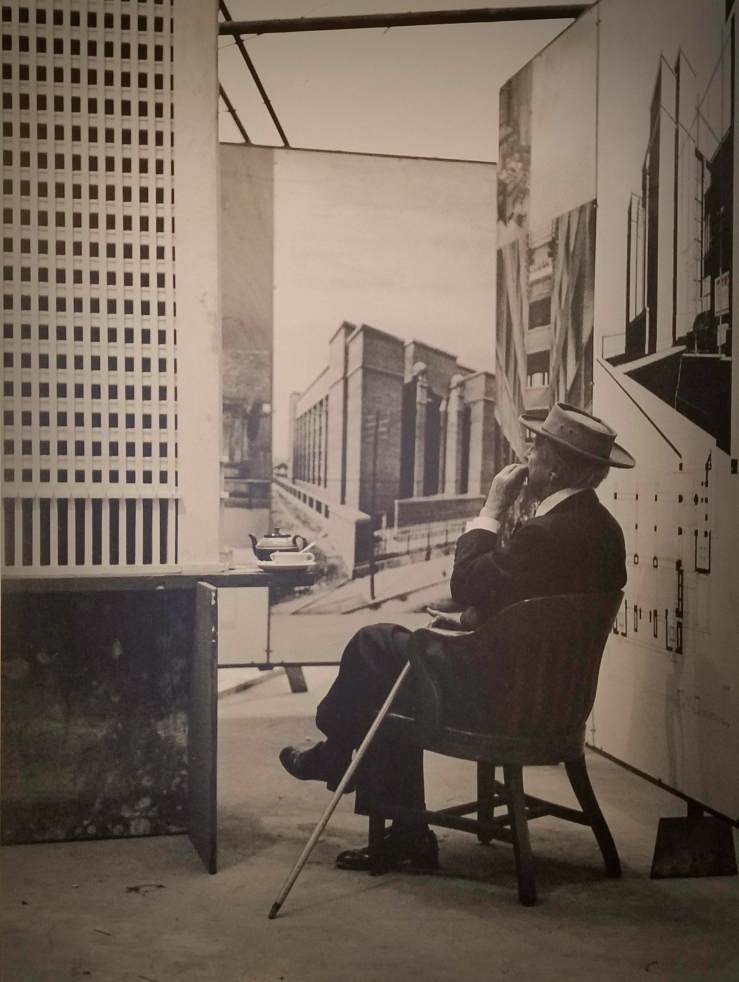
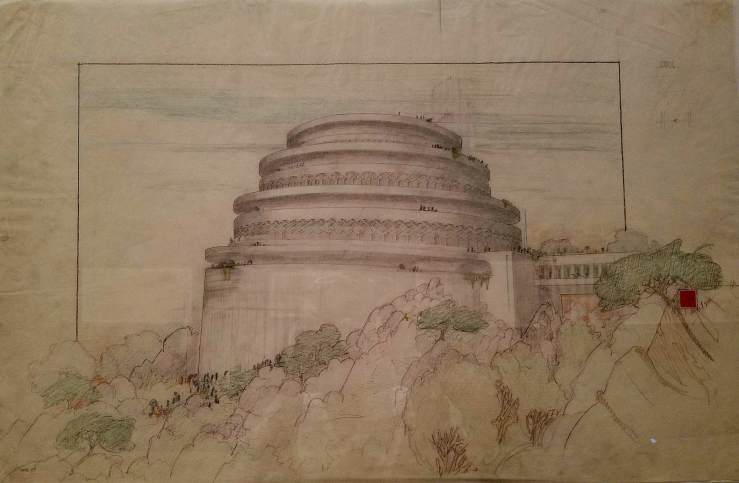 Goron Strong Automobile Objective and Planetarium, Sugarloaf Mountain, Maryland
Project, 1924-25 // Pencil and coloured pencil on tracing paper
This project is often seen as a forerunner of the Guggenheim Museum, built two decades later.
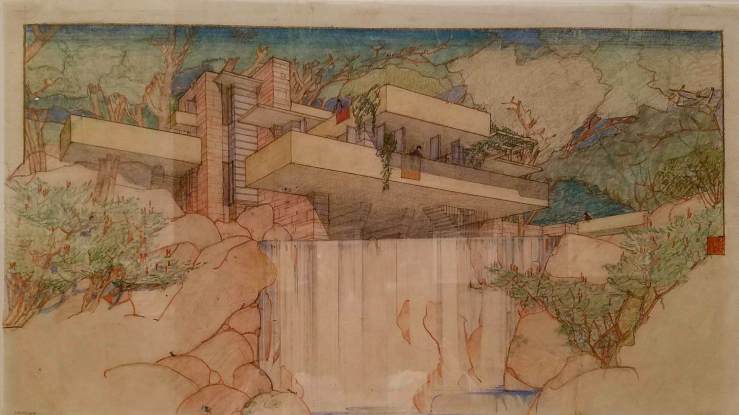 Fallingwater (Kaufmann House), Mill Run, Pennsylvania 1934-37
Pencil and coloured pencil on paper
The bold design of a house over a waterfall for Pittsburgh department store magnate Edgar Kaufmann put Wright back in the public eye at a moment when he was increasingly anxious that his fame had faded. This drawing landed Wright on the cover of Time magazine in 1938 – he was only the third architect ever to receive that honour – and was also displayed that same year in an exhibition at MoMA devoted solely to his unprecedented house design.
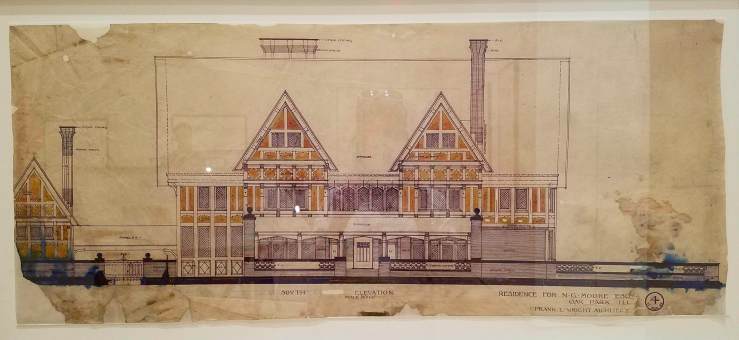 Moore House, Oak Park, Illinois, 1895
Ink on paper
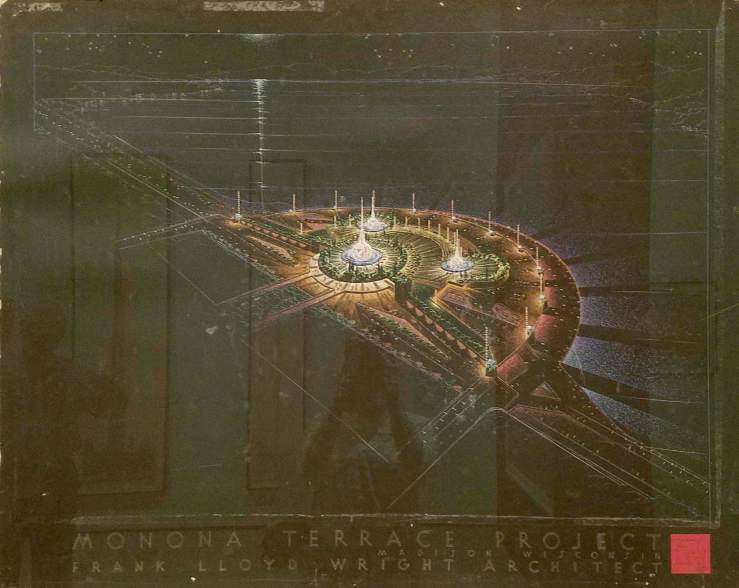 Madison Civic Center (Monona Terrace), Madison, Wisconsin
Project, 1938-59 // Ink and pencil on paper mounted on plywood
Even as Wright reimagined Chicago as a city dominated by a few super-tall skyscrapers but otherwise given over to a prairie landscape, he also designed urban projects – many of the megastructures, such as this one for Monona Terrace, which integrated transportation and infrastructure with public and commercial programmes – with the intention of revitalizing urban cores and engaging the preexisting city and its surroundings. This project was realized decades after Wright’s death.
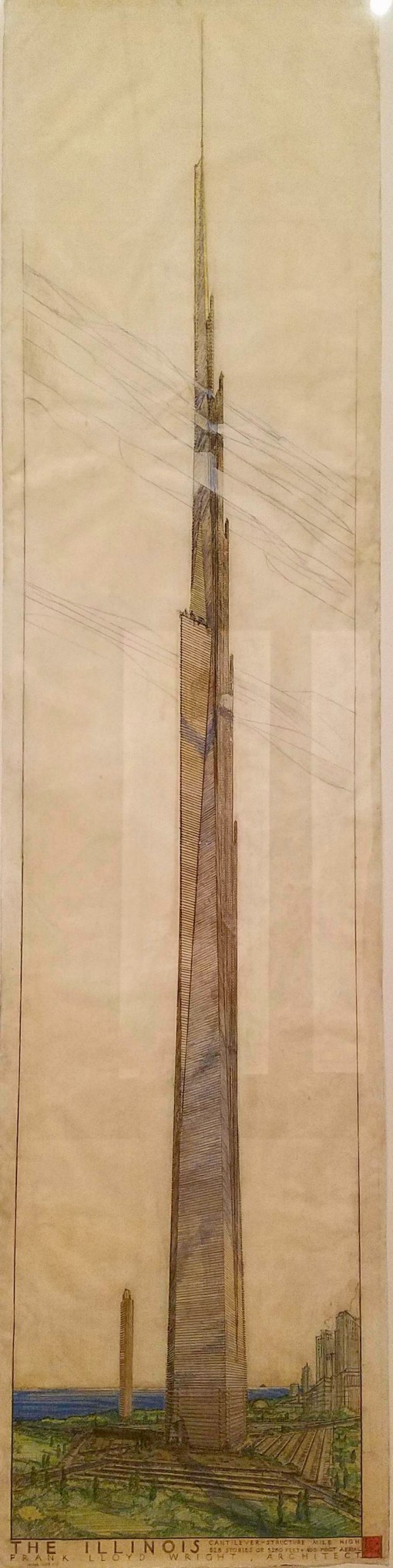 The Mile-High Illinois, Chicago
Project, 1956 // Pencil, coloured pencil and gold ink on tracing paper
In this perspective drawing, Wright inserts his imagined mile-high skyscraper into the lakefront area of Chicago, which he transforms into a green landscape, rendering obsolete many of the city’s older, densely packed towers. The Mile-High becomes a singular object, in dialogue only with another Wright proposal: a tower called the Golden Beacon, visible in the background.
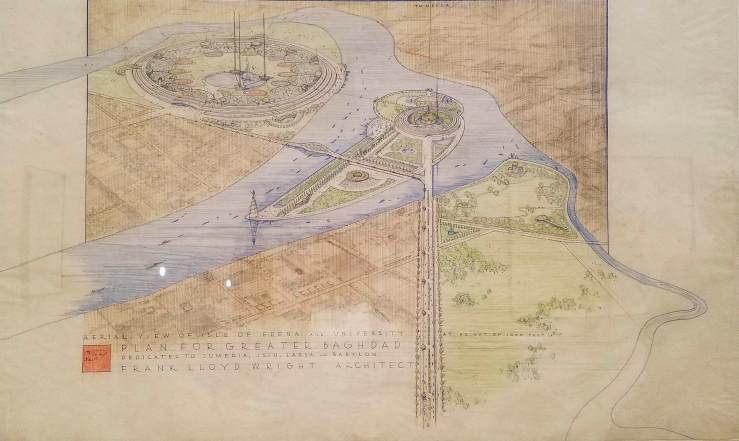 Plan for Greater Baghdad
Project, 1957 // Ink, pencil and coloured pencil on tracing paper
In 1957, Wright, along with a number of ”starchitects” including Alvar Aalto, Le Corbusier and Walter Gropius, was commissioned to design a signature building in Baghdad as part of an Iraqi government programme to bring Western architecture to the capital city. Although asked only to design an opera house, Wright expanded the programme into an entire cultural centre – including a university, two museums, a zoo and various recreational facilities – and moved the site to an island in the Tigris River. Wright’s project, like most of the others, was cancelled after the revolution of 1958.
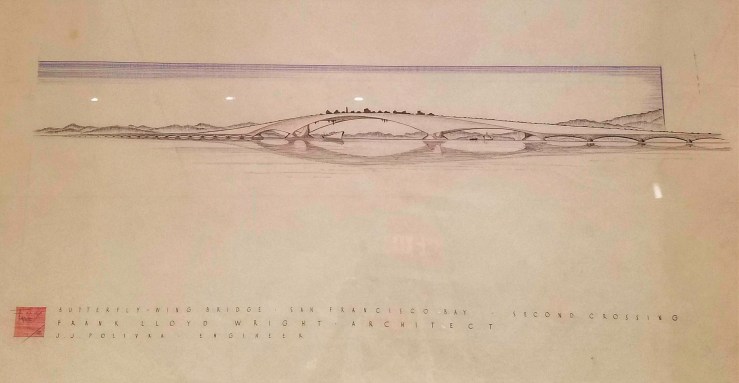 Butterfly Wing Bridge, San Francisco
Project, 1949-53 // Ink, pencil and coloured pencil on tracing paper
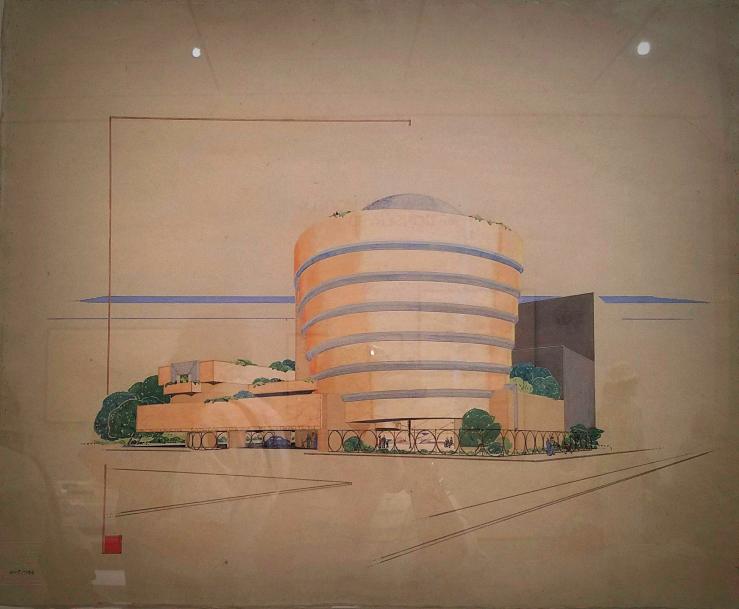
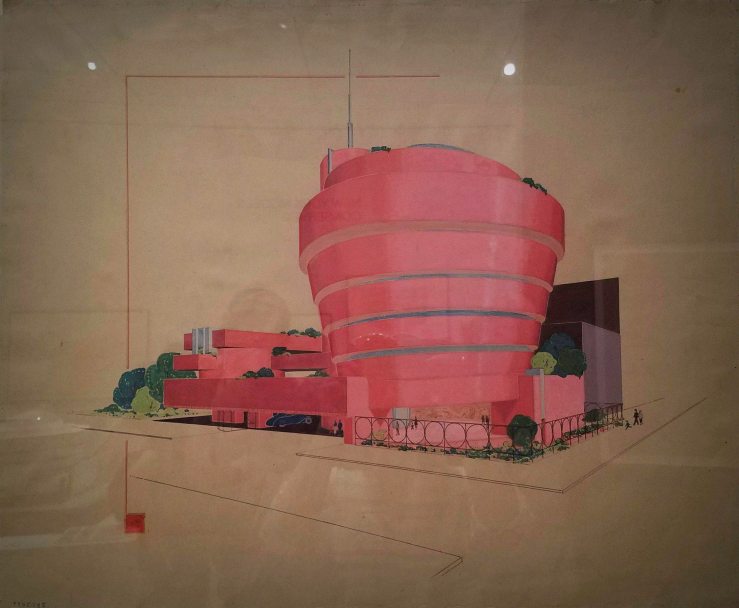 Solomon R. Guggenheim Museum, New York 1943-59
Gouache on paper mounted on board
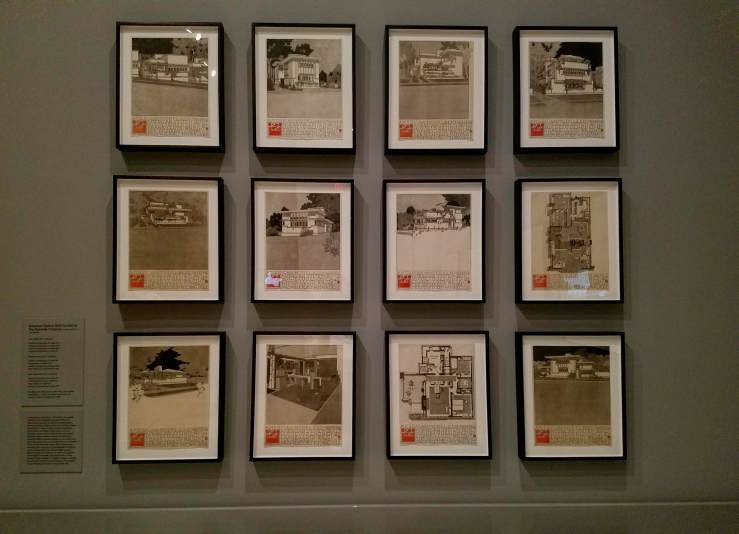 American System-Built Houses for the Richards Company
Project 1915-17
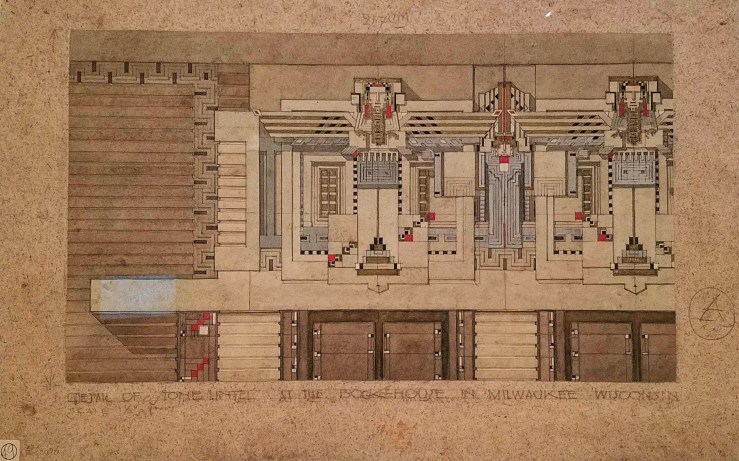 Bogk House, Milwaukee, Wisconsin – 1916-17
Watercolour, gouache, gold paint and graphite on paper mounted on Japanese paper
The two winged figures depicted in this sculptural frieze for the Bogk House recall, in their blocky, geometric forms, Mayan and Aztec motifs, while their wings resemble the eagle imagery prominent in the Pueblo Eagle Dance. The Eagle Dance was one of the most popular ceremonial dances performed at the 1915 Panama-California Exposition in San Diego, which Wright attended and where he encountered theories positing that contemporary American Indians were descendants of a venerable, ancient American civilization.
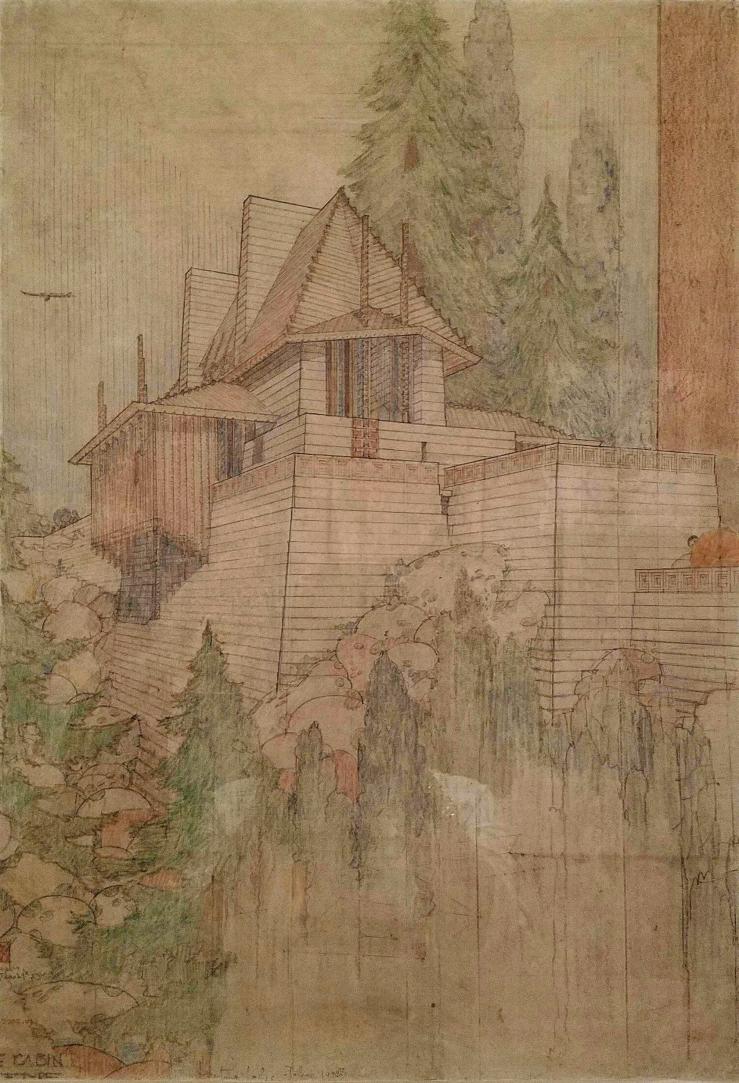 Lake Tahoe Resort, Lake Tahoe, California
Project, 1923-24 // Pencil and coloured pencil on tracing paper
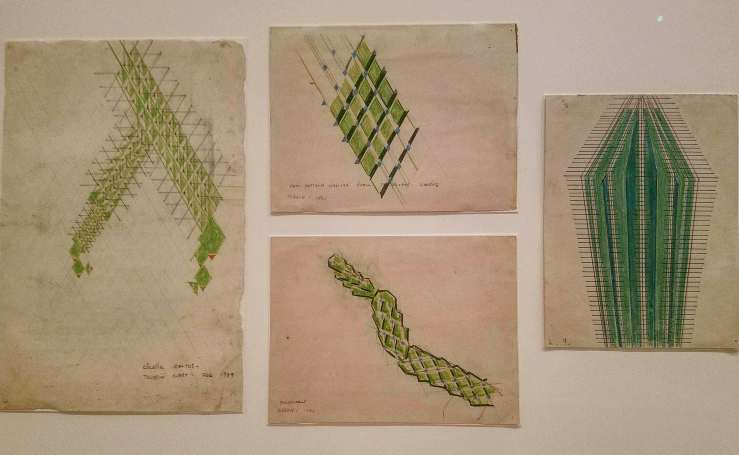
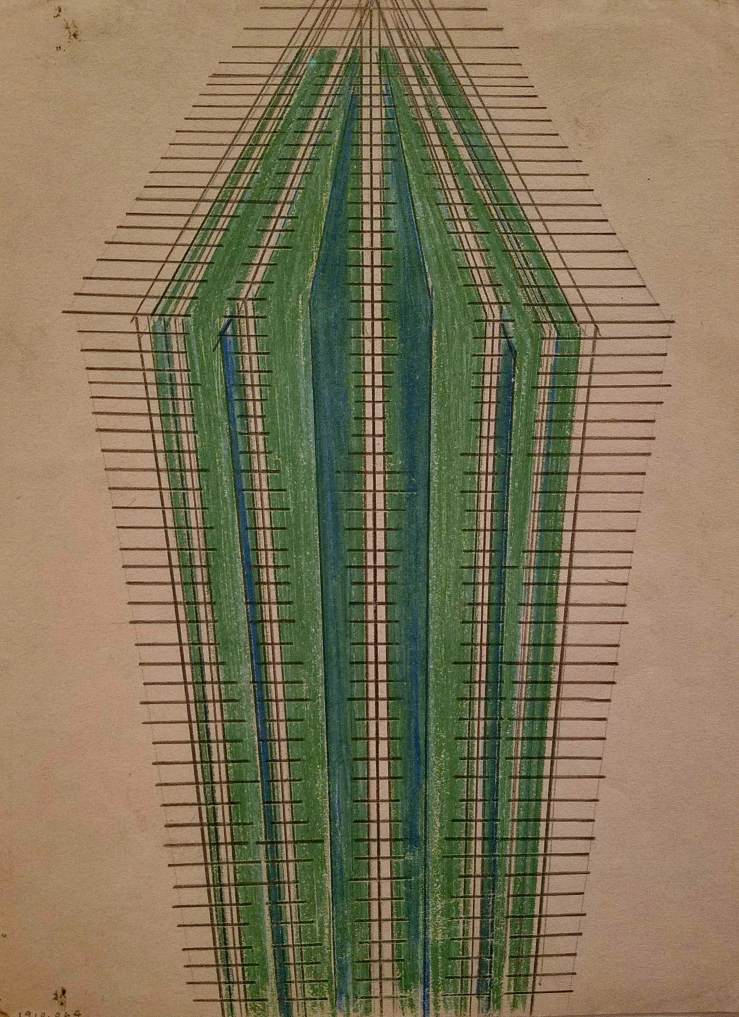
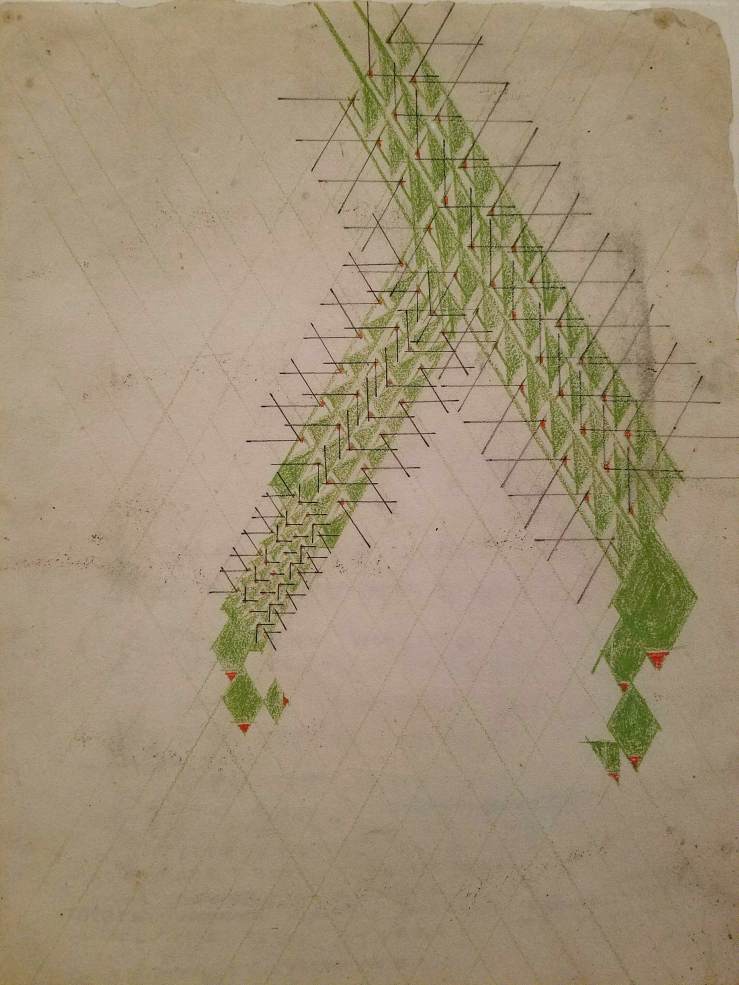
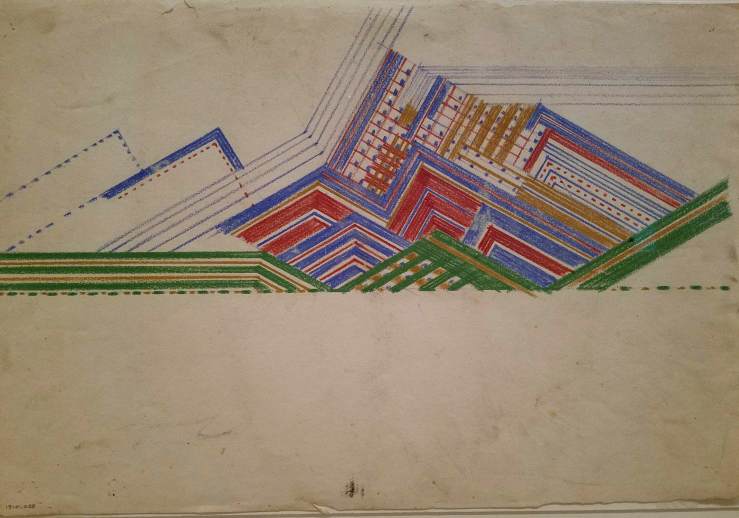 Eugene Masselink (1910-1962)
Pattern studies // Pencil and coloured pencil on paper
Various cacti, rock formations and lichen are distilled into their essential organizing forms in these applied pattern studies, demonstrating the generative relationship between nature and architecture in Wright’s practice. According to Wright, the cellular structure of desert plants, for example, offered lessons in economical construction. Believing the artist should approximate nature through a process of conventionalization or abstraction – seeking underlying geometries rather than outward forms – Wright incorporated such pattern studies into his educational approach at the Taliesin Fellowship. Eugene Masselink, one of Wright’s most talented apprentices, drew these examples.
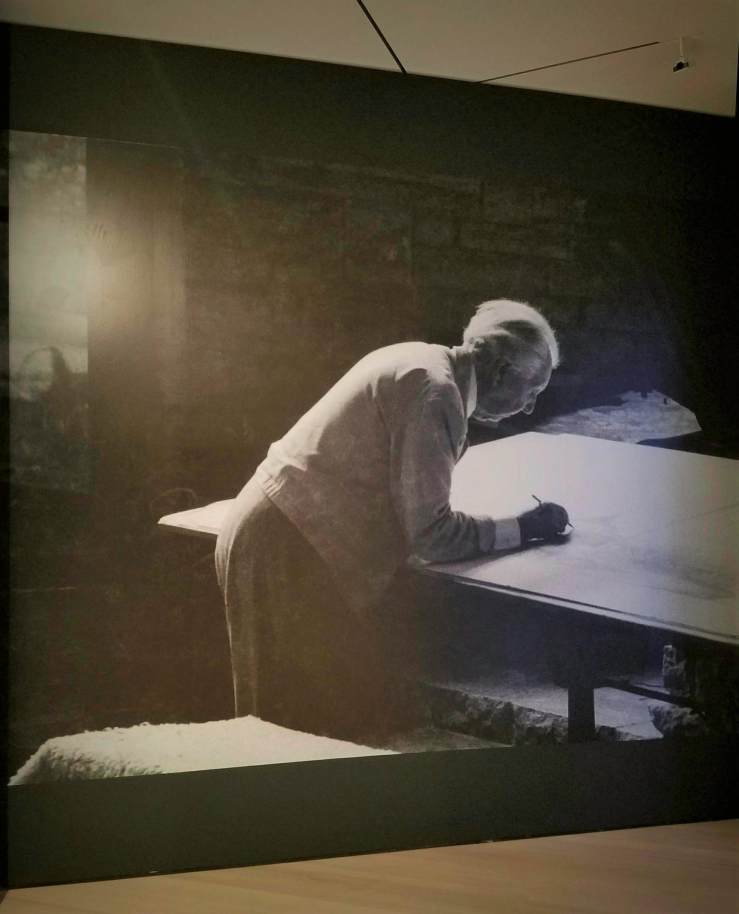
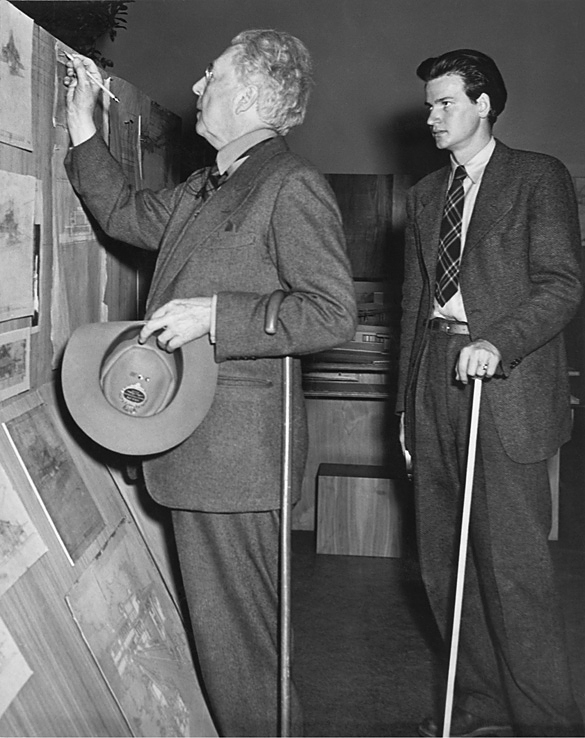 Frank Lloyd Wright and his assistant Eugene Masselink installing the exhibition Frank Lloyd Wright: American Architect at The Museum of Modern Art, November 13, 1940-January 5, 1941. Photographic Archive. The Museum of Modern Art Archives, New York
Photo: Soichi Sunami
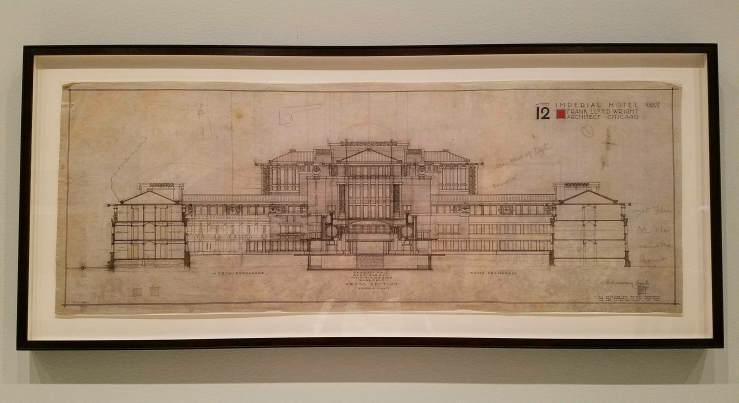 Preliminary scheme for Imperial Hotel, Tokyo 1913-23
Ink and pencil on drafting cloth
The Imperial Hotel in Tokyo took over a decade to build and exerted a profound influence on both Wright’s designs and the architecture of a modernizing Japan.
Having survived the Great Kantō Earthquake in 1923 and the American bombing of the city during World War II, it was finally demolished in 1968 to be replaced with a modern hotel tower.
Portions of the Imperial Hotel, including the grand entrance/lobby and the reflecting pool, were saved and painstakingly relocated to the Meiji Mura Museum, an open-air architectural theme park in Inuyama that contains more than 60 historic, culturally significant buildings from Japan and beyond. [source]
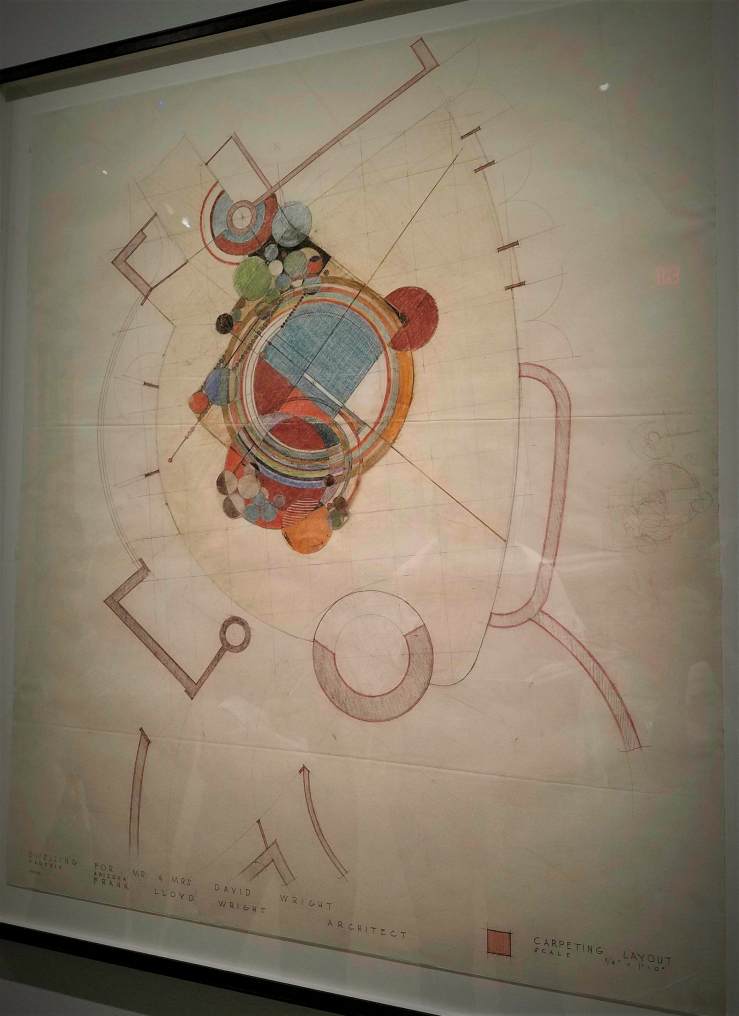
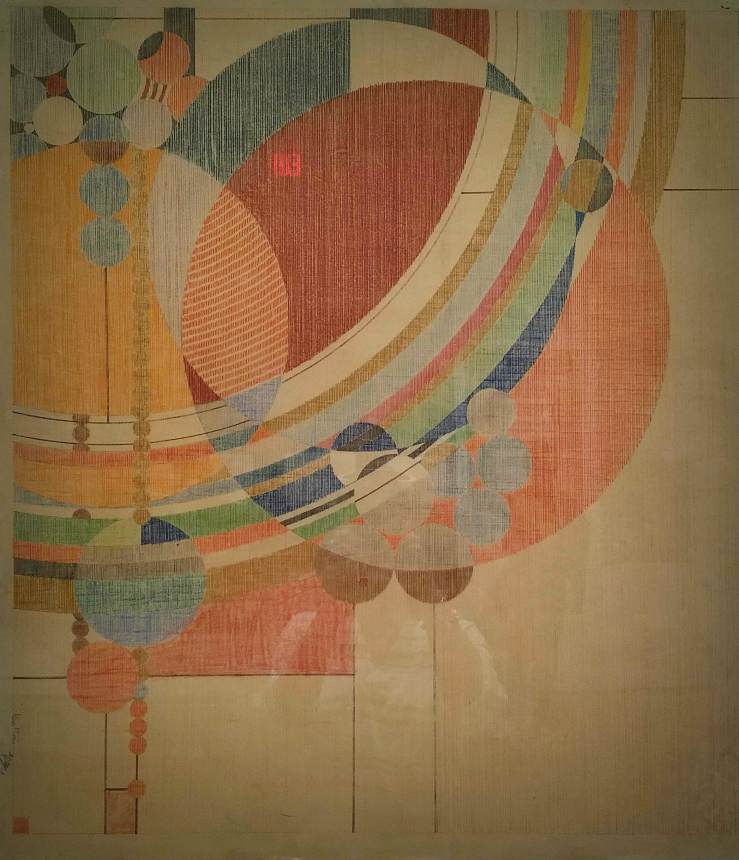 March Balloons, 1955
Drawing based on a cover design for Liberty magazine, c. 1926
From Frank Lloyd Wright at 150: Unpacking the Archive, an exhibition that ran through October 1st, 2017 at MoMA.
September 25th, 2017
@MoMA & beyond
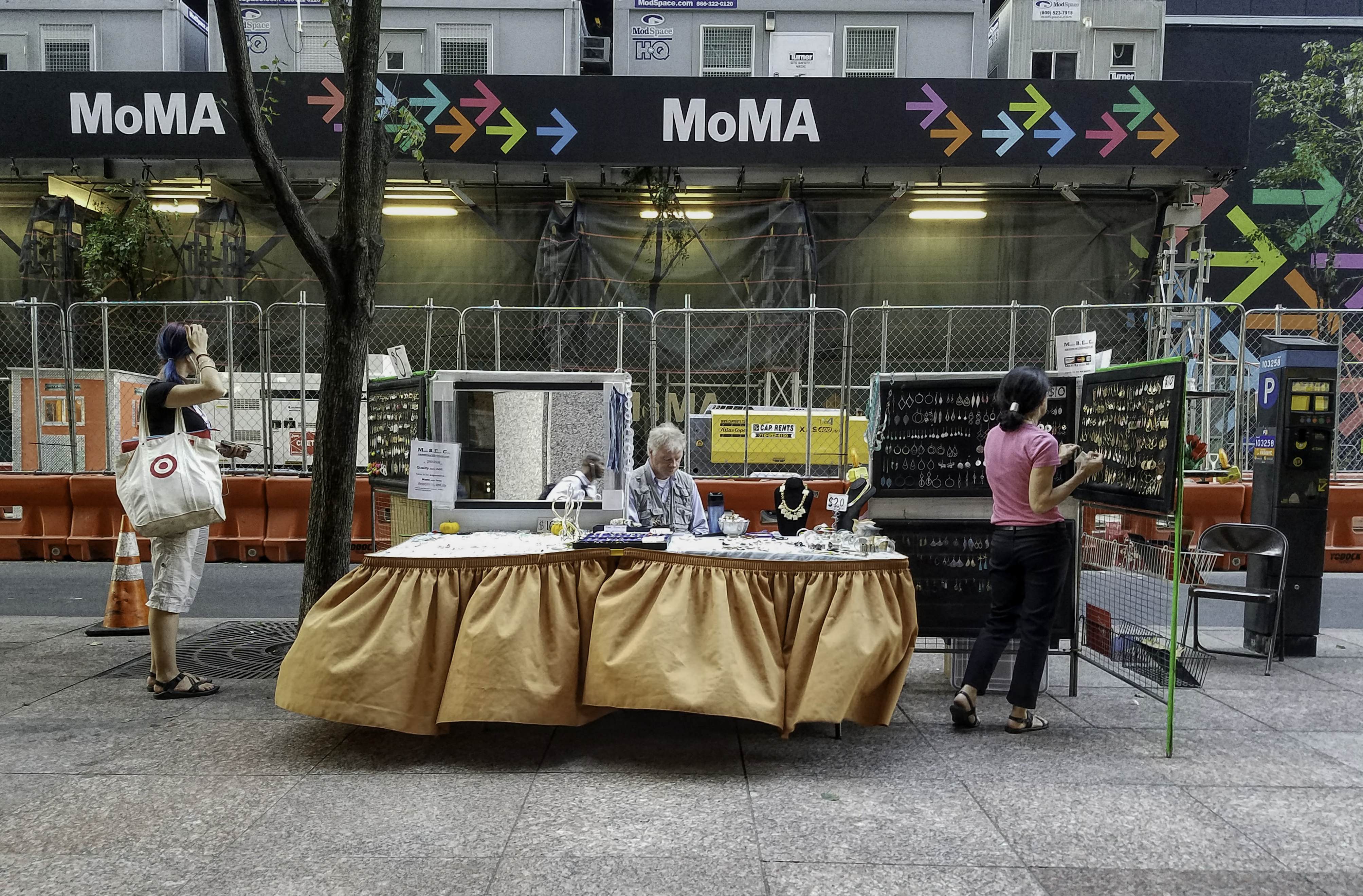
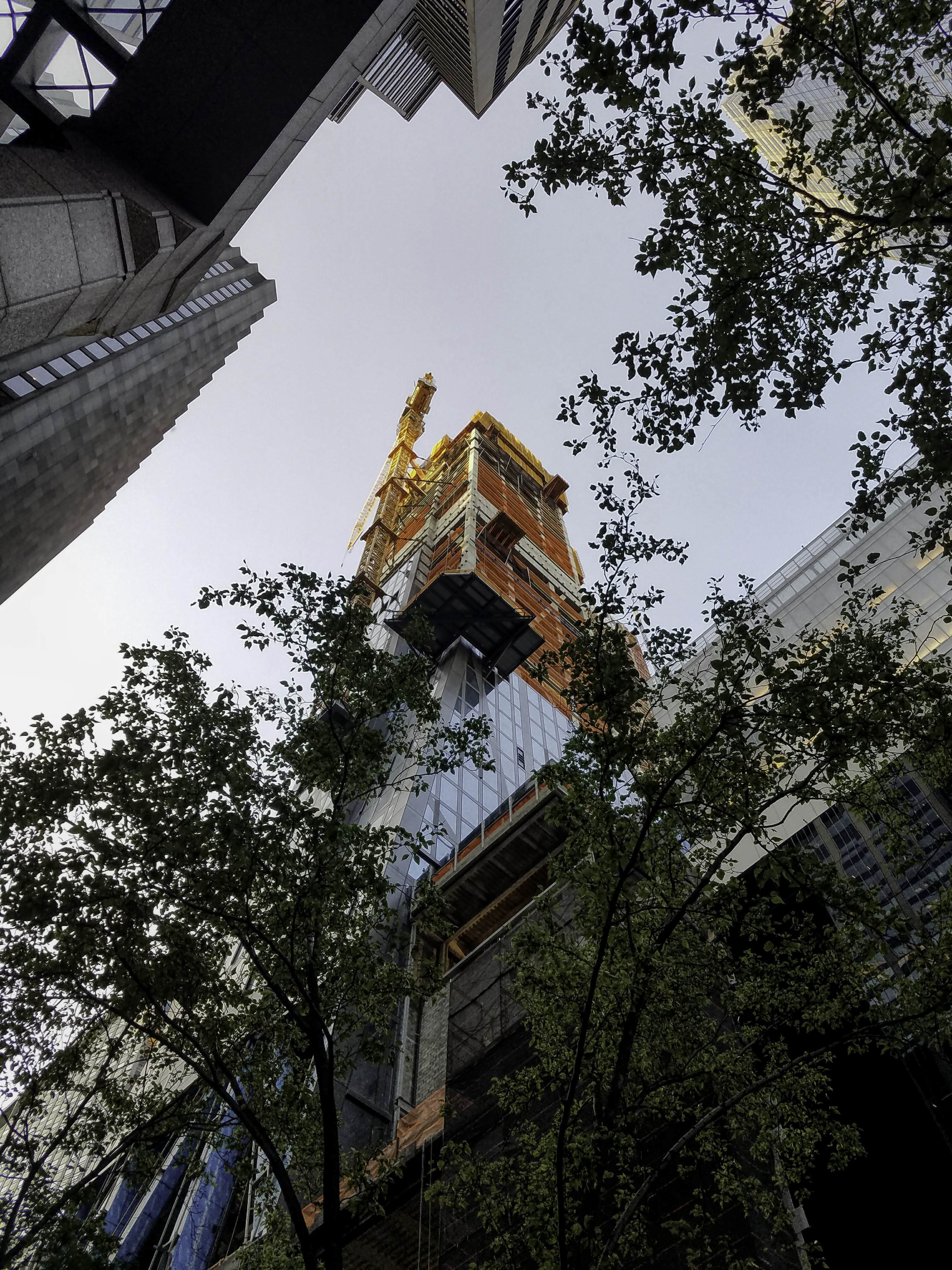
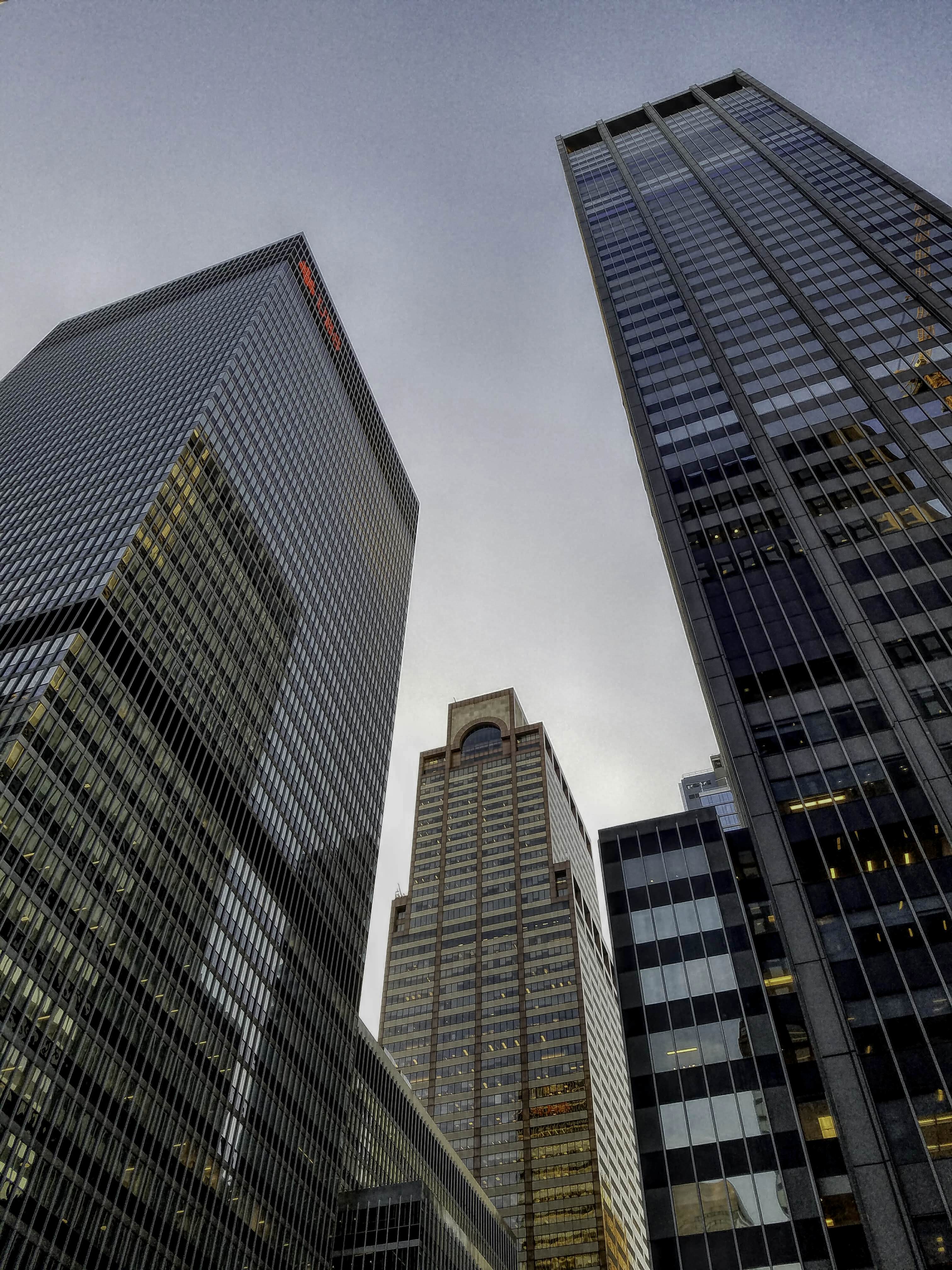
September 25th, 2017
subjective worldview
Actor, writer, cook and author
Travel experiences & Strasbourg city guide
Writer
joy, happiness, travel, adventure, gratitude
"Rêve onirique & Bulle d'évasion"
makes pretty things on paper
This WordPress.com site is Pacific War era information
Welcome to my curious world of words....
Photographs, music and writing about daily life. Contact: elcheo@swcp.com
Free listening and free download (mp3) chill and down tempo music (album compilation ep single) for free (usually name your price). Full merged styles: trip-hop electro chill-hop instrumental hip-hop ambient lo-fi boombap beatmaking turntablism indie psy dub step d'n'b reggae wave sainte-pop rock alternative cinematic organic classical world jazz soul groove funk balkan .... Discover lots of underground and emerging artists from around the world.
A 365 analogue photography project
Barcelona's Multiverse | Art | Culture | Science
Een digitaal atelier aan de (zee)slag.
‘Doodling Ambiguity’s in Ink.’
Miscellaneous photography
Glimpses along the way on a journey of discovery into symmetry...
 The Humble Fabulist