Going back to the roots and learning a bit more about Native Americans; peoples, traditions and art that were thriving here before America’s discovery by the Old World.
A sad necessity perhaps but such dedicated museums are the most effective means in rendering these cultures and their history more widely accessible to visitors.
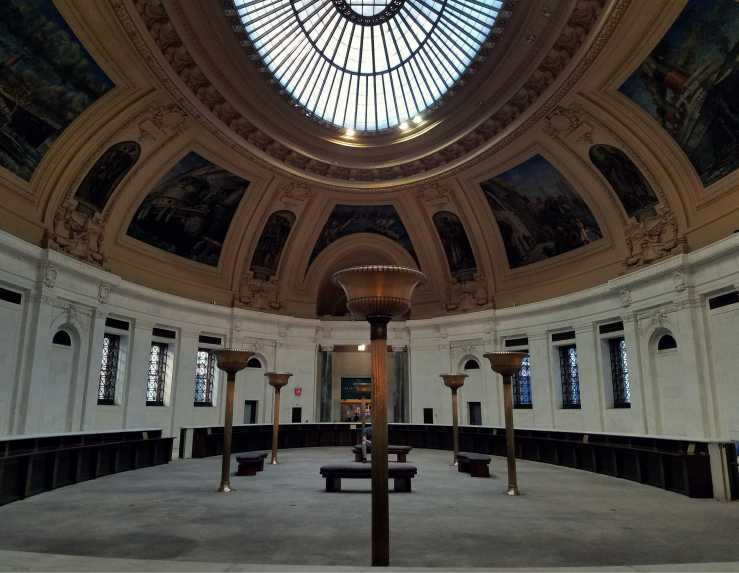
In New York, the museum is housed in the Alexander Hamilton U.S. Custom House, one of the most splendid Beaux Arts buildings in the City with a magnificent rotunda dome.



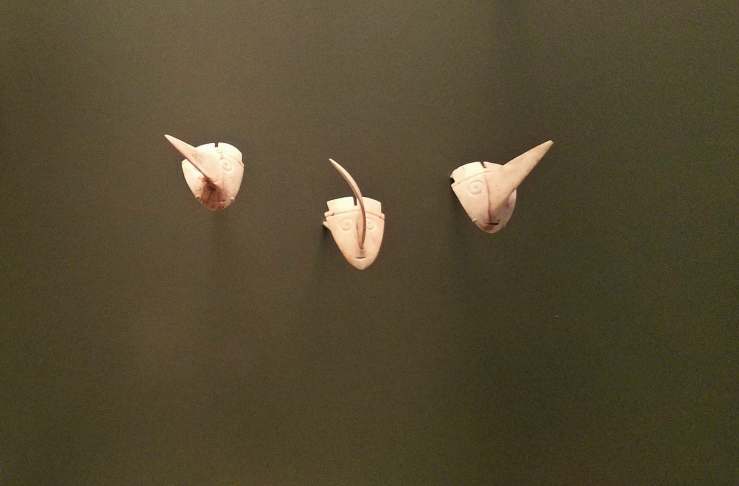
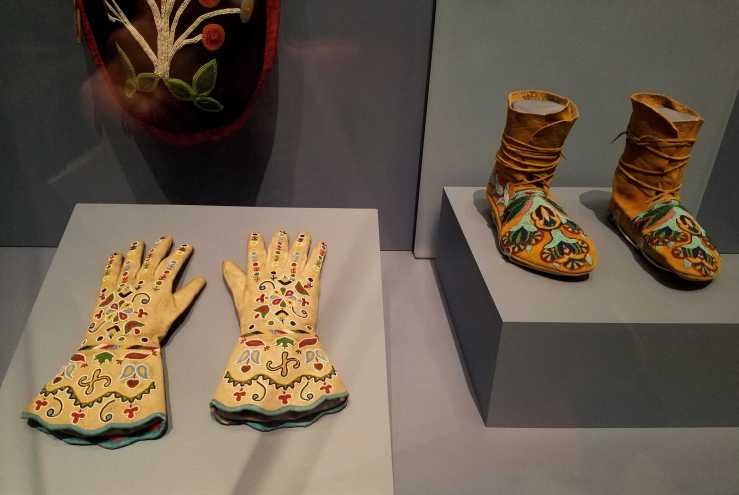
”Shortly after the outbreak of the 1877 war with the United States, Chief Looking Glass declared that he wanted peace and moved his camp to Clear Creek on the 1863 reservation. Peo Peo T’olikt, who was in his twenties, was instructed by the chief to parley with militiamen and soldiers who came to the camp on July 1. The Indian camp raised a white flag, but was attacked and destroyed.
Peo Peo T’olikt was wounded in the leg, but escaped and was involved in all the subsequent battles of 1877. He lost a wife and young son in the war, but his exploits were many. Capturing the cannon at Big Hole, stealing General Howard’s mules and horses at Camas Meadows, and protecting the camp at Bear Paw are just a few.”
Allen Pinkham, Sr. (Ni Mii Puu)
Tribal historian and former National Museum of the American Indian trustee

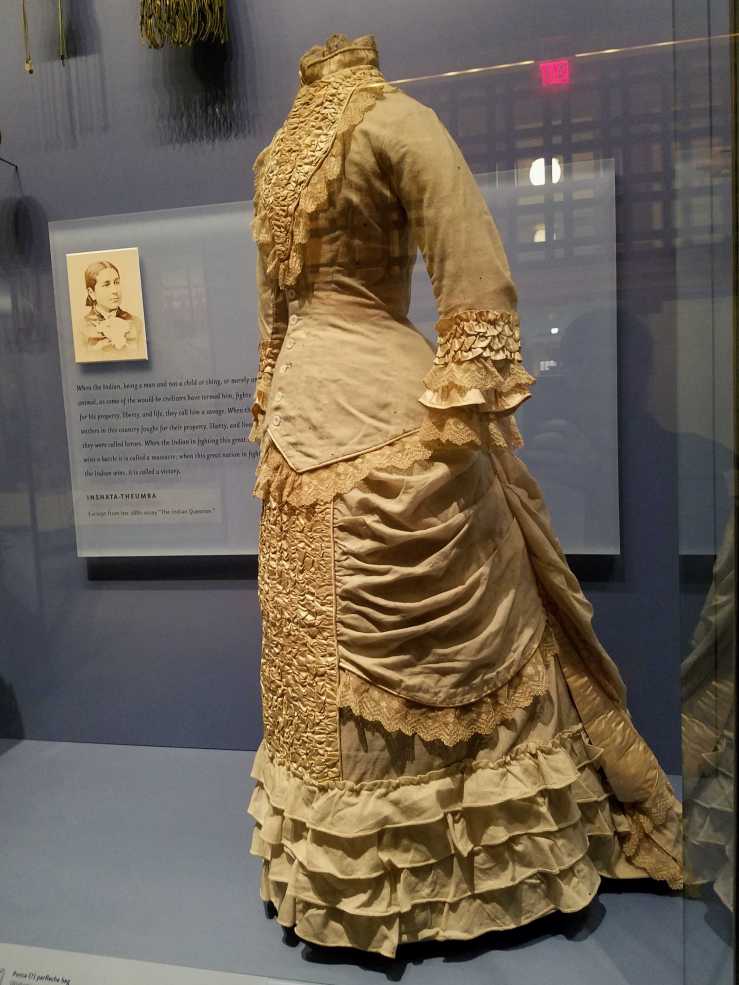
”Susette La Flesche descended from Omaha tribal leaders on both sides of her family. As a child she lived in an earth lodge, though she also attended a mission school. La Flesche witnessed the expulsion of the Ponca tribe from their homeland to Indian Territory in 1877, and the subsequent imprisonment of Standing Bear and other Poncas who had attempted to return to Nebraska. These events launched La Flesche’s career as a nationally known activist who argued against the involuntary removal of indigenous people from their homelands and for Indian citizenship rights.
La Flesche found a soulmate in Thomas Tibbles, a newspaper reporter for the Omaha Herald who followed the Ponca case. Schooled in Western and Omaha culture and bilingual, La Flesche chose an elegant cream-colored wool skirt and jacket when she married Tibbles in 1881.”
Brenda J. Child (Red Lake Ojibwe)
Historian, University of Minnesota
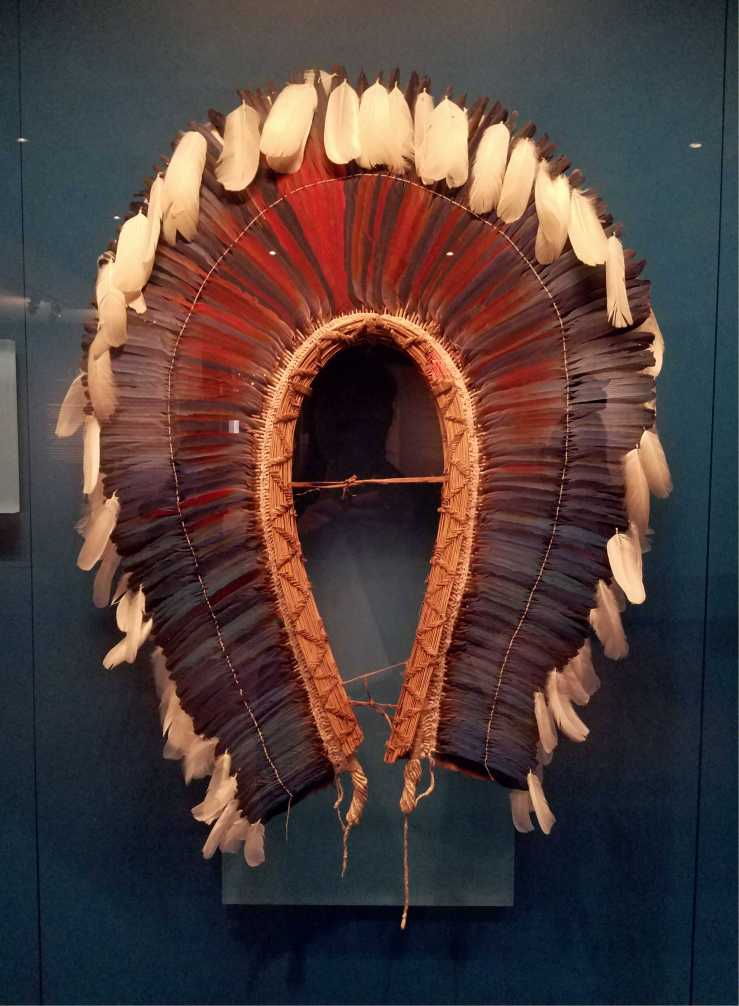
Mebêngôkre men and women wear feather headdresses or capes during children’s naming ceremonies and boy’s initiation ceremonies.
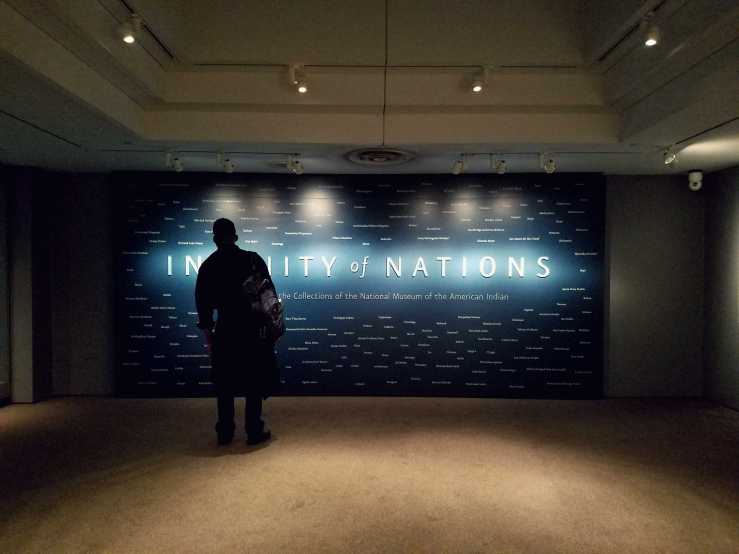
National Museum of the American Indian
November 7th, 2016
 The Humble Fabulist